
Wholesale Sportswear Manufacturer in China
Sportswear development, sampling and commercial production for brands, importers, wholesalers, distributors and retail programs sourcing directly from China.
- OEM and ODM sportswear development from Tech Packs, measurement charts, reference images, existing garments or physical samples.
- Standard MOQ generally starts from 100 pieces per color per design, subject to materials, construction and customization.
- Three manufacturing bases, 304 production and finishing machines, and combined monthly capacity up to approximately 120,000 finished garments.
- Private label, custom labels, packaging, multi-SKU coordination, repeat-order support and export delivery coordination for international programs.
Wholesale Sportswear Manufacturing for Commercial Programs
Wholesale at Leadshow means sportswear produced for commercial quantities and repeatable supply programs rather than a ready-stock marketplace. The manufacturing route can begin from a Tech Pack, reference sample, existing garment or product concept, then move through review, sampling, approval, bulk production and packing.
Commercial Production Instead of Ready-Stock Reselling
Sportswear sourcing often starts with a broad wholesale search, but established brands and sourcing teams usually need more than a catalog of finished stock. Leadshow works around project specifications, approved samples and production requirements. A program may begin with a complete Tech Pack, measurement chart and BOM, or with a physical sample, reference images and a product concept that still needs development. Construction, materials, trims, colorways, branding, quantity, size mix and destination requirements are reviewed before sampling or bulk production moves forward.
The operating model is built for OEM, ODM, private-label and commercial manufacturing rather than single-piece retail transactions. Stock availability can change by season, material batch or market demand, while a manufacturing program requires a defined version that can be sampled, approved and repeated. Existing references may shorten product-definition work, but they do not remove the need to confirm material availability, workmanship, MOQ, branding and packing.
For a sourcing team, the key advantage is a clearer path from product definition to repeatable manufacturing. The discussion can focus on whether the garment fits Leadshow’s confirmed sportswear scope, what inputs are still missing, which details influence cost or MOQ, and what must be approved before production. Wholesale volume therefore becomes part of a controlled manufacturing plan rather than a simple quantity discount attached to an unspecified garment.
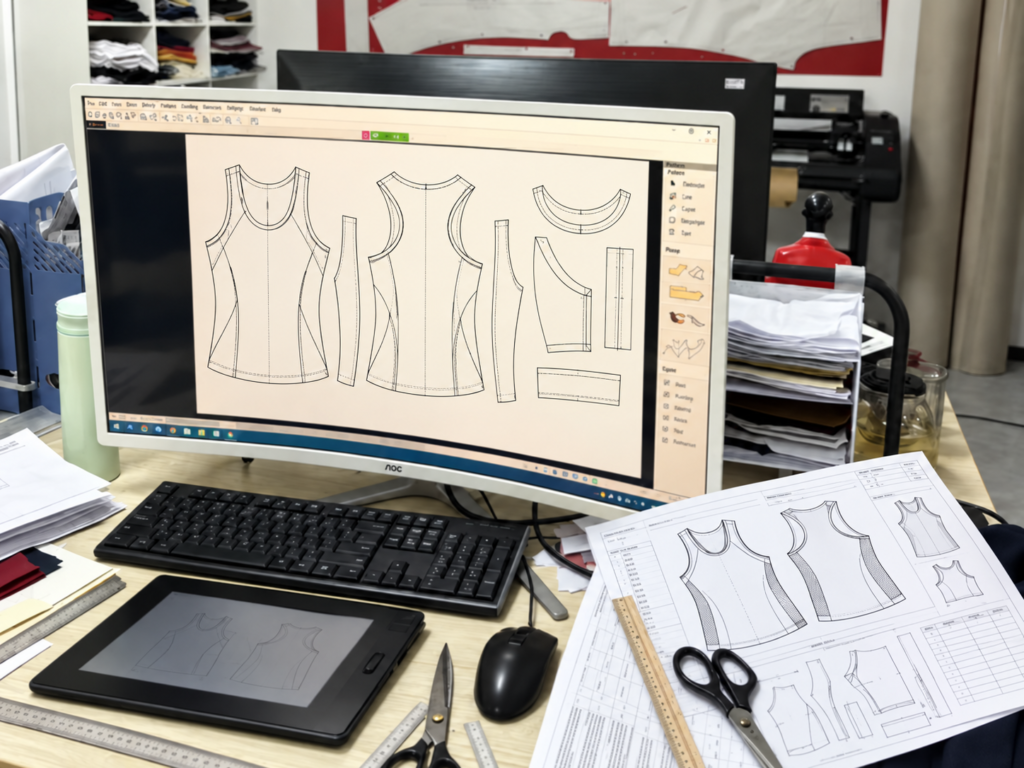
A Wholesale Program Still Needs Product Definition
A wholesale order may cover one established style or a group of sports bras, leggings, tops, shorts and tracksuits across several colors and sizes. The operational challenge begins when every variation must retain the approved fit, construction, branding, labeling and packing rules. A total order quantity alone does not explain how many units belong to each design, color and size, which materials are shared, or which SKUs require different labels or cartons.
Leadshow coordinates development and manufacturing around approved specifications rather than treating wholesale volume as a generic purchase. Standard MOQ generally starts from 100 pieces per color per design, while final MOQ, price and schedule depend on fabric, trims, construction, colorways, size mix, branding, packaging, testing and current production scheduling. A sourcing team can send mature specifications or begin with reference material when technical files are incomplete.
Before production release, the program should define the product version, size requirements, color references, logo details, labels, packing and order matrix. Changes made after approval can affect material purchasing, cost and timing. By linking wholesale quantity to product definition and production controls, the project becomes easier to quote, sample, manufacture and repeat. Commercial volume, consistency and brand execution are therefore discussed together instead of being separated into unrelated purchasing decisions.
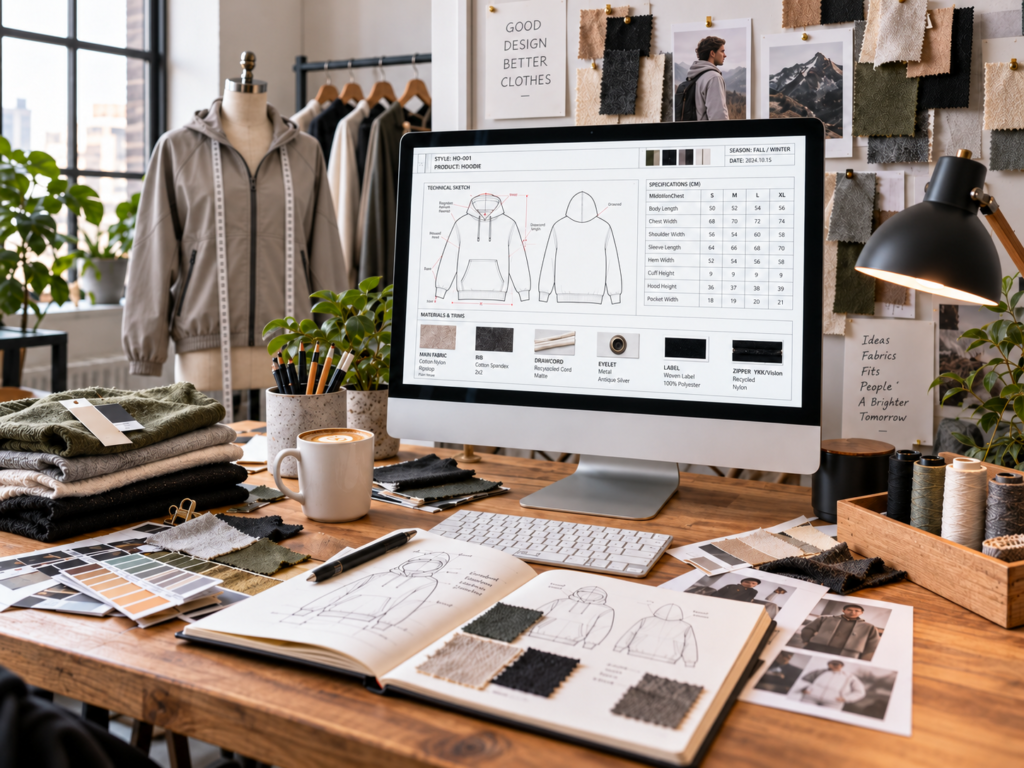
Sportswear Programs We Commonly Support
Leadshow is positioned for established and growing sportswear brands, private-label programs, importers, distributors, wholesalers, retail groups and buying teams that need more than stock purchasing. The focus is product development, commercial manufacturing, SKU execution, branding, packing and repeat-order continuity.
Established Sportswear Brands
Established brands often arrive with detailed specifications, fit standards, quality requirements and packaging rules. Leadshow can review Tech Packs, reference samples, materials, patterns and approved specifications before sampling or production. The focus is accurate execution, sample-to-bulk coordination, multiple SKU handling and continued support for repeat orders rather than rebuilding a mature product from the beginning. Procurement teams can also define inspection scope, approved tolerances and retailer-specific packing rules before production release, so mature brand standards remain visible throughout the order.
Growing Sportswear Brands
Growing labels usually need new styles, controlled trial quantities and a supplier able to support larger follow-up orders. Leadshow can review product concepts, existing styles or technical files, then coordinate material direction, pattern and fit work, sampling, approval and bulk manufacturing. Standard MOQ generally starts from 100 pieces per color per design, with final conditions confirmed by project. Development can begin with a small focused range, then expand after fit, material, sell-through planning and repeat-order requirements become clearer.
Private Label Programs
Private-label programs need more than a logo placed on a generic garment. Product construction, fit, fabric, color, labeling and packing must work together. Leadshow can support product-specific branding, heat-transfer labeling where suitable, size and care labels, hangtags and customized packaging while the underlying garment is developed or produced against approved requirements. Artwork, label content, placement and packaging specifications should be approved early enough to prevent branding decisions from disrupting production planning.
Importers and Distributors
Import and distribution programs often combine several styles, colors and sizes under one commercial plan. Leadshow’s manufacturing, quality and warehousing functions can coordinate style-level specifications, SKU sorting, label and packing verification, carton preparation and shipment handover. Export delivery support is available for international projects, with final responsibilities confirmed through the agreed order and shipping terms. A clear order matrix also helps separate style, color and size quantities before carton preparation, reducing avoidable confusion at shipment handover.
Wholesalers
Wholesale programs usually need market-ready product groups rather than isolated samples. Leadshow can support commercial quantities across confirmed sportswear categories, with manufacturing plans organized by style, color, size, materials and branding. The sourcing discussion can include MOQ, packaging, reorder continuity and production capacity so the program can be evaluated as a supply plan rather than a single purchase. Repeat-order planning can preserve approved product references while material, color, quantity and current scheduling are reconfirmed for each new purchase.
Retail and Buying Teams
Retail programs place extra pressure on SKU accuracy, labeling, packaging and shipment preparation. Leadshow can work from brand specifications, approved samples and order rules to coordinate manufacturing, quality review and packing verification. Product, quantity, color, size and packaging data should be defined clearly before production release, while inspection scope and any third-party requirements are confirmed by order. Retail-specific requirements such as barcode content, assortment ratios or third-party inspection should be supplied in writing and reviewed before release.
Wholesale Sportswear Product Range
Confirmed Leadshow product categories cover core sportswear pieces used in brand, wholesale and retail programs. Each style can be reviewed around fit, structure, fabric direction, color, branding, order quantity and intended market rather than being treated as a fixed off-the-shelf specification.
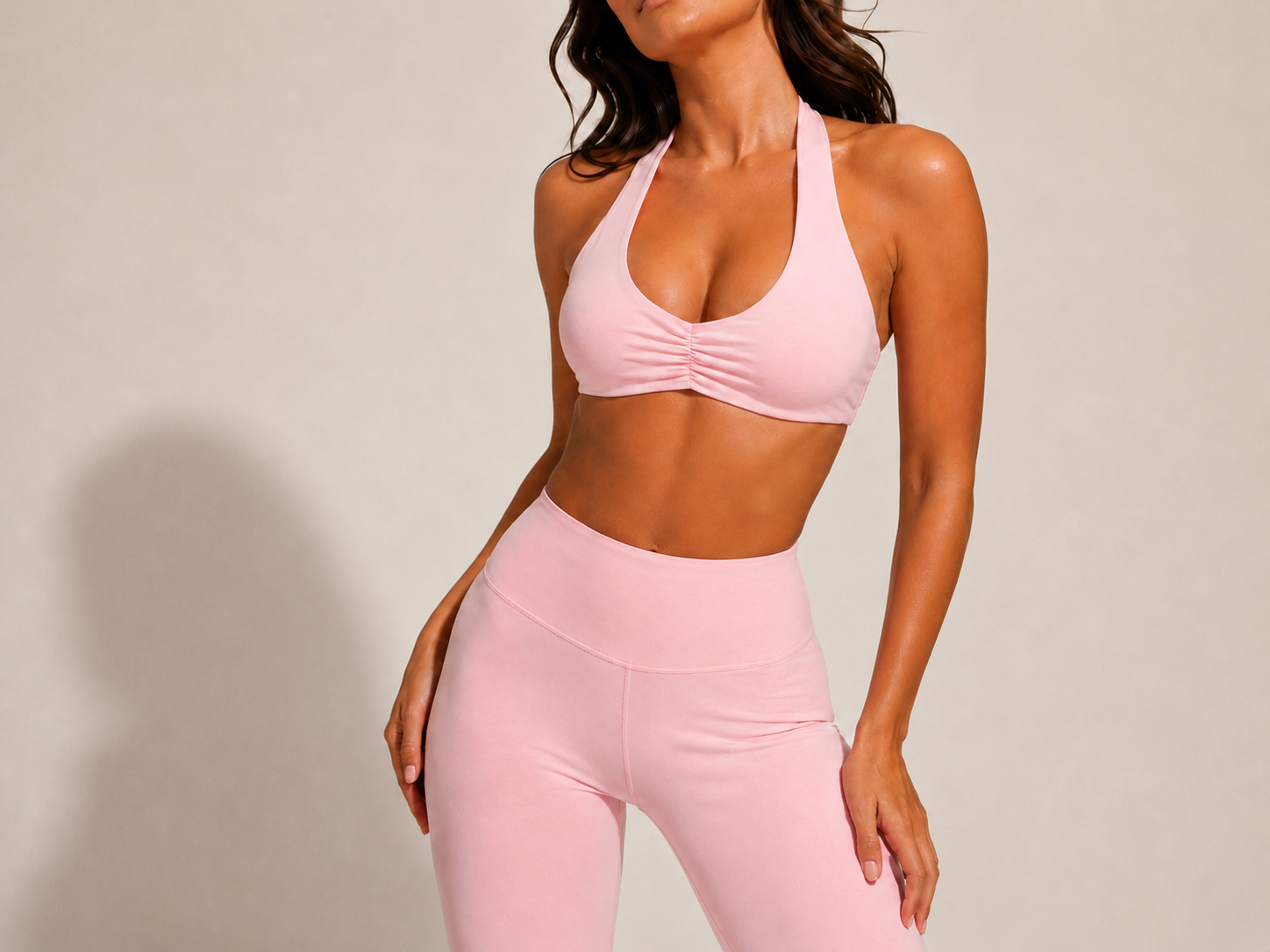
Sports Bras
Sports bra development may involve band construction, strap design, cup or lining direction, elastic application, stretch-compatible seams, sizing and branding. Leadshow can evaluate patterns, materials, elastic components, four-needle six-thread construction and selected bonding processes according to the design. Support level, compression, moisture management or other performance claims require product-specific material and testing evidence before use in commercial claims. Cup structure, strap adjustment, lining and underband construction can also change the sample path, material choices and grading approach, so reference measurements should be supplied where available.
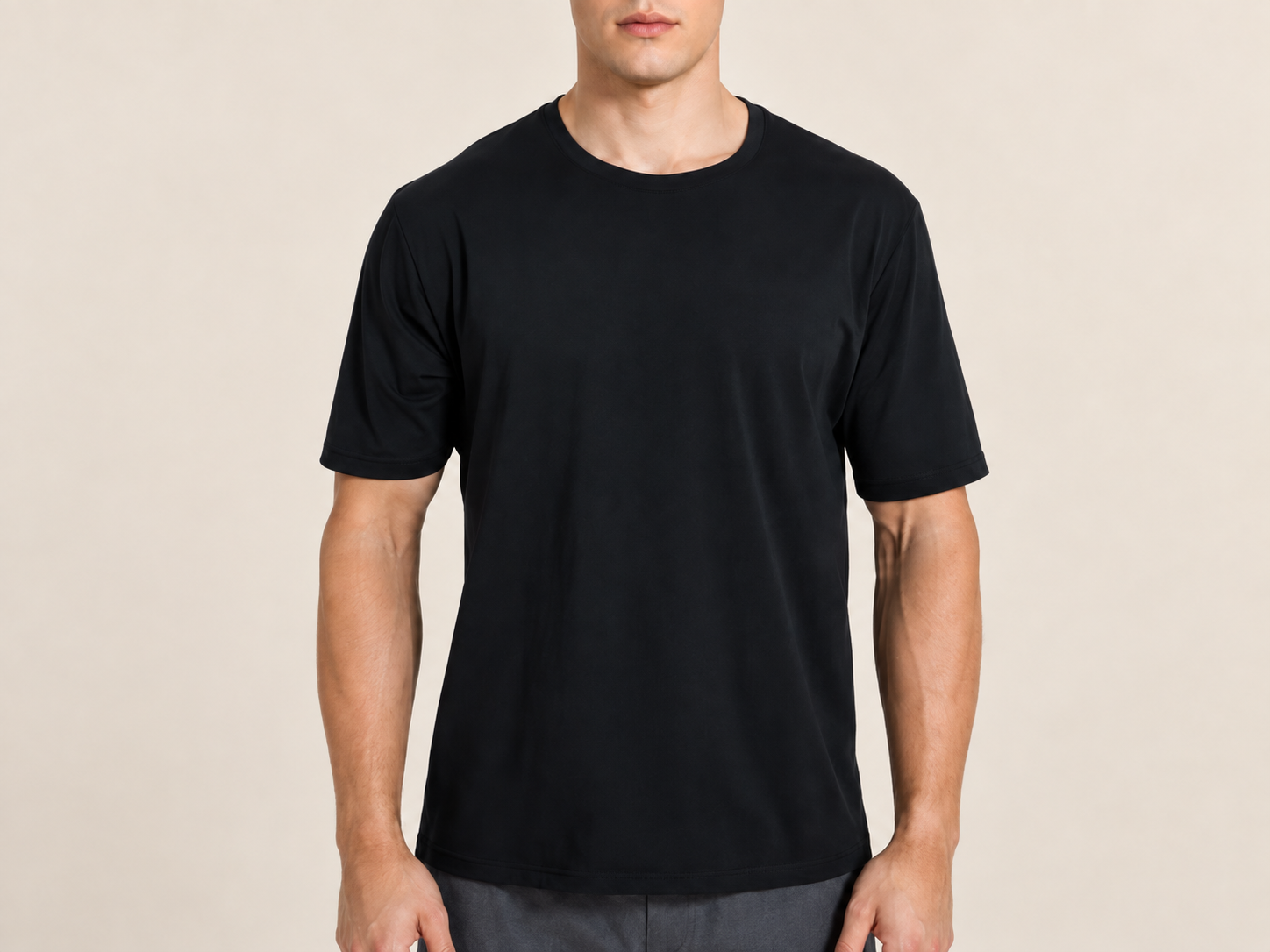
Sports T-Shirts
Sports T-shirts can be developed around fit, neckline, sleeve shape, body length, hem construction, fabric hand feel, color and logo placement. Leadshow’s confirmed equipment supports computerized cutting, lockstitch sewing, overlocking, double-needle work and heat-press applications where suitable. Fabric composition, GSM, quick-dry claims and size range are not fixed globally and should be defined in the specification for each style. Where a brand already has a proven fit block, the measurement chart and reference garment can be reviewed to reduce unnecessary changes during development and grading.
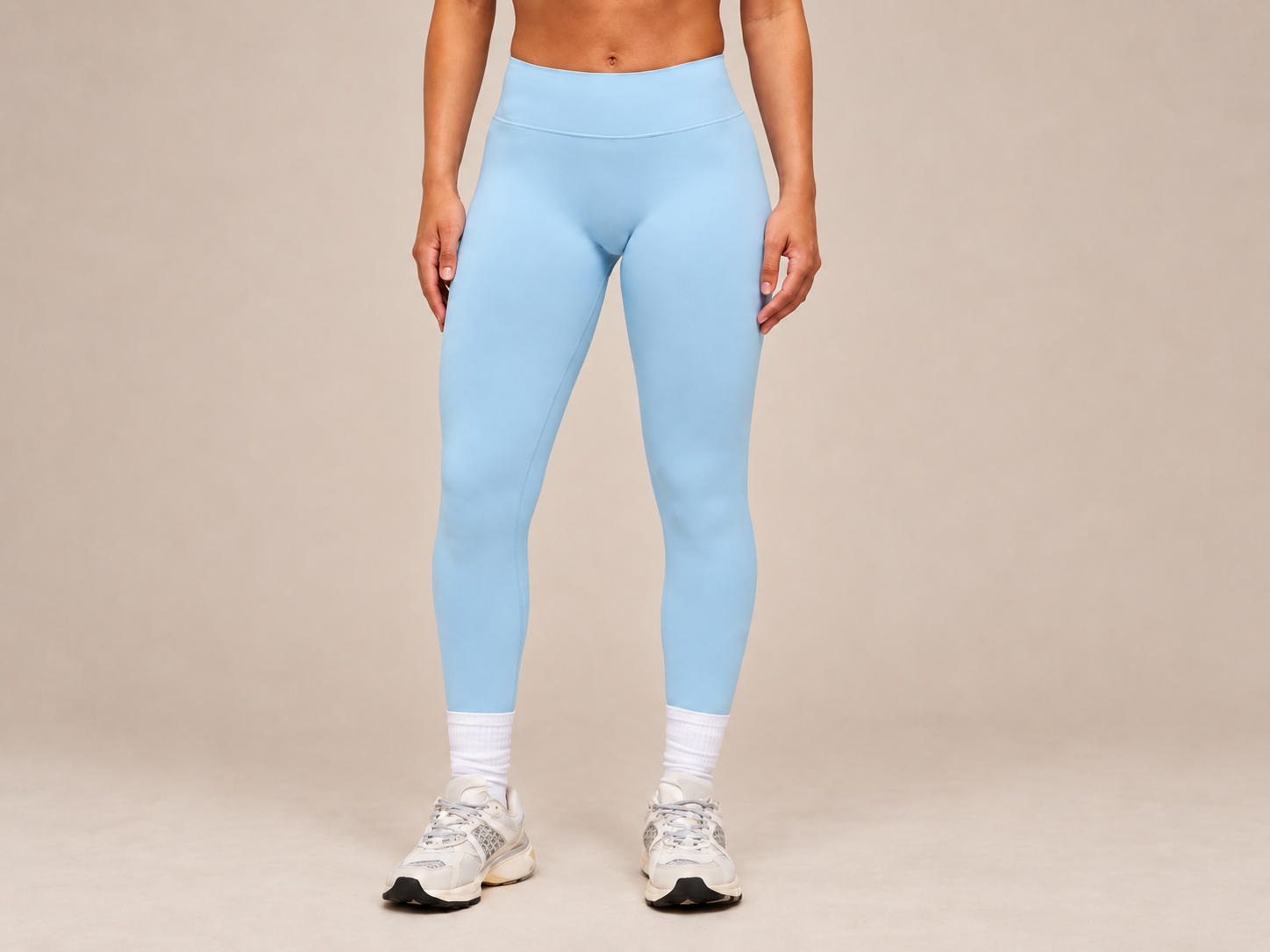
Yoga Leggings
Yoga leggings require close attention to waistband structure, rise, inseam, stretch recovery, seam placement, size grading and fabric opacity. Leadshow can support computerized cutting, four-needle six-thread construction, overlocking, elastic-related operations and selected laser-perforation details where compatible. Claims such as squat-proof, compression or moisture-wicking need material and product evidence rather than being assumed from construction alone. Waistband height, rise, inseam and panel placement should be confirmed together because small dimensional changes can alter fit, movement and visual balance across the size range.
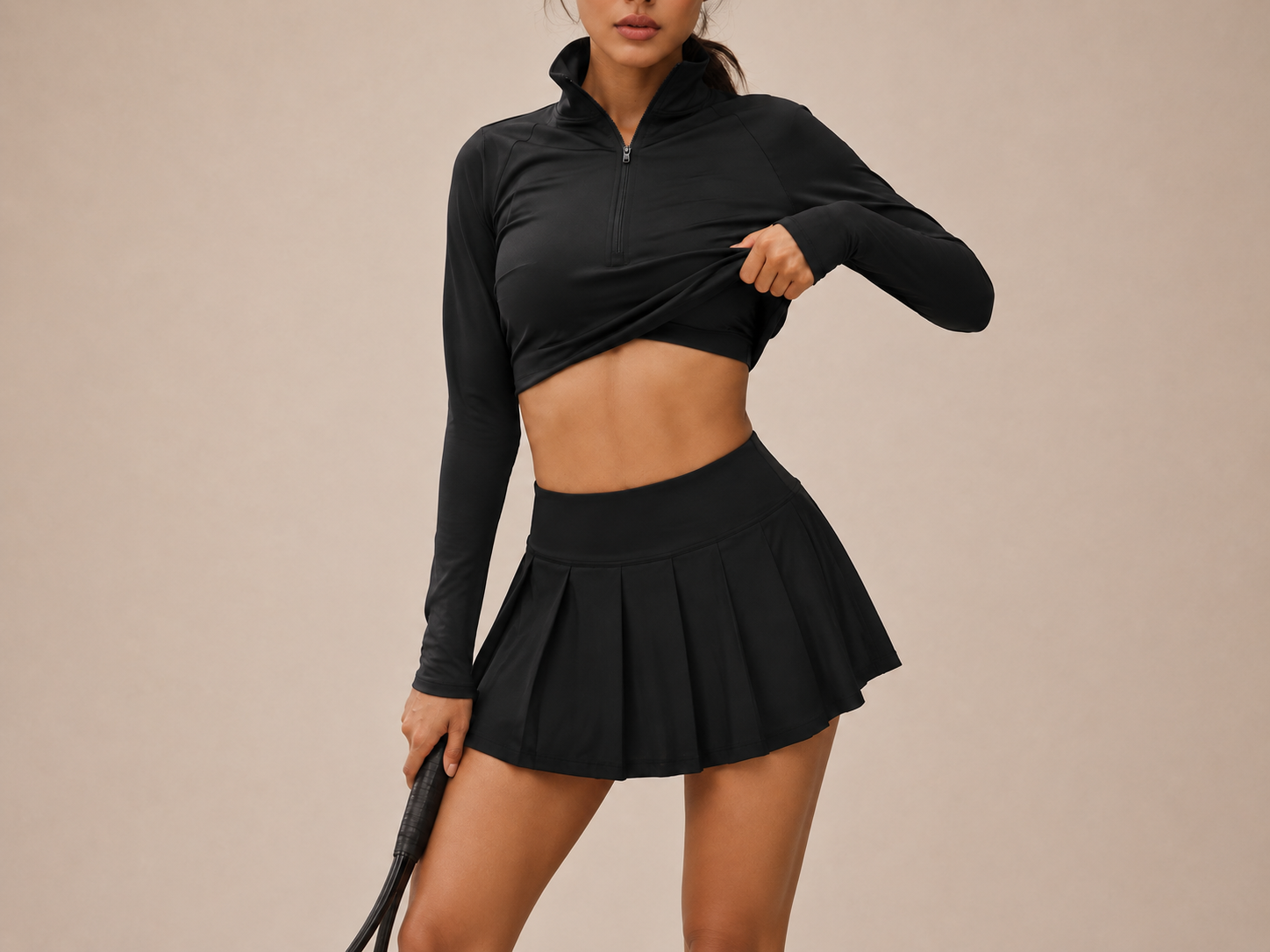
Tennis Skirts
Tennis skirt projects may combine outer skirt panels with inner shorts, waistband construction, pocket details, pleats or shaped hems. Fit, movement, size range, color and fabric behavior need to be reviewed together. Leadshow can support pattern adjustment, sampling, cutting, sewing, elastic installation, bartacking and bulk production according to approved specifications, with exact structure confirmed through the selected design. If inner shorts, pockets or pleats are included, those elements should be identified in the Tech Pack or reference sample so pattern and sewing requirements are not left to interpretation.
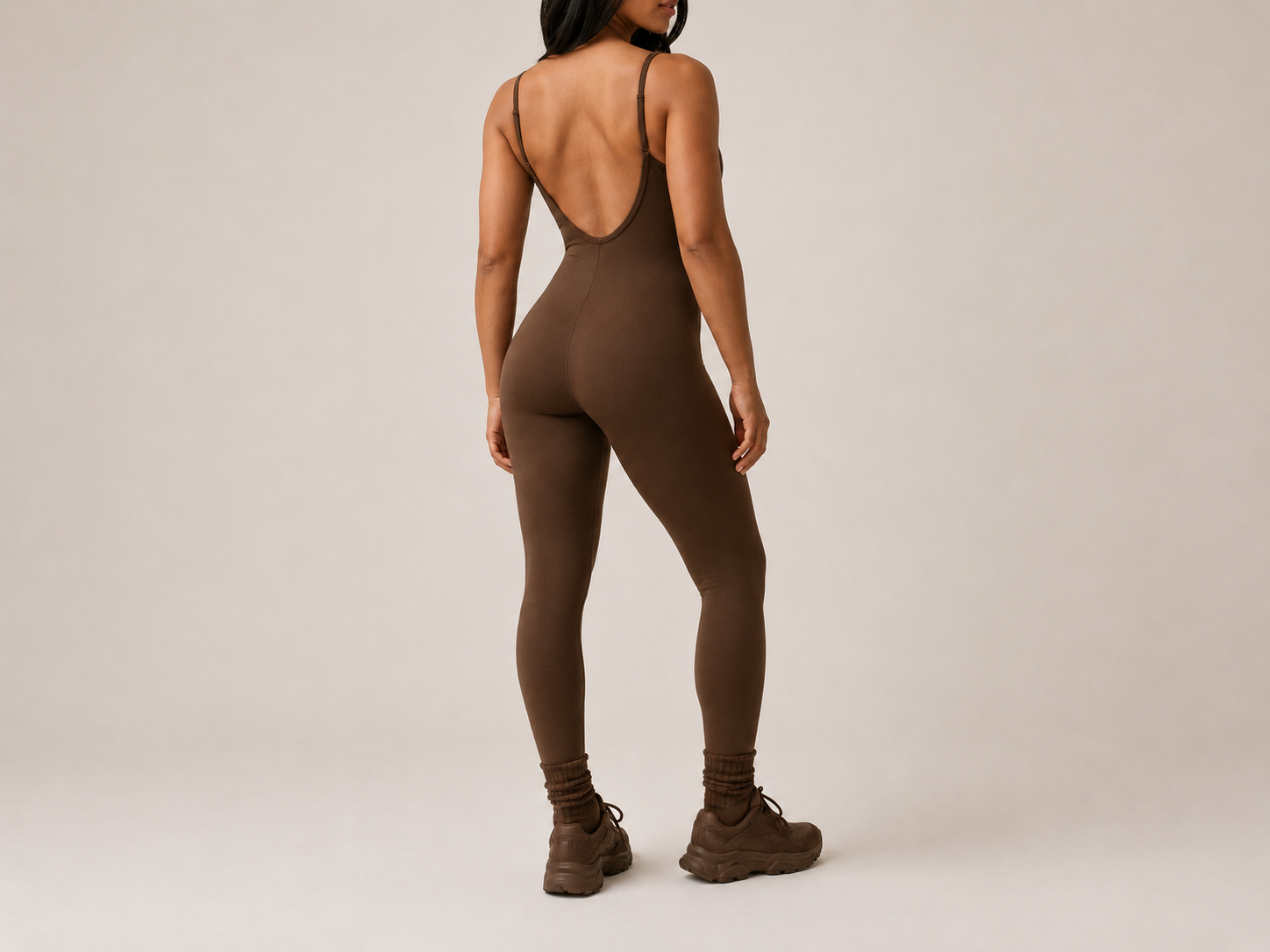
Jumpsuits
Sports jumpsuits can involve torso length, multiple pattern pieces, waist or seam placement, stretch zones and dressing access. Small fit changes may have a larger effect than on separate tops and bottoms, so measurements and sample review are important before production release. Leadshow can coordinate pattern, sample and manufacturing review, with four-needle six-thread, overlock, lockstitch and selected bonding operations available according to construction. Torso length, waist position and opening method deserve early attention because fit problems in one area can influence several connected measurements across the garment.
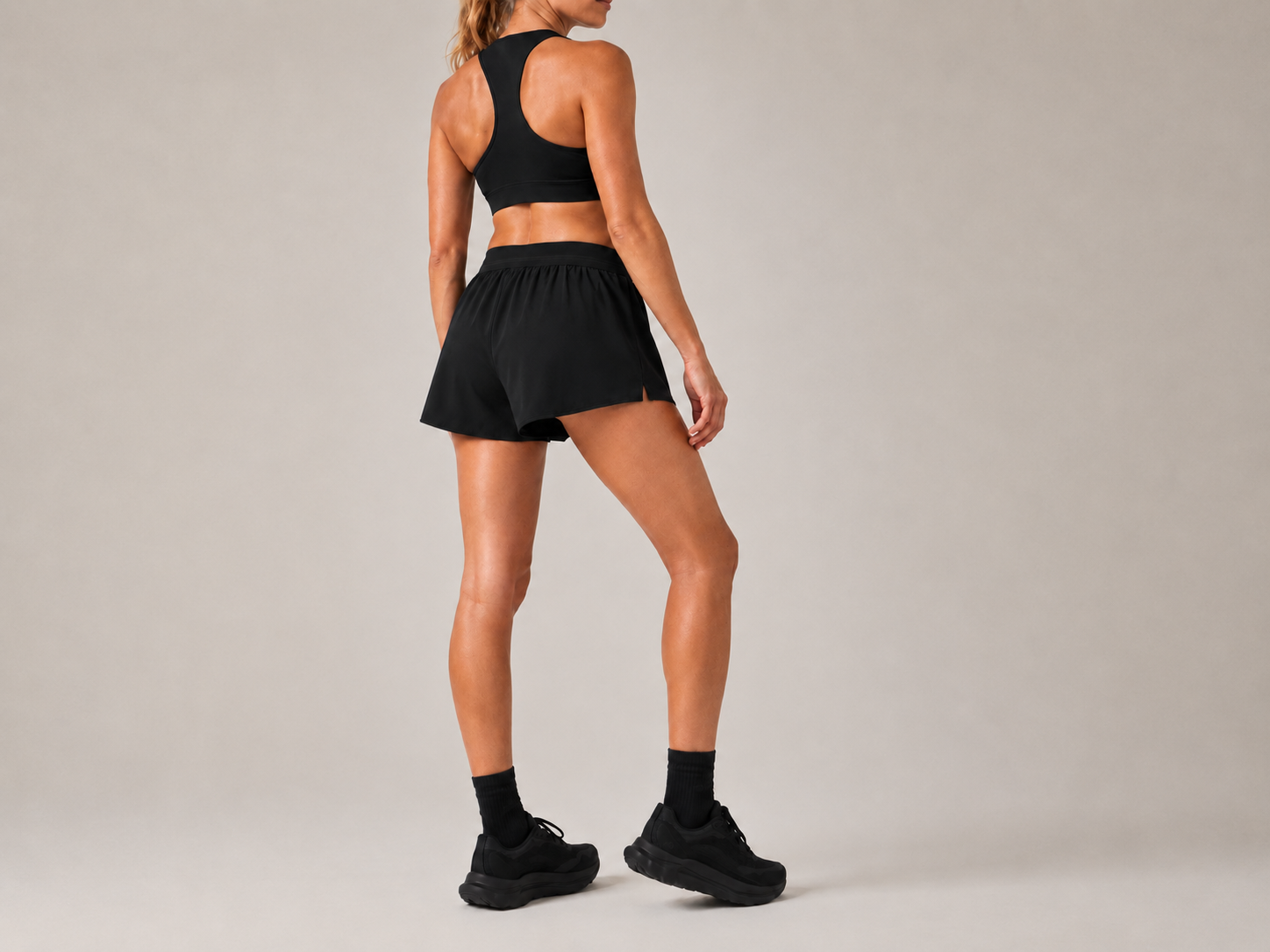
Running Shorts
Running shorts can include elastic waistbands, drawcords, pockets, side splits, liners and localized ventilation details. Leadshow has cutting, lockstitch, overlock, bartacking, elastic-application and laser-perforation equipment that may be selected according to materials and structure. Breathability, quick-dry performance or other functional statements must be supported by the chosen fabric, finished construction and relevant testing where required. Pocket type, liner construction, waistband details and side-split dimensions should be defined in the approved version so bulk production does not rely on general category assumptions.
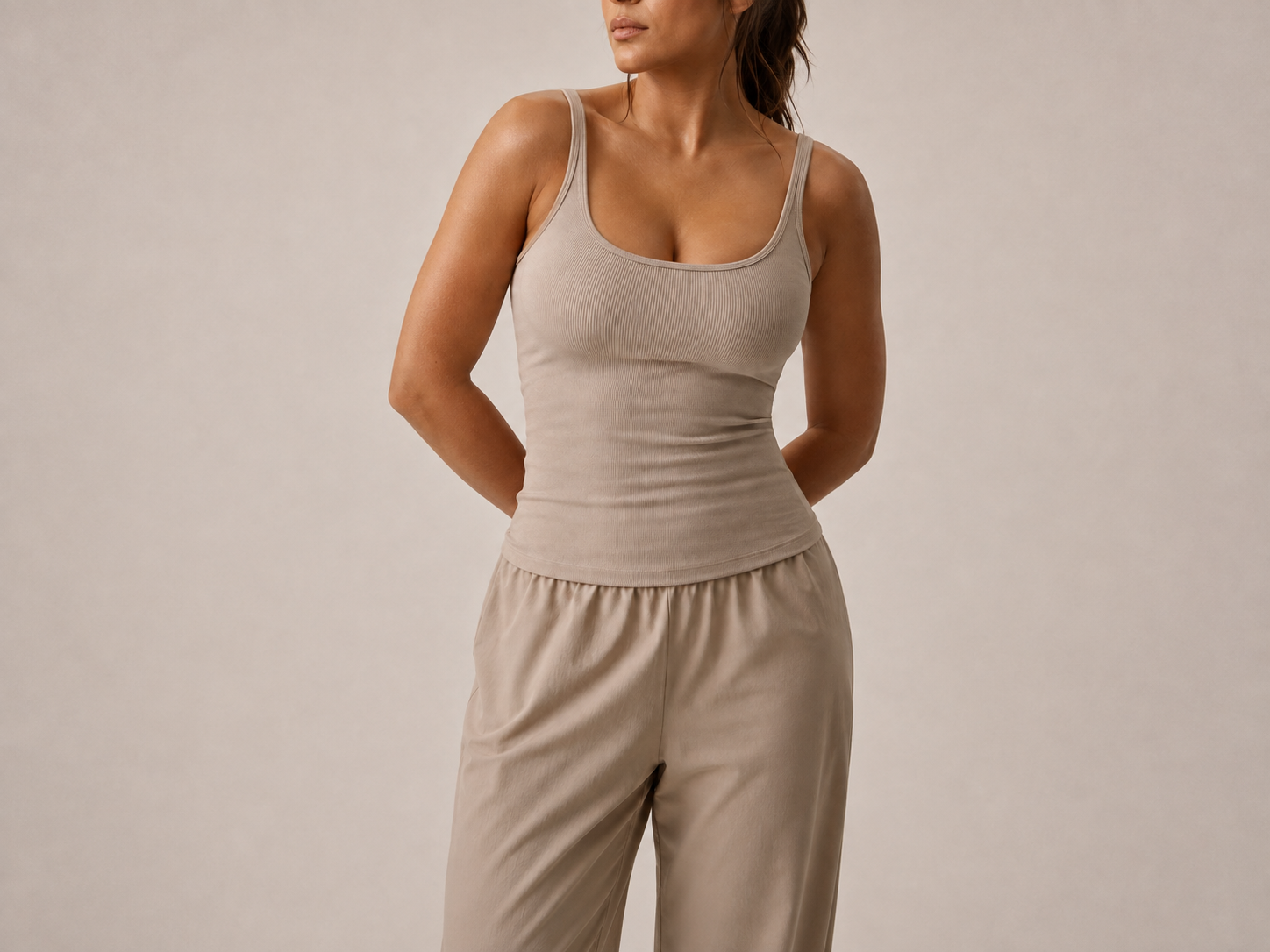
Tank Tops
Sports tank tops usually depend on neckline and armhole shape, body fit, hem finish, fabric stretch, color and branding placement. Leadshow can support pattern and fit adjustment, computerized cutting, overlocking, lockstitch or double-needle operations and heat-transfer branding where suitable. The final sewing method is selected according to fabric behavior, seam appearance, stretch requirement and the approved sample. Armhole depth, neckline width and body length often affect both appearance and movement, so brand measurements or a reference sample can improve sample accuracy.
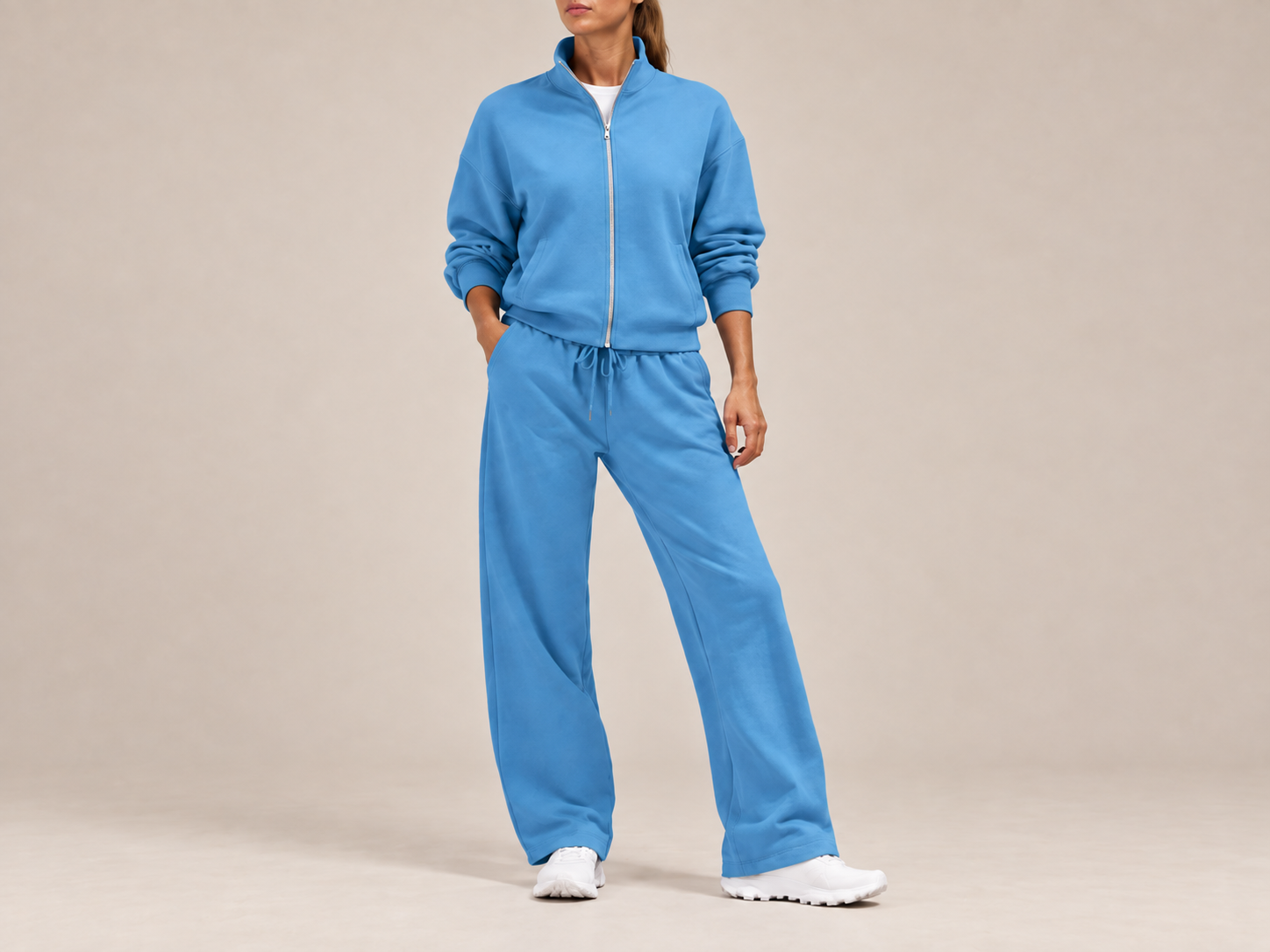
Tracksuits
Tracksuit programs may include coordinated jackets and pants with matched colors, zippers, pockets, rib structures, waistbands and brand details. Multi-piece sets also create SKU and packing requirements that need to remain aligned. Leadshow can review product construction, materials and trims, then coordinate sampling, bulk manufacturing, label verification, packaging and carton preparation based on the approved product and order version. Jacket and pant components should be linked through one color, trim and packaging plan so the set remains coordinated across sizes, labels and replenishment orders.
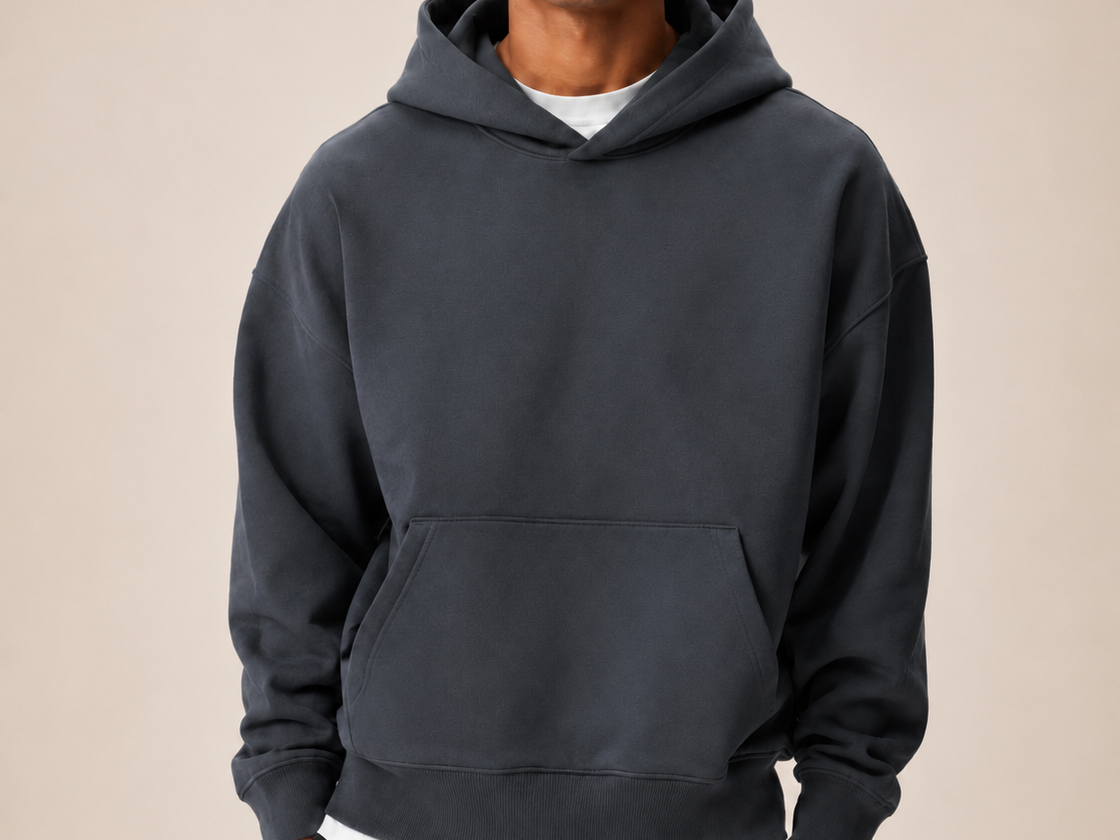
Hoodies
Hoodies can be developed around hood structure, pocket design, rib cuffs, hems, drawcord details, fabric weight direction and logo placement. Leadshow’s confirmed equipment supports cutting, lockstitch, overlocking, double-needle sewing, bartacking, buttonhole-related operations and heat-press applications where suitable. Shrinkage, wash performance, fabric composition and exact GSM should be specified or tested by project rather than treated as universal values. Hood dimensions, pocket placement, rib specifications and shrinkage expectations should be clarified before bulk production, especially when heavier fabrics or multiple colorways are involved.
Choose the Right Manufacturing Path
A sportswear project can start from mature technical files, an early concept, a reference image or an existing garment. The right route depends on how much product definition is already complete, how much development work remains and whether branding, packing or commercial production is the main requirement.
OEM From Your Specifications
OEM projects work best when the product definition is already mature. Leadshow can receive a Tech Pack, measurement chart, pattern, reference image or physical sample and review construction, materials, trims, processes, quantity, destination market and branding requirements before sampling. The path can cover sample development, revisions, bulk production, quality review, custom labels, packaging and export delivery.
• Best fit: mature specifications and established brand standards
• Key input: Tech Pack, measurements, reference sample, quantity
• Commercial point: final MOQ, price and timing follow project review The stronger the technical inputs, the easier it becomes to compare quotation assumptions, sample results and bulk execution against one approved reference rather than reopening basic product decisions later.
ODM Development Support
ODM support is manufacturing-focused and can start from product concepts, sketches, reference images, incomplete technical files or a physical sample. Leadshow can help clarify construction, pattern direction, fit, material choices and manufacturability before a sample is approved. Development scope varies with product complexity and the completeness of supplied information.
• Best fit: concepts needing product-definition work
• Key input: target market, fit direction, references, quantity, budget direction
• Commercial point: development fees, revision rounds and timing are project-specific The development route can be narrowed as soon as the product direction becomes clearer, helping the project move from broad references toward measurable fit, construction and material decisions.
Private Label Production
Private-label production combines an approved garment with brand-specific identity and packing requirements. Leadshow can coordinate logo application, labels, size and care information, hangtags and customized packaging according to the product and selected process. Branding is reviewed alongside material, garment structure and order quantity so decoration does not create avoidable manufacturing or durability issues.
• Best fit: brands needing controlled branded execution
• Key input: artwork, label files, packing rules and SKU data
• Commercial point: supplier MOQ may apply to labels, trims or packaging Packaging, label and artwork supplier minimums can influence commercial quantities, so brand identity should be planned alongside garment development rather than added after the product is finished.
What a Project Review Can Clarify
Sending product information should produce clearer manufacturing decisions rather than a generic approval. Leadshow can review what is already known, identify missing or conflicting details, separate confirmed requirements from open points and explain which factors affect feasibility, MOQ, quotation, sampling and production planning.
Product Feasibility
Construction, intended use, quantities and available reference material are reviewed to determine whether the style fits Leadshow’s confirmed product and manufacturing scope. Unclear structures or processes can be identified before unnecessary sampling begins, while unsupported functions or unconfirmed processes remain subject to further review. The review can also separate core requirements from optional details, allowing the sourcing team to see which elements are essential for the product and which may be adjusted to improve manufacturability.
Tech Pack Gaps
Measurements, construction notes, BOM information, artwork and finishing details can be checked for missing or conflicting information. A complete file is helpful but not mandatory at the first discussion. Existing samples, reference images and product concepts can also provide a starting point for defining what must be clarified next. A gap list can then be returned for clarification, helping design, sourcing and technical teams resolve only the information that blocks accurate sampling, costing or production planning.
Material Direction
Fabric and trim requirements are considered together with fit, construction, branding and order quantity. Material claims such as moisture-wicking, recycled content, UPF or chlorine resistance require supporting material documents or testing. Availability, color development and supplier minimums can also influence final MOQ and timing. Material decisions should be connected to the intended fit and construction, because stretch, thickness, recovery, surface finish and trim compatibility can change sewing methods and sample behavior.
Pattern and Fit Path
Fit requirements can be reviewed from measurement charts, existing garments, reference samples or approved brand standards. Pattern work and sample evaluation help turn design intent into measurable garment specifications. Exact size ranges are defined by the project rather than by a universal Leadshow size chart. When a reference garment is available, the team can identify which dimensions should be retained and which fit issues should be corrected before a new pattern is approved.
MOQ and Cost Conditions
Standard MOQ generally starts from 100 pieces per color per design. Final MOQ and cost depend on fabric, trims, construction, colorways, size mix, branding, packaging, testing and current scheduling. A preliminary quotation becomes more meaningful once these variables are defined. This approach prevents a low headline MOQ from hiding material or packaging minimums that may apply to a specific color, trim, logo method or private-label component.
Sampling and Bulk Next Steps
Sampling timing and bulk production timing are not fixed across all sportswear styles. After product construction, materials, branding and approval requirements are reviewed, Leadshow can define the next development milestone, required approvals and production conditions. Goods-ready, shipment date and final arrival should be treated as separate milestones. A clear milestone plan can distinguish sample preparation, approval, material readiness, production release, goods-ready status and logistics dates so schedule discussions remain realistic.
Manufacturing Scale Behind Commercial Sportswear Orders
Verified company data gives sourcing teams a clearer view of manufacturing depth before moving into detailed sampling or quotation. Scale figures should still be read with their operating conditions, because facility size, equipment count and combined monthly capacity do not create dedicated capacity for one style or order.
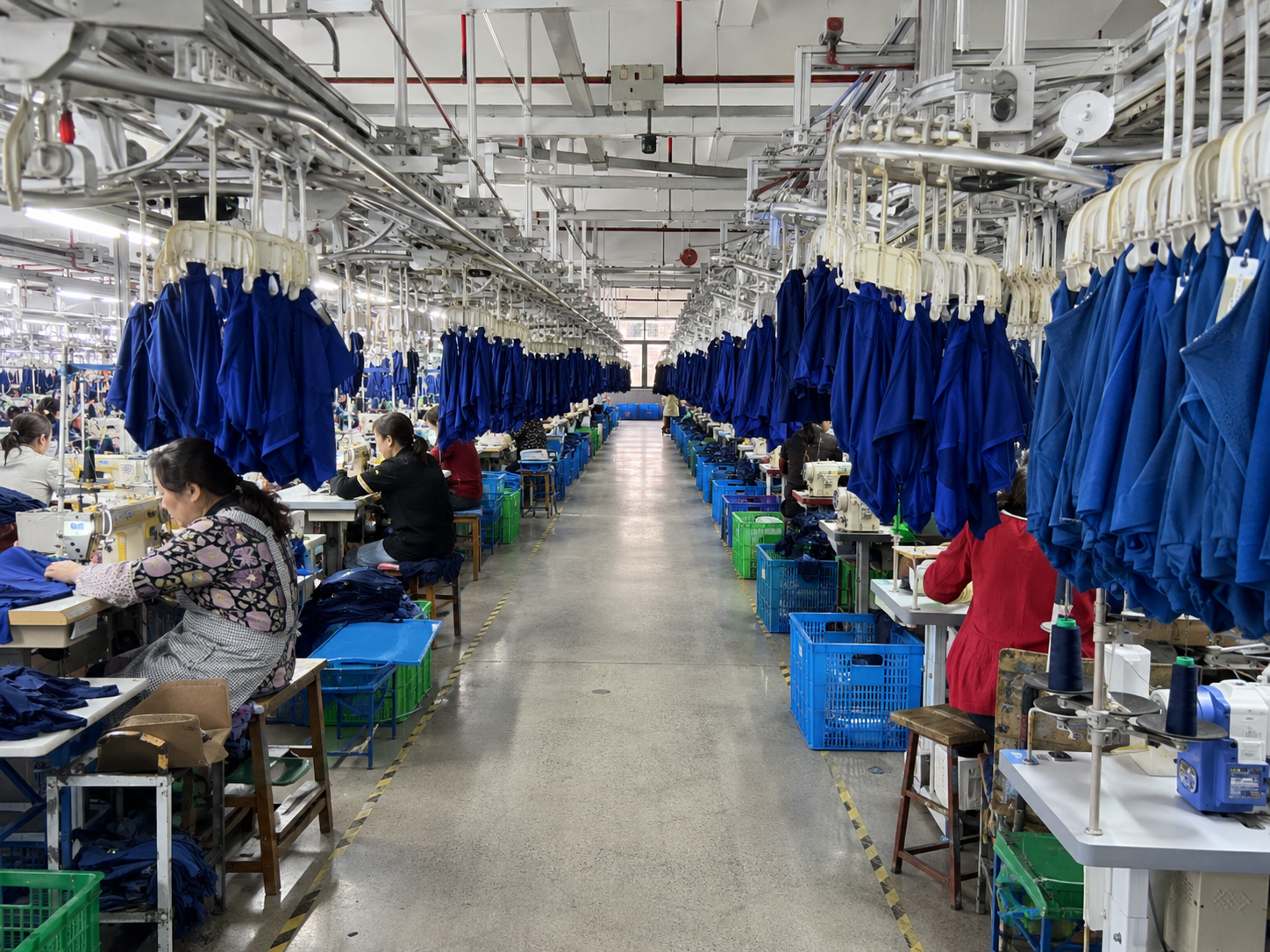
15 Years of Experience
Leadshow has more than 15 years of experience in apparel development and manufacturing. Our team supports sportswear projects from product development and sampling to production coordination and quality management, helping brands move from initial concepts to finished garments.
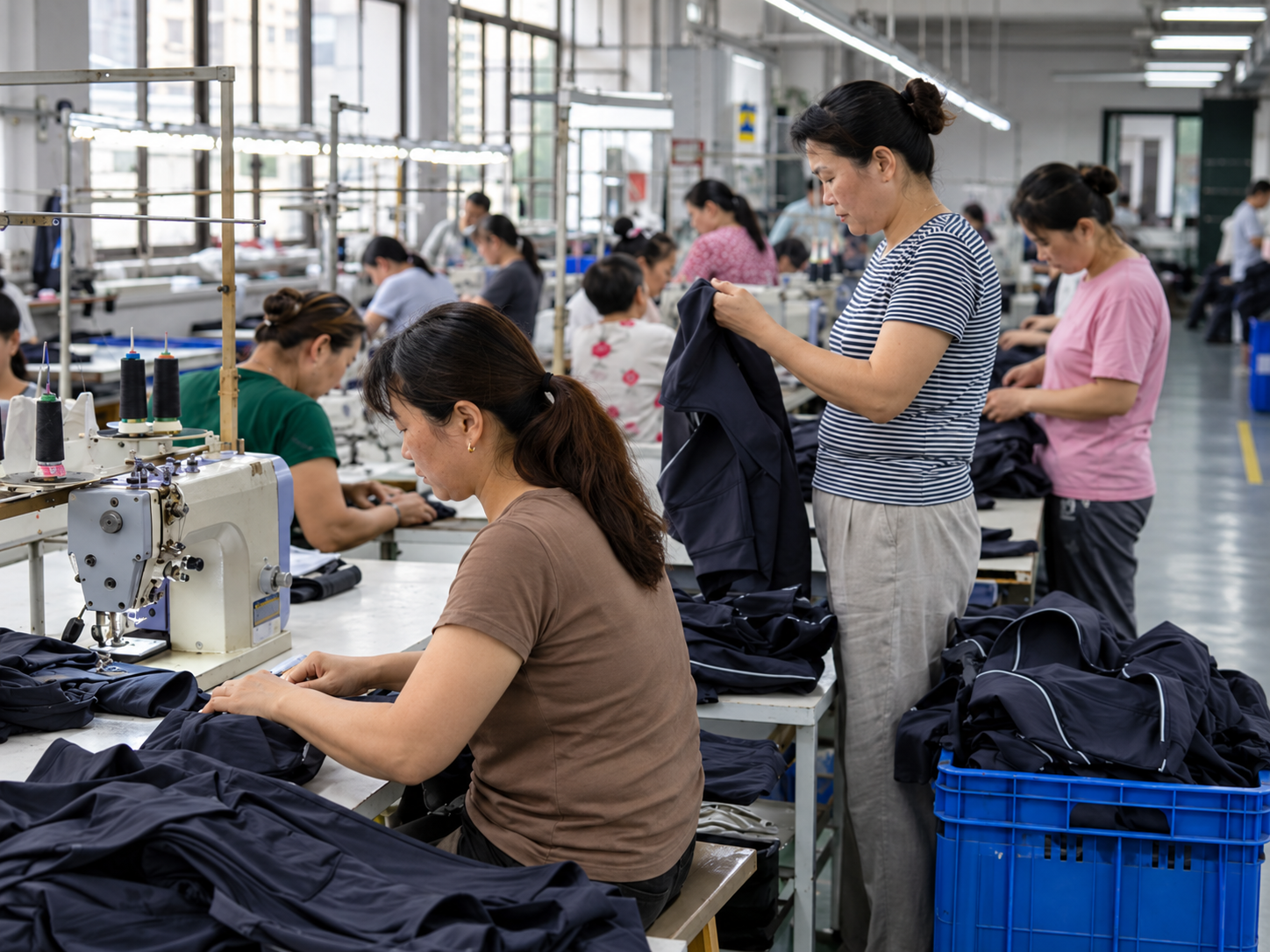
3 Manufacturing Bases
Leadshow operates three manufacturing bases supporting different stages of apparel production. This manufacturing network provides support for product development, sampling, production preparation, quality control, and bulk manufacturing across different sportswear programs.
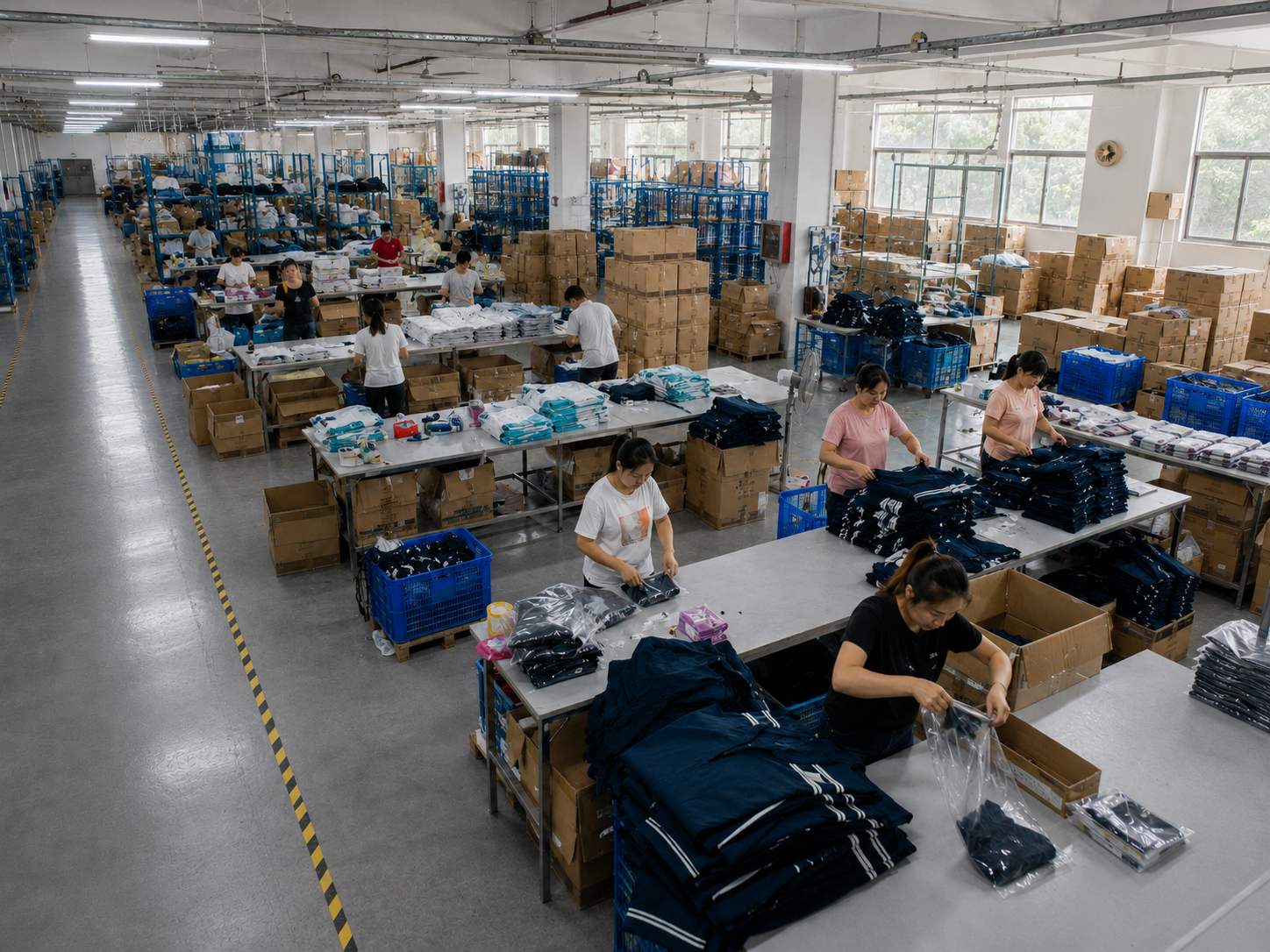
20,000+ m²
Leadshow manages more than 20,000 square meters of combined manufacturing space across its production facilities. The space supports key operations including material preparation, cutting, sewing, finishing, quality inspection, warehousing, and packing.
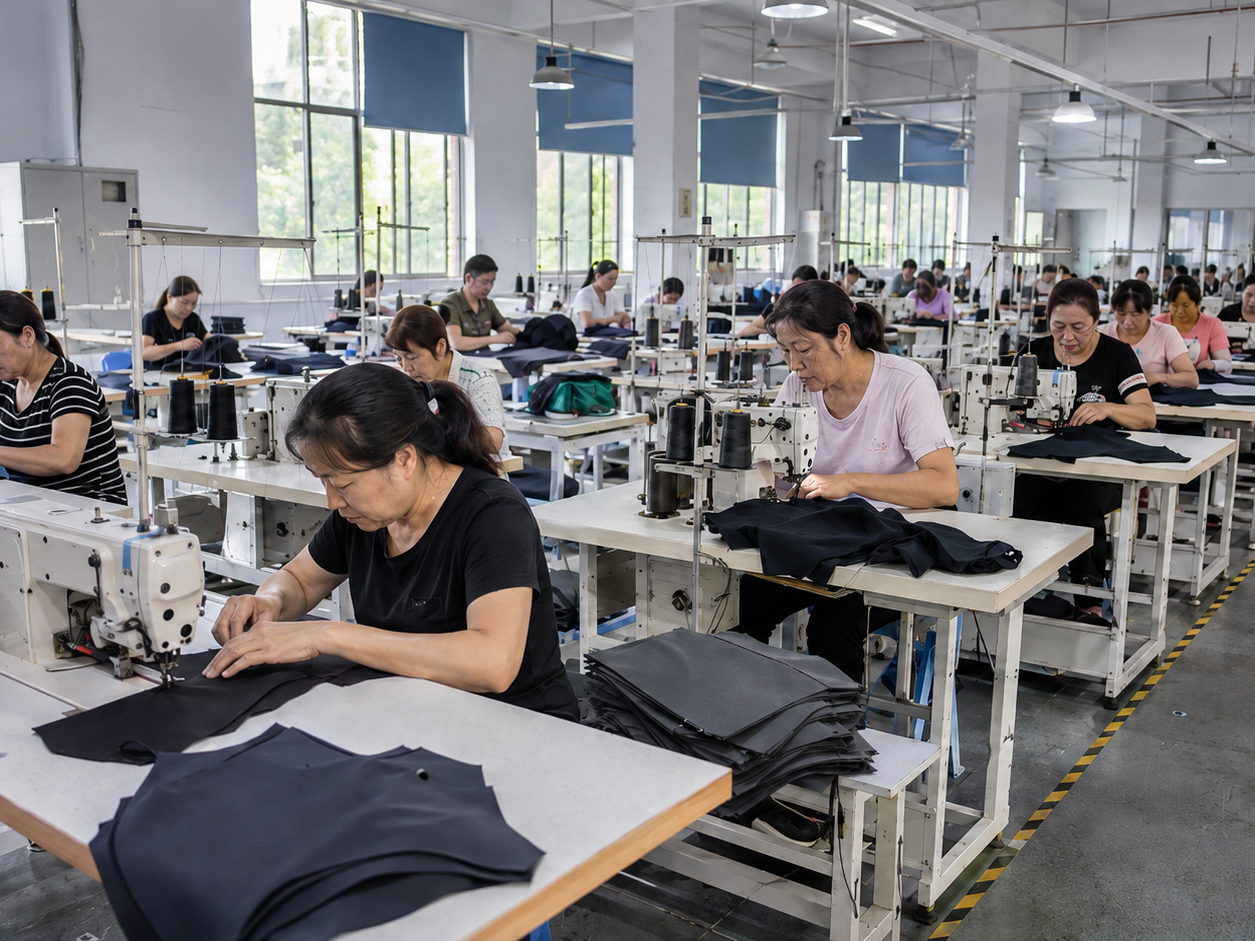
1,500+ Team Members
Leadshow’s team includes more than 1,500 members across product development, manufacturing, quality control, logistics, warehousing, administration, and customer communication. Different teams work together to support efficient project execution from sampling to shipment.
304 Machines and Workstations
Leadshow has more than 300 production and finishing machines supporting cutting, sewing, stretch-garment construction, bonding, seam taping, heat transfer, inspection, and packaging processes. Equipment is selected according to garment construction and material requirements.
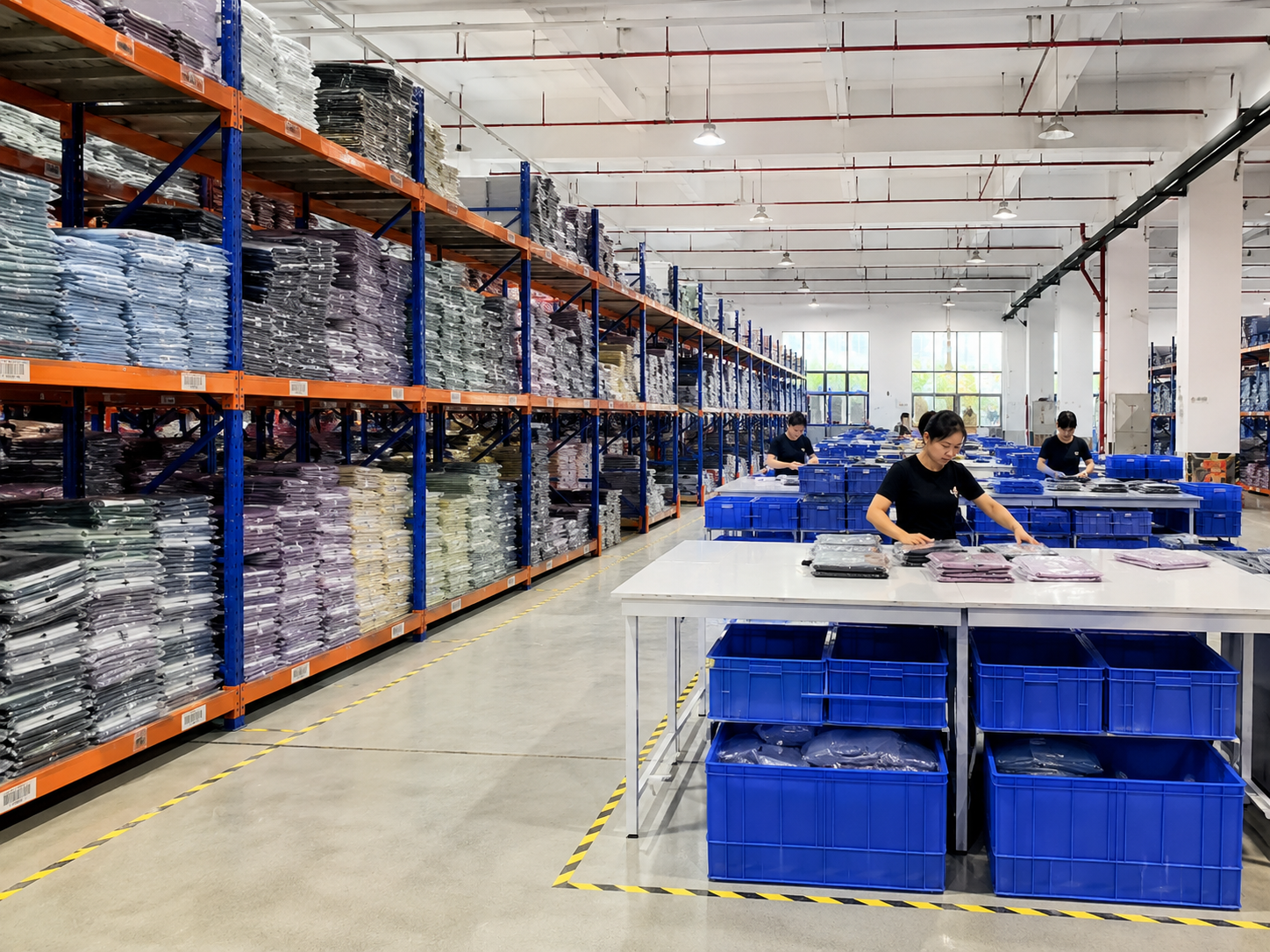
Up to ~120,000 / Month
Leadshow’s monthly production capacity can reach approximately 120,000 finished garments depending on product type, material requirements, order mix, and production planning. Capacity is organized according to project needs to support quality standards and delivery schedules.
Sportswear Customization Built Around Approved Requirements
Custom sportswear becomes easier to manage when fabric, fit, construction, color, branding, labeling and packing are defined as one production system. Each decision can affect MOQ, cost, workmanship and sample approval, so customization should be reviewed as connected production requirements rather than an unlimited option list.
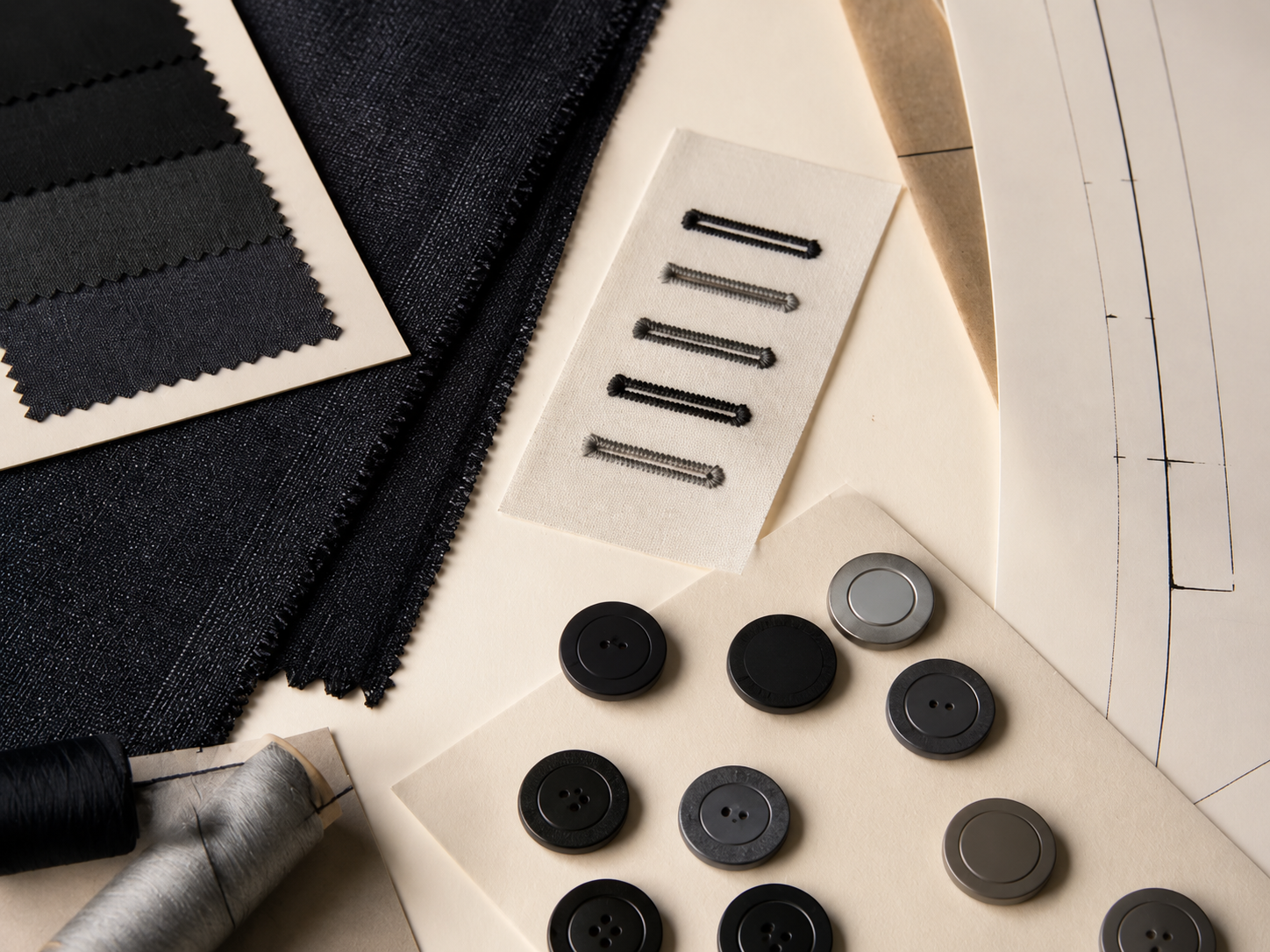
Fabric and Trims
Material selection starts with the intended garment, fit, hand feel, stretch, construction and commercial target. Leadshow can evaluate fabrics and trims by project, including compatibility with sewing, bonding, heat transfer or other approved workmanship.
• Confirm: composition or material direction
• Confirm: stretch, hand feel or structure requirements
• Confirm: colorways and trim specifications
• Verify: functional or sustainability claims through documents or testing where required Material supplier minimums, color availability and special finishes can also affect MOQ and timing, so final selections should be tied to the intended quantity and approval process. Final material approval should identify the exact reference used for sampling and later bulk purchasing.
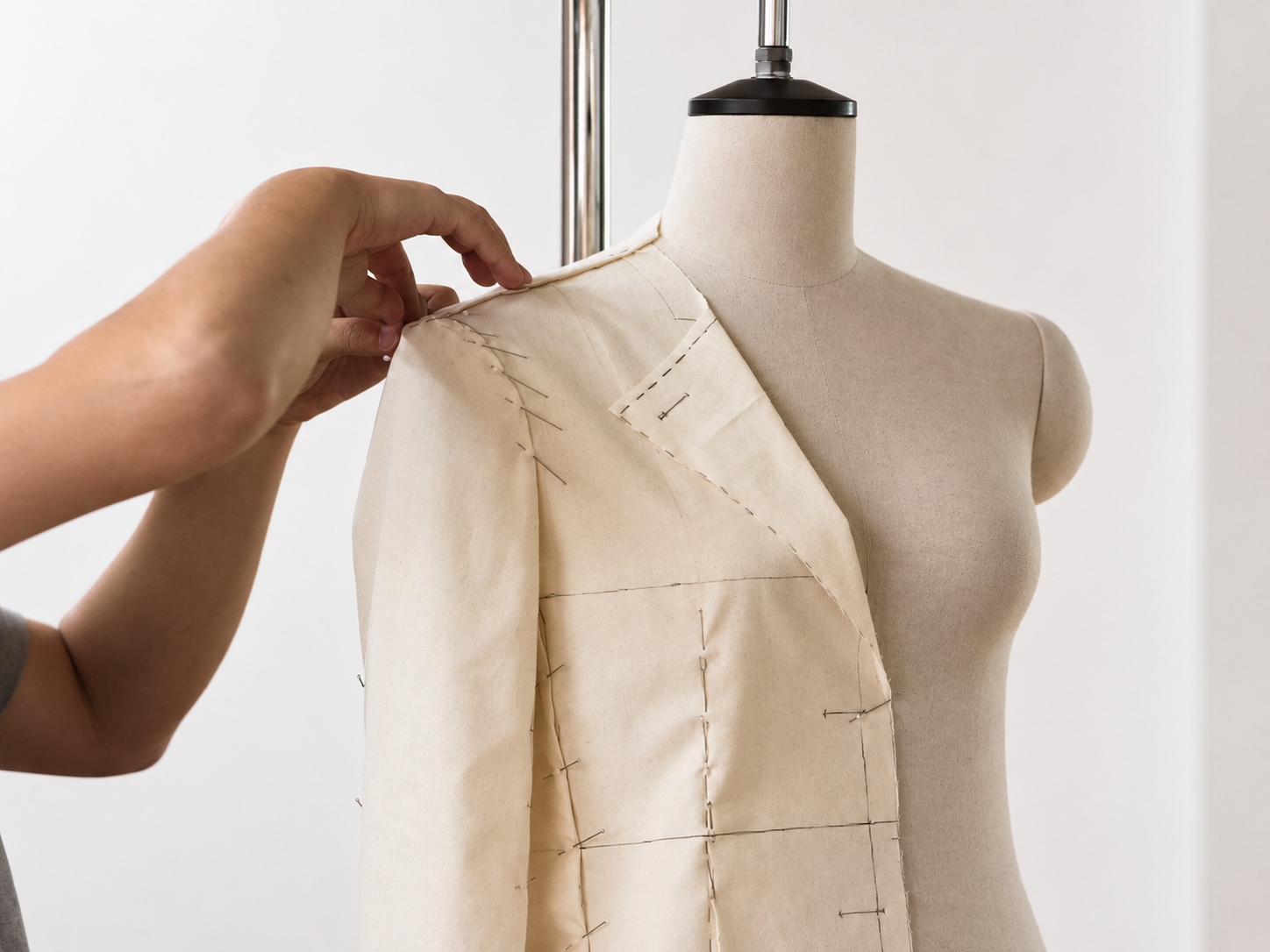
Pattern and Fit
Pattern and fit requirements can begin from a measurement chart, physical sample, existing pattern or design direction. The development goal is a measurable garment version rather than a general fit description.
• Define: intended fit and silhouette
• Define: measurement points and tolerances where provided
• Review: grading and size requirements
• Approve: sample measurements and fit before production release A fit direction becomes more useful when linked to measurable points, approved sample comments and the intended market rather than broad descriptions such as slim or relaxed. Fit comments should be consolidated into one approved revision record before the next sample or production version.
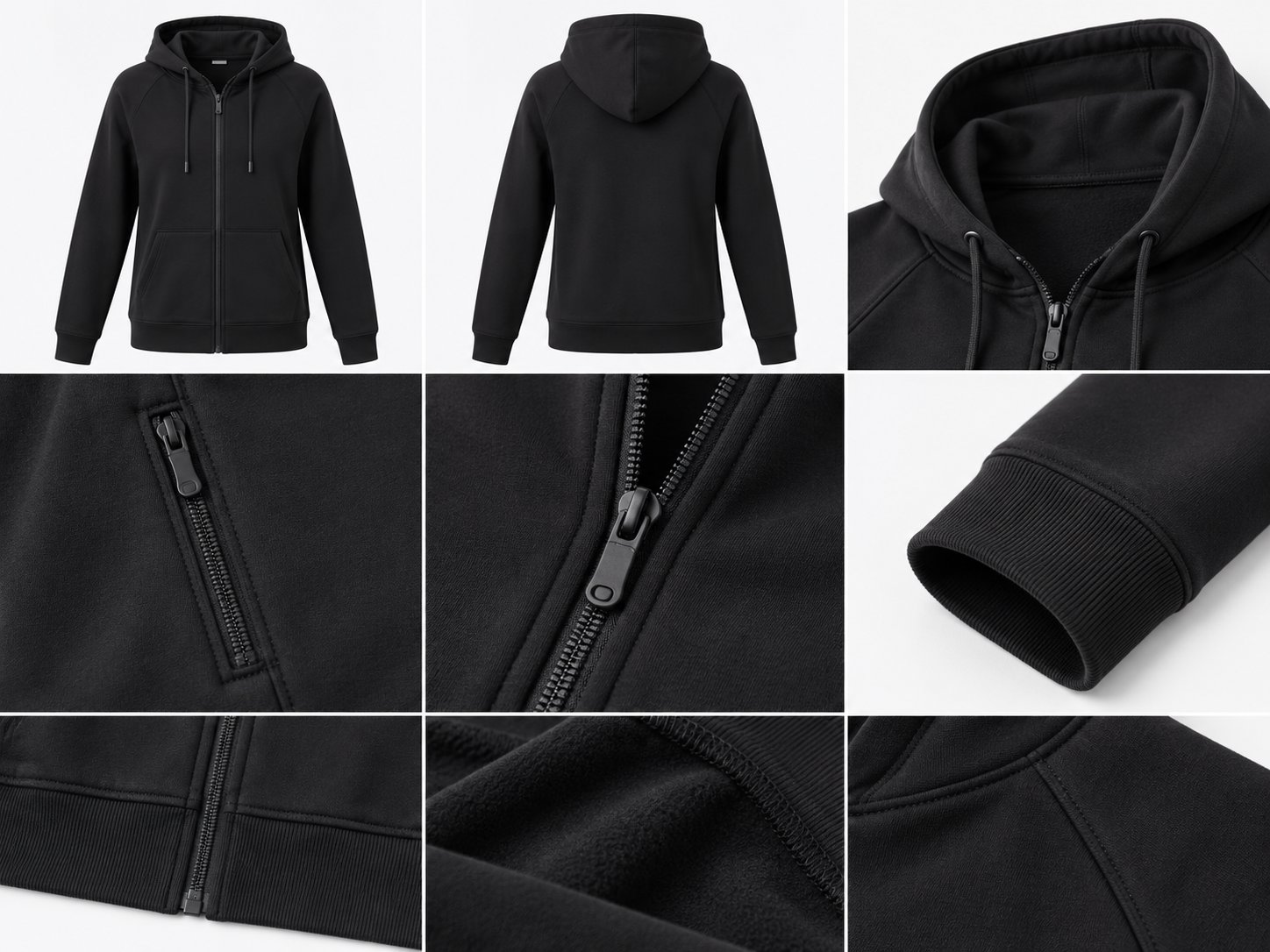
Construction
Construction choices affect durability, stretch, appearance, manufacturing cost and production repeatability. Leadshow can review seam type, panel layout, waistbands, pockets, openings, linings and selected bonded details according to the product.
• Match process to material behavior
• Review high-stress areas and reinforcement needs
• Confirm special workmanship before bulk
• Avoid assuming every garment requires the same sewing method Construction review can also identify whether a decorative detail adds unnecessary complexity or whether a different seam, panel or reinforcement method may better suit production. Approved construction notes should remain linked to the latest sample so production teams do not follow outdated details.
Colors and Size Mix
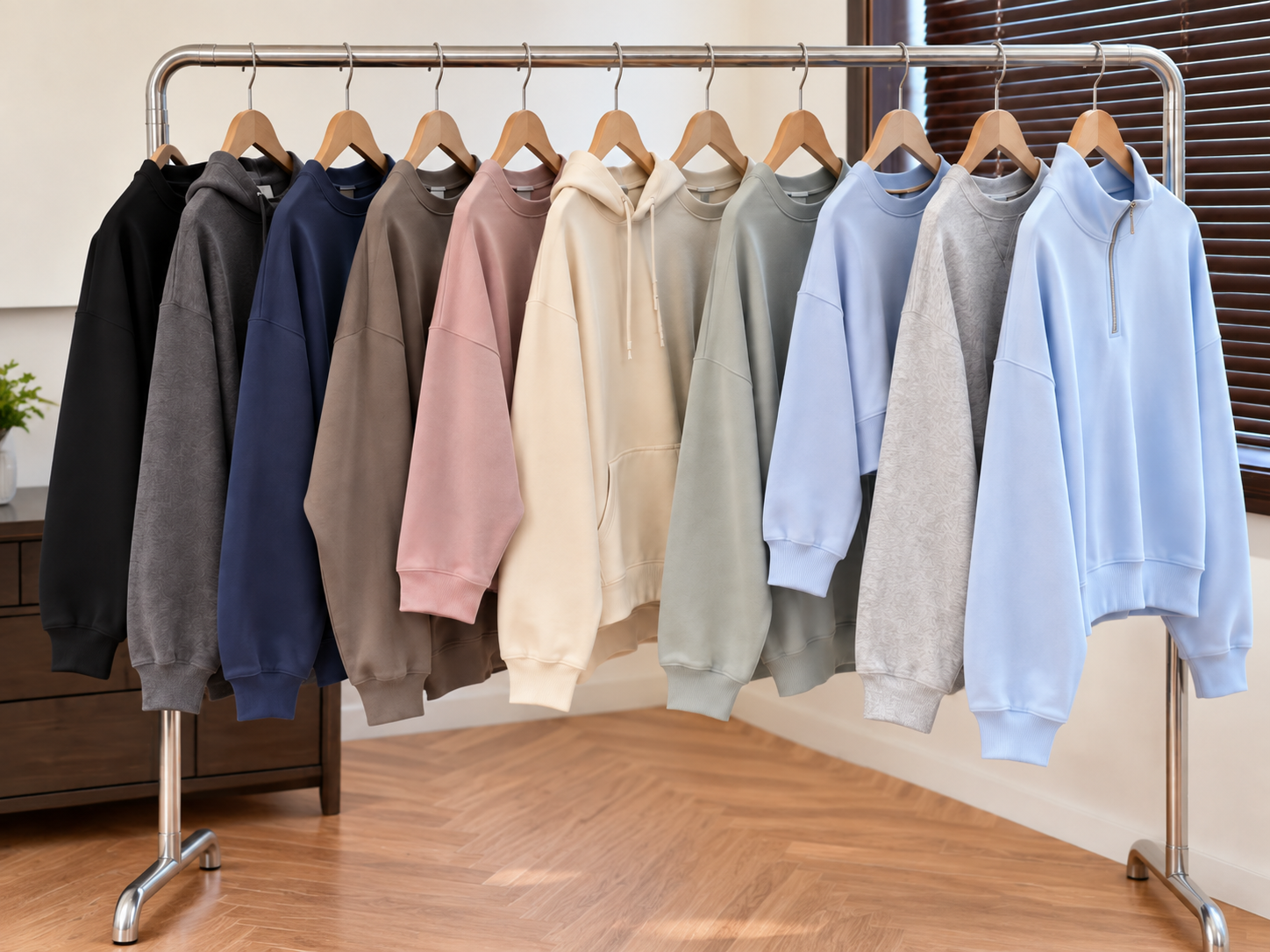
Color and size planning directly affects material sourcing, SKU count, MOQ and packing. Leadshow does not publish one universal size range for every style; brand-specific measurements can be supplied for review.
• Provide required colorways
• Provide size range or measurement chart
• Provide quantity by style, color and size
• Confirm color standards and approval method where relevant Color and size quantities should be provided as an order matrix, because total quantity alone does not reveal material demand, grading workload, SKU count or packing complexity. A clear matrix also supports label quantities, carton ratios and repeat-order comparison across later production runs.
Logo and Branding
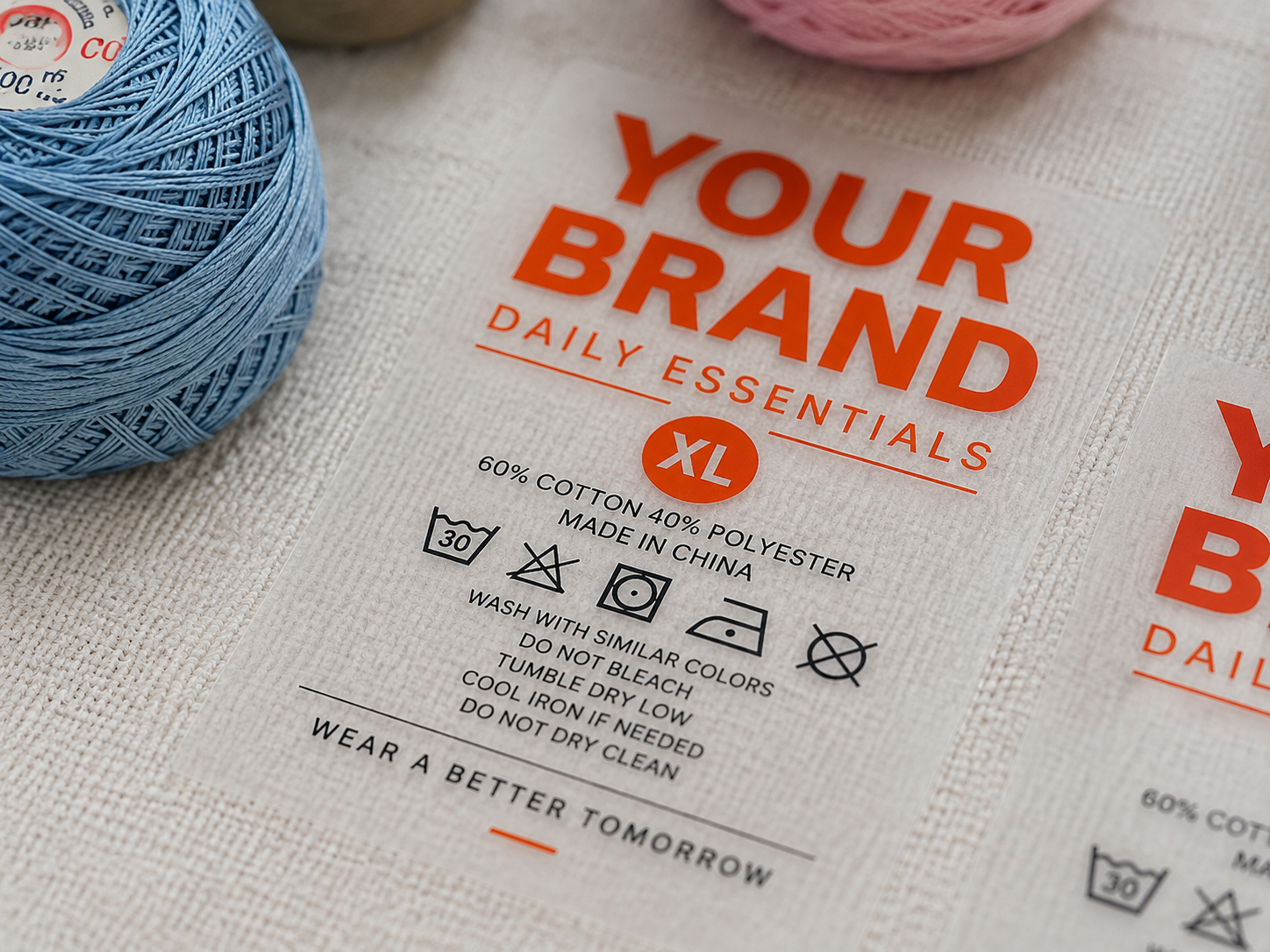
Branding can include heat-transfer labels, heat-press graphics and other project-coordinated methods according to confirmed capability and approved external resources. Artwork, placement, size, color and substrate compatibility need review.
• Supply vector or production-ready artwork where available
• Confirm placement and dimensions
• Match process to fabric and wash requirement
• Treat durability claims as material- and test-dependent Branding decisions should be finalized on the actual material whenever possible, since heat, pressure, stretch and surface finish can change appearance and durability after application. Production artwork should carry an approved version name or date so later replacements are not used by mistake.
Labels and Packaging
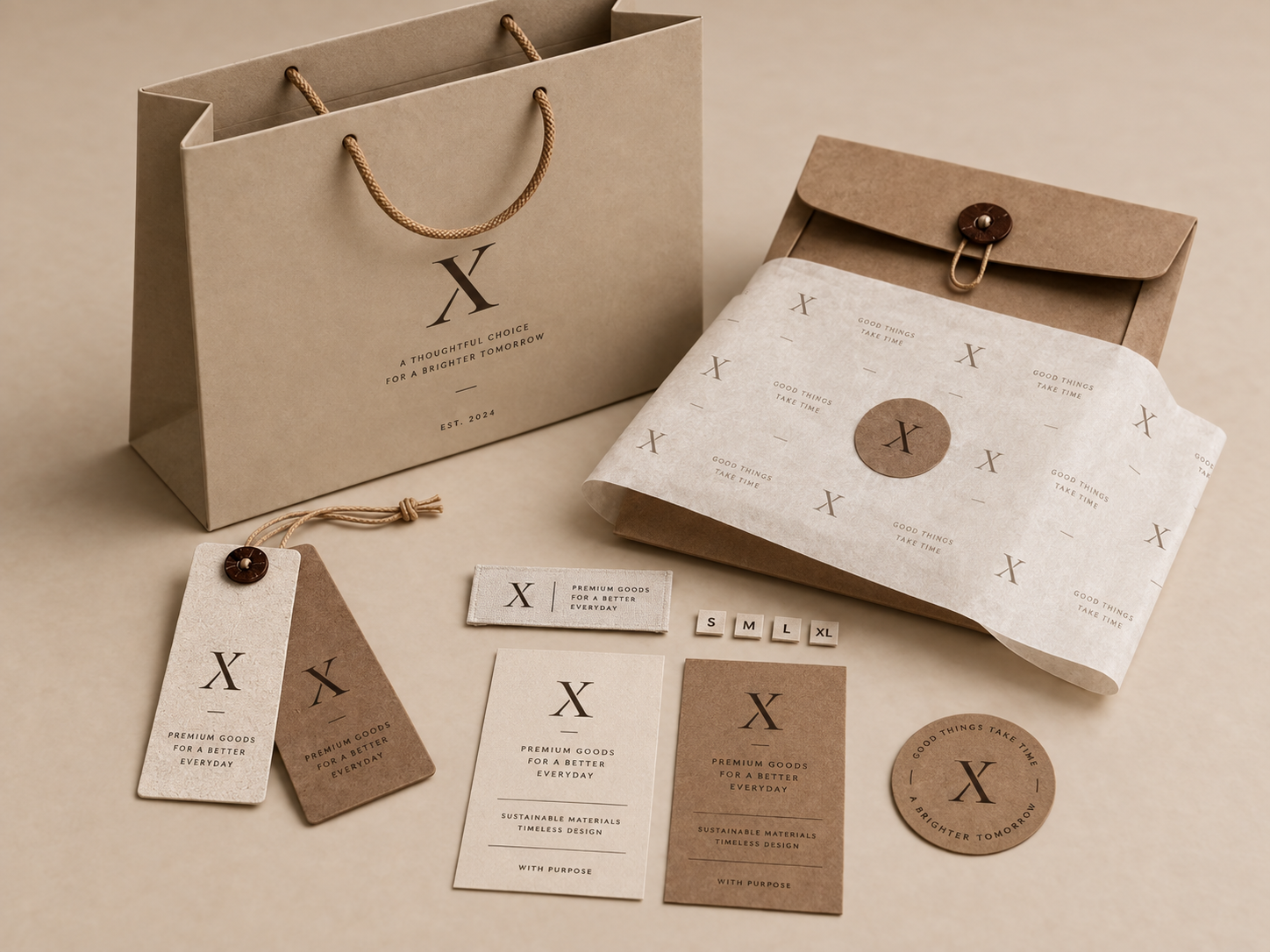
Brand execution continues through main labels, size labels, care information, hangtags, individual packing and carton identification. Packing details should be approved alongside SKU rules rather than added after production.
• Define label content and language
• Define SKU and barcode needs where applicable
• Define individual packing and carton marks
• Review packaging supplier MOQ and order quantities For retail or distribution programs, the label and packing file should also identify any assortment, barcode, carton-ratio or market-specific information that must remain consistent. Final packing instructions should be checked against the order quantity and SKU breakdown before materials are released.
From Tech Pack or Reference Sample to Manufacturable Specifications
Leadshow can begin from mature technical files or incomplete references and identify what must be clarified before sampling. The aim is to turn design intent into measurable production inputs covering construction, fit, materials, trims, branding, size requirements, quantities, packing and any required testing or market documents.
Start With the Information Already Available
A sourcing team does not need to wait until every technical detail is perfect before opening a manufacturing discussion. Mature OEM programs may provide a Tech Pack, measurement chart, BOM, artwork, packing instructions and an approved reference garment. Earlier-stage programs may provide sketches, reference images, a physical sample or a short brief covering intended use, target market, quantity, fit direction and brand positioning. Leadshow can review the supplied information against confirmed sportswear manufacturing scope and identify what is usable, what is missing and what requires further approval.
Construction, measurements, fabrics, trims, logo placement, colorways, size mix, packaging and testing requirements should be separated so unresolved items are visible instead of being hidden inside a vague quotation. When an existing garment is used as a reference, the project team should specify which features must remain, which issues need improvement and whether the design and technical material can legally be used.
Incomplete information does not automatically stop a project, but it changes the next step. A reference image may be enough to discuss product direction, while accurate costing or sampling may still require measurements, material choices and construction details. The first review should therefore create a focused request list rather than forcing the sourcing team to guess every answer in advance. Clear inputs at the beginning reduce repeated clarification and help the project move toward a measurable sample specification.
Convert Design Intent Into Production Inputs
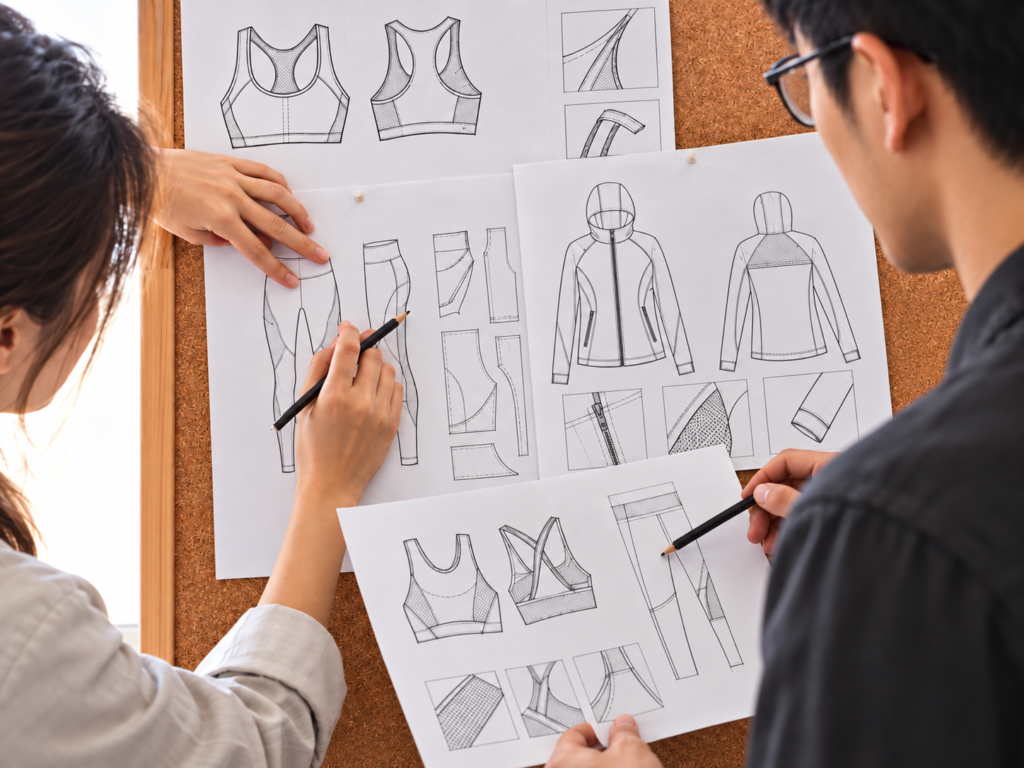
Manufacturable specifications require more than an attractive sketch. Pattern dimensions, seam placement, stretch direction, elastic construction, pocket geometry, lining, closures, logo locations and packing rules can all affect sample development and bulk execution. Leadshow can support construction and fit review, pattern adjustment, material and trim evaluation, sample making and production-feasibility discussion. The purpose is to convert visual intent into information that a cutting, sewing, quality and packing team can follow.
Sportswear also carries many performance-related requests. Terms such as waterproof, quick-dry, recycled, UPF, chlorine-resistant, high-support or squat-proof should not be inferred from a garment image, machine list or fabric name. Supporting material documents, test methods or finished-product testing may be required before those claims are used commercially. Special workmanship such as bonding, seam taping or laser perforation also needs material compatibility and construction review.
The output of the technical review should be a clearer set of decisions: which measurements are approved, which materials remain open, which processes are suitable, which branding details need files, what affects MOQ, what changes cost and what must be settled before production release. A style becomes easier to manufacture when every department is working from the same approved information. The goal is not to produce more documents for their own sake, but to prevent a visually successful first sample from being mistaken for a complete and repeatable bulk-production standard.

Sample Development Before Commercial Production
Sampling establishes fit, construction, material, branding and measurable references before commercial production is released. The first sample is used to test the product definition, while later revisions and the approved sample create a clearer production reference for measurements, workmanship, materials, labels and packing.
First Sample: Test the Product Definition
A first sample should answer specific product questions rather than serve as a visual approval only. For sportswear, the review may cover silhouette, key measurements, seam placement, stretch behavior, elastic tension, pocket geometry, lining, logo location and the interaction between material and construction. Leadshow can prepare samples from approved or provisional information and check the result against supplied measurements, patterns, reference material and workmanship requirements.
The first sample often exposes details that were difficult to judge from a drawing. A waistband may need a different height, a pocket opening may interfere with movement, a fabric may behave differently after sewing, or a logo process may not suit the selected surface. These findings are useful when they are converted into a single revision list rather than scattered across email threads or informal comments. Fit comments, measurement changes, material changes and construction revisions should be clearly identified before another sample is made.
Sampling timing is project-specific because material availability, trim development, pattern work, branding method, construction complexity and revision scope vary by style. Leadshow does not publish one fixed sampling period for every project. After the product and material requirements are reviewed, an estimated sampling schedule can be discussed around the actual development path. The first sample therefore acts as a controlled test of the product definition, helping the brand decide what should remain, what should change and what must be verified before approval.
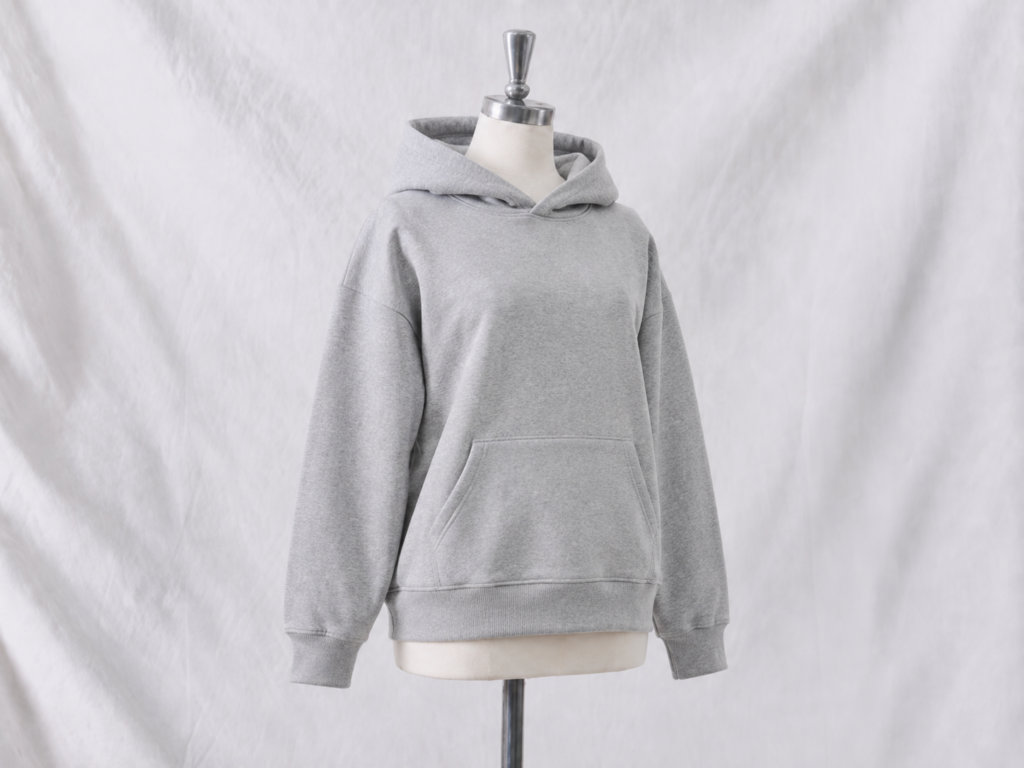
Approved Sample: Freeze What Bulk Production Must Follow
Approval should identify the version production will follow. Depending on the project, the approved reference may include a physical garment, measurement chart, pattern, BOM, fabric and trim selections, color standard, branding details, label files and packing instructions. A sportswear program with several colors and sizes also needs clear SKU information so bulk production is not based on informal messages, outdated sample comments or mixed versions.
Leadshow can coordinate approved-sample comparison and version-controlled quality references during production review. Approval does not mean every bulk garment will be mathematically identical to the sample; normal manufacturing variation still exists and must be managed against agreed specifications and inspection requirements. Where measurement tolerances, AQL levels, full-inspection items, third-party inspection or special tests are required, those conditions should be confirmed for the order instead of assumed from a general company policy.
Bulk timing is also separate from sample approval. Production scheduling depends on material readiness, formal order conditions, approved production information, quantity, color and size mix, specialized workmanship and current capacity. A change made after approval can reopen material, cost or timing questions. The approved sample is therefore most useful when it functions as part of a controlled reference set. It connects development decisions with production, quality, labeling and packing so the larger order can be executed against a shared and current standard.
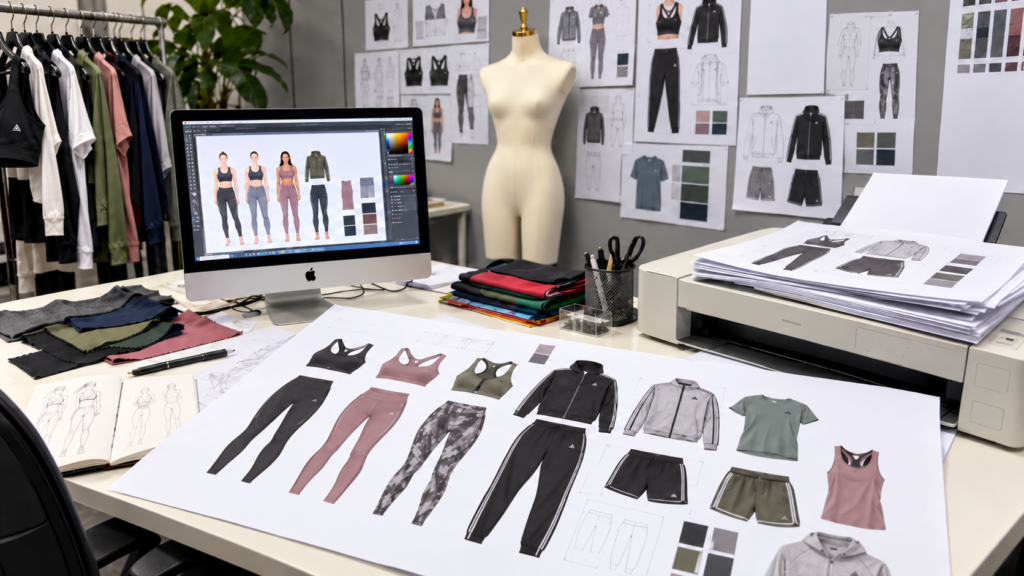
Sportswear Manufacturing Equipment and Process Support
Confirmed equipment covers fabric preparation, cutting, multiple sewing methods, elastic application, selected bonding and seam-taping processes, laser perforation, heat transfer, finishing, needle detection and folding. Equipment is selected according to garment construction and material compatibility rather than presented as proof of every possible sportswear function.
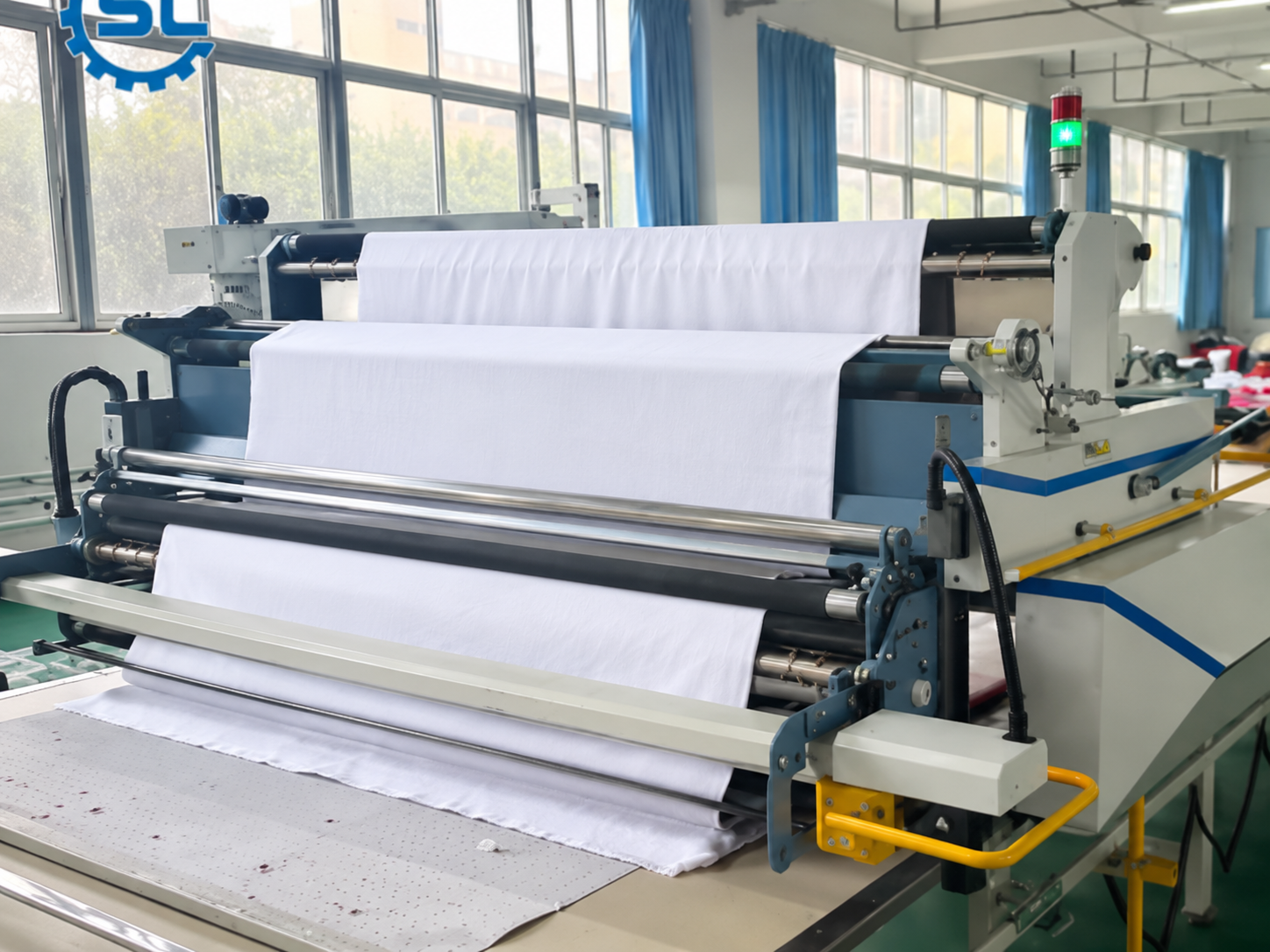
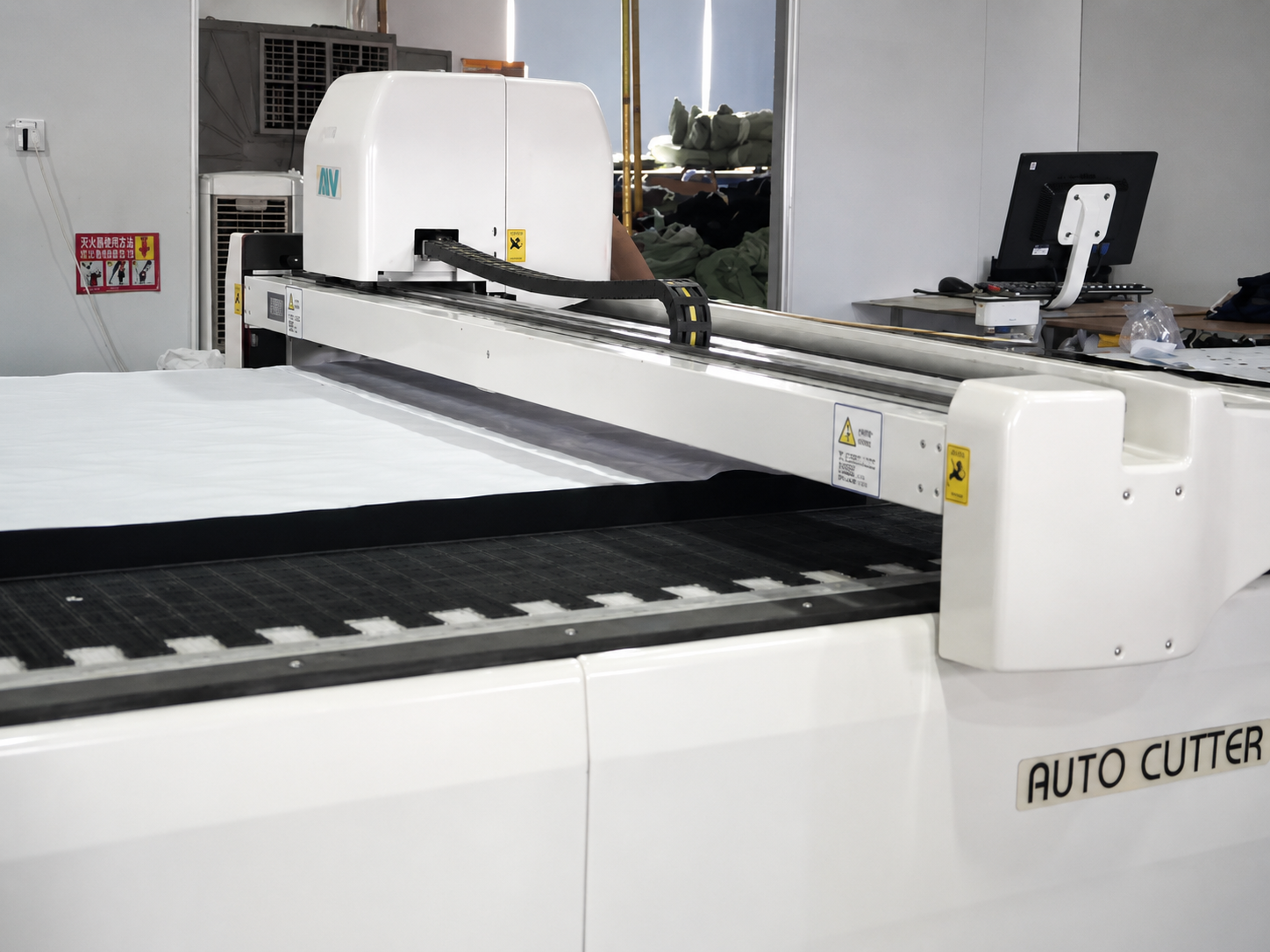
Automatic Fabric Preparation
Leadshow has 5 automatic fabric spreading machines and 3 computerized cutting machines, supported by additional straight-knife and rotary cutting equipment. Automated spreading and cutting can improve repeatability for suitable bulk materials and multi-size orders. Fabric stretch, thickness, surface behavior, print direction and layer requirements still affect the final cutting method. The cutting plan should therefore be confirmed after fabric behavior and size ratios are known, especially for elastic, lightweight, directional or surface-sensitive materials. Material relaxation, directional layout and cutting method may still need adjustment according to the selected fabric and style.
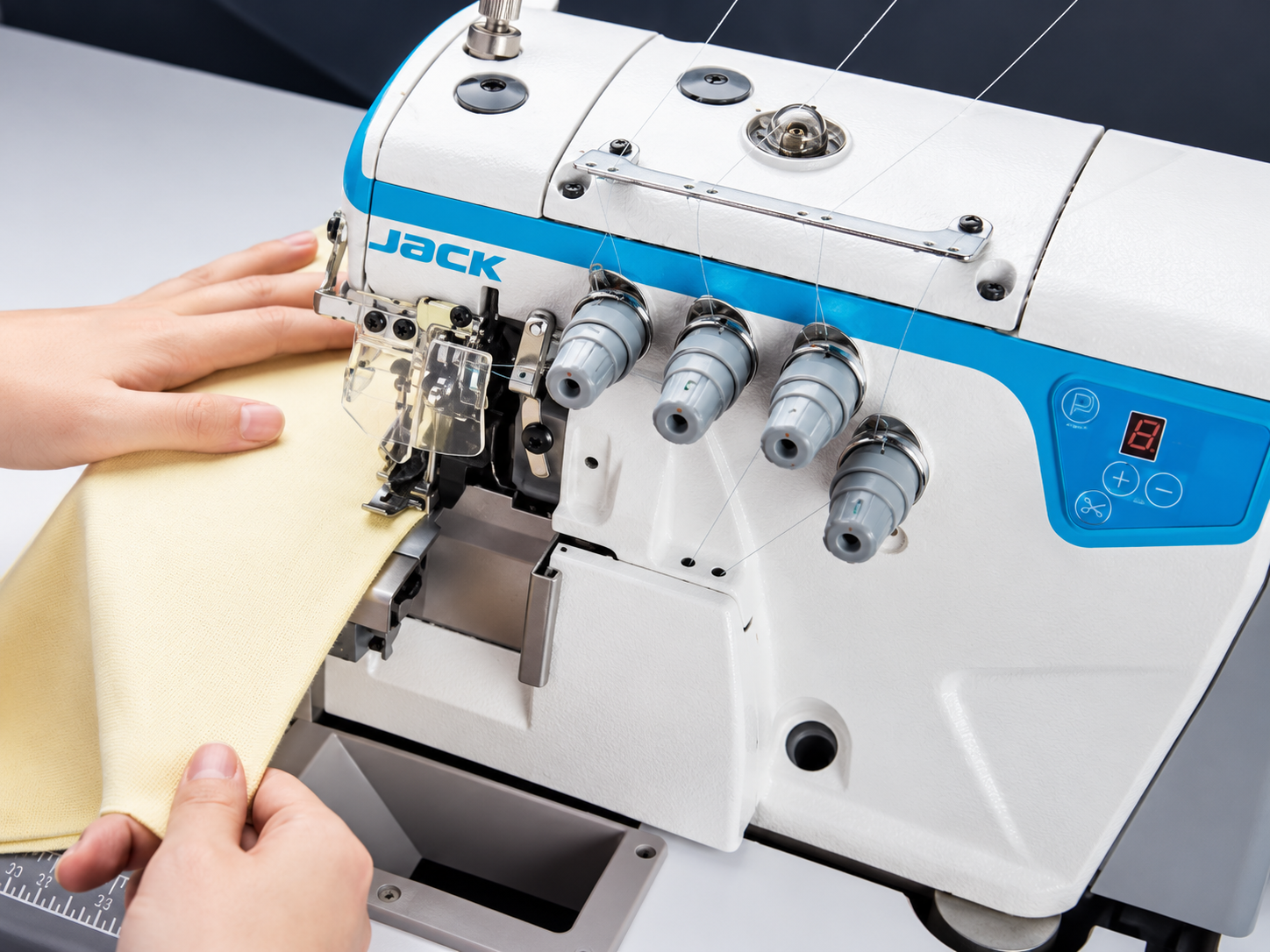
Lockstitch and Overlock
Confirmed sewing equipment includes 80 computerized direct-drive lockstitch machines, 25 four-thread overlock machines and 40 five-thread overlock machines. The combination supports a wide range of sports tops, shorts, tracksuits, hoodies and related constructions. Machine availability does not mean every seam or style uses the same stitch specification. Stitch type, seam allowance, thread and operation sequence are still defined by the approved construction rather than by the machine name alone. Sample approval should confirm visible seam appearance and functional requirements before the chosen operation moves into bulk.
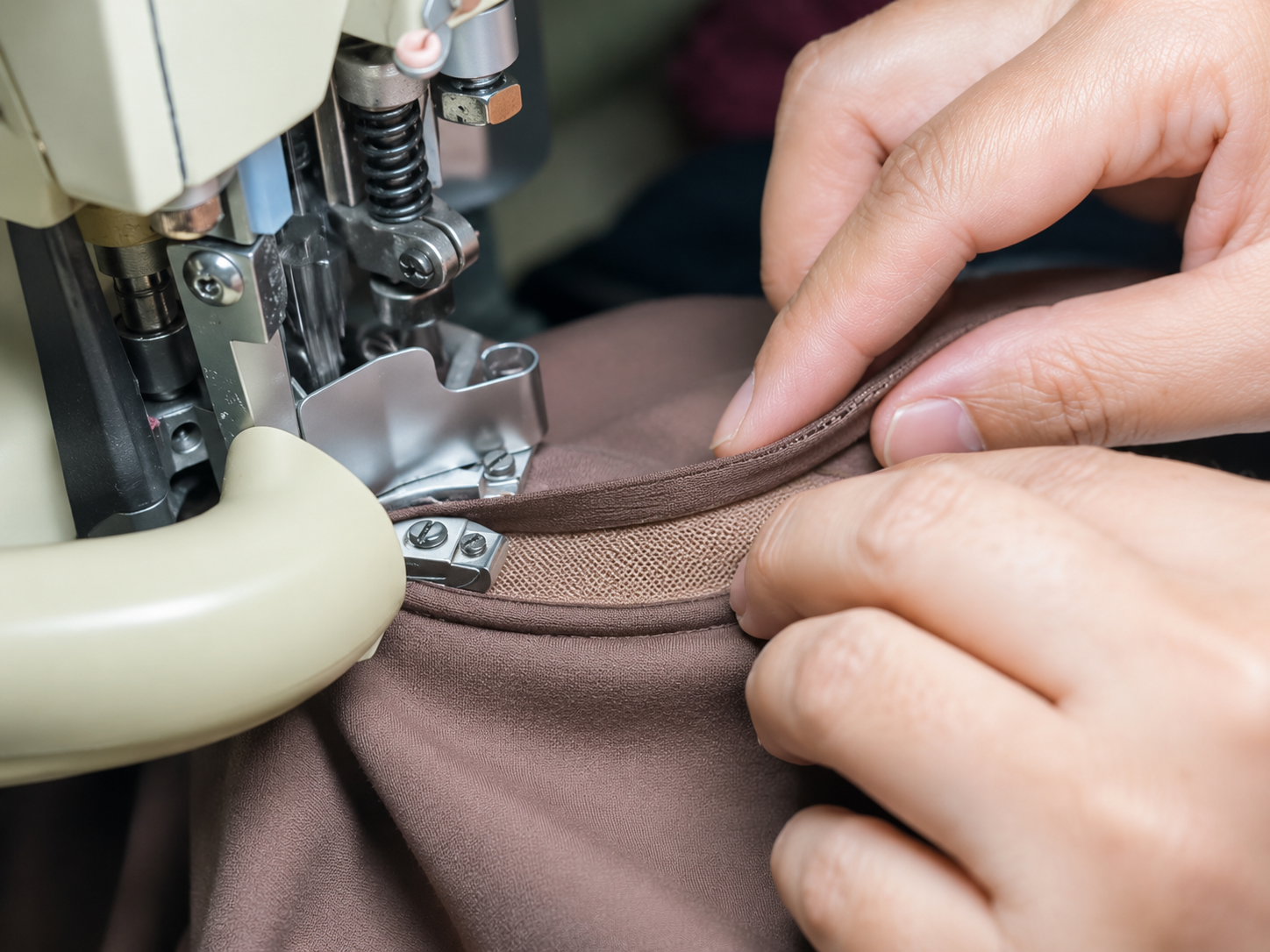
Four-Needle Six-Thread
Leadshow has 35 four-needle six-thread flatlock machines supporting flatter, stretch-compatible seams for leggings, sports bras and other fitted activewear. The process is useful for selected elastic constructions but is not the same as true seamless knitting. Comfort, stretch and durability claims still depend on design, thread, fabric and testing. Seam placement, thread selection and fabric recovery should be reviewed during sampling so the finished construction matches the intended look and stretch behavior. Bulk workmanship should follow the approved seam location and construction rather than treating flatlock as a universal sportswear solution.
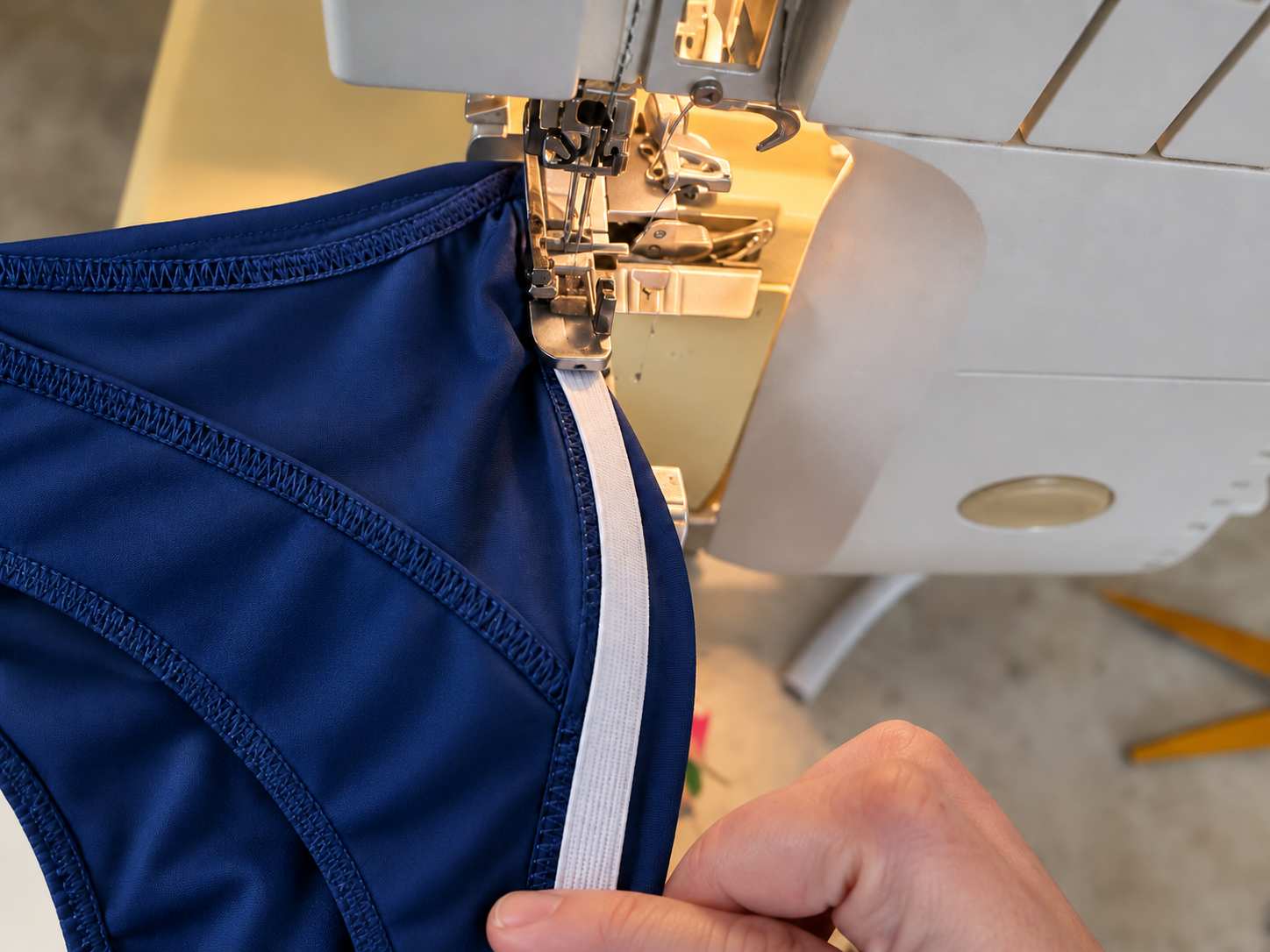
Elastic and Reinforcement
Leadshow has 12 elastic-attaching machines and 6 bartacking machines. These can support waistbands, sports-bra underbands, leg openings and localized reinforcement around pockets, zipper ends or other stress points. Elastic performance also depends on material, width, tension, stretch ratio, seam construction and approved product measurements. Sample review can help confirm elastic length, tension and attachment method before bulk production, reducing avoidable variation in waistbands, leg openings or support areas. Reinforcement points should be identified in the technical file or approved sample where their location affects appearance or strength.
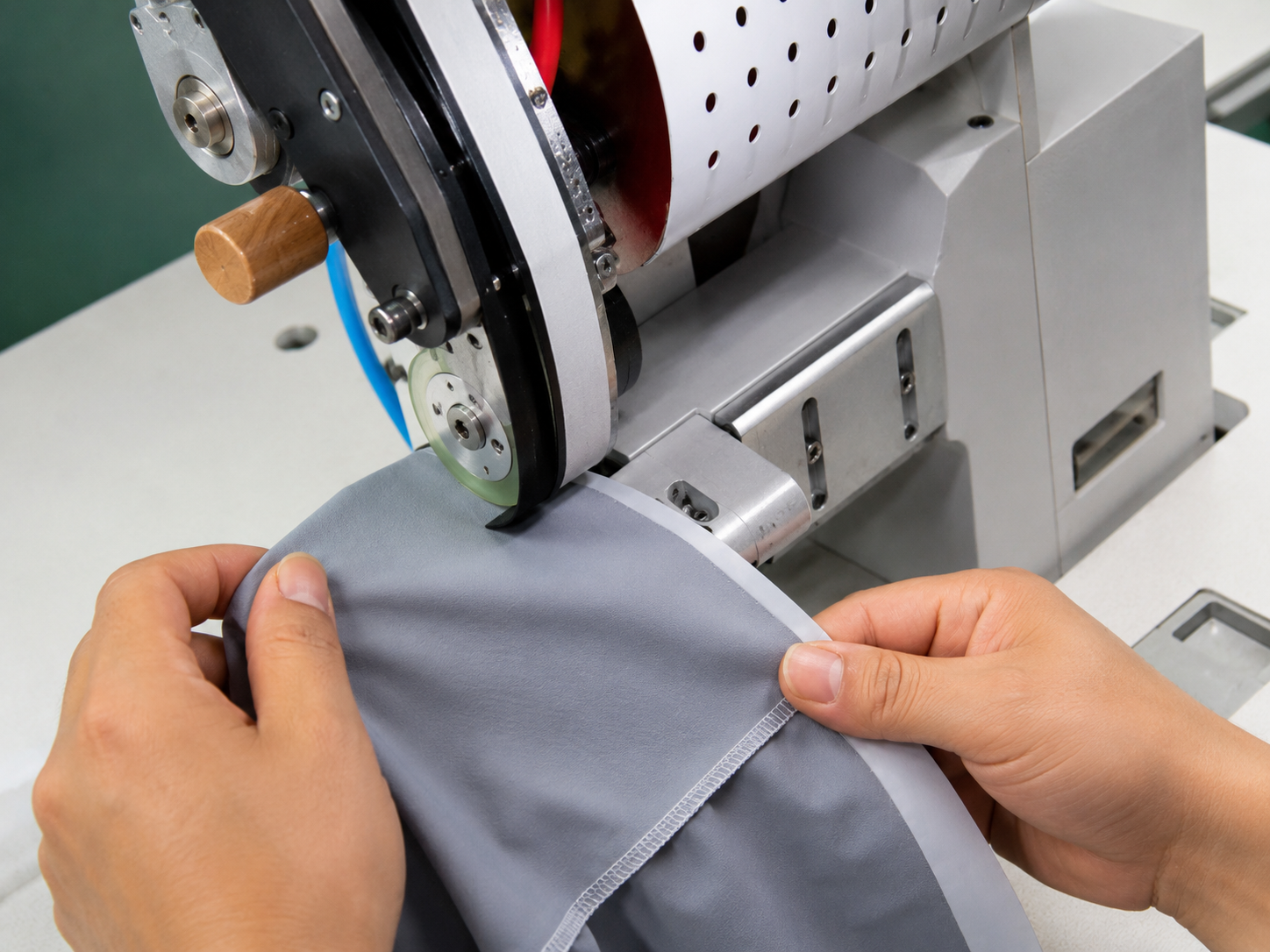
Bonding and Seam Taping
Confirmed special-process equipment includes 8 heat-bonding machines and 4 hot-air seam-taping machines. Bonding can support selected reduced-seam or structural details on compatible materials, while seam taping may be used on suitable constructions. Neither capability automatically makes a garment fully seamless or waterproof; material and testing evidence remain necessary. Temperature, pressure, adhesive or tape selection and wash requirements need evaluation on the selected material before a bonded or taped detail is approved. Approved samples should reflect the intended bonded or taped construction before any related commercial performance statement is used.
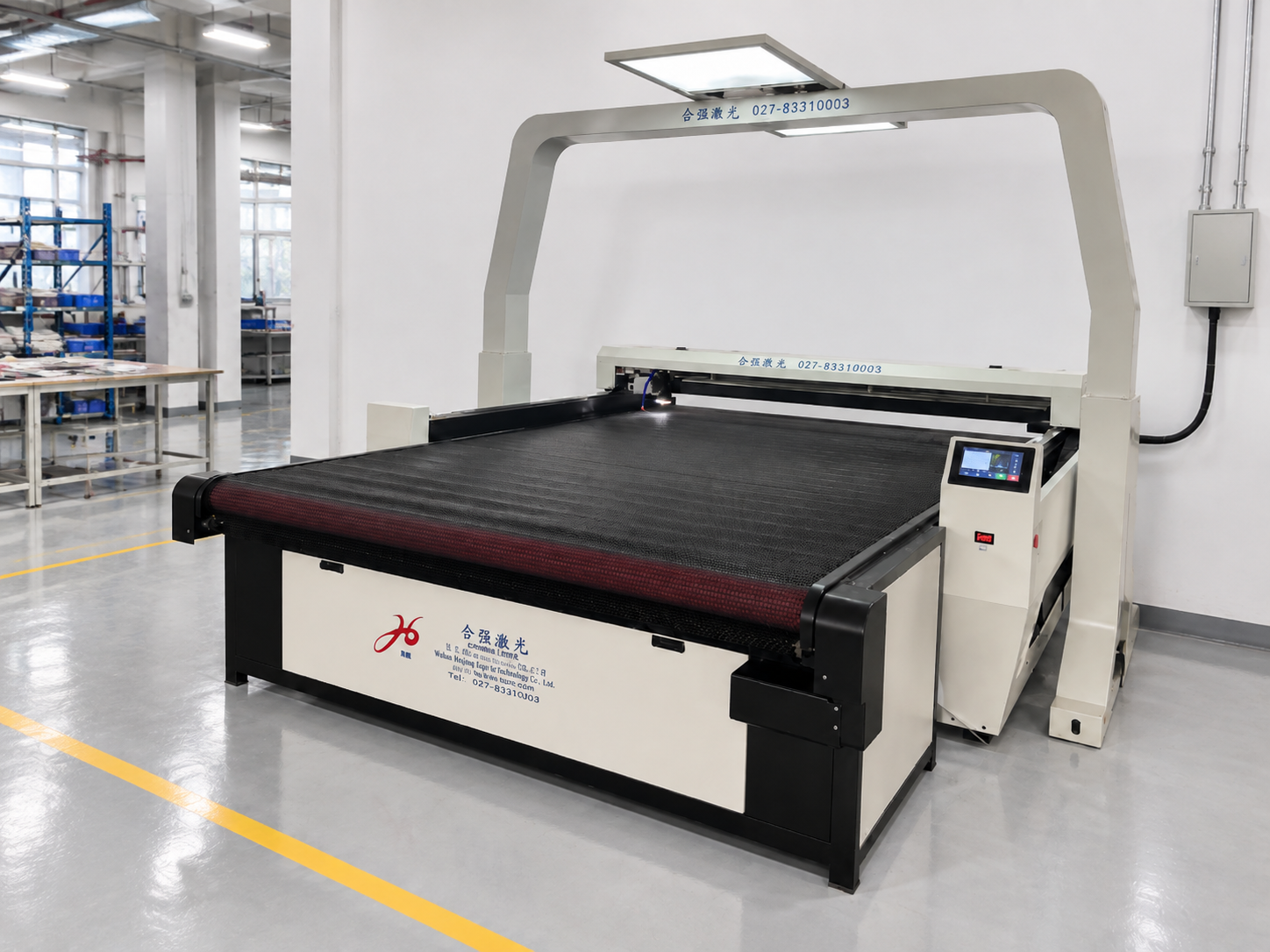
Laser and Ultrasonic
Leadshow has 3 laser-perforation machines and 3 ultrasonic elastic-cutting machines. Laser perforation may create localized openings or decorative patterns on compatible fabrics, while ultrasonic cutting can help produce clean edges on selected elastic or synthetic materials. Performance improvements must not be assumed without product-specific evaluation. Hole size, spacing, location and material response should be reviewed during sampling when perforation is used as a design or ventilation feature. These processes should remain design-specific, with final use confirmed only after the selected fabric reacts acceptably during development.
Heat Transfer and Pressing
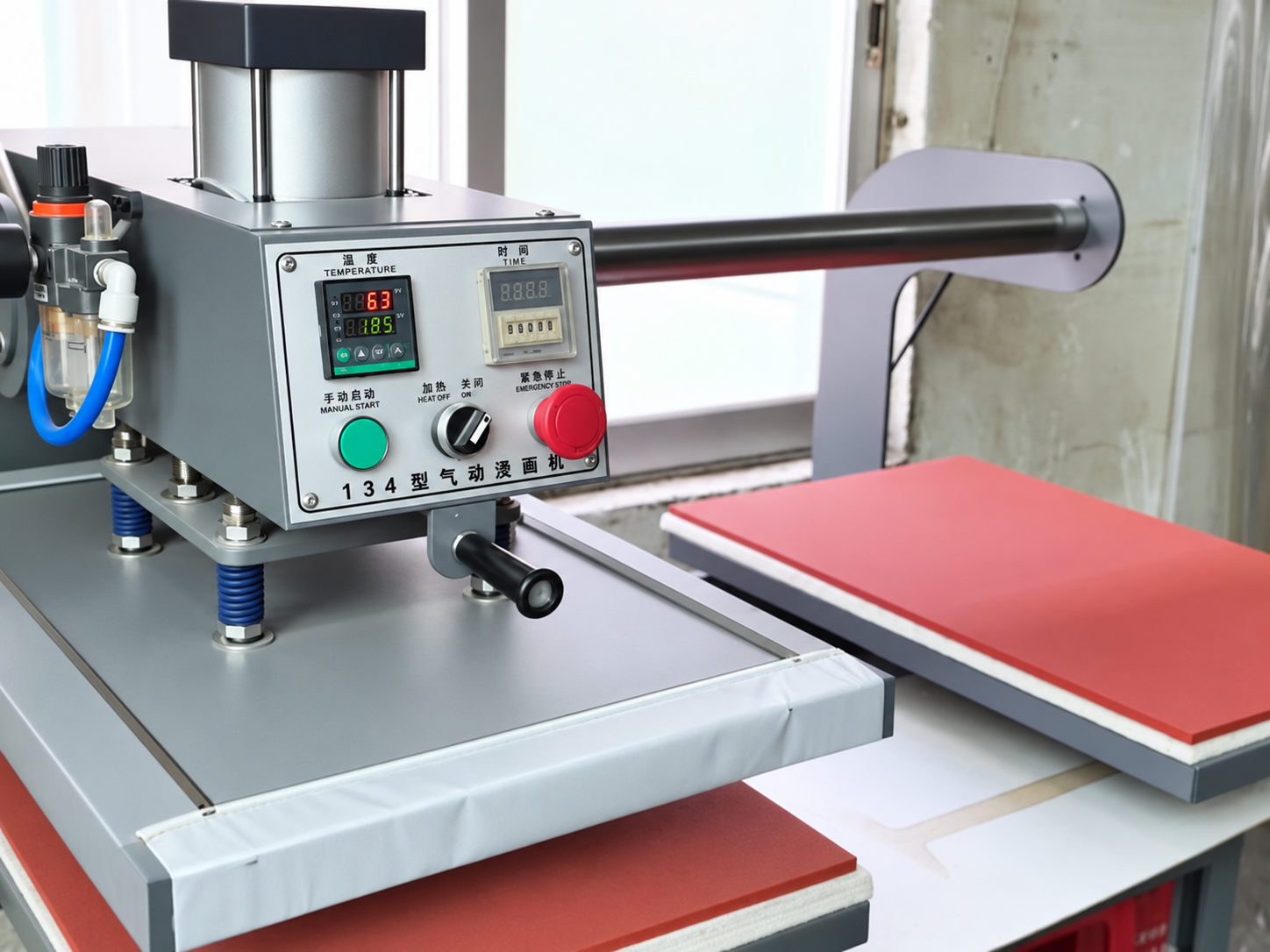
Leadshow has 6 dual-station heat-transfer labeling machines and 4 multi-station heat-press machines. These can support selected heat-transfer labels, size or care markings, logos and decorative graphics. Application temperature, pressure, substrate compatibility and wash requirements should be reviewed before bulk production. Artwork, transfer material and application parameters should be approved on the actual garment fabric so bulk appearance is based on a relevant reference. Production approval should include the final artwork size, position and application result on the chosen material.
Finishing and Packing
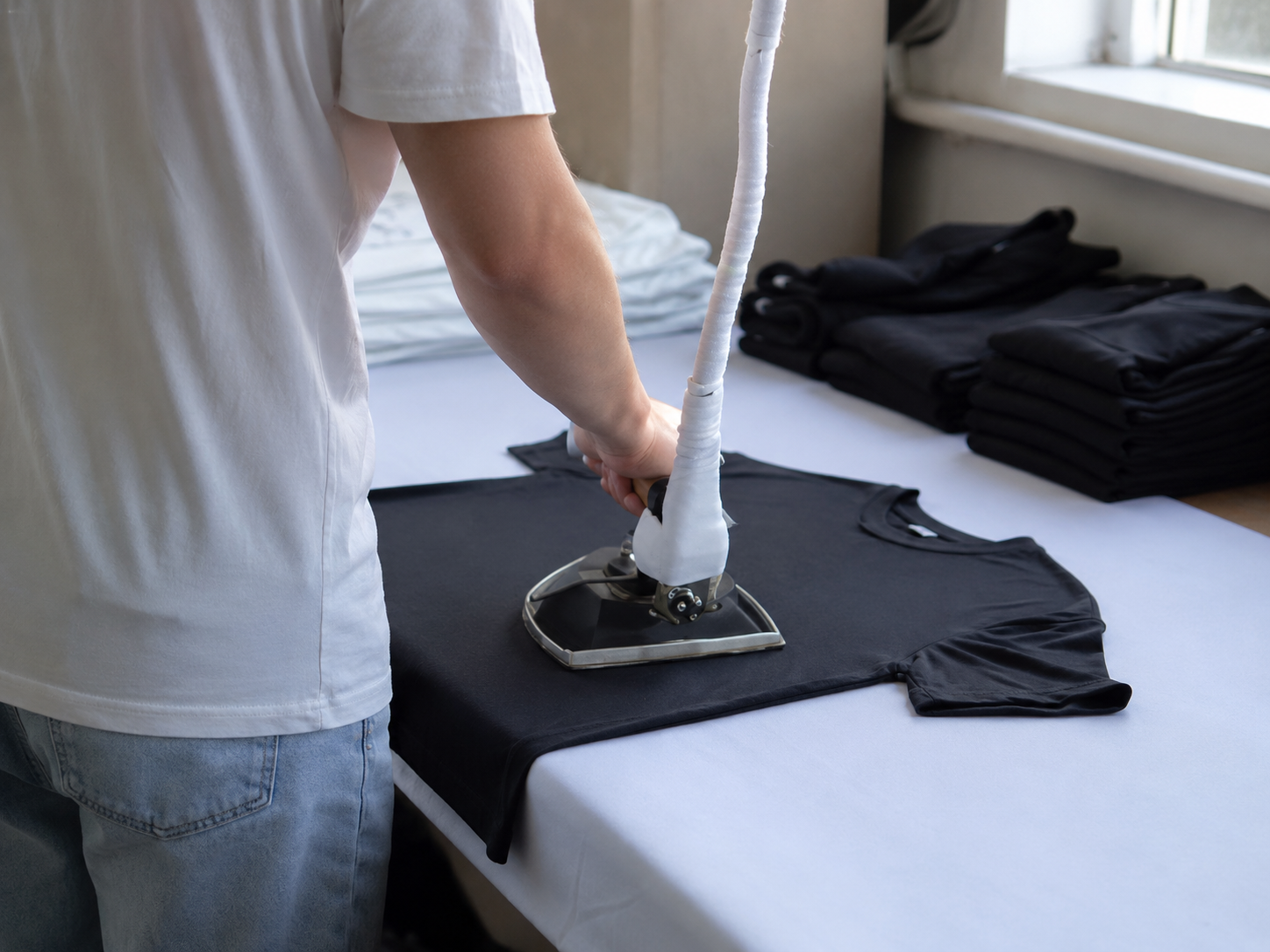
Confirmed finishing equipment includes 20 high-pressure steam-ironing stations, 6 automatic needle-detection machines and 4 automatic folding and packing systems. Needle detection is available for applicable garments and does not replace product safety certification. Automatic folding is suitable for selected standardized products rather than every complex garment or packing format. Final handling is selected according to garment structure and packing rules, especially for bulky, shaped or multi-layer products that may not suit automated folding. Packing preparation should still follow the approved SKU, label and carton rules even when automated equipment is used.
From Approved Sample to Bulk Sportswear Production
Bulk production begins after the relevant order, material, approval and production-version conditions are completed. The approved garment and related files become the working reference for production release, while later changes to color, fit, fabric, logo, quantity or packing must be reviewed before manufacturing proceeds.
Production Release Uses the Approved Version
Before bulk production, the working version should be clear enough for manufacturing and inspection. Depending on the program, the reference set may include approved samples, measurement charts, patterns, BOM information, fabric and trim references, color standards, logo files, label layouts, packing instructions and order-level SKU quantities. Leadshow can coordinate material readiness review, production scheduling, cutting, sewing, specialized workmanship where required, finishing, packing and shipment preparation according to the formal order and approved production version.
Production release should also confirm which items remain conditional. A special material may require final availability confirmation, a retailer may require a specific label format, or a logo process may need approval on the actual fabric. Changes made after approval to fit, color, fabric, branding, quantity or packaging can affect cost, MOQ, timing or production method. Those changes should be reviewed before manufacturing continues rather than being added informally on the production floor.
Sample approval alone does not automatically start bulk production. Commercial terms, material readiness and the current schedule also need to be complete. A disciplined release process gives production and quality teams one current reference and helps prevent old files from circulating alongside new approvals. The goal is straightforward: every major manufacturing decision should be traceable to an approved project input before volume increases.
Control the Transition Instead of Relying on Memory
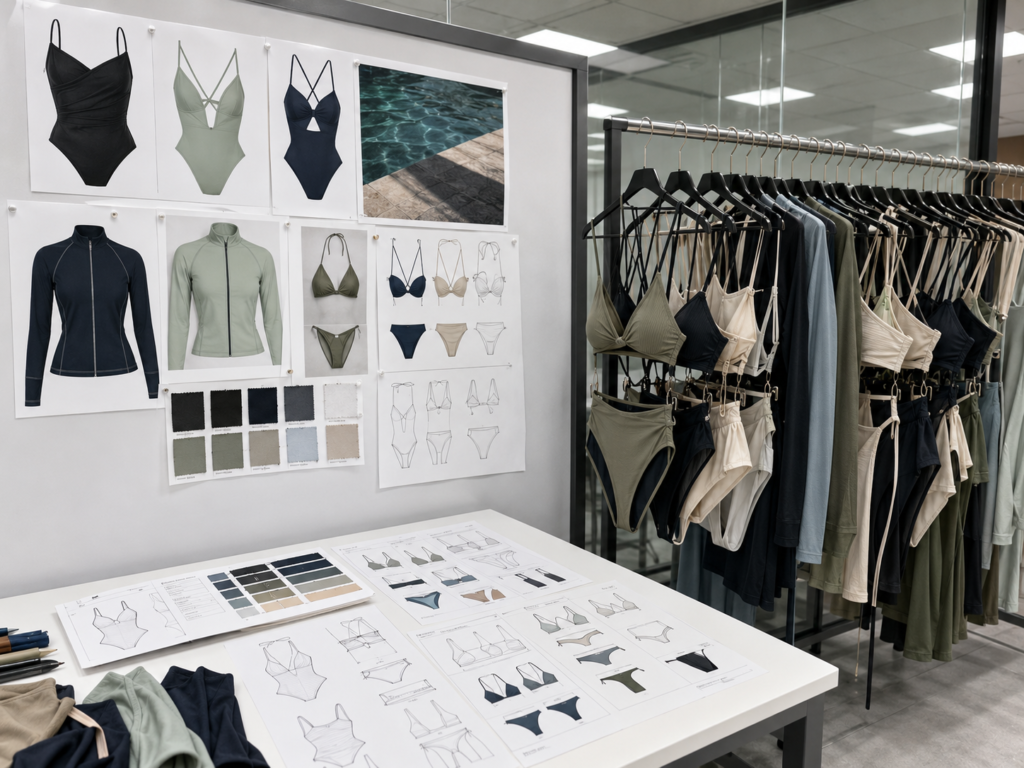
The most important sample-to-bulk task is preserving approved decisions when volume increases. A single sample may be handled by a small development group, while bulk production introduces material batches, cutting plans, sewing operations, size ratios, colorways, labels, packaging and carton requirements. Leadshow can use approved-sample comparison, measurement verification, workmanship review, branding and label checks, packing and SKU verification and other order-specific references at applicable production stages.
Where a first-article review, full-inspection item, AQL level, third-party inspection or special test is required, the requirement should be stated in writing and confirmed for the order. No universal inspection ratio or AQL value should be assumed across every program. The same principle applies to capacity. Combined monthly capacity can reach approximately 120,000 finished garments under suitable conditions, but available capacity for one order depends on product construction, materials, colors, size mix, specialized workmanship, order mix and current scheduling.
The transition also extends beyond sewing. Goods-ready confirmation, packing, carton identification and forwarder handover are separate from the final arrival date. When production status is reported at agreed milestones, sourcing teams can see whether the order is still aligned with the approved version and commercial plan. The objective is not to remove every possible manufacturing variation, but to keep the approved product, order matrix and packing rules visible as the project moves from sample scale to commercial volume.
Bulk Production and Multi-SKU Order Control
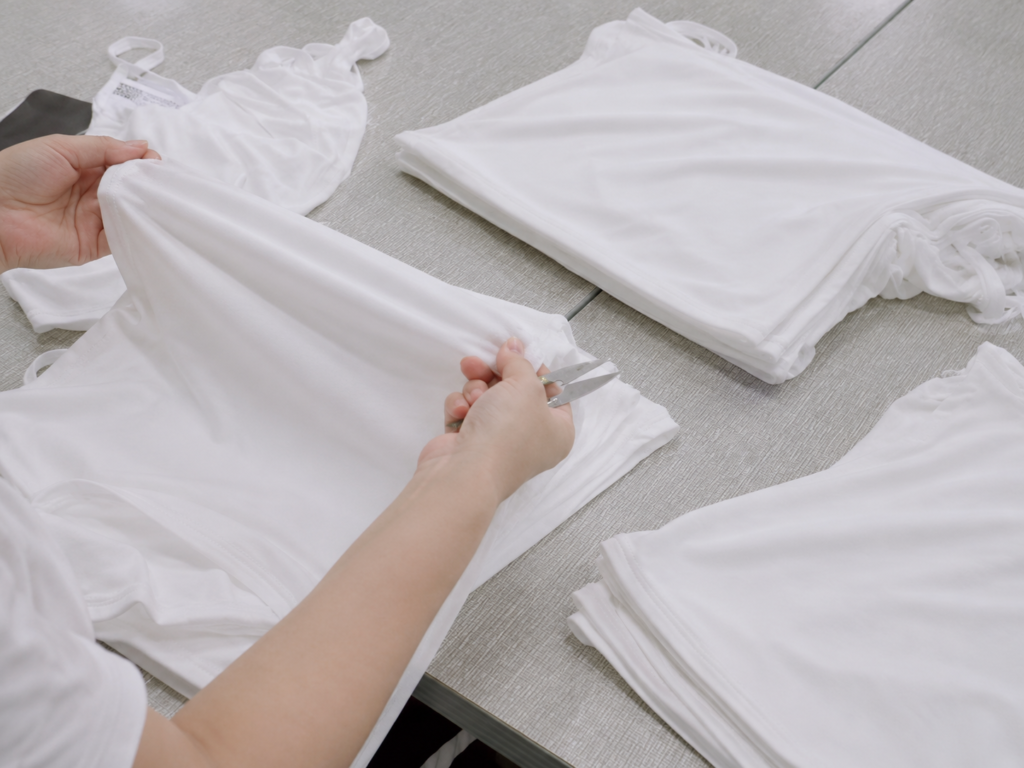
Wholesale sportswear programs become more complex as styles, colors, sizes, labels and packing combinations increase. A clear order structure helps production, quality and warehousing teams keep the approved version, quantity breakdown, SKU identity and carton rules aligned throughout manufacturing and shipment preparation.
Style and Version Control
Every style should be tied to the approved production version rather than informal comments or an old sample. A multi-style order may carry different fabrics, trims or construction details even when the collection looks visually consistent.
• Use approved specifications per style
• Record approved changes before release
• Separate old and current versions
• Reconfirm technical changes for repeat orders when needed Version discipline becomes even more important for repeat orders, where a previous season’s sample, artwork or measurement file may still exist and must not replace the current approved reference. The same discipline helps long-term programs preserve approved product history without confusing old and current specifications.
Colorway Control
Each color can affect fabric availability, dyeing or supplier minimums, logo appearance and packaging identification. Wholesale quantity should therefore be planned by color rather than only as one total order number.
• Define quantity per color
• Confirm color reference or approval method
• Review material availability by colorway
• Keep color identity aligned with labels and SKU data A color approval method should be agreed for each material and branding element so the same color name is not used for visually different components without review. Approved color references should also identify which component they apply to when fabrics, trims and logos use separate standards.
Size Mix
Size distribution directly affects cutting plans, SKU count, packing and commercial inventory. Leadshow does not apply one universal size range across every sportswear category; brand measurement charts or project-defined sizes can be reviewed.
• Provide required size range
• Provide quantity by size
• Confirm measurement chart and grading direction
• Align size labels with the approved SKU structure Size ratios should also be included in the commercial order so material consumption, cutting preparation, label quantities and carton assortment can be planned from the same matrix. A documented size breakdown gives production and packing teams one shared reference for garment quantities and label preparation.
SKU and Label Control
Multiple styles, colors and sizes create a large number of identifiers. Label content, size marking, care information, barcodes where applicable and carton marks need to match the actual order matrix.
• Link SKU to style, color and size
• Verify label content before packing
• Separate cartons and packs by approved rule
• Confirm any retailer-specific information by order The SKU structure should be finalized before label production and packing, especially when one style is sold across several markets, channels or retailer programs. Version control for artwork and labels is equally important when product information changes between seasons or markets.
Packing and Carton Rules
Commercial orders may require individual polybags, hangtags, barcode labels, carton ratios or market-specific carton marks. Packaging is part of production execution, not an afterthought.
• Define unit packing
• Define pack ratio or assortment
• Define carton marks and quantities
• Review packaging supplier minimums and production timing Carton instructions should identify assortment, quantity, marks and any channel-specific requirements early enough for packaging materials and warehouse preparation to be coordinated. A packing sample or approved pack reference can be used when presentation, assortment or label placement is critical.
Capacity and Scheduling
Combined monthly capacity can reach approximately 120,000 garments, yet capacity for a specific order is confirmed only after construction, materials, workmanship, quantity, SKU mix and current scheduling are reviewed.
• Confirm material readiness
• Confirm production version
• Confirm available capacity by project
• Treat goods-ready, ETD and ETA as separate milestones Urgent or seasonal programs should include the target launch date during review so material, sampling, production and transport options can be considered together rather than sequentially. A revised quantity or late specification change should trigger a fresh capacity and timing review before commitment.
Quality Review From Materials to Packed Garments
Quality work is tied to approved specifications, measurements, samples and order requirements rather than a generic quality promise. Material, workmanship, dimensions, appearance, branding, labels, packing and quantities can be reviewed at applicable stages, with inspection scope and acceptance requirements confirmed according to the order.
Inspect Against Approved References
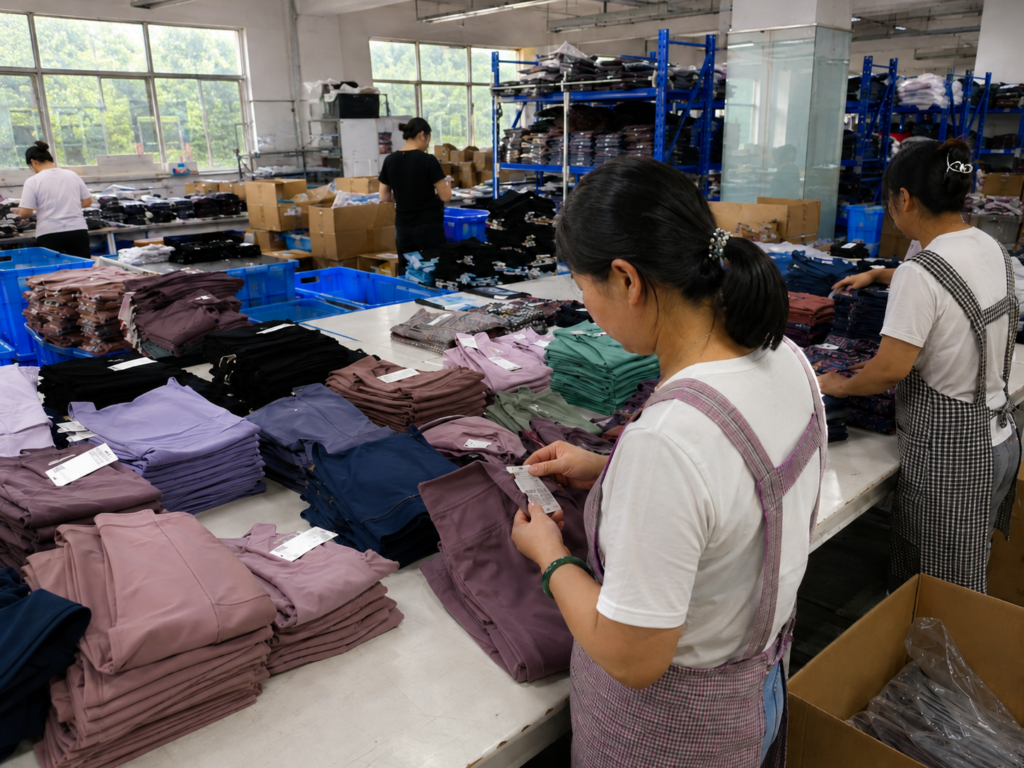
Leadshow has an approximately 45-person quality-related team supporting review of materials, cutting, sewing, specialized workmanship, measurements, appearance, branding, labels, packaging and quantities at applicable stages. The actual inspection scope comes from approved Tech Packs, patterns, measurement charts, BOMs, samples and order requirements rather than from a single universal checklist applied to every garment.
Depending on the program, reviews may include material checks, cutting review, first-article review where applicable, in-line review, finished-garment review, measurement verification, workmanship and appearance review, branding and label verification, packing and SKU verification and needle detection for applicable garments. Some programs may also require a defined AQL level, selected 100% inspection items, a brand inspection or a third-party inspection. Those requirements should be confirmed in writing for the order.
The approved sample remains an important reference because it connects visual expectations with measurable specifications. Quality review is strongest when the latest product version, measurement information and packing rules are available to the relevant team. Inspection does not replace formal performance testing, chemical compliance, certification or destination-market regulatory review. Those activities are separate and should be arranged when required. The aim is to identify deviations against agreed standards early enough for appropriate action, while keeping the inspection method aligned with the actual product and order risk.
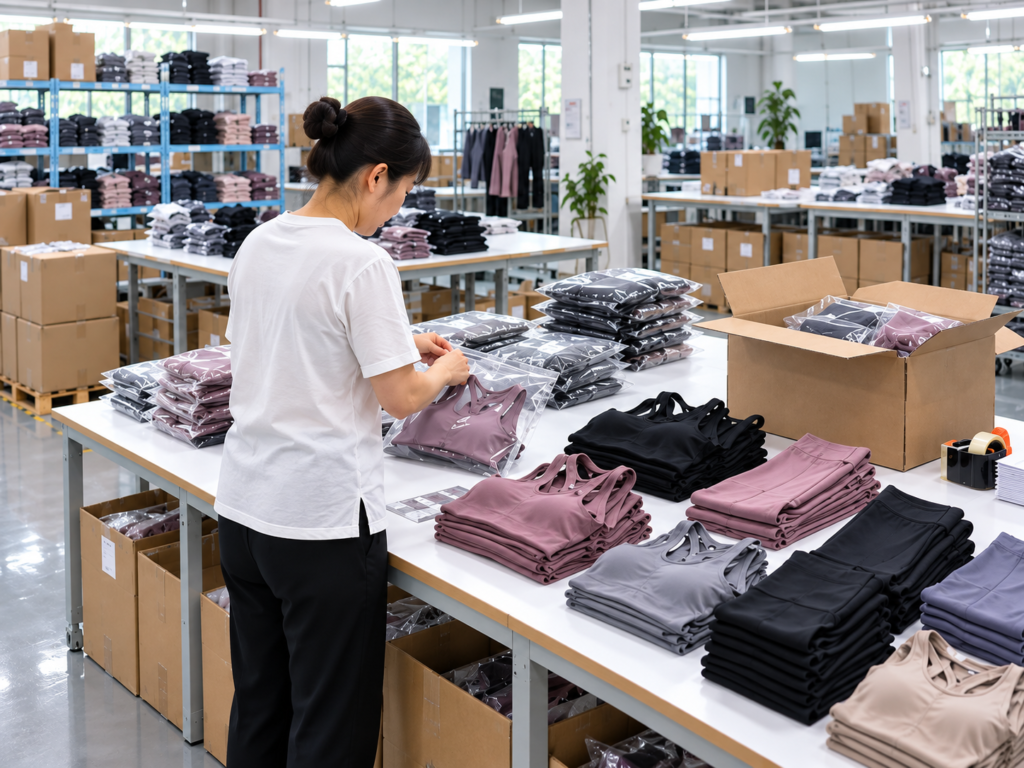
Manage Deviations Instead of Promising Zero Defects
When a deviation is identified, the relevant scope can be isolated, reviewed, corrected, rechecked and recorded according to the issue. A measurement difference may require a pattern or sewing adjustment, a branding issue may require process review, and a packing error may require SKU or label re-verification. The response should match the problem rather than rely on a generic promise that every issue can be prevented.
Product quality depends on more than final inspection. Material behavior, pattern accuracy, cutting, sewing setup, elastic application, special workmanship, finishing, label preparation, packaging and transport can all affect the finished garment. Development, production, quality and logistics functions therefore need to work from the same approved information. A late change to the product version can also create new quality risks if old and new requirements are mixed.
Leadshow does not describe its manufacturing as zero-defect production and does not apply an unverified 100% inspection promise to all orders. Inspection scope, sampling ratios, AQL requirements, customer inspection and third-party inspection are confirmed according to the project. Formal performance testing, chemical compliance and certification remain separate from visual or workmanship review. A transparent deviation process gives sourcing teams a more useful form of risk control: what changed, which units or operations are affected, what corrective action is taken and what needs to be rechecked before shipment release.
MOQ, Quotation and Timing Factors
A useful sportswear quotation needs enough product and order detail to connect materials, construction, quantities, colorways, sizes, branding, packaging, testing and target timing. The more clearly these inputs are defined, the easier it becomes to review MOQ, feasibility, development work, production planning and delivery milestones.
RFQ Item
What to Provide
Effect on Review
Product style
Sports bra, T-shirt, leggings, tennis skirt, jumpsuit, running shorts, tank top, tracksuit, hoodie or other confirmed category
Defines construction, equipment and material path
Quantity
Units per design, color and size
Standard MOQ generally starts from 100 pcs per color per design; final MOQ is project-specific
Colorways
Number of colors and reference method
Affects material sourcing, minimums, approval and SKU count
Size range
Brand size chart or measurement chart
Affects pattern/grading work, cutting plan, labels and SKU mix
Fabric and trims
Composition or material direction, hand feel, stretch, trims
Affects feasibility, supplier minimums, cost, testing and timing
Construction
Panels, seams, waistbands, pockets, lining, bonding or special details
Affects workmanship, equipment selection and production complexity
Branding
Logo files, label layout, placement, dimensions
Affects application method, durability review and supplier minimums
Packaging
Individual packing, hangtags, barcode/SKU needs, carton marks
Affects packaging materials, packing work and order setup
Testing / compliance
Destination market, required test or document scope
May require material documents, sample testing or third-party coordination
Sample timing
Required date plus material and approval status
No fixed universal lead time; timing confirmed after product and material review
Bulk timing
Target goods-ready date plus order and approval status
Confirmed after material readiness, sample approval and current scheduling
Delivery timing
Target ETD/ETA, destination and agreed shipping method
Goods-ready, ETD and ETA are separate milestones; carrier/customs conditions affect arrival
Private Label, Labels and Packaging
Brand identity should remain consistent from garment details through labels, hangtags, individual packing and carton identification. Artwork, placement, label content, SKU information and packaging specifications should be approved early enough to support production planning rather than being added as disconnected finishing instructions at the end.
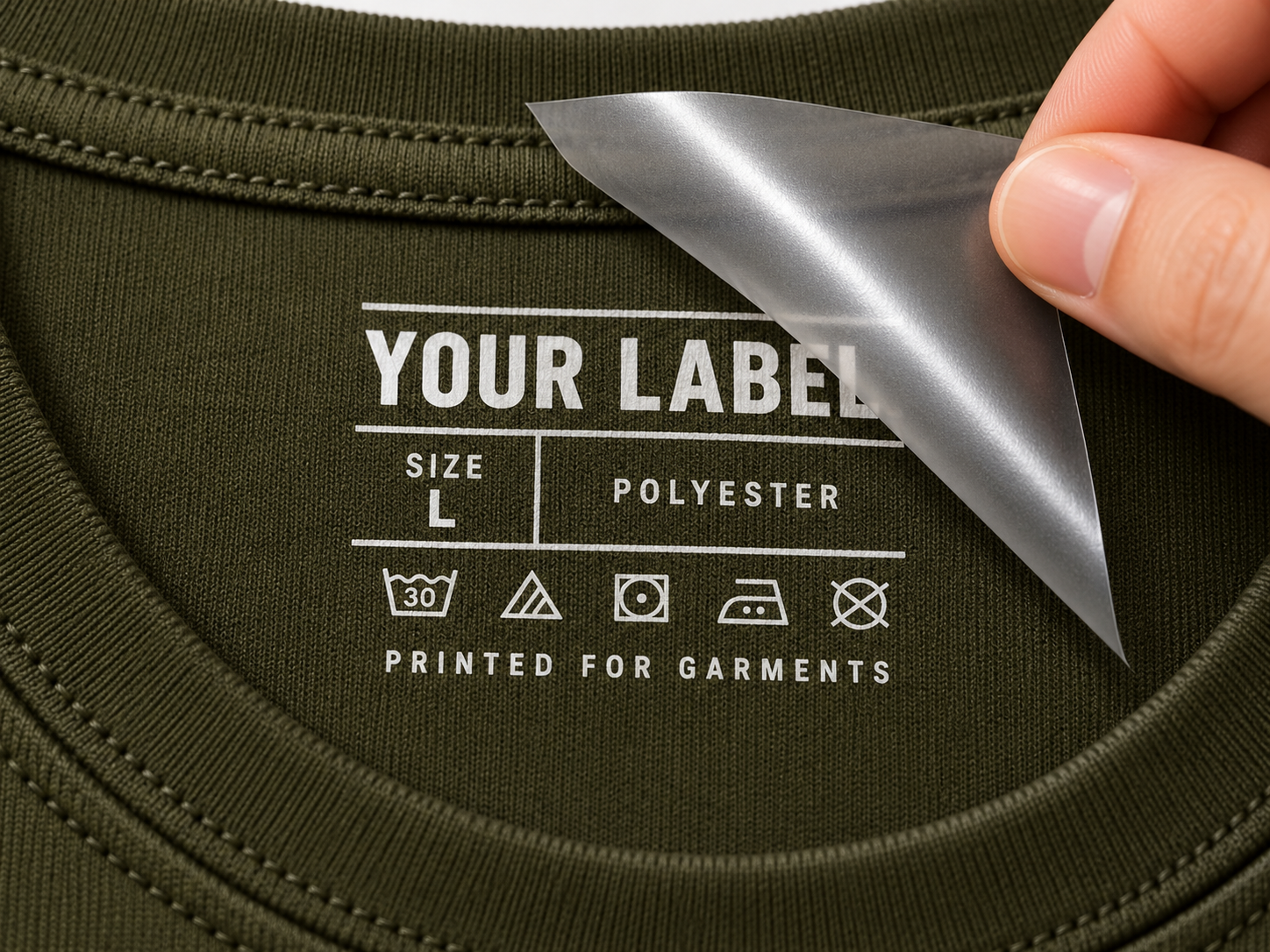
Logo Application
Logo work starts with artwork, placement, size, color and the garment material. Leadshow has heat-transfer and heat-press equipment for selected applications, while other branding methods may be coordinated according to project scope. Adhesion, wash resistance, color migration and surface appearance depend on the chosen material and process, so any durability claim should be supported by appropriate review or testing. Where a different decoration method is required, Leadshow can review the scope and coordinate appropriate resources, with final feasibility and responsibility confirmed before approval. Final approval should identify the exact artwork version and placement reference used for bulk application.
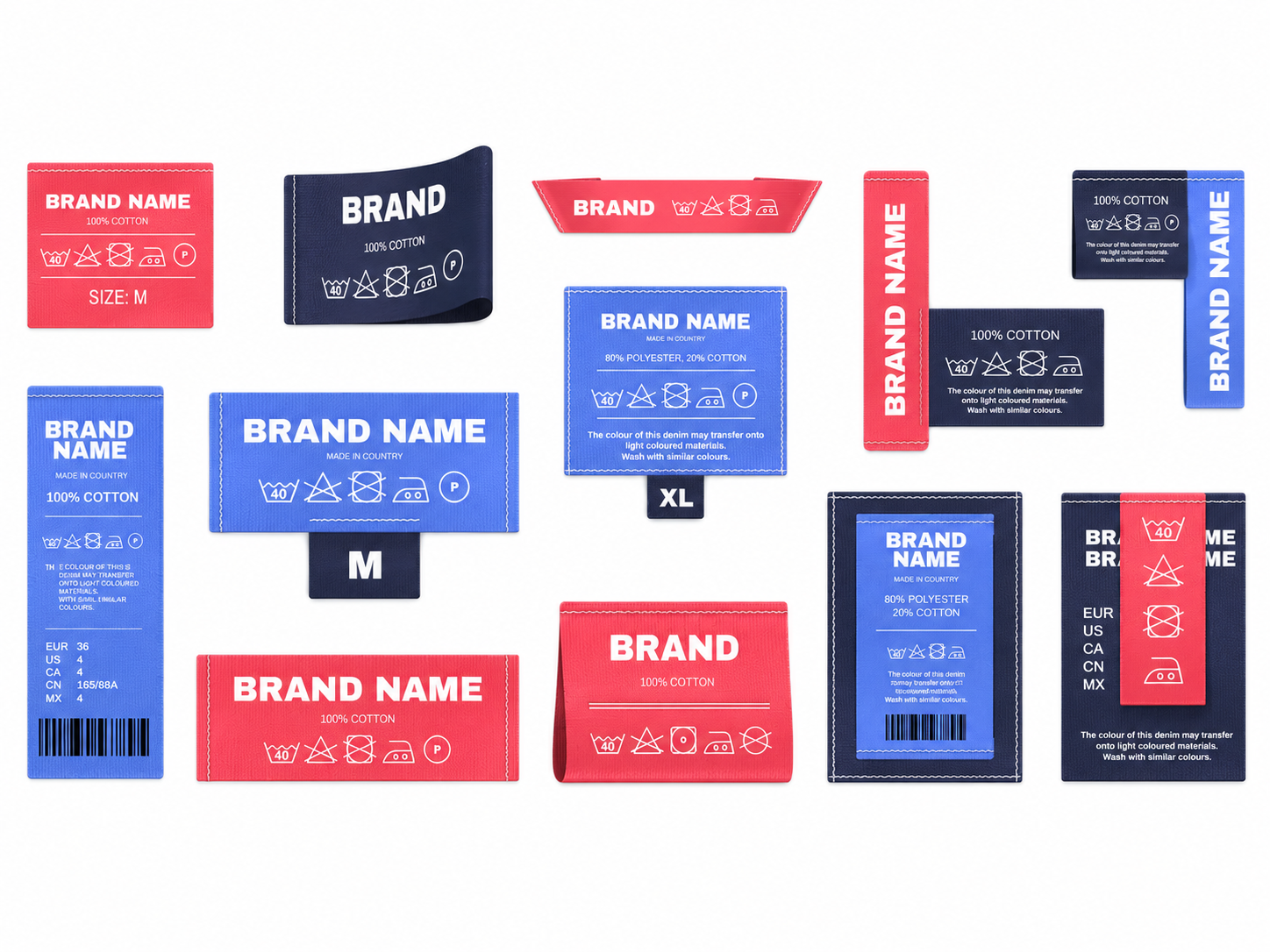
Main and Size Labels
Main labels and size identification must match the approved style and SKU. Heat-transfer labeling is available for suitable garments, and other label formats can be reviewed according to the design. Label dimensions, placement, text, language and material need approval before production so branding does not conflict with seams, stretch zones or garment comfort. For multi-size programs, label quantities should follow the approved SKU matrix so production and packing teams do not rely on manual size assumptions. A label approval sample can help confirm readability, position and appearance before full production.
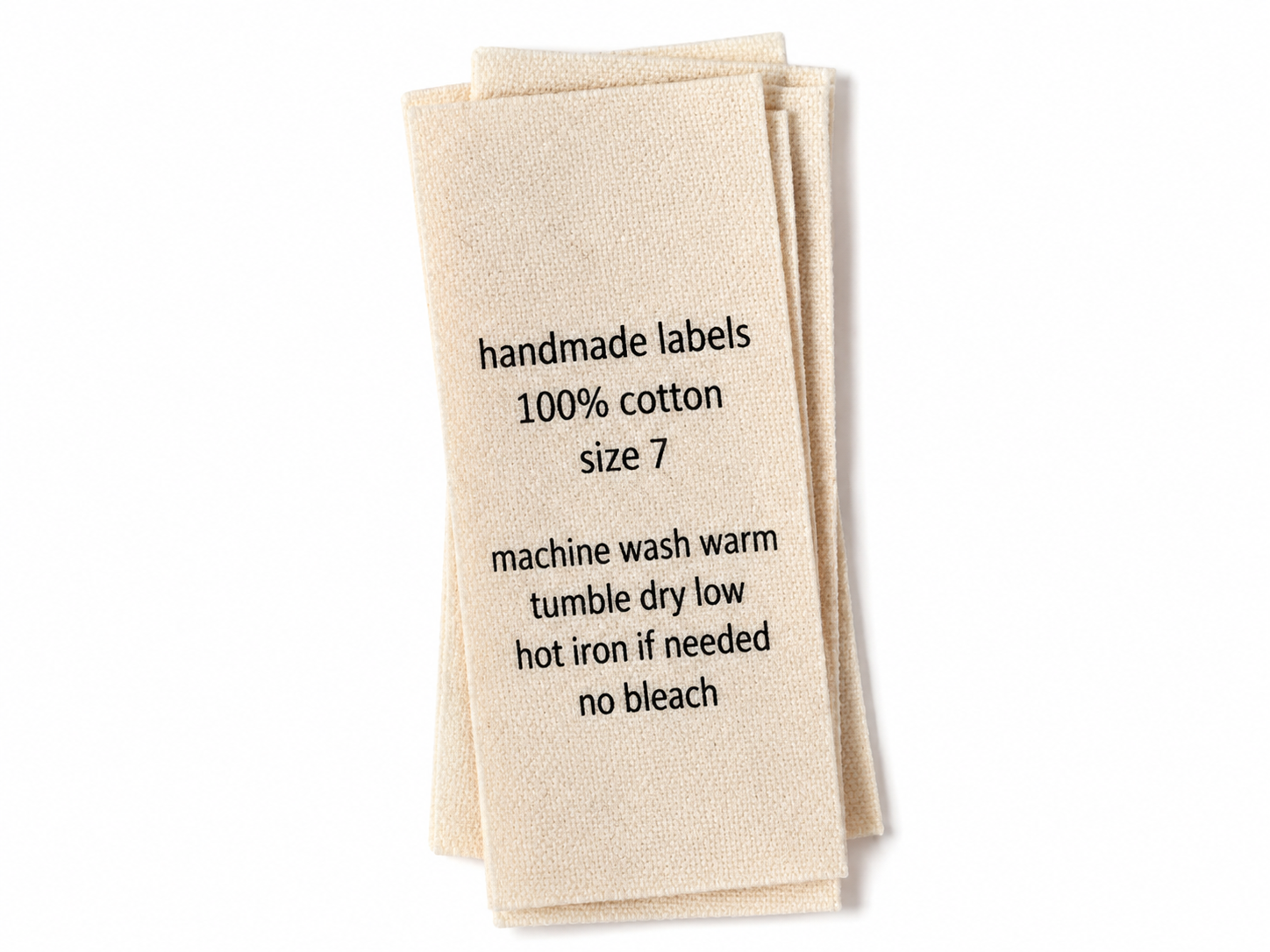
Care Information
Care information should reflect the actual garment materials, construction and destination requirements rather than a generic template. The brand or responsible party should provide or approve final content, symbols and language. Leadshow can coordinate label production and placement based on approved files, but regulatory wording and market-specific obligations should be confirmed by the responsible compliance function. If a destination market or retailer specifies additional wording or symbols, those requirements should be supplied and approved before label production begins. Final label wording should remain tied to the approved material and market information for the actual style.
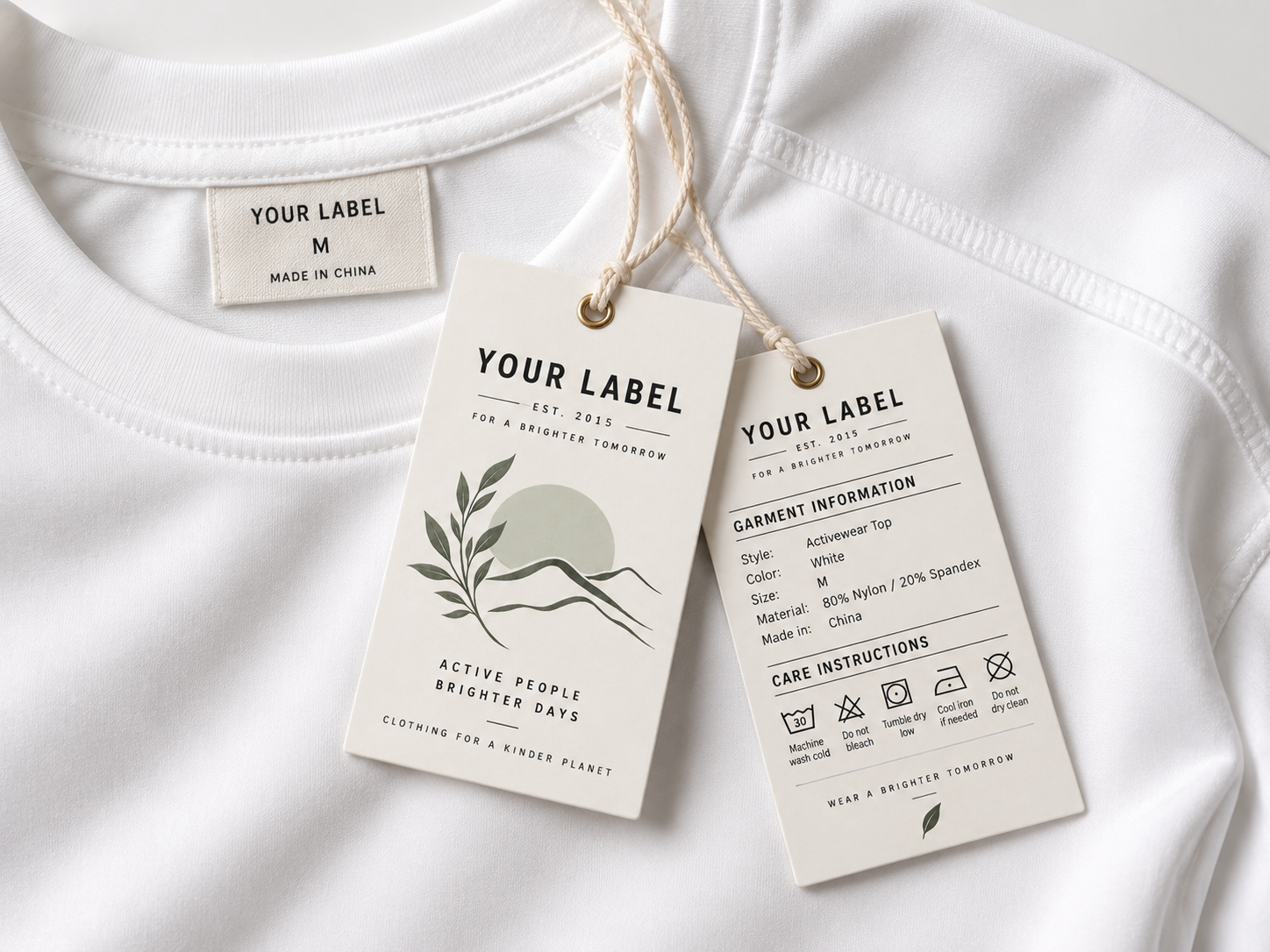
Hangtags and Brand Details
Hangtags can carry product identity, size, barcode or brand information depending on the commercial program. Final artwork, paper specification, string or attachment method and supplier minimums should be reviewed before bulk production. Brand assets are handled according to project authorization, and unapproved third-party logos or designs should not be reproduced. Hangtag quantities, versions and attachment positions should be linked to the SKU plan when different markets or product groups use different brand information. Brand files should be version controlled so outdated pricing, product names or market information are not reused.
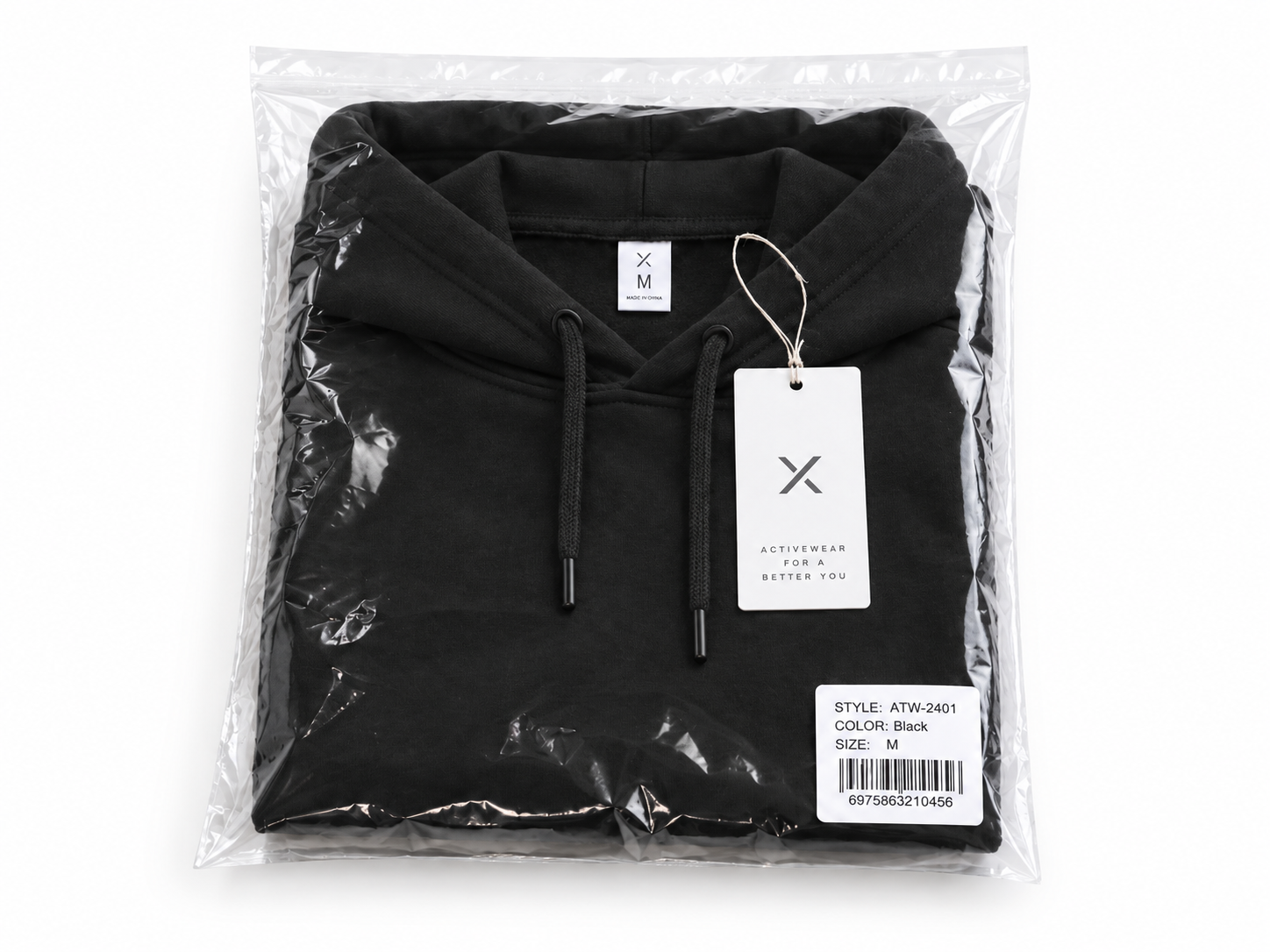
Individual Packing
Unit packing may include folding, bagging, size identification, stickers or other approved requirements. Leadshow has four automatic folding and packing systems for suitable standardized products, while complex garments or special packaging may require different handling. Packing format should be confirmed alongside the product and SKU plan rather than after garments are completed. Packing trials may be useful for unusual shapes or sets so folding method, bag size, label placement and finished presentation can be checked before full order packing. Unit-packing instructions should remain linked to SKU and carton requirements throughout the packing stage.

Carton and Shipment Preparation
Carton quantity, assortment, marks, SKU identification and packing-list information support accurate shipment handover. The warehousing and logistics team can assist with sorting, label checks, carton preparation and forwarder coordination. Final shipping responsibilities, documentation and delivery terms depend on the agreed commercial and logistics arrangement. A finalized carton plan can also support quantity reconciliation and forwarder handover, particularly when styles, colors or sizes are mixed according to an approved assortment. Shipment records should reflect the final approved assortment and packing structure used for the actual order.
Export Coordination for International Sportswear Orders
Leadshow supports export-oriented apparel programs serving Europe, North America, South America and Oceania. Shipment preparation can include SKU sorting, label and packing verification, carton checks, packing-list support and nominated-forwarder coordination, while Incoterms, customs responsibilities and destination services remain subject to the agreed commercial arrangement.
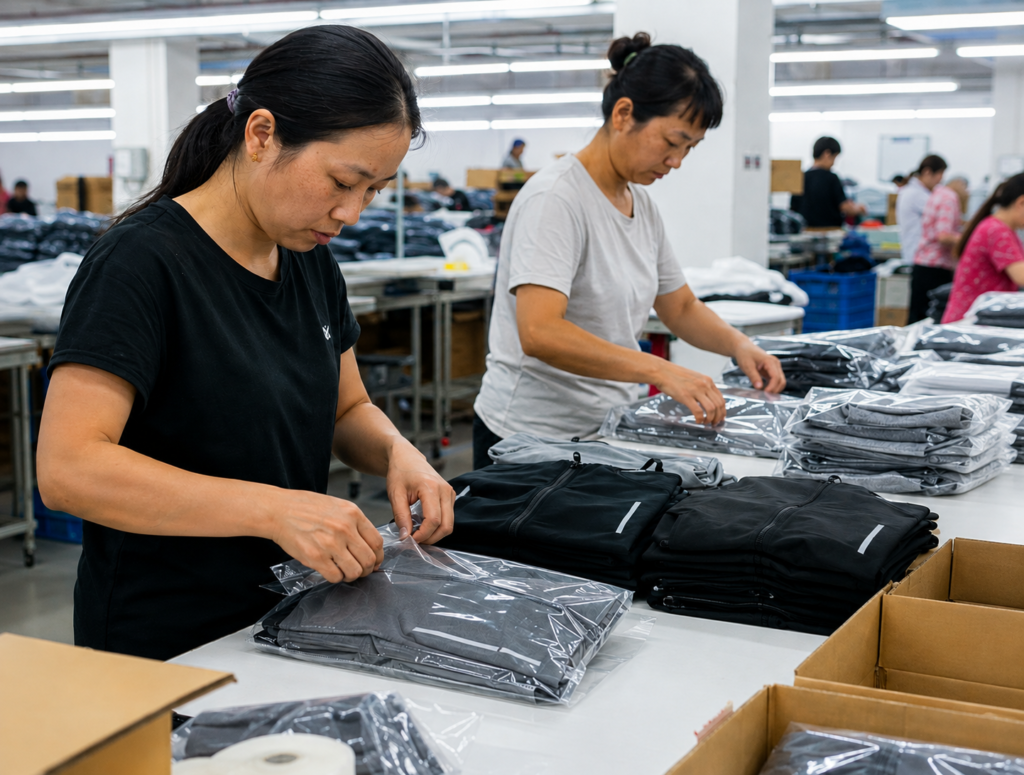
Prepare the Order for Forwarder Handover
Finished goods need more than production completion before shipment. Styles can be sorted by color and size, quantities checked, labels and packaging verified, carton counts confirmed, carton marks reviewed and packing-list information prepared before handover. Leadshow’s warehousing and logistics team supports material handling, SKU sorting, labeling, packing, carton preparation and shipment coordination. A nominated forwarder can be coordinated according to the project.
The shipment plan should also identify which documents and responsibilities belong to the agreed commercial arrangement. Incoterms, insurance, customs responsibilities, destination services and any special warehouse requirements should be confirmed rather than assumed from a general export statement. Leadshow’s confirmed export regions include Europe, North America, South America and Oceania. Specific destination countries, local delivery services and customs arrangements are still project matters.
For multi-SKU orders, packing accuracy is especially important because the finished garments may be correct while cartons, size labels or assortment ratios create downstream problems. A clear carton matrix and shipment instruction set helps reduce those risks. The final handover should therefore connect the production version, quantity summary, packing rules and forwarder information. Export coordination is not a promise of worldwide door-to-door delivery; it is the organized preparation and communication required to move an approved commercial order from finished-goods status into the agreed logistics process.
Separate Production Completion From Final Arrival
A realistic delivery plan distinguishes manufacturing milestones from logistics milestones. Goods-ready date refers to the point when the order is prepared for release under the applicable quality and commercial conditions. ETD is the planned departure date, while ETA depends on carrier schedules, routing, port or airport operations, customs and other external factors. Treating these dates as one promise can create confusion when production is complete but transport conditions change.
A request for an urgent program should therefore include the required launch or delivery date early enough for material, sampling, production and shipping options to be reviewed together. Leadshow does not use one fixed production lead time for every sportswear style. Construction, material availability, branding, quantity, size and color mix, approval status and current scheduling all influence the manufacturing plan. An estimated schedule becomes more meaningful after these inputs are known.
Leadshow also does not guarantee customs clearance, platform-warehouse acceptance or final carrier arrival. Where split shipment, air freight or another delivery approach is considered, the option should be evaluated against cost, quantity, urgency and the agreed shipping terms. Separating goods-ready, ETD and ETA gives sourcing teams a clearer view of which milestone is controlled by manufacturing and which depends on the logistics chain. That distinction is especially important for seasonal sportswear launches and replenishment orders where a delay at one stage can affect the commercial plan.

How to Evaluate a Wholesale Sportswear Manufacturer in China
A strong sportswear supplier shortlist should be built around product fit, development capability, manufacturing evidence, quality controls, MOQ transparency, SKU execution, packaging and delivery coordination rather than marketing claims or the lowest quoted price. The checklist below turns those sourcing questions into evidence that can be reviewed before qualification.
Evaluation Question
Evidence Worth Reviewing
Leadshow Information Available
Is sportswear part of the real manufacturing scope?
Confirmed product categories, real samples, relevant production processes
Sports bras, sports T-shirts, yoga leggings, tennis skirts, jumpsuits, running shorts, tank tops, tracksuits, hoodies and sweatshirts are confirmed major products
Can the manufacturer review a Tech Pack or reference sample?
Development workflow, pattern and sample capability
Tech Pack, measurement chart, pattern, reference image and physical-sample review are supported
Can fit and construction be developed or adjusted?
Pattern, fit and sampling process
Pattern and fit adjustment, sample development and manufacturing-feasibility review are supported
Are MOQ conditions explained clearly?
MOQ by design/color plus material and trim conditions
Standard MOQ generally starts from 100 pcs per color per design, subject to project conditions
Can approved samples be transferred into bulk requirements?
Production-version control, sample comparison, quality references
Approved-sample-based production, version review and sample-to-bulk coordination are supported
Can the factory manage commercial scale?
Facilities, team, equipment and capacity with clear boundaries
3 bases; 20,000+ m² combined facilities; 1,500+ team; 304 machines; capacity up to approximately 120,000 garments/month under suitable conditions
Can multiple colors, sizes and SKUs be coordinated?
SKU, label, packing and carton controls
Multi-SKU coordination, label and packaging verification, sorting and packing support are available
Are quality controls linked to approved requirements?
Material, in-process, finished-garment and packing review
Approximately 45-person quality-related team; inspection scope confirmed by order
Can private-label details be executed?
Logo, labels, hangtags, packing and artwork controls
Custom labels, selected heat-transfer/heat-press processes and customized packaging can be reviewed
Can international shipment requirements be coordinated?
Packing, forwarder handover and export experience
Export project support for Europe, North America, South America and Oceania; nominated forwarder coordination available
Are performance claims separated from equipment claims?
Testing records, material documents and product-specific evidence
Functional claims are treated as material- and testing-dependent rather than assumed
Are business limits stated clearly?
No unsupported guarantees, rankings or certifications
Leadshow uses project-specific language for MOQ, timing, capacity, testing and acceptance
Wholesale Sportswear Frequently Asked Questions
Clear answers on MOQ, development, sampling, production, quality, private label and packaging help sourcing teams decide whether a manufacturer fits the program and what information should be submitted next. Answers remain project-specific where materials, testing, timing, capacity or commercial conditions have not yet been confirmed.
What is your MOQ for wholesale sportswear?
Standard MOQ generally starts from 100 pieces per color per design. Final MOQ depends on fabric, trims, construction, colorways, size mix, branding, packaging, testing and supplier minimums. Send the style, quantity by color, size range and material direction for a project-specific review.
Do you manufacture custom sportswear?
Yes. Leadshow supports custom sportswear manufacturing within confirmed product and process scope. Projects can start from Tech Packs, reference images, measurement charts, physical samples or product concepts. Construction, material, branding, quantity and manufacturability are reviewed before sampling or bulk production.
Do you offer OEM sportswear manufacturing?
Yes. OEM work can start from mature specifications such as a Tech Pack, measurement chart, pattern or reference sample. Leadshow can support sample development, revisions, bulk manufacturing, quality review, labels, packaging and export coordination according to the approved project requirements.
Do you support ODM product development?
Yes. Manufacturing-focused ODM support can begin from concepts, sketches, references or incomplete technical information. Development may include construction clarification, material direction, pattern and fit work, sampling and manufacturability review. Final scope, fees, revisions, MOQ and timing are confirmed by project.
Can you manufacture from a Tech Pack?
Yes. Tech Packs can be reviewed together with measurement charts, BOM information, artwork and reference samples. Missing or conflicting information can be identified before sampling. Final feasibility, MOQ, cost and production timing depend on the confirmed construction, materials, branding and order conditions.
Can I send an existing garment sample?
Yes. A physical sample can be used as a reference when the sender has the right to use the design and technical information. Specify which features should remain, which issues need improvement and the intended quantity, market and branding requirements.
How long does sampling take?
Leadshow does not publish one fixed sampling time for every sportswear project. Timing depends on construction, material availability, trims, branding, pattern work and revision scope. An estimated sampling schedule can be provided after the product and material requirements are reviewed.
How is bulk production quality reviewed?
Quality review can cover materials, cutting, sewing, measurements, appearance, branding, labels, packaging and quantities at applicable stages. Inspection scope, AQL requirements, full-inspection items, customer inspection or third-party inspection are confirmed by order rather than applied as one universal rule.
Can you provide private-label packaging?
Yes. Leadshow can review main labels, size labels, care labels, hangtags, individual packing and carton identification according to the program. Packaging supplier minimums, artwork, barcode or SKU requirements and final packing rules should be confirmed before bulk production.
What do you need for a quotation?
Send the product style, quantity by design and color, size range, fabric or material direction, construction details, branding, packaging, destination market and target timing. A Tech Pack, measurement chart, reference image or physical sample can improve quotation accuracy.
Send Your Sportswear Project for Manufacturing Review
Share the information already available and Leadshow can review the project from a manufacturing perspective. A complete Tech Pack is useful, but an initial discussion can also begin with reference images, an existing garment or a product concept. Include the intended sportswear category, quantity per design and color, size range or measurement chart, fabric direction, key construction details, logo and label requirements, packaging needs, destination market and target timing. Standard MOQ generally starts from 100 pieces per color per design, while final MOQ, quotation, sample timing and bulk schedule are confirmed after materials, construction, branding and production conditions are reviewed. Files should also identify any required performance testing, retailer standards, third-party inspection or shipment instructions. Clear project information makes the first review more accurate and reduces repeated clarification before sampling. When available, include the approved reference garment, current artwork version, color standard, SKU breakdown and any required goods-ready or shipment milestone. Missing information can be identified during review so the project can move forward with a focused clarification list rather than broad assumptions.