
Wholesale Hoodie Manufacturer
Develop brand-ready hoodies from technical requirements, reference samples or product concepts, then move approved specifications into organized bulk production.
- OEM and ODM hoodie development for commercial apparel programs
- Pattern, fit, material, trim and construction review before sampling
- Private-label support for logos, garment labels and packaging
- Sample-to-bulk coordination based on approved files and product standards
- Standard MOQ generally starts from 100 pieces per color per design, subject to project conditions
Wholesale Hoodie Manufacturing Built Around Commercial Programs
Leadshow supports hoodie projects that require more than a ready-made garment. The work starts with product requirements, quantity structure and brand specifications, then moves through development, sampling, manufacturing and delivery preparation under agreed project conditions.
Bulk Manufacturing
Wholesale production begins with a defined product version rather than an open-ended request for “hoodies.” Style, colorways, size breakdown, fabric direction, trims, branding and packaging are reviewed before production planning. Approved specifications become the reference for material preparation, cutting, sewing, finishing and packing. Available capacity is confirmed after the style mix, order volume, material readiness and current production schedule are reviewed, so commercial planning stays connected to the actual garment rather than a generic factory number.
Custom Development
A hoodie can enter development from a Tech Pack, reference image, physical sample or a more complete product concept. Construction, fit, fabric, trims, logo positions and size information are reviewed before a sampling route is proposed. Where information is incomplete, the missing points are clarified before they become production problems. The goal is to convert the requested look and fit into measurable specifications that can be sampled, evaluated and later executed in bulk under agreed tolerances.
Private Label Production
Private-label work covers the product and its brand execution as one program. Logo files, garment labels, size and care information, hangtags, SKU references and packing artwork can be coordinated according to the approved product and market requirements. Branding is not treated as a final decoration step after the garment has been made; the required label positions, artwork sizes, packaging versions and identification rules are reviewed early enough to prevent conflicts with the hoodie construction and order matrix.
Hoodie Programs for Brands, Wholesale and Distribution Teams
The same hoodie specification can create very different procurement risks depending on the sales model. Product development, MOQ structure, SKU control, packaging and reorder planning should reflect how the program will be sold and replenished.
Established Apparel Brands
Established labels often arrive with Tech Packs, existing samples, size standards and internal quality requirements. Leadshow can review the supplied files, identify points that need manufacturing clarification, prepare samples and build bulk-production requirements around the approved version. For long-running programs, more attention is placed on version control, material reconfirmation, size consistency, SKU accuracy and repeat-order continuity rather than on creating a generic hoodie from scratch.
Wholesalers and Distributors
Wholesale programs need styles that are commercially manageable across colors and sizes. Product choice, material direction, price level, color count and size ratio all influence stock exposure and reorder flexibility. Leadshow can review a focused hoodie range and its quantity matrix, then align manufacturing, labeling, packaging and carton rules with the distribution model. The objective is a product program that can be purchased, sorted, packed and replenished without unnecessary SKU complexity.
Private Label Companies
Private-label projects need a complete branded product rather than a blank garment with a logo added at the end. Product construction, fabric, fit, color, logo execution, garment labels, hangtags and packing files are reviewed as connected requirements. Approved branding files are linked to style, color and size information so the garment and its packaging stay aligned during bulk production. Final wording, legal content and market-specific label information remain subject to project approval.
Import and Retail Programs
Import and retail programs often combine larger quantities with stricter identification, packaging and delivery preparation. Style numbers, colorways, size breakdowns, labels, barcodes, individual packing and carton marks can be organized against the order matrix. Leadshow also supports export-delivery preparation and coordination with nominated forwarders where required. Customs clearance, platform entry and destination delivery outcomes remain governed by the agreed trade and logistics arrangements.
Build a Wholesale Hoodie Range Around a Clear Sales Role
A stronger wholesale range assigns a clear commercial role to each hoodie instead of multiplying colors, trims and constructions without a plan. Development can be organized around volume, private-label and more differentiated product directions.
Core Volume Program
A core-volume hoodie is built for stable repeat purchasing rather than maximum complexity. The product direction should keep the fit, material, construction and branding clear enough to support predictable sampling, bulk execution and future reorders. Fewer unnecessary variations can also reduce material fragmentation and SKU pressure.
- Define the core fit and use case before adding decoration.
- Keep color and size planning aligned with realistic order volume.
- Record the approved product version for repeat-order review.
Private Label Program
A private-label hoodie connects the garment, brand identity and packing system. Logo placement, label content, hangtags, SKU references and individual packaging are reviewed together with the product specification. Each branded component may have its own supplier minimum or production condition, so the project should be planned as a complete branded set rather than several unrelated add-ons.
- Submit vector artwork and brand references early.
- Link labels and packaging to the exact style/color/size matrix.
- Approve files before bulk packaging materials are ordered.
Custom Streetwear Program
A more differentiated hoodie may place greater emphasis on silhouette, hood shape, shoulder position, body volume, rib proportions, special trims, washing direction or graphic placement. Every added feature should still be translated into measurable specifications and manufacturing steps. Complex appearance alone is not enough; the approved sample must become a workable production standard.
- Define the intended silhouette with measurements and references.
- Review material behavior before freezing the pattern.
- Use sampling to validate high-risk details before bulk approval.
Hoodie Customization Options Reviewed Before Sampling
A wholesale hoodie becomes manufacturable when design choices are converted into clear product specifications. The following eight areas are reviewed together because changing one element can affect fit, material use, cost, MOQ, sampling and bulk consistency.
Fit
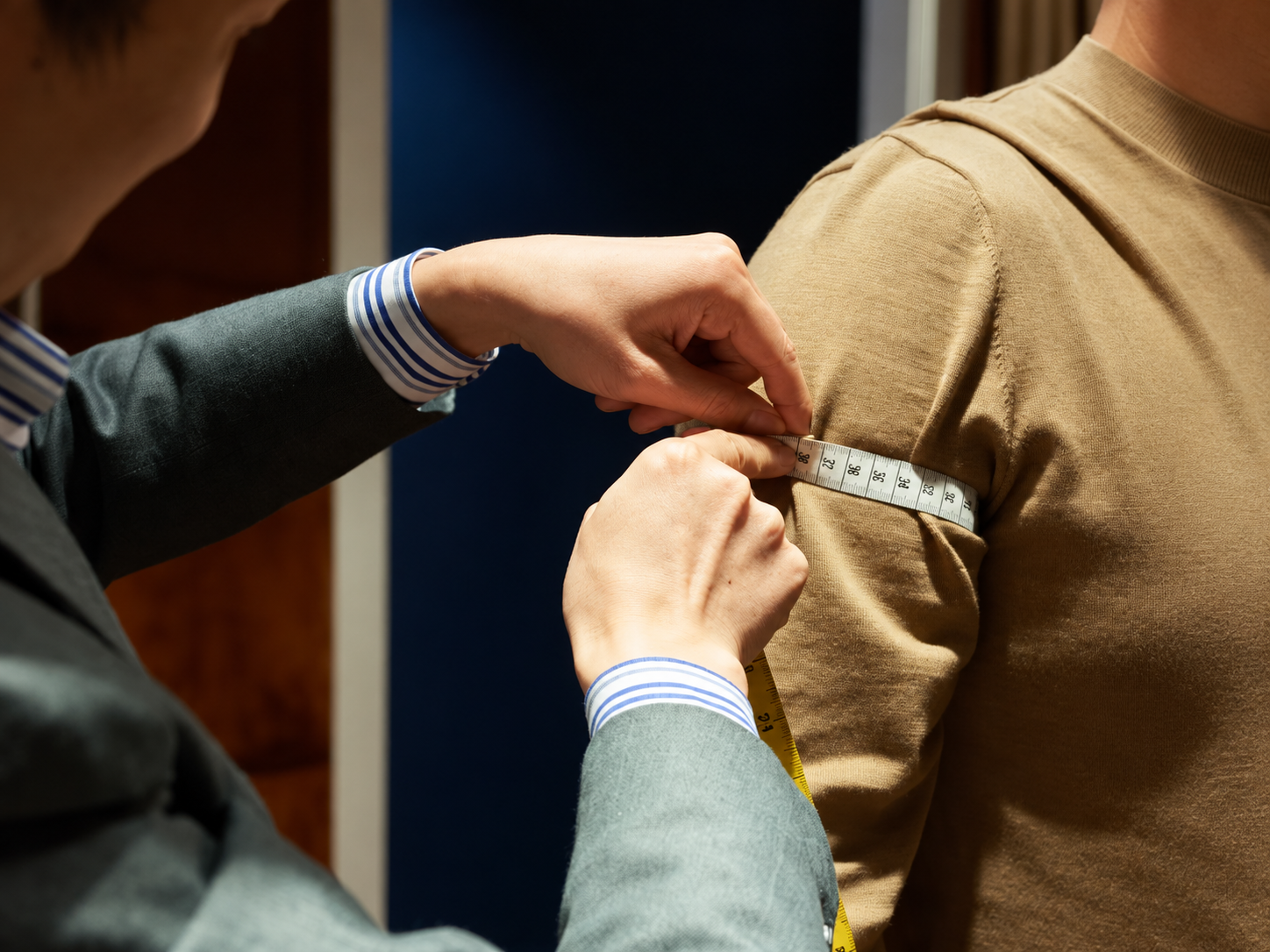
Fit is defined through measurable garment dimensions, intended ease and the reference silhouette. Body width, body length, shoulder position, sleeve volume and hem relationship can influence the overall look even when the same nominal size is used. A clear size chart and measurement method reduce subjective “oversized,” “regular” or “relaxed” descriptions. Final fit should be validated with the actual fabric and sample rather than assumed from a generic block.
Fabric
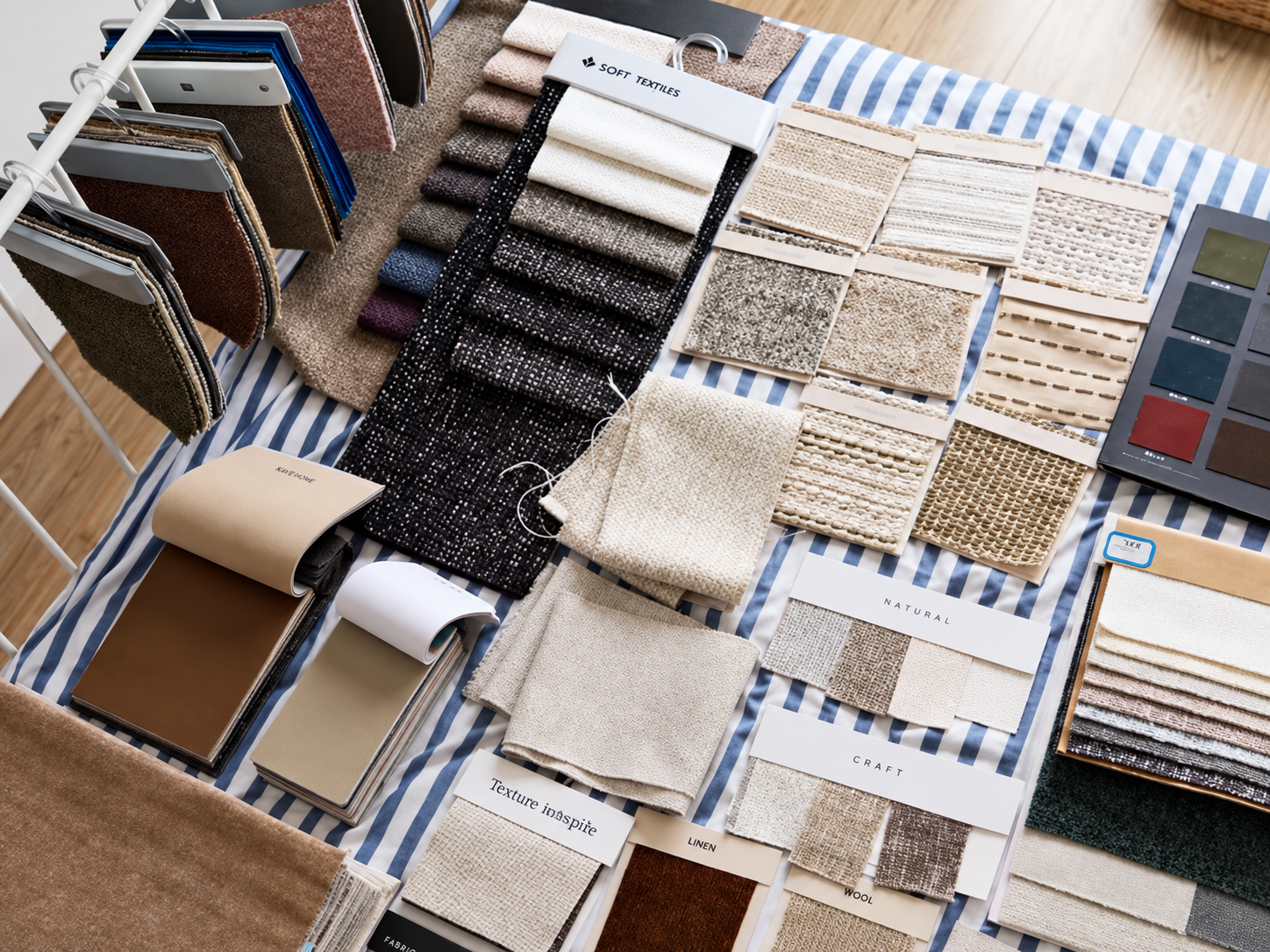
Fabric direction considers composition, construction, surface, handfeel, weight, shrinkage behavior, color and supply conditions. Two materials with a similar GSM can feel and drape very differently, so selection should connect the product role with the desired appearance and wear experience. Material availability, supplier minimums and custom-color requirements may also influence MOQ, sampling and production timing. Final performance claims require relevant material information or testing.
Color
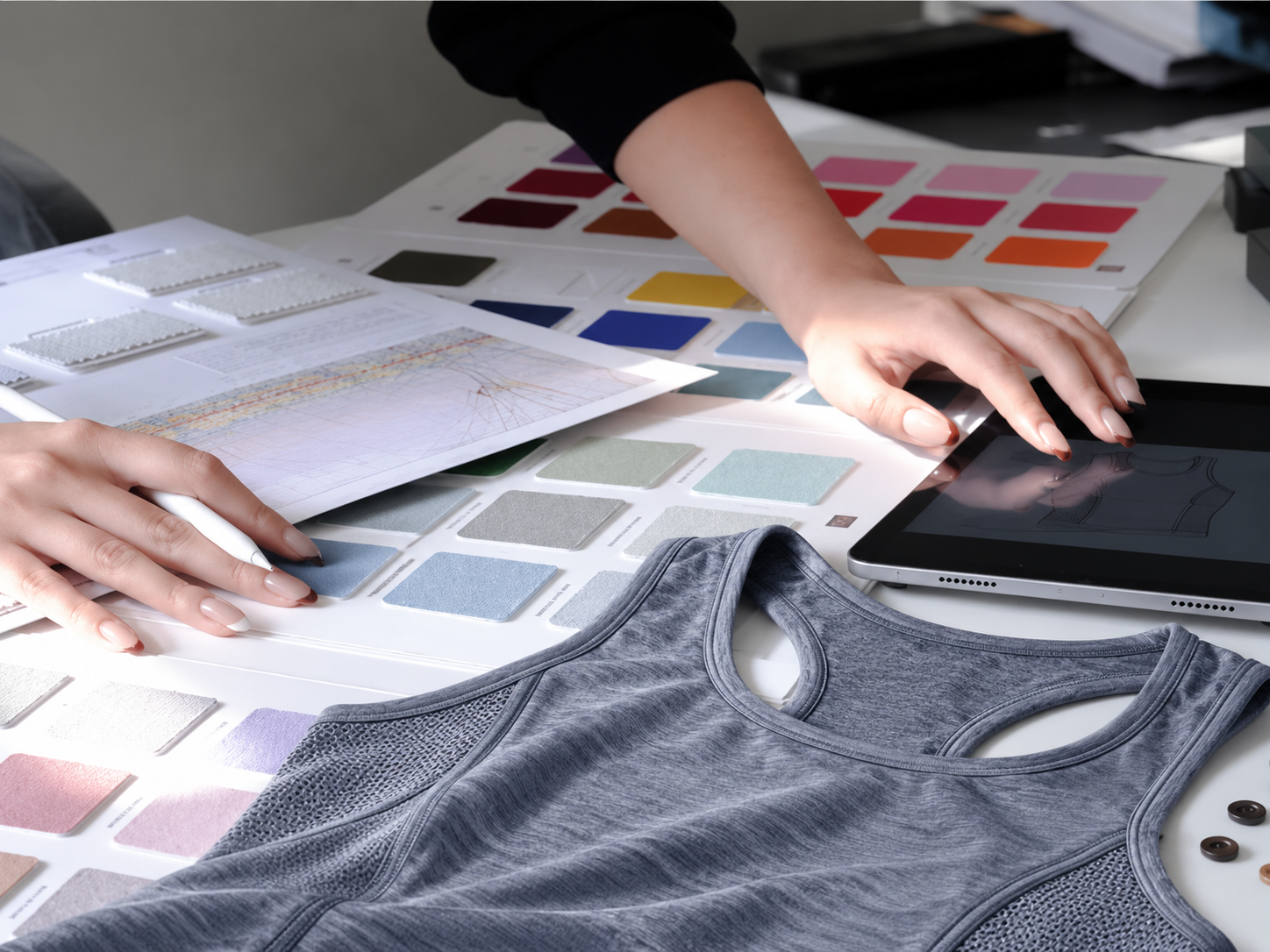
Color planning affects more than appearance. Multiple colorways divide the order quantity and may create separate fabric-dyeing, rib, trim, label or packaging requirements. Color references should be supplied through approved standards where possible, and bulk production should follow the confirmed material and color version. Custom colors can involve additional supplier minimums and timing, so a focused color program often gives a stronger starting point for wholesale development.
Trims
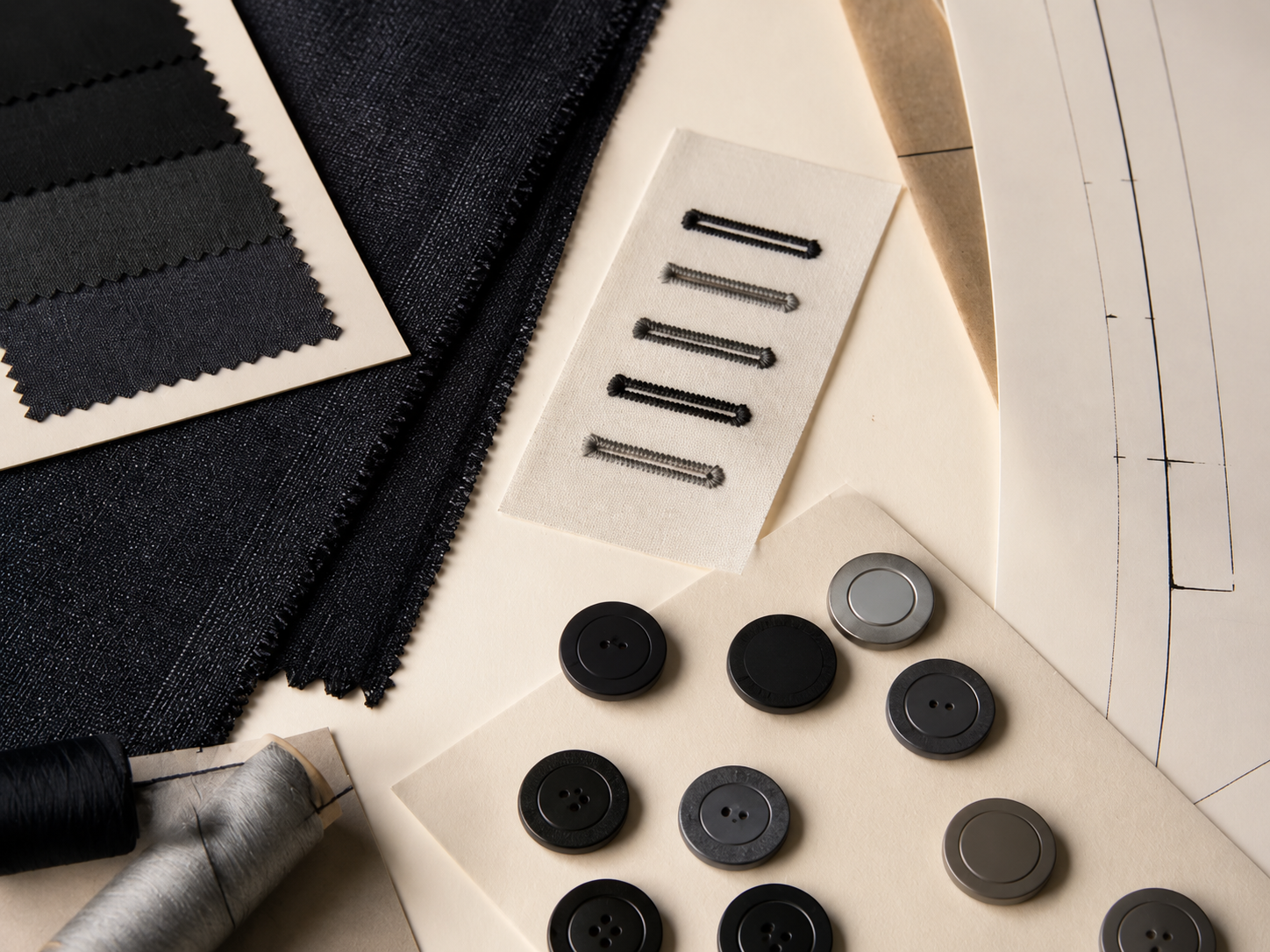
Trims can include rib, drawcord-related components, zippers, eyelets, labels and other approved accessories required by the design. The right trim must match fabric thickness, garment construction and intended use. Custom hardware, colors or branded components can carry separate supplier MOQs. Specifications should therefore include dimensions, finish, color and placement, with alternatives reviewed before sampling when the original component is not commercially available.
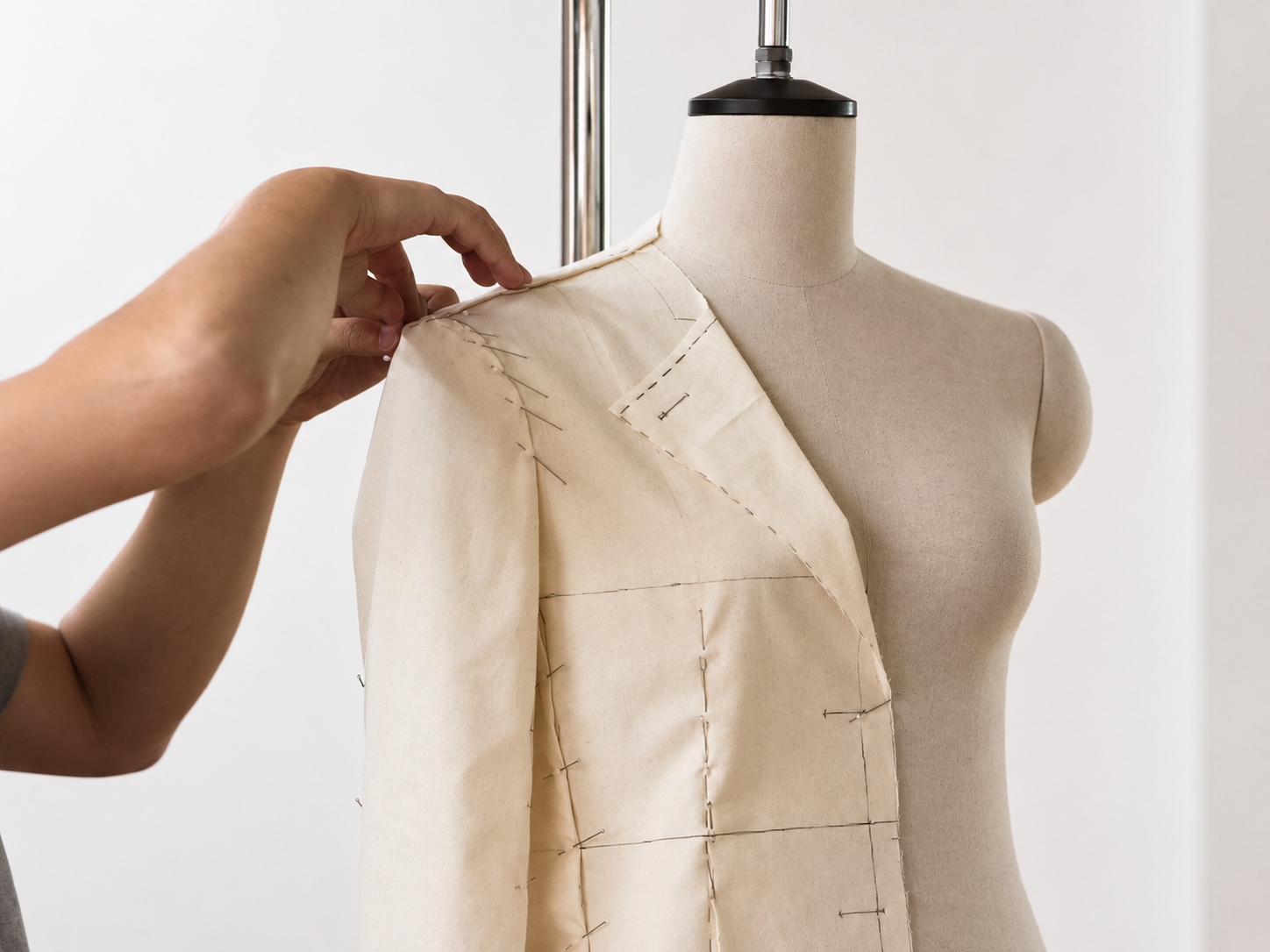
Construction
Construction covers hood shape, seams, pockets, openings, rib attachment, reinforcement points and any design-specific assembly details. A visually simple hoodie can still require careful engineering if several materials, layers or trim systems interact. Construction is reviewed for both appearance and repeatability, with high-risk points identified before bulk production. Where needed, local mock-ups or sample stages can validate details before the final garment version is approved.
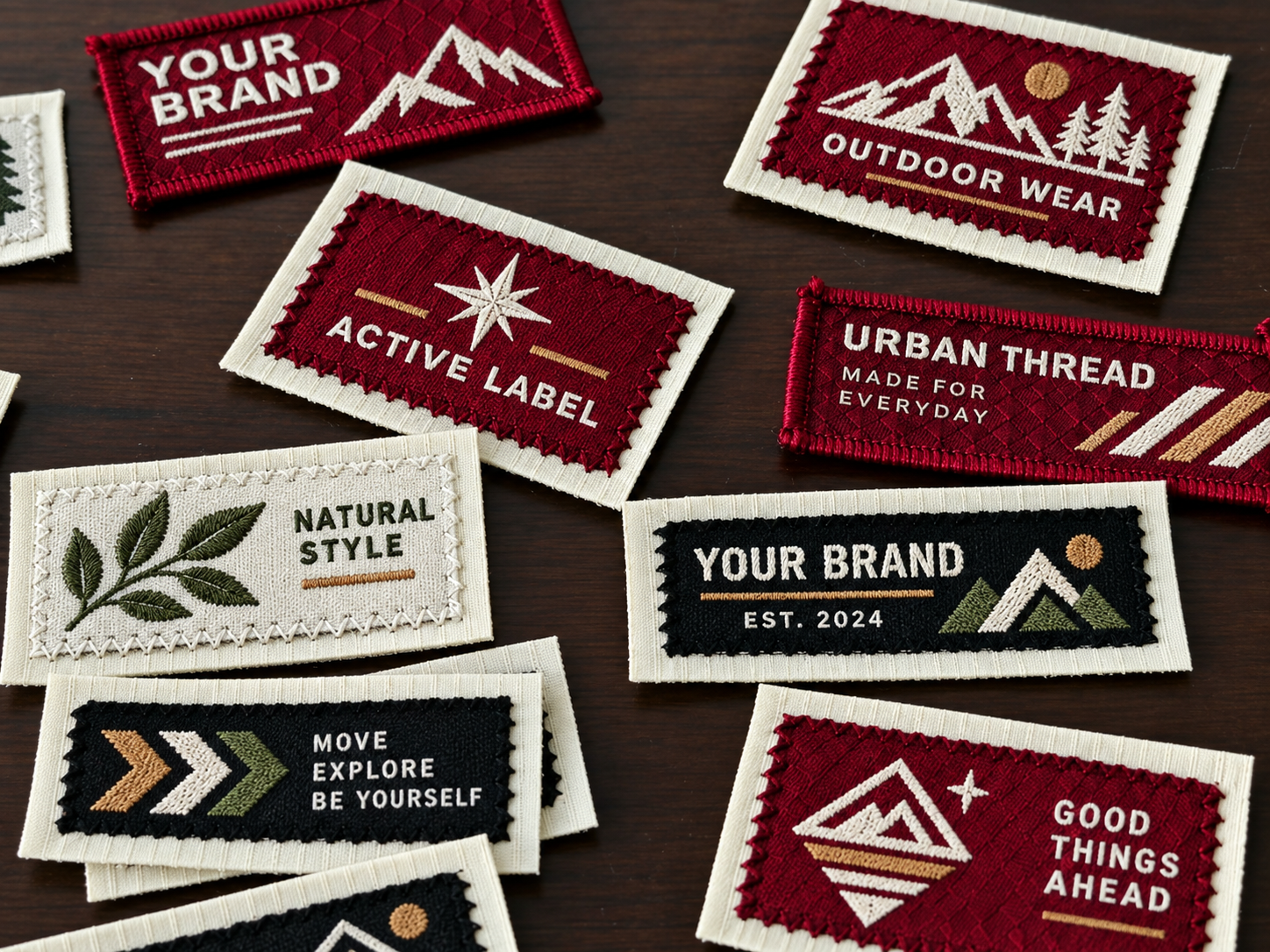
Logo
Logo execution is evaluated against the artwork, fabric surface, product position, color and durability requirement. Leadshow has confirmed heat-transfer and heat-press equipment, while other decoration methods should be treated according to the actual project resource and approval route rather than assumed to be internally available. Artwork size, placement and color must be frozen in the approved files so bulk inspection can compare production against a defined reference.
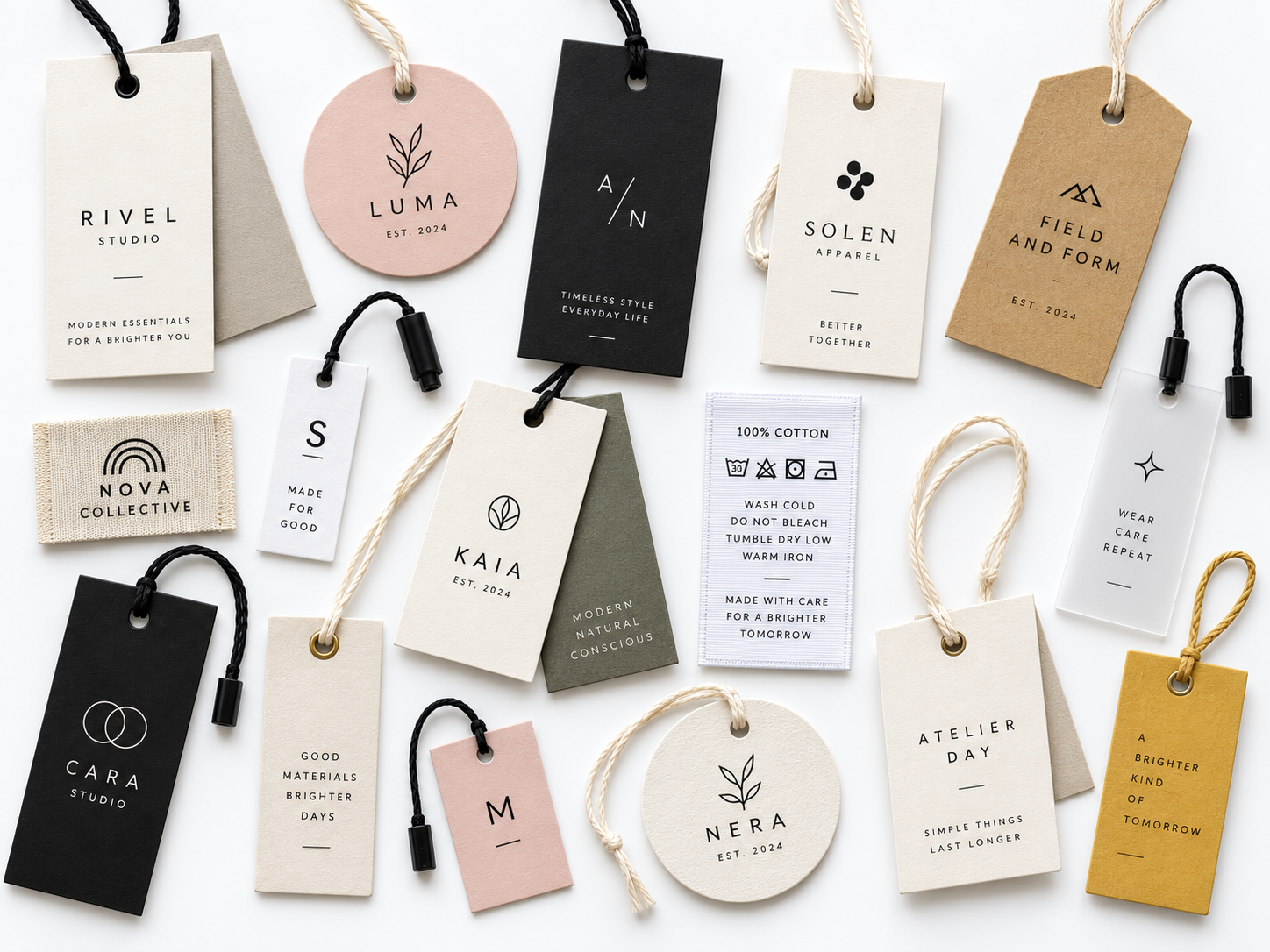
Labels
Main labels, size labels, care labels and other approved identification elements should correspond to the exact garment and market requirements. Label content, dimensions, placement and attachment method are reviewed before bulk production, especially when several styles, colors or markets use different versions. Composition, care, origin or language information should be based on the actual product and applicable market requirements, with final content approved by the brand or responsible party.
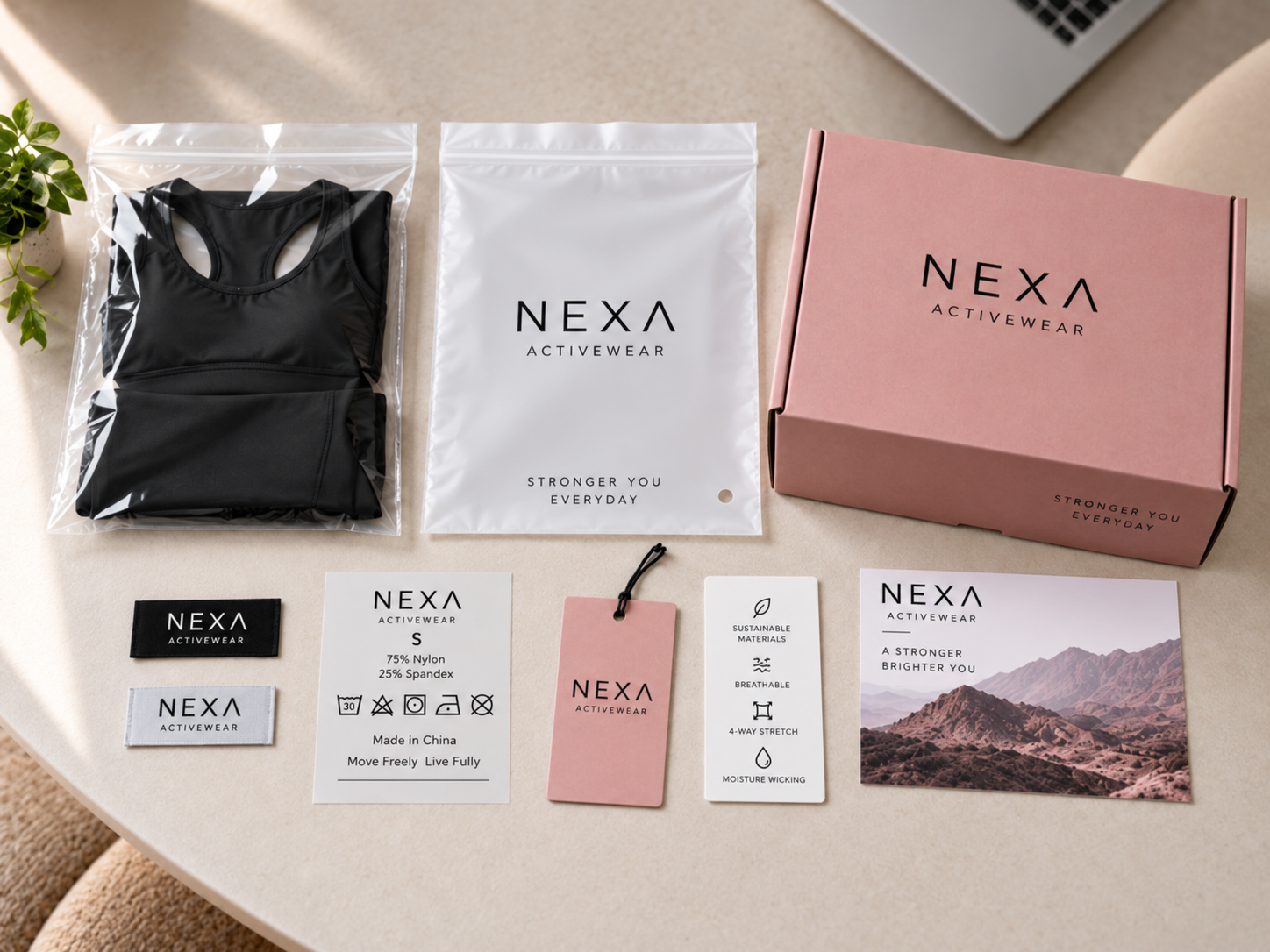
Packaging
Packaging can include individual bags, stickers, barcodes, hangtags, cartons, carton marks and other agreed components. Packing decisions affect SKU accuracy, warehouse handling and export preparation, not only presentation. Artwork and physical packaging should be checked against garment dimensions and the order matrix. Complex packaging or custom materials may have separate supplier minimums, so final packing specifications and quantities are confirmed as part of the project rather than treated as a fixed standard.
Choose Hoodie Fabric and GSM by Product Goal
GSM is only one material parameter. Fabric structure, fiber composition, finishing, handfeel, shrinkage and the intended silhouette should be reviewed together before a hoodie material is approved. Leadshow does not publish a universal “best GSM” because the right specification is project-specific.
Selection Factor
What to Define
Effect on Hoodie Development
Fiber composition
Required fiber direction or reference
Influences handfeel, care, shrinkage behavior, cost and sourcing conditions.
Fabric construction
Surface, structure and inside/outside appearance
Changes bulk, drape, stretch, warmth and sewing behavior even at similar GSM.
GSM / fabric weight
Target weight or comparative sample
Influences thickness, drape, material use, shipment weight and pattern behavior.
Handfeel
Soft, dry, compact, brushed or other approved reference
Should be validated with a real swatch or sample rather than described only by adjectives.
Shrinkage
Project requirement and test method if applicable
Can affect pattern allowance and finished-garment measurements.
Pilling / wear requirement
Required quality level or test requirement
May require material testing or supplier documentation before a claim is made.
Decoration compatibility
Logo artwork, method and placement
Fabric surface and heat sensitivity can affect logo appearance and process choice.
Color route
Available shade, custom color or approved color standard
May influence material MOQ, sampling route and production timing.
Material MOQ
Supplier minimum and order color structure
Can exceed the garment quantity minimum for some custom materials or colors.
Verification
Swatch, sample, approved material reference
The final bulk material should be checked against the approved version and agreed tolerance.
Develop Hoodie Fit and Construction Before Bulk Production
Turn a Visual Silhouette into Measurable Garment Specifications
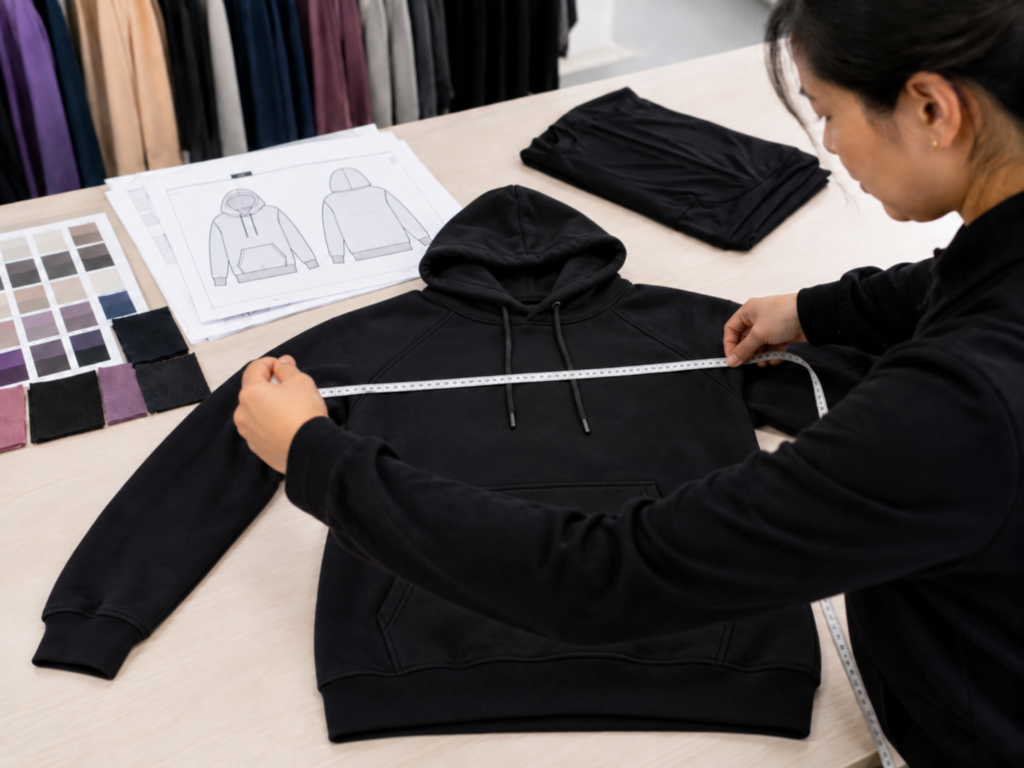
A hoodie can look “oversized,” “boxy,” “regular” or “relaxed” in a reference image, but production cannot rely on those words alone. The requested silhouette should be translated into a size chart, measurement method and pattern direction.
Key points may include chest width, body length, shoulder position, sleeve length and volume, hood dimensions, pocket position, rib height and finished hem relationship. The exact list depends on the approved design. The base size also needs to reflect the intended market and fit direction, while grading decisions should maintain proportion across the agreed size range. Fabric behavior is part of the fit decision. A heavier, more structured material can hold shape differently from a softer or more elastic material, while shrinkage can alter finished dimensions after washing. For that reason, pattern and material approval should move together rather than in separate tracks. Leadshow can review supplied size information, reference samples or development direction and support pattern and fit adjustment according to the project scope. Fit approval should come from measured samples and brand feedback, with any revisions recorded in the current product files before bulk production begins.
Control High-Risk Construction Details Before the Approved Sample
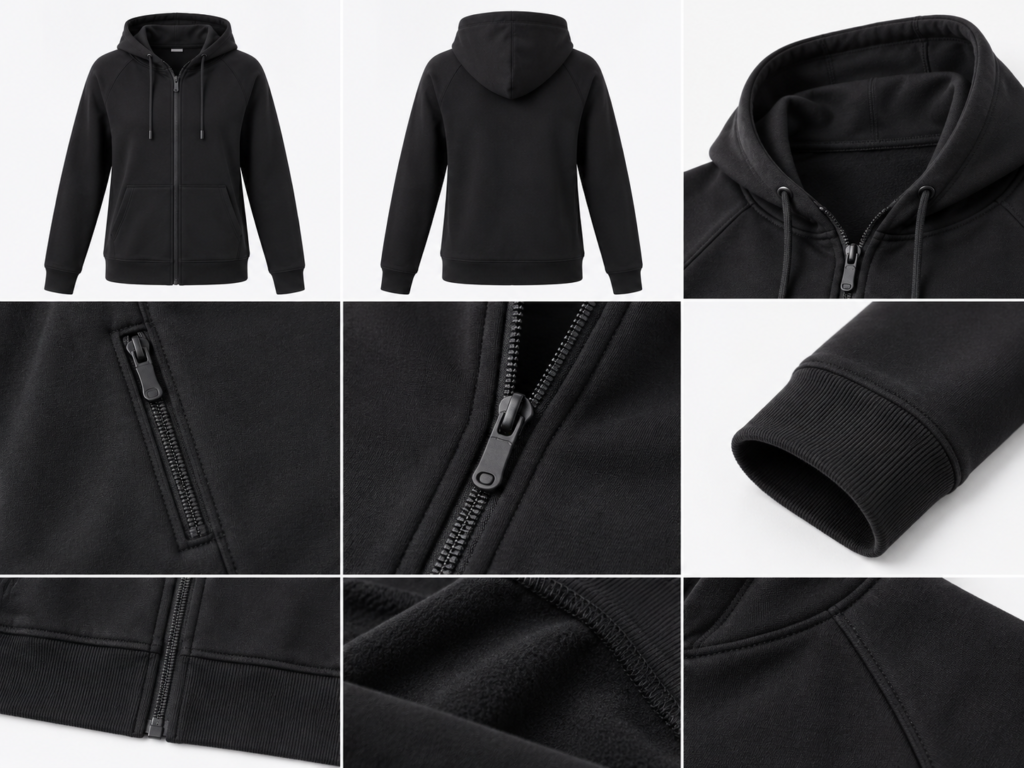
Hood construction, neckline balance, pocket shape, rib attachment, zipper or closure details, seam placement and local reinforcement can change how a hoodie feels and how consistently it can be reproduced.Before the approved sample is frozen, each high-risk area should have a clear specification, material choice and construction method. A trim that is too heavy for the main fabric can distort a lightweight panel; a rib with different recovery can change the hem or cuff shape; a pocket positioned from visual estimation rather than measurement can drift across sizes. Product review therefore considers the relationship between pattern, material, trim and sewing method. Where a complex detail cannot be confirmed from drawings alone, a local mock-up or full sample can be used to verify the appearance and manufacturing route. After approval, the final Tech Pack, measurement chart, approved material information, trim references and artwork versions become production inputs. Any later design change should trigger a review of cost, sample status, MOQ and timing rather than being treated as a minor factory adjustment.
Build a Complete Private Label Hoodie Program
Private-label execution should keep product, branding and packaging aligned from development through bulk packing. The garment remains the starting point, while every brand element needs an approved file, position, version and relationship to the order matrix.
Logo Execution
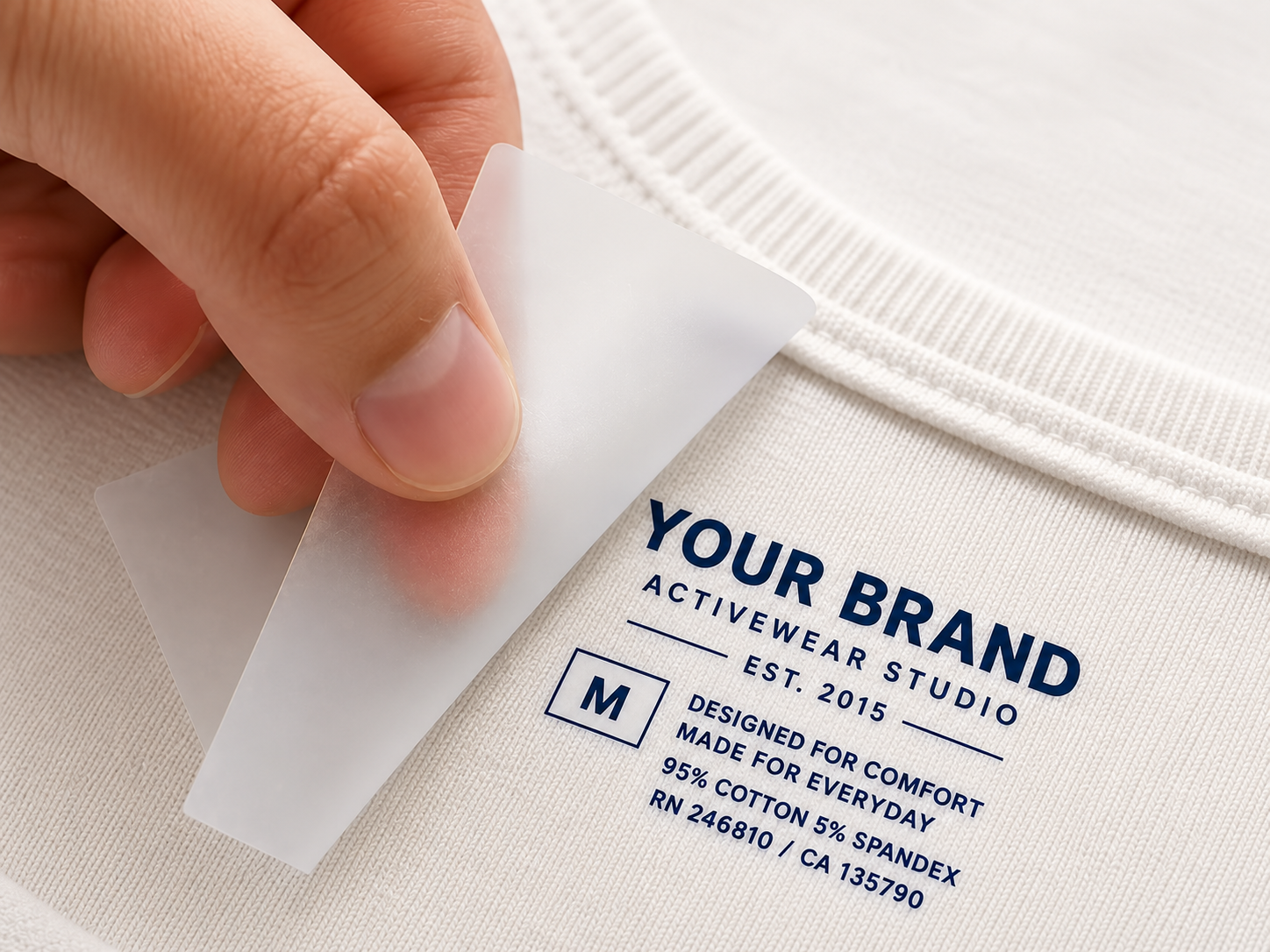
Logo artwork is reviewed together with fabric, placement, size and the required appearance. Confirmed in-house resources include heat-transfer labeling and heat-press processes; any other logo method should be evaluated according to the real project resource, material compatibility and approval route. Bulk inspection needs a clear artwork version and position reference rather than a verbal instruction.
- Submit vector artwork where available.
- Define size, color and position before sampling.
- Approve the logo on the actual or representative material.
Garment Labels
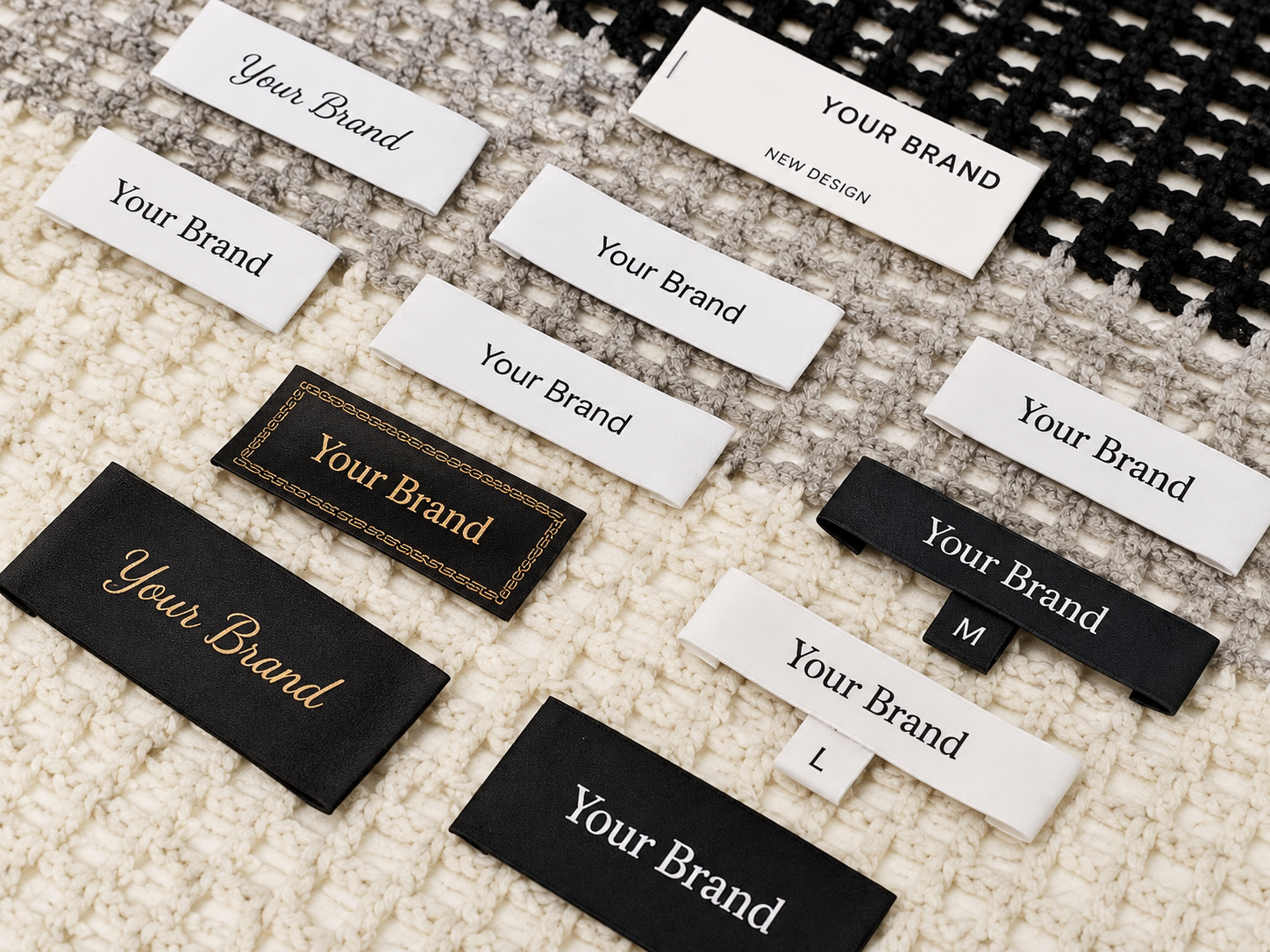
Main labels, size labels, care labels and other approved identification need correct content, dimensions and placement. Different colors, styles, markets or material compositions may require different label versions, so the label file should connect directly to the SKU or product matrix. Leadshow can coordinate custom labels and apply them according to the approved garment specification.
- Provide label artwork and required wording.
- Confirm placement and attachment method.
- Keep market-specific versions under controlled file names.
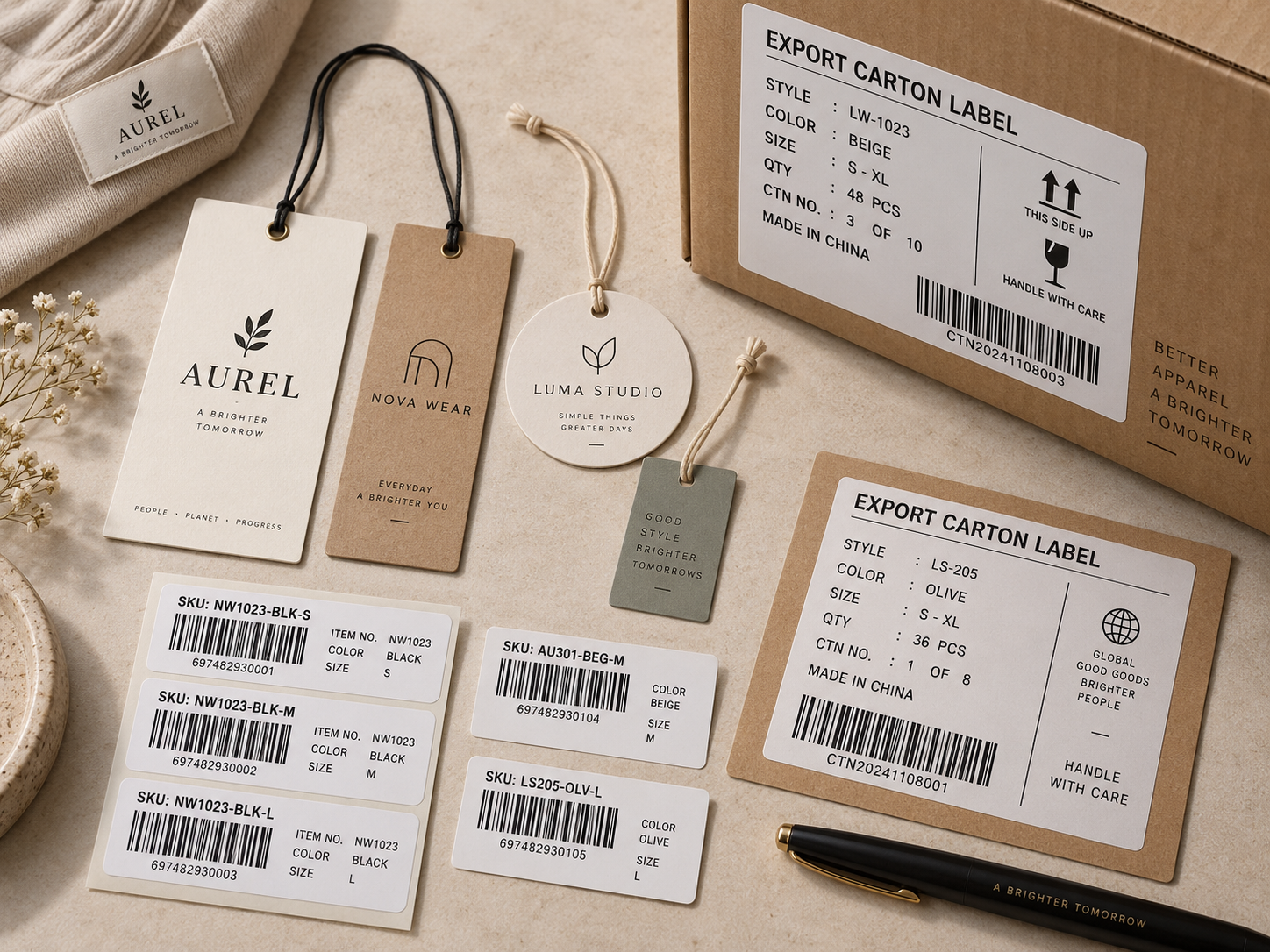
Hangtags and SKU
Hangtags, SKU labels, barcodes and style references help connect the physical garment with the commercial order. Multi-SKU programs should define how style, color and size information appears on the garment, individual pack and carton. Real commercial barcodes or sensitive references should be handled as controlled project files rather than public content.
- Create one approved identification logic.
- Match tags and labels to the size/color matrix.
- Verify representative versions before bulk packing.
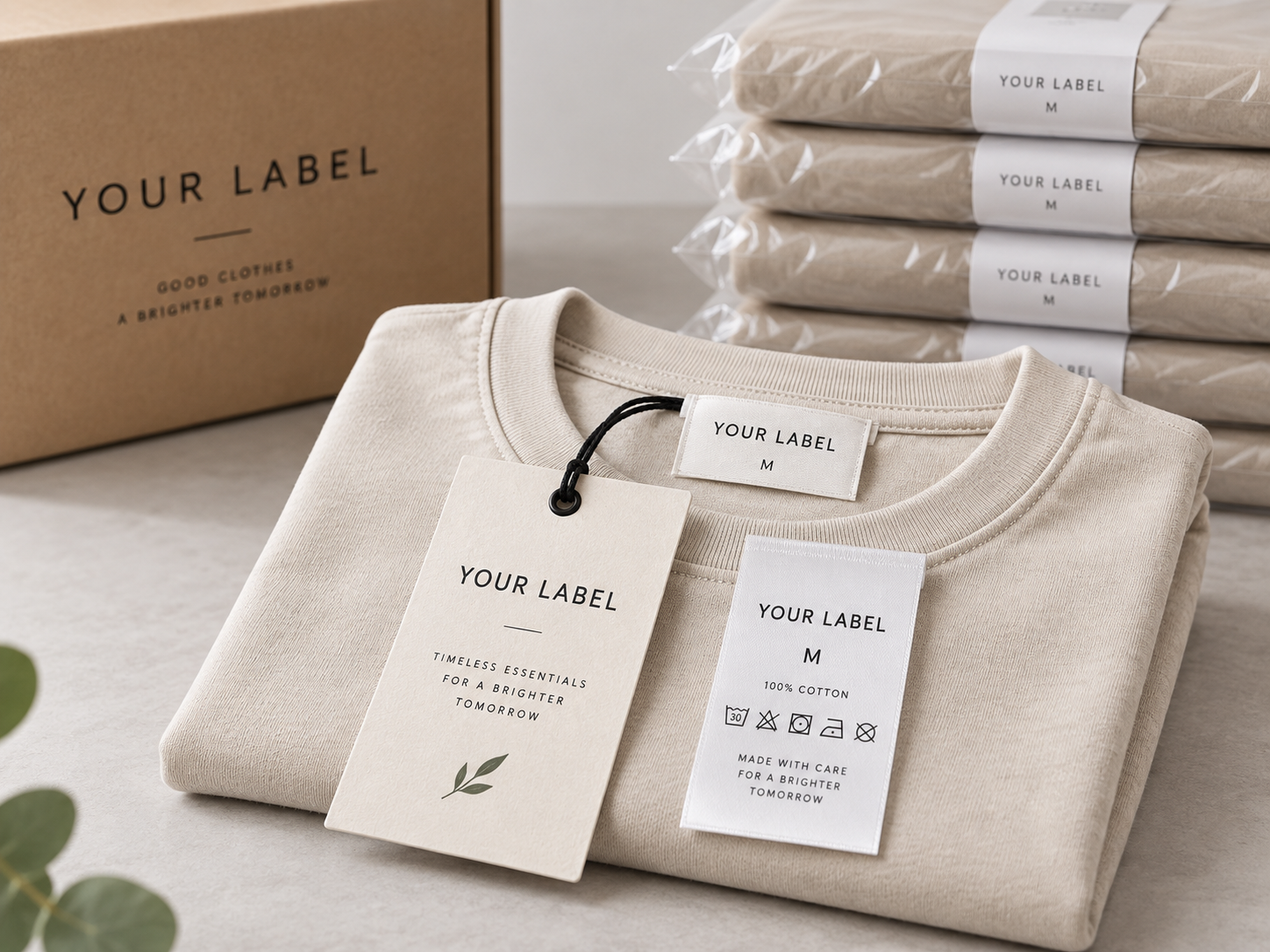
Packaging System
Individual bags, stickers, inserts, carton marks and other packaging items should be treated as production components with their own artwork, dimensions and supplier conditions. Physical packaging can be reviewed with an actual garment to confirm fit, folding method, label position and carton efficiency before bulk use.
- Approve packaging artwork before ordering.
- Check packaging against garment dimensions.
- Link carton information to the final packing list.
Plan Wholesale Hoodie MOQ by Style, Color and Material
Leadshow’s standard MOQ generally starts from 100 pieces per color per design. Final quantity is confirmed after reviewing fabric, trims, construction, branding, labels, packaging, testing requirements and production conditions. A large total order can still create low quantities at individual style/color level.
MOQ Driver
Planning Question
Impact
Style count
How many separate designs are included?
Each design may require its own development, pattern, materials and production setup.
Color count
How many colors per design?
More colors divide the quantity and can create separate fabric or trim minimums.
Size mix
What size breakdown sits inside each confirmed color quantity?
Size distribution affects cutting and production planning but does not automatically replace the color/design MOQ.
Fabric
Stock route, custom color, custom knit or special specification?
Supplier material minimums can exceed the garment MOQ.
Trims
Standard or custom rib, zipper, hardware and other components?
Custom trims may carry separate supplier minimums.
Logo
Artwork method, colors, size and placement?
Some branding processes have setup or supplier minimums.
Labels
Standard information or multiple market versions?
Custom labels can have their own production minimum.
Packaging
Standard individual packing or custom packaging system?
Custom packaging may have separate supplier quantities.
Testing / certification
Any material, performance or market-specific requirements?
Certified materials or testing may require additional review and sourcing conditions.
Scheduling
When is bulk production required?
MOQ acceptance does not automatically confirm immediate capacity or lead time.
Example: a 400-piece total order split across 4 designs and 4 colors averages only 25 pieces per design/color before size distribution. The total quantity looks substantial, but the actual production split may fall below standard conditions. A smaller program can sometimes be reviewed using available materials, standard colors, common trims or simplified packaging, subject to technical and commercial approval.
Send the Right Information for an Accurate Hoodie Quote
A useful quotation depends on more than a product photo and total quantity. Clear product, material, size, branding, packaging and commercial inputs reduce repeated clarification and make the sample and bulk plan easier to evaluate.
Product Files
Send the latest Tech Pack, front/back drawings, reference images or an existing physical sample. If the file set is incomplete, identify which elements are already fixed and which still require development.
- Latest Tech Pack or drawings
- Reference sample or photos if available
- Known construction details and revision status
Quantity Matrix
Break the planned volume into design, color and size quantities. A single total number cannot show whether fabric, trim or packaging minimums are workable for each production group.
- Quantity by design
- Quantity by color
- Size breakdown within each color
Fabric Direction
Share composition, GSM, handfeel, structure or a reference swatch where available. If only a performance or appearance target is known, describe the desired use, season and feel so material options can be reviewed.
- Composition or material reference
- Target GSM or comparative garment
- Required color and finish direction
Fit and Size
Provide the intended market, base size, size chart and measurement method where possible. For an existing product, measurements from the reference sample can help identify the current silhouette and fit points.
- Size chart and measurement points
- Target market and fit direction
- Reference garment measurements if available
Branding and Packing
Provide logo artwork, label files, hangtags, SKU or barcode requirements and packing artwork. Early review helps identify conflicts with garment construction and separate supplier minimums.
- Logo artwork and position
- Label and tag files
- Individual packing and carton requirements
Commercial Context
Share target market, desired sample stage, target launch or delivery window, expected price level and any required inspection or testing standards. Timing is confirmed after material, sample and capacity review rather than from a fixed universal schedule.
- Target market
- Required timing window
- Target price and quality/testing requirements
Develop Hoodie Samples into an Approved Production Standard
From Product Brief to Technical Development Direction
Sampling starts with the latest available product information. A complete Tech Pack allows technical review to focus on manufacturing feasibility, while reference images or a physical sample may require more clarification around construction, dimensions, materials and trims.
The first development task is to separate confirmed requirements from open questions. Pattern direction, measurement points, main fabric, rib, trims, logo position, labels and packing requirements are reviewed according to the project scope. If the intended material is not yet commercially available, a clearly identified substitute may be used for selected sample purposes, but the difference should be stated before evaluation. The first sample should validate the product direction rather than simply prove that a hoodie can be sewn. Key checks may include silhouette, hood proportion, pocket position, rib behavior, construction balance, garment measurements, surface appearance and branding placement. Internal review can identify obvious dimensional, structural or workmanship issues before the sample is sent. Brand feedback should then be consolidated into a single revision list where possible, reducing contradictory instructions and making the next version easier to compare.

Revision, Approval and the Transition to Bulk Requirements
A revised sample should show which previous issues were changed and which points remain open. Pattern, material, trim, logo or construction adjustments need to be reflected in the current product files, not kept only in email messages or sample comments.Depending on the product and brand process, further sample types such as a fit sample, size set or pre-production sample may be required before bulk approval. Leadshow does not publish one fixed number of revision rounds or a universal sample lead time because development time depends on requirement completeness, material availability, product complexity, review scope and the changes requested after each round. Final approval should identify the accepted garment version, measurement chart, material and color references, trim specifications, logo files, label files and packaging requirements. The approved sample becomes part of the production reference, while agreed tolerances and quality criteria define acceptable bulk variation. Any major design change after approval should trigger a new technical, cost and scheduling review before production continues.
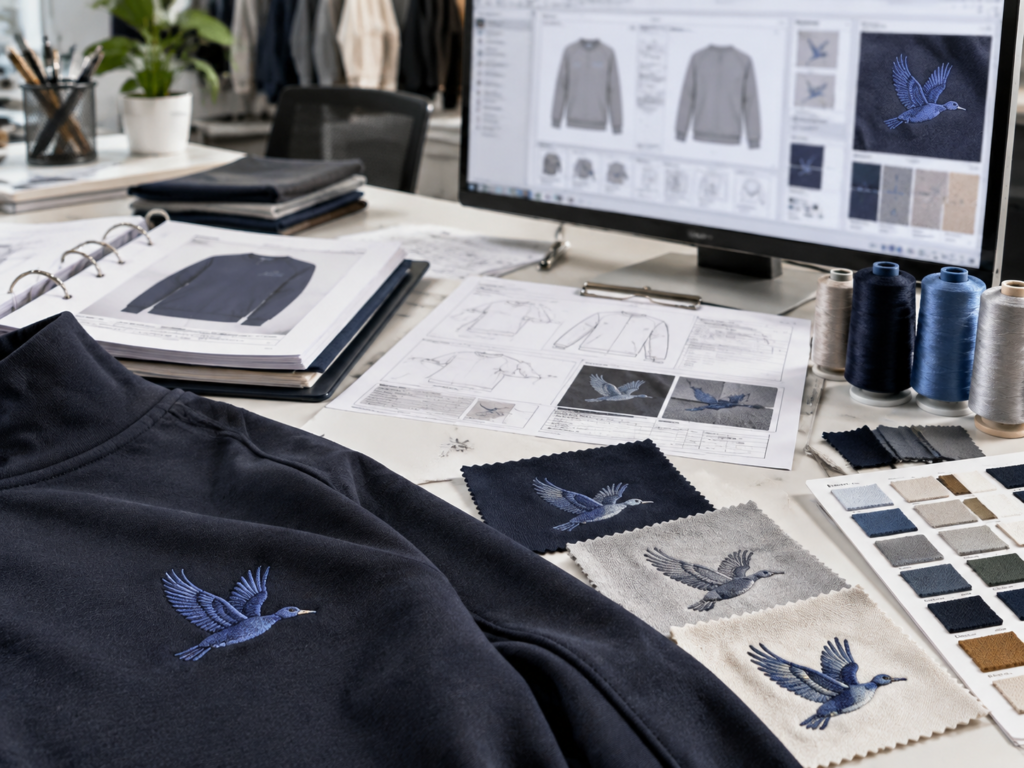
Move from Approved Hoodie Sample to Controlled Bulk Production
Freeze the Product Version Before Materials Enter Production
Bulk production should not begin from a collection of old emails, sample comments and partially updated files. The production version needs a clear final reference: approved sample, current Tech Pack, measurement chart, approved materials and colors, trim specifications, logo artwork, label files, packing instructions and the final style-color-size quantity matrix.Material preparation is then reviewed against the approved version and production plan. Fabric color, appearance, required specification and related trims are checked according to project requirements before cutting. Where shrinkage or other material behavior affects measurements, the approved testing or project method should be considered in pattern and production planning. Capacity is confirmed after material readiness, style complexity, order mix and current scheduling are reviewed. Leadshow’s combined monthly capacity can reach up to approximately 120,000 finished garments, but the figure represents total manufacturing capability under suitable conditions, not dedicated capacity reserved automatically for one hoodie order.
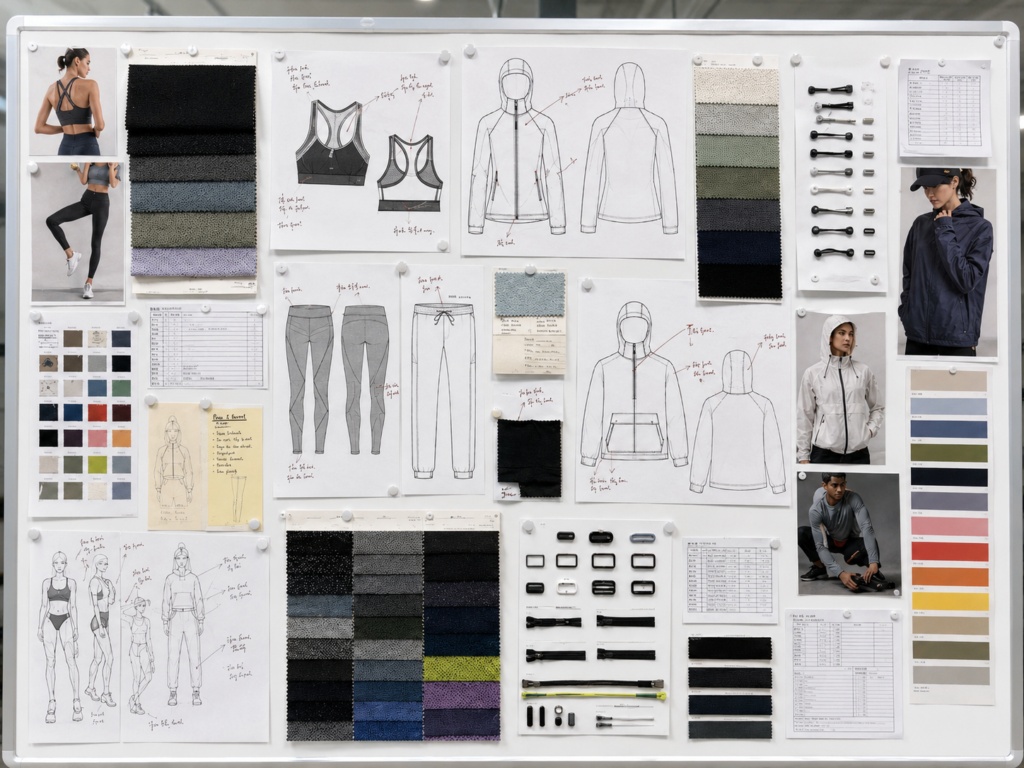
Use First-Piece, In-Process and Finished Checks to Protect the Approved Standard
The approved sample is a production reference only when its requirements are translated into executable checks. Early production should compare key construction, measurements, trims and appearance against the final files and approved sample.In-process inspection then focuses on points that can drift during sewing or assembly, such as seam quality, alignment, pocket placement, rib attachment, logo position and dimensional control. Finished garments are reviewed for appearance and key measurements according to the agreed inspection method, while labels, SKU identification and packing information are checked before final carton preparation. Nonconforming items should be isolated, corrected where appropriate and rechecked before release. Bulk production is not described as “100% identical” to a sample because materials and garment manufacturing work within reasonable tolerances. A stronger system defines the approved standard, the allowed range, the inspection method and the action when production moves outside the agreed requirement.
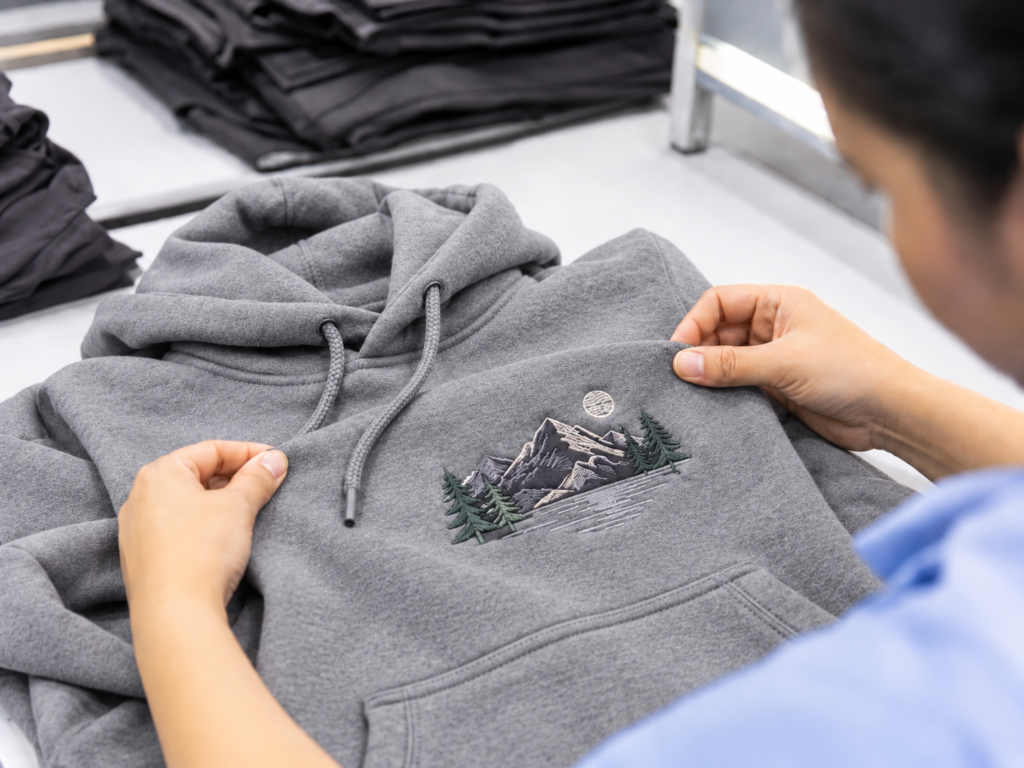
Manufacturing Scale Supporting Wholesale Hoodie Programs
Leadshow combines confirmed company scale with project-based product development. The figures below describe the overall manufacturing system and should be read together with product complexity, material availability, order mix and current production scheduling.
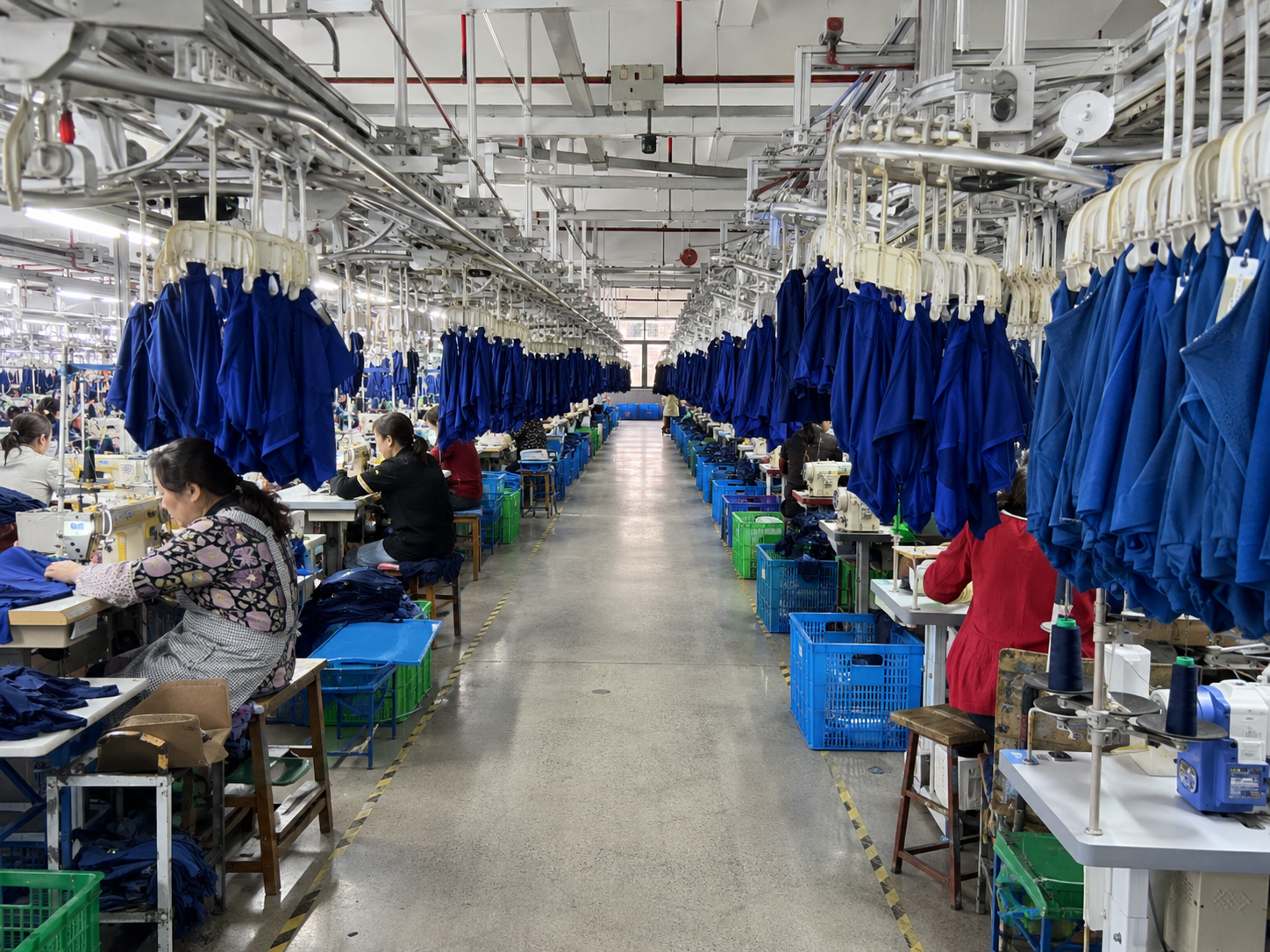
15 Years
With over 15 years of apparel experience, Leadshow supports brands across sportswear, activewear and lifestyle apparel development. Our experience covers product development, sampling and bulk production coordination.
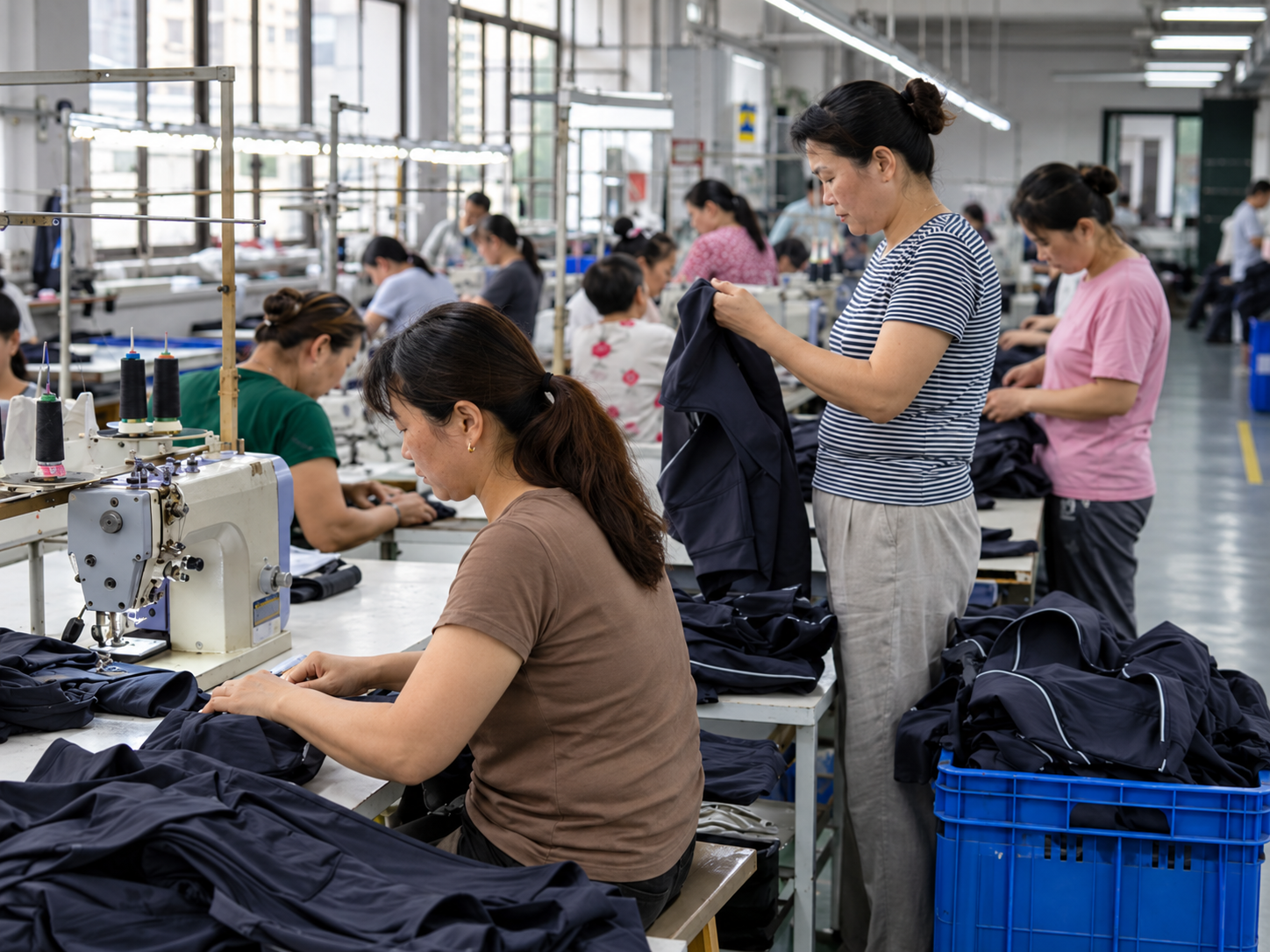
3 Manufacturing Bases
Multiple manufacturing locations support different production requirements, helping coordinate development, production and delivery based on project needs.
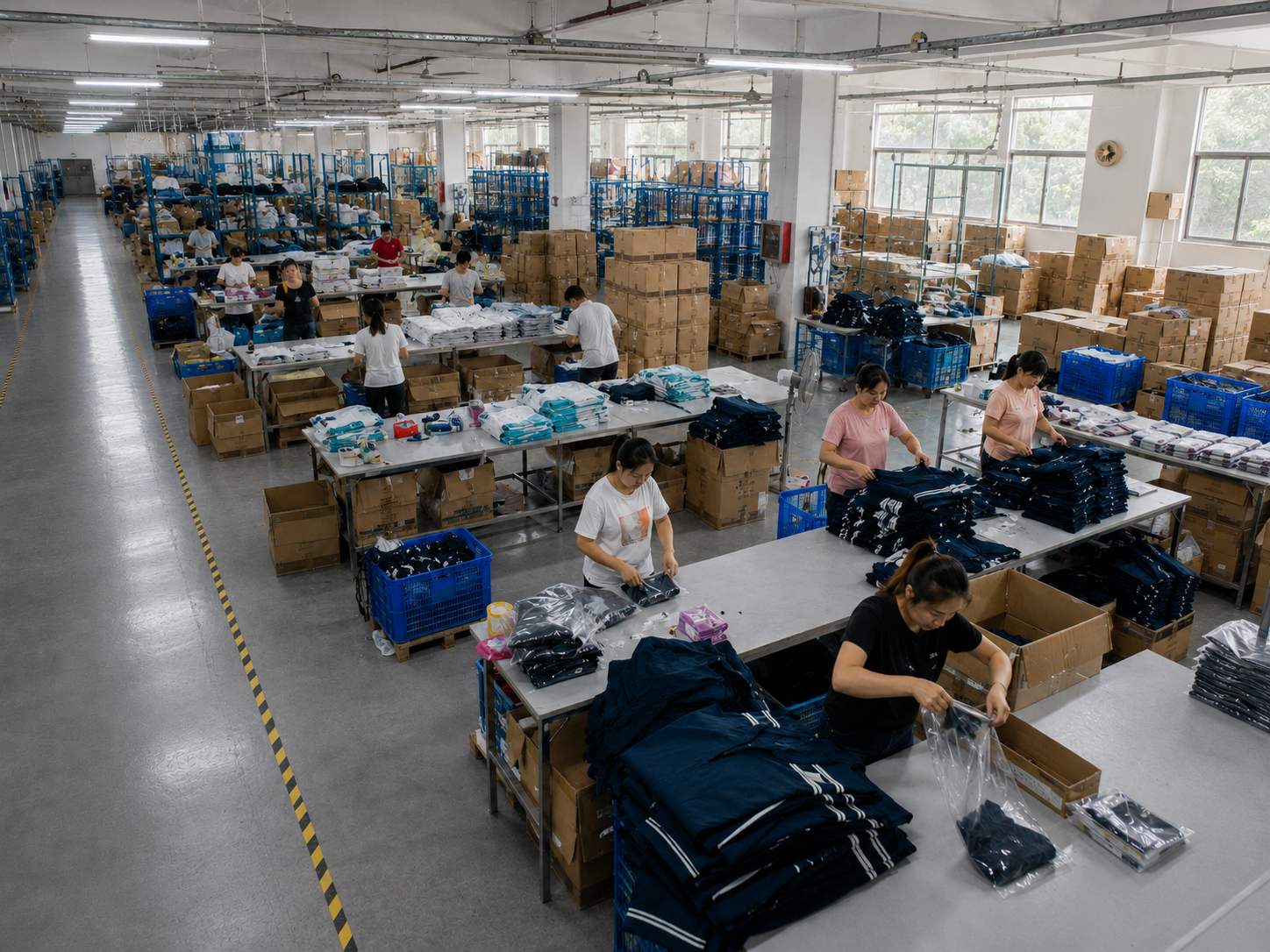
20,000+ m²
Combined manufacturing space supports garment development, production, finishing and related operations across Leadshow’s manufacturing network.
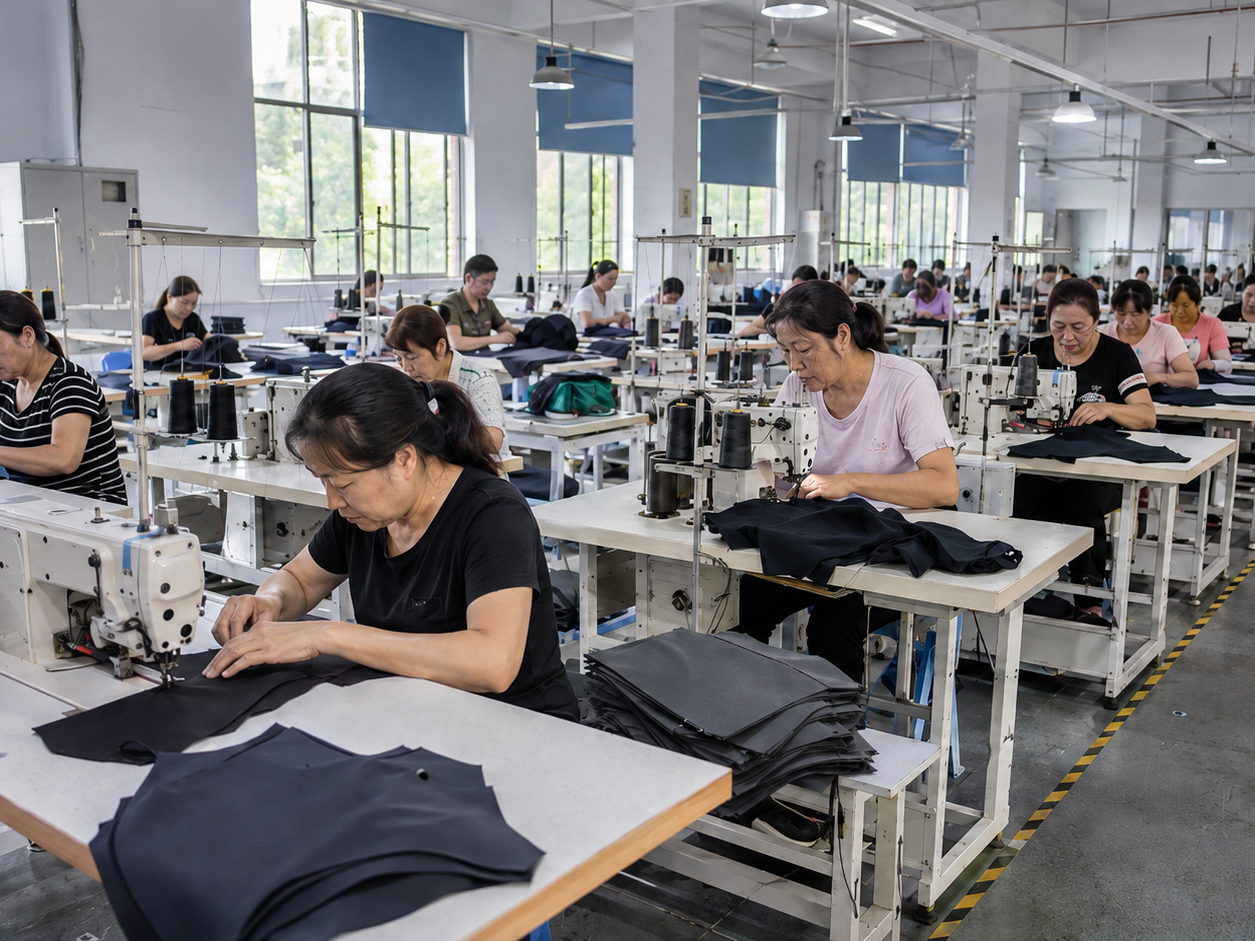
1,500+ Team
Our teams cover product development, production, quality, logistics and operational support to coordinate different apparel projects.
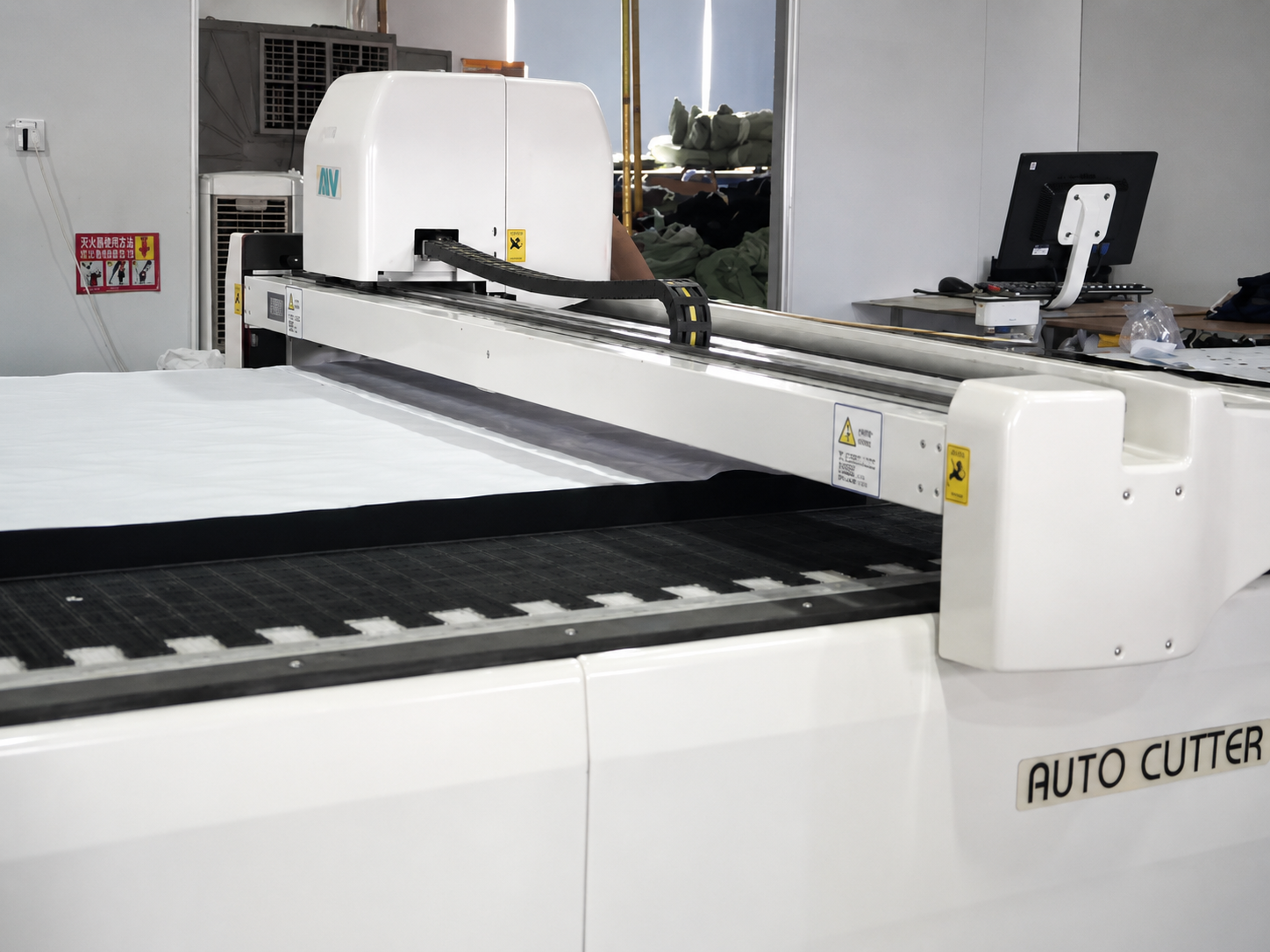
304 Machines
Production equipment supports cutting, sewing, finishing and specialized garment processes for different apparel requirements.
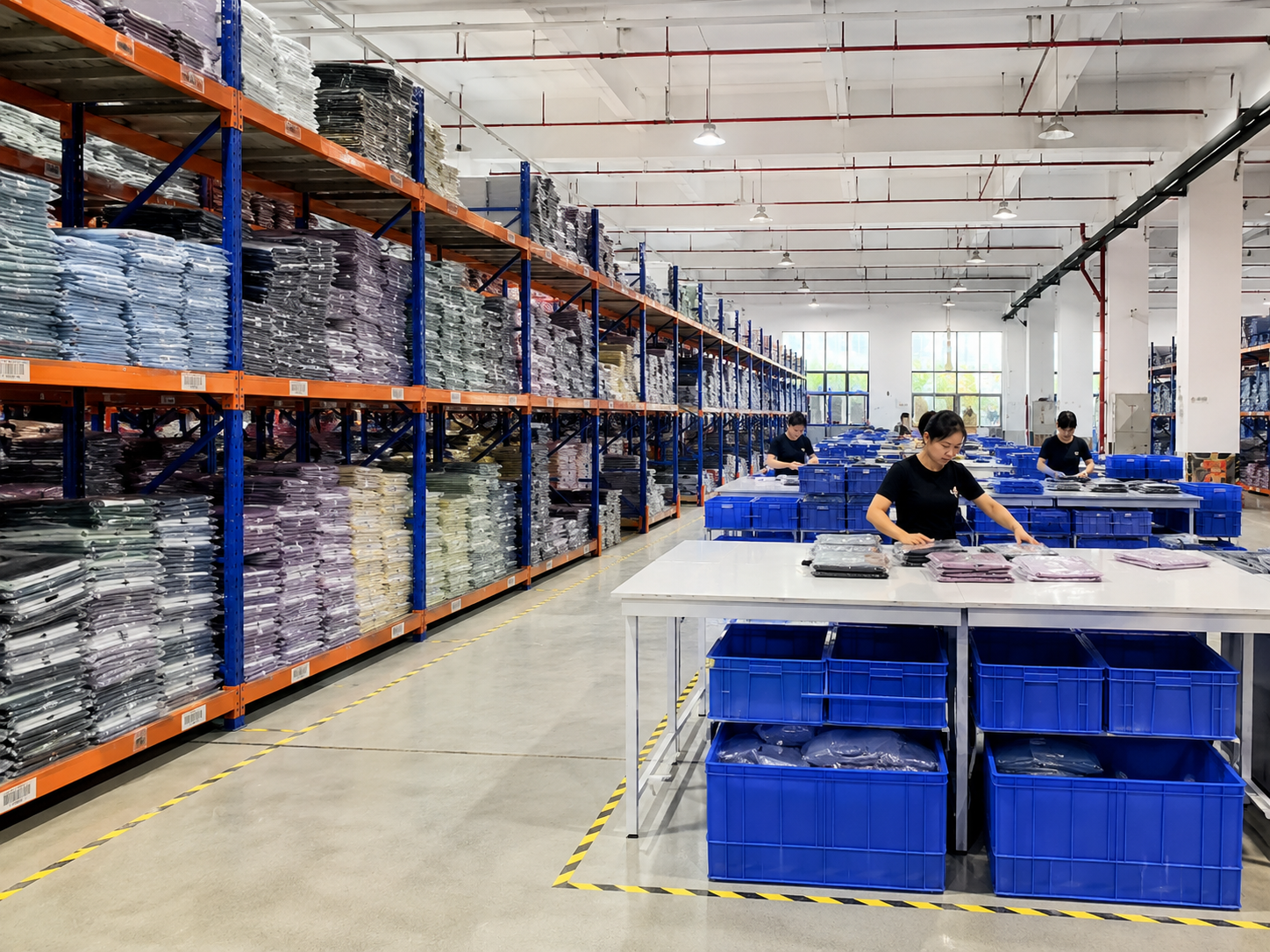
Up to ~120,000 / Month
Production capacity is planned according to style complexity, material readiness, order quantity and current production schedules.
Manufacturing Equipment Relevant to Hoodie Production
Equipment matters when it supports repeatable cutting, stable sewing, controlled finishing and accurate packing. The following confirmed resources can be applied where suitable for the specific hoodie construction and material.
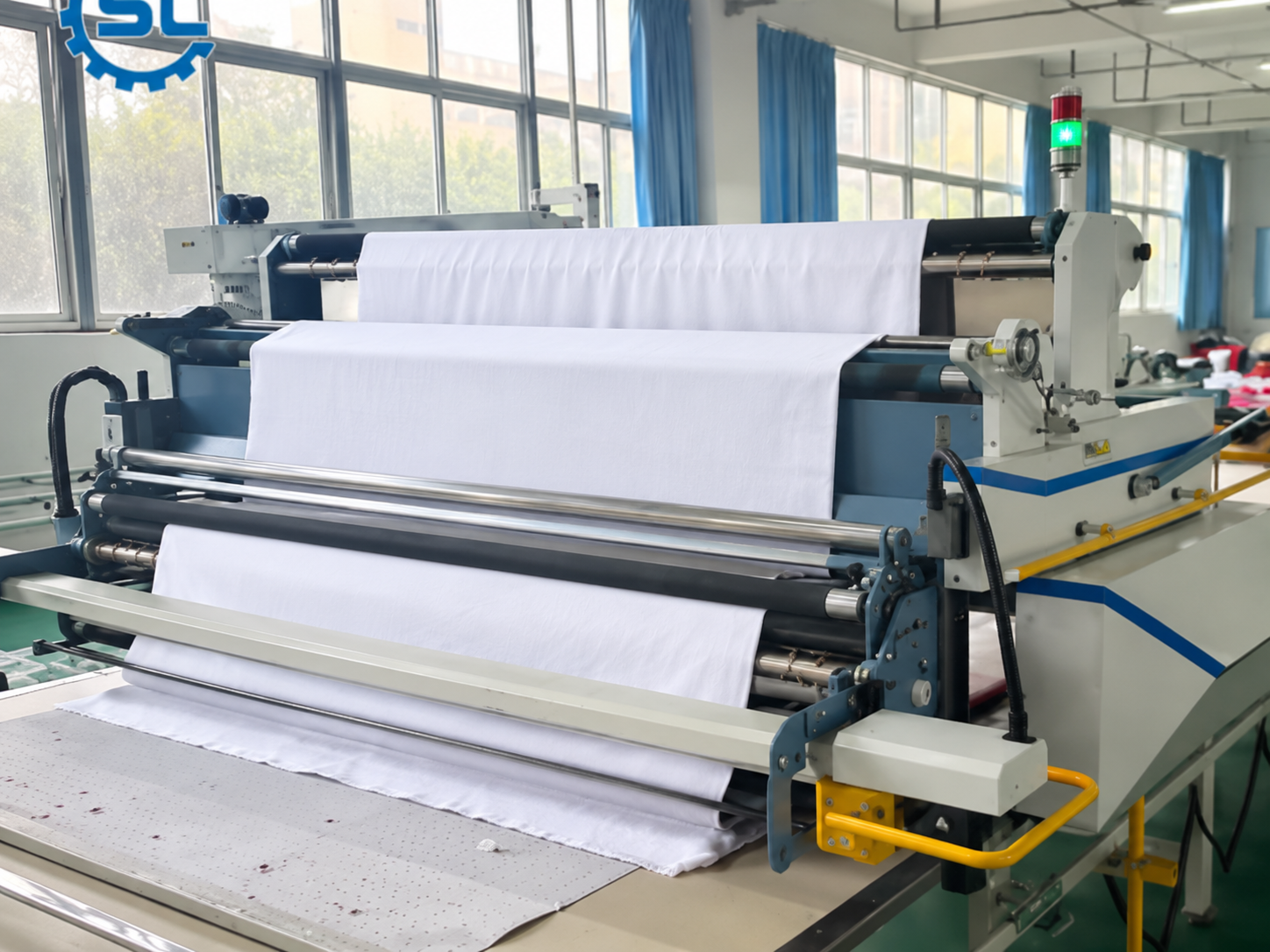
Fabric Spreading and Cutting
Leadshow has five automatic fabric spreading machines and three automatic cutting machines, supported by eight vertical cutters and six round-knife cutting machines. The equipment mix allows both automated and flexible cutting routes according to fabric behavior, order size and style requirements. Automated equipment can support cutting consistency and multi-size production, but it is not described as zero-error or suitable for every fabric.
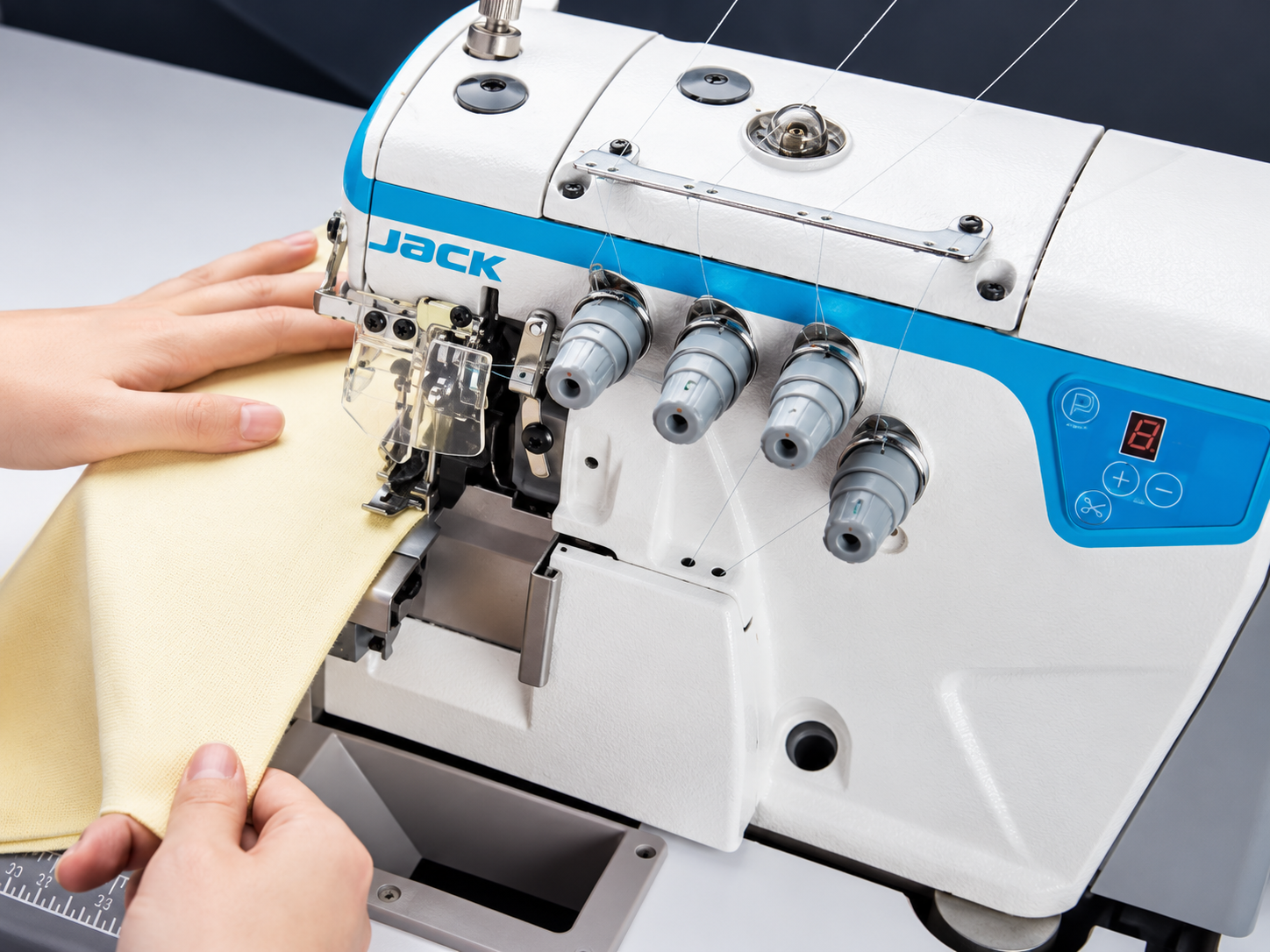
Lockstitch Sewing
Eighty computerized direct-drive lockstitch machines support straight sewing, panel assembly, topstitching, label attachment and other general construction operations. Actual stitch type, seam allowance, thread and machine settings depend on the approved product. Equipment capacity does not imply a fixed output per machine or a dedicated line for every hoodie order.
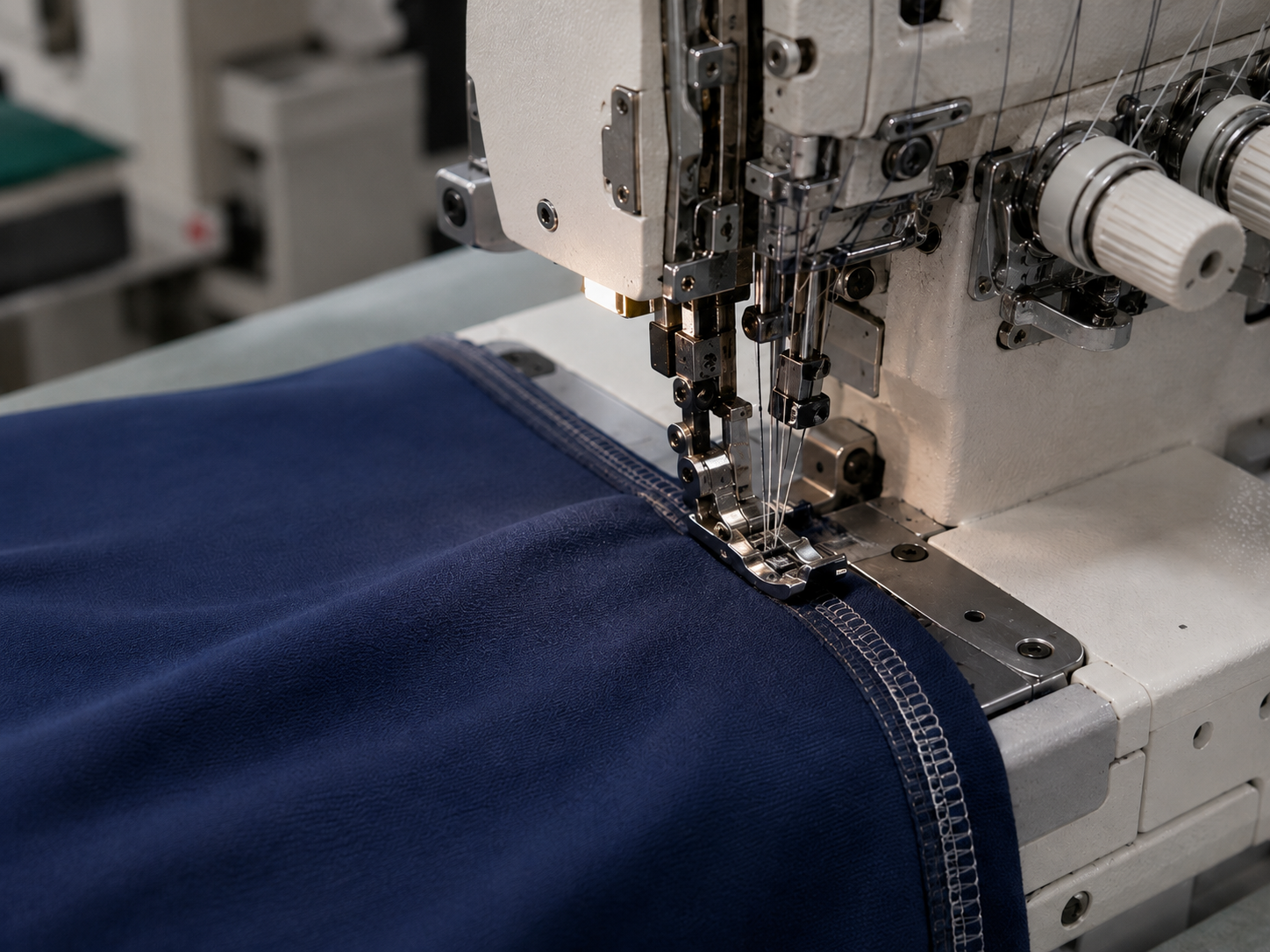
Overlock Sewing
Forty five-thread overlock machines and twenty-five four-thread high-speed overlock machines support edge finishing and seam assembly for suitable knit and apparel constructions. The right overlock route depends on fabric thickness, stretch, seam design and the required appearance. Seam performance claims remain subject to the actual product and quality requirement.
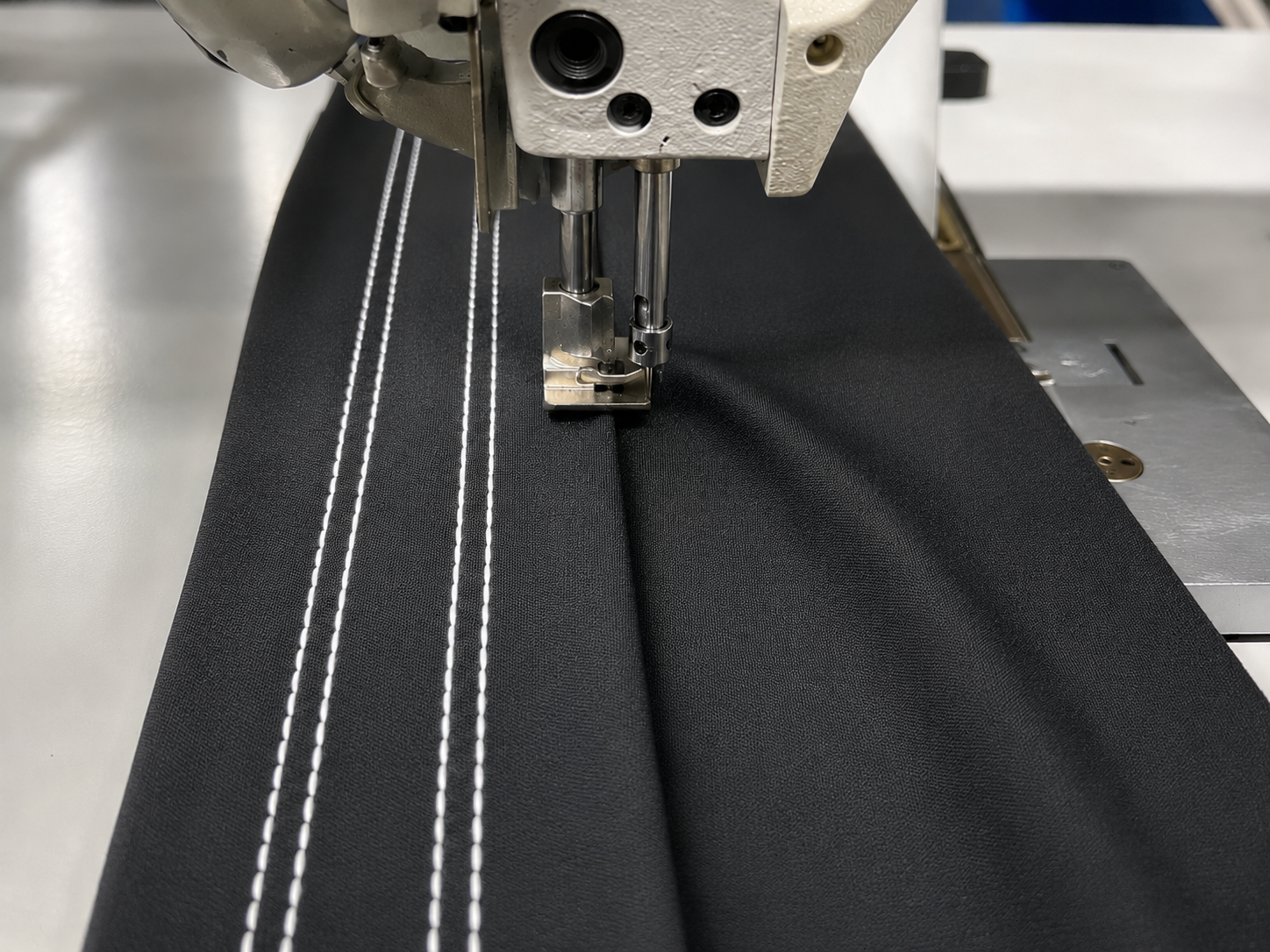
Double-Needle and Bartack
Fifteen double-needle sewing machines support parallel stitching and selected reinforcement or finishing details, while six bartacking machines can reinforce high-stress points such as pocket corners or selected attachment areas when required by the design. Use is determined by the approved construction rather than applied automatically to every hoodie.
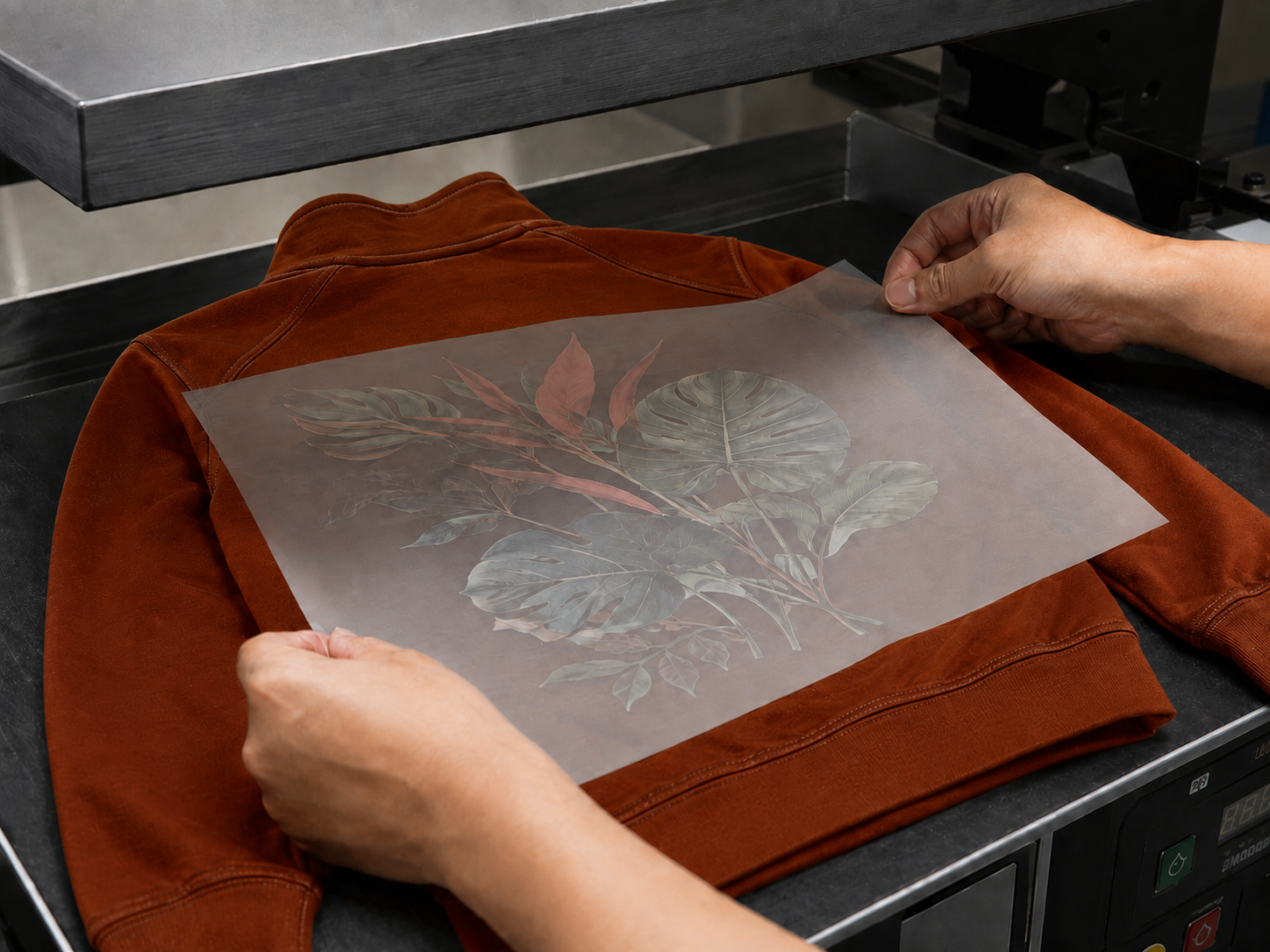
Heat Transfer and Heat Press
Six dual-station heat-transfer label machines and four multi-station heat-press printing machines provide confirmed resources for selected labels, logos and graphic applications. Material compatibility, temperature, pressure, artwork and wash requirements need review. Leadshow does not treat every print or embroidery method as an internally confirmed process without specific project evidence.
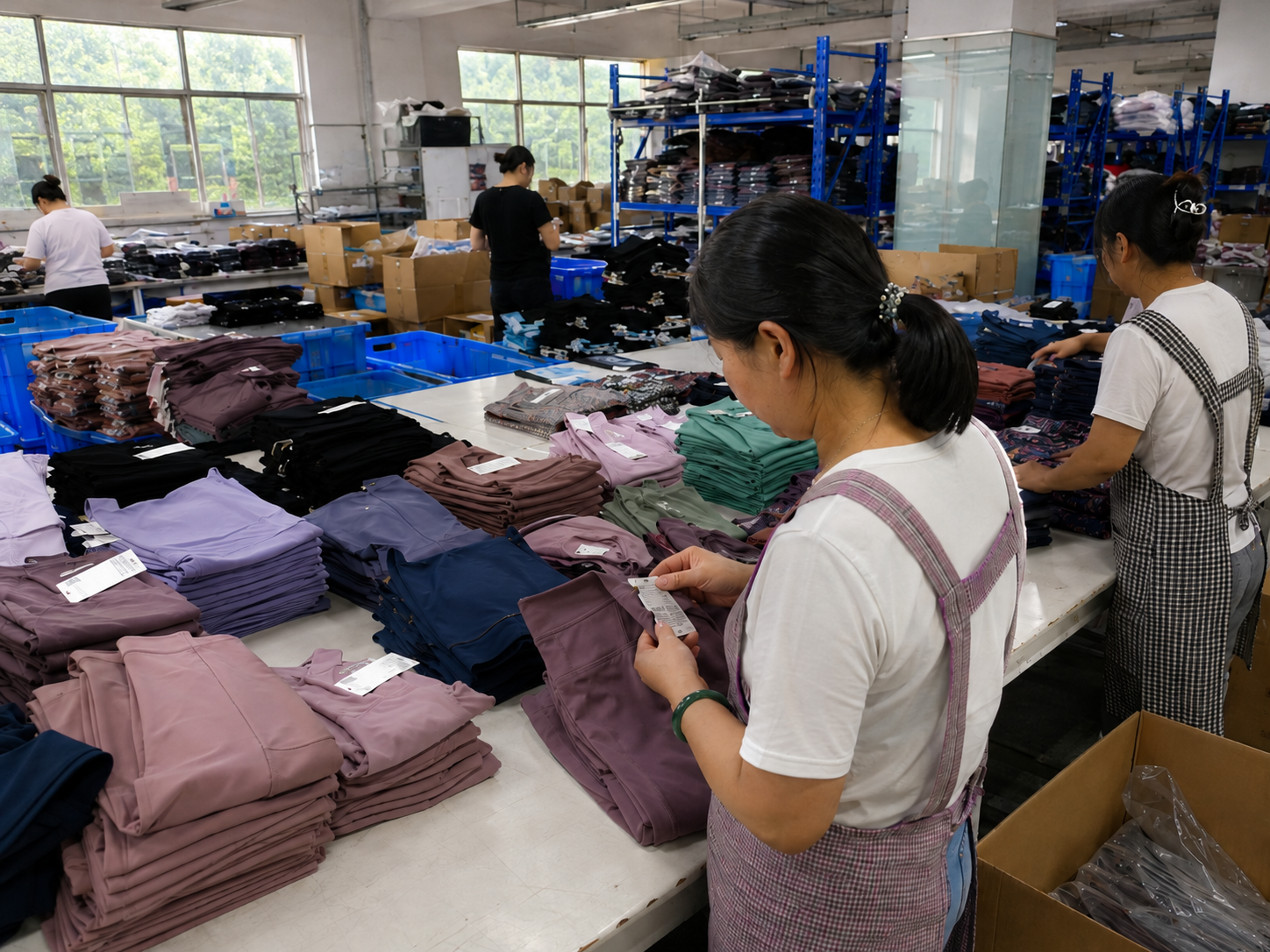
Finishing and Packing
Twenty high-pressure steam ironing stations support garment finishing, six automatic needle-detection machines support final safety checks for applicable products, and four automatic folding/packing systems support selected standardized garments. Complex constructions or special packaging may still require manual handling and project-specific packing methods.
Manage Bulk Capacity and Multi-SKU Hoodie Orders
Wholesale orders become more complex as styles, colors, sizes, labels and packaging versions multiply. A structured order matrix helps production, quality and packing teams work from the same commercial definition instead of relying on a total-piece number alone.
Order Control Field
What Should Be Frozen
Why It Matters
Style / design
Final style number and approved product version
Prevents old sample or file versions from entering production.
Color
Approved color reference and quantity by style
Controls material grouping and color-specific MOQ.
Size
Final size range and quantity breakdown
Supports grading, cutting and pack-out accuracy.
SKU
Style-color-size identification logic
Connects garment, labels, barcode and packing information.
Material version
Approved main fabric, rib and trims
Reduces unintended substitutions or batch confusion.
Logo / branding
Final artwork, size, color and position
Provides a measurable inspection reference.
Labels
Correct version by product/market
Reduces label-content and SKU mismatch.
Individual packing
Bag, tag, sticker, insert and folding rules
Protects warehouse and retail handling accuracy.
Carton rules
Units per carton, carton mark and sorting method
Supports receiving, distribution and export documentation.
Capacity / timing
Approved production plan after material and schedule review
The company’s combined capacity does not equal instantly available dedicated capacity.
Change control
Written approval for revisions after order acceptance
Changes can affect cost, materials, MOQ and timing and should be re-evaluated.
Hoodie Quality Control from Material to Packed Carton
Quality control is stronger when each inspection stage has a defined object, reference and action. Hoodie programs can be checked from incoming materials through sewing, finished measurements, branding and packing according to the approved specifications and project requirements.
Material Check
Fabric and trims are reviewed against the approved project information before use. Depending on the program, checks may include color, appearance, fabric specification, trim dimensions and other agreed requirements.
- Compare materials with approved references.
- Separate obvious color or specification issues before cutting.
- Use project-defined tests where required.
First-Piece Check
Early production pieces provide a bridge between approved sample and full-volume manufacturing. Construction, major measurements, trims, logo position and appearance can be compared before larger quantities move through the same process.
- Check against the final files and approved sample.
- Record issues before scale-up.
- Confirm corrective action where needed.
Sewing Control
In-process inspection focuses on seam quality, alignment, pocket and hood construction, rib attachment, reinforcement and other high-risk assembly points. The exact inspection list follows the approved hoodie design.
- Check critical seams during production.
- Monitor repeatability at high-risk points.
- Isolate and correct nonconforming work.
Measurement Control
Key finished-garment measurements are checked using agreed measurement points and tolerances. Fabric behavior, shrinkage and production handling can influence dimensions, so measurements need a defined method rather than subjective fit language.
- Use one agreed measurement method.
- Compare critical dimensions with the size chart.
- Apply product-specific tolerances.
Branding and Trim Check
Logo position, size, appearance, zippers, labels and other trims are checked against approved references. Multi-SKU programs need extra attention so each product receives the correct brand and identification version.
- Match artwork to the right style/color.
- Check trim specification and placement.
- Verify label and SKU relationships.
Packing and OQC
Final checks include garment appearance, labels, SKU, individual packing and carton preparation according to the order requirements. Random carton opening or other final review may be used according to the agreed process.
- Confirm product-to-packaging match.
- Check carton and packing information.
- Recheck corrected items before release.
Private Label Packing and Export Preparation for Hoodies
Packing is part of product execution because it connects the garment, SKU, brand information, carton and shipping documents. Requirements should be confirmed before bulk packing materials are ordered, especially for multi-market or multi-SKU programs.
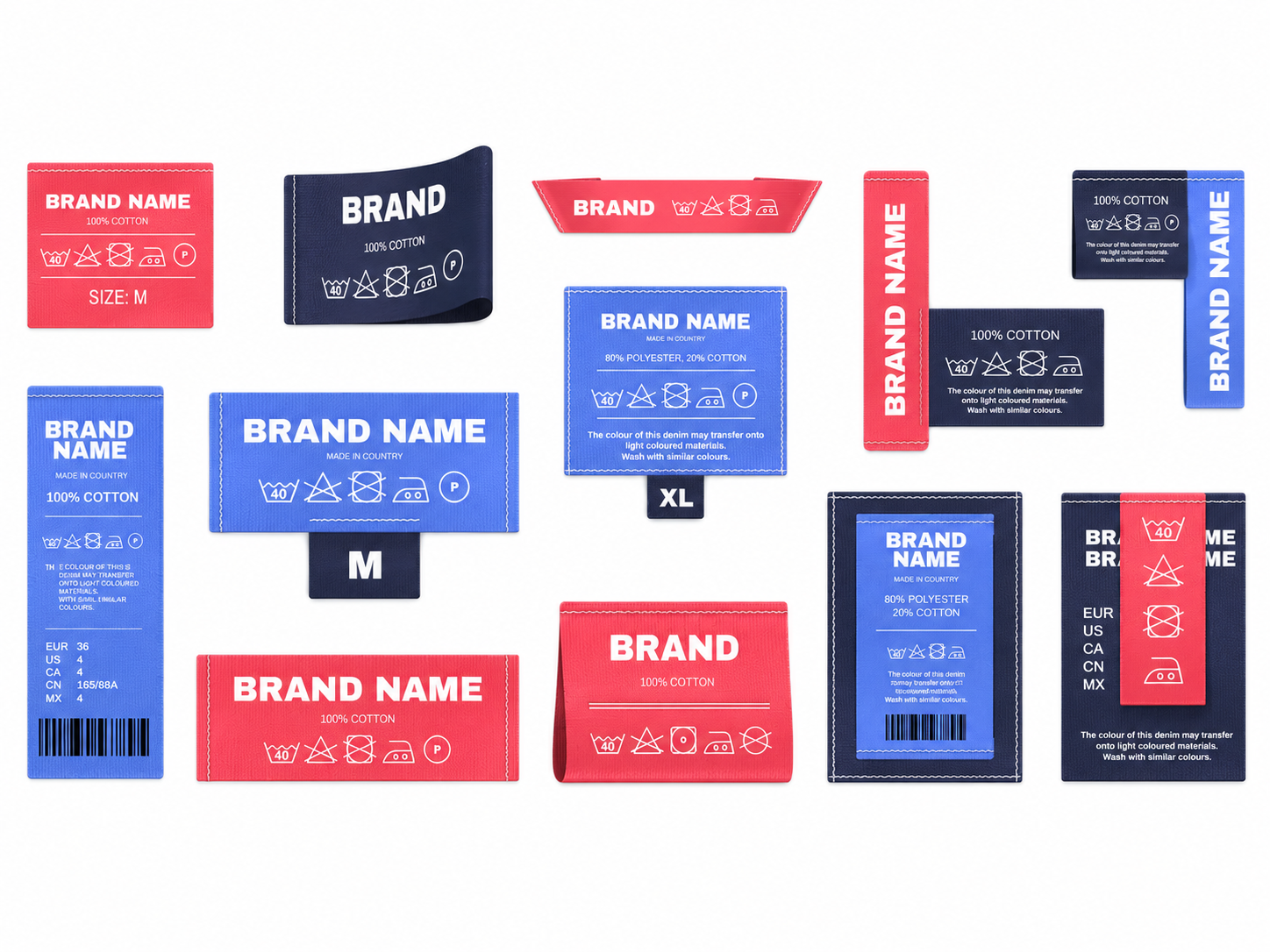
Garment Labels
Approved main, size, care and other garment labels are linked to the correct product version. Content and market information should reflect the actual garment and be approved before bulk use. Leadshow can coordinate custom labels, while legal wording remains subject to the responsible brand and market requirements.
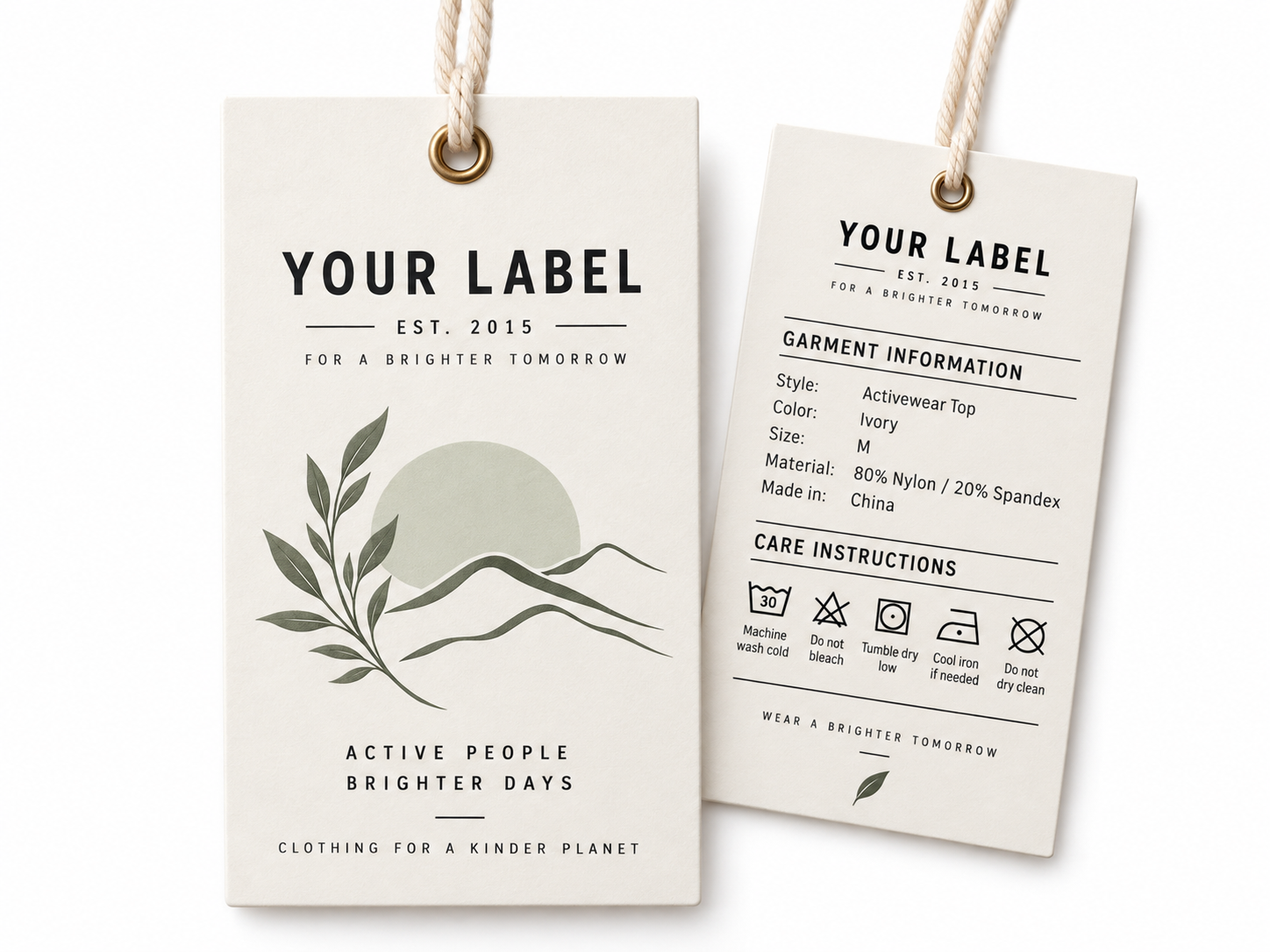
Hangtags
Hangtags can carry brand, product or retail information according to the approved artwork. Size, attachment method, version and product mapping should be controlled so the right tag follows the right hoodie style, color and size combination.
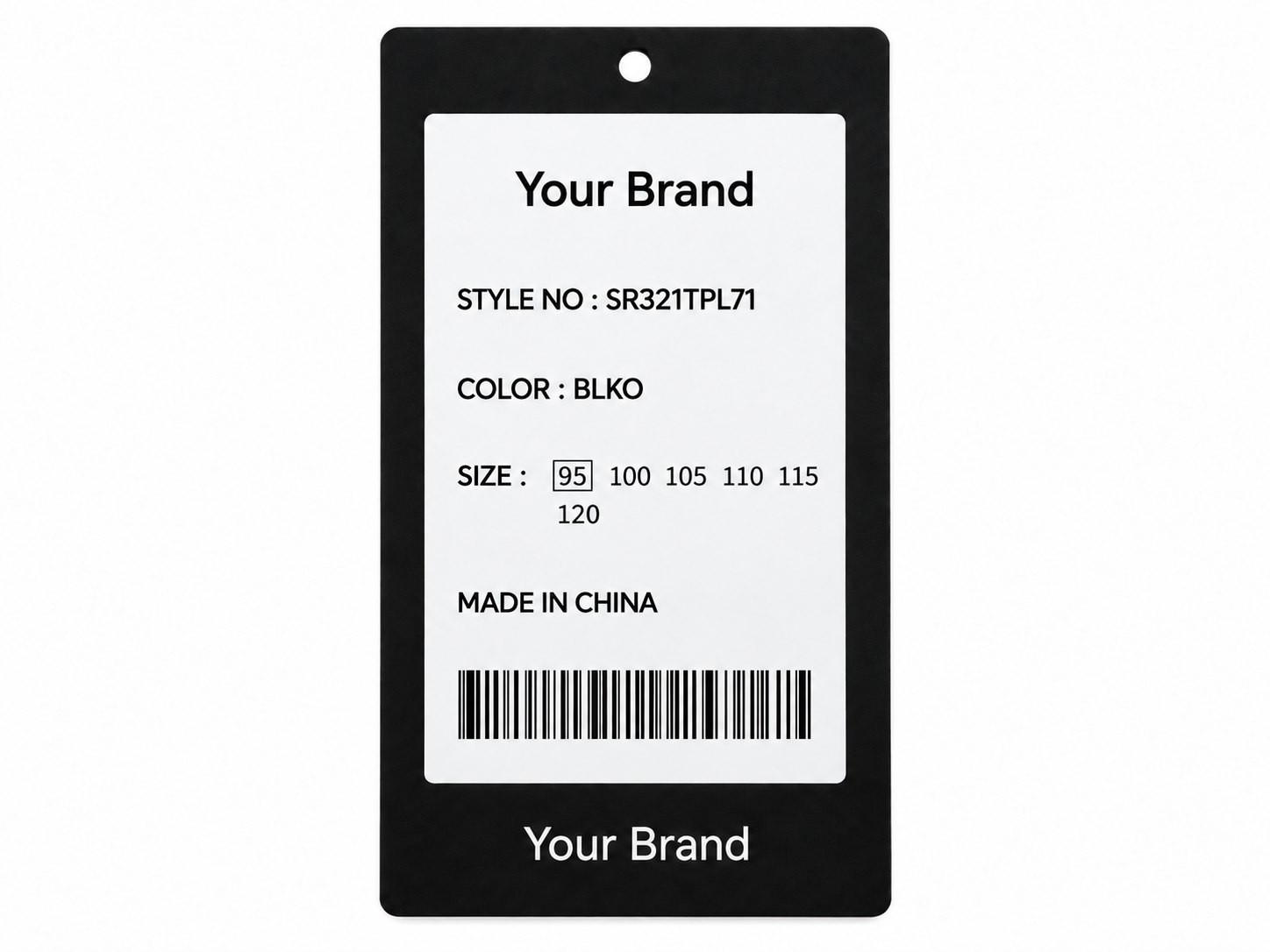
SKU and Barcode
SKU and barcode information should connect style, color and size through a consistent identification system. Commercial barcodes and sensitive internal data are treated as project files. The final packing process should verify that garment, label, individual pack and carton information correspond.
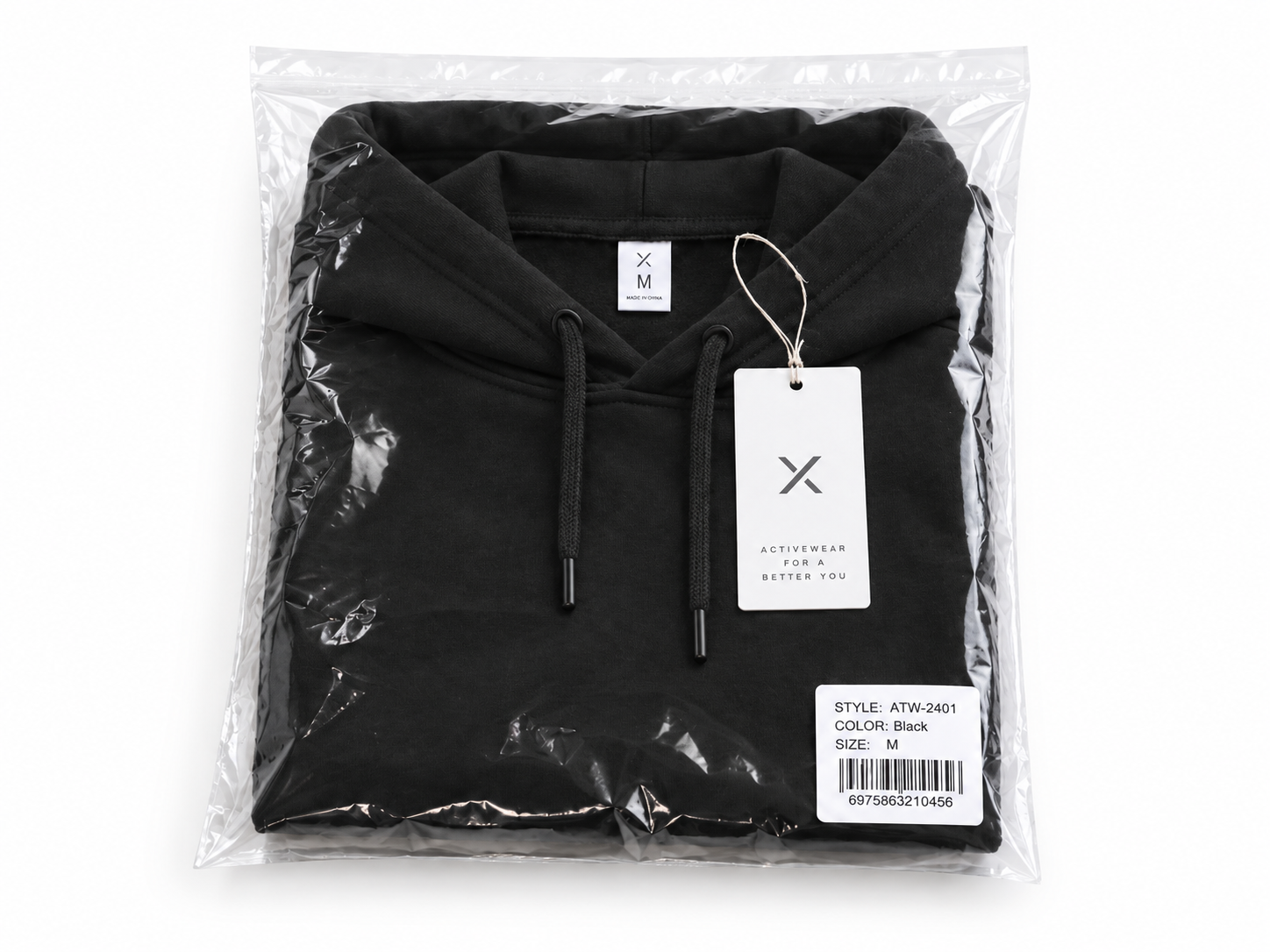
Individual Packing
Individual bags, stickers, inserts and folding methods can be defined according to the sales and warehouse route. Physical fit should be checked with a real or representative garment where packaging dimensions are critical. Custom packing materials may have separate supplier minimums.
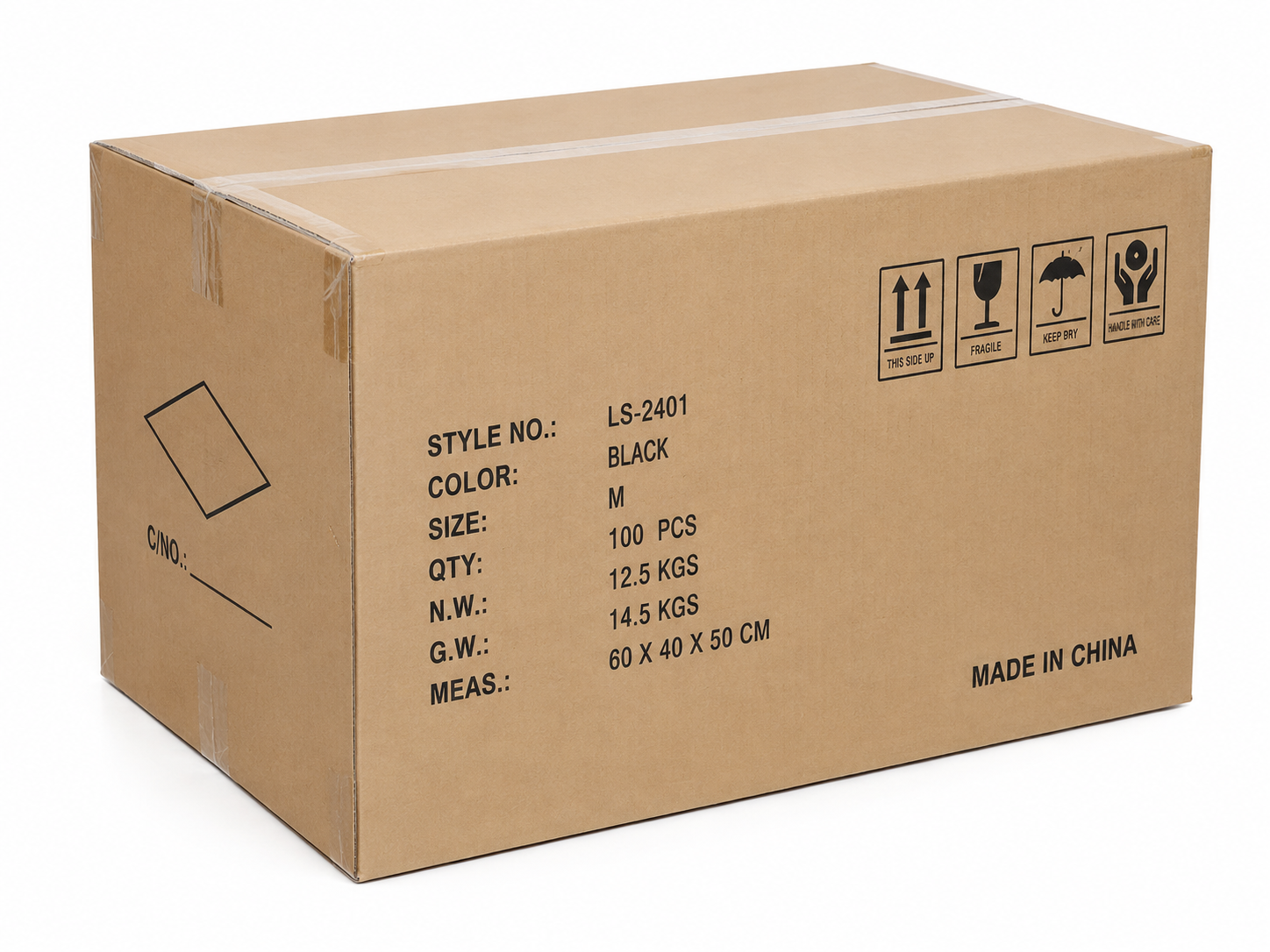
Cartons and Marks
Carton quantity, size, marks, style/color/size identification and other agreed shipping information should match the packing list and final order structure. Multi-destination programs need clear separation rules to reduce receiving and warehouse errors.

Export Coordination
Leadshow supports export-delivery preparation and can coordinate with nominated forwarders according to the agreed arrangement. Products are exported to Europe, North America, South America and Oceania. Freight mode, customs responsibility, insurance, clearance and destination delivery remain subject to the specific trade and logistics terms.
Plan Hoodie Reorders Before the First Bulk Order Is Finished
Keep the Approved Product Version Ready for Replenishment
A strong wholesale hoodie program does not begin the reorder process from memory. The approved style number, Tech Pack, measurement chart, pattern version, material references, colors, trims, logo artwork, garment labels, packing files and quality requirements should remain connected to the final production version.Reorder continuity depends on knowing exactly what was approved and what changed during the previous production cycle. When the next order begins, materials and trims should be reconfirmed rather than assumed to be permanently available. A supplier may discontinue a fabric, a custom color may require a new minimum, a trim finish may change, or packaging artwork may need a market update. Reorder planning therefore combines product records with current sourcing and capacity conditions. Leadshow supports long-term reorder coordination, but the new order still needs quantity, material availability, MOQ and schedule review. The goal is not to promise a frozen supply chain; it is to preserve the approved product knowledge so any unavoidable change can be identified and evaluated before production.
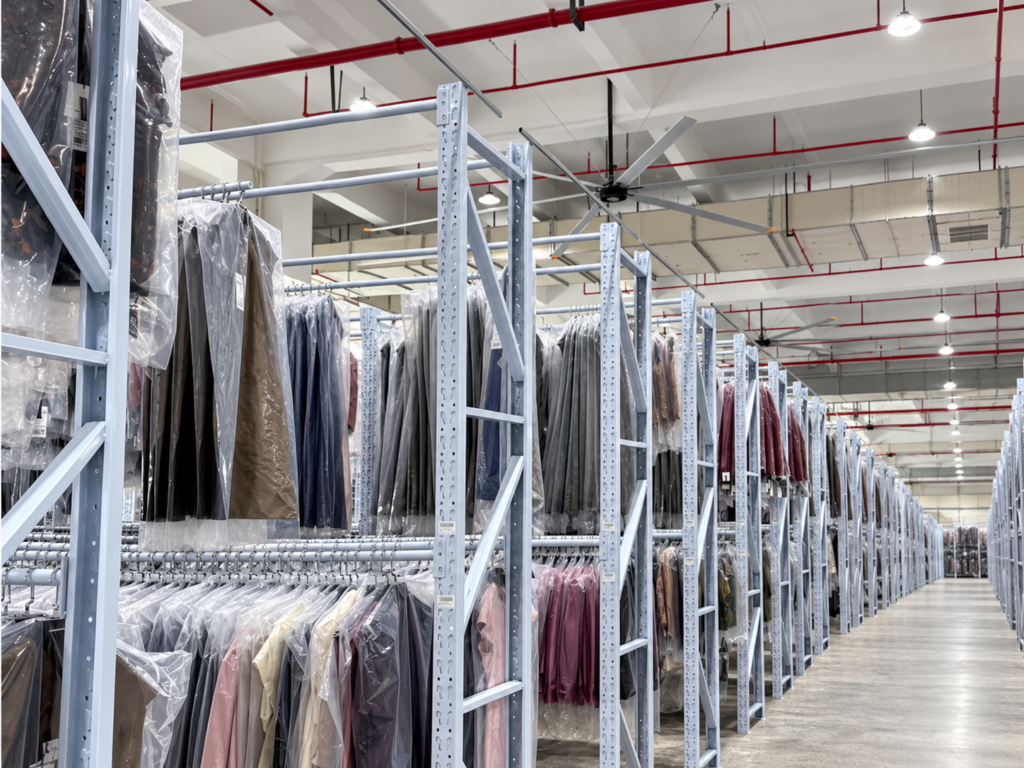
Use Reorder Review to Protect Size, Color, Branding and Packing Continuity
Repeat orders often expose problems that were invisible in the first run: a previous color standard is no longer available, a smaller replenishment quantity falls below a material minimum, a label file has been revised, or the original size breakdown no longer matches sales demand.A reorder review should compare the requested new quantity with the previous approved product and identify what can stay unchanged, what needs reconfirmation and what requires a new sample or approval. Material substitutions should not enter production without evaluation because a new fabric can change handfeel, shrinkage, drape and fit. Branding and packaging also need version control so outdated labels or artwork do not return in later production. Available capacity and delivery timing are confirmed against current scheduling rather than the original order calendar. For a wholesale program with regular replenishment, the strongest operating habit is to review product version, material status, quantity matrix, packaging version and timing before each production release.

How to Evaluate a Wholesale Hoodie Manufacturer
A serious supplier review should compare evidence, process and project fit rather than marketing claims. The questions below reflect the areas most likely to affect hoodie development, bulk consistency, SKU accuracy and long-term supply.
Procurement Question
What to Verify
Leadshow Evidence / Condition
Is hoodie manufacturing within the confirmed product scope?
Published product portfolio and real product evidence
Hoodies and sweatshirts are within Leadshow’s confirmed key product range.
Can the manufacturer work from technical files or a reference sample?
Tech Pack review, reference-sample review and development process
OEM/ODM projects can be reviewed from Tech Packs, reference images or physical samples.
Can fit and construction be developed?
Pattern, measurement, fit and construction review
Pattern and fit adjustment, sample development and manufacturability review are supported by project.
How is MOQ defined?
Design/color/material/trim/packaging minimums
Standard MOQ generally starts from 100 pieces per color per design, subject to project conditions.
Can a sample become a bulk-production standard?
Approved sample, final files and change control
Sample-to-bulk coordination is supported through approved specifications and production review.
Is there real manufacturing scale?
Factory bases, team, equipment and capacity
3 manufacturing bases, 20,000+ m² combined facilities, 1,500+ team members, 304 confirmed machines.
Can the factory handle meaningful volume?
Capacity model and allocation process
Combined monthly capacity can reach up to approximately 120,000 finished garments, subject to product and schedule conditions.
Can the supplier manage multiple SKUs?
Style-color-size matrix, labels, barcode and packing controls
Multi-SKU production and packaging support can be reviewed according to the order structure.
How is quality controlled?
Material, first-piece, process, finished-garment and packing checks
Leadshow’s quality team supports inspections across material, process, finished garment and packaging stages.
Can private-label requirements be executed?
Logo, labels, packaging, artwork and SKU linkage
Custom labels, packaging and project-based branding support are confirmed capabilities.
Can repeat orders be supported?
Product records, material reconfirmation and version management
Long-term reorder support is available; MOQ, materials, capacity and timing are reconfirmed per order.
Are capability claims kept within evidence?
Certifications, functions, timing and absolute claims
Unconfirmed certifications, fixed lead times, zero-defect promises and universal performance claims are not treated as established facts.
Wholesale Hoodie Frequently Asked Questions
Short answers to common procurement questions about MOQ, product files, materials, sampling, private label, bulk production, quality and quotation preparation.
What is your MOQ for wholesale hoodie manufacturing?
Standard MOQ generally starts from 100 pieces per color per design. Final MOQ is confirmed after reviewing fabric, trims, construction, custom colors, branding, labels, packaging, testing requirements and production conditions. A large total order may still fall below standard conditions when it is divided across many designs and colors.
Can you manufacture hoodies from our Tech Pack?
Yes. Leadshow can review hoodie projects from Tech Packs and other technical files. Construction, measurements, materials, trims, branding and packaging are checked for manufacturing feasibility before sampling or bulk planning. Missing or conflicting information should be clarified before the product version is approved.
Can you develop a hoodie from a reference sample?
Reference-sample review is supported. Measurements, construction, materials, trims, fit and visible details can be assessed and converted into a development route. The brand should confirm it has the right to use any third-party design, sample or technical information submitted for reproduction or modification.
What hoodie customization options can be reviewed?
Fit, materials, colors, trims, construction, logo execution, garment labels and packaging can be reviewed according to the project. Specific performance, special materials, unconfirmed decoration processes or market claims remain subject to technical review, sourcing conditions and testing where required.
How do you select fabric and GSM for hoodies?
GSM is evaluated together with fiber composition, fabric construction, handfeel, drape, shrinkage, color, decoration method, sourcing conditions and the intended silhouette. Leadshow does not publish one universal best GSM for every hoodie because different materials can behave differently at the same nominal weight.
Can you support private label hoodie production?
Yes. Private-label support can include logo execution, custom garment labels, hangtags, SKU identification and packaging according to approved project files. Branding content, legal wording and market-specific label information need approval based on the actual garment and destination requirements.
How does hoodie sample development work?
Sampling normally moves from requirement review to material and pattern preparation, first sample, internal check, brand feedback, revision and final approval. Additional fit, size-set or pre-production samples may be needed depending on the program. Sample timing and revision rounds are confirmed after the project scope and material conditions are reviewed.
How do you control sample-to-bulk consistency?
Bulk production follows the approved sample, final Tech Pack, measurement chart, approved materials, trims, artwork, labels and packing files. First-piece, in-process, finished-garment and packing checks help control execution within agreed tolerances. Leadshow does not describe bulk garments as absolutely identical with zero variation.
Can you manage multiple colors, sizes and SKUs?
Multi-SKU orders can be reviewed using a style-color-size quantity matrix linked to labels, barcodes, individual packing and carton rules. More styles and colors increase production complexity and may affect MOQ, material minimums, packaging requirements, capacity and timing.
What should we send for a hoodie quotation?
Send the latest Tech Pack or reference, quantity by design/color/size, fabric or GSM direction, size chart, logo files, label and packing requirements, target market, timing window and target price level. A more complete specification allows a more accurate technical and commercial review.
Submit Your Wholesale Hoodie Project
Send the information already available for your hoodie program, even if the file set is not complete yet. A useful starting package normally includes the product design or Tech Pack, planned quantity by design and color, size breakdown, fabric or GSM direction, fit or measurement requirements, logo artwork, garment labels, packing requirements, target market and expected timing. Leadshow can review whether the project fits the confirmed product scope, identify missing technical information, assess material and trim conditions, outline the sampling route and evaluate MOQ, production and packing requirements. Standard MOQ generally starts from 100 pieces per color per design, while the final quantity, sample route, production schedule and commercial terms are confirmed after the product details and current manufacturing conditions are reviewed. Uploading clear files helps reduce repeated clarification and gives the development, production and quality teams a better basis for the next step.