
Wholesale Activewear Manufacturer
Activewear Development, Sampling and Bulk Manufacturing for Growing and Established Brands
Shenzhen Leadshow Sports Technology Co., Ltd. supports wholesale-scale sportswear programs from product specifications and sampling through approved bulk production.
- OEM and manufacturing-focused ODM support for activewear-relevant sportswear programs
- Sports bras, yoga leggings, running shorts, sports T-shirts, tank tops, tennis skirts, jumpsuits and tracksuits
- Standard MOQ generally starts from 100 pieces per color per design, subject to materials, construction and customization
- Multi-style, multi-color and multi-size production supported through project review
- Private label, customized packaging and export-delivery coordination available according to confirmed requirements
Activewear Manufacturing for Different Commercial Sourcing Programs
Wholesale activewear requirements vary widely by sales model, product maturity, assortment size and production volume. Leadshow works with commercial projects where product specifications, sampling, branding, manufacturing and repeat-order requirements need coordinated execution.
Established Apparel Brands
Established brands often arrive with Tech Packs, measurement charts, approved fits, material references and detailed packaging standards. Manufacturing work therefore focuses on specification review, sample verification, production-version control and consistent execution across styles, colors and sizes. Leadshow can coordinate development, manufacturing, quality and packaging functions around approved product requirements while keeping commercial terms and production timing tied to actual project conditions.
Growing Activewear Brands
Growing brands frequently need to expand from a small core range into additional leggings, bras, tops, shorts or coordinated sets. Development must balance new silhouettes, material choices, MOQ, color count and future reorder potential. Leadshow supports project-based development from reference products, technical information or existing samples, helping move approved styles toward structured bulk production rather than treating every new style as an isolated order.
Private Label Companies
Private label programs require more than applying a logo. Product specifications, labels, care information, size identification, packaging and carton requirements must work together before production release. Leadshow supports branded labeling and customized packaging alongside garment manufacturing. Final material, logo, label and packaging minimums are confirmed according to supplier conditions and order specifications rather than assumed from garment quantity alone.
Importers and Distributors
Importers and distributors often manage several styles, multiple colors and broad size distributions within one purchasing program. Their priorities include clear specifications, scalable production, SKU accuracy, carton identification and dependable export coordination. Leadshow’s manufacturing, quality and warehousing functions can support order preparation from style-level review through packaging and forwarder handover, with actual capacity and timing confirmed against current production conditions.
Retail Groups
Retail programs usually require disciplined control of sizes, labels, product identification, packaging and shipment information. Even a simple activewear range can create dozens of SKUs once several colors and sizes are combined. Leadshow can coordinate garment manufacturing, measurement review, branding verification, SKU separation and packing requirements according to the approved order documents and agreed production version.
Buying Offices
Buying offices and sourcing teams need evidence rather than broad factory claims. Important questions include whether specifications are understood, how samples are reviewed, what manufacturing processes are available, how quality requirements are implemented and whether large orders fit current capacity. Leadshow supports technical review, sampling, bulk production, quality inspection and project documentation based on confirmed requirements, while unverified certifications or performance claims remain outside public promises.
Choose the Right Wholesale Activewear Manufacturing Path
“Wholesale” can describe very different sourcing models. Leadshow focuses on commercial garment development and bulk manufacturing rather than retail stock resale or dropshipping. Project structure depends on how complete the product specification already is and how much development support is required.
Bulk Custom Manufacturing
Bulk custom manufacturing suits brands with defined products that need repeatable commercial production rather than ready-stock resale.
- Submit Tech Packs, measurements, patterns, reference products or approved samples.
- Confirm style, color, size distribution and planned quantity.
- Review fabric, trims, sewing construction, branding and packaging.
- Complete sampling or pre-production validation where applicable.
- Release bulk manufacturing only after applicable specifications and order conditions are confirmed.
Pricing, MOQ and timing are reviewed against the actual production configuration rather than a generic wholesale price list.
Private Label Manufacturing
Private label programs combine garment manufacturing with brand-specific identification and presentation. Leadshow can support custom logos, labels and packaging according to confirmed project requirements.
- Garment specification remains the foundation.
- Brand label, care information and size identification are reviewed before production.
- Packaging and carton requirements are linked to SKU structure.
- Logo application depends on material and process compatibility.
- Supplier minimums for labels or packaging may differ from garment MOQ.
Private label does not automatically mean ready-stock products or unrestricted low quantities.
OEM and ODM Development
OEM and manufacturing-focused ODM projects cover different starting points. A complete Tech Pack may move directly into technical review and sampling, while a concept, sketch, reference image or physical sample may require more work on pattern, fit, material and construction.
- OEM: production based on supplied specifications.
- ODM: development based on the brand’s direction.
- Samples verify construction, fit and execution before bulk release.
- Functional claims require appropriate materials and testing.
- Final pricing, MOQ and timing follow project review.
Activewear Products Available for Wholesale Manufacturing Programs
Leadshow’s confirmed sportswear range includes several products closely aligned with activewear sourcing. Each style is developed according to fit, material, construction, branding, quantity and intended use rather than a single universal specification.
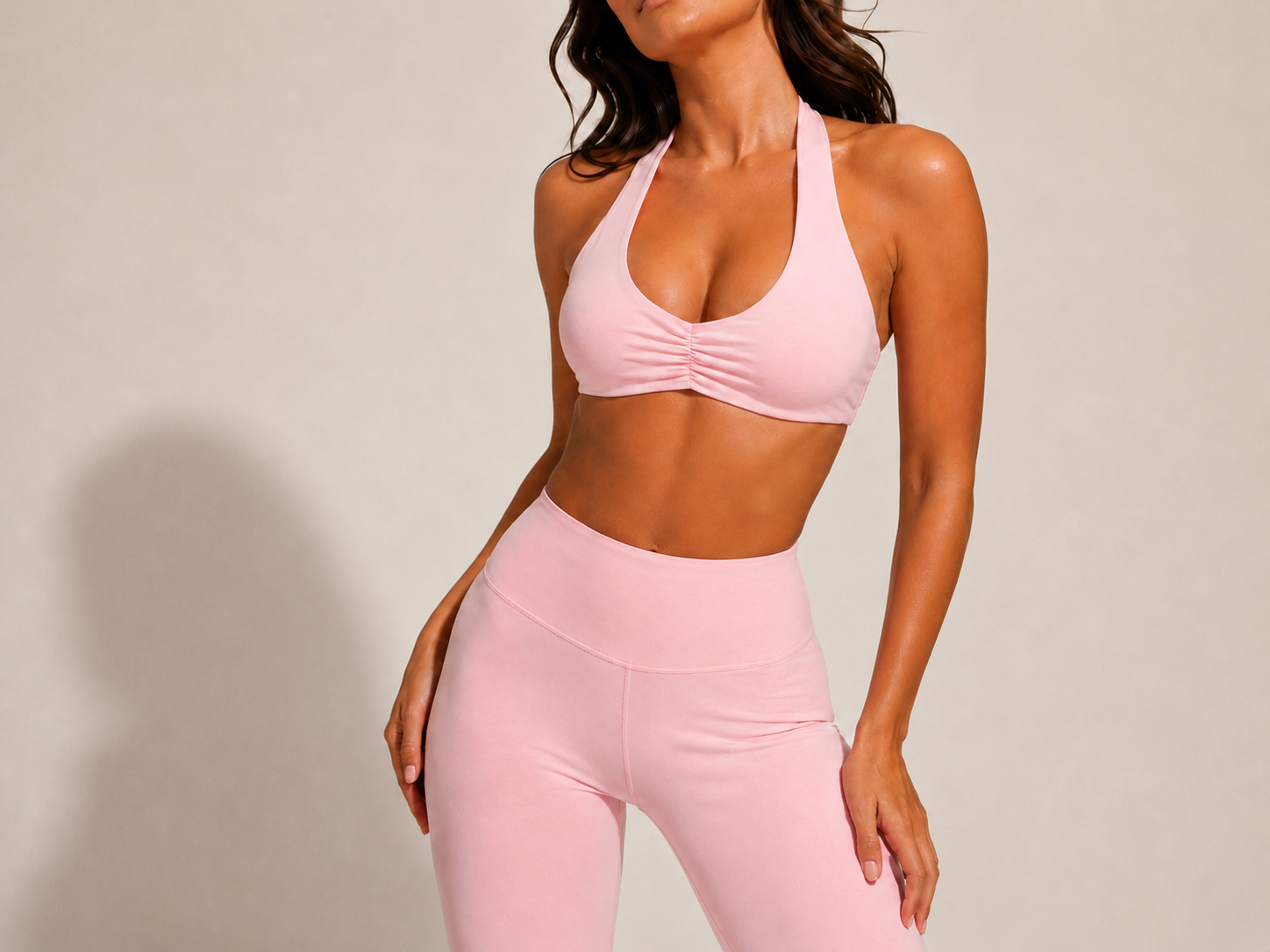
Sports Bras
Sports bra programs can be evaluated around neckline, shoulder straps, underband, cup or pad construction, paneling, lining, elastic application and seam configuration. Fit and support expectations should be defined before sampling because identical silhouettes can perform differently with changes in fabric stretch, elastic tension and construction. Claims such as “high support” require appropriate product definition and supporting evaluation rather than being assumed across the entire category.
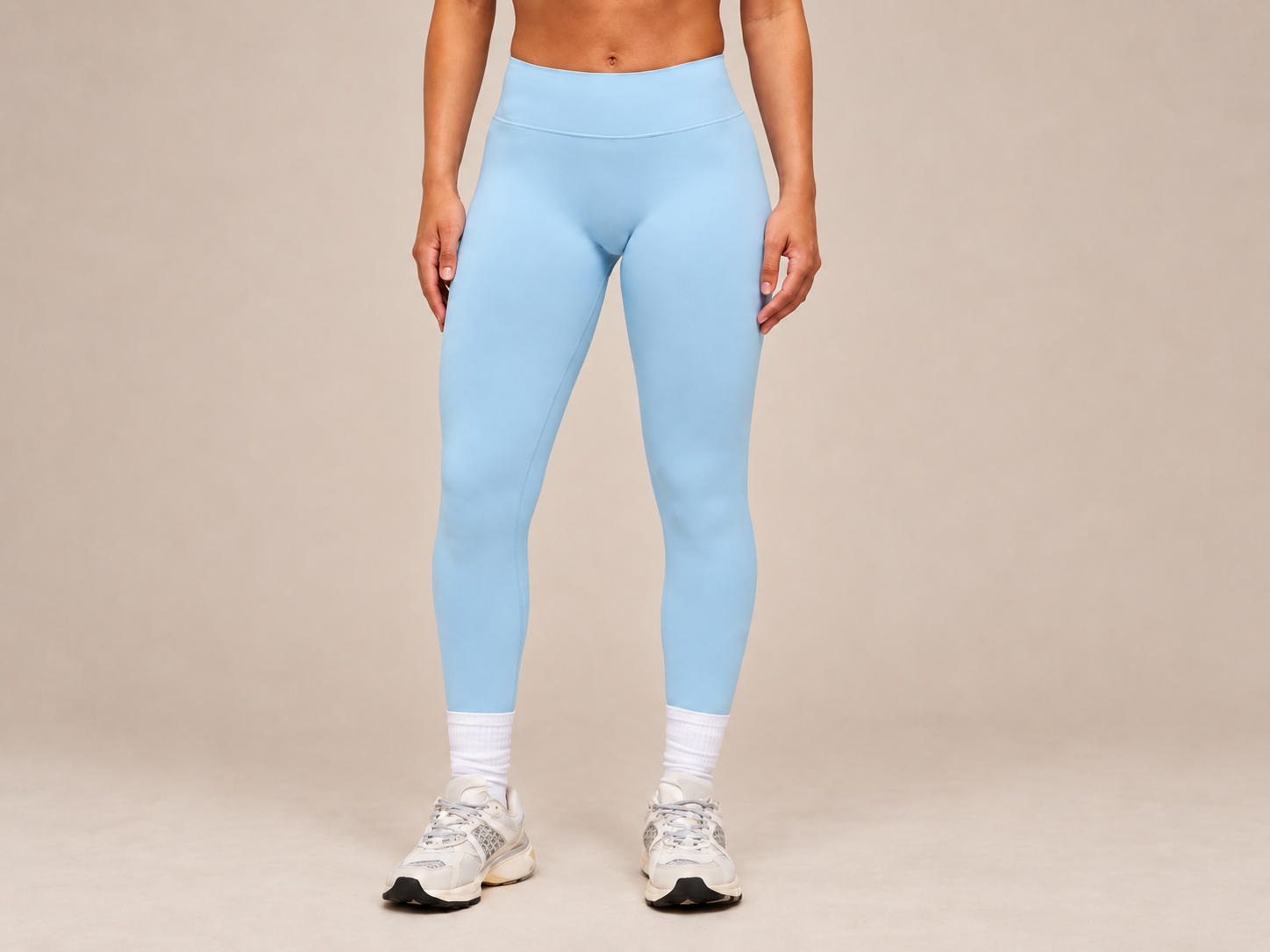
Yoga Leggings
Yoga legging development can cover waistband construction, rise, inseam, panel layout, gusset, pocket placement, seam configuration and branding. Fabric stretch, recovery, opacity expectations, hand feel and dimensional behavior should be defined during material and sample review. Squat-proof, compression or other performance claims are not treated as automatic characteristics; final claims depend on the chosen fabric, garment construction and relevant testing requirements.
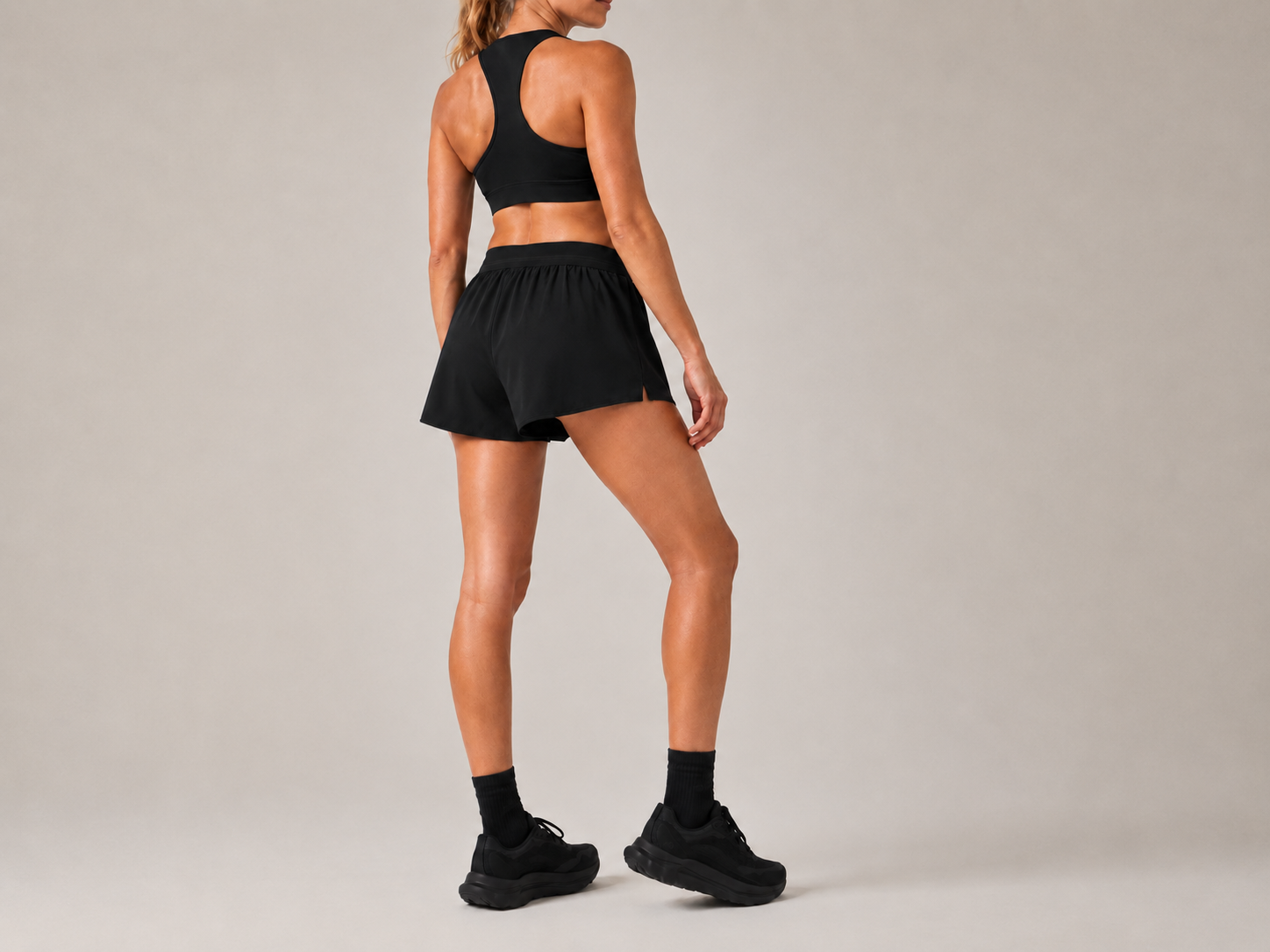
Running Shorts
Running short projects can include elastic waistbands, drawcord systems, pockets, side openings, inner structures and ventilation details where suitable. Development starts by clarifying use, intended fit, length, material behavior and branding placement. Laser perforation can be evaluated for compatible fabrics and constructions, while performance results such as increased breathability require material and product testing rather than being inferred from the presence of perforations alone.
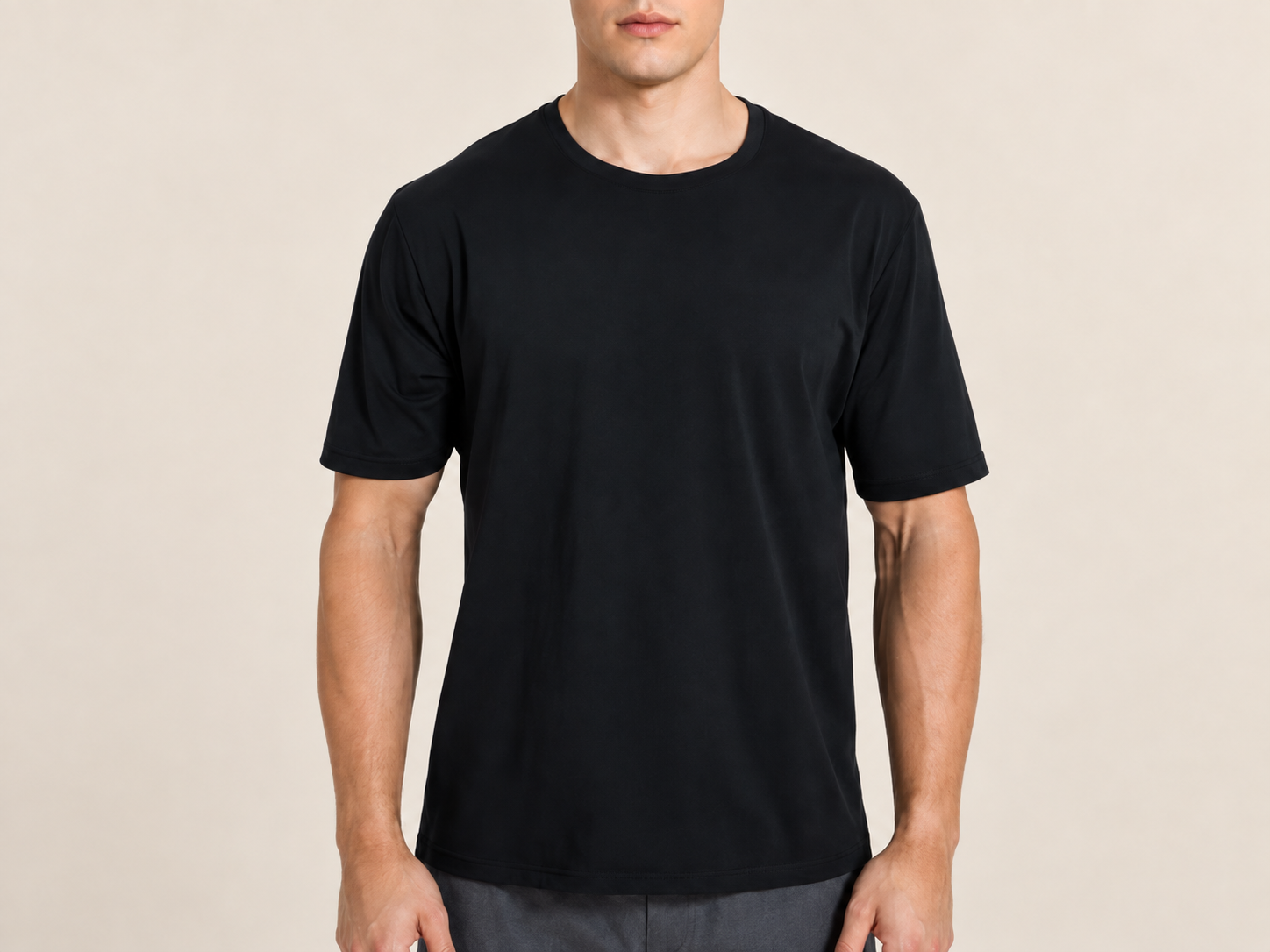
Sports T-Shirts
Sports T-shirts can be developed with different necklines, sleeve constructions, body proportions, hem treatments, panel configurations and logo applications. Material composition, GSM, stretch, hand feel and washing expectations should be reviewed alongside fit. Quick-dry or moisture-management claims require supporting material specifications or testing. Bulk execution follows the approved specification and sample rather than a generic sports T-shirt standard.
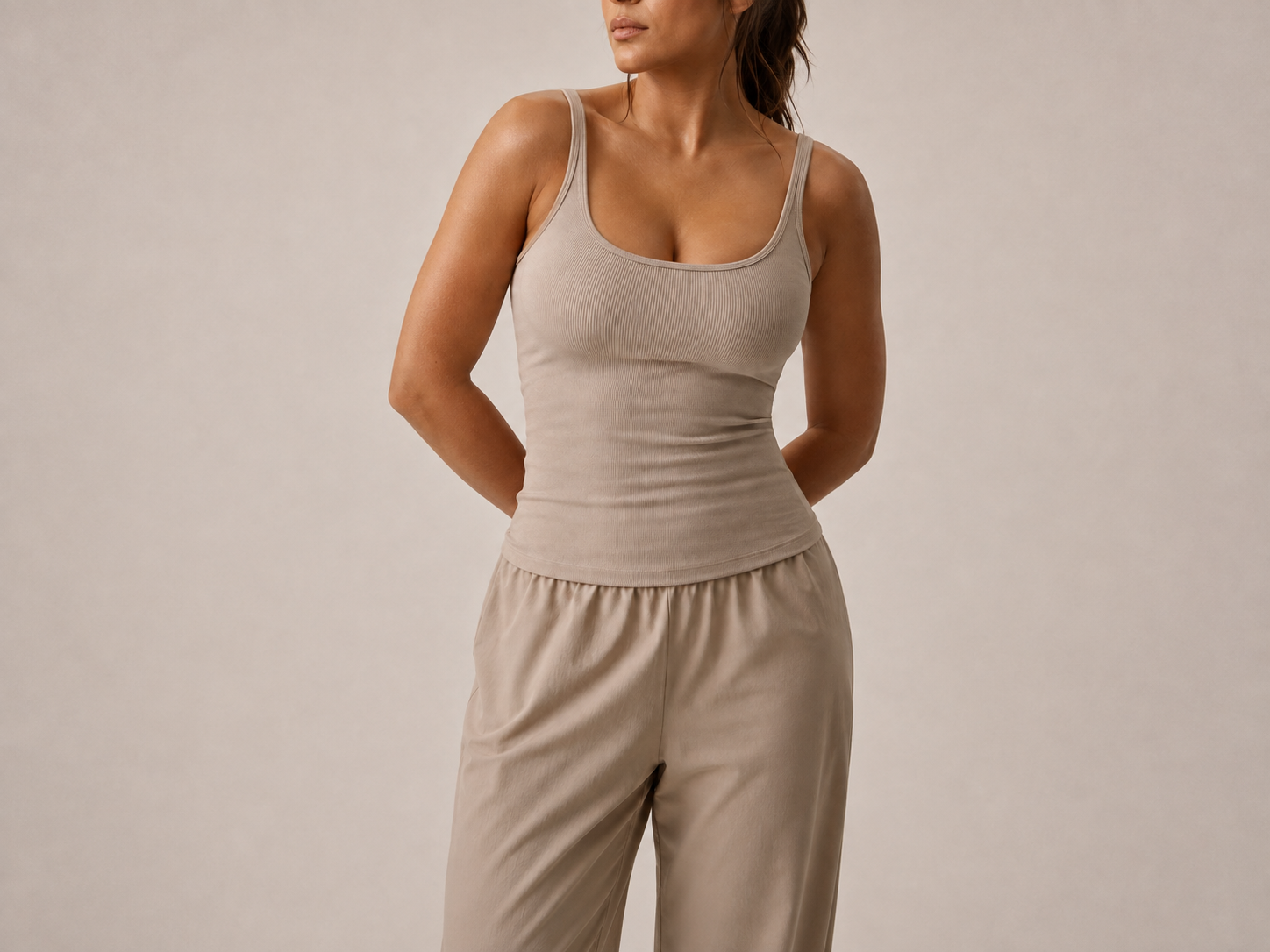
Tank Tops
Tank top programs may vary considerably in neckline depth, armhole shape, shoulder width, body length, side-seam position and fit direction. Product development should consider intended activity, coverage, fabric stretch and brand positioning before pattern approval. Heat transfer or other branding methods can be evaluated according to fabric compatibility. Size grading and measurement points are set according to the submitted or approved size specification.
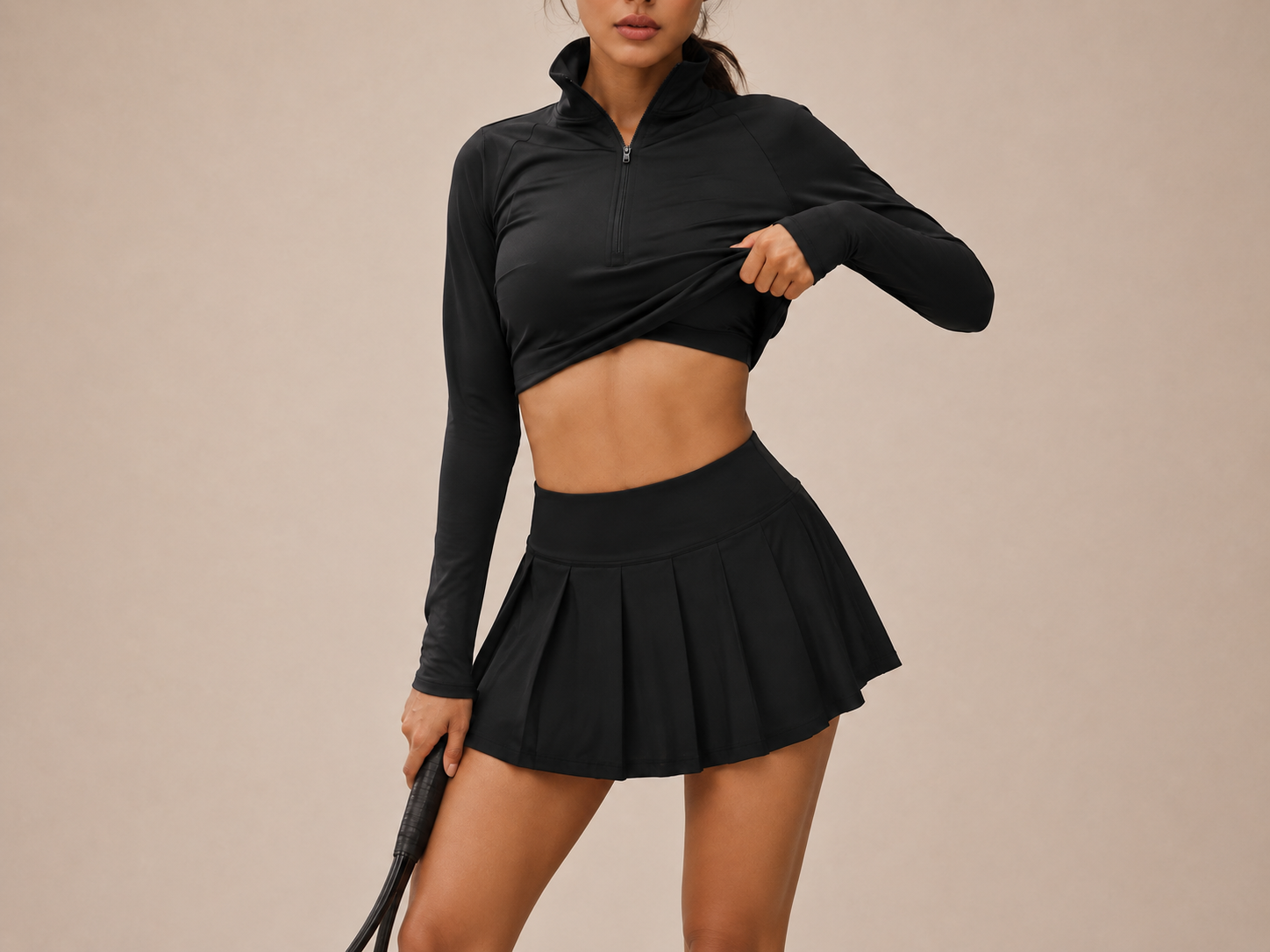
Tennis Skirts
Tennis skirt programs may involve skirt shape, pleat construction, waistband, inner shorts, pocket placement, hem structure and branding. Fit review needs to account for movement, coverage, waist placement and material behavior across both skirt and inner components. Different constructions may require different sewing methods and sample revisions, so final manufacturing requirements are established after the product specification and sample are reviewed.
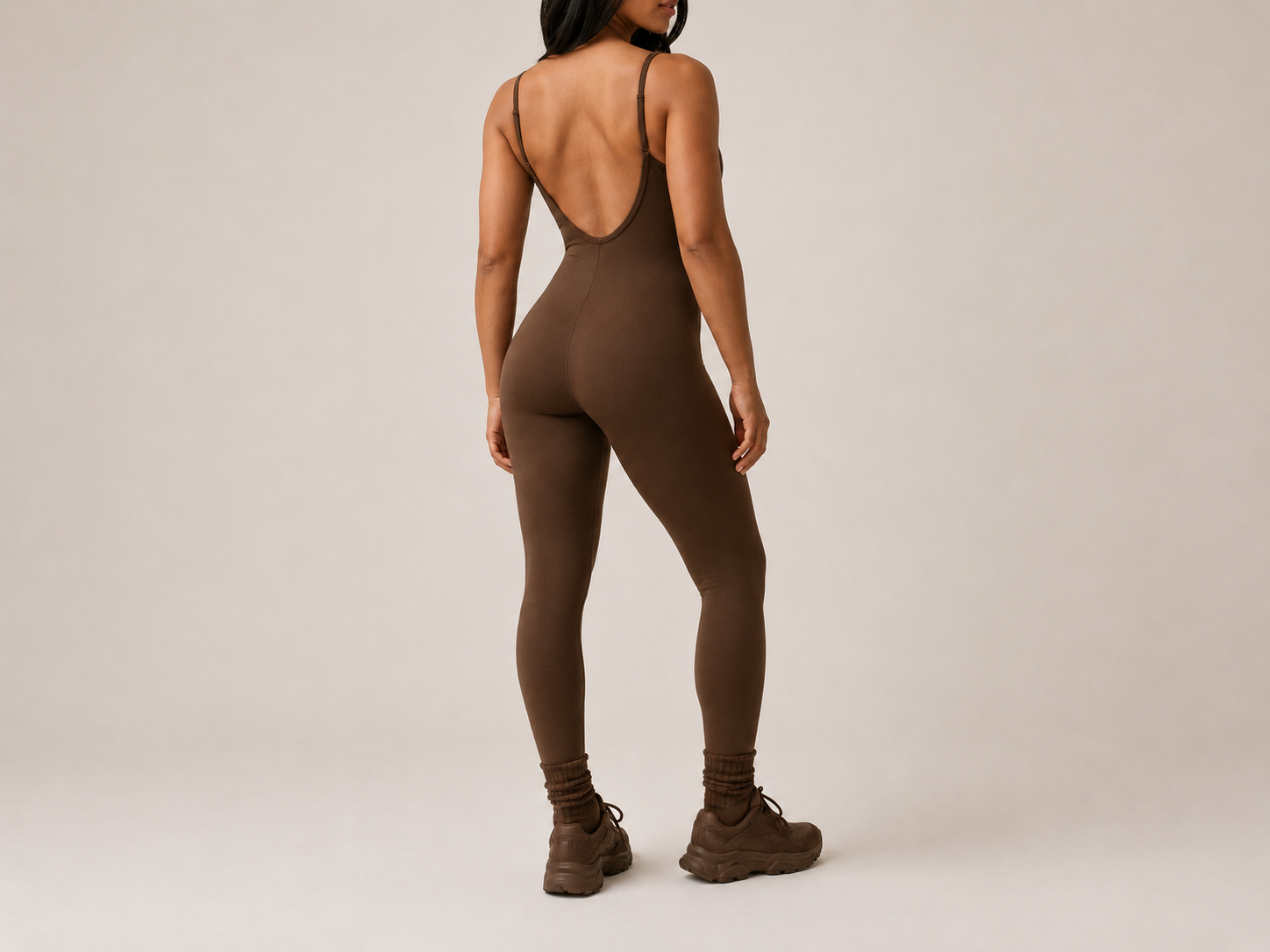
Jumpsuits
Active jumpsuits combine upper-body and lower-body fit in a single garment, making torso length, waist placement, rise, leg shape, openings, straps and seam locations especially important. Material stretch and recovery can strongly influence fit. Sampling is used to verify proportion, mobility and construction before bulk release. Complex multi-panel designs may also affect material use, sewing sequence, MOQ, cost and production timing.
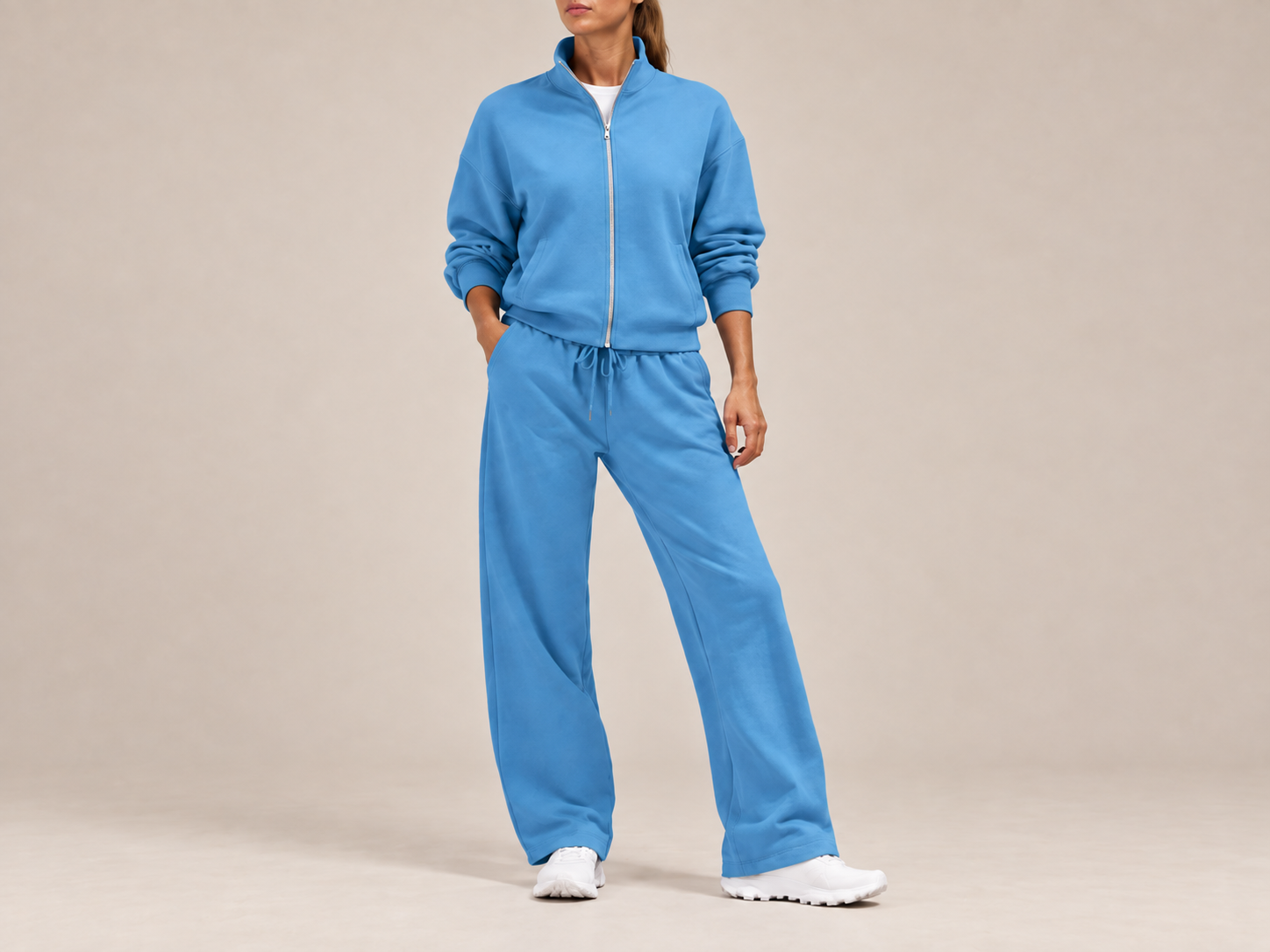
Tracksuits
Tracksuit projects can combine jackets and pants under one coordinated color and branding program. Important details include fit, rib structures, zippers, pockets, cuffs, waistbands, color matching and logo placement. A two-piece set also increases SKU and packaging complexity when multiple sizes and colors are involved. Production planning therefore follows the approved specification, product matrix and packing instructions rather than treating the set as one undifferentiated item.
Customize Activewear Around Brand and Market Requirements
Activewear development begins with product intent rather than a catalog of fixed options. Fit, material, color, construction, trims and branding should work together so an approved sample can become a clear manufacturing standard.
Fit and Sizing
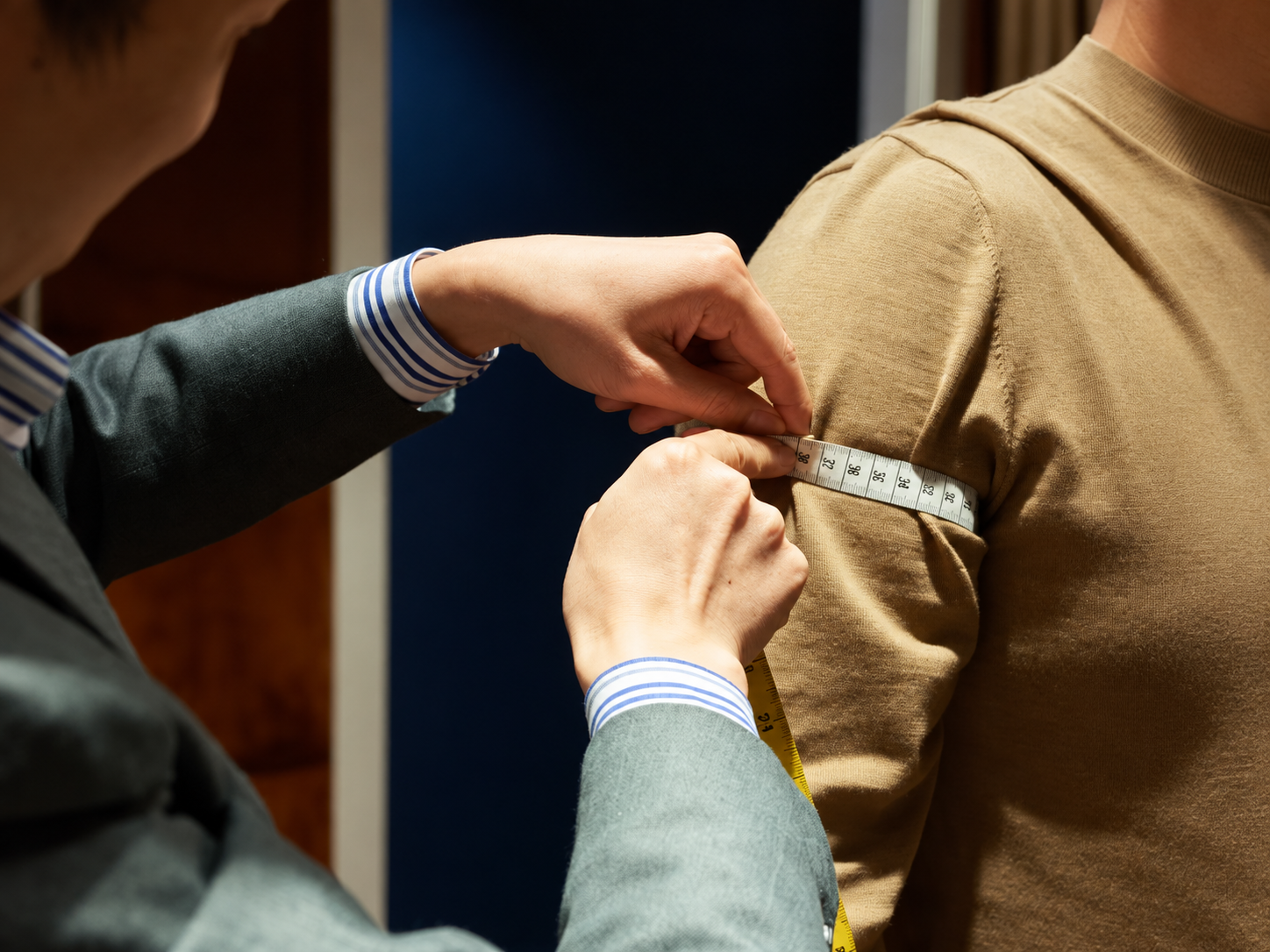
Fit development starts from a measurement chart, existing product, physical sample or defined body and garment measurements. Fabric elasticity and garment construction can change how the same measurements feel when worn, so dimensions alone do not define fit.
- Base size and measurement points
- Garment versus body measurements
- Ease or negative ease
- Waist, hip, rise and torso proportions
- Length and coverage
- Grading direction
Final size ranges and tolerances follow the approved specification rather than a universal global size standard.
Fabric Direction
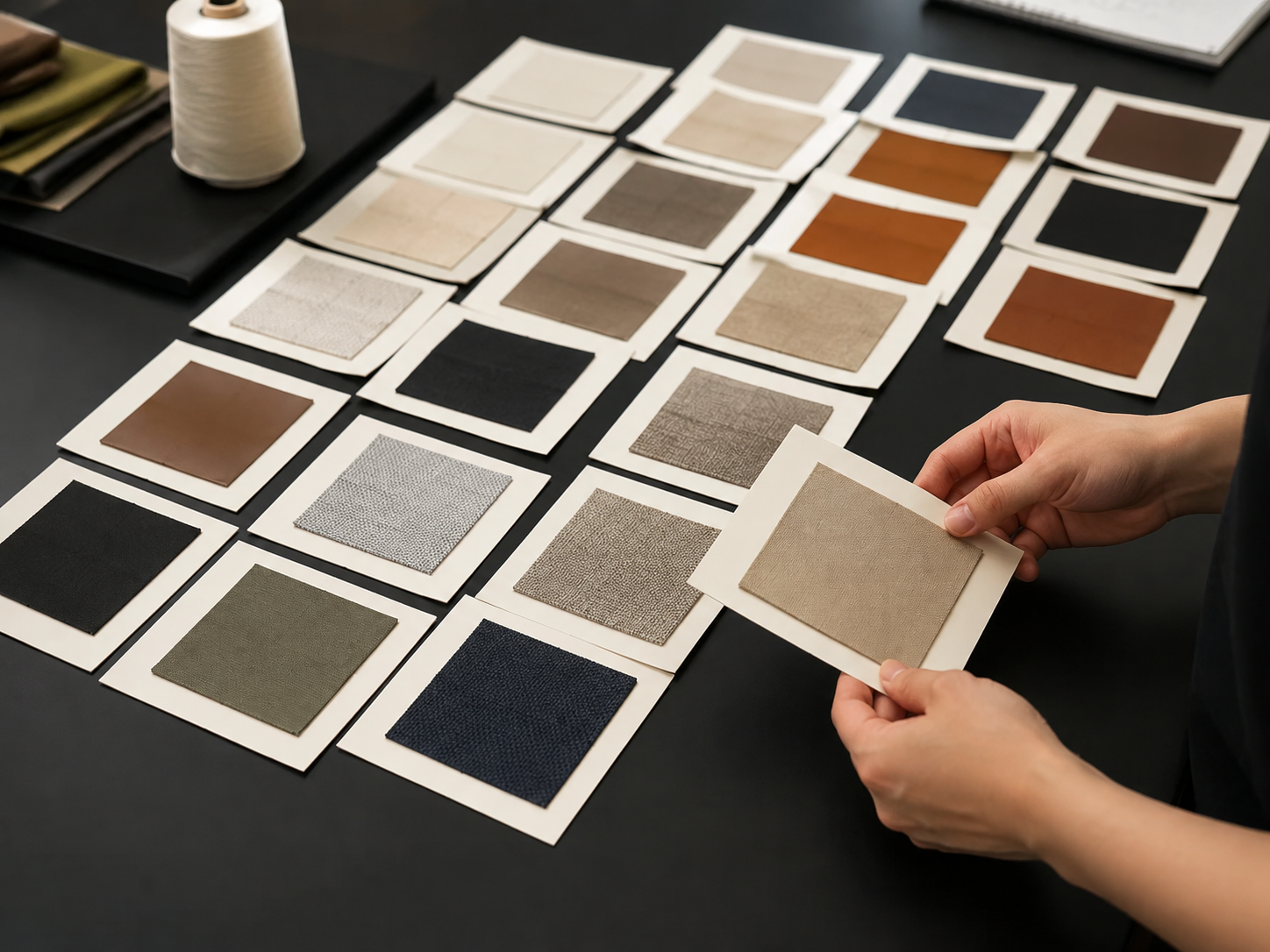
Material selection affects appearance, stretch, recovery, comfort, sewing behavior, cost and production feasibility. Evaluation can cover composition, GSM, hand feel, elasticity, color and intended garment function.
- Nylon or polyester blend direction where specified
- Elastane content based on project requirements
- GSM and opacity considerations
- Surface texture and hand feel
- Stretch and recovery expectations
- Material supplier minimums
Certified, recycled or specialized performance materials require separate supplier and evidence review before related claims are used.
Color Development
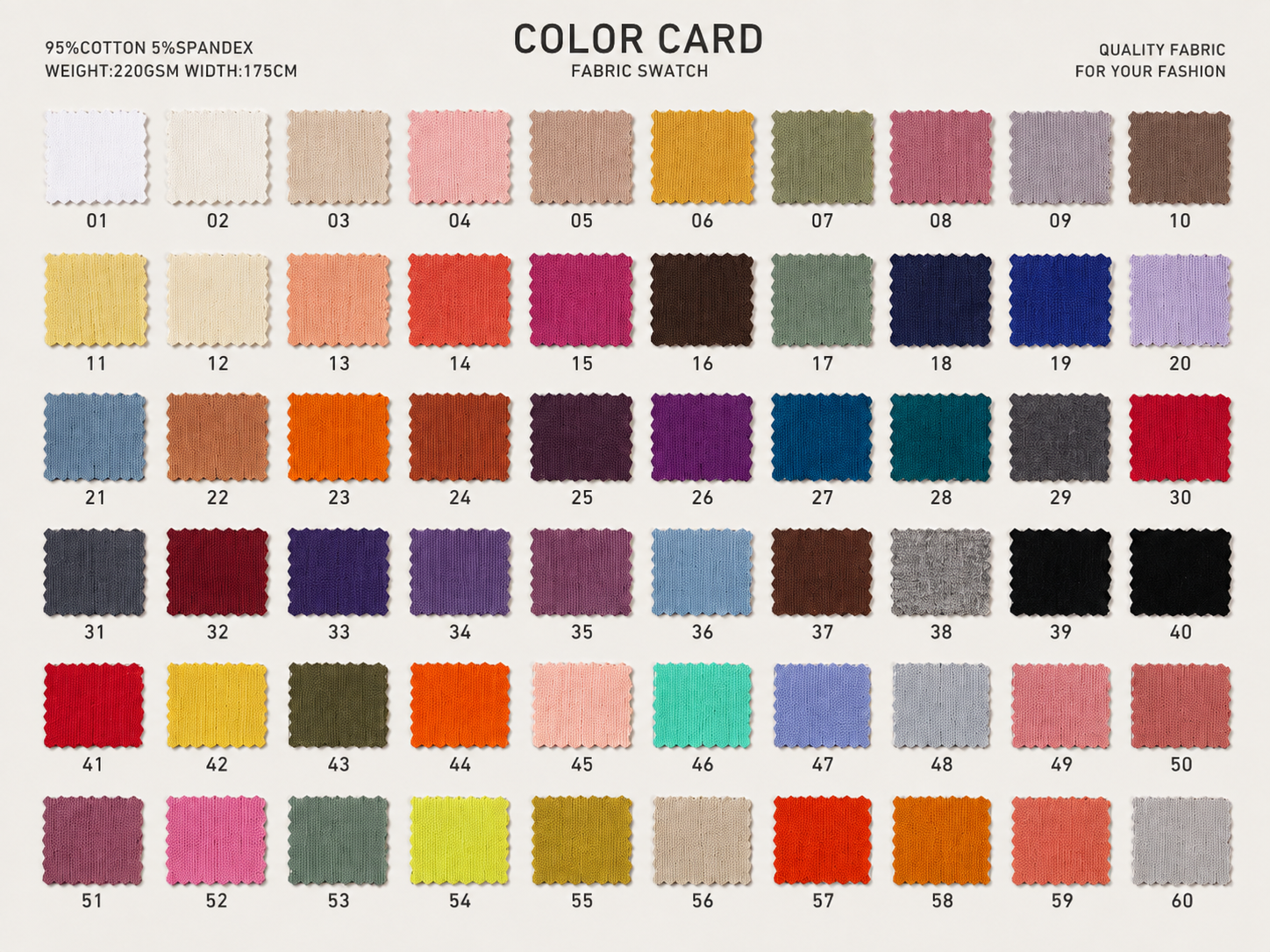
Color planning influences fabric sourcing, MOQ and the final SKU matrix. Standard colors may offer different sourcing conditions from custom-dyed colors, while different material lots can affect visual consistency.
- Main fabric colors
- Contrast panels
- Elastic and trim colors
- Logo colors
- Label colors
- Packaging coordination
Lab dip, supplier color development or physical references may be required depending on the material route. Exact color methods and
Product Construction
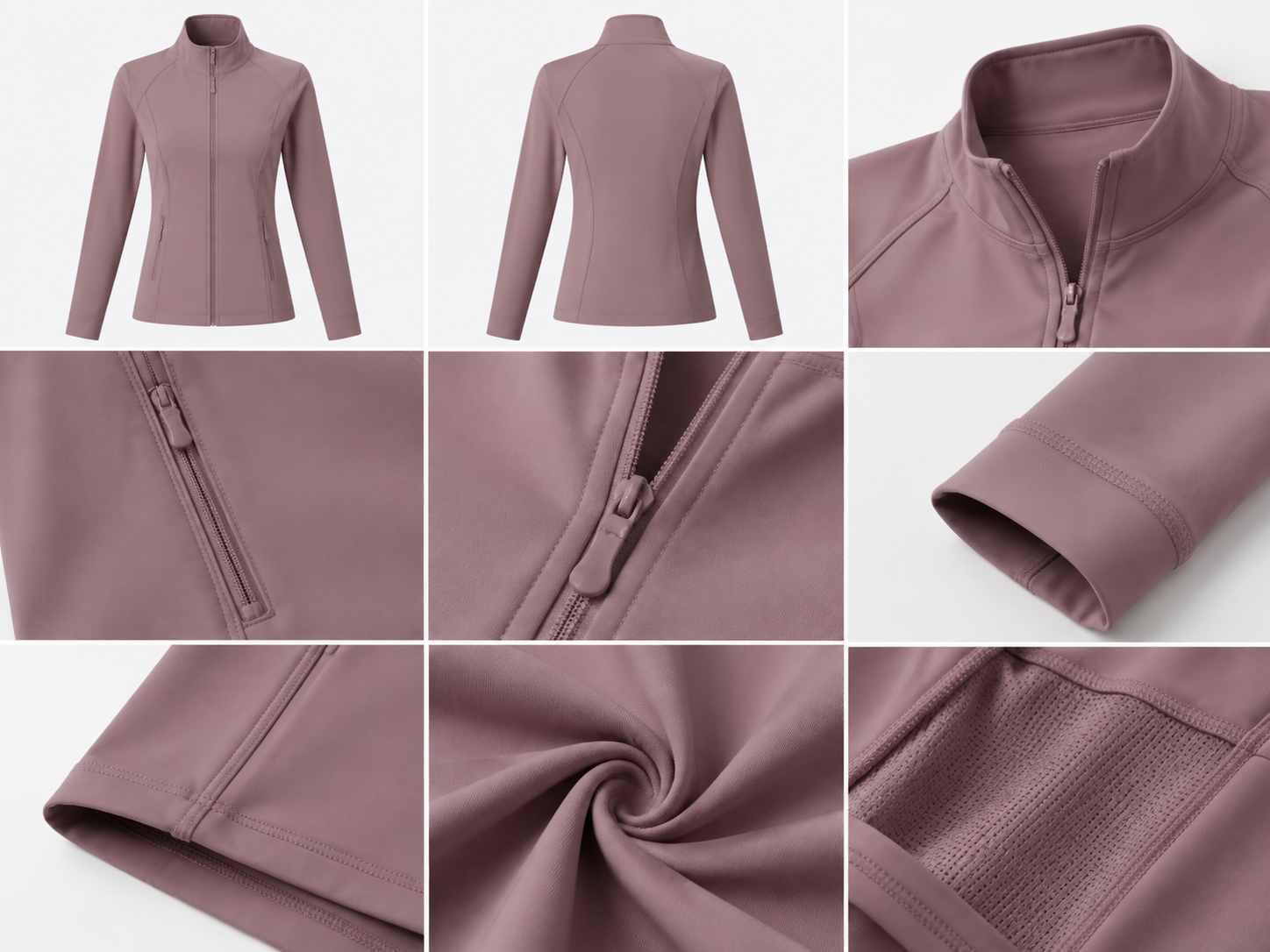
Construction determines how a garment is cut, assembled, reinforced and finished. Activewear specifications may involve elastic waistbands, gussets, pockets, liners, bonded details, flatlock seams, paneling or other technical structures.
- Number and shape of panels
- Seam position
- Elastic installation
- Lining or pad structures
- Openings and pockets
- Specialized workmanship where required
Manufacturability is reviewed before production. A visual concept may need structural adjustment to achieve a stable sample and workable bulk-production method.
Trims and Details
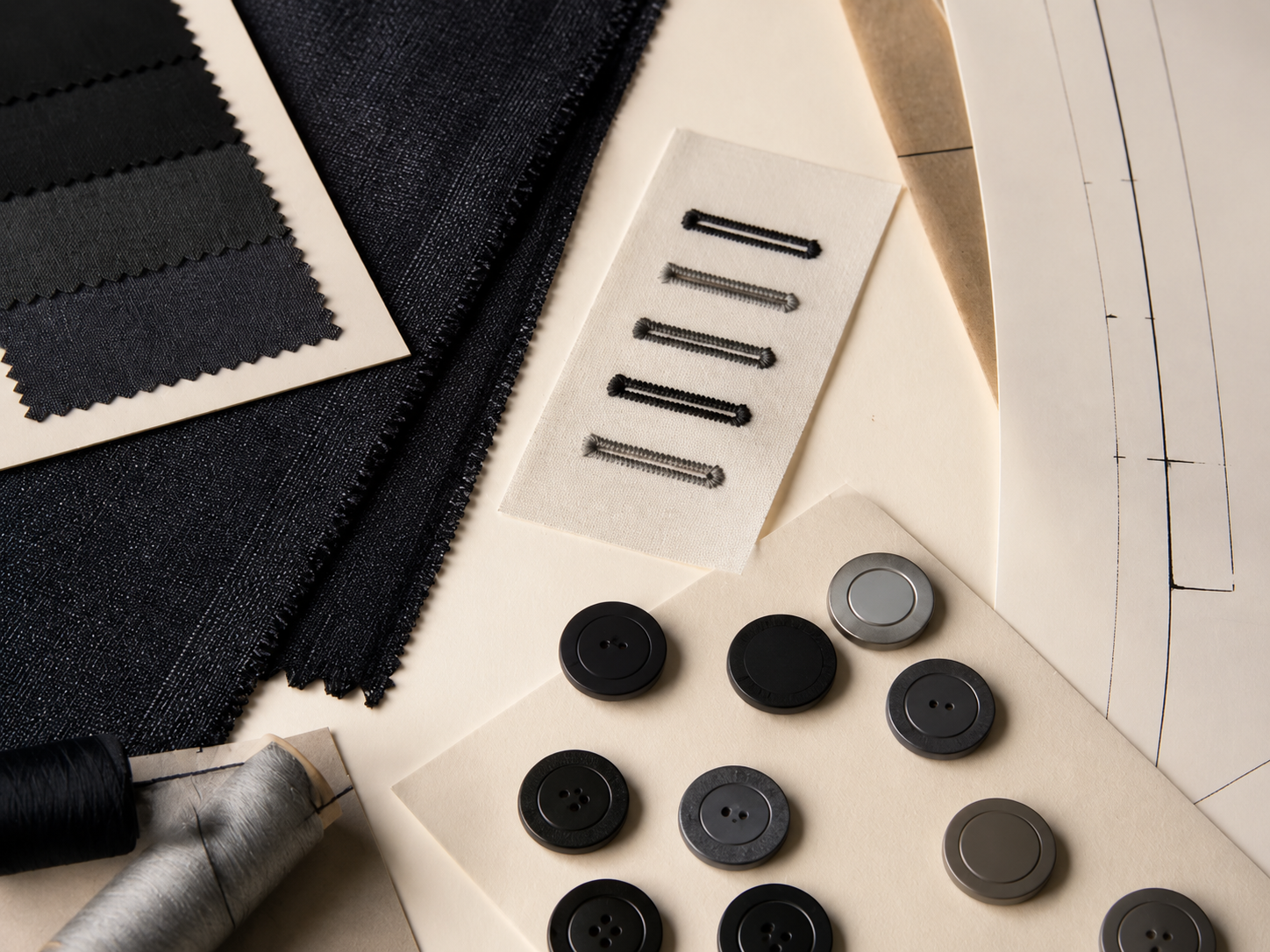
Trims influence both appearance and manufacturing readiness. Elastic bands, zippers, drawcords, pads, labels and other components may carry their own supplier minimums and lead times.
- Elastic width and tension
- Zipper specification
- Drawcord and hardware
- Pads or inserts
- Main and care labels
- Heat-transfer details
Trim approval should occur alongside garment sampling where the component affects fit or construction. Brand-nominated trims can also be reviewed when sufficient technical information is supplied.
Branding and Packaging
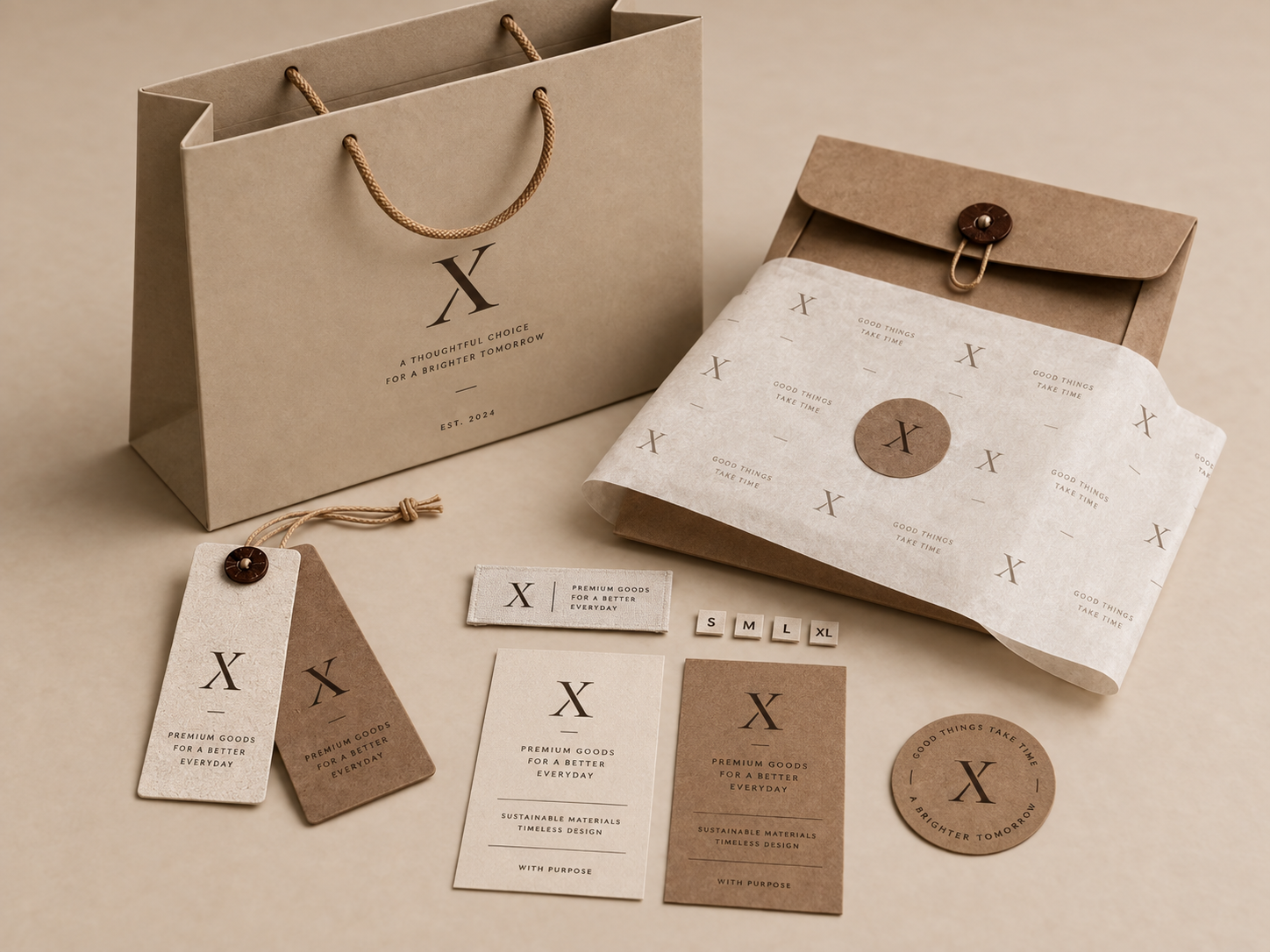
Brand identity continues beyond the garment itself. Logo application, internal labels, size identification, care information, individual packing and outer-carton requirements should be built into the production specification.
- Logo placement and size
- Main or heat-transfer labels
- Care and size information
- Hangtags where specified
- Individual packaging
- Carton and SKU identification
Final options depend on garment material, branding process, supplier minimums and packing requirements. Packaging quantities may have separate minimums from finished garments.
Evaluate Activewear Fabrics Before Sampling and Bulk Production
Material choice affects fit, appearance, sewing performance, cost and commercial claims. Leadshow reviews material direction against garment construction and intended use rather than treating a fabric name as proof of performance.
Composition and GSM
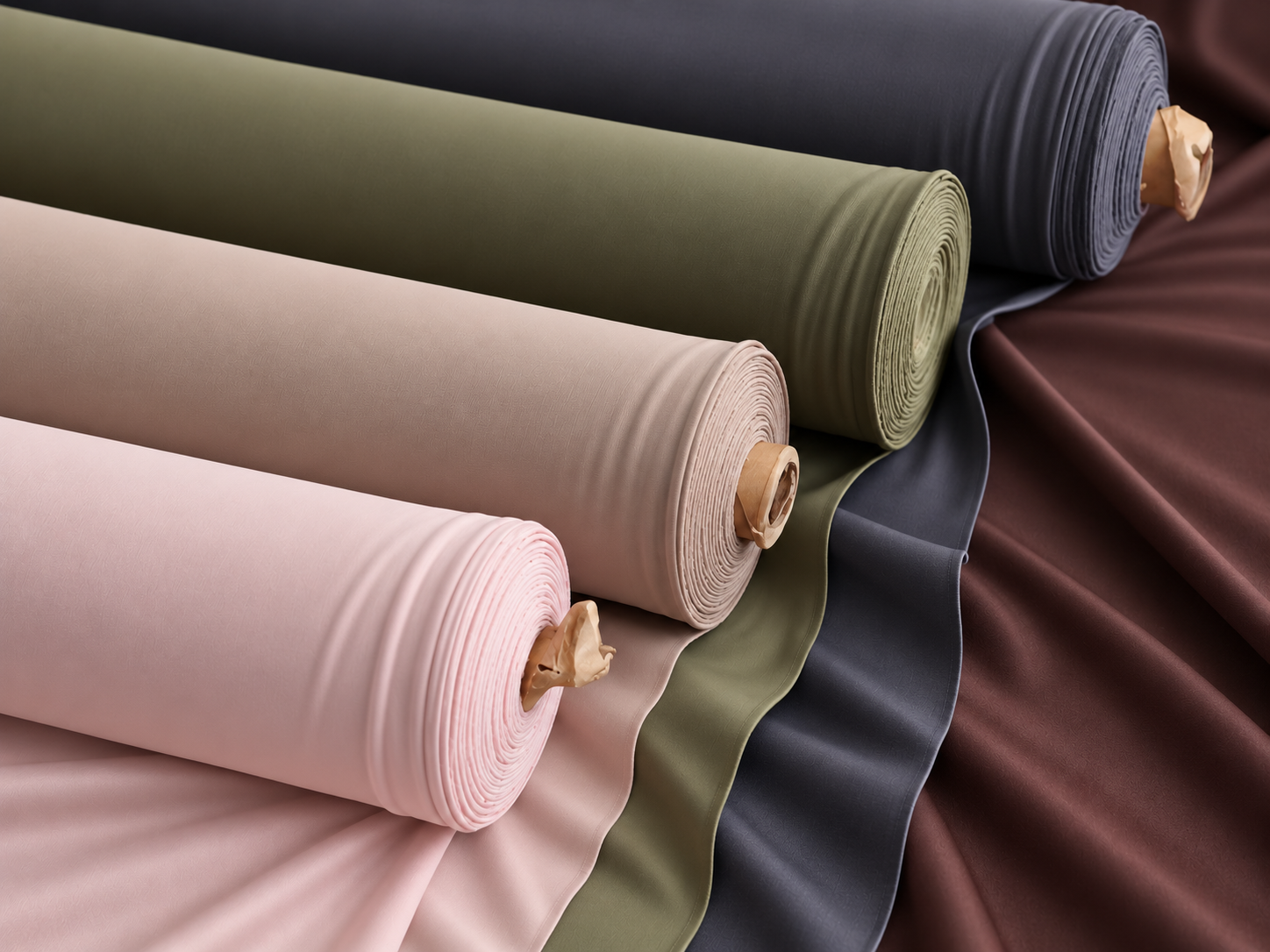
Composition and fabric weight help define the starting point for an activewear product, but they do not provide a complete performance specification.
- Fiber composition
- Elastane percentage where applicable
- GSM or weight requirement
- Knit construction where specified
- Hand feel and surface
- Intended garment category
Two fabrics with similar composition and GSM can still behave differently in stretch, recovery, opacity and sewing. Physical swatches, supplier data or sample garments may therefore be needed before final material approval.
Stretch and Recovery
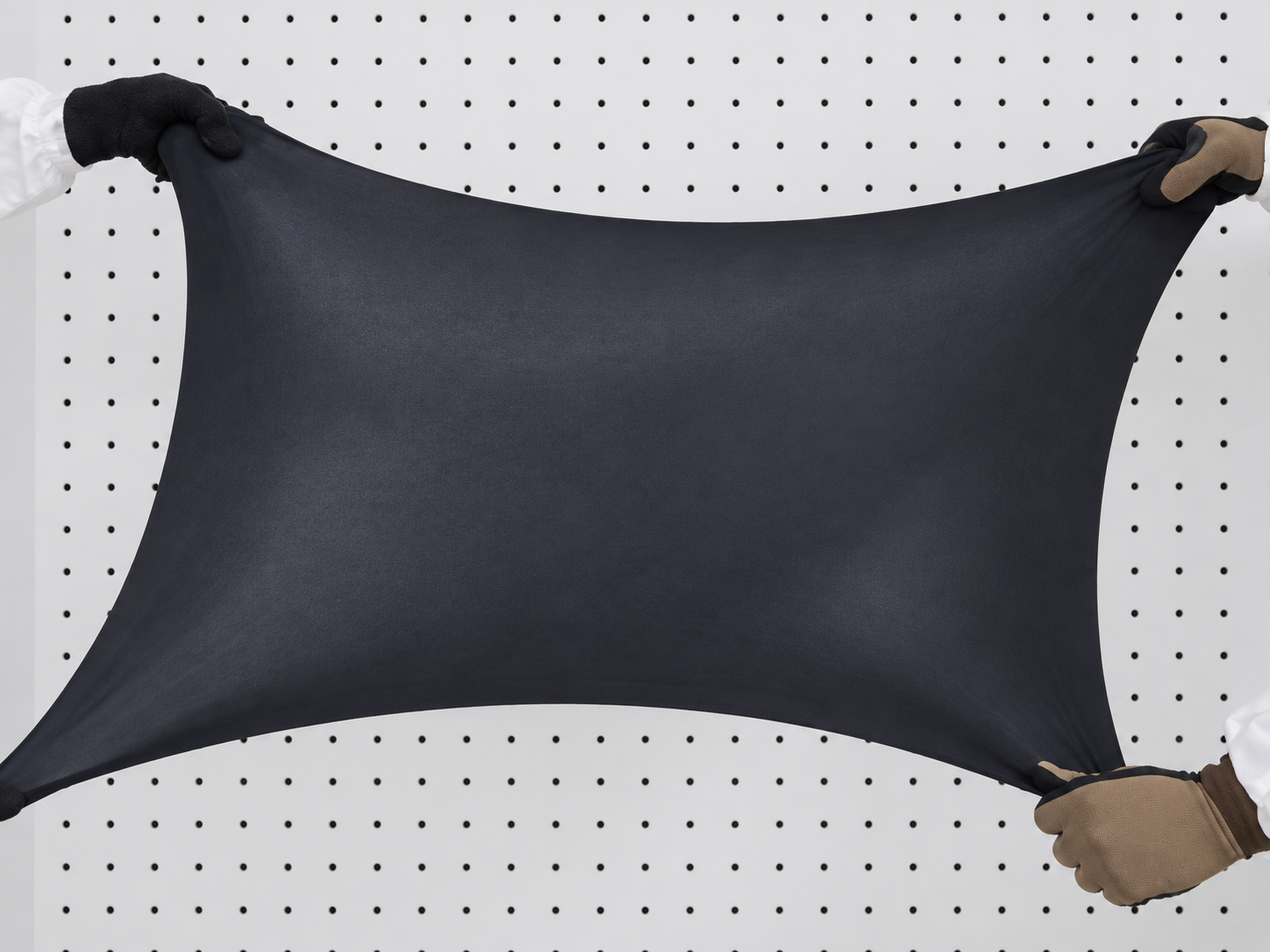
Stretch behavior influences leggings, bras, fitted tops and other close-fitting activewear. Development should consider direction and degree of stretch together with pattern dimensions and seam construction.
- Widthwise and lengthwise stretch
- Recovery after extension
- Negative ease
- Waistband behavior
- Seam compatibility
- Shape retention expectations
Performance should be verified with the actual material and garment configuration. A fabric that works for one silhouette may not deliver the same fit or stability in another construction.
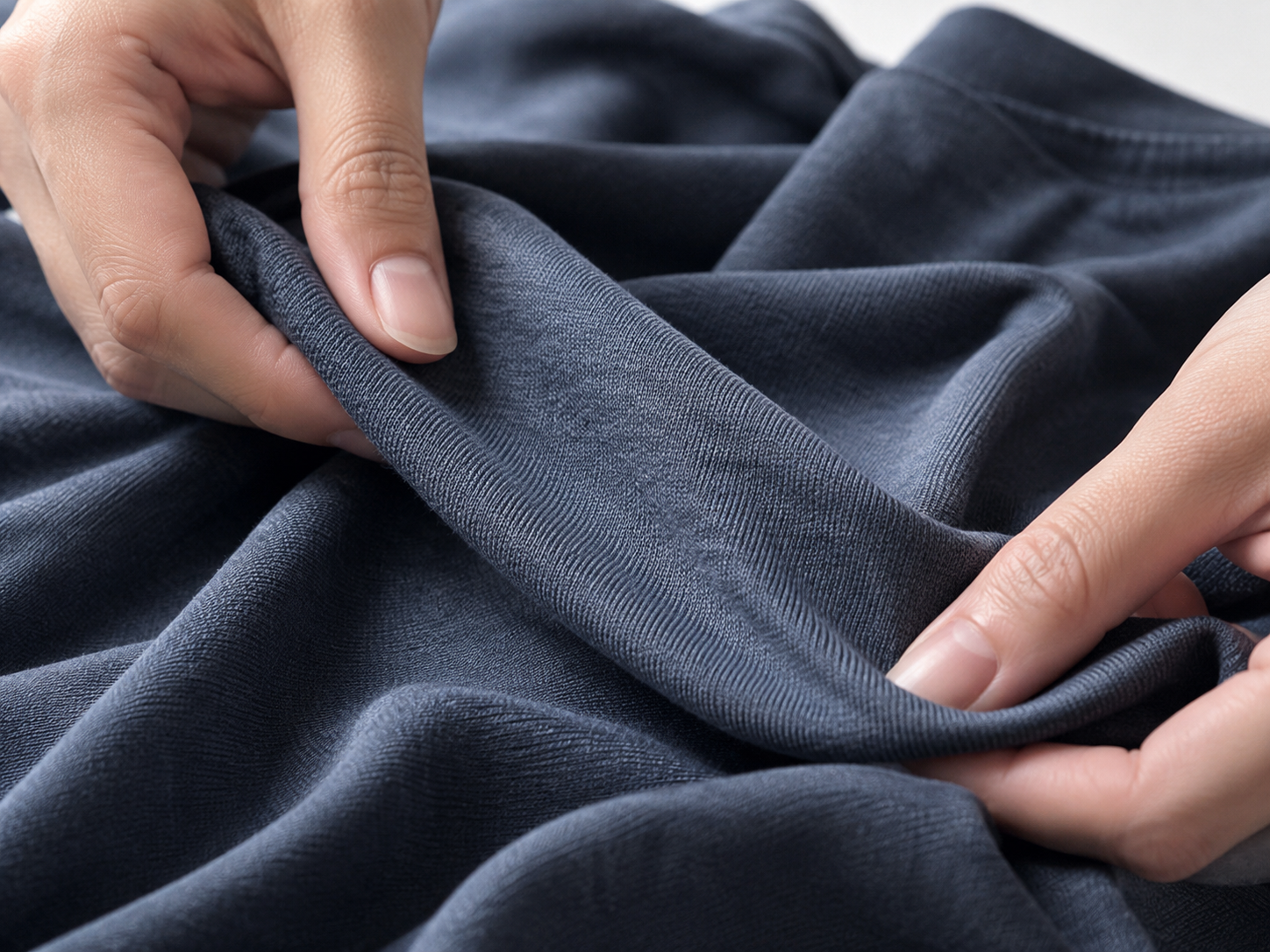
Color and Hand Feel
Color and tactile quality are major product decisions for retail activewear. A specification can include a physical color reference, fabric swatch or approved sample together with expectations for hand feel and surface appearance.
- Main and contrast colors
- Matte or lustrous appearance
- Soft or structured hand
- Surface texture
- Batch considerations
- Approval reference
Custom colors may introduce material supplier minimums and additional preparation. Final color processes depend on the selected fabric and sourcing route.

Functional Claims
Terms such as squat-proof, compression, moisture-wicking, quick-dry, UPF, antibacterial, chlorine-resistant or sustainable should not be added automatically to an activewear specification.
- Define the intended claim
- Confirm material data
- Review garment construction
- Identify an appropriate test method
- Define acceptance criteria
- Keep marketing wording aligned with evidence
Leadshow can coordinate material and sample review and can work with project-specific testing requirements. Unsupported performance claims are not treated as standard product features.
Fit, Sizing and Construction Before Bulk Production
Activewear fit cannot be controlled by a size label alone. Pattern dimensions, fabric elasticity, body proportions, garment structure and intended movement all influence the result. Development therefore connects measurement data with physical sample evaluation before production standards are frozen.
Build Fit Around an Approved Measurement Standard
A usable size specification starts with clearly defined measurement points and a consistent measurement method. Brand teams may provide a complete measurement chart, an existing garment, a pattern, body measurements or a combination of references. The starting reference should be stated clearly because body measurements and finished-garment measurements are not interchangeable. For close-fitting activewear, negative ease and fabric stretch play a major role. A waist measurement on a relaxed garment may differ substantially from the dimension during wear, while leggings made from fabrics with different stretch and recovery can require different pattern dimensions even when both carry the same size label.
- Base size and sample size
- Measurement points and methods
- Finished-garment dimensions
- Fit direction
- Ease or negative ease
- Critical lengths and circumferences
- Fabric stretch behavior
- Target movement and coverage
- Allowable production tolerances when specified
Fit Sample review connects numerical measurements with actual wearing shape and product intent. Leadshow can support pattern and fit adjustment according to supplied specifications and sample feedback. No single sizing system is assumed to fit every market or brand.
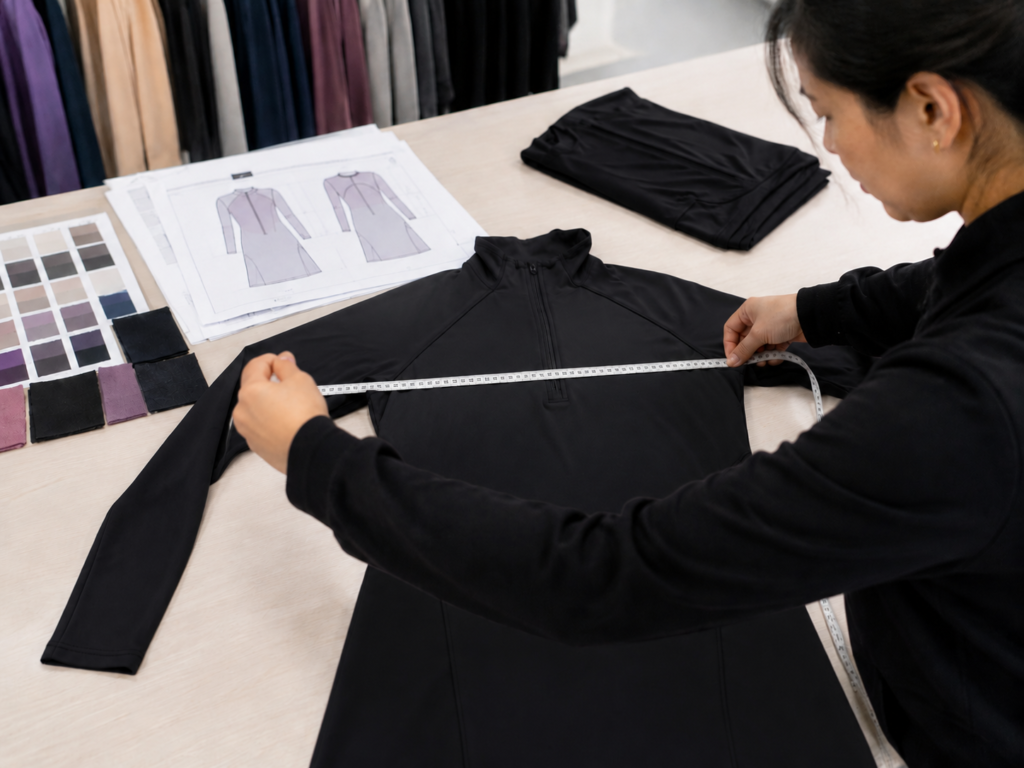
Grade Sizes Without Treating Every Body as a Percentage
Grading should preserve the product’s intended silhouette while adapting dimensions between sizes. Simple proportional enlargement can create problems in armholes, rises, torso length, waistband position, strap length, pocket placement and other structural areas. Activewear creates additional complexity because stretch materials may visually mask measurement changes without solving fit. A yoga legging, sports bra and jumpsuit can each require different grading logic even when they belong to the same collection.
- Approved base-size pattern
- Measurement chart
- Size increments
- Material elasticity
- Intended compression or ease direction
- Product coverage
- Structural panel placement
- Pocket and logo position
- Waistband or underband dimensions
- Sleeve, inseam or torso length
Size Set samples may be required according to project needs before full production. Final size range and grading approach depend on the submitted specification, sample results and garment construction. Special body-shape programs require separate evaluation rather than automatic scaling.
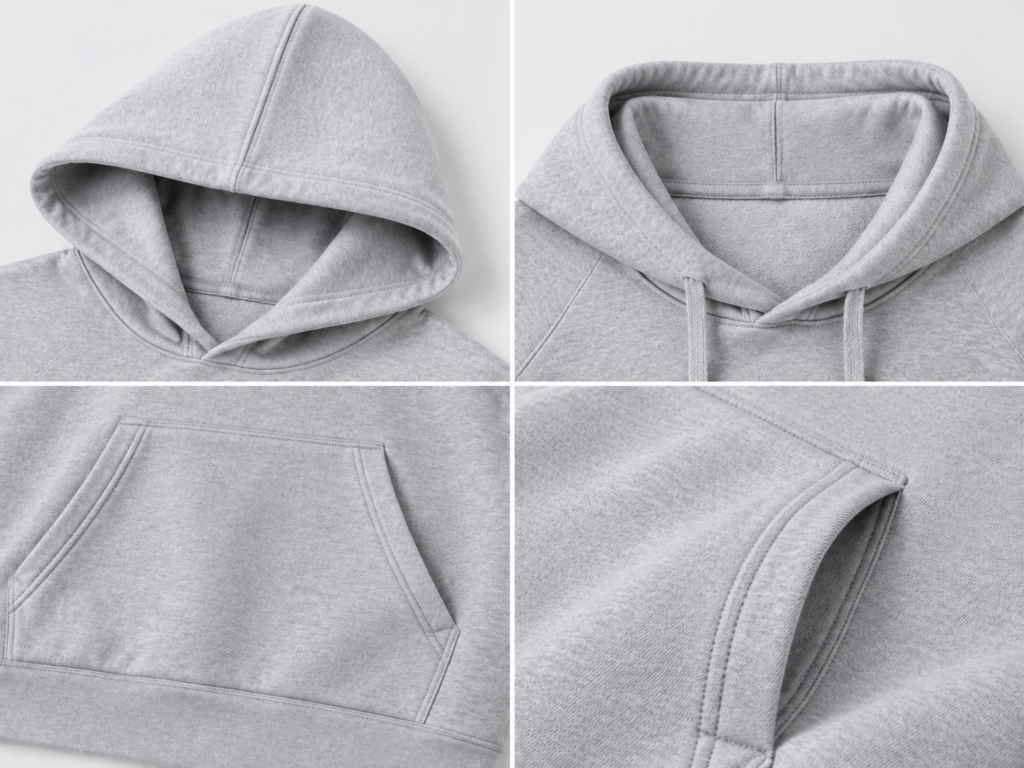
Freeze Construction Before Production Release
A visually simple garment can contain many decisions that affect bulk consistency. Seam type, pocket construction, lining, elastics, bonding, labels, thread, panel direction and finishing methods need to be translated into an executable production version. Before bulk release, technical information should clearly identify the approved garment construction, pattern and dimensions, fabric and trims, seam and stitch requirements, elastic specification, logo method and placement, label content and position, color references, packing requirements, latest approved sample or reference and revision status. Production based on an approved specification creates a stronger control point than verbal instructions or scattered email comments. Changes made after sample approval should be documented and reviewed for cost, material, timing and manufacturing impact before implementation.
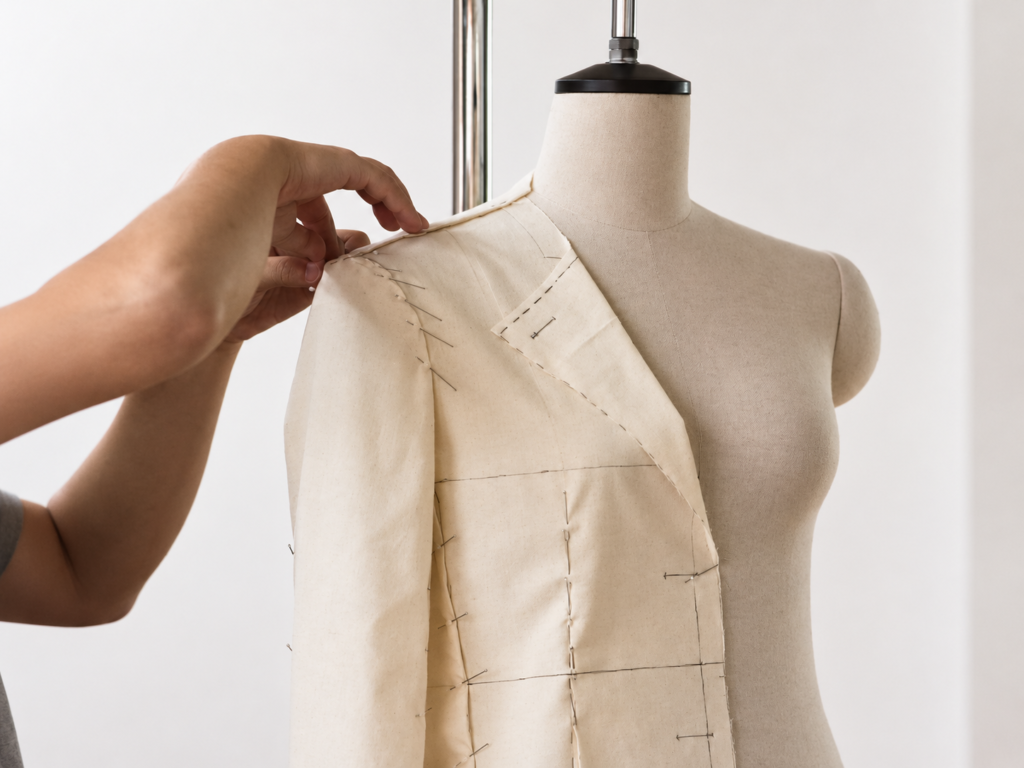
Compare OEM, ODM and Private Label Manufacturing Paths
The right manufacturing route depends on product maturity. A complete Tech Pack requires a different development process from a reference image, while private label requirements must still connect to a defined garment specification.
Manufacturing Path
Typical Starting Input
Leadshow Support
Before Bulk Release
OEM Manufacturing
Tech Pack, measurement chart, pattern, reference sample
Technical review, material and trim review, sampling, fit adjustment, manufacturing, quality, labels and packaging
Approved specifications, applicable sample approval, material readiness, order and production conditions
Manufacturing-Focused ODM
Concept, sketch, reference image, existing sample or partial specifications
Construction clarification, pattern development, material direction, sample development, fit adjustment and manufacturability review
Finalized product specification, approved sample, confirmed materials, commercial review
Private Label Manufacturing
Defined product direction plus brand, label and packaging requirements
Garment manufacturing, logo execution, main/care/size labels and packaging coordination
Garment specification, approved branding, packaging requirements, applicable supplier minimums
Repeat Production
Previous approved product records and current reorder requirements
Specification reconfirmation, material review, quantity and scheduling review, production and packaging
Reconfirmed materials, color, quantities, changes and current production availability
Sample Development Creates the Standard for Bulk Production
Sampling is not only for seeing how a garment looks. Each round should answer specific questions about construction, fit, material, workmanship, branding and manufacturing readiness before approved information moves into bulk production.
Requirement Review
Sampling begins after enough information is available to define what needs to be made and evaluated.
- Product type and intended use
- Tech Pack or reference information
- Measurement requirements
- Material and trim direction
- Color and branding
- Sample type
- Quantity expectations
- Target market requirements
Incomplete information can be clarified during project review, but missing inputs may affect sampling scope and timing. A sample schedule therefore starts from the applicable confirmed requirements rather than simply from the date an inquiry is received.
Pattern and Construction
Pattern preparation translates product measurements and design intent into garment components that can be cut and sewn. Construction review also considers seam locations, elastic, pockets, linings, closures and special workmanship.
- Base-size pattern
- Panel layout
- Seam allowance
- Garment balance
- Elastic application
- Lining and internal structure
- Pocket construction
- Special process feasibility
Technical changes may be recommended when a visual concept creates manufacturing or fit risks. Final decisions are incorporated into the working sample specification.
First Sample
The first sample establishes a physical reference for fit, proportion, construction and workmanship. It is not automatically a production-approved garment.
- Check overall silhouette
- Measure key dimensions
- Review fabric behavior
- Inspect seam and construction choices
- Review logo location
- Evaluate movement and coverage where relevant
- Record corrections
Feedback should distinguish design changes from workmanship corrections because each type of revision may affect cost, pattern work, materials and timing differently.
Fit and Measurements
A sample can match several measurements yet still require fit adjustment. Review should compare numerical specifications with the intended wearing result.
- Measurement verification
- Waist, hip, chest or torso balance
- Length and coverage
- Stretch and recovery interaction
- Strap or waistband positioning
- Movement areas
- Pocket and seam placement
Fit comments should be recorded against the current sample version. Changes to measurements, pattern or fabric need to remain traceable before a new round is produced.
Revision and Approval
Sample revisions are used to close identified gaps and establish an approved product direction.
- Record the current revision
- Mark changed dimensions
- Update pattern or construction
- Reconfirm materials if changed
- Recheck logo and trims
- Confirm unresolved comments
Revision quantity is not treated as unlimited. Scope, cost and timing depend on the changes requested. Once the applicable sample is approved, the latest confirmed specifications become the basis for production preparation.
Production Validation
Depending on project requirements, a PP Sample, Size Set or other pre-production validation may be used before or during production release. Timing is confirmed by project rather than through a universal number of days.
- PP Sample where applicable
- Size Set where required
- Final material and trim check
- Final branding check
- Packing confirmation
- Approved production version
Sample timing depends on construction, material readiness, customization and revision requirements. Bulk timing follows separate order, approval, material and scheduling conditions.
Eight Areas Worth Reviewing Before Supplier Approval
A serious apparel manufacturer should be evaluated beyond factory size or quoted unit price. Product development, approved standards, material control, manufacturing scale, quality checkpoints and order execution all influence whether a supplier fits a long-term sourcing program.
RFQ Factor
What to Provide
How It Affects the Project
Standard MOQ
Style and color breakdown
Generally starts from 100 pieces per color per design; final MOQ remains project-specific
Size Distribution
Units required for each size within each confirmed color
Influences cutting, SKU preparation, packing and production planning
Fabric
Composition, GSM, stretch, color and performance requirements
Supplier minimums, availability and custom dyeing may affect MOQ, cost and timing
Trims
Elastic, zipper, pad, drawcord and other components
Custom components may carry separate supplier minimums
Branding
Logo method, dimensions, placement, labels
Process and supplier requirements influence cost and minimum quantity
Packaging
Bag, label, tag, carton and SKU instructions
Custom packaging can have separate minimums and preparation requirements
Sample Timing
Complete development requirements
Confirmed according to construction, material readiness, customization and revision scope
Bulk Timing
Approved version, materials, order conditions and quantity
Confirmed after order release and current production scheduling review
Shipment Timing
Agreed shipping arrangement
Goods-ready date, ETD, ETA and final arrival remain separate milestones
Manufacturing Scale for Activewear Wholesale and Repeat Programs
Factory scale matters when a sourcing program grows from initial sampling into multiple styles, colors and repeat orders. Leadshow’s confirmed company-level figures describe the overall manufacturing foundation rather than guaranteed capacity reserved for any single project.
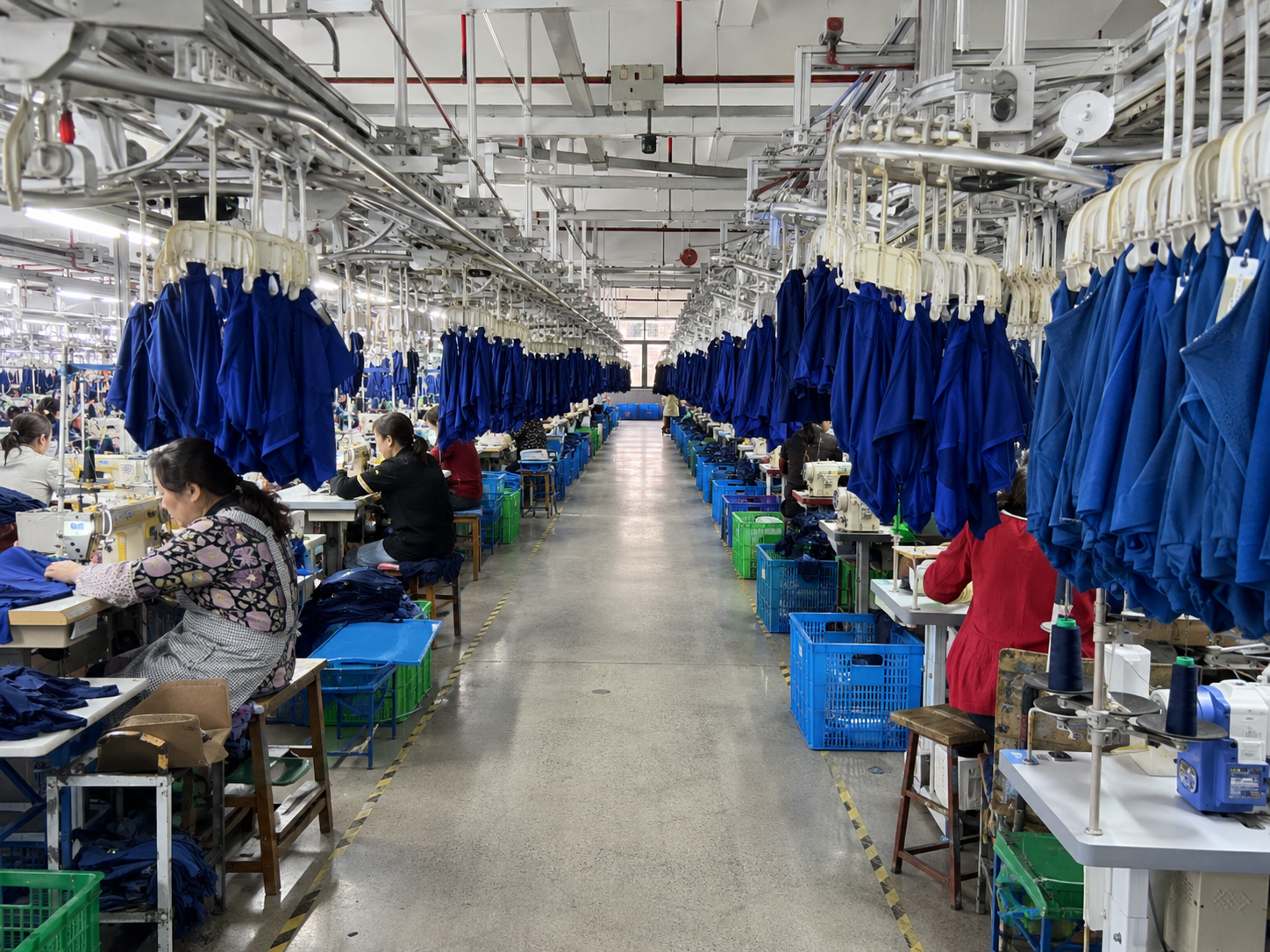
15 Years Experience
Leadshow has more than 15 years of experience in apparel development and manufacturing. Our team supports sportswear projects from fabric selection and sample development to production coordination, helping brands bring products from concept to finished garments.
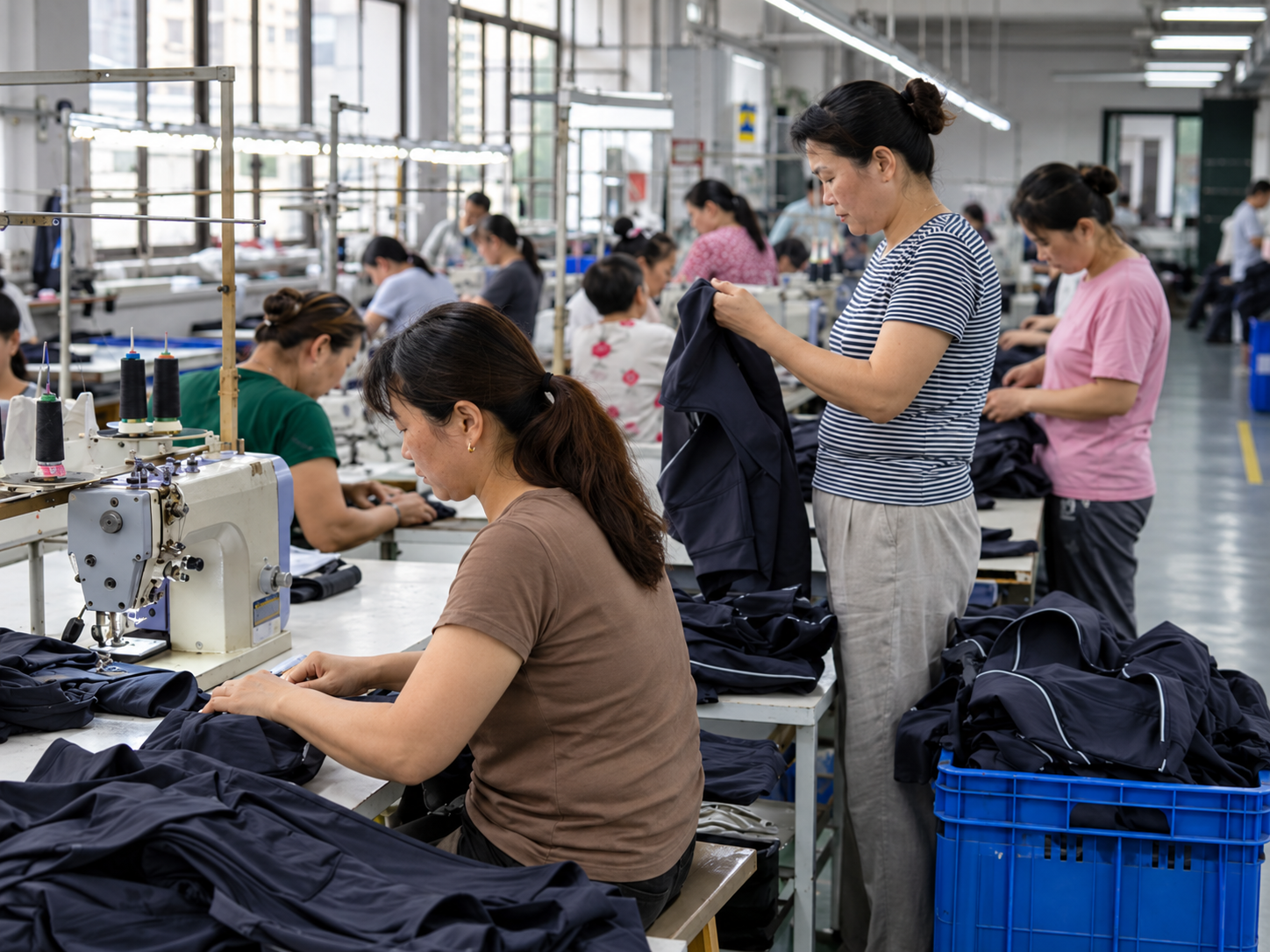
3 Manufacturing Bases
Leadshow operates three manufacturing bases supporting different stages of apparel production. This manufacturing network provides flexible support for product development, sampling, production preparation, and bulk orders across different sportswear categories.
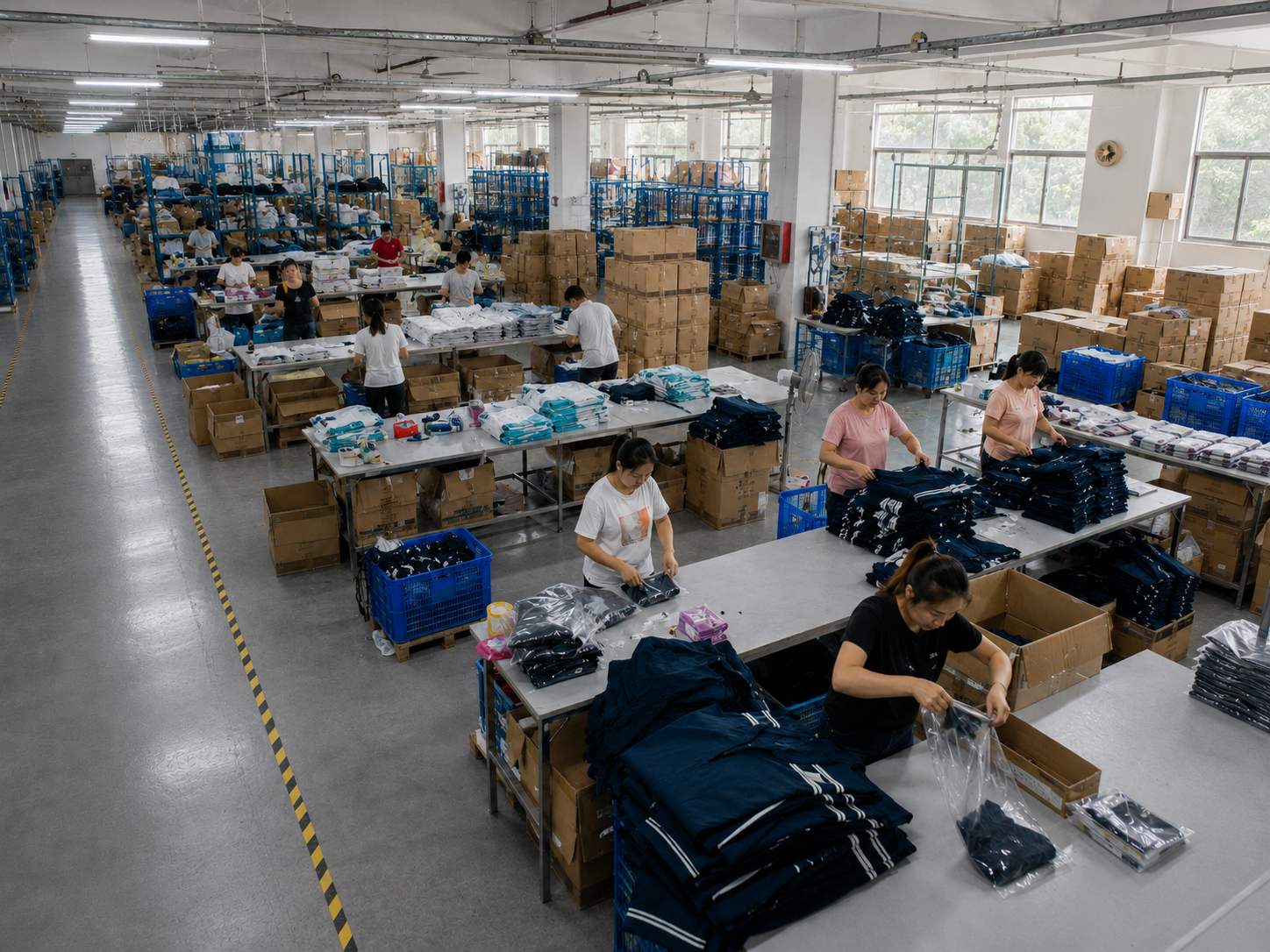
20,000+ Square Meters
Leadshow’s combined manufacturing space exceeds 20,000 square meters, supporting key production activities including material preparation, cutting, sewing, finishing, quality inspection, and packing. The organized production environment helps manage different apparel programs efficiently.
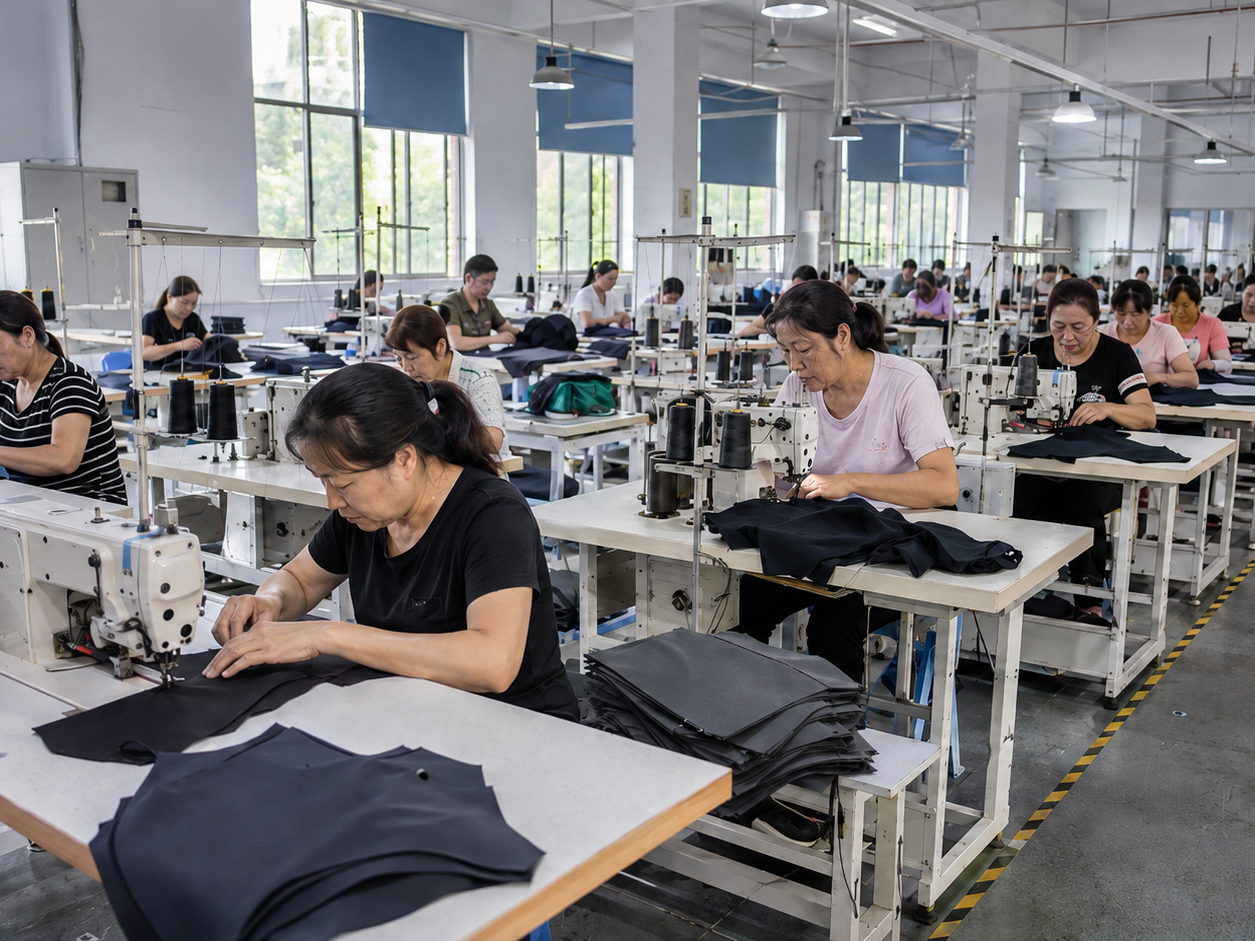
1,500+ Team Members
More than 1,500 team members support Leadshow’s apparel operations, including product development, manufacturing, quality control, logistics, and production management. Different teams work together to coordinate projects from initial samples to final shipment.
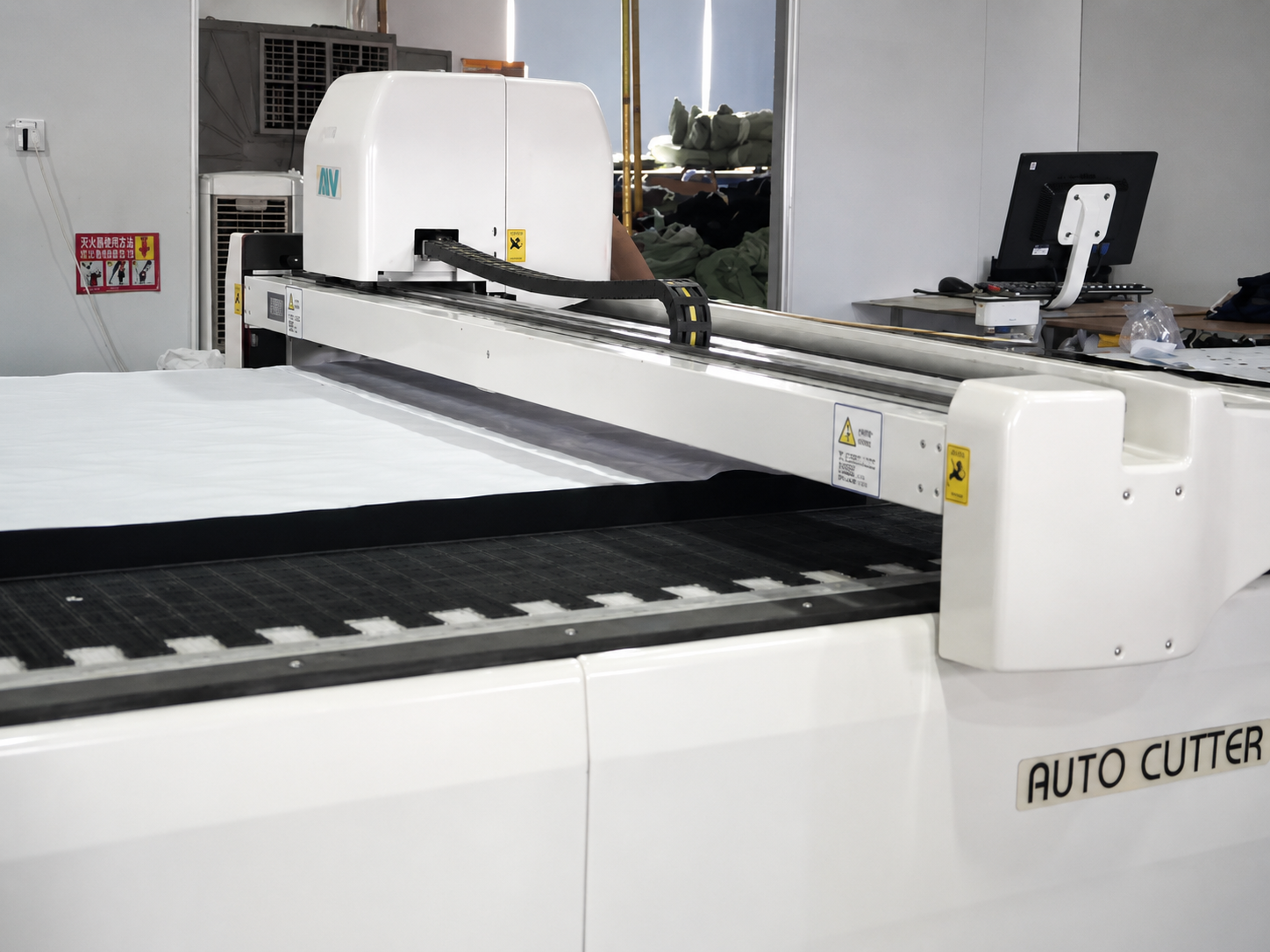
304 Machines
Leadshow uses more than 300 production and finishing machines supporting fabric preparation, cutting, sewing, bonding, heat transfer, inspection, and packaging processes. Equipment selection is matched with garment construction and product requirements.
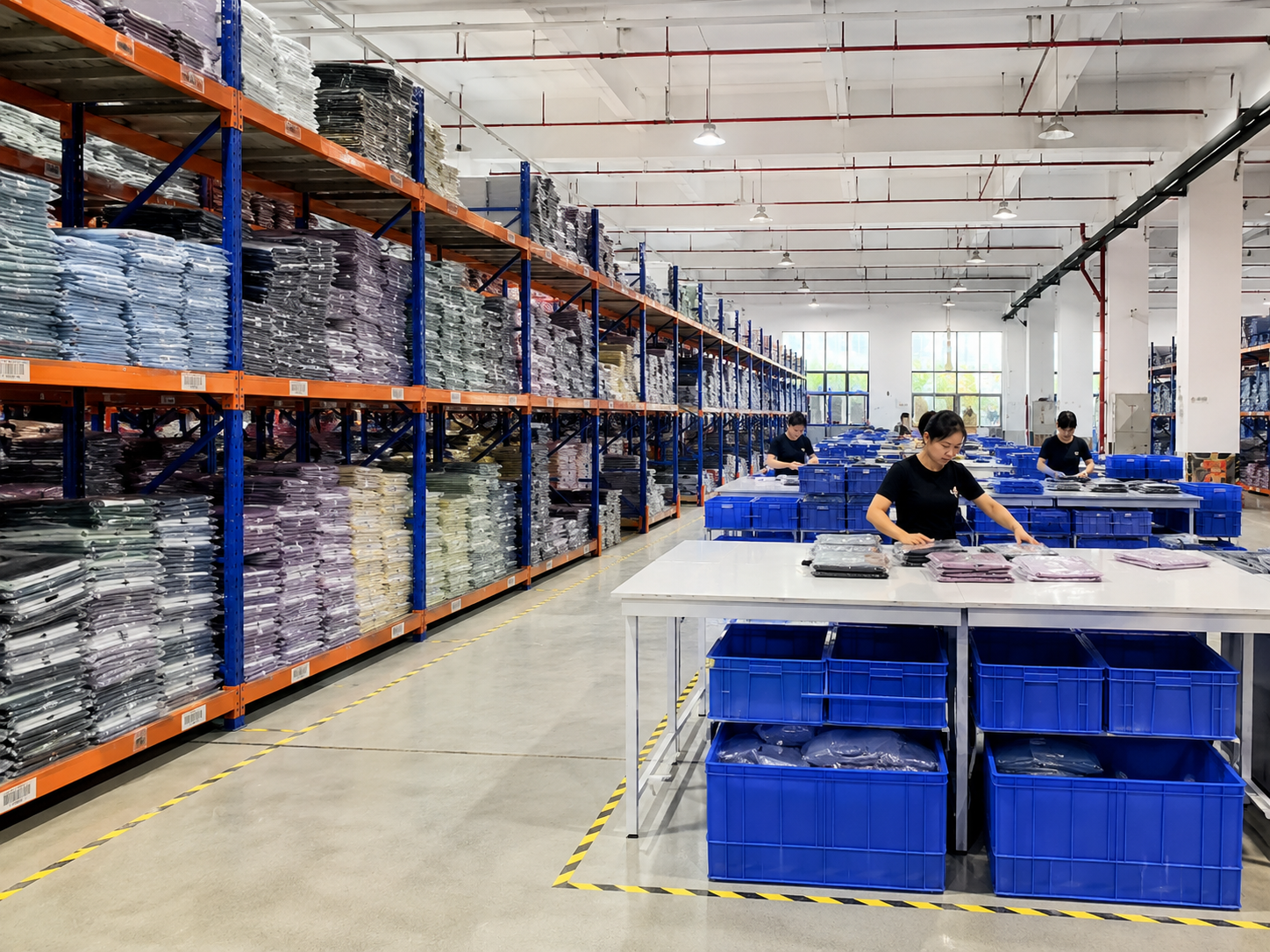
Up to 120,000 Monthly
Leadshow’s monthly production capacity can reach approximately 120,000 finished garments depending on product type, materials, order volume, and production planning. Capacity is organized according to project requirements while maintaining quality and delivery control.
Manufacturing Processes Supporting Activewear Product Development
Activewear construction often combines stretch fabrics, elastic components, flat seams, specialized details and branded finishing. Leadshow’s equipment mix provides several production options, with actual process selection based on garment design, material compatibility and approved specifications.
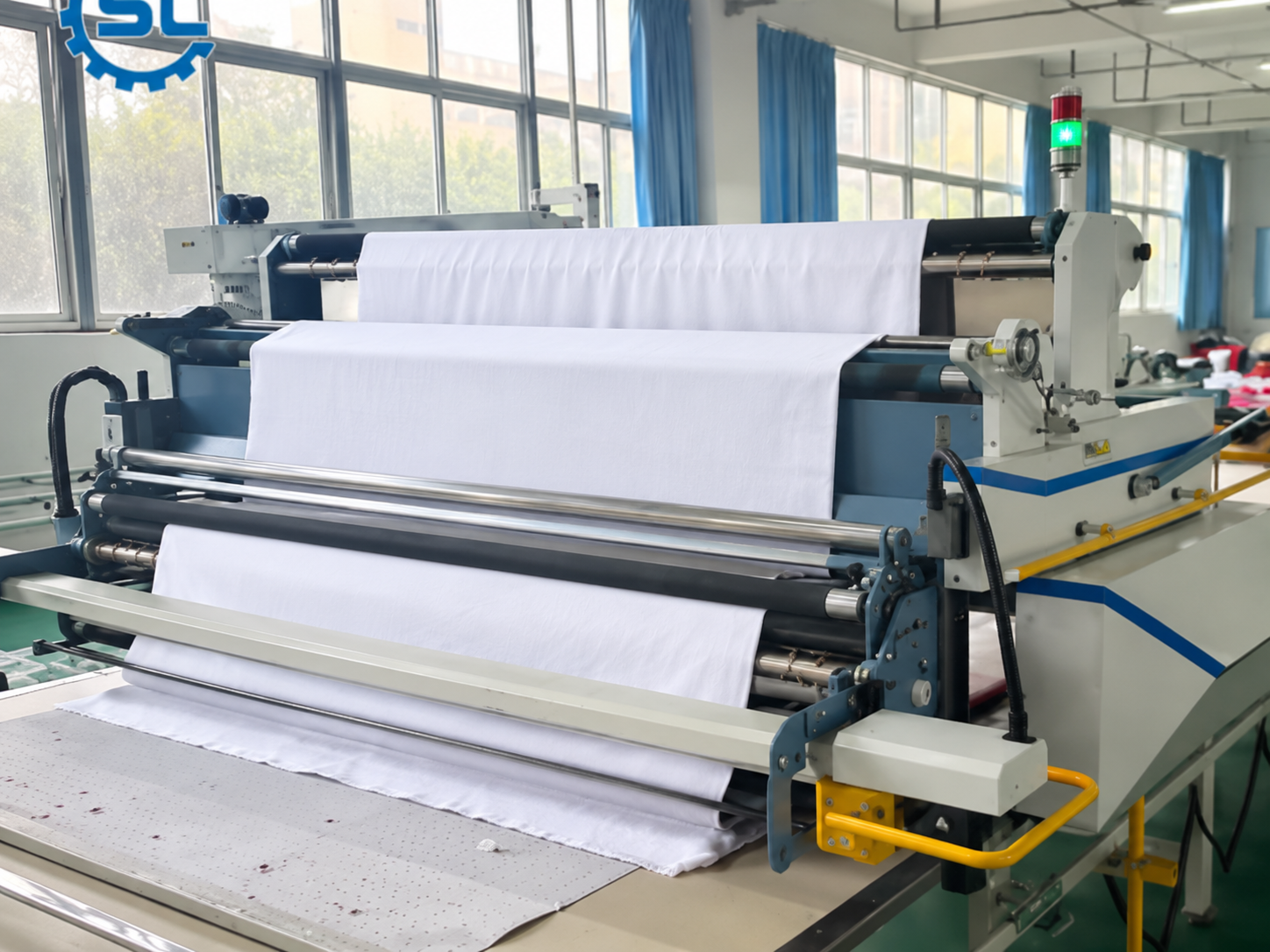
Fabric Preparation
Leadshow has confirmed automatic spreading and cutting resources, including 5 automatic fabric spreaders and 3 automatic cutting machines. Fabric preparation is planned according to material stretch, width, surface behavior, directional requirements, order quantity and size ratios. Automated preparation can support consistency in repeated cut components, but no zero-waste or zero-cutting-error claim is made for any material.
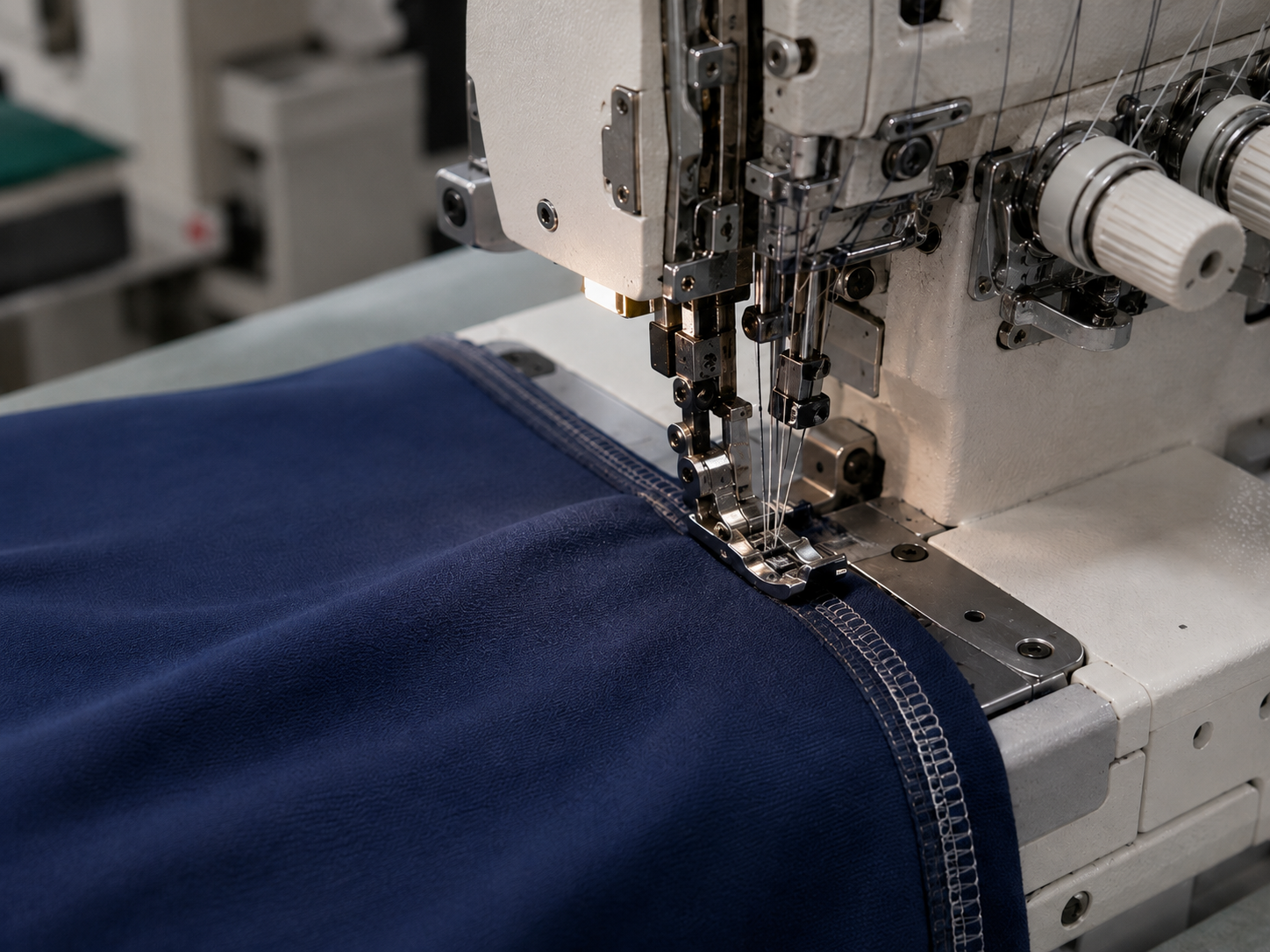
Overlock Sewing
Confirmed sewing resources include 25 four-thread high-speed overlock machines and 40 five-thread overlock machines. Overlock construction can support many knitted and stretch garment assemblies, with the exact seam configuration selected according to fabric, garment structure and required finish. Machine availability does not mean every activewear product uses the same seam or receives an identical performance outcome.
Flatlock Construction
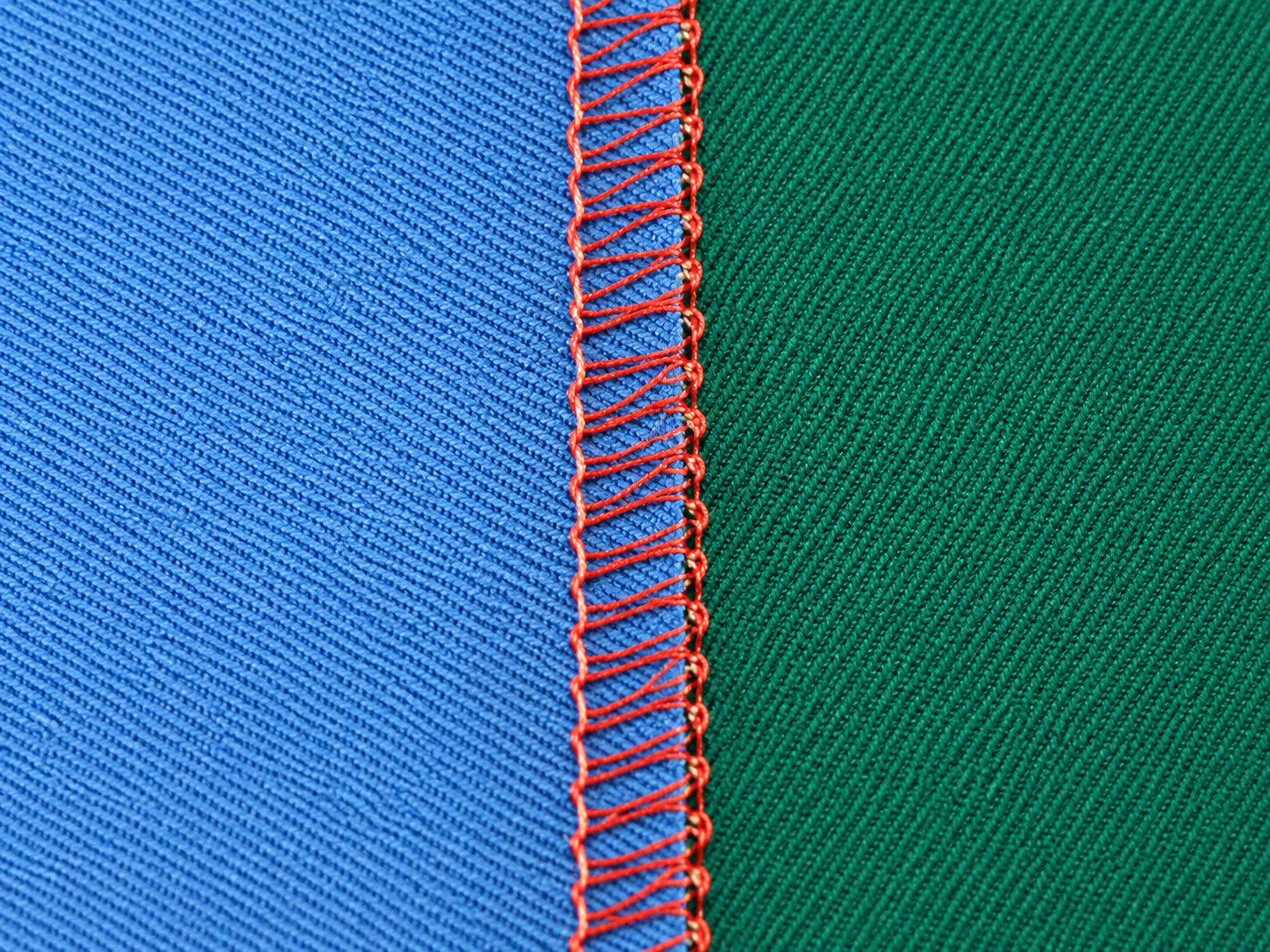
Leadshow has 35 four-needle six-thread flatlock machines. Flatlock construction can support flatter, stretch-compatible seams for leggings, sports bras, tank tops, swimwear and other fitted products where appropriate. Four-needle six-thread construction should not be described as true seamless knitting. Fabric, seam position, thread and garment structure still influence final comfort, durability and appearance.
Elastic Application
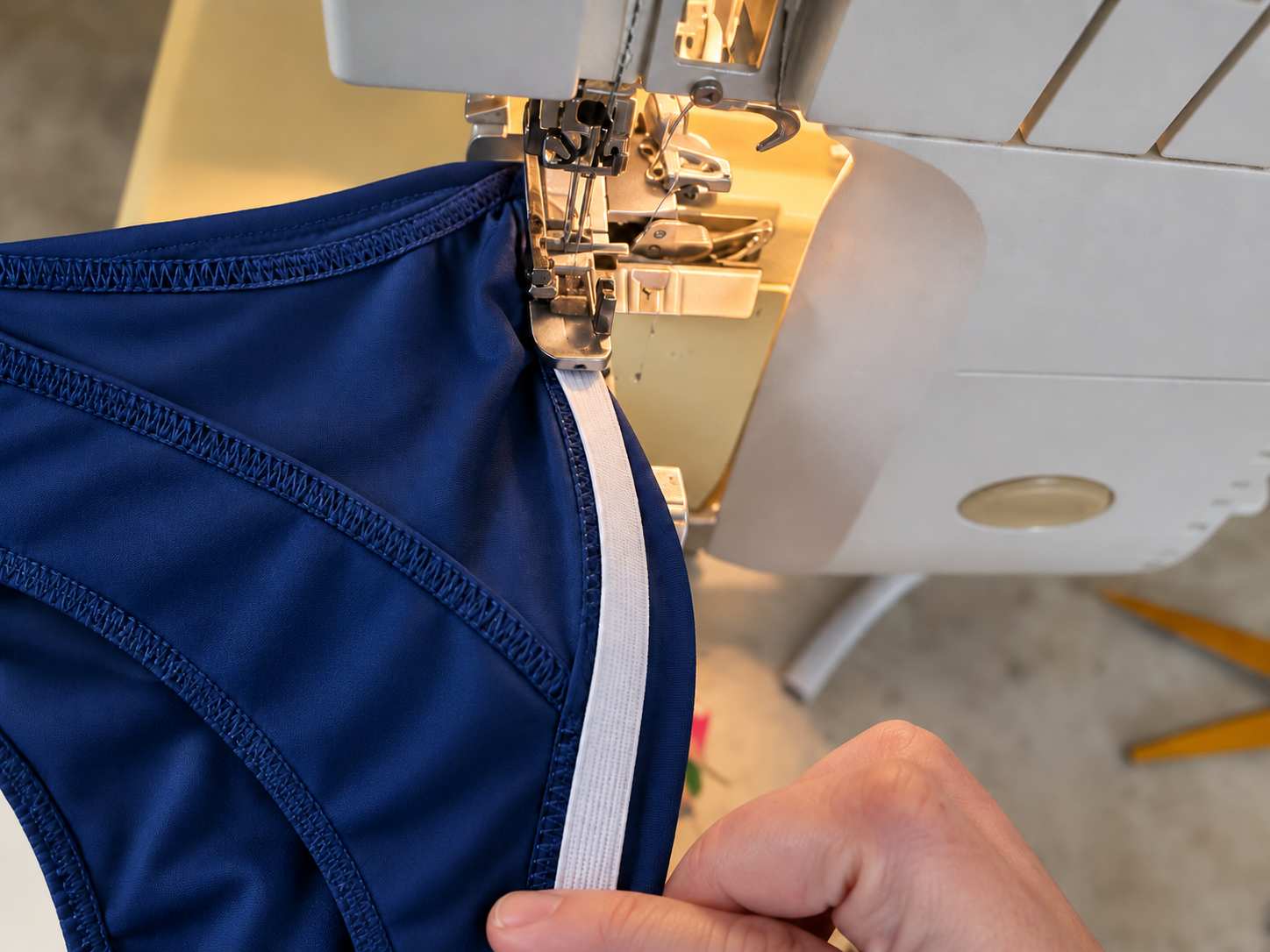
12 elastic-attaching machines support selected waistbands, underbands, leg openings and other elastic structures. Elastic performance depends on material, width, tension, extension ratio, installation method and garment fabric. The equipment therefore supports controlled application but does not establish a universal compression level or guarantee that waistbands never roll or lose elasticity.
Heat Bonding
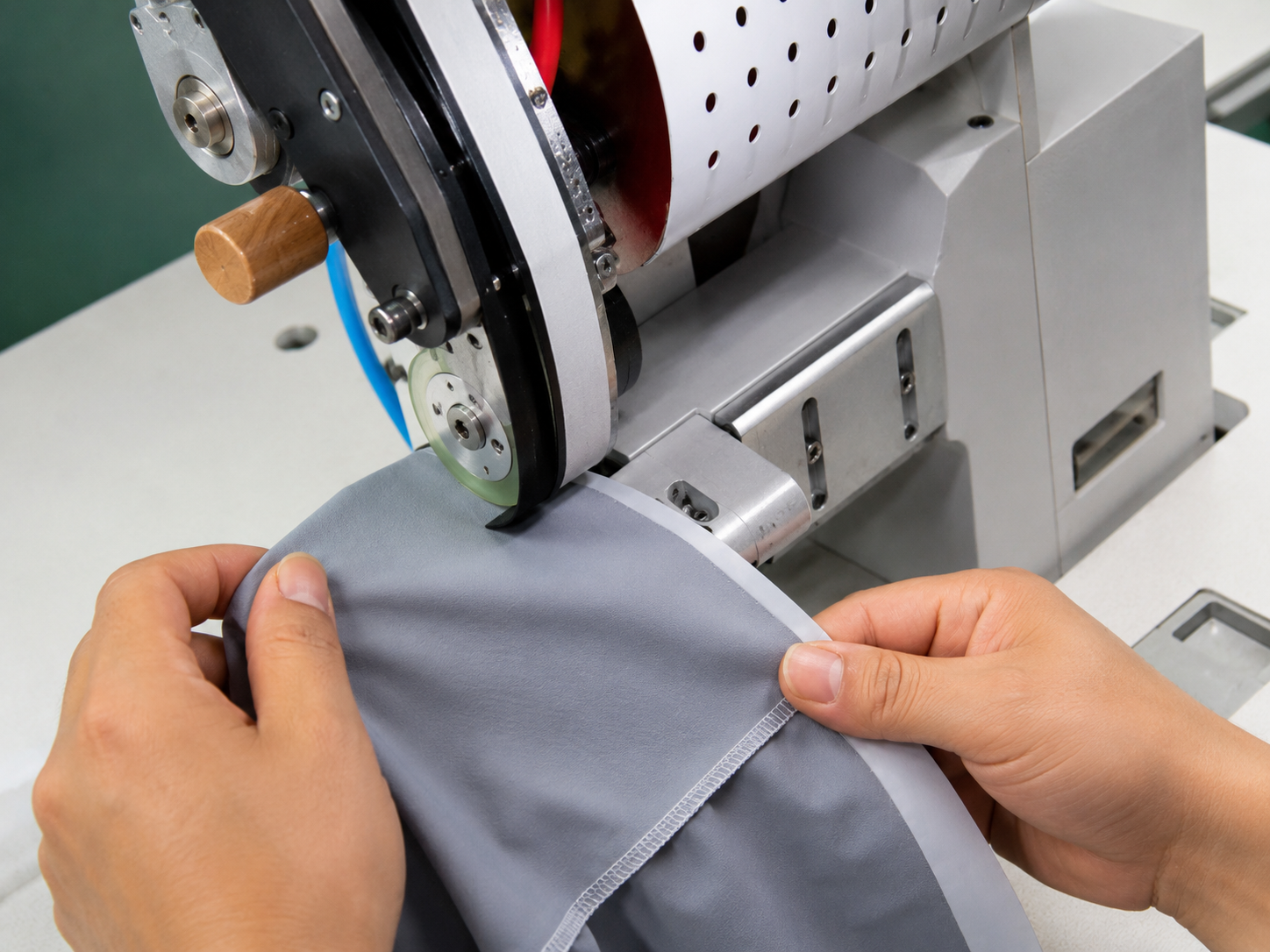
Leadshow has 8 heat-bonding or heat-press bonding machines for selected bonded structures, edge treatments and reduced-seam applications. Suitability depends on fabric, adhesive, temperature, pressure, structural position and washing requirements. Bonding equipment can expand design options for compatible activewear constructions, but it is not equivalent to true seamless knitting or a permanent bonding guarantee.
Seam Taping
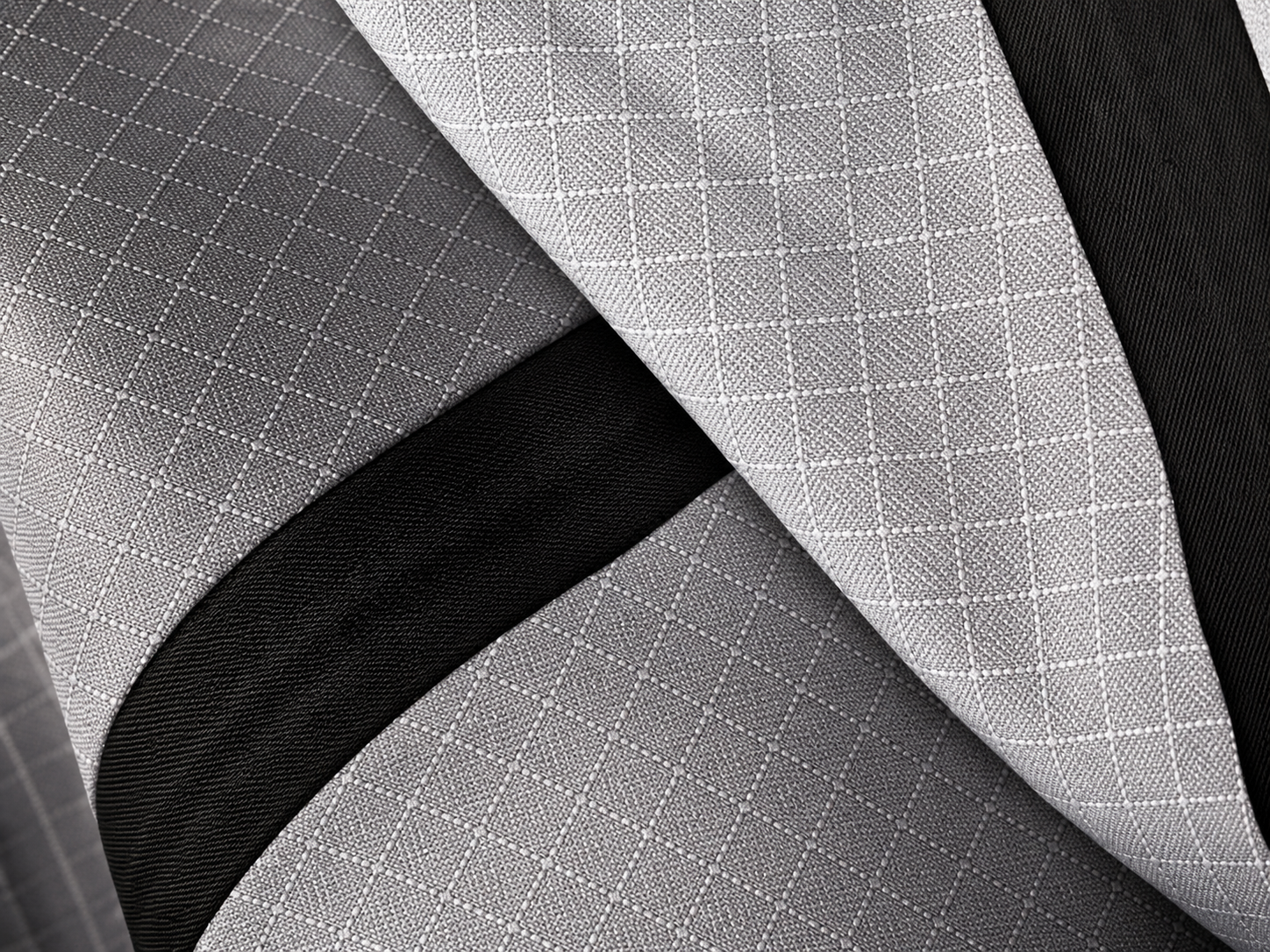
4 hot-air seam-sealing machines are available for suitable materials and constructions. Seam taping can provide additional seam coverage or localized sealing where a project calls for it. Equipment availability alone does not prove an entire garment is waterproof. Any waterproof claim requires appropriate fabric, construction, sealed openings and relevant testing.
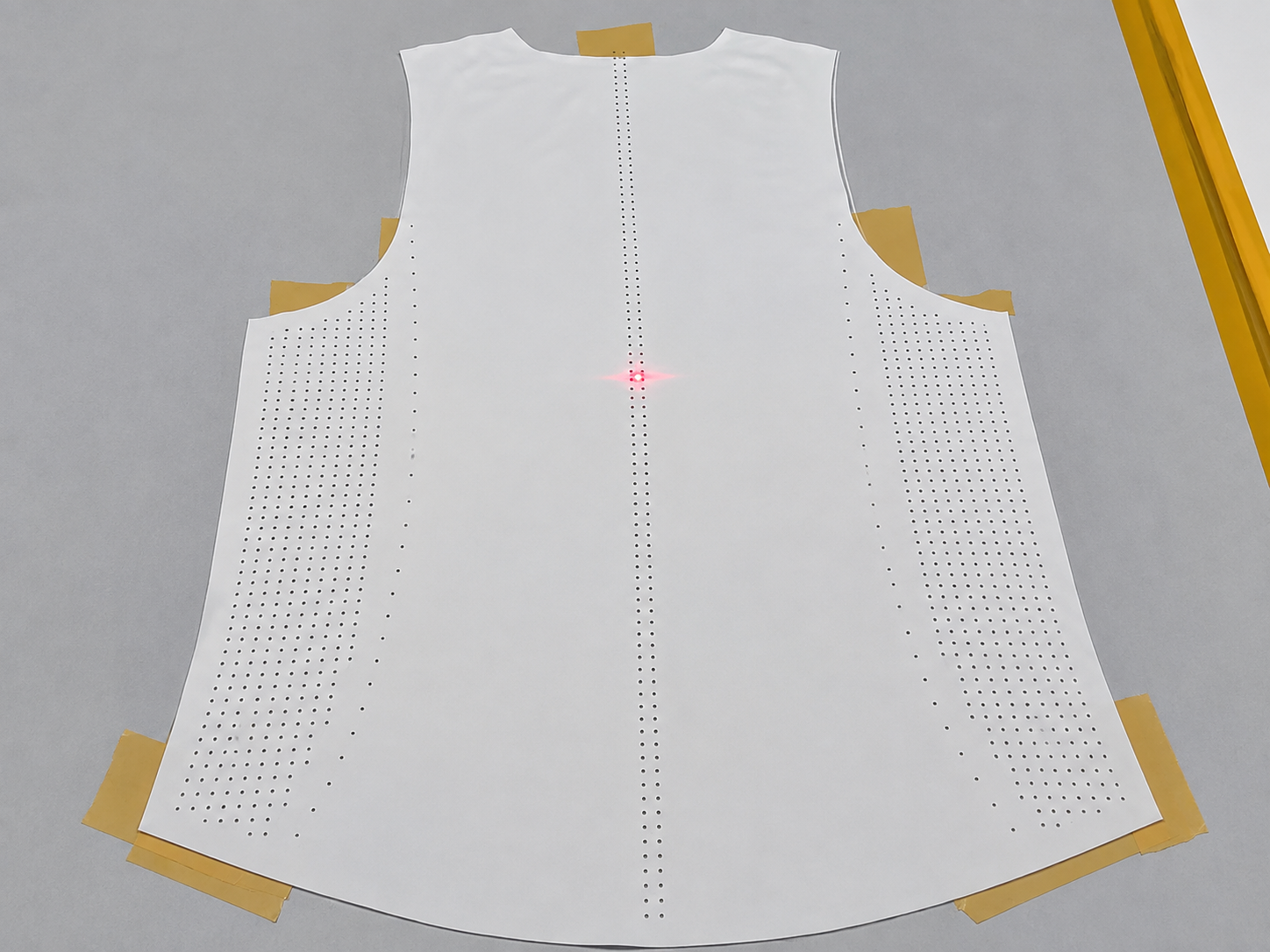
Laser Perforation
Leadshow has 3 laser-perforation machines that can be evaluated for localized holes, ventilation patterns or decorative openings on compatible materials. Perforation design depends on fabric composition, thickness, hole size, spacing, location and product structure. No fixed breathability improvement is claimed without product-specific testing.
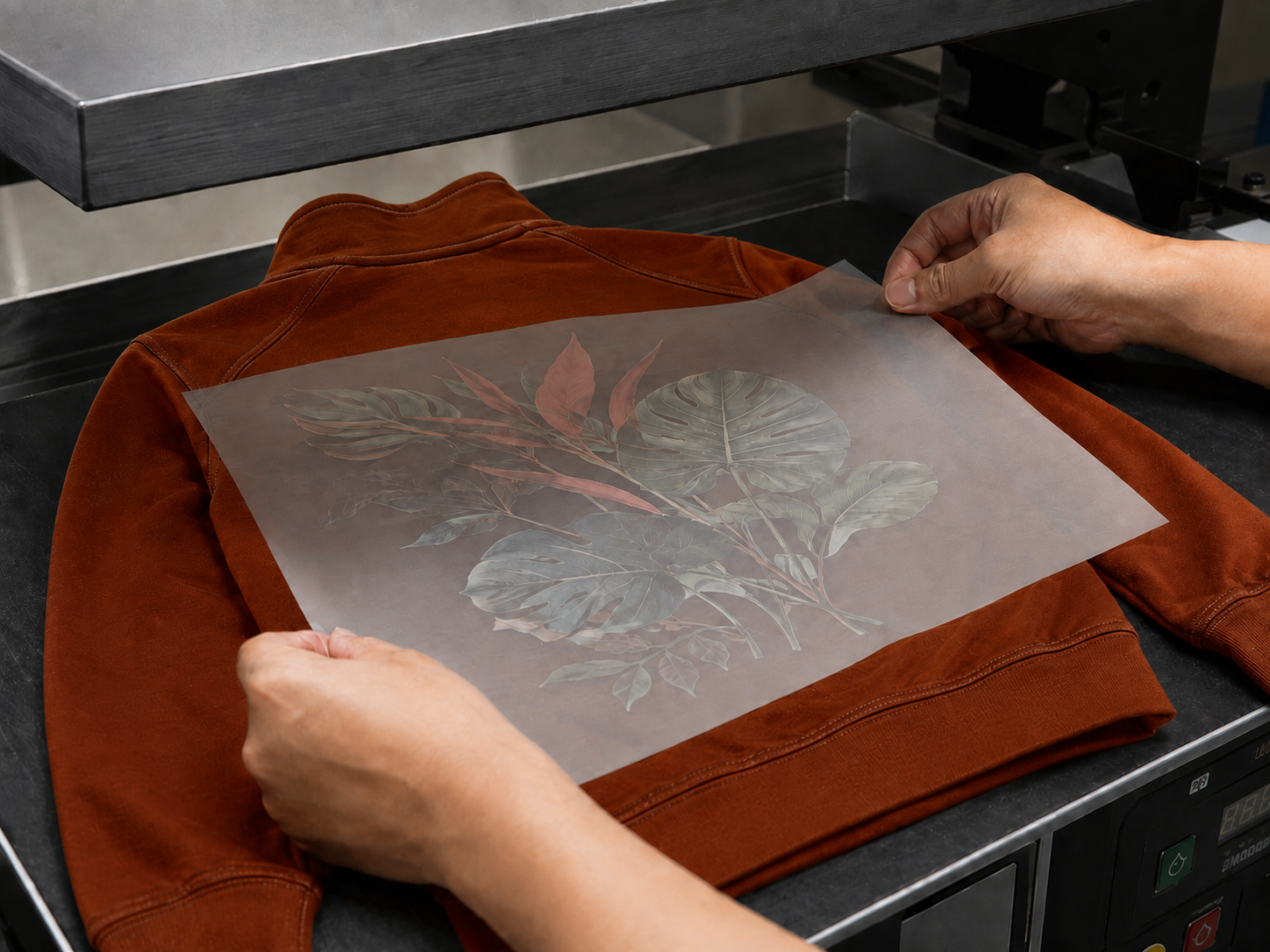
Heat Transfer Finishing
Confirmed resources include 6 dual-station heat-transfer label machines and 4 multi-station heat-press printing machines. They can support selected main labels, care labels, size labels, logos and decorative graphics. Heat-transfer suitability and wash performance depend on transfer material, garment fabric, temperature, pressure and testing requirements. Other printing or embroidery processes should not be assumed to be in-house unless separately confirmed.
Control Multi-SKU Activewear Orders Through Bulk Production
A wholesale order becomes more complex as styles, colors and sizes multiply. Manufacturing control therefore needs clear product versions, material readiness, scheduling, SKU separation, packing instructions and documented changes rather than a single total-order quantity.
Style Color Size Matrix
Bulk planning begins with an order matrix showing the exact quantity for every style, color and size.
- Style code
- Color code
- Size
- Quantity
- Branding version
- Packaging version
- Destination or carton instruction where applicable
A 500-piece order divided among several colors and sizes creates different production and packing requirements from a single-color 500-piece order. Final SKU distribution therefore needs production review even when the overall MOQ has already been discussed.
Material Readiness
Bulk production depends on approved materials and components being available for the released production version.
- Main fabrics
- Lining materials
- Elastic
- Zippers and hardware
- Labels
- Logo materials
- Packaging components
Material lead times may differ from garment-production timing. Custom-dyed fabrics or custom trims can add supplier minimums and additional approval steps. Production scheduling is therefore confirmed after material readiness and applicable order conditions are reviewed.
Production Scheduling
Manufacturing timing is planned against product complexity, quantity, material readiness, current production loading and required workmanship.
- Order review
- Material preparation
- Cutting
- Sewing
- Specialized processes
- Finishing
- Inspection
- Packing
A confirmed monthly capacity figure does not mean every order can start immediately. Production release and estimated goods-ready timing are set according to the actual project and current schedule.
Version Control
Bulk manufacturing should follow one identifiable approved production version. Specifications can include the latest pattern, measurement chart, material reference, seam construction, labels, logo details and packing instructions.
- Record approved revisions
- Separate outdated files
- Confirm changed measurements
- Confirm changed materials
- Recheck branding changes
- Reconfirm impact on price and timing
Late changes should be reviewed before implementation so verbal updates do not create conflicting production instructions.
SKU and Packing
Multi-SKU orders require accurate product separation after production.
- Style identification
- Color identification
- Size identification
- Label verification
- Bag or packaging version
- Carton ratio
- Carton mark
- Quantity reconciliation
Leadshow’s quality and warehousing/logistics functions can support SKU sorting, labeling, packaging and shipment preparation according to approved instructions. Automated real-time inventory or tracking systems are not claimed without confirmed evidence.
Change Management
Product revisions after sampling or order release can affect materials, patterns, workmanship, cost and timing. Each requested change should identify what changed and which production records require updating.
- Design change
- Measurement change
- Material change
- Color change
- Branding change
- Packaging change
Production status can be communicated at agreed project milestones. Real-time dashboards, guaranteed daily updates or automatic online tracking are not assumed as standard services.
Quality Checks Follow Approved Activewear Specifications
Quality control works best when the inspection reference is clear. Leadshow reviews materials, measurements, workmanship, appearance, branding, labels, packing and quantities at applicable production stages, with scope confirmed according to the order.
Stage
Typical Review Items
Primary Reference
Important Boundary
Material Review
Fabric, trims, colors and relevant project requirements
Approved material or specification
Material review is not a universal certification claim
Cutting / Early Production
Cut components, construction readiness and initial workmanship where applicable
Pattern, Tech Pack, approved sample
First-article review applies where required, not automatically to every order
In-Process Review
Measurements, seam execution, workmanship and appearance according to project
Approved production requirements
Inspection scope is confirmed by order
Finished Garment Review
Measurements, workmanship, appearance and branding
Approved specification and sample
Quality inspection does not mean zero-defect production
Labels and Packing
Logo, labels, size/SKU identification and packing information
Approved artwork and packing instructions
Packing verification follows defined order requirements
Needle Detection
Applicable garments before packing or shipment
Project requirement
Needle detection does not equal full product safety certification
External Inspection
Client or third-party inspection where arranged
Agreed inspection requirement
Agency, AQL and scope require specific project confirmation
Build Private Label Details Into the Production Specification
Private label execution connects brand identity with garment production, SKU structure and packing. Logo placement, internal labels and packaging should be approved before bulk production rather than treated as last-minute finishing instructions.
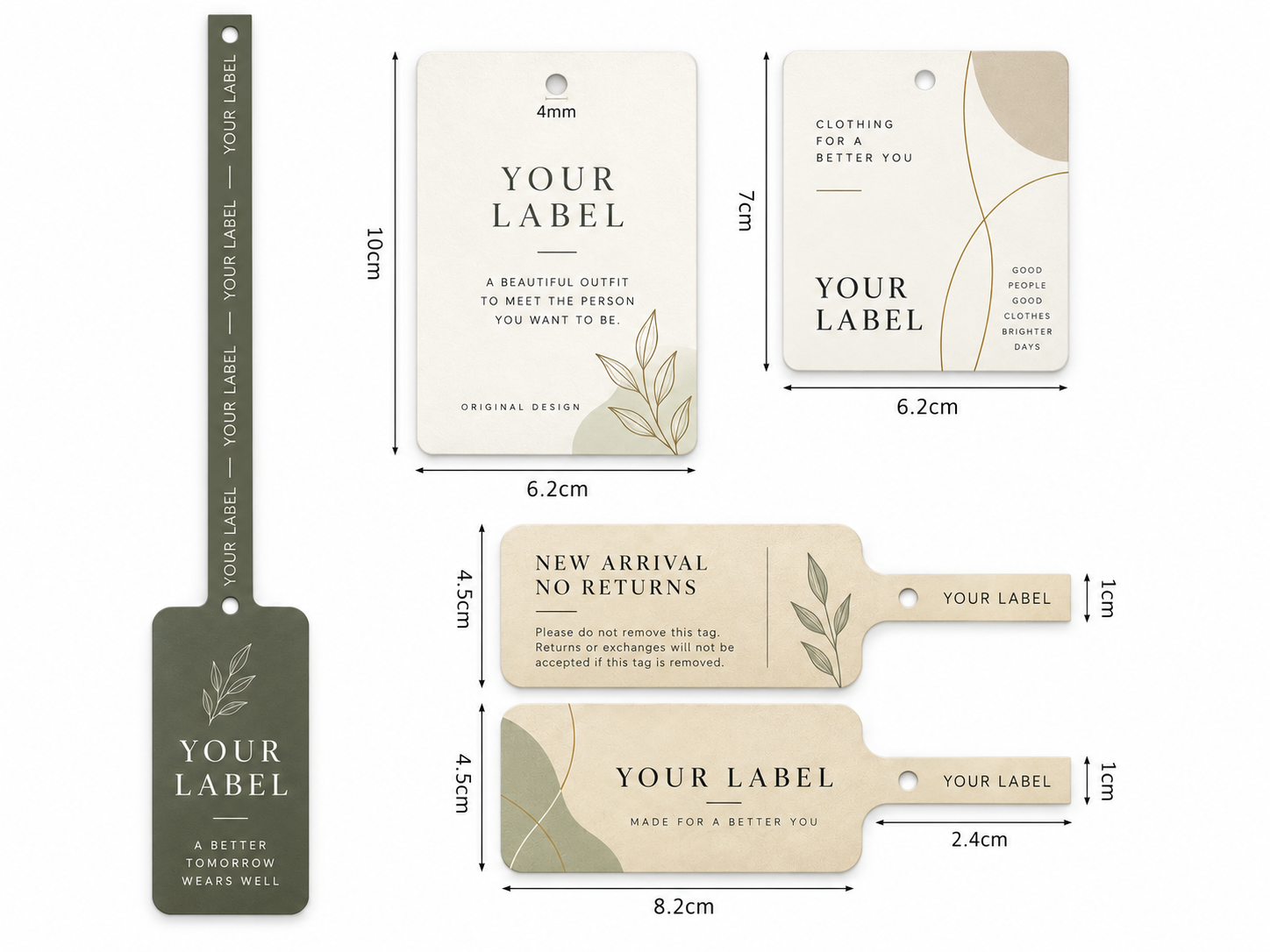
Logo Application
Logo execution begins with artwork, dimensions, color, location and process requirements. Heat-transfer or heat-press methods can be evaluated on suitable fabrics, while other methods depend on the confirmed manufacturing route.
- Artwork file
- Logo dimensions
- Placement measurement
- Color reference
- Application method
- Testing or wash expectations
Material compatibility must be reviewed before production. A logo process that works well on one fabric may require adjustment on another surface or stretch level.
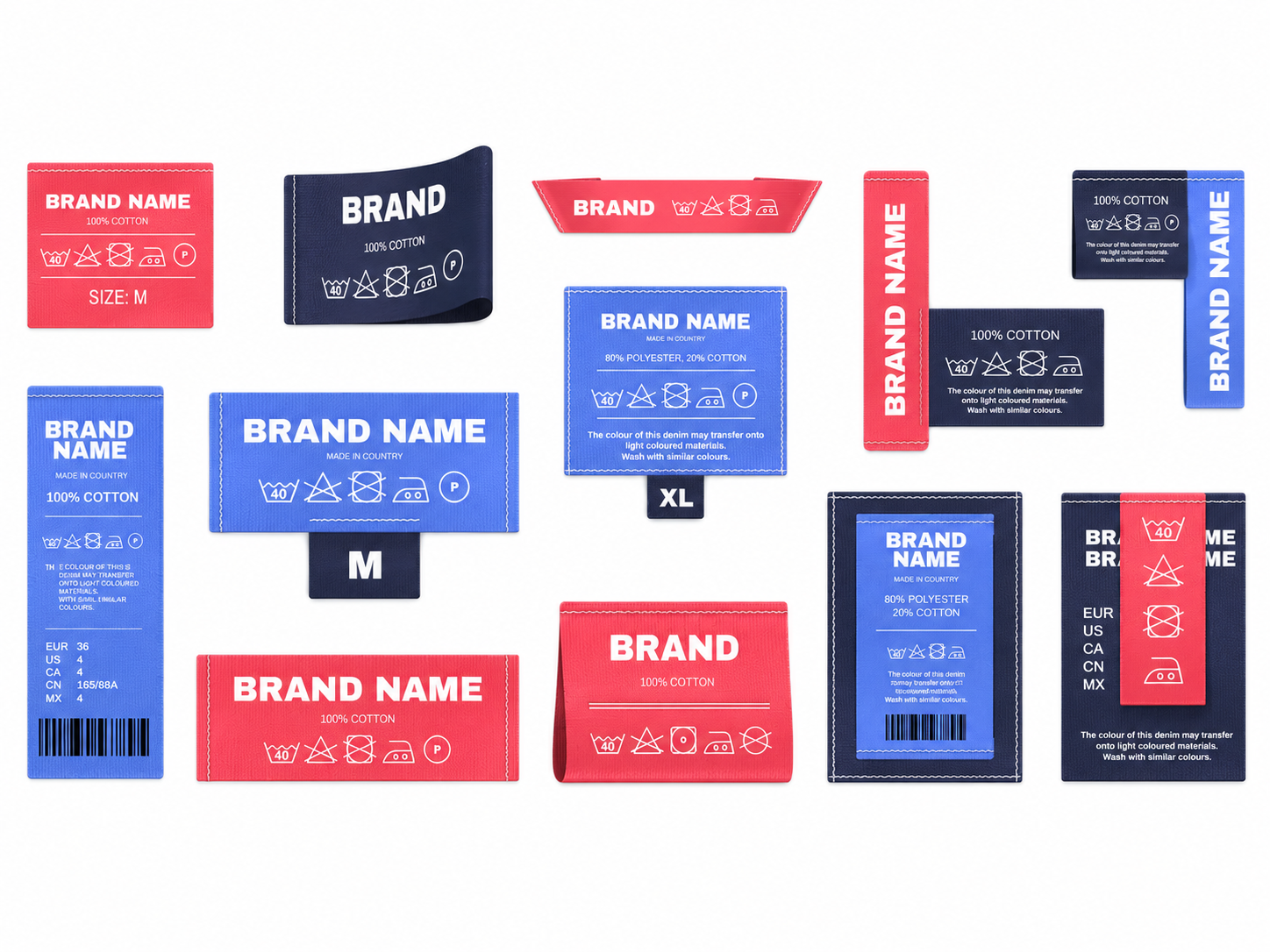
Main Brand Label
Main-label requirements should identify size, position, material and attachment method. Heat-transfer labeling can be evaluated for suitable garments using confirmed Leadshow equipment.
- Brand artwork
- Label size
- Label material
- Placement
- Attachment method
- Color
Woven or other label constructions can be reviewed according to project requirements and supplier conditions. Label quantities may have their own supplier minimums beyond garment MOQ.
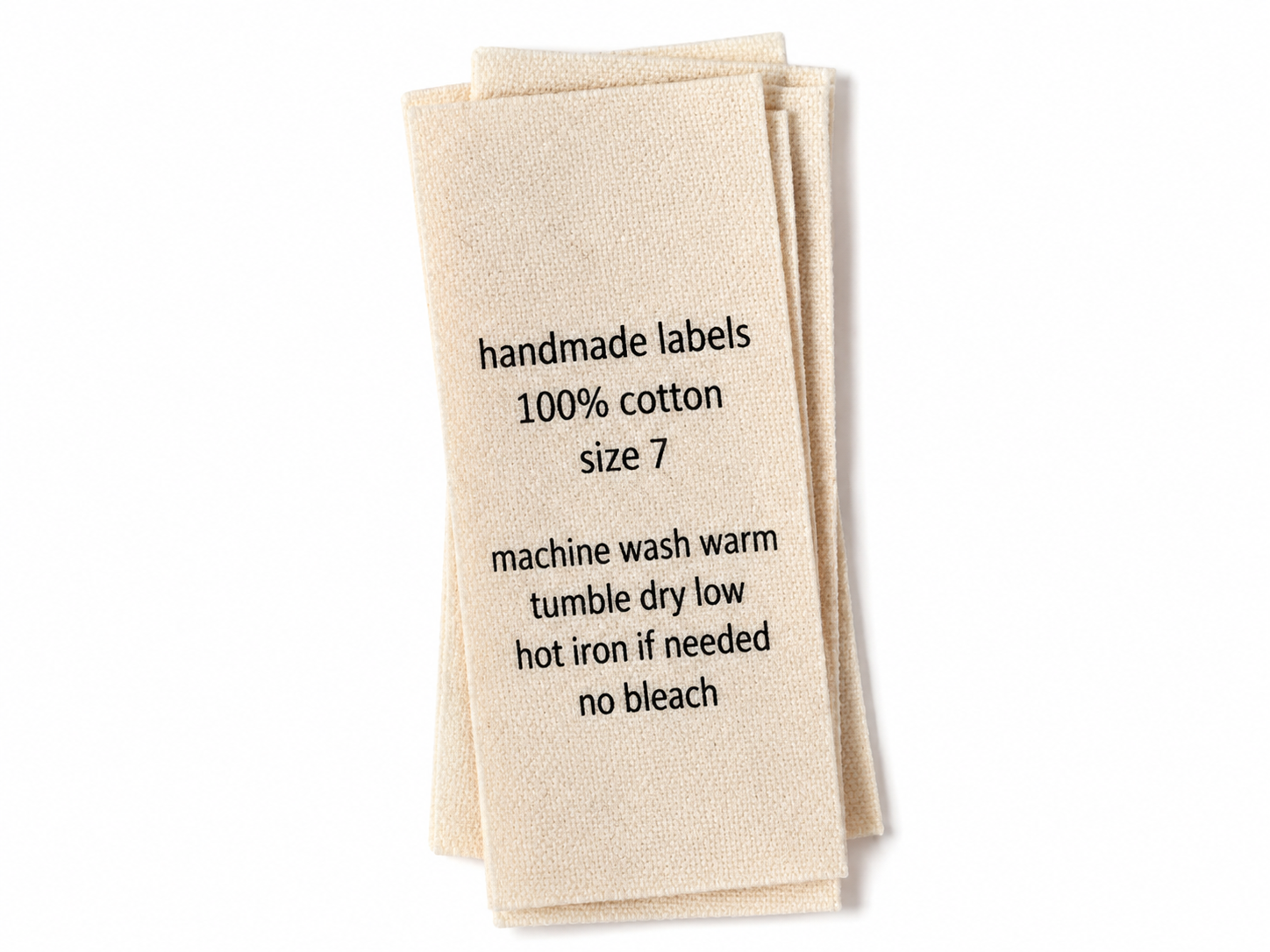
Care Information
Care labels communicate composition, care instructions and other product information supplied or approved for the relevant market. Content should be reviewed before label production.
- Fiber-content information
- Care symbols or wording
- Country or market requirements where applicable
- Brand information
- Size reference
- Label position
Leadshow can coordinate production according to supplied or approved content but does not independently guarantee every market’s regulatory compliance without appropriate review.
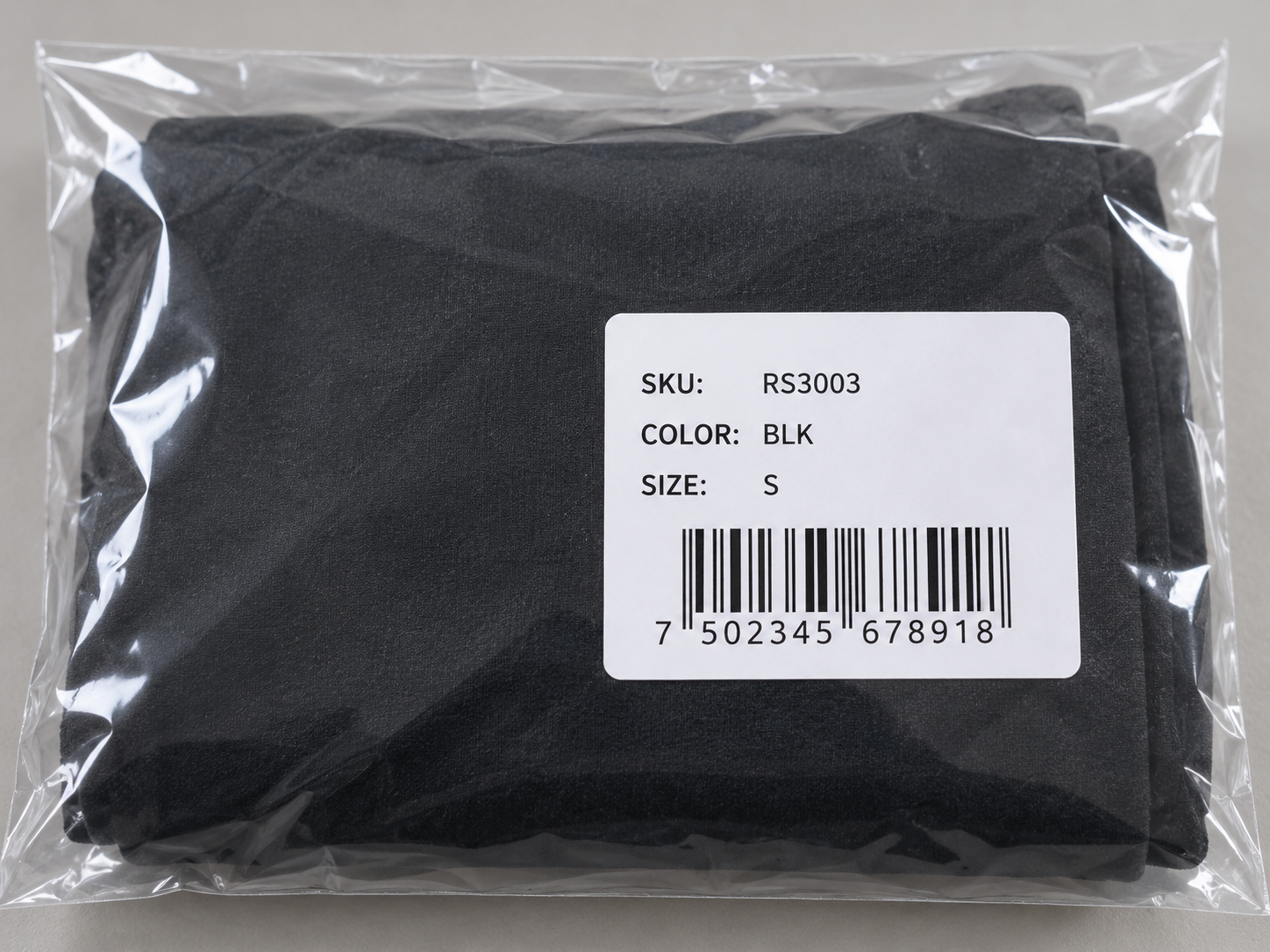
Size and SKU Labels
Size identification should connect directly to the order matrix and packing plan. Large wholesale programs may require many combinations of style, color and size.
- Size label
- SKU code
- Barcode information where provided
- Product code
- Color code
- Packaging identification
The information source should be controlled so garment labels, individual packing and carton markings use the same approved version. Barcode or retail-system functionality should not be assumed without specific project requirements.
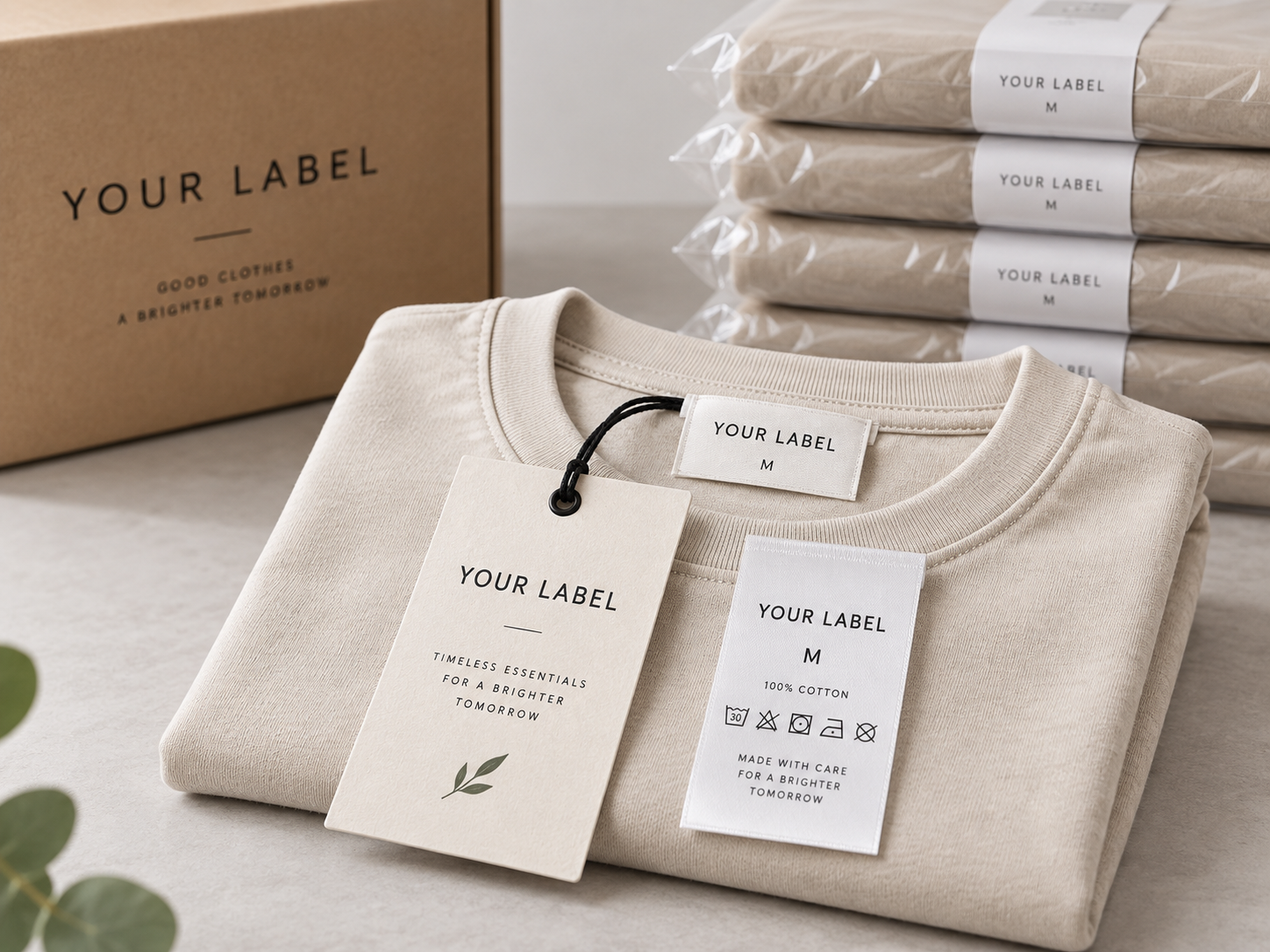
Individual Packaging
Packaging can be customized according to the approved program and supplier conditions.
- Individual bag or other pack
- Hangtag where required
- Size or SKU sticker
- Warning or information label where specified
- Folding method
- Product presentation
Packaging material, printing and quantity can create minimum-order requirements separate from garments. Complex retail packs may therefore affect MOQ, cost and timing even when the garment specification remains unchanged.
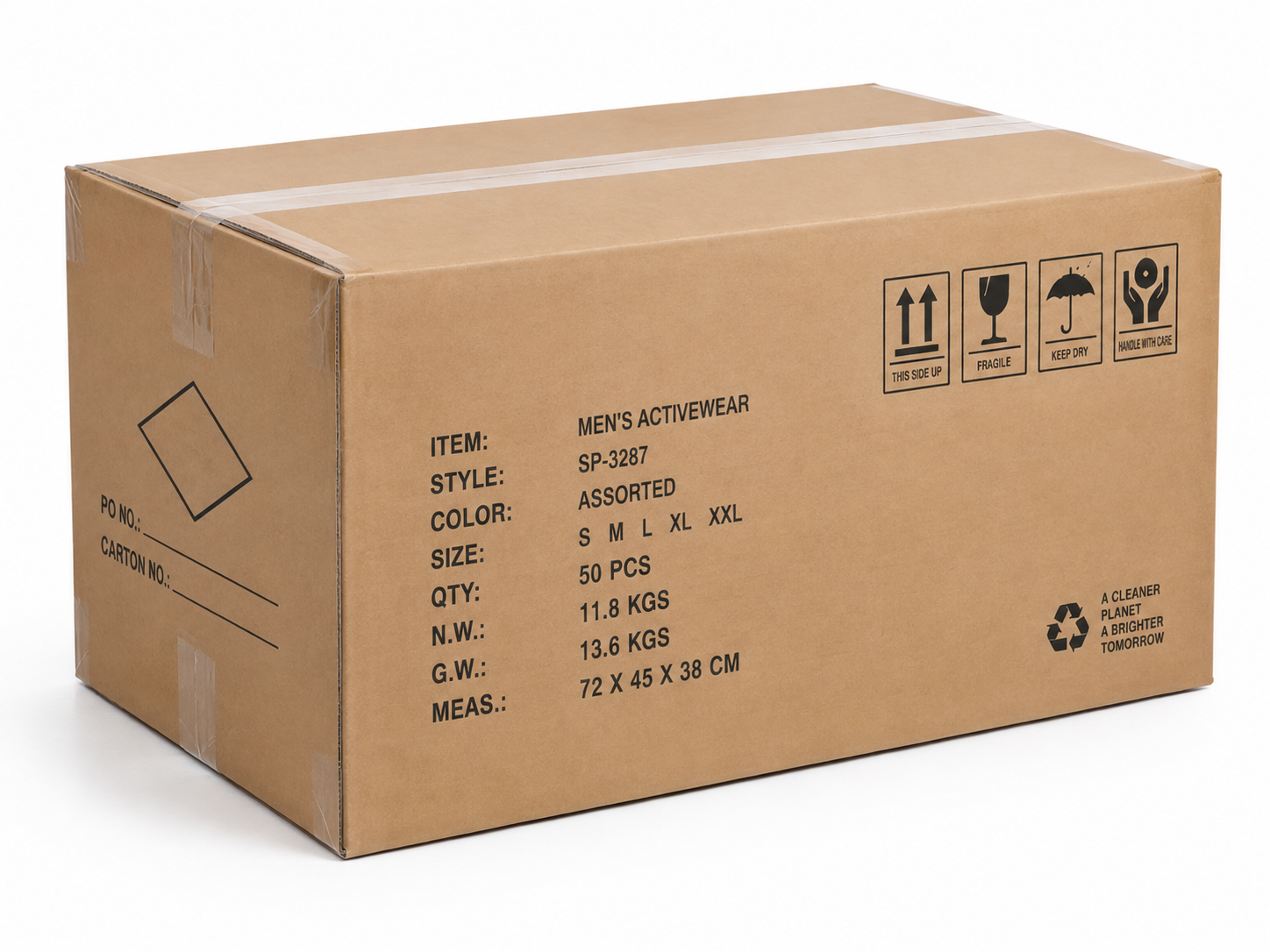
Carton Requirements
Carton instructions are important for wholesale shipment accuracy.
- Units per carton
- Size ratio
- Style and color separation
- Carton mark
- PO or SKU information
- Gross/net information where required
- Shipping marks supplied for the project
Leadshow’s warehousing and logistics function can coordinate carton preparation and shipment handover according to confirmed instructions. Final shipping responsibility follows the agreed commercial arrangement.
Export Coordination and Repeat Orders After Bulk Production
Manufacturing is only one part of a wholesale sourcing program. Packing, shipment preparation, handover information and repeat-order records also influence long-term supply continuity. Leadshow’s confirmed export regions include Europe, North America, South America and Oceania.
Shipment Preparation
Finished goods are prepared according to the approved order, packing and shipment instructions.
- Final quantity and SKU review
- Label and packaging verification
- Carton preparation
- Shipping marks where provided
- Goods-ready confirmation
- Inspection arrangements where applicable
- Forwarder handover preparation
Goods-ready date, pickup date, ETD, ETA and final arrival are separate milestones. Shipping timing remains subject to the agreed arrangement, carrier conditions and customs processes rather than a universal delivery promise.
Export Coordination
Leadshow provides export-delivery support for projects shipped to confirmed regions including Europe, North America, South America and Oceania. Coordination may involve commercial and packing information, shipment instructions and communication with the nominated logistics party according to the order.
- Export shipment preparation
- Forwarder coordination
- Packing information
- Shipment handover
- Required project documents where confirmed
Global DDP, guaranteed customs clearance, overseas warehouses or guaranteed destination delivery are not presented as standard Leadshow services without separate evidence and agreement.
Repeat Order Support
Repeat production starts by reconfirming the previous approved product against current requirements rather than assuming every past condition remains unchanged.
- Latest approved specification
- Pattern and measurement version
- Material availability
- Color availability
- Branding files
- Order quantity
- Packaging
- Current MOQ
- Current production timing
Materials, supplier minimums, cost and scheduling can change over time. Repeat orders therefore receive a fresh feasibility and production review while approved historical records help maintain product continuity.
How to Evaluate a Wholesale Activewear Manufacturer
Strong sourcing decisions come from comparing evidence, not marketing adjectives. Procurement teams can use the following criteria when qualifying manufacturers for activewear development, bulk production and repeat programs.
Evaluation Area
Questions Worth Asking
Leadshow Evidence or Approach
Product Fit
Does the manufacturer make relevant activewear categories?
Confirmed range includes sports bras, yoga leggings, running shorts, sports T-shirts, tank tops, tennis skirts, jumpsuits and tracksuits
Development
Can Tech Packs, references or physical samples be reviewed?
OEM and manufacturing-focused ODM development supported
Fit & Pattern
Is fit reviewed before bulk manufacturing?
Pattern and fit adjustment plus sample development available according to project
Materials
Are material and trim requirements reviewed with construction?
Material and trim evaluation forms part of project review
Sampling
How does the approved sample move into production?
Production can follow approved specifications and applicable samples
MOQ & Quote
Are MOQ and price tied to real specifications?
Standard MOQ generally starts from 100 pieces per color per design; final conditions confirmed by project
Scale
Is there sufficient manufacturing foundation for larger programs?
3 bases, 20,000+ m² combined facilities, 1,500+ team, 304 machines, capacity up to approximately 120,000 garments/month under stated conditions
Multi-SKU Control
Can styles, colors, sizes and packaging be coordinated?
Multi-SKU manufacturing, label and packaging coordination supported
Quality
Are checks tied to approved requirements?
Material, measurement, workmanship, branding, label and packing reviews at applicable stages
Commercial Boundaries
Are unsupported claims clearly avoided?
Lead times, performance, certifications and capacity are confirmed according to actual project evidence
Quick Manufacturer Summary:
Shenzhen Leadshow Sports Technology Co., Ltd. is a mid-to-high-end OEM and ODM apparel development and manufacturing partner focused on sportswear, swimwear, streetwear and modest sportswear. Activewear-relevant projects can begin from Tech Packs, reference images or physical samples and move through material review, pattern and fit development, sampling, approved bulk production, quality review, private labeling, packaging and export coordination. Standard MOQ generally starts from 100 pieces per color per design. Final MOQ, price, sample timing, bulk timing, capacity allocation and performance claims are confirmed according to the specific project.
Send the Right Information for an Activewear Project Review
A useful quotation needs more than a product photo and total quantity. Supplying the following information helps the development, material, manufacturing and commercial review start from the correct assumptions.
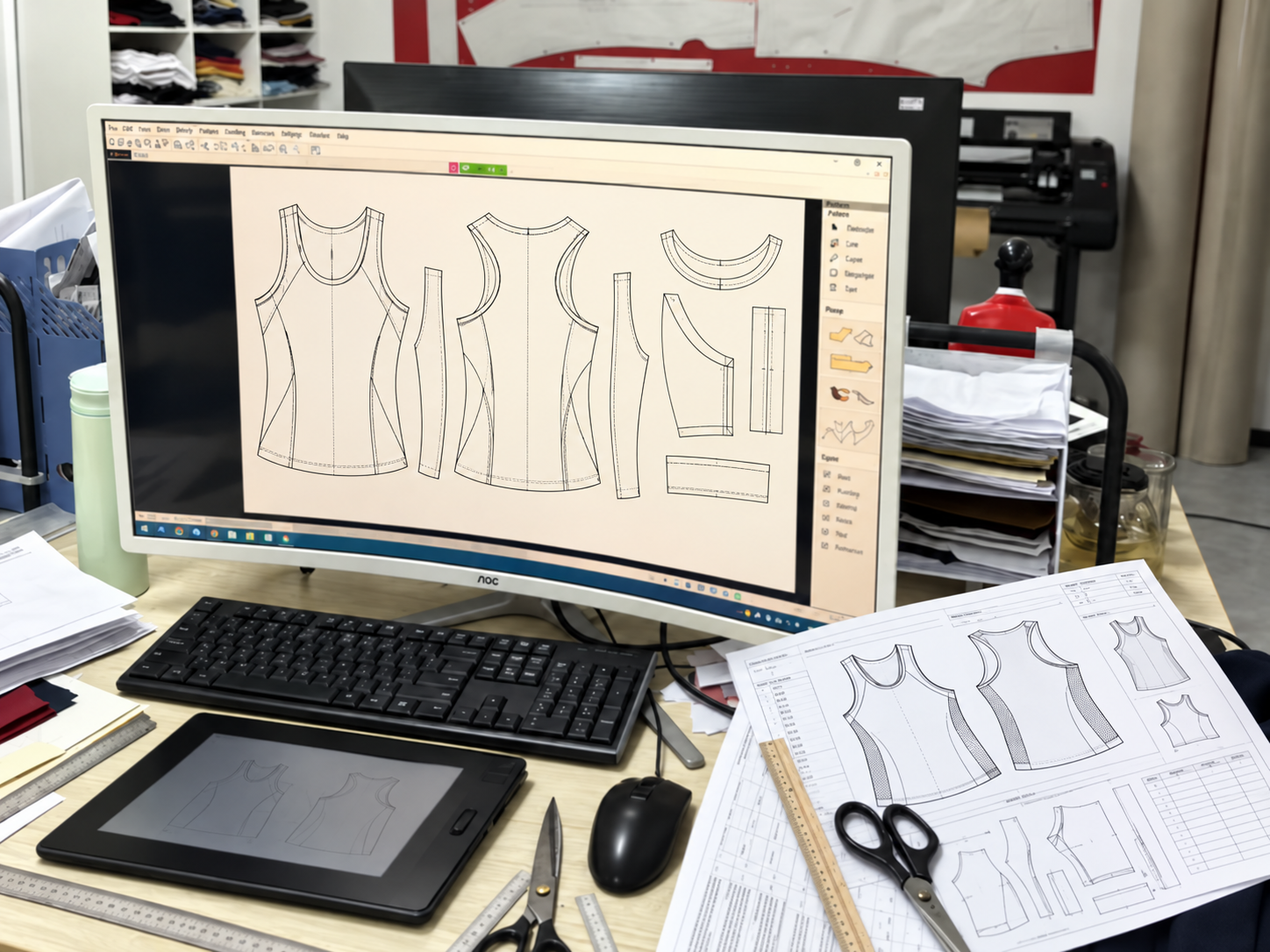
Tech Pack
Send the latest Tech Pack when available. It should identify the garment design, measurements, construction, materials, trims, colors, branding and other technical requirements relevant to the product. Clearly mark the latest revision to avoid mixing old and current instructions. A mature Tech Pack can shorten clarification work, but manufacturing feasibility, material availability and commercial conditions still need review before sampling or production release.
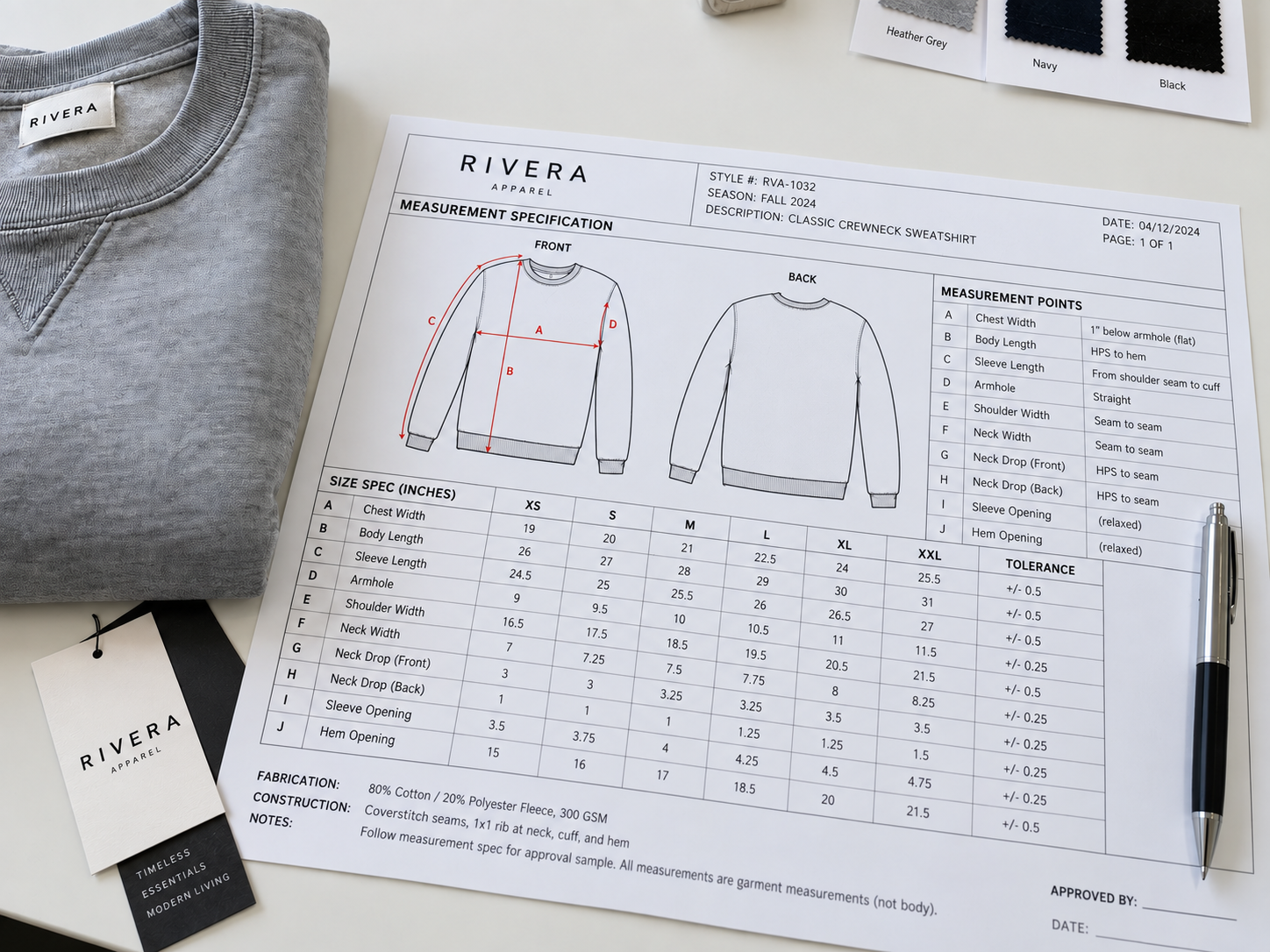
Measurement Chart
Provide a measurement chart with measurement points, base size and size increments where available. Indicate whether dimensions refer to the body or finished garment. For stretch activewear, include fit direction and any critical coverage or length requirements. Size distribution for the order should also state how many units are required in each size within every confirmed style and color rather than giving only one total quantity.
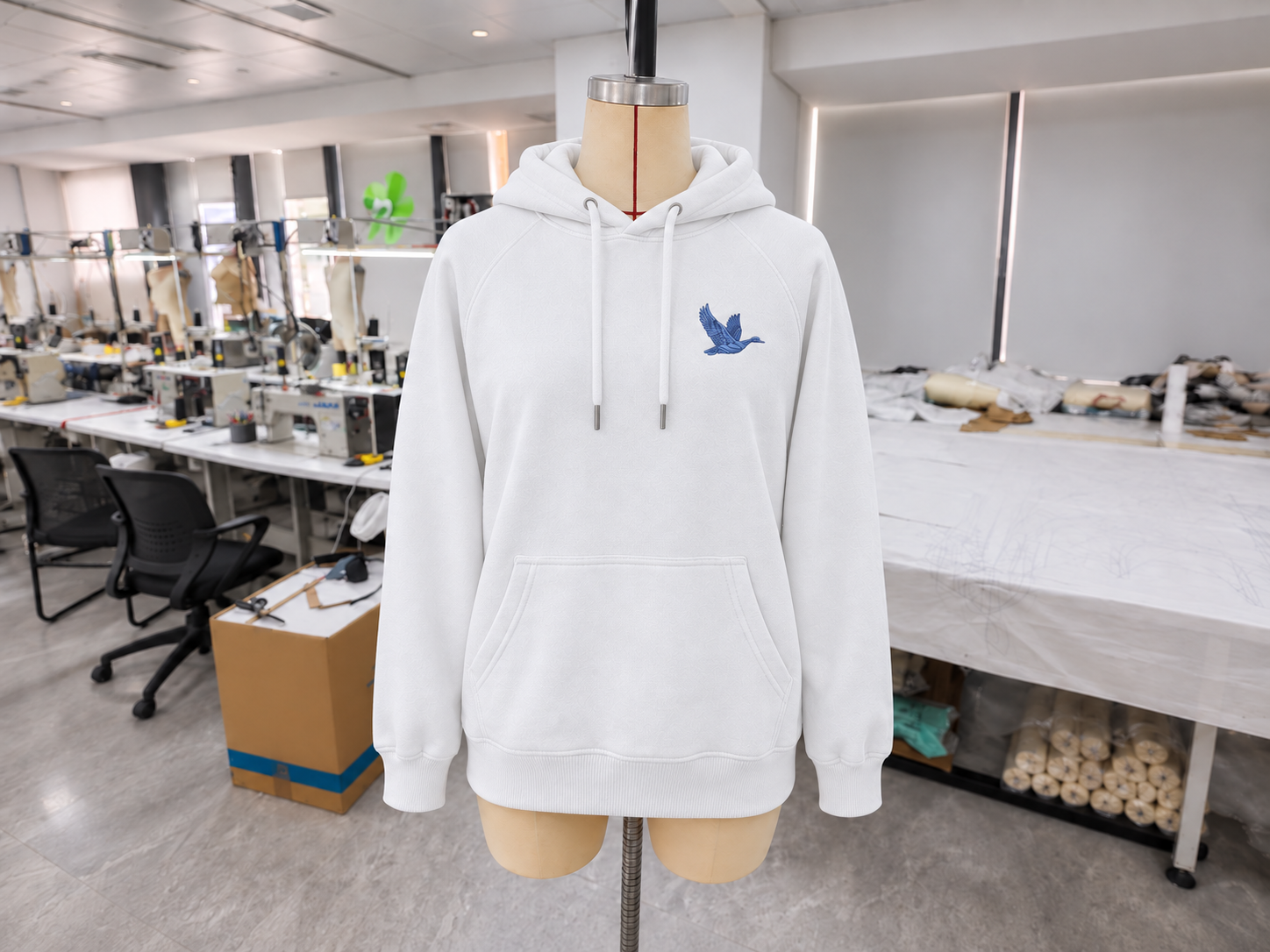
Reference Product
A physical sample, product image or reference garment can help clarify silhouette, construction, hand feel and design intent. Identify which features should be retained and which should change. A reference product does not automatically establish material composition, performance or exact production methods, so technical review may still be required before an equivalent manufacturing approach is selected.
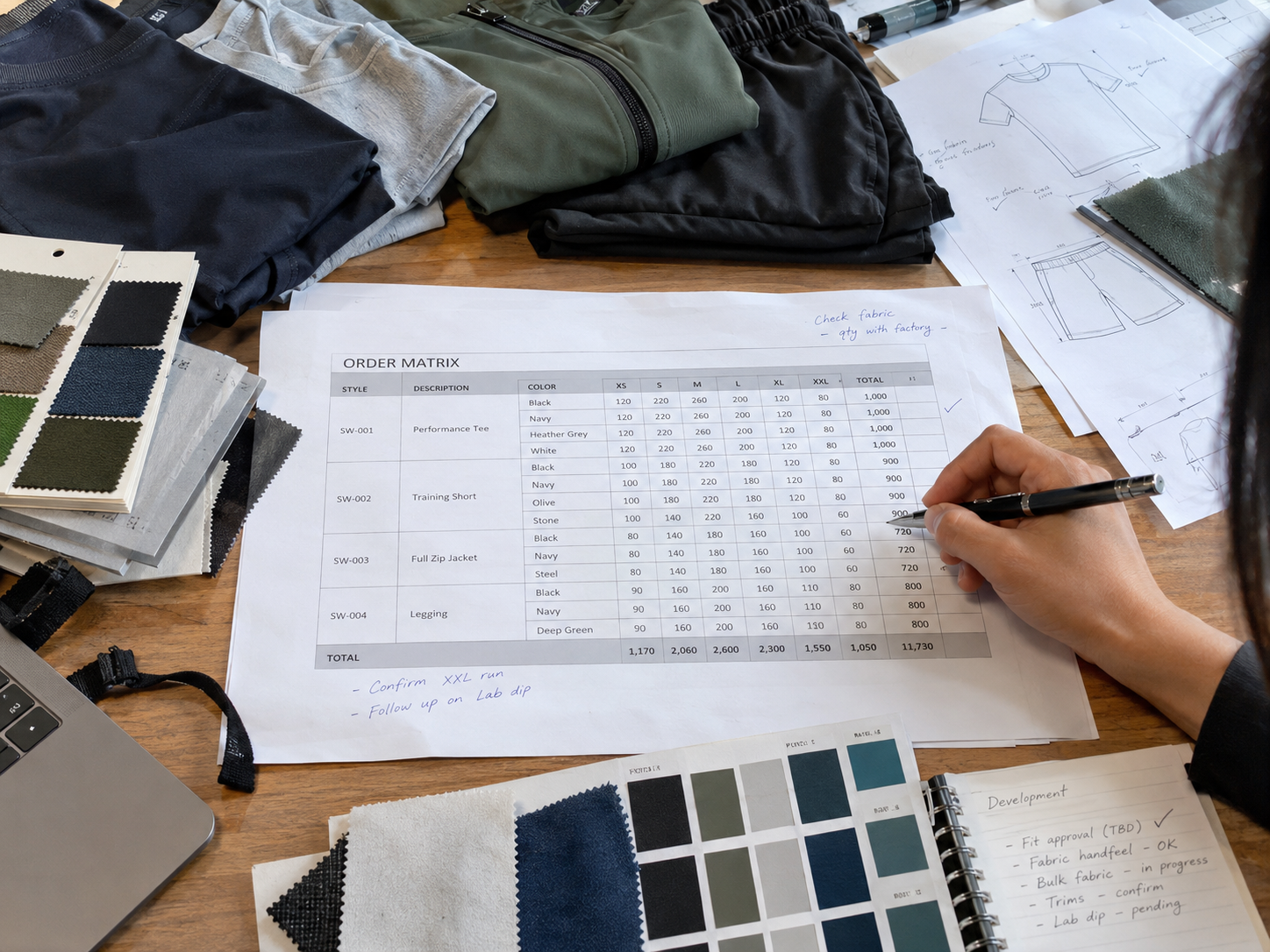
Order Matrix
List the planned style, color, size and quantity structure. Include projected first-order quantity and expected future scale where relevant. A detailed matrix helps evaluate MOQ, material use, cutting complexity, SKU management, production planning and packing requirements more accurately.
Materials and Branding
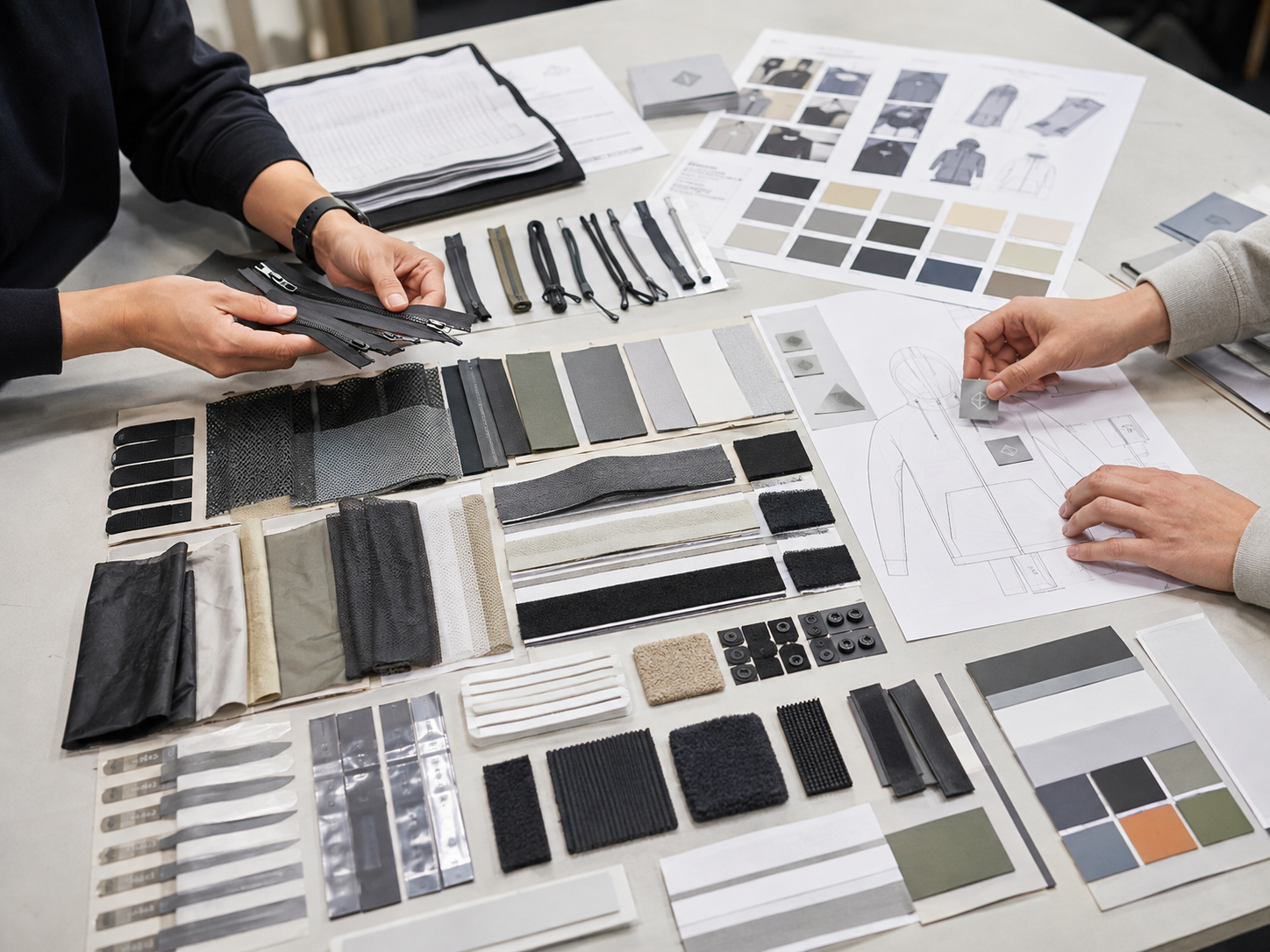
Describe the desired fabric composition, GSM, hand feel, stretch, color and any performance requirement. Include elastic, zipper or other trim specifications where known. Send logo artwork, label artwork, branding dimensions and packaging references. Certified, recycled or specialized functional requirements should be clearly identified because supplier evidence, material sourcing and testing may need additional review.
Market and Timing
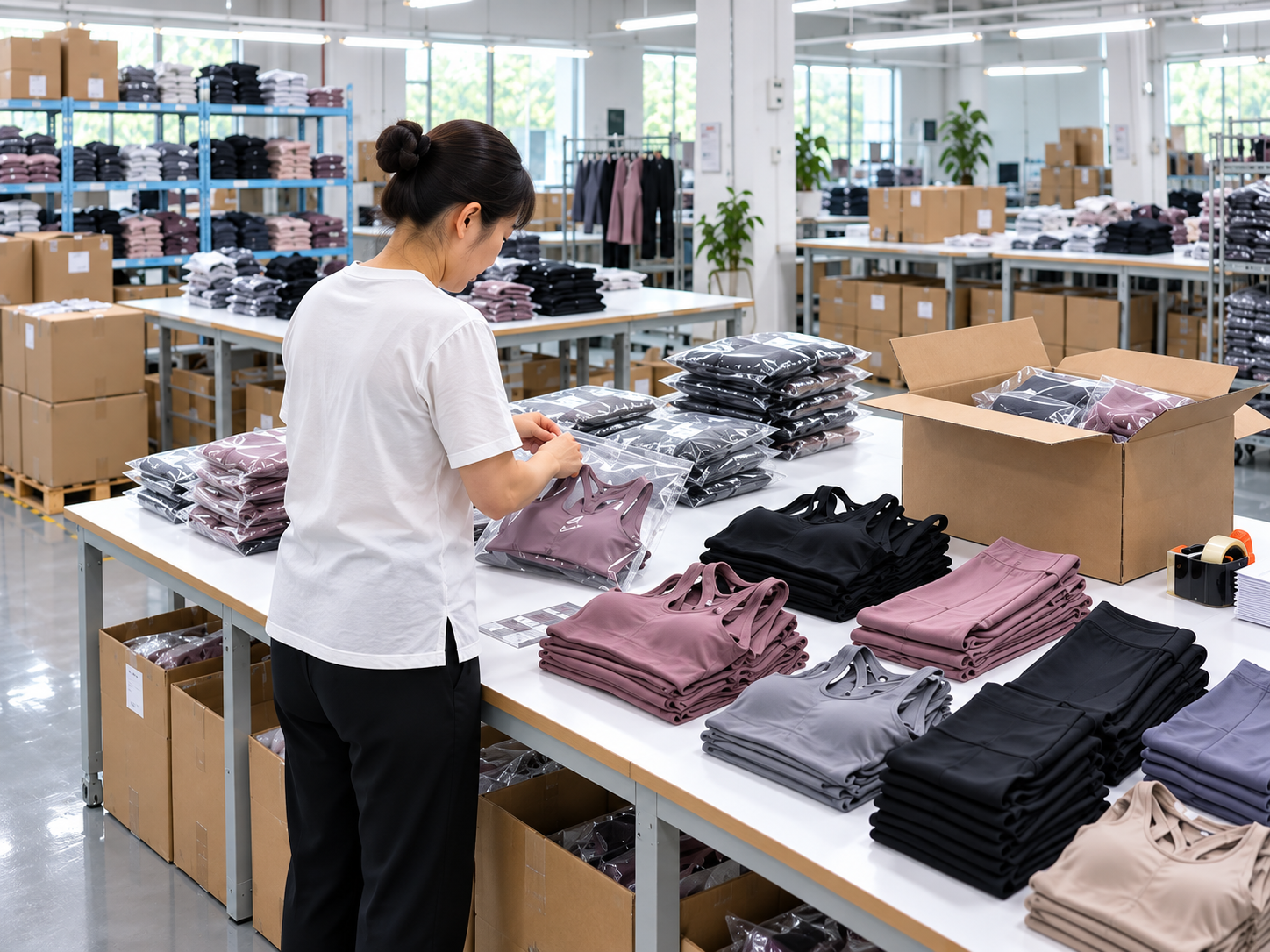
State the intended market, development stage and timing target. A useful schedule request distinguishes among sample completion, sample approval, bulk goods-ready date, shipment and final arrival. Include target market, required sample stage, requested launch or goods-ready window, inspection requirement, shipment plan and known approval deadlines. Leadshow confirms sample and bulk timing after reviewing specifications, materials, revisions, quantity, approvals and current scheduling.
Wholesale Activewear Manufacturer Frequently Asked Questions
Answers below cover common sourcing questions about product scope, MOQ, sampling, fit, bulk production, private label requirements and project information.
What activewear products can Leadshow manufacture?
Leadshow’s confirmed product portfolio includes sports bras, sports T-shirts, yoga leggings, tennis skirts, jumpsuits, running shorts, tank tops and tracksuits, along with other confirmed sportswear categories. Final construction, materials, fit, performance requirements and manufacturing route are reviewed by project. Leadshow should not be interpreted as a manufacturer of every activewear or apparel category.
What is Leadshow's standard MOQ?
Standard MOQ generally starts from 100 pieces per color per design. Final MOQ depends on fabric, custom colors, trims, garment construction, branding, labels, packaging, testing requirements and current production conditions. Sample quantities, pilot quantities and formal bulk MOQ are separate concepts. Lower quantities may be reviewed under suitable material and construction conditions but are not automatically accepted.
Can Leadshow work from a Tech Pack?
Yes. Tech-Pack-based OEM projects are part of Leadshow’s confirmed service scope. A useful Tech Pack should include product construction, measurements, materials, trims, colors, branding and relevant manufacturing details. Leadshow reviews the supplied information for manufacturability before sampling and bulk production. Final quotation, MOQ and timing are confirmed after project review rather than from the file alone.
Can development start from reference images or samples?
Yes. Manufacturing-focused ODM development can begin from concepts, sketches, reference images, Tech Packs or physical samples. The development scope may include construction clarification, pattern work, material evaluation, sampling and fit adjustment. A reference image does not guarantee exact replication because material, pattern, construction and intellectual-property considerations still need review before a production method is confirmed.
How is activewear fit confirmed before bulk production?
Fit is reviewed using measurements, pattern information, material behavior and physical samples. Fabric stretch, ease, garment construction, body proportions and intended coverage can all affect fit even when dimensions match the measurement chart. Fit Samples and revisions may therefore be used to refine the product before the applicable sample and specification are approved for production.
How long does activewear sampling take?
construction, material and trim readiness, pattern complexity, fit requirements, customization and revision scope. Sample making, client review and later revisions are separate stages. A quoted sample schedule should clearly state its starting conditions and expected completion milestone.
How long does bulk activewear production take?
Bulk-production timing is confirmed by project after applicable order conditions, approved specifications, material readiness and current scheduling are reviewed. Product complexity, order quantity, color and size mix, specialized workmanship, packaging and approval timing can affect the schedule. Goods-ready date, shipment date and final arrival date should be treated as separate milestones rather than one generic “lead time.”
Can Leadshow support private label packaging?
Yes. Leadshow can support custom logos, labels and customized packaging according to confirmed product requirements. Projects may include brand labels, care information, size identification, individual packaging and carton instructions. Final packaging options and quantities depend on specifications and supplier minimums, so garment MOQ does not automatically guarantee the same minimum quantity for every label or packaging component.
How are multi-SKU wholesale orders managed?
Multi-SKU programs are organized from a defined style, color, size and quantity matrix. Production and packing requirements should connect the approved product version with SKU identification, labels, packaging and carton instructions. Leadshow can coordinate multi-SKU manufacturing and packing according to project requirements, while specific digital tracking or real-time inventory systems are not claimed unless separately confirmed.
What information is needed for an activewear quotation?
Send the product type, Tech Pack or reference, measurement chart, planned quantity, colors, size breakdown, fabric and trim requirements, branding, packaging, intended market and desired timing. More complete specifications support a more accurate review of materials, construction, MOQ, cost and production planning. Final commercial terms are confirmed after the relevant product and sourcing conditions are evaluated.
Send Your Activewear Project for Manufacturing Review
Planning a new activewear range, moving an existing product to a new manufacturing partner or preparing a larger wholesale program starts with clear product information. Send the latest Tech Pack, measurement chart, reference images or physical-sample details together with the expected style, color, size and quantity structure. Include fabric composition, GSM, stretch, hand feel, trim requirements, branding, labels, packaging, intended market and requested project timing where available. Product information does not need to be perfect before the first discussion, but enough detail is required to evaluate construction, materials, sampling scope, MOQ, commercial conditions and manufacturing feasibility. Leadshow’s team can review OEM or manufacturing-focused ODM requirements and coordinate the next development or production step according to the project stage. Sample and bulk schedules are confirmed after specifications, materials, approvals, quantity and current production conditions are reviewed. Final commercial and technical commitments are confirmed through the formal quotation and order process.