
Tracksuit Manufacturer
OEM and ODM tracksuit development for brands that need coordinated jacket-and-pants sets built for sampling, private label production and scalable bulk manufacturing.
- Tracksuits are a confirmed Leadshow product category across sportswear and streetwear programs.
- Project review can start from a Tech Pack, measurement chart, reference image, pattern or physical sample.
- Development can cover construction review, fabric and trim evaluation, fit adjustment, sampling, revisions, bulk production, quality checks, labels and packaging.
- Standard MOQ generally starts from 100 pieces per color per design, subject to materials, trims, construction, branding, packaging, testing and production conditions.
Tracksuit Programs Built Around Real Sourcing Requirements
Leadshow supports structured tracksuit development for apparel businesses with defined product goals, repeat-order potential and private-label requirements. The working route changes according to specification maturity, order complexity and the level of product development needed before bulk manufacturing.
Established Brand Programs
For an established apparel or sportswear brand, the main requirement is rarely a generic tracksuit. Existing brand standards may already define silhouette, measurement rules, fabric direction, zipper details, logo placement, label language and packing format. Leadshow can review supplied Tech Packs, size charts, approved references or physical samples, then align pattern, construction and sampling work with the supplied specifications. The aim is to create an executable production standard rather than reinterpret an established brand language. Bulk scheduling, quality checks and repeat-order conditions remain subject to the approved product version, materials and current production conditions.
Private Label Collections
Private-label programs often need more than a logo application. Jacket and pants must work as one commercial set, while labels, size identification, care information, hangtags, packaging and SKU rules need to remain consistent across colors and sizes. Leadshow can support tracksuit projects from development review and sample approval through private-label bulk production. Confirmed in-house resources include heat-transfer labeling and heat-press applications, while other requested decorative processes are evaluated separately according to material compatibility and project scope. Final packaging and labeling details are approved before bulk execution.
Import And Retail Programs
Importers, distributors and retail groups typically manage larger SKU matrices, more colors, more sizes and stricter packing instructions. A tracksuit set creates extra coordination because jacket and pants must be paired correctly, identified correctly and packed according to the sales model. Leadshow can support multi-SKU production coordination, label and packaging verification, carton preparation and international shipment coordination. Products are exported to Europe, North America, South America and Oceania. Destination-market testing, labeling or compliance requirements must be supplied or confirmed for the individual program rather than assumed as universal standards.
Six Controls Behind a Reliable Tracksuit Manufacturing Program
A credible tracksuit program depends on how well product decisions are translated into repeatable manufacturing instructions. Leadshow focuses on the areas that create the greatest risk between concept, sample approval and bulk execution.
Set Coordination
Jacket and pants are developed as one set when sold together. Fabric, color, trim appearance, fit direction, size pairing, logo position and packing method are reviewed together so the finished set presents one product identity rather than two unrelated garments.
Construction Review
Zipper structure, collar or hood, pockets, rib sections, waistband, leg opening, panel lines and reinforcement points all influence sewing sequence and production difficulty. Construction is reviewed against the intended use, material behavior and bulk feasibility before final approval.
Fit Development
Tracksuit fit is controlled through garment measurements, pattern balance and sample review rather than labels such as slim or relaxed alone. Upper and lower proportions, ease, length, waist behavior and movement are checked against the project size chart and approved sample.
Material Matching
Main fabric, rib, elastic, zipper, pocket material, thread and other trims need compatible weight, stretch, recovery, shrinkage and color behavior. Material selection is confirmed according to the intended product result and supply conditions rather than composition name alone.
Brand Execution
Logo artwork, heat-transfer labels, care labels, size labels, hangtags and packaging must be connected to the correct style, color and size. Brand files are reviewed before bulk use, and non-confirmed processes are evaluated separately instead of being presented as default in-house capability.
Bulk Control
Approved specifications need to survive scale. Cutting, sewing, key measurement checks, trim verification, branding, set completeness and packaging are controlled through relevant production and quality checkpoints. Available capacity and delivery timing are confirmed by project after material and scheduling review.
Custom Tracksuit Configurations for Different Brand Directions
Tracksuits can be developed around different opening systems, collar treatments, fits and lower-body structures. The configurations below use directions already supported by Leadshow product facts; final details are confirmed through project review and sample approval.
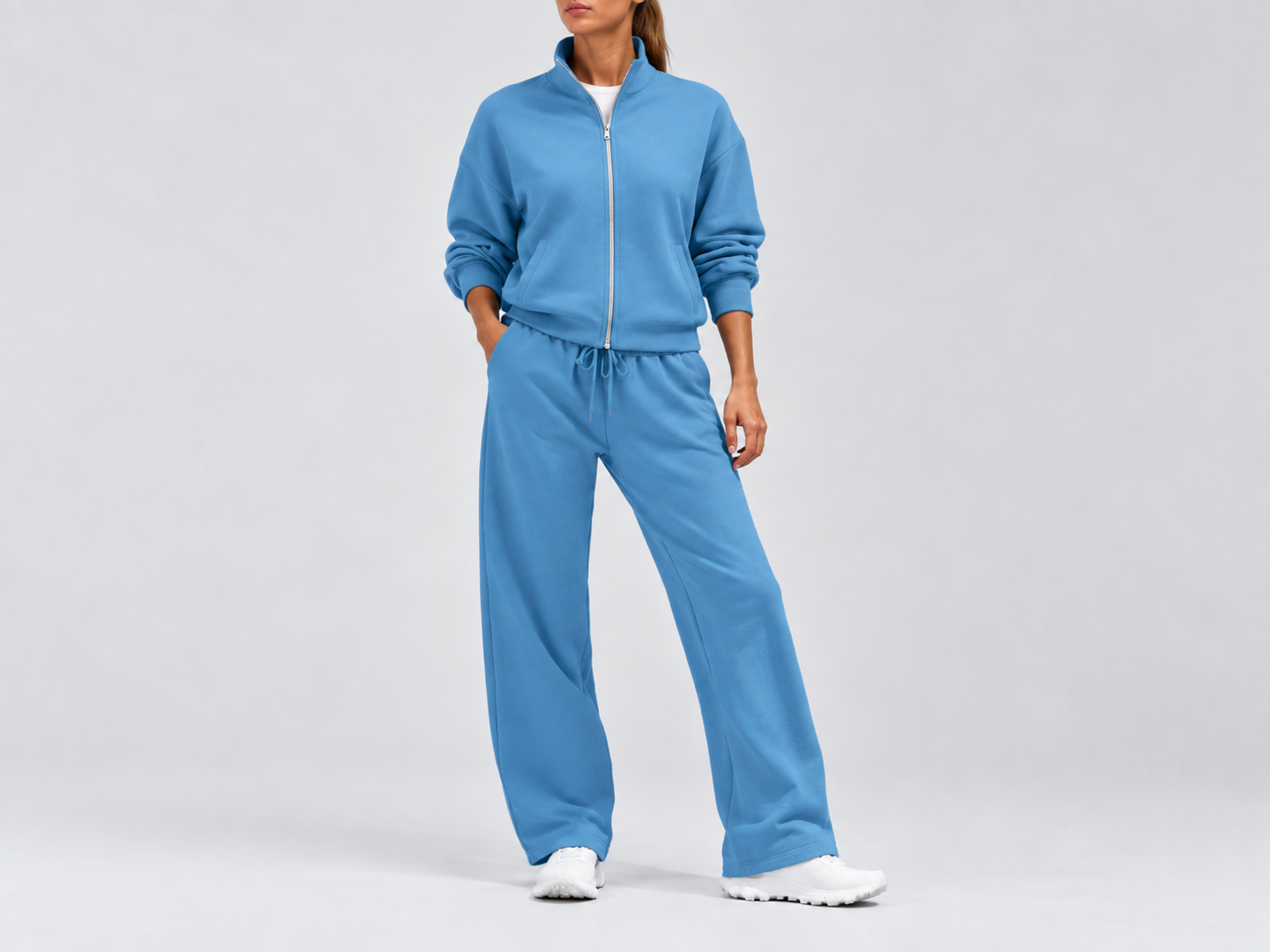
Full-Zip Stand Collar
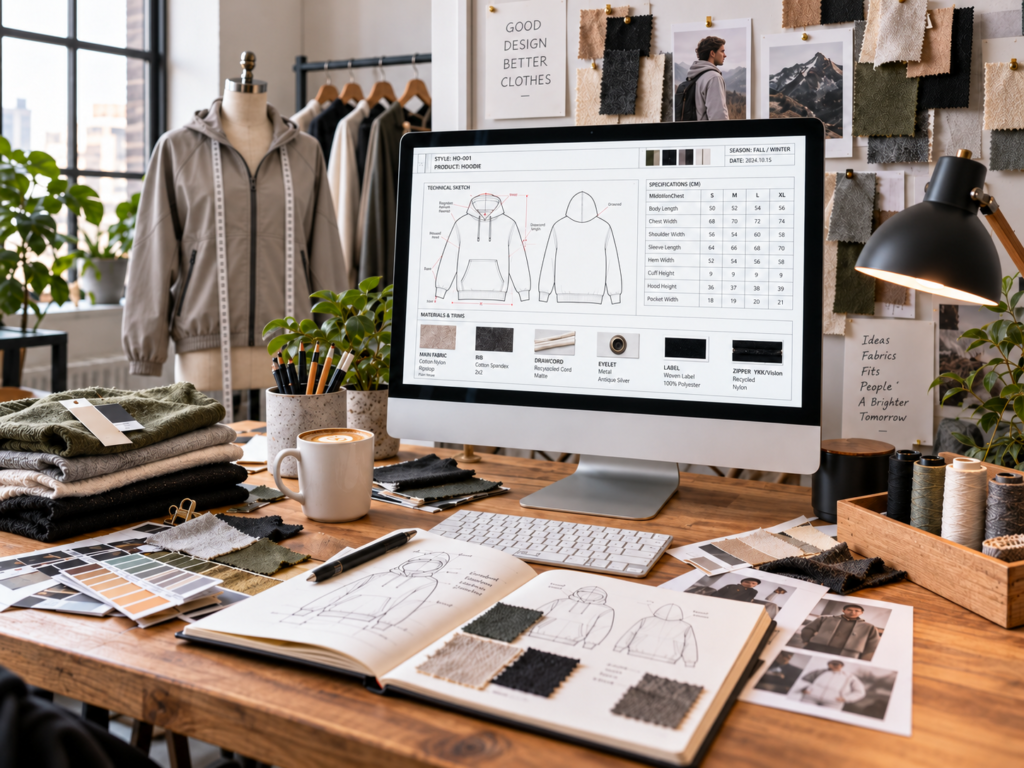
A full-zip jacket with a stand collar can be paired with matching pants for sportswear, travel or everyday active use. Key development points include zipper length and color, collar shape, pocket structure, cuff and hem treatment, upper-to-lower proportions and set color matching. Pants may use an elastic or drawcord waist and can be developed with straight, slim, relaxed or cuffed leg directions according to the approved specification. Bulk production should follow the confirmed zipper, fabric, rib and measurement references used during sampling.
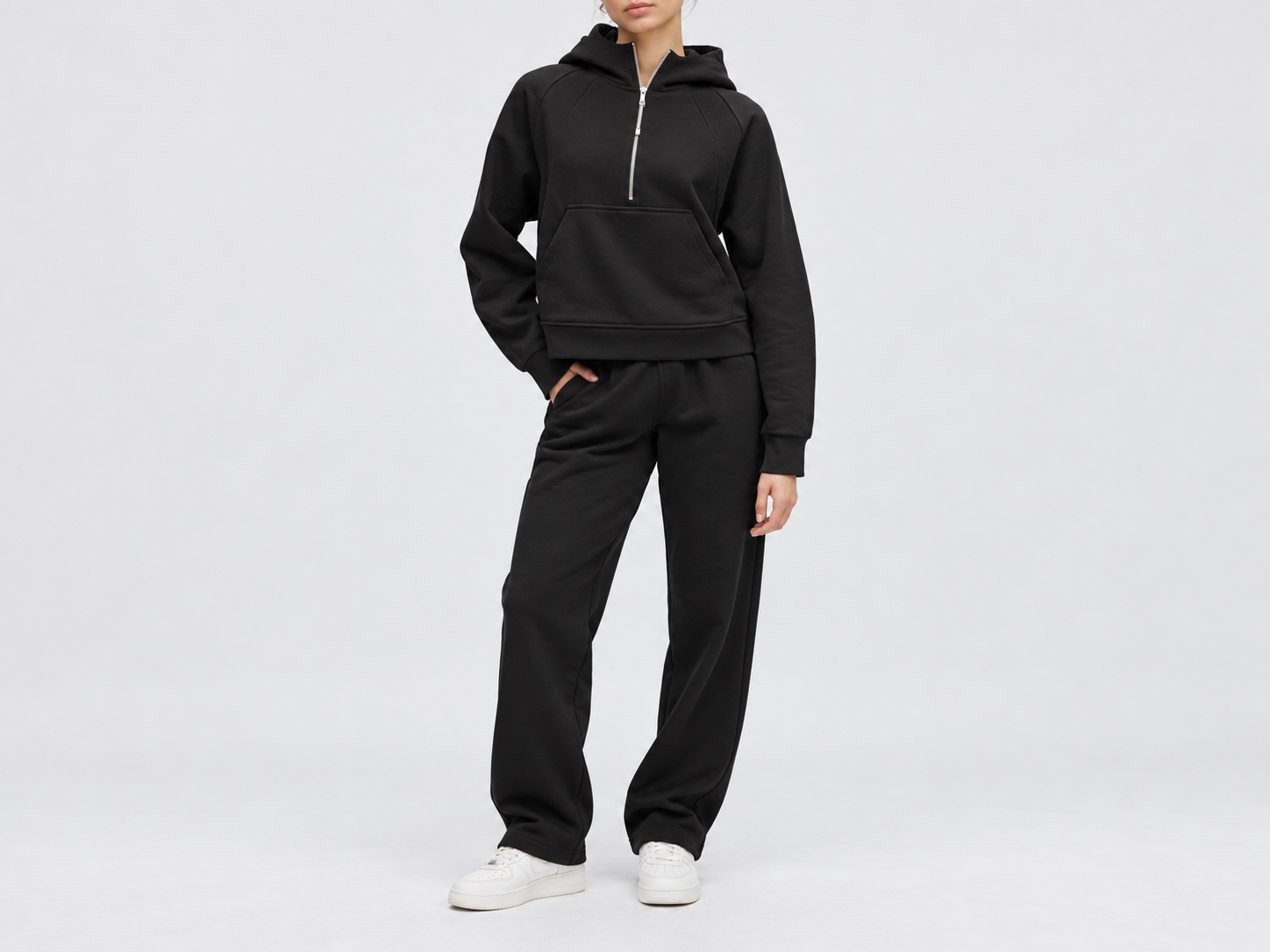
Hooded Zip Set
A hooded upper can be evaluated with a full-zip opening and coordinated pants when a more casual or streetwear-oriented product is required. Hood dimensions, neckline connection, zipper behavior, pocket position, cuff structure and the visual relationship between jacket and pants need to be assessed together. The hood changes material consumption and sewing complexity, so cost and timing should be reviewed after the construction is clear. Branding, labels and set packaging are finalized against the approved sample and artwork rather than added as generic afterthoughts.
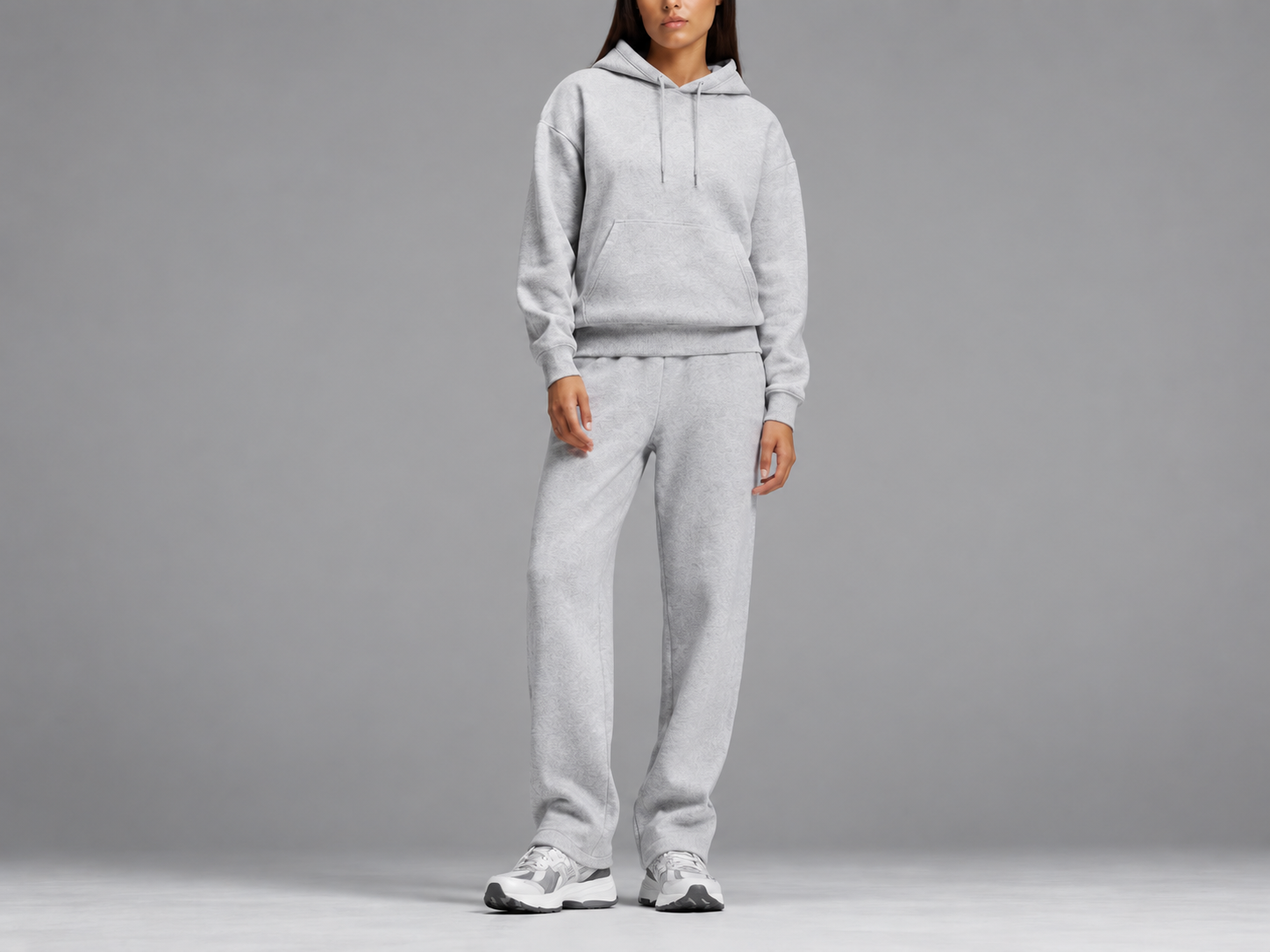
Pullover Tracksuit Set
A pullover upper paired with matching pants removes the full front zipper but creates different neckline, hem and fit considerations. Leadshow can evaluate pullover structures, collar or hood directions, pocket details, rib usage and lower-body combinations according to the design. A cleaner front can create more space for selected brand applications, but decoration remains dependent on fabric compatibility and approved artwork. Sampling should confirm wearing ease, top-and-bottom proportion, cuff recovery, waist behavior and how the set folds and packs before bulk production begins.
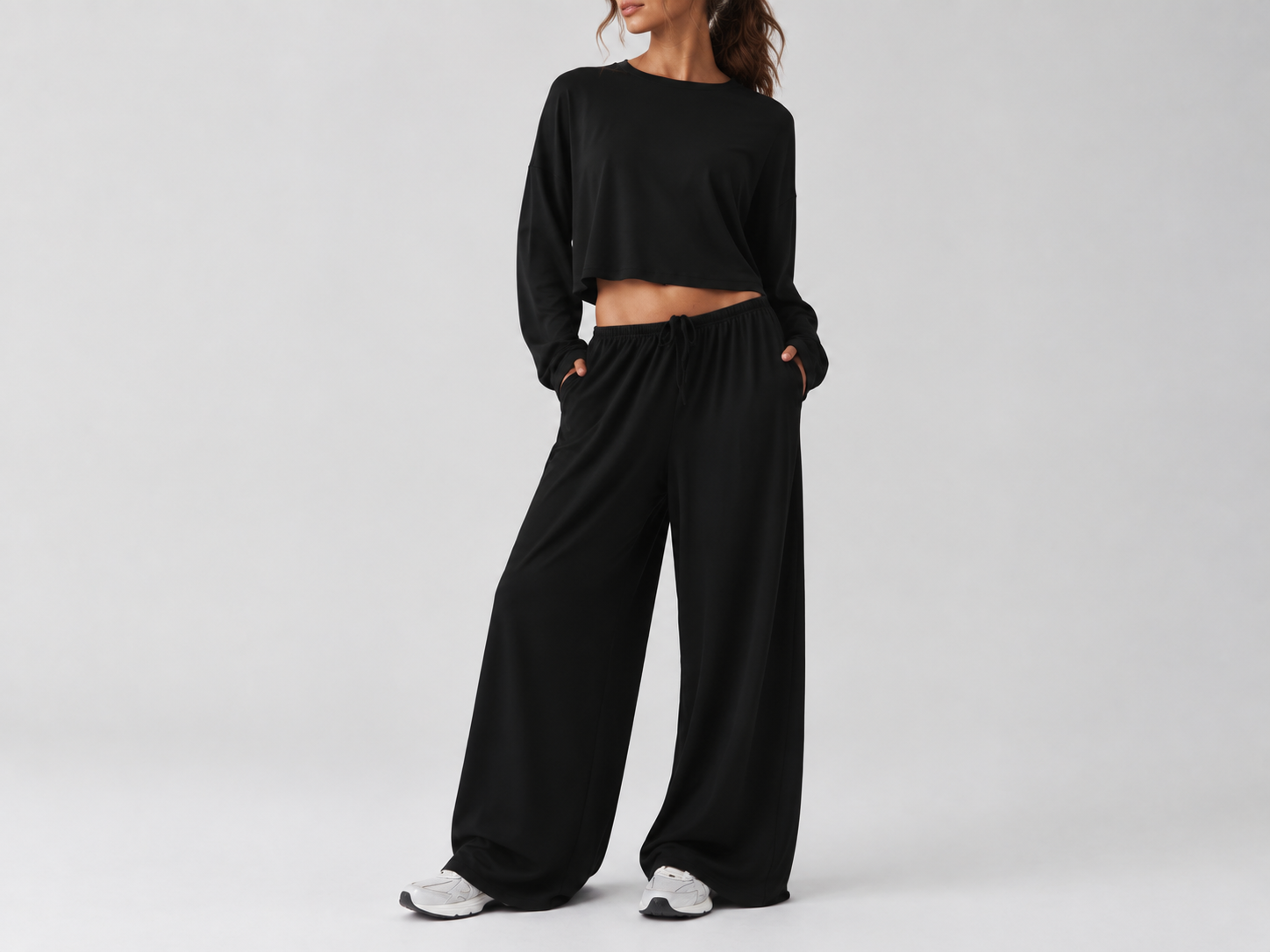
Relaxed Streetwear Set
Relaxed tracksuit projects focus strongly on silhouette, drape, garment length, shoulder proportion and lower-body volume. The product cannot be controlled by simply grading up a regular fit. Pattern balance, fabric weight, rib response, pocket position and hem behavior need to work with the intended relaxed shape. For streetwear programs, color-blocking, seam lines and brand placement may become part of the visual identity, but every added panel or trim increases production complexity. A representative sample should be approved before the final bulk specification is frozen.
Slim Athletic Set
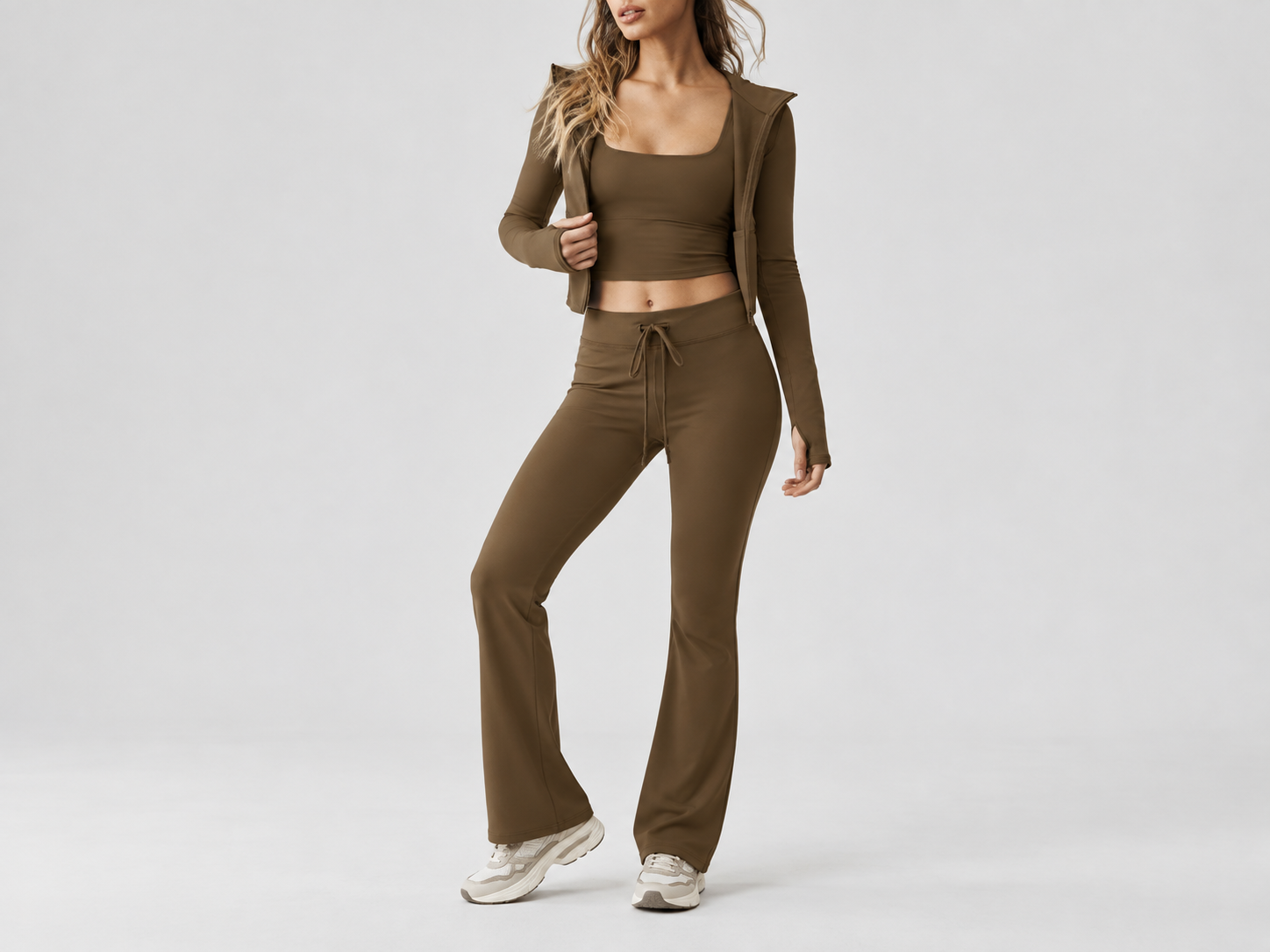
A slimmer tracksuit direction requires closer attention to ease, mobility and size grading so the garment does not become restrictive as the silhouette narrows. The jacket and pants should be assessed together for torso length, sleeve balance, waist fit, hip and thigh allowance, leg taper and movement. Material stretch and recovery may influence the pattern and seam choices. Leadshow can support pattern and fit adjustment through sampling, but no universal fit or performance claim is applied without product-specific validation and an approved size standard.
Color-Blocked Set
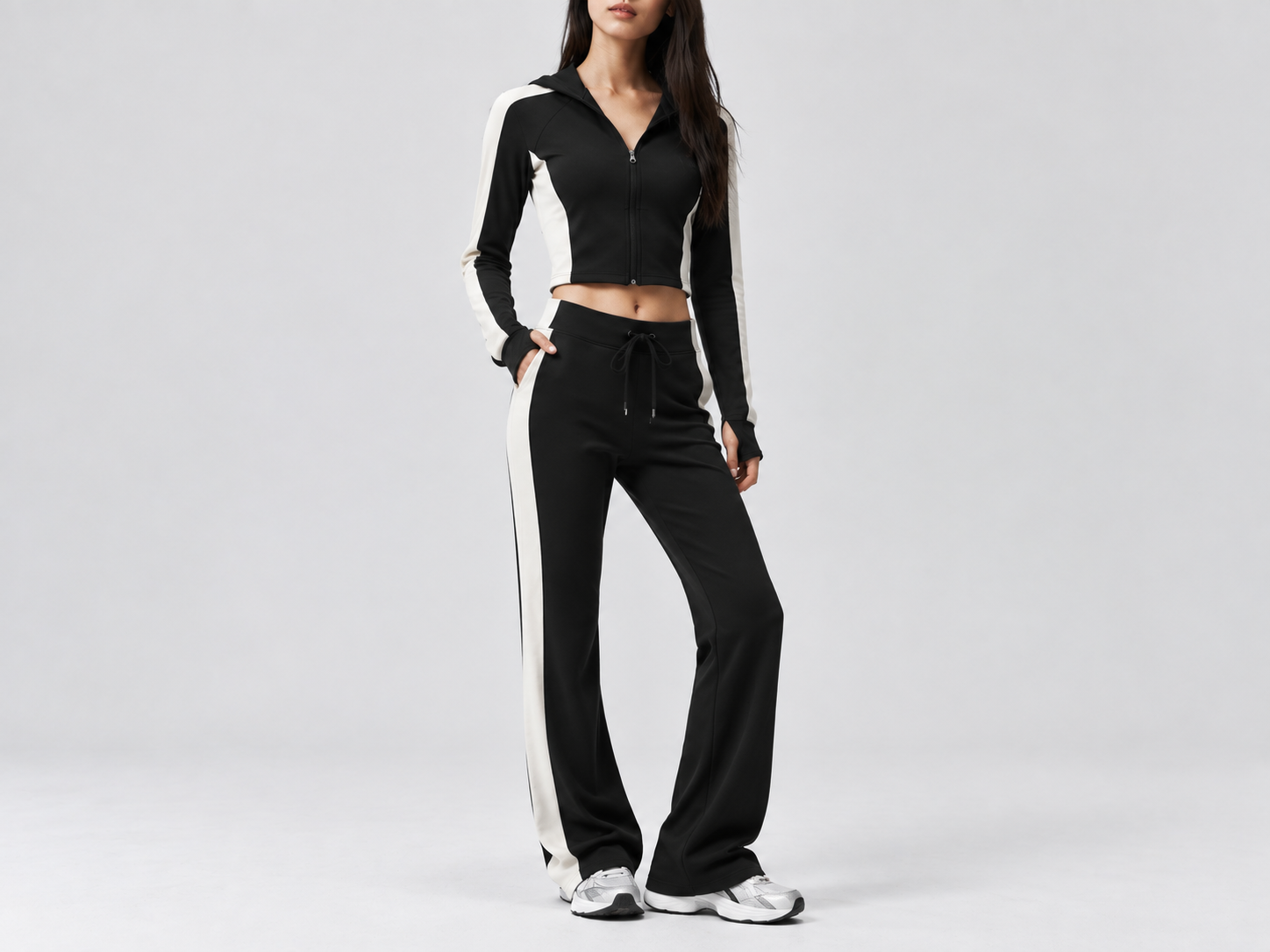
Color blocking can be built through panel lines, piping directions or coordinated upper-and-lower color placement. A successful set requires control of material shade, trim color, zipper appearance, rib matching, logo placement and panel alignment. Multiple colors also influence MOQ because each design-and-color combination is normally evaluated separately, while custom-dyed materials or trims may have independent supplier minimums. Sample review should confirm visual balance and construction before purchase quantities and production timing are finalized.
Jacket and Pants Must Work as One Product
For a coordinated tracksuit, the strongest manufacturing decisions sit at the connection between the upper and lower garments. Set quality depends on shared standards, not only on whether each piece passes inspection independently.
Coordinate Materials, Color and Trims
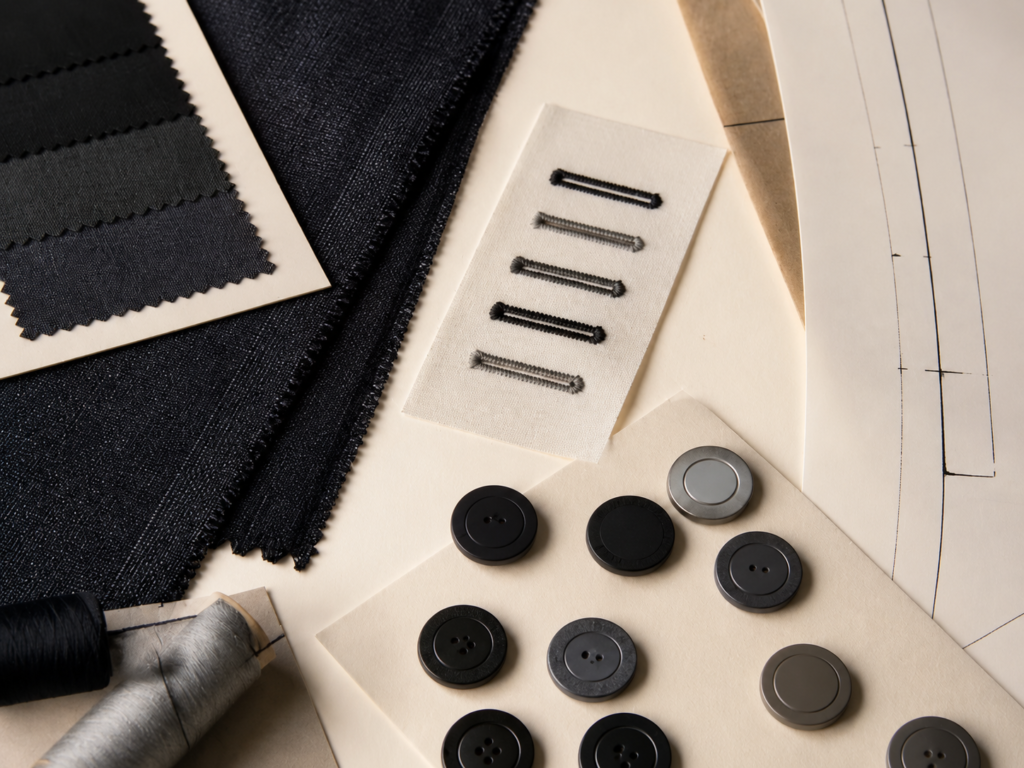
When a jacket and pants are sold as one tracksuit, both pieces should be reviewed under one material and trim plan. Main fabric should be linked to the approved color reference, hand feel, construction, weight direction and shrinkage expectations. Rib, elastic, zipper, thread and pocket components should be checked for visual and functional compatibility with the main fabric. A zipper that appears acceptable on the jacket alone can still make the finished set look inconsistent if its tape or puller clashes with the lower garment. Rib can also behave differently from the body fabric during stretching or washing, which affects cuffs, hems and overall appearance. Leadshow therefore treats fabric, trim and color confirmation as connected product decisions. Material changes made after sampling may require renewed fit, construction or appearance review. For bulk orders, approved references should identify which fabric, color and trim version belongs to each design and colorway. If the program contains multiple colors or SKUs, the material plan should also reflect supplier MOQ, custom-color requirements and batch availability before production scheduling is committed.
Coordinate Fit, Sizing and Packing
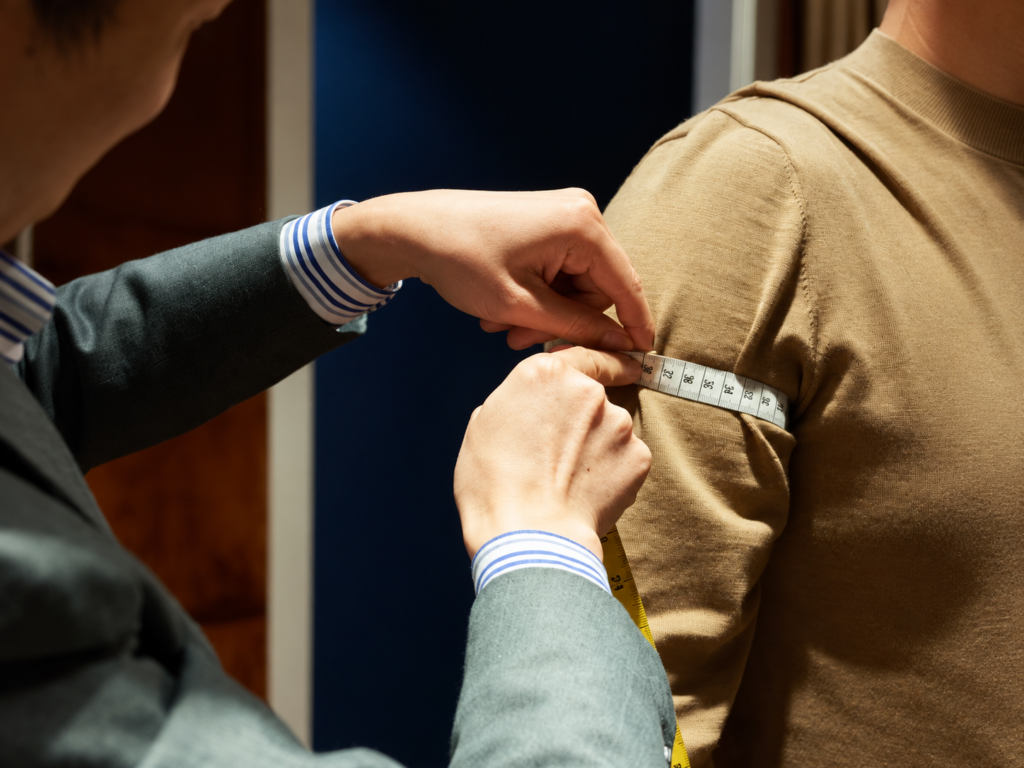
A tracksuit set must also feel balanced when worn together. Upper length, body width, sleeve proportion, waistband position, hip and thigh allowance, leg shape and overall ease should follow one size logic. A jacket developed as relaxed while pants are unintentionally slim can create an inconsistent product even if both pieces individually meet a nominal size label. Sample review should therefore compare the complete set, not only separate garments. Size pairing rules also matter when jacket and pants are packed together. A set sold as one SKU normally requires clear pairing, completeness checks and packaging identification, while pieces sold separately need independent style numbers, quantities and packing instructions. Leadshow can support set packing and multi-SKU coordination according to the approved order matrix. Final size ranges are defined by the supplied size chart or approved development plan; no universal size range is assumed. Packaging, barcode and carton information should follow the sales model chosen for the program.
Fabric and Trim Decisions That Shape Tracksuit Results
Material selection affects appearance, fit, sewing behavior, cost, MOQ and repeatability. Leadshow reviews fabrics and trims against the intended tracksuit structure rather than treating one composition or one GSM as suitable for every program.
Main Fabric Direction
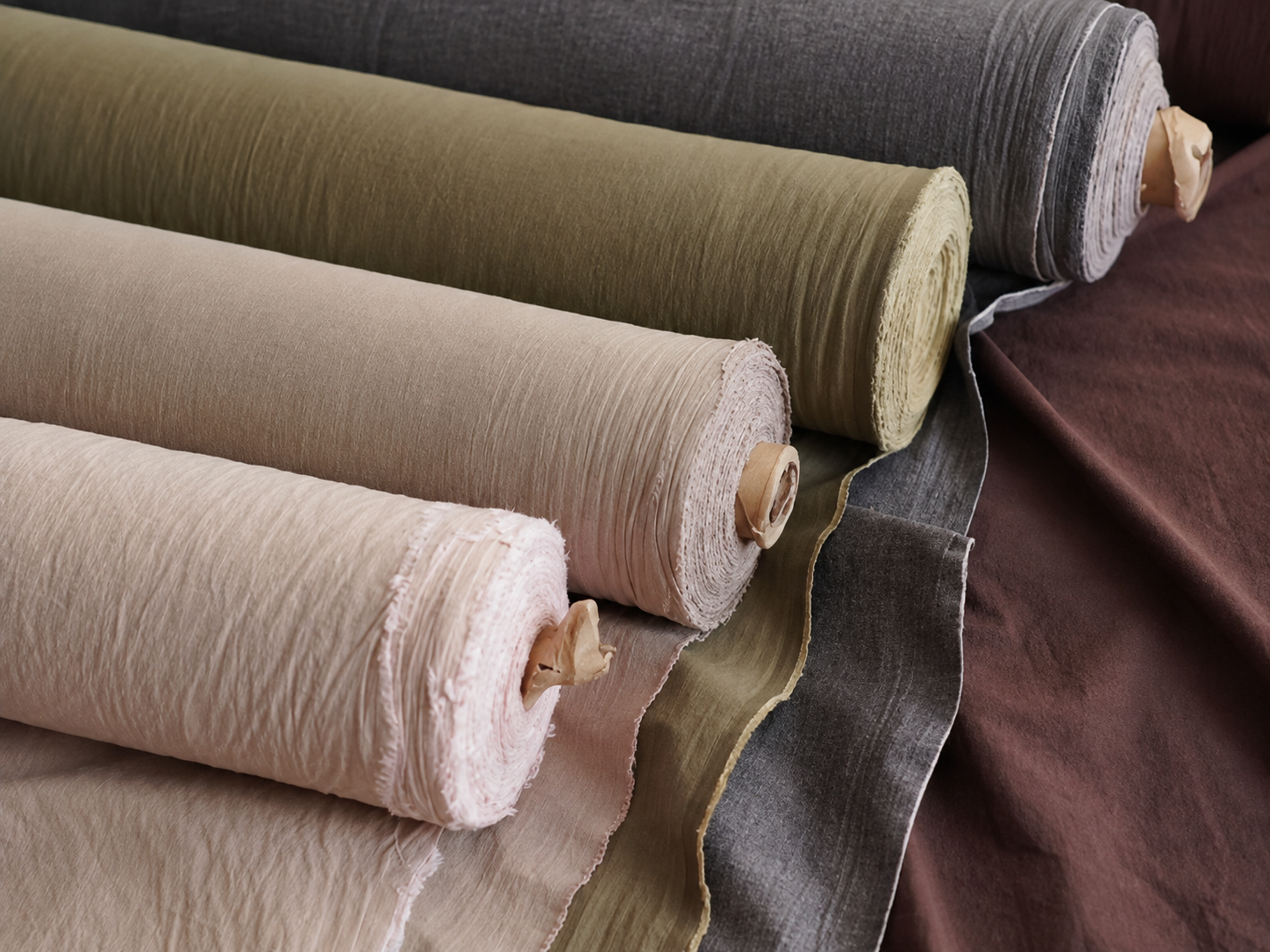
Start with the required hand feel, drape, surface, thickness, stretch direction, recovery and intended wearing environment. Fiber composition and GSM are useful inputs, but identical composition and weight can still produce different construction behavior. Knit or woven directions may suit different tracksuit concepts, and a heavier material can change seam bulk, zipper behavior and pattern balance. Leadshow can review available or nominated fabric options against the approved product structure. Custom dyeing, special colors, supplier minimums and testing requirements can change MOQ and lead time, so material availability should be reviewed before final commitments.
• Confirm: composition, construction, GSM, width, color, hand feel, stretch and shrinkage direction.
• Verify with: swatch, reference garment or approved sample.
Rib Structure
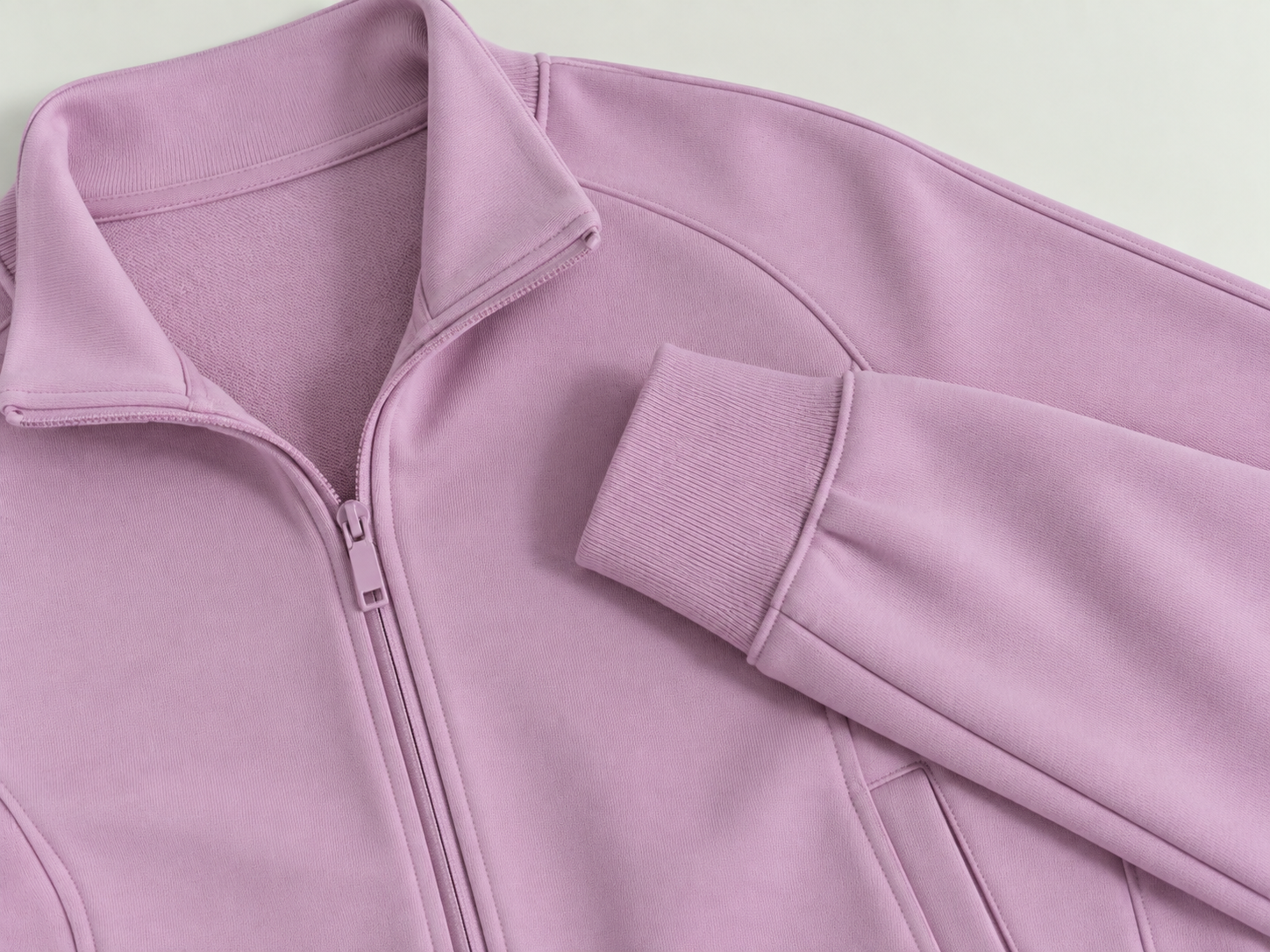
Rib may be used at cuffs, hem, collar or other finishing areas according to the design. The rib needs compatible thickness, stretch, recovery, shrinkage and color behavior relative to the main fabric. Too much tension can distort the garment, while weak recovery can create loose cuffs or an unstable hem. A color that looks correct on a small swatch may also appear different beside the body fabric because of surface texture and yarn structure. Sample validation should check both appearance and stretch behavior.
• Confirm: rib construction, fiber direction, width, finished dimensions and color.
• Watch: recovery, wash response and mismatch with the main fabric.
Zipper Specification
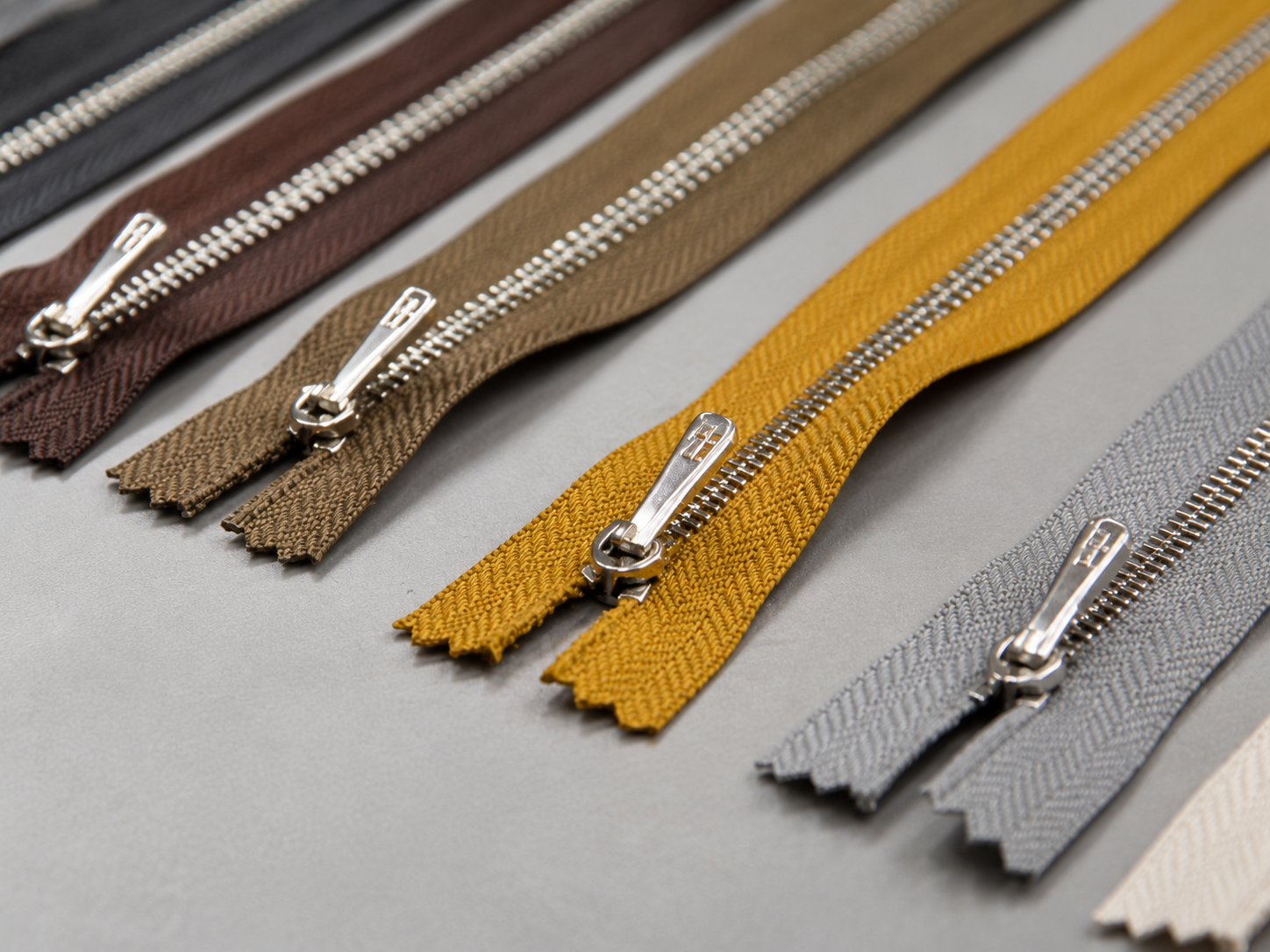
Zipper choice affects function, appearance and production. A tracksuit may use a front zipper, pocket zippers or both, so length, tape color, teeth or coil appearance, puller style and installation method need to be defined. Zipper ends are also common stress points and may require local reinforcement depending on construction. Custom zipper colors or hardware can introduce separate supplier minimums. Leadshow can review zipper requirements as part of the trim plan, but no specific zipper brand, certification or performance level is assumed without supplied project standards.
• Confirm: type, length, color, puller, pocket usage and placement.
• Verify with: trim sample and complete garment sample.
Waist and Drawcord
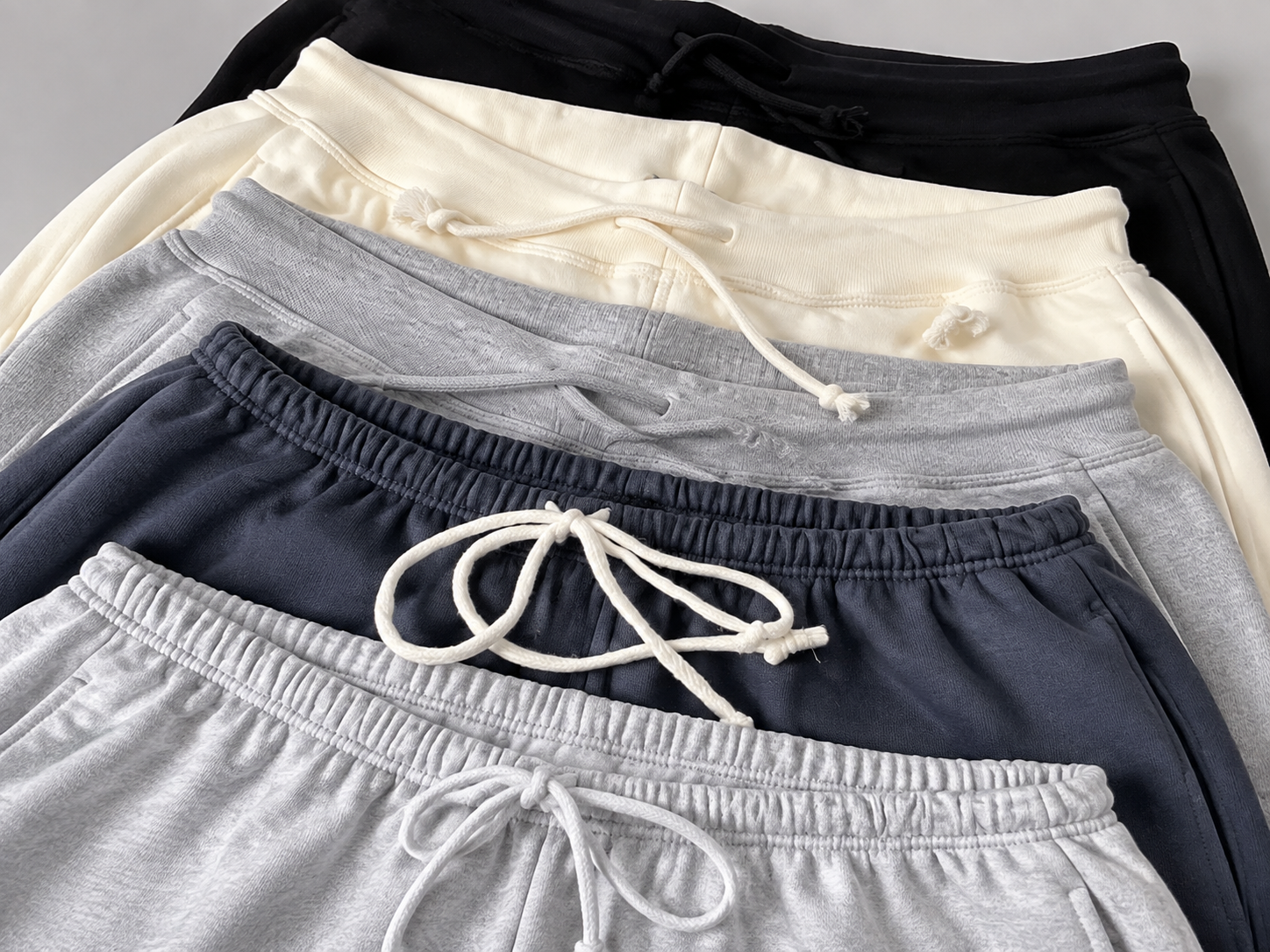
The lower garment may use an elastic waist, drawcord waist or a combined structure according to the approved design. Waist behavior depends on elastic material, width, stretch ratio, recovery, casing construction and the relationship with the trouser pattern. Drawcord size, color, exit position and finishing details also affect appearance and production. Small construction changes can alter both comfort and finished waist measurement, so the sample should be measured and worn before approval.
• Confirm: elastic specification, waistband height, drawcord requirements and finished waist measurement.
• Watch: twisting, uneven tension, bulk and recovery after use or washing.
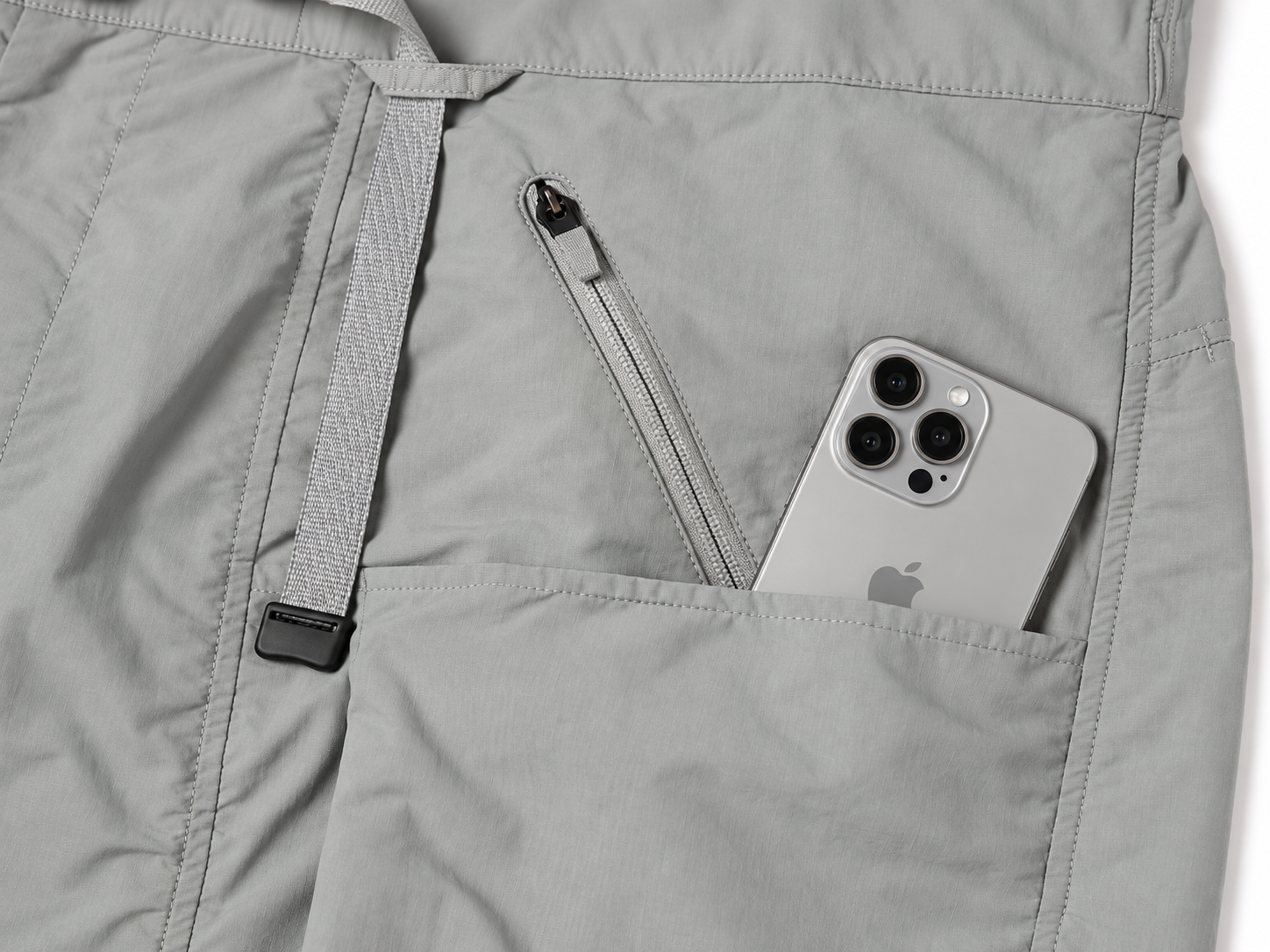
Pocket Construction
Side pockets, zipper pockets or back pockets may be evaluated according to the tracksuit concept. Pocket shape and depth need to work with the garment silhouette, while pocket bags and zippers should not create excessive bulk. Pocket openings and zipper ends can also become stress areas, making sewing method and local reinforcement important. Pocket placement is especially visible on matched sets because misalignment between colors or sizes can change the overall appearance.
• Confirm: pocket type, opening, bag material, zipper requirement and placement.
• Verify with: sample measurement, usability check and bulk construction standard.

Color and Trim Matching
A coordinated set can look inconsistent when fabric, rib, zipper, drawcord, heat-transfer details or labels use slightly different color directions. Screens and digital artwork are not enough for final approval. Physical material references, approved artwork and project-specific color standards should guide the finished product. Custom-dyed materials and trims may also come from different suppliers or production batches, so color approval points should be established before bulk release.
• Confirm: body fabric color, rib, zipper tape, hardware, drawcord, logo and label colors.
• Verify with: physical swatches, trim board or complete sample where needed.
Tracksuit Specification Checklist Before Sampling Starts
A stronger quotation and sample begins with a defined specification. Missing details usually reappear later as revisions, cost changes or production risk. The checklist below shows the main tracksuit inputs Leadshow can review before pattern and sample work begins.
Specification
Define
Manufacturing Impact
Best Input
Upper opening
Full zip, half zip or pullover
Changes construction, trims and sewing sequence
Tech Pack or reference
Collar / hood
Stand collar, hooded or other approved structure
Affects neckline, material use and fit
Sketch, dimensions, reference
Shoulder / silhouette
Regular, slim or relaxed direction
Controls pattern balance and wearing ease
Size chart and fit reference
Upper pockets
Side, zip or approved pocket direction
Affects usability, bulk and reinforcement
Pocket drawing and dimensions
Cuff / hem
Rib, elastic or main-fabric finish
Influences recovery, appearance and shrinkage interaction
Finished dimensions / sample
Pants waist
Elastic, drawcord or combined structure
Controls comfort and finished waist
Waist spec and trim details
Leg shape
Straight, slim, relaxed or cuffed direction
Changes pattern, hem finish and set proportion
Measurement chart
Pants pockets
Side, zip or back pocket directions
Adds sewing steps, trim and placement checks
Pocket details
Material
Composition, construction, GSM, width, color, stretch, hand feel
Impacts fit, cost, MOQ and manufacturing
Swatch, nominated source or target
Branding
Artwork, position, dimensions and approved method
Impacts appearance and process compatibility
Vector artwork / placement spec
Size range
Project-defined size range and grading rules
Controls patterns, consumption and SKU count
Measurement chart / grading rules
Packing model
One set per pack or separate garments
Changes SKU, labeling and completeness checks
Packing instruction
Pattern, Fit and Size Development for Tracksuit Sets
Tracksuit sizing needs to control the upper and lower garments as one coordinated system. Leadshow can support pattern and fit adjustment from supplied size charts, reference garments or approved brand standards, with final dimensions confirmed through sample review.
Develop the Upper and Lower Together
Upper and lower patterns should reflect the same fit direction and intended use. Jacket development can involve body length, chest width, shoulder structure, sleeve length, cuff dimensions, collar or hood construction and pocket placement. Pants development can involve waist, hip, rise, thigh, inseam, leg opening and pocket position. The correct balance depends on the style rather than a generic size label. A regular jacket paired with overly narrow pants, or relaxed pants paired with a short, fitted top, may create a set that feels visually disconnected. Leadshow can review measurements and pattern direction against a Tech Pack, existing sample or approved fit reference. When materials change, pattern ease and finished dimensions may need renewed validation because stretch, shrinkage and drape can alter the result. The approved sample becomes an important reference for bulk execution, but production remains controlled within the agreed measurement standards and reasonable manufacturing tolerances rather than an absolute promise of zero variation.
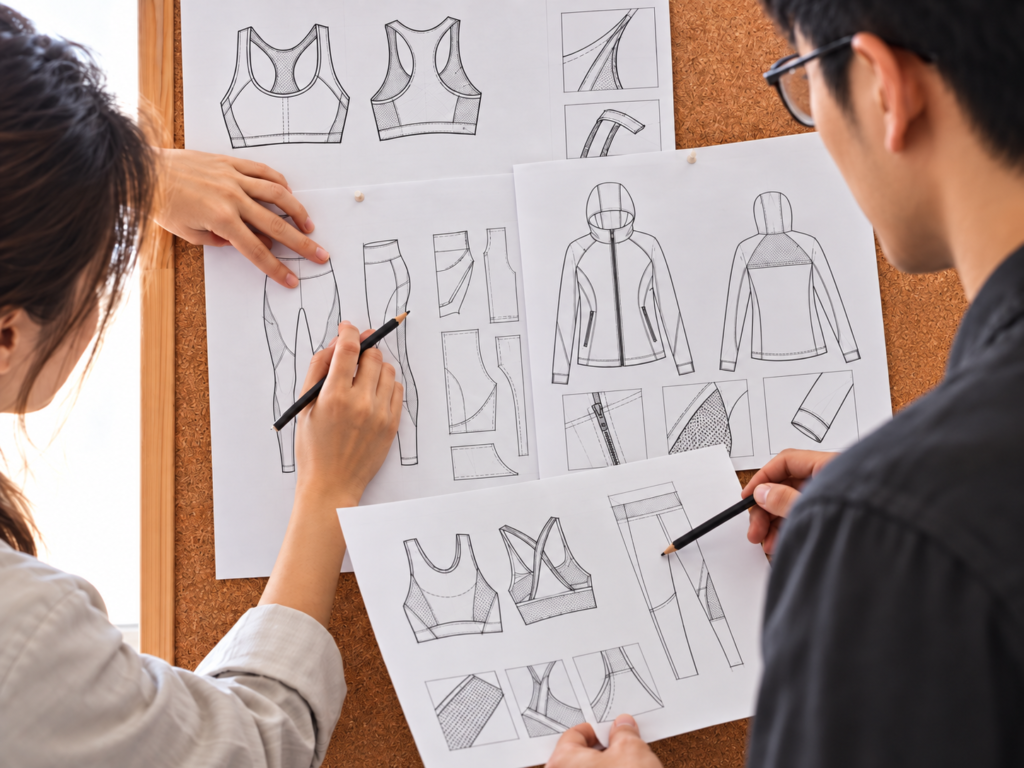
Build a Clear Size and Grading Standard
No universal tracksuit size range is applied across every project. Size scope should come from the brand’s target market, measurement chart and grading logic. Each design needs defined points of measurement, grade rules and any size-specific construction changes. A size set may be used when the program requires validation across more than one size, while complex materials or silhouettes can require additional review before bulk production. The final size matrix also affects fabric consumption, cutting plans, SKU complexity and packaging. Larger or smaller sizes should not be treated as simple proportional scaling when the product structure requires different balance. Leadshow can support size-chart review and fit adjustment, but the working standard must be supplied or approved for the specific project. If jacket and pants are packed together, size pairing rules should be frozen before labels, barcodes and packing files are released.
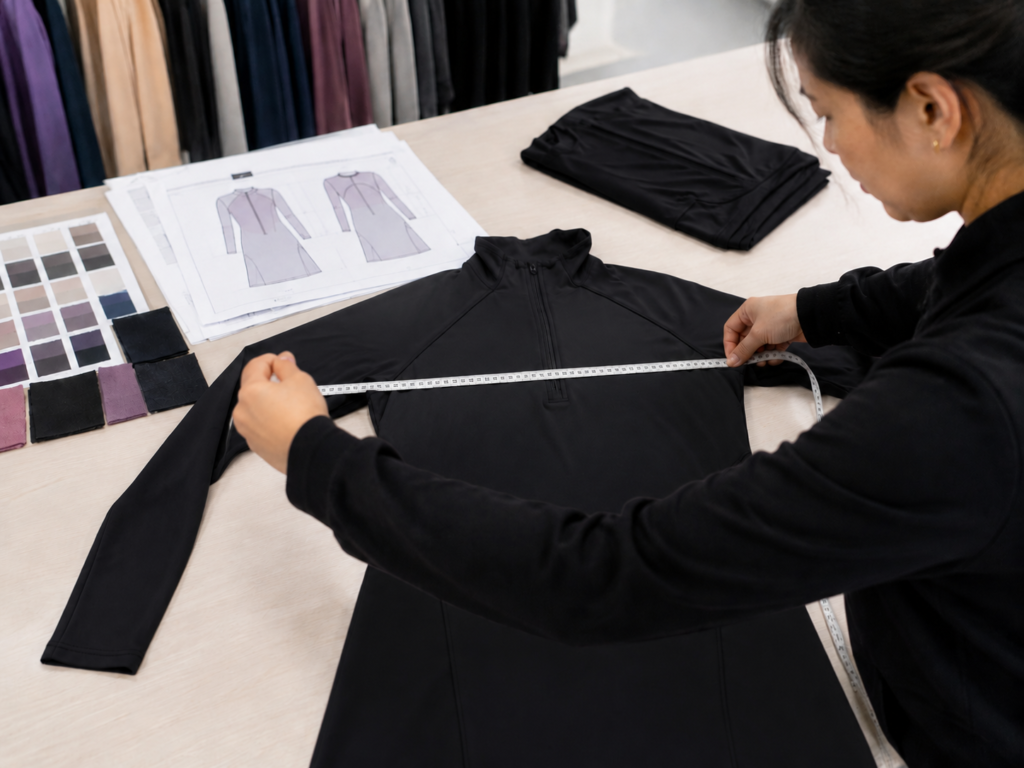
Private Label and Branding for Custom Tracksuit Programs
Branding works best when artwork, materials, labels and packaging are planned before bulk production. Leadshow can support confirmed heat-transfer, heat-press, labeling and packaging resources, while other requested methods are reviewed separately according to capability and material compatibility.
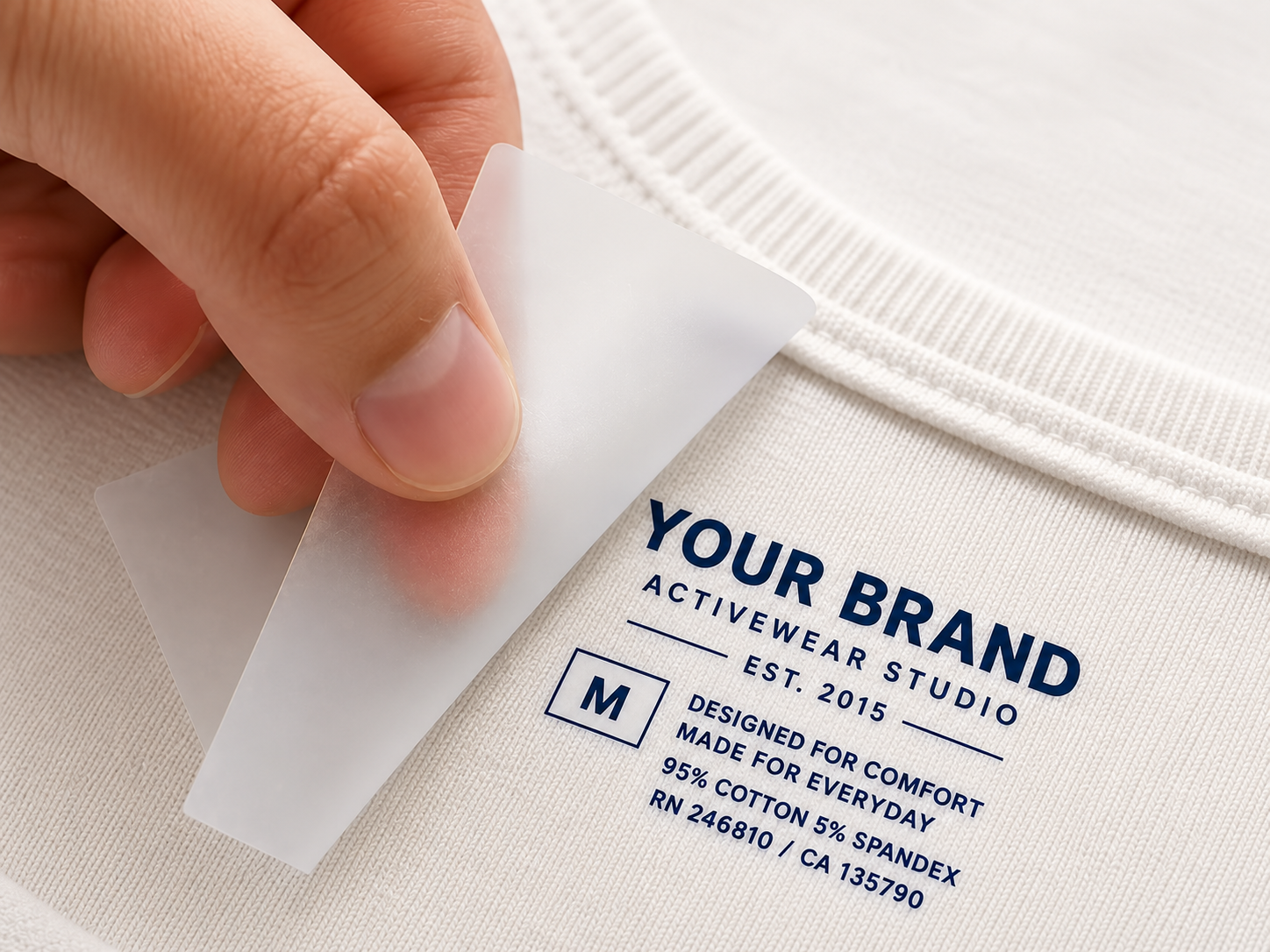
Heat-Transfer Branding
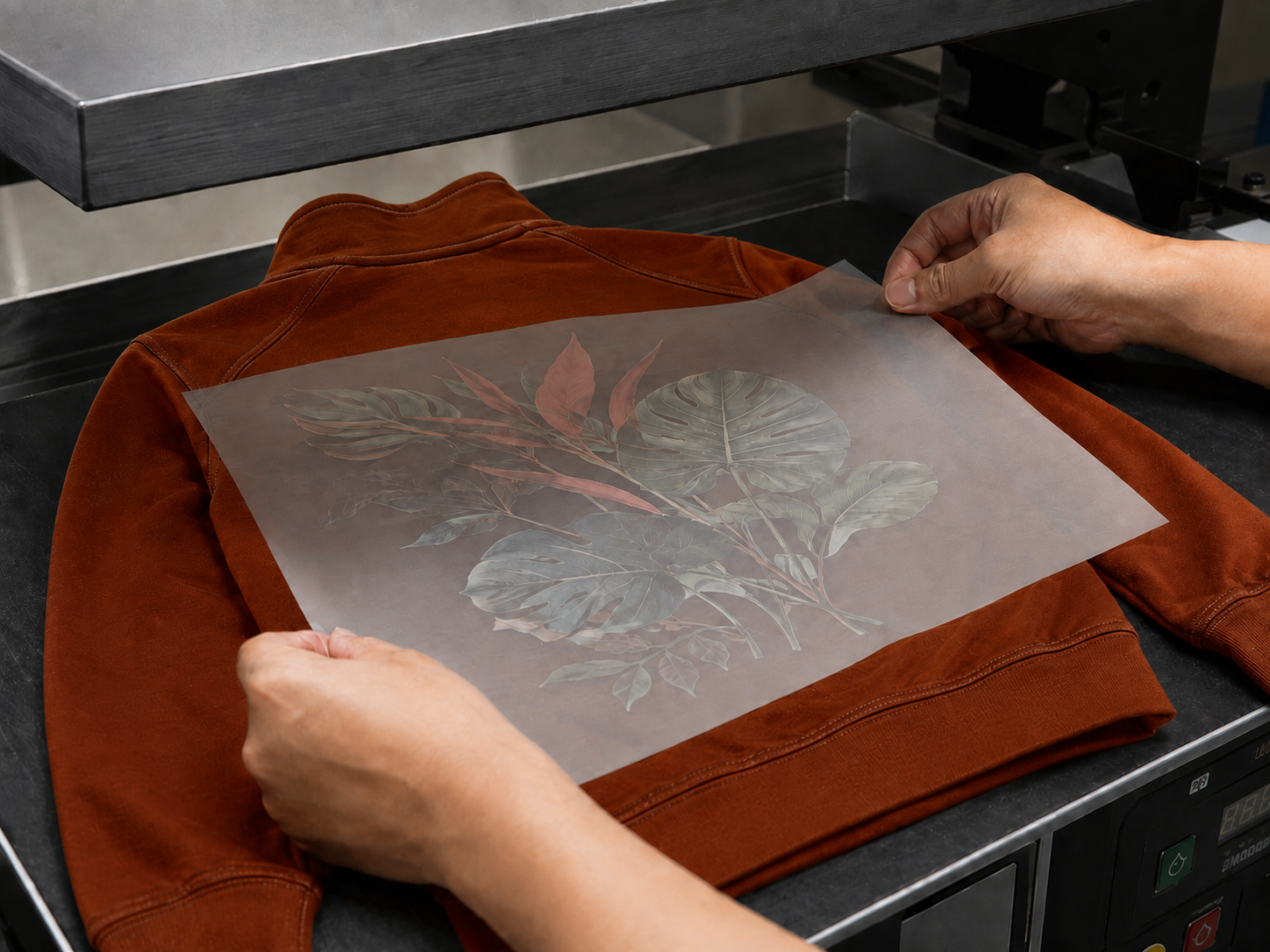
Heat-transfer applications can be evaluated for selected logos, internal labels or graphic details where the fabric and construction are compatible. Artwork size, color, placement, transfer material, temperature and pressure all influence the result. A transfer suitable for one fabric may not perform the same on another. Leadshow has confirmed heat-transfer labeling equipment, but wash durability or other performance claims should be established only through the relevant sample or testing requirements.
• Submit: vector artwork, dimensions, color reference and placement.
• Approve: transfer sample or complete garment before bulk use.
Heat-Press Graphics
Heat-press graphic applications can support selected logos, text and decorative elements. The method should be reviewed against fabric surface, thickness, stretch and heat sensitivity. Large graphics may behave differently from small chest marks, and seam lines or pockets can restrict placement. Confirmed heat-press resources do not mean every printing technique is carried out internally. Screen printing, embroidery, sublimation and other requested processes should be evaluated separately rather than assumed.
• Submit: artwork, dimensions, position and target appearance.
• Approve: color, edge quality, surface effect and garment interaction.
Main Brand Labels
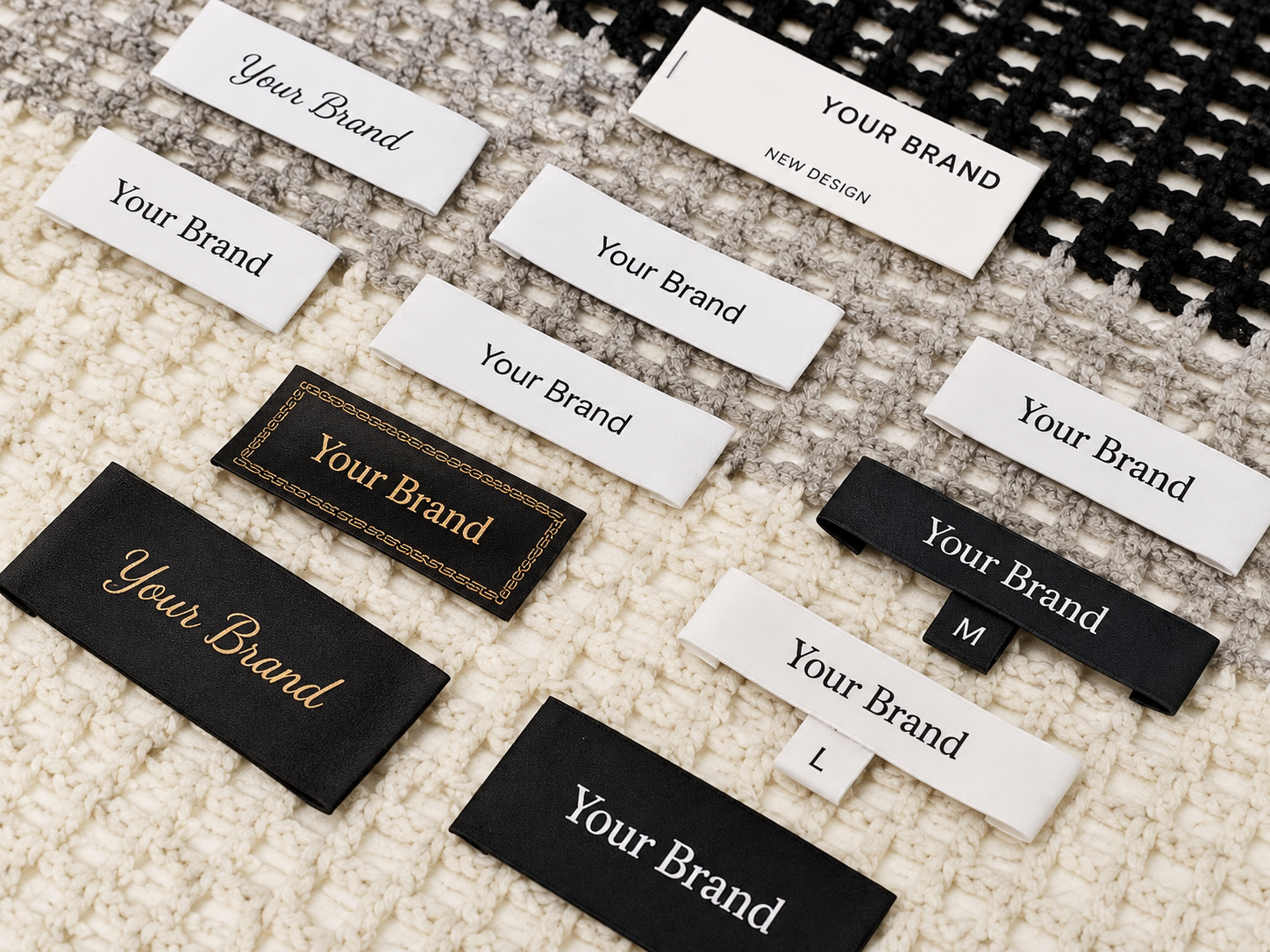
Main labels identify the brand and often sit at the neck, waistband or another approved position. Label dimensions, material, folding method, sewing position or heat-transfer method need to work with the garment structure and wearing comfort. For tracksuit sets, label logic should be consistent across jacket and pants while still meeting the approved product specification.
• Submit: label artwork, dimensions, material direction and placement.
• Confirm: whether each garment carries a label, whether the set shares one style code and how labels correspond to the sales model.
Care and Size Labels
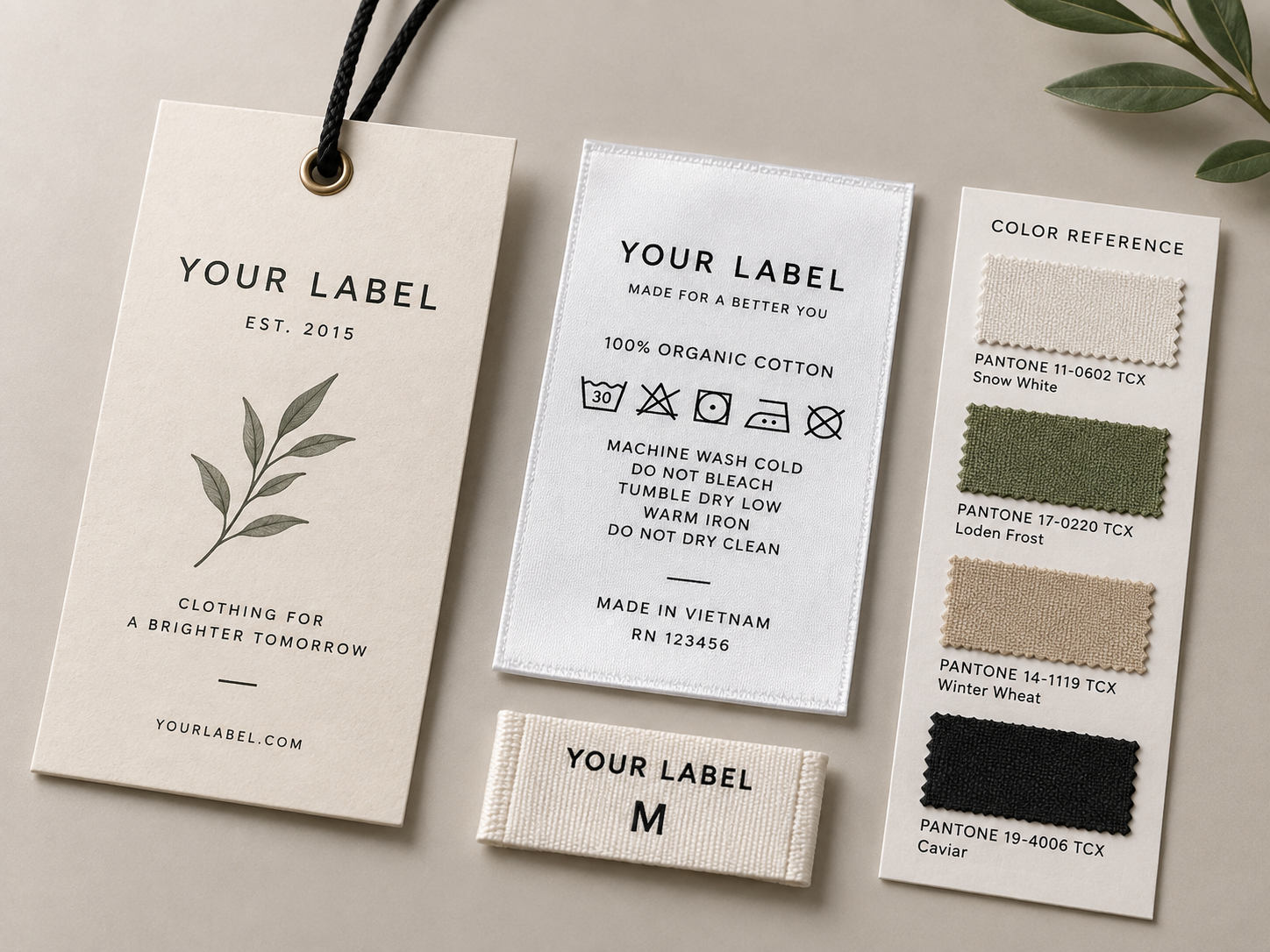
Care and size information must correspond to the actual materials, market requirements and approved size system. A tracksuit set can contain two garments, so label content and placement should be defined for the jacket and pants rather than assumed to be identical. Destination-market language, fiber information and care instructions should be supplied or reviewed for the specific program.
• Submit: approved label copy, size mapping, language and artwork.
• Verify: correct label on correct style, color and size before packing.
Hangtags and Identity
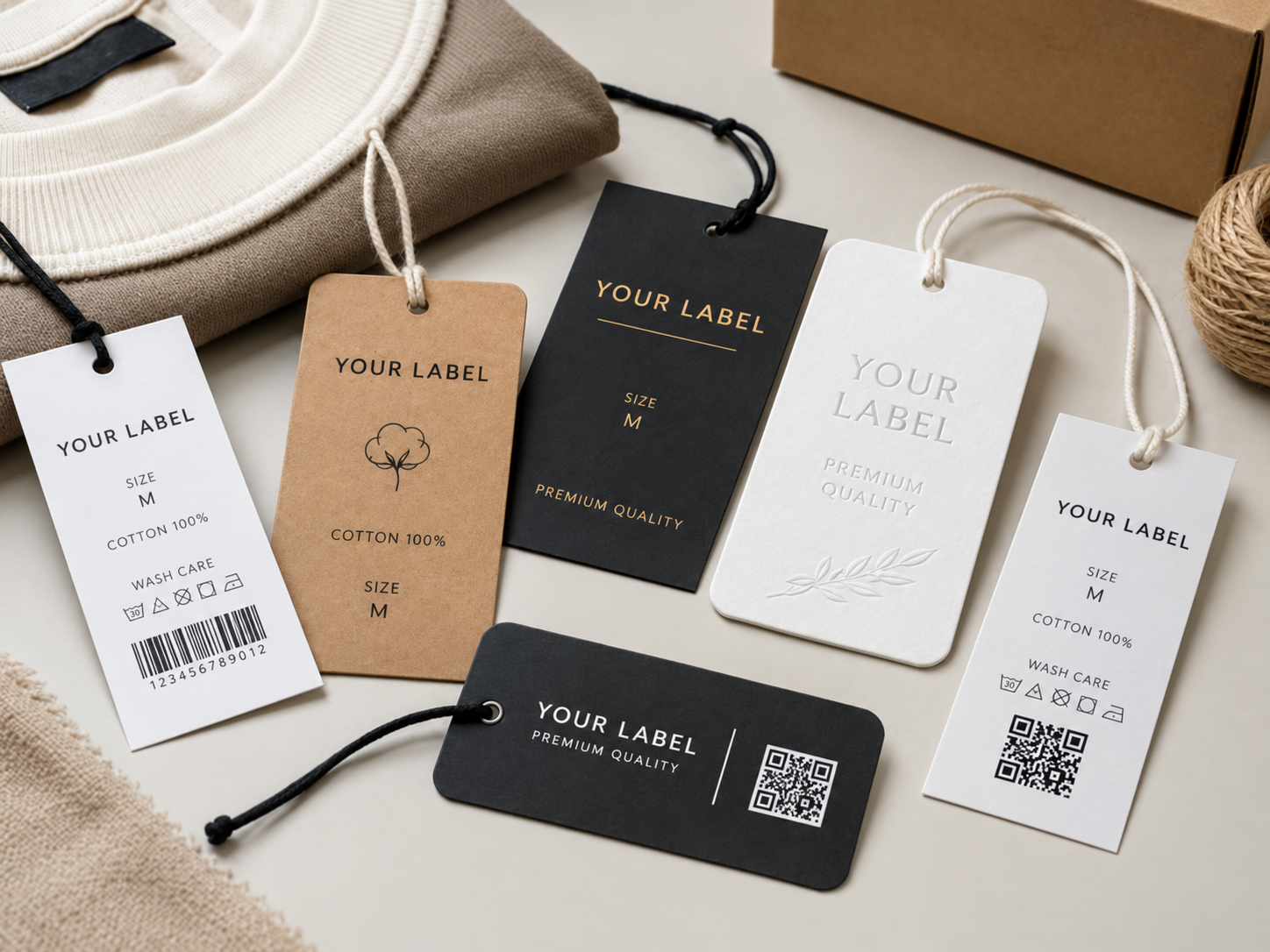
Hangtags and related brand identity items can be coordinated according to the private-label specification. Size, color, print information, barcode needs, attachment method and style association should be defined before bulk release. Hangtags are especially important in multi-color and multi-size programs because the wrong tag can make an otherwise correct garment unsellable.
• Submit: artwork, print files, barcode data if applicable and attachment instructions.
• Verify: version, style, color, size and placement during packing checks.
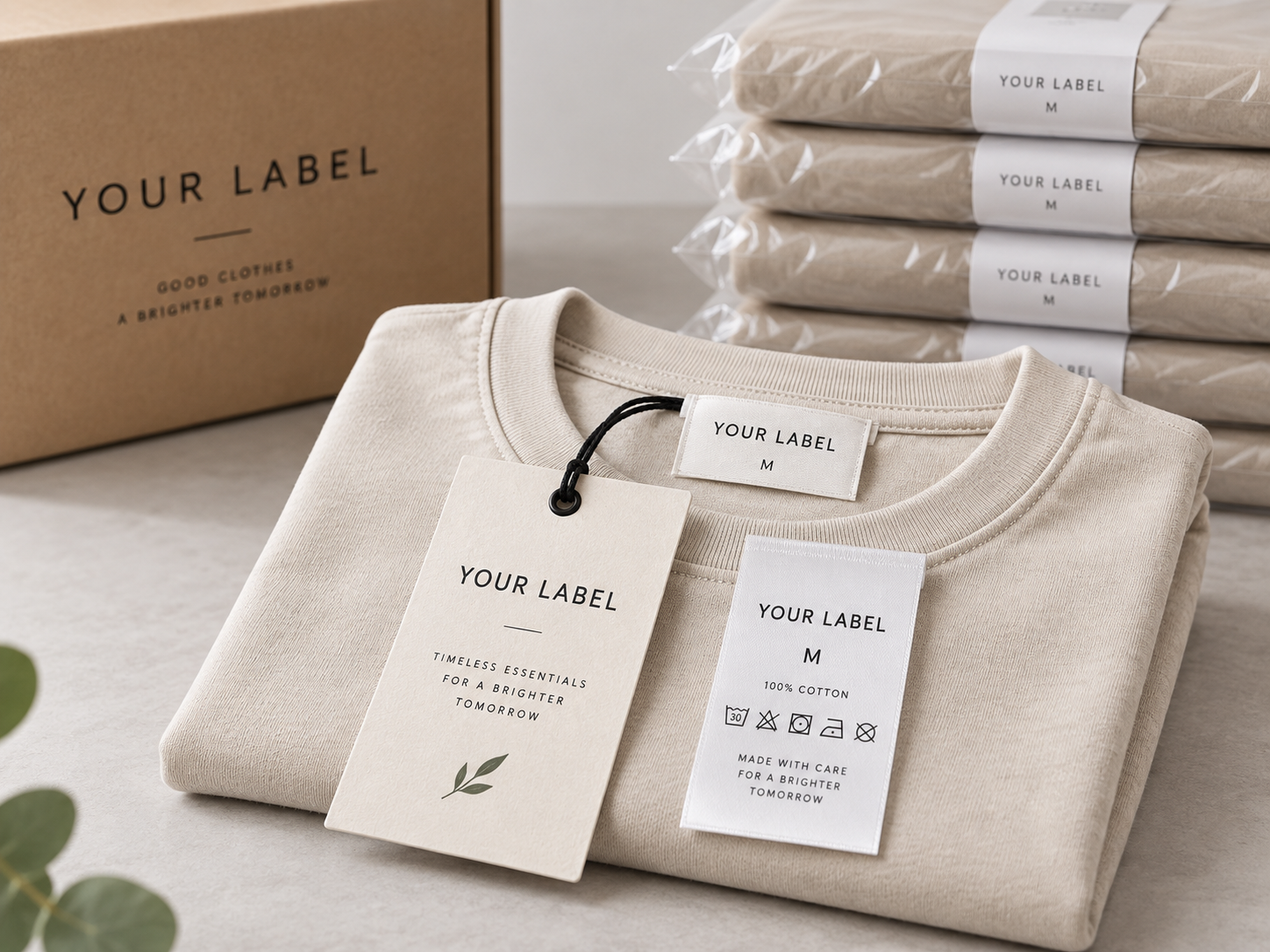
Branded Packaging
Packaging should protect the tracksuit, keep the set complete and carry the correct identity for the intended sales channel. One-set-per-pack programs need clear jacket-and-pants pairing, while separately sold garments require independent identification. Polybag, project-specified packaging, labels, barcodes, inserts and carton marks can be coordinated according to approved instructions.
• Submit: packing method, pack ratio, barcode/SKU data and carton marking rules.
• Verify: set completeness, label match, folded presentation and carton information before shipment.
Sampling and Approval Before Tracksuit Bulk Production
Sampling converts design intent into measurable production references. Leadshow can support project-based sample development and revisions, with timing confirmed only after product details, material conditions and the required approval route are reviewed.
From Project Files to First Sample
Sampling begins with the most reliable input available: Tech Pack, measurement chart, pattern, reference image, reference garment or physical sample. The review should identify missing construction details, material requirements, trim specifications, branding, size information and the intended sales model. Tracksuit projects need special attention to jacket-and-pants coordination, because the sample should verify the relationship between both pieces rather than treating them as unrelated garments. Once the construction and materials are workable, pattern preparation and sample making can move forward. The first sample is used to evaluate silhouette, measurements, seams, pockets, zipper behavior, rib or elastic response, logo placement and overall set balance. Material availability and custom development can affect timing. Leadshow therefore does not publish one fixed sample lead time for every tracksuit. A realistic sample schedule is confirmed after reviewing material availability, construction complexity, branding requirements and the project’s required sample stage.

Revision, Approval and Production Handover
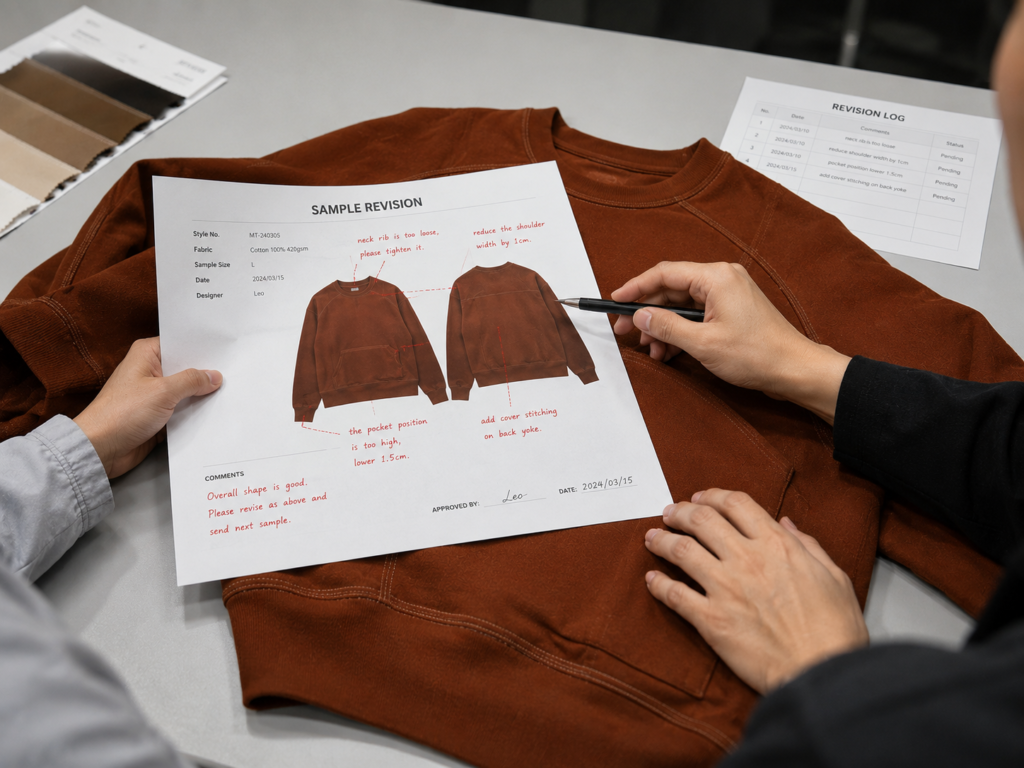
Sample feedback should be specific and version-controlled. Measurement changes, construction adjustments, material substitutions, trim revisions and artwork updates need to be recorded against the current sample version. Some programs may require more than one development sample, a fit sample, a size set or a pre-production reference before bulk release; the required route depends on brand standards and product complexity. Once the approved sample and supporting specifications are frozen, production teams need the correct pattern, measurement standard, material and trim references, branding files, packing instructions and approval notes. Leadshow supports the transition from approved samples to bulk requirements, but approval does not eliminate the need for production checks. Material batches, sewing execution, measurements, labels and set packing still require relevant controls during manufacturing. Production timing is confirmed after sample approval, material readiness and current scheduling are reviewed.
Leadshow Manufacturing Facts Relevant to Tracksuit Programs
Leadshow combines product development, sampling and manufacturing resources for sportswear and streetwear projects. The figures below are current company-level facts. Combined figures are not single-factory, single-line or tracksuit-only capacity claims.
Capability
Confirmed Fact
Use Boundary
Industry experience
15 years
Apparel development and manufacturing experience; not a founding-year claim
Manufacturing bases
3 modern manufacturing bases
Company-wide manufacturing network; base addresses are not publicly assigned in current fact records
Combined facilities
More than 20,000 m²
Combined factory area across the manufacturing system
Team scale
More than 1,500 people
Company-wide team across business, development, production, quality, warehousing and support functions
Production & finishing equipment
304 machines
Confirmed combined equipment count; not 304 production lines
Combined monthly capacity
Up to approximately 120,000 finished garments
Subject to product construction, materials, processes, order mix, quality requirements and current scheduling
Standard MOQ
Generally starts from 100 pcs per color per design
Final MOQ depends on fabric, trims, construction, branding, packaging, testing and production conditions
Export regions
Europe, North America, South America and Oceania
Confirmed regional scope; individual countries are not inferred from the regional list
Manufacturing Equipment Supporting Tracksuit Construction and Finishing
Tracksuit production uses a combination of fabric preparation, cutting, sewing and reinforcement equipment. The counts below come from Leadshow’s confirmed company equipment inventory and represent combined resources rather than tracksuit-dedicated lines.
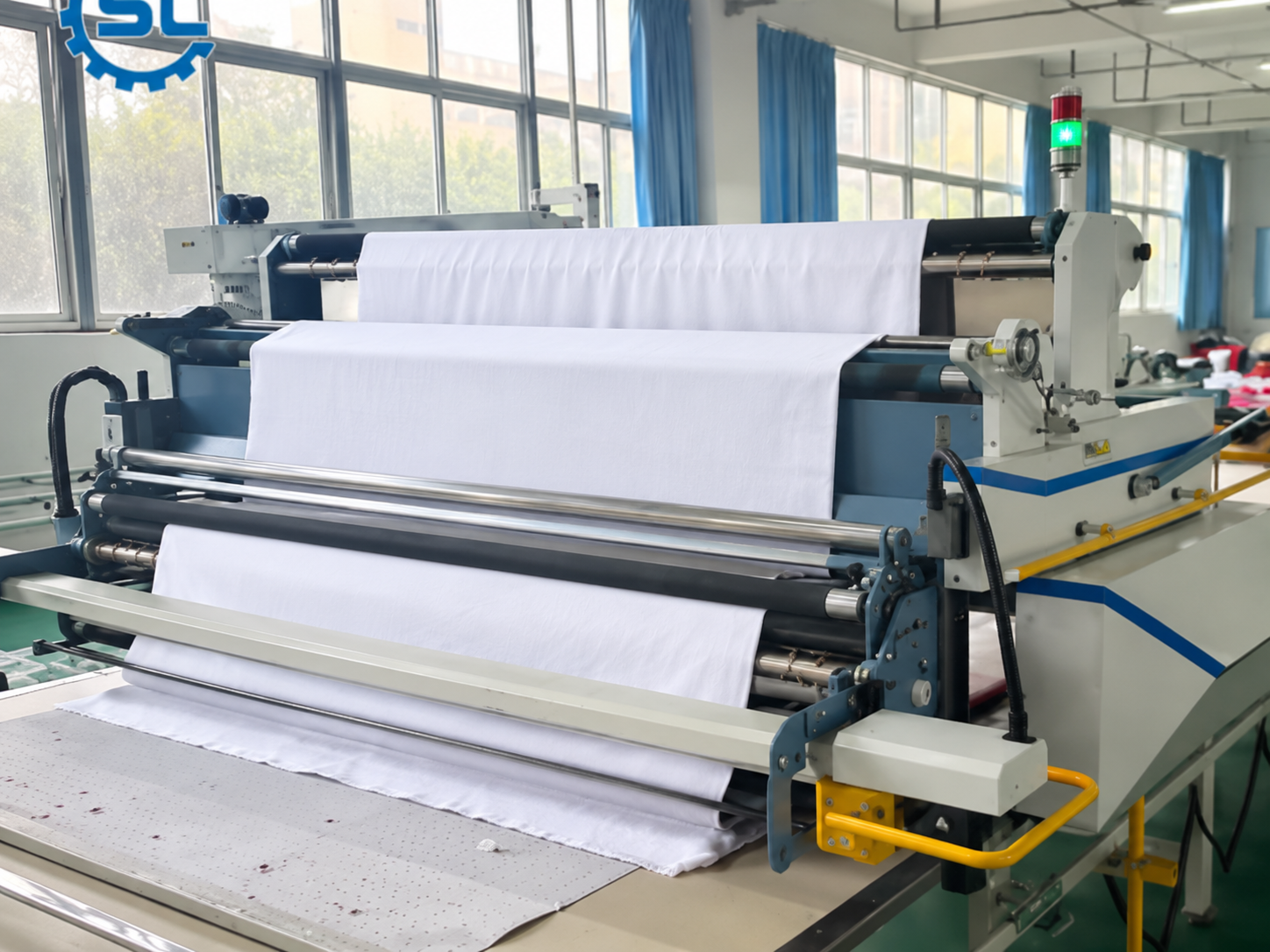
5 Automatic Spreaders
Five automatic fabric spreading machines support batch fabric preparation before cutting where the material is suitable for automated spreading. Their value is more consistent lay preparation across size and color plans, but fabric elasticity, surface, direction and order quantity can require adjustments. Automated spreading is not presented as suitable for every fabric.
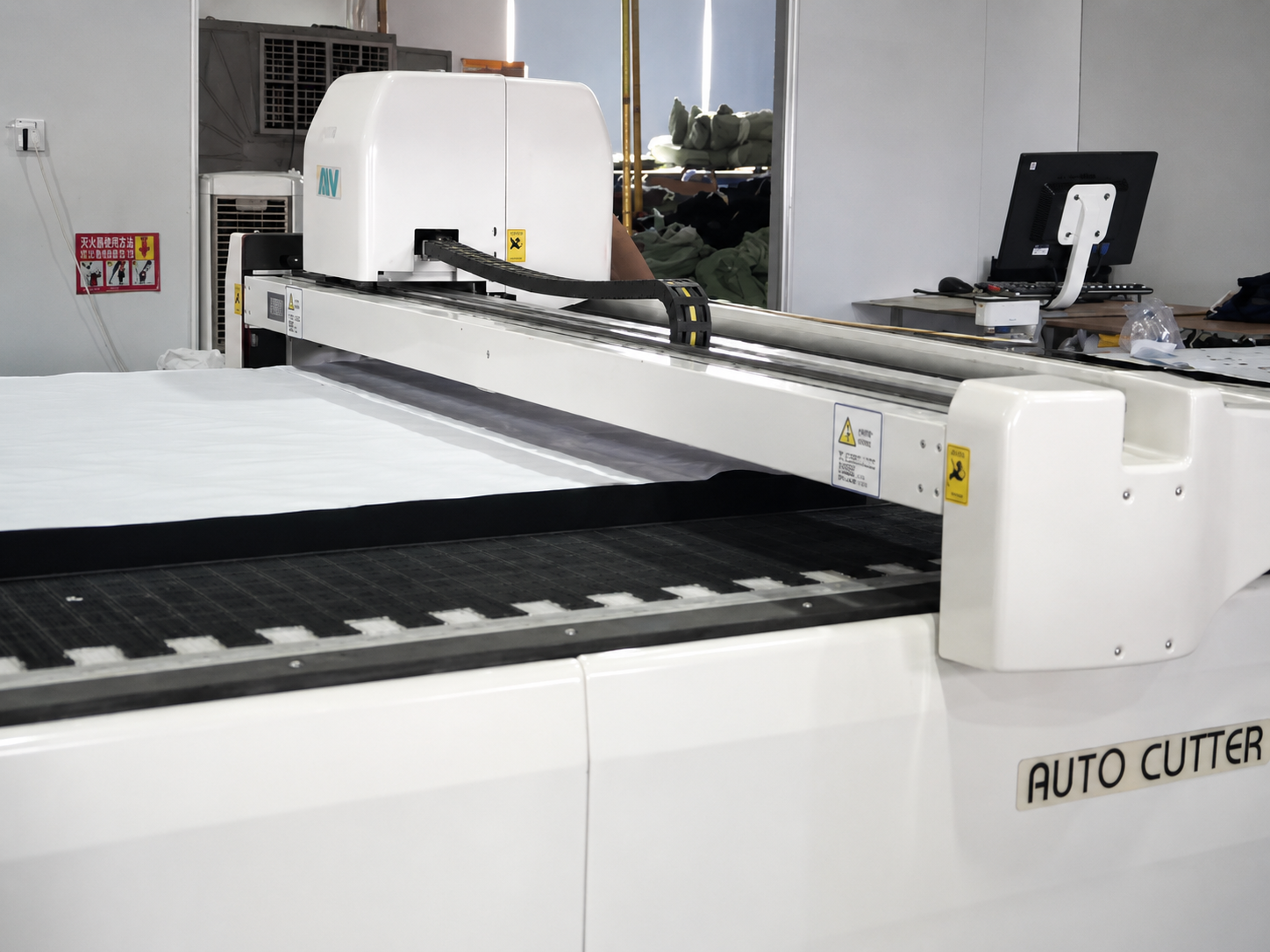
3 Automatic Cutters
Three automatic computerized cutting machines support bulk cutting based on approved patterns and marker plans. Automated cutting can improve repeatability and support multi-size production, but no zero-error or fixed utilization claim is made. Complex, unstable or small-volume materials may still require other cutting methods or process adjustments.
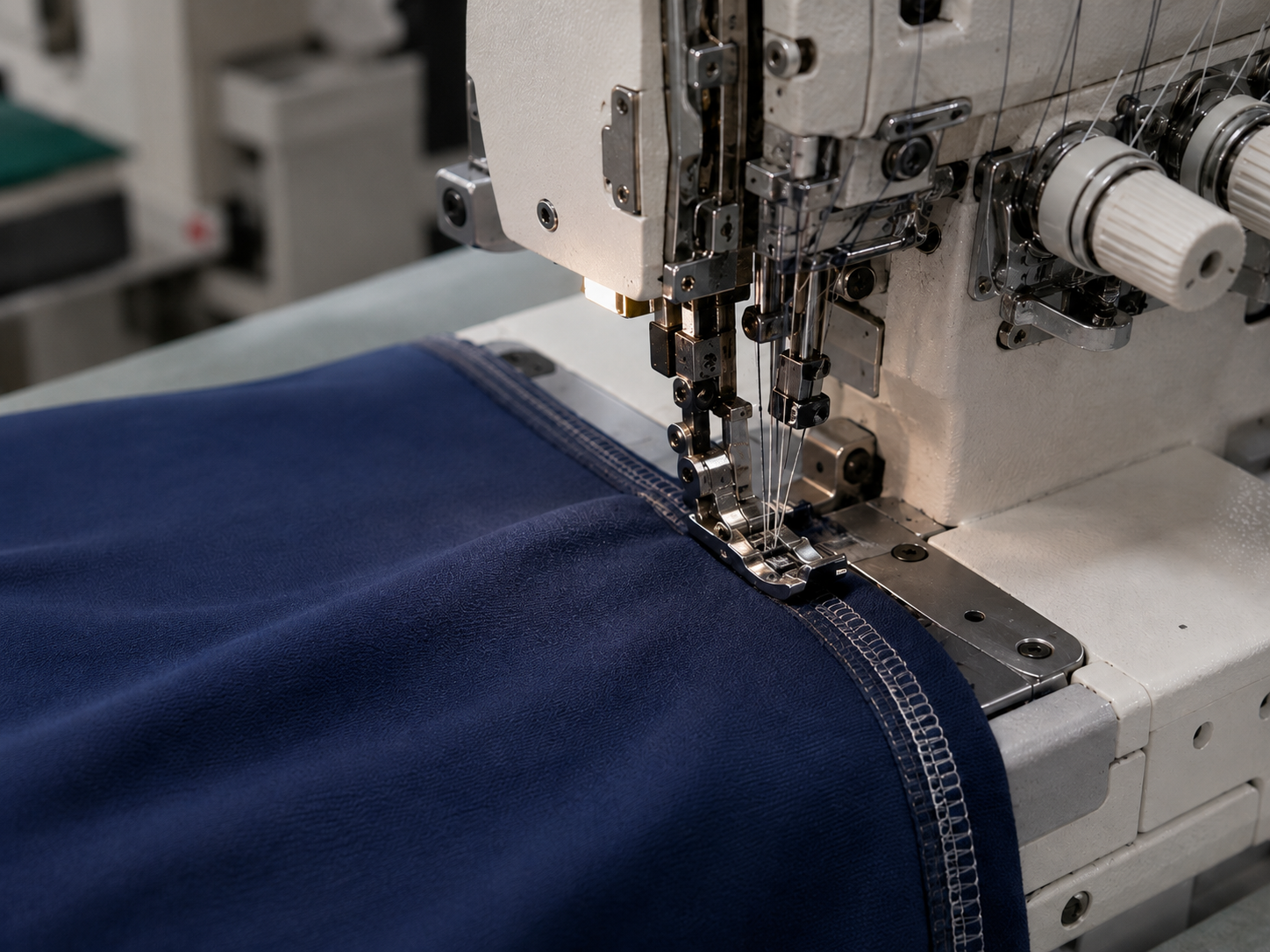
80 Lockstitch Machines
Eighty computerized direct-drive lockstitch machines form part of the core sewing base for structural assembly, straight seams, topstitching, label attachment and other tracksuit operations. The exact sewing route depends on the approved garment design. Equipment count does not represent a fixed number of lines or a guaranteed hourly output.
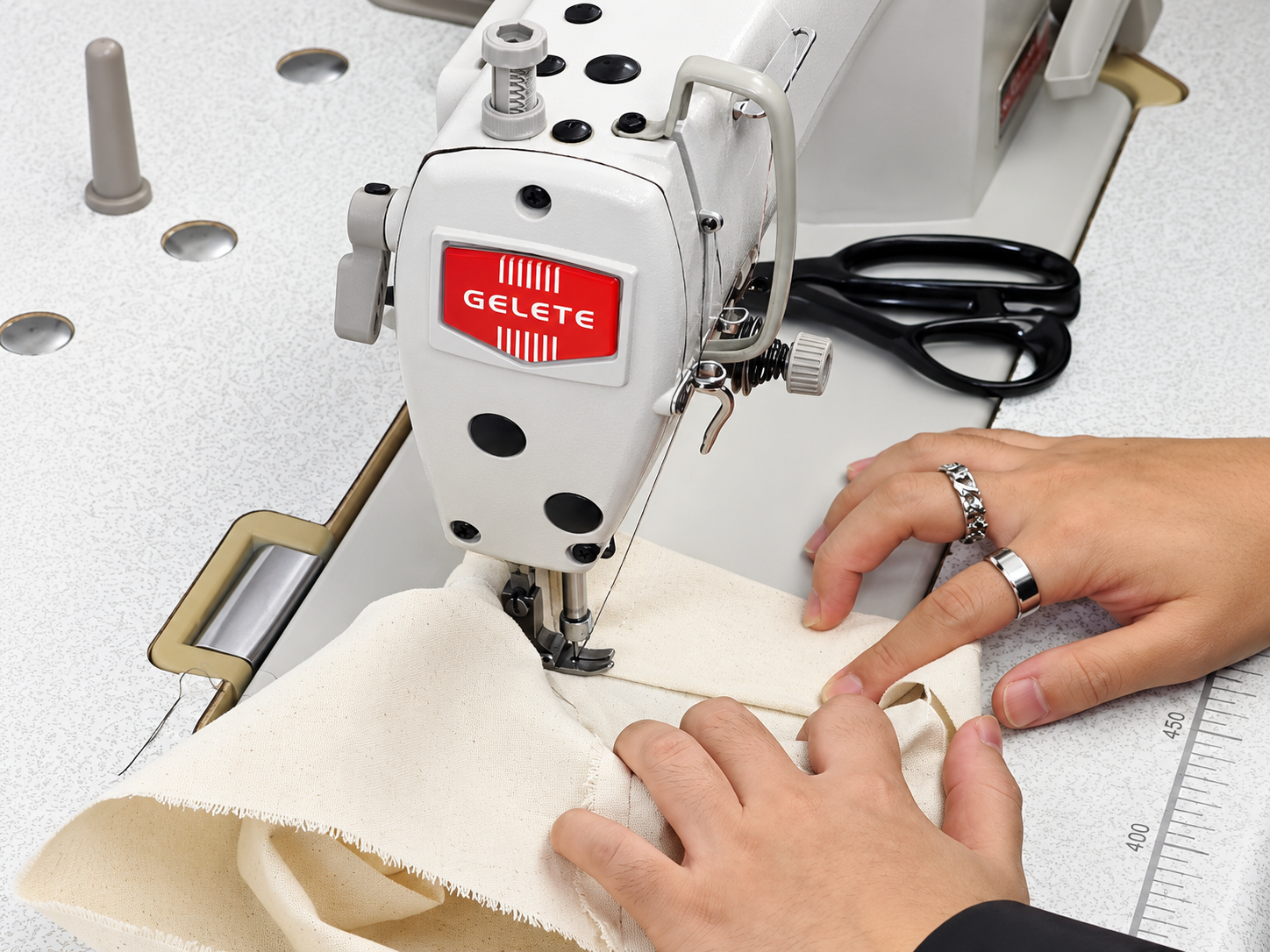
65 Overlock Machines
Leadshow has 25 four-thread high-speed overlock machines and 40 five-thread overlock machines. These resources can support knit, elastic and general apparel seam finishing according to product construction. Tracksuits are among the confirmed applications. Seam strength and durability remain dependent on material, stitch specification and product requirements rather than machine name alone.
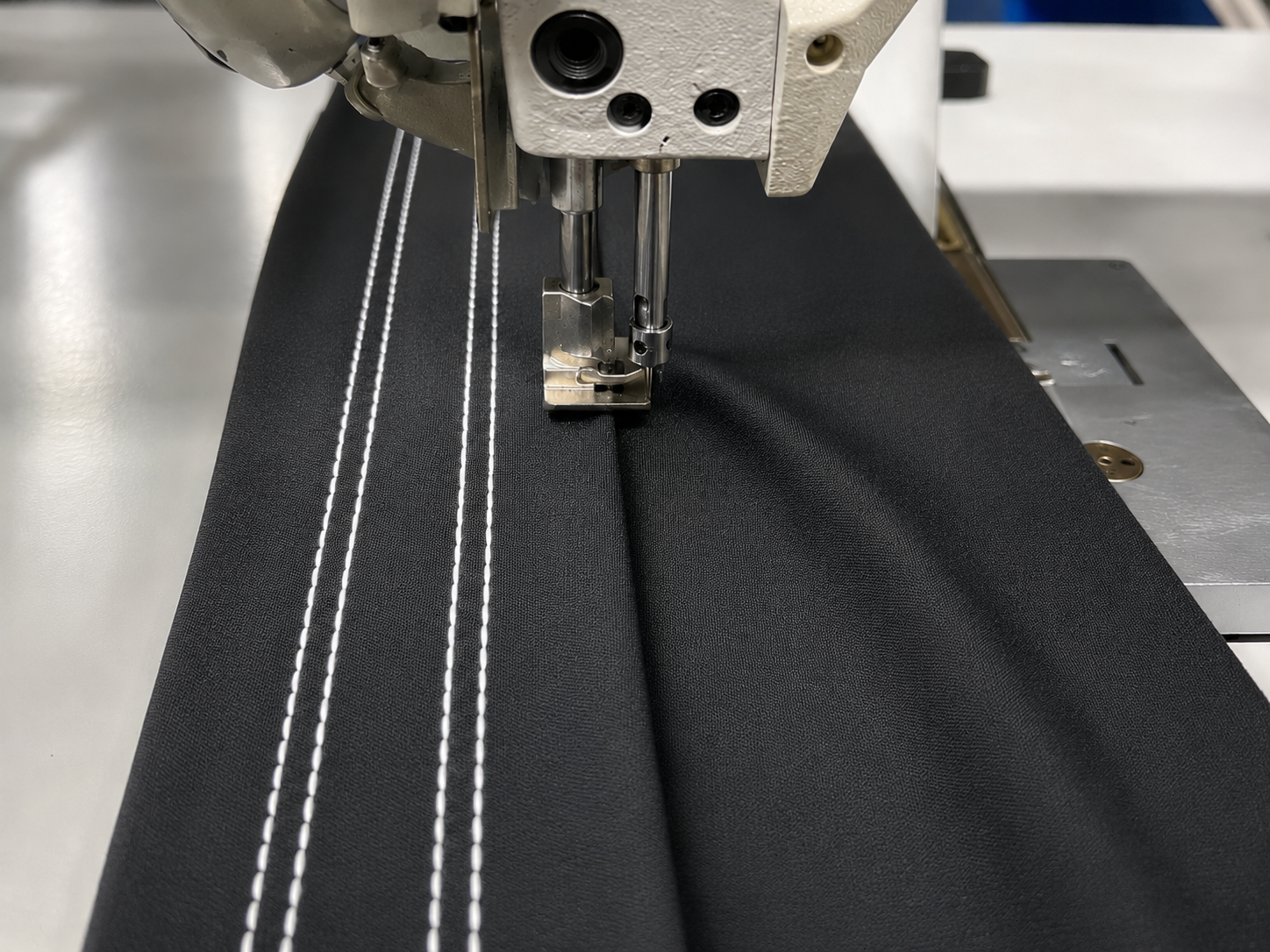
15 Double-Needle Machines
Fifteen double-needle sewing machines support selected parallel topstitching, hems, structural decoration and reinforcement. Tracksuit jackets and pants may use double-needle details where the approved construction calls for them. Needle spacing, thread, fabric thickness and seam allowance must match the design; double-needle sewing is not automatically described as flatlock.
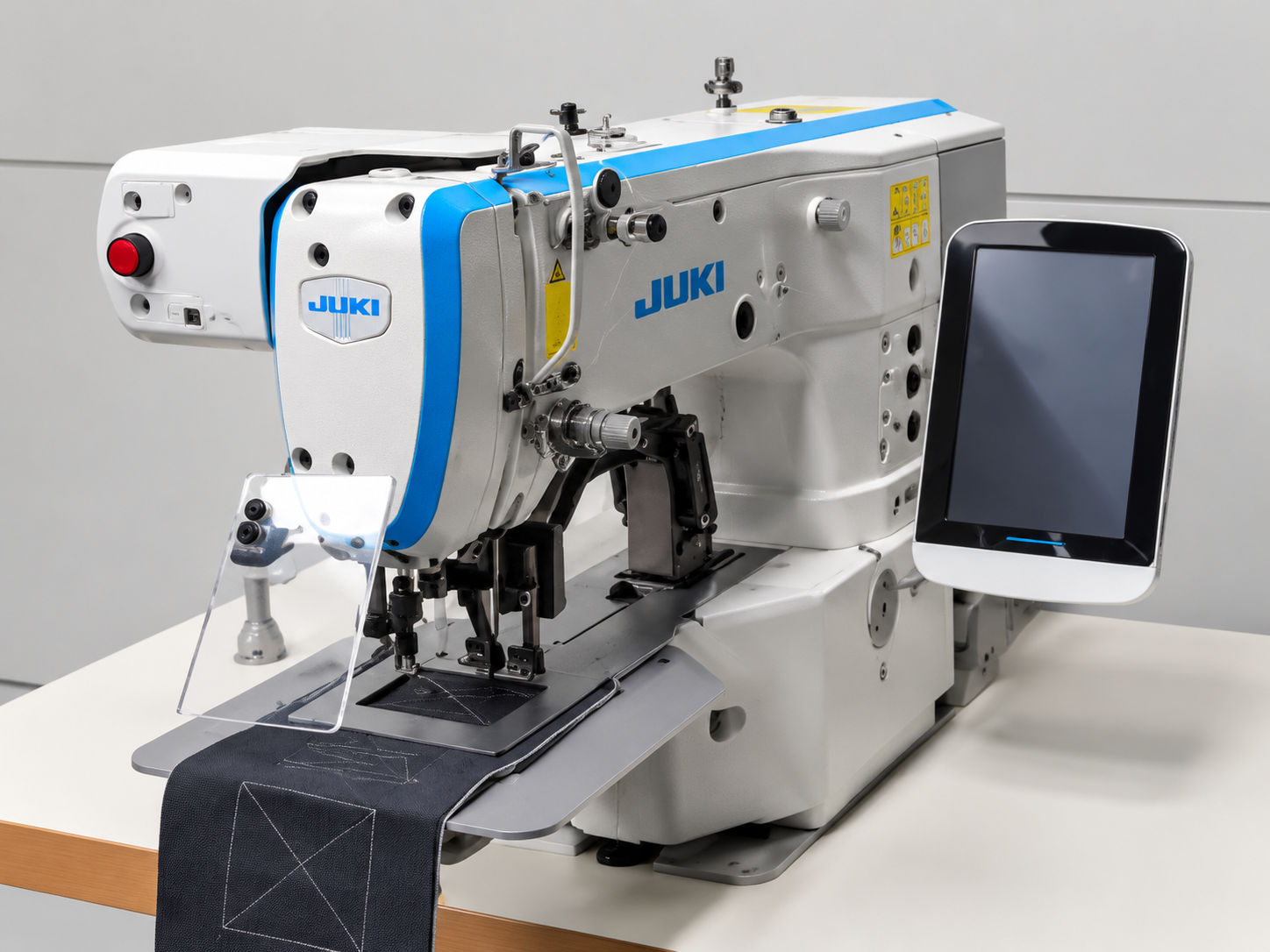
6 Bartack Machines
Six bartack machines support local reinforcement at high-stress points such as pocket openings, zipper ends, drawcord areas and other selected locations. Tracksuit pocket and zipper structures can benefit from targeted reinforcement when specified. Bartacking improves local stability but does not replace product-level durability testing or justify an automatic strength claim for the whole garment.
Quality Control Focus for Tracksuit Bulk Production
Tracksuit quality is easier to manage when checks follow the product through materials, cutting, sewing, finished-garment review and packing. Leadshow’s quality team supports inspections according to project requirements rather than applying one fixed standard to every order.
Material, Cutting and Sewing Checks
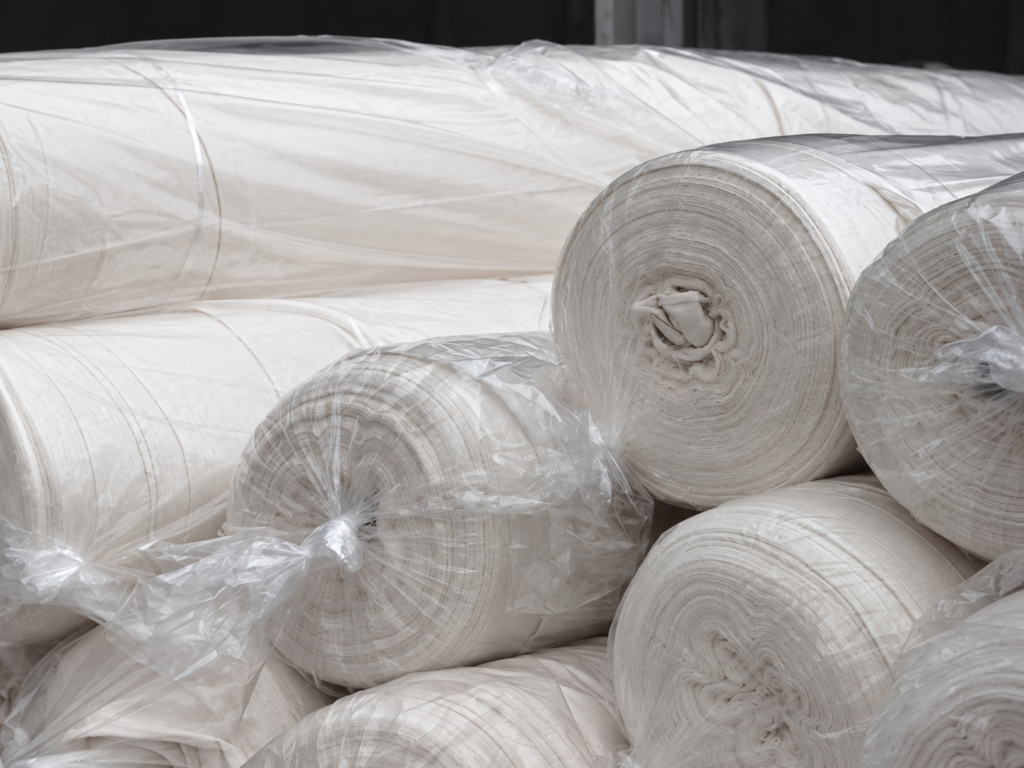
Quality starts before finished garments exist. Incoming fabric and trims may be checked for color, appearance, weight direction, width, batch condition and required project attributes. Shrinkage or stability checks can be included where the specification calls for them. Before and during cutting, fabric direction, pattern version and cut-part dimensions need to match the approved production information. Sewing checks focus on the actual tracksuit structure: seams, topstitching, zipper installation, pockets, cuffs, rib, waist construction, bartack positions and other defined details. Early inspection is valuable because a repeated construction error becomes more expensive after large quantities are completed. The approved sample, measurement chart, artwork and trim references should therefore be accessible to the relevant production and quality functions. Any major material or construction change should be reviewed rather than silently substituted during bulk manufacturing.
Finished Set, Branding and Packing Checks
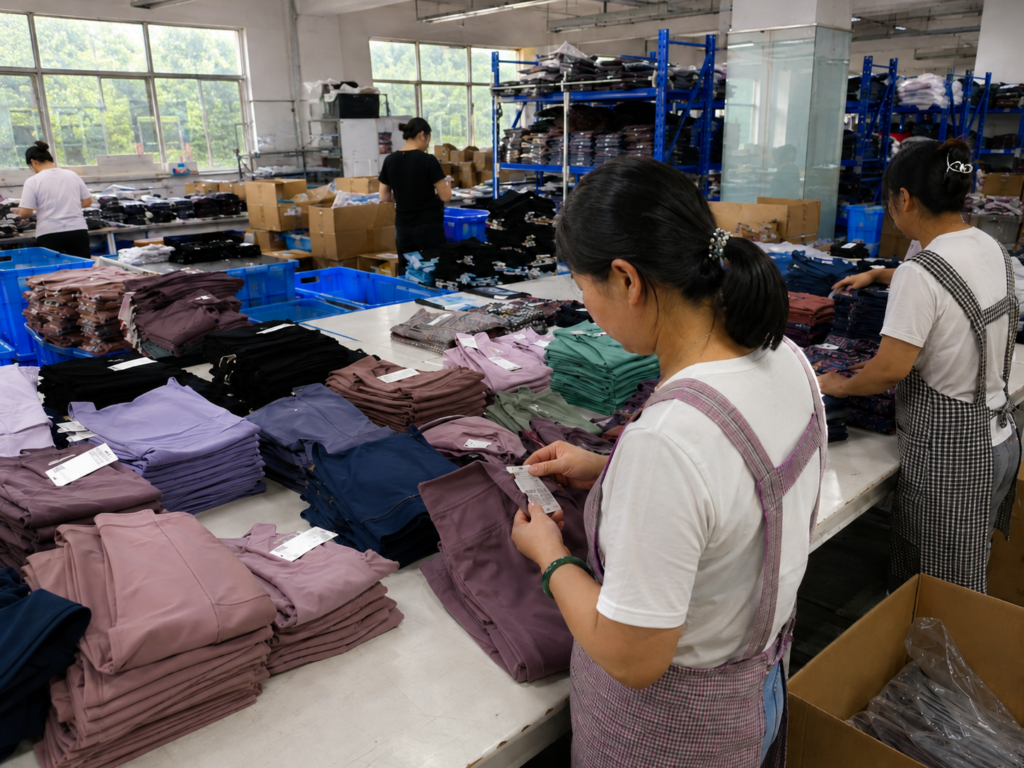
Finished tracksuits need both garment-level and set-level review. Measurements are checked against the approved specification and allowable tolerance. Appearance review can cover symmetry, seam quality, pocket position, zipper behavior, rib condition, stains, damage and the general relationship between jacket and pants. Logo position, heat-transfer appearance, labels, size identification and care information should match the approved files. Set packing adds another layer: the correct jacket and pants must be paired, the size combination must match the order, and the correct SKU or barcode information must follow the finished set. Carton quantity and marking should be checked against packing instructions. Inspection sampling, third-party requirements and any special testing are agreed for the individual program. Leadshow does not claim zero defects, universal 100% inspection or one fixed AQL for every order.
Sample-to-Bulk Control Points for Coordinated Tracksuit Sets
The approved sample is only useful when its key decisions are translated into production controls. The matrix below shows the main references that should remain consistent when a tracksuit moves into bulk manufacturing.
Control Reference
Freeze Before Bulk
Risk Controlled
Approved garment sample
Overall silhouette, construction, pocket and trim appearance
Unauthorized changes after approval
Pattern / size chart
Measurements, grade rules and fit direction
Size drift and inconsistent proportions
Main fabric reference
Color, construction, weight direction, hand feel and approved batch conditions
Shade, drape or shrinkage differences
Rib / elastic
Color, width, stretch, recovery and finished dimensions
Loose cuffs, unstable hems or waist variation
Zipper / trims
Type, length, color, puller and placement
Functional or visual mismatch
Stitch / reinforcement
Seam type, topstitching and bartack locations
Weak points or appearance changes
Brand artwork
Logo file, dimensions, color and placement
Wrong branding or placement
Labels / sizes
Correct copy, size mapping and position
Mislabeling and retail issues
Set pairing
Correct jacket + pants size / color combination
Incomplete or mismatched sets
Packaging / carton
Pack method, SKU, barcode, carton quantity and marks
Packing errors and distribution delays
Tracksuit MOQ and Quotation Factors Explained Clearly
Leadshow’s standard MOQ generally starts from 100 pieces per color per design. The number is a starting condition, not a promise that every tracksuit can be produced at exactly 100 pieces. Materials, trims, colors, construction, branding and packaging can create higher minimums.
Factor
What Is Evaluated
Commercial Effect
Garment MOQ
Generally starts from 100 pcs per color per design
One design in three colors normally starts from 100 pcs for each color before project-specific review
Main fabric
Stock fabric, custom dyeing, mill MOQ, width and construction
Supplier fabric MOQ may exceed garment quantity
Rib / elastic
Custom color, structure, width and supplier minimum
Can create separate trim MOQ
Zippers / hardware
Custom color, length, puller or hardware finish
May require higher purchase quantity or longer sourcing
Branding
Artwork method, setup and quantity
Some methods have setup or supplier minimums
Labels / packaging
Custom labels, hangtags, bags, barcodes and cartons
Packaging suppliers may have separate minimums
Color count
Each color normally evaluated separately
More colors split the production quantity
Size mix
Distribution within the confirmed color quantity
Affects cutting, consumption and SKU management
Quality / testing
Brand standards, third-party testing or inspection
Can affect cost, sample route and timing
Production schedule
Current capacity and order complexity
MOQ does not automatically confirm lead time
Bulk Production and Multi-SKU Tracksuit Coordination
Growing tracksuit programs often expand from one approved set into several colors, sizes and related styles. Bulk execution becomes an information-management task as much as a sewing task, especially when every set needs correct branding and packing.
Build the Order Matrix Before Production
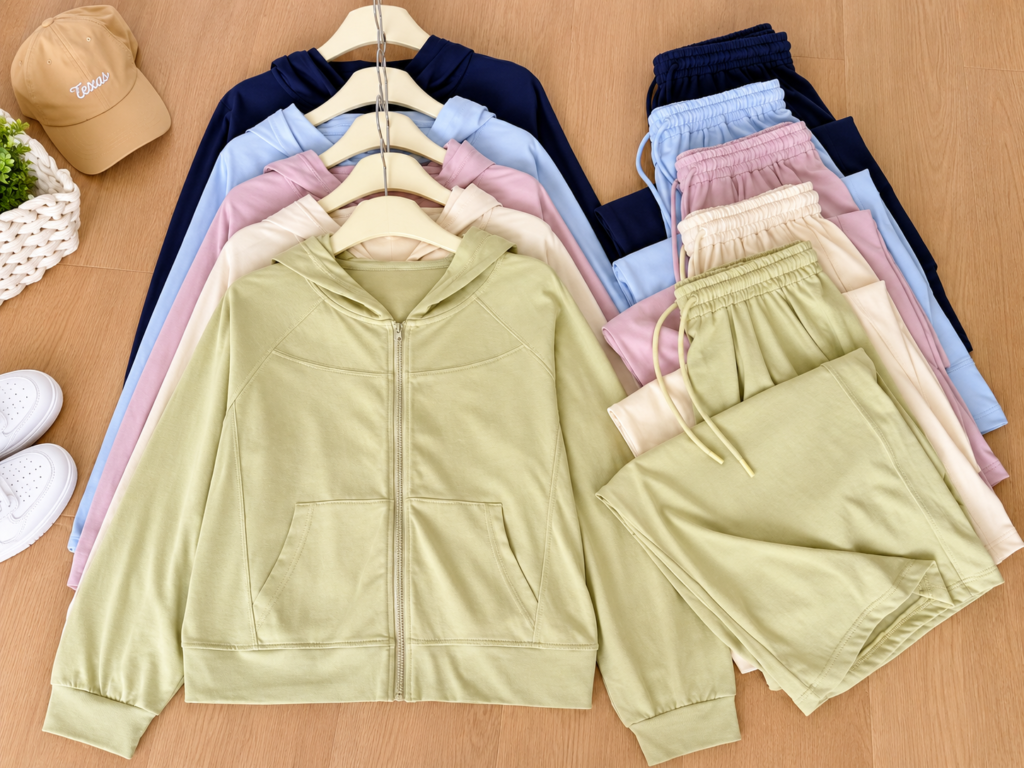
A bulk tracksuit order should be translated into a clear matrix covering design, color, size and quantity. If the jacket and pants are sold as one set, the matrix also needs the correct pairing rule and set SKU. When pieces are sold separately, each garment requires its own identification, quantity and packing instruction. Material and trim planning should reflect the final matrix because each color can require separate fabric, rib, zipper or branding preparation. Sharing approved materials across related styles may simplify sourcing, but shared components should be evaluated rather than assumed. Leadshow can coordinate multi-SKU production based on approved specifications, while the final production plan depends on order complexity, material readiness and current scheduling. The company’s combined monthly capacity can reach up to approximately 120,000 finished garments, but that figure represents overall capability and is not dedicated or instantly available to one tracksuit program.
Control Production, Packing and Reorders
During production, style and size identification should stay connected to cut parts, sewing instructions, branding files and packing rules. Key checkpoints can cover early production confirmation, measurements, seam execution, zipper and pocket details, labels, logo placement and final set completeness. Multi-SKU orders also need disciplined packing because a single wrong size label or mismatched jacket-and-pants combination can create a distribution problem even when the garments are otherwise acceptable. For repeat orders, previous terms should not be copied automatically. Fabric availability, trim stock, supplier conditions, production schedule and the latest product version need reconfirmation. Product files and approved references can support continuity, but current materials and order conditions still need review. Available capacity, MOQ and delivery timing are therefore confirmed for each repeat program rather than treated as permanent promises.
Private Label Packing for Complete Tracksuit Sets
Packing is part of product execution, especially when a tracksuit is sold as a complete set. Leadshow can coordinate labels, SKU information, folding, single-set packaging, carton preparation and shipment readiness according to approved brand files and packing instructions.
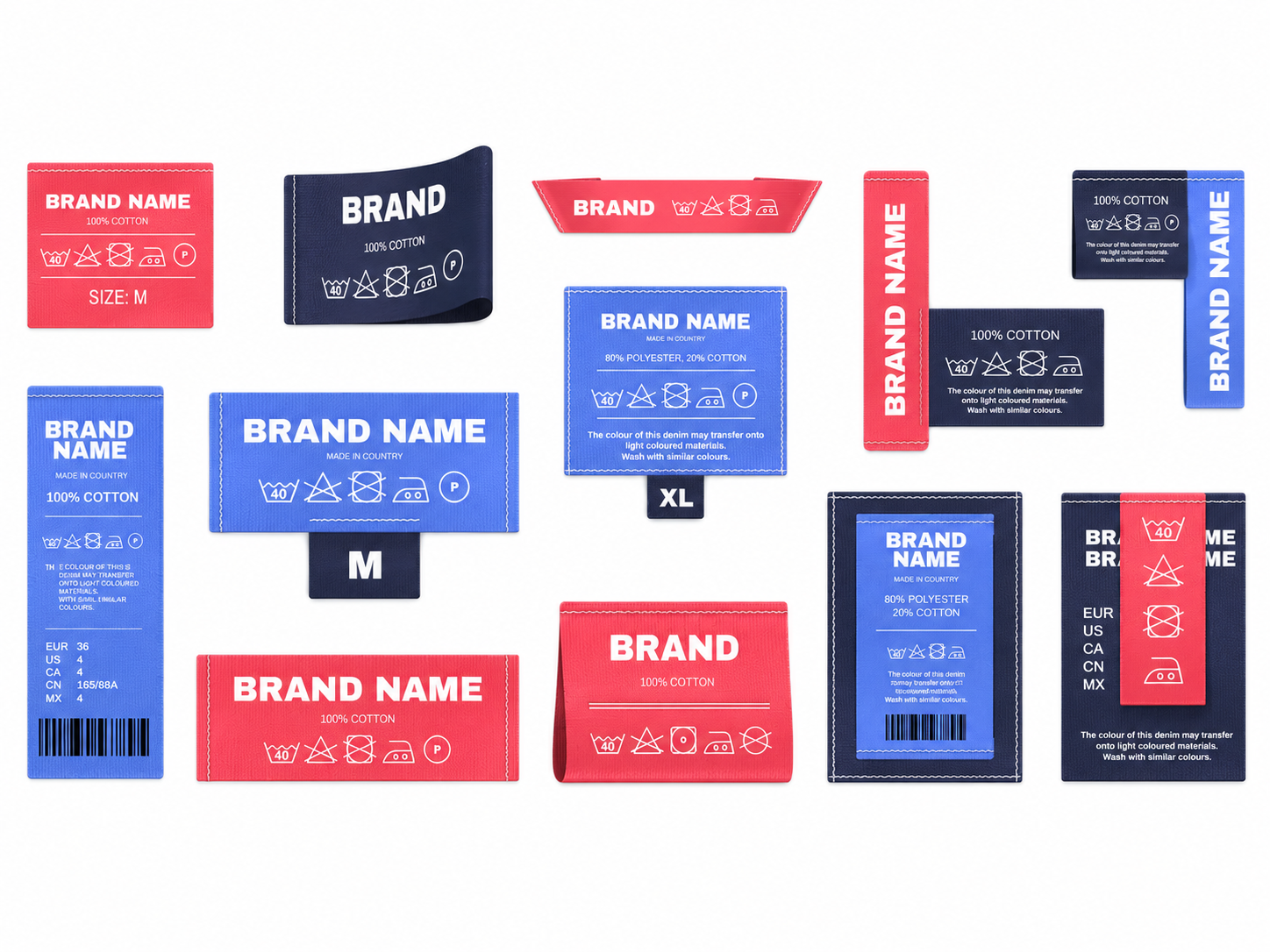
Main Brand Label
The main label should match the approved brand file, size and placement for the jacket, pants or both garments as defined by the program. Sewing or heat-transfer direction needs to suit the construction. A matched tracksuit set should use a consistent brand identity while still following the approved garment-specific instructions.
• Control: artwork version, dimensions, position and style association.
• Risk prevented: wrong logo, wrong label version or inconsistent placement between upper and lower garments.
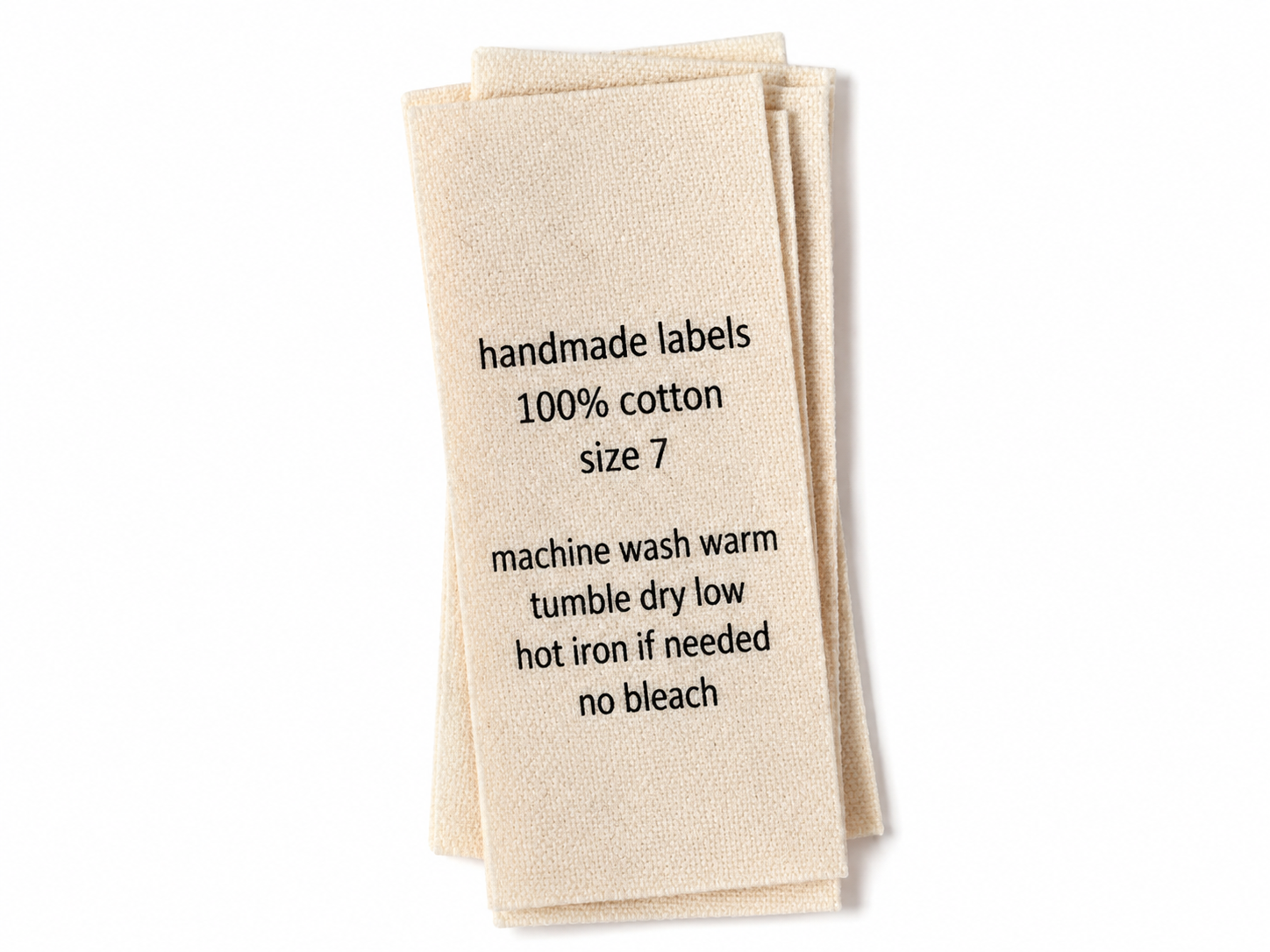
Care and Size Labels
Care and size labels connect the finished garments with the correct fiber, care, size and market information. Label copy should be supplied or approved for the destination market and final materials. For a set, jacket and pants may need separate labels even when sold under one SKU.
• Control: size mapping, language, garment association and placement.
• Risk prevented: mislabeled size, incorrect care information or mismatched set components.
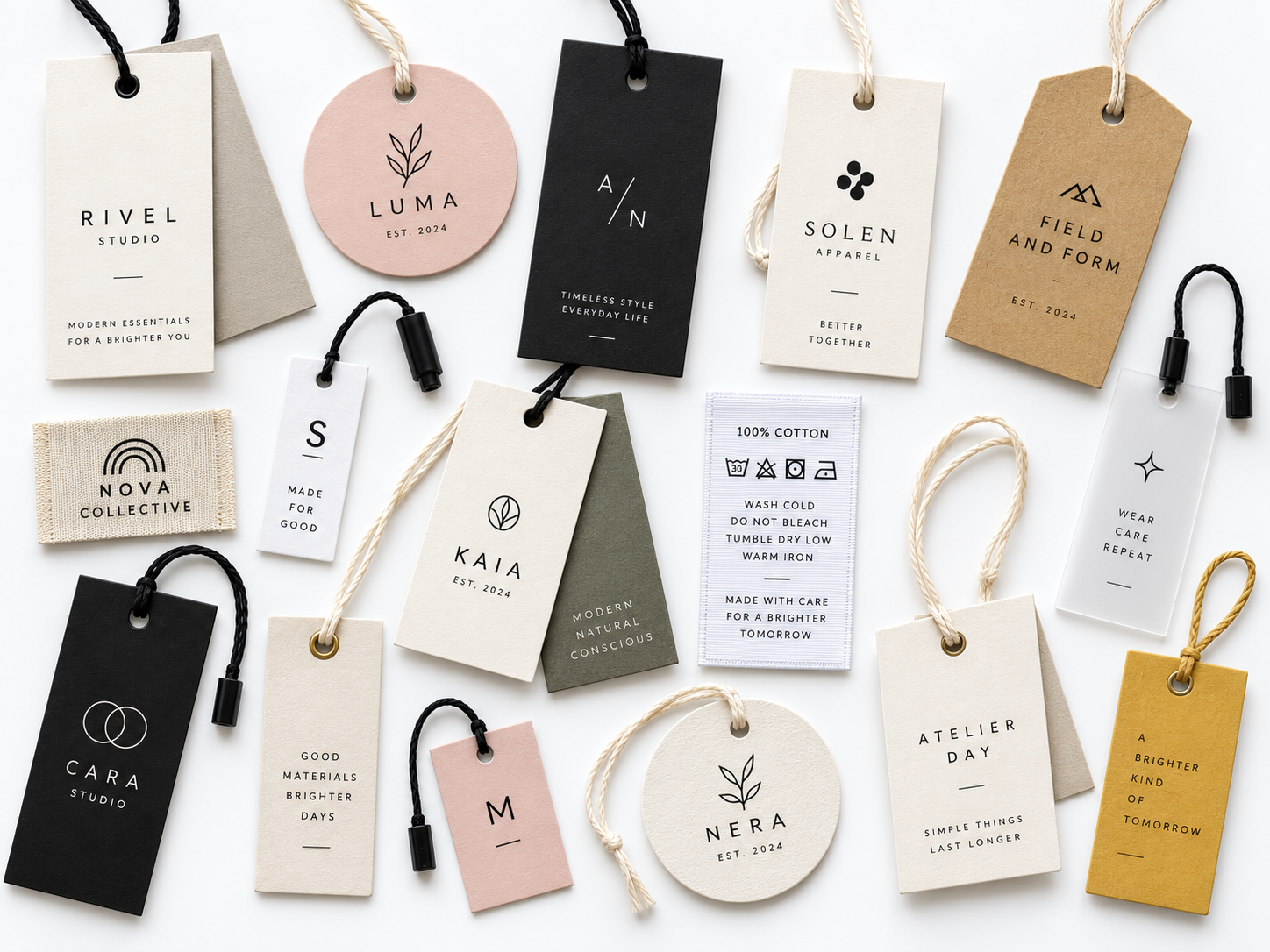
Hangtag Application
Hangtags can carry brand identity, size, style information, barcode data or other approved retail information. Attachment location and file version should be fixed before bulk packing. In a multi-color program, hangtag data needs to match the exact finished SKU.
• Control: artwork, barcode data, size/style reference and attachment method.
• Risk prevented: correct garment packed with the wrong retail identity.
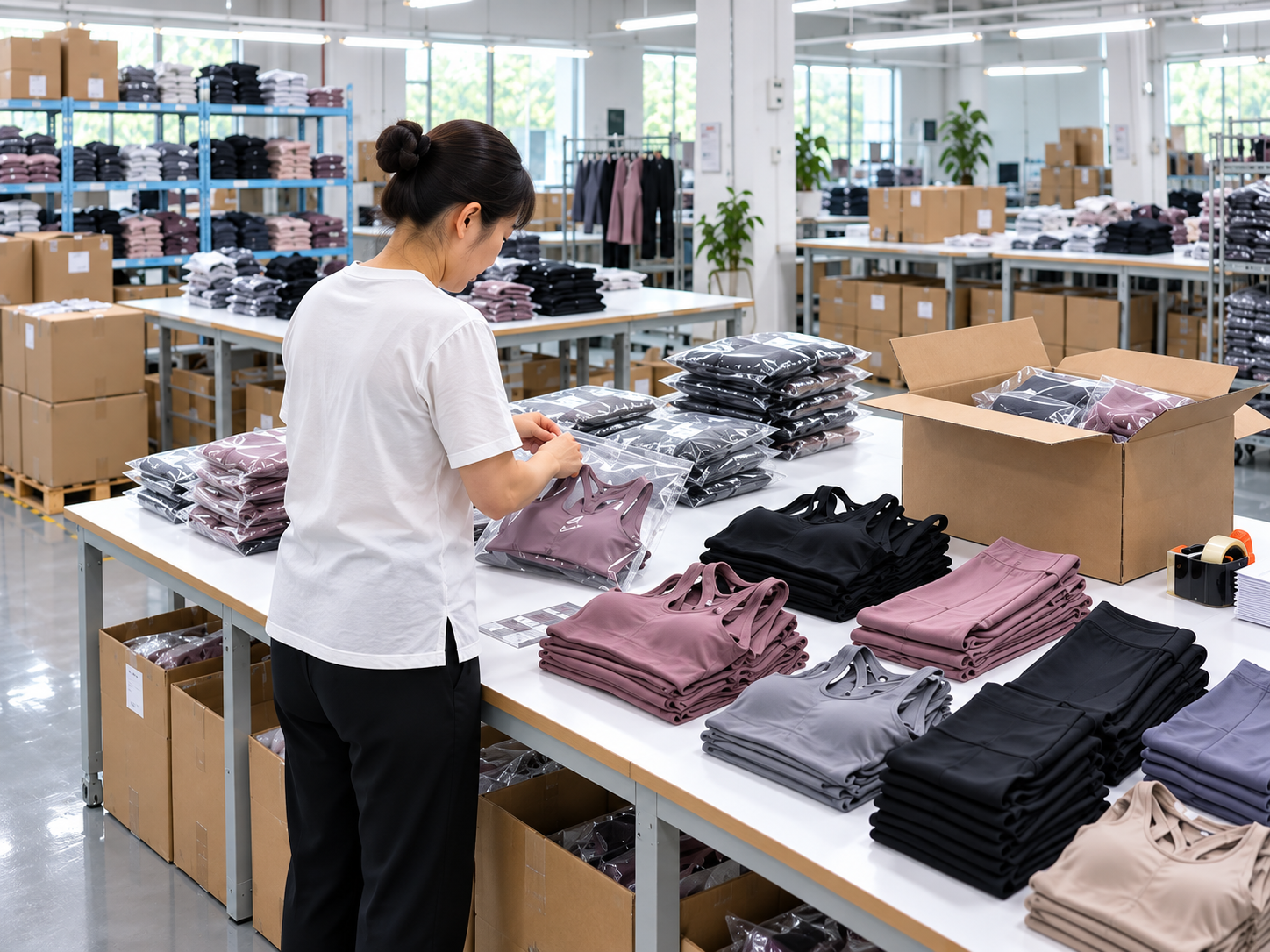
Set Completeness Check
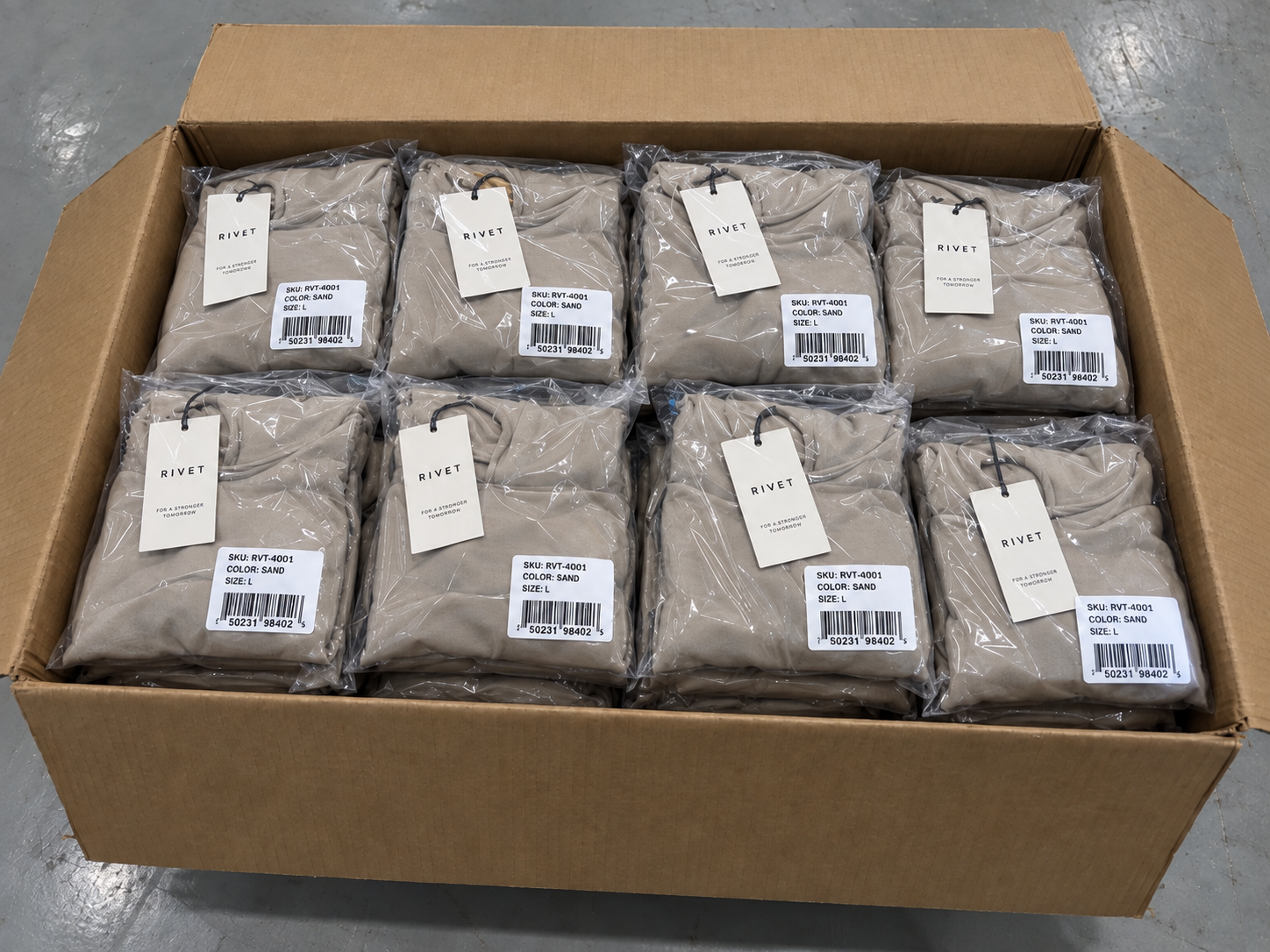
When one jacket and one pair of pants are sold together, the pack should contain the correct color, size and approved version of both pieces. A visual check alone may not be enough in a large SKU program; packing instructions should define the pairing rule and how each set is identified.
• Control: jacket-pants pairing, count and set SKU.
• Risk prevented: missing component, mixed size or mixed color inside one pack.
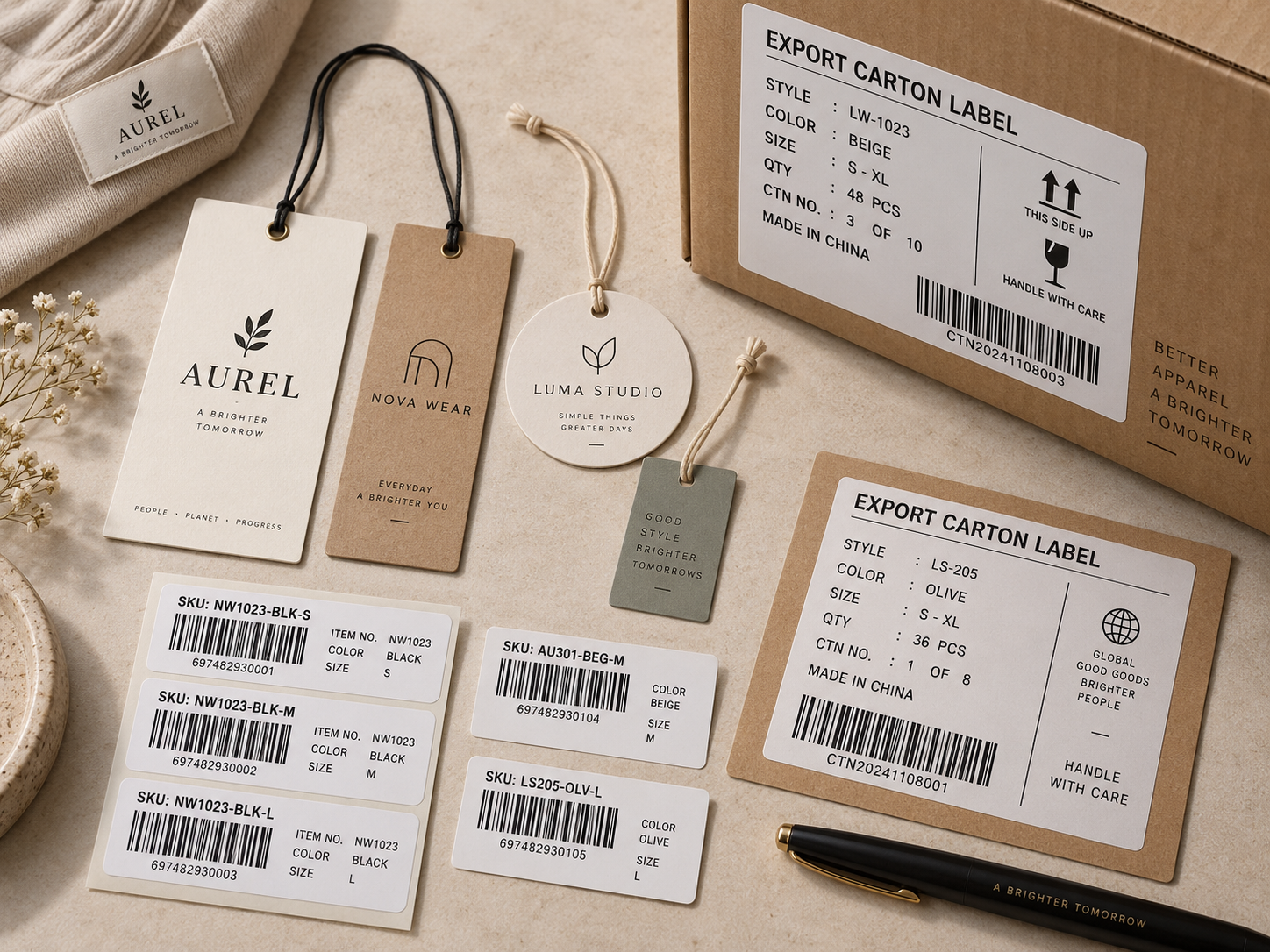
SKU and Barcode Label
SKU and barcode information should correspond to the final order matrix and approved sales-channel requirements. Label placement on the polybag, hangtag or other packaging should be defined before bulk packing. Leadshow can coordinate labeling and packing according to supplied files, but does not claim universal compatibility with every retail or platform system.
• Control: SKU file, barcode, style/color/size mapping and label position.
• Risk prevented: warehouse or retail identification errors.
Export Carton Control
Carton packing should follow approved quantity, size assortment, carton mark and shipment instructions. Set packs, single garments and mixed-SKU cartons require different counting logic. Final carton information should come from the actual packing result rather than from an early estimate.
• Control: units per carton, assortment, carton number, marks and packing list reference.
• Risk prevented: quantity discrepancies, wrong carton marks and confusion during shipment handover.
Export Delivery Support for International Tracksuit Orders
Leadshow supports international shipment coordination for approved apparel orders and currently exports to Europe, North America, South America and Oceania. Shipment responsibility, transport mode and destination requirements are confirmed by project and contract.
Prepare the Order for Shipment
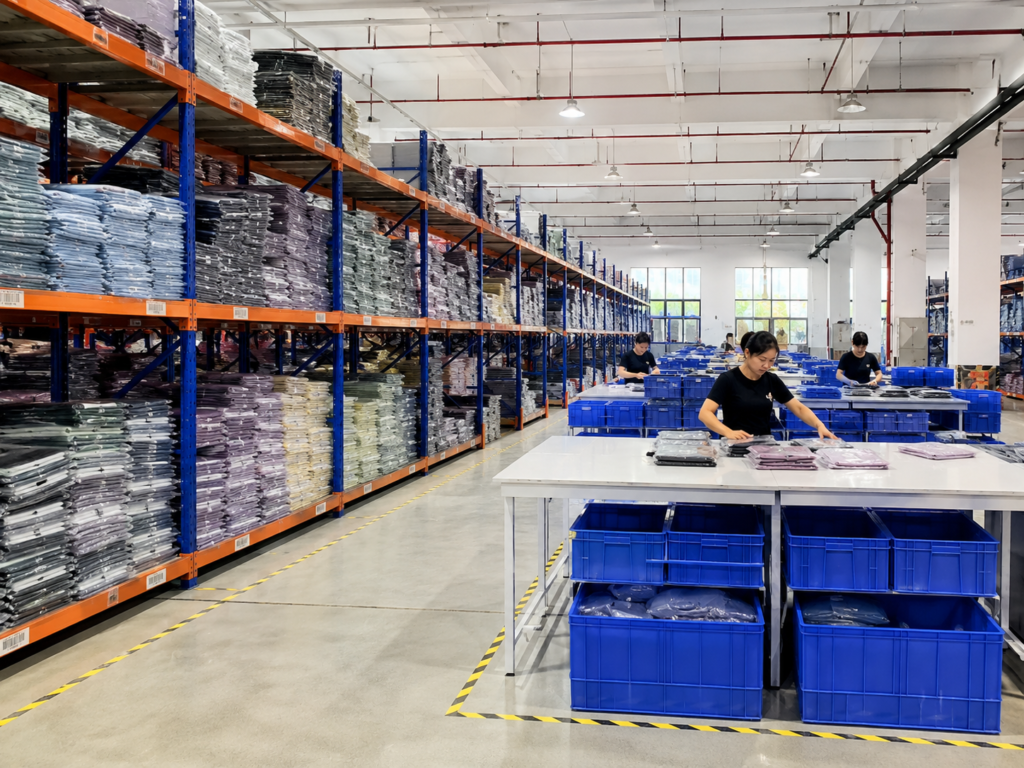
Export readiness begins before the carton leaves the manufacturing system. Finished goods need correct style, color and size identification, approved labels and packaging, carton quantities and carton marks. The order should also reflect the agreed packing model for tracksuit sets or separately sold garments. Leadshow’s warehousing and logistics function can support material handling, SKU sorting, labeling, packing, carton preparation and shipment coordination. For international programs, the working team can coordinate commercial and shipment documents required under the agreed arrangement and work with a nominated forwarder when applicable. Final paperwork must correspond to the actual packed and released goods. Any special destination labeling, testing or documentation requirement should be communicated during project review rather than introduced after bulk production is complete.
Confirm Timing and Responsibility by Project
No fixed end-to-end delivery time is published for every tracksuit order because timing depends on fabric and trim readiness, sample approval, color development, production scheduling, order quantity, packaging, inspection and the selected shipping method. A realistic production and shipment plan is confirmed once the project has enough information for evaluation. Leadshow can support international shipment coordination, but does not promise destination customs clearance, platform warehouse acceptance, universal DDP service or a fixed transit time. Trade terms, freight responsibility and destination documentation should be confirmed in the quotation and order process. Brands with a nominated freight forwarder can provide the relevant contact and shipping instructions so the final handover follows the agreed route.

What to Send for an Accurate Tracksuit Quote
A tracksuit quote becomes more useful when product, quantity and brand requirements are clear. Leadshow can start from a reference image, Tech Pack or sample, but final pricing, MOQ, sample timing and production scheduling are confirmed only after the relevant details are reviewed.
Input
What to Provide
Why It Matters
Product reference
Tech Pack, sketch, product image, pattern or physical sample
Defines the starting point and construction scope
Set structure
Jacket + pants configuration, opening, collar/hood, pockets, cuffs, waist and leg opening
Determines pattern, trims and sewing route
Measurement data
Size chart, points of measurement, grade rules and target fit
Supports pattern and fit evaluation
Material direction
Composition, construction, GSM, width, color, hand feel, stretch and nominated source if any
Affects product result, MOQ, price and timing
Trims
Zippers, rib, elastic, drawcord, labels and other approved components
Affects sourcing, construction and supplier minimums
Branding
Logo artwork, dimensions, color, position and requested process
Affects process selection and sample approval
Order quantity
Quantity by design, color and size
Required for MOQ, material and capacity review
Quality requirements
Measurement tolerance, inspection, test or third-party requirements
Affects quality plan, cost and timing
Packaging
Set or separate packing, labels, barcode, SKU, inserts, carton rules
Affects packing materials and final execution
Destination / timing
Target market, desired sample date, required ship date and shipping route
Supports schedule and documentation review
Tracksuit Manufacturer Frequently Asked Questions
The answers below cover common sourcing questions for custom tracksuit development, sampling, MOQ, branding, bulk production and shipment planning. Final commercial and technical conditions are confirmed after reviewing the individual project.
What is Leadshow’s tracksuit MOQ?
Standard MOQ generally starts from 100 pieces per color per design. Final MOQ depends on fabric availability, custom colors, trims, construction, branding, labels, packaging, testing and production conditions. Supplier material minimums can be higher than the garment quantity.
Can Leadshow make a tracksuit from my Tech Pack?
Yes, tracksuit projects can start from a Tech Pack, measurement chart, pattern, reference image or physical sample. Leadshow reviews construction, materials, trims, fit, branding and order conditions before confirming the development route.
How long does a tracksuit sample take?
Leadshow does not publish one fixed sample time for every tracksuit. Timing is confirmed after reviewing construction complexity, fabric and trim availability, custom color or branding needs, and the type of sample or revision required.
How long does bulk tracksuit production take?
Bulk timing is confirmed after sample approval, material readiness, order quantity, color and size mix, packaging requirements, quality requirements and current production scheduling are reviewed. A fixed production lead time is not applied to every order.
Can jacket and pants be developed as one set?
Yes. Leadshow can evaluate the jacket and pants as a coordinated set, including fabric and color matching, fit direction, size pairing, zippers and trims, rib or elastic, logo placement and set packing.
Can I choose my own fabric and trims?
Yes. Nominated materials, reference fabrics or target specifications can be reviewed. Final feasibility depends on material availability, supplier MOQ, construction compatibility, color requirements, testing needs and production conditions.
What logo and label options are available?
Leadshow has confirmed heat-transfer labeling and heat-press resources, plus custom label and packaging support. Other requested decoration methods are evaluated separately and are not presented as default in-house capability without confirmation.
What size range can you manufacture?
Size ranges are defined by the project size chart and approved grading plan rather than one universal tracksuit range. Leadshow can support measurement review, pattern adjustment, fit sampling and size-set validation where the program requires it.
How is tracksuit bulk quality checked?
Quality checks can cover materials, cut parts, seams, measurements, zippers, pockets, rib or elastic, branding, labels, set completeness, packaging and cartons according to project requirements. Inspection sampling and testing are agreed for the individual program.
Can Leadshow ship tracksuits to North America?
North America is one of Leadshow’s confirmed export regions. Shipment coordination and export documentation can be supported according to the agreed project and forwarder arrangement. Customs clearance, platform acceptance and fixed transit times are not universally guaranteed.
Send Your Tracksuit Project for Manufacturing Review
Share the information already available for your tracksuit program and Leadshow can review the next manufacturing steps. A complete Tech Pack is helpful but not required for the first discussion. Useful inputs include product images or sketches, jacket-and-pants structure, size chart, expected order quantity by color and design, material direction, zipper and trim requirements, logo artwork, label and packaging files, target market, quality or testing requirements and the desired project timeline. If an existing sample is available, describe the elements that should remain unchanged and any fit, material or production problems that need improvement. Standard MOQ generally starts from 100 pieces per color per design, while final MOQ, pricing, sample timing and production scheduling are confirmed after product, material and order conditions are reviewed. Files should only contain designs and intellectual property you are authorized to use. Leadshow can support OEM, ODM and private-label tracksuit projects from evaluation and sampling through approved-specification bulk manufacturing, quality checks, packaging and export coordination.