
Tennis Wear Manufacturer
Develop tennis skirts and coordinated sportswear with Leadshow, from fabric selection and fit development to private labeling and bulk production.
- Shenzhen Leadshow Sports Technology Co., Ltd. supports OEM, ODM and private label apparel projects for established brands and growing collections.
- Bring your tech pack, reference garment or design concept. Discuss the materials, construction and finish your tennis range needs.
- Shape the collection around your brand’s fit, color palette and product requirements, with sample details reviewed before production specifications are approved.
- Share your order plan and launch priorities to begin a focused discussion about development, manufacturing and quotation.
Tennis Skirts and Coordinated Sportswear for Your Brand
Build your collection around tennis skirts, sports T-shirts and tank tops. Each garment starts with its own fit and construction requirements; shared colors, proportions and branding bring the range together. Send individual styles or a coordinated collection for review.
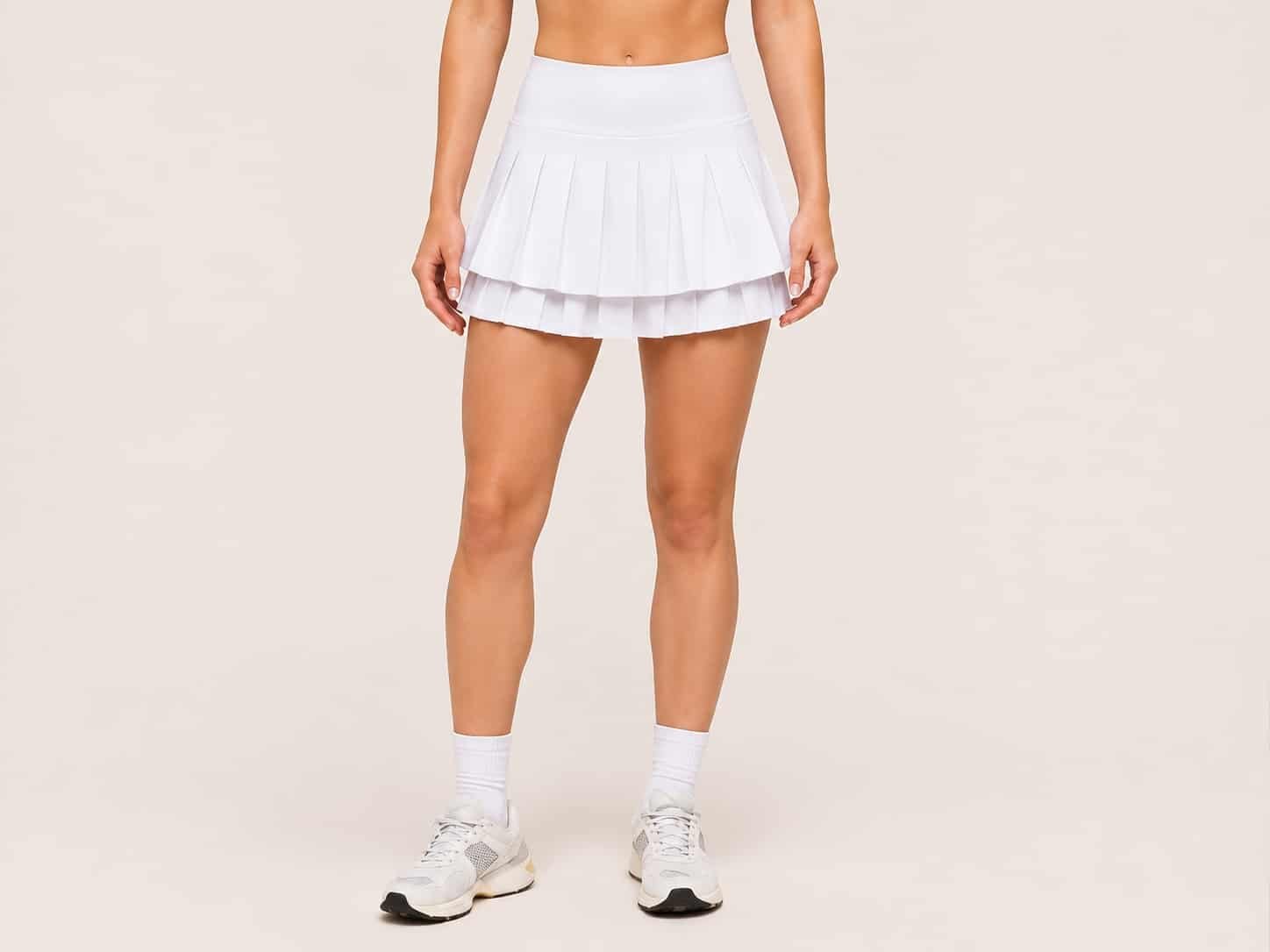
Tennis Skirts
Start with the silhouette your collection needs: clean and fitted, gently flared or shaped with pleats. Leadshow can review skirt length, waistband construction and the relationship between the outer layer and any proposed inner shorts. Ball pockets, coverage and seam placement are assessed against the design and materials. Share front, back and detail views alongside a reference garment or measurements so the first sample addresses the features most important to your range.

Sports T-Shirts
Develop a sports T-shirt to complement the skirt range, with its suitability for tennis assessed from your brief. Sleeve shape, shoulder room and underarm construction affect how the top feels when reaching or serving. Body length also changes the balance of a coordinated outfit. Send your preferred neckline, fit reference and logo positions so fabric and pattern discussions begin with a clear view of the finished garment your brand wants to offer.

Tank Tops
A tennis tank needs careful attention around the neckline, shoulders and armholes. Decide how much coverage the style should provide and how closely it should fit through the chest and waist. The chosen fabric and edge finish influence both appearance and comfort. Leadshow can review your sketches or reference sample, including how the tank sits above a matching skirt waistband, before confirming the development scope and construction for the proposed style.
Manufacturing Support for Established Brands and Larger Apparel Programs
Your collection may start with an approved fit, a new category or a retail assortment brief. Leadshow reviews the project around your existing standards, development needs and order structure, so the manufacturing discussion matches how your team brings apparel to market.
Established Tennis Brands
Keep the fit and finish your brand is known for while developing the next collection. Bring your established measurement chart, fabric standards and approved garments, then identify the changes planned for the season. We can assess the proposed styles and discuss where new samples or material approvals are needed. Include your supplier approval requirements early, particularly when nominated components, inspection arrangements or documentation must meet an existing sourcing program before an order can proceed.
Activewear Collection Extensions
Adding tennis apparel to an activewear range introduces garment details beyond a familiar color palette. Skirt coverage, pocket access and the balance between tops and bottoms need their own development decisions. Share the products your range already includes and explain how the tennis collection should fit alongside them. Leadshow can review the new styles against your brand’s material preferences and fit direction, helping your team identify the specifications needed to move from concept into sampling.
Retail Private Label Programs
Plan the range around the assortment, price position and quantities your retail program requires. Different styles may share branding while needing separate fabrics, grading and packing instructions. Send the proposed style list with quantities by color and the requirements for each sales channel. We can review the garment scope and development work together, including any retailer onboarding conditions. Clarifying mandatory requirements at the outset gives your sourcing team a sound basis for evaluating the proposed supply arrangement.
Verified Manufacturing Resources Behind Your Tennis Apparel Project
Leadshow brings 15 years of apparel industry experience to product development and manufacturing. Our resources cover several apparel categories. For your tennis collection, discuss the facilities, development support and production methods relevant to the garments you intend to order.

Three Manufacturing Bases
Our 3 manufacturing bases cover more than 20,000 m² in total. The combined facilities support Leadshow’s apparel operations across multiple product categories, with the manufacturing arrangement for each project reviewed against its requirements. For a tennis range, the discussion begins with the style mix, materials and construction involved. Send your factory assessment questions or supplier questionnaire so we can address the company and manufacturing information relevant to your sourcing team’s review.

Dedicated Sampling Resources
Leadshow has an independent R&D and sampling room with pattern computers, a plotter and sample sewing equipment. These resources support work on garment patterns and development samples before production specifications are finalized. Bring a complete tech pack or the design information already available, including a reference sample when possible. The development discussion can then focus on the remaining pattern, material and construction decisions, with sample scope and revision arrangements agreed for the project.
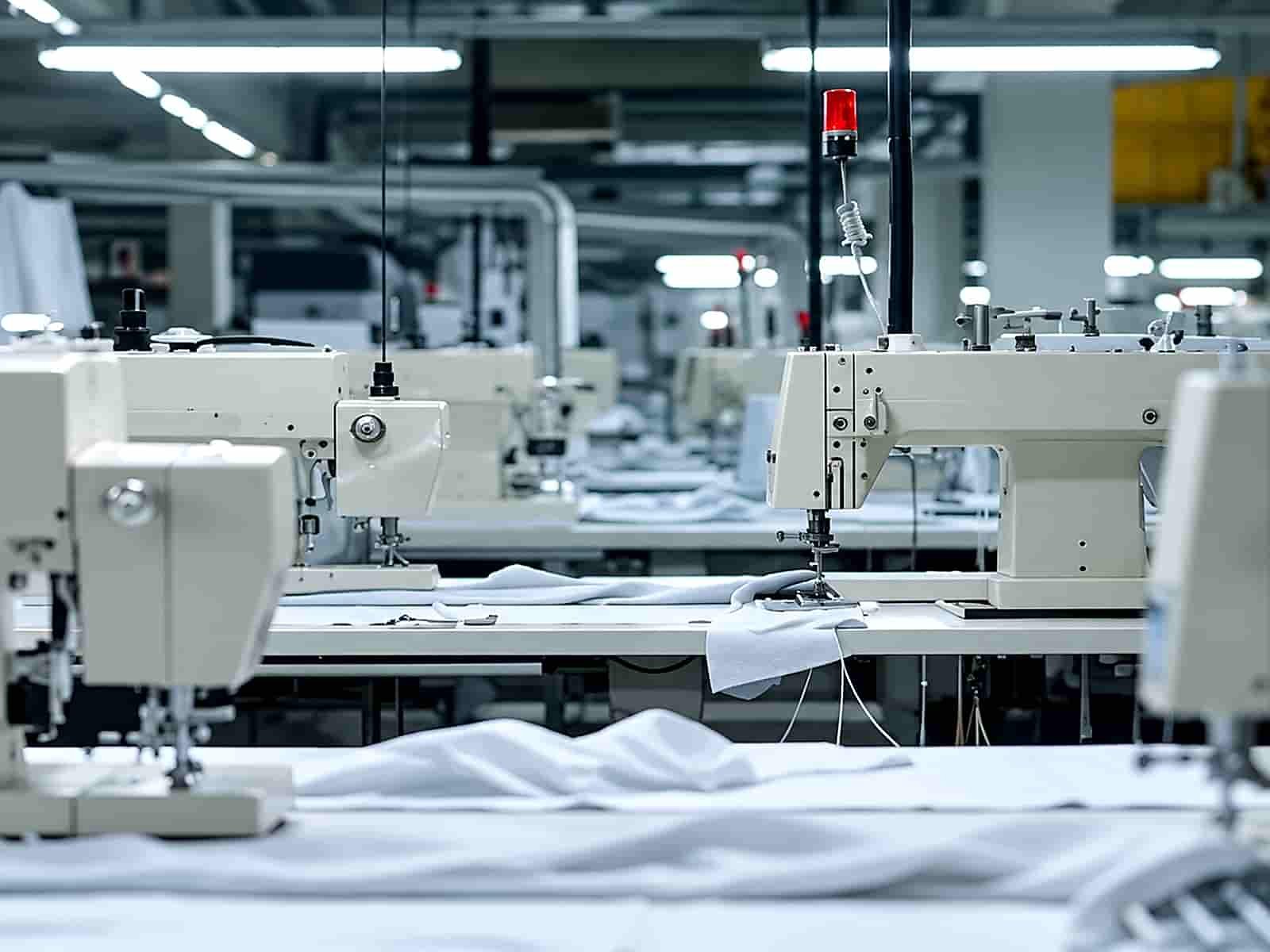
People and Production Equipment
A team of more than 1,500 people and over 300 production and finishing machines supports the combined apparel business. Available equipment includes cutting, sewing, elastic attachment and finishing resources used across different garment types. For your order, machine selection follows the material and seam requirements of the approved garment. Share any construction restrictions or special process requests early so suitability can be reviewed before the style moves from development into the proposed production arrangement.
OEM, ODM and Private Label Options for Your Collection
Start with the information your team already has. Leadshow supports manufacturing from defined specifications, development from a concept and private label requirements. The services can overlap within one collection; the scope depends on how much product development remains to be done.
OEM from Your Specifications
Send your tech pack, bill of materials, measurement chart and construction details, along with approved references where available. We review the proposed garment against your requirements and identify questions affecting sampling or quotation. Highlight nominated fabrics, components and mandatory processes so the assessment reflects your brand’s production standards. A clear specification also helps distinguish details ready for manufacture from points still requiring sample approval, especially when a style has moved from another development or production source.
ODM Development Support
Bring sketches, a collection direction or reference images you are authorized to use. Explain the intended silhouette, fit and price position, including which details matter most to the design. Leadshow can assess the concept and discuss the work needed to define materials, patterns and garment construction. Development scope, charges and revision arrangements are agreed for the project. A concept provides the starting direction; the approved sample and supporting specifications establish the garment intended for production.
Private Label Apparel
Make the garment part of your brand through the agreed logo application, labels and finished presentation. Private label requirements can accompany an OEM order or a development project, depending on how the product is defined. Share your brand standards and the intended retail channel alongside the garment brief. We can review the components and sourcing requirements as part of the order discussion, including artwork approvals and any minimum quantities associated with specially developed branding materials.
Tennis Skirt Details for Movement, Coverage and Lasting Comfort
A skirt’s appearance tells only part of the story. Waistband feel, inner coverage and pocket placement need attention during movement. Review the details included in your design together, using the selected materials and garment sample to guide final construction decisions.

Waistband Shape and Support
Define the waist position, waistband height and intended fit before choosing the construction. A wide waistband changes the garment’s proportions, while elastic tension affects how firmly it sits during movement. The outer skirt and any inner layer also need to join without excessive bulk. We can review the proposed structure from your drawings or reference sample, then assess the sample for rolling, pressure and seam comfort during the fitting activities agreed for your collection.

Skirt and Inner Shorts
Where inner shorts are included, their length, rise and leg opening should work with the outer skirt. More coverage may change the feel of the garment, while fabric tension can affect movement and the way the skirt hangs. Review the assembled sample during bending, sitting and lateral steps rather than judging each layer separately. Leadshow can assess the proposed combination and discuss adjustments to the pattern or joining method before the relevant construction is approved.
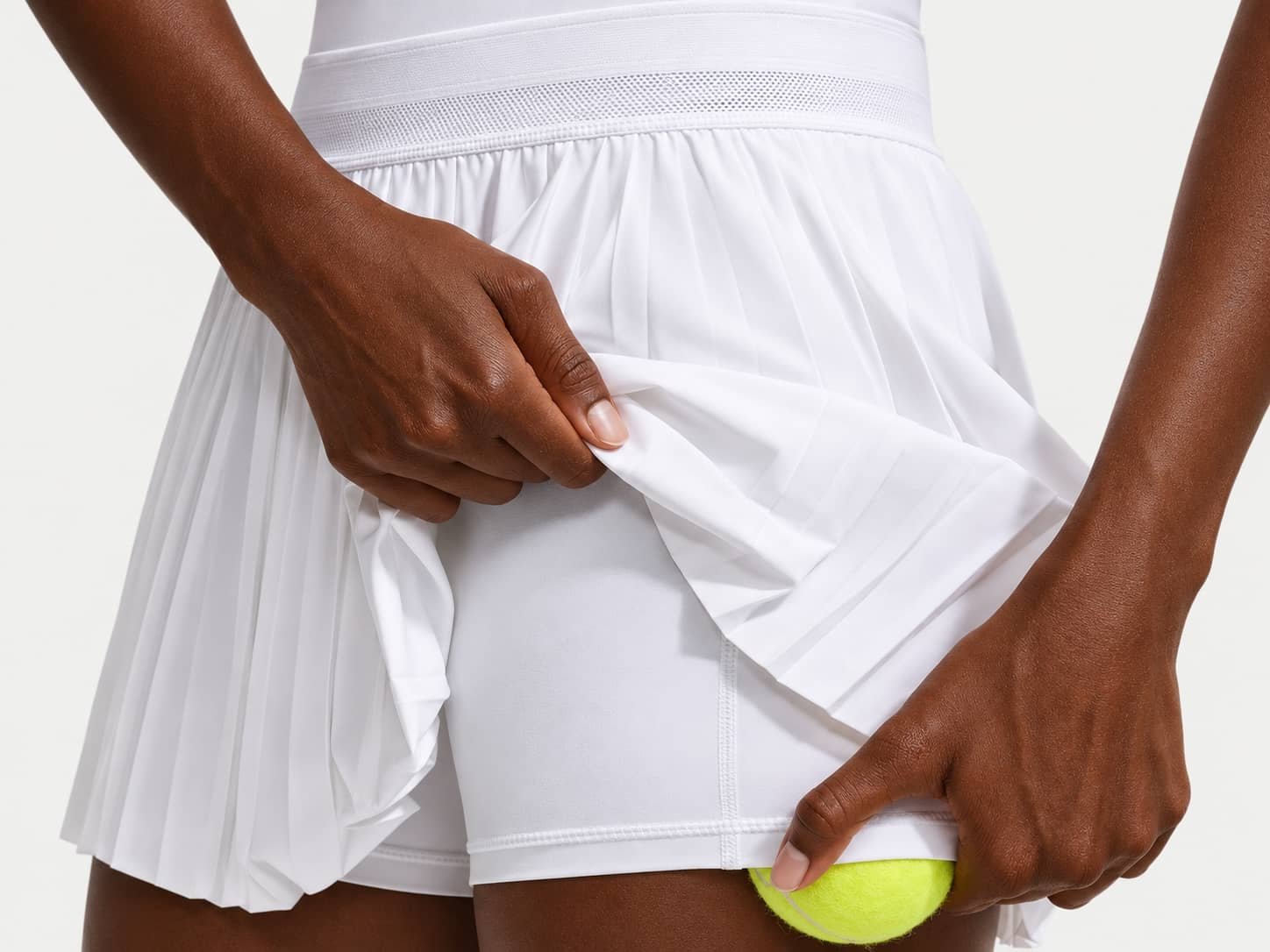
Ball Pockets and Reinforcement
A ball pocket needs an opening the wearer can reach and enough room for its intended contents without pulling the garment out of shape. Specify the preferred side, position and access direction in the design brief. Pocket depth, attachment points and reinforcement then need review with the selected fabric and inner-short pattern. Include a loaded pocket check during fitting so access, distortion and contact with the leg can be considered before the dimensions and construction are finalized.
Match Fabrics and Linings to Your Tennis Apparel Requirements
The outer skirt, inner shorts and matching top may call for different fabrics. Compare drape, stretch, coverage and surface feel by garment area. Share composition and weight preferences where available, then review the chosen materials in the actual garment.
Develop Fit and Grading Around Your Brand’s Size Range
Begin with the people your collection is designed to fit. A size label alone does not define garment proportions. Share your measurement chart and fit reference so base-size development, grading and sample reviews follow the same sizing direction throughout the project.
Turn Your Size Chart into a Consistent Garment Fit
Your brand’s sizing should guide the pattern, including the relationship between skirt length, hip room and any inner-short coverage. Leadshow can review your size chart or reference garment and discuss the information needed for development. Use one unit system, such as cm or inches, and keep body measurements separate from finished garment measurements.
- Base size and fitting reference:Identify the development size, fit model or body measurements, and the intended ease. For a close-fitting inner short, fabric stretch needs consideration alongside the dimensions. For the outer skirt, review the silhouette and coverage during movement as well as the standing fit.
- Measurement points and conditions:Define where each measurement starts and ends. Specify whether waist and leg-opening measurements are relaxed or extended, and whether values represent flat width or circumference. Record skirt length consistently, including whether the waistband is part of the measurement.
- Grading across the range:Set the size labels and increments for each measurement point. Length, rise and pocket position may need separate decisions rather than a uniform increase. Discuss which sizes require physical samples, especially at the ends of the range or where proportions change significantly.
- Tolerances and approval:Agree the permitted variation for each measurement point and record fit comments against the sample version. Grading increments and production tolerances serve different purposes. Consolidated comments help connect the approved fit to a measurement chart the production team can use.

Coordinate Colors, Trims and Branding Across Your Tennis Collection
A coordinated range depends on how materials look together, not just on matching color names. Review the palette, visible components and logo applications across the proposed styles, with approval references suited to the fabrics and construction selected for each garment.

Colors Across Different Materials
Provide physical color references or a clearly identified color standard for each garment area. A skirt fabric, top fabric and elastic trim can respond differently to the same color target, so compare the components together under agreed conditions. Pay particular attention to whites, pale shades and contrast combinations. Leadshow can discuss the color confirmation needed for the selected materials, with acceptable differences and bulk expectations linked to the references approved for your order.
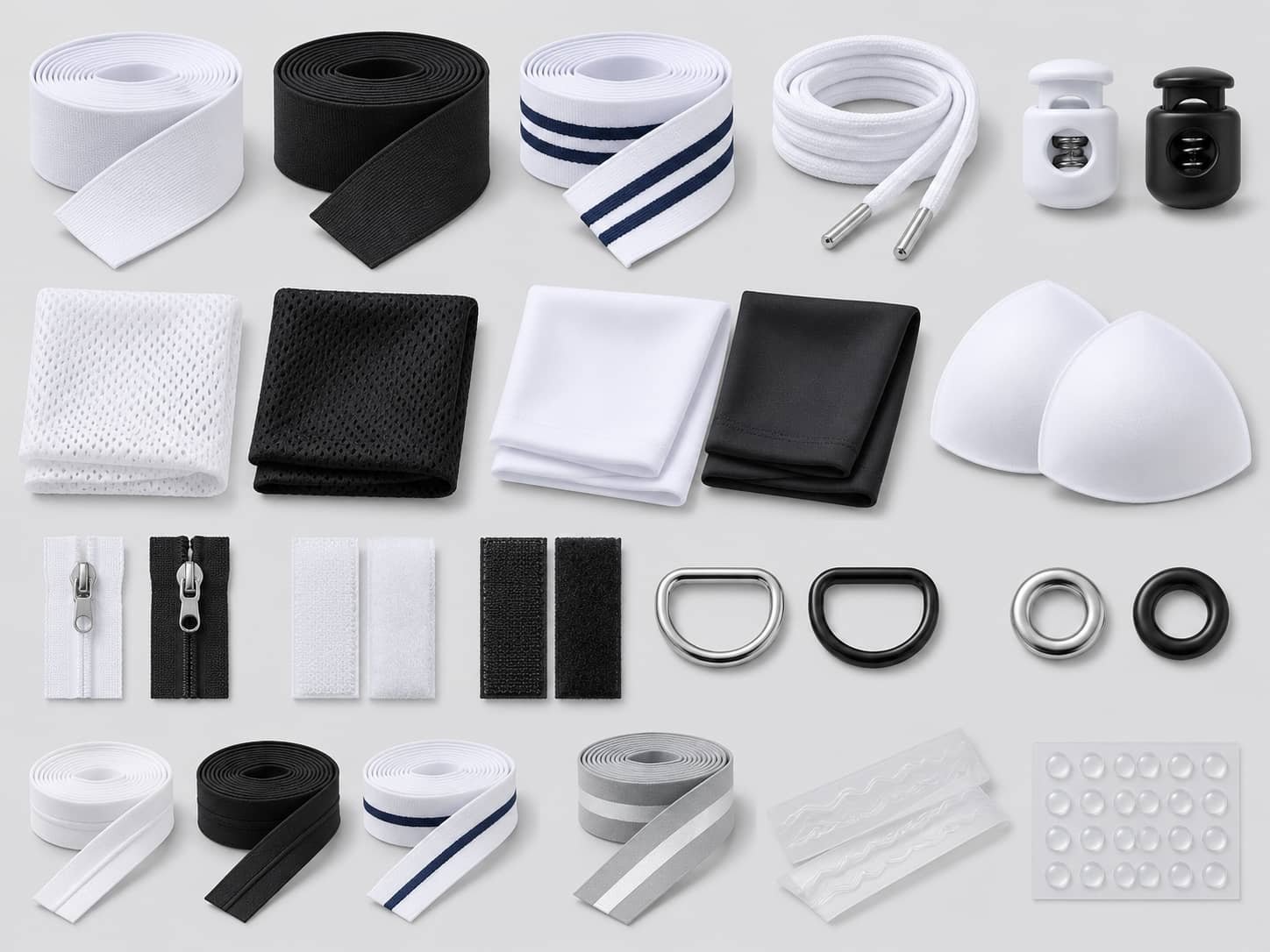
Trims with a Purpose
Elastic, drawcords, zippers and decorative trims should suit the intended function as well as the collection’s appearance. Specify the dimensions, color and placement of components included in the design. Compare them with the main fabric to assess weight, bulk and visible proportions. For a branded or specially developed component, send artwork and quantity expectations early so sourcing conditions, availability and any component minimums can be considered before the garment specification is finalized.
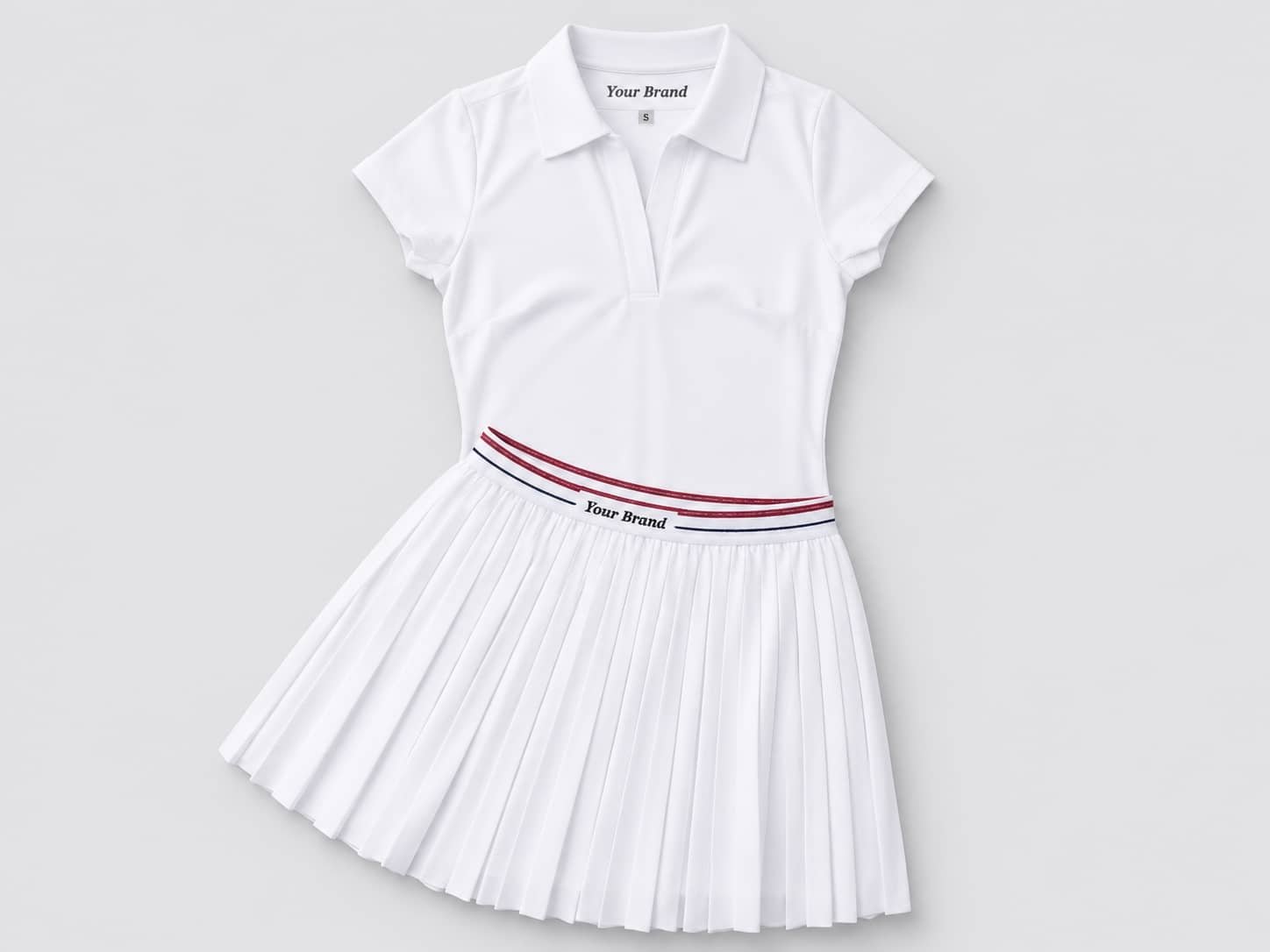
Logo Placement and Application
Share artwork with finished dimensions and placement measured from identifiable garment points. A logo close to a waistband, seam or armhole needs enough space for the chosen application. Leadshow’s heat-transfer labeling and heat-press equipment can be considered where suitable for the material; other requested methods require separate review. Approve the appearance on the intended fabric and specify any wash or stretch checks needed before releasing the branding details for the order.
Review Samples Before Committing Your Tennis Styles to Production
Use sampling to resolve the decisions still open in your collection. The required samples and review stages depend on the garment and your approval process. Agree their purpose, materials and acceptance points before development begins, then consolidate feedback after each review.
Development Sample
The development sample gives your team a garment to evaluate against the original brief. Leadshow can discuss the sample scope from your drawings, specifications or reference garment, including which details require closer attention. Identify any substitute materials so the review reflects what the sample can demonstrate.
- Shape and construction:Examine the silhouette, waistband, seams and proposed inner structure against the design.
- Material behavior:Review drape, coverage and stretch using the actual sample materials.
- Next decisions:Record accepted details and open questions, then agree which changes are needed before the next development step.
Fit and Size Review
Fit reviews connect the garment measurements with the way the sample feels and moves on the agreed body reference. Send one consolidated set of comments from the people responsible for design and fit. Where grading needs physical confirmation, discuss the sizes to include in a sample set.
- Measure consistently:Use the agreed measurement points, units and relaxed or extended conditions.
- Review movement:Check coverage, reach and any pocket function during the actions relevant to the style.
- Define revisions:Link each change to a measurement or construction detail and identify the sample version being reviewed.
Preproduction Approval
A preproduction review establishes the garment and references intended to govern the order. Where a preproduction sample is required, agree its material configuration and purpose before it is made. Approval should identify the accepted version and any remaining conditions affecting release into bulk production.
- Confirm components:Check the main fabrics, trims and branding against the agreed references.
- Close specifications:Align the approved measurements, construction details and sample comments.
- Authorize release:Confirm the required approvals, quantities and production conditions. Any permitted difference between the sample and bulk specification should be recorded before the relevant work begins.
Keep Approved Samples and Technical Files Aligned for Production
Your approved sample and technical files should describe the same garment. Identify the versions governing the order and resolve conflicting comments before production release. Agree the reference set with Leadshow so your design, sourcing and quality teams work from matching requirements.
Match Production Methods to Your Garment’s Construction and Materials
The right production method follows the garment, fabric and seam requirements. Leadshow’s equipment supports several cutting, sewing and finishing operations. Discuss the construction details your collection needs so process selection can be assessed against the approved sample and intended production specification.
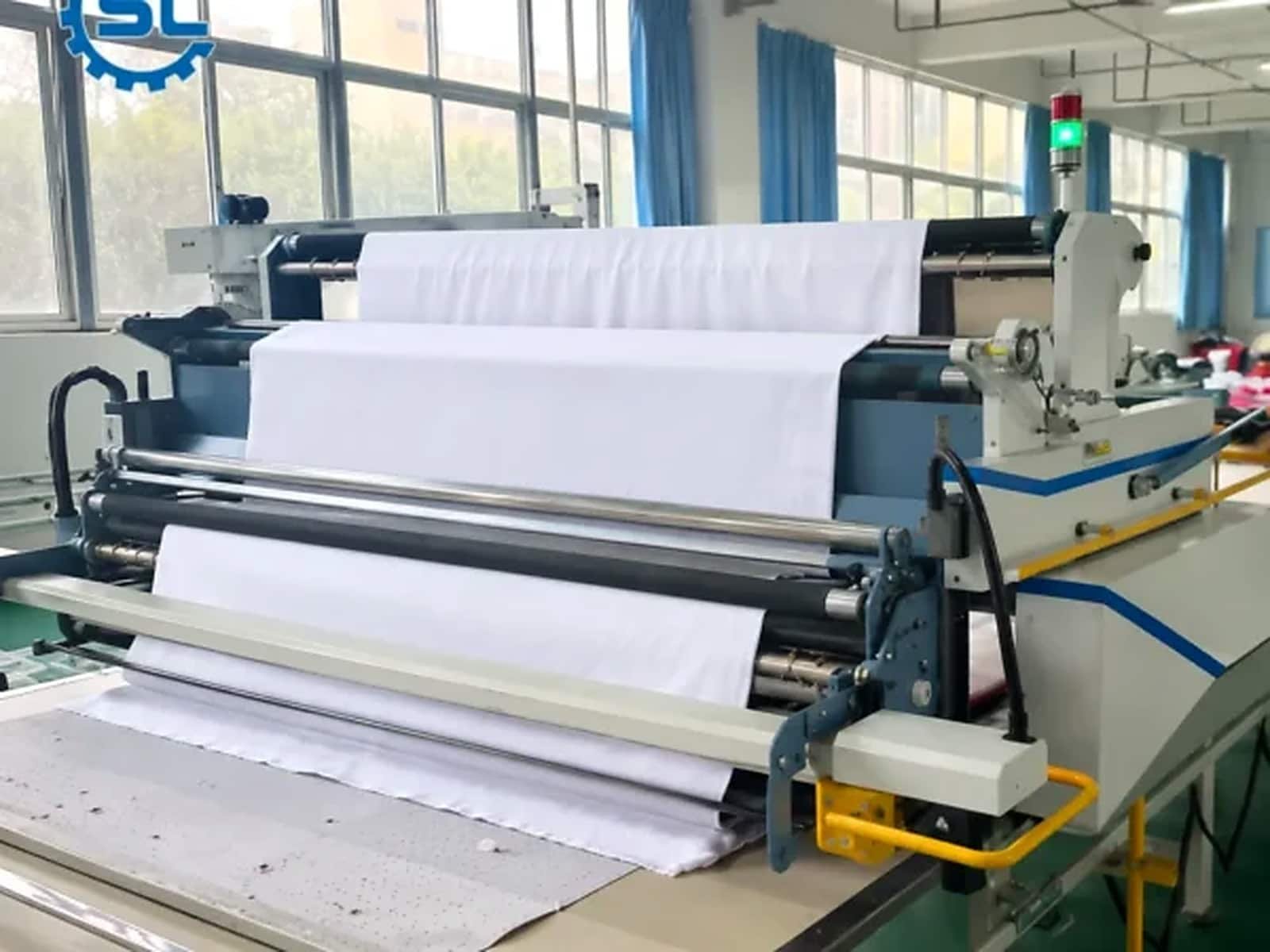
Material Preparation and Cutting
Pattern accuracy needs to carry through into the cut components. Leadshow’s equipment includes 3 automatic cutting machines and 5 fabric spreading machines, with the method selected according to the material and project. For a tennis skirt, grain direction, stretch orientation and matching components deserve attention during preparation. Discuss any fabric handling requirements or pattern restrictions early, including pleat placement and directional artwork, so the cutting arrangement can reflect the construction specified for the garment.

Sewing and Elastic Assembly
Seam choice affects the appearance and feel of a stretch garment. Our equipment includes 35 four-needle six-thread machines and 12 elastic installation machines, available for suitable operations across the apparel business. For your design, assess waistband attachment, inner-short joins and contact areas using the selected fabric combination. The sample should establish the required stitch appearance, extension and seam bulk. A machine type alone does not determine comfort or performance; the assembled garment needs its own review.

Finishing and Logo Application
Finishing should preserve the garment’s shape and deliver the approved appearance. Heat-transfer labeling and heat-press equipment can support suitable branding applications, with material compatibility assessed before the method is selected. Discuss logo size, placement and any special finish alongside the fabric specification. The relevant sample can then be checked for visible marks, distortion and the durability requirements agreed for the project. Additional decoration or specialist finishing requests need a separate assessment of process availability and suitability.
Check Critical Quality Points Throughout Your Tennis Apparel Order
Quality starts with clear product references and continues through materials, sewing and finished goods. Leadshow’s checks cover incoming, in-process and finished garment stages. Agree the inspection scope and acceptance requirements for your order, including any reports or third-party inspection arrangements.
Plan Product Testing and Documentation for Your Target Market
Tell us which tests and documents your brand requires before materials are finalized. Test methods, specimens, laboratories and acceptance levels are agreed for the project. Routine garment inspection and laboratory testing serve different purposes; performance claims need relevant supporting results.
Understand MOQ and Cost Drivers Before Requesting a Quote
MOQ generally starts from 100 pieces per color per design. Final requirements depend on materials, components, construction and customization. Send your style and color breakdown with the available specifications so Leadshow can review the order minimums and quote the intended supply scope.
Confirm Production Capacity and Timing Around Your Launch Plan
Combined monthly capacity reaches up to approximately 120,000 garments, depending on construction, materials, order mix and scheduling. Available allocation for your tennis order needs a current review. Share your launch date so sampling, bulk completion and freight can be considered together.
Confirm whether quoted durations use working days or calendar days. Sample time, production lead time and freight transit are quoted separately after the project review; the launch calendar also needs room for your team’s approvals.
Prepare Labels, Packaging and SKU Details for Accurate Delivery
A finished garment needs the correct identity and packing instructions before it leaves production. Share label content, unit presentation and distribution requirements with the order brief. Review special components early so their sourcing and approval can fit the proposed manufacturing schedule.
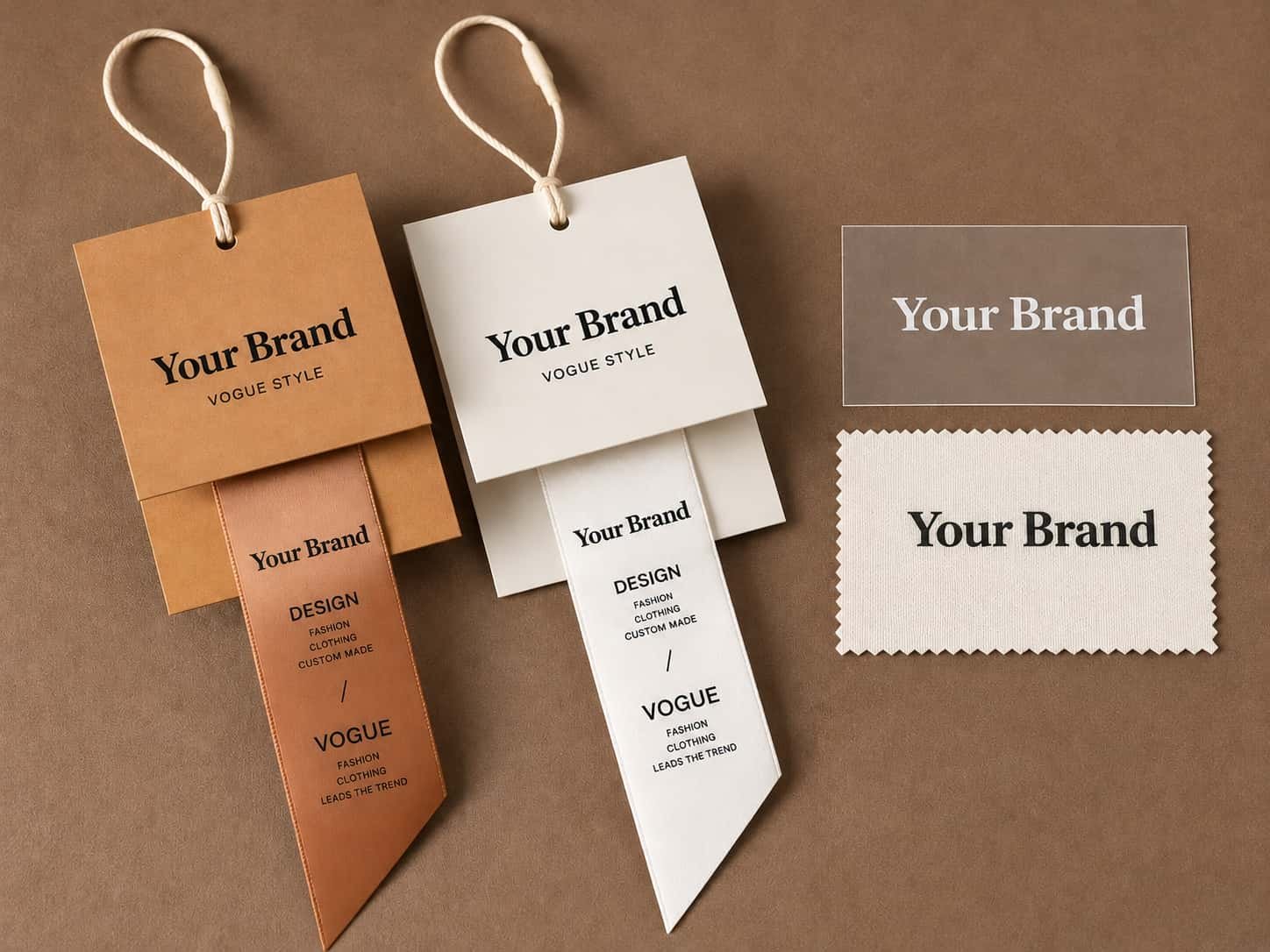
Garment Labels and Hangtags
Provide the brand, size and care-label content required for each style, together with artwork, dimensions and placement. Connect hangtags and barcodes to the correct garment references so the finished unit carries the intended identity. Your responsible team should approve target-market wording before production. Leadshow can review the physical label and attachment requirements against the garment, including material feel, visibility and position, with the final components included in the approved specification for the order.

Individual and Set Packing
Define how each garment should be folded and packed, including any branded bag or presentation requirements. If tops and skirts are supplied as sets, specify the size combinations and how the components should be identified within the package. A matching appearance does not automatically mean the garments use the same size allocation. Send a packing reference or written instructions so unit presentation, component quantities and any special packaging sourcing can be reviewed before confirmation.
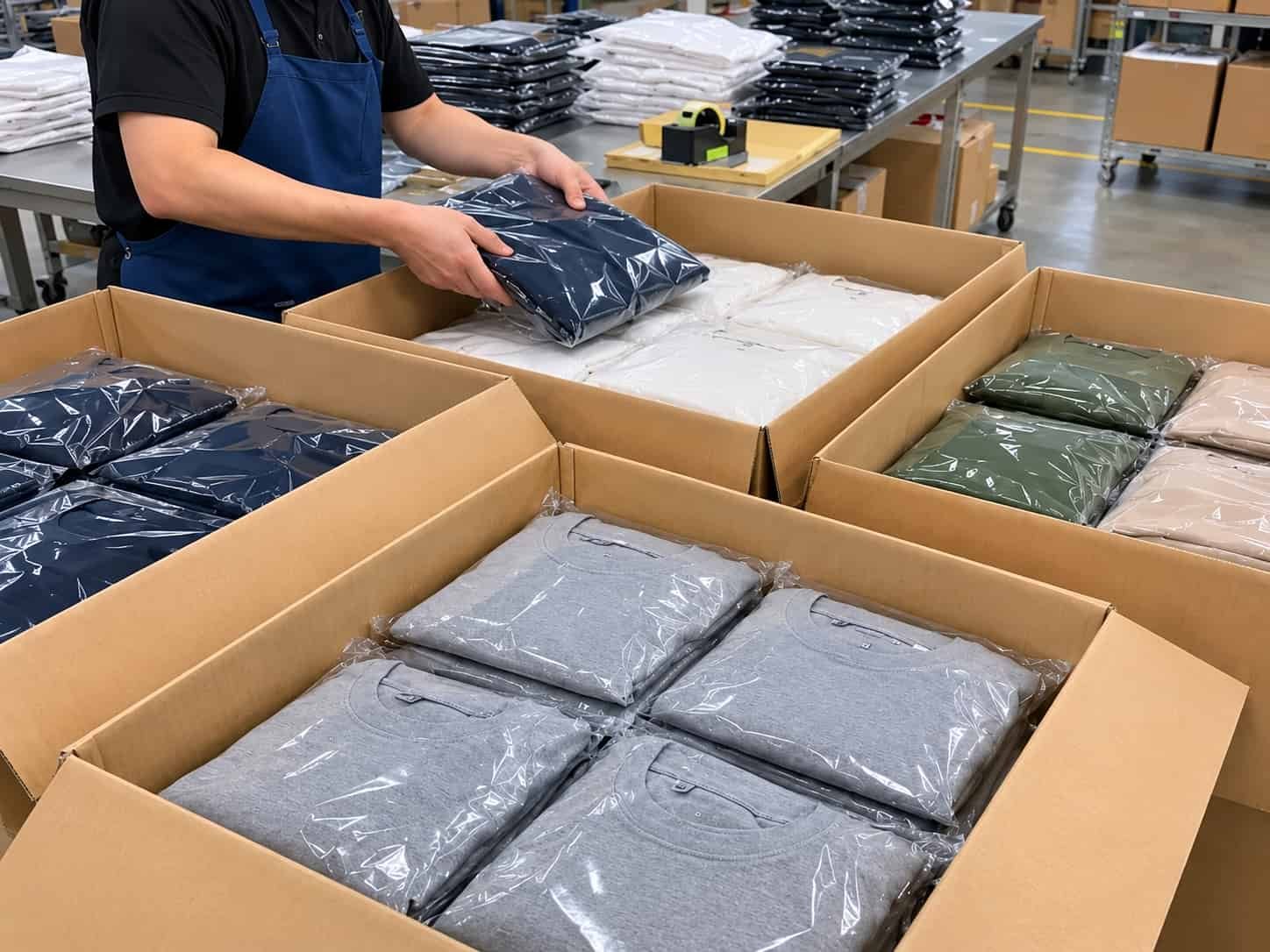
SKU and Carton Details
Use consistent style, color and size identifiers across the order breakdown, labels and carton instructions. State whether cartons should contain one SKU, a size assortment or an agreed combination. Include carton marks and any receiving requirements from the destination warehouse, along with separate allocations for split deliveries where needed. Clear packing instructions help the shipment review focus on the required assortment and quantities, with the final arrangement agreed as part of the order’s delivery scope.
Manage Reorders, Product Changes and Confidential Project Information
An ongoing apparel program needs clear references between seasons and production runs. Keep repeat orders tied to an approved version, identify changes separately and raise confidentiality requirements before sharing sensitive files. Discuss the arrangements your team needs with Leadshow at the outset.
Repeat Order Planning
Send the previous approved specification with the new quantity breakdown and intended delivery window. Even when the design remains unchanged, material availability, color batches and current production scheduling need review. Identify any components your brand requires from a nominated source, along with the reference sample governing the repeat order. Leadshow can assess the request against current conditions and discuss any approval needed for a replacement material or component before the next production run is agreed.
Controlled Product Changes
A new fabric, revised measurement or different logo position may affect more than one part of a garment. Keep change requests linked to the style and current specification, then identify what the revision is intended to achieve. We can review the effect on construction, samples, materials and timing before the change is accepted for production. Separate approved revisions from ideas still under discussion so the order remains connected to one identifiable set of product requirements.
Confidential Design Discussions
Raise NDA and confidentiality requirements before sending unreleased artwork or sensitive technical files. An initial product description can establish the project scope while the applicable terms are discussed. Clarify permitted use of design references, sample photographs and any public display of finished work. Leadshow can review the proposed arrangements for the project, including restrictions your brand needs addressed before development proceeds. Share only materials you are authorized to use and identify any third-party rights affecting the brief.
Tennis Wear Manufacturing Frequently Asked Questions
Start here for common questions about product scope, development and order preparation. Send collection-specific requirements with your brief so Leadshow can address the details affecting your proposed styles, quotation and schedule.
What tennis apparel can Leadshow develop?
Tennis skirts, sports T-shirts and tank tops provide the starting product range for the discussion. Each proposed style is reviewed for its intended tennis application, materials and construction. Inner shorts, ball pockets or other design features need assessment within the garment brief and confirmation through the agreed sample process.
Can you review tennis dresses or polos?
Yes, you can submit a design for assessment. Tennis dresses and polo shirts require separate confirmation of product scope and manufacturing suitability. Include drawings, material preferences, construction details and expected quantities so the review addresses the proposed garment. Project acceptance and development arrangements follow the assessment.
Can you manufacture from our tech pack?
Leadshow supports OEM projects based on supplied specifications. Send the tech pack, measurement chart, bill of materials, artwork and approved references where available. Identify nominated materials and mandatory requirements. We review the information for quotation and sampling, including any unresolved details affecting the garment or proposed manufacturing arrangement.
Can you help develop an incomplete design?
You can begin with sketches, authorized reference images or a garment sample. Explain the intended fit, product features and collection direction. Leadshow can discuss the missing specifications and development work required. Materials, measurements, construction and branding still need definition before the garment can be approved for bulk production.
How is the MOQ calculated?
The starting minimum applies to each color of each design, rather than to the combined collection. Different styles and colors are not automatically pooled into one minimum. Send the complete quantity breakdown for review, as fabric, trims and customization can affect the final requirements for an individual order.
How are sample fees and timing confirmed?
Sample charges and estimated completion are discussed after reviewing the design, materials, sample quantity and development scope. Revisions or material changes can alter both cost and timing. Before work begins, agree what the sample will include, which inputs are needed and how further revisions will be handled.
How are fit and size ranges approved?
Use your brand’s measurement chart and fit reference to establish the development size and intended proportions. Grading rules, tolerances and any physical size-set review are agreed for the product. Approve fit comments alongside the final measurements, including relaxed or extended conditions where relevant to elasticated areas.
How are product testing requirements handled?
Send mandatory tests and documentation requirements with the initial brief. Define the applicable scope and acceptance criteria where available. Methods, specimens, laboratory arrangements and charges require project confirmation. Test results should relate to the identified material or garment and the intended claim, rather than be inferred from general fabric descriptions.
What affects bulk production and reorder timing?
Material availability, sample approvals, order quantity, construction and current scheduling all affect the production plan. A repeat order also needs confirmation of the approved version and any changes. Provide the required arrival date and proposed transport method so manufacturing completion can be considered separately from freight transit.
What should we send for a quotation?
Send product drawings or a tech pack, quantities by style and color, required sizes and material preferences. Add artwork, packing instructions, destination and timing requirements where known. Identify mandatory testing or supplier approvals, and mark undecided details clearly so the quotation discussion can address the remaining development choices.
Discuss Your Tennis Wear Manufacturing Project
Tell us which tennis styles you are developing and where the project stands. Send a tech pack, sketches or an authorized reference garment, along with the materials and fit direction already selected. Include quantities by style and color, your size range, target market and intended delivery date. If the brief is still taking shape, explain the silhouette and features you want to achieve so we can discuss the development work needed.
Add available logo artwork, label and packing instructions, and any mandatory testing or supplier approval requirements. Leadshow can review the information to discuss product suitability, missing specifications, sampling and quotation. Mark your fixed requirements and the details open to adjustment, particularly when working toward a target cost or launch window. For confidential designs, discuss the applicable terms before uploading sensitive files. Contact Cody Lu directly or use the form to share your project. A clear starting brief helps us focus the first discussion on the garments you intend to manufacture.