
Sweatshirt Manufacturer
OEM and ODM sweatshirt development for apparel brands needing controlled fit, materials, sampling, bulk production, labeling, and scalable supply.
- Start from a tech pack, measurement chart, reference image, pattern, or physical garment for manufacturing review.
- Evaluate fabric construction, GSM direction, rib matching, fit, trims, branding, packaging, quantity, and destination-market requirements.
- Develop and revise physical samples according to project scope before approved specifications move into bulk production.
- Support multi-SKU production, quality checks, branded labels, customized packaging, and export-delivery coordination under confirmed project conditions.
- Use approved patterns, measurements, material records, workmanship, artwork, labels, and packing instructions as the reference set for controlled bulk production.
Who We Manufacture Sweatshirts For
Leadshow supports apparel programs where product specifications, fit, materials, branding, quantity, and repeatability matter more than buying blank stock. Different business models require different development and production priorities.
Established Apparel Brands
Mature brands usually arrive with tech packs, measurement standards, approved construction details, packaging rules, and internal quality expectations. The manufacturing task is not simply sewing a sweatshirt; it is translating established brand standards into repeatable production requirements. Leadshow can review technical files, patterns, materials, trims, sample comments, labeling, packaging, quantity, and destination requirements before a production route is confirmed.
Growing Brand Programs
Growing labels often need more than one style, color, or size while still controlling commercial risk. A sweatshirt program may begin with a focused launch and later expand into additional colors, fit updates, or repeat orders. Leadshow can coordinate sample development, material review, fit changes, MOQ evaluation, production planning, quality checks, and branded packaging so the project can move from a defined first run toward larger production when demand develops.
Streetwear Labels
Streetwear sweatshirts are highly sensitive to silhouette, shoulder position, body width, sleeve volume, rib proportions, fabric handfeel, surface appearance, and branding placement. A generic blank often cannot reproduce the intended identity. Leadshow can review supplied references, measurements, artwork, material direction, and fit comments, then coordinate pattern and sample development before the approved construction becomes the production reference for bulk manufacturing.
Private Label Companies
Private label projects combine garment manufacturing with brand execution. Product teams may need custom labels, care information, size identification, hangtags, barcodes, packaging, carton marks, and controlled logo placement alongside garment development. Leadshow can review branding requirements together with construction, measurements, materials, trims, MOQ, and packing instructions so garment and brand specifications are aligned before bulk production begins.
Importers & Distributors
Importers and distributors often manage several colors, sizes, seasonal assortments, or market versions within one purchasing program. Their priorities include consistent specifications, clear order breakdowns, packaging accuracy, shipment preparation, and dependable repeat-order records. Leadshow can coordinate multi-SKU production, labeling, carton preparation, quality review, and export-delivery arrangements while product-specific MOQ, materials, timing, and capacity remain subject to project confirmation.
Retail & Commercial Programs
Retail and commercial programs can require clear size breakdowns, SKU identification, barcode or label verification, packing rules, and coordinated delivery documentation. A sweatshirt manufacturer must therefore manage more than garment appearance. Leadshow can review product specifications, quantities, labels, packaging, quality checkpoints, and shipment preparation so manufacturing execution supports the retail or commercial program defined in the approved order documents.
What Strong Sweatshirt Manufacturing Requires
A credible sweatshirt program depends on six linked decisions. Product definition, materials, fit, sampling, bulk execution, and commercial conditions need to be clear before a brand can compare manufacturing partners with confidence.
Product Definition
The starting point is a measurable product, not a generic description such as “premium sweatshirt.” Construction, silhouette, neckline, shoulder position, sleeve shape, cuffs, hem, rib details, pocket or zipper features, branding placement, and packing requirements should be defined in project files or through sample development. Clear product definition reduces conflicting assumptions between development, costing, sampling, production, and quality teams.
Material Control
Fabric name alone is not enough. Composition, knit construction, GSM, width, surface, inside finish, handfeel, stretch, recovery, shrinkage, pilling, colorfastness, dyeing conditions, and material MOQ may all affect product behavior and commercial cost. Leadshow can coordinate material and trim evaluation against the garment structure and approved sample rather than treating every fleece or French terry reference as interchangeable.
Fit & Grading
A sweatshirt fit depends on measurable relationships among body width, garment length, shoulder drop, sleeve length, neckline, cuff width, rib height, ease, and grade rules. One base size does not automatically confirm every size. Leadshow can review measurement charts, patterns, reference garments, fit comments, size-set requirements, and tolerance expectations before approved sizing information is converted into production instructions.
Sampling Discipline
Sampling gives development teams a controlled way to test construction, fit, materials, color, branding, and workmanship before bulk production. Sample type and approval scope vary by project; a fit approval is not automatically a material, color, logo, label, or packaging approval. Leadshow can coordinate development samples, fit samples, material or logo samples, size-set evaluation, and pre-production references when required by the project.
Bulk Consistency
Bulk production should be based on approved specifications and references rather than memory or informal messages. Pattern versions, measurement charts, material records, workmanship, branding, labels, packaging, and approved comments need to remain aligned as production begins. Leadshow uses cross-functional review and quality checks to reduce sample-to-bulk drift while avoiding unrealistic claims of zero variation or perfect replication.
Commercial Execution
A suitable manufacturing partner must also fit the commercial program. MOQ, material minimums, color count, size breakdown, logo processes, packaging, testing, order quantity, available capacity, production scheduling, and delivery route all affect feasibility. Leadshow evaluates these factors after project files are reviewed instead of presenting one fixed price, one fixed lead time, or one fixed production plan for every sweatshirt.
What You Receive From a Project Review
Submitting a complete set of project files allows development, manufacturing, and commercial requirements to be reviewed together. Early clarification is more valuable than a fast but unsupported price or production promise.
Manufacturing Feasibility
Leadshow reviews the proposed sweatshirt against available technical information: tech pack, reference garment, pattern, measurement chart, fabric direction, trims, construction, logo placement, labels, packaging, quantity, and intended market. The review identifies unclear measurements, conflicting instructions, high-risk structures, material compatibility questions, and points needing physical validation. A feasibility review does not promise that every design is immediately manufacturable; it creates a defined list of items requiring confirmation before sampling or bulk production.
Material & Cost Direction
Fabric and trim choices are considered together with fit, construction, branding, order quantity, and supply conditions. A heavier GSM can change handfeel, drape, sewing behavior, packaging weight, and cost, while custom colors or trims may create separate supplier minimums. Leadshow can help compare material directions and identify where cost comes from, but final pricing is prepared only after the relevant specifications, quantities, branding, packing, and material conditions are clear enough for commercial evaluation.
Sample & Production Path
Project maturity determines the development route. A complete tech pack may move directly into technical review and sampling, while a reference image or physical garment may require additional clarification of measurements, pattern, materials, and construction. Leadshow can define which samples, approvals, or pre-production checkpoints are appropriate for the specific program. Sample timing and bulk scheduling are confirmed after technical scope, material availability, approval requirements, and current production planning have been reviewed.
Define Your Sweatshirt Before Production
A sweatshirt can look simple while hiding many specification decisions. Product teams should define silhouette, measurements, rib structures, seams, trims, and branding as measurable requirements rather than relying on a reference photo alone.
Silhouette & Ease
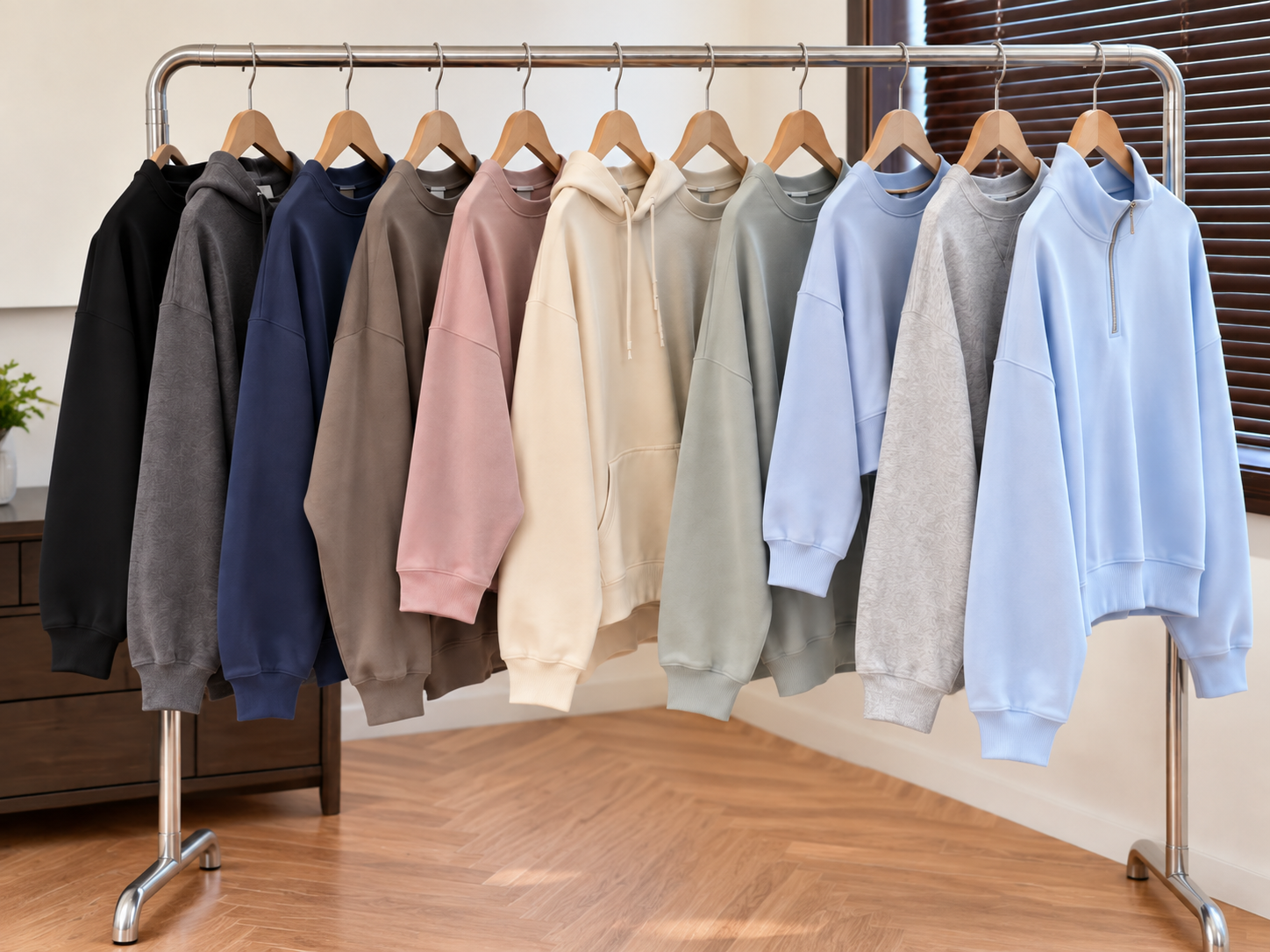
Regular, relaxed, oversized, cropped, boxy, or other fit directions are evaluated from supplied measurements, patterns, references, or sample comments. The key is not the fit label itself but measurable garment proportions. Chest width, body length, shoulder position, sleeve volume, and ease need to work together with fabric weight and recovery. Leadshow does not treat one standard pattern as suitable for every market or brand.
Neck & Shoulder
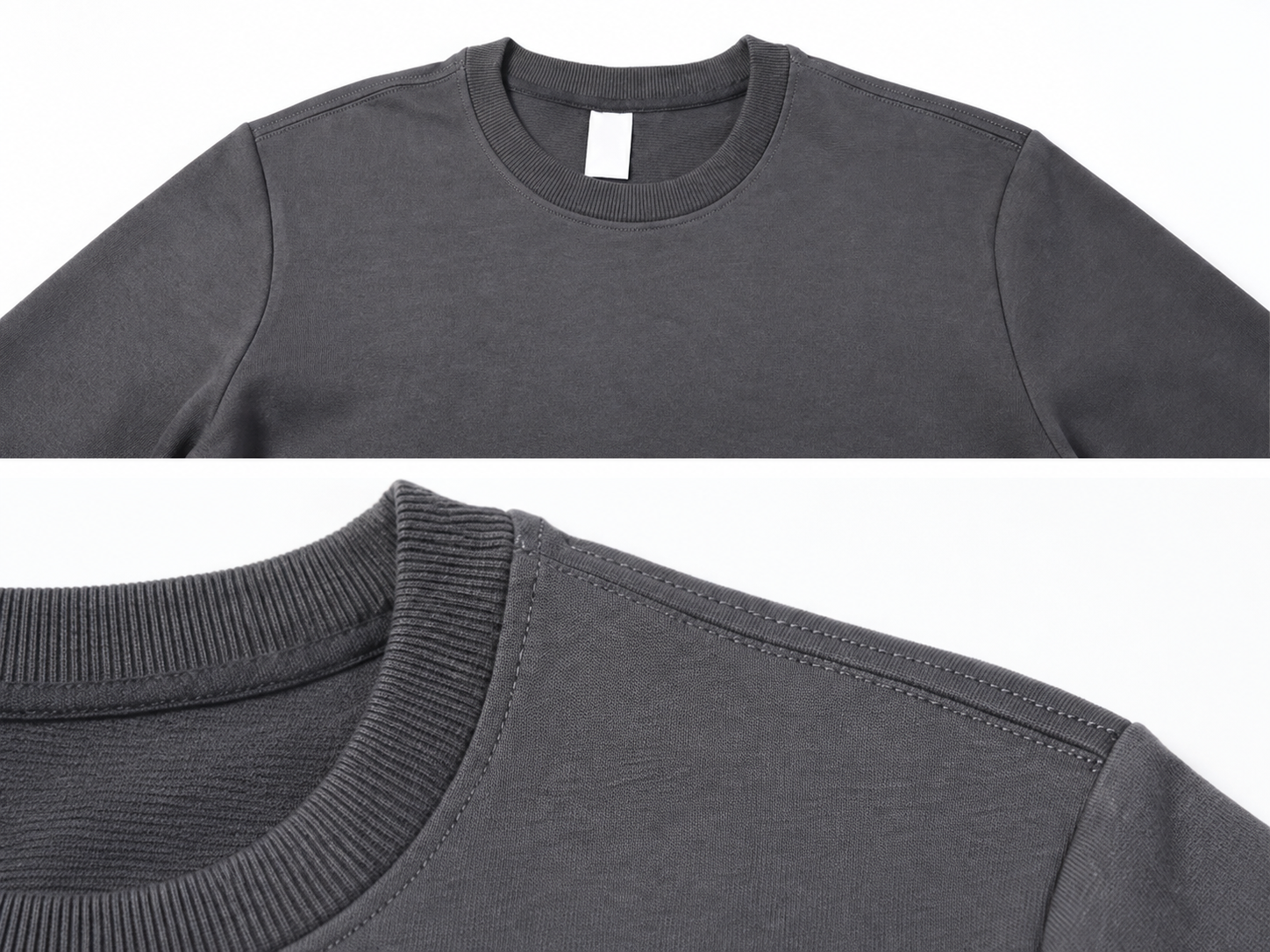
Neck opening, rib height, neckline shape, shoulder seam position, drop-shoulder amount, and reinforcement details influence appearance and wearing comfort. Small dimensional changes can shift the overall silhouette. A reference garment can help, but measurable points and construction notes are still required for repeatability. Leadshow reviews pattern and sample behavior before final production references are approved.
Sleeve & Cuff
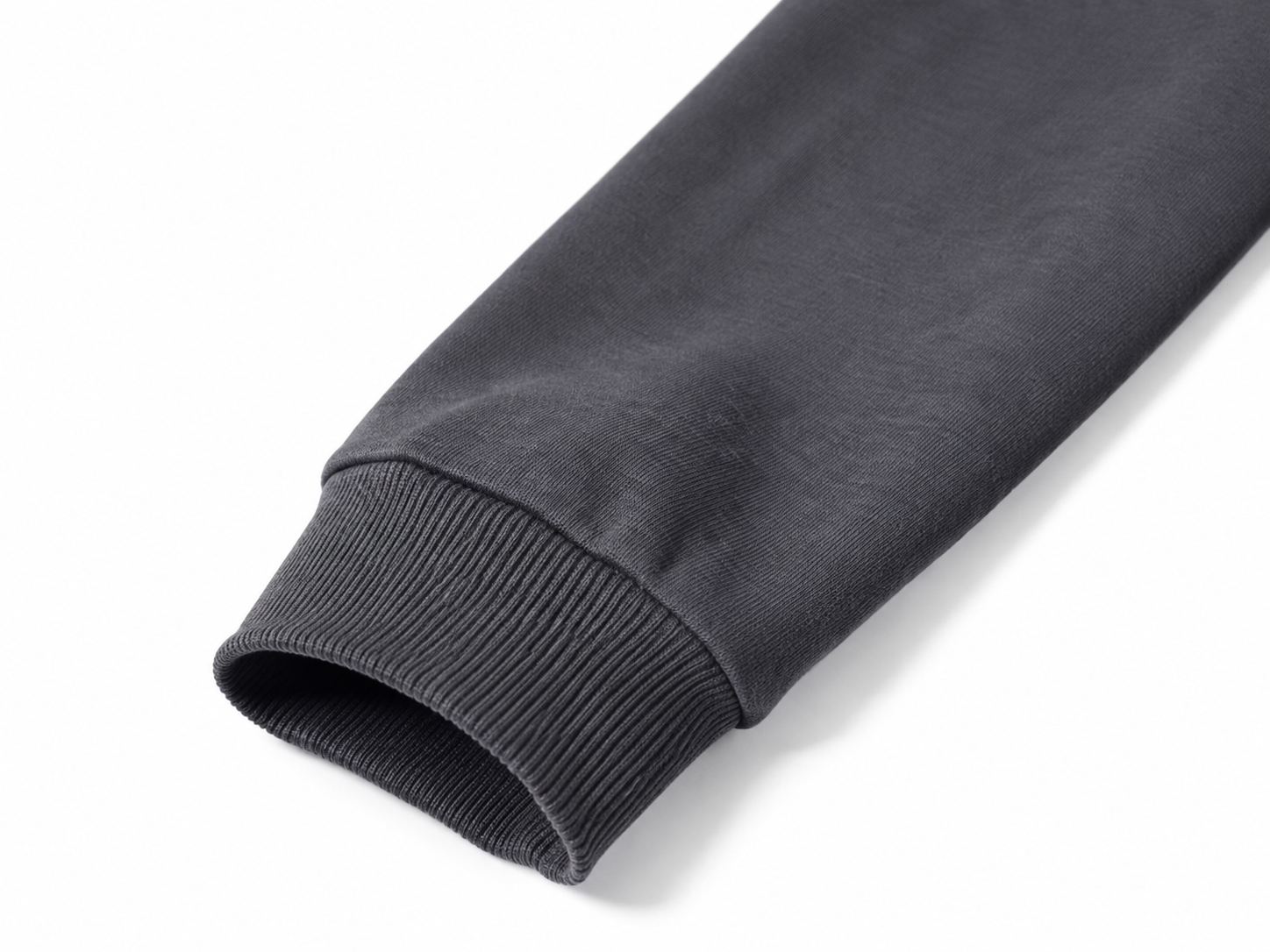
Sleeve length, bicep volume, armhole shape, sleeve head, cuff width, cuff height, and rib recovery affect both fit and visual balance. Heavy or low-recovery fabrics may interact differently with the cuff than lighter materials. Development should confirm the relationship between sleeve construction and cuff material rather than selecting a cuff solely by color or appearance.
Body & Hem
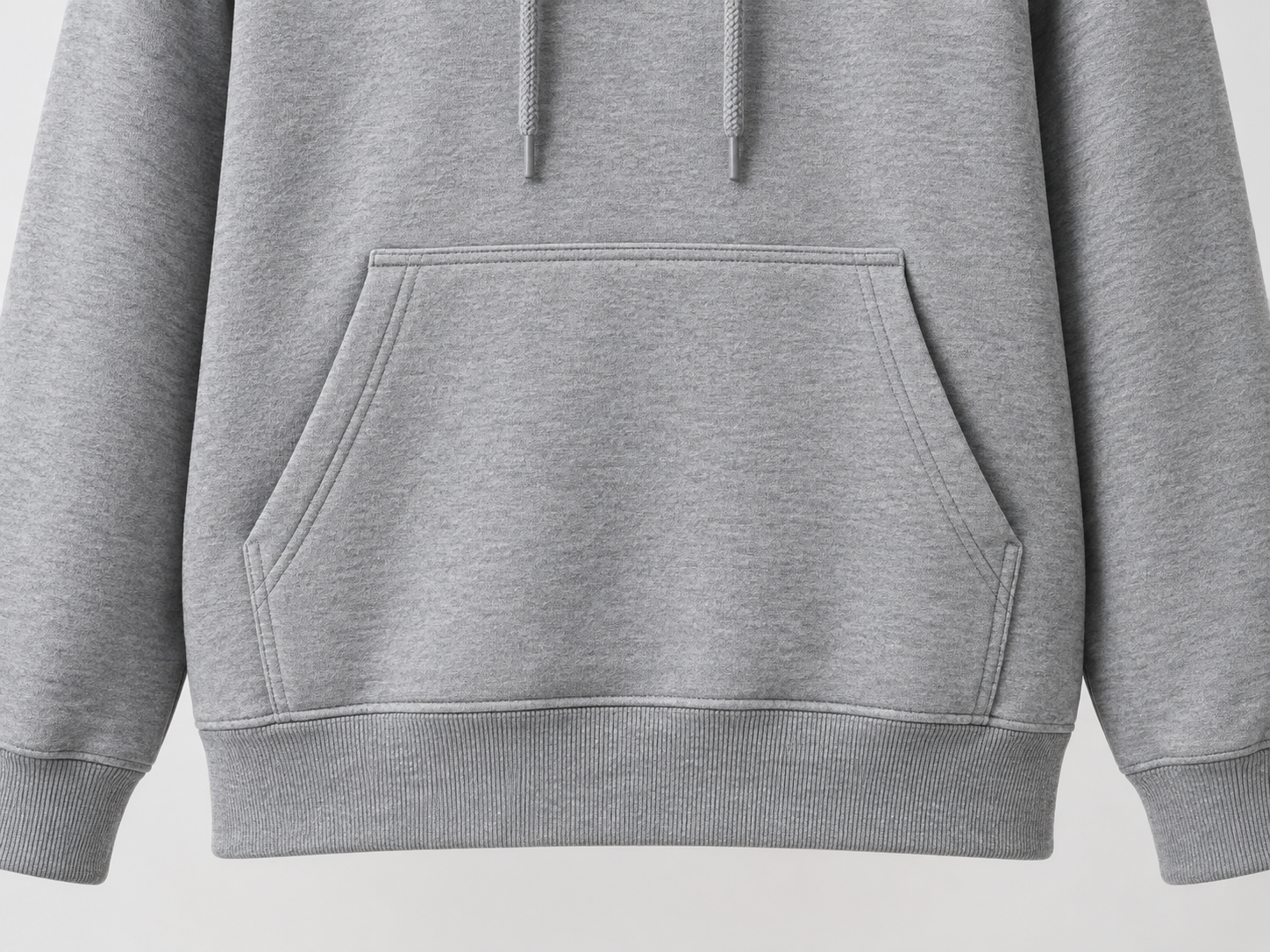
Body width, garment length, side seam shape, bottom opening, hem rib height, and hem recovery define the final outline. A sweatshirt designed to sit cleanly at the waist behaves differently from a longer oversized style. Fabric drape, rib tension, and sewing method can change the result, so the approved sample and measurement chart should serve as the final manufacturing reference.
Rib & Trim
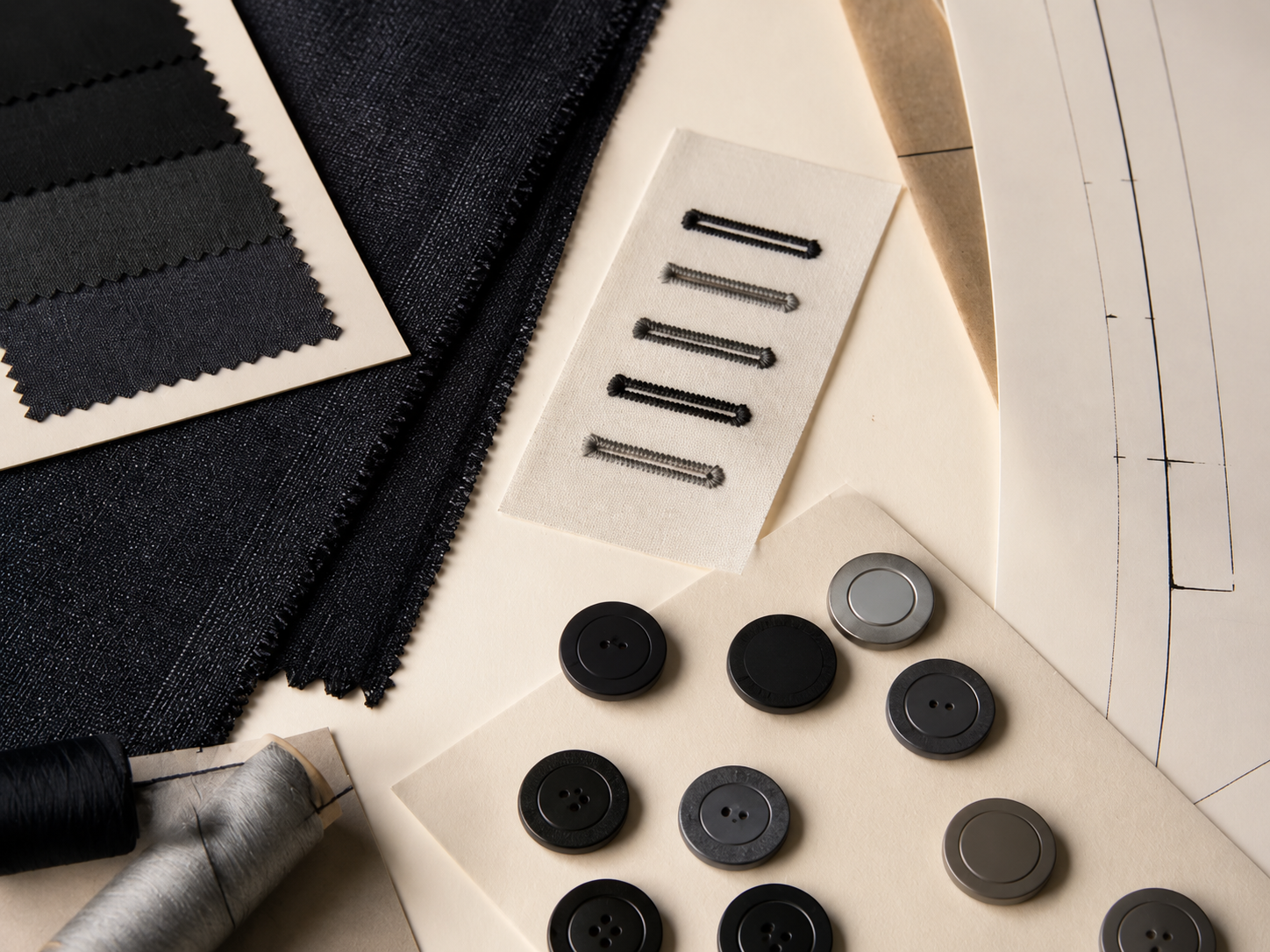
Neck rib, cuffs, hem rib, drawcords, zippers, pockets, labels, or other trims must match the garment in weight, stretch, recovery, color, and end use. Similar-looking trims can perform very differently. Leadshow can coordinate trim selection and sample evaluation according to project needs, while custom colors, branded trims, and special components may introduce separate MOQ or lead-time conditions.
Branding Placement
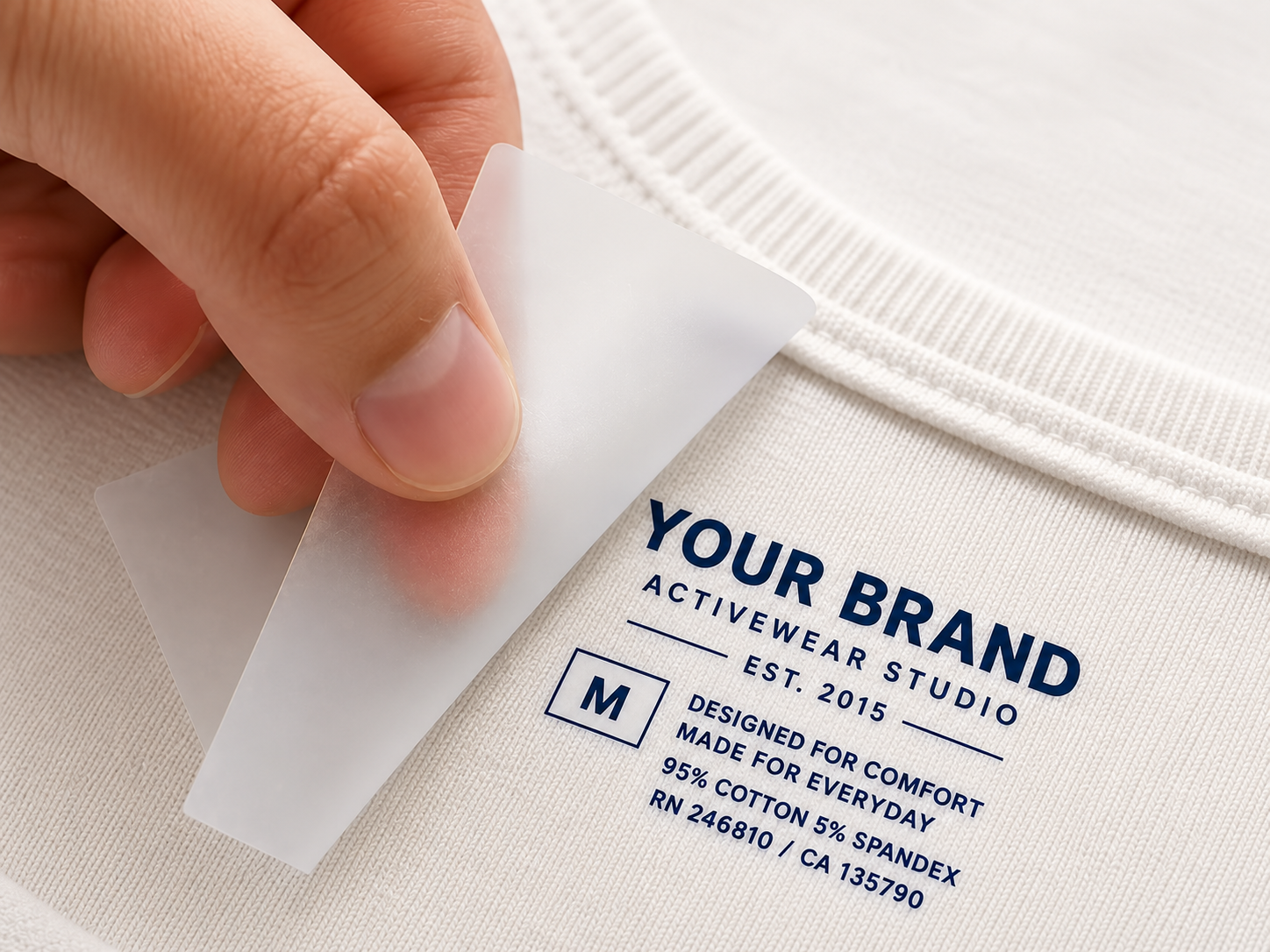
Logo size, position, orientation, label location, artwork version, and application method need clear approval. Leadshow has confirmed heat-transfer labeling and heat-press equipment for selected applications. Embroidery, screen printing, sublimation, digital printing, or other methods should be evaluated separately when required and should not be assumed to be fixed in-house capabilities without project confirmation.
Sweatshirt Fabric, Weight and Handfeel Decisions
Material decisions should connect product positioning with measurable specifications and physical approval. Composition and GSM are useful inputs, but neither value alone proves quality, warmth, durability, or premium performance.
Decision Area
What to Confirm
Why It Matters
Approval Basis
Composition
Fiber blend and percentages
Influences handfeel, care, moisture behavior, cost, and sourcing
Fabric specification + physical swatch
Fabric Construction
French terry, fleece, knit structure, face/back construction as specified
Changes drape, loft, stretch, sewing behavior, and surface
Construction record + sample garment
GSM
Target weight or approved material value
Affects thickness, drape, cost, packing weight, and structure
Supplier data + physical approval
Surface / Inside Finish
Smooth, brushed, loopback, texture, or other approved finish
Controls visual appearance, skin feel, pilling risk, and warmth perception
Swatch + sample review
Stretch & Recovery
Direction, stretch amount, recovery behavior
Affects pattern ease, cuffs, neckline, bagging, and seam compatibility
Material data / test when required
Shrinkage
Project requirement and expected care condition
Influences pattern compensation and bulk measurement control
Test or supplier record when required
Color
Standard, lab dip, swatch, or approved reference
Color perception varies by material and lighting; bulk needs an approved reference
Physical color approval
Material MOQ / Lead Time
Supplier and customization conditions
Custom color, special yarn, trims, or certified materials can change commercial feasibility
Confirmed during sourcing review
Build Fit Around Measured Product Requirements
Fit should be translated into measurements, pattern relationships, sample comments, and grade rules. A descriptive term such as oversized or relaxed is useful for direction, but production needs measurable approval criteria.
Base Size, Pattern and Measurement Logic
Leadshow can begin from a tech pack, measurement chart, pattern, reference garment, sketch, or physical sample, depending on project maturity. The first development task is to identify the base size and the points of measurement that define the intended sweatshirt. Chest width, body length, shoulder position, neckline, sleeve length, cuff width, bottom opening, rib height, and other project-specific measurements should use a consistent measurement method.
Ease and silhouette are then considered together with fabric weight, stretch, recovery, and construction. A thick, structured material can create a very different result from a softer material even when the nominal measurements are similar.
Conflicting files are resolved before pattern changes are treated as approved. Fit comments should distinguish measurement corrections from new design changes, because a change to shoulder drop, neckline, sleeve volume, or body width can affect pattern pieces, material consumption, workmanship, and costing. Physical sample review is especially useful when reference proportions are difficult to express in words. The approved sample and measurement chart become production references only after the relevant fit scope is clearly confirmed.
Grading, Size Sets and Tolerance Control
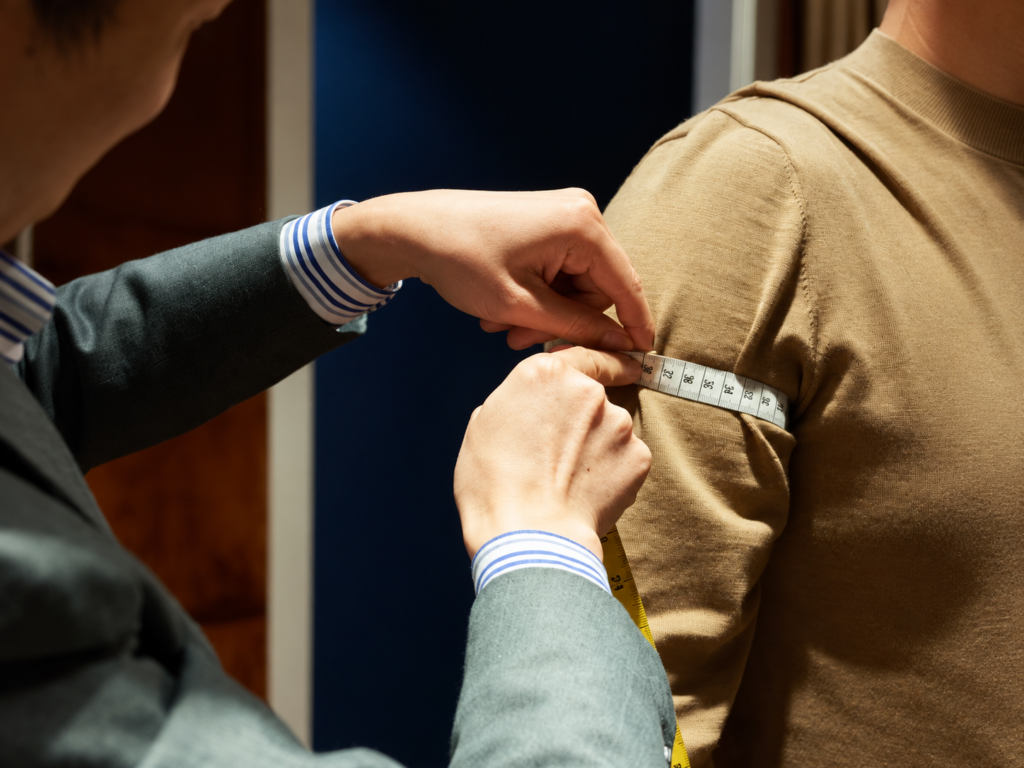
One approved base size does not automatically approve every size. Grade rules need to define how width, length, shoulder, sleeve, neckline, and other measurements move across the requested size range.
Brand teams may provide their own grade rules, or development may require review against supplied measurements and references. Size-set evaluation can be used when the project requires physical confirmation across multiple sizes. Sample type and size-set scope remain project-specific rather than fixed for every order.
Tolerance is equally important. Bulk garments are manufactured against approved specifications within the agreed inspection method and acceptance criteria; “zero measurement variation” is not a realistic production statement. Measurement checks should use defined POMs, consistent methods, and the approved size chart. If fabric, rib, washing, finishing, or construction changes after fit approval, the effect on measurements may need another review. The objective is a controlled size system that can be communicated clearly from development into production, quality inspection, and repeat orders.
Collar, Cuffs, Rib and Hem Construction
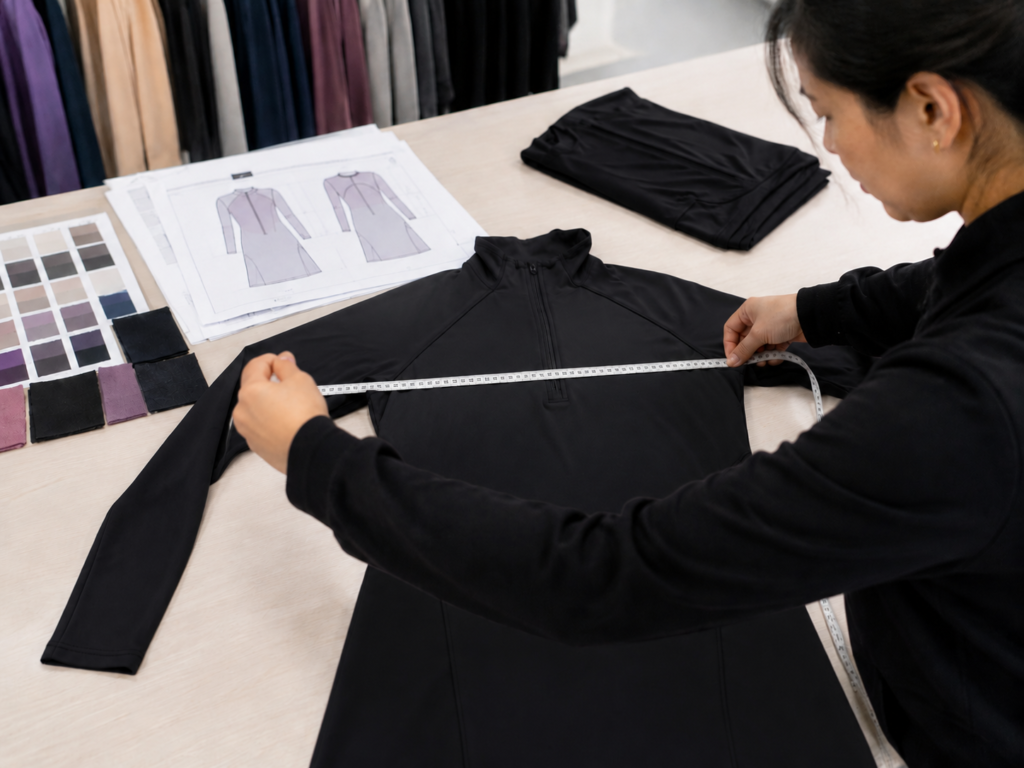
Rib structures and seam details strongly influence the appearance and durability of sweatshirts. Material compatibility, proportion, tension, seam method, and approved measurements should be considered together during sample development.
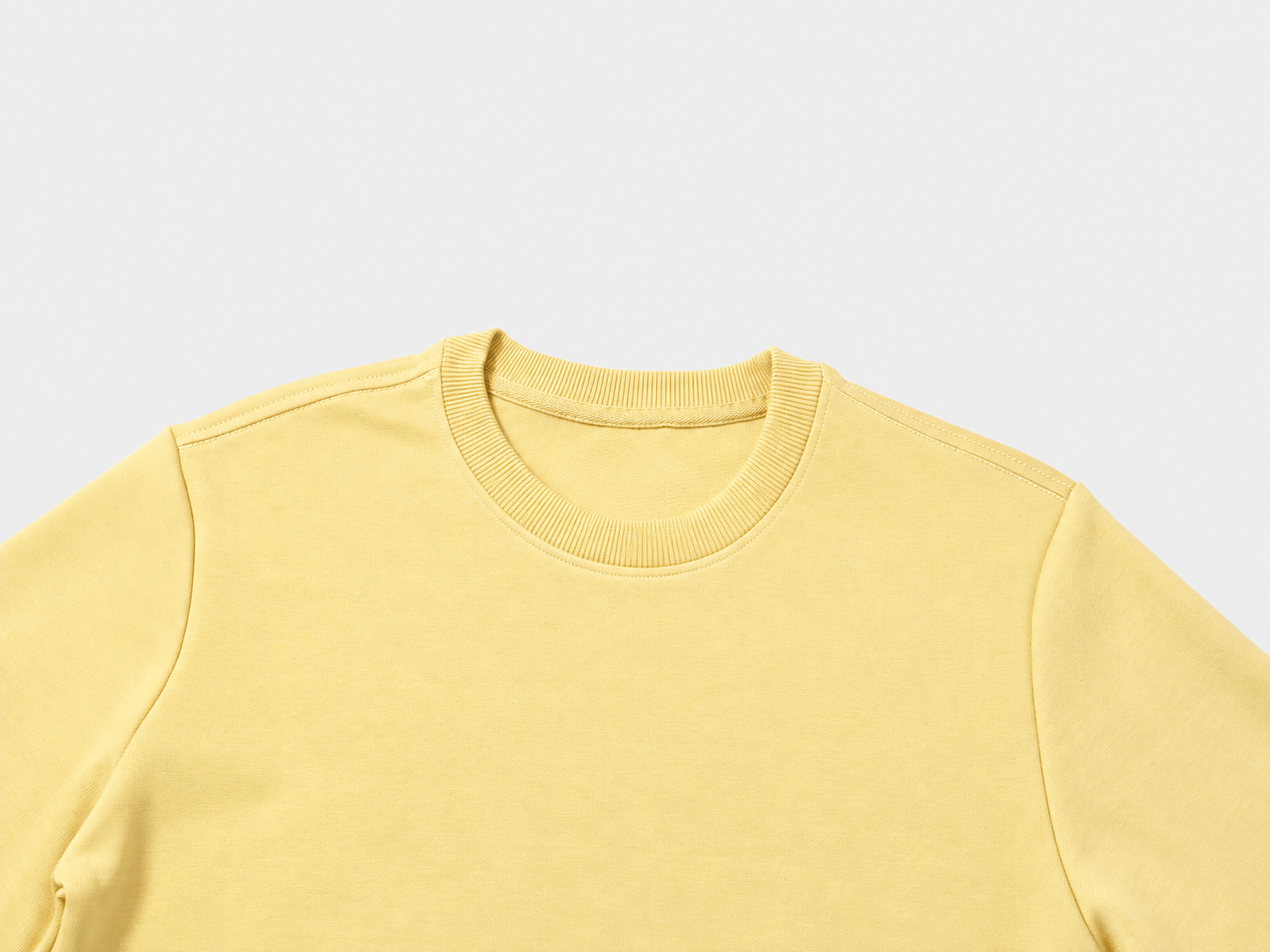
Neck Rib & Opening
Neck opening dimensions, rib height, rib composition, stretch, recovery, seam allowance, and attachment method influence appearance and comfort. An opening that is too tight can distort the neckline, while low recovery can cause stretching after wear or washing. Leadshow can review supplied measurements and sample behavior, then use the approved product reference to guide bulk construction. Material performance still depends on the selected rib and project conditions.
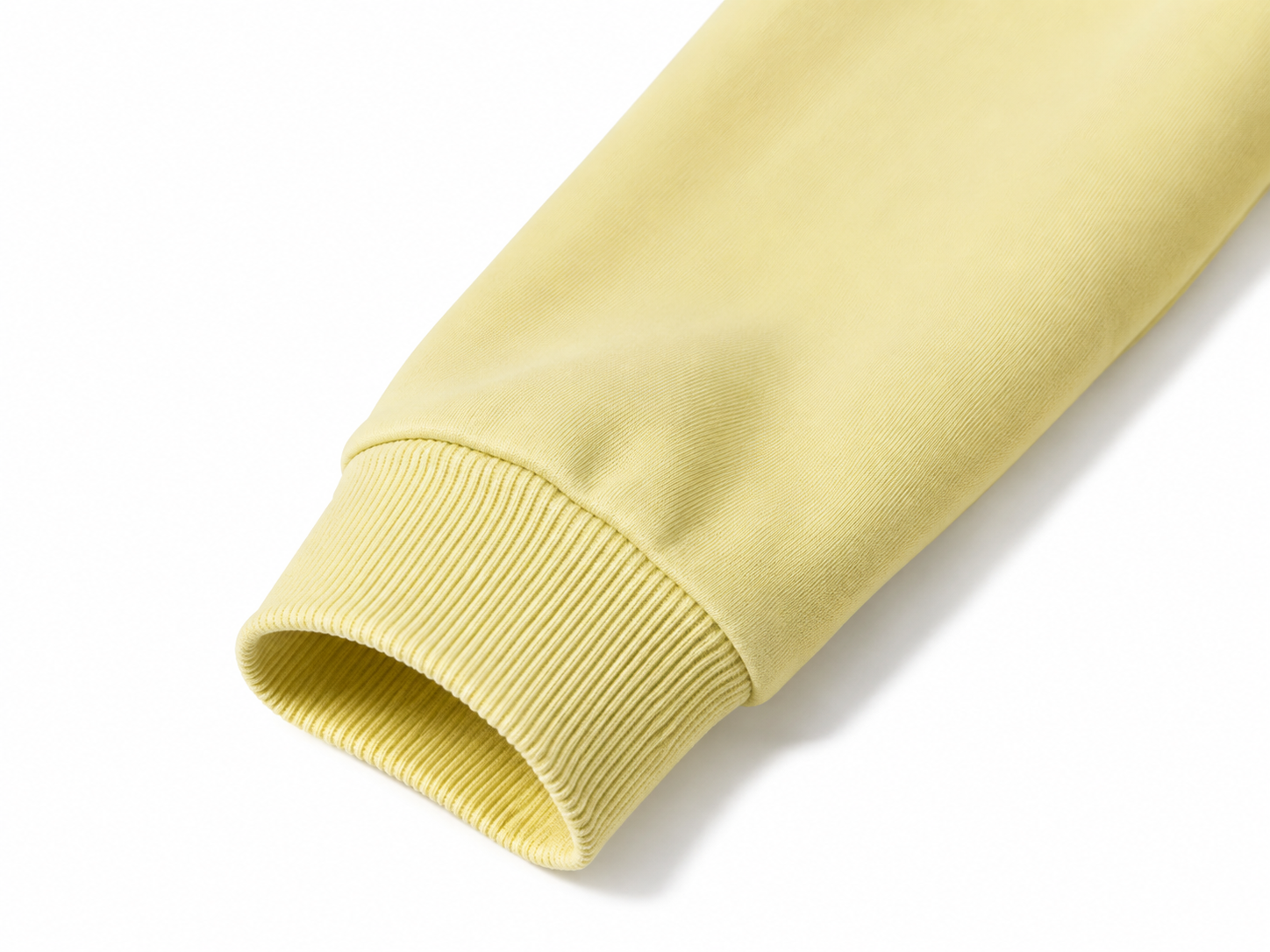
Cuff Construction
Cuffs need a controlled relationship between sleeve opening, cuff width, cuff height, rib recovery, and seam construction. Heavy fleece, soft French terry, or other materials can place different demands on the cuff. Excessive tension may create puckering or an overly tight feel; insufficient recovery can weaken shape retention. A physical sample helps confirm proportion, handfeel, and sleeve-to-cuff balance before bulk requirements are frozen.
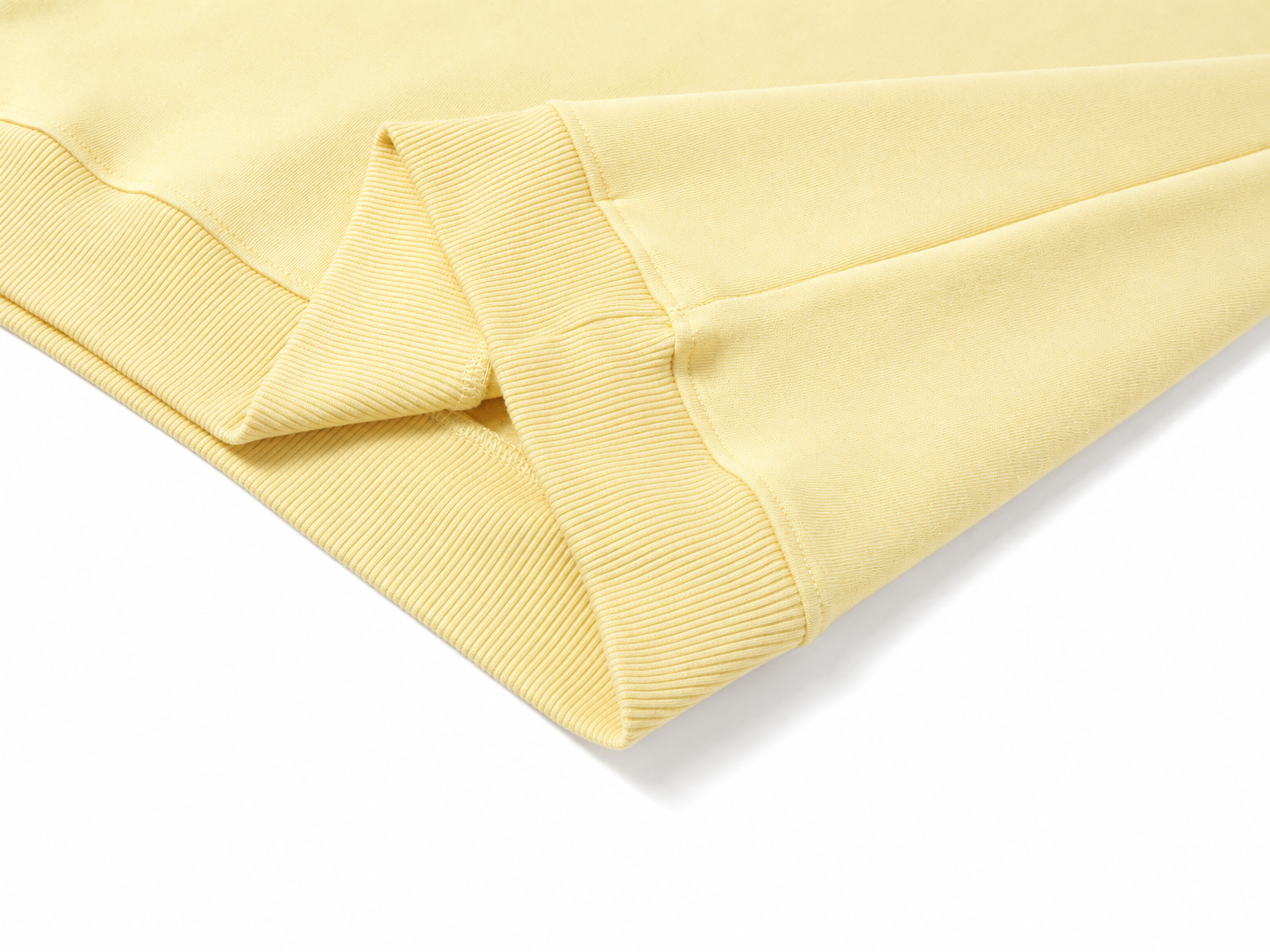
Bottom Rib & Hem
Bottom rib affects the sweatshirt silhouette as much as body width or garment length. A fitted hem can pull the body inward, while a softer or wider hem can support a relaxed outline. Rib stretch, recovery, height, attachment ratio, and material weight should be evaluated against the main body fabric. Approved measurements and sample appearance are used together rather than relying on a generic hem ratio across all styles.
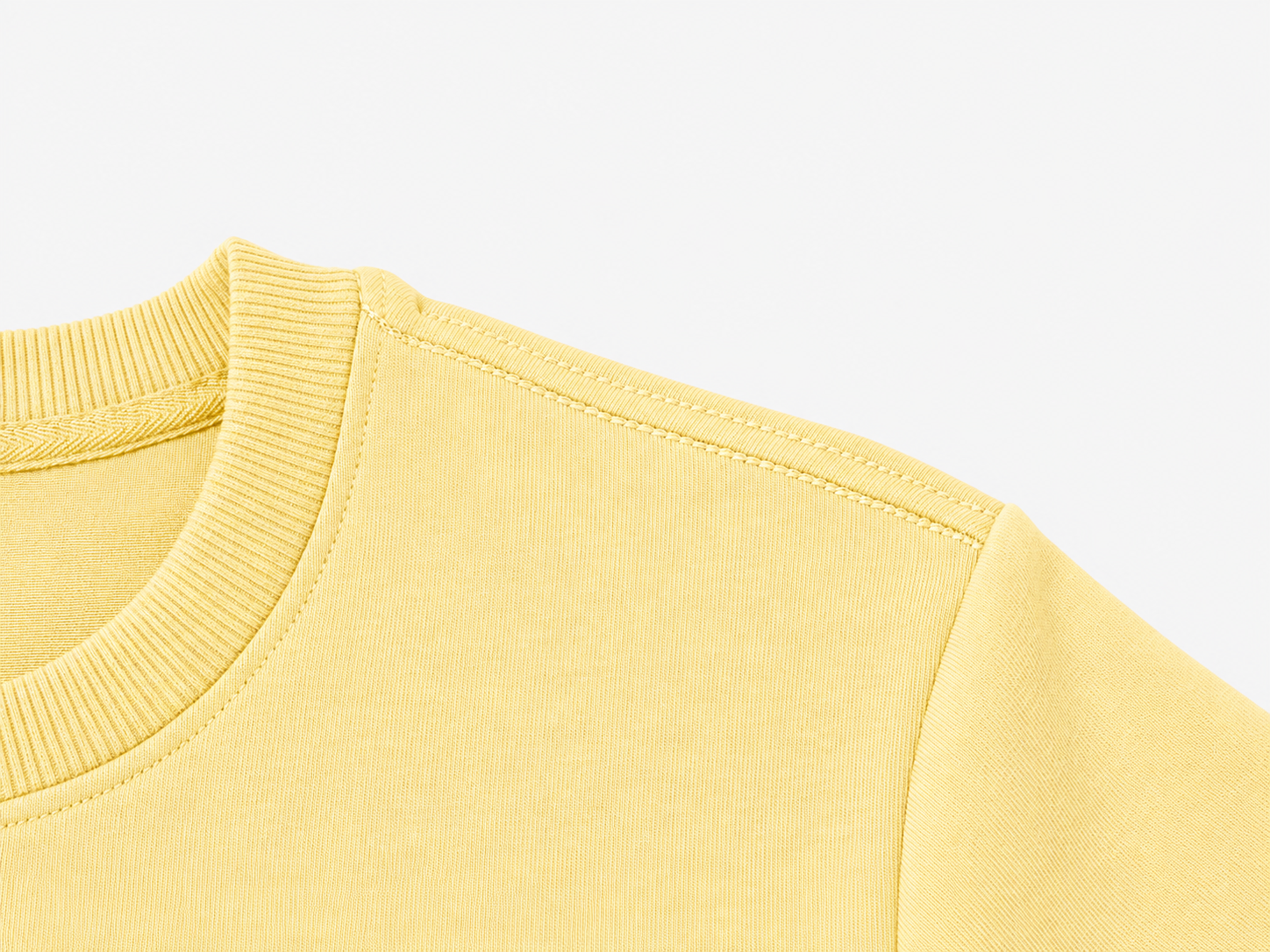
Seams & Reinforcement
Shoulder seams, side seams, armholes, pocket openings, zipper ends, drawcord openings, and other stress areas may need different stitching or reinforcement depending on construction. Leadshow has confirmed lockstitch, four-thread and five-thread overlock, double-needle, bartacking, buttonhole, snap-installation, and other production equipment. The actual stitch and reinforcement plan is selected according to product design, material behavior, and approved workmanship requirements.
Tech Pack and Manufacturing Feasibility Review
Accurate development begins by resolving specification gaps before fabric is cut. A structured review checks whether product, measurement, material, branding, packing, and commercial information are complete enough for the next stage.
What We Review Before Sampling
A sweatshirt review can include the tech pack, bill of materials, measurement chart, patterns, grading rules, reference images, physical garment, fabric specification, trims, color references, artwork, labels, packaging instructions, quantities, size breakdown, destination market, and expected schedule. Each input serves a different purpose.
A photo can show appearance but not reliably define internal construction or measurements. A physical garment can reveal proportion and workmanship but may not show the intended material or fit changes. A tech pack can be detailed yet still contain conflicting versions or missing tolerances.
Leadshow coordinates the available inputs and identifies questions before sampling. The review may flag unclear POMs, mismatched artwork versions, incomplete rib specifications, uncertain shrinkage assumptions, trim sourcing constraints, or material and construction combinations needing physical validation. The result is a clearer development brief and a more reliable basis for sample scope, material sourcing, MOQ evaluation, and quotation. Projects with incomplete information can still begin, but missing details are treated as development items rather than silently assumed.

DFM, Version Control and Change Impact
Design-for-manufacturing review focuses on whether the intended sweatshirt can move from concept into repeatable production under the proposed materials, construction, quantity, and branding conditions. A change that appears small on a drawing can affect pattern pieces, seam construction, material consumption, rib requirements, sample scope, cost, and production timing.
For example, increasing shoulder drop may require sleeve and armhole changes; changing fabric weight can alter drape, sewing behavior, and packing; changing a logo method can require different temperature, pressure, or supplier conditions.
Revision control therefore matters. Updated measurements, pattern versions, artwork, fabric references, label files, and comments need a clear approval status. Conflicting instructions should be resolved before the affected work proceeds. Leadshow can coordinate development, production, quality, and logistics functions according to project stage, but fixed project-manager systems or real-time digital tracking should not be assumed unless separately confirmed. Clear files and controlled revisions create a stronger foundation for sampling and bulk production.
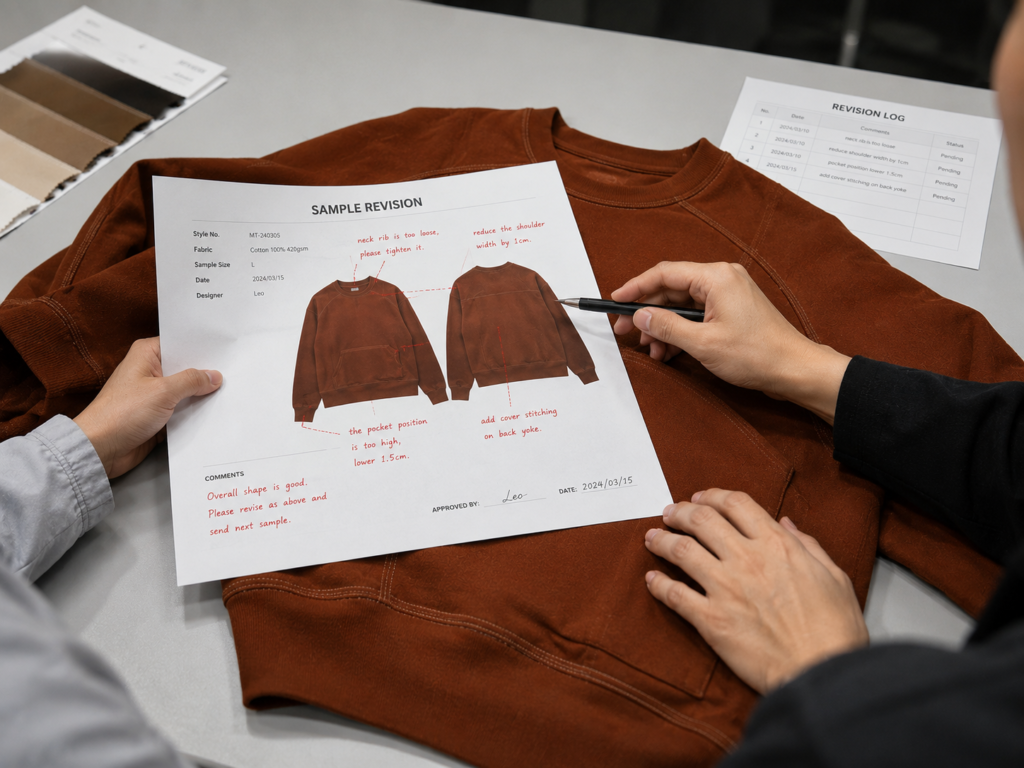
Sweatshirt Sample Development and Approval
Sampling validates the parts of a sweatshirt that cannot be confirmed from files alone. Sample type, material, size, color, branding, and approval scope depend on project complexity and brand requirements.
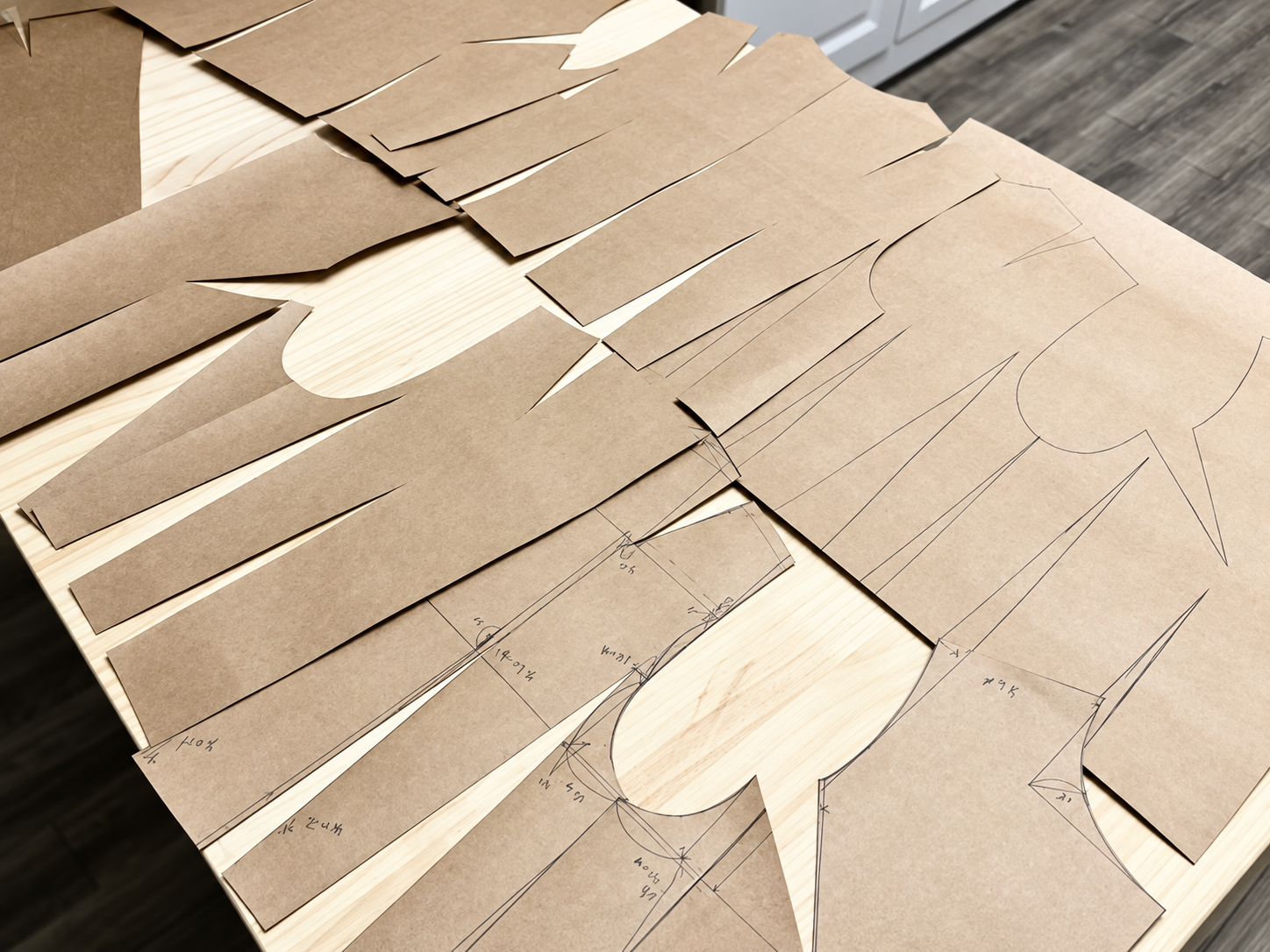
Development Sample
A development sample converts the current design, measurements, construction, and material direction into a physical garment for review. It can reveal issues in silhouette, seam placement, rib proportion, pocket structure, fabric behavior, or workmanship that are difficult to judge from drawings alone. Comments from the development sample should be recorded against a clear version so pattern, measurement, material, and construction changes are not mixed with older instructions. Timing is confirmed after technical scope and material conditions are reviewed.
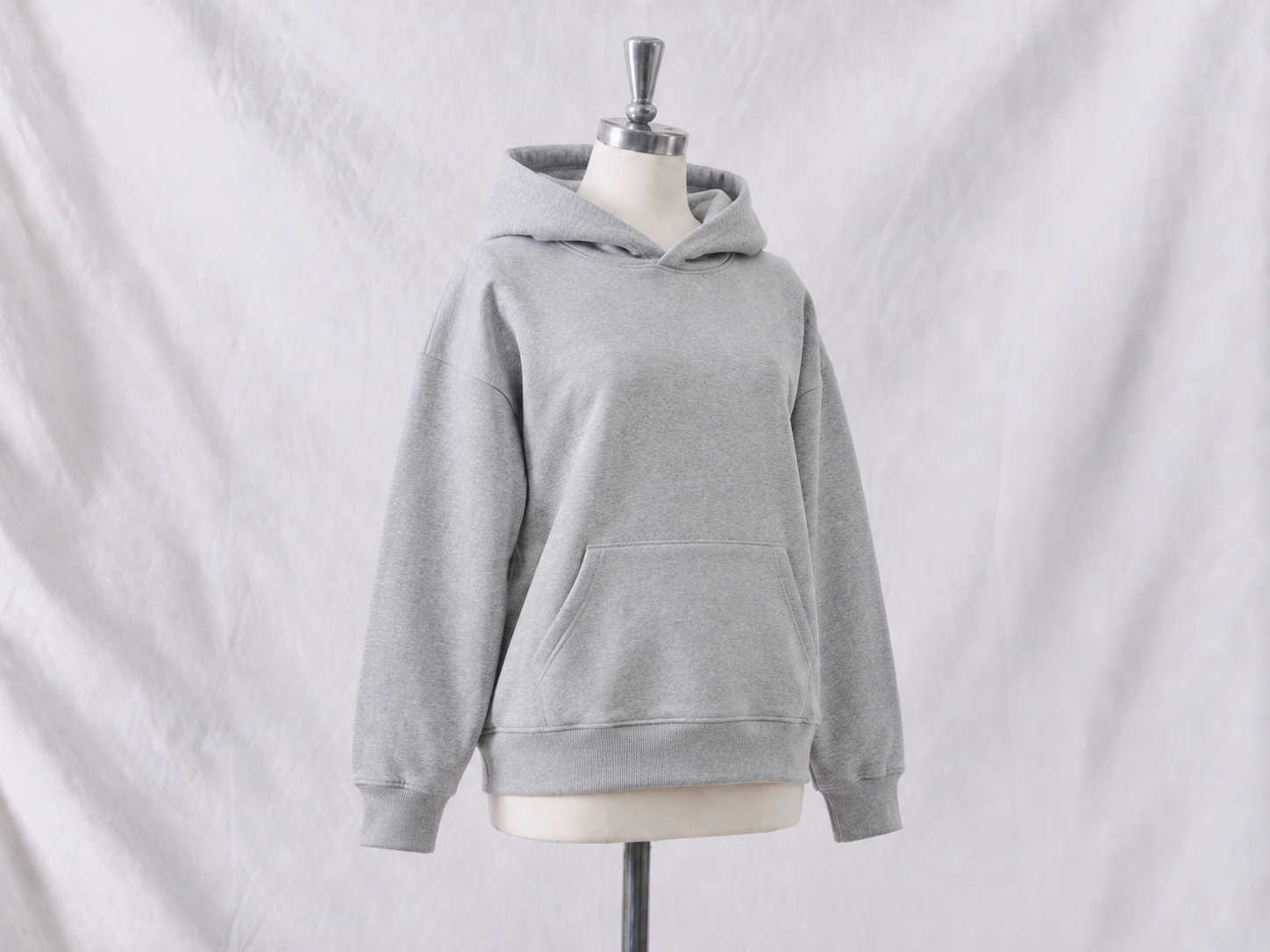
Fit Sample
A fit sample focuses on garment measurements, ease, silhouette, shoulder, sleeve, neckline, body length, and other fit-sensitive points. Fit comments should identify whether the issue is a measurement correction, pattern correction, or new design request. Leadshow can coordinate pattern and fit adjustment according to supplied measurements and feedback. A fit approval covers the agreed fit scope; it does not automatically approve final color, formal bulk material, labels, logos, packaging, or every size in the range.
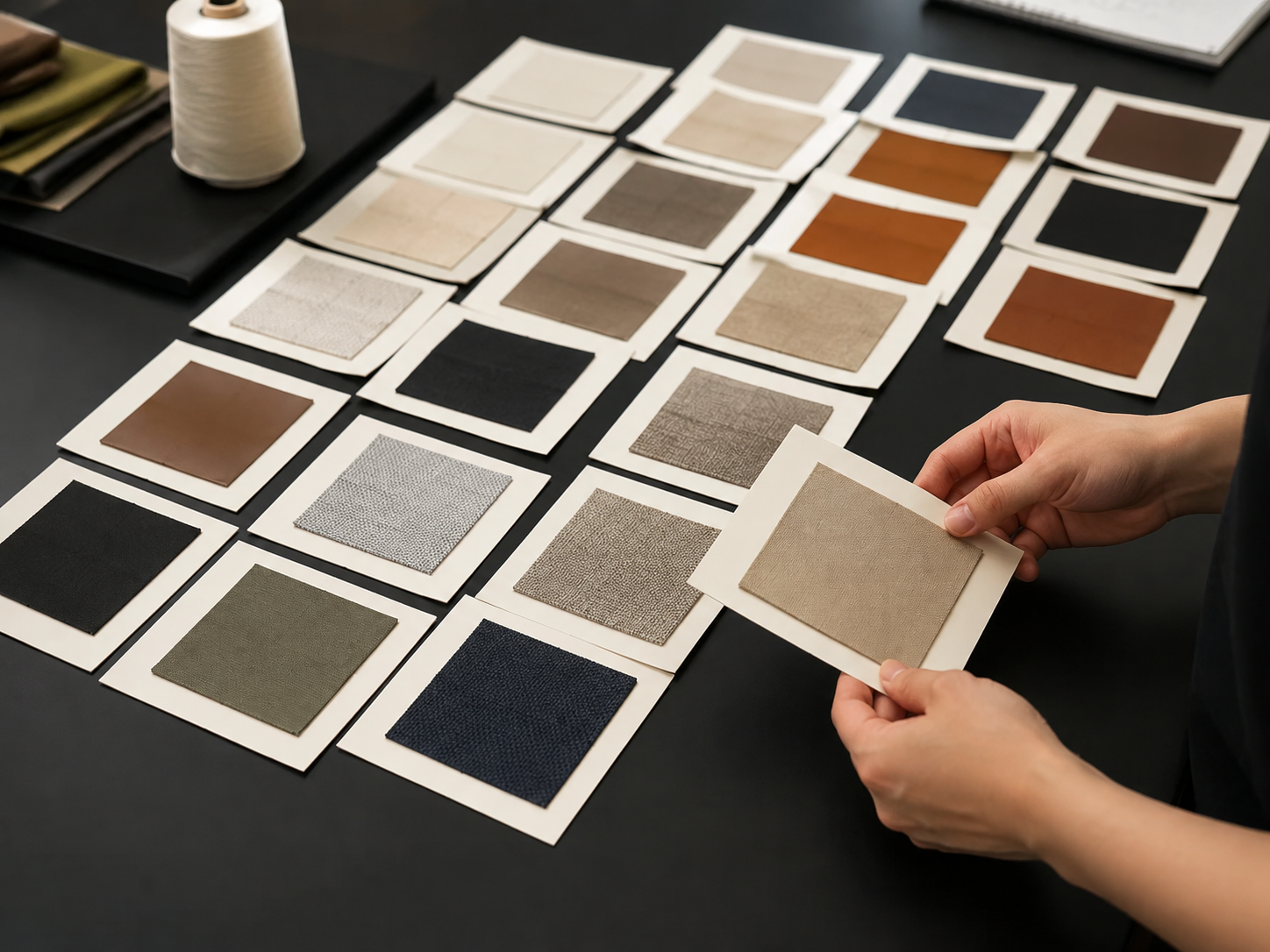
Material & Color
Material and color often need their own physical confirmation. Composition, GSM, knit construction, surface, inside finish, handfeel, shrinkage, stretch, recovery, and color can change the garment result even when the pattern is unchanged. A substitute-material sample does not automatically prove the behavior of final bulk material. Color approval can use a physical swatch, lab dip, or other agreed reference. Final material and color requirements should be recorded before bulk purchasing and production.
Logo & Branding
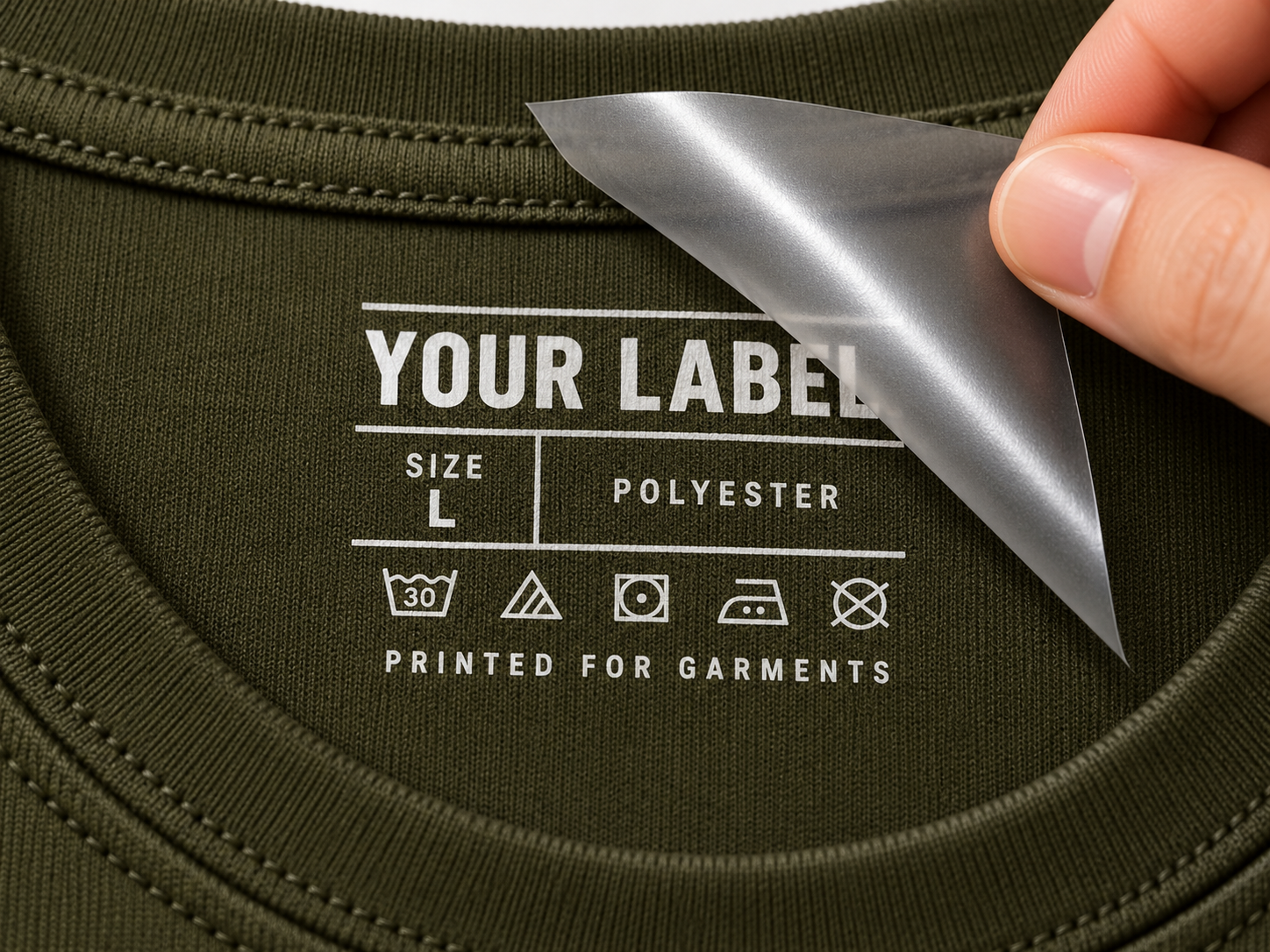
Branding samples can confirm artwork version, size, placement, orientation, color, application method, label position, and surrounding garment structure. Leadshow has confirmed heat-transfer labeling and heat-press equipment for selected applications. Other decoration methods can be evaluated separately according to project needs. Branding approval should identify exactly which element is approved; a logo sample does not automatically approve garment fit, fabric, color, care label information, packaging, or other unrelated specifications.
Size Set Evaluation
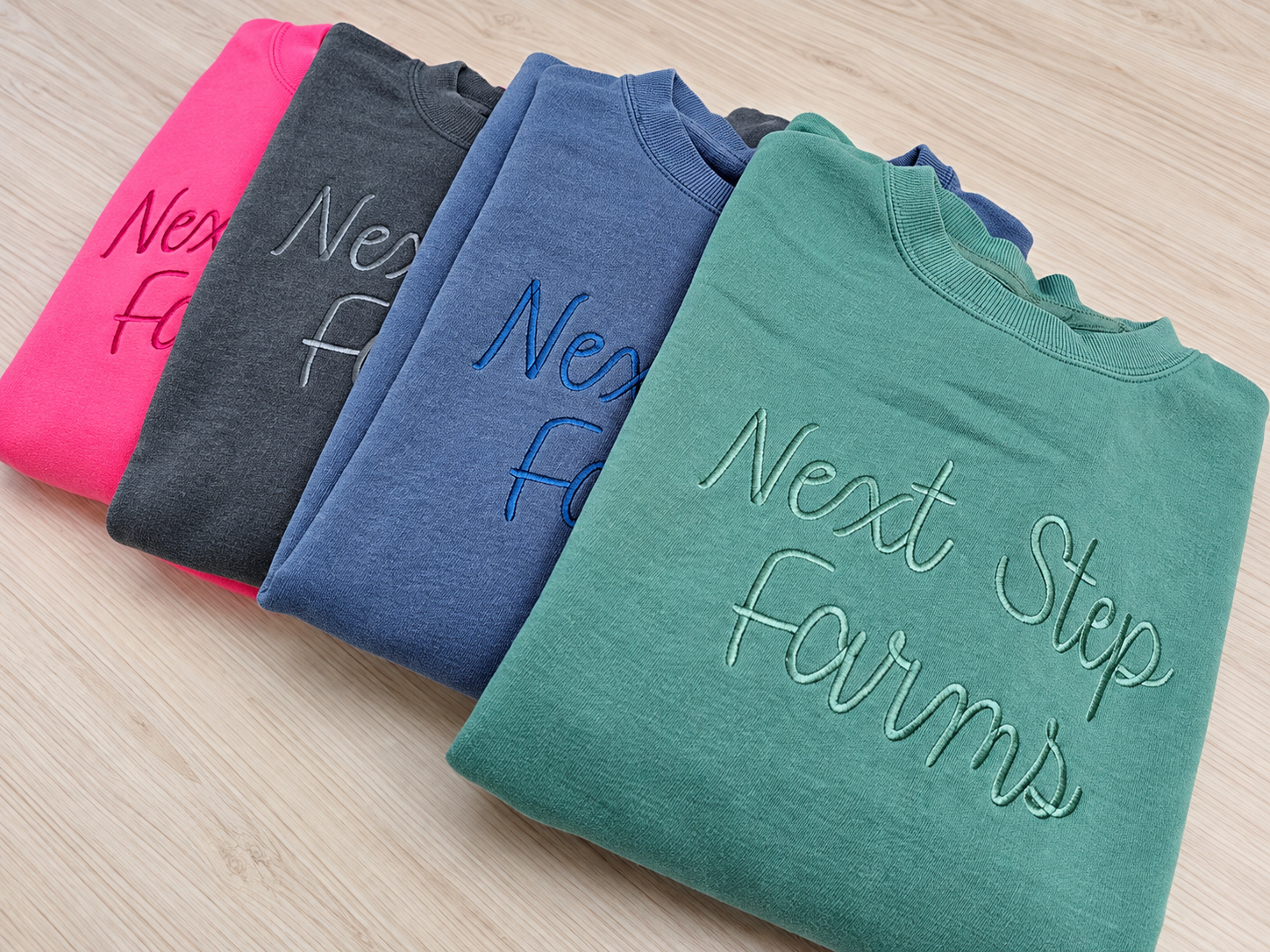
A size set can be used when physical confirmation across multiple sizes is important. The purpose is to check how approved grade rules behave in real garments, especially where shoulder, sleeve, rib, body length, or other proportions change through the range. Not every project requires the same size-set scope, and one base-size sample is not treated as proof that all sizes are approved. Size-set requirements, quantities, and timing are defined according to brand standards and project risk.
Pre-Production Approval
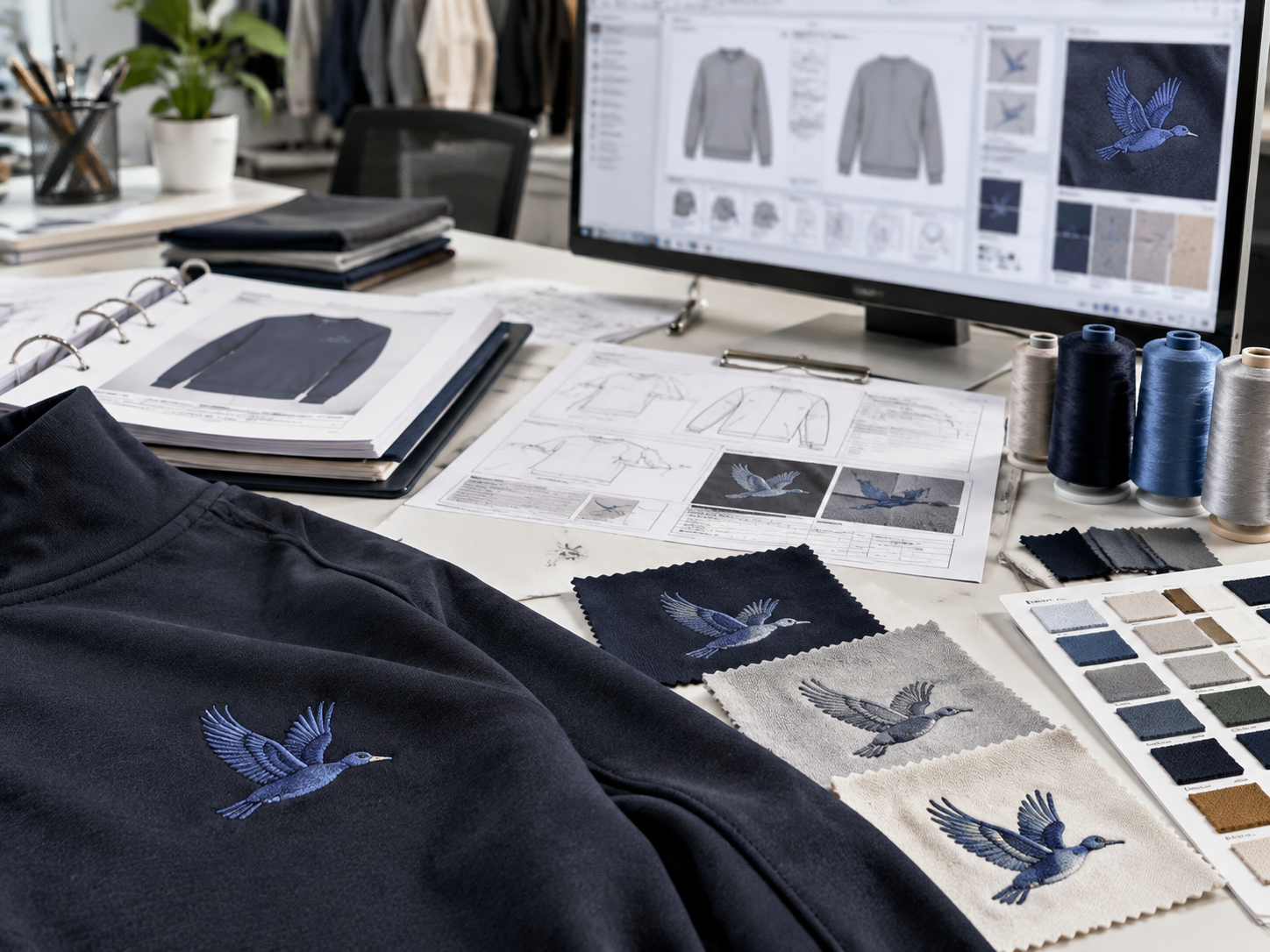
A pre-production sample or equivalent approved production reference can consolidate the final garment version before bulk manufacturing. The reference may include formal material, confirmed pattern, measurement chart, workmanship, logo, labels, and packaging elements according to the agreed approval scope. Bulk production remains subject to final order confirmation, material readiness, and production scheduling. A pre-production approval is valuable because it turns scattered development decisions into a clearer set of executable manufacturing requirements.
How Sweatshirts Move Through Production
Leadshow combines automated fabric preparation, flexible cutting, multi-type sewing, finishing, inspection, and packing equipment. The exact process is selected according to approved materials and garment construction.
Material Preparation
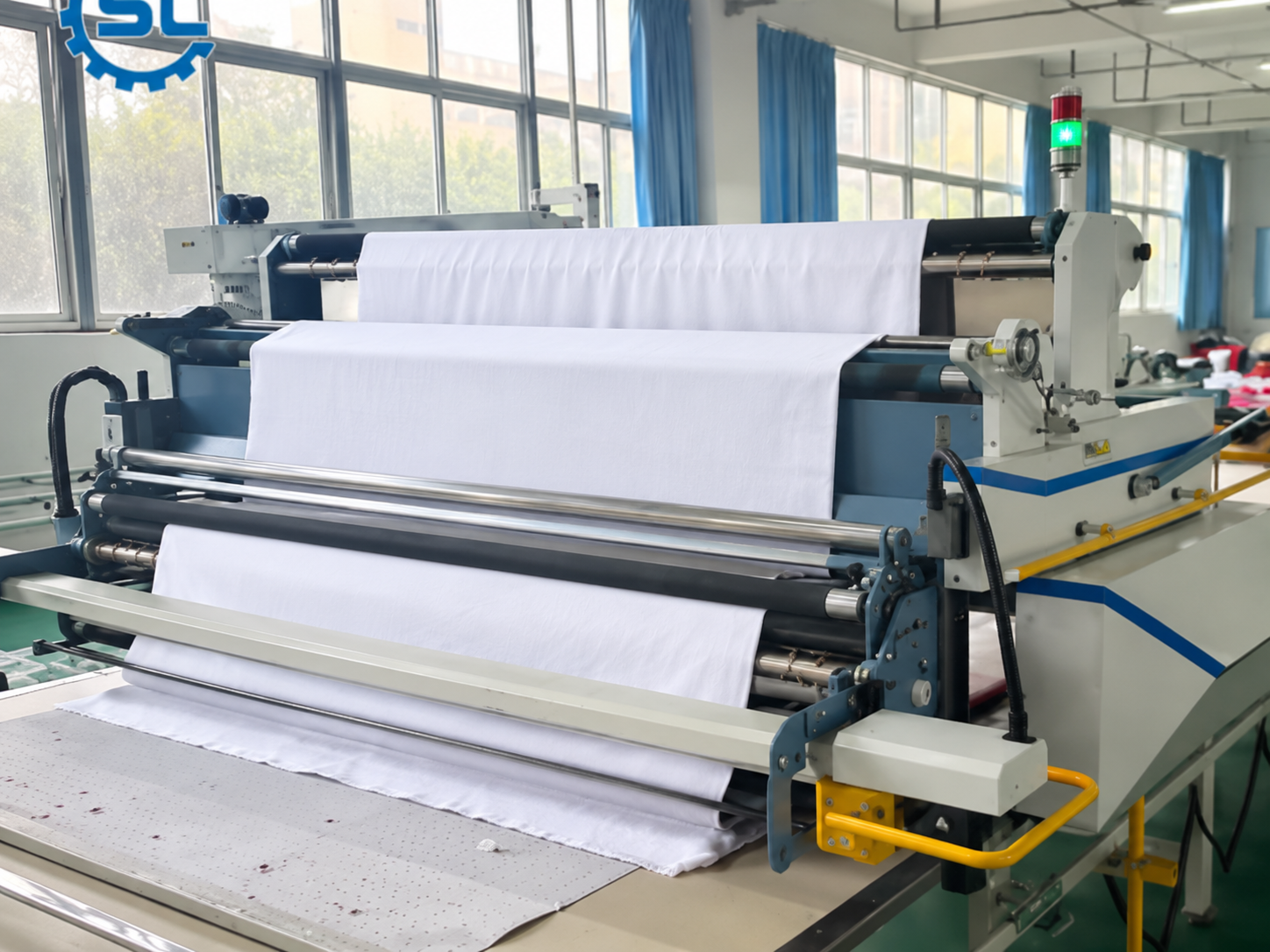
Fabric preparation begins with order and material identification, color and batch separation, and the project-specific handling required before cutting. Leadshow has confirmed five automatic spreading machines and three fabric preshrinking or setting machines for selected materials. Not every fabric is suitable for the same automated process, so stretch, thickness, surface, rolling tendency, grain or print direction, and project requirements influence the preparation method.
Spreading & Cutting
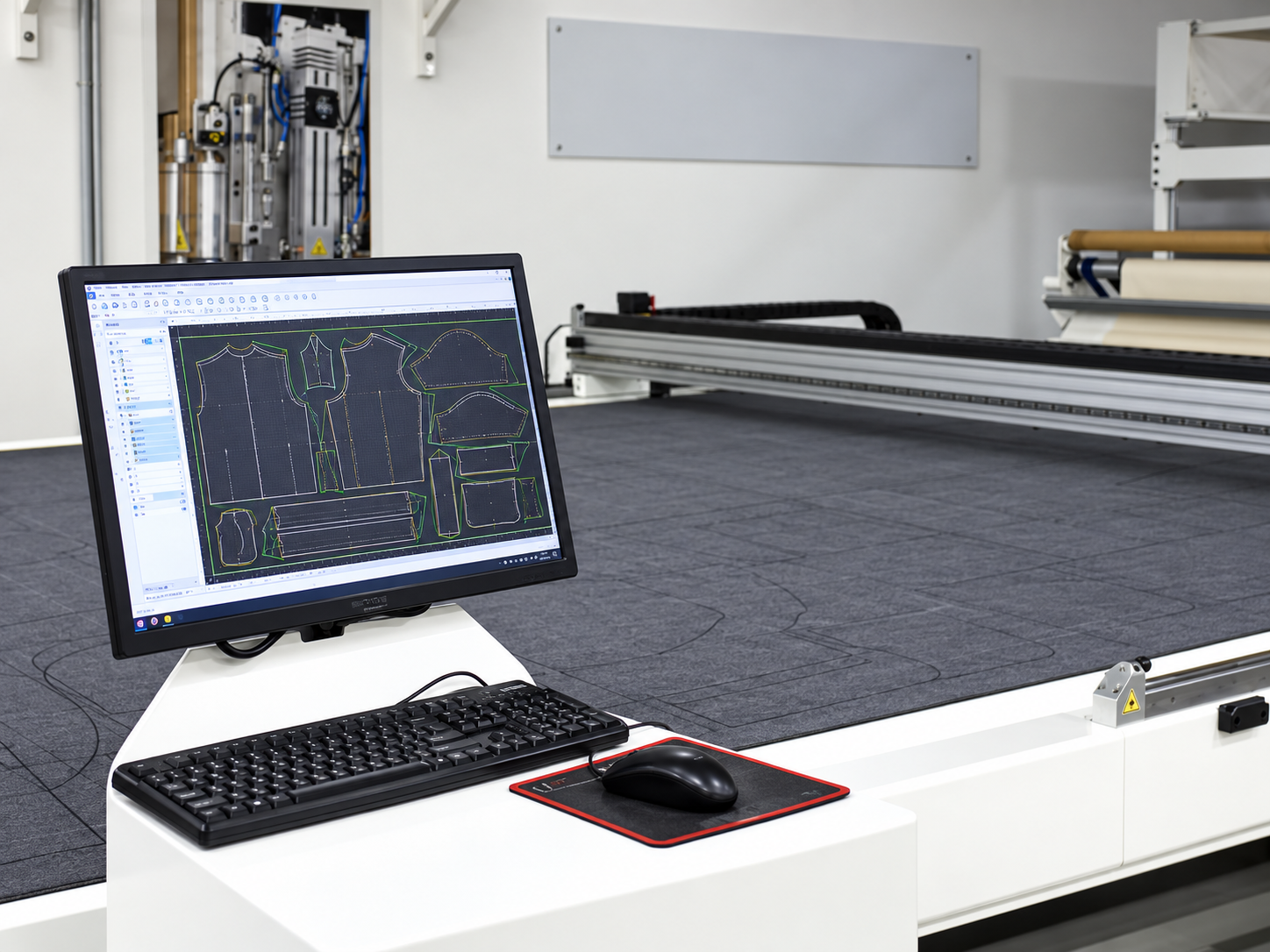
Leadshow has three automatic computerized cutting machines, eight vertical electric cutters, six round-knife cutting machines, and three laser-perforation machines. Automated and flexible equipment can support bulk, samples, and multi-style orders. Cutting method depends on material behavior and product construction. The equipment base supports consistency, but it should not be described as zero-error cutting, zero fabric waste, or fully automated processing for every sweatshirt.
Sewing Assembly
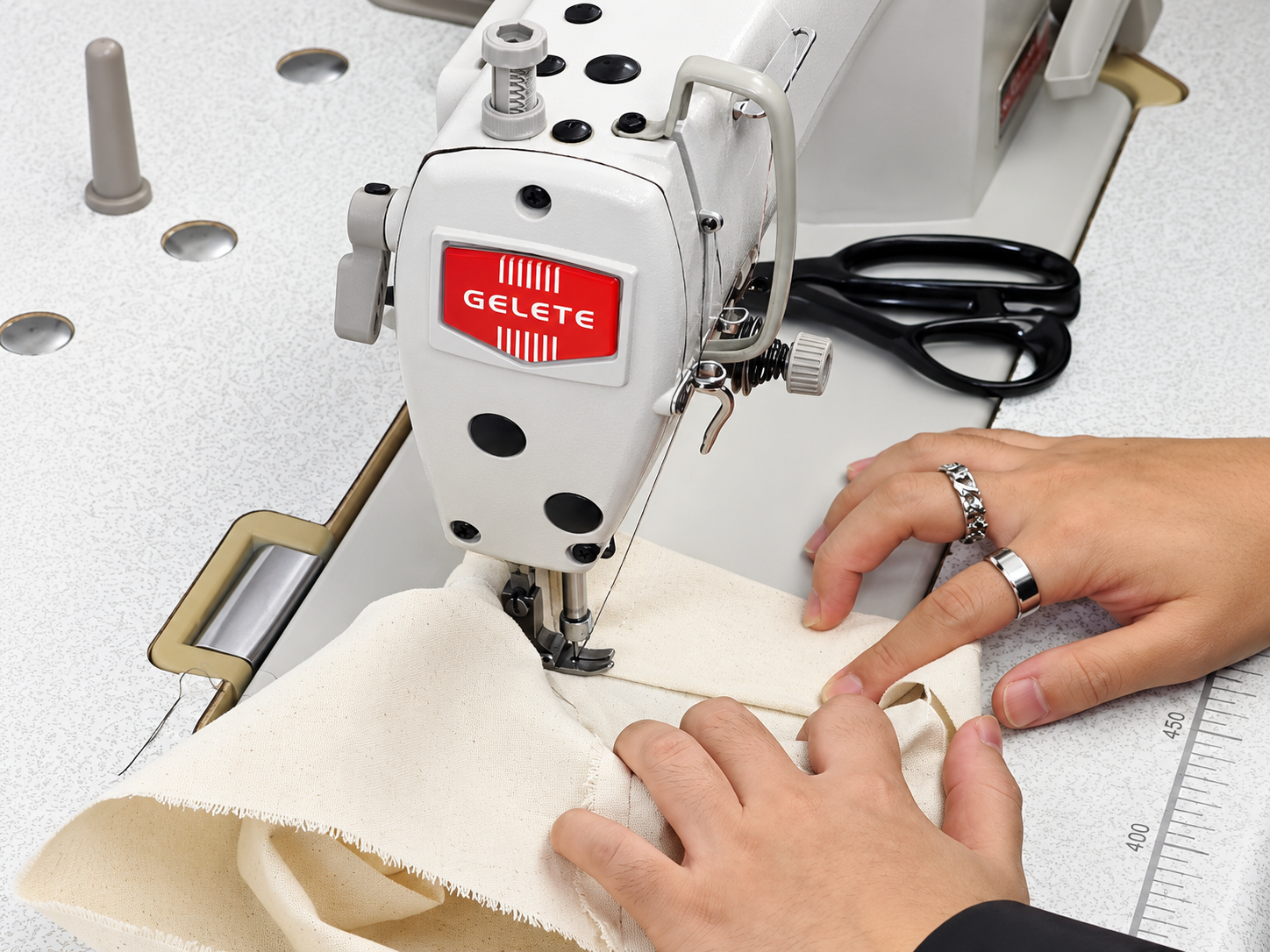
Confirmed sewing equipment includes 80 computerized direct-drive lockstitch machines, 40 five-thread overlock machines, 25 four-thread high-speed overlock machines, and 15 double-needle machines, alongside other specialized units. Sweatshirt construction may use different combinations for body assembly, hems, topstitching, labels, pockets, and reinforcement. Stitch selection is based on approved fabric, seam structure, visual requirements, and project workmanship rather than one standard seam recipe.
Structure & Reinforcement
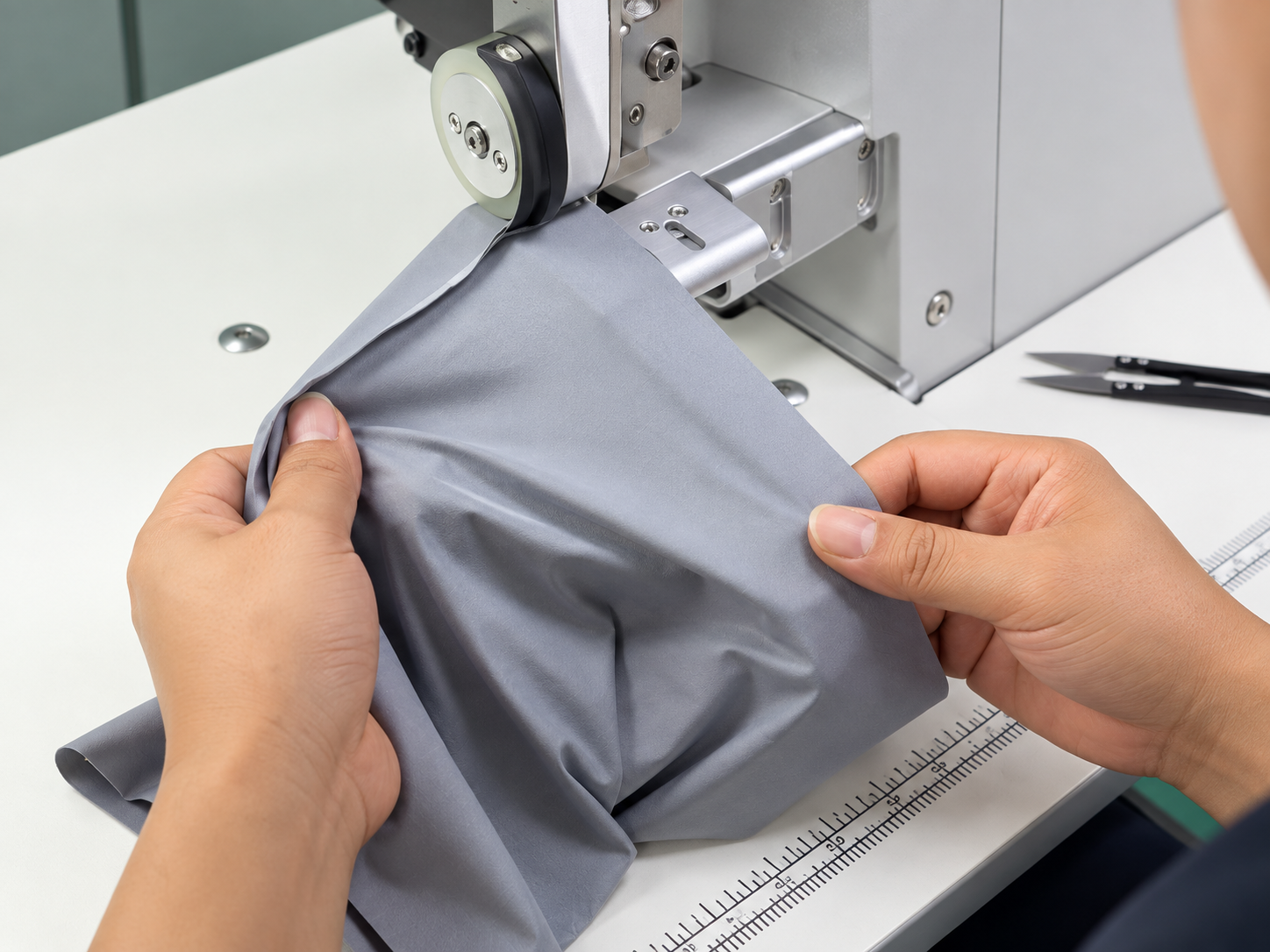
Leadshow also has elastic-attaching equipment, bartacking machines, computerized buttonhole machines, snap-installation machines, and four-needle six-thread flatlock equipment. Sweatshirt programs may use only the processes relevant to the design. Bartacks can reinforce selected stress points, while buttonholes or snaps may apply to specific constructions. Four-needle six-thread flatlock should not be confused with seamless knitting, and special processes remain subject to material and structure compatibility.
Finishing & Inspection
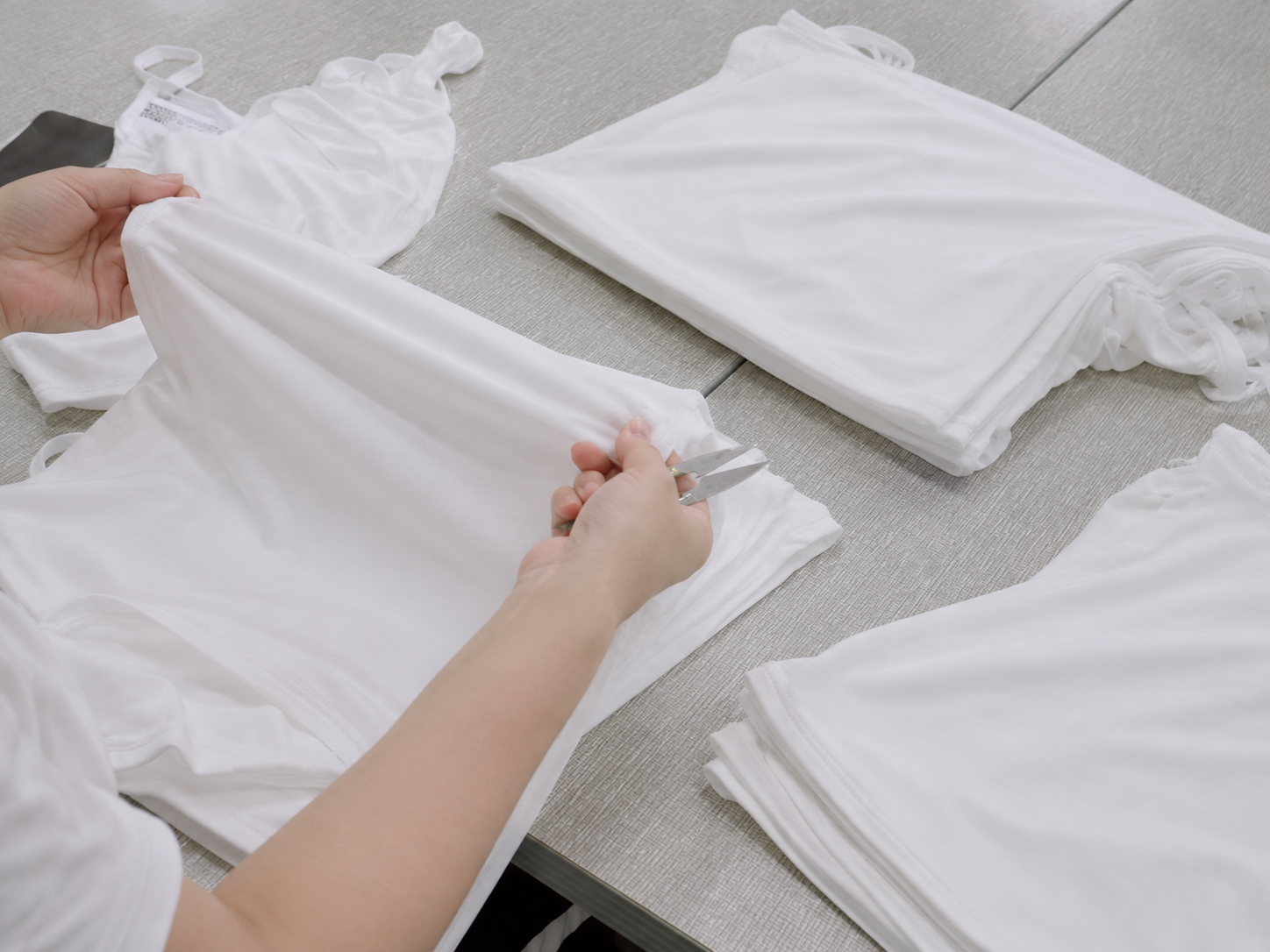
Twenty high-pressure steam ironing stations support garment appearance and packing preparation, while six automatic needle-detection machines can support final safety checks for applicable garments. Finishing improves presentation but does not correct an incorrect pattern, poor construction, or unsuitable material. Needle detection is a specific safety check and does not represent complete product certification or chemical testing. Quality review is performed according to project requirements and approved references.
Packing & Shipment Prep
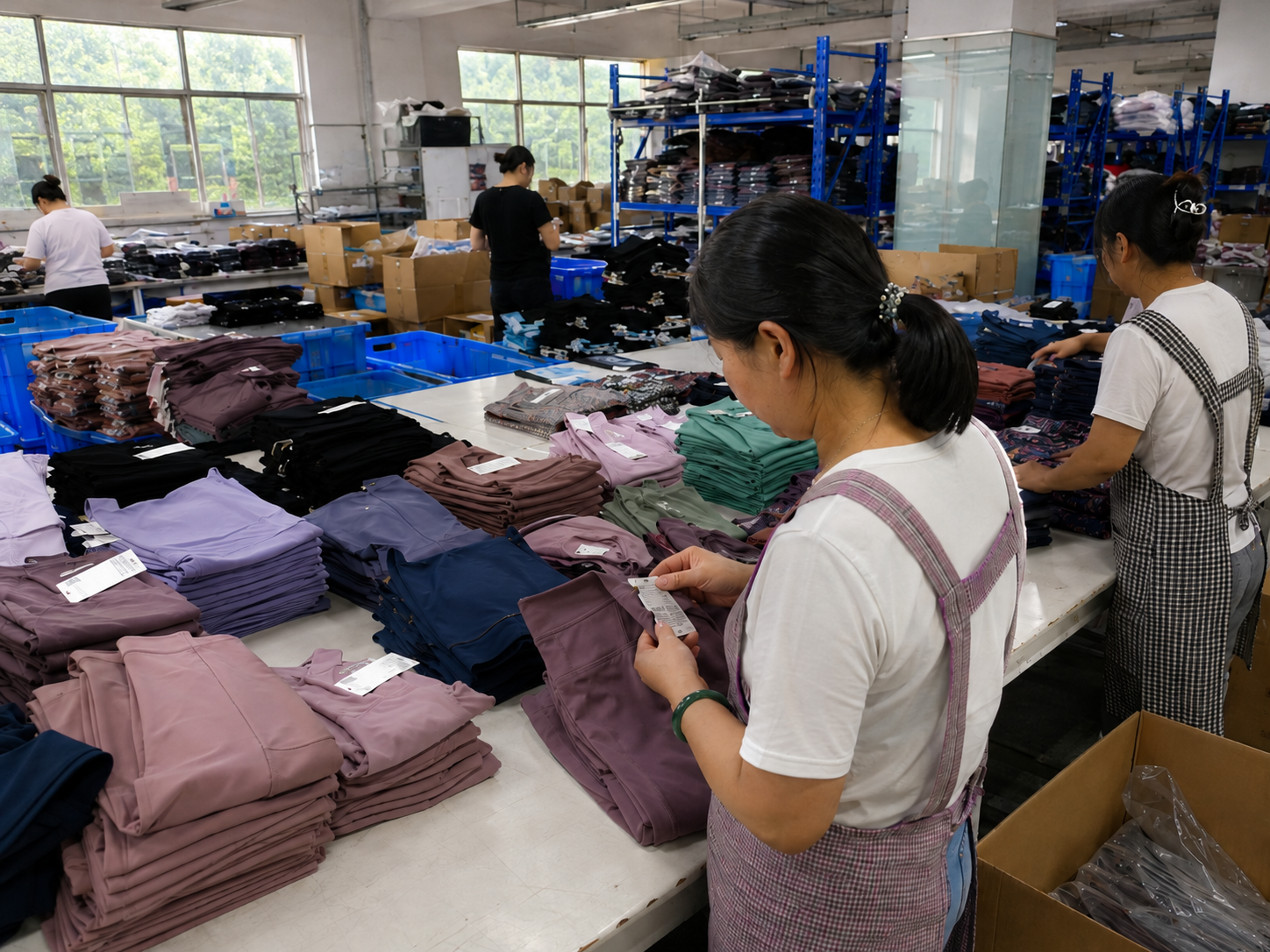
Four automatic folding and packaging systems support selected standard garments, while labeling, folding, bagging, carton preparation, and shipment coordination are supported by the warehousing and logistics function. Complex garments or special packaging may require manual handling. Packaging accuracy is checked against the approved order instructions, SKU information, labels, barcodes, and carton marks rather than assuming every retail or e-commerce standard is automatically covered.
From Approved Sample to Bulk Production
Bulk manufacturing begins from an approved specification set. The goal is to keep pattern, measurements, materials, workmanship, branding, labels, and packaging aligned as the project moves from development into production.
Freeze the Approved Production Reference
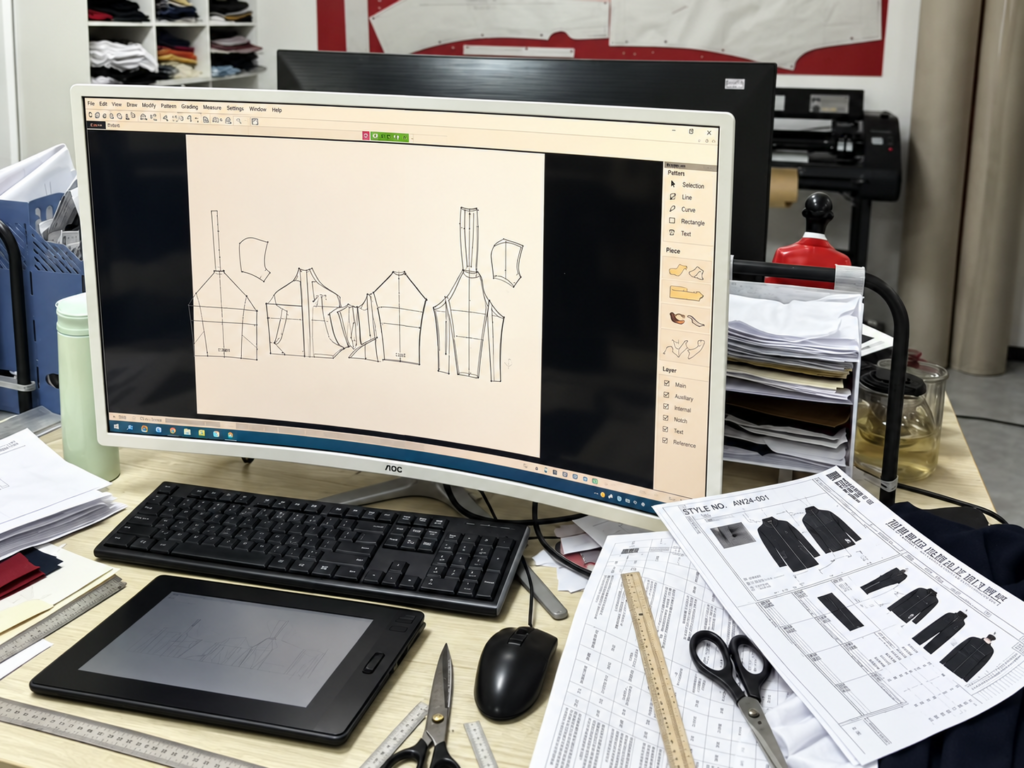
The approved sweatshirt needs a clear production reference before bulk work starts. Depending on the program, the reference can include a final pattern version, measurement chart, fabric and trim records, workmanship notes, approved sample, artwork, label files, packing instructions, size breakdown, and order quantities.
Each approval should have a defined scope. A fit approval does not automatically approve color, material, logo, labels, packaging, or all sizes; a photograph does not automatically replace physical approval where physical verification is required.
Version control prevents older instructions from returning during production. Revised measurements, altered rib details, updated artwork, or material substitutions should be recorded against the approved project version. If a late change affects construction, materials, cost, testing, sample scope, or schedule, the affected requirements need review before production continues. Leadshow coordinates development and production functions to translate approved samples and specifications into executable bulk requirements rather than relying on informal verbal instructions.
Control Early Production and Ongoing Checks
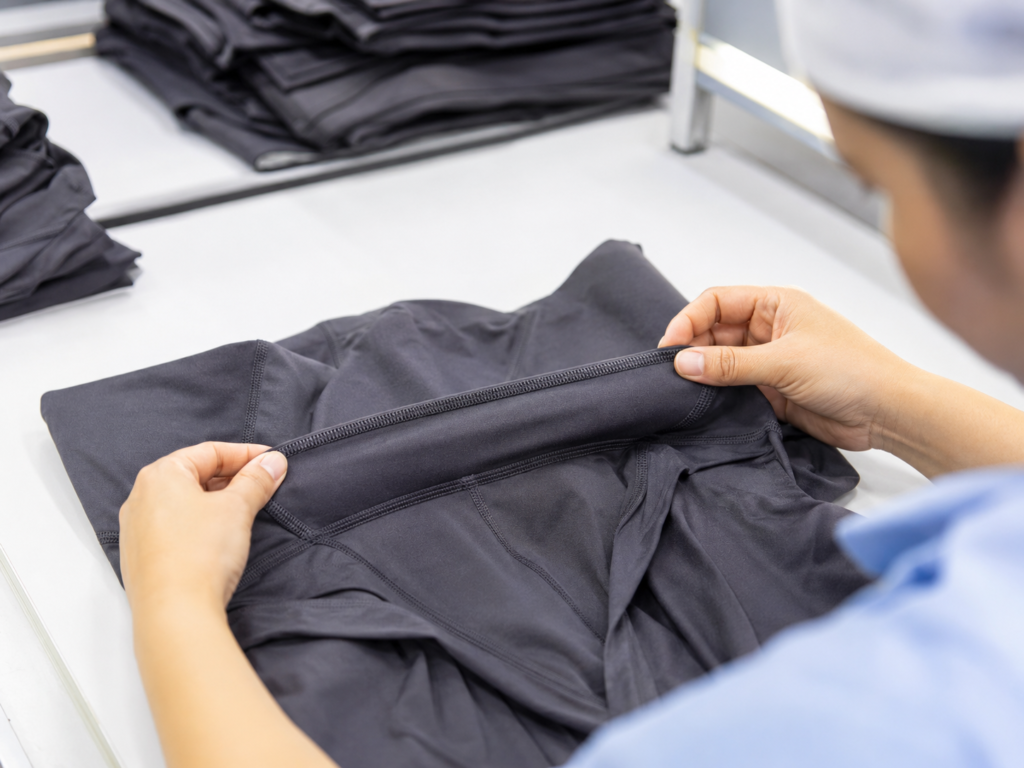
Bulk consistency is supported through production checks against approved project references. Incoming materials, cut parts, early workmanship, measurements, appearance, branding, labels, and packing can be reviewed at relevant stages according to the agreed quality scope.
The approximately 45-person quality team can support material, in-process, finished-garment, and packaging inspections. Sampling method, defect classification, tolerance, acceptance criteria, and any third-party inspection requirements remain project-specific.
The objective is controlled manufacturing within approved specifications and agreed tolerances, not a claim that every bulk garment will be absolutely identical to a sample. Fabric lots, sewing, finishing, and measurement all operate within real manufacturing conditions. When a deviation is found, the relevant item can be isolated, corrected, rechecked, and recorded according to the project arrangement. A clear approved reference makes those decisions faster and gives repeat orders a stronger technical baseline.
Sweatshirt Quality Control Points
Quality review follows approved project references at relevant stages. The strongest control points are specific: material, construction, measurements, appearance, branding, labels, packaging, and shipment preparation all need defined comparison criteria.
Inspection Area
What Is Checked
Reference
Risk Controlled
Materials
Specification, color, batch, trims, approved references
BOM / approved material / project file
Wrong material, shade, handfeel, or trim
Cutting
Pattern version, size identification, piece completeness, direction
Approved pattern / marker / project requirement
Wrong pieces, size mix, direction errors
Construction
Seams, rib attachment, cuffs, hem, pockets, reinforcements
Approved sample / workmanship notes
Puckering, distortion, weak or incorrect assembly
Measurements
Defined POMs and agreed tolerances
Measurement chart / method
Fit drift and inconsistent size results
Appearance
Shape, symmetry, surface, visible workmanship
Approved sample / visual standard
Uneven silhouette or finishing defects
Branding
Artwork, size, position, orientation, method
Approved artwork / sample
Incorrect logo version or placement
Labels & SKU
Main, care, size, barcode, SKU identity
Approved label files / order data
Wrong identity, size, care, or SKU
Packaging
Bag, card, carton, quantity, carton mark
Packing instruction / order requirement
Packing, quantity, or carton mismatch
Leadshow has an approximately 45-person quality team. Inspection scope, sampling method, defect classification, acceptance criteria, and third-party inspection arrangements are confirmed according to the project; zero-defect or universal 100% inspection claims are not used.
Private Label, Branding and Packaging
A private-label sweatshirt needs garment and brand specifications to move together. Labels, artwork, size identity, packaging, barcodes, and carton information should be approved as controlled production requirements.
Heat Transfer Labels
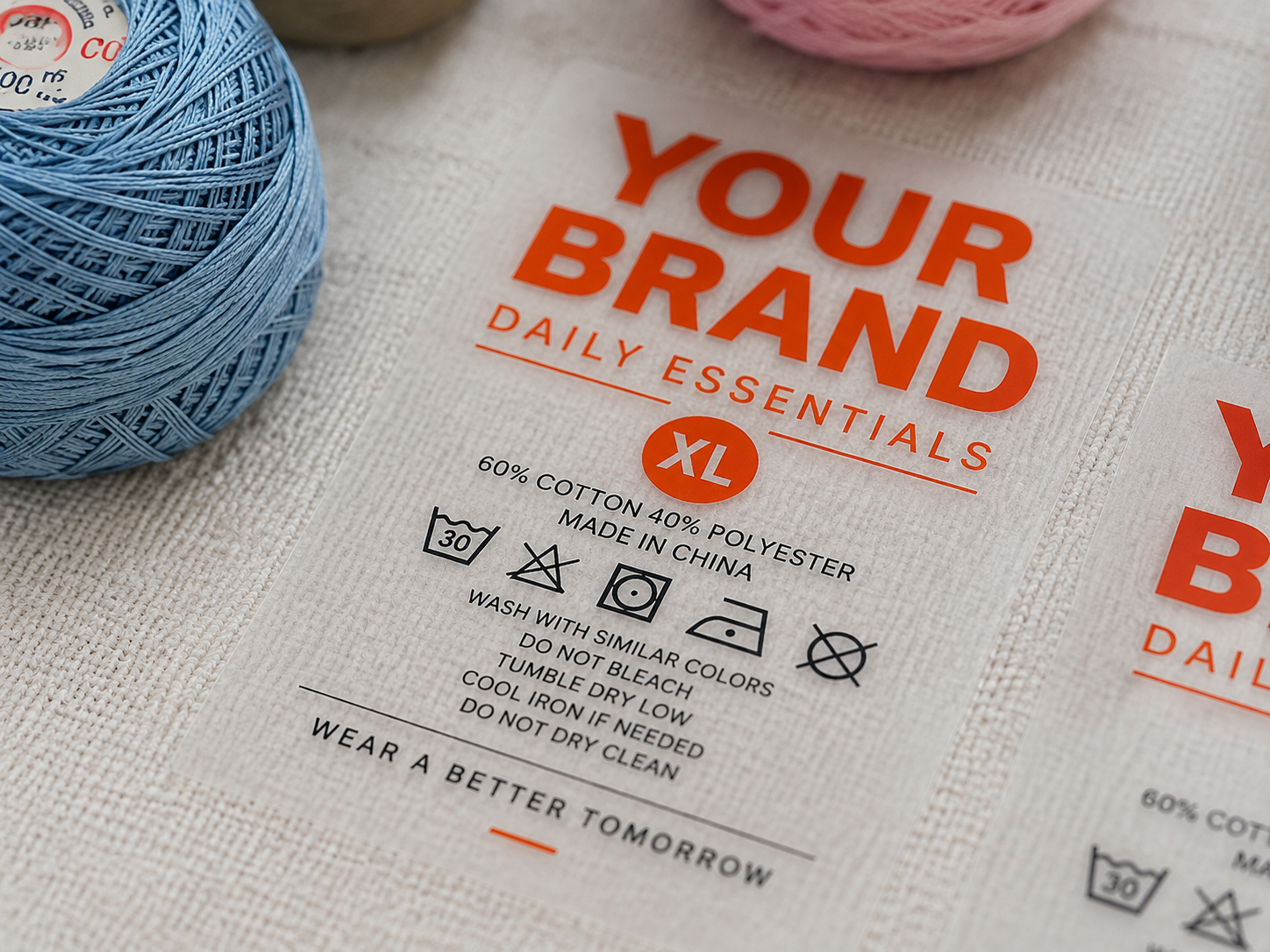
Leadshow has six double-station heat-transfer label machines that can support selected main labels, care labels, size labels, and small internal brand marks. Application depends on fabric compatibility, transfer material, temperature, pressure, and wash requirements. Heat-transfer approval should define artwork, size, position, color, and the specific material used. The presence of equipment does not justify a claim that every label is permanently wash-proof on every fabric.
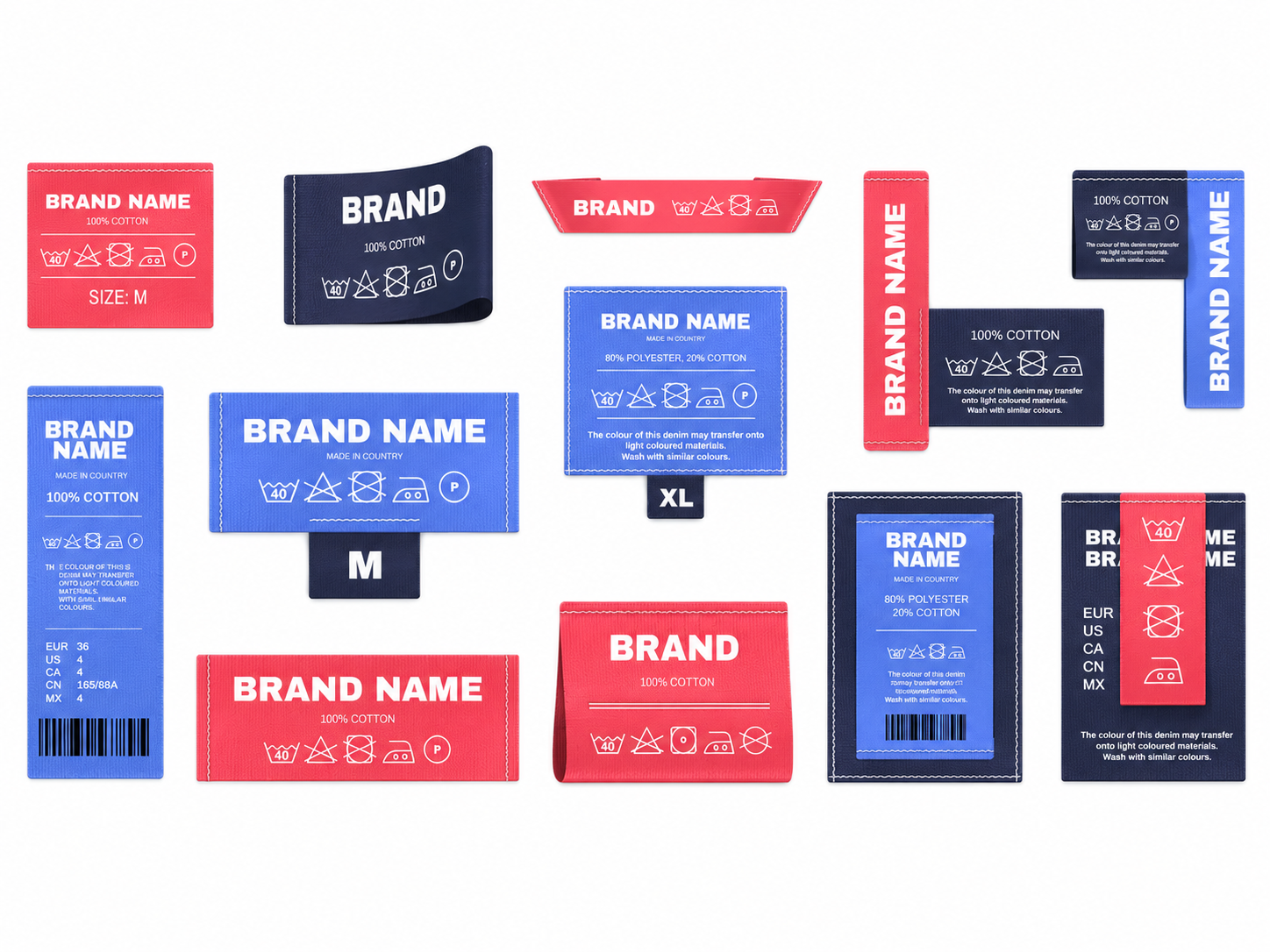
Main, Size & Care Labels
Main labels, size labels, care labels, woven labels, or other label forms can be reviewed according to the project. Content, language, fiber information, care symbols, size identity, placement, dimensions, fold, and attachment method should match the approved files. Regulatory or destination-market label requirements need confirmation for the intended market. Leadshow can coordinate label verification during packing and quality review without claiming universal compliance across every country or retail system.
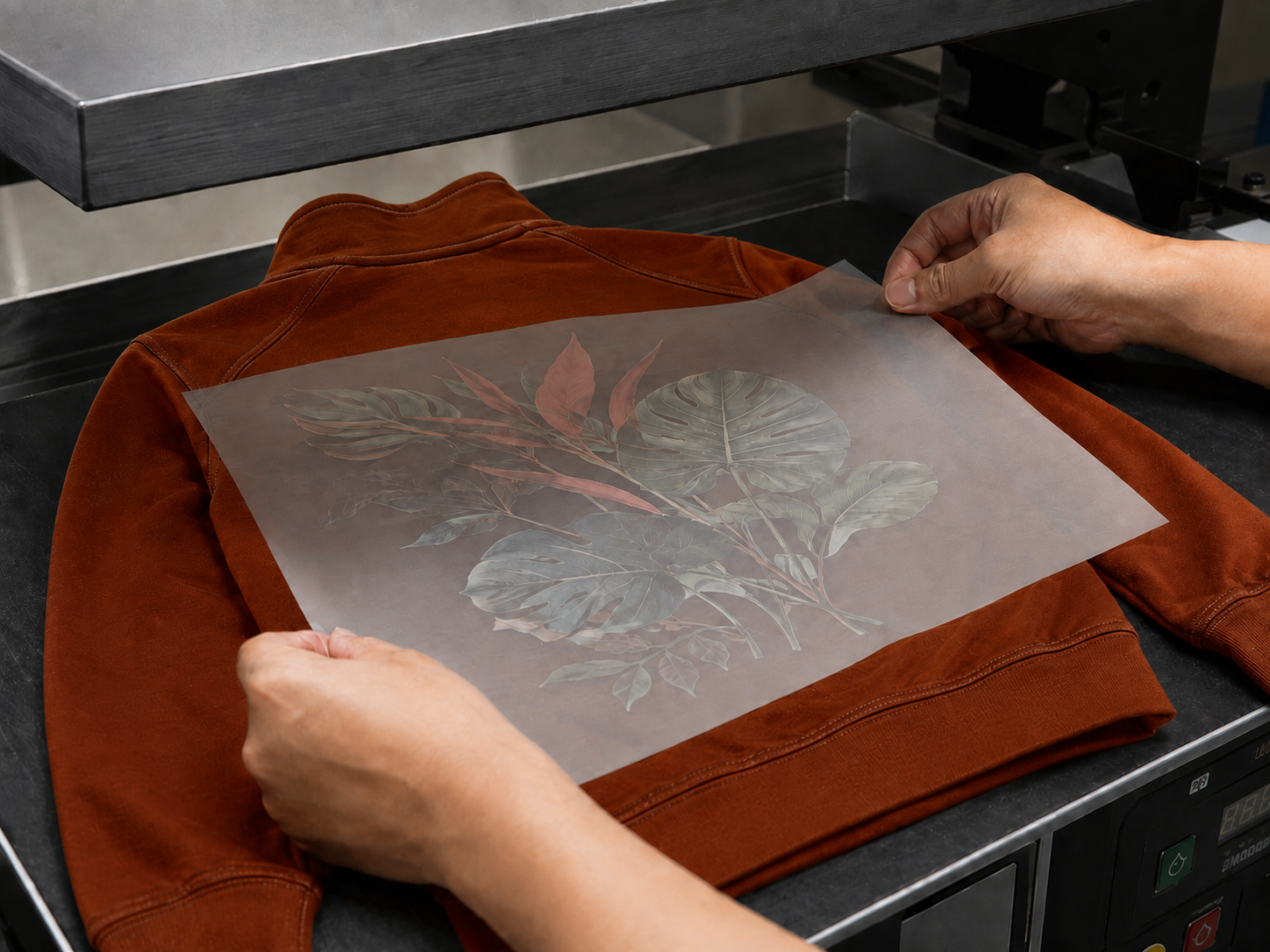
Heat Press Branding
Leadshow has four multi-station heat-press printing machines for selected logos, graphics, text, or decorative applications. Artwork, substrate, temperature, pressure, placement, and wash expectations influence feasibility. Heat press is not the same as screen printing, sublimation, direct digital printing, silicone printing, embroidery, or garment dyeing. Other methods can be evaluated when required, but unconfirmed processes should not be described as fixed in-house capabilities.
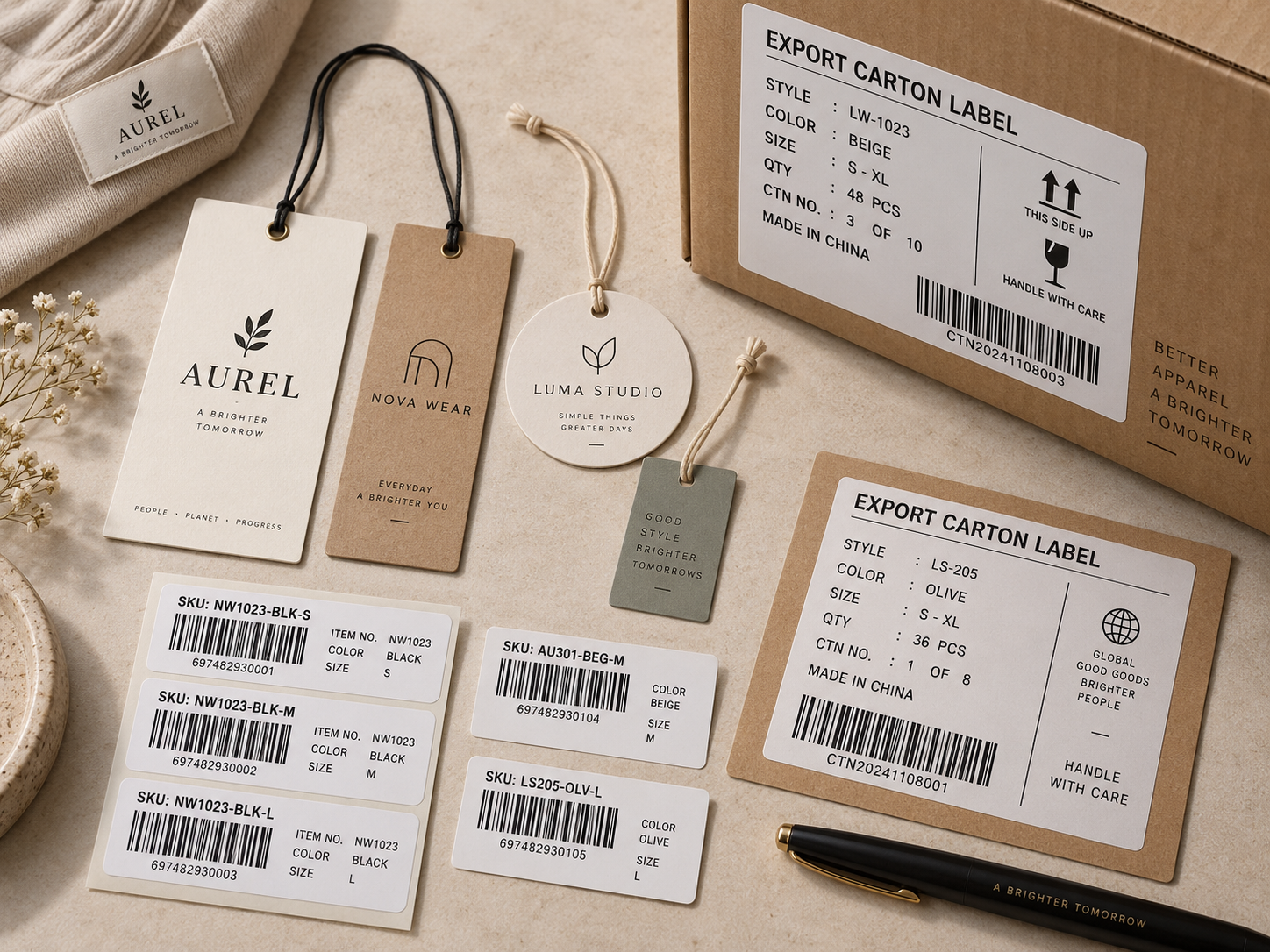
Hangtags & Barcodes
Hangtags, paper cards, barcodes, SKU labels, and other retail identification can be coordinated according to approved project instructions. Brand teams should supply final artwork, barcode data, SKU rules, dimensions, material direction, placement, and packing sequence. Barcode and label accuracy become especially important in multi-color and multi-size orders. Printing equipment and warehouse functions support execution, while specific retailer systems or platform requirements still need separate confirmation.
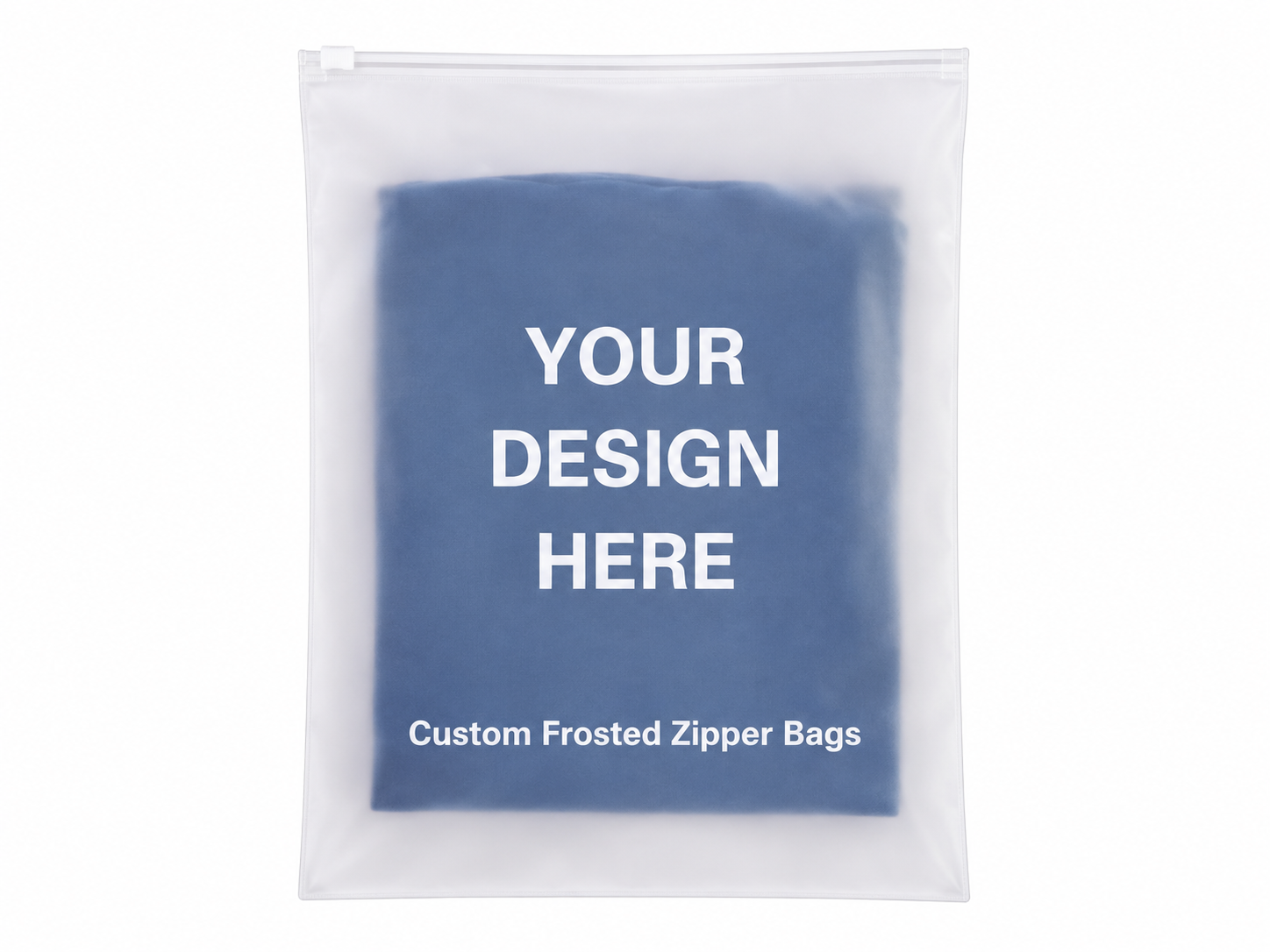
Polybags & Retail Packs
Individual bags, paper cards, retail boxes, or other packaging can be reviewed according to garment size, folding method, branding, protection, sustainability requirements, supplier availability, and pack-out rules. Leadshow has four automatic folding and packaging systems for selected standardized products, but complex sweatshirts or special packs may require manual handling. Packaging MOQ and lead time can also differ from garment MOQ, so pack requirements should enter the quotation stage early.
Carton Marks & SKU Packing
Carton quantity, size assortment, SKU separation, carton marks, shipping marks, and order identification need to be clear before packing begins. The warehousing and logistics team supports sorting, labeling, packing, carton preparation, and shipment coordination. Multi-SKU orders benefit from clear data and approved packing instructions. Specific warehouse, platform, or distribution-center rules should be supplied for review rather than assumed to be covered by a generic export carton standard.
Sweatshirt MOQ and Quotation Factors
Leadshow’s standard MOQ starts from 100 pieces per color per design. Final MOQ and quotation depend on materials, trims, construction, branding, packaging, testing, quantity, size breakdown, and current production conditions.
Commercial Item
Leadshow Position
What Changes the Result
Standard garment MOQ
Starts from 100 pcs per color per design
Subject to fabric, trims, construction and customization requirements
Fabric / custom color
Supplier MOQ, dyeing or material conditions
May raise the effective minimum or extend sourcing time
Rib / trims
Color matching, supplier MOQ, special components
Separate minimums may apply
Logo / branding
Method, size, artwork, setup, material compatibility
Affects sample scope and process cost
Size range / SKU count
Size breakdown, colors, total quantity
Affects planning, labeling, packing and unit economics
Packaging
Labels, hangtags, bags, boxes, carton rules
Supplier minimums and pack complexity affect cost
Testing / market requirements
Required tests, documents, destination rules
Scope confirmed by project and market
Sample timing
Confirmed after technical and material review
Depends on complexity, materials, workmanship, testing and revision needs
Bulk production schedule
Confirmed after sample approval, material readiness and current scheduling
No one fixed lead time is applied to every sweatshirt
Shipment route
Courier, air, sea, FCL, LCL, or nominated forwarder can be reviewed
Depends on order, destination and agreed trade arrangements
Capacity for Bulk and Multi-SKU Sweatshirt Programs
Manufacturing resources need to match product complexity, material requirements, quality standards, and production schedules. Leadshow combines experienced teams, multiple facilities, and organized production systems to support sweatshirt development, customization, and repeat bulk orders.
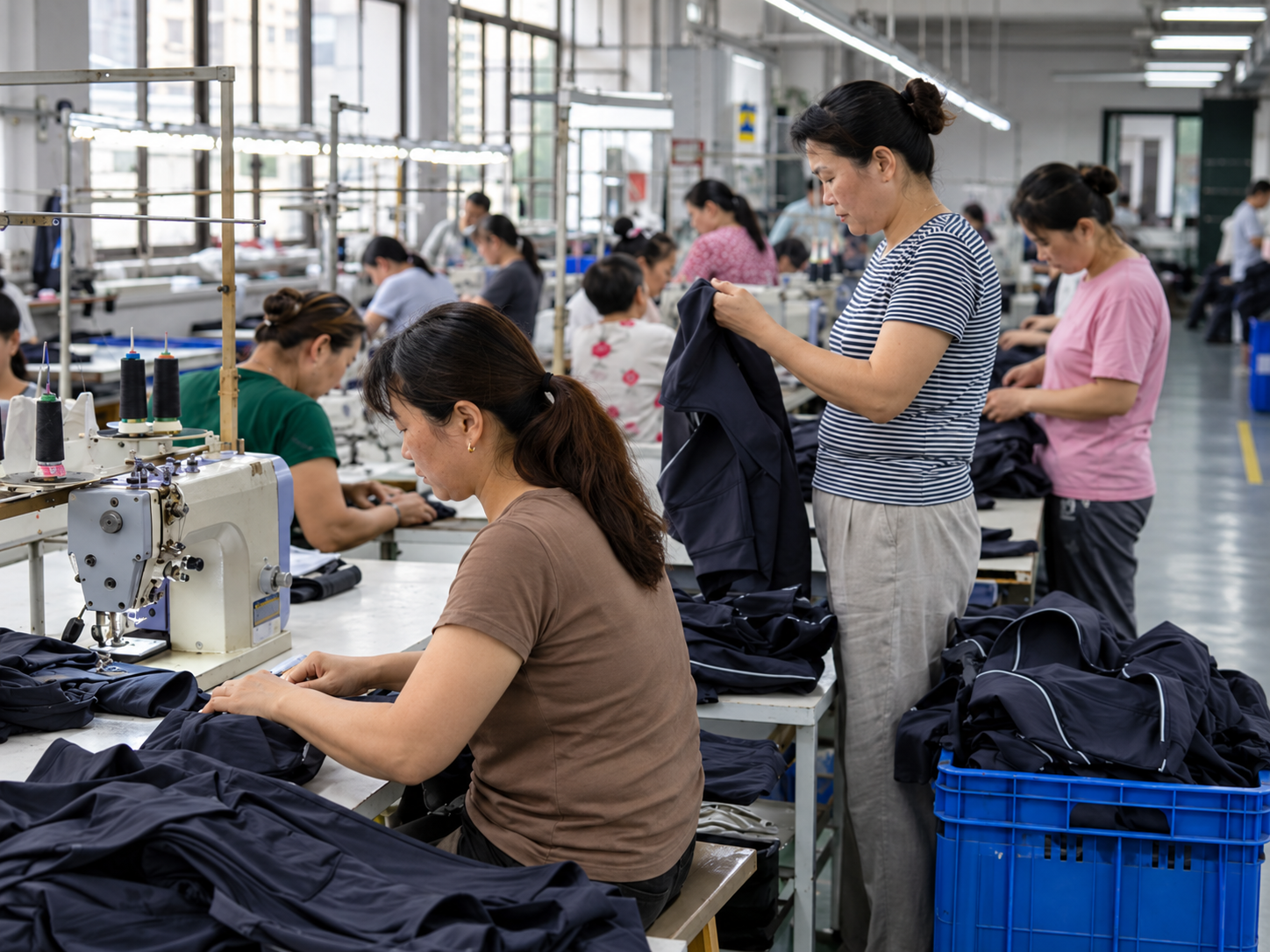
3 Manufacturing Bases
Leadshow operates three manufacturing bases supporting different stages of apparel development and production. The manufacturing network provides flexible support for sweatshirt programs, including sampling, production preparation, quality control, and bulk order execution across different product requirements.
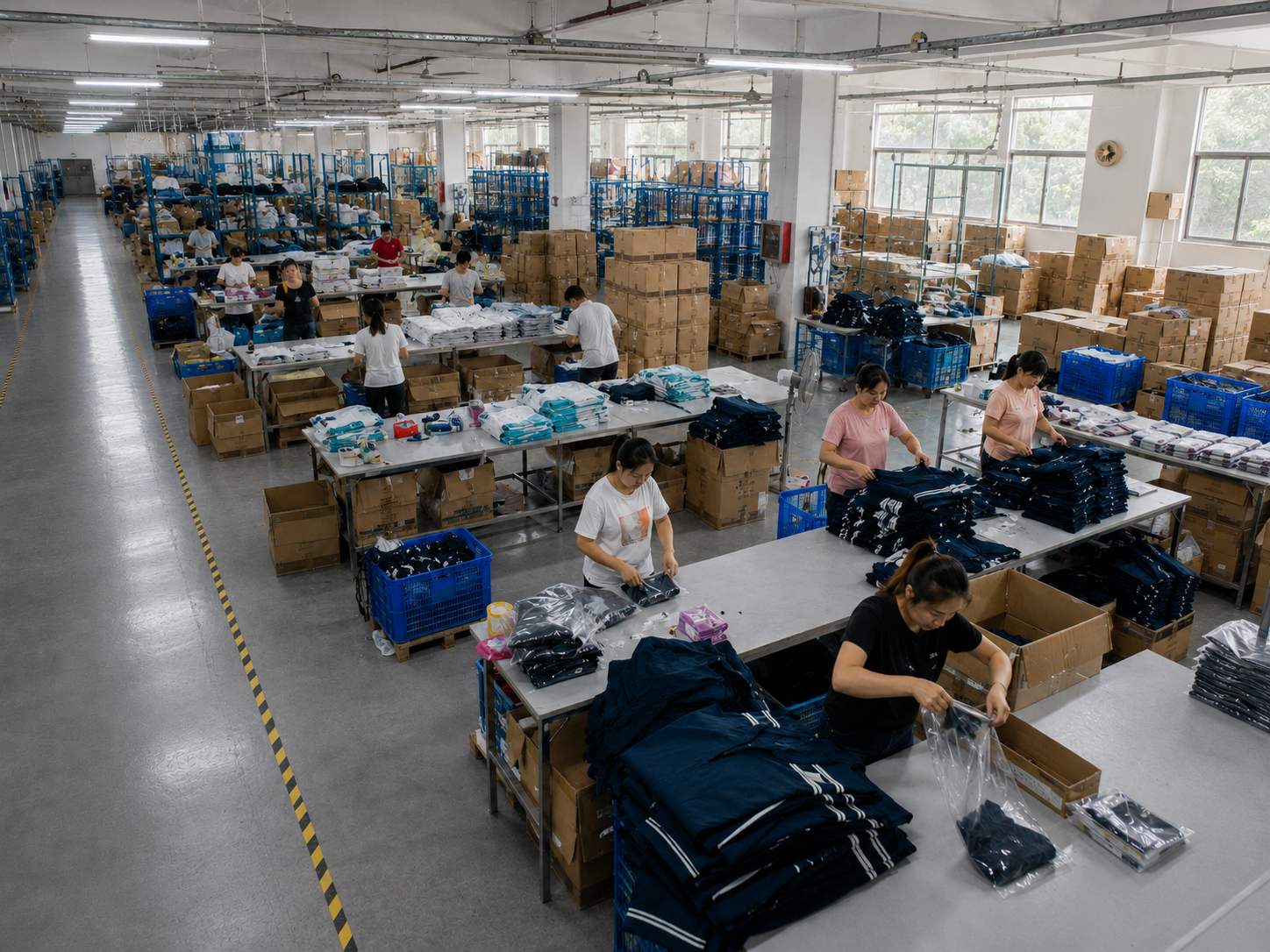
20,000+ Square Meters
Leadshow’s combined manufacturing space exceeds 20,000 square meters, covering production areas for material preparation, cutting, sewing, finishing, quality inspection, and packing. The organized workspace supports different apparel categories and allows production teams to handle various order requirements efficiently.
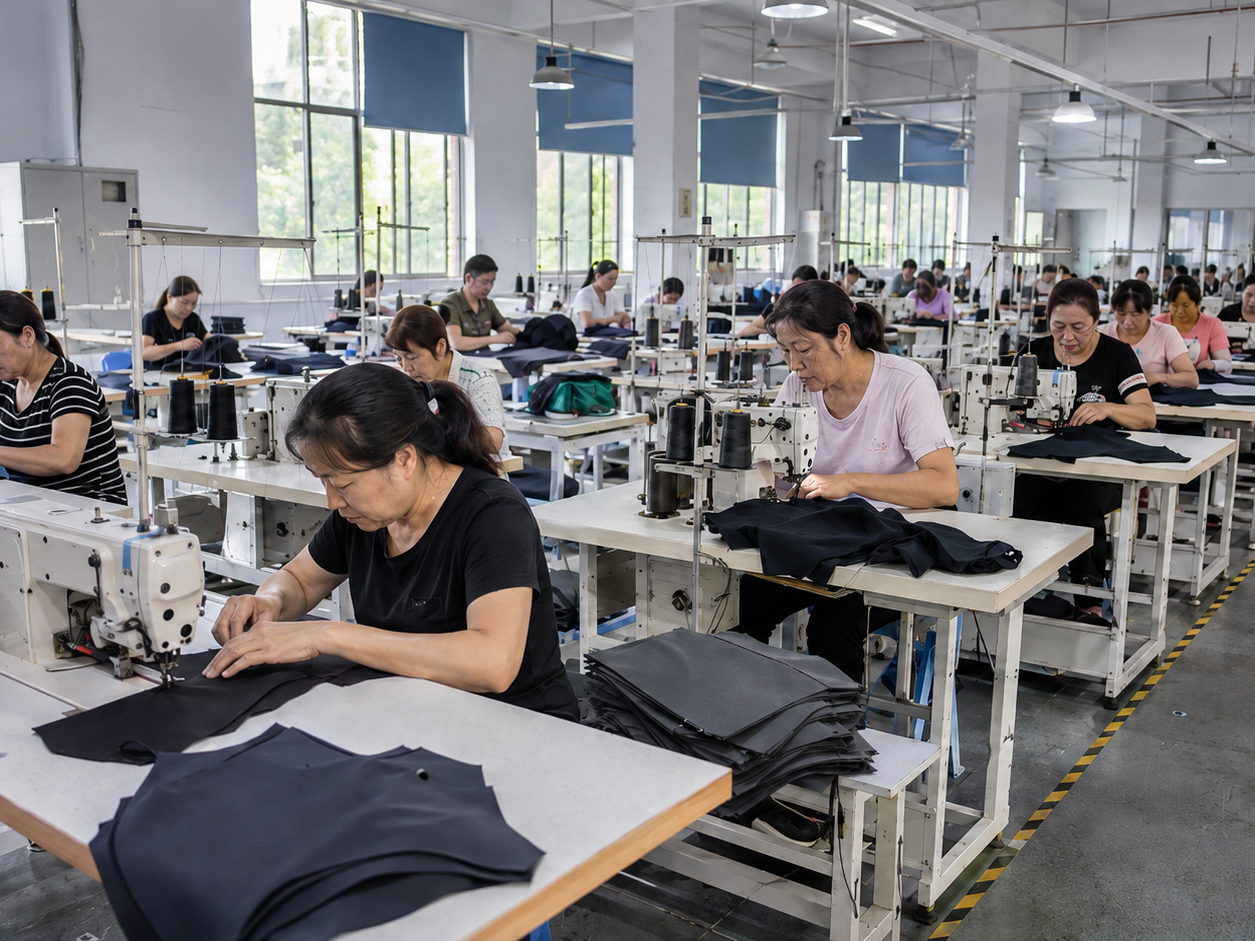
1,500+ Team Members
More than 1,500 team members support Leadshow’s apparel operations, covering product development, manufacturing, quality control, logistics, warehouse management, and administration. Different teams work together to move projects from initial concepts and samples to finished production.
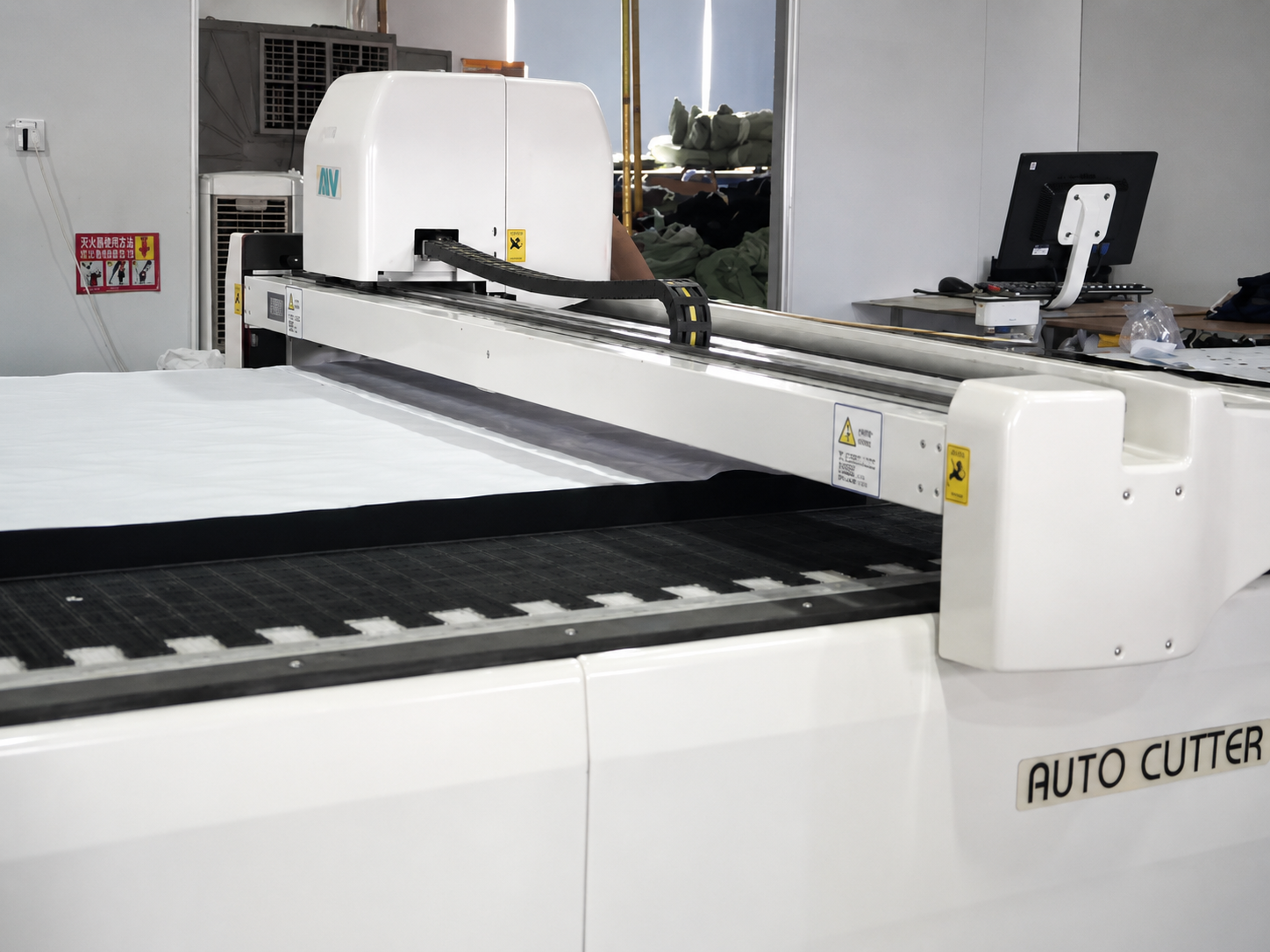
300+ Equipment
Leadshow uses more than 300 production machines covering cutting, sewing, bonding, heat transfer, laser processing, inspection, and finishing applications. Equipment selection is matched with garment construction, fabric characteristics, and customization requirements for each project.
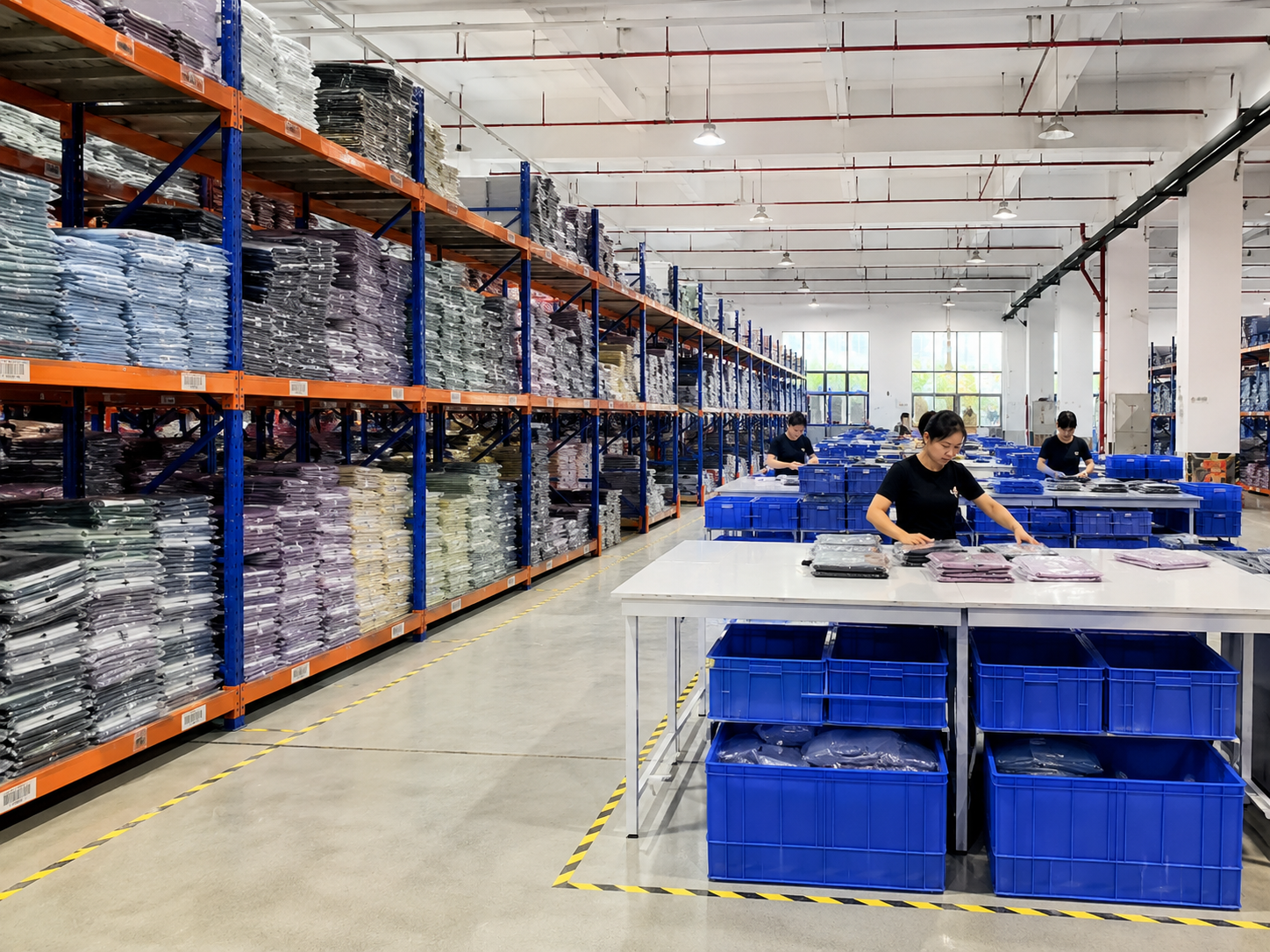
Up to ~120,000 / Month
Leadshow’s monthly production capacity can reach approximately 120,000 finished garments depending on product construction, materials, order volume, and production planning. Capacity is allocated according to project requirements to maintain quality consistency and delivery performance.
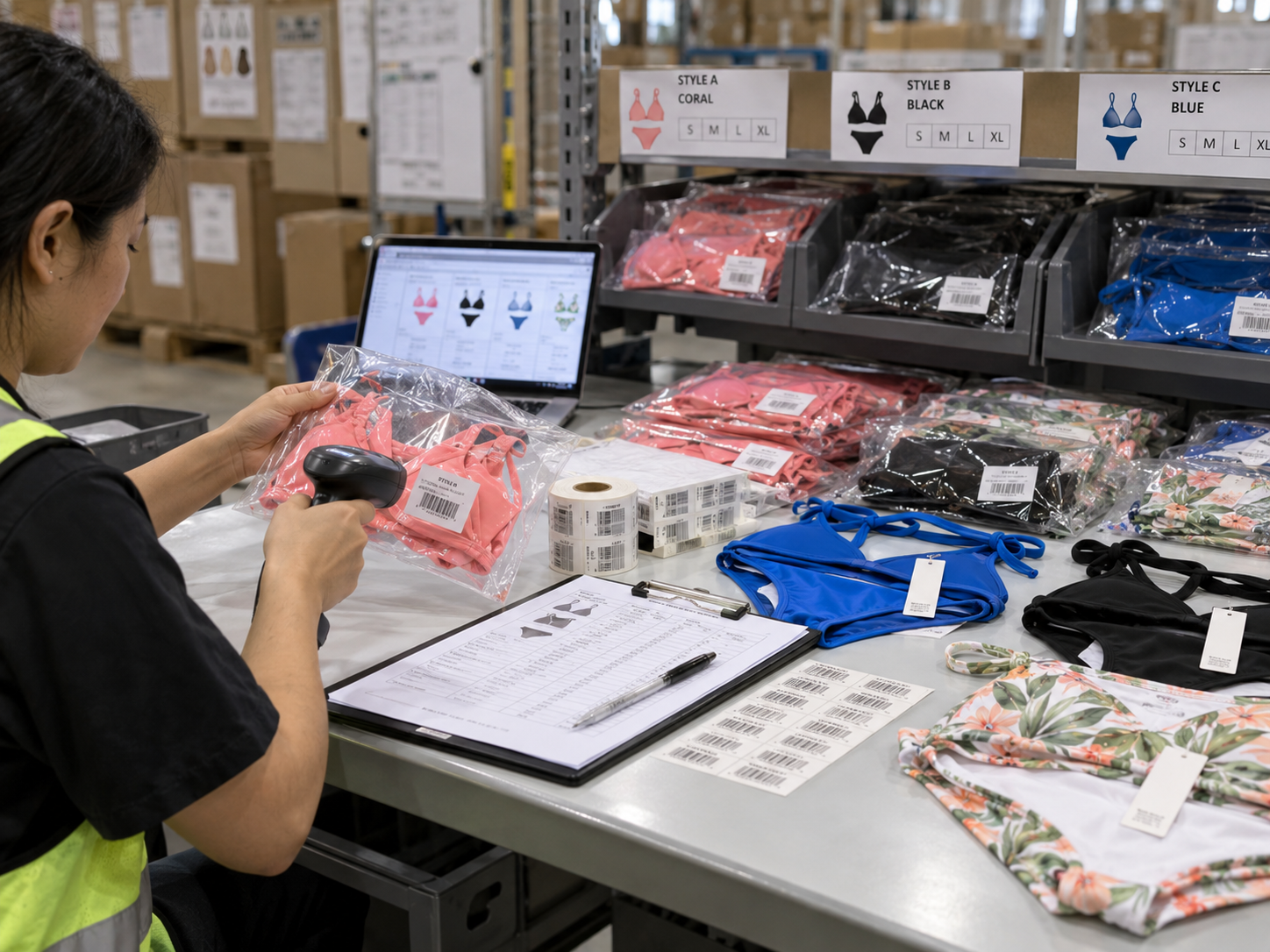
Multi-SKU Coordination
Sweatshirt programs often involve multiple colors, sizes, labels, packaging options, and artwork versions. Leadshow’s production, quality, and warehouse teams coordinate SKU information throughout development and production to keep orders organized and consistent.
Testing, Market Requirements and IP Boundaries
Large brand programs often include technical, legal, and market requirements beyond garment construction. Clear boundaries protect product integrity, brand rights, and the credibility of manufacturing claims.
Destination Market Requirements
Destination-market requirements should be identified during project review rather than added after production. Product labeling, care information, fiber content, chemical requirements, testing, packaging, and documentation may differ by market and sales channel. Leadshow can coordinate project requirements and supporting documents where applicable, but the company does not describe every sweatshirt as automatically compliant with every market. Brand teams should provide the relevant standards, retailer manuals, or test requirements for evaluation before they become production obligations.
Testing & Documentation
Material or garment testing may be required for shrinkage, colorfastness, pilling, dimensional stability, seam performance, chemical requirements, or other project-specific criteria. Testing scope, method, laboratory, sampling, cost, and acceptance limits need to be confirmed for the intended product and market. Equipment ownership alone does not prove a performance claim. Leadshow therefore avoids blanket statements such as “all products are certified” and instead links performance and compliance statements to actual materials, construction, documents, and test evidence.
Brand & IP Protection
Brand names, logos, artwork, characters, patterns, physical samples, and protected designs require appropriate authorization before project review proceeds. Existing products from another supplier can be evaluated for a legitimate supplier-transfer or improvement program, but no manufacturer should promise unauthorized 1:1 copying of protected designs. Ownership of patterns, CAD files, source artwork, exclusivity, NDA terms, and public case-study rights should be governed by written agreement and brand authorization rather than assumed as automatic rights.
How to Evaluate a Sweatshirt Manufacturer
A sourcing decision becomes stronger when manufacturing claims are converted into verifiable checkpoints. Compare suppliers by product understanding, development discipline, production evidence, quality controls, commercial fit, and long-term continuity.
Evaluation Point
What to Ask
Evidence to Request
Product Scope
Can the factory evaluate your exact sweatshirt construction rather than only sell blanks?
Tech pack review, reference sample discussion, product-specific questions
Fabric & GSM
Does the team understand composition, construction, GSM, handfeel, shrinkage, pilling and sourcing limits?
Material records, swatches, sample comparison, sourcing feedback
Fit & Grading
Can measurements, pattern, ease, grading and tolerance be discussed clearly?
Measurement chart review, fit comments, size-set process when required
Tech Pack Review
Are conflicts and missing specifications identified before costing and sampling?
Written clarification list, version control, DFM feedback
Sampling
Are sample type and approval scope clearly defined?
Development / fit / color / logo / size-set / PP scope as required
Sample-to-Bulk
How are approved versions transferred into production?
Approved sample, pattern, measurements, material and workmanship references
Quality Control
Are checks tied to approved standards rather than generic “strict QC” claims?
Material, process, measurement, appearance, branding and packing checks
MOQ & Cost Fit
Is MOQ explained with color, fabric, trims, branding and packaging conditions?
Written commercial assumptions and quotation basis
Capacity & SKU
Can scale, multi-color, multi-size and packing complexity be managed?
Factory scale evidence, order matrix, planning discussion
Repeat Orders
Can approved product records support later production and supplier-transfer programs?
Versioned records, material recheck, repeat-order review process
Repeat Orders and Second-Supplier Programs
Long-term sweatshirt supply depends on preserving approved product standards while still rechecking materials, versions, capacity, and market requirements before each new production run.
Transfer an Existing Sweatshirt to a New Supplier
A mature sweatshirt can move to a new supplier when the brand has the right to share the relevant design and technical information. Useful inputs include the current tech pack, measurement chart, pattern where available, approved garment, material specification, trim records, label and packaging files, inspection reports, complaint records, and a list of problems to improve. Leadshow can compare the existing product with the intended future standard and identify gaps in fit, materials, construction, workmanship, branding, or packing.
Supplier transfer should not be presented as an automatic exact-copy service. Materials may be discontinued, trims may come from different sources, production methods may differ, and a replacement material can change handfeel, drape, shrinkage, color, or cost. A physical sample and controlled re-approval process reduce those risks. The objective is to preserve the parts of the existing product that matter while establishing a new approved manufacturing reference under the brand’s authorized specifications.
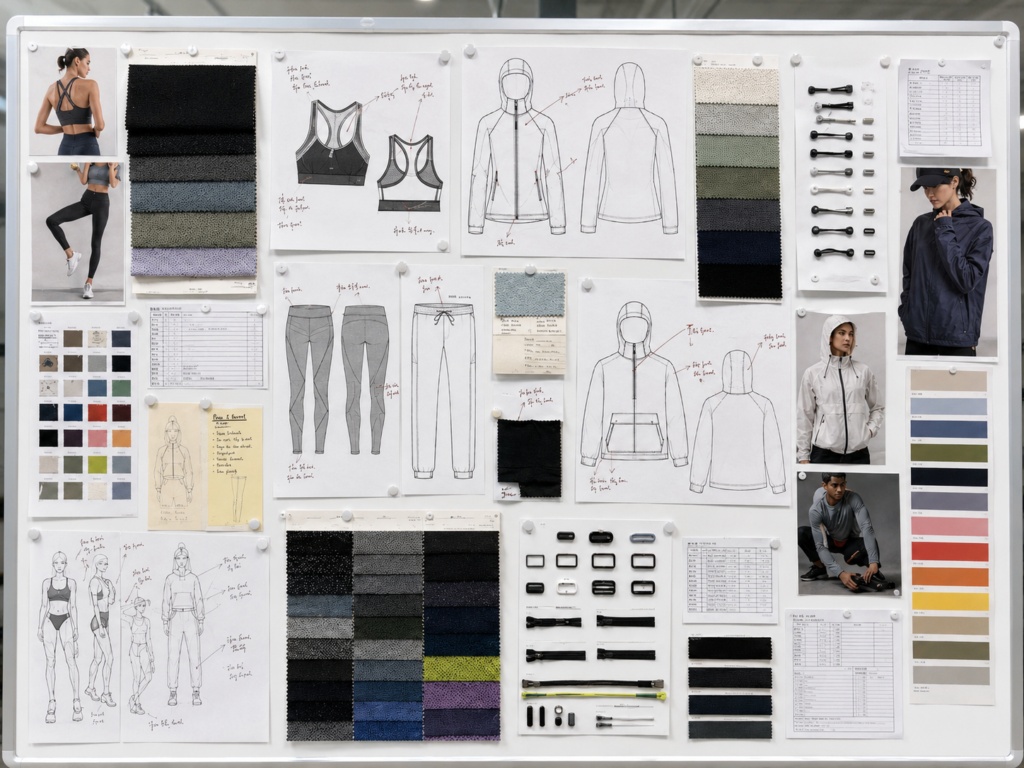
Protect Reorder Continuity With Version Control
Repeat orders benefit from a stable product record: approved pattern version, measurement chart, material identity, color reference, workmanship, artwork, labels, packaging, SKU rules, and previous production comments.
Before a reorder, material availability and lot conditions should be checked again. A fabric with the same name or composition can still differ in handfeel, GSM, surface, stretch, recovery, or color, so substitution should be reviewed rather than silently introduced.
Leadshow can support long-term reorder evaluation and sample-to-bulk coordination, but neither price nor material supply should be described as permanently fixed. Quantity, supplier conditions, current production scheduling, testing, packaging, and shipment arrangements may change from one order to the next. Controlled records make those changes visible and give brand, development, production, quality, and logistics teams a clearer basis for deciding whether a reorder can proceed directly or needs renewed material, sample, or commercial approval.
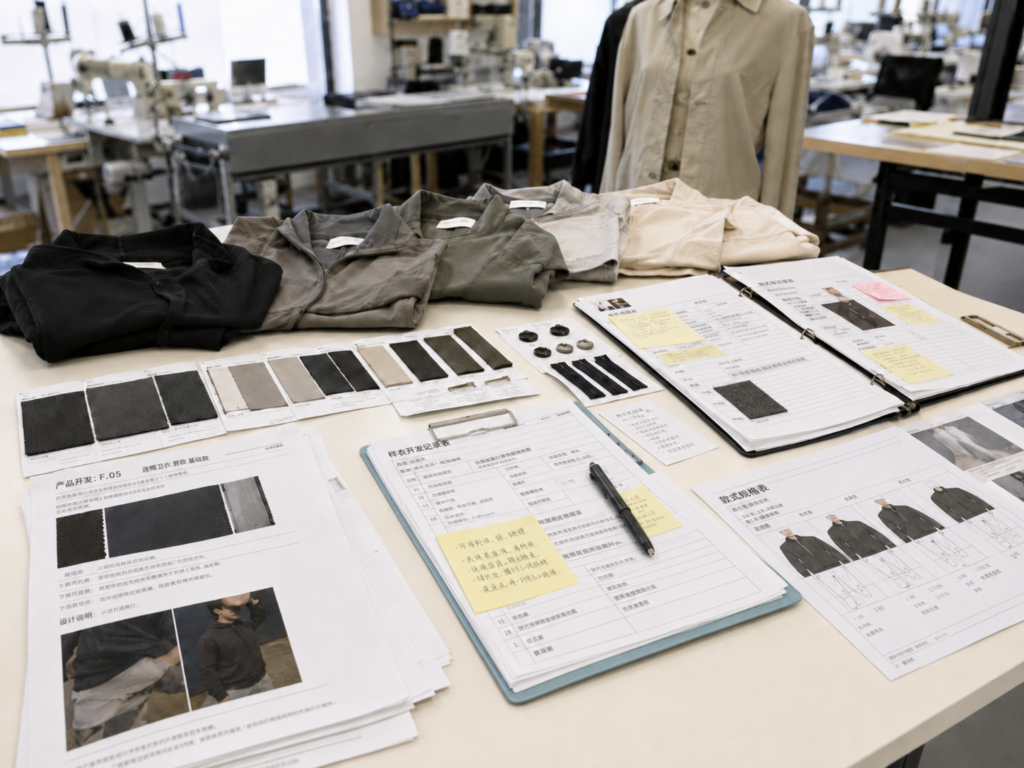
Sweatshirt Manufacturing Frequently Asked Questions
The following questions cover the information most apparel teams need before requesting a sweatshirt quotation, sample, supplier transfer, or bulk production review.
What is your MOQ for custom sweatshirts?
Leadshow’s standard MOQ starts from 100 pieces per color per design. Final MOQ can change with fabric, custom color, rib and trims, branding, packaging, testing, and supplier conditions. Send the style, color count, size range, expected quantity, fabric direction, and branding requirements so the commercial minimum can be reviewed for the actual program.
Can you manufacture from our Tech Pack?
Yes. Tech-pack-based OEM manufacturing is within Leadshow’s confirmed service scope for supported apparel categories, including sweatshirts. A review normally covers measurements, construction, materials, trims, artwork, labels, packaging, quantity, market, and any missing or conflicting instructions. Final quotation, sample scope, MOQ, and production schedule are confirmed after the technical and commercial information is clear enough for evaluation.
Can you develop from a reference sweatshirt?
A physical reference garment, photos, sketches, patterns, or a partial specification can be used as development input. The brand must have the right to use the design. Measurements, materials, fit changes, construction, branding, and approval requirements still need clarification. Leadshow does not promise unauthorized exact copying or assume that a photo alone is enough to reproduce every product detail.
How do we select fabric and GSM?
Start with intended use, silhouette, handfeel, surface, warmth direction, care expectations, target cost, and the approved product reference. Composition, knit construction, GSM, stretch, recovery, shrinkage, pilling, colorfastness, and supplier conditions should be considered together. GSM alone does not define quality. Final material should be confirmed with physical swatches and, where appropriate, a sample garment or required test evidence.
Can you adjust fit and size grading?
Leadshow’s R&D and engineering function supports pattern and fit adjustment. Fit work can use measurement charts, patterns, reference garments, base-size samples, fit comments, and brand grade rules. One approved base size does not automatically approve the full size range. Size-set evaluation may be used when required, and measurement tolerances should be defined for bulk quality control.
How long does sweatshirt sampling take?
No fixed sample time is published for every sweatshirt. Timing is confirmed after product complexity, material availability, workmanship, logo requirements, testing, and revision scope are reviewed. A simple, well-defined tech pack can follow a different path from a complex development program. The most reliable schedule begins after the required files, materials, and sample objectives are clear.
Can you add logos, labels and packaging?
Yes, branding and packaging support can include main labels, care labels, size labels, heat-transfer labels, selected heat-press branding, hangtags, barcodes, polybags, paper cards, retail boxes, and carton marks according to project requirements. Other decoration methods should be evaluated separately. Artwork versions, positions, materials, MOQ, packaging specifications, and market requirements need approval before production.
How do you control sample-to-bulk consistency?
Bulk production is based on approved specifications and references. Pattern version, measurements, material records, workmanship, branding, labels, packaging, and approved comments are transferred into production requirements. Quality checks can review materials, construction, measurements, appearance, branding, and packing at relevant stages. The goal is controlled production within agreed standards and tolerances rather than an unrealistic promise of absolute zero variation.
How is sweatshirt quality inspected?
Leadshow has an approximately 45-person quality team supporting material, in-process, finished-garment, and packaging inspections according to project needs. Checks can include materials, measurements, construction, workmanship, appearance, logos, labels, packaging, and shipment preparation. Sampling method, defect classification, tolerances, acceptance criteria, and any third-party inspection arrangement are confirmed according to the specific brand and order.
What do you need for a quotation and lead time?
Send the sweatshirt style or reference, tech pack if available, measurement chart, target fabric or handfeel, colors, size range, estimated quantity, logo and label requirements, packaging, destination market, testing requirements, and expected timeline. Final price, MOQ, sample timing, bulk schedule, and shipment route are confirmed after the technical scope, materials, order conditions, and current production scheduling are reviewed.
Start Your Sweatshirt Manufacturing Review
Send enough information for a useful manufacturing review, not just a product name. A strong starting package can include a tech pack, measurement chart, reference images or an authorized physical sample, target fit, fabric direction, estimated quantity, colors, size range, artwork, labels, packaging, destination market, testing requirements, and expected project timing. Leadshow can then review construction, material and trim suitability, fit and measurement information, sample scope, MOQ conditions, commercial inputs, bulk-production feasibility, quality checkpoints, branding, packaging, and shipment preparation. Projects with incomplete files can still begin from reference material, but missing specifications will be treated as development items that require confirmation. Standard MOQ starts from 100 pieces per color per design, subject to fabric, trims, construction, customization, and production conditions. Final quotation, sample timing, production schedule, and delivery arrangement are confirmed after the relevant technical, material, commercial, and scheduling information has been reviewed.