
Sweatshirt Embroidery Manufacturing
Develop Custom Sweatshirts With Reliable Embroidery Execution From Sampling To Bulk Production
- Custom sweatshirt development from Tech Packs, reference samples, sketches or early-stage product ideas.
- Embroidery solutions selected based on artwork details, fabric behavior, placement and garment construction.
- OEM, ODM and private label programs supported from sampling and production to labeling, packaging and shipment preparation.
- Suitable for established brands, streetwear labels, retailers and long-term apparel sourcing programs.
Sweatshirts are one of our core apparel categories, covering crewneck, half-zip and other custom constructions with different fits and fabric options. Our development process considers embroidery placement, stitch performance, garment structure and production requirements from the first sample through bulk manufacturing. Embroidery execution is adjusted according to each project’s artwork, material choice and final product expectations rather than using a single standard approach for every style.
Built for Serious Sweatshirt Development and Sourcing Programs
Embroidery adds branding value only when garment construction, artwork, placement, material behavior and bulk execution are managed together. Leadshow supports project-based sweatshirt manufacturing for brands and sourcing teams that need more than decoration added to a ready-made blank.
Established Apparel Brands
Established brands normally arrive with Tech Packs, measurement standards, artwork files, approved references or previous production history. The key requirement is not simply producing an embroidered logo. Garment fit, rib construction, material behavior, artwork version, placement, color, labels and packaging all need to remain aligned with the approved standard. Leadshow can support technical review, sample development, bulk manufacturing and order execution based on confirmed specifications and project requirements.
Streetwear & Lifestyle Brands
Streetwear sweatshirts often depend on proportion, shoulder shape, garment weight, rib balance and graphic placement for their visual identity. A large back embroidery or chest placement can change the feel of a garment if the base structure is not properly developed. Leadshow can evaluate relaxed and oversized sweatshirt directions together with branding requirements, while specific embroidery methods, materials and production arrangements are confirmed according to each project rather than assumed in advance.
Importers & Retail Programs
Importers and retail sourcing teams usually manage more variables than a single garment style. Multiple colors, size runs, label versions, packing rules, carton marks and delivery schedules create operational risk if product information is not controlled from the beginning. Leadshow can coordinate sweatshirt development, sample approval, manufacturing, quality checks, branded labels, packaging and export-delivery support for programs requiring repeatable specifications and organized order execution.
Sweatshirt Structures Available for Project-Based Development
Sweatshirts are not a single fixed garment. Neckline, shoulder, body proportion, rib construction and fabric weight all influence embroidery placement, visual scale and production execution. Leadshow evaluates structure before artwork moves into an approved manufacturing standard.
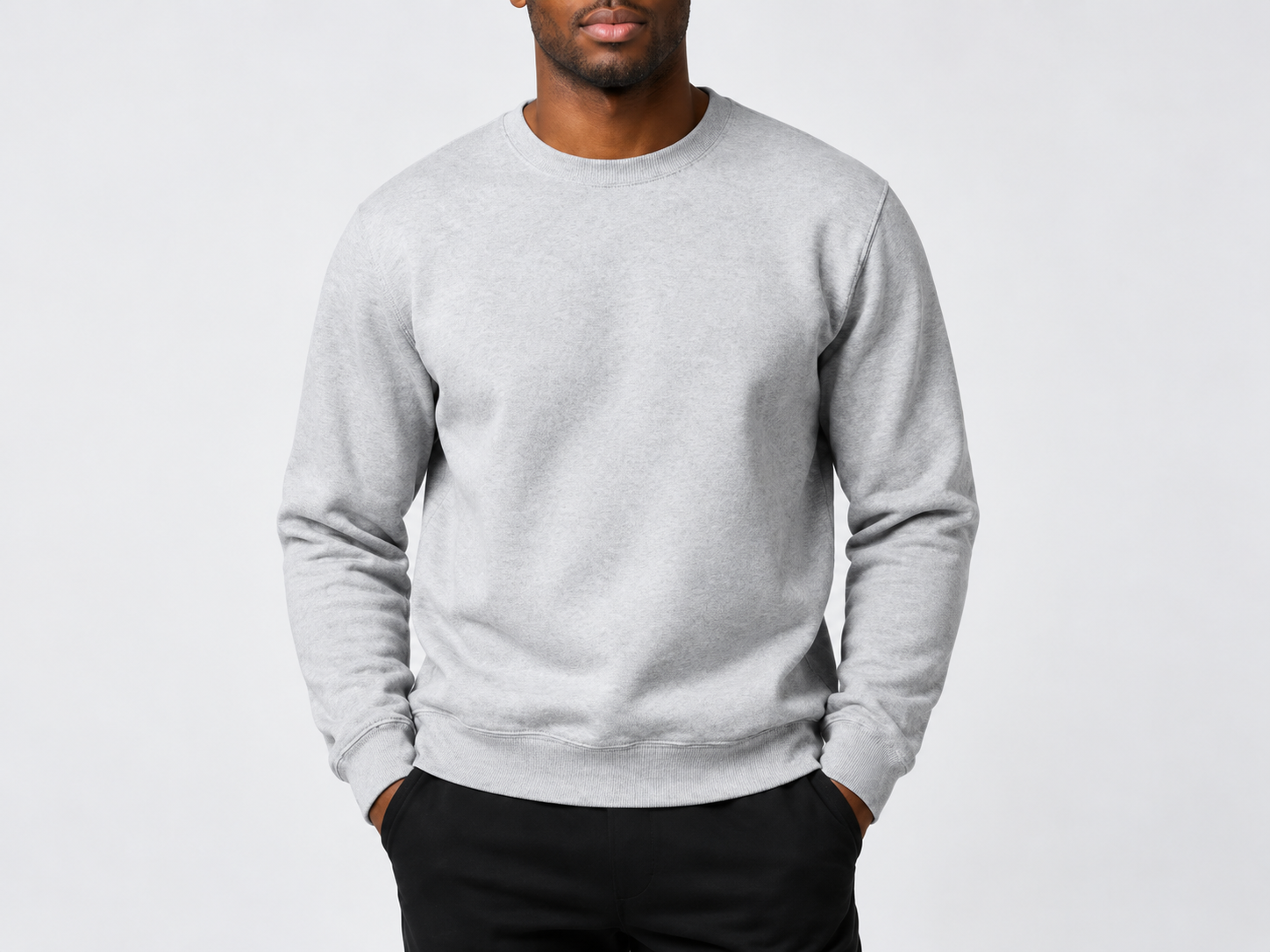
Crewneck Sweatshirts
Crewneck sweatshirts require close control of neckline opening, rib recovery, shoulder position and body proportion. Embroidery near the chest, neckline or upper back must be positioned relative to stable garment landmarks rather than estimated from a flat image. Development should define neckline dimensions, shoulder geometry, logo coordinates and finished measurement standards before bulk production begins.
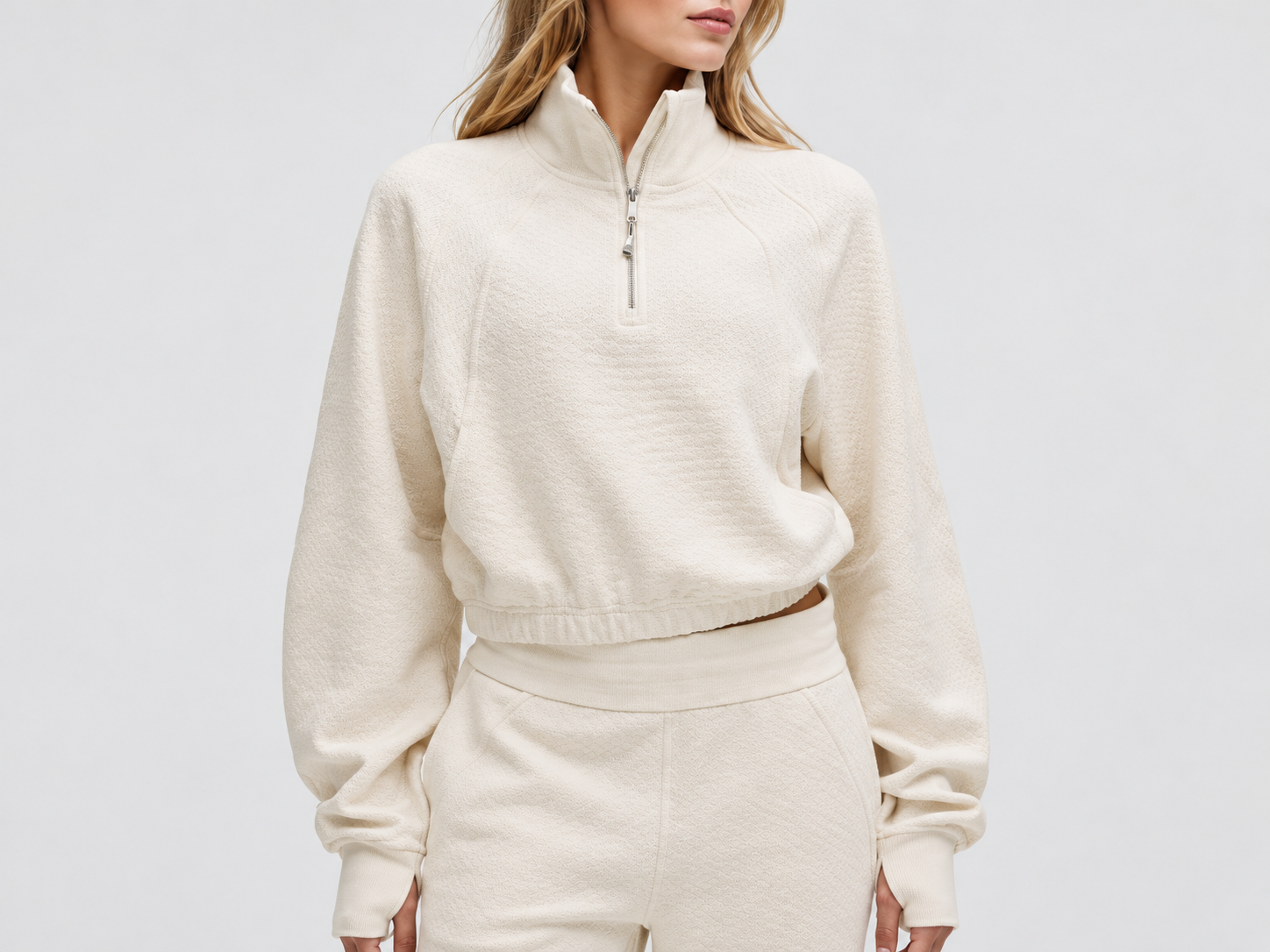
Half-Zip Sweatshirts
Half-zip structures introduce a center-front component that changes logo placement and symmetry. Artwork positioned on the chest must account for zipper location, seam allowance, collar shape and garment balance. Sampling helps determine whether embroidery size and placement remain visually correct around the front opening and whether construction details interfere with the intended branding area.
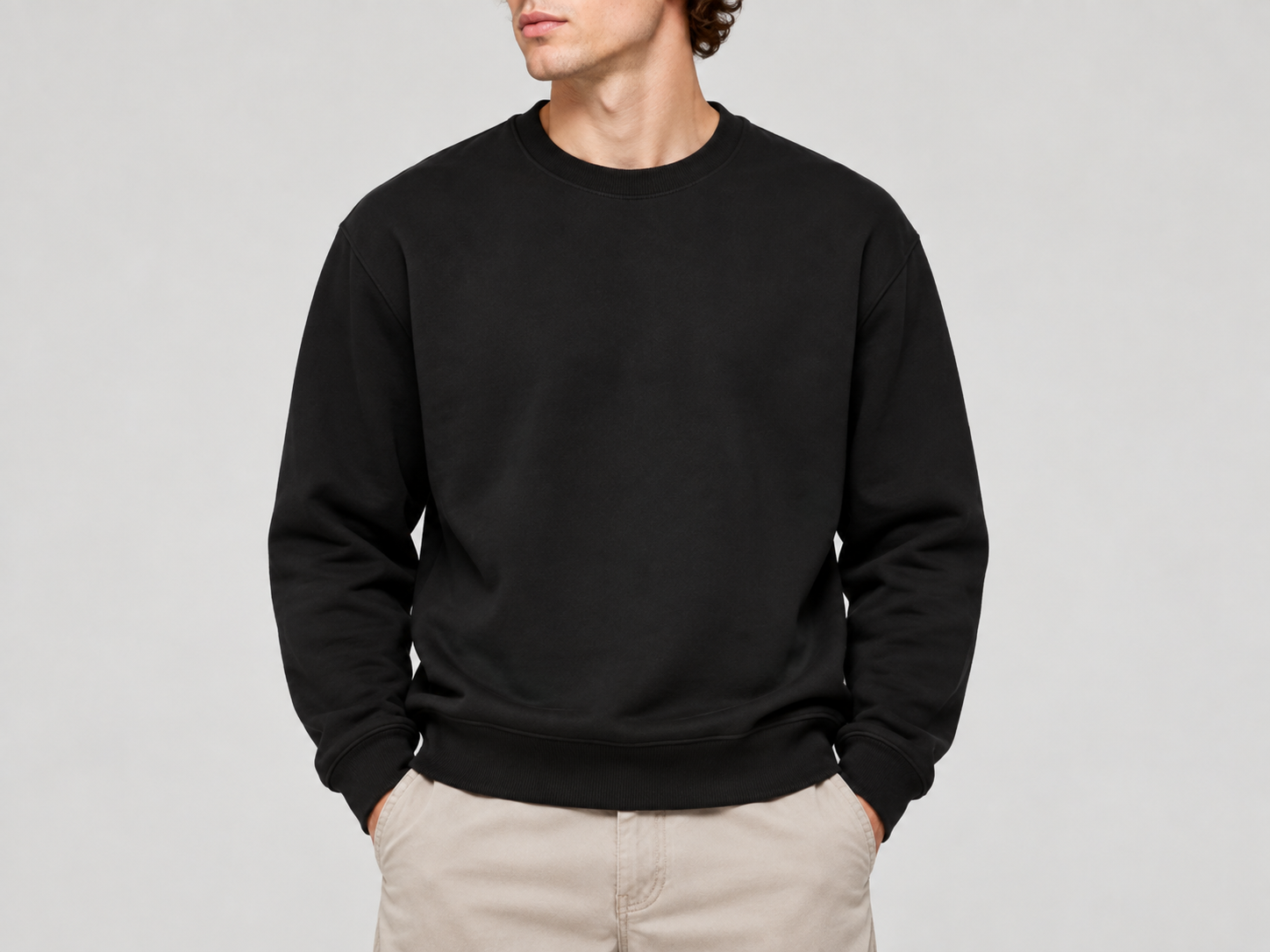
Regular Shoulder
Regular-shoulder sweatshirts provide a conventional shoulder line and often make placement reference points easier to define. Chest logos can be measured relative to the shoulder seam, neckline and center front. Embroidery specifications should still include finished position, dimensions and tolerance requirements because placement can visually shift when garment sizes, fabric thickness or body proportions change.
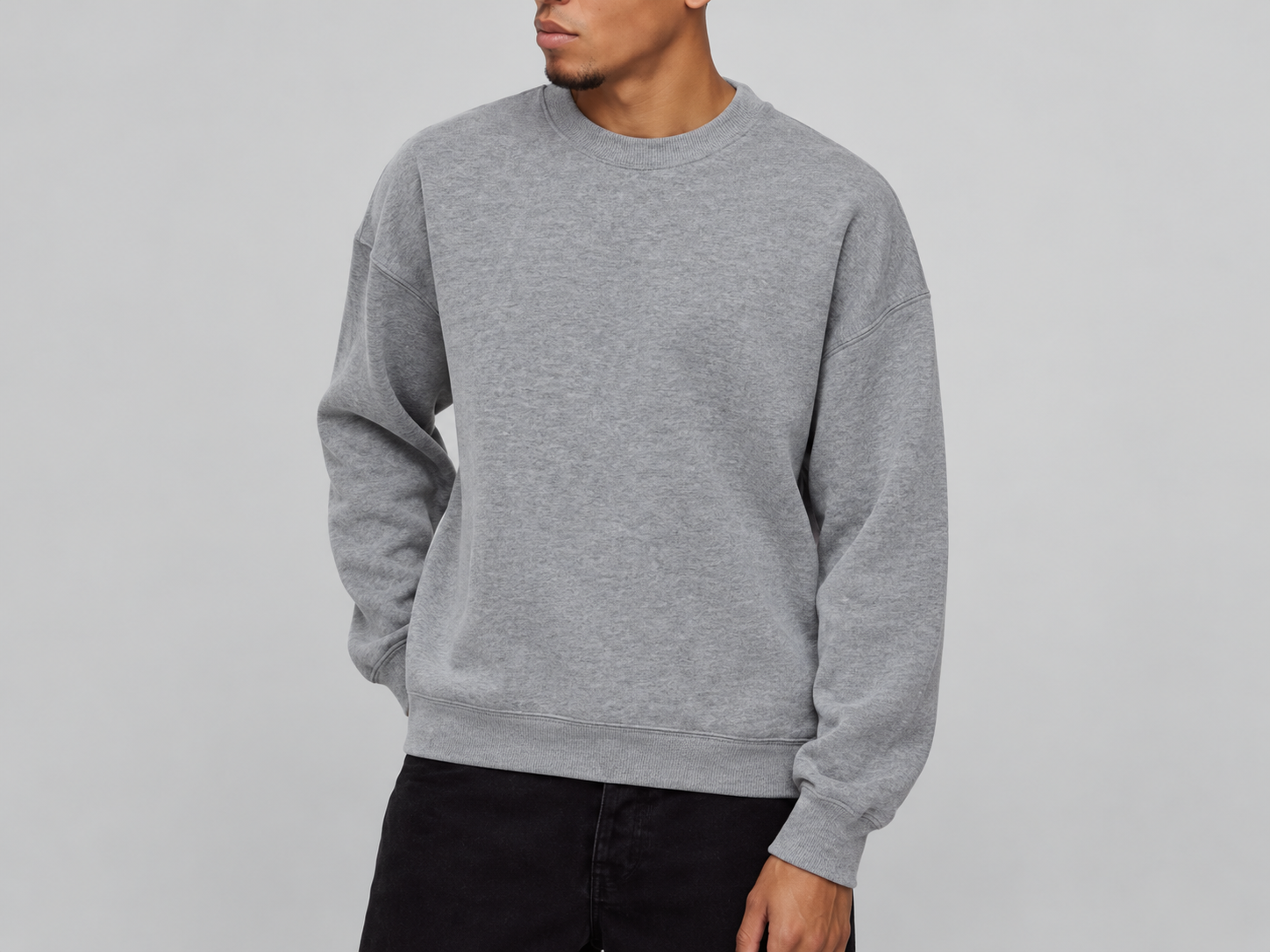
Drop Shoulder
Drop-shoulder construction changes the relationship between neckline, armhole and sleeve. Artwork that looks balanced on a regular-shoulder sweatshirt may sit too close to a seam or appear visually low after the shoulder is extended. Development should evaluate artwork scale together with garment proportion, especially for oversized streetwear silhouettes and sleeve-based embroidery.
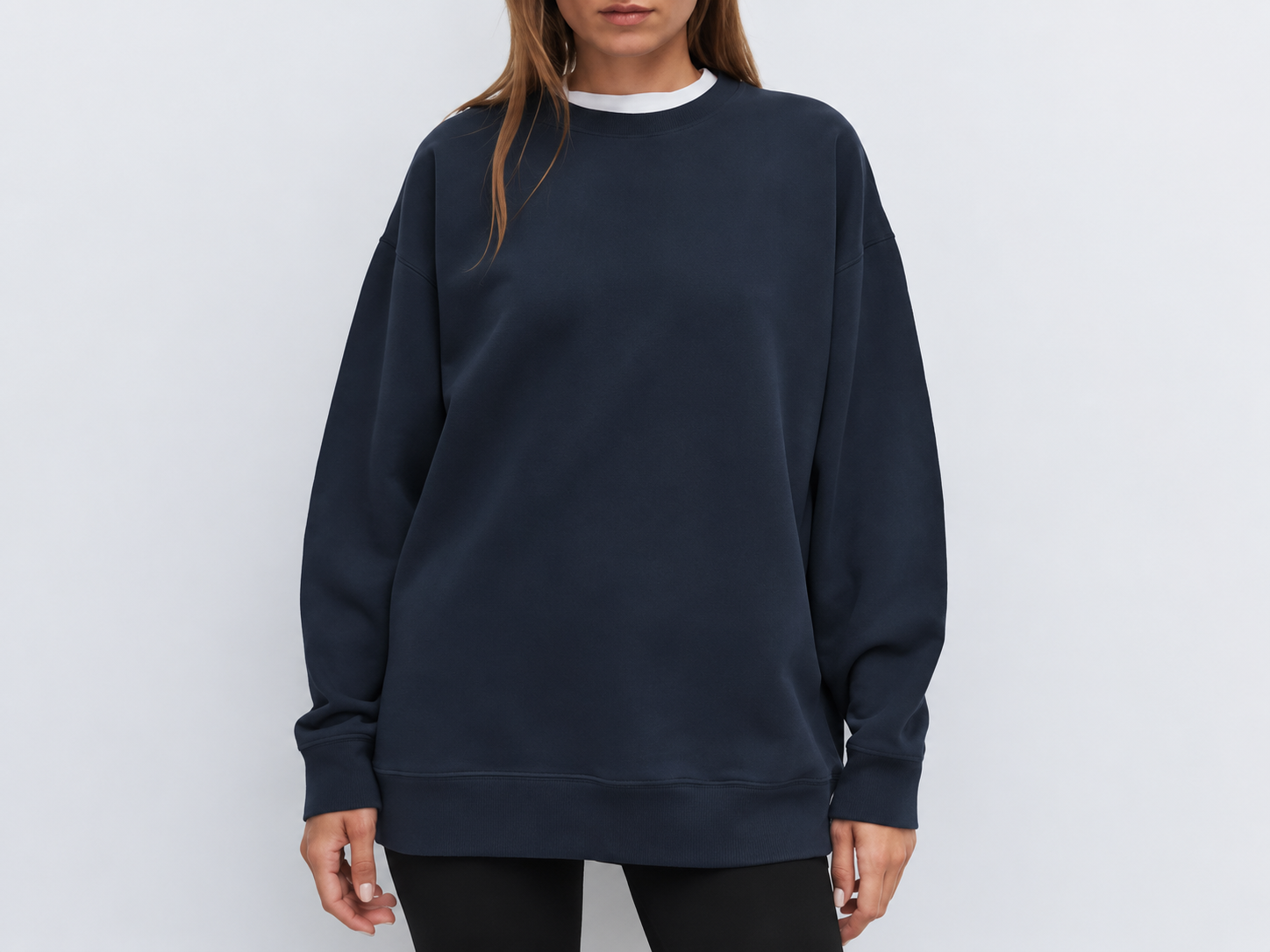
Relaxed Fit
Relaxed-fit sweatshirts use additional ease without necessarily reaching exaggerated oversized proportions. Embroidery placement should be reviewed on the actual sample because increased body width may change the visual relationship between a fixed-size logo and the garment. Rib dimensions, shoulder line, garment length and artwork scale should be approved as one product rather than as unrelated specifications.
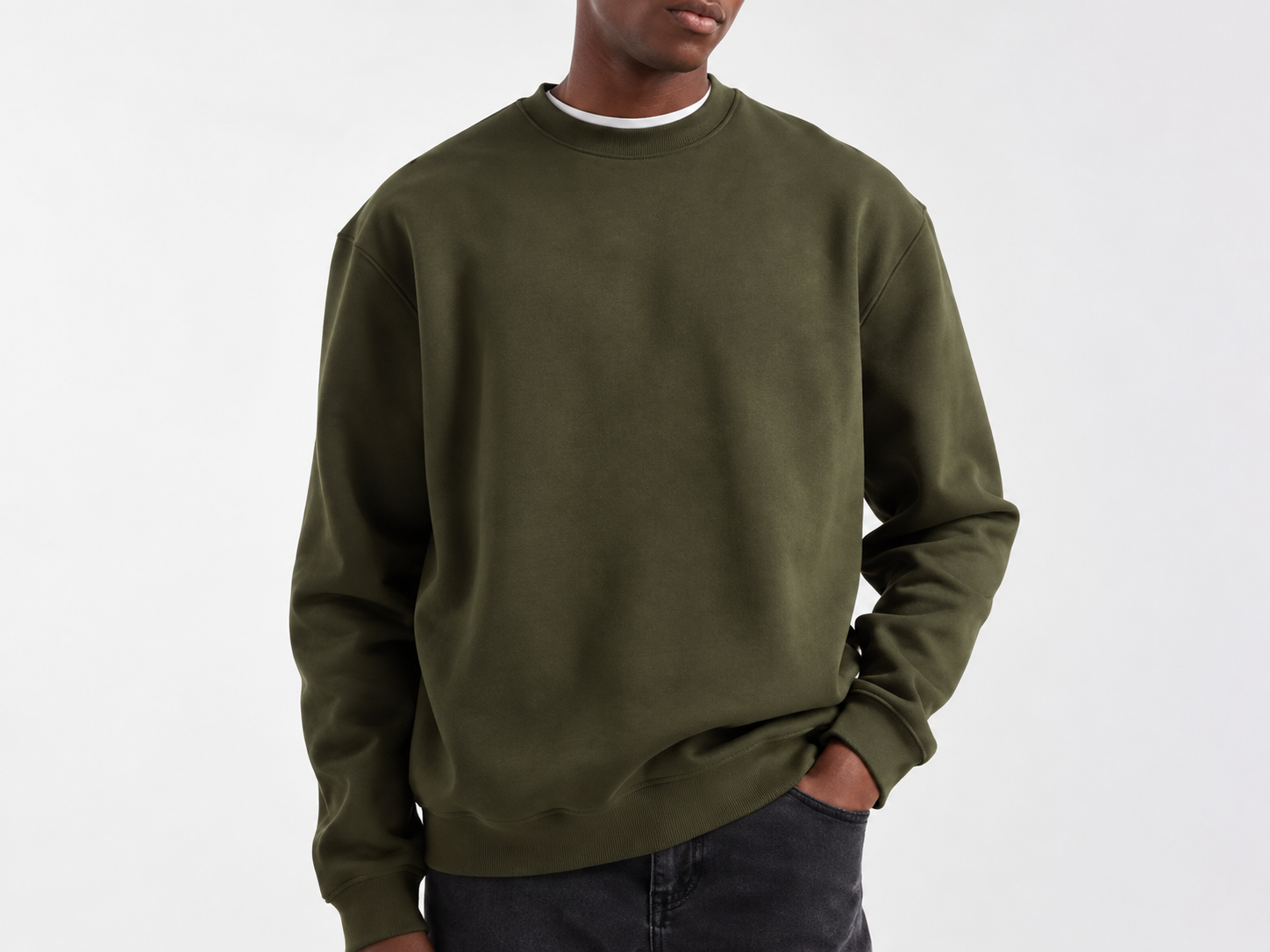
Oversized Fit
Oversized sweatshirts rely heavily on proportion. Wider bodies, dropped shoulders, increased sleeve volume and heavier material directions can alter how embroidery appears when worn. The artwork may require a different scale, placement or surrounding negative space than a regular-fit garment. Leadshow can evaluate oversized directions, while final fabric weight, embroidery method and production details remain subject to project approval.
Embroidery Should Be Engineered With the Sweatshirt
Embroidery is most reliable when treated as part of garment development rather than a decoration added after every other decision has been completed.
Embroidery Starts With Garment Engineering
A sweatshirt embroidery project normally involves several linked decisions: garment structure, fabric, rib, artwork, size, position, color, production sequence and final appearance. A chest logo may appear straightforward on screen, yet its result can change when the sweatshirt uses a dropped shoulder, heavier body fabric, a different rib construction or a wider fit.
Artwork placement should therefore be defined against garment landmarks such as neckline, center front, shoulder seams, side seams or sleeve seams. Position also needs to be reviewed across the intended size range. A fixed embroidery size may work across multiple sizes, or a brand may prefer different proportional treatment. The correct choice depends on the design standard rather than a universal rule.
Material behavior matters as well. Fabric thickness, surface texture, stretch, shrinkage and construction can influence how embroidery sits on the finished garment. Sampling should check whether the embroidered area remains flat, balanced and visually aligned with the intended product design.
The embroidery route is confirmed only after project review. Leadshow’s public fact base does not confirm an internal embroidery department, machine count, head count, needle configuration or fixed embroidery capacity. Embroidery options therefore remain project-based.
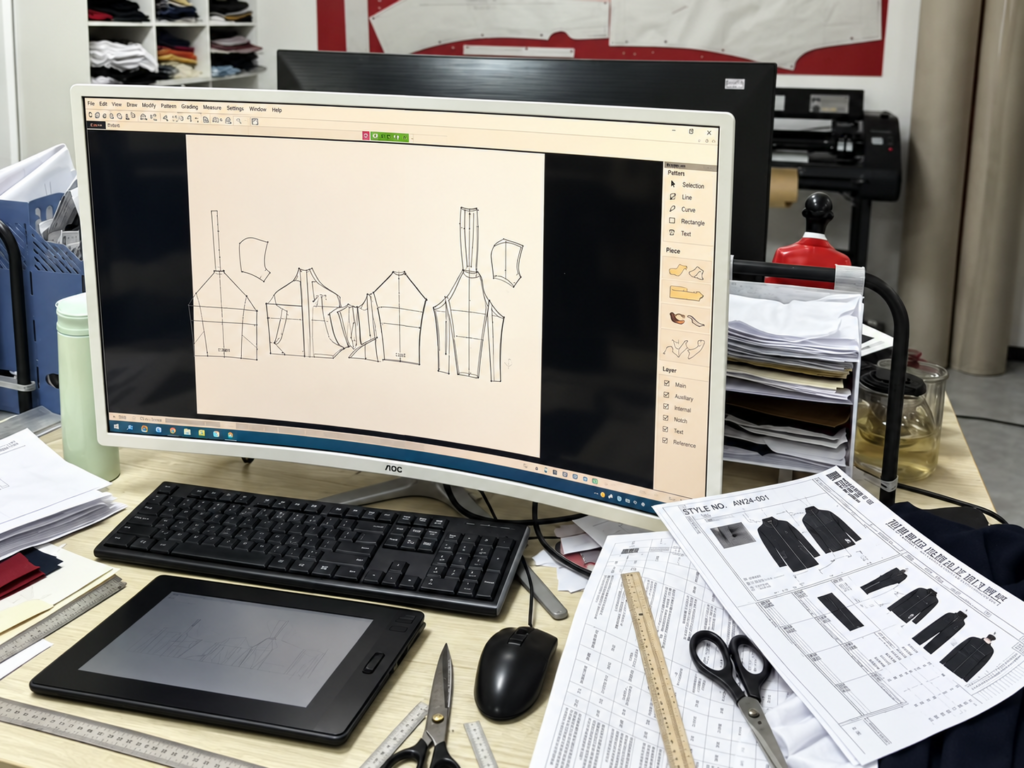
Supply-Chain Transparency Matters in Brand Programs
Large sourcing programs often involve specialized external resources for selected processes. In apparel manufacturing, fabric production, dyeing, embroidery, printing, specialty trims and packaging materials may involve qualified suppliers or processors depending on the product. The critical issue is not whether every operation sits under one roof, but whether the specification, approved sample, production arrangement and inspection points are controlled clearly.
For embroidery work, the production route should define who receives the approved artwork, which garment stage receives the process, what sample becomes the visual reference, how placement is measured and what criteria are checked before bulk release. External processing can also affect timing because transport, queueing, sampling, rework or supplier scheduling may add project steps.
Leadshow’s factual policy explicitly states that embroidery may require outside processing and that not all processes are confirmed as in-house. Any project requiring all operations at a specific production address must therefore be checked before commitment.
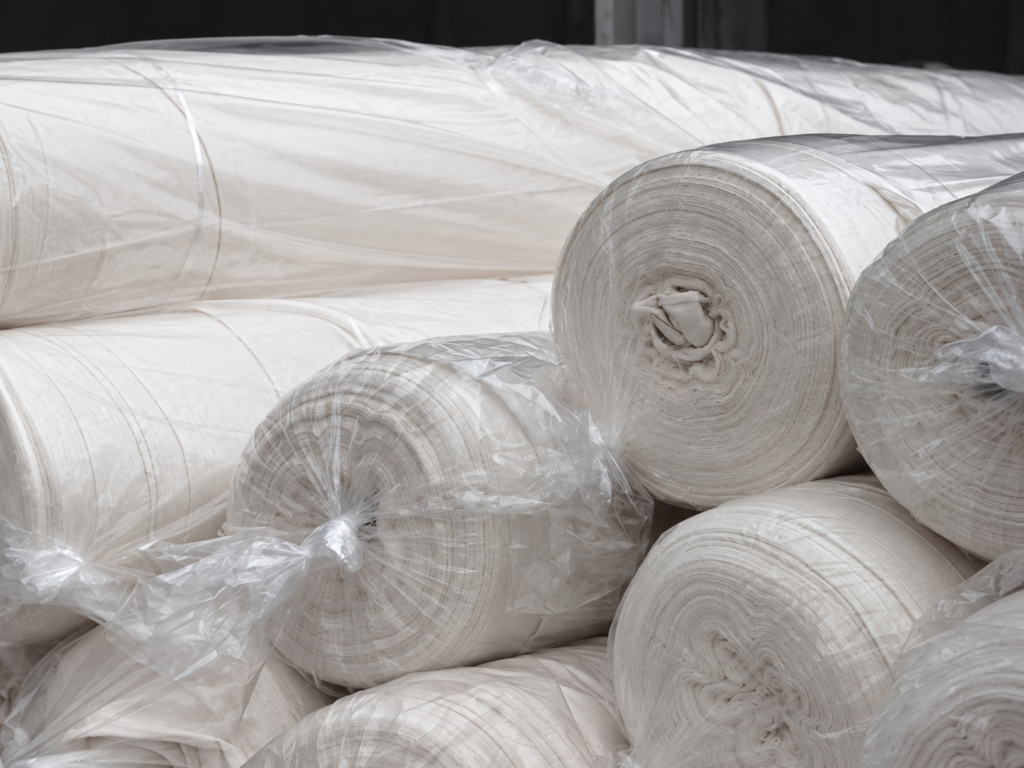
Embroidery Specifications to Confirm Before Sampling
A clear embroidery specification reduces revisions caused by misunderstood size, position, artwork versions or garment compatibility.
Evaluation Area
Information to Confirm
Artwork
Approved logo or graphic version
Artwork File
Vector, high-resolution reference or brand-standard file available for review
Embroidery Size
Finished width and height
Placement
Chest, back, sleeve or other approved location
Position Reference
Distance from neckline, center line, seam or other garment landmark
Color
Approved brand or thread-color reference
Sweatshirt Size
Base sample size and intended size range
Fabric
Material, weight, surface, stretch and shrinkage requirements
Garment Structure
Shoulder type, fit, neckline, rib and nearby seams
Reverse Side
Back-side appearance or comfort expectations
Sample Standard
Local process sample or full garment sample, depending on project
Bulk Standard
Approved sample plus latest approved specification
Testing
Wash, appearance or other project-specific validation when required
Packaging
Protection needed to avoid crushing or marking decorated areas
Fabric and Rib Affect the Final Embroidery Result
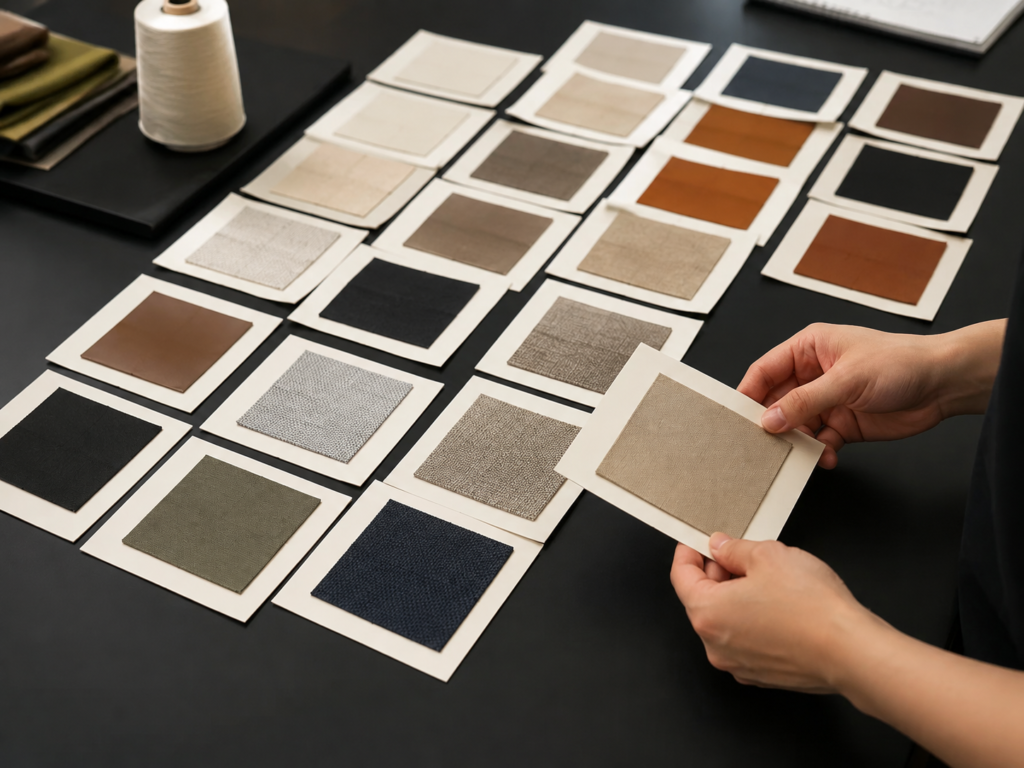
Material selection cannot be separated from embroidery approval. Garment weight, surface, recovery and shrinkage all influence how an embroidered area looks before and after manufacturing.
Fabric Behavior Must Be Reviewed Before Approval
The same artwork can behave differently on two sweatshirt fabrics. A heavier, more stable construction may support dense decorative areas differently from a lighter or more flexible fabric. Surface texture can influence visual sharpness. Stretch can change the apparent shape of a logo when the garment is worn. Shrinkage can also alter placement after laundering if the base material and decoration respond differently.
For that reason, fabric decisions should include more than a name or marketing category. Relevant project information can include composition, weight, hand feel, stretch, color, surface, shrinkage expectations and intended use. Final material specifications should be confirmed through actual material information and approved samples rather than copied from a generic sweatshirt standard.
Leadshow coordinates materials according to fit, product structure, order requirements and target market, but current facts do not support publishing fixed sweatshirt fabric composition, fixed GSM values or universal functional performance. Each material must therefore be evaluated on its own project data.
Rib Construction Needs Separate Attention
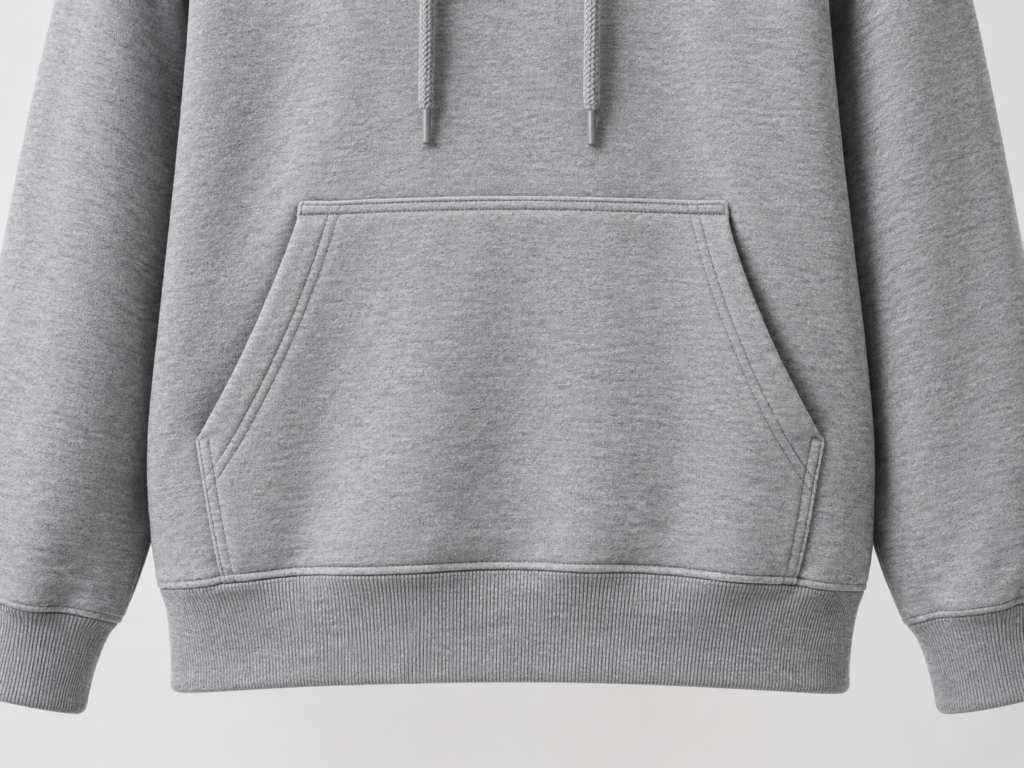
Sweatshirts commonly use rib around the neckline, cuffs and hem. Rib is not a minor accessory. Its composition, weight, elasticity, recovery, color, width, shrinkage and seam thickness all affect fit and visual balance.
Poorly matched rib can create neckline distortion, loose cuffs, excessive hem tension or visible color differences against the main fabric. When embroidery sits close to a neckline, sleeve or hem, garment tension can also influence final visual positioning.
Leadshow’s material facts specifically identify sweatshirt rib as an area requiring coordination with the main fabric, including composition, weight, color, recovery and shrinkage. Different supplier batches can create color or dimensional differences, so approval should rely on actual materials rather than digital appearance alone.
Plan Artwork, Size and Placement Before Bulk Production
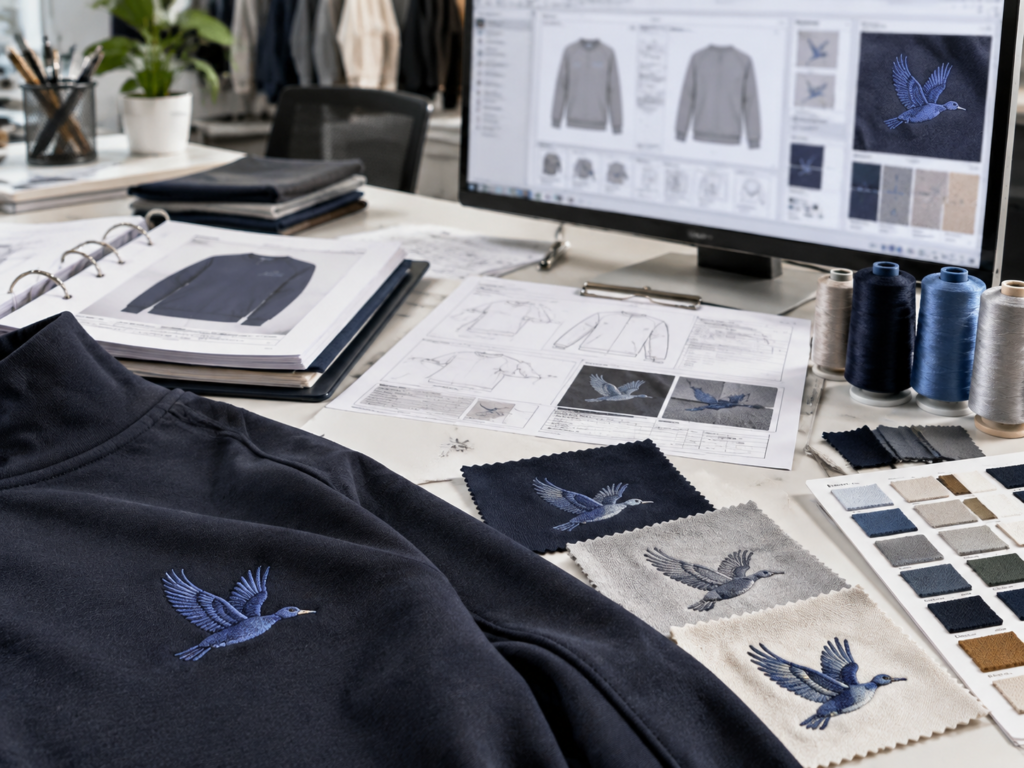
Embroidery approval is easier when four decisions are documented separately: artwork version, finished size, placement and garment-scale relationship.
Artwork Version
Production should work from one approved artwork version. File names, revision numbers and visual references should be controlled before embroidery sampling starts. Small differences in lettering, outlines, spacing or graphic proportions can produce noticeable changes after stitching. When artwork is revised, old versions should stop being used for production while remaining available only for traceability or internal reference.
Finished Embroidery Size
Specify actual finished width and height rather than terms such as ‘small chest logo’ or ‘large back graphic.’ Physical dimensions allow the sample and bulk product to be compared against the same standard. Very detailed graphics may need feasibility review before production because artwork complexity, garment material and embroidery area can influence the final result.
Placement Reference
Embroidery position should be measured against stable garment reference points. Chest placement may use the neckline, center front or shoulder seam. Sleeve placement may use cuff distance or a seam reference. Back graphics may use neckline and center-back measurements. Position should never rely solely on a visual mockup when production accuracy is required.
Size-Range Relationship
A fixed logo can appear proportionally different across a wide size run. Sample review should determine whether one embroidery size is retained or whether a brand wants controlled scaling for selected sizes. The correct decision depends on brand standards, garment dimensions and visual intent. Placement also needs review because larger sizes can change the distance between seams and artwork.
Common Embroidery Risks Worth Checking During Development
Most embroidery issues become expensive when they are discovered after bulk production has started. A controlled sample process can identify several recurring risks earlier.
Fabric Puckering
Puckering can make an otherwise correct logo look poorly executed. The result may come from material behavior, embroidery density, area size, garment tension or processing conditions. Inspection should evaluate the decorated area in a relaxed state and on the finished garment rather than only while the piece is held under tension. The reverse side and surrounding fabric should also be checked for distortion before the standard is approved.
Placement Shift
A logo can be technically well embroidered yet still fail because it sits too high, too low or too close to a seam. Placement should be defined with physical measurements and consistent reference points. Drop shoulders, oversized bodies, sleeve shapes and different size runs can all alter visual balance. Bulk inspection should compare finished placement against the approved specification rather than against memory or a visual mockup.
Artwork Distortion
Fine text, small gaps, sharp corners and complex outlines may not reproduce exactly like screen artwork. Feasibility should be reviewed before committing to bulk production. A physical sample provides a more reliable approval point than a digital image because finished appearance depends on both artwork geometry and the base garment. Any simplification or adjustment should be documented before the approved version is frozen.
Uneven Surface Appearance
Sweatshirt surfaces vary according to fabric structure, weight and finishing. An embroidered section may appear raised, sunken or uneven if material and process are not compatible. Evaluation should look at the garment from normal viewing distance as well as close range. The surrounding fabric should remain visually clean, and decorative areas should not create unwanted deformation around the intended branding position.
Size-to-Size Variation
A placement that looks correct on one sample size may not remain visually balanced across the whole size range. The issue becomes more noticeable on wide size runs or oversized fits. Review should define whether embroidery dimensions stay fixed and whether position measurements change by size. A clear grading or placement rule prevents production teams from interpreting the artwork differently for each garment size.
Sample-to-Bulk Variation
A successful sample is only useful if bulk manufacturing references the same approved artwork, garment construction, material and position standard. Production can drift when files change, material batches differ or process instructions are unclear. Version control, first-piece checks and in-process inspection help reduce avoidable variation. Bulk output should be evaluated against approved specifications instead of an informal memory of the original sample.
Information Needed for a More Accurate Project Review
Complete specifications improve quotation accuracy, sample clarity and production planning. Projects can still start with partial information, but unresolved items must be identified before final commercial commitments.
Sweatshirt Design
Provide a technical drawing, reference image, existing garment or clear product concept. Useful information includes neckline, shoulder type, body fit, sleeve profile, garment length, rib locations and any panels or special construction. The design establishes the manufacturing route and determines whether embroidery interacts with seams, folds, closures or high-tension areas.
Tech Pack
A Tech Pack is the strongest starting point when available. It can include measurement charts, construction notes, stitch requirements, artwork locations, color references, labels and packaging instructions. Leadshow can review technical information before sampling and identify missing or conflicting requirements. Incomplete documents should be clarified rather than assumed.
Artwork Files
Submit the latest approved logo or graphic. Include intended dimensions, color references and placement information where possible. If a final production-ready embroidery file is not available, the required conversion or processing route must be confirmed during project review. Leadshow should not be assumed to operate an internal digitizing department because such capability is not currently verified.
Order Quantity
Provide total quantity and, ideally, the breakdown by color and size. Quantity affects material ordering, embroidery arrangement, production scheduling and packaging. Leadshow’s standard MOQ starts from 100 pieces per color per design, subject to fabric, trims, construction and customization requirements.
Color Plan
List garment colors, rib colors, embroidery colors and any branded color standards. Screen colors are not sufficient for final approval. Physical material references, approved samples or project-specific color standards should be used when accuracy matters. Multiple colors can also affect material MOQ, artwork coordination and production complexity.
Size Range
Provide the intended size chart rather than relying on generic XS-XXL assumptions. Leadshow does not publish a universal size system for all markets. Measurement points, base size, grading requirements and tolerance expectations should be defined according to the product and destination market. Embroidery placement should then be checked against the actual size range.
Material Direction
Share required composition, weight, hand feel, surface, stretch, color, finishing or reference fabric where known. If material is still open, describe the target wearing experience and commercial positioning. Final material selection may influence embroidery appearance, MOQ, quotation, sample development and production timing.
Market and Timing
State the main destination market, intended launch or delivery window and any required testing, labeling or inspection standards. Leadshow does not publish one fixed sampling time or one fixed bulk lead time for all sweatshirt projects. Timing is confirmed after material, artwork, sample status, quantity, process requirements and current production scheduling are reviewed.
Sample Development Connects Design With Bulk Manufacturing
Sampling should prove more than whether a sweatshirt can be sewn. It should create an approved standard that can later guide materials, garment dimensions, embroidery, workmanship, labels and packaging.
Review Before the First Sample
The process begins with available design information. A mature program may already include a complete Tech Pack, size chart, artwork package and reference sample. An earlier-stage concept may contain only images, measurements and a desired silhouette.
The first technical review should identify unresolved issues before material and sample work starts. Sweatshirt-specific attention includes neckline dimensions, shoulder shape, body proportion, sleeve volume, rib structure, garment weight and shrinkage direction. Embroidery requirements are then evaluated against the selected garment construction.
Artwork size and position should be documented early. A chest logo, sleeve mark or back graphic may require different reference measurements depending on the sweatshirt structure. Large or detailed embroidery may need additional feasibility review. Any unanswered point should remain open for confirmation rather than being converted into an assumed production standard.

Sample Construction and Embroidery Review
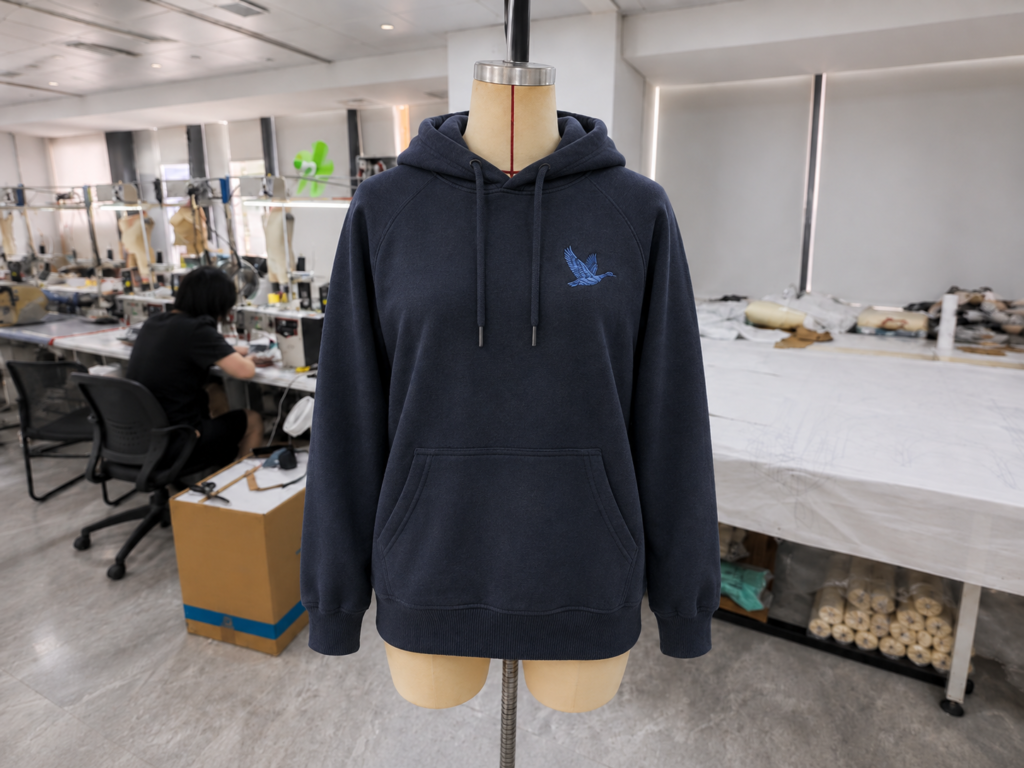
The physical sample becomes the first meaningful point where garment and embroidery can be judged together. Fit, neckline shape, shoulder position, sleeve volume, rib tension and overall proportion should be reviewed alongside logo scale and placement.
Embroidery inspection can include artwork appearance, color, alignment, surrounding fabric condition, puckering, reverse-side appearance and visual balance. A sample worn on body or mannequin may reveal placement problems not obvious when the garment lies flat.
Changes should be recorded clearly. If embroidery size changes, the revision belongs in the artwork or technical file. If garment measurements change, the measurement table should be updated. If fabric changes, embroidery performance should be reassessed because the approved decoration was originally evaluated on a different base material.
Approval and Version Freeze
Bulk manufacturing should not start from verbal agreement or an old sample. The approved garment, latest specification, artwork, color references, labels and packaging requirements should form one controlled production package.
Leadshow’s development guidance treats the approved sample and final files as the bridge between sampling and bulk manufacturing. Early technical review and sample validation are used to reduce avoidable production-stage changes, not to promise a perfect first sample or eliminate all risk.
Embroidery Sample Approval Checklist Before Bulk Release
Approval Point
Review Standard
Sweatshirt Structure
Matches approved design and construction
Finished Measurements
Matches approved measurement specification
Fabric
Correct approved material and color
Rib
Correct color, recovery, width and appearance
Artwork Version
Latest approved version only
Embroidery Size
Matches approved width and height
Placement
Matches defined garment reference points
Color
Matches approved reference
Surface Appearance
No unacceptable distortion or puckering
Reverse Side
Meets agreed finishing expectations
Garment Fit
Embroidery remains visually balanced when worn
Size Range
Placement rule confirmed for intended sizes
Labels
Correct version, size and position
Packaging
Correct approved format
Final Approval
Sample and files formally released for bulk production
Manufacturing Infrastructure Supporting Sweatshirt Production
Leadshow’s scale data should be understood as company-wide manufacturing resources rather than embroidery-specific or sweatshirt-only capacity.
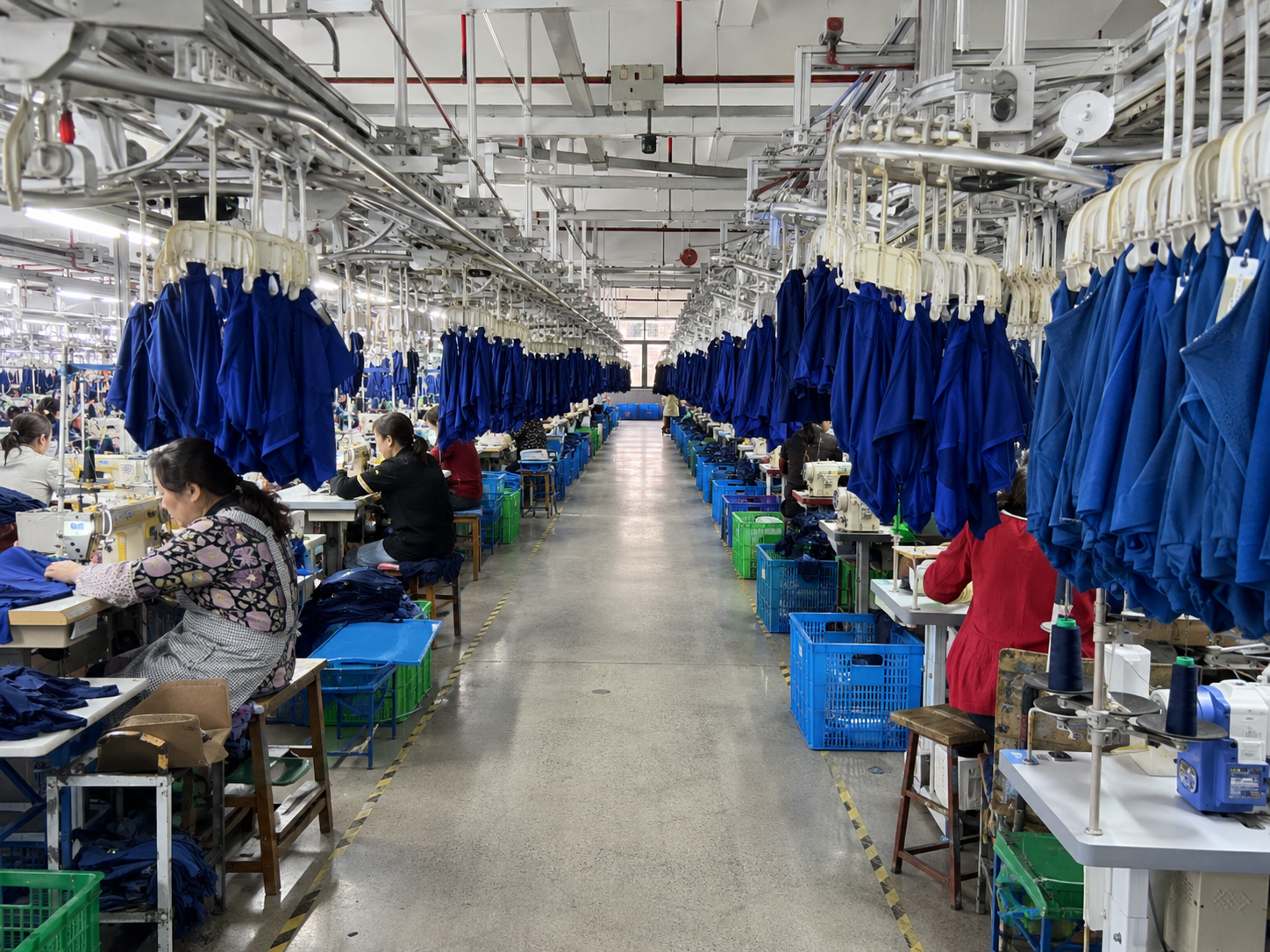
15 Years Experience
With 15 years of apparel manufacturing experience, Leadshow supports brands from product development and sampling to bulk production. Our experience covers garment construction, technical communication, quality coordination and production management across different apparel programs.
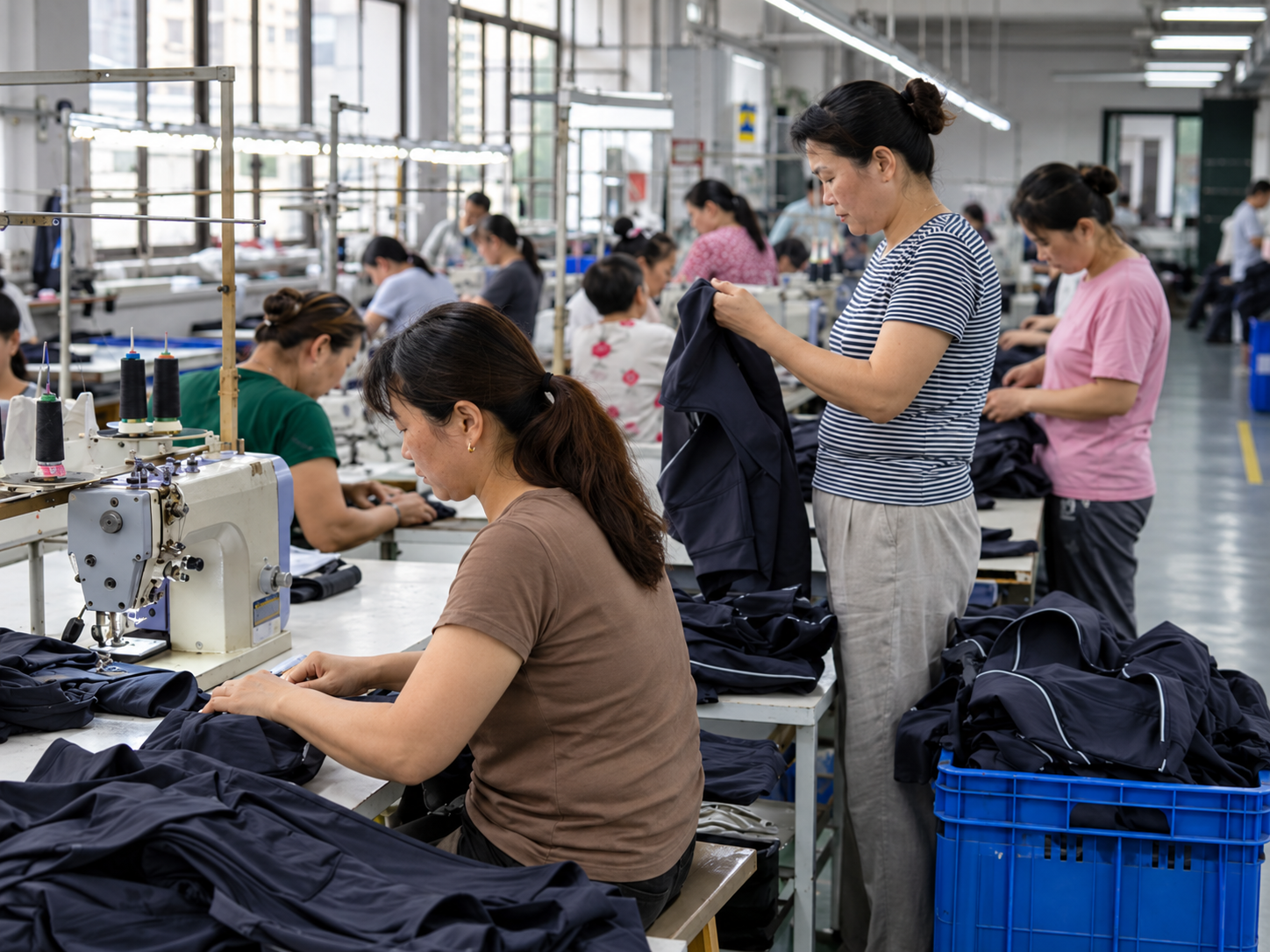
3 Manufacturing Bases
Our manufacturing network includes 3 production bases working together to support different apparel programs. Each facility is organized according to product requirements, production schedules and order complexity, allowing flexible allocation from sampling to bulk manufacturing.
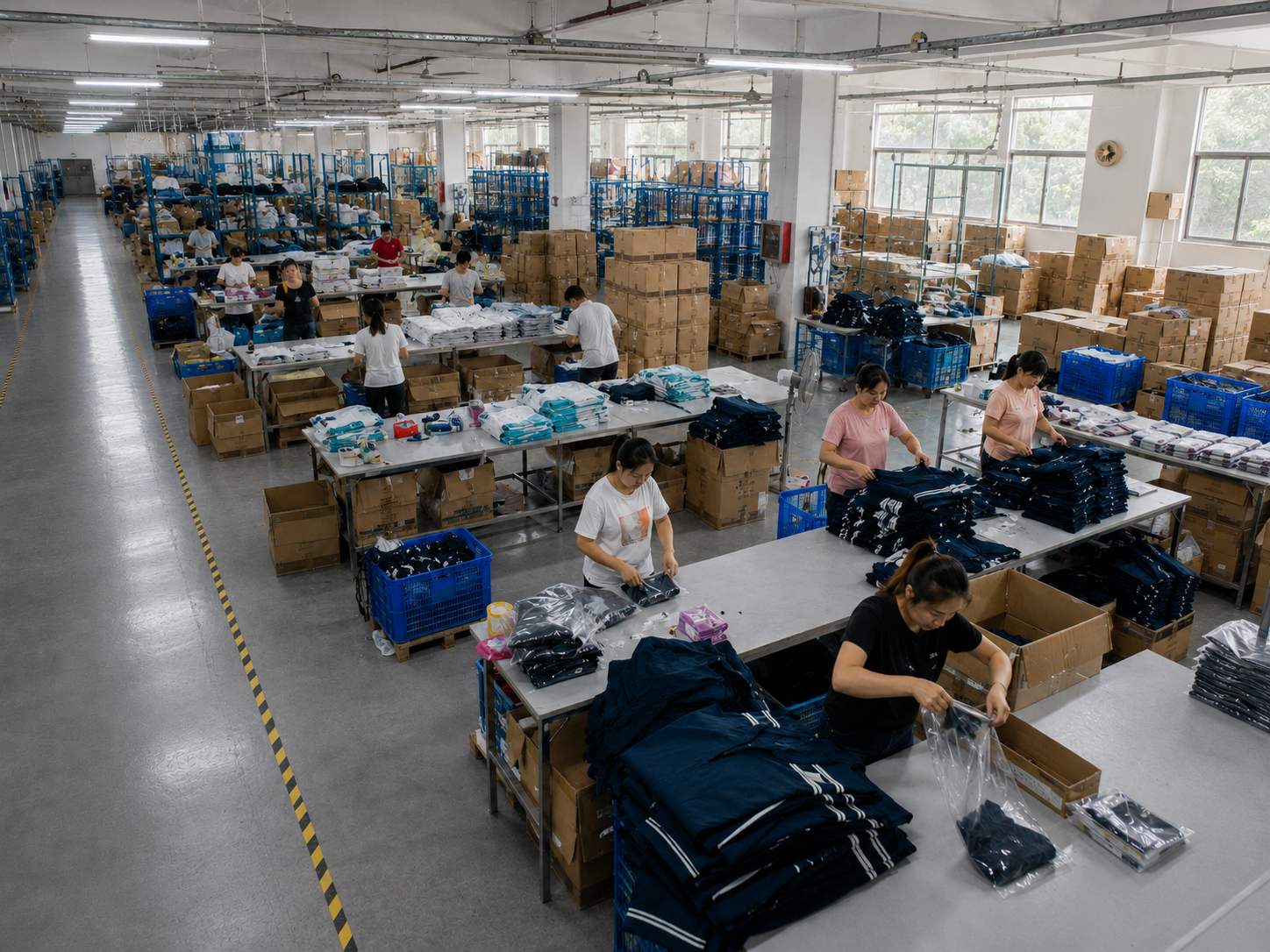
20,000+ Square Meters
Our combined manufacturing space exceeds 20,000 square meters, supporting garment development, production, finishing, quality control and warehouse operations. The integrated production environment helps manage different apparel categories and order volumes efficiently.
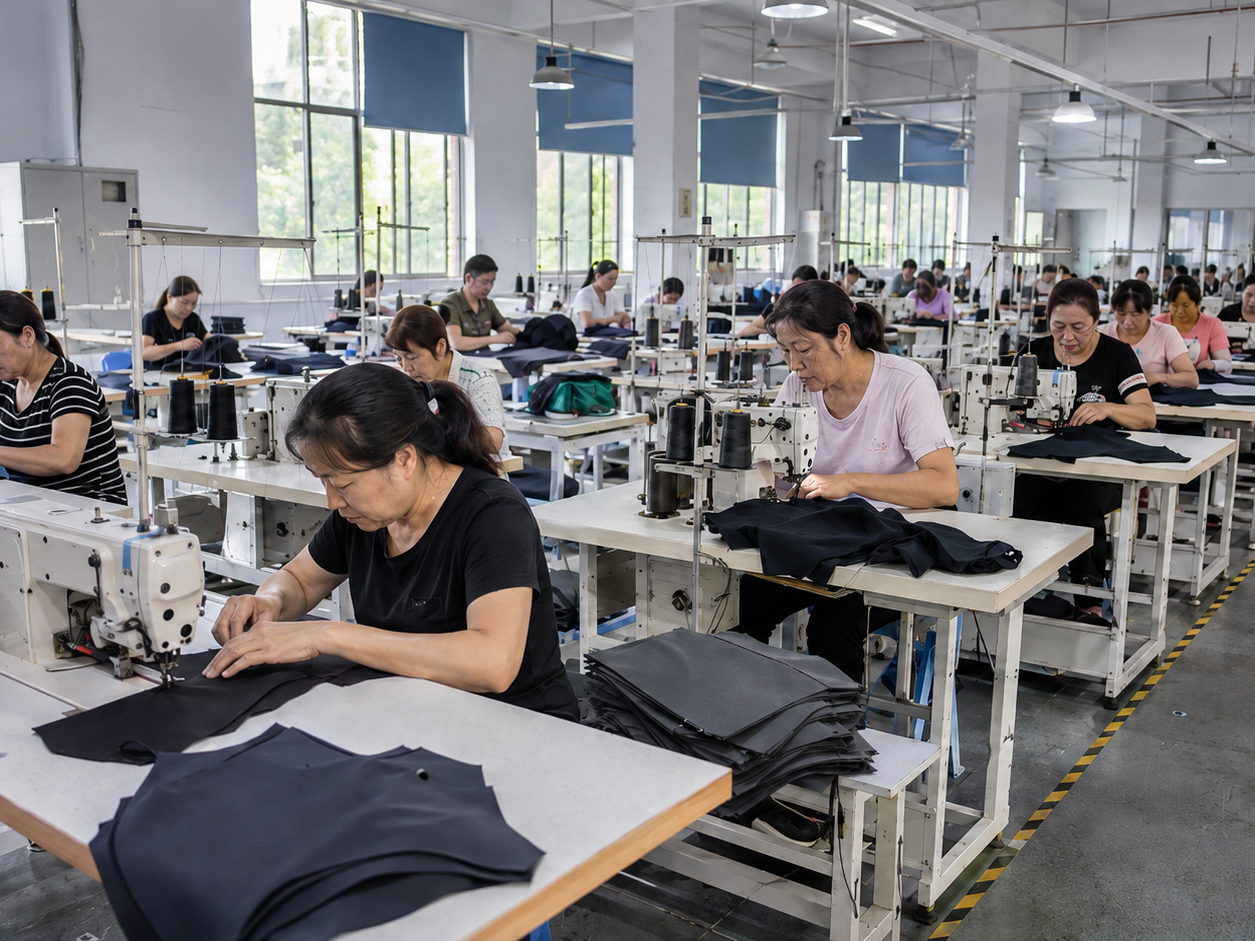
1,500+ Team Members
A team of more than, 1500 professionals supports product development, manufacturing, quality control, warehouse management, logistics and customer communication. Different teams work together to maintain stable production coordination from sampling to delivery.
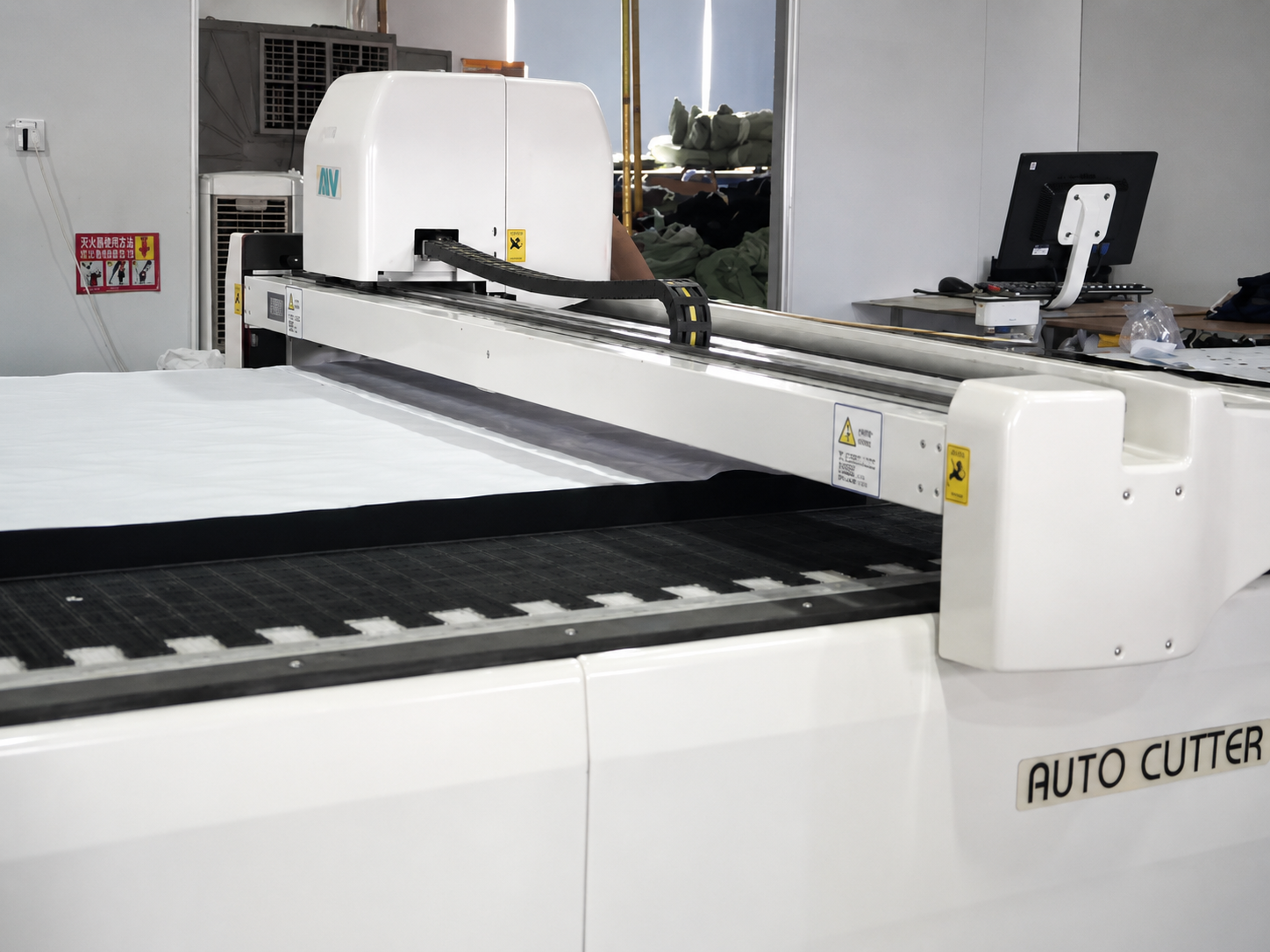
304 Confirmed Machines
Our production system includes more than 300 machines covering cutting, sewing, special processes, finishing and inspection. The equipment setup supports different garment structures and production requirements across various apparel categories.
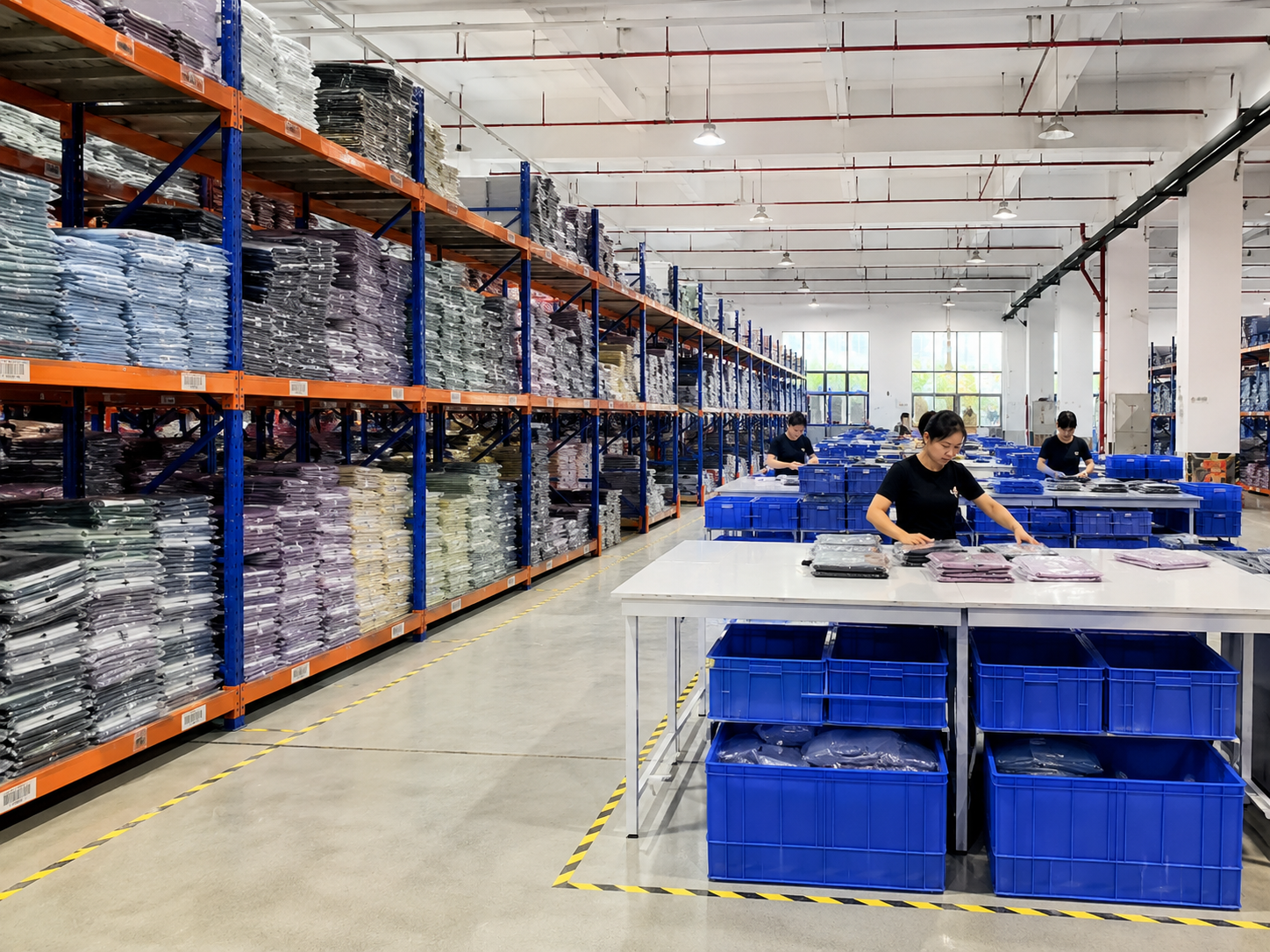
Up to Approx. 120,000
Combined production capacity can reach approximately 120,000 finished garments per month depending on product type, material requirements, order structure and production planning. Capacity is allocated according to confirmed projects and manufacturing schedules.
From Approved Sample to Bulk Sweatshirt Production
Bulk manufacturing should convert approved product information into repeatable execution without changing key product decisions along the way.
Production Release Begins With Approved Information
Production preparation starts after the sweatshirt construction, measurement specification, approved fabric, rib, artwork, embroidery placement, labels and packaging have reached a usable approval stage.
Material readiness, order quantity, colors, size ratios and process sequence are then reviewed against available capacity. A sweatshirt using embroidery may require decoration at the cut-panel stage, semi-finished stage or finished-garment stage. The correct sequence depends on the artwork position, garment structure and production method.
Leadshow’s manufacturing facts specifically note that embroidery, printing and heat-transfer processes can occur at different production stages and that an incorrect sequence may create rework or delay.
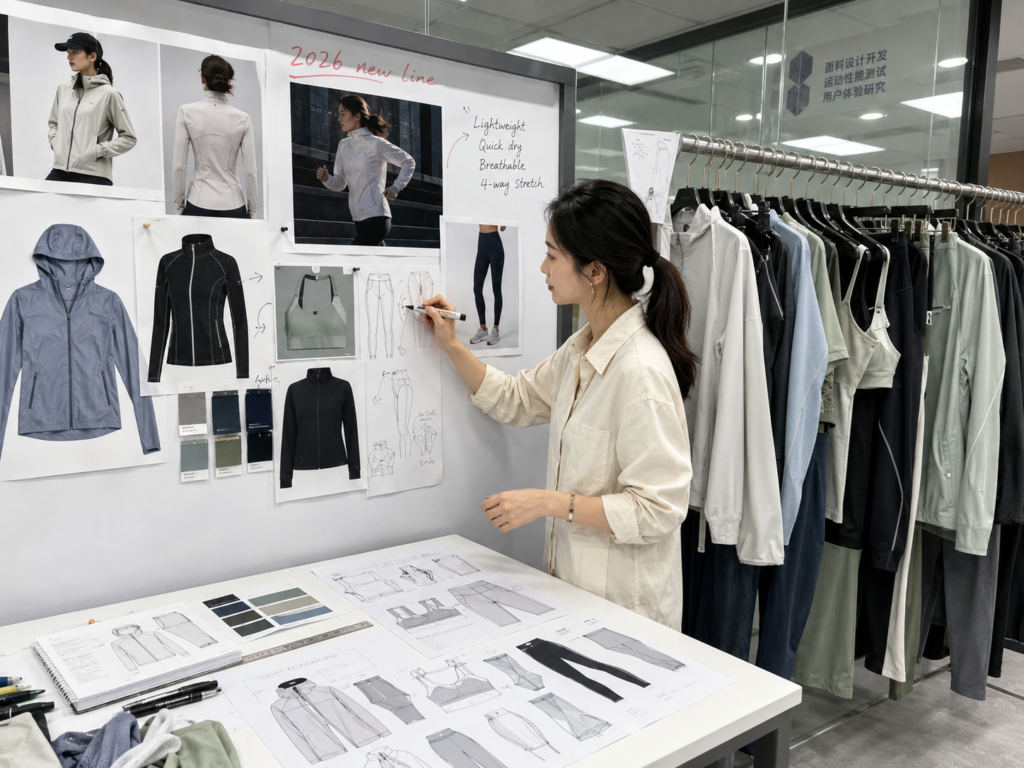
Bulk Execution Uses Garment and Artwork Standards Together
Cut components need to match the approved garment version. Sewing must maintain shoulder, neckline, sleeve, body and rib specifications. Embroidery work needs the correct artwork, size, color and position reference.
A first-piece or early-production review can identify whether construction or branding has drifted from the approved sample. Production inspection should compare actual goods with documented requirements instead of relying on visual memory.
When decoration is handled through a specialized external processor, transport, queueing, process timing, inspection and return logistics may form part of the schedule. Lead time should therefore be confirmed after the actual production arrangement is known rather than stated as one fixed number for every order.
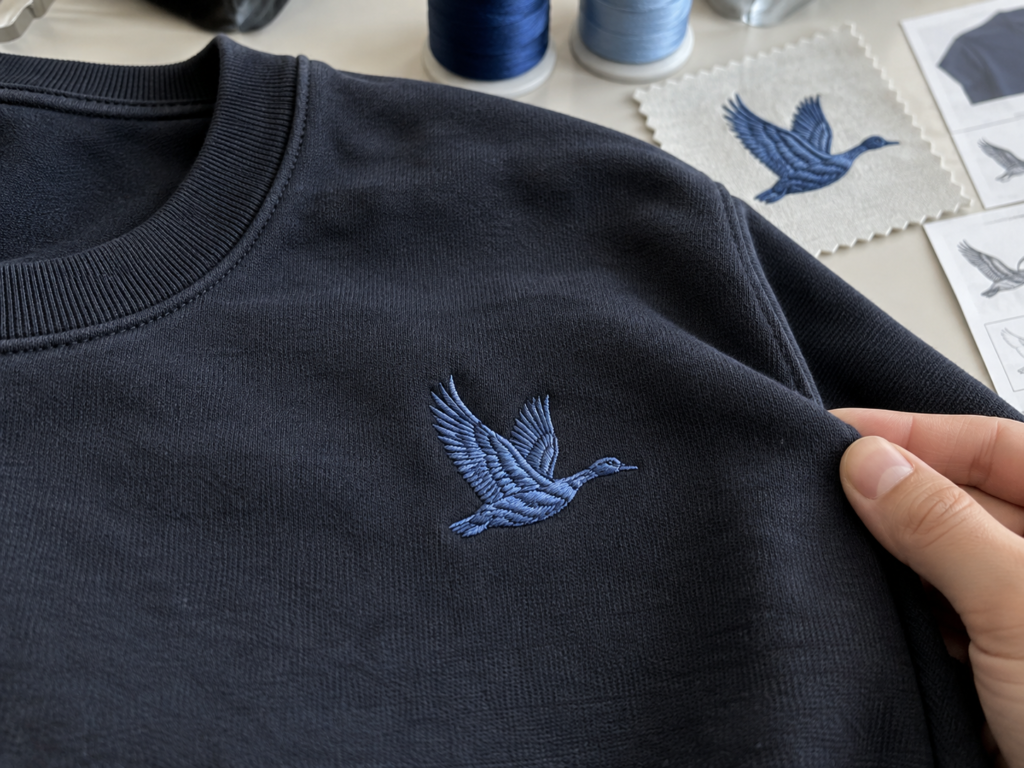
Finishing, Packing and Shipment Preparation
After sewing and decoration, garments move through finishing and inspection before labeling and packing. Sweatshirts require attention to garment appearance, folding, decoration protection and packing volume.
Labels, size information, hangtags, SKU references and carton marks should follow the approved order version. Export delivery support can then be coordinated according to the agreed shipping arrangement. Leadshow supports export delivery, but customs clearance or marketplace receiving outcomes are not unconditional guarantees.
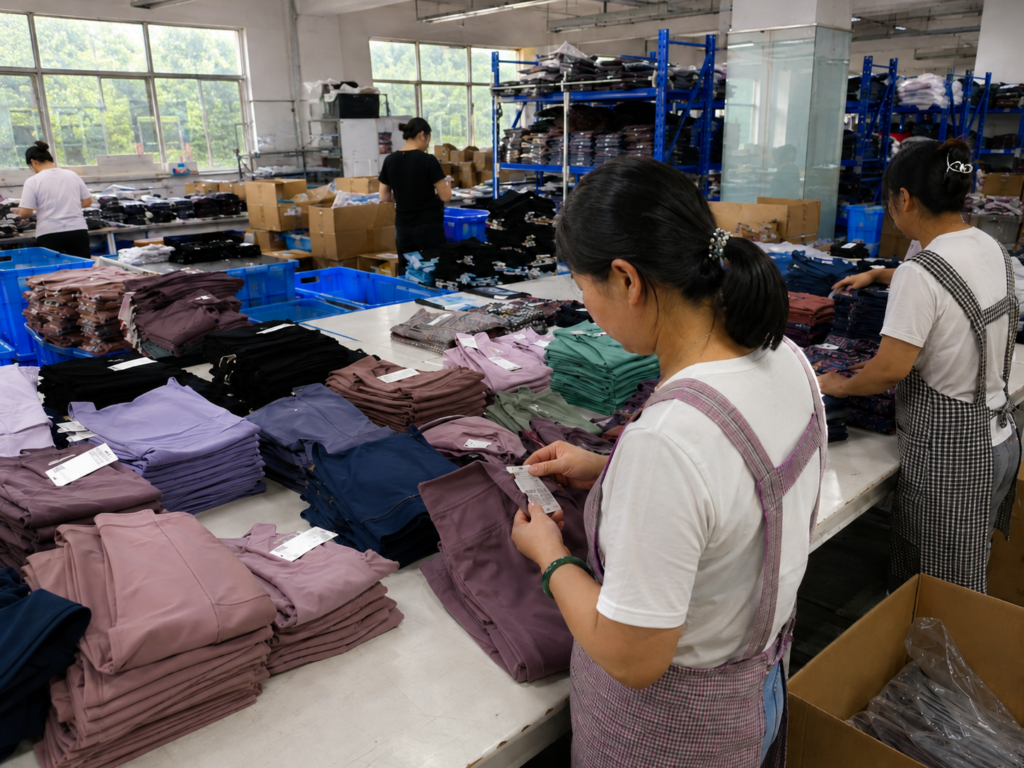
Quality Checks Cover Garment, Embroidery and Packaging
Quality control should translate vague claims such as ‘high quality’ into visible inspection points connected to the approved specification.
Sweatshirt Construction Checks
A finished sweatshirt can be checked against neckline shape, shoulder placement, sleeve length, sleeve width, body measurements, hem circumference, rib appearance and general workmanship.
Fabric and rib should correspond to the approved material. Stitching, seams and finishing should be evaluated according to the product specification. For heavier constructions, seam bulk and shape should receive additional attention because thick materials can behave differently during sewing and pressing.
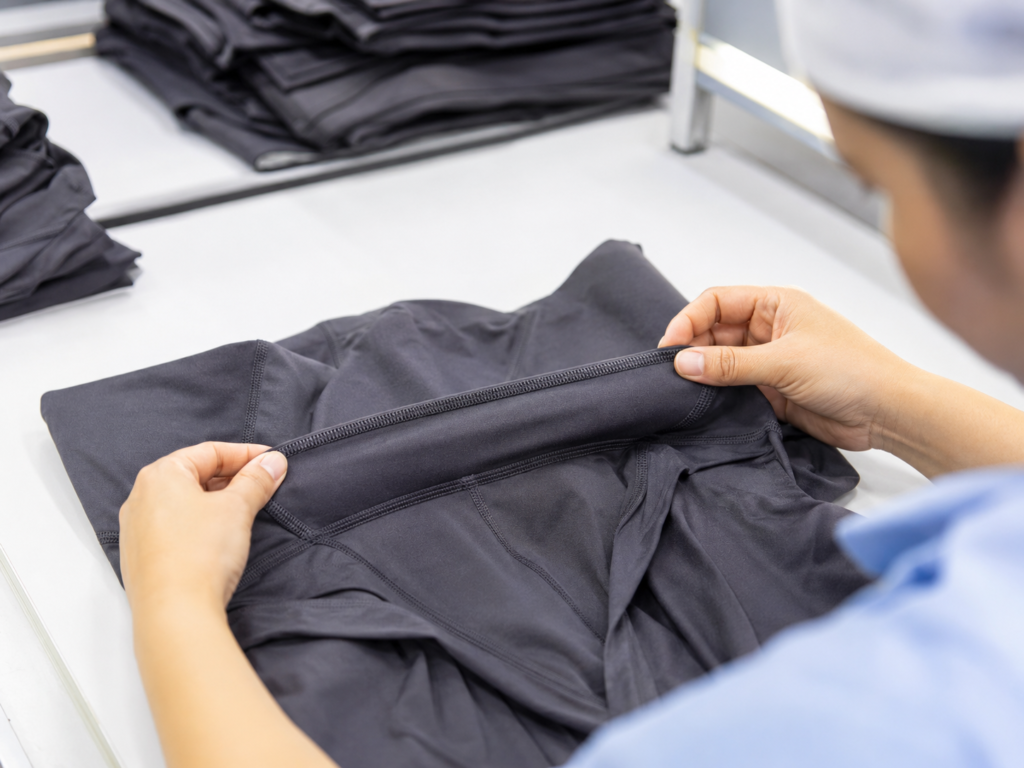
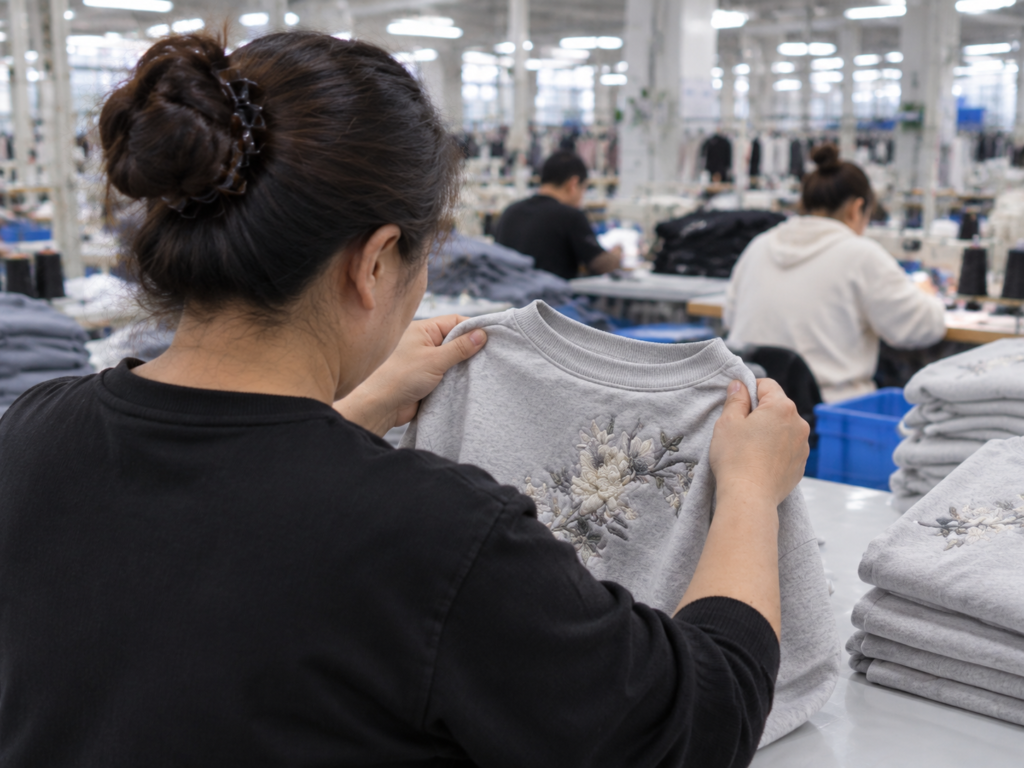
Embroidery Appearance Checks
Embroidery inspection should verify the approved artwork version, finished dimensions, color, physical position and overall appearance.
Relevant risks can include puckering, distortion, uneven appearance, incorrect placement or differences between production batches. Placement should be compared using defined garment landmarks rather than approximate visual judgement.
The inspection scope depends on the agreed project standard. Leadshow does not claim universal embroidery performance, permanent wash durability or zero variation because final results depend on material, specifications, operation, processing and approved standards.
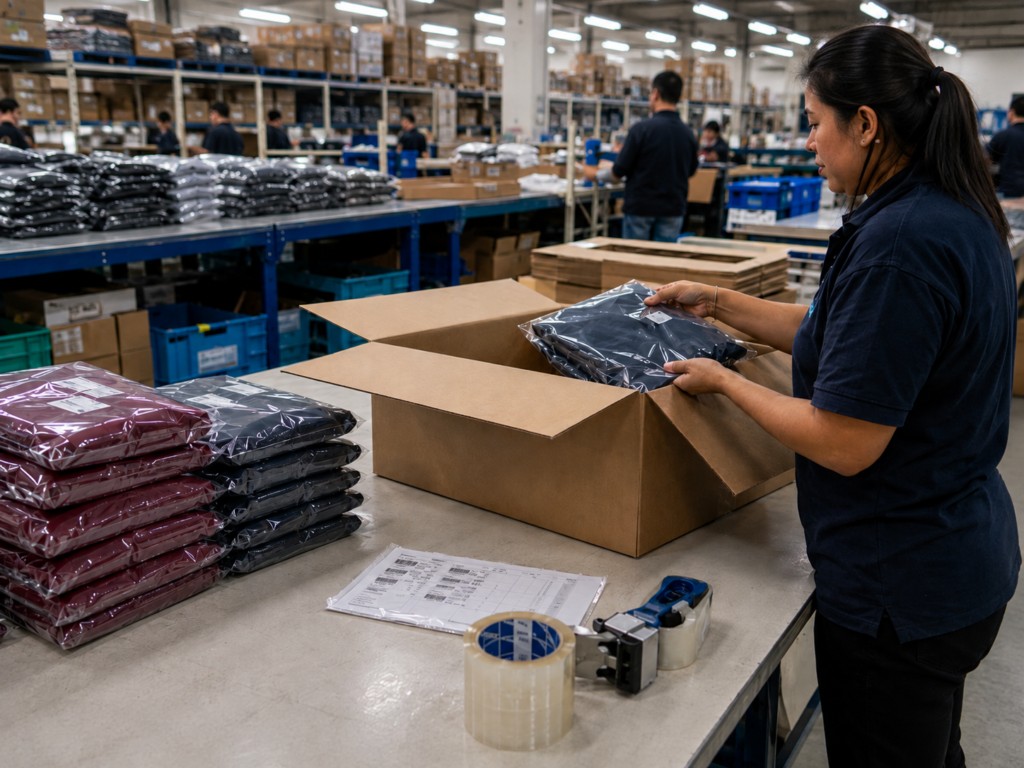
Labels, SKU and Packaging Checks
Quality control does not stop at the garment itself. Main labels, size labels, care labels, hangtags, packaging and carton information can affect retail execution and inventory accuracy.
For multi-SKU orders, style, color, size and label versions need to remain aligned. Packaging checks may cover folding method, bag size, tag placement, SKU information, quantity per carton and carton identification.
Leadshow’s quality model supports material, in-process, finished-garment and packaging checks according to project requirements; it does not claim zero defects or blanket 100% inspection for every order.
MOQ, Quotation and Timing Depend on Project Details
Leadshow uses project-specific evaluation rather than one universal price or lead-time promise.
Factor
Commercial Impact
Standard MOQ
Starts from 100 pcs per color per design, subject to fabric, trims, construction and customization requirements
Sweatshirt Structure
Shoulder type, neckline, rib, panels and construction affect work content
Fabric
Composition, weight, color, finish, sourcing and supplier MOQ affect cost
Rib
Matching color, weight, recovery and shrinkage influence development
Embroidery
Artwork, size, position, complexity and production route require evaluation
Number of Colors
More garment or embroidery colors can increase material and setup complexity
Size Range
Wider size runs increase SKU management and placement-control requirements
Labels
Main labels, size labels, care labels and hangtags affect setup and unit cost
Packaging
Branded bags, carton requirements and special packing add material and handling cost
Sample Timing
Confirmed after garment structure, material, artwork and process review; no fixed public sample time is currently approved
Bulk Lead Time
Confirmed after sample approval, material readiness, quantity, process route and current scheduling
Delivery Timing
Depends on production completion, inspection, packing and selected transport arrangement
Private Label Work Goes Beyond the Embroidered Logo
A finished brand program connects the garment, internal information, hangtags and packaging into one controlled specification.

Garment Branding
Embroidery may be the primary external brand element, but the finished sweatshirt can also involve other project-approved branding methods. Logo location, artwork version, scale and color should remain consistent with the brand guide. All trademarked or licensed artwork must be supplied with appropriate authorization before production proceeds.
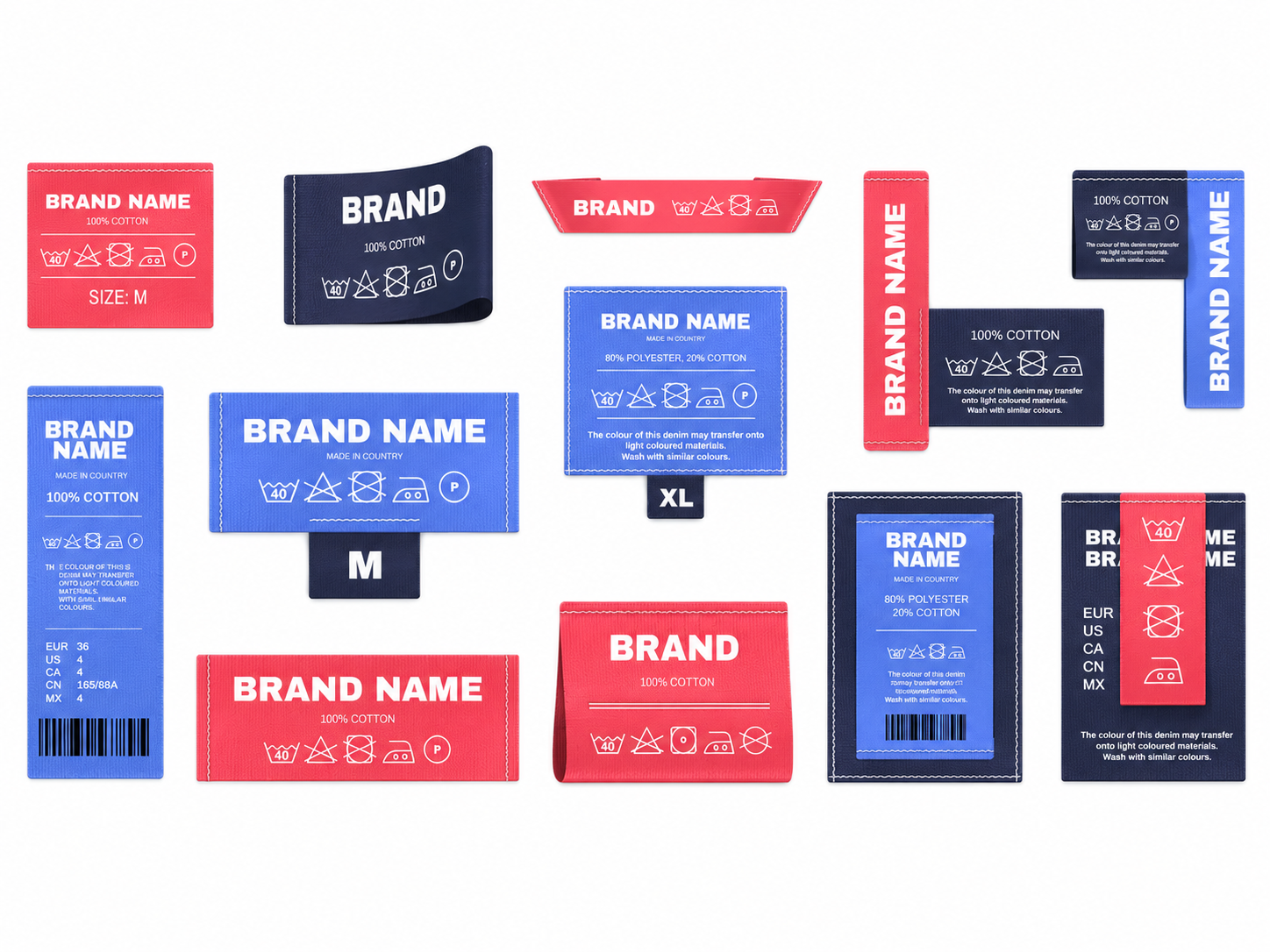
Main, Size and Care Labels
Private-label sweatshirts can include main labels, size labels and care labels according to approved product information and destination requirements. Label content should reflect the actual garment material, size and required washing information. Leadshow has confirmed heat-transfer labeling equipment, while woven-label production may involve external supply coordination.
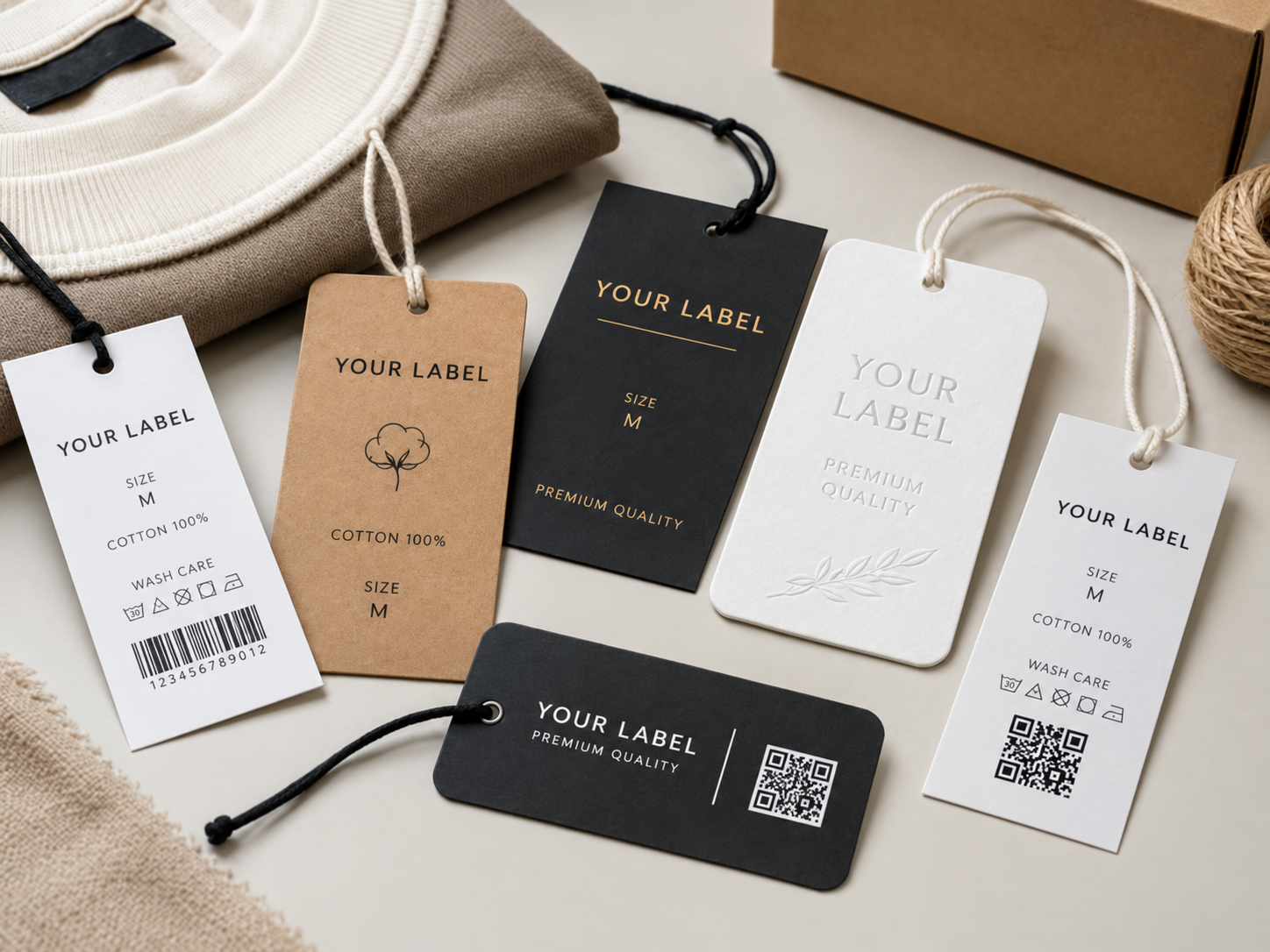
Hangtags and Product Information
Hangtags may carry brand identity, product information, SKU references, retail data or other approved content. Artwork versions need to remain linked to the correct sweatshirt style and color. Multi-style programs should control hangtags together with garment, label and packaging versions to avoid correct garments receiving incorrect branded materials.
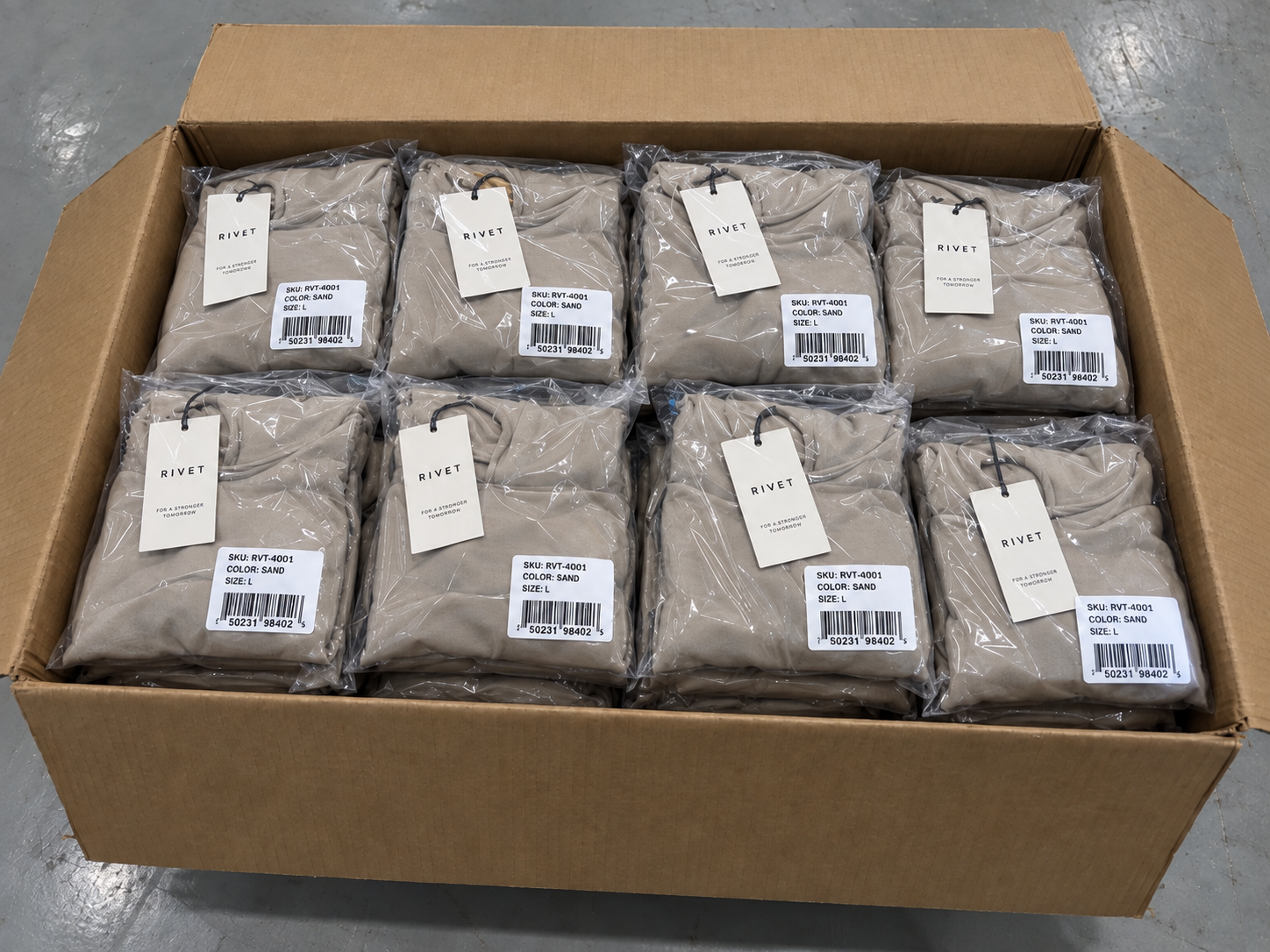
Branded Packaging
Packaging can include approved single-garment bags, stickers, labels, carton marks or other brand elements. Packaging is part of SKU and delivery management rather than a decoration added at the end. Specifications should define the correct garment, size, packaging version and carton requirement before bulk packing begins.
Manage Multi-SKU Programs and Repeat Orders More Clearly
Large apparel programs often fail through version or packing errors rather than a single sewing defect. Product information needs to stay connected across the full order.
Multiple Colors
Each garment color should have an approved material reference, embroidery color reference and corresponding label or packaging version where required. Color additions can influence material MOQ and production scheduling, so colorways should be confirmed early rather than added after bulk preparation has started.
Multiple Sizes
A size range needs one approved measurement specification and clear grading logic. Embroidery position should also be checked against the size range. Labels, packing marks and carton quantities must match the correct size to reduce mix-ups during final packing.
Multiple Sweatshirt Styles
Programs may combine crewneck, half-zip, regular-fit, relaxed-fit or oversized sweatshirts. Each style should carry its own product code, measurements, artwork position and approved sample. Similar-looking styles should not share production files unless all specifications are actually identical.
Artwork Versions
Different styles or colors may use different artwork colors, sizes or placements. Production should use clearly named approved files rather than one generic logo folder. Superseded versions should be removed from active production use to prevent old graphics appearing on new bulk orders.
Packaging Versions
Retail, wholesale or market-specific programs may require different labels, bags, barcodes or cartons. Packaging should therefore be treated as part of the SKU specification. Packing instructions need the same version control discipline as garment construction and artwork.
Repeat Orders
A repeat order should begin by reconfirming material availability, current artwork, labels, packaging, quantity and target delivery. Previous approval provides a useful reference but does not guarantee identical material batches, prices or timelines forever. Updated supply conditions should be reviewed before reorder confirmation.
How to Evaluate a Sweatshirt Embroidery Manufacturing Partner
A strong sourcing decision looks beyond embroidery alone and evaluates whether garment development, approvals and bulk execution are managed as one system.
Evaluation Area
What to Verify
Sweatshirt Manufacturing
Can the supplier develop and manufacture the garment itself?
Product Development
Can structure, fit, rib and material be reviewed before bulk production?
Embroidery Evaluation
Are artwork, fabric, size, position and production arrangement reviewed?
Supply-Chain Transparency
Is external processing disclosed where relevant?
Sample Approval
Is a physical sample used before bulk release?
Version Control
Are approved artwork and technical files clearly controlled?
Bulk Production
Is manufacturing based on approved product specifications?
Quality Control
Are garment, embroidery, labels and packaging checked?
MOQ
Are minimum quantities stated with realistic conditions?
Capacity
Is current project capacity evaluated instead of assumed?
Private Label
Can labels, hangtags and packaging be coordinated?
Multi-SKU Management
Can multiple colors and sizes be organized correctly?
Export Support
Can shipment documents and export coordination be supported?
Evidence
Are factory, sampling, production and inspection claims backed by real information?
Sweatshirt Embroidery Manufacturing Frequently Asked Questions
The answers below address common sourcing, development, sampling, MOQ and production questions for embroidered sweatshirt programs.
Can Leadshow manufacture custom sweatshirts with embroidery?
Yes. Sweatshirts are a confirmed Leadshow product category, while embroidery options are evaluated according to each project’s artwork, material, placement, quantity and production requirements. Embroidery should not be interpreted as a universally fixed in-house process.
Is all embroidery completed in-house?
No such claim is currently approved. Leadshow’s factual records do not confirm internal embroidery equipment quantities, machine heads, needle configuration, maximum embroidery area or internal embroidery capacity. Production arrangements are reviewed project by project.
What embroidery information should I provide?
Provide the latest artwork, intended embroidery dimensions, location, color references, garment design, size range, fabric direction, order quantity and any appearance or testing requirements. More complete information allows a more accurate feasibility and quotation review.
What sweatshirt structures can Leadshow evaluate?
Confirmed directions include crewneck and half-zip sweatshirts, regular or dropped shoulders, ribbed neckline/cuffs/hem and slim, regular, loose or oversized fits. Final construction remains subject to technical evaluation.
How does fabric affect embroidery?
Fabric weight, thickness, surface, stretch and shrinkage can influence embroidery appearance, surrounding puckering, dimensional behavior and visual balance. Final material should therefore be reviewed with the intended artwork before bulk production.
How is embroidery placement approved?
Placement should be defined using measurable garment reference points such as neckline, center front, shoulder or sleeve seams. A physical sample is then used to confirm visual balance and position before bulk production.
Can I approve a sample before bulk production?
Yes. Sample development is part of Leadshow’s confirmed development-to-production support. The final production standard should combine the approved garment sample, latest specifications, artwork, materials and branding requirements.
What is the MOQ?
Leadshow’s standard MOQ starts from 100 pieces per color per design, subject to fabric, trims, construction and customization requirements. Special materials, colors or embroidery requirements may affect the final MOQ.
Can labels and packaging be customized?
Yes, project-based support can include custom labels and packaging. Material, artwork, quantity, destination requirements and supplier conditions must be confirmed before production.
How long do sampling and bulk production take?
Leadshow does not publish one fixed sample or bulk lead time for all projects. Timing is confirmed after materials, garment construction, embroidery route, quantity, approvals, current scheduling and delivery requirements are reviewed.
Send Your Sweatshirt Project for Manufacturing Review
Share enough project information for Leadshow to understand the sweatshirt structure, embroidery requirement and expected production scope. A complete Tech Pack is useful but not mandatory for an initial review. Projects may begin with a technical drawing, reference garment, product image or concept together with approximate quantity and intended market.
For a more accurate assessment, include the sweatshirt style, intended fit, size chart, material direction, colors, order quantity, artwork, embroidery size and placement, label requirements, packaging requirements and target schedule. If an approved reference sample already exists, include photos or arrange for the physical reference to be reviewed.
Leadshow can evaluate garment construction, development requirements, embroidery feasibility, material coordination, MOQ, sampling route, bulk-production considerations, quality points and packaging requirements. Final pricing, sample timing and bulk lead time are confirmed only after the relevant project details and production conditions have been reviewed.