
Streetwear Manufacturer
OEM and ODM streetwear development built around brand fit, material choices, approved samples, scalable production, and controlled bulk execution.
- Develop confirmed streetwear categories from Tech Packs, reference images, or physical samples, with construction and manufacturing feasibility reviewed before production.
- Evaluate fit, fabric, trims, branding, labels, packaging, quantity, and target-market requirements as one connected product-development program.
- Move approved samples into bulk manufacturing through documented specifications, material confirmation, production checks, and final packing verification.
- Standard MOQ generally starts from 100 pieces per color per design; final MOQ, pricing, sampling, and schedule depend on project requirements.
What Streetwear Brands Need From a Manufacturer
Strong streetwear manufacturing depends on more than sewing capacity. Product identity, repeatable fit, material behavior, branding details, sampling discipline, and bulk execution all need to work together.
Fit & Silhouette
Streetwear fit carries much of the visual identity. A manufacturing partner should translate design intent into shoulder position, body width, sleeve volume, length, hem balance, and grading rules. Oversized, relaxed, and loose fits require different proportions rather than simple size enlargement. Fabric weight and drape must also match the silhouette so an approved sample looks intentional and can be repeated across the size range.
Fabric & Weight
Fabric choice influences structure, hand feel, shrinkage, print behavior, cost, and production stability. Development should define composition, construction, GSM, surface, stretch, recovery, color direction, and trim compatibility before bulk purchasing. Heavyweight fabric can suit selected streetwear concepts, but weight alone does not create a premium result. The final material needs to support the intended silhouette, branding method, wash care, and commercial price position.
Branding Execution
Streetwear often uses brand identity as part of the garment structure rather than as an afterthought. Logo size, placement, label method, color contrast, panel details, hangtags, and packaging should be reviewed alongside pattern and fabric choices. Heat-transfer labeling and heat-press graphics can be evaluated where suitable. Other decoration methods should be confirmed by project instead of being presented as universal in-house capability.
Sampling Discipline
A sample should answer specific product questions: Is the silhouette correct? Does the fabric support the shape? Are measurements and grading logic workable? Is the branding position balanced? Can the construction move into repeatable production? A useful sampling process records revisions and approvals instead of relying on memory. The goal is to build a reliable production reference, not simply produce a visually attractive prototype.
Bulk Consistency
Bulk production needs a clear link back to the approved sample, final Tech Pack, measurement chart, material version, logo artwork, label files, and packaging instructions. First-piece comparison, in-process checks, finished measurement review, and packing verification help keep execution aligned with agreed standards. Reasonable production tolerances still apply, so consistency should be managed through defined specifications and checkpoints rather than absolute promises.
Program Scalability
Growing labels and established brands need more than a single successful sample. Multi-style, multi-color, multi-size, and repeat-order programs require capacity evaluation, material coordination, SKU control, labeling accuracy, packing rules, and production scheduling. Leadshow combines development, manufacturing, quality, and logistics functions so a project can move from initial sampling toward larger orders when specifications, materials, and production conditions are ready. Program planning should also define which styles are core, which are seasonal, and which variants can share materials or packaging to reduce unnecessary complexity.
Manufacturing Support for Different Streetwear Teams
Streetwear programs arrive with different levels of maturity. The most useful manufacturing support depends on existing product files, brand standards, order scale, and the stage of development.
Established Brands
Mature streetwear labels often arrive with approved fits, Tech Packs, material standards, quality manuals, packaging rules, and historical products. The manufacturing task is to understand those standards, identify any gap between existing requirements and available production routes, remake or validate samples when needed, and establish an executable bulk version. Leadshow can review supplied specifications, sample references, materials, labels, packaging, and multi-SKU requirements before bulk scheduling.
Key focus: standard onboarding, sample validation, production consistency, repeat-order continuity. Useful evidence includes approved-standard reviews, de-branded sample comparisons, controlled production records, and repeat-order files that show how an existing system is respected rather than replaced.
Growth Brands
Growing labels usually need a factory able to support new drops while keeping earlier products stable. New styles may require fabric evaluation, fit adjustment, sample revisions, and cost review, while proven styles need reliable repeat production. A useful manufacturing relationship balances development flexibility with increasing order complexity. Leadshow can support project-based sampling, material and construction evaluation, bulk manufacturing, branded labeling, packaging, and multi-SKU coordination.
Key focus: new-product development, controlled expansion, reliable repeat orders, capacity planning. Useful evidence includes development revisions, pilot or first-bulk records, multi-style planning, and repeat-order documentation showing that expansion is managed without losing the standards already approved.
Private Label
Private label work involves far more than placing a logo on an existing garment. Brand identity can include custom fit, fabric direction, color, trims, heat-transfer labels, care labels, size labels, hangtags, individual packing, and carton identification. Product files should connect each branding element to the correct style, color, size, and SKU. Leadshow can review private-label requirements alongside garment construction so branding details remain part of the production standard.
Key focus: product differentiation, label accuracy, packaging consistency, SKU mapping. Useful evidence includes label approval sheets, packaging references, barcode or SKU mapping, and finished packing images that prove brand details are connected to the correct garment variants.
Import & Retail
Importers and retail groups often manage several styles, colors, sizes, and packaging versions at the same time. Their main risk is not only garment quality; it is the accuracy of the whole order. Style codes, barcodes, labels, packing ratios, carton marks, quantities, and shipping documents need to match the approved program. Leadshow can coordinate production, quality review, SKU sorting, packaging, carton preparation, and export shipment support according to project requirements.
Key focus: order accuracy, multi-SKU control, packing rules, export preparation. Useful evidence includes carton marks, packing lists, SKU breakdowns, label checks, and shipment-preparation records that show accuracy across product, packaging, and export documentation.
Product Teams
Design and product teams need a manufacturing partner able to discuss construction, fit, fabric, trims, branding methods, and production feasibility in specific terms. A sketch or reference image may communicate visual direction, but bulk production requires measurements, material decisions, construction details, artwork, labels, and approval criteria. Leadshow can review concepts, reference images, physical samples, or Tech Packs and identify the information still needed before sampling or quotation.
Key focus: clear specifications, manufacturable construction, fit development, sample feedback. Useful evidence includes annotated Tech Packs, fit comments, material comparisons, sample revisions, and approved construction details that show how design decisions become executable manufacturing instructions.
Procurement Teams
Procurement and sourcing teams compare much more than quoted unit price. They need to understand project fit, MOQ, available manufacturing resources, capacity conditions, quality checkpoints, branding requirements, packaging execution, and the route from sample approval to bulk release. For second-source projects, existing standards and reference samples also need structured review. Leadshow can support factory-level project evaluation before commercial terms are finalized.
Key focus: supplier qualification, capacity fit, risk review, commercial clarity, second-source evaluation. Useful evidence includes factory facts, project-fit reviews, capacity conditions, QC checkpoints, commercial assumptions, and second-source comparison records that support a more disciplined supplier decision.
Streetwear Products We Develop and Manufacture
Leadshow focuses on confirmed streetwear categories rather than claiming every fashion product. Each program is reviewed around fit, fabric, structure, branding, order scale, and approved production requirements.
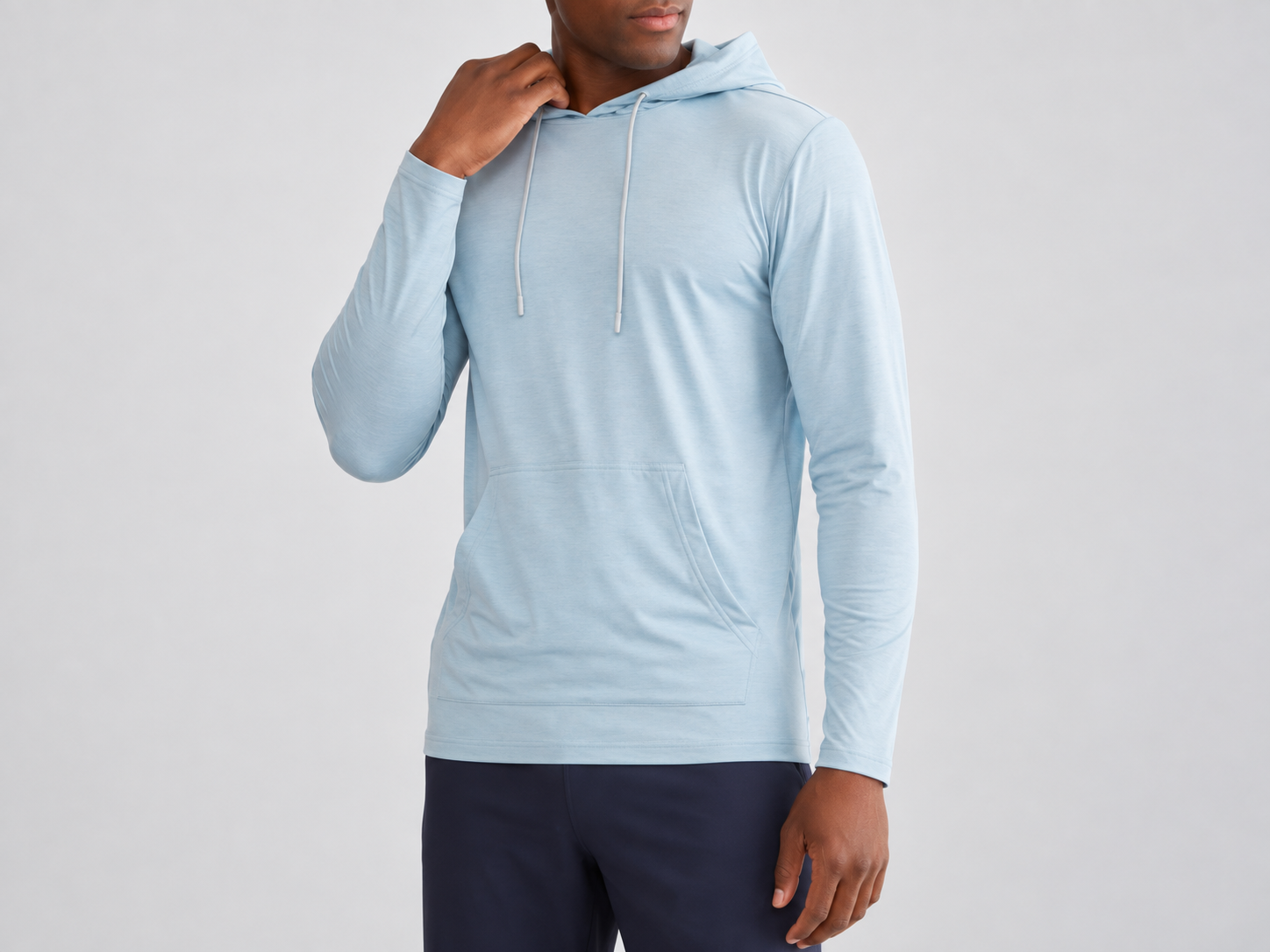
Custom Hoodies
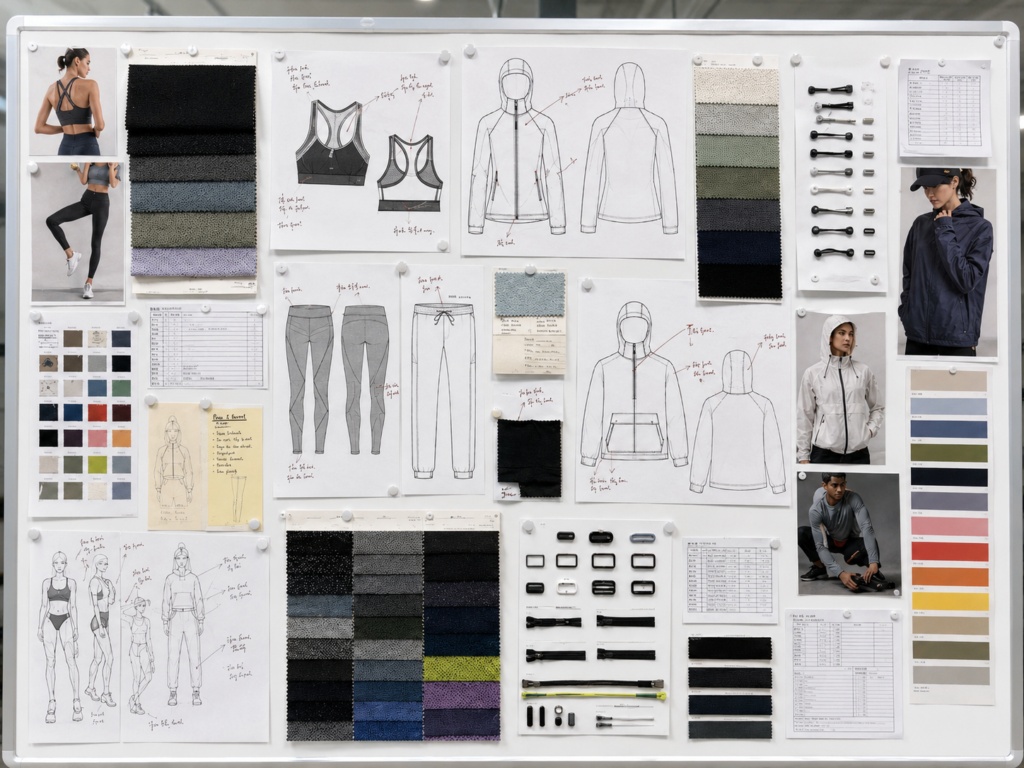
Hoodies can be developed around regular, relaxed, or oversized proportions with attention to shoulder position, body width, hood shape, pocket construction, rib matching, hem balance, and garment length. Fabric direction may include suitable jersey or fleece constructions subject to project evaluation. Branding can include approved heat-transfer labels, heat-press graphics, custom labels, hangtags, and packaging. Final fabric, GSM, trim specifications, MOQ, and production schedule are confirmed after product review.
Project inputs: Tech Pack or reference, target fit, fabric direction, quantity, size range, branding files. A strong hoodie brief should also identify whether the product will be sold as a standalone style or as part of a coordinated collection with shared colors, materials, or packaging.
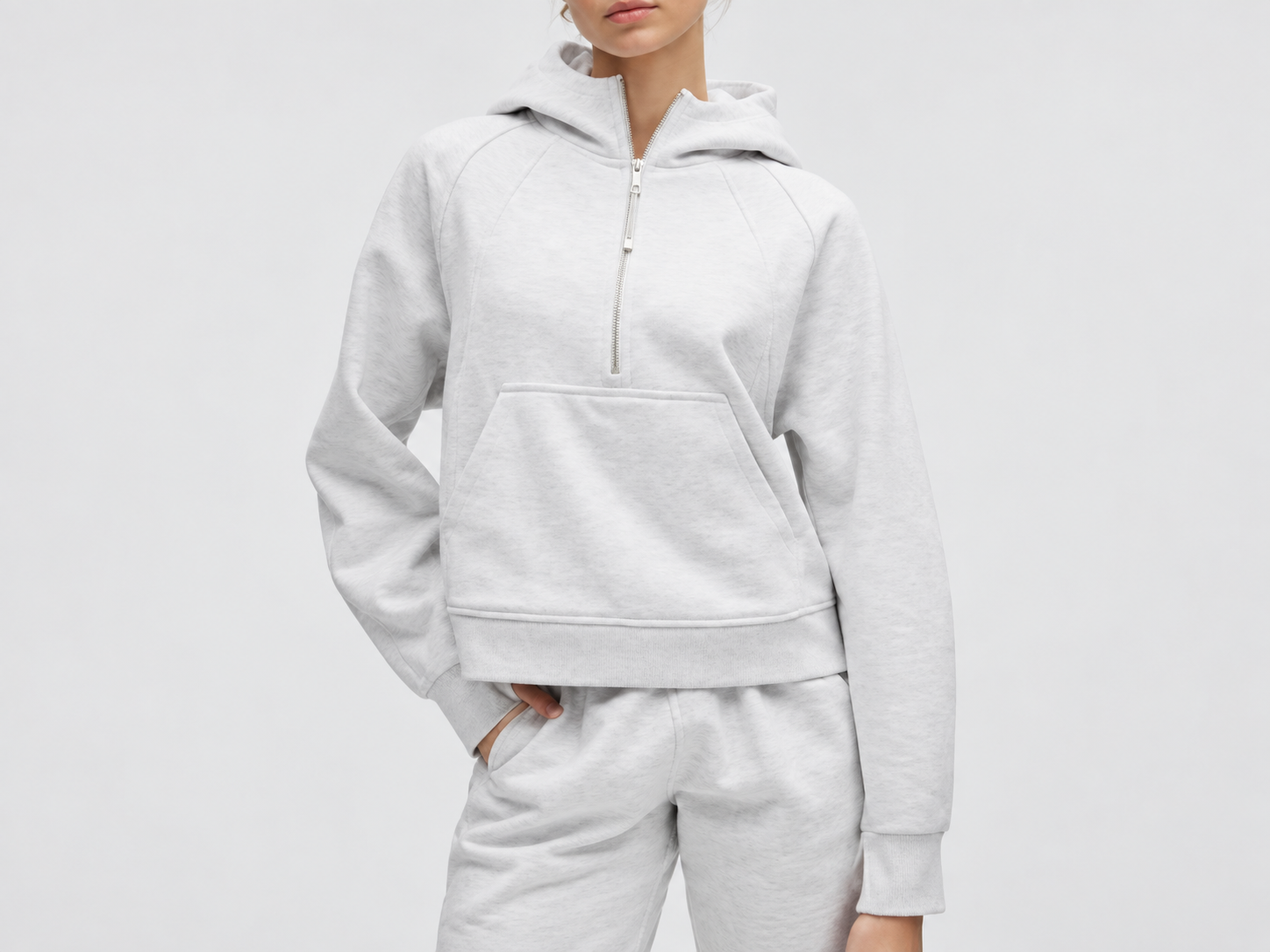
Custom Sweatshirts
Sweatshirts may look simple, yet neckline shape, shoulder line, body width, cuff tension, hem rib, sleeve volume, fabric recovery, and shrinkage can change the final silhouette significantly. Development should set the intended fit and material behavior before approving bulk specifications. Leadshow can evaluate pattern and fit, materials, trims, labeling, graphics, and packing requirements based on supplied designs or references.
Project inputs: measurement chart, fit direction, fabric requirements, colorways, logo method, labels, packaging, quantity per color. A repeat-order plan should also identify which fabric, rib, artwork, and label references need to remain consistent across seasons or later color extensions.
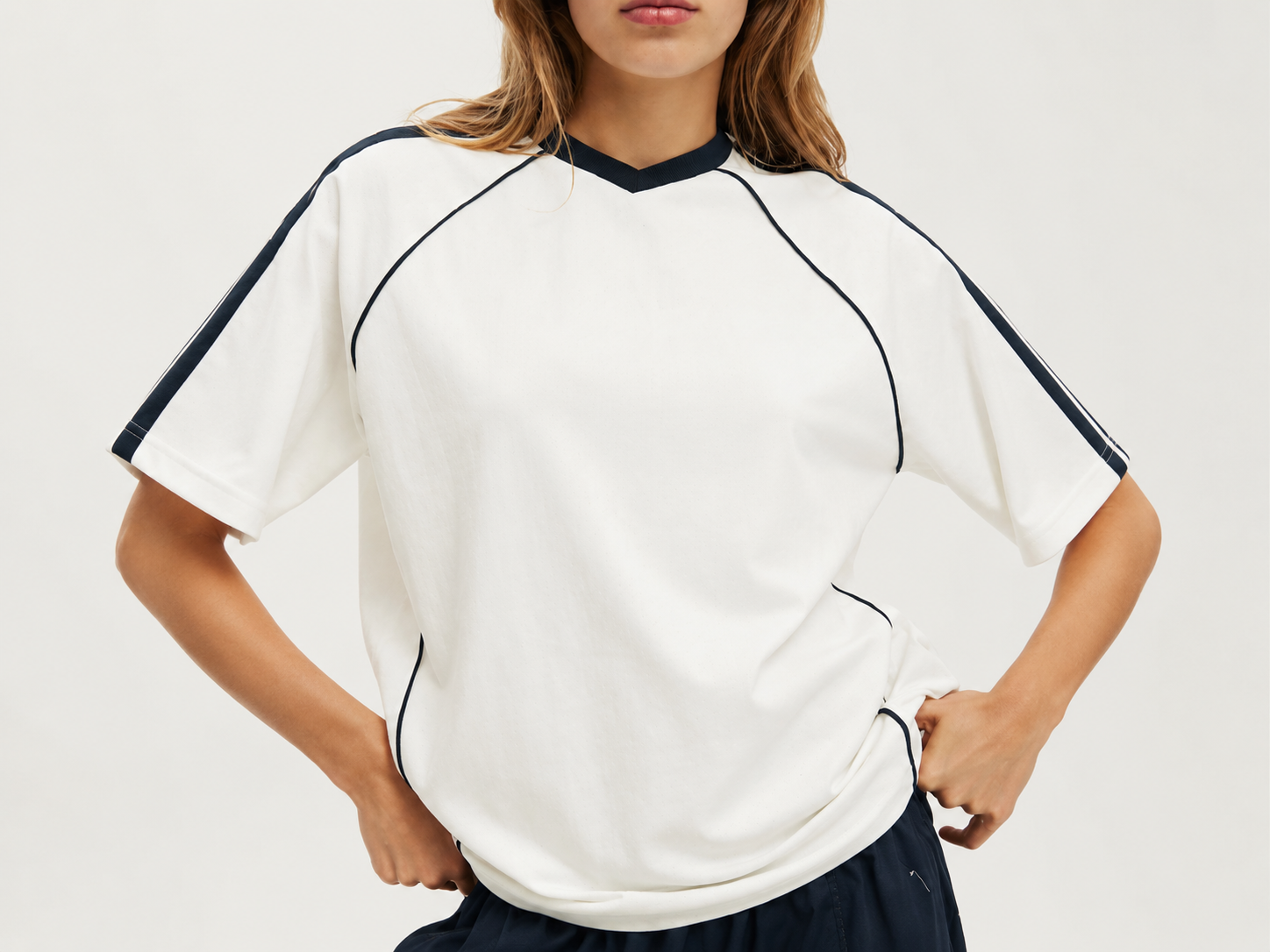
Sports T-Shirts
Sports T-shirts can also serve streetwear collections when styling, proportion, fabric, and graphics match the brand direction. Development may focus on boxy or relaxed proportions, shoulder placement, sleeve length, neck rib, body length, hem finish, and graphic placement. Leadshow can review fabric composition, GSM, color, construction, heat-press artwork, labels, and packing requirements as a complete style specification.
Project inputs: artwork, front/back measurements, target silhouette, fabric direction, colors, size range, quantity, packaging requirements. For collection development, neckline, body proportion, graphic scale, and fabric hand feel should remain visually compatible with related hoodies, sweatshirts, or tracksuits.
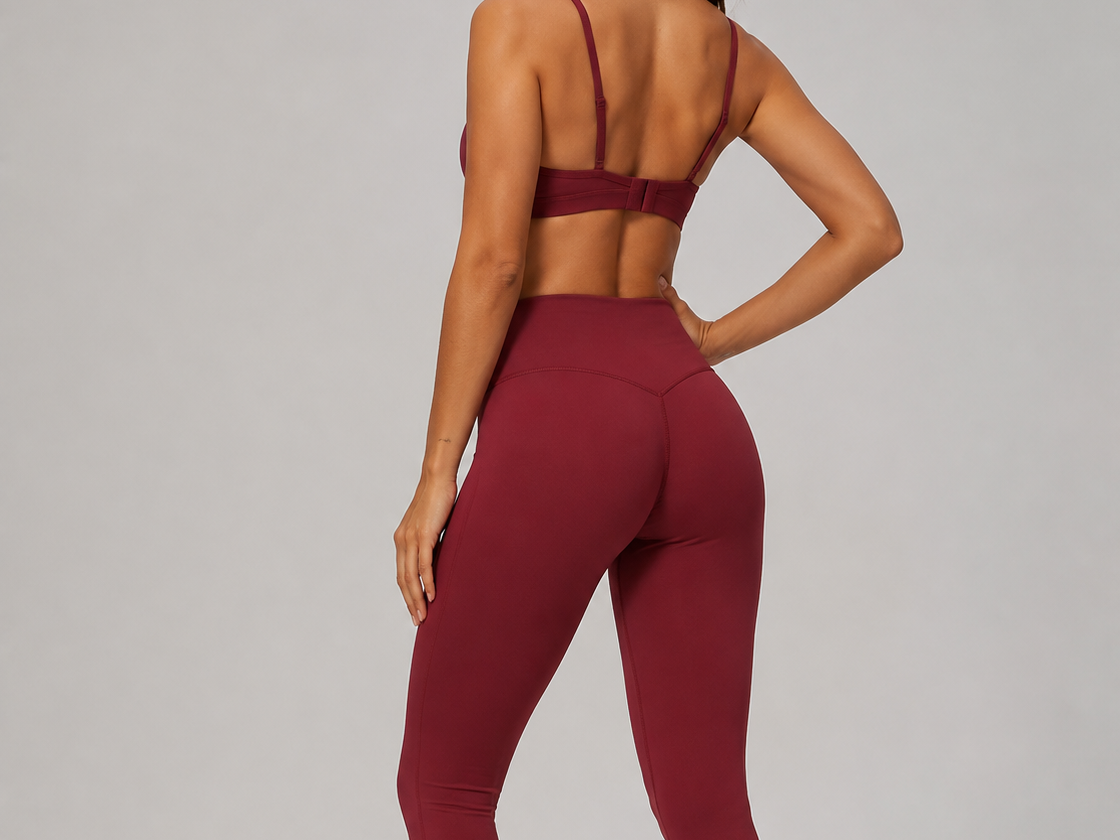
Custom Tracksuits
Tracksuits create additional coordination because tops and bottoms need aligned colors, materials, trims, proportions, branding, and packaging. Fit balance between jacket or sweatshirt components and matching bottoms should be defined through the product specification rather than assumed. Leadshow can evaluate style construction, fabric, color matching, zippers or other confirmed trims where applicable, branding details, labels, SKU structure, and set packing requirements.
Project inputs: set composition, garment measurements, colors, materials, trims, artwork, size breakdown, packing method, target quantity. If the set is sold together, size pairing, color matching, label placement, and packing method should be confirmed as part of one coordinated SKU plan.
Selected Jumpsuits
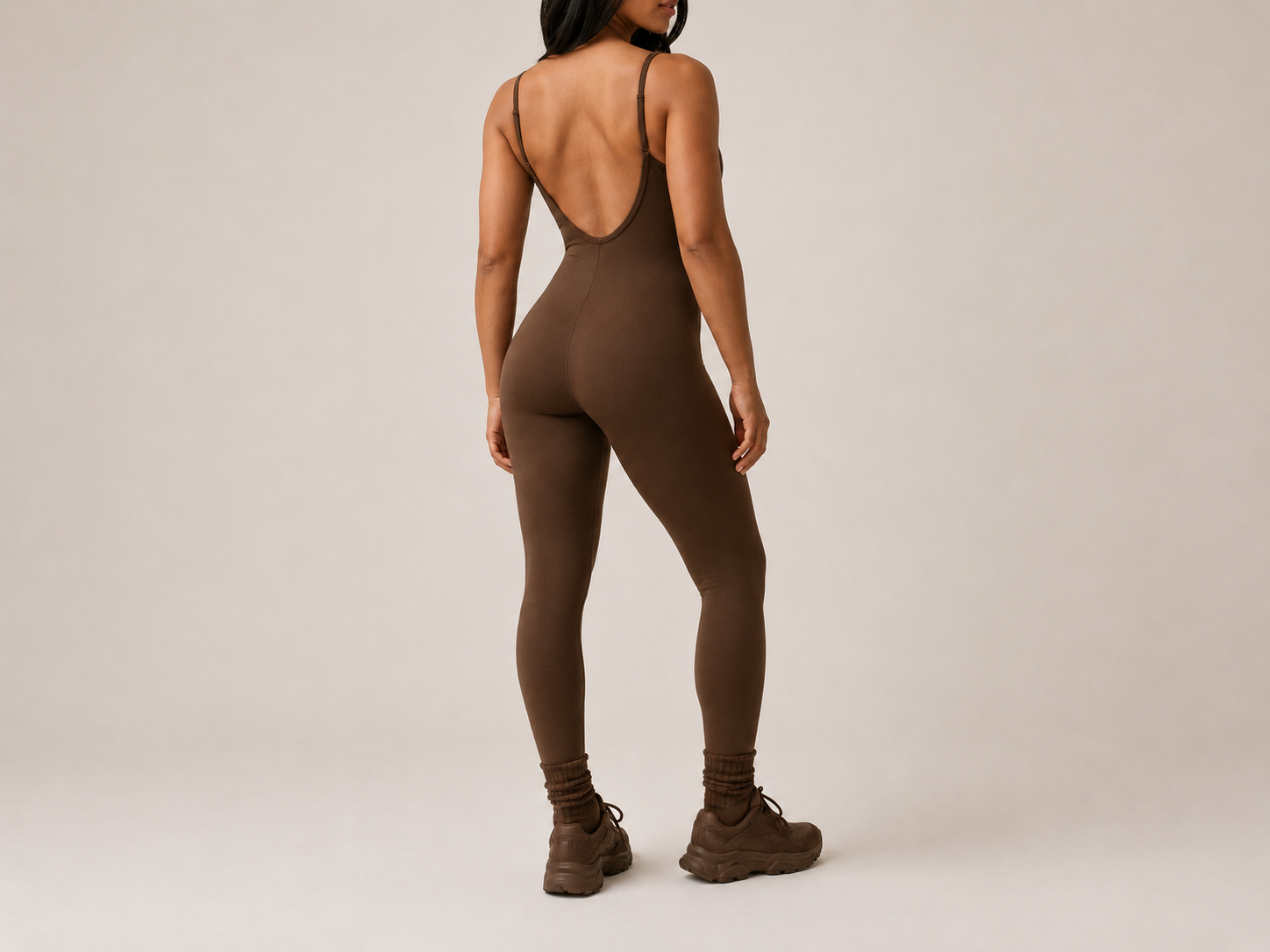
Selected jumpsuit projects can be reviewed where construction, materials, fit, and production requirements match Leadshow’s confirmed capabilities. One-piece garments require close control of torso length, shoulder-to-crotch relationship, waist or hip shaping, opening method, seam placement, and overall movement. Streetwear styling can be evaluated through fit, panels, color, and branding without assuming every jumpsuit structure is suitable.
Project inputs: detailed Tech Pack or physical reference, key measurements, fabric and trim requirements, branding, quantity, target market. Because one-piece fit depends on several body-length relationships, sample review should include both static measurements and realistic movement before the style is approved.
Loose-Fit Tank Tops
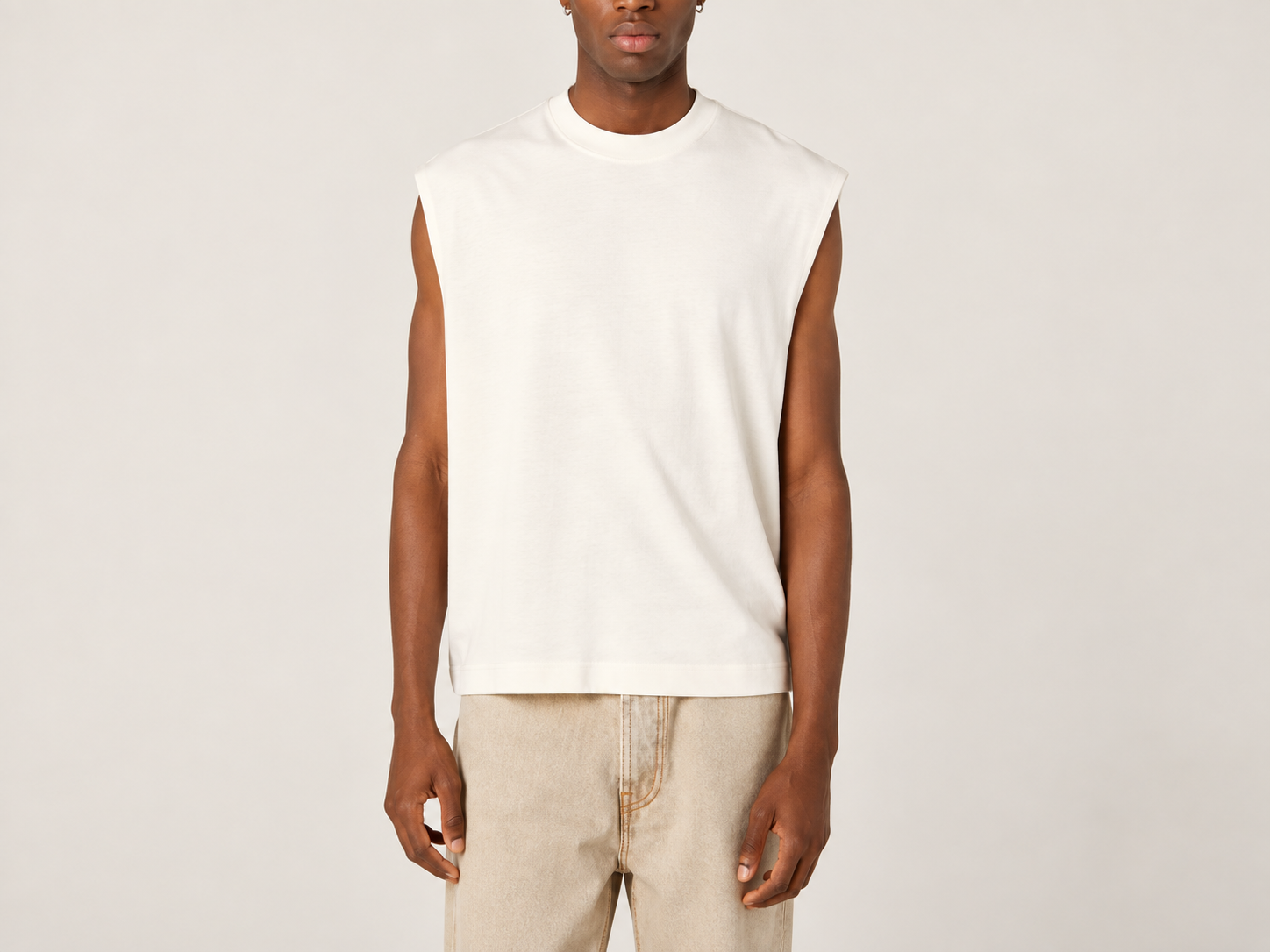
Selected loose-fit tank tops can be developed for streetwear or sport-lifestyle collections when the desired silhouette, armhole shape, shoulder width, body length, neckline, fabric drape, and branding direction are clearly defined. A loose fit should retain deliberate proportions rather than appear simply oversized. Leadshow can review fit, material, construction, color, labels, graphics, and packaging according to the project brief.
Project inputs: silhouette reference, measurement chart, fabric direction, colorways, artwork, size range, quantity, label and packing requirements. When the style is part of a wider drop, neckline shape, graphic scale, fabric color, and label system should connect clearly with the rest of the collection.
Choose Your OEM, ODM, or Private Label Path
Different project inputs require different development routes. Leadshow reviews the available files and product maturity before recommending the next manufacturing step.
OEM Manufacturing
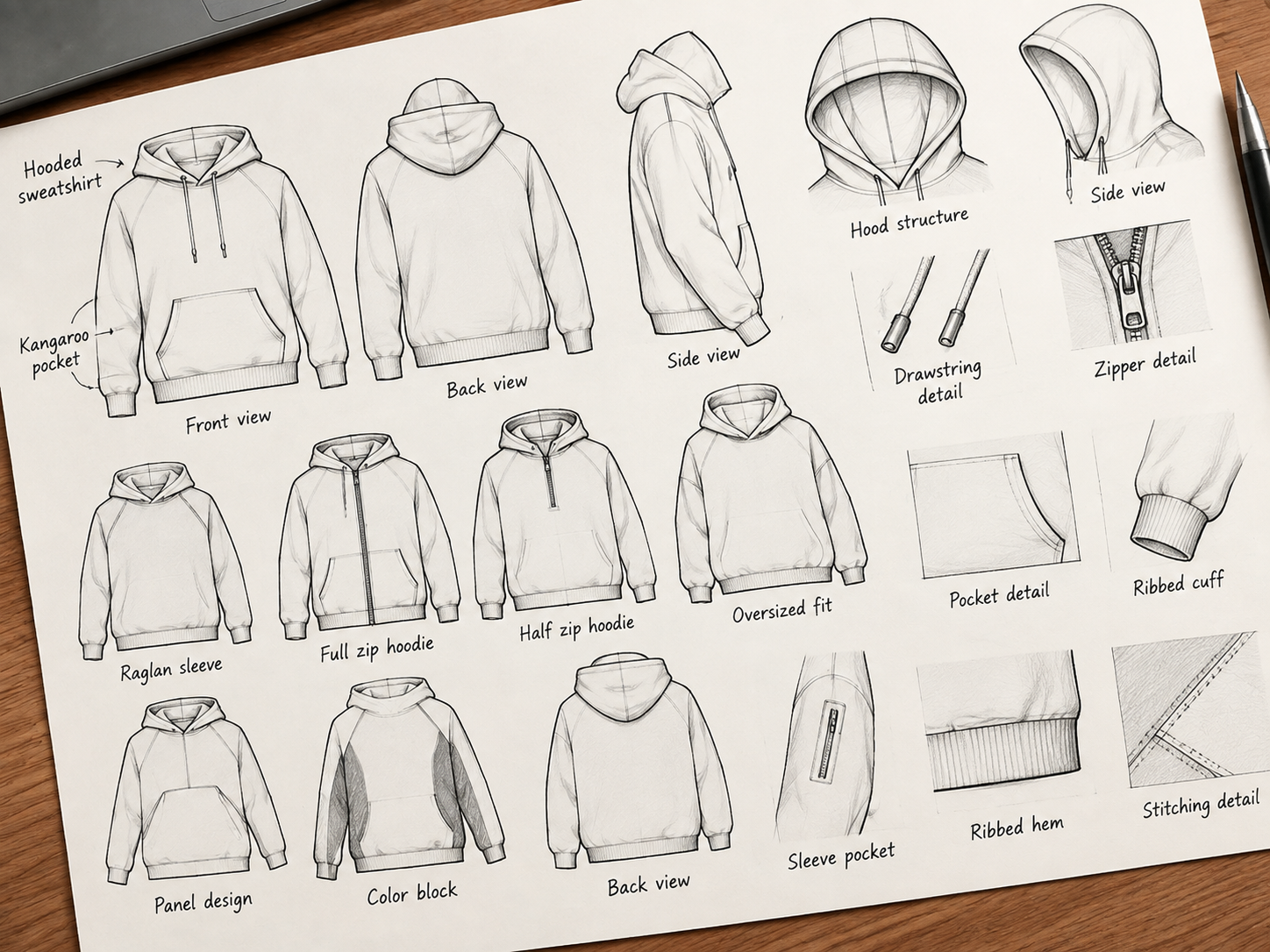
measurement charts, patterns, reference images, or physical samples, then evaluate construction, fabric, trims, processes, quantities, target market, branding, and packaging before sampling or bulk production. Production is based on approved specifications and samples rather than assumptions.
Best suited for:
- Mature designs with defined measurements
- Established materials and branding rules
- Repeat styles or supplier-transfer programs
- Teams requiring controlled sample-to-bulk execution
Final pricing, MOQ, sampling schedule, and production schedule are confirmed after project review. Commercial terms should follow the approved technical route so price comparisons are based on the same construction, material, branding, packing, and quality assumptions.
ODM Development
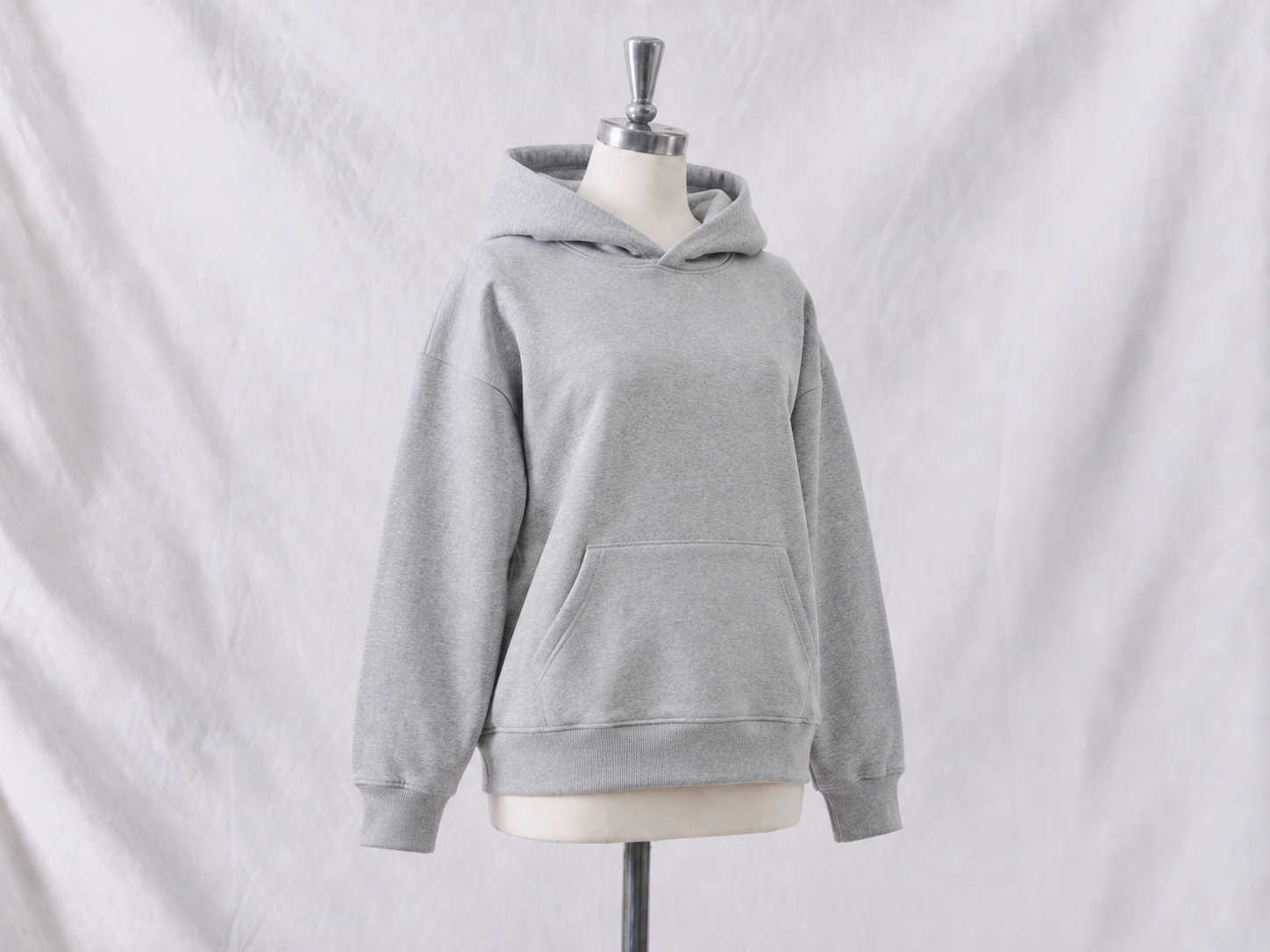
ODM support is useful when a label has a concept, reference image, inspiration sample, or early specification but still needs product-development work before production. Leadshow can help clarify construction, fit direction, material choices, trims, branding details, sample requirements, and manufacturing feasibility. The goal is to convert incomplete inputs into a specification that can be sampled, reviewed, revised, and eventually approved for production.
Best suited for:
- New style development
- Incomplete Tech Packs
- Reference-image or sample-led projects
- Fit and material refinement
ODM support does not mean free unlimited design or guaranteed market outcomes.
Private Label
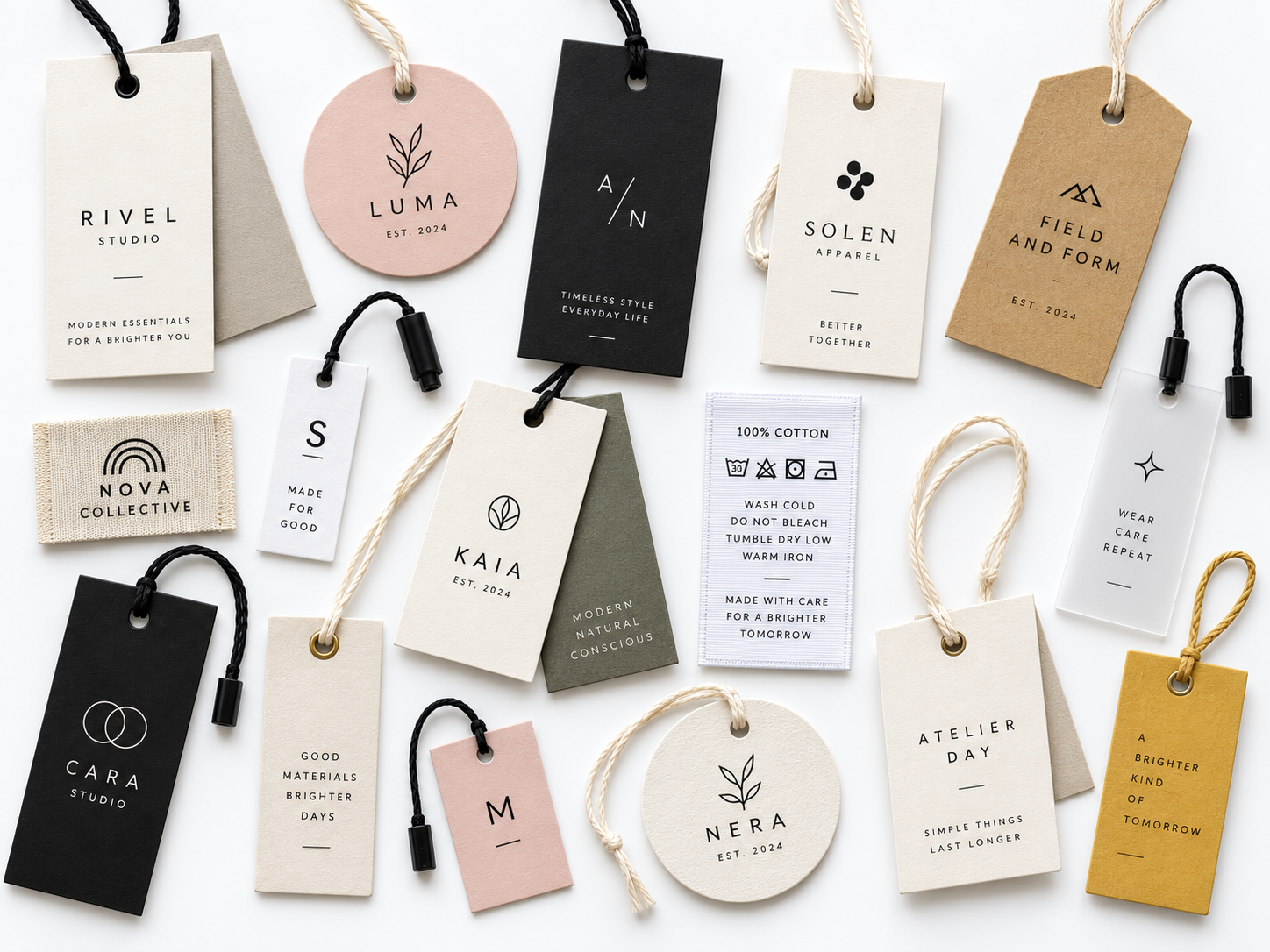
Private label programs combine garment development with brand execution. Labels, size marks, care information, hangtags, logo application, individual packaging, SKU identification, and carton details all need to match the correct style and variant. Leadshow can coordinate confirmed labeling and packaging requirements alongside garment specifications so branding does not become a separate last-minute task.
Best suited for:
- Streetwear brands with defined identity
- Multi-style collections
- Retail and import programs
- Repeat-order programs requiring consistent packaging
Final label materials, artwork, packaging, MOQ, and production conditions remain project-specific. For larger programs, a label and packaging matrix can prevent the wrong brand asset from being applied to a similar-looking style, size, or color.
Turn Tech Packs Into Manufacturable Streetwear
A strong production file does more than show appearance. It connects fit, measurements, materials, construction, branding, packaging, and approval criteria so sampling and bulk teams work from the same standard.
Review Product Inputs Before Sampling
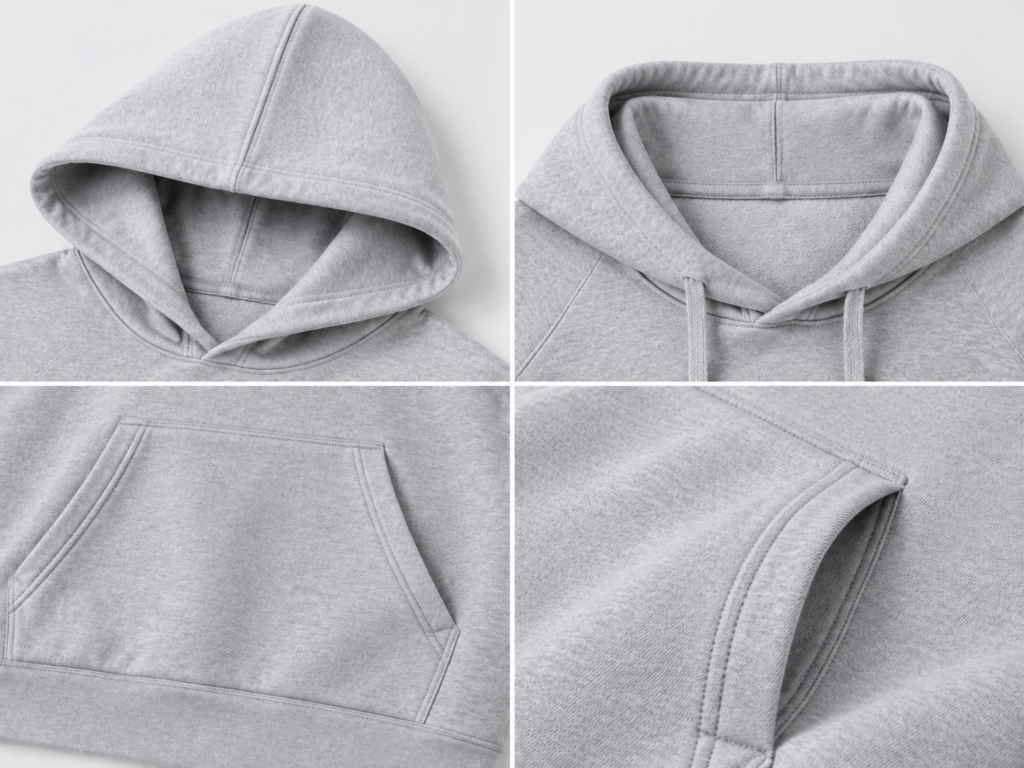
Leadshow can begin from a Tech Pack, measurement chart, pattern, reference image, or physical sample, depending on project maturity. The first review should identify which elements are already fixed and which still need confirmation. Product category, target market, fit direction, fabric, trims, artwork, labels, packaging, quantity, and target timing all influence the route forward.
A streetwear sketch may communicate silhouette and graphic direction, but it rarely contains enough production detail on its own. Shoulder placement, body width, sleeve volume, garment length, rib specification, seam construction, artwork dimensions, label position, and measurement method need clear definitions before a factory can reproduce an approved result reliably. If an existing physical sample is used, it can be measured and reviewed against supplied files so conflicts are identified early.
The objective is not to add complexity. The objective is to remove ambiguity before fabric is committed and before repeated samples consume time. A concise project review should mark information as approved, proposed, or still pending. That approach makes later quotation, sampling, and bulk execution easier to control. Final MOQ, price, sample timing, and production timing are confirmed after the relevant specifications and material conditions have been reviewed.
For established labels, existing quality manuals, packaging guides, and historical approved samples can also be included in the review. Those references help identify which standards are brand-specific and which details still need a new manufacturing decision before the first sample is released.

Develop Fit, Pattern, and Construction
Streetwear development depends heavily on proportion. Oversized, relaxed, and loose silhouettes should be built intentionally through shoulder line, chest width, armhole, sleeve volume, length, hem shape, and grading rather than through simple overall enlargement. Fabric weight and drape also affect the way those pattern decisions appear on the body. A heavier fabric may create more structure; a softer construction may create more drop. Neither result is automatically better without a defined brand direction.
Pattern and construction review should also consider neckline stability, hood structure, rib tension, pocket placement, panel joins, seam type, reinforcement points, and the interaction between main fabric and trims. For selected technical details, Leadshow can evaluate available sewing and specialized-process resources such as flatlock, bonding, seam taping, laser perforation, heat transfer, and heat press, subject to product and material compatibility. Those processes should be chosen because they support the garment design, not simply because equipment exists.
Fit comments from the first sample should be recorded with measurements or annotated photos whenever possible. The next version can then be checked against specific changes. A controlled revision trail gives the approved sample a stronger role as the reference for bulk production.
When several garments belong to one drop, fit language should be coordinated across the range. A hoodie, sweatshirt, and T-shirt do not need identical dimensions, but shoulder, length, volume, and branding scale should feel intentionally related when the collection is viewed together.
Freeze a Production-Ready Standard
Bulk production should start from an approved combination of files and physical references. A production-ready standard typically includes the latest Tech Pack, measurement chart, pattern version where applicable, approved sample, fabric and trim specifications, approved color direction, artwork files, logo placement, label details, packing instructions, and SKU information. When any one of those elements changes, affected cost, MOQ, sample, and schedule conditions may need another review.
Leadshow’s role is to translate approved requirements into executable manufacturing instructions across development, production, quality, and packing functions. Material preparation, spreading, cutting, sewing, applicable special processes, finishing, measurement checks, label verification, and packing checks should all refer back to the same approved version. For multi-style programs, style codes and variant identification become especially important because similar colors or sizes can create avoidable packing errors.
Production readiness does not mean every variable is permanently fixed. Fabric batches, trim availability, market requirements, and order mix can change. A reliable program uses clear version control and brand approval whenever an approved specification needs adjustment. That approach protects product identity while leaving room for responsible manufacturing decisions.
A final readiness review can also separate mandatory brand requirements from preferences that may be adjusted if material supply changes. Keeping those priorities visible helps protect the product’s defining elements while allowing responsible decisions when a substitute trim, revised carton, or new repeat-order condition appears.
Build Streetwear Fit With Better Proportions
Streetwear silhouette should be developed through proportion, fabric behavior, and size grading. Oversized, relaxed, and loose fits solve different design goals and should not be used as interchangeable labels.
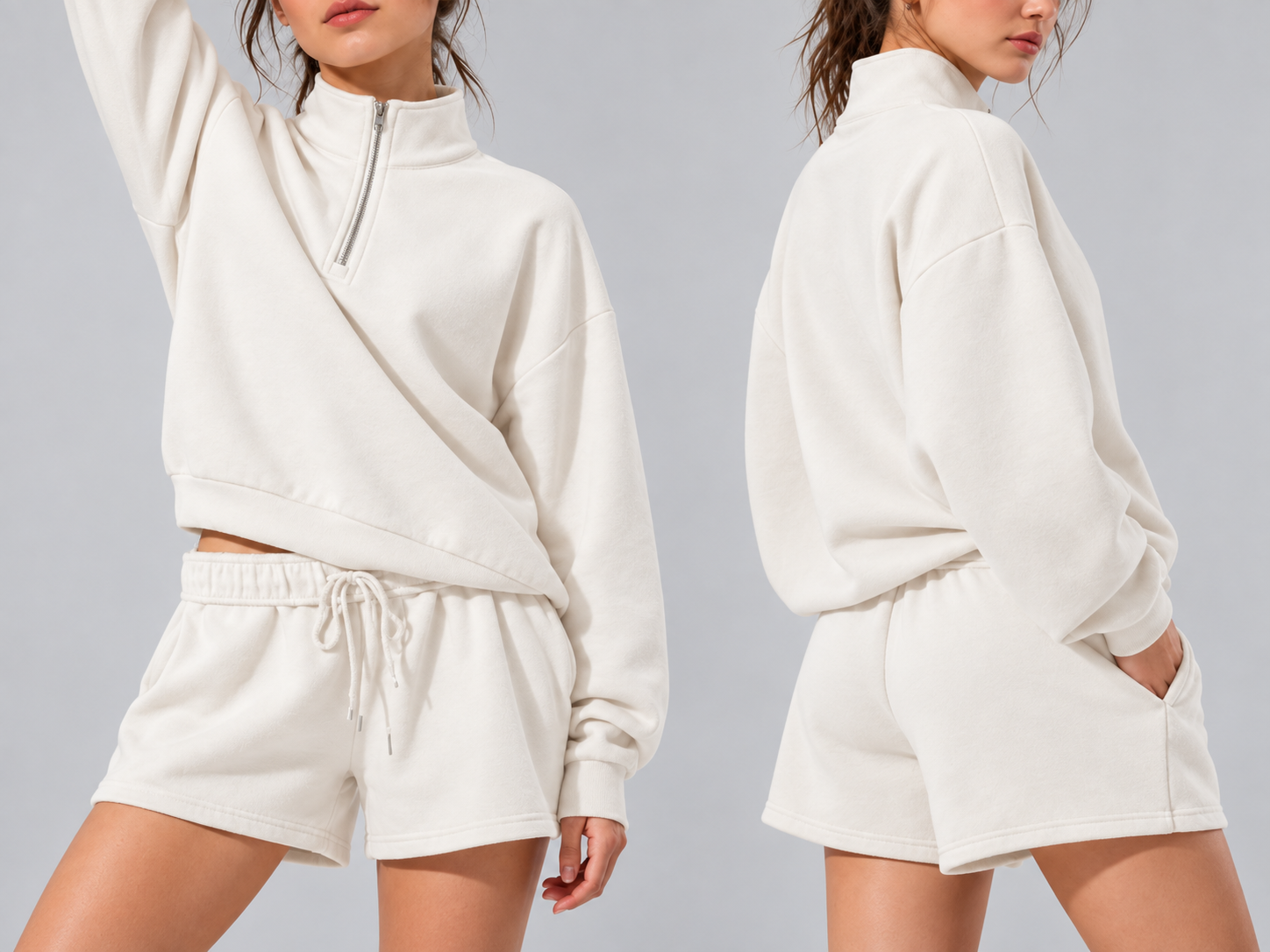
Oversized Fit
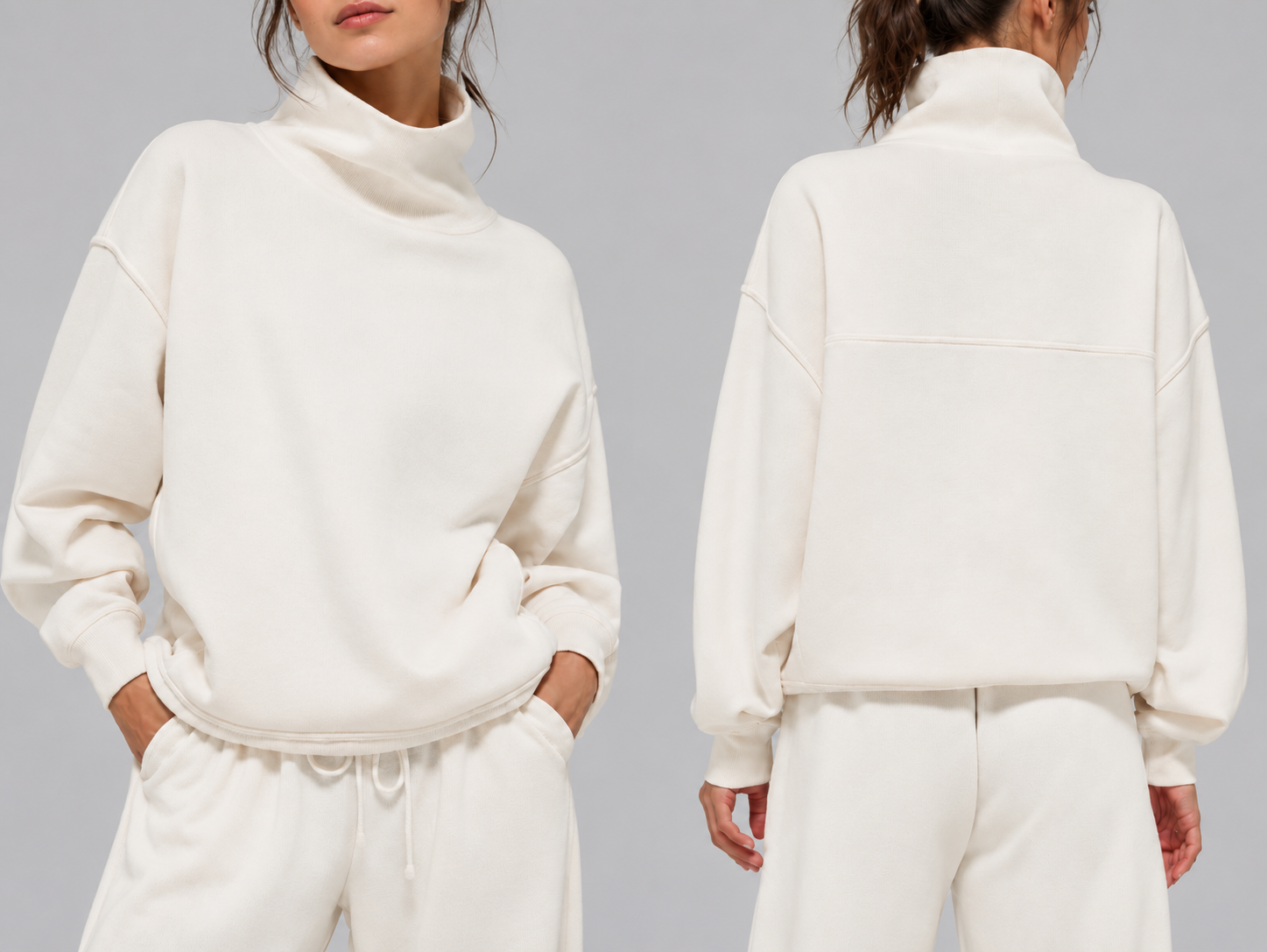
Oversized fit requires controlled proportion across shoulder width, chest, sleeve volume, garment length, hem, and neckline. Simply increasing every measurement can create a garment that looks long, heavy, or unbalanced. Drop-shoulder position may become a major visual feature, while fabric stiffness or drape determines whether the silhouette holds shape or collapses. Branding size and pocket position may also need adjustment because artwork that works on a regular fit can look too small on a larger body.
Development focus:
- Shoulder and chest proportion
- Sleeve width and length
- Body length and hem balance
- Fabric structure and drape
- Grade rules for larger sizes
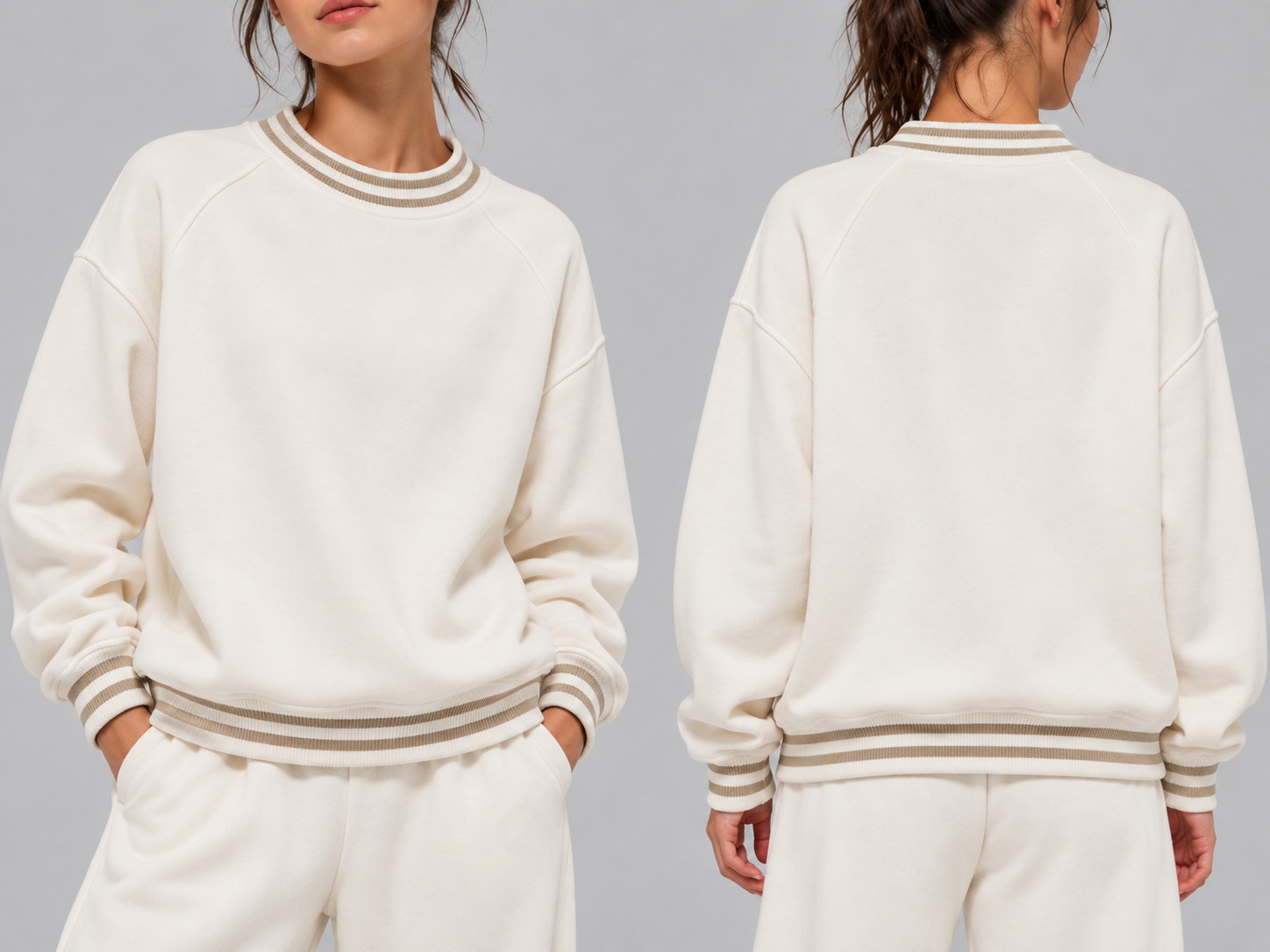
Relaxed Fit
Relaxed fit adds comfort and visual ease without creating the strong volume of a true oversized style. Shoulder placement may remain closer to standard construction, while chest ease, sleeve shape, and body length are adjusted to create a looser outline. The amount of ease should support intended layering and fabric behavior. For hoodies, sweatshirts, T-shirts, and selected tank tops, relaxed fit can work well when the brand wants a broad audience and easy styling.
Development focus:
- Controlled ease rather than extreme volume
- Balanced front and back length
- Layering allowance
- Neckline and shoulder stability
- Consistent grading across the range
Loose Fit
Loose fit can deliver a casual, freer silhouette while retaining a different balance from oversized construction. The pattern may add width through the body and sleeves while keeping shoulder or length relationships closer to the intended base size. Material choice becomes especially important because a soft fabric and a firm fabric will produce very different outlines even with similar measurements. Leadshow can review the target look, measurements, fabric direction, and sample feedback before the fit is approved.
Development focus:
- Intended movement and styling
- Body width versus garment length
- Armhole and sleeve relationship
- Fabric weight, hand feel, and fall
- Logo scale and placement
Fabric Weight, Hand Feel, and Structure
Streetwear material selection should support silhouette, branding, comfort, care requirements, and production stability. GSM is useful, but it is only one part of a complete fabric specification.
Define More Than GSM
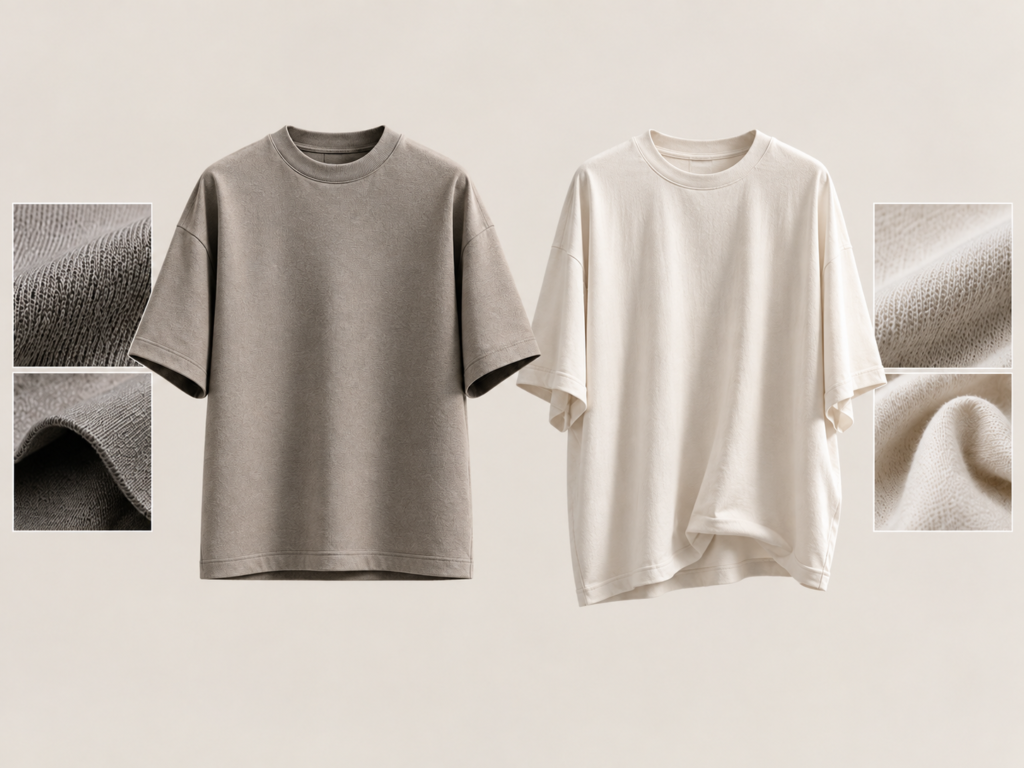
Fabric weight is one of the most visible Streetwear purchasing topics, especially for hoodies, sweatshirts, and T-shirts. GSM helps communicate mass per square meter, yet two fabrics with similar GSM can behave very differently because fiber content, yarn, knit structure, finishing, surface, stretch, and density all influence the final garment. A brand looking for a structured boxy T-shirt may need a different fabric behavior from a label seeking a soft, draped oversized top, even if the nominal weight is similar.
Development should therefore define the intended hand feel, stiffness or drape, surface appearance, stretch and recovery where relevant, shrinkage expectations, color direction, and care requirements in addition to GSM. Material choice also affects printing or heat application, neckline stability, rib compatibility, seam behavior, and packing volume. Leadshow can evaluate fabric requirements against the proposed product and available manufacturing route.
Heavyweight materials can be reviewed for suitable projects, but no fixed heavyweight range should be treated as universal across all Streetwear products. Final composition, construction, GSM, color, performance claim, and sourcing conditions need to be approved by project. When a specific performance claim is required, appropriate testing may also be needed before marketing language is finalized.
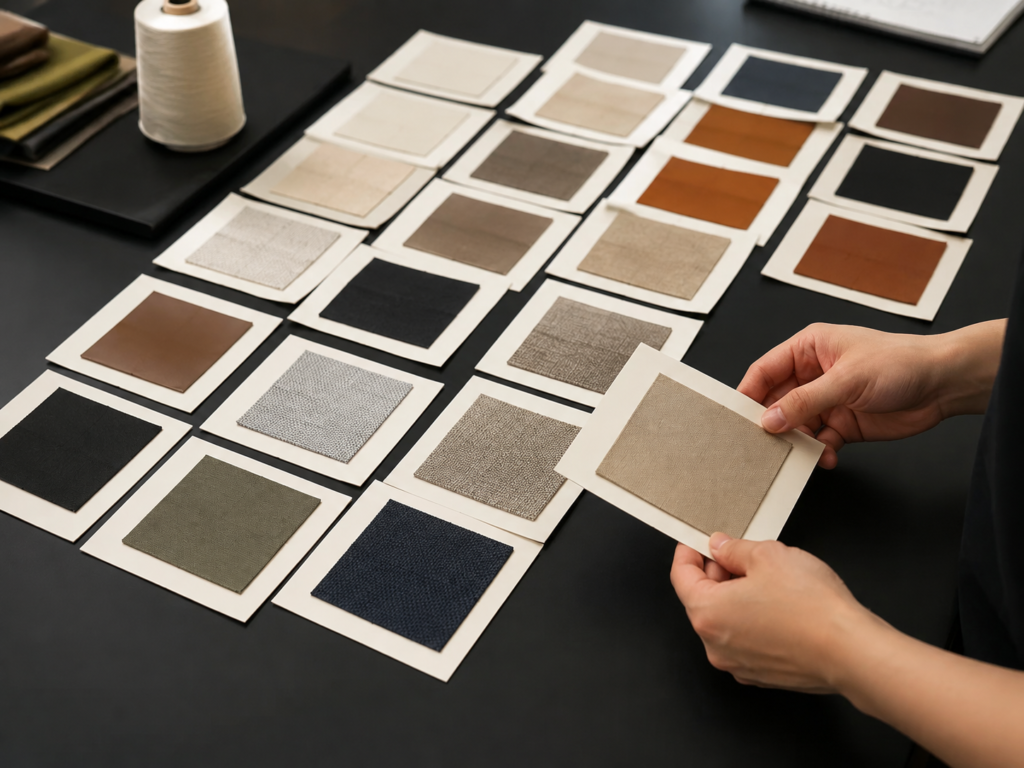
For sourcing comparisons, the same nominal GSM should not be treated as proof of equal quality between mills or constructions. Physical swatches, sample garments, and approved specifications provide a better basis for comparing structure, hand feel, surface, shrinkage, and suitability for the intended streetwear silhouette.
Match Main Fabric and Trims
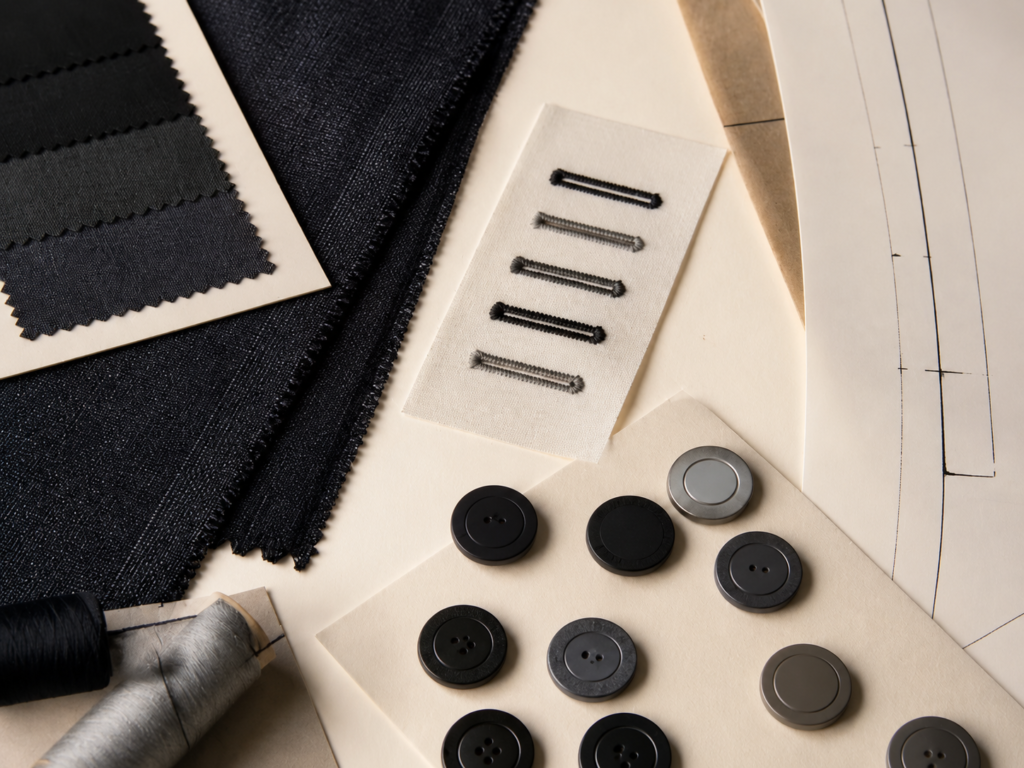
A garment should behave as one system. Main fabric, rib, lining, elastic, zipper, label material, heat-transfer application, thread, and packaging can interact with one another during sewing, finishing, washing, and wear. A collar rib with very different shrinkage from the body fabric can distort a T-shirt neckline. A cuff rib with unsuitable recovery can change the sleeve silhouette. A label or heat-transfer material that is not compatible with the fabric surface can create application or wash-care problems.
Material review should compare composition, weight, stretch, recovery, shrinkage, surface, color behavior, and thermal sensitivity where relevant. Color also needs attention when several materials appear in one garment. Black body fabric, rib, zipper tape, thread, and labels may all have slightly different tones even when described by the same color name. Brand teams can reduce surprises by approving actual swatches, trim references, or physical samples before bulk ordering.
Leadshow can coordinate confirmed fabric and trim requirements according to project conditions. If a requested material or trim carries its own supplier MOQ, color MOQ, or lead-time limitation, those commercial effects should be discussed before final quantity and schedule are committed.
A coordinated material board can place the main fabric, rib, thread, labels, artwork material, and key trims together before sampling. Reviewing them as one set makes color and texture mismatches easier to catch before the garment reaches a later approval stage.
Validate Material Through Samples
Material approval becomes more reliable when swatch evaluation is followed by garment-level sampling. A fabric that feels suitable in hand may behave differently once cut into an oversized body, attached to rib, sewn into a hood, or combined with a large graphic. Sample development allows the team to review drape, volume, neckline behavior, seam appearance, stretch, label application, color balance, and overall weight in the finished garment.
Where the brand has wash-care or dimensional requirements, shrinkage and appearance after washing may need project-specific review or testing. Functional claims should not be inferred from fabric naming alone. A material described as sustainable, waterproof, quick-dry, or performance-grade should only be marketed with appropriate supporting documentation or test results.
After material approval, the exact fabric and trim version should be tied to the approved sample and production file. Bulk incoming material can then be checked against the agreed specification. If the original material becomes unavailable, an alternative should go through review and approval rather than being substituted silently. That discipline helps protect silhouette, hand feel, color, and brand continuity across repeat orders.
For repeat orders, the approved material record should remain available as a comparison point. New fabric lots can then be reviewed against the reference so changes in shade, surface, hand feel, or structure are identified before they affect a larger production run.
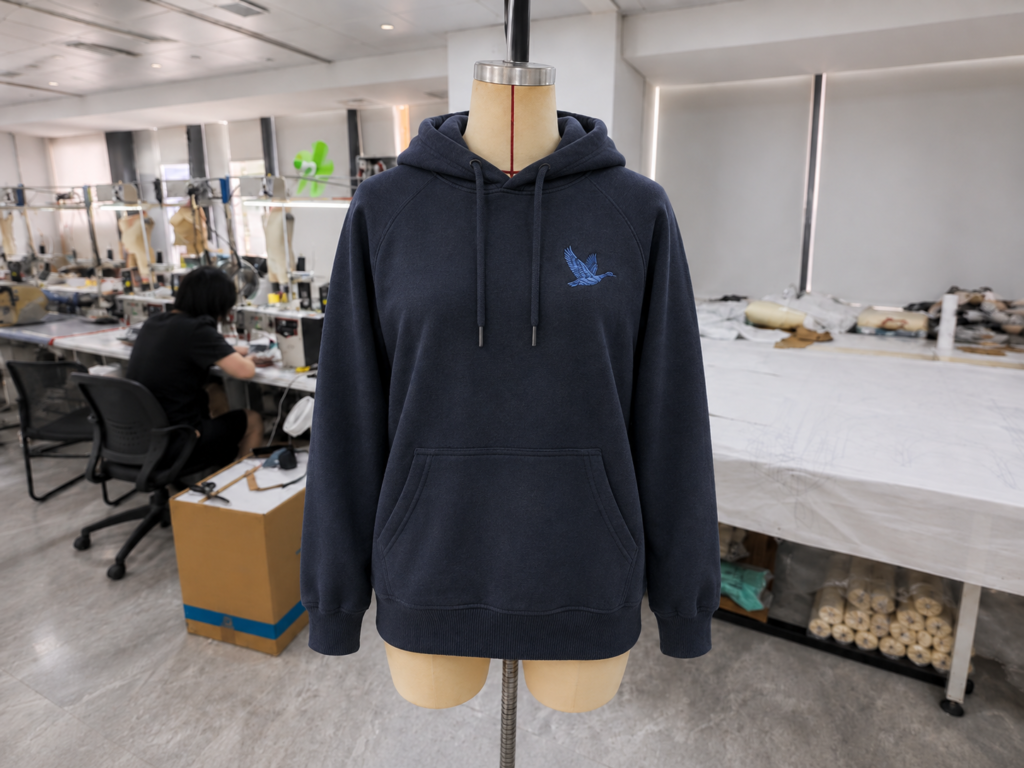
Freeze a Production-Ready Standard
Bulk production should start from an approved combination of files and physical references. A production-ready standard typically includes the latest Tech Pack, measurement chart, pattern version where applicable, approved sample, fabric and trim specifications, approved color direction, artwork files, logo placement, label details, packing instructions, and SKU information. When any one of those elements changes, affected cost, MOQ, sample, and schedule conditions may need another review.
Production readiness does not mean every variable is permanently fixed. Fabric batches, trim availability, market requirements, and order mix can change. A reliable program uses clear version control and brand approval whenever an approved specification needs adjustment. That approach protects product identity while leaving room for responsible manufacturing decisions.
A final readiness review can also separate mandatory brand requirements from preferences that may be adjusted if material supply changes. Keeping those priorities visible helps protect the product’s defining elements while allowing responsible decisions when a substitute trim, revised carton, or new repeat-order condition appears.
Leadshow’s role is to translate approved requirements into executable manufacturing instructions across development, production, quality, and packing functions. Material preparation, spreading, cutting, sewing, applicable special processes, finishing, measurement checks, label verification, and packing checks should all refer back to the same approved version. For multi-style programs, style codes and variant identification become especially important because similar colors or sizes can create avoidable packing errors.
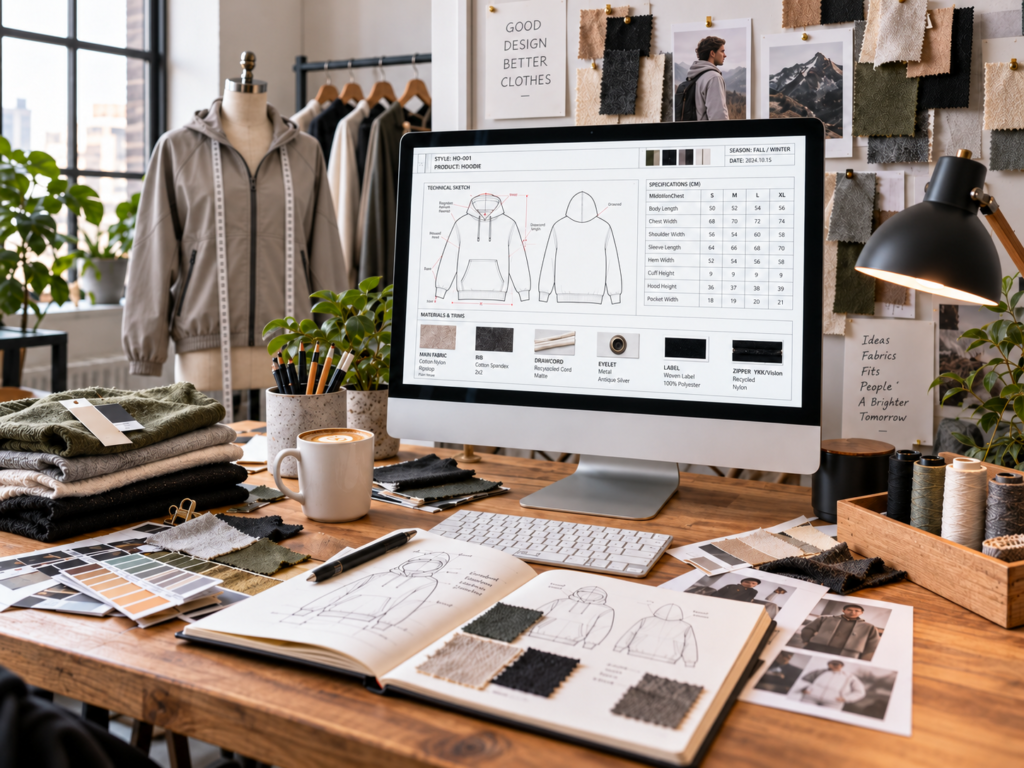
Branding Details for Distinct Streetwear Products
Streetwear identity often lives in proportion, material, artwork, labels, and packaging. Branding should be engineered into the style specification rather than added after sample approval.
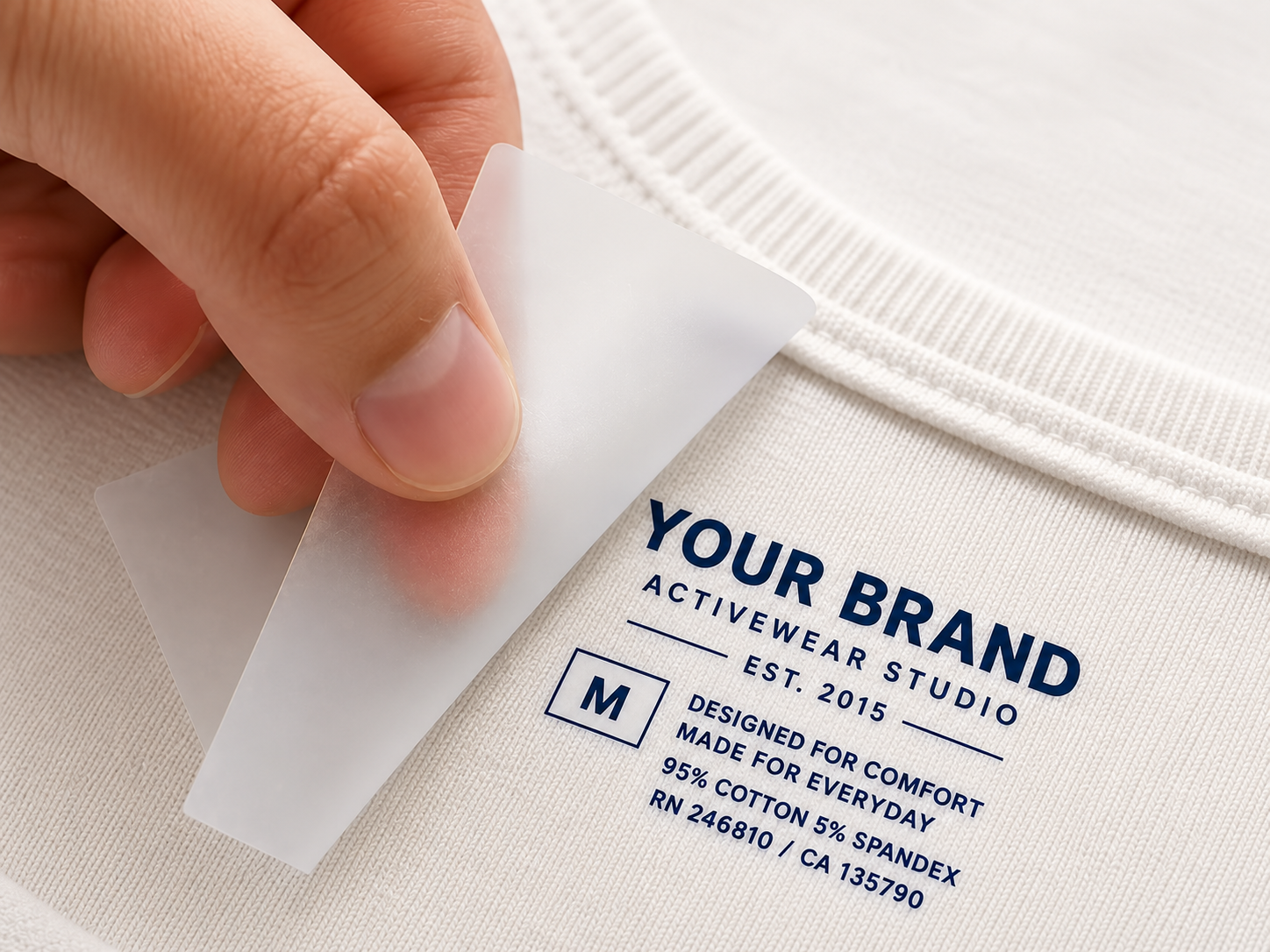
Heat-Transfer Labels
Heat-transfer main labels, care labels, and size labels can reduce the bulk of traditional sewn labels on suitable fabrics. Leadshow has confirmed heat-transfer labeling equipment, but application quality still depends on transfer material, fabric surface, temperature, pressure, time, and wash requirements. Artwork, label size, placement, color, care text, and test expectations should be approved before bulk application.
Useful inputs: vector artwork, label dimensions, color references, exact placement, legal care information, size system, wash expectations. For multi-size programs, label artwork and placement should be linked to the size matrix so a correct garment never receives the wrong size or care information.
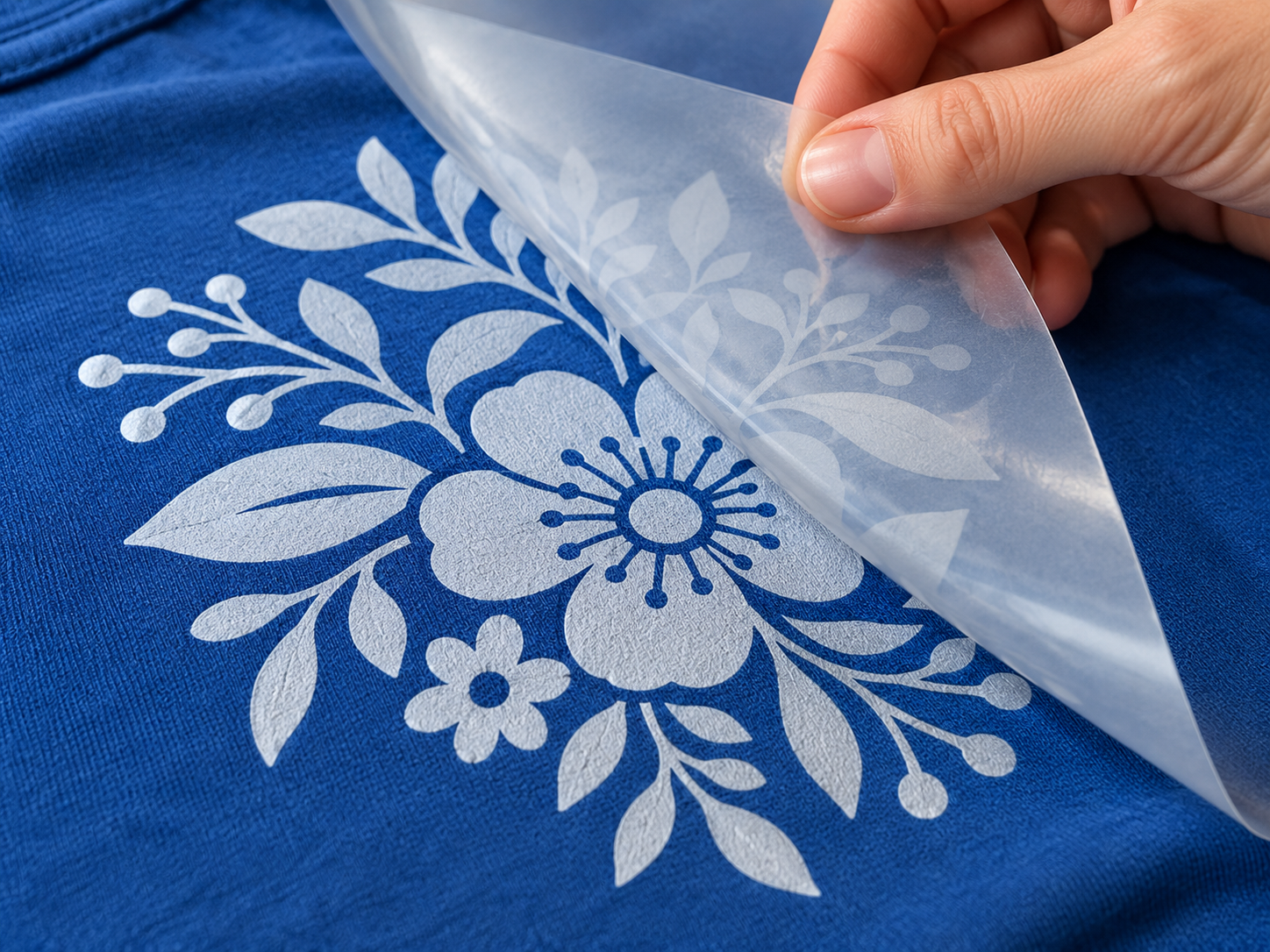
Heat-Press Graphics
Heat-press graphics can be evaluated for suitable logo, text, and decorative applications. The correct process depends on artwork size, color count, transfer material, fabric surface, heat tolerance, stretch, and wash requirements. A large chest graphic on heavyweight fabric has different application conditions from a small mark on a light knit. Leadshow has confirmed heat-press printing resources, while final compatibility is reviewed by project.
Useful inputs: vector artwork, dimensions, placement, color reference, finish direction, garment fabric, wash-care requirement. Approval should include the finished graphic on the real garment fabric whenever possible, because surface texture and stretch can change the visual effect compared with a loose test swatch.
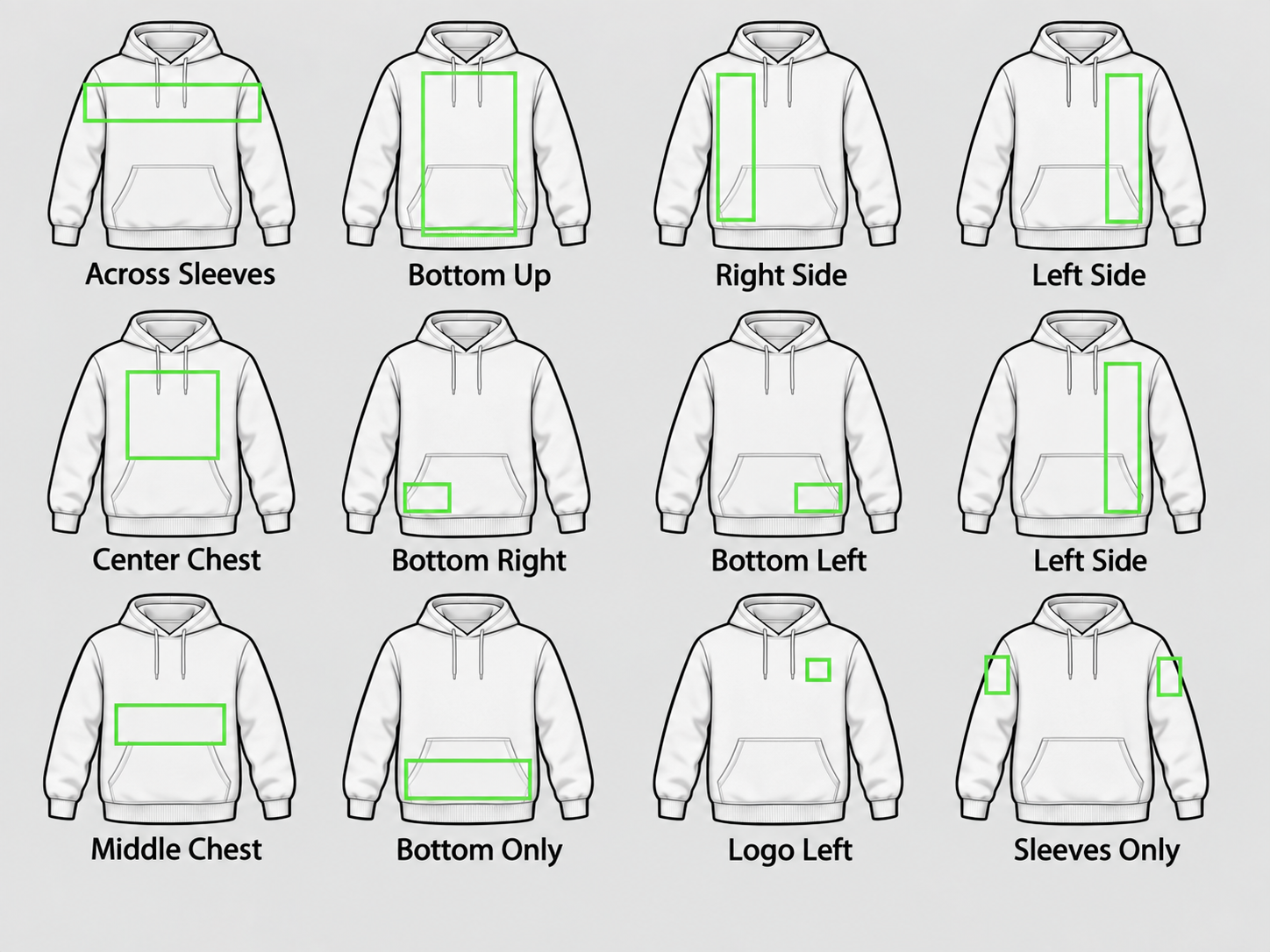
Logo Placement
Logo placement can change how a streetwear silhouette feels. A chest mark sized for a regular T-shirt may look underscaled on an oversized body. Sleeve graphics, back placements, hood details, or small hem marks also need reference points so every size can be executed consistently. Placement should be defined with measurements from stable garment points rather than by visual guess.
Useful inputs: artwork size, placement dimensions, orientation, color, brand spacing rules, size-range behavior, approved sample reference. For graded sizes, the brand can specify whether artwork position stays fixed from a garment reference point or scales with the size to protect visual balance.
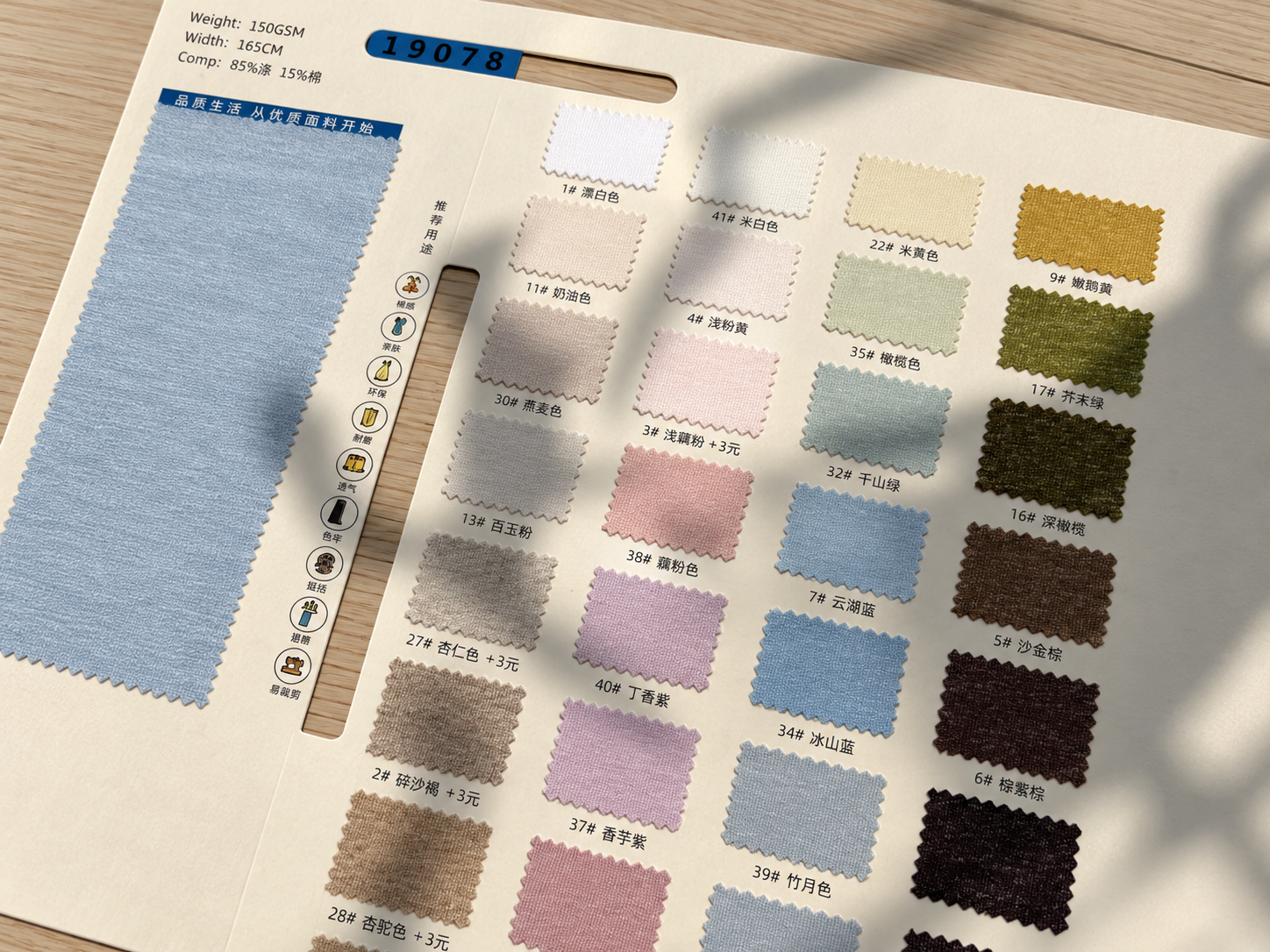
Panel & Color Details
Color blocking, panel construction, rib contrast, stitching contrast, and trim color can create brand identity without adding unnecessary decoration. Those details need production logic: seam location, fabric compatibility, color matching, shrinkage behavior, and panel alignment should be confirmed before approval. Multiple materials in one garment may display the same nominal color differently, so physical review is often more useful than relying only on digital color values.
Useful inputs: color standards, panel map, fabric references, stitch color, trim color, sample approval criteria. Approved samples should document panel order and color relationships clearly so similar components are not reversed or mixed when several variants enter production together.
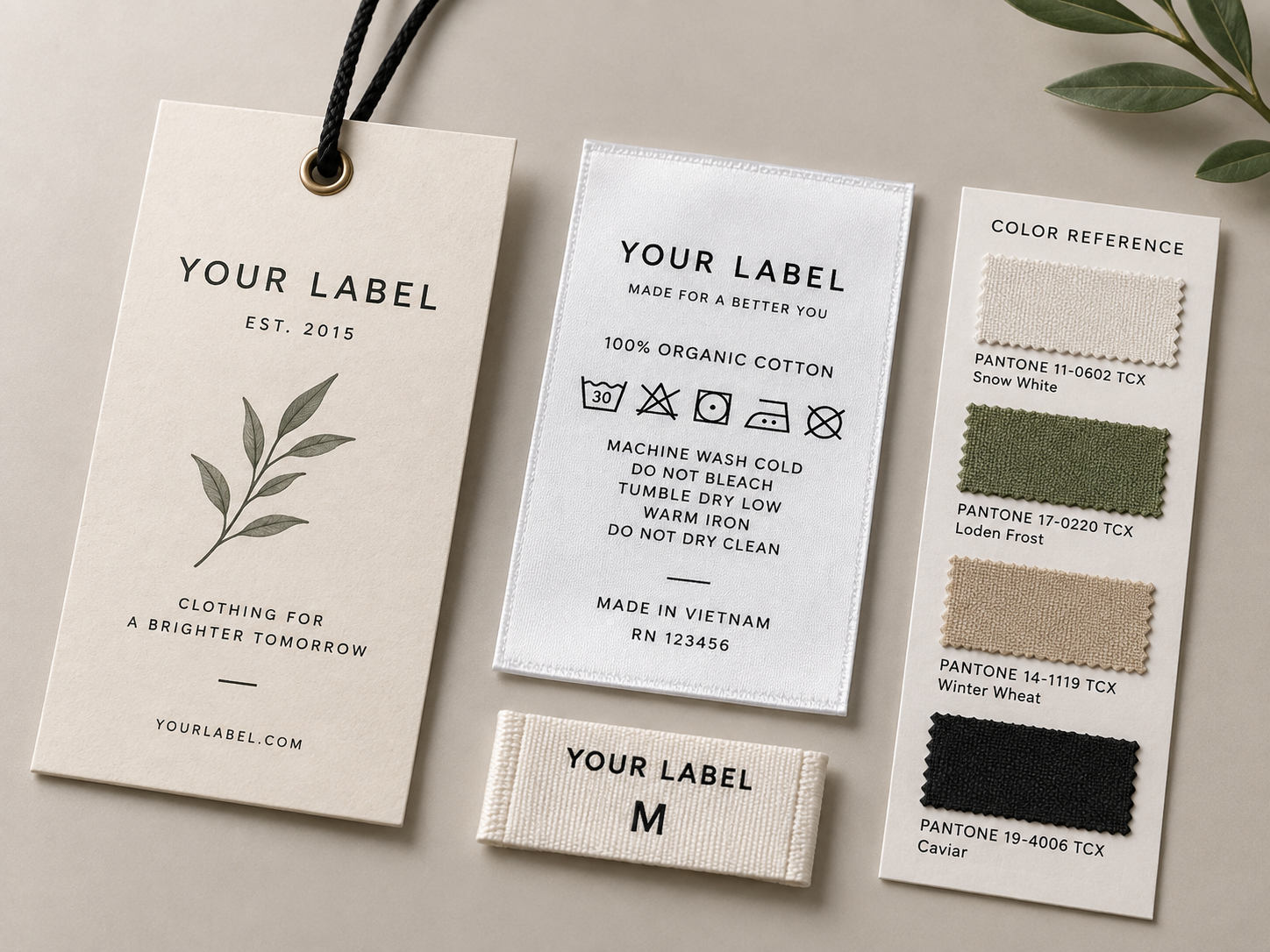
Labels & Hangtags
Main labels, size labels, care labels, hangtags, and other brand identifiers should match the correct style and SKU. Content needs to reflect the destination market and approved brand information. Label dimensions, folding method, material, placement, attachment, barcode requirements, and packaging relationship should be documented before production. Leadshow can coordinate custom labels and packaging according to approved project specifications.
Useful inputs: final label artwork, wording, materials, dimensions, placement, barcode data, SKU mapping, attachment method. For retail or import programs, each brand asset should also be checked against the SKU and carton plan so packaging data stays aligned with the garment inside.
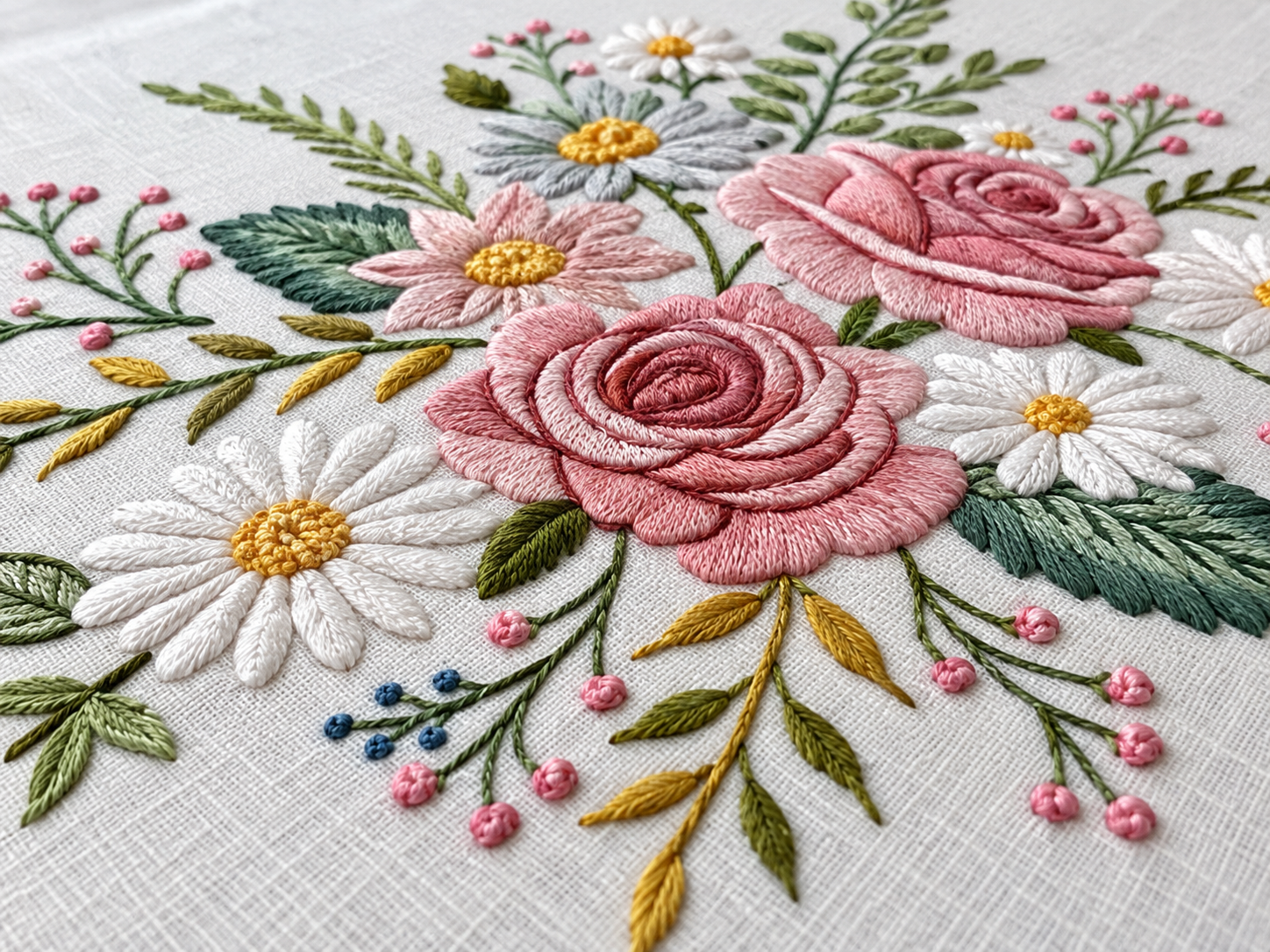
Decoration Review
Some streetwear concepts use decoration methods beyond Leadshow’s currently confirmed in-house heat-transfer and heat-press resources. When artwork calls for another process, the appropriate route should be evaluated by project rather than presented as automatic internal capability. Fabric compatibility, artwork, MOQ, setup requirements, test needs, cost, and schedule can all change with decoration choice.
Useful inputs: artwork files, desired effect, reference sample or image, color count, placement, fabric, target quantity, wash and durability expectations. A reference swatch or prior product can help communicate the desired surface, edge, density, or dimensional effect before the production route is selected.
Sample Development Before Bulk Production
Sampling converts design intent into a physical production reference. Each round should answer defined questions about fit, fabric, construction, branding, and manufacturability before a style is released to bulk production.
Development Input
Sampling begins with the strongest available project inputs: Tech Pack, measurement chart, pattern, reference images, physical sample, artwork, material direction, target quantity, and intended market. Missing information should be identified before the first sample so the team knows which details are confirmed and which are still exploratory. A complete first-round brief reduces avoidable revisions caused by unclear fit, logo position, fabric weight, or construction.
No fixed sample time is stated as a universal promise. Timing is confirmed after reviewing product complexity, material readiness, trims, artwork, and the type of sample required.
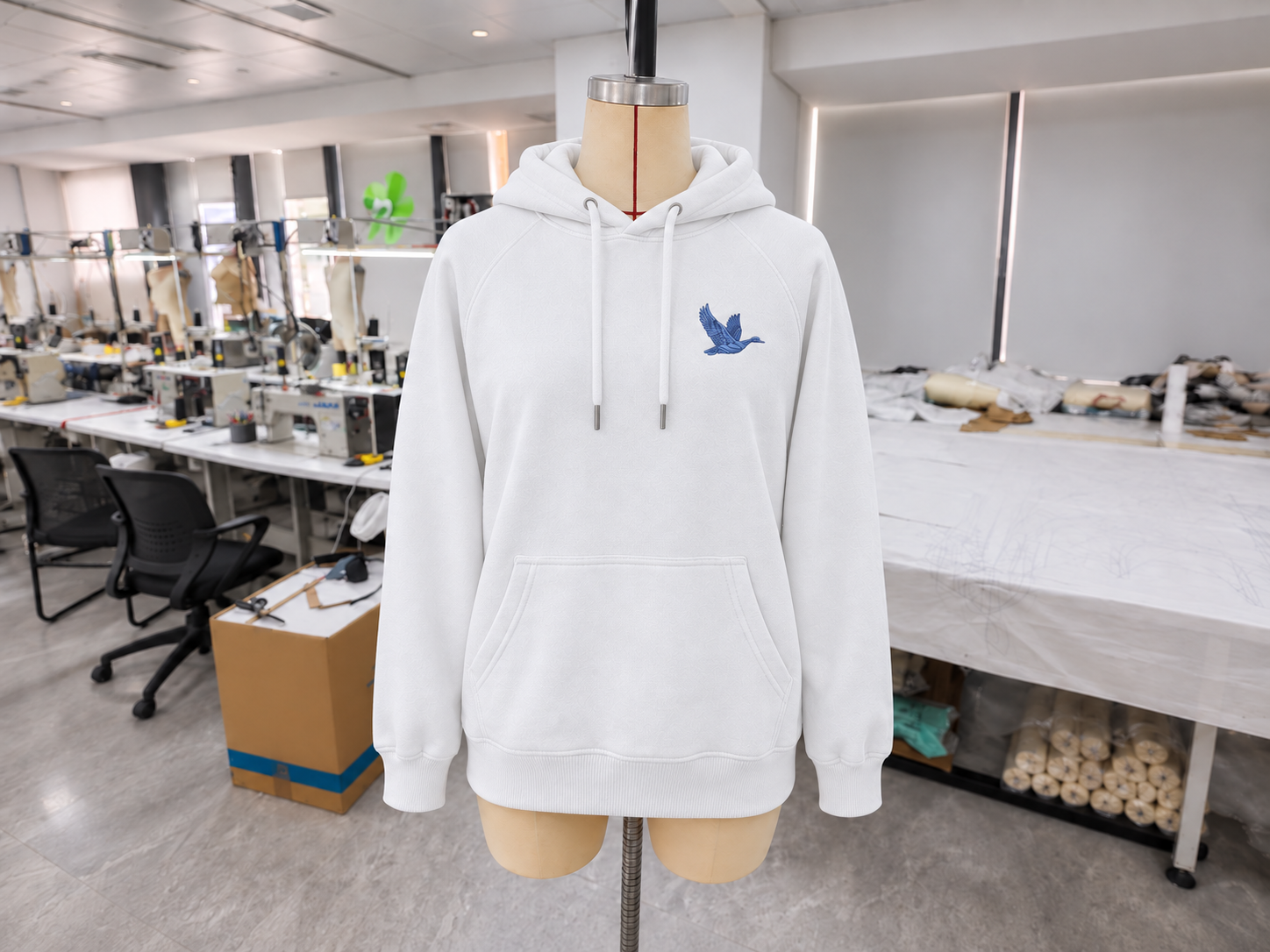
First Sample
The first sample establishes a physical baseline for silhouette, measurements, fabric behavior, seam construction, rib or trim interaction, artwork scale, label position, and overall look. For streetwear, special attention should go to shoulder line, body width, sleeve volume, length, neckline or hood shape, and the way fabric weight supports the intended form. The sample should be measured against the file rather than judged only from photographs.
Key output: a documented list of approved points, deviations, and required changes for the next version. Photos from front, side, and back plus a measurement report can make fit feedback more precise than a single visual comment.
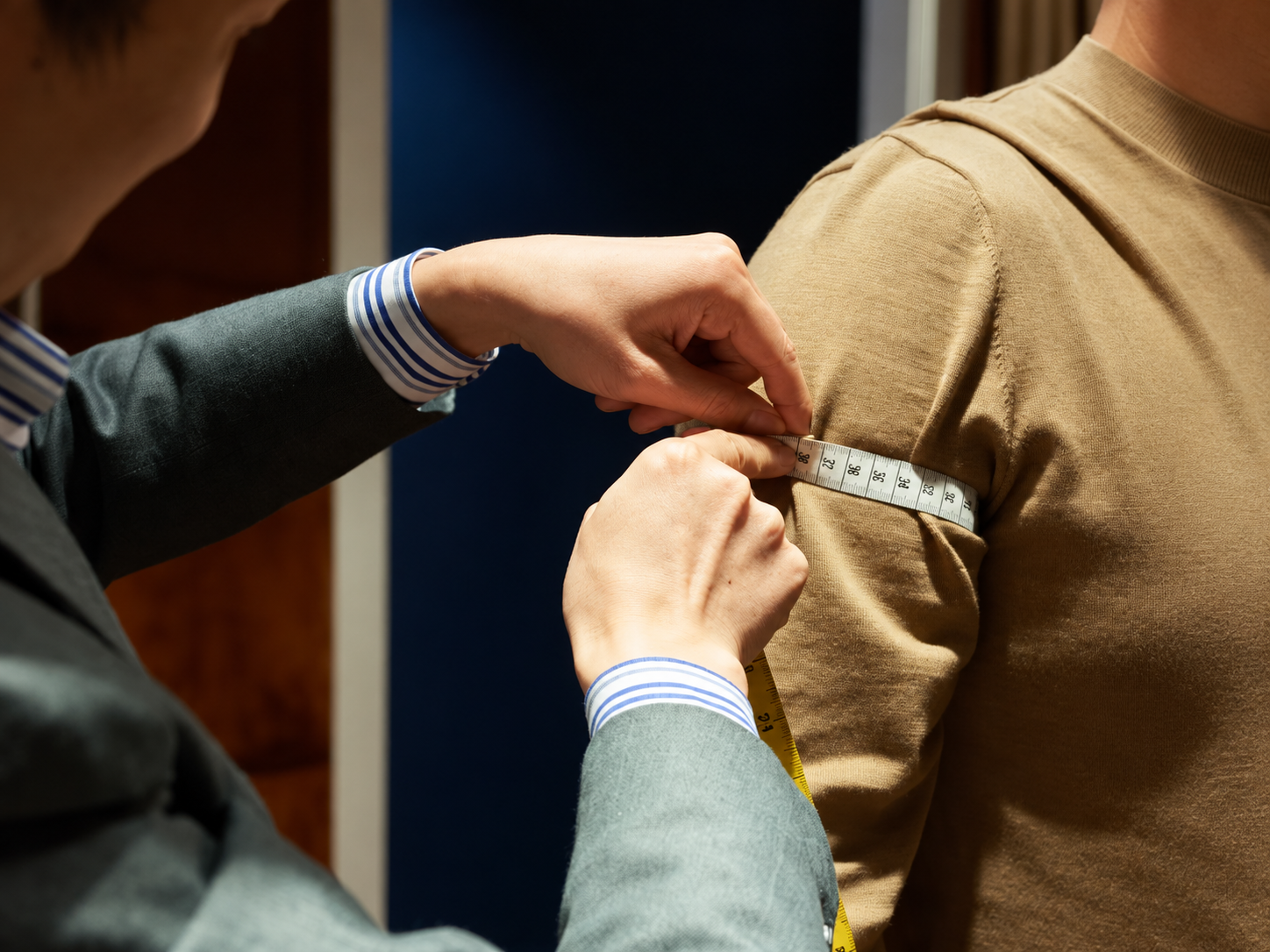
Revision & Fit
Revision is most efficient when comments are specific. Measurement changes, annotated photos, artwork dimensions, trim updates, fabric changes, and fit observations should be recorded against the current version. A comment such as “make it more oversized” is less useful than defined shoulder, chest, sleeve, and length adjustments. When several sizes are involved, grading logic may also need review before bulk release.
Key output: an updated sample and file set with clearer alignment between visual intent, measurements, materials, and manufacturing requirements. Version numbers and dates should remain visible so both sides know which sample and file set the next comment refers to.

Approval & Handover
Sample approval should freeze the version used for bulk planning. The final package can include the approved sample, latest Tech Pack, measurement chart, pattern reference where applicable, material and trim specifications, artwork, label files, packaging instructions, and SKU information. Any later change may affect cost, MOQ, material purchasing, or schedule and should be reviewed before implementation.
Key output: a production-ready reference used by manufacturing, quality, and packing functions. Bulk timing is confirmed only after approved specifications, material readiness, and production scheduling are reviewed. A short production-readiness checklist can confirm that no pending artwork, material, label, or packaging decision remains open before bulk preparation begins.
Streetwear MOQ and Quotation Factors
Standard MOQ generally starts from 100 pieces per color per design. Final MOQ and quotation depend on the full product specification, material conditions, branding, SKU structure, testing, packing, and production planning.
Factor
What Needs Review
Effect on MOQ / Cost
Style & Construction
Pattern complexity, panels, hood, pockets, rib, openings, set construction
More complex construction can increase labor, preparation, and sampling requirements.
Fabric
Composition, construction, GSM, stock status, custom color, finish
Supplier minimums and custom-dye requirements can set a higher material threshold.
Colorways
Quantity per color, fabric color availability, trim color matching
Each color may carry separate material or trim minimums.
Trims
Rib, zippers, elastic, labels, special accessories
Custom trims can have their own MOQ and development cost.
Branding
Artwork size, heat-transfer, heat-press, label set, hangtags
Setup, material, artwork preparation, and application steps influence cost.
Sizes & SKUs
Size range, quantity per size, style/color/size combinations
Large SKU counts can spread order quantity across many variants and increase handling.
Packaging
Individual bag, barcode, label, carton ratio, carton mark
Custom materials and packing rules may add supplier minimums and labor.
Testing / Inspection
Brand standard, market requirement, third-party inspection needs
Additional testing or inspection can add cost and schedule requirements.
Schedule
Material readiness, sample approval, order mix, current production plan
Urgent or compressed plans require feasibility review; no universal fixed lead time is promised.
Manufacturing Scale Behind Streetwear Programs
Manufacturing scale matters when a brand moves from sampling into multi-style drops, repeat orders, or larger seasonal programs. Leadshow uses confirmed company-wide figures rather than product-specific claims.
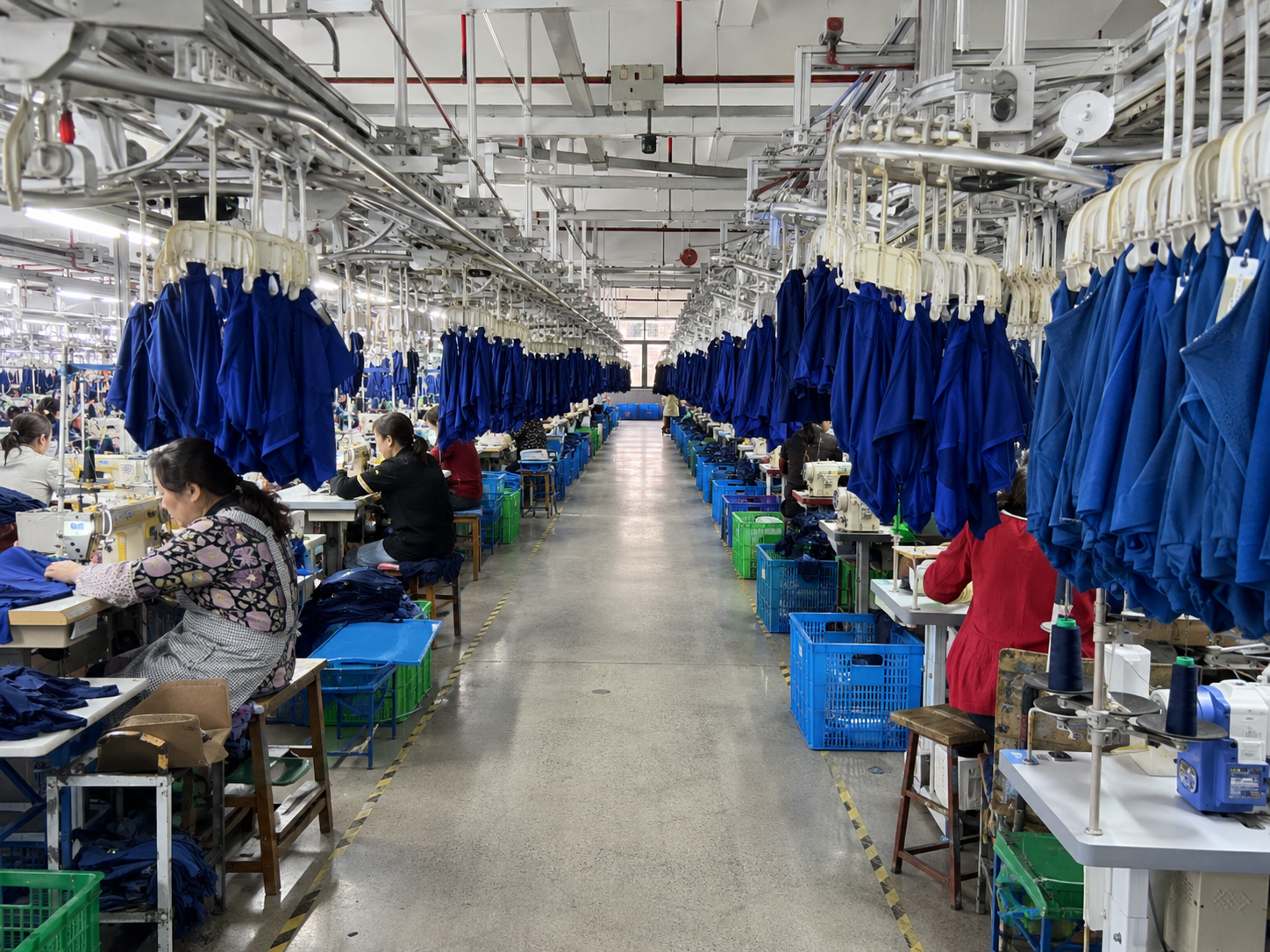
15 Years Experience
With 15 years of apparel manufacturing experience, Leadshow supports brands through product development, sampling, production coordination and quality control. Our experience covers different garment structures, materials and production requirements, helping brands manage projects from initial concepts to repeat orders.
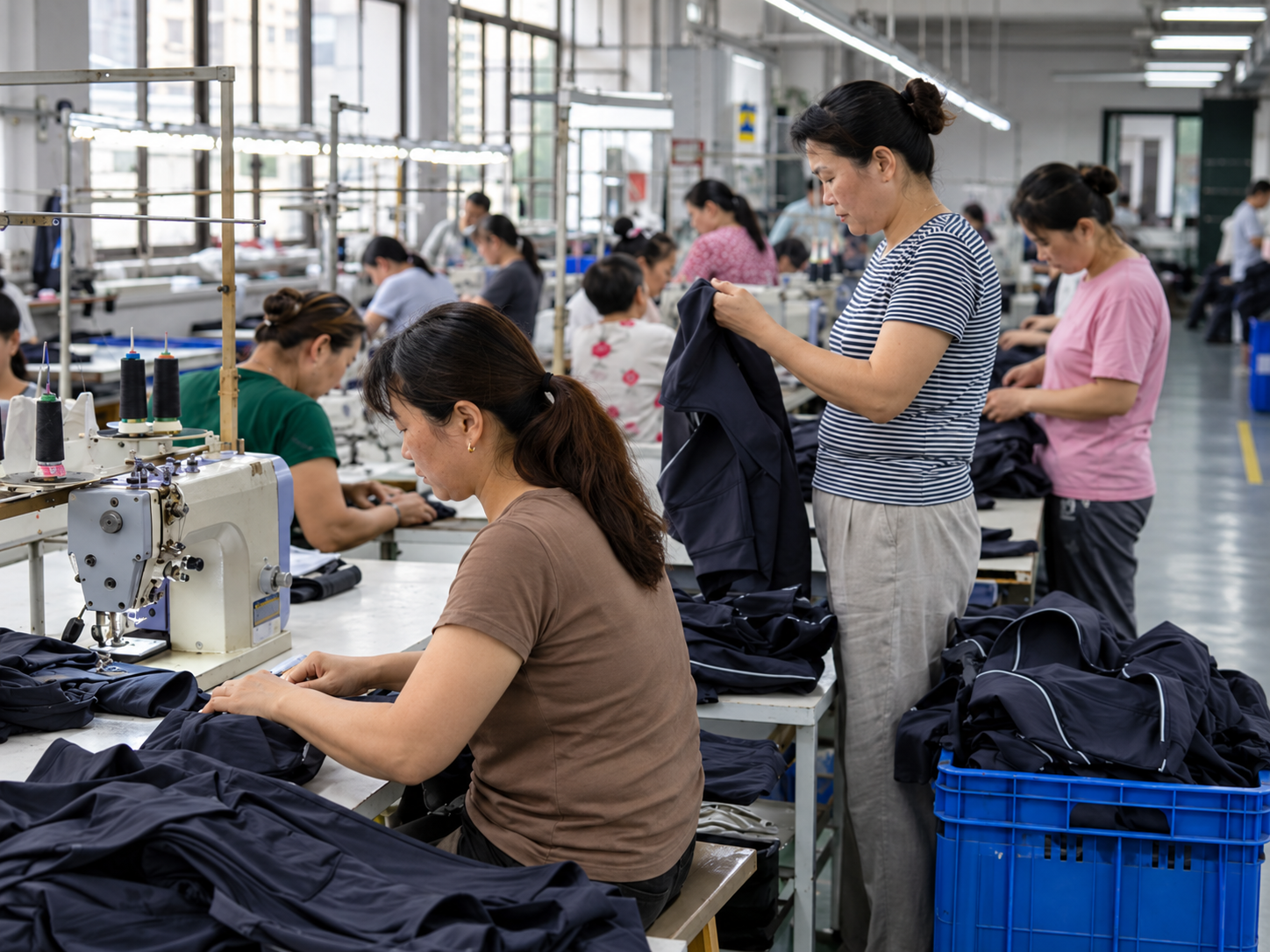
3 Manufacturing Bases
Leadshow operates three manufacturing bases that support flexible production planning across different apparel programs. Multiple production locations allow better coordination of sampling, material preparation, manufacturing processes and order scheduling according to project requirements.
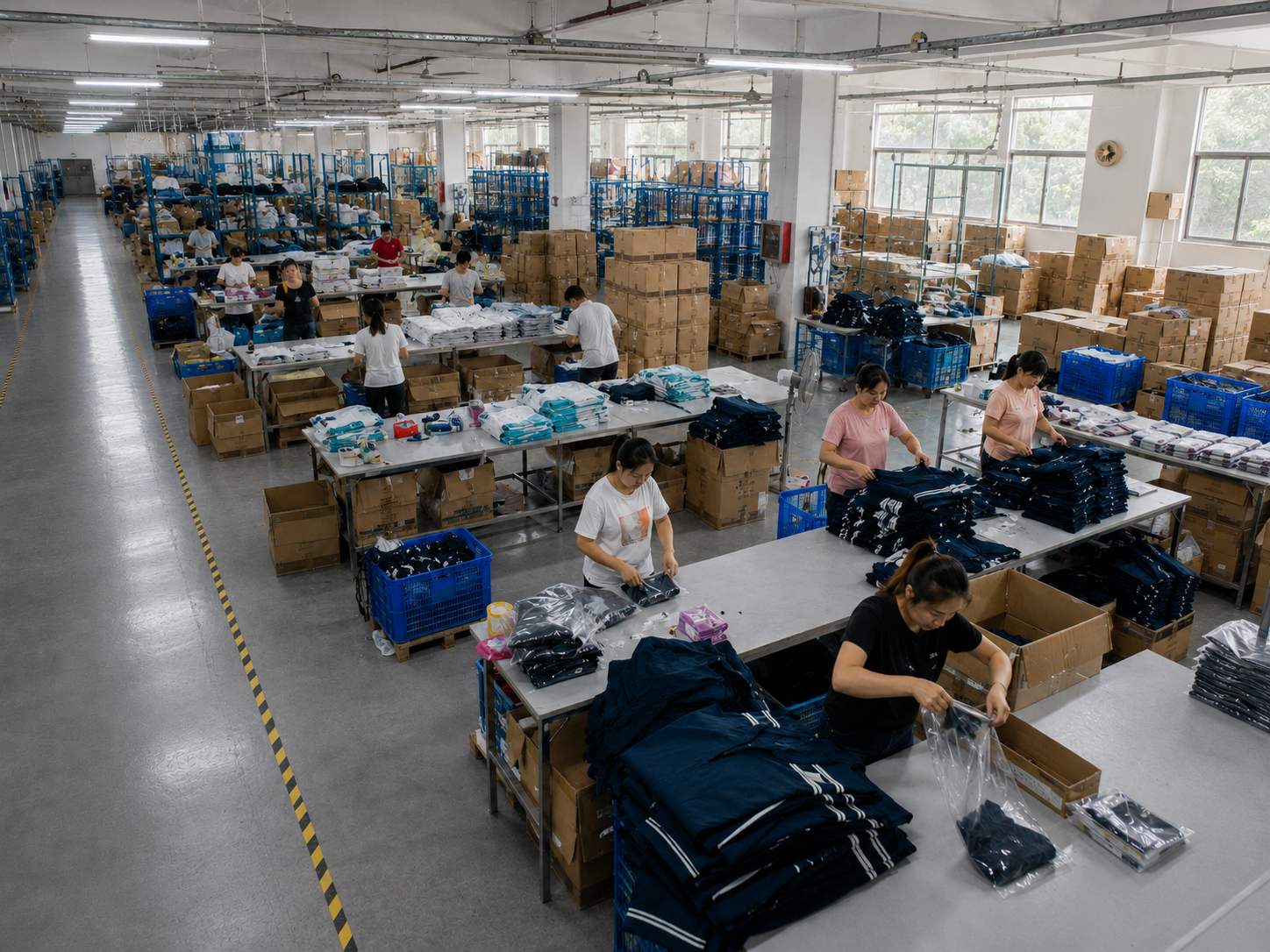
20,000+ Square Meters
Our combined manufacturing facilities provide more than 20,000 square meters of production space covering sampling, fabric preparation, cutting, sewing, finishing, packing and warehouse operations. The integrated setup supports efficient workflow management for different apparel projects.
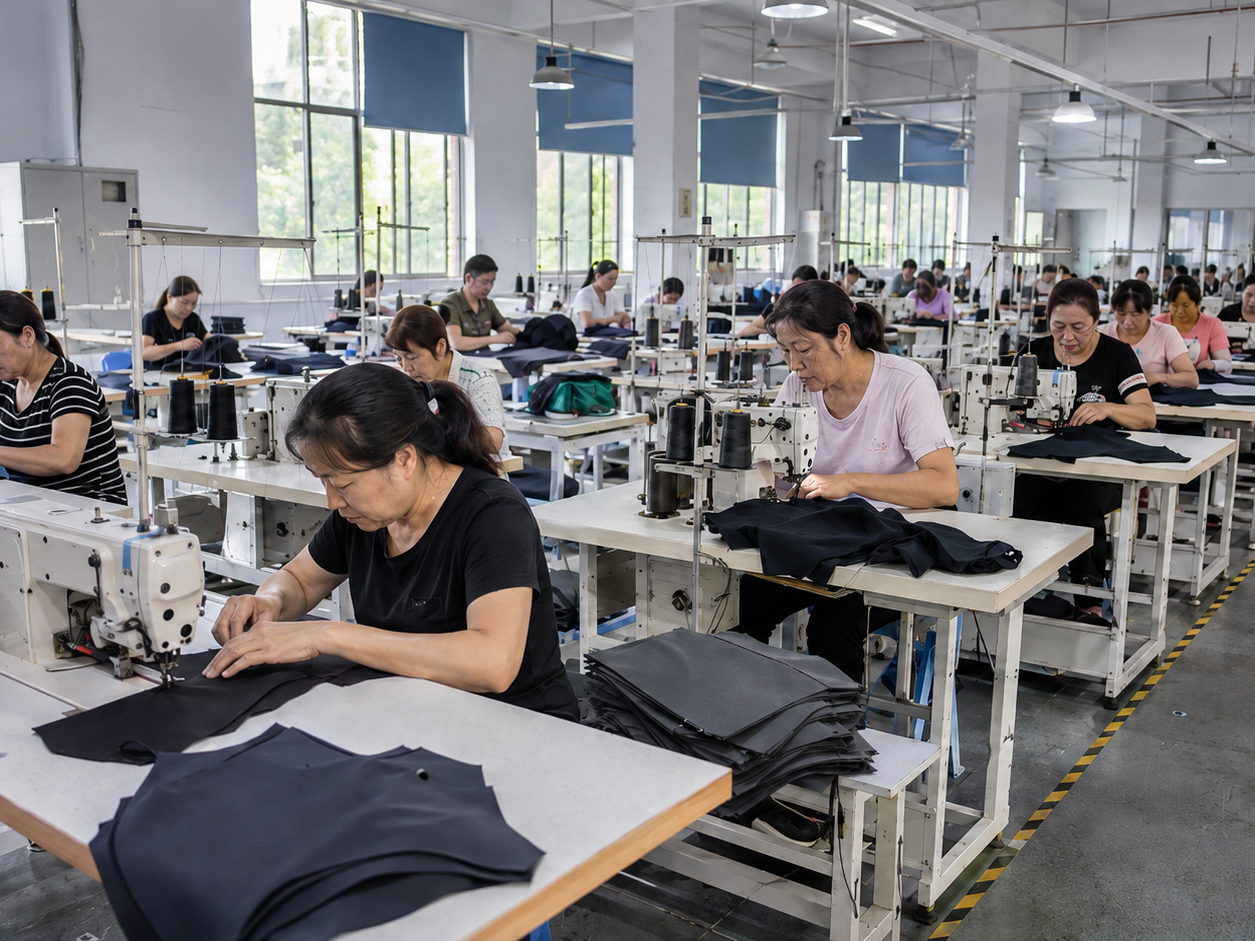
1,500+ Team Members
Our team includes professionals across product development, production, quality control, warehousing, logistics and customer support. Cross-functional coordination helps ensure smoother communication from sample approval to bulk production and shipment preparation.
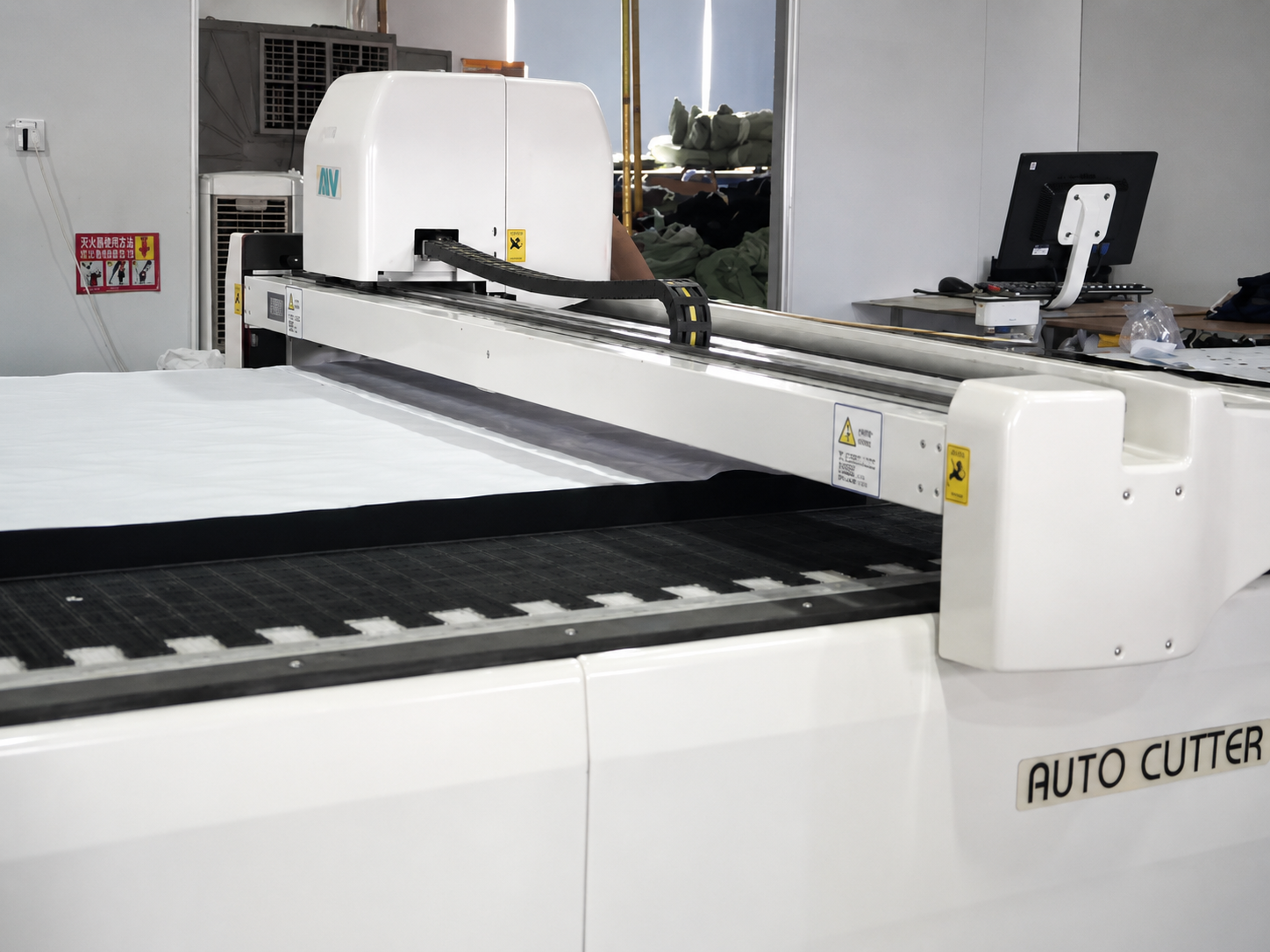
304 Confirmed Machines
Our manufacturing system includes more than 300 production and finishing machines covering cutting, sewing, special processes, inspection and packing operations. Equipment selection is matched with fabric characteristics, garment construction and production requirements to support different apparel categories.
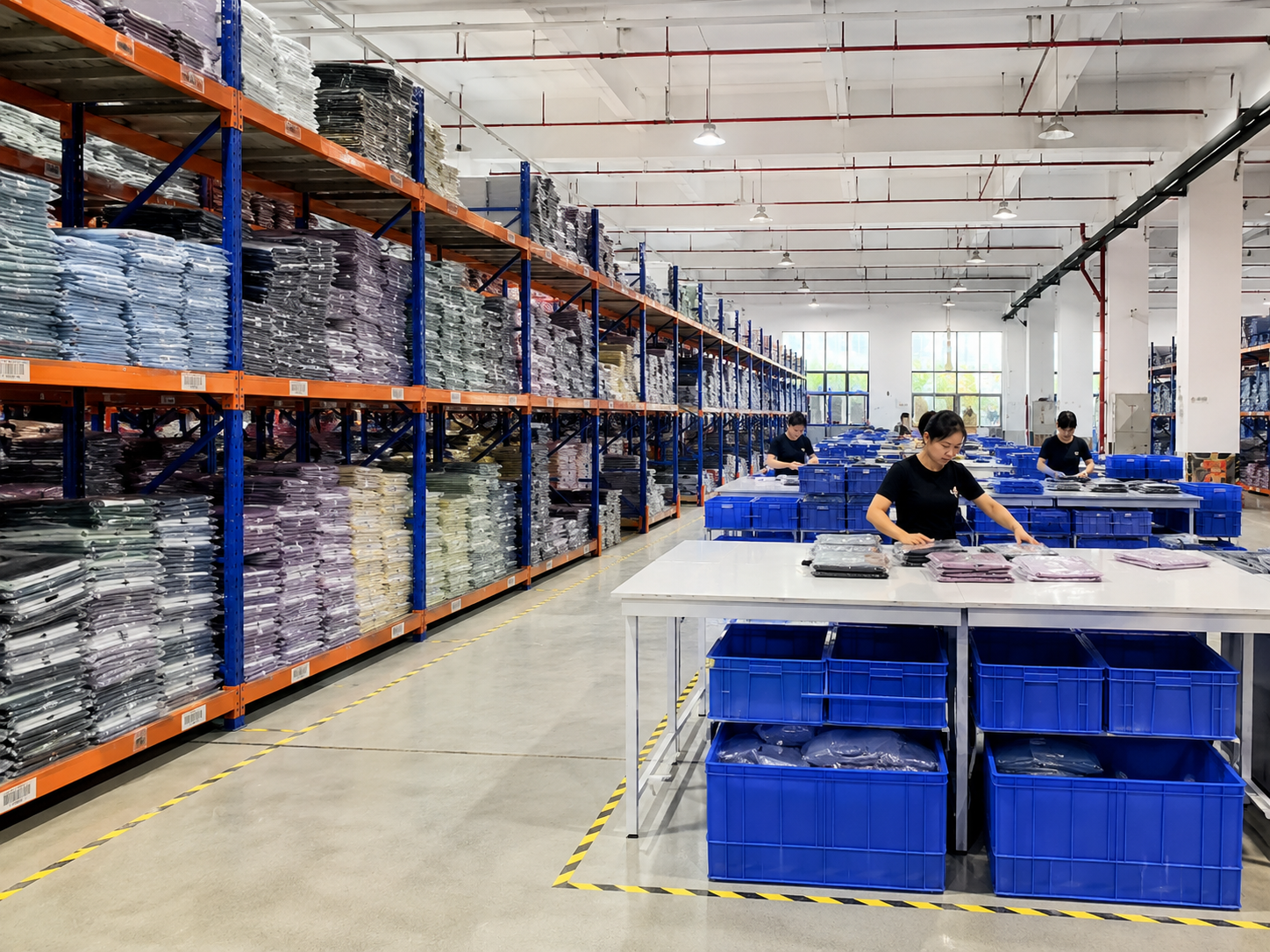
Up to Approx. 120,000
Our combined production capacity can reach approximately 120,000 finished garments per month depending on product type, material availability, order volume and production scheduling. Capacity planning is adjusted according to each project’s construction, quality requirements and delivery timeline.
From Approved Sample to Bulk Production
Bulk manufacturing follows an approved standard, not a generic factory routine. Each stage connects files, materials, product construction, quality checks, branding, and packing requirements.
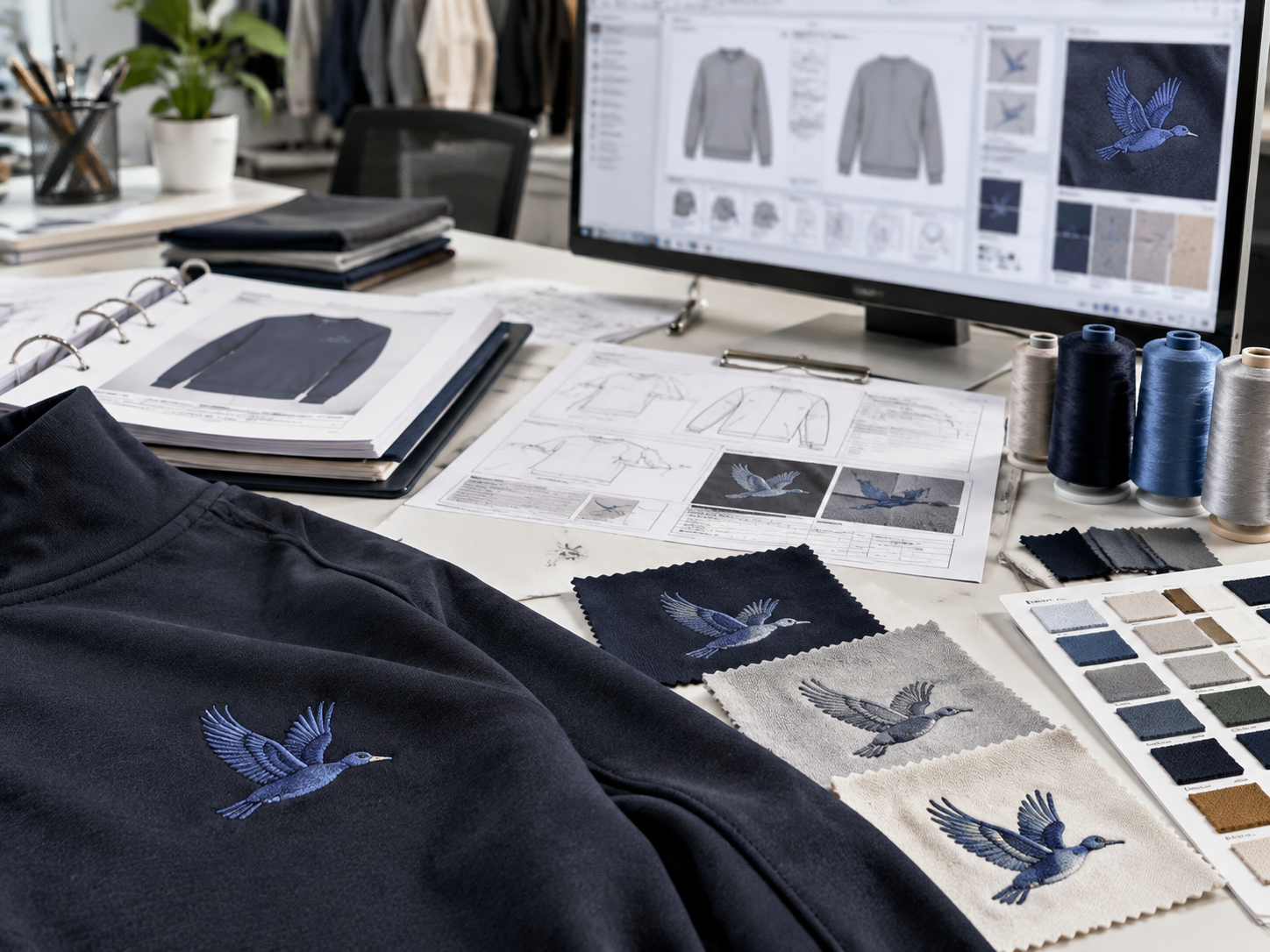
Final File Check
Before bulk work starts, the latest Tech Pack, measurement chart, approved sample, material references, artwork, labels, packaging instructions, quantities, and SKU information should be aligned. Version clarity helps prevent an outdated measurement, logo position, or packing instruction from entering production. Any late change is reviewed for its effect on material, cost, MOQ, sample approval, and schedule before release. The release should also identify the person or team responsible for approving any last change before material or production commitments are made.
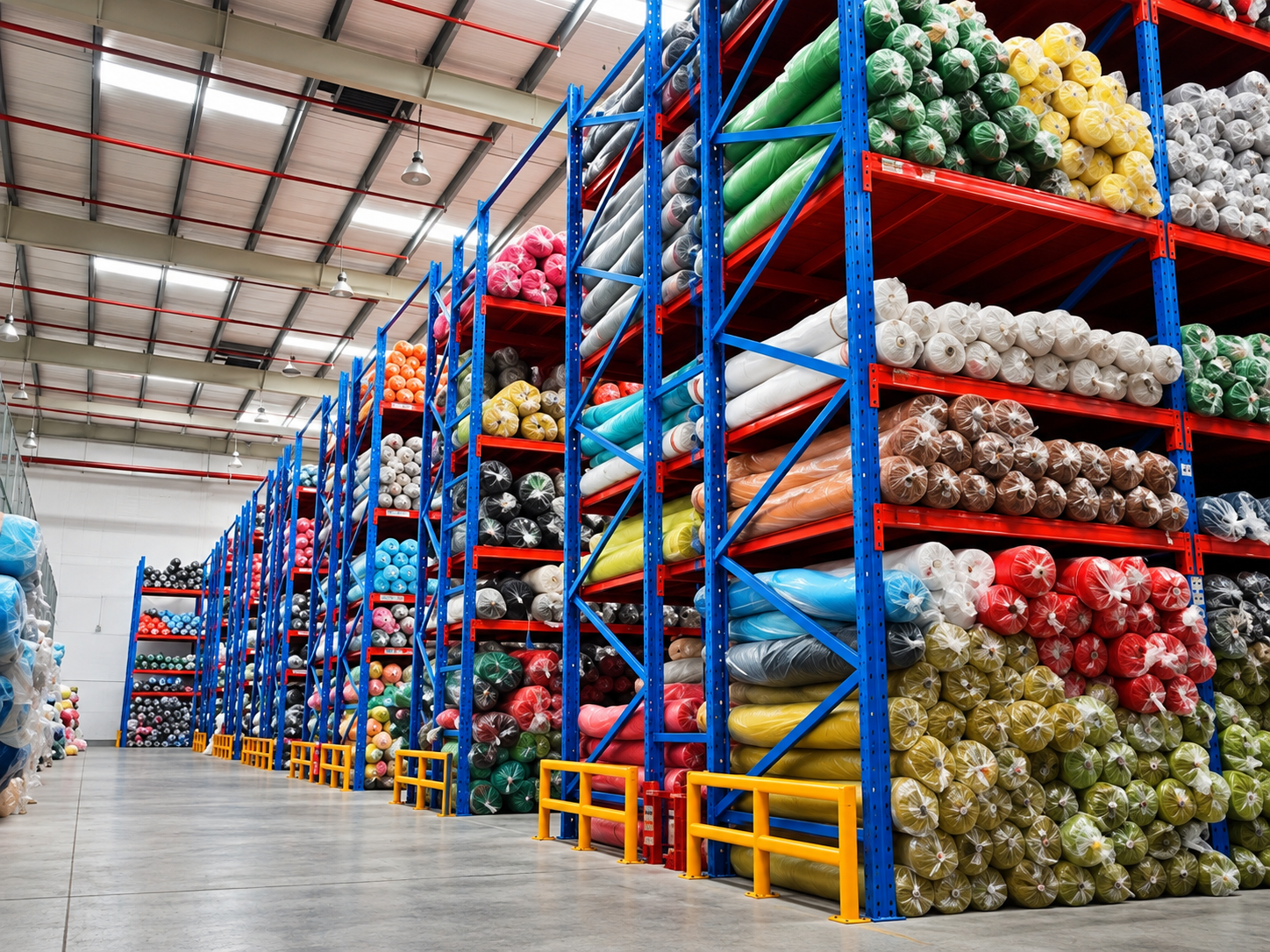
Material Preparation
Approved fabric, rib, trims, labels, and packing materials are coordinated according to the confirmed product file. Material preparation may include receiving checks, batch separation, spreading preparation, and project-specific pre-treatment where suitable. Fabric behavior, direction, shrinkage, and color relationships can influence the cutting plan. Material substitutions should not be made silently; alternatives require review and approval when the approved specification cannot be maintained. A clear material status list can separate approved, pending, substituted, and unavailable items before production starts.
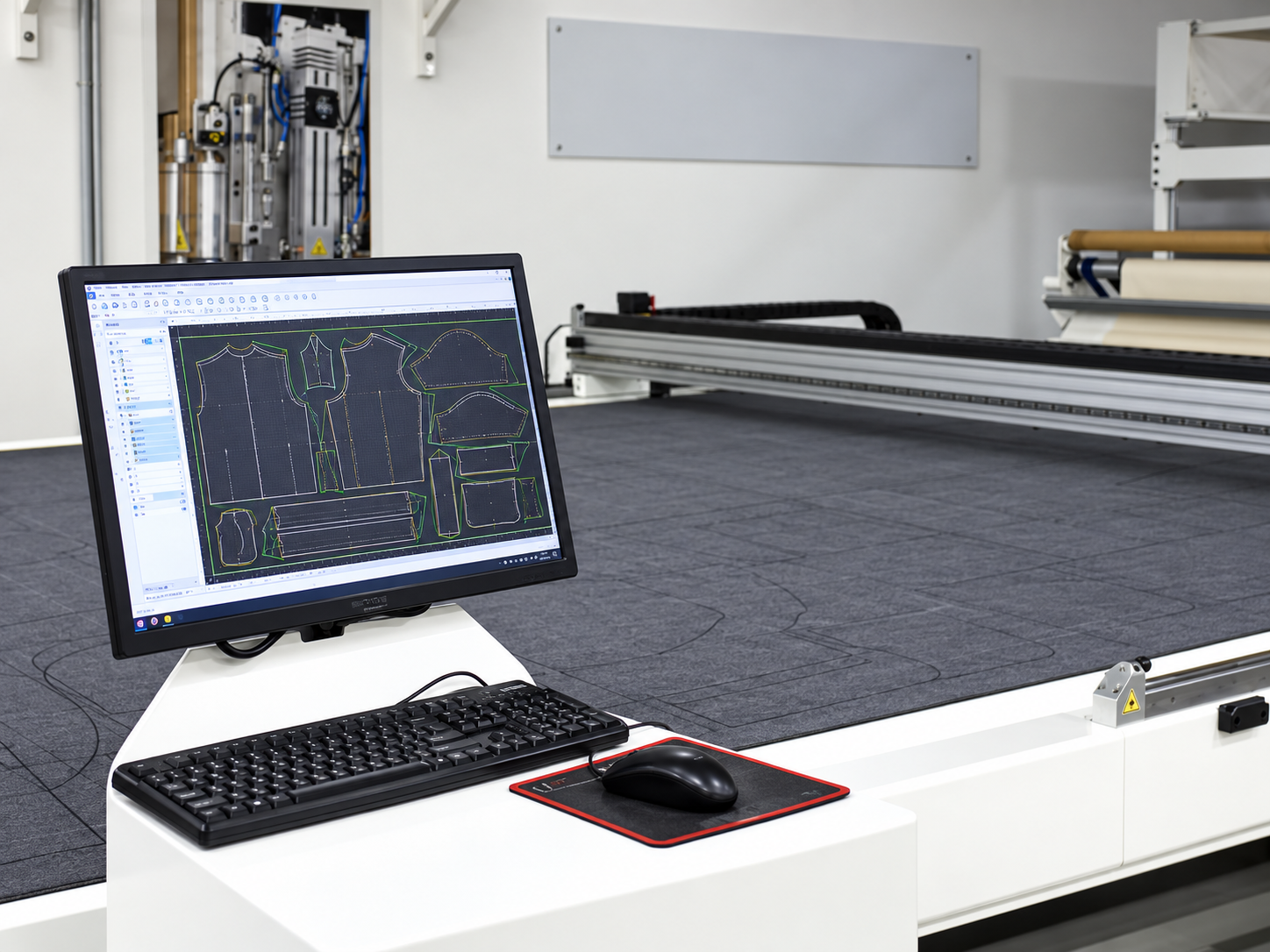
Spreading & Cutting
Leadshow has confirmed automated fabric spreading and cutting resources together with flexible cutting equipment. Cutting follows the approved pattern and production arrangement, while fabric type, width, elasticity, surface, print direction, and order quantity influence the method. Automated equipment can support repeatability, but it does not create zero-error cutting or zero material waste. Cut parts still need sorting and identification for the correct style, color, size, and production batch. Cut-part bundles should remain linked to the correct size and color so similar pieces do not mix before sewing.
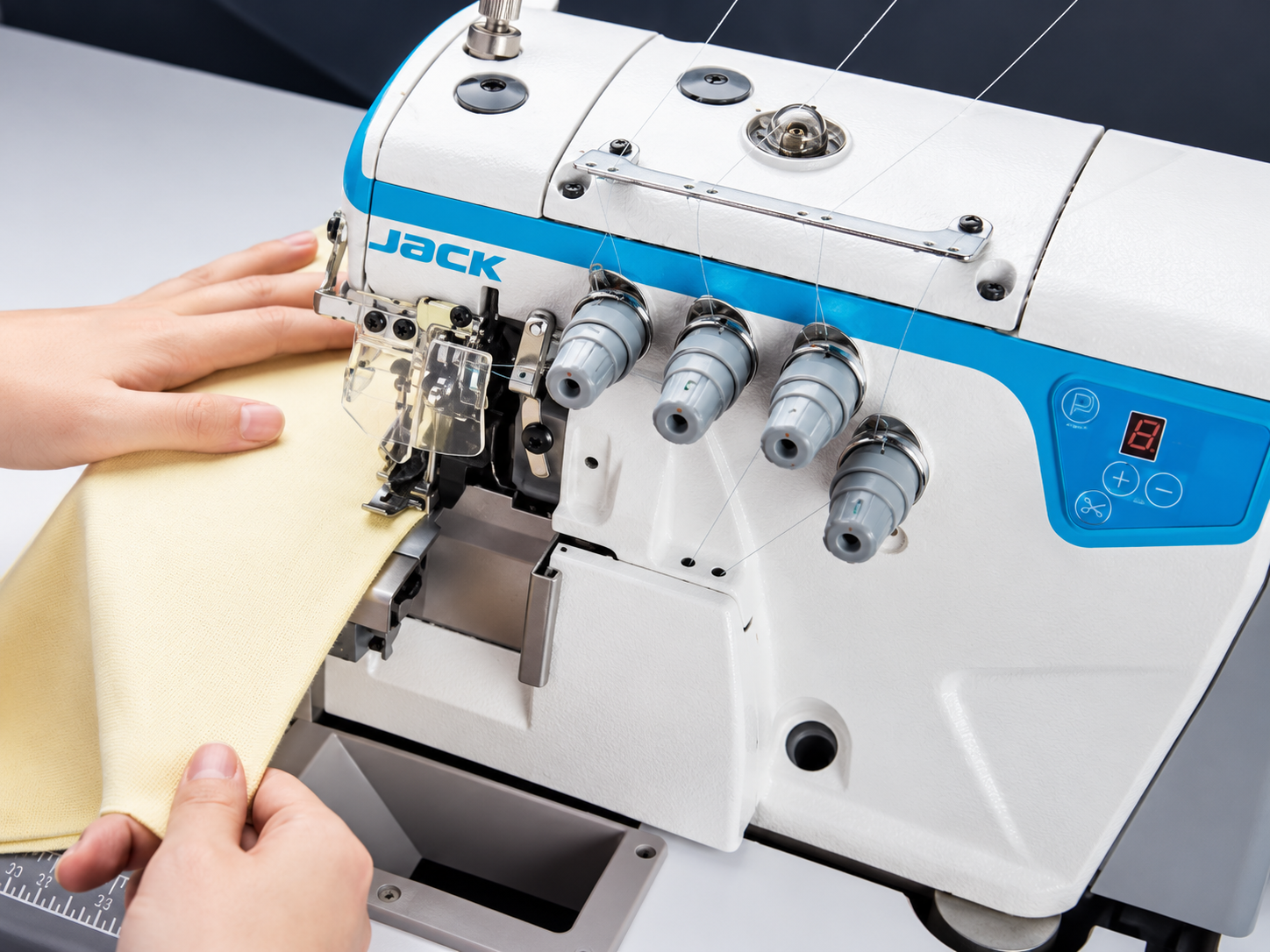
Sewing Execution
Streetwear construction can involve lockstitch, overlock, double-needle, bartack, elastic application, four-needle six-thread sewing, and other confirmed operations depending on the garment. The process route should follow the approved construction rather than using every available machine. Hood shape, neckline, rib, pockets, seams, panels, hems, and reinforcement points are built according to the style requirements, with production checks at relevant stages. Critical visual operations should be identified early so production teams know which construction points require closer comparison with the approved sample.
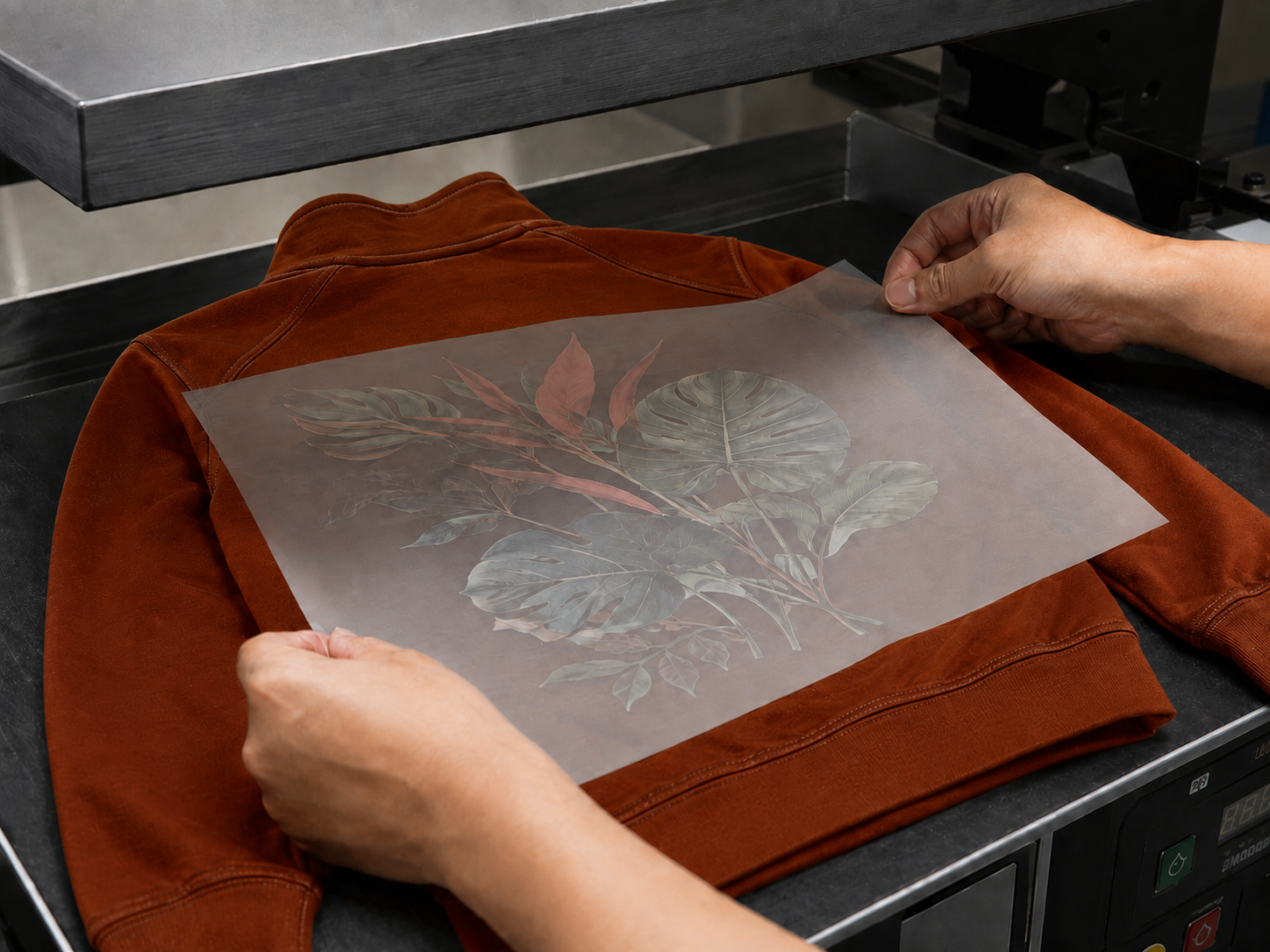
Special Processes
Selected styles may use confirmed resources such as bonding, seam taping, laser perforation, heat-transfer labeling, or heat-press graphics when fabric and construction are compatible. Equipment availability does not automatically mean a garment is waterproof, seamless, more breathable, or permanently bonded. Any special process should be tied to a design purpose, tested where needed, and approved in the sample or process reference before bulk use. Process parameters and approval references should be retained where relevant so repeat work does not rely only on operator memory.
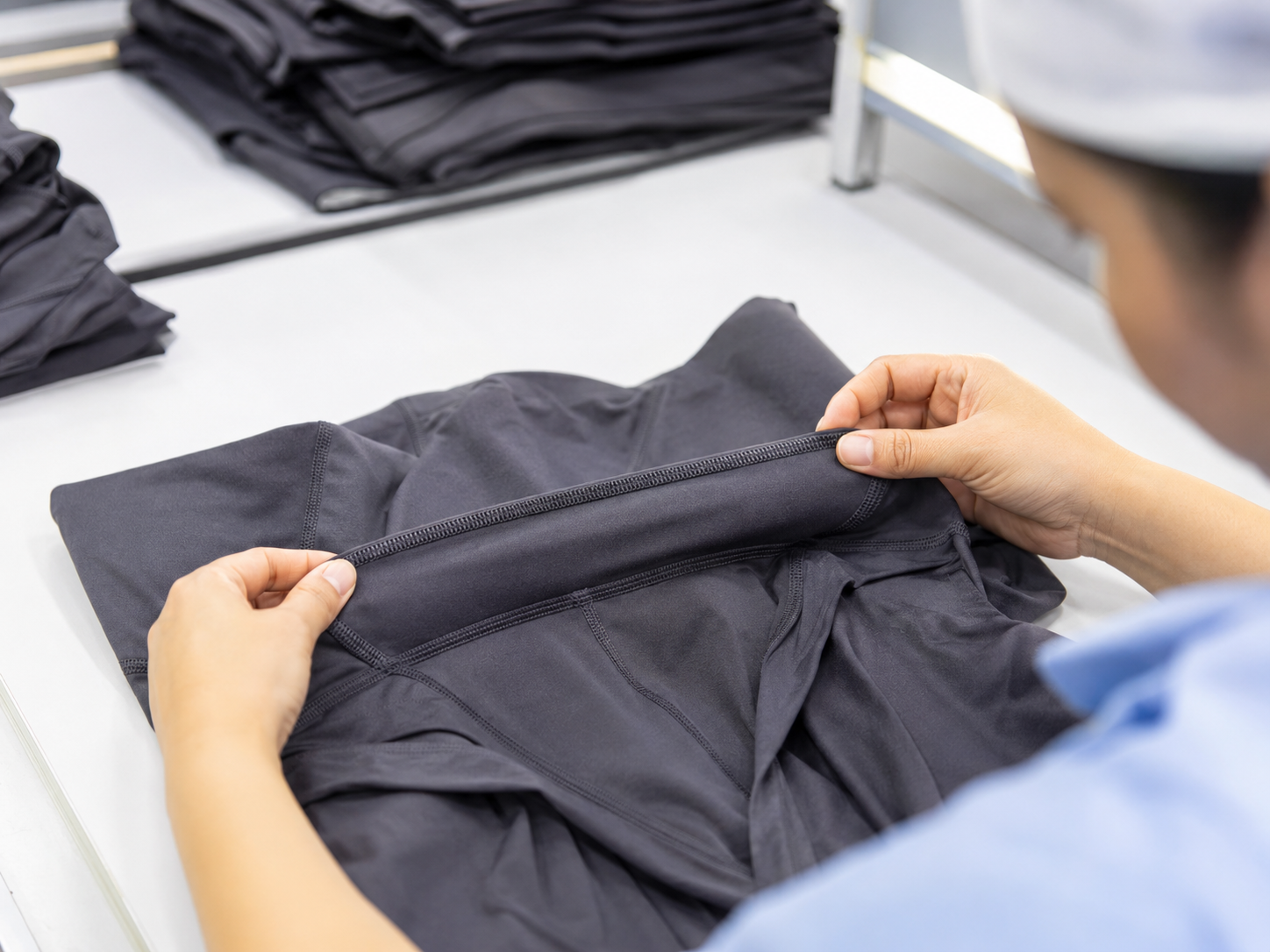
In-Process Review
Production review compares the work in progress with the approved specification and sample. Measurement, seam execution, neckline or hood shape, graphic position, trim use, and other critical points can be checked during manufacturing so problems are identified before the entire order is complete. Inspection frequency and sampling method depend on project requirements; no blanket claim of one fixed AQL or universal 100% inspection is used. Findings should be communicated quickly enough for corrective action to affect the remaining production rather than only the finished goods.
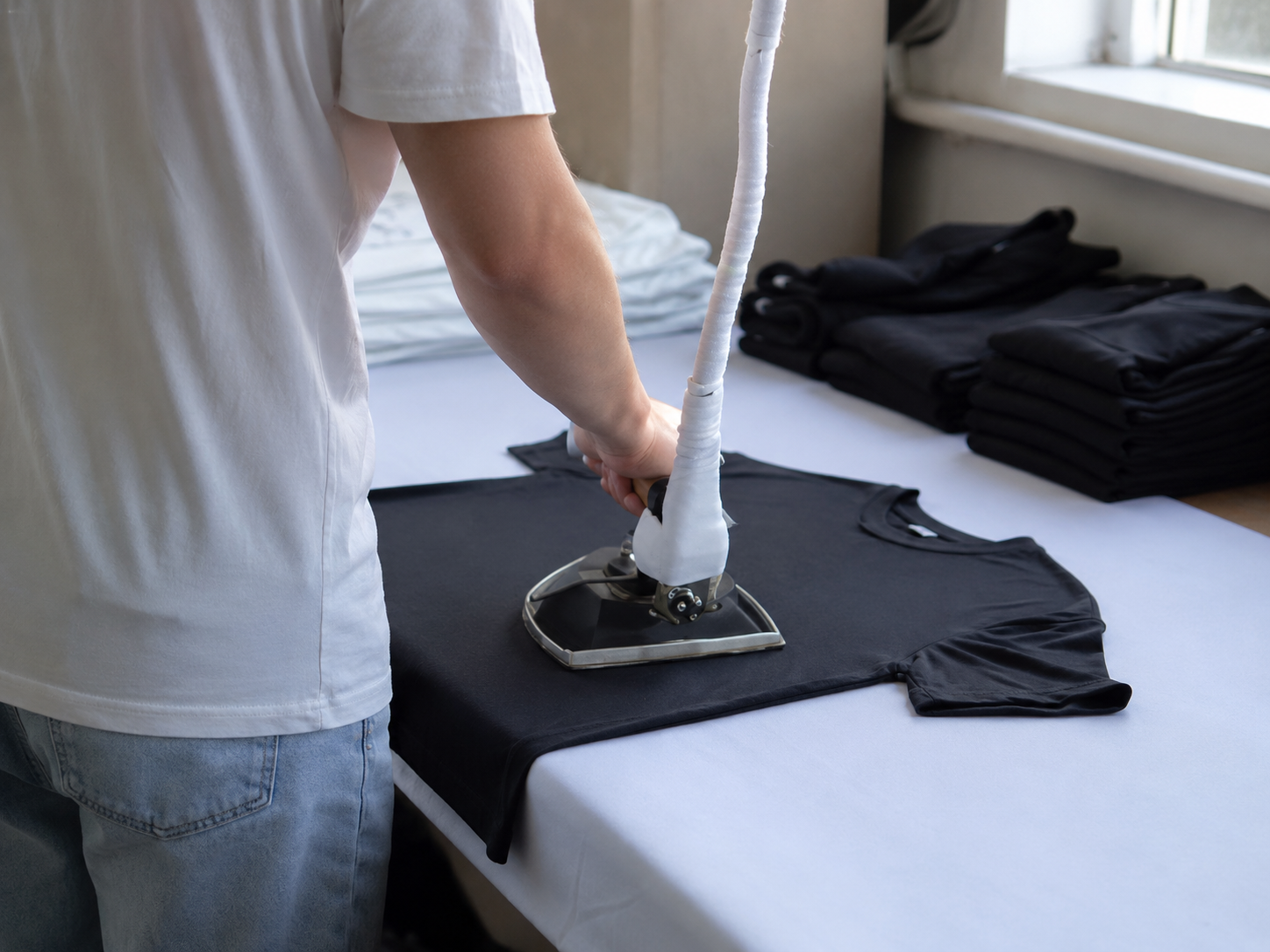
Finishing & Detection
Finished garments may pass through pressing, appearance review, measurement checks, applicable needle detection, folding, and preparation for packing. Leadshow has confirmed steam ironing stations and automatic needle-detection equipment for applicable products. Needle detection is one part of a final safety-check process and is not equivalent to complete product safety certification. Finishing should improve presentation without being used to hide pattern, material, or sewing problems. Final appearance should remain tied to the approved garment rather than being changed through excessive pressing or ad-hoc finishing adjustments.
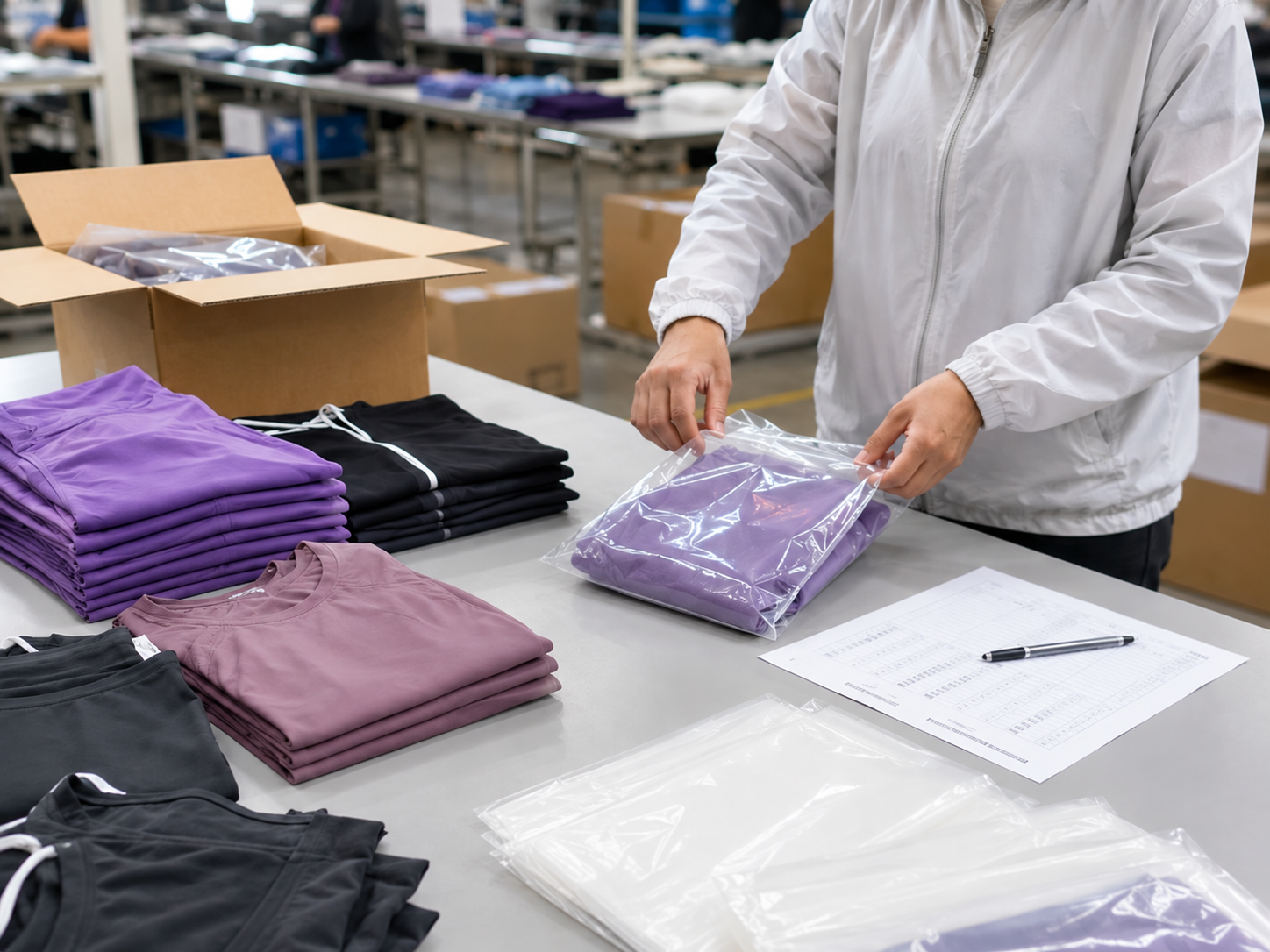
Packing & Release
Labels, size marks, hangtags, barcodes, individual packaging, SKU identification, carton ratios, carton marks, and packing lists should match the approved order requirements. Packing is treated as part of product execution rather than a separate warehouse task. Final shipment preparation can include carton and quantity verification and coordination with a nominated forwarder or international shipping route. Customs clearance and destination-platform acceptance are not guaranteed by manufacturing support. A final release check should confirm that physical cartons, SKU records, and packing documents describe the same shipment.
Keep Approved Standards Through Bulk Production
Sample-to-bulk consistency comes from approved references, version control, material confirmation, first-piece review, in-process checks, and packing verification rather than from a final inspection alone.
Build the Approved Standard Pack
The approved sample is most useful when it is tied to a matching set of documents. Final Tech Pack, measurement chart, pattern version where applicable, fabric and trim specifications, color references, artwork, logo position, labels, packaging instructions, SKU data, and the physical approved sample should all refer to the same release. If a brand has its own quality manual or inspection criteria, those requirements should be attached to the production standard as well.
For supplier-transfer programs, an old sample and historical file set may not always agree. A previous garment may measure differently from the written chart, or a trim may no longer be available. Those differences need to be identified before a new sample is approved. Once the new standard is frozen, production teams have a clearer reference for material preparation, cutting, sewing, artwork, labels, and packing.
A strong standard pack also defines which points are critical. Streetwear brands may prioritize silhouette, shoulder location, body length, hood shape, neckline, graphic scale, rib color, or specific label positions. Highlighting those points helps manufacturing and quality teams focus on details with the greatest visual or commercial impact.
For collection programs, one master index can list every style, color, size range, artwork version, label set, and packaging route. The index does not replace the detailed files, but it gives production and quality teams a fast way to confirm which approved references belong together. That becomes especially valuable when similar hoodies, sweatshirts, or T-shirts share colors while using different fits or graphics.

Control Materials and First Production
Bulk consistency can shift before sewing begins if material versions change. Incoming fabric, rib, trims, labels, and artwork materials should be checked against approved specifications. Fabric batch, color, weight, surface, shrinkage, and other project-relevant properties may require verification according to the agreed quality plan. If the original approved material is unavailable, an alternative should go through review rather than entering production as an undocumented replacement.
The first production units provide another important comparison point. Measurements, silhouette, sewing construction, graphic placement, labels, trims, and overall appearance can be compared with the approved sample and final files. Early detection matters because a small systematic deviation can become a large issue once the same operation is repeated across hundreds or thousands of garments.
Leadshow’s development, production, and quality functions can coordinate around the approved standard. The exact inspection frequency and method remain project-specific. The aim is controlled execution within agreed tolerances, not an unrealistic promise that every piece will be mathematically identical.
When the order includes several colorways, material and trim verification should also make clear which components are shared and which are unique to one SKU. That reduces the risk of using the correct trim on the wrong style. If a material discrepancy appears, the affected styles can be isolated before sewing continues, rather than allowing one substitution decision to spread across the entire collection.
Verify Finished Garments and Packing
Finished garment review should confirm the points that define the product and the order. Measurements, silhouette, seams, graphics, labels, color relationship, visible defects, and approved trims can be checked according to the agreed specification. Applicable needle detection, folding, labeling, and packing checks support final preparation before shipment.
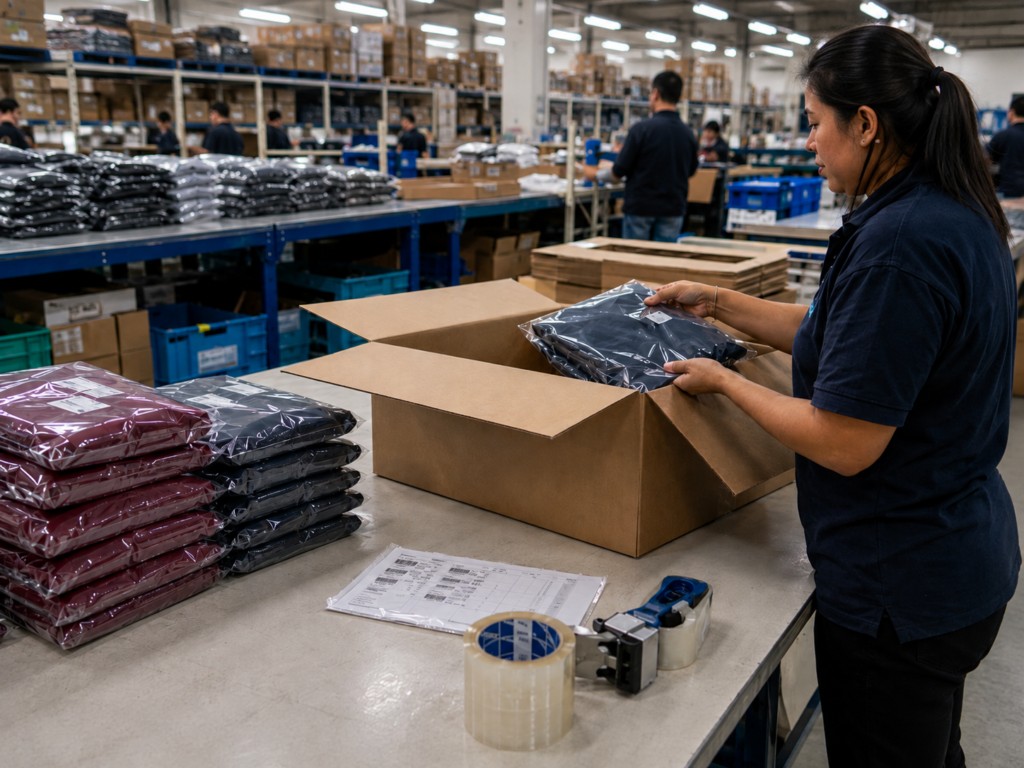
Packing accuracy becomes especially important for multi-SKU programs. A correct garment in the wrong size bag, with the wrong barcode, hangtag, carton mark, or destination grouping can create downstream problems even if sewing quality is good. Style, color, size, SKU, quantity, packing ratio, carton number, and shipping documents therefore need clear links.
Repeat orders should use the approved product record as a starting point, but material availability, color batches, trim supply, current production scheduling, or brand updates may still require confirmation. Long-term consistency is supported by preserving approved files and references, then reviewing any changed element before the next production run.
For established brands, the release process can also compare the finished order with internal retail or warehouse requirements before cartons are closed. Style count, size ratio, label version, barcode data, individual pack, and carton identification are commercial details as well as quality details. Keeping them inside the final review prevents a well-made garment from becoming a fulfillment problem after it leaves the factory.
Quality Checks Across Streetwear Manufacturing
Leadshow has an approximately 45-person quality team supporting material, in-process, finished-garment, and packaging checks according to project requirements. Quality is managed through defined checkpoints, not broad slogans.
Material Inspection
Material review can cover fabric color, appearance, weight, width, batch condition, and project-specific requirements, together with trim color, size, quantity, and compatibility. Shrinkage or other tests may be added when the approved standard calls for them. The objective is to identify material issues before cutting turns them into a finished-garment problem.
Risk controlled:
- Wrong fabric or trim version
- Batch or color mismatch
- Unexpected material behavior
- Missing or incorrect labels and accessories
Exact tests and acceptance criteria follow project specifications rather than a universal factory standard. Approved reference swatches or signed material records strengthen the comparison when color or surface feel is commercially important.
Cutting Check
Cutting quality affects silhouette, size, panel alignment, and the ability of sewing teams to assemble a consistent garment. Review can include pattern version, fabric direction, size identification, cut-part dimensions, batch separation, and the correct grouping of style and color components. Stretchy, heavy, directional, or surface-sensitive fabrics may require different preparation and cutting methods.
Risk controlled:
- Incorrect pattern version
- Mixed sizes or colors
- Direction or alignment errors
- Systematic dimensional deviation
Automated cutting supports repeatability but is not presented as zero-error or zero-waste production. Cut-part identification should remain visible through transfer to sewing, especially when several similar sizes or colors run together.
First-Piece Review
The first production units provide a checkpoint between approved sample and full production. Measurements, fit-related proportions, seam construction, rib or trim use, graphic position, labels, and visible appearance can be compared against the final specification. When a deviation is found early, the relevant operation can be corrected before it repeats across the order.
Risk controlled:
- Production setup drifting from approved sample
- Wrong measurement interpretation
- Incorrect logo or trim placement
- Construction misunderstanding
First-piece review works best when critical product points have been clearly identified in the approved file set. A signed or recorded first-piece result provides a clear reference for later production and any required corrective action.
Process Inspection
In-process checks can focus on high-impact operations such as neckline or hood construction, seams, pockets, panels, hem finish, graphic position, bartacks, labels, and other style-specific details. Inspectors and production teams can use the approved sample and files as reference points while the order is still moving through manufacturing.
Risk controlled:
- Repeated sewing defects
- Measurement drift during production
- Inconsistent branding placement
- Incorrect trim or component use
Inspection frequency, sampling, and any AQL requirement must be agreed by project; Leadshow does not claim one fixed AQL for every order. Critical checkpoints can be weighted toward the operations with the greatest effect on fit, appearance, durability, or brand identity.
Finished Garment
Finished-garment review can include measurements, silhouette, seam appearance, graphics, labels, stains, damage, visible defects, trim function, and project-specific presentation requirements. Pressing may improve final appearance, but it cannot correct fundamental pattern, fabric, or construction problems. Applicable products may also pass through needle detection as part of final safety checking.
Risk controlled:
- Size and appearance deviation
- Visible workmanship issues
- Wrong artwork or label version
- Damage before packing
No blanket promise of zero defects or identical results is used; acceptable tolerances and quality criteria are agreed in the project standard. Deviation records should separate repairable workmanship issues from specification changes that require brand approval before release.
Packing & OQC
Packing checks extend quality control beyond the garment itself. Style, color, size, barcode, hangtag, polybag, SKU, packing ratio, carton mark, carton quantity, and packing-list details may need verification before release. Random carton opening or other final checks can be used according to the order plan.
Risk controlled:
- Wrong size or SKU in packaging
- Incorrect barcode or hangtag
- Mixed carton ratios
- Mismatch between cartons and documents
Specific retail, import, or marketplace requirements must be supplied and approved for the destination program; manufacturing support does not guarantee platform acceptance or customs clearance.
Multi-SKU Labels, Packaging, and Export Support
Streetwear collections often combine several styles, colors, sizes, labels, and packing versions. Accurate SKU and packaging execution protects the order after manufacturing is complete.
SKU & Version Control
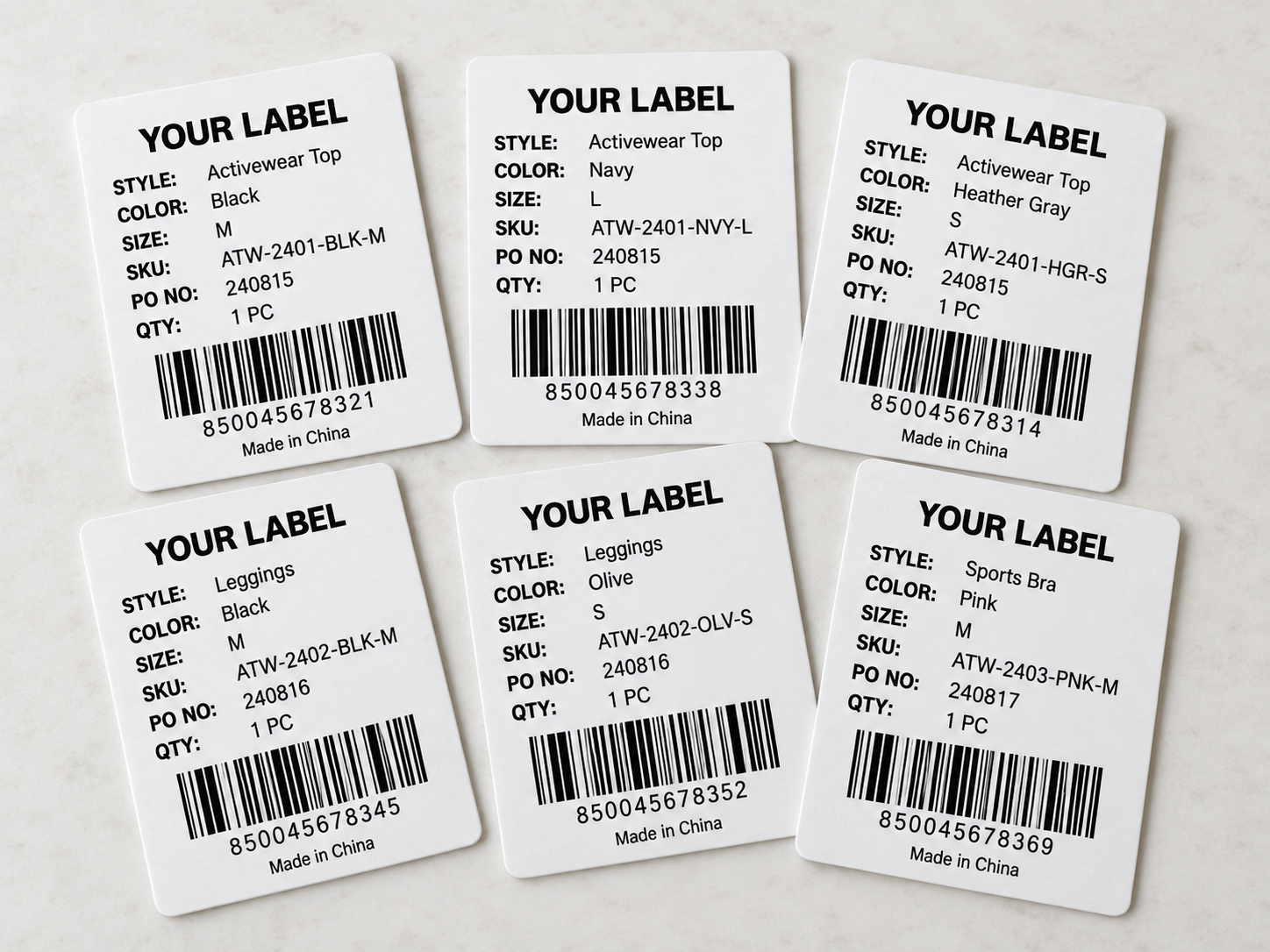
Multi-SKU programs need a clear identity for every style, color, size, and packaging combination. A style code should connect the garment specification, approved sample, artwork, label set, barcode data, quantity, and carton instructions. When two products share a color or similar appearance, reliable codes become more important than visual recognition. Leadshow can coordinate confirmed SKU and version requirements through production and packing.
Recommended inputs:
- Style code and color code
- Size breakdown
- SKU or barcode file
- Quantity per variant
- Packaging version
- Destination grouping where applicable A master order matrix can also show which variants share the same fabric, label set, carton route, or artwork while preserving separate SKU identities.
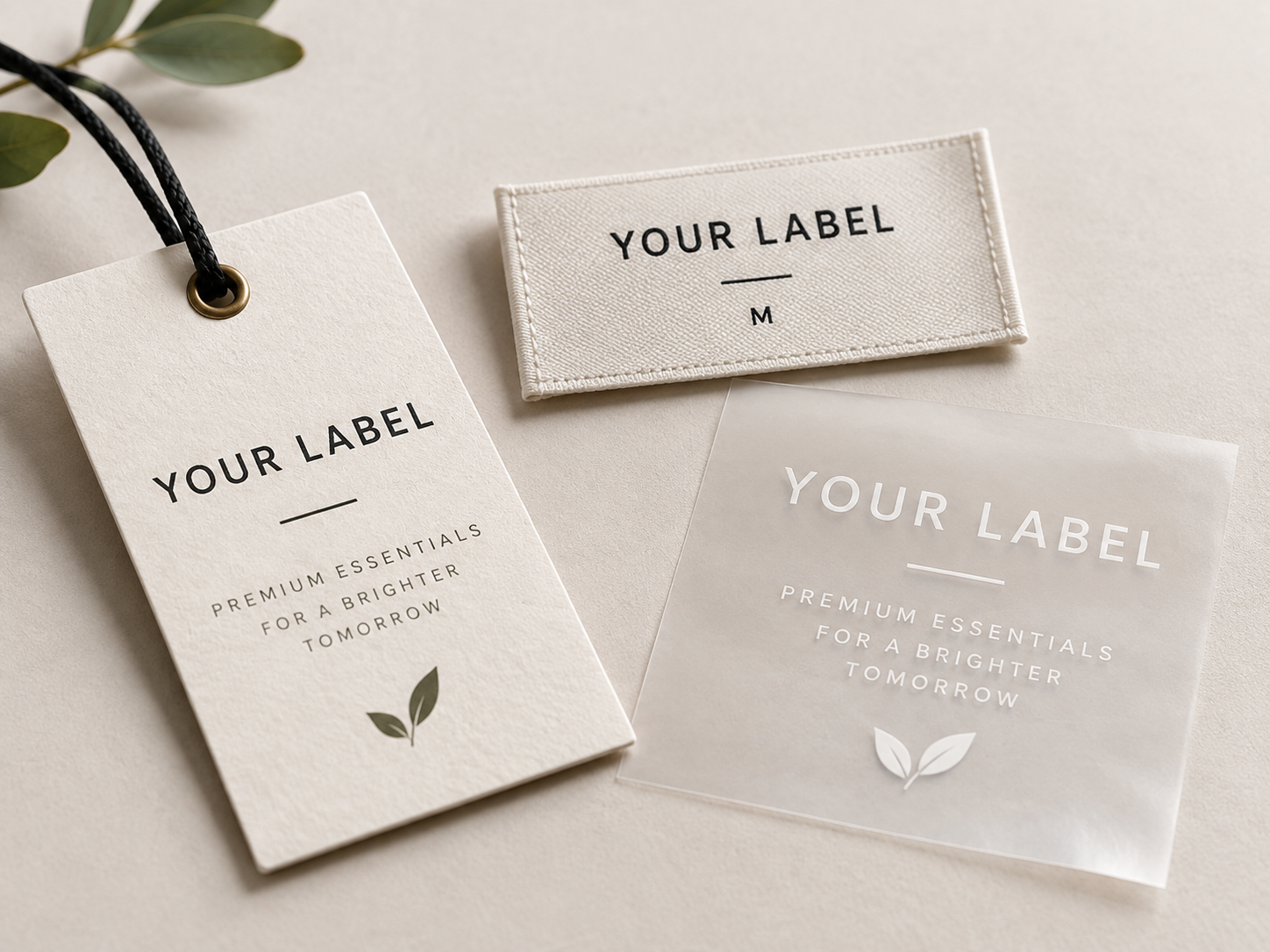
Labels & Hangtags
Main labels, size labels, care labels, hangtags, stickers, and barcode labels should be mapped to the correct product version. Content, legal wording, language, fiber information, care symbols, country or market requirements, and barcode data remain the brand’s responsibility to specify or approve. Leadshow can coordinate label production and application against the approved files.
Recommended inputs:
- Final artwork
- Dimensions and material
- Placement and attachment method
- Size mapping
- Barcode/SKU data
- Destination-market wording
Any compliance claim or mandatory text should be confirmed for the relevant market before production. An approval sample of each label or hangtag set can reduce transcription errors before larger quantities are printed or applied.
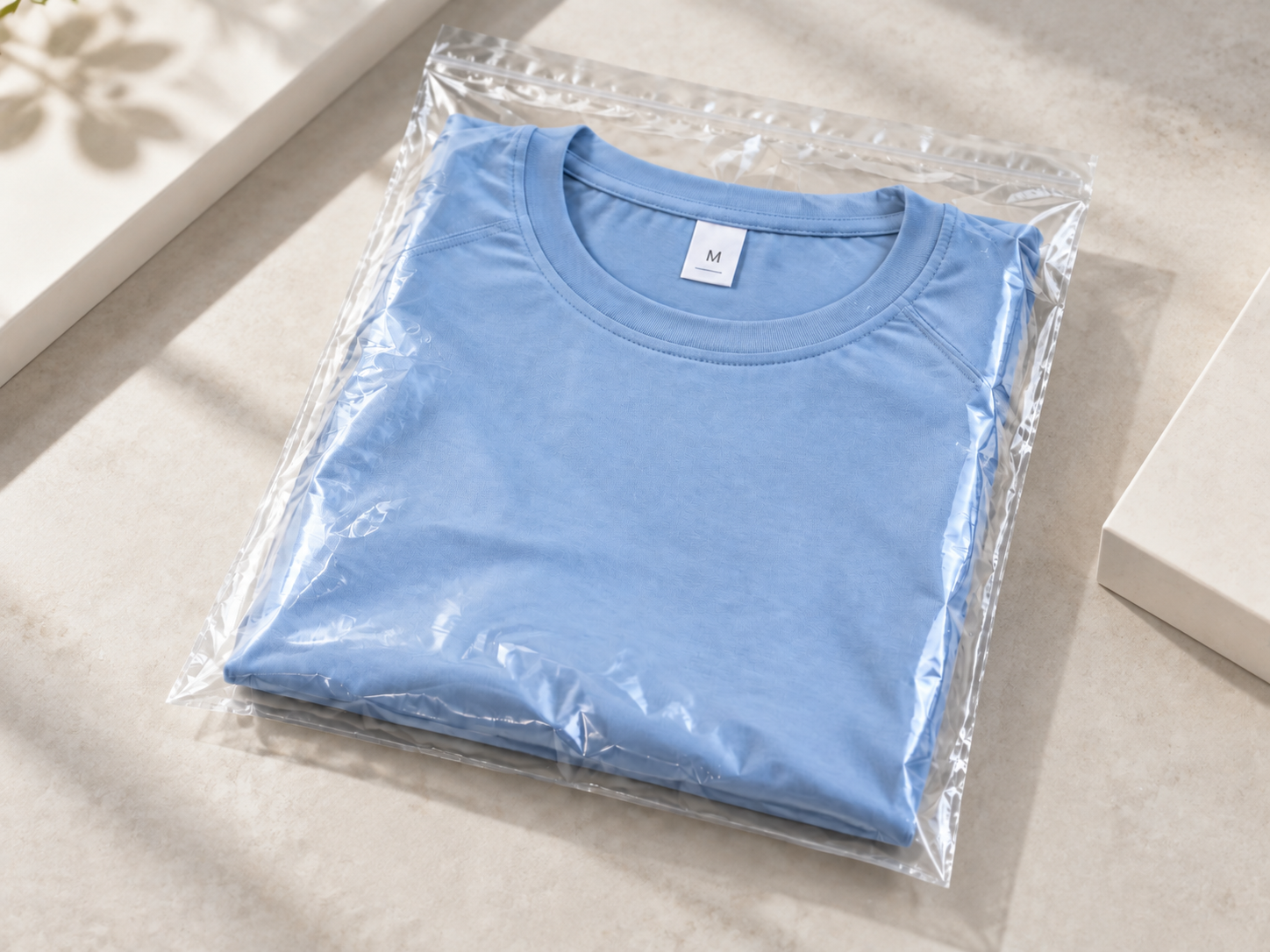
Individual & Carton Packing
Packaging should support product protection, warehouse identification, retail handling, and the intended brand experience. Individual bag type, fold method, sticker placement, barcode, size mark, carton ratio, carton mark, and packing-list relationship can all be specified. Leadshow has confirmed folding and packing resources for suitable garments, while complex packaging remains project-specific.
Recommended inputs:
- Individual pack specification
- Fold and insertion rules
- Carton size or ratio requirements
- Carton marks
- Mixed-SKU rules
- Retail or importer instructions
Not every garment or custom box format is suitable for automated folding or standard packing. Packing trials are useful when a new garment shape, thick fabric, multi-piece set, or retail presentation may affect carton size or folding method.
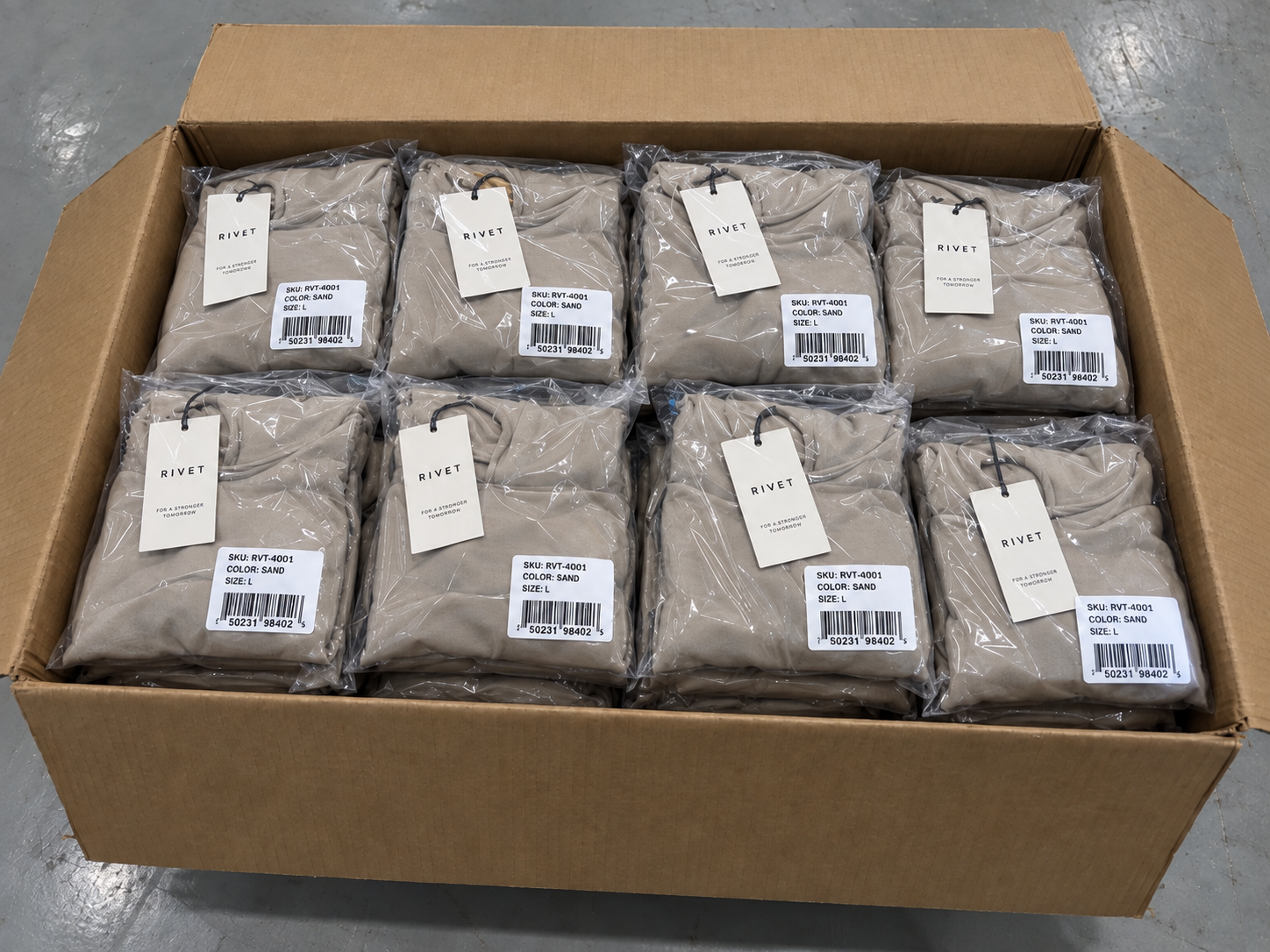
Export Coordination
Leadshow can support international shipment coordination and work with client-nominated forwarders according to confirmed order arrangements. Final carton counts, packing lists, carton marks, quantities, and shipment-preparation information should match the released order before pickup. Products are currently exported to Europe, North America, South America, and Oceania as confirmed regions.
Recommended inputs:
- Shipping destination and target date
- Nominated forwarder details when used
- Required carton marks
- Packing list format
- Commercial-document requirements
Manufacturing support does not guarantee customs clearance, marketplace intake, freight transit time, or destination delivery results. Handover records should keep the final carton count and document version aligned with the physical shipment released from the facility.
Support for Established Brands and Second Suppliers
Mature streetwear labels often need standard replication, new-category development, additional capacity, or a second manufacturing source without losing existing product identity.
Standards Onboarding
An established brand may already have Tech Packs, approved samples, measurement charts, quality manuals, material standards, artwork systems, labels, packaging rules, and internal naming conventions. A new supplier should first understand how those inputs connect. Leadshow can review existing product files, reference samples, fit standards, materials, construction, labels, packaging, and order structure, then identify any gap that needs clarification before sampling.
The goal is controlled onboarding rather than rewriting a mature product system. Any difference between existing files and physical samples should be documented and resolved before a new approved production reference is created.
Second-Supplier Review
Second-source projects often begin because a brand wants capacity flexibility, regional diversification, risk reduction, or an alternative manufacturing option. The safest route is not to copy an old product blindly. Existing samples, Tech Packs, measurement charts, material information, quality reports, and known production issues should be reviewed together. Leadshow can evaluate what can be matched, what requires a new sample, and where material or process differences may change the result.
No promise of exact replication is made before product, material, and construction review. The approved new sample becomes the standard for the new production route.
Repeat-Order Continuity
Repeat business depends on preserving the approved product identity while rechecking conditions that can change over time. Pattern and measurement files, material references, trims, labels, packaging, artwork, and approved samples should be retained as the starting record. Before a repeat run, material availability, color batch, trim supply, quantities, branding updates, and current production scheduling may need confirmation.
For multi-season streetwear programs, disciplined version control helps prevent an old measurement, label, or packaging file from returning into production. Leadshow can support long-term reorder coordination based on approved specifications and current project conditions.
Manufacturing Evidence Behind Leadshow Capabilities
Use real factory, development, production, quality, packing, and shipment-preparation visuals. Each image should show an action, the risk being controlled, and the capability being proven.
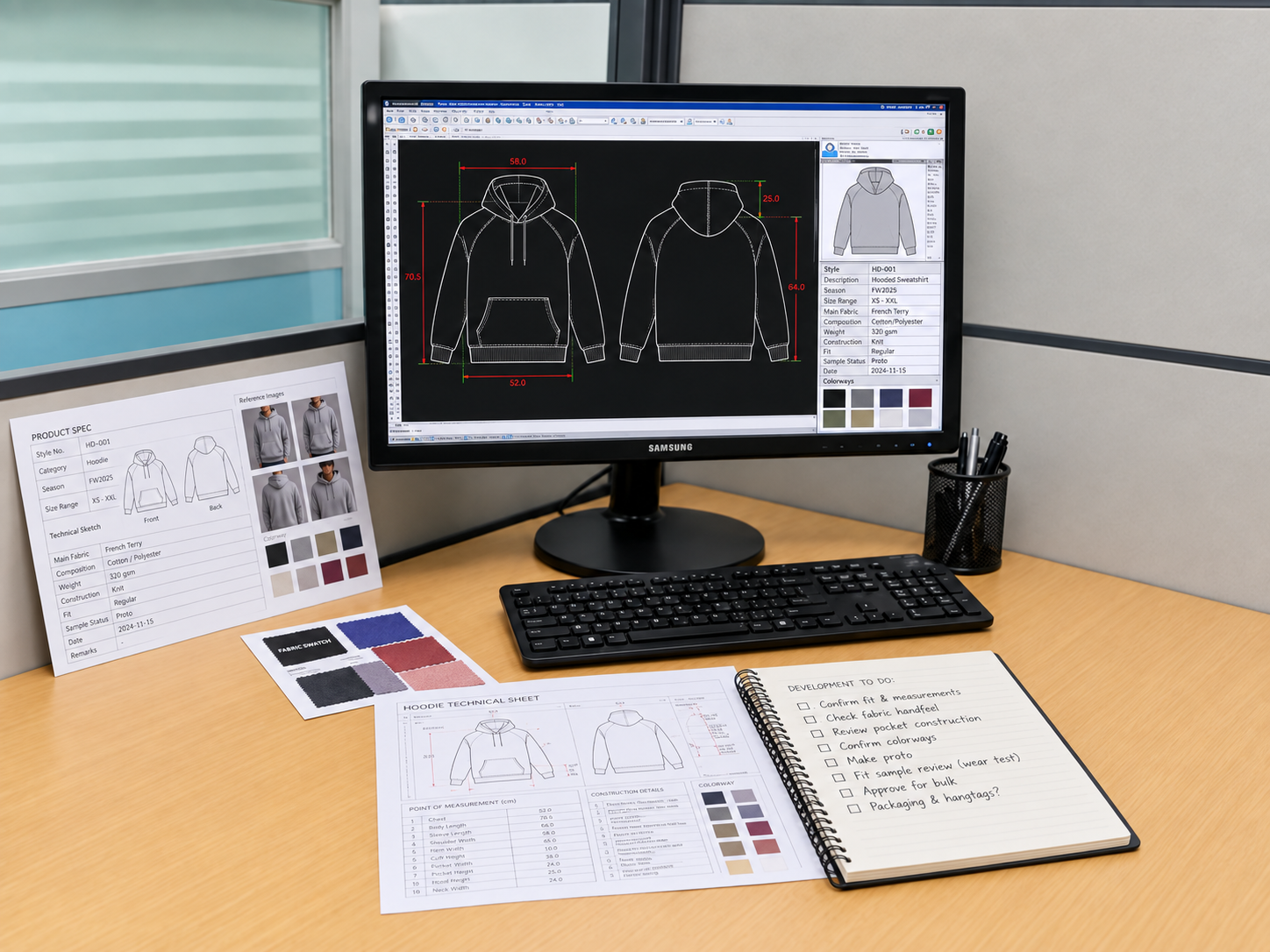
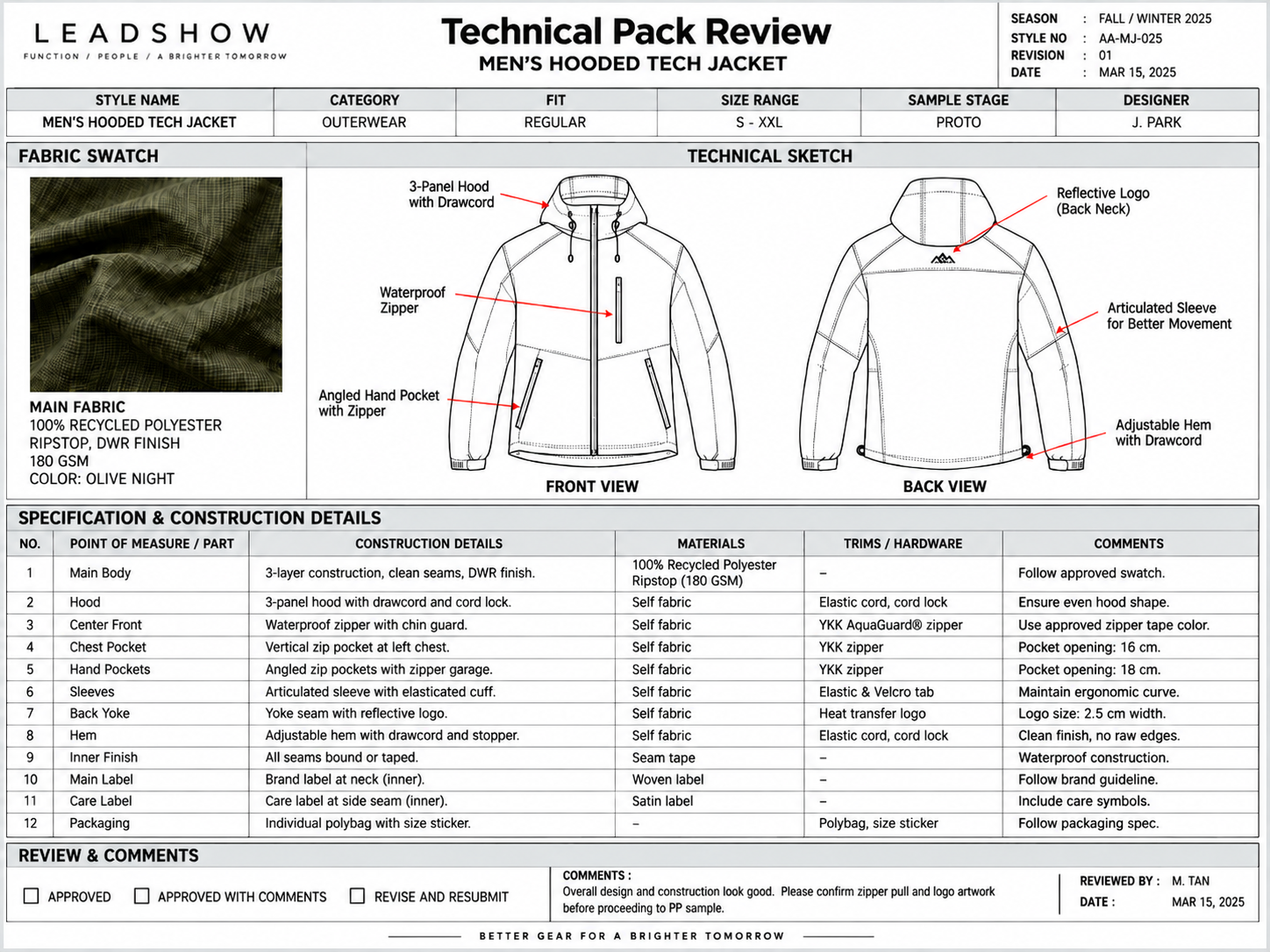
Tech Pack Review
Show a real product-review scene with a de-branded Tech Pack, measurement chart, garment drawing, or annotated sample. The caption should explain that product files are reviewed before sampling to identify fit, construction, material, branding, quantity, and missing information. The evidence proves development and manufacturing review, not ownership of the brand design. Sensitive artwork, names, prices, order numbers, and unreleased information should be removed or obscured before publishing. A second image can show the related sample or measurement check so the visual proves that file review leads to a manufacturing action.
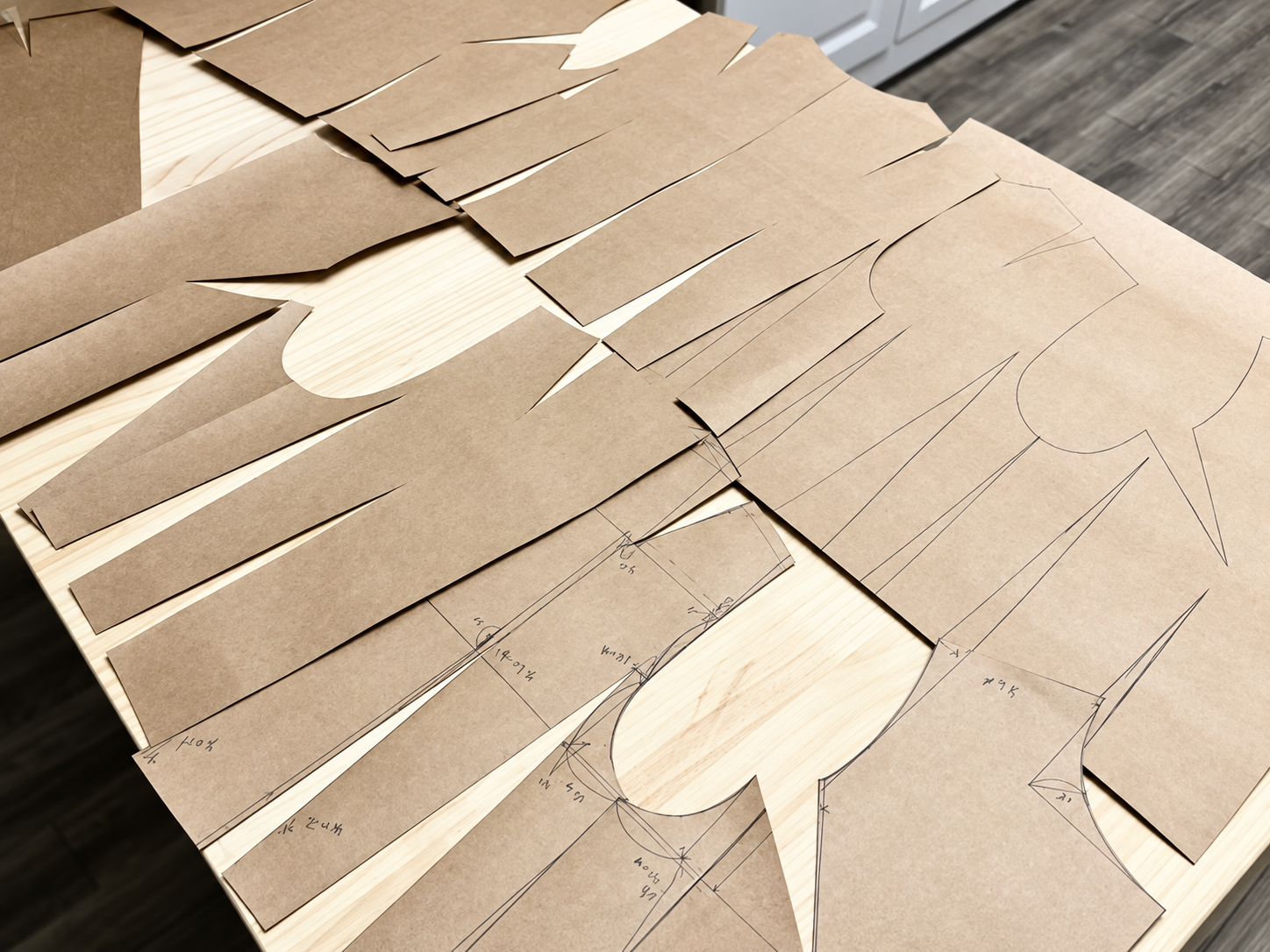
Pattern & Sample
Show pattern preparation, sample sewing, sample measurement, or fit-review work inside the development environment. The caption should explain how the approved silhouette is built through pattern, measurements, fabric, and revision records. Avoid generic fashion sketches that could belong to any company. The evidence should connect sample development to a manufacturing decision such as shoulder position, garment length, hood shape, rib balance, or construction change. Include a close-up of the marked measurement or construction point so the image is specific enough to be useful for sourcing teams.
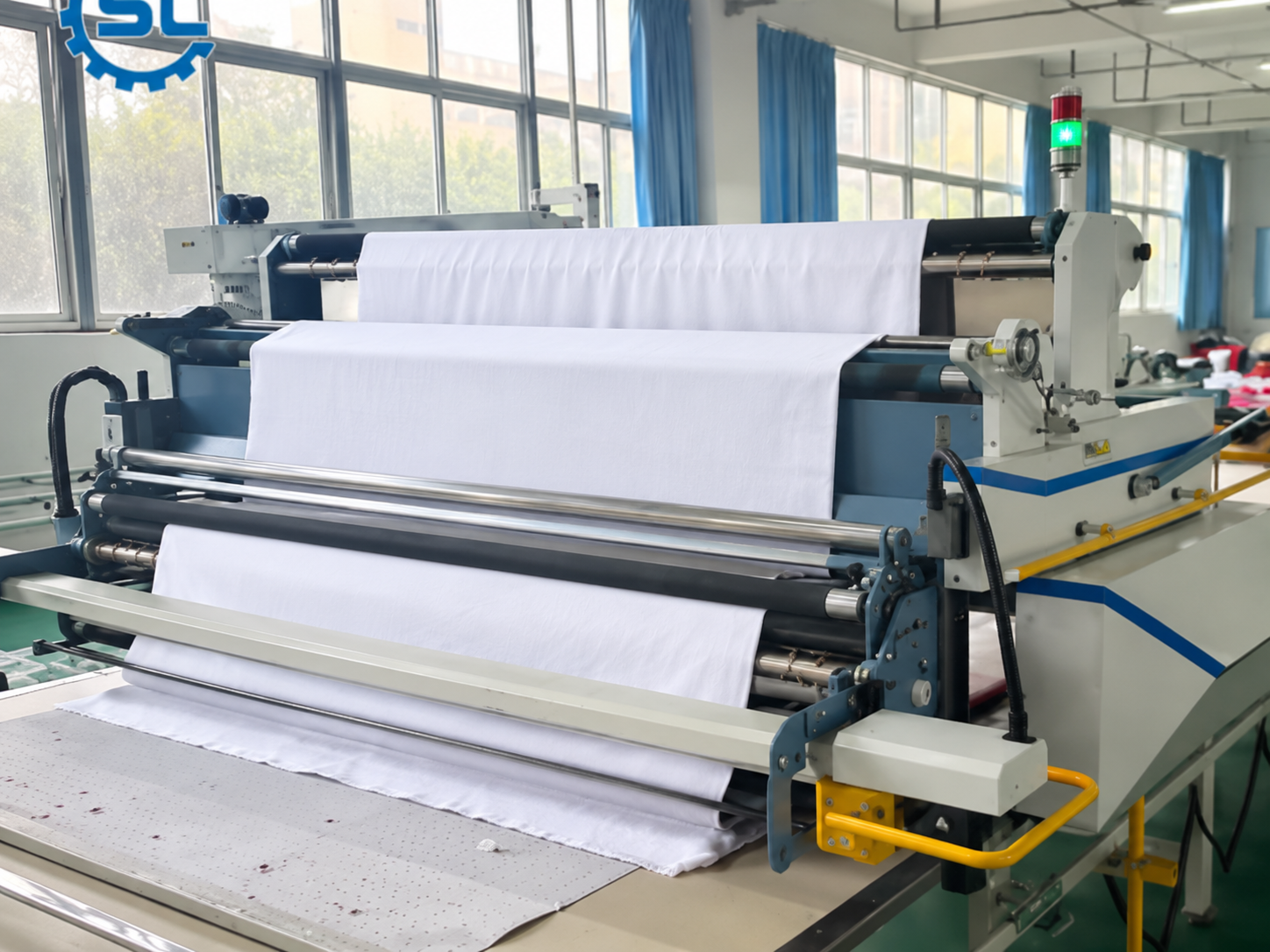
Fabric Preparation
Show fabric spreading, material preparation, automatic cutting, or organized cut-part handling. The caption should explain how fabric characteristics, pattern version, style, color, size, and production batch are controlled before sewing. Do not claim zero waste, zero cutting error, or fully automated processing. The strongest image is one where an actual streetwear-related garment material or pattern can be connected to a real production action. A batch card, style marker, or de-branded bundle tag can add credibility by showing how real production pieces are identified before sewing.
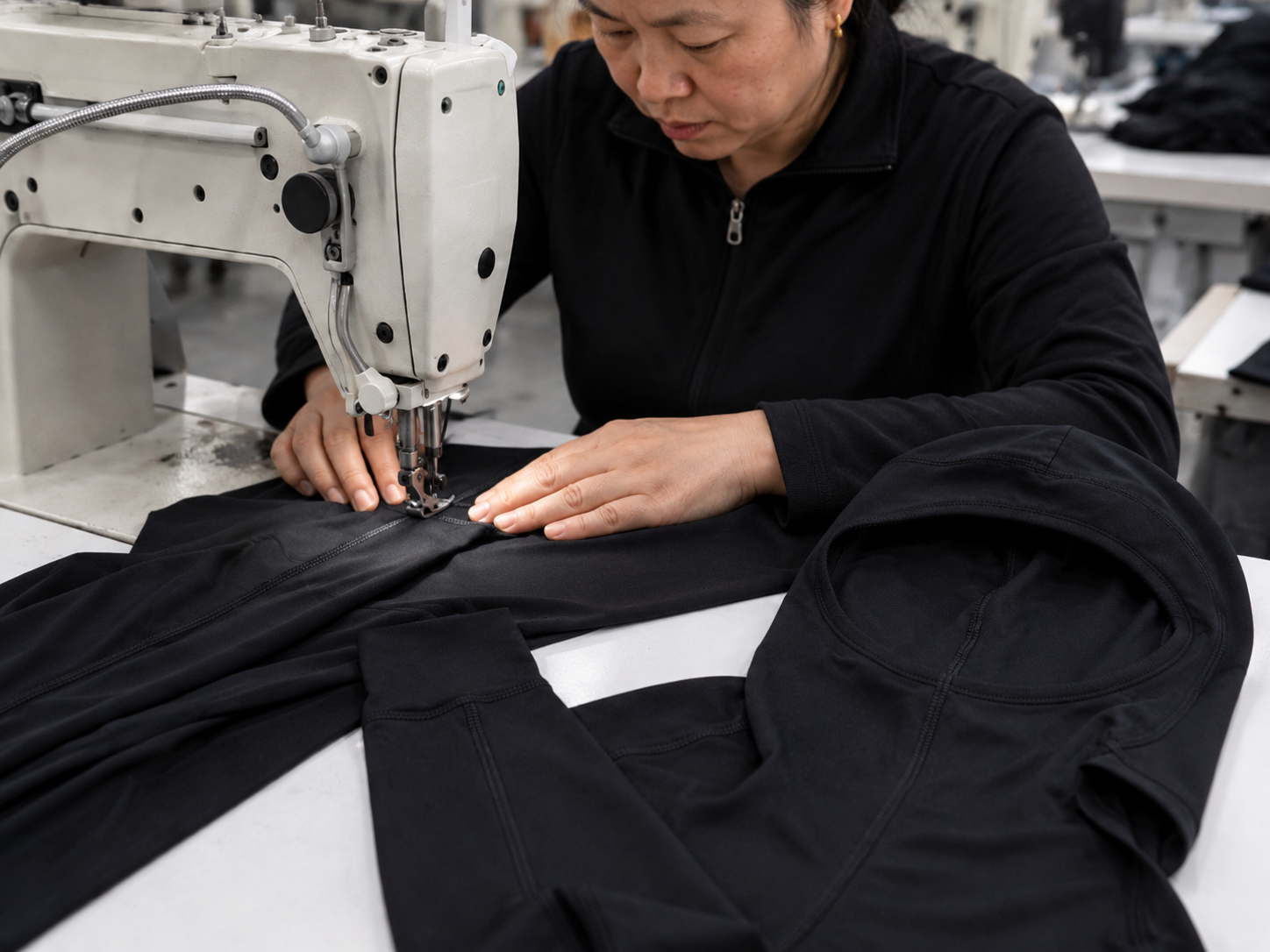
Sewing Execution
Show confirmed sewing equipment in real use on a relevant garment construction. Lockstitch, overlock, double-needle, bartack, or other suitable operations can demonstrate the production base behind hoodies, sweatshirts, T-shirts, tracksuits, or selected related styles. The caption should identify the operation and the construction risk it controls. Avoid presenting equipment counts as production lines or suggesting every machine is used on every style. A close-up of the seam or structural detail should accompany the machine view so the evidence connects equipment with a visible garment result.
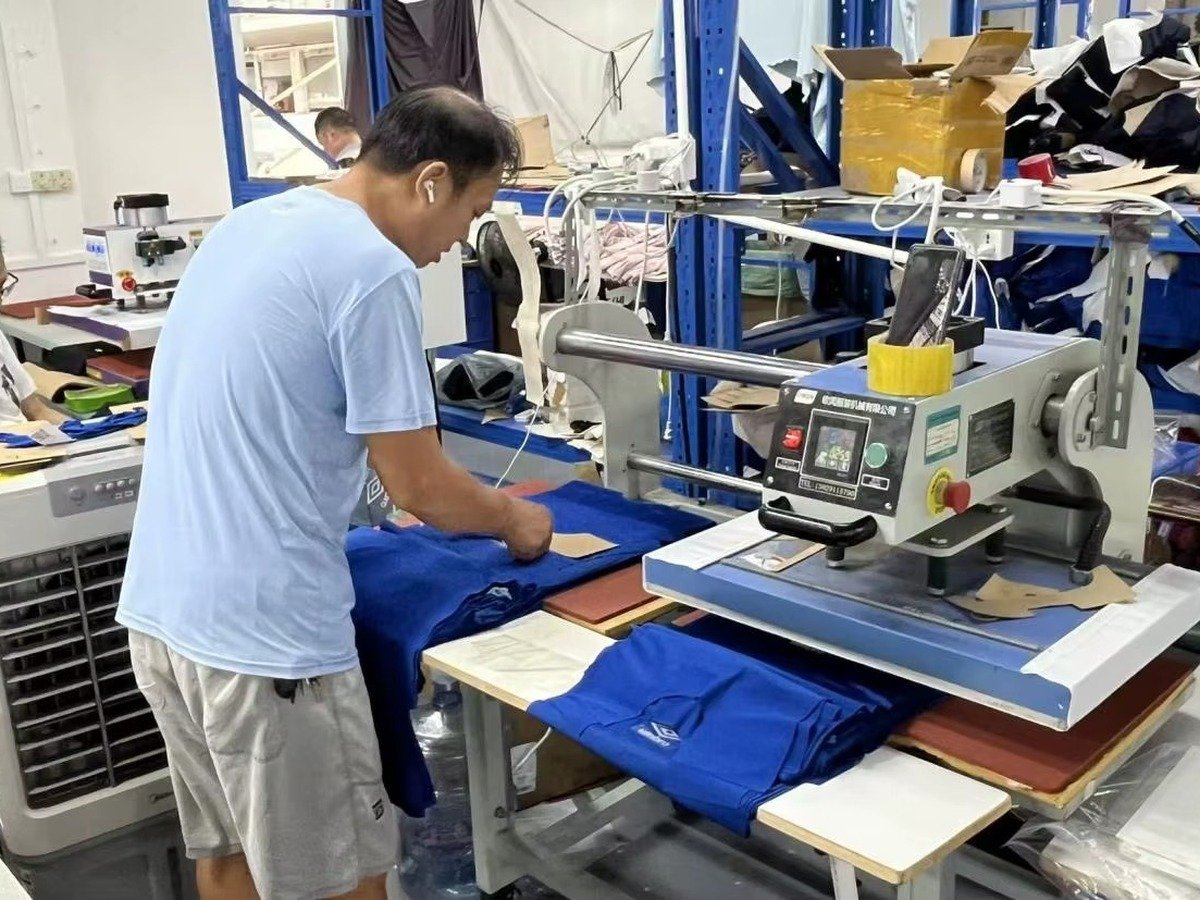
Special Process
Show a confirmed process such as heat-transfer labeling, heat-press graphics, bonding, seam taping, laser perforation, or four-needle six-thread sewing only when the image matches the real operation. The caption should state the application and material limitations. A process image should never be used to imply unverified waterproof, seamless, breathability, or permanent-wash performance. Technical claims should stay tied to the actual project and testing evidence. When possible, pair the process image with the approved result on the garment so the proof is about execution rather than equipment alone.
Measurement Check
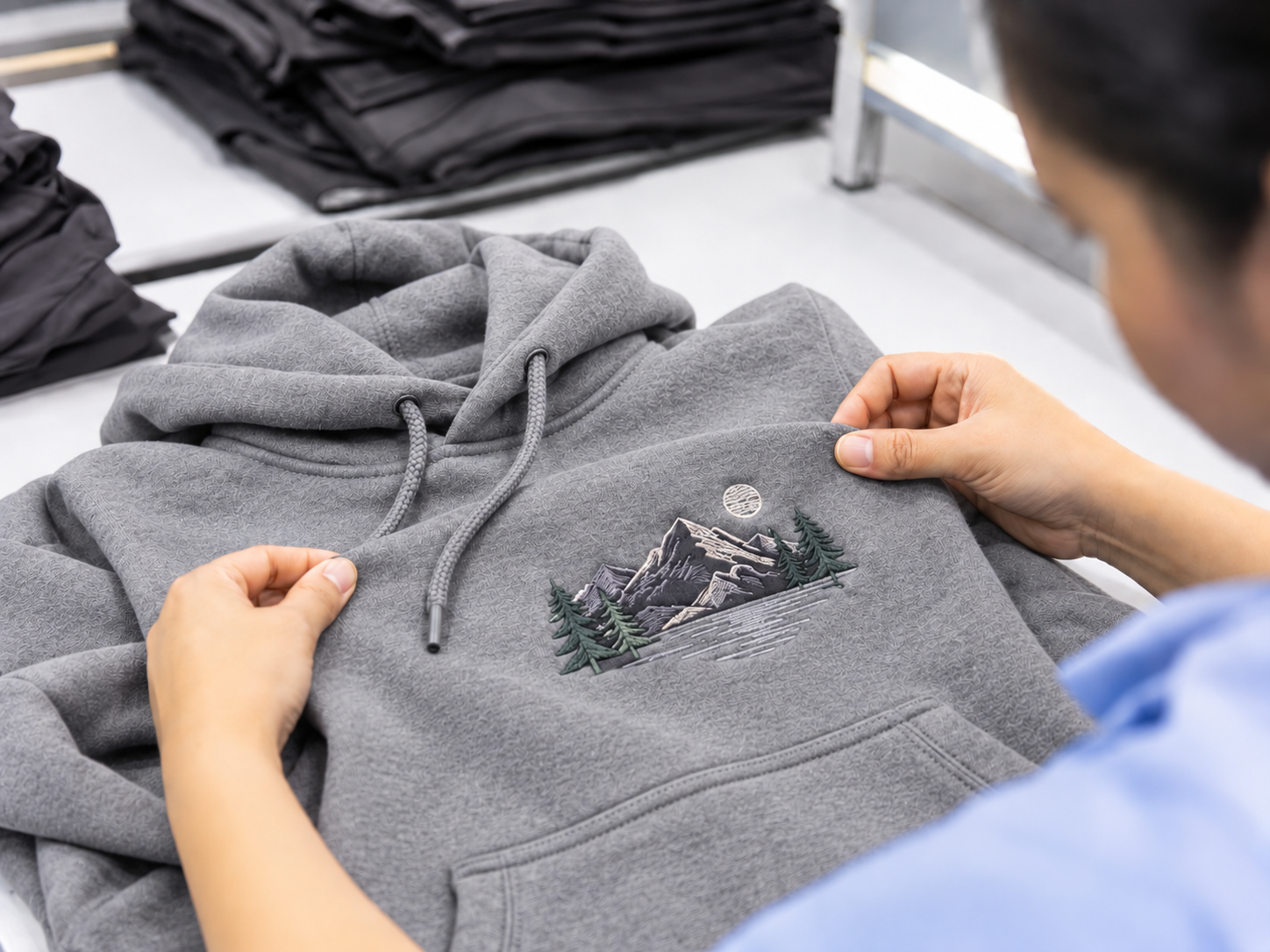
Show a quality team member measuring an actual garment against an approved chart or checking a critical visual detail. The caption should explain which point is being checked and how it relates to the approved sample or file. Measurement evidence is stronger than a generic “QC” photo because sourcing teams can see the inspection action. Avoid claiming universal 100% inspection or fixed AQL unless the specific project requires and documents it.
Branding & Packing
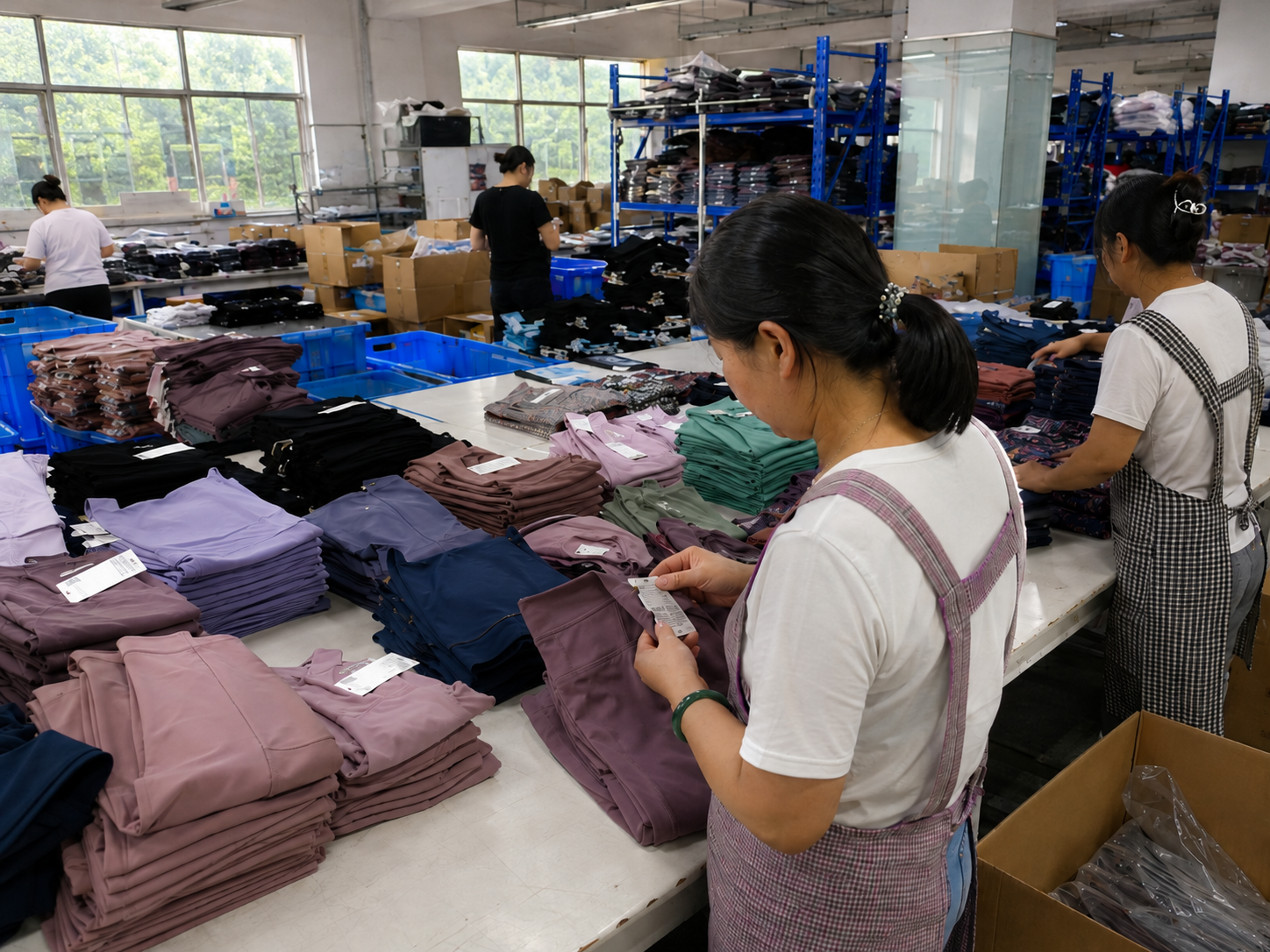
Show real label checking, folding, polybag preparation, barcode or SKU verification, carton packing, or carton-mark review. The caption should explain how the correct product variant is matched to the correct brand and packing information. De-brand client-specific labels when publication rights are not available. The strongest evidence proves that packaging is treated as part of product execution rather than a decorative step after manufacturing. Include the approved packing reference beside the finished item when confidentiality permits, making the relationship between specification and packed result visible.

Shipment Preparation
Show finished cartons, packing-list verification, warehouse sorting, or handover preparation without exposing client names, addresses, or order numbers. The caption should explain how quantity, carton identification, SKU grouping, packing documents, and forwarder coordination are checked before pickup. Avoid using port or airplane stock images as evidence of manufacturing capability. Export support should be shown through real order-preparation actions within the confirmed manufacturing and logistics scope. A de-branded checklist or carton summary can add stronger proof than a wide warehouse shot because it shows how shipment details are verified.
Information Needed for Streetwear Project Review
A clear project brief helps Leadshow evaluate product fit, manufacturing feasibility, material needs, MOQ, sampling route, branding, packing, quality requirements, and production planning before commercial terms are finalized.
Project Input
What to Provide
Why It Matters
Product Category
Hoodie, sweatshirt, sports T-shirt, tracksuit, selected jumpsuit, or selected loose-fit tank top
Confirms the product sits within the current Streetwear manufacturing scope.
Tech Pack / References
Tech Pack, flat sketch, reference images, pattern, or physical sample
Shows design intent and reveals which specifications still need clarification.
Quantity
Pieces per design per color, plus size breakdown when available
Supports MOQ review, material planning, SKU structure, and quotation.
Size Range
Brand measurement chart, base size, grading rules, fit notes
Controls silhouette, grading, fabric use, and size-set planning.
Fabric
Composition, construction, GSM, hand feel, stretch, color, finish requirements
Affects silhouette, cost, shrinkage, branding compatibility, and sourcing conditions.
Trims
Rib, zippers, elastic, labels, hardware, or other approved components
Confirms construction compatibility and trim MOQ.
Logo / Artwork
Vector artwork, dimensions, colors, placement, desired method
Supports decoration feasibility, sample planning, and bulk consistency.
Labels
Main label, size label, care label, hangtag, barcode requirements
Connects the correct brand information to every style and SKU.
Packaging
Individual pack, fold, stickers, carton ratio, carton marks
Defines retail, warehouse, import, and shipment-preparation requirements.
Quality / Testing
Brand quality manual, inspection criteria, required tests, third-party inspection needs
Allows quality checkpoints and testing requirements to be planned early.
Target Market
Region or market where the garments will be sold
Helps identify market-specific labeling, testing, or document questions for review.
Target Date
Desired sample milestone and required bulk-ready or shipment date
Supports schedule evaluation after materials, sampling, and current production planning are known.
Streetwear Manufacturer Frequently Asked Questions
Straight answers for sourcing, product, development, and procurement teams evaluating a streetwear manufacturing program with Leadshow.
Can Leadshow manufacture from a Tech Pack?
Yes. Leadshow can review Tech Packs, measurement charts, patterns, reference images, or physical samples for confirmed Streetwear categories. Construction, materials, trims, branding, quantity, target market, packaging, and manufacturing feasibility are reviewed before sampling or production. Final price, MOQ, sample timing, and production schedule are confirmed after the relevant project information is complete.
Can a streetwear style start from reference images?
Yes, a reference image can be an initial development input, but it is not enough for reliable bulk production by itself. Fit, measurements, materials, construction, artwork, labels, packaging, quantity, and approval criteria still need clarification. Leadshow can help identify missing information and develop a sample route based on the available brief.
Which Streetwear products are currently confirmed?
Confirmed Streetwear-related products include hoodies, sweatshirts, sports T-shirts, tracksuits, selected jumpsuits, and selected loose-fit tank tops. Cargo pants, denim jackets, varsity jackets, bomber jackets, puffer jackets, streetwear jeans, caps, bags, and footwear are not currently confirmed as standard Leadshow product categories and should not be assumed without separate verification.
Can Leadshow develop oversized Streetwear fits?
Oversized fit can be evaluated for suitable products. Development should define shoulder position, chest width, sleeve volume, garment length, hem balance, fabric drape, and grading. Leadshow does not describe every Streetwear style as oversized. Relaxed, loose, regular, or other fit directions can be reviewed according to the actual product and brand measurement system.
What is the standard Streetwear MOQ?
Standard MOQ generally starts from 100 pieces per color per design. Final MOQ can change with fabric availability, custom color, trims, logo process, construction, size and SKU structure, labels, packaging, testing, and production conditions. Different styles or colors should not be assumed to combine freely toward one minimum without project review.
How are fabric GSM and hand feel confirmed?
Fabric should be defined through more than GSM. Composition, construction, weight, surface, hand feel, stretch, recovery, shrinkage, drape, color, and trim compatibility can affect the final garment. Swatches and garment samples can be reviewed before bulk approval. Any performance claim requires appropriate supporting evidence or testing rather than being inferred from a fabric name.
Which branding processes are confirmed in-house?
Confirmed resources include heat-transfer labeling and heat-press printing, with application evaluated according to fabric, artwork, temperature, pressure, and wash requirements. Bonding and other confirmed specialized equipment may support selected constructions. Other decoration processes should be confirmed separately; they should not be presented as automatic in-house capabilities without verified production resources.
How is sample-to-bulk consistency controlled?
Bulk execution should follow the approved sample, final Tech Pack, measurement chart, approved material and trim versions, artwork, label files, packaging instructions, and SKU data. First-piece comparison, in-process checks, finished-garment review, and packing verification help keep production aligned with the approved standard. Reasonable tolerances and material variation still need to be defined by project.
Does Leadshow offer fixed sample and delivery times?
No universal fixed sample or production time is stated. Timing depends on product complexity, material and trim readiness, artwork, sample type, revision requirements, order mix, production scheduling, quality requirements, and shipment arrangement. Leadshow confirms sample and production schedules after the relevant project inputs and material conditions have been reviewed.
What should we send for a quotation?
Send the product category, Tech Pack or reference images, quantity per design per color, size range, fabric requirements, trim requirements, logo method, labels, packaging, testing requirements, target market, and target date. A physical reference sample can also help when transferring an existing product or reviewing fit and construction differences.
Start Your Streetwear Manufacturing Project
Send the strongest information already available and Leadshow can review the project from the current stage. A complete Tech Pack is helpful, but early development can also begin from reference images or a physical sample when the missing specifications are clearly identified. Include the product category, quantity per design per color, size range, target fit, fabric direction, trims, logo artwork, label requirements, packaging, target market, quality or testing needs, and desired timing.
The review focuses on product fit within Leadshow’s confirmed manufacturing scope, construction and material feasibility, sampling route, MOQ conditions, branding execution, bulk-production requirements, quality checkpoints, packing, and schedule considerations. Standard MOQ generally starts from 100 pieces per color per design, while final MOQ, price, sample timing, and production schedule are confirmed after project review. Files and design information should only be shared when you are authorized to use them. Submitted requirements remain subject to manufacturing, material, capacity, and commercial evaluation before an order is accepted.