
Streetwear Manufacturer in China
OEM and ODM streetwear development for brands seeking controlled fit, fabric selection, sampling, branded details, and scalable production in China.
- Develop confirmed streetwear categories including hoodies, sweatshirts, sports T-shirts, tracksuits, selected jumpsuits and selected relaxed tank tops.
- Review fit, fabric, garment construction, colors, trims, artwork, labels and packing requirements before sampling or bulk planning.
- Move from Tech Pack, reference image or physical sample into pattern work, sample approval, production files and bulk manufacturing.
- Standard MOQ generally starts from 100 pieces per color per design; final quantity, pricing and schedule are confirmed after project review.
Streetwear Programs Built Around Different Brand Stages
Streetwear sourcing changes as a label grows. Product files, order complexity, quality expectations and reorder needs look very different between an established collection, a growing label and a private-label program.
Established Streetwear Brands
Mature labels usually arrive with defined brand standards, approved fit blocks, Tech Packs, artwork rules and quality expectations. Leadshow can review existing specifications, compare construction and material requirements, develop or revise samples, and prepare approved details for bulk execution. The strongest fit is a program that values version control, multi-style coordination, repeat-order continuity and clear communication between development, production, quality and packing rather than a price-only sourcing decision. Procurement teams can also compare approved standards against planned capacity before committing to seasonal volume.
Growing Streetwear Labels
A growing label often needs more than a factory able to sew one hoodie. New drops may add sweatshirts, sports T-shirts, tracksuits, selected jumpsuits or relaxed tank tops while keeping a recognizable fit and brand language. Leadshow can support material review, pattern and fit development, sample revisions, private-label details and production planning so expansion does not turn into disconnected products with different measurements, handfeel or packing standards from one release to another.
Private Label Programs
Importers, distributors and retail programs often manage several colors, sizes and product versions at the same time. Product execution therefore extends beyond garment sewing into labels, size identification, care information, hangtags, individual packing, SKU separation and carton requirements. Leadshow can evaluate such programs against product specifications, order quantities, material minimums and shipping preparation needs, with final commercial terms confirmed only after the full project scope is reviewed. Clear assortment files also make internal approval and supplier comparison easier before purchase orders are released.
What Strong Streetwear Sourcing Teams Evaluate Before Sampling
A credible streetwear partner should be evaluated on product fit, development discipline, manufacturing control and scale. Six areas below matter more than broad claims such as “premium,” “fast,” or “best factory.”
Product Category Match
Streetwear specialization starts with confirmed products, not a long catalog assembled for search traffic. Leadshow has confirmed capability around hoodies, sweatshirts, sports T-shirts, tracksuits, selected jumpsuits and selected relaxed tank tops. Each category has different construction risks, sewing requirements, trim needs and finishing points. A sourcing review should first confirm whether the intended style belongs inside the proven product scope before discussing price or delivery.
- Check the exact garment category and intended use.
- Confirm whether the structure is already supported or needs technical evaluation.
- Avoid assuming every fashion item can be produced from the same manufacturing base.
Pattern and Fit Control
Streetwear fit is created through proportion, not by adding centimeters everywhere. Shoulder position, chest width, body length, sleeve width, sleeve length, hem shape, hood size and fabric drape work together. Leadshow can review measurement charts, pattern direction, reference garments and fit feedback, then revise the sample where needed. No universal fit block is promised because target market, garment category, material behavior and brand identity change the correct result.
- Define regular, relaxed, loose or oversized direction accurately.
- Use measurement points and fit comments instead of vague “make it bigger” feedback.
- Freeze the approved version before bulk production.
Fabric and GSM Decisions
Fabric weight influences silhouette, handfeel, sewing behavior, print appearance, cost and shipping weight, but GSM alone does not define quality. Fiber content, knit structure, density, surface, shrinkage, rib compatibility and finishing can make two fabrics with a similar GSM behave very differently. Material evaluation should link the intended streetwear look to a fabric sample or approved reference before a bulk order is released. A physical comparison between shortlisted fabrics gives design and sourcing teams a stronger approval basis.
- Specify composition, structure, GSM target and target handfeel.
- Review shrinkage, drape and decoration compatibility.
- Confirm bulk material against the approved reference.
Sampling and Revision Discipline
A sample is a decision tool, not a display piece. Strong development work records what is being tested: construction, fit, measurements, material, trims, branding and packing. Leadshow can develop first samples, receive consolidated feedback, revise relevant files and prepare an approved sample for production. Revision rounds and sample lead time are not fixed before project review because material sourcing, pattern work, construction complexity and decoration requirements can change the workload. Clear checkpoints also help separate design changes from manufacturing corrections during each revision round.
- Clarify what the first sample must validate.
- Consolidate comments into one revision record.
- Update the production file after approval.
Sample-to-Bulk Consistency
An approved sample becomes useful only when its key decisions are translated into executable production controls. Final Tech Pack revision, measurement chart, approved fabric, color reference, trims, artwork, label files and packing instructions should form one controlled set. Incoming materials, first pieces, critical operations, finished measurements and packaging can then be checked against the approved basis. Consistency comes from disciplined handover and in-process verification rather than a final inspection alone. The same control set can later support repeat orders and intentional product updates.
- Freeze the approved specification set.
- Compare production inputs with approved references.
- Record deviations, rework and re-inspection where required.
Capacity and SKU Execution
Large programs are rarely one color and one size. The real test is whether several styles, colors, size ratios, labels, packaging versions and reorder files can be coordinated without losing control. Leadshow operates three manufacturing bases with company-wide capacity reaching up to approximately 120,000 finished garments per month, depending on style complexity, material availability, order mix and production scheduling. Capacity remains project-specific and should be checked against the actual collection plan before commitment.
- Share style, color, size and quantity breakdowns early.
- Confirm available capacity against the production calendar.
- Keep label, artwork and packing versions tied to each SKU.
Streetwear Products Leadshow Is Confirmed to Manufacture
Product scope stays focused on categories supported by the current manufacturing fact base. Every style still requires review of fabric, fit, construction, branding, quantity and target market before sampling or bulk production.
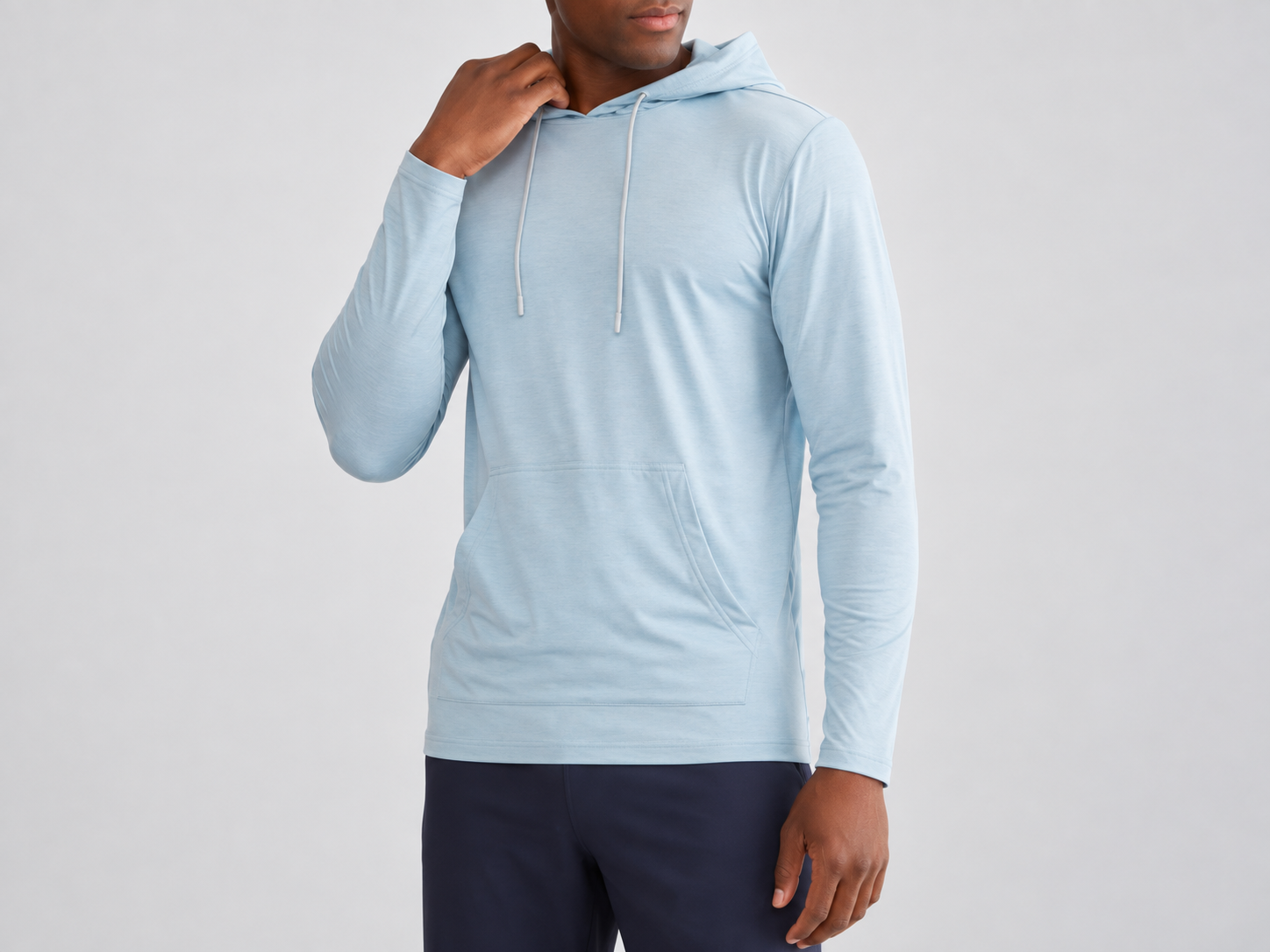
Custom Hoodies
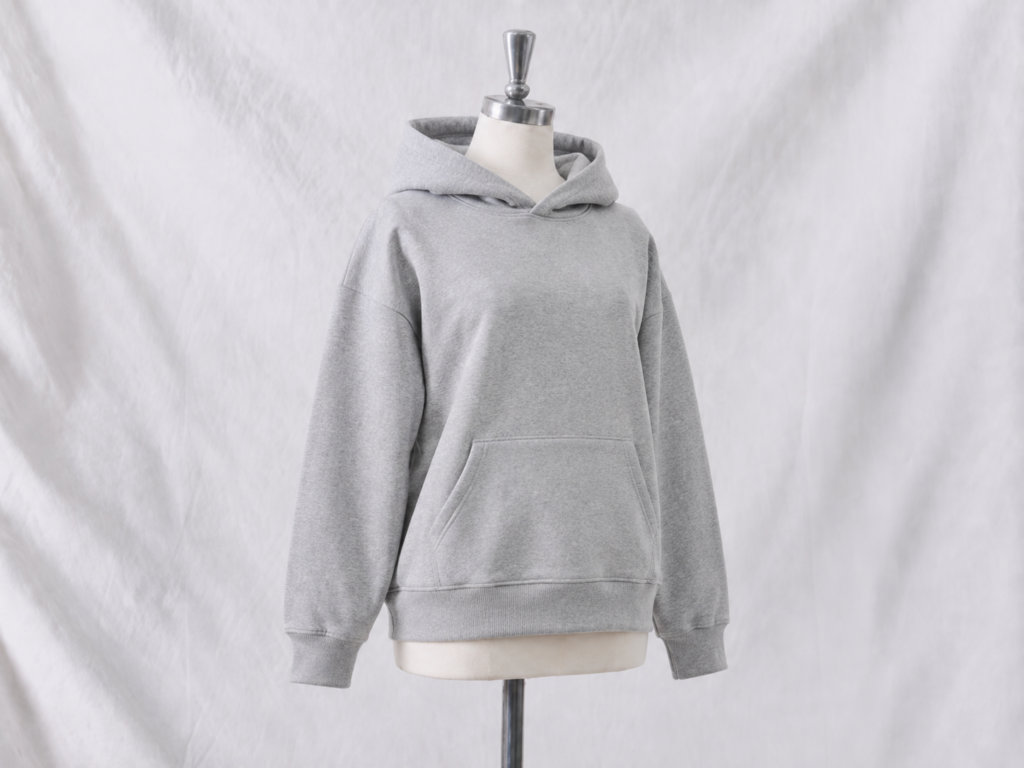
Pullover, full-zip and half-zip hoodie structures can be evaluated with single- or double-layer hoods, kangaroo or zip pockets, rib cuffs and hems, regular shoulders, drop shoulders and oversized directions. Development attention goes to hood proportion, neck-to-hood connection, shoulder line, chest width, sleeve volume, rib recovery, pocket position, zipper behavior, fabric weight and shrinkage. Heavyweight, washed or other special finishes are confirmed only when the actual material and process are approved.
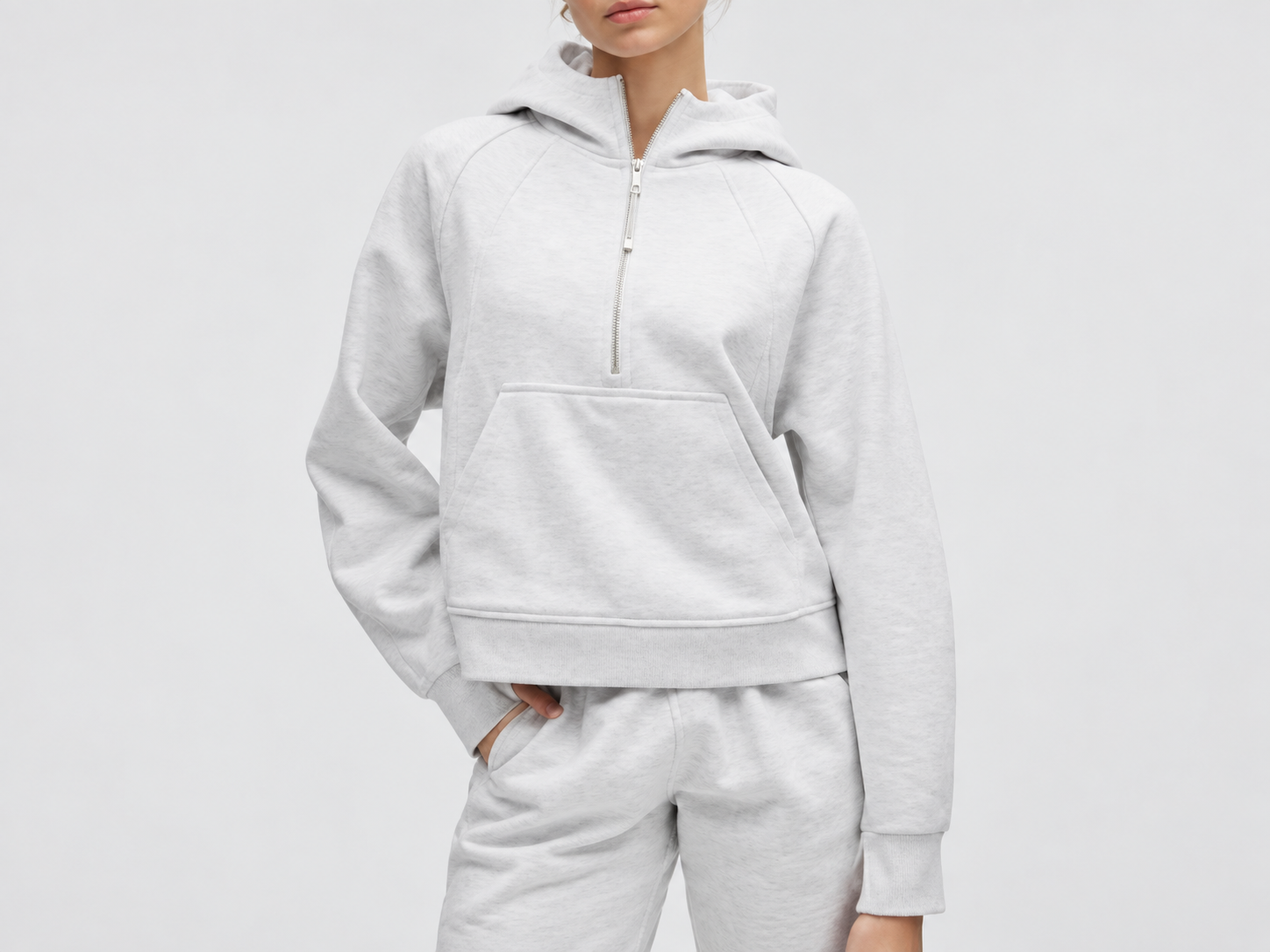
Custom Sweatshirts
Crewneck, half-zip and other sweatshirt directions can be reviewed with regular, drop-shoulder, relaxed or oversized proportions. Rib neckline, cuffs and hem need to work with the body fabric in weight, recovery and shrinkage. Product development should also confirm sleeve volume, body length, hem circumference and decoration compatibility. A sweatshirt is treated as a distinct product rather than a hoodie without marketing language, which helps keep pattern, costing and production documents precise.
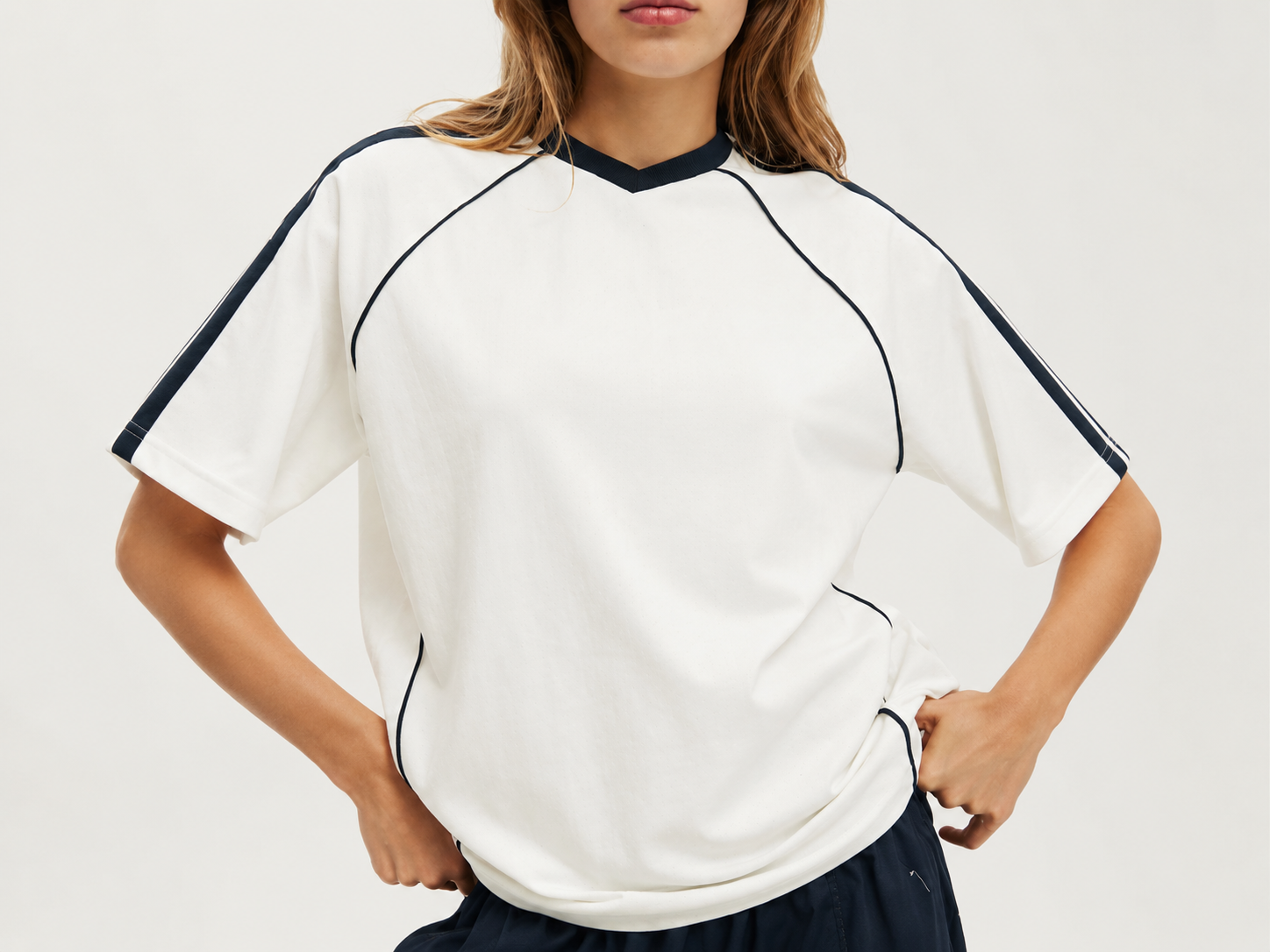
Streetwear T-Shirts
Sports T-shirts can be developed into streetwear-oriented silhouettes when the intended fit, fabric and construction are clearly defined. Shoulder width, chest, body length, sleeve shape, neckline, hem and artwork position should be reviewed as one product. Fabric structure and GSM influence how a relaxed or oversized silhouette hangs, while print or heat-press requirements influence surface selection and sample validation. Final product naming remains tied to the actual construction rather than broad fashion labels.
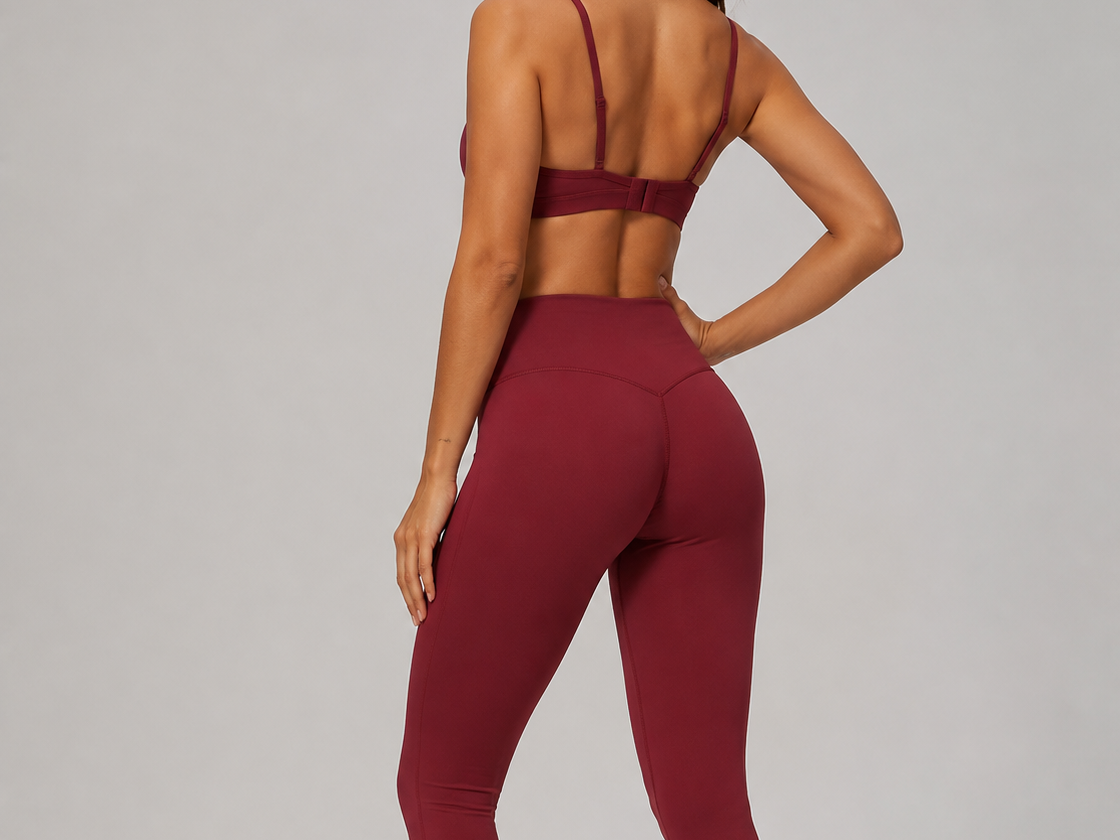
Custom Tracksuits
Tracksuit projects can combine tops and bottoms with coordinated fabric, colors, trims, zippers, ribs, pockets, logos and packing requirements. Tops may use full-zip, half-zip or pullover directions; bottoms may use straight, relaxed or cuffed structures depending on the approved design. Matching color lots, handfeel, size combinations and trim colors across both pieces deserves early review. Separate article numbers and packing rules should be established when tops and bottoms are also sold individually.
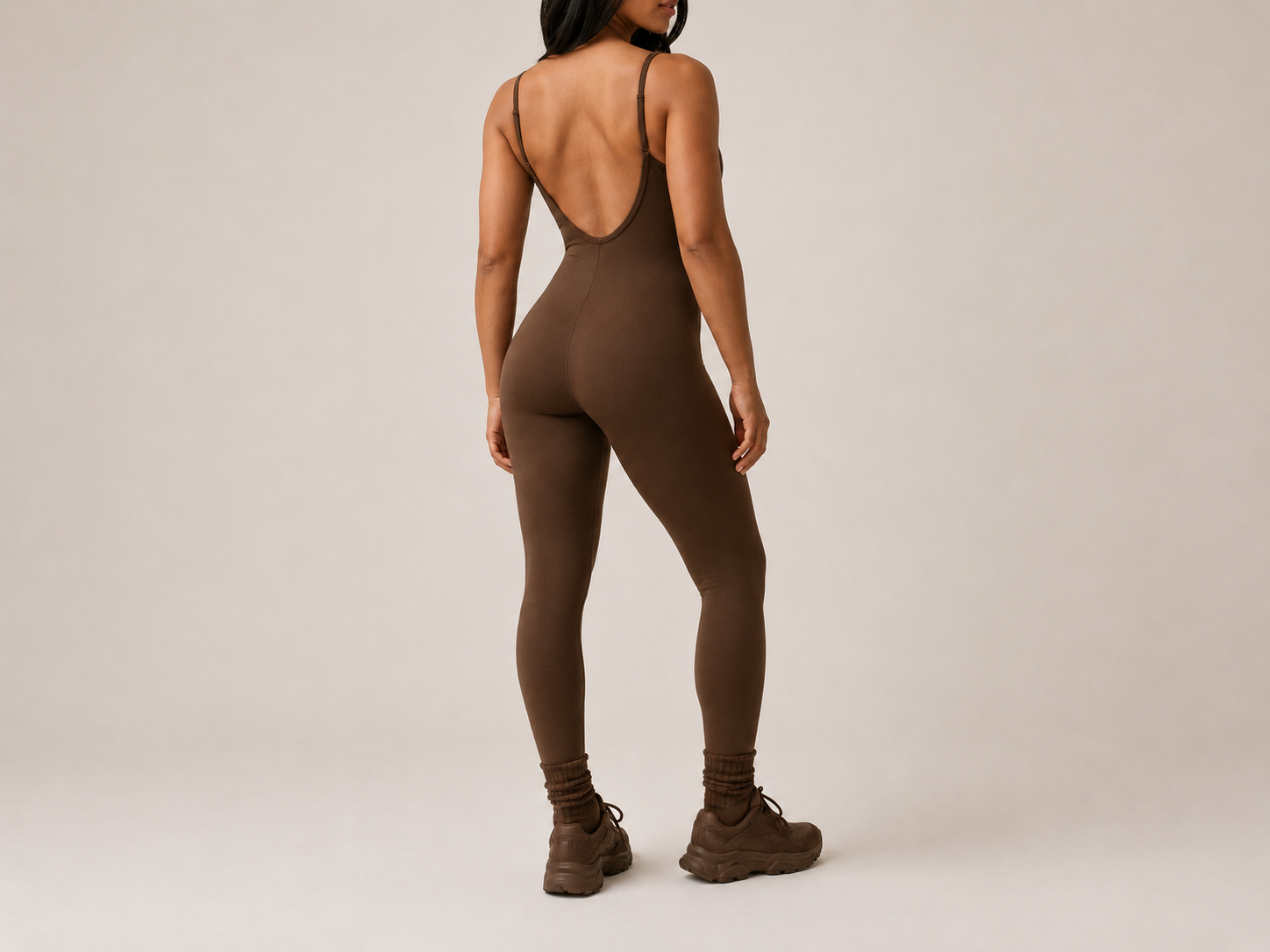
Selected Jumpsuits
Selected jumpsuit projects can be evaluated when construction, body length, opening method, fit and material are within the supported manufacturing scope. Because one-piece garments connect upper and lower body proportions, torso length, waist position, hip room, rise, leg shape and ease of dressing need stronger sample validation than a simple top. A reference sample or detailed Tech Pack is especially valuable. Final feasibility depends on the specific structure rather than the broad “jumpsuit” category.
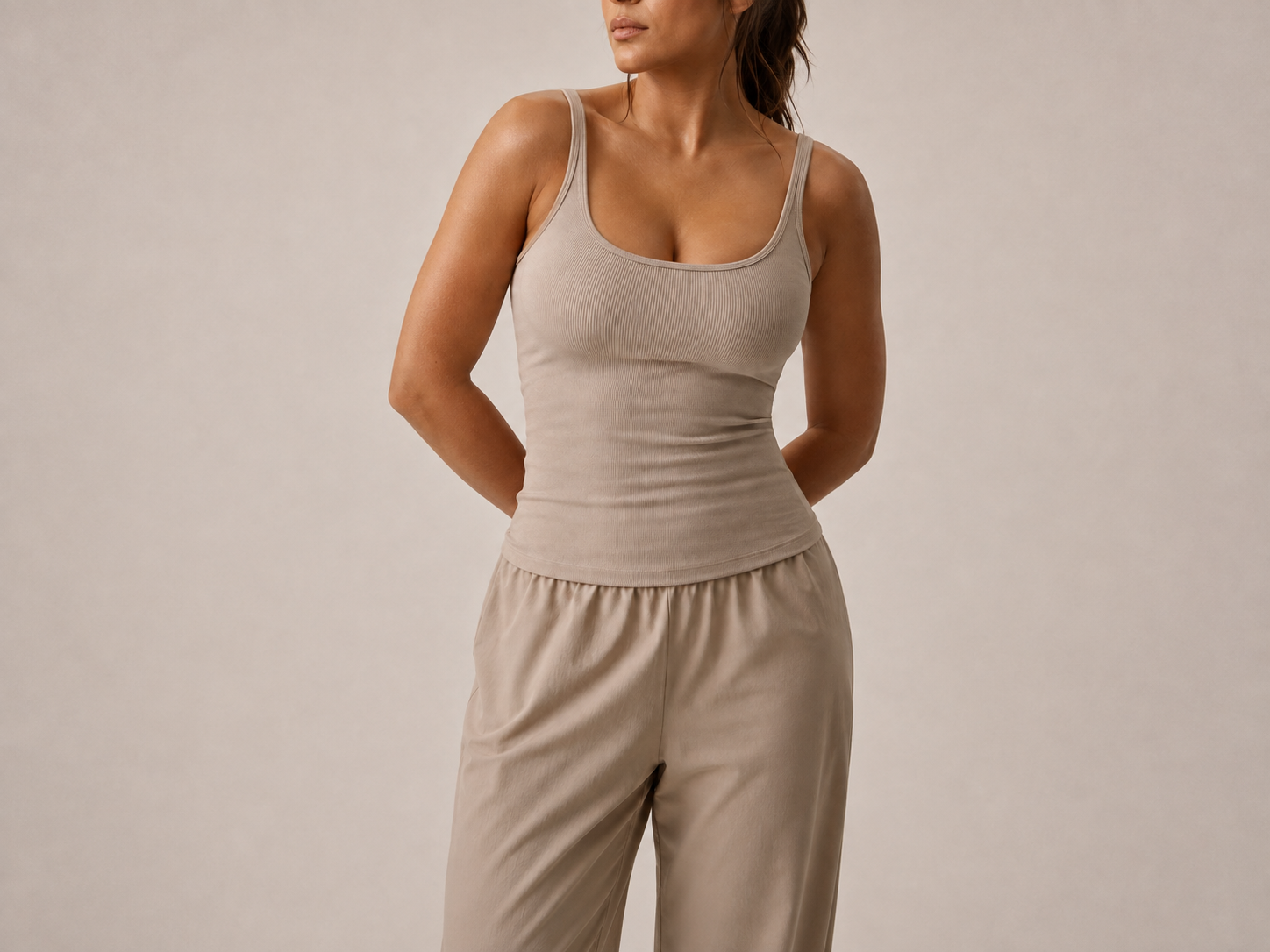
Selected Relaxed Tank Tops
Selected tank-top projects can be developed with relaxed or looser streetwear directions when shoulder, neckline, armhole, body width, length and fabric behavior are clearly defined. A wider body alone does not guarantee the intended silhouette; armhole depth, neck shape, shoulder coverage and drape can change the look significantly. Sample review should also confirm edge finishing, print or heat-press compatibility, shrinkage and how the garment layers with other pieces in the collection.
Streetwear Customization From Fit to Final Packing
A streetwear program becomes distinctive through coordinated decisions across silhouette, structure, material, color, branding and packing. Leadshow reviews each area against manufacturing feasibility and order conditions before approval.
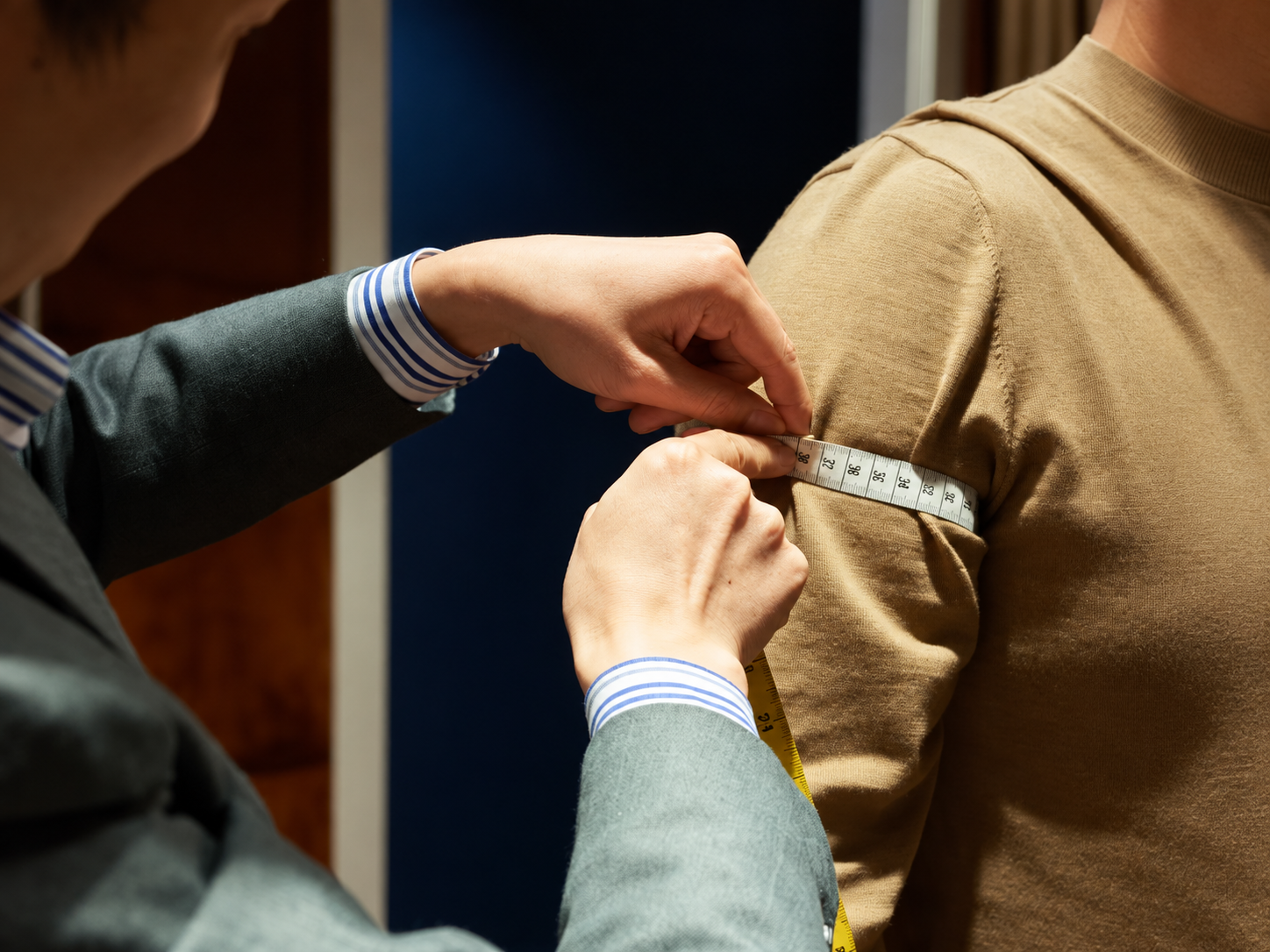
Fit Direction
Regular, fitted, relaxed, loose, cropped, longline and oversized directions can be evaluated according to the garment and market. Final fit should come from measurements, pattern work, actual fabric and sample feedback rather than a generic size label. Brand teams can submit a size chart, reference garment, target model measurements or fit comments to establish the intended proportion. Fit approval should also record the reference size and the measurement method used.
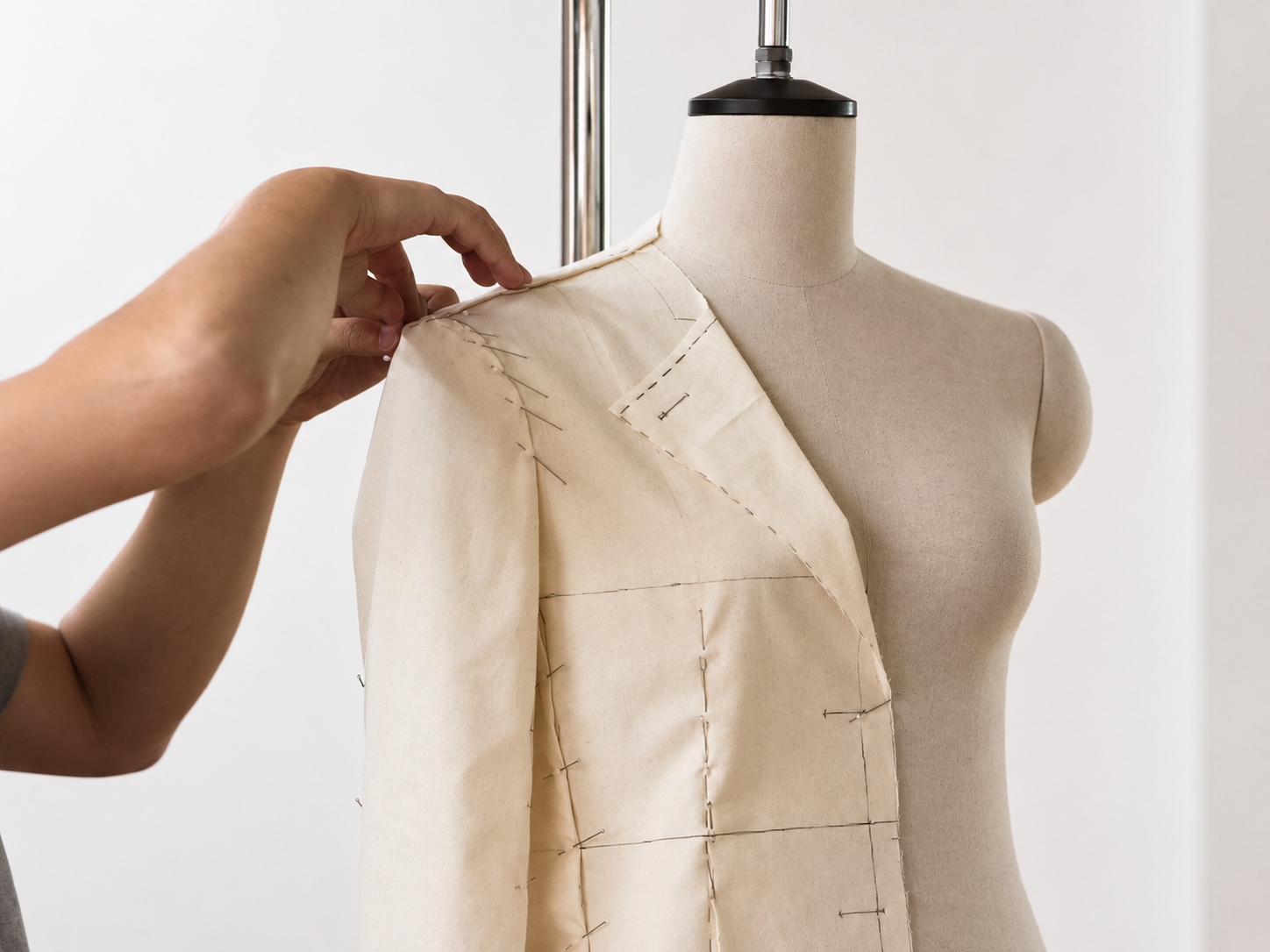
Garment Construction
Necklines, sleeves, shoulder types, hoods, pockets, panels, openings, ribs, zippers and other garment structures can be reviewed for manufacturability. Complex details should be evaluated before costing because extra panels, difficult seams, bulky intersections or special finishing can change labor, sample effort and bulk risk. Approved construction is then reflected in the working product file. Early review also reveals details that may need a construction sample before a full garment is made.
Fabric and Trims
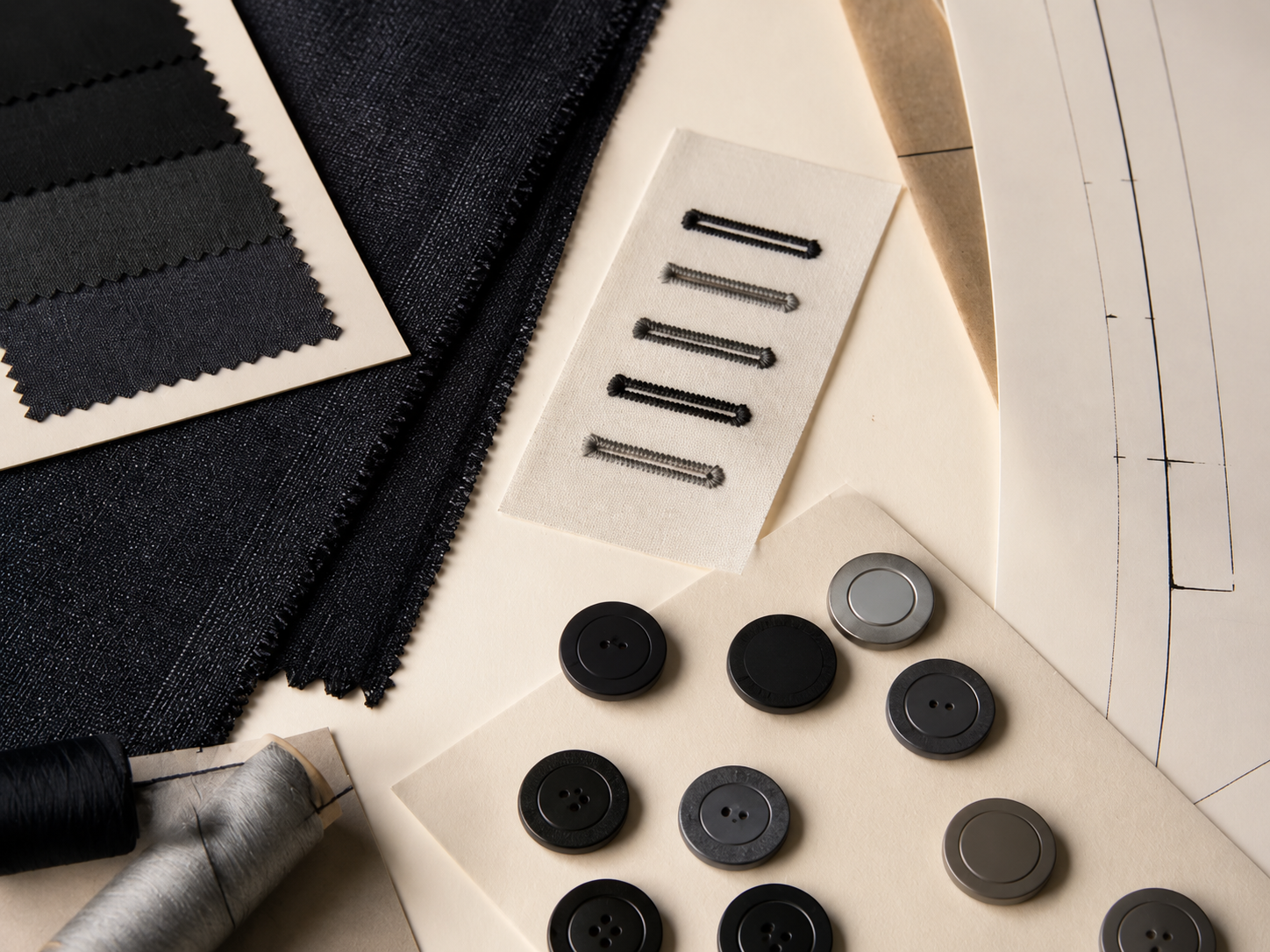
Material review can cover composition, knit or woven structure, GSM, stretch, handfeel, surface, color, shrinkage and trim compatibility. Ribs, zippers, snaps, elastics, labels and other trims may have their own supplier minimums and lead conditions. Approved materials or clearly documented substitutes should be used during sampling so fit and sewing decisions reflect the intended bulk product. Once a material is approved, we keep a clear record of the exact fabric or trim used so any future changes can be reviewed before production.
Color Development
Color affects more than appearance. Different dye lots, fiber blends and trim materials can produce visible variation, while darker and lighter colors may behave differently in shrinkage, opacity or decoration. Brand teams should provide a color reference, artwork color data or approved swatch where available. Final color approval and tolerance should be documented before bulk material is released. Color approval should therefore sit beside material approval rather than being treated as a separate visual choice.
Branding Details
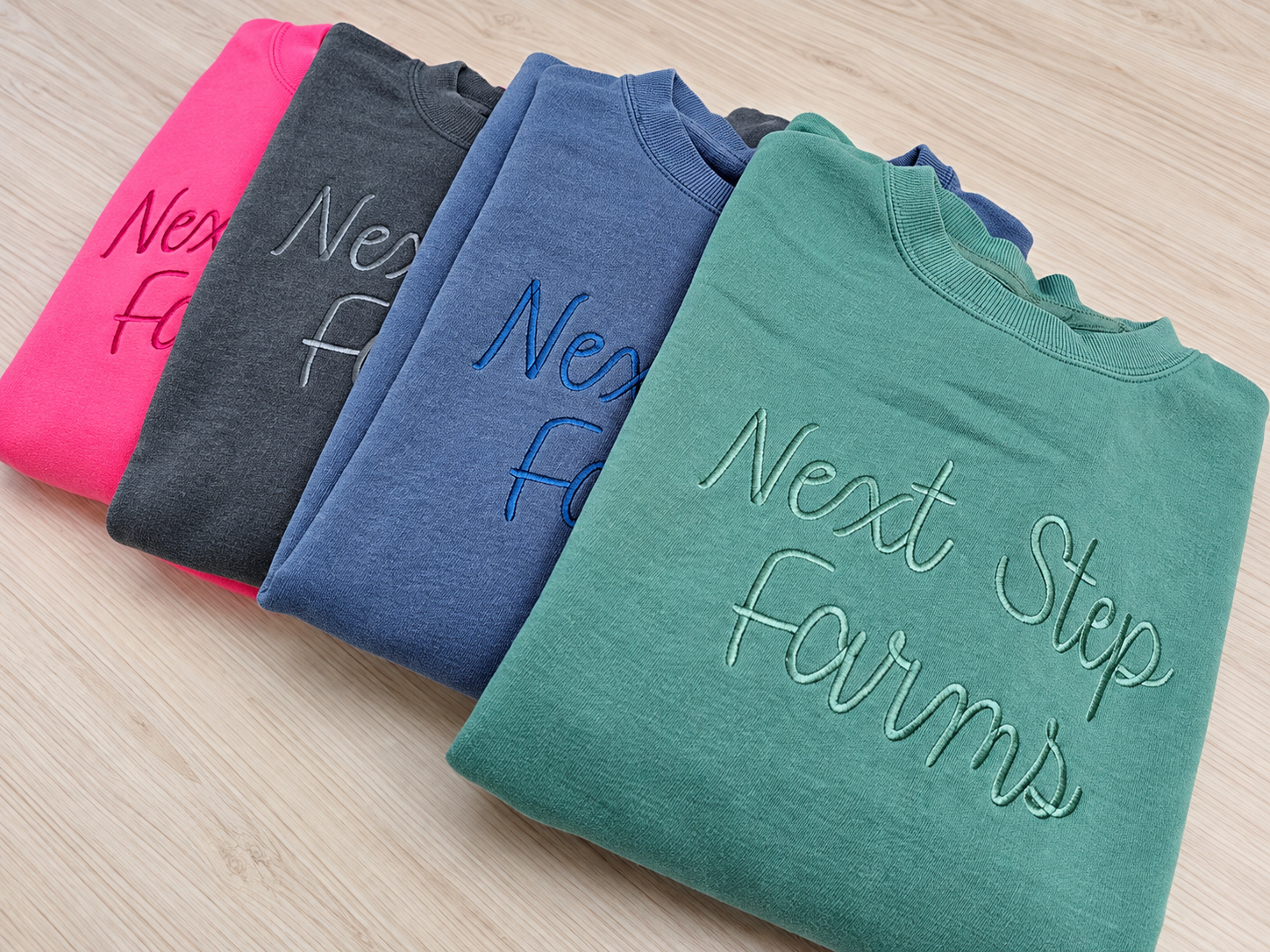
Heat-transfer labels and heat-press graphics are among the confirmed in-house resources. Other branding methods can be evaluated when artwork, material, size, placement, wash expectations and order conditions are supplied. A decoration method is not approved simply because it is popular in streetwear. Compatibility with fabric surface, heat, stretch and laundering should be checked through samples where necessary. Artwork files should remain connected to the approved garment version throughout production.
Labels and Packaging
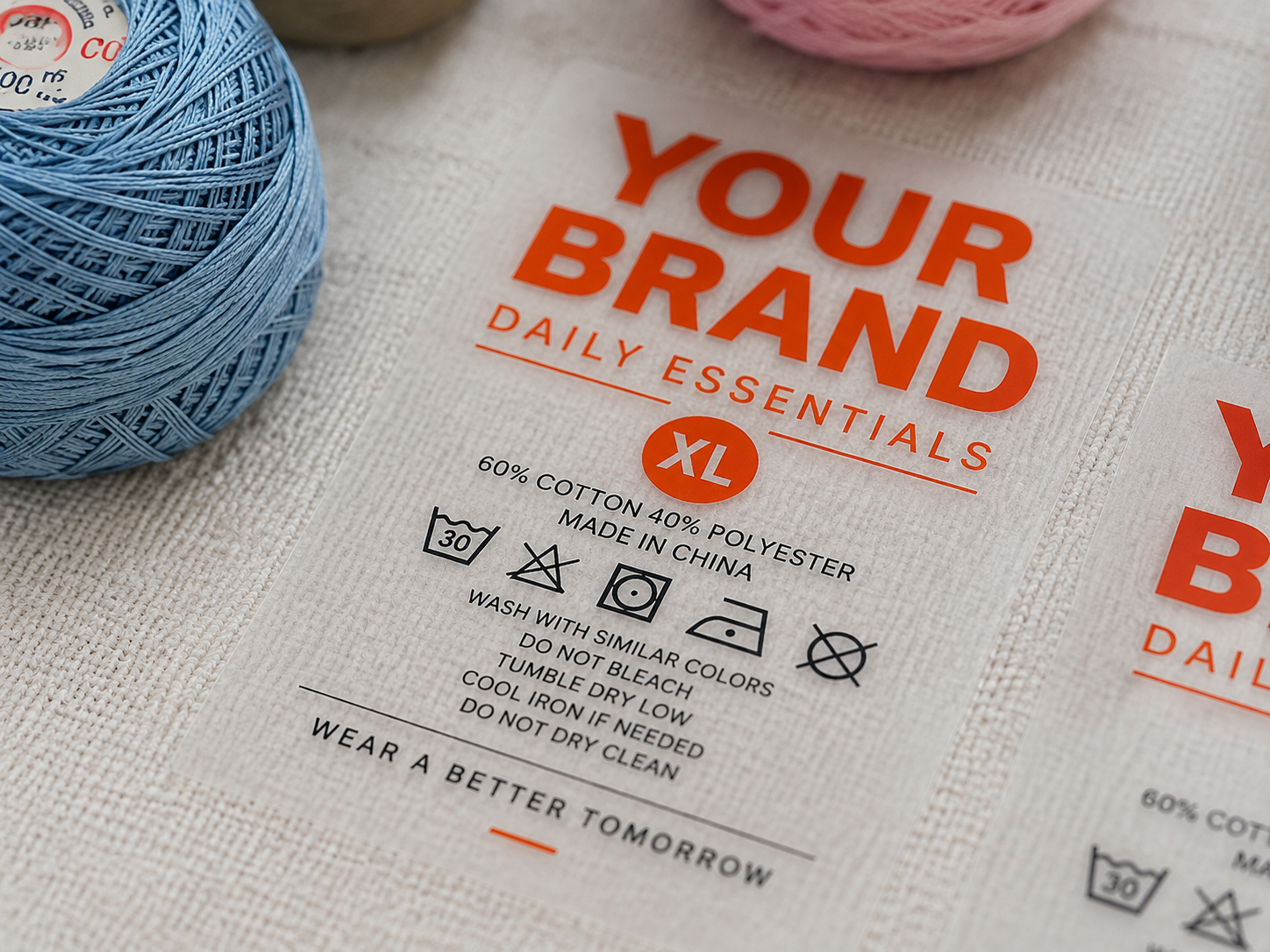
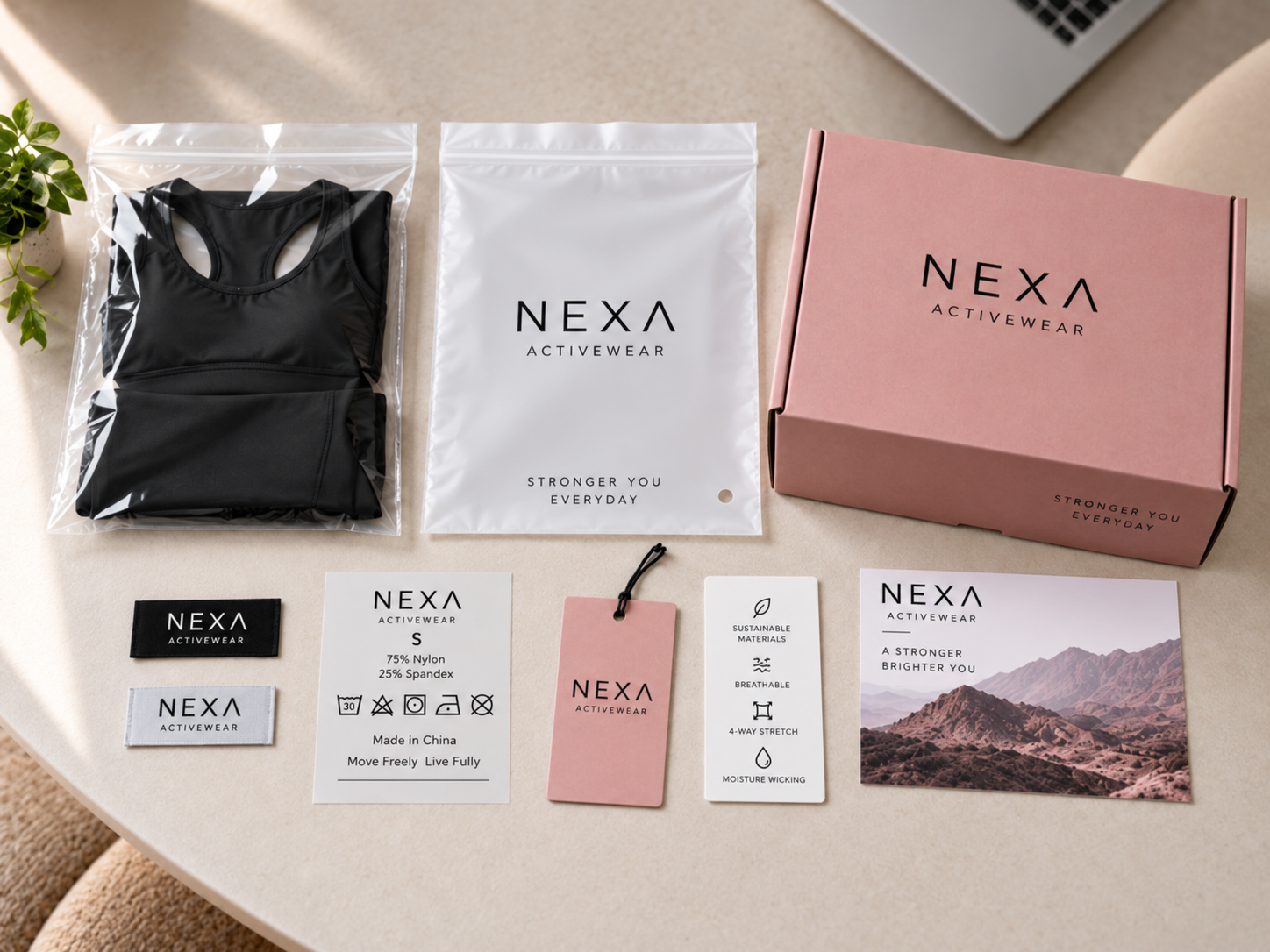
Main labels, size labels, care labels, hangtags, individual packing, SKU information and carton markings can be coordinated as part of a private-label program. Artwork files, language, barcode data and market-specific information should be supplied or approved by the brand. Packing rules become especially important when a collection contains several styles, colorways and size ratios that must remain clearly separated. A packing checklist also helps keep brand files aligned with the correct style, color and size.
Streetwear Fit Development Beyond Simply Sizing Up
Streetwear silhouette depends on proportion, fabric behavior and intended styling. Fit language should be converted into measurable points and an approved pattern instead of relying on subjective terms alone.
Regular and Controlled Fit
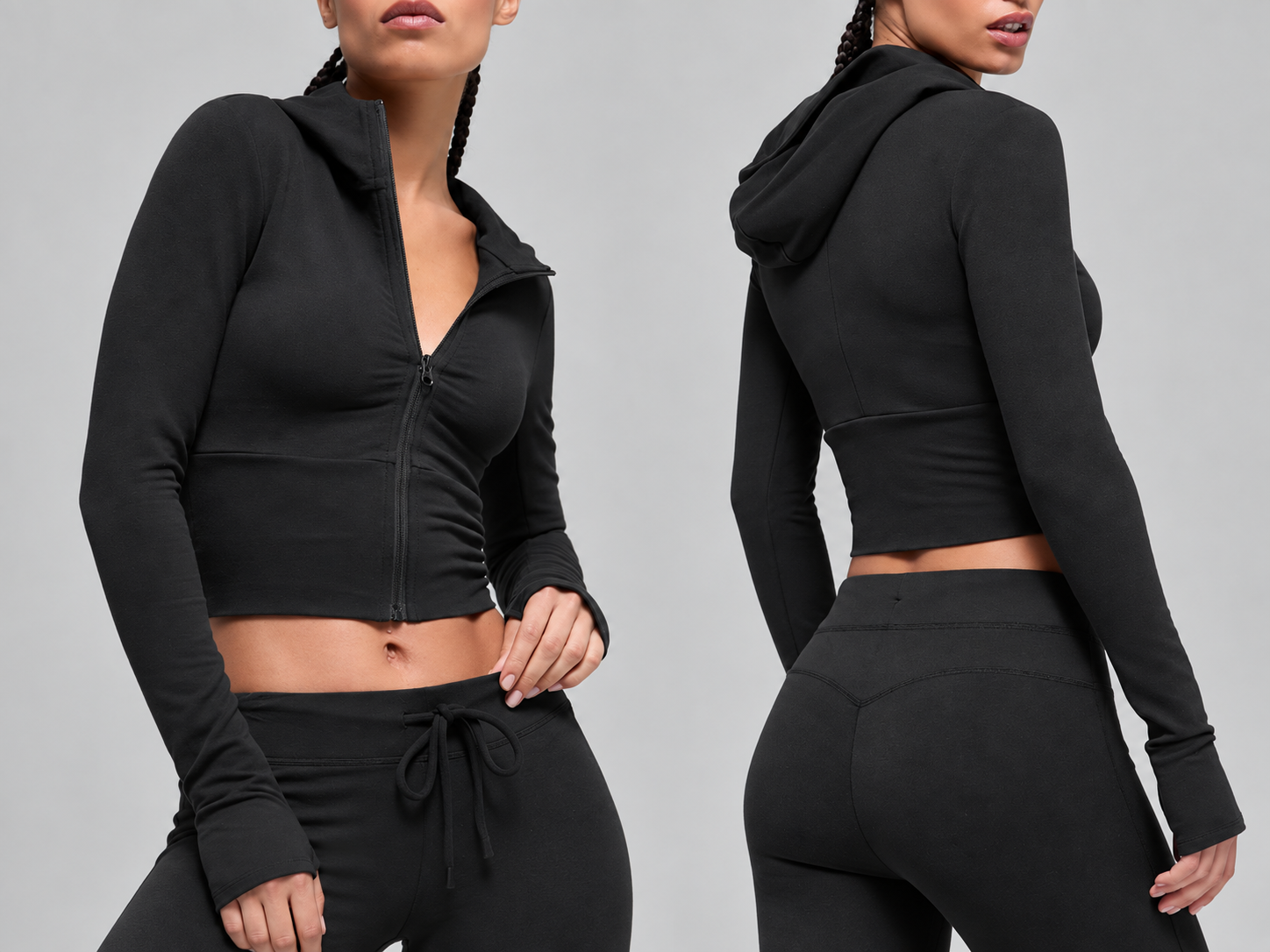
A controlled silhouette gives the brand a stable baseline before adding volume. Key points include shoulder position, half-chest, body length, sleeve length, bicep width, cuff, hem, neckline and hood measurements where applicable. Fabric shrinkage and stretch can change finished dimensions, so measurement charts should state the measuring method rather than only the target number. During sampling, the garment can be measured flat, reviewed on the intended body profile and compared with the brand reference before final grading.
- Best input: measurement chart plus measuring method.
- Useful reference: approved garment or fit photo with comments.
- Bulk tolerance: agreed by product and material; no universal tolerance is assumed.
Relaxed and Loose Fit
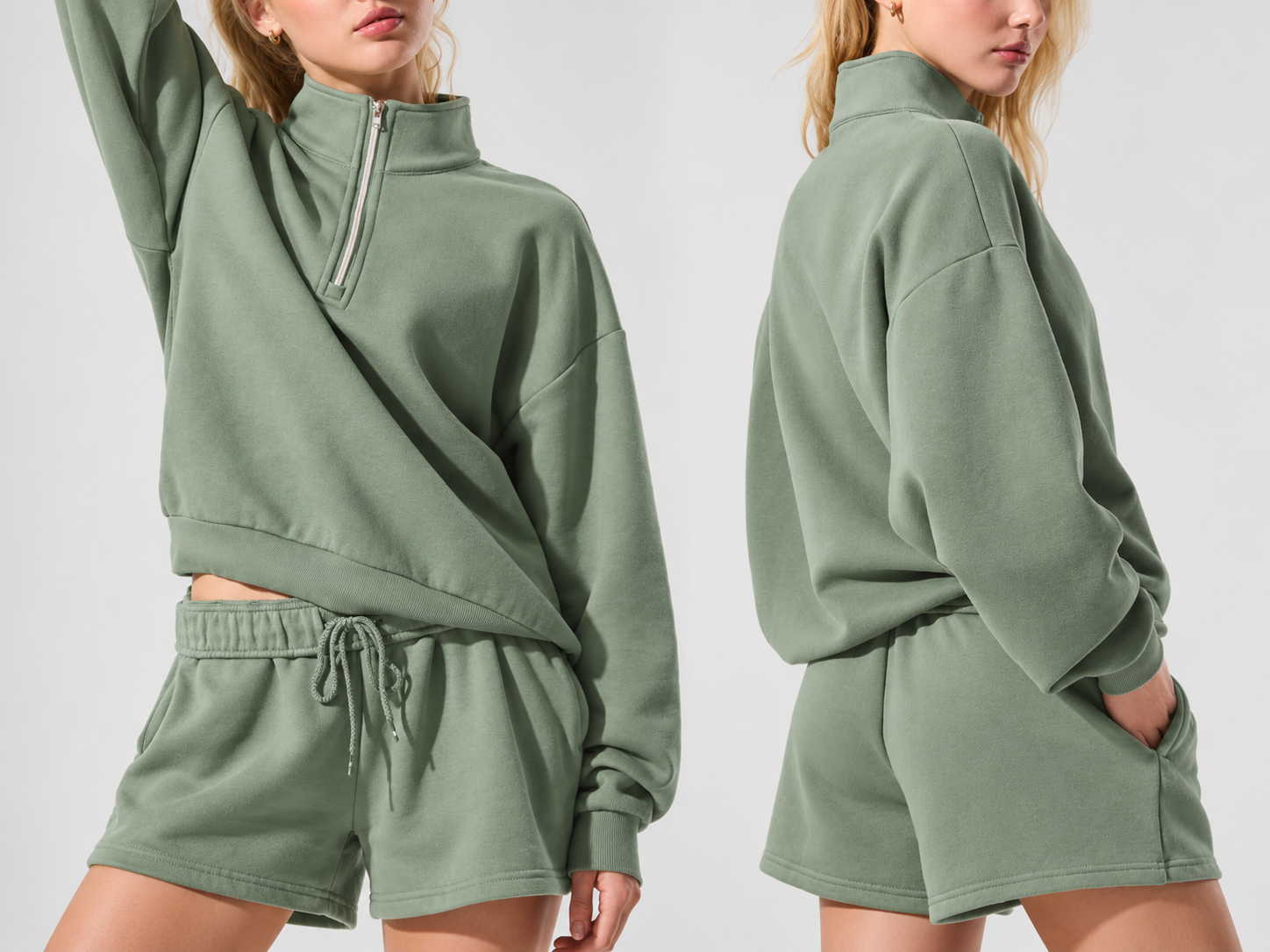
Relaxed and loose fits increase ease without automatically creating the exaggerated proportions associated with oversized streetwear. Shoulder, chest, armhole, sleeve volume and body length should still look intentional. Too much width with a soft, heavy fabric can produce unwanted drop or bulk; too little sleeve room can make a wide body feel unbalanced. Layering requirements, season, neckline shape and hem finish also influence the pattern. Brand feedback works best when comments identify specific areas instead of using only “looser” or “more relaxed.”
- Define where extra ease is wanted: shoulder, chest, sleeve, body or all areas.
- Review drape using the real or approved bulk fabric.
- Check size grading so larger sizes do not become disproportionately long or wide.
Oversized and Drop Shoulder
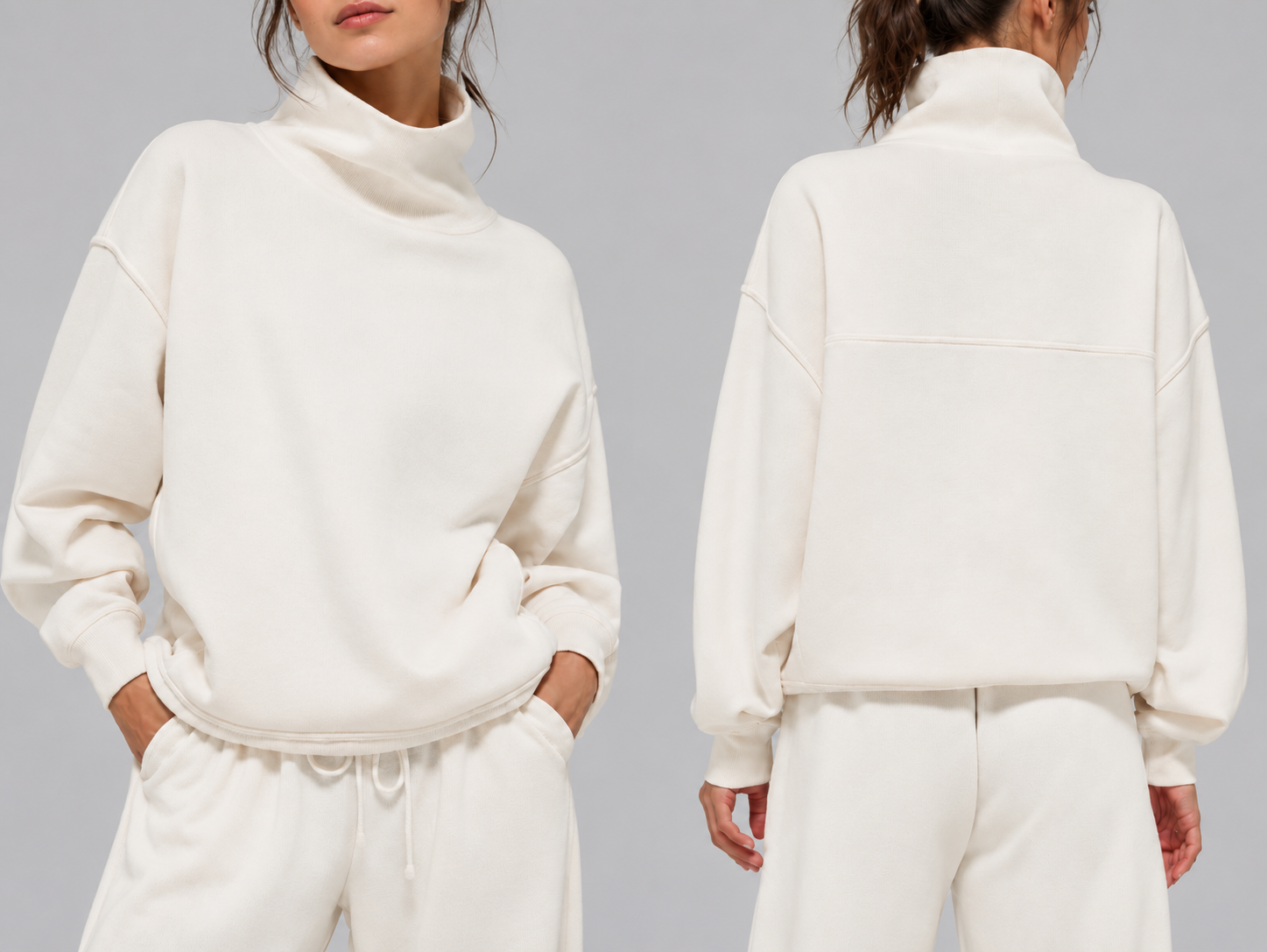
An oversized hoodie or sweatshirt is a proportion system, not a standard size multiplied upward. Drop-shoulder depth, chest width, sleeve head, sleeve volume, body length, hood scale, pocket position, rib tension and fabric weight all change how the garment reads. A very heavy fabric may hold a boxier shape, while a softer knit may fall vertically even at the same measurement. Sample fitting should compare front, side and back views and record approved dimensions before grading and bulk production.
- State the intended shoulder drop and visual balance.
- Confirm chest-to-length proportion and sleeve volume.
- Use approved sample measurements as the production basis.
How Fabric GSM Shapes Streetwear Fit and Handfeel
GSM matters, but a single weight cannot define a streetwear fabric. Composition, structure, density, surface, shrinkage and rib compatibility should be reviewed together with silhouette and decoration requirements.
Decision Factor
What to Define
Effect on Streetwear
Risk if Ignored
Fiber composition
Define main fiber blend and any required performance or sourcing condition.
Changes handfeel, strength, shrinkage and surface behavior.
Selecting by fiber name alone can miss major construction differences.
Fabric structure
Specify jersey, fleece, terry or another approved structure where applicable.
Changes thickness, face texture, stretch and drape even at similar GSM.
A structure mismatch can make the approved fit look completely different.
GSM target
Record the numeric target after fabric selection; avoid treating higher GSM as automatic quality.
Influences weight, warmth, shape, sewing load and shipping weight.
Overweight fabric may feel bulky; underweight fabric may lose the intended silhouette.
Surface and handfeel
Use swatches, references or a physical sample to define softness, compactness and finish.
Affects perceived quality and the appearance of logos or graphics.
Photos rarely communicate handfeel accurately enough for final approval.
Shrinkage and stability
Review material behavior and required tests according to the product.
Affects finished measurements, seams and repeat-order consistency.
Uncontrolled shrinkage can move the product away from the approved size chart.
Rib and trim compatibility
Match rib weight, recovery, zipper, elastic and other trims to the body fabric.
Helps necklines, cuffs, hems and openings keep the intended shape.
Different recovery or shrinkage can pull or distort the garment.
Decoration compatibility
Review heat, pressure, stretch and surface requirements for the chosen branding process.
Protects artwork appearance and garment structure.
A visually suitable fabric may still be unsuitable for a specific application method.
Streetwear Branding and Decoration Without Guesswork
Branding should be selected according to artwork, material, stretch, heat sensitivity, wash expectations and order conditions. Leadshow separates confirmed in-house resources from processes that require project-specific sourcing or verification.
Confirmed In-House Branding Resources
Leadshow has confirmed heat-transfer labeling and heat-press equipment that can support selected main labels, care labels, size labels, logos, text and graphic applications. Six double-station heat-transfer label machines and four multi-station heat-press printing machines form part of the current equipment base. Suitability still depends on the selected transfer material, garment fabric, temperature, pressure, placement and wash requirement. Heat application on a stable cotton surface may behave differently from the same artwork on a stretch fabric, brushed surface or layered area. A sample should therefore confirm edge definition, color, adhesion, handfeel and any visible fabric marking before the artwork becomes part of a bulk specification. Bonding equipment is also available for selected garment structures, but bonding is treated as a construction process rather than a blanket “seamless” claim. Product files should state the exact branding method, artwork size, position, color reference and approval standard so production teams can reproduce the intended result with fewer interpretation gaps.
Processes Requiring Project Review
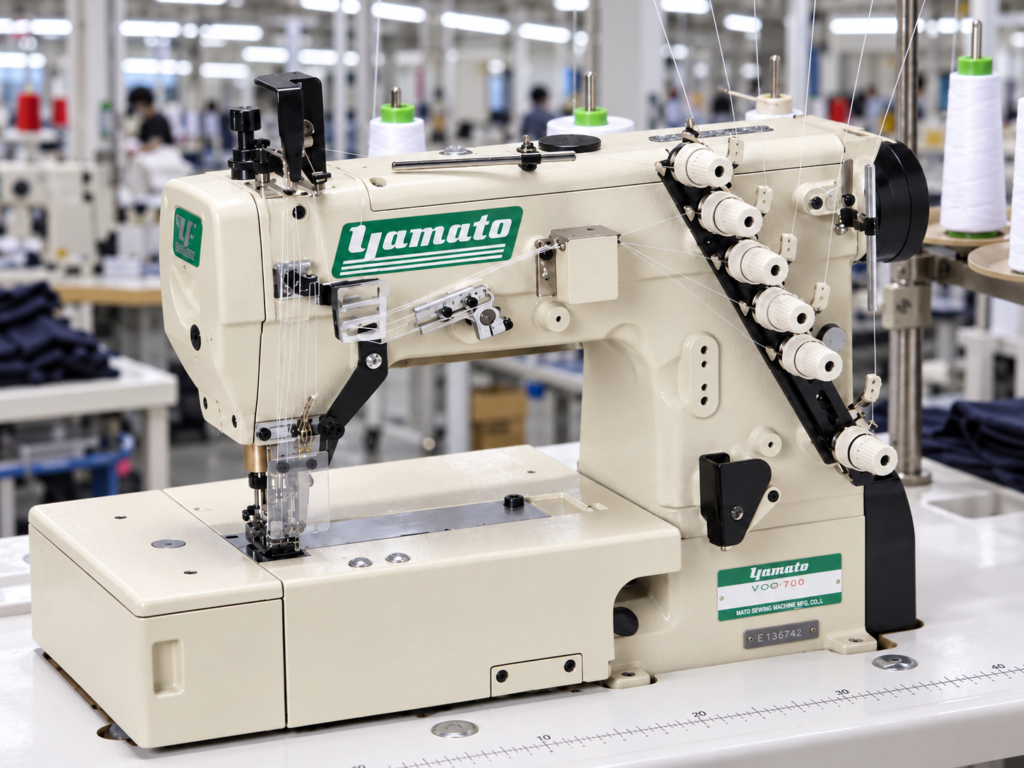
Streetwear collections often request embroidery, puff print, screen print, DTG, DTF, applique, rhinestones, garment dye, acid wash, vintage wash or other specialty treatments. The current Leadshow fact base does not confirm every one of those processes as an established in-house capability, so they should never be presented as automatically available. A brand can still submit the desired artwork, reference garment, finish image, wash target and quantity for evaluation. The review should establish whether the process can be coordinated, whether a qualified external resource is needed, what material limitations apply, what supplier minimums affect the order, and what sample or testing step is required before approval. Clear separation between confirmed internal equipment and project-coordinated processes protects both sides from a common sourcing problem: a visually attractive effect is promised at quotation stage, yet the real production route is unclear until after sampling. Final availability, cost and schedule should therefore be confirmed only after the decoration route is validated.

From Tech Pack to a Manufacturable Streetwear Specification
A reliable quote and sample begin with a clear product definition. Leadshow can review complete Tech Packs or earlier-stage references and identify which decisions are ready, which need clarification and which require sample validation.
Review the Product Before Costing and Sampling
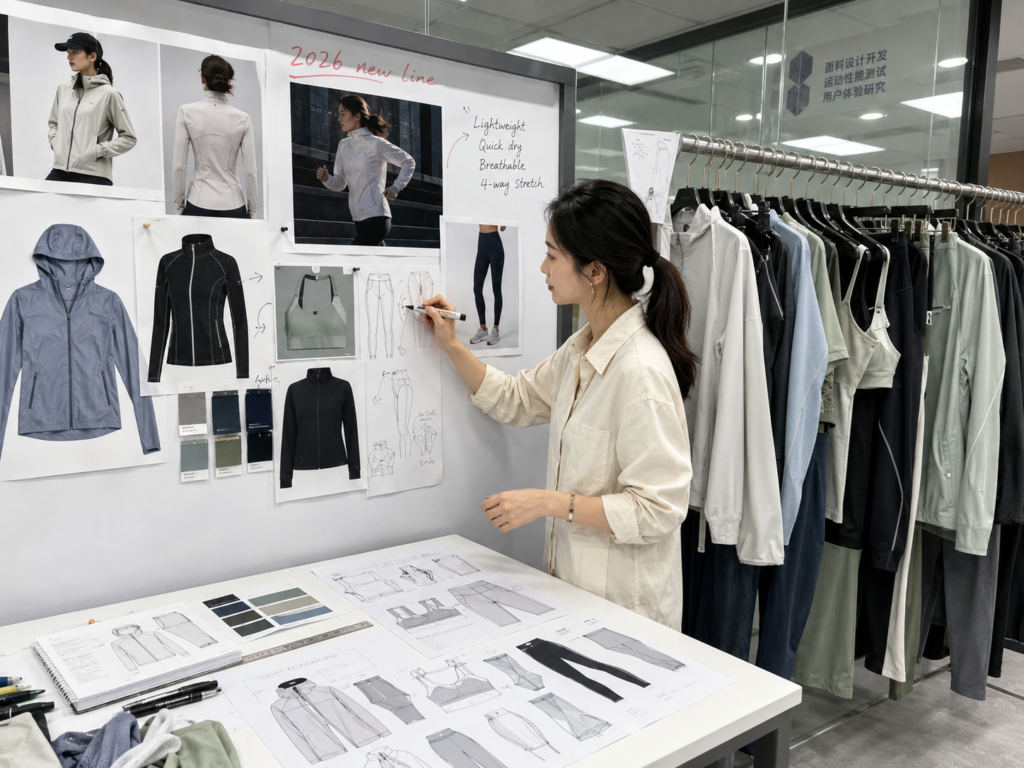
Brand teams may submit a Tech Pack, measurement chart, pattern, sketch, reference images or a physical sample. The first job is not to say “yes” to every detail; it is to understand the product accurately. Structure, seam layout, hood and pocket construction, sleeve and shoulder proportion, rib use, zipper details, labels, artwork, material specifications, colorways, size breakdown, packing and target market should be checked together. Conflicts inside the file need to be resolved before they become sample errors. A drawing may show one pocket while the bill of materials lists another; a size chart may use a measuring point that does not match the sketch; a heavyweight fabric may be specified with a construction that becomes too bulky at a seam intersection. Early clarification reduces avoidable revision work and makes pricing more meaningful because the cost basis is tied to a defined garment rather than a broad product name.
Convert Approved Decisions Into Production Information
After technical review, the working specification should separate confirmed information from open items. Pattern direction, key measurements, fabric and trim references, construction details, artwork positions, label files and packing instructions can then move into sample development. When a sample is revised, relevant dimensions, pattern notes, material changes and branding details should be updated rather than relying on memory or chat messages. The approved version becomes the reference for production preparation and quality checks. Leadshow supports pattern and fit adjustment, sample development and manufacturability evaluation, but no fixed sample time or unlimited revision promise is published. Development time is confirmed after requirements, material availability, process route and sample scope are reviewed. A clean specification also helps procurement teams compare suppliers on the same product definition instead of comparing prices for different assumptions.
Streetwear Sample Development With Clear Approval Stages
Sampling should create a production standard, not merely one attractive garment. Each stage below has a clear decision to make before the next stage begins.
Requirement Review
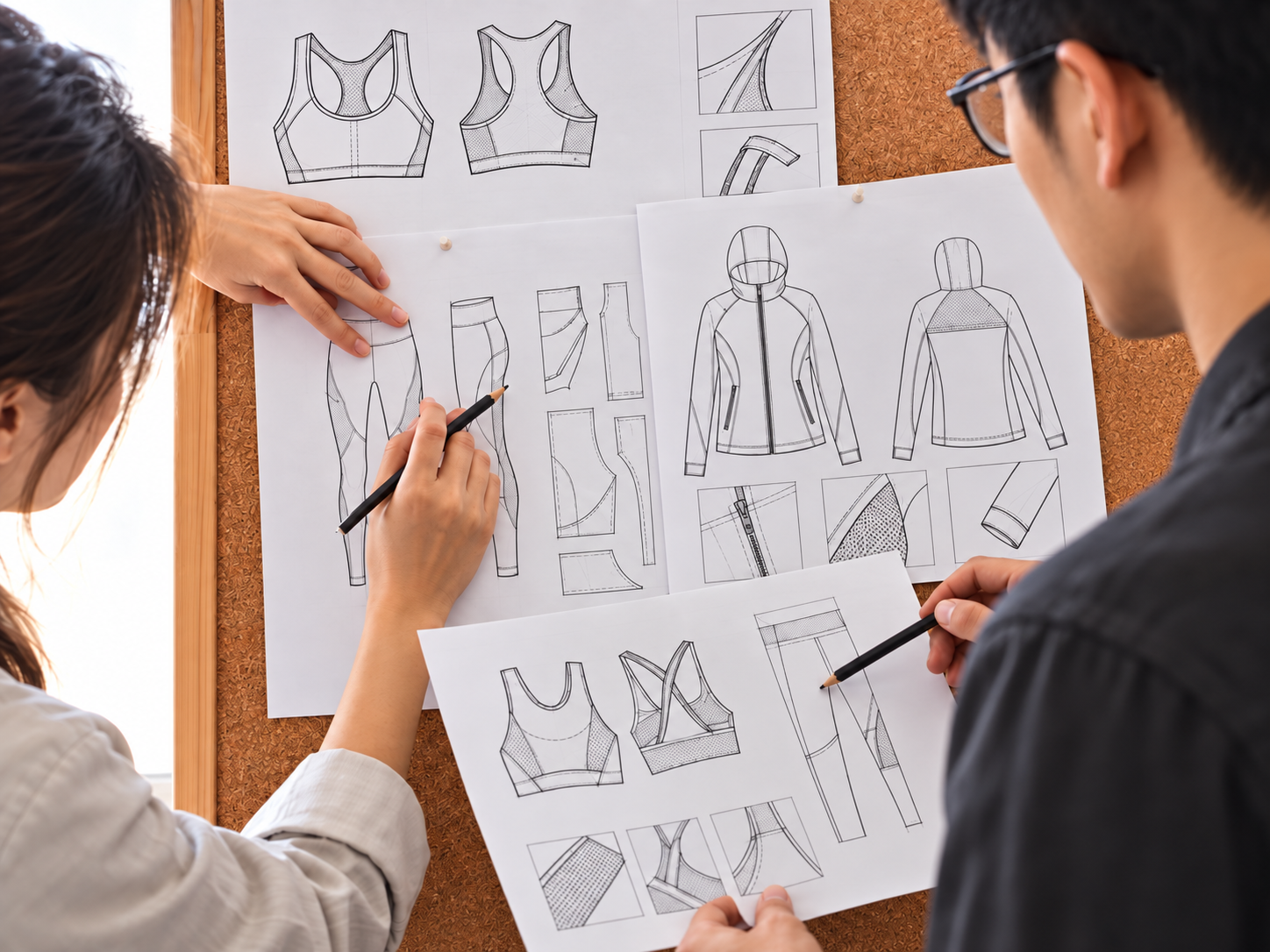
Development begins with available files: Tech Pack, sketch, size chart, reference image, physical sample, artwork and planned order quantity. The team reviews product structure, fit direction, material requirements, trims, branding and packaging. Missing information is listed before sample work starts so brand decisions and factory decisions remain clear. Sample lead time is confirmed only after the product scope, material route and required process are understood. A clear review note also gives the brand a concise list of decisions needed before sample work begins.
Fabric and Trim Confirmation
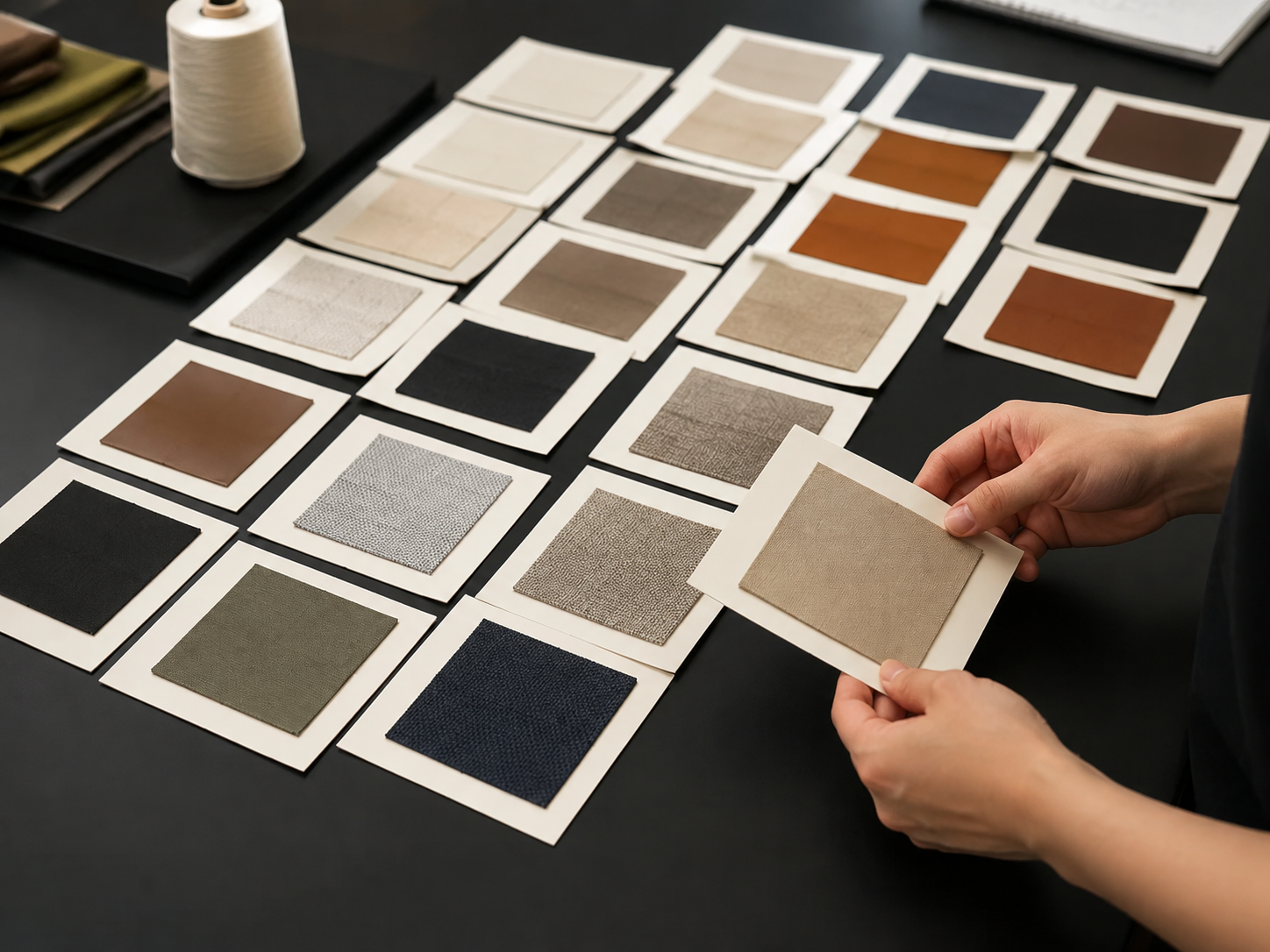
Fabric and trims should represent the intended production direction whenever possible. Composition, structure, GSM, handfeel, color, rib, zipper, elastic, label and other key components are reviewed for compatibility and supplier conditions. When a temporary substitute is needed during early development, the difference should be recorded so no one mistakes the substitute sample for final material approval. Material choices may also change MOQ, quotation and production schedule. Approved swatches and trim references should be labeled so later sample rounds use the same basis.
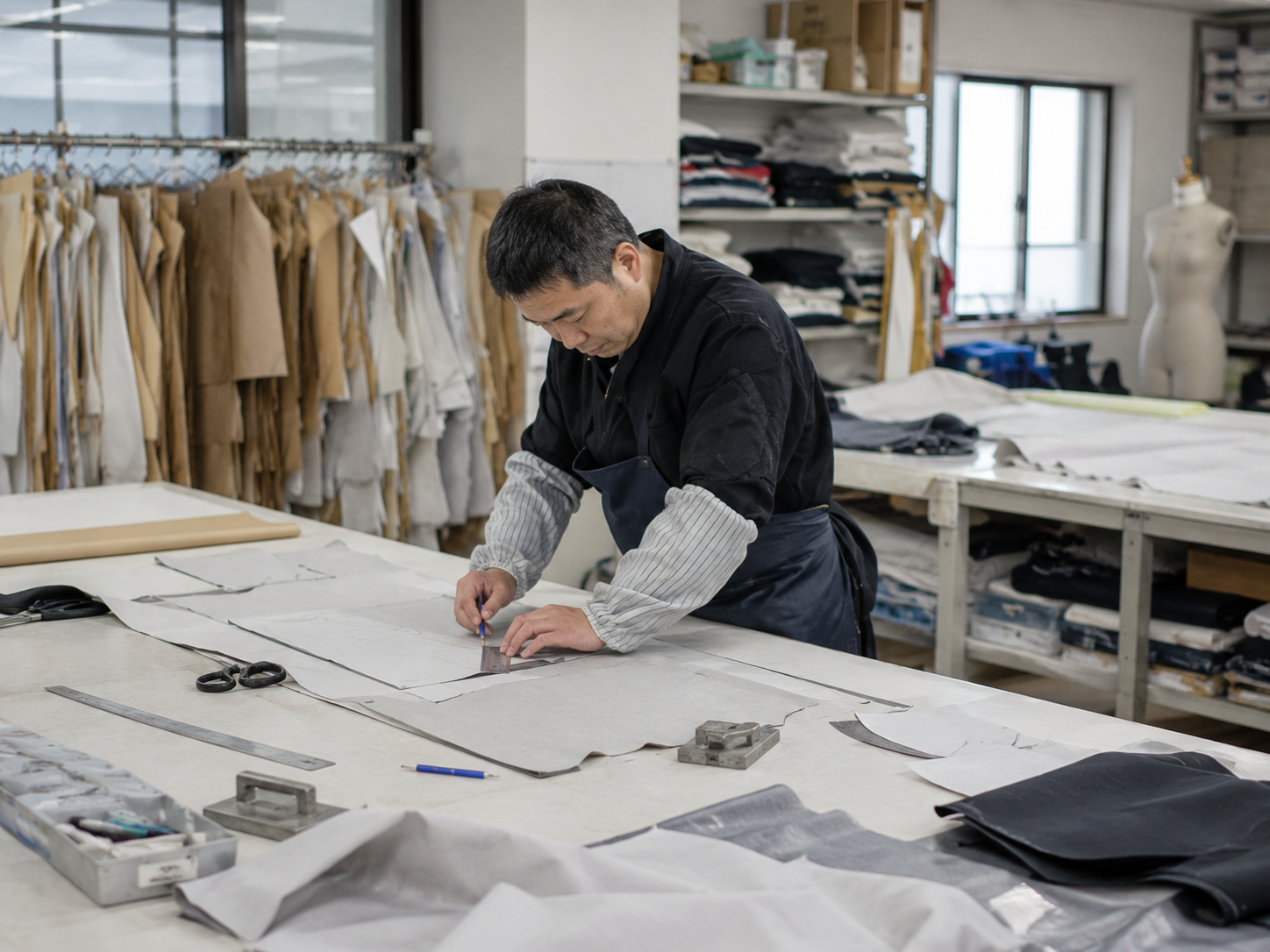
Pattern and Measurement Setup
Pattern work translates the design into measurable garment geometry. Shoulder, chest, length, sleeve, neckline, hood, pocket and other relevant points are established from the brand size chart, reference garment and intended fit. Grading rules are not assumed to be universal. A strong base pattern gives the sample a controlled starting point and makes later revision comments easier to measure rather than judge only by appearance. The pattern record should identify the base size and revision so later grading starts from the correct file.
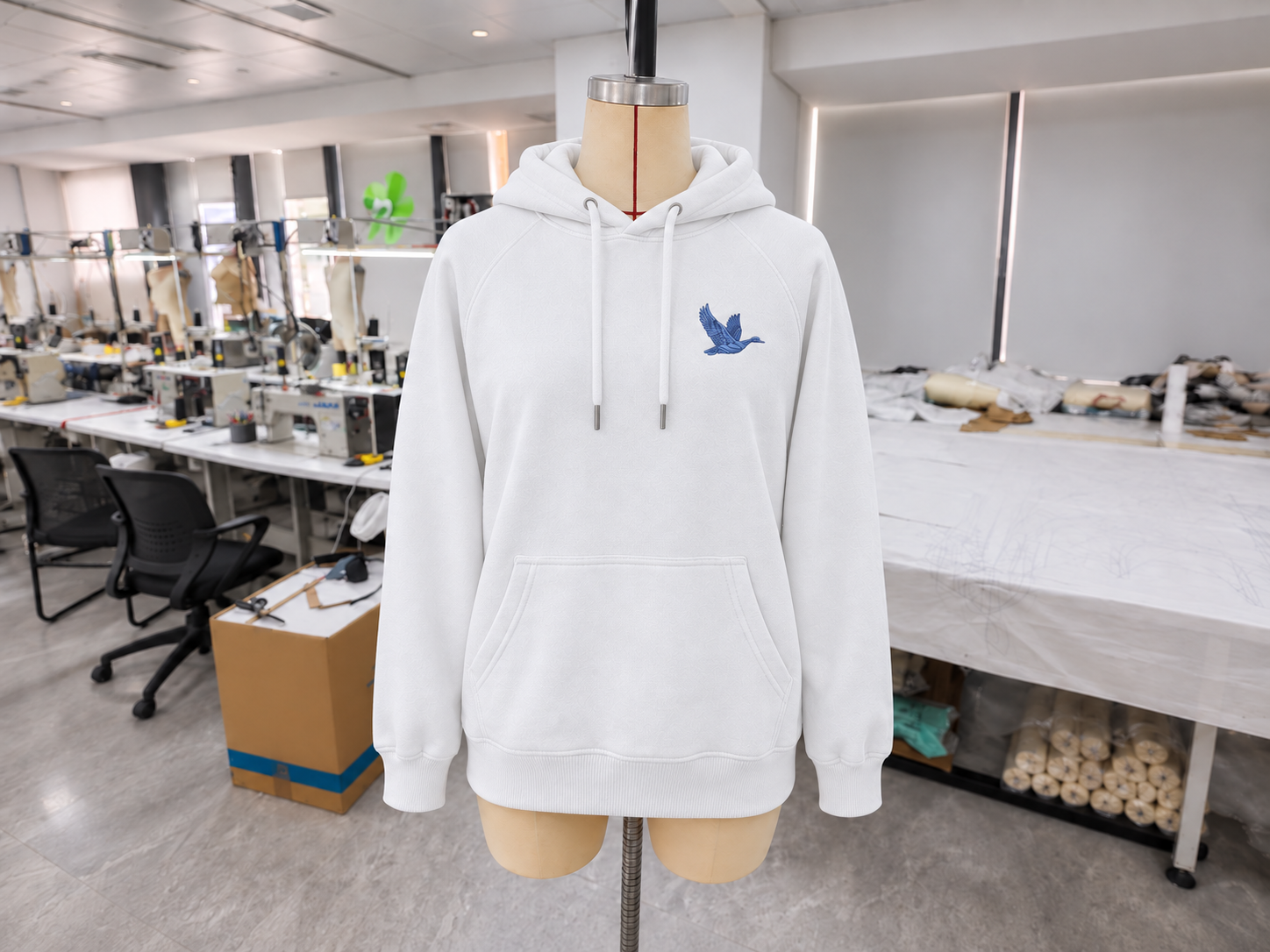
First Sample
The first sample checks the overall product direction: silhouette, construction, material behavior, measurements, seam bulk, rib recovery, pocket placement, hood proportion and branding position. It may reveal issues that were not obvious in drawings. Internal review can identify measurable differences before shipment. The first sample should be treated as a development checkpoint, not automatically as a pre-production approval. Photos, flat measurements and structured comments make the review easier to compare across revision rounds.
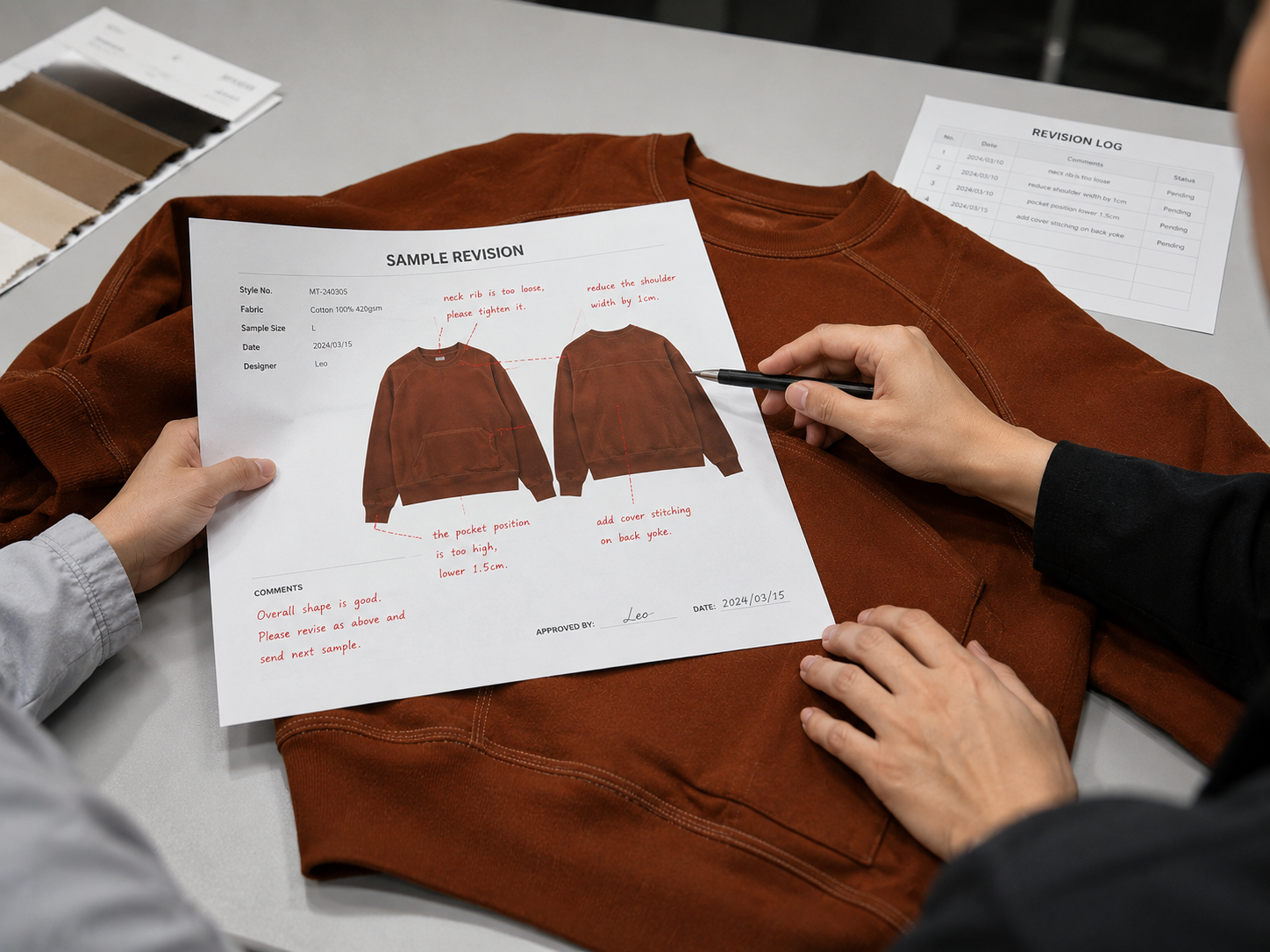
Fit and Construction Revision
Brand feedback should be consolidated and specific: which measurement changes, which fit zones need more or less ease, which material or trim should change, and whether artwork or label position needs correction. Relevant pattern and product files are then revised. Revision count depends on the product and feedback; no fixed number is promised. Version control helps prevent an older comment or measurement from reappearing in later samples or bulk production.
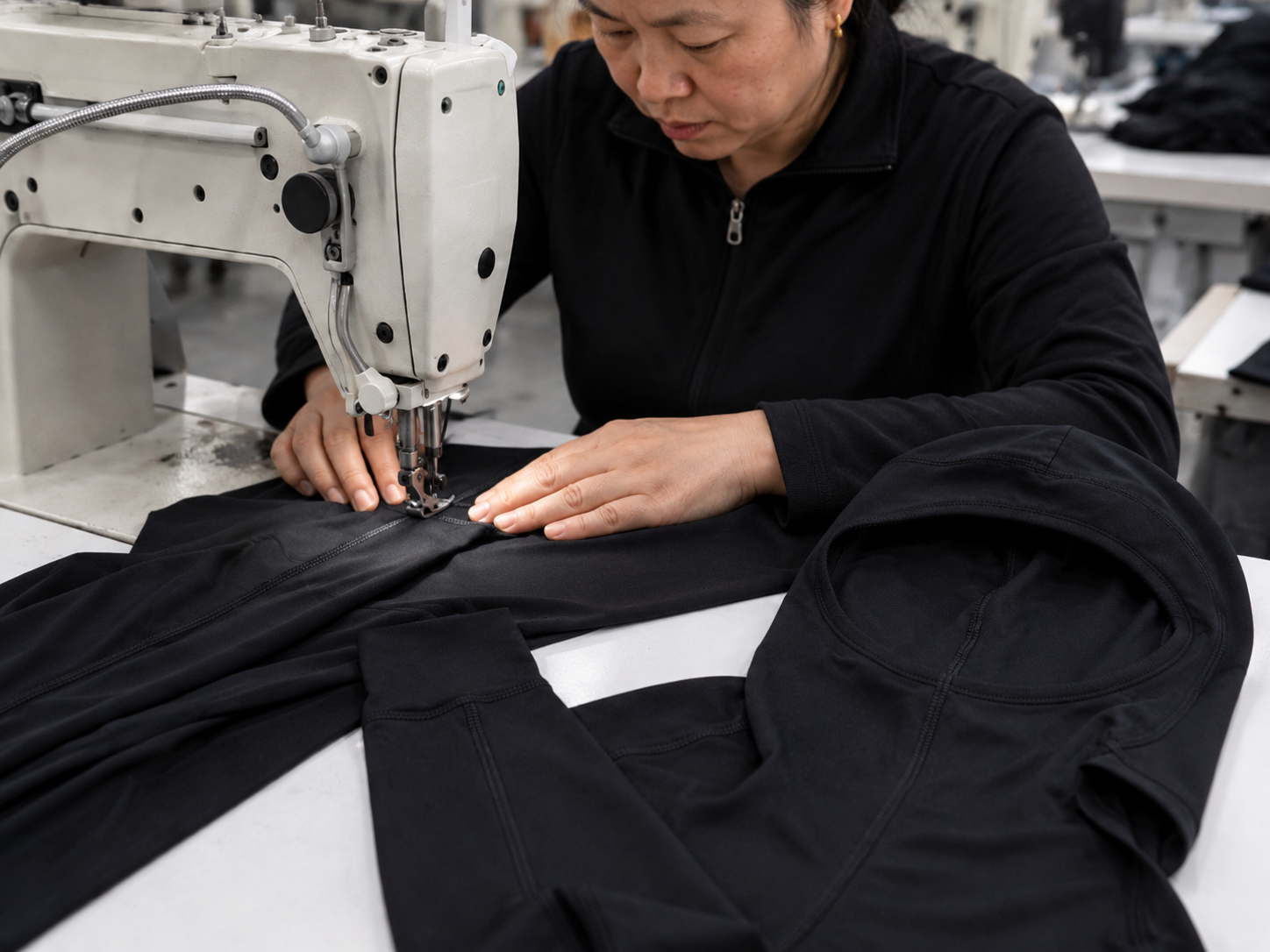
Approved Sample
Approval should identify what is actually frozen: pattern version, key measurements, fabric and trim references, construction, color, artwork, label placement and packing direction where applicable. Additional size-set, sales or pre-production samples may be considered according to the project. The approved sample and updated files then become the basis for production preparation, while final bulk schedule is confirmed after material readiness and production planning are reviewed. Approval records should state any remaining open items so production does not interpret silence as confirmation.
How Approved Samples Become Bulk Production Standards
Bulk consistency depends on carrying approved decisions into materials, cutting, sewing, branding, finishing and packing. A controlled handover creates checkpoints before problems spread across a larger quantity.
Approved Standard
Frozen Input
Bulk Control Point
Typical Record
Final Tech Pack
Approved revision number, construction notes and bill of materials.
Production uses the released version; old files are removed from active use.
Revision record / production file
Measurement chart
Approved measuring points, base size and grading direction.
First-piece and in-process measurements are compared with the agreed standard.
Measurement record
Fabric and color
Approved material reference, composition/structure/GSM target and color reference where applicable.
Incoming bulk material is checked against the approved basis and project requirements.
Material receipt / approval record
Trims
Approved zipper, rib, elastic, snaps or other components.
Specification, color and quantity are checked before assembly.
Trim checklist
Branding
Artwork, method, size, color and placement.
Production application is checked for position, appearance and compatibility.
Artwork approval / sample reference
First piece
Garment produced from bulk materials and released production information.
Structure and key measurements are compared before wider production.
First-piece check
Finished garment
Appearance, measurements, construction and visible defects.
Inspection follows the agreed project standard and approved reference.
Finished inspection record
Packing
Labels, SKU, barcode, individual packing and carton instruction.
Packing version is verified before final shipment preparation.
Packing checklist / carton record
How Leadshow Moves Streetwear Into Bulk Production
Production combines automated preparation with flexible sewing and finishing equipment. The process route changes by garment, fabric and approved construction rather than forcing every style through one identical workflow.
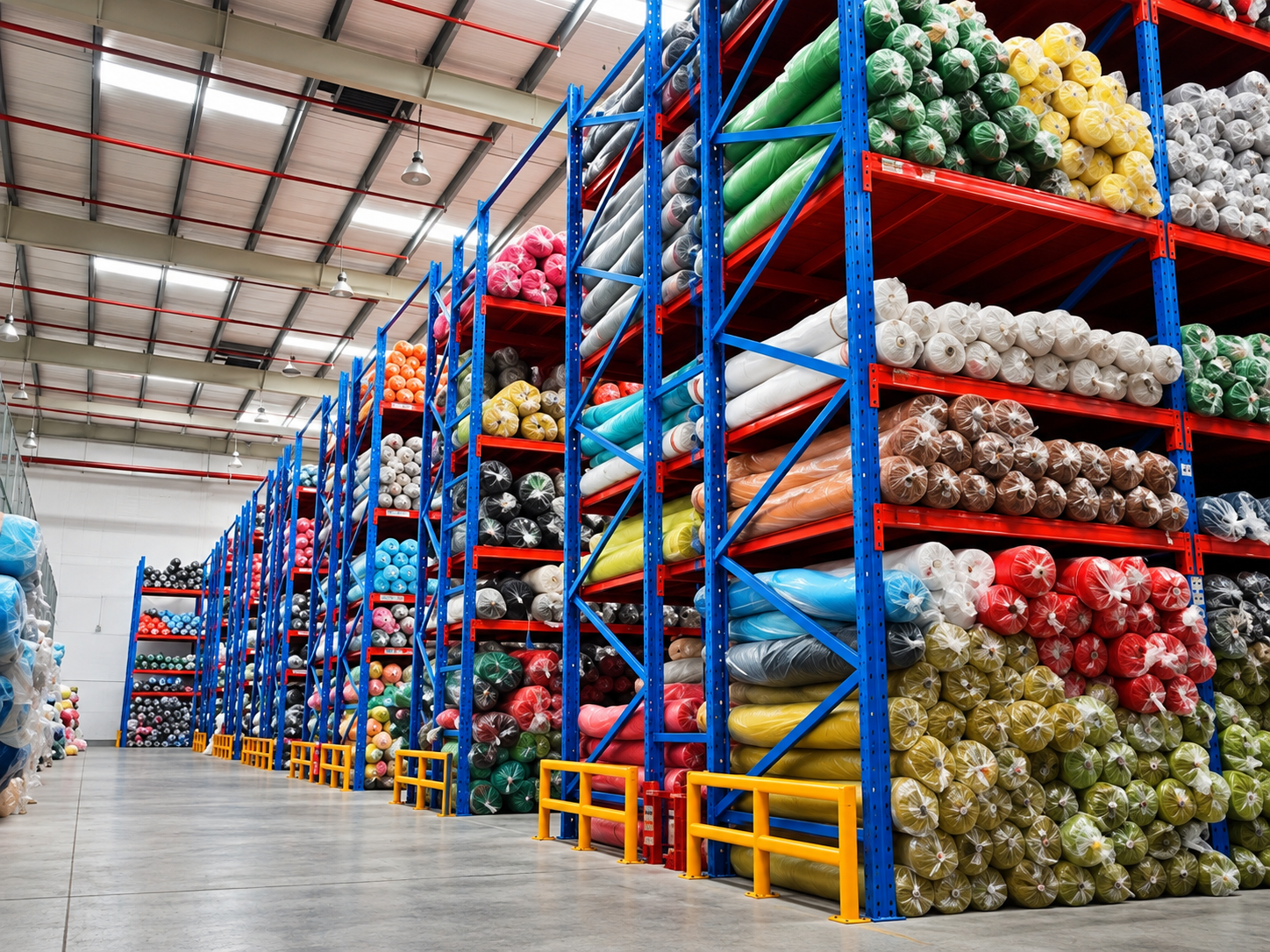
Fabric Preparation
Fabric handling begins with order and material identification, followed by preparation suitable for the selected textile. Leadshow has five automatic spreading machines and three fabric pre-shrinking or setting units for applicable materials. Not every fabric is suitable for the same tension, layer count or pre-treatment, so knit behavior, surface friction, direction, width and shrinkage requirements influence how bulk fabric is prepared before cutting. Approved material references should remain visible to the production team during preparation and cutting.
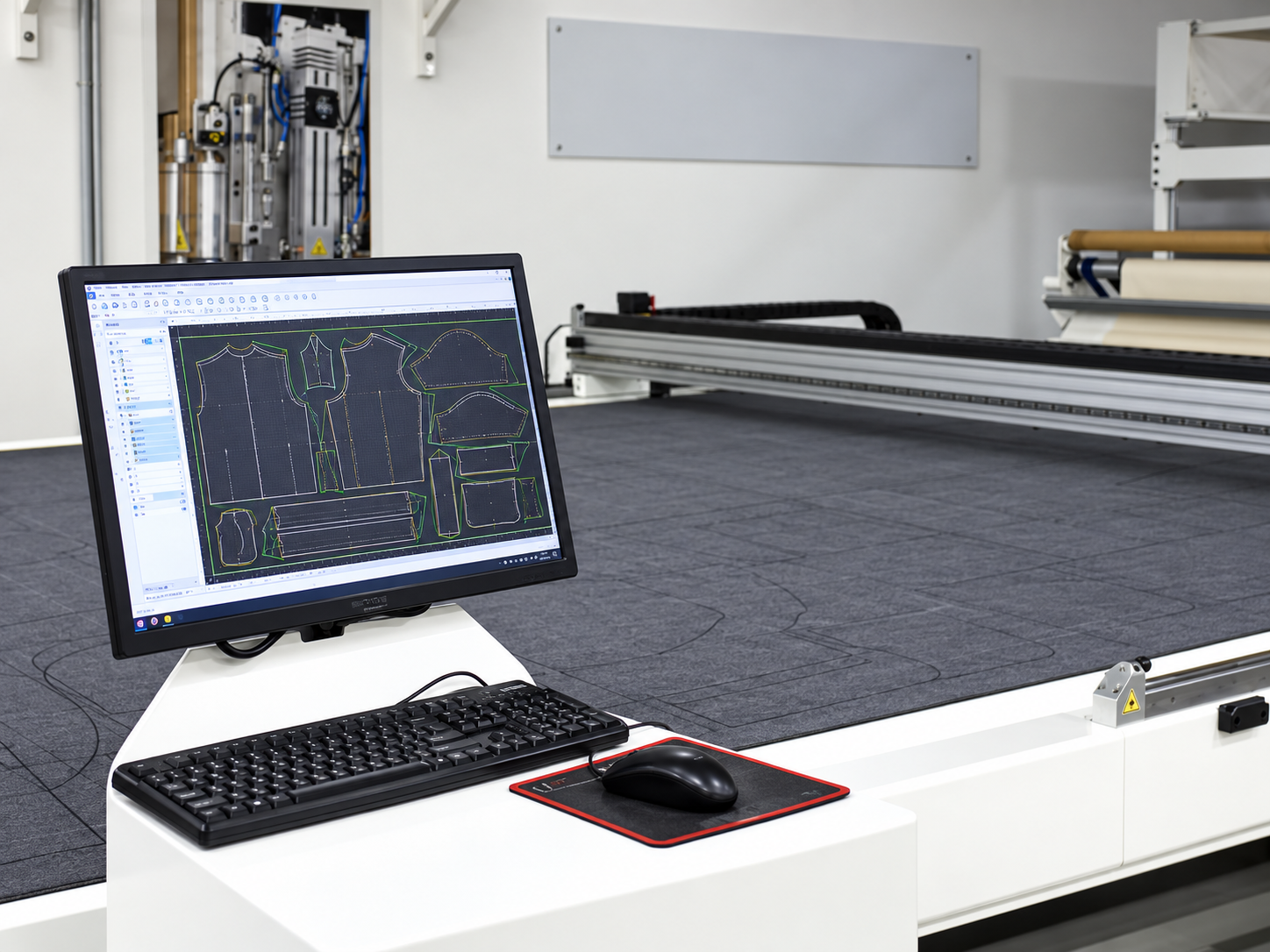
Cutting
Three automatic cutting machines, eight vertical electric cutters and six round-knife cutting machines provide a mix of automated and flexible cutting resources. Equipment selection depends on fabric, layer count, order size and part shape. The objective is repeatable cut parts across sizes and colors, not a claim of zero cutting error or zero fabric waste. Cut-part identification and bundling are especially important for multi-SKU collections. Cutting records and bundle identification can also help keep similar colors and sizes separated during production.
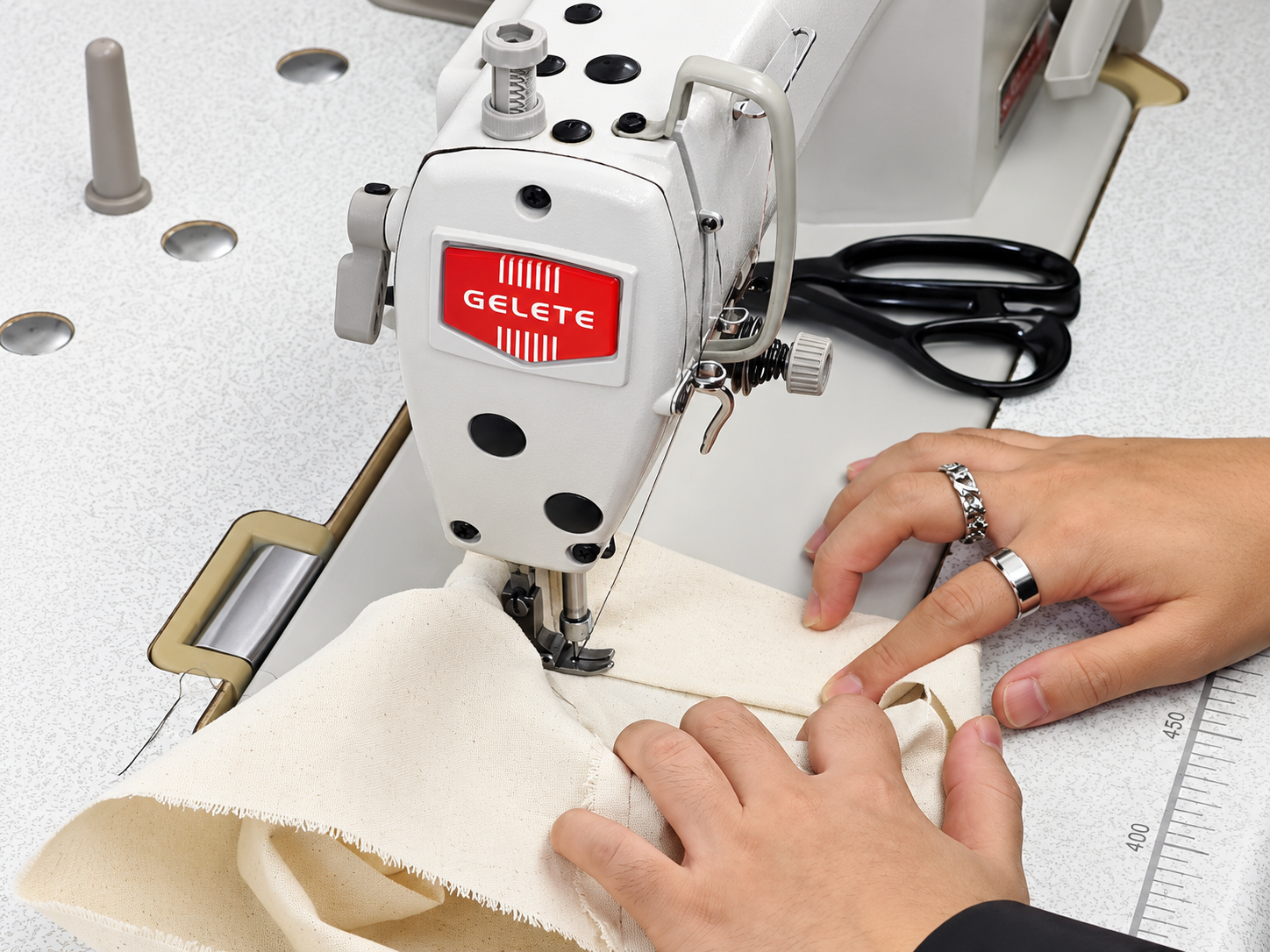
Sewing and Assembly
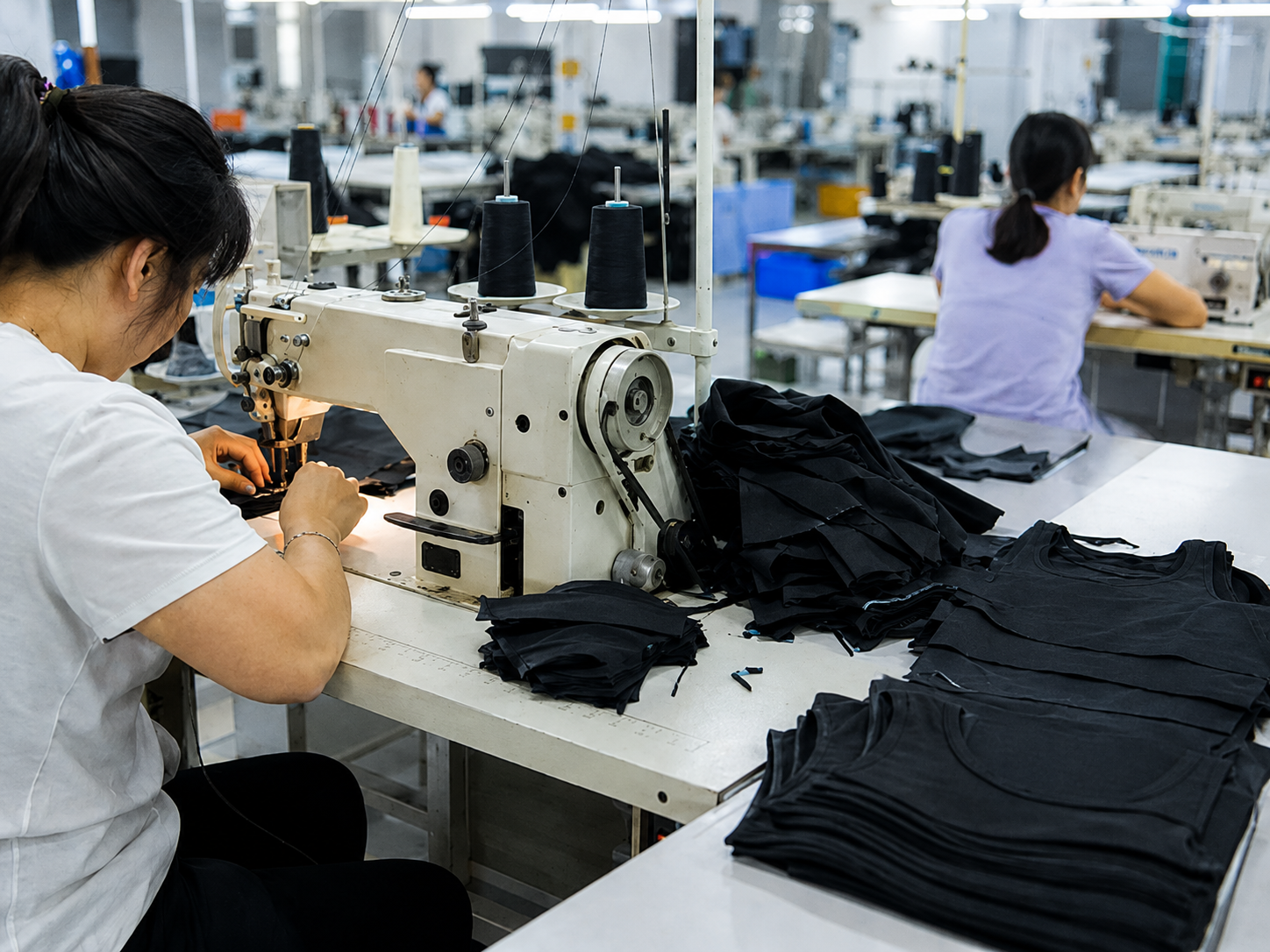
Leadshow’s confirmed sewing base includes 80 computerized direct-drive lockstitch machines, 40 five-thread overlock machines, 25 four-thread high-speed overlock machines, 15 double-needle machines, 12 elastic-attaching units, six bartack machines and other supporting equipment. Hoodies, sweatshirts, T-shirts and tracksuits require different combinations. Seam choice should follow fabric thickness, stretch, visual requirement and approved construction rather than a single standard stitch for every style. First-piece review is useful for confirming bulky intersections, seam appearance and critical placements before wider sewing.
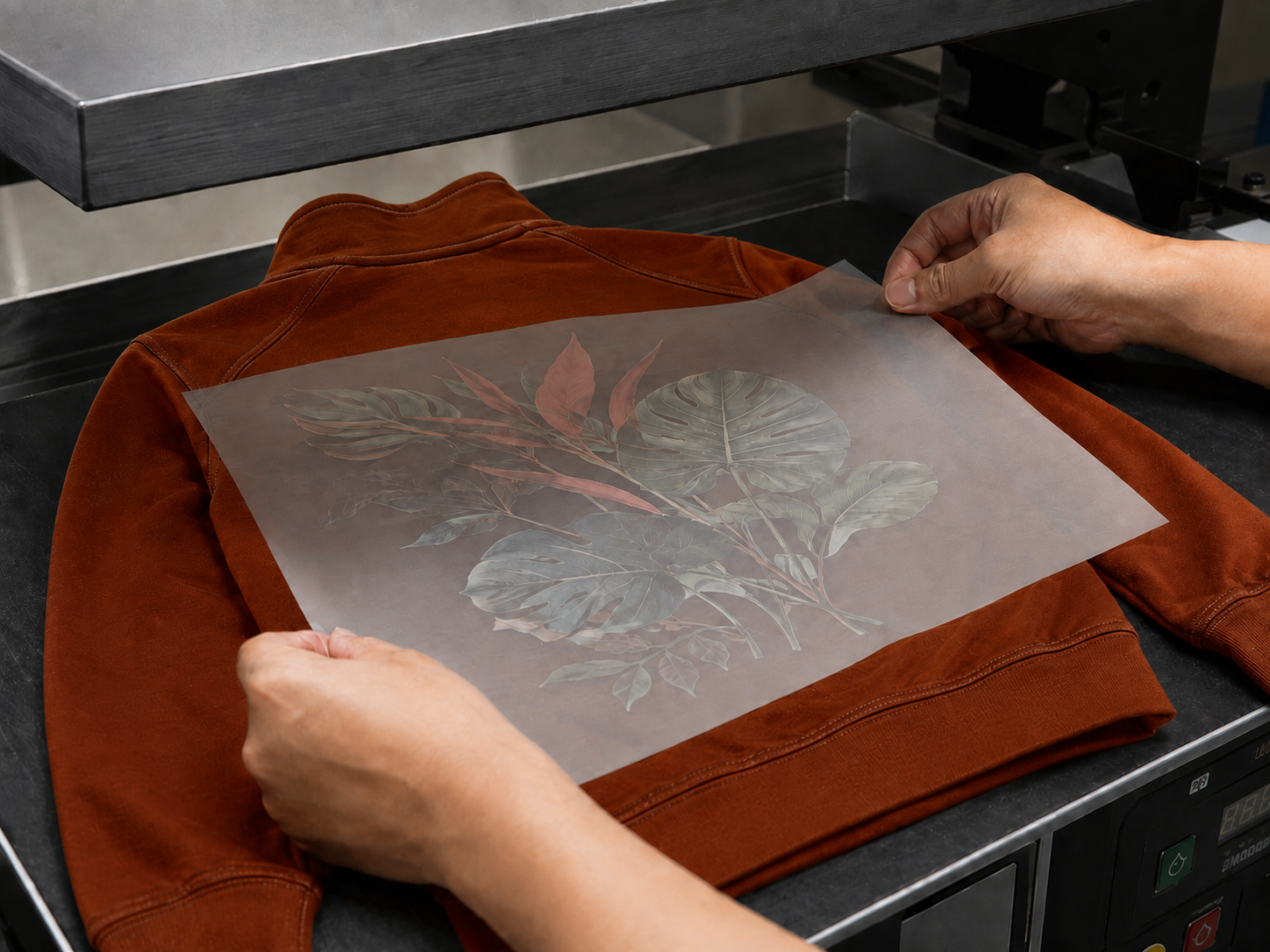
Specialized Processes
Confirmed resources include 35 four-needle six-thread flatlock machines, eight bonding units, four hot-air seam-sealing machines, three laser-perforation units, six heat-transfer label machines and four heat-press printing machines. Their availability creates options for selected constructions and branding details, but equipment presence does not prove a garment is seamless, waterproof, more breathable or permanently bonded. Applicability must be reviewed by fabric and product. Process parameters and sample results should be recorded when a special operation becomes part of the approved construction.
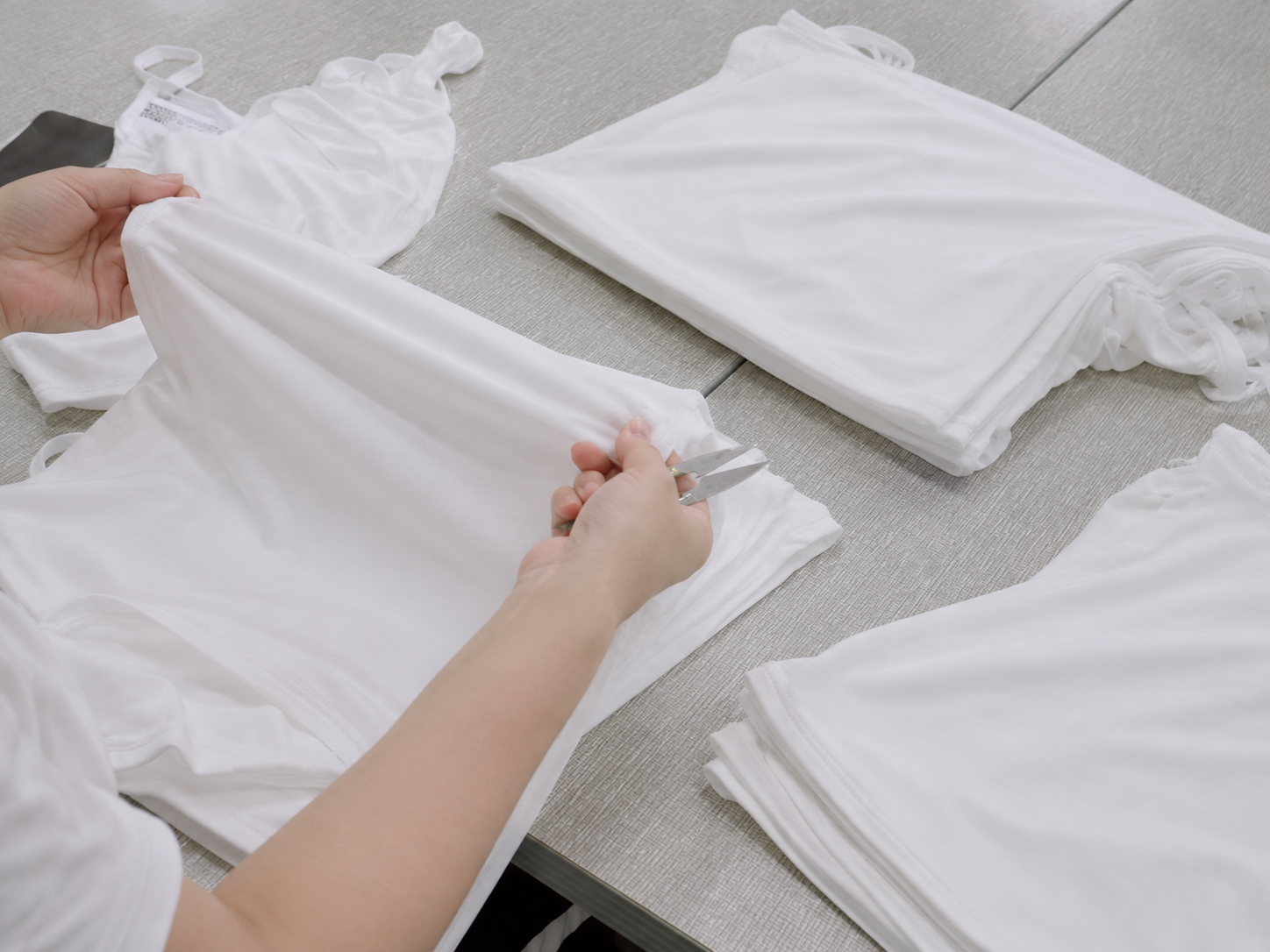
Finishing and Inspection
Twenty high-pressure steam ironing stations support garment shaping and presentation before packing. Quality activity can include incoming material checks, early production review, in-process measurement and workmanship checks, finished-garment inspection, label verification and final packing review according to project requirements. Six automatic needle-detection machines are available for applicable garments, but needle detection is only one final safety check and not a complete product certification. Finishing standards should reflect the approved appearance and must not be used to hide pattern or sewing problems.
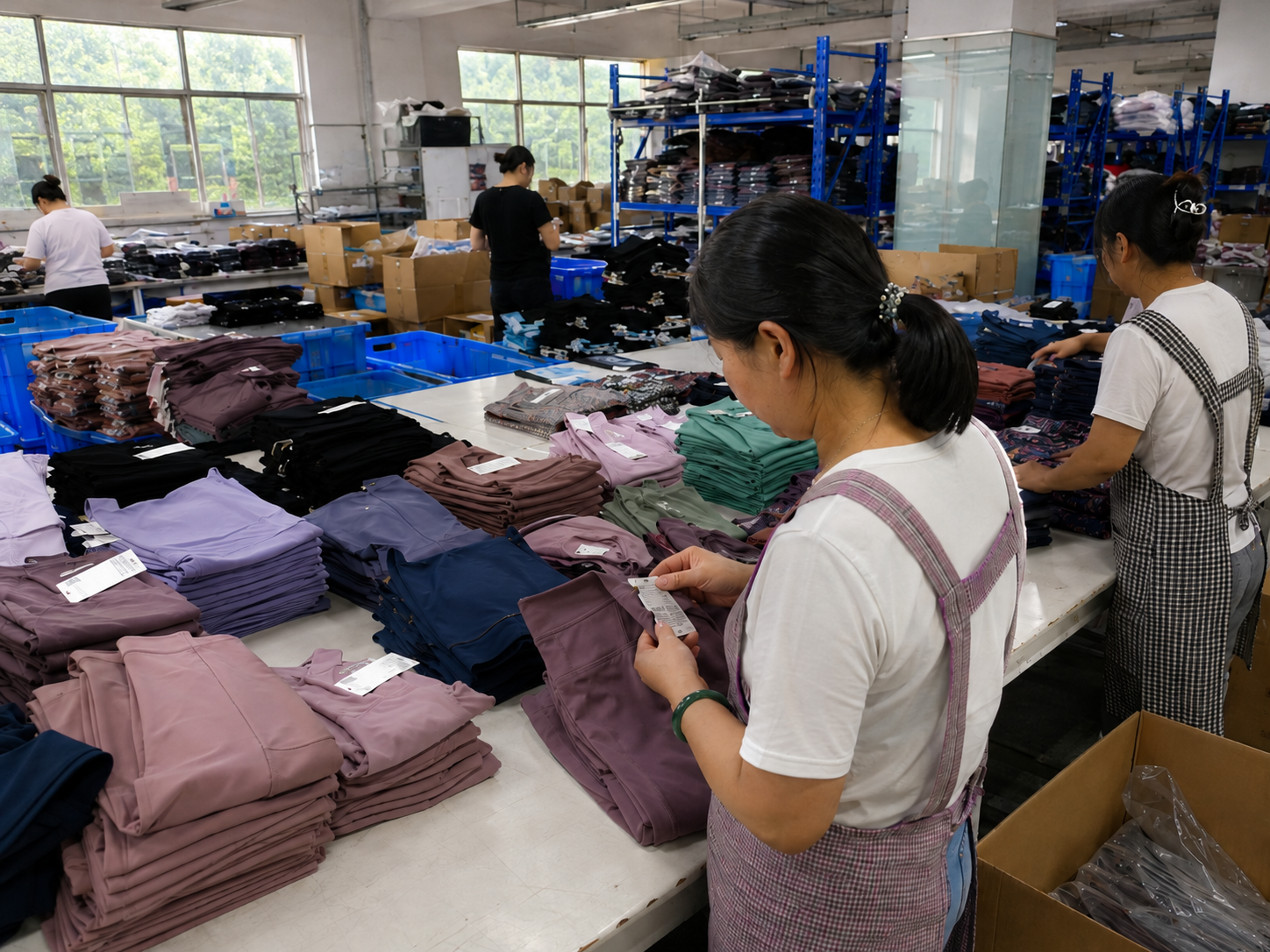
Packing and Shipment Preparation
Four automatic folding and packing systems support selected standardized garments, while complex or bulky products may require more manual handling. Packing work can include size and color separation, SKU identification, labels, individual bags, cartons and carton marks. The warehousing and logistics function coordinates material and finished-garment handling plus shipment preparation. Transport method, customs outcome and destination timing remain subject to the agreed trade and logistics arrangement. Packing instructions should identify style, color, size and carton allocation before finished goods enter the final packing stage.
Manufacturing Scale for Streetwear Programs That Need Room to Grow
Scale matters when a successful drop becomes a larger reorder. The figures below describe Leadshow’s overall apparel manufacturing system, not dedicated streetwear-only capacity or permanently reserved production space.
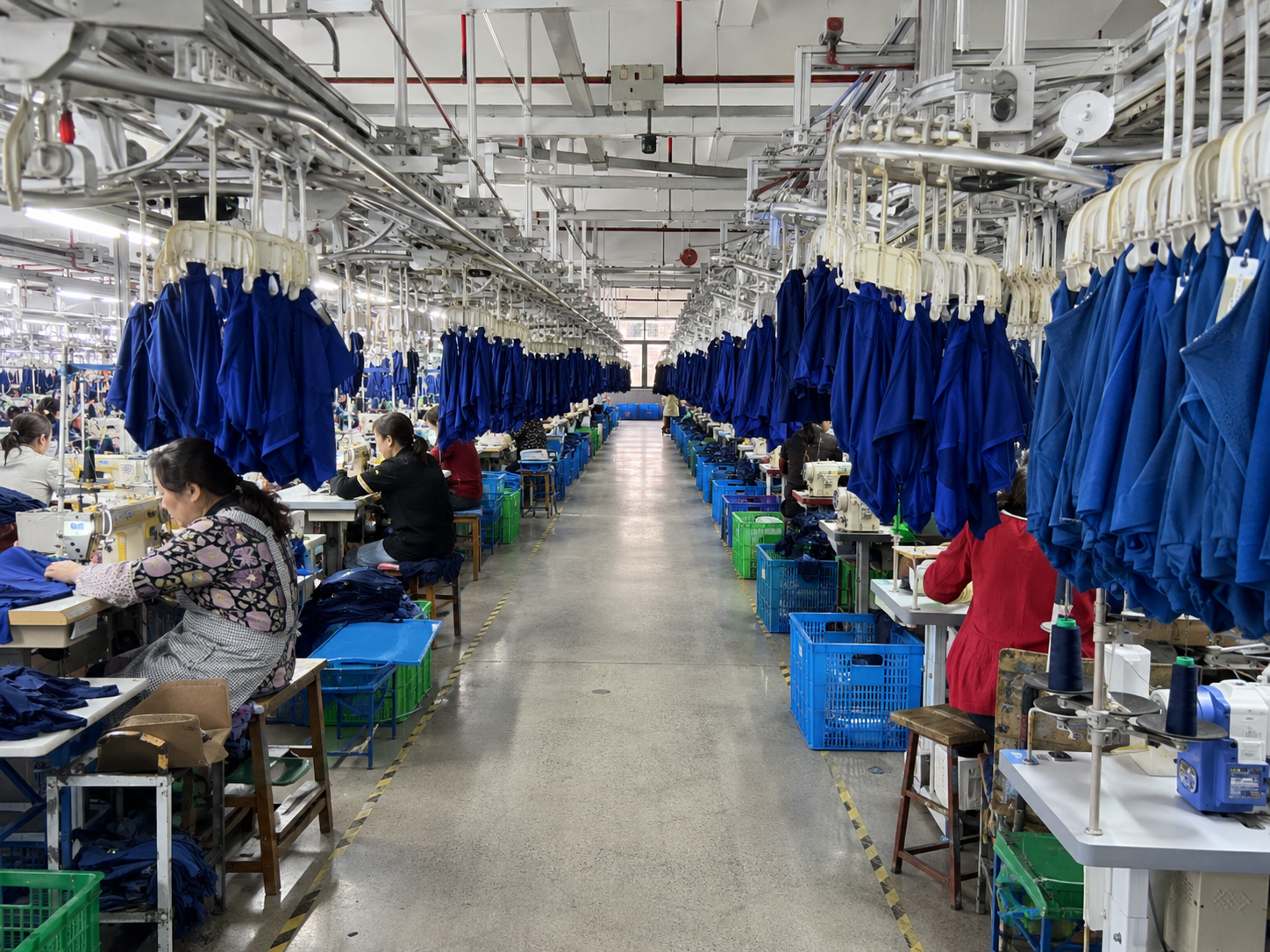
15 Years Experience
With 15 years of apparel manufacturing experience, our team supports projects from technical review and pattern development through sampling, bulk production, quality control and delivery preparation. This experience helps us identify potential issues earlier and keep development and production aligned as styles move toward larger orders.
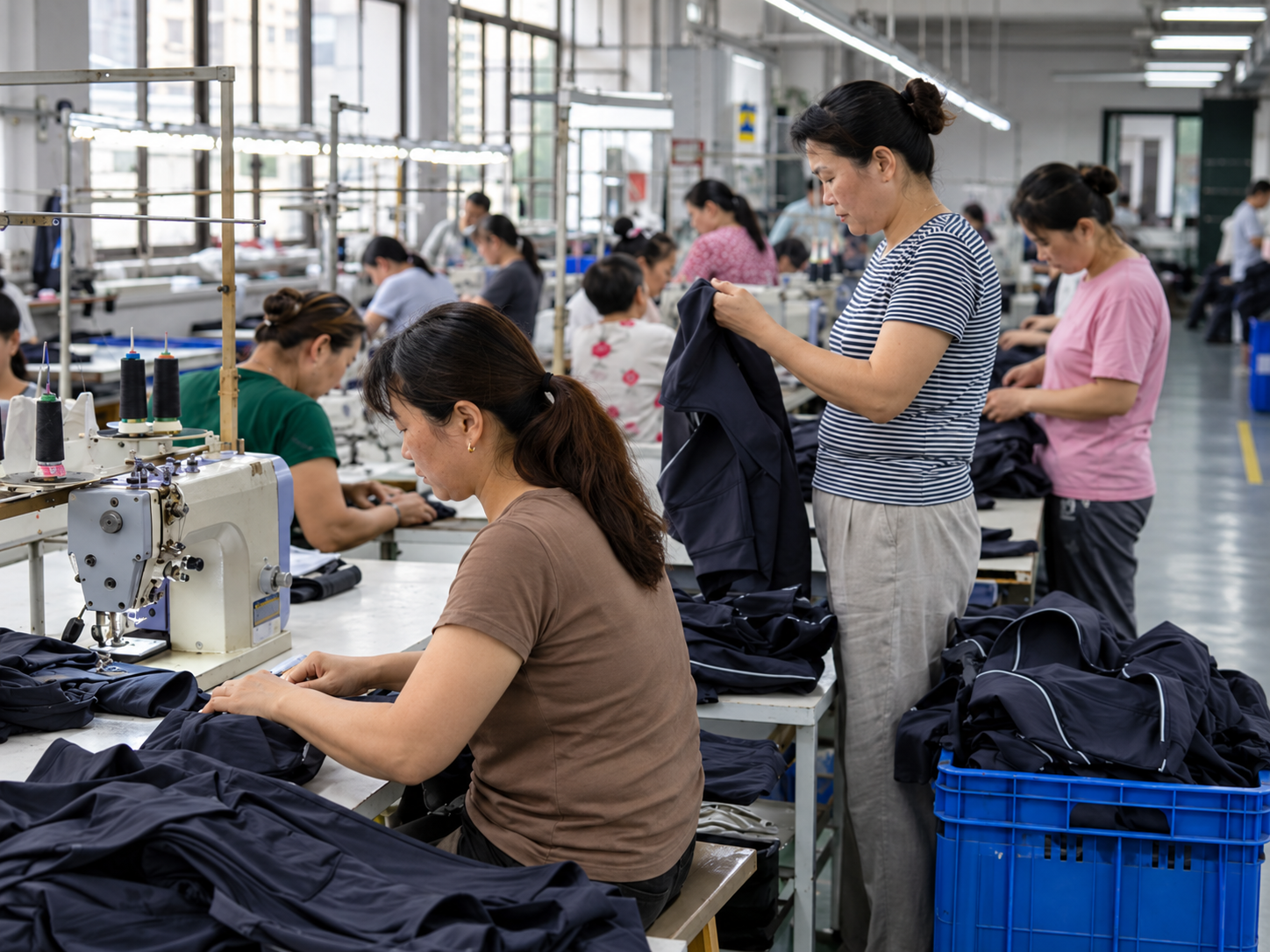
3 Manufacturing Bases
Our three manufacturing bases give us greater flexibility when planning different products, processes and order volumes. Production is arranged according to the needs of each program, helping us coordinate sampling, bulk manufacturing and delivery schedules across different streetwear categories.
20,000+ Square Meters
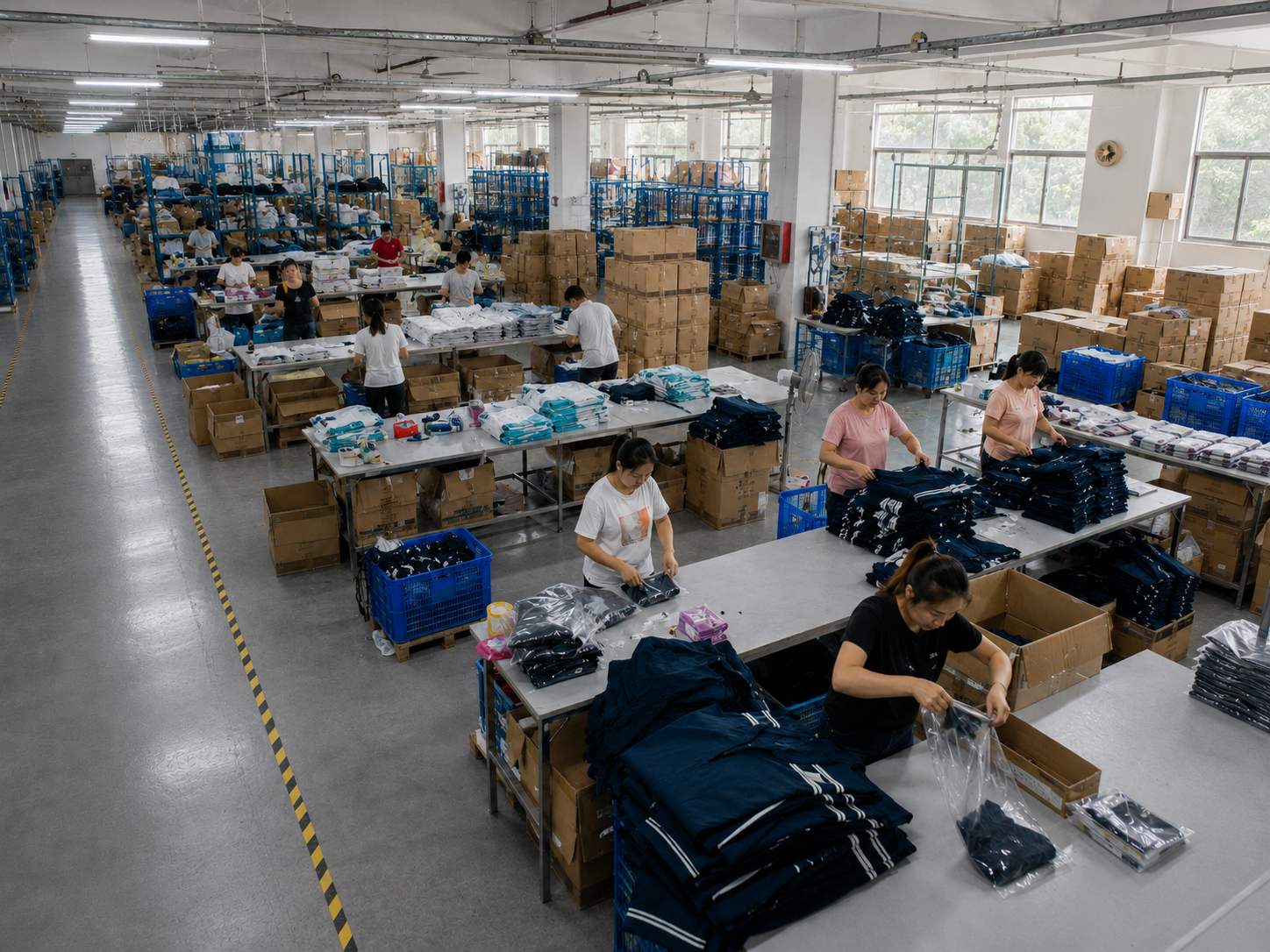
More than 20,000 square meters of combined manufacturing space supports sampling, production, finishing, warehousing and related operations. The additional space becomes especially useful for larger programs involving multiple styles, materials, SKUs and production stages.
1,500+ Team Members
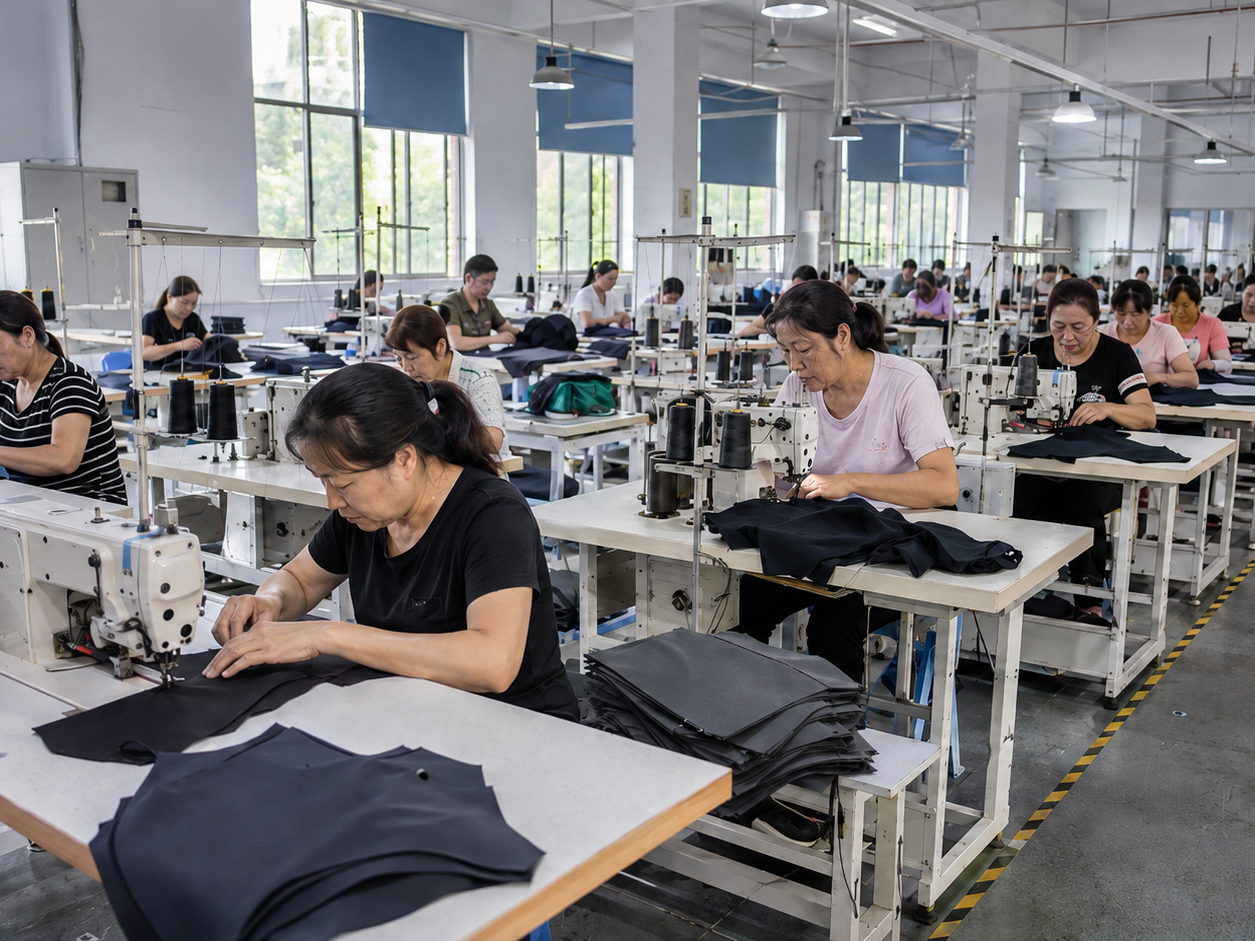
More than 1,500 team members support product development, manufacturing, quality control, warehousing, logistics and commercial coordination. Project teams are arranged according to the style, order size and production stage, which becomes especially important when a collection moves from sample revisions into multi-SKU bulk production.
304 Confirmed Machines
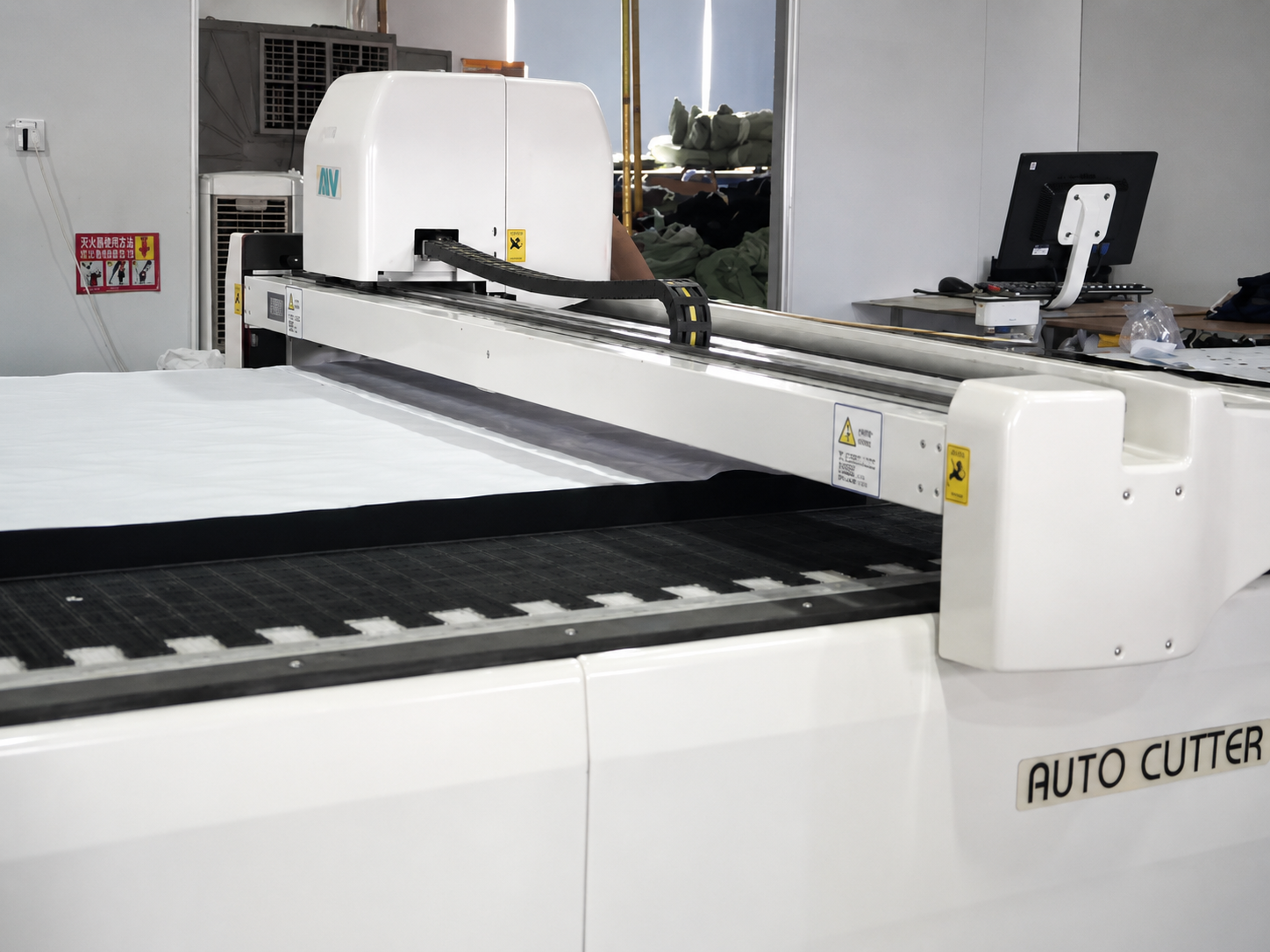
Our manufacturing network includes 304 production and finishing machines covering cutting, sewing, specialized processes and finishing. Equipment is selected according to the construction and process requirements of each style, giving us flexibility across different garment categories and production routes.
Up to Approx. 120,000
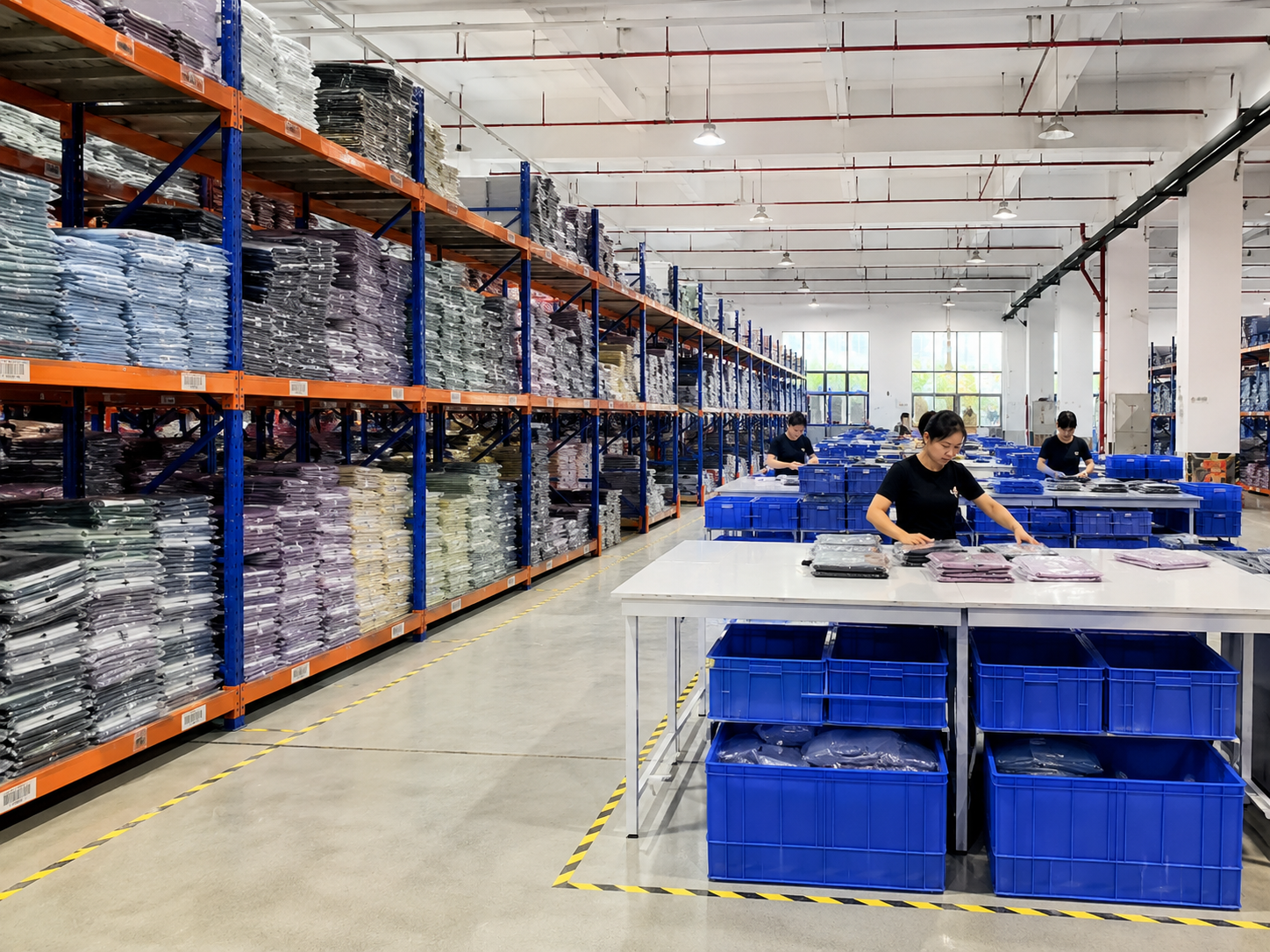
Combined monthly output can reach up to 120,000 finished garments, depending on style complexity, order mix, material readiness and production scheduling. For larger orders, launches or reorders, we confirm the production window and lead time after reviewing the final style, quantity and material status.
Real Manufacturing Evidence Behind Leadshow Streetwear Production
Factory proof should show how a garment moves from development into production. Use original Leadshow photography for each area below, with dates and captions where available, rather than decorative stock images.
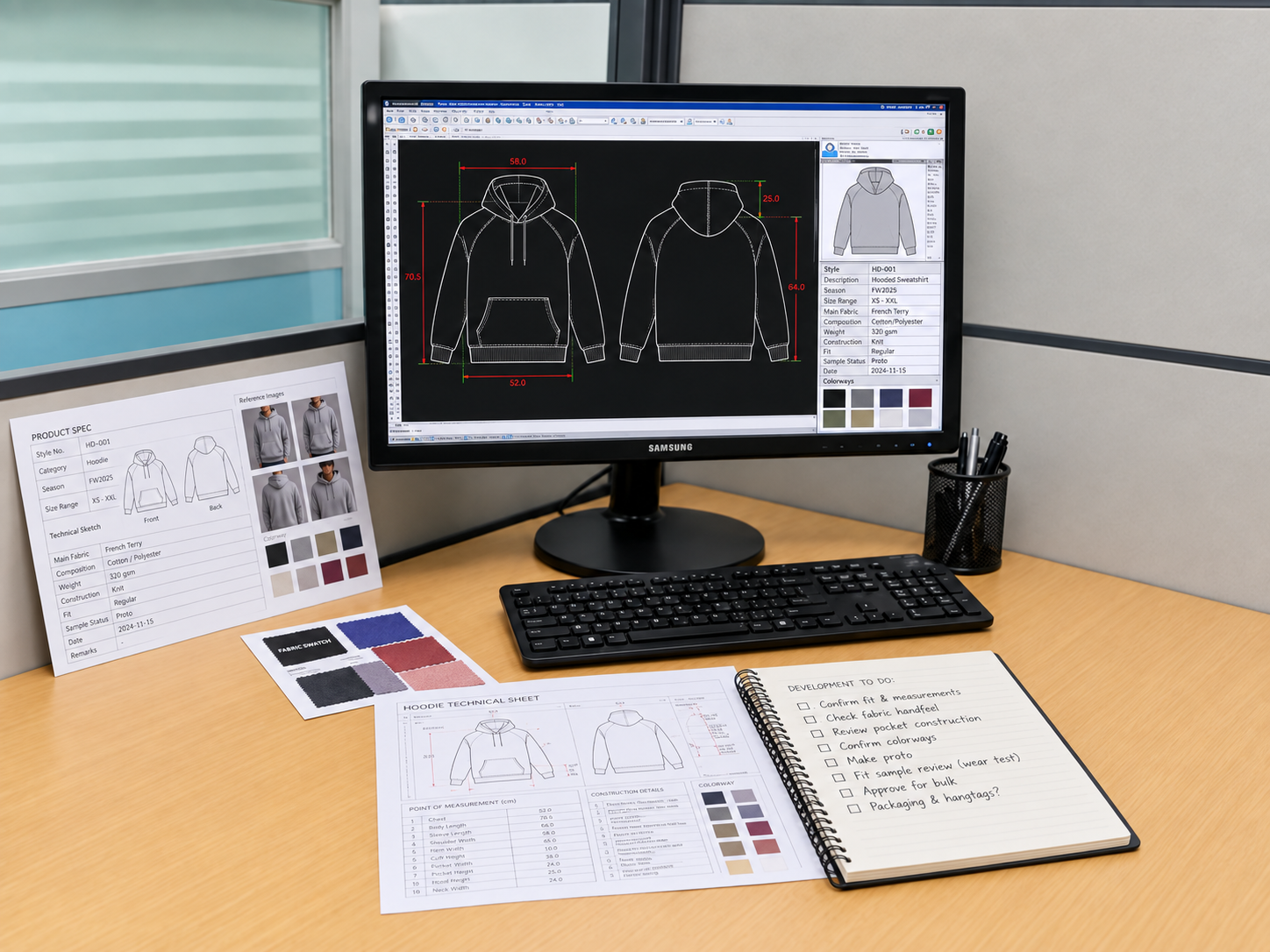
R&D and Product Review
An independent R&D and sampling workshop supports construction review, pattern adjustment, sample making and pre-production validation. A real image should show product files, pattern work or garment review rather than generic office meetings. The approximately 28-person R&D and engineering team supports construction, fit, sample and process evaluation as a department; the number does not mean every member is a designer or pattern maker. A caption can also identify the development stage shown so the image proves a real activity rather than an anonymous workspace.
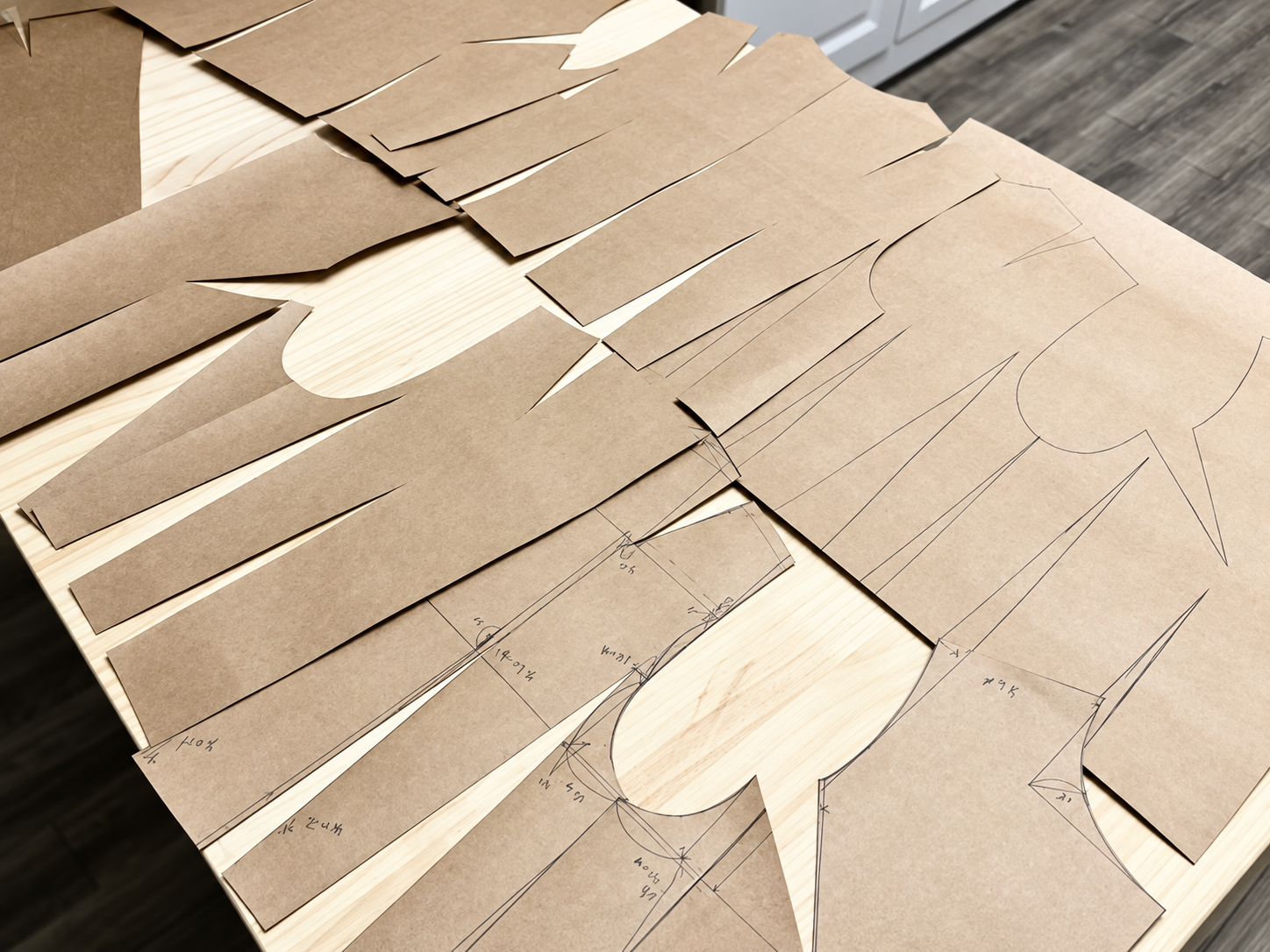
Pattern and Sampling
Sampling evidence should show real patterns, sample sewing, measurement checks or revision records. The strongest proof is a sequence that links input files to a physical sample and then to an approved revision. Avoid using an anonymous finished garment as “sample capability” evidence because it does not show whether the factory can interpret measurements, revise a pattern or maintain version control. Where confidentiality allows, cropped or anonymized revision notes can demonstrate how measurements and construction comments are handled.
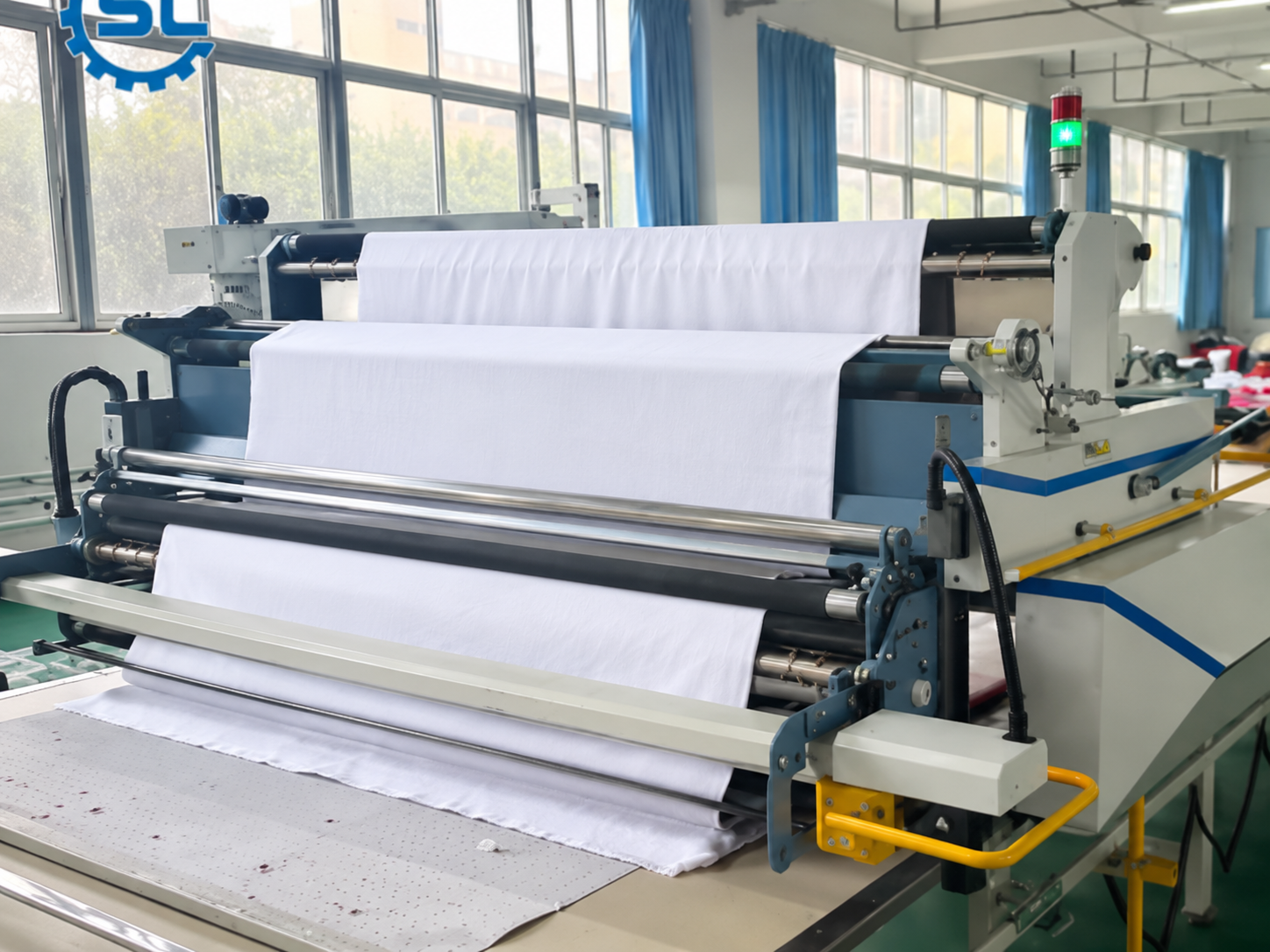
Fabric Preparation
Show actual spreading, fabric handling or pre-treatment activity where appropriate. Five automatic spreading machines and three pre-shrinking or setting units are confirmed resources, but imagery should not imply that every fabric is processed automatically. Caption the role of the equipment: preparing material in a controlled way according to stretch, surface, direction, width and order requirements before cutting. A useful photo sequence can include roll identification, spreading setup and prepared layers ready for the approved cutting plan.
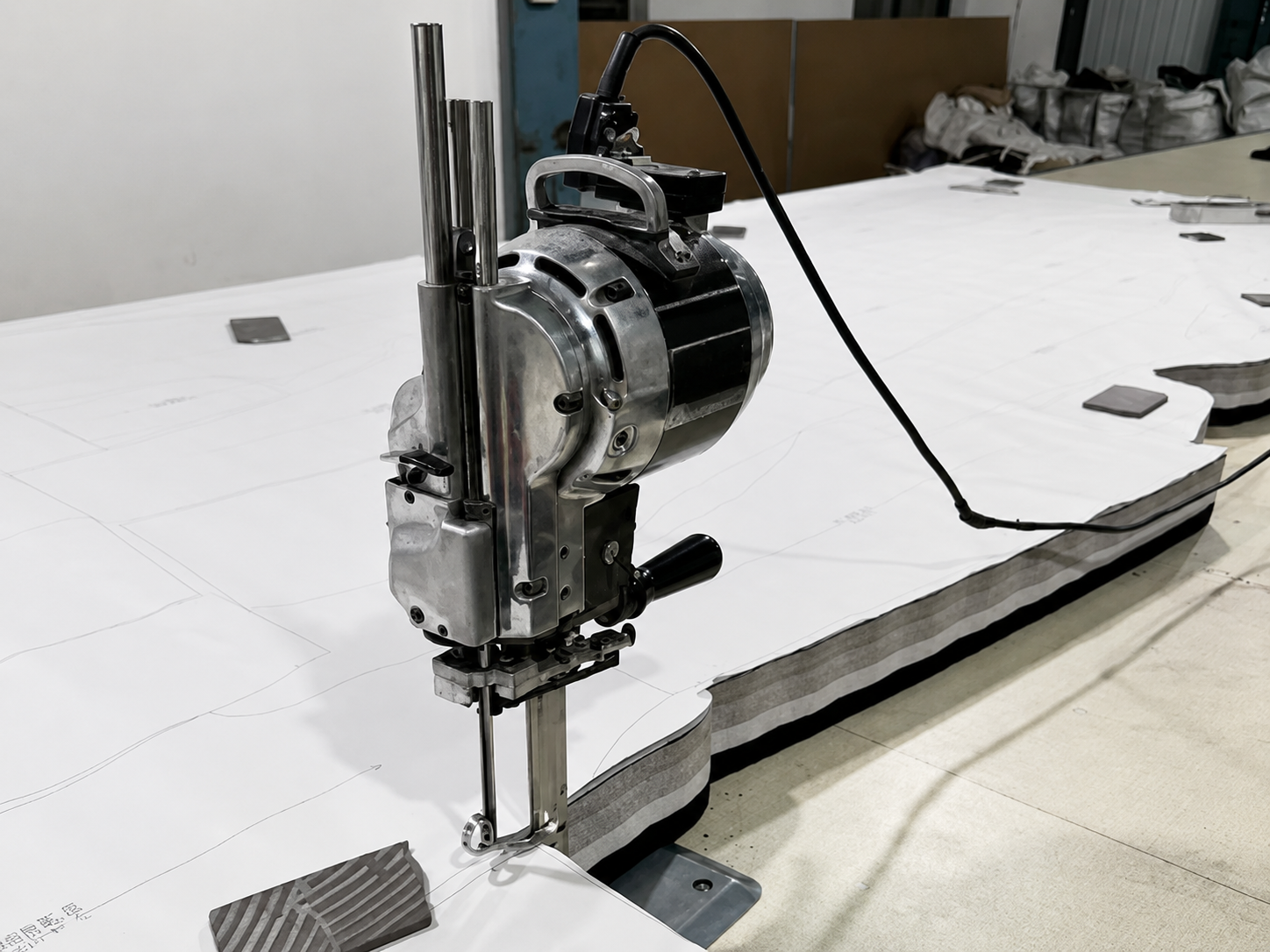
Cutting
Use original images of automatic cutting and flexible cutting equipment with real garment markers or cut parts. Three automatic cutting machines, eight vertical electric cutters and six round-knife units are confirmed. A useful caption explains how mixed equipment supports samples, bulk orders, multiple sizes and different fabric behaviors. Avoid “zero error” or “zero waste” language because no process can support such an absolute promise. Close-up cut-part labeling can further prove how style, color and size information is kept organized after cutting.
Sewing and Assembly
Streetwear production evidence should show real hoodie, sweatshirt, T-shirt or tracksuit assembly rather than unrelated fashion categories. With lockstitch, four- and five-thread overlock, double-needle, bartack and other equipment, images can show seam construction, hood attachment, rib application, pocket work or zipper assembly. Captions should connect the operation to garment quality instead of simply listing machine numbers. Detail shots of hood attachment, rib application or pocket construction can make the manufacturing claim more specific and credible.
Special Process Work
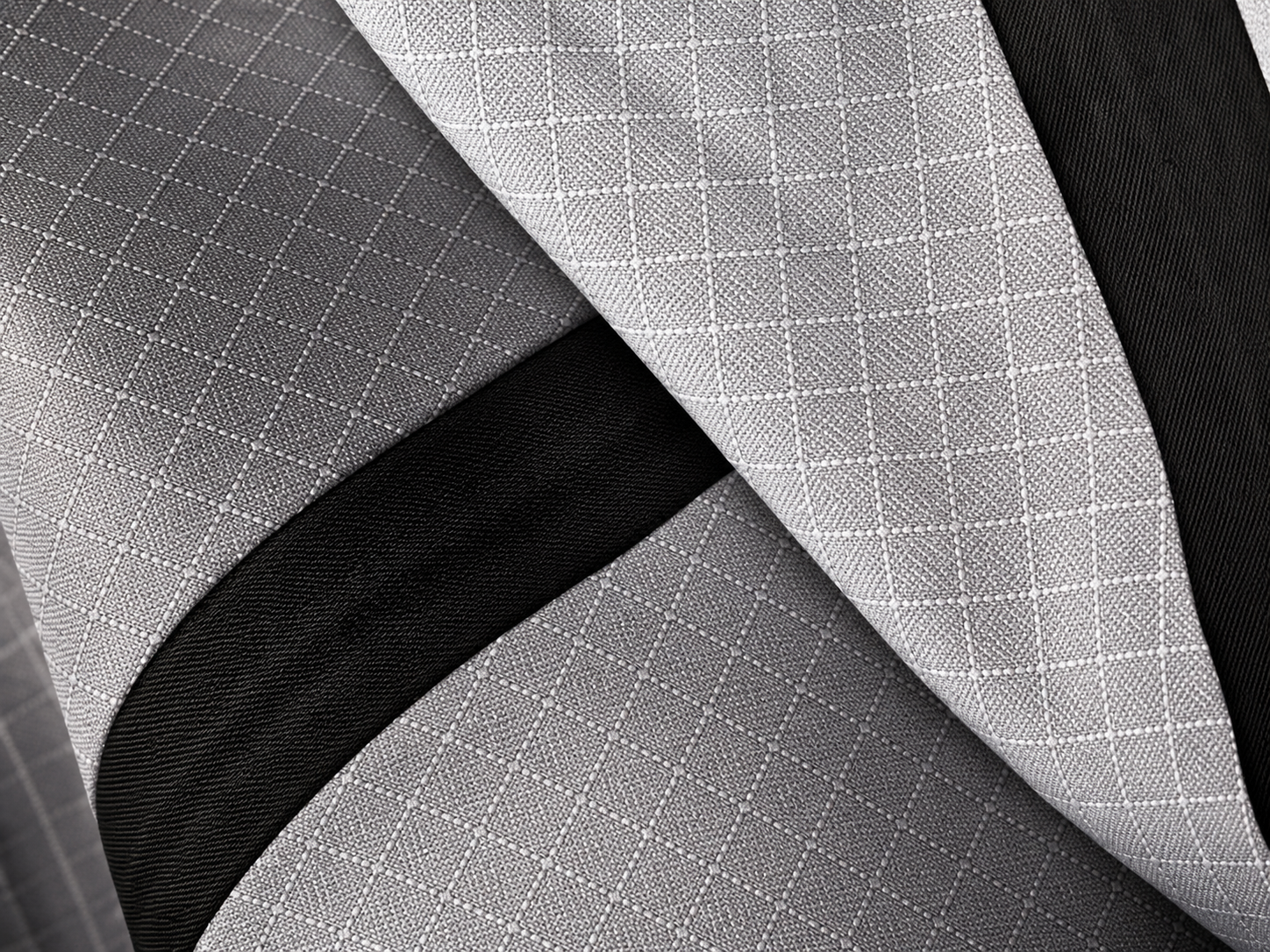
Show only processes confirmed by the fact base or clearly label a coordinated external process. Heat transfer, heat press, bonding, seam sealing and laser perforation are among the confirmed equipment areas. Avoid using photos of embroidery, screen printing, garment dye or wash treatment as if they are established in-house capabilities unless separate evidence has been approved for publication. Equipment plates, work-in-progress pieces or controlled application samples can make the process evidence easier to verify visually.
Quality Checks
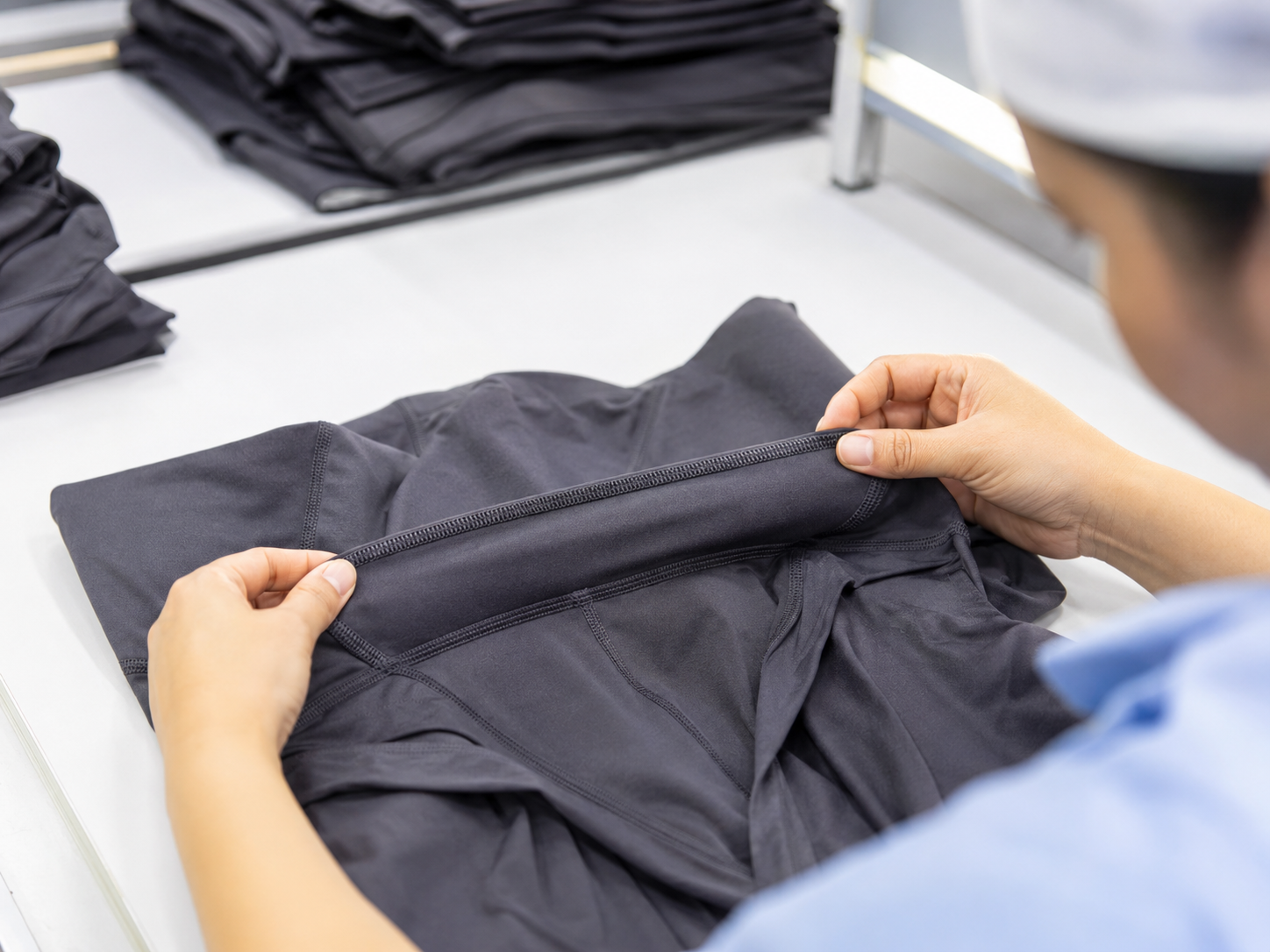
Use real measurement, workmanship, label or packing verification scenes. Leadshow has an approximately 45-person quality team supporting material, in-process, finished-garment and packing checks according to project requirements. Images should demonstrate a specific action such as measuring a garment or checking label placement. Avoid staged “QC” photos that do not show what is being verified or which standard applies. Include the measurement point, approved reference or checklist in frame whenever confidentiality rules allow a meaningful proof image.

Packing and Shipment Preparation
A final proof sequence can show folding, size separation, labels, bags, cartons and shipment preparation. Four automatic folding and packing systems support selected standardized products, with other products handled according to structure and packing requirements. Useful images explain how SKU, size, color and carton information stay connected. Do not use ports, aircraft or delivery trucks as substitutes for manufacturing-side evidence. Showing one SKU from garment label through individual pack and carton mark can demonstrate information continuity across final handling.
Managing Multi-SKU Streetwear Orders Without Losing Control
A larger collection creates coordination risk before it creates sewing volume. Style, color, size, artwork, label and packing versions need to remain linked from order review through final cartons.
Multi-Style Coordination
A program may combine hoodies, sweatshirts, sports T-shirts and tracksuits under one brand language. Each style still needs its own approved construction, measurement chart, material, artwork and quantity. Shared fabrics or trims can be evaluated where appropriate, but they should not be assumed interchangeable. Clear style numbers and document versions help production teams keep similar-looking products separate and allow procurement teams to understand which decisions apply across a collection and which are style-specific.
- Assign a unique style number to every product.
- Record shared materials only after compatibility review.
- Keep sample approval tied to the correct style version.
Multi-Color Management
Multiple colorways can affect material minimums, dye lots, trim colors, rib matching, artwork and order economics. A “1,000-piece order” can behave very differently when it is one color versus ten colors. Standard MOQ generally starts from 100 pieces per color per design, while final quantities depend on fabric, dyeing, trims, branding, labels, packing and production conditions. Color references and approved material samples should therefore be linked to the correct SKU before bulk release.
- Share quantity by design and by color.
- Approve color references and matching trims.
- Reconfirm supplier minimums for custom colors.
Size and Ratio Control
Size planning is not simply a list of S, M and L labels. The brand should provide a size range, measurement chart, grading direction and quantity breakdown. Leadshow does not publish a universal size range because streetwear fit, market, gender direction, material and brand block can change the correct grading. Multi-size orders also require cut-part separation, label accuracy and packing checks so a measurement issue does not become a SKU identification issue later in the process.
- Submit size range and quantity per size.
- Define measuring points and grading rules.
- Link size labels, SKU data and carton allocation.
Version Control
Streetwear projects often change after the first sample: sleeve volume, fabric, artwork, label copy, pocket position or packing may be revised. A reliable bulk release should clearly identify the latest Tech Pack, measurement chart, material reference, artwork and packaging file. Old versions should not remain active in parallel. Version control also matters for reorders because a later drop may intentionally change one detail while retaining the rest of an approved product.
- Use revision numbers or dated file names.
- Record approved changes after every sample round.
- Reconfirm the production release set before cutting.
Production Scheduling
Capacity must be matched to the actual collection rather than inferred from a monthly headline number. Style complexity, fabric arrival, trim availability, decoration route, size and color mix, current orders and required quality checks influence the production calendar. Leadshow’s combined monthly capacity can reach up to approximately 120,000 garments, but available capacity and production lead time are confirmed after order review. Urgent programs should be assessed by conditions rather than promised through a generic “fast production” statement.
- Provide the target launch or receipt date early.
- Freeze design and material decisions before scheduling.
- Confirm production slot after order acceptance and material planning.
Repeat-Order Continuity
Reorders benefit from the approved pattern, measurements, material reference, trims, artwork, labels and packing history, but repeated production is not treated as an automatic copy-and-paste event. Material lots, supplier conditions, quantities, colors, regulations and production timing may change. Leadshow can use authorized product records to support repeat-order review and product iteration, with any substitutions or updated requirements confirmed before production begins. A short pre-reorder review can confirm which files remain valid and which inputs require new approval before material booking.
- Reference the previous approved style and revision.
- Reconfirm material and trim availability.
- Record intentional changes separately from quality deviations.
Streetwear Quality Control From Material Receipt to Packing
Leadshow’s approximately 45-person quality team supports material, in-process, finished-garment and packing checks according to project requirements. Inspection points should be tied to approved specifications rather than a generic “high quality” promise.
Quality Stage
Typical Checks
Risk Controlled
Incoming materials
Fabric appearance, color, GSM where specified, width, lot identity, trim specification and quantity.
Wrong material, color mismatch, unsuitable trim or unapproved lot enters production.
Pre-production
Released Tech Pack, approved sample, material, artwork, labels and packing information are cross-checked.
Production starts from mixed versions or incomplete instructions.
Cutting / first piece
Cut direction, part dimensions, structure and first-piece measurements are reviewed.
Pattern or cutting issue spreads across a larger quantity.
In-process sewing
Seam execution, stitch appearance, critical measurements, hood/pocket/zipper/rib details and visible workmanship are checked as applicable.
Repeated construction defect remains hidden until final inspection.
Branding and trims
Logo position, size, color, appearance, labels, zippers and other components are compared with approval.
Branding error or trim mismatch reaches finished garments.
Finished garment
Measurements, appearance, construction, stains, damage and other agreed checkpoints are inspected.
Nonconforming garments move into packing.
Packing and SKU
Size label, care label, SKU, barcode, individual packing, carton quantity and carton mark are verified.
Correct garments are packed into the wrong SKU or carton version.
Final release
Random carton opening, applicable needle detection and shipment preparation checks are performed according to the project.
Packing or release error is discovered only after dispatch.
Private Label Details Built Into Streetwear Production
Brand identity continues after the garment is sewn. Label files, hangtags, packing artwork, SKU data and carton instructions should be approved and version-controlled alongside the garment specification.
Garment Labels
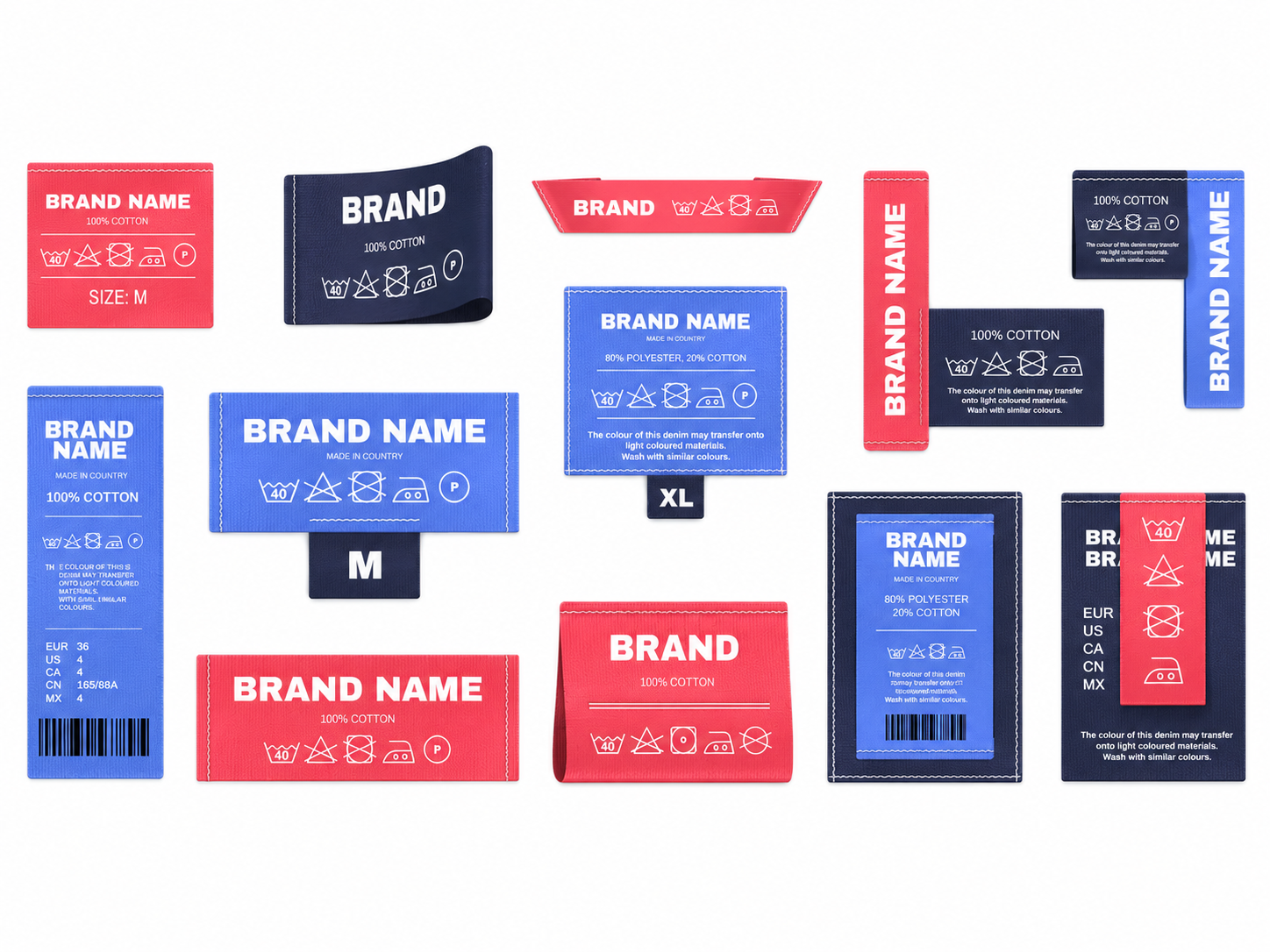
Main labels, size labels and care labels need correct artwork, wording, placement and product association. Heat-transfer labeling is a confirmed in-house resource for suitable materials, while other label constructions can be coordinated according to project requirements. Brand teams should provide approved logo files, care content, size naming and market information. Label text and legal claims remain subject to the brand’s destination-market requirements. Bulk checks should verify both placement and content, not only whether a label is physically attached.
- Confirm label type, dimensions and placement.
- Approve artwork and wording before production.
- Keep label version tied to the correct style and market.
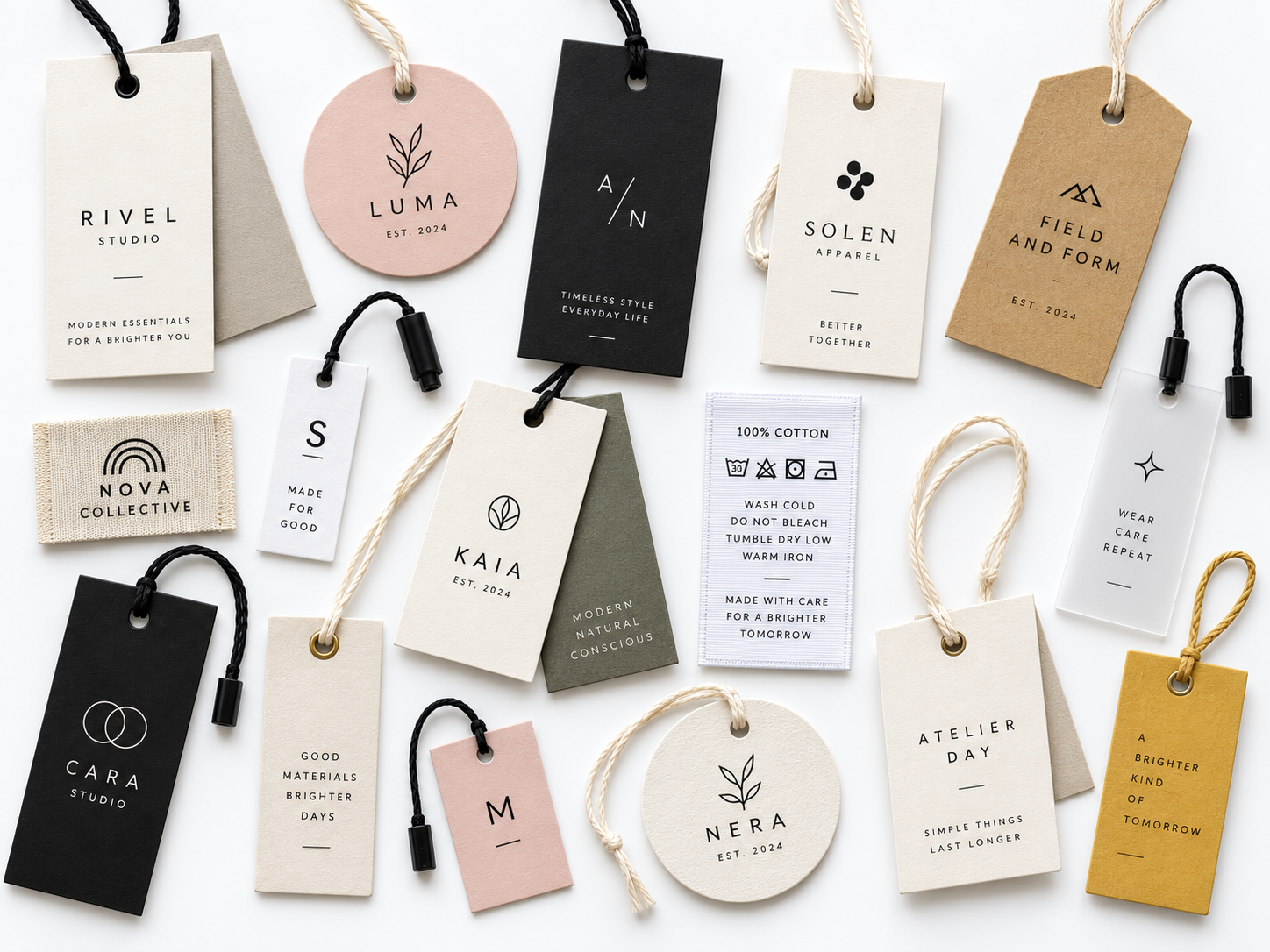
Hangtags and Brand Details
Hangtags, heat-press graphics and other brand details should follow the same approval discipline as garment construction. Artwork size, color, position, attachment method and file version need to be defined. A visually similar substitute may still create a brand inconsistency if paper, finish, cord, fastener or placement changes. When a process is not confirmed as an established internal capability, Leadshow evaluates the production route and supplier conditions before committing to price or timing.
- Provide vector artwork and color references where possible.
- Approve physical or production-representative samples for important brand details.
- Avoid assuming a digital mockup is final production approval.
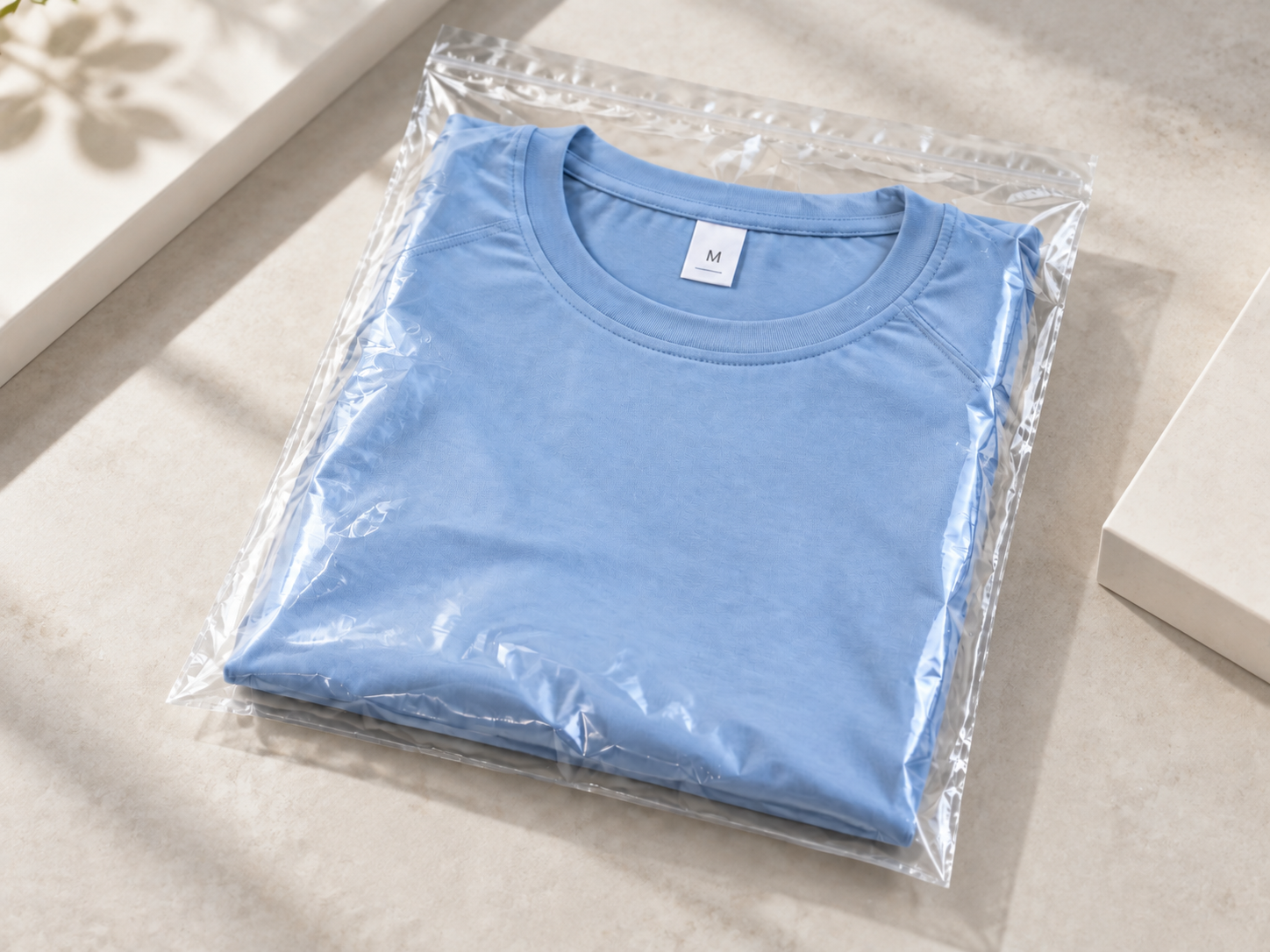
Individual Packaging
Individual bags or other approved packing formats should protect the garment while supporting brand presentation and SKU identification. Packing artwork, warning text, stickers and label positions may vary by market or channel. Four automatic folding and packing systems can support selected standardized products, while bulky or complex garments may require a different method. Packing should be sampled and approved when visual presentation or dimensions are important rather than being decided only after garments are finished.
- Define bag or package type and required labels.
- Confirm fold method and visible presentation.
- Separate any market-specific packing versions.
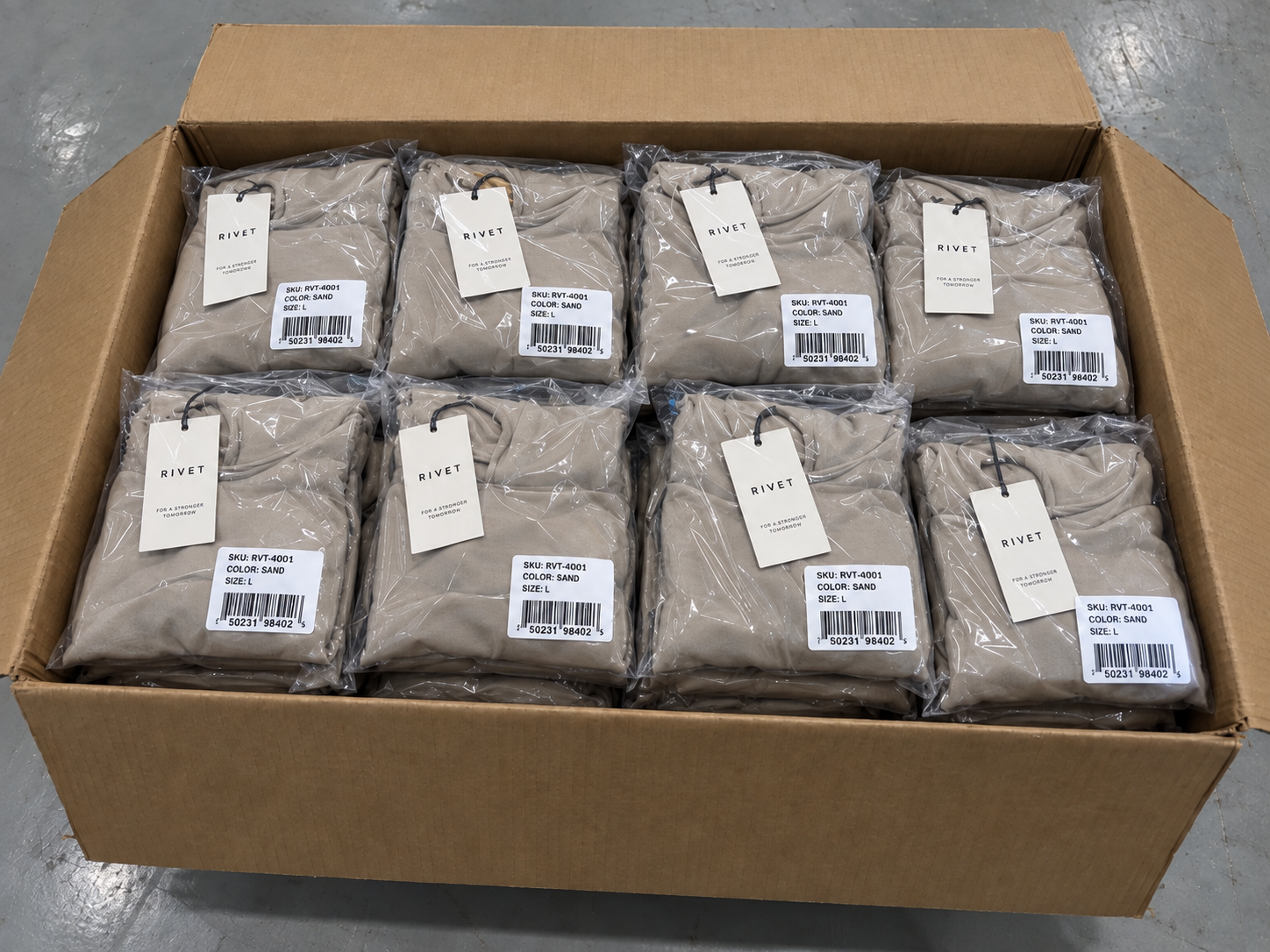
SKU and Carton Management
A collection with several styles, colors and sizes needs clear SKU and carton logic. Product code, size, color, barcode, bag label, carton quantity and carton mark should point to the same item. The approximately 32-person warehousing and logistics team supports sorting, labeling, packing, carton preparation and shipment coordination. No claim is made of a fully automated WMS or real-time client portal because those systems are not confirmed in the current fact base.
- Submit SKU and barcode files in a controlled version.
- Specify carton assortment and mark requirements.
- Verify packed quantities before shipment preparation.
MOQ, Quotation and Timing Are Confirmed by Project
Commercial terms should follow the actual garment specification. Leadshow publishes a standard MOQ starting point, while price, sample lead time, production schedule and delivery arrangement are confirmed after the relevant product and supply conditions are known.
Commercial Item
Leadshow Baseline
What Finalizes It
Standard MOQ
Generally starts from 100 pieces per color per design.
Final MOQ still depends on product, fabric minimums, custom dyeing, trims, colorways, sizes, logo, labels, packing, testing and production conditions.
Size distribution
Size quantities are planned inside the confirmed color/design quantity.
No universal size ratio or unlimited SKU mix is promised; distribution is reviewed against cutting and production requirements.
Fabric / trim minimums
Supplier minimums may be higher than the garment quantity.
Custom fabric, color, zipper, rib, label or packing components can change the feasible order quantity.
Quotation
Prepared after product specification, quantity, materials, branding and packing are understood.
A broad “hoodie price” is not treated as an accurate project quote.
Sample lead time
Confirmed after requirement, material and process review.
No fixed number is published because pattern work, sourcing, decoration and revision scope vary by style.
Sample revisions
Confirmed by project and feedback scope.
No unlimited or fixed revision count is promised; changes may affect cost and schedule.
Bulk production schedule
Confirmed after approved sample, material readiness, order acceptance and current production planning.
Company-wide capacity does not equal permanently reserved capacity for one program.
Delivery arrangement
Shipment method and export coordination are reviewed with the order.
Transit time, customs clearance and destination delivery depend on the agreed logistics and trade conditions; no universal delivery guarantee is published.
Streetwear Manufacturer Frequently Asked Questions
Answers below cover the questions most likely to affect product fit, sampling, MOQ, production and private-label execution before a streetwear program moves forward.
What streetwear products can Leadshow manufacture?
Confirmed streetwear products mainly include hoodies, sweatshirts, sports T-shirts, tracksuits, selected jumpsuits and selected relaxed tank tops. Other categories such as cargo pants, denim jackets, varsity jackets, bomber jackets, streetwear jeans, caps, bags and footwear are not presented as confirmed core products without separate verification.
Can Leadshow manufacture oversized streetwear?
Oversized directions can be evaluated for supported products such as hoodies, sweatshirts and selected tops. Fit is developed through shoulder position, chest width, body length, sleeve volume, hood proportion, hem and fabric drape. A reference garment, measurement chart or clear fit comments help convert the visual idea into measurable pattern requirements.
Can you manufacture from our Tech Pack?
Yes. Leadshow can review Tech Packs, measurement charts, patterns, artwork and related files for OEM development and production. Product construction, materials, trims, quantity, target market, branding and packing are checked before sampling or quotation. Conflicting or missing information should be clarified before the file becomes a production basis.
Can a project start from reference images or a sample?
Yes. ODM-oriented development can begin from product concepts, sketches, reference images, Tech Packs or physical samples. The product still needs structure, fit, material, branding and measurement decisions before bulk production. A reference image is useful for direction but is not treated as a complete manufacturing specification.
How should fabric GSM be selected for streetwear?
GSM should be selected together with fiber content, fabric structure, density, surface, handfeel, shrinkage, silhouette and decoration method. Higher GSM is not automatically better. A target weight should be confirmed with an actual swatch or sample so the approved fabric produces the intended drape and sewing behavior.
What is the MOQ for custom streetwear?
Standard MOQ generally starts from 100 pieces per color per design. Final MOQ depends on the product, fabric and dyeing minimums, trims, colors, size breakdown, branding, labels, packing, testing and production conditions. Lower quantities may be evaluated in selected cases, but Leadshow is not described as a no-MOQ or one-piece manufacturer.
How long does streetwear sampling take?
Sample lead time is confirmed after project review. Pattern development, fabric availability, trim sourcing, decoration, construction complexity and revision scope all influence timing. Leadshow does not publish one fixed sample period for every garment because a basic T-shirt and a complex multi-detail hoodie do not require the same development work.
How is bulk production kept aligned with the approved sample?
Approved Tech Pack revision, measurements, fabric, trims, artwork, labels and packing form the production reference. Bulk materials, first pieces, critical operations, finished measurements and packing can be checked against the approved basis. Reasonable production tolerances and material lot differences should be agreed as part of the project standard.
Can Leadshow support custom labels and packaging?
Yes. Leadshow supports custom labels and packaging according to project requirements, including main labels, size labels, care labels, hangtags, individual packing, SKU identification and carton information. Artwork, barcode data, wording and market-specific requirements should be supplied or approved by the brand before bulk packing.
What information is needed for an accurate quotation?
Send the product category, Tech Pack or reference images, quantity per design and color, size range, fabric requirements, trims, logo method, label requirements, packaging, testing needs, target market and target date. More complete specifications allow material, process, MOQ and production conditions to be evaluated on the same basis as the intended product.
Send Your Streetwear Project for Review
Send the files already available and Leadshow can review the project from a manufacturing perspective. A strong starting package includes the product category, Tech Pack or reference images, quantity per design and color, size range, fabric or GSM preference, trim requirements, logo artwork, labels, packaging, testing requirements, target market and target date. A complete Tech Pack is helpful but not mandatory for the first discussion; sketches, reference garments or physical samples can also provide a starting point for ODM-oriented development. After receiving the information, the team can identify open specifications, evaluate product and material feasibility, review MOQ conditions and define the next sampling or quotation step. Final price, sample lead time, revision scope, production schedule and delivery arrangement are confirmed only after the relevant project details are reviewed. Files containing brand artwork or product information should be shared through the agreed business channel and handled according to the project arrangement.