
Sportswear Tech Pack for Manufacturing
From technical review and fit development to approved-sample control, Leadshow helps sportswear teams prepare specifications for scalable manufacturing.
- Review technical flats, measurements, materials, trims, construction, branding and packing requirements before sampling or quotation for clearer factory interpretation.
- Identify missing, conflicting or high-risk information and convert open points into a structured clarification list for approval before sample work begins.
- Develop patterns, samples and fit revisions according to product complexity, material behavior and written feedback across fit and construction decisions.
- Transfer approved specifications, sample references and production requirements into bulk-manufacturing and quality-control checkpoints for repeatable execution and traceable review.
What Makes a Sportswear Tech Pack Manufacturing-Ready?
A manufacturing-ready tech pack gives a factory enough controlled information to quote, develop samples and prepare production without relying on guesswork. Clear specifications also make revisions easier to track and approvals easier to enforce across development and bulk stages.
Quote-Ready Specifications
Quotation needs more than a sketch and a target quantity. Product type, base measurements, materials, trims, construction, artwork, colors, labels, packaging and order breakdown all influence material consumption, labor, process planning and supplier minimums. A clear file set lets the manufacturing team identify cost drivers early, separate confirmed details from open points and avoid pricing assumptions that later change after sampling. It also helps sourcing and production teams distinguish a real specification from a placeholder before commercial terms are confirmed.
Sample-Ready Instructions
Sample development requires enough information to build and evaluate a physical garment. Measurement points need defined methods, construction notes need to match the intended structure, and fabric references need enough detail to judge stretch, weight, hand feel and compatibility with the pattern. When information is incomplete, open points should be listed and confirmed before relying on a first sample as the final production standard. Clear sample objectives also prevent one prototype from being mistaken for approval of every size, material, color and branding detail.
Bulk-Ready Standards
Bulk production should follow an approved technical version, an approved sample reference where applicable, confirmed materials and approved branding or packing instructions. Revision comments scattered across messages create avoidable risk. A controlled production reference makes it easier to compare first pieces, in-process work, finished measurements, labels and packing against the same agreed requirements throughout manufacturing. The same reference set also supports repeat-order review when materials, packing rules or production conditions change in a later season.
Choose the Right Starting Point for Your Project
Sportswear programs reach a factory at different levels of readiness. Leadshow can begin from a complete technical package, a partial file set or an existing garment and related records, then define what needs review before quotation, sampling or production planning.
Complete Tech Pack
A mature development team may already have technical flats, measurement charts, grading, BOM details, construction notes, artwork and packaging instructions. Review should still focus on manufacturability and cross-file consistency rather than assuming every field is ready for production. Mature files still benefit from a factory review because strong documentation does not automatically prove material availability, process compatibility or bulk stability.
- Check measurements, tolerances and grading logic against the intended fit.
- Confirm materials, trims and special processes can be sourced and executed for the order.
- List any conflicts between artwork, BOM, construction notes, sample comments or packing files before sampling.
Partial Tech Pack
A file set may be useful even when several sections are incomplete. Missing measurements, unclear material specifications, undefined trims or unfinished packaging information do not automatically stop a project, but they need a controlled clarification path before quotation or production references are finalized. A controlled review keeps the development team moving while making sure new technical details are added only after the brand confirms the intended direction.
- Separate confirmed information from open decisions.
- Prioritize missing details that affect fit, cost, material MOQ or construction.
- Use sample development to validate unresolved fit, structure and workmanship points instead of filling gaps with assumptions.
Existing Product Transfer
Established styles often arrive with an older tech pack, physical garment, inspection history or previous supplier files. A transfer project should preserve approved design intent while checking whether old documents still match the physical reference and current sourcing conditions. Transfer work should also confirm intellectual-property rights and avoid treating wear, washing shrinkage or previous production variation as the intended original specification.
- Measure and review the existing garment before treating it as an original specification.
- Identify differences between old files, actual materials, construction and current brand requirements.
- Build a new approved manufacturing reference before bulk transfer, especially when materials, patterns or processes change.
Sportswear Tech Pack Manufacturing Readiness Checklist
A useful review focuses on information a factory must interpret correctly before sampling and bulk preparation. The checklist below keeps product, fit, materials, branding and packing in one view, making missing or conflicting requirements easier to identify before work begins.
Review Area
What the Factory Needs
If Missing or Conflicting
Technical Flats
Front, back and key detail views; style identification; structure callouts.
Construction can be interpreted differently across teams.
Measurements
POM definitions, base size, measurement method and tolerances.
Fit targets and inspection criteria remain unclear.
Grading
Size range and approved grade rules where required.
Size-set development may not reflect intended proportions.
BOM
Fabric, lining, elastic, trims, labels and other components.
Quotation, sourcing and material readiness can change later.
Construction
Seams, stitch direction, panels, openings, pockets and special-process notes.
Sampling may look correct while bulk execution remains unstable.
Fabric Specs
Composition, weight, width, stretch direction, color and relevant performance requirements.
Pattern, fit, sourcing and quality checks may need revision.
Artwork
Logo or graphic file, dimensions, color, placement and process direction.
Branding position, scale or method may be inconsistent.
Labels
Main label, size label, care label and placement instructions.
Private-label execution may be delayed or mixed across SKUs.
Packaging
Individual packing, carton requirements, carton marks and related artwork.
Finished goods may be correct but shipment preparation can fail.
Order Matrix
Style, color, size, quantity and target market information.
MOQ, material planning and production allocation cannot be assessed accurately.
Files a Sportswear Factory Needs to Start Correctly
A strong file set keeps design intent, technical requirements and commercial details connected. Not every project starts with every document, but the files below reduce ambiguity and help development, sourcing, sampling, quality and packing teams work from the same information.

Technical Flats
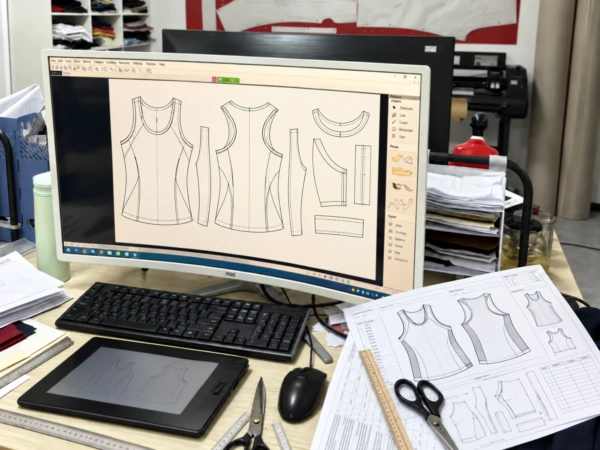
Front and back technical flats establish the overall silhouette, panel arrangement, openings and visible construction. Detail views are useful for waistbands, gussets, pockets, straps, closures or bonded areas. Drawings should identify style references consistently across related files. Fashion sketches can communicate direction, but manufacturing flats need enough structure to support pattern, sewing and component decisions during review. Consistent callout numbering also helps comments, measurement charts and sample feedback point to the same garment areas during revisions.

Measurement Chart
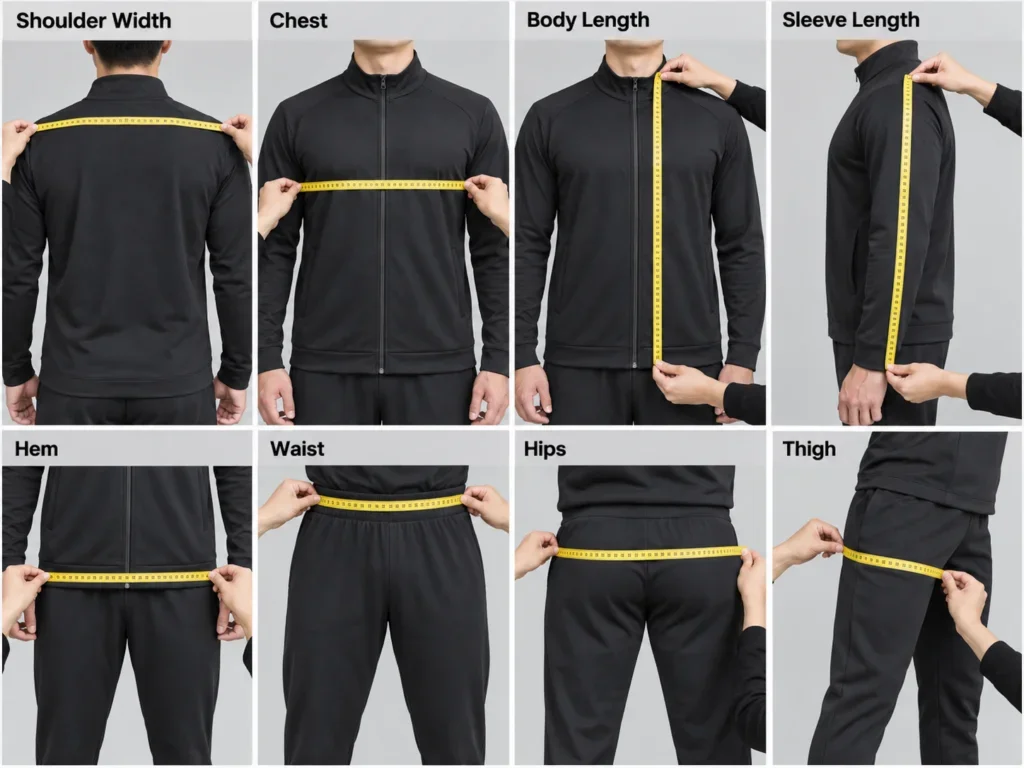
A measurement chart should define each point of measure, the base size, measurement method and tolerance where relevant. Sportswear fit is sensitive to fabric behavior, body movement and garment ease, so a number without a clear POM can be misleading. Where grading is required, size increments should be linked to the approved base fit instead of being treated as a separate spreadsheet with no physical validation. A clean chart becomes especially valuable later because quality teams can use the same definitions when checking approved samples and production output.

BOM and Materials
A bill of materials should identify the main fabric, lining, elastic, trims, labels and other components used in the garment. Useful entries include composition, weight or construction where confirmed, color direction, supplier reference if nominated and placement. The BOM also helps expose sourcing constraints: one trim may carry a higher minimum than the garment itself, while a color or custom component may change cost and timing. Linking each component to its location and revision also reduces the risk of old development trims being carried into a new production version.

Construction Details
Construction notes explain how panels, seams, hems, waistbands, straps, pockets, openings and reinforcement areas should be assembled. Sportswear may combine stretch seams, elastic applications, flatlock stitching, bonding or other selected processes depending on product design and material compatibility. Clear callouts reduce interpretation differences between the sample room and bulk line, especially around high-stress or close-fitting areas. Written construction direction is strongest when critical seams or process-sensitive areas can be checked against a physical sample or approved detail reference.

Fabric and Trim References
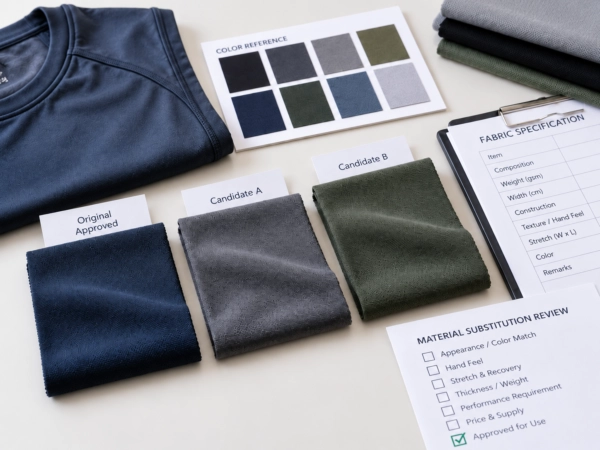
A fabric code alone rarely explains how the garment should fit or feel. Swatches, supplier references or confirmed specifications can help evaluate weight, stretch direction, recovery, surface, thickness and color. Trims such as elastic, zippers, cords and buckles also need dimensional and placement details. Material performance claims should remain tied to actual specifications or testing rather than being inferred from a generic fiber name. When final materials are not yet available, any substitute used in development should be marked clearly so approval is not extended beyond its intended purpose.
Artwork Files
Logo and graphic files need scale, placement, color and process direction. A vector file or production artwork is more useful than a low-resolution screenshot, while placement should connect to an identifiable garment reference point. Heat transfer, heat press or other applications may require material compatibility checks. Approval should cover the relevant artwork version and physical execution, not only the visual concept shown in a design board. Artwork revisions should also stay synchronized with the garment style revision so an approved sample is not paired with an obsolete graphic file.

Label and Packing
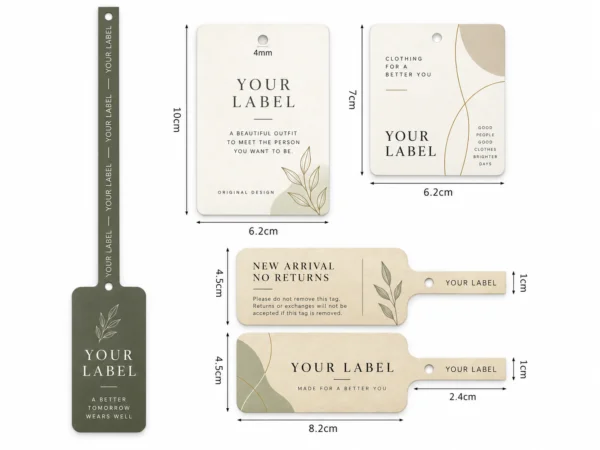
Main labels, size labels, care labels, hangtags, individual bags and carton marks belong inside the production information set because they affect SKU handling and shipment accuracy. Artwork, placement, language and version need confirmation. Packaging should also reflect the selling and distribution model without assuming every project uses the same poly bag, carton ratio or labeling format. Shipment preparation can also include random carton or assortment checks where required, linking finished goods back to the active order matrix and packing version.

Order Matrix
Style, color, size and quantity breakdowns connect technical development to commercial execution. The matrix helps evaluate material quantities, color minimums, grading requirements, SKU complexity and packing needs. Target market and planned timing also matter because testing, labeling or delivery arrangements can vary by project. A clear matrix prevents the technical pack from being reviewed in isolation from the order it is supposed to support. For multi-SKU programs, the matrix also provides a useful cross-check between technical files, label artwork, packing instructions and the final quantity plan.
Why Sportswear Tech Packs Need Product-Specific Engineering
Sportswear combines fit, movement, stretch materials and construction decisions more tightly than many casual garments. A technical file needs to show how those elements interact, because a specification that works for one fabric or silhouette may behave differently after materials, seams or proportions change.
Stretch, Fit and Movement Must Be Connected
A sportswear measurement is not meaningful by itself. Fit comes from the relationship among body measurements, garment measurements, ease, pattern shape and material behavior. A close-fitting legging, sports bra or fitted top may need different pattern decisions when stretch direction, recovery or fabric weight changes. Waistbands, underbands, straps, gussets and openings also influence movement and support, so they should be reviewed together with the main body pattern rather than as decorative details.
During development, base-size measurements should connect to a physical pattern and sample. Fit comments are more useful when they identify the exact area, desired change and related measurement point. If a fabric substitute is used for early sampling, the approval scope should remain clear because a substitute may validate construction while leaving final hand feel, recovery or color for later confirmation. Size grading, where required, should be assessed after the base fit direction is stable enough to support consistent proportions across the intended size range.

Construction Details Need Manufacturing Context
Sportswear construction often combines conventional sewing with stretch-compatible seams, elastic attachment, reinforcement, flatlock stitching, bonding, perforation or selected finishing processes. The presence of a process in a design file does not mean every material can use it in the same way. Fabric thickness, heat sensitivity, edge stability, stretch direction, seam position and washing requirements can change the manufacturing route.
A useful tech pack therefore explains the design intention and the expected execution, then leaves room for technical review before the process is frozen. For example, a bonded edge may need material compatibility evaluation, while a flatlock seam may change bulk, stretch or comfort around a fitted area. Performance language also needs discipline: equipment availability alone does not prove waterproofing, permanent bonding, compression level, moisture management or other product claims. Those claims should remain tied to selected materials, garment construction and relevant testing where required.

How Leadshow Reviews a Sportswear Tech Pack
Leadshow can review tech packs, measurement charts, patterns, reference images or physical garments before sample development. The aim is not to rewrite brand specifications automatically, but to identify information needed for a clearer quotation, sample plan and manufacturing route.
File Completeness and Conflict Review
Technical review starts by checking whether the product can be understood consistently across the available files. Flats, BOM entries, measurements, construction notes, artwork, labels and packaging should refer to the same style and revision. Common problems include a fabric code that differs between BOM and comments, artwork dimensions that do not match placement drawings, measurement values that conflict with the pattern, or packaging instructions written for a different SKU version.
Leadshow can organize such issues into a clarification list rather than silently choosing one interpretation. Product structure, measurement methods, base-size information, material direction, trim compatibility and special-process requirements can then be reviewed with the relevant development and manufacturing functions. Open points should be categorized as executable, needing optimization or requiring confirmation. A review outcome should therefore create a working action list, not a vague statement that the file is complete or incomplete.
Clarification Before Sampling or Quotation
A quotation built on unresolved assumptions can change sharply after sampling, while a sample built on missing dimensions can create revision work that has little to do with real design improvement. Clarification before action is often the faster route. Product teams can confirm whether an undefined measurement should follow an existing pattern, whether a trim is nominated or open to sourcing, whether a special process is essential, and whether a packaging requirement applies to every SKU.
When the available documents are incomplete, Leadshow can work from the material already provided and identify the next information needed. Existing sketches, reference garments, patterns or sample comments can support review, but any additional technical definition should remain aligned with the brand direction and receive written confirmation. Formal quotation, sample scope, final MOQ and scheduling are then confirmed after the relevant product, material and manufacturing conditions are sufficiently clear.

Manufacturability Review Before Sampling and Bulk Production
Manufacturability review looks beyond whether a single sample can be sewn. The stronger question is whether the proposed structure, materials and processes can be developed, repeated and controlled at the intended order scale without changing the approved design direction.
Design Intent Versus Production Stability
A visually strong concept can still create production risk if panel shapes are difficult to align, stretch direction is inconsistent, seam allowances are unclear or a decorative detail sits directly on a high-stress area. The goal of DFM review is not to simplify every garment. It is to identify where design intent and repeatable manufacturing may conflict, then discuss options before expensive revisions occur.
Sportswear adds another layer because movement and recovery matter. A waistband, bra underband, shoulder strap, gusset or bonded edge may look acceptable on a flat drawing while behaving differently after the garment is worn or washed. Review can therefore consider structure, assembly sequence, process access, material compatibility and inspection points together. Where a risk needs physical validation, a sample or localized process test is more reliable than a written assumption. Any optimization that changes design, materials or visual effect should be confirmed before becoming part of the approved specification.

Cost, Material and Process Risks
Manufacturing feasibility also affects commercial planning. Extra panels, narrow seam allowances, difficult curves, specialized processes, custom trims or multiple color-specific components may add labor, sourcing minimums or setup requirements. A garment can remain technically possible while becoming commercially unsuitable for the intended quantity or price position. Early review gives the product team time to decide which details are essential and which can be adjusted without weakening the design.
Material availability deserves the same attention. Stock fabric, custom color, special elastic, branded hardware or packaging can each have different supplier minimums and lead conditions. Leadshow evaluates MOQ and timing according to product construction, materials, trims and customization requirements rather than treating the garment MOQ as the only limit. Final decisions should balance design value, manufacturing stability, order size and brand priorities instead of chasing the lowest unit price in isolation.

From Measurements to Pattern, Fit and Grading
Measurement data becomes useful only when it connects to a defined measuring method, a pattern and a physical fit target. Leadshow can support pattern preparation, fit adjustment and sample review according to product complexity and the information supplied for the project.
Measurements Need a Defined Method
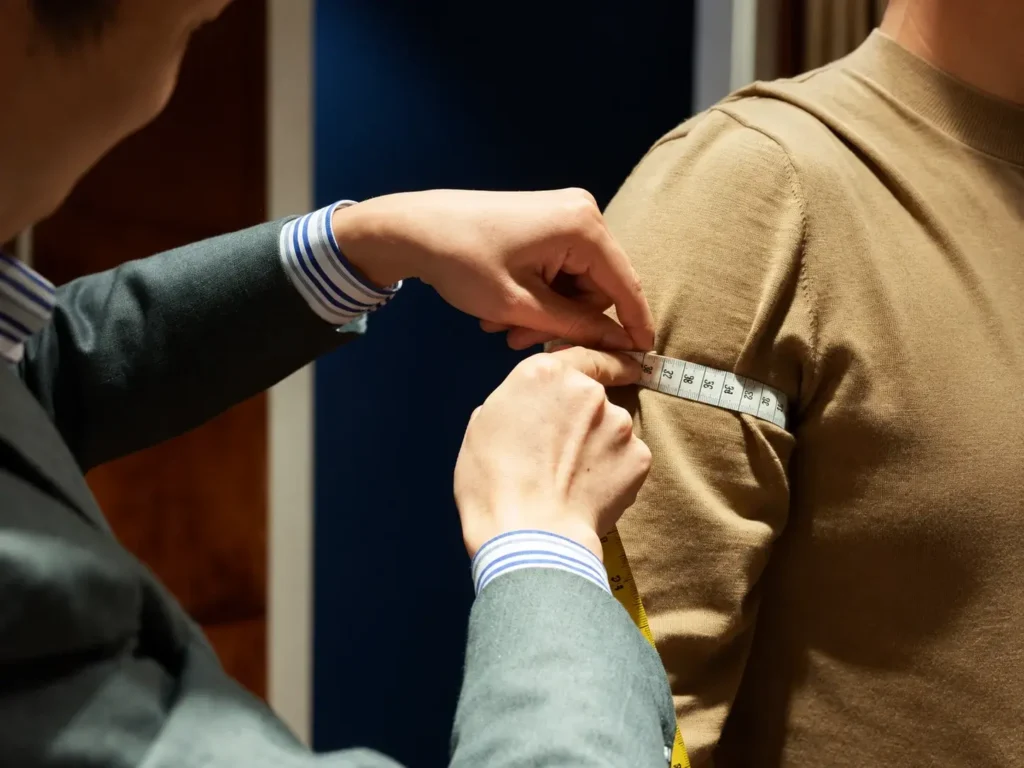
Two teams can measure the same garment differently if the point of measure is not defined. Waist relaxed versus stretched, front rise from different reference points, strap length with or without hardware, and curved versus straight measurements can all create avoidable discrepancies. A reliable chart should identify each POM clearly, show the base-size target and include tolerances where the brand has approved them.
The pattern then becomes the bridge between numbers and garment shape. Measurements alone do not explain contour, seam shape, balance or ease distribution. Pattern review should consider the intended silhouette, fabric behavior and construction. When a physical reference garment is available, measurements can be compared against its current condition, but shrinkage, stretching or wear should not automatically be treated as the original standard. Where a pattern file is supplied, its revision needs to match the latest measurement and construction information.
Fit Approval Must Match the Material
Fit approval should record what has actually been validated. A base-size sample made in a substitute material may confirm general structure while leaving final stretch, recovery, hand feel or color unresolved. A fit sample may approve silhouette and key measurements without approving every size. Size-set evaluation, when required, checks whether grading maintains the intended proportions beyond the base size. A pre-production sample may then confirm a more complete production reference where the project calls for one.
Leadshow does not treat every project as requiring the same sample sequence. Sample type, revision rounds, material status and approval scope are confirmed according to product complexity and project requirements. Written feedback should be consolidated into a clear revision list so the pattern, measurements, construction and sample comments move forward together. Major changes after approval may require another review before bulk production conditions are finalized.
Fabric, Trim and BOM Details Affecting Manufacturing
Materials influence fit, construction, cost and production planning. A BOM becomes more useful when it explains enough about the selected components to support sourcing and sample decisions without turning unverified performance claims into fixed product promises.
BOM Item
Useful Definition
Manufacturing Impact
Main Fabric
Composition, construction, weight/GSM where confirmed, width, color and supplier reference if nominated.
Affects hand feel, consumption, pattern behavior, cost and sourcing.
Stretch Direction
Relevant warp/weft or multi-direction stretch information where applicable.
Can influence ease, pattern shape, seam choice and movement.
Recovery
Project-specific recovery requirement or approved reference.
Helps evaluate shape retention and fit stability for stretch garments.
Shrinkage
Approved requirement or test result where available.
May affect pattern compensation, measurements and washing expectations.
Lining
Material, weight, color, stretch and coverage requirement.
Changes opacity, support, comfort, construction and cost.
Elastic
Width, thickness, stretch, color and position.
Influences waistbands, underbands, openings and fit response.
Zippers / Cords / Hardware
Dimensions, finish, color, placement and supplier reference where applicable.
Affects structure, sourcing minimums, assembly and testing needs.
Thread / Seam Direction
Project specification where relevant.
Supports construction consistency and compatibility with the fabric.
Brand Trims
Main label, size label, care label, hangtag and related artwork.
Adds SKU, compliance, branding and packing requirements.
Packaging Components
Bag, sticker, insert, carton and carton-mark requirements.
Affects final SKU handling, packing cost and shipment preparation.
Branding, Labels, SKU and Packaging Need Clear Specs
Brand files and packing instructions belong inside production control, not at the end as decoration. Clear versions help prevent a technically correct garment from reaching final packing with the wrong logo scale, label, barcode or carton identification.

Logo and Artwork
Artwork should connect visual intent to a measurable production instruction. File version, dimensions, color, orientation and placement need to be clear enough for sample approval and later reproduction. Process choice also needs material compatibility review; a heat-transfer application, for example, should be evaluated on the selected fabric rather than assumed to work from a design mockup alone. Artwork review should also confirm whether the approved scale remains suitable across different garment sizes when the brand expects one placement rule for a graded range.
- Use identifiable placement references, not only visual centering.
- Keep artwork revision and garment revision aligned.
- Approve the physical result or agreed sample method before bulk use where required.

Garment Labels
Main labels, size labels and care labels affect brand presentation, SKU control and destination-market information. Artwork, language, material and placement should be confirmed with the intended garment structure. Heat-transfer labels may be suitable for selected products, while woven or other label formats can follow project requirements through coordinated sourcing. Keeping label artwork inside the active style revision also prevents an old care statement or size format from being reused after product specifications change.
- Define label type and placement for each style.
- Keep size and care information linked to the correct SKU.
- Final legal or market wording remains subject to the applicable product and destination requirements.

SKU and Barcode
Multi-style, multi-color and multi-size programs become difficult to manage if garment files, labels and packing codes use different naming systems. A clean SKU matrix links style, color, size and quantity before labels are printed or goods are packed. Barcode files and commercial identifiers should be supplied in the approved format and kept separate from sample-only placeholders. A final pre-packing check should compare printed identifiers with the active order matrix before goods are sorted into individual packaging and cartons.
- Map one SKU to one defined style/color/size combination.
- Keep barcode artwork and label version controlled.
- Avoid publishing or reusing live commercial barcodes in public examples.

Packaging and Cartons
Individual packing, stickers, inserts, carton ratios and carton marks influence final shipment preparation. Requirements can vary by wholesale, retail, e-commerce or distribution model, so one generic packaging template should not be assumed for every order. Packing artwork and carton information should be reviewed before bulk packing begins. Packing files should also state which instructions are mandatory for shipment and which are sample-only references, especially when several distribution channels share one style.
- Define inner packing and outer-carton requirements separately.
- Confirm size/color assortment rules where mixed packing is required.
- Treat platform-specific or market-specific rules as project conditions, not permanent factory guarantees.
Different Sample Types Validate Different Production Risks
Sampling is a sequence of decisions, not a ceremonial step before bulk production. Different sample types answer different questions. The required sequence depends on product complexity, material readiness, brand standards and the risk level identified during technical review.
Sample Type
Main Validation Purpose
When It May Be Used
Development / Proto Sample
Overall concept, basic construction, initial material direction and first pattern.
New styles or major structural changes.
Fit Sample
Silhouette, key measurements, balance, ease and movement on the selected development direction.
When fit needs dedicated review before wider size work.
Size Set Evaluation
Grading and proportion across selected sizes.
When the brand requires physical validation beyond the base size.
Pre-Production Sample
More complete reference for materials, construction, branding and packing before bulk.
When project requirements call for a PP approval stage.
Process / Detail Sample
A high-risk seam, bond, trim, logo or special construction detail.
When a localized process needs validation before full-garment commitment.
Packaging Sample
Folding, individual packing, label placement or carton presentation.
When packing execution needs separate physical approval.
Not every project requires every sample type. Sample scope, materials, revision rounds, fees and development timing are confirmed according to product complexity, material readiness and project requirements.
From Tech Pack Review to an Approved Sample
A controlled sample route turns written specifications into a garment that can be measured, reviewed and revised. Each stage should create a clear output, so decisions move forward instead of being lost between drawings, messages and physical samples.

File Review
Development starts from the available tech pack, measurements, artwork, material information, reference images, patterns or physical sample. The first goal is to understand what is already confirmed and what still needs clarification before a pattern or sample is treated as representative. A documented review also gives the brand a clear starting record for later revisions, making it easier to see which questions were resolved before the first sample was made.
- Check style and revision references across files.
- List missing or conflicting information.
- Confirm the intended product, market, order range and review priorities before sampling.
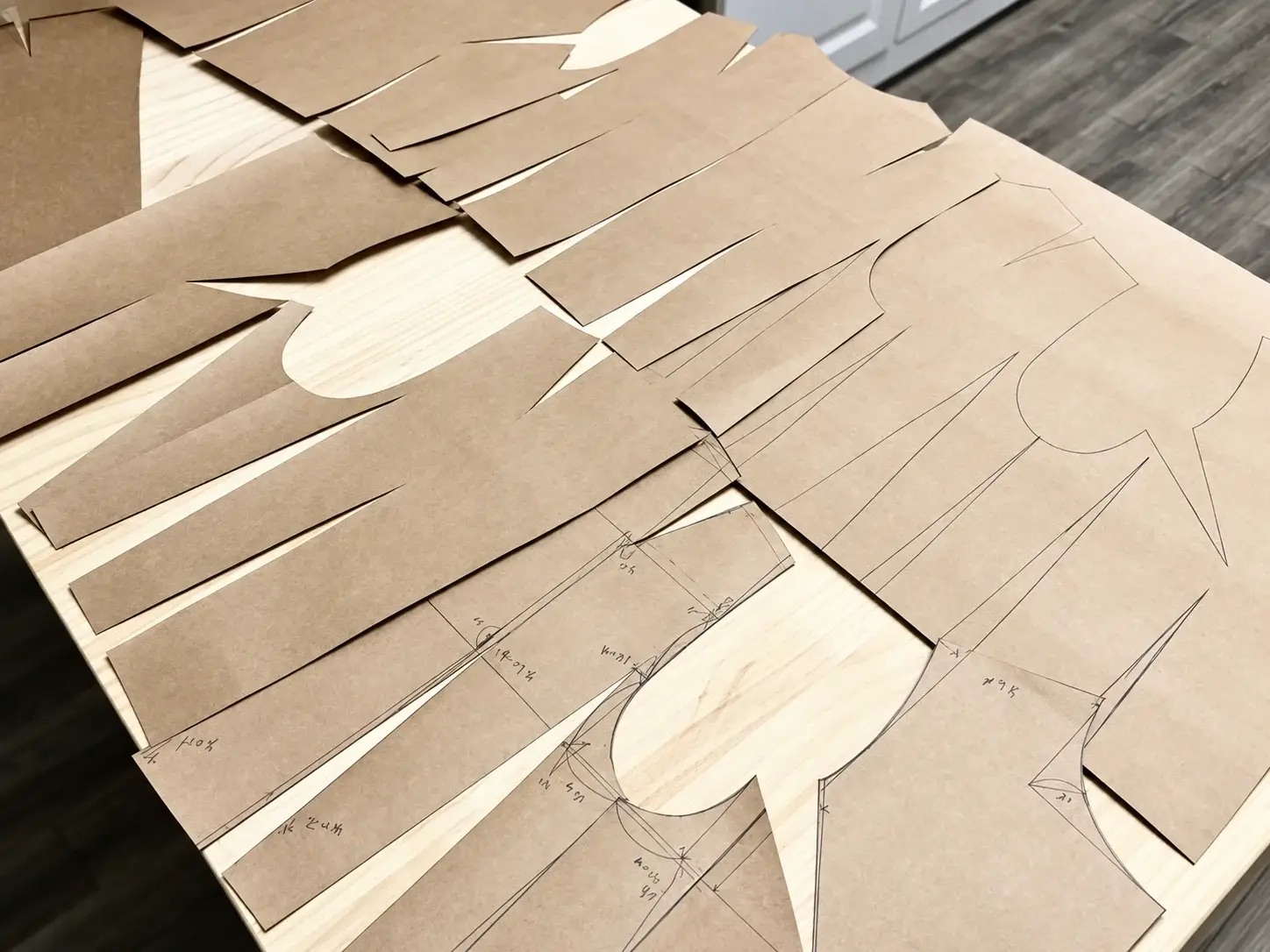
Pattern Preparation
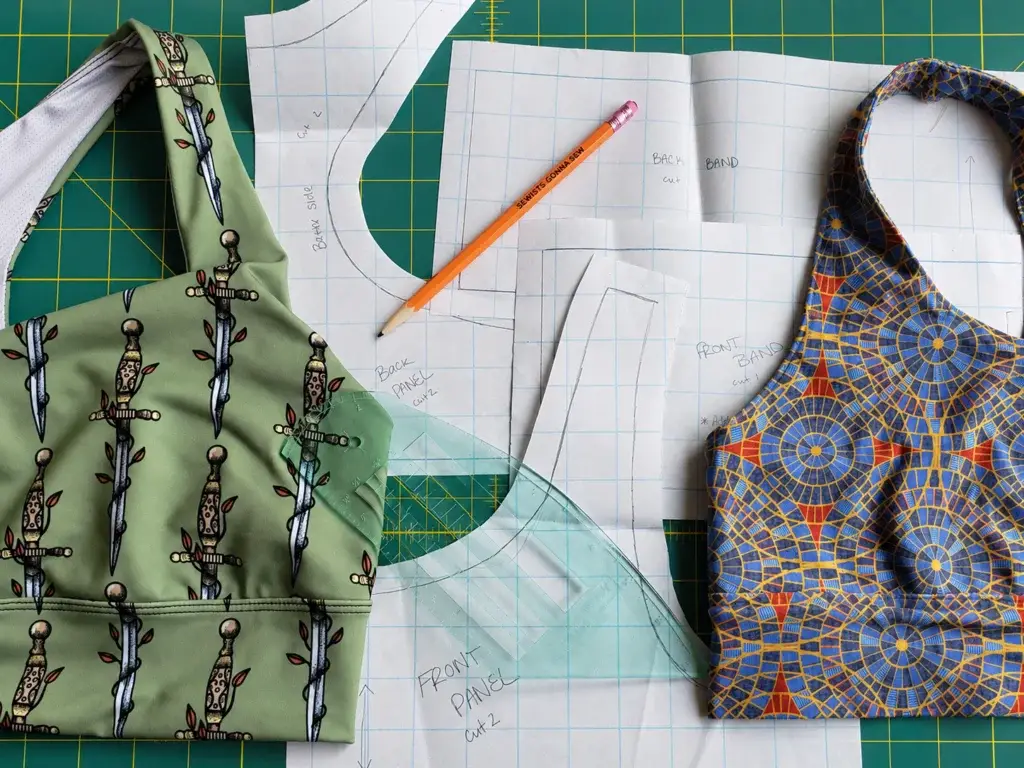
Pattern work translates the technical intent into actual garment geometry. Supplied patterns can be reviewed against measurements and construction notes, while new or adjusted patterns can follow the approved direction where the project requires development support. Where supplied pattern files are unavailable or unsuitable, the agreed development route should still preserve a traceable relationship between measurements, pattern changes and sample feedback.
- Connect pattern revision to the latest measurement chart.
- Consider fabric stretch, structure and seam requirements.
- Avoid treating one pattern as universal across materially different fabrics or fit directions.
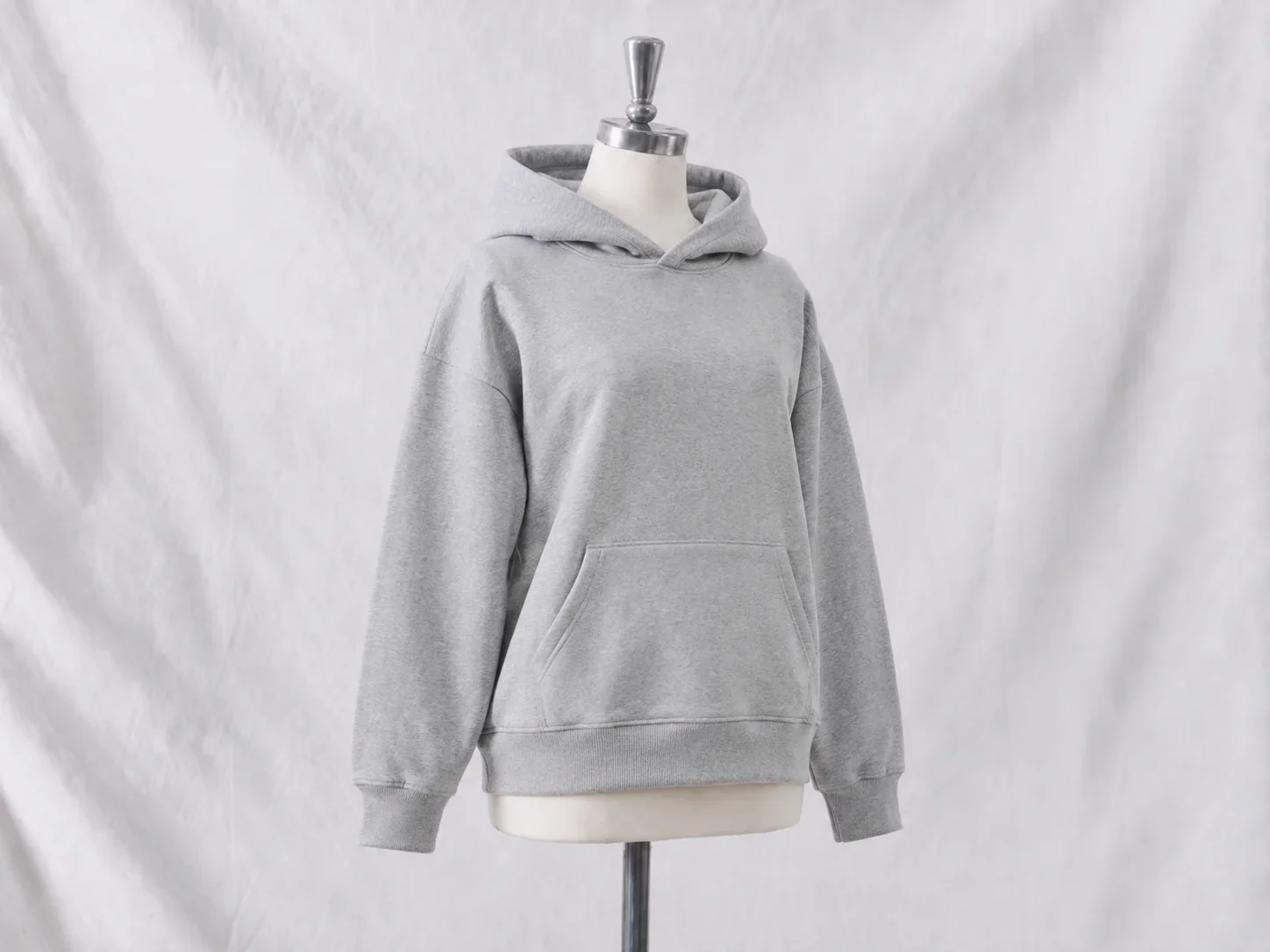
First Sample
The first physical sample reveals whether the proposed structure can be built as intended. It is a development checkpoint, not an automatic bulk standard. Material status, sample purpose and any substitutions should be recorded so the review team knows exactly what the sample can and cannot approve. Photos, measurements and internal review notes can be recorded alongside the sample status so later changes are compared with a known starting point rather than memory.
- Inspect overall silhouette and construction.
- Measure relevant POMs against the development target.
- Record any material, trim or process substitutions used only for development.
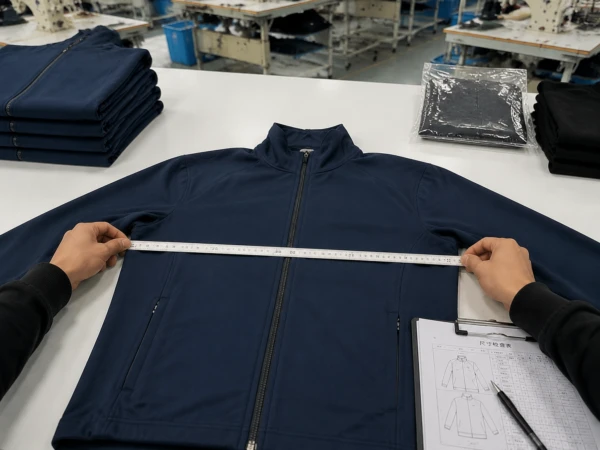
Measurement and Fit Review
A sample should be evaluated with both measurements and visual or fit feedback. Numeric compliance alone may not explain balance, ease or movement, while subjective fit comments are difficult to execute without measurable changes. Combining both creates a clearer revision path. Movement-related feedback can also be separated from styling preferences, helping the next revision focus on measurable fit or construction changes instead of vague comments.
- Identify each fit issue by location and desired result.
- Connect comments to measurements or pattern areas where possible.
- Separate fit approval from unapproved colors, branding, materials or packing details.
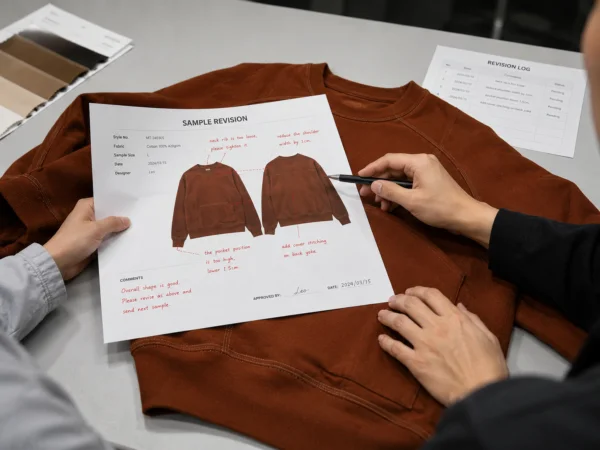
Revision
Feedback becomes useful when it is consolidated into one revision list instead of scattered across calls and messages. Pattern, measurements, construction and material notes should move to the same revision state before the next sample is made. Each revision should identify its source, date and approval status so the next sample room instruction does not combine comments from different review rounds.
- Record what changed and why.
- Mark unresolved items that need another sample or material check.
- Confirm any design-impacting change in writing before it becomes part of the manufacturing specification.
Approval
Approval should define the scope of what has been accepted: fit, measurements, material, construction, color, logo, labels, packaging or only selected items. A base-size approval does not automatically approve all sizes, and photo approval may apply only to agreed details. Approval records become more useful when they state the date, relevant version and any remaining open items, giving production teams a clear boundary for what may proceed.
- Identify the final technical version linked to the approval.
- Retain the approved physical or documented reference where applicable.
- Reassess major changes made after approval before bulk production starts.
Control Versions Before Bulk Production Starts
Bulk manufacturing needs one clear approved reference set. A controlled version system keeps technical files, physical samples, materials, branding and packing aligned, reducing the risk of producing from an obsolete measurement, artwork or comment thread.
Final Technical File
The final technical file should identify the active measurement chart, construction requirements, BOM and relevant artwork or packing references. Draft and superseded versions should not compete with the approved file during production. Production teams should also be able to identify related artwork, material and packing references from the same revision set without searching through older message threads.
- Use clear file names, dates or revision identifiers.
- Consolidate scattered development comments into the approved specification.
- Reopen review when a major post-approval change affects fit, material, construction, cost or timing.
Approved Physical Reference
Where a physical approved sample is part of the project, its role should be defined clearly. The garment can serve as a visual and workmanship reference, but the approval scope still needs to match the related technical files. The reference should be stored and identified in a way that lets development, production and quality teams compare later output against the same agreed garment.
- Record whether the sample uses final or substitute materials.
- Keep fit approval separate from unapproved label or packaging details.
- Use the agreed reference during first-piece and production checks where applicable.
Approved Materials and Branding
Material swatches, colors, elastics, trims, logos, labels and packaging can reach approval at different times. Keeping those approvals linked to the style file helps prevent production from mixing development placeholders with final components. When a material or branded component changes after approval, the replacement should return to review rather than being treated as an automatic equivalent.
- Confirm final material and trim references before bulk use.
- Keep artwork, label and packaging versions aligned to the SKU plan.
- Reconfirm substitutions instead of treating an unavailable component as automatically interchangeable.
Turning Approved Specifications into Bulk Production Requirements
Approved files are useful only when production teams can execute them. The handover from development to bulk should translate measurements, patterns, materials, construction, branding and packing into a workable manufacturing reference and inspection plan.
Production Requirements Need One Approved Source
Bulk preparation begins by confirming which technical version is active and which physical or documented references are approved. Material readiness, color status, trims, artwork, labels and packaging should be checked before production scheduling is treated as final. The production team needs more than a PDF archive; it needs a clear set of instructions that identifies what is frozen and what remains conditional.
Patterns and measurement charts should match the approved fit direction. Construction notes should reflect the final seam and assembly decisions. Material or trim substitutions introduced after sampling need review because they can affect pattern behavior, appearance, process choice or cost. Branding and packing information should also be linked to the SKU matrix rather than left for the packing stage. Once the active reference set is clear, production checkpoints can be built around measurable requirements instead of memory or informal messages.
Development, Production and Quality Stay Connected
Leadshow’s development function can coordinate with production and quality teams to transfer approved samples, patterns, measurements, materials and process requirements into executable bulk-production standards. The handover is not a guarantee of zero variation; garments still operate within agreed tolerances and material realities. The value comes from connecting development decisions to the people responsible for making and checking the goods.
First pieces or early production output can be compared with the approved reference where required. Critical dimensions, seam execution, logo placement and component use can be checked during production instead of waiting until final inspection. Quality review then follows the approved specification and the agreed project requirements. If a deviation appears, correction and recheck can occur before packing progresses too far. A controlled sample-to-bulk handover therefore reduces reliance on final inspection alone and creates a clearer record for future repeat orders.

Quality Checks Follow Approved Specifications, Not Marketing Claims
Quality control becomes more useful when every check has a reference. Leadshow can support material, in-process, finished-garment and packaging inspections according to project requirements, using approved specifications and relevant sample references as the basis for comparison.

Material and Pre-Production
Before bulk assembly, materials and project files need to match the approved direction. Fabric, trims, color status, labels and related components can be reviewed against the available specification and production requirements. For selected fabrics, pre-treatment or other preparation may be used according to material needs. Where project requirements include color, shrinkage, stretch or other material criteria, the relevant approval or test reference should be identified before production decisions rely on it.
- Confirm material identity and production relevance.
- Check whether substitutions have received approval.
- Keep performance claims separate from material or equipment assumptions unless testing supports them.

In-Process
In-process review can focus on measurements, construction, workmanship and selected critical details while production is still moving. Early detection matters because correcting a process during manufacturing is usually easier than sorting a completed order. A written check record can also show whether an issue was isolated, corrected and rechecked, giving later inspection a clearer view of production history.
- Compare key construction points with the approved requirement.
- Monitor selected measurements or fit-sensitive areas according to the project plan.
- Escalate recurring deviations for technical or production correction before they spread.
Finished Garment
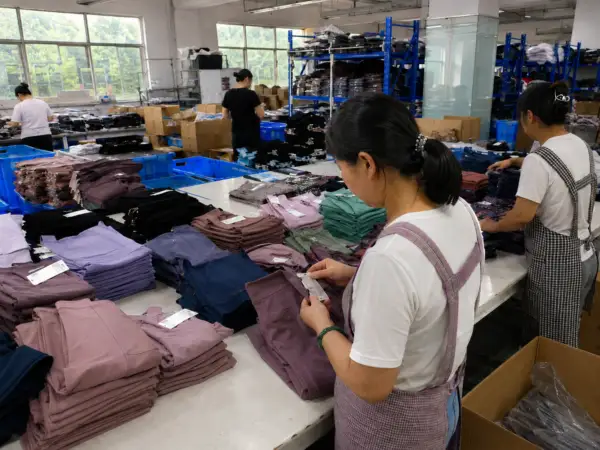
Finished garments can be reviewed for dimensions, appearance, construction and relevant brand details according to project requirements. Inspection should recognize agreed tolerances and the nature of the material rather than promising absolute identicality across every piece. The inspection basis should distinguish agreed production tolerances from actual defects, preventing normal material or measurement variation from being confused with nonconformance.
- Check approved POMs and workmanship points.
- Review visible logo, trim and construction details.
- Separate repairable workmanship issues from specification changes that require brand approval.
Label and Packing
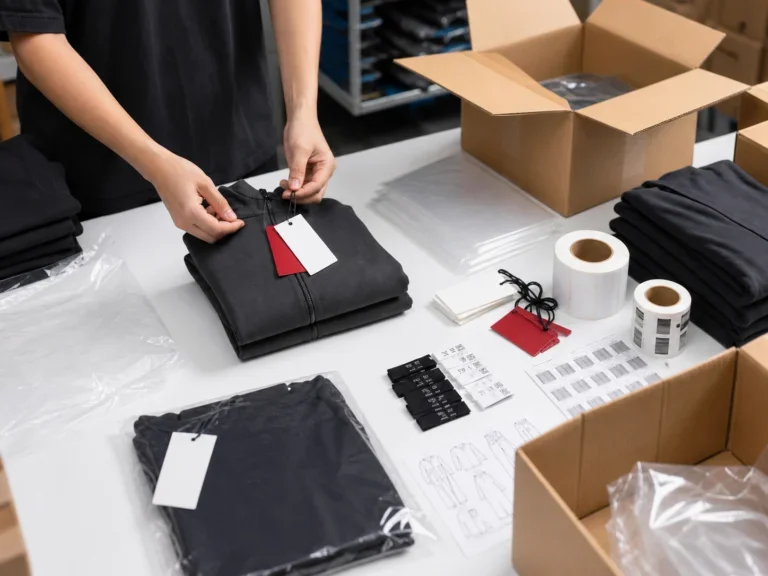
Final checks should include the information that turns garments into correct commercial SKUs. Size labels, care labels, hangtags, barcodes, bag labels, assortment and carton marks can be compared with the approved packing files before shipment preparation. Shipment preparation can also include random carton or assortment checks where required, linking finished goods back to the active order matrix and packing version.
- Match label and barcode to style/color/size.
- Check packing method against the approved instruction.
- Use needle detection or other final checks only where applicable rather than presenting them as universal certification.
Manufacturing Resources Behind Leadshow Sportswear Development
Tech-pack-based manufacturing needs technical review, sample development, production capacity and quality coordination. Leadshow’s confirmed manufacturing foundation supports sportswear projects from technical files and samples through bulk production, with project conditions reviewed before commercial commitments are finalized.
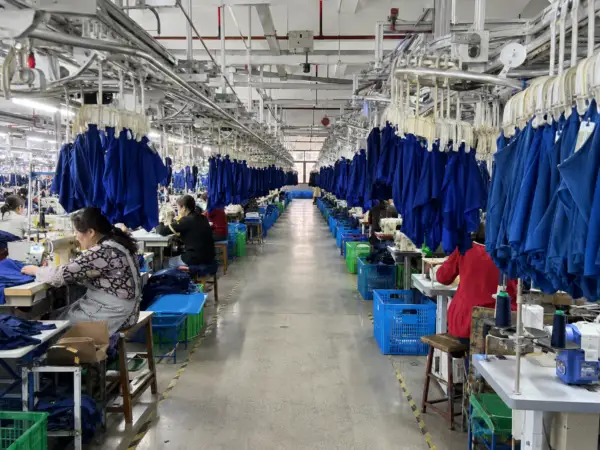
15 Years of Experience
Leadshow has 15 years of apparel industry experience. The figure is used as industry and development/manufacturing experience, not as a basis for inventing a founding year. Experience supports communication around product structure, sampling, manufacturing feasibility and sample-to-bulk transfer across custom apparel projects. The experience claim remains deliberately narrow: it does not imply a specific founding year, industry ranking or guaranteed outcome for any single sportswear program.
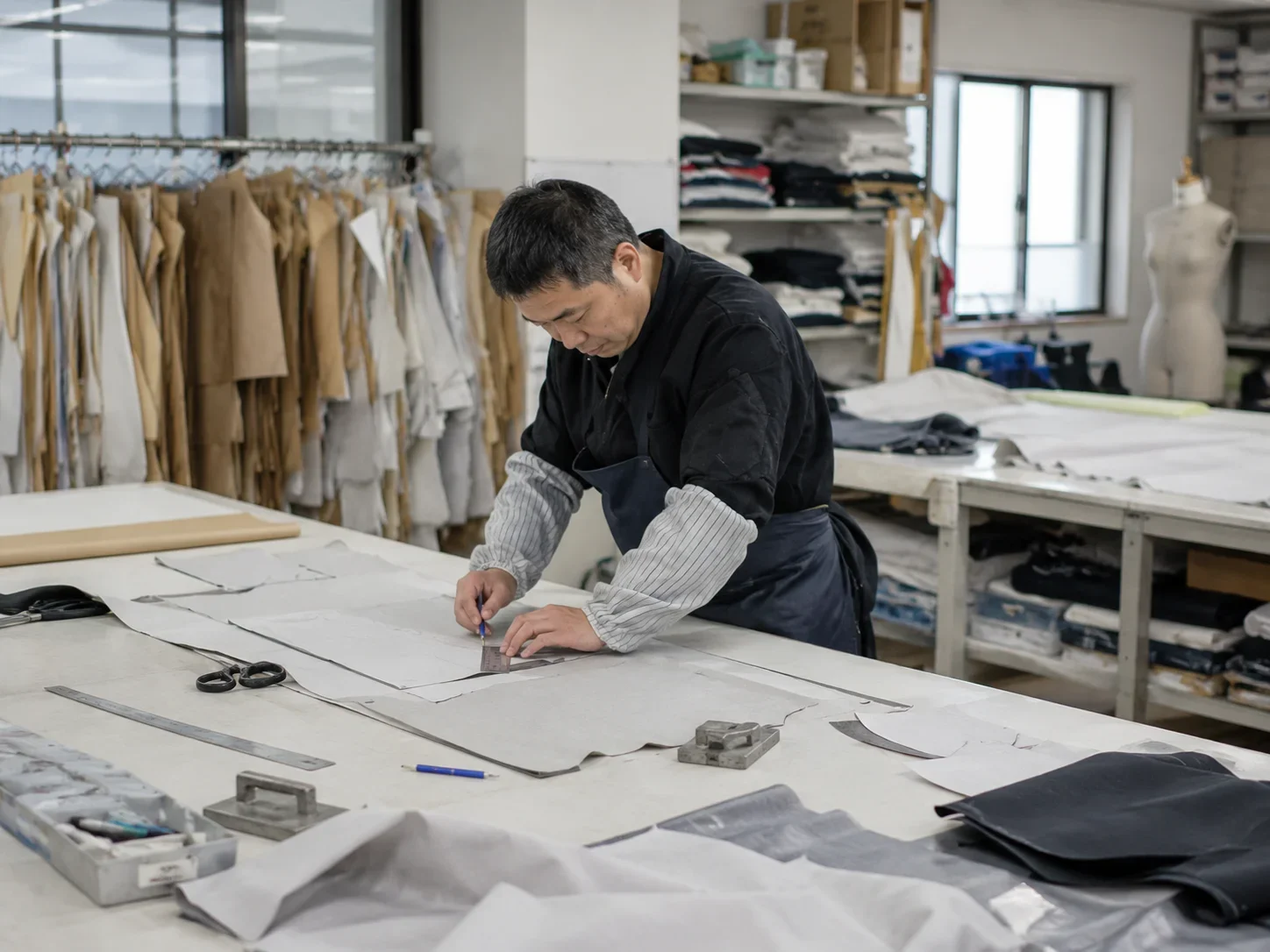
R&D and Sampling
An approximately 28-person R&D and engineering team and an independent sampling workshop support construction review, pattern preparation, fit adjustment, sample making, material and trim evaluation, specialized-process validation and sample revisions. Sample scope and timing remain project-specific and depend on complexity and material readiness. The team figure describes the broader R&D and engineering function rather than 28 designers or pattern makers, and specific staffing for each program depends on project needs.

Three Manufacturing Bases
Leadshow operates three modern manufacturing bases supporting apparel development and production. The three-base figure is a company-wide manufacturing footprint and should not be interpreted as three identical factories, three overseas plants or three sites with the same equipment mix. Project allocation follows actual production requirements and scheduling. Detailed addresses, individual site capacities and equipment distribution are not generalized in public copy unless separately confirmed for the relevant manufacturing base.
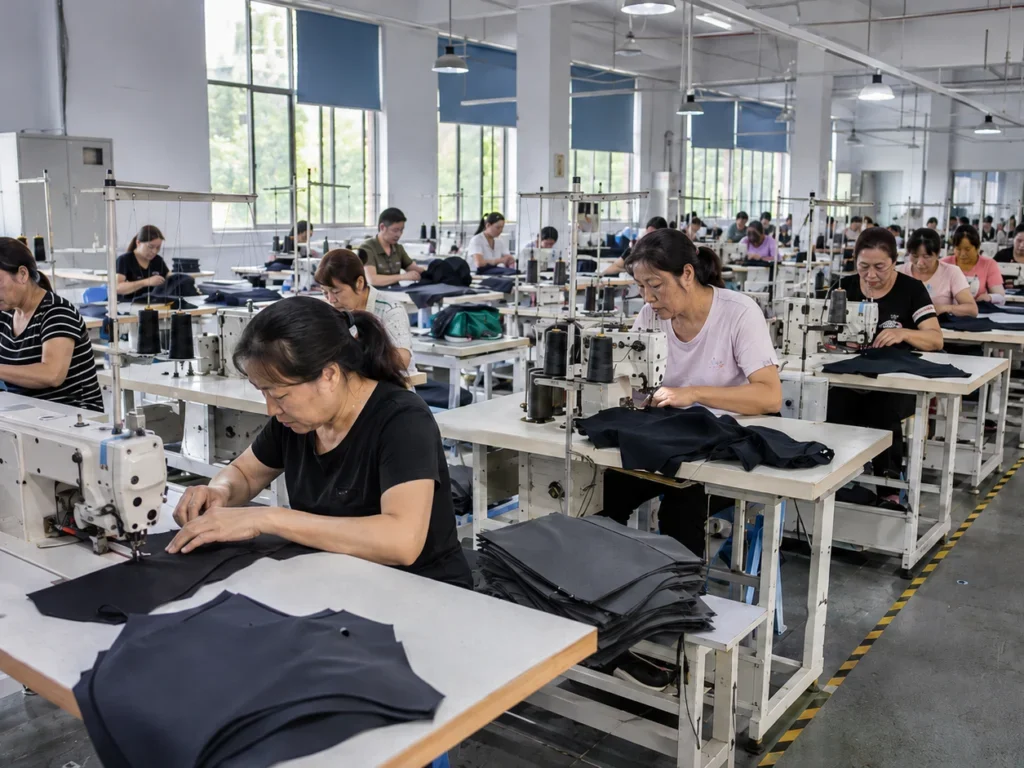
20,000+ m² and 1,500+
The manufacturing system covers more than 20,000 square meters of combined factory space and a team of over 1,500 employees. Both figures are company-wide totals. They provide organizational and manufacturing depth across development, production, quality, warehousing and logistics functions without implying that every person or square meter serves one sportswear program. Department counts and workspace allocation can change over time, so the combined figures are used as manufacturing-scale evidence rather than fixed staffing for one order.
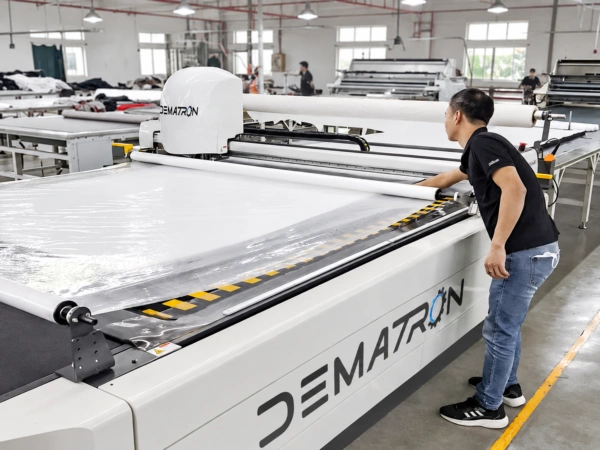
304 Machines and Workstations
More than 300 confirmed production, specialized-process and finishing machines cover automated fabric spreading and cutting, lockstitch, overlock, double-needle sewing, elastic attachment, four-needle six-thread flatlock, heat bonding, seam sealing, laser perforation, heat transfer, ironing, needle detection and standardized folding or packaging functions. Equipment use depends on product and material suitability. The equipment base supports different sportswear structures, but machine availability does not by itself prove garment performance, certification or suitability for every material.

Up to ~120,000 / Month
The three manufacturing bases provide a combined monthly capacity of up to approximately 120,000 finished garments, subject to product construction, materials, processes, order mix and current production scheduling. The figure is not a dedicated sportswear line allocation and should not be read as guaranteed available capacity for every program or SKU mix. Actual available capacity is evaluated with the proposed style mix, colors, sizes, processes and delivery plan before a production commitment is made.
MOQ, Quotation, Sample Timing and Production Planning
Commercial terms become reliable after the product definition is clear enough to assess materials, processes and order structure. Leadshow avoids fixed universal promises for sample timing or delivery because fabric readiness, revisions, SKU count and current production scheduling can change the project path.
Project Item
Leadshow Working Basis
Main Factors
Standard MOQ
Starts from 100 pieces per color per design.
Fabric, trims, construction, customization and supplier minimums can change the final MOQ.
Size Range
Confirmed by the submitted size chart, grading plan and product scope.
Confirmed by the submitted size chart, grading plan and product scope.
Quotation
Confirmed after product and sourcing review.
BOM, construction, process steps, quantity, colors, sizes, branding and packing.
Sample Scope
Project-specific.
Product complexity, available files, material status and validation risks.
Sample Timing
Confirmed after technical and material review.
Pattern work, material readiness, special processes, revision scope and approval route.
Revision Rounds
Confirmed by project needs rather than offered as unlimited.
Fit comments, design changes, material changes and approval decisions.
Bulk Schedule
Confirmed after sample/material review and order confirmation.
Material lead conditions, order mix, product complexity and current production scheduling.
Delivery Planning
Confirmed with the agreed shipment arrangement.
Bulk completion, packing, export documents and nominated logistics arrangements.
Testing / Compliance
Reviewed according to product and destination requirements.
Material claims, target market, required standard and third-party testing where applicable.
Sportswear Tech Pack Frequently Asked Questions
These answers cover common questions raised before quotation, sampling and bulk production. Final specifications, MOQ, sample scope, testing needs and schedules are confirmed after the relevant product files, materials and manufacturing conditions are reviewed.
What should a sportswear tech pack include?
A useful sportswear tech pack normally covers technical flats, measurements, grading where required, BOM details, construction notes, fabric and trim specifications, artwork, labels, packaging and an order breakdown. The exact file set depends on the product and project stage. Leadshow can review available files and identify missing or conflicting information before quotation or sampling.
Can Leadshow manufacture from our existing tech pack?
Yes, for products within Leadshow’s confirmed sportswear and apparel scope, subject to technical, material, quantity and production review. Existing files can be checked for construction, measurements, materials, trims, branding and packing requirements. Final manufacturing feasibility, quotation, MOQ and schedule are confirmed after the relevant requirements are understood.
Can we start with an incomplete tech pack?
A project can begin from the files already available, such as sketches, reference images, measurement charts, patterns or a physical garment. Leadshow can identify missing information and organize a clarification path. Full Tech Pack Creation is not presented as a universal standard service; technical documentation is clarified according to the agreed project scope and written approvals.
What is Leadshow's apparel manufacturing MOQ?
Not always, but quotation accuracy depends on how much of the product is defined. Fabric, construction, trims, colors, size range, branding, packaging and quantity can all change cost. A preliminary discussion can start with partial information, while the final quotation should follow sufficient product and sourcing review.
What measurements should we provide?
Provide the brand’s relevant POMs, base-size targets, measurement method and tolerances where approved. Include the intended size range and grading rules if available. Fit-sensitive sportswear may also need physical sample review because garment measurements, pattern shape, ease and fabric stretch work together. Final size and grading requirements remain project-specific.
How are sportswear fabrics and trims reviewed?
Leadshow reviews supplied specifications, references or samples according to the garment structure and intended use. Useful details include composition, weight, width, stretch direction, color, lining, elastic and trim dimensions. Functional claims such as waterproofing, compression or moisture management should be supported by selected materials, construction and relevant testing rather than assumed from a generic fabric description.
Does every project need fit, size-set and PP samples?
No. Sample type and sequence depend on product complexity, brand requirements, material readiness and risk. A development sample may validate basic structure; a fit sample may focus on silhouette and measurements; a size set may validate grading; and a pre-production sample may confirm a more complete bulk reference where required. Sample scope is agreed by project.
How are tech pack revisions controlled?
Revisions should be consolidated into a clear record linked to the active technical files. Pattern changes, measurements, BOM updates, artwork and packaging need compatible revision status. Draft or superseded versions should not remain active during bulk production. Major changes after approval should be reviewed again for fit, cost, material, process or timing impact.
What becomes the final bulk-production reference?
The production reference is the approved combination of technical files, measurements, patterns, materials, construction requirements, artwork and packing instructions, together with an approved physical or documented sample reference where applicable. Approval scope should be explicit. A base-size sample, photo approval or substitute-material sample does not automatically approve every other production element.
What should we send to start a review?
Send the available tech pack or design files, product images, measurement chart, material requirements, trim information, artwork, labels, packaging requirements, style/color/size quantities, target market and expected timing. If some information is missing, send the current version anyway and note the open points. Leadshow can then identify what needs clarification for the next step.
Send Your Sportswear Tech Pack for Manufacturing Review
Send the files already available for your sportswear program, whether the project is at technical review, first-sample, revision or bulk-preparation stage. Useful inputs include product type, tech pack, technical flats, measurement chart, fabric and trim requirements, artwork, labels, packaging instructions, style/color/size quantities, target market and expected timing. Leadshow can review product construction, file completeness, manufacturing feasibility, material and trim direction, sample requirements, standard MOQ conditions and the information needed for quotation or production planning. Final pricing, MOQ, sample scope, sample timing and bulk schedule are confirmed after the relevant technical, material and capacity conditions are reviewed. Project files should be supplied only when your organization has the right to use and share the designs, samples, artwork and related technical information. If the file set is incomplete, submit the current version and identify the open questions so development can start from a clear baseline instead of assumptions. Existing reference garments, approved swatches or prior inspection notes can also be included when they help explain the intended standard or a problem to be corrected.