
Sportswear Manufacturer in China
OEM & ODM sportswear development and manufacturing for brands, importers, distributors and sourcing teams managing serious apparel programs.
Shenzhen Leadshow Sports Technology Co., Ltd. develops and manufactures sportswear from Tech Packs, reference garments, sketches and product concepts. Projects can cover material review, pattern and fit development, sampling, specialized workmanship, bulk production, quality review, labeling and packaging.
- Sportswear development from specification to approved sample
- Standard MOQ generally starts from 100 pieces per color per design
- Three manufacturing bases with 304 production and finishing machines
- Monthly capacity up to approximately 120,000 finished garments, subject to style complexity, materials, order mix and scheduling
- Private label, multi-SKU and packaging requirements reviewed by project
Sportswear Manufacturing for Different Sourcing Operations
A manufacturer must fit the operating model behind the order. Leadshow works with commercial apparel projects where product development, specifications, sampling, production controls and repeat-order management matter beyond a simple unit-price comparison.
Established & Growing Brands
Sportswear brands usually need more than garment assembly. Product managers, developers and sourcing teams must protect fit, construction, material choices, color standards and brand details from the first development sample through bulk production.
Leadshow can review projects involving new collections, style extensions, supplier replacement or production scaling.
- Tech Pack and construction review
- Pattern, fit and grading coordination
- Material and trim evaluation
- Sample revision and approval control
- Bulk consistency against approved references
- Logo, labels and packaging execution
- Repeat-order version management
Projects remain specification-driven so new developments and reorders can be evaluated against the latest approved product version.
Importers & Distributors
Importers and distributors often manage multiple styles, colors, sizes and selling channels at the same time. Manufacturing therefore involves more than producing an individual garment.
Leadshow can review product matrices covering sports bras, leggings, sports T-shirts, shorts, tank tops, tracksuits and other confirmed product categories while coordinating quantity, SKU, labeling and packing requirements.
- Multiple-style order planning
- Color and size distribution
- Material availability
- Garment and supplier material MOQ
- SKU identification
- Carton packing requirements
- Export document coordination
- Reorder feasibility
Final production and shipment conditions are confirmed against the current order rather than assumed from previous programs.
Retail & Sourcing Teams
Retail groups, sourcing offices and procurement teams normally require evidence that a manufacturer can translate approved specifications into controlled production.
Leadshow’s project review can connect product development, manufacturing, quality, labeling and packing requirements in one working process.
- Factory and manufacturing evidence
- Product-category fit
- Technical and sample-development capability
- Production equipment
- Current capacity and scheduling
- Quality inspection requirements
- Supplier audit documentation
- Barcode and SKU execution
- Packaging and shipment preparation
Facility, certification and compliance information is presented only within confirmed scope and current validity.
How to Evaluate a Sportswear Manufacturer in China
Manufacturer selection should go beyond price, sample appearance or a factory photo. A serious sourcing review compares product fit, development capability, manufacturing resources, production controls, commercial conditions and evidence supporting each claim.
Evaluation Area
What to Review
Evidence Worth Requesting
Leadshow Approach
Product Fit
Does the factory regularly work with the required garment category and construction?
Product samples, development records, process photos
Confirmed product scope includes sports bras, sports T-shirts, yoga leggings, tennis skirts, jumpsuits, running shorts, tank tops and tracksuits
Development
Can specifications, reference samples and fit comments become production-ready information?
Tech Pack review, pattern records, sample versions
Development can begin from Tech Packs, concepts, reference images, patterns or physical garments
Materials
Can fabric, trims and construction be reviewed together?
Fabric swatches, specifications, approval records
Materials are evaluated against product structure, fit, workmanship, MOQ and supply conditions
Sampling
Is sample approval controlled by version and scope?
Proto samples, fit comments, approved sample record
Sample type, material, color, size, branding and approval scope are confirmed by project
Manufacturing
Is equipment appropriate for the garment rather than simply numerous?
Equipment records, production process evidence
304 production and finishing machines across three manufacturing bases
Bulk Control
Is production tied to approved references and final files?
Final Tech Pack, approved sample, production records
Bulk preparation follows approved product information, materials and order release conditions
Quality
Are checks performed during production as well as at the end?
Inspection records, measurement sheets, packing checks
Material, first-piece, in-process, finished-garment and packing controls can be defined by project
Commercial Fit
Are MOQ, pricing and timing linked to real specifications?
RFQ details, quantity matrix, material requirements
Standard MOQ generally starts from 100 pieces per color per design; final conditions depend on the project
Brand Execution
Can labels, artwork, SKU and packaging be managed accurately?
Artwork approvals, label files, packing instructions
Branding and packing requirements are reviewed against approved files
Long-Term Supply
Can new versions and reorders be revalidated instead of copied blindly?
Latest specification, current material status, schedule
Repeat orders are reconfirmed against materials, product version and current production conditions
Core Sportswear Categories Available for Project Review
Leadshow’s confirmed portfolio covers several sportswear categories used across training, fitness, yoga, running, tennis and active-lifestyle collections. Construction, material, performance claims and final manufacturing conditions remain style-specific.
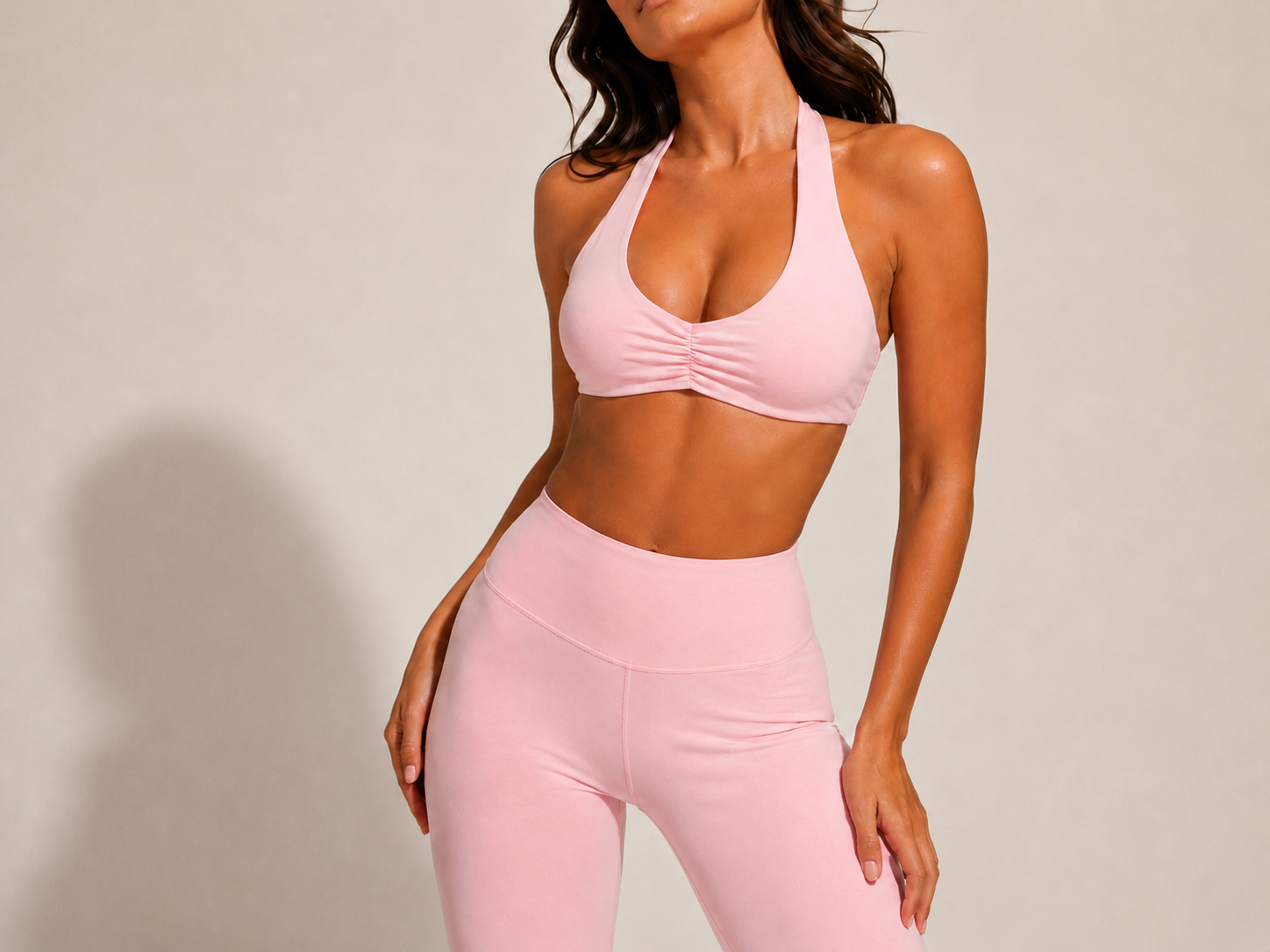
Sports Bras
Sports bra development can involve neckline coverage, underband construction, shoulder-strap width, strap adjustment, pad type, pad pocket construction, lining, seam placement and branding position. Support level cannot be assumed from appearance alone; structure, fabric and any required performance validation must match the intended use. Development can begin from a Tech Pack, reference garment, sketch or product concept, followed by pattern, fit, material and sample review before a production version is approved.
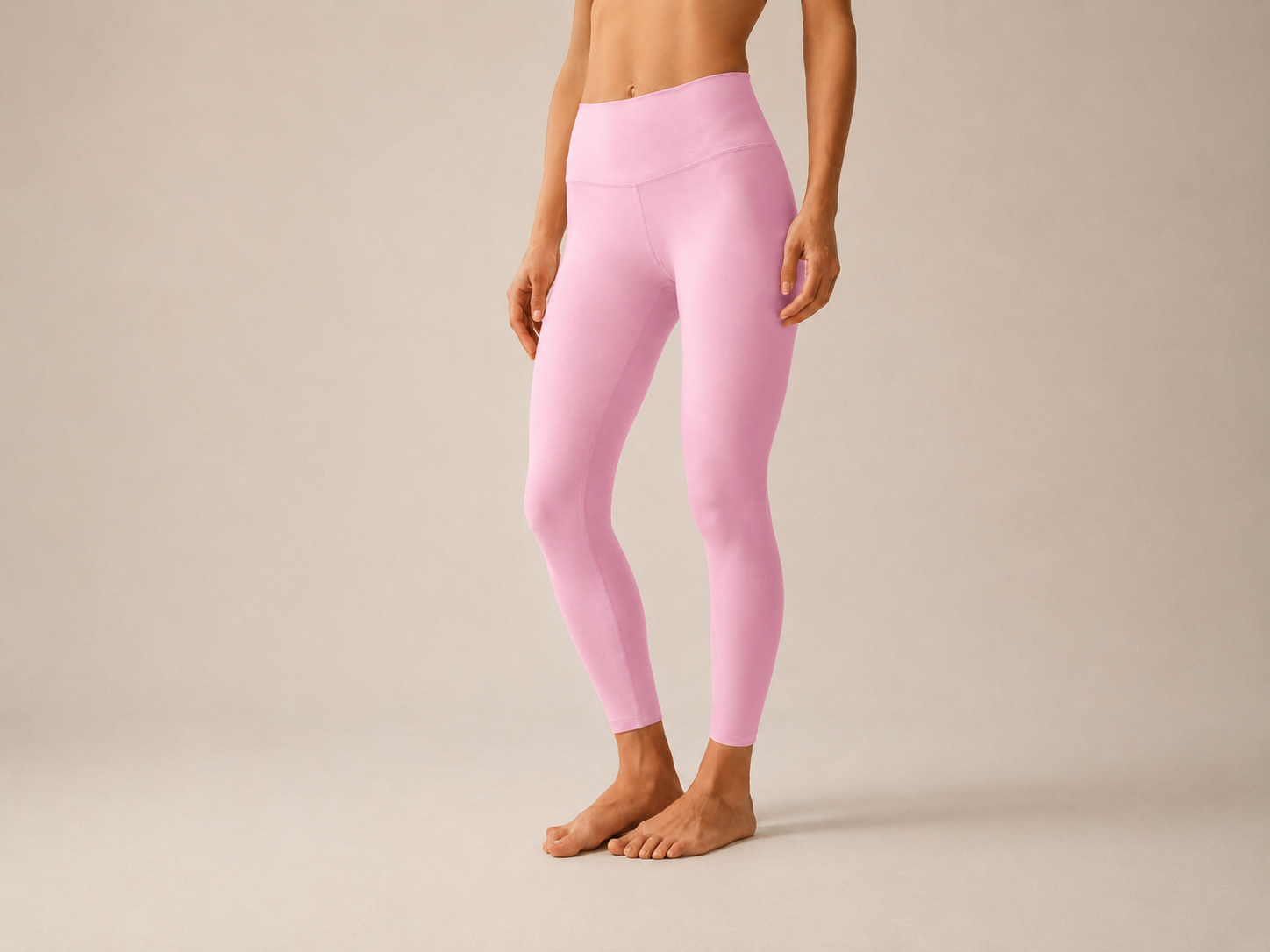
Yoga Leggings
Yoga leggings require close coordination between fabric stretch, recovery, waistband construction, rise, gusset or crotch structure, seam placement, pockets, inseam, grading and target fit. A pattern developed for one fabric should not automatically move to another fabric with different stretch characteristics. Opacity, compression, moisture management or similar claims require appropriate material or testing support rather than marketing assumptions. Colorways, Logo placement and packaging can be reviewed alongside the garment specification.
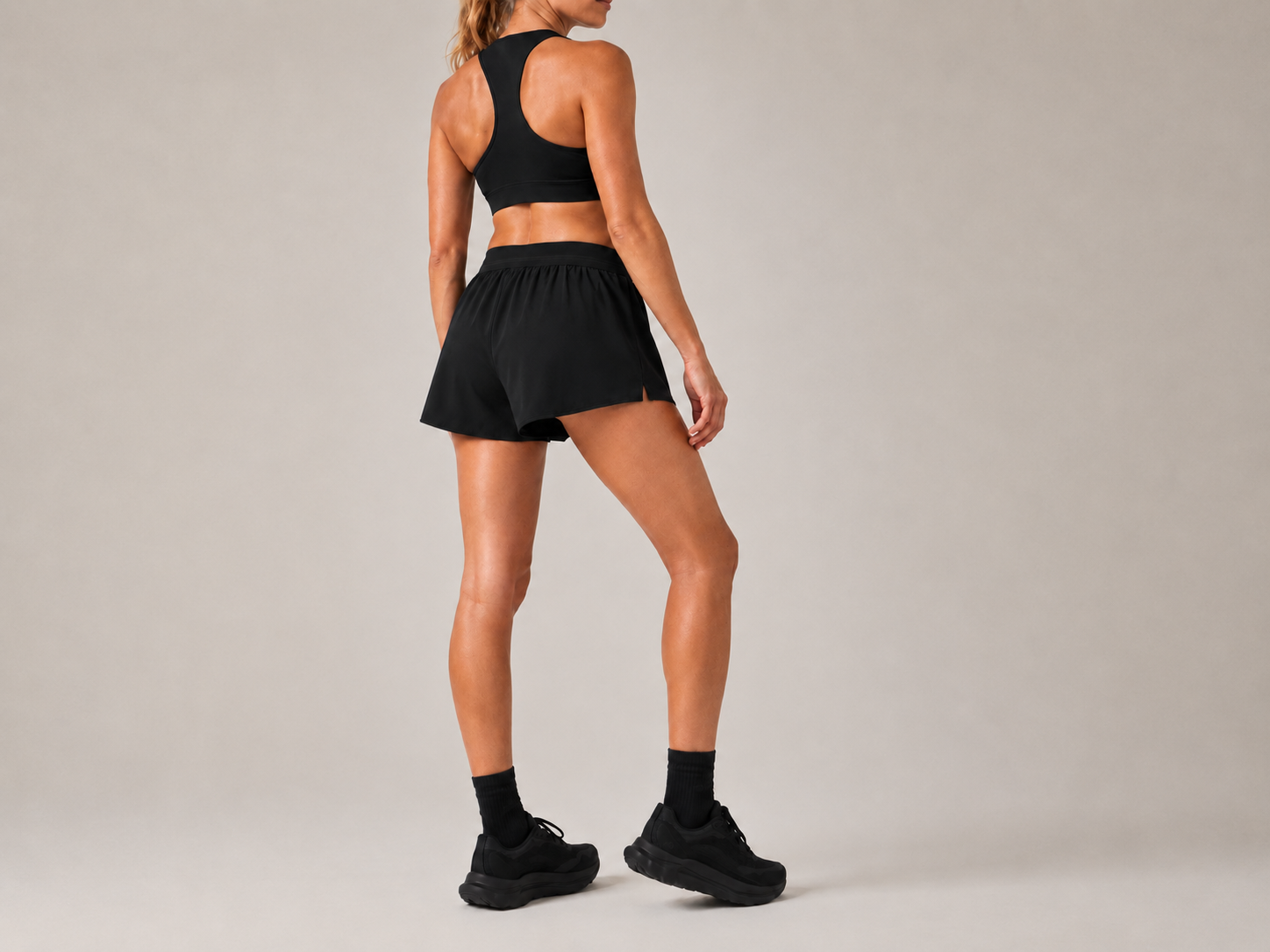
Running Shorts
Running shorts can be evaluated around waistband construction, internal or external drawcords, liner requirements, pocket configuration, hem shape, side split, fabric weight, ventilation details and reflective elements where specified. Every functional detail should correspond to an actual product requirement. Liner fabric, elastic, pocket access and trim selection can materially affect comfort, production complexity, MOQ and cost. Bulk production follows the approved construction, materials, measurements and branding version.
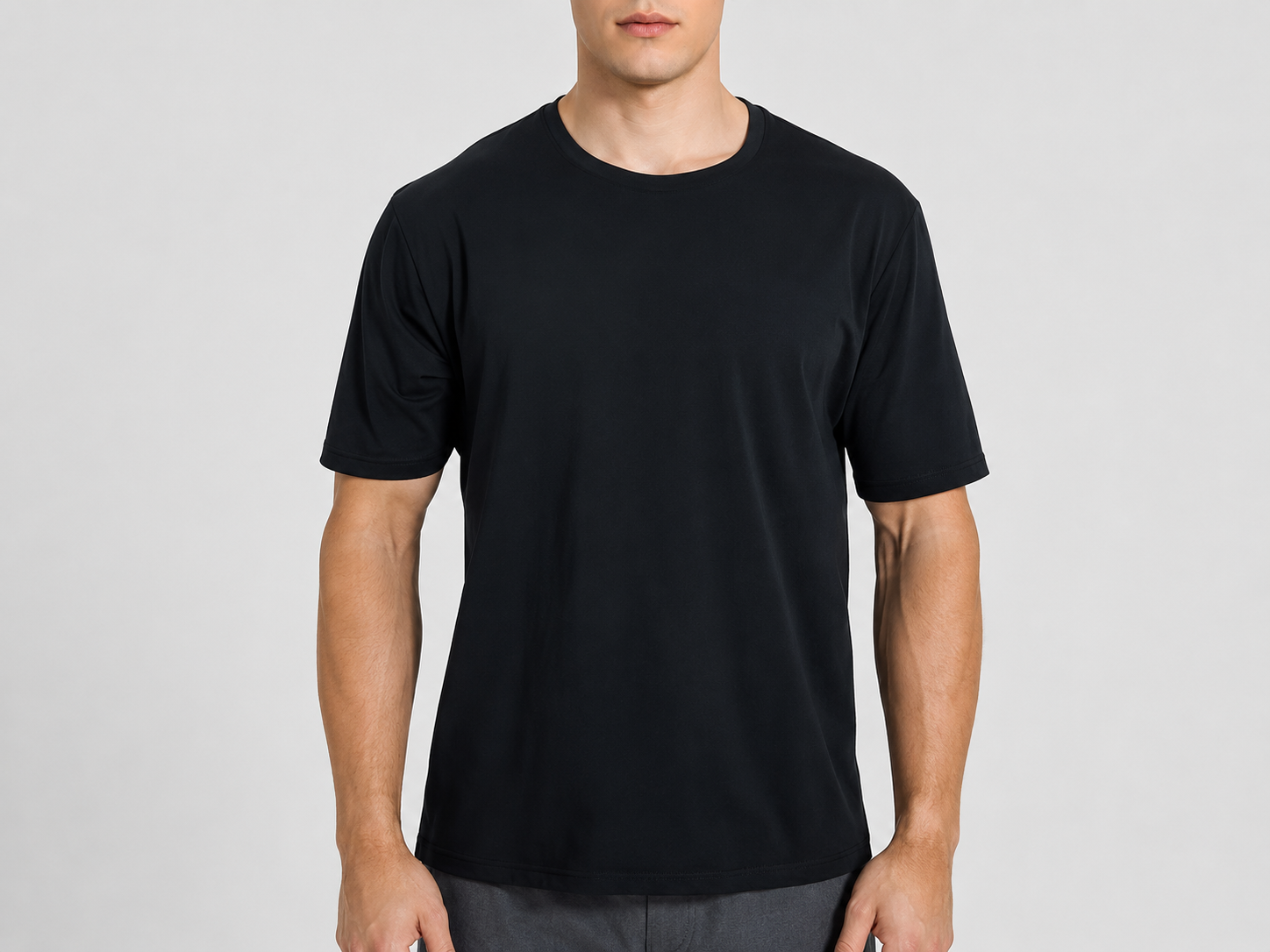
Sports T-Shirts
Sports T-shirts may range from clean training silhouettes to paneled technical constructions. Development can cover neckline shape, sleeve construction, shoulder position, body length, hem, panel placement, binding, stitching method, print or heat-transfer positioning and fit. Fabric decisions should consider intended activity, weight, stretch, hand feel, drape and decoration requirements. Performance terms such as quick-dry or moisture-wicking are used only when supported by the applicable material specification or test evidence.
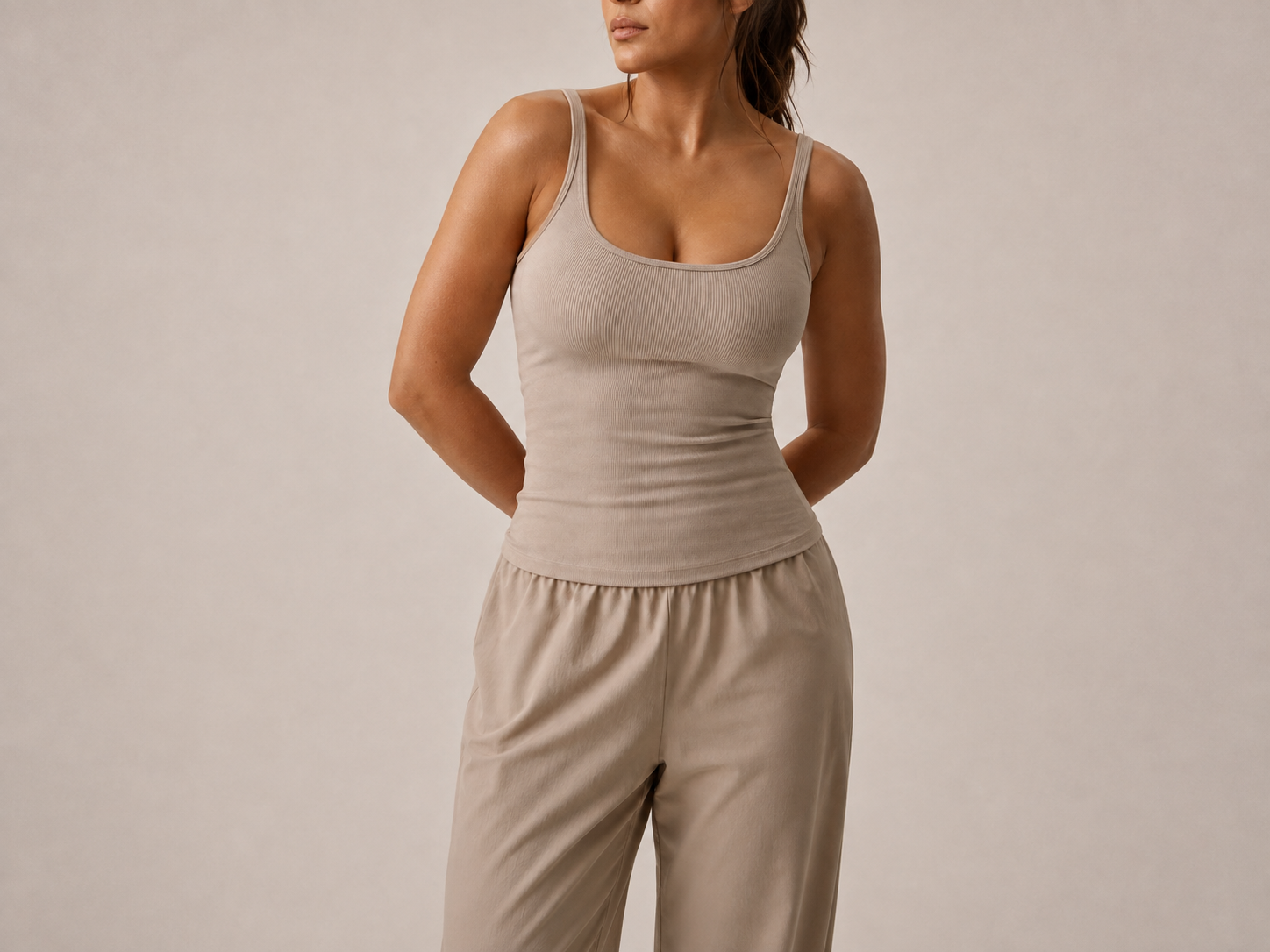
Tank Tops
Tank tops may require detailed control of neckline, armhole, shoulder width, binding, racerback or standard-back construction, body ease, hem and Logo placement. Stretch fabric and binding combinations can affect shape retention, seam appearance and fit. Development can therefore include pattern adjustment, edge-finish review and sample evaluation before grading. Material, color, branding, label and packaging requirements are recorded with the approved product version used for bulk-production preparation.
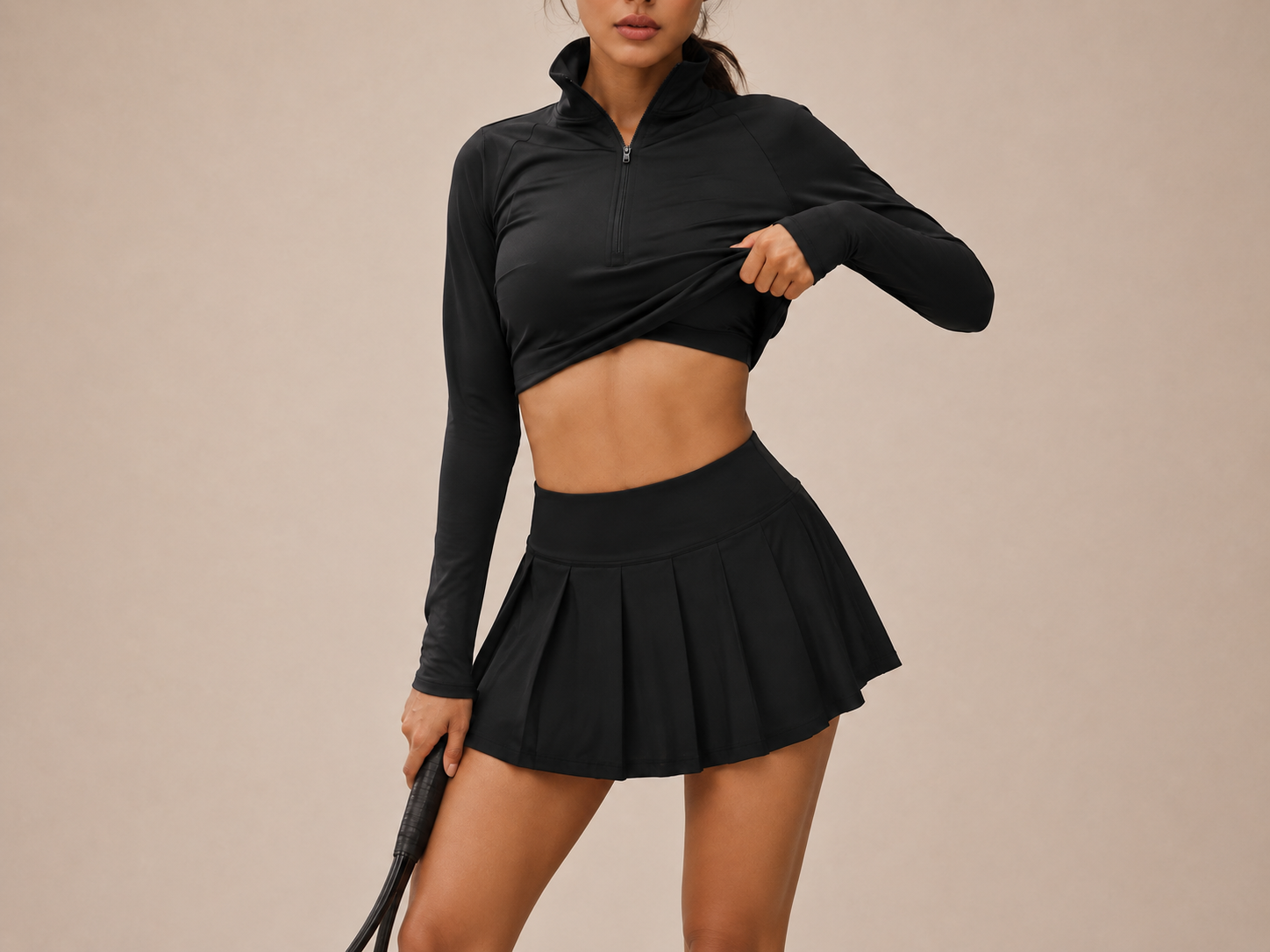
Tennis Skirts
Tennis skirt development starts by confirming whether the product is a true skirt or a skort with built-in shorts. Waistband structure, inner-short length, pocket position, skirt volume, pleats, panels, hem, stretch direction and mobility all affect pattern development. Material combinations between the outer layer and inner short also need compatible stretch and shrinkage behavior. Fit, branding, color and construction are approved as part of the defined sample scope before production release.
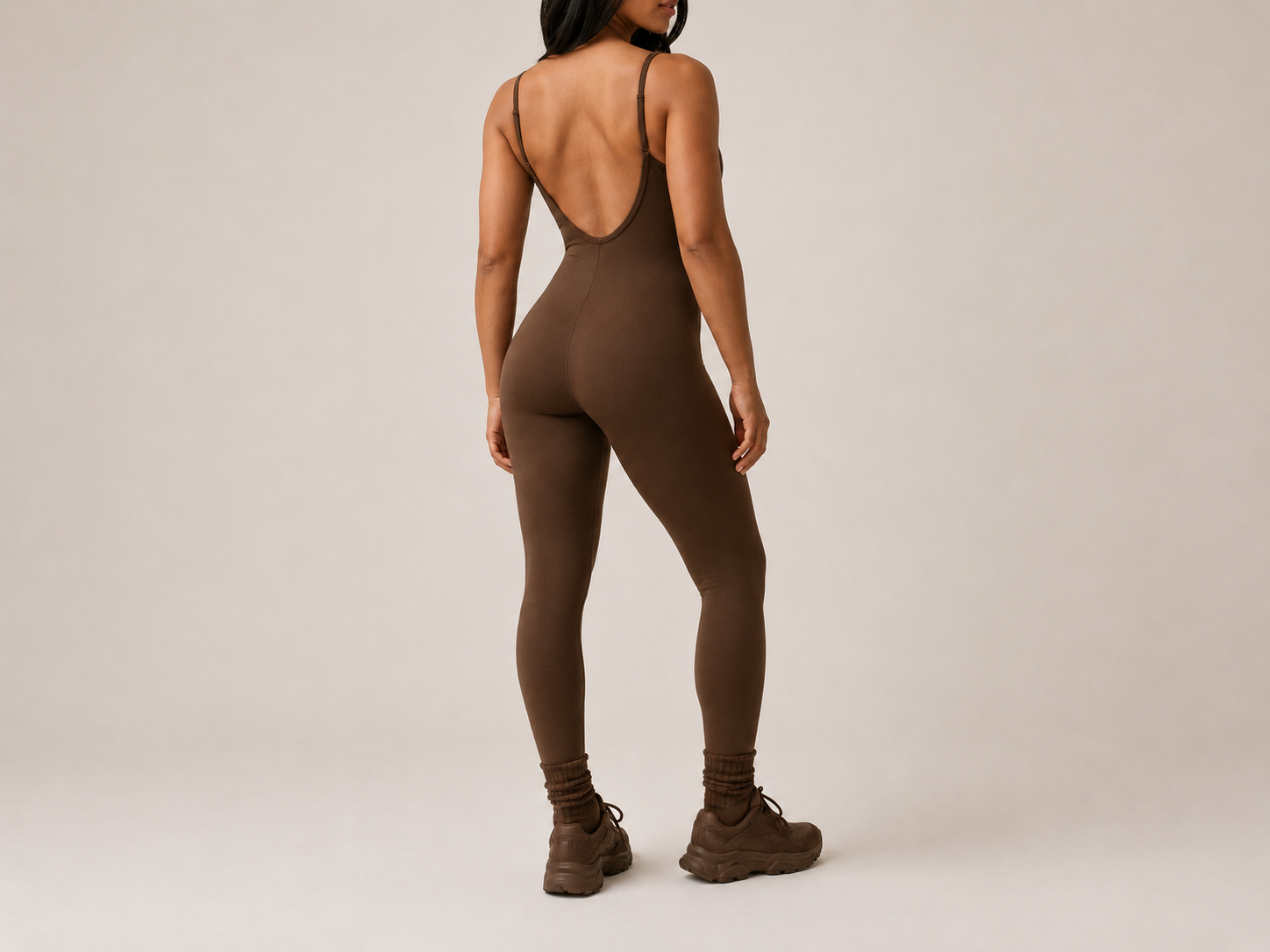
Jumpsuits
Sports jumpsuits combine upper-body and lower-body fit in one garment, making torso length, rise, stretch direction, opening method and overall balance especially important. Shoulder straps, neckline, waist shaping, gusset construction, seams, pockets or pad structures can be reviewed according to the design. Fit changes often affect several areas at once, so version control is important during sampling. Fabric, pattern and grading decisions must remain aligned before moving into bulk preparation.
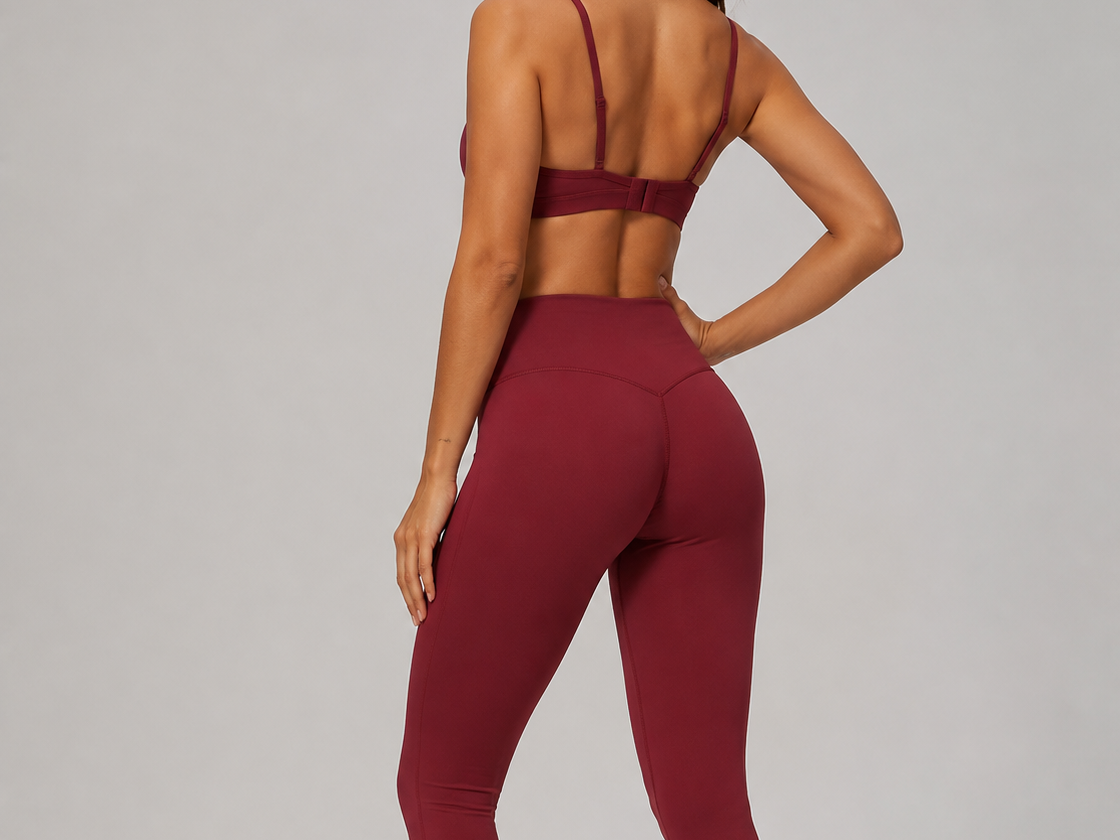
Tracksuits
Tracksuit programs can include coordinated tops and bottoms with shared fabric, colors, trims, branding and packaging. Product development may involve jackets, zip structures, collars, rib components, waistbands, pockets, panels and matching trousers. Multi-piece sets require clear SKU and packing instructions so styles, sizes and colorways remain correctly paired. Material availability, custom trims, Logo methods and order quantities are reviewed before final MOQ and production timing are confirmed.
Start Development from the Information Already Available
Sportswear programs arrive at different stages of readiness. Leadshow can review complete production specifications, physical garments or earlier product concepts, then identify the information required before sampling and manufacturing decisions are made.
From a Tech Pack
A detailed Tech Pack gives the clearest starting point for technical review. Product construction, measurements, BOM, materials, trims, artwork, labels and packing requirements can be checked against manufacturing feasibility.
Leadshow’s review may identify areas requiring clarification before sampling, including measurement conflicts, missing construction details, trim specifications, grading requirements or material-performance assumptions.
- Product construction
- Measurement specification
- BOM and material direction
- Stitch and seam requirements
- Artwork placement
- Label and packaging files
- Testing or compliance requirements
- Quantity and target timing
A complete specification improves quotation accuracy and reduces avoidable revision during development.
From a Reference Garment
A physical garment can provide useful information about fit, fabric, construction, workmanship and proportions when a complete Tech Pack is unavailable.
Before development begins, reference use should be clearly defined: which details are intended for evaluation, which areas must change, whether disassembly is permitted and whether the sample must be returned.
- Overall fit and silhouette
- Key measurements
- Fabric and stretch behavior
- Seam construction
- Lining and internal components
- Pocket and trim configuration
- Branding location
- Improvement requirements
Third-party intellectual property must be used only with proper authorization.
From a Concept
A sketch, mood reference or product idea may require additional technical definition before sampling. Development can begin by clarifying intended activity, target market, fit, price positioning, materials, structural features and branding requirements.
- Product structure definition
- Pattern direction
- Fit target
- Material and trim suggestions
- Construction feasibility
- Branding location
- Initial size specification
- Sample scope
ODM support does not replace brand positioning or market validation. Manufacturing decisions are based on product feasibility and approved development information.
Fabric Decisions Built Around the Finished Sportswear Product
Sportswear fabric selection starts with movement, fit, construction and the intended selling environment. Fiber composition alone does not determine whether a fabric will work with a specific waistband, seam, Logo process or garment silhouette.
Product Use Comes Before Fabric Selection
A useful material brief should explain how the garment will be worn, how close it sits to the body, where stretch is required and which properties are commercially important.
For leggings, fabric stretch and recovery directly affect negative ease, waistband behavior, opacity, seam strain and fit. Sports bras may require a different balance between stretch, recovery, coverage, lining and structural support. Running shorts may prioritize light weight, movement, pocket construction or liner compatibility. Tracksuits can require another balance between shape, hand feel, drape and durability.
- Fiber composition
- Knit or woven construction
- GSM
- Width
- Stretch direction
- Stretch percentage where specified
- Recovery
- Surface appearance
- Hand feel
- Shrinkage considerations
- Color development
- Decoration compatibility
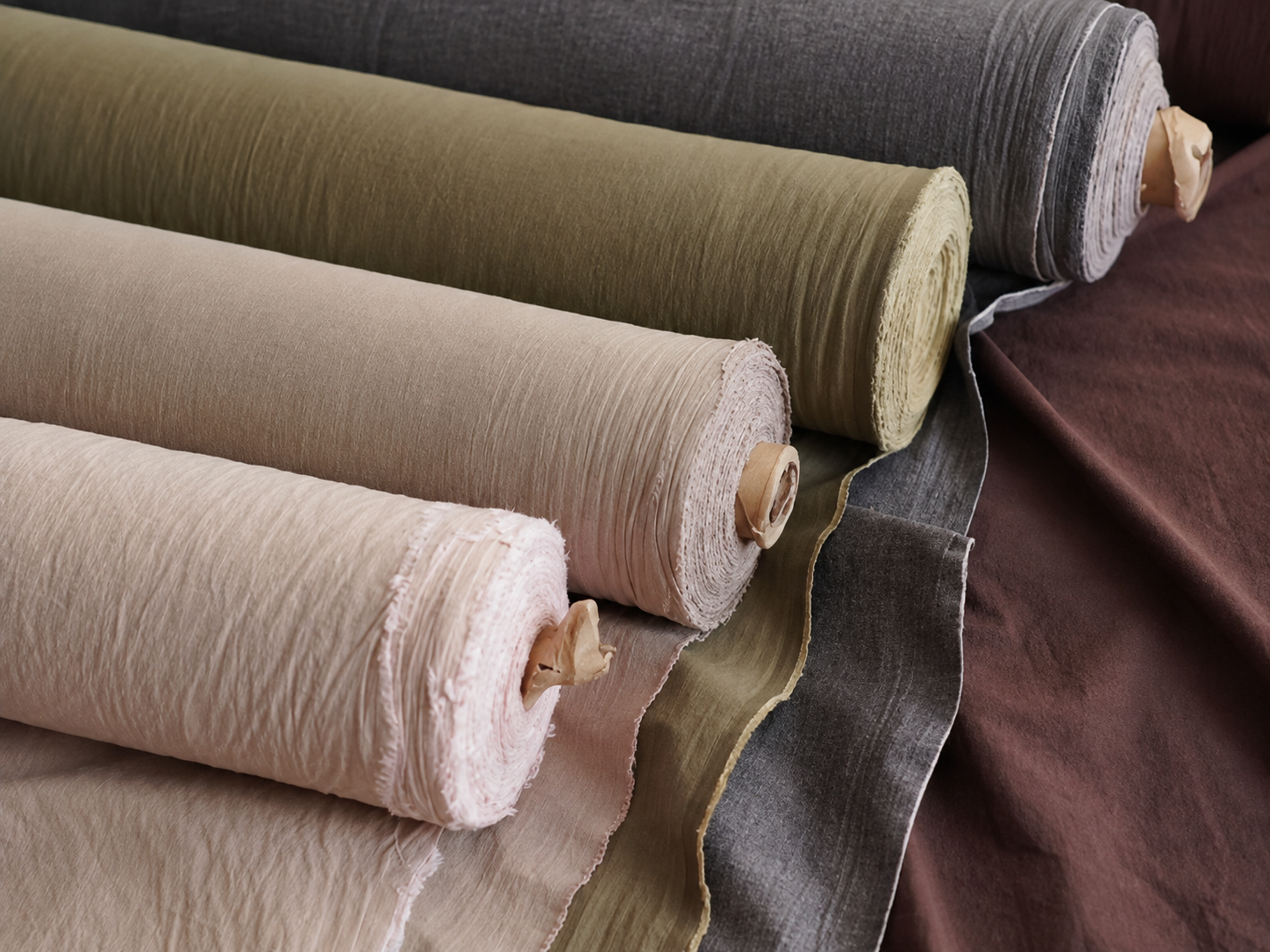
Performance claims are separated from general fabric descriptions. Moisture-wicking, quick-dry, compression, UV protection, chlorine resistance, water resistance and similar terms are used only where suitable evidence supports the actual material or finished product.
Material Choice Must Survive Bulk Production
A fabric that looks good on one prototype may still create problems during scaled manufacturing.
Stretch direction can change garment fit. GSM changes can affect drape, opacity, seam appearance and bonding behavior. A replacement fabric may require pattern adjustment. Shade differences between lots can affect coordinated sets. Custom dyeing can create separate material MOQ and lead-time requirements.
- Approved material reference
- Color or lab-dip approval where applicable
- Lot and shade review
- Trim compatibility
- Sewing behavior
- Bonding or heat-process suitability
- Print or Logo compatibility
- Supplier MOQ
- Current availability
- Required testing or documentation
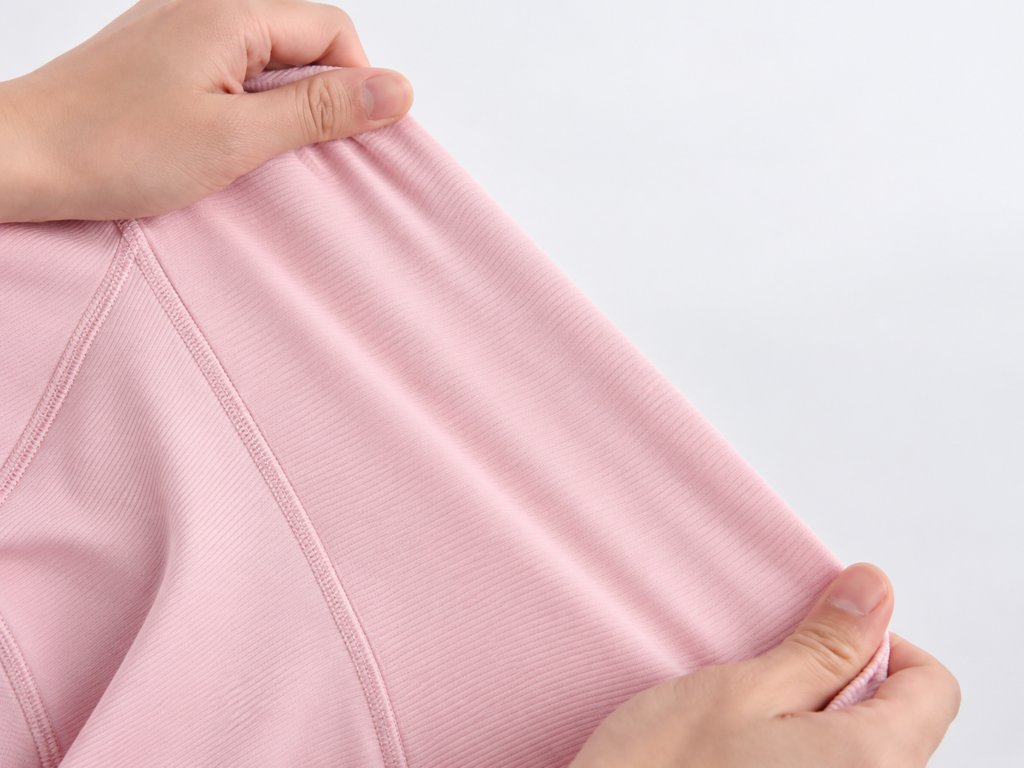
Material changes after sample approval can affect fit, workmanship, pricing and timing, so substitutions should be reviewed against the latest approved version instead of treated as an administrative replacement.
Pattern, Fit and Sample Development Before Bulk Production
Sampling is a technical checkpoint for validating shape, measurements, construction, materials and workmanship. It is not simply the purchase of one garment before placing an order.
Fit Starts with a Defined Size System
Size names alone do not define finished measurements. An XS from one brand may not equal an XS from another brand or market.
- XS–XXL naming
- Numeric sizing
- US sizing
- EU sizing
- UK sizing
- AU sizing
- Brand-specific sizing
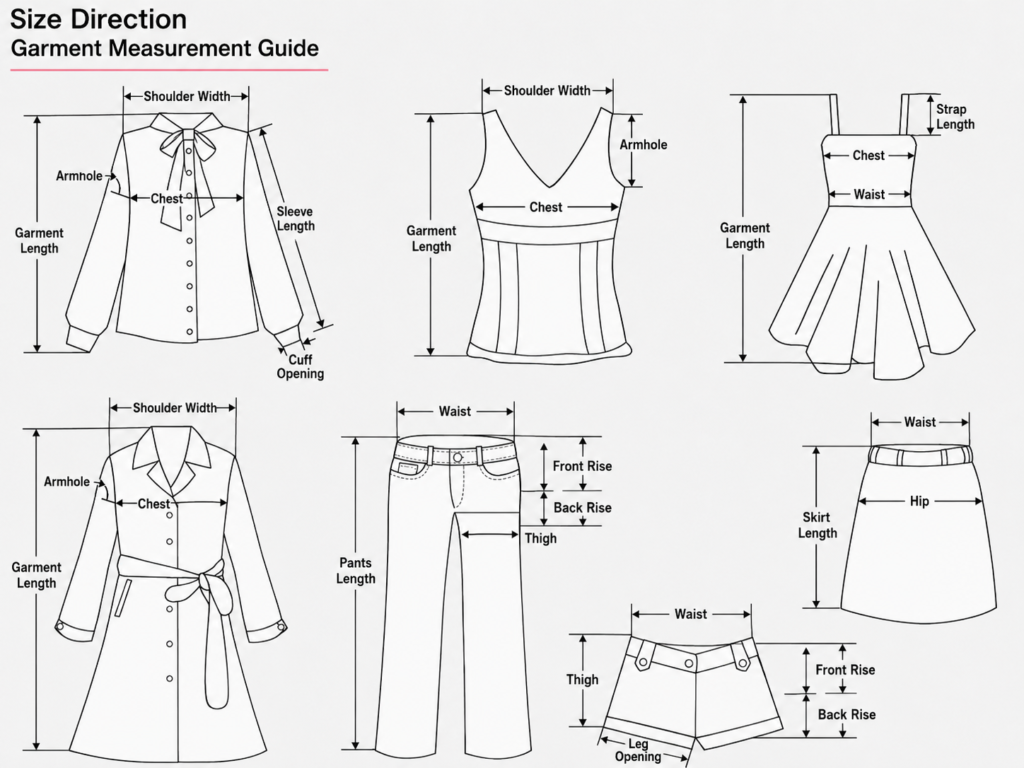
Final applicability depends on the approved size specification and product.
Before grading, the base-size fit, grade rules, key points of measurement, fabric behavior, product structure and target market should be understood. Extreme sizes may require more than proportional enlargement or reduction because Logo placement, pads, pockets, straps, zippers, waistbands and garment length can behave differently as size changes.
Leadshow’s approximately 28-person R&D engineering team can support technical review, pattern development, sample coordination, fit adjustment, material evaluation and bulk-production conversion according to project scope.
Sample Approval Needs a Defined Scope
Sample programs may include a development sample, proto sample, fit sample, size set or pre-production sample where applicable.
An approval should clearly identify what has actually been accepted:
- Product version
- Sample type
- Size
- Materials
- Color
- Logo and artwork
- Construction
- Measurements
- Labels
- Packing elements
- Comments still open
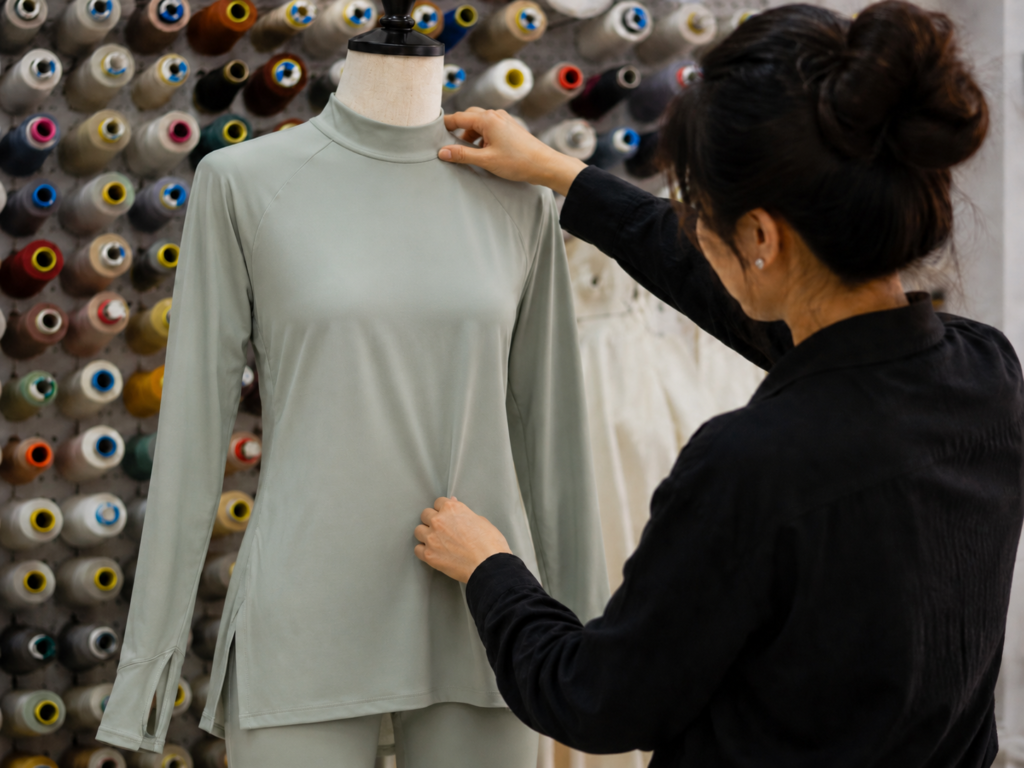
A substitute-material sample can validate structure and basic fit without approving the final fabric. Approval of one base size does not automatically approve every graded size. Photo approval does not automatically confirm properties that require physical evaluation.
Timing: sample timing is confirmed after the applicable specifications, material conditions and development scope are reviewed. Revision timing is recalculated when changes affect pattern, materials, workmanship or branding.
Custom Sportswear and Private Label Development Options
Brand identity is built through the entire garment specification rather than one Logo. Product structure, fit, colors, trims, labels and packaging can be developed as a coordinated system according to the approved project requirements.
Fabric & Materials
Material development can cover main fabric, contrast fabric, lining, mesh, rib, elastic, sewing thread and other applicable components. Selection is reviewed against product structure, target fit, workmanship, color, MOQ, availability and any required performance evidence.
- Fiber and fabric construction
- GSM and stretch direction
- Recovery and hand feel
- Lining compatibility
- Color development
- Supplier MOQ
- Testing requirements
- Bulk-material availability
Material substitutions are reviewed before use because a different stretch, weight or surface can change fit, sewing behavior and appearance.
Fit & Construction
Custom product development can involve silhouette, length, neckline, sleeves, waistbands, gussets, panels, pockets, linings, straps, pads, ribs, zippers and seam configuration.
- Base-size development
- Measurement specification
- Pattern adjustment
- Grade-rule review
- Construction feasibility
- Fit comments
- Sample revision
- Production-reference approval
A design must remain manufacturable at the intended material, quantity and quality level. Construction decisions are therefore reviewed together with pattern and workmanship rather than as isolated styling changes.
Colors
Color programs can use brand references, approved physical samples or Pantone references according to material and dyeing conditions. Exact appearance may vary with fiber, fabric construction, finish and viewing conditions, so physical approval is important.
- Colorway planning
- Pantone reference
- Lab dip where applicable
- Trim color coordination
- Logo color coordination
- Bulk shade review
- Multi-color MOQ evaluation
Custom colors remain subject to material supplier conditions, dyeing minimums and approval requirements.
Logo & Branding
Branding can involve heat-transfer applications and other Logo techniques evaluated according to garment structure, fabric and project requirements. Embroidery or other processes may be coordinated when applicable rather than automatically described as in-house.
- Logo artwork
- Placement
- Dimensions
- Color
- Technique
- Application temperature
- Wash compatibility
- Approval version
Licensed or third-party brand artwork requires appropriate authorization before sampling or production.
Labels & Hangtags
Main labels, size labels, care labels and hangtags must connect brand appearance with product identification and destination-market requirements.
- Main label
- Size label
- Care label
- Hangtag
- Fiber information
- Country-of-origin information
- SKU reference
- Language requirements
Applicable content is confirmed from the approved brand, product and market information. Material certification or supplier documentation is not automatically converted into a garment certification claim.
Packaging
Packaging can be planned for wholesale, retail, e-commerce or distribution workflows. Structure and labeling should support product protection, SKU identification and warehouse handling without creating unnecessary complexity.
- Folding method
- Individual bag
- Brand packaging
- Barcode label
- SKU sticker
- Insert card where applicable
- Carton packing
- Carton marks
Custom packaging may carry its own MOQ, artwork approval, material lead time and cost.
Eight Areas Worth Reviewing Before Supplier Approval
A serious apparel manufacturer should be evaluated beyond factory size or quoted unit price. Product development, approved standards, material control, manufacturing scale, quality checkpoints and order execution all influence whether a supplier fits a long-term sourcing program.
Quotation Factor
Why It Matters
Design Quantity
Each design has separate production preparation and specifications
Colorways
MOQ is normally evaluated by color within each design
Size Range
Size distribution affects cutting, material consumption and production management
Main Fabric
Stock, custom-dyed or specially developed fabrics can carry different supplier minimums
Trims
Custom elastic, zippers, pads, drawcords or hardware may have separate MOQ
Logo Process
Technique, size, colors and number of placements affect setup and production
Construction
Panels, linings, pockets, bonding, seam taping or other details
Labels
Woven labels, heat-transfer labels, care labels and hangtags may carry supplier minimums
Packaging
Custom bags, boxes, cards or printed materials can create separate MOQ
Testing
Laboratory testing or project-specific compliance requirements may add cost and timing
Quantity per SKU
High SKU fragmentation can increase handling complexity
Trade Terms
Agreed delivery point and logistics responsibility affect the commercial quotation
Example MOQ Logic
One design ordered in three colors would normally begin from 100 pieces per color, giving an initial reference quantity of 300 pieces, before material, trims, certification, packaging and manufacturing conditions are reviewed.
A garment quantity of 100 pieces per color does not mean every custom fabric, zipper, elastic, label or box supplier will accept the same minimum.
Manufacturing Scale Behind Leadshow Sportswear Programs
Manufacturing scale only matters when it supports a suitable product, approved material and workable production plan. Leadshow combines development resources, three manufacturing bases, equipment and project-based scheduling rather than presenting capacity as an unconditional promise.
15 Years of Industry Experience
Leadshow has 15 years of industry experience across apparel development and manufacturing. Experience supports product review, material decisions, sample development and production planning, while every new style still requires its own technical and commercial assessment.
Three Manufacturing Bases
Leadshow operates three modern manufacturing bases. Equipment, staffing and capacity figures refer to combined resources rather than equal allocation across all three sites. Production-site suitability is confirmed according to product and project requirements.
20000+ m² Combined Facilities
More than 20,000 square meters of combined facilities support the company’s manufacturing and operational resources. The figure represents aggregate facilities and should not be interpreted as the floor area of one factory location.
1500+ Team Members
Leadshow has a team of more than 1,500 people, subject to current staffing. Business, R&D, sampling, production, quality and logistics functions contribute at different stages according to each apparel program.
304 Production & Finishing Machines
Leadshow is equipped with more than 300 production, specialized-process and finishing machines across its manufacturing system. The number does not represent 300 production lines or 300 automated machines. Equipment supports cutting, sewing, specialized processes, finishing and selected packaging functions across applicable apparel programs.
Up to 120000 Monthly Garment Capacity
Combined monthly capacity can reach up to approximately 120,000 finished garments. Available capacity for an individual program depends on style complexity, materials, quantity, SKU mix and current production scheduling.
Inside the Sportswear Development and Manufacturing Process
Factory evidence should show how a garment moves from product information to controlled production. Use real Leadshow photography for all eight cards rather than generic garment-factory stock images.
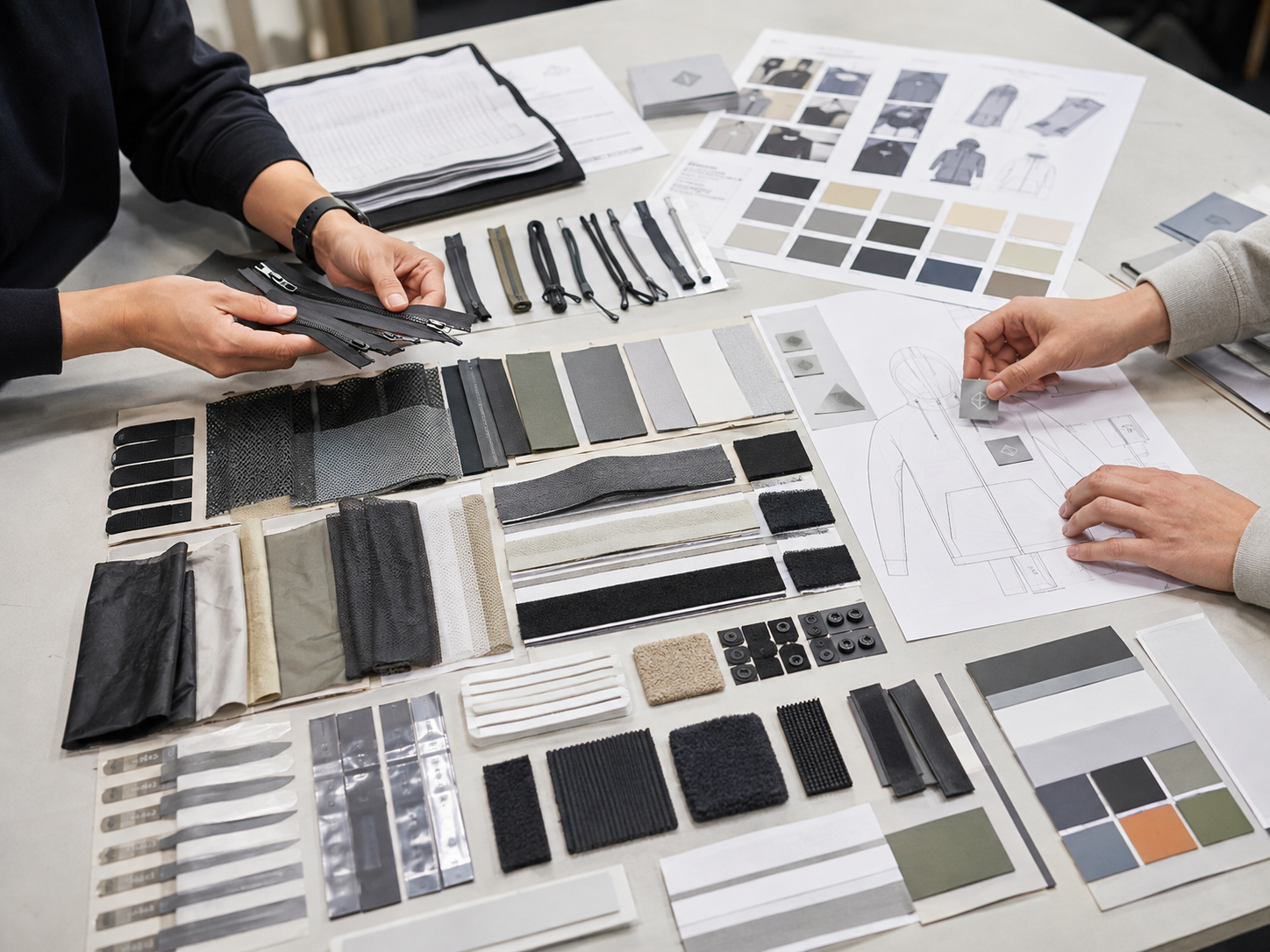
Project Review
Product development begins with available specifications, reference garments, images, quantities, target market and timing requirements. The initial review identifies missing information, construction questions, material requirements, customization scope and commercial conditions that need clarification before a useful sample or quotation can be prepared.
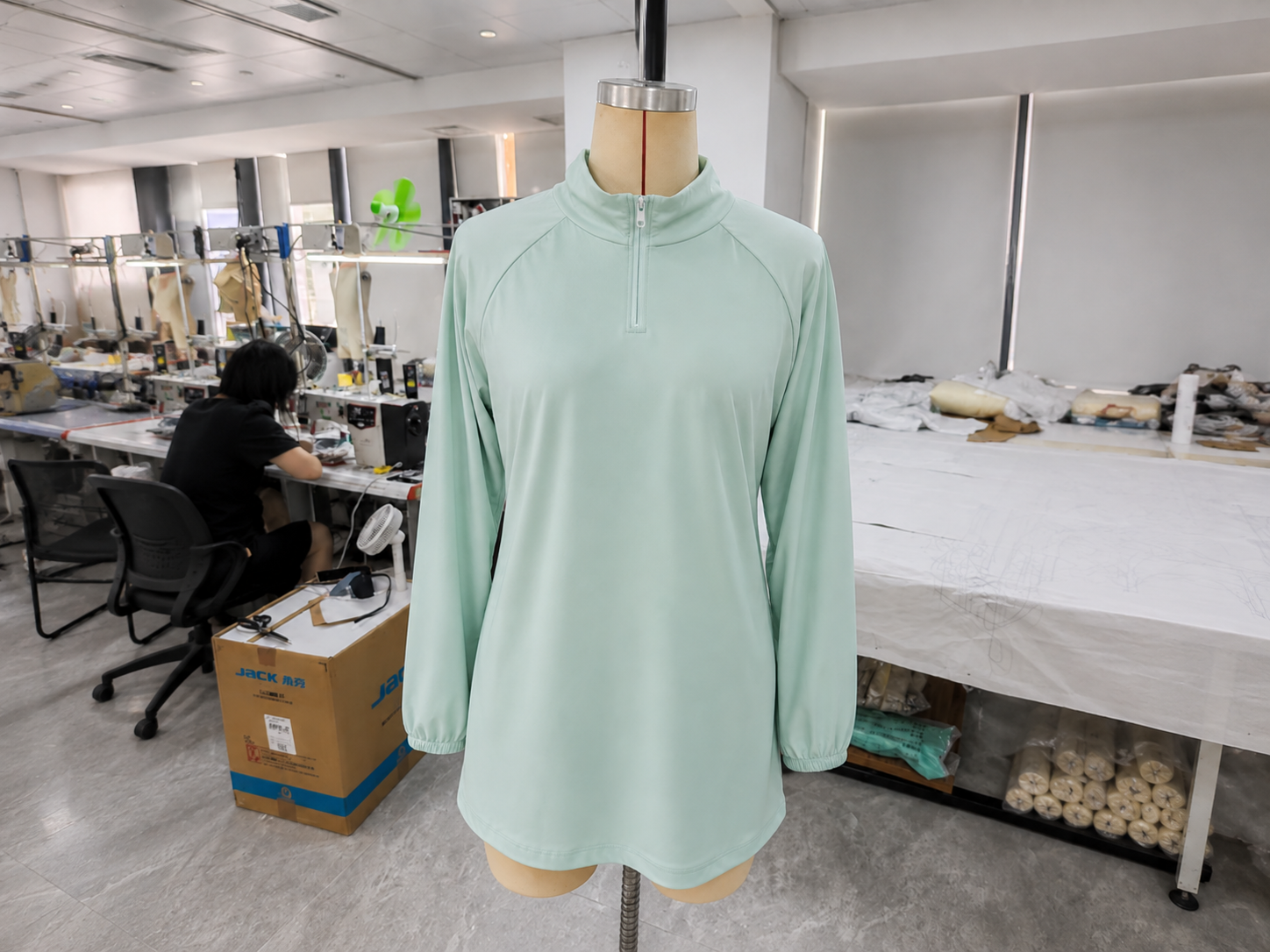
Pattern & Sample
Pattern development converts approved product information into garment shape and construction. Fit, key measurements, fabric stretch and structural details are reviewed during sampling. Sample versions should remain identifiable so comments apply to the correct pattern, material, Logo and measurement set.
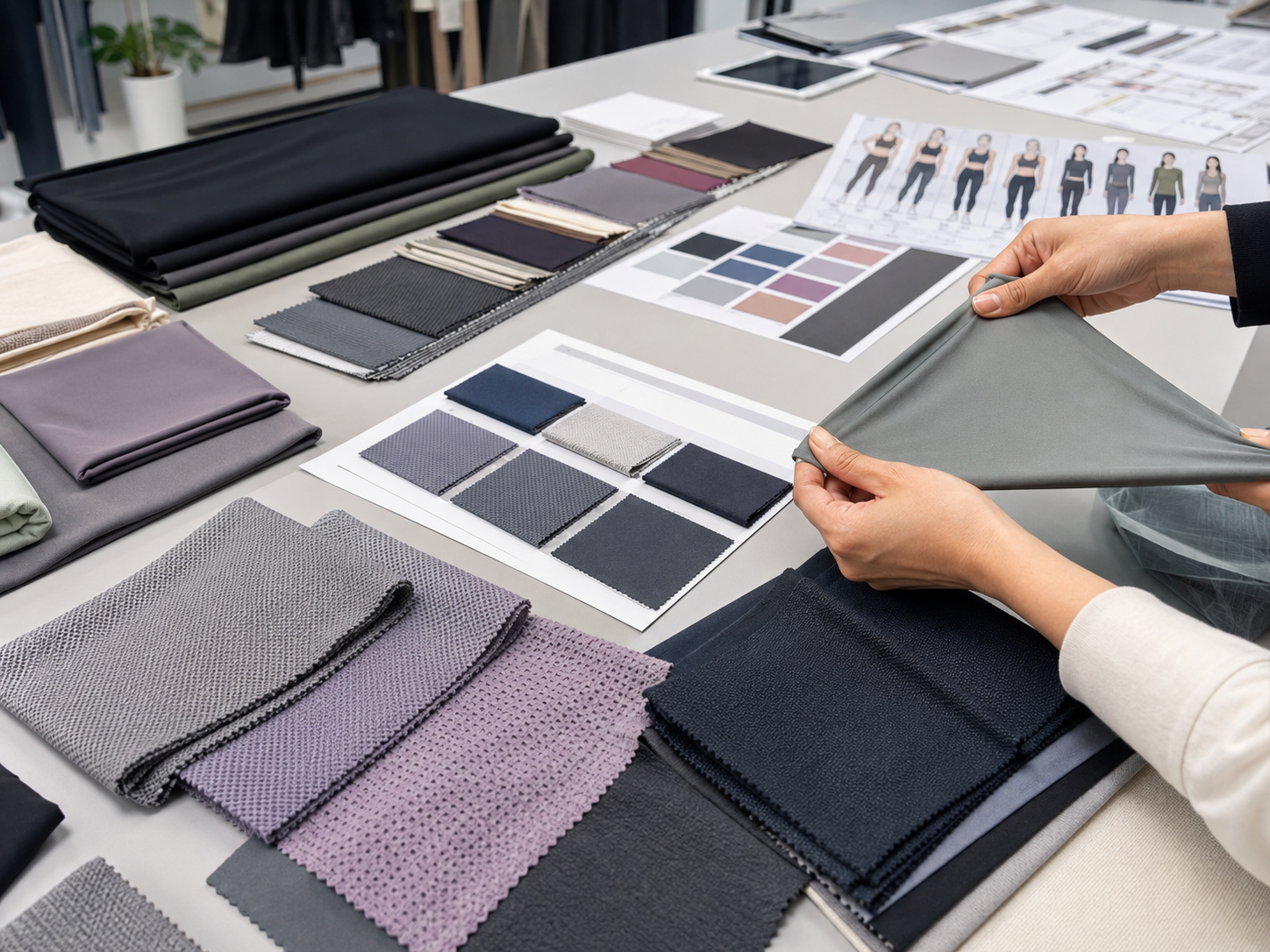
Fabric Preparation
Material preparation covers confirmed fabrics, linings, trims and applicable batch information before cutting. Fabric direction, stretch, shade, width, surface condition and project-specific requirements can affect cutting and finished-garment consistency. Substitute or changed material requires clear approval before bulk use.
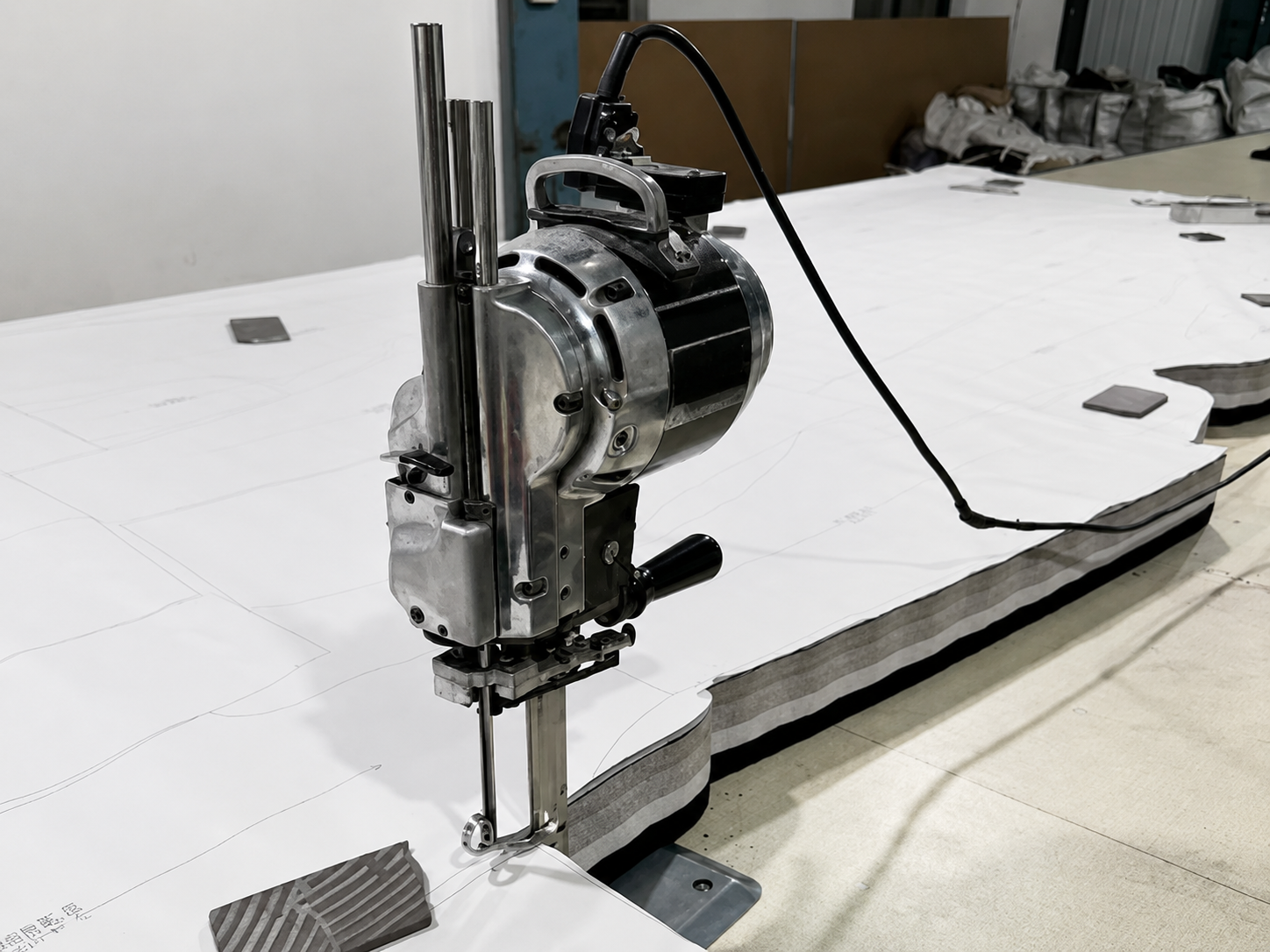
Spreading & Cutting
Spreading and cutting translate approved pattern information into production components. Grain or stretch direction, lay preparation, marker arrangement and cutting accuracy influence shape, measurements and sewing alignment. Leadshow’s equipment includes automatic spreading and computer-cutting resources alongside other cutting equipment.
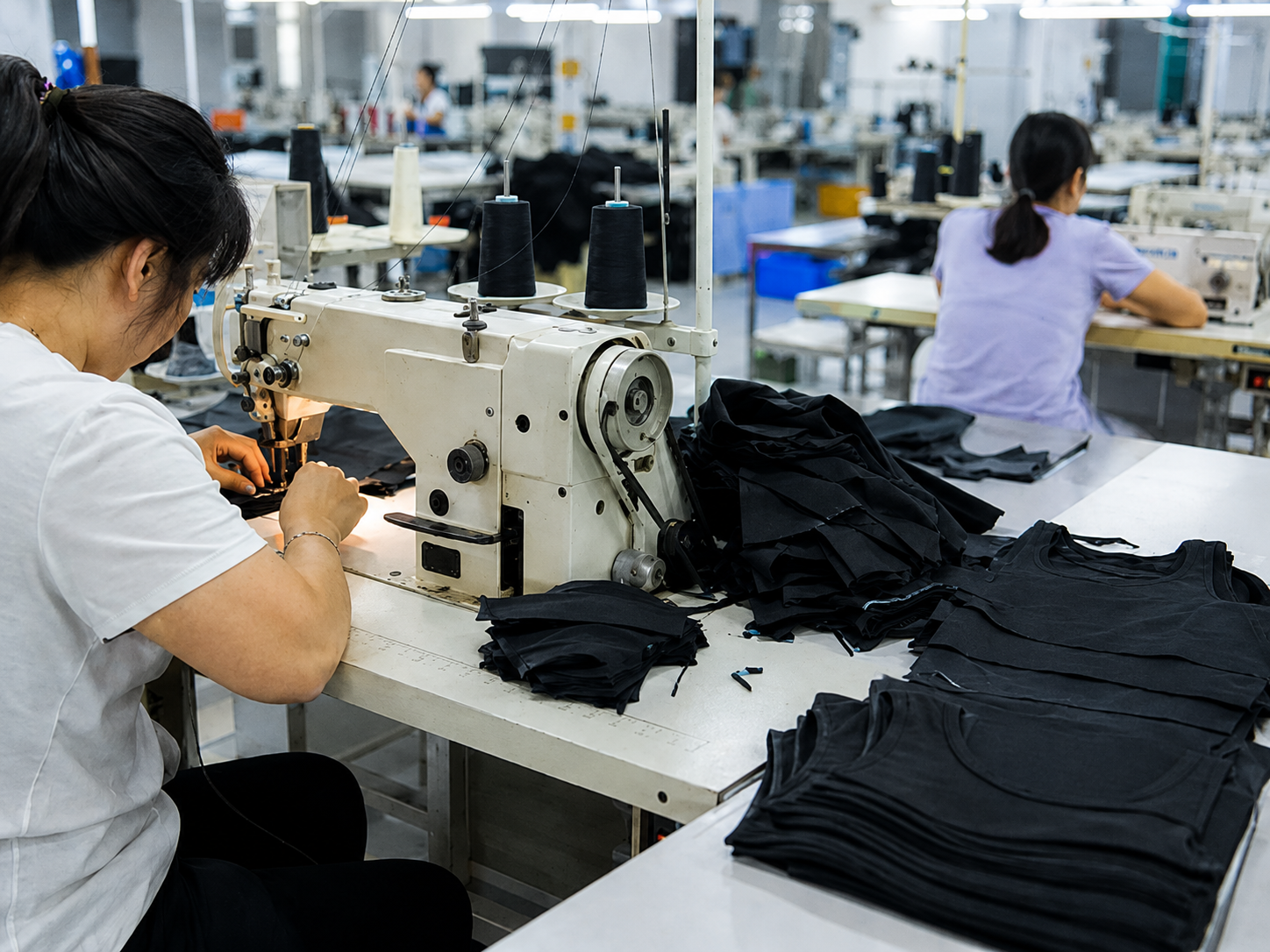
Sewing & Assembly
Sportswear construction may involve lockstitch, overlock, double-needle or four-needle six-thread sewing depending on garment type. Elastic application, panels, gussets, linings, pockets, straps and structural components require process choices matched to the material and approved sample.
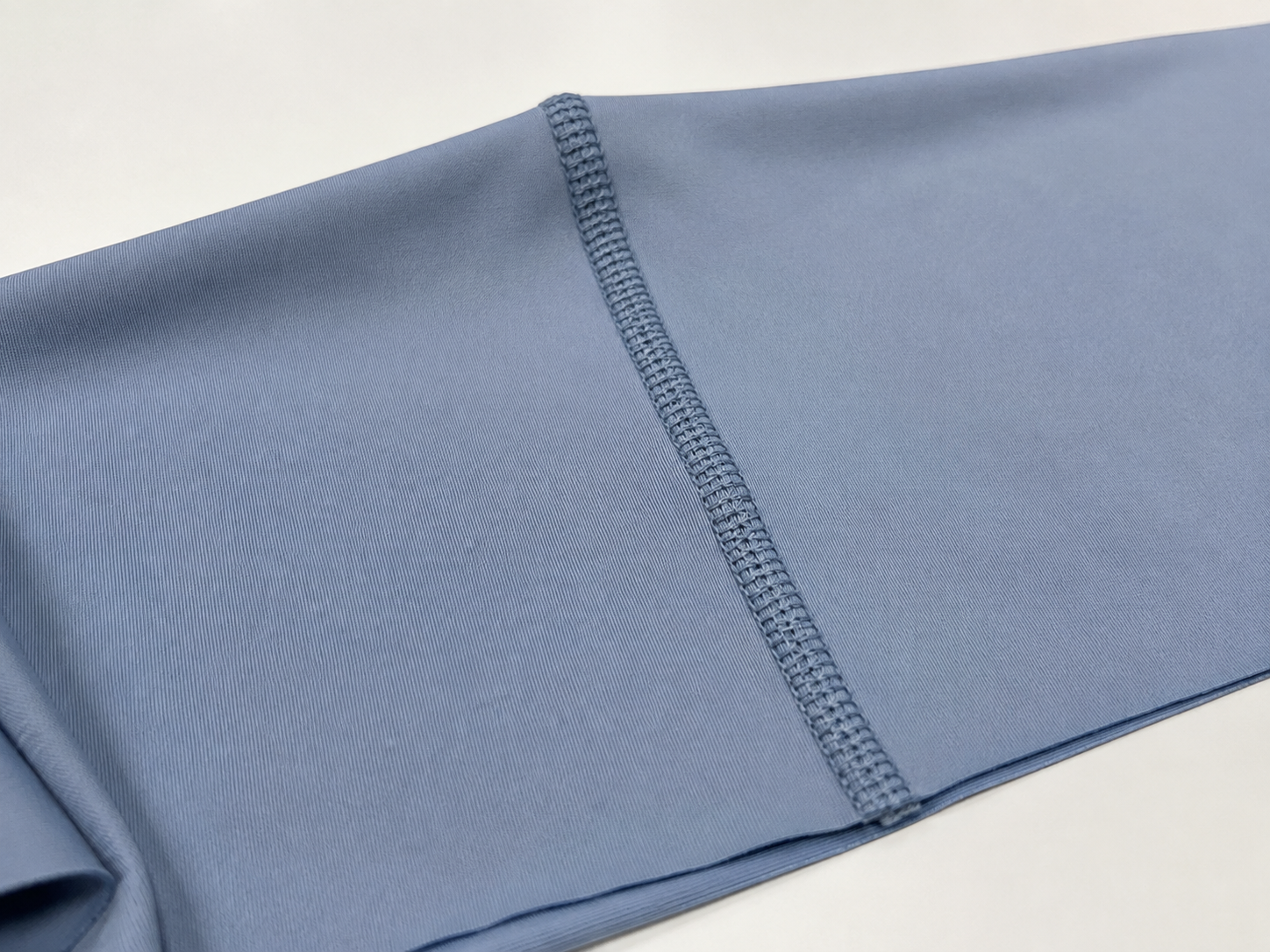
Specialized Processes
Selected projects may require bonding, seam taping, laser perforation, heat transfer or related processes. Applicability depends on fabric, structure, adhesive or film, temperature, pressure, washing requirements and product testing. Machine availability alone does not establish a performance claim.
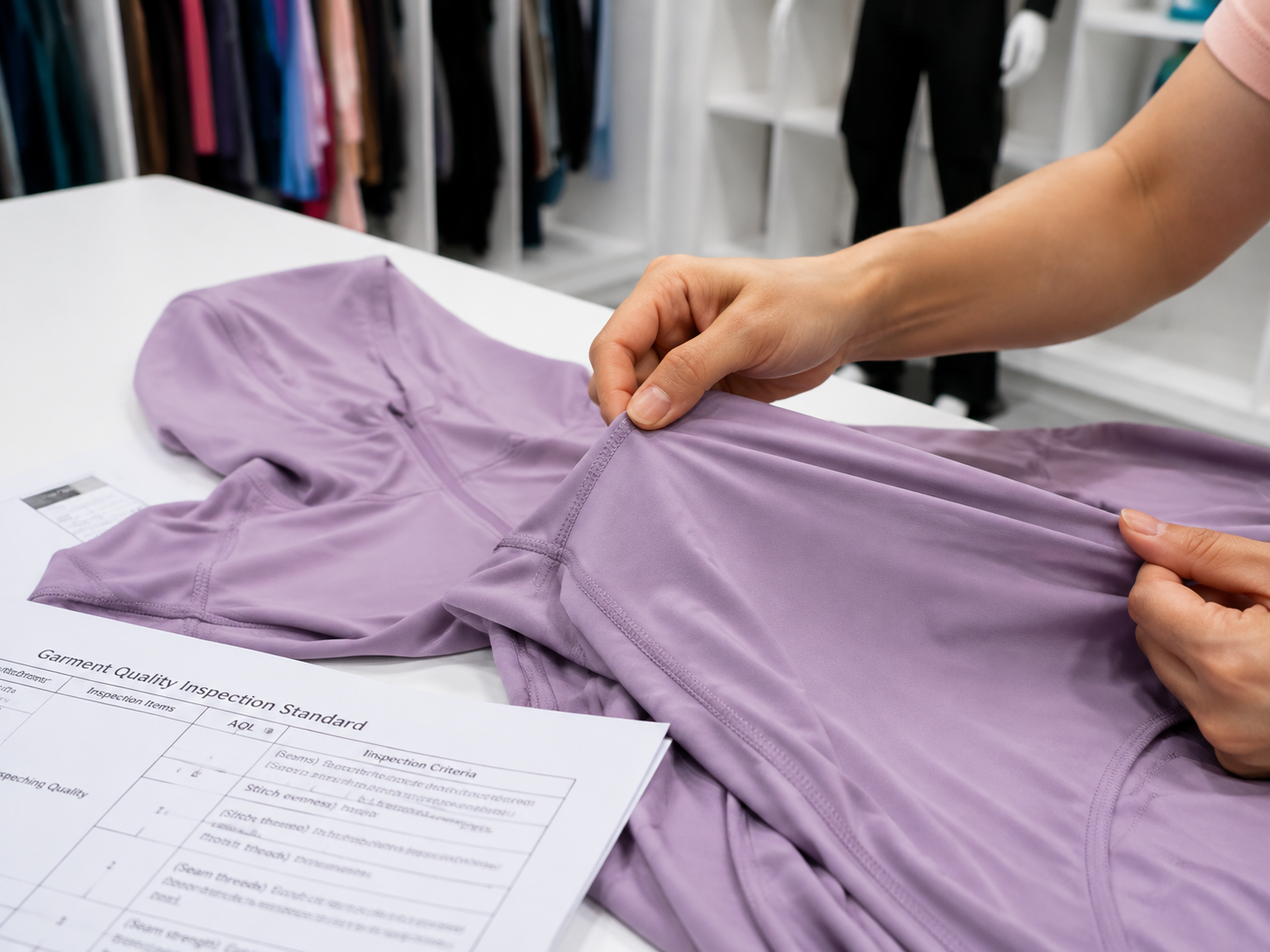
Quality Review
Inspection can cover materials, first-piece comparison, sewing workmanship, key measurements, appearance, Logo placement, labels and packaging. Quality criteria are linked to approved specifications and agreed requirements rather than generic statements such as “perfect quality.”
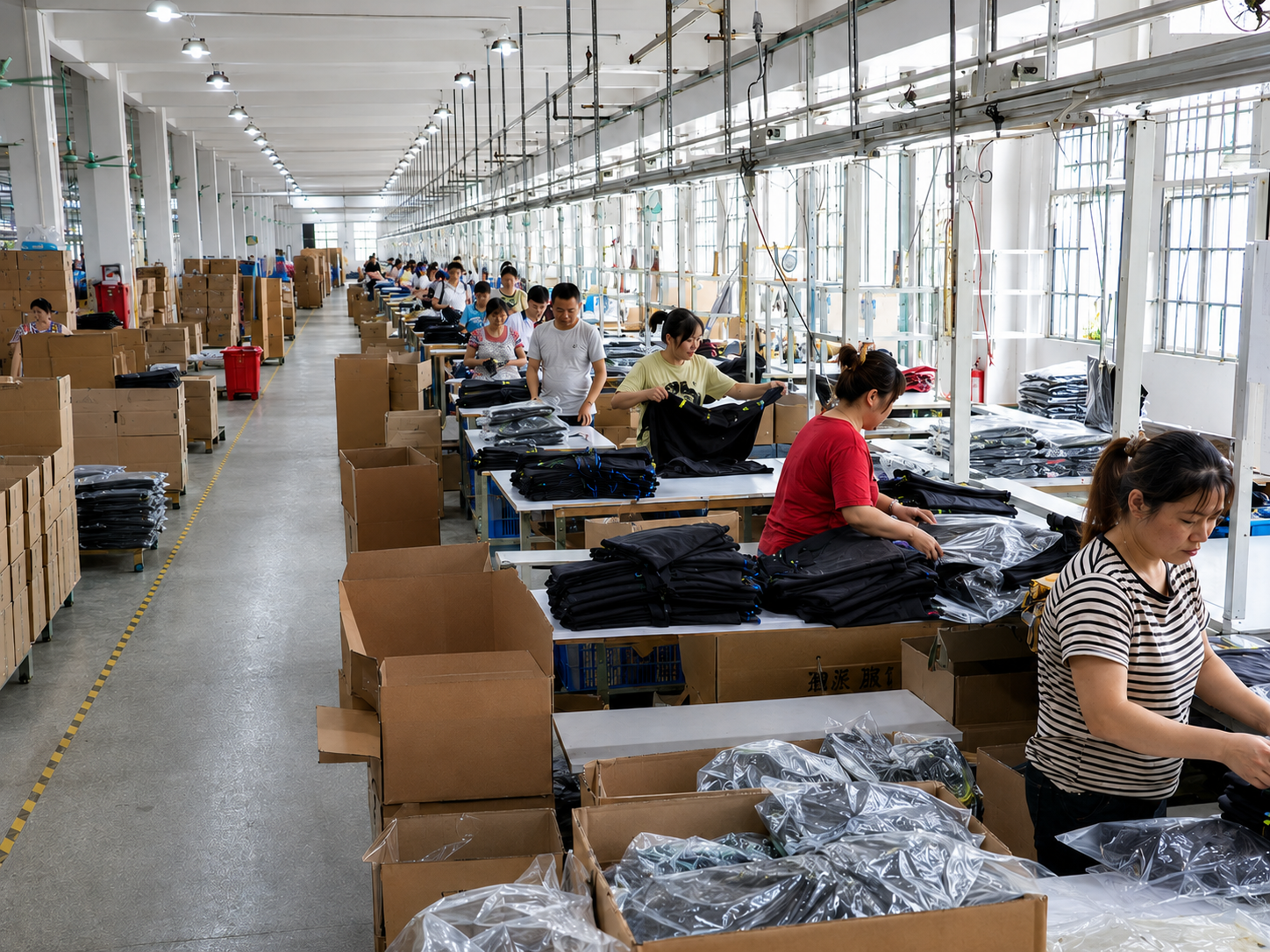
Folding & Packing
Packing preparation connects finished garments with size, color, SKU, labels, barcodes and carton instructions. Folding, individual packing, SKU verification, carton marks and packing-list information help reduce mix-ups before handover for shipment preparation.
Eight Areas Worth Reviewing Before Supplier Approval
A serious apparel manufacturer should be evaluated beyond factory size or quoted unit price. Product development, approved standards, material control, manufacturing scale, quality checkpoints and order execution all influence whether a supplier fits a long-term sourcing program.
Equipment / Process
Confirmed Quantity
Typical Role in Apparel Manufacturing
Automatic Computer Cutting
3
Multi-size and repeatable cutting preparation
Automatic Fabric Spreading
5
Controlled fabric spreading for suitable materials
Fabric Preshrinking / Setting
3
Applicable material preparation
Straight-Knife Cutting
8
Manual production cutting
Round-Knife Cutting
6
Selected cutting operations
Laser Perforation
3
Ventilation or decorative perforation where technically suitable
Direct-Drive Lockstitch
80
general garment assembly
Five-Thread Overlock
40
Seam construction and edge finishing
Four-Thread High-Speed Overlock
25
Stretch and knit garment sewing
Double-Needle Sewing
15
Applicable parallel-seam construction
Elastic Application Equipment
12
Elastic-related garment operations
Bartacking
6
Reinforcement at selected stress points
Computer Buttonhole
4
Applicable buttonhole operations
Snap Installation
4
Applicable snap attachment
Four-Needle Six-Thread
35
Flat, flexible seam construction for suitable activewear
Bonding / Related Equipment
8
Bonded construction where material and process allow
Hot-Air Seam Taping
4
Seam-taping processes for suitable structures
Ultrasonic Elastic Cutting
3
Applicable elastic preparation
Double-Station Heat Transfer
6
Heat-transfer branding applications
Multi-Station Heat Press
4
Heat-press applications
Steam Pressing Stations
20
Garment finishing
Automatic Needle Detection
6
Needle-detection stage where applicable
Automatic Folding & Packing
4
Applicable final packing operations
From Approved Sample to Controlled Bulk Production
A strong prototype has value only when its approved information can move into production without losing control of materials, dimensions, workmanship and branding.
Production Release Starts with an Approved Reference
Bulk preparation should align the approved sample with the latest production information.
Before release, the working file set can include:
- Approved sample reference
- Final Tech Pack or specification
- Measurement chart
- Pattern version
- BOM
- Main material and trim approvals
- Color approval
- Logo artwork and placement
- Label files
- Packaging instructions
- Quantity by style, color and size
- Quality requirements
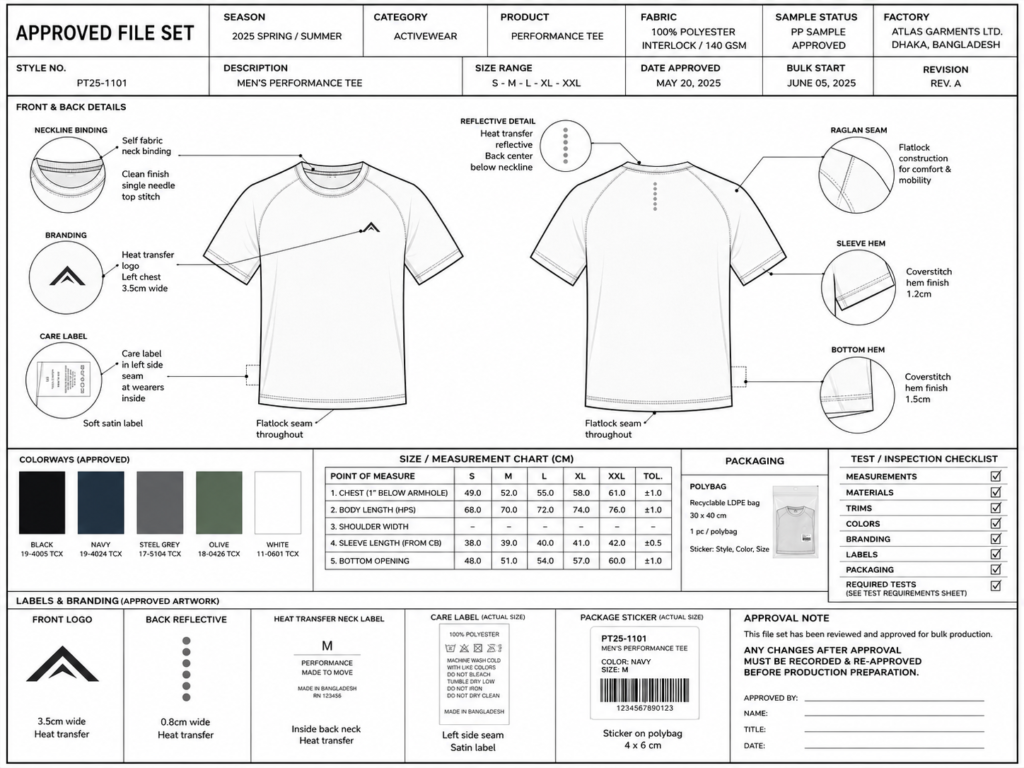
Material changes, construction changes or new artwork after approval can affect cost, fit and production timing and should be reviewed before release.
Production then progresses through material readiness, cutting, construction, in-process review, finished-garment inspection and packaging according to the defined program requirements.
Timing Is Managed by Milestone, Not One Generic Number
Leadshow does not publish one fixed sample or bulk-production lead time for every style because timing changes with specifications, materials, revisions, specialized workmanship, quantity, testing, approvals and current scheduling.
A clearer schedule separates:
Milestone | Timing Basis |
Pattern Development | Confirmed after specification and complexity review |
Sample Making | Starts after applicable requirements and materials are ready |
Sample Revision | Reconfirmed according to change scope |
Testing | Confirmed by applicable laboratory or testing arrangement |
Bulk Production | Confirmed after order release, material readiness and scheduling |
Goods-Ready Date | Estimated and updated according to production progress |
Pickup | Coordinated after goods and shipment requirements are ready |
ETD | Based on carrier or forwarder arrangement |
ETA | Estimated from the selected transportation plan |
Final Delivery | Subject to carrier, customs and destination conditions |
Goods-ready date, ETD, ETA and final receipt are separate milestones and should not be presented as one “delivery time.”
Quality Control Built Around the Approved Product Version
Quality review connects material, construction, measurement, branding and packaging with the approved specification. Different garment structures require different checkpoints, so inspection criteria should follow the actual sportswear program.
Incoming Materials
Fabric and trim review can confirm relevant color, appearance, weight or specification information before production use. Material batches, substitute components and changed trims need clear identification.
- Main fabric
- Lining
- Elastic
- Zippers
- Pads
- Thread
- Color
- Surface condition
Material approval does not remove the need to monitor production lots or evaluate changes that may affect fit and workmanship.
First-Piece Review
An early production piece can be compared against the approved reference and current production documents where applicable.
- Construction
- Stitching
- Measurements
- Logo position
- Trim use
- Color combination
- Assembly sequence
The goal is to identify meaningful deviation before a larger quantity progresses through the same operation.
In-Process Inspection
Quality checks during sewing can focus on workmanship at the stage where a problem can still be corrected efficiently.
- Seam construction
- Elastic application
- Panel alignment
- Pocket placement
- Reinforcement
- Bonding or specialized workmanship
Inspection requirements depend on the garment and agreed quality plan rather than one universal checklist.
Measurement & Fit
Key points of measurement should follow the approved size specification and agreed manufacturing tolerance.
- Waist
- Hip
- Inseam
- Body length
- Chest
- Sleeve
- Strap position
- Garment-specific POM
“Zero tolerance” is not used. Production variation is managed against approved measurement requirements.
Finished Garments
Finished-garment review can evaluate appearance, workmanship, stains, loose threads, shape, closures, trims and Logo application as applicable.
- Zippers
- Pockets
- Drawcords
- Snaps
- Removable pads
- Garment appearance
Performance claims requiring laboratory evidence remain separate from visual inspection.
Packing & Release
Final packing checks connect garments with the correct labels, size, color, SKU and carton instructions.
- Main and care labels
- Size labels
- Hangtags
- Barcode or SKU label
- Folding
- Individual bag
- Carton quantity
- Carton mark
Shipment release remains subject to the agreed project and inspection requirements.
Multi-SKU Label and Packaging Control for Growing Programs
A sportswear collection can quickly expand from a few garments into dozens of style-color-size combinations. Product identification and packing controls help keep finished inventory aligned with warehouse, retail and distribution requirements.
Style & Color SKU
Each style and color combination should use a clear product reference. SKU planning helps connect product information, quantity, labels and packing instructions and reduces confusion when several visually similar garments enter production together.
Size Identification
Letter sizing, numeric sizing or market-specific size labels must match the approved specification and order matrix. Size names alone do not establish actual measurements, so garment identification and measurement documentation should remain connected.
Labels
Main labels, size labels and care labels are checked against the approved artwork and applicable product information. Fiber names, care content, origin wording and languages need review for the intended destination market.
Barcodes
Leadshow can print or apply barcode information supplied for the applicable project. UPC, EAN, GS1 ownership, retailer codes and platform registrations are not automatically created by the factory and should come from the responsible brand or channel.
Individual Packing
Folding method, individual bags, inserts and brand packaging are confirmed against product structure and channel needs. Packaging components can have separate supplier MOQ, production timing and artwork-approval requirements.
Carton Control
Carton quantity, size-color assortment, carton marks and packing-list details are reviewed before shipment preparation. Multi-destination or special distribution instructions require separate confirmation against the actual order.
Compliance Audits and Confidential Information Need Clear Boundaries
Large sourcing programs often require more than manufacturing capability. Facility documentation, market requirements and confidential product information should be reviewed according to the actual program rather than represented through broad certification claims.
Compliance Verification
Compliance requirements vary by garment, material, selling market, age group and claim.
Leadshow reviews applicable facility credentials, supplier documentation, material certificates, product testing, labeling, origin and export information according to the project.
- Certificate holder
- Manufacturing location
- Scope
- Validity period
- Material or product coverage
- Order applicability
- Transaction documentation where required
- Destination-market labeling
A supplier material certificate does not automatically make Leadshow a certified company, and a single test report does not automatically cover every style, color or order.
Supplier Audit Support
Sourcing organizations may use their own technical, social, quality or manufacturing audit procedures.
Leadshow can prepare confirmed enterprise and manufacturing information and coordinate access according to the audit scope and confidentiality requirements.
- Company information
- Manufacturing resources
- Equipment records
- Quality processes
- Product and material evidence
- Packing process
- Applicable documentation
- Corrective follow-up where required
Audit conclusions remain the responsibility of the commissioning organization or third-party auditor. Passing every audit is never guaranteed.
Confidential Development
Sportswear development can involve unreleased designs, Tech Packs, patterns, product samples, pricing and launch information.
Project information should be used only for the agreed development, evaluation and manufacturing purpose.
Leadshow can discuss confidentiality and NDA requirements according to the program. Unauthorized publication of brand names, Logos, Tech Packs, samples or confidential cooperation details is avoided.
- Design files
- Artwork
- Patterns
- Samples
- Material developments
- Quantity
- Pricing
- Launch plans
Third-party intellectual property also requires valid authorization from the party submitting it.
Manufacturing Evidence Beyond Finished Product Photography
A finished garment can show appearance, but sourcing teams often need evidence of how the product reached production. Leadshow can organize authorized or anonymized project records without exposing confidential brand information.
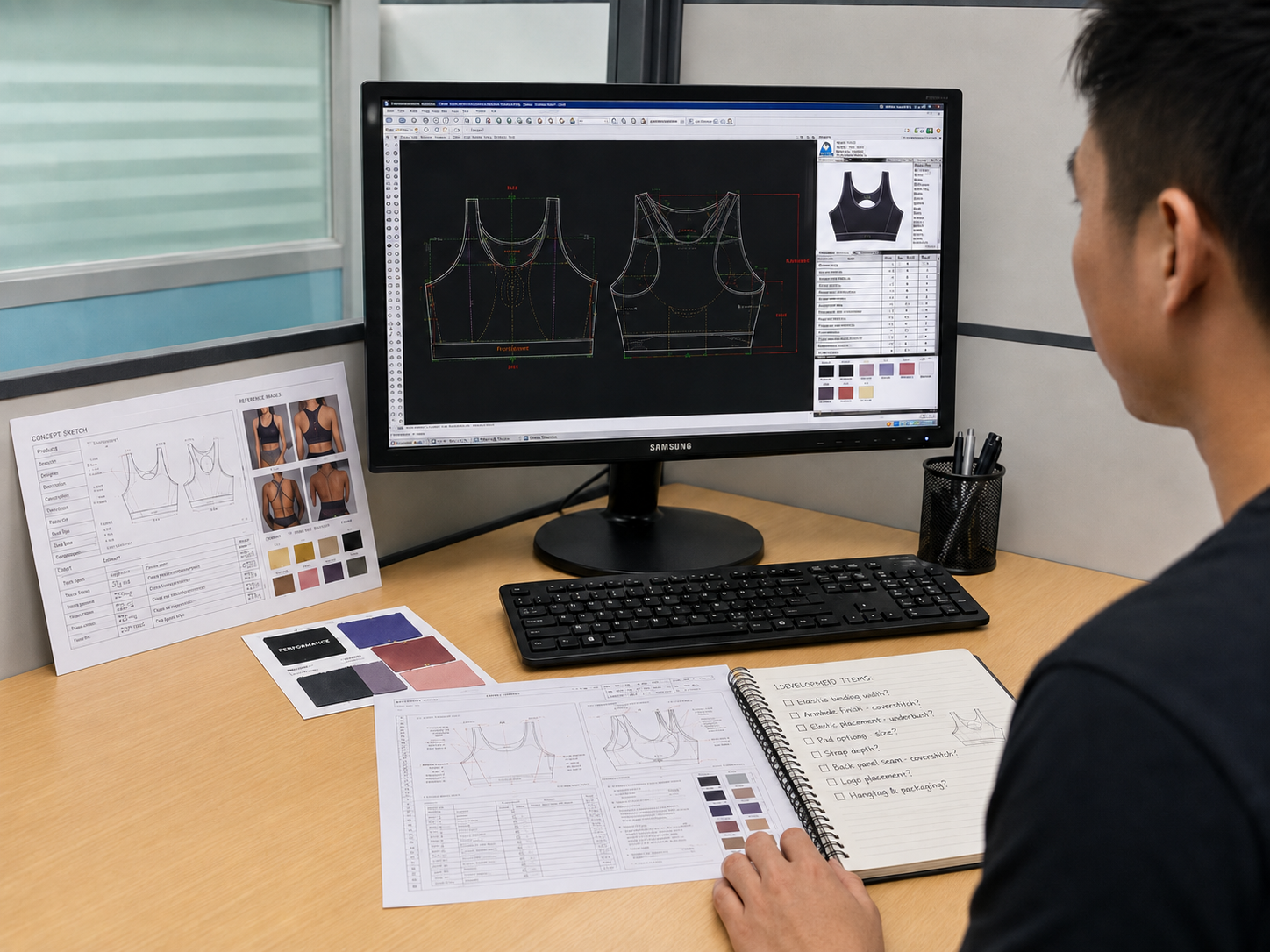
Development Evidence
Development evidence links the original product brief with key pre-production decisions.
Records may include material review, pattern updates, sample revisions and approval notes.
- Product brief
- Material review
- Sample updates
- Approval notes
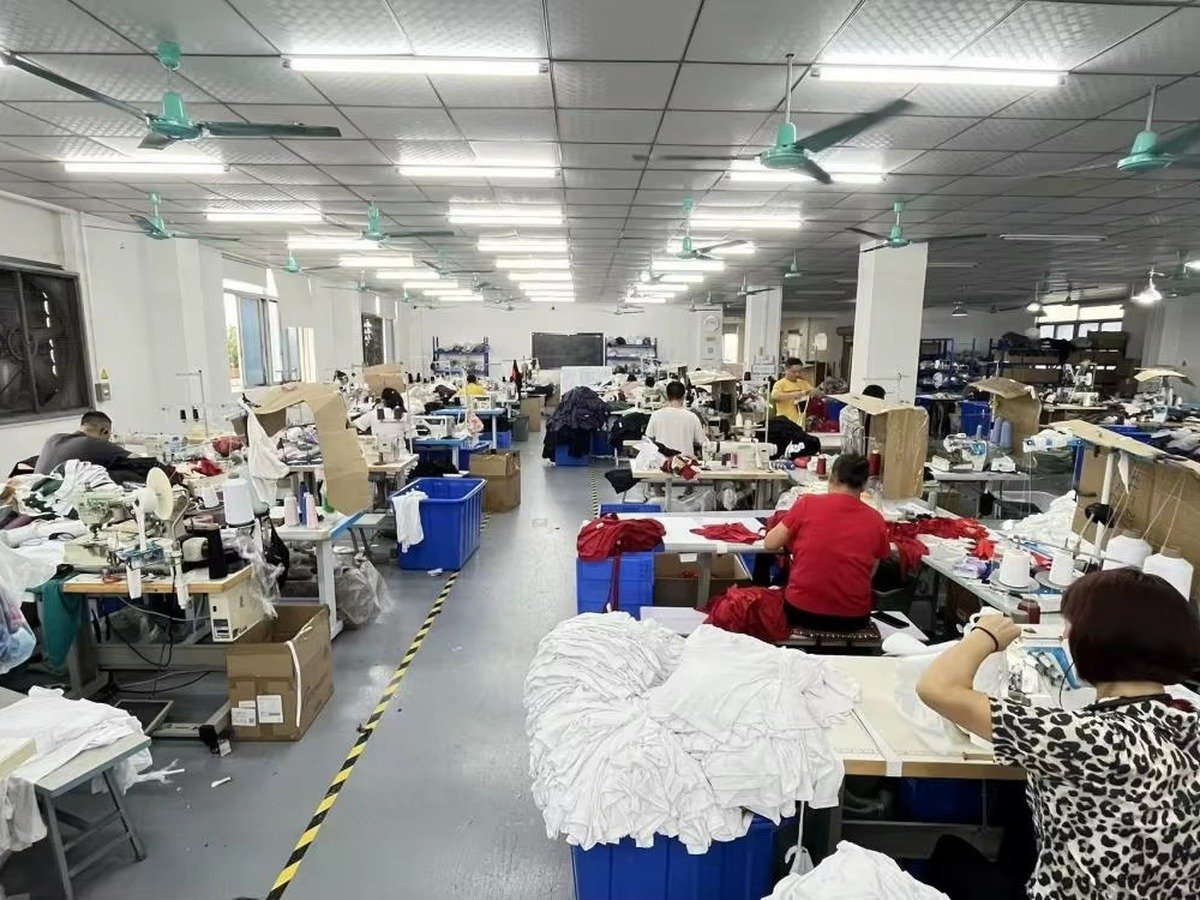
Production Evidence
Production evidence should show real workshop activity instead of staged visuals.
Records may include fabric preparation, cutting, sewing and in-line production checks.
- Real process
- Product details
- Workmanship control
- In-line checks
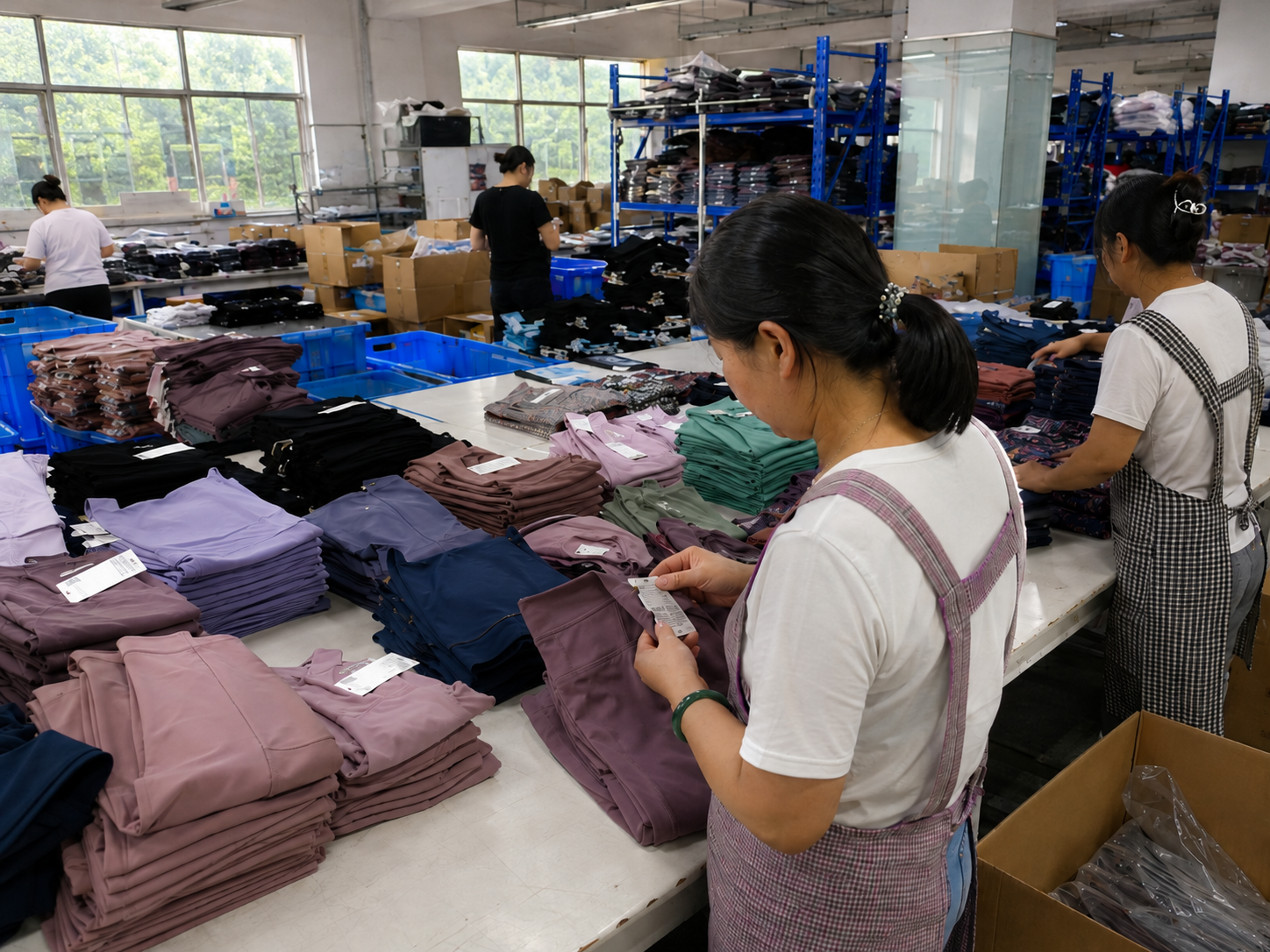
Quality & Packing Evidence
Quality and packing evidence shows the approved product is checked before shipment.
Records may include measurement review, appearance checks, label/SKU verification and packing checks.
- Version review
- Measurement check
- Label & SKU check
- Packing check
Is Leadshow the Right Manufacturing Fit for Your Program?
Good sourcing decisions include knowing where a manufacturer fits and where more review is required. Leadshow prioritizes commercial apparel projects that match its product scope, resources and manufacturing conditions.
Suitable for Review
Leadshow is positioned for commercial sportswear projects involving brands, importers, distributors, retailers and sourcing organizations.
Strong-fit programs often include:
- Defined sportswear product direction
- OEM or ODM development
- Tech Pack or reference-sample review
- Custom materials and colors
- Pattern and fit development
- Sample approval before bulk
- Private label requirements
- Multi-style or multi-SKU orders
- Repeat-order planning
Standard MOQ generally starts from 100 pieces per color per design, with final conditions reviewed against the full specification.
Further Review Required
Some projects may fit Leadshow’s resources but need additional technical, commercial or compliance review before commitment.
Examples include:
- Unusual performance requirements
- Complex bonding or specialized processes
- Custom-certified materials
- Extended size ranges
- Very high SKU fragmentation
- Lower-than-standard quantities
- Aggressive launch dates
- Custom trims with high supplier MOQ
- Special market testing
- Complex packaging programs
Feasibility, cost and timing are confirmed only after enough project information is available.
Outside Normal Scope
Leadshow does not position itself as a manufacturer for every apparel or consumer-product category.
Projects are not automatically accepted where they involve:
- Individual retail orders
- Unauthorized copies of third-party brands
- Unverified certification claims
- False customs documentation
- Guaranteed lowest pricing
- Unconditional free sampling
- Any-quantity manufacturing claims
- Guaranteed global customs clearance
A clear boundary reduces development waste and protects both manufacturing execution and brand requirements.
Sportswear Manufacturer in China Frequently Asked Questions
These answers cover the questions most often reviewed before sportswear development, sampling, quotation and bulk production discussions begin.
Is Leadshow a sportswear manufacturer in China?
Yes. Shenzhen Leadshow Sports Technology Co., Ltd. develops and manufactures sportswear, alongside swimwear, streetwear and modest sportswear projects. Manufacturing resources include three bases, 304 production and finishing machines, and combined monthly capacity up to approximately 120,000 garments, subject to style, materials, order mix and current scheduling.
What sportswear products can Leadshow manufacture?
Confirmed key products include sports bras, sports T-shirts, yoga leggings, tennis skirts, jumpsuits, running shorts, tank tops, tracksuits, hoodies and sweatshirts. Product structure, fabric, functionality, branding, MOQ and production conditions are reviewed according to the actual design rather than assumed from the category name.
Do you provide OEM and ODM sportswear development?
Yes. OEM programs can start from detailed specifications or Tech Packs. ODM-oriented development can begin from concepts, sketches, images or reference garments and may include technical review, material direction, pattern development, sampling and production conversion according to project scope.
Can you work from an existing garment sample?
Yes, subject to review and intellectual-property authorization. A physical reference can help evaluate fit, measurements, material, construction and workmanship. The project should identify which features are for reference, which features need modification, whether disassembly is permitted and whether the garment must be returned.
What is the MOQ for custom sportswear?
Standard MOQ generally starts from 100 pieces per color per design. Final MOQ depends on product construction, fabric availability, custom dyeing, trims, branding, labels, packaging, certified materials, testing requirements and production conditions. Supplier material minimums may be higher than the garment MOQ.
How long does sportswear sampling take?
Sample timing is confirmed after the applicable specification, material availability, pattern complexity, sample type and revision scope are reviewed. Development timing may also change when new materials, branding, testing or substantial fit revisions are introduced. Leadshow does not apply one fixed sample duration to every garment.
What size range can be developed?
Size systems can include letter sizing such as XS–XXL, numeric sizing, US, EU, UK, AU or brand-specific specifications where applicable. Final range depends on the garment, approved pattern, grade rules, fabric and fit requirements. Extended sizing requires proper pattern and fit review rather than simple proportional enlargement.
How do you control sample-to-bulk consistency?
Bulk preparation uses approved product information, current pattern and measurement specifications, approved materials, branding and packing instructions. Controls can include first-piece comparison, in-process inspection, finished-garment measurement, Logo review and packing verification according to the agreed quality requirements.
What is Leadshow’s production lead time?
Bulk-production timing is confirmed after order release, material readiness, quantity, SKU mix, workmanship and current scheduling are reviewed. Goods-ready date, pickup, ETD, ETA and final delivery are treated as separate milestones. Carrier and customs timing remains subject to the selected logistics arrangement.
Can Leadshow support compliance and private-label packaging?
Leadshow can review applicable facility credentials, supplier certificates, material documentation, testing, labels, origin and export information by project. Private-label development can also cover Logos, labels, hangtags, SKU identification and packaging. Certification and compliance claims are used only within verified holder, scope, validity and order applicability.
end Your Sportswear Project for Manufacturing Review
A useful manufacturing review begins with enough information to understand the product, quantity, materials and intended market. You do not need every detail finalized before contacting Leadshow, but clearer inputs allow the team to identify technical questions, material requirements, applicable MOQ and the next development step more efficiently.
Useful files and information include:
- Product category
- Tech Pack, sketch or reference images
- Existing garment or problem photos
- Size chart and required size range
- Fabric composition, GSM or performance direction
- Lining and trim requirements
- Logo artwork and preferred technique
- Colorways or color references
- Quantity per design and color
- Size distribution
- Main labels, care labels and hangtags
- Packaging requirements
- Target selling market
- Testing or compliance requirements
- Requested goods-ready timing
- Target price or budget range where available
After review, Leadshow can identify product fit, missing specifications, material or process questions, sampling requirements, applicable MOQ, quotation inputs and production-planning conditions.
Final pricing, sample timing and bulk-production timing are confirmed only after the relevant specifications and commercial conditions are understood.