
Running Shorts Manufacturer
Build running shorts around the fit, movement, storage and branding details your collection actually needs.
- Shenzhen Leadshow Sports Technology Co., Ltd. develops and manufactures custom sportswear, including running shorts, for apparel brands.
- Choose a split shell, a clean unlined short, a lined version or a two-in-one construction. We review fabric, pattern, pockets and decoration against the intended use before sampling.
- OEM, ODM and private label projects can move from specification review through samples, production and export delivery. The standard MOQ starts from 100 pieces per color per design, subject to the materials and details selected.
Running Shorts for Different Collections and Training Conditions
The right construction depends on where the shorts will be worn, what a runner needs to carry and how the garment should look alongside the rest of a range. Start with the intended use; then settle length, lining, pockets and finish.

Road and Race Collections
A road running brief often prioritizes a light shell, leg clearance and low bulk around the waist. Decide whether the short needs an inner liner, a split hem and a secure place for a key or small item. A shorter inseam can change coverage when the runner climbs stairs or lengthens stride, so the approved sample needs movement checks. Share an existing style, target fit and acceptable fabric hand feel; we can review the construction before preparing a sample.

Training and Club Ranges
Training shorts may need a fuller silhouette, a stable waistband and pockets suited to warmups, gym sessions or commuting to a workout. The design can remain clearly part of a running range without copying race-day proportions. If a club orders several colors or carries both men’s and women’s fits, specify the size chart and grading rules for each version. Branding placement, wash care information and repeat-order color control belong in the same brief as the garment shape.

Trail and Storage Needs
Trail shorts can call for extra storage, but every added pocket changes weight, access and movement. State what must fit: a key, gels, a phone or other small items. We can review pocket location, opening direction, zipper use and reinforcement together with shell and liner construction. A loaded sample should be worn and tested before approval; a pocket that looks discreet on a flat garment may move differently once filled during a run.
Four Starting Points for a Custom Running Short
Each construction below is a development direction, not a fixed catalog item. Length, fabric, fit and components are settled against your reference sample or technical pack. We assess material availability and manufacturing suitability before confirming the final combination.
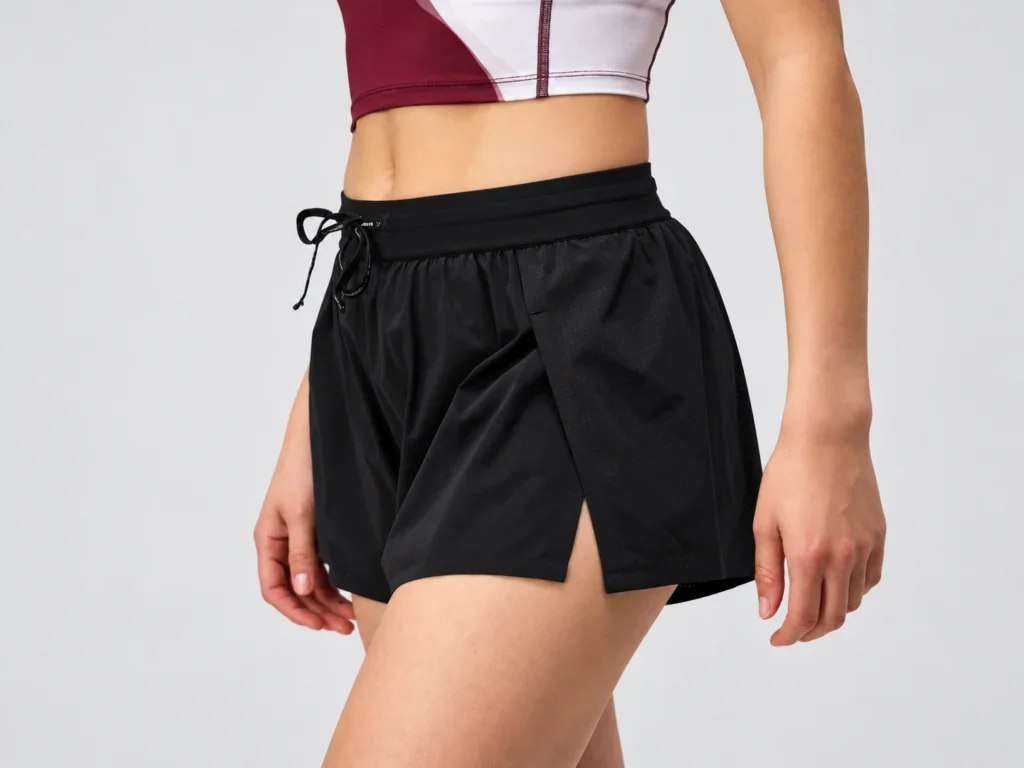
Split-Leg Shell
A side split gives the hem more room to open during a longer stride. Specify split height, front and back overlap, hem curve and whether the inner layer should be visible in motion. A split short can be lined or unlined depending on the brief. Sample checks should cover side coverage, hem balance and reinforcement at the split end. Lightweight woven fabrics may be suitable, but fabric weight, opacity and edge finish need review before a proposed shell goes into production.

Classic Unlined
An unlined short keeps the construction simple for brands that plan to pair it with separate compression wear or use it across training activities. The absence of a liner does not remove fit decisions: crotch depth, waist rise, hem opening and pocket placement still affect comfort and shape. Share your target inseam and preferred silhouette, along with how the shorts will be styled. We can evaluate an elastic waistband, drawcord and pocket construction against the selected fabric and quantity.
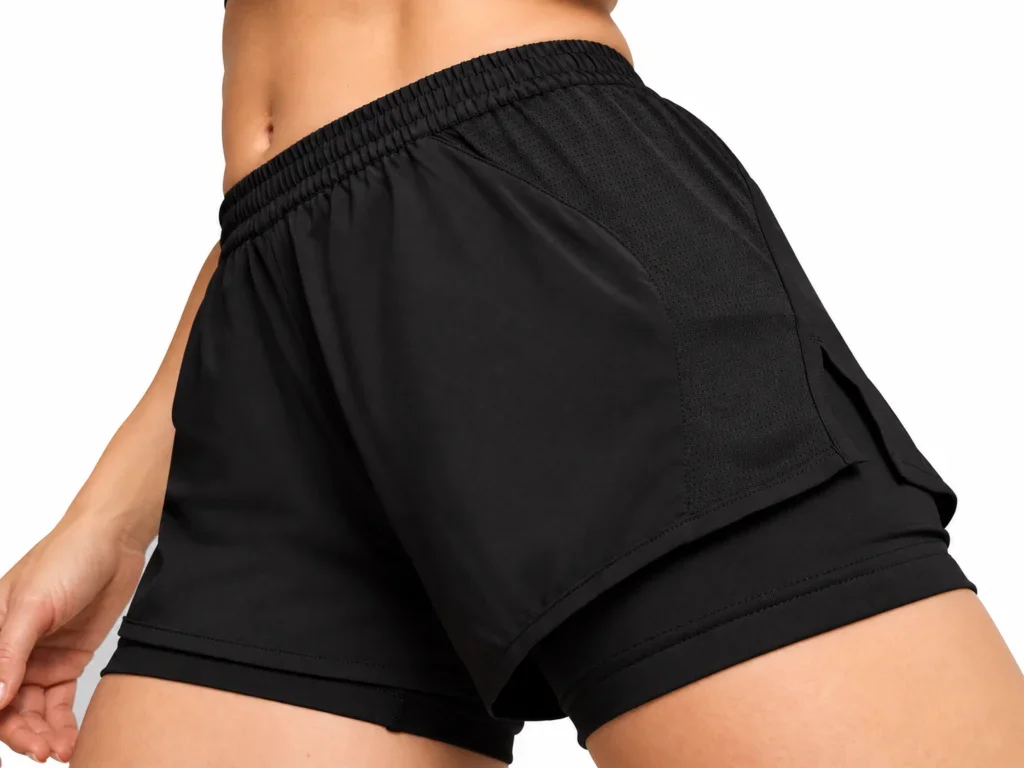
Built-In Liner
A built-in liner creates a different fit and wearing experience from an outer shell alone. The brief should identify liner coverage, stretch, leg opening, attachment points and the intended relationship between the two layers. An inner brief and an inner short are separate constructions; choose one before final pattern approval. During sampling, examine the liner while running, sitting and bending, as well as how its fabric dries and feels after washing. Material properties require testing where performance claims are intended.

Two-in-One Short
A two-in-one design pairs an outer running short with a fitted inner short. Set both inseam lengths, the stretch requirement of the inner layer and the amount of shell coverage needed. Add a phone pocket only after checking its position against leg motion and pocket load. Two fabrics, two patterns and the attachment method affect cost and production planning. We review the complete construction as one garment, including waistband bulk, leg movement and how both layers look after laundering.
Define the Measurements Before the First Running Shorts Sample
A clear specification prevents the same garment from being interpreted several ways. The figures below are design examples for discussion, not fixed Leadshow sizes or promised options. Your approved measurement sheet and sample determine the actual pattern, grading and tolerances.
Specification
Starting examples or input
Decision to record
Outer inseam
3 in / 5 in / 7 in reference directions
Confirm the measured size, hem shape and intended coverage.
Inner layer
No liner / brief liner / fitted inner short
Define separate inner inseam and leg opening if used.
Size run
Example planning run: XS / S / M / L / XL
Supply your brand's body and garment measurements; grade after review.
Size run
Example planning run: XS / S / M / L / XL
Supply your brand's body and garment measurements; grade after review.
Waist
Elastic width, rise, drawcord location
Set relaxed and stretched waist measurements.
Storage
Side, rear, waistband or inner-layer pocket
Specify item dimensions and preferred access.
Branding
Print, heat transfer, embroidery or label
Confirm artwork dimensions, position and material suitability.
Approval
Reference size, fit models, tolerance list
Approve the sample and size chart before bulk cutting.
Select Shell and Liner Fabrics for the Intended Run
Fabric names alone do not establish stretch, opacity, drying speed or durability. Compare candidate materials against the fit, color and care requirements of the collection. Final fabric selection and any performance statement should follow supplier information, samples and agreed testing.
Material or component
What to compare in development
What to approve
Lightweight woven shell
Hand feel, drape, air flow, opacity and recovery
Swatch, color, fabric specification and wash result.
Stretch woven shell
Give during stride and return after movement
Stretch direction, weight and pattern allowance.
Knit inner short
Coverage, friction, stretch and shape retention
Fit against the outer shell and after-wash appearance.
Brief liner or mesh
Softness, support and seam placement
Pattern shape, edge finish and on-body coverage.
Elastic and drawcord
Width, grip, tension and ease of adjustment
Waist feel on multiple fit sizes.
Reflective detail
Position, attachment and visibility of trim
Approved material and placement; any safety claim needs evidence.
Check the Running Fit Before You Approve the Pattern
A short can look balanced on a hanger and still feel restrictive on the move. We work from your reference measurements and sample feedback to evaluate stride clearance, waist placement and coverage. Each fit approval should identify the model size and the changes required.
Use Movement Checks to Resolve Fit at the Hip and Hem
Stride clearance: Watch the front rise, crotch extension and leg opening while a wearer walks, jogs, climbs steps and reaches into a longer stride. The outer shell needs enough room without collecting excess fabric at the inner thigh. A side slit or curved hem may help, but its height and overlap must be checked for coverage. Photos and notes from the same wearer are more useful than a general comment such as “make it looser.”
Fit reference: Record the sample size, wearer measurements and intended wearing position before commenting on waist or length. A 3 in inseam measured on one size does not produce the same visual coverage across every body shape or grading step. Compare the approved garment measurements with your brand’s existing shorts when consistency matters. If both men’s and women’s fits are planned, review their block shapes and size charts separately rather than applying one grading rule to both.
Approval record: Mark any adjustment directly against the sample: for example, add room at the thigh, lower the front hem or revise the side opening. Check the updated pattern against the liner and waistband before signing off. Keep the approved sample, specification and tolerance list aligned so cutting and inspection have a clear reference. Fit comments from one size should trigger a review of other sizes where the same pattern change could alter balance.

Design the Liner Around Coverage and Movement
Lining is a construction choice, not a standard feature of every running short. Brief liners and fitted inner shorts need different patterns, fabrics and attachment methods. Define the intended coverage and wearing feel before the first sample, then check the result on a wearer.
Set the Inner Layer's Fit Before Adding More Features
Brief liner: Define the front and back shape, elastic edge, crotch fit and how the liner joins the waistband. A narrow or poorly placed edge can affect wear even when the outer short fits well. Review coverage while the wearer stretches, sits and runs; the shell can lift higher in motion than it does in a standing photo. Fabric softness and seam placement should be judged on the sample, not assumed from a material description.
Fitted inner short: Record the inner inseam, leg opening, stretch direction and relationship to the outer hem. An inner short that is too loose may move under the shell; one that is too tight may feel restrictive at the thigh. Decide whether the inner layer needs a pocket and test it with the intended item. The waistband must support both layers without excessive bulk, and the approved fit should be reviewed after laundering where wash changes matter.
Wear claims: No construction alone can guarantee zero chafing or universal comfort. Ask wearers to report seam contact, liner movement and coverage over the intended activity and distance. If your range requires a specific drying, abrasion or colorfastness claim, define the test method and acceptance level before using it in marketing. We can review suitable construction routes and material documents, then confirm what a finished sample demonstrates.

Build a Waistband That Matches the Garment Load
The waist carries the shell, any liner and the items stored in pockets. Waist height, elastic, drawcord and the way fabric folds around them influence how the short sits during a run. Agree on the intended feel with a physical sample.
Match Elastic, Drawcord and Pocket Weight to the Fit
Elastic behavior: Set the relaxed waist, stretched waist and target fit for the approved sample size. Elastic width and tension affect pressure and how evenly gathers sit around the body. The selected installation method also changes the finished look. We can assess waistband construction with available elastic-installation equipment, but the result depends on the actual elastic, shell fabric and pattern. Review the sample after movement and laundering before deciding whether an adjustment is needed.
Drawcord placement: Decide whether the cord exits inside or outside the waist, what its finished length should be and whether the opening needs reinforcement. A drawcord gives adjustment but does not correct a poorly graded waist. Check how its knot or ends sit beneath a top and whether a phone or other pocket load changes the fit. Trim availability, colors and branded components can also affect procurement and the final minimum order quantity.
Waist storage: A rear or concealed waistband pocket should be sized around an actual item. Measure the item, check the opening and look for movement when the pocket is full. A heavy load high on the waist can pull on the short or make a liner feel different. Approve the waistband and pocket together in the same sample, with the item’s weight recorded in the test notes. Additional stabilization or a different pocket position may be more useful than making the waist tighter.
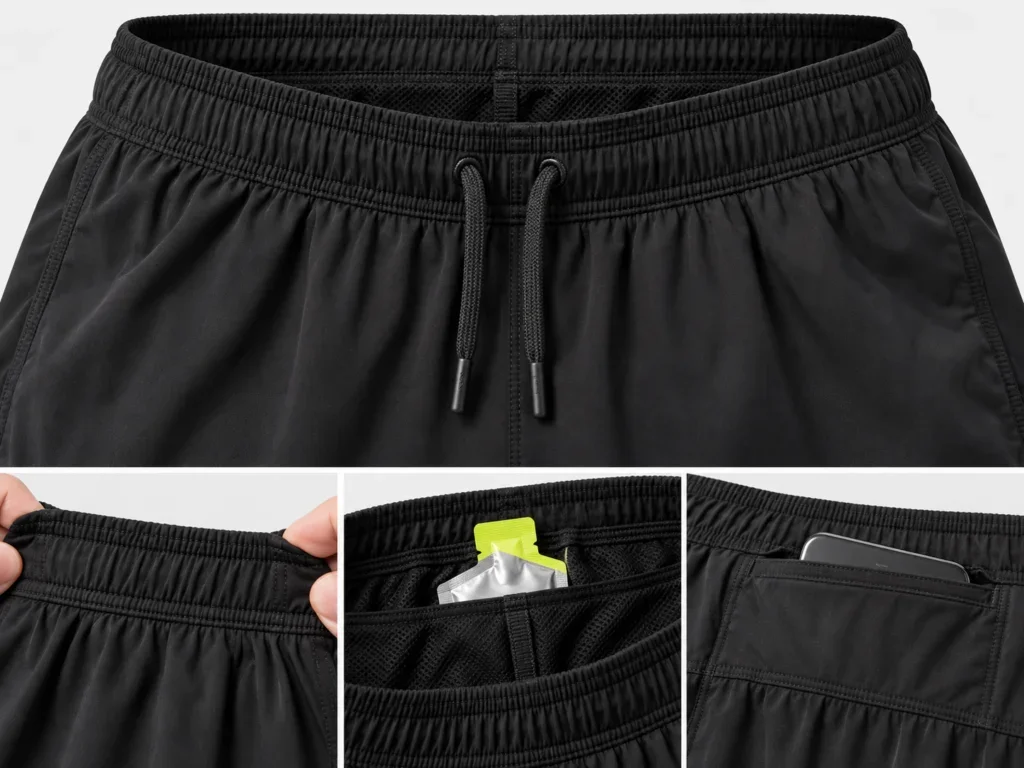
Place Each Pocket Where a Runner Can Use It
Pocket choice affects pattern pieces, sewing steps and the feel of a loaded garment. Use the item that will actually be carried when evaluating access and bounce. Pocket types below are development options; final suitability depends on the fabric and approved construction.
Pocket position
Suitable design question
Sample check
Side seam
Is quick access more useful than a clean side silhouette?
Check opening, hand access and swing while running.
Rear waist
Can a small key or gel sit close to the body?
Check reach, closure and movement under load.
Zippered pocket
Does the item need a closing pocket?
Review zipper type, opening length and pull placement.
Inner short
Can a phone sit against the thigh?
Test actual device size and leg movement.
Hidden waistband
Is discreet small-item storage the priority?
Check waistband stability with the pocket filled.
Set the Sewing Details That Matter on a Run
Construction decisions should follow the fabric and points of wear. Leadshow can review cutting, overlock stitching, elastic installation and local reinforcement for suitable running-short designs. Laser perforation and other special details require a material and process assessment before inclusion.
Review Seams, Slits and Reinforcement on the Sample
Seam position: Map the main seam lines against the liner and areas of repeated contact. Choose stitch and seam finishes according to the selected woven or knit fabric; an attractive seam on a development image may be unsuitable for the actual material. Inspect seam allowance, bulk and how the construction sits when the wearer moves. If a project has a defined seam strength or abrasion requirement, agree on the test and acceptance criteria rather than assuming a machine type proves performance.
Stress points: The end of a side split, a pocket opening, a drawcord exit and a zipper endpoint can carry concentrated force. Local bar tacks or another suitable reinforcement can be assessed where the pattern and fabric permit. Check the appearance and placement on a sample so reinforcement does not create a new point of discomfort. Cutting accuracy and alignment of paired panels also matter for symmetrical hems, pocket openings and a consistent fit across a color run.
Special finishes: Mesh panels, reflective trims and laser perforation change both appearance and the production route. Perforation needs a review of material suitability, hole placement and edge behavior; a reflective element needs an agreed material and attachment method. Neither detail automatically delivers a quantified breathability or safety result. Confirm wash behavior and any required testing before approving the final version. Keep these decisions on the tech pack and approved sample so the production team follows the same construction.
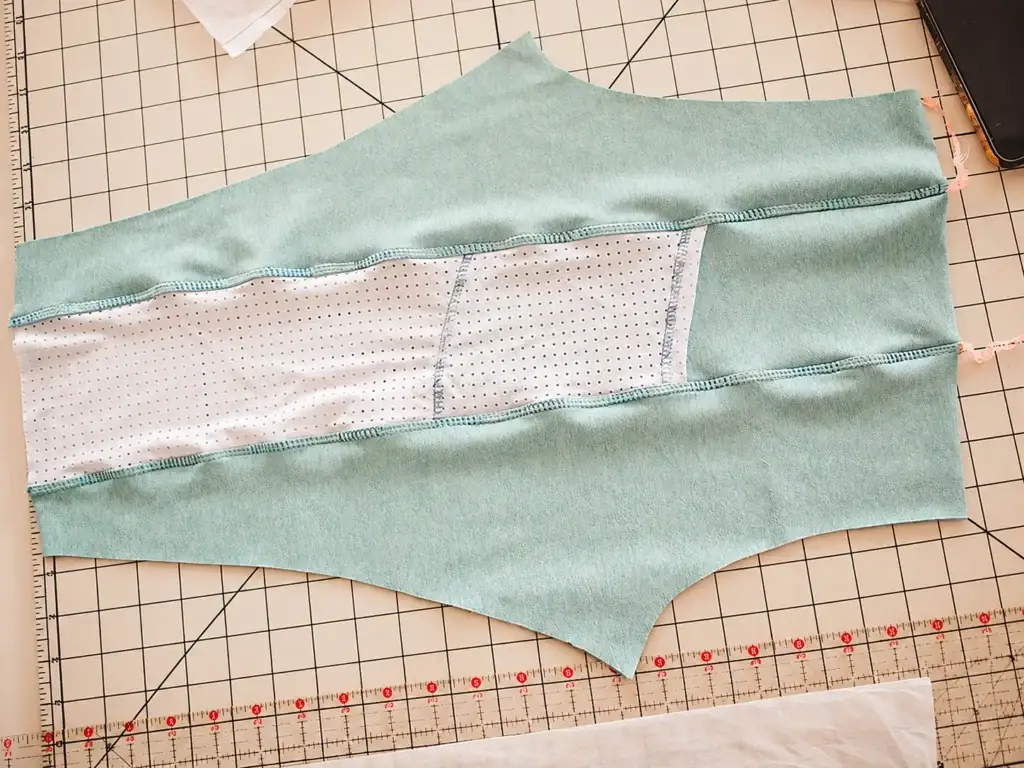
Put Your Brand on the Garment Without Crowding It
The logo, care label and packaging should work with the fabric and intended retail presentation. Decide placements while reviewing the pattern, not after a sample has already been approved. Artwork size, colors and material choice can affect cost and minimums.
Logo Placement
A small logo near the hem, leg or rear waist can read differently once the fabric stretches or the wearer moves. Send vector artwork, dimensions, color references and your preferred placement from seam and edge. We can review suitable print, transfer or embroidery routes against the selected material and design. A branded detail should be checked for feel, visibility and wash appearance on a sample before bulk approval; the final method depends on fabric compatibility and quantity.
Labels and Identity
Choose the main label, size label and care label with your market requirements in mind. Specify whether a woven label, printed label or another approach is required, and identify any language or legal content to be supplied by your team. Labels can create bulk at a waistband or inner seam, so placement belongs in the fit review. A label proof and approved product information should be kept with the final production specification to prevent mixed versions.
Retail Packaging
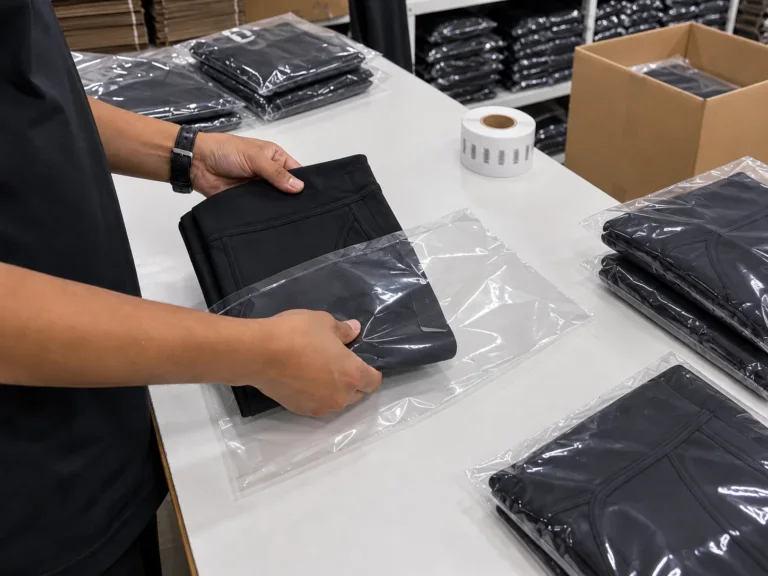
Give us the folding method, bag size, barcode format, hangtag artwork and carton marks expected by your distribution team. Standard and custom packaging have different supplier requirements; printed bags or special tags may carry their own minimums. A packaging sample can help confirm how a two-layer short folds and whether a pocket or trim is caught in the presentation. Final packing instructions should identify each color and size so stock can be checked at dispatch.
Bring a Finished Design or Develop a New One
Both routes start with a clear brief. A technical pack gives us dimensions and construction to assess; a reference garment gives us shape and wearing details to translate into a proposal. Sampling then establishes the production version and its cost.
OEM from Your Tech Pack
Send your drawings, measurement chart, fabric specification, construction notes, artwork and packaging instructions. We assess feasibility, clarify missing details and build a sample against the version you approve. If a named fabric or trim is unavailable, the proposed substitute must be reviewed before adoption. The final price and schedule follow the approved construction, material sourcing, order quantity and quality requirements. One approved technical version should govern labels, cutting, sewing and inspection so later edits do not get confused with earlier sample comments.
ODM from a Reference
Share a reference short, images or a clear description of the collection and the fit you want to reach. We can review shell length, liner choice, pockets, waist construction, material direction and brand details, then develop a sample for feedback. Reference images may not show the internal construction, so questions about the lining and seam finish must be settled during development. The design remains subject to material availability and technical assessment; sample rounds continue until there is an agreed version for quotation and bulk planning.
Move From Reference to an Approved Running Shorts Sample
Sampling turns preferences into checkable details. A tech pack or reference, target quantity and intended market help us identify gaps early. The number of sample rounds and the quoted working days depend on fabric, trims, design complexity and the readiness of your files.
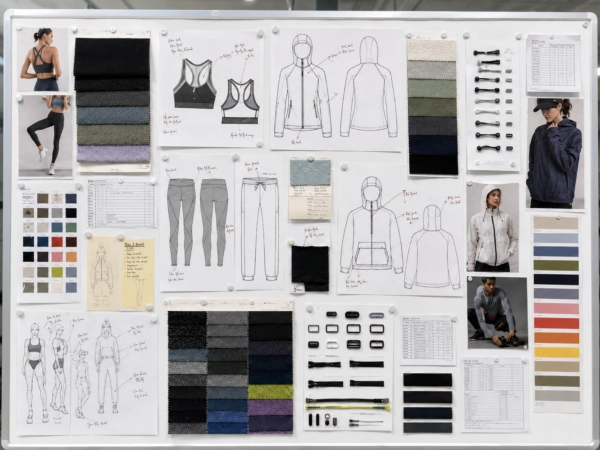
Review the Brief
Send drawings or reference photos, your target size chart, expected fabric, colors, branding and estimated quantities by design and color. If a liner or pocket is needed, describe the intended item and fit in motion. We review construction, materials and missing measurements before the first sample. A complete brief reduces avoidable revisions, but it does not lock a sample date until fabric availability and the development work have been assessed and confirmed.
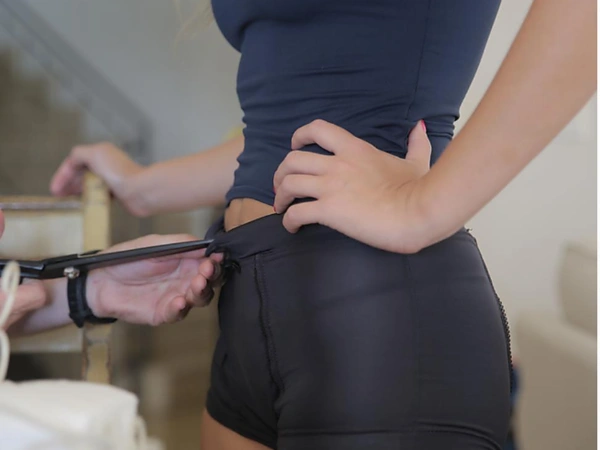
Fit the First Sample
Measure the first sample against the draft specification, then test its waist, stride clearance, shell coverage and any liner or loaded pocket on a suitable wearer. Mark comments with measurements or annotated photos, especially where a hem, slit or seam needs adjustment. Multiple sizes may be needed when a fit change could affect the grade. The outcome of the round is a clear revision list or approval; it is not a promise that every style will pass on its first attempt.
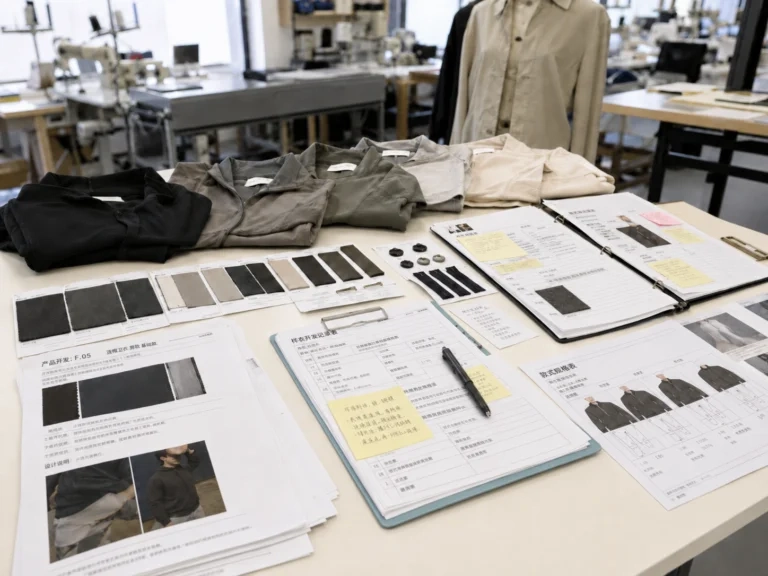
Approve the Bulk Standard
Check the corrected sample together with its fabric, trims, logo position, labels, packaging instructions and measurement tolerances. Keep the approved version identifiable so later production decisions can be compared against the same standard. Record the approval date and revision number. Sample dispatch and any bulk start date are confirmed for the actual project after material and schedule review. A change after approval may require another sample, a revised quotation or a new production slot.
Develop With a Manufacturer Built for Apparel Programs
Leadshow has 15 years of apparel industry experience and manufactures sportswear alongside swimwear, streetwear and modest sportswear. Its three manufacturing bases have more than 20,000 square meters of combined factory space and a team of over 1,500 employees across the overall operation.
Plan Capacity Against the Actual Style and Order Mix
Combined scale: The three bases have a combined monthly capacity of up to approximately 120,000 finished garments. This is an overall reference across product categories, not a monthly allocation reserved for running shorts. Available capacity for your order depends on construction, material supply, the mix of other orders, quality requirements and current production scheduling. We review a proposed quantity and delivery window against those conditions before making a project commitment.
Production route: For suitable styles, the work can involve pattern review, sample development, automatic cutting, sewing operations, elastic installation and reinforcement at selected stress points. A two-in-one short with a fitted liner will use a different process and time allowance from a basic unlined woven short. Identify the construction early so the quote and plan reflect actual sewing steps. Material and trim sourcing can sit on the critical path even where garment capacity is available.
Scale over time: A brand launching one short may later add colorways, a separate fit or another length. Keep the approved sample, fabric specification, grading and artwork version clear for each design. When a repeat order comes in, review current fabric and trim availability and the live schedule again; an earlier price, MOQ or delivery window does not automatically carry forward. We can assess both smaller market-test orders and larger programs against the same documented style requirements.
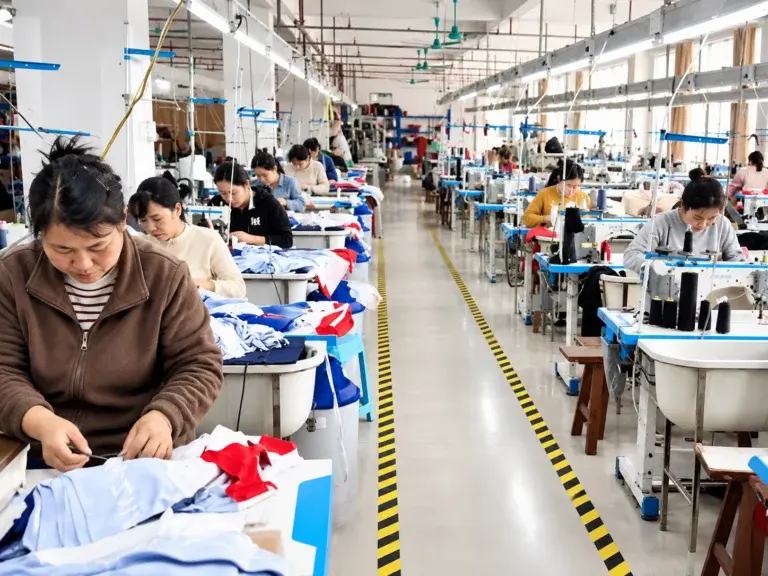
Agree on the Checks Before Bulk Running Shorts Production
Quality criteria should be tied to the approved sample and written specifications. Define critical measurements, appearance requirements and any required external tests before production starts. The checklist below provides a project review structure; inspection frequency and acceptance rules are agreed for each order.
Checkpoint
What to examine
Reference to use
Incoming materials
Fabric shade, hand feel, trim and label version
Approved swatches and component list.
Cutting and panels
Size identification, panel alignment and paired hems
Pattern and marker for the approved version.
Waist and liner
Elastic attachment, liner join and intended stretch
Approved sample and size specification.
Pockets and slits
Position, opening, closures and local reinforcement
Tech pack, loaded sample and construction notes.
Packing
Color, size, barcode and carton information
Approved packing list and artwork proofs.
Understand Quantity and Cost Before Choosing the Final Design
The standard MOQ starts from 100 pieces per color per design. The applicable quantity and unit price are confirmed after checking fabric, trims, construction, decoration and packaging. Separate supplier minimums may apply to custom materials even when the garment quantity meets the starting point.
Quote input
Example or rule
Effect on the quote
Design and color count
One design × three colors at 100 pieces per color = 300 pieces as a starting example
MOQ is assessed for each color of each design.
Size breakdown
Example: XS / S / M / L / XL, supplied by your team
Clarifies grading, cutting and packing quantities.
Shell and liner
Unlined, brief liner or fitted inner short
Changes material use, pattern pieces and sewing time.
Trims and branding
Elastic, zipper, transfer, labels, printed bags
Custom components can introduce separate supplier minimums.
Order status
First order or repeat order
Material availability and terms are reviewed again.
Get a Working-Day Schedule for Samples and Bulk Delivery
There is no single sample or delivery time for every construction. We quote working days after reviewing the brief, material availability, required revisions, quantity and production schedule. Use the milestones below to establish start dates and record the agreed number of days in a project quotation.
Milestone
Start point
Working days to record in your quote
Finish point
Brief review
Complete technical files and requirements received
Quoted after file review
Open questions and construction direction agreed.
Material sourcing
Fabric and trim choices agreed
Quoted after supplier confirmation
Development materials available.
First sample
Required files and development materials confirmed
Project-specific sample time: ___ working days
First sample ready for review or dispatch.
Revisions
Consolidated fit comments received
___ working days per agreed revision round
Revised sample ready for approval.
Bulk production
Sample, materials, quantity and schedule approved
Project-specific production time: ___ working days
Goods ready for final checks and packing.
Freight / delivery
Packed goods and shipping method confirmed
Transit time: ___ days from the agreed carrier
Delivery according to the agreed trade and shipping terms.
Keep Colors, Sizes and Reorders Clear Across a Collection
Running shorts often sit within a wider apparel range. A clean version history helps keep fit, color, labels and packaging aligned when one design becomes several SKUs. Share the intended launch assortment and distribution requirements before the final sample is approved.
Manage Every Version from Approval Through Packing
SKU structure: List each design, color, size and liner variation separately. A 5-size run in 3 colors produces 15 size-and-color combinations for one design, before adding a second fit or length. The example helps plan size ratios and carton labels; it is not a minimum-order formula. Specify which combinations need samples and whether all versions share the same base pattern, shell fabric and decoration. A separate fit or liner can require its own approval even when the color palette stays the same.
Packaging record: Match each garment version to its care label, size label, barcode, bag and carton mark. Different sales channels can require different packing instructions, and legal label content must come from the applicable market requirements. Supply final artwork and barcode files for proofing. Check how inner and outer layers fold so the garment is presented as intended and trims are not trapped during packing. If a special package is planned, confirm supplier minimums with the garment quotation.
Repeat orders: Record the approved sample, fabric code, trim reference, measurements and artwork version from the first production run. At reorder, compare the desired version with that record and identify any change before procurement. Current material stock, component prices and factory scheduling should be checked again. For a range expanding into tops or other sportswear, a consistent reference system makes color and branding discussions more precise without assuming that every product will use the same fabric or construction.
Running Shorts Manufacturer Frequently Asked Questions
The answers below cover the details most often needed to scope a custom order. Final specifications, minimums and timing are confirmed against your design and materials.
Can you manufacture custom running shorts from our tech pack?
Yes. Send the construction drawings, measurements, fabric and trim requirements, artwork, size breakdown and target quantity. We review feasibility and clarify missing points before sampling and quotation.
Can you develop a design from a reference short or photographs?
Yes. A physical reference is especially helpful for fit and internal details that photographs cannot show. The construction and materials are reviewed before a development sample is made.
What is the minimum order quantity for running shorts?
The standard MOQ starts from 100 pieces per color per design. Fabric availability, custom colors, trims, branding, packaging and construction can change the applicable minimum.
Do you make both lined and unlined running shorts?
Both are development directions. Brief liners, fitted inner shorts and unlined shells use different patterns and materials, so the chosen construction must be assessed and sampled.
Can we choose a 3-inch, 5-inch or 7-inch inseam?
Those lengths can serve as design references. Confirm the measurement point, sample size, target coverage and grading in your specification; feasibility and fit are checked on the proposed style.
Can you add a phone pocket, zipper or reflective detail?
These details can be evaluated. Send device dimensions, preferred pocket position and trim requirements. Material compatibility and movement with a loaded pocket should be checked on a sample.
What size range can we order?
Share your intended size chart and quantity by size. The pattern and grading are reviewed against your approved fit; there is no single standard size range that fits every collection.
How long will the first sample take?
We quote the number of working days after assessing the files, fabric, trims and construction. Revisions and sourcing can affect the schedule, so a universal sample time would be misleading.
How long will bulk production and delivery take?
Production time is confirmed after sample approval, material and quantity review, and scheduling. Shipping time also depends on the transport method and destination. Request a project-specific timeline with both stages shown separately.
Can we reorder or add colors after the first production run?
Yes, subject to current materials, trim supply, MOQ and production scheduling. Identify the approved version and any requested change so the new order can be assessed accurately.
Tell Us What Your Running Shorts Need to Do
Send your tech pack, a reference short or a few clear photos and describe the fit you want. Include the intended wearer, outer inseam, size range, shell and liner preferences, pocket contents and any fabric or test requirements. Tell us whether the project uses an existing pattern or needs development from a reference. Artwork, care-label information and packaging instructions can be attached with the brief, even if some details are still under discussion. For an initial quantity review, list each design, color, quantity per color and expected size breakdown. Add your target sample date, launch date and delivery destination so we can assess material availability and a realistic schedule. If you need a price comparison, say which options should be quoted separately, such as lined versus unlined construction or a standard pocket versus a zippered one. We will review the brief, identify the specifications required for sampling and discuss the applicable MOQ, quotation and working-day timeline for your proposed running shorts.