
Private Label Apparel Manufacturer in China
Develop branded apparel from your technical files, samples or initial concepts with support from product development, sampling, production and private label packaging.
- Sportswear, swimwear, streetwear and modest sportswear development and manufacturing
- OEM, ODM and private label production built around brand specifications
- Pattern, fit, material, sample and manufacturability review before bulk production
- Custom labels, hangtags, branded packaging and multi-SKU execution
- Manufacturing capacity for development runs, repeat programs and scaled orders
Shenzhen Leadshow Sports Technology Co., Ltd. works with apparel brands and sourcing teams seeking reliable manufacturing support in China. Projects can start from a Tech Pack, measurement chart, physical sample or product concept. Our team reviews construction, materials, fit, branding and production requirements before sampling and bulk manufacturing.
Apparel Manufacturing for Different Sourcing Programs
Private label programs differ by business model, product maturity and order complexity. Leadshow works with commercial apparel programs where product specifications, branding requirements, quantities and approval responsibilities can be clearly evaluated before production begins.
Established Apparel Brands
Mature brands often arrive with established Tech Packs, measurement charts, fit standards, artwork files and quality requirements. Manufacturing support focuses on translating approved specifications into repeatable production rather than redefining the brand direction.
- Review product construction, measurements, materials and manufacturing feasibility.
- Develop or reproduce samples against supplied specifications and reference garments.
- Coordinate approved labels, hangtags, packaging and SKU information.
- Support multi-style, multi-color and multi-size programs.
- Align bulk execution with approved samples and production files.
Growing Apparel Brands
Growing brands often need more development support while already having a defined market, product direction and commercial plan. A reference garment, sketches, images or partial Tech Pack can provide a starting point for technical review.
- Clarify construction and measurement requirements.
- Evaluate suitable fabrics, trims and production methods.
- Develop patterns, samples and fit revisions.
- Review MOQ implications before expanding color and SKU counts.
- Prepare branded labels and packaging for bulk production.
Importers and Retail Groups
Importers and retail groups commonly manage broader product mixes, several colors, extended size matrices, labels, barcodes and carton requirements. Product manufacturing alone is not enough; order information must remain consistent from sampling through packing.
- Organize style, color, size and quantity information.
- Coordinate approved product and packaging versions.
- Support SKU, barcode, label and carton identification.
- Prepare manufacturing and export-related documentation within confirmed responsibilities.
- Review production capacity against planned delivery windows.
Sourcing and Buying Offices
Sourcing teams normally evaluate factory reality, technical communication, sampling discipline, production capacity, quality controls and documentation before approving a manufacturing partner.
- Review Tech Packs, samples and product specifications.
- Provide manufacturing capability information supported by real facilities and equipment.
- Coordinate development, production, quality and packing functions.
- Support factory evaluation discussions based on project scope.
- Clarify capability boundaries instead of making unconditional promises.
What Private Label Manufacturing Really Covers
A private label program may involve far more than placing a logo on an existing garment. Product specifications, branding, labels, packaging and production files often need to work together before a sellable garment can enter repeatable bulk production.
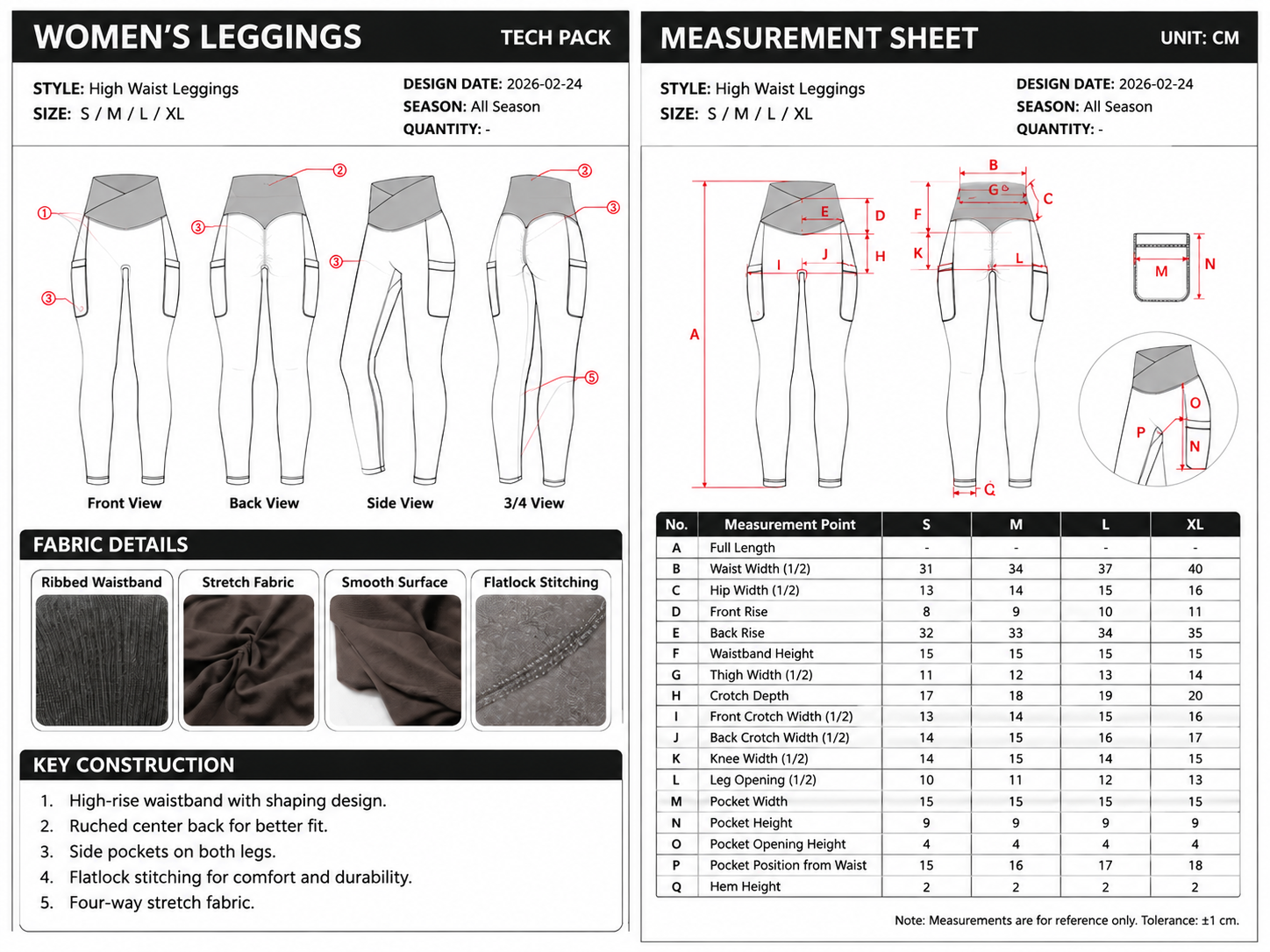
Product Development
A brand may provide a finished Tech Pack, an existing garment, sketches, reference images or an early product direction. The starting material determines how much technical development is required before sampling.
- Construction and manufacturing feasibility review
- Pattern and fit development where required
- Fabric and trim evaluation
- Sample development and revision
- Production preparation after approval
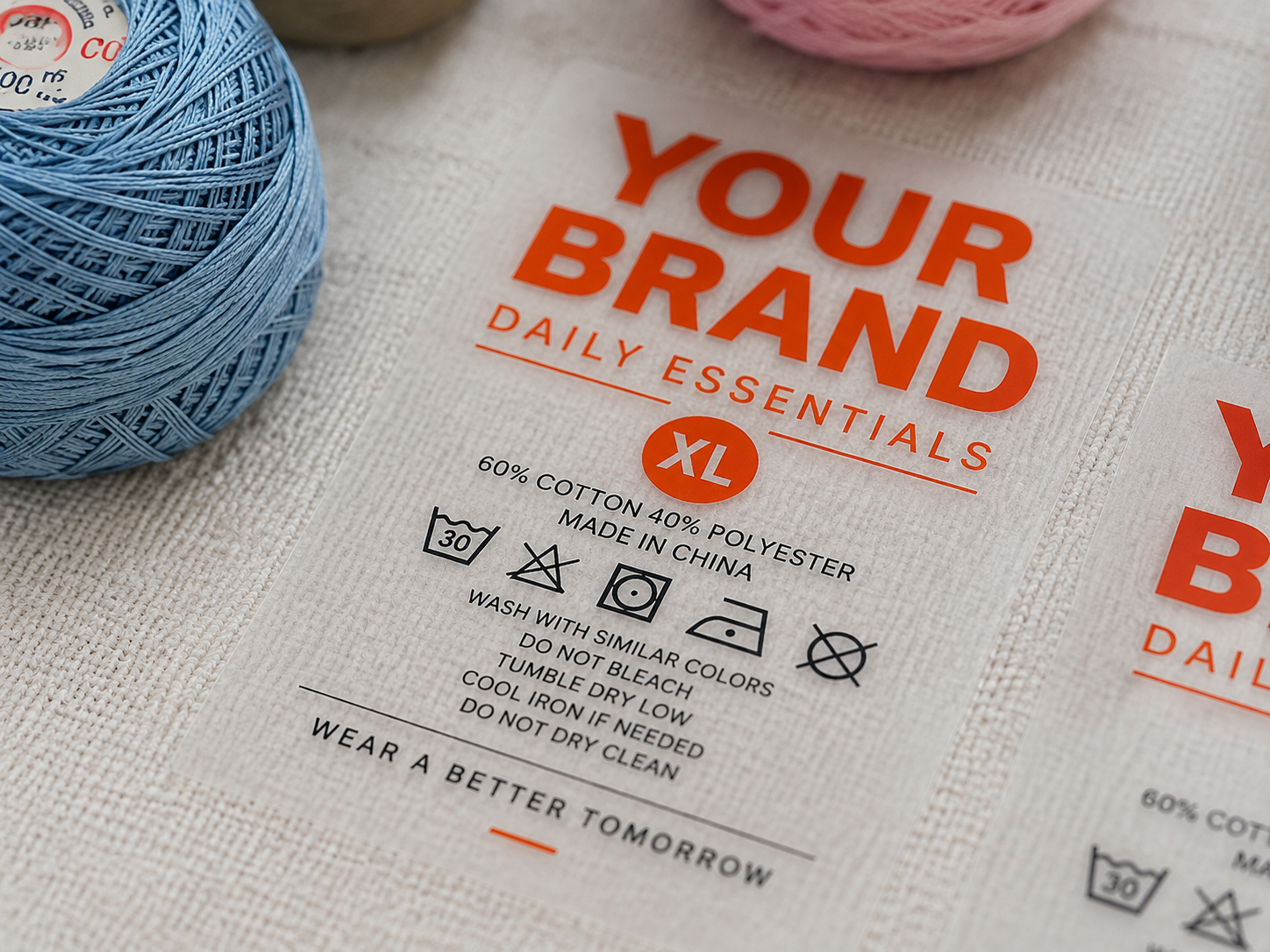
Garment Branding
External branding can include heat-applied graphics, selected heat-press applications or other project-specific branding methods after material and process review. Logo size, position, color, substrate compatibility and production repeatability all require approval before bulk use.
- Brand artwork and vector files
- Position and dimensional requirements
- Brand color references
- Test application or sample confirmation
- Bulk comparison against approved artwork
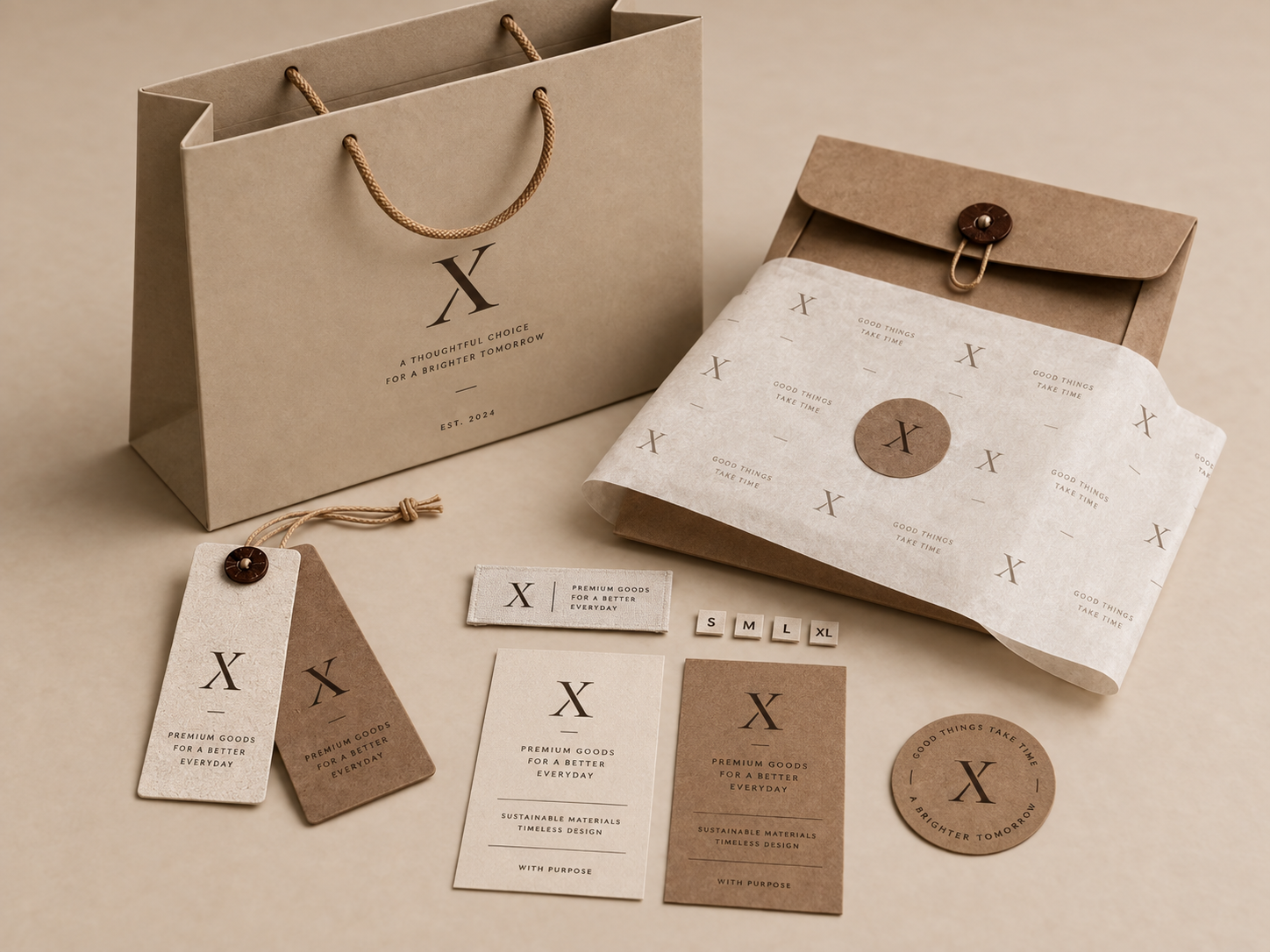
Labels and Identification
Private label garments can carry several information layers rather than one neck logo. Main labels, size information, care information, hangtags, SKU identification and barcode requirements may all need separate artwork, content and approval.
- Main label
- Size label
- Care label
- Hangtag
- SKU label
- Barcode information
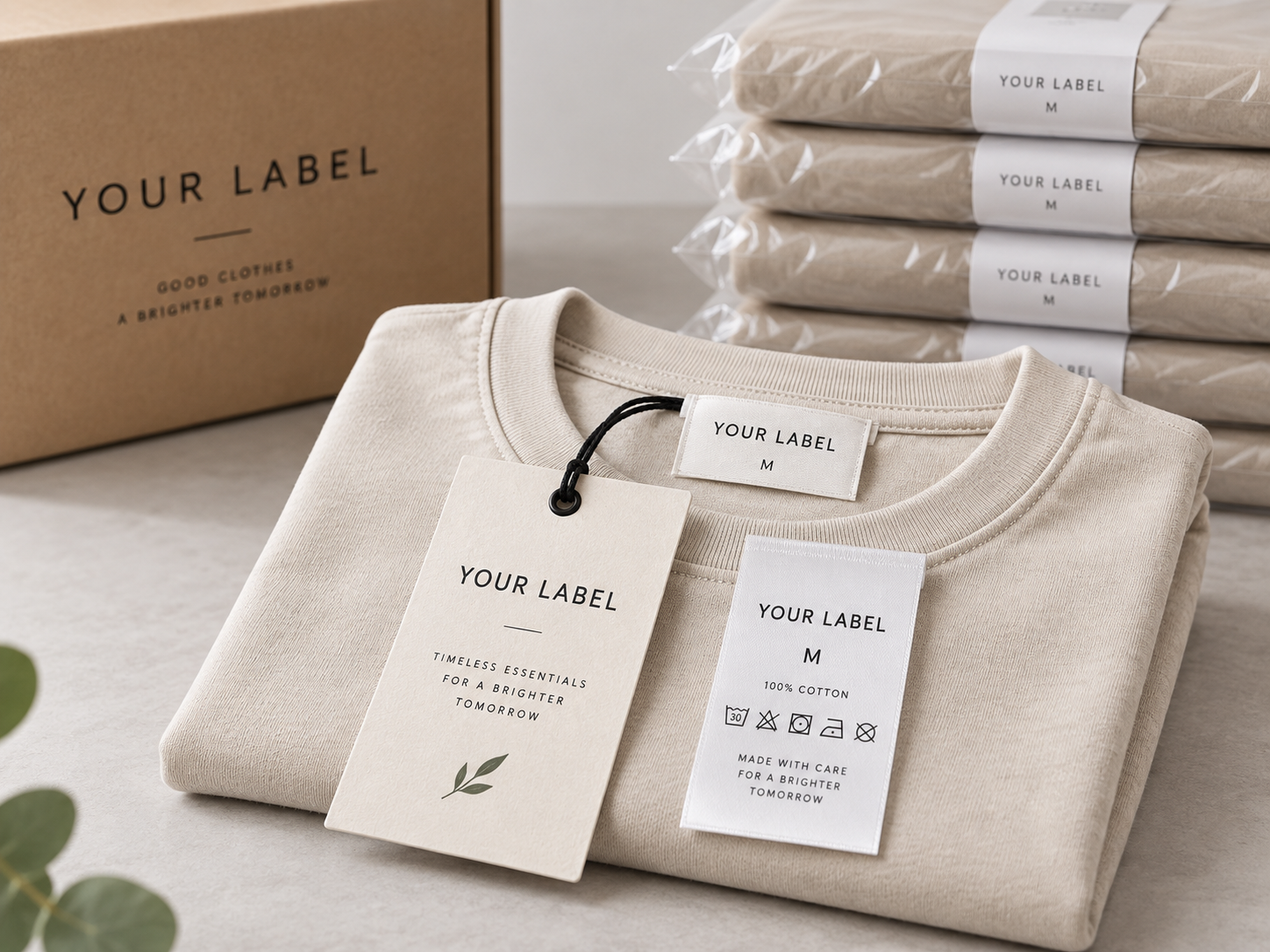
Packaging and Cartons
Private label packaging can continue from the individual garment into retail presentation, warehouse identification and export cartons. Packaging requirements should be established before bulk packing rather than added after production is complete.
- Individual bag or specified pack format
- Hangtag and label verification
- Barcode and SKU positioning
- Carton assortment rules
- Carton marks and identification
- Approved packaging artwork
Core Apparel Categories for Private Label Production
Leadshow concentrates on four confirmed apparel directions rather than claiming coverage across every clothing category. Product construction, materials, fit, processes and order requirements are evaluated within the relevant manufacturing scope.
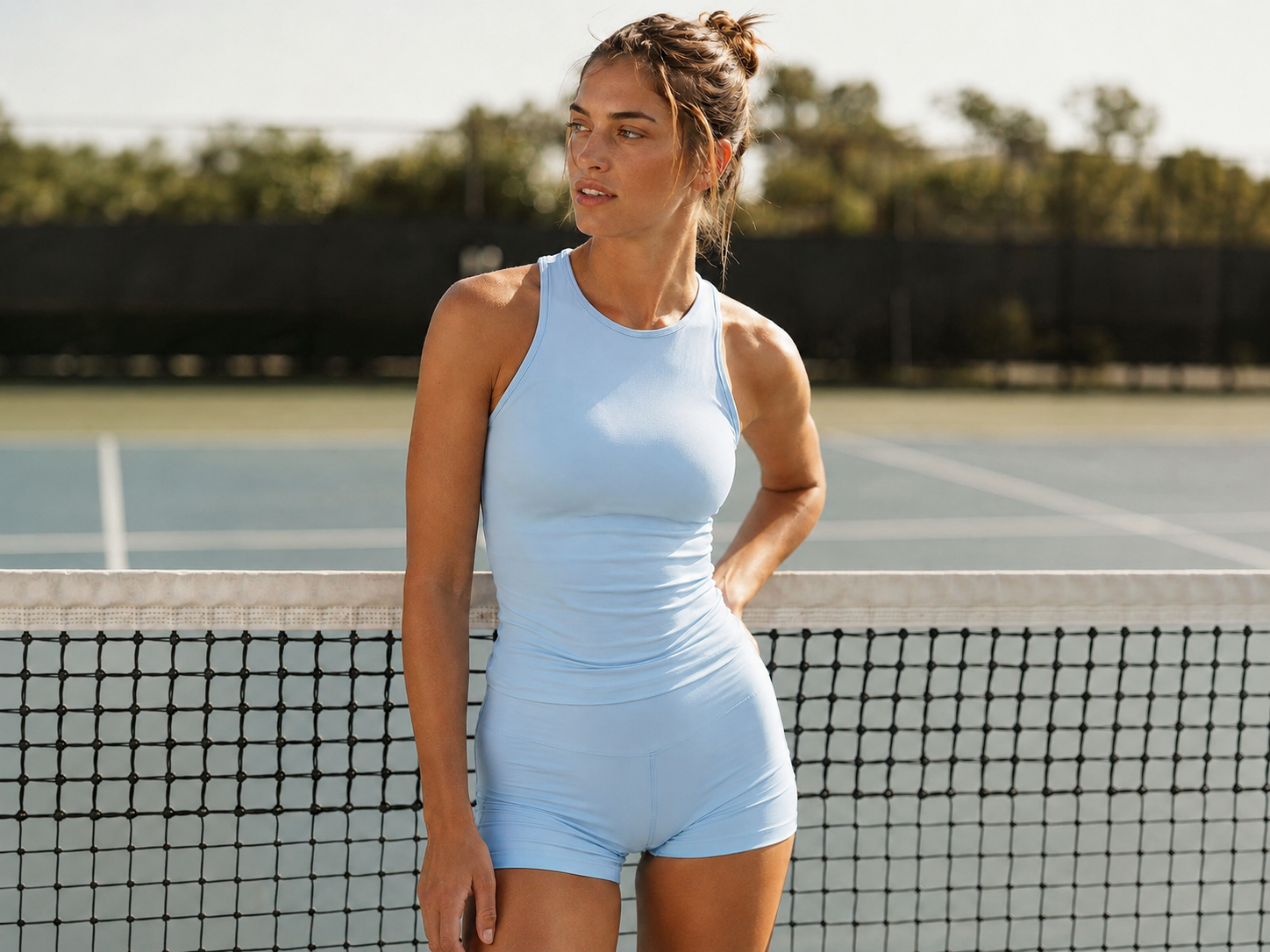
Sportswear
Sportswear is one of Leadshow’s principal manufacturing areas, supported by equipment for stretch fabrics, flatlock construction, elastic attachment, cutting and selected bonding processes.
- Sports bras
- Sports T-shirts
- Yoga leggings
- Tennis skirts
- Jumpsuits
- Running shorts
- Tank tops
- Tracksuits
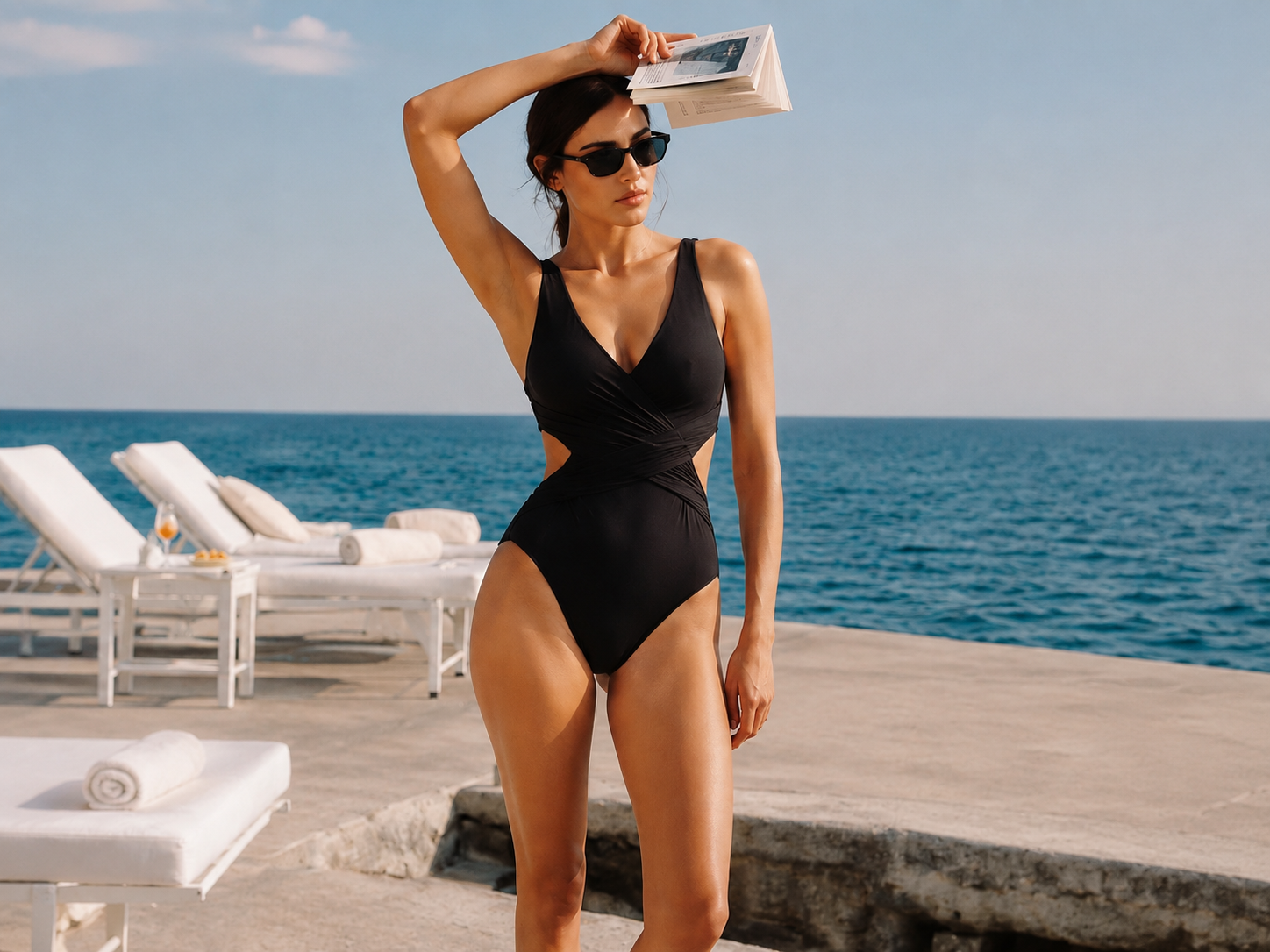
Swimwear
Swimwear forms one of Leadshow’s four confirmed product lines. Projects may involve stretch materials, lining, elastic application, coverage, fit, bonded details or other construction features after technical evaluation.
- Material and lining direction
- Fit and coverage requirements
- Elastic and edge construction
- Color and branding
- Labels and care information
- Packaging
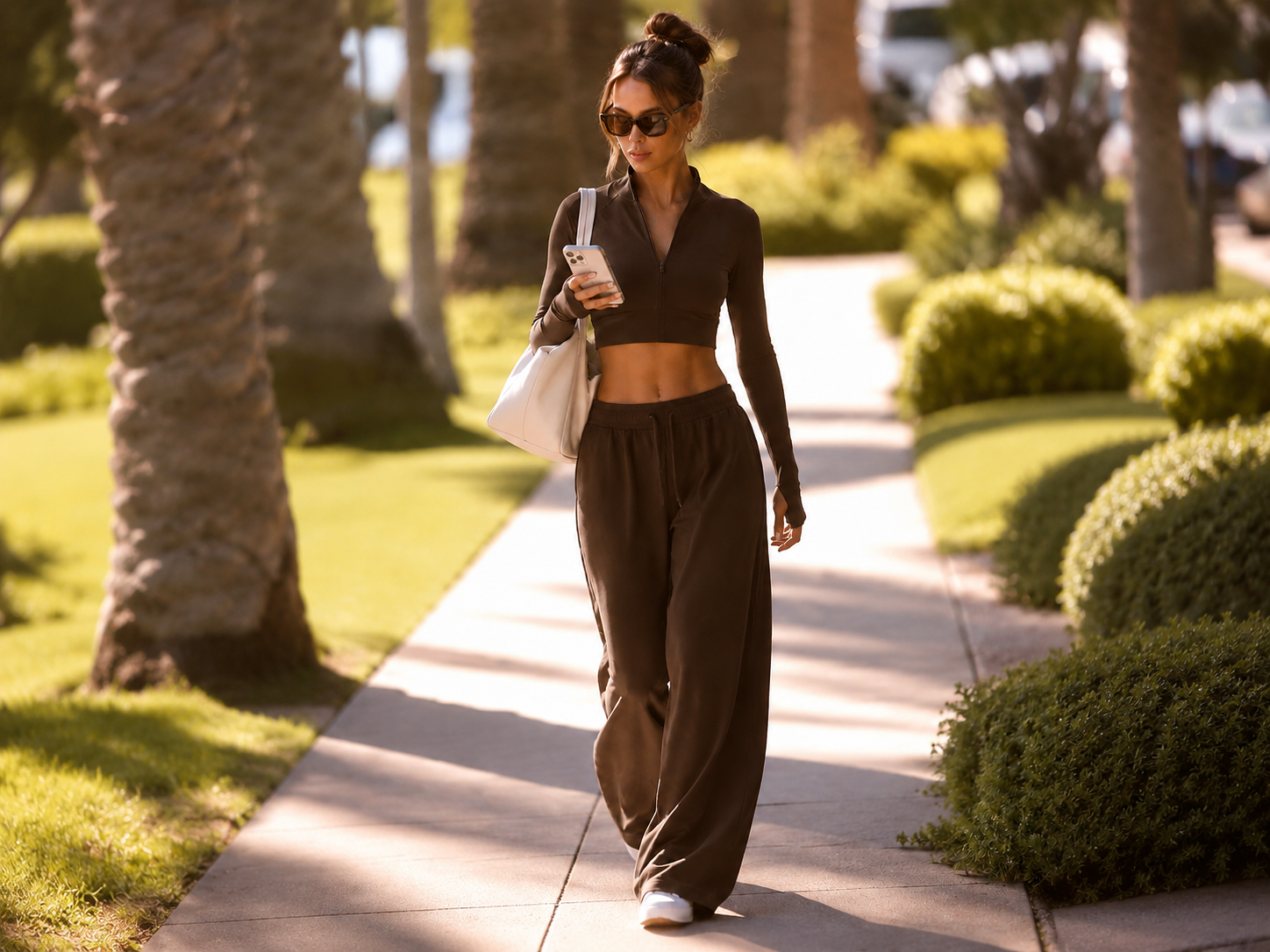
Streetwear
Streetwear programs can draw from confirmed products including hoodies, sweatshirts, sports T-shirts, tracksuits and selected jumpsuits. Projects may focus on silhouette, fabric weight, construction, trims, branding and packaging rather than unsupported performance claims.
- Garment silhouette and volume
- Hood, pocket, rib and opening details
- Fabric weight and hand feel
- Logo or graphic placement
- Main labels and hangtags
- Individual packaging and cartons
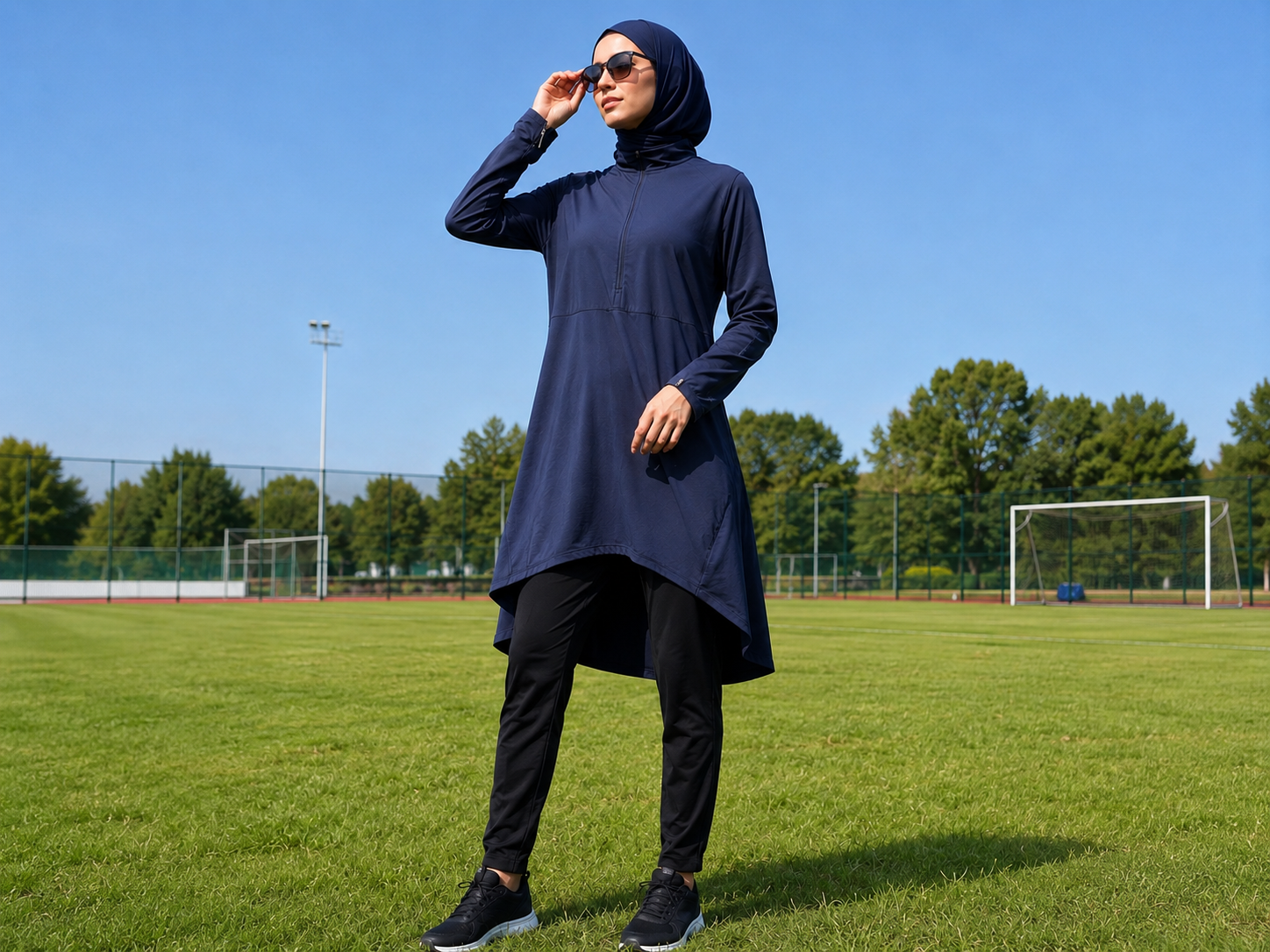
Modest Sportswear
Modest sportswear combines movement requirements with greater coverage, longer proportions or layered structures. Leadshow confirms Modest Sportswear as a core product direction, while individual garment types remain subject to product review.
- Coverage and garment length
- Ease and movement allowance
- Layering
- Fabric opacity
- Stretch and recovery
- Fit around key movement areas
- Branding and packaging
Private Label Apparel Customization Matrix
A private label garment combines product specifications with brand execution. Supplying clear requirements early helps manufacturing teams assess feasibility, MOQ, sampling work, pricing and approval requirements before bulk production begins.
Customization Area
Information to Define
What Can Be Evaluated
Main Cost or MOQ Factors
Product Construction
Style sketch, Tech Pack, reference sample, seams, pockets, closures
Manufacturability, construction method, production risks
Number of panels, sewing operations, special structures
Fabric
Composition, weight, stretch, hand feel, color, performance target
Material suitability and sourcing direction
Fabric MOQ, dyeing MOQ, availability, special finish
Fit
Measurement chart, base size, grade rules, reference fit
Pattern and fit development
Number of sizes, fit revisions, sample stages
Color
Pantone or physical color reference
Color development and material compatibility
Custom dye lot, minimum color quantity
Trims
Zippers, elastics, cords, pads, buttons and hardware
Suitability and sourcing
Supplier MOQ, color, specification, tooling
Logo
Vector artwork, dimensions, position, colors
Suitable confirmed branding processes
Size, colors, substrate, process
Labels
Main label, care label, size label
Artwork, content and attachment review
Label MOQ, materials, versions
Hangtags
Artwork, size, finishing, string or attachment
Private label implementation
Print quantity, finishing, versions
Packaging
Bag, box, card, sticker, folding requirement
Pack suitability and production execution
Material, dimensions, printing, packaging MOQ
SKU & Barcode
Style-color-size mapping and barcode file
Identification and packing control
SKU count, versions, carton complexity
Cartons
Assortment, carton marks, packing ratio
Packing and shipment preparation
Mixed SKU rules, carton dimensions, labeling
From Product Files to Manufacturable Garments
Product development starts from the information already available. A complete Tech Pack supports direct technical review, while reference garments or images require additional clarification before an accurate sample and production standard can be created.
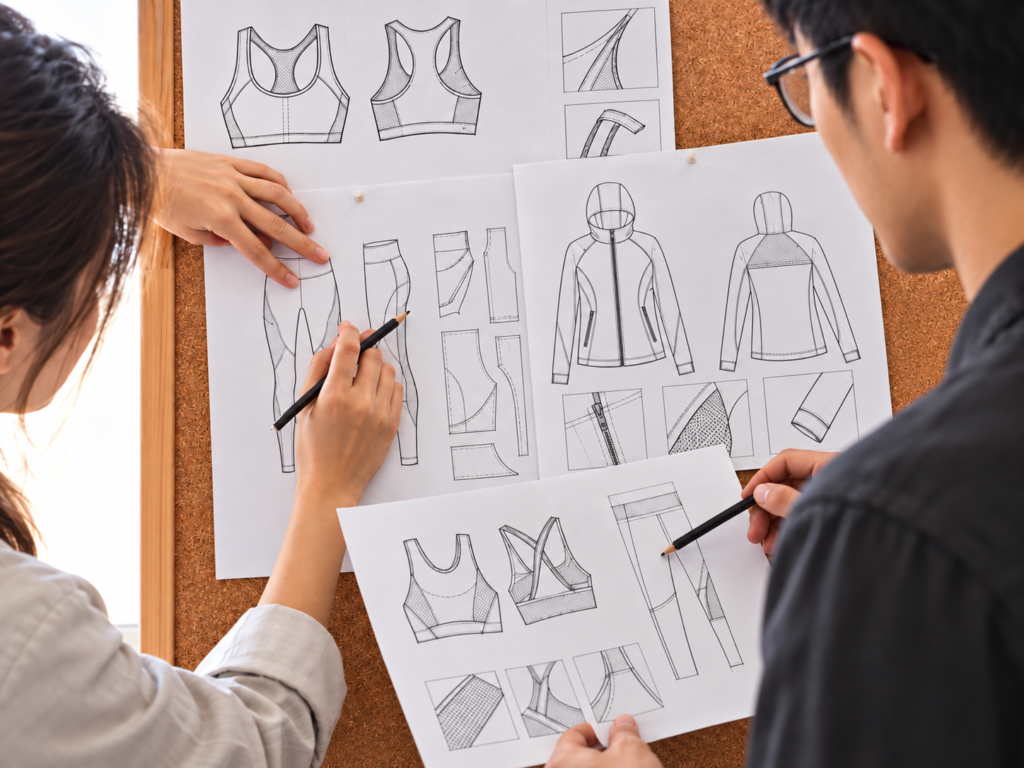
When a Complete Tech Pack Is Available
A mature brand may already have a finished Tech Pack containing construction drawings, measurement points, size charts, materials, colors, trims, stitching details, artwork placement, labels and packaging requirements. Leadshow can begin by reviewing whether the specifications can be translated into the available manufacturing processes.
Technical review checks product construction against garment type, fabric behavior, seam requirements and confirmed manufacturing capabilities.Measurement and fit are reviewed against the supplied chart, while acknowledging that actual fit also depends on fabric stretch, ease, negative ease, seam construction and garment proportions. Fabric, elastic, zippers, pads, labels and other components are assessed for availability and suitability. Supplier MOQ, custom colors and special materials can affect both order quantity and timing. Logo artwork, label files, hangtags, SKU information and packaging are reviewed as part of the same production program rather than treated as unrelated finishing items. After requirements are clarified, a sample can be developed against the agreed specification. Sample timing is confirmed according to construction, material readiness, customization and revision requirements rather than published as one fixed number.
When Starting From References
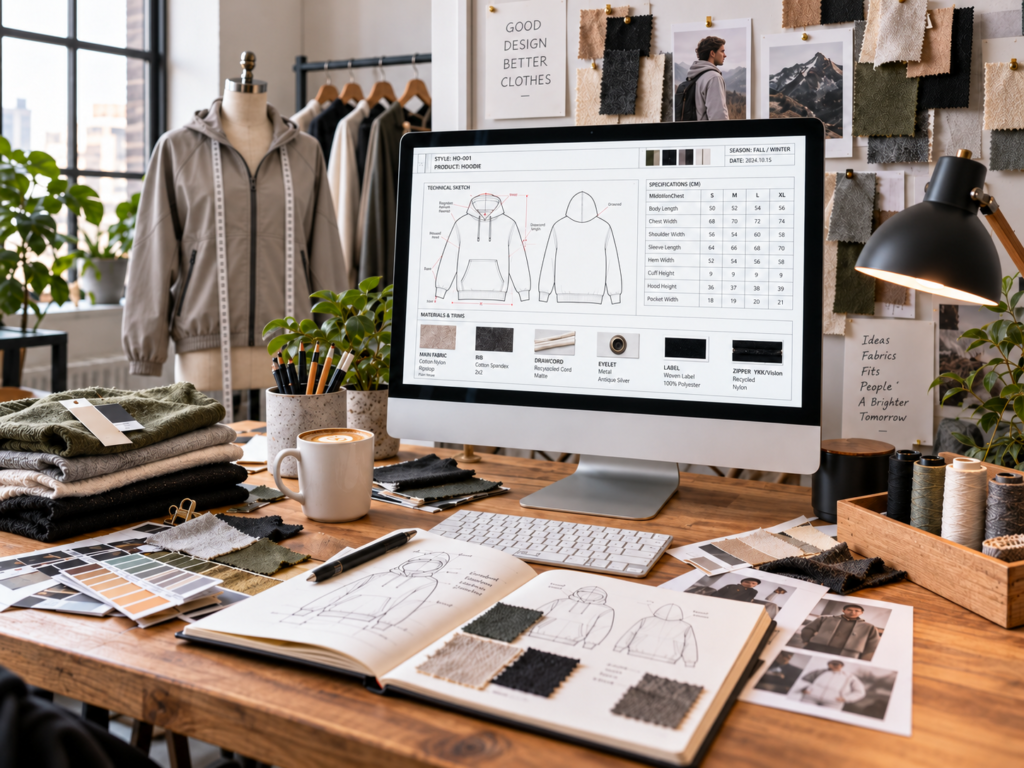
A brand may have a physical garment, product photos, sketches or an early concept without a finished Tech Pack. Development can still begin, but more decisions have to be made before an accurate quotation or bulk plan becomes possible.
A physical sample or image can help explain silhouette, proportions, styling and desired details, but it does not automatically provide fabric composition, internal construction, grade rules, tolerances or production specifications.
Material direction, fit, key measurements, structure, trims and brand requirements need to be clarified. Design features that look simple in a photograph can involve several manufacturing methods, so production feasibility should be checked before the first sample. A base pattern and sample provide a physical reference for review, after which fit, length, openings, waist construction, strap positions, pockets, lining or other product-specific elements can be revised according to recorded feedback. Once a design is approved, the approved sample and final specifications become the basis for bulk preparation. New changes after approval may require price, timing or production review.
Sampling and Approval Before Bulk Production
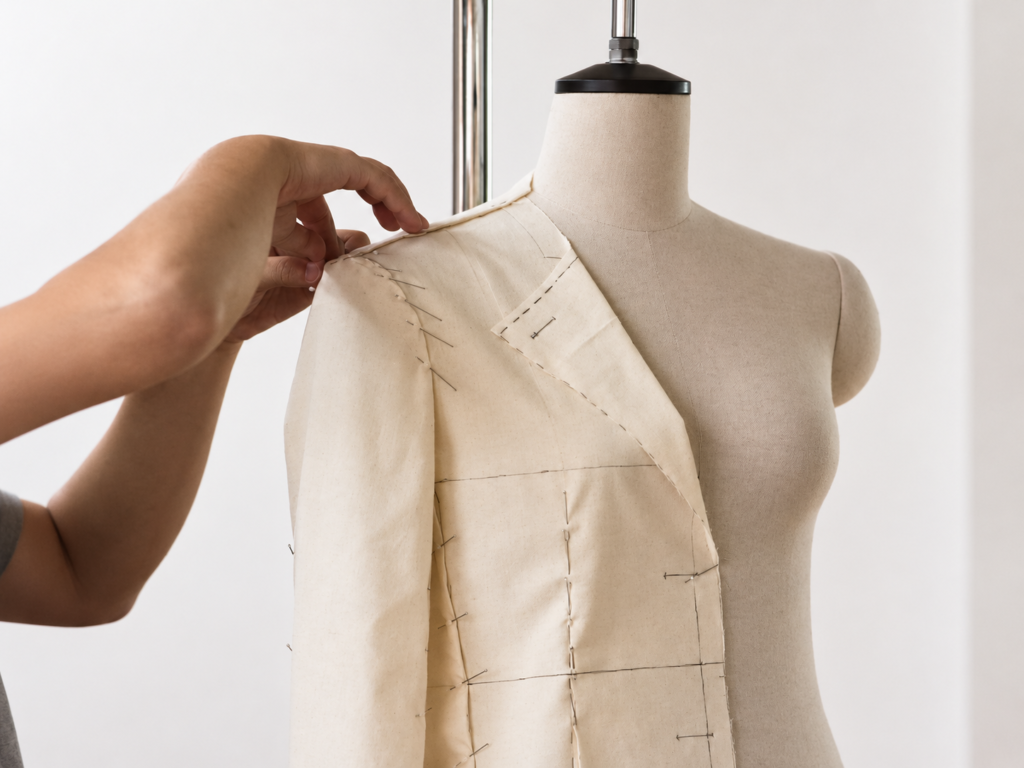
Sampling is where drawings, measurements, fabric and construction become a physical garment. The objective is not merely producing a prototype; the objective is creating an approved reference that can guide production decisions.
Sample Development Is a Decision Stage
A useful sample should answer specific questions before bulk production moves forward. The required sample type depends on product maturity and project risk, so not every project needs exactly the same sequence. Construction is checked across seams, panels, openings, pockets, waistbands, straps, linings and other structural details.
Fit is reviewed against key measurements and body proportions, with particular attention to stretch fabrics, fitted sportswear and layered garments. Material review covers hand feel, weight, stretch, opacity, recovery, lining and trim behavior where relevant. Logo size, position, labels, hangtags and other visible brand elements can also be reviewed before bulk execution. Revision comments should be translated into clear changes so a modified measurement, seam position, material or artwork version can be distinguished from the previous version. Sample timing is confirmed after reviewing the Tech Pack, material availability, trim requirements, pattern complexity, branding and required sample type; no one fixed lead time is used for every product.
Approval Creates the Bulk Standard
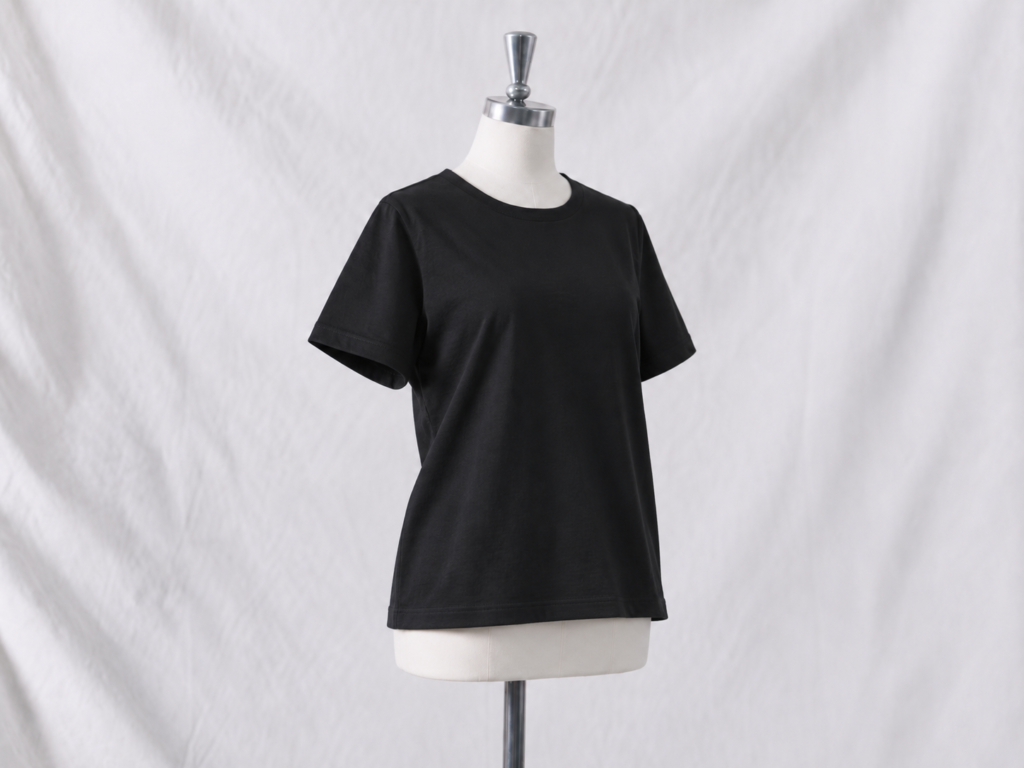
Bulk manufacturing should not start from memory or verbal agreement. An approved garment provides a physical reference for appearance, fit, construction and workmanship within agreed tolerances, while final specifications establish the written standard.
Measurement tables, artwork, material information, color references, trim requirements, labels and packaging versions should be frozen before production release. Material readiness, quantity by style-color-size, packaging requirements and current capacity are then reviewed before scheduling. Changes made after sample approval can affect price, material needs, production timing and quality risk, so major changes should trigger a fresh review rather than being silently inserted into production. Bulk output should follow approved specifications and accepted manufacturing tolerances. Natural textile variation, material batch variation and normal production tolerances mean “100% identical to every sample” is not an appropriate blanket promise.
Build a Complete Private Label Brand System
Brand execution continues from the garment into internal labels, hangtags, individual packaging and carton identification. Clear brand files and approved versions help prevent mismatched artwork, labels or SKU information during bulk packing.
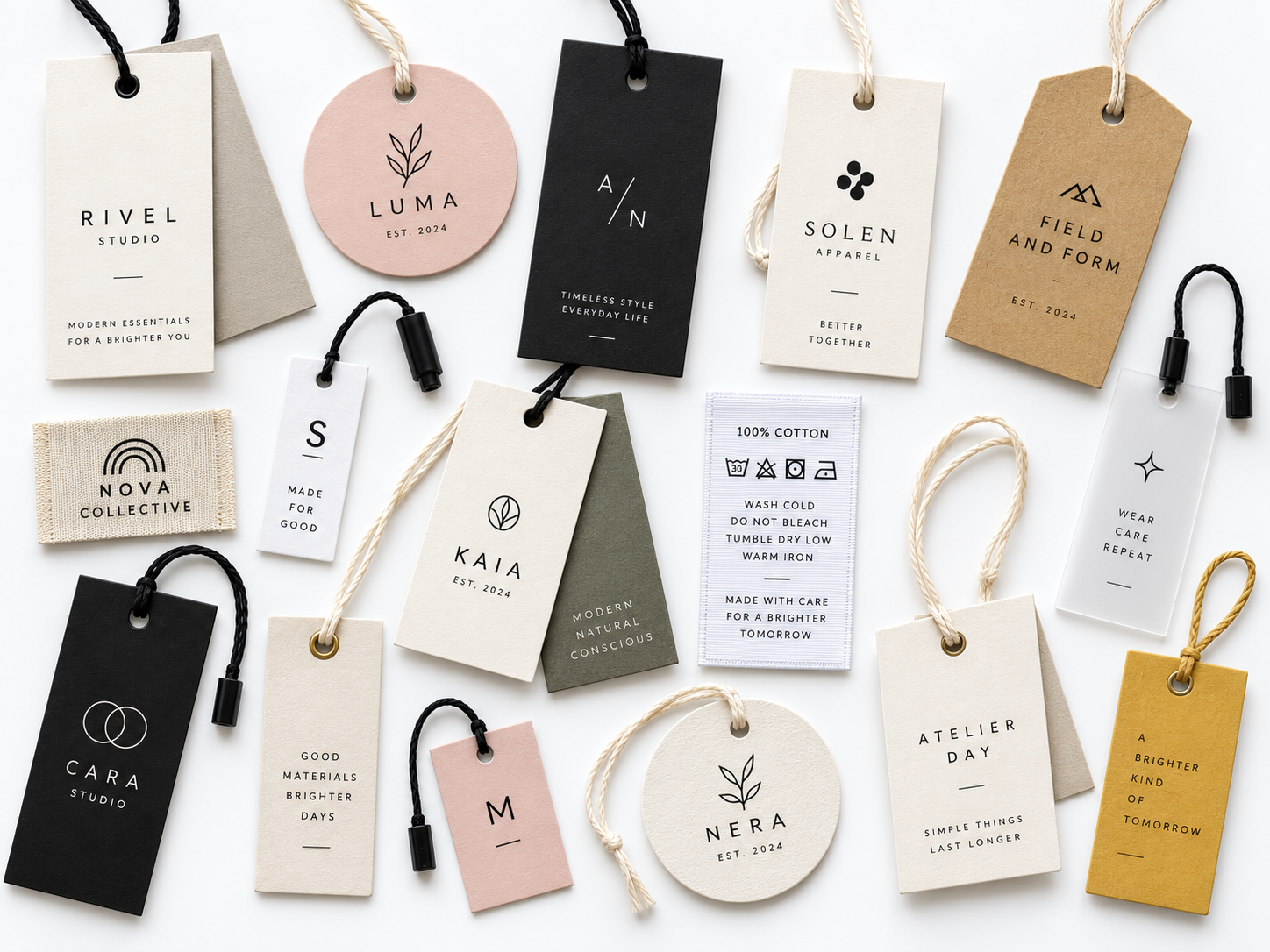
Garment Branding
External brand artwork should be evaluated against fabric, stretch, garment position and production method before approval. Logo dimensions and placement need a measurable specification rather than instructions such as “slightly higher” or “around the chest.”
- Submit vector artwork where available.
- Define finished logo dimensions.
- Provide brand color references.
- Confirm exact placement from measurable garment points.
- Approve the application on the intended material.
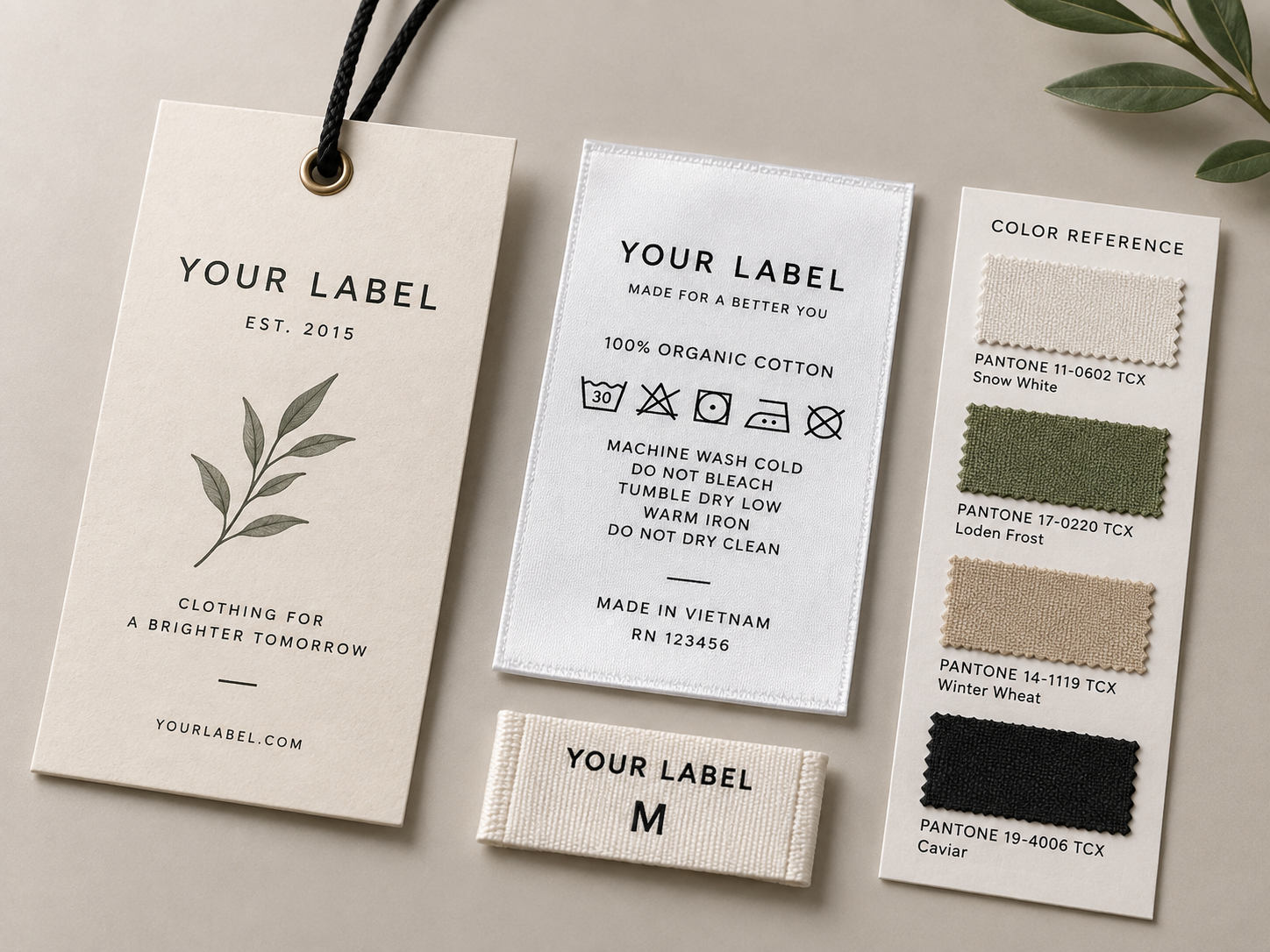
Main and Care Labels
Internal labels carry both brand identity and garment information. A private label program may use a main label, size label, care label or combined label depending on product and market requirements.
- Brand or main label
- Size identification
- Fiber or composition information
- Care instructions
- Origin wording where applicable
- Required language versions
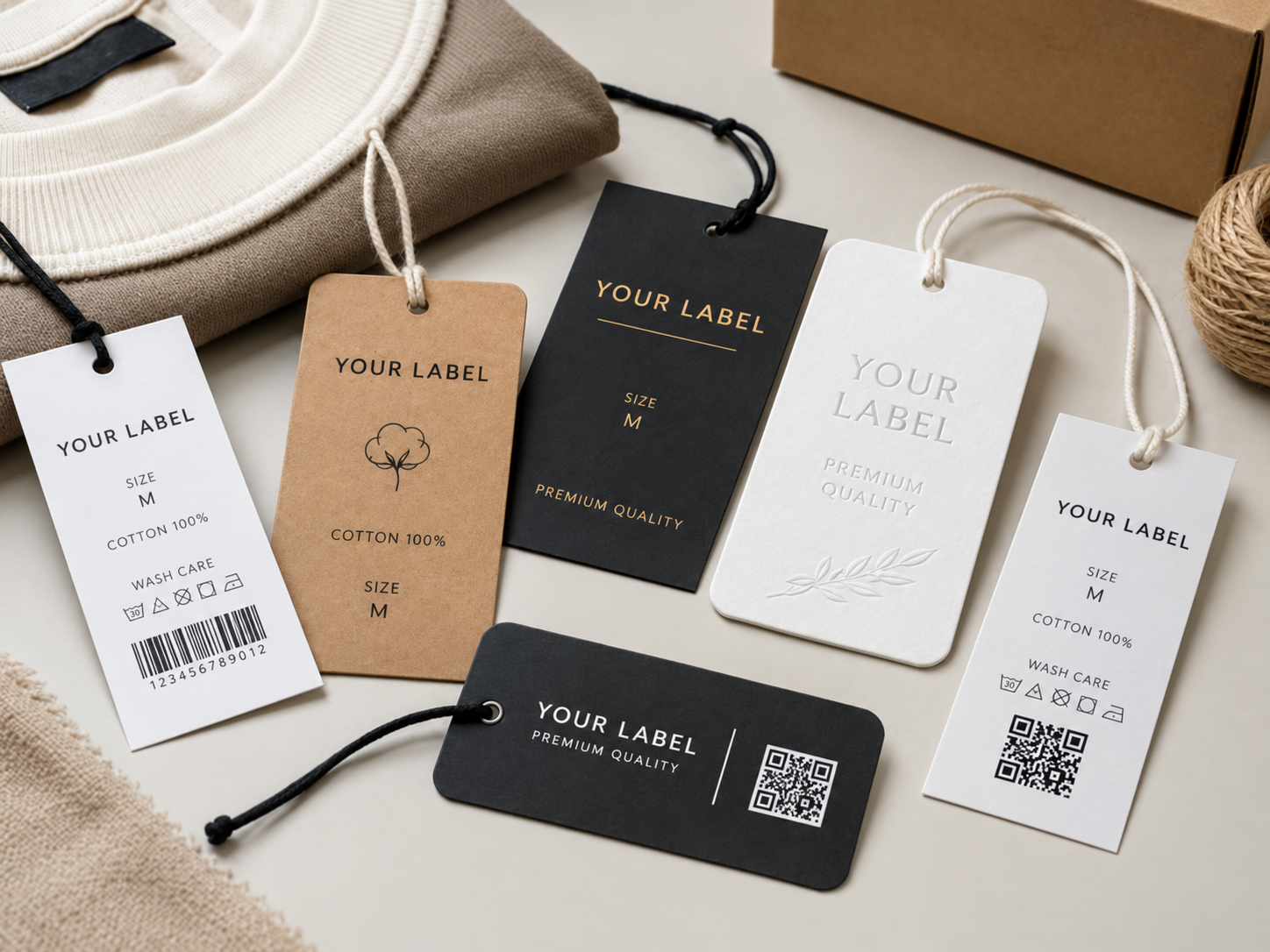
Hangtags and SKU
Hangtags may carry brand messaging, product information, retail price data, barcode information or internal SKU identification. Multi-style programs require particularly careful version control.
- Hangtag artwork
- Product or style code
- Color
- Size
- Barcode
- Market or language version
- Attachment method
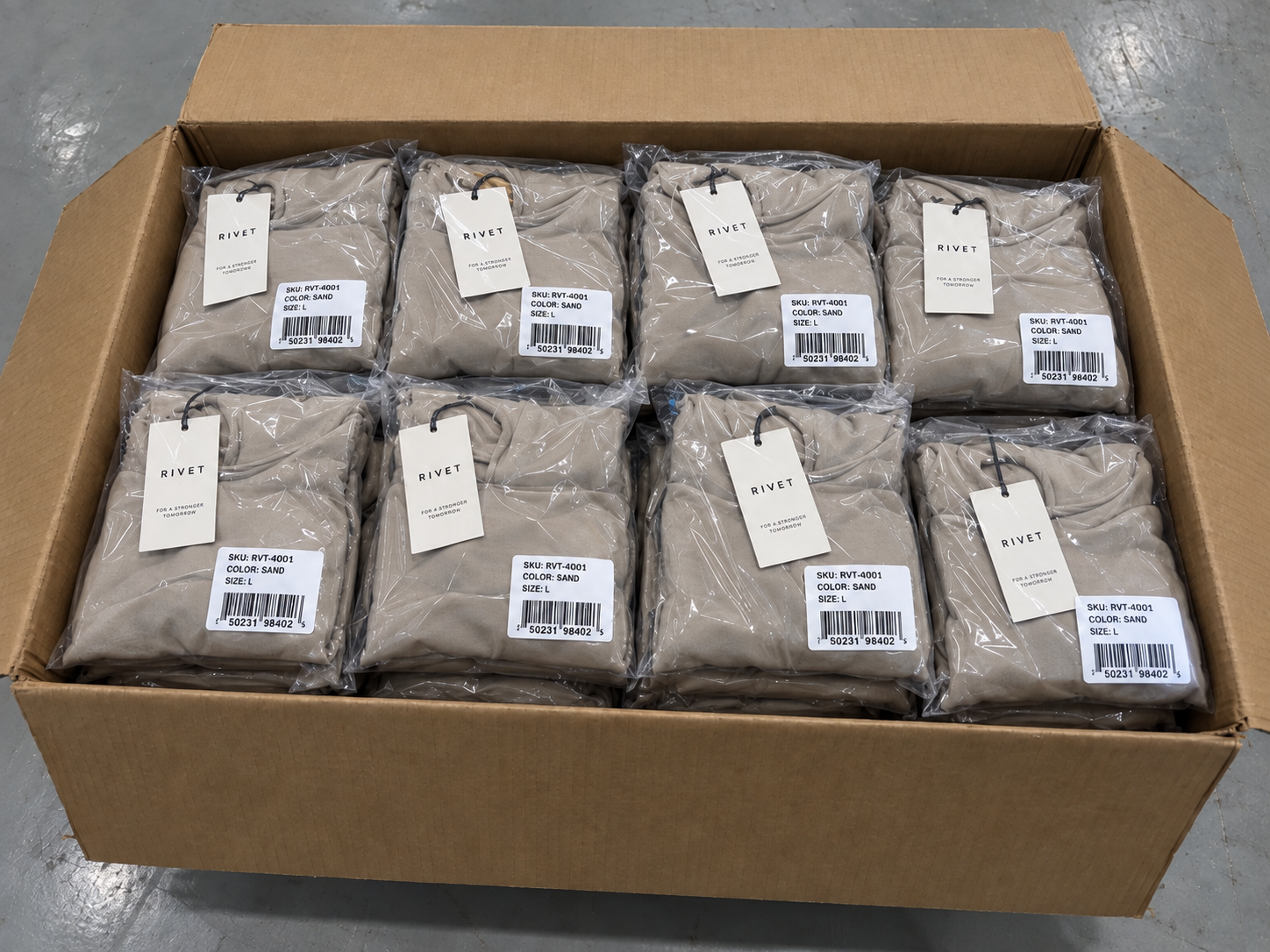
Packaging and Cartons
Packaging can range from simple individual bags to more complex retail-ready formats. Selection should reflect sales channel, protection needs, storage, brand presentation and cost.
- Individual bag
- Sticker or printed identification
- Brand card
- Retail box where required
- Carton assortment
- Carton marks
- Packing list references
Private Label Manufacturing From RFQ to Delivery
A successful apparel program moves through defined decisions rather than one long production step. Product development, approval, bulk execution and packing each depend on information from the previous stage.
Development to Final Approval
Project information
The initial RFQ should identify garment category, product references, intended quantity, colors, size range, target market, brand requirements and expected timing. A complete Tech Pack supports faster technical review, although reference garments and product images can also form a starting point.
Technical review
Construction, materials, fit direction, trims, branding and manufacturing feasibility are reviewed. Missing information is identified before an accurate commercial proposal is developed.
Material direction
Fabric, lining, elastic, trims and other components are selected or evaluated according to the product specification. Supplier MOQ and custom-material requirements are checked because material constraints can change the garment MOQ.
Pattern and sample
Patterns and samples are developed according to agreed requirements. Fit, measurements, material behavior, construction and brand details are reviewed in physical form.
Revision
Recorded feedback is applied to the relevant version. Changes remain traceable through updated specifications rather than relying only on chat messages.
Approval
The approved garment and final files create the production reference. Quantity, size matrix, labels, artwork and packaging should be confirmed before production release.
Approved Sample to Shipment Preparation
Material preparation
Bulk materials and trims are coordinated according to the approved specification. Material availability, quantity and relevant inspection requirements are checked before full production.
Cutting and sewing
Fabric spreading, cutting, sewing, elastic application, flatlock or other applicable confirmed processes are organized according to product construction.
In-process quality checks
Measurements, workmanship, seams, appearance and approved details are reviewed during manufacturing according to project requirements.
Finished garment review
Completed garments move through final measurements, appearance review, brand detail verification and other agreed quality checks.
Labeling and packing
Main labels, care labels, size information, hangtags, SKU data, individual packaging and cartons are checked against approved files.
Shipment preparation
Carton quantities, marks and available export-related documents are coordinated before handover to the nominated logistics arrangement.
Quality Checks Across the Manufacturing Process
Quality control starts before final inspection. Materials, approved samples, production execution, measurements, branding and packaging all influence finished-garment consistency, so inspection points should match product specifications and agreed project requirements.
Stage
Main Checks
Reference
Risk Controlled
Materials
Material identity, color, quantity, visible condition, trim specification
Approved material information
Wrong material or incorrect trim
Pre-Production
Final specifications, approved sample, artwork, quantities
Production-ready files
Version mismatch
Cutting
Direction, component count, size identification, cutting consistency
Pattern and cutting requirements
Incorrect panels or size mix
Early Production
Initial workmanship, seam construction, key measurements
Approved sample and specifications
Repeated production error
In-Process
Measurements, sewing, appearance, structure
Project inspection requirements
Accumulated defects
Finished Garment
Key dimensions, appearance, workmanship, functional components
Final specifications
Nonconforming garments
Branding
Logo position, label content, hangtags
Approved artwork
Brand inconsistency
Packaging
SKU, barcode, size, color, pack version
Approved packaging files
Mislabeling or mixed SKU
Shipment Preparation
Carton quantity, carton marks, documents
Order packing requirements
Dispatch and identification errors
Leadshow’s quality team is approximately 45 people and supports material, in-process, finished-garment and packaging inspections according to project requirements. A fixed universal AQL or blanket 100% inspection claim is not used without project-specific supporting requirements.
Manufacturing Scale Behind Private Label Production
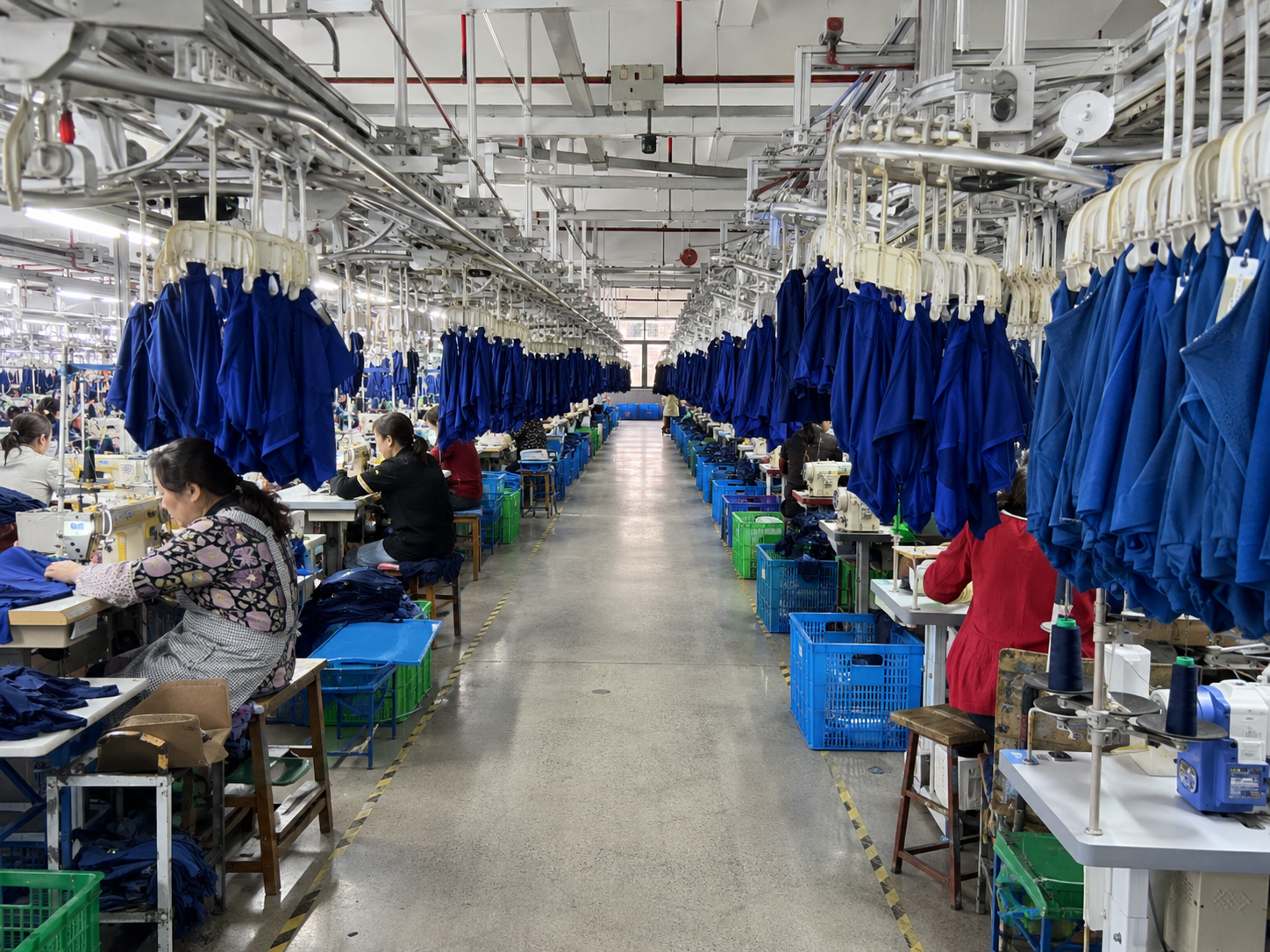
Manufacturing capacity matters only when scale, equipment, development resources and order complexity match the project. Leadshow’s confirmed company-level figures provide a factual view of the manufacturing foundation behind sampling and bulk production.
15 Years Experience
15 years of apparel industry experience across product development and manufacturing.
3 Manufacturing Bases
Three manufacturing bases support sampling, production, finishing, packing and related manufacturing functions.
20,000+ Square Meters
More than 20,000 m² of combined manufacturing facilities.
1,500+ Team Members
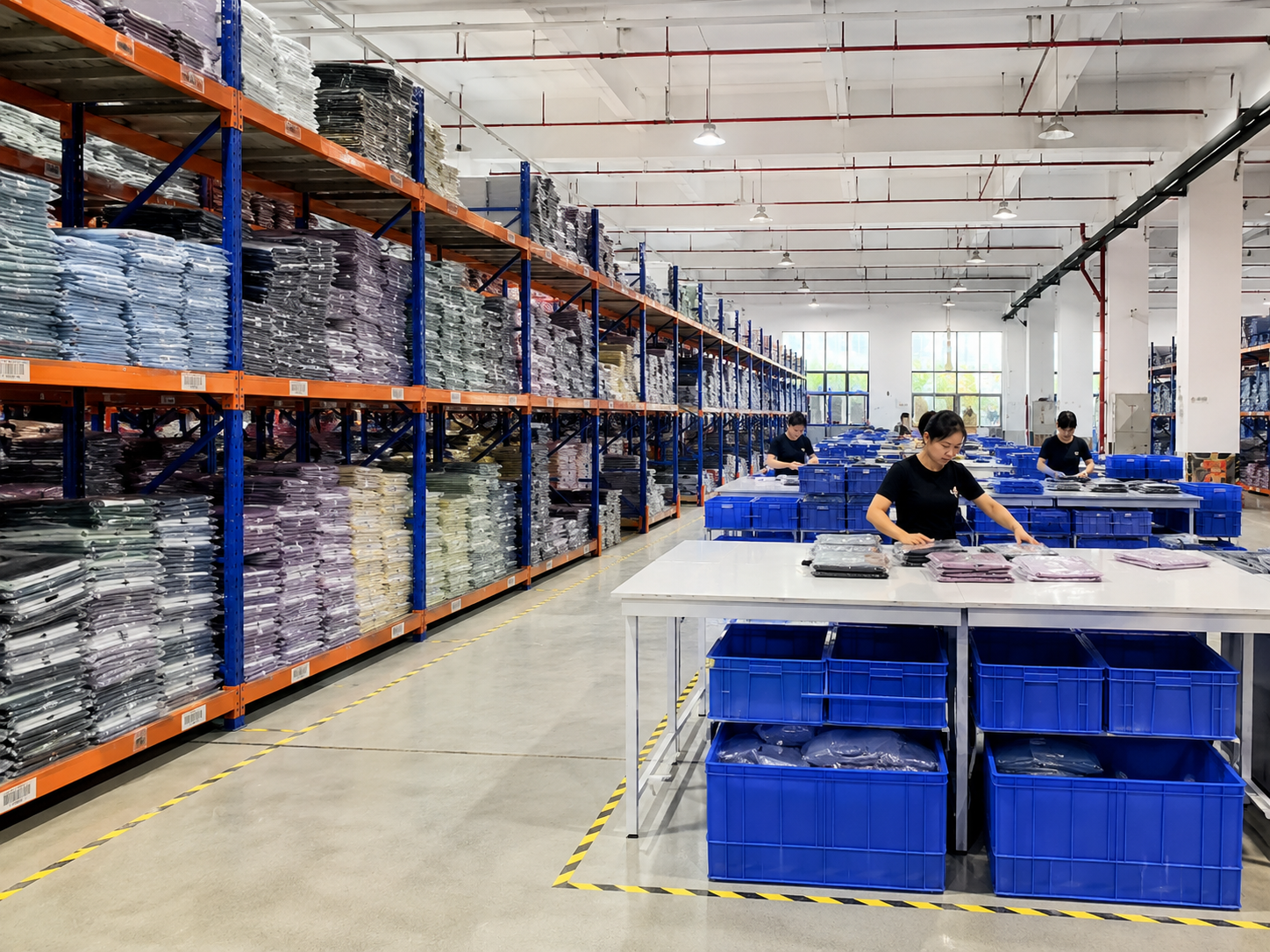
More than 1,500 team members across development, production, quality, warehousing, logistics and support.
304 Confirmed Machines
More than 300 production, specialized-process and finishing machines support cutting, sewing, branding, finishing and packing.
120,000 Monthly Capacity
Combined monthly capacity can reach approximately 120,000 finished garments, depending on style complexity, materials, order mix and production schedule.
Equipment Supporting Different Apparel Constructions
Machines matter when they solve a manufacturing requirement. Leadshow combines automated fabric preparation, several sewing systems, stretch-garment equipment, selected specialized processes and finishing equipment rather than relying on one universal production method.
Fabric Preparation Cutting
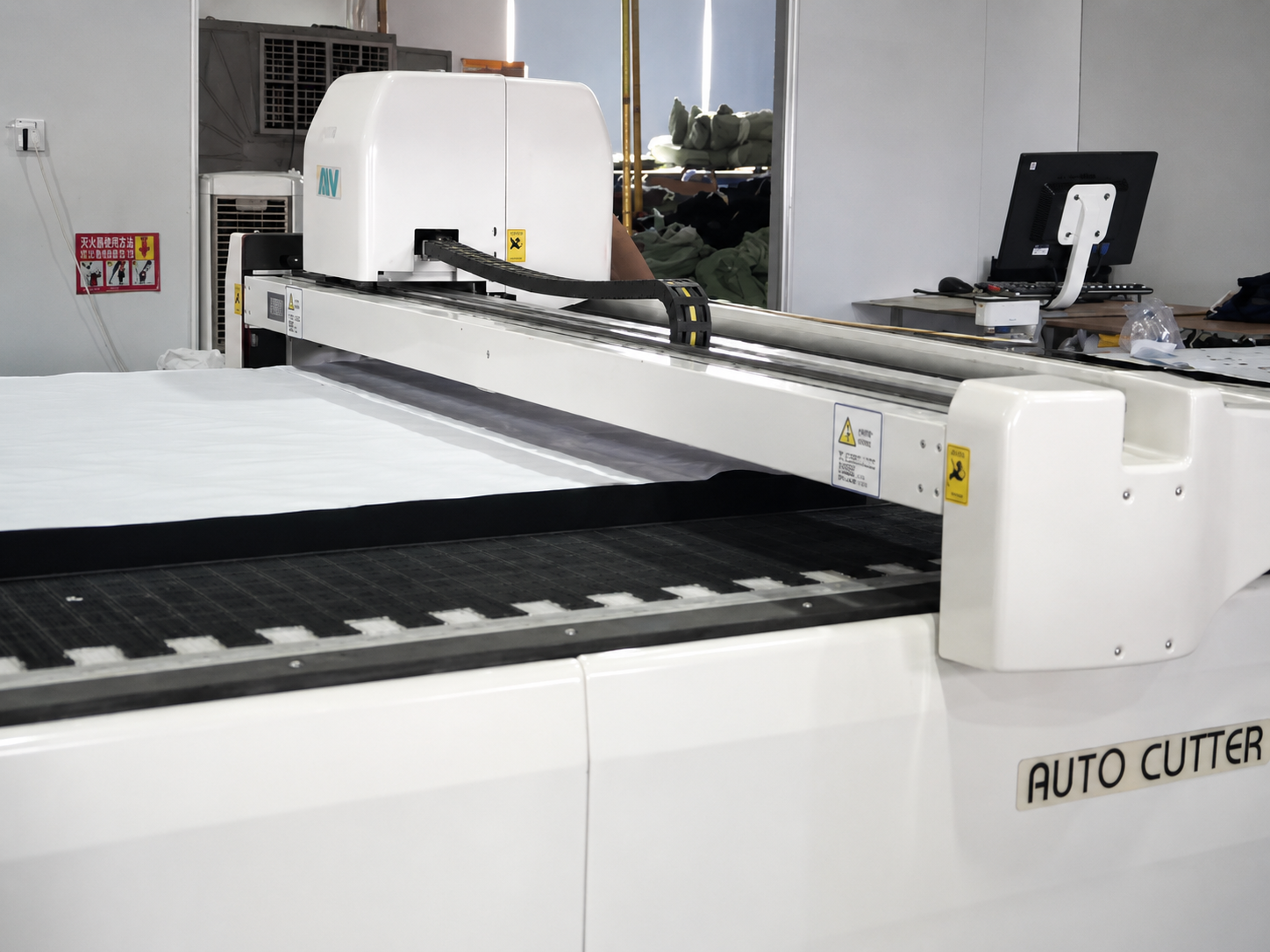
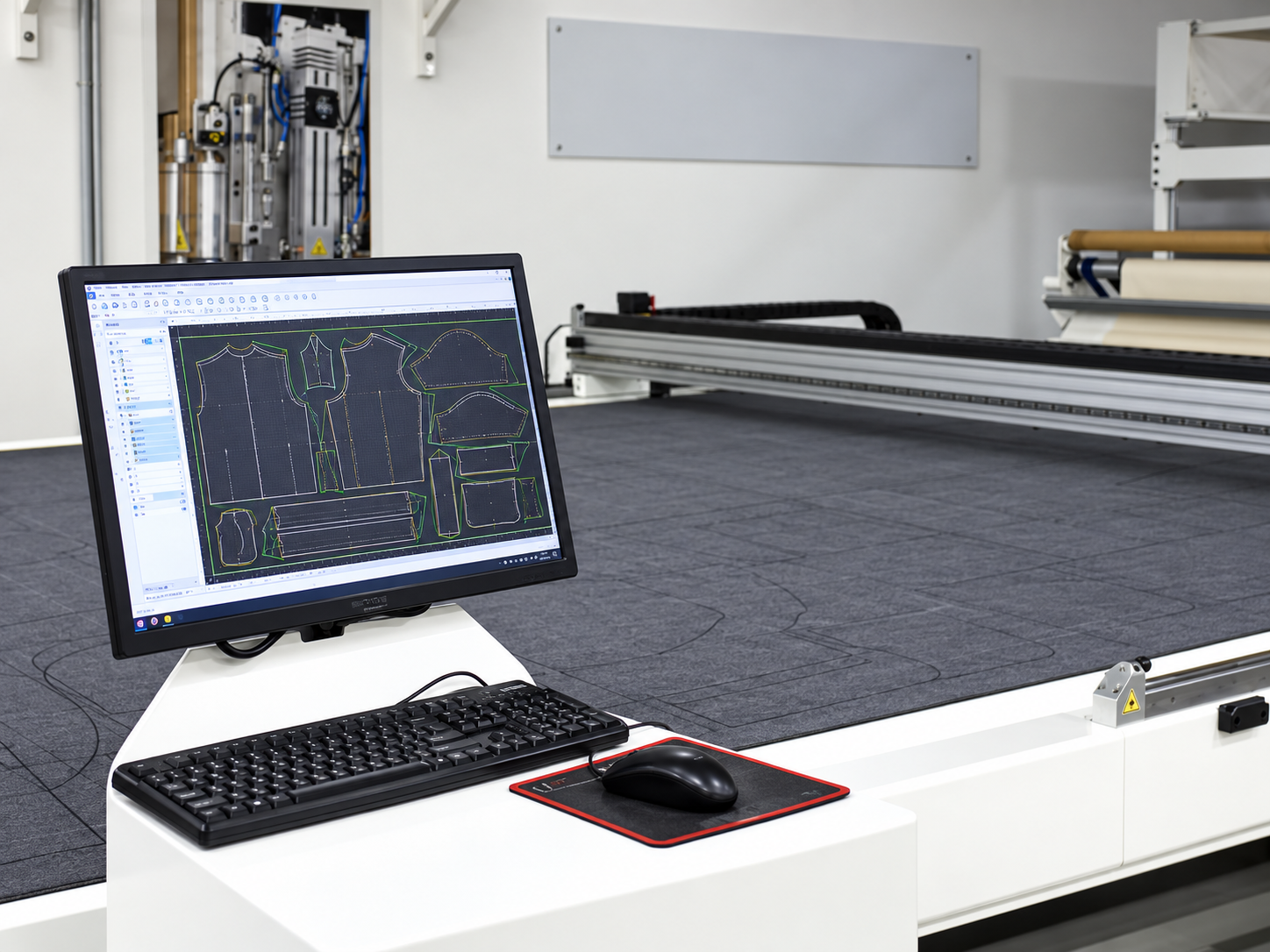
Leadshow has confirmed equipment for fabric spreading, pre-treatment and cutting, including 5 automatic fabric spreaders, 3 automatic cutting machines, 3 fabric pre-shrinking or setting machines, 8 vertical cutting machines and 6 round-knife cutters.
- Automated spreading can support stable preparation for suitable bulk fabrics.
- Automated cutters support repeatable multi-size cutting.
- Flexible cutting equipment supports samples, smaller runs and special handling.
- Pre-treatment can be evaluated where material behavior requires it.
Core Sewing Operations
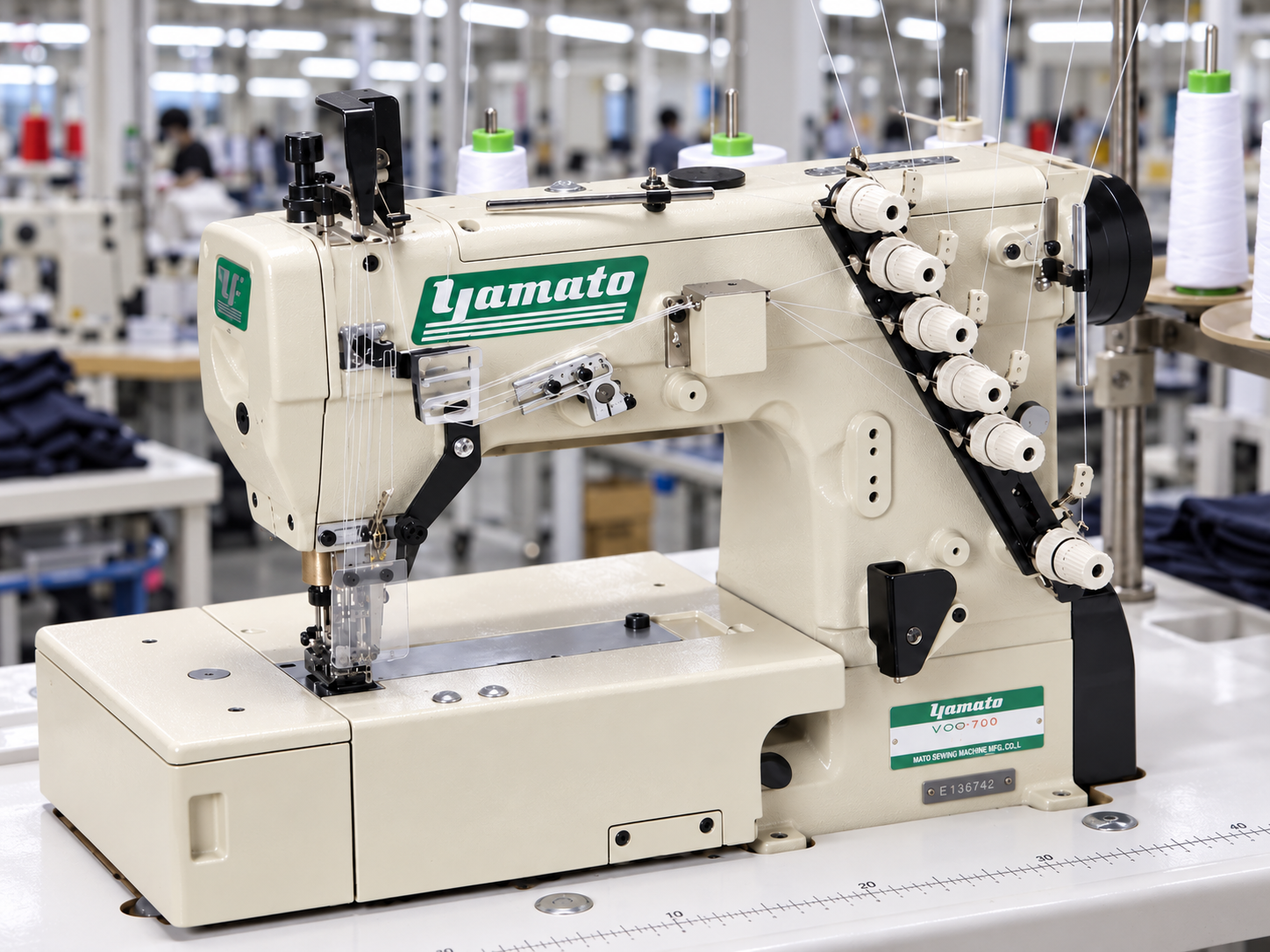
The confirmed sewing foundation includes 80 computerized direct-drive lockstitch machines, 40 five-thread overlock machines, 25 four-thread high-speed overlock machines and 15 double-needle machines.
- Panel joining
- Seam finishing
- Hem construction
- Parallel stitching
- Structural topstitching
- Basic label attachment
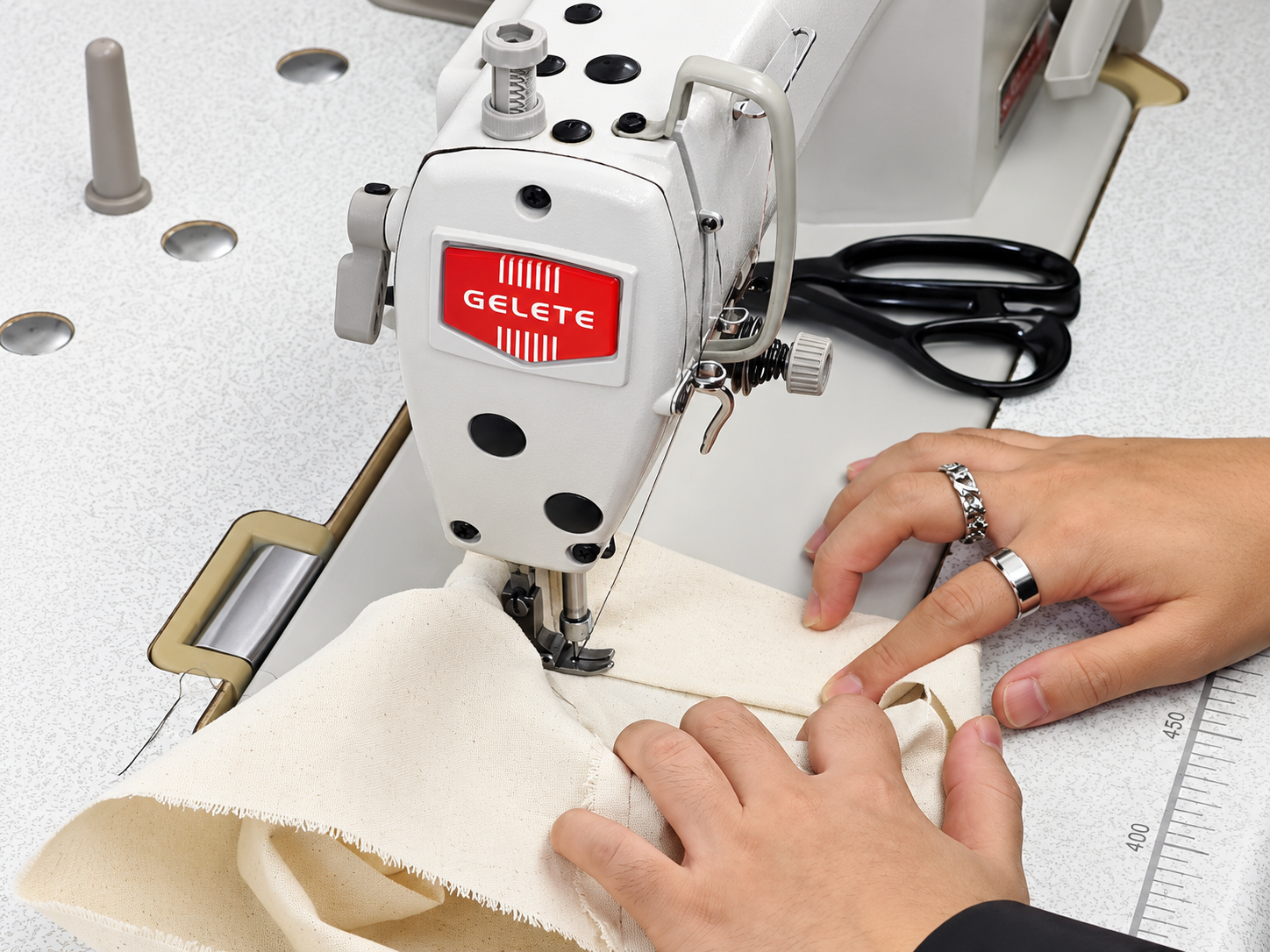
Stretch Garment Flatlock
Leadshow has 35 four-needle six-thread flatlock machines, creating a strong equipment base for fitted and stretch garments such as yoga leggings, sports bras, running apparel, tank tops, jumpsuits and selected swimwear.
- Flatter stretch-compatible seams
- Selected high-stretch joining
- Reduced seam bulk
- Athletic garment construction
- Decorative seam effects
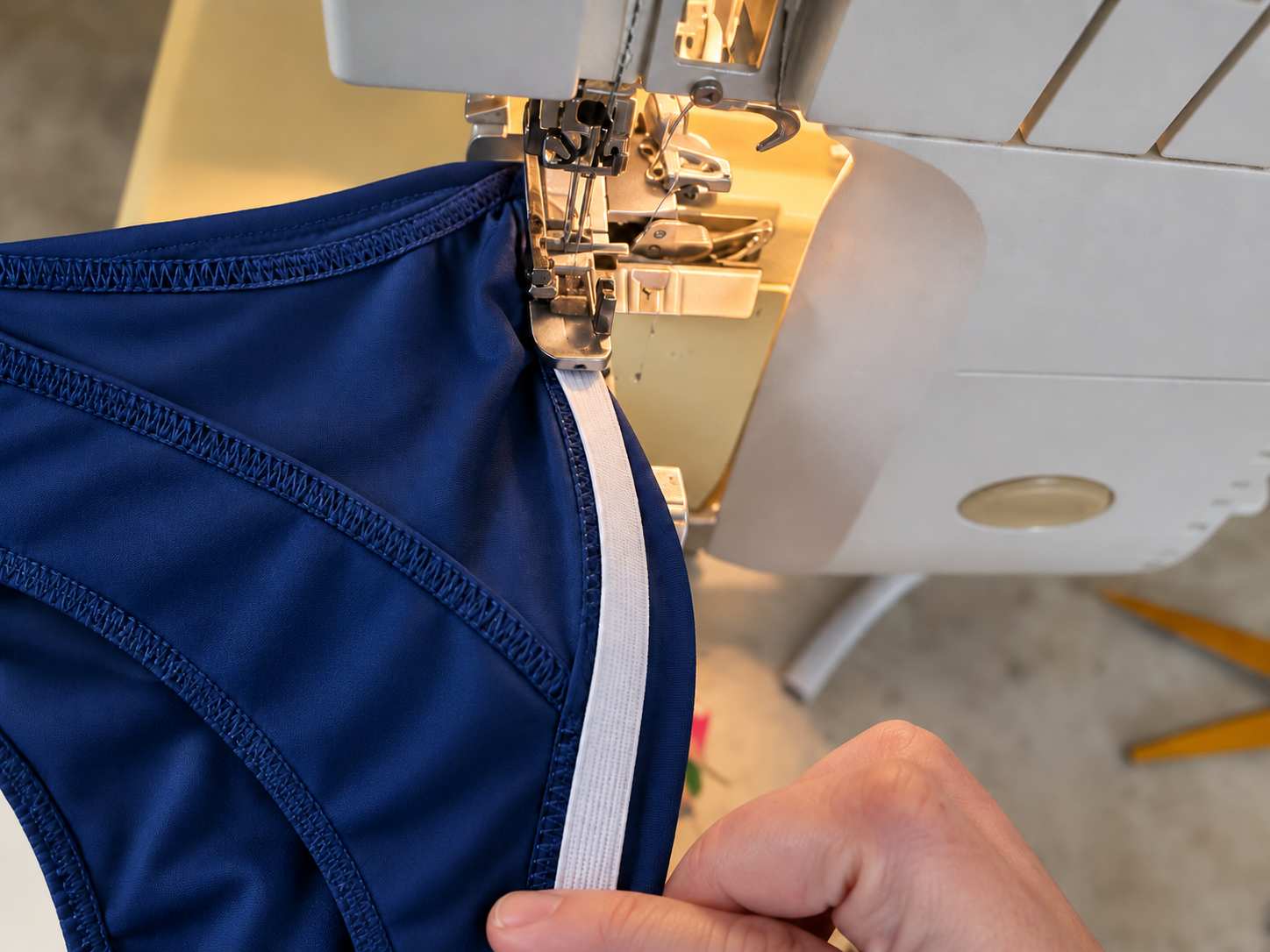
Elastic and Reinforcement
Leadshow confirms 12 elastic-attaching machines and 6 bartack machines among its production equipment. Elastic equipment can support selected sports bra underbands, legging waistbands, running-short waistbands, swimwear edges and other stretch structures.
- Elastic application by garment structure
- Localized bartack reinforcement
- Pocket and zipper-end reinforcement
- Stress-point stabilization
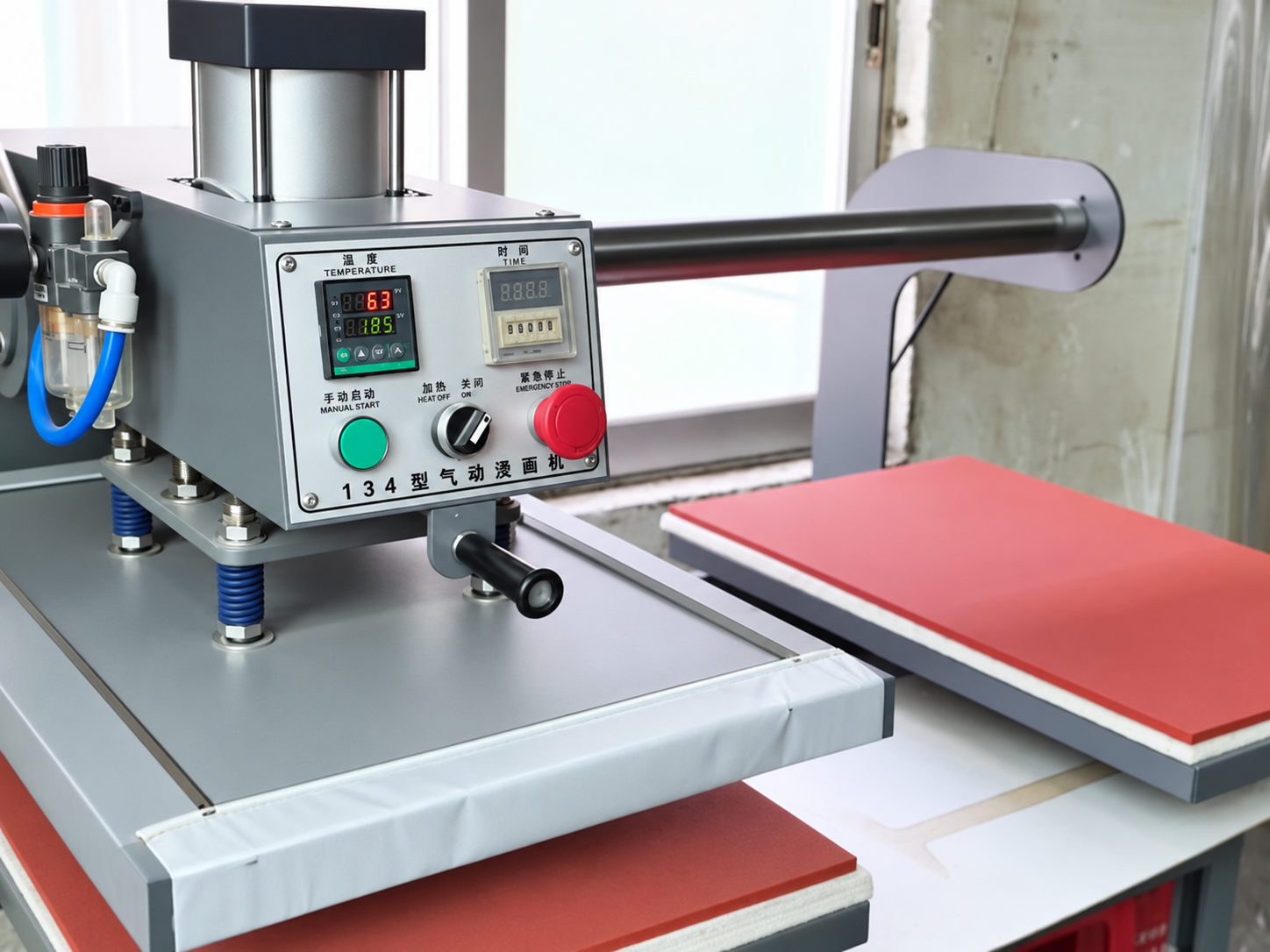
Specialized Process Options
Confirmed specialized-process equipment includes 8 heat-bonding units, 4 hot-air seam-sealing machines, 3 laser perforation machines, 3 ultrasonic elastic-cutting machines, 6 dual-station heat-transfer label machines and 4 multi-station heat-press machines.
- Selected bonded details
- Seam-tape application
- Local perforation
- Elastic cutting
- Heat-transfer labels
- Heat-press branding
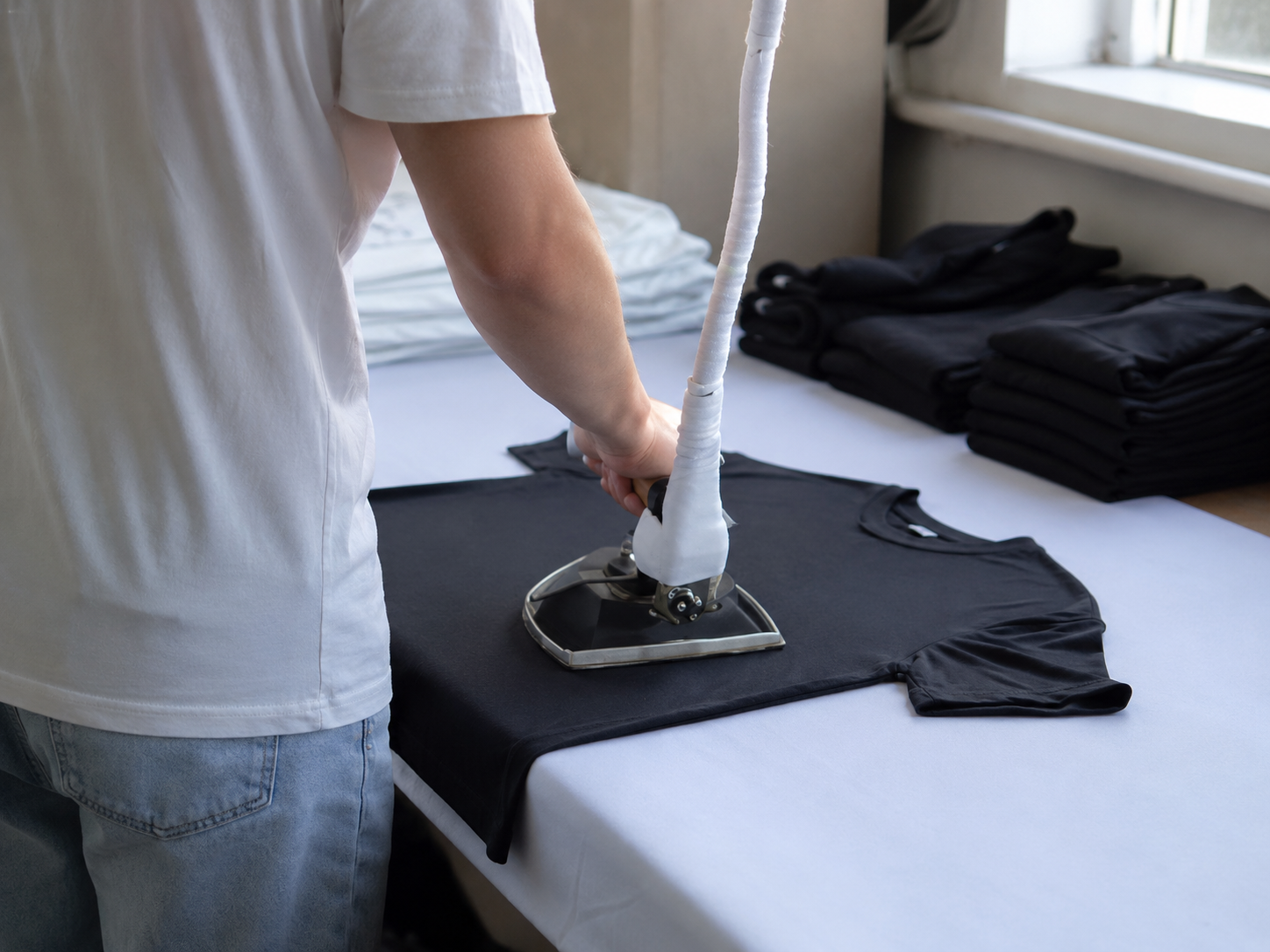
Finishing and Packaging
Confirmed finishing equipment includes 20 high-pressure steam ironing stations, 6 automatic needle-detection machines and 4 automatic folding and packaging systems.
- Garment presentation and finishing
- Applicable needle-detection checks
- Standardized folding
- Packaging preparation
- SKU organization
Managing Multi-SKU Private Label Programs
Large apparel programs create complexity through styles, colors, sizes, brand files and packaging versions. Good execution depends on controlling approved information across development, production, packing and repeat orders rather than only increasing production volume.
Style Color Matrix
Each garment should have an identifiable style, color and size structure before production quantities are released. A clear matrix helps separate similar garments and prevents quantity changes from being lost across emails or informal comments.
- Style number
- Color
- Size
- Quantity
- Total units
- Material version
- Packaging version
Version Control
A production program can include several revisions to Tech Packs, measurement charts, artwork, labels and packaging. Only the latest approved information should reach bulk manufacturing.
- Identify revision number or date.
- Record changed measurements or construction.
- Replace obsolete artwork.
- Confirm packaging revision.
- Freeze final production information.
Approved Sample Reference
An approved sample acts as a physical reference alongside final technical files. Production personnel can compare construction, proportions, details and workmanship against the approved garment during production preparation.
- Approved garment
- Final measurement chart
- Material reference
- Branding reference
- Label files
- Packaging instructions
SKU Barcode Control
Retail and distribution programs may connect every style-color-size combination with a SKU or barcode. Packaging accuracy therefore becomes part of product accuracy.
- Style identification
- Color identification
- Size identification
- Barcode
- Hangtag
- Bag label
- Carton information
Packaging Carton Control
Multi-SKU projects require clear rules for individual packing and outer cartons. Packing instructions should define whether cartons contain one SKU, an assortment or a planned size ratio.
- Folding method
- Individual packaging
- Quantity per carton
- Assortment ratio
- Carton label
- Carton mark
- Packing list reference
Reorder File Continuity
Repeat orders should begin from the latest approved product information rather than from an old sample or outdated artwork. Material availability, color, quantity and timing should still be reviewed again because supply conditions can change.
- Confirm current product version.
- Confirm current material availability.
- Recheck brand files.
- Update quantities and SKU matrix.
- Confirm packaging.
- Review current capacity.
MOQ Pricing and Lead Time Factors
Accurate commercial conditions come from product information, not a garment name alone. Material, construction, size range, branding, quantity and packaging all influence MOQ, quotation accuracy, sampling and production planning.
Item
Leadshow Baseline or Review Method
Important Conditions
Regular MOQ
Starts from 100 pcs per color per design
Fabric, trims, structure, Logo and packaging may increase final MOQ
Product Quantity
State quantity by style, color and size
Different styles cannot automatically be mixed to reach MOQ
Size Range
Confirm from measurement chart, base size and grading requirements
No universal XS–XXL or extended-size promise applies to every product
Quotation
Reviewed after product, material, quantity and branding information is available
Accurate pricing cannot be based only on a product photo or category name
Sample Timing
Confirmed after technical and material review
Construction, material readiness, trims, pattern complexity, branding and sample type affect timing
Material Timing
Confirmed after supplier and material review
Custom colors, special fabrics and trims may add separate supplier lead times
Bulk Production Timing
Confirmed after order conditions, approved sample, materials, final specifications and scheduling
Production time is not the same as shipping or transit time
Combined Capacity
Up to approximately 120,000 garments/month across three bases
Depends on product complexity, order mix, materials and current scheduling
Rush Programs
Evaluated individually
Quality approvals, material availability and production capacity cannot be skipped
Delivery Planning
Separate goods-ready, shipment and transit dates
Logistics time depends on method, destination and freight arrangements
How to Evaluate a Private Label Manufacturer
Selecting a manufacturer requires more than comparing unit prices. Product fit, development ability, manufacturing evidence, quality discipline, brand execution and order-management capability determine whether a supplier can support a brand through sampling and repeat production.
Evaluation Area
Questions to Ask
Evidence to Review
Product Fit
Does the factory actually manufacture the relevant apparel category?
Real products, confirmed category list, manufacturing examples
Technical Development
Can Tech Packs, measurements or references be reviewed before sampling?
Development workflow, sampling capability, technical communication
Materials
Can fabric and trim requirements be evaluated rather than accepted blindly?
Material review process, physical samples, supplier information
Fit & Sampling
Is there a defined route from first sample to approved production reference?
Sample revisions, measurement review, approved specifications
Manufacturing
Does the factory have equipment suited to the product construction?
Real machinery, process mapping, factory images
Quality
Are quality checks performed beyond final visual inspection?
Material, in-process, final and packing inspection records where available
Capacity
Does production scale match the planned order?
Confirmed facility and capacity data plus current scheduling
Branding
Can garment Logo, labels, hangtags and packaging be coordinated?
Approved brand samples and packaging workflow
Multi-SKU
Can style, color, size, barcode and carton data remain controlled?
SKU matrix, label files, packing documents
Business Boundaries
Does the supplier explain what requires evaluation rather than promising everything?
Conditional quotations, documented requirements, realistic capability statements
Is Leadshow Suitable for Your Apparel Program
Leadshow is structured for commercial apparel development and manufacturing rather than every possible clothing request. Clear project fit helps both sides spend development time on programs that can realistically move from specifications to samples and production.
Strong Project Fit
Leadshow is generally well aligned with brands and commercial sourcing programs involving sportswear, swimwear, streetwear or modest sportswear within confirmed manufacturing capabilities.
- A Tech Pack, reference sample, product image or clear product concept
- Planned commercial order quantities
- Private label branding
- Custom materials or fit requirements
- Sample approval before bulk
- Multiple colors, sizes or SKUs
- Repeat or scalable production requirements
Requires Further Evaluation
Some programs can only be accepted after additional technical, material or commercial review.
- Unconfirmed apparel subcategories
- Highly specialized performance claims
- Complex bonded or seam-sealed structures
- Special certification requirements
- Unusual trims or materials
- Very short launch windows
- Custom packaging with high supplier MOQ
- Extended sizing without established grade rules
- New or untested process combinations
Outside Core Positioning
Leadshow should not be positioned as a ready-stock marketplace, one-piece personalization service, dropshipping platform or lowest-price wholesaler.
- Individual retail orders
- One-piece customization
- Ready-stock mixed-style purchasing
- No-MOQ requirements
- Unauthorized copying of third-party brands
- Requests for guaranteed global compliance without project review
- Requests for free unlimited revisions
- Projects requiring unconditional fixed delivery before materials and production are reviewed
See the Manufacturing Work Behind the Garment
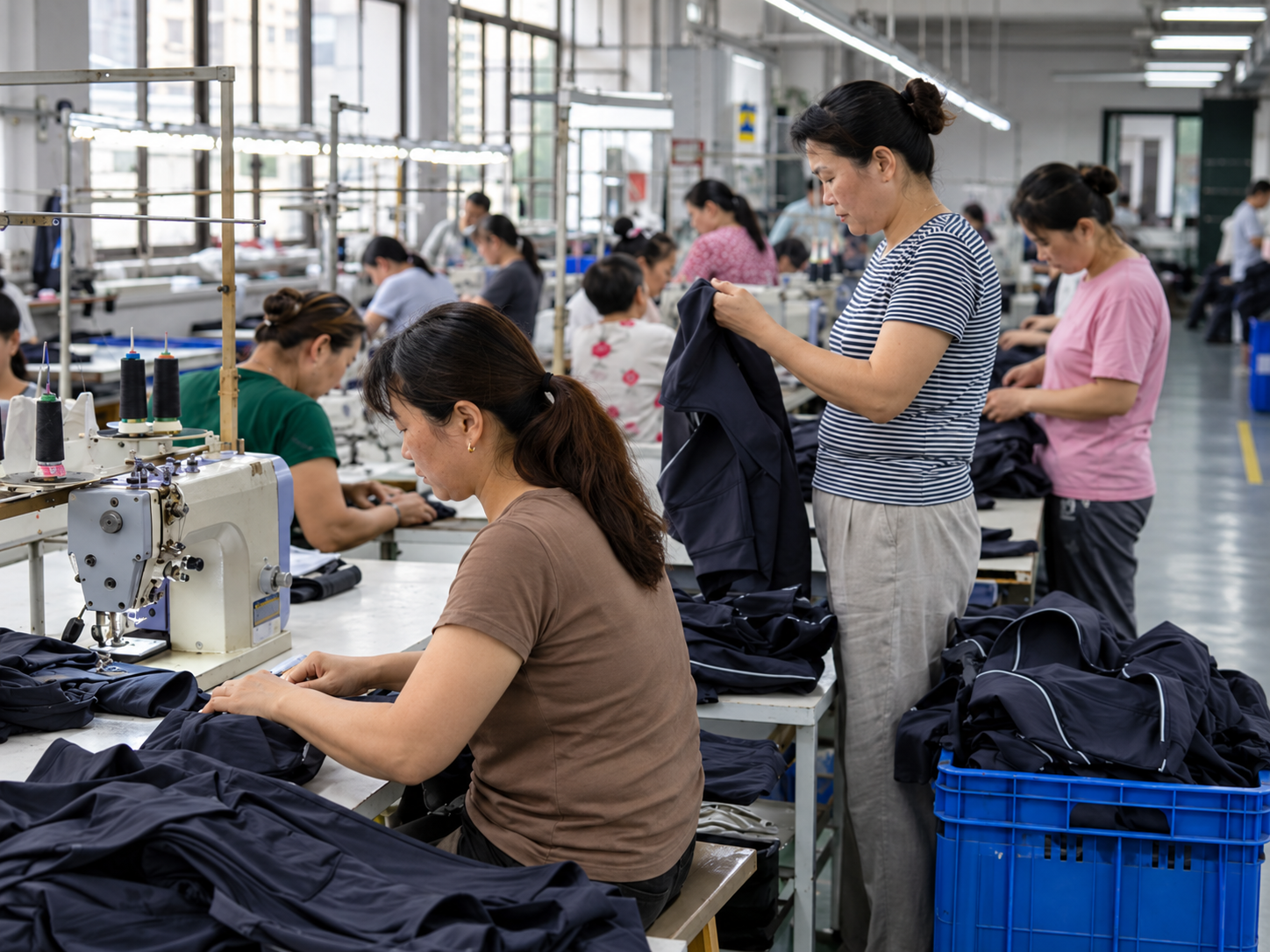
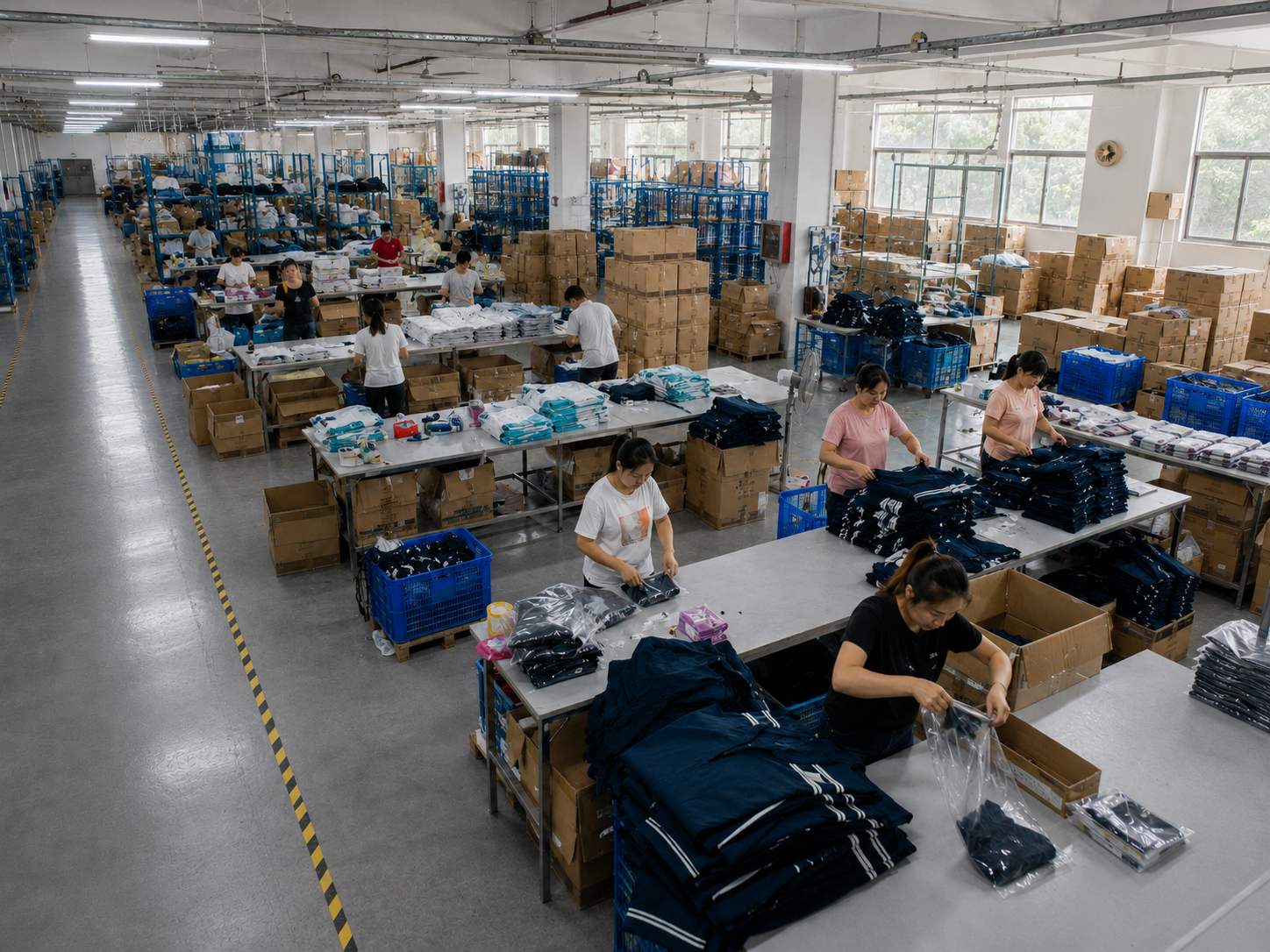
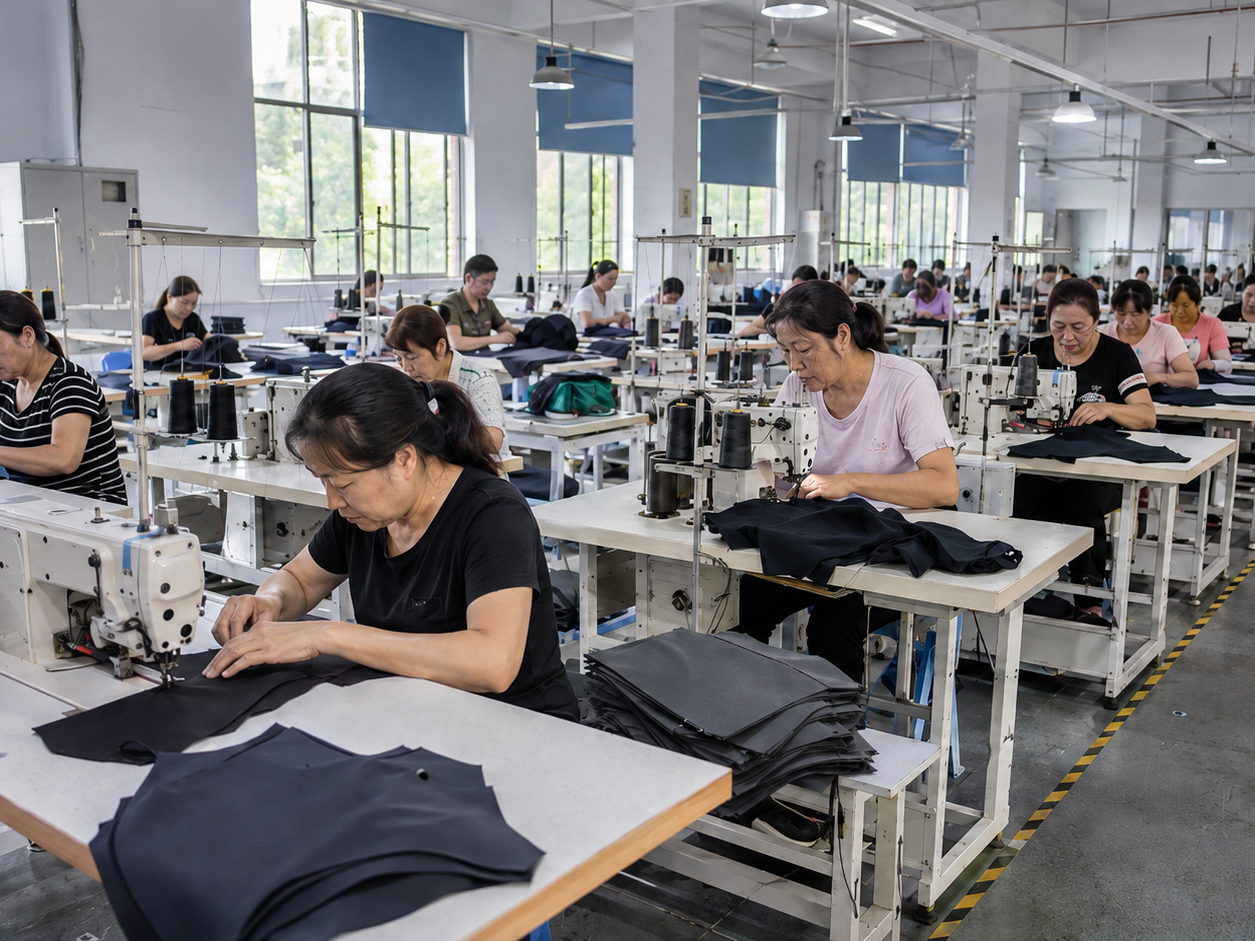
Private label credibility should come from real development and manufacturing evidence. Each production image should explain what is happening, which requirement is being controlled and how the activity connects to an approved garment.
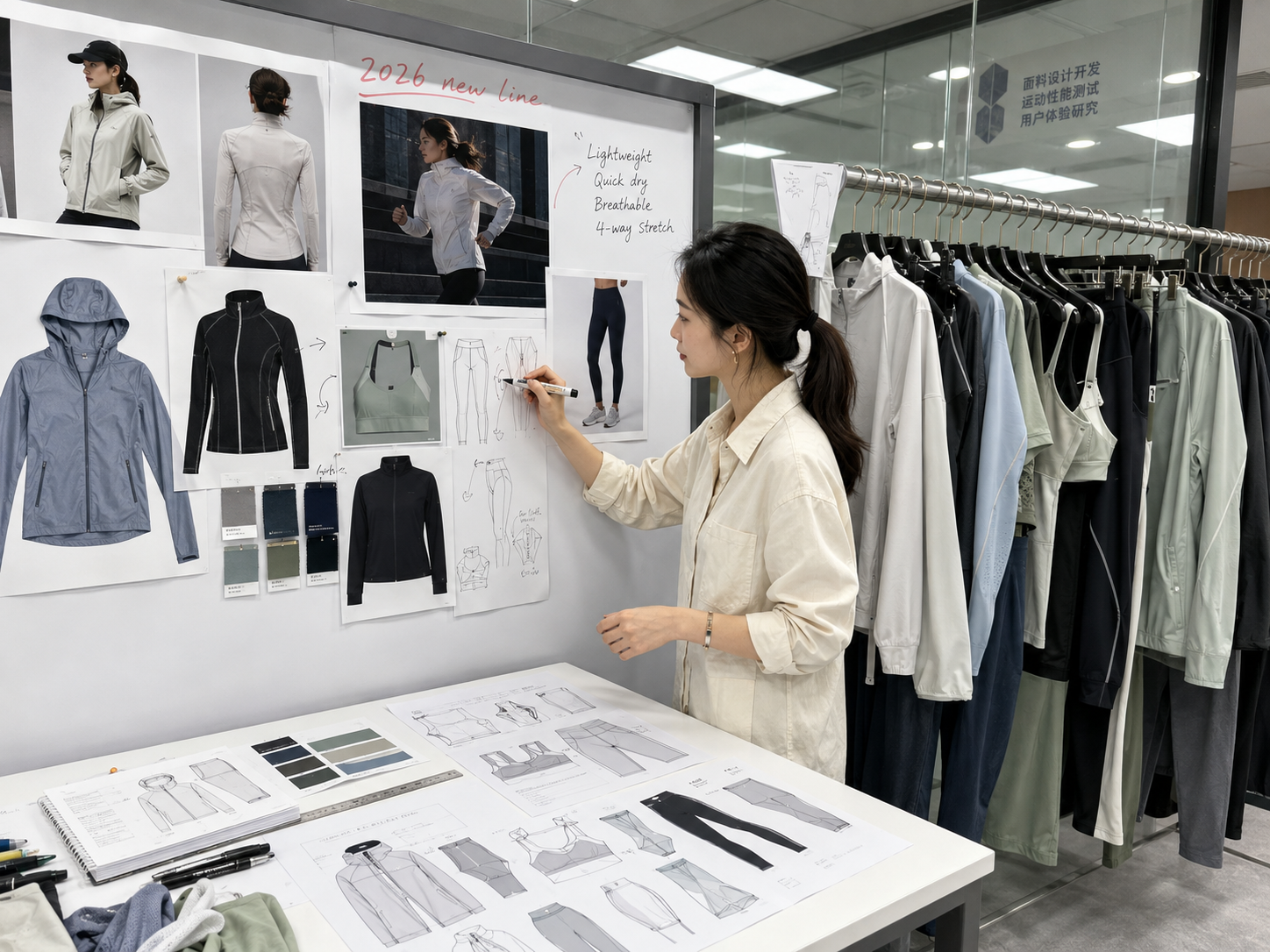
Technical Project Review
Product files are reviewed before manufacturing decisions are finalized. Tech Packs, measurement charts, reference garments, images, quantity information, materials and branding requirements help the relevant teams identify missing information and assess feasibility. A real project-review image should show technical documents or garment details without exposing another brand’s confidential files.
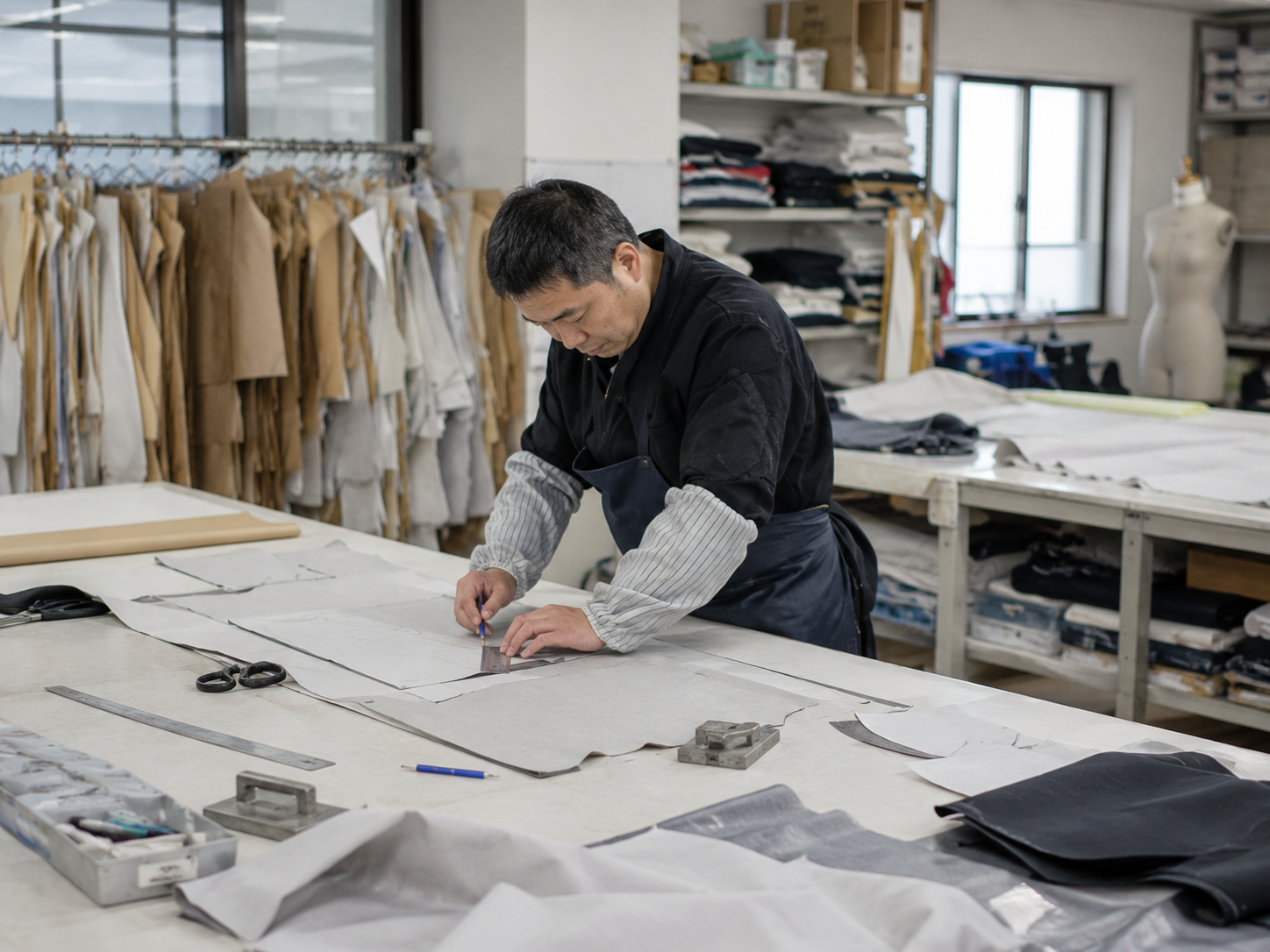
Sampling Workshop
Leadshow confirms an independent R&D and sampling workshop with pattern-related equipment and sampling sewing capability. Sampling translates specifications into a physical garment for construction, fit and workmanship review. Images should show real pattern, sample or fitting work rather than generic design mockups or unverified 3D virtual systems.
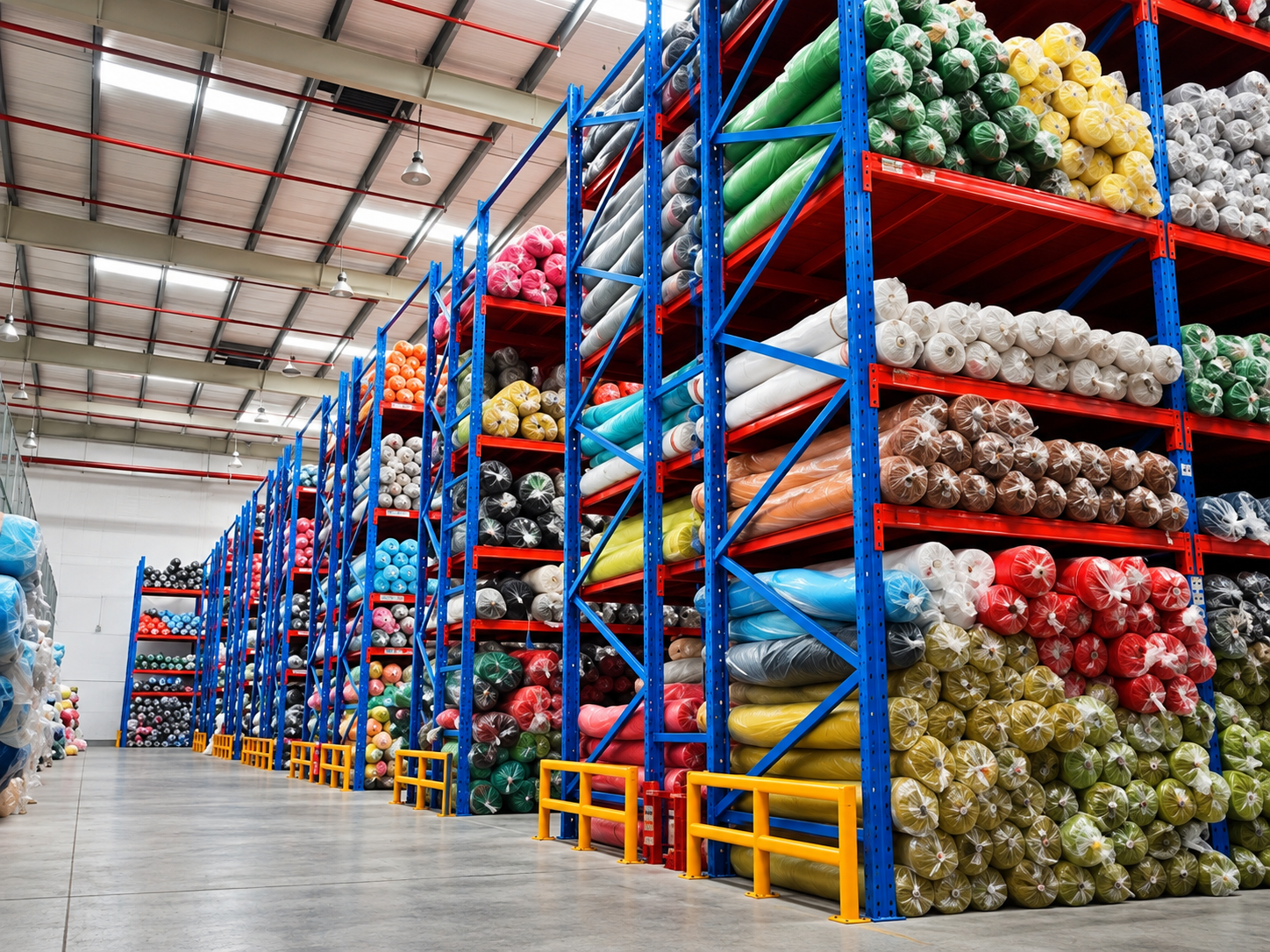
Fabric Preparation
Fabric preparation can involve material identification, spreading and selected pre-treatment before cutting. Leadshow has confirmed automatic spreading and pre-treatment equipment. Real images should focus on fabric handling and production preparation rather than suggesting every fabric follows one identical process.
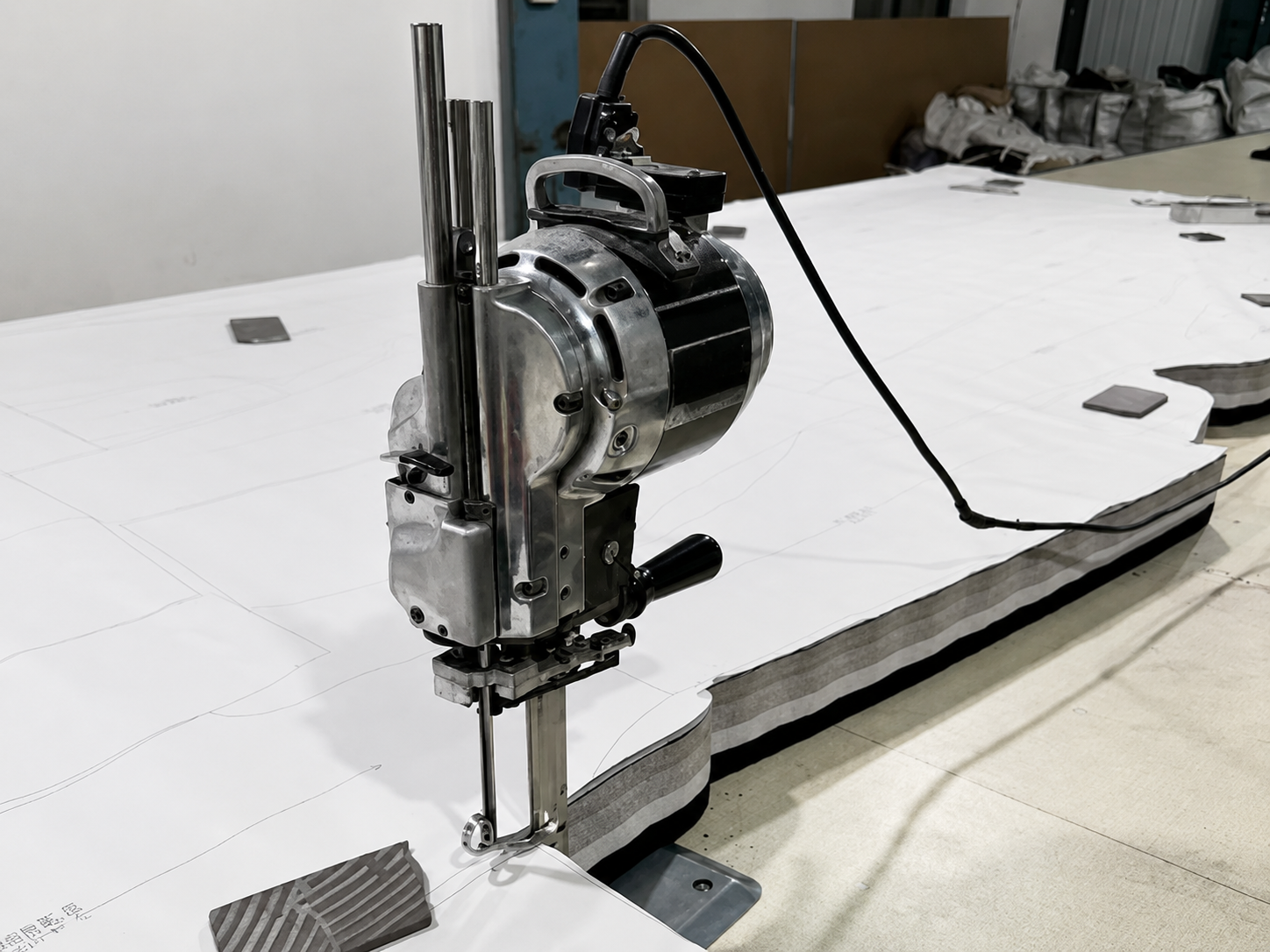
Cutting Operations
Cutting uses both automated and flexible equipment, including automatic cutters, vertical cutting machines and round-knife equipment. Product quantity, fabric behavior, direction and panel design influence the cutting method. Images should show real cutting work, layered fabric preparation or component organization without claiming zero waste or zero tolerance.
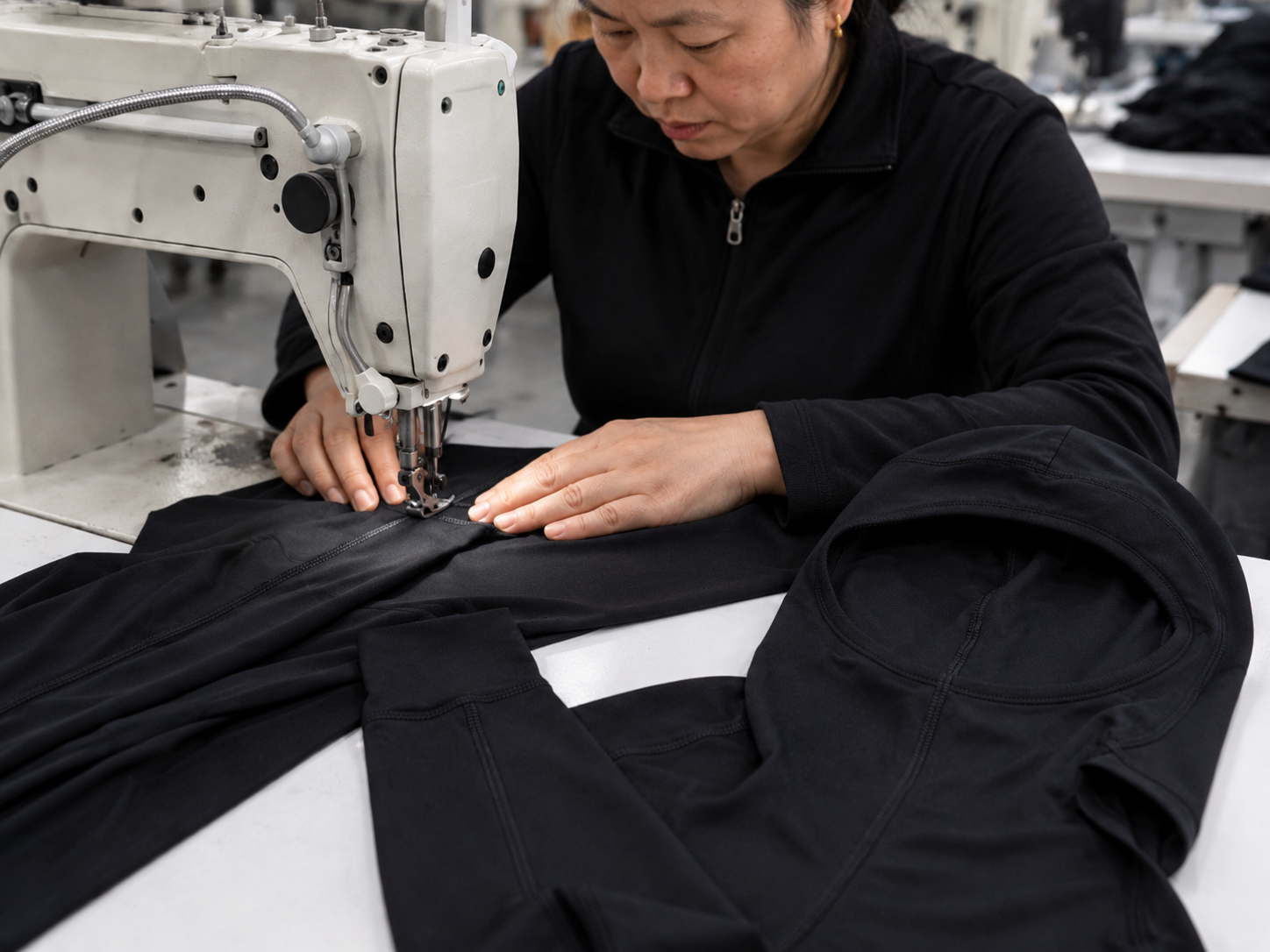
Sewing and Assembly
Sewing areas combine lockstitch, overlock, double-needle, flatlock, elastic attachment, bartacking and other equipment according to garment structure. Real photographs can demonstrate sports bra, legging, T-shirt, hoodie or other confirmed-category production while keeping client-specific designs and brand marks protected.
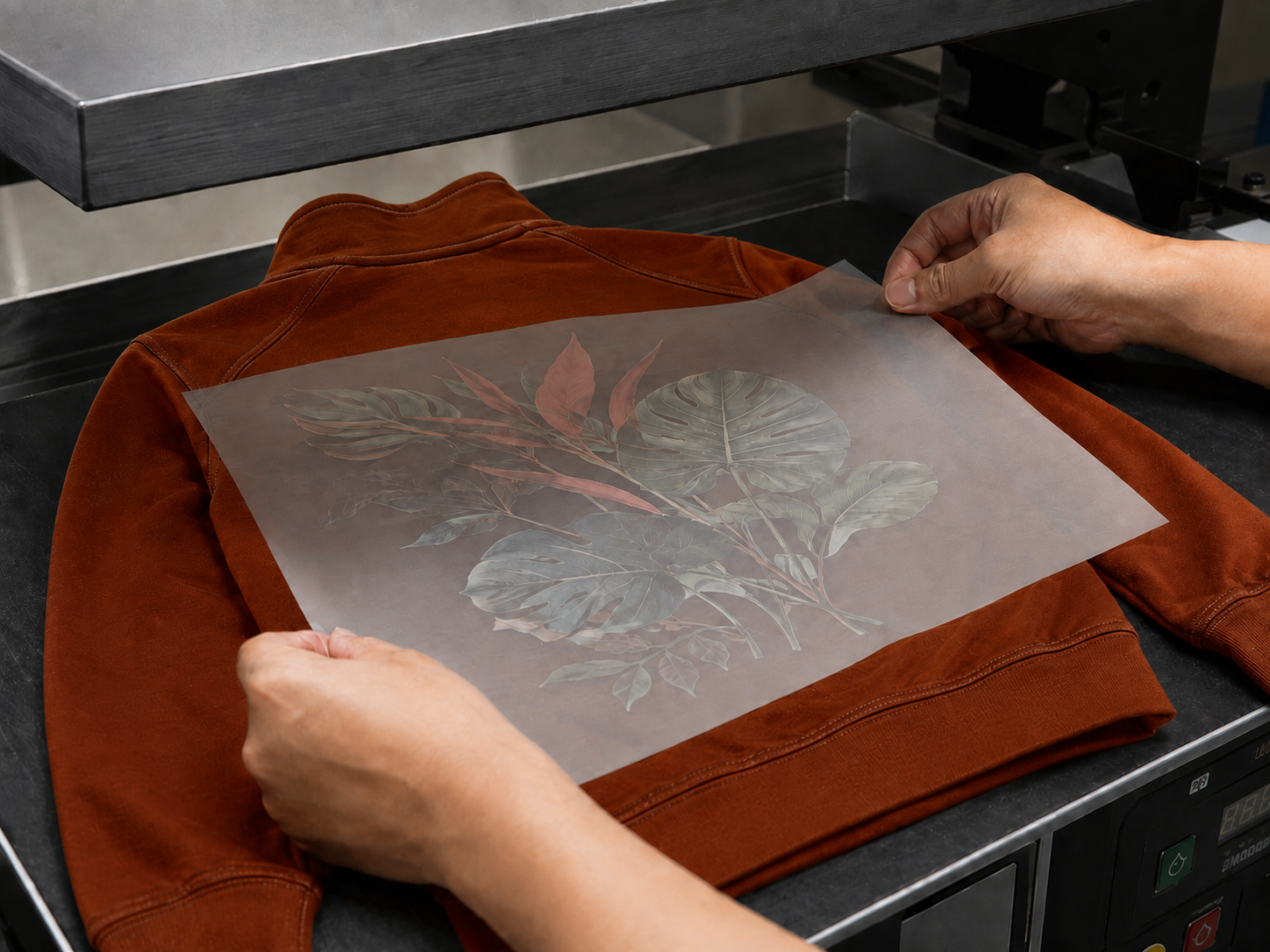
Specialized Processes
Leadshow confirms equipment for heat bonding, hot-air seam sealing, laser perforation, ultrasonic elastic cutting, heat-transfer labels and heat-press applications. Photographs should accurately identify the process being shown. Bonding cannot be presented as universal seamless manufacturing, and seam sealing cannot automatically be presented as complete garment waterproofing.
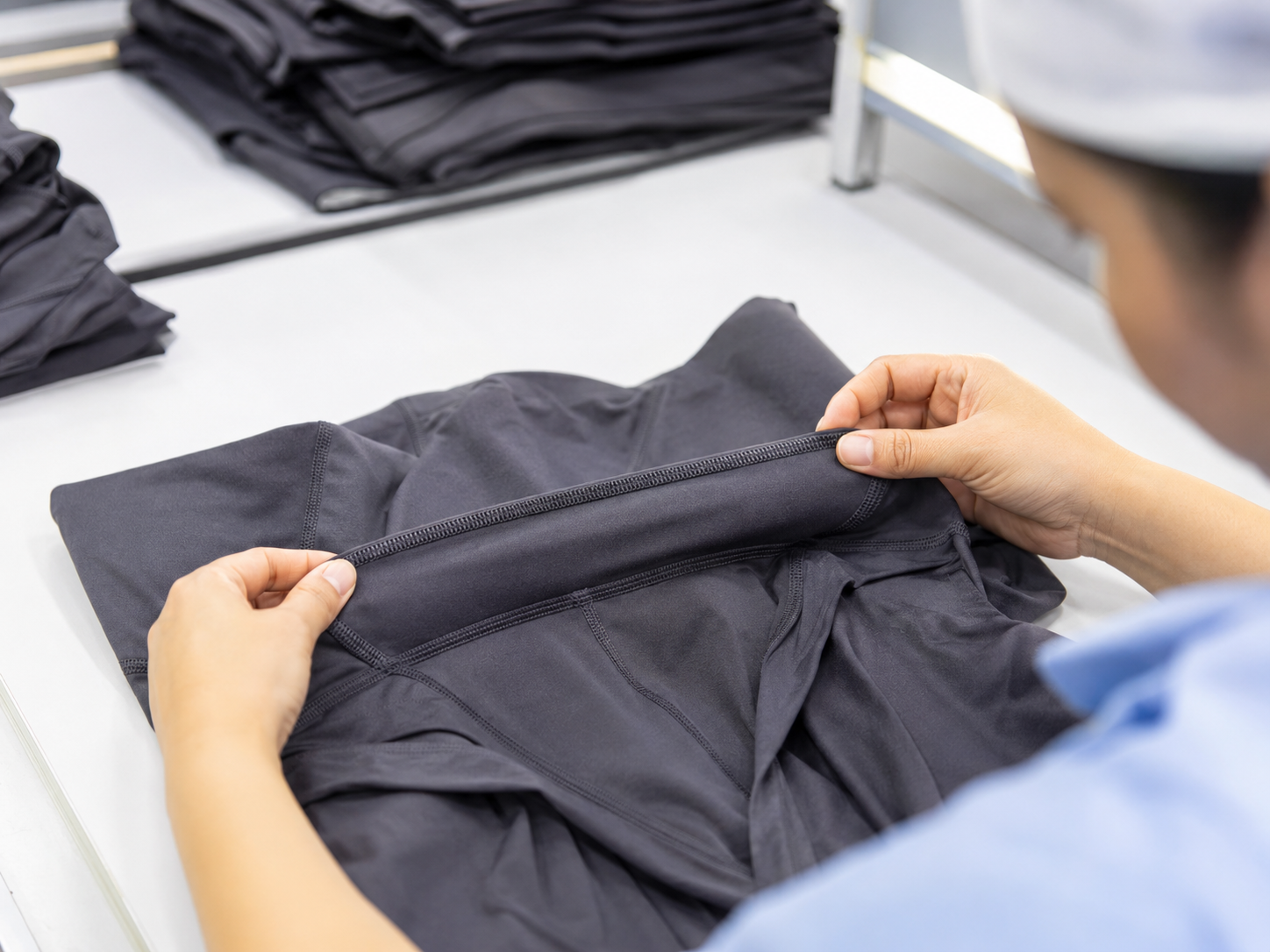
Quality Checks
Quality personnel can support checks on materials, work-in-process garments, finished garments and packaging according to project requirements. Useful photographs include measurement checks, workmanship review, label verification or other real inspection activity. Avoid staged “zero defect” messaging or unsupported laboratory claims.
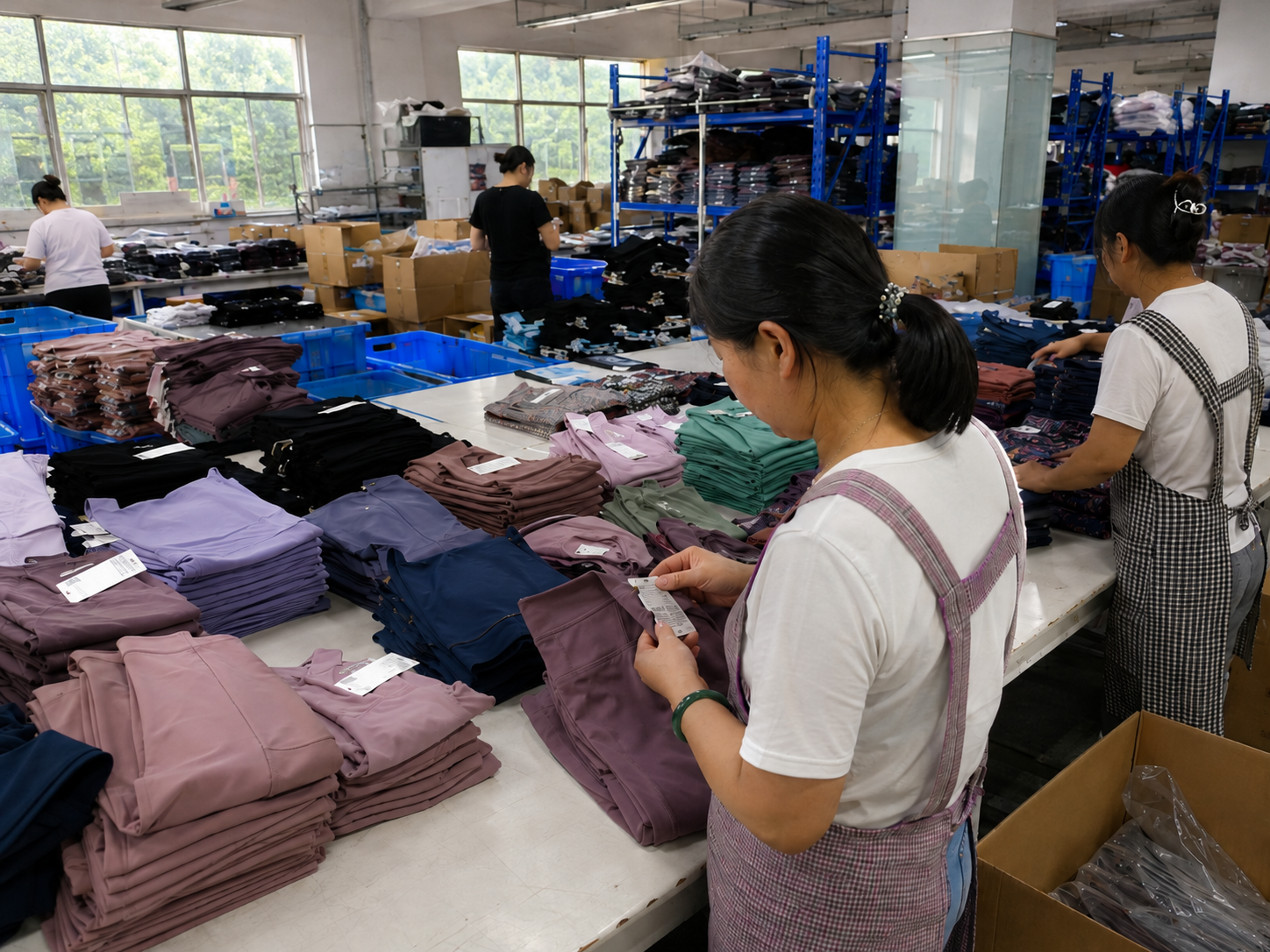
Packing and Dispatch
Packing work connects finished garments with sizes, SKUs, labels, bags, cartons and dispatch records. Real packing photographs can show folding, individual packing, label verification, carton preparation and shipment staging. Images should remove or obscure confidential order numbers, addresses, barcodes and third-party brand information.
Information Needed for an Accurate Project Review
A complete RFQ reduces repeated clarification and makes material, MOQ, quotation and timing review more meaningful. Early-stage brands can still start with reference information, while mature programs should submit available technical and commercial files.
Information
Preferred Input
Reason It Matters
Product Category
Sports bra, leggings, T-shirt, hoodie, swimwear, etc.
Confirms product scope and manufacturing route
Design Information
Tech Pack, sketch, photos or physical reference
Defines construction and development starting point
Measurement Information
Measurement chart, base size, grade rules
Supports pattern, fit and size planning
Quantity
Units by style, color and size
Determines MOQ fit and capacity review
Fabric
Composition, weight, stretch, color and hand feel
Influences product performance, sourcing and cost
Trims
Zippers, elastic, pads, cords, hardware
Influences structure, sourcing and supplier MOQ
Branding
Logo artwork, size, position and colors
Supports process and artwork review
Labels
Main, care, size and other label files
Supports private label execution
Packaging
Individual pack, barcode, SKU and carton rules
Supports retail and logistics preparation
Market
Destination market and sales channel
Helps identify relevant labeling or testing questions
Quality
Measurements, tolerances, testing or inspection requirements
Establishes approval and quality reference
Timing
Required sample milestone, launch date or goods-ready target
Allows backwards planning after feasibility review
Shipping Information
Receiving location and intended logistics arrangement
Helps separate production timing from transit timing
Target Cost
Budget or target range, if available
Supports cost-oriented material and construction discussion
Frequently Asked Questions About Private Label Apparel
Private label projects often involve product development, MOQ, sampling, fit, materials, branding and production planning. The answers below explain how Leadshow evaluates common manufacturing requirements before formal quotation and order confirmation.
What apparel categories does Leadshow manufacture?
Leadshow’s confirmed core directions are sportswear, swimwear, streetwear and modest sportswear. Confirmed major products include sports bras, sports T-shirts, yoga leggings, tennis skirts, jumpsuits, running shorts, tank tops, tracksuits, hoodies and sweatshirts. Other apparel types should be reviewed before being presented as established manufacturing categories.
What is your regular MOQ?
Regular MOQ starts from 100 pieces per color per design, subject to fabric, trims, garment construction, Logo and packaging requirements. Custom materials, colors or components may carry separate supplier minimums, so final MOQ is confirmed after project review.
Can you manufacture from a Tech Pack?
Yes. Tech Packs, measurement charts, reference samples and related technical files can be reviewed for construction, materials, fit, branding and manufacturability. Missing information may need clarification before accurate sampling, pricing or production planning can be confirmed.
Can development start from reference images?
A project can begin from reference images, sketches or a physical sample, but additional product specifications may need to be created or clarified. Material, measurements, construction, fit, trims and brand details should be defined before an accurate production standard is established.
How long does sampling take?
Leadshow does not publish one fixed sampling period for every product. Sample timing is confirmed according to product complexity, material readiness, customization, pattern requirements, branding and revision needs. Different sample types may also require different preparation and approval steps.
Can fabric and fit be customized?
Fabric direction, measurements, pattern and fit can be evaluated according to product requirements. Final material selection depends on garment structure, availability, MOQ and intended use. Fit is reviewed through measurement specifications and physical sampling rather than relying on a universal size range.
Can you provide private labels and packaging?
Leadshow supports private label execution including relevant garment branding, main labels, size labels, care labels, hangtags, packaging, SKU information, barcodes and carton identification according to approved project files. Market-specific wording and brand authorization remain subject to proper confirmation.
Can you manage multi-SKU programs?
Leadshow supports multi-style, multi-color and multi-size manufacturing programs. Style, color, size, quantity, SKU, label and packaging versions should be clearly organized before bulk production. Different SKUs may have different MOQ, material or scheduling requirements.
How is bulk quality controlled?
Quality checks can cover materials, production, finished garments and packaging according to project requirements. Approved samples and final specifications provide the manufacturing reference. Fixed universal AQL, universal 100% inspection or zero-defect guarantees are not presented without specific supporting requirements.
What information is needed for a quote?
Send the product category, Tech Pack or reference, fabric requirements, size range, quantities by style and color, branding, labels, packaging, target market and expected timing. More complete information allows a more accurate review of manufacturing feasibility, MOQ, pricing and schedule.
Start Your Private Label Apparel Project
Private label manufacturing becomes easier to evaluate when product and commercial requirements arrive together. Send a Tech Pack, measurement chart, reference garment, sketches or clear product images along with the garment category, expected quantity, colors and required size range. Include fabric composition, weight, stretch, hand feel or reference material when available. Logo artwork, main labels, care labels, hangtags, barcode files and packaging specifications can also be uploaded for review. For mature products, include the latest approved specification and describe any problems with the current supply source that should be addressed. For a new development, explain the intended market, product use, target positioning and important construction details. A target sample milestone, goods-ready requirement or launch date is useful for schedule evaluation, but final sample and bulk timing can only be confirmed after materials, approvals and production conditions are reviewed. Submitted information is used to assess product scope, missing specifications, manufacturing feasibility, MOQ, sampling direction, branding requirements and the next commercial step. Formal pricing and production commitments follow the relevant project review and authorized quotation process.