
OEM Sportswear Manufacturer in China
Custom sportswear development and manufacturing for established brands and growing apparel businesses.
OEM & ODM Development: Tech Pack review, fabric sourcing, pattern making, sampling and fit adjustments.
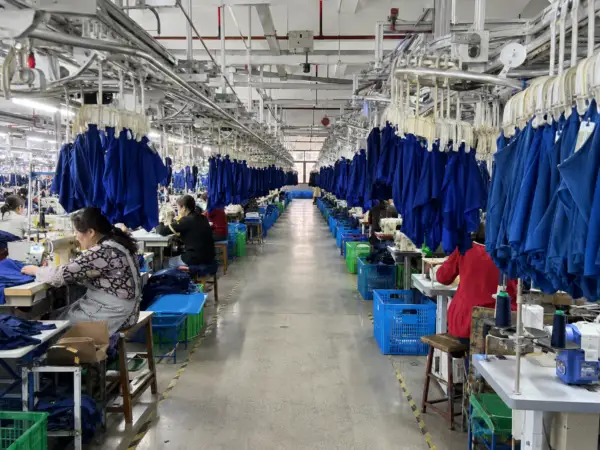
Manufacturing Capacity: 3 manufacturing bases, 20,000+ m² facilities, 1,500+ team members and 304 production machines.
Custom Production: Sports bras, leggings, yoga wear, activewear and other sportswear categories.
Flexible MOQ: Generally starts from 100 pieces per color per design, subject to product and material requirements.
Shenzhen Leadshow Sports Technology Co., Ltd. supports apparel projects from initial development through bulk production.
What Global Brands Expect from a Sportswear OEM
Sportswear sourcing involves more than finding sewing capacity. Strong OEM programs connect product understanding, technical development, materials, fit, sampling, production control, and commercial conditions. A manufacturing partner should provide enough evidence for a procurement team to judge whether an approved design can move into repeatable bulk production.
Sportswear Specialization
A suitable OEM partner should understand the construction differences between fitted activewear, sports tops, running products, skirts, jumpsuits, and tracksuits. Product knowledge affects seam selection, fabric handling, stretch allowance, waistband construction, panel alignment, reinforcement, finishing, and production planning. Leadshow focuses on sportswear alongside swimwear, streetwear, and modest sportswear rather than positioning itself as a manufacturer of every clothing category.
Technical Development
A quotation alone does not confirm manufacturing readiness. Product drawings, measurement tables, construction notes, fabric specifications, trims, artwork, labels, and packaging information need technical review before sampling and production. Leadshow can review Tech Packs, reference images, and physical samples and coordinate development around manufacturing feasibility, pattern and fit, material compatibility, sample construction, and open specification items.
Material Control
Sportswear performance and fit depend heavily on material structure. Fiber content alone cannot define stretch, recovery, opacity, handfeel, dimensional behavior, or sewing performance. Material review should consider composition, knit or woven construction, weight, stretch direction, recovery, surface characteristics, color, trims, elastics, and required testing. Final material selection remains linked to the intended garment, target fit, branding, quantity, and commercial requirements.
Sample Discipline
A sample should establish more than appearance. It should help confirm dimensions, fit direction, fabric behavior, seam execution, construction details, logo placement, trims, labels, and other production-critical requirements. Sample comments need controlled revisions so later versions do not introduce conflicting specifications. The final approved sample and current project files should provide a clear reference before bulk-production release.
Bulk Alignment
Approved samples do not create consistency automatically. Bulk alignment depends on approved material references, current Tech Pack versions, production instructions, incoming-material checks, first-piece review, in-process inspection, finished-garment measurement, branding verification, and packing checks. Reasonable manufacturing tolerances and possible material-batch differences should be agreed before production rather than treated as defects only after shipment.
Delivery Readiness
Large orders often combine styles, colors, sizes, labels, packaging versions, and shipping requirements. Manufacturing readiness therefore includes material availability, capacity review, production scheduling, quality requirements, SKU organization, packing instructions, carton information, and shipment coordination. Leadshow supports export delivery from its China-based operations, while final production and shipment timing remains subject to the approved product, material readiness, order mix, and current schedule.
Built for Established Brands and Sourcing Teams
Different organizations evaluate sportswear manufacturers from different angles. Product teams concentrate on fit and product execution, procurement teams compare commercial and production conditions, while retail and import programs also need SKU, packaging, and delivery coordination. Leadshow structures project discussions around the requirements that affect actual manufacturing decisions.
Established Sportswear Brands
Established brands often arrive with existing product standards, Tech Packs, measurement methods, material references, quality requirements, and brand artwork. The main requirement is not basic product education but accurate execution and controlled transition from development into production.
- Tech Pack and construction review
- Pattern and fit adjustment
- Approved material and color references
- Sample revision control
- Sample-to-bulk coordination
- Multi-style and multi-size production
- Label and packaging execution
Leadshow is positioned for project-based manufacturing rather than lowest-price commodity production.
Product and Sourcing Teams
Designers, developers, sourcing managers, quality teams, and supply-chain staff often review the same program from different angles. A single sportswear style may require simultaneous decisions on fabric, measurements, construction, costing, production feasibility, testing, labels, packing, and timing.
- Product specification completeness
- Material and trim feasibility
- MOQ and quantity structure
- Sample objectives
- Bulk-production risks
- Inspection requirements
- Packaging and shipment information
Technical, production, quality, and logistics considerations should be coordinated before commercial commitments are finalized.
Importers and Retail Programs
Importers, distributors, and retail programs may manage several styles, colors, sizes, and packaging versions within one order. Accuracy in product identification becomes as important as sewing quality because a correct garment packed with the wrong label, size, barcode, or carton information can still create a serious supply problem.
- Product and assortment planning
- Color and size breakdown
- SKU identification
- Label and packaging requirements
- Carton instructions
- Order scheduling
- Export documentation coordination
Final shipment responsibilities and destination requirements are confirmed according to individual commercial terms.
Sportswear Products Ready for OEM Development
Leadshow’s confirmed sportswear portfolio covers several core product types used by active, fitness, running, tennis, and athleisure programs. Each style is evaluated against supplied specifications rather than forced into a fixed standard product. Fit, materials, construction, colors, trims, logos, labels, and packaging can be reviewed according to project requirements.
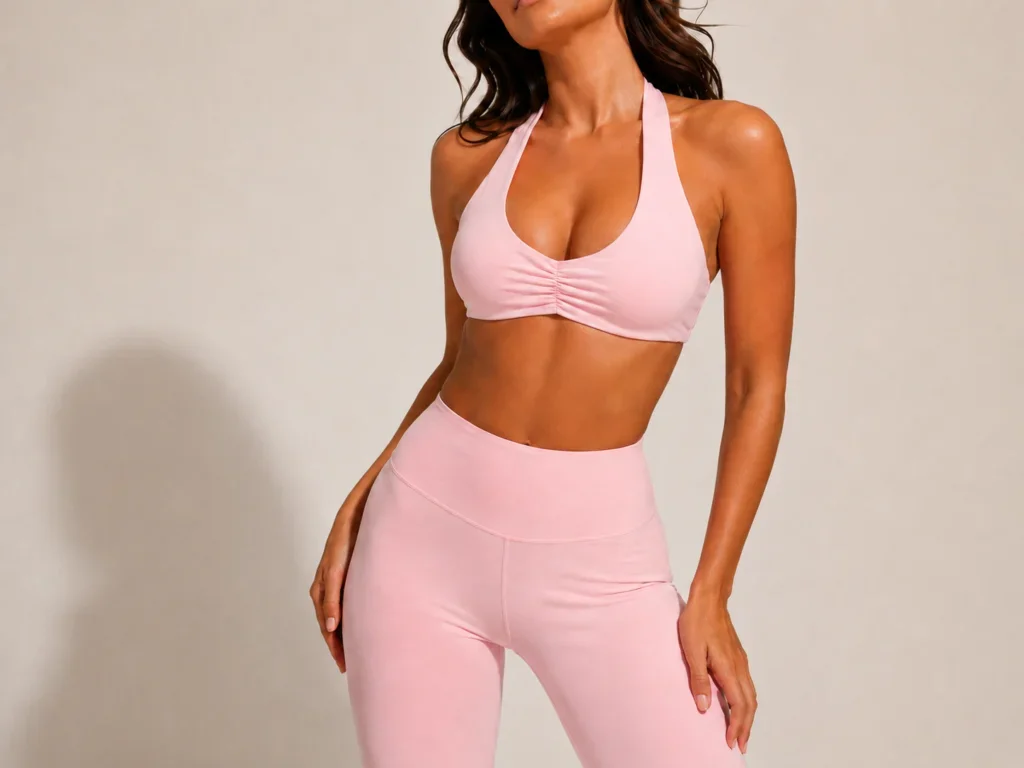
Sports Bras
Sports bra development can begin from a Tech Pack, reference image, or physical sample. Review normally focuses on overall construction, neckline, strap configuration, underband structure, fabric behavior, elastic compatibility, seam placement, dimensions, branding, and finishing. Support or compression claims should only be used when the actual material, construction, fit, and required testing support the intended performance level.
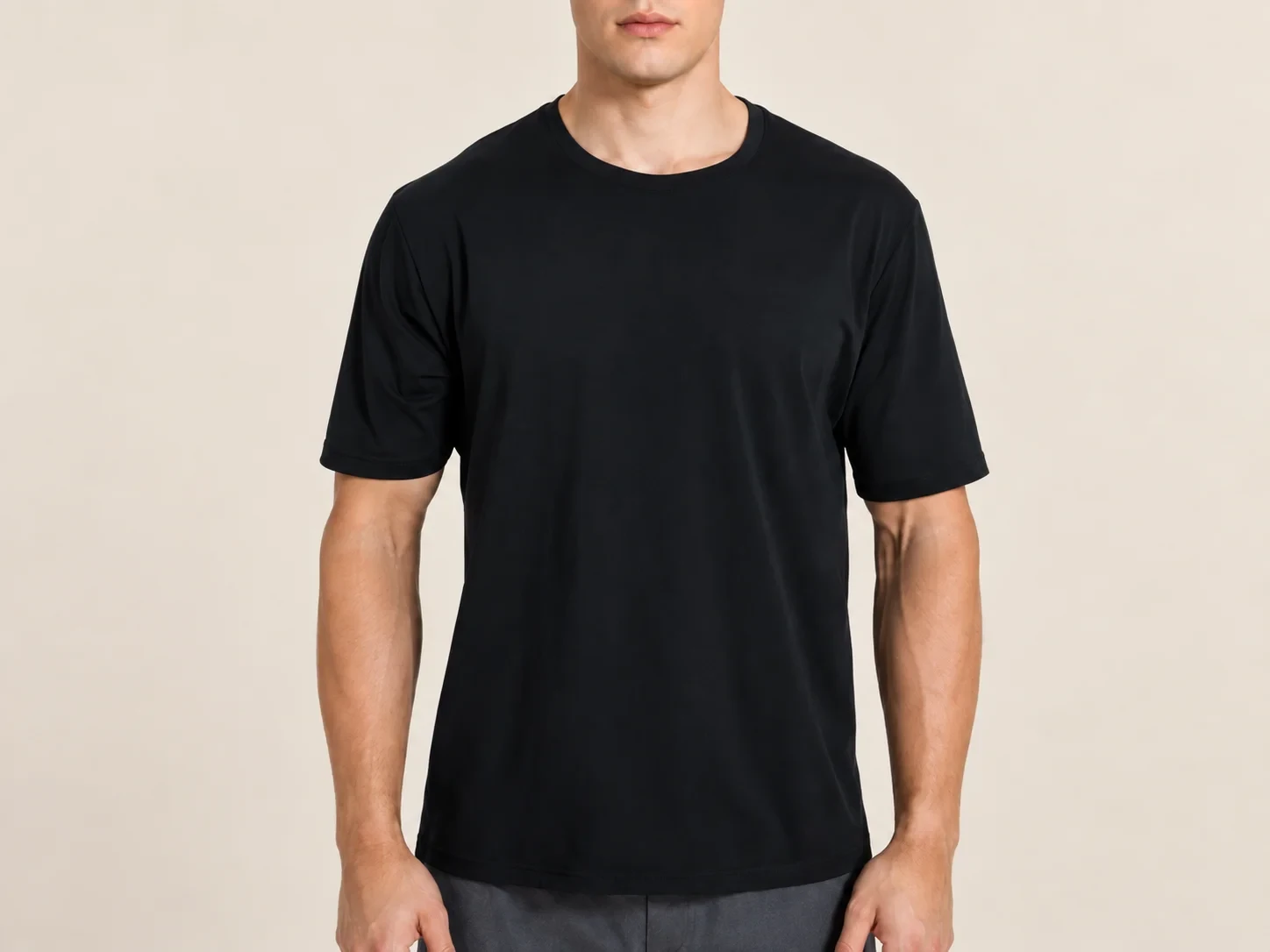
Sports T-Shirts
OEM sports T-shirts may vary significantly in fabric structure, fit, neckline, sleeve construction, paneling, hem treatment, branding, and target use. Development should connect material weight and stretch with the intended silhouette and measurement standard. Leadshow can review pattern direction, construction, sewing methods, heat-applied branding, labels, and packaging according to the approved specification and selected material.

Yoga Leggings
Yoga leggings require close coordination between material stretch, recovery, garment measurements, waistband construction, seam layout, and intended fit. Fiber percentage alone does not define final performance. Development can review panel construction, inseam, rise, waistband, key measurements, material direction, flatlock or other suitable seam methods, logo placement, labels, and packaging. Opacity or compression claims require material- and project-specific validation.

Tennis Skirts
Tennis skirt projects may combine skirt structure, waistband requirements, inner components, pocket details, panel lines, hem shape, and movement considerations. Fit and grading should reflect the intended market and supplied measurement standards. Development can include material review, pattern adjustment, sample construction, sewing details, branding placement, labels, and packaging. Final internal structure depends on the approved design rather than a universal factory template.
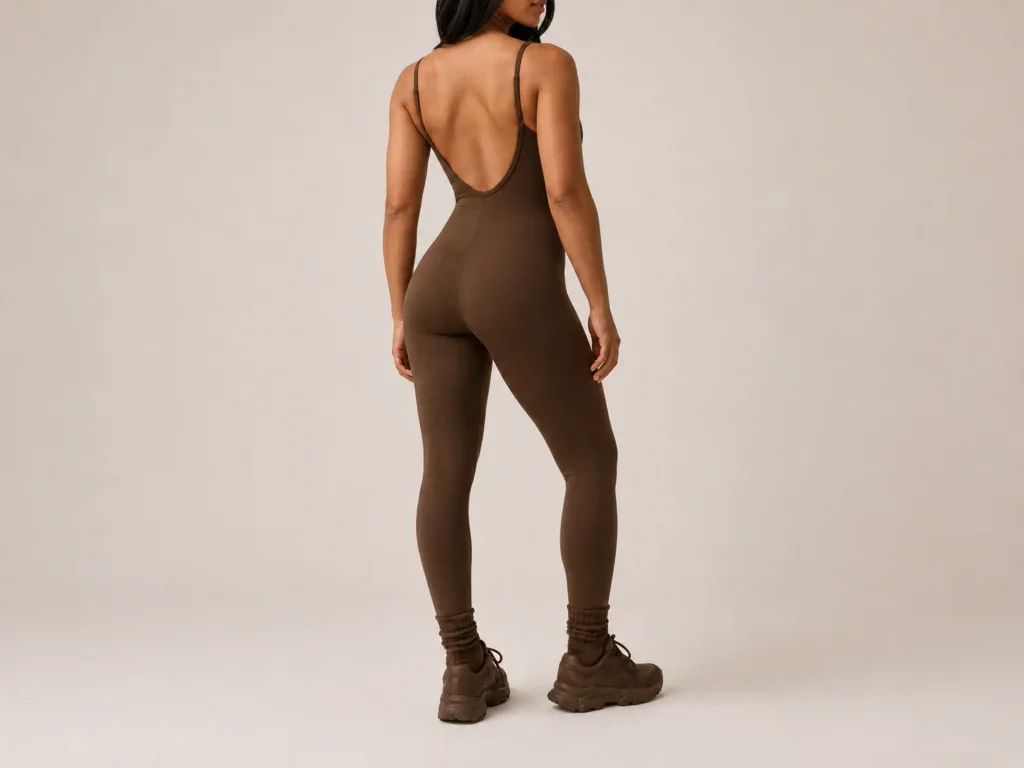
Jumpsuits
Sports jumpsuits can involve more complex pattern balance because torso length, waist position, leg dimensions, neckline, closure details, and stretch behavior interact across a single garment. Technical review should identify areas where small measurement differences may affect movement or appearance. Leadshow can coordinate material, pattern, sampling, specialized processes, branding, labels, and production preparation according to the approved construction.

Running Shorts
Running-short development can involve waistband construction, pockets, openings, paneling, internal components, reinforcement points, and material handling. Requirements vary between lightweight training products and more structured styles. Development can review construction drawings, measurements, fabric behavior, elastics, bartacking requirements, laser-perforation feasibility where suitable, logos, labels, and packaging. Functional claims remain subject to the selected material and required validation.
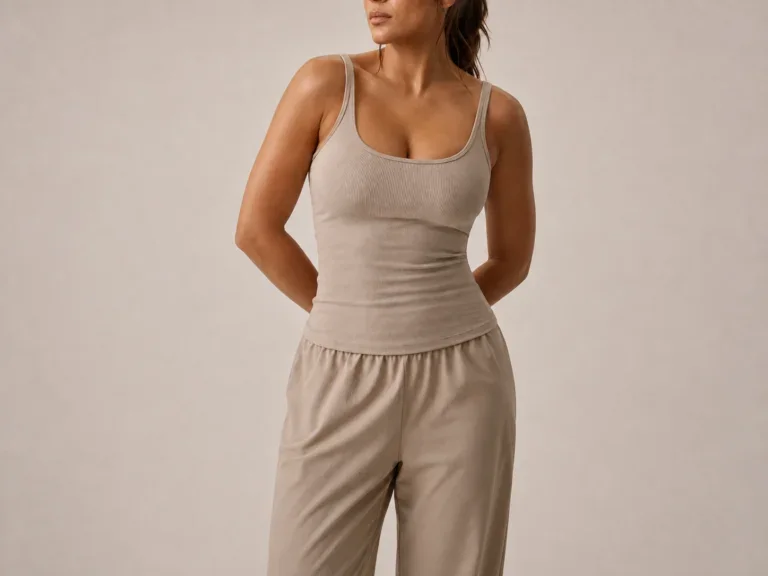
Tank Tops
Tank tops often appear simple but fit can change noticeably with neckline shape, shoulder width, armhole depth, body length, fabric stretch, and finishing method. OEM development should define these points clearly before bulk production. Leadshow can review measurements, pattern balance, material, seam selection, hem construction, branding, labels, and packaging according to supplied specifications and approved samples.

Tracksuits
Tracksuit programs require coordination across top and bottom pieces, color matching, fit, trims, pockets, closures, rib structures, logos, labels, and packing presentation. Multi-piece programs also increase SKU and size-management requirements. Leadshow can evaluate materials, pattern and fit, sewing construction, reinforcement, heat-applied branding, packaging, and production planning while maintaining approved project files for each component and version.
OEM Manufacturing Built Around Your Specifications
OEM manufacturing works best when product decisions come from approved specifications rather than assumptions. Leadshow can enter a project from a mature Tech Pack, reference sample, product images, or a combination of technical files and physical references. The goal is to turn those inputs into clear sampling and manufacturing requirements.
Build From Approved Specifications, Not Generic Factory Assumptions
An established sportswear program usually contains several layers of information: garment drawings, measurements, points of measure, grade rules, material references, color standards, trims, artwork, label files, packaging requirements, quantity breakdowns, and quality expectations. Missing or conflicting information can affect quotation accuracy, sample development, material ordering, and later bulk execution.
Leadshow can review available files before sample development and identify which information is clear, which areas need discussion, and which items remain open for confirmation.
A mature OEM project may move directly from Tech Pack review into material confirmation and sampling. A less complete project may require additional discussion around construction, measurements, material direction, fit, or manufacturing feasibility.
- Current Tech Pack revision
- Front, back, and detail drawings
- Measurement table and measurement method
- Requested size range and grading information
- Fabric and trim specifications
- Color references
- Logo and artwork files
- Label and packaging instructions
- Quantity by style, color, and size
- Target market and quality requirements
A clear specification set reduces avoidable revisions and helps production teams work from one approved direction.
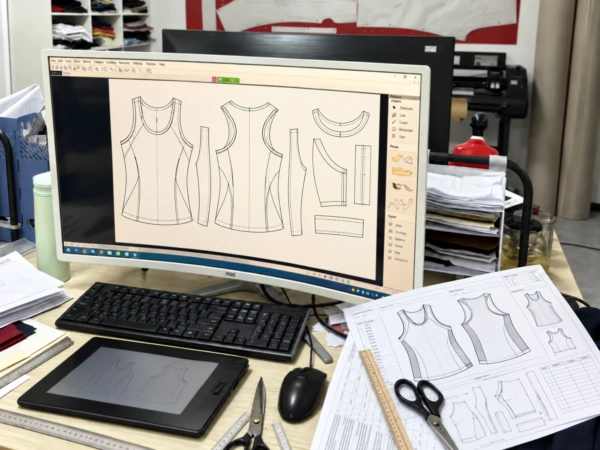
Keep OEM Decisions Controlled Through Project Files and Approvals
OEM development should preserve brand ownership of product decisions. Leadshow’s role is to evaluate manufacturability, coordinate product development, make samples, clarify risks, and execute approved specifications rather than replace brand requirements with an unrelated factory standard.
During development, changes may arise because a selected fabric behaves differently from the original reference, a construction is difficult to reproduce consistently, a trim has an unsuitable MOQ, or a fit measurement creates tension in movement. Proposed adjustments should therefore be connected to a visible project reason.
- Approved requirements
- Proposed manufacturing adjustments
- Pending decisions
- Material substitutions requiring approval
- Revised measurements
- Updated artwork or label files
- Final production-release information
The approved sample, final Tech Pack, confirmed materials, and branding files form the working reference for bulk preparation. Final outcomes still operate within reasonable garment tolerances, material-batch conditions, and the agreed quality standard. Leadshow does not position OEM manufacturing as unlimited copying from a single image or as a process where every design can move directly into production without review.
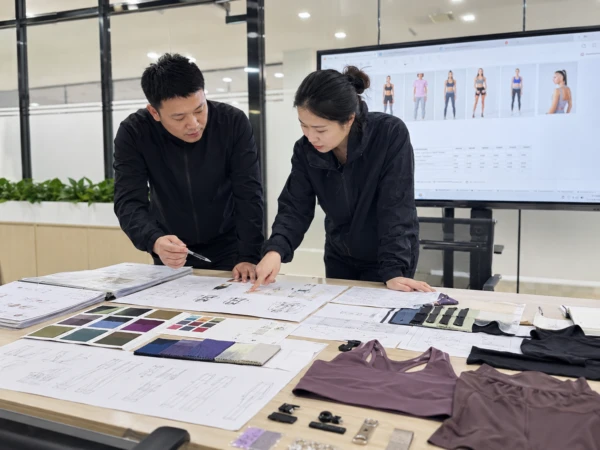
Technical Review Before Sampling and Quotation
Early technical review helps reduce expensive changes after materials are ordered or bulk production begins. The review should focus on the items that directly affect fit, manufacturability, quotation, sample accuracy, and repeatability rather than producing unnecessary technical paperwork.
Review Structure, Measurements, Materials, and Manufacturing Risk
A sportswear Tech Pack may appear complete while still containing conflicting details. A drawing may show one seam construction while the written specification describes another. A measurement table may omit the measurement method. A fabric may have enough stretch for the sample but insufficient recovery for the intended fit. Logo placement may conflict with a seam, panel edge, or heat-sensitive material.
- Product construction and panel relationships
- Measurement table and points of measure
- Base-size information and grading direction
- Fabric suitability for the intended fit
- Trim and elastic compatibility
- Sewing and flatlock requirements
- Bonding or seam-taping feasibility where applicable
- Laser-perforation suitability where relevant
- Logo process, position, and material compatibility
- Label, packaging, and SKU information
- Material MOQ or supply constraints
- Areas that may be difficult to reproduce consistently in bulk
Review comments can be separated into ready to execute, needs adjustment, and requires confirmation. Clear categorization helps product and sourcing teams focus on the decisions that can change cost, schedule, or sample results.

Turn Review Comments Into Sample and Production Inputs
Technical review creates value only when decisions move into controlled project files and samples. A comment should not remain as an informal message if it changes construction, measurement, material, branding, or packaging.
After open points are clarified, the next stage may include pattern preparation or adjustment, material confirmation, construction trials, and a first sample. Sample review then provides physical evidence for measurements, fit, fabric behavior, seam appearance, trim interaction, logo execution, and finishing.
- Updated garment measurements
- Revised construction notes
- Material or trim change
- Confirmed seam method
- Updated artwork position
- Modified label content
- Revised packing instruction
- New SKU or size breakdown
- Approved sample comments
Formal quotation and production timing become more reliable as product information becomes more stable. Material, process, packaging, testing, quantity, and schedule changes may require commercial re-evaluation. Leadshow therefore treats technical review as part of manufacturing preparation rather than as a decorative engineering claim.
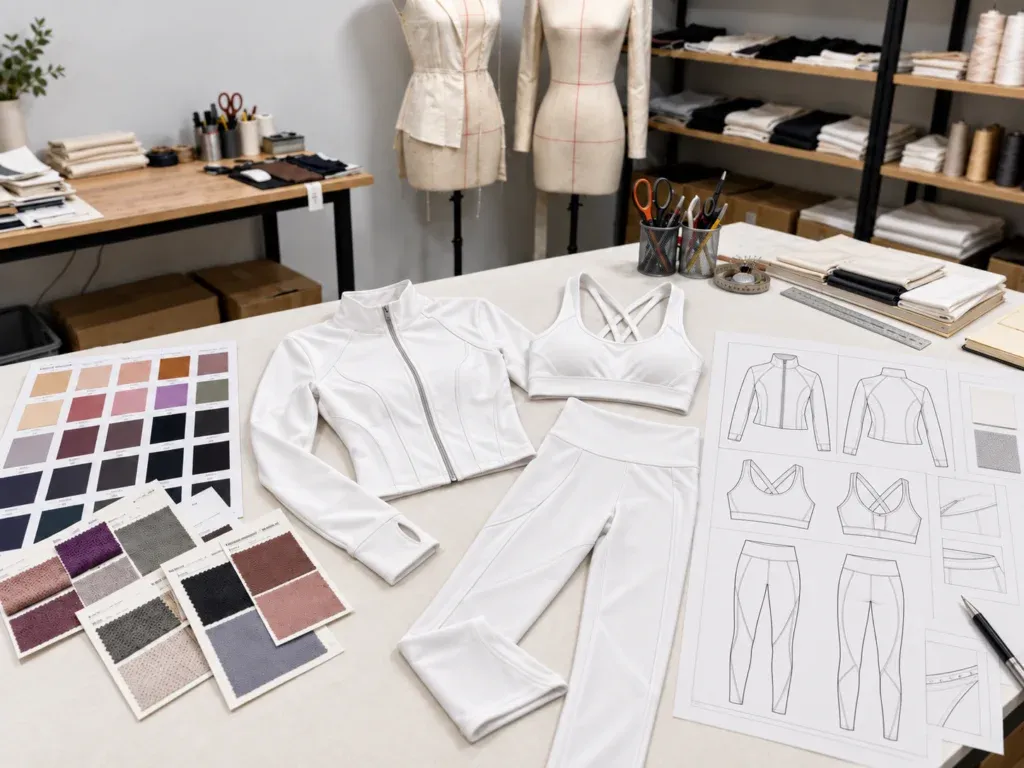
Material and Trim Decisions for Sportswear
Sportswear materials affect fit, feel, sewing, appearance, cost, and production stability at the same time. Leadshow evaluates materials in relation to the intended garment rather than treating a fiber name or GSM value as a complete specification. Physical samples or approved material references can improve development accuracy.
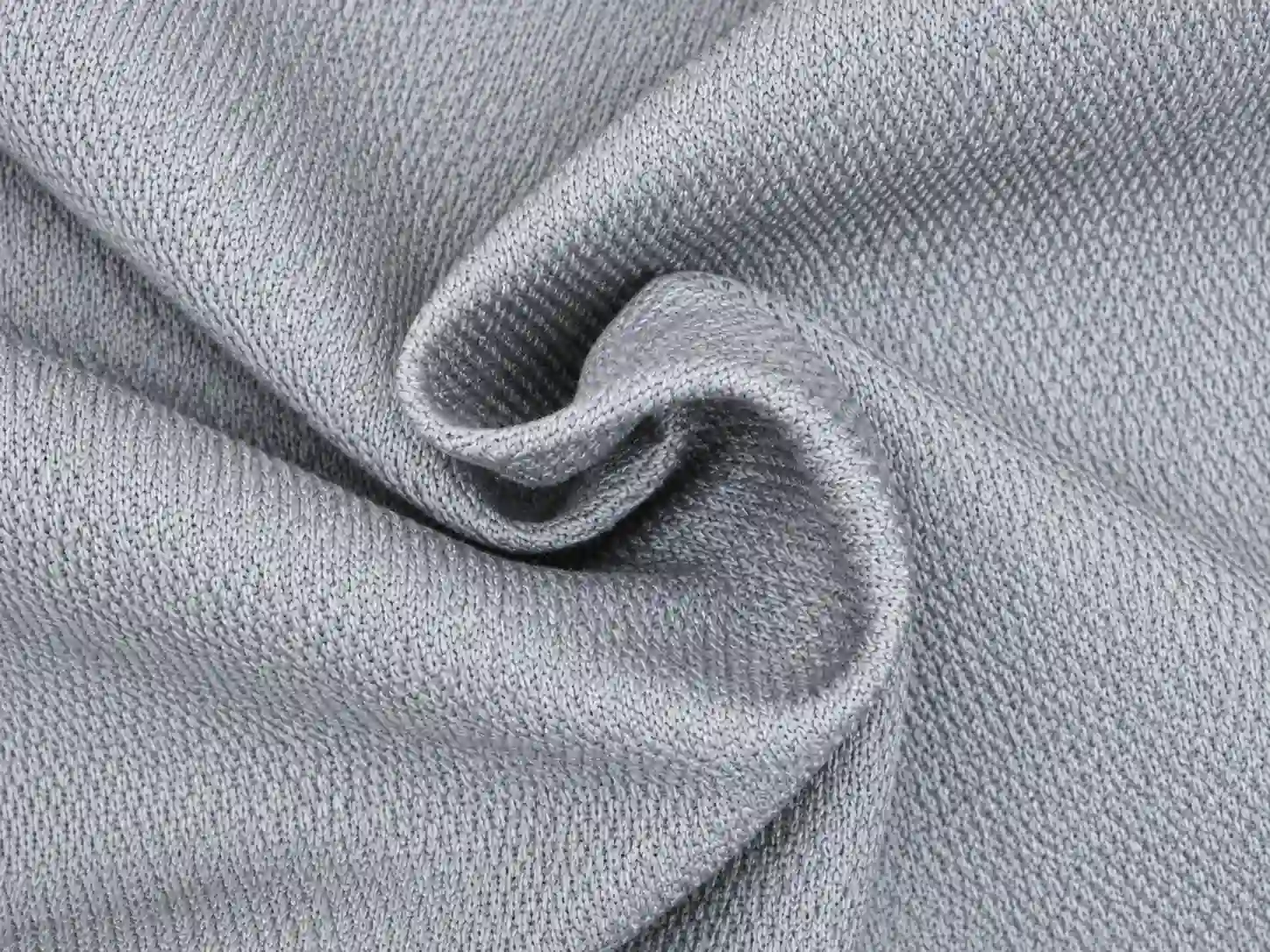
Fabric Construction
Material review starts with more than composition. Knit or woven structure, surface texture, density, width, weight, stretch direction, recovery, color behavior, and finishing can change how a pattern performs.
- Fiber composition
- Fabric construction
- GSM where specified
- Width and usable width
- Surface and handfeel
- Stretch direction
- Recovery behavior
- Shrinkage requirement
- Color requirements
Final material suitability depends on the actual sportswear style, target fit, production method, and required testing.
Stretch and Recovery
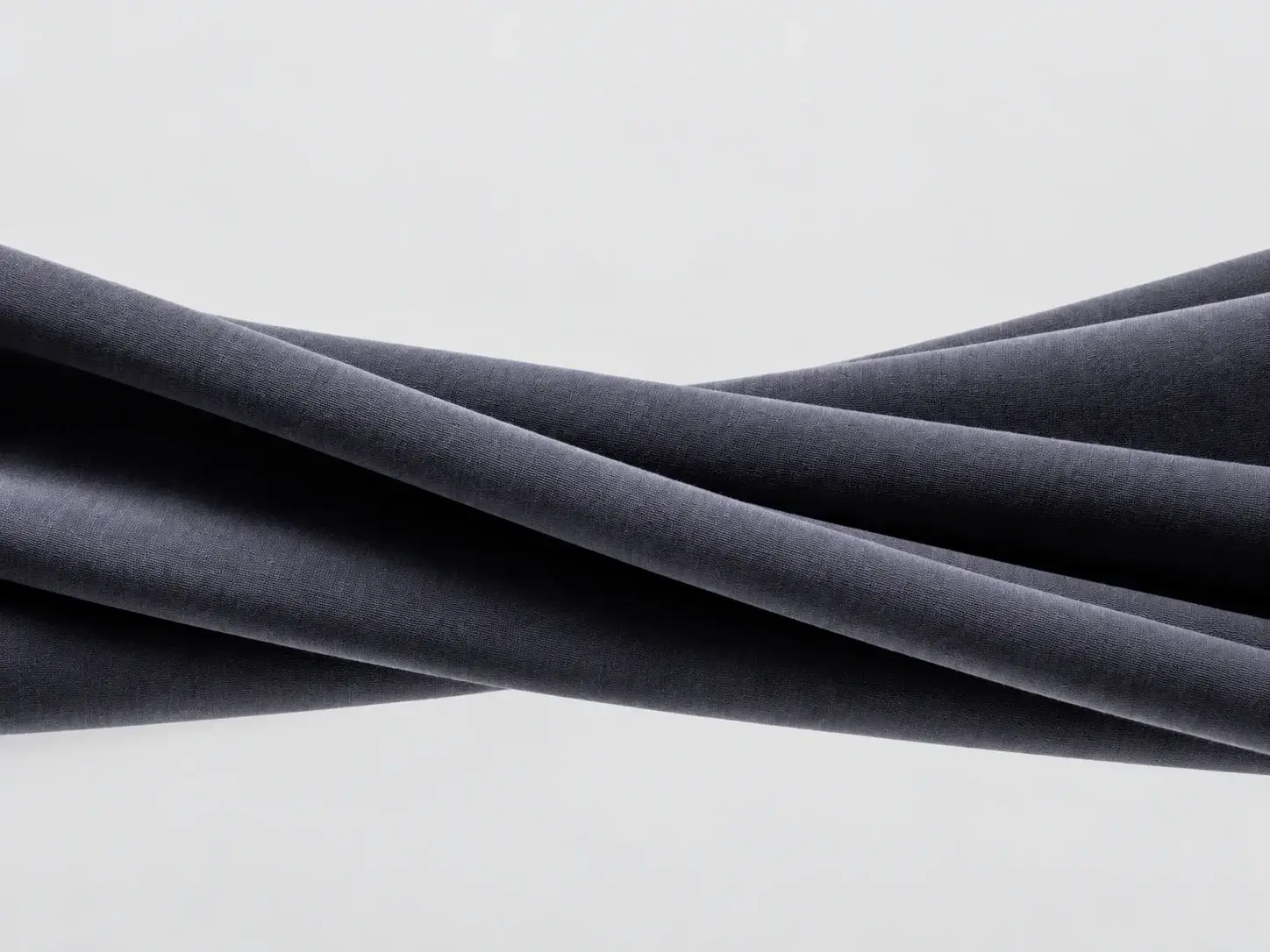
Two fabrics with similar fiber percentages can perform very differently in a fitted garment. Stretch direction, elongation, recovery, thickness, and repeated-use behavior influence pattern ease, waistband stability, seam stress, and size consistency.
- Horizontal and vertical stretch direction
- Required garment fit
- Recovery expectations
- High-tension areas
- Seam compatibility
- Elastic interaction
- Sample movement
- Post-wash dimensions where required
Performance claims should be supported by the selected fabric, garment construction, and suitable testing rather than assumed from elastane content alone.
Weight and Handfeel
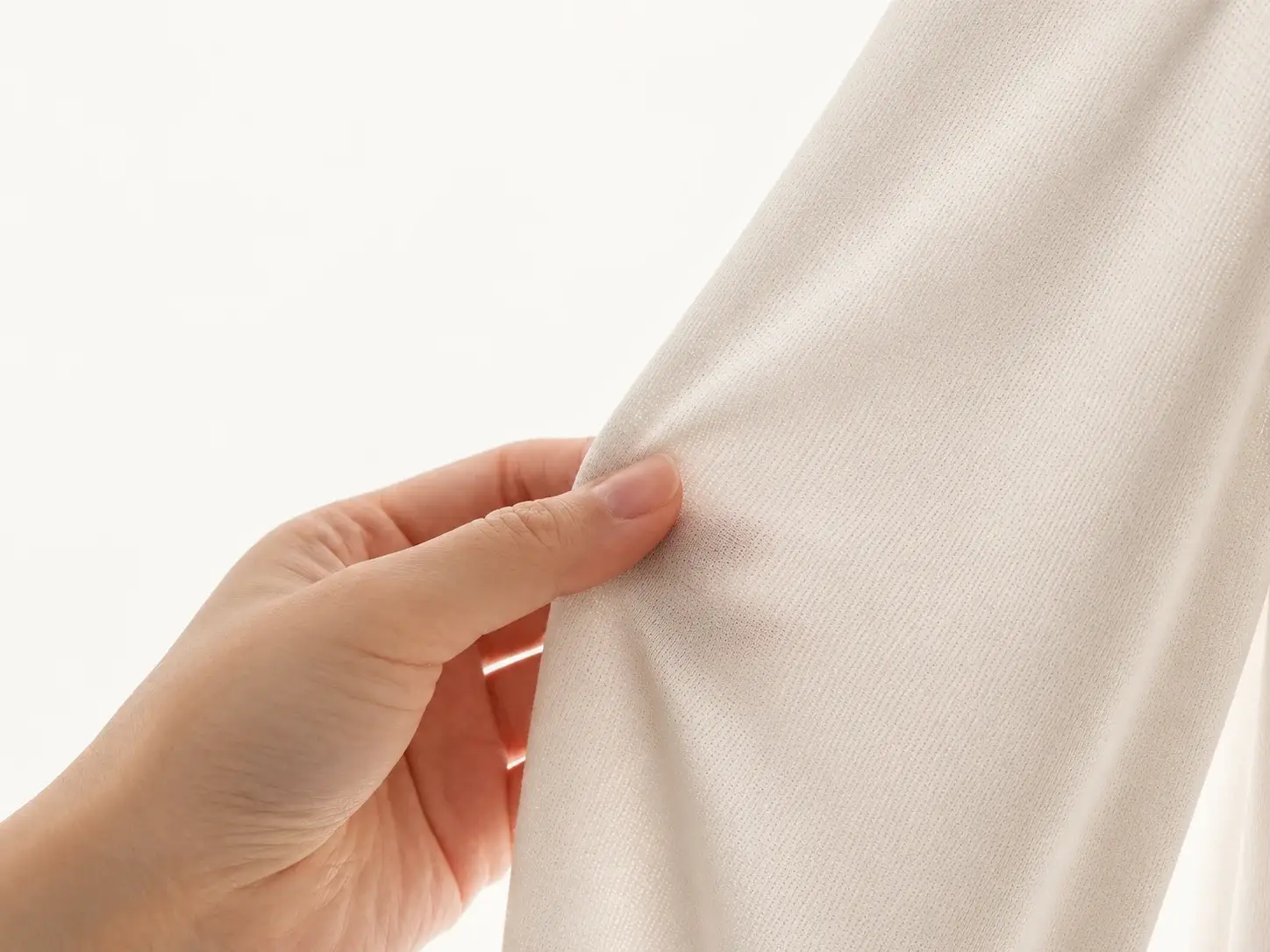
GSM is useful, but a weight number does not describe a sportswear fabric completely. Different constructions at similar GSM can create different thickness, drape, opacity, handfeel, and sewing behavior.
- Intended season
- Garment structure
- Light, medium, or heavier hand
- Drape requirements
- Opacity expectations where relevant
- Printing or heat-process compatibility
- Material consumption
- Cost implications
When a specific fabric is important to the brand identity, physical swatches or an approved reference material provide a stronger development basis than a generic description.

Trims and Compatibility
Elastics, zippers, cords, snaps, labels, heat transfers, packaging materials, and other trims can affect MOQ, cost, fit, production sequence, and appearance. A trim cannot be evaluated in isolation from the garment.
- Dimensions and material
- Color and finish
- Placement
- Attachment method
- Strength requirements where relevant
- Heat sensitivity
- MOQ
- Branding artwork
- Packaging interaction
Material or trim substitutions should be approved before production when they alter appearance, fit, function, cost, or the accepted sample standard.
Pattern, Fit, and Size Development
A sportswear size label means little without an agreed measurement system. Fit should be developed from the target wearer, intended silhouette, material behavior, points of measure, grading direction, and approved sample rather than from a generic factory size chart.
Start with Target Fit, Not a Generic Size Table
A fitted yoga legging, relaxed sports T-shirt, tennis skirt, sports bra, and tracksuit require different approaches to ease, stretch, proportion, and movement. A generic S-M-L chart cannot reliably define all of them.
- Base size
- Requested size range
- Garment measurements
- Points of measure
- Measurement method
- Grade rules or grade direction
- Intended ease
- Fit reference
- Fabric stretch direction
- Target market
- Key movement requirements
Leadshow can review pattern and fit direction against the supplied information and the selected material. Where specifications are incomplete, clarification is needed before a reliable production standard can be formed.
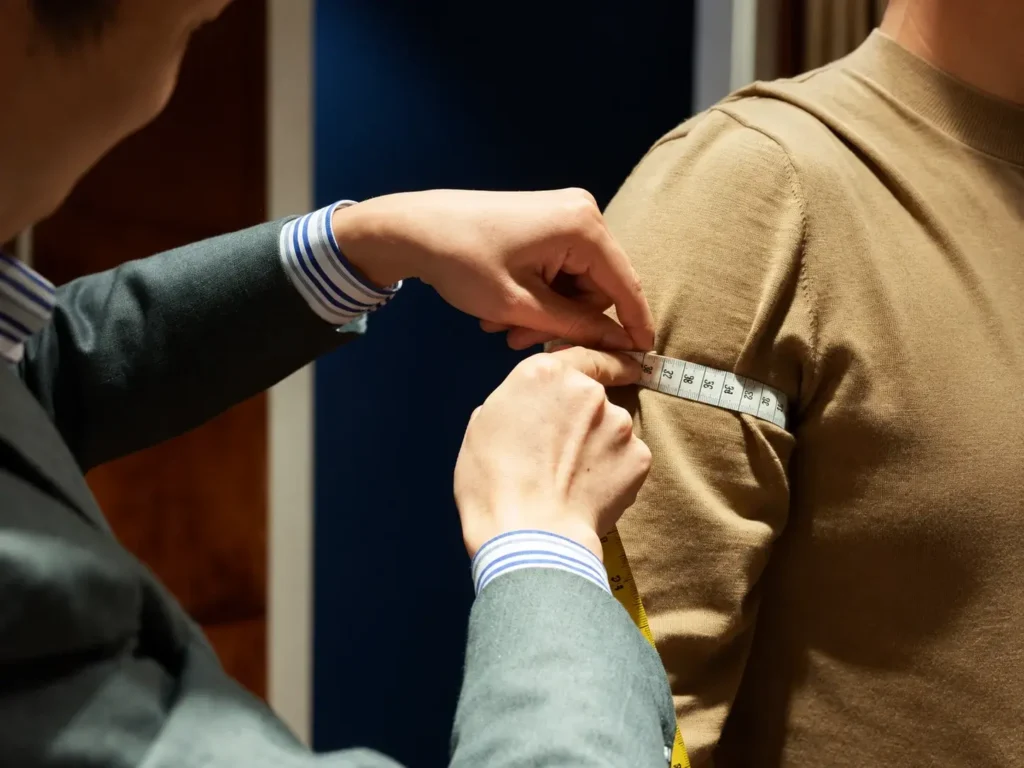
Material choice also matters. A pattern developed around one stretch and recovery profile may require adjustment when another fabric is substituted. The same nominal fiber composition does not guarantee the same fit response.
Lock Measurements Through Samples, Feedback, and Grading
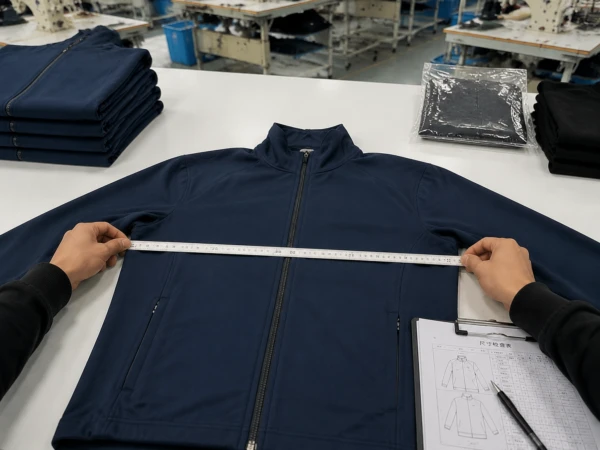
The first sample provides a physical opportunity to compare the intended design with garment measurements, fit, construction, and material behavior. Comments should identify the exact change required rather than relying on vague instructions such as “make it tighter” or “improve the fit.”
- Specific point-of-measure adjustment
- Location of excess or insufficient ease
- Length or proportion change
- Waist, chest, hip, shoulder, rise, or inseam comments where relevant
- Construction issue affecting movement
- Material response
- Logo or trim placement adjustment
Once the fit direction is approved, the current measurement table and grading information should remain aligned with the approved sample. Final size range, grading, and tolerances are project-specific and should be agreed before production release.
Leadshow does not publish one universal size chart for every sportswear product because product category, intended market, material, silhouette, and brand standard can differ substantially.
From First Sample to Approved Standard
Sampling creates the physical reference for fit, construction, materials, branding, and manufacturing decisions. The goal is not to produce a single attractive garment. The goal is to build an approved standard that can be translated into executable bulk-production requirements.
Input Review
Sampling starts by reviewing the current project information. A mature file set may include a Tech Pack, measurements, fabric and trim specifications, color references, artwork, labels, and packaging instructions. A less complete set may begin from drawings, photos, or a physical reference.
- Product definition
- Measurement information
- Construction
- Material direction
- Branding
- Quantity
- Open decisions
Sampling begins more efficiently when unresolved issues are identified before materials and patterns are prepared.
Material Confirmation
Fabric and trims need enough definition for the sample to represent the intended product. Differences in stretch, recovery, weight, surface, color, or elastic behavior can change fit and construction.
- Fabric reference
- Color direction
- Trim specification
- Elastic requirement
- Branding compatibility
- Availability
- MOQ considerations
Substitute materials may be useful during early development, but a substitute should not silently become the production standard when appearance, fit, function, or cost changes.
Pattern and First Sample
Pattern preparation translates measurements and garment construction into physical pieces. The first sample then shows whether the intended structure works with the selected material.
- Overall dimensions
- Proportion
- Construction
- Panel alignment
- Seam execution
- Elastic areas
- Movement
- Branding position
- Finishing
The first version is a development checkpoint. Approval should be based on defined criteria rather than on appearance alone.
Fit and Construction Review
Sample review compares the physical garment with the intended specification. Measurement comments, fit observations, fabric behavior, seam appearance, trim interaction, and movement can all affect the next revision.
- What changed
- Where the change applies
- Required measurement
- Reason for the change
- Whether artwork or construction changes
- Whether material remains unchanged
Clear comments reduce the risk of one revision solving a fit issue while unintentionally creating a new production or styling issue elsewhere.
Revision Control
Sample development can involve several rounds when the product, fit, material, or construction changes. Leadshow does not publish a universal number of revision rounds because project complexity varies.
- Current file version
- Current sample version
- Approved changes
- Pending decisions
- Material changes
- Measurement changes
- Artwork changes
- Packaging changes
Commercial conditions and timing may need reassessment when revisions materially change product construction, sourcing, or production requirements.
Approved Standard
A final approved sample should be supported by current product files rather than treated as the only production reference.
- Final Tech Pack
- Current measurement table
- Approved material references
- Approved trims
- Approved colors
- Logo artwork
- Label files
- Packaging instructions
- Approved sample
Bulk preparation can then move forward based on the agreed specification and reasonable manufacturing tolerances.
How Approved Samples Stay Aligned with Bulk Production
Sample-to-bulk alignment comes from controlled references and repeated checks across production. Final inspection alone cannot recreate an approved standard if materials, files, measurements, or key processes were not controlled earlier. The following framework shows how important approval points can connect with production checks.
Stage
Approved Reference
Production Check
Main Risk Controlled
Final Product Files
Current Tech Pack, measurements, construction notes
Production teams work from the released revision
Old or conflicting specifications
Fabric and Trims
Approved material, color, trim references
Incoming materials reviewed against project requirements
Wrong material, color, trim, or batch issue
Cutting Preparation
Pattern and approved measurements
Fabric direction, pattern, and cutting preparation checked
Incorrect pieces or dimensional drift
First Piece
Approved sample and current production file
Early production garment compared with reference
Construction or fit deviation
In-Process Sewing
Construction and workmanship requirements
Key seams, measurements, details, and operations reviewed
Repeated process defects
Finished Garment
Approved sample and measurement standard
Appearance and key garment measurements reviewed
Size, workmanship, or finishing variation
Branding and Labels
Approved artwork and label files
Logo, main label, size label, care label, and placement checked
Brand or identification error
Packing and SKU
Approved packing and SKU instructions
Style, color, size, quantity, label, and carton details verified
Wrong SKU, size, label, or packing version
Reasonable tolerances, material-batch variation, test requirements, and inspection methods should be agreed according to the individual sportswear program.
Manufacturing Capacity for Growing Gym Wear Programs
Leadshow’s manufacturing scale provides a foundation for development, multi-style production and repeat orders. Capacity remains dependent on construction, materials, order mix and current scheduling.
15 Years Experience
Leadshow has more than 15 years of experience in apparel development and manufacturing. Our team supports sportswear projects from product development and sampling to production coordination and quality management, helping brands move from initial concepts to finished garments.
3 Manufacturing Bases
Leadshow operates three manufacturing bases supporting different stages of apparel production. This manufacturing network provides support for product development, sampling, production preparation, quality control, and bulk manufacturing across different sportswear programs.

20,000+ Square Meters
Leadshow manages more than 20,000 square meters of combined manufacturing space across its production facilities. The space supports key operations including material preparation, cutting, sewing, finishing, quality inspection, warehousing, and packing.
1,500+ Team Members
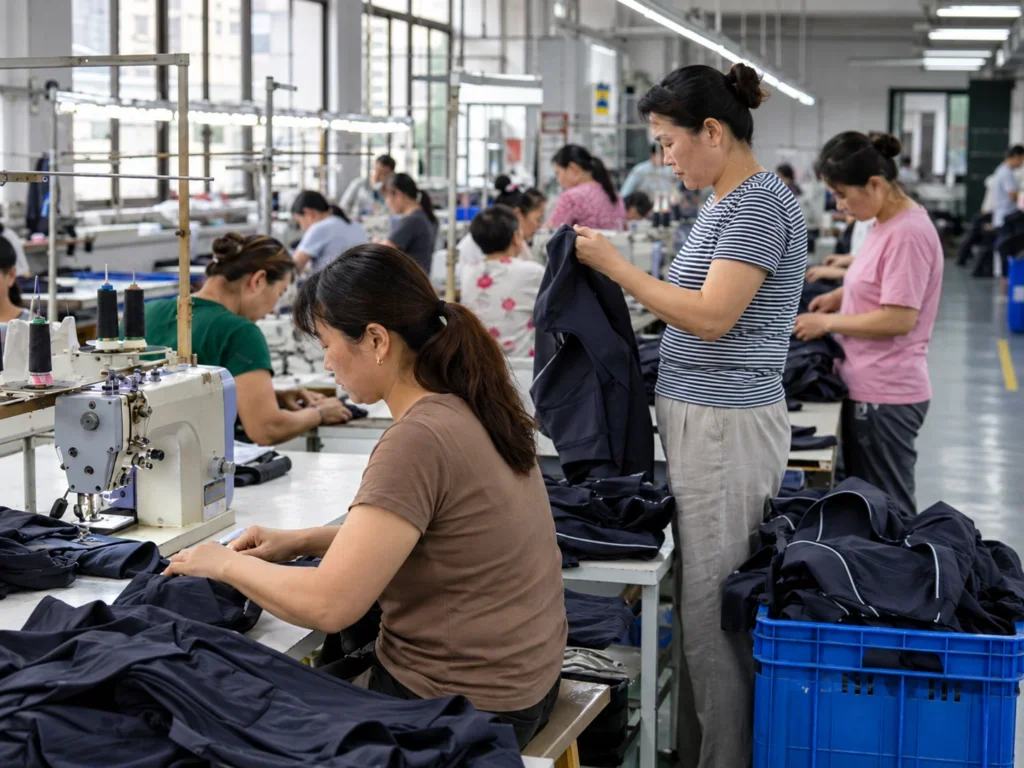
Leadshow’s team includes more than 1,500 members across product development, manufacturing, quality control, logistics, warehousing, administration, and customer communication. Different teams work together to support efficient project execution from sampling to shipment.
304 Confirmed Machines
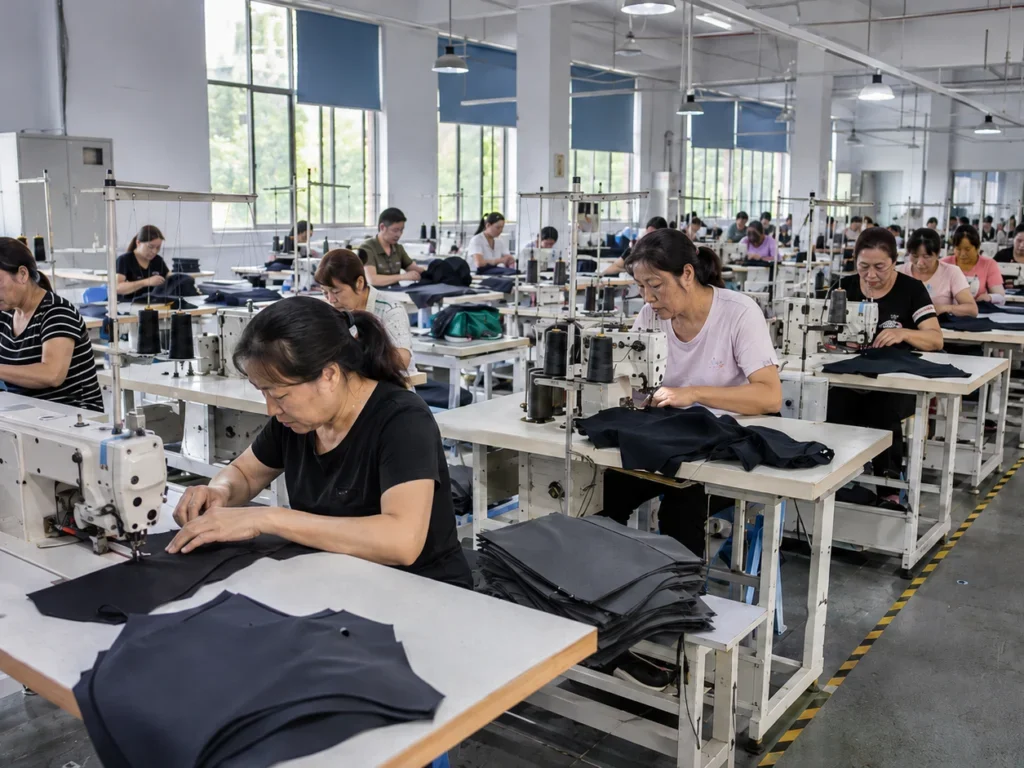
Leadshow has more than 300 production and finishing machines supporting cutting, sewing, stretch-garment construction, bonding, seam taping, heat transfer, inspection, and packaging processes. Equipment is selected according to garment construction and material requirements.

Up to Approx. 120,000
Leadshow’s monthly production capacity can reach approximately 120,000 finished garments depending on product type, material requirements, order mix, and production planning. Capacity is organized according to project needs to support quality standards and delivery schedules.
Equipment Supporting Sportswear Construction and Finishing
Sportswear manufacturing uses different equipment for fabric preparation, stretch seams, standard sewing, reinforcement, specialized processes, and finishing. Leadshow’s equipment base should be evaluated by how individual machines support specific product requirements rather than by machine count alone.
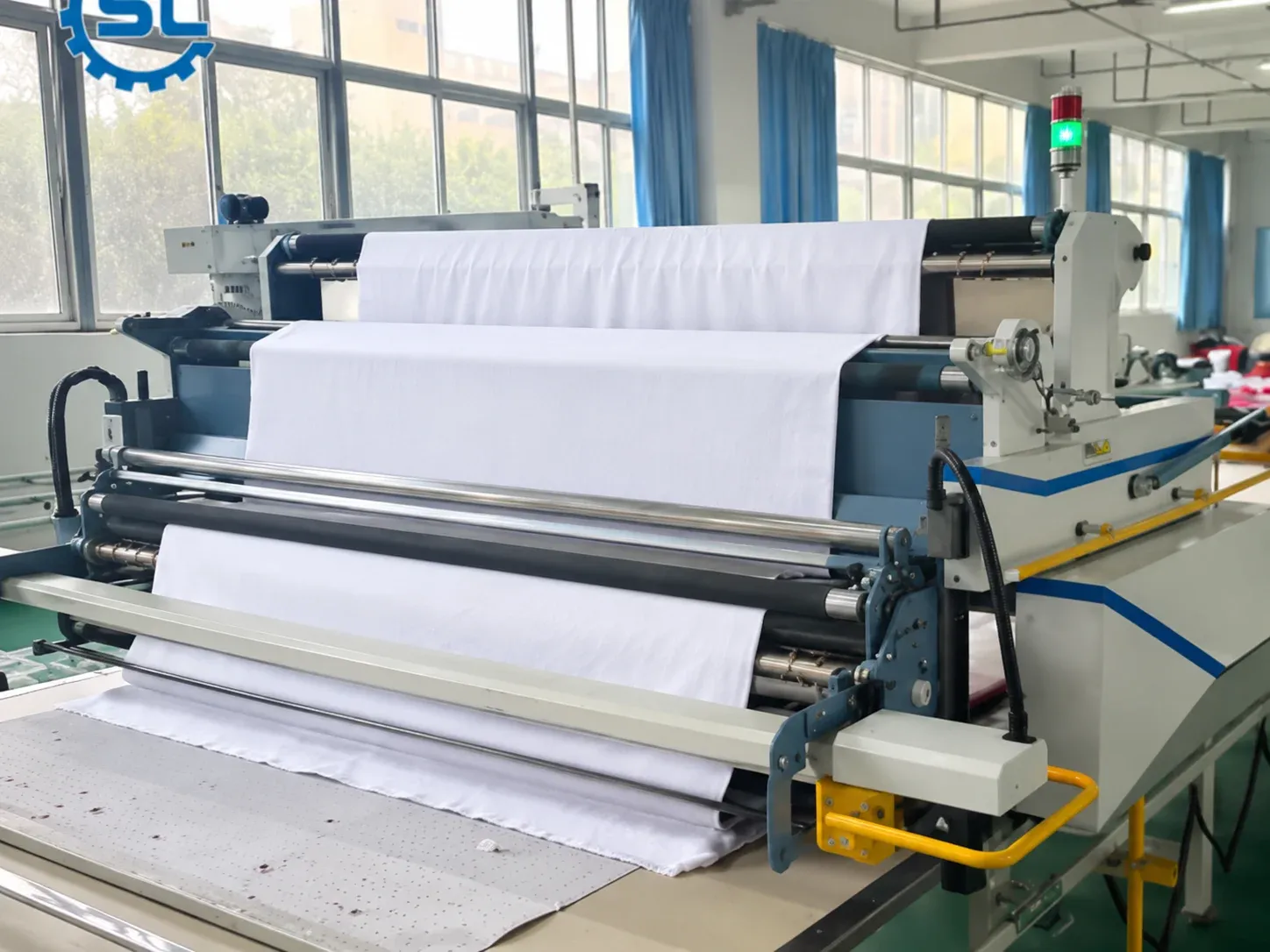
Fabric Preparation and Cutting
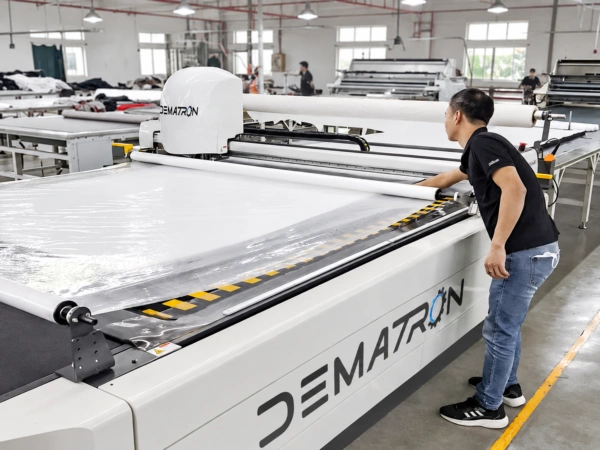
Leadshow has 5 automatic fabric-spreading machines, 3 automated cutting machines, 3 fabric pre-treatment or preshrinking/setting machines, 8 straight-knife cutters, and 6 round-knife cutters. The equipment mix supports both standardized bulk cutting and more flexible sample or small-batch work. Actual spreading and cutting methods depend on fabric stretch, thickness, surface, curling, direction, ply requirements, and order quantity. Automated cutting is intended to improve repeatability, not to claim zero cutting error or zero material waste.

Core Sewing Equipment
Confirmed core sewing equipment includes 80 computerized direct-drive lockstitch machines, 40 five-thread overlock machines, 25 four-thread high-speed overlock machines, and 15 double-needle sewing machines. The mix supports assembly, edge finishing, reinforcement, hems, parallel stitching, and multiple sportswear constructions. Equipment selection varies by product and seam requirement. A sports T-shirt, sports bra, tracksuit, or running short may use a different sequence and machine combination even when produced within the same manufacturing system.
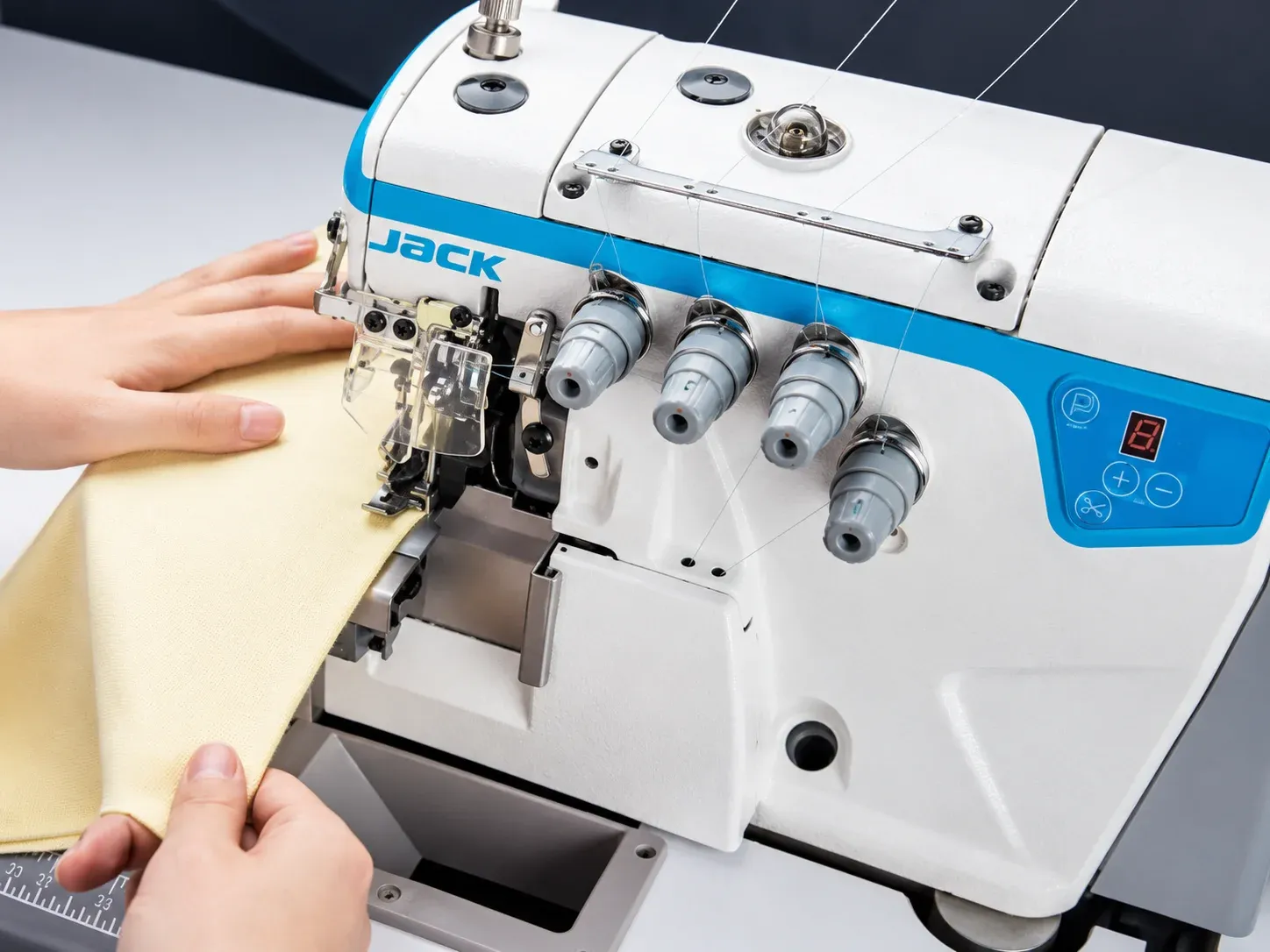
Flatlock for Stretch Garments
Leadshow has 35 four-needle six-thread flatlock machines. The equipment can support flatter, stretch-compatible seam construction for leggings, sports bras, tank tops, jumpsuits, swimwear, and other fitted garments where the approved design requires such stitching. Four-needle six-thread flatlock is not the same as true seamless knitting. Final seam performance still depends on fabric, thread, stitch setting, seam position, garment construction, and required testing.
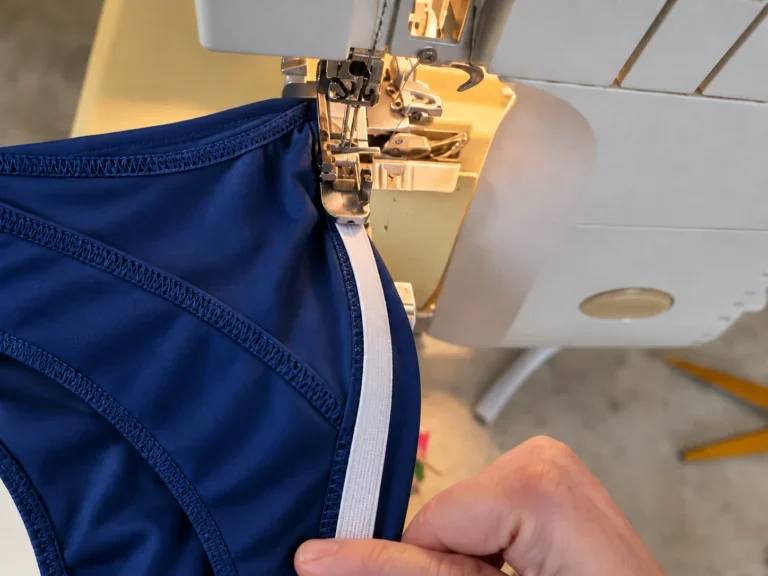
Elastic and Reinforcement
Leadshow has 12 elastic-attaching or elastic-installation machines and 6 bartacking machines. The equipment supports elastic areas and localized reinforcement used across several sportswear products. Applications can include suitable waistbands, underbands, leg openings, straps, pockets, zipper ends, and other high-stress areas. Elastic performance also depends on elastic material, width, tension, installation ratio, fabric recovery, pattern, and sewing method. No construction should be described as permanently non-rolling or permanently stretch-stable without suitable validation.

Specialized Processes
Confirmed specialized-process equipment includes 8 heat-bonding machines, 4 hot-air seam-taping machines, and 3 laser-perforation machines. Leadshow also has ultrasonic elastic-cutting and heat-process equipment. Suitable applications may include local bonding, reduced-seam structures, local reinforcement, seam-tape application, ventilation or decorative perforation, and heat-applied branding. Bonding does not automatically mean a fully seamless garment, and seam taping does not automatically make an entire garment waterproof. Material compatibility and testing remain necessary where performance claims are required.
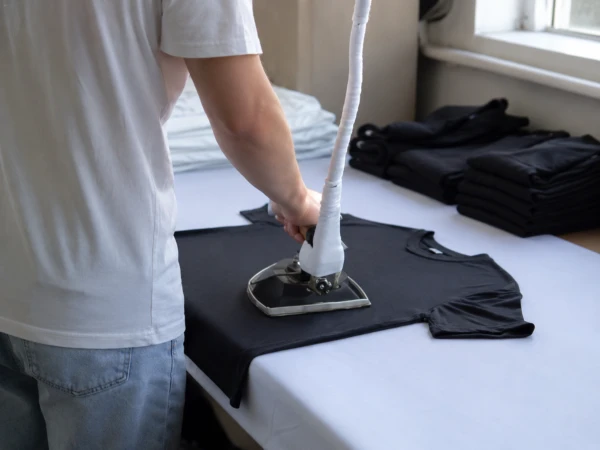
Finishing and Packing
Leadshow has 20 high-pressure steam ironing stations, 6 automatic needle-detection machines, and 4 automatic folding and packaging systems, along with packing-related equipment. Finishing can support garment appearance, final measurement preparation, applicable needle-detection checks, standardized folding, and packing organization. Not every product is suitable for automated folding, and needle detection is not a full product-safety certification. Packing methods remain linked to garment construction, brand requirements, SKU structure, and shipment instructions.
Quality Control From Materials to Packed Garments
Quality management begins before finished garments reach the packing area. Material, cutting, sewing, dimensions, branding, labels, and packaging can all affect the final result. Leadshow’s quality team supports inspections at relevant stages according to project requirements rather than relying only on a final visual check.
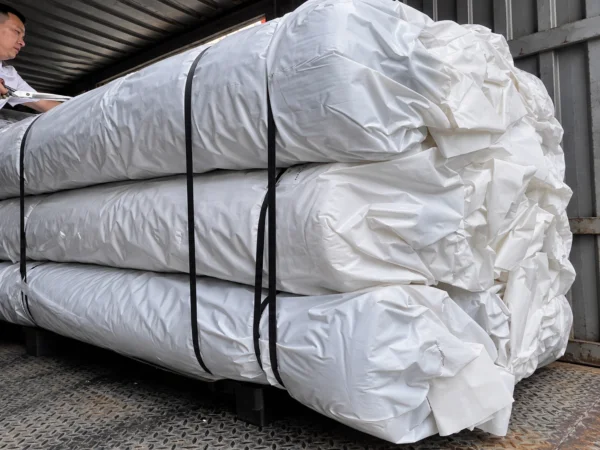
Incoming Materials
Incoming review can include fabric appearance, color, width or weight where required, trim specifications, and other agreed material characteristics. Inspection points depend on the project and may include fabric appearance, color reference, material identification, relevant weight or width, trim size and color, quantity, visible defects, and required supporting documents. Material testing requirements should be defined according to the intended sportswear product and target market. No universal testing program should be assumed for every order.
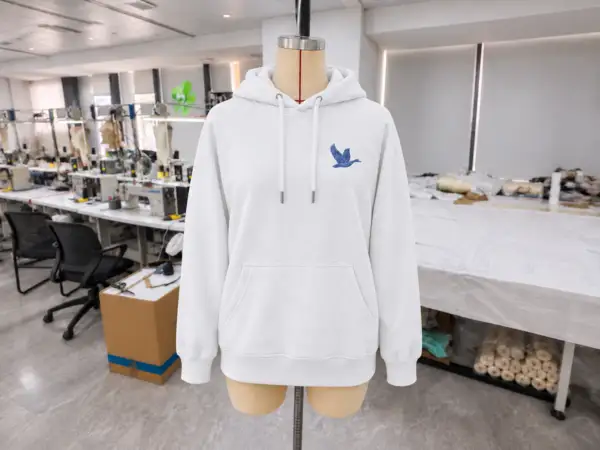
First Piece and Process
Production risk can often be identified earlier by comparing initial output with the approved sample and current product files. Checks may include product construction, key measurements, seam execution, panel alignment, elastic installation, reinforcement, logo position, and visible workmanship. In-process inspection can then focus on repeated operations where deviations could spread across a larger quantity. Inspection frequency and method remain project-specific.
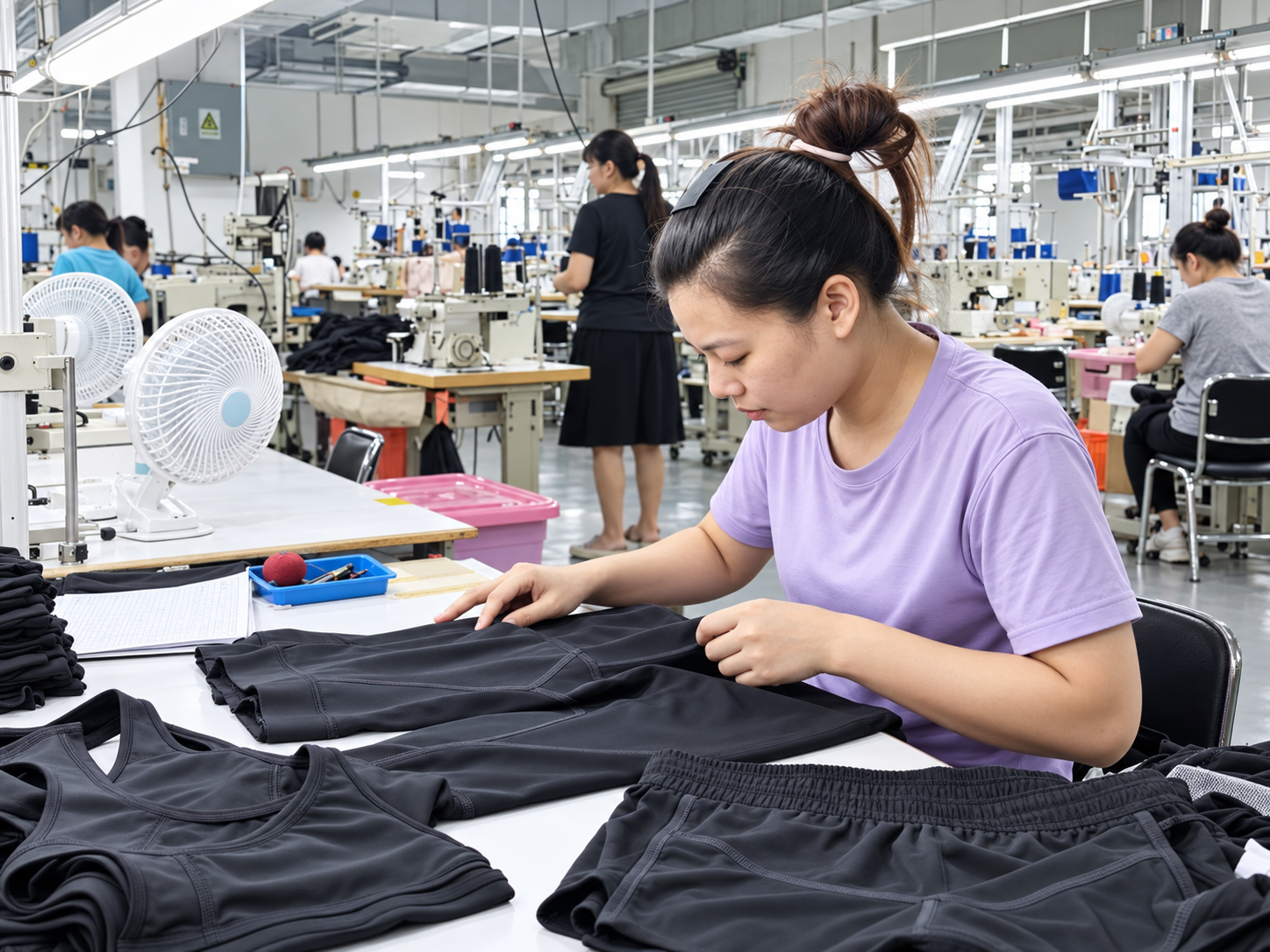
Finished Garments
Finished-garment review can cover appearance, workmanship, measurements, trims, branding, and other agreed quality points. Relevant checks may include key dimensions, stitching, seam appearance, surface cleanliness, trim operation, logo appearance, garment shape, and visible damage. Functional claims or special performance requirements should be supported by suitable materials, agreed methods, and testing where needed. Final inspection does not replace correct materials and production control earlier in the process.

Labels and Packing
Quality review continues through identification and packing because a correct garment can still create a commercial problem when the wrong size label, care label, SKU label, packing version, or carton information is used. Packing checks may cover main label, size label, care label, hangtag, SKU information, barcode file or printed label, polybag information, packing quantity, carton mark, and order version. Final requirements follow approved brand and shipment files.
Private Label, SKU, and Packaging Execution
Brand execution continues after garment sewing. Labels, artwork, SKU identification, individual packing, and cartons need controlled information, especially when an order contains several colors, sizes, or styles. Leadshow can coordinate custom labels and packaging according to approved project requirements.

Logo and Branding
Logo execution should begin with approved artwork, dimensions, position, color, and process information. Heat-transfer and heat-press equipment is available for suitable applications, while other processes may require separate project evaluation. Material compatibility should be checked before production, particularly when heat, stretch, surface coating, or garment movement can affect the final appearance.

Garment Labels
Main labels, size labels, care labels, and other garment identification should correspond with the approved style and size information. Leadshow can support custom-label execution and heat-transfer labeling where suitable. Label content, legal wording, language requirements, fiber information, care instructions, and market compliance remain subject to brand specifications and applicable market requirements.
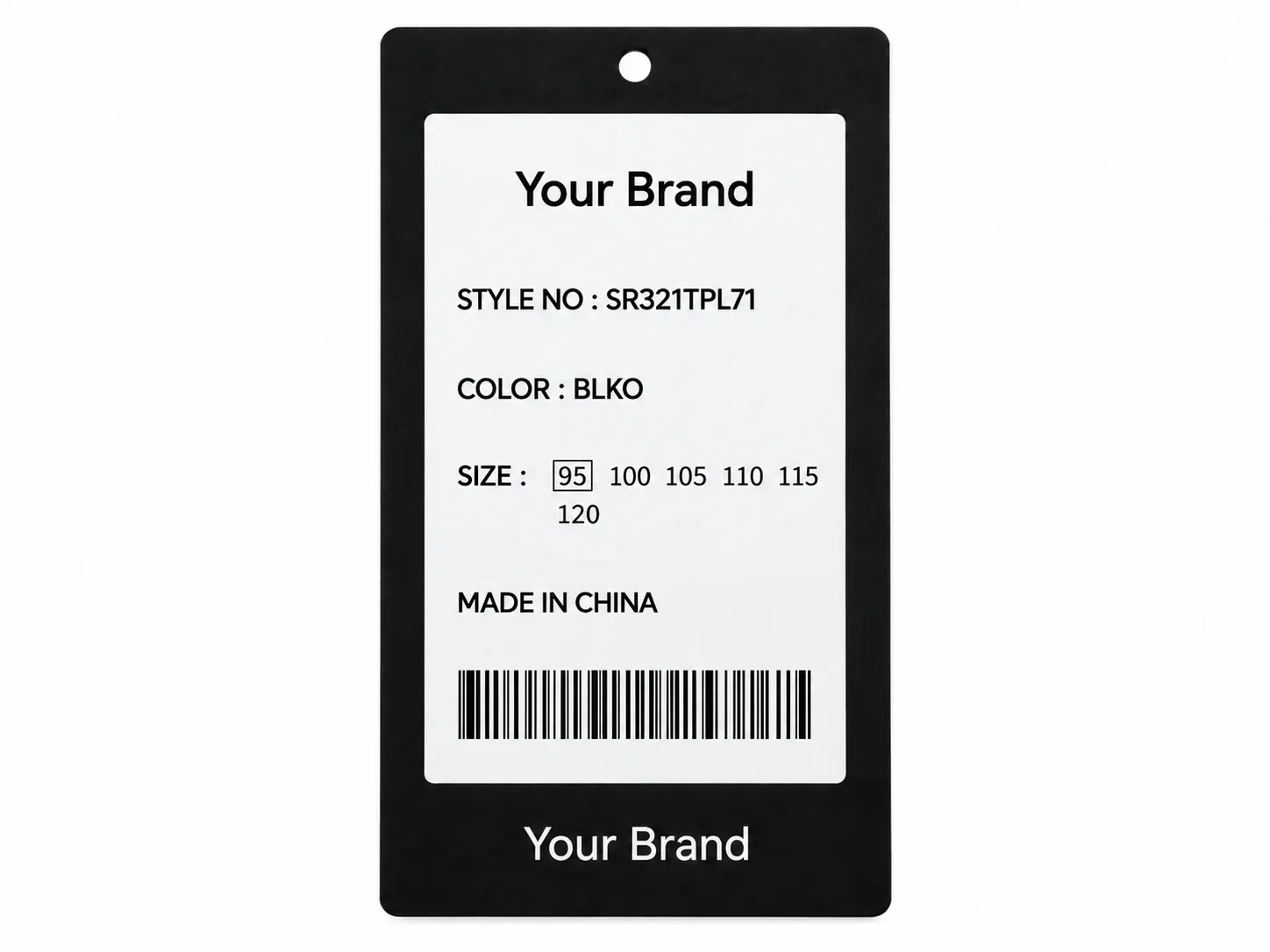
SKU and Barcode Files
Multi-style, multi-color, and multi-size programs need clear SKU relationships. Style number, color, size, barcode file, and packing instructions should match the correct garment version. Leadshow can coordinate labeling and SKU-based packing information, but current company facts do not support claims of a fully automated real-time barcode or WMS tracking system.
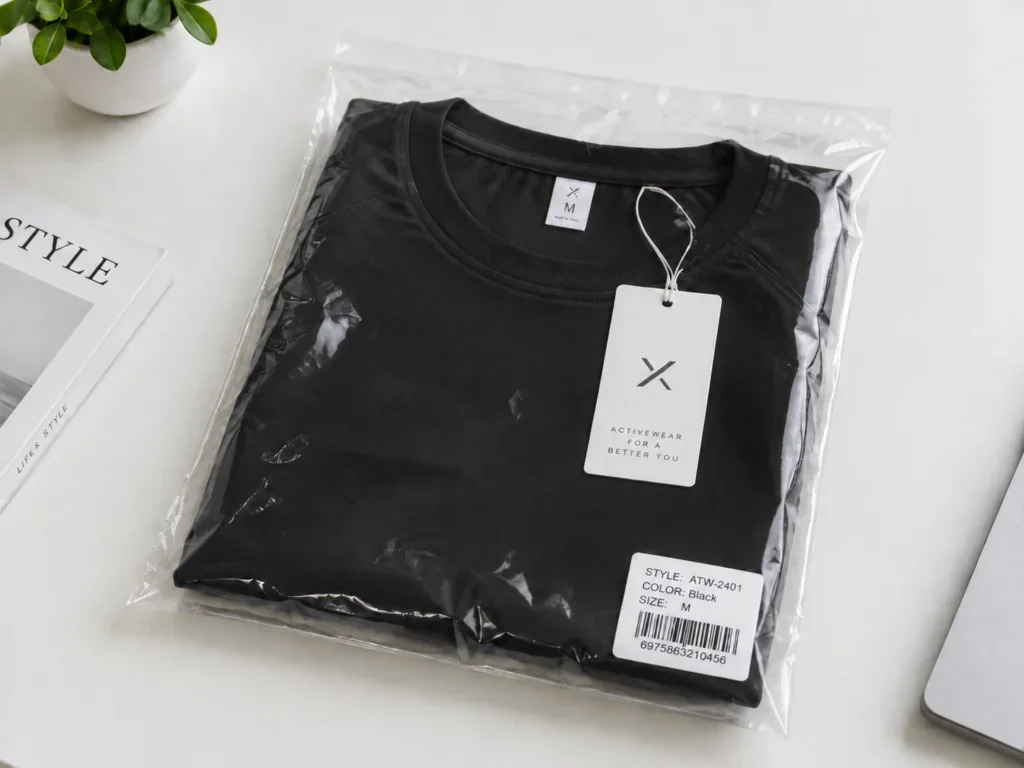
Individual and Carton Packing
Packing can include garment folding, individual bags, labels, carton quantities, carton marks, and other agreed shipment details. Leadshow has automatic folding and packing systems for suitable products, although complex or bulky garments may require different handling. Destination-market labels, retail instructions, and logistics requirements should be supplied and approved before final packing.
MOQ, Quotation, and Lead-Time Factors
Standard MOQ generally starts from 100 pieces per color per design. Final MOQ, price, sample timing, bulk-production timing, and delivery planning depend on the actual sportswear specification. Leadshow does not publish one fixed time or price for every project because materials, construction, revisions, quantities, and scheduling can differ significantly.
Factor
Information to Provide
Commercial or Timing Impact
Product Style
Product type, drawings, Tech Pack, reference
Defines construction, process, labor, and development path
Fabric
Composition, construction, GSM if defined, color, reference
Affects sourcing, MOQ, cost, fit, cutting, and production
Trims
Elastic, zipper, cord, snap, label, other trims
Supplier MOQ and customization can affect minimum quantity and schedule
Colorways
Number of colors and color requirements
Material dyeing or minimums may affect MOQ and material timing
Size Range
Base size, requested sizes, grading or measurement table
Affects pattern work, grading, material planning, and SKU structure
Logo and Process
Artwork, size, location, required technique
May affect tooling, sampling, cost, process compatibility, and timing
Quantity
Pieces by style, color, and size
Affects material planning, unit cost, production allocation, and packing
Testing and QC
Market, performance claims, inspection requirements
Testing or third-party requirements may add cost and time
Packaging
Labels, bags, hangtags, barcode, carton instructions
Customized materials and SKU complexity can influence cost and schedule
Sample Timing
Material path, sample type, construction complexity, revision scope
Confirmed after technical and material review; no universal fixed day count
Bulk Timing
Approved sample, material readiness, quantity, order mix, current schedule
Confirmed after production-readiness and capacity review
Delivery Planning
Shipping method, destination, commercial terms
Transit and documentation requirements are reviewed separately from manufacturing time
A formal quotation should identify the product revision, quantity assumptions, packaging requirements, and other important conditions used for pricing.
Multi-SKU Production, Scheduling, and Export Support
Large sportswear programs often become complex because several product versions need to move through manufacturing at the same time. Good production planning therefore involves more than assigning a quantity to a sewing line.
Coordinate Styles, Colors, Sizes, and Packing as One Program
A sportswear collection may include several styles, each with multiple colors and sizes. Every combination can create a separate SKU, label relationship, packing requirement, and quantity allocation.
- Style number
- Color
- Size
- Quantity
- Material version
- Artwork
- Labels
- Packaging
- Carton information
- Required shipment grouping
Product files and order breakdowns should remain aligned before bulk production begins. Changes to one color, material, label, or package can affect only part of the order, so clear version control is important.

Leadshow’s manufacturing, quality, and warehousing/logistics functions can support multi-SKU production and packing coordination. The company has a team of more than 1,500 people across relevant functions, but the current fact set does not support claims of a real-time client portal, fully automated WMS, or universal digital traceability.
Accuracy should come from controlled project files, production checks, label verification, packing instructions, and shipment preparation rather than from unsupported software claims.
Plan Production and Export Around Confirmed Conditions
Production capacity is evaluated according to product structure, material availability, process requirements, order mix, quality standards, current scheduling, and planned delivery. Leadshow’s three manufacturing bases provide combined monthly capacity of up to approximately 120,000 finished garments under suitable conditions, but the capacity is not a reserved allocation for every order.
- Product and commercial review
- Material and trim preparation
- Sample approval and final files
- Production-readiness confirmation
- Bulk scheduling and manufacturing
- Quality and packing
- Shipment preparation
Leadshow’s confirmed export regions include Europe, North America, South America, and Oceania. Export support can include packing, carton information, shipment coordination, and export-related documentation according to the project.
Destination customs clearance, marketplace warehouse acceptance, local tax handling, and other destination outcomes are not guaranteed and should be addressed according to the agreed trade and logistics arrangements.

Manufacturing Evidence Procurement Teams Can Verify
A sportswear manufacturer should be able to support important claims with real development, production, quality, and packing evidence. Leadshow’s manufacturing story is strongest when shown through actual work rather than generic factory stock images, unverified brand logos, or unsupported certification walls.
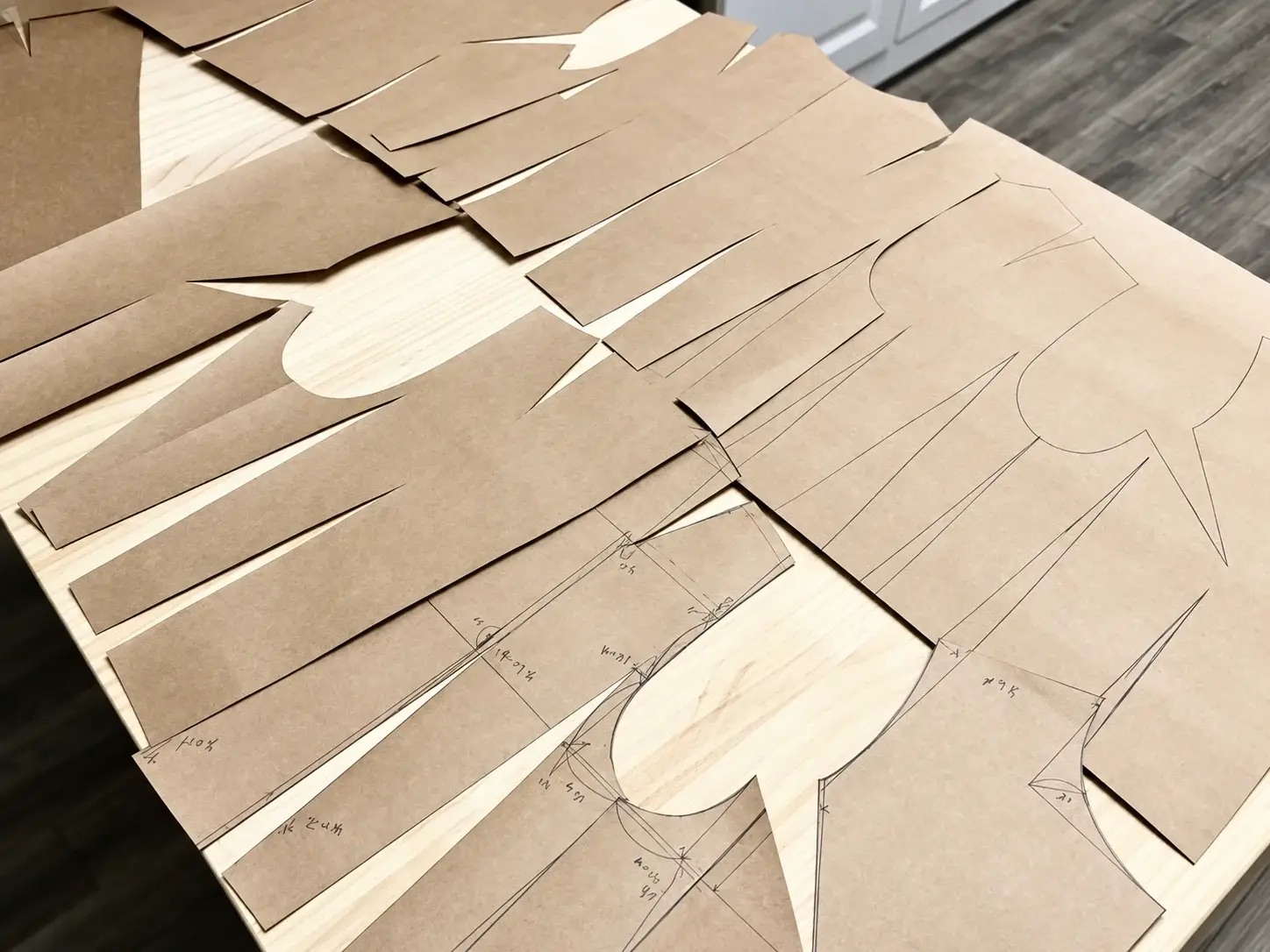
R&D and Sampling
Leadshow operates an independent R&D and sampling workshop with pattern-related computers, plotting equipment, sample lockstitch equipment, and sample four-needle six-thread equipment. Development evidence can include product-file review, pattern work, sample construction, measurement checks, and approved sample preparation. Such evidence shows how technical information is translated into a physical garment before bulk release.
Fabric and Cutting
Real fabric preparation and cutting scenes can show automatic spreading, automated cutting, flexible cutting equipment, material handling, and cut-piece preparation. Leadshow has confirmed automatic spreading and cutting equipment along with straight-knife and round-knife cutting machines. The purpose is to demonstrate manufacturing capability and repeatability rather than make unsupported claims about zero error or zero material waste.
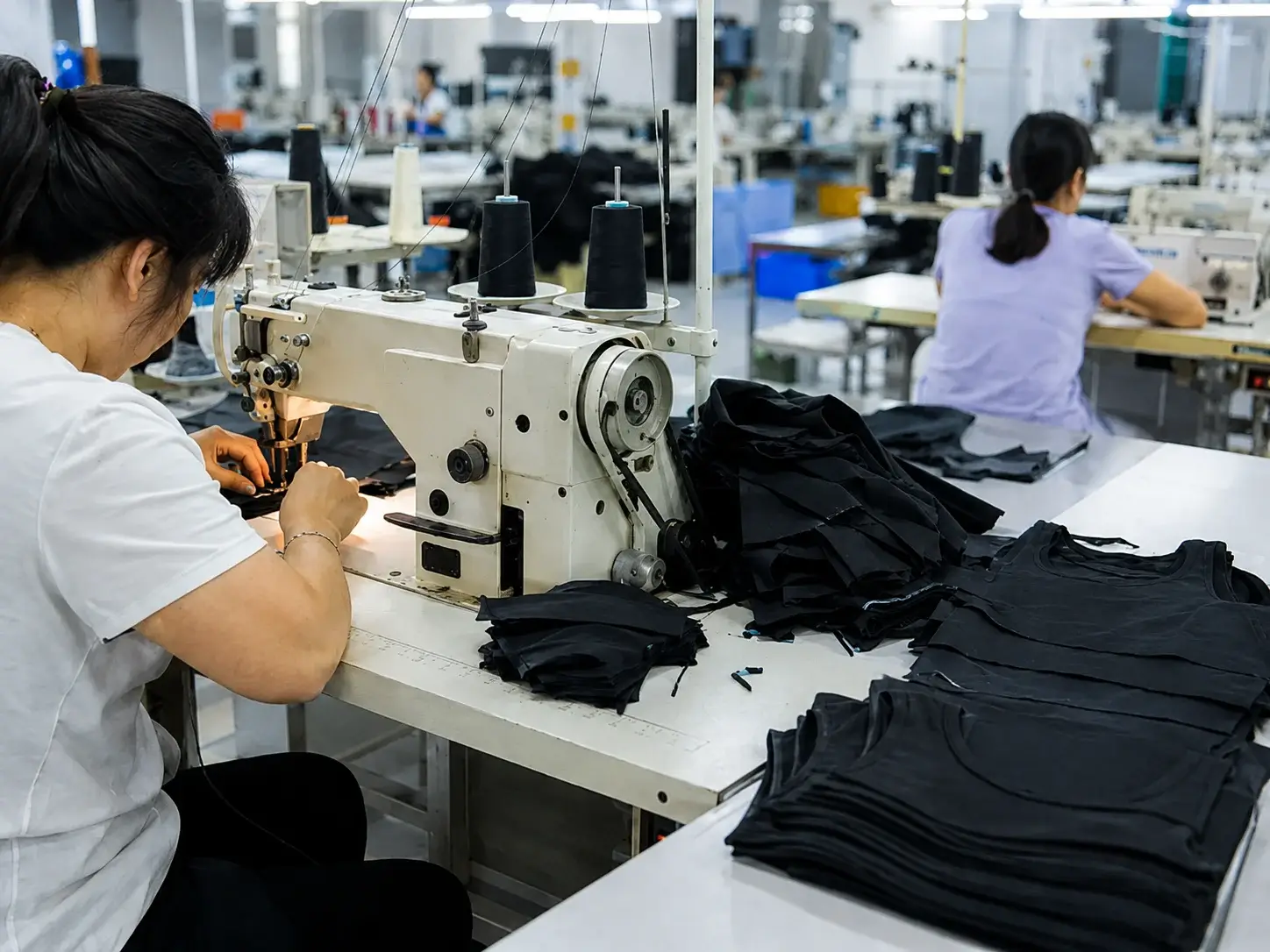
Sportswear Sewing
Sewing evidence can include lockstitch, four-thread and five-thread overlock, double-needle construction, elastic installation, bartacking, and four-needle six-thread flatlock. Different products use different combinations. A sports bra, legging, T-shirt, short, and tracksuit should not be presented as if they follow one identical production route.

Specialized Processes
Heat bonding, hot-air seam taping, laser perforation, ultrasonic elastic cutting, heat-transfer labeling, and heat-press processes are among Leadshow’s confirmed specialized equipment capabilities. Evidence should show the actual process and suitable garment application. Bonding, taping, or perforation must not be used as automatic proof of seamless, waterproof, or quantified breathability performance.

Quality Checks
Quality evidence can include measurement, workmanship review, incoming-material checks, in-process inspection, finished-garment inspection, label verification, packing review, and applicable needle detection. Real inspection records or controlled images are more useful than vague “high quality” statements. The inspection plan and test requirements should remain connected to the actual program and agreed standards.
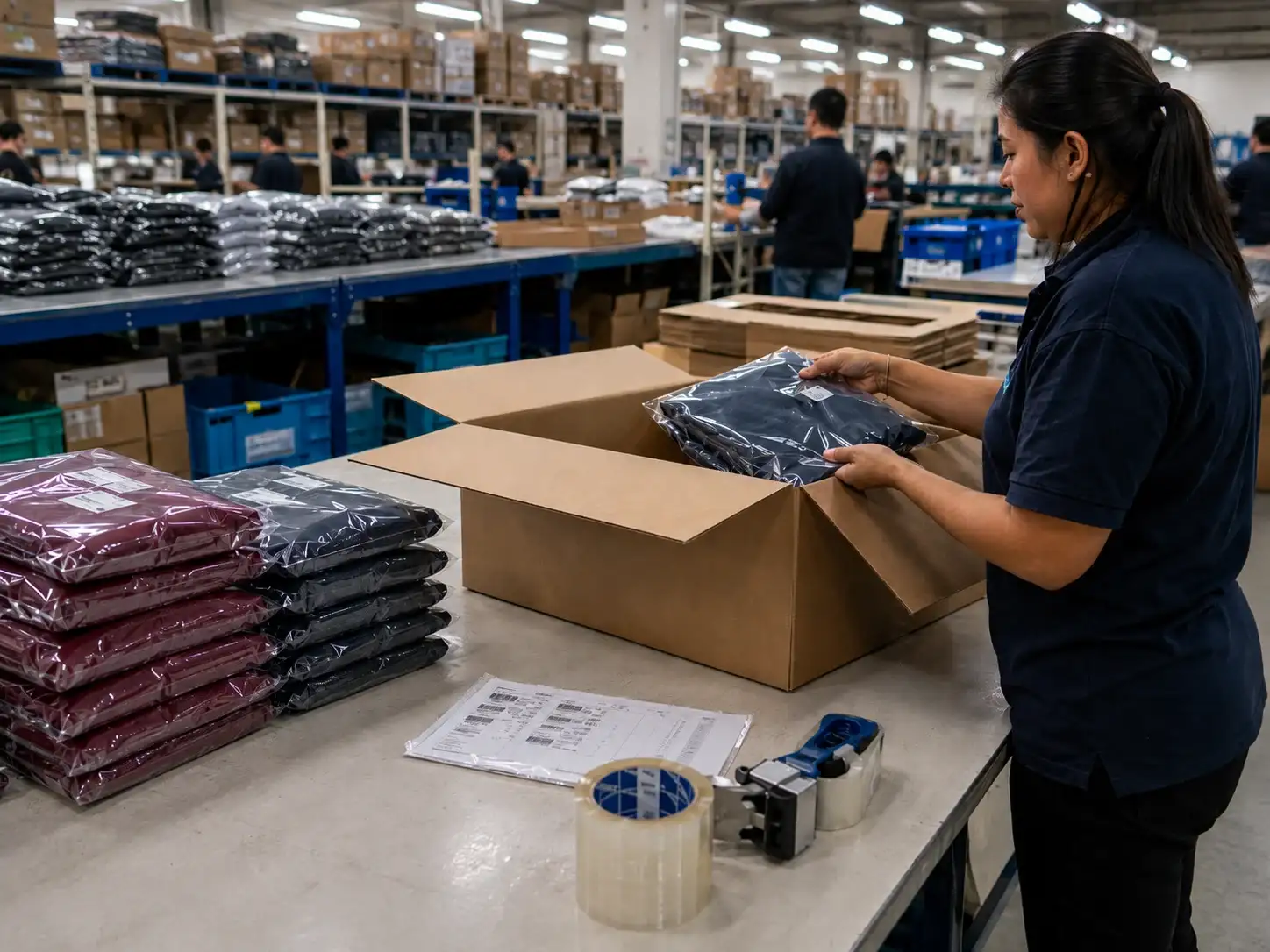
Packing and Shipment
Packing evidence can include garment folding, size and color separation, labels, individual packing, carton preparation, carton marks, quantity review, and shipment coordination. Leadshow has automatic folding and packaging systems for suitable products and warehousing/logistics functions supporting order preparation. Evidence should represent actual capabilities without implying an unconfirmed smart warehouse or global distribution network.
How to Evaluate an OEM Sportswear Supplier
A strong supplier review should examine product fit, development capability, material handling, sample discipline, bulk execution, quality, commercial conditions, and manufacturing evidence together. Factory size alone cannot show whether a specific sportswear program will be executed correctly.
Evaluation Area
What Procurement Teams Should Verify
Leadshow Evidence or Position
Sportswear Focus
Relevant products and construction experience
Confirmed sportswear portfolio including sports bras, sports T-shirts, yoga leggings, tennis skirts, jumpsuits, running shorts, tank tops, and tracksuits
OEM Input
Ability to work from technical specifications
Tech Pack, reference-image, and reference-sample review supported
Technical Review
Construction, measurements, materials, fit, process feasibility
Product development, technical requirement review, pattern and fit adjustment supported
Sampling
Clear path from first sample to approved standard
Independent R&D and sampling workshop and project-based sample development
Material Review
Fabric, trim, stretch, weight, compatibility, sourcing conditions
Material and trim evaluation available according to project requirements
Bulk Alignment
Approved sample translated into production requirements
Sample-to-bulk coordination, production checks, quality review
Manufacturing Scale
Real facilities, team, equipment, and capacity
3 manufacturing bases, 20,000+ m² combined facilities, 1,500+ team, 304 machines
Capacity
Ability to support larger programs
Up to approximately 120,000 finished garments per month, subject to project and scheduling conditions
Quality
Material, process, garment, label, and packing checks
Approximately 45-person quality team and stage-based quality support
MOQ
Transparent minimum-order logic
Standard MOQ generally starts from 100 pieces per color per design
Branding
Logo, labels, artwork, packing execution
Custom labels, heat-transfer capability, packaging support
Multi-SKU
Ability to manage styles, colors, sizes, and packing versions
Multi-SKU manufacturing and packing support
Export
Experience supporting international shipments
Confirmed exports to Europe, North America, South America, and Oceania
Business Boundaries
Willingness to state conditions instead of overpromising
MOQ, capacity, timing, functional claims, certification, and testing handled with project-specific conditions
OEM Sportswear Manufacturing Frequently Asked Questions
The following answers cover common sourcing questions around sportswear products, Tech Packs, MOQ, sampling, fit, quality, bulk production, packaging, and quotation requirements.
What sportswear products can Leadshow manufacture?
Leadshow’s confirmed portfolio includes sports bras, sports T-shirts, yoga leggings, tennis skirts, jumpsuits, running shorts, tank tops, and tracksuits, alongside other confirmed apparel categories. Final construction, materials, fit, functions, branding, MOQ, and production method are reviewed according to the individual specification rather than treated as identical across every product.
Can Leadshow work from an existing Tech Pack?
Yes. Leadshow can review existing Tech Packs, measurement tables, drawings, material information, artwork, labels, and packaging requirements. Reference images or physical samples can also support the review. Open, conflicting, or missing items should be clarified before quotation, sampling, or production commitments are finalized.
What is the standard MOQ for OEM sportswear?
Standard MOQ generally starts from 100 pieces per color per design. Actual MOQ may change according to fabric availability, custom colors, trims, construction, logos, labels, packaging, testing requirements, and supplier minimums. Different designs or colors should not be assumed to combine freely toward one MOQ without project review.
How is sampling handled before bulk production?
Sampling can involve technical review, material confirmation, pattern preparation or adjustment, first-sample construction, measurement and fit review, revision, and final approval. The approved sample should align with the current Tech Pack and other released project files before bulk preparation. Sample timing is confirmed after reviewing materials, construction, and development scope.
How are sportswear fabrics and trims selected?
Selection begins with the product’s intended fit, use, appearance, construction, and brand requirements. Review may include composition, fabric structure, GSM where defined, stretch direction, recovery, handfeel, color, trim compatibility, MOQ, and testing needs. Functional or sustainability claims require supporting material or test evidence.
How is fit confirmed before production?
Fit is developed against the supplied measurements, measurement method, size range, material behavior, and intended silhouette. Samples provide the physical reference for dimensions, proportions, movement, and construction. Approved measurement files should be updated after agreed changes so bulk production does not rely on informal sample comments alone.
How is sample-to-bulk alignment controlled?
Alignment relies on the approved sample, final product files, approved materials, incoming checks, first-piece review, in-process inspection, finished-garment measurements, branding verification, and packing checks. Reasonable manufacturing tolerances and material-batch differences should be defined in the quality requirements rather than replaced by an unrealistic zero-variation promise.
What quality checks can be included?
Checks can cover incoming fabrics and trims, cutting preparation, first pieces, sewing processes, garment measurements, workmanship, logos, labels, packaging, and final order review according to project requirements. Testing and inspection methods depend on the product, target market, performance claims, and agreed quality standard.
Can Leadshow handle labels, SKUs, and packaging?
Yes. Leadshow supports custom labels, packaging, SKU organization, carton information, and related order preparation. Logo and label artwork, style-color-size relationships, barcode files where required, packing quantities, and carton marks should be supplied and approved. Marketplace or destination-warehouse acceptance is not guaranteed.
What information is needed for an OEM quotation?
For a stronger quotation, provide the current Tech Pack or product drawings, material and trim requirements, measurements, size range, colors, logo artwork, quantity by style and color, packaging requirements, quality or testing needs, target market, and expected delivery window. Missing information can be identified during the initial project review.
Send Your Sportswear Project for Review
A useful OEM quotation starts with enough information to understand the product rather than only a target price. Send the files already available, even if the specification is not fully complete. Helpful materials include a Tech Pack, product drawings, reference images, physical-sample information, measurement table, requested size range, fabric and trim requirements, colorways, logo artwork, labels, packaging files, quantity by style and color, target market, quality requirements, and expected delivery window.
Leadshow can review the available information for product fit, missing specifications, material direction, pattern and sampling needs, manufacturing feasibility, MOQ, quotation factors, quality requirements, and production-planning considerations. Standard MOQ generally starts from 100 pieces per color per design, while final commercial conditions are confirmed after product, materials, quantities, packaging, testing requirements, and current production scheduling are reviewed.
Files do not need to be perfect before the first discussion. Clear reference images, quantities, target market, and known product requirements can provide a starting point, with missing items identified during review.