
Low MOQ Activewear Manufacturer
Develop Custom Activewear From 100 Pieces Per Color Per Design With Sampling, Fit Review, Private Labeling and Scalable Production Support
Leadshow supports activewear projects built around clear product specifications rather than generic low-quantity promises.
- Standard MOQ generally starts from 100 pieces per color per design, subject to construction, materials, trims, colorways, size breakdown, branding, packaging, testing requirements and production scheduling.
- Develop sports bras, yoga leggings, running shorts, tank tops, sports T-shirts and related activewear from Tech Packs, reference images or approved samples.
- Move from product review and sampling toward repeatable bulk manufacturing when specifications, materials and production conditions are confirmed.
What Is Leadshow’s Activewear MOQ?
Activewear MOQ depends on more than total order volume. Style construction, material availability, colors, size allocation, trims, branding and packaging can change the workable quantity. Leadshow starts with a standard reference and then reviews each activewear program against actual specifications.
Requirement
Leadshow Approach
What It Means for Your Project
Standard MOQ
Generally starts from 100 pieces per color per design
Quantity is reviewed at design-and-color level, not only by total order volume
Final MOQ
Confirmed after product review
Construction, fabric, trims and branding can change the final minimum
Below-standard quantity
May be evaluated by project
Available materials, standard colors and simpler configurations can improve feasibility
Sample quantity
Separate from bulk MOQ
Sample development is not automatically counted as production quantity
Size breakdown
Reviewed within the confirmed color quantity
Size distribution needs to match cutting and production requirements
Fabric minimum
Supplier requirements may apply
Fabric minimums can exceed garment quantity requirements
Custom color
Separate dyeing minimums may apply
Special colors can raise material commitments
Custom trims
Supplier minimums may apply
Zippers, elastics or specialized trims require separate review
Labels and packaging
Reviewed with brand files
Customized packaging or labels can have their own minimums
Production timing
Confirmed after project review
MOQ approval does not automatically confirm production scheduling
A total order of several hundred pieces can still fall below workable quantities when divided across too many designs and colors. Leadshow therefore evaluates quantity per design and per color, rather than using total volume alone.
Who Benefits From Lower-Quantity Activewear Production?
Lower production quantities are most useful when a brand has a defined commercial objective: launching a first collection, validating a new category, testing additional colors or assessing a new manufacturing partner before committing to larger production.
Startup Activewear Brands
Early-stage activewear brands often need to convert product ideas, references or incomplete technical information into specifications suitable for sampling and production. A focused launch with fewer core styles and colorways can reduce unnecessary complexity while preserving room for pattern, fabric, fit, branding and packaging development. Leadshow can review projects starting from a Tech Pack, reference image or physical sample, while MOQ remains subject to the actual material and construction requirements.
Growing Product Lines
Brands with existing sales may need additional leggings, sports bras, tops, shorts or coordinated styles without immediately placing a large commitment on every new SKU. Lower-quantity evaluation can support controlled product-line expansion when materials, colors, trims and branding are planned efficiently. Product specifications still need to be developed with repeat production in mind, allowing successful styles to move into larger orders without rebuilding the entire manufacturing standard from the beginning.
Established Brand Trials
Established brands may use smaller programs for new-category testing, capsule collections, alternate suppliers, revised fits or new material directions. Their priority is rarely the lowest possible unit count; technical execution, sample approval, quality standards, documentation and future capacity matter more. Leadshow can review existing Tech Packs, samples and brand specifications and determine whether the proposed quantity, activewear construction and material requirements are suitable for an initial manufacturing program.
Activewear Products Ready for Custom Development
Leadshow’s confirmed product range covers several core sportswear categories suited to brand development, sampling and production. Each style requires its own review for materials, pattern, fit, construction, branding, quantity and intended use rather than being treated as one generic activewear specification.
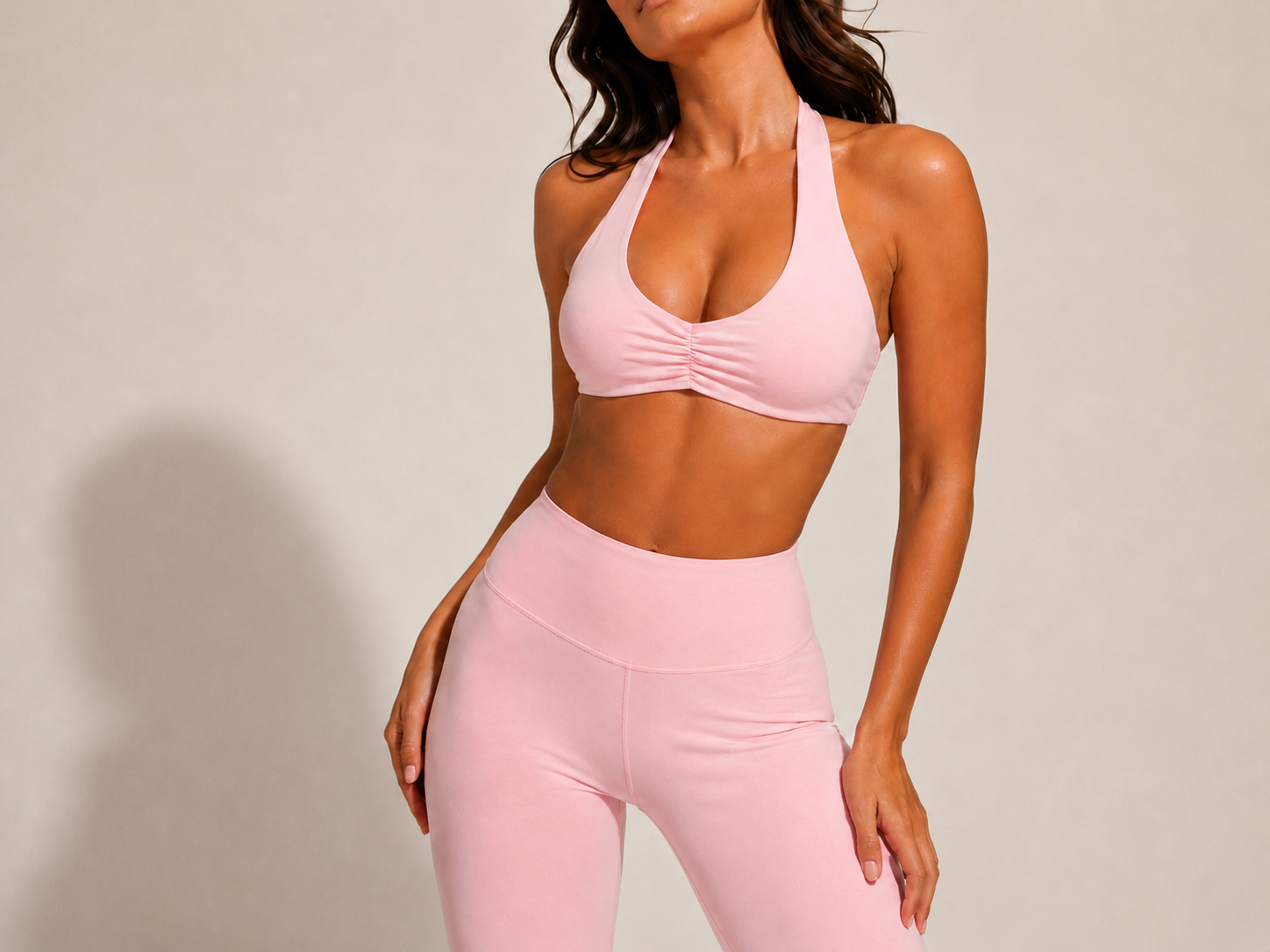
Sports Bras
Sports bra development can begin from a Tech Pack, reference design or approved sample. Product review should define the intended wearing environment, coverage, underband structure, strap configuration, fabric stretch, lining, pad construction where applicable, seam placement and logo method. Fit and support language must remain tied to an actual design and validation process rather than broad performance claims. Sampling is used to confirm measurements, construction and wearing characteristics before production specifications are finalized.
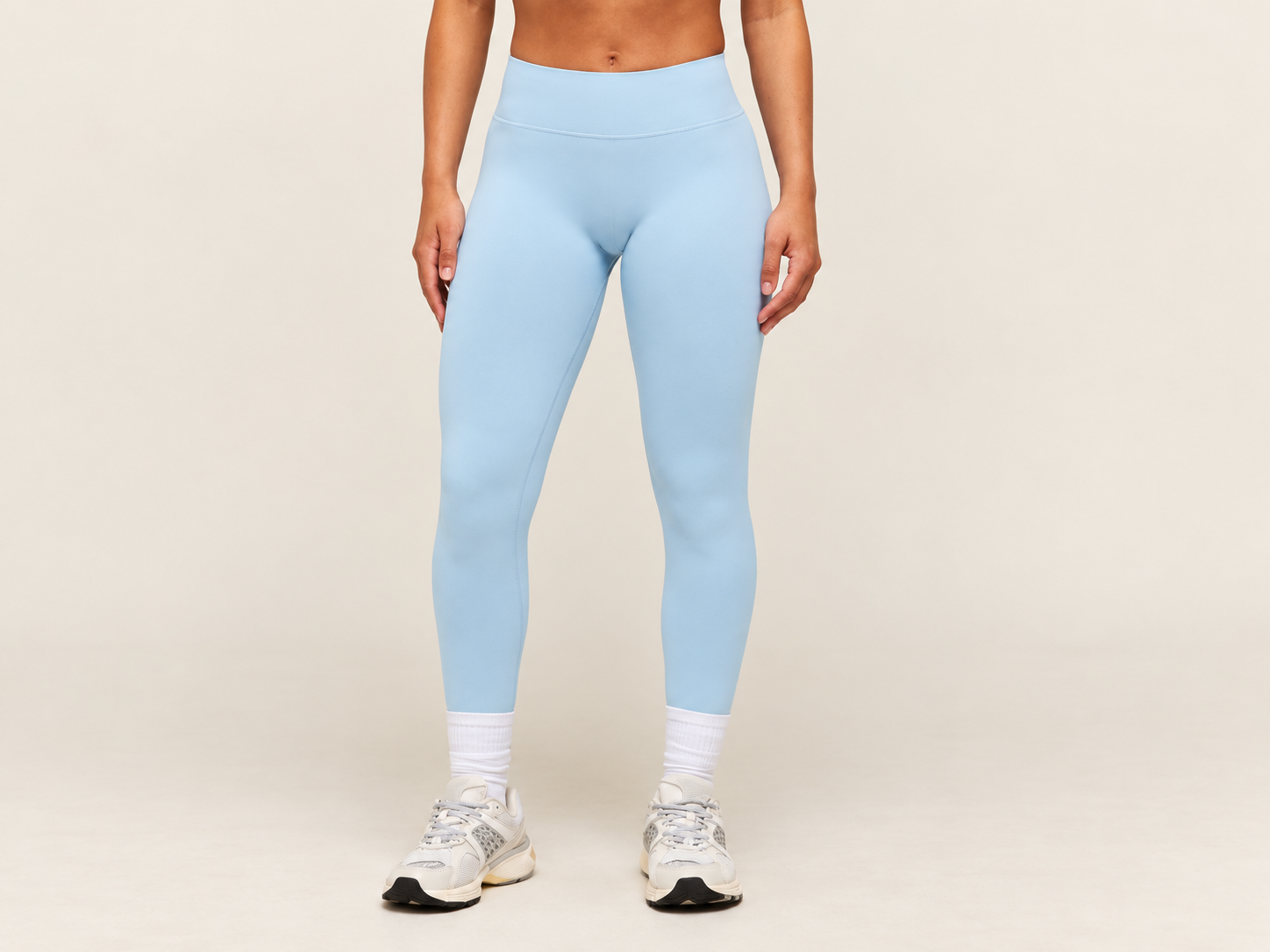
Yoga Leggings
Yoga leggings require close coordination between fabric stretch, recovery, pattern dimensions, waistband structure, crotch construction, seam placement and intended fit. Material selection should also consider color, surface appearance, handfeel and opacity under the intended wearing conditions. Leadshow can support pattern and sample development, including four-needle six-thread flatlock applications where suitable. Claims such as squat-proof, compression level or performance rating require product-specific validation instead of being assumed from garment type alone.
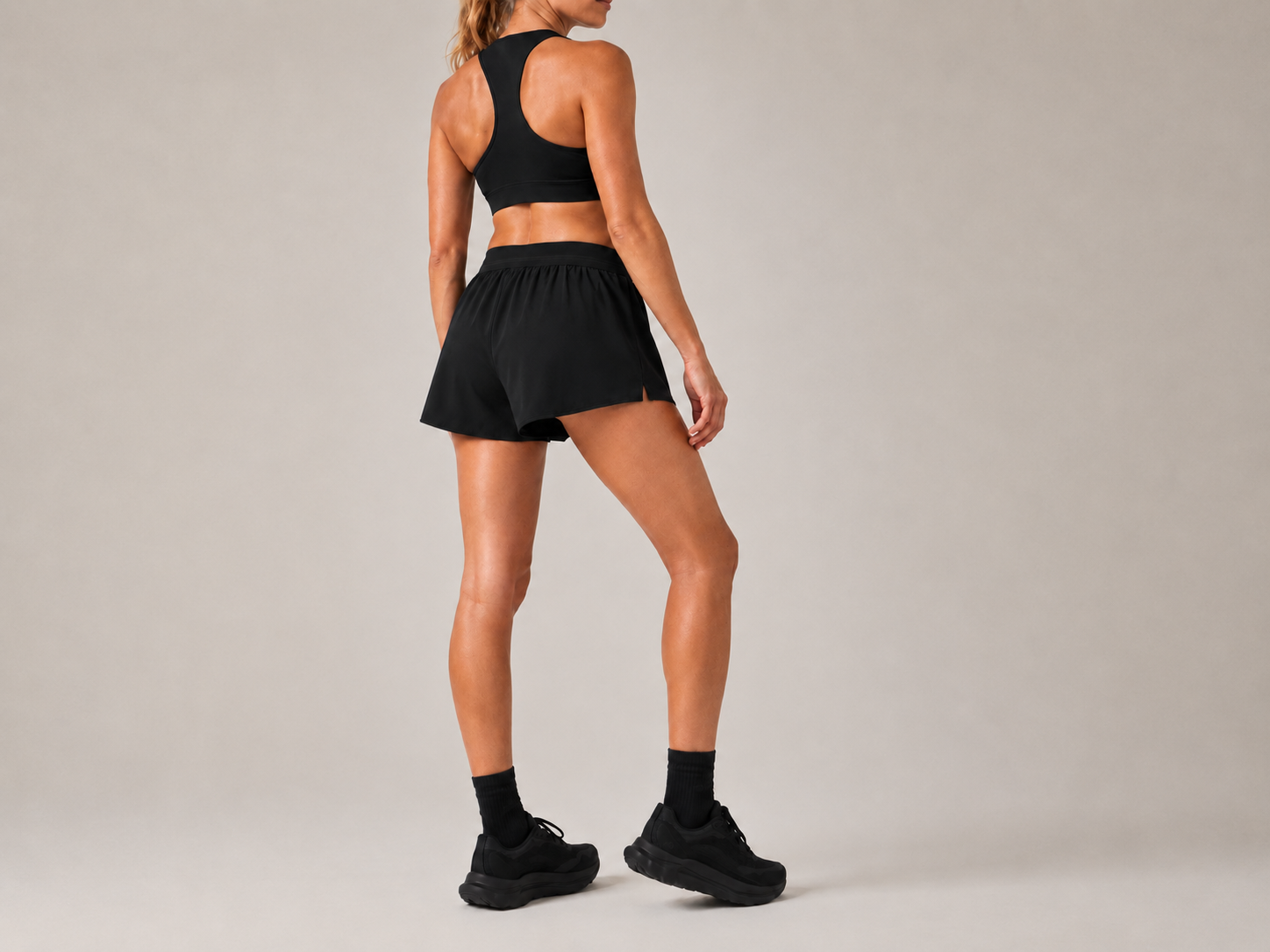
Running Shorts
Running shorts may involve waistband design, pockets, side openings, inner-layer structures, elastic installation, bartacking and localized ventilation details. Development starts by clarifying intended activity, silhouette, material and required movement. Fabric and trim selection can influence MOQ considerably, especially when specialized elastics, colors or pocket components are used. Sample review allows the team to check fit, movement, construction and finishing before moving toward approved production specifications.
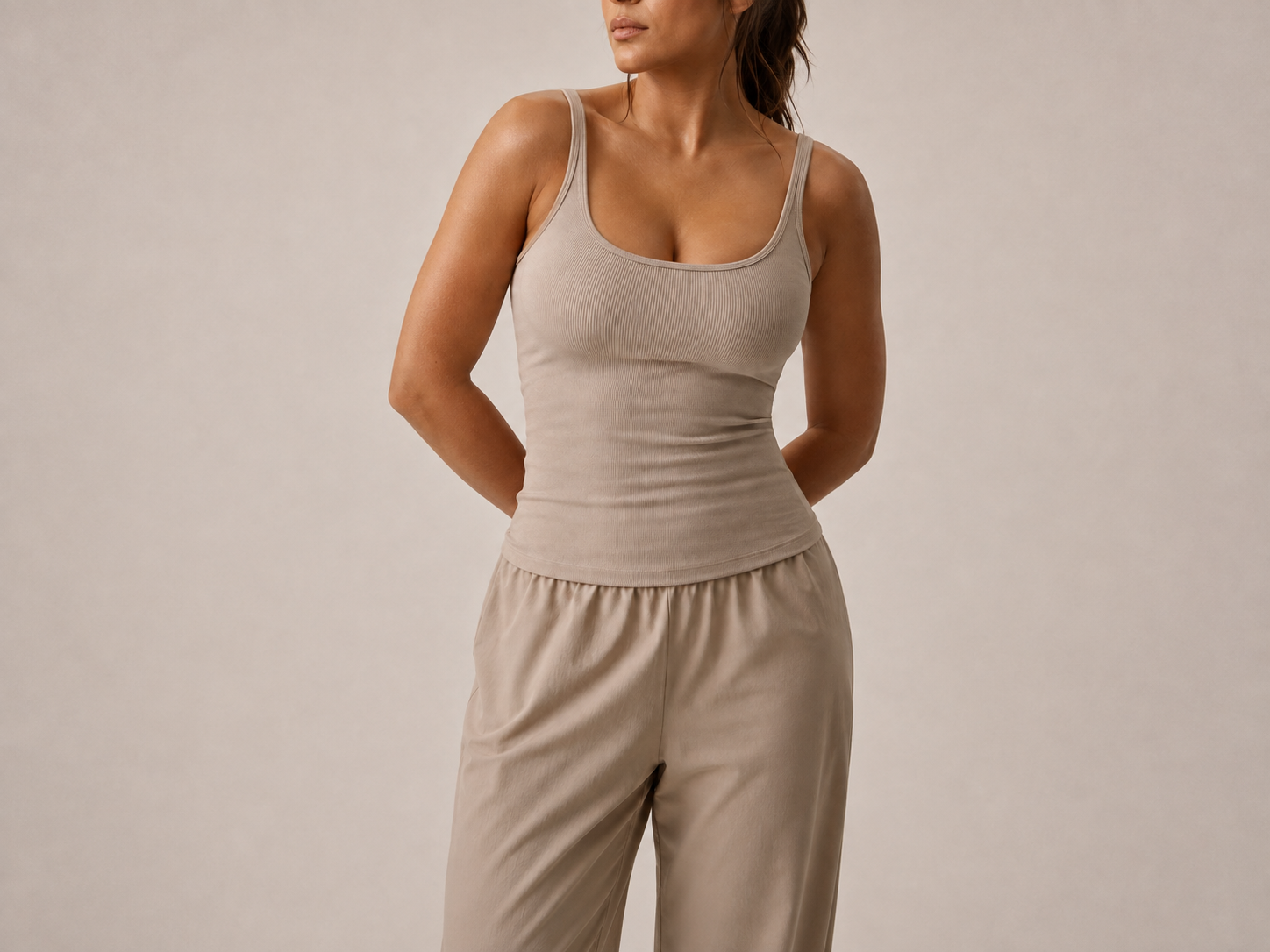
Tank Tops
Activewear tank tops can be developed around fitted, relaxed or training-oriented silhouettes using project-specific fabrics and construction. Important areas include neckline shape, armhole geometry, body length, shoulder width, stretch direction, seam type and logo placement. Material changes can alter both fit and manufacturing behavior, so a previously approved pattern cannot automatically be reused with every fabric. Sampling allows proportion, movement and finishing to be reviewed before bulk execution.
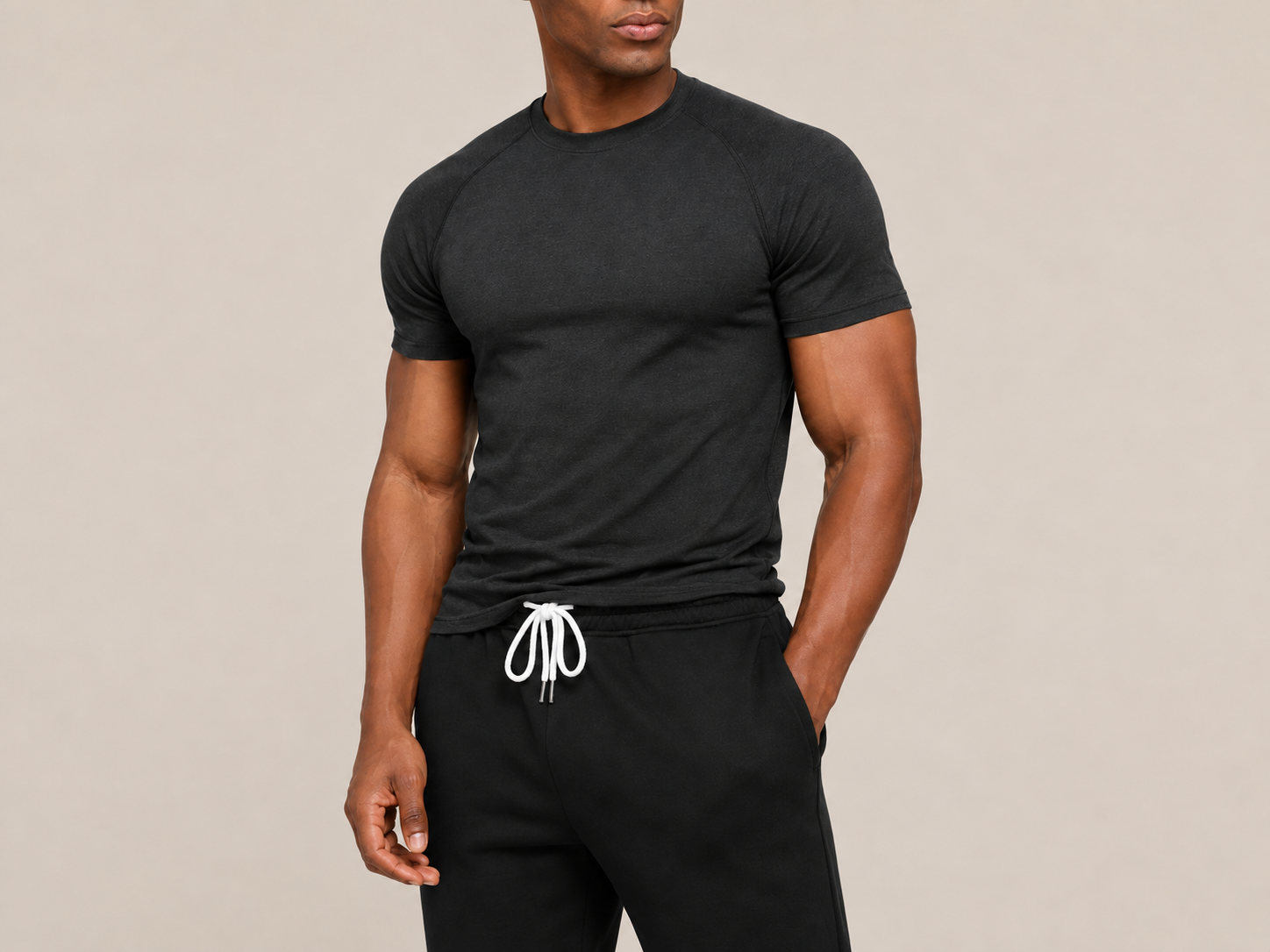
Sports T-Shirts
Sports T-shirts can support training, fitness and broader sportswear collections, with development based on fabric, fit, neckline, sleeve structure, body proportions and branding. Rather than attaching unverified performance terms to every T-shirt, Leadshow evaluates material and construction according to the intended activity and market. Size range, grading requirements, logo position, labels and packaging should be clarified during development so approved specifications can be transferred into production more consistently.
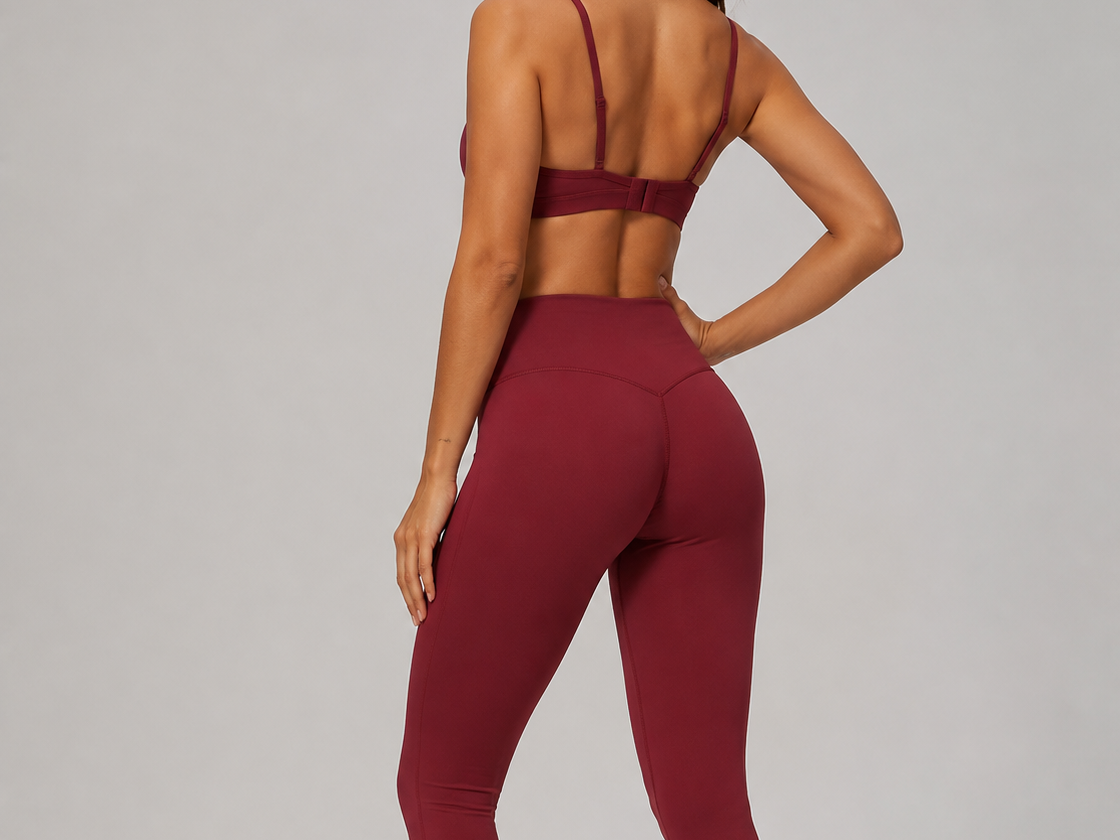
Tracksuits
Tracksuit projects involve coordinated tops and bottoms, making color matching, material consistency, fit relationship, pocket structure, zippers, trims and branding particularly important. Quantity also needs to be considered across the set rather than assumed from total units alone. Leadshow can review coordinated product files, samples and material requirements and develop an approval route covering both pieces before production. Complex trims or customized colors may introduce separate supplier minimums.
How Is Activewear MOQ Actually Calculated?
MOQ represents the quantity at which the selected product, material and production configuration becomes workable. A garment quantity can be acceptable while a custom fabric, special trim, color program or packaging component still falls below a supplier minimum.
MOQ Factor
What Needs Review
Possible Effect
Design quantity
Pieces allocated to each garment design
Too many designs divide production volume
Color quantity
Pieces allocated to each color
Every additional color reduces quantity per color
Fabric source
Available fabric or specially developed material
Special development may carry higher supplier minimums
Custom dyeing
Unique brand color or standard available color
Custom dye MOQ may apply
Trims
Elastic, zipper, cord, hardware or specialty components
Component suppliers can set separate minimums
Logo method
Heat transfer or other approved branding route
Setup and material requirements can affect quantity
Size breakdown
Number of sizes and ratio within each color
More SKUs increase cutting and production coordination
Packaging
Standard or custom-developed packaging
Printed packaging can carry its own MOQ
Testing
Material or finished-product verification
Requirements are reviewed according to market and project
Production setup
Construction and workmanship complexity
Lower quantities may reduce manufacturing efficiency
Key planning rule: total order volume alone does not determine MOQ. Quantity per design and per color must also be reviewed. Fabric, trim, dyeing and packaging supplier minimums may further affect final production quantity.
Improve the Feasibility of Lower-Quantity Activewear Orders
A lower-quantity program becomes easier to manufacture when complexity is controlled before sampling and sourcing begin. The strongest approach is not forcing every component below its normal minimum, but designing an initial collection around a smaller number of materials, colors and production variables.
Reduce Initial Colorways
Every additional color divides total quantity and can create independent fabric, dyeing, trim or packaging commitments. A focused first production run can prioritize core brand colors and postpone secondary shades until sales or market feedback justify expansion. Fewer initial colorways can improve material utilization and production planning without changing the essential product concept. Final feasibility still depends on the selected fabric, color method and quantity allocated to each design.
Focus on Core Styles
Launching too many styles at once spreads quantity across patterns, materials, samples and production setups. A stronger starting plan often concentrates on the products most important to the collection, such as a sports bra and coordinated leggings, before expanding into additional tops or shorts. Concentrating units improves quantity per design and allows development resources to focus on fit, materials and finishing rather than supporting numerous low-volume styles simultaneously.
Share Fabric Programs
Several related styles may be evaluated around the same fabric family when performance, handfeel, stretch, color and construction requirements align. Shared materials can reduce unnecessary sourcing fragmentation and support a more consistent collection. Material sharing is never automatic: leggings, bras, tops and shorts can place different demands on stretch, coverage, structure and weight. Compatibility needs to be reviewed before a common fabric is approved across multiple designs.
Use Standard Colors
A unique custom-dyed color can introduce a material supplier MOQ beyond the garment quantity. Where brand positioning allows, an available or established color option may improve the feasibility of a smaller production run. Color decisions still require physical confirmation because screen appearance cannot replace material approval. Later programs can revisit custom color development when projected order quantities support a dedicated dye lot and the commercial value justifies additional material commitment.
Select Standard Trims
Special zippers, elastics, hardware or accessory components can carry their own supplier minimums. A suitable standard trim can reduce complexity while maintaining the intended structure and brand appearance. Selection should never sacrifice safety, construction or critical product function merely to lower quantity. Leadshow can review trim options against the pattern, fabric and product design and identify where a more readily available component may simplify an early manufacturing program.
Simplify Launch Packaging
Highly customized boxes, printed bags, inserts or multiple packaging versions can create minimums unrelated to garment production. A simpler first packaging configuration can help keep the launch focused on product fit, quality and brand essentials. Main labels, care labels, size identification and required product information still need careful control. Premium or channel-specific packaging can be evaluated separately when the order structure and sales program justify additional packaging development.
Manufacturing Capacity Beyond the First Production Run
Low initial quantity should not require choosing a supplier with no path toward scale. Leadshow combines product development and sampling with a manufacturing base designed to support later production growth, subject to product complexity, material supply, quality standards and available scheduling.
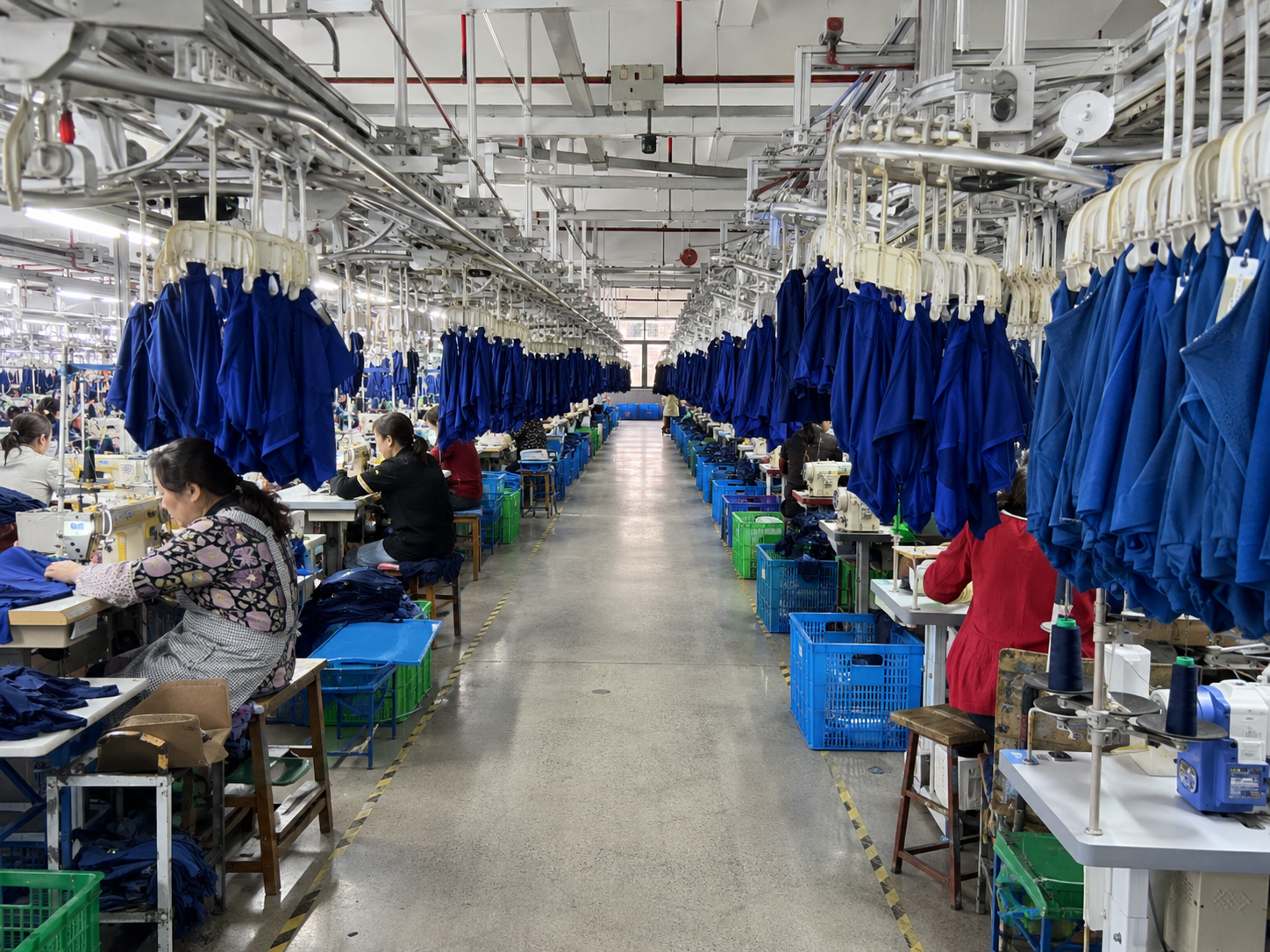
15 Years Experience
15 years of apparel industry experience across product development and manufacturing.
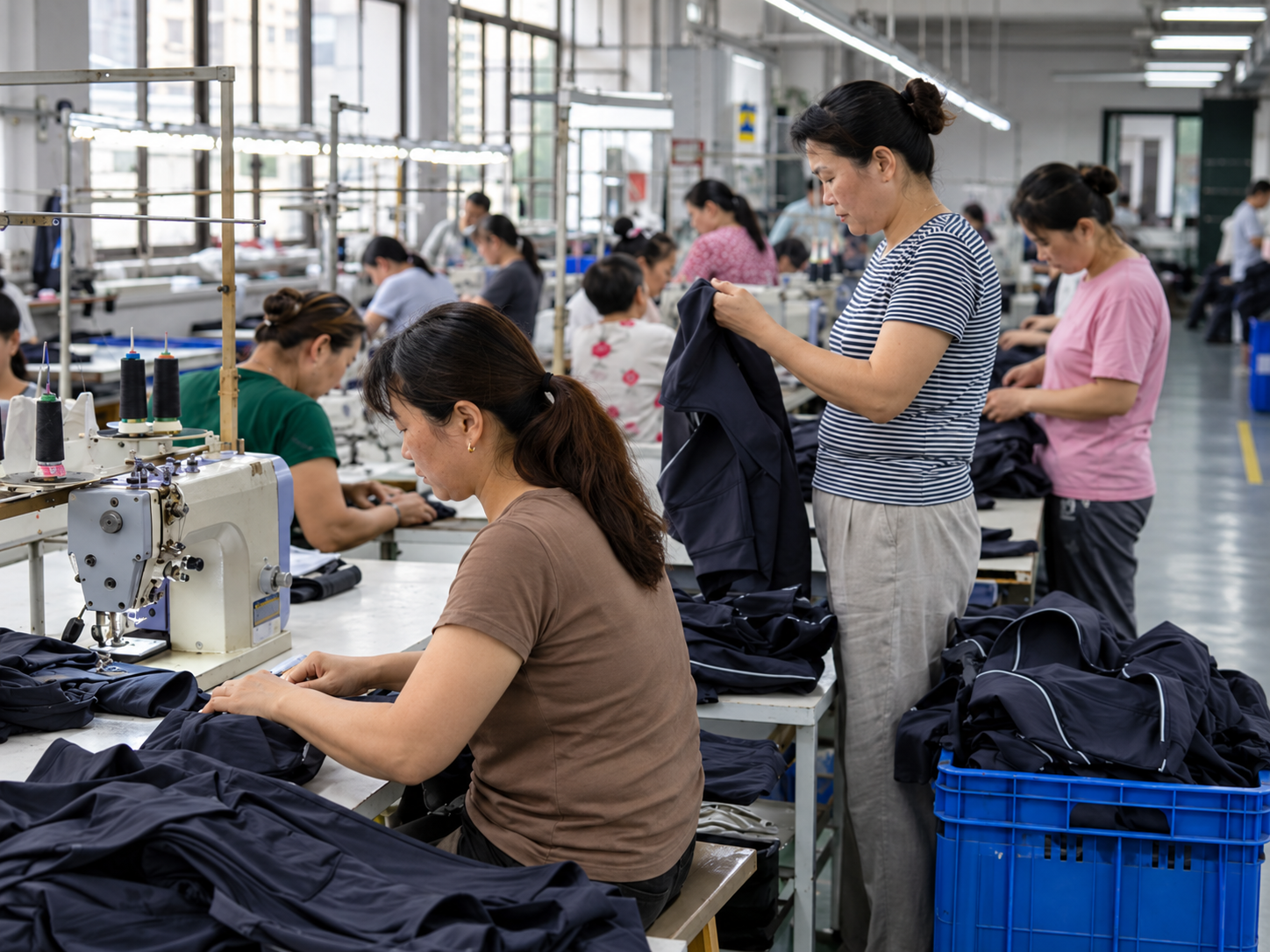
3 Manufacturing Bases
Three manufacturing bases support sampling, production, finishing, packing and related manufacturing functions.
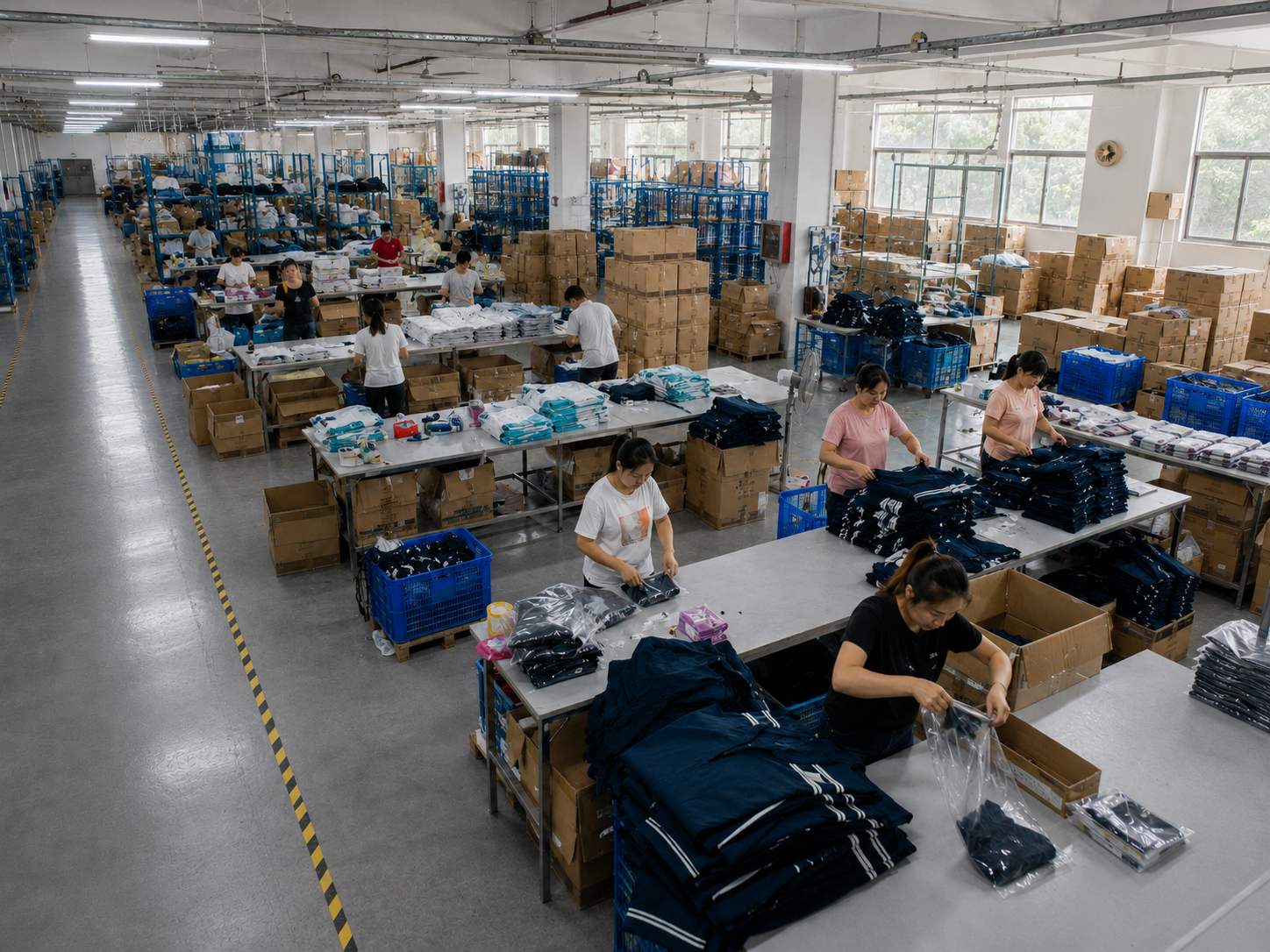
20,000+ Square Meters
More than 20,000 m² of combined manufacturing facilities.
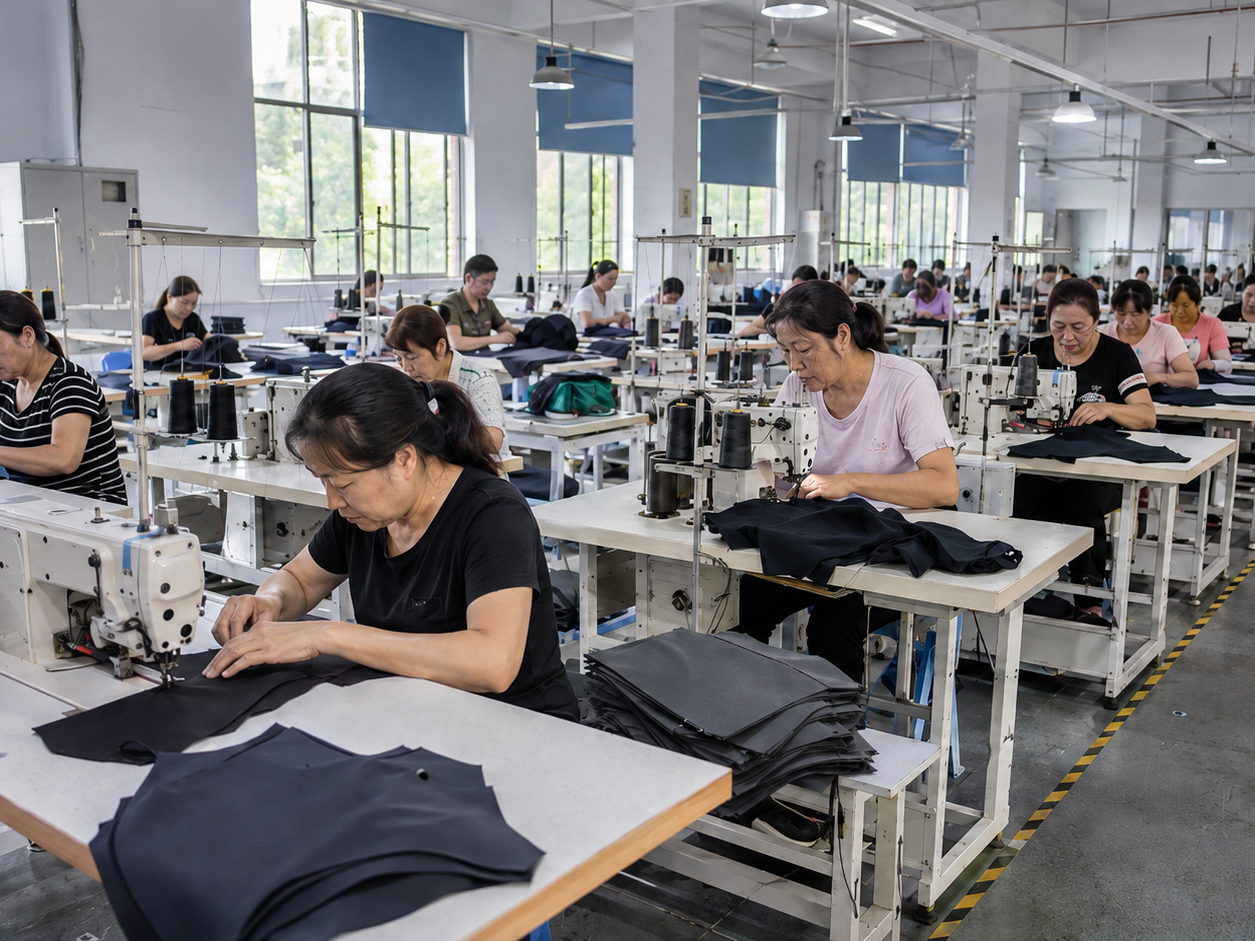
1,500+ Team Members
More than 1,500 team members across development, production, quality, warehousing, logistics and support.
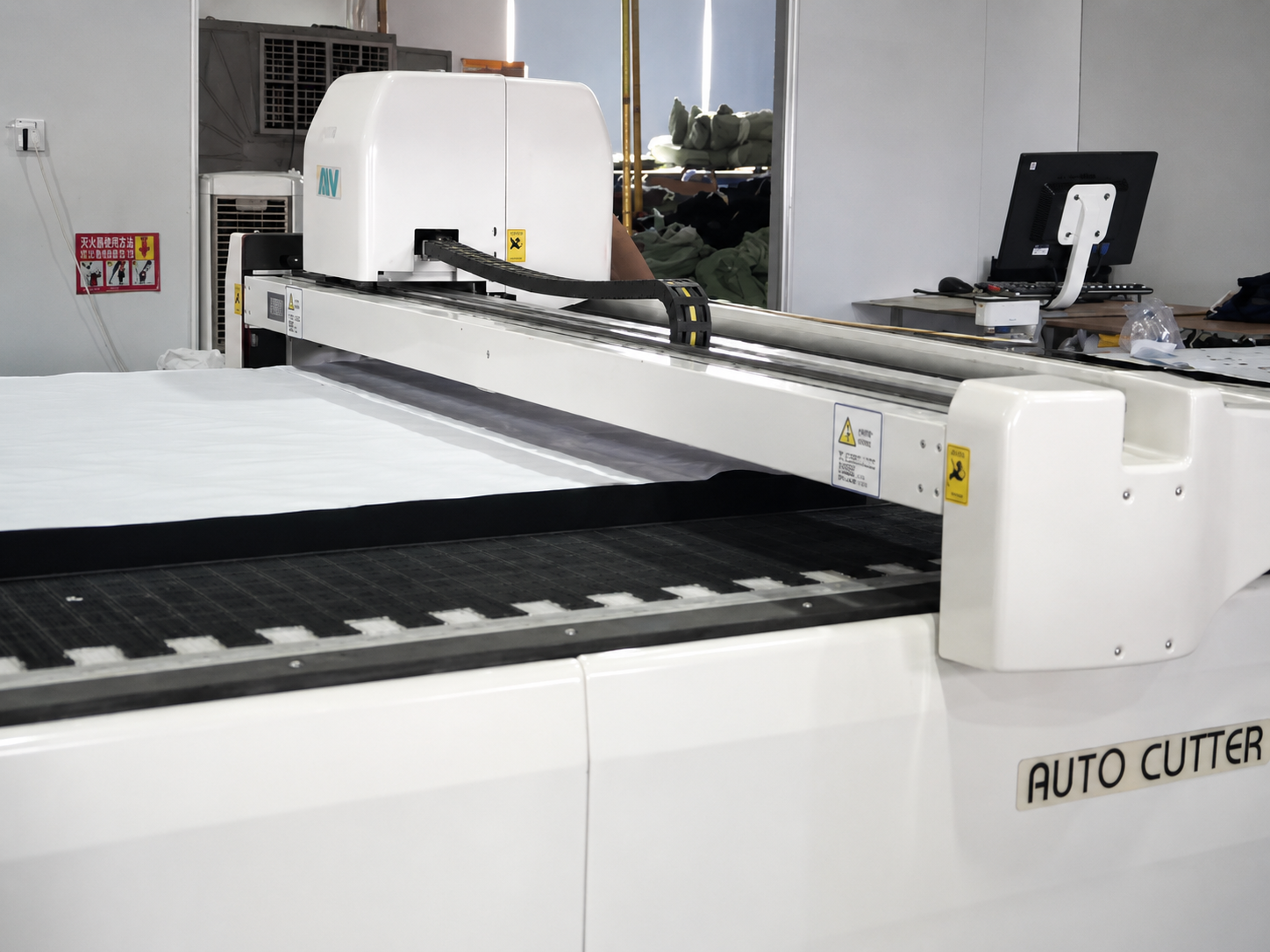
304 Confirmed Machines
More than 300 production, specialized-process and finishing machines support cutting, sewing, branding, finishing and packing.
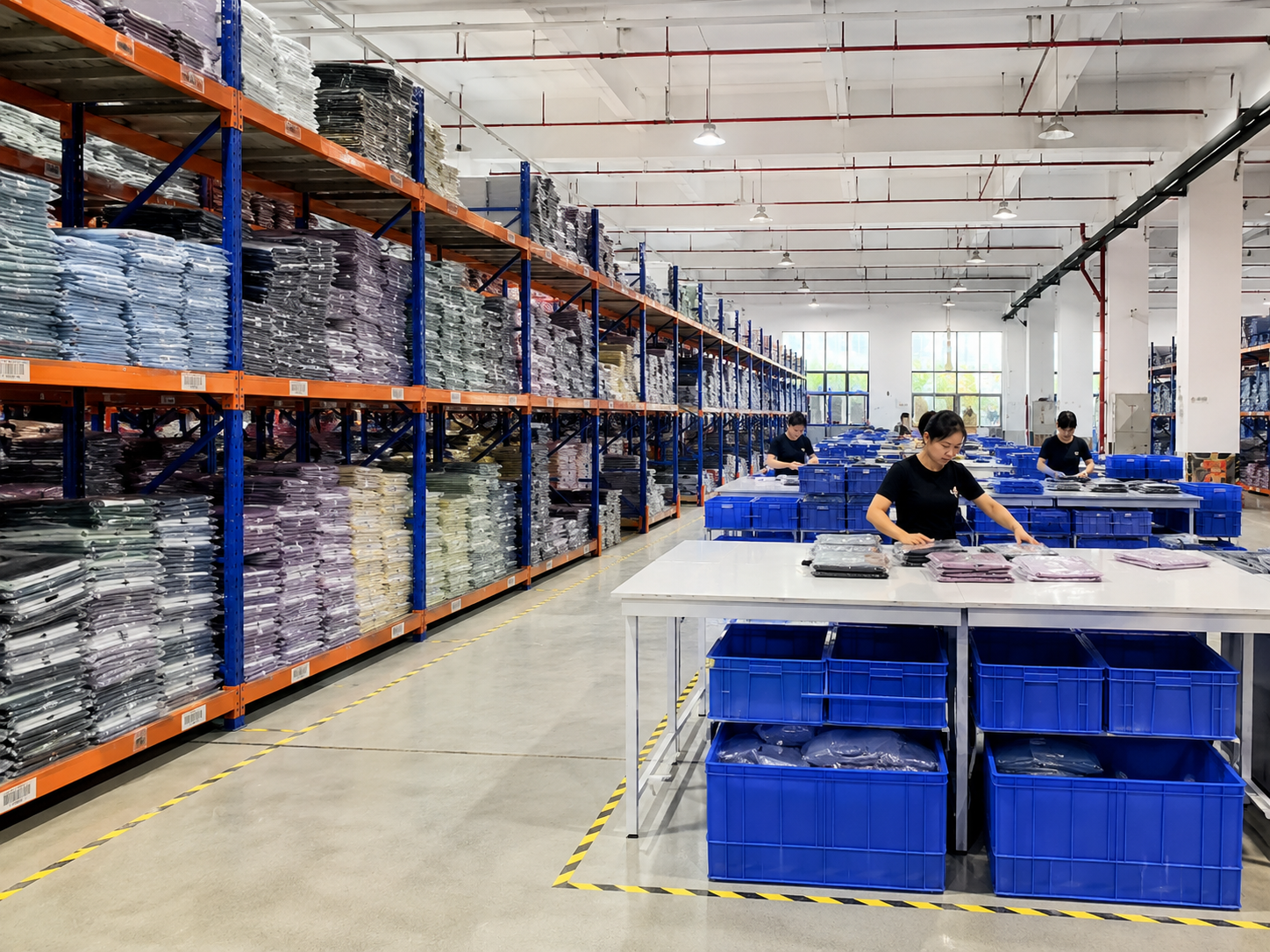
Up to Approx. 120,000
Combined monthly capacity can reach approximately 120,000 finished garments, depending on style complexity, materials, order mix and production schedule.
Choose the Right Activewear Customization Route
Lower quantity and deep customization can pull a project in opposite directions. Using more readily available materials and components often improves initial feasibility, while custom colors, specialized materials and unique trims may require larger commitments. The right route depends on product positioning.
Development Area
Lower-Complexity Route
Higher-Customization Route
MOQ Consideration
Fabric
Suitable available material
Specific composition, construction or specially sourced material
Material supplier minimum may increase
Color
Established or available color
Dedicated brand color or special dyeing
Custom dye MOQ may apply
Pattern
Clear existing specification
New pattern development or major fit changes
More development work before production
Construction
Conventional approved structure
Complex bonding, multiple panels or special details
Production setup becomes more involved
Trims
Suitable standard options
Custom elastics, hardware or unique components
Trim supplier minimum may apply
Branding
Confirmed heat-transfer or label route
Multiple branding methods and custom components
Setup and component quantities require review
Packaging
Standard brand packaging
Custom printed structures or several channel versions
Packaging supplier minimum may apply
Best Fit
Focused first run
Distinctive, highly specified collection
Quantity should reflect development depth
No “ready-stock garment” promise is assumed here. Leadshow’s verified model is product development and manufacturing, while lower-quantity feasibility may improve through available fabrics, standard colors, standard trims or simplified packaging where technically suitable.
Activewear Customization From Product Fit to Brand Packaging
A genuine custom activewear program involves more than adding a logo. Pattern, fit, materials, construction and brand details need to work together as one manufacturable specification. Each area is reviewed according to the product, target market and intended production quantity.
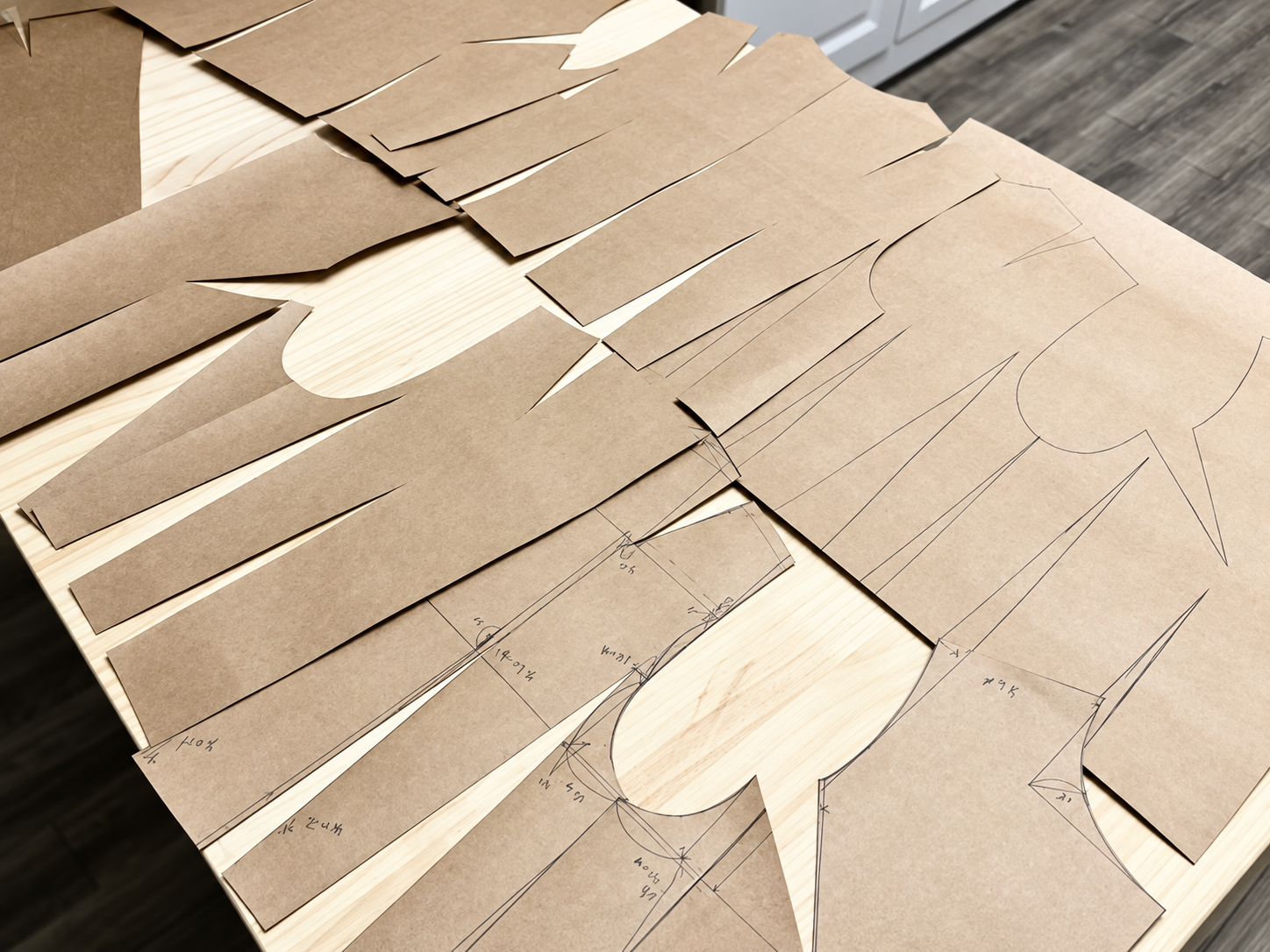
Pattern Development
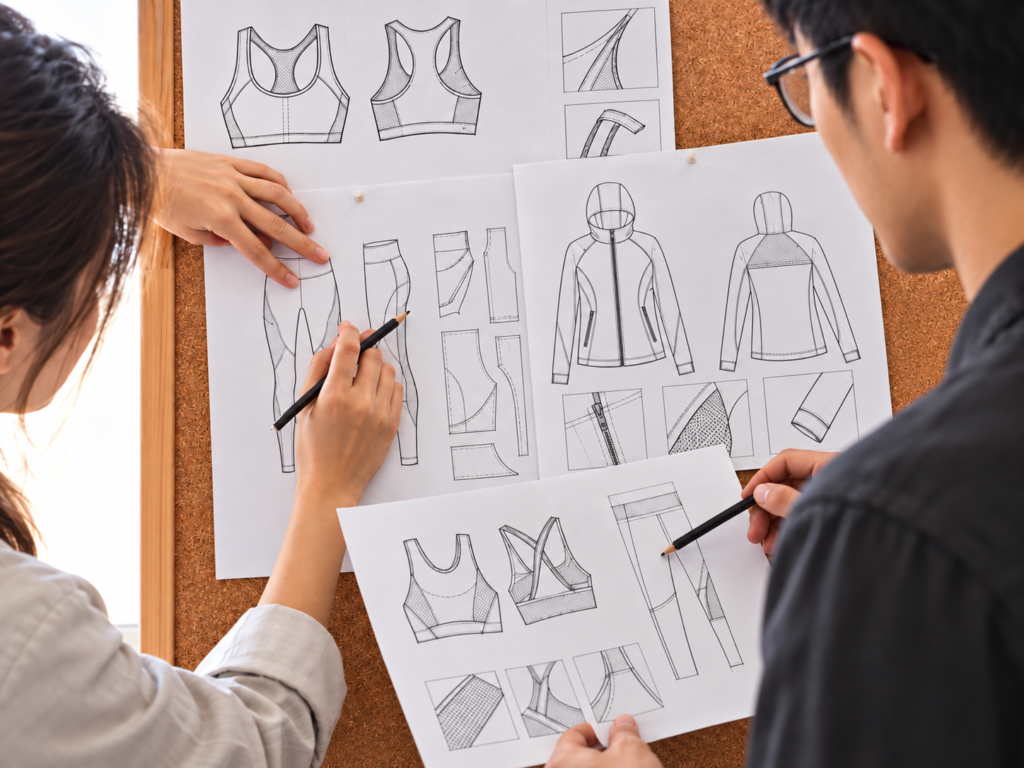
Pattern work translates the intended silhouette and measurements into pieces that can be cut, assembled and graded for production. Leadshow can review existing patterns or support pattern adjustment during development. Activewear patterns need to account for fabric characteristics and movement rather than relying only on flat garment dimensions. Approved patterns should remain linked to the corresponding fabric, sample version and measurement specification so future production or revisions can be evaluated against a clear technical baseline.
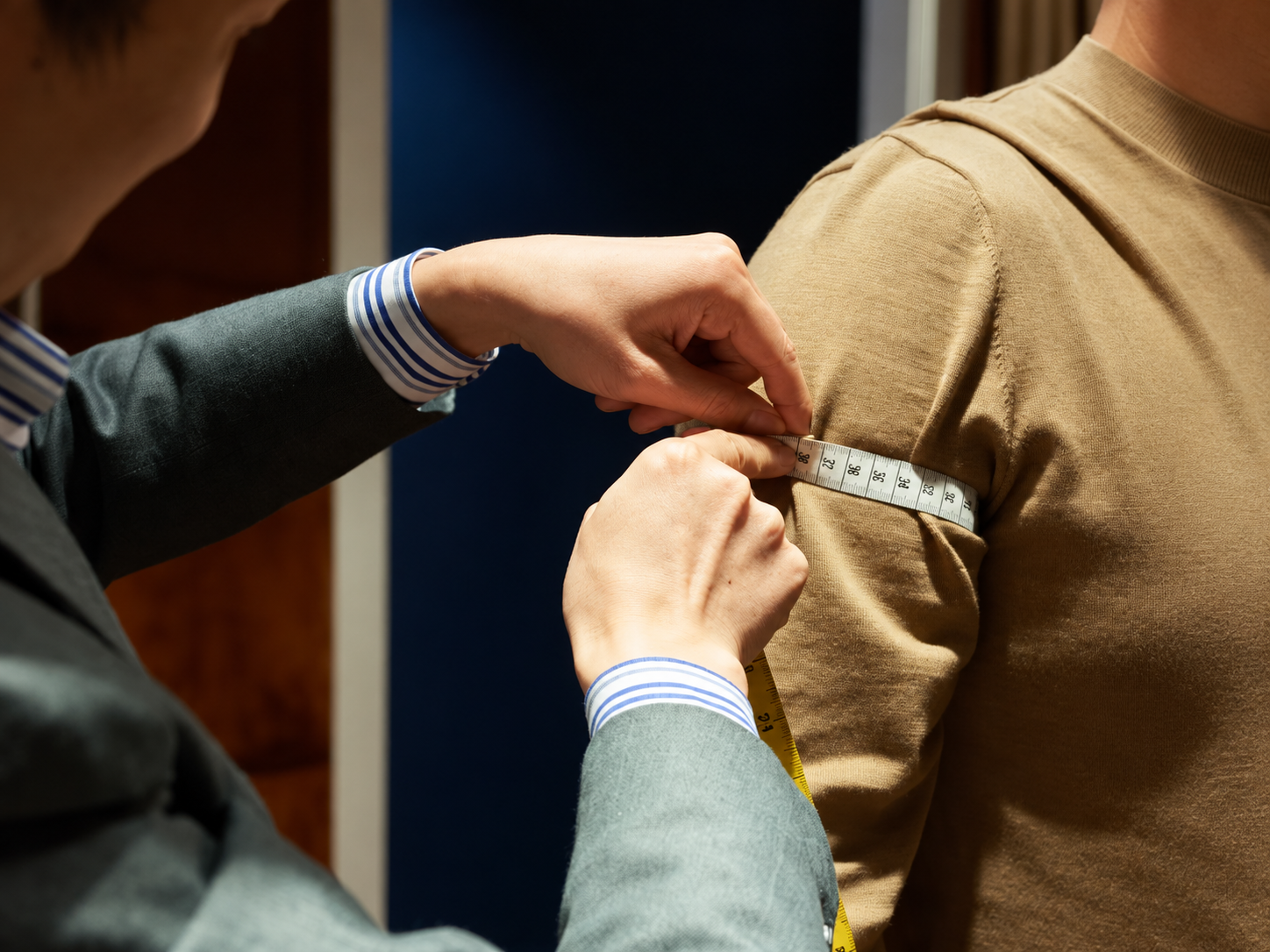
Fit Adjustment
Fit can be developed around the intended user, activity, silhouette and fabric behavior. A fitted yoga legging, relaxed sports T-shirt and coordinated tracksuit require different approaches to ease and movement. Leadshow can support fit review through sample development and measurement checks. No universal size range or one-size fit claim is assumed. Brand teams should provide target sizing, measurement standards and market expectations so grading and fit decisions are based on defined requirements.
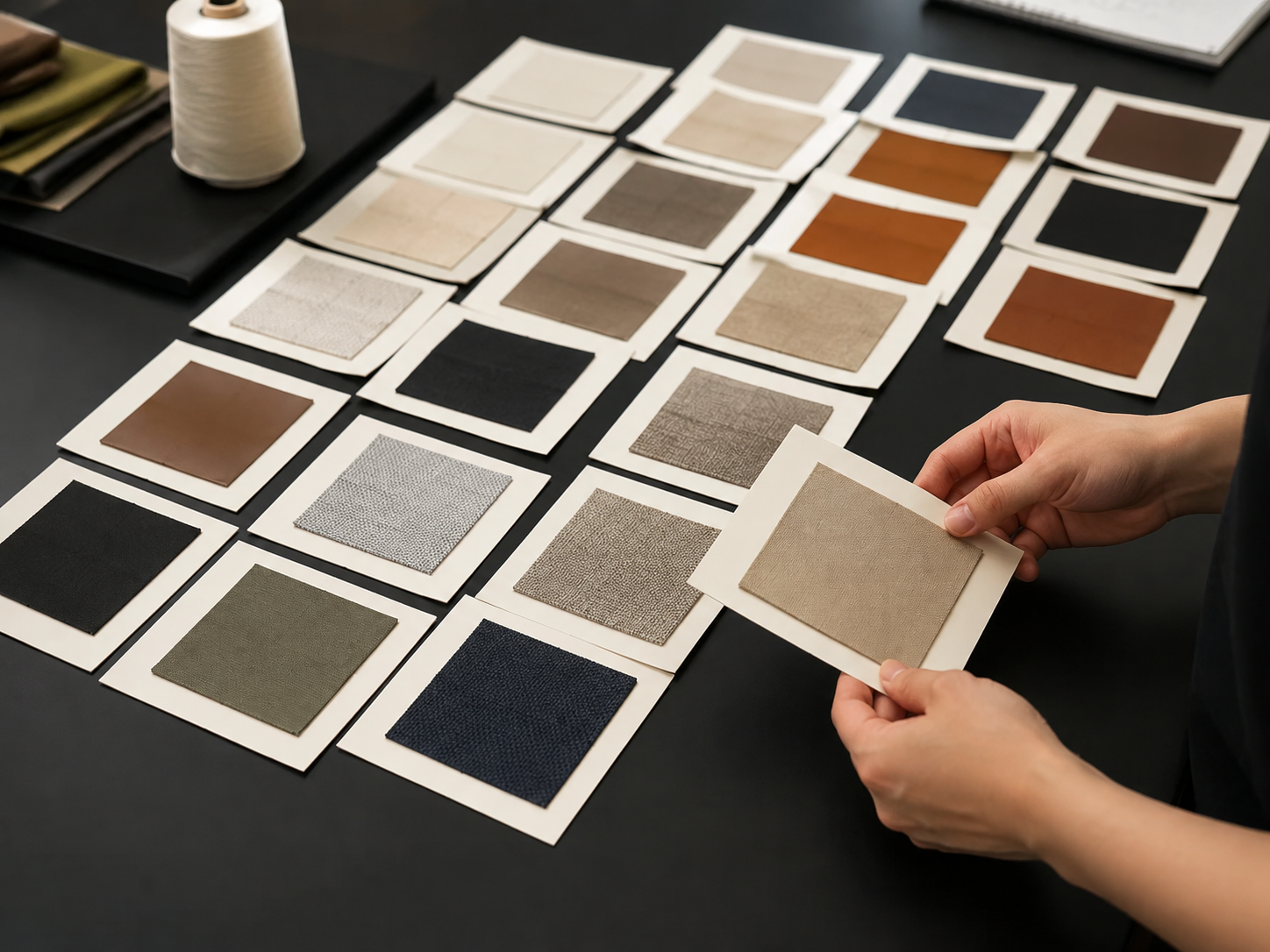
Fabric Selection
Fabric affects appearance, stretch, recovery, handfeel, opacity, construction, cost and MOQ. Leadshow can review materials according to product use and manufacturing requirements and can coordinate fabrics and trims according to the project. Performance, sustainability or certification claims are not automatically attached to a fabric category; any such requirement must be supported by the applicable material documentation or testing before it becomes part of an approved product specification.
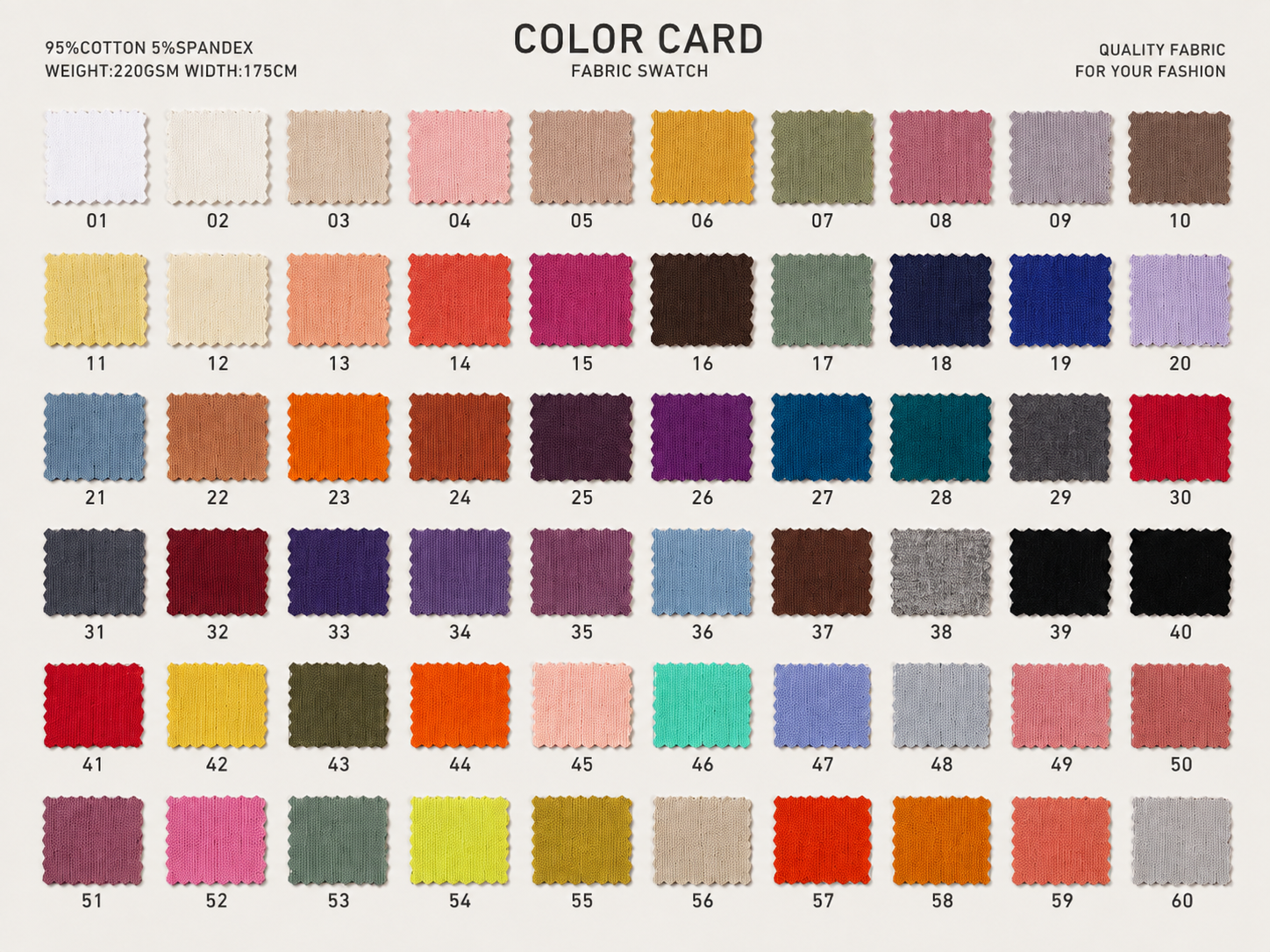
Color Development
Color can influence both brand identity and production quantity. Available or established material colors may support a lower-quantity program, while a dedicated color can require a separate dyeing minimum. Color approval should rely on the appropriate physical standard rather than display screens alone. Once approved, color information should be connected with the exact fabric, material batch expectations and product version so sample and production references remain aligned.
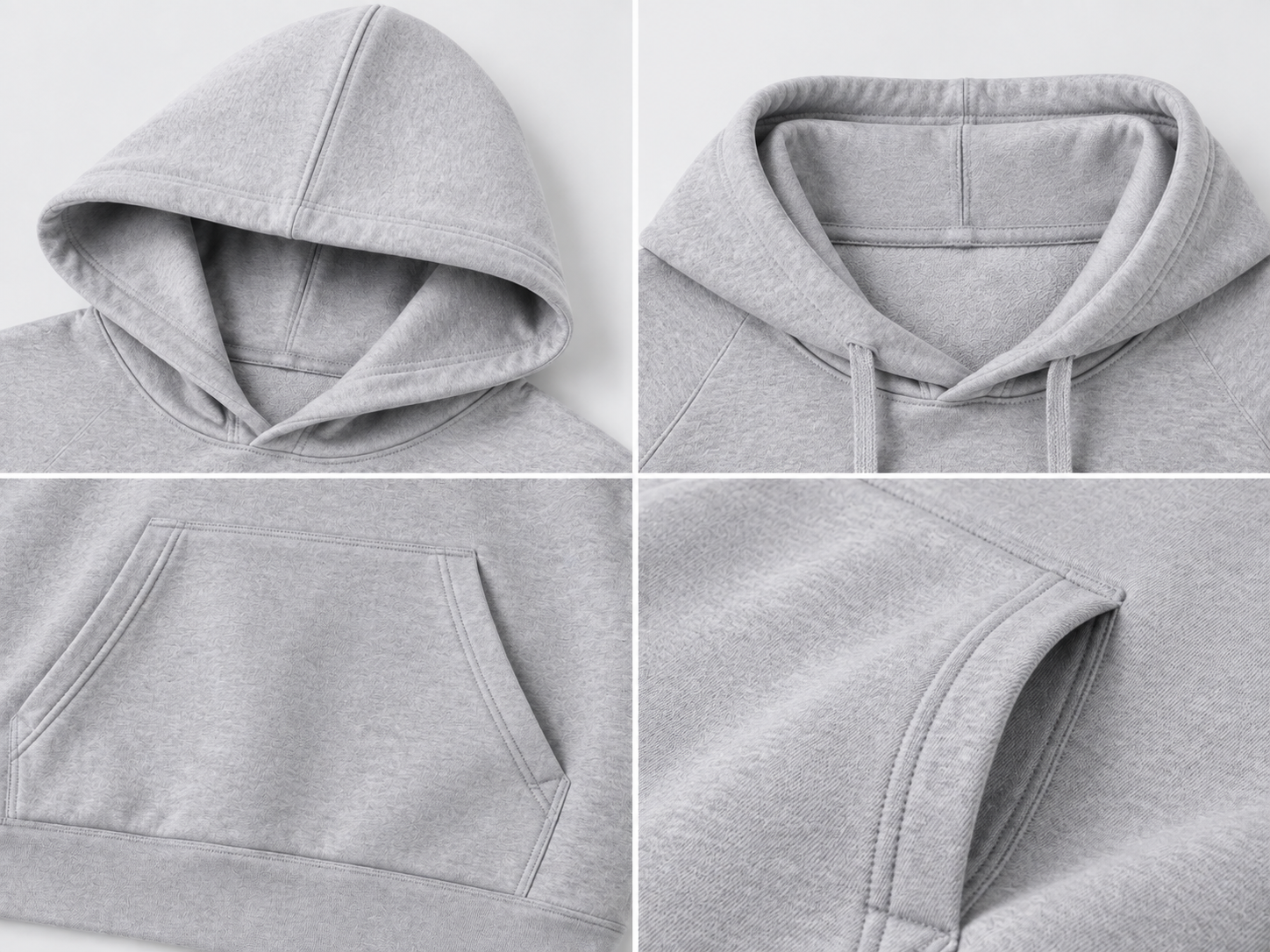
Garment Construction
Construction covers seams, panels, waistbands, straps, pockets, openings, reinforcement and other structural details. Activewear needs to balance movement, comfort, appearance and manufacturability. Leadshow’s equipment includes conventional sewing, four-needle six-thread flatlock, elastic installation and selected specialized processes. Construction choices are reviewed according to material compatibility and product requirements rather than assuming every available process should be used on every style.
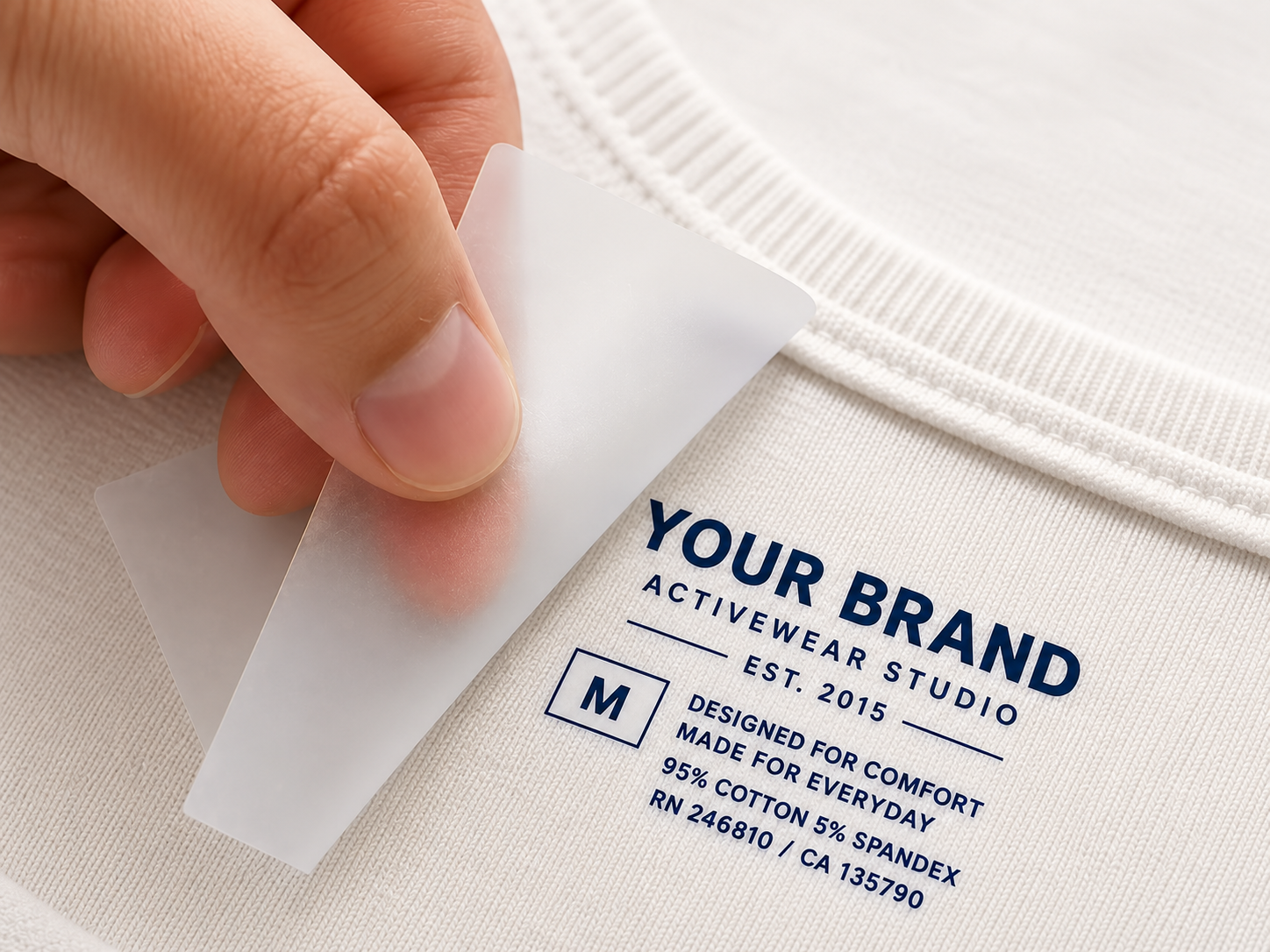
Logo Application
Logo execution depends on artwork, size, location, substrate, stretch and washing expectations. Leadshow has confirmed heat-transfer labeling and heat-press equipment among its manufacturing resources, while other logo processes require project-specific confirmation if not covered by verified internal capability. Brand artwork should be supplied in usable production files, and the selected method should be sampled on the intended material whenever stretch or surface behavior could affect the final appearance.
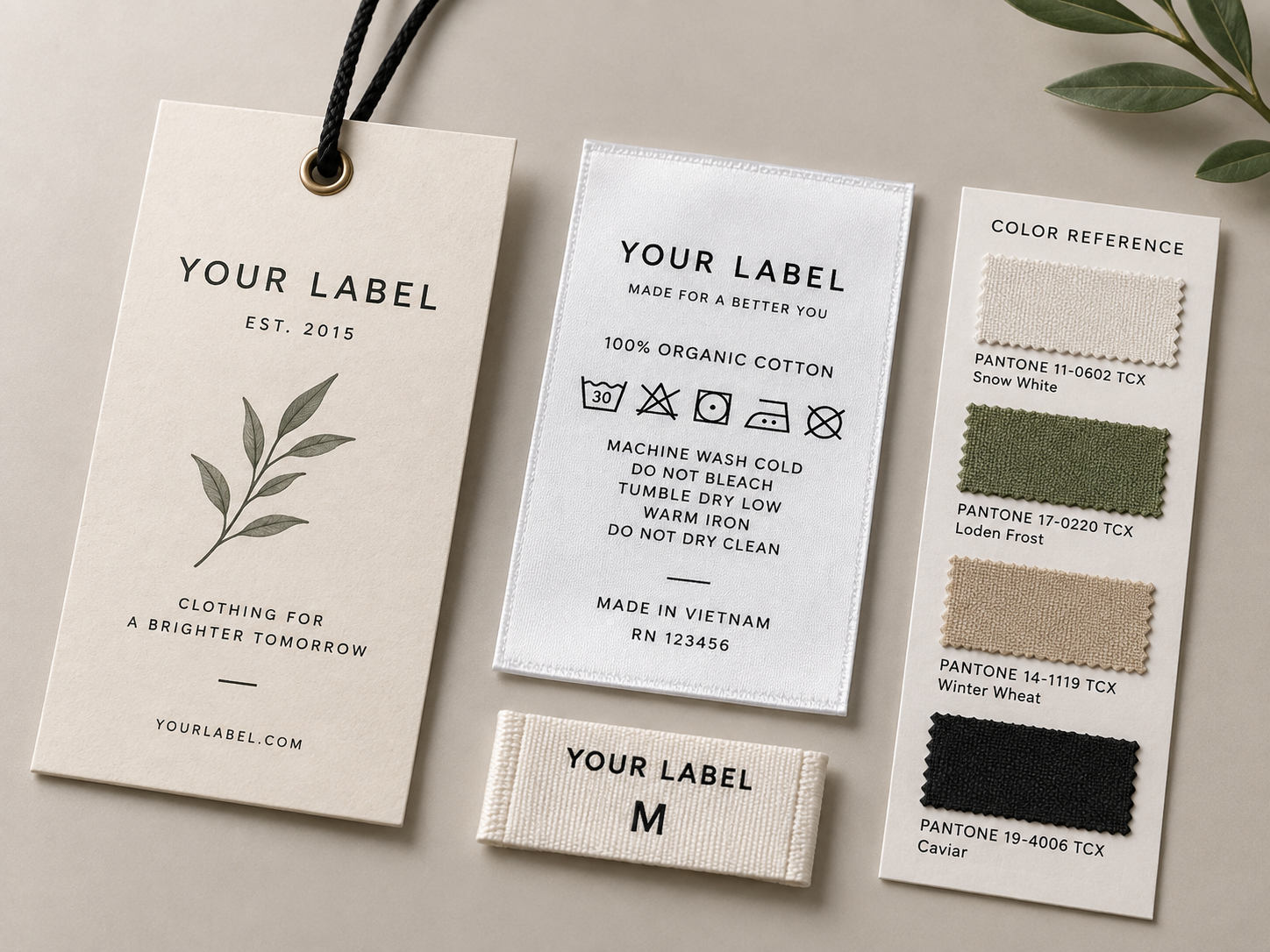
Private Labels
Main labels, care labels and size identification form part of a private-label program and need to match the approved brand files, product information and target-market requirements. Label method, dimensions, placement and content should be reviewed before bulk production. Some label suppliers may have their own minimum quantities. Regulatory or fiber-content statements should come from confirmed product and market information rather than generic templates carried over from unrelated garments.
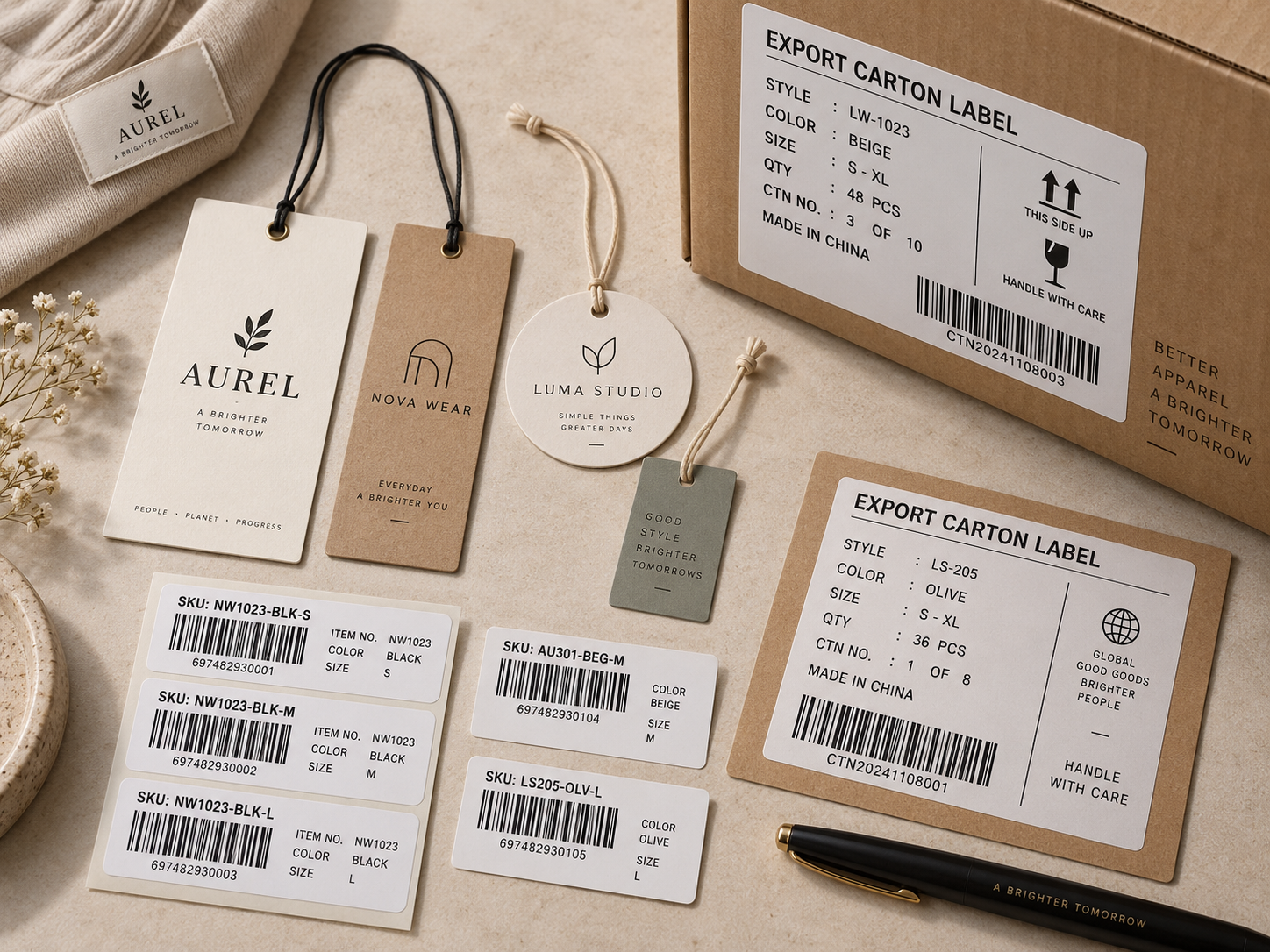
Custom Packaging
Packaging may include individual bags, SKU identification, hang tags, carton marks and other brand-specific components. The structure should be matched to the sales channel, product type and shipping requirements rather than added simply for visual impact. Custom packaging suppliers can set separate minimums, so packaging design is best reviewed alongside garment quantity. Final artwork, versions, SKU relationships and carton requirements need written approval before production packing begins.
Fabric Decisions Behind Activewear MOQ and Product Performance
Activewear material selection affects much more than fabric cost. Stretch, recovery, weight, handfeel, opacity, color, construction and supplier minimums all influence how a style fits, performs during wear, sews in production and moves from sample to bulk manufacturing.
Match Fabric Choices to Product Use and Fit
A fabric should be evaluated against the garment’s intended activity and construction rather than selected from a generic “performance fabric” list.
- Product use:Yoga leggings, sports bras, running shorts and training tops place different demands on stretch, structure, surface feel and coverage.
- Stretch and pattern relationship:Pattern dimensions for fitted activewear are closely linked to fabric elasticity and recovery. Replacing a material after fit approval may require another pattern and sample review.
- Weight and handfeel:GSM, fabric structure and finishing influence thickness, drape and tactile experience. Higher GSM does not automatically mean higher quality.
- Opacity and color:Light colors, high stretch and certain constructions may expose opacity issues that are not obvious when fabric is relaxed.
- Performance claims:Terms such as quick-dry, moisture-wicking, chlorine-resistant, recycled or certified should be tied to the applicable fabric documentation or test requirement.
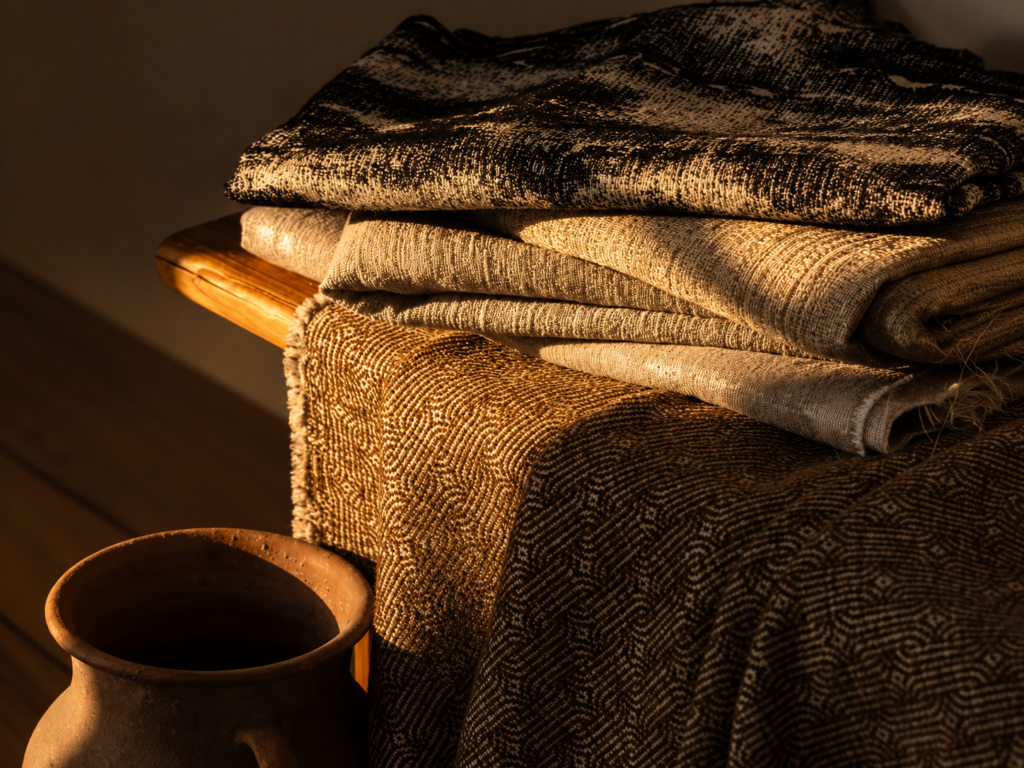
Balance Availability, Color, Testing and Order Quantity
Material strategy plays a central role in making a lower-quantity project commercially workable.
- Available materials:A suitable material already available through the supply chain may reduce the need for a dedicated production lot.
- Custom colors:A proprietary brand color can require a separate dye lot.
- Specialized trims:Elastics, zippers and other components can create small but significant quantity barriers.
- Testing:Testing needs to follow the intended market, material and product claim. A certified material does not automatically make the finished garment or manufacturing facility certified.
- Commercial planning:An initial collection becomes easier to control when core products share appropriate materials or trims, where technically suitable.
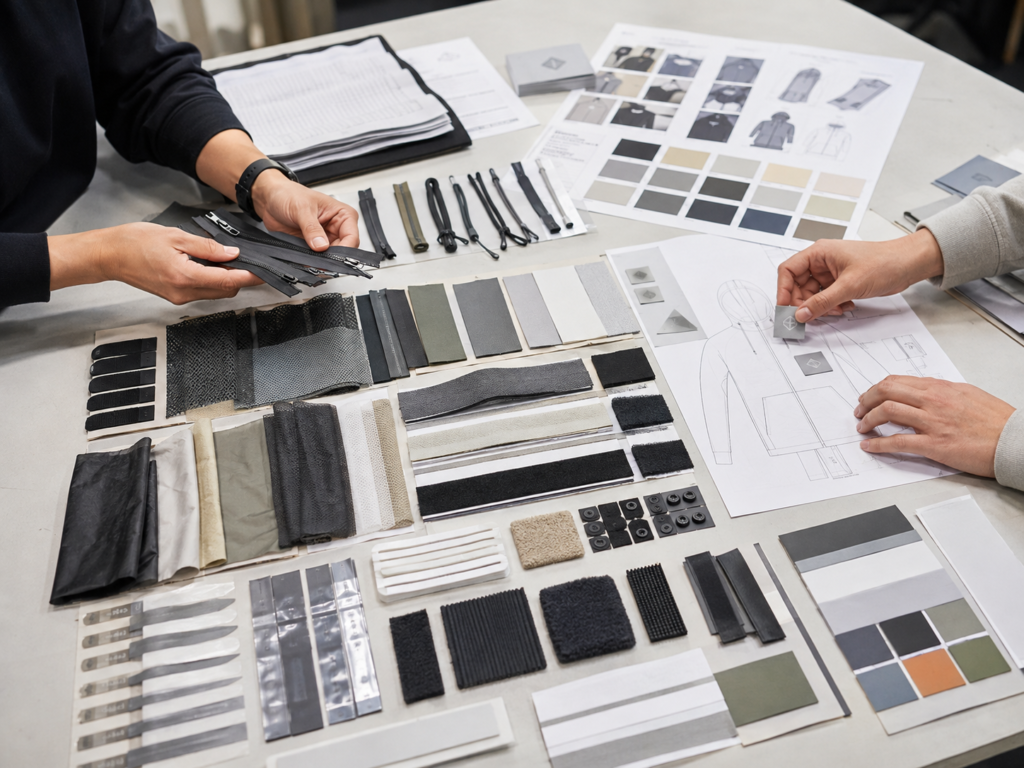
Pattern, Fit and Movement Development for Activewear
Activewear fit cannot be separated from material stretch and movement. Development needs a clear target silhouette, measurement system, intended activity and approved fabric. Low initial quantity does not remove the need for pattern validation before production.
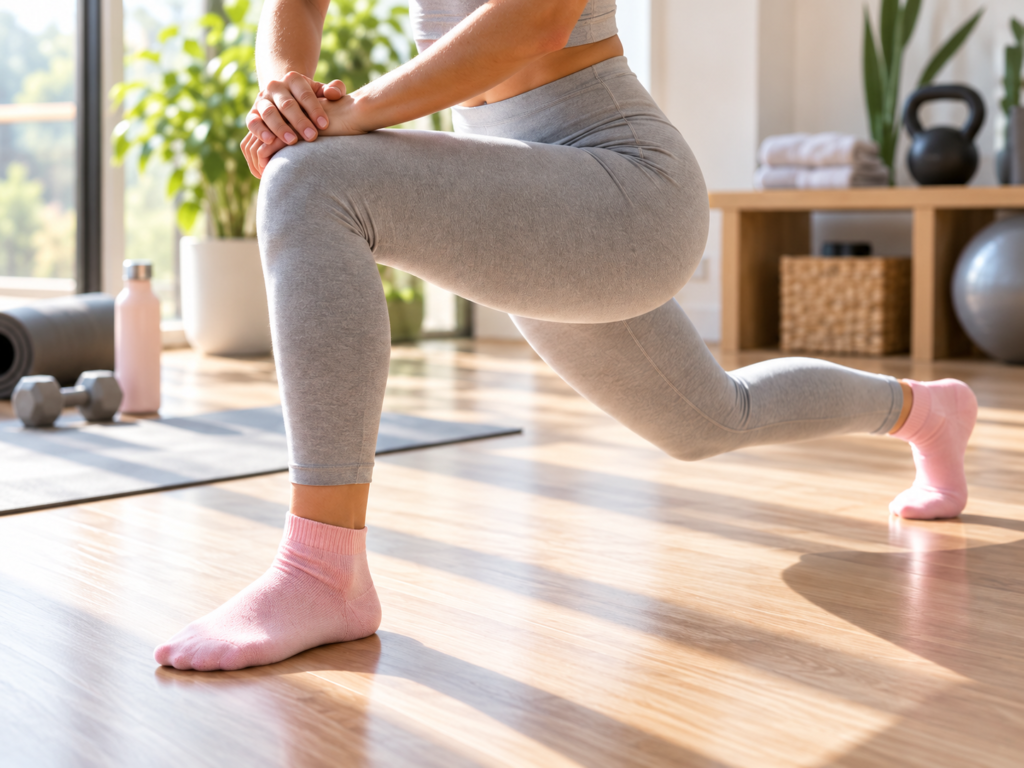
Build Fit Around Movement, Fabric and Target Market
Fit begins with a defined wearer and product objective rather than an assumed universal size chart.
- Target silhouette:Define whether the style is fitted, close to body, relaxed or layered.
- Measurement input:Existing Tech Packs, measurement charts, approved garments or brand sizing standards provide a stronger starting point.
- Fabric interaction:Stretch direction and recovery affect negative ease, waistband behavior, strap fit and overall garment dimensions.
- Movement review:Relevant actions may include squatting, bending, stretching, arm movement, sitting or running depending on product use.
- Construction interaction:Seam placement, elastic tension, panels, pockets and logo position can affect movement and comfort.
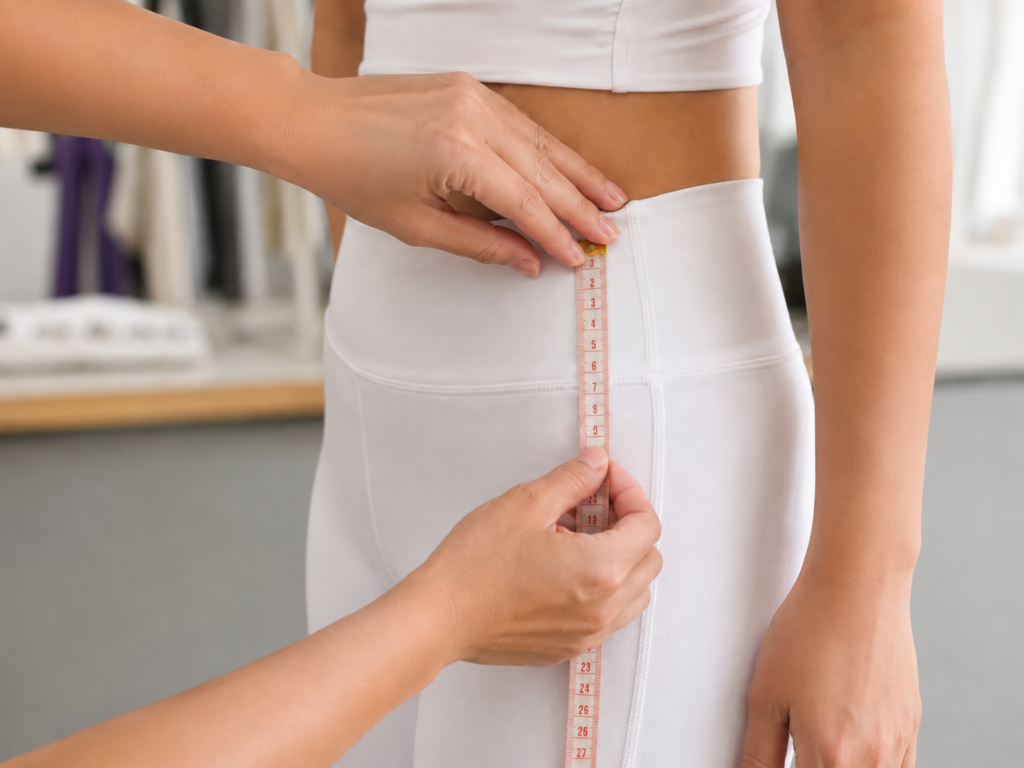
Approve Measurements Before Scaling Into Production
Size planning becomes more important as a style moves from one sample into multiple sizes and SKUs.
- Base size:Development needs a clearly defined base size and measurement method before grading can be reviewed.
- Size range:Leadshow does not publish one fixed universal activewear size range for every project.
- Grading:Moving between sizes is more complex than adding the same amount to every measurement.
- Fit sample:A fit sample can verify proportions and critical measurements before the range moves further into production preparation.
- Size set or PP sample:Relevant sample types may be reviewed where project requirements call for additional validation.
- Version control:Approved measurements, pattern version, fabric, trims and sample reference need to remain linked.
Develop and Approve Samples Before Activewear Production
Sample development converts drawings, technical information and material requirements into a garment that can be measured, worn, reviewed and revised. Leadshow does not publish one universal sample lead time because timing depends on product complexity, materials, trims, branding, revision rounds and scheduling.
Project Input
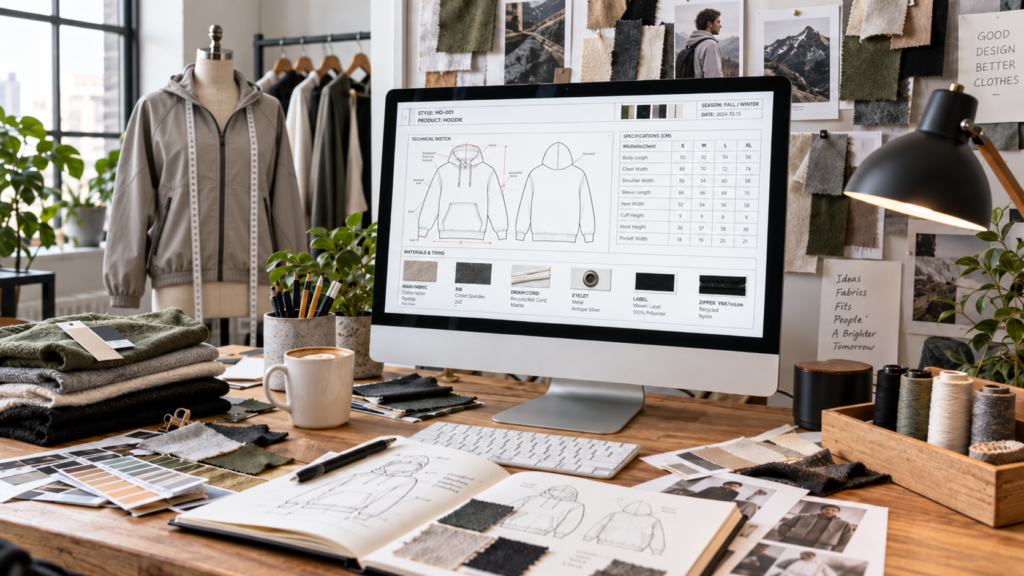
Development can begin with a Tech Pack, design drawing, reference image or legally usable physical sample. Quantity, intended market, target fit, materials, branding and desired launch timing should be shared as early as possible. Incomplete information does not automatically block discussion, but missing specifications need to be identified. A clearer starting brief reduces avoidable assumptions during pattern, material and sample preparation.
Technical Review
The development team reviews construction, measurements, materials and manufacturing feasibility before the first sample proceeds. Important questions can include unclear measurement points, incompatible fabric and construction combinations, difficult seam locations or branding that may not work well on a highly elastic area. Review findings are discussed as project considerations rather than silent design changes, and final decisions remain tied to approved brand requirements.
Fabric and Pattern
Material and pattern development need to progress together for fitted activewear. A fabric’s stretch, weight and recovery can change pattern behavior, while an unsuitable pattern can create problems even with a good material. Leadshow can review pattern and fit adjustment and coordinate material and trim options according to the approved direction. Substitute materials, when used during early sampling, should be clearly identified rather than presented as final production materials.
First Sample
The first garment is used to evaluate overall direction, dimensions, silhouette, construction, material behavior, logo positioning and other visible details. A first sample is not automatically expected to represent the final production standard. Internal checks and brand review identify where the sample already meets the brief and where pattern, fabric, trim or construction needs adjustment before the next version is prepared.
Feedback and Revision
Clear consolidated feedback helps avoid conflicting revisions. Comments should identify measurement changes, visual corrections, construction issues and priority levels rather than relying only on statements such as “make it tighter” or “improve the fit.” Pattern, material or workmanship revisions are recorded against the relevant sample version. Additional rounds depend on how much the product changes and cannot be promised as a fixed universal number.
Approved Sample
Once agreed product elements are approved, the sample and final files become key references for production preparation. Depending on project requirements, development samples, fit samples, logo samples, color samples, size sets or pre-production samples may be reviewed. Approval does not remove normal production tolerances, but it creates a measurable reference for materials, dimensions, construction, branding and appearance before manufacturing moves forward.
Move From Initial Evaluation to Scalable Activewear Production
A smaller first program has the greatest value when it builds a manufacturing standard that can support later orders. Sample quantity, trial quantity and formal bulk quantity are separate decisions, and each stage should have a clear purpose.
Use Early Production to Validate More Than Inventory
- Approved product:Pattern, measurements, fabric, trims, logo and packaging need defined versions before production begins.
- SKU structure:The first production run should have a deliberate style, color and size mix.
- Product validation:A small-batch or pilot approach, where suitable, can help assess fit, product acceptance, packaging and operational handling before wider production.
- Quality baseline:Lower quantity should not mean undefined quality. Approved documents and garment standards should guide production regardless of order size.
- Feedback quality:Post-launch information becomes more useful when comments are separated into product, fit, material, packaging and commercial feedback.
Reconfirm Specifications, Capacity and Timing Before Scale-Up
- Specification update:Approved changes to pattern, measurements, materials, color, branding or packaging should be written into current production files.
- Material availability:Original fabric or trim may need to be reordered and new batches can require checks.
- Quantity structure:Larger orders may introduce additional colors, sizes or products, creating a different production mix.
- Capacity review:Actual availability must be reviewed against the product, materials, order mix and current schedule.
- Production timing:Bulk lead time is not a universal number and is reconfirmed after specifications, materials, approvals, quantity and scheduling are established.
- Long-term consistency:Repeatable manufacturing depends on approved information, production controls and version management.
Manufacturing Equipment Supporting Custom Activewear Production
Equipment only matters when connected with a real garment construction. Leadshow’s manufacturing system combines fabric preparation, cutting, multiple sewing methods, elastic handling and specialized processes to support sportswear development and production without claiming every machine applies to every style.
Fabric Spreading and Cutting
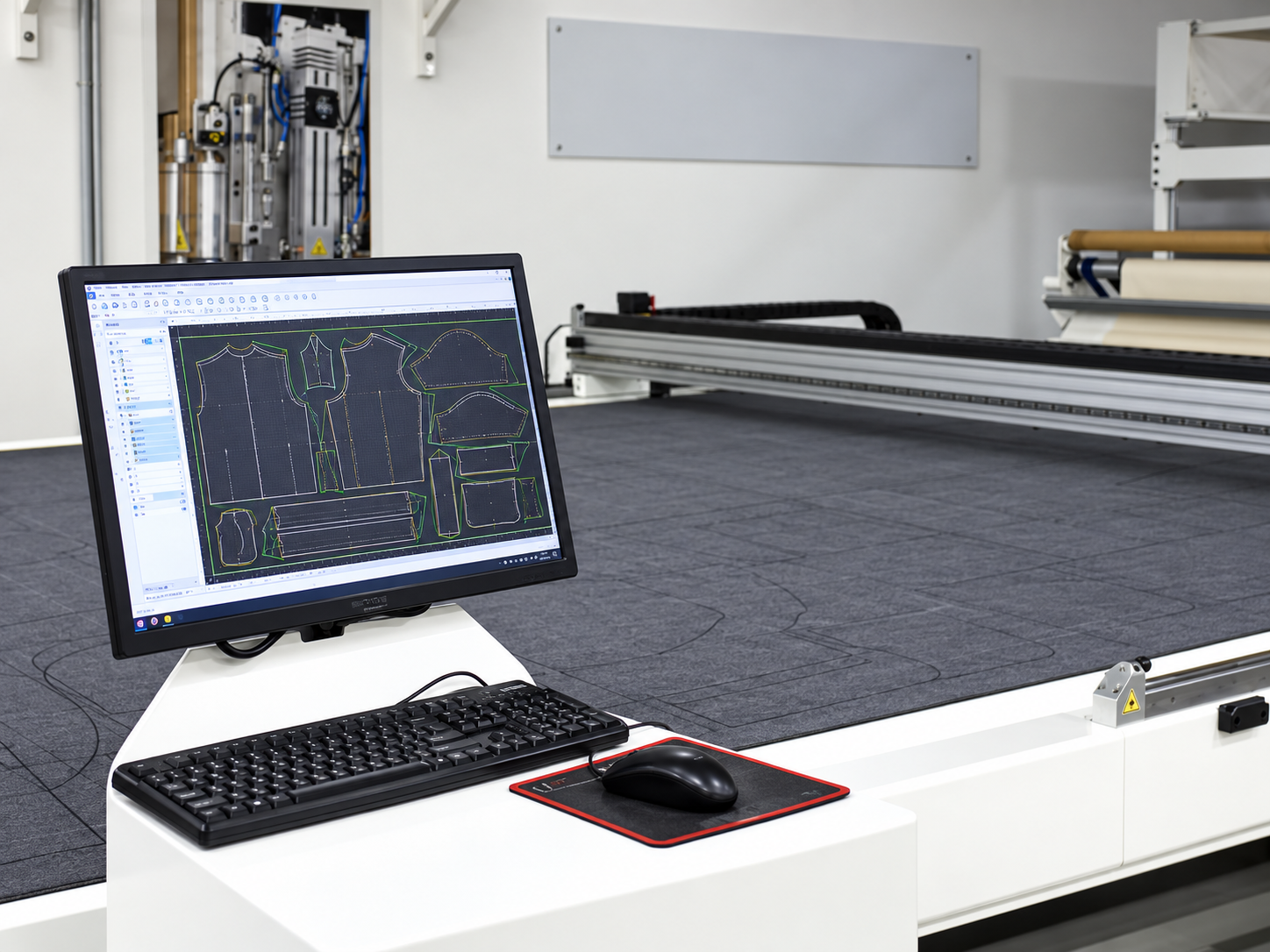
Leadshow has 5 automatic fabric spreading machines and 3 automated computer cutting machines, supported by additional cutting equipment. Automated spreading and cutting can improve repeatability during bulk preparation and support multi-size and multi-SKU programs. Highly elastic, lightweight, curling or surface-sensitive materials may require adjusted handling, spreading tension or cutting methods, so automated equipment does not mean every activewear fabric can be processed through one identical setup.
Flatlock Stitching
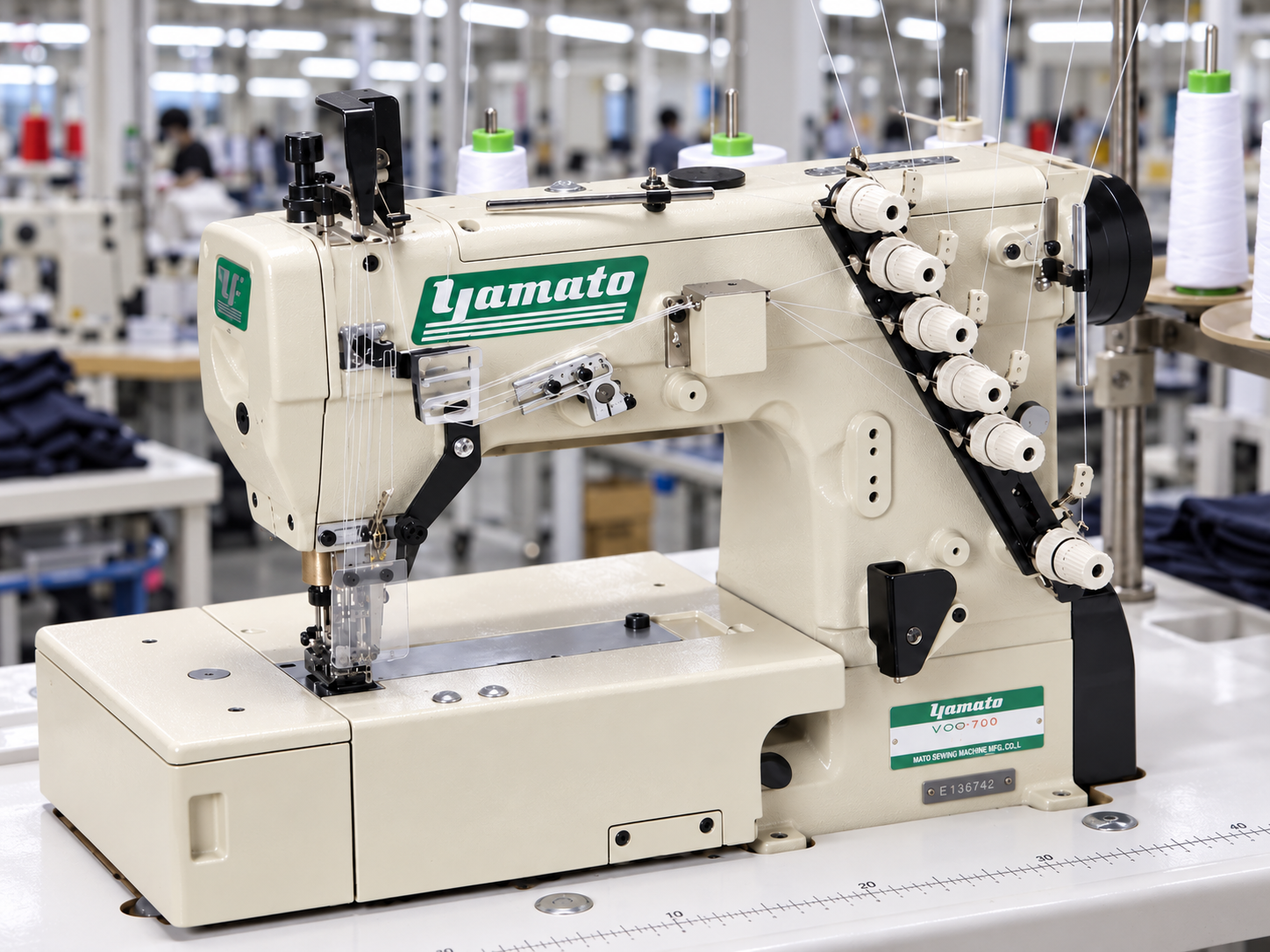
Leadshow operates 35 four-needle six-thread flatlock machines. They can support flatter, stretch-compatible seams for products such as yoga leggings, sports bras, tank tops, jumpsuits and selected activewear structures. Four-needle six-thread construction is not the same as whole-garment seamless knitting. Seam choice still depends on fabric stretch, garment construction and the approved technical requirements, and no blanket claim of zero chafing or permanent seam performance is made.
Core Sewing Equipment
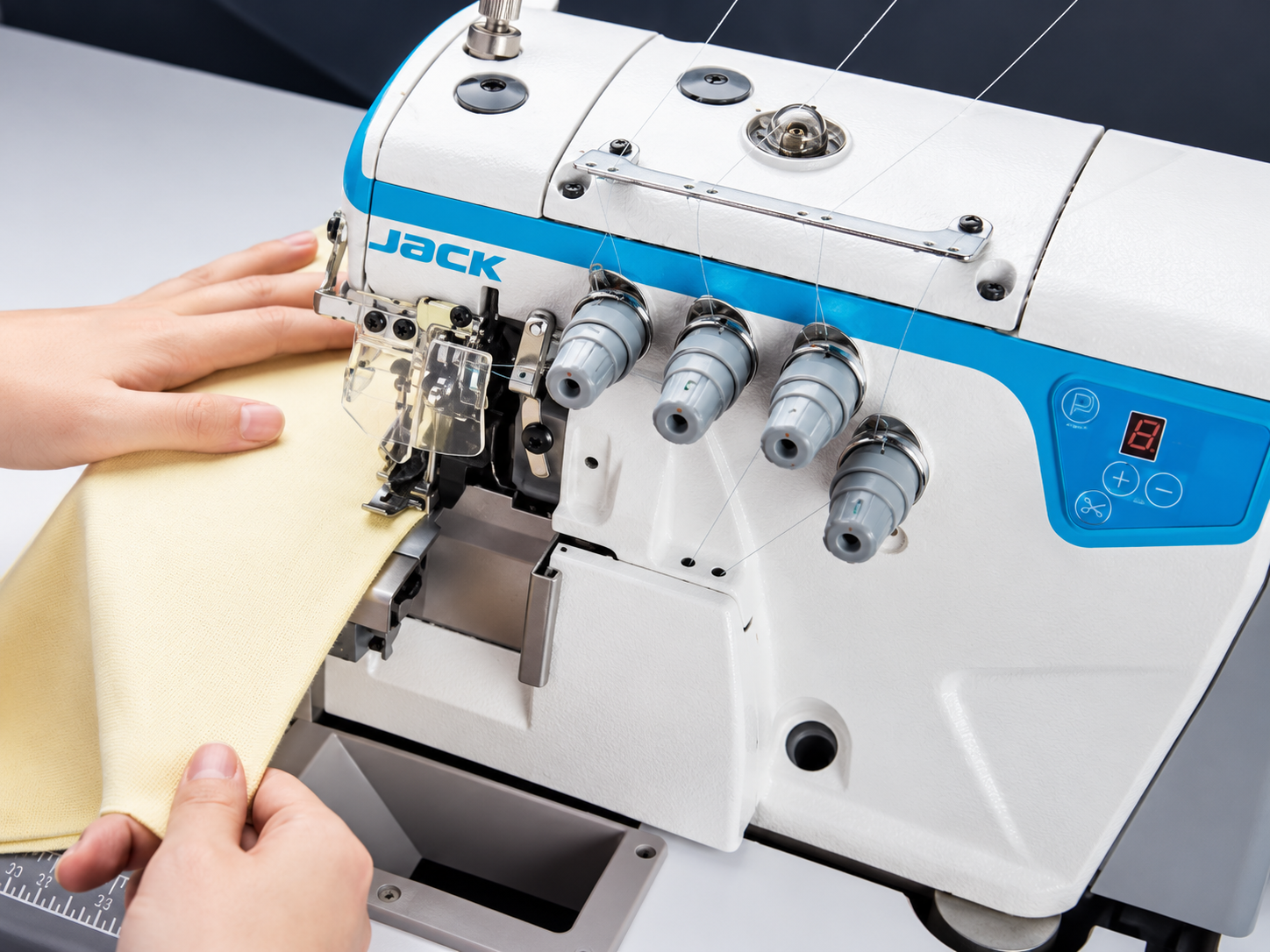
The manufacturing base includes 80 computerized direct-drive lockstitch machines, 40 five-thread overlock machines, 25 four-thread high-speed overlock machines and 15 double-needle machines among other equipment. Different combinations support basic joining, edge finishing, stretch garment assembly, parallel stitching and structural work. Machine availability does not mean one standard seam recipe is used across all activewear; stitch configuration must match the material, construction and approved sample.
Elastic Installation
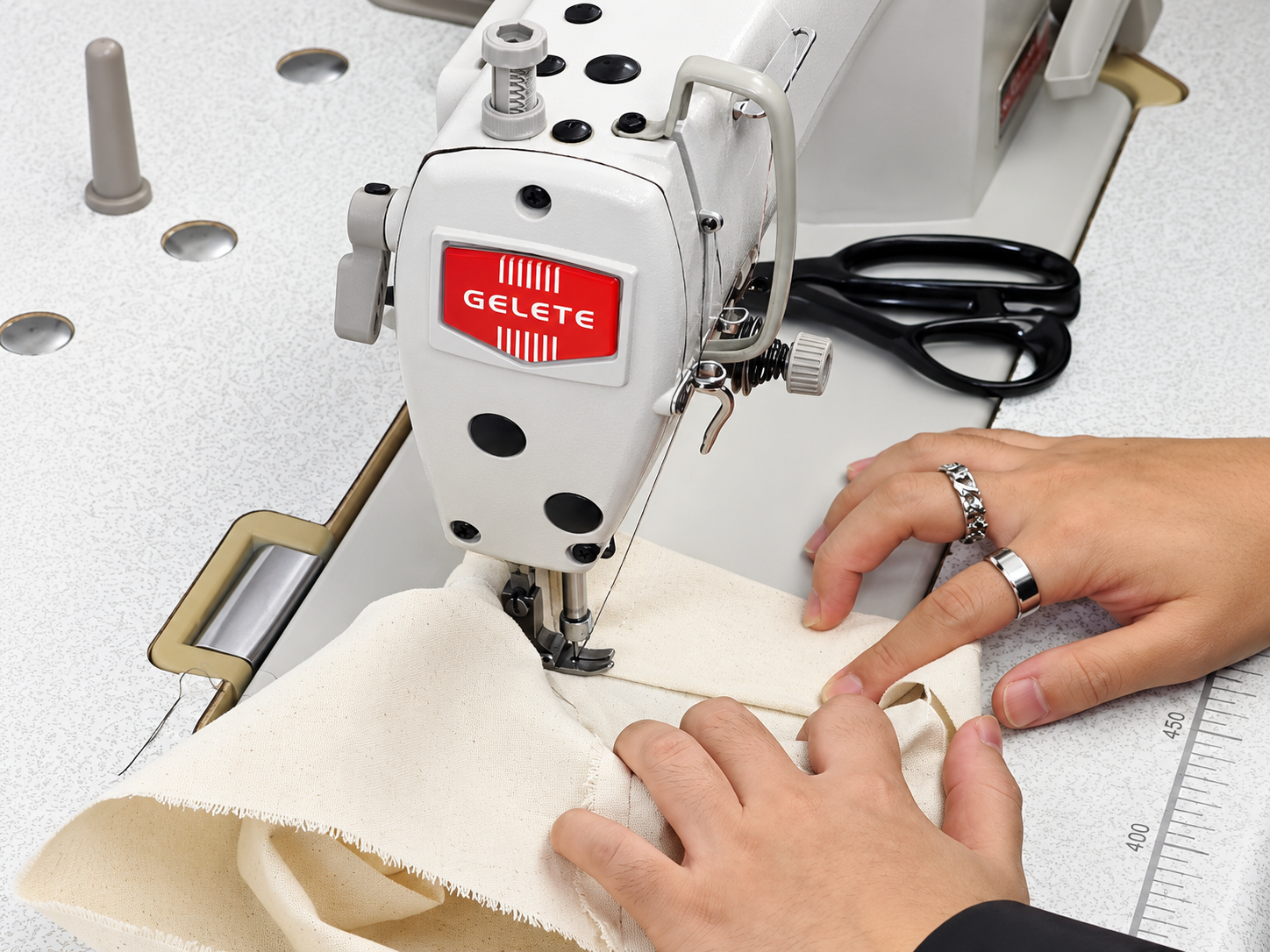
Leadshow has 12 elastic-attaching or elastic-installation machines supporting structures such as sports-bra underbands, legging waistbands, running-short waistbands and other elastic areas. Final performance depends on elastic material, width, tension, installation ratio, garment pattern and fabric recovery. Equipment alone cannot support absolute claims such as “never rolls” or “permanent compression.” Elastic specifications need to be sampled and approved as part of the overall activewear construction.
Heat Bonding
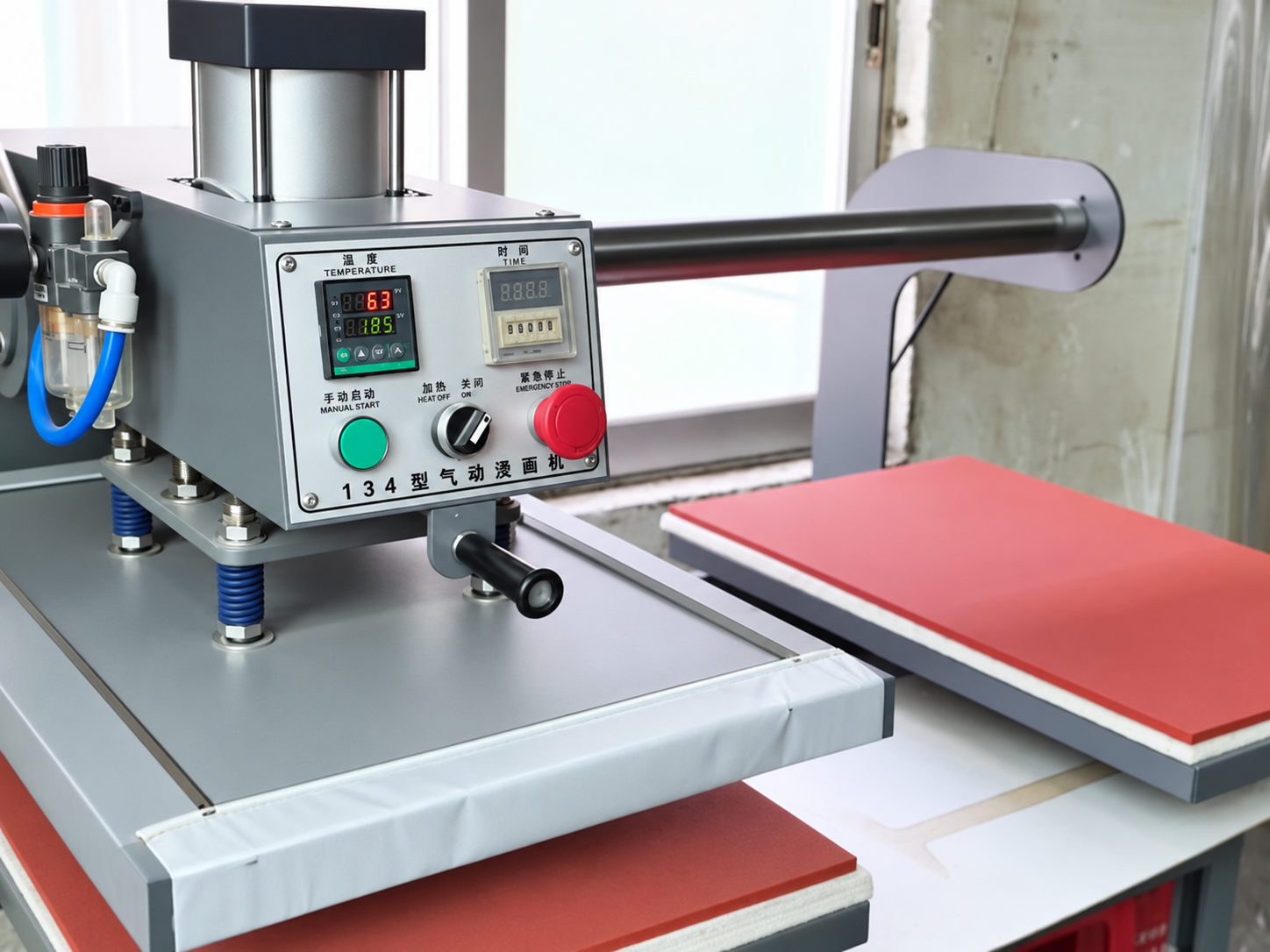
Leadshow has 8 heat-bonding or heat-press bonding machines for suitable localized structures, edges and selected reduced-seam applications. Bonding can create different design and construction options for compatible activewear fabrics, but suitability depends on material, adhesive film, temperature, pressure, time, washing requirements and structural location. Bonding equipment does not prove whole-garment seamless construction, waterproof performance or permanent wash durability without the relevant product-level evaluation.
Specialized Process Support
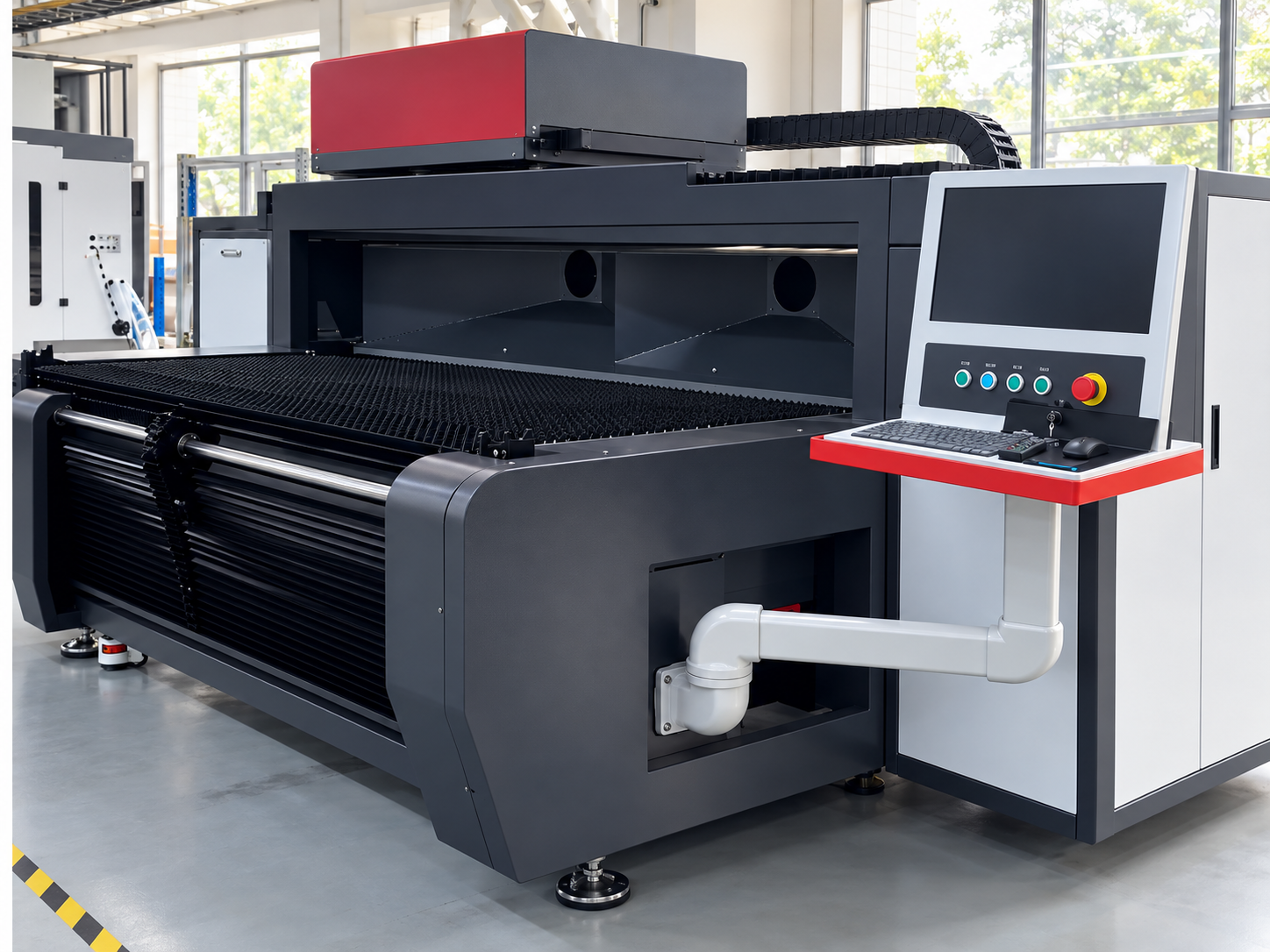
Confirmed specialized equipment also includes 4 hot-air seam-sealing machines, 3 laser perforation machines, 6 dual-station heat-transfer labeling machines and 4 multi-station heat-press printing machines. Each capability has its own use boundary. Seam sealing does not automatically make a garment waterproof, and laser perforation does not prove a fixed breathability improvement. Specialized processes are selected only where material compatibility, product construction and project requirements support their use.
Control Activewear Quality From Approved Sample to Packing
Quality consistency is built through approved specifications, material confirmation and checks during production rather than relying only on a final inspection. Activewear adds extra sensitivity because stretch materials, fit, elastic structures and logo placement can magnify small deviations.
Build Bulk Standards From Approved Samples and Final Files
- Final Tech Pack:Measurements, construction notes, artwork positions and other approved details need to match the latest version.
- Approved materials:Fabric, trims, elastic, colors and label components should correspond with the approved product direction.
- Pattern version:The production pattern should reflect the latest fit changes rather than an earlier development version.
- Branding files:Logo dimensions, placement and approved method should remain consistent with the applicable material.
- Packaging files:Labels, hang tags, SKU information and packing specifications need final approval before bulk execution.
- Production reference:The approved sample serves as a physical reference alongside technical files.
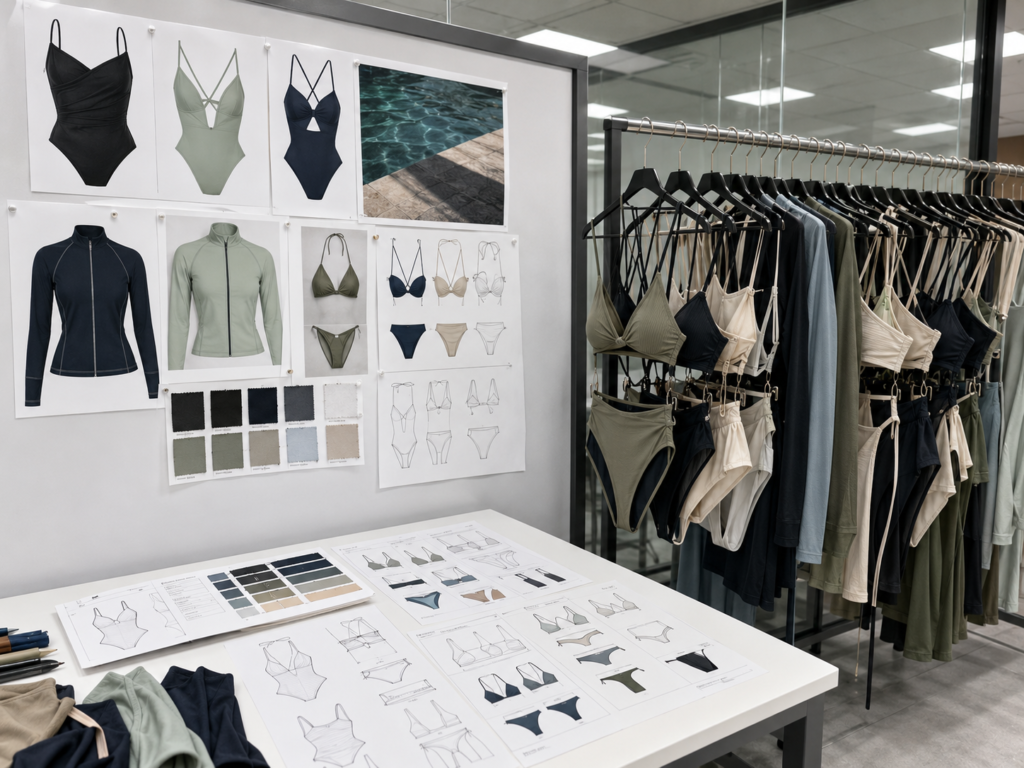
Check Materials, Production, Finished Garments and Packaging
- Material stage:Fabric and trims can be reviewed against the applicable specifications before production use.
- Production start:Early workmanship and critical measurements can be checked against the approved sample and files.
- In-process stage:Measurements, construction, appearance and key workmanship areas can be reviewed during manufacturing.
- Finished garment stage:Final garment dimensions, appearance, branding and relevant workmanship can be checked according to agreed requirements.
- Packaging stage:Labels, SKU, size identification and packaging information should be verified against approved files.
- Abnormal conditions:Items requiring correction need isolation, rework or reinspection according to the specific issue.
Leadshow does not publish a universal AQL, a 100% inspection promise or a zero-defect guarantee for every order. Quality requirements, inspection scope and any third-party requirements should be defined at project level.
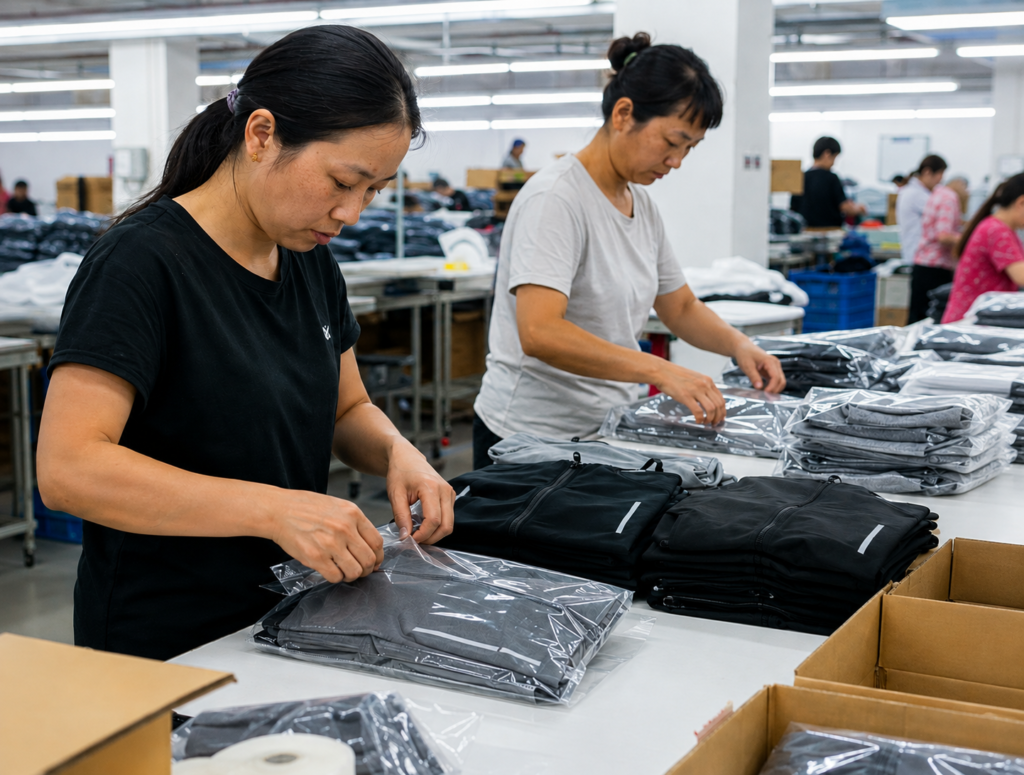
Build Private Label Activewear Beyond a Simple Logo
Private label execution connects garment specifications with brand identity, legal product information, SKU management and packaging. Brand files need to be reviewed early because labels and packaging can carry independent supplier minimums and can affect the final order structure.
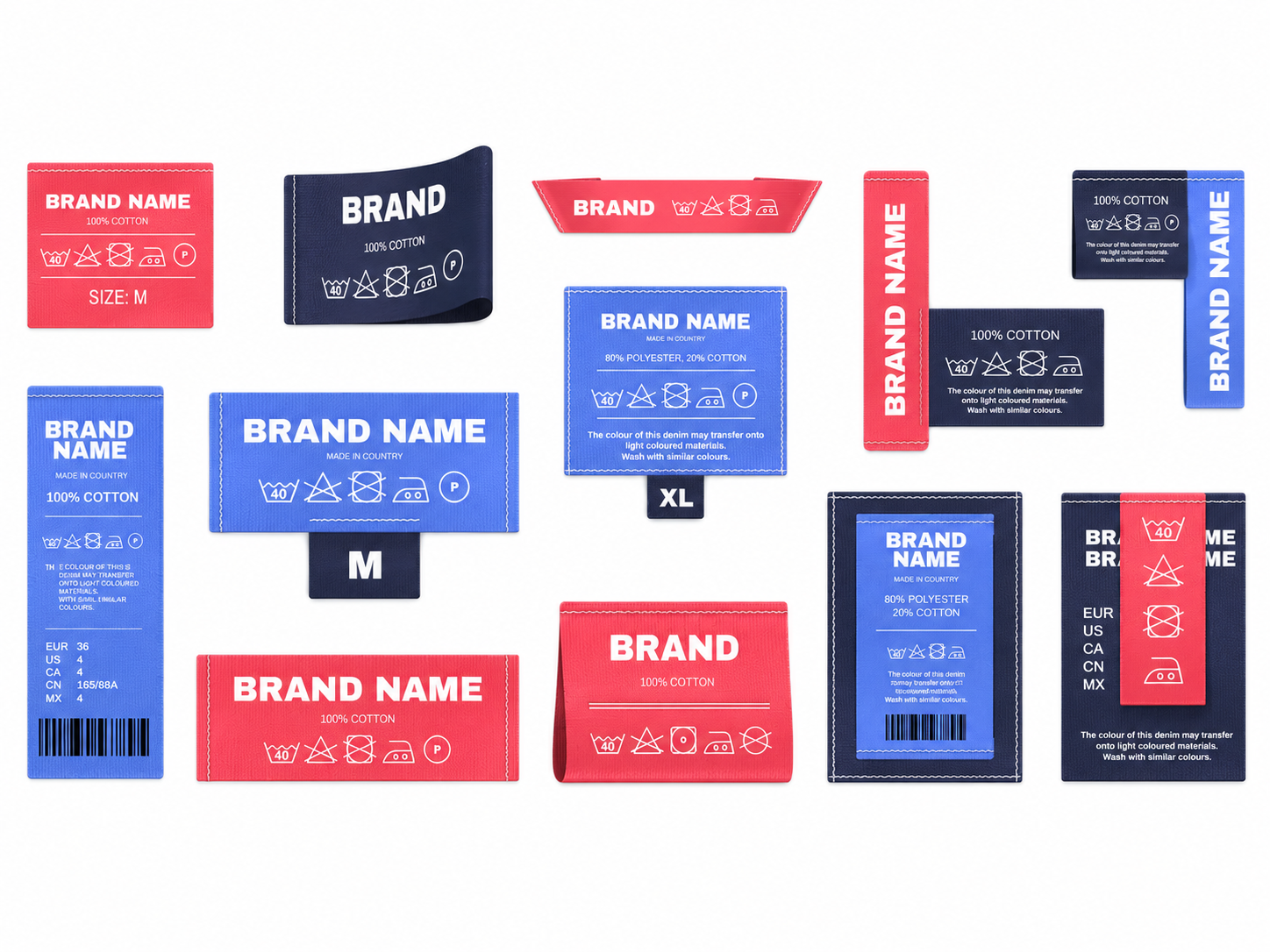
Main Brand Labels
A main label should match approved logo artwork, dimensions, material and placement. Label format also needs to suit the garment construction and wearing position. Highly fitted or lightweight activewear can require different label choices from a heavier tracksuit. Leadshow can support custom labels, while the exact label supplier, construction and minimum quantity are confirmed by project. Unauthorized third-party brand marks should not be submitted for reproduction.
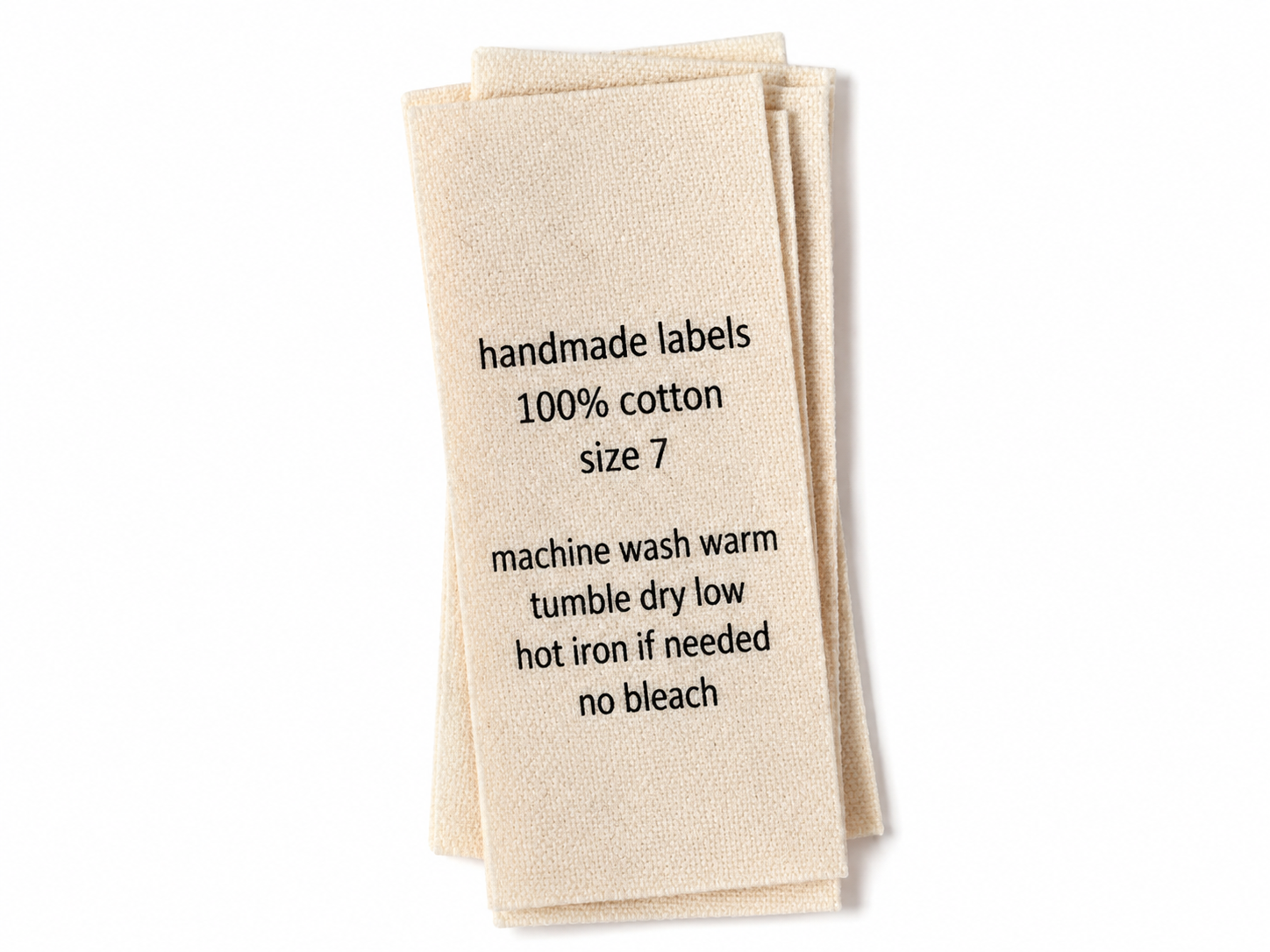
Care Labels
Care labels need accurate product information and should be based on confirmed materials and market requirements. Fiber composition, care symbols, language and other statements should not be copied blindly from another style. A material change can require label content to change as well. Final artwork needs approval before bulk packing so the garment specification, label version and target market remain aligned rather than creating corrections after production is already complete.
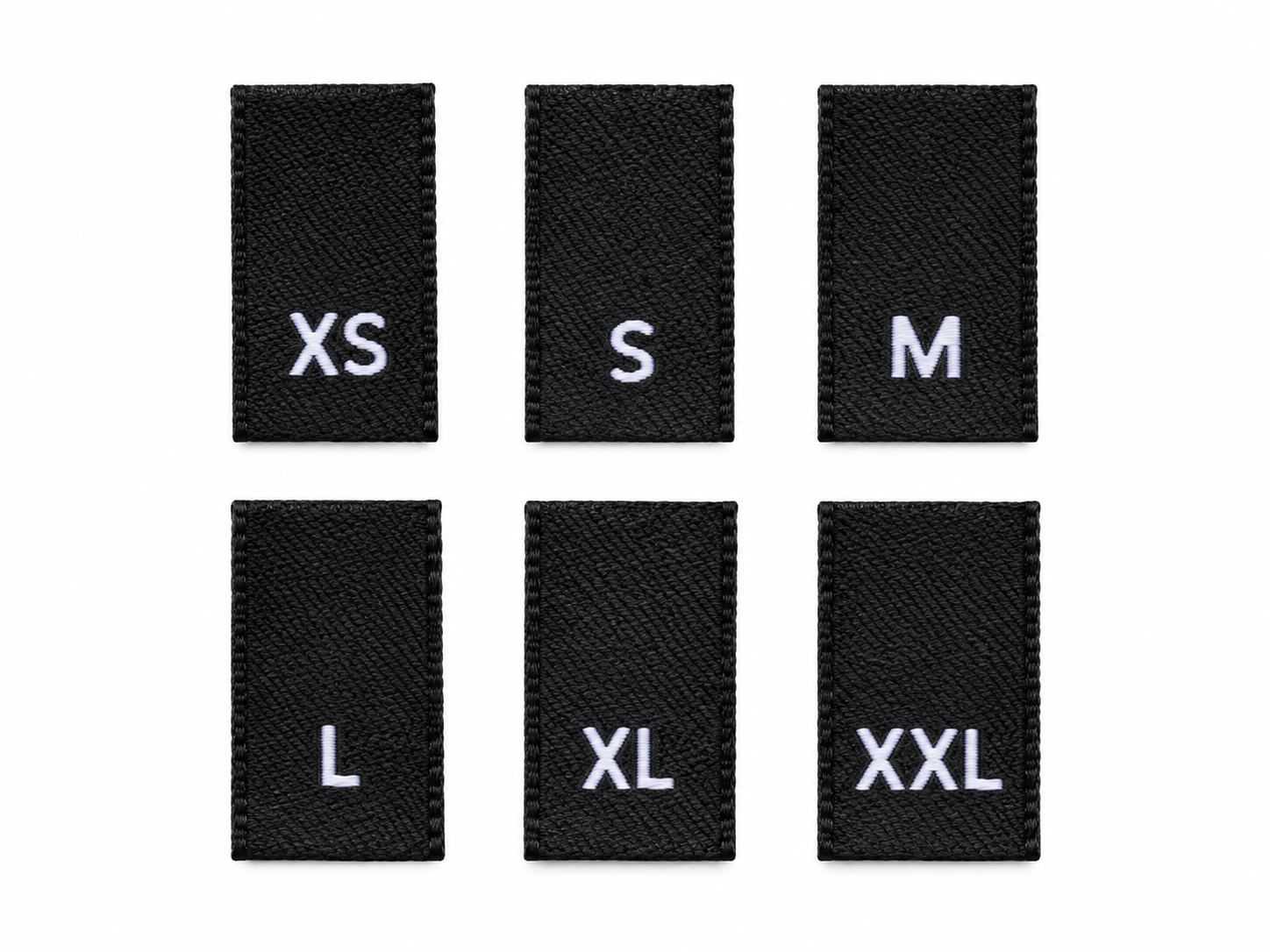
Size Identification
Size labels help connect the finished garment with the approved size range, packaging and SKU structure. Their format, placement and wording should follow the agreed brand system. Size naming alone does not define garment measurements, so size labels must correspond with the approved measurement specification and grading. When several activewear products use different fits, teams should avoid assuming the same labeled size represents identical garment dimensions across all designs.
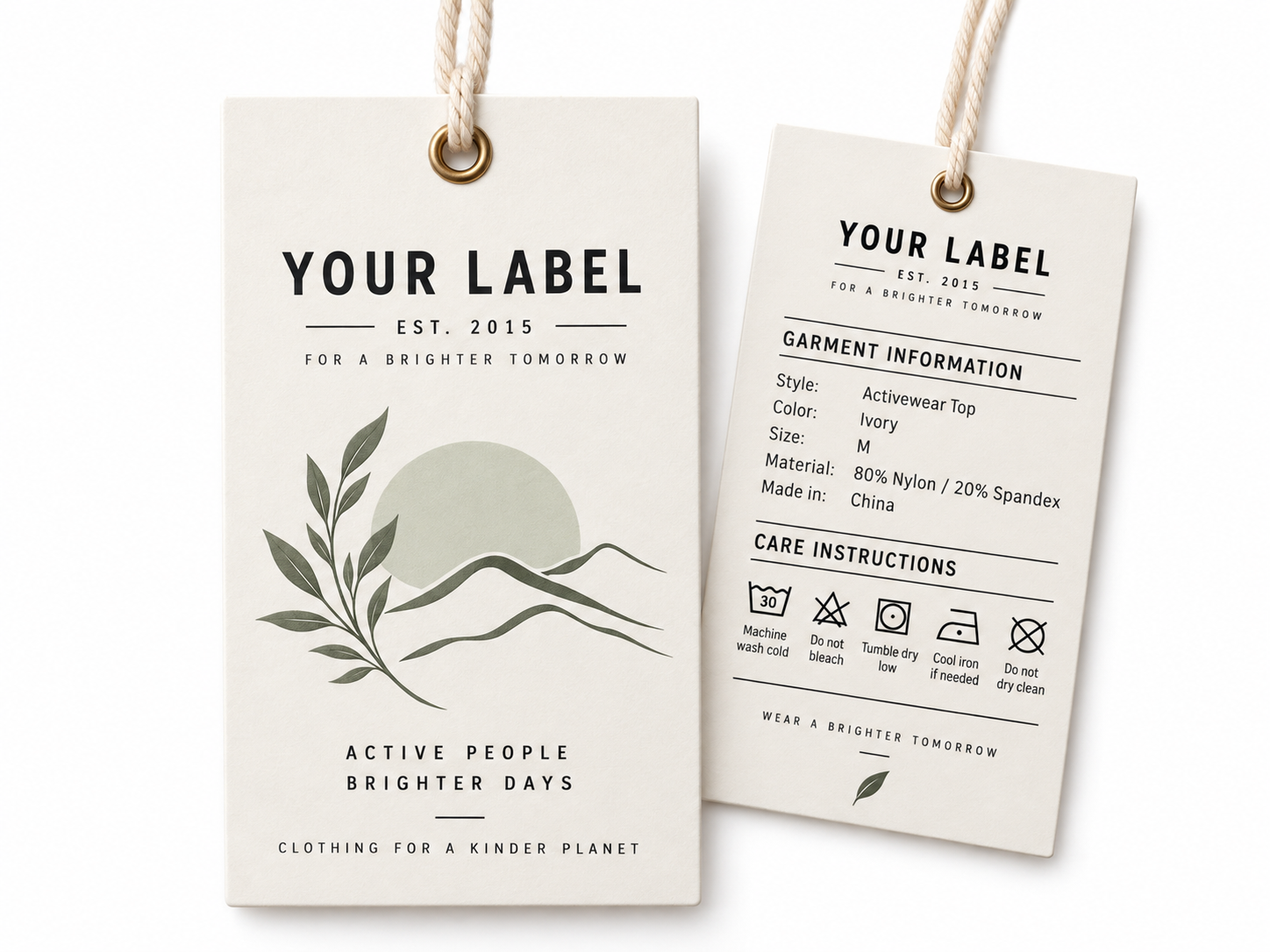
Hang Tags
Hang tags can carry brand identity, product information, retail codes or other channel-specific details. Artwork, dimensions, print content, attachment method and SKU relationship should be reviewed before production. A low garment MOQ does not automatically guarantee an equally low custom hang-tag minimum, so tag sourcing should be included during commercial evaluation. Early artwork approval helps prevent a completed garment from waiting for unresolved printed components.
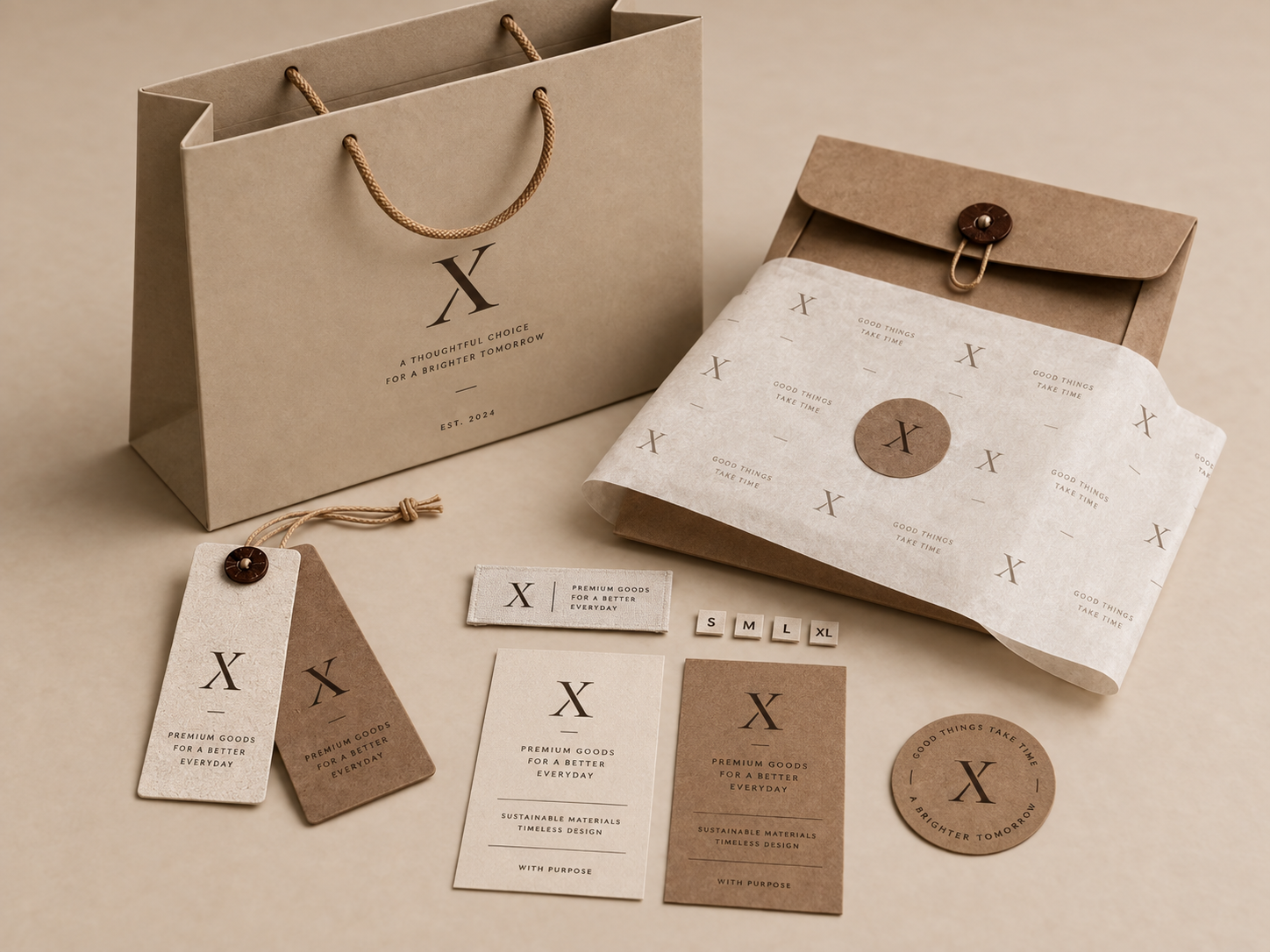
Individual Packaging
Individual garment packaging should fit the product and sales channel without creating unnecessary launch complexity. Packaging may include bags, stickers, folding instructions or additional inserts according to project requirements. A focused lower-quantity launch may benefit from a simpler structure, while retail-specific presentation can be developed when commercially justified. Packaging materials, dimensions, printed content and supplier minimums need review alongside garment quantity rather than after production finishes.
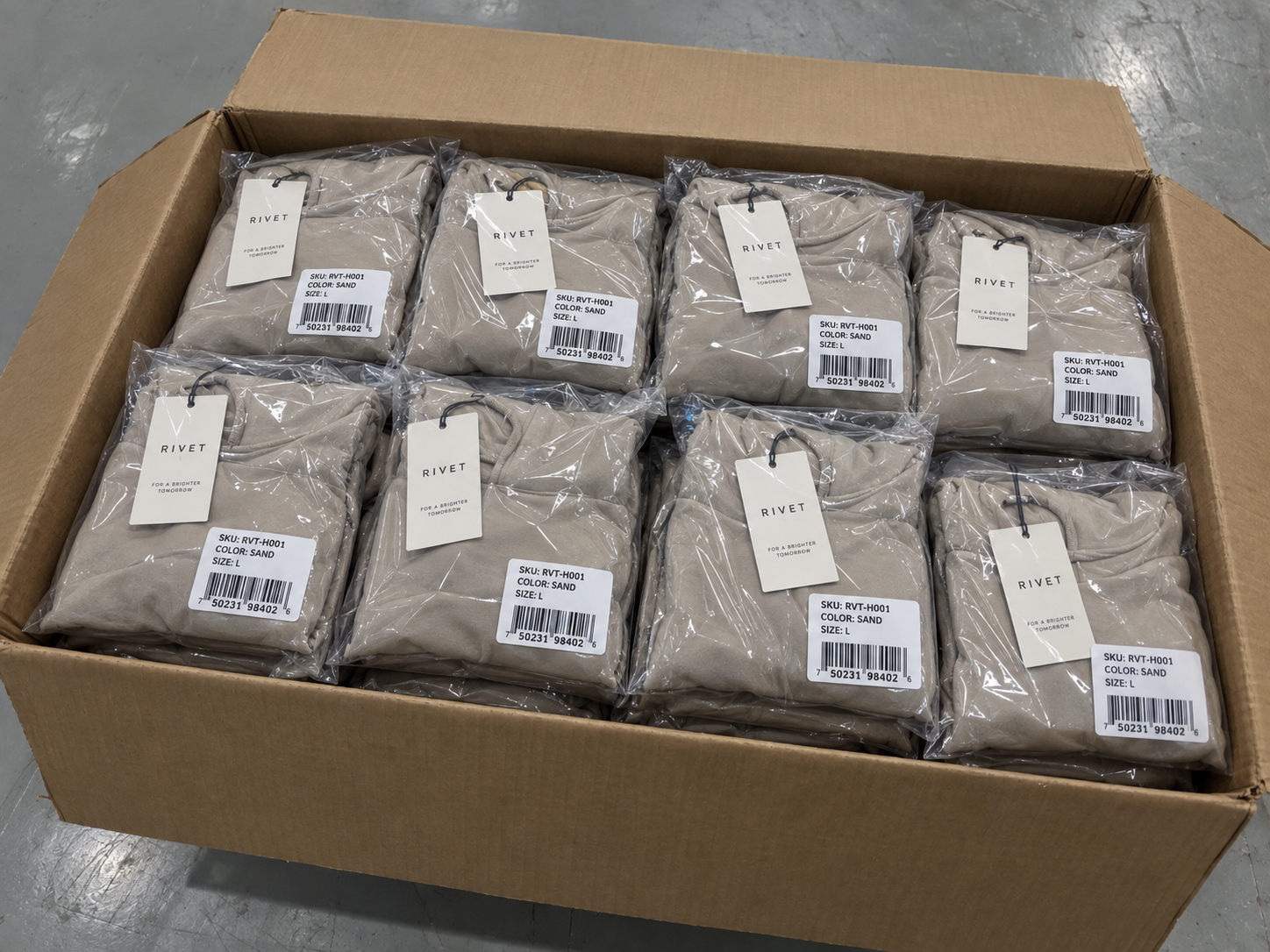
SKU and Cartons
Multi-style, multi-color and multi-size programs depend on accurate SKU identification through labels, packing rules and carton marks. Information should connect style, color, size, quantity and outer carton requirements. Leadshow’s warehousing and logistics functions can support SKU sorting, labeling, packaging and shipment coordination, but no universal real-time WMS or automated traceability platform is claimed. Final carton and shipment requirements are reviewed according to each order.
What Determines Your Custom Activewear Quotation?
A lower MOQ can reduce inventory commitment, but it does not automatically create the lowest unit price. Accurate quotation depends on the complete product configuration. The strongest RFQ provides enough information to evaluate materials, processes, production efficiency, packaging and delivery requirements together.
Quotation Factor
Information Needed
Why It Matters
Product
Activewear type and design
Determines construction and process route
Tech Pack
Measurements, BOM, artwork and notes
Reduces specification assumptions
Fabric
Composition, structure, GSM, handfeel or reference
Drives material cost, fit and supplier MOQ
Trims
Elastic, zippers, hardware and accessories
Adds component cost and supplier minimums
Quantity
Pieces per design and per color
Affects production efficiency and MOQ
Size range
Sizes and quantity breakdown
Affects grading, cutting and SKU management
Logo
Artwork, method, size and location
Affects setup and workmanship
Labels
Main, care and size labels
Adds brand-component requirements
Packaging
Individual pack, barcode and carton rules
Affects material and handling
Testing
Applicable market or performance requirements
May add external or project-specific cost
Destination
Delivery location and requested trade terms
Needed for logistics-related evaluation
Target date
Required sample and production milestones
Helps assess material and scheduling feasibility
A preliminary estimate can be discussed when key information is available, but it should not replace the final quotation for a fully defined product. Price needs to remain linked to product version, quantity, packaging, delivery conditions and other commercial assumptions.
Prepare an Accurate Activewear RFQ for Review
A clear RFQ shortens the distance between an initial inquiry and a useful manufacturing assessment. Full documentation is helpful but not mandatory for the first discussion. Missing items can be identified during review rather than replaced with unsupported assumptions.
RFQ Item
What to Provide
Review Purpose
Product category
Sports bra, leggings, shorts, top, tracksuit or related confirmed product
Identifies manufacturing route
Design files
Tech Pack, technical drawing or reference images
Defines design intent and missing information
Reference sample
Physical sample if available and legally usable
Supports fit and construction review
Quantity
Units per design and per color
Determines MOQ suitability
Size plan
Required size range and quantity breakdown
Supports grading and SKU planning
Fabric
Composition, GSM, handfeel, stretch, color or reference
Supports sourcing and fit evaluation
Trims
Elastic, zippers and other components
Identifies supplier requirements
Logo
Vector artwork, size, position and preferred method
Supports branding evaluation
Labels
Main label, care label and size label files
Supports private-label execution
Packaging
Bag, hang tag, SKU, barcode and carton requirements
Supports packing quotation
Quality
Measurement tolerances, inspection or test requirements
Defines acceptance criteria
Target market
Intended sales region and any applicable requirements
Supports compliance discussion
Sample timing
Required development milestone
Compared with material and development conditions
Bulk timing
Target production or delivery milestone
Reviewed against approvals, sourcing and scheduling
Delivery
Destination and requested trade terms
Supports logistics planning
Low MOQ Activewear Manufacturer Frequently Asked Questions
Low-quantity activewear sourcing often raises questions about garment MOQ, fabric minimums, samples, sizes, branding and future scaling. The answers below describe Leadshow’s confirmed approach while keeping quantities, timing and technical requirements tied to the actual project.
What Is Your MOQ for Custom Activewear?
Leadshow’s standard MOQ generally starts from 100 pieces per color per design. Final MOQ depends on style construction, fabric, trims, colorways, size breakdown, logo method, packaging, testing requirements and production conditions. The figure should not be interpreted as 100 pieces total across unlimited styles and colors. Product files and quantity breakdown are reviewed before final order acceptance.
Is MOQ Calculated Per Style or Per Color?
MOQ is evaluated at both design and color level rather than only from total order quantity. A large overall order can still create manufacturing problems when divided across many styles and colors in very small quantities. Material suppliers may also have independent minimums. Sending quantity per design, color and size allows a more useful feasibility review than providing only total units.
Can You Review Orders Below the Standard MOQ?
Projects close to the standard MOQ may be reviewed according to product complexity, available materials, number of colors, size breakdown, construction, branding and packaging. Suitable available fabrics, established colors, standard trims or simpler packaging may improve feasibility. Leadshow does not claim No MOQ, one-piece production or acceptance of every low-quantity custom order.
Can Different Sizes Be Included in One Color Quantity?
Size distribution can be reviewed within an approved design-and-color quantity, but the final breakdown needs to suit the pattern, cutting and production plan. There is no published universal size mix that applies to every activewear style. Submit the intended size range and units per size so grading, cutting complexity and SKU requirements can be considered together.
How Does Fabric MOQ Affect Activewear Orders?
Garment MOQ and fabric supplier MOQ are separate. A garment order may meet the factory quantity while a custom-dyed or specialized fabric still falls below the material supplier’s minimum. Available materials or established colors can sometimes improve lower-quantity feasibility. Final fabric selection should also consider fit, stretch, handfeel, construction and any required testing.
Can I Make a Sample Before Bulk Production?
Yes, sample development can be reviewed before bulk production. Depending on the project, development samples, fit samples, logo samples, color samples, size sets or pre-production samples may be considered. Leadshow does not publish one fixed sample time for every activewear product because timing depends on style, materials, trims, pattern work, branding, revision rounds and scheduling.
Can You Develop Activewear From a Tech Pack?
Yes. A Tech Pack can provide measurements, construction, materials, trims, artwork and other technical information needed for review. Leadshow can assess product construction, pattern and fit, material compatibility, sample development and manufacturing feasibility. Any missing or conflicting information should be clarified before production rather than being filled in through assumptions.
Can You Develop Activewear From Reference Images?
Reference images can support early product discussion, but images rarely show every internal construction, measurement, material or fit requirement. Leadshow can identify visible design elements and discuss areas requiring further definition. Sampling is normally needed to validate information that cannot be confirmed from photographs. Unauthorized reproduction of protected third-party designs should not be requested.
Can You Add Private Labels and Custom Packaging?
Yes. Leadshow’s confirmed service range includes custom labels and custom packaging. Projects can include main labels, care labels, size identification, hang tags, individual packaging and SKU or carton requirements according to the approved program. Label and packaging suppliers may have separate minimum quantities, so brand files should be reviewed together with garment MOQ and production planning.
Can Production Scale After the First Order?
Leadshow has three manufacturing bases, more than 20,000 square meters of combined facilities, a team of over 1,500 and combined monthly capacity of up to approximately 120,000 garments under suitable production conditions. Scale-up still requires confirmation of specifications, materials, order mix and current scheduling. Initial success does not automatically reserve future capacity without a new production review.
Start Your Custom Activewear Manufacturing Project
A useful manufacturing review starts with enough information to understand the product, quantity and commercial objective. Send a Tech Pack, design drawing, reference images or a legally usable sample together with the planned quantity per design and color. Include the intended size range, fabric direction, logo, labels, packaging, target market and desired project timing where available.
Leadshow can review product fit with its confirmed manufacturing range, assess the standard MOQ starting point, identify material or trim conditions that may affect minimum quantity, and outline the sampling and production steps needed before a formal order. Incomplete files can still be discussed; missing specifications will be identified for clarification rather than guessed.
For lower-quantity programs, include the number of planned designs and colorways. The team can assess whether available materials, standard colors, shared materials, suitable trims or simpler packaging could improve feasibility without removing critical product requirements.