
How to Choose a Custom Clothing Manufacturer
Evaluate product fit, development depth, sampling discipline, quality controls and production conditions before placing a custom apparel program.
A strong manufacturing partner should fit the product, project stage and commercial plan – not simply offer the lowest unit price. Compare category experience, technical review, pattern and fit support, materials, sample approval, bulk controls, quality checks, MOQ conditions, available capacity, branding, packaging and repeat-order support. Use the same evidence-based criteria across every shortlisted factory before moving from quotation to paid sampling or bulk production.
- Check specialization before comparing price.
- Validate development capability through a sample.
- Confirm how approved specifications become bulk standards.
- Review MOQ, capacity and timing under real project conditions.
What Makes a Clothing Manufacturer a Good Fit?
The best choice is not automatically the largest factory or the lowest quotation. A suitable partner aligns product expertise, development and manufacturing processes, and commercial conditions with the garment program being sourced.
Product Fit
Start with evidence of relevant product experience. A factory that performs well on basic cotton tees may not be the right source for high-stretch activewear, lined swimwear, structured streetwear or modest performance garments. Review comparable constructions, sewing methods, fabric behavior, fit requirements, finishing details and production risks. The goal is to confirm that the factory understands the technical demands of the garment category before price becomes the main comparison point.
Process Fit
Look for a clear route from specification review to approved sample and bulk execution. Strong partners can discuss Tech Packs, reference samples, pattern and fit, materials, trims, workmanship, sample revisions, approval points, production files and quality checks. A smooth development process matters because many bulk problems begin with unclear specifications or incomplete decisions during sampling. Ask who reviews each requirement and how changes are recorded before production starts.
Commercial Fit
Commercial compatibility includes MOQ, order quantity, color count, size mix, packaging, testing needs, available capacity and production timing. A factory can be technically capable and still be a poor fit if its production model does not match the program. Ask for conditions behind MOQ, what drives sample and bulk timing, how many SKUs will be managed, and when capacity can be confirmed. Compare the complete operating model rather than a single price line.
Eight Areas Worth Reviewing Before Supplier Approval
A serious apparel manufacturer should be evaluated beyond factory size or quoted unit price. Product development, approved standards, material control, manufacturing scale, quality checkpoints and order execution all influence whether a supplier fits a long-term sourcing program.
Manufacturing Model
Typical Brand Input
Manufacturer Role
Best Fit
OEM
Detailed Tech Pack, measurements, materials and branding requirements
Technical review, sampling, production execution, quality and packing
Mature products with defined specifications
ODM
Concept, sketch, reference image, partial Tech Pack or physical sample
Development support, pattern and fit, material direction, sampling and manufacturing
Products still moving from concept toward production
Private Label
Defined garment direction plus brand labels, artwork and packaging
Product manufacturing combined with labels, branding and packing execution
Brands needing a consistent branded finished product
Cut-and-Sew / CMT
More complete materials, patterns or production inputs
Cutting, sewing and agreed manufacturing operations
Programs where the brand controls more development inputs
Leadshow supports OEM, ODM and Private Label programs within its confirmed product scope. Development fees, revision rounds, sample timing, final MOQ and production timing remain project-specific and are confirmed after requirement review.
Nine Criteria for Evaluating a Custom Clothing Manufacturer
Use one evaluation framework across every shortlisted supplier. Each criterion should produce evidence, not a marketing claim, and the evidence should be relevant to the product and order being sourced.
Product Category Fit
Check whether the manufacturer regularly handles garments with similar fabrics, stretch levels, structures, fit demands and finishing methods. Ask for relevant product or process evidence rather than a broad product list. A focused factory can identify risks earlier because its team has seen similar construction problems before. Category fit should be evaluated before pricing, especially for sportswear, swimwear, fitted products, complex multi-panel garments and products requiring specialized seams or bonding.
Development Capability
Review how the factory handles drawings, Tech Packs, reference images and physical samples. Strong development support includes construction review, measurement clarification, pattern and fit work, material assessment and manufacturability discussion. The aim is not free design; the aim is reducing ambiguity before sampling. Ask who reviews technical inputs, how open issues are recorded and how product decisions move into production-ready files after approval.
Material and Trim Fit
Materials can change fit, durability, hand feel, shrinkage, appearance and sewing behavior. Ask how fabric composition, weight, stretch, recovery, color, lining, elastics, zippers, labels and other trims are evaluated for the garment. A manufacturer should be able to explain compatibility limits and supplier minimums. Avoid treating a material name alone as a full specification, because two fabrics with similar descriptions can behave very differently during cutting, sewing and wear.
Sampling Discipline
A reliable sampling process has clear inputs, review points, measurement checks, revision records and an approval stage. Evaluate whether the factory can explain what the first sample is intended to verify, how comments are applied, and what information is frozen before bulk production. Sampling should expose construction, fit, material or workmanship risks while changes are still manageable. A beautiful sample without controlled records is not enough for repeatable bulk production.
Sample-to-Bulk Control
Ask how an approved sample becomes an executable production standard. Key controls normally include final Tech Pack revision, approved measurements, confirmed fabric and trims, workmanship details, logo placement, labels and packaging instructions. Production teams should work from frozen information and compare early production against approved references. The strongest evidence is a visible chain connecting sample approval, production files, material preparation, first-piece confirmation, in-process checks and final inspection.
Manufacturing Capacity
Capacity should be matched to the actual product, quantity and calendar. Ask for verified factory scale, equipment relevant to the garment, current scheduling conditions and the point at which capacity becomes committed. Large headline numbers alone can be misleading if the product requires specialized equipment or materials. A professional supplier should separate overall manufacturing capability from the capacity available for one program and should explain how complexity, color count and SKU mix affect production planning.
Quality Management
Replace “high quality” with a list of inspection stages and acceptance criteria. Review material checks, cutting and first-piece verification, in-process workmanship checks, garment measurements, appearance inspection, logo and trim verification, labeling, packaging and final shipment checks. Ask which standards come from the brand and which checks are built into the factory process. Quality cannot be reduced to final inspection because many defects are easier to prevent during development and production.
Commercial Conditions
Compare quotation scope, MOQ logic, color and size distribution, sample charges, testing, labels, packaging, trade terms and timing assumptions. Two prices cannot be compared fairly when one includes a different fabric, lighter construction or fewer responsibilities. Ask the supplier to identify the conditions behind the quotation and any variables that may change cost. Transparent commercial terms make internal approval easier and reduce price surprises after sampling or material confirmation.
Long-Term Supply
For repeat programs, check whether the manufacturer can maintain approved patterns, measurements, material references, workmanship details, labels and packing rules. Ask how changes are versioned and how repeat orders are rechecked when materials or production conditions have changed. Long-term value also depends on multi-SKU execution, issue handling and clear communication. A strong first order matters, but the real test is whether standards can be carried forward without restarting the entire development process.
Start With Product Category Fit Before Comparing Prices
Specialization reduces hidden development risk. Compare factories by the products they truly understand, then evaluate the materials, construction methods and production resources required for the planned collection.
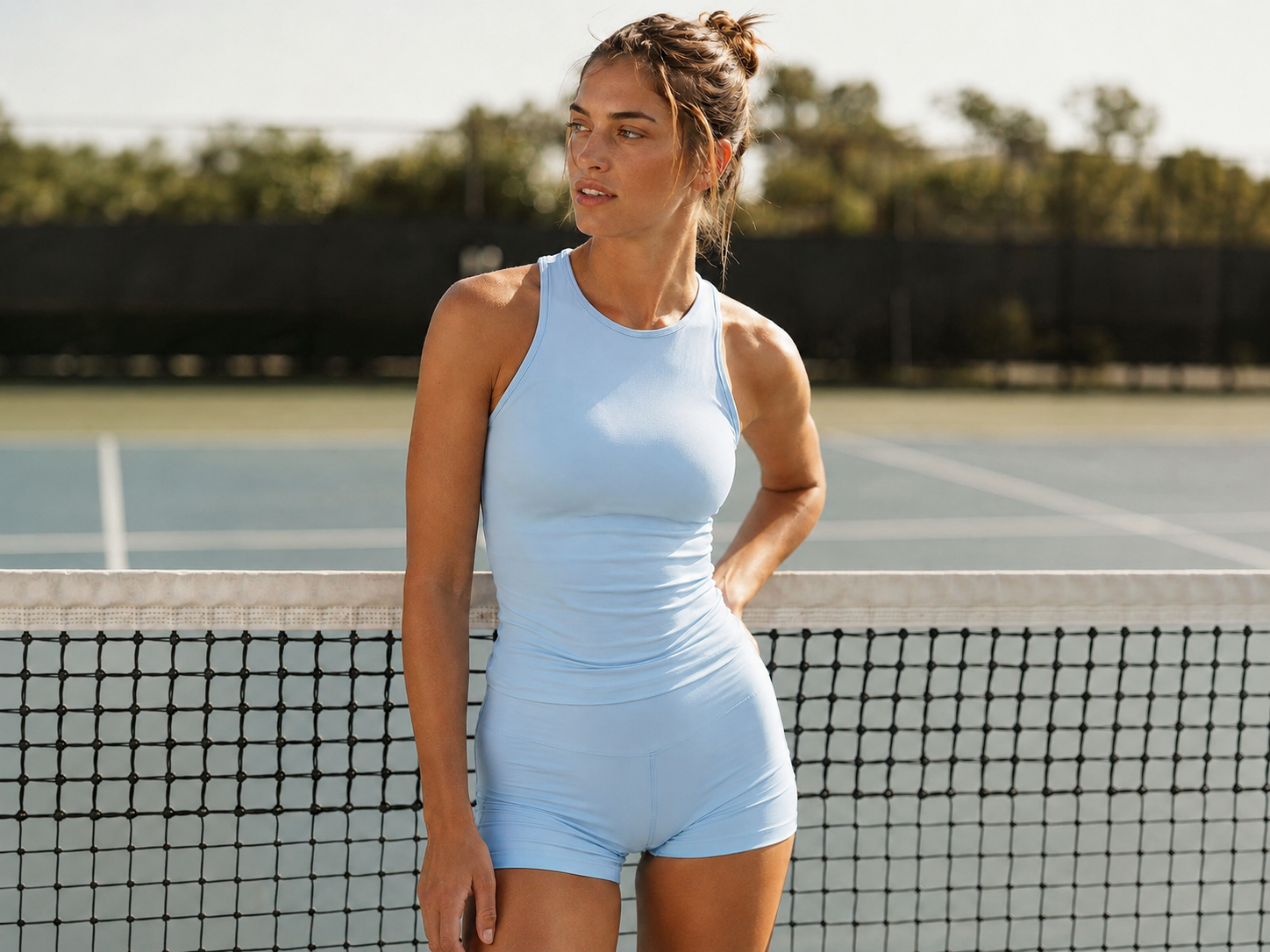
Sportswear
Activewear often combines stretch materials, body-contoured patterns, elastic components and seam constructions that must move with the garment. Evaluation should cover fit, stretch recovery, waistband or underband structure, seam choice, panel alignment and logo placement. Leadshow’s confirmed sportswear scope includes sports bras, sports T-shirts, yoga leggings, tennis skirts, jumpsuits, running shorts, tank tops and tracksuits, supported by relevant cutting, sewing and stretch-garment equipment.

Swimwear
Swimwear projects require closer review of stretch, lining, elastic application, coverage, seam behavior and material compatibility. Product function should never be assumed from equipment alone, and chlorine resistance, UV performance or waterproof claims require project-specific material and test evidence. Leadshow includes swimwear in its core product direction and can evaluate compatible constructions, sampling needs, bonding or seam-taping applications where suitable, and the path from approved sample to bulk manufacturing.

Streetwear
Streetwear may look simple but can involve heavyweight fabrics, oversized proportions, complex pockets, rib structures, embroidery or print requirements, washes, trims and branded finishing. Leadshow’s confirmed product range includes hoodies, sweatshirts, sports T-shirts, tracksuits and selected jumpsuit directions relevant to streetwear development. Unconfirmed internal processes such as embroidery, digital printing or garment dyeing should be evaluated separately rather than assumed as in-house capabilities.
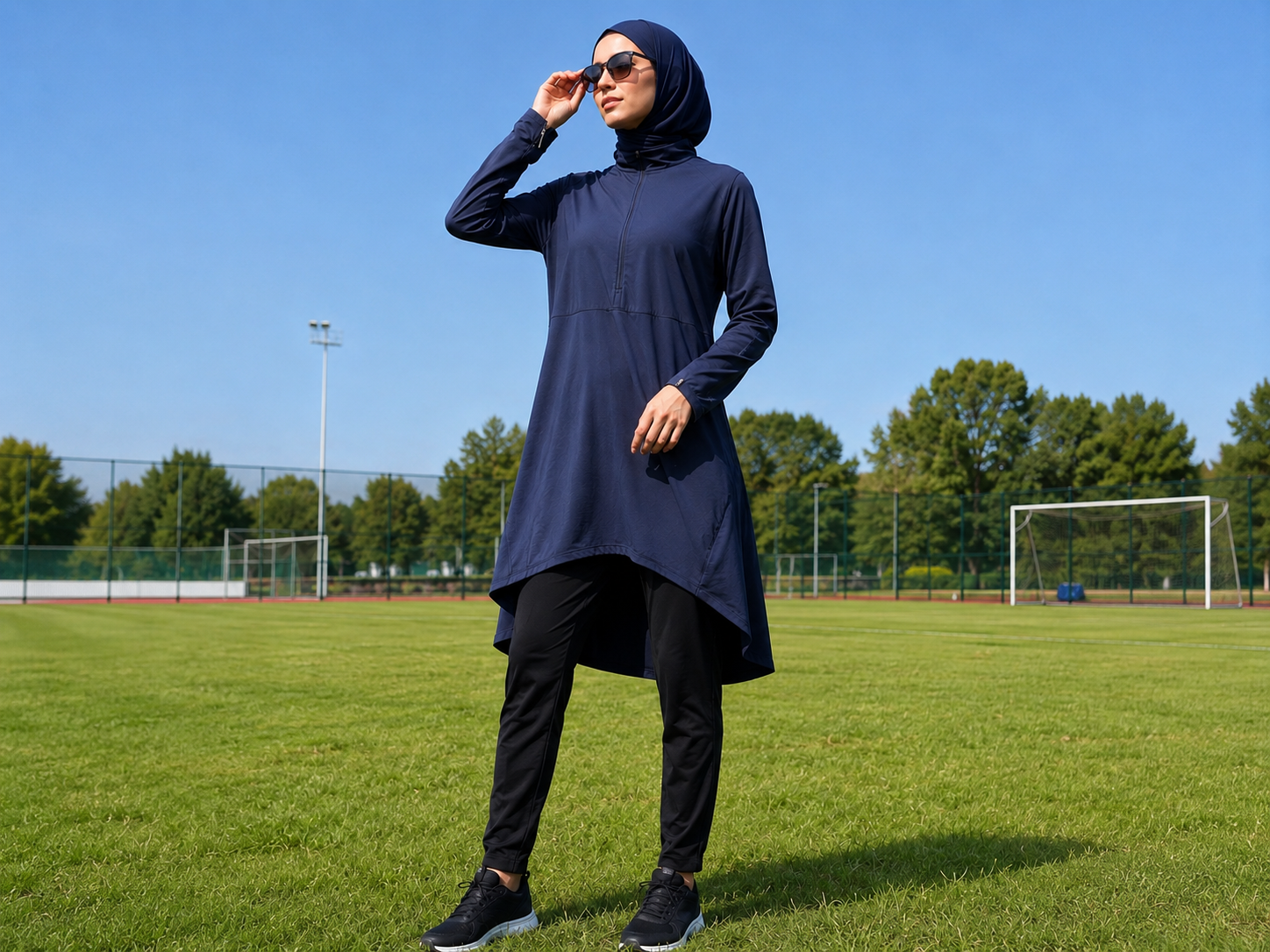
Modest Sportswear
Modest sportswear needs to balance coverage, mobility, fabric comfort, layering and silhouette. Development review should consider garment length, ease, sleeve and neckline coverage, layering interaction, movement allowance and material weight. Leadshow includes modest sportswear among its four core product directions, but specific styles and performance claims still require project review. Clear reference images, target use, size requirements and material preferences make the evaluation more accurate before pattern development begins.
Evaluate Technical Review Before Moving Into Sample Development
A capable manufacturer should be able to discuss technical gaps before sewing the first sample. Review how specifications, fit and manufacturing risks are handled, then judge whether the process produces clearer production inputs.
Tech Pack Review
A Tech Pack should be treated as a working technical document, not only as a quotation attachment. Review whether the factory checks construction notes, measurement tables, artwork, materials, trims and any conflicts between drawings and written specifications. Leadshow can review Tech Packs, reference images and physical samples within its confirmed product scope.
- Clarify missing or conflicting construction details.
- Identify measurements or tolerance points requiring confirmation.
- Separate confirmed requirements from items that still need project discussion.
Pattern and Fit
Pattern and fit work connects the design with real body measurements, fabric behavior and production construction. A sourcing team should ask how base-size patterns are prepared or adjusted, how measurement methods are defined, and how fit comments are transferred into revisions. Leadshow supports pattern and fit development as part of project-based OEM/ODM work.
- Confirm base size and requested size range.
- Review garment measurements against the approved method.
- Use sample feedback to adjust pattern, fit or construction before bulk production.
Manufacturing Feasibility
A useful technical review should identify what may fail in bulk before the program reaches the production line. Fabric stretch, seam choice, bonding, trim compatibility, panel construction, logo method and finishing can all change manufacturability. Leadshow can evaluate product construction, materials and selected processes within its verified capability range.
- Flag structures needing sampling or process trials.
- Confirm which operations are supported internally and which require external coordination.
- Keep performance, certification and timing claims conditional until evidence is available.
Check Material, Trim and Process Capability With Real Evidence
Material choices and processing methods shape fit, appearance, durability, cost and production risk. Ask suppliers to explain compatibility, limitations and verification methods instead of naming equipment without context.
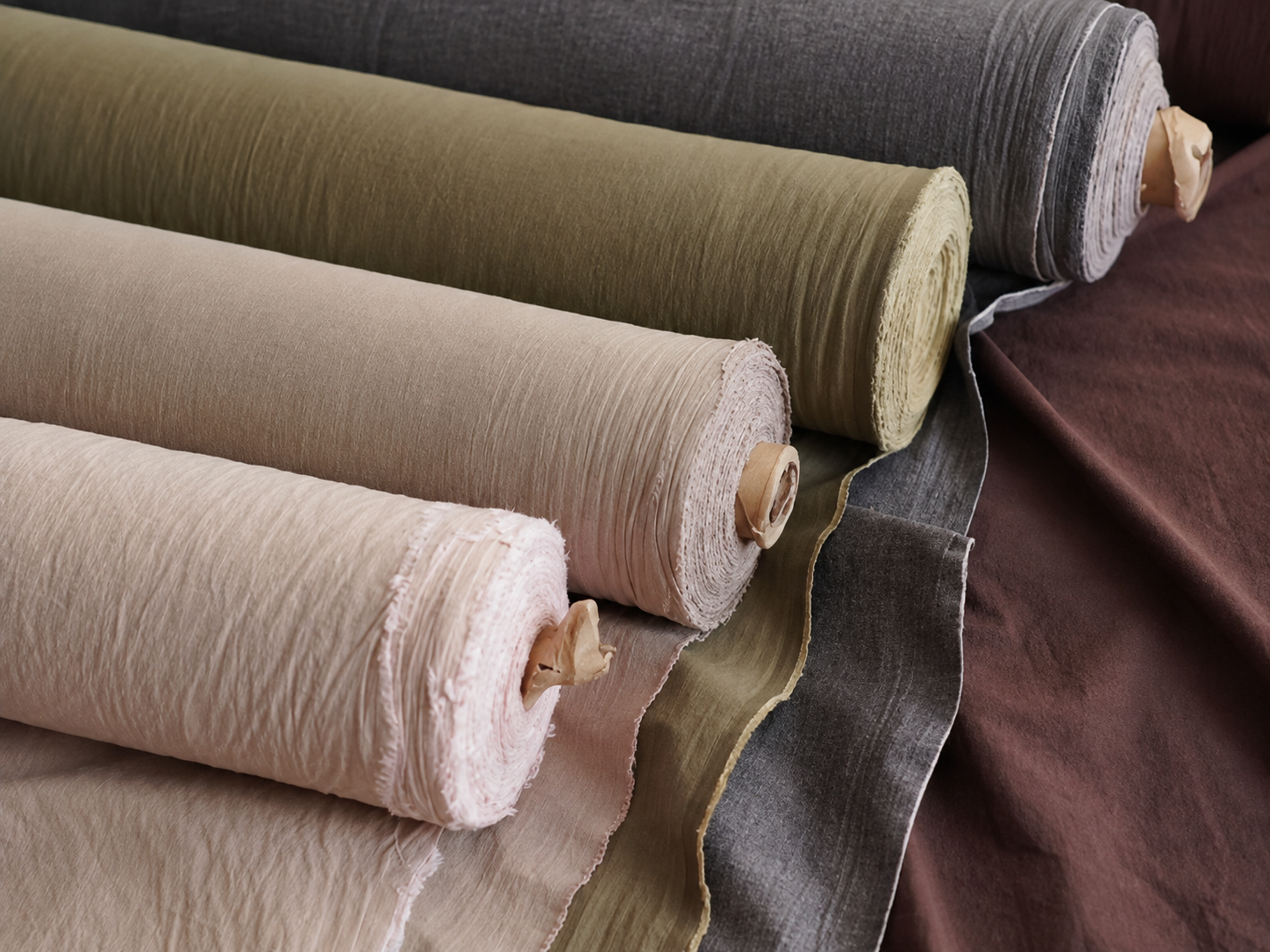
Fabric Evaluation
Fabric composition, weight, stretch, recovery, surface finish and shrinkage can change pattern behavior and final fit. Leadshow can coordinate material evaluation according to project requirements. The sourcing team should submit known specifications or describe the target hand feel and function when the exact fabric is undecided. Material availability, supplier minimums and custom colors may affect MOQ, sample planning and bulk timing, so fabric decisions should be connected to the commercial plan.
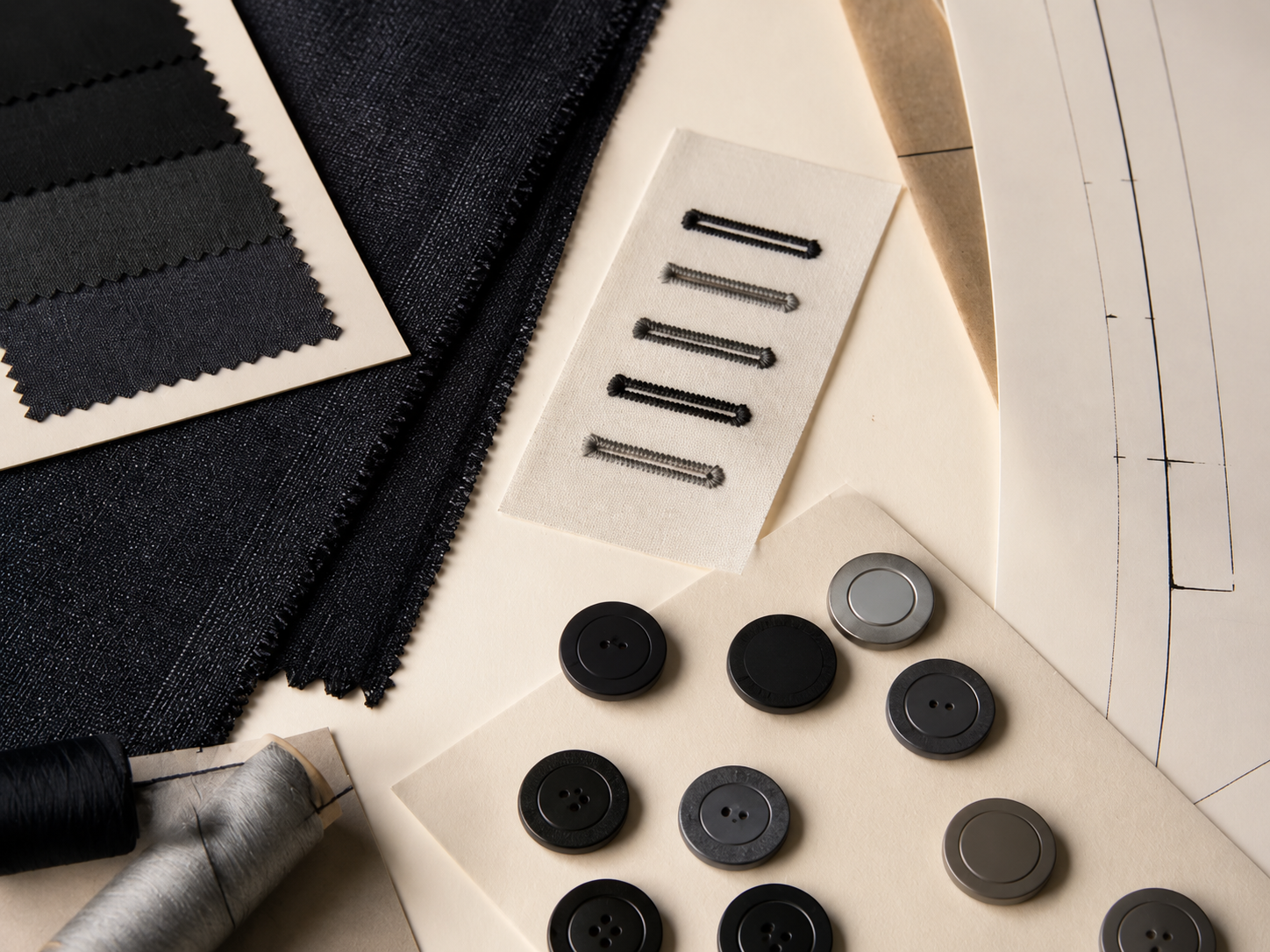
Trim Compatibility
Elastics, zippers, snaps, drawcords, labels and other trims must match the garment structure and material. A trim may look correct but create problems with stretch, weight, attachment strength or washing. Leadshow can review trim requirements and coordinate relevant materials for approved projects. Final trim choices should be confirmed through sample evaluation where fit, placement, color, function and attachment method can be checked before bulk quantities are ordered.
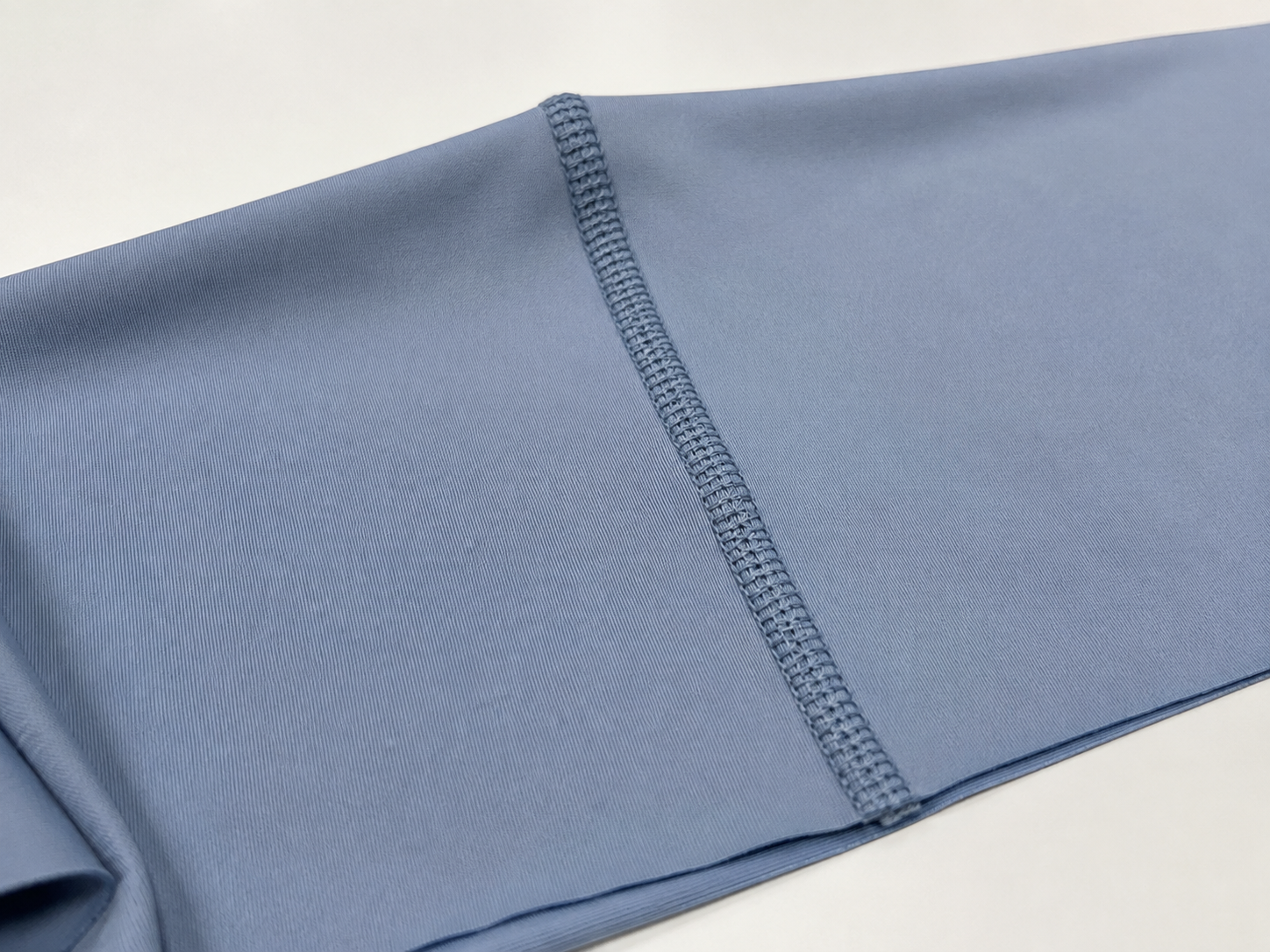
Stretch-Garment Seams
Leadshow has confirmed four-needle six-thread flatlock equipment, overlock machines and elastic-attaching equipment that support fitted activewear and other stretch garments. Four-needle six-thread construction can create flatter, stretch-compatible seams, but it is not the same as true seamless knitting. Seam selection should depend on fabric stretch, garment position, comfort requirement, appearance and durability expectations. Approved seam construction should be recorded before bulk production.
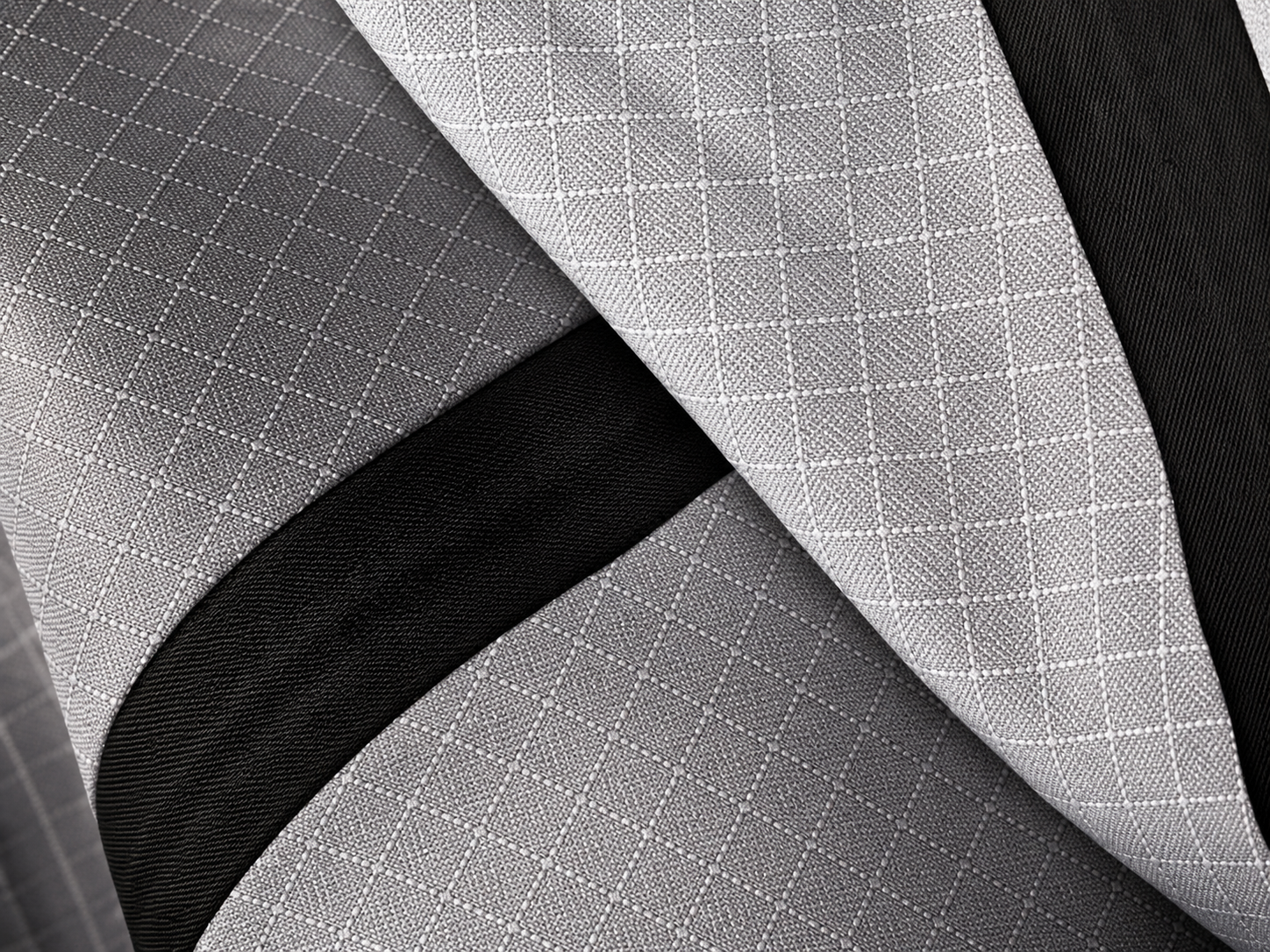
Heat Bonding
Eight confirmed heat-bonding or heat-press bonding units can support selected bonded structures, edge treatments and reduced-seam applications on compatible fabrics. Bonding suitability depends on fabric, adhesive film, temperature, pressure, time, location and wash requirements. It should not be presented as permanent bonding for every material or as proof of a fully seamless garment. A sample or process trial may be required before approving a bonded construction for bulk production.
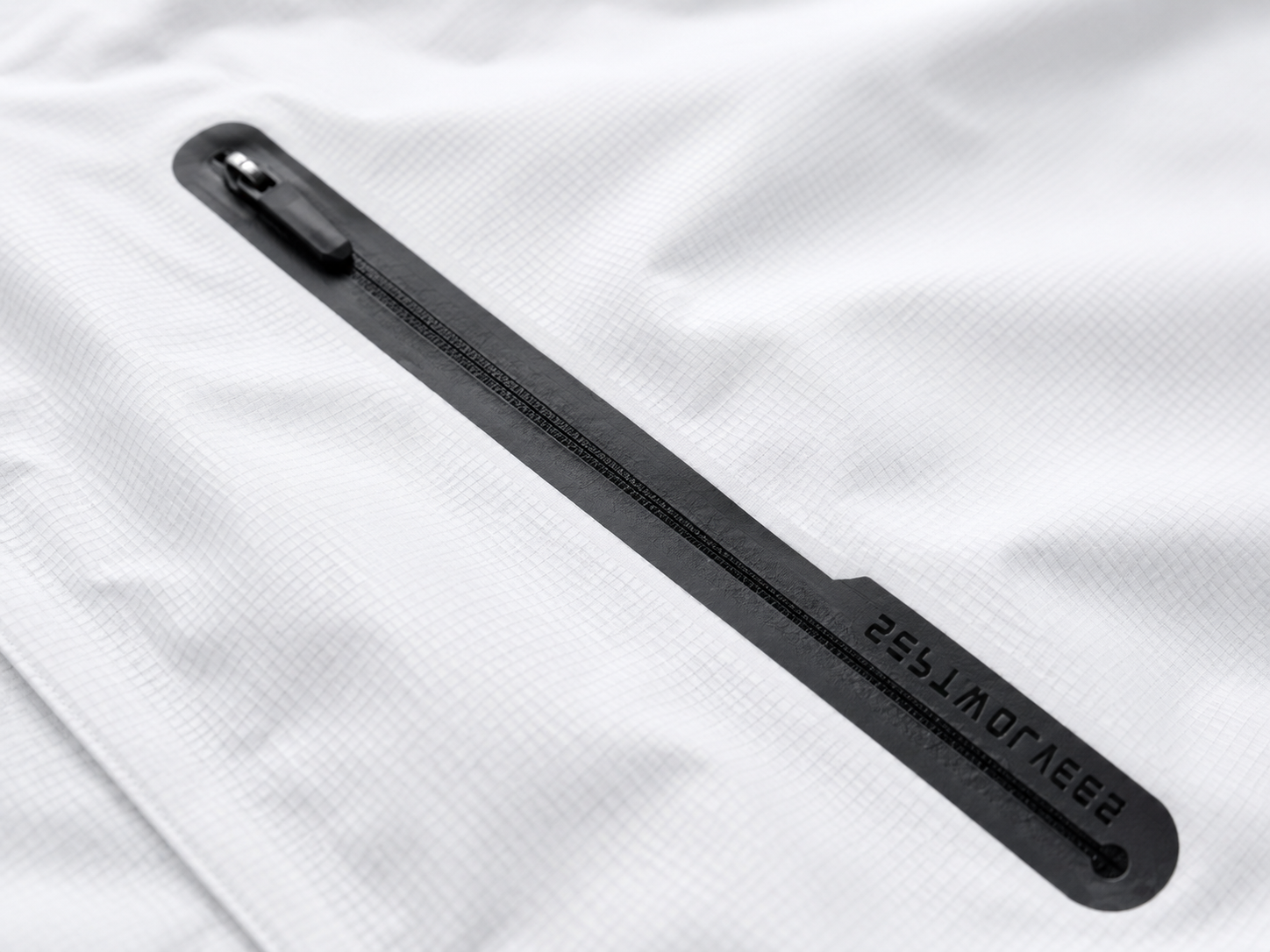
Seam Taping
Four confirmed hot-air seam-sealing machines can apply seam tape to suitable fabrics and constructions. Seam sealing may improve local seam coverage or water resistance, but equipment ownership alone does not prove that a finished garment is waterproof. Fabric performance, seam design, tape coverage, zippers, openings and final test results all matter. Projects using seam taping should define the intended function and any required testing before commercial claims are approved.
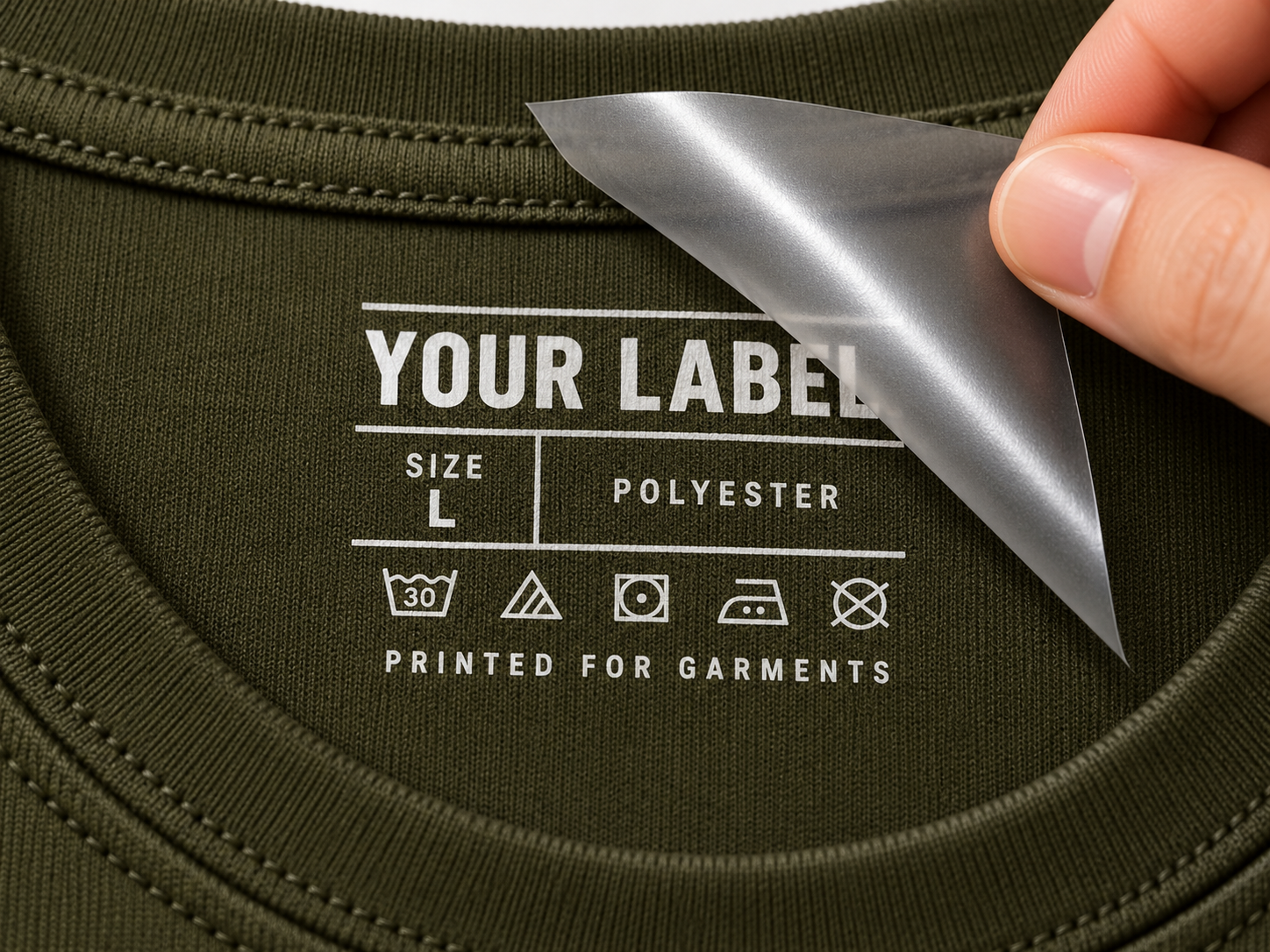
Laser and Heat Processes
Leadshow has confirmed laser-perforation equipment, ultrasonic elastic-cutting machines, heat-transfer labeling equipment and heat-press printing equipment. These resources can support selected ventilation openings, clean elastic cutting, internal transfer labels and heat-applied graphics. Suitability depends on material and construction. Unconfirmed processes such as embroidery, screen printing, digital printing or sublimation should not be presented as internal capabilities without separate evidence and project confirmation.
Validate a Manufacturer Through a Controlled Sample Development Process
Sampling is one of the strongest supplier-validation tools. Use each sample round to test technical understanding, communication, fit, material behavior, workmanship and the discipline required to create a bulk-production standard.
Start With Complete Enough Inputs
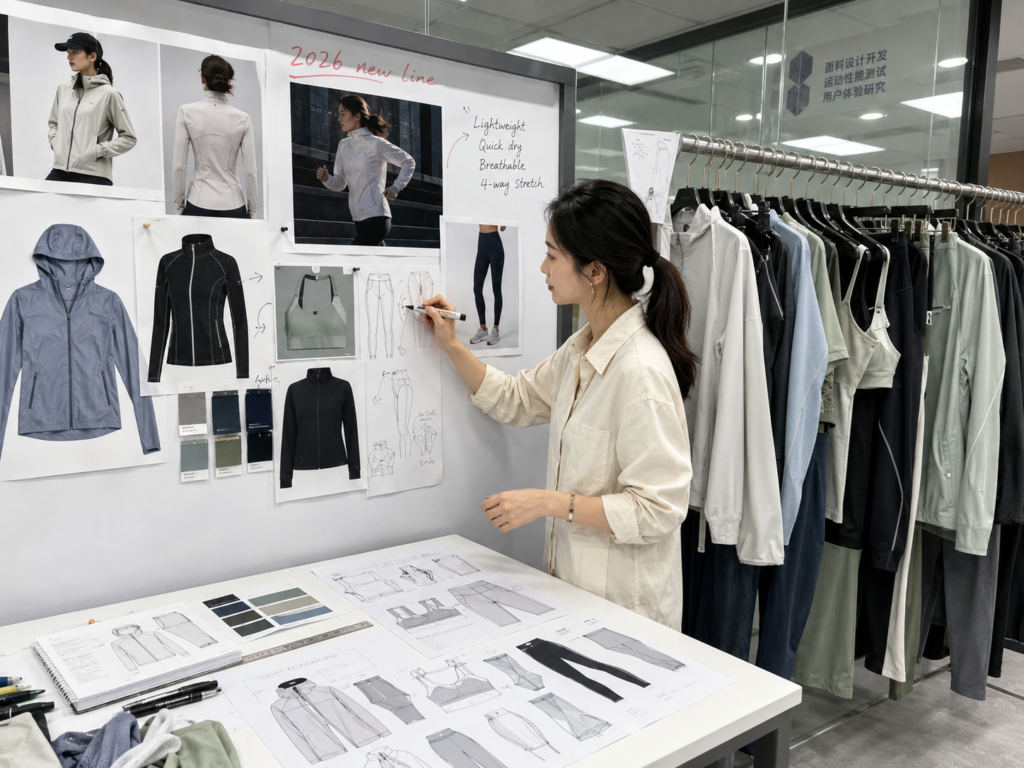
A sourcing team does not need every detail finalized before the first discussion, but the manufacturer needs enough information to understand the product and identify missing decisions. Useful inputs include a Tech Pack, reference image, physical sample, measurement chart, desired fabric direction, colorways, branding artwork, expected quantity, target market and timing goal. Leadshow can review concepts, images, Tech Packs and physical references within its confirmed product scope. The review should separate fixed requirements from open questions so the first sample has a clear purpose.
For size development, provide the base size and requested size range whenever possible, along with the measurement method. Do not assume a factory can infer the intended fit from a generic size label. A size name such as M or L has little value without garment measurements and fit direction. If the size chart is still being developed, the team should identify which measurements are critical and which can be refined after the first fit review.
A strong supplier will not promise a final quotation or production date before enough technical and commercial information is known. Early feedback should clarify what is ready, what is missing and what must be validated in the sample.
Use the First Sample to Expose Risk
The first sample should answer specific questions rather than simply produce a visually attractive garment. Check silhouette, fit, garment measurements, construction, seam choice, fabric response, trim placement, elastic tension, logo scale, finishing and any area where the design is difficult to manufacture. For stretch products, movement and recovery may need to be reviewed in addition to static measurements. For layered or modest garments, coverage and movement allowance deserve the same attention as appearance.
Leadshow’s development and sampling capabilities can support construction review, pattern and fit adjustment, sample making and process evaluation. The result should be a clear list of accepted points and revision points. When a material, trim or process cannot meet the intended result, the discussion should explain the reason and the available alternatives instead of quietly substituting components.
Sample timing should be confirmed after the product, materials, pattern work, artwork and required processes are reviewed. The Leadshow fact base does not support one fixed sample lead time for every product, so commercial copy should avoid a universal number. The more complete the technical inputs are, the easier it becomes to create a realistic development schedule.
Record Revisions Before Producing Another Sample
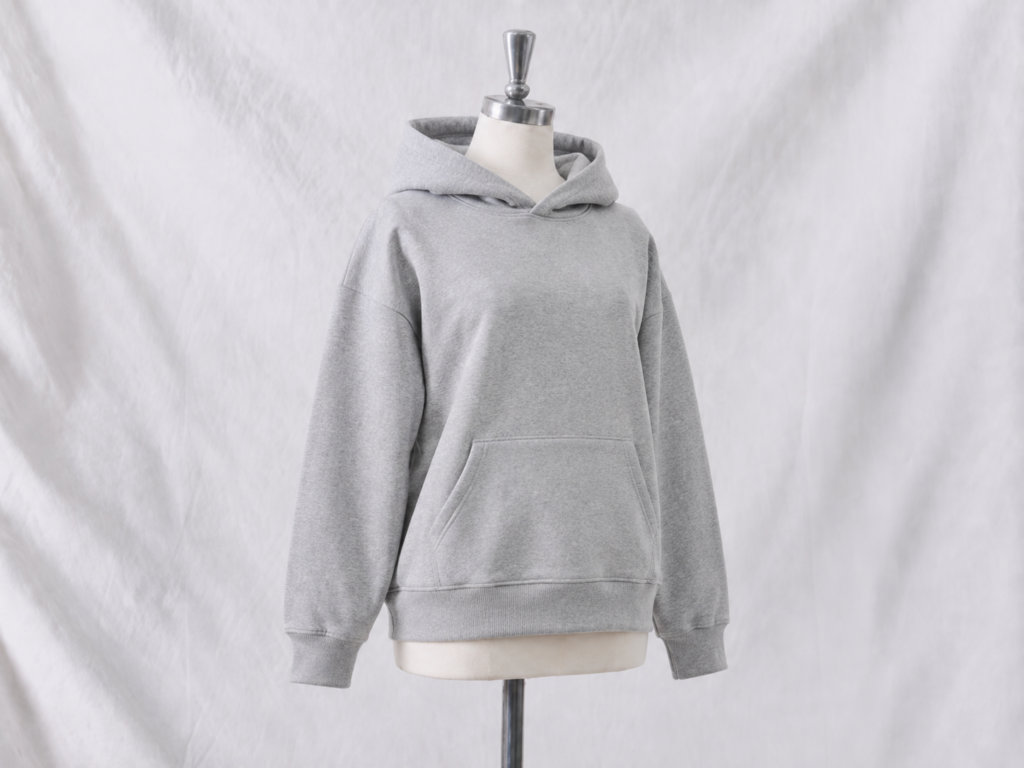
Revision quality often reveals more about a manufacturer than the first sample. A professional process records what changed, why it changed and which document version now controls the product. Pattern changes, measurement updates, material replacements, logo adjustments, trim changes and construction revisions should be visible in the project record. When comments are transferred only through chat messages, important details can be lost before bulk production.
Use measurable comments whenever possible. “Waist feels loose” is less useful than a note linking fit feedback to the approved measurement method, elastic tension, pattern shape or fabric recovery. “Logo looks too low” should become an updated position measured from a defined reference point. The goal is to turn subjective feedback into specifications that can be repeated.
Leadshow can support sample revisions within the agreed project scope, but revision rounds, cost and timing must be confirmed by project. Unlimited free revisions are not part of the verified company facts. A disciplined revision process reduces uncertainty while preserving a clear path toward sample approval.
Treat the Approved Sample as a Production Reference
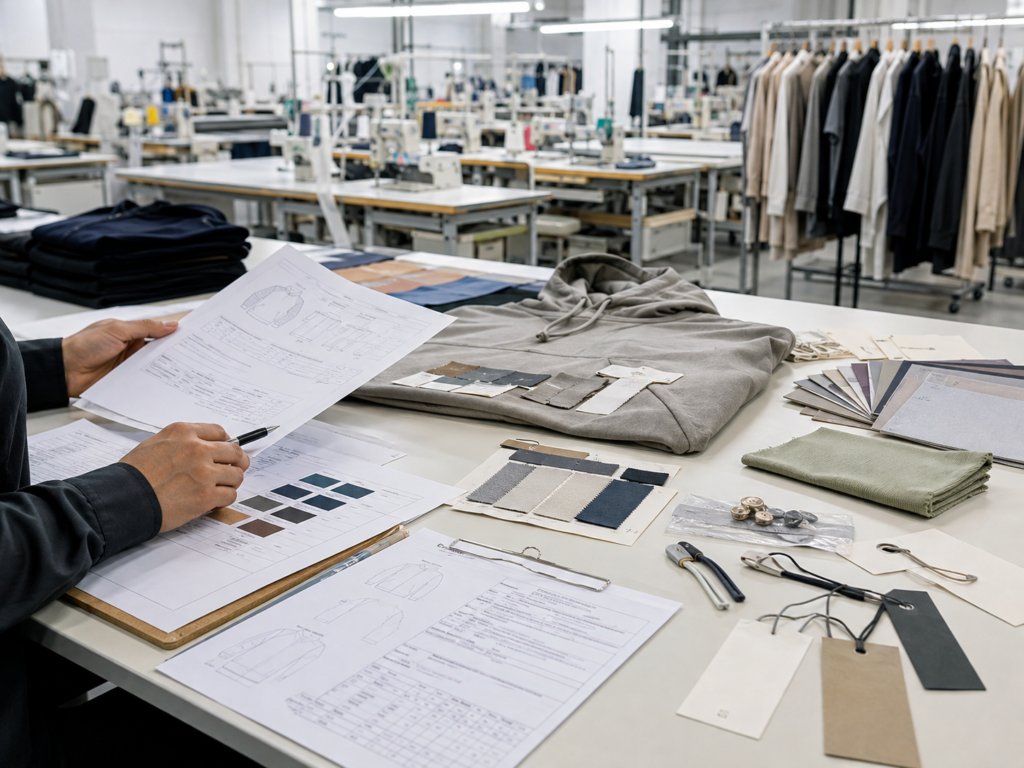
Approval should freeze enough information for the production team to work consistently. The approved sample itself is important, but it should be accompanied by the final Tech Pack revision, measurement chart, material and trim references, workmanship details, logo information, labels and packaging requirements. Any remaining open point should be identified before bulk material is committed.
For complex projects, additional confirmation such as a size set, pre-production sample or small-batch trial may be evaluated according to product and project conditions. These stages are not interchangeable with bulk MOQ, and they should have clear objectives. A size set may validate grading; a pre-production sample may confirm production materials and final workmanship; a pilot run may test a more complete process under limited quantity.
Once approval is complete, the sourcing team should ask how the factory communicates the frozen standards to production and quality teams. The strongest supplier evidence connects the approved product directly to material preparation, first-piece checks, in-process inspection, finished-garment inspection and packaging verification.
Check How Approved Samples Become Executable Bulk Standards
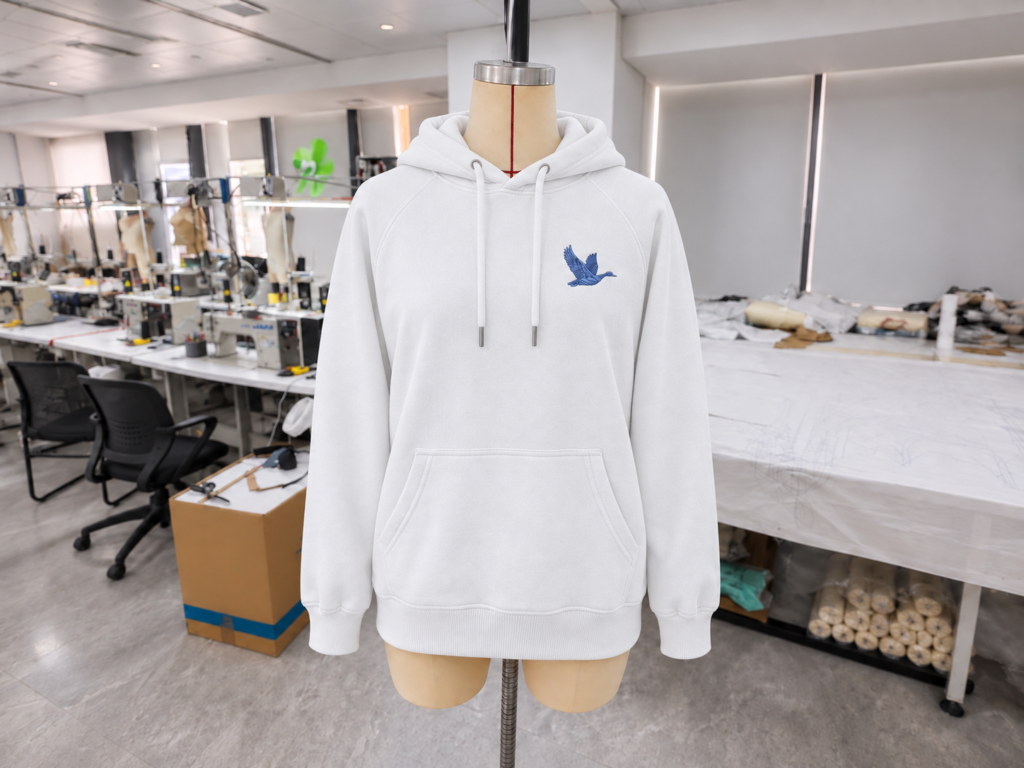
Bulk consistency depends on frozen specifications, verified materials and repeated checks at the right production stages. Ask the manufacturer to show how each approved item becomes an instruction or reference for production.
Approved Item
Bulk-Production Control
Evidence to Request
Final Tech Pack
Freeze the latest construction and workmanship revision
Revision number and approval record
Measurement Chart
Use defined measuring points and agreed tolerances
Final size chart and measurement method
Fabric and Color
Match approved material specification and color reference
Fabric reference, lot information or approved swatch
Trims
Confirm type, size, color and attachment method
Approved trim sample or specification
Logo / Artwork
Control method, dimensions, position and color
Approved artwork and placement reference
Approved Sample
Use as a physical workmanship and appearance reference
Signed or otherwise documented approval status
Labels and Packaging
Sizes, colors, labels, barcodes, packaging and carton contro
Approved label files and packing specification
Early Bulk Output
Compare first pieces against frozen standards
First-piece or early production check record
Reasonable production tolerances and material-batch variation should be defined before bulk manufacturing. A supplier should be able to explain how deviations are identified, isolated, corrected and rechecked rather than promising zero variation.
Verify Real Manufacturing Scale and Relevant Production Resources
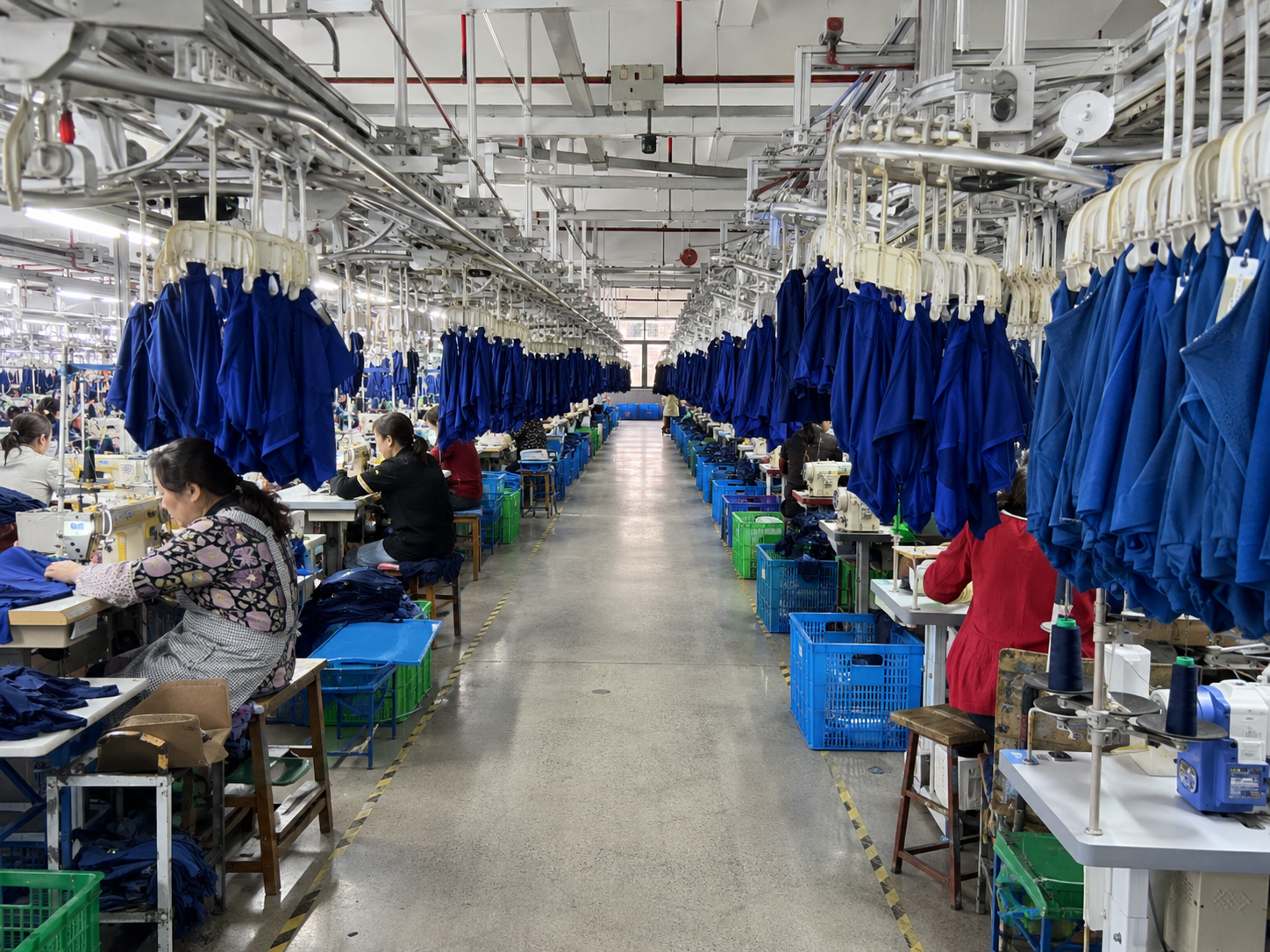
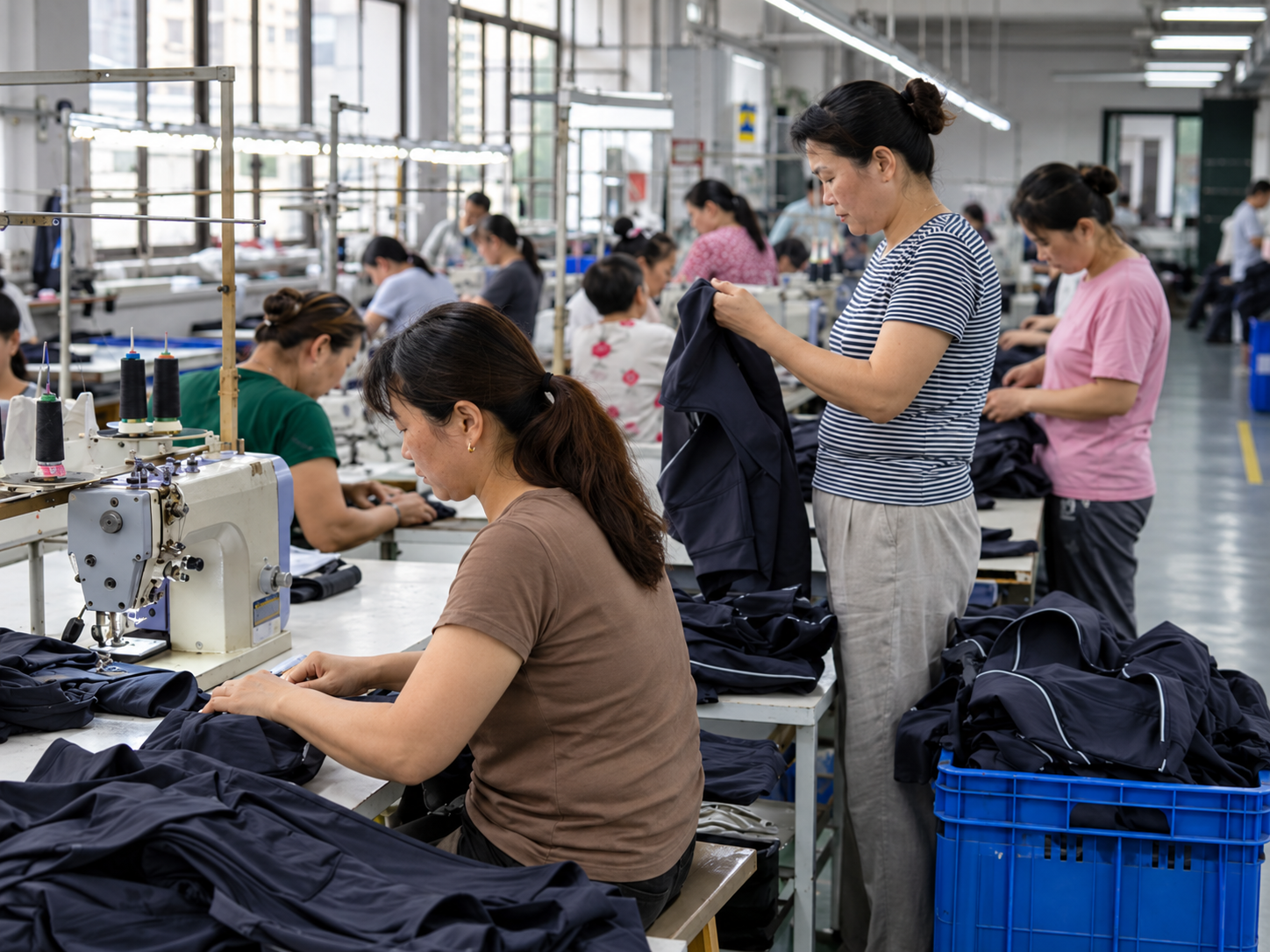
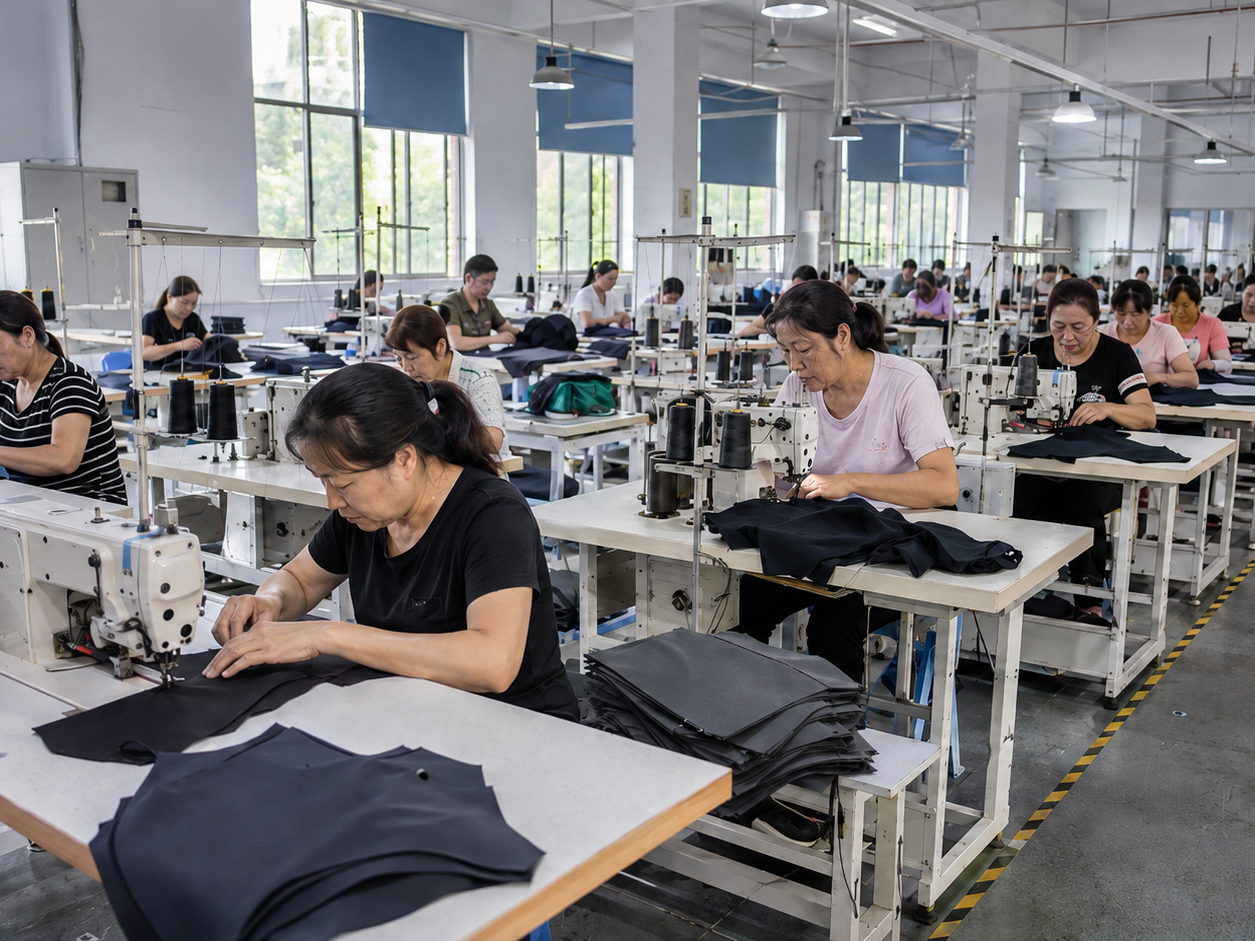
Leadshow combines product development resources with apparel manufacturing capacity. The figures below are company-level confirmed data and should not be interpreted as dedicated Hoodie-only capacity.
15 Years Experience
Our 15 years of industry experience covers apparel development, sampling and manufacturing coordination.
3 Manufacturing Bases
Our three manufacturing bases collectively support sampling, cutting, sewing, specialized processes, finishing, packing and logistics.
20,000+ Square Meters
Our combined manufacturing facilities cover more than 20,000 m² across the three-base system.
1,500+ Team Members
Our 1,500+ team includes business, R&D, production, quality, warehousing, logistics and support functions.
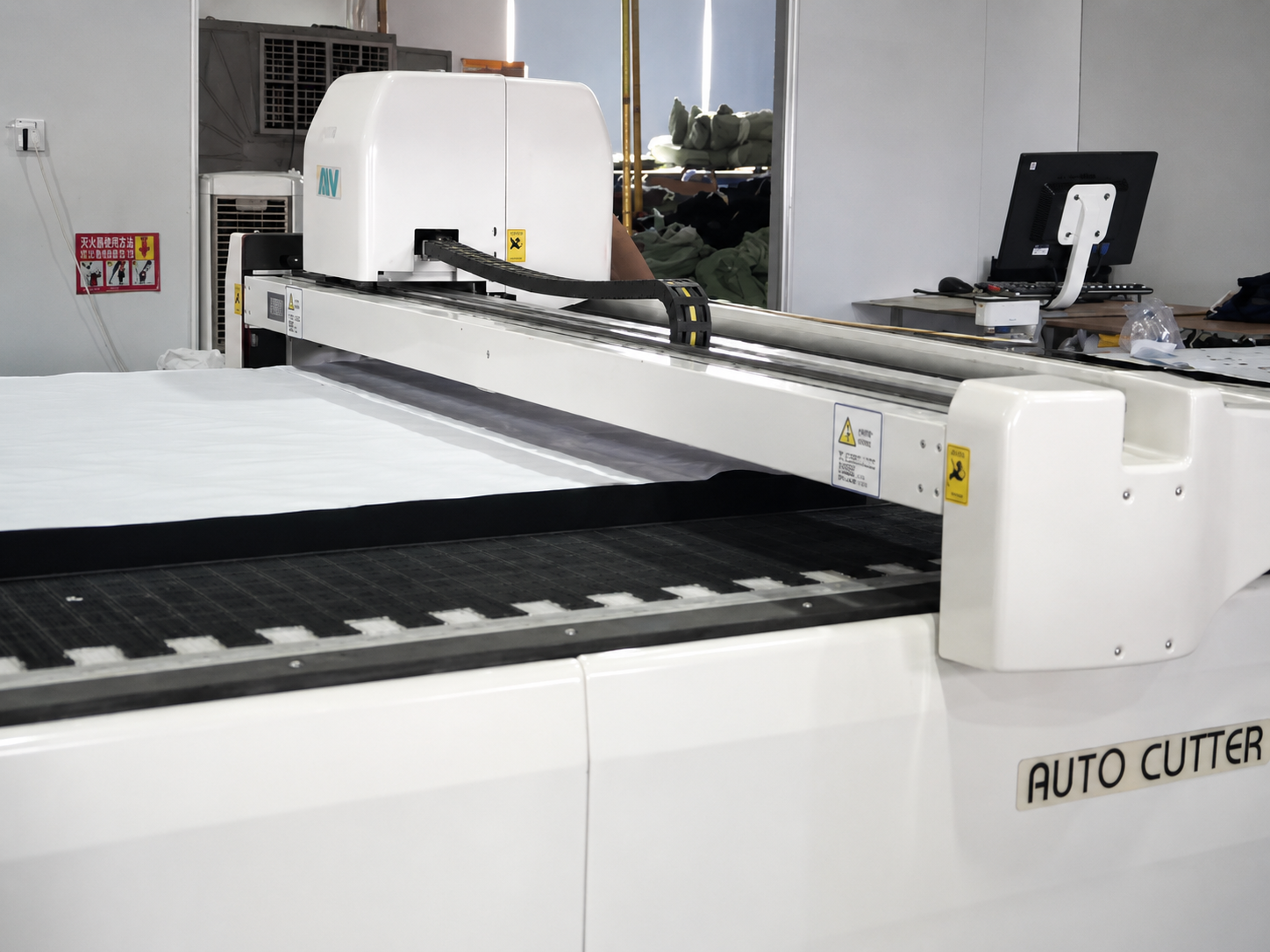
304 Confirmed Machines
Equipment spans fabric preparation, cutting, sewing, stretch-garment construction, bonding, seam taping, laser perforation, heat application, finishing, needle detection and packing support.
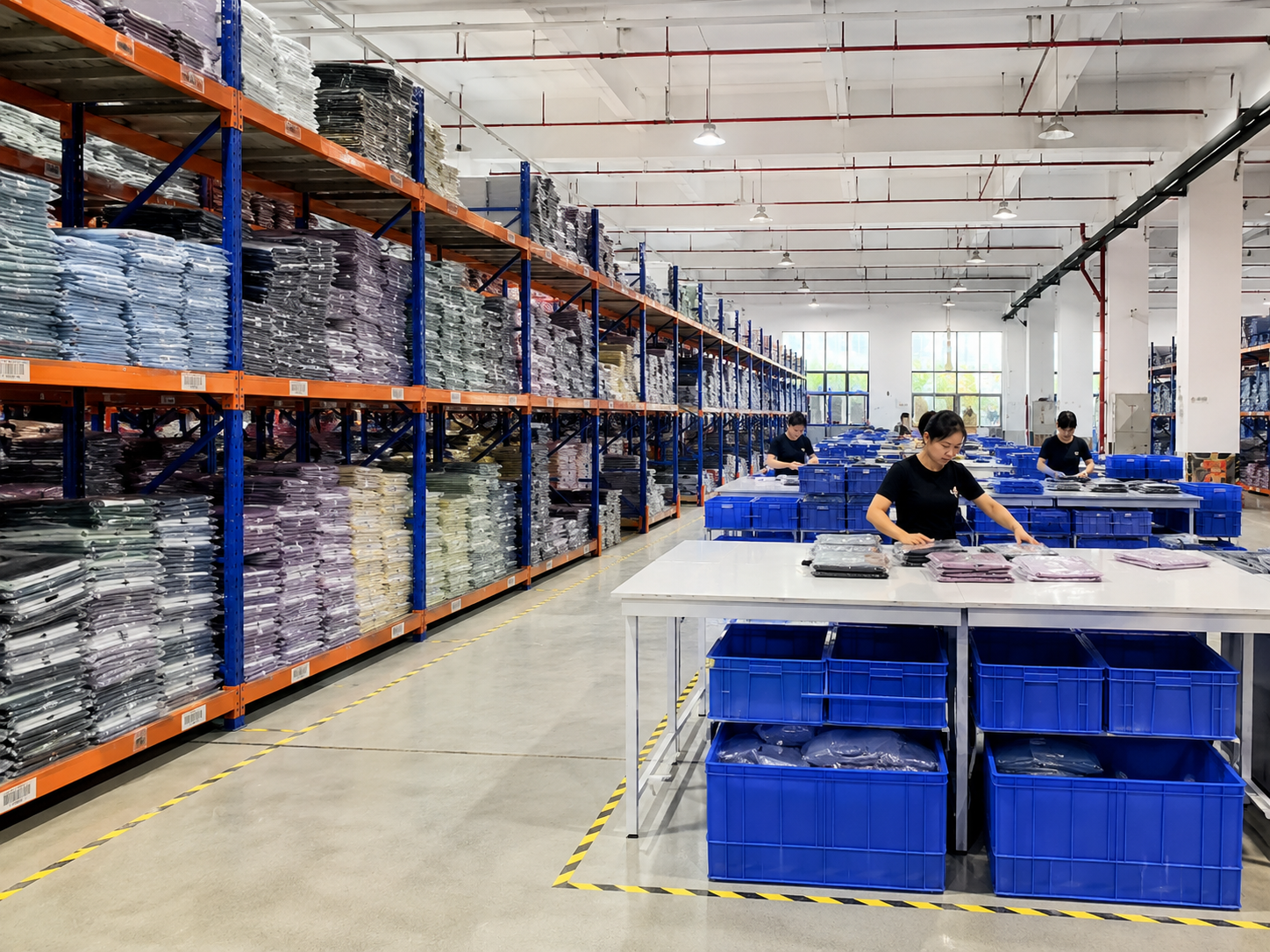
Up to Approx. 120,000
Combined monthly capacity can reach approximately 120,000 finished garments, with available capacity confirmed according to product complexity and the current production schedule.
Examine Quality Control as a Sequence of Verifiable Checks
Quality should be visible in the work instructions and inspection points used before shipment. Ask what is checked, when the check occurs, which specification controls the decision and how nonconforming work is handled.
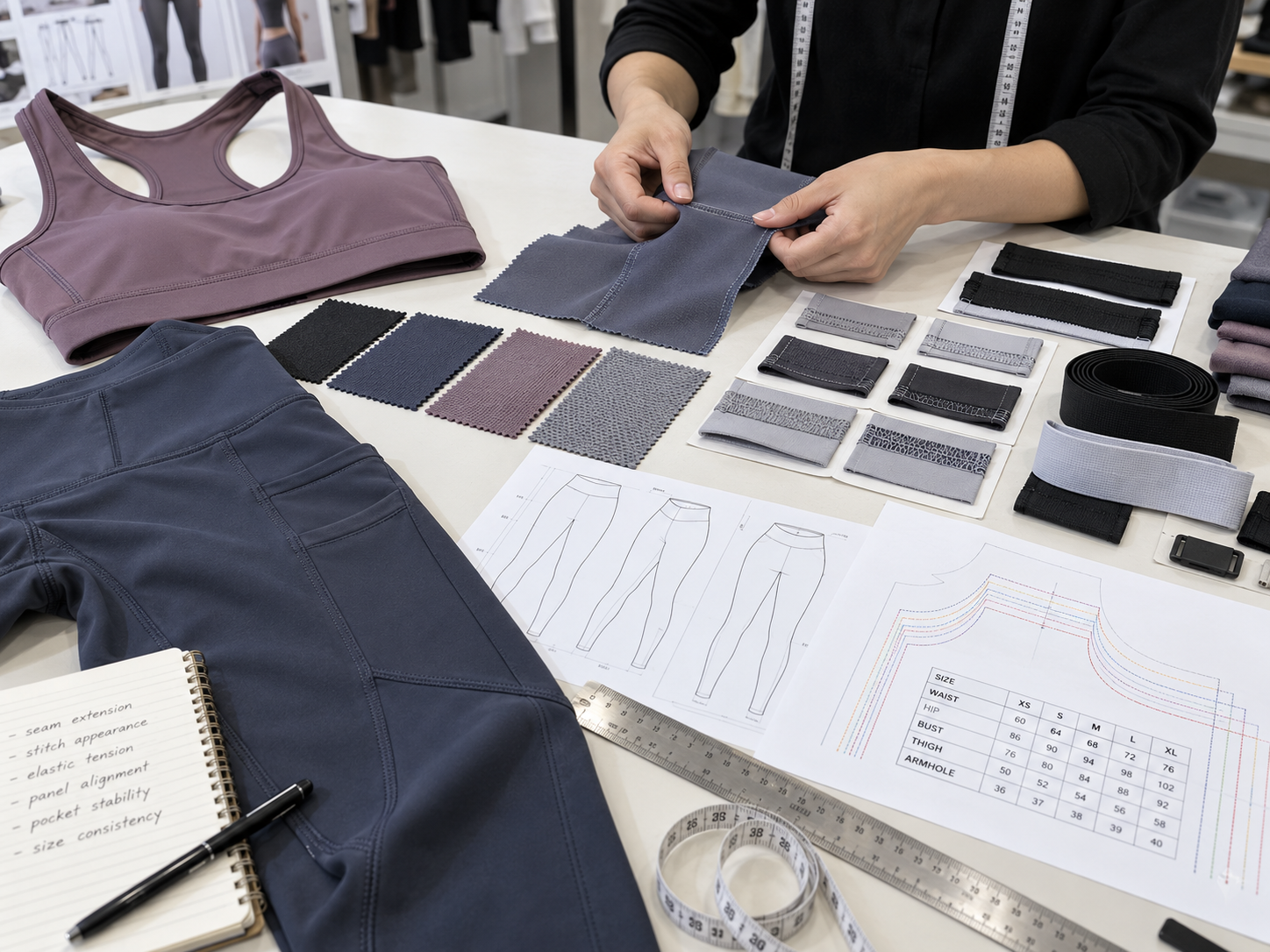
Material Checks
Material inspection should begin before sewing. Relevant checks may include fabric color and appearance, width or weight where specified, batch separation, trim type, trim color and quantities. Project-specific shrinkage or stability checks may also be required. Leadshow’s quality function can support material-related inspection according to project requirements.
- Compare received material with the approved reference.
- Separate batches when color or material variation matters.
- Record issues before bulk cutting commits the material.
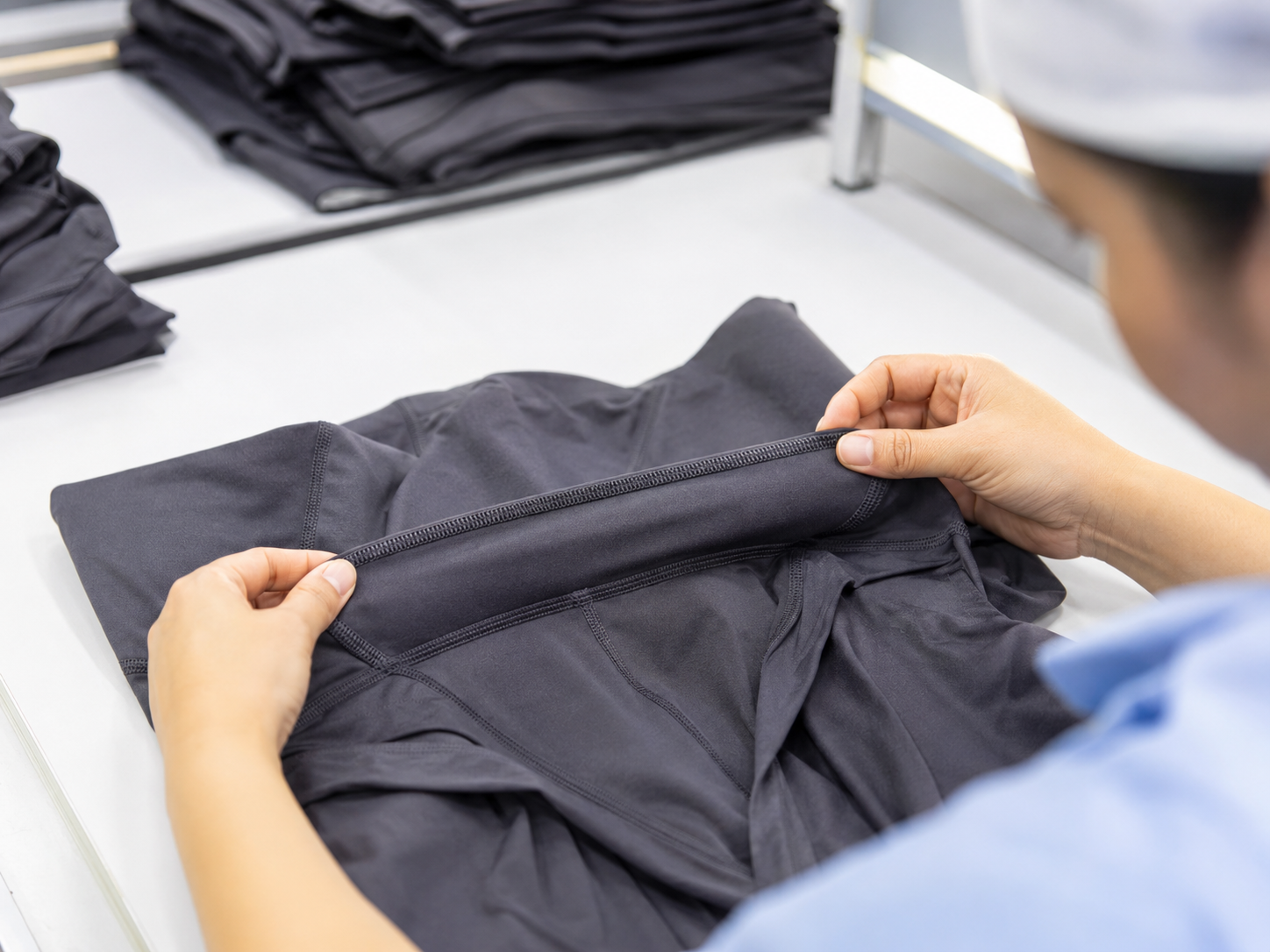
In-Process Checks
Quality control should continue during cutting, first-piece review and sewing rather than waiting for finished garments. Check cutting direction, pattern execution, seam and stitch appearance, critical construction, elastic application, logo position and important garment measurements. Early checks make correction easier because fewer units are affected.
- Compare early production with the approved sample and files.
- Inspect high-risk operations while work is still in process.
Isolate and correct repeated problems before they spread across the order.
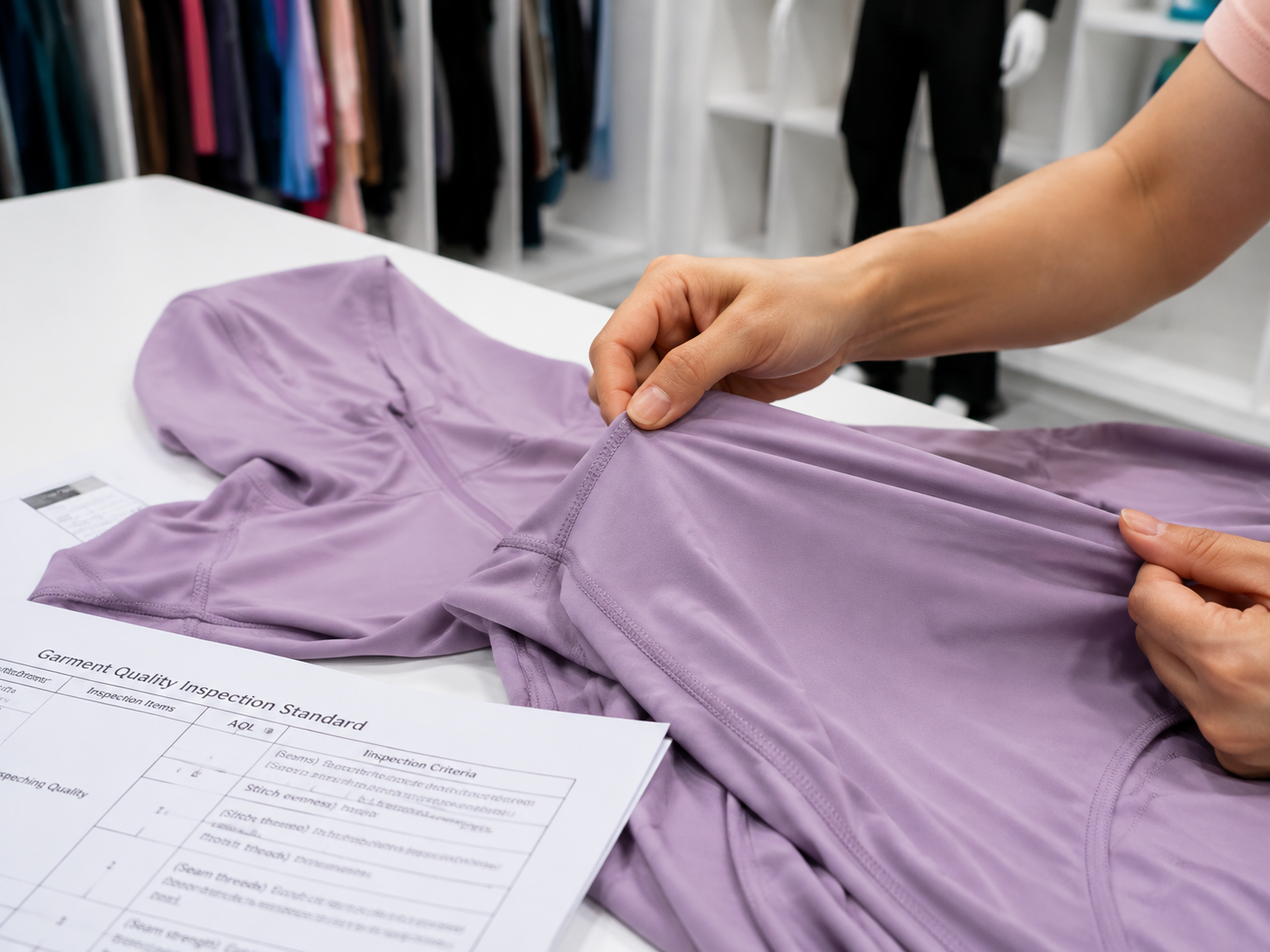
Finished Garment Checks
Finished garments should be checked against the approved construction, measurement method and appearance criteria. Depending on the program, review critical dimensions, workmanship, seam appearance, fabric defects, stains, damage, trims, zippers or adjustment components. Functional claims require separate project-specific testing when applicable.
- Use agreed tolerances rather than vague “perfect size” language.
- Confirm final appearance and key measurements.
- Recheck repaired or segregated garments before release.
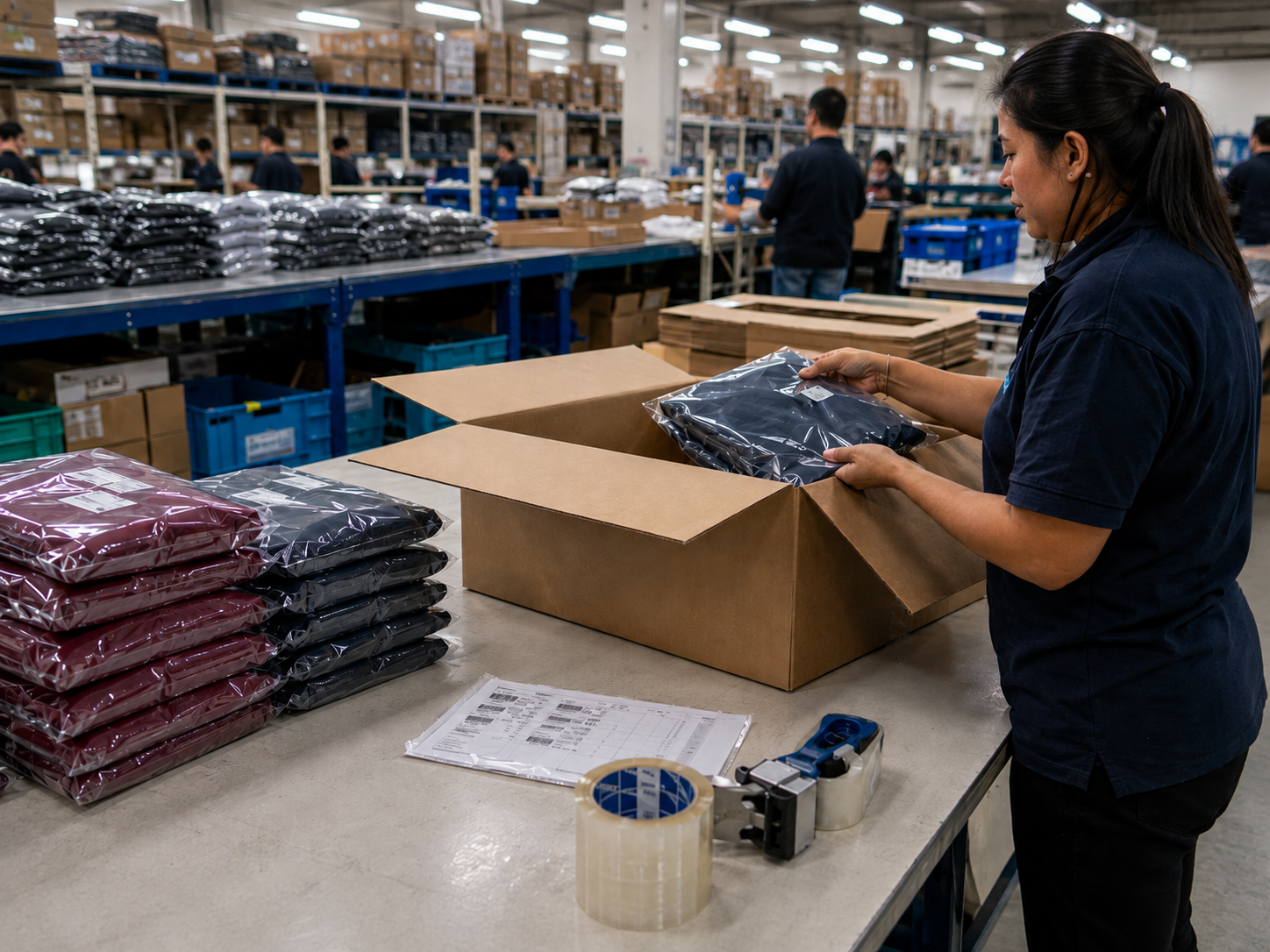
Label and Packaging Checks
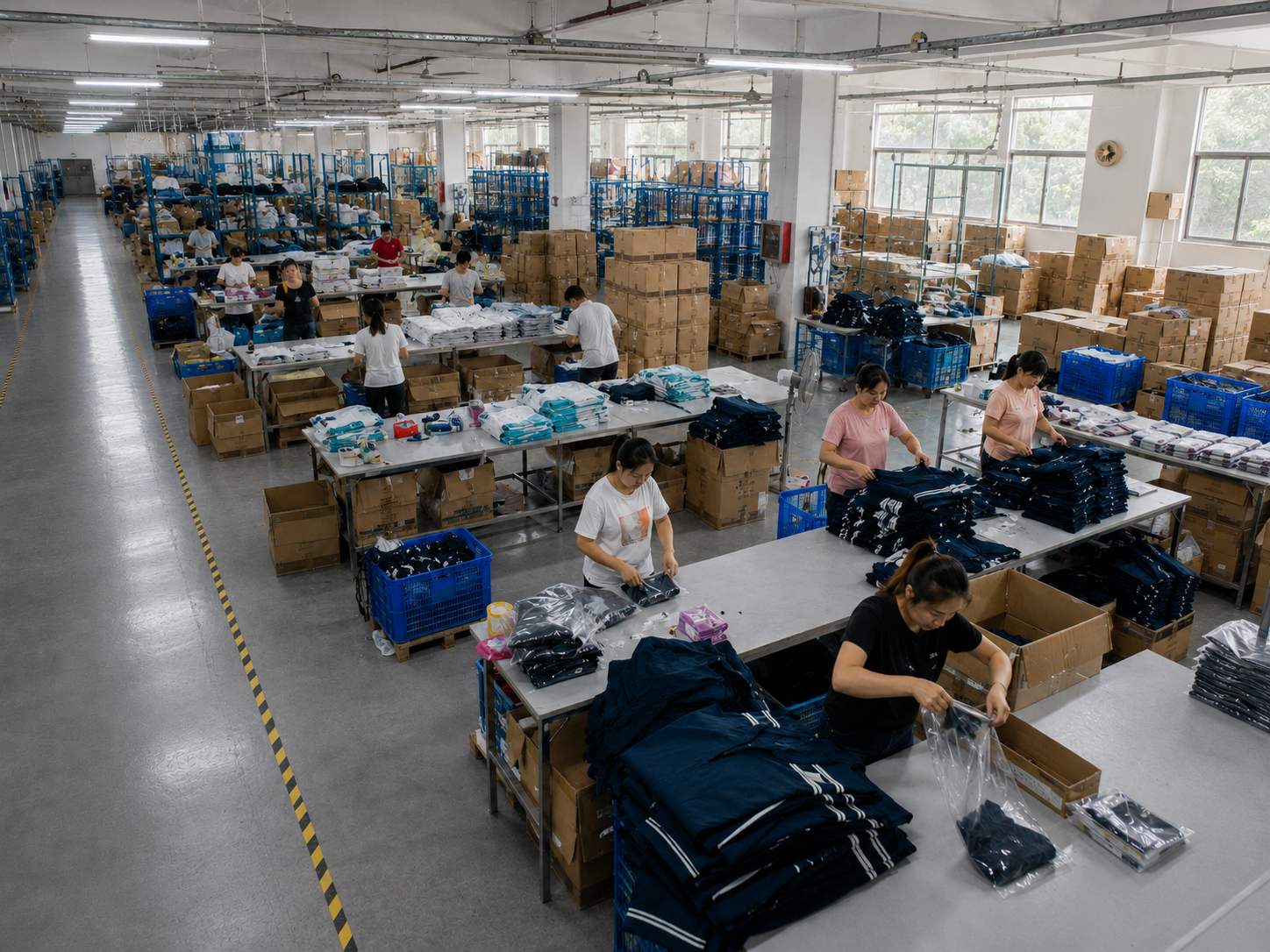
A correctly sewn garment can still fail a retail or distribution program when the wrong label, size, barcode, SKU or carton information is used. Packaging inspection should verify main labels, care labels, size labels, individual packing, SKU identification, carton marks and packing quantities against approved files.
- Match color and size variants with the correct SKU.
- Verify packing instructions before sealing cartons.
- Include label and packaging accuracy in final release criteria.
Compare MOQ, Size Mix, Sampling and Production Scheduling Together
MOQ and timing are connected to materials, colors, trims, sizes, processes and production readiness. Ask for project conditions instead of relying on a single headline quantity or a universal lead-time promise.
Planning Item
Leadshow / Evaluation Basis
What May Change the Result
Standard MOQ
Generally starts from 100 pieces per color per design
Fabric minimums, custom colors, trims, branding, labels, packaging, testing and production conditions
Size Range
Submit requested sizes and approved measurement or grading information
Pattern development, grading requirements, fit direction and SKU complexity
Size Ratio
Reviewed within the confirmed color/design quantity
Production mix, extreme size distribution and material usage
Sample Quantity
Handled separately from bulk MOQ
Sample purpose, colorways, size samples, sales samples or special trials
Sample Lead Time
Confirmed after requirement and material/process review
Pattern work, material sourcing, artwork, process trials and revision scope
Pilot / Trial Quantity
Evaluated separately when relevant
Material availability, construction complexity and trial objective
Bulk Capacity
Confirmed for the actual program, not assumed from headline capacity
Product complexity, quantity, colors, SKUs, quality requirements and current scheduling
Bulk Lead Time
Confirmed after sample approval, material readiness and production scheduling
Material procurement, approved sample date, order size, processes, packaging and shipment plan
A lower-quantity project may be evaluated using stock fabrics, standard colors, standard trims or simplified packaging where suitable, but Leadshow should not be described as having no MOQ or accepting every custom quantity.
Compare Supplier Quotations Beyond the Garment Unit Price
Two quotations are comparable only when the product specification and responsibility scope are comparable. Normalize the RFQ before judging which offer has better commercial value.
Comparison Area
Questions to Normalize Before Comparing Prices
Fabric
Same composition, weight, construction, color method and approved performance requirements?
Trims
Same zipper, elastic, hardware, lining, thread, label and custom-trim requirements?
Pattern and Sizes
Same base size, size range, grading, measurement method and tolerance expectations?
Construction
Same panels, seam types, lining, pockets, reinforcement and finishing details?
Logo / Artwork
Same decoration method, dimensions, placement, colors and artwork complexity?
Sampling
Same sample types, revision scope, freight responsibility and approval process?
Testing / Compliance
Same requested tests, destination-market requirements and third-party costs?
Labels / Packaging
Same main labels, care labels, hangtags, barcode, individual packing and carton requirements?
Order Mix
Same quantity per design, color and size, with comparable SKU complexity?
Delivery Basis
Same trade term, shipment point, freight responsibility and requested delivery window?
Ask each supplier to state assumptions and exclusions in writing. A slightly higher unit price may cover stronger material, more complex workmanship, testing, packaging or additional project responsibility, while a lower quotation may simply represent a different specification.
Check Multi-SKU, Branding and Packaging Execution Before Bulk Orders
Large programs create risk at the variant, label and carton level. Evaluate whether a manufacturer can keep each size, color, artwork and packing version connected to the right garment throughout production and shipment preparation.
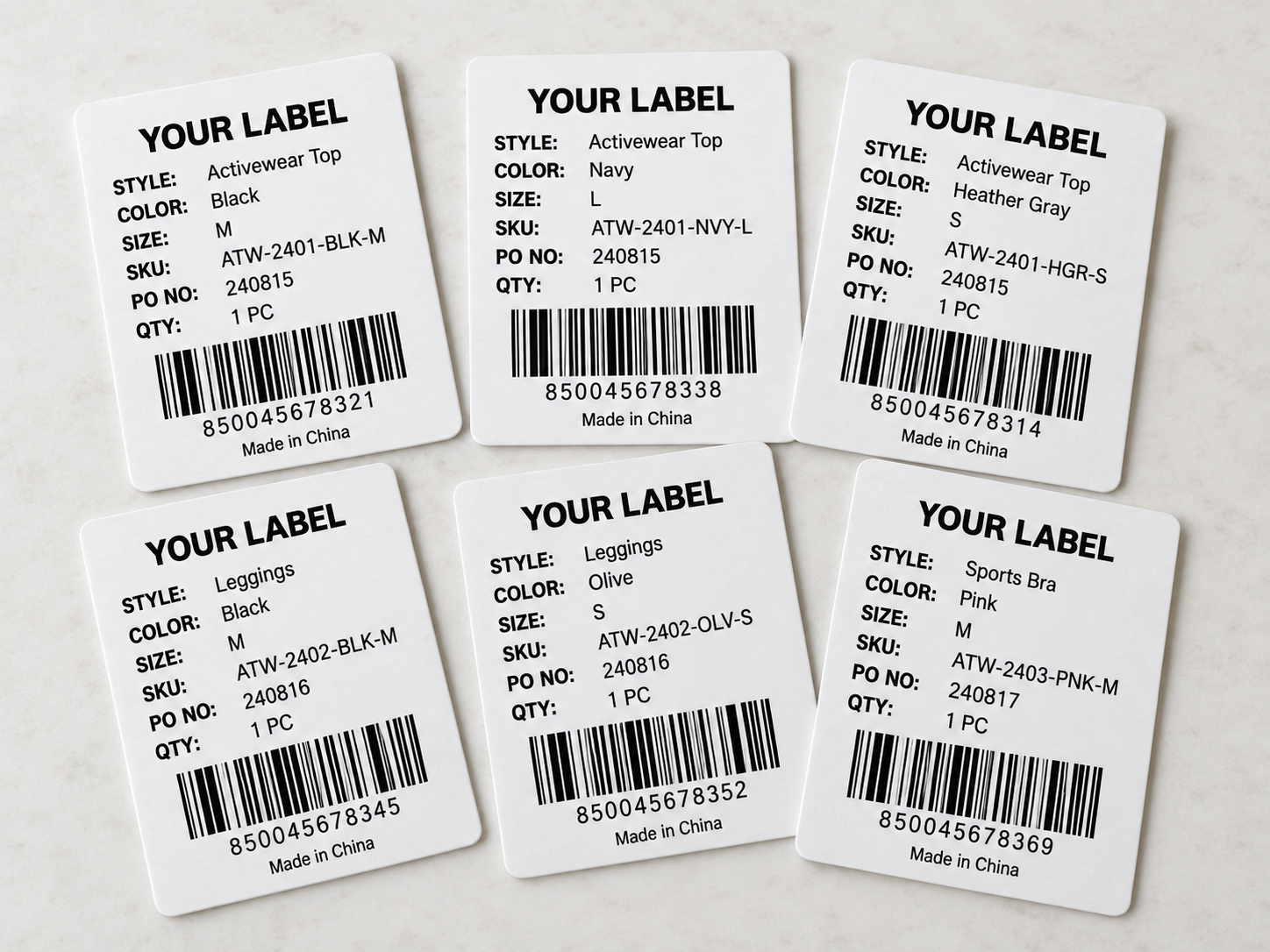
Size and Color SKUs
A multi-SKU order should begin with a clear matrix covering style, color, size and quantity. Changes to one variant can affect materials, labels and packing files, so the manufacturer needs a reliable method for separating and checking variants during production. Leadshow supports multi-SKU coordination within confirmed projects.
- Freeze the SKU matrix before bulk production.
- Match size and color to the correct label and packing file.
- Reconfirm any change that creates a new variant or affects quantities.
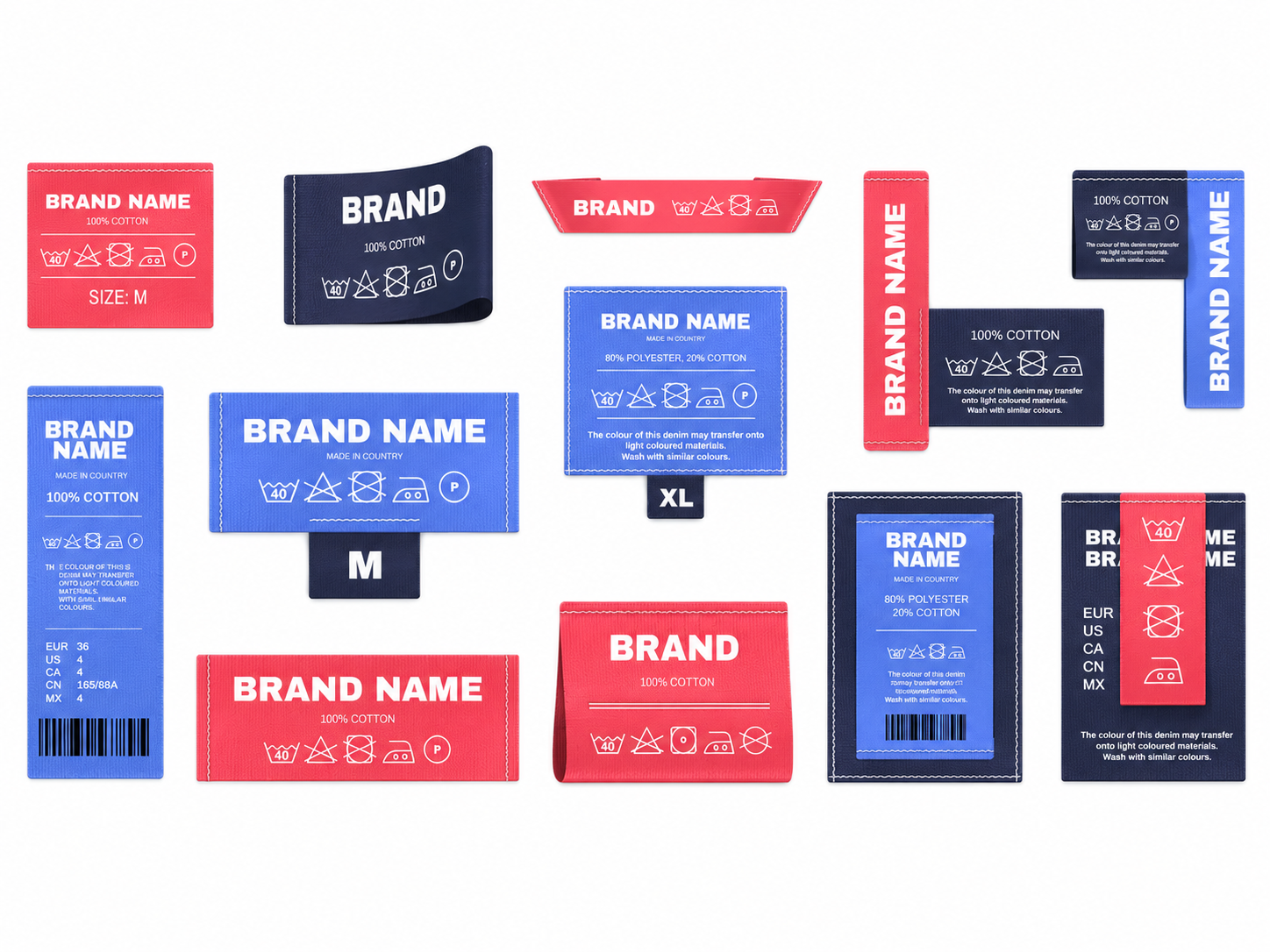
Main Labels
Main labels carry brand identity and must match the approved garment and market requirements. Confirm dimensions, material, placement, attachment method and artwork before production. Leadshow supports custom labels as part of Private Label manufacturing, while final label construction and sourcing conditions depend on the project.
- Approve artwork and physical appearance where required.
- Confirm placement and attachment method.
- Keep label version aligned with style and market requirements.
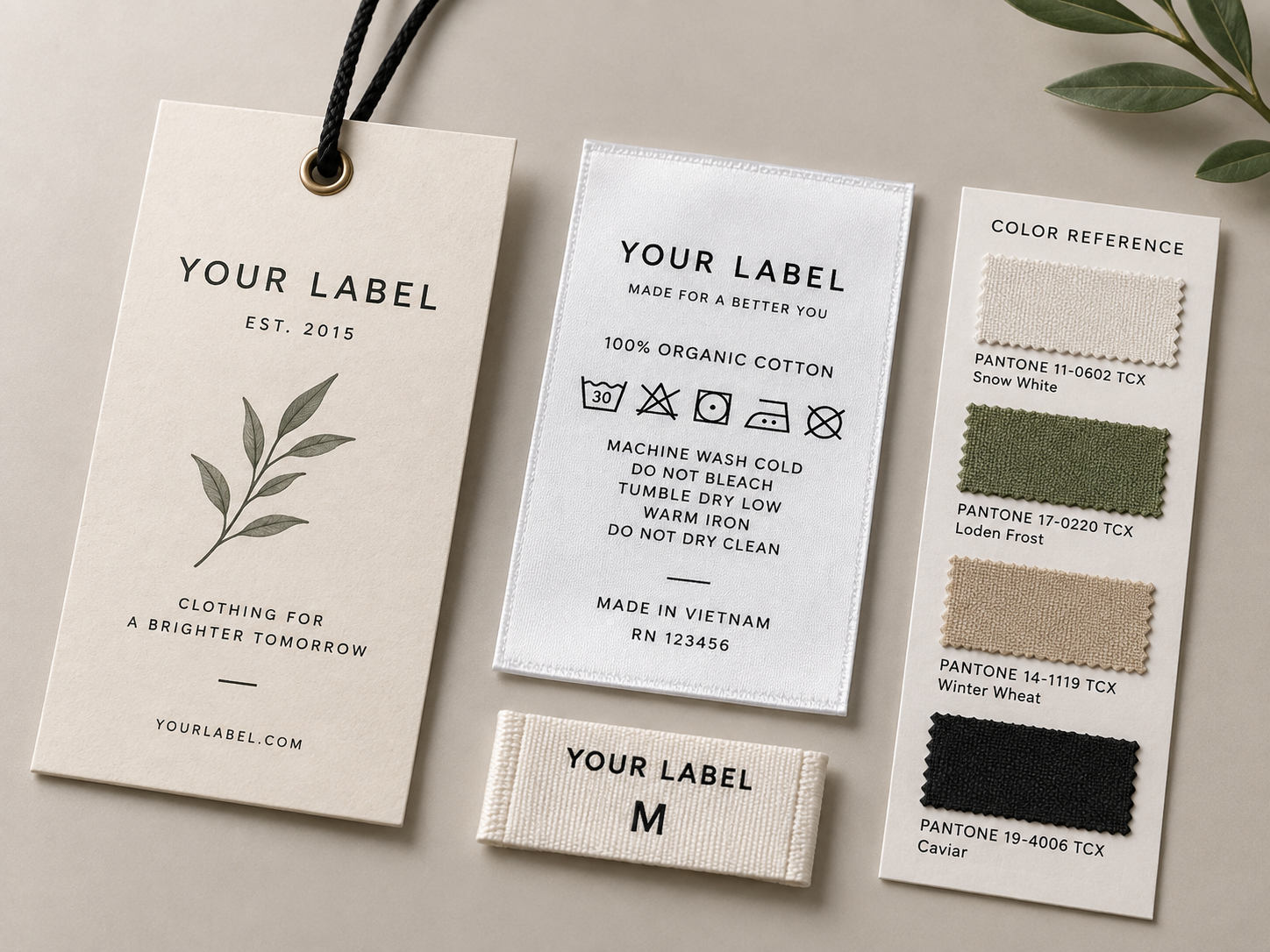
Care and Size Labels
Care labels and size labels are operational details with real compliance and distribution consequences. Sourcing teams should provide required fiber, care, origin, language and size information according to the destination market and brand policy. Leadshow can support label production and verification but should not invent legal wording.
- Supply approved content and language requirements.
- Map label versions to the correct SKUs.
- Verify label information during final quality and packing checks.
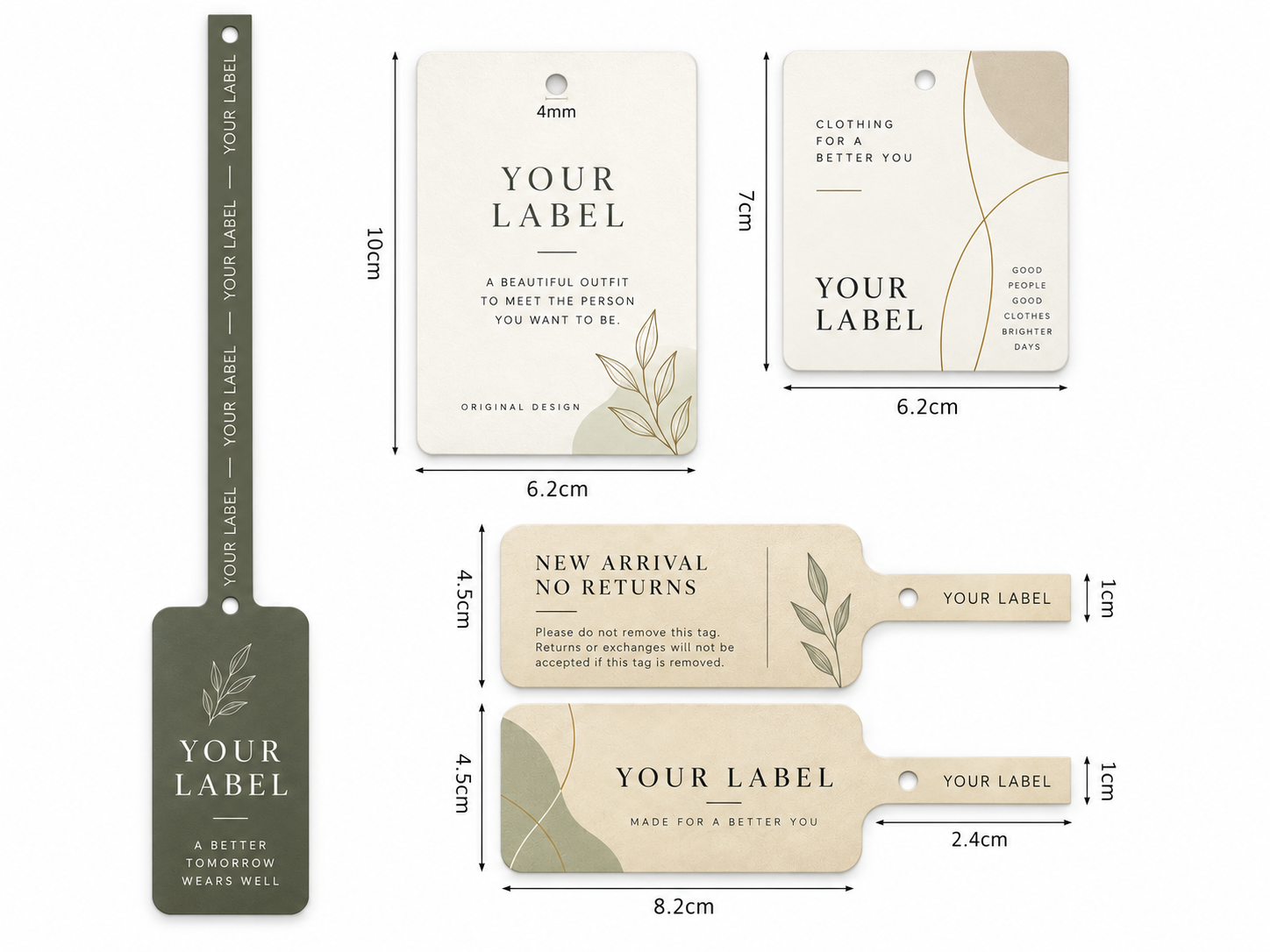
Branding Artwork
Heat-transfer labels and selected heat-applied graphics are among Leadshow’s confirmed process resources. Other branding methods may require external coordination or separate confirmation. Artwork review should include dimensions, color, placement, material compatibility and durability expectations.
- Use approved artwork files rather than screenshots.
- Define measurable placement points.
- Confirm whether testing or washing validation is required for the selected method.
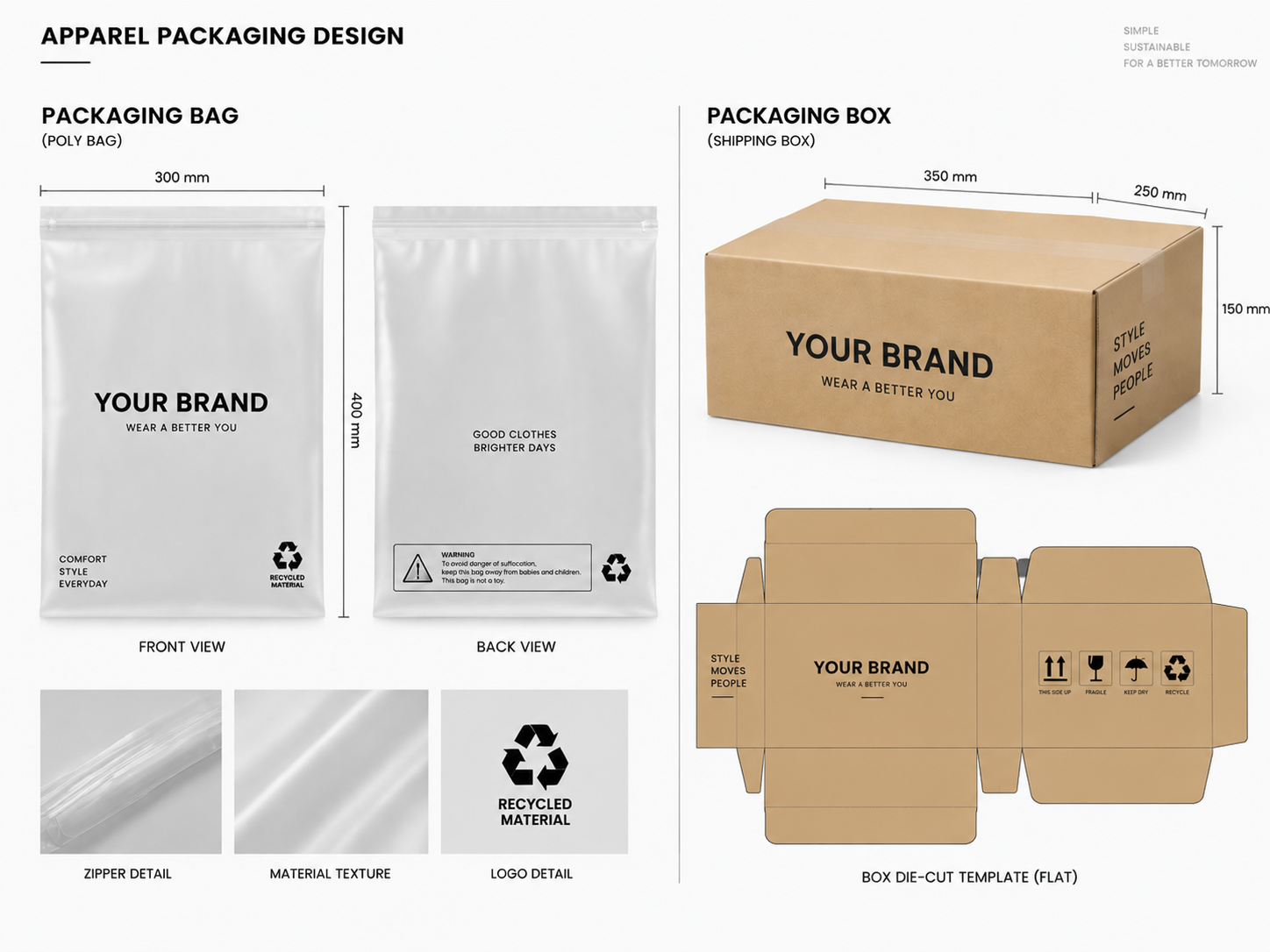
Individual Packaging
Packaging should protect the garment, present the brand correctly and support downstream sorting. Define bag type, folding method, inserts, barcode position and any warning or market-specific information. Leadshow has confirmed folding and packaging resources, but complex or specialized packing should be evaluated separately.
- Approve a packing sample for complex requirements.
- Connect packaging files to the SKU matrix.
- Confirm whether any retailer-specific requirement needs separate validation.
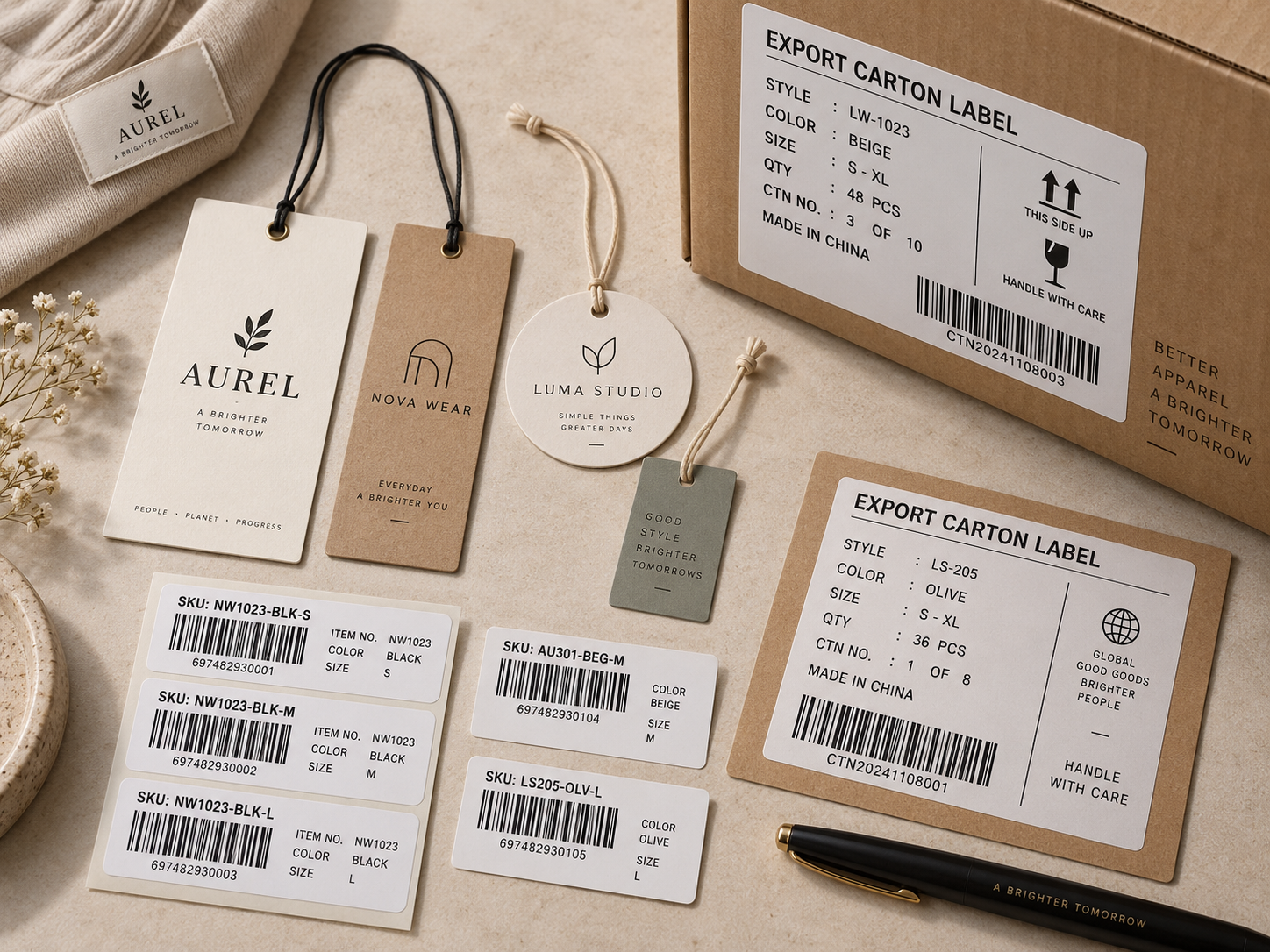
Carton and Shipment ID
Carton accuracy matters for importers, retailers and multi-destination programs. Confirm carton quantity, style, color, size, SKU, carton mark, carton number and packing-list relationship. Leadshow’s warehousing and logistics functions can support sorting, carton preparation and shipment coordination.
- Align carton marks with approved shipping files.
- Verify carton contents before final release.
- Keep customs clearance and destination-platform acceptance outside unsupported guarantees.
Evaluate Communication, Version Control and Repeat-Order Continuity
Strong manufacturing communication turns decisions into controlled specifications. Review whether open questions, approvals and revisions remain visible from development through production and into repeat orders.
Requirement Clarification
Good communication is not measured only by reply speed. Evaluate whether the factory asks useful technical questions, distinguishes confirmed requirements from open items and brings the right internal functions into the discussion. Leadshow uses a primary business contact to coordinate relevant development, production, quality and logistics functions according to project stage. Technical, quality, MOQ, pricing and timing decisions still require review by the appropriate functions.
Revision Control
A product can change many times between concept and bulk production. Pattern updates, measurement changes, material replacements, artwork revisions and packing changes should have a clear current version. Ask how obsolete files are prevented from reaching production. Even a simple version-control discipline can reduce expensive errors. Leadshow should communicate approved specifications and sample references as production requirements rather than relying on scattered messages or memory.
Production Communication
Once bulk production starts, communication should focus on material readiness, production status, open risks, quality findings and decisions that require brand approval. Avoid assuming that every factory offers real-time tracking or a dedicated project manager; those systems should be verified separately. Leadshow can coordinate progress through business and internal manufacturing functions, but unconfirmed claims such as 24/7 support, live customer portals or universal daily reporting should not appear in public copy.
Repeat Orders
Repeat orders should not restart from zero, but they also should not assume materials, price or capacity remain unchanged forever. Ask which approved patterns, sample references, material details, labels and packing instructions are retained and what must be reconfirmed. Leadshow supports long-term reorder and product-iteration work. Material availability, supplier conditions, production scheduling, quantity and any updated specifications should be reviewed again before a repeat order is formally accepted.
Check Compliance, IP Protection and Honest Capability Boundaries
Reliable suppliers separate verified capability from project-specific claims. Clear limits on certification, performance, intellectual property and delivery promises reduce sourcing risk and make technical discussions more credible.
Verified Capability
Ask which facts can be demonstrated with company records, equipment, process evidence or approved product examples. Leadshow can verify its core product focus, manufacturing scale, confirmed equipment resources, OEM/ODM development support, sampling, quality, labels, packaging and export-delivery support.
- Use verified company facts for supplier evaluation.
- Connect equipment to the garment operation it can support.
- Do not turn overall factory data into unsupported product-specific guarantees.
Project Confirmation
Performance, testing, certification, material sourcing, timing and destination-market requirements can change by project. A responsible manufacturer should identify which points require further evidence instead of converting them into universal claims.
- Confirm functional performance through suitable materials and testing.
- Review certification needs according to product and destination market.
- Confirm sample time, bulk lead time and available capacity after project review rather than using one fixed promise.
IP and Business Limits
Brands should protect designs, Tech Packs, artwork and third-party intellectual property. A manufacturer should require proper authorization for protected designs and should avoid claiming ownership of a brand’s product or market results. Leadshow’s verified positioning excludes unauthorized copying, retail one-piece orders, dropshipping and claims of guaranteed commercial success.
- Confirm the right to use submitted third-party materials.
- Keep confidential product files within the agreed project process.
- Avoid suppliers that promise every product, every quantity or every result without review.
Red Flags When Evaluating a Custom Clothing Manufacturer
Warning signs usually appear before bulk production. Use red flags to trigger deeper questions, not to attack another factory. A credible supplier should be comfortable explaining conditions, evidence and limits.
Everything Is Possible
A factory that accepts every product, material, function, quantity and delivery request without technical review creates risk. Apparel production involves material limits, equipment fit, supplier minimums and production scheduling. A stronger answer explains what is feasible now, what needs sampling and what remains unconfirmed.
- No questions about product construction or target use.
- Immediate acceptance of every requested function.
- No distinction between confirmed capability and work that requires external coordination.
Price Before Specifications
An extremely fast price based only on a photo may not represent the intended garment. Fabric weight, construction, size range, logo, trims, packing and quantity can change cost materially. A credible quotation should state the specification assumptions behind the number.
- No request for product or material details.
- Different suppliers are quoting different constructions.
- Sample, testing, branding or packaging responsibilities are missing from the scope.
No Sample Approval Logic
When a supplier cannot explain the purpose of each sample, how revisions are recorded or what defines approval, the same ambiguity may reach bulk production. Sampling should produce measurable decisions and a current version of the product standard.
- Comments remain only in informal messages.
- No final measurement or workmanship reference.
- Bulk production is proposed before key sample issues are closed.
No Bulk Control Chain
A strong sample does not prove a strong bulk process. Ask how the factory controls approved materials, files, first pieces, in-process checks, finished garments, labels and packing. If the answer is only “our workers know the sample,” there may be too much reliance on memory.
- No connection between approved sample and production files.
- No early production comparison point.
Final inspection is treated as the only quality control stage.
Vague Quality Claims
Words such as premium, strict QC and top quality have little value without check points. Ask what is inspected, which standard is used, how tolerances are handled and what happens when a defect is found.
- No defined measurement method.
- No material, process or packaging verification.
- “Zero defects” or “100% identical to sample” is promised without a realistic control framework.
Unrealistic Guarantees
Absolute promises can be a warning sign when they ignore materials, scheduling, testing or destination-market conditions. Fixed sample time, fixed bulk lead time, all-products certification, guaranteed lowest price and universal on-time delivery should be supported by evidence and project conditions.
- Every order is promised the same MOQ and lead time.
- Capacity is claimed as always immediately available.
Compliance is guaranteed for every market without product-specific review.
When Leadshow Is a Strong Fit for an Apparel Project
Leadshow is best evaluated against the same criteria used for any shortlisted manufacturer. The strongest fit is where product category, development needs, order structure and verified manufacturing resources align with the planned program.
Strong Project Fit
Leadshow is positioned for mid-to-high-end apparel projects in sportswear, swimwear, streetwear and modest sportswear, including OEM, ODM and Private Label programs that require development-to-production support. Relevant projects may begin from a Tech Pack, reference image, concept or physical sample and progress through technical review, pattern and fit work, sampling, bulk manufacturing, quality, labels and packaging.
- Suitable for brands, importers, distributors, retail groups, buying offices and ongoing commercial programs.
- Strongest when product specifications and approval points can be clearly managed.
Well aligned with multi-style, multi-size and repeat-order requirements.
Requires Project Review
Some requests can be considered but need evidence, material confirmation, testing or scheduling review before a commitment is made. Examples include special functional materials, unusual structures, certified materials, complex branding, lower quantities, urgent calendars or process combinations that have not yet been verified for the exact garment.
- Performance claims depend on material, construction and testing.
- MOQ can change with fabric, trims, colors, labels and packaging.
Sample and bulk timing are confirmed after requirement, material and scheduling review.
Not the Core Fit
Leadshow is not positioned as a retail one-piece customization studio, dropshipping supplier, ordinary stock wholesaler or lowest-price factory for every clothing category. Projects involving unauthorized copying of third-party designs should not proceed without proper rights.
- No claim to manufacture every type of clothing.
- No “no MOQ” positioning or universal one-piece bulk orders.
No guaranteed market success, zero defects, universal certification or fixed lead time for every program.
Use a Supplier Evaluation Checklist Before Final Shortlisting
A structured checklist makes supplier comparison easier for design, sourcing, quality and supply-chain teams. Request evidence for each item, record open questions, and move to sampling only when the main risks are understood.
Evaluation Item
Question to Ask
Evidence to Request
Product Fit
Has the factory handled comparable garment construction?
Relevant product, process or equipment evidence
Tech Review
Can specifications and risks be reviewed before sampling?
Marked Tech Pack questions or review process
Pattern / Fit
Can fit and measurements be developed or adjusted?
Pattern, measurement and sample-review process
Materials
Can fabrics and trims be evaluated for the construction?
Material references and compatibility discussion
Sampling
Is there a defined revision and approval process?
Sample workflow and revision records
Bulk Control
How does the approved sample become a production standard?
Final files, first-piece and process-check logic
Quality
What is inspected before shipment?
Material, in-process, final and packing checks
MOQ / Quote
Are conditions behind quantity and price clear?
Written quotation assumptions and exclusions
Capacity / Timing
Is available capacity confirmed for the actual program?
Production-scheduling assessment
SKU / Packaging
Can labels, barcodes, variants and cartons be managed?
Packing files and SKU-control examples
IP / Compliance
Are design rights and market requirements handled responsibly?
Policy, agreement or project-specific evidence
Repeat Orders
How are approved standards carried into future orders?
Version and reorder confirmation process
Recommended decision rule: no single item should decide the order. Product fit, sample performance, manufacturing evidence, quality controls and commercial conditions should be reviewed together before supplier approval.
Custom Clothing Manufacturer Frequently Asked Questions
Short answers below address common sourcing questions raised before factory approval, sampling and bulk production. Final quantities, timing, testing and commercial terms should still be confirmed for the specific program.
How do I choose a custom clothing manufacturer?
Start with product-category fit, then review technical development, materials, sampling, sample-to-bulk controls, manufacturing capacity, quality, MOQ, quotation scope, packaging and repeat-order support. Compare suppliers using the same specification and evidence requests. Move shortlisted factories into paid or formally approved sampling before committing to bulk production.
What should I check before contacting a manufacturer?
Prepare the product category, Tech Pack or reference images, expected quantity per design and color, size range, material direction, logo method, label and packaging needs, target market and target date. Missing details can be discussed during review, but clearer inputs improve quotation accuracy and sample planning.
Should I choose OEM or ODM manufacturing?
Choose OEM when the product is already well defined and the factory mainly needs to execute approved specifications. Choose ODM when concept, pattern, fit, material or construction work is still required before bulk production. Private Label can overlap with either model when branded labels and packaging are part of the program.
How should I evaluate a clothing sample?
Evaluate fit, critical measurements, fabric behavior, construction, seam quality, trims, branding, finishing and intended use. Record every revision and confirm which version becomes the approved reference. A sample should validate both product quality and the manufacturer’s ability to understand and control the specifications.
What affects clothing manufacturing MOQ?
MOQ can be affected by fabric supplier minimums, custom colors, trims, branding, labels, packaging, certified materials, testing and production conditions. Leadshow’s standard MOQ generally starts from 100 pieces per color per design, while the final quantity is confirmed after project review.
How do I compare manufacturer quotations fairly?
Send the same RFQ and normalize fabric, construction, size range, logo, trims, sample scope, testing, labels, packaging, order mix and delivery basis. A lower unit price may represent a different garment or fewer responsibilities. Compare the complete specification and commercial scope, not only the final unit number.
How can sample-to-bulk consistency be controlled?
Freeze the final Tech Pack, measurements, approved materials, trims, artwork, labels and packaging before bulk production. Compare first pieces with the approved sample, perform in-process checks, inspect finished garments and verify packaging. Consistency comes from controlled standards and repeated checks, not a promise of zero variation.
What quality checks should a clothing manufacturer use?
Relevant checks may include incoming material and trim verification, cutting and first-piece checks, in-process workmanship and measurement checks, finished-garment inspection, logo and trim verification, labels, SKU and packaging checks, and final shipment review. The exact plan should match the garment and agreed quality requirements.
How are sample and bulk lead times confirmed?
Sample timing should be confirmed after product construction, pattern work, materials, artwork, special processes and revision scope are reviewed. Bulk timing should be confirmed after sample approval, material readiness, order quantity, SKU complexity, packaging and current production scheduling are known. One fixed timing promise is rarely appropriate for every garment.
What are major red flags when selecting a factory?
Watch for a factory that accepts every request without review, prices from incomplete specifications, has no sample-approval process, cannot explain sample-to-bulk controls, relies only on vague quality claims, or guarantees every MOQ, lead time, certification or result without conditions. Strong suppliers explain both capability and limits.
Submit Your Apparel Project for Manufacturing Evaluation
Send the information already available for the garment program – a Tech Pack, reference image, physical-sample notes or an early concept can all be useful starting points. Include the product category, expected quantity per design and color, requested size range, fabric and trim requirements, logo method, label and packaging needs, testing requirements, target market and target date whenever available. Leadshow can review product fit, manufacturing feasibility, material and process direction, sampling requirements, MOQ conditions, capacity and scheduling factors, and major quality or packaging risks within its verified product scope. A submission does not create an automatic production commitment; final quotation, sample plan, quantity, timing and commercial terms are confirmed after technical and manufacturing review. Files should be supplied only for products and intellectual property the submitting company is authorized to use.