
Hoodie Manufacturing Cost Guide
Know What Really Changes Your Hoodie Cost Before Requesting a Factory Quote
- Hoodie manufacturing cost depends on fabric, GSM, construction, fit, trims, branding, quantity, quality requirements, packaging, and commercial terms.
- A reliable quote starts with a defined product specification rather than a product photo alone.
- Shenzhen Leadshow Sports Technology Co., Ltd. evaluates custom hoodie projects from technical requirements through sampling and production planning.
Three Rules Behind Reliable Hoodie Manufacturing Cost Estimates
A reliable hoodie cost estimate depends on clear product details, order information, and quotation scope. Without the same specifications and cost boundaries, different supplier prices cannot be compared accurately.
Cost Follows Specification
A hoodie is not a single standardized product. Fabric composition, knit structure, GSM, fit, hood construction, pockets, rib, zipper, drawcord, artwork, labels, and packaging can all change material use and production work. A basic pullover and a full-zip oversized hoodie may share the same product name while requiring very different materials and operations. Accurate cost planning starts by converting the design into a clear production specification.
Quantity Changes Economics
Order quantity influences material purchasing, production preparation, cutting efficiency, printing or embroidery setup, packaging preparation, and SKU management. Total order quantity alone is not enough. The number of designs, colors, sizes, and units allocated to each color must also be reviewed. Leadshow’s standard MOQ starts from 100 pieces per color per design, while final MOQ remains subject to fabrics, trims, branding, packaging, certification requirements, and supplier minimums.
Quote Scope Must Match
Two unit prices cannot be compared fairly until the included scope is aligned. One quote may cover garment manufacturing only, while another may also include labels, hangtags, individual packing, carton requirements, testing, inspection support, or freight-related items. Commercial terms also matter. A useful comparison therefore checks product specification, quantity structure, included services, packaging requirements, trade term, and destination before deciding which quotation is actually more competitive.
What Determines the Manufacturing Cost of a Custom Hoodie?
Hoodie cost is built from several connected inputs. The table below shows what needs to be defined before a quotation can become specific enough for sourcing and internal budget review.
Cost Area
Main Variables
Why Cost Changes
Information Needed
Main Fabric
Composition, knit, GSM, finish
Changes material price, garment weight, consumption, and sewing behavior
Fabric specification or target performance
Fabric Consumption
Fit, size, pattern shape
Wider or longer garments normally require more material
Measurement chart and fit direction
Rib & Secondary Fabric
Cuffs, hem, neck details
Separate materials may have different prices and MOQs
Rib structure, composition, color
Hood Construction
Single layer, double layer, panel structure
Changes fabric use, cutting, sewing, and shape control
Hood drawing or reference
Zippers & Drawcords
Standard or customized components
Hardware can introduce separate material and supplier minimums
Type, length, finish, branding
Pockets
Kangaroo, side, zipper, internal
Additional panels and operations increase complexity
Pocket position and construction
Decoration
Printing, embroidery, heat transfer
Cost changes with technique, size, colors, placement, and setup
Artwork and placement
Size Range
Size count and grading
Larger sizes can change consumption and cutting allocation
Size chart and quantity breakdown
Order Quantity
Design, color, size, SKU mix
Affects purchasing and production efficiency
Quantity by design and color
Labels
Main label, care label, size label
Customized branding adds material and setup requirements
Label artwork and material
Packaging
Polybag, barcode, carton, inserts
Different retail or warehouse requirements change packing work
Packing specification
Quality
Measurement, appearance, tests
Inspection and testing scope can affect project resources
Quality standard
Trade Scope
EXW, FOB, other agreed terms
Determines which logistics-related costs sit inside the quote
Destination and trade term
How Fabric Selection Changes Hoodie Manufacturing Cost
Fabric is normally one of the largest cost drivers in a hoodie. Composition, structure, weight, finish, usable width, shrinkage behavior, and sourcing conditions need to be reviewed together rather than relying on GSM alone.
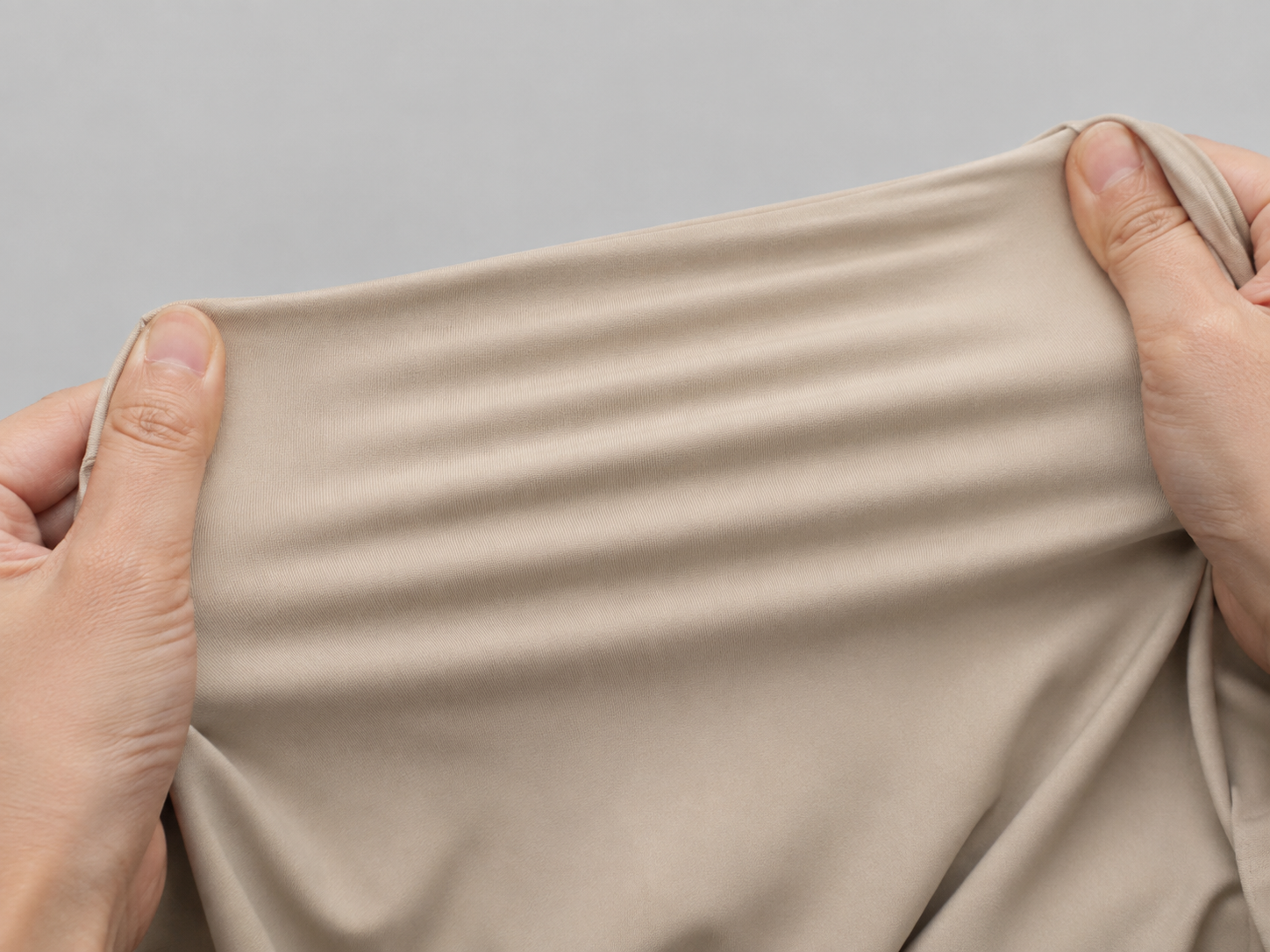
Fabric Composition
Cotton, cotton-polyester blends, synthetic fibers, and other compositions can carry different material prices, shrinkage behavior, hand feel, durability characteristics, and sourcing conditions. Fiber content can also influence dyeing, finishing, washing behavior, printing compatibility, and the way the finished hoodie holds its shape. A lower material quotation may not remain economical if the selected fabric creates excessive shrinkage, unstable appearance, difficult sewing, or repeated sampling. Material selection should therefore balance target feel, garment function, production compatibility, and total project cost.
- Define target composition.
- Confirm desired hand feel.
- Review shrinkage expectations.
- Match fabric to decoration.
- Check supplier minimums.
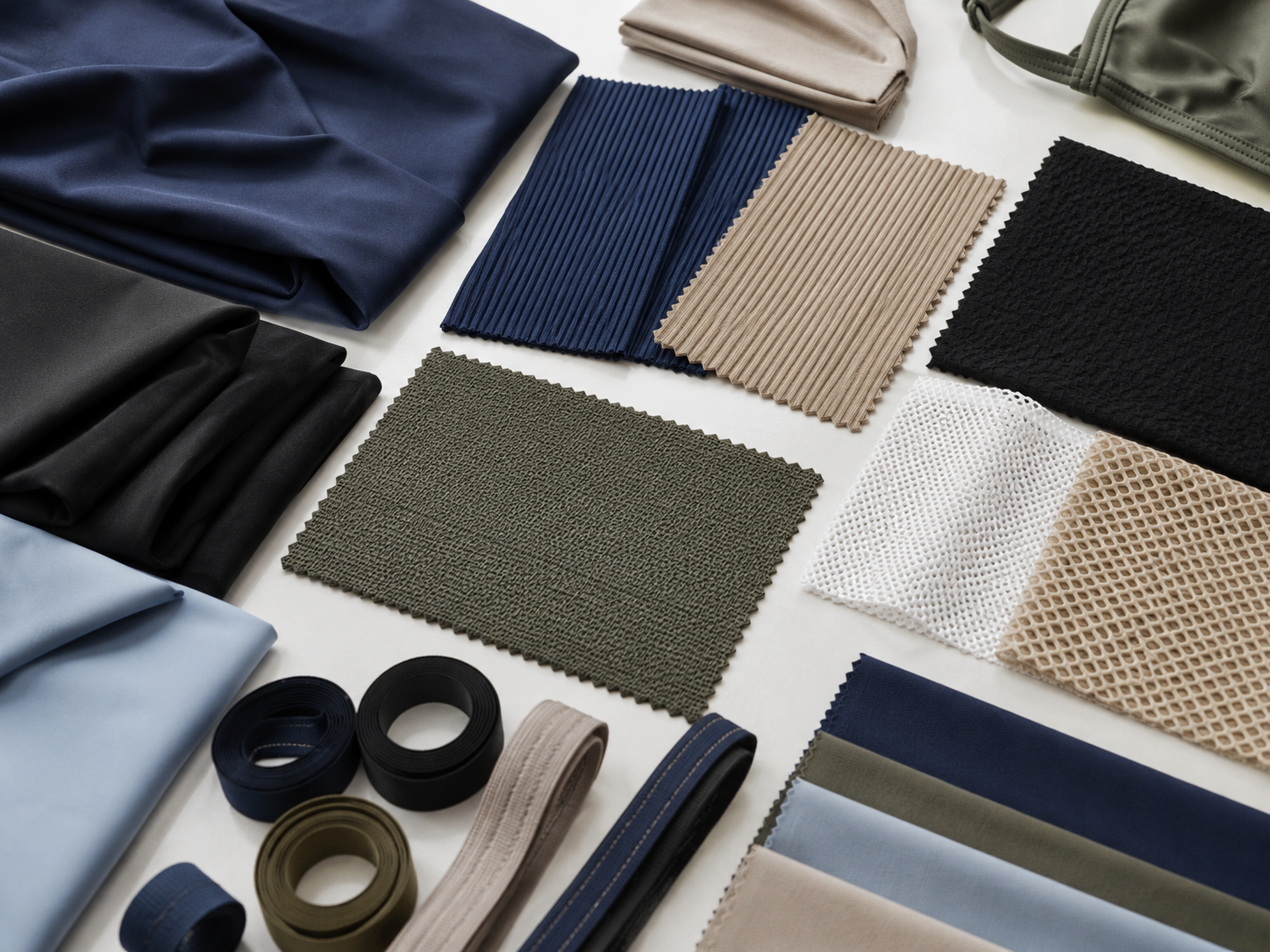
Fabric Structure
Fabric weight alone does not fully define hoodie performance. Fabrics with the same GSM can have different thickness, stretch, hand feel, shrinkage behavior and sewing results depending on knit structure and finishing.
Fleece, French terry, double-knit fabrics and rib combinations may require different cutting methods, seam settings and production handling. A fabric specification should include more than weight; construction, surface appearance and finishing details should also be confirmed before bulk production.
- Confirm knit structure.
- Review fabric face and back appearance.
- Check stretch and recovery.
- Test sewing compatibility.
- Approve physical fabric before bulk production.
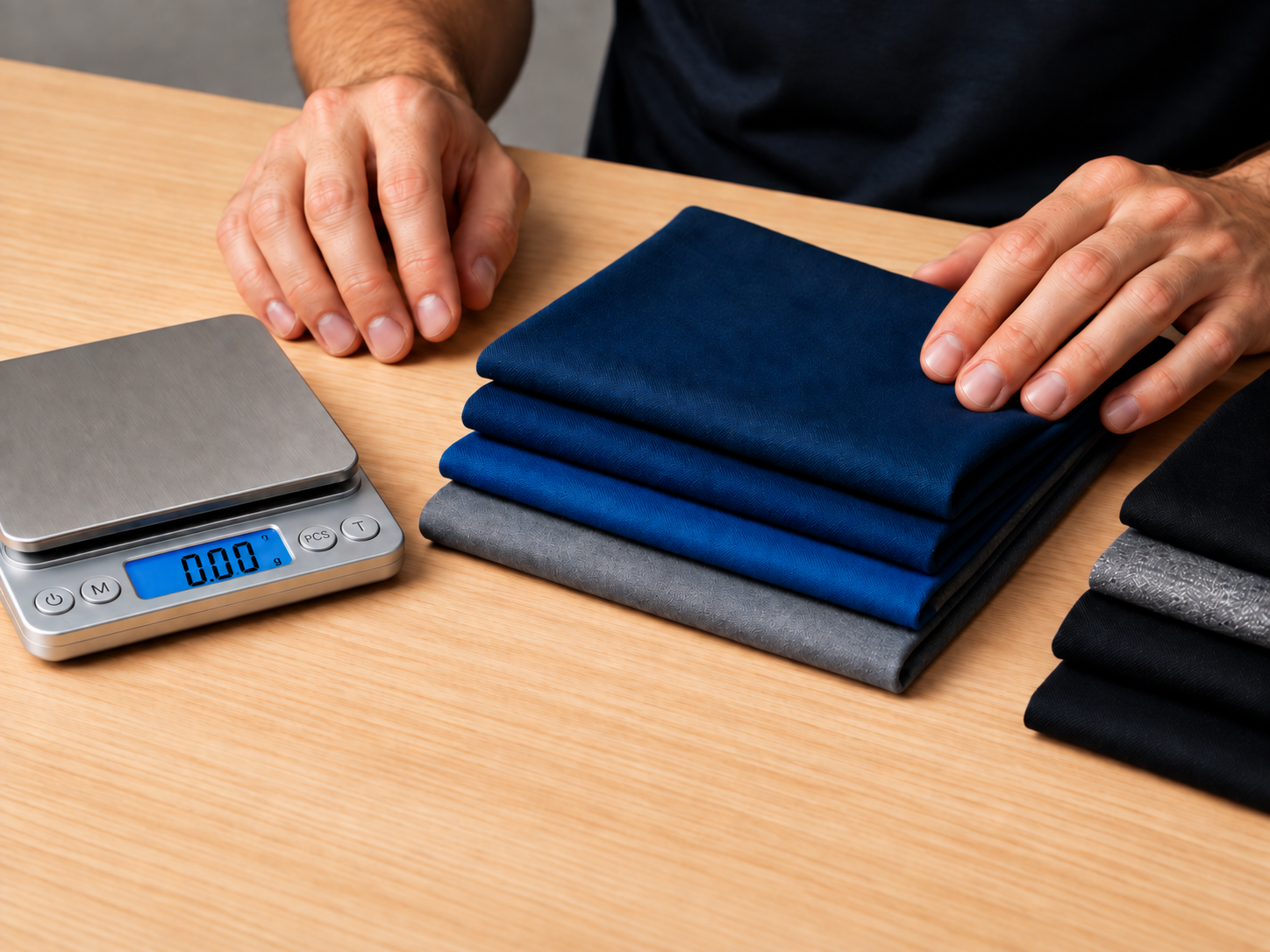
Fabric Weight / GSM
Higher GSM often increases garment weight and may increase material consumption cost, but a heavier number does not automatically mean better quality. Fit, season, product positioning, knit density, fiber content, brushing, and finishing should all be considered. A heavyweight streetwear hoodie may require stronger seam planning and larger packaging volume, while a lighter hoodie may prioritize mobility or layering. Leadshow reviews GSM together with fabric composition, construction, garment design and approved samples to confirm whether the material matches the final hoodie requirements.
- Compare lightweight, medium, and heavyweight directions.
- Review garment drape.
- Check print or embroidery suitability.
- Consider shipping weight.
- Confirm bulk GSM tolerance by project.
Hoodie Construction Choices That Change Production Cost
Construction determines how many panels, materials, trims, and sewing operations are required. Cost therefore changes as the design moves from a basic pullover into more complex structures.
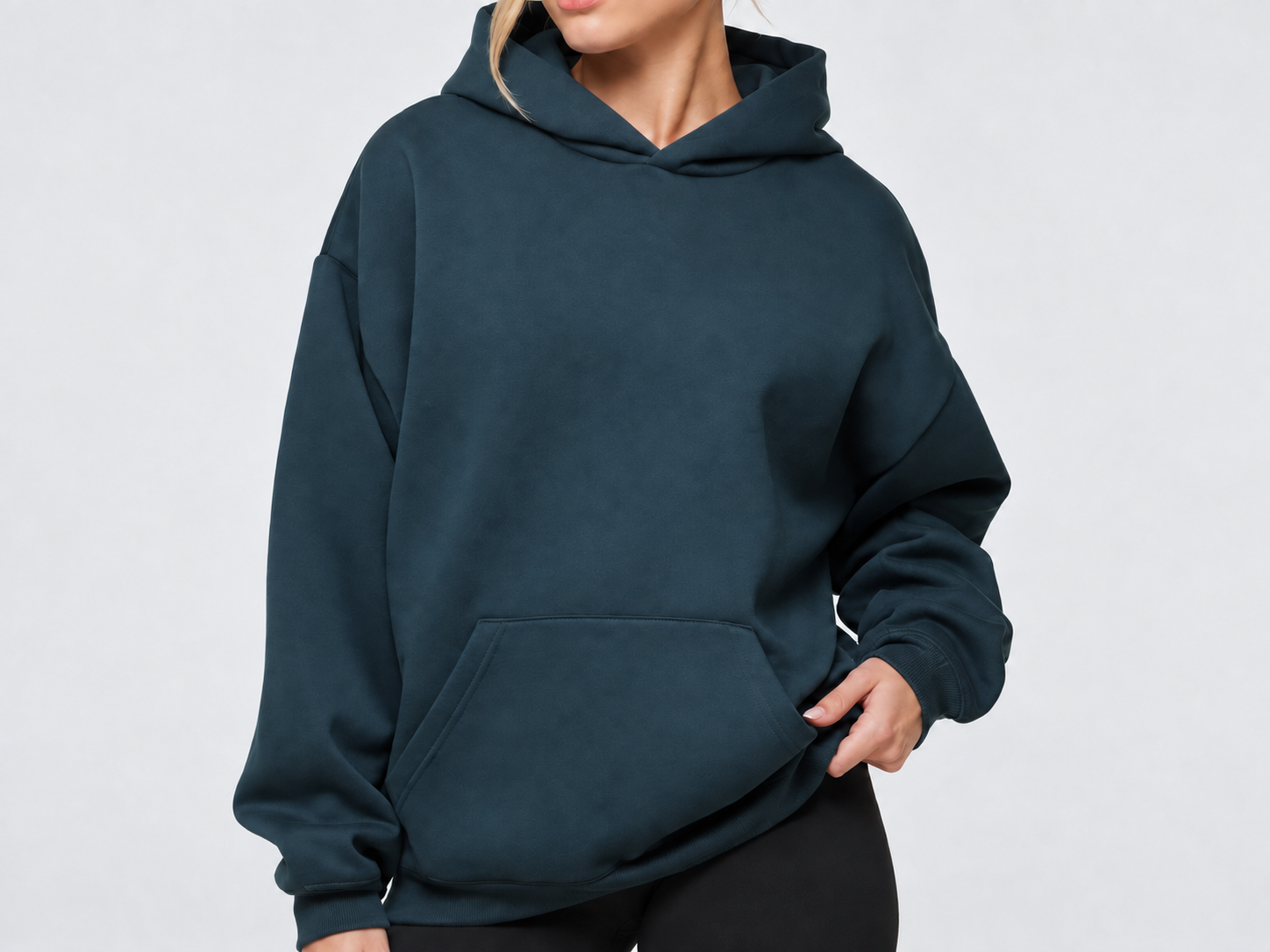
Pullover Hoodie
A pullover removes the center-front zipper but still requires careful control of the hood, neckline connection, body shape, pocket position, rib, and garment measurements. Cost depends heavily on fabric selection, fit, hood construction, decoration, and order quantity. A seemingly simple pullover can still become a complex project when using heavyweight fabric, oversized dimensions, large embroidery, garment washing, multiple labels, or specialized packaging.
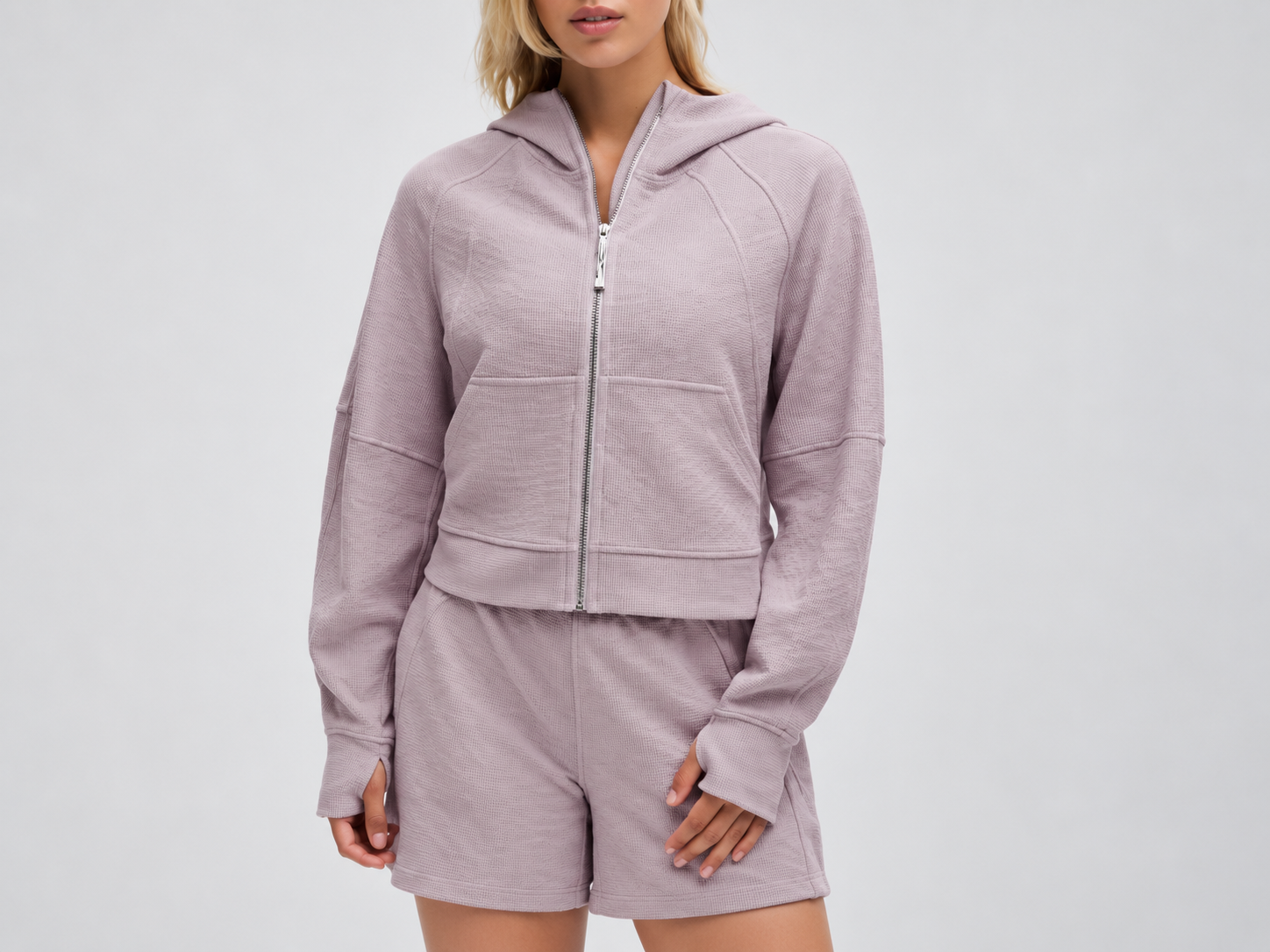
Full-Zip Hoodie
A full front zipper adds hardware, zipper attachment operations, front opening preparation, alignment control, and additional appearance requirements. Zipper length and quality must match garment measurements, while the finished front should remain balanced without obvious waviness. Customized zipper pulls, special finishes, contrast tapes, or branding can introduce further supplier minimums and development work. Full-zip quotations should therefore define the zipper specification before comparing unit costs.
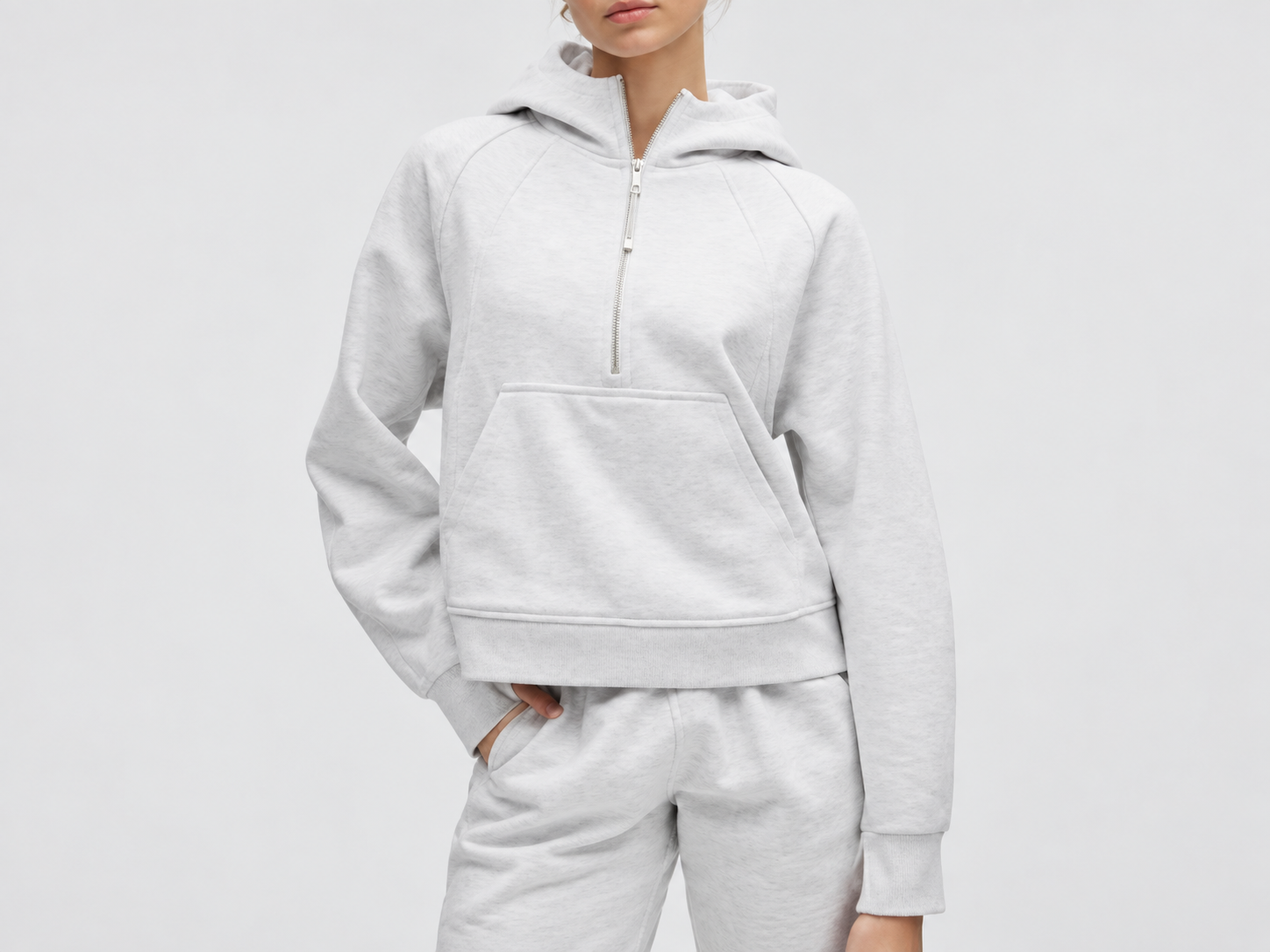
Half-Zip Hoodie
Half-zip construction introduces a front opening without using a full-length zipper. Pattern shape, zipper length, reinforcement, neckline structure, and hood or collar transition need to work together. Small design changes around the opening can affect sewing sequence and appearance. A clear technical drawing is useful because two half-zip styles may require very different panel shapes and operations even when the overall silhouette looks similar.
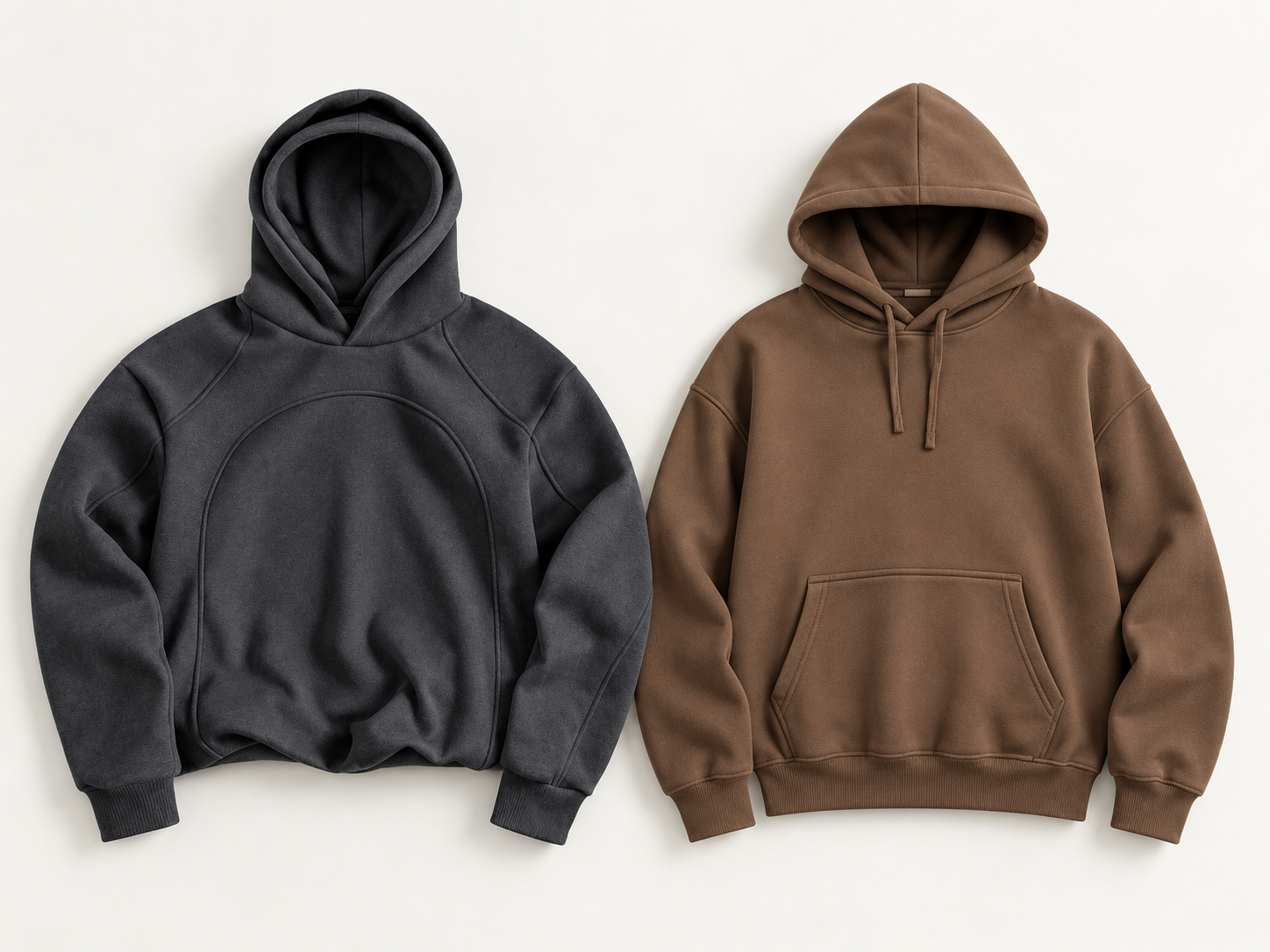
Single or Double Hood
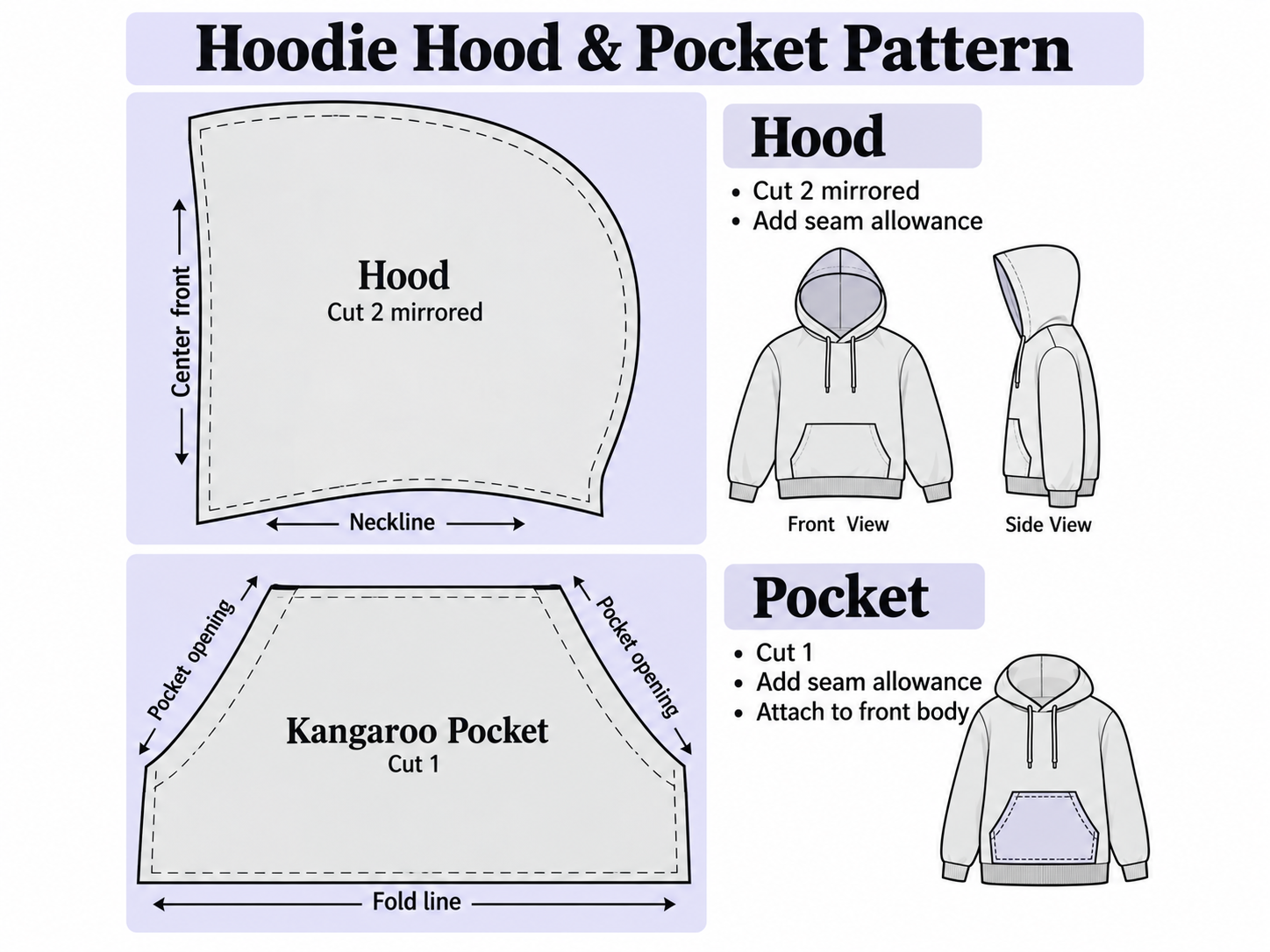
A single-layer hood and a double-layer hood use different amounts of fabric and create different weight, opacity, drape, and sewing requirements. Double-layer construction may improve structure but also increases material consumption and seam bulk. Hood depth, opening shape, drawcord channel, panel count, and connection to the neckline should be reviewed during development because hood proportions strongly affect both appearance and production consistency.
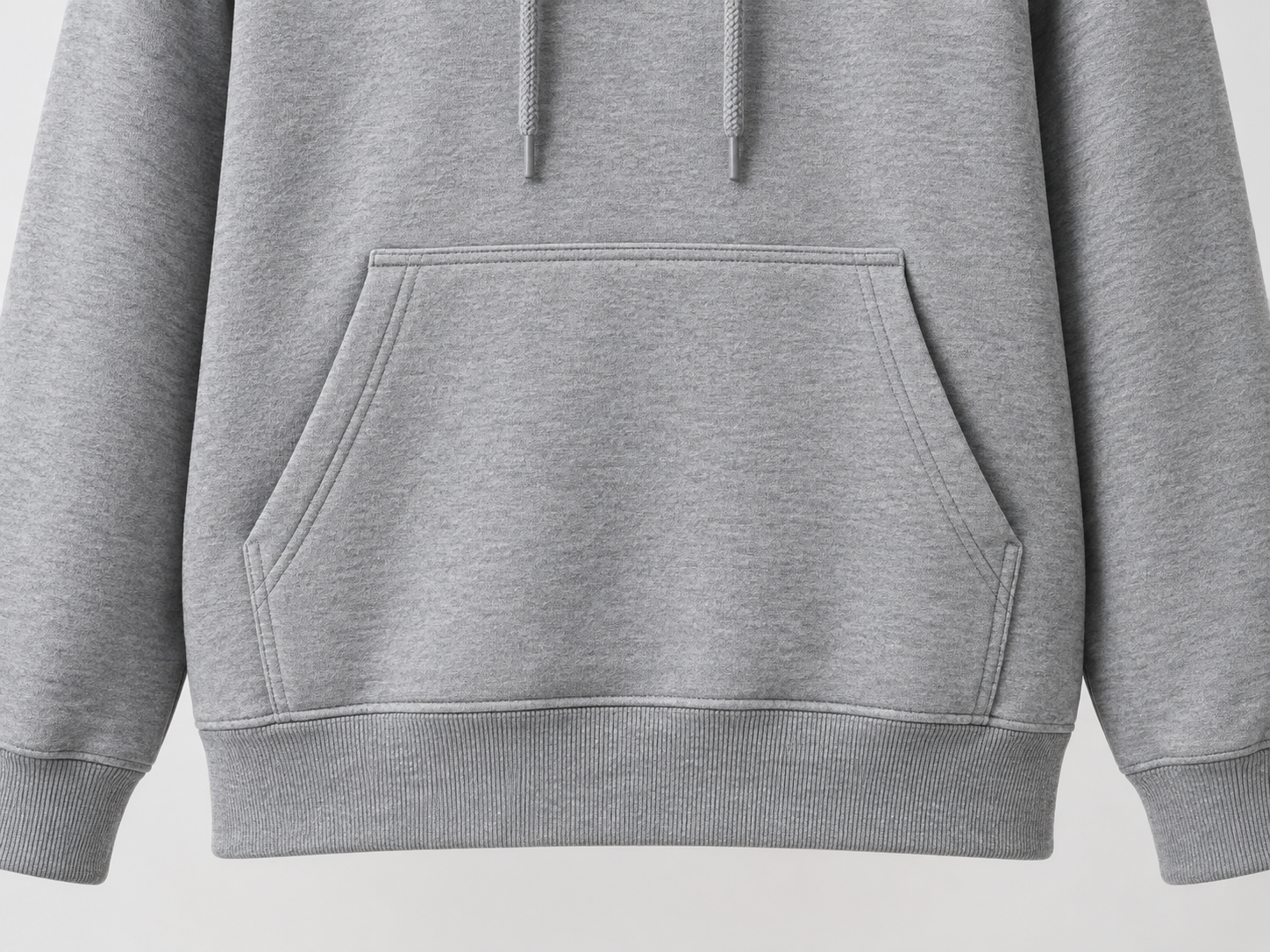
Pocket Construction
A kangaroo pocket, side pocket, zipper pocket, or internal pocket each uses different panels and operations. Placement tolerance matters because visible pocket imbalance can affect appearance even when garment measurements are otherwise correct. Zipper pockets also introduce hardware and reinforcement requirements. Pocket shape should be included in the technical specification so material consumption and sewing complexity are reflected in the quotation rather than discovered after sampling.
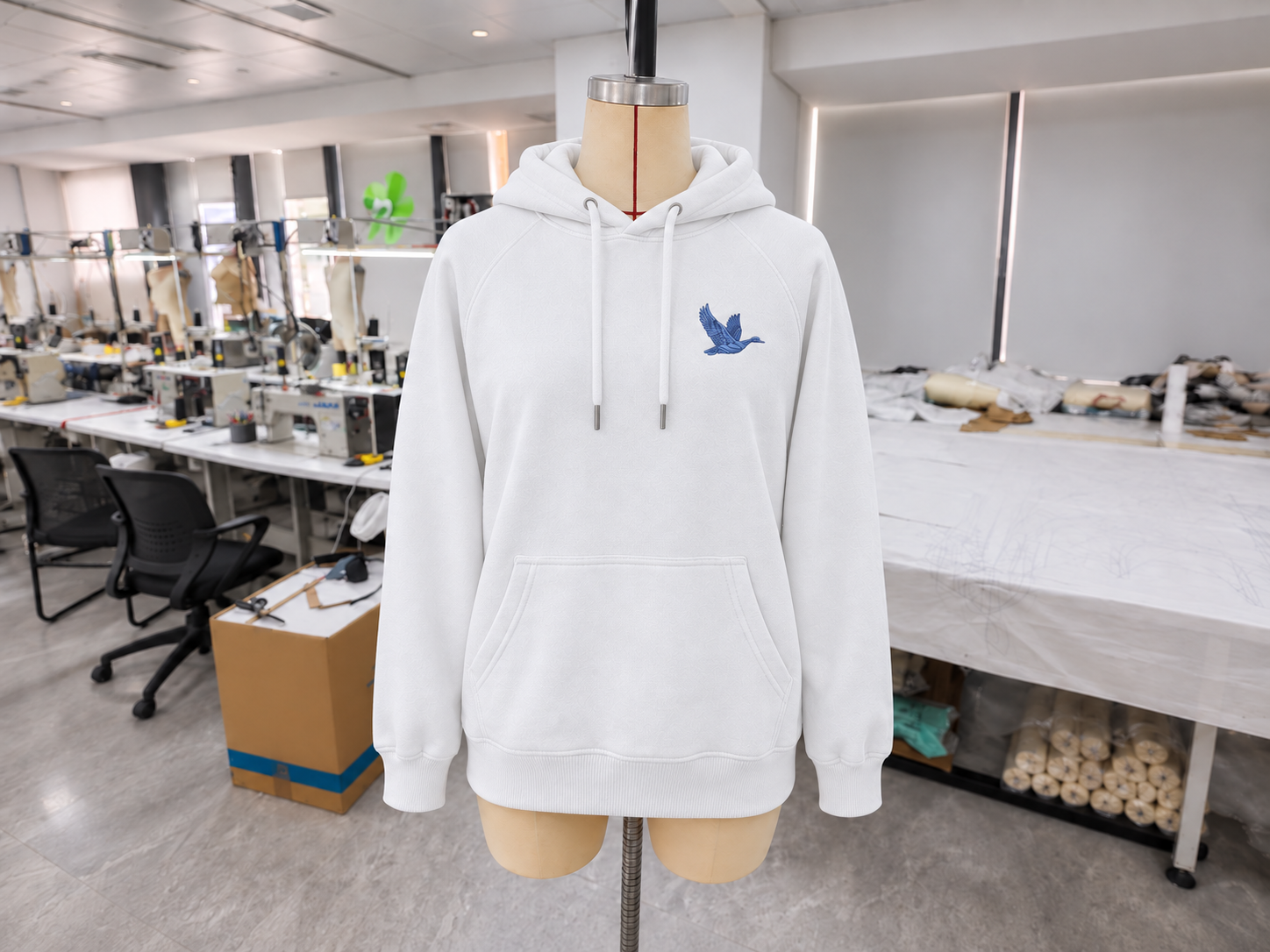
Fit and Shoulder Shape
Regular shoulder, drop shoulder, relaxed fit, and oversized silhouettes affect pattern width, sleeve volume, body length, hood scale, and fabric consumption. Oversized styling may require considerably more material than a standard silhouette, especially when combined with heavyweight fabric. Fit should therefore be defined through measurements and reference proportions instead of relying only on words such as “loose” or “oversized.”
How Trims and Hardware Influence Hoodie Cost
Small components can have a large influence on quotation accuracy. Standard parts, custom colors, branded hardware, and supplier-specific minimums should be reviewed before final pricing.
Rib Specification
Rib at cuffs and hems must work with the main fabric in color, stretch, recovery, thickness, and appearance. Custom rib can have separate sourcing conditions.
Zipper Selection
Zipper type, length, tape color, slider, finish, and branding affect material cost. Specialized or branded zipper components may also create separate minimum quantities.
Drawcord Options
Cord material, diameter, color, tip construction, printed wording, and branding can change cost. Drawcord rules for certain markets should also be considered where applicable.
Eyelets and Openings
Metal eyelets, stitched eyelets, reinforced openings, or alternative drawcord constructions require different materials and operations. Appearance and durability standards should be defined.
Pocket Components
Zippers, mesh, lining, reinforcement, or internal pocket materials can increase component count. Pocket requirements should remain part of the technical package.
Custom Accessories
Branded pulls, special metal finishes, custom patches, decorative components, and other proprietary trims may involve development charges or supplier MOQs separate from garment MOQ.
Printing, Embroidery and Branding Cost Factors
Brand decoration should be costed by technique, artwork, size, placement, material compatibility, and approval requirements rather than by the simple presence of a logo.
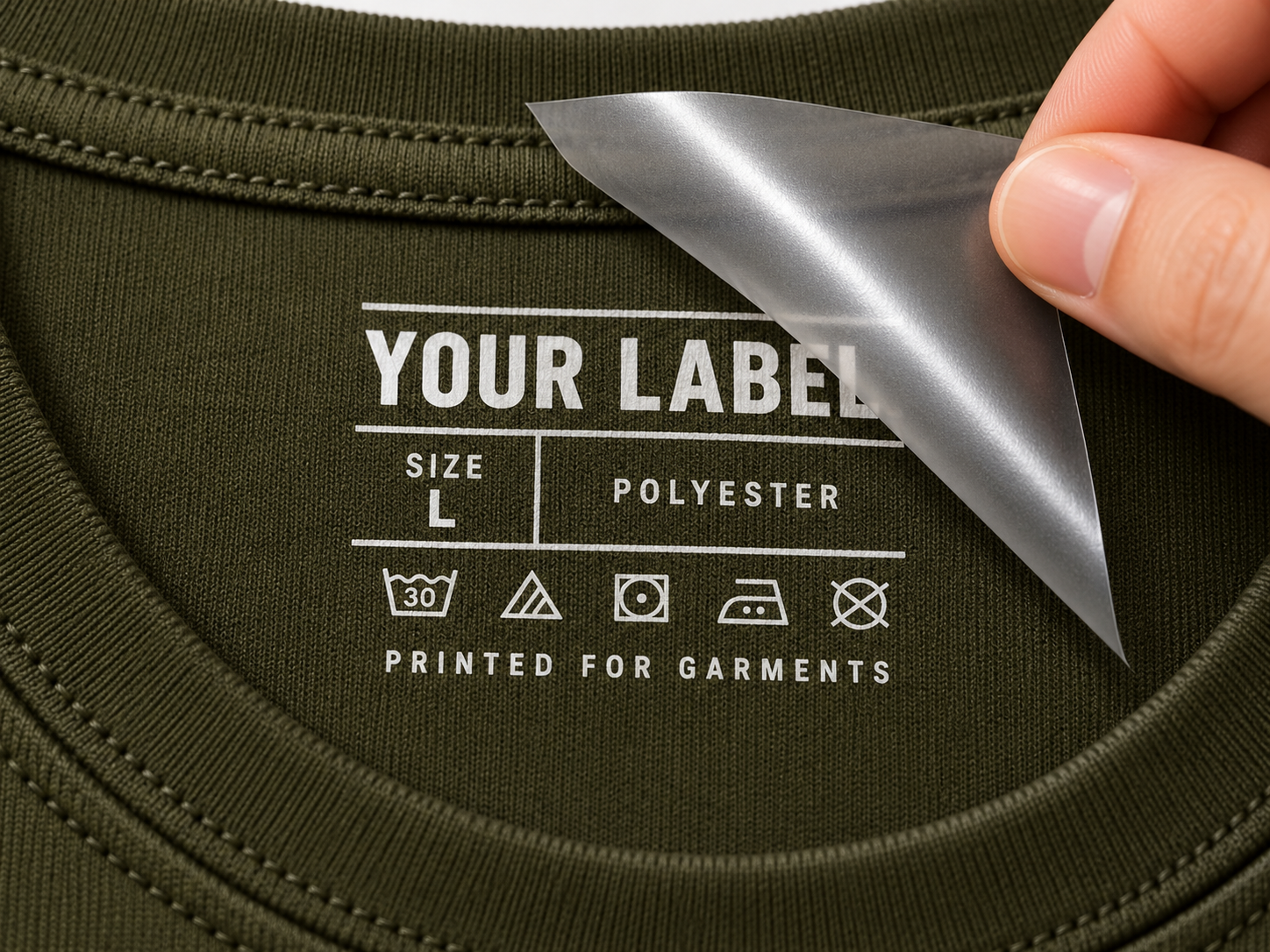
Heat Transfer
Heat-transfer artwork requires evaluation of film or transfer material, artwork size, placement, application temperature, pressure, and fabric compatibility. A lightweight transfer on a smooth surface may behave differently from a large transfer applied to brushed or heavyweight fabric. Sample approval should confirm appearance and adhesion before bulk production. Large designs, multiple placements, special effects, and additional testing can increase preparation and processing requirements.
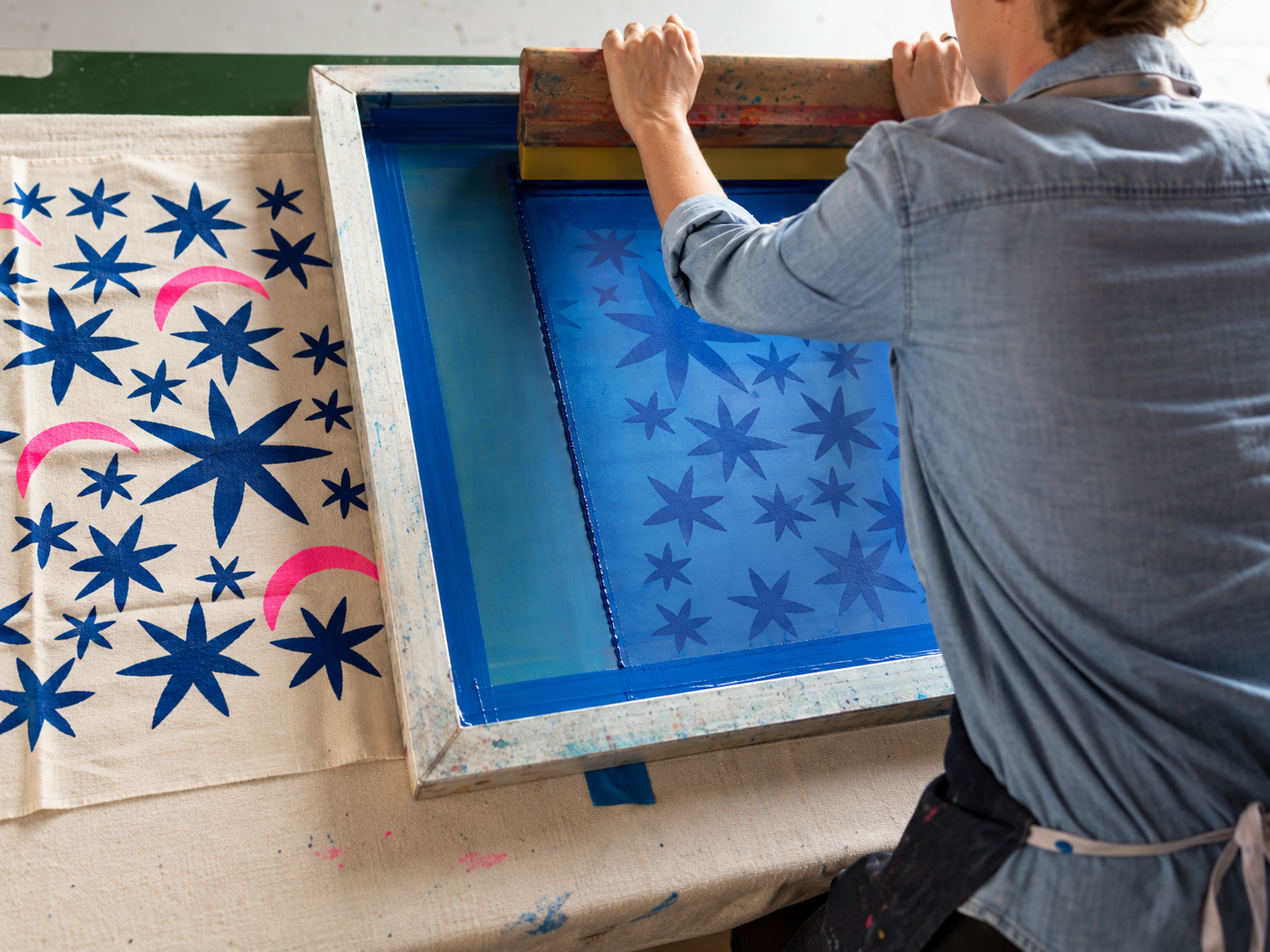
Printed Graphics
Printing cost depends on artwork size, number of colors, placement count, ink or print system, garment color, and fabric surface. Large front or back artwork usually requires more preparation than a small chest logo. Hoodie seams, pockets, and zipper openings may limit available print areas. Artwork should be supplied in usable files with dimensions and color references whenever possible so the quotation reflects the actual design.
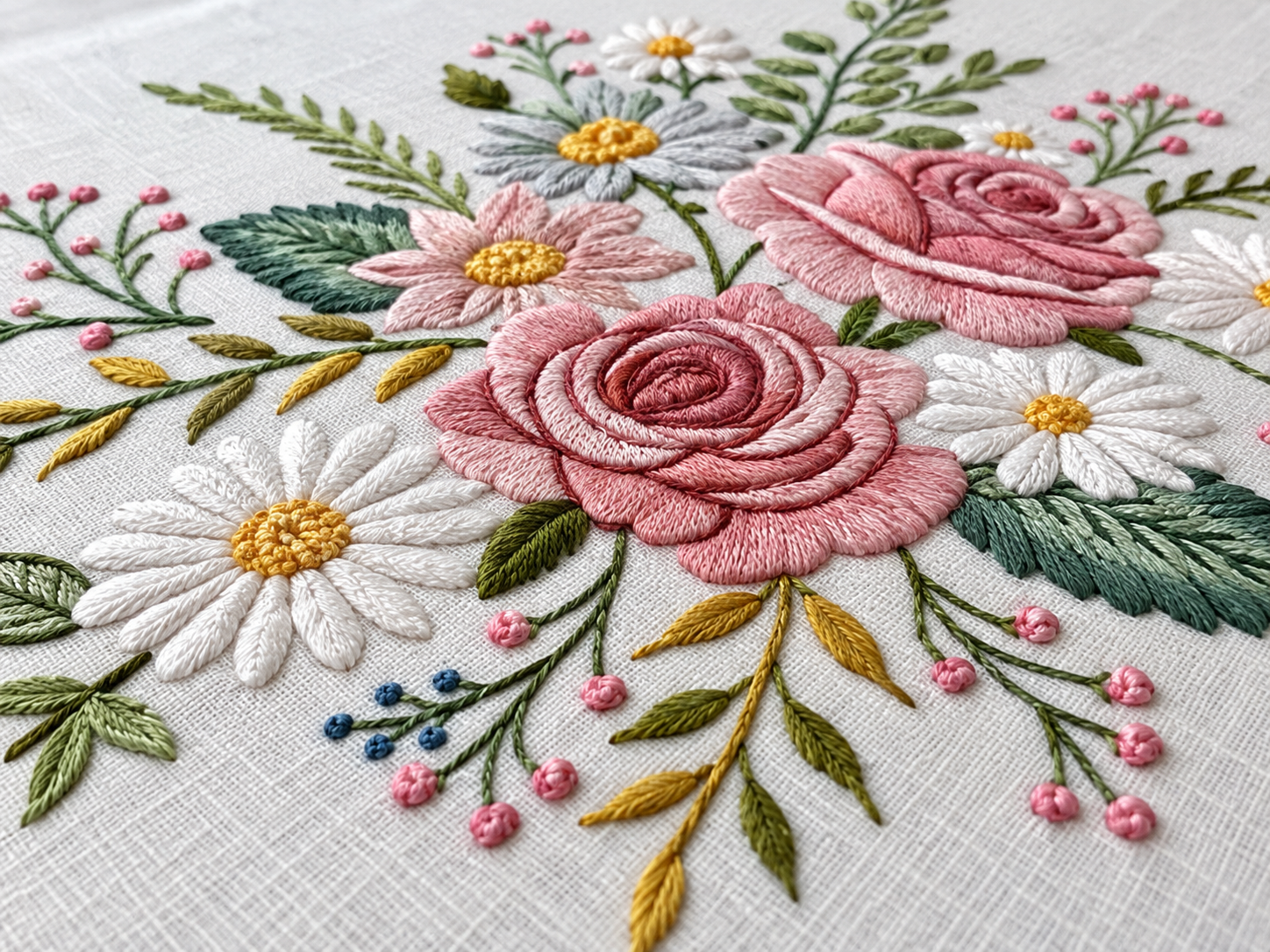
Embroidery
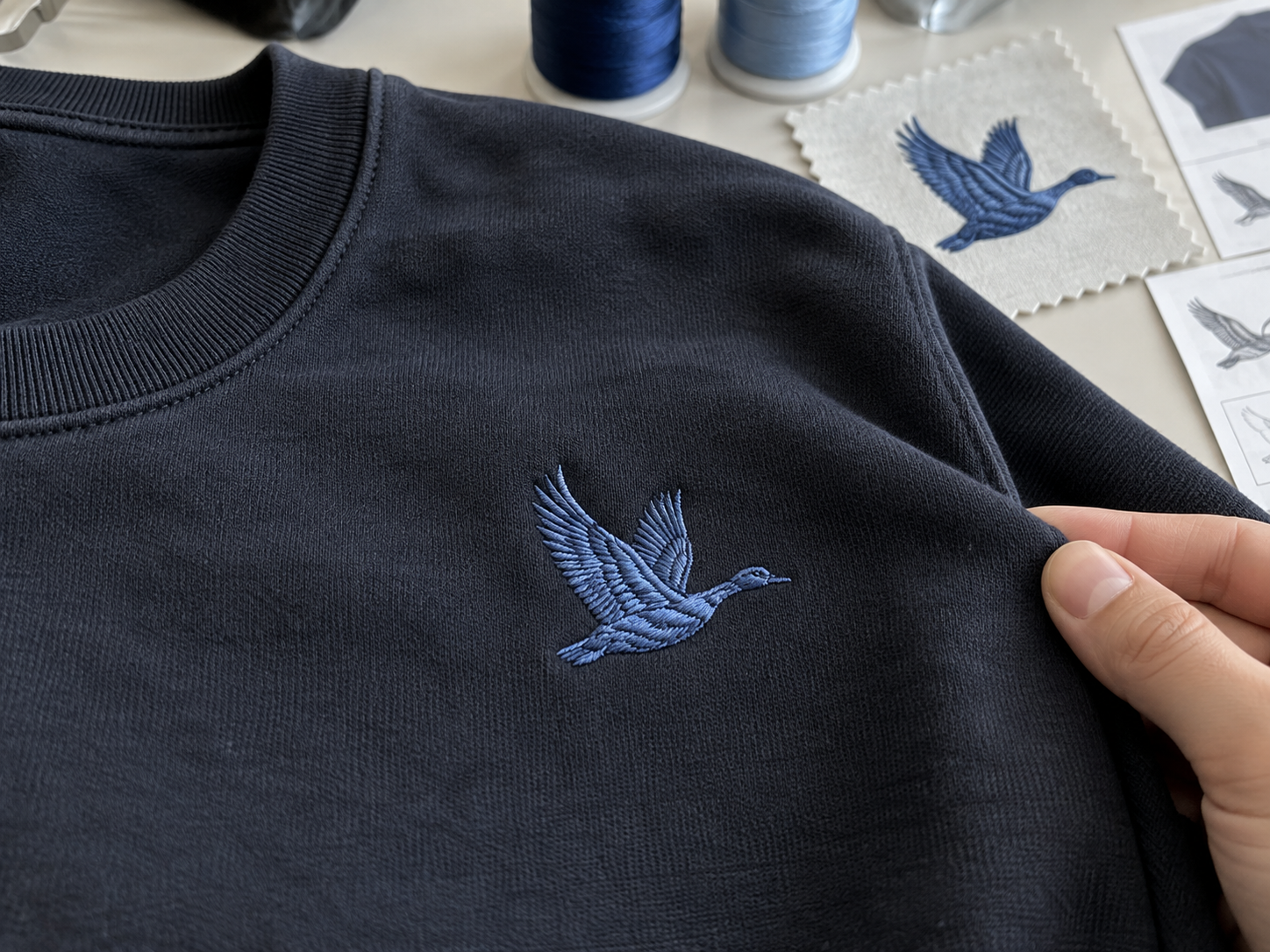
Embroidery is influenced by stitch count, area, density, thread colors, placement, backing, fabric thickness, and design complexity. Dense embroidery on heavyweight fleece may need different stabilization from a small logo. Large embroidered areas can also affect drape and comfort. A clear artwork file and target dimensions allow the factory to evaluate embroidery feasibility and provide a more useful cost estimate.
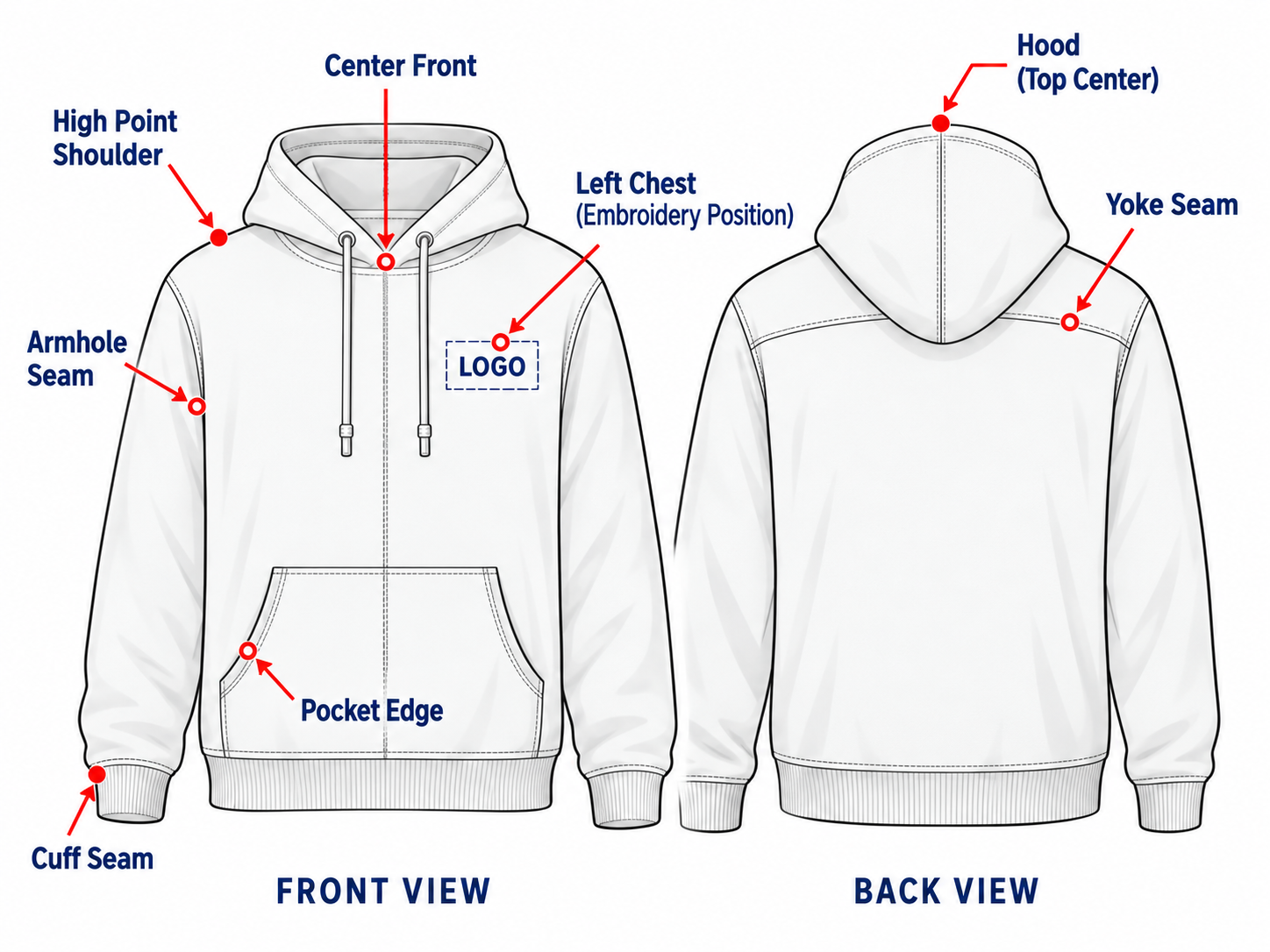
Multiple Placements
A hoodie with chest, sleeve, back, hood, and pocket branding requires more setup and handling than a single-position design. Each placement may need independent artwork alignment, process preparation, inspection, and packing protection. When the commercial target requires cost control, decoration priorities can be ranked so essential brand elements remain while lower-value placements are simplified.
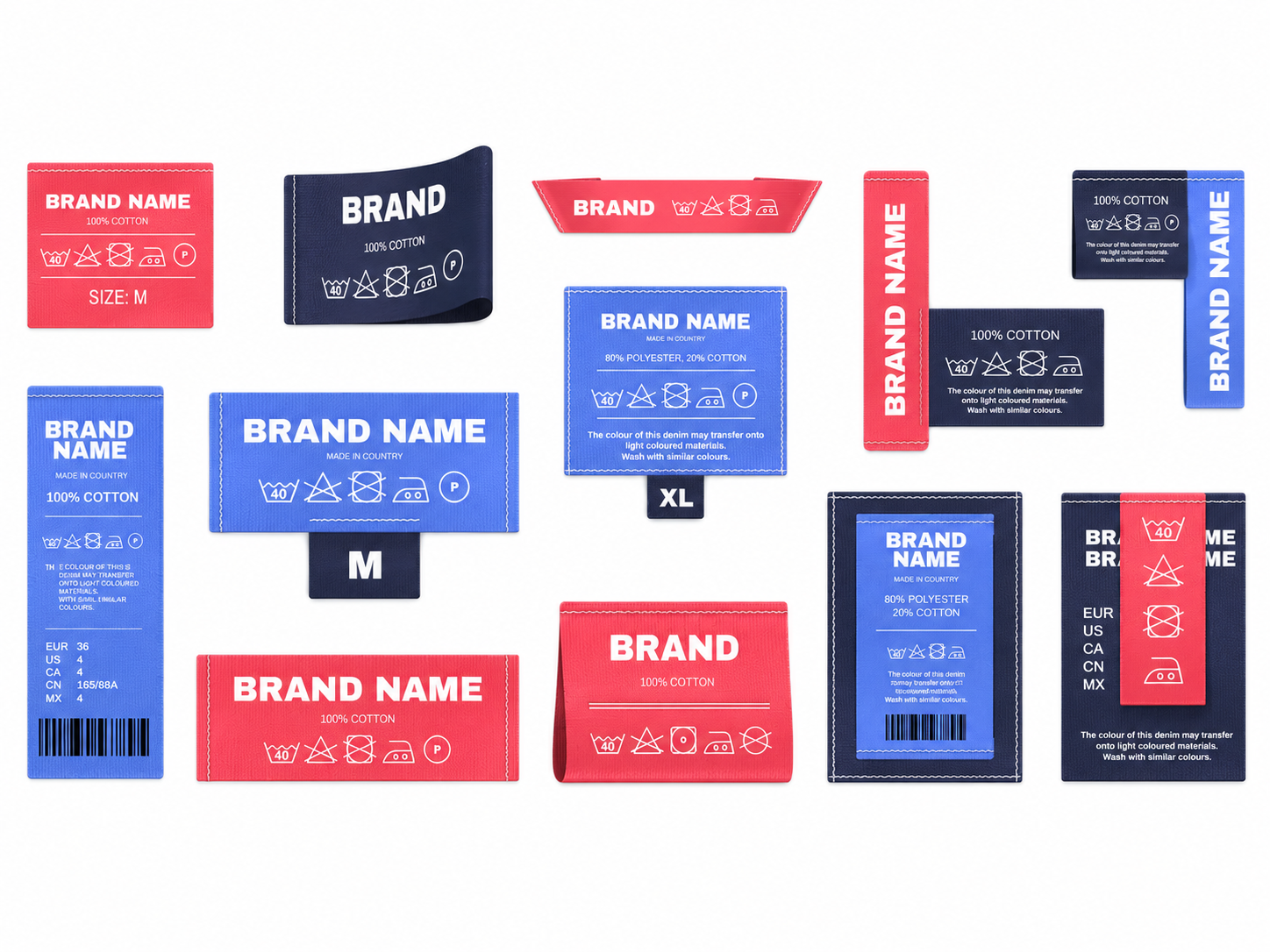
Brand Labels
Main labels, care labels, size labels, woven labels, printed labels, and hangtags should be included in the RFQ. Material, dimensions, printing colors, folding method, attachment location, and supplier MOQ influence cost. A garment price that excludes branding cannot be compared directly with another quotation where all labels and hangtags are already included.
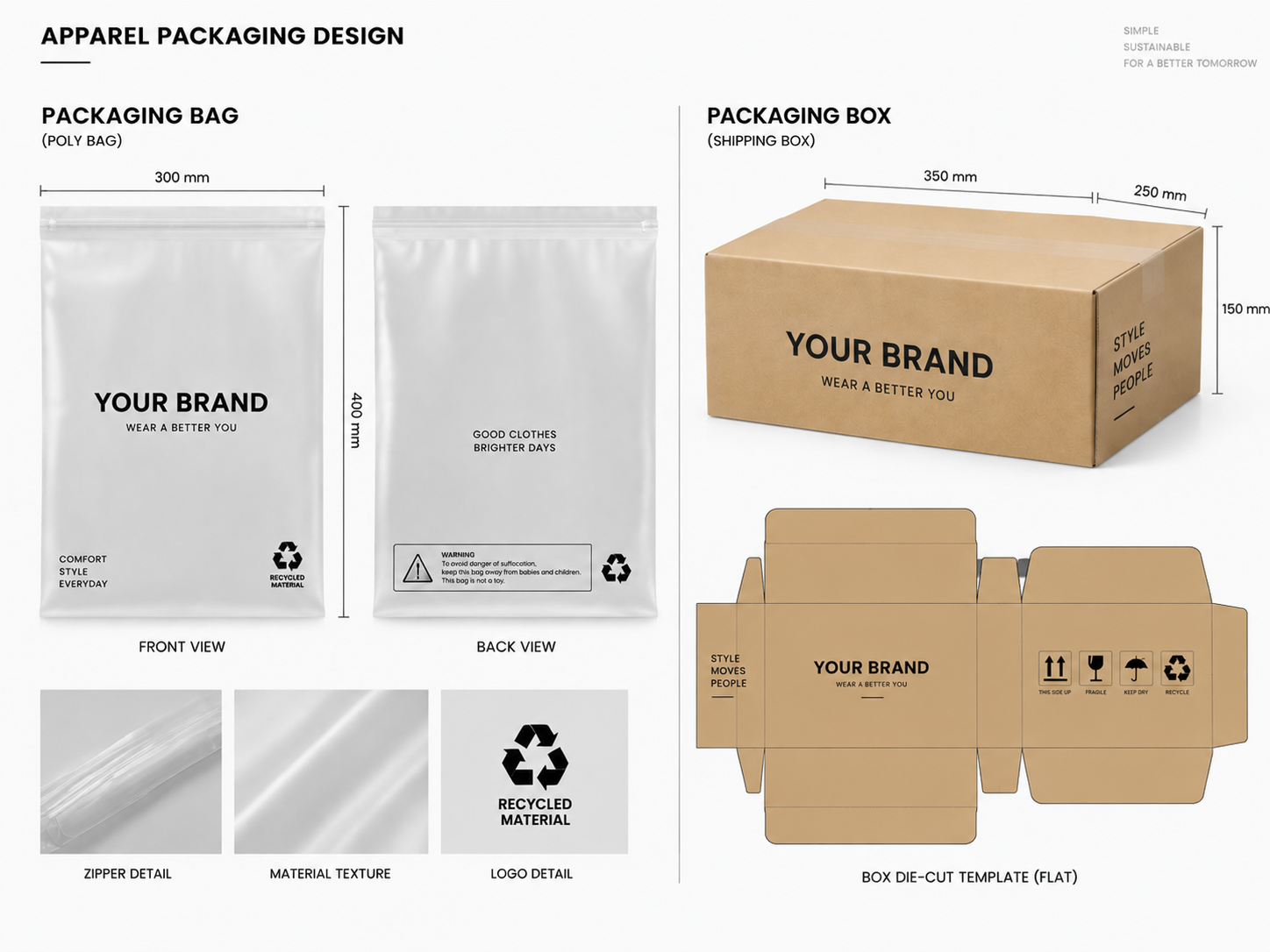
Brand Packaging
Retail inserts, tissue, stickers, branded polybags, cartons, barcode labels, and channel-specific packaging may add separate material and labor. Packaging also changes carton volume and logistics requirements. Brand teams should define packaging early enough to prevent late-stage rework or repacking after garments are already finished.
How MOQ and Order Structure Affect Hoodie Unit Cost
Leadshow’s standard MOQ starts from 100 pieces per color per design. Final MOQ is confirmed after reviewing product construction, fabrics, trims, branding, packaging, certification requirements, supplier minimums, and current production conditions.
Design Quantity
A “design” normally refers to an independent style, construction, pattern direction, or item that requires its own development and production preparation. One design in one color has a standard starting point of 100 pieces. Three separate hoodie designs are not automatically treated as a single design simply because all belong to the same order. Independent patterns, constructions, materials, or branding programs may require separate review and production planning.
Color Quantity
Leadshow’s standard MOQ is calculated from each color and each design rather than only from total order quantity. For example, one design in three colors generally starts from 100 pieces per color, creating a 300-piece standard starting point before other material conditions are considered. Different colors may require separate fabric preparation, dyeing, printing, trims, or packaging, which explains why adding colors can influence both MOQ and unit economics.
Size Breakdown
A color quantity can normally be distributed across the required size range rather than applying 100 pieces to every size. Leadshow has not confirmed a universal fixed MOQ for each individual size. The size ratio still matters because unusually wide size ranges, very low quantities in certain sizes, or larger measurements can influence material planning, cutting allocation, grading review, and packing. A complete size chart and size-by-size quantity forecast improve costing accuracy.
Fabric Supplier MOQ
Garment MOQ and fabric MOQ are not always the same. A fabric mill or supplier may require a minimum quantity for a particular composition, knit structure, weight, color, dye lot, or finish. In some projects, material minimums can exceed the garment quantity. Available fabrics or mature standard options may help lower complexity, but material substitution should not be made without considering approved performance and brand requirements.
Trim and Decoration MOQ
Zippers, drawcords, custom rib, labels, hangtags, packaging, printing, embroidery, and proprietary accessories can each carry independent setup conditions or supplier minimums. A garment order may meet the factory’s standard MOQ while one customized component still requires a larger purchase quantity. The RFQ should identify custom elements early so these conditions appear in the quotation instead of becoming unexpected charges later.
Production Efficiency
Lower quantities normally spread pattern preparation, sample development, line setup, decoration preparation, quality checks, and production management across fewer garments. Larger quantities may improve efficiency, but Leadshow does not use a universal fixed quantity-discount formula. Price is reviewed by project because fabric, colors, sizes, construction, artwork, packaging, supplier conditions, scheduling, and other inputs can change at the same time as order quantity.
Example MOQ Logic:
- 1 design × 1 color × 100 pieces = standard starting point of 100 pieces
- 1 design × 3 colors × 100 pieces = standard starting point of 300 pieces
- 3 designs × 2 colors × 100 pieces = standard starting point of 600 pieces
Final MOQ remains subject to project conditions.
Size and Fit Decisions That Change Fabric Consumption
Fit choices influence fabric consumption long before cutting starts. Measurements, silhouette, grading, and pattern efficiency should be defined during development so the quotation reflects the garment that will actually be produced.
Regular Fit
A regular fit normally uses a more controlled body width, sleeve volume, and length than an intentionally oversized silhouette. Cost still depends on actual measurements rather than the fit name. Chest width, body length, sleeve length, hood dimensions, pocket size, and rib measurements should be included in the specification. A stable measurement chart also helps prevent later quotation changes caused by significant fit revisions after sampling.
Oversized Fit
Oversized designs can use more fabric through wider body panels, larger sleeves, dropped shoulders, longer lengths, larger hoods, and wider ribs. Heavyweight fabric increases the effect further because added area also increases garment weight and packing volume. An oversized reference photo without measurements is not enough for accurate costing. Defined garment dimensions allow fabric consumption and pattern layout to be reviewed before a more precise quotation is prepared.
Size Range
Cost planning should consider the full size range rather than a single base size. Larger sizes may require more fabric, while a broad grading range can increase development and cutting complexity. Leadshow does not assume one universal global size system. Measurement charts, tolerance requirements, grading expectations, and target-market fit should be supplied or developed through the applicable sample process.
Pattern Efficiency
Two hoodies with similar finished measurements can still consume different amounts of fabric when panel shapes, grain direction, hood pieces, pocket construction, matching requirements, or fabric width differ. Marker efficiency is therefore part of production planning. Pattern optimization can reduce unnecessary waste, but construction, appearance, quality, and approved fit should not be compromised simply to reduce material usage.
How Sample Development Connects to Final Hoodie Cost
Sample development is not simply the purchase of one expensive hoodie. It is the stage where product structure, pattern, fit, materials, workmanship, branding, and production assumptions are converted into an approved reference for bulk manufacturing.
From Tech Pack Review to a Costable Product Specification
A reliable quotation becomes easier when the development team can work from a Tech Pack, measurement chart, reference garment, sketch, product image, or other useful development material. Leadshow can review custom apparel projects from these inputs and support technical discussion, pattern development, sample coordination, Fit adjustment, material and trim evaluation, sample revision, and conversion toward bulk-production requirements.
Early review should identify missing information before unnecessary development work begins. A hoodie reference photo may show overall appearance but normally does not define fabric composition, GSM, internal seam construction, rib quality, zipper specification, exact measurements, tolerance, artwork dimensions, label requirements, packaging, or testing. Every unknown input creates an assumption, and assumptions can later change the quotation.
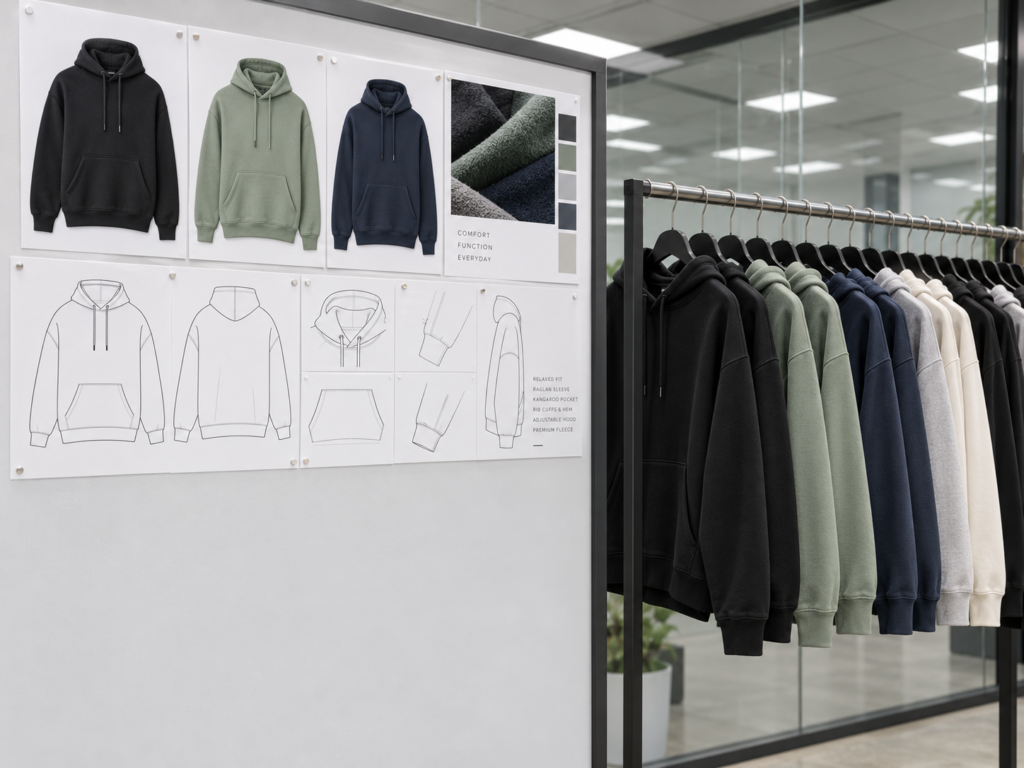
Leadshow has an approximately 28-person R&D and engineering-related team supporting areas such as Tech Pack review, manufacturability evaluation, pattern work, sample coordination, Fit adjustment, material evaluation, and bulk conversion. Team composition is dynamic and should not be interpreted as 28 dedicated designers or a fixed project team for every order.
Useful development inputs include:
- Tech Pack or construction drawing
- Base-size measurement chart
- Reference sample or approved product photo
- Fabric composition and target GSM
- Artwork files and dimensions
- Labels and packaging requirements
- Target quantity and color plan
- Target market
- Quality and testing expectations
Why Sample Cost and Bulk Unit Cost Are Different
Sample work carries development activity that cannot be divided across a large production quantity in the same way as bulk manufacturing. Pattern preparation, sample material sourcing, machine setup, artwork preparation, sample cutting, sewing, internal review, measurement checks, Fit feedback, and revisions may all be required before the approved version is ready.
For this reason, sample pricing and bulk pricing should be treated separately. Leadshow has not confirmed one universal sample fee, free-sample policy, fixed number of free revisions, or a standard sample fee automatically refundable after bulk order placement. Sample cost is evaluated according to the product, material, workmanship, decoration, testing, revision scope, and other project requirements.
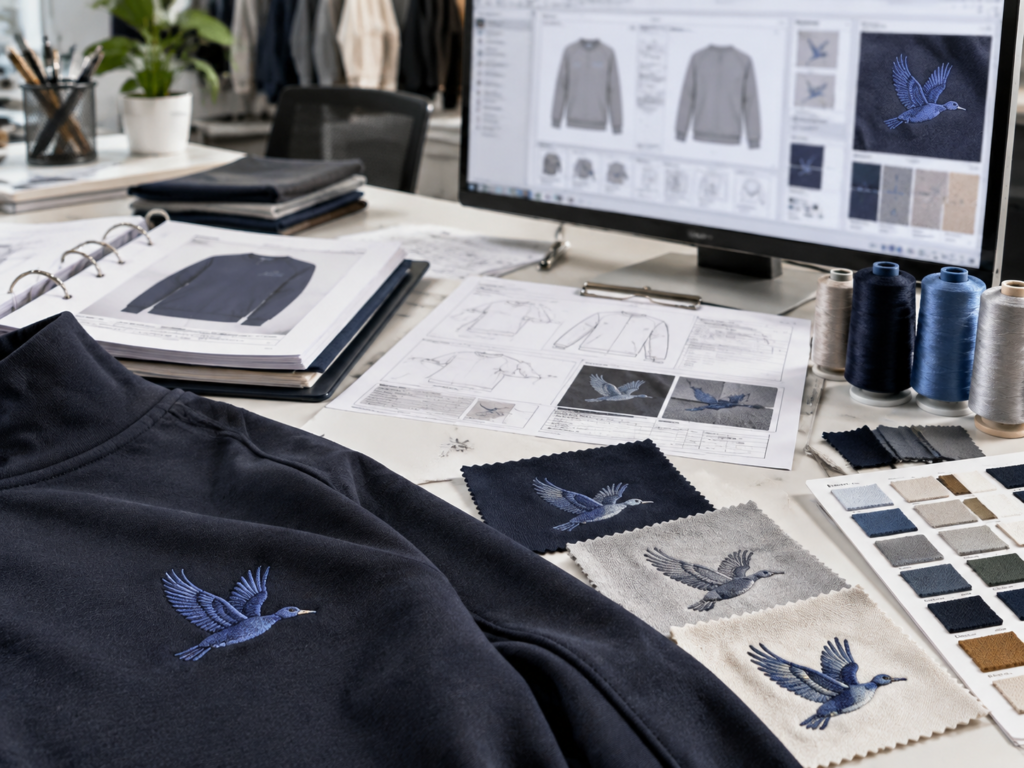
A more useful planning question is not “Why is one sample expensive?” but “Which product risks need to be closed before bulk manufacturing?” A strong sample process can identify problems in hood shape, shoulder proportion, fabric behavior, rib recovery, zipper appearance, pocket position, print placement, embroidery effect, shrinkage, and overall fit while the project is still easier to adjust.
Sample and Production Timing Must Be Confirmed by Project
Leadshow does not publish one fixed sample lead time or one fixed bulk-production lead time for every hoodie. Timing depends on specification completeness, development type, material and trim availability, pattern and Fit complexity, revision rounds, testing requirements, order quantity, specialized workmanship, packaging, approval timing, payment conditions, and current production scheduling.
For planning purposes, separate the schedule into clear milestones rather than one vague “lead time” number:
Timing Stage | What Must Be Ready |
Technical Review | Product information and development inputs |
Material Review | Fabric and trim direction |
Pattern Development | Base measurements and construction |
Sample Making | Required sample version and materials |
Sample Revision | Written comments and change scope |
Testing | Applicable performance or compliance requirements |
Approval | Approved sample and open-issue closure |
Order Preparation | Quantity, commercial terms, production documents |
Bulk Production | Materials, production release, and scheduling |
Packing | Approved labels, packaging, SKU, barcode requirements |
Goods Ready | Completed production and applicable final checks |
Shipment | Agreed logistics and trade conditions |
Goods-ready date, pickup date, departure date, transit time, arrival date, and final delivery should be distinguished rather than presented as one guaranteed date.
Quality Requirements Belong in Hoodie Cost Planning
A quotation becomes more useful when quality requirements are defined before production rather than added after price approval. Inspection scope, measurement standards, testing, branding checks, and packaging verification should match the project.
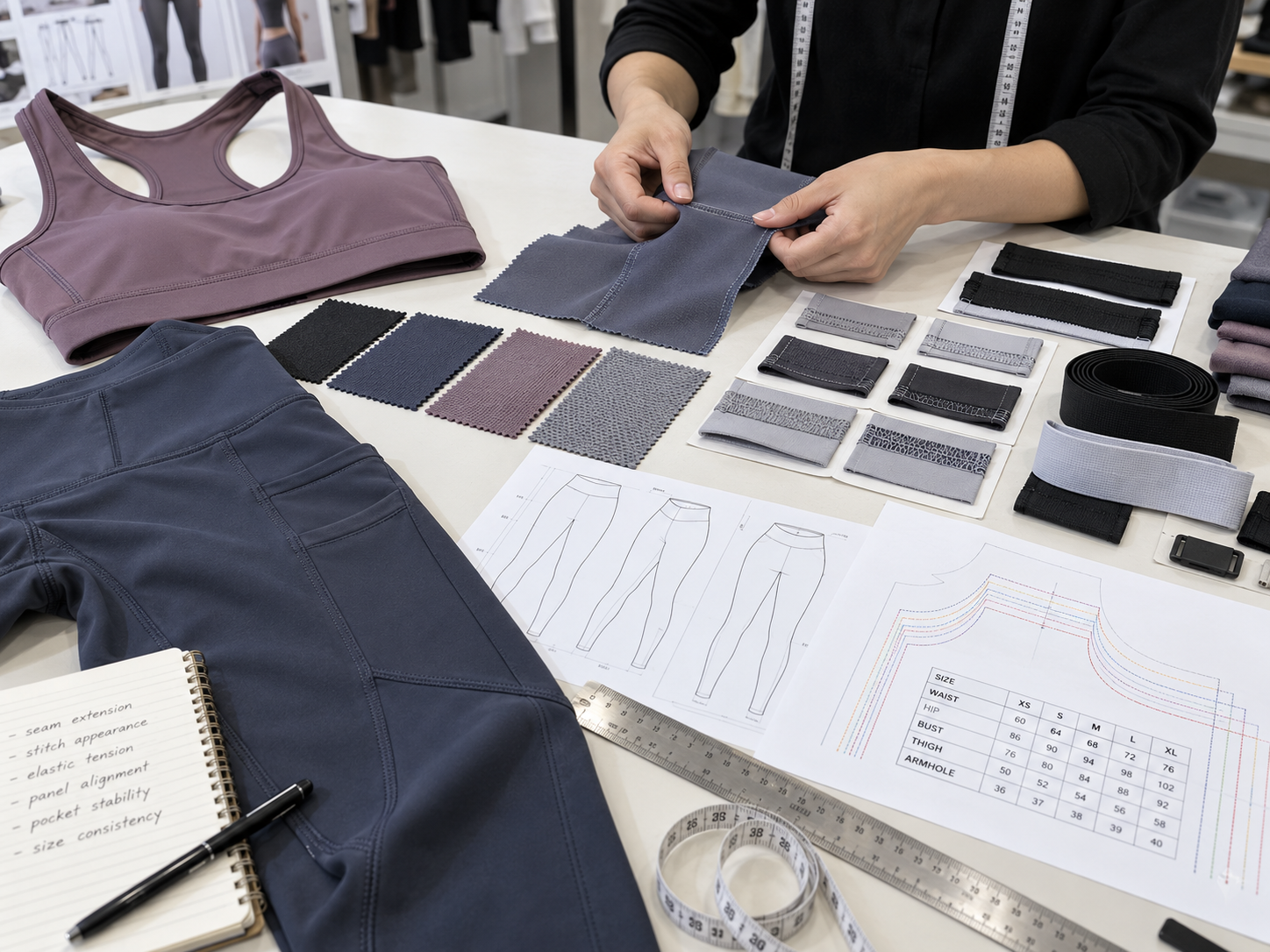
Material Review
Material approval should confirm the fabric and trim direction used for development and bulk planning. Composition, structure, GSM, color, hand feel, shrinkage behavior, surface appearance, rib compatibility, zipper components, drawcords, and decoration compatibility may need review depending on the style. Material presence alone does not prove a final garment performance claim. Applicable performance requirements should be connected to the relevant test or approved specification.
- Confirm approved material direction.
- Record substitutions in writing.
- Separate sample material from bulk material where applicable.
- Identify supplier MOQ and availability risks.
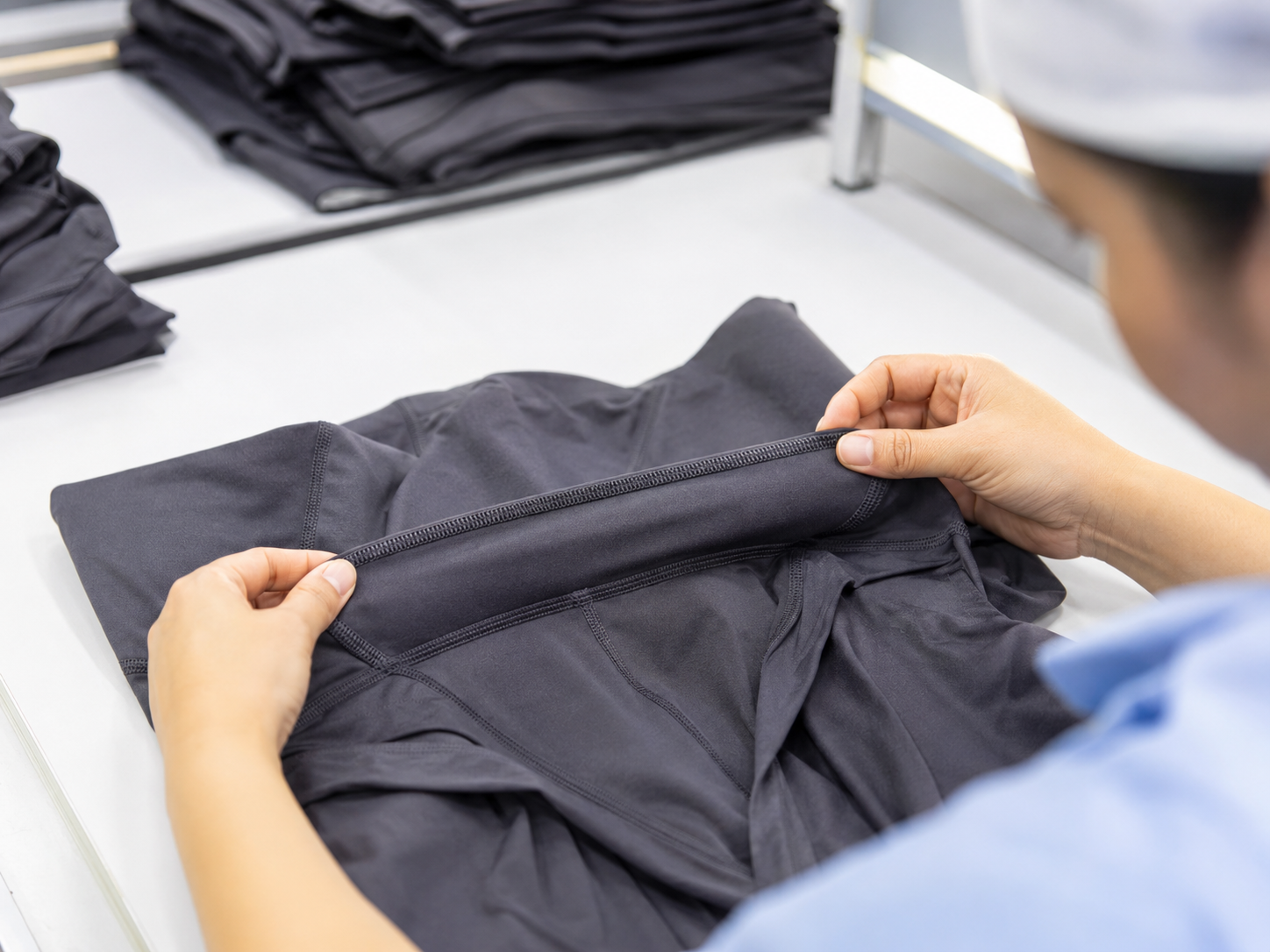
In-Process Inspection
Production control can include checks on cutting direction, panel dimensions, seam construction, stitch appearance, pocket position, hood shape, rib attachment, zipper installation, artwork placement, and other key operations. The exact inspection plan depends on garment construction, risk, and agreed standards. Early detection is valuable because a repeated production error becomes more expensive to correct after a large quantity has already moved through later operations.
- Check critical measurements.
- Review seam and stitch appearance.
- Verify logo location.
- Monitor high-risk operations.
- Isolate abnormal products where necessary.
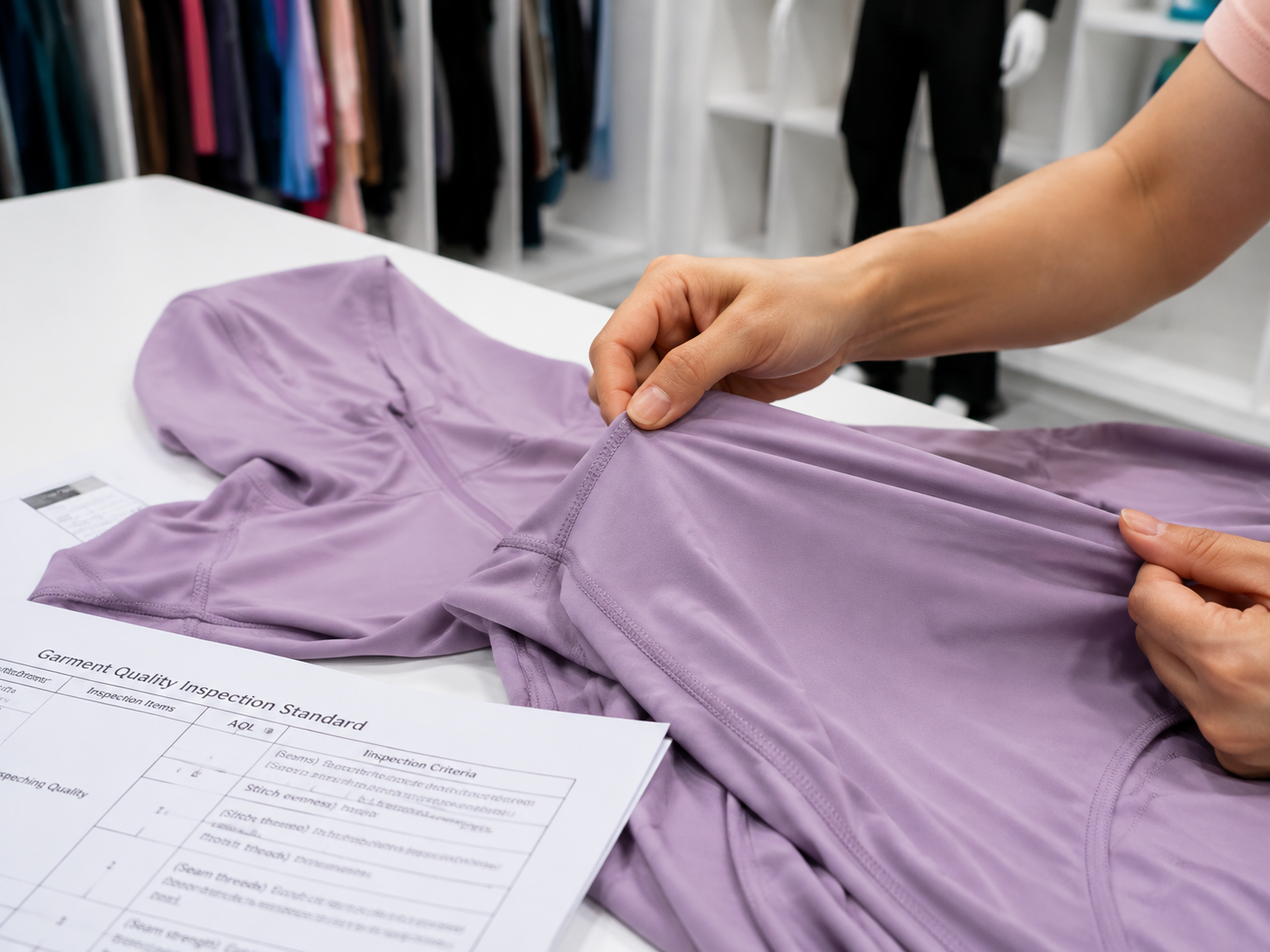
Finished Garment Inspection
Finished hoodies can be reviewed against approved measurements, appearance, workmanship, branding, labels, and applicable product requirements. Inspection method, defect classification, acceptance criteria, and sampling scope should be agreed for the project rather than assumed to be identical for every order. “High quality” is not a measurable standard; approved samples, measurement tolerances, workmanship criteria, and written requirements provide clearer production references.
- Measurement review
- Appearance review
- Workmanship review
- Branding review
- Applicable functional checks
Packaging Verification
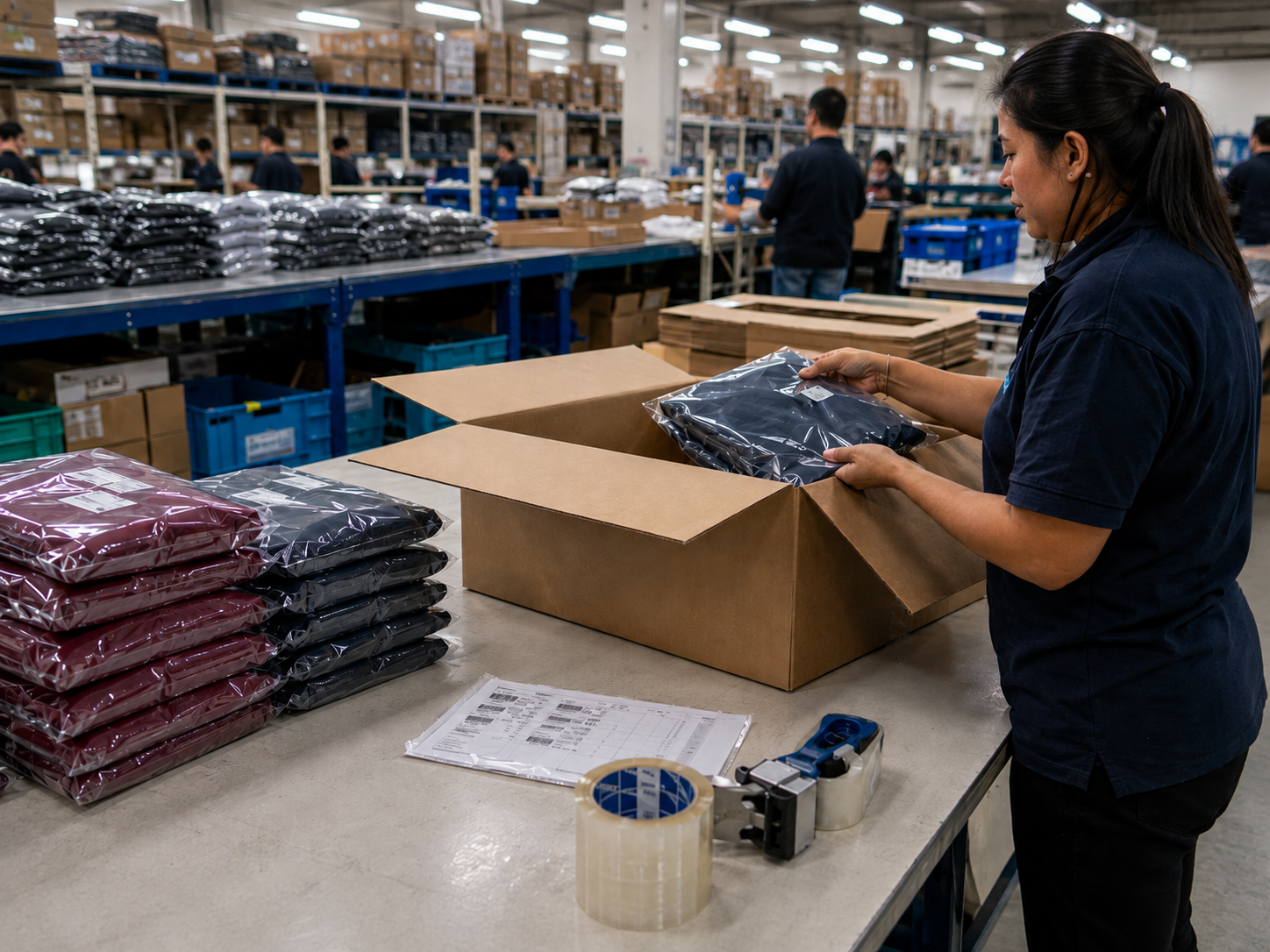
Labels, care information, size identification, SKU, barcode, polybag, carton markings, assortment, and other packing requirements form part of final delivery readiness. A correct garment packed under the wrong SKU or barcode can still create warehouse and retail problems. Packing standards should therefore be included before quotation and production release whenever branded or channel-specific packaging is required.
- Confirm label versions.
- Verify SKU and barcode.
- Check assortment.
- Review carton information.
- Match final packing instructions.
Factory Price, Packaging and Delivered Cost Are Different Numbers
A garment unit price is only one part of sourcing economics. Cost comparison becomes more accurate when manufacturing scope, packaging, inspection, trade terms, freight responsibility, and destination are stated separately.
Separate Manufacturing Cost From Packaging Scope
A hoodie quotation may begin with material and manufacturing cost, but brand programs often require additional items such as main labels, care labels, size labels, hangtags, barcodes, individual packing, stickers, inserts, carton specifications, assortment rules, and channel-specific markings.
These details should be confirmed early because late changes can create repacking, new label production, barcode replacement, or carton changes after garments are already finished. Packaging also affects volume. Hoodies, especially heavyweight or oversized versions, normally occupy more space than lightweight garments, which can influence carton planning and transportation economics.
A useful RFQ therefore states whether quoted pricing includes or excludes:
- Main label
- Care label
- Size label
- Hangtag
- Barcode
- Individual bag
- Branded packaging
- Carton
- Carton marking
- Special inserts
- Repacking requirements
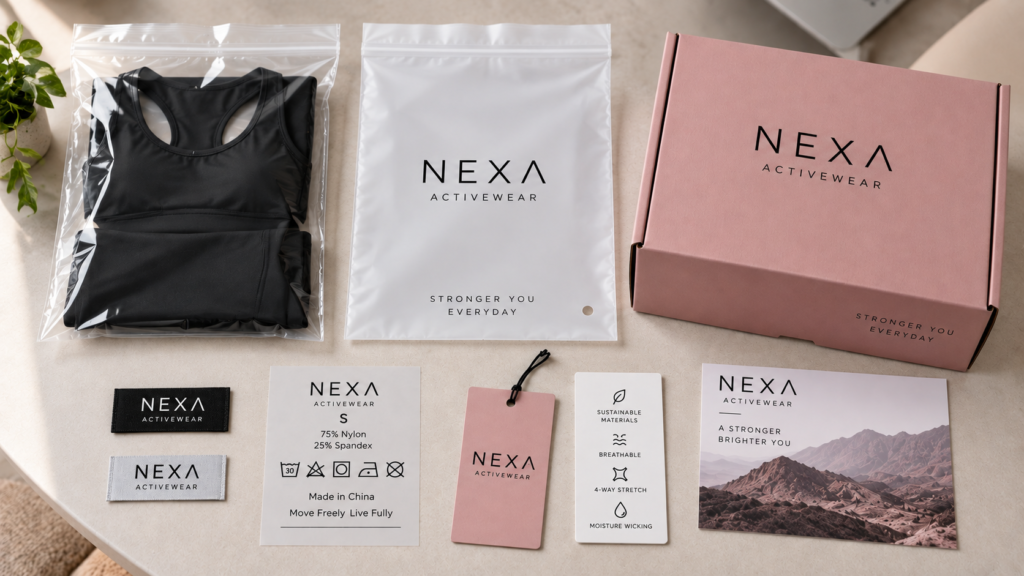
Leadshow evaluates labels and packaging according to the project. No blanket statement should assume all customized packaging is free or automatically included in every garment price.
Understand the Trade-Term Basis Before Comparing Quotations
A quotation should clearly state the applicable commercial scope. EXW, FCA, FOB, CIF, DAP, or another agreed term can create different cost boundaries. The lowest-looking garment price may not represent the lowest purchasing cost if another quotation includes additional handling or logistics-related scope.
Leadshow does not publish a universal global DDP price or assume freight, duties, import taxes, brokerage, and every destination charge are included in all quotations. Logistics cost depends on shipment volume, weight, destination, carrier conditions, timing, trade term, and other commercial factors.
For sourcing comparison, record:
- Quoted currency
- Product specification
- Quantity basis
- Packaging scope
- Trade term
- Named shipping point or destination
- Included inspection or testing scope
- Excluded charges
- Quote validity conditions
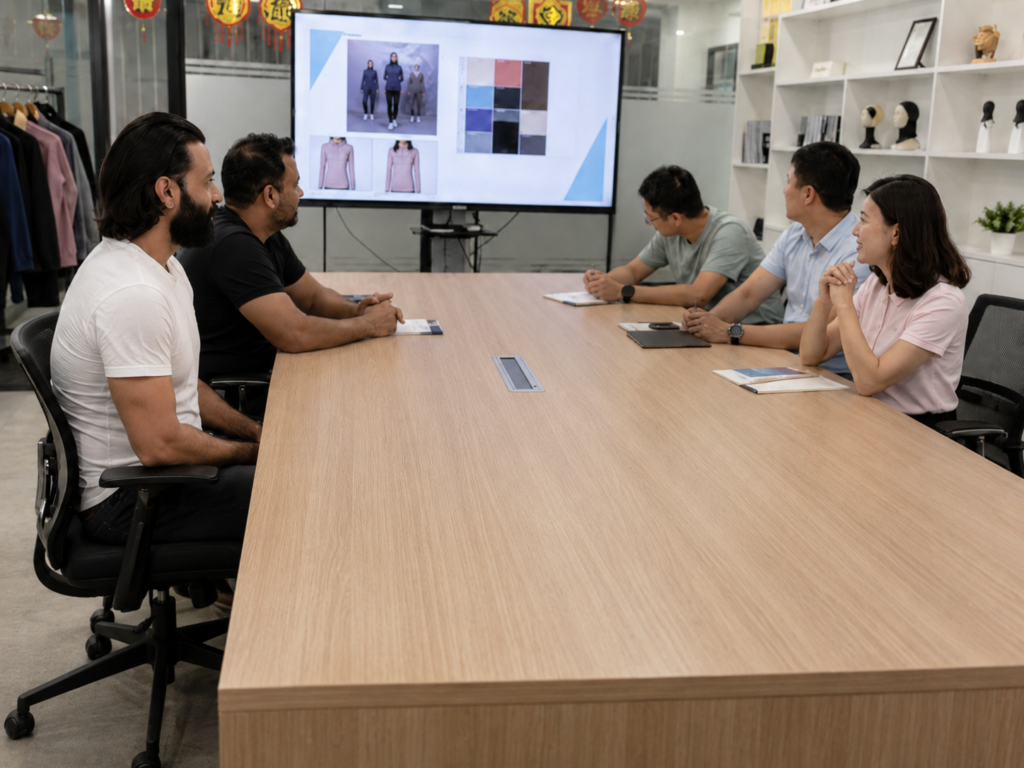
Only then does a unit-price comparison become meaningful.
Track the Complete Cost Path
A stronger internal sourcing model separates cost into stages:
Product Development → Sample → Bulk Manufacturing → Branding → Packaging → Inspection/Testing → Freight Scope → Import/Delivery Costs
Not every project uses every cost element, and not every supplier includes the same elements in its quotation. Procurement teams can therefore avoid false comparisons by asking suppliers to state included and excluded items instead of requesting one unexplained “all-in price.”
For an accurate Leadshow quotation, provide the intended trade term and destination together with product specifications. Freight-related scope and timing can then be evaluated separately where required.

Hidden Costs Behind a Low Hoodie Unit Price
The lowest initial unit quote does not always create the lowest final project cost. Development errors, rework, emergency logistics, packaging corrections, and supplier replacement can create additional expense without improving the garment.
Sample Revisions
Repeated revisions consume development time, materials, sample labor, freight, internal review resources, and launch schedule. Revision itself is not automatically a sign of poor manufacturing; many custom projects require development rounds. Cost risk rises when requirements remain unclear, feedback changes direction repeatedly, or major specifications are introduced late. A clear Tech Pack, documented comments, version control, and approval process can reduce avoidable revision cycles without pretending every first sample will be approved.
Production Rework
Rework may involve removing stitches, resewing, replacing trims, correcting branding, changing labels, cleaning, pressing again, repacking, or reinspecting. Responsibility depends on the cause of the issue and agreed project conditions. The most useful cost-control approach is to identify high-risk points before and during production so problems are contained earlier. Rework should not be hidden inside a vague “factory risk” percentage without explanation.
Schedule Disruption
Material delays, late approvals, major design changes, testing requirements, or production adjustments can affect the planned completion date. Schedule pressure may introduce overtime, smaller production batches, expedited materials, additional coordination, or altered logistics. Leadshow has not confirmed one universal rush fee or a guarantee that paying an expedited charge can secure any requested date. Timing should be reviewed against the actual project and current schedule.
Emergency Air Freight
A lower garment price can lose its advantage when late production forces a shipment originally planned for a slower transport mode into air freight or courier service. Freight decisions depend on shipment weight, volume, route, timing, destination, and commercial term. Hoodie weight and packing volume can make emergency freight especially significant in large orders. Production timing and shipping planning should therefore be considered together during cost evaluation.
Repacking and Relabeling
Incorrect barcodes, market labels, hangtags, polybags, carton markings, size stickers, or channel-specific packaging can create additional labor and material. Errors discovered after packing may require cartons to be reopened and goods processed again. Brand, SKU, barcode, and packaging versions should be frozen and checked before final packing to reduce avoidable handling.
Supplier Replacement
Changing factories can create new pattern work, sample development, material matching, Fit review, artwork approval, testing, packaging setup, and internal onboarding. Supplier replacement may still be necessary when performance or strategic requirements change, but the transition has a real development cost. A sourcing decision should therefore consider technical capability, communication, quality controls, commercial transparency, and repeat-order management in addition to initial unit price.
Six Ways to Optimize Hoodie Cost Without Weakening the Product
Cost engineering works best when nonessential complexity is reduced while approved fit, quality, branding, compliance, and product positioning remain protected.
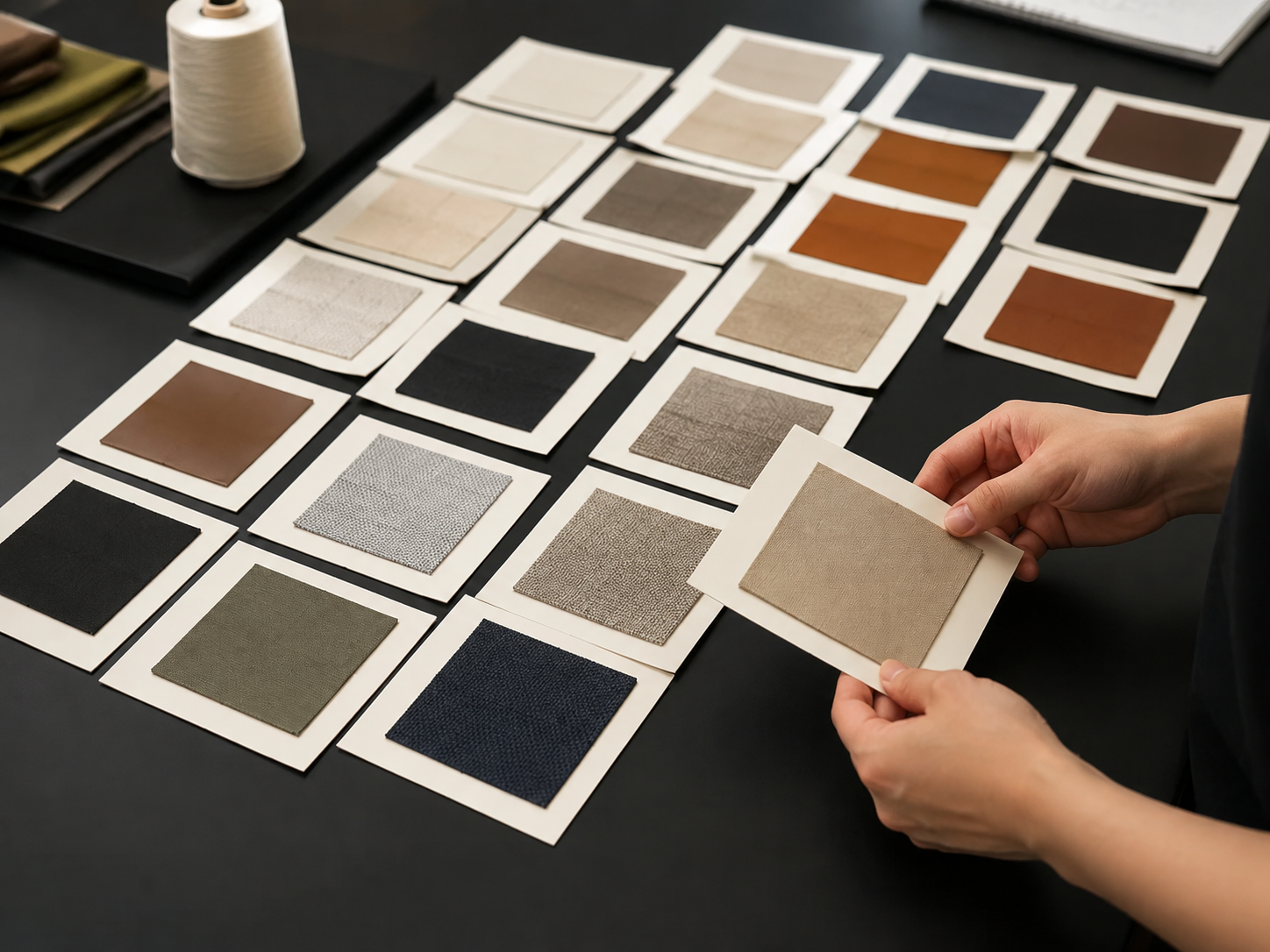
Optimize Fabric Selection
Compare fabrics by composition, knit, GSM, usable width, finish, hand feel, shrinkage, and sourcing conditions. A material with a lower price per kilogram is not automatically the lowest-cost option if it creates higher consumption or production instability. Mature fabric options can sometimes reduce sourcing complexity, while custom materials remain appropriate where the design or brand standard requires them.
Simplify Noncritical Construction
Review panels, internal details, pocket structure, hood layers, decorative seams, and other construction that does not materially support fit, function, or brand identity. Removing unnecessary complexity can reduce cutting, sewing, inspection, and rework risk. Cost engineering should not remove reinforcement, change approved measurements, or weaken important construction merely to reduce the initial quotation.
Rationalize Colorways
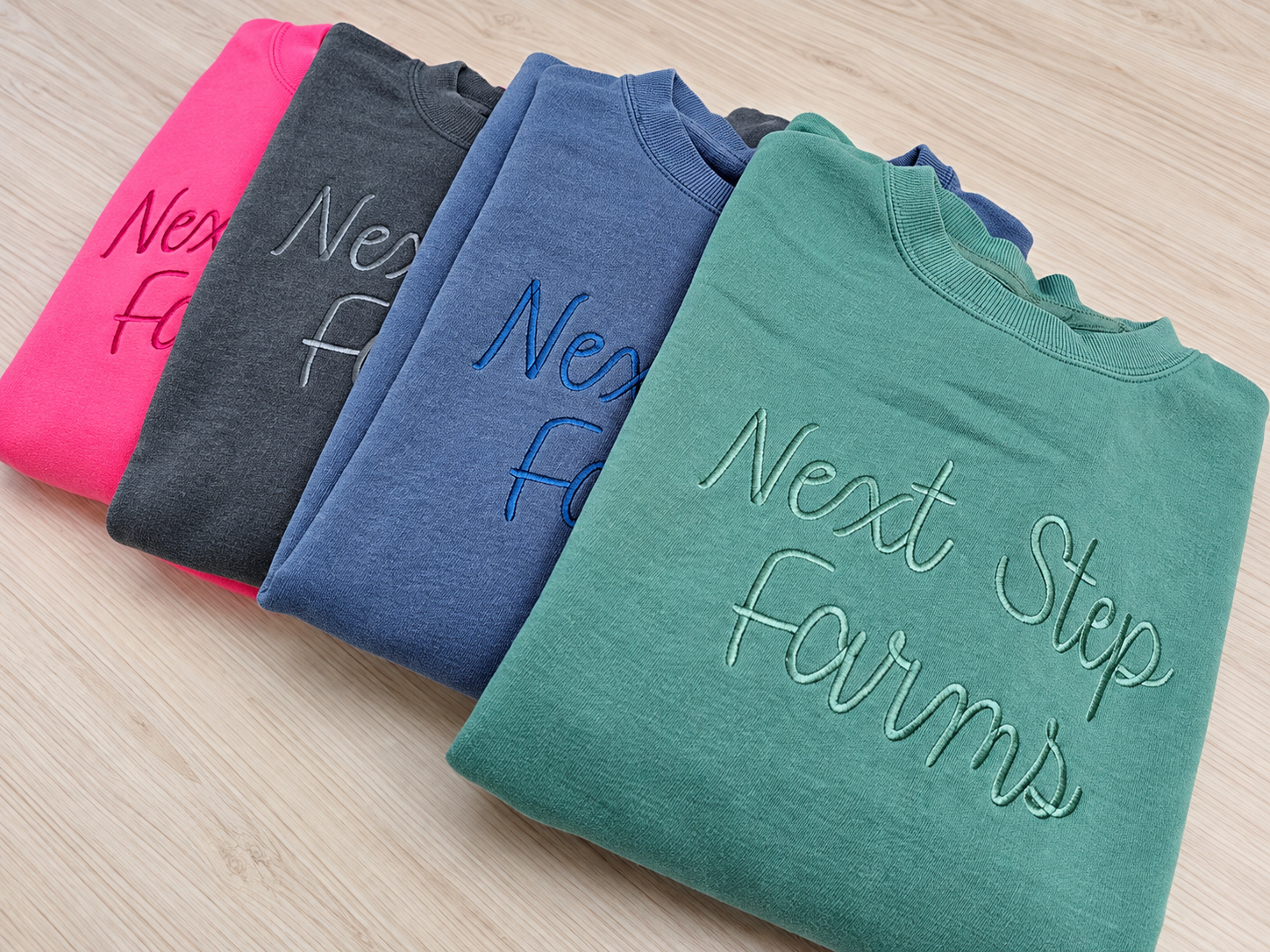
Every color can introduce separate fabric planning, dyeing, decoration, trim, label, inventory, and SKU requirements. A launch with fewer priority colors may create a stronger quantity per color and simpler material planning. Additional colors can be introduced after market demand is clearer. Color reduction is a commercial decision, not a requirement, but it is one of the clearest ways to reduce first-order fragmentation.

Consolidate Materials
Several hoodie styles in one collection may be able to share the same main fabric, rib, drawcord, labels, or packaging structure when product positioning allows. Shared materials can reduce sourcing fragmentation and improve repeat-order consistency. The approach works best when the same material genuinely suits each garment rather than forcing one fabric onto products with different performance or design needs.
Optimize Decoration
Review logo count, size, placement, stitch density, print colors, and special effects. Keeping the most important identity elements while simplifying lower-priority decoration can reduce setup and processing complexity. A large multi-position embroidery program should not be compared directly with a minimal single-position heat-transfer design even if both garments use the same fabric and pattern.
Simplify Packaging
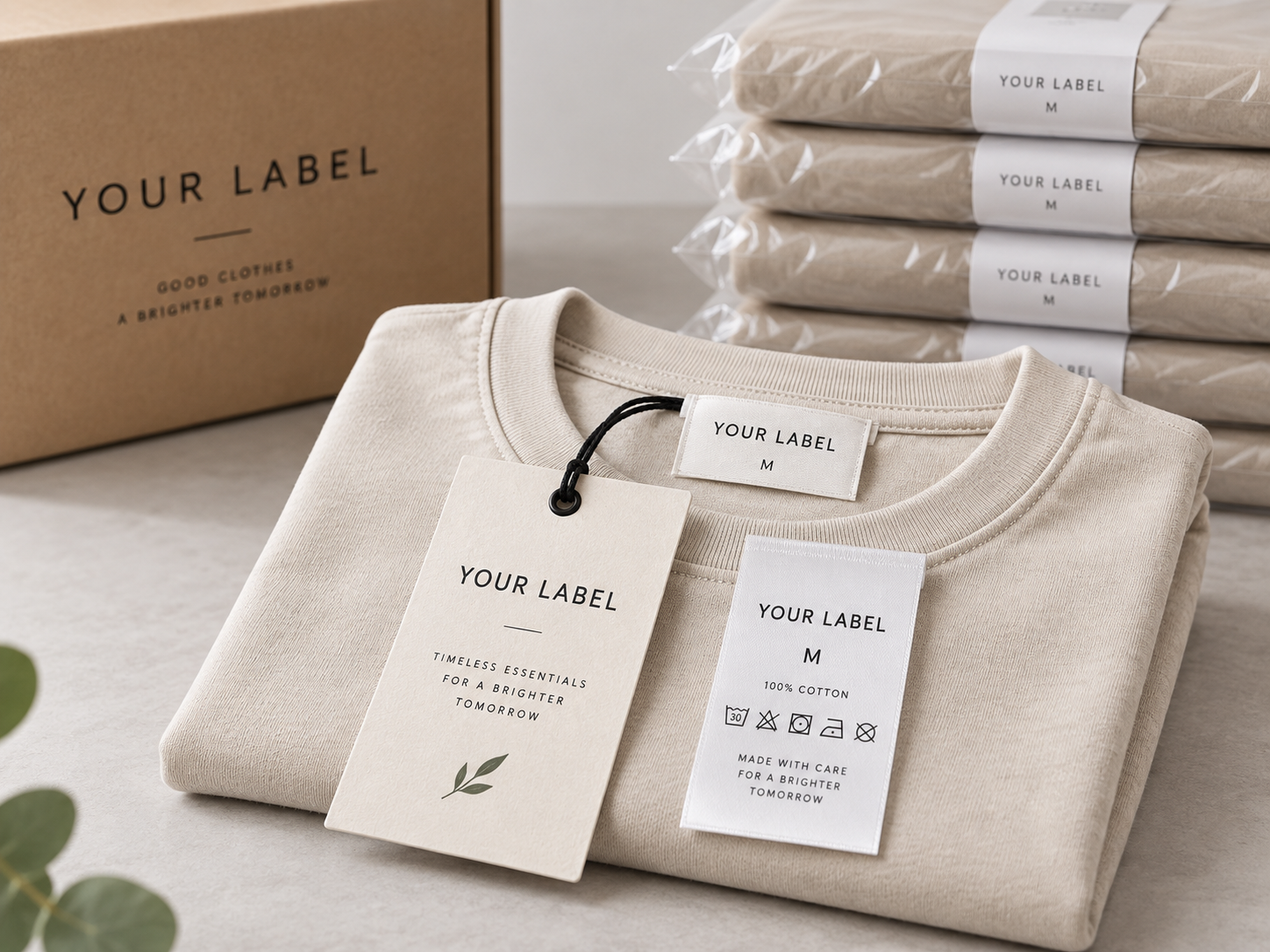
Retail-ready packaging, inserts, custom bags, individual barcodes, size stickers, inner cartons, and special assortment instructions can add material and handling. Where the sales channel allows, simplifying low-value packaging components may reduce cost and packing complexity. Any change should still meet warehouse, legal, brand, and destination requirements.
How to Compare Hoodie Manufacturer Quotes Fairly
A supplier comparison should normalize specifications before comparing price. Use the matrix below to prevent an attractive unit number from hiding a different product or cost scope.
Evaluation Dimension
What Must Match
Fabric Composition
Same fiber specification
Fabric Structure
Same knit or fleece direction
GSM
Same approved weight basis
Fit
Same measurement chart
Hood Construction
Same panel and layer structure
Same construction
Rib
Same composition and specification
Zipper
Same type, length, quality level
Drawcord / Hardware
Same material and branding
Printing
Same process, artwork size, colors
Embroidery
Same dimensions and density direction
Labels
Same label set
Packaging
Same packing requirement
Quantity
Same design/color breakdown
Size Range
Same size distribution
Sample Scope
Same development requirement
Quality Requirement
Same inspection basis
Testing
Same applicable test scope
Trade Term
Same cost boundary
Destination
Same shipping comparison basis
Supplier Evaluation Questions
A serious manufacturing partner should also be reviewed beyond the price table:
- Does the supplier understand the hoodie category?
- Can the team review a Tech Pack and manufacturability?
- Are material and trim recommendations clearly explained?
- Is the sampling and revision process structured?
- Can the approved sample be converted into bulk standards?
- Are MOQ and quotation assumptions transparent?
- Is capacity reviewed against the actual order mix?
- Are quality criteria linked to measurable requirements?
- Can labels, SKU, barcode, and packaging be managed?
- Are real manufacturing capabilities verifiable?
- Are intellectual property and project information handled responsibly?
- Can repeat orders and version changes be controlled?
Information Needed for an Accurate Hoodie Manufacturing Quote
Better input produces a more useful quotation. Missing information does not always prevent an early discussion, but assumptions should be identified clearly until the specification is confirmed.
RFQ Information
Required Detail
Cost Relevance
Product Type
Pullover, full zip, half zip, other approved design
Defines base construction
Tech Pack
Drawing, BOM, sewing details
Reduces technical assumptions
Reference Sample
Physical garment or approved reference
Helps clarify quality and fit
Main Fabric
Composition and structure
Major material driver
GSM
Target fabric weight
Influences garment weight and cost
Rib
Composition, width, stretch
Secondary material cost
Hood
Panel count, lining, drawcord
Changes consumption and labor
Type and dimensions
Changes panels and operations
Zipper
Type, length, finish
Hardware cost
Fit
Regular, relaxed, oversized
Changes pattern and consumption
Measurement Chart
Base size and grading
Supports fit and material estimate
Colors
Number and references
Affects material preparation
Colors
Number and references
Affects material preparation
Size Range
Required sizes
Affects grading and consumption
Quantity
Per design and per color
Core MOQ and production input
Artwork
File, size, colors, placement
Required for decoration costing
Labels
Main, care, size, hangtag
Branding cost
Packaging
Bag, barcode, carton, insert
Packing cost
Quality
Measurement and workmanship criteria
Inspection planning
Testing
Applicable test requirements
May create separate cost
Target Market
North America, Europe, other
Can affect labels and compliance
Trade Term
EXW, FOB, other agreed term
Defines quote boundary
Destination
Port, city, or delivery point where relevant
Supports logistics evaluation
Target Timing
Required commercial milestone
Supports feasibility review
Target Cost
Optional budget reference
Supports cost engineering discussion
Quotation Output Should State
- Product version
- Quantity basis
- Material assumption
- Construction assumption
- Branding scope
- Packaging scope
- Trade term
- Included items
- Excluded items
- MOQ conditions
- Timing assumptions
- Price validity conditions where applicable
Custom Hoodie Projects Leadshow Can Evaluate
Leadshow’s confirmed apparel scope includes Hoodies within Streetwear and athleisure-related development. Construction, materials, branding, and final project conditions are reviewed according to the actual specification.
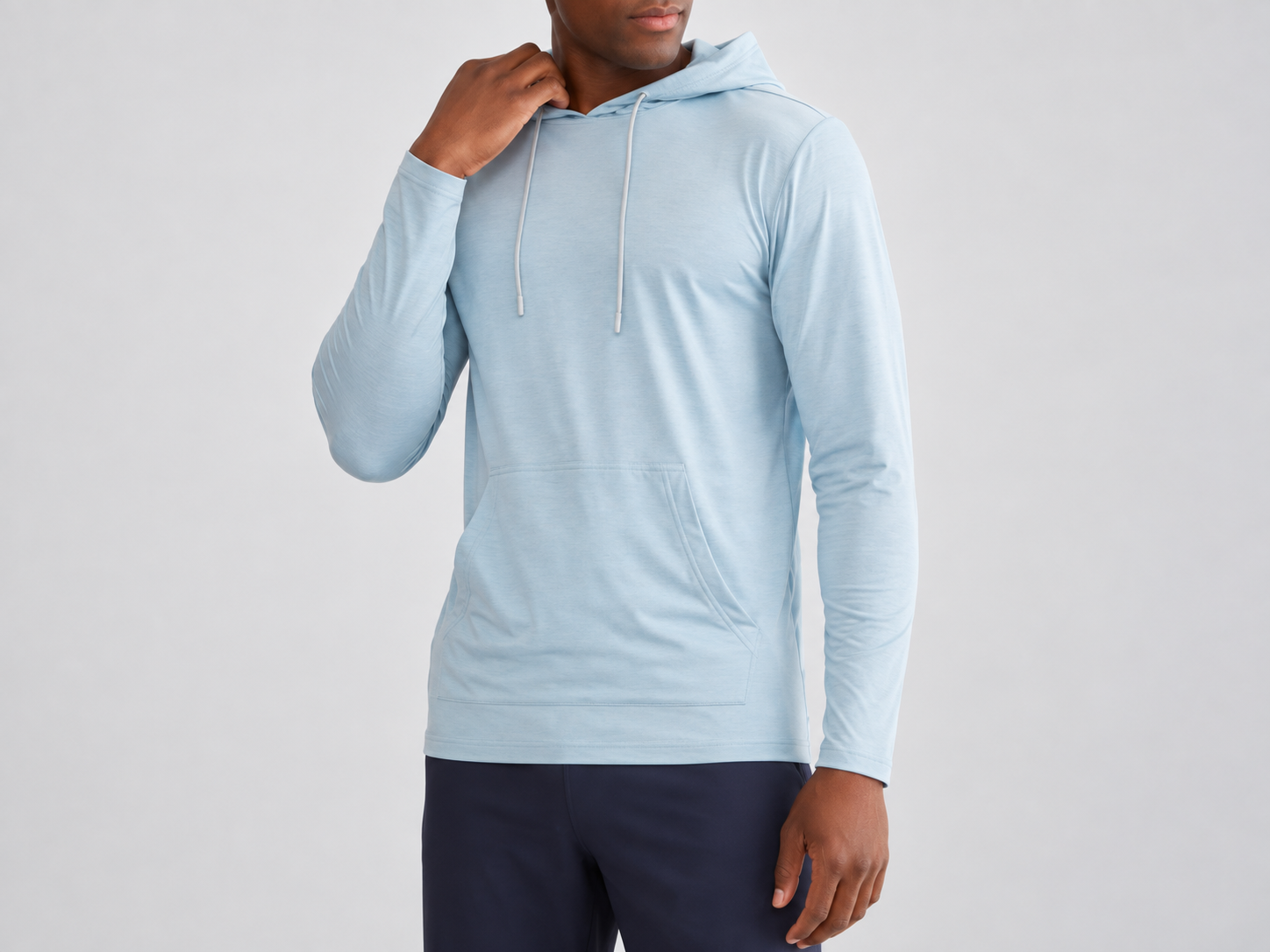
Pullover Hoodie
Leadshow can evaluate pullover hoodie projects with defined fabric, hood, rib, pocket, Fit, branding, labels, and packaging requirements. Cost review focuses on material use, construction, decoration, quantity, and production conditions rather than applying one standard pullover price.
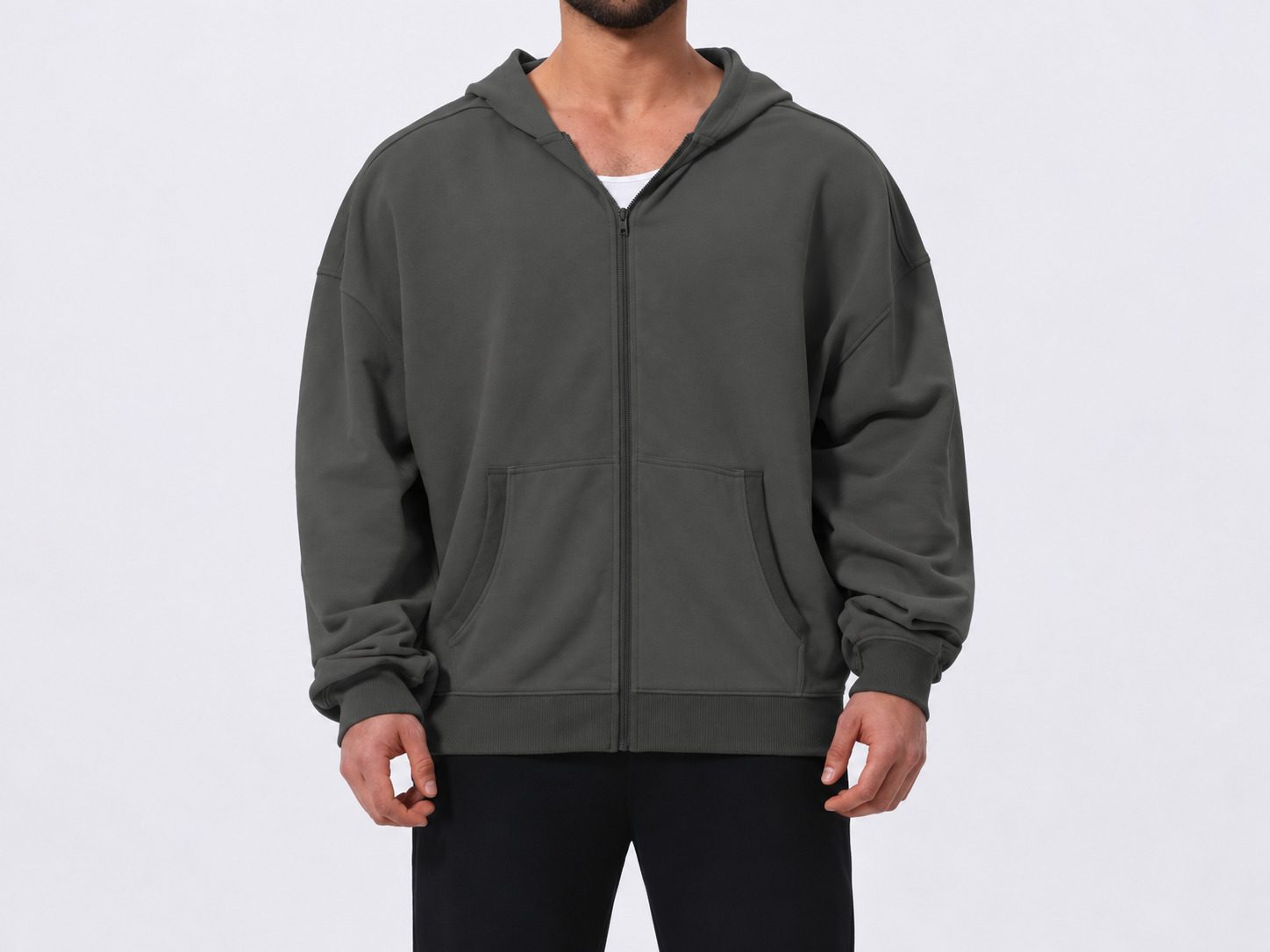
Full-Zip Hoodie
Full-zip programs can be evaluated with zipper specifications, front alignment, hood structure, pockets, rib, artwork, and size requirements. Zipper quality, length, finish, and branding should be stated for accurate component costing.
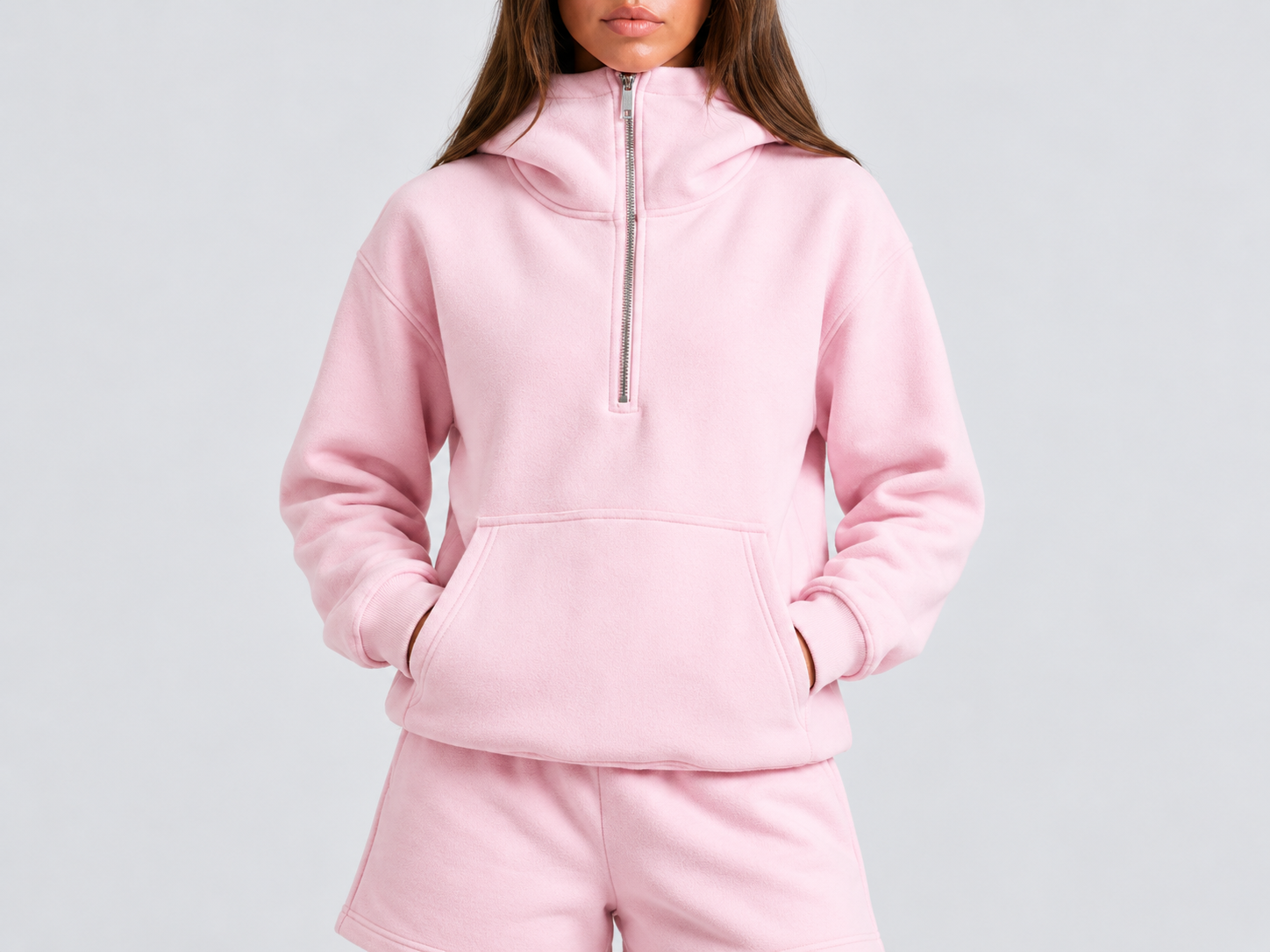
Half-Zip Hoodie
Half-zip hoodie development can be reviewed according to opening length, zipper type, neckline or hood transition, reinforcement, fit, and artwork requirements. Pattern and sewing details need to be confirmed before bulk pricing.
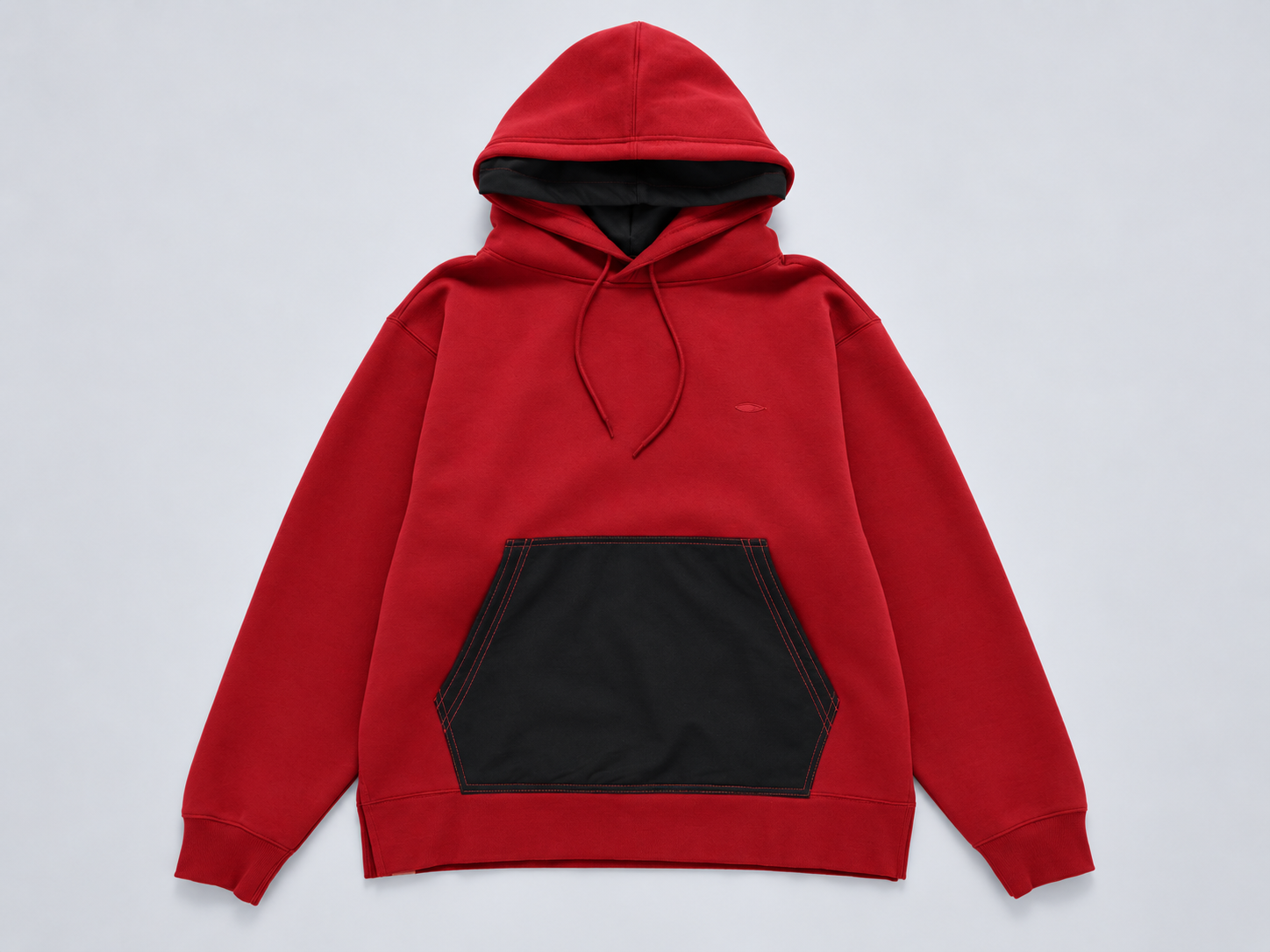
Layered Hood Design
Single-layer and double-layer hood constructions can be evaluated depending on product design, fabric, weight, fit, and approved appearance. Hood dimensions and neckline connection remain important development points.
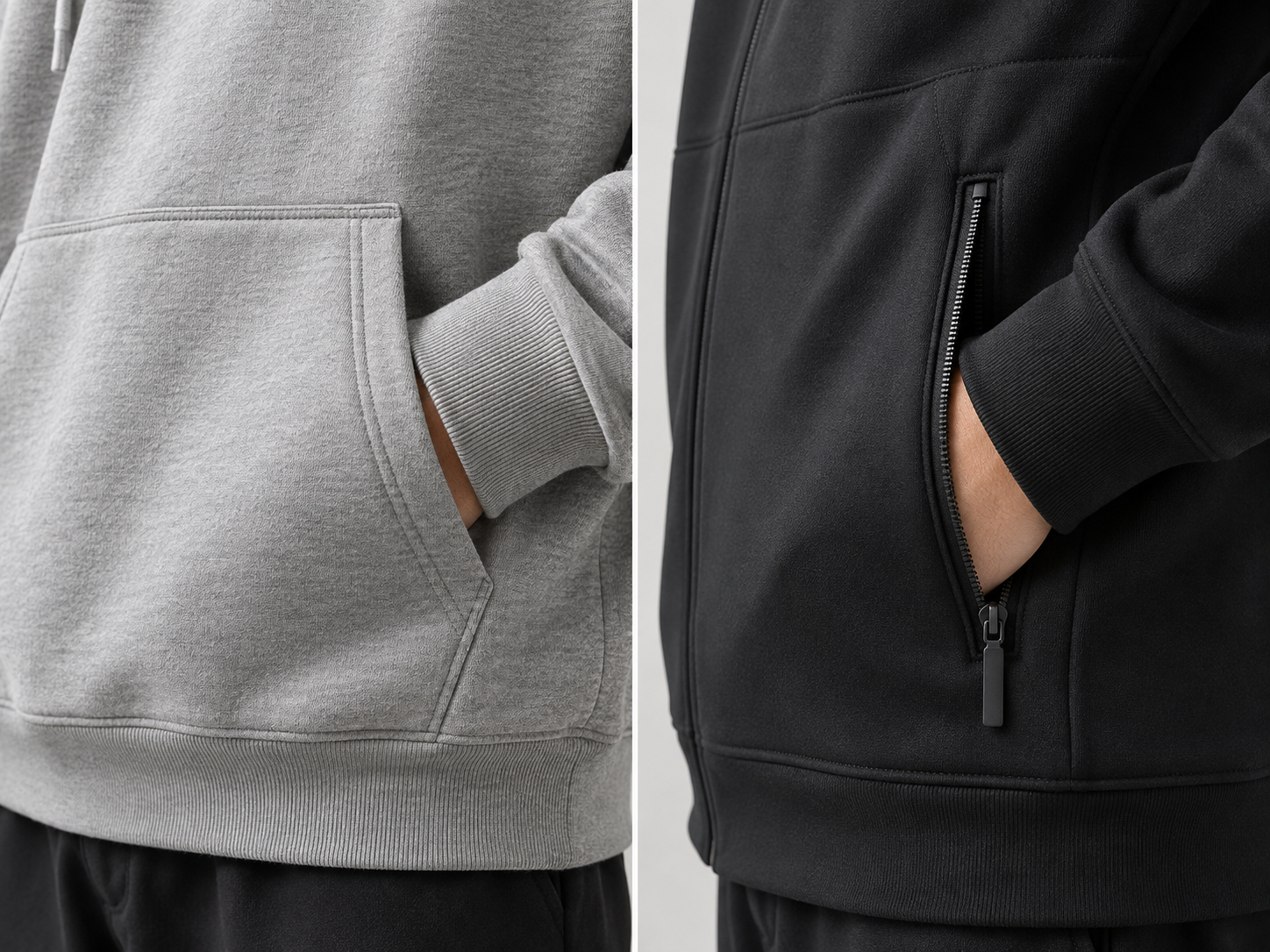
Pocket Variations
Kangaroo pockets and zipper-pocket directions can be reviewed according to the project. Position, dimensions, material, hardware, reinforcement, and decoration interaction should be included in the technical specification.
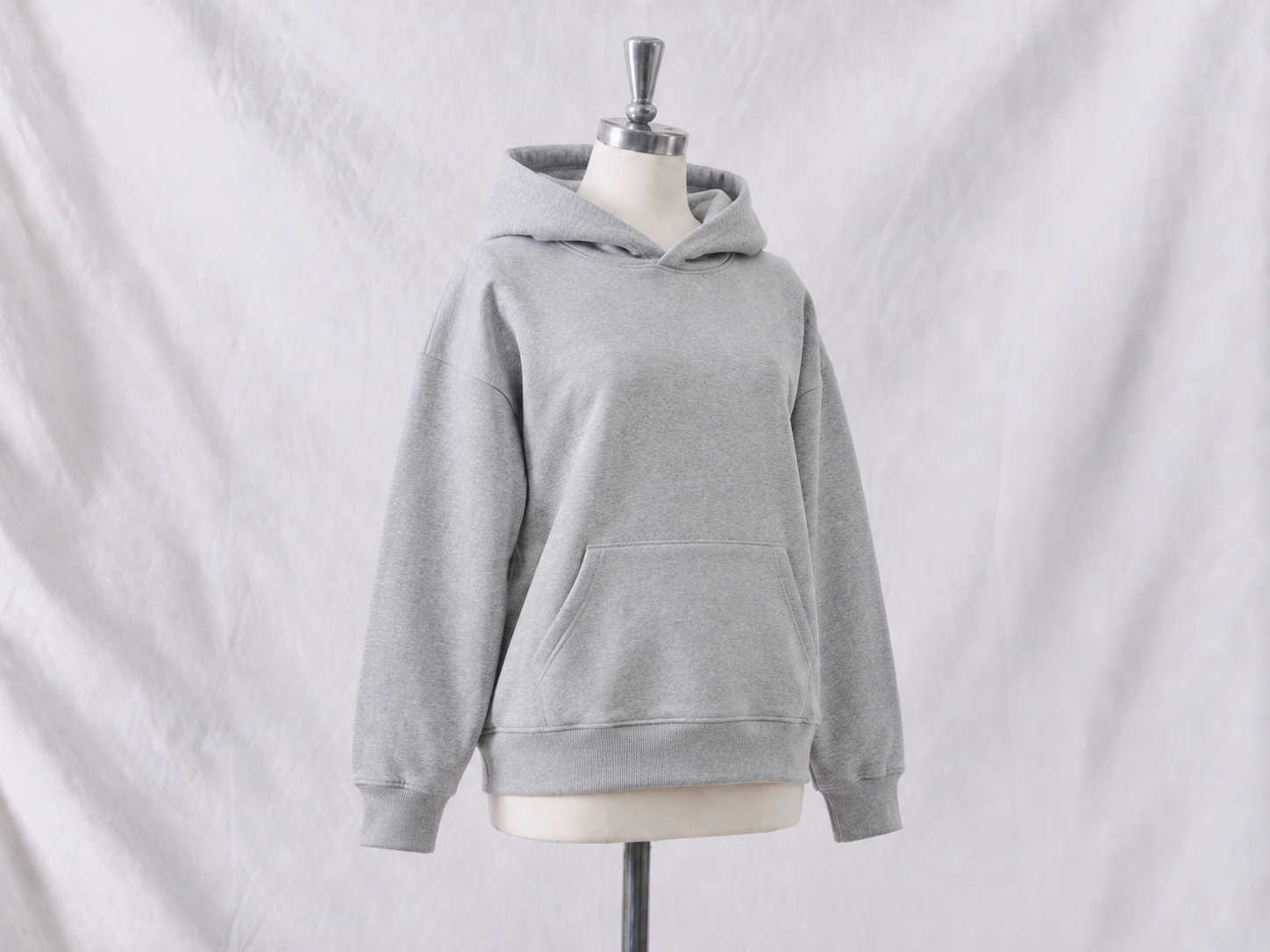
Fit Development
Regular shoulder, drop shoulder, relaxed, and oversized directions can be evaluated using measurement requirements and reference proportions. Leadshow does not treat every Hoodie as oversized or heavyweight; fit and fabric claims should follow the actual project.
Manufacturing Resources Supporting Custom Hoodie Programs
Leadshow combines product development resources with apparel manufacturing capacity. The figures below are company-level confirmed data and should not be interpreted as dedicated Hoodie-only capacity.
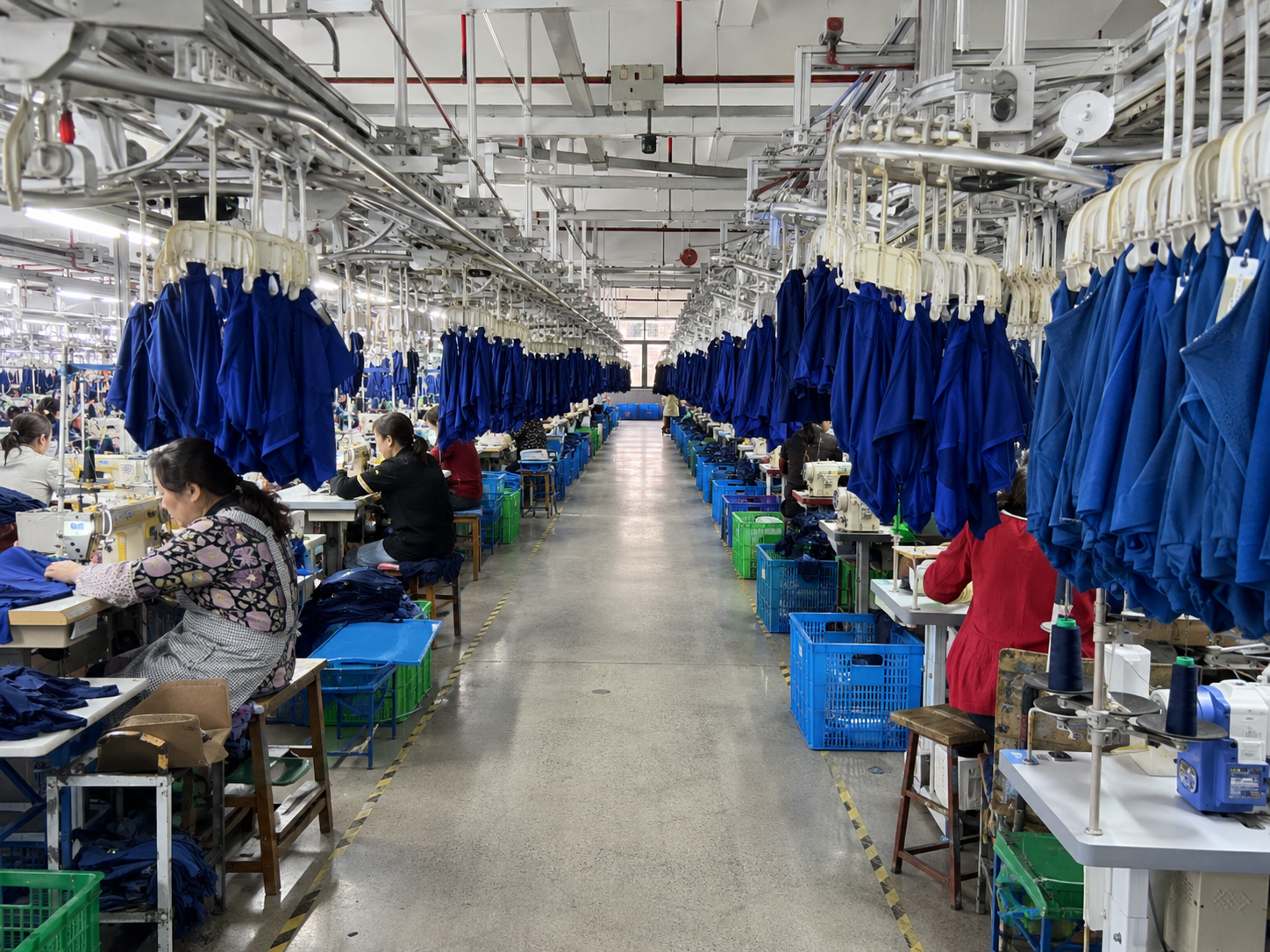
15 Years Experience
Our 15 years of industry experience covers apparel development, sampling and manufacturing coordination.
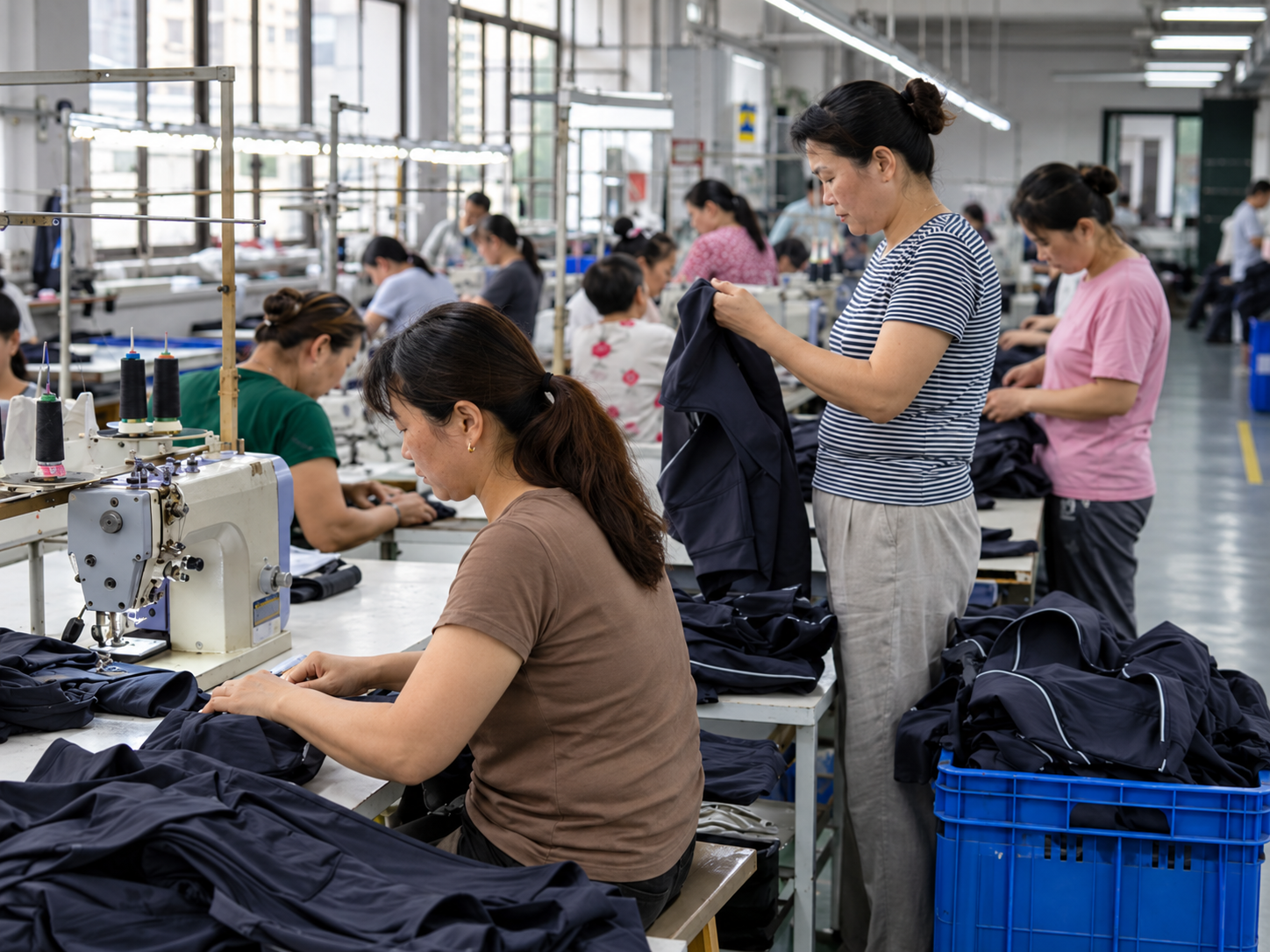
3 Manufacturing Bases
Our three manufacturing bases collectively support sampling, cutting, sewing, specialized processes, finishing, packing and logistics.
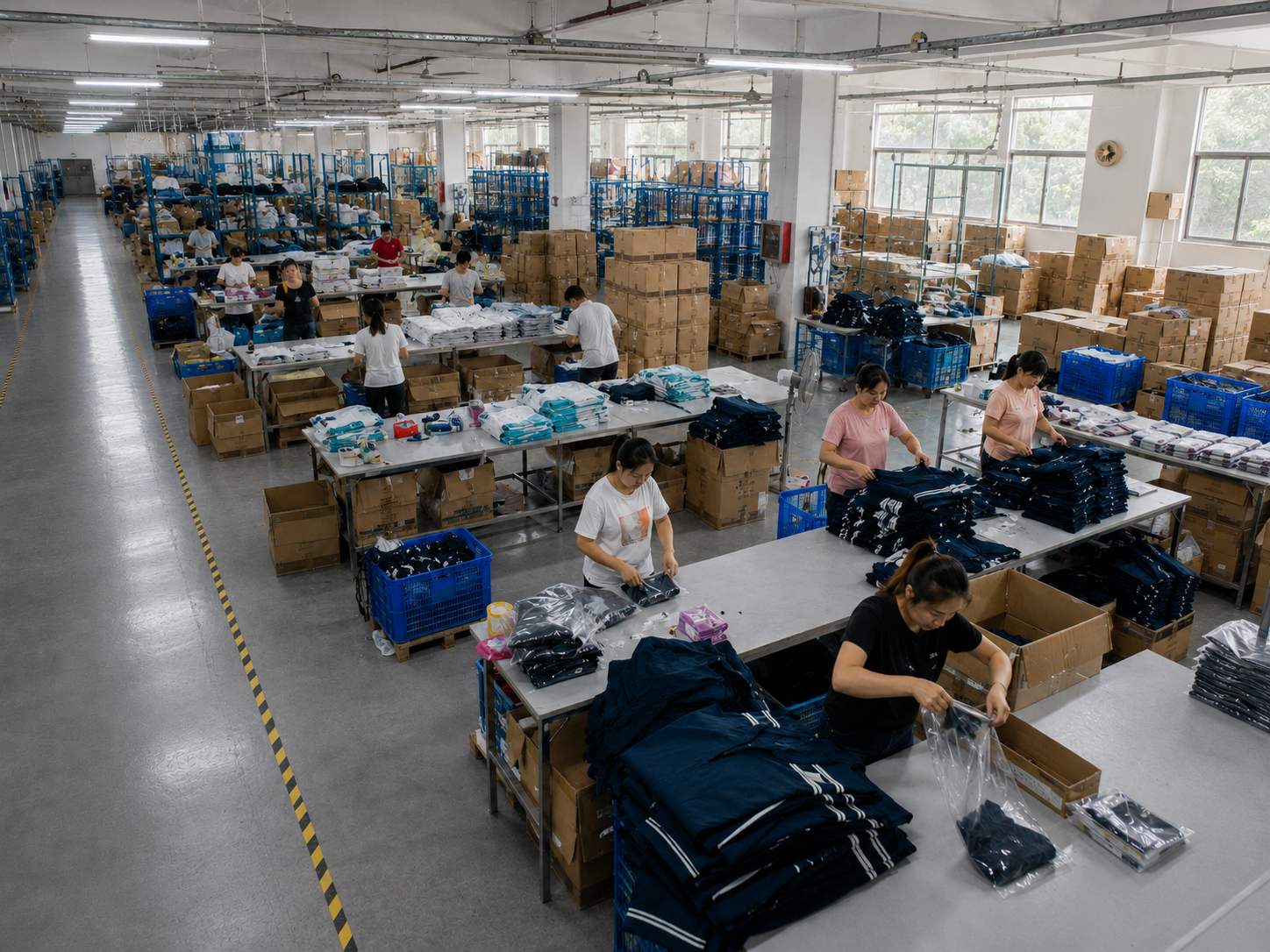
20,000+ Square Meters
Our combined manufacturing facilities cover more than 20,000 m² across the three-base system.
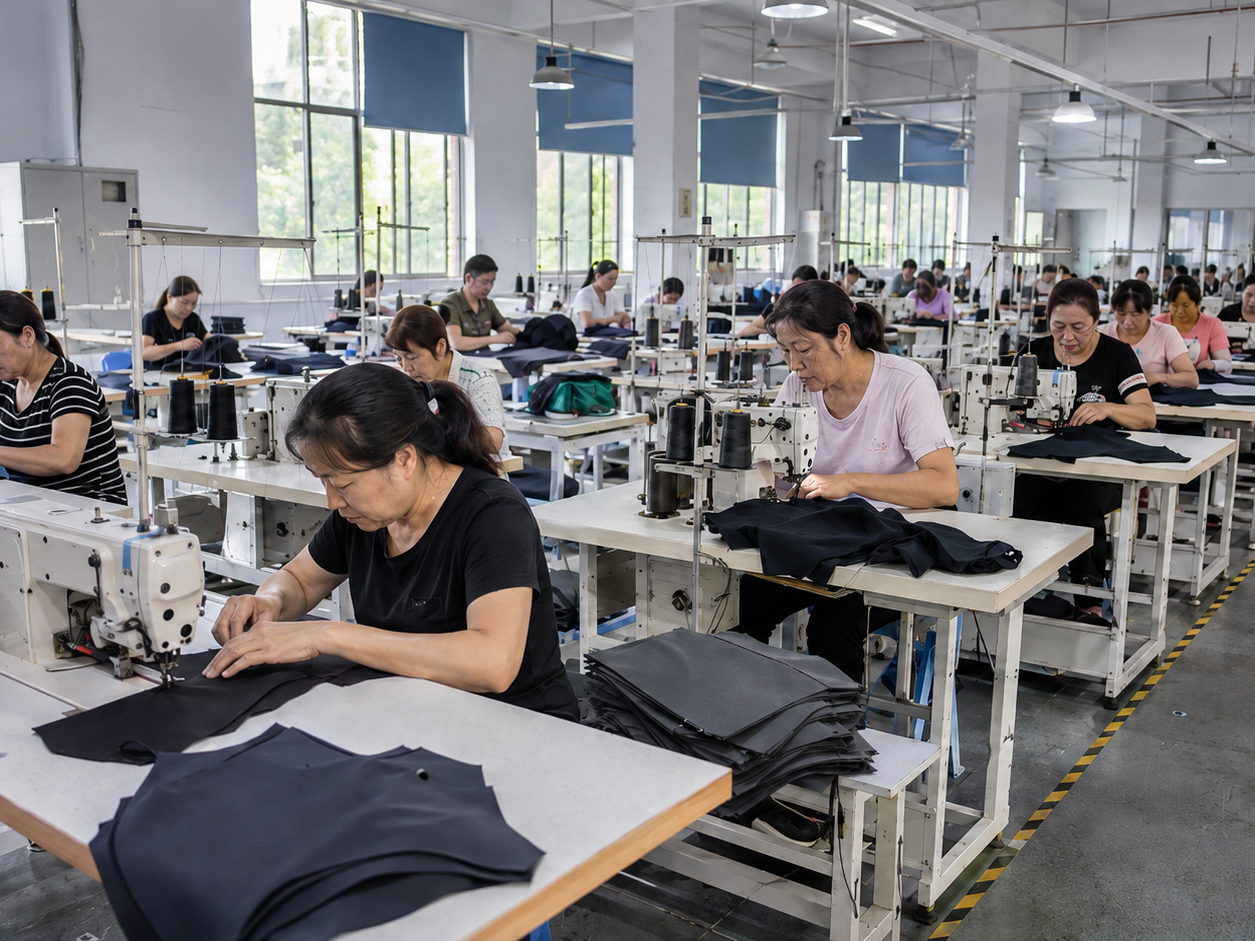
1,500+ Team Members
Our 1,500+ team includes business, R&D, production, quality, warehousing, logistics and support functions.
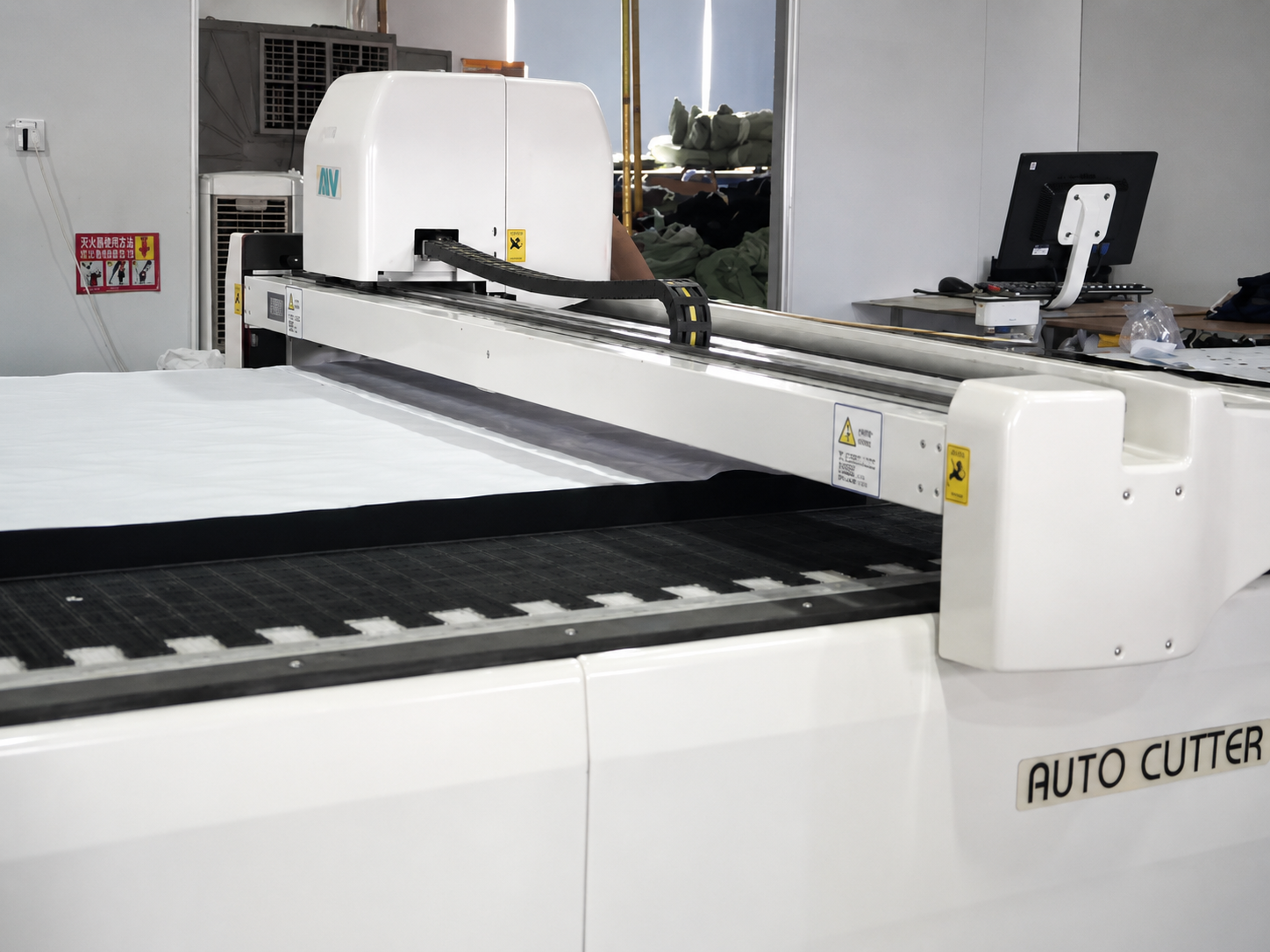
304 Confirmed Machines
Equipment spans fabric preparation, cutting, sewing, stretch-garment construction, bonding, seam taping, laser perforation, heat application, finishing, needle detection and packing support.
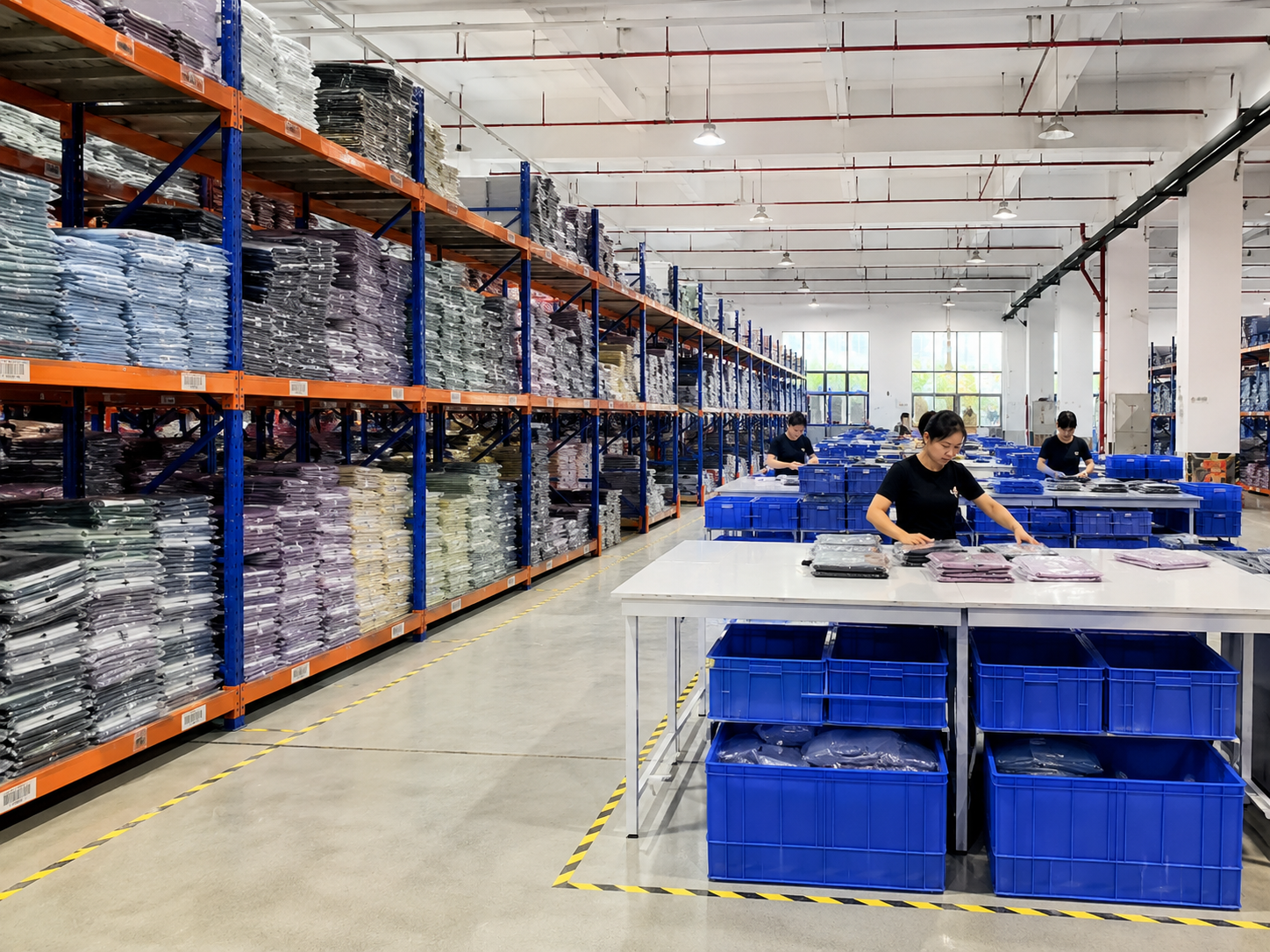
Up to Approx. 120,000
Combined monthly capacity can reach approximately 120,000 finished garments, with available capacity confirmed according to product complexity and the current production schedule.
Eight Hoodie Production Risks That Can Change Total Cost
Cost control continues after the quotation is issued. Hoodie production has several known risk points that can create rework, schedule changes, material loss, or inconsistent appearance if they are not managed during development and bulk production.
Fabric Batch Control
Different fabric batches can create variation in shade, hand feel, surface appearance, shrinkage, or weight. Hoodie programs using large volumes or multiple production lots should keep material identification and approved references clear. Material replacement should be recorded and reviewed rather than introduced informally. Batch management is especially important when matching body fabric with rib or other secondary materials.
- Record material version.
- Separate unapproved substitutions.
- Compare approved references.
- Reconfirm after major material changes.
Shrinkage Management
Fabric shrinkage can affect body length, width, sleeve dimensions, hood shape, pocket position, and overall Fit. The risk becomes more visible when measurement tolerance is tight or when fabrics undergo washing or finishing. Shrinkage expectations should be considered during material review and sample development. Leadshow does not use one universal shrinkage percentage for every hoodie fabric, because behavior depends on material and finishing.
- Define measurement standard.
- Review applicable fabric behavior.
- Compare sample measurements.
- Set project-specific tolerance.
Rib Recovery
Cuffs and hems depend on rib stretch and recovery. Poor matching between rib and body fabric can create loose cuffs, excessive tension, waviness, twisting, or inconsistent finished measurements. Rib composition, structure, width, stretch, and color should therefore be confirmed with the main fabric rather than treated as a minor generic accessory.
- Check recovery.
- Match thickness.
- Review attachment tension.
- Confirm approved appearance.
Hood Shape
Hood size and shape affect both style and wearability. Panel geometry, opening shape, depth, height, neckline connection, fabric weight, lining, drawcord, and seam bulk can all change the finished appearance. Problems discovered after bulk cutting are costly to correct, so hood proportions should be validated during sampling and controlled against the approved pattern version.
- Confirm hood dimensions.
- Review neckline connection.
- Check symmetry.
- Approve finished shape.
Zipper Stability
Full-zip and half-zip designs need correct zipper length, tape compatibility, attachment method, and front alignment. Heavy or stretch fabrics can react differently during sewing, creating visible waviness or uneven fronts. A zipper change after sample approval may require a new review because component behavior and appearance can change.
- Confirm zipper specification.
- Match garment length.
- Control front alignment.
- Review finished appearance.
Print and Embroidery
Artwork risks include position, scale, color, edge quality, distortion, stitch density, adhesion, and compatibility with the hoodie fabric. Large graphics may cross areas affected by seams, pockets, or stretch. Approved artwork files and placement measurements should remain version controlled. Applicable wash or performance requirements should also be confirmed by project rather than assumed.
- Freeze artwork version.
- Confirm dimensions.
- Approve placement.
- Review fabric compatibility.
Heavy Seam Construction
Heavyweight fabric, multiple layers, double hoods, thick rib, pockets, and reinforced areas can create seam bulk. Excessive thickness may influence machine handling, appearance, comfort, and production efficiency. Construction should be reviewed during development so critical seam areas can be validated before large-scale production rather than corrected through repeated bulk rework.
- Identify thick intersections.
- Review seam method.
- Check appearance.
- Validate production feasibility.
Packing Volume
Hoodies can create significant carton volume, especially when heavyweight fabric, oversized Fit, double hoods, or retail packaging are involved. Packing decisions influence carton size, units per carton, handling, warehouse space, and transportation economics. Final packing should balance garment protection, channel requirements, and logistics efficiency without compressing products beyond the approved packaging standard.
- Define folding method.
- Confirm individual packing.
- Set carton assortment.
- Review carton volume.
Hoodie Manufacturing Cost Frequently Asked Questions
Hoodie pricing becomes easier to evaluate when product specification, quantity, development scope, packaging, and commercial terms are discussed together.
How much does hoodie manufacturing cost?
There is no confirmed universal Leadshow unit price for a hoodie. Pricing is prepared after reviewing construction, fabric, GSM, colors, sizes, quantity, workmanship, branding, labels, packaging, testing, trade terms, and delivery requirements. A preliminary estimate can be discussed when some specifications are still open, but assumptions should be stated clearly until the final product scope is confirmed.
What affects hoodie manufacturing cost most?
Main drivers include fabric composition, knit structure, GSM, fabric consumption, Fit, hood construction, rib, zipper, pockets, printing, embroidery, size range, colors, quantity, labels, packaging, quality requirements, testing, and trade scope. Material and construction usually have a strong influence, but the dominant factor varies by design.
How does GSM affect hoodie cost?
GSM influences garment weight, material consumption, drape, warmth, sewing behavior, and shipping weight, but it should not be evaluated alone. Fiber composition, knit construction, density, finish, fabric width, and garment pattern also matter. A heavier fabric may cost more, yet two fabrics with the same GSM can still produce different cost and performance.
Does a heavier hoodie always mean better quality?
No. Higher GSM does not automatically mean better quality. The correct weight depends on season, fit, fabric structure, hand feel, intended use, decoration, and product positioning. Quality should be assessed against approved material, measurements, workmanship, appearance, and applicable performance requirements rather than one GSM number.
How does MOQ affect hoodie pricing?
Leadshow’s standard MOQ starts from 100 pieces per color per design. Final MOQ remains subject to fabric and trim minimums, colorways, branding, packaging, certification requirements, testing, product complexity, and production conditions. Reaching the standard MOQ does not automatically guarantee the lowest possible unit price.
Why can one sample cost more per piece than bulk production?
A sample can include pattern work, material preparation, cutting, sewing, artwork setup, measurement review, Fit evaluation, internal checks, and revision activity that cannot be distributed across a large quantity. Leadshow evaluates sample cost separately from bulk unit pricing and does not publish one universal sample fee for every hoodie.
Do printing and embroidery change hoodie cost?
Yes. Cost can change with decoration technique, artwork dimensions, color count, stitch density, placement quantity, fabric compatibility, setup, and approval requirements. A small single-position logo and a large multi-position embroidery program should not be compared as equivalent decoration.
Are labels and packaging included in hoodie pricing?
Inclusion depends on the quotation scope. Main labels, care labels, size labels, hangtags, barcodes, individual bags, branded packaging, inserts, and cartons may carry separate material or supplier conditions. The quotation should state what is included rather than assuming all branding and packaging are automatically covered.
How should two hoodie factory quotes be compared?
Match the same fabric, GSM, measurements, construction, trims, decoration, quantity, size range, labels, packaging, quality requirements, testing scope, trade term, and destination. A lower number is not a fair comparison when one supplier excludes items that another supplier includes.
What information does Leadshow need for an accurate quote?
Provide the hoodie type, Tech Pack or reference, fabric direction, GSM, measurement chart, colors, size range, quantity per design and color, artwork, trims, labels, packaging, quality requirements, target market, trade term, destination, target timing, and any relevant budget direction. Missing items can be identified during initial review.
Get a Specification-Based Hoodie Cost Review
A useful hoodie quotation starts with enough information to understand the product, material, order structure, branding, quality expectations, and commercial scope. Send a Tech Pack, design drawing, reference image, or existing garment together with available fabric information, target GSM, measurements, colors, size range, quantity per design and color, logo requirements, labels, packaging, target market, and planned delivery requirements.
Leadshow can review the submitted information and identify missing specifications, material or trim conditions, MOQ considerations, development requirements, quotation assumptions, and production risks before a more detailed commercial quotation is prepared.
Standard MOQ starts from 100 pieces per color per design, while final MOQ depends on product construction, fabrics, trims, branding, packaging, certification requirements, supplier minimums, testing, and production conditions.
Sample cost, bulk pricing, testing, freight, and project timing are confirmed according to the actual requirement rather than one universal fixed price or lead-time promise.