
Hoodie Manufacturer in China
Develop custom hoodies with a manufacturing team that reviews fit, construction, materials, and production requirements before bulk work begins.
- Shenzhen Leadshow Sports Technology Co., Ltd. supports custom hoodie development and manufacturing for apparel brands and sourcing teams.
- Send a tech pack, sketches, reference photographs, or an existing garment; we will identify the specifications required for an informed project review.
- Discuss pullover, full-zip, and half-zip hoodie construction, along with fabric, pattern, fit, labels, and decoration.
- Coordinate sample development, approved specifications, bulk production, quality checks, and packing for your order.
- Include your intended design, quantity by color, size range, target market, and requested shipping window when you enquire.
Hoodie Manufacturing for Brands and Sourcing Teams
A suitable manufacturing partner can start from an approved specification, a sample that needs refinement, or an early collection brief. The handoff differs, but each project needs an agreed garment standard, commercial scope, and production route.
Established Apparel Brands
Your brand may already have graded measurements, a bill of materials, retail labeling rules, and an approved fit block. Send the current file revision and reference sample so Leadshow can review construction, available materials, artwork, and production requirements. Record any differences between the physical sample and the written specification before a new sample is approved. For repeatable bulk work, the pattern, materials, decoration, inspection points, and packaging need one documented release version shared by everyone involved.
Sourcing and Product Teams
A new manufacturer often has to match an existing collection while resolving defects from earlier orders. Provide a clear description of the target feel and fit, photographs or samples of the areas that need improvement, and your current acceptance criteria. We can discuss feasible changes to the hood, pocket, rib, stitching, or decoration. Ask for a project-based production plan against actual quantities, delivery dates, and approved materials; companywide capacity should never be read as a reserved slot for a single order.
Growing Private Labels
If your starting point is a sketch or inspiration garment, identify what is original to your design and what still needs development. Share the intended wearer, silhouette, fabric feel, logo method, target price range, initial color count, and size range. Leadshow can review pattern, sample, and branding requirements before bulk work. A reference photograph shows direction, but it does not set the measurements, fabric weight, care instructions, or approval standard needed to manufacture a consistent hoodie.
Choose a Hoodie Structure for Your Collection
A hoodie type is a starting description. Use the sample to approve how its opening, hood, shoulder, pockets, and trim work together in the chosen fabric.

Pullover Hoodie
Define body volume, shoulder position, hood opening, neckline, pocket placement, and rib tension. A kangaroo pocket changes the front panel and requires decisions about opening reinforcement and alignment. A heavy double-layer hood can pull the neckline differently from a single-layer version. If the garment is intentionally oversized, provide actual base-size dimensions and fit photographs instead of relying on the word alone. Approve the intended appearance in fabric close to the final production quality.
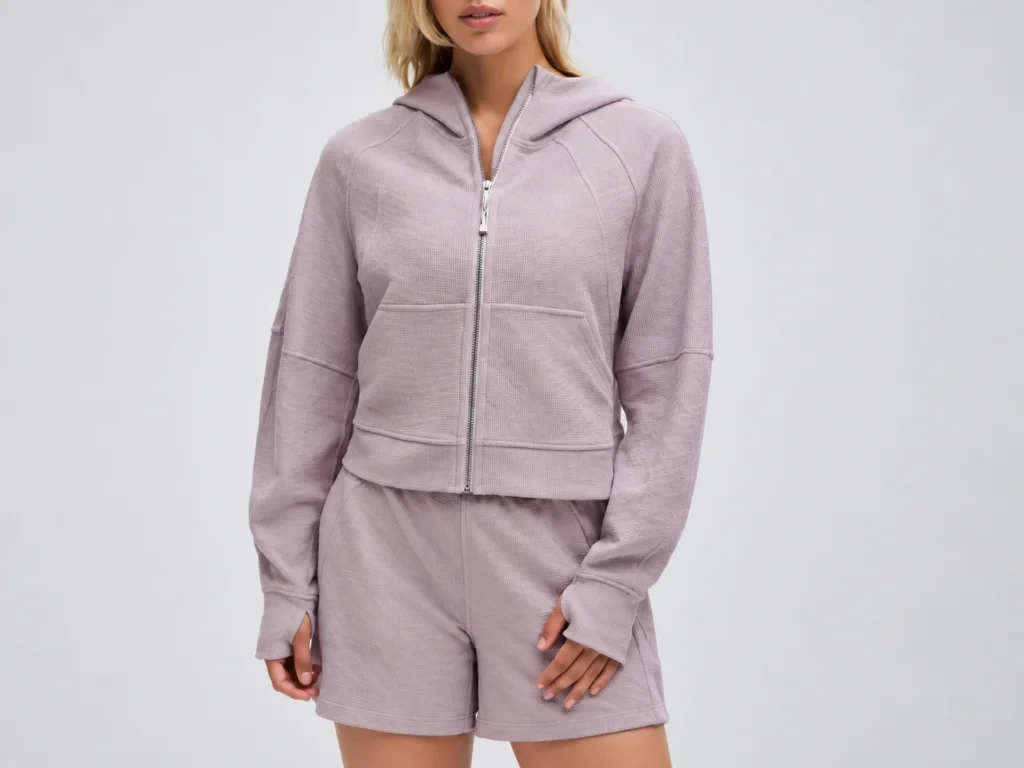
Full-Zip Hoodie
Specify the zipper length, type, tape and teeth color, puller, and whether the front should meet at the hem without stepping. The center front changes both pattern balance and decoration placement; a logo crossing a zipper needs a separate production decision. Record hood attachment, seam finishing, pockets, and reinforcement near the zipper ends. Review the zipped and open garment on a fit sample to assess balance before size grading and bulk cutting.

Half-Zip Hoodie
Identify the zip opening depth, end reinforcement, collar or neck shape, hood junction, and how the zipper sits when closed. The partly open neckline may need a different construction from either a pullover or full-zip style. Material thickness, facing choice, and stitch method influence bulk at the front. Ask for a sample showing the open and closed positions, and confirm artwork placement relative to the zipper before releasing the production file.
Where Hoodie Samples and Bulk Orders Can Diverge
Most avoidable differences begin as unresolved instructions. Identify the relevant risk before sampling and give production an approved reference for the same detail.
Fit Drift Across Sizes
A well-fitting base sample does not establish the entire size run. Record points of measure, measurement methods, grade values, and tolerances for every agreed size. Review at least the sizes needed to judge proportions and check shoulder drop, sleeve volume, body length, hood coverage, and hem opening. A sample comment should state the location and requested numerical change; general terms such as “looser” cannot serve as a final production instruction.
Fabric Substitution
Two materials with the same nominal weight can differ in drape, stretch, surface, and washing behavior. Identify the approved main fabric, hood material, and rib with physical or traceable references. If sourcing requires an alternative, assess how its changes affect the sample, decoration, price, and schedule before approval. A substituted sample must be clearly identified when it is not made in the eventual bulk fabric.
Hood and Pocket Details
Photographs may show the result without showing the pattern or internal assembly. Specify hood panel count, lining, opening, drawcord route if used, and neckline join. Set pocket shape, placement, openings, and stress-point reinforcement. Check symmetry and how a heavier pocket changes the garment front. Use a physical approval where the shape or hand feel matters more than a drawing can show.
Artwork and Decoration
Provide the final artwork version, finished dimensions, color references, technique, and placement measured from fixed garment points. An embroidery may stiffen a panel; a large print can behave differently on brushed fleece. Review an actual strike-off or decorated sample when appearance or durability matters. An approved digital mockup alone cannot settle surface feel, stitching density, or wash behavior.
Color and Size Identity
Match each hoodie, label, bag, and carton to the ordered style, color, and size. Supply the correct barcodes, folding rules, carton assortment, and any market-specific label text. Conflicting SKU information can create a receiving problem even when the garment itself is sound. Check the final packing sample separately from the fit sample and ensure revisions reach the production and warehouse teams.
Uncontrolled Revisions
Name the controlling sample and date each pattern, measurement sheet, material reference, artwork, and label file. When a change is approved, update affected instructions and consider cost or timing before release. Separate an unapproved suggestion from a production instruction. A single current specification reduces the chance of assembling the old fabric with a new logo or grading from an outdated measurement chart.
The Manufacturing Team Behind Your Hoodie Program
Leadshow’s figures cover its combined apparel operations. Use the details below to assess organizational fit, then request evidence relevant to the proposed hoodie rather than treating a company total as a style-specific promise.
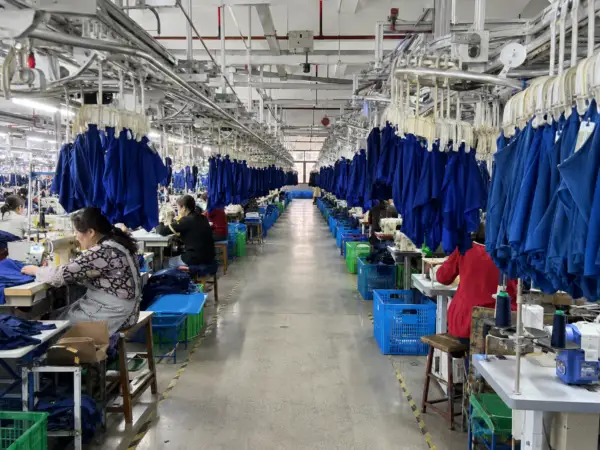
Apparel Development Experience
Leadshow has 15 years of apparel industry experience spanning product development and manufacturing. Its work includes sportswear, swimwear, streetwear, and modest sportswear; hoodies are within the confirmed product range. The team can review technical information, construction, and sample requirements. Ask to see the development record and sample type relevant to your planned fabric, fit, and decoration before settling the production basis.
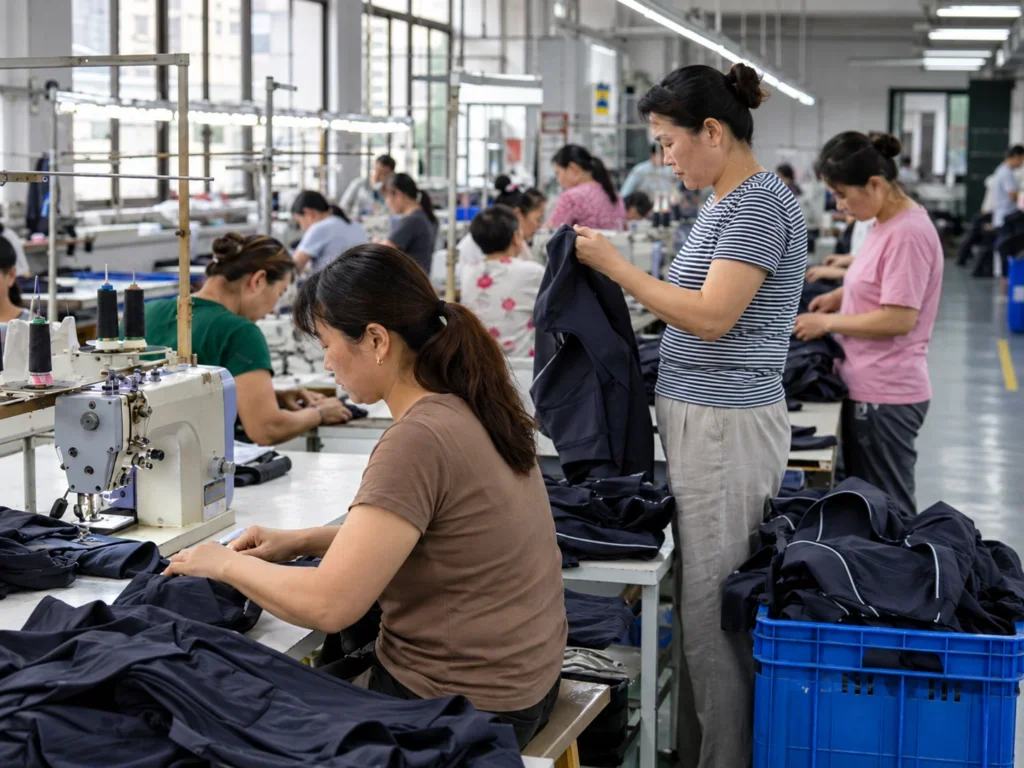
Three Manufacturing Bases
Leadshow operates three modern manufacturing bases. Their combined factory area exceeds 20,000 square meters; neither number describes a single site. A site visit or live production review should identify the facility and processes proposed for your order. The company is headquartered in Shenzhen, China, but its office address should not be assumed to be an address for all production sites.
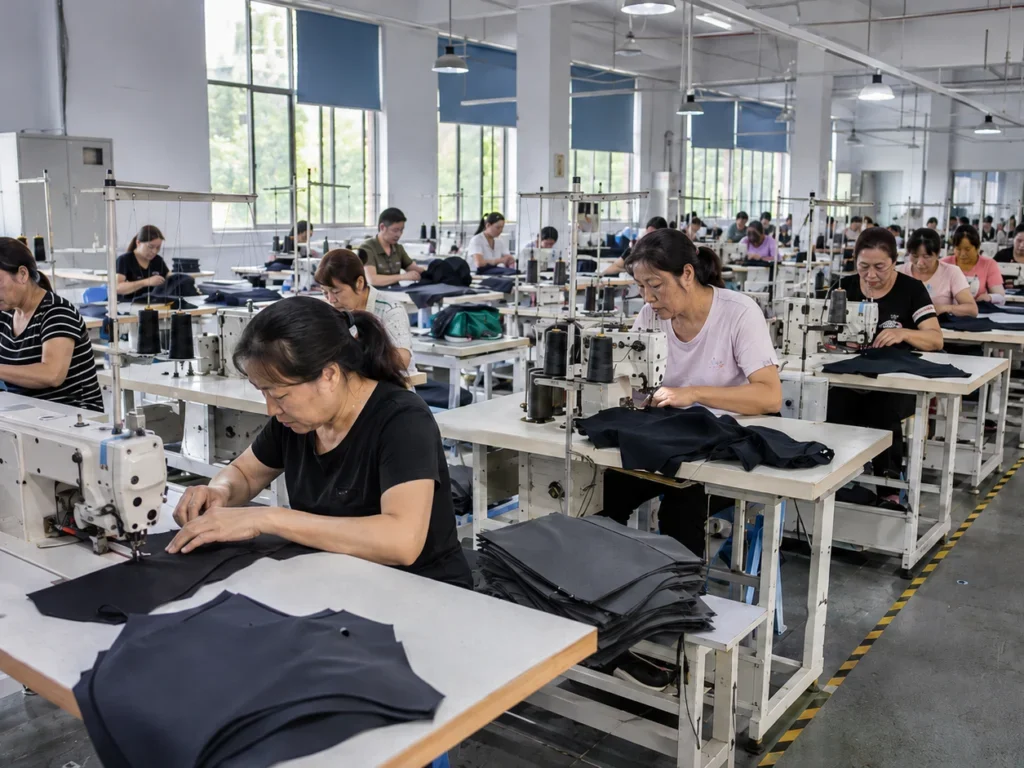
Cross-Functional Team
More than 1,500 people work across Leadshow’s combined operations. The R&D and engineering team is approximately 28 people, a changing reference count rather than a dedicated team assigned automatically to every order. Product assessment, sourcing, sampling, sewing, quality, and warehousing have distinct roles. Ask who will coordinate your project and how approvals and manufacturing changes will be recorded.
Apparel Manufacturing Equipment
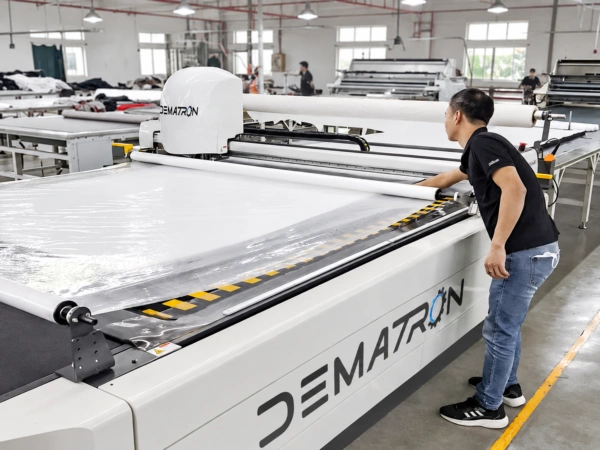
The company has more than 300 production, specialized-process, and finishing machines across its operations. Relevant examples include spreading, cutting, straight sewing, overlocking, double-needle sewing, bartacking, buttonholing, and needle detection. Equipment selection depends on the hoodie fabric and construction. A machine list is evidence of available processes, not a guarantee that every garment passes every special treatment.

Conditional Production Capacity
Combined monthly capacity across the three bases can reach approximately 120,000 finished garments, depending on construction, materials, processes, order mix, quality requirements, and the current schedule. This is a companywide reference. A confirmed slot and realistic completion date require the actual style, color and size breakdown, material readiness, approval status, and proposed order volume.

Traceable Quality Work
Leadshow can support incoming material checks, sample approval, process inspection, final garment review, and packing verification as applicable to the order. Set acceptance criteria, measuring method, and reference sample before bulk production. Request genuine inspection photographs or records for processes similar to your garment, with confidential data removed. Approved standards are more useful than an unverified universal defect-rate claim.
Choose Your OEM, ODM, or Private Label Route
The production route follows how complete your hoodie design is. Define which party provides the pattern, artwork, materials, approvals, and source files before sampling costs and timing are fixed.
OEM from Approved Specifications
Send the current tech pack, sample or approved fit block, graded measurements, fabric and trim references, artwork, and quality requirements. Leadshow reviews the construction and sourcing assumptions, identifies missing decisions, and discusses sampling or a suitable preproduction confirmation. A complete OEM file may move to technical review faster than a concept-led design, but existing documents still need checking against the physical sample and intended order.
ODM Development Support
Send sketches, inspiration, a reference garment, or a clear description of the intended fit and wear. The team can discuss pattern adjustment, materials, construction, and sample development for an agreed scope. Approve the chosen design direction and components through identified sample revisions. Clarify ownership and delivery of patterns or source files in the project agreement when those details matter to your brand. “ODM” does not imply unlimited original design work or revisions.
Private Label Production
Specify the brand mark, logo technique, placement, neck and care labels, hangtags, barcodes, and presentation requirements. Provide final artwork and destination-market information before approval. The finished garment and its retail pack need separate checks: a correct hoodie with the wrong care text or size sticker is still unsuitable for your channel. Order-specific packaging and component minimums can affect the quote and applicable MOQ.
Select Hoodie Fabrics Around the Intended Garment
Fabric affects far more than the first impression of a sample. It influences weight, drape, warmth, seam behavior, printing, shrinkage, and the final dimensions after care. Identify the result you need before fixing a material reference.
Match the Fabric Specification to the Garment You Intend
A fleece and a French terry can produce noticeably different interiors and finished shapes. Composition matters, but it is only one part of the specification. Record the fabric structure, weight in gsm, usable width, color, hand feel, stretch where relevant, and any planned brushing, washing, or finishing. Note whether the hoodie is meant to hold a structured silhouette or fall more softly. The pattern and sample should be assessed in a material close to the intended production quality; a substitute can change the result.
Think about the materials used together. Cuffs and hem rib need appropriate recovery and a compatible appearance. A double-layer hood adds weight around the neckline. A pocket in the main fabric may behave differently from one using a separate lining. Decoration also affects material selection: a dense embroidery area or large print should be reviewed on the proposed fabric, not approved from artwork alone.
If a precise fabric is already approved, send its supplier reference and a swatch where possible. If sourcing remains open, provide the required feel, appearance, intended use, and any tests or care expectations. Leadshow can discuss candidate materials and sampling implications for the individual project. Before bulk production, confirm the approved fabric reference, color, trims, and sample standard. Any proposed substitution should be presented for approval because a material change can affect fit, appearance, cost, or timing.

Develop a Hoodie Fit Across the Size Range
A tech pack states the intended result. Pattern and construction review tests how its parts work together in fabric. Areas that look simple in a flat drawing can behave differently when cut, sewn, worn, and washed.
Review the Pattern and Construction Before Fixing Production Instructions
Fit starts with relationships between measurements, not isolated numbers. A wider chest may need a corresponding change to the shoulder, armhole, sleeve, or hem to preserve the intended silhouette. A dropped shoulder changes where sleeve length is assessed. A double-layer hood adds weight at the neck. We review relevant design details against the supplied measurements, fabric direction, and reference garment, then identify decisions that should be settled in a sample.
Construction needs the same joined-up view. A large kangaroo pocket can pull on the front panel; its position and attachment should be considered with fabric weight and any nearby print. A zip front affects center-front balance and the alignment of panels. Rib tension influences the shape of the hem even when the body panel is cut to the stated width. Stitch and seam choices must suit the material and the finish the brand expects.
Leadshow supports product information review, structure and process assessment, pattern adjustment, and sample development according to project requirements. Where an instruction creates a conflict, the team can discuss an adjustment for approval. A proposed change is not an automatic rewrite of the design: it needs to preserve the intended appearance and be reflected in the specification. The sample then becomes a chance to test the agreed choices before quantities, grading, and production planning are finalized.

Specify the Details That Define Your Hoodie
A bill of materials connects the design to sourcing and costing. List each component separately, even when several pieces share a color. Mark any item still awaiting a supplier, swatch, or approval so the quotation reflects the available information.
Component
Information to supply
Approval reference
Main body fabric
Composition, structure, weight, color, finish, supplier reference if available
Approved swatch or agreed specification
Hood material
Same fabric or separate lining; color and construction
Hood sample and material reference
Cuff and hem rib
Structure, stretch, recovery, width, color
Rib swatch and finished sample
Drawcord and hardware
Material, diameter or size, color, tips, eyelets if used
Component samples
Zipper, if applicable
Type, length, teeth, tape, puller, color
Approved zipper reference
Thread and decoration
Thread color; print, embroidery, or transfer specifications
Artwork and application sample
Labels and hangtags
Dimensions, material, wording, placement
Approved artwork and physical reference
Packaging
Folding, bag, sticker, carton, barcode requirements
Approved packing instructions
Plan Hoodie Branding Around the Actual Fabric
Brand details should be tested against the chosen material and approved on the physical garment. The placement, scale, and care requirements belong in the current production file.

Print and Transfer
Provide artwork at finished dimensions with colors and a placement measured from a stable garment point. Identify the intended technique and assess opacity, hand feel, stretch, and wash behavior on the selected fleece or French terry. A large front graphic may behave differently near a pocket seam or zipper. Review an actual application where appearance matters; maintain separate approval references for artwork and garment fit.

Embroidery and Patches
Specify design size, thread colors, backing, position, and patch edge or attachment method when applicable. Dense stitching can affect drape on a soft panel, so check the decorated sample worn or laid flat. Small lettering may need adjustment at production scale. If the brand uses several sizes, decide whether the logo location remains fixed from one seam or is graded; write that rule into the artwork placement sheet.

Labels and Packaging
Supply main, size, and care label artwork with material, dimensions, wording, and attachment positions. Define hangtags, polybag or alternative pack, barcode location, folding, and carton assortments where applicable. Required fiber content, care, origin, and other claims should be confirmed for the final materials and destination. Review a finished packing sample if the retail presentation is critical. Customer brand artwork may be shown publicly only with permission.
Turn Hoodie Samples into Clear Production Instructions
Sampling gives a design team a garment to measure, wear, and inspect. The most useful feedback identifies a location, the observed issue, the intended correction, and the version of the sample being reviewed.
Compare Each Sample Against the Same Approved References
Begin by checking the sample against the measurement sheet and measuring method. Record actual measurements in the specified units, then review fit on the intended body type or fit form. Look at shoulder position, sleeve movement, body length, hood shape, pocket access, and hem behavior. Appearance should be reviewed in the intended fabric or a clearly identified development substitute. If a substitute was used, confirm which observations can carry over to the final material.
Separate fit comments from construction and branding comments. “Make the sleeve better” leaves the next adjustment open to interpretation. “Increase sleeve width at the upper arm while keeping the cuff opening” gives a more useful direction, provided the exact revised measurement is approved. Photographs with marked locations can help, but the approved change should also appear in the updated written file.
Sampling time depends on the complexity of the hoodie, availability of fabric and trims, development work required, and how quickly decisions and materials are approved. Leadshow can discuss a project-specific sample schedule after reviewing those inputs. The number and scope of revisions should also be agreed for the project. Once the sample is approved, retain its identification alongside the revised tech pack, material references, and artwork. Production should begin from the agreed version rather than a mix of earlier comments and later files.
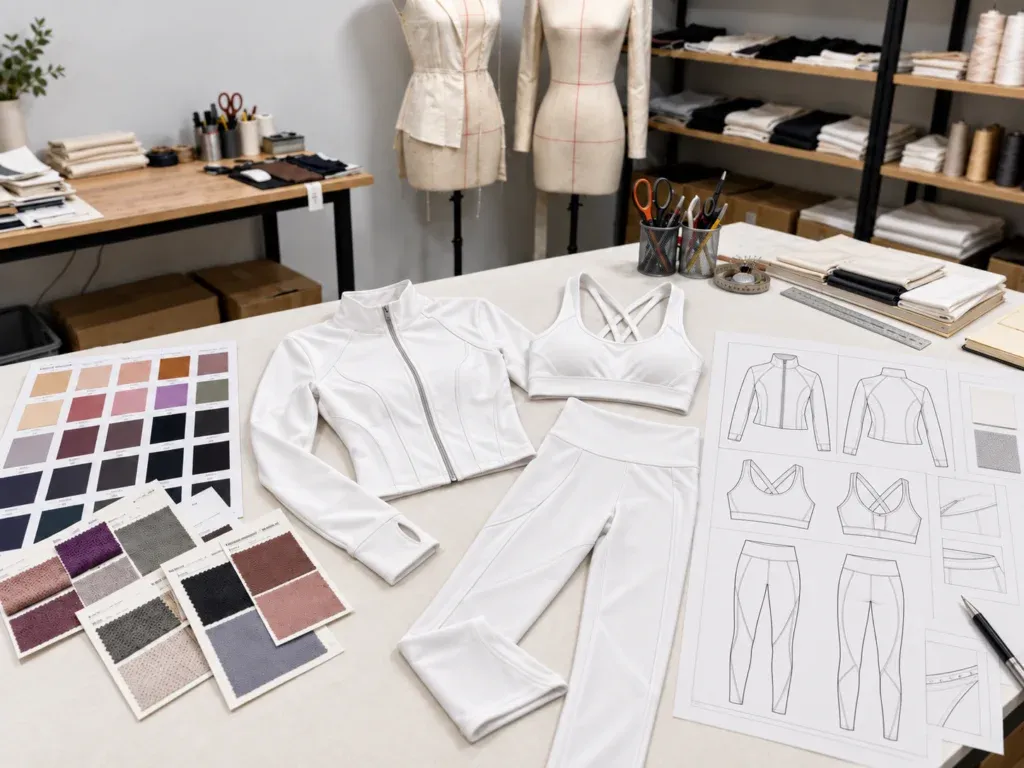
Follow Your Hoodie from Brief to Shipment
The sequence changes with the maturity of the supplied files. Each stage should have an agreed output or approval so the next team can act on a current reference.

Review the Project Brief
Send sketches, a tech pack, or a reference sample along with the intended market, product type, size range, colors, quantities, branding, and requested delivery window. Leadshow can identify gaps affecting feasibility or quotation. An early discussion can proceed with open details, but label those items provisional. Record what you will supply, what the manufacturing team will assess, and which material or fit decisions have to be made before sampling starts.
Confirm Materials and Pattern
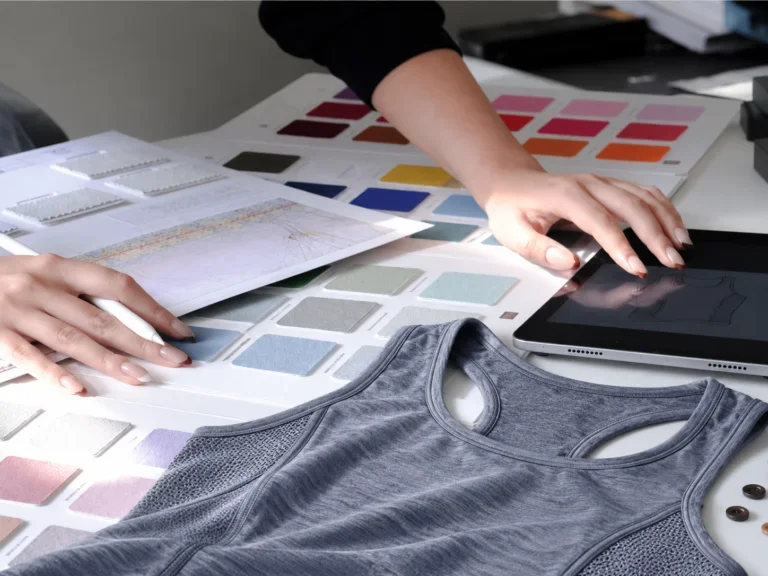
Compare candidate body fabric, rib, lining, drawcord, zipper, and other components with the intended construction. Develop or adjust the base pattern against agreed fit references and measurement methods. If a substitute fabric is used for the first sample, mark it clearly and assess which conclusions can transfer to the approved material. Confirm source references and availability before a color or price is treated as final.

Sample and Approve
Measure and wear-test the sample against the approved chart. Check hood shape, shoulder and sleeve balance, pocket use, closures, decoration, and finishing. Consolidate feedback by sample revision and provide specific requested changes. Where appropriate, assess a preproduction confirmation or small trial for a risk-sensitive construction. Only the identified approved sample and matching file revisions should become the bulk production reference.
Prepare and Sew Bulk
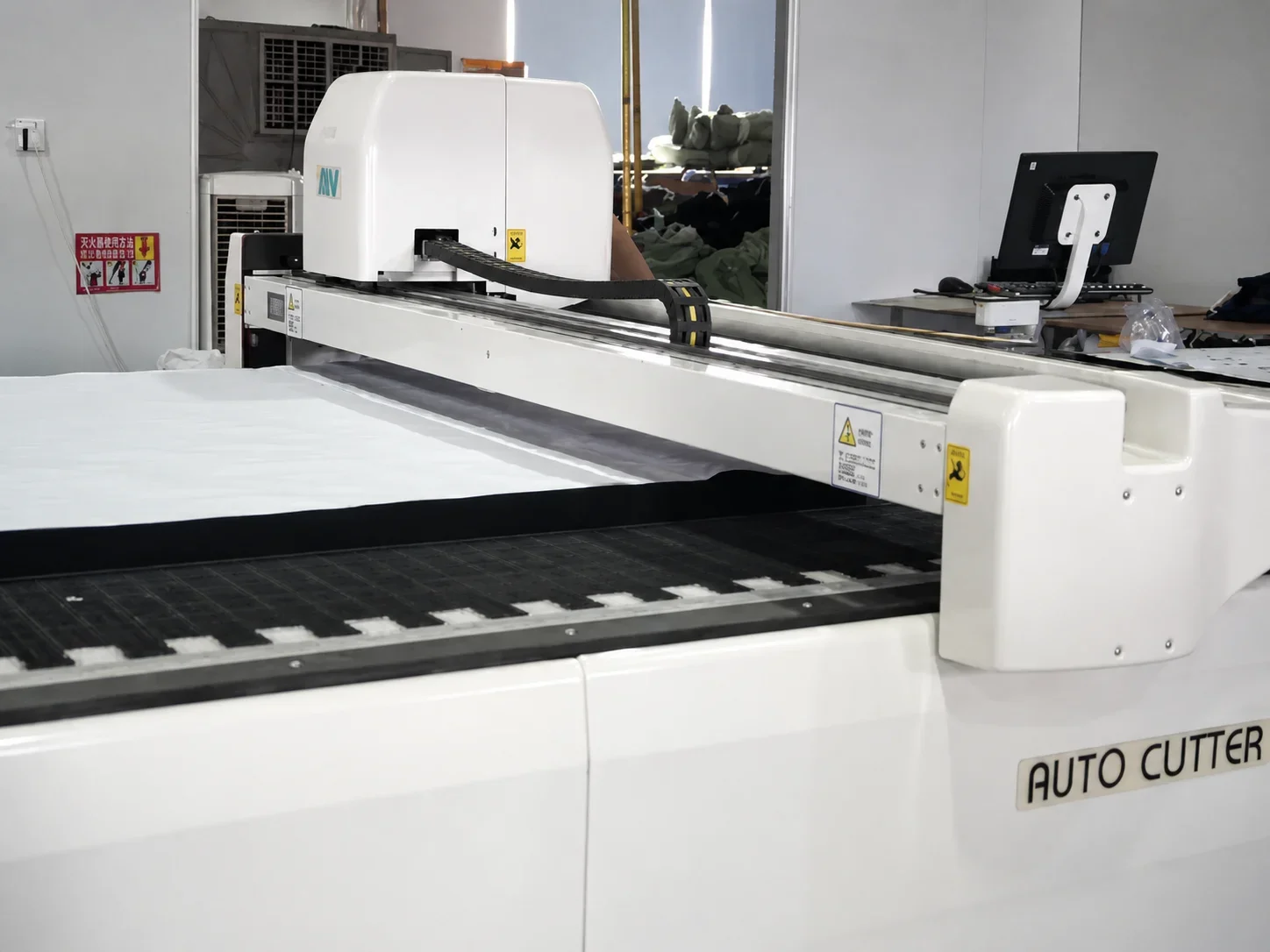
Release the correct patterns, size breakdown, materials, trim references, artwork, labels, and packing instructions to the production team. Cutting and sewing methods depend on fabric thickness and garment design. Check first pieces or early production against the approved sample so a problem can be corrected before it appears across the order. Changes after release need a written review of cost, timing, and affected departments.

Inspect and Identify
Agree the order’s measurement points, tolerances, workmanship criteria, decoration reference, and inspection scope. Confirm style, color, and size identification on the garment and pack. Record deviations and the agreed corrective action. Needle detection may be used for applicable garments, but it does not replace material testing, fit inspection, or the rest of the quality plan.
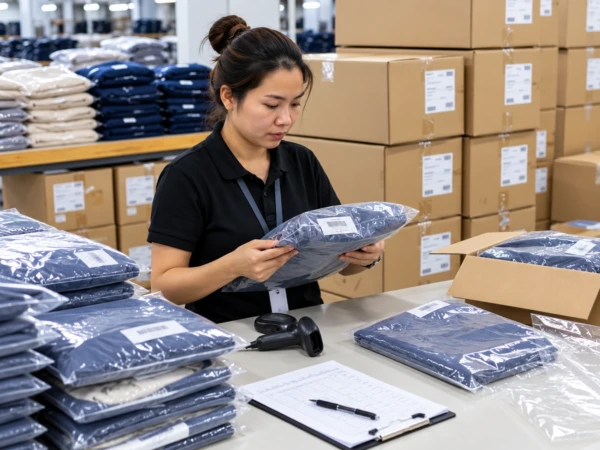
Pack and Arrange Dispatch
Check folding, individual identification, barcode data, carton assortment, and carton marks against the order breakdown. Agree shipment terms and documentation for the destination and logistics plan. A delivery date should be discussed after materials, approval milestones, the current production schedule, and shipping method are known. Retain approved records for potential replenishment and clarify what can be repeated without renewed material approval.
See Equipment Relevant to Hoodie Production
The equipment below is part of Leadshow’s combined operations, not a dedicated hoodie line. Select a process for the actual fabric, construction, and approved finish; request a factory demonstration or records where relevant to qualification.
Production stage
Confirmed equipment count
Possible hoodie application and boundary
Fabric spreading
5 automatic spreading machines
Prepare suitable fabrics before cutting; not every material is suitable for automatic spreading.
Cutting
3 computerized cutting machines
Repeated cutting from an approved pattern; no claimed speed or zero-error guarantee.
Material pretreatment
3 preshrinking or setting units
Pretreat selected fabrics; does not guarantee zero shrinkage.
Basic sewing
80 computerized direct-drive lockstitch machines
Panel assembly, topstitching, and local construction as specified.
Knit-edge sewing
25 four-thread overlock and 40 five-thread overlock machines
Selected knit seams and secured edge construction.
Parallel stitching
15 double-needle machines
Selected visible parallel seams and hem finishes.
Reinforcement
6 bartack machines
Reinforce suitable pocket or zipper stress points.
Openings and hardware
4 computerized buttonhole and 4 snap-setting machines
Appropriate openings or fasteners after a construction review.
Finishing check
6 automatic needle detectors
Check applicable garments for potential needle-type metal contamination.
Check Hoodie Quality Against an Approved Standard
Quality requirements should be agreed before production, with a reference for fit and appearance. The checks below describe useful control points; the inspection plan and acceptance criteria are confirmed for the individual order.
Control point
What to check
Reference for the decision
Incoming materials
Fabric identity, color, visible condition, trims, labels
Approved material and component references
Cutting preparation
Pattern version, size identification, fabric direction
Released pattern and size specification
Sewing and assembly
Seams, hood and pocket construction, zipper or drawcord if used
Approved sample and construction notes
Decoration
Artwork version, color, position, application appearance
Approved artwork and placement instructions
Finished garment
Measurements, fit-related points, workmanship, visible defects
Agreed measurement method and inspection criteria
Packing
Size and color identification, labels, folding, barcode, carton details
Approved packing specification and order breakdown
Understand MOQ and Build an Accurate Hoodie Quote
A useful quote states its assumptions. Send your expected quantity by design and color, size breakdown, material direction, branding, packaging, and requested dates. Sample and bulk schedules can then be discussed against the actual work and available production capacity.
Decision
Leadshow’s stated basis
What must be confirmed for your hoodie
MOQ
Generally starts at 100 pieces per color per design
Fabric and trim minimums, construction, decoration, labels, and packaging may change the applicable quantity
Unit quotation
Assessed for the specified product and order
Fabric, trim, make, decoration, size and color mix, quantity, and packing requirements
Sample cost and scope
Quoted for the individual project
Development work, materials, decoration trials, and agreed revision scope
Sample time
A project-specific schedule is discussed after review
File completeness, pattern work, material availability, process trials, and approval speed
Bulk production time
Confirmed against the approved specification and current schedule
Material readiness, order mix, construction, quantity, production slot, and approvals
Delivery planning
Discuss the required ship or arrival window early
Packing, destination, shipping method, export requirements, and the agreed production schedule
Plan Bulk Hoodie Orders and Later Replenishment
An approved sample is a reference point. Bulk production also needs the latest measurements, materials, artwork, quantities, and packing instructions in a form that the relevant teams can follow.
Release One Agreed Version for Materials, Sewing, and Packing
Before bulk release, confirm the style revision and approval status of the pattern, size chart, grade rules, fabric, rib, trims, decoration, labels, and packaging. Record quantities by design, color, and size. If a small-batch trial or preproduction confirmation is appropriate for the project, agree what it must verify and how its outcome will be approved. The purpose is to connect the development decisions to the components and instructions used in production.
A change made after sample approval can affect more than one department. Replacing a fabric may alter fit or print behavior; changing a logo size may affect artwork and application; adjusting packaging can change labeling or carton requirements. When a change is requested, identify the affected references and review any implications for cost and schedule before the updated instruction is released.
Leadshow’s manufacturing, quality, and logistics functions support the route from development into bulk production and shipment preparation. The actual production plan depends on construction, materials, quantities, order mix, and the available schedule. Agree inspection criteria and the approved sample reference before work advances through the production stages. At the end, packing and shipment documents should follow the confirmed order requirements. A clear release record helps each team work from the same hoodie specification and gives the brand a traceable basis for reviewing the finished order.

Prepare Branded Hoodies for the Intended Channel
A retail, ecommerce, or distribution order can require different garment identification and presentation. Define channel requirements early enough for label and pack samples to be approved before bulk finishing.
Retail-Ready Presentation
Provide approved brand, size, care, and origin wording as required for the actual market and material. Specify hangtags, size stickers, individual folding, bag type, barcode placement, and any store receiving rules. Approve artwork separately from the garment sample, and check a physical packed example if appearance matters. The brand or destination authority must verify legal labeling and claims; an unconfirmed test result or certificate should not be printed on the product.
Ecommerce Fulfilment
State whether each style-color-size unit needs its own barcode or SKU label and where it must appear. Provide the data file and identify whether packs are single units or specified assortments. Folding and bag choices affect finished dimensions, freight, and handling. Check that the outer carton identifies the correct items and quantity. Packing and warehouse teams need clear written rules that can be verified without interpreting a product sketch.
Multi-Market Dispatch
If the order serves several destinations, split requirements by market before labels and carton markings are printed. Care wording, language, barcode formats, retailer instructions, and shipment documents may differ. Agree which party verifies each market requirement, then release the right artwork and order breakdown for each shipment. Export support and dispatch timing are planned for the specific order; the Shenzhen office address is not presented as every manufacturing base or warehouse.
Review the Evidence Behind a Manufacturing Proposal
Assess the facility, development process, and order controls against the requirements of your hoodie. Request current, permission-cleared proof that maps to the claims you need to verify.
Question for Leadshow
Evidence to request
Decision it helps support
Is hoodie development supported?
Relevant fit sample, pattern discussion, or redacted revision record
Whether the team can address your garment construction and size range.
Where would the order be made?
Current facility information and genuine process photographs or a visit
Which site and route are proposed for the actual order.
How are materials approved?
Identified swatches, trim references, and approved component record
Whether the sampled quality can be repeated in bulk.
Can the required processes be handled?
Relevant machine list and process example, including any external work
Whether decoration, stitching, and finish match the specification.
What controls the production version?
Approved sample ID and current pattern, measurement, artwork, and BOM revisions
Whether teams are working from the same instructions.
How is finished quality judged?
Agreed inspection criteria and redacted measurement or issue records
How deviations will be identified and resolved.
How will labels and packs be checked?
Finished packing sample, SKU rules, and carton plan
Whether the shipment matches the channel’s receiving requirements.
Do not infer certifications, brand endorsements, published test results, or guaranteed delivery dates from a facility photograph. Agree the evidence and document review relevant to your product and intended market.
Hoodie Manufacturing Frequently Asked Questions
These answers cover common starting decisions for a custom hoodie order. Quote, materials, development scope, approvals, and schedule are confirmed against the requirements of each project.
Does Leadshow manufacture custom hoodies in China?
Yes. Hoodies are within Leadshow’s confirmed product range. The team supports apparel development, sampling, project-based OEM or ODM manufacturing, private labels, quality review, and export delivery support. Discuss the proposed production location for your actual order.
Which hoodie styles can I discuss?
Pullover, full-zip, and half-zip structures can be reviewed. Confirm the actual hood, opening, pocket, shoulder, rib, and closure details for the proposed design. A construction must be assessed against fabric and sample requirements before feasibility is agreed.
Can I start without a finished tech pack?
Yes. Send sketches, reference photographs or a garment, desired fit, fabric direction, quantity, and market. Leadshow can discuss what must be specified before a reliable sample and quotation. Mark open decisions clearly.
What is the standard hoodie MOQ?
MOQ generally starts at 100 pieces per color per design, subject to fabric, trim, construction, and customization requirements. Special colors, labels, decoration, or supplier minimums may raise the applicable quantity.
Can I request my own fabric and logo?
Provide the material reference and final artwork, or describe the intended fabric and decoration. The method and physical result should be reviewed for the selected material before approval; availability, supplier requirements, and testing needs vary by project.
Which sizes can be manufactured?
The agreed size range follows your approved chart and grading. Provide a base-size sample, point-of-measure diagram, target values, and tolerances. There is no universal Leadshow hoodie size chart assumed for every brand.
How long does hoodie sampling take?
A project-specific schedule follows review of files, pattern work, material and trim availability, decoration trials, and approval steps. Share your deadline and the present approval status to receive an informed estimate.
How is a bulk production date confirmed?
The order schedule depends on approved samples and files, material readiness, construction, quantity and mix, quality requirements, and current production scheduling. State whether your date refers to dispatch or arrival.
How do I know bulk goods match the sample?
Identify the approved sample and release matching pattern, size chart, materials, artwork, labels, and packing instructions. Agree inspection points, measuring method, tolerances, and how deviations are handled before production.
Can Leadshow support reorders?
Long-term reorder support is within the service scope. Keep approved samples and component references, then reconfirm material availability, requested quantities, changes, and the current schedule before a repeat order is priced or dated.
Send Your Hoodie Project to Leadshow
Tell us where the hoodie project stands today: concept, reference sample, completed tech pack, sample correction, supplier comparison, or approved bulk order. Attach available flats, measurements, bill of materials, photos, artwork, and the latest approved sample comments. A partial brief is welcome when unfinished items are identified clearly.
State whether you need a pullover, full-zip, or half-zip garment and describe the intended wearer, fit, body fabric, rib, hood, pocket, and decoration. Include the number of designs and colors, quantity per color and design, size range, target market, packaging rules, and the date you hope to dispatch or receive the order. If a particular measurement, material, or quality requirement is mandatory, highlight it so the first review addresses the right decisions.
Shenzhen Leadshow Sports Technology Co., Ltd. can review the supplied information, discuss the development route, identify details affecting feasibility and MOQ, and prepare a project-specific basis for quotation and scheduling. The business team handles enquiries Monday to Saturday, 9:00 AM–6:00 PM (GMT+8). You can contact Cody Lu at cody@leadshowfashion.com or via WhatsApp at +86 137 5118 0452.