
Gym Wear Manufacturer
From Product Specifications to Scalable Gym Wear Manufacturing
Shenzhen Leadshow Sports Technology Co., Ltd. supports gym wear projects from product evaluation and sample development through bulk manufacturing, quality checks, branded labels and packaging.
- Sports bras, sports T-shirts, yoga leggings, running shorts, tank tops, jumpsuits, tracksuits, hoodies and sweatshirts.
- OEM, ODM and private-label development based on Tech Packs, reference products or defined concepts.
- Pattern, fit, fabric, construction and manufacturing-feasibility review before bulk production.
- Multi-style, multi-color, multi-size and branded packaging support.
- Manufacturing built around approved specifications rather than generic stock garments.
Gym Wear Manufacturing for Different Sourcing Programs
Gym wear projects differ greatly in product maturity, order structure and internal approval requirements. Leadshow works with defined commercial programs where product specifications, sample approval, manufacturing execution and long-term supply matter more than simply purchasing ready-made garments.
Established Activewear Brands
Mature sportswear brands often arrive with existing Tech Packs, measurement charts, approved materials, fit standards, quality manuals and packaging rules. Their priority is usually not basic product development but reliable transfer of an established standard into a new manufacturing environment. Leadshow can support specification review, sample validation, material coordination, production preparation and bulk execution according to approved project requirements.
- Existing garment measurements and grading logic
- Fabric, trim and color references
- Stitching and construction requirements
- Logo, label and packaging versions
- Quality checkpoints and shipment preparation
- Repeat-order specification continuity
Growing Gym Wear Brands
Growth-stage brands often have proven styles but need better production scalability, stronger product execution or a wider collection. Projects may involve improving an existing legging, adding sports bras or training tops, developing new colors, or moving from smaller production runs into more structured repeat orders. Leadshow can review existing products, drawings, measurements and production concerns before proposing the next development route.
- Reducing unnecessary sample revisions
- Improving pattern and material compatibility
- Building coordinated product collections
- Preparing clear bulk specifications
- Managing growing SKU counts
- Maintaining approved details across repeat orders
Importers and Distribution Programs
Importers and distribution companies often manage several styles, colors, sizes and packaging versions within a single purchasing program. Manufacturing therefore needs to support not only garment production but also organized SKU, labeling, packing and shipment preparation. Leadshow can coordinate multi-product manufacturing requirements based on individual product specifications and order structure.
- Style number and product name
- Color and size breakdown
- Quantity and SKU reference
- Label version and packaging method
- Carton requirements and shipment plan
Private-Label Programs
Private-label programs require much more than adding a logo to a standard garment. Fabric, fit, construction, branding and packaging all influence whether the finished product matches the intended market position. Leadshow can coordinate private-label requirements such as product construction, colors, brand artwork, main labels, size labels, care labels, hangtags, individual packaging and carton markings according to approved files.
- Product reference or Tech Pack
- Intended market and product positioning
- Size and fit direction
- Fabric and hand-feel targets
- Brand artwork
- Quantity by design and color
- Packaging and SKU requirements
What Strong Gym Wear Manufacturing Requires
Large apparel programs usually compare factories across product development, materials, fit, sampling, production control and supply execution. The six capabilities below describe where gym wear manufacturing decisions are most likely to affect product quality and commercial performance.
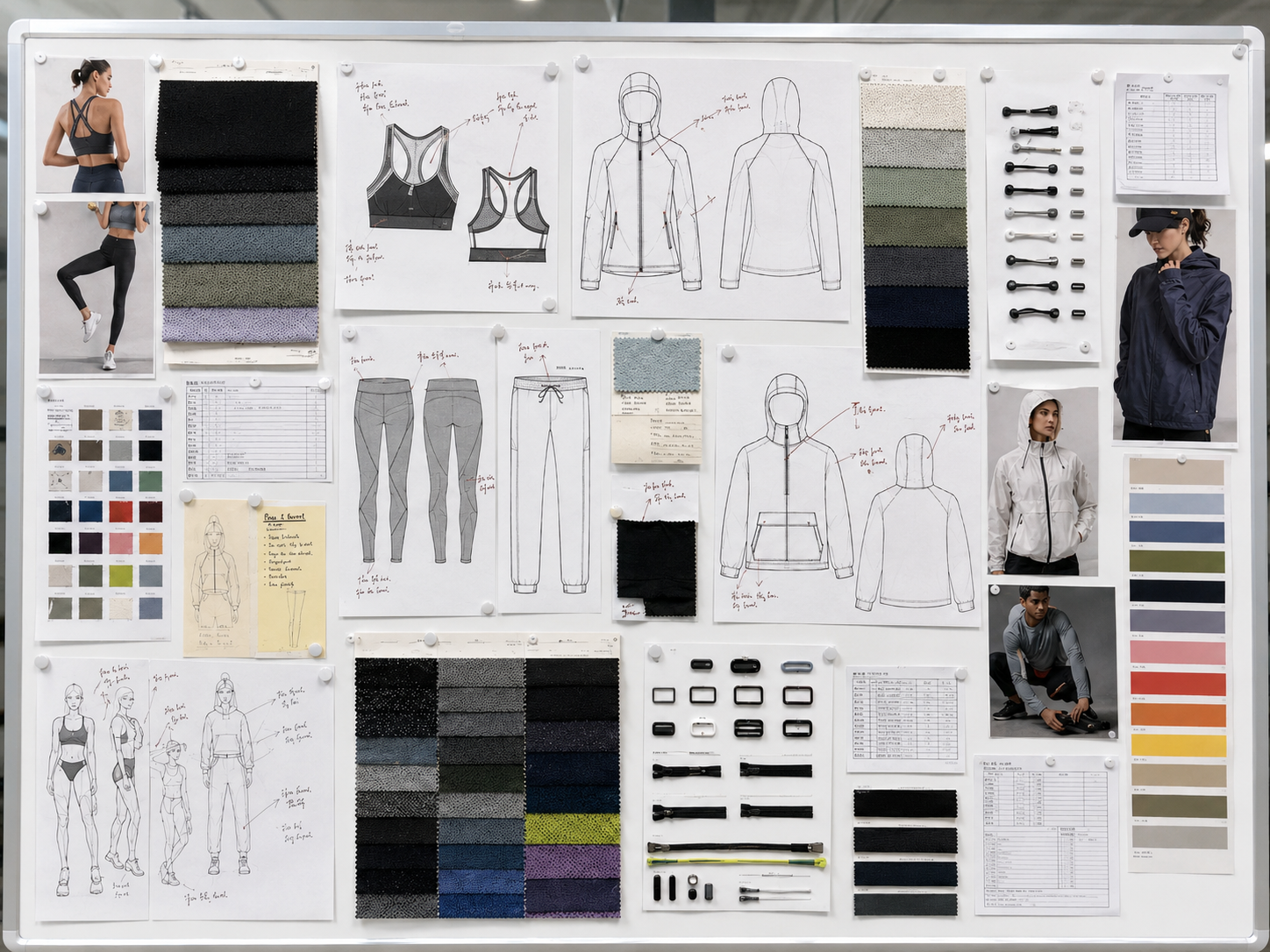
Product Development Capability
A gym wear manufacturer needs to understand how a design becomes a manufacturable garment rather than simply confirm that a style can be made. Leadshow reviews available product information and identifies areas requiring clarification before sampling or bulk preparation.
- Product structure
- Seam placement
- Panel configuration
- Waistband or underband construction
- Pocket and opening details
- Material compatibility
- Required special processes
- Production feasibility
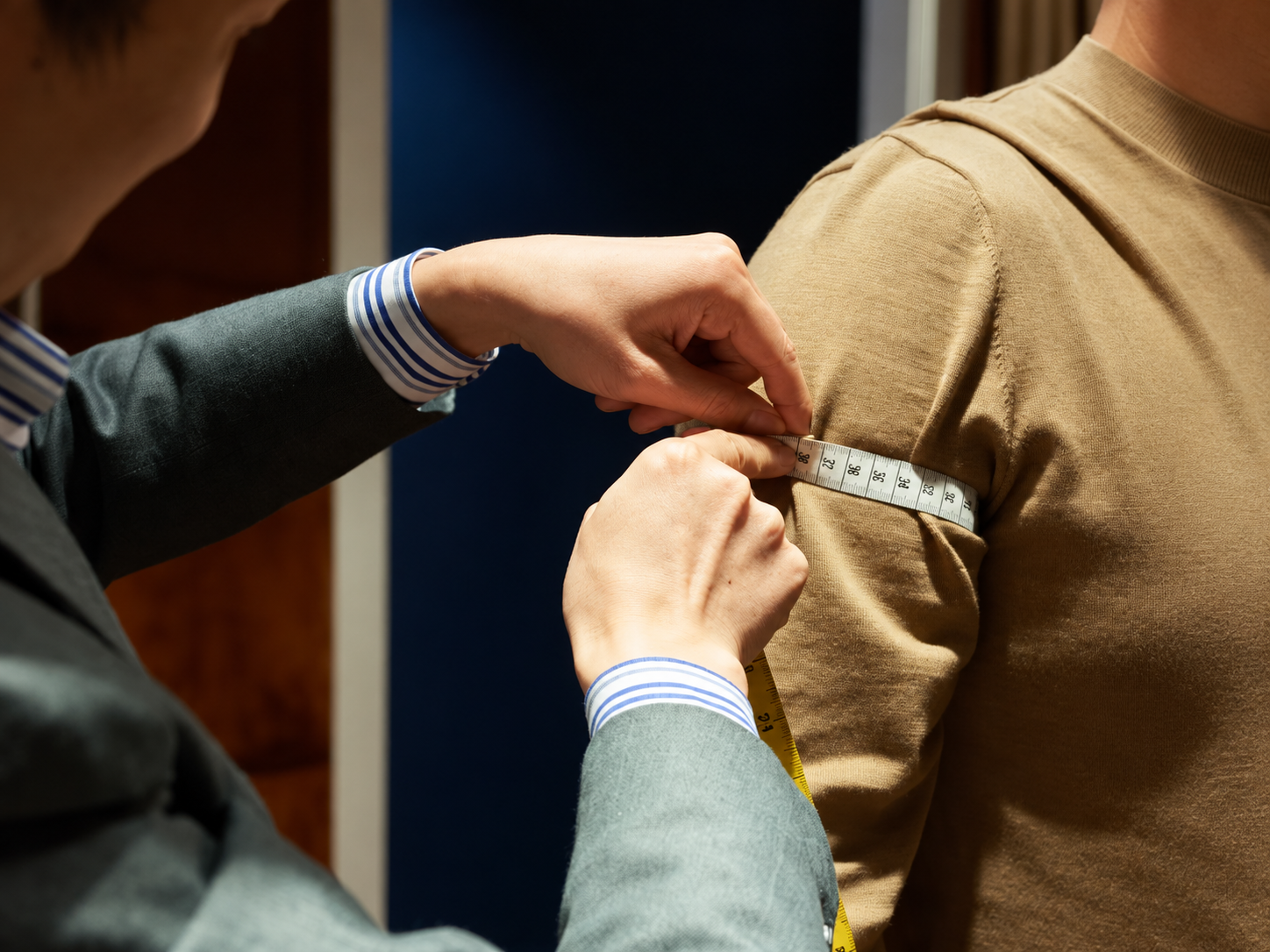
Pattern and Fit Control
Fit has a direct effect on gym wear performance because many products remain close to the body and must accommodate movement. Pattern development cannot be separated from fabric stretch, recovery, intended compression, garment length and target market.
- Measurement charts
- Reference samples
- Base-size specifications
- Brand fit standards
- Fit comments
- Approved garment measurements
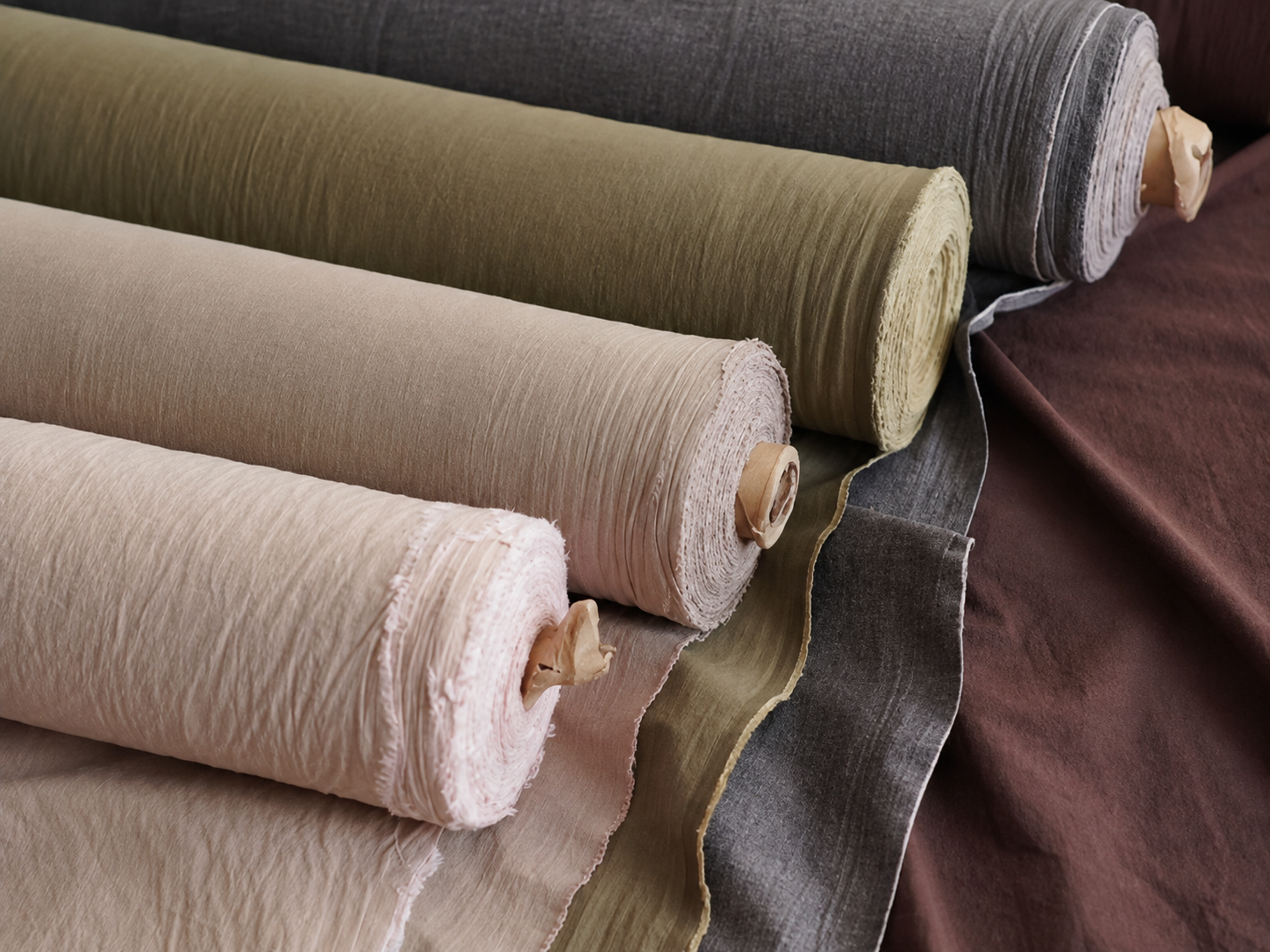
Material and Construction Review
Gym wear materials influence appearance, stretch, recovery, coverage, comfort, sewing behavior and production stability. Selecting fabric only by fiber name can create problems when two fabrics with similar composition behave very differently in use.
- Fiber composition
- Fabric structure
- GSM
- Width
- Stretch direction
- Recovery
- Surface
- Color
- Hand feel
- Supply MOQ
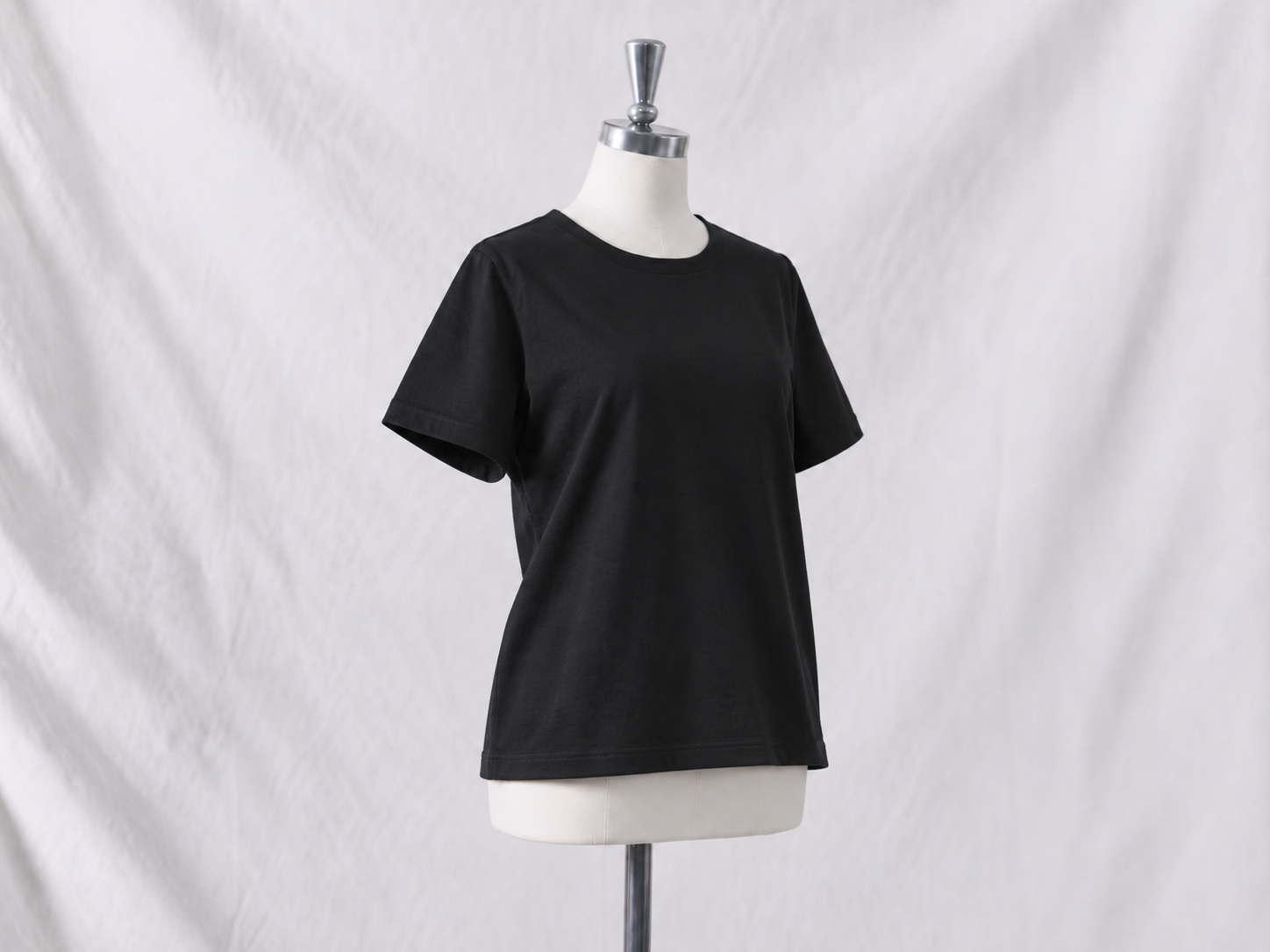
Sample Validation
Sampling establishes a manufacturable reference rather than merely producing one demonstration piece. A first sample can reveal issues in fit, construction, seam placement, fabric behavior, Logo position or component selection before the same issues reach bulk production.
- First-sample construction
- Fit and measurement checks
- Movement assessment
- Fabric and trim review
- Artwork placement
- Revision comments
- Approved-sample preparation
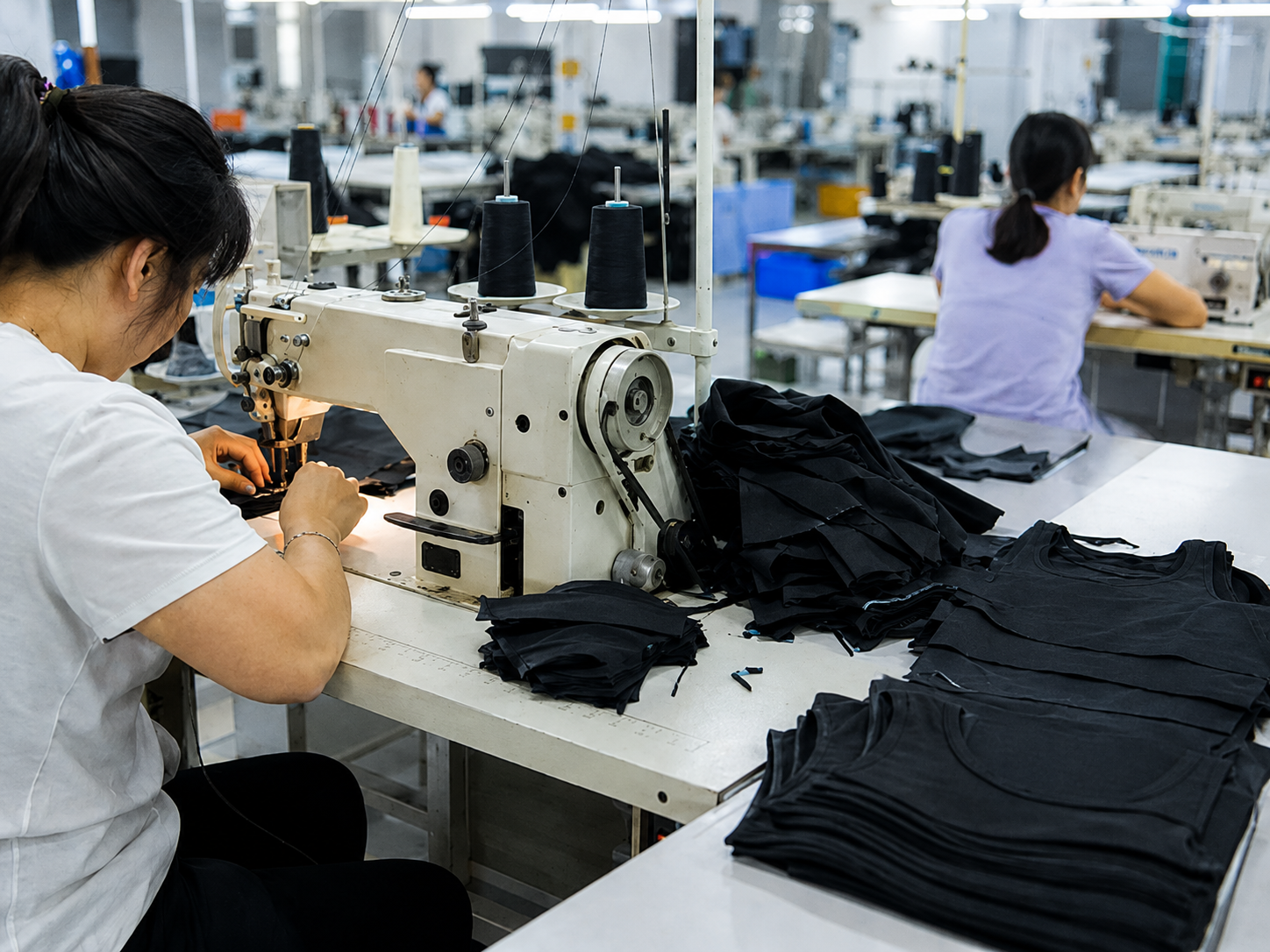
Bulk Manufacturing Readiness
Bulk manufacturing starts with a controlled set of approved information. Production preparation becomes more reliable when the approved sample, latest pattern, measurement chart, BOM, material references, artwork, labels and packing instructions are aligned.
- Material readiness
- Cutting requirements
- Sewing construction
- Special processes
- Order quantities
- Color and size matrix
- Packaging
- Production scheduling
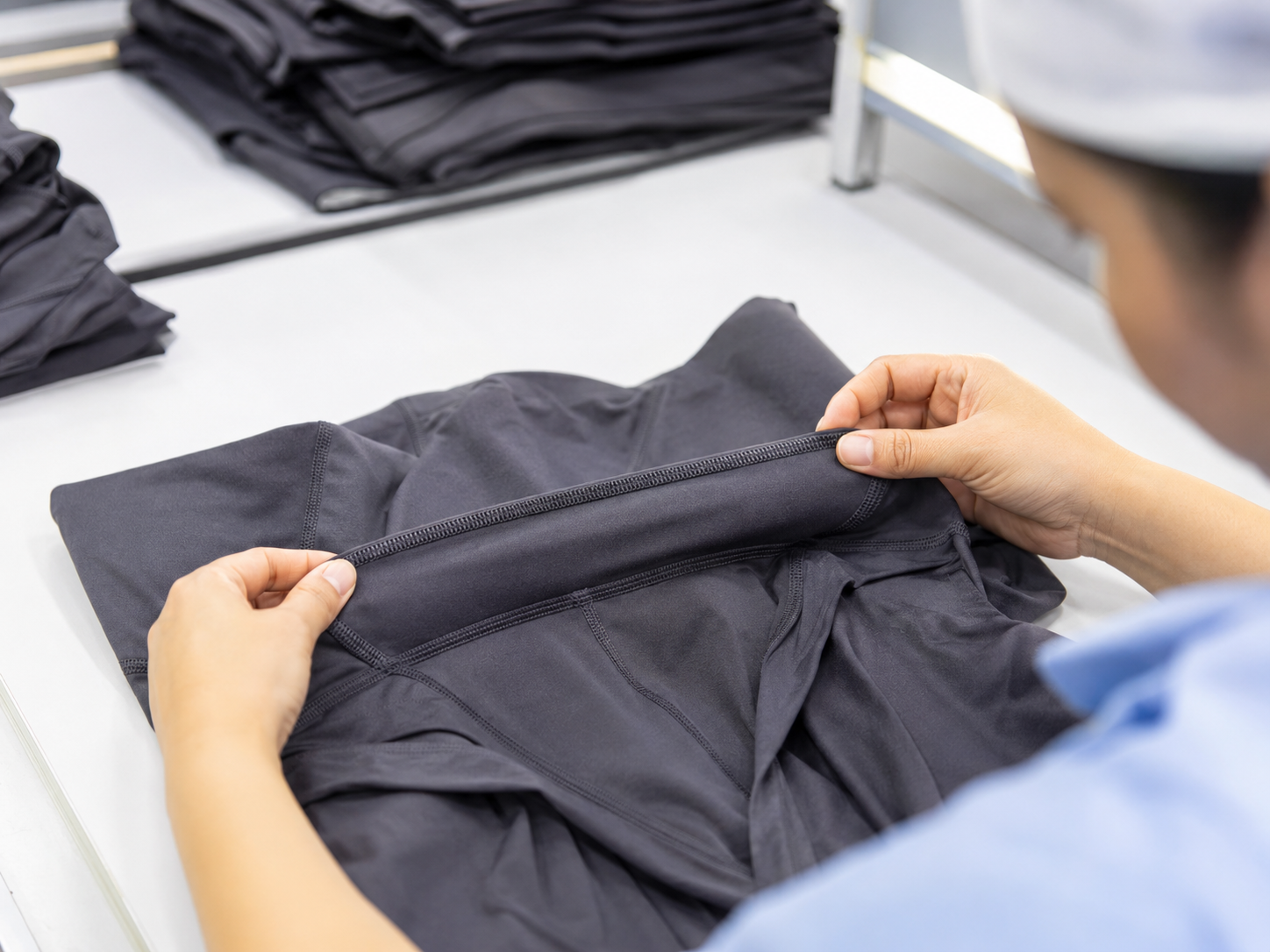
Quality and SKU Execution
Gym wear programs frequently involve several colors, sizes, styles and branded packaging versions. Accuracy becomes increasingly important as the SKU matrix grows.
- Material checks
- Measurement checks
- Construction and workmanship
- Logo placement
- Labels
- Color and size identification
- Packaging
- Carton information
Gym Wear Products Available for Custom Development
Leadshow’s confirmed sportswear portfolio covers several core products commonly used in training and activewear collections. Development starts from each garment’s fit, construction, material and intended use rather than applying the same specification to every style.
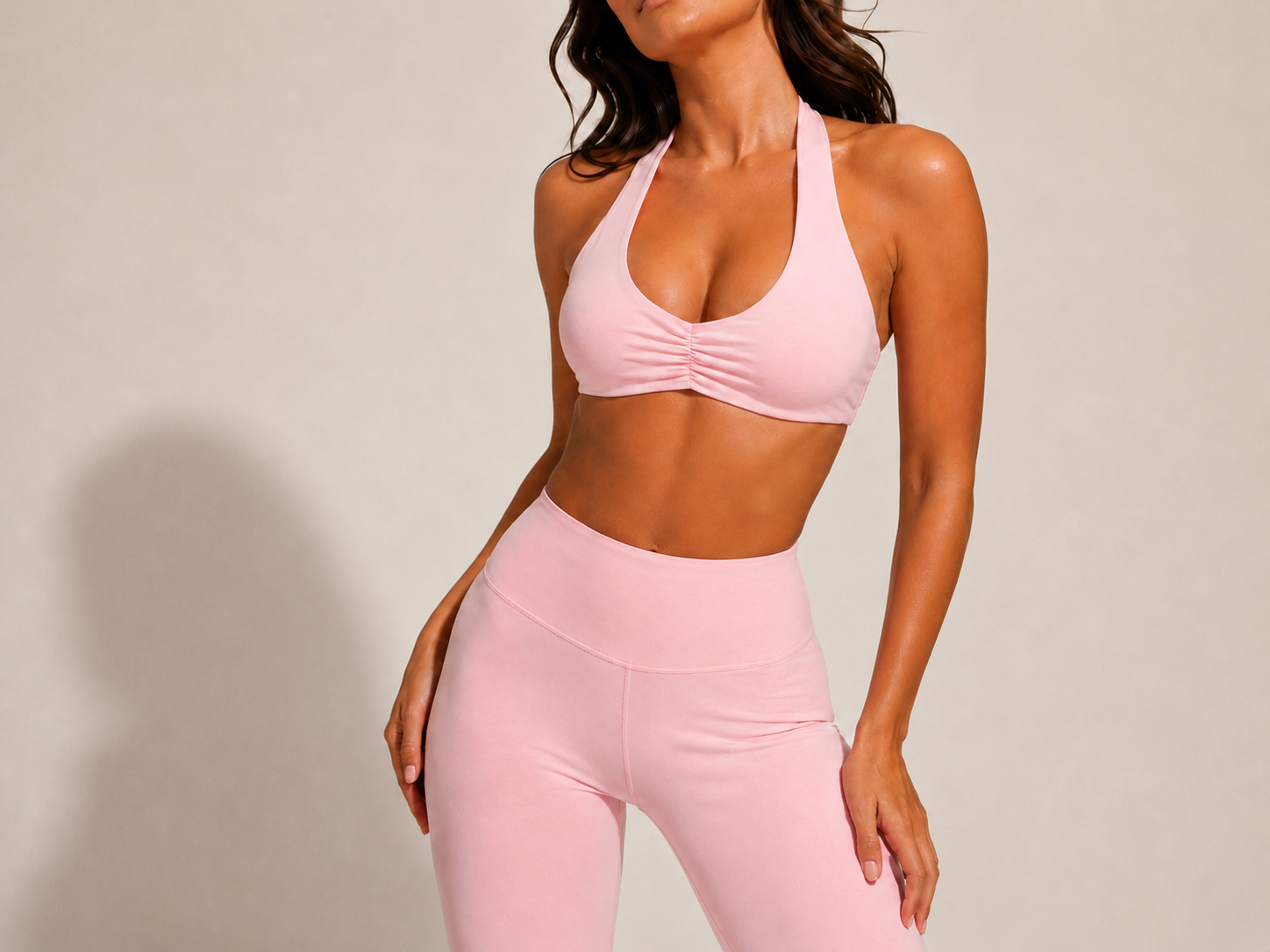
Sports Bras
Sports bras require coordinated decisions across support direction, shoulder straps, underband construction, padding, coverage, fabric recovery and size grading. Development can cover fixed or adjustable straps, underband construction, padding direction, lining, stretch-compatible seams, Logo placement and size requirements. Support level and performance should be validated through the actual material, pattern, sample and agreed evaluation method.
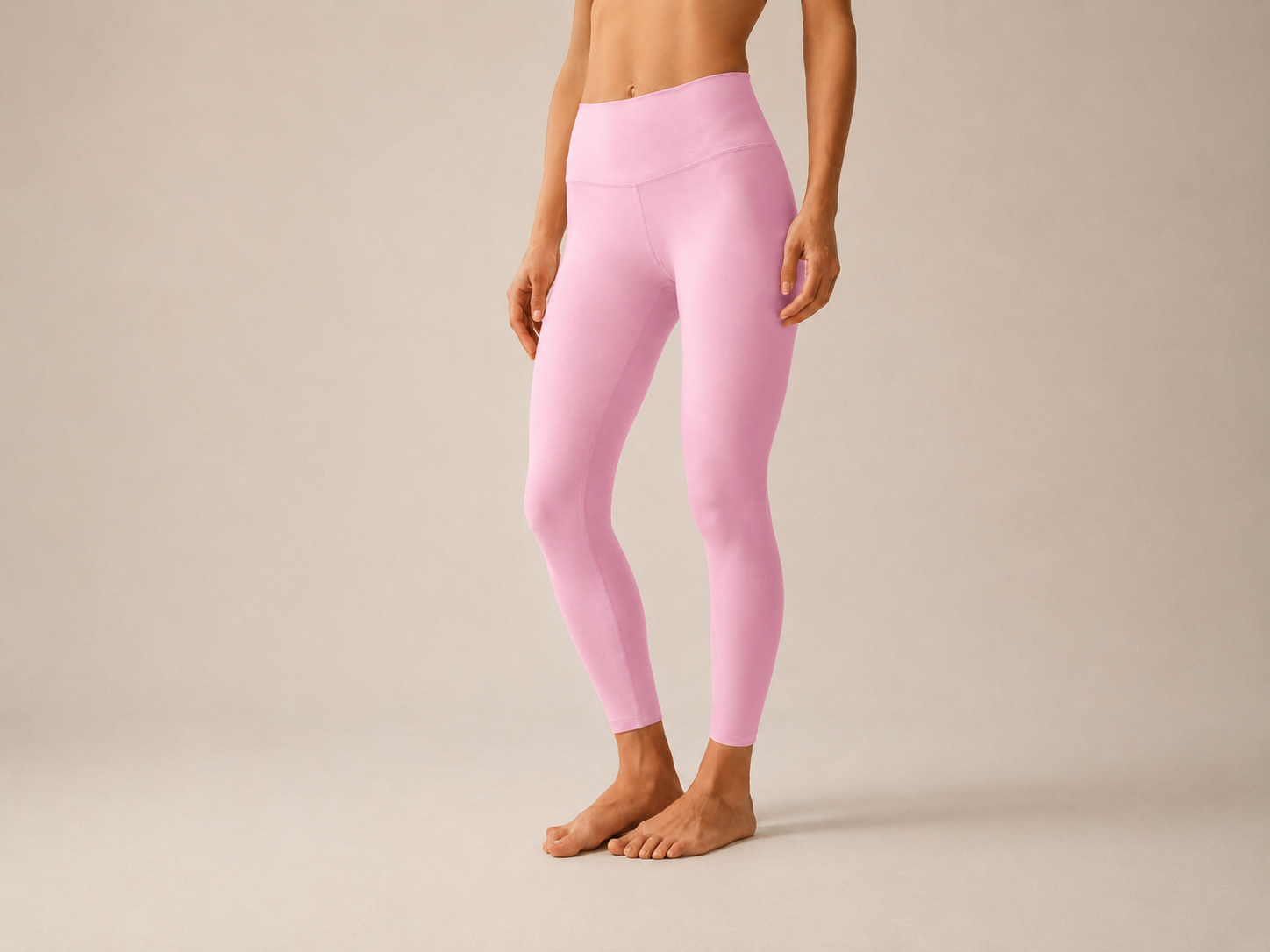
Yoga Leggings
Yoga leggings depend heavily on waistband stability, rise, inseam construction, gusset design where applicable, fabric stretch, recovery and coverage. Development can focus on waist height, front and back rise, panel placement, pocket construction, stretch-compatible seams, hand feel, color and grading. Sample review should include relevant movement positions before bulk approval.
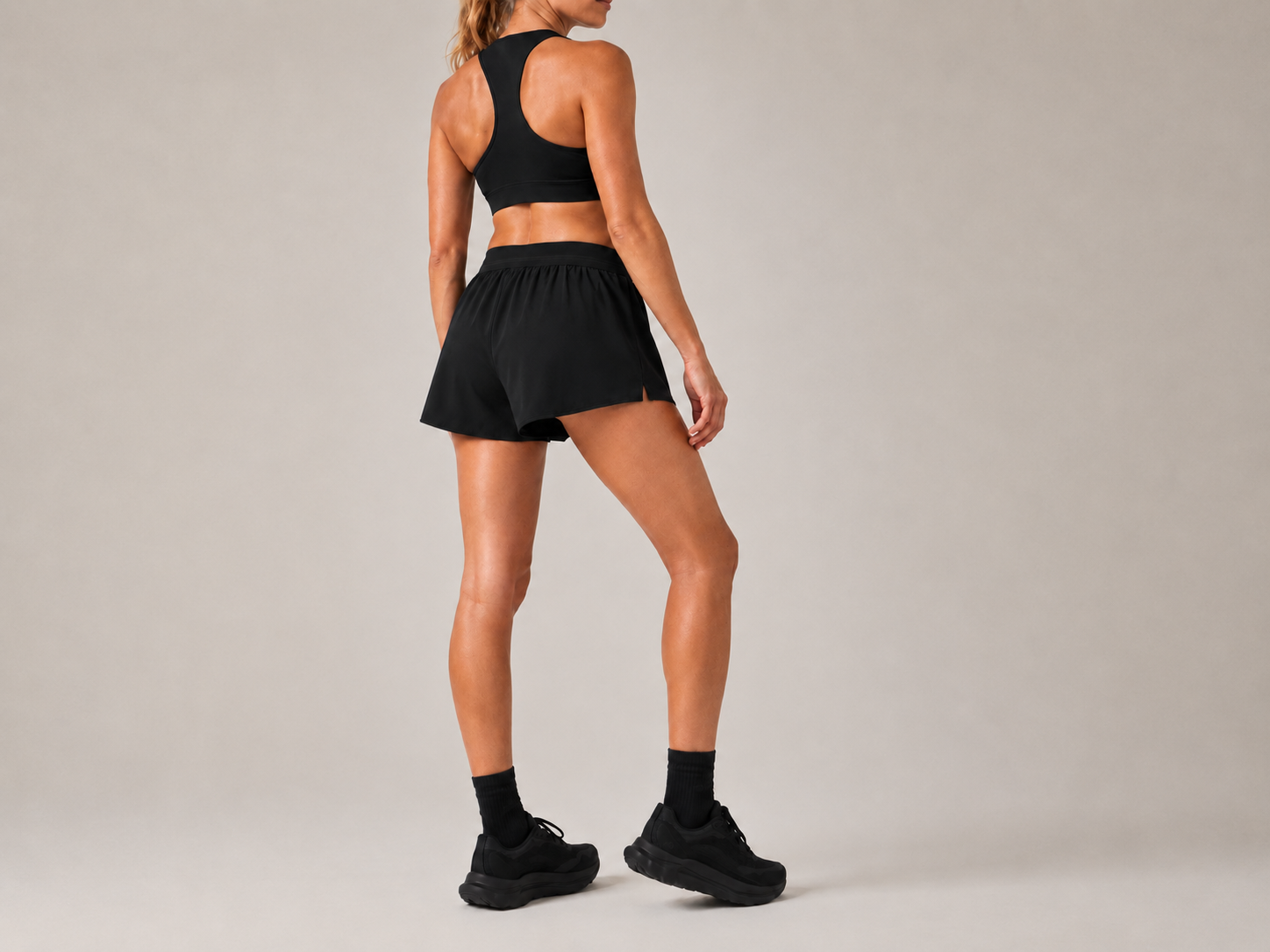
Running Shorts
Running shorts need to balance movement, waistband stability, pocket requirements, hem or side-opening design and material weight. Leadshow can review waistband and elastic structure, pocket placement, side opening, main fabric, lining where applicable, bartack reinforcement, Logo position and size requirements.
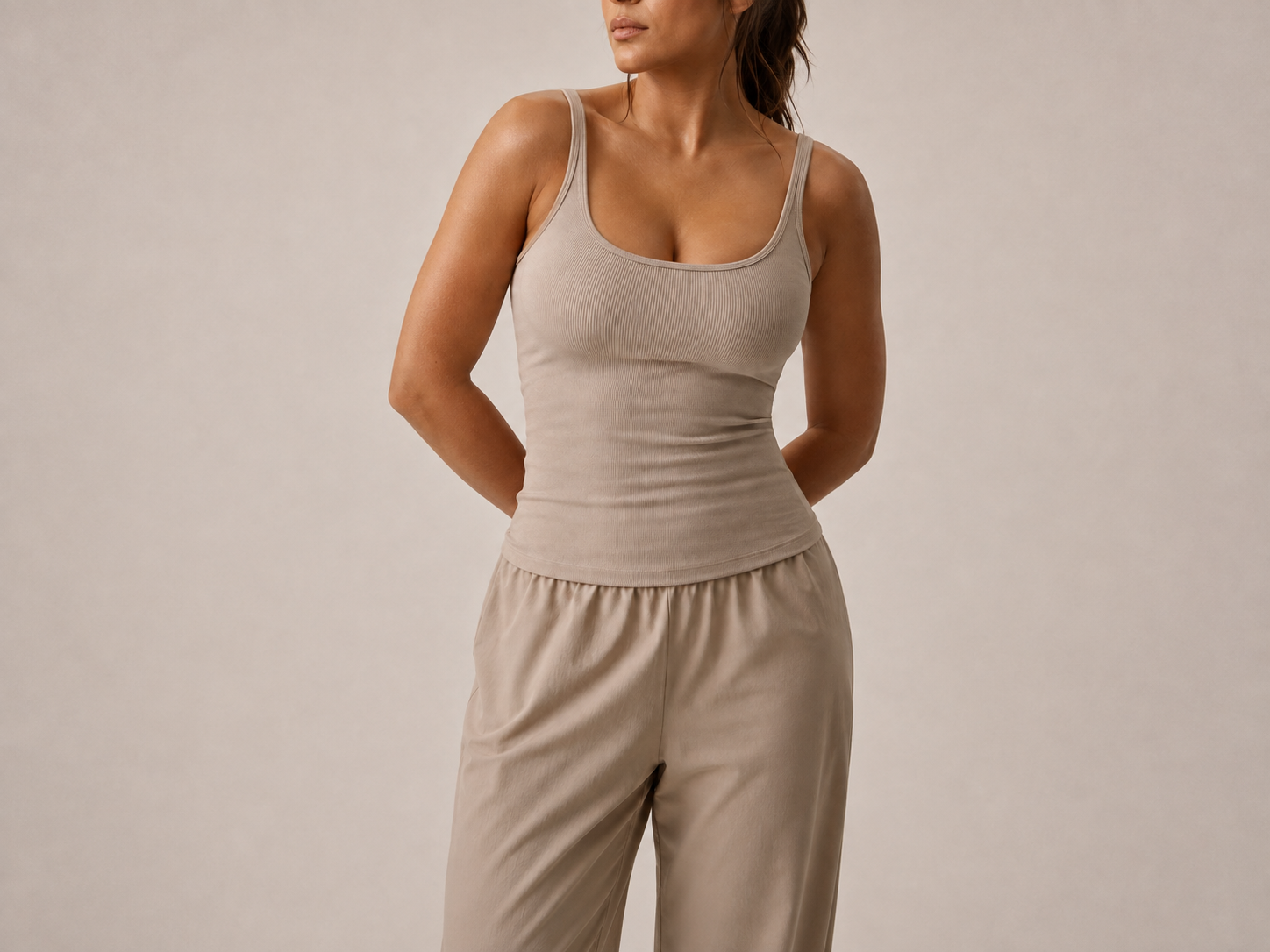
Tank Tops
Training tank tops may appear simple but fit, armhole shape, neckline, shoulder width, fabric weight and seam placement strongly influence wearing comfort. Development can include regular or fitted silhouettes, neckline, armhole shape, garment length, fabric selection, stretch, hem construction, heat-transfer branding and size grading.
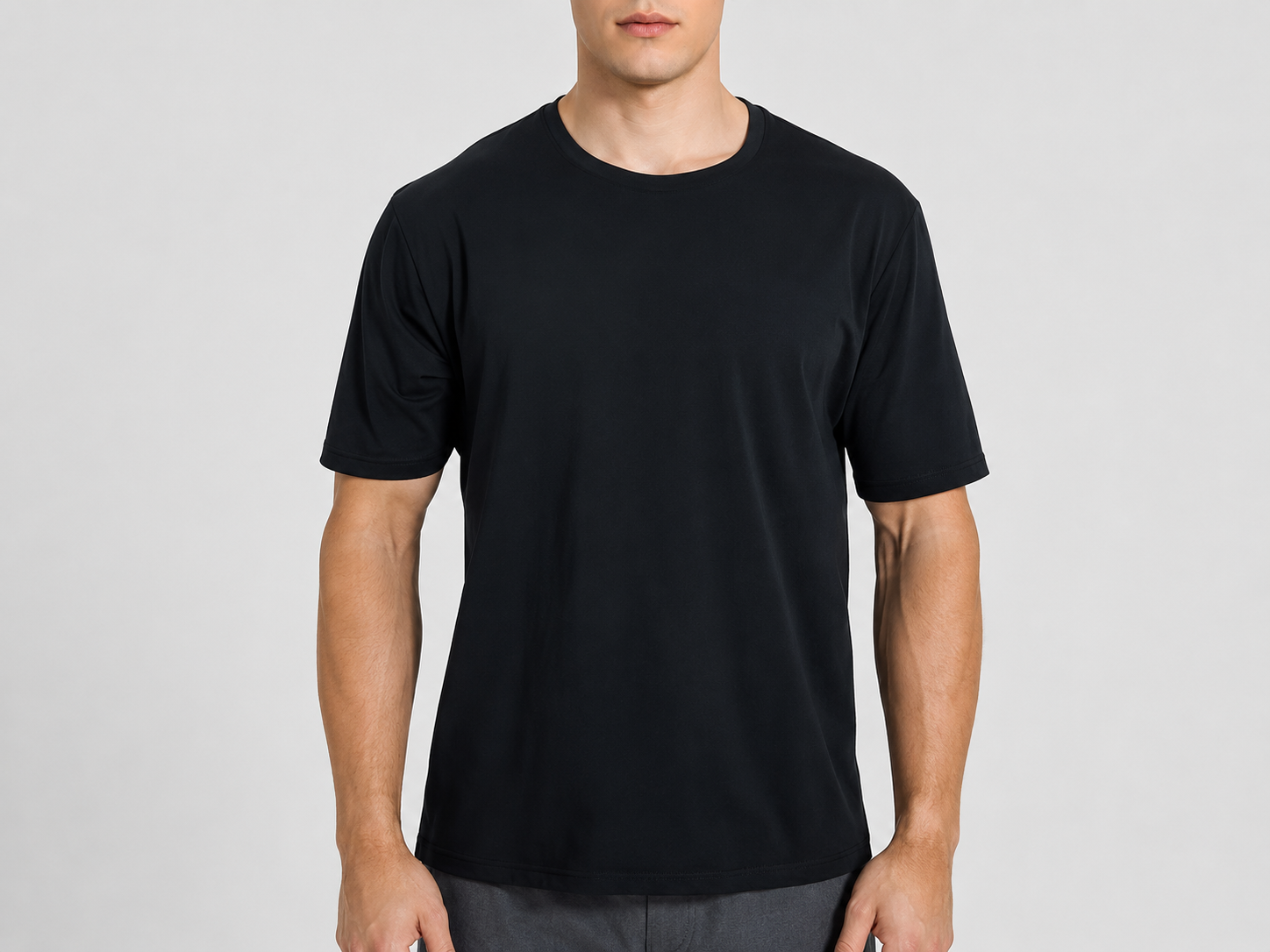
Sports T-Shirts
Sports T-shirts can be developed for training, warm-up or active-lifestyle collections according to fabric, silhouette and expected movement. Leadshow can evaluate neckline, sleeve, fit direction, main fabric and GSM, stretch, shoulder and armhole construction, heat-pressed graphics, labels and packaging.
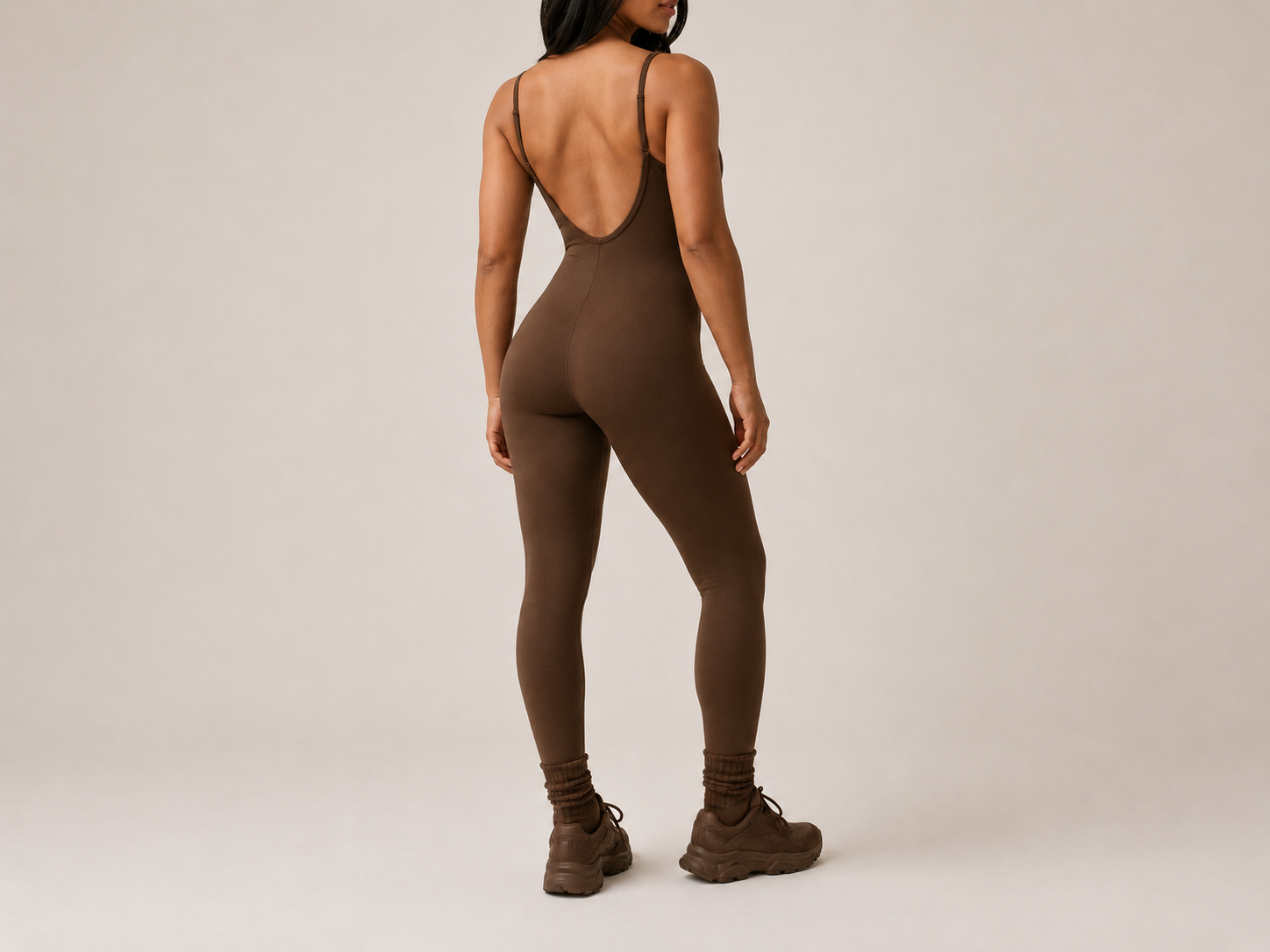
Jumpsuits
Active jumpsuits require careful control of torso length, waist position, body rise, leg length and multi-panel construction. Development may include torso proportion, shoulder and neckline structure, waist definition, hip and rise measurements, leg shape, stretch fabric, seam placement and entry structure.
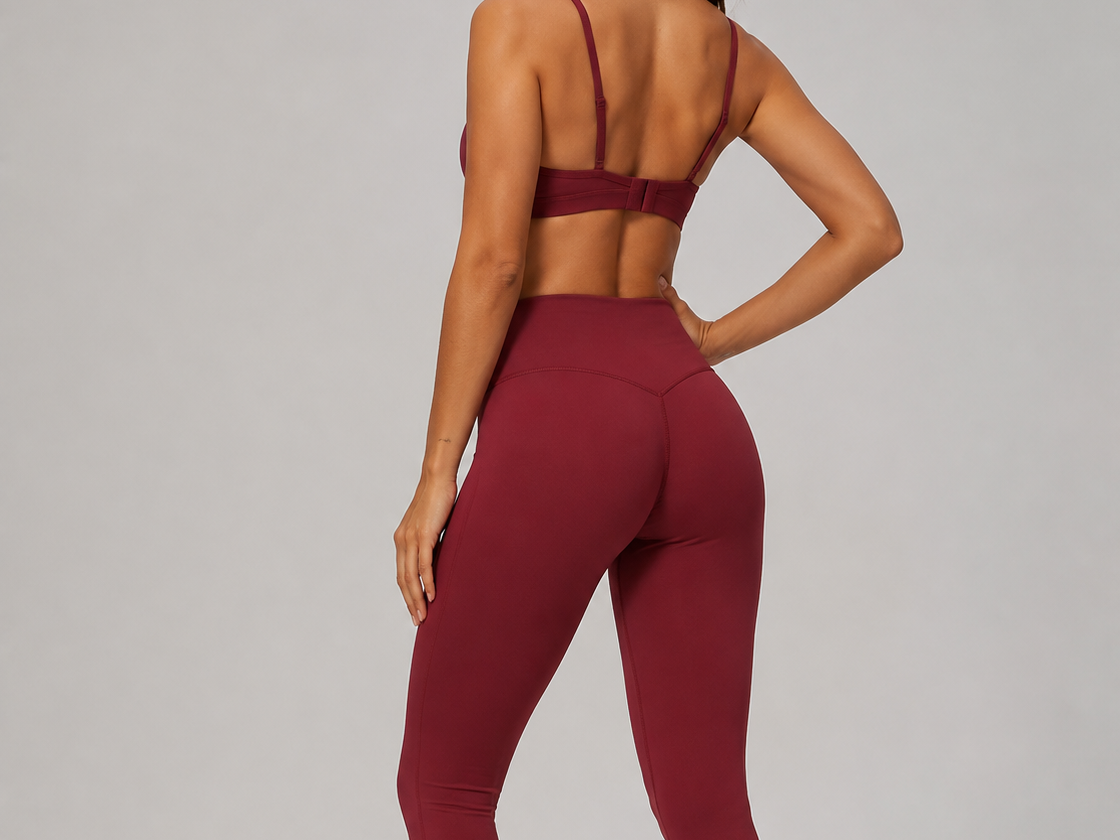
Tracksuits
Tracksuits usually involve coordinated upper and lower garments, which makes color, fabric, trims and fit consistency important across the set. Leadshow can support jacket/top construction, matching pants, zipper or opening details, pockets, rib or elastic areas, color matching, Logo, labels and set packaging.
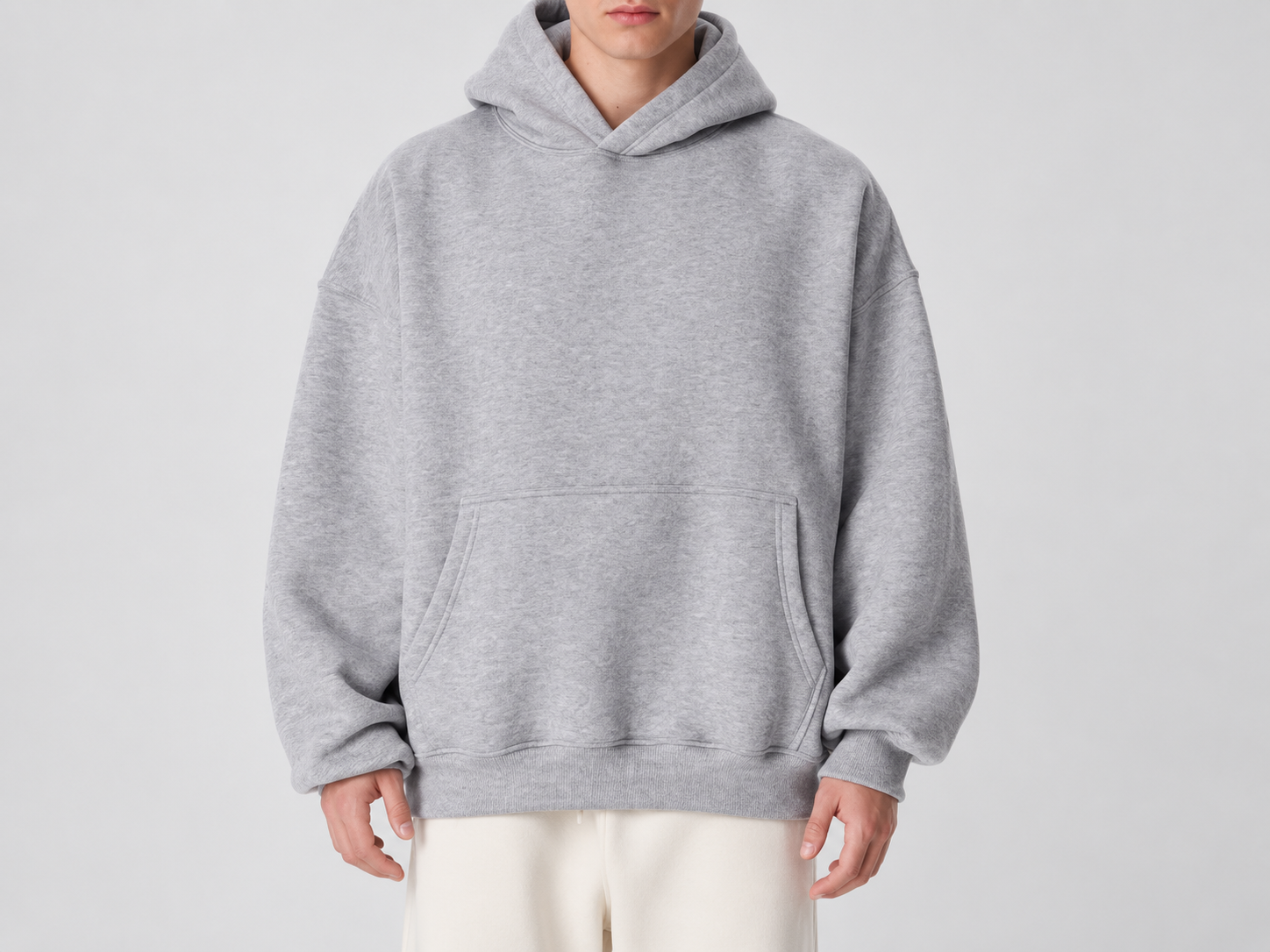
Hoodies and Sweatshirts
Hoodies and sweatshirts often extend a gym collection beyond training sessions into warm-up, travel and active-lifestyle use. Fabric weight, shrinkage behavior, rib matching, hood shape, pocket construction and Logo location are important development points. Bulk production should follow approved material and shrinkage-related specifications.
Engineering Gym Wear Around Real Training Movement
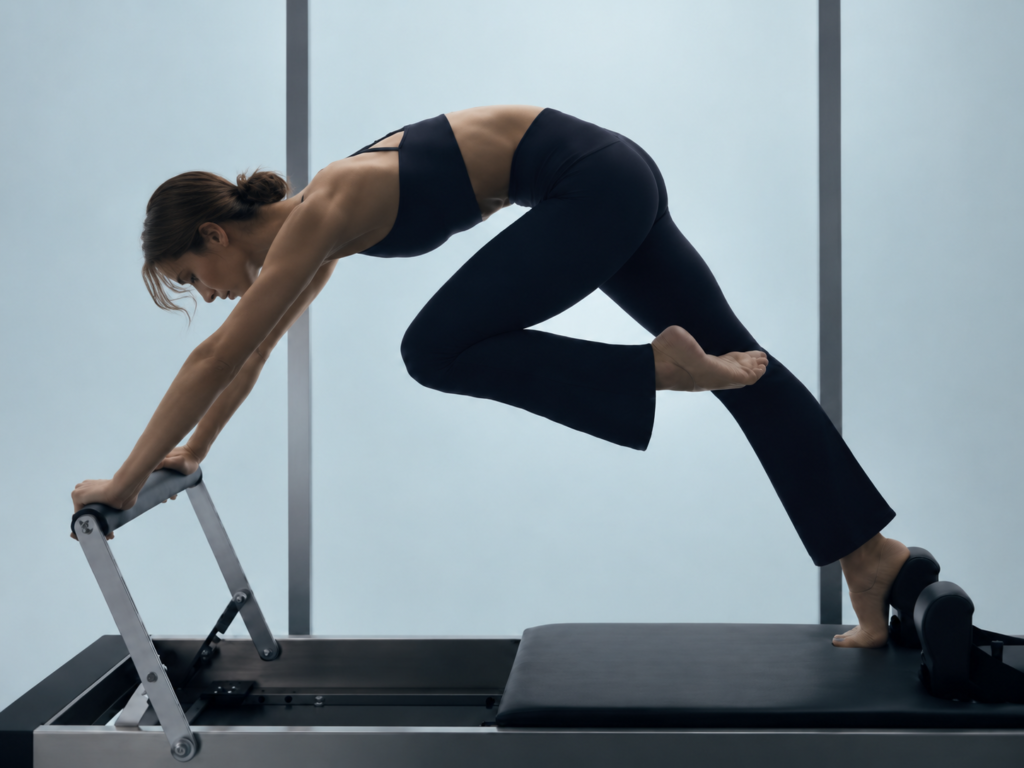
Gym wear should be developed around movement, heat, friction, support and product stability. A garment may look correct on a table yet behave very differently during squats, lunges, running, jumping, stretching or overhead movement.
Map Training Movement to Garment Construction
Product development begins by understanding what the garment needs to do during use. Leggings require attention around the waistband, hip, rise, crotch, inseam and knee. Sports bras require a different review around straps, underband, arm movement, padding and neckline coverage. Training tops need enough mobility around the shoulder and armhole without creating excessive fabric or friction.
- Which movements occur most frequently?
- Where will the fabric stretch most?
- Which areas experience friction?
- Where does heat build up?
- Which seams carry the most stress?
- Can pockets or Logos interfere with movement?
- Does the structure remain stable after repeated stretching?
- Does the garment maintain expected coverage during bending or squatting?
Fabric, pattern and construction should be reviewed together. A high-stretch fabric does not automatically solve an incorrect pattern. A flat seam does not automatically prevent all friction. A mesh panel does not automatically make an entire garment breathable. Gym wear performs as a system: material, pattern, seam, component and intended use all influence the final result.
Validate Movement Before Freezing Bulk Specifications
Sample validation should reproduce the movements relevant to the garment rather than relying only on static measurements. Depending on the style, fitting may include bending, squatting, lunging, raising the arms, jumping or repeated stretching.
- Waistband movement or rolling
- Garment slippage
- Strap stability
- Armhole or neckline movement
- Crotch and rise comfort
- Seam friction
- Fabric transparency or coverage
- Pocket stability
- Logo distortion
- Overall visual balance
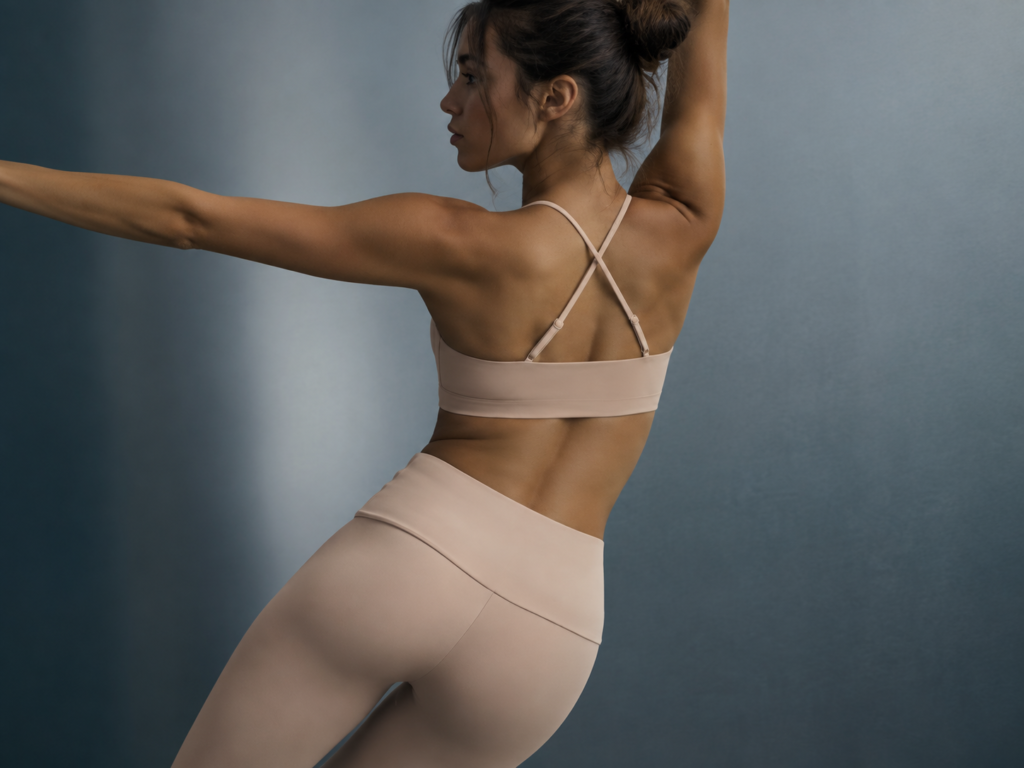
Any issue found during movement testing should be translated into a specific revision: pattern adjustment, seam relocation, material change, elastic change, component change or artwork repositioning. Performance claims still require appropriate test evidence where relevant. Sample wear assessment helps evaluate product behavior but does not replace a formal laboratory test when a measurable claim is required.
How We Evaluate Fabrics for Gym Wear
A fabric specification should connect material properties with the garment’s fit, construction, end use and commercial requirements. Similar fiber compositions can differ significantly in stretch, recovery, weight, hand feel and production behavior.
Fabric Evaluation Item
What to Confirm
Why It Matters
Fiber Composition
Polyester, nylon, cotton, elastane or approved blend
Composition influences hand feel, care, cost and potential performance
Fabric Structure
Knit type, surface, density and construction
Structure affects stretch, appearance, air movement and sewing
GSM
Actual or target weight
Influences feel, coverage, drape, packing weight and construction
Fabric Width
Usable production width
Affects consumption and material planning
Stretch Direction
Widthwise, lengthwise or multi-directional behavior
Influences pattern ease and movement
Recovery
Return after stretching
Important for fitted leggings, bras and other close-fit products
Surface & Hand Feel
Smooth, brushed, matte, textured or other approved finish
Impacts product positioning and skin contact
Color
Approved color standard or physical reference
Different materials and batches may show color differently
Functional Requirement
Defined only when required and supported
Quick-dry, UPF, chlorine resistance and similar claims require evidence
Material MOQ
Supplier and color requirements
Material MOQ may be higher than garment MOQ
Sample Approval
Swatch, color sample or garment sample
Physical approval is stronger than judging material from images alone
Bulk Lot Review
Production batch and approved reference
Helps identify color, weight or performance differences before use
Pattern, Fit and Size Development for Gym Wear
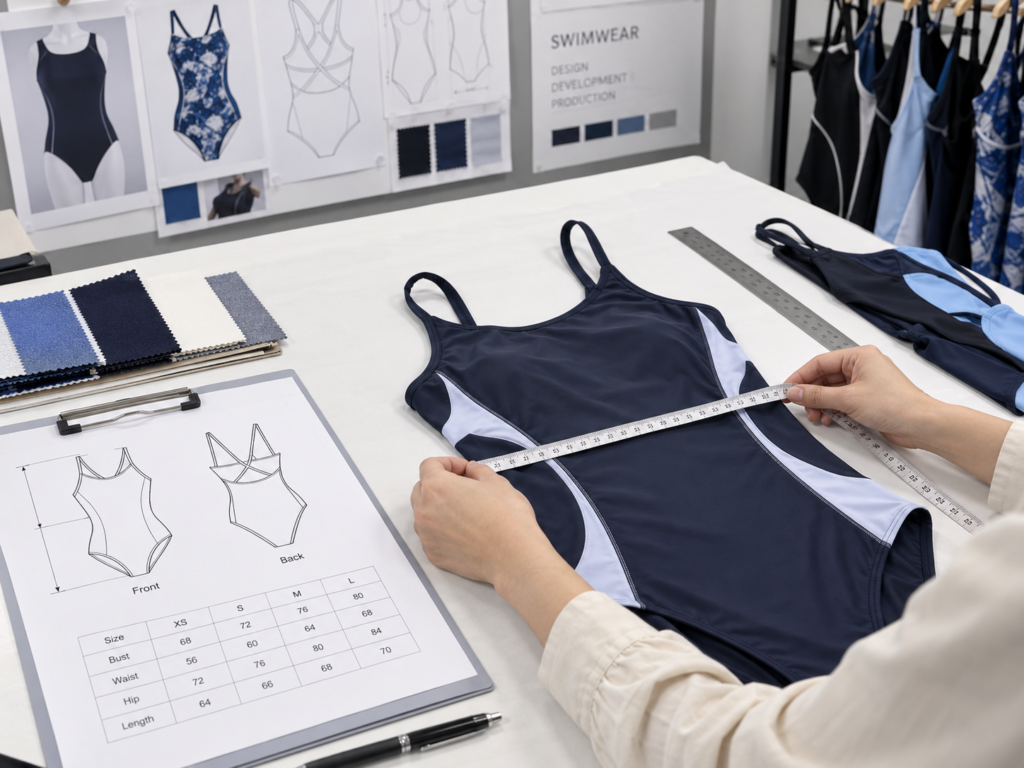
Fit development needs measurable information rather than broad descriptions such as American fit, slim fit or more compression. Leadshow can work from brand measurement charts, approved garments, reference samples or defined fit comments.
Build Fit Around Measurable Product Standards
A useful development package normally identifies a base size and the garment measurements that control the silhouette. Measurement points differ by product. For leggings, relevant measurements can include waist, hip, front rise, back rise, thigh, inseam, leg opening and total length. For sports bras and fitted tops, useful points may include chest width, underband, body length, shoulder or strap dimensions, armhole, neck opening and hem.
The project should also define the intended size range and grading approach. Leadshow does not use a single global size system automatically. A brand selling into North America may use different garment measurements from another brand serving a different fit direction, even when both label a garment with the same nominal size. Tolerance should also be defined by measurement point rather than assumed globally.
Recheck Fit When Material or Construction Changes
A pattern approved in one fabric may behave differently after switching to another fabric with different GSM, stretch, recovery, shrinkage or surface characteristics.
- Changing main fabric
- Changing lining
- Changing waistband elastic
- Changing seam construction
- Adding pockets or panels
- Changing garment length
- Increasing or reducing coverage
- Changing padding or support components
- Extending the size range
For fitted activewear, fabric and pattern development should remain connected through sampling. An approved fit becomes a meaningful bulk reference only after the intended material, construction and measurement standards are sufficiently aligned.
Custom Gym Wear Development Beyond Basic Logo Placement
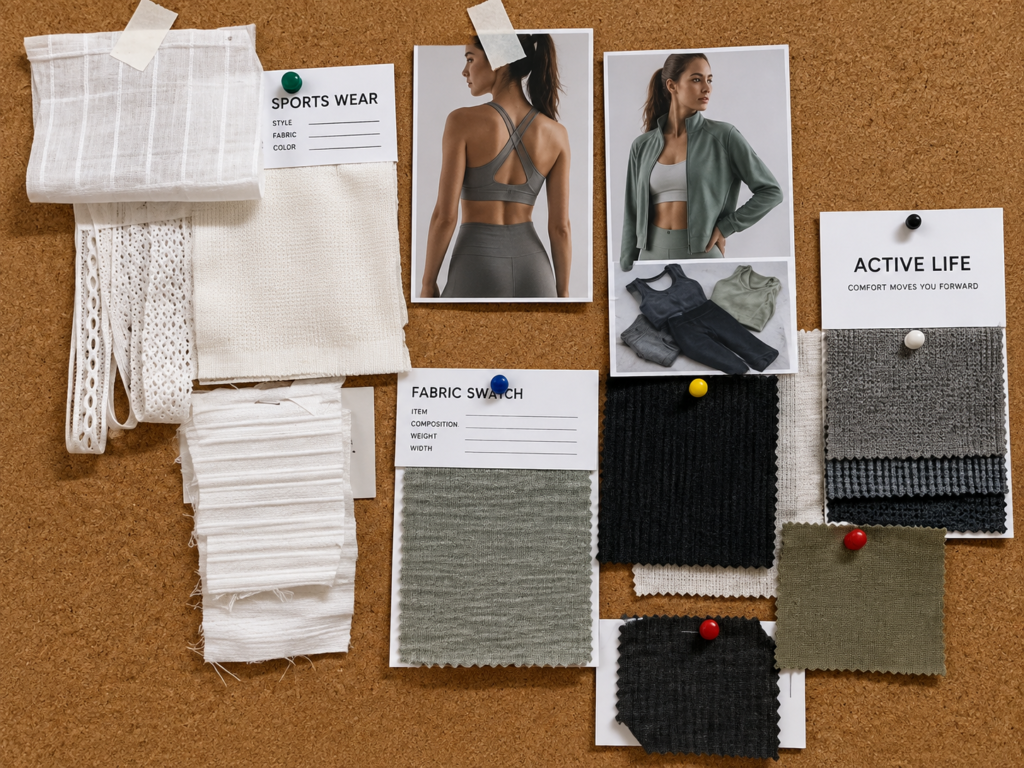
Gym wear customization should start from product specifications and market positioning. Fabric, pattern, construction, components, branding and packaging can all be evaluated as separate development dimensions before an approved specification moves into production.
Product Construction
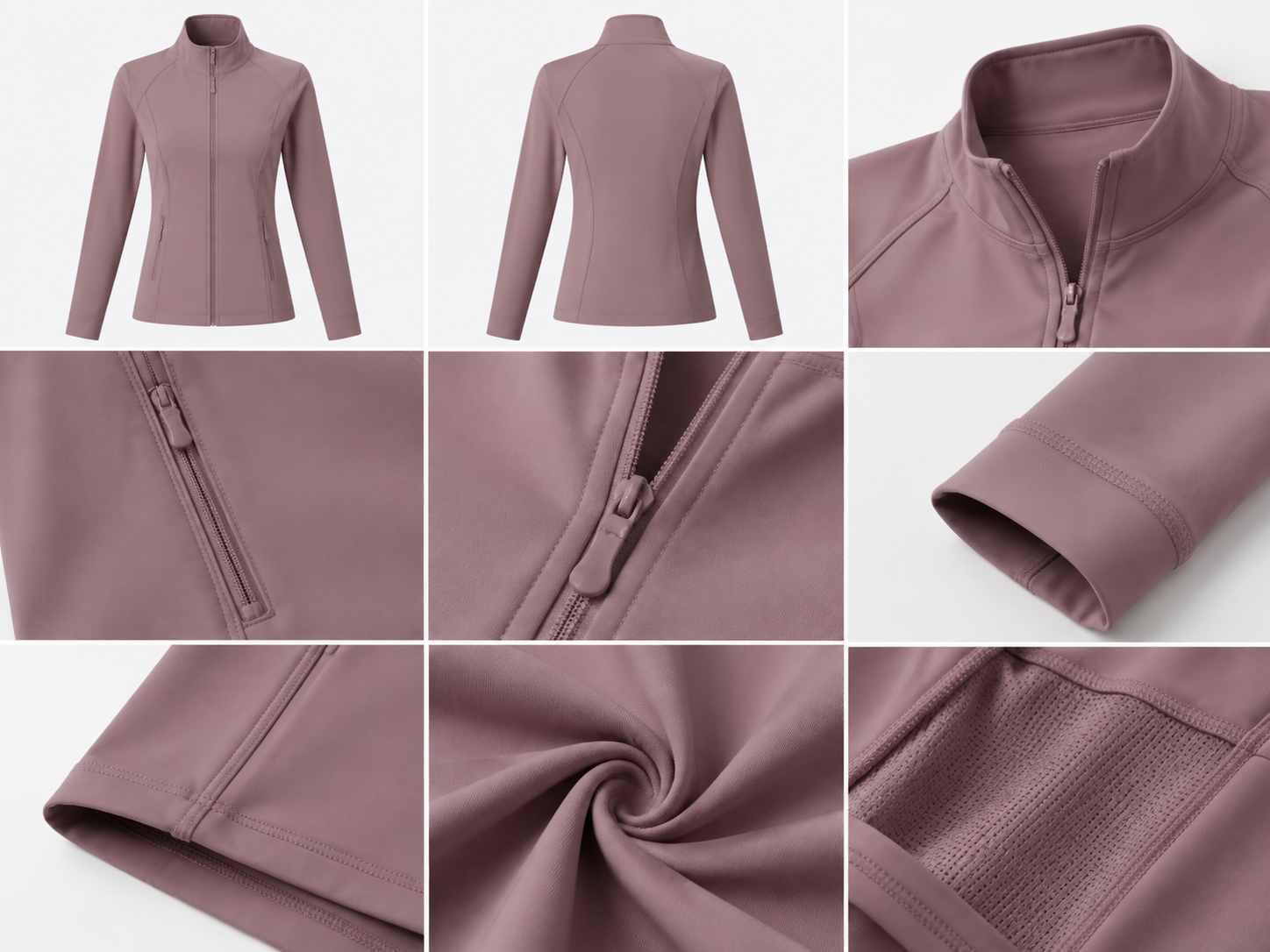
Construction defines how the garment is assembled and how it behaves during use. Development may involve neckline, shoulder, sleeve, waistband, gusset, pocket, lining, opening, panel and hem details depending on the product. A reference image can help communicate direction, but hidden internal structures may require Tech Packs, samples or construction drawings before a manufacturing approach is confirmed.
Fabric and Color
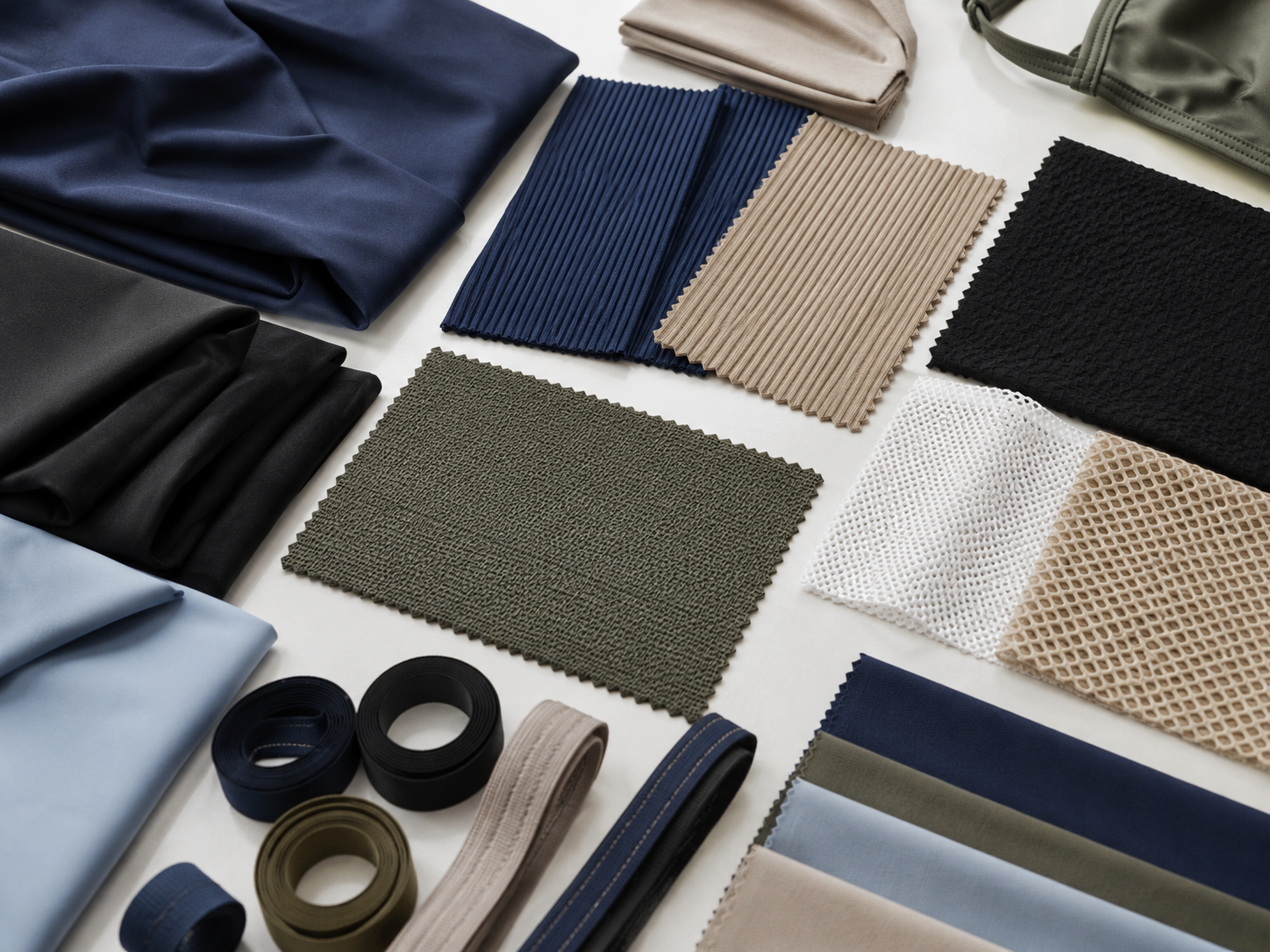
Fabric can be selected or coordinated according to product structure, fit, target hand feel, required appearance, budget, quantity and destination-market requirements. Evaluation may consider composition, GSM, structure, stretch, recovery, surface, color, performance targets and supply MOQ. Final production fabric should correspond to the approved material specification.
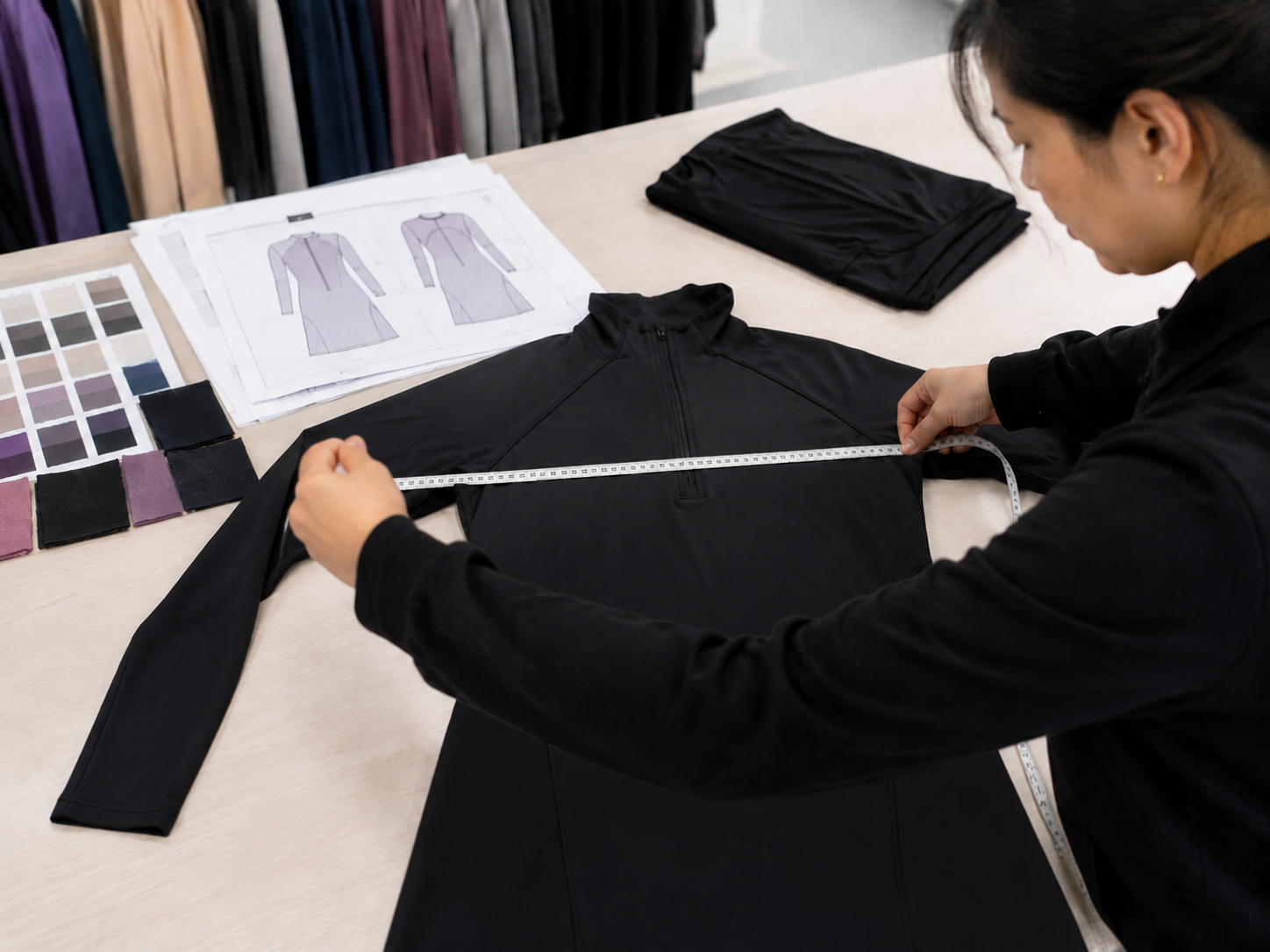
Fit and Sizing
Brands can provide an existing measurement chart, approved garment, fit standard or reference sample. Leadshow can support base size, garment measurements, fit direction, ease or negative ease, size grading and measurement methods. Size labels do not define universal garment measurements across brands and markets.
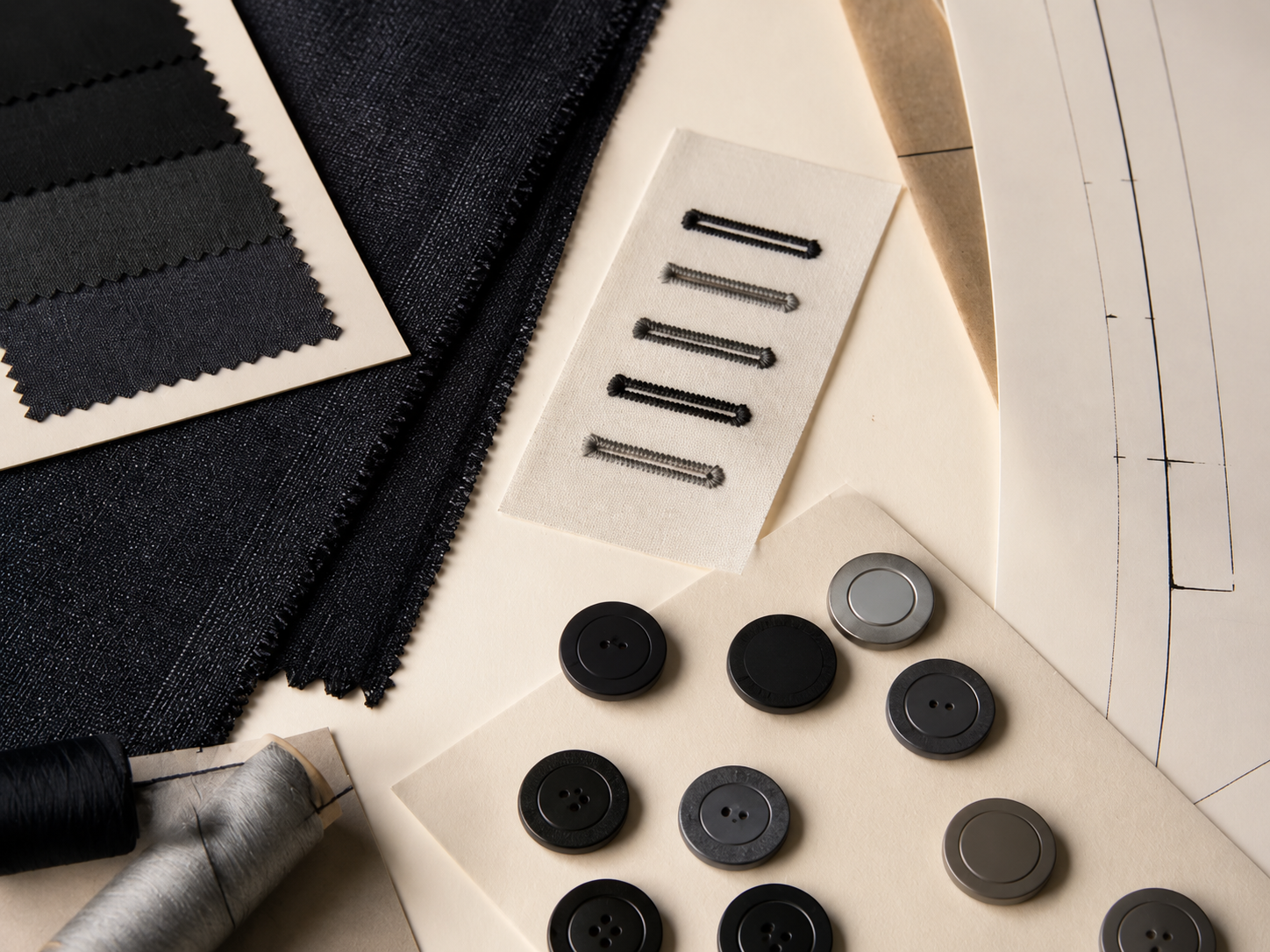
Trims and Components
Gym wear may use elastic, zippers, pads, cords, adjustment hardware, mesh, lining and other accessories. Each component can affect cost, fit, durability, appearance and MOQ. Alternatives may be evaluated when a reference component is unavailable, but substitutions that affect the garment should be approved before bulk use.
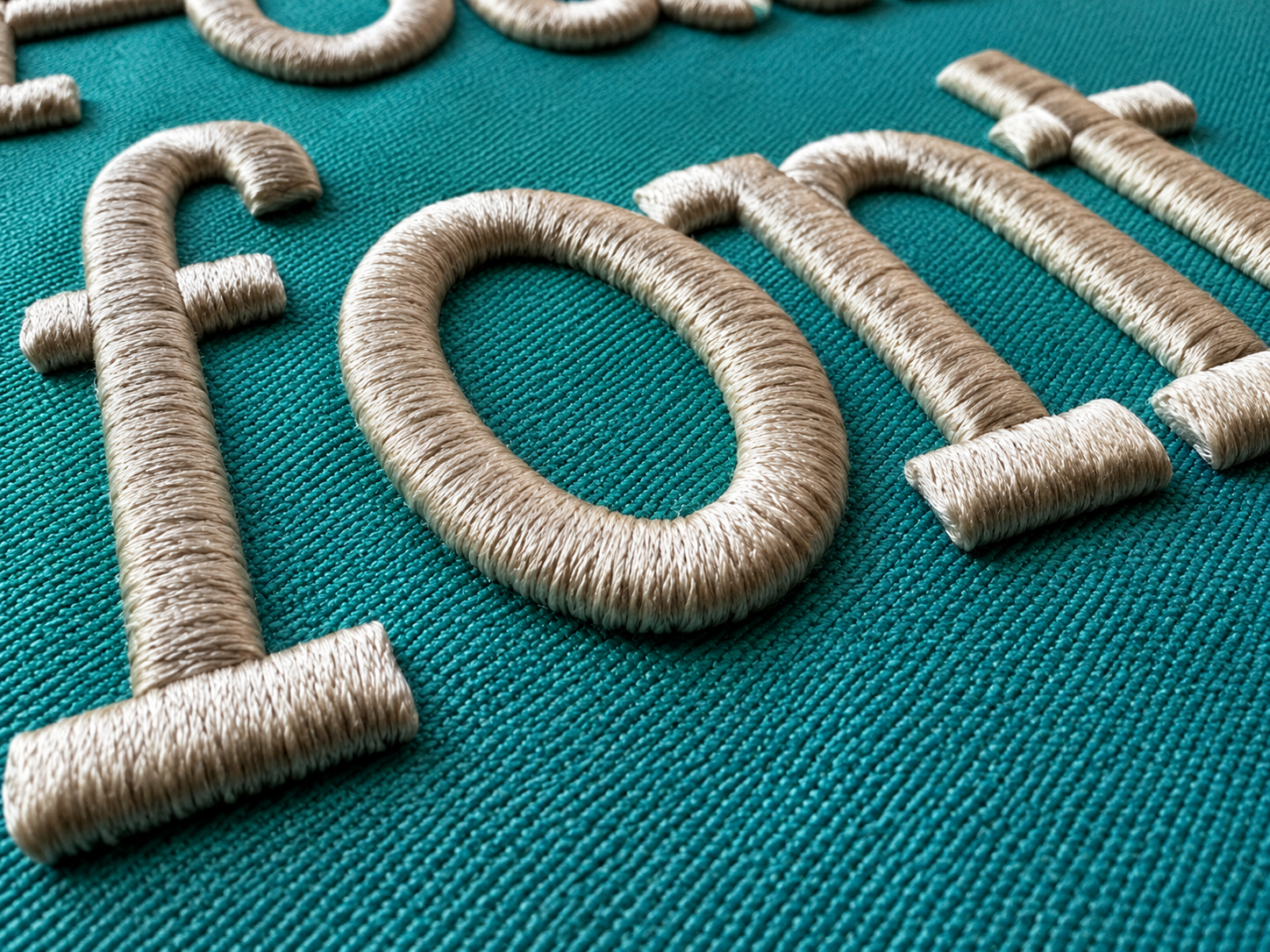
Logo and Graphics
Leadshow has confirmed heat-transfer labeling and heat-press equipment that can support selected brand Logos, labels and graphics on suitable fabrics and constructions. Embroidery, screen printing, digital printing, sublimation and other processes require project confirmation regarding internal or externally coordinated production.
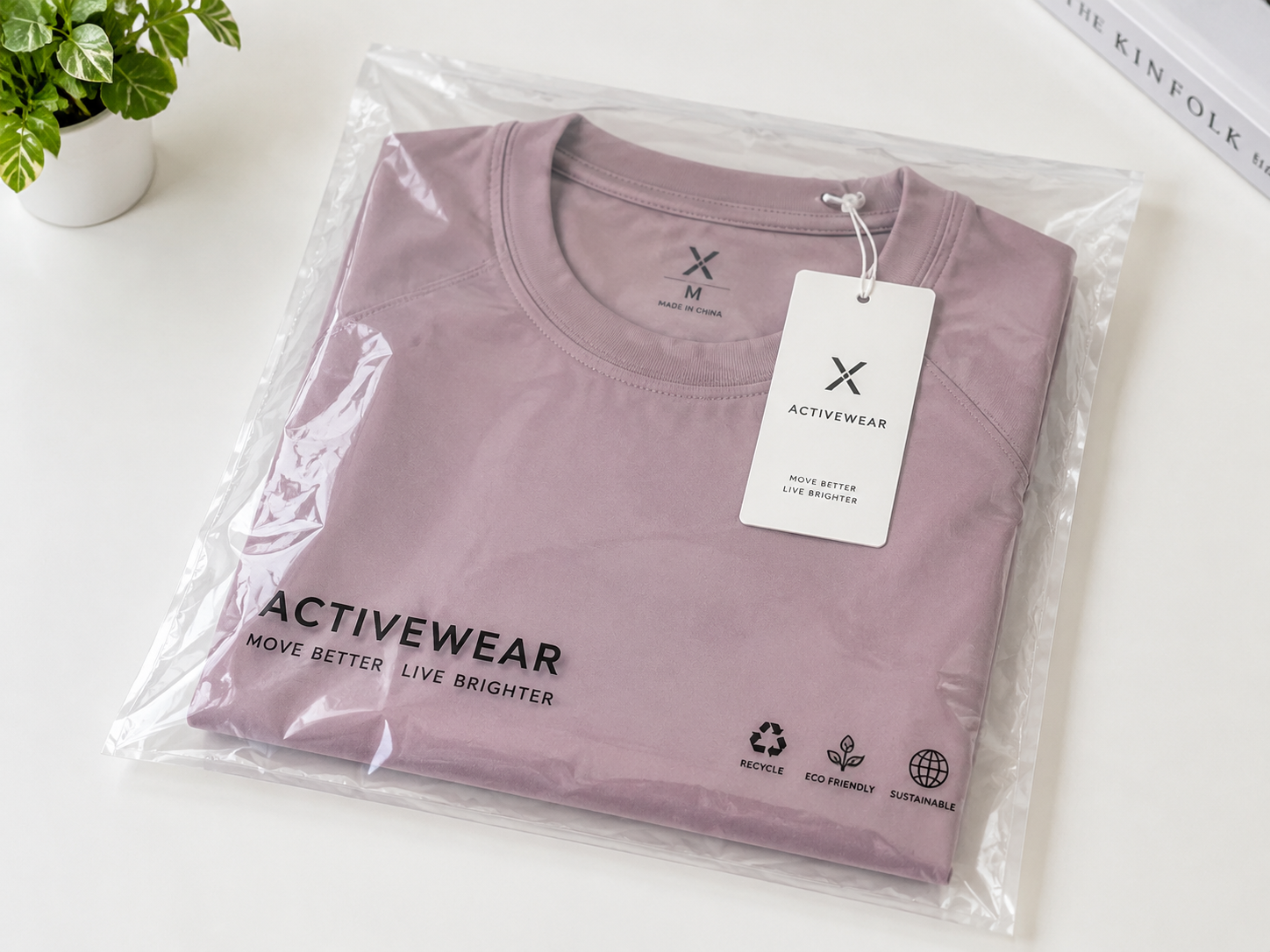
Labels and Packaging
Private-label execution can extend into main labels, size labels, care labels, hangtags, barcodes, individual bags, retail packing and carton marks. Brand artwork, legal ownership, label text, barcode data, market language and packaging versions should be approved before bulk execution.
Tech Pack Review Before Gym Wear Sampling
A strong RFQ starts with clear product information. Mature brands often provide a complete Tech Pack, while earlier-stage projects may begin with reference images, an existing garment or partial technical information.
What We Review Before Development Starts
- Front and back drawings
- Construction details
- Measurement chart
- Grading information
- BOM
- Fabric requirements
- Trim specifications
- Color standards
- Logo artwork
- Label files
- Packaging instructions
- Quantity
- Target market
- Quality or testing requirements
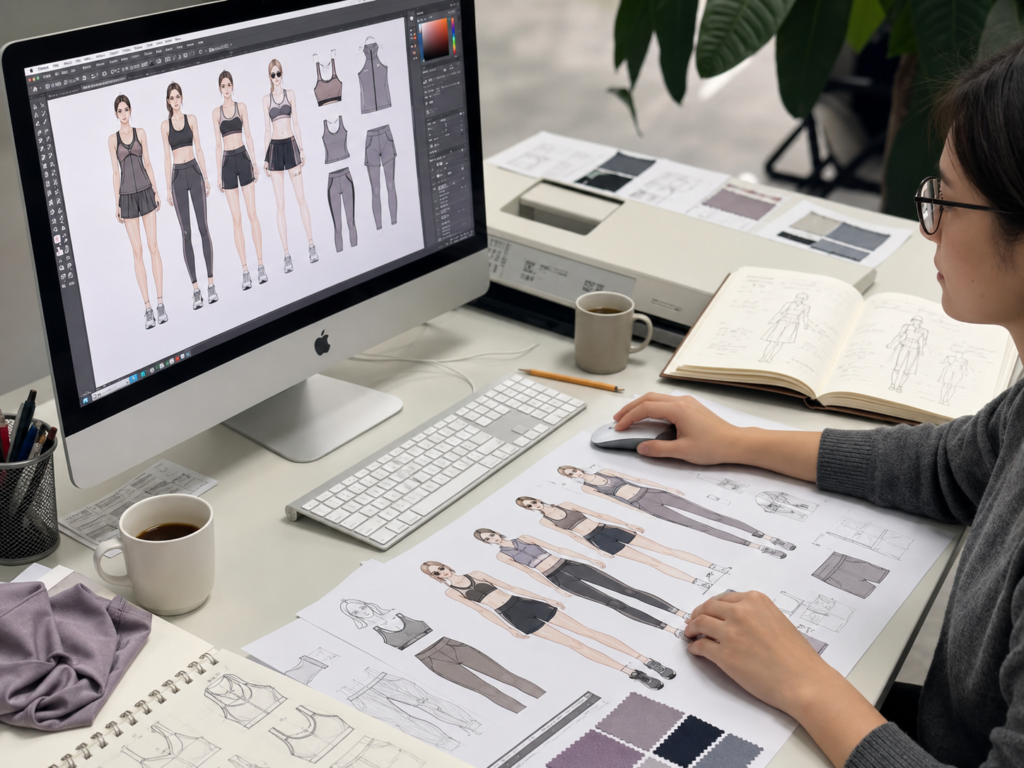
Leadshow reviews available information to identify missing items, conflicting instructions and manufacturing questions. Manufacturing-feasibility review may consider panel count and seam locations, stretch requirements, fabric and seam compatibility, elastic or support structures, pocket construction, heat-bonding suitability, equipment requirements, production sequence, potential rework risk, material MOQ and cost influence.
A technical review is not an automatic free-design service. Any additional design work, paper pattern deliverables, technical files or ownership terms need to be agreed within the project scope.
Incomplete Specifications Can Still Enter Initial Review
A brand without a complete Tech Pack can still submit the available information. Useful starting materials include a product sketch, front and back reference photos, existing sample, target fit, intended material, approximate size range, Logo concept, estimated quantity, target market and required launch or goods-ready schedule. Leadshow can identify what needs to be clarified before quotation or sampling. Final specifications remain subject to brand approval.
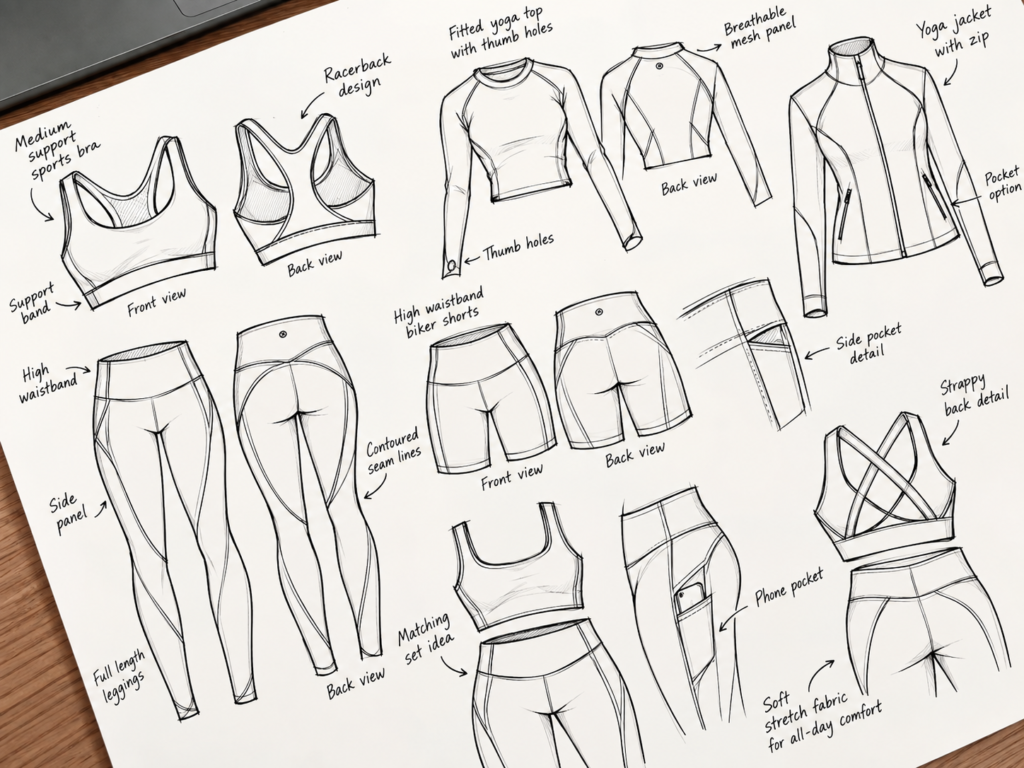
Sample Development Built for Bulk Production
Sampling is the stage where design intent, measurements, material and manufacturing methods meet in a physical garment. The objective is not simply to receive a sample quickly; it is to establish an approved reference that can guide later production.
From First Sample to Approved Standard
- Requirement Review — Product files, measurements, materials, branding and quantity are reviewed.
- Material and Trim Preparation — Candidate fabric, elastic, lining, padding, zippers or other required components are coordinated.
- Pattern Preparation — Patterns are developed or adjusted according to approved measurements and material behavior.
- First Sample — The garment is assembled to evaluate structure, fit, fabric interaction and workmanship.
- Measurement and Fit Review — Key dimensions and wearing behavior are checked against the agreed specification.
- Brand Feedback — Revision comments should be consolidated and linked to the correct sample version.
- Revised Sample — Changes are applied where required.
- Approval — The accepted sample, measurement information, material references, artwork and other production documents become part of the bulk standard.
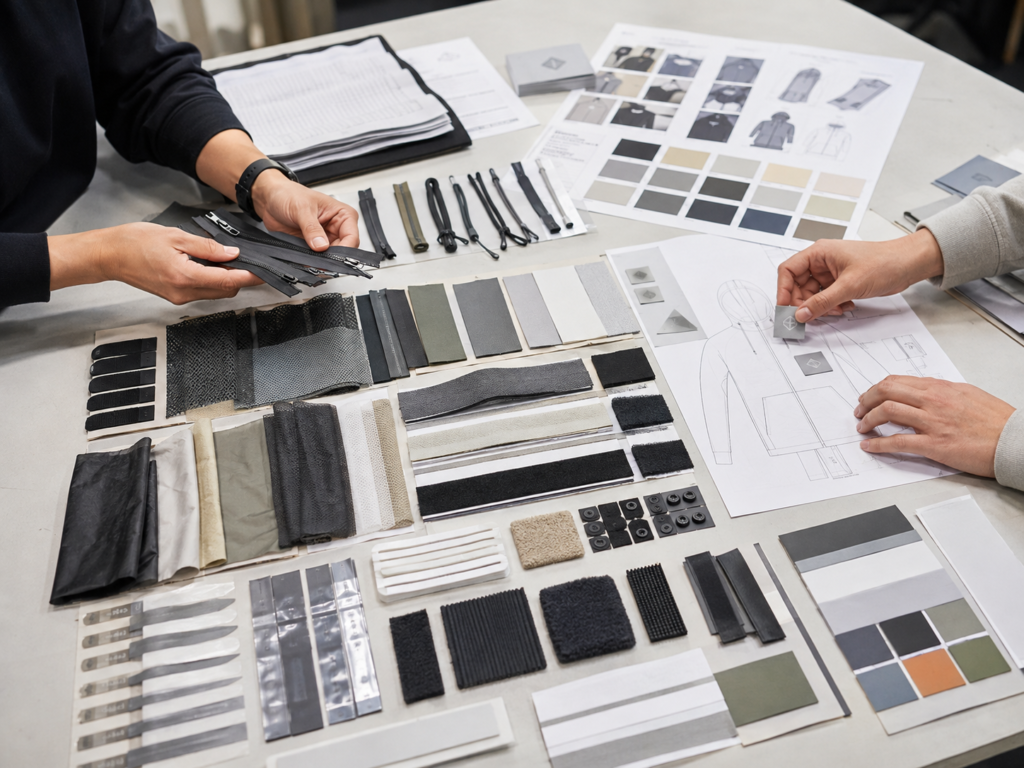
Different projects may use Development Samples, Fit Samples, Size Sets, Color Samples, Salesman Samples or Pre-Production Samples depending on requirements. No single sample sequence is mandatory for every order.
Sample Timing Is Confirmed After Review
Leadshow does not publish one fixed sample lead time for every gym wear style. Timing depends on product complexity, pattern status, material availability, custom color requirements, trim availability, Logo process, sample type, number of revisions and shipping method. A more accurate sample schedule can be provided after the development requirements are reviewed.
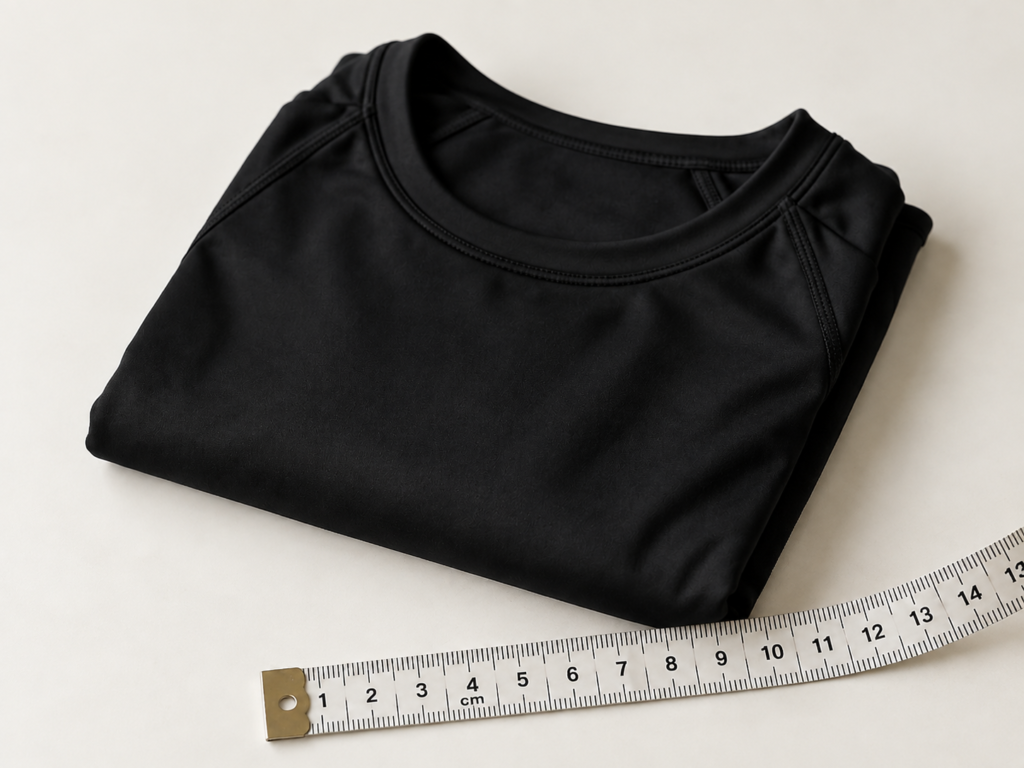
Manufacturing Capability For Long-Term Hoodie Production
Leadshow’s manufacturing resources support hoodie development, production and packing projects. Actual production arrangements depend on product construction, materials, order details and current scheduling.
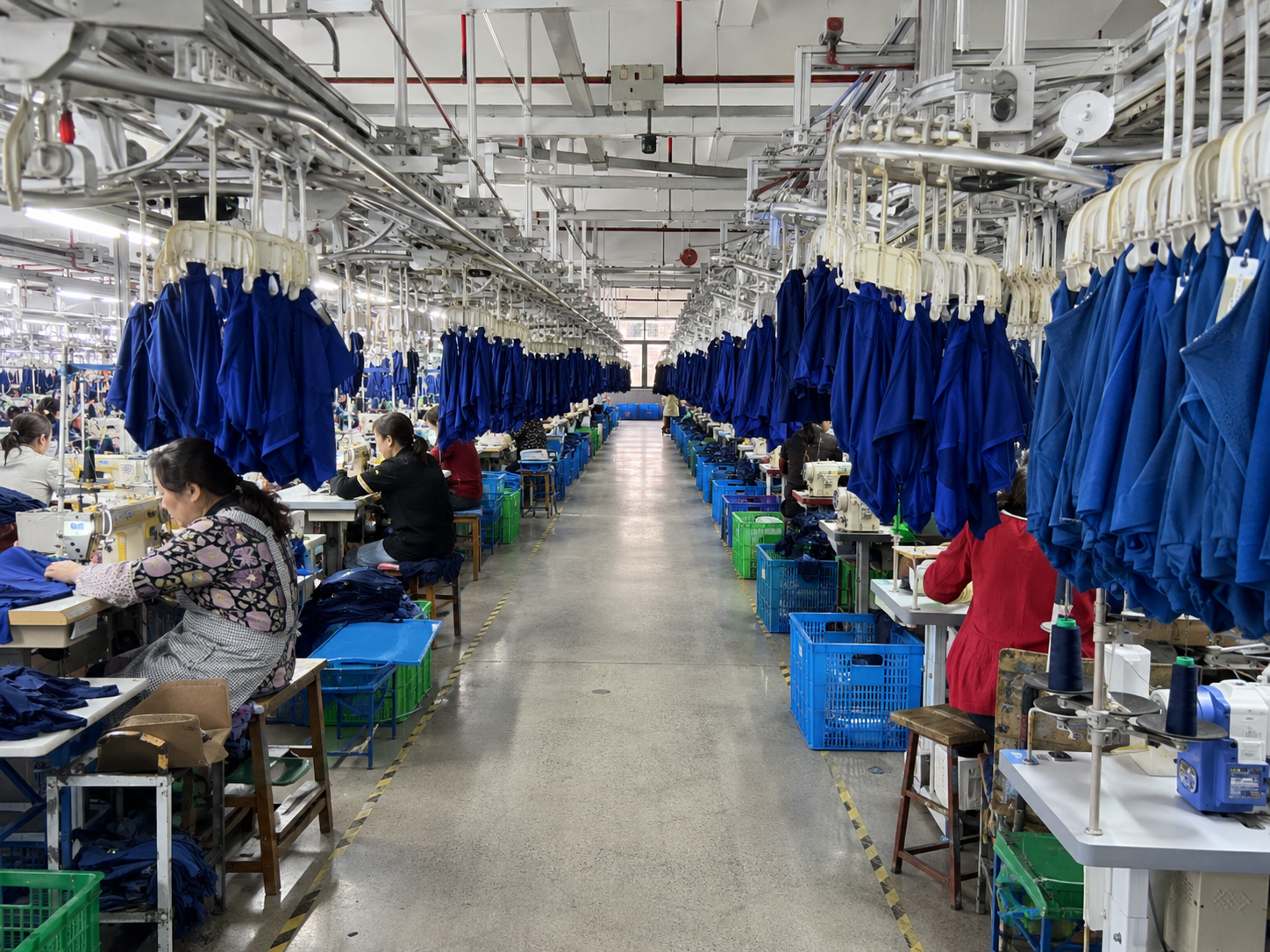
15 Years Experience
Leadshow has more than 15 years of experience in apparel development and manufacturing. This experience supports product development, production coordination and long-term apparel projects.
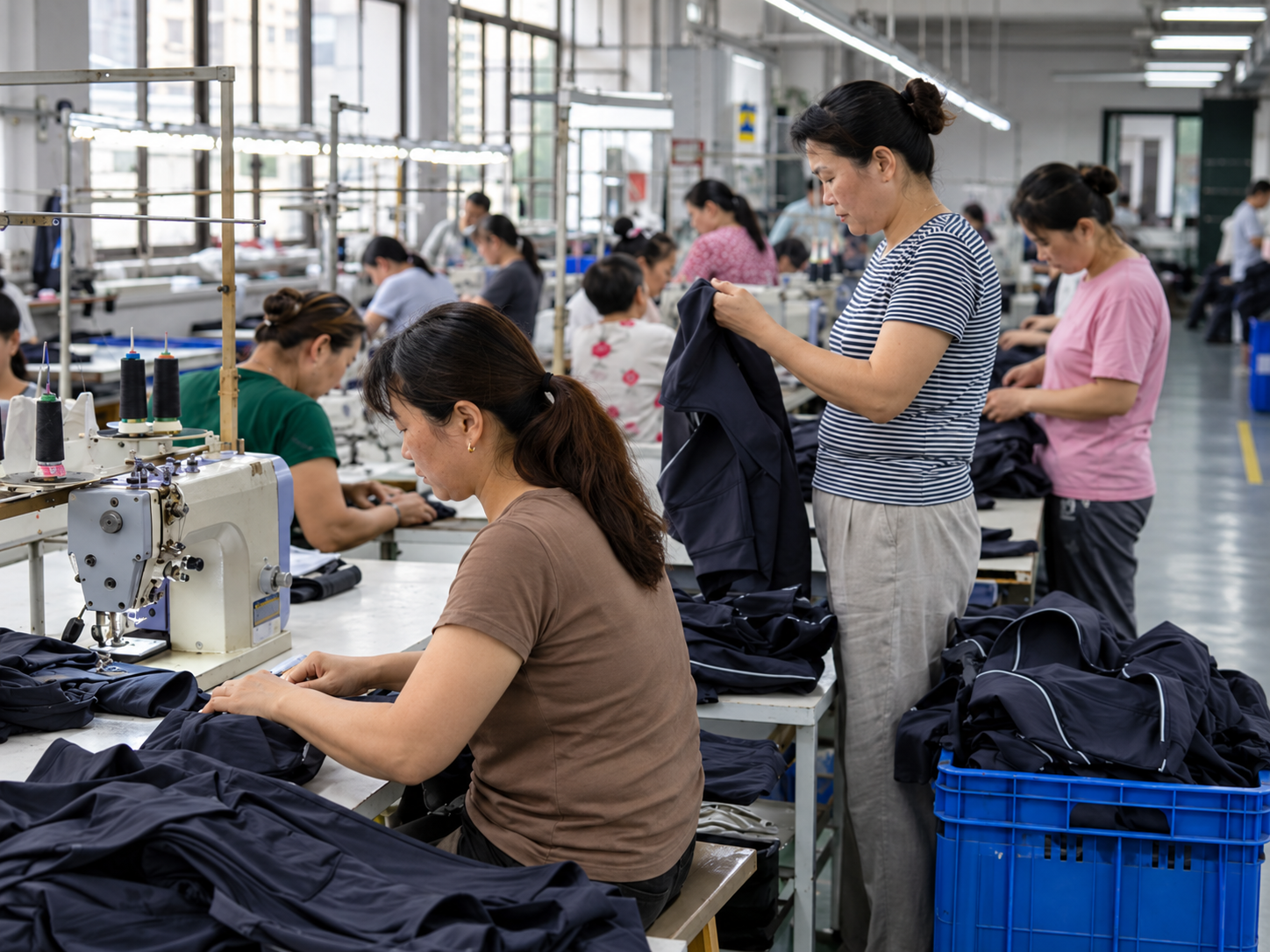
3 Manufacturing Bases
Leadshow operates three manufacturing bases supporting apparel development, production and related manufacturing operations. Different facilities can support different production requirements according to project needs.
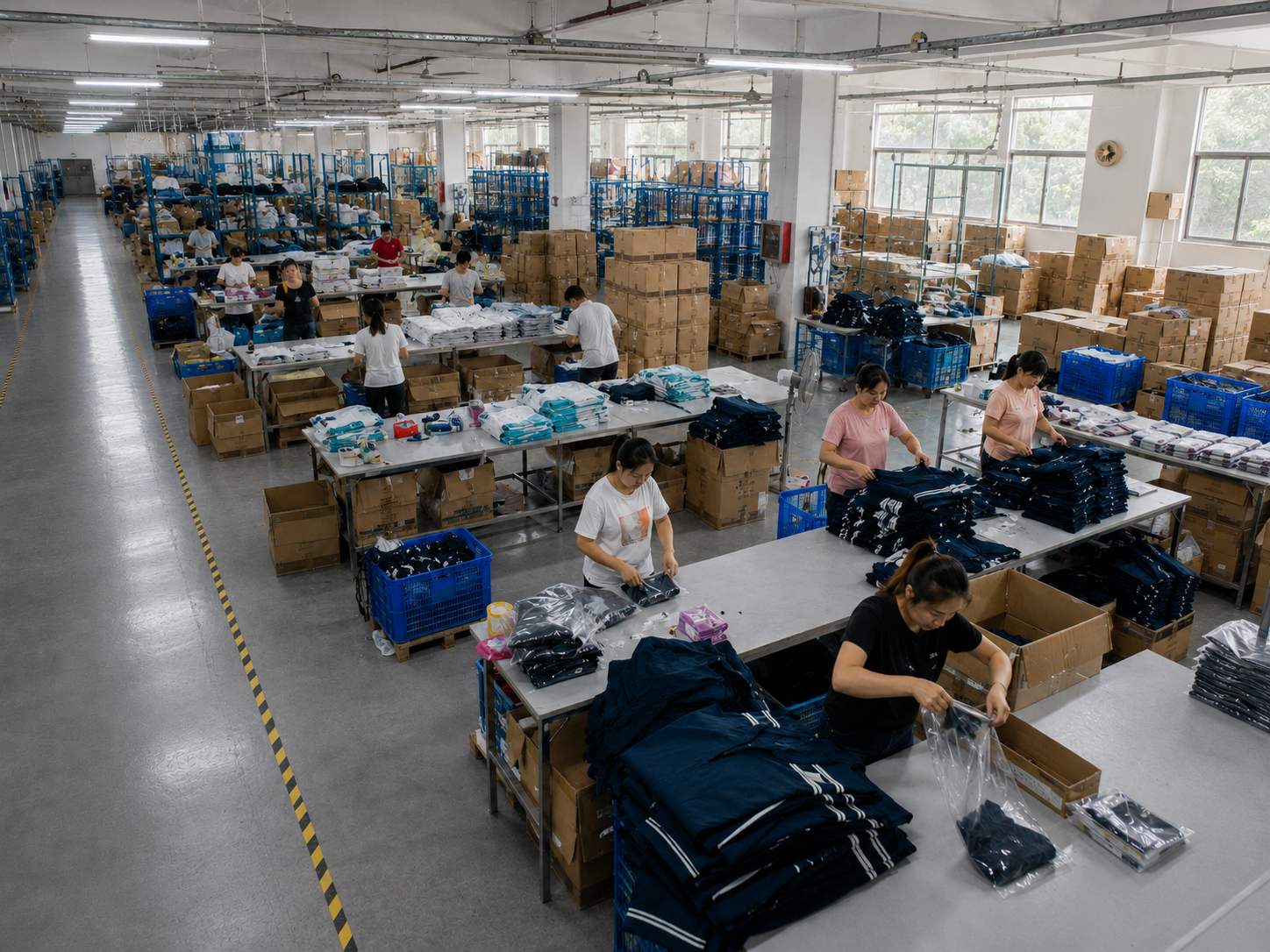
20,000+ Square Meters
Leadshow’s three manufacturing bases provide more than 20,000 square meters of combined production space, supporting garment manufacturing, quality control, packing and daily operations.
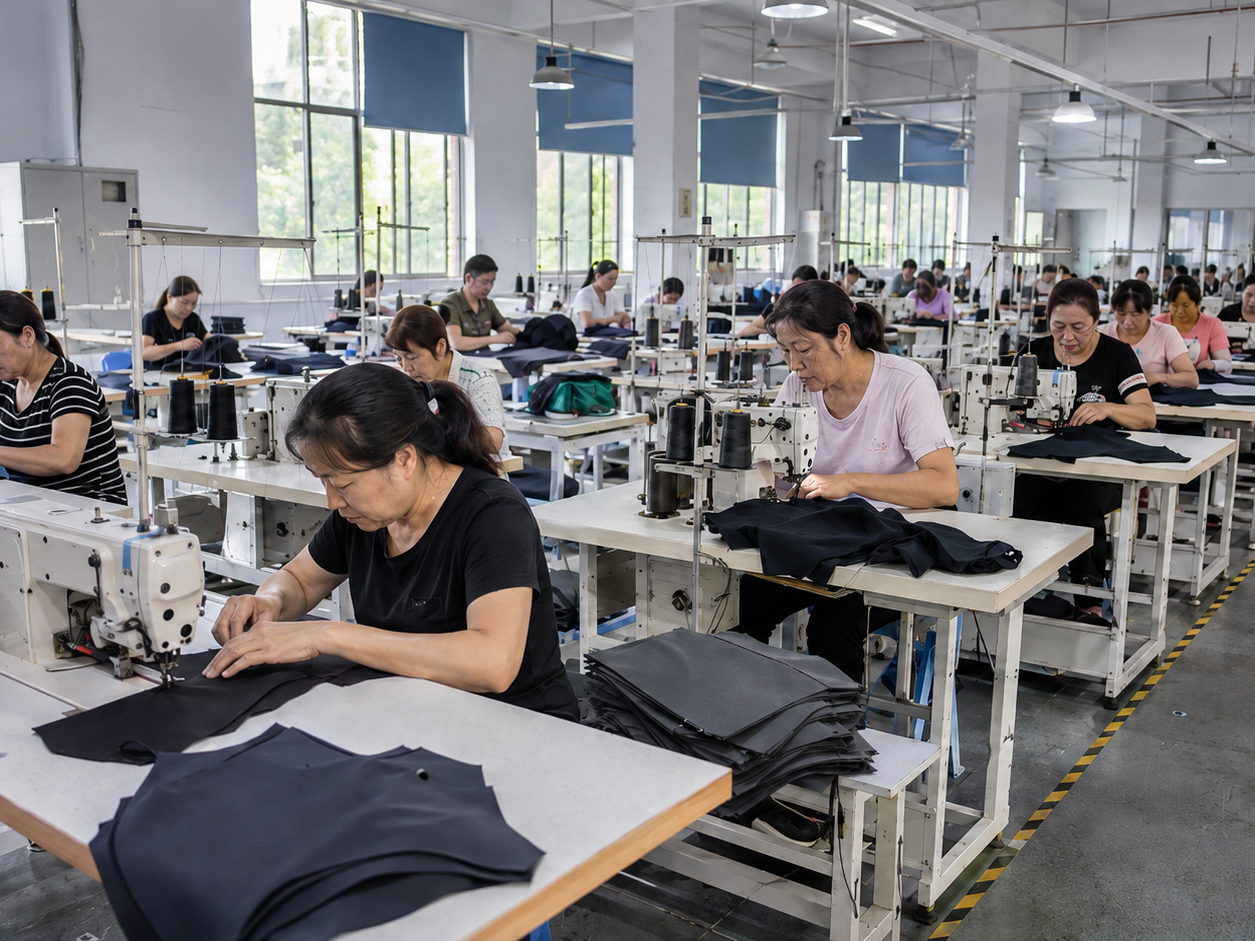
1,500+ Team Members
Leadshow has a team of more than 1,500 employees covering product development, manufacturing, quality control, warehousing, logistics and supporting functions. The team structure supports complete apparel production operations from development to delivery.
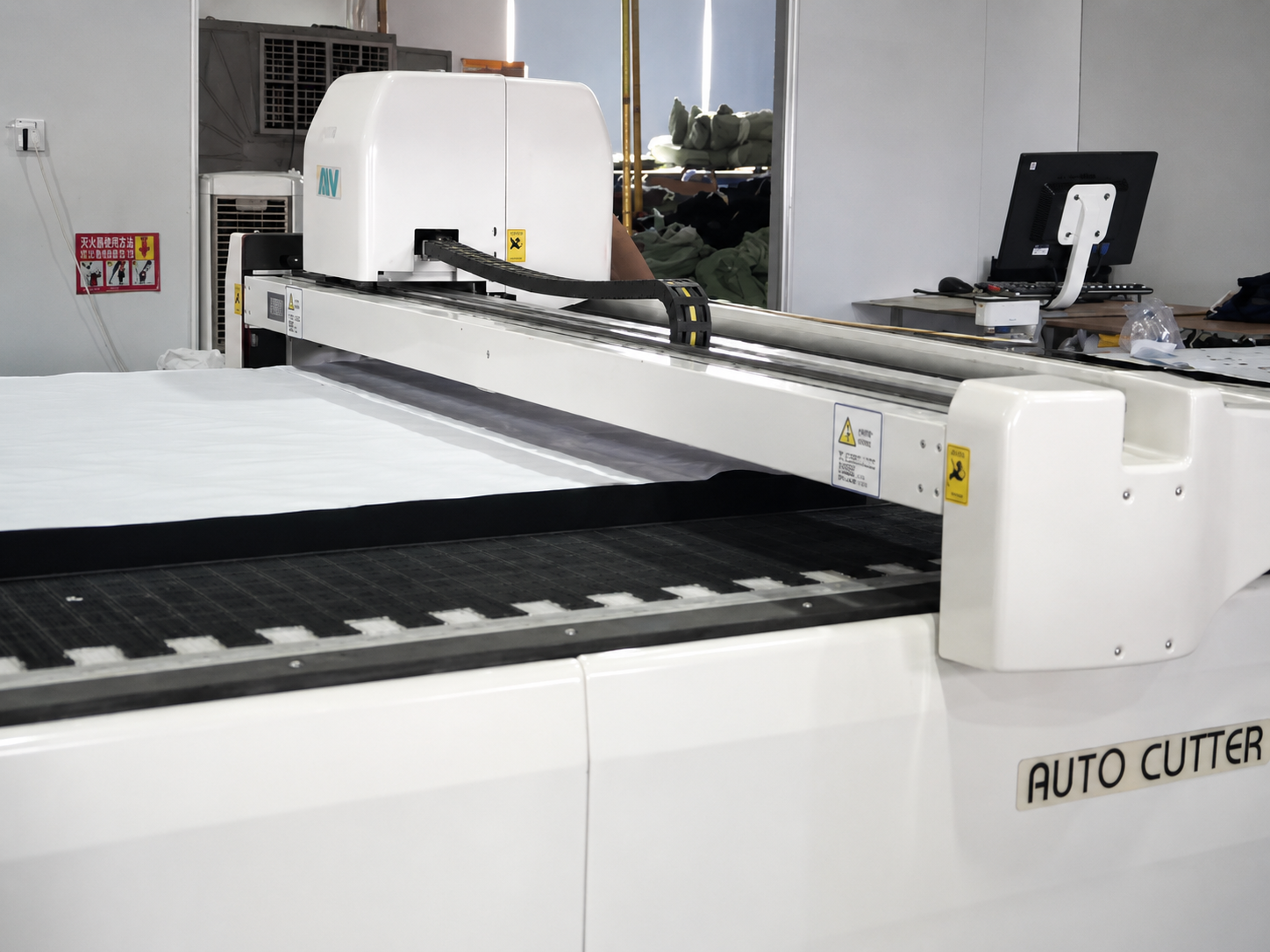
304 Confirmed Machines
Leadshow operates more than 300 production, specialized-process and finishing machines to support different apparel manufacturing requirements. Equipment selection follows product structure, fabric type and production needs.
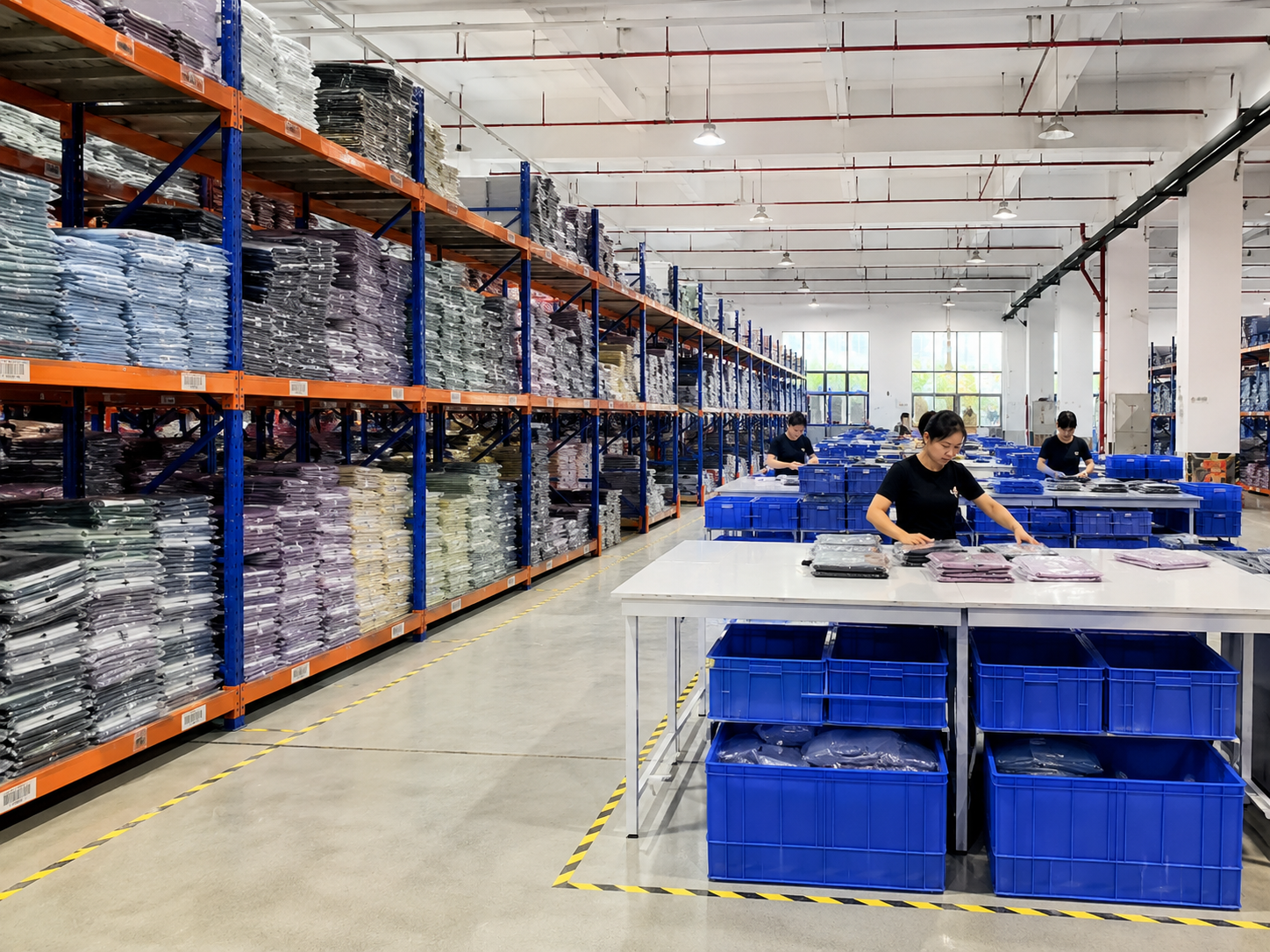
Up to Approx. 120,000
Leadshow’s combined production capacity can reach approximately 120,000 finished garments per month. Actual output depends on product construction, materials, order quantity, production schedule and delivery requirements.
Manufacturing Equipment Relevant to Gym Wear Production
Equipment matters when it is connected to product construction. Leadshow combines automated fabric preparation, several sewing technologies, stretch-garment equipment, selected bonding processes and finishing equipment for sportswear development and bulk production.
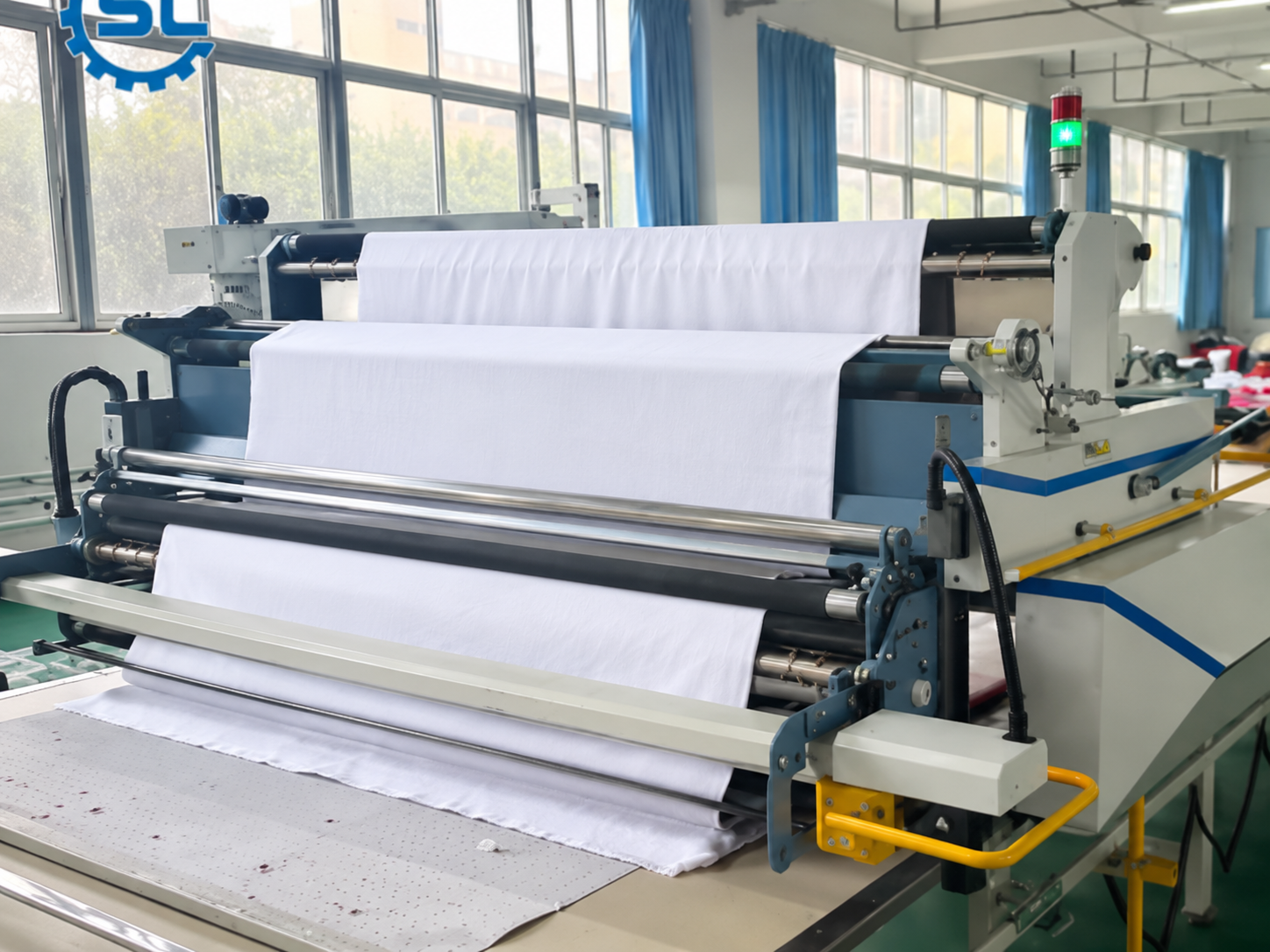
Automated Fabric Preparation
5 automatic fabric-spreading machines and 3 automatic computer cutting machines, supported by additional cutting equipment. Suitability depends on fabric elasticity, thickness, surface behavior, curling, direction, number of layers and product structure.
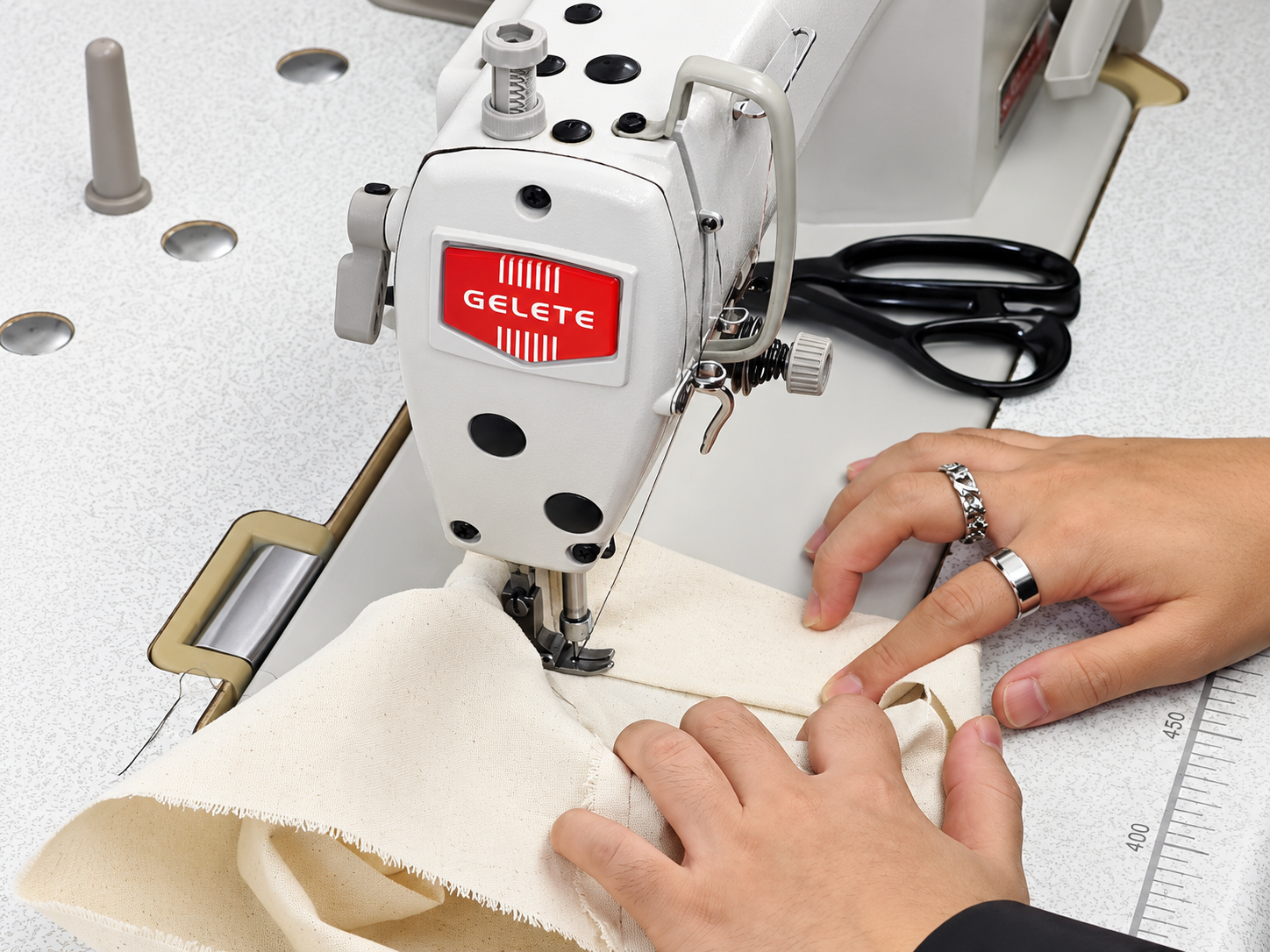
Lockstitch Sewing
80 computerized direct-drive lockstitch machines support common garment assembly, topstitching, label attachment and selected structural details across sports T-shirts, tank tops, tracksuits, hoodies, sweatshirts and other suitable products.
Four- and Five-Thread Overlock
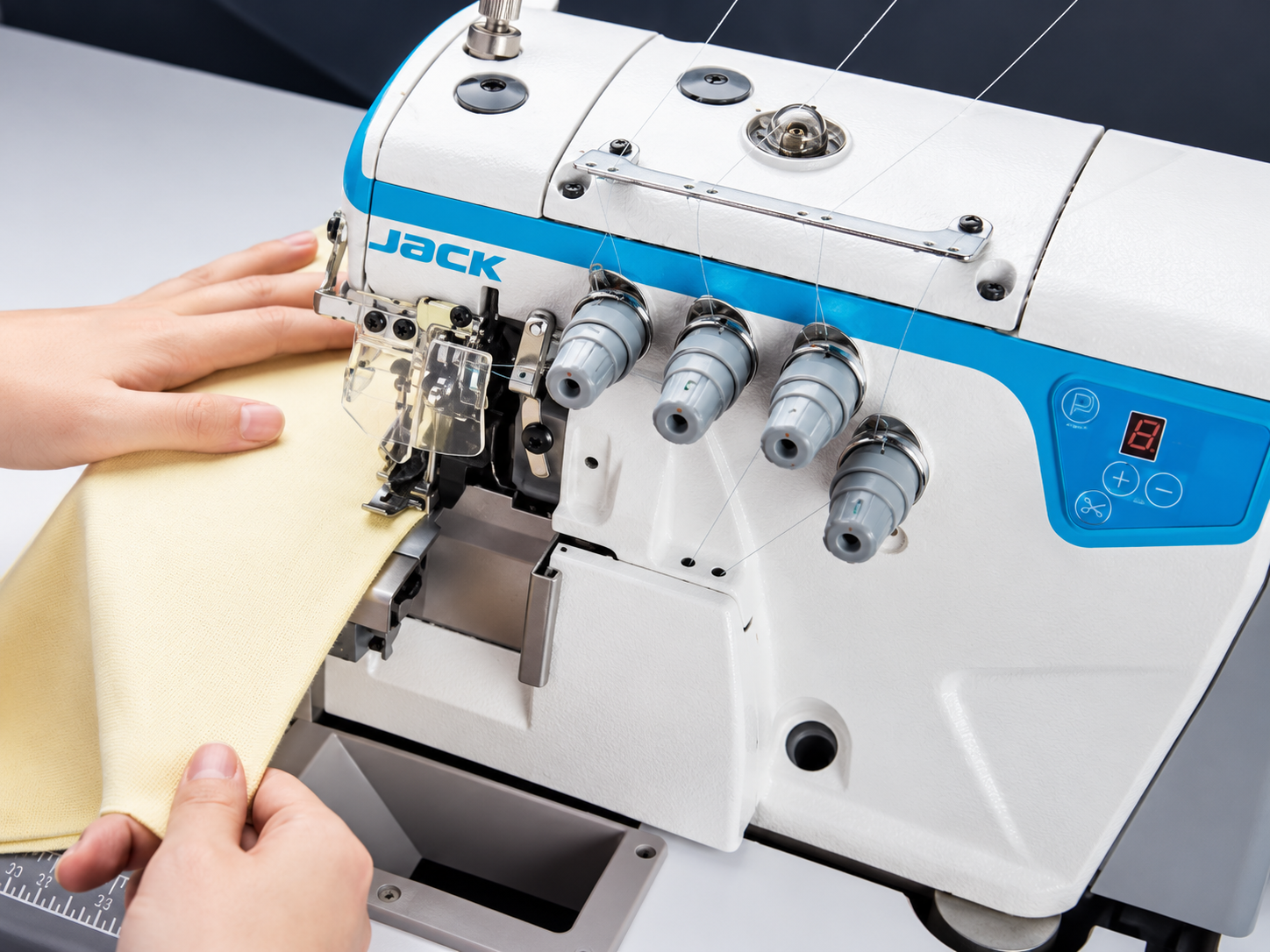
25 four-thread high-speed overlock machines and 40 five-thread overlock machines support seam assembly and edge control across several knit and stretch products. The correct seam configuration depends on fabric stretch, thickness, construction and specifications.
Four-Needle Six-Thread Flatlock
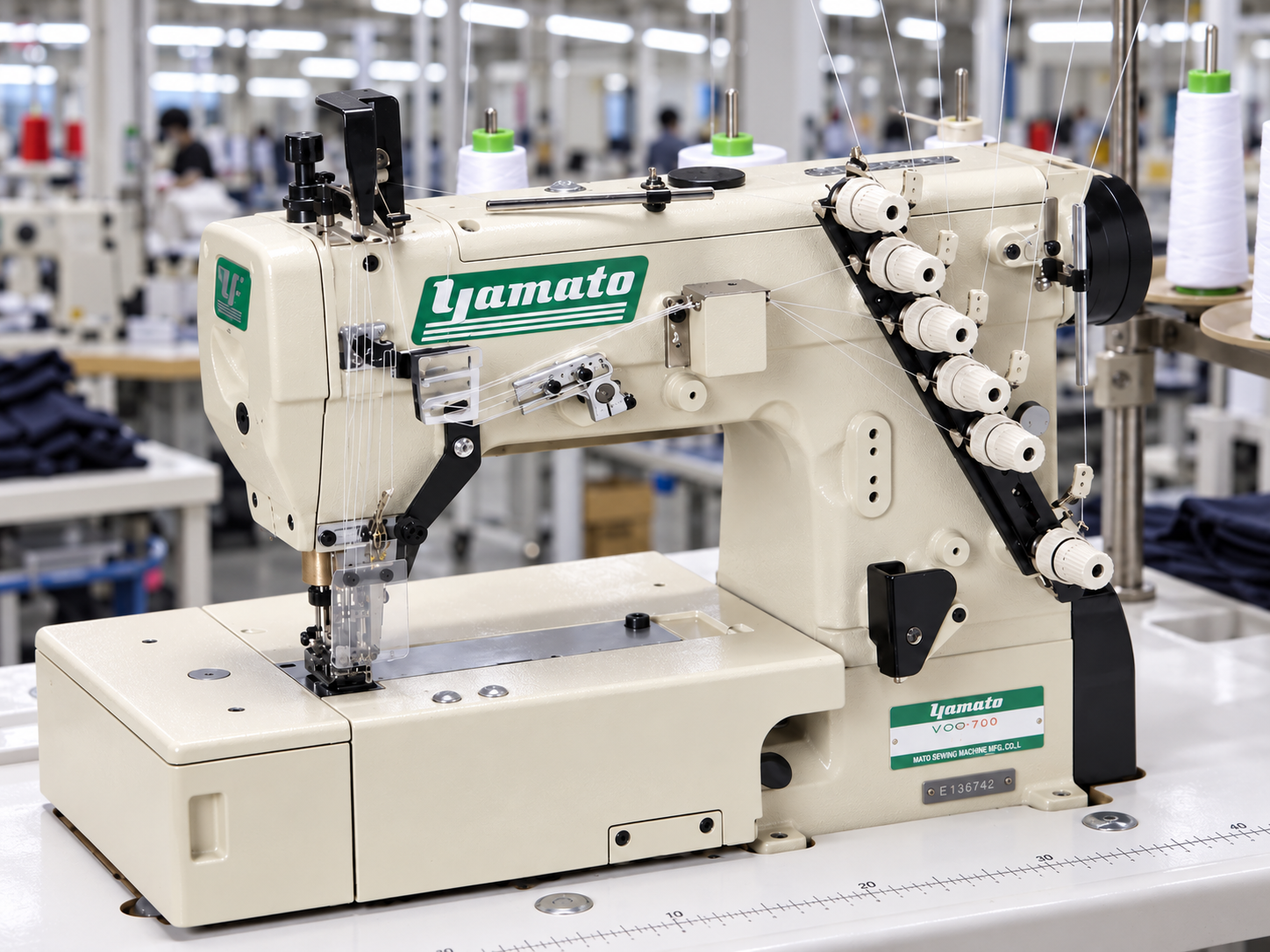
35 four-needle six-thread flatlock machines support flatter, stretch-compatible seams in leggings, sports bras and other fitted activewear. Flatlock must not be confused with whole-garment seamless knitting.
Elastic and Reinforcement Equipment
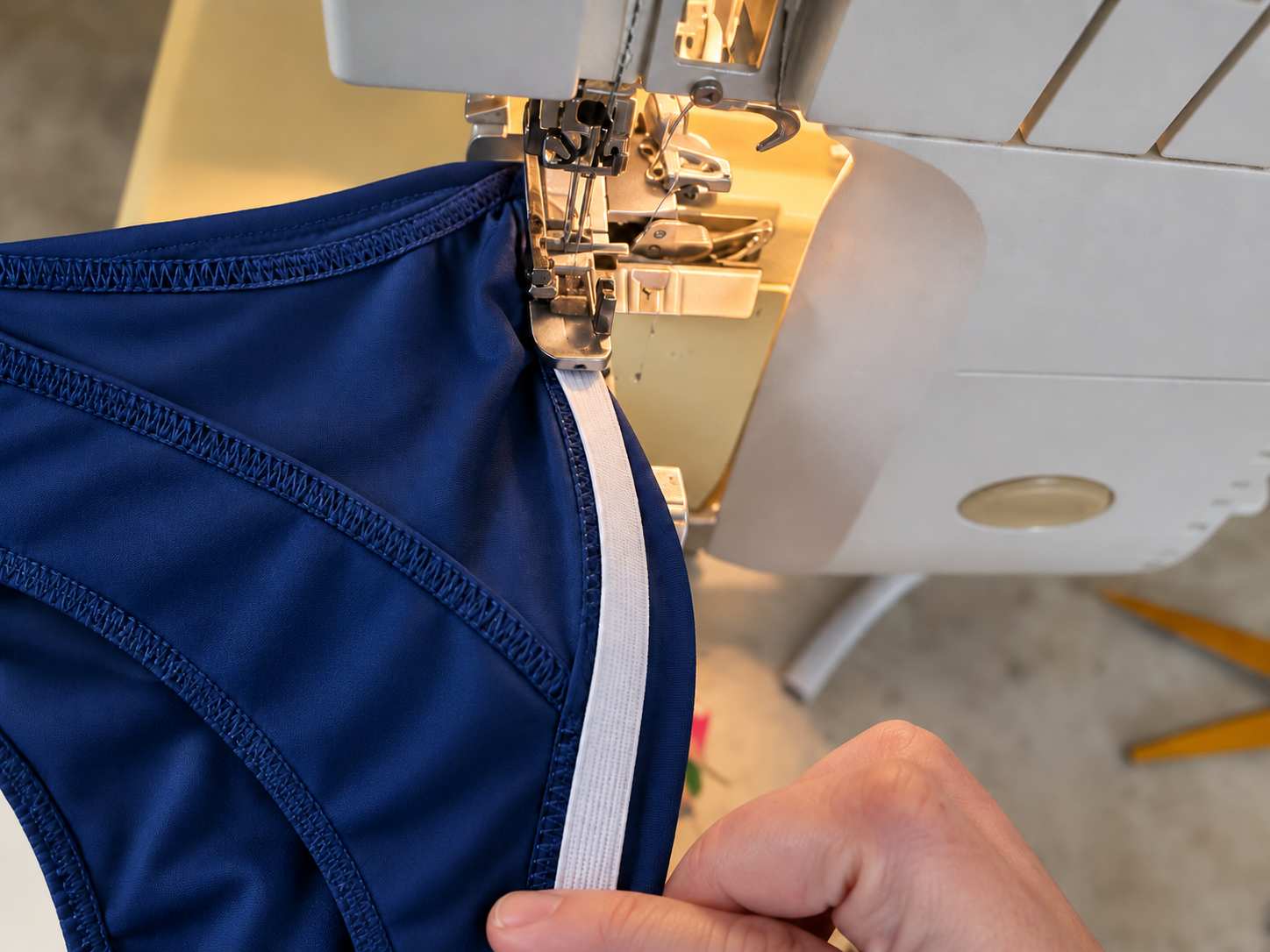
12 elastic-attaching or related elastic installation machines and 6 bartacking machines support selected waistband, underband and reinforcement structures. Elastic performance depends on material, width, tension, elongation ratio and attachment method.
Bonding, Seam Sealing and Perforation
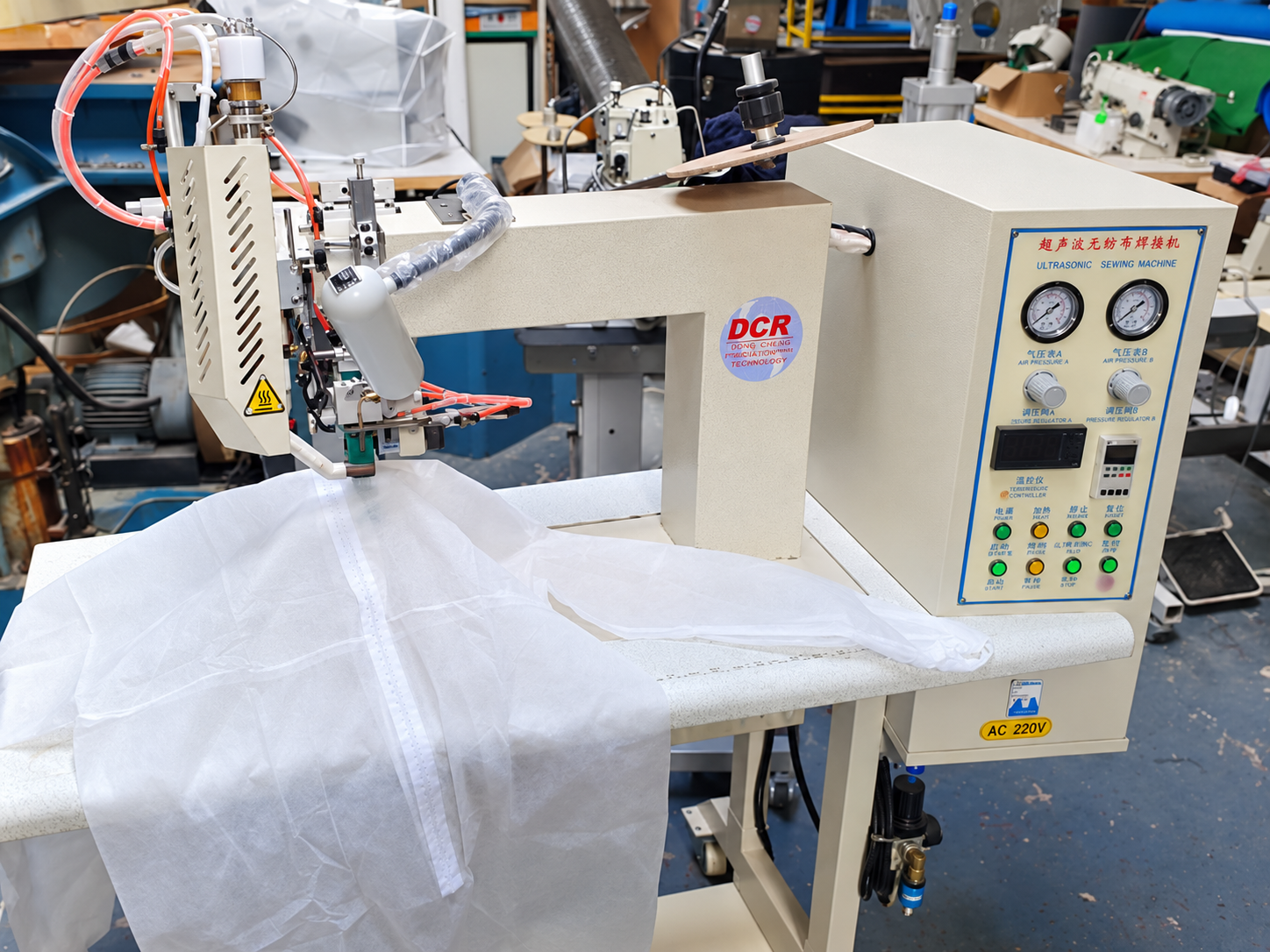
8 heat-bonding or heat-press bonding machines, 4 hot-air seam-sealing machines and 3 laser perforation machines support selected bonded structures, seam treatment and perforated details on compatible materials. These processes do not automatically prove seamless, waterproof or fixed breathability performance.
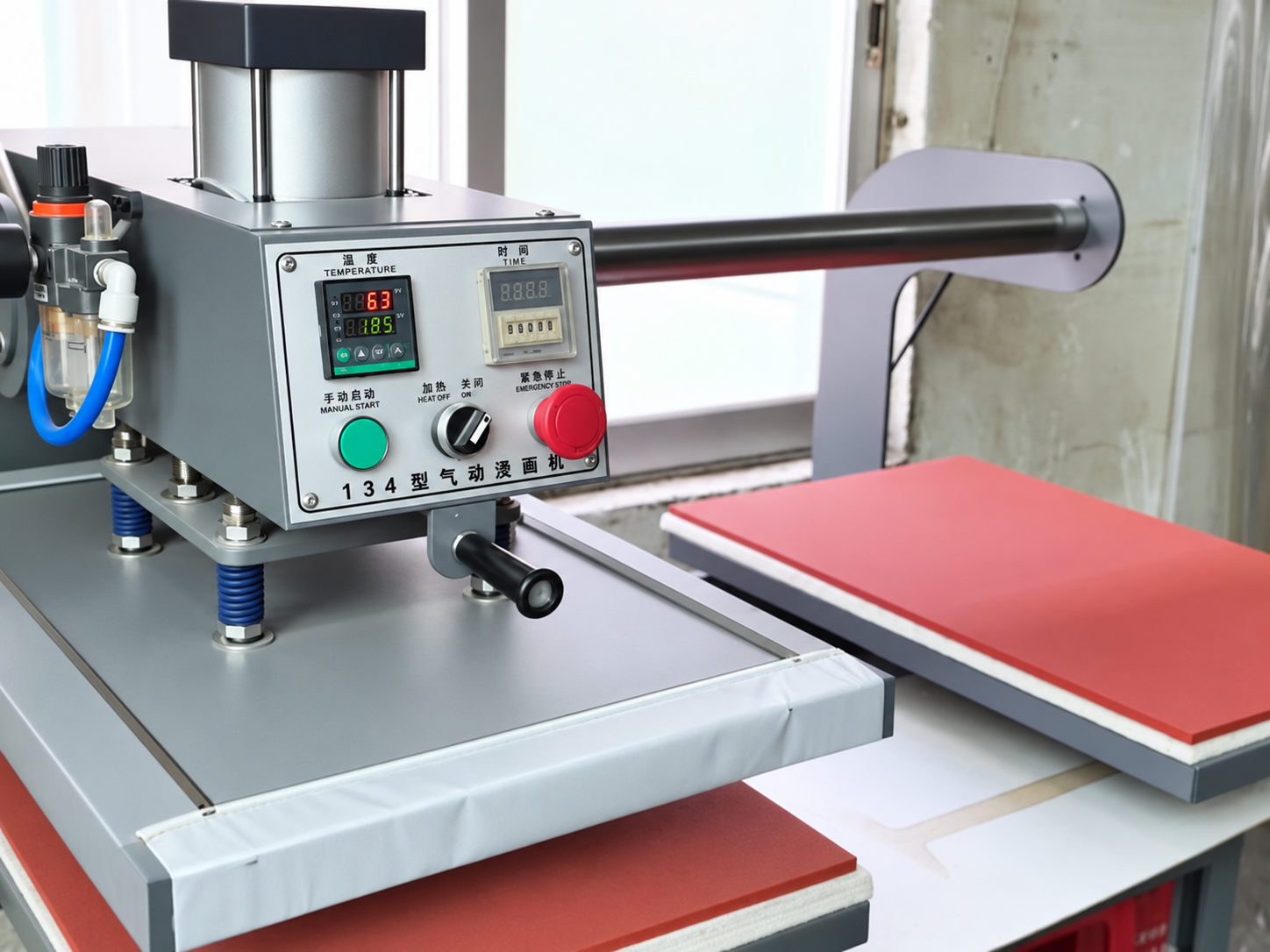
Heat Transfer and Heat Press
6 dual-station heat-transfer label machines and 4 multi-station heat-press printing machines can support selected main labels, size labels, care labels, brand Logos and local graphics. Final application depends on artwork, fabric surface, elasticity, temperature and wash requirements.
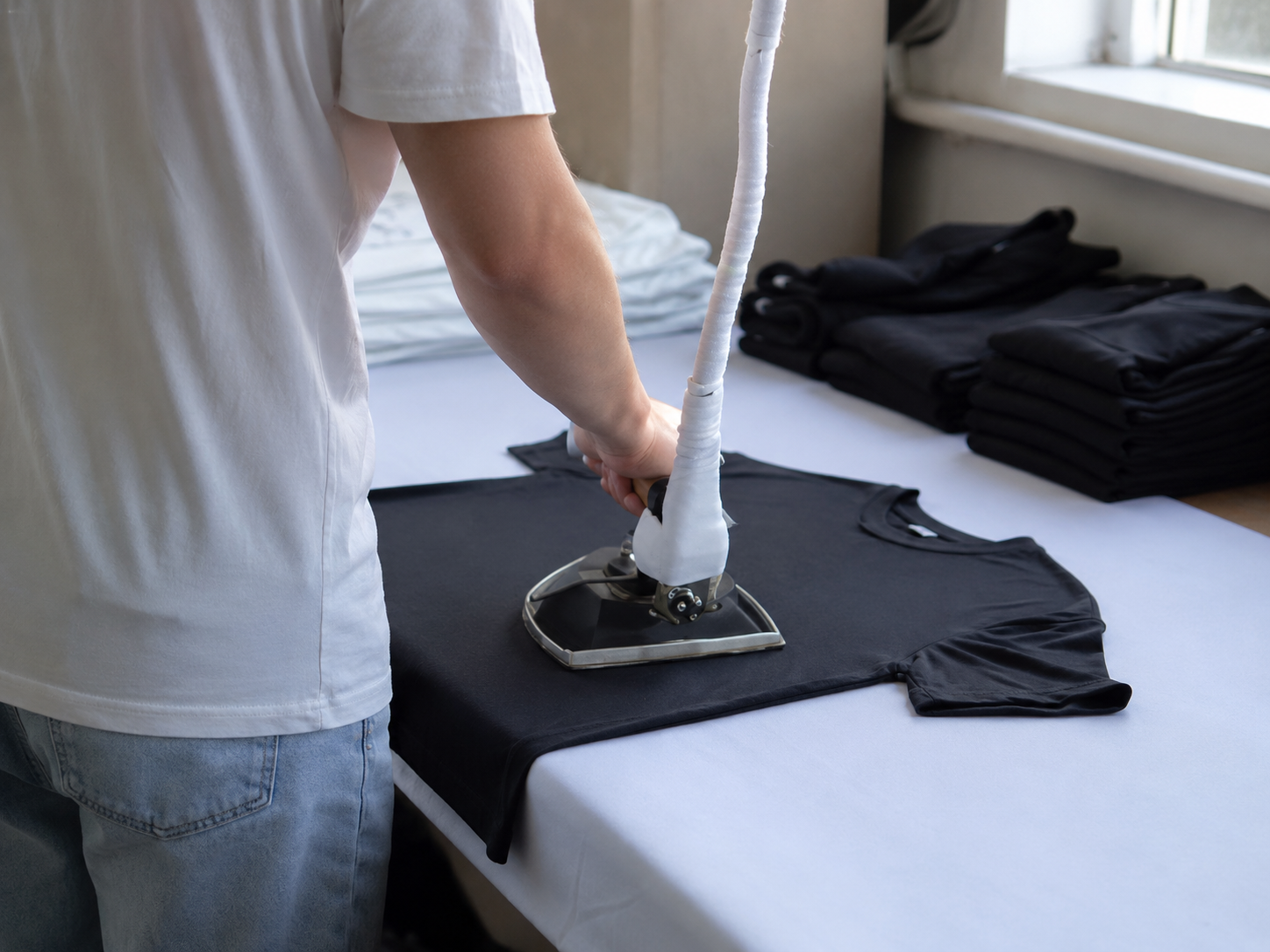
Finishing and Final Preparation
20 high-pressure steam ironing stations, 6 automatic needle-detection machines and 4 automatic folding and packing systems support garment finishing, applicable needle detection and standardized packing for suitable products. Needle detection does not replace product or chemical testing.
How Approved Gym Wear Moves Into Bulk Production
Bulk production becomes more controllable when the factory and brand work from one approved version of product, material, measurement, branding and packing information.
Production Stage
Main Input
Manufacturing Action
Main Risk Controlled
Approved Standard
Approved sample, Tech Pack, measurements, BOM
Freeze current production reference
Version mismatch
Material Readiness
Approved fabrics and trims
Confirm availability, lot and order allocation
Wrong or missing material
Fabric Preparation
Material and pattern requirements
Spread, prepare and cut according to suitable method
Cutting inconsistency
Cut-Part Control
Size and style information
Sort and prepare cut panels
Mixed styles or sizes
Sewing
Approved construction
Assemble with required sewing methods
Construction variation
Special Processes
Approved artwork/process reference
Apply bonding, heat transfer or other confirmed processes
Artwork or process mismatch
In-Process Checks
Approved sample and measurements
Review construction, dimensions and workmanship
Repeated production defect
Finishing
Finished garments
Iron, organize and prepare for final checking
Appearance inconsistency
Label & Packaging
Approved label and packing files
Attach, sort, fold, bag and carton-pack
SKU or packaging error
Shipment Preparation
Order and packing data
Verify required shipment information
Quantity or carton mismatch
Managing Multi-SKU Gym Wear Programs
Scaling a gym wear collection introduces complexity beyond total garment quantity. Styles, colors, sizes, label versions and packaging rules need to stay connected to the correct product throughout production and shipment preparation.
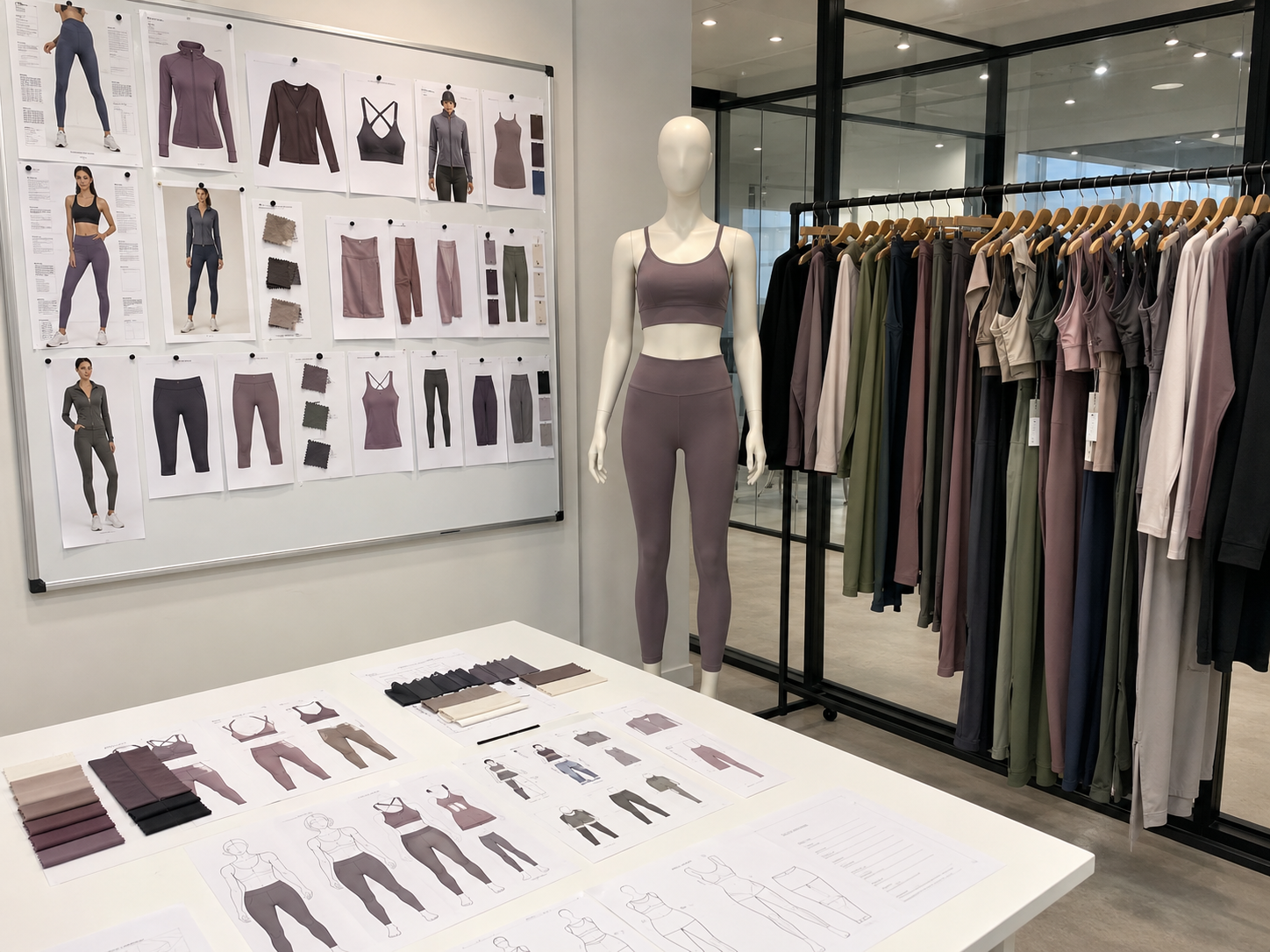
Multi-Style Collections
A gym wear program may include leggings, sports bras, shorts, tops and warm-up products under one collection. Each style can have different materials, patterns, construction and production requirements while still needing a consistent brand direction. Leadshow can organize the manufacturing program by individual style specifications rather than treating a collection as one generic product.
- Style identifiers
- Product files
- Material specifications
- Approved samples
- Branding requirements
- Quantity
- Packaging rules
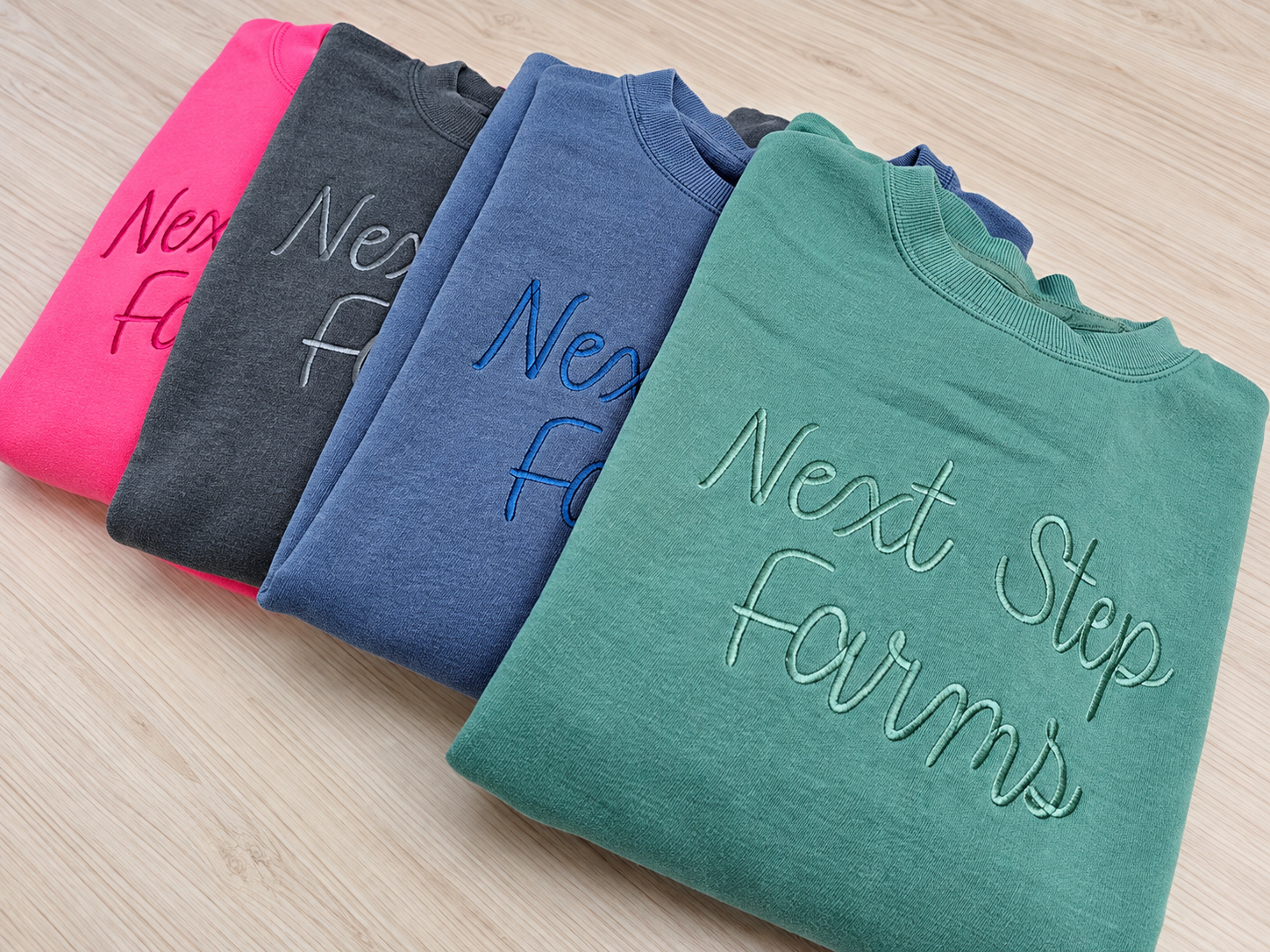
Color and Size Matrices
As a collection expands, one design can become many SKUs through color and size combinations. Size labels alone do not control the product; the garment measurement standard and approved grading remain the manufacturing reference. Color changes can also affect fabric supply, trim matching, Logo appearance and material MOQ.
- Style
- Color
- Size
- Quantity
- SKU
- Label
- Packaging
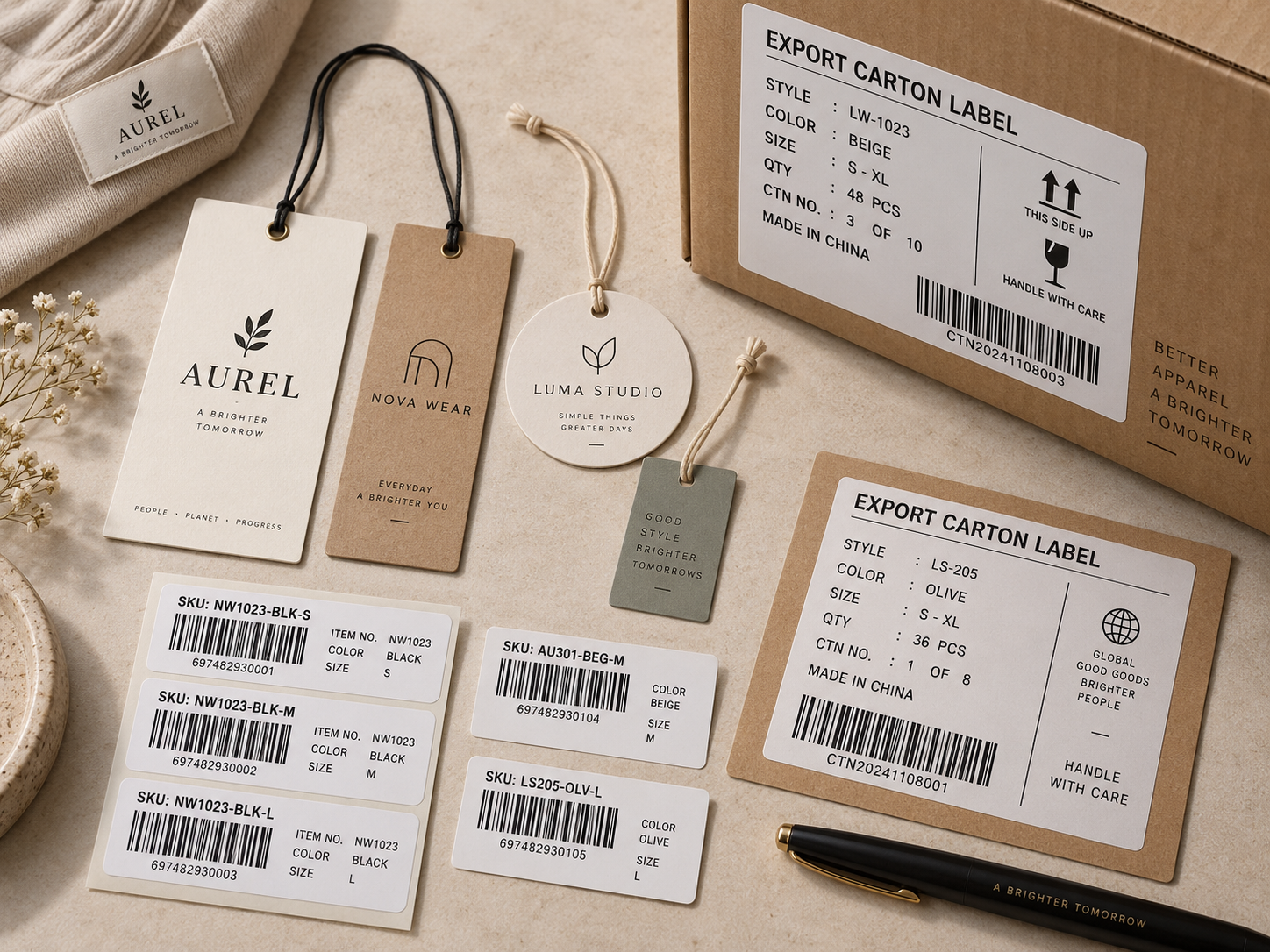
Label and Packaging Versions
Large programs may require different label languages, barcodes, retail packaging or carton information by market or distribution channel. Leadshow can coordinate approved versions, while regulatory and barcode content remain subject to approved files and destination-market requirements.
- Main labels
- Size labels
- Care labels
- Hangtags
- Barcode stickers
- Individual bags
- Retail packaging
- Carton marks
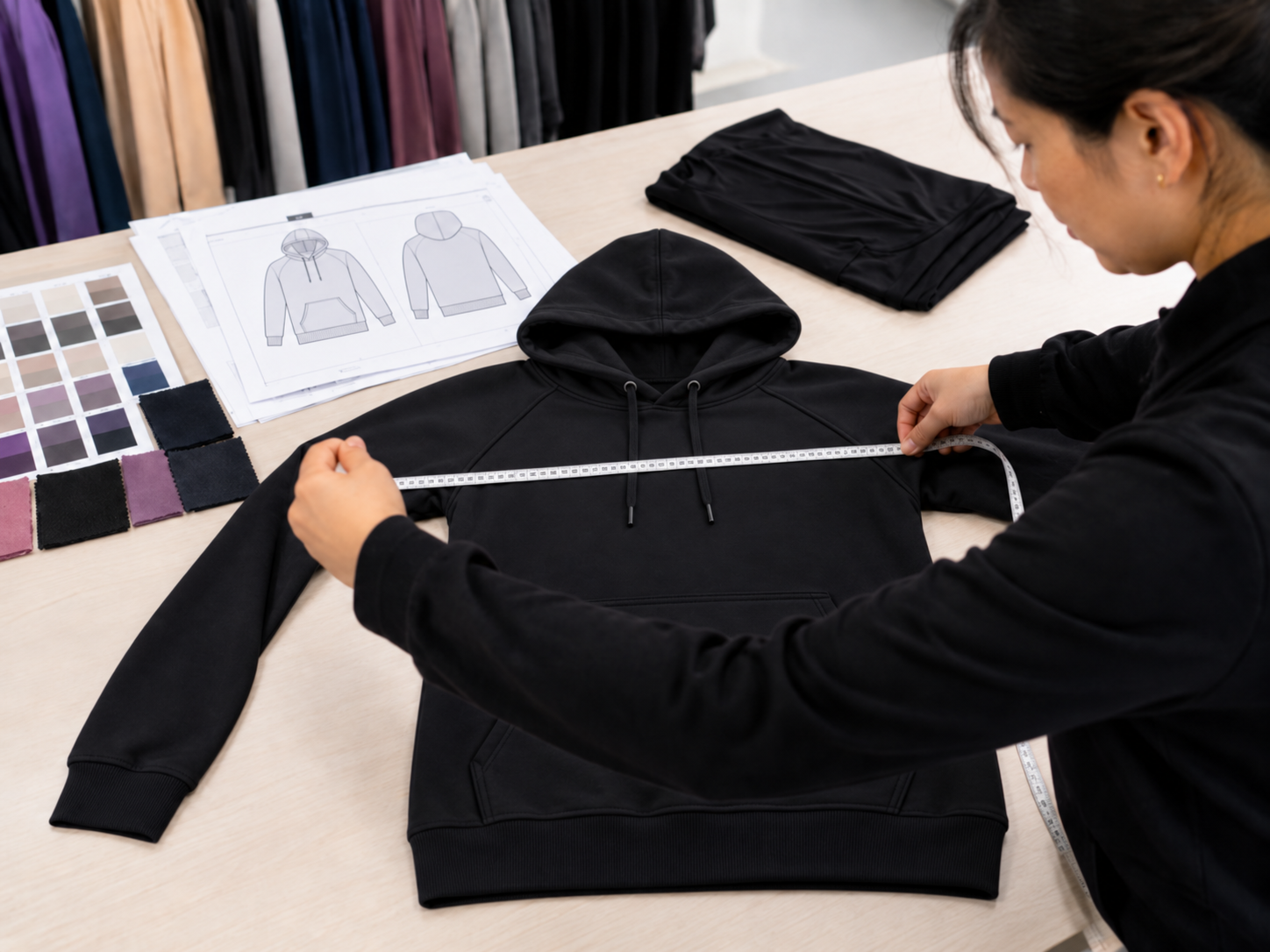
Repeat-Order Continuity
Repeat orders benefit from retained product information, but every reorder still needs commercial and production reconfirmation. The objective is to continue the approved product standard while identifying changes that could affect fit, appearance, cost or delivery before a new run begins.
- Current material availability
- Batch or supplier changes
- Color availability
- Component availability
- Artwork version
- Packaging version
- Quantity
- Current pricing
- Current production schedule
Quality Checks Across Gym Wear Manufacturing
Leadshow has an approximately 45-person quality-related team supporting material, process, garment and packaging inspection according to project requirements. Inspection scope is linked to approved files and order requirements rather than one universal inspection formula.
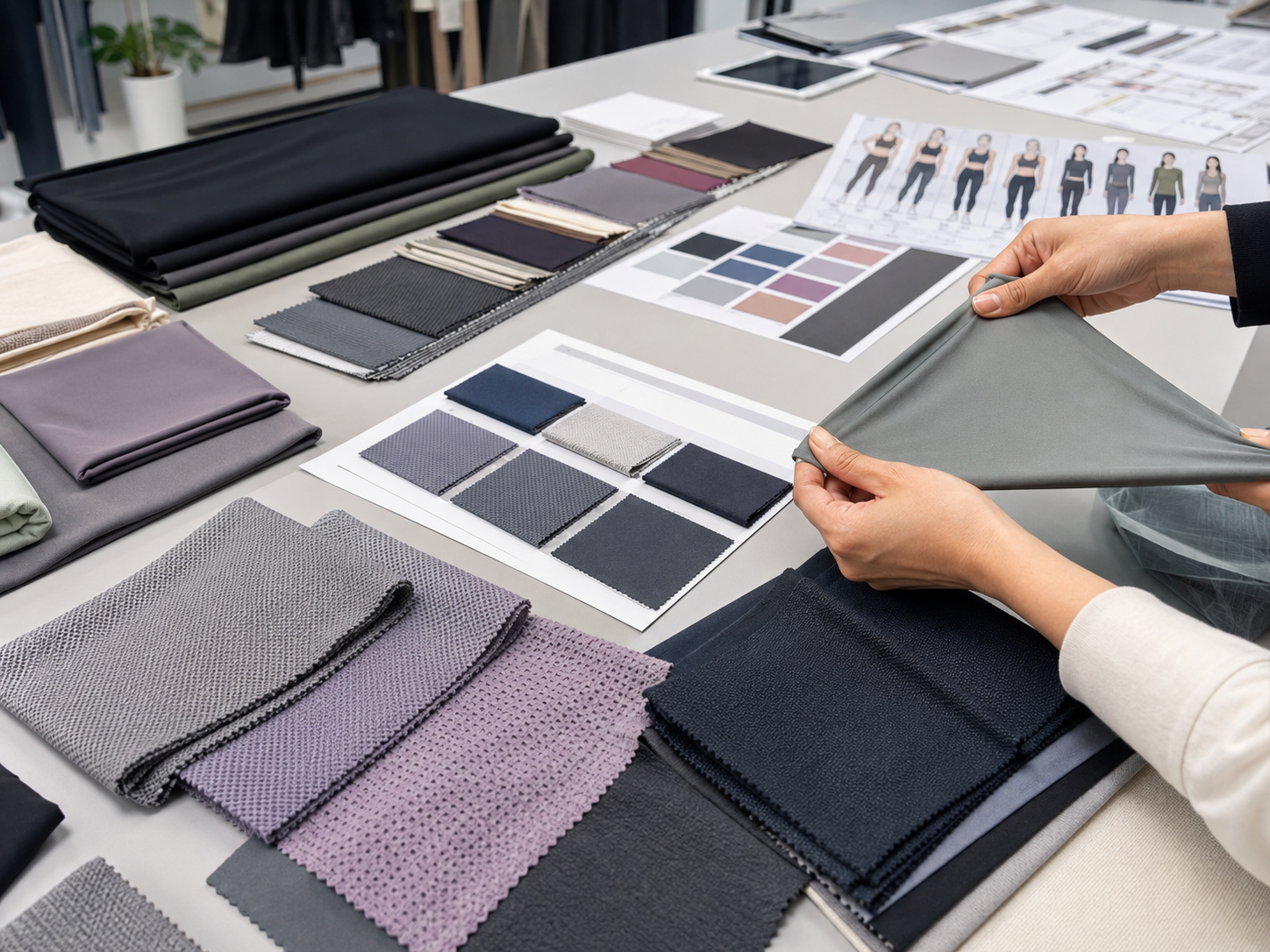
Material Verification
Suitable checks may review fabric appearance, color, GSM or width where required, material identity, lining, elastic, zippers, padding and other trims. Material inspection does not replace performance or chemical testing. Material substitutions with meaningful product impact should be approved before bulk use.
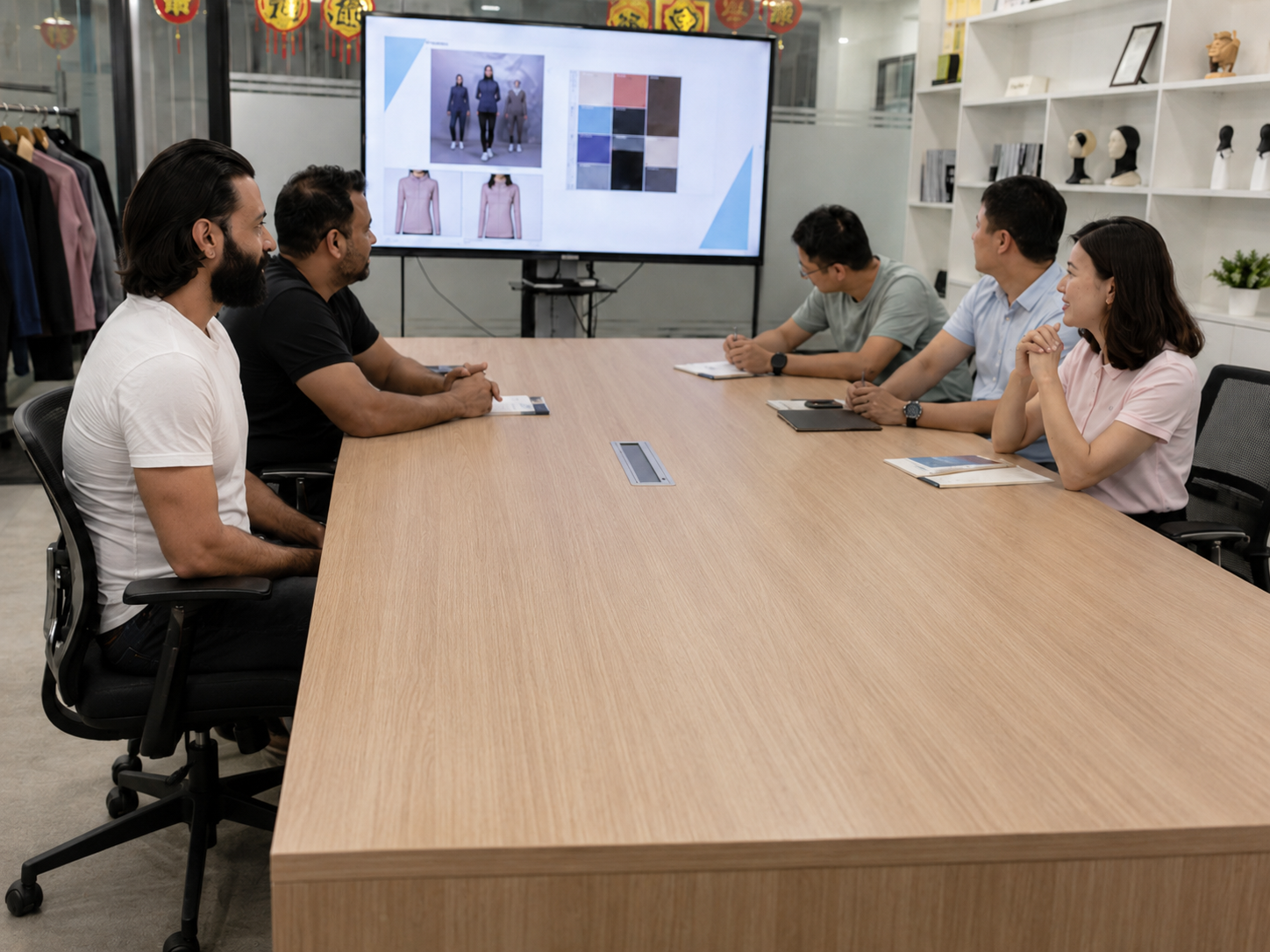
Initial Production Review
Early production can reveal whether approved information has been translated correctly into cutting, sewing, Logo application and assembly. Review may compare initial garments against the approved sample, current pattern, measurement chart, material reference, construction instructions and artwork.
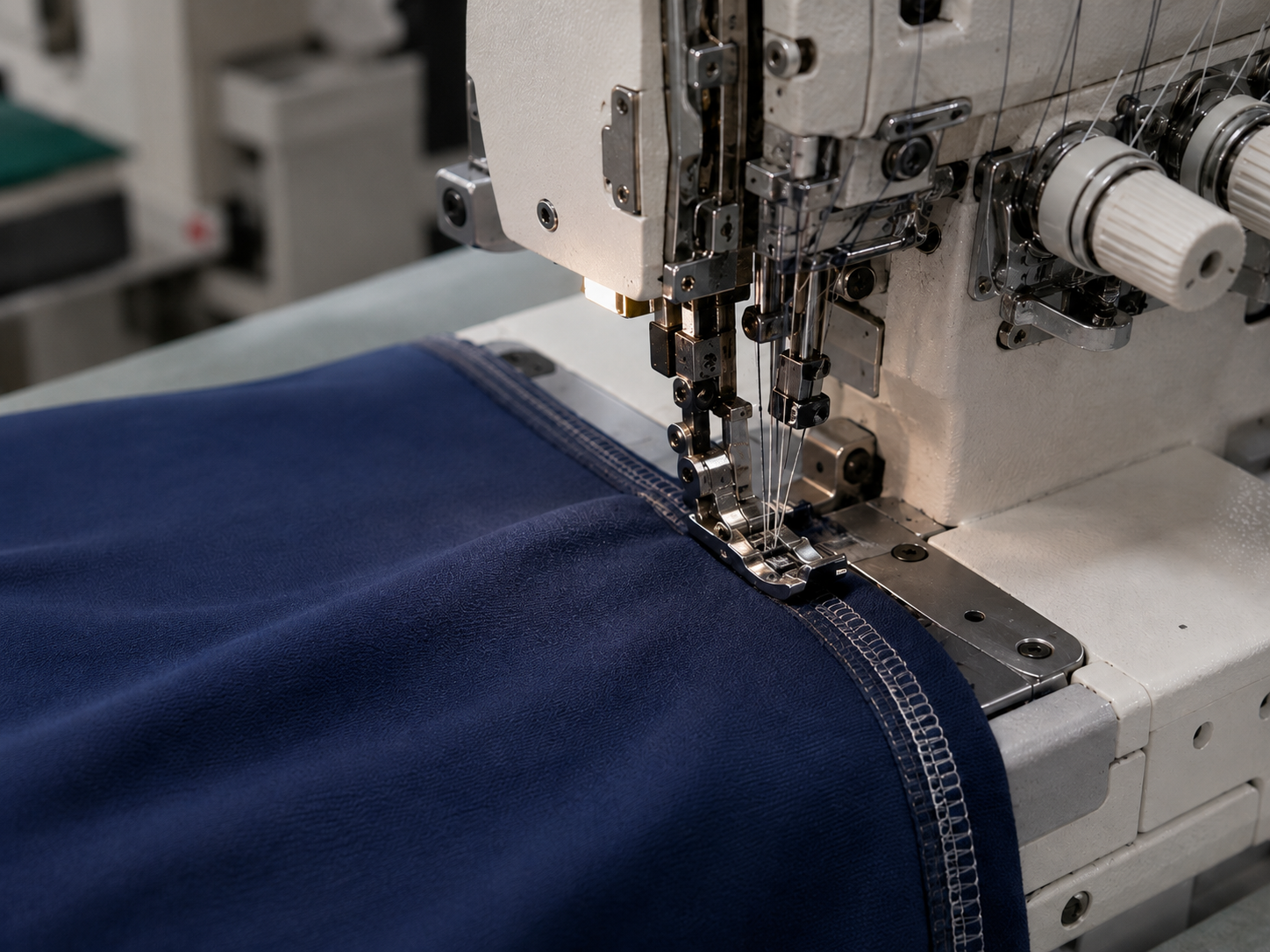
In-Process Workmanship
During manufacturing, quality personnel may review seam appearance, stitching, panel alignment, elastic installation, reinforcement, pocket position, component attachment, heat-pressed details and general appearance. Inspection is a risk-control activity and does not mean production can be guaranteed completely free from variation.
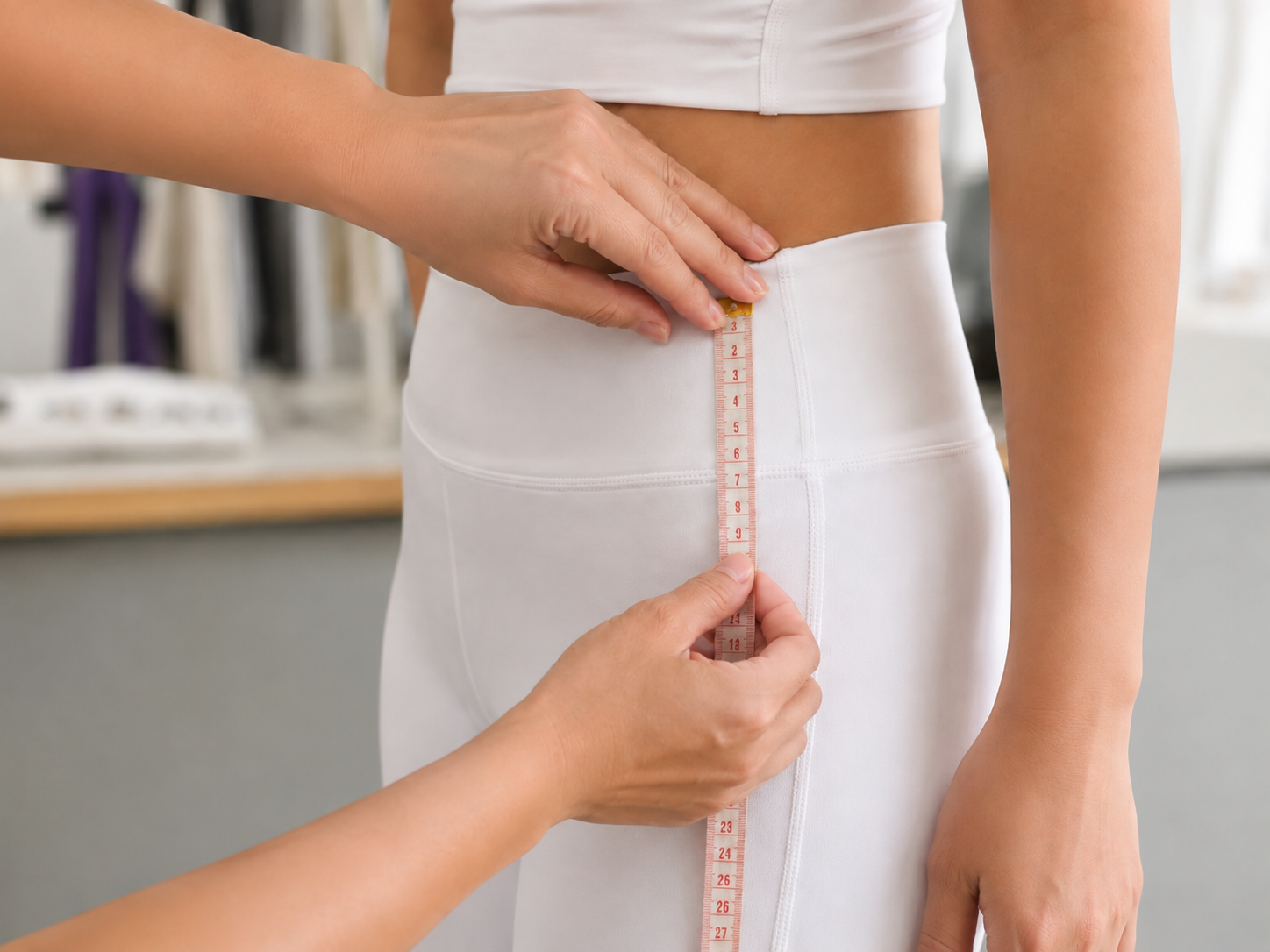
Measurement and Fit-Related Checks
Finished garment measurements can be compared against the approved measurement chart and defined tolerance. Measurement scope depends on product and order. A base-size check does not automatically represent all sizes; grading and size-set requirements should be defined where needed.
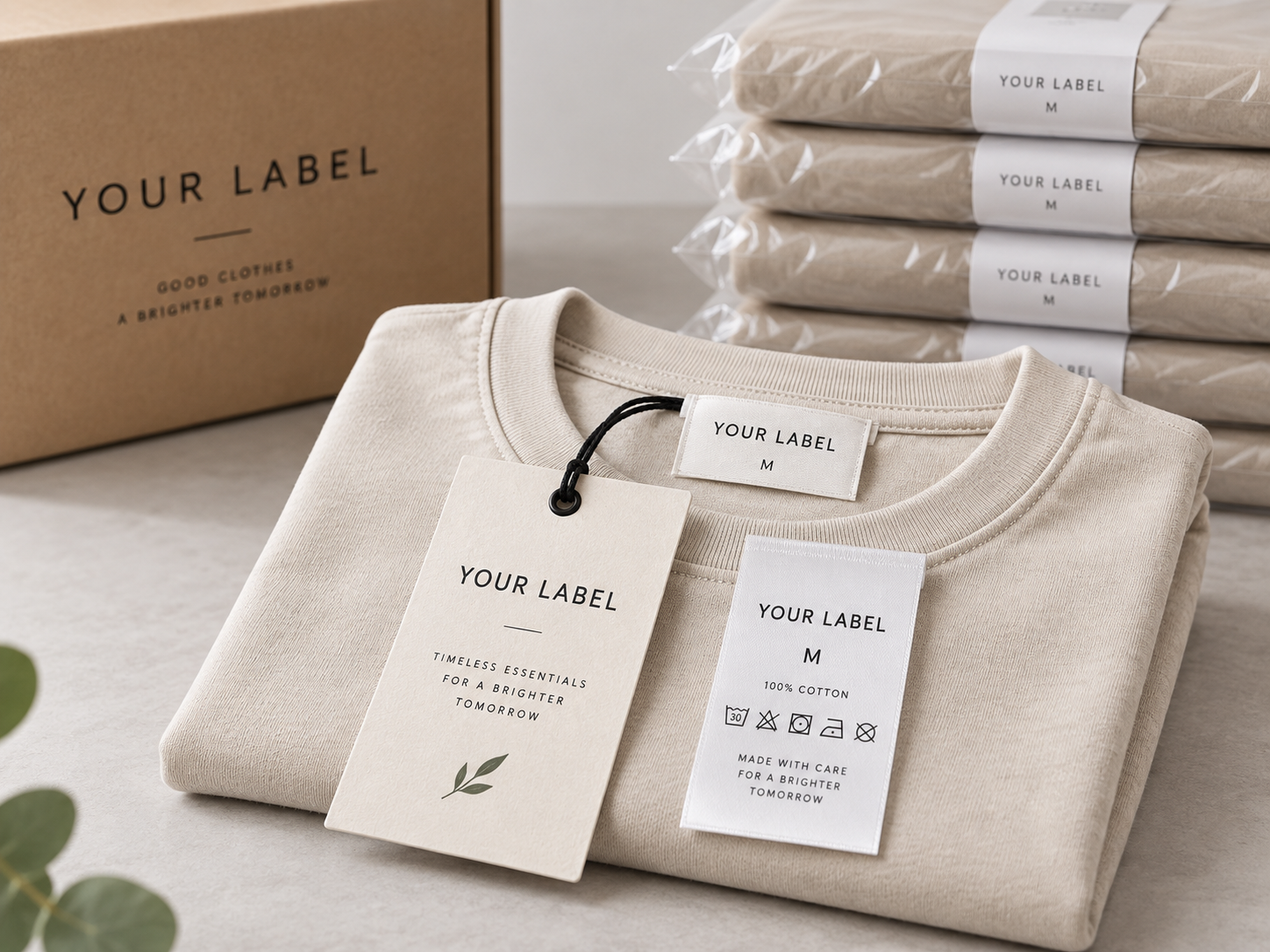
Logo, Label and Packaging Checks
Brand execution may be reviewed against approved files for Logo position and appearance, main labels, size labels, care labels, hangtags, barcodes, individual packaging and carton markings. Packaging checks do not replace legal review of labeling or destination-market regulations.
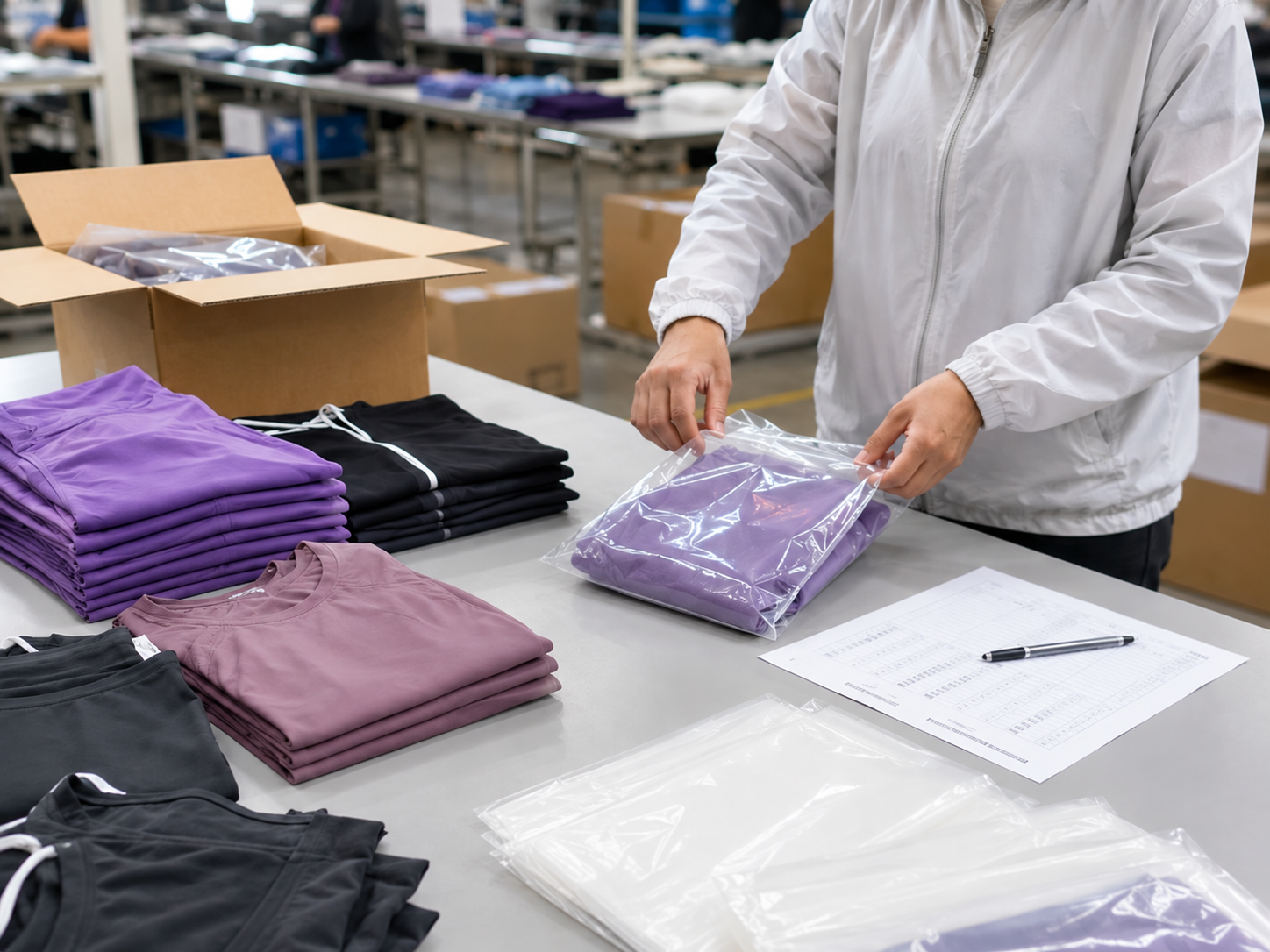
Final Review and Shipment Preparation
Applicable garments may undergo final garment, packaging and needle-detection checks before shipment preparation. Leadshow has 6 automatic needle-detection machines for suitable garments. Inspection method, ratio, AQL where required and third-party inspection arrangements should be confirmed for the specific order.
Testing and Claims Need Project-Specific Evidence
Gym wear can involve performance, chemical and regulatory requirements. Marketing claims should be supported by applicable material documents, test reports or agreed test methods rather than assumed from the garment category.
Requirement Area
What May Need Review
Important Boundary
Fiber Composition
Main and lining material composition
Supplier specification may not replace formal testing where testing is required
GSM / Fabric Structure
Weight, construction, width
GSM alone does not prove performance
Stretch & Recovery
Fabric behavior under extension
Result depends on material and test method
Shrinkage / Wash Appearance
Dimensional change and appearance
No garment should be promoted as zero-shrinkage without evidence
Colorfastness
Relevant colorfastness method
One color report does not automatically cover every color
Seam / Construction
Seam strength or other construction test if specified
Sewing-machine type alone does not prove a specific strength
Quick-Dry / Moisture
Defined test requirement
Polyester content alone does not prove quick-dry performance
UPF
Required UPF test
No UPF claim without supporting test evidence
Chlorine Resistance
Applicable material or garment test
Sports or swim fabric does not automatically prove chlorine resistance
Waterproof / Seam Sealing
Fabric, seam, opening and garment testing
Seam-sealing equipment alone does not prove waterproof performance
Chemical Requirements
Requirements defined by target market or brand RSL
Scope must be confirmed before testing
Third-Party Inspection
Inspection body, stage, criteria and sampling
Third-party inspection is arranged by project, not automatically included
Private Label and Packaging for Gym Wear Programs
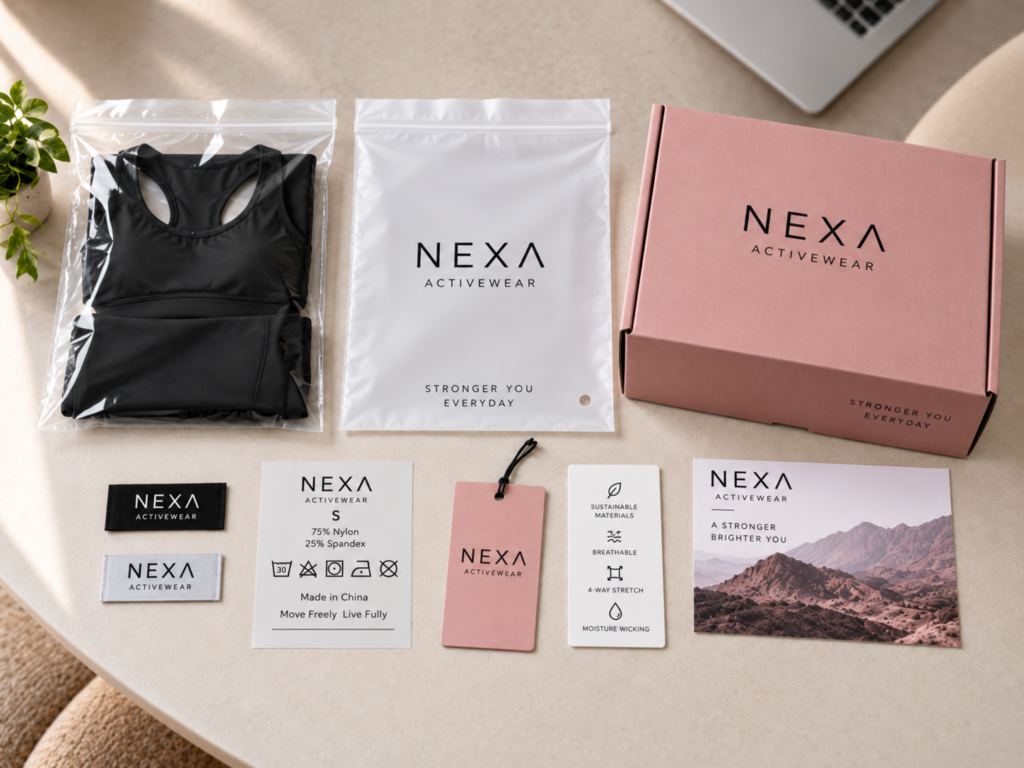
Brand execution continues after garment construction. Main labels, size information, care labels, hangtags, barcodes, individual bags and carton markings determine how finished garments are identified, packed and prepared for retail or distribution.
Coordinate Brand Assets With the Correct SKU
Leadshow can coordinate the sampling, sourcing, application and verification of approved branding and packaging elements according to project requirements.
- Main label
- Brand label
- Size label
- Care label
- Heat-transfer label
- Hangtag
- Sticker
- Barcode
- Individual bag
- Paper card
- Retail packaging
- Carton mark
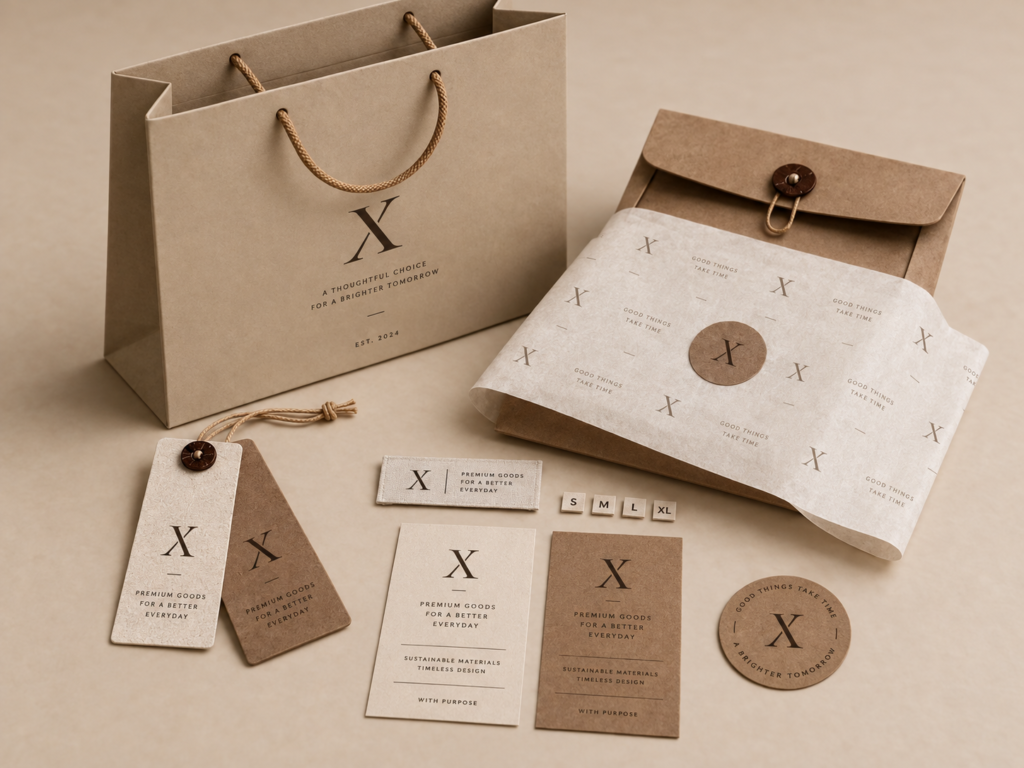
The brand should provide or approve the required artwork, wording, color, dimensions, barcode data and language version. A Logo file should preferably be supplied in an appropriate editable vector format where possible. Position, size and process should be confirmed on the garment or relevant sample.
Keep Brand, Legal and Logistics Information Separate
Packaging projects become easier to control when information types are separated. Brand information may include Logo, brand name and visual design. Product and legal information may include fiber content, care instructions, country-of-origin information or destination-market requirements. Retail information may include size, price ticket or barcode. Logistics information can include SKU, carton number, warehouse reference and carton mark.
Leadshow can execute approved files but does not replace the brand, importer or qualified compliance party in determining every legal labeling requirement. Packaging materials, custom structures, MOQ, pricing and lead time are evaluated according to the selected packaging specification.
MOQ, Quotation and Timing for Gym Wear Orders
Commercial terms become more accurate when product, material, quantity and packaging requirements are reviewed together. A single image is usually not enough to confirm final price or production timing.
Commercial Item
Leadshow Reference
Main Factors Affecting It
Garment MOQ
Starts from 100 pieces per color per design
Fabric, trims, construction and customization
Fabric MOQ
Evaluated separately
Stock status, dyeing, knitting, supplier conditions
Trim MOQ
Evaluated separately
Elastic, zipper, padding, custom component or hardware
Logo MOQ
Depends on selected process
Artwork, process, size, color and supplier conditions
Packaging MOQ
Depends on packaging structure
Printed bag, card, box, label and supplier requirements
Quotation
Confirmed after specification review
Fabric, consumption, construction, trims, Logo, quantity, SKU, packaging
Sample Timing
Confirmed after development review
Pattern, material, sample type, complexity, revision scope
Bulk Timing
Confirmed after applicable approvals and preparation
Material readiness, order quantity, SKU mix, complexity, current scheduling
Goods-Ready Date
Production milestone
Bulk completion and required inspection/packing conditions
ETD
Logistics milestone
Booking and shipping arrangement
ETA
Carrier estimate
Transport route and carrier conditions
Final Delivery
Separate from factory completion
Freight, customs, destination handling and local delivery
A fixed public sample or bulk-production period is not applied to every style. Changes to material, construction, quantity, branding or packaging can require a revised quotation and schedule.
Gym Wear Manufacturer Frequently Asked Questions
The questions below cover product scope, development, MOQ, fit, materials, branding, quality and timing—the areas most often reviewed before a gym wear manufacturing program begins.
What gym wear products can Leadshow manufacture?
Leadshow’s confirmed product range includes sports bras, sports T-shirts, yoga leggings, running shorts, tank tops, jumpsuits, tracksuits, hoodies and sweatshirts. Product suitability is evaluated according to design, material, construction, quantity and required manufacturing processes. Products outside the confirmed range should be reviewed before being presented as available manufacturing programs.
Do I need a complete Tech Pack?
A complete Tech Pack helps speed up technical review and quotation, but an initial discussion can begin with partial information. Brands may submit reference photos, sketches, an existing garment, measurements, material direction, estimated quantity and target market. Missing specifications can then be identified before sampling or final quotation.
What is the MOQ for custom gym wear?
Leadshow’s regular garment MOQ starts from 100 pieces per color per design, subject to fabric, trims, construction and customization requirements. Fabric dyeing, custom elastic, Logos, labels or packaging may carry separate supplier MOQs, so final minimum quantities should be reviewed by style.
How is gym wear fit confirmed?
Fit can be developed from a measurement chart, approved garment, reference sample or brand fit standard. The review considers base size, garment measurements, grading, fabric stretch, recovery and intended silhouette. Fitted activewear may require movement and fit assessment before the approved sample is frozen for production.
Can Leadshow help source gym wear fabrics?
Leadshow can coordinate fabric and trim selection according to product structure, fit, performance targets, budget, quantity and target market. Options may include available supplier fabrics, regular materials or project-specific custom materials. Final selection should be confirmed through physical samples, specifications and relevant tests where required.
Can you develop samples before bulk production?
Yes. Sample development can support construction, fit, material, workmanship, Logo and other product checks before bulk production. The number and type of samples depend on the project. Sample timing is confirmed after reviewing material readiness, pattern requirements, complexity and requested sample type.
Can you provide private-label gym wear?
Leadshow can support private-label production including approved Logos, main labels, size labels, care labels, hangtags, barcodes, packaging and carton markings. Artwork ownership and labeling requirements remain subject to the brand and destination market. Not every decoration process is confirmed as an internal operation.
How is bulk quality checked?
Leadshow’s approximately 45-person quality-related team can support material, in-process, finished-garment and packaging checks according to project requirements. Inspection scope, tolerances, AQL where applicable, full-inspection items and third-party inspection arrangements should be agreed for the order rather than assumed as one universal standard.
Can performance or compliance testing be arranged?
Testing requirements can be reviewed according to product claims, materials and destination market. Supporting supplier documents, samples and third-party testing may be used where applicable. Claims such as UPF, chlorine resistance, quick-dry, waterproofing, antibacterial properties, recycled content or formal compliance should not be published without appropriate evidence.
What information is needed for an accurate quote?
For a stronger quotation, provide the product type, Tech Pack or reference images, measurement chart or size range, fabric direction, trims, Logo artwork, colors, quantity per design and color, packaging, quality requirements, target market and expected timing. A physical reference sample can also help for supplier replacement or existing-product development.
Start Your Gym Wear Manufacturing Project
A useful manufacturing review starts with enough information to understand the product, development stage and expected production program. You can send a complete Tech Pack, an existing garment specification, reference photos or a more developed project package. For the most efficient review, include the gym wear product type, front and back drawings, size range or measurement chart, intended fit, fabric composition or hand-feel direction, key trims, color requirements, Logo artwork, label files, packaging requirements and estimated quantities for each design and color. For performance products, also identify any specific test or market requirement that needs to be evaluated. If a project is already in production elsewhere, existing samples, inspection findings or product issues can help identify what needs to be retained, changed or revalidated. Leadshow will review the available information and identify product, material, manufacturing, MOQ, sampling, quality or scheduling points that need clarification before the next step.