
Apparel Pattern Development
Pattern and fit development for sportswear brands preparing samples, refining existing styles, or moving approved designs into repeatable production.
- Bring a tech pack, reference garment, existing pattern, or measured fit comments for an initial technical review.
- Develop or adjust patterns alongside fabric, construction, and the intended fit before approving a sample.
- Review sample fit, record changes, and confirm which version will guide production.
- Work across sportswear, swimwear, streetwear, and modest sportswear with an OEM and ODM manufacturing partner.
Project scope, file requirements, and timing are discussed after the initial review.
Pattern Development for Different Stages of Apparel Production
Pattern work can begin with a finished technical package, an existing garment that needs correction, or a new style still taking shape. The useful starting point depends on what has already been approved and which decisions remain open.
New Collection Teams
A new collection needs a consistent fit direction before the first sample is cut. Share the intended wearer, product category, target measurements, reference garments, fabric direction, and the sizes you plan to sell. Our development team can review the construction and prepare a pattern and sample route suited to the style. A sports bra with layered support needs a different review from a loose hoodie, even when both belong to the same seasonal range. Clear decisions at the start help your team evaluate each sample against an agreed goal.
Fit Correction Projects
An existing product can look right on a hanger and still disappoint during movement or across sizes. Send the current sample, its latest specifications, the relevant pattern if available, and specific fitting comments. Photographs become more useful when paired with a measured point and a clear description of the intended change. We can assess how the pattern, fabric, and construction contribute to the issue, then discuss the next sample revision. The aim is to preserve the parts of the garment your team already approves while correcting the parts causing concern.
Supplier Transfer Teams
Moving an established style to another manufacturing partner calls for more than forwarding an old tech pack. The receiving team needs to identify the approved sample, the current pattern version, material specifications, size rules, and any differences between written instructions and the garment you actually sell. Leadshow can review the available information and discuss a sample route before production planning. If a previous supplier holds files or uses materials that cannot be sourced again, those gaps should be identified early, while your product team still has room to approve alternatives.
What Does Apparel Pattern Development Include?
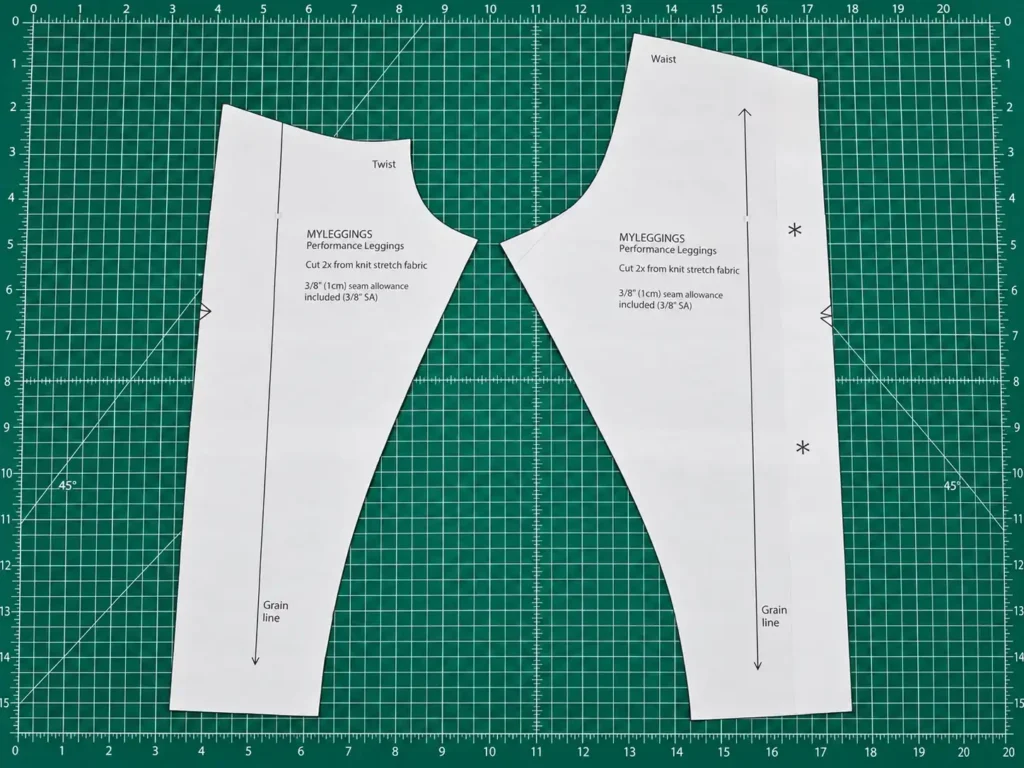
A garment pattern translates a design into pieces that can be cut and sewn. Development also involves decisions about fit, fabric behavior, sample revisions, and the information a production team needs after the sample has been approved.
The pattern connects your design, fit target, and construction
A working pattern describes the shape and relationship of garment pieces, but its value becomes clear when those pieces are sewn in the intended material. A neckline can measure correctly on a flat pattern yet change position when a stretch fabric is worn. A waistband can meet its specification and still roll during movement. Pattern development therefore begins with the garment’s purpose, its target wearer, the base size, and the construction details. The first sample provides a physical check of those decisions. Fit comments then guide measured changes to the pattern and, where necessary, to the material or sewing method.
Leadshow supports paper-pattern preparation, pattern and fit adjustment, and sample development for its confirmed apparel categories. The development discussion can begin with a tech pack, a reference garment, an existing pattern, measurements, or a design concept. Our team reviews the information available and identifies what must be decided before sampling. Once a sample is approved, the agreed pattern version and product specifications can be reviewed for manufacturing feasibility. A request for standalone pattern files, a particular CAD format, grading package, or exclusive ownership should be raised at the start so its scope and terms can be confirmed in writing.
What Can You Send for a Pattern Review?
A complete tech pack helps, but development does not have to wait until every document is finished. Send the strongest reference available and explain which parts are approved, which parts need correction, and what you expect from the next sample.
What you have
What we would review first
What your team should clarify
Tech pack
Construction, measurements, materials, artwork placement, and missing production details
Which specifications are final and which remain open
Existing pattern
Base size, pieces, seam allowance information, revision status, and available grading
File format, ownership, and whether the supplied version matches the approved sample
Reference garment
Fit, construction, materials, and details your brand wants to retain or change
Permission to use the garment as a development reference
Size chart
Body and garment measurements, size names, and key points of measure
Target wearer, base size, fit preference, and any existing brand fit standard
Sketch or reference images
Intended silhouette, visible details, and construction questions
Fabric direction, target price range, expected quantities, and intended use
Fit comments
Problem location, sample size, measured difference, and photographs where available
The desired result, rather than a general note such as “make the fit better”
The initial response should identify the information needed to assess a development route. Sampling costs, deliverables, and timing depend on the garment and the materials supplied.
Pattern Development Across Our Apparel Categories
A pattern should reflect how the garment is worn. The following product categories show where fit, movement, coverage, and construction lead to different development decisions. Every project starts with its own specifications and materials, even when the product name is familiar.
Sports Bras
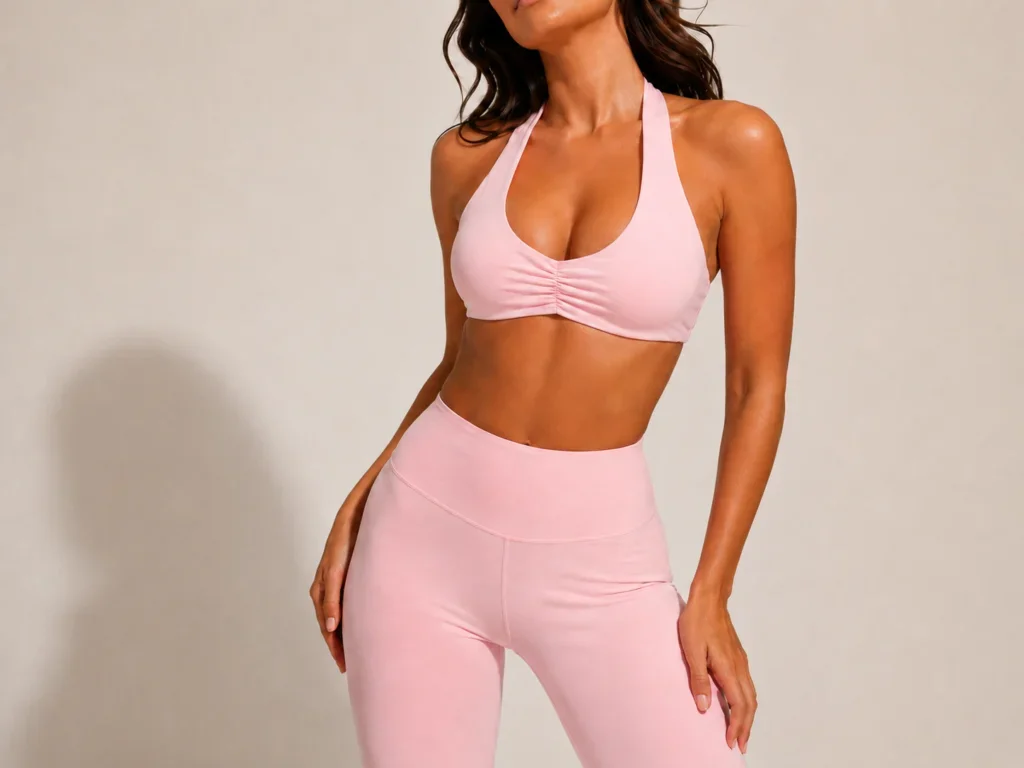
A sports bra brings support, coverage, and comfort into the same fit review. The underband, straps, neckline, lining, and any removable-pad opening must work together in the chosen fabric. A promising flat sketch cannot establish how pressure feels on the body or how the garment moves during activity. Sampling gives the brand an opportunity to assess those details before approving the pattern. The support level and any performance claims depend on the complete design, material selection, and appropriate verification.

Yoga Leggings
Legging fit depends on the relationship between the waistband, rise, hip, inseam, and fabric stretch. A change to one part can affect several others when the garment is worn. During development, the team can review where the waistband sits, how the crotch and gusset move, and whether seams remain comfortable through the intended range of motion. Fit comments should identify the sample size and the exact location of any pulling, rolling, or excess fabric so revisions address a measurable issue.
Sports T-Shirts
A tennis skirt needs an intentional balance between silhouette and movement. Waist placement, skirt length, panel shape, and the behavior of the chosen fabric all influence the result. If a design includes an inner short or other built-in component, both layers need to be evaluated together rather than as separate flat patterns. A sample review can check how the garment sits while standing and moving, where the layers meet, and whether the approved appearance can be reproduced with the selected construction.

Running Shorts
The rise, leg opening, waistband, and side-seam shape all influence how running shorts behave in motion. A visual reference may show the desired outline without revealing how much room the wearer needs for a full stride. Fabric weight and any lining also affect the pattern decision. Development should establish the intended fit and then use a sewn sample to check movement, comfort, and coverage. Changes can be recorded against the sample size before another version is cut.

Tennis Skirts
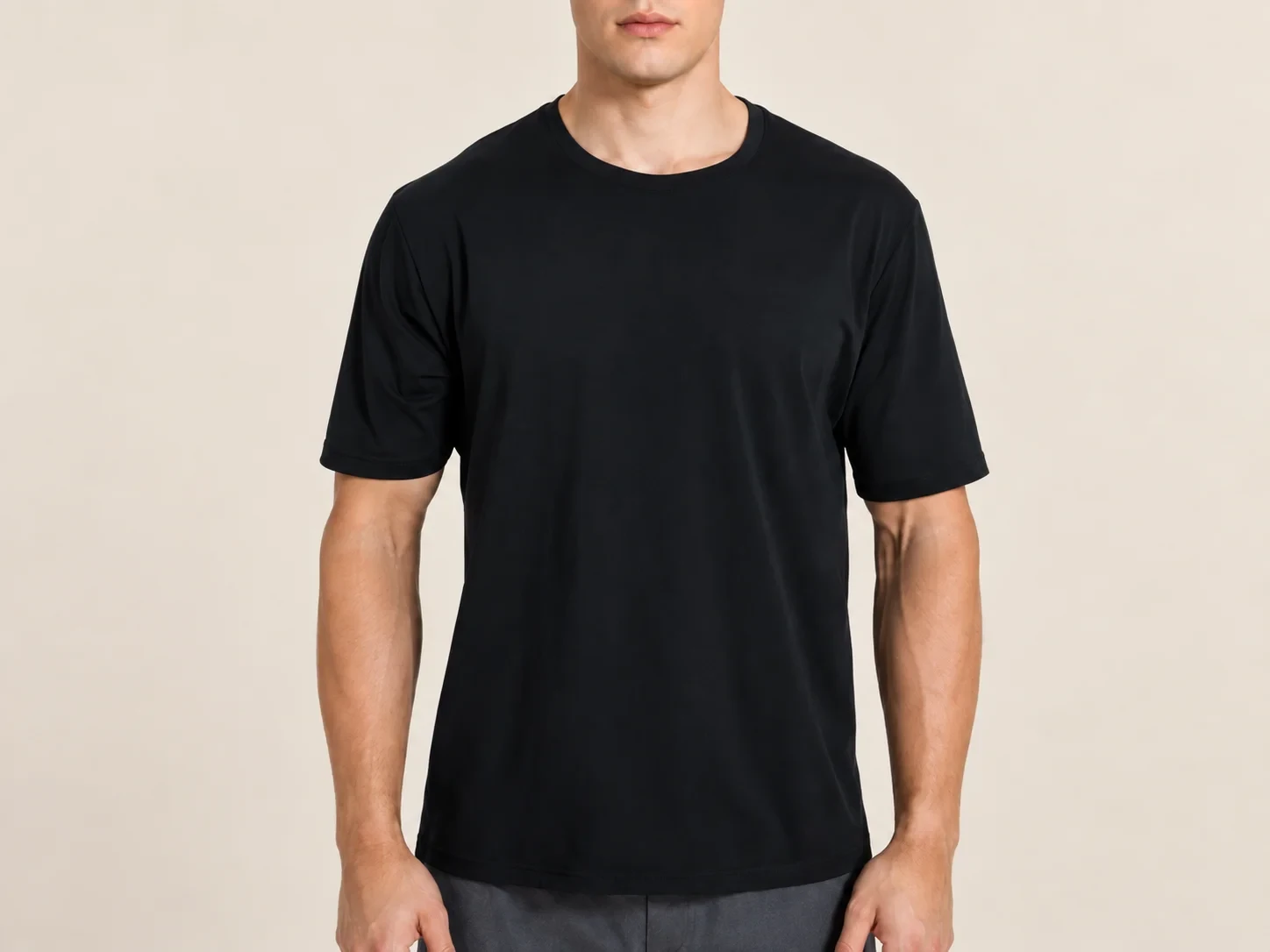
A sports T-shirt may appear simple, yet small changes in shoulder width, armhole depth, body length, and sleeve shape can alter its intended fit. The pattern also needs to suit the chosen knit fabric and sewing method. For a brand extending an established line, an existing approved shirt can provide a useful fit reference. Sample evaluation should confirm how the new style sits across the shoulders and chest, how it moves, and which measurements should remain consistent across future orders.

Tracksuits
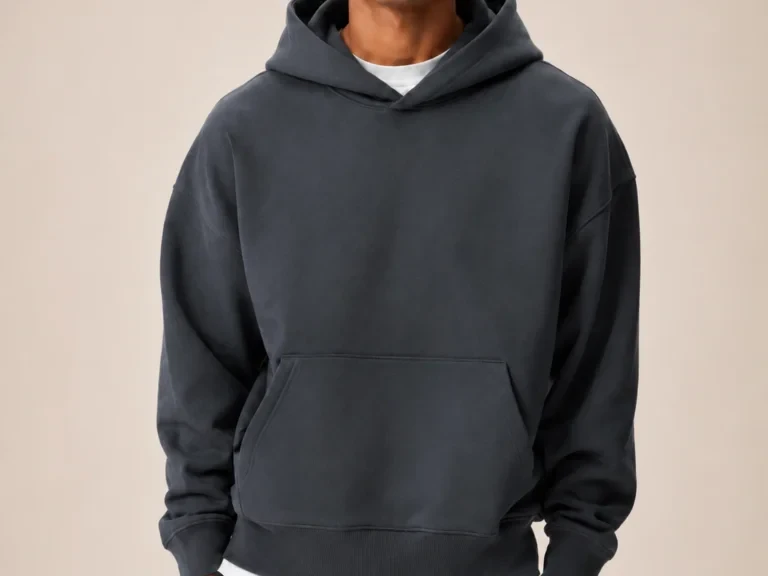
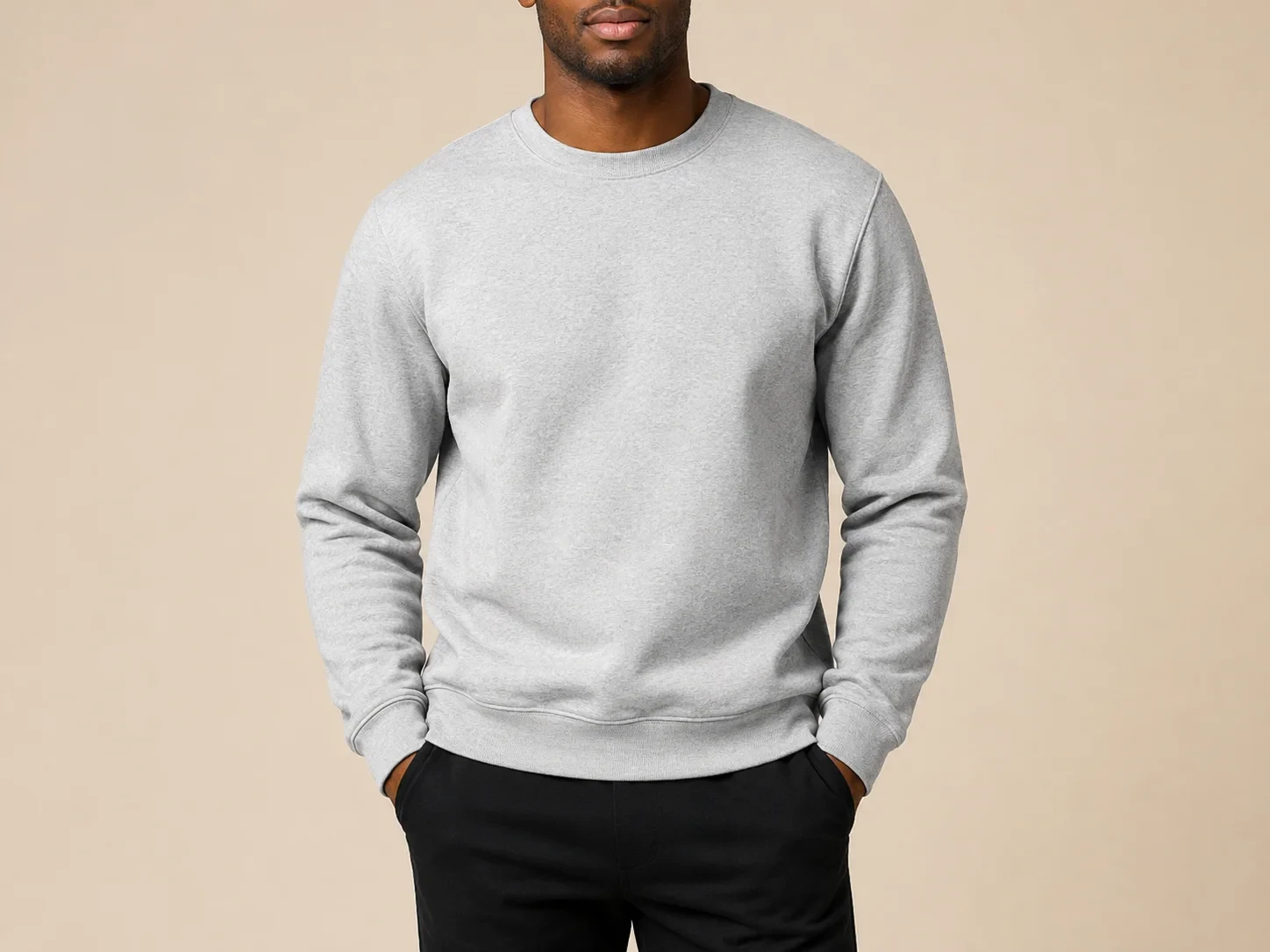
Hood shape, neckline, shoulder position, sleeve volume, and body width establish much of a hoodie’s character. A relaxed or oversized style still needs deliberate proportions; adding width everywhere rarely produces the intended silhouette. Fabric thickness and rib construction can also change how the garment hangs. During development, a sample helps the team decide whether the hood sits correctly, the shoulder line falls where intended, and the body and sleeves work as one design before production details are finalized.
Hoodies
Swimwear patterns require close attention to coverage, lining, elastic placement, and the behavior of the selected fabric. A dry sample can answer some construction questions, while the intended use may call for further product-specific evaluation. Brand teams should identify the desired fit, coverage, and material requirements before the first pattern is approved. Any claim involving chlorine resistance, UV protection, or other performance must be supported by the relevant material or finished-garment evidence rather than inferred from the pattern alone.
Sweatshirts
Modest sportswear brings coverage and athletic movement into the same design brief. Sleeve and body length, opacity, layering, neckline shape, and the way fabric moves all deserve attention. A pattern can provide greater coverage without allowing fabric to pull comfortably through the shoulders or arms; the intended activity matters. Sample review should include the positions and movements relevant to the garment. Fabric selection and construction can then be assessed alongside the fit rather than decided after the pattern is complete.
Establish the Base Size Before Changing the Pattern
A base size gives a pattern and its first sample a clear reference. Agreeing on the wearer and the points of measure before fitting helps distinguish a design preference from a measurable difference between the sample and the specification.
Measurements Become Useful When the Fit Target Is Clear
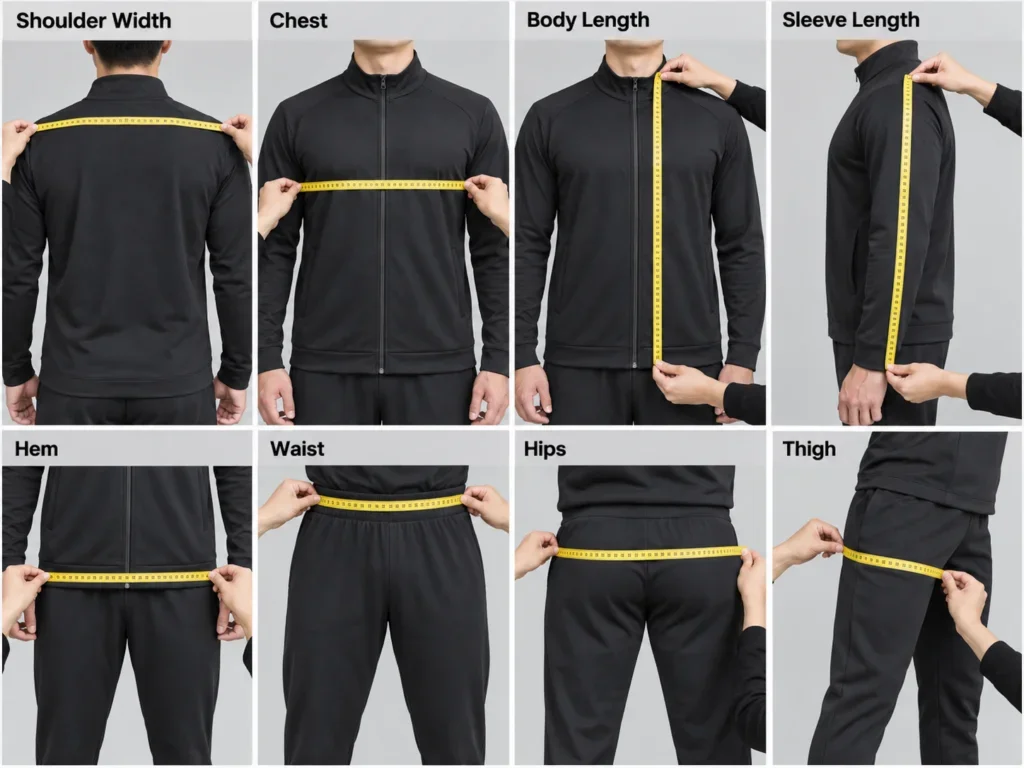
The size printed on a label does not describe a universal body. Before preparing or adjusting a base pattern, a brand should identify the intended wearer, the body or fit-model measurements available, the garment measurements it wants to achieve, and the amount of ease appropriate for the style. A close-fitting sports bra and a relaxed hoodie may use very different relationships between body and garment measurements. The chosen base size should follow the product and the brand’s established fit approach, rather than an assumption that every project begins with a medium.
For fitting comments, record the point of measure, the target, the actual sample measurement, and where the garment sits when worn. A note such as “waist opening larger than the approved specification” gives the pattern team a clearer task than “waist feels wrong.” Photographs from the front, side, and back can add context, particularly when a brand conducts fittings outside China. Posture, sample size, underwear, and fabric condition can affect what a photograph appears to show, so the measured record matters. Leadshow can use the information supplied to review pattern and fit adjustments; any new size standard or additional fitting work should be agreed for the specific project.
Why Fabric Choice Changes Pattern Development
A pattern is tested through the material used to make the sample. Replacing fabric after approval can alter fit, seam behavior, coverage, and the appearance of a finished garment, even when every pattern piece stays the same.
Review Fabric and Construction Before Freezing the Fit
Stretch direction, recovery, thickness, weight, and surface behavior influence how a garment sits on the body. A waistband may feel secure in one knit and loose in another. A supportive panel may respond differently when its lining or elastic changes. Fabric can also behave differently after washing, sewing, or pressing. For these reasons, a fit approval should identify the material used in the sample and note any components that are still provisional. When a replacement is necessary, the team can decide whether the existing pattern remains suitable or whether another sample should be reviewed.
The same principle applies to seams and supporting components. A pattern for a sports bra must account for the chosen underband and lining; a hoodie needs to suit its body fabric and rib; a swimwear style depends on its elastic and coverage requirements. Leadshow can evaluate material and construction choices as part of apparel development, while sourcing availability and minimums are assessed for each project. Product performance should be described only after the relevant material specifications or tests support the claim. Approving a pattern on appearance alone would leave the production team without a reliable fit reference.

Six Decisions That Shape Apparel Fit and Construction
Pattern development involves a set of connected decisions. An adjustment made for appearance can change movement, comfort, or assembly. Reviewing the following points with a sewn sample helps a brand approve the garment it intends to produce.
Support and Pressure
In a close-fitting garment, support is affected by the pattern, the material, and the components used with it. For a sports bra, the team may need to review underband position, strap geometry, neckline coverage, and the way panels meet. Increasing tension in one place can create discomfort elsewhere. The intended support level should therefore be described as a design goal and checked with a sample. Any quantified support claim requires an appropriate method of verification.
Waist and Hip Balance
A waistband should sit at the intended height while the garment remains comfortable during movement. Leggings, shorts, and skirts can each require a different relationship between waist measurement, rise, hip shape, and fabric stretch. If a sample rolls or pulls, the fitting record should show where and when the problem occurs. A pattern revision can then be assessed alongside the waistband construction and material, rather than treating one circumference measurement as the whole answer.
Movement and Mobility
Sportswear has to be evaluated in the positions relevant to its use. Raising the arms, bending, stretching, or taking a long stride can reveal issues that a standing fit photograph misses. The activity chosen for review should match the style rather than serve as a universal test. Pattern balance, seam location, and ease can then be considered together. A fit comment tied to a movement gives the sample team a clearer reason for changing the garment.
Coverage and Lining
Coverage is influenced by pattern shape, fabric opacity, lining, and how a garment shifts during wear. A swimwear neckline, the opening of a running short, and the length of a modest sportswear top present different questions. A flat measurement can establish a target, while a worn sample shows whether the target works in use. Lining and elastic choices may need review at the same time, especially if the brand changes materials after its first fitting.
Silhouette and Ease
Regular, relaxed, and oversized describe different design intentions, but each needs measurable proportions. Shoulder placement, sleeve volume, chest width, garment length, and fabric drape work together to create a silhouette. A brand’s approved reference garment can help communicate the desired appearance. During sample review, the team should identify which dimensions define the style and which can change for comfort or construction, preserving the intended look through revisions.
Seams and Assembly
Every pattern piece must meet another piece at a seam, opening, or finish. A construction idea may look clean in a drawing but prove difficult to sew consistently in the specified fabric. Panel alignment, seam allowance, elastic application, and finishing methods therefore belong in the development conversation. If a pattern change affects assembly, the sample should be checked before its revised shape becomes a production reference. Manufacturing feasibility is part of the approval decision.
From Pattern Review to an Approved Apparel Sample
The path from an initial pattern to an approved sample depends on the information already available. A mature style may need a focused correction; an early concept may require decisions about fabric, structure, measurements, and intended fit first.
Give every sample a purpose and an approval point
Development begins with a review of the product brief and the materials the brand can supply. The team identifies the base size, evaluates construction and manufacturing feasibility, and discusses the fabric and components intended for the sample. Pattern preparation leads to a first sewn garment, which can then be checked against the agreed measurements and fit direction. The first sample may answer the main question or reveal a new one. Its purpose should be recorded, especially when a temporary fabric, unfinished label, or provisional component has been used.
After fitting, comments should identify what stays, what changes, and which decisions need another approval. A revised sample can be evaluated against the earlier version without relying on memory alone. Before a style moves toward production, the brand and manufacturing team should know which sample is approved, which specifications apply, and whether material, size, artwork, and packaging decisions remain open. Leadshow’s development and manufacturing teams can coordinate across these stages according to project scope. Sample types, revision rounds, fees, and dates are agreed for each style rather than assumed from a standard sequence.
Where a Fit Review Finds the Real Problem
A useful fit review goes beyond an overall verdict on the sample. It identifies a product area, the sample size, the material used, and the change the brand wants to see. These examples show the questions worth recording before a pattern revision.

Sports Bra Fit
If straps press into the shoulder while the underband shifts during movement, the team needs to look at how the whole garment distributes tension. Shortening a strap may improve one view of the sample while making comfort worse. Record the wearer’s sample size, relevant measurements, the activity that exposes the issue, and whether the selected elastic and fabric are final. The next sample can then test a defined change to the pattern or construction against the same fit target.
Legging Waist and Gusset
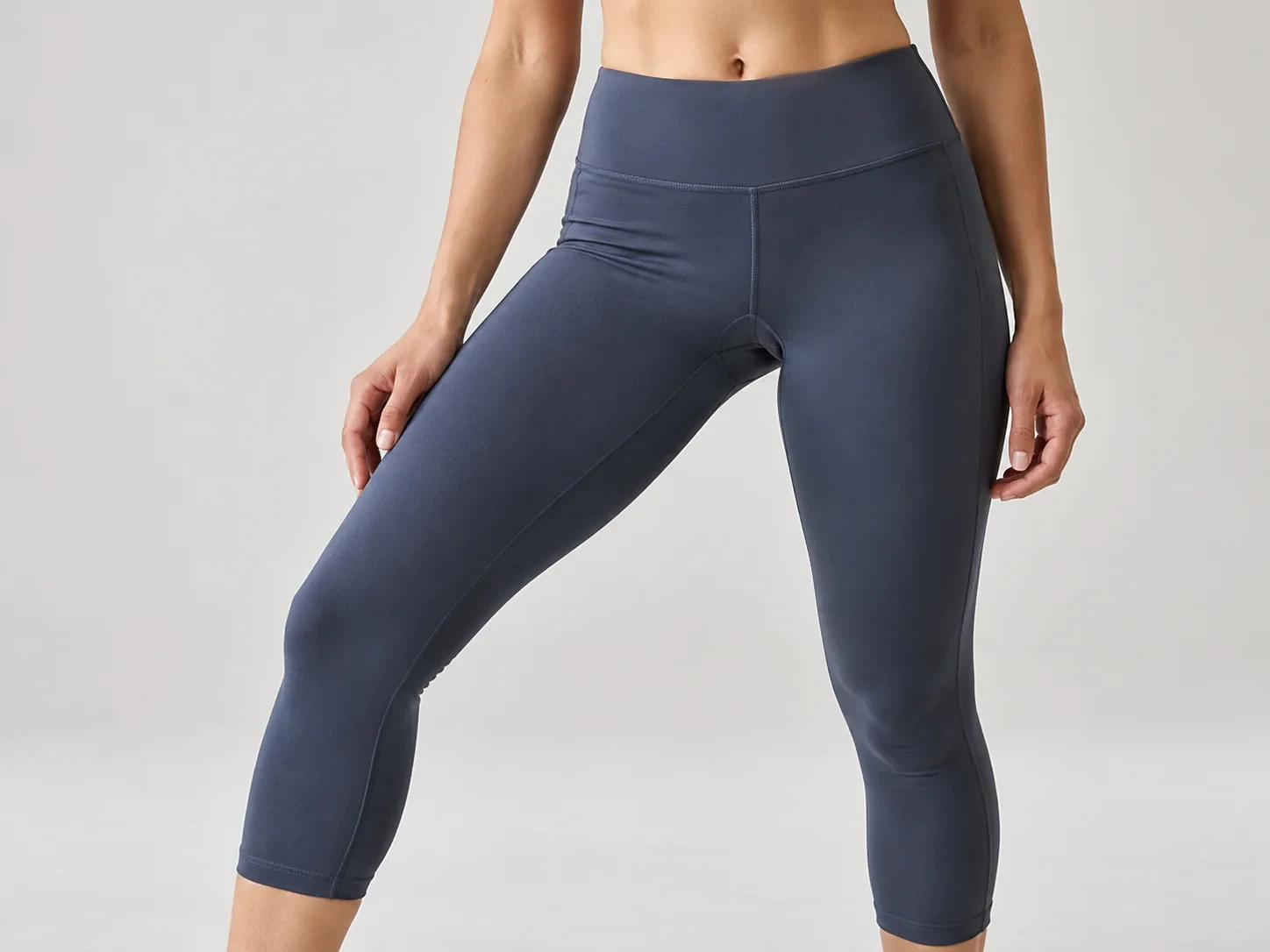
A legging can meet its flat waist measurement and still roll, pull at the rise, or restrict a movement. Review the waistband position, hip and rise balance, gusset construction, and the fabric used for the sample. Front, side, and back photographs are more helpful when paired with measurements and a description of when the problem appears. Changes should be checked on a sewn sample so the team can see whether a correction at the waist has affected the rest of the garment.

Hoodie Shoulder and Hood
A dropped shoulder is a design decision, while an unintended shoulder imbalance is a fit issue. For a hoodie, compare the sample with the approved silhouette and check the shoulder line, sleeve hang, neckline, and hood position together. A heavier fabric or different rib may change the result even if the pattern has not changed. Record which appearance the brand wants to retain before altering the pieces; the revised sample should still look like the intended style.

Swimwear Coverage
A swimwear sample needs a clear coverage target. Review neckline, leg opening, back shape, lining, and elastic application in the specified size and fabric. A static photograph can show the silhouette but may miss how an opening shifts during wear. Fit comments should describe the intended coverage and the movement or position where a concern appears. If the material or elastic remains provisional, identify it before treating the fitting result as a final pattern approval.
How Should an Approved Base Size Extend Across Sizes?
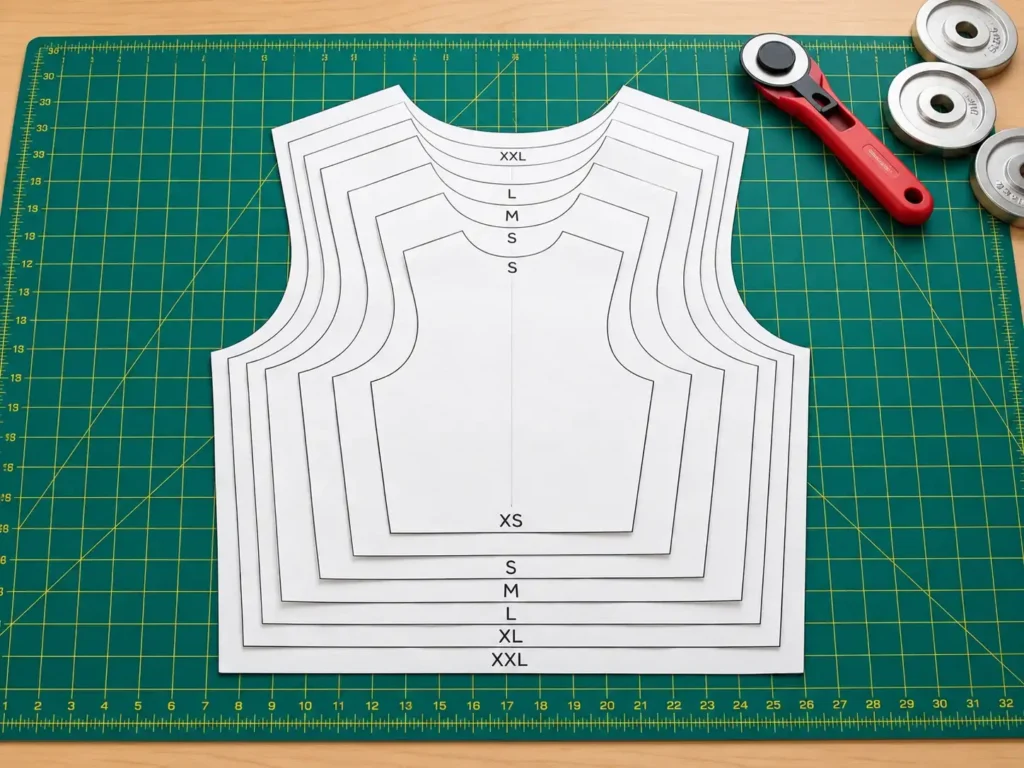
A satisfactory base-size sample is the starting point for evaluating other sizes. The size range, grading rules, and any need for additional samples depend on the style and the brand’s specifications, particularly where support, coverage, or garment proportions change.
Review stage
Question to settle
Useful approval evidence
Base-size approval
Does the sewn sample meet the intended fit and measurements?
Approved sample, size identification, and measured points
Grading direction
Which dimensions change by size, and which design proportions must be preserved?
Brand size chart and agreed grading rules
Structural details
Should straps, gussets, pockets, openings, or artwork placement change with size?
Product-specific instructions and marked pattern details
Size-range check
Which sizes warrant a physical review because the fit or construction risk is higher?
Project-specific size-set plan, when required
Final confirmation
Which revised pattern and specification versions apply to the production size range?
Agreed approval record before bulk preparation
Leadshow can discuss grading and size-set requirements during development. The exact size range, file requirements, and samples to be made are confirmed according to the project.
Keep Pattern Revisions Clear Before Sample Approval
A correction to meet an agreed specification differs from a new design request. Recording the reason for each change helps the brand compare samples, understand schedule effects, and avoid sending an outdated version into production.
Type of change
What the comment should identify
What should be checked next
Specification correction
The approved measurement or detail and the sample’s actual result
Whether the revised sample meets the original requirement
Fit development
The wearer's size, problem location, movement, and desired improvement
Whether the change improves fit without disturbing approved areas
Design change
The new silhouette, feature, or brand direction
Effects on pattern, materials, cost, and sampling
Material change
The original and replacement fabric or component
Whether fit or construction needs another review
Final approval
The accepted sample and any remaining conditions
The version to use for production preparation
Comments are most effective when they contain a location, a measured change where possible, and a clear priority. Revision scope, charges, and timing are agreed for the project.
Agree on Pattern and Technical Deliverables Early
A sample, a production pattern, a graded size set, and an editable source file serve different purposes. Tell us which outputs your internal team or nominated factory needs before development begins, so availability, format, rights, and fees can be addressed in the agreement.
Possible project output
Why a brand may request it
What must be agreed
Sewn development sample
Review fit, appearance, materials, and construction
Sample purpose and approval criteria
Approved sample reference
Provide a physical benchmark for production
Which version is approved and what remains provisional
Measurement specifications
Compare samples and finished garments with agreed points of measure
Size range, tolerances, and revision status
Pattern and grading information
Support sampling or production in the agreed sizes
Scope, applicable versions, and delivery terms
CAD or exchange-format files
Transfer pattern work to an internal team or another facility
Whether delivery is included, supported format, rights, and cost
Marker or internal process documents
Support particular production or costing needs
Availability and whether separate delivery is agreed
Receiving a sewn sample does not automatically include DXF, AAMA, editable CAD files, grading rules, or internal production documents. File delivery and ownership are confirmed in writing for each project.
How an Approved Pattern Moves into Bulk Production
An approved sample gives the production team a benchmark only when the related instructions are current. Pattern version, measurements, fabric, components, decoration, and construction all need to refer to the same approved style.
Production Starts From the Version Your Team Actually Approved
Before bulk preparation, the development team should establish which pattern corresponds to the approved sample and whether its fabric, elastic, lining, trims, and sewing details match the materials planned for production. The brand should identify any remaining changes to artwork placement, labels, packaging, or size distribution. If a fabric or component changes after fitting, its effect on appearance and fit may need another review. This handoff matters because a sample can look convincing while the written record still describes an earlier version of the garment.
Leadshow combines development, sampling, manufacturing, and quality functions within its apparel operation. The production discussion can therefore continue beyond sample approval into material review, order planning, manufacturing feasibility, and finished-garment checks. The scope depends on the agreed style and order rather than a promise that every design follows an identical route. An approved sample, updated specifications, and clear decisions on open points allow both teams to assess how the garment will be reproduced. The proposed production schedule is confirmed after the relevant materials, order mix, and current capacity have been reviewed.

Check the Details That Protect the Approved Fit
Quality checks should follow the parts of the garment the brand has approved and the risks identified during development. Agree on measurement points and product-specific inspection requirements before production rather than relying on a general statement about quality.
Review point
Pattern-related question
Record to agree for the order
Production preparation
Are pattern, sample, specifications, and materials on the same approved version?
Current approval references
Cutting
Are pieces and size identification consistent with the approved pattern?
Relevant cutting and size checks
Sewing
Are seams, elastic, panels, and openings assembled as specified?
Style-specific construction checkpoints
Finished measurements
Do selected garments meet the agreed points of measure and tolerances?
Measurement method and results
Final appearance
Does the finished garment retain the approved silhouette, branding, and finish?
Agreed visual reference and inspection criteria
Leadshow supports quality control as part of its manufacturing service. Inspection methods, tolerances, and any requested test standard should be documented for the actual product and order.
See the Work Behind a Production-Ready Sample
A garment’s development history is easier to understand when the pattern, sewn sample, fitting comments, and manufacturing reference can be seen together. Our team can discuss the relevant stages of a project while protecting confidential brand materials and unreleased designs.
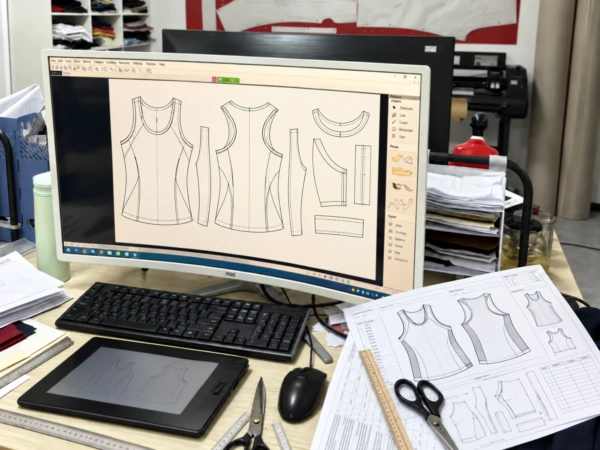
Pattern Preparation
Leadshow’s sample-development operation includes pattern computers and a plotter. Pattern preparation begins with the information approved for the project: a brand’s measurements, reference garment, existing file, or design instructions. The important record is the relationship between the pattern version and the sample cut from it. When reviewing a project, ask which size and revision a paper pattern represents, whether seam information has been confirmed, and which construction details still require a sewn check.
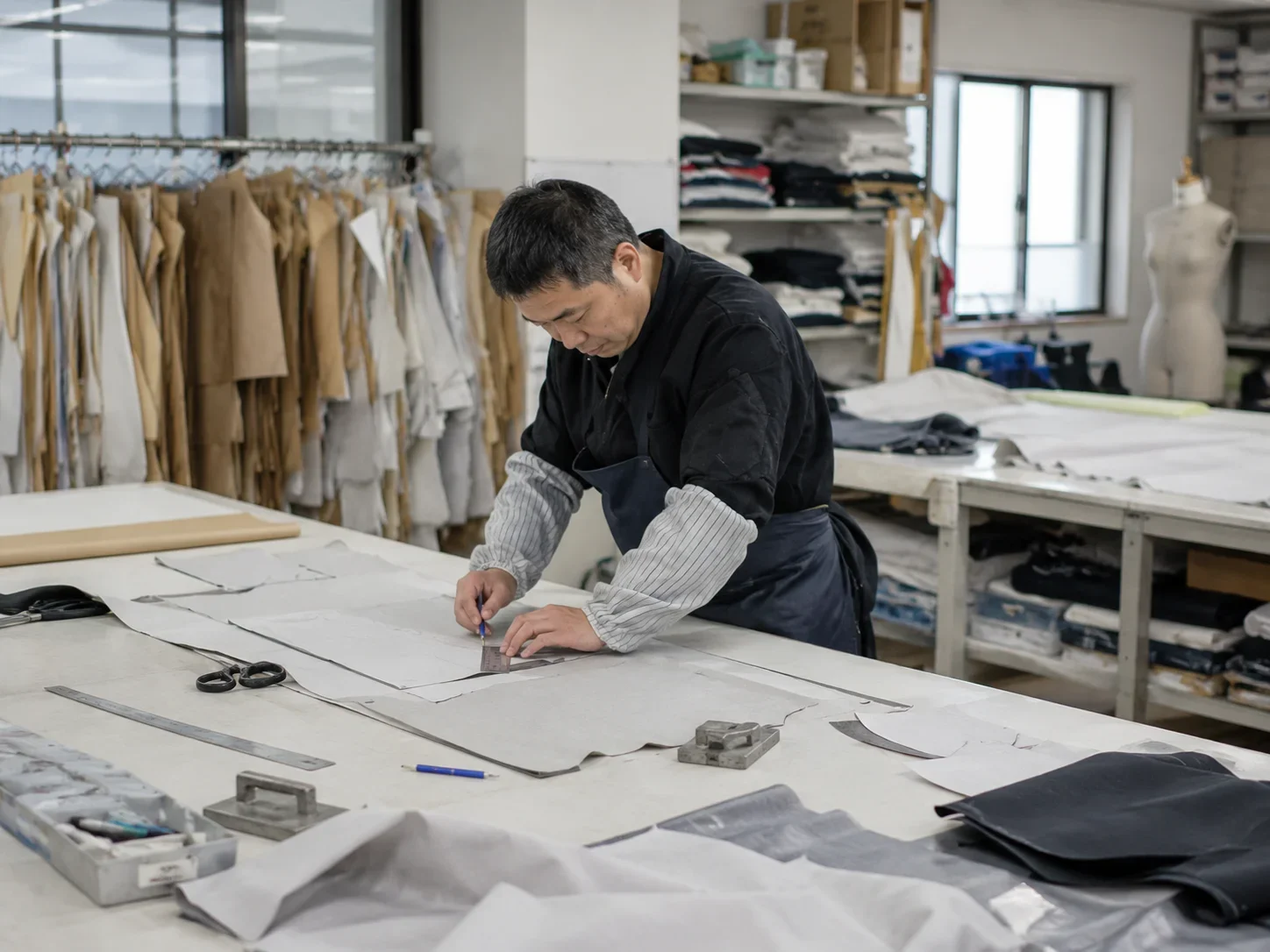
Sample Making
A sample room allows the development team to test a pattern in garment form before discussing a larger order. Leadshow’s sample-development workshop includes sample sewing equipment, including flat-sewing and four-needle six-thread machines. Equipment selection depends on the product and construction being reviewed. A sample can be made to examine fit, structure, a material substitution, or a particular detail; its purpose should be clear. A first sample is an opportunity to find issues and record decisions, not an automatic final approval.
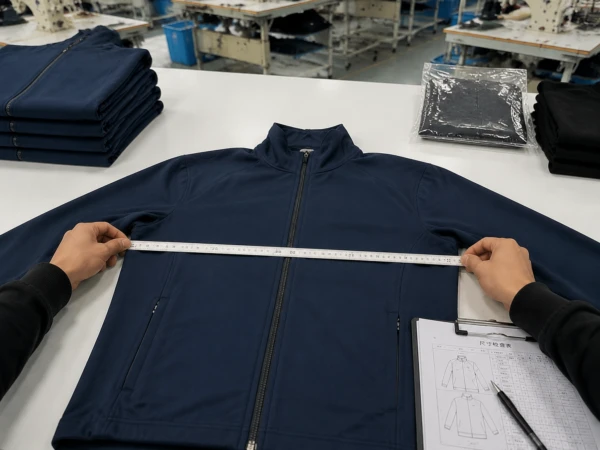
Fit and Measurement Review
Fit discussion works best when a worn sample is compared with its target measurements and intended silhouette. The team should identify the sample size, the material used, and the exact location of an issue. Notes on a waistband, strap, armhole, or garment length give the next revision a measurable direction. Brand fittings conducted overseas can also provide photographs and comments. Confidential images and specifications should be shared only within the permissions agreed for the project.

Production Reference
After a sample is approved, the manufacturing team needs to know what approval covers. A reference should identify the accepted garment, its associated pattern and specifications, and any material or decoration still awaiting confirmation. Leadshow can review how those requirements move into bulk preparation and quality control for an agreed order. A visible development record gives the brand and factory a shared point of comparison if questions arise during production or a later reorder.
Development Support Backed by Apparel Manufacturing Capacity
Shenzhen Leadshow Sports Technology Co., Ltd. develops and manufactures sportswear, swimwear, streetwear, and modest sportswear. The following figures describe the company’s overall operation; they do not represent a dedicated pattern-making headcount or capacity reserved for one brand.
Confirmed company fact
What it means for a development project
15 years of apparel industry experience
A background in assessing garment construction, samples, and manufacturing requirements
3 manufacturing bases
A manufacturing operation that can review development alongside production needs
More than 20,000 m² of combined factory area
The combined area of the manufacturing bases, rather than one pattern room
More than 1,500 employees overall
A company-wide team across business, development, production, quality, and supporting functions
Approximately 28 R&D and engineering team members
A combined development and engineering reference figure, not a count of pattern makers
Combined monthly capacity of up to approximately 120,000 finished garments
A conditional capacity reference; actual availability depends on product construction, materials, order mix, quality requirements, and scheduling
Understand Development Scope, MOQ, and Timing
A useful commercial discussion separates development work from the eventual garment order. A pattern revision, another fit sample, a custom elastic, and a new color can each change the scope. Share the decisions already made so the project can be assessed accurately.
Project factor
Information needed
Effect on the proposal
Development starting point
Tech pack, existing pattern, reference sample, or concept
Defines the technical work needed before sampling
Sample and revisions
Sample purpose, fit location, materials, and requested changes
Influences sample work, fees, and the review schedule
Fabric and trims
Specified materials, acceptable alternatives, and sourcing status
May affect fit, material minimums, and availability
Branding and packaging
Logo method, labels, packaging, and approved artwork
May add separate development or supplier requirements
Bulk quantity
Units per design, per color, plus size distribution
Helps assess production MOQ and order planning
Target date
Approval steps, material status, and required delivery point
Allows a project-specific development and production schedule
For bulk garments, Leadshow’s regular MOQ starts from 100 pieces per color per design, subject to fabric, trims, construction, and customization requirements. It is not a stated minimum for a standalone pattern service. Sample charges, revision terms, development timing, and bulk lead time are confirmed after review; no fixed number of days applies to every style.
Clarify Pattern Ownership and File Access Before Development
Brands often bring valuable existing patterns, unreleased product ideas, and internal fit standards into a development project. Written terms should identify how those materials may be used and what happens to newly developed files.
Put Ownership, Permitted Use, and Delivery Terms in Writing
A brand-supplied pattern should be identified as existing material and used within the permission given for the project. A Leadshow base pattern may have a different starting ownership position from a pattern developed for a brand’s specific design. A jointly revised style can involve both types of input. The development agreement should therefore address ownership, use rights, exclusivity if requested, and whether editable source files form part of the deliverables. Paying for a sample alone should not be treated as an automatic agreement about every pattern, grading rule, or internal manufacturing document.
Confidentiality deserves the same level of clarity. Tech packs, sample photographs, brand names, artwork, prices, and launch plans may be sensitive before a product reaches the market. Leadshow can discuss confidentiality and NDA requirements for a project, including how materials may be shared for development and production. If your team needs a nominated factory to receive files, or wants restrictions on future use of a design, raise those requirements before work begins. Clear terms give both teams a reliable basis for collaborating without making unsupported assumptions about automatic exclusivity or free source-file delivery.

Apparel Pattern Development Frequently Asked Questions
These answers explain how to start a development discussion with Leadshow. The exact pattern work, samples, files, and manufacturing steps for a style are confirmed against its specifications and the project agreement.
Can you start with our existing tech pack?
Yes. Send the technical drawings, measurement chart, construction notes, size range, material details, and any existing fit comments you have. The team can review what is defined and identify missing decisions before pattern work begins. A tech pack is a useful starting point, but a sewn sample is still needed to evaluate how the specified fabric and construction perform on the garment.
Can you work from a reference garment instead?
A reference garment can help communicate silhouette, proportion, and construction. Tell us what you want to keep and what must change, and include target measurements where possible. An existing garment should not be treated as a complete specification for a new material or size range. Development scope and use of the reference are agreed after review.
How do we choose the base size?
Start with the size your team can fit and evaluate against the intended wearer. Share its body measurements, garment measurements, and fit intent. One approved base size provides a reference for grading, but the shape of other sizes should be checked against your proposed size range and product requirements.
What should our fitting comments include?
Identify the sample version and size, the fabric used, the body or dress form used for the fitting, and the precise area needing adjustment. Mark photographs and give target changes where possible, such as the desired garment length or waistband position. Separate a fit issue from a sewing defect so the next sample tests the right correction.
Will changing fabric affect an approved pattern?
It can. Stretch, recovery, thickness, drape, and finishing can change how the same pattern fits and moves. Tell the team about material substitutions before cutting the next sample or bulk fabric. A new fit check may be required when the replacement behaves differently from the approved material.
Do you provide grading and size-set samples?
Grading and size-set checks can be discussed within the development and manufacturing scope. Confirm the required size range, the agreed base size, and the measurements and fit expectations for each size. The number of size-set samples and their review method should be agreed for the actual style.
Can our team receive CAD or DXF pattern files?
File format and delivery depend on the agreed project scope, software compatibility, and file-use terms. If editable CAD or DXF files are essential, specify the required format, version, and intended recipient before development begins. Confirm whether source-file delivery is included in the written proposal.
Who owns patterns developed for our brand?
Ownership and permitted use should be stated in a written agreement. Existing brand materials, a factory base pattern, and newly developed work can have different origins. Raise any requirement for exclusive rights, onward transfer, or editable source files before starting so the terms can be agreed expressly.
What are the MOQ and development lead time?
For bulk garment orders, the regular MOQ starts from 100 pieces per color per design, subject to material, construction, and customization requirements. That figure is not a published minimum for pattern-only work. Development timing and bulk delivery dates depend on the scope, material readiness, sample revisions, approvals, and production schedule; request a project-specific estimate.
How does an approved pattern move into production?
The production team needs an identified approved pattern version, corresponding sample, measurements and tolerances, material and trim specifications, and confirmed artwork or decoration. Any pending decisions should be resolved before bulk cutting. Agree on the inspection points needed to check that production garments follow the approved reference.
Tell Us About the Pattern You Need to Develop
Share the garment you are developing and the point your team has reached. A tech pack, existing paper pattern, reference sample, measurement chart, or marked fit photographs can provide a starting point; you do not need to send every type of material. Tell us which elements are approved, what needs to change, and whether you are planning a sample, a new size range, or a production order. For garments intended for bulk manufacture, include the expected quantity per design and per color, the target market, and any important date. Mention the fabric and trims you intend to use, particularly if a change of material has already affected fit.
Shenzhen Leadshow Sports Technology Co., Ltd. will use the information to review how its apparel development and manufacturing capabilities may fit your project. The next discussion can cover construction, pattern and fit requirements, sampling, technical deliverables, and the details needed to assess timing and cost. If your team requires a specific CAD format, independent file delivery, exclusive pattern rights, or an NDA, include those points in your message so their terms can be discussed before development begins.