
Activewear Manufacturer
OEM, ODM and private-label activewear development for brands that need fit, material, sampling and scalable production support.
- Develop confirmed activewear categories including sports bras, yoga leggings, sports T-shirts, running shorts, tank tops, jumpsuits, tennis skirts and tracksuits.
- Review Tech Packs, reference samples, size specifications, fabrics, construction details, branding and packaging before sampling or quotation.
- Support pattern and fit adjustment, sample development, selected specialized processes, bulk manufacturing, quality checks and export delivery coordination.
- MOQ starts from 100 pieces per color per design, subject to fabric, trims, construction and customization requirements.
Activewear Programs for Different Sourcing Teams
Activewear projects arrive with different levels of technical detail, order scale and internal approval requirements. Leadshow organizes development and manufacturing around the product stage, brand standards, expected quantity, size structure and commercial priorities rather than using one identical workflow for every program.
Established Apparel Brands
Established brands often arrive with approved silhouettes, Tech Packs, size charts, quality manuals and existing fit standards. Leadshow can review construction, material compatibility, sample requirements and bulk-production execution against those inputs. The strongest fit is for programs where consistency, multi-SKU control, repeat orders and disciplined sample-to-bulk transfer matter more than simply obtaining the lowest sewing price.
Growing Sportswear Brands
Growing labels frequently need to add new styles without losing the fit, material feel and visual language already established in the collection. Product review can start from previous garments, reference samples, current Tech Packs or a defined size base. Sampling, material selection, packaging and scalable production can then be organized around a manageable range of styles, colors and sizes.
Private Label Programs
Private-label projects usually require more than placing a logo on a generic garment. Product construction, fit direction, materials, colors, labels, hangtags, packaging and SKU structure all affect the final result. Leadshow can coordinate confirmed branding and packaging requirements with the garment specification, while non-confirmed decoration processes are reviewed separately before any commitment is made.
Importers & Distributors
Importers and distributors need product combinations that can move through several downstream channels with fewer execution errors. Leadshow can support confirmed activewear categories across multiple styles, colors and sizes, then coordinate production, quality checks, labeling, packing and export documentation according to the order. Commercial conditions remain tied to the actual product mix and delivery plan.
Retail Sourcing Teams
Retail programs place heavy emphasis on specification accuracy, labeling, size identification, packaging and seasonal timing. Product teams can submit style lists, size charts, target quantities, packaging rules and quality requirements for review. Leadshow can evaluate whether the activewear assortment, production conditions and SKU structure fit available manufacturing resources before a production plan is confirmed.
Buying Offices & Developers
Buying offices and product developers normally need verifiable manufacturing evidence before adding a supplier to an approved shortlist. Leadshow can provide a fact-based view of activewear products, development support, sampling, equipment, quality functions and manufacturing scale. Technical questions are reviewed with relevant internal functions instead of being answered only as sales claims.
Core Activewear Products We Develop and Manufacture
Leadshow focuses on confirmed garment categories rather than presenting an unlimited activewear catalog. Each style is reviewed according to fit, coverage, fabric stretch, structure, branding, size requirements and intended use. Performance claims remain subject to material selection, construction and testing where required.
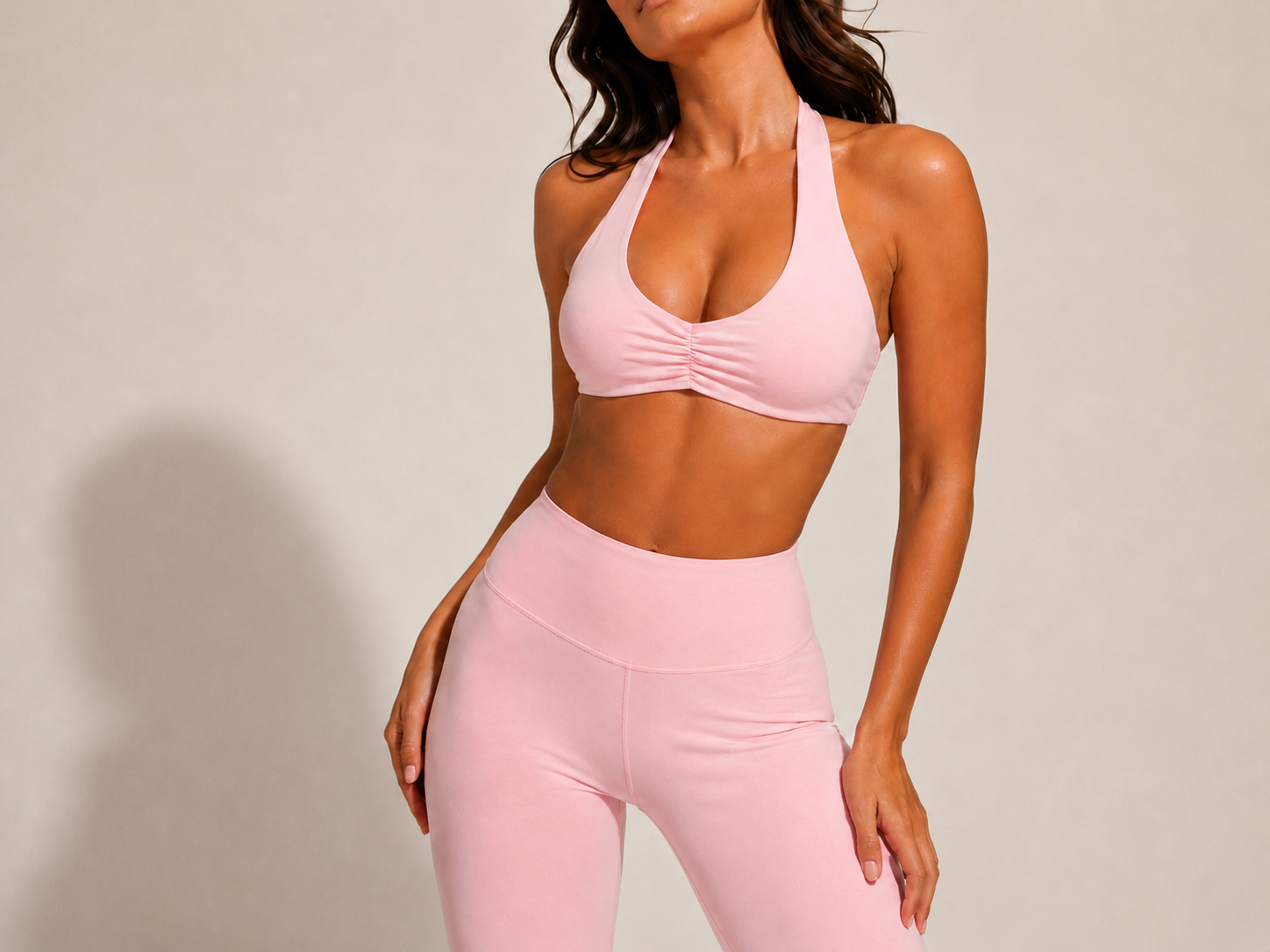
Sports Bras
Sports bra development can review underband structure, strap configuration, coverage, cup or padding requirements, elastic application, seam placement and overall fit direction. Support level should never be assumed from the product name alone; final support claims depend on construction, materials, sizing and validation. Branding, heat-transfer labeling and packaging can be coordinated with the approved garment specification.
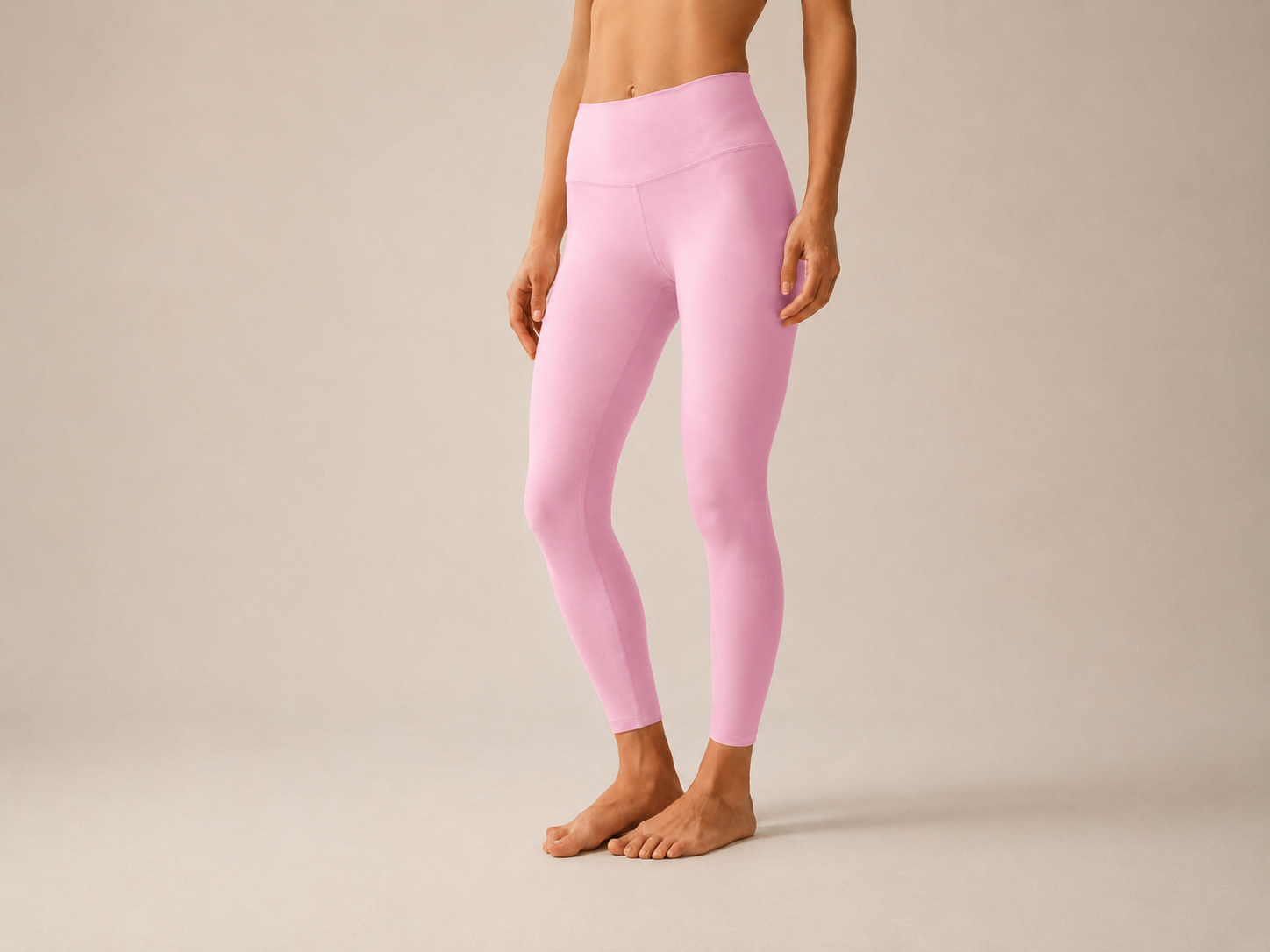
Yoga Leggings
Yoga leggings can be evaluated around waistband height and structure, rise, hip and thigh fit, inseam, gusset, panel layout, pocket design, seam placement and fabric recovery. Opacity, compression, quick-dry or squat-proof claims require suitable materials and relevant validation. Approved measurements and fabric behavior should be treated as core inputs before bulk production.
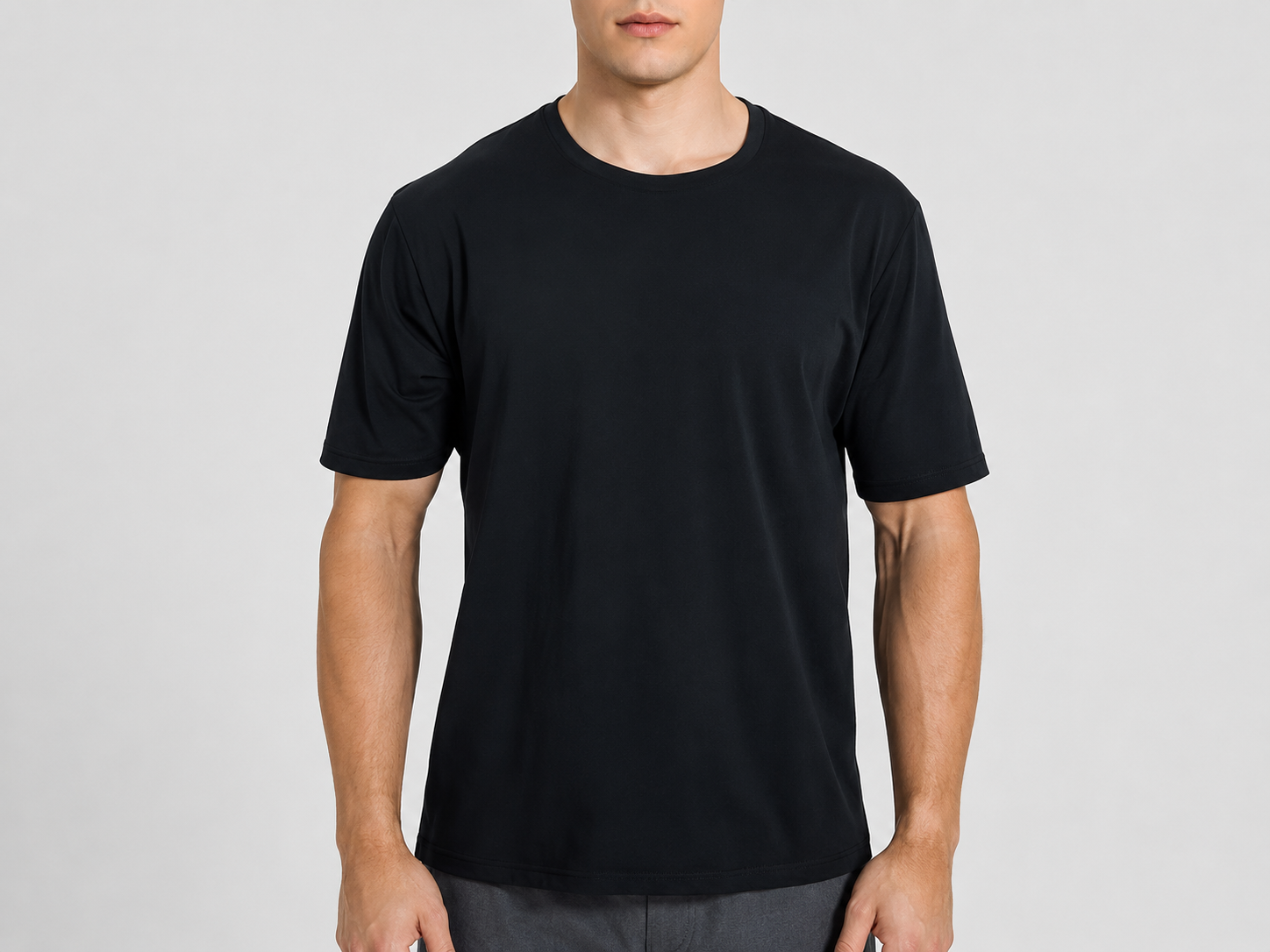
Sports T-Shirts
Sports T-shirts can be developed around neckline, shoulder width, armhole, sleeve shape, body length, side seam structure, hem finishing and movement allowance. Fabric weight, stretch, drape and hand feel should match the intended training or lifestyle use. Logo placement, heat-transfer labels and packing requirements can be incorporated after material and construction review.
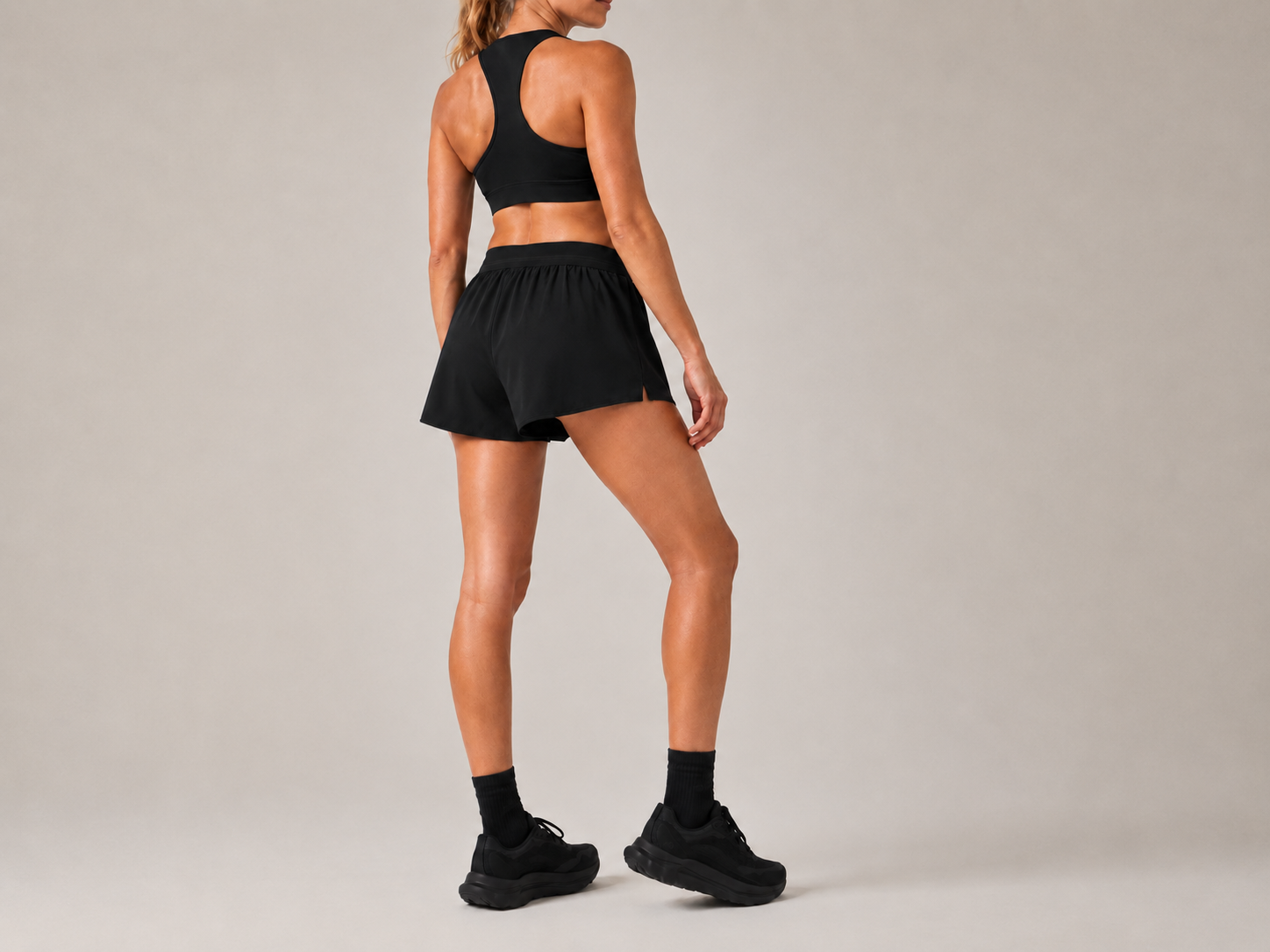
Running Shorts
Running shorts can involve waistband construction, elastic application, pocket placement, side slit, inner layer or lining, leg opening and local reinforcement. Fabric weight, stretch and drying behavior need project-level confirmation rather than generic performance claims. Laser perforation can be evaluated for suitable fabrics when local openings or ventilation patterns are part of the approved design.
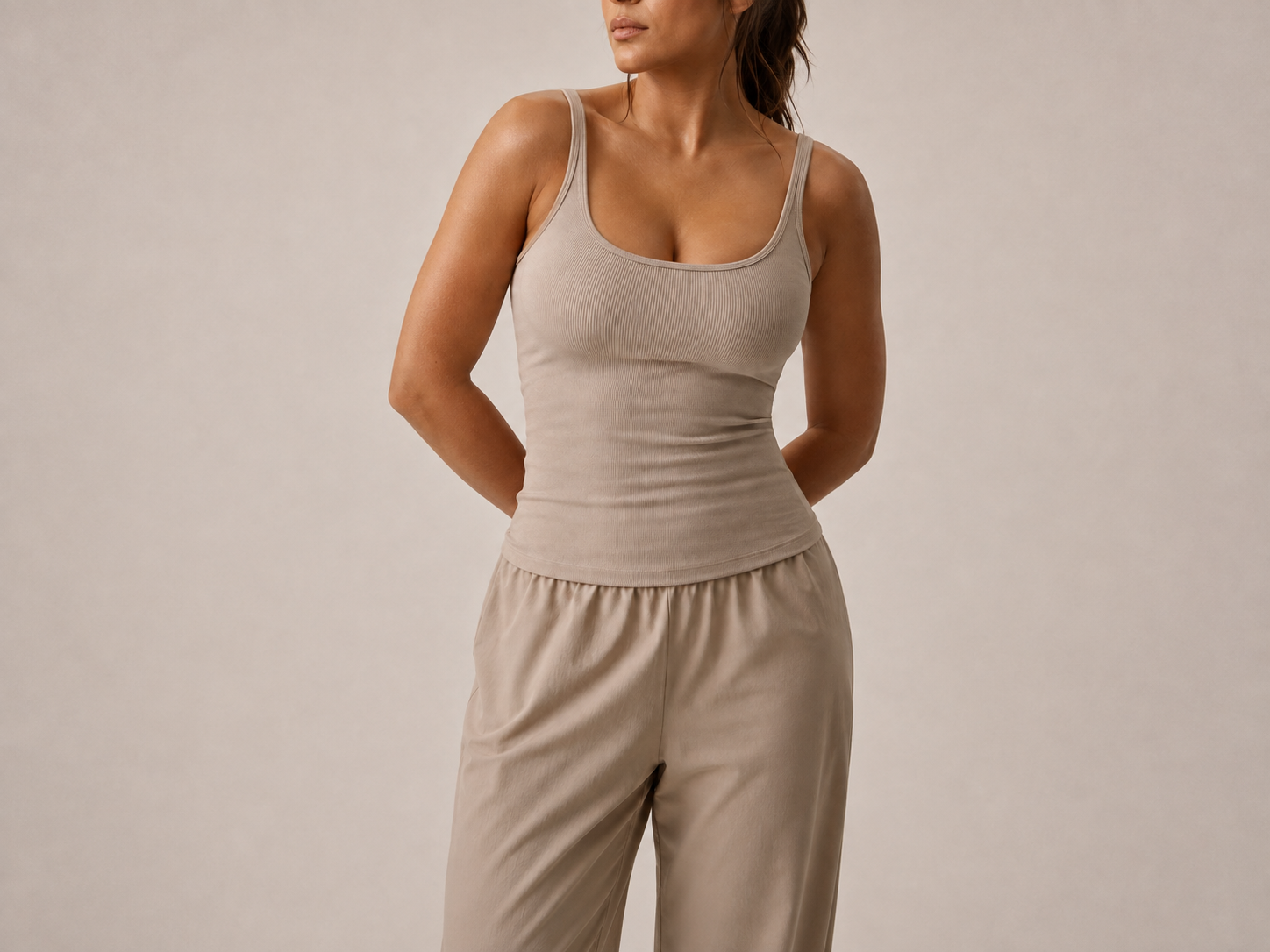
Tank Tops
Tank tops can be reviewed for neckline, shoulder strap width, armhole shape, body length, fitted or relaxed silhouette, seam placement and hem construction. Material stretch and recovery strongly influence fit, especially in closer-to-body styles. Heat-transfer branding, internal labels and size marking can be coordinated with the approved material and product specification.
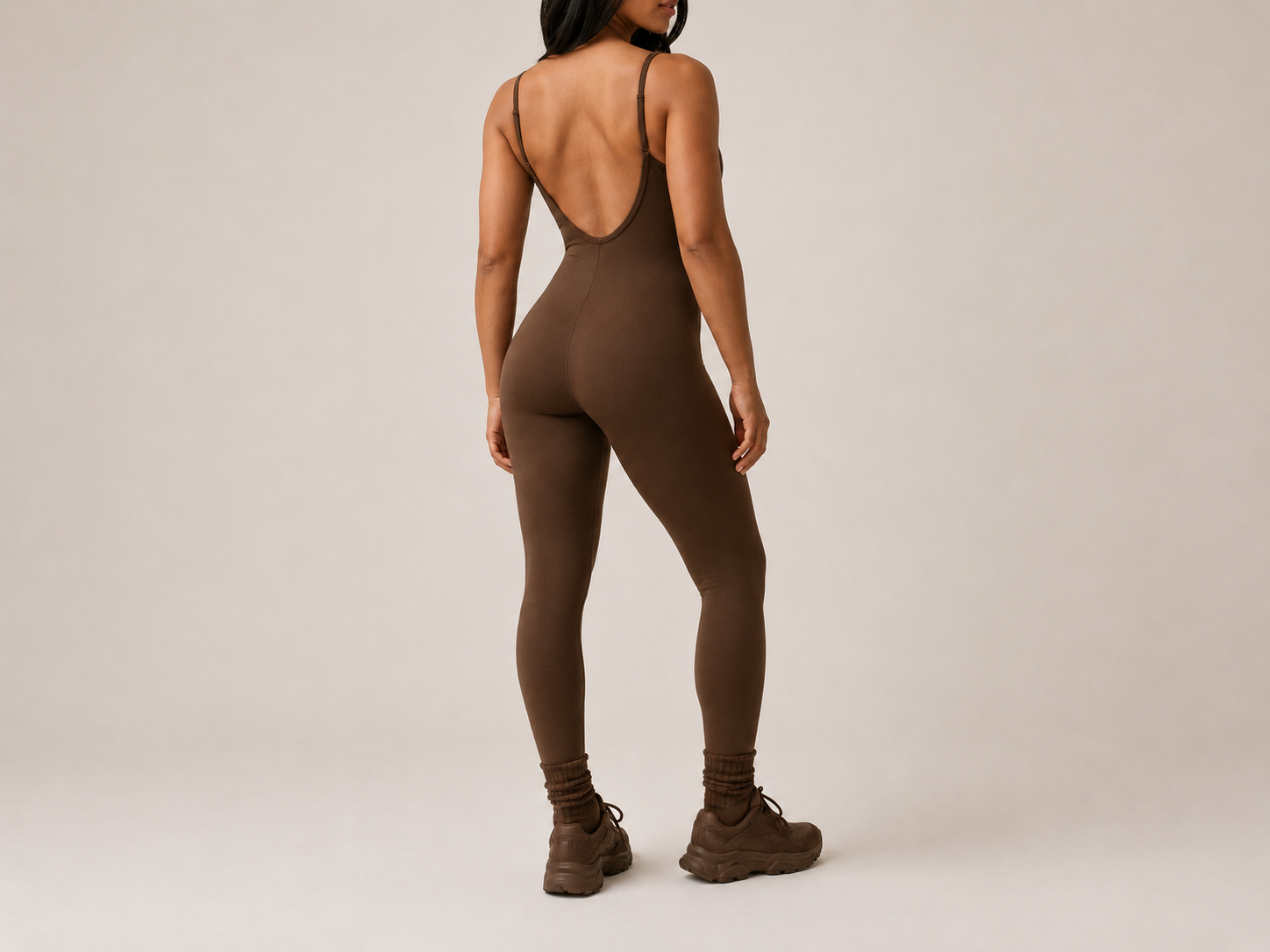
Jumpsuits
Jumpsuits require careful review of torso length, waist and hip relationship, inseam, crotch depth, openings, multi-panel construction and ease for dressing and movement. A good fit usually depends on more than grading a single base measurement. Sample development is important for checking balance, mobility, fabric behavior and the transition from fitted areas to movement zones.
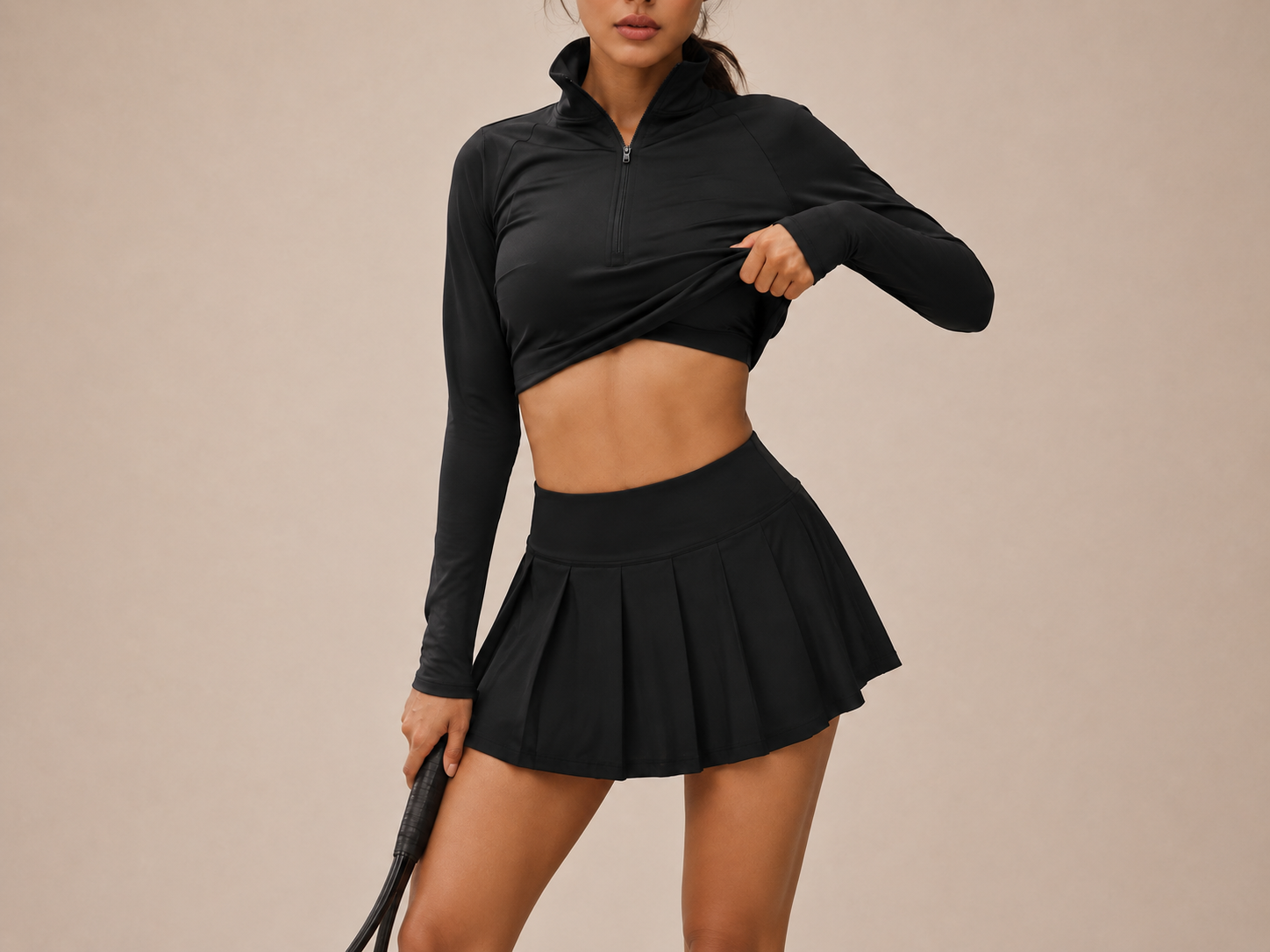
Tennis Skirts
Tennis skirts can be evaluated around waistband, pleat or panel arrangement, skirt length, inner-short construction, pocket placement, hem movement and size grading. Fabric choice affects drape, recovery and visual movement. Sample review should check both the outer skirt and any integrated inner layer so the final product performs as one garment rather than two unrelated pieces.
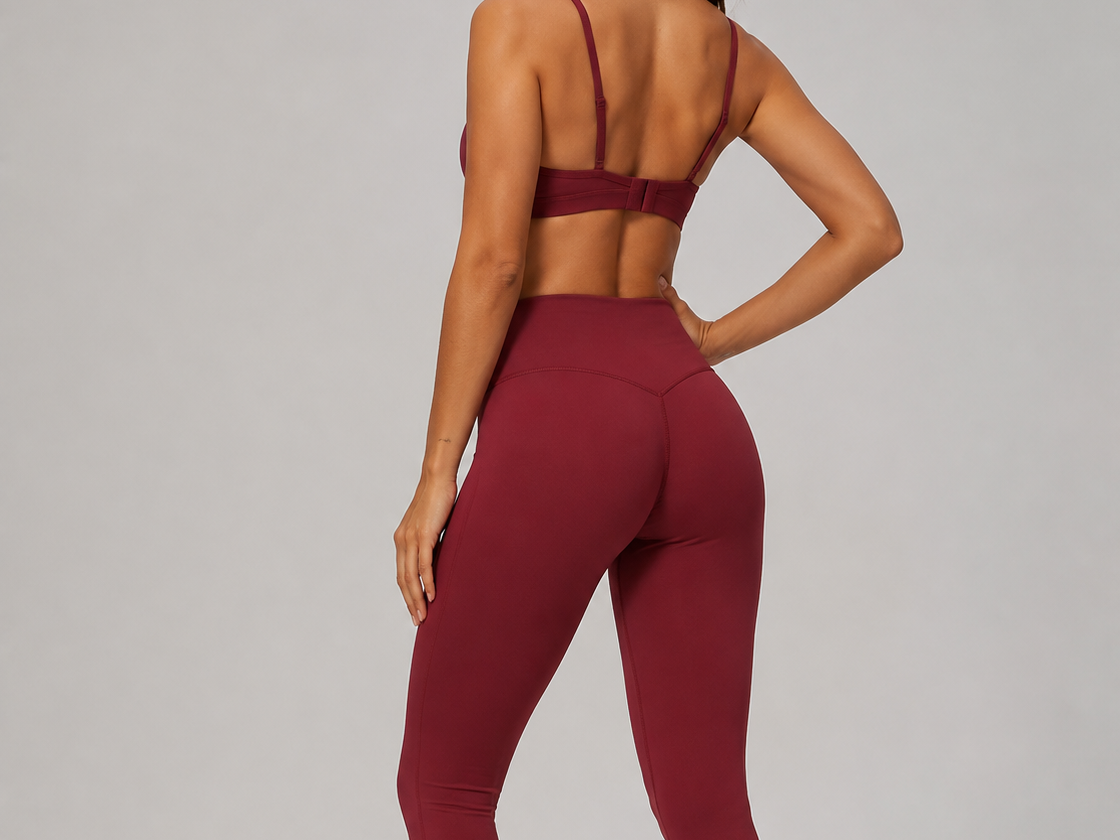
Tracksuits
Tracksuits combine several fit and construction decisions across tops and bottoms, including jacket length, shoulder shape, collar or hood structure, zipper placement, pockets, waistband, cuffs, rib sections and matching color standards. Coordinated fabric lots, trims, labels and packaging matter when both pieces are sold as one set or managed as connected SKUs.
Choose the Development Path That Matches Your Files
Some activewear programs start from a complete specification; others begin with a reference garment, image or early concept. Leadshow separates OEM, ODM-support and private-label workflows so technical review, sampling and quotation can start from the information already available.
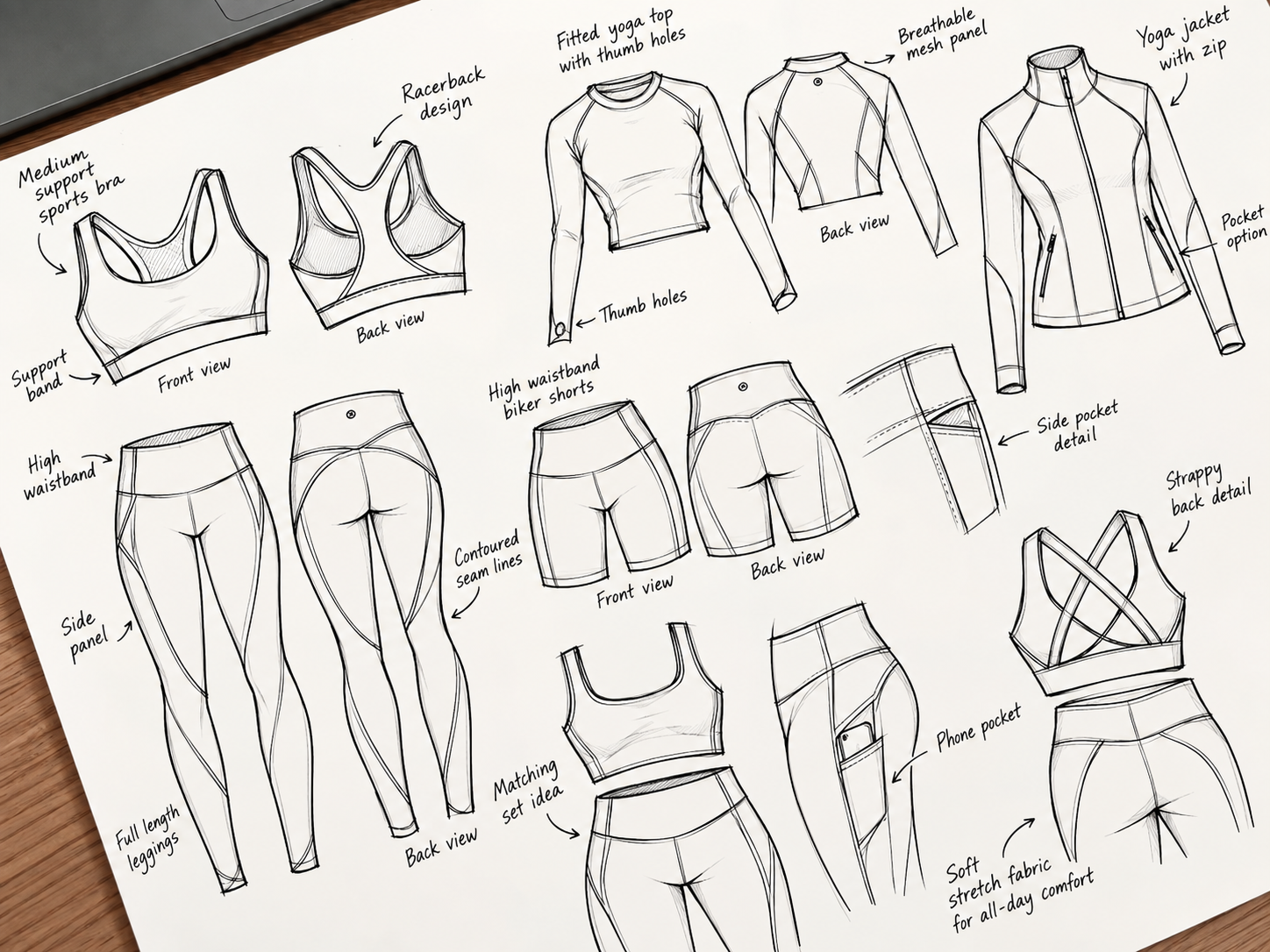
OEM Manufacturing
A mature OEM program normally starts from a Tech Pack, measurement specification, material information, artwork and target quantity. Leadshow reviews whether the construction, fabric, trims, branding and packing instructions are ready for sampling and production. Clarifications are raised before cost or timing is treated as final. Key inputs usually include the latest file revision, size chart, material requirements, color standards, approved artwork and expected order breakdown.
- Best for: established specifications
- Main focus: execution accuracy
- Output: reviewed manufacturing route and sample plan
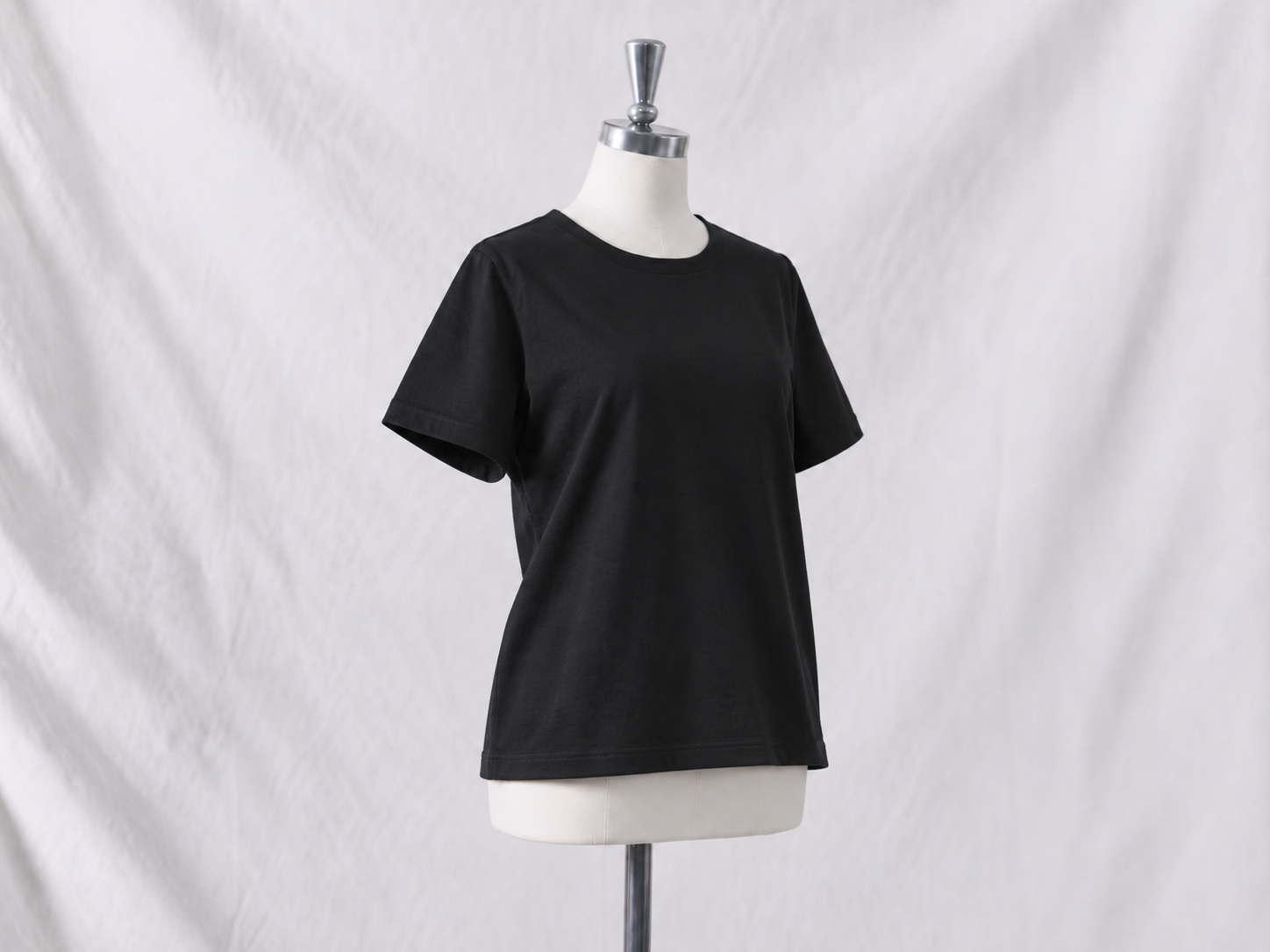
ODM Development Support
ODM-support projects can begin from a sketch, reference photo, existing garment, partial size information or a defined product direction. Leadshow can help clarify construction, fabric, fit and manufacturing feasibility, then develop a sample route around the agreed requirements. Major design changes remain subject to brand approval, and complete standalone Tech Pack creation is not presented as an automatic included service.
- Best for: incomplete technical inputs
- Main focus: manufacturable product definition
- Output: clarified structure, sample and production direction
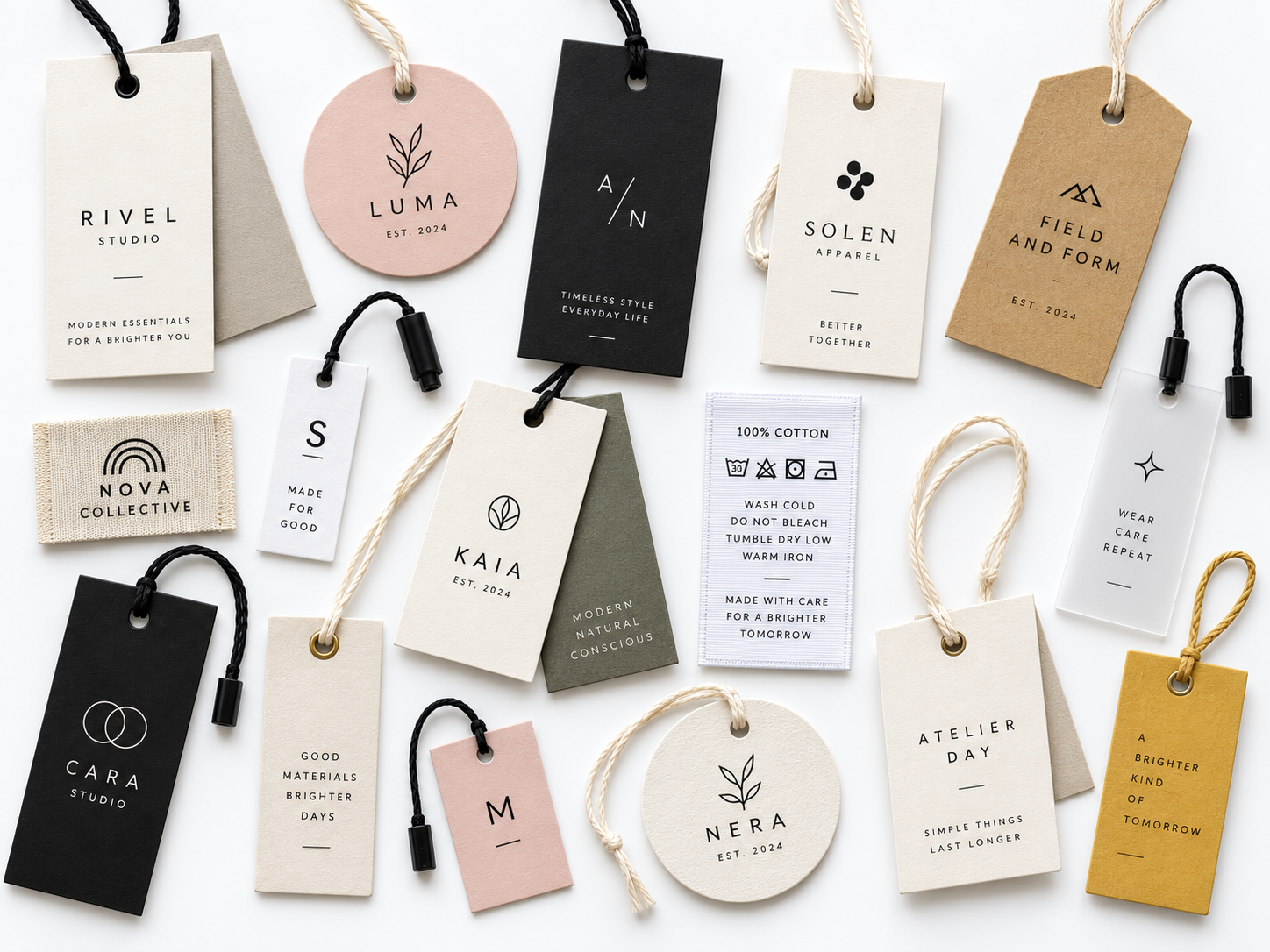
Private Label Production
Private-label work combines the garment specification with brand execution. Logo method, internal labels, size marks, care information, hangtags, packaging and SKU identification should be reviewed together rather than added at the end. Leadshow can support confirmed heat-transfer labeling, heat-press applications, custom labels and packaging, while other decoration methods are assessed before being described as available.
- Best for: branded commercial collections
- Main focus: product and brand consistency
- Output: approved garment plus brand-detail package
Activewear Fabric Decisions Start with Intended Use
Fabric selection is treated as a product decision rather than a color choice. Stretch, recovery, weight, hand feel, drape, opacity, structure, finishing and supplier MOQ can all change fit, sewing methods, cost and the final sample result.
Material Brief Before Fabric Selection
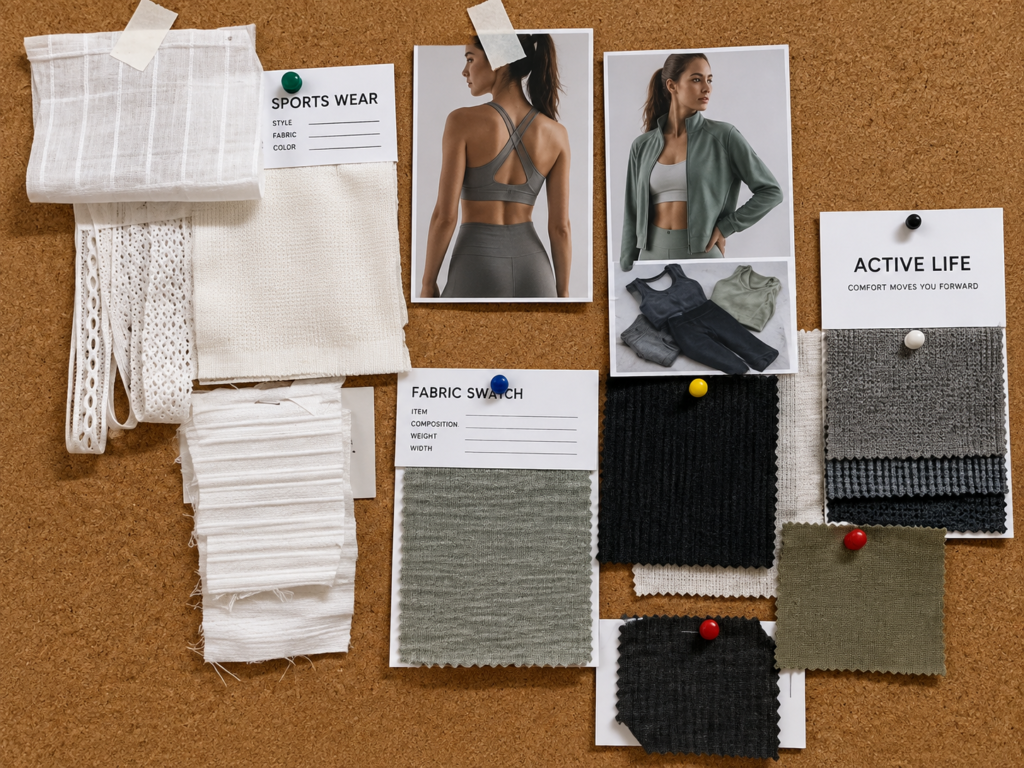
A useful fabric brief begins with the garment’s role in the collection. Yoga leggings, sports bras, running shorts and sports T-shirts place different demands on stretch, recovery, thickness, drape and surface feel. Leadshow can review material direction against intended use, fit, structure, season, target market, order quantity and budget. Existing fabric swatches, a reference garment or composition information can help narrow the search, but identical fiber composition does not guarantee identical feel, recovery or performance.
For fitted activewear, the material choice influences negative ease, seam behavior and how the garment returns after movement. Heavier fabrics may provide more structure or coverage, while lighter fabrics can improve drape and reduce bulk. Those relationships need to be judged together with the pattern and construction rather than from GSM alone. When a brand already has an approved material, the specification and reference sample should be provided so sourcing and production teams can compare against the intended standard. When no final material exists, available supplier fabrics, close alternatives or project-specific options can be reviewed before sampling.
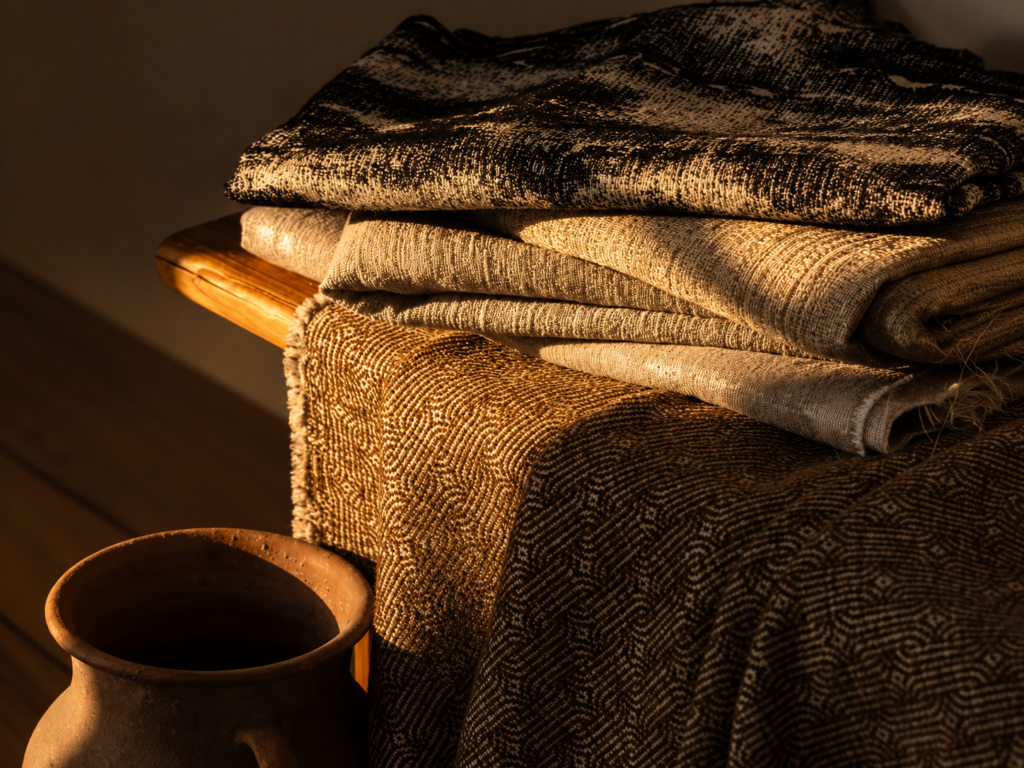
Stretch, Recovery, GSM and Hand Feel
Activewear specifications often contain a mix of measurable and sensory requirements. GSM is useful for comparing fabric weight, but it does not independently define opacity, compression, drape or durability. Stretch percentage and recovery can influence fit and movement, while hand feel affects perceived quality and wear comfort. Surface finish, knit structure and thickness can also change how a color looks under light or how seams sit against the body.
Leadshow can evaluate those variables during material and sample review. A brand should identify which attributes are essential and which are preferences. For example, a leggings project may prioritize recovery, opacity and waistband stability, while a running top may prioritize lower weight, movement and surface comfort. Performance claims such as moisture-wicking, quick-dry, squat-proof, UV protection or recycled content should be supported by the relevant material information or testing. Equipment availability alone does not prove a fabric or finished garment has a performance property.
Material Confirmation Before Bulk Production
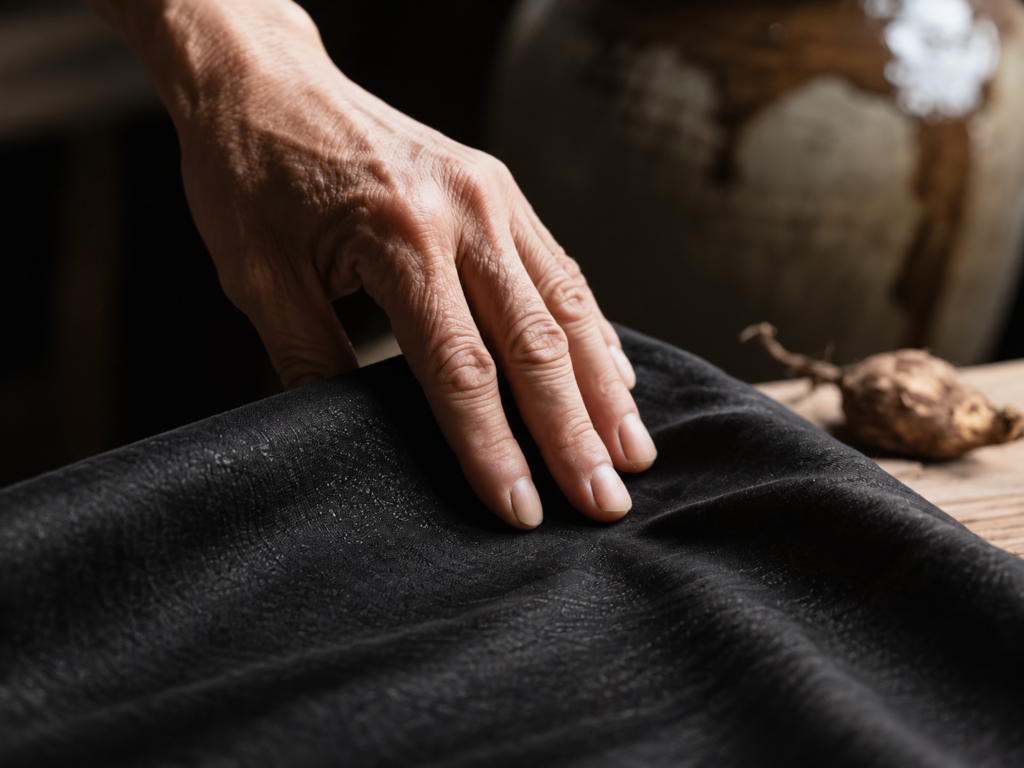
Material approval should be connected to the sample and the final production specification. A useful confirmation record can include fabric reference, composition if confirmed, weight, color standard, finish, stretch direction, approved swatch or garment sample and any required test result. When substitute material is used for an early prototype, the sample should be clearly identified so fit and construction approval are not confused with final fabric approval.
Bulk material can then be checked against the agreed reference before cutting. Batch, color and fabric behavior may affect production decisions, especially on multi-color programs. Any material change after sample approval can alter fit, appearance, sewing parameters, cost and timing, so the change should be reviewed before production continues. Final functional wording used in retail or marketing should follow the actual fabric documentation, garment construction and test scope rather than generic activewear language.
Fit and Construction Are Developed as One System
Activewear fit depends on body measurements, pattern proportions, fabric stretch, coverage, movement and garment structure. Leadshow can work from a brand size chart, approved sample, previous product, designated fit reference or mutually confirmed base measurements.
Build Fit Around the Brand Standard
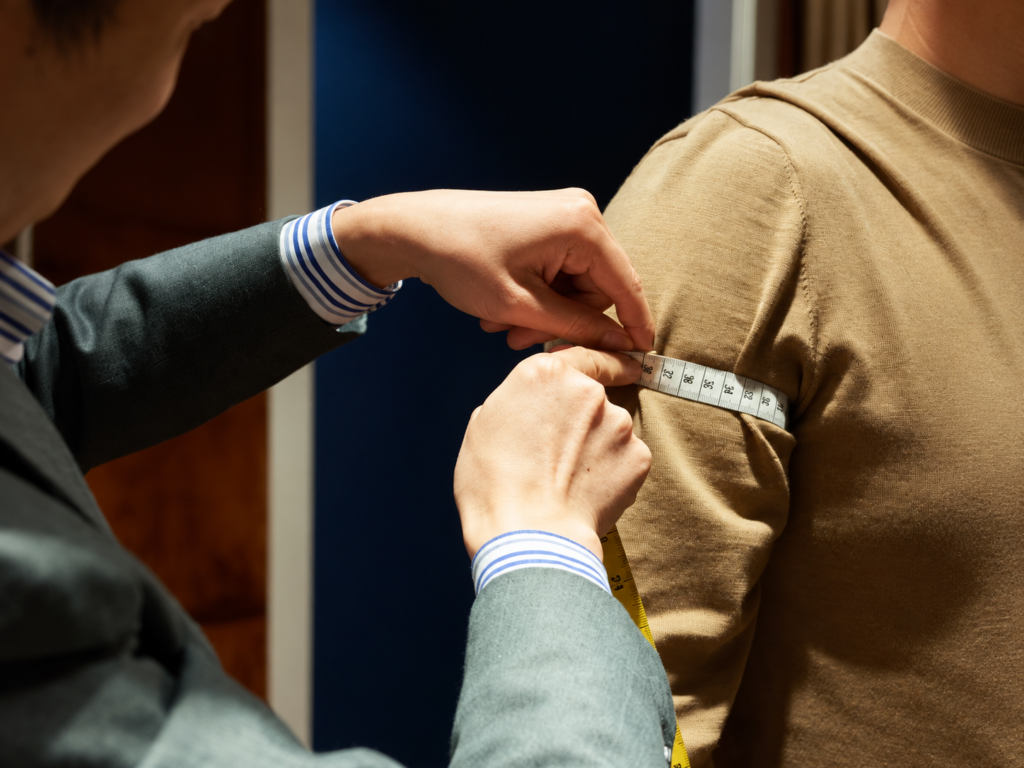
No single activewear pattern works for every market, body profile or fabric. A reliable fit brief should identify the base size, target wearer, measurement method, intended silhouette and the fabric used for fitting. Relevant dimensions may include bust, underbust, waist, hip, rise, inseam, thigh, shoulder, armhole, body length and torso length, depending on the garment. Negative ease also needs to be considered for fitted stretch products because the finished garment can intentionally measure smaller than the body at selected points.
Leadshow can review fit based on supplied measurements and physical references, then use sampling to check balance, movement and proportion. A size chart should not be treated as isolated numbers; measurement points must match the garment construction and the brand’s method. A size range is therefore confirmed per project rather than published as one universal XS–XXL promise. After the base fit is approved, grading and any additional size validation should follow the final specification and project requirement.
Category-Specific Fit Priorities
Fit priorities change by activewear category. Sports bras often require close review of underband position, strap length, cup or pad area, neckline coverage and torso balance. Leggings depend heavily on waist and hip ratio, rise, inseam, crotch depth, gusset, leg shape and waistband stability. Jumpsuits add torso length and dressing movement to the equation, while sports T-shirts and tank tops place more weight on shoulder, armhole, body length and ease.
Those differences affect both pattern work and material selection. A fabric with more stretch or lower recovery may require a different pattern response than a firmer knit. A reference garment can help define fit direction, but it should be used with permission and does not replace a clear size specification. Fit review also does not automatically approve color, logo, labels, packaging or every size in the range; each approval scope should be recorded clearly.
Construction Review Before Sampling
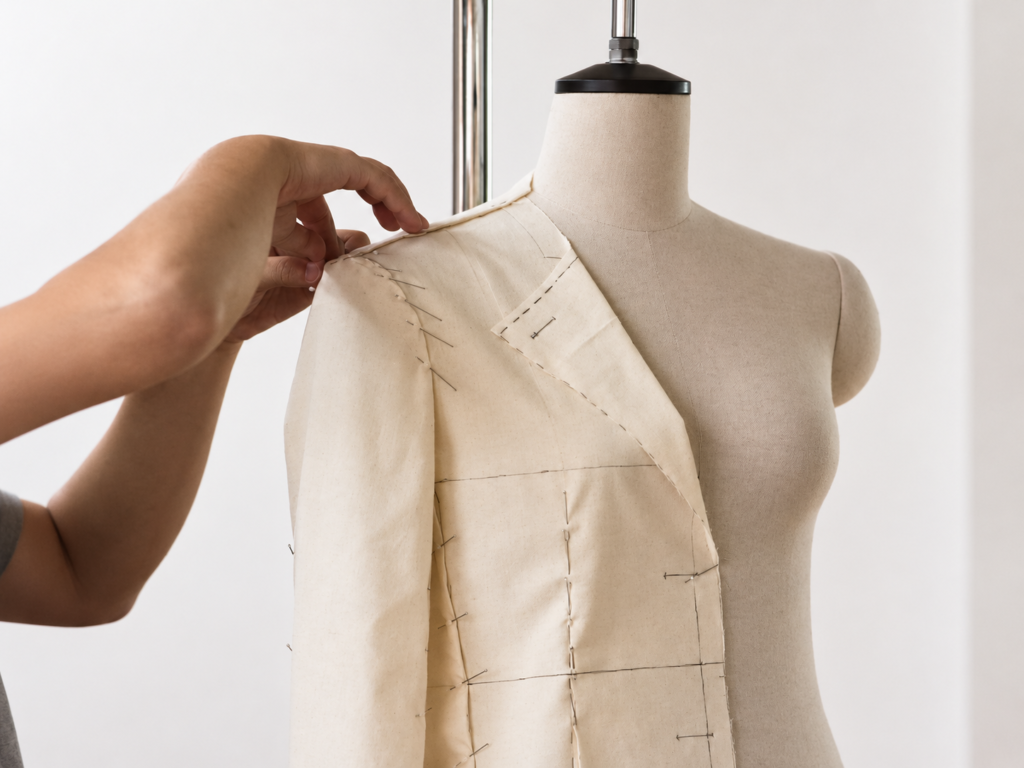
Construction development can include panel count, seam placement, neckline, straps, sleeves, waistband, underband, pockets, lining, padding, gusset, slit, zipper, snap, elastic, bonding areas and multi-layer relationships. Every added feature can affect sewing sequence, bulk stability, cost, material usage and inspection points. Product engineering therefore needs to balance the desired appearance with movement, dressing ease, coverage, fabric behavior and scalable production.
Leadshow can provide manufacturing feedback when a detail creates unnecessary bulk, difficult seam geometry, unstable stretch, excessive handling or higher production risk. Major structural changes still require brand approval. The aim is not to remove design character, but to reach a construction that can be sampled, reviewed and reproduced with controlled tolerances in bulk production.
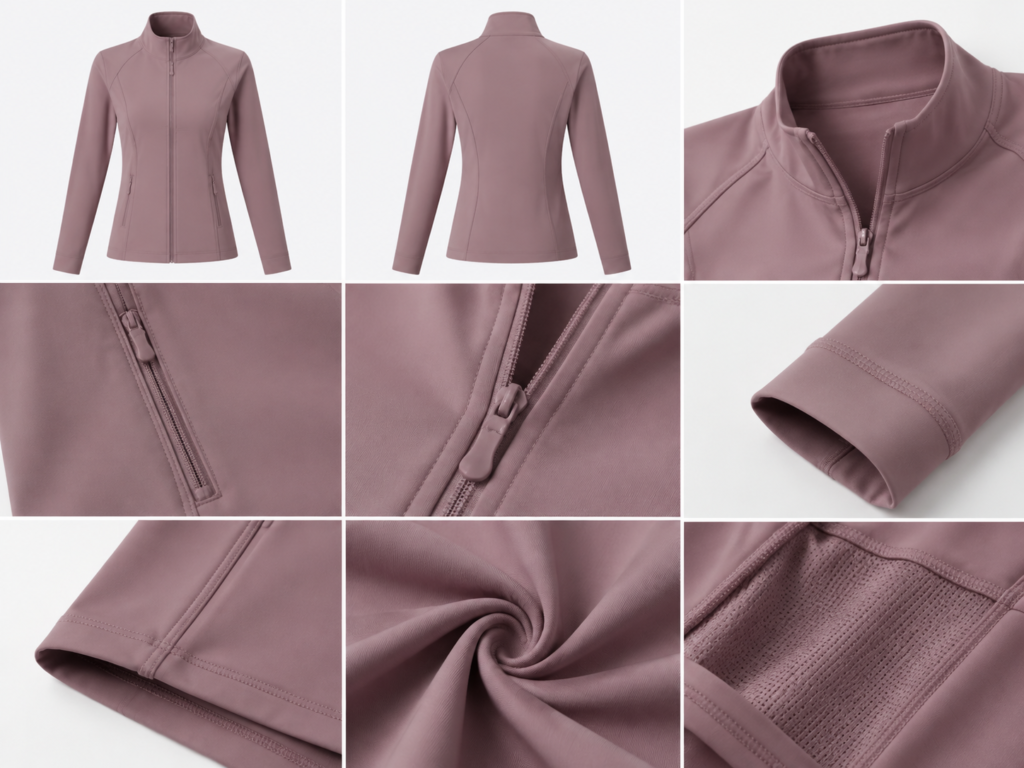
Manufacturing Equipment Selected for Activewear Construction
Leadshow uses a mix of automated fabric preparation, standard sewing, stretch-garment stitching and selected specialized-process equipment. Suitability depends on fabric, structure and the approved production route rather than applying every machine to every style.
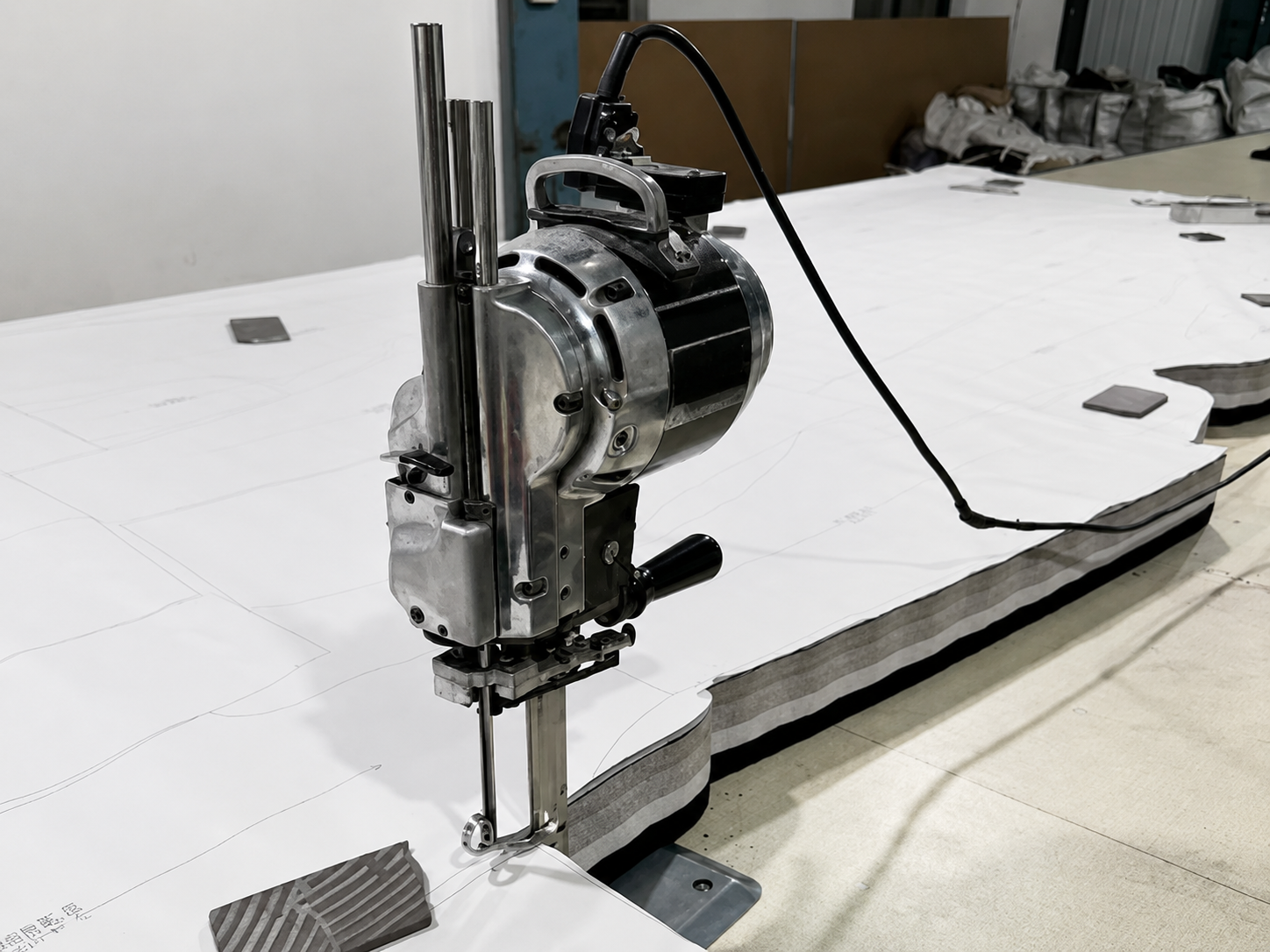
Automated Fabric Preparation
Five automatic spreading machines and three automated cutting machines support fabric preparation and repeatable panel cutting for suitable materials. Automated spreading can help control lay preparation, while automated cutting supports multi-size and multi-style programs. High-stretch, light, curling or surface-sensitive fabrics may require adjusted tension, layer count or an alternate cutting method rather than a fully automated route.
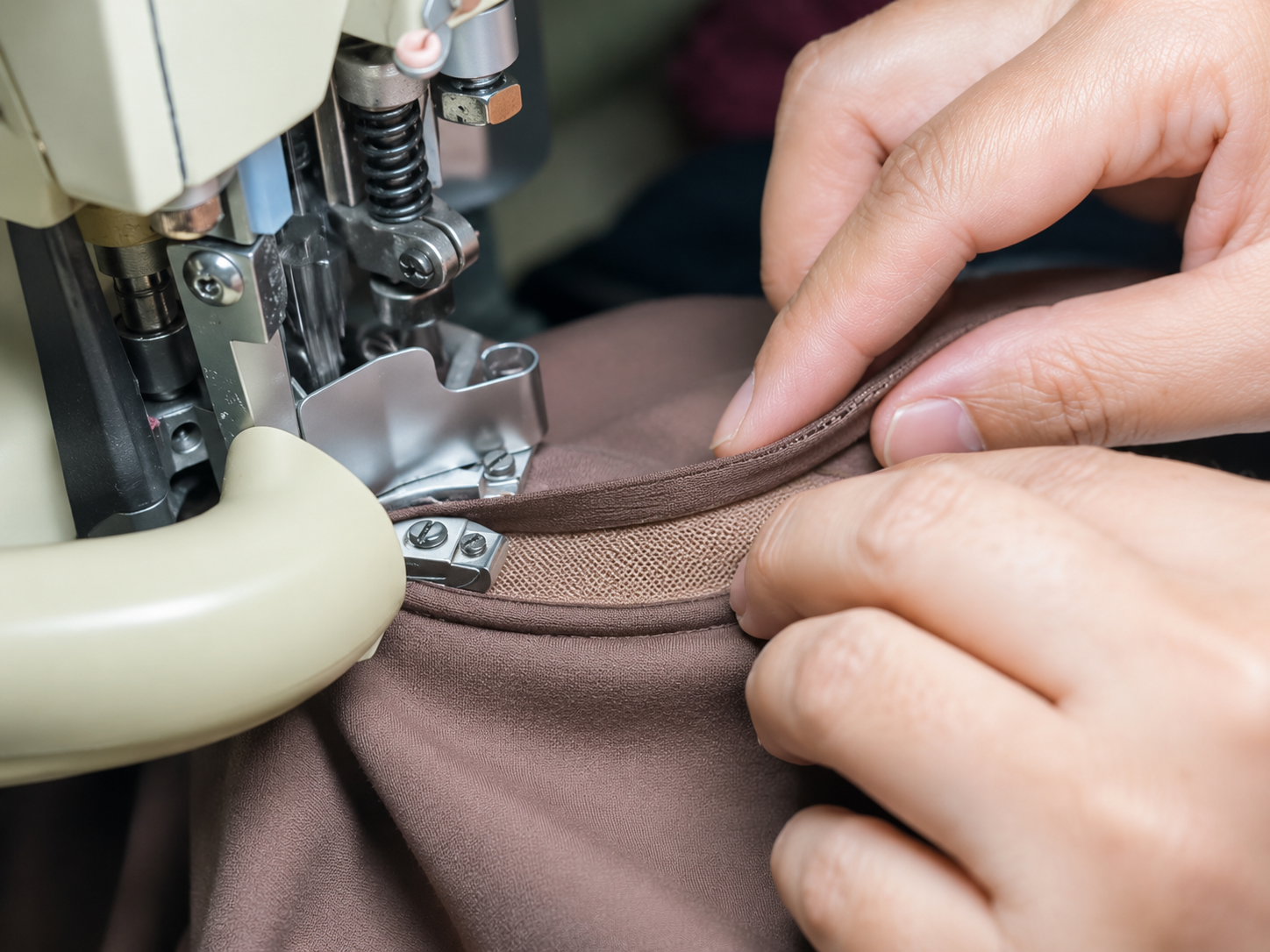
Four-Needle Six-Thread Flatlock
Thirty-five four-needle six-thread flatlock machines support flatter, stretch-compatible seams for selected leggings, sports bras, tank tops, swimwear and other fitted garments. Flatlock can reduce seam bulk and support movement where the construction is appropriate. It must not be described as seamless knitting; the garment still uses stitched panel construction unless a separate seamless-knitting process is specifically confirmed.
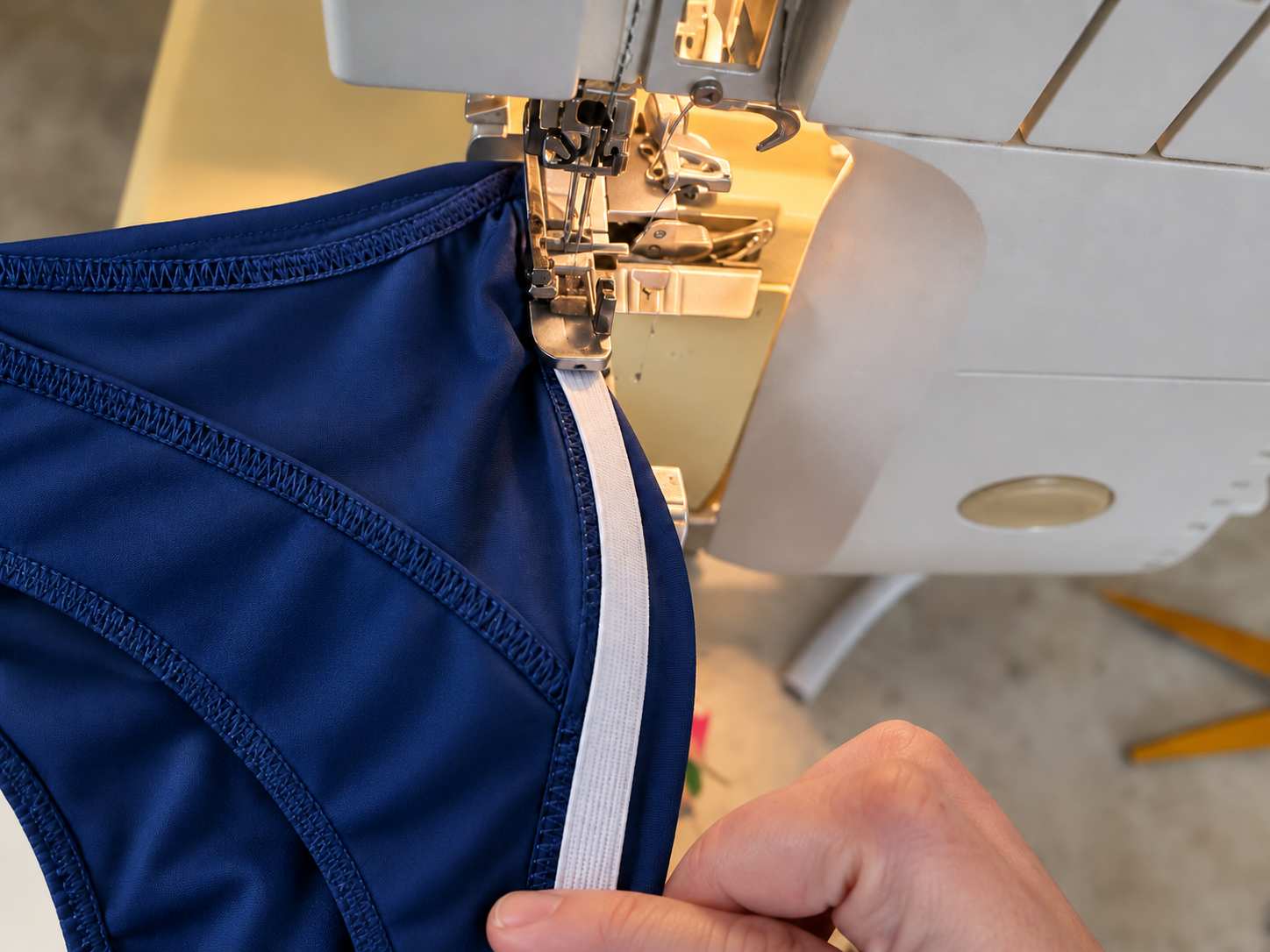
Elastic Attachment
Twelve elastic-attaching or dedicated elastic-installation machines support waistbands, sports-bra underbands, leg openings and other elastic structures. Final performance depends on elastic type, width, stretch ratio, tension, attachment method and fabric recovery. Equipment capacity helps execution, but it does not prove that every waistband will never roll or that every sports bra has the same support level.
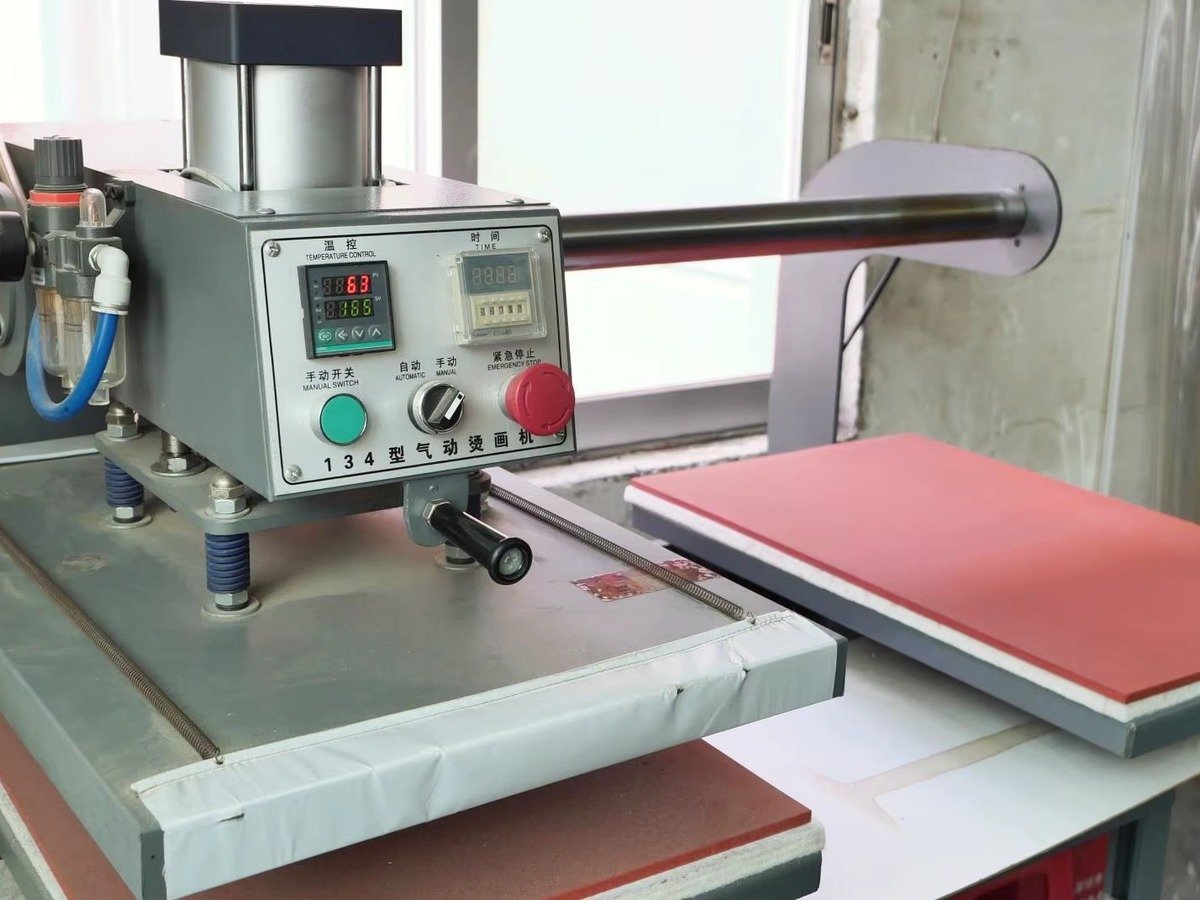
Heat Bonding
Eight heat-bonding or heat-press bonding machines can support selected edge treatments, local overlaps, reinforcement and reduced-seam constructions on compatible fabrics. Bonding decisions depend on the textile, adhesive film, temperature, pressure, time and wash requirement. Bonded construction should not be promoted as permanent, waterproof or suitable for all materials without sample evaluation and relevant testing.
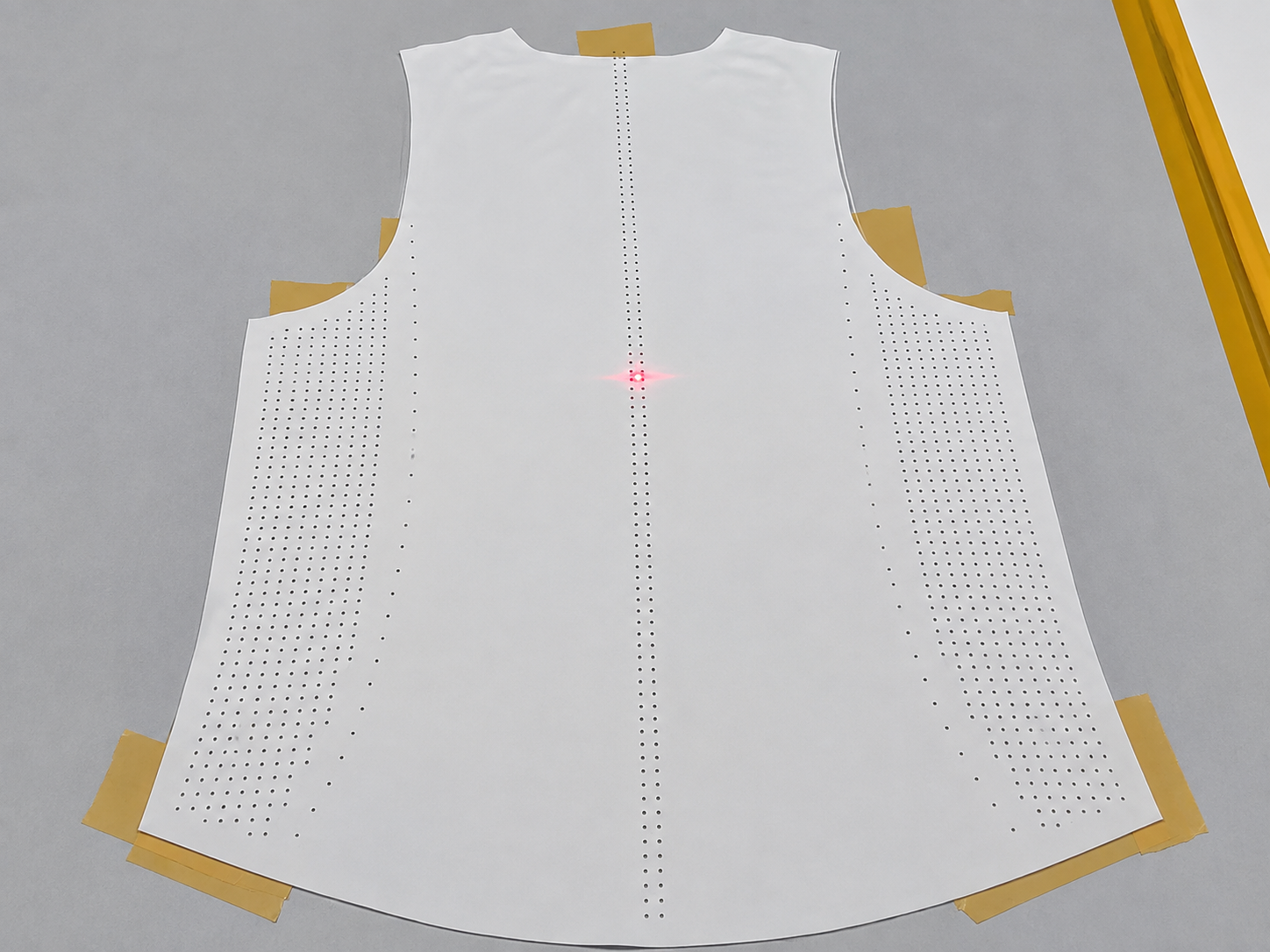
Laser Perforation
Three laser-perforation machines can create localized openings or decorative perforation patterns on suitable fabrics. Running shorts, tops and selected activewear structures may use perforation when the material and design can tolerate the process. Final hole size, spacing, location and edge behavior require sample review; no fixed breathability increase should be claimed without testing.
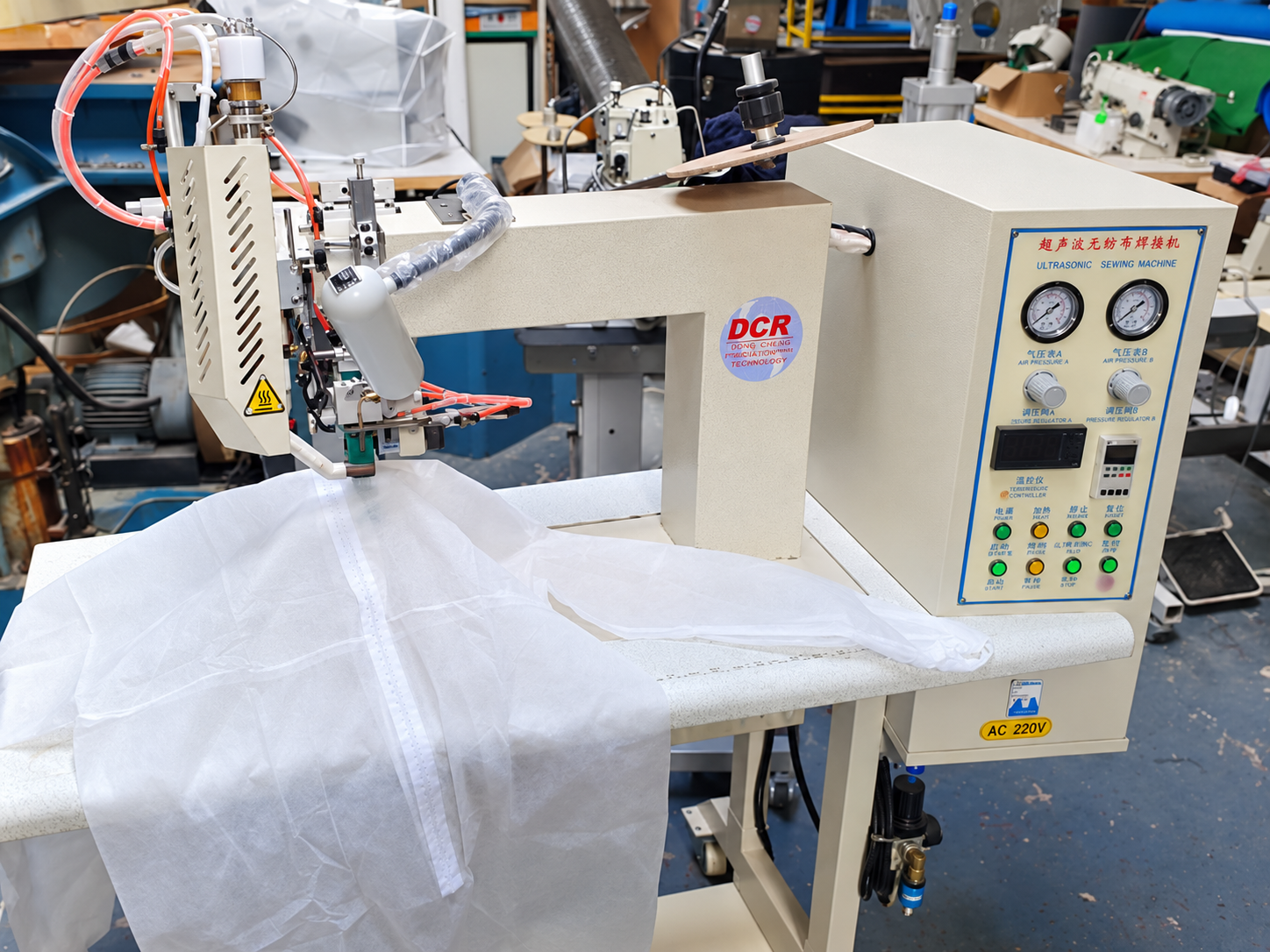
Hot-Air Seam Sealing
Four hot-air seam-sealing machines can apply seam tape to suitable fabrics and constructions. Seam sealing may improve local seam coverage or water resistance when combined with the correct material, tape and structure. The presence of seam-sealing equipment does not make every garment waterproof. Any waterproof claim needs supporting fabric properties, construction scope and relevant test results.
Turn Technical Files into Executable Manufacturing Requirements
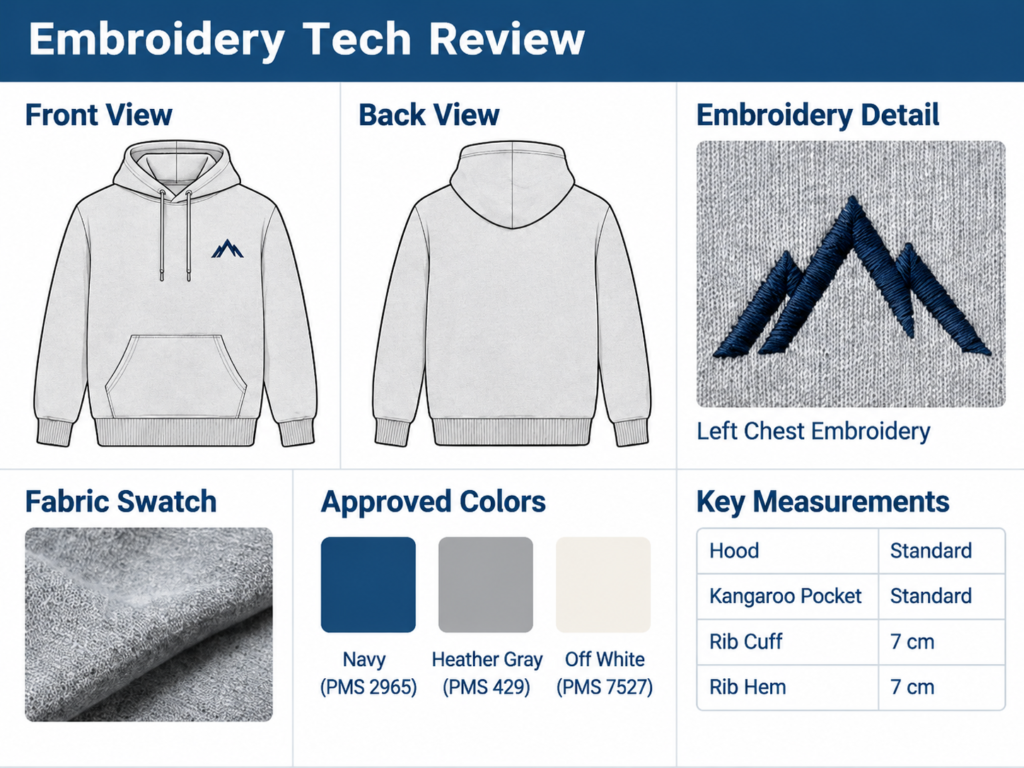
A Tech Pack is most useful when it removes ambiguity before sampling. Leadshow reviews the latest files against the proposed garment, materials, fit, construction, branding, order quantity and target timing so missing or conflicting information can be clarified early.
What the Review Should Cover
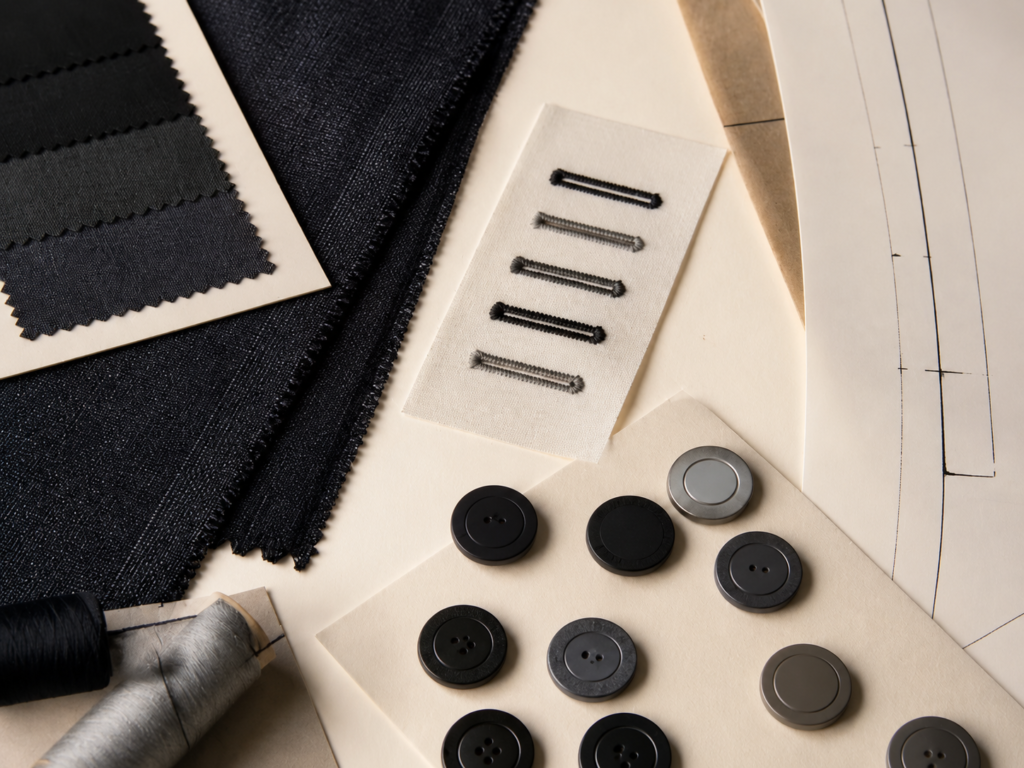
A manufacturing review can cover product sketch or reference, construction details, measurement specification, seam and stitch requirements, fabric and trim information, color standards, logo artwork, label content, packaging, quantity and any required quality or testing information. Version control matters: production should not rely on an outdated size chart while a newer construction file is being used elsewhere. Each file should therefore carry a revision reference or clear approval status whenever possible.
Leadshow can assess whether the activewear style fits confirmed product capability and what information is still needed for sampling, costing or production. The review may identify material compatibility questions, unclear measurements, difficult seam geometry, missing trim details or branding instructions that conflict with the garment structure. Early clarification helps prevent sample revisions caused by specification gaps rather than by workmanship.
Projects Can Start Without a Perfect Tech Pack
A complete Tech Pack is not the only possible starting point. Reference images, a physical sample, an existing product, partial measurements or a defined style brief can be used for initial review. Leadshow can help clarify the manufacturing information required to move forward, including structure, size direction, material options and sample objectives.
Full standalone Tech Pack creation should not be assumed as an automatic included service. If technical documents need to be created or substantially rebuilt, the exact scope, ownership, delivery format and commercial terms should be agreed before work starts. Reference garments and third-party designs must also be used with appropriate authorization. The goal is a clear manufacturing package, not a vague promise that any image can be copied exactly.
What Comes Out of the Review
A useful review should end with clear next actions. The team should know which files are accepted, which points require clarification, whether material alternatives need evaluation, what sample type is appropriate, which measurements require confirmation and which branding or packaging details remain open. MOQ, quotation and timing can then be evaluated against the actual product version rather than a generic activewear assumption.
Commercial commitments such as final price, sample timing and bulk delivery should only be confirmed after the relevant product, material, quantity and production conditions are understood. If specifications change later, cost, sample work and schedule may need to be re-evaluated.
Sample Development Before Activewear Bulk Production
Sampling is used to verify the product, not merely to produce one garment. Timing is confirmed after design complexity, material availability, pattern work, branding, revision scope and approval responsibilities are reviewed. No fixed sample-day promise is applied to every activewear style.
Requirement Review
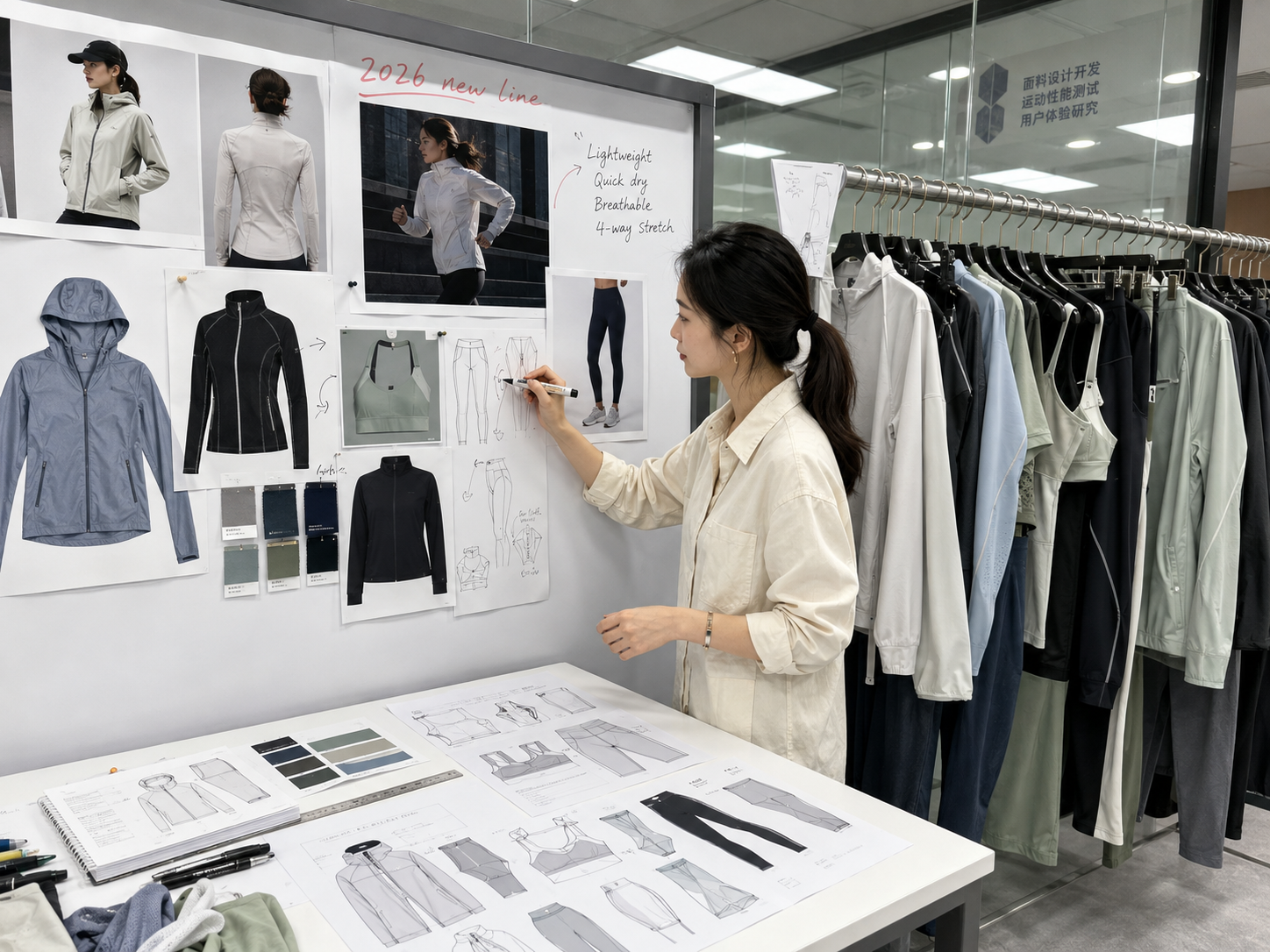
The first step is to align the style, intended use, target size, reference garment or Tech Pack, fabric direction, branding and expected order. Open questions are listed before pattern or sample work begins. A clearer brief reduces avoidable revisions caused by missing measurements, conflicting files or unconfirmed materials.
Material Confirmation
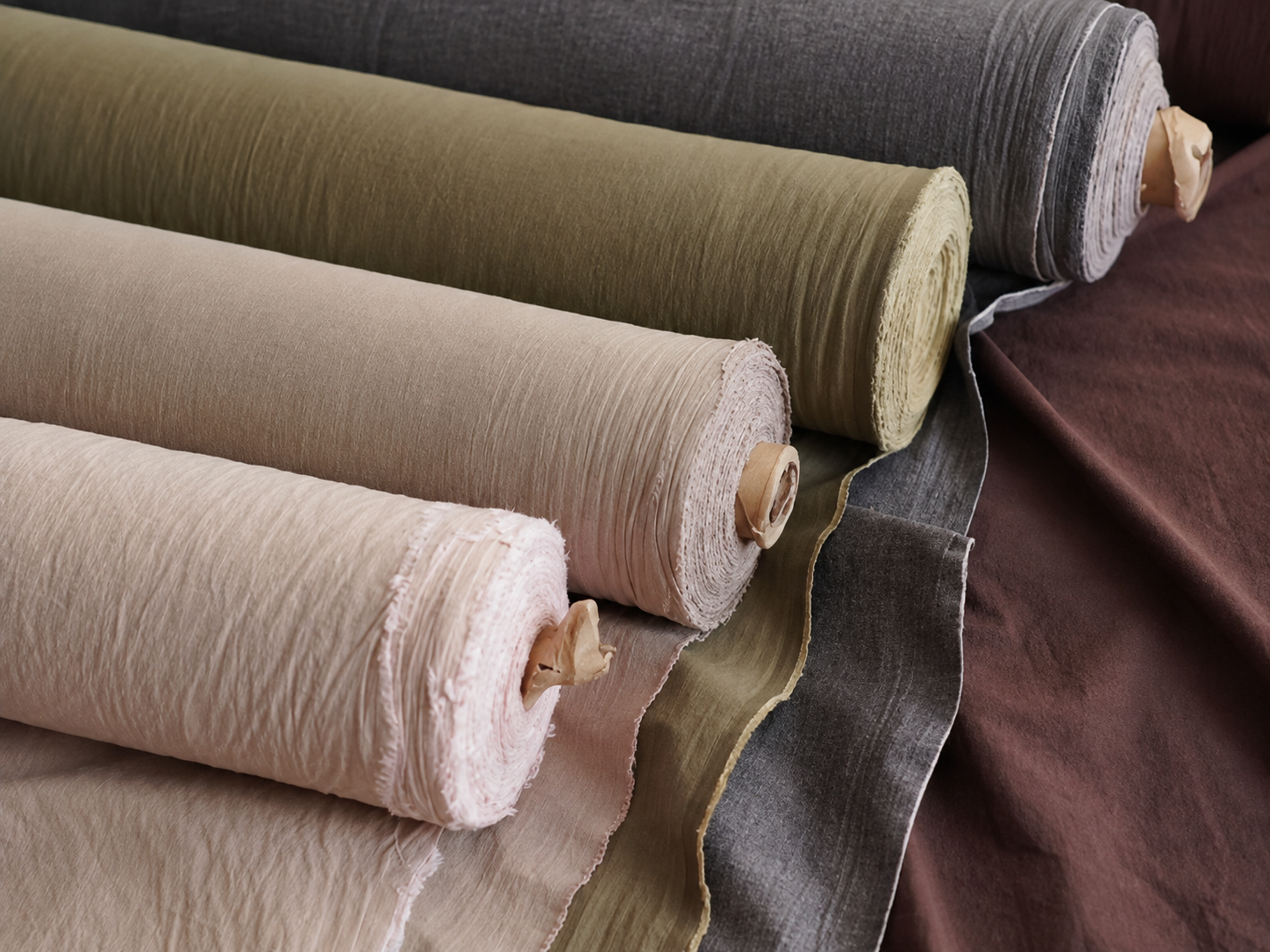
Fabric and trims are checked against the sample objective. When the final material is available, the sample can evaluate both fit and material behavior. When a substitute is required for an early prototype, the difference should be recorded so the sample is not treated as final approval of performance, hand feel or color.
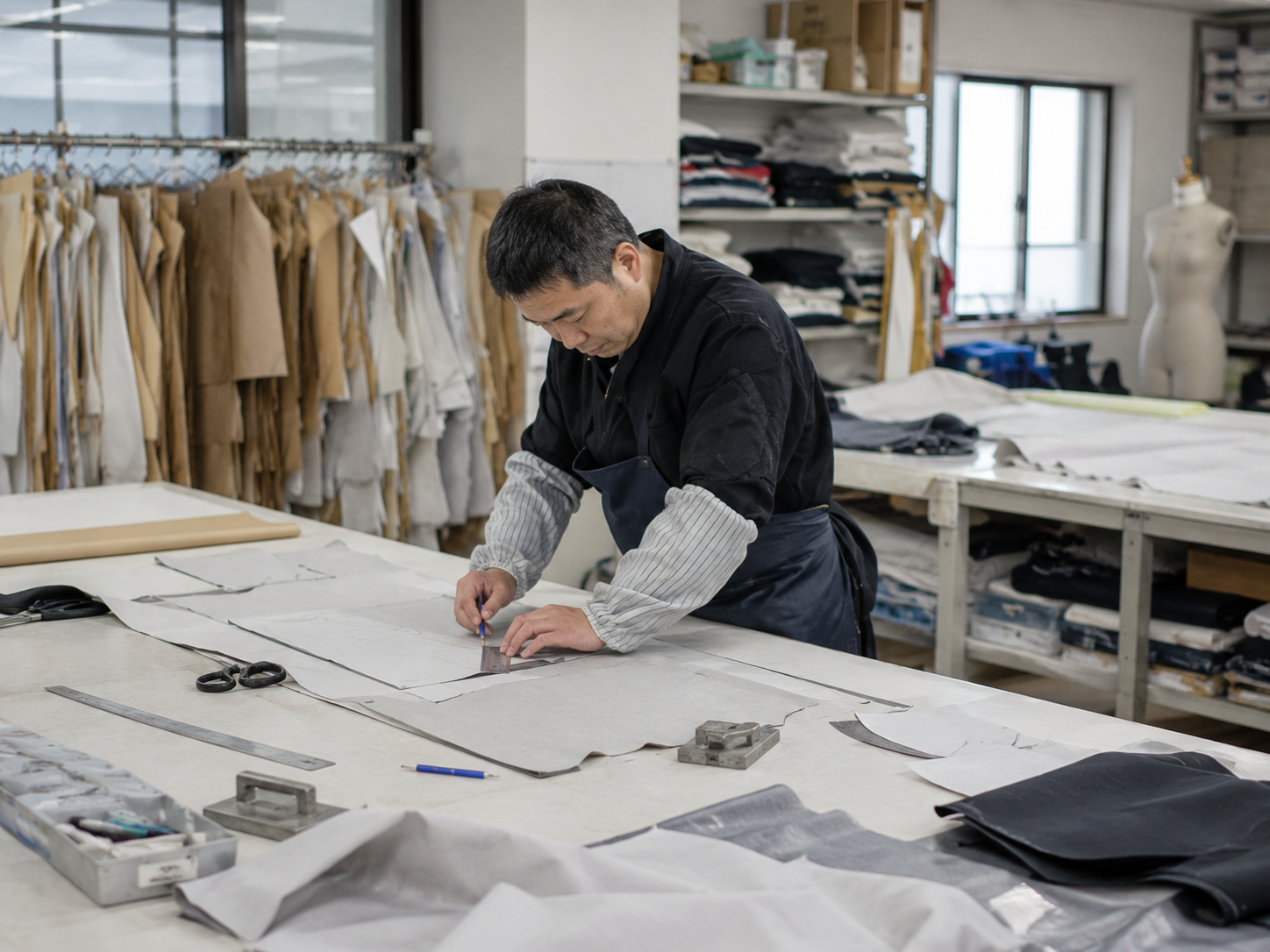
Pattern & Construction
Pattern work translates measurements, fit direction and garment structure into cut panels and sewing requirements. Construction details such as waistband, gusset, underband, pocket, strap, lining or bonded areas are reviewed for manufacturability. Changes that materially affect the design should be approved before the next sample stage.
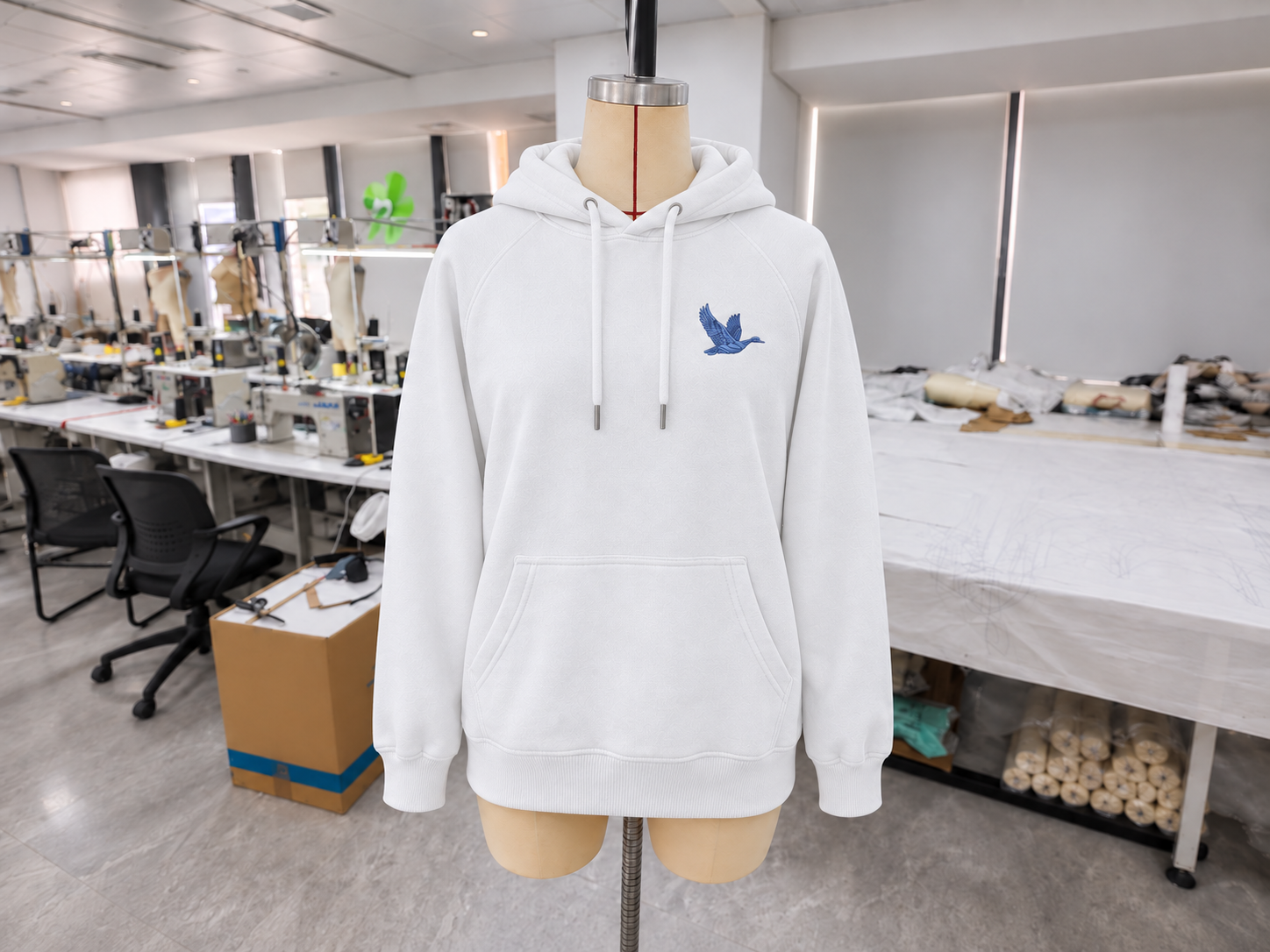
First Sample
The first sample checks whether the design has been translated into a wearable garment. Review points can include proportions, movement, key measurements, seam placement, fabric behavior, openings, coverage and branding position. A first sample is rarely meaningful without written comments that identify the exact area, target correction and reference measurement.
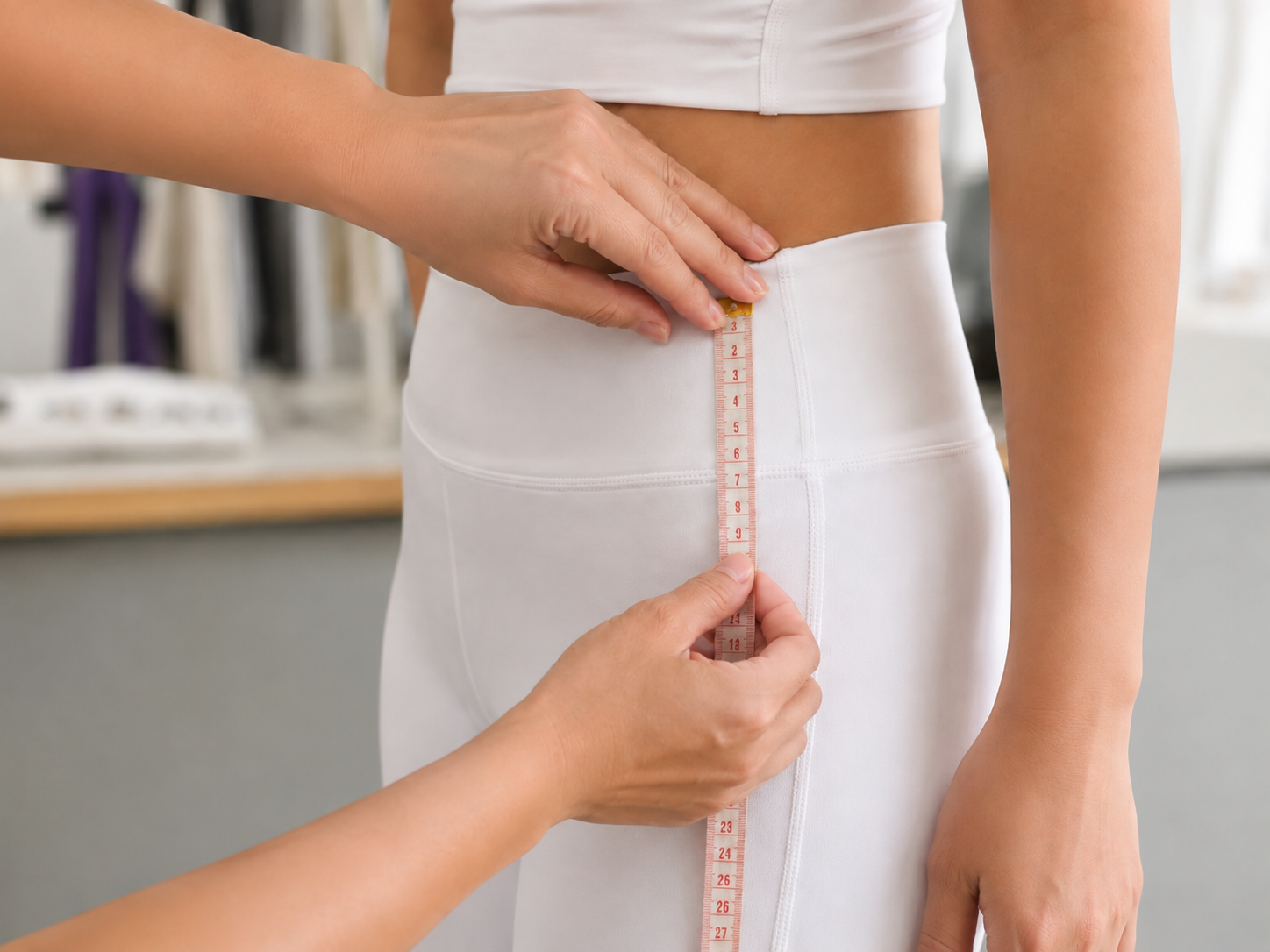
Fit & Revision
Revision should consolidate feedback into one controlled version. Changes to fit, pattern, construction, fabric or logo may interact, so revision comments need clear priorities. Major changes can require another sample or additional material work. Each round should carry a sample identity or version so later production does not refer to obsolete comments.
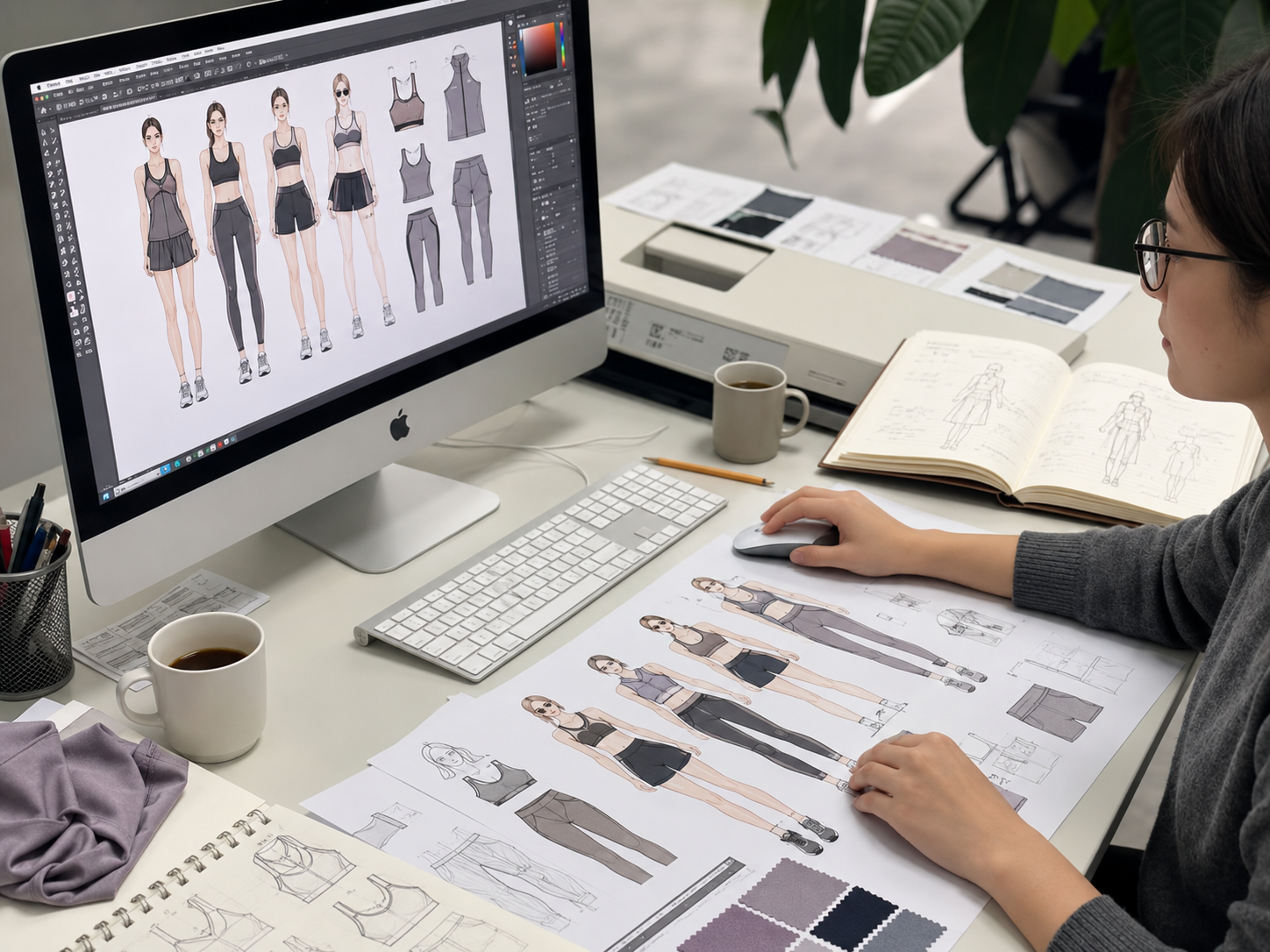
Approval & Handover
Approval should identify what has actually been accepted: fit, construction, fabric, color, logo, labels, packaging and any size scope. An approved sample then becomes part of the production reference together with the final Tech Pack and measurement specification. Later changes should be documented because even a small material or construction change can alter bulk results.
Eight Areas Worth Reviewing Before Supplier Approval
A serious apparel manufacturer should be evaluated beyond factory size or quoted unit price. Product development, approved standards, material control, manufacturing scale, quality checkpoints and order execution all influence whether a supplier fits a long-term sourcing program.
Control Point
Approved Reference
Bulk Action
What Is Checked
Final Tech Pack
Approved revision
Freeze construction and measurement instructions
Correct file version, notes and measurement points
Approved Sample
Physical or documented reference
Use as production comparison
Fit, proportions, construction, appearance
Fabric & Trims
Approved material references
Verify incoming material before cutting
Color, specification, batch and key attributes
Color Standard
Approved swatch / reference
Compare bulk color against agreed standard
Visual match and approved tolerance method
Logo & Branding
Approved artwork and placement
Follow final production artwork
Size, position, orientation and finish
Initial Production
First production pieces
Compare against approved reference
Measurements, seams, construction and workmanship
In-Process Control
Production checkpoints
Monitor key measurements and operations
Fit-related dimensions, sewing and appearance
Finished Garments
Completed units
Inspect before packing
Dimensions, workmanship, branding and presentation
Labels & Packaging
Approved packing instructions
Verify SKU and carton execution
Size label, care label, bag, carton and marks
Leadshow Manufacturing Facts for Activewear Programs
Shenzhen Leadshow Sports Technology Co., Ltd. operates as an OEM and ODM apparel development and manufacturing partner. The figures below are company-wide facts and should be read as manufacturing resources rather than dedicated capacity reserved for one activewear style or one order.
Manufacturing Fact
Confirmed Leadshow Data
How to Read the Data
Industry experience
15 years
Apparel development and manufacturing experience; no founding year is inferred from the figure.
Manufacturing bases
3 modern manufacturing bases
Company-wide manufacturing network; detailed base addresses are not published in the current fact set.
Combined factory area
20,000+ m²
Combined space across the manufacturing system, not one single factory area.
Team size
1,500+ employees
Cross-functional support across business, development, production, quality, warehousing and logistics.
R&D / engineering
Approx. 28 people
Supports construction review, pattern and fit adjustment, sample development and process evaluation.
Quality team
Approx. 45 people
Supports material, in-process, finished-garment and packaging inspections according to project requirements.
Warehousing & logistics
Approx. 32 people
Supports material handling, SKU sorting, labeling, packing, cartons and shipment coordination.
Production / finishing equipment
300+ machines
Includes cutting, sewing, flatlock, elastic, bonding, seam sealing, perforation, heat transfer, ironing, needle detection and folding equipment.
Combined monthly capacity
Up to approx. 120,000 finished garments
Subject to product construction, materials, processes, order mix, quality requirements and current production scheduling.
Standard MOQ
Starts from 100 pcs / color / design
Subject to fabric, trims, construction, branding and packaging requirements.
From Material Readiness to Packed Activewear
Bulk production begins only after the required product references and commercial conditions are ready. Production timing is confirmed against approved samples, material readiness, order mix, process complexity, quality requirements and the current manufacturing schedule.
Pre-Production and Material Readiness
Before cutting, the production version should be clearly defined. The latest Tech Pack, measurement chart, approved sample, fabric and trim references, color, logo files, labels, packaging requirements and order breakdown need to be aligned. Fabric preparation may involve receipt checks, lot separation, relaxation or pre-treatment depending on the material and project. Five automatic spreaders and three fabric pre-treatment or preshrinking machines are available within Leadshow’s broader equipment base, although not every fabric requires the same preparation route.
The order mix also matters. A program with several styles, colors and sizes needs more planning than one repeated style. Material shortages, late artwork changes or unresolved sizing can move the schedule even when sewing capacity is available. For that reason, bulk lead time is not published as a fixed universal number. A schedule is confirmed after production inputs and current capacity are reviewed.
Finishing, Inspection and Packing
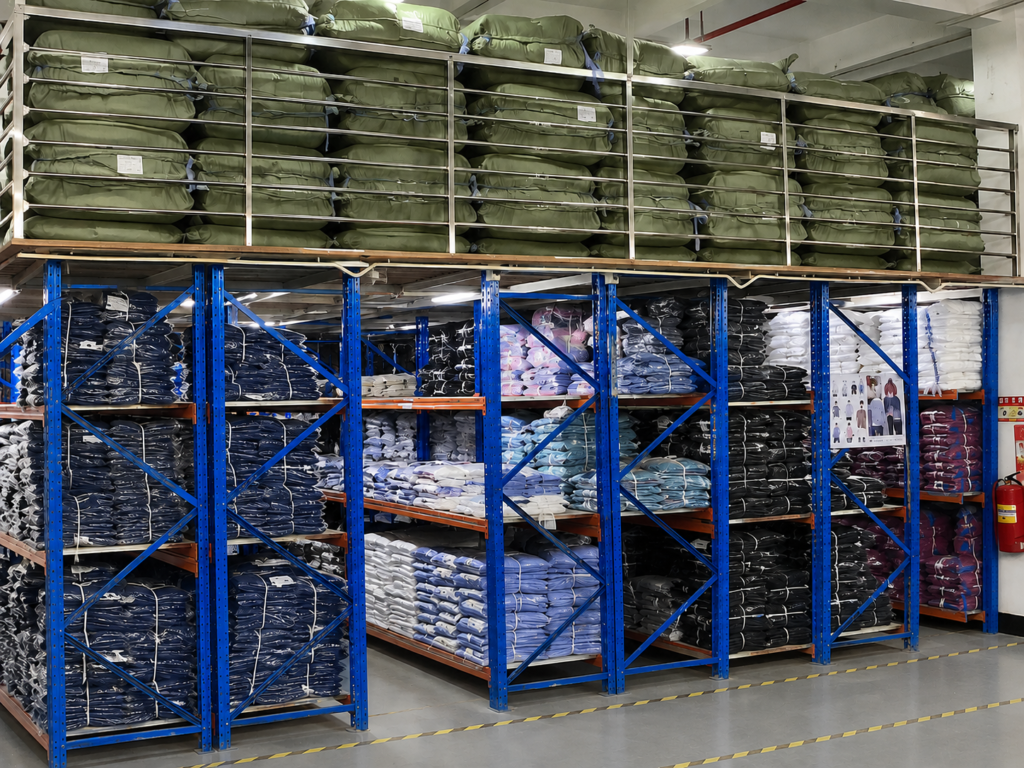
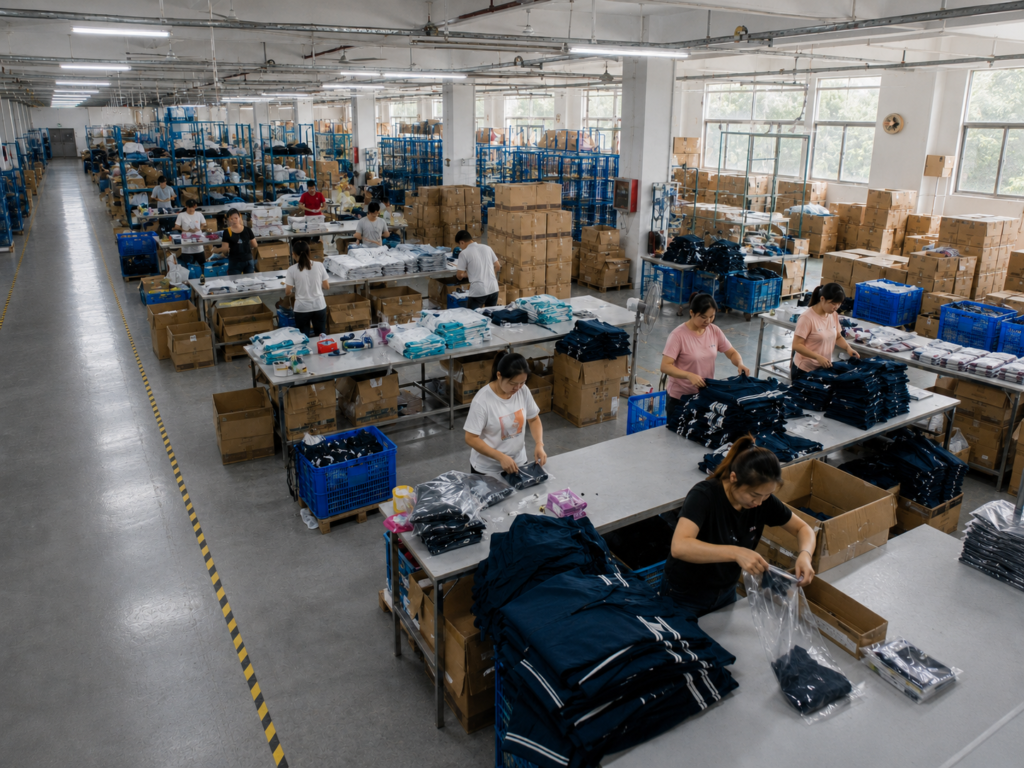
After sewing, garments move into finishing, inspection and packing preparation. Leadshow has 20 high-pressure steam ironing stations, six automatic needle-detection machines and four automatic folding and packing systems for applicable products. Finishing is used to present garments correctly before packing; it does not replace proper pattern, sewing or material control. Needle detection is a specific safety-check process for applicable garments and should not be described as a complete product-safety certification.
Final handling can include measurement review, appearance inspection, branding verification, size and color identification, folding, bagging, label checks, carton preparation and shipment coordination. Complex or structured garments may require manual handling even where automated folding equipment is available. Packing rules should follow the approved program rather than a generic house standard.
Cutting, Sewing and Specialized Processes
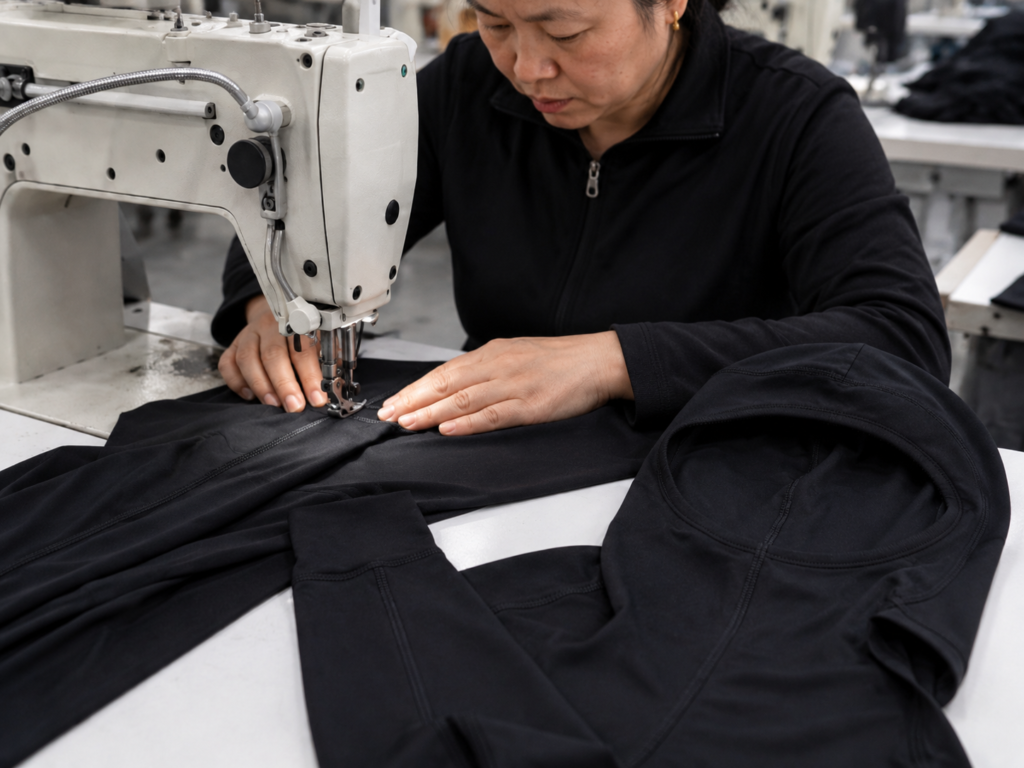
Once materials and files are ready, fabric can move through spreading, cutting and panel preparation. Leadshow combines automated and flexible cutting methods because material behavior varies. Cut panels are then sorted for sewing and related operations. Standard equipment includes lockstitch, four-thread and five-thread overlock, double-needle, elastic attachment, bartacking and four-needle six-thread flatlock machines. Selected styles may also use heat bonding, hot-air seam sealing, laser perforation, ultrasonic elastic cutting or heat-transfer processes when the material and construction have been reviewed for compatibility.
The production route should follow the approved garment rather than an equipment showcase. Leggings may emphasize flatlock, waistband and gusset execution, while sports bras may place more attention on elastic, straps, lining and padding. Running shorts can add pockets, slits, reinforcement or perforated areas. Process checkpoints are positioned around the risks of the specific style.
Quality Checks Across Activewear Production Stages
Quality control is linked to materials, approved samples, production execution and packing rather than relying only on final inspection. Inspection scope and sampling method are agreed according to the product, brand standard and order requirements.
Incoming Materials
Fabric and trims can be checked against approved references before they are released into production. Relevant points may include material identity, color, quantity, visible defects and required project specifications. When a functional claim depends on material testing, the supporting documentation or required test route should be defined separately.
Pre-Production Review
The production team should work from the correct Tech Pack, size chart, approved sample, material, branding and packing instructions. A pre-production review reduces the risk of sewing to an outdated revision or mixing incompatible files. Open questions need resolution before they become repeated production defects.
Initial Production Check
Early production pieces provide a useful checkpoint for measurements, construction and workmanship before a larger quantity moves through the line. Comparing initial output with the approved sample helps identify misunderstandings in seam method, placement, tension, trim application or dimensional control while corrections are still manageable.
In-Process Measurement
Fit-sensitive activewear needs measurement attention during production. Waist, hip, rise, inseam, torso, underband or other key dimensions can be checked according to the garment specification. Inspection frequency and tolerance should follow the agreed quality plan rather than a universal rule applied to every style.
Finished Garment Inspection
Completed garments can be reviewed for measurement, sewing quality, appearance, symmetry, construction details, logo placement and general presentation. Functional properties are only claimed where the relevant material, construction and testing support the wording. Final inspection complements earlier controls; it does not replace them.
Label & Packaging Verification
Size labels, care labels, brand labels, bagging, SKU identification, carton quantities and marks can be checked before shipment. Multi-color and multi-size programs benefit from clear SKU and packing instructions because an otherwise acceptable garment can still create downstream problems if labels or cartons are incorrect.
MOQ, Quotation and Timing Depend on Project Inputs
Leadshow’s standard MOQ starts from 100 pieces per color per design, subject to fabric, trims, construction and customization requirements. Quotation and timing become more accurate when the actual style version, size structure, order quantity and branding details are available.
RFQ Variable
Main Cost / Timing Drivers
Leadshow Approach
MOQ
Fabric availability, custom color, trims, logo method, labels, packaging, construction
Starts from 100 pcs per color per design; final MOQ is reviewed per project.
Sample development timing
Pattern work, material availability, branding, complexity, revision scope, approval speed
Confirmed after the sample route and required materials are reviewed; no fixed day count is applied to every style.
Bulk production timing
Approved sample, material readiness, quantity, color/size mix, processes, current schedule, QC requirements
Confirmed after production inputs and capacity are reviewed; changes after approval may affect the schedule.
Fabric cost
Composition, weight, finish, color, functional requirement, supplier MOQ
Quoted against the selected or approved material rather than a generic activewear fabric.
Size range
Number of sizes, base size, grading work, extra validation needs
Defined by the brand size specification; no universal size range is assumed.
SKU complexity
Styles × colors × sizes × packaging versions
Higher SKU count increases sorting, labeling, production and packing control requirements.
Construction
Panel count, seams, lining, padding, pockets, zippers, bonding, elastic
More complex construction generally adds material handling, process steps and inspection points.
Branding
Logo size, method, position, color, artwork, labels, hangtags
Final method is reviewed for material compatibility and quantity.
Packaging
Bag type, folding, labels, carton ratio, marks, market rules
Quoted from approved packaging requirements.
Testing / compliance
Target market, material claims, brand standards, required third-party tests
Reviewed only when the required standard and scope are known.
Freight / delivery arrangement
Destination, trade terms, carton data, transport mode, booking conditions
Handled according to the confirmed order and logistics arrangement; customs-clearance results are not guaranteed.
Choose the Development Path That Matches Your Files
Some activewear programs start from a complete specification; others begin with a reference garment, image or early concept. Leadshow separates OEM, ODM-support and private-label workflows so technical review, sampling and quotation can start from the information already available.
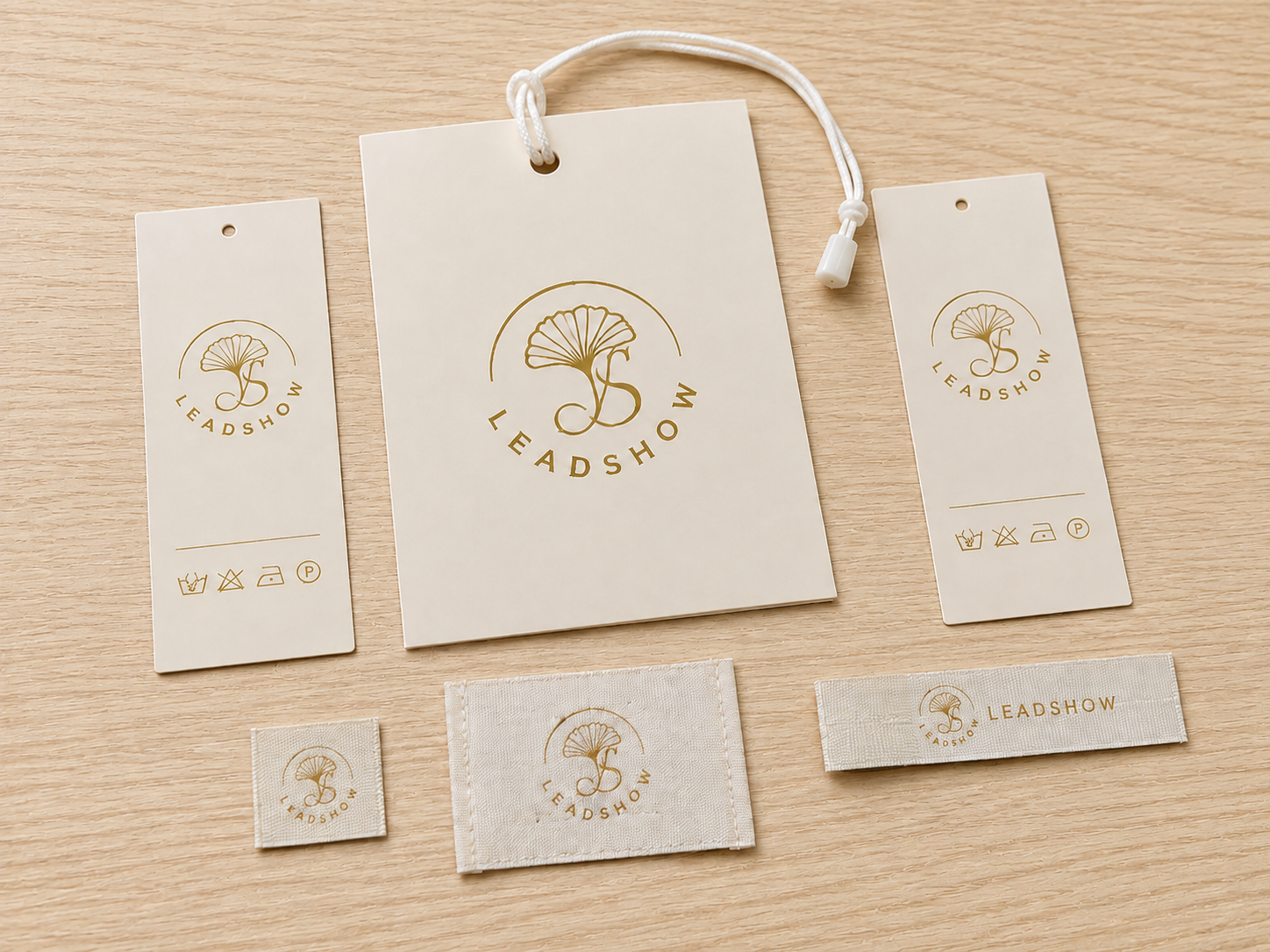
Logo & Garment Branding
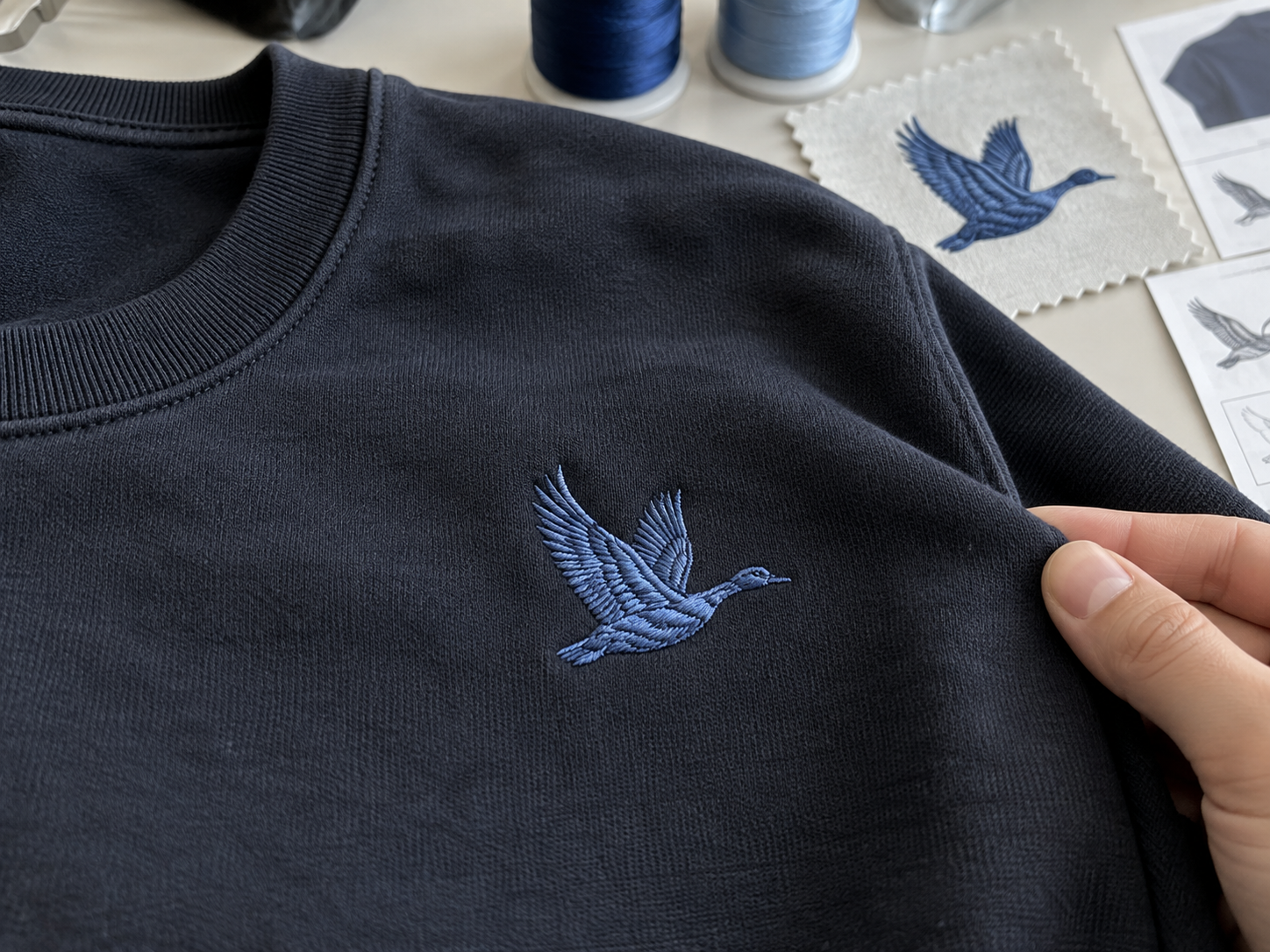
Leadshow has six double-station heat-transfer label machines and four multi-station heat-press printing machines for applicable branding work. Logo size, placement, color, artwork and material compatibility should be confirmed before bulk use. Heat transfer and heat press are not the same as sublimation, screen printing or embroidery; other processes should be reviewed before they are presented as available.
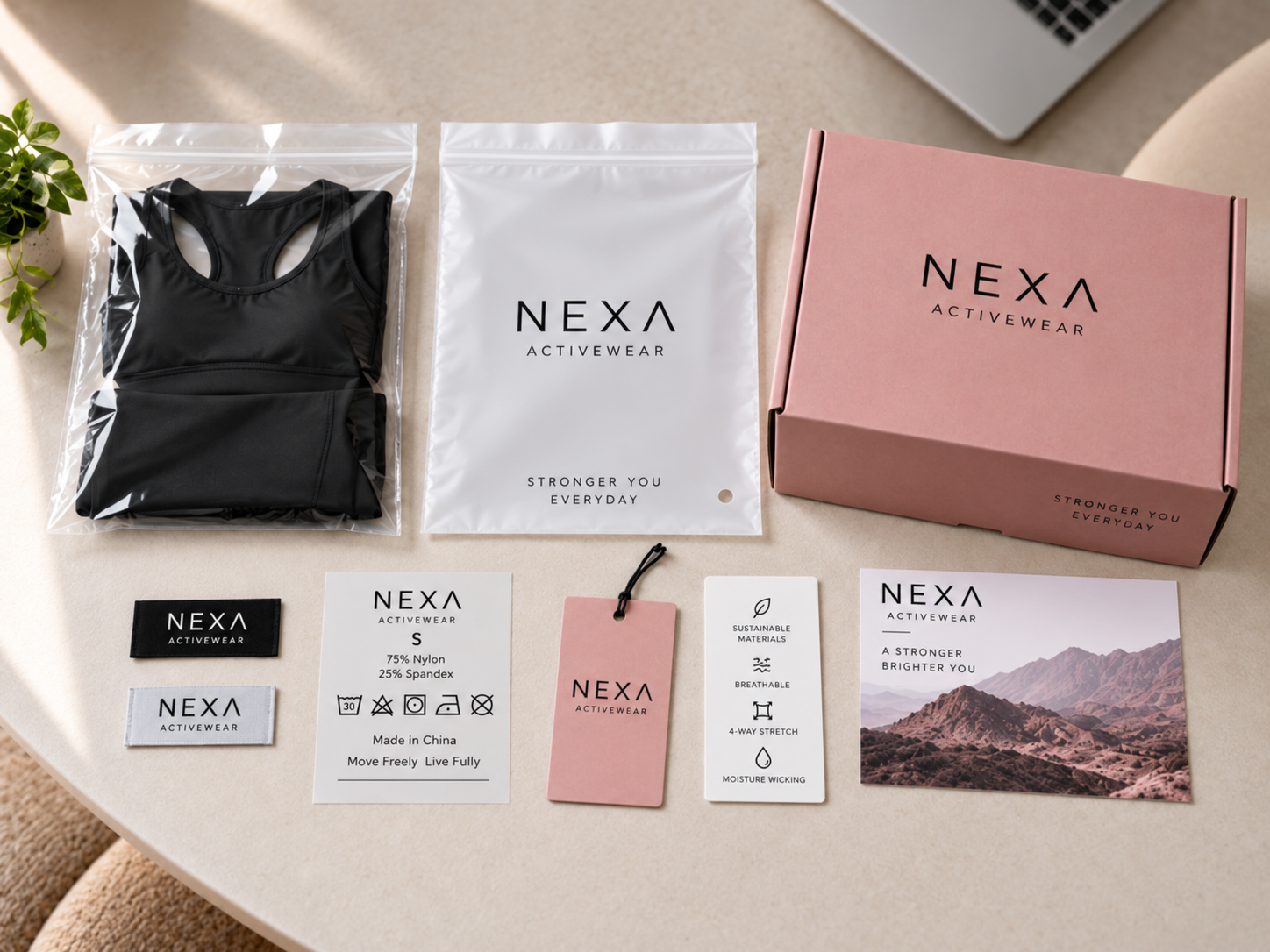
Labels & Product Identification
Private-label programs may require main labels, care labels, size labels, heat-transfer labels, hangtags or other product identification. Label content and placement need to match the approved garment, target market requirements and SKU structure. Final wording, fiber content, care symbols and regulatory information should come from the approved project documentation rather than being created from assumptions.
Packing & Carton Requirements
Packing can include folding, individual bags, size and color identification, SKU labels, carton ratios, carton marks and shipment preparation. Four automatic folding and packing systems are available for suitable standard products, while complex garments may require manual handling. The packing plan should follow the brand’s approved instructions and order breakdown rather than a generic retail format.
Manage Styles, Colors, Sizes and Reorders with Clear References
A mature activewear program may contain dozens of commercial SKUs even when only a few garment styles are involved. Clear style, color, size, label and packing references are essential for keeping production and reorders aligned.
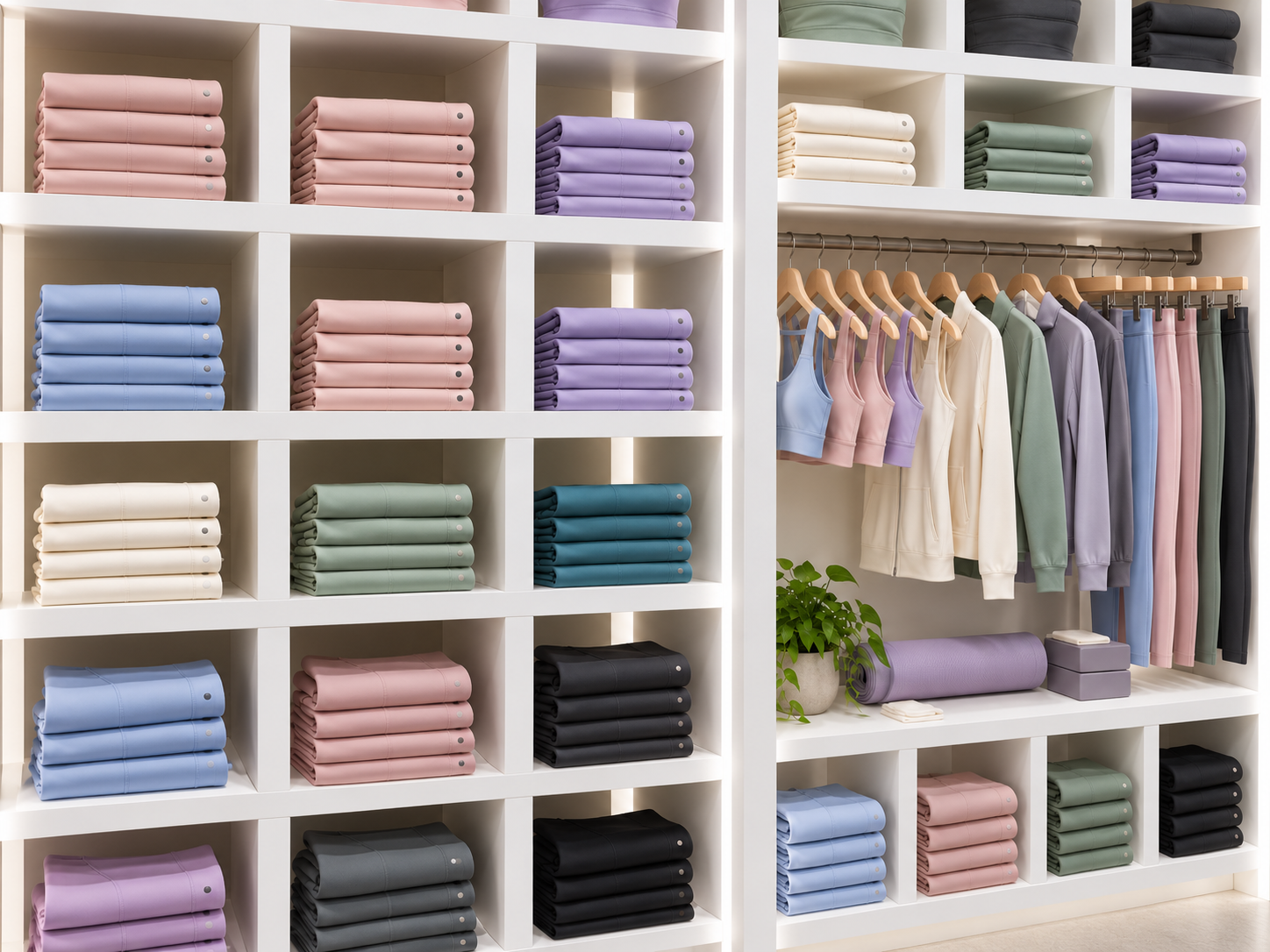
Style & Color Matrix
Each style should have a distinct specification and approved color reference. Shared materials can simplify sourcing, but style-specific construction and branding still need separate control. When colors use different fabrics, dyes or trims, the production and approval path may also differ. A style-color matrix helps keep order quantities, sample status and packaging instructions aligned.
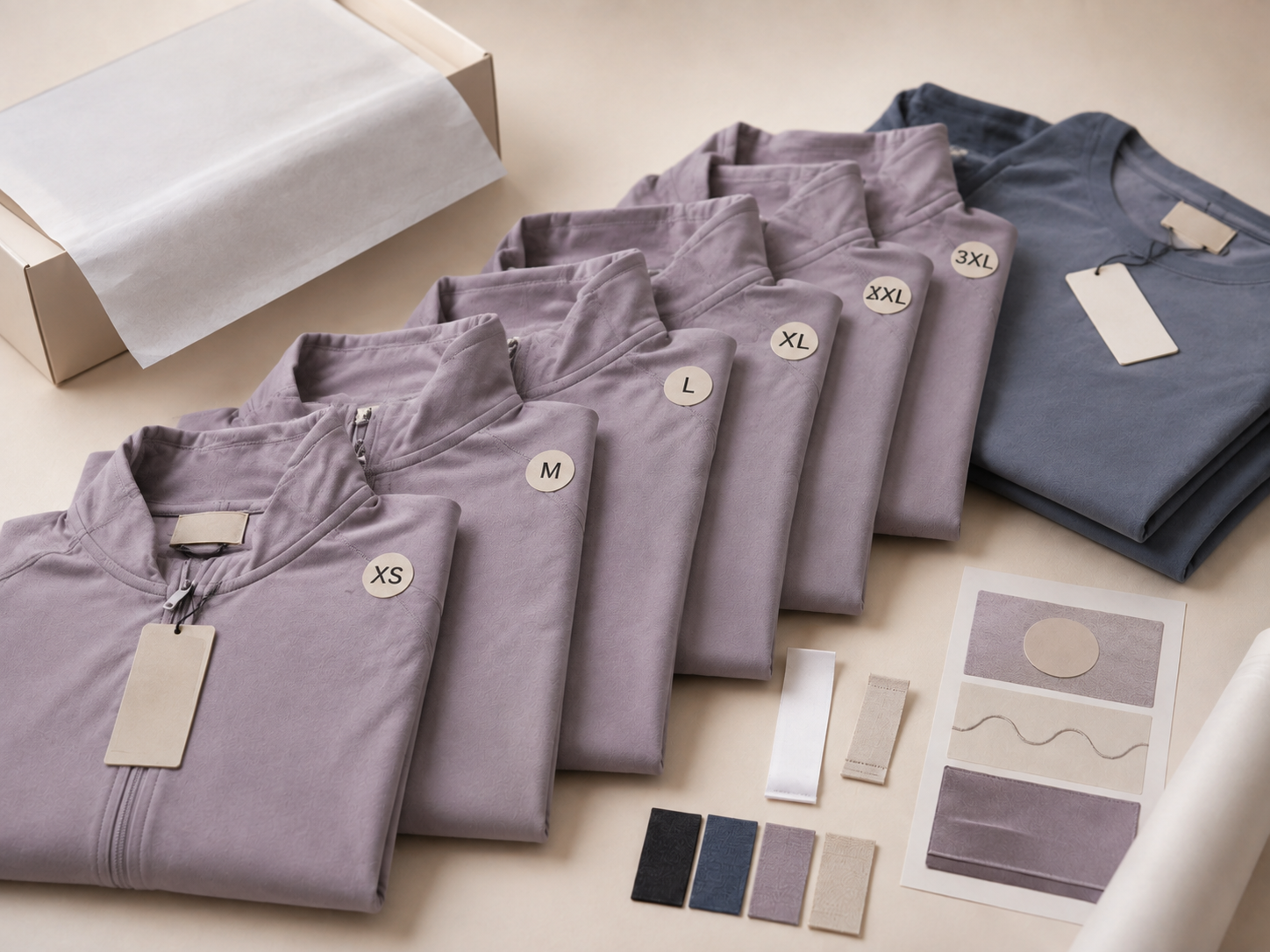
Size & SKU Control
Size control starts from the approved size chart and measurement method. Bulk sorting then needs clear style, color and size identification so garments move into the correct labels and cartons. Leadshow can support multi-SKU production and packaging functions, but no unconfirmed ERP, WMS or real-time tracking system is used as a marketing claim.
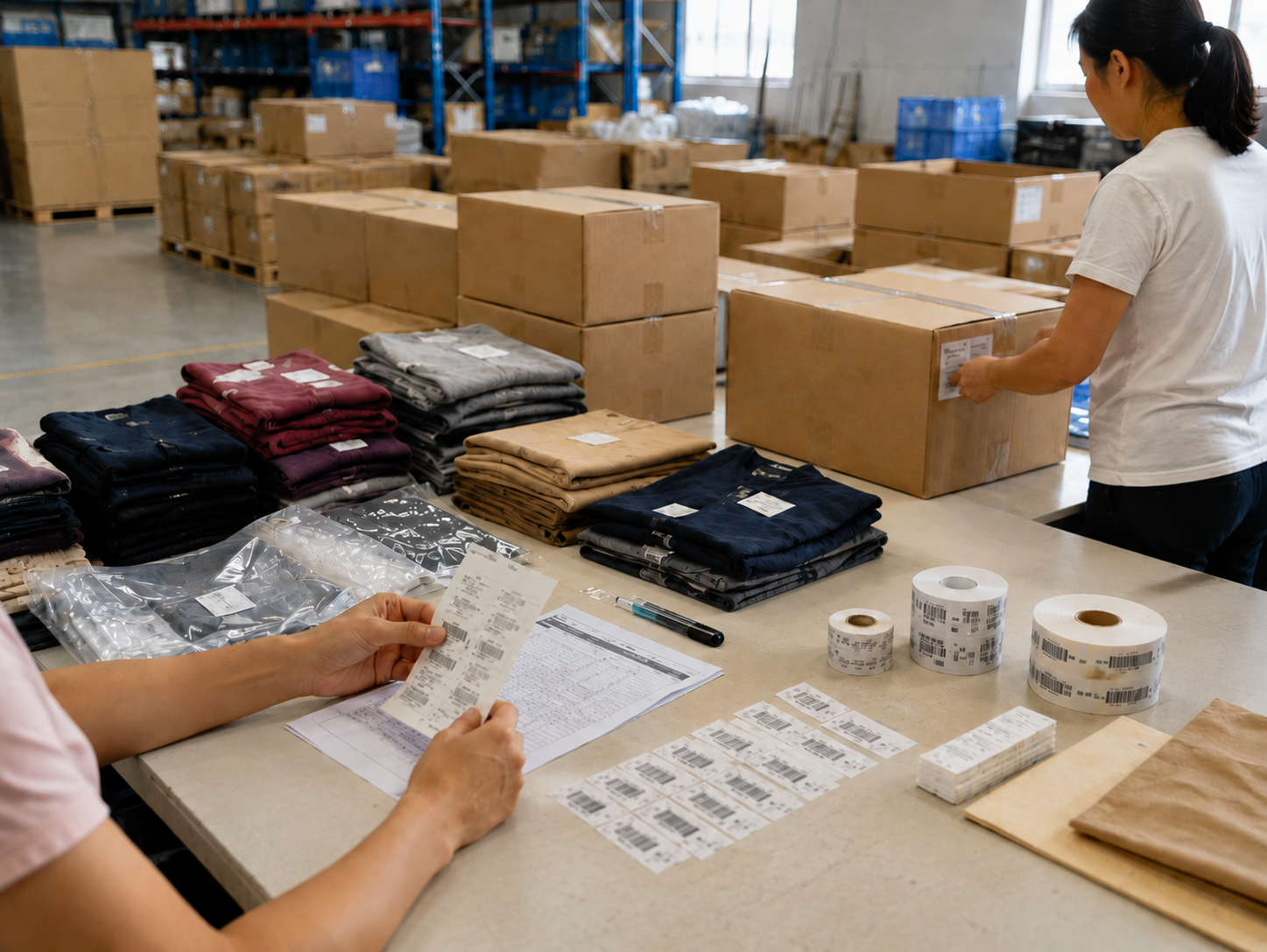
Packing & Carton Coordination
Packing errors can create problems after an otherwise successful production run. SKU labels, bag information, carton ratios, carton marks and final counts should be reviewed against the order. The warehousing and logistics team supports classification, labeling, packing and shipment coordination according to the program requirements.
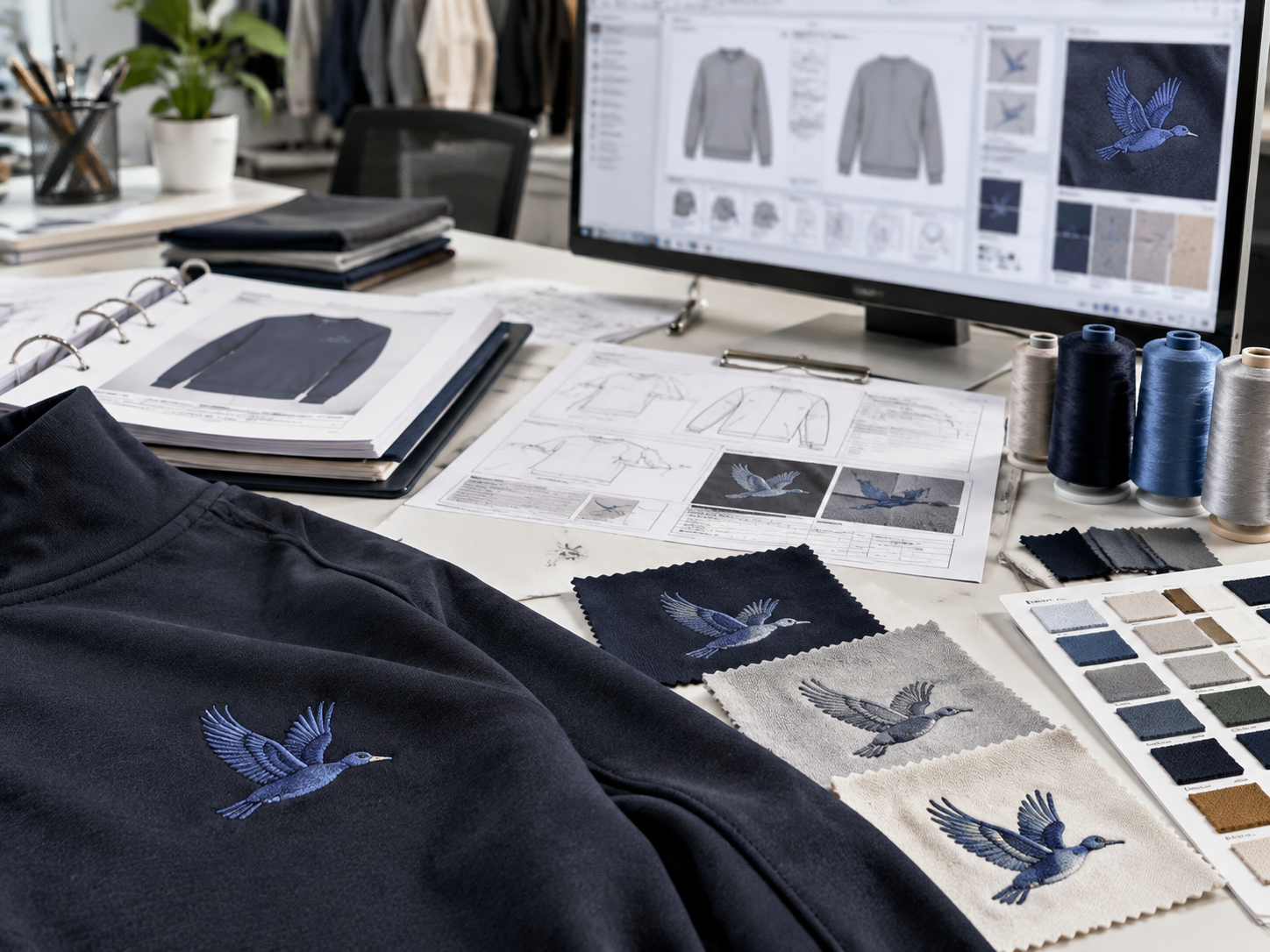
Reorder Reference Control
Repeat orders work best when the approved product version remains identifiable. Pattern, sample, material, branding and packing references should be checked before a reorder is released, especially when time has passed or a supplier material has changed. Reorders are therefore based on confirmed references, not the assumption that every later batch can be reproduced without review.
See the Manufacturing Steps Behind the Product
Manufacturing evidence is more useful than unsupported claims. Leadshow should show real development, cutting, sewing, specialized-process, inspection and packing scenes so sourcing teams can connect each capability with an actual activewear production step.
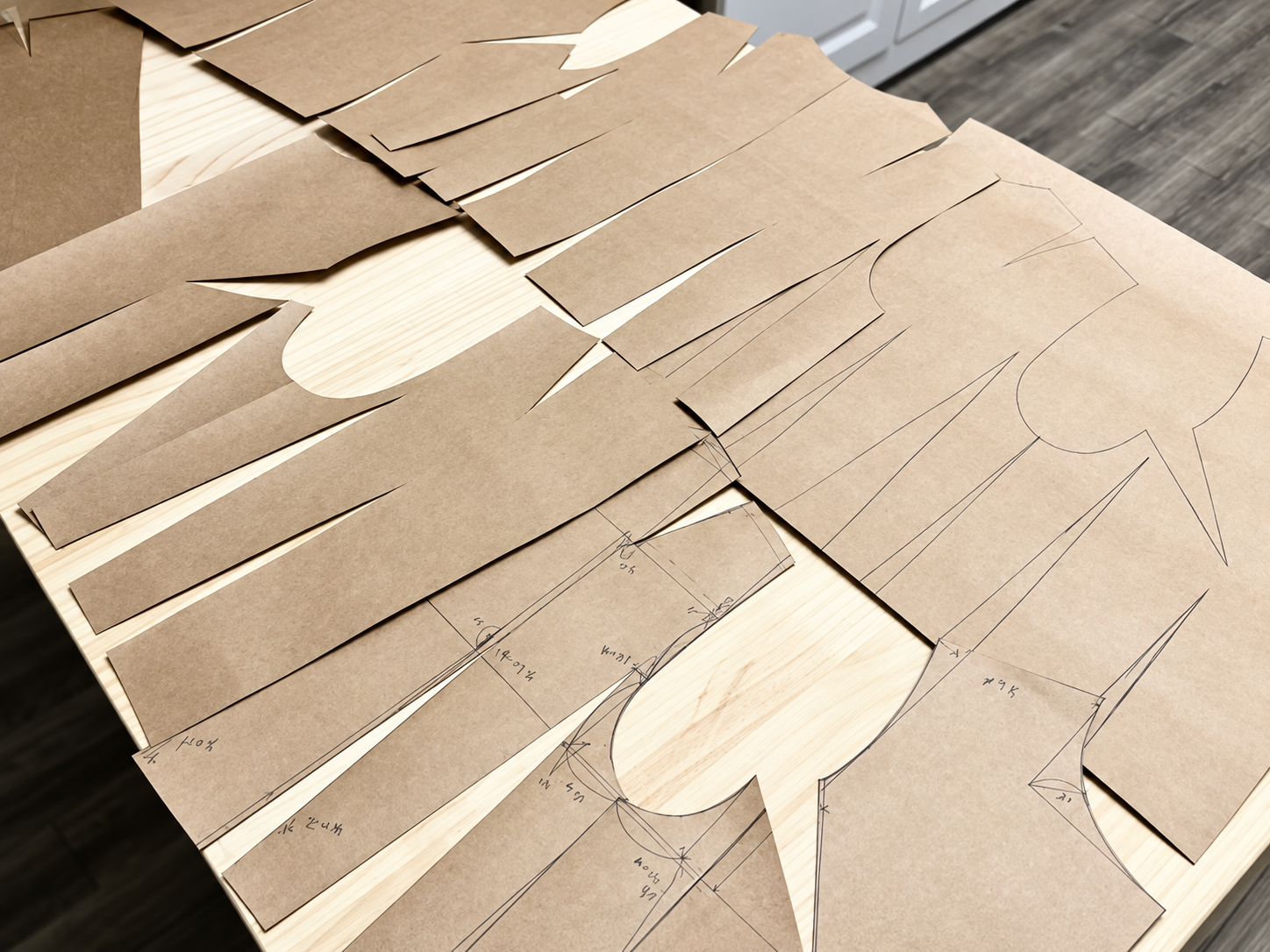
R&D & Sampling Workshop
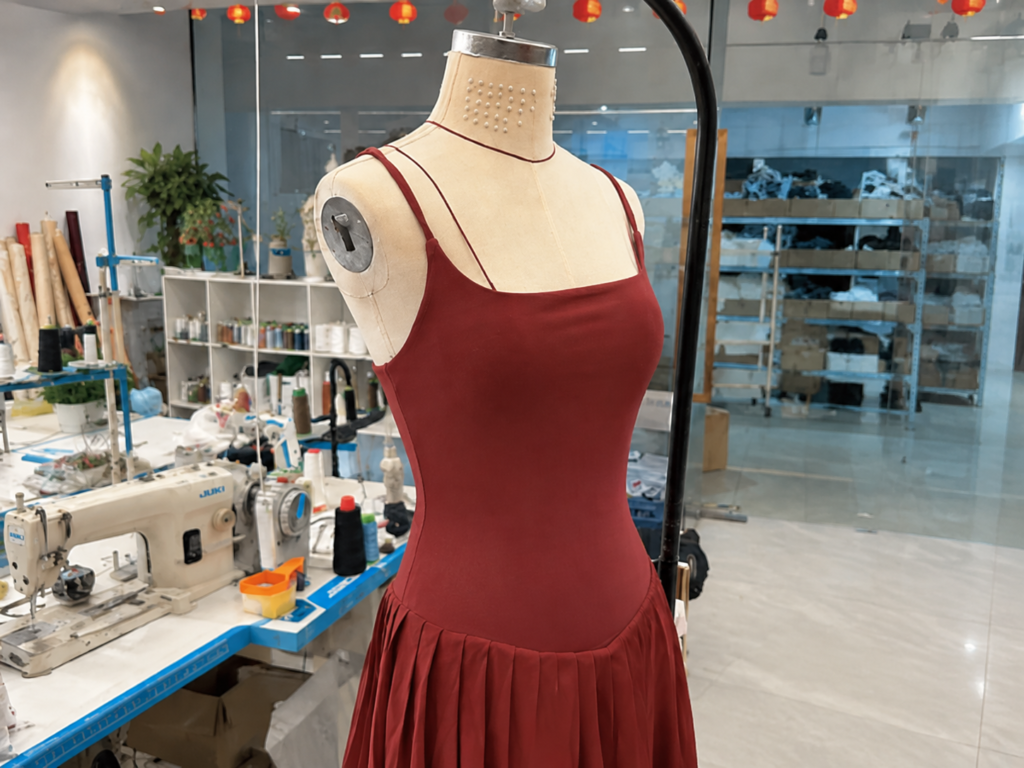
An independent R&D and sampling workshop supports construction review, pattern adjustment, first samples, fit changes and pre-production validation. Visual evidence should show real pattern, sample or technical-review activity rather than fashion mockups. The value is the connection between a design file and a manufacturable garment before the order reaches bulk production.
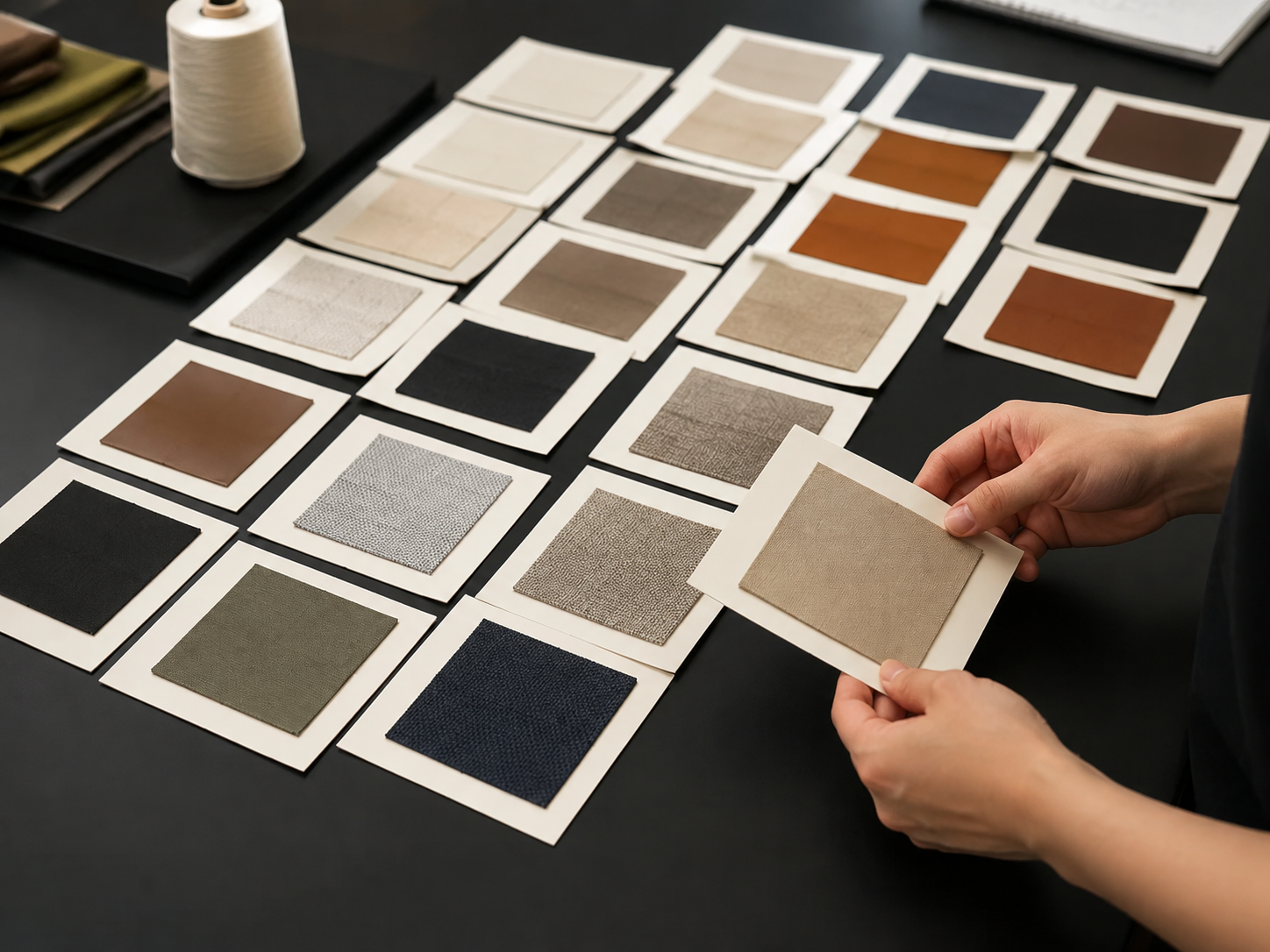
Fabric Preparation & Cutting
Real images of spreading, fabric preparation and cutting help demonstrate how panels are prepared before sewing. Leadshow has automatic spreading and cutting equipment alongside flexible cutting tools for different materials and order sizes. Visuals should make clear that equipment is selected according to fabric behavior rather than implying every style uses full automation.
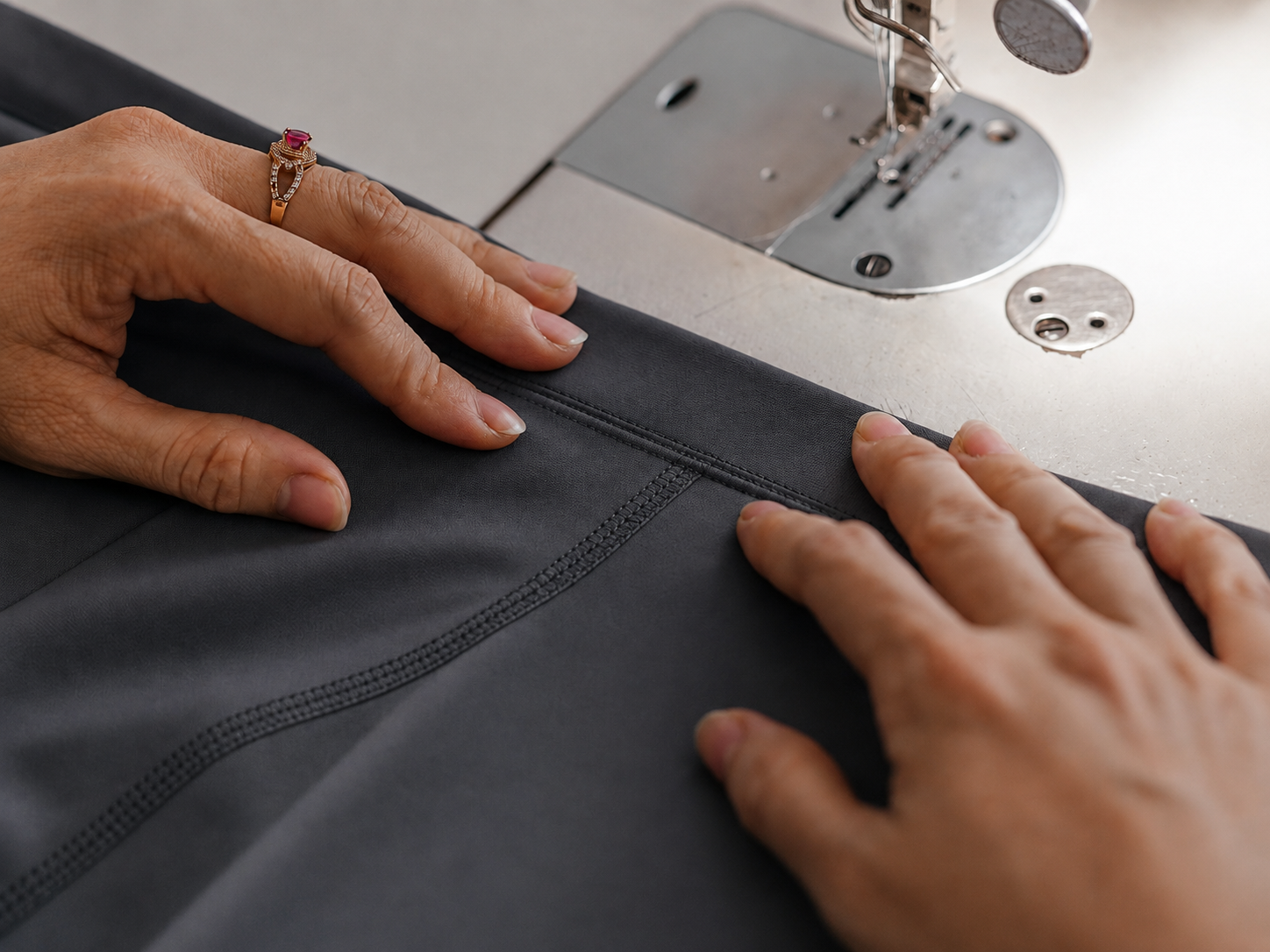
Activewear Sewing
Flatlock, overlock, lockstitch and elastic-attachment scenes are especially relevant to activewear because seam choice and elastic handling affect comfort, stretch and shape. Product images should connect a specific operation to leggings, sports bras, tops, shorts or other confirmed categories instead of showing unrelated factory machinery.
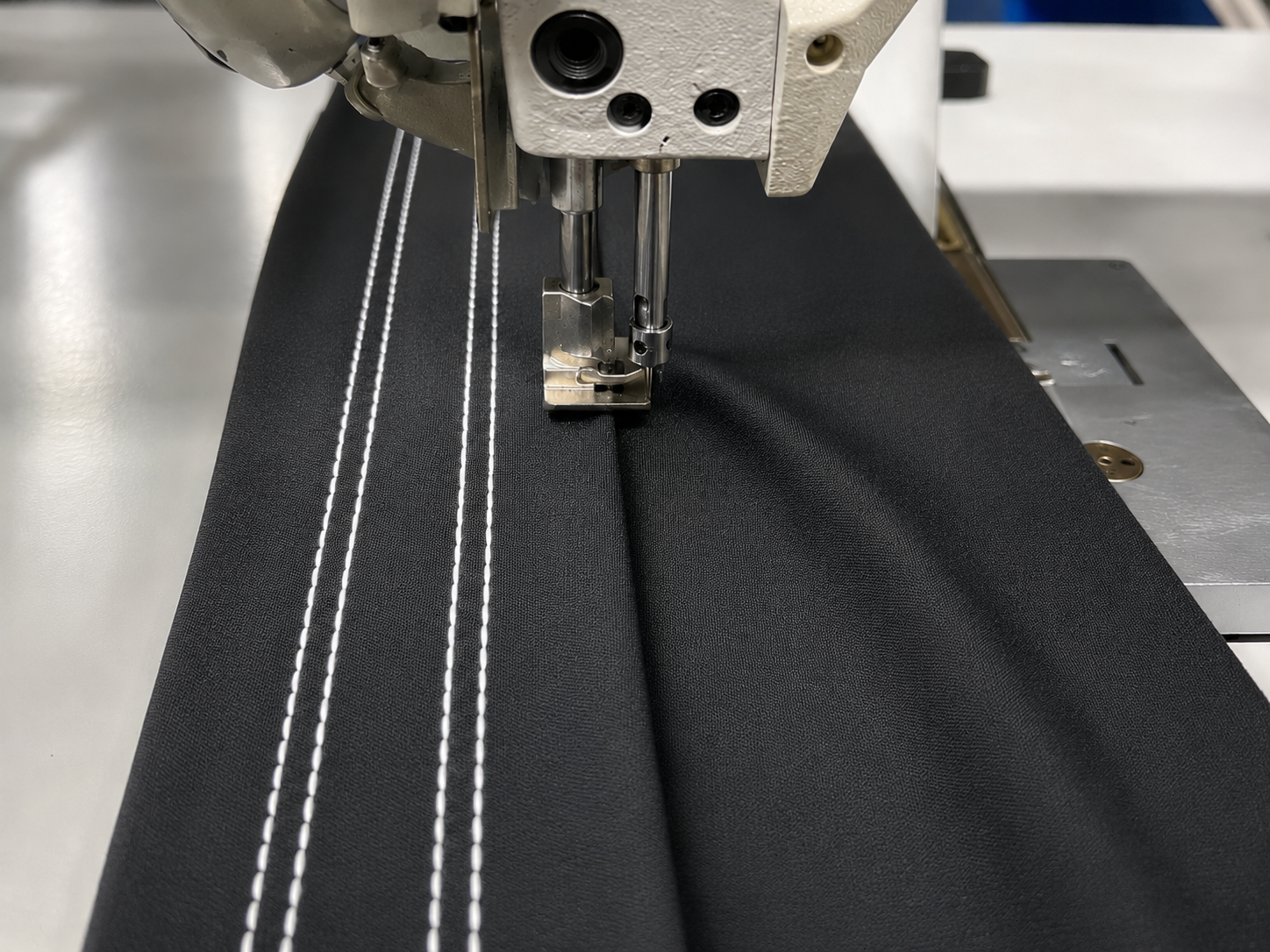
Specialized Processes
Heat bonding, seam sealing, laser perforation, ultrasonic cutting and heat-transfer operations can add useful structure or branding options on compatible designs. Evidence should show the process and the actual material being worked on. The visual story should avoid turning equipment into unsupported waterproof, seamless or breathability claims.
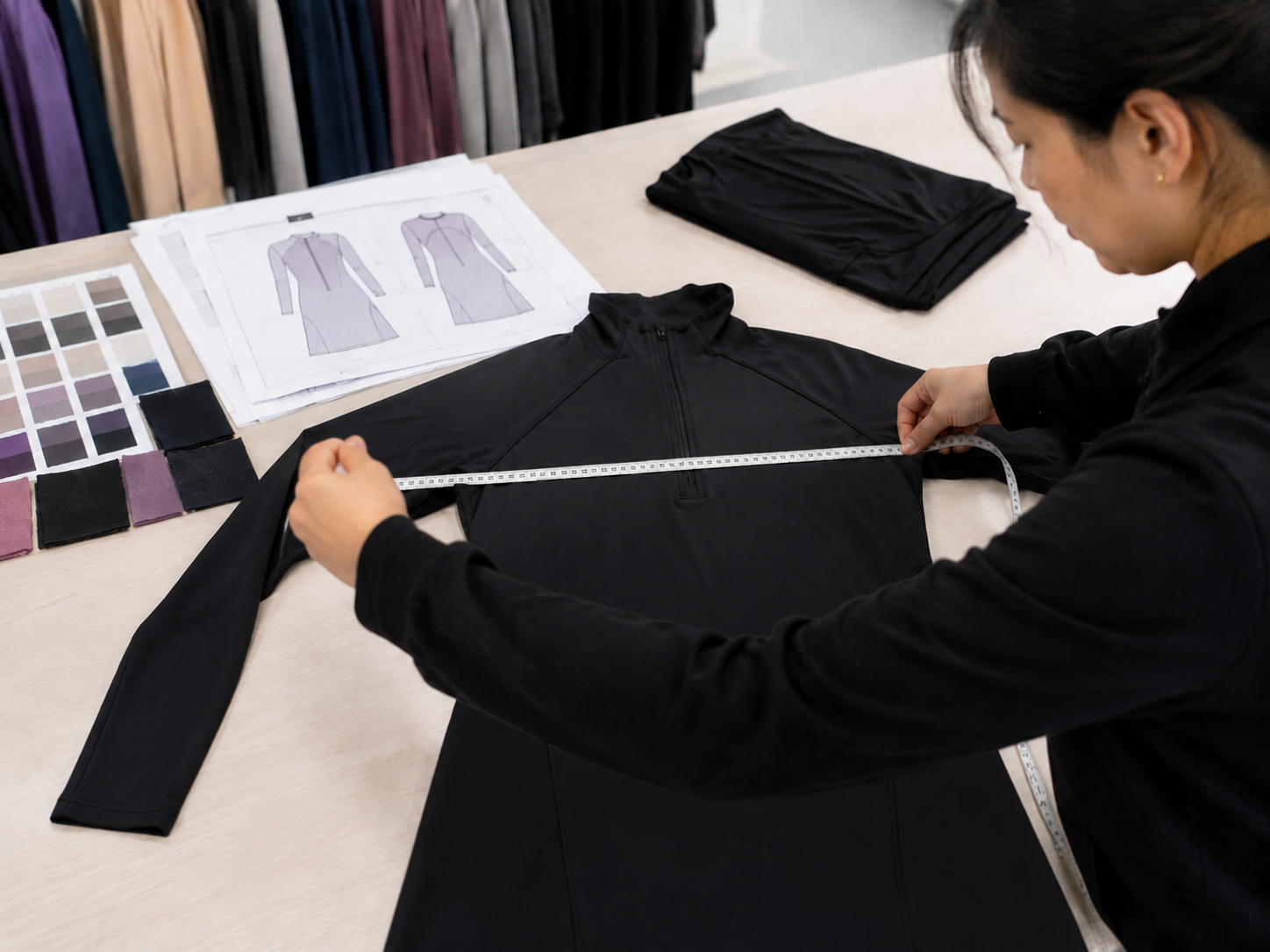
Measurement & Inspection
Images of measurement, seam review, appearance checks and production comparison help explain quality control better than a generic “strict QC” statement. Fit-sensitive activewear benefits from visible measurement references and approved samples because small dimensional changes can affect the wear result more than they would on loose garments.
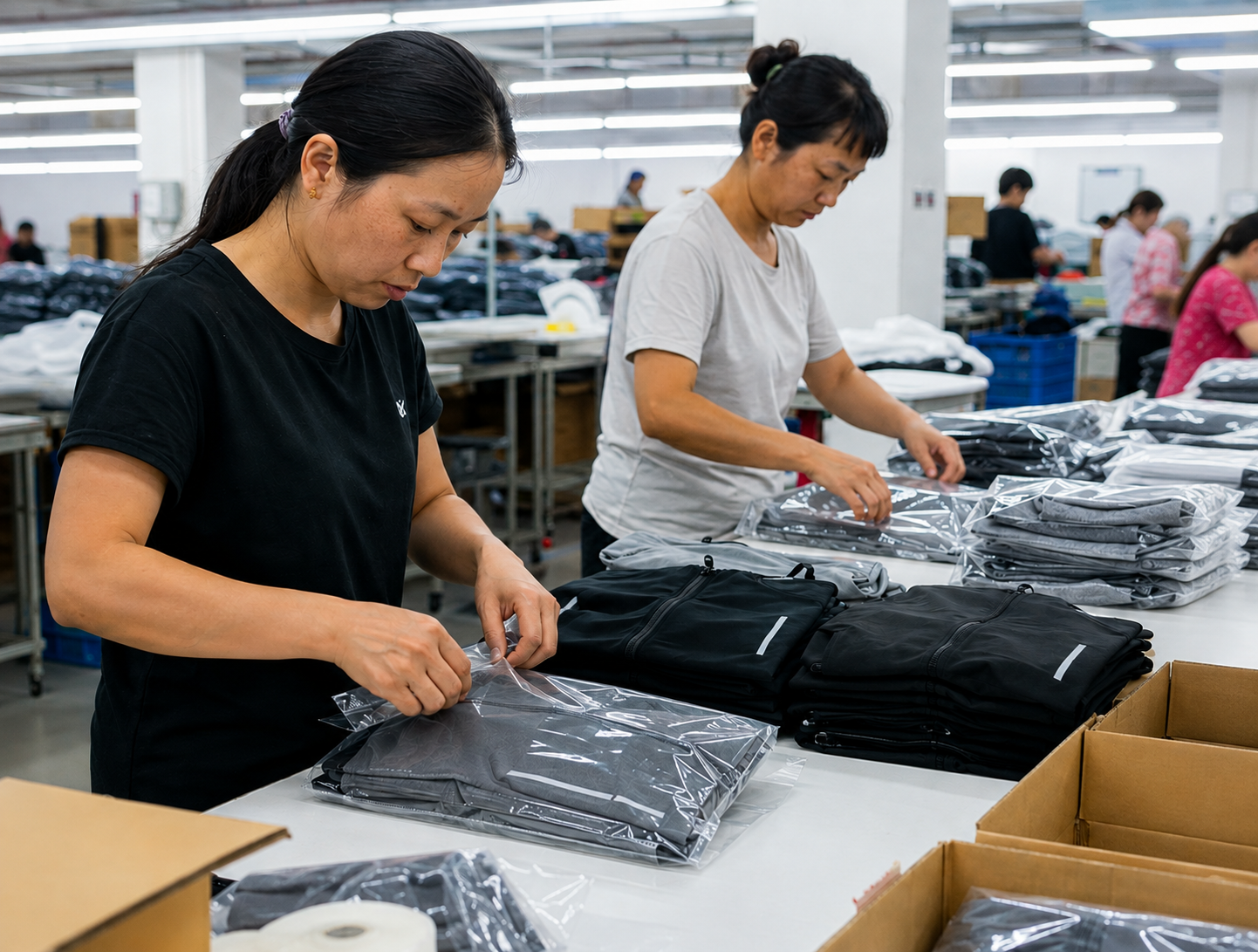
Labeling & Packing
Size labels, care labels, folding, bagging, carton preparation and SKU sorting complete the manufacturing chain. Real packing evidence is particularly useful for retail, importer and multi-SKU programs because labeling or carton mistakes can create downstream issues even when garment quality is acceptable.
How to Evaluate an Activewear Manufacturer Before RFQ
A strong supplier review should examine product fit, development capability, manufacturing resources, quality execution and commercial clarity. The framework below helps sourcing teams compare evidence instead of relying on broad claims such as “premium quality” or “fast delivery.”
Evaluation Area
What a Brand Should Verify
Leadshow Evidence / Approach
Relevant product scope
Does the factory regularly work with the activewear categories in the program?
Confirmed products include sports bras, yoga leggings, sports T-shirts, running shorts, tank tops, jumpsuits, tennis skirts and tracksuits.
Material understanding
Can the team discuss stretch, recovery, GSM, hand feel, structure and supplier MOQ?
Material direction can be reviewed against use, fit, structure, budget, quantity and testing needs.
Fit & pattern support
Can brand measurements, reference garments and fit standards be translated into patterns and samples?
Approx. 28-person R&D and engineering team supports construction review, pattern and fit adjustment and sample development.
Sample process
Is there a controlled path from first sample to approved production reference?
Independent sampling capability with revision and approval steps linked to final production files.
Stretch-garment equipment
Are there machines relevant to fitted and elastic activewear?
35 four-needle six-thread flatlock machines, 12 elastic-attachment machines plus overlock, lockstitch and other sewing equipment.
Specialized processes
Can selected construction details be evaluated rather than outsourced blindly?
Heat bonding, seam sealing, laser perforation, ultrasonic elastic cutting and heat-transfer equipment are confirmed, subject to compatibility.
Manufacturing scale
Can the organization support growth beyond development quantities?
3 manufacturing bases, 20,000+ m² combined area, 1,500+ team and up to approx. 120,000 garments/month under stated conditions.
Quality checkpoints
Are materials, production, finished garments and packing connected in one control flow?
Approx. 45-person quality team supports multiple inspection stages according to project requirements.
Multi-SKU execution
Can styles, colors, sizes, labels and cartons be kept aligned?
Manufacturing plus warehousing/logistics functions support SKU sorting, labeling, packing and shipment coordination.
Commercial clarity
Are MOQ, quotation inputs and timing factors explained before commitment?
MOQ starts from 100 pcs per color per design; quotation and timing are confirmed after product, materials, quantity and schedule review.
Claim discipline
Does the supplier distinguish confirmed capability from performance or certification claims?
Leadshow separates equipment, material, garment performance, compliance and certification statements rather than treating them as interchangeable proof.
Activewear Manufacturer Frequently Asked Questions
Common questions about products, MOQ, technical files, sampling, fit, quality and quotation are answered below with the conditions needed for an accurate project review.
What activewear products does Leadshow manufacture?
Leadshow’s confirmed key products include sports bras, sports T-shirts, yoga leggings, tennis skirts, jumpsuits, running shorts, tank tops and tracksuits, alongside hoodies and sweatshirts in the broader product range. Each project is reviewed by construction, fabric, fit, branding, quantity and production requirements. Unconfirmed categories are not added simply to expand the catalog.
What is the MOQ for custom activewear?
MOQ starts from 100 pieces per color per design, subject to fabric, trims, construction and customization requirements. Custom colors, special trims, branding methods, packaging or material supplier minimums can change the workable quantity. Final MOQ is therefore confirmed after the exact style and order breakdown are reviewed.
Can you manufacture from our Tech Pack?
Yes, Tech Pack-based OEM projects are within Leadshow’s service scope. The latest file revision should include the available construction, measurements, materials, colors, branding and packing information. Open points are clarified before sampling or final quotation. A complete file improves accuracy, but every detail still needs to match the chosen material and production method.
Can a project start from a sample or reference image?
Yes. Initial review can start from a physical reference sample, images, a sketch, previous product or partial specification. Leadshow can help clarify the manufacturing information needed for development. Reference material must be used with proper authorization, and an image alone cannot guarantee exact reproduction of fit, material, color or construction.
How are activewear fabrics selected?
Fabric selection is reviewed against intended use, fit, structure, target market, budget, order quantity, stretch, recovery, GSM, hand feel, functional requirements and supplier MOQ. Available swatches or a reference garment can help define the direction. Claims such as quick-dry, squat-proof or recycled content require suitable materials and supporting evidence.
Can Leadshow develop custom fit and sizing?
Leadshow can support pattern and fit adjustment based on a brand size chart, approved reference garment, previous product, target market information or agreed base measurements. Fit can involve bust, waist, hip, rise, inseam, torso length, coverage and movement depending on the garment. No single universal size chart or perfect fit is promised for every market.
How long does activewear sampling take?
Leadshow does not publish one fixed sample time for all products. Timing depends on pattern work, fabric and trim availability, construction complexity, branding, revision scope and approval speed. A sample schedule is confirmed after the style and required materials are reviewed. Major design or material changes can extend the development path.
How is the approved sample transferred to bulk?
The approved sample is used together with the final Tech Pack, size specification, approved materials, colors, logo files, labels and packaging instructions. Initial production and in-process checks compare execution against those references. Reasonable tolerances and any material batch differences should be agreed in the quality standard rather than replaced by an absolute “100% identical” promise.
How is the approved sample transferred to bulk?
The approved sample is used together with the final Tech Pack, size specification, approved materials, colors, logo files, labels and packaging instructions. Initial production and in-process checks compare execution against those references. Reasonable tolerances and any material batch differences should be agreed in the quality standard rather than replaced by an absolute “100% identical” promise.
What quality checks are used for activewear?
Quality checks can cover incoming materials, pre-production file review, initial production, in-process measurements, finished-garment appearance and dimensions, branding, labels and packaging. Inspection scope and sampling method depend on the project and brand standard. Leadshow does not claim zero defects or universal 100% inspection without a confirmed requirement and process.
What information is needed for an activewear quotation?
For a more accurate quotation, provide the product category, Tech Pack or reference images, size chart, fabric requirements, colors, expected quantity, branding, labels, packaging, target market and required timing. Existing sample issues or required testing should also be included. Missing information can be clarified during review before final commercial terms are confirmed.
Send Your Activewear Project for Review
A useful activewear RFQ begins with enough information to understand the garment, materials, fit, quantity and brand requirements. Send a Tech Pack when available, or start with reference images, an existing garment, size information and the target product direction. Include expected quantity by style and color, fabric preferences, logo artwork, label and packaging requirements, target market and required timing. If the current product already has fit, quality or supplier problems, add photos and a short issue list.
Leadshow can review manufacturing feasibility, construction, material direction, sample requirements, MOQ, quotation inputs and production considerations based on the files provided. Sample and bulk timing are confirmed after material availability, product complexity, revision needs and current production scheduling are understood. Final commercial commitments are issued through the formal project communication process rather than generic online promises.