
Custom Sportswear Products for OEM, ODM and Private Label Projects
Custom apparel development and manufacturing for brands, product teams and sourcing teams.
- Leadshow has 15 years of apparel development and manufacturing experience.
- Confirmed product lines include Sportswear, Swimwear, Streetwear and Modest Sportswear, with ten main product categories for project review.
- OEM, ODM, Private Label and bulk custom manufacturing can begin with a concept, reference image, sample or Tech Pack.
- Materials, construction, sampling, quality checks, branding, packaging and export requirements are reviewed against the product brief, approved sample and project conditions.
Choose a Product Direction
Leadshow currently works across four confirmed product lines. Each direction has a different product scope, construction focus and development question. Select the line closest to your project, then review the confirmed products and send the available project information.
Sportswear
Custom sportswear for yoga, fitness, running, tennis and active lifestyle collections. Develop sports bras, T-shirts, leggings, skirts, shorts, tank tops, tracksuits and related styles around your required fit, materials, colors and branding.
Swimwear
Custom swimwear development based on your preferred silhouette, coverage, lining, elastic, closure and fabric direction. Start with a reference image, original sample or Tech Pack, then refine construction, fit and material requirements through technical review and sampling.
Streetwear
Custom streetwear development for hoodies, sweatshirts, T-shirts, tracksuits and selected relaxed silhouettes. Fit, fabric feel, construction, finishes, graphics and branding are reviewed according to your design direction and project requirements.
Modest Sportswear
Develop activewear with greater coverage, longer lengths, higher necklines, long sleeves and relaxed silhouettes where required. Fit, drape, layering, movement and material direction are adjusted around the intended activity and wearing environment.
Explore Confirmed Product Categories
Review the confirmed product categories before discussing construction, materials, branding and quantity. Each card identifies a product family. Product-specific details are confirmed through the technical brief, sample process and approved product file.
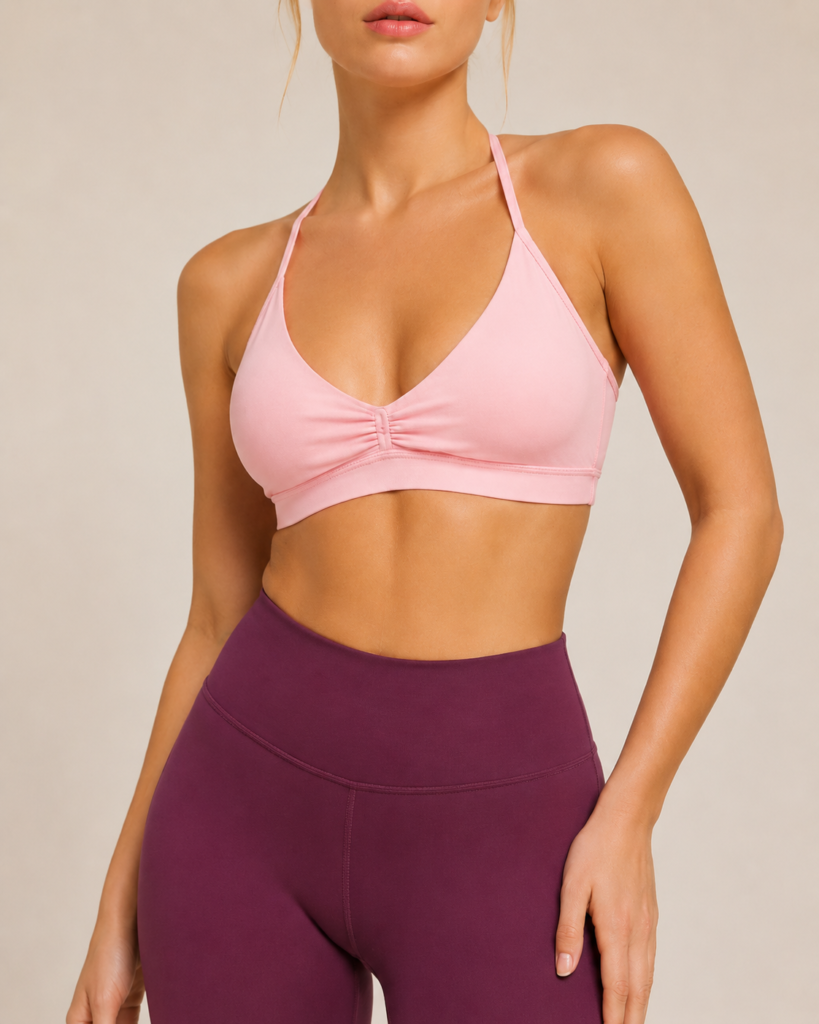
Sports Bras
Sports Bras can be reviewed with fixed, adjustable, cross-back or racerback straps; round, V or higher necklines; removable, fixed or no padding; and different underband or lining constructions. The project review focuses on bust and underbust measurements, strap placement, neckline, armhole, stretch and recovery, seam elasticity and the intended support level. Closure, padding-pocket and logo details depend on the approved specification and selected materials. Final fit is confirmed through samples.
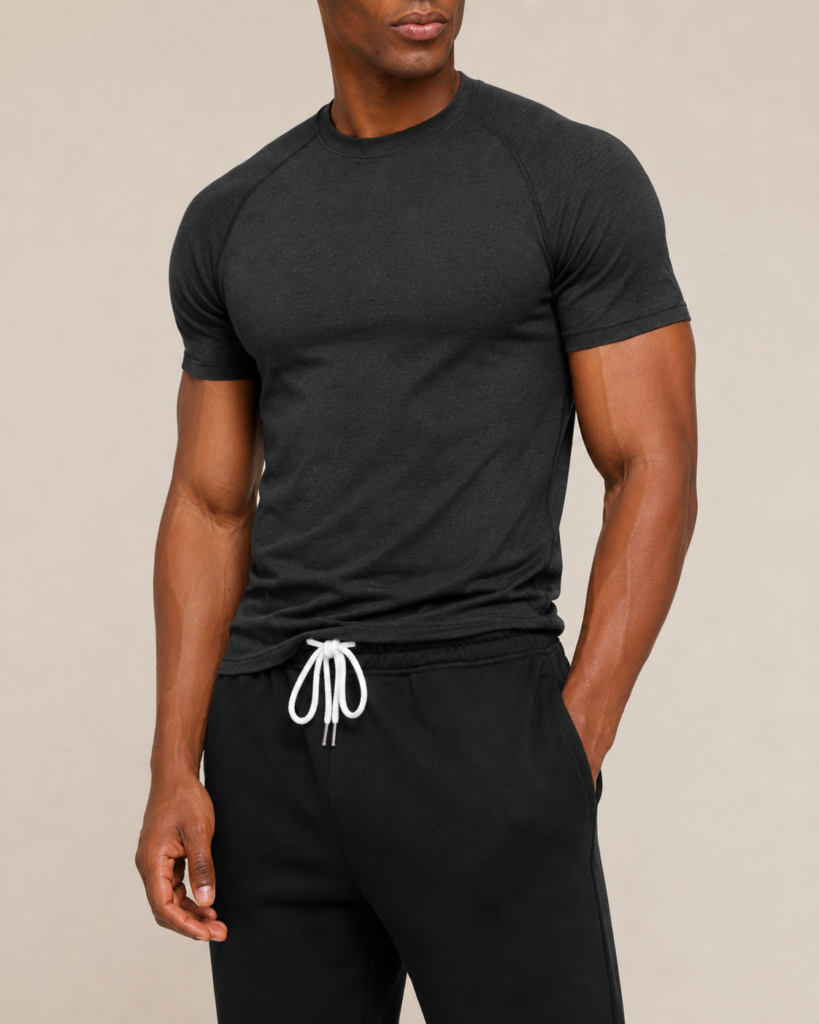
Sports T-Shirts
Sports T-Shirts may use round, V or higher necklines, short sleeves, long sleeves or sleeveless constructions. Shoulder options may include regular, dropped or raglan forms, with fitted, regular or loose proportions when the project confirms them. Cropped, regular or longer lengths, curved hems, slits, mesh, perforation and heat-transfer branding can be reviewed against the Tech Pack, fabric behavior and target fit. Final sizing and construction require sample approval.
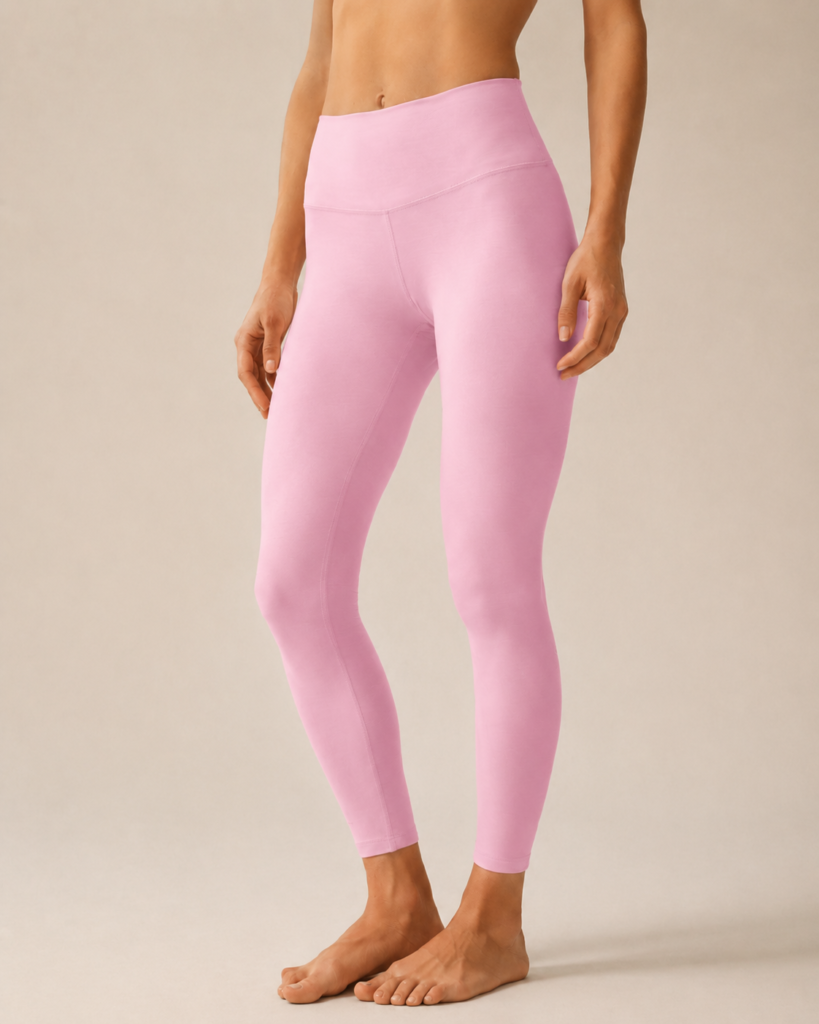
Yoga Leggings
Yoga Leggings can be reviewed with low-, mid- or high-rise waists, single or double waistbands, internal elastic, gussets, pockets, panel lines and different lengths. The technical review considers waist, hip, crotch, thigh, knee, hem, inseam and outseam measurements, negative ease, transparency, stretch and recovery, and seam placement. Front-seam decisions, flat seams, laser perforation and heat-transfer details depend on the approved construction and selected fabric.
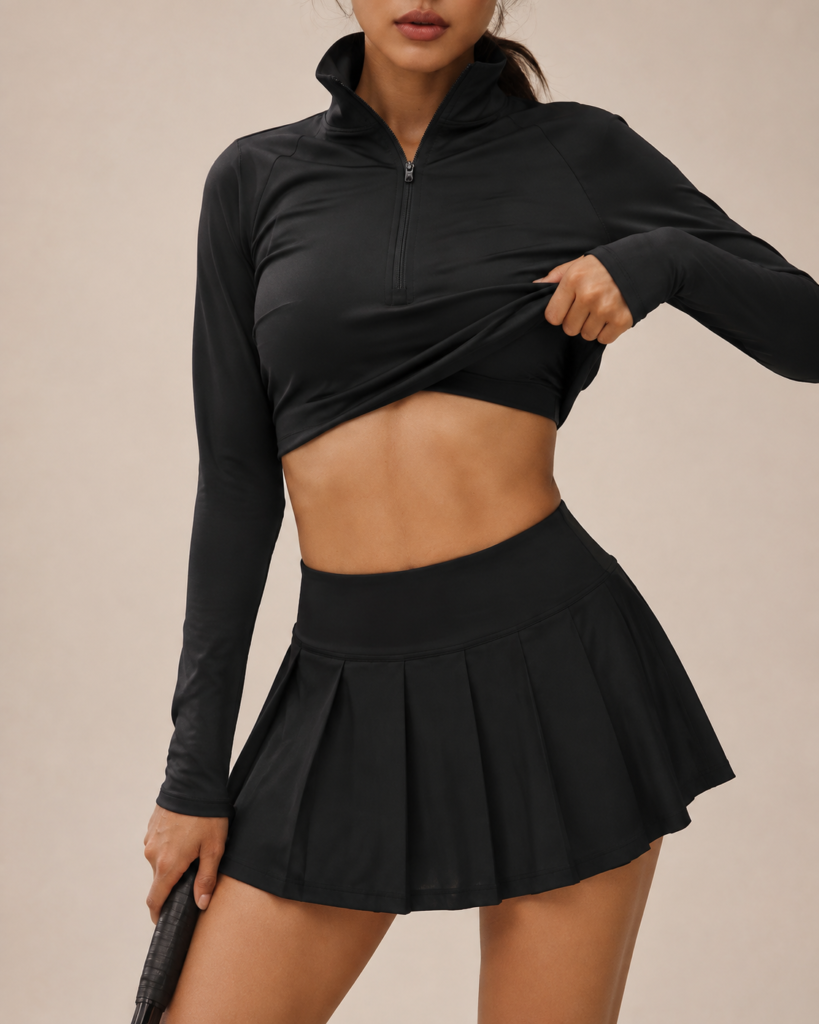
Tennis Skirts
Tennis Skirts may use skirt or skort constructions, including built-in shorts where the project requires them. A-line, straight, pleated or asymmetric shapes, high or regular waists, pockets, varied lengths, slits and overlap details can be reviewed. Product development focuses on movement, pleat consistency, inner-short coverage and fit. Final fabric, elastic, logo and size specifications are confirmed through the project brief and approved sample. Tennis dresses are not included in this confirmed category list.
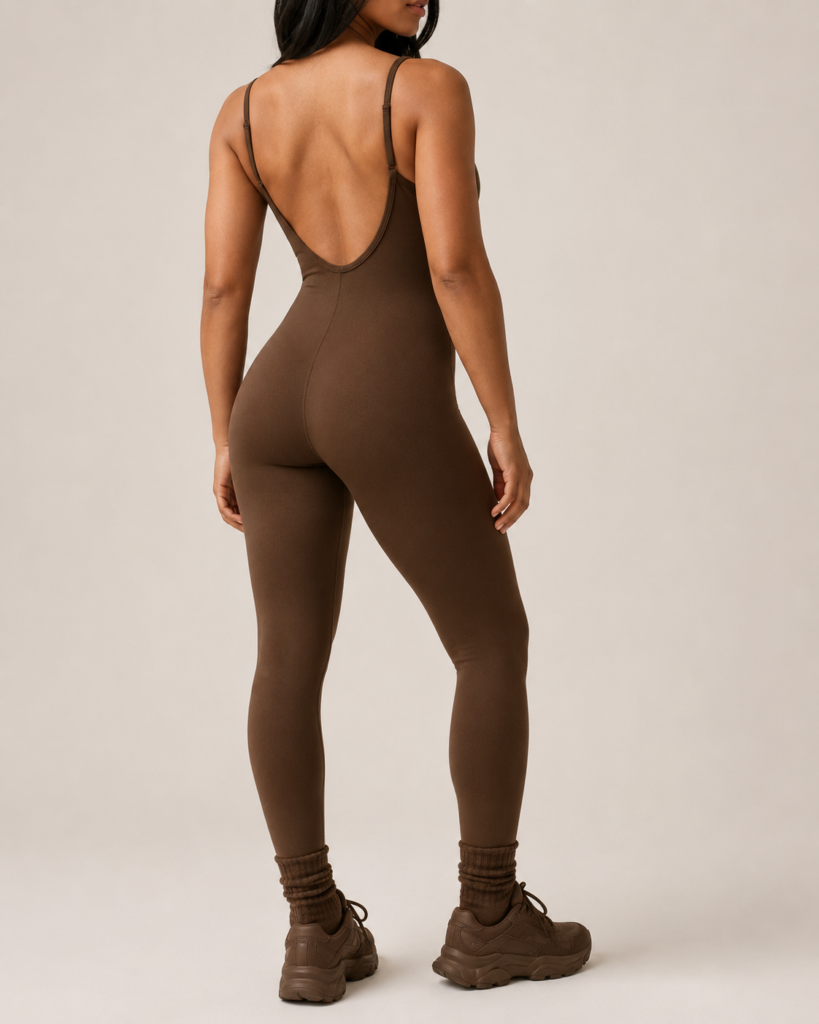
Jumpsuits
Jumpsuits may be developed in short, seven-length or full-length trouser constructions with strap, sleeve, neckline, opening, waist and pocket choices. The review focuses on torso length, chest-waist-hip proportions, rise, stretch coordination and ease of dressing. Pull-on, zip or hook openings, lining, padding, flatlock, overlock or heat-bonded details depend on the design and fabric. Final fit and construction are confirmed through the sample process.
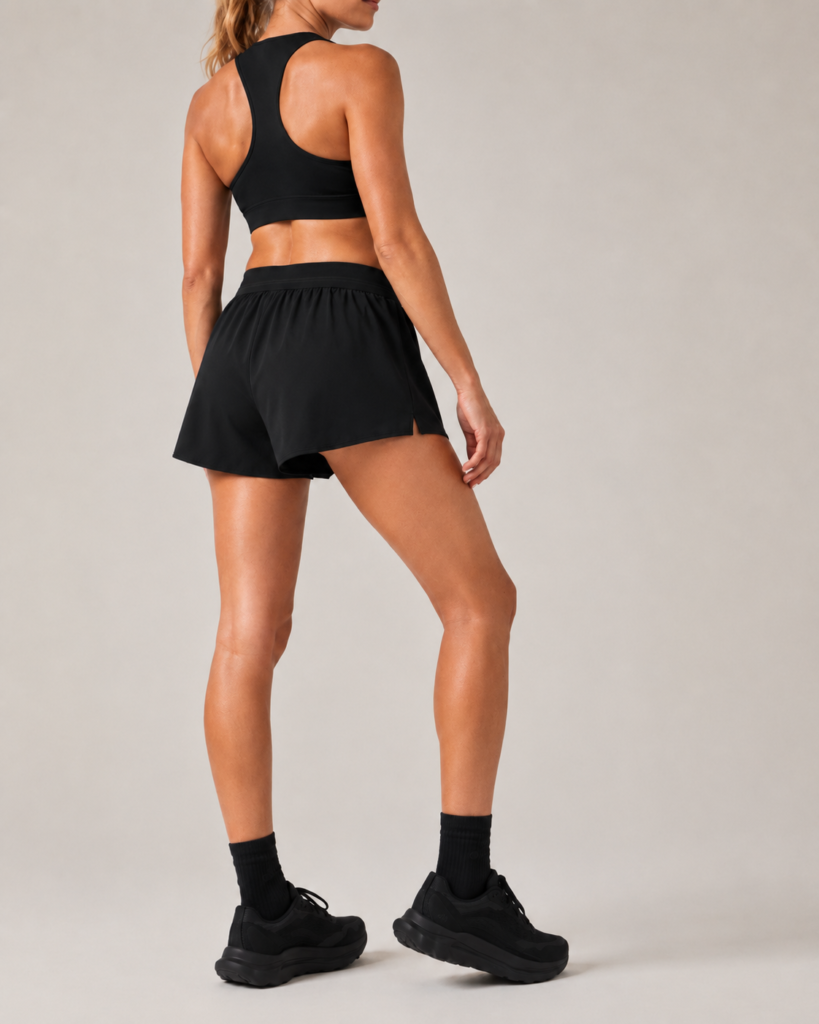
Running Shorts
Running Shorts can use single- or double-layer constructions, inner shorts or lining, elastic waistbands, drawcords, curved or split hems and selected pocket placements. Mesh or perforation details, heat-transfer branding and reflective decoration may be reviewed when the materials and project brief support them. Waistband stability, crotch movement, hem coverage, pocket security, weight and durability are assessed during development. Quick-dry, waterproof and safety-reflective claims require separate evidence.
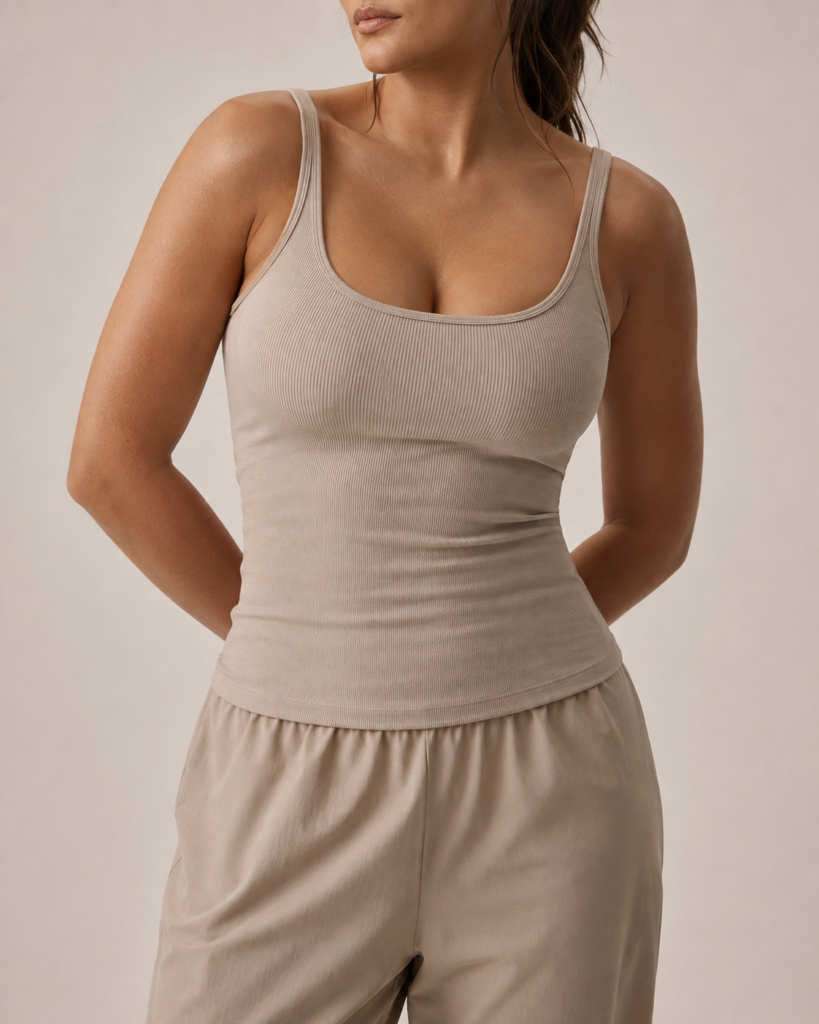
Tank Tops
Tank Tops can use wide or narrow straps, racerback, crossback, standard or open-back constructions, and round, V, square or higher necklines. Cropped, regular or longline lengths and fitted, regular or loose fits can be reviewed with lining, padding, mesh, perforation, flatlock or heat-transfer details. The product is evaluated as a tank top rather than automatically treated as a sports bra. Final armhole, strap, hem and size measurements follow the approved specification.
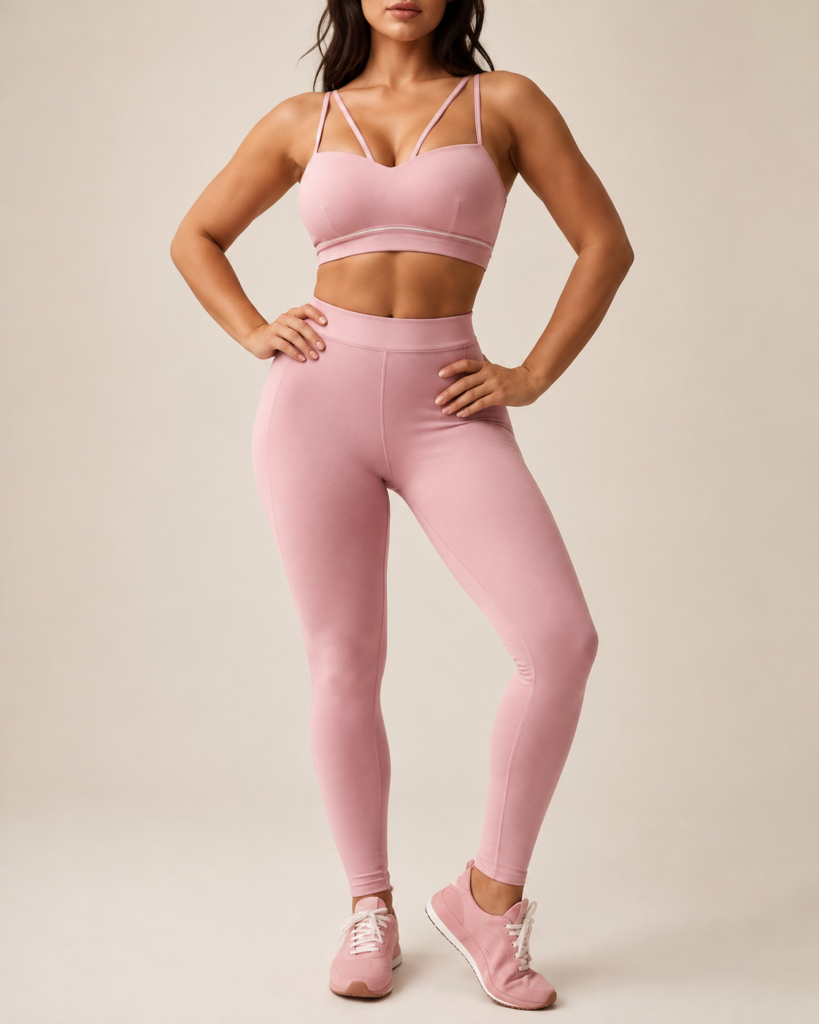
Tracksuits
Tracksuits include top and bottom components with stand, round or hooded neck options, full or half zips, pullovers, regular, raglan or dropped shoulders and rib cuffs. Bottoms may be reviewed with waistbands, drawcords, pockets and straight, slim, loose or tapered silhouettes. Color, logo, labels and packaging are defined by the project. Whether components are presented as a set or separately requires confirmation in the order brief and final product file.
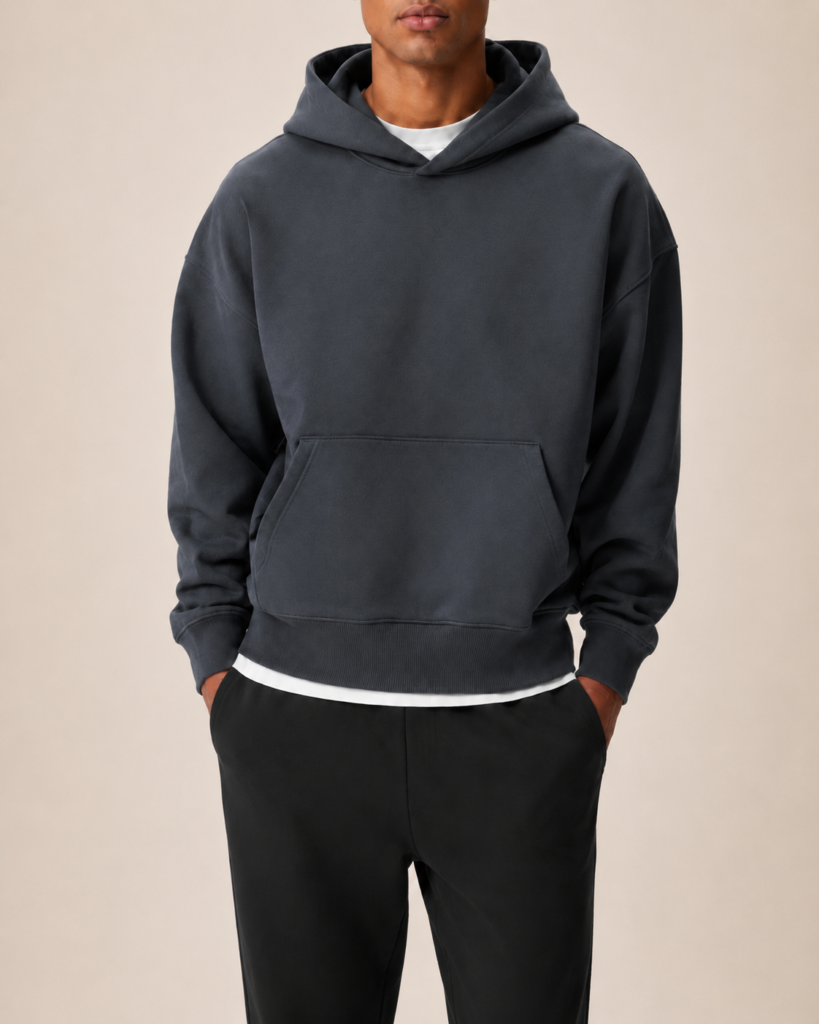
Hoodies
Hoodies may use pullover, half-zip or full-zip openings, single or double hoods, drawcords, kangaroo, side or zip pockets, rib cuffs and rib hems. Regular, dropped or raglan shoulders, cropped, regular or longer lengths, heat-transfer logos and other confirmed branding details can be reviewed. Fabric weight, finish, wash effect, embroidery and performance claims are not assumed. Final construction follows the Tech Pack, selected materials and approved sample.
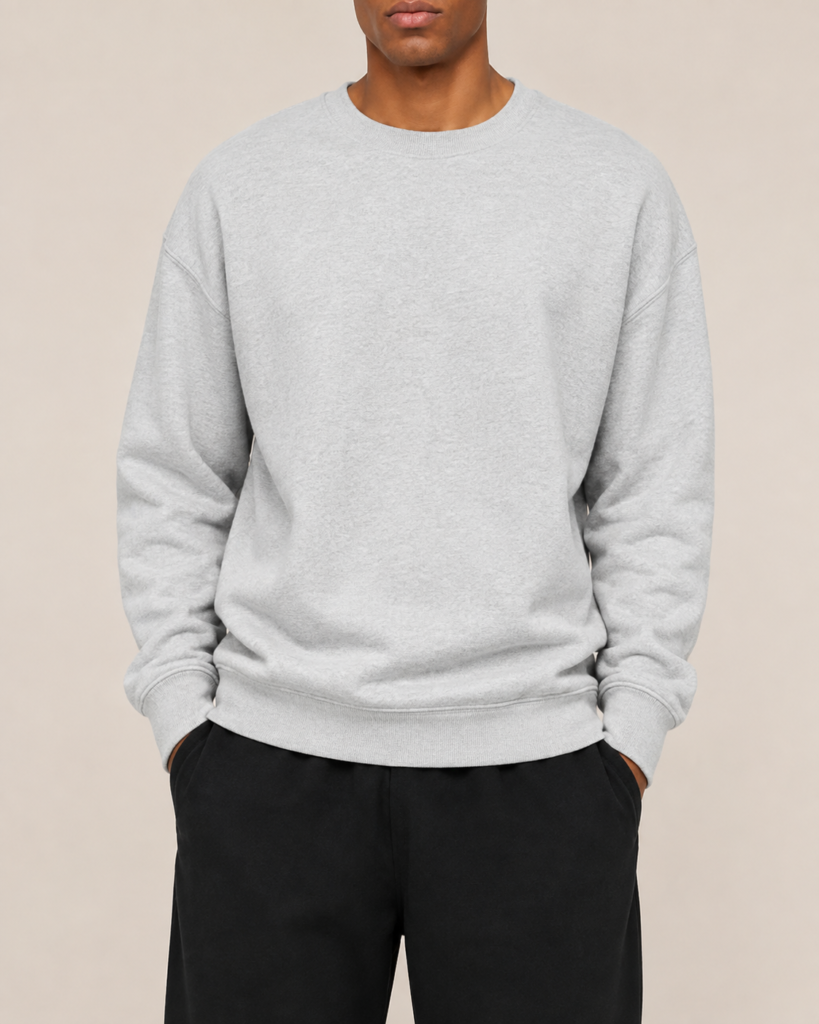
Sweatshirts
Sweatshirts are reviewed as hoodless upper garments unless a project brief specifies another construction. Options may include round, half-zip or higher necklines, regular, dropped or raglan shoulders, fitted, regular or loose fits, varied lengths, rib or flat-fabric cuffs and hems, panels and heat-transfer branding. Weight, wash, embroidery, fiber composition and performance terms require separate confirmation. Hoodie and sweatshirt content remain separated in product selection.
Products Designed for Different Apparel Applications
Different apparel projects have different usage goals. Leadshow helps brands select suitable product categories based on activity type, market positioning and customization requirements.
Fitness & Training Apparel
Suitable products:
- Sports Bras
- Sports T-Shirts
- Yoga Leggings
- Tank Tops
Focus:
Fit, movement requirements, comfort and branding details.
Running & Outdoor Sportswear
Suitable products:
- Running Shorts
- Sports T-Shirts
- Tracksuits
Focus:
Construction, mobility and project-specific material selection.
Lifestyle & Streetwear
Suitable products:
- Hoodies
- Sweatshirts
- Tracksuits
Focus:
Silhouette, fabric feel, graphics and private label requirements.
Modest Activewear
Suitable products:
- Long Sleeve Sportswear
- Modest Sportswear Collections
Focus:
Coverage, fit balance and project-specific design requirements.
Prepare the Right Project Information
The right project information gives the technical team a clearer basis for reviewing construction, materials, fit, branding, quantity and delivery conditions. Send the available information first; unresolved items can be identified during review.
Tech Pack
A Tech Pack gives the technical team a common reference for measurements, construction, trims, branding and packing. A complete file may include sketches, measurement points, tolerances, seam notes, label positions, artwork and size information. If the Tech Pack is still in progress, send the available version together with questions or reference images. Technical review will identify the information that must be clarified before sampling.
Reference Material
Reference images, an original garment or an existing sample can help establish the intended silhouette, details and fit direction. Images alone do not confirm fabric composition, performance, construction or production feasibility. Include front, back, detail and inside views where possible, together with notes about requested changes. The sample team can then separate visible design details from requirements that still need technical confirmation.
Fabrics and Trims
Share preferred fabrics, linings, mesh areas, elastics, zippers, padding, closures, drawcords, tapes, rib, labels and packaging materials when known. Fixed fiber percentages, GSM, supplier names or stock status are not assumed from a product image. Material selection is reviewed against category, construction, stretch and recovery, hand feel, weight, target market, quantity, MOQ and project timing.
Colors and Sizes
State target colors, color combinations, size range, grading references and measurement units when available. Color approval may depend on the selected material and production method. Size requirements should connect to the intended fit, body measurements and garment measurements rather than a generic label. Final size specifications, tolerances and grading rules remain part of the approved product file.
Branding and Packaging
Send logo files, artwork, label instructions, care-label information, size labels, barcode or SKU requirements, hangtags and packaging instructions when available. Heat-transfer labels, care labels and custom packaging are confirmed service directions, but the exact materials, artwork, placement, packing method and quantities remain project-specific. Do not assume a customer logo, packaging format or retail compliance requirement without written instructions.
Order Conditions
Include estimated quantity, color and size mix, target market, requested testing, target delivery window and reorder expectations. MOQ starts from 100 pieces per color per design, subject to fabric, trims, construction and customization requirements. Sample and pilot quantities are separate from bulk MOQ. Quote and delivery review also depends on materials, approvals, current scheduling and the project plan.
Choose Your Production Model
The cooperation route depends on the information available, the amount of product development required and the brand materials that must be prepared. Select the closest route, then submit the product brief for technical review.
OEM Manufacturing
OEM production starts from your technical requirements, approved sample or Tech Pack. Leadshow reviews the construction, materials, trims, pattern and production requirements, then supports sample development, approval, bulk manufacturing, quality checks, labels, packaging and export delivery as defined by the project. The exact scope depends on the information supplied, product category, construction, quantity and project requirements.
ODM Development
ODM projects may begin with a concept, reference image, original sample or incomplete technical file. Leadshow can support product development, technical requirement review, pattern and fit adjustment and sample development. The amount of development work varies with the clarity of the brief, desired construction, material direction, revision needs and approval process. Original design ownership and commercial terms require project confirmation.
Private Label
Private Label projects connect confirmed product development and manufacturing work with brand labels, care labels, size information, artwork, packaging and project-specific presentation. Label and packaging details must be supplied or approved before production preparation. The final product scope, branding method, material choices, quantity, MOQ and delivery plan remain linked to the product file and approved sample.
Review the Product Before Sampling
A clear technical route reduces uncertainty before materials, patterns and samples are confirmed. The review begins with the available project information and identifies the construction, fit and process questions that require decisions.
Project Input
Projects may begin with a concept, reference image, original sample or Tech Pack. The first review is not a promise that every design can be produced exactly as shown. It separates visible design features from requirements that need measurement, material or construction decisions.
Product teams should identify the intended category, target market, fit direction, size range, colors, logo treatment and estimated quantity. If a file is incomplete, the available documents can still start the discussion, but unresolved items should be recorded before sampling.
The review also considers whether the requested structure fits the chosen product line. Questions may include neckline, armhole, rise, waistband, lining, padding, pockets, closures, elastic placement, seam type, panel arrangement, branding and packaging. The result is a clearer list of technical inputs for the next development stage.
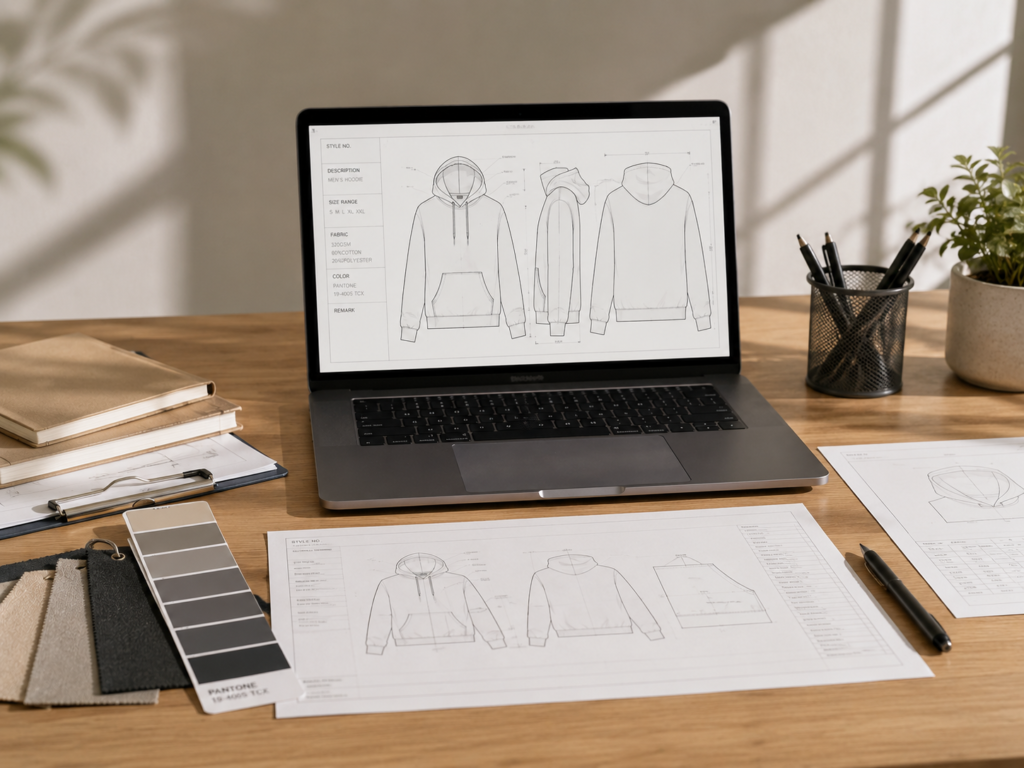
Technical Review
Technical feasibility is reviewed against product construction, material behavior, required processes, order composition and project conditions. The same pattern is not automatically suitable for every fabric. Stretch and recovery, weight, hand feel, transparency, shrinkage risk, seam elasticity, surface finish and heat sensitivity may change the recommended construction.
For applicable designs, Leadshow can assess pattern direction, fit points, seam type, elastic placement, lining, padding, pockets, closures, bonding, seam-sealing or laser-perforation requirements. Heat bonding, seam sealing, performance terms and test scope remain dependent on selected materials, construction and evidence. The outcome is a clearer technical route, not an unqualified performance guarantee.
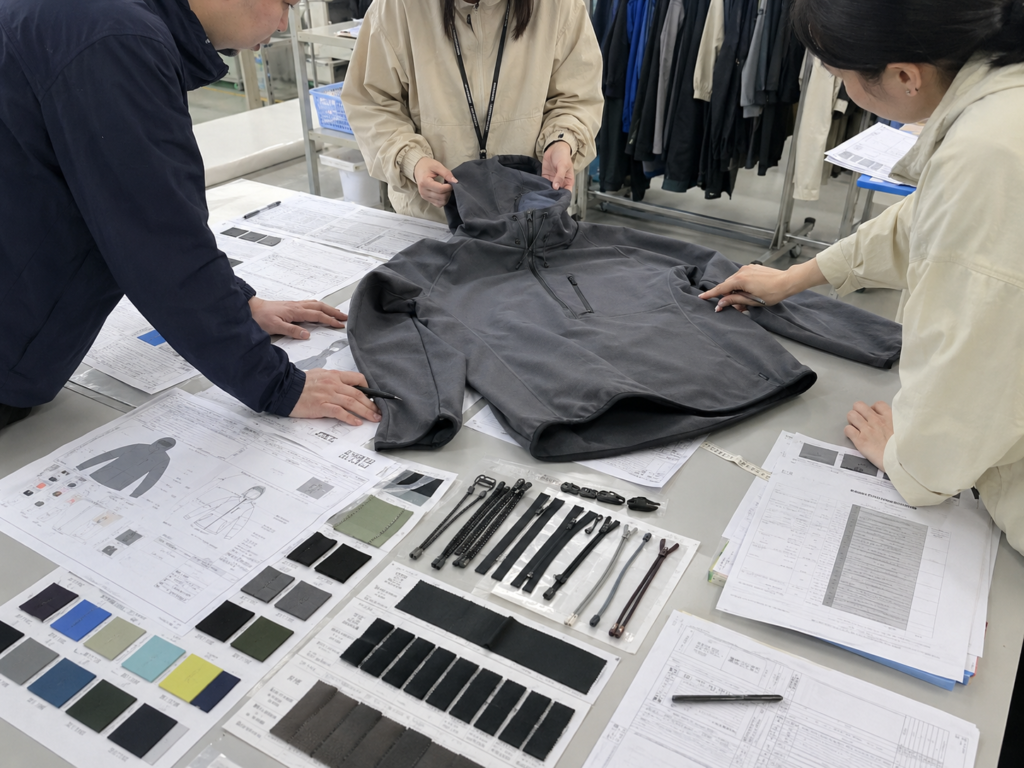
Sample Preparation
Once the technical direction is clear, the project can move into pattern and sample development. The independent R&D sampling workshop includes sample lockstitch equipment, sample flatlock equipment, a pattern CAD computer and a plotter.
Sample types and approval steps vary by project. Proto, development, fit, size-set, PP, salesman, photo or shipment samples may be relevant, but no universal sample sequence or fixed sample cycle applies to every order. Revisions, material availability, approvals and courier time affect the total cycle.
The approved file set becomes the reference for later production preparation. Any change after approval should be recorded and reviewed before bulk work begins.
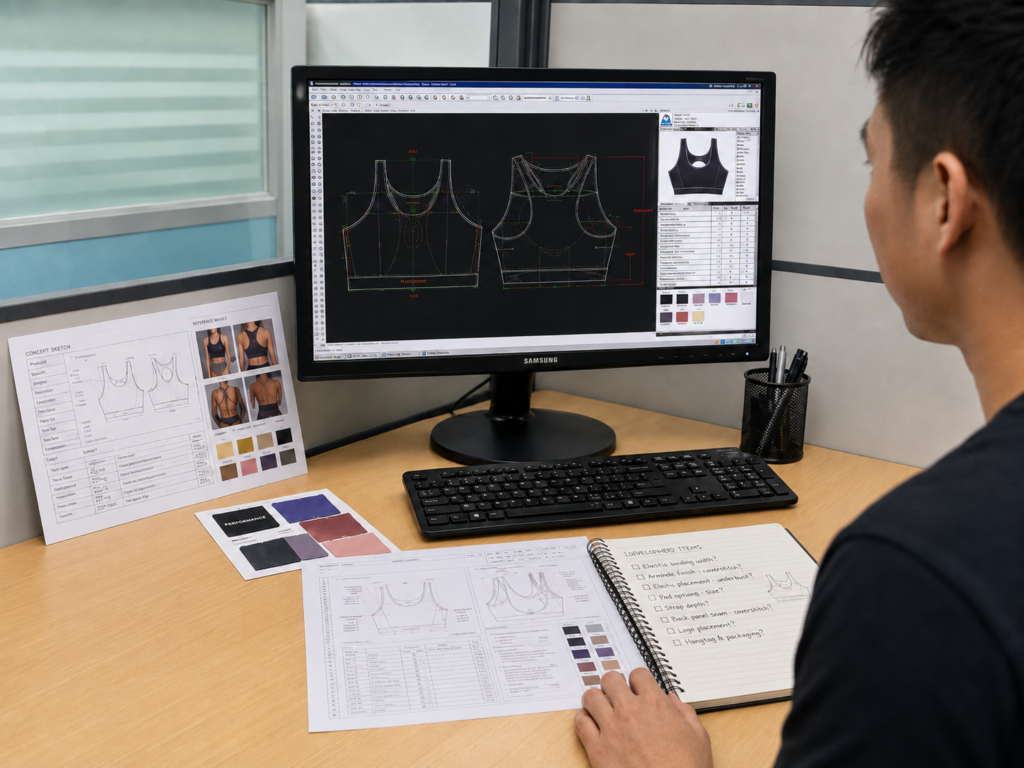
Confirm Materials, Trims and Samples
Material and trim choices affect fit, construction, appearance, stretch, recovery, handling and production requirements. The selected direction must be checked against the product structure and approved sample rather than assumed from a reference image.
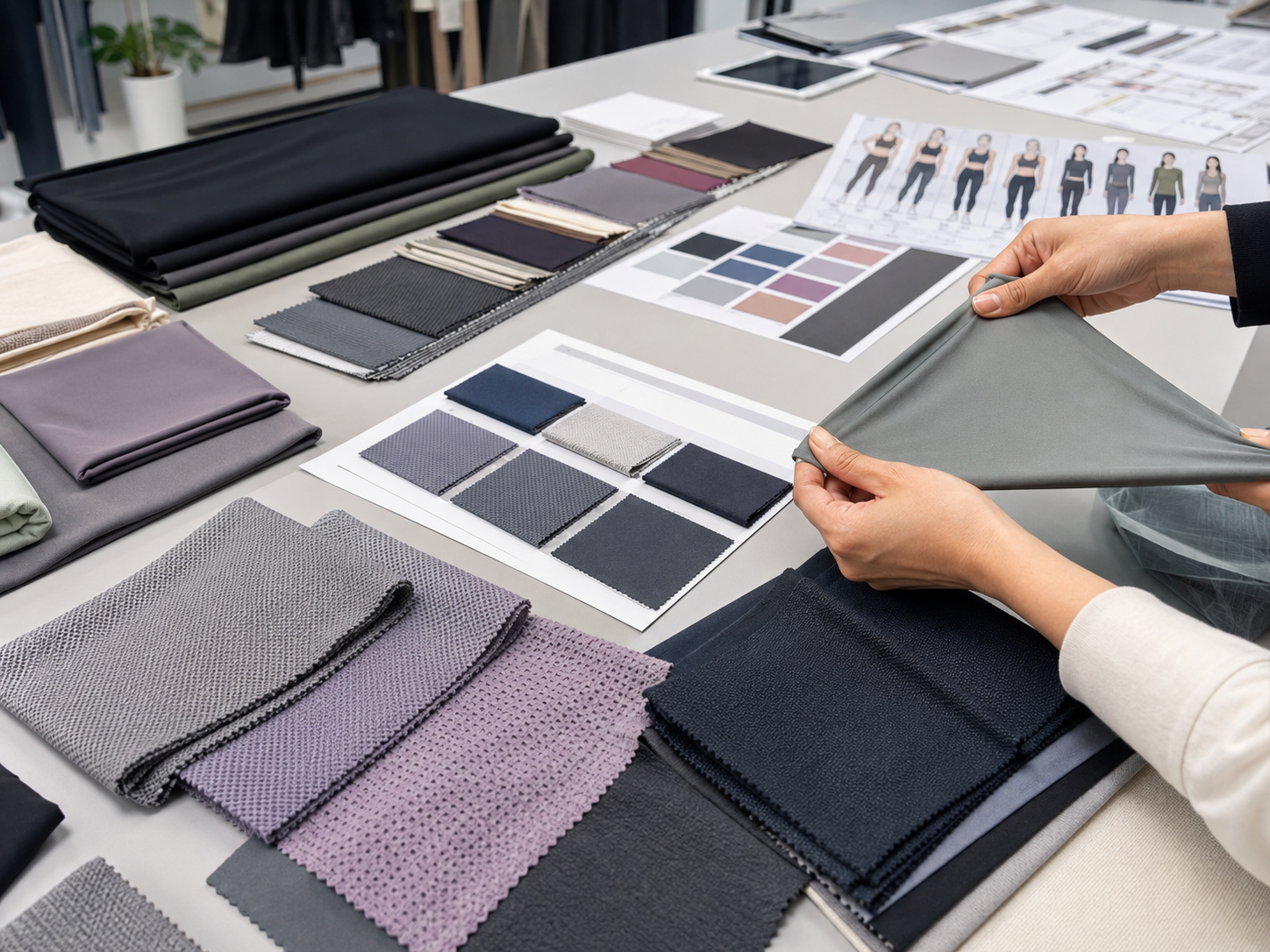
Material Direction
Leadshow can review stretch fabrics, knit fabrics and performance-fabric options according to the product category and project requirements. Material selection may consider stretch and recovery, weight, hand feel, appearance, transparency, activity, washing expectations and target market. Fiber composition, GSM, recycled content and supplier information remain project-specific and require confirmation before publication or production.
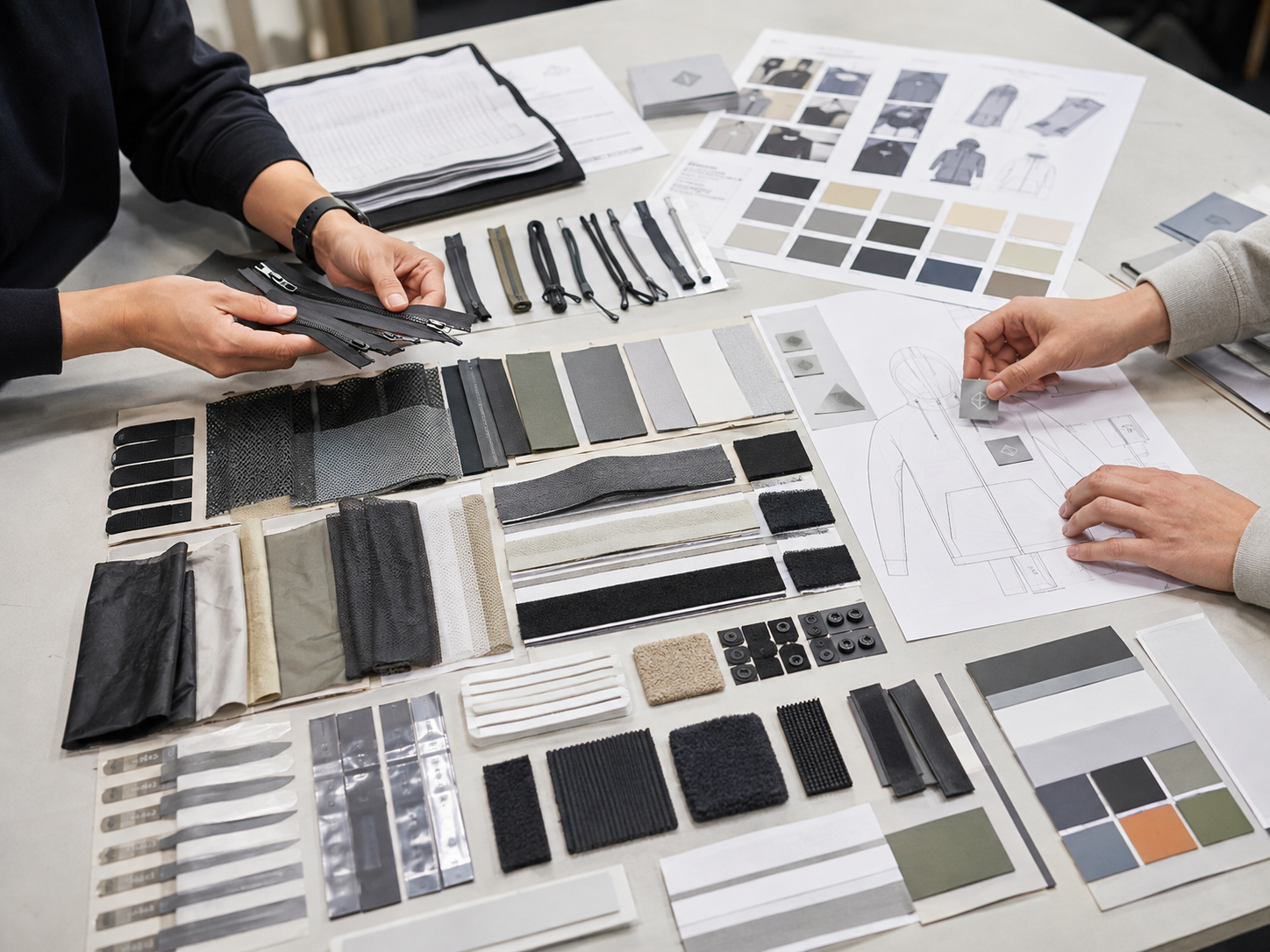
Trims and Branding
Project-related trims may include lining, mesh panels, elastic bands, zippers, padding, closures, drawcords, tapes, rib fabrics, bonding films, seam-sealing tapes, heat-transfer labels and care labels. The final trim list depends on the product structure, material behavior, branding method and packaging plan. Brand artwork, colors, placement and quantities require approval before production preparation.
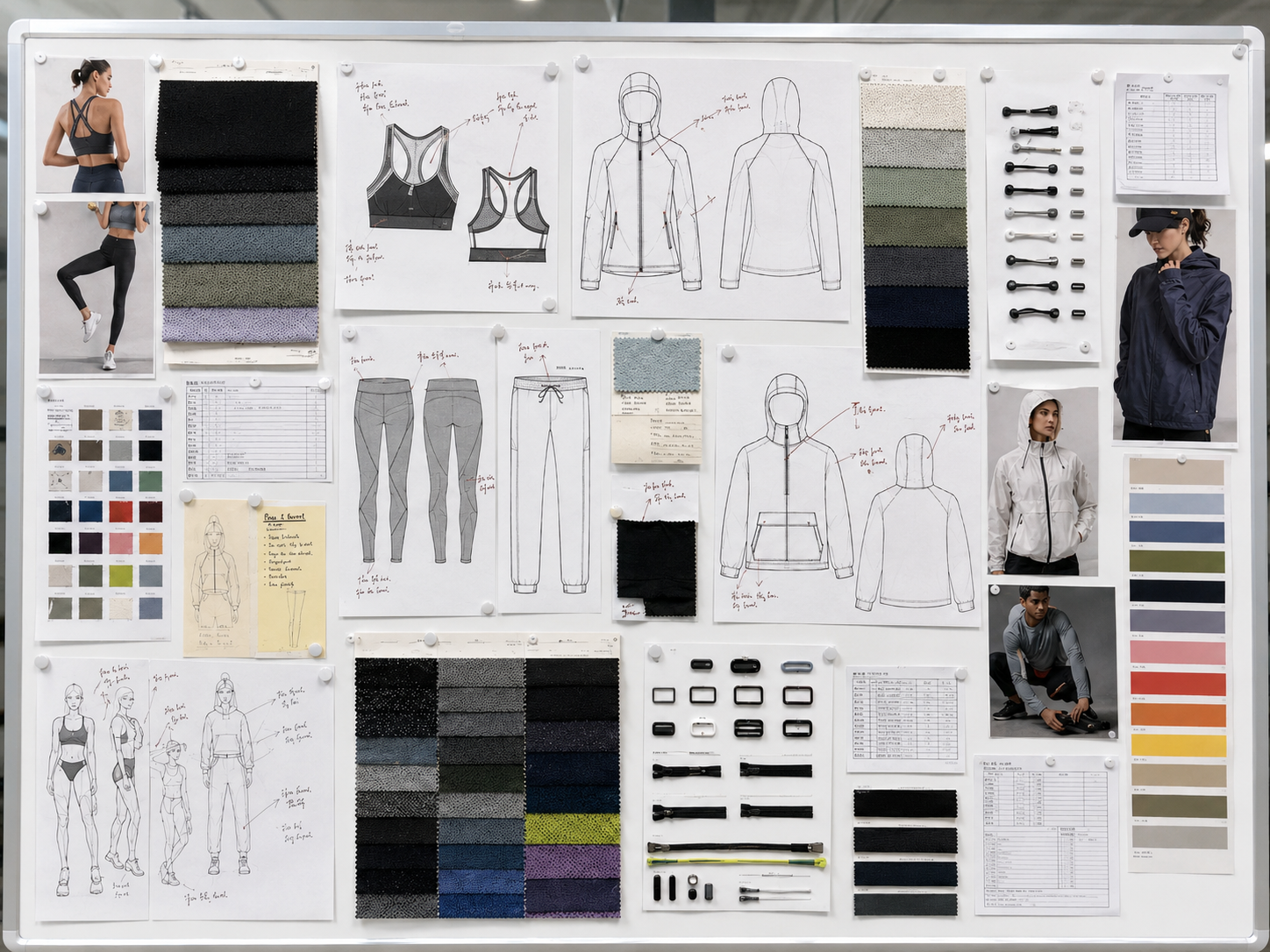
Sample Development
Sample development may include pattern preparation, first samples, fit review, revisions and pre-production confirmation. The appropriate sample type depends on the product, information supplied and approval plan. Material availability, color selection, construction complexity, revision requirements and courier time affect the total sample cycle. Sample images do not replace measurement review or written approval.
Approved Sample
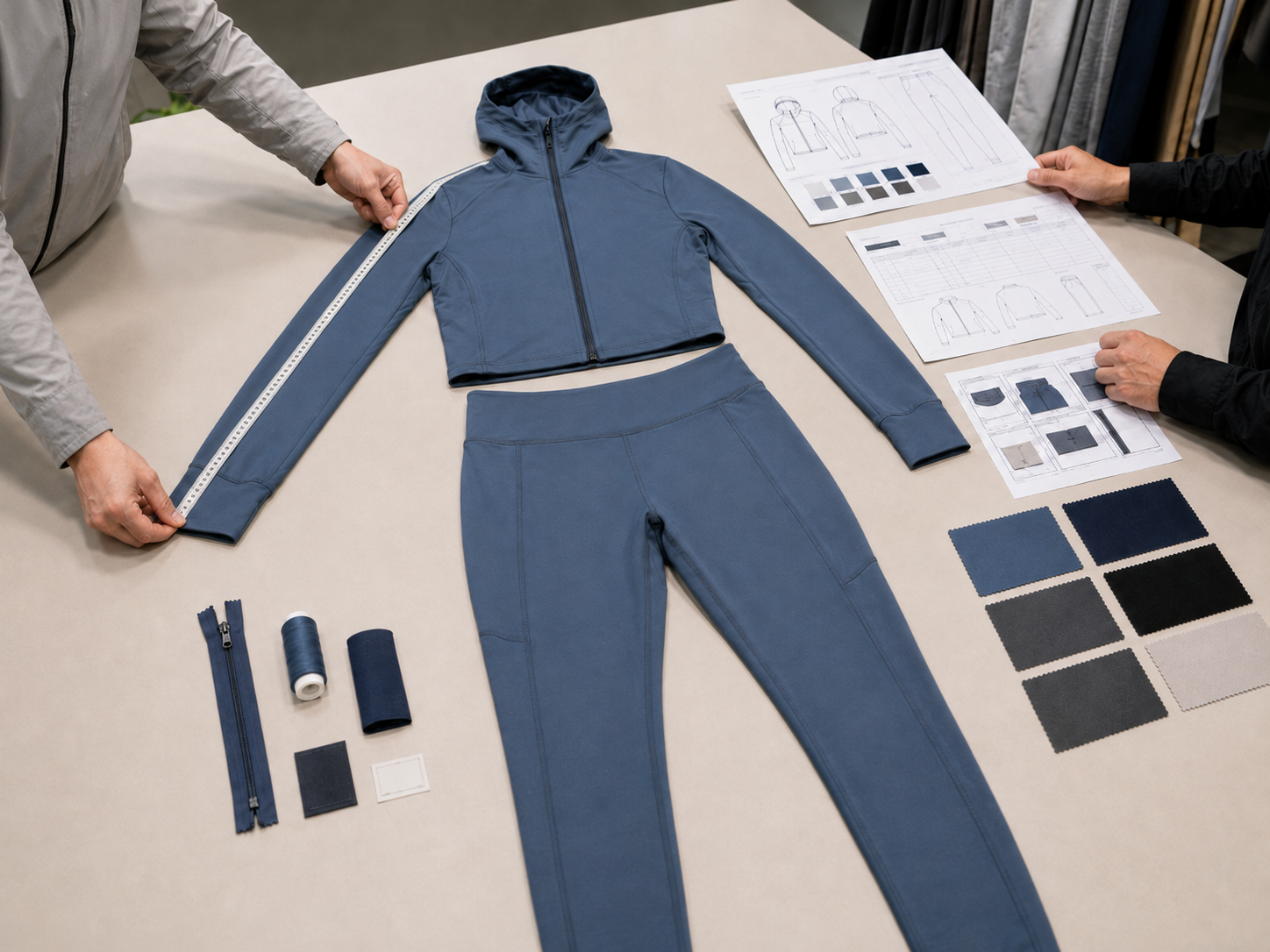
An approved sample records the construction and appearance reference for later production preparation. Measurements, seams, materials, trims, colors, labels, packaging and any required tests should be checked before approval. A sample approval does not create a universal promise that every future product will use the same material or process. Any approved change should be documented before bulk manufacturing.
Move from Approved Sample to Bulk
Bulk preparation begins after the applicable product information, sample, materials, trims, colors, branding and packing details are reviewed. The exact sequence depends on the product and project plan.
Approved File Set
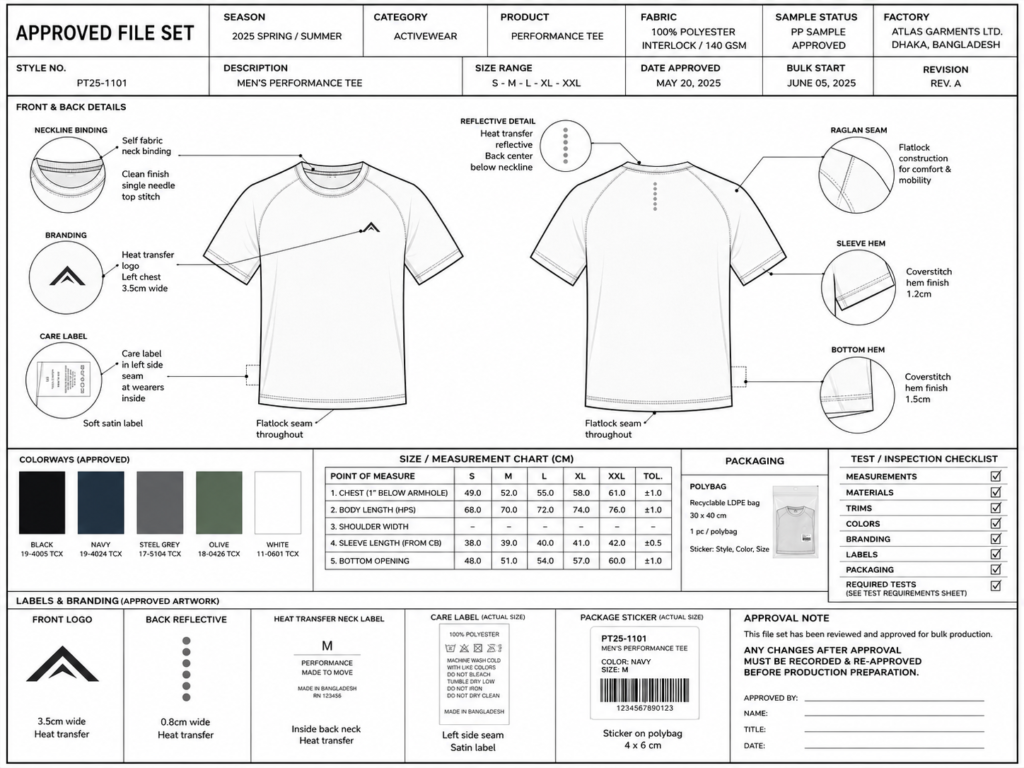
Bulk production begins after the applicable sample, measurements, materials, trims, colors, branding and packaging details are reviewed and approved. The approved file should identify the product construction, size information, artwork, labels and any required tests or inspections.
A production order may need a pilot or PP confirmation before full quantity, depending on the product and project. The exact sequence is not universal. Materials, customer approvals, special processes, quantity, color and size mix and current scheduling affect the preparation plan.
Changes after approval should be recorded before production preparation. This keeps the production reference connected to the product file and reduces uncertainty when multiple colors, sizes, trims or branding details are involved.
Bulk Preparation
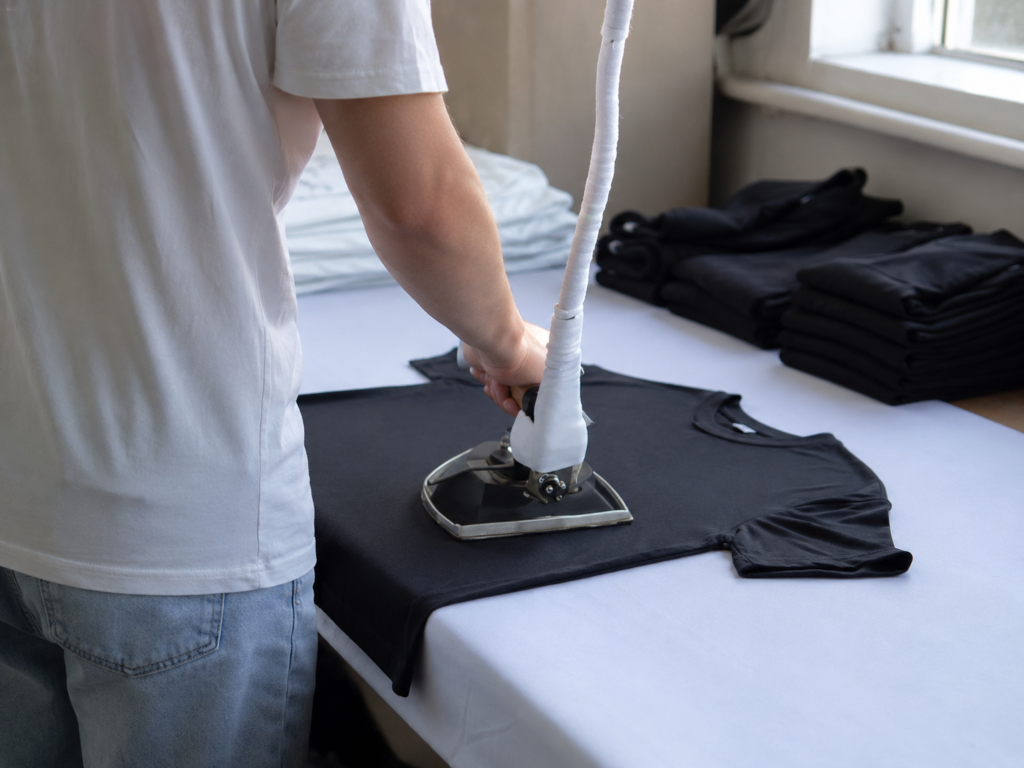
Production preparation can include material and trim coordination, cutting, sewing, special processes, finishing, quality checks, labels, folding, packing and export preparation.
Confirmed equipment includes computerized lockstitch, overlock, double-needle, elastic attachment, bartacking, four-needle six-thread flatlock, heat bonding, hot-air seam sealing, laser perforation, heat transfer, ironing, needle detection and automatic folding and packaging.
Equipment use depends on the product and materials. The page does not promise a fixed bulk lead time or an identical process for every category. Production timing must be reviewed against the approved product file, materials, quantity, current schedule, quality requirements and delivery plan.
Manufacturing Resources for Apparel Projects
Leadshow’s manufacturing resources combine product development, sampling, production, specialized processes, finishing and quality support. Company-wide figures are presented as combined facts and do not represent the capacity of one factory, one line or one product.
Three Manufacturing Bases
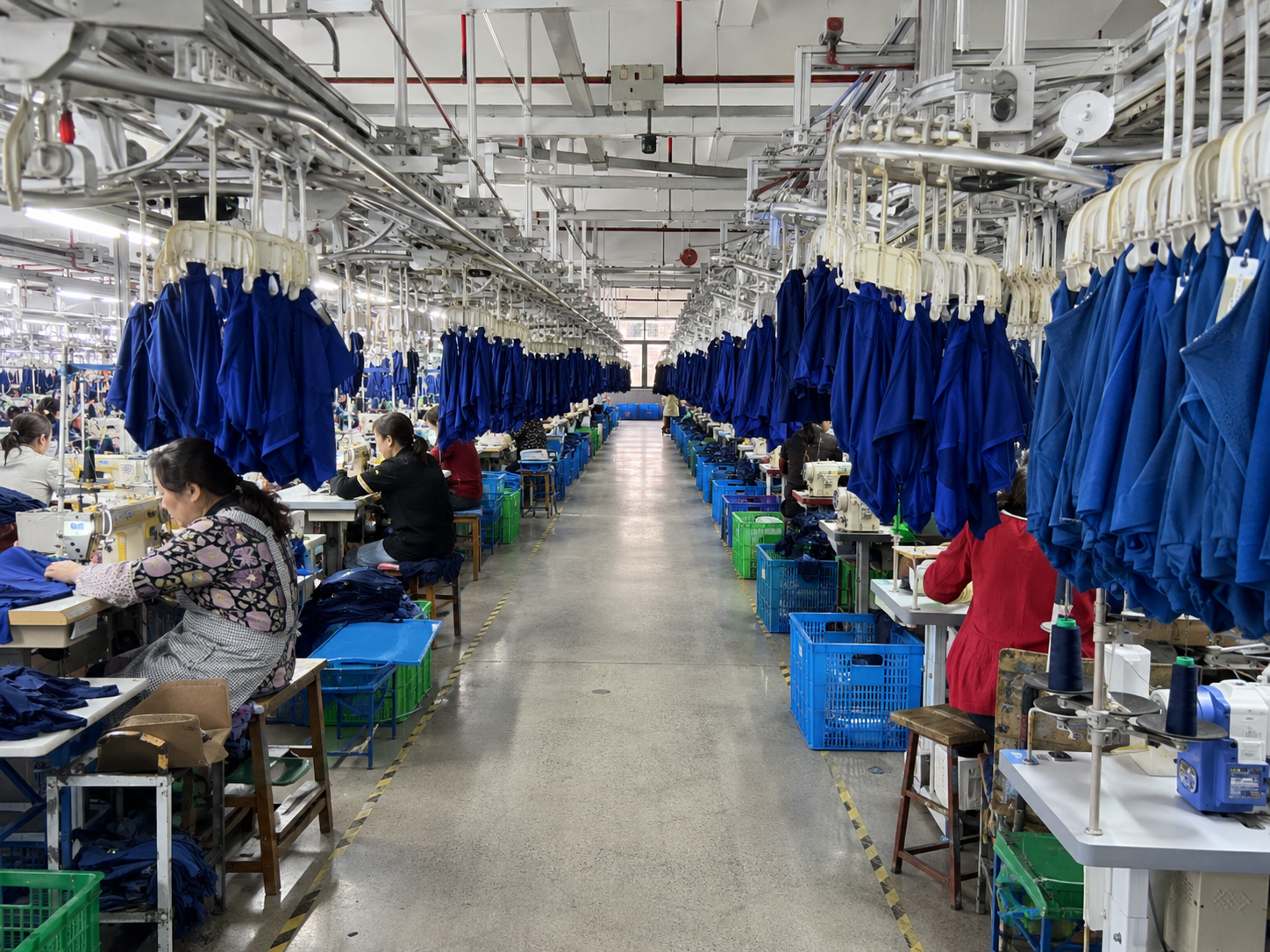
Leadshow operates three modern manufacturing bases supporting apparel development and production. The three-base figure describes the company-wide manufacturing system. It does not mean three overseas facilities or that every base produces every product category. Product allocation, base addresses and capacity by base require project or factory confirmation.
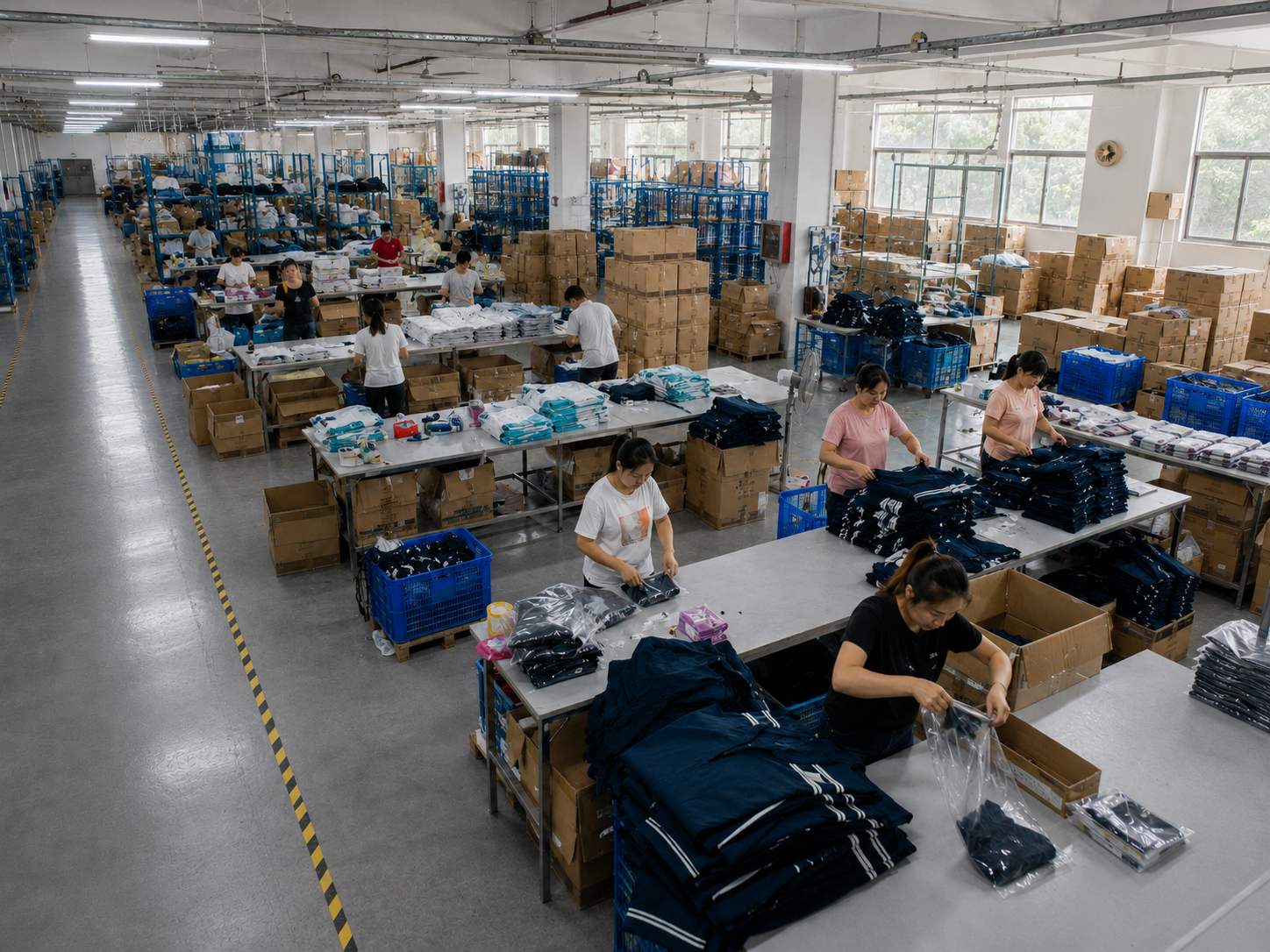
Combined Factory Area
The combined factory area is more than 20,000 square meters across the manufacturing system. This figure should not be read as the area of one factory, one production line or one product unit. The combined area supports development, production, finishing, warehouse and logistics activities within the company’s manufacturing structure.
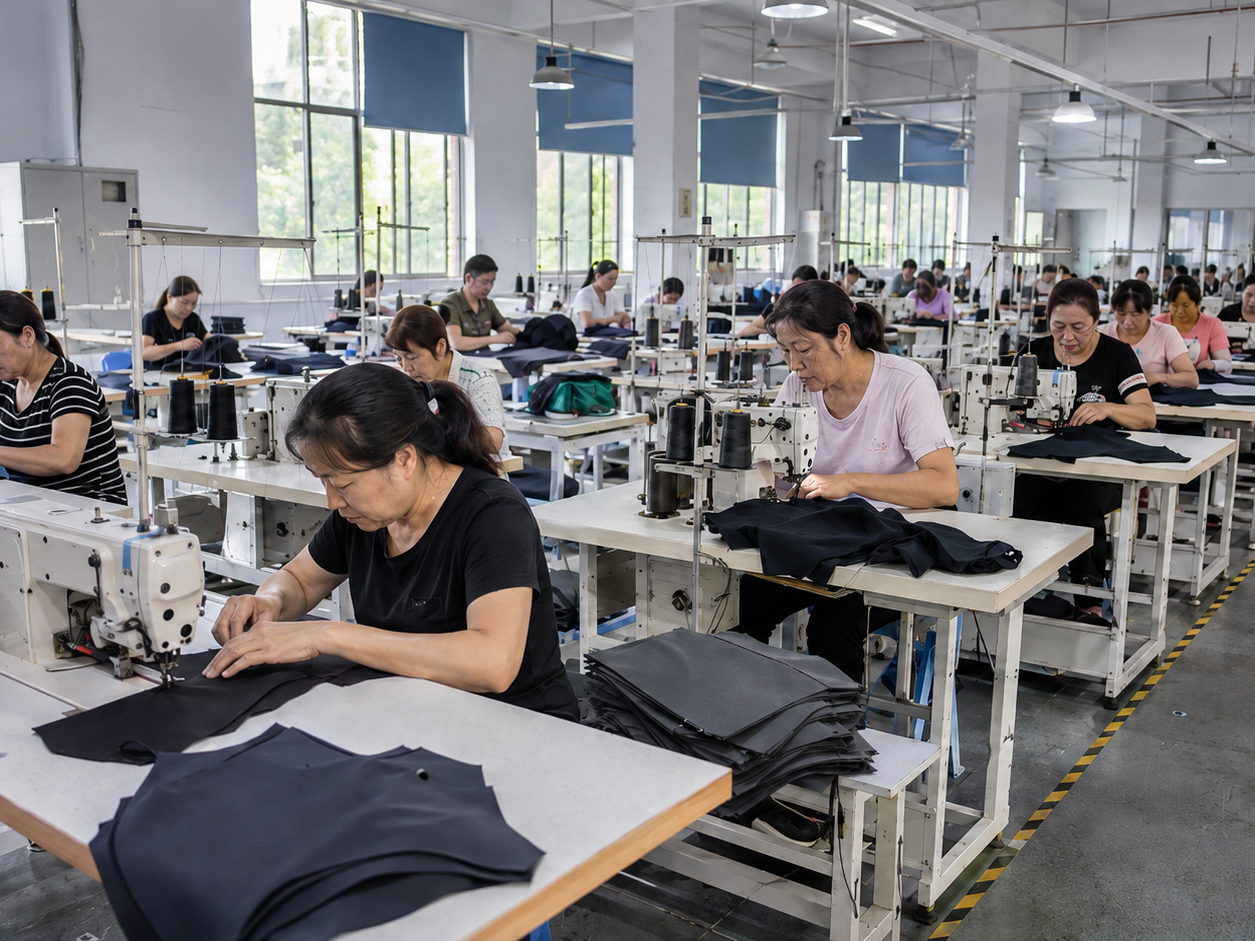
Team of Over 1,500
Leadshow has a team of over 1,500 employees across sales, R&D engineering, production, quality, warehouse and logistics, administration and finance. The organization is dynamic. The figure is used as a company-wide team size and does not mean that all employees are designers, engineers or sewing operators.
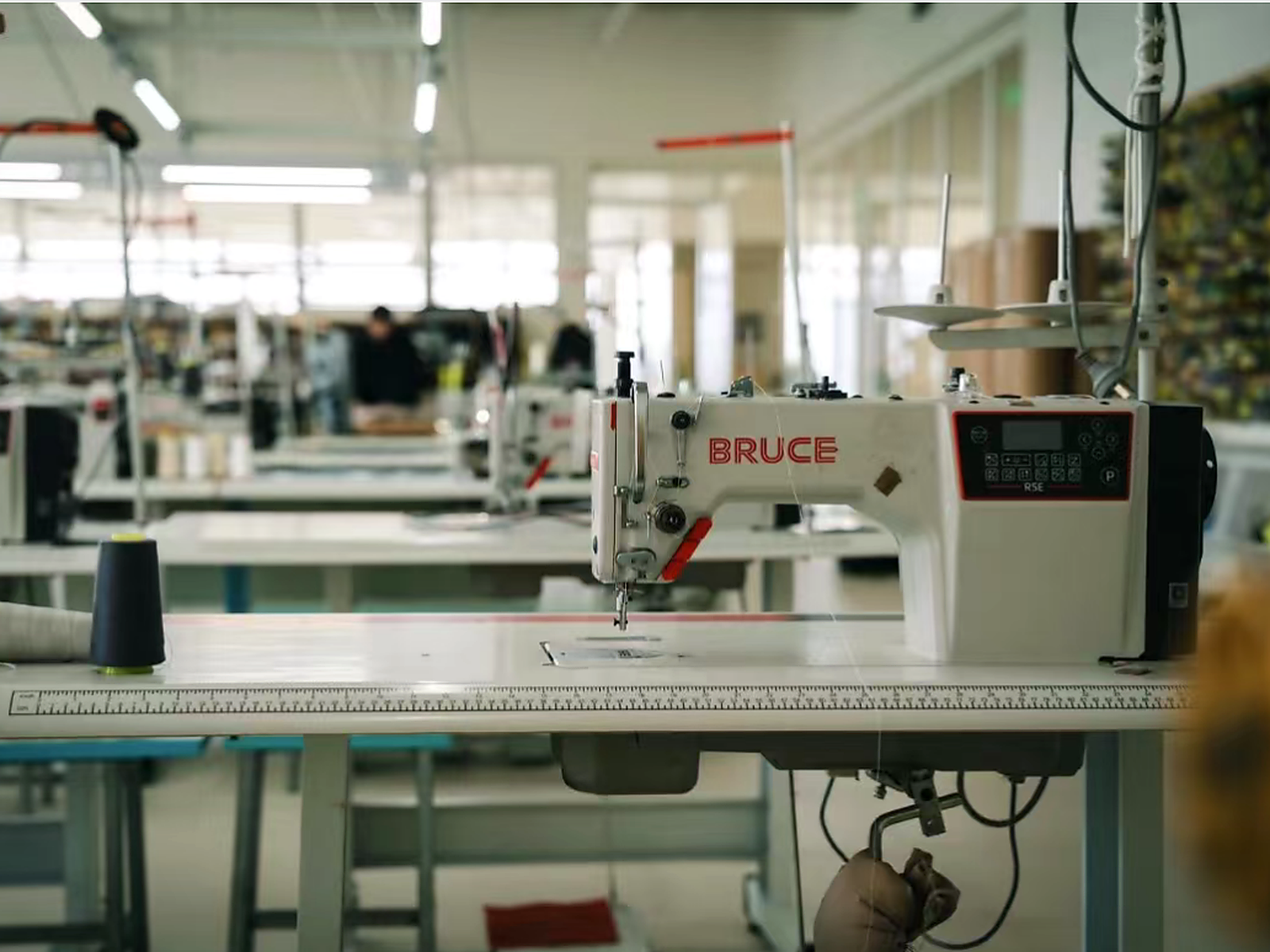
More Than 300 Machines
More than 300 confirmed production, specialized-process and finishing machines cover fabric preparation, cutting, lockstitch sewing, overlocking, double-needle sewing, elastic attachment, bartacking, flatlock, bonding, seam sealing, heat transfer, ironing, needle detection and folding and packaging.
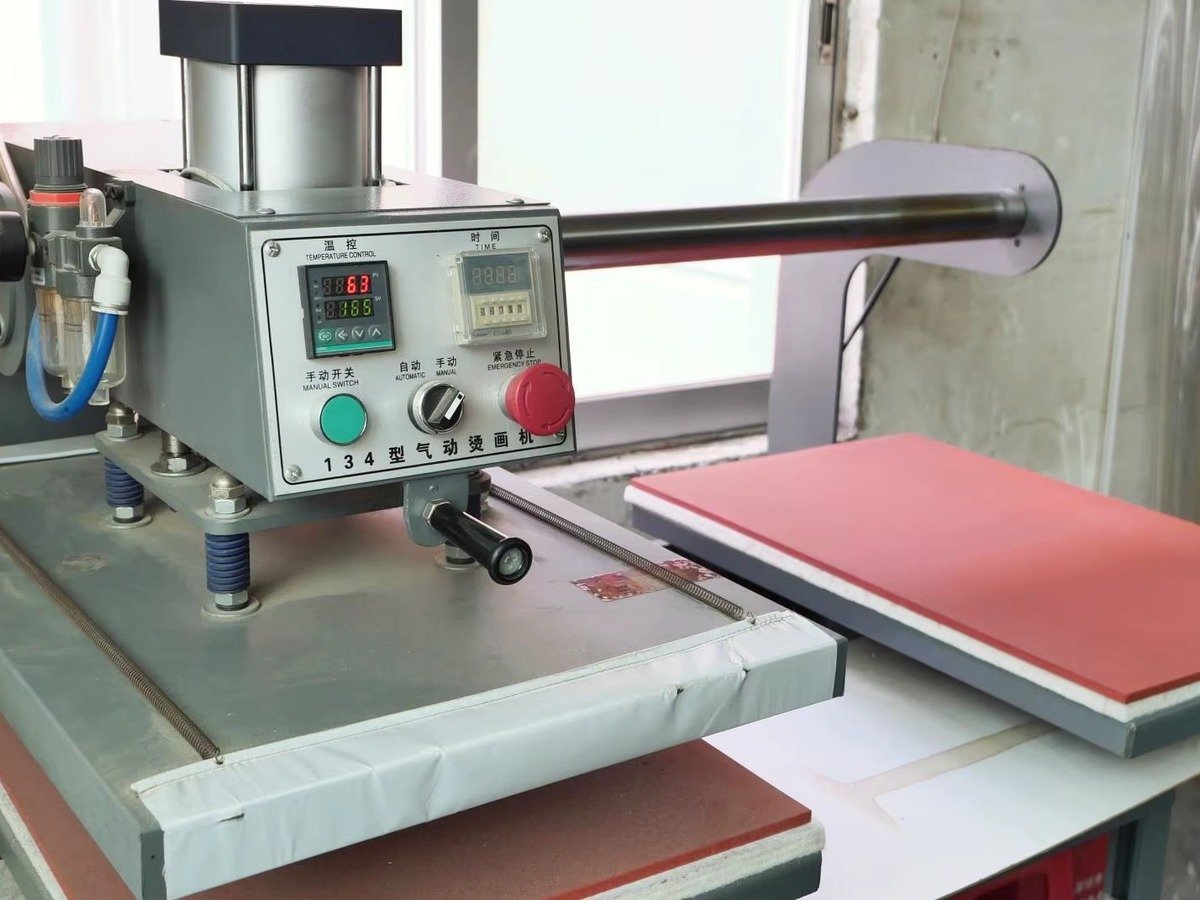
Specialized Process Support
Confirmed equipment includes 35 four-needle six-thread flatlock machines, 8 heat-bonding or heat-press bonding machines, 4 hot-air seam-sealing machines, 3 laser-perforation machines, 6 automatic needle detectors and 4 automatic folding and packaging systems. Actual use depends on the product, fabric, trims, construction and project requirements.
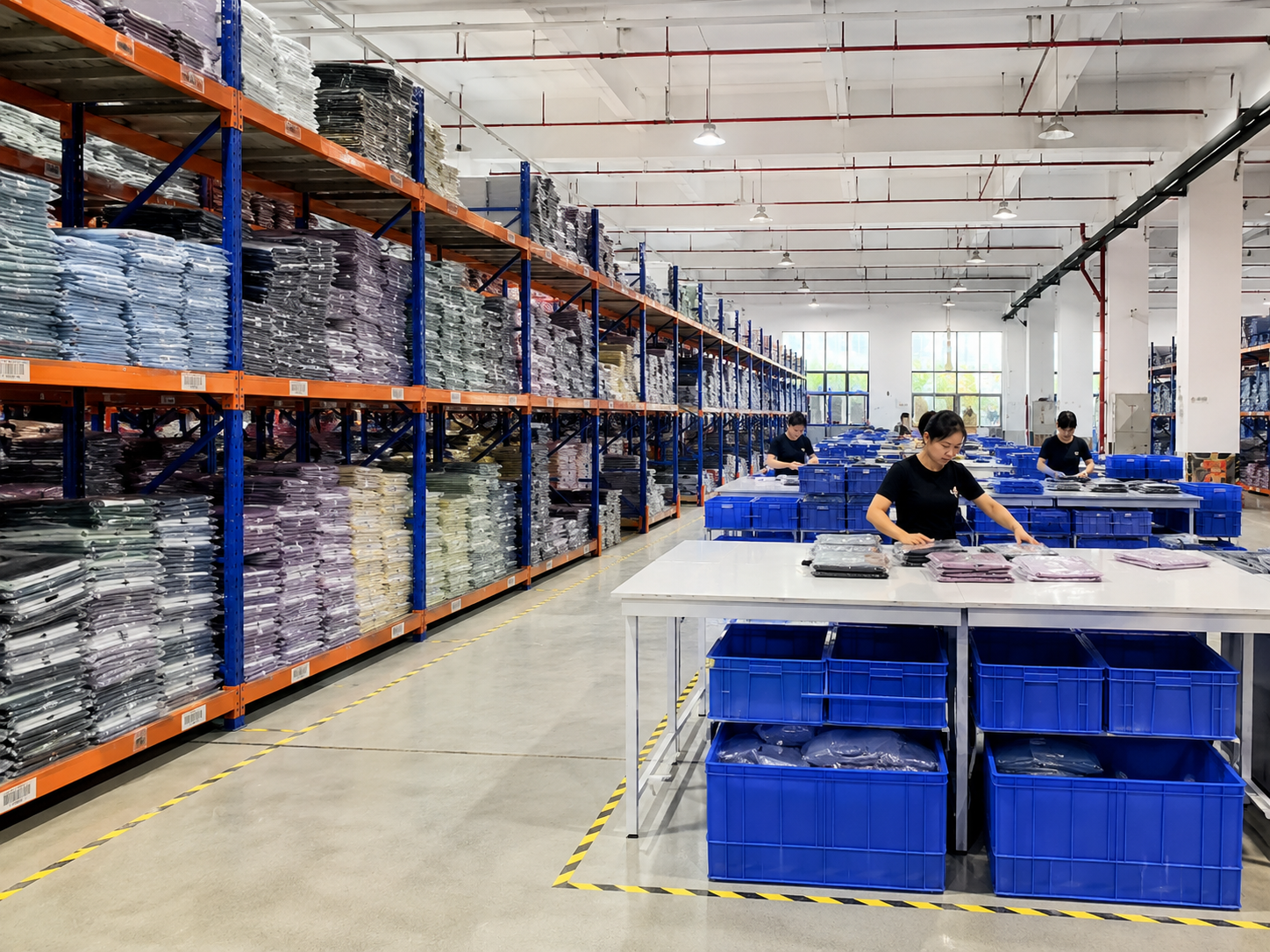
Conditional Monthly Capacity
The three manufacturing bases have a combined monthly capacity of up to approximately 120,000 finished garments. Actual capacity depends on product construction, fabrics and trims, process complexity, order quantity, color and size mix, current scheduling, quality standards and the delivery plan. The figure is not a per-factory, per-line or per-style promise.
Prepare Labels, Packaging and Delivery
Post-approval details influence the quotation and delivery plan. Confirm brand labels, care information, size labels, barcode or SKU requirements, packaging, carton marks, quantities, destination and requested delivery window before production preparation. Exact logistics terms and timing remain project-specific.
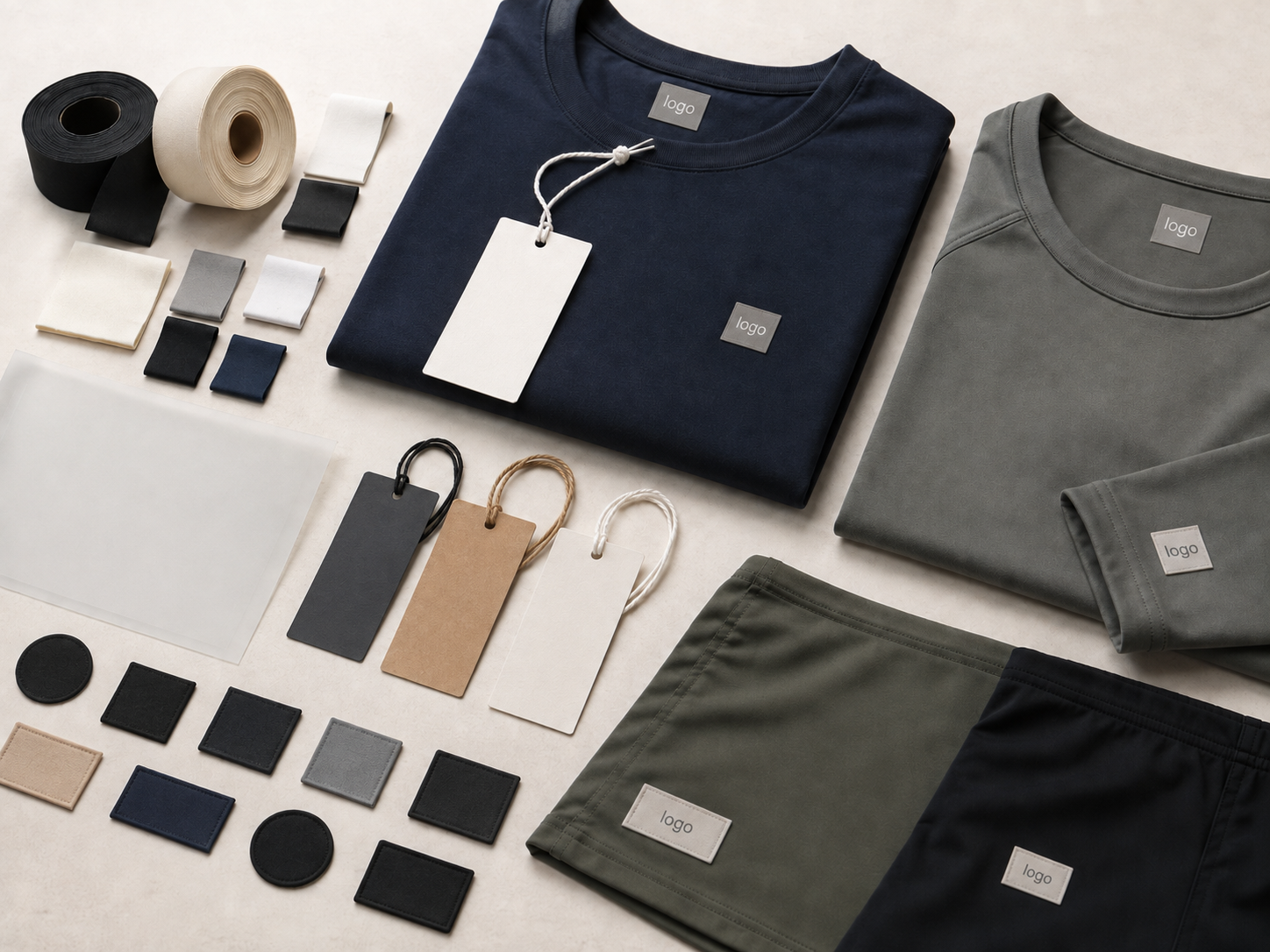
Labels and Branding
Leadshow can review custom main labels, care labels, size labels, heat-transfer labels, hangtags, artwork and selected branding details. The final label material, artwork, placement, size, color and quantity require project approval. Customer logos, retail compliance marks and barcode systems are not assumed from a product category. Send the applicable brand files and written placement instructions with the product brief.
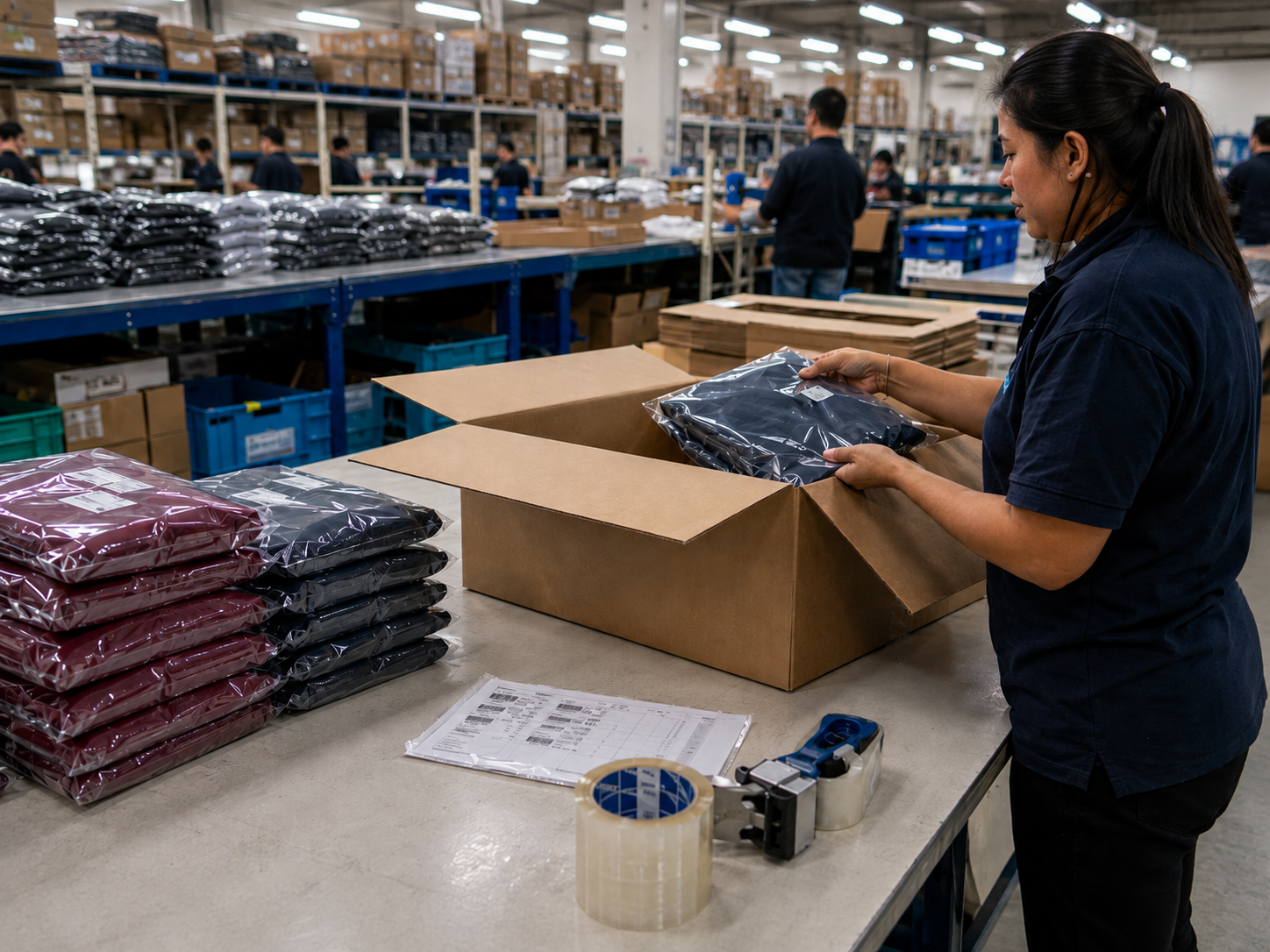
Packaging Preparation
Custom packaging can be reviewed together with folding, bagging, size and SKU separation, carton marks and project-specific packing instructions. Leadshow also has confirmed automatic folding and packaging systems for applicable products. Complex garments, thick garments and special packaging may require a different handling method. Packing quantity, carton dimensions, barcode rules and sealing equipment remain project-specific and require confirmation.
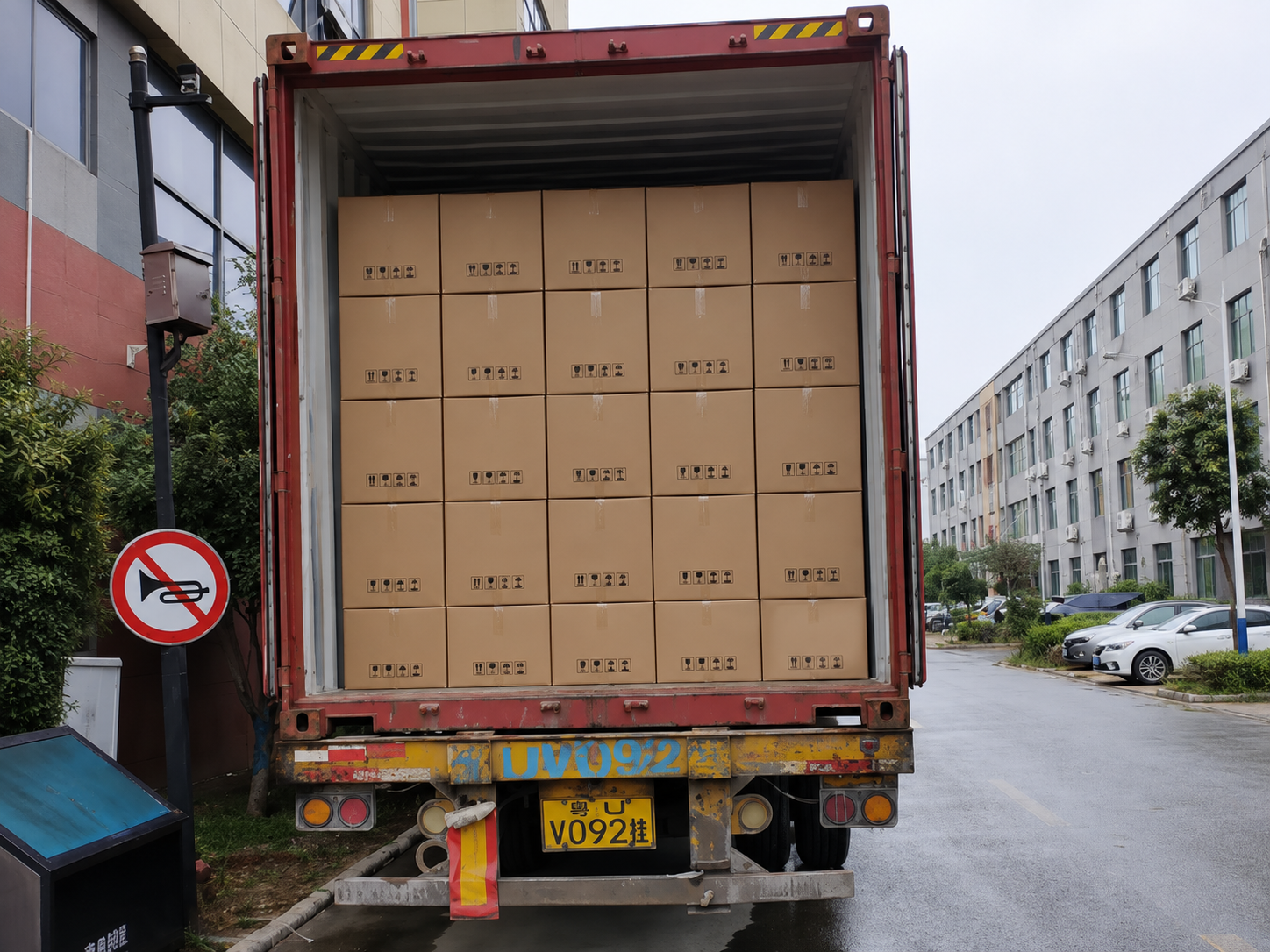
Export and Order Conditions
Leadshow supports export delivery to Europe, North America, South America and Oceania. Delivery planning separates goods-ready preparation, inspection, pickup, ETD, transit, ETA and final delivery. MOQ starts from 100 pieces per color per design, subject to fabric, trims, construction and customization requirements. Sample and pilot quantities are separate from bulk MOQ. Fixed delivery times, Incoterms and payment terms require project confirmation.
New Guides for Apparel Sourcing & Development
Frequently Asked Questions About Products
Find the main product, development, MOQ, sampling, quality, packaging and delivery questions before submitting a project brief.
What product categories are confirmed?
Leadshow’s confirmed product lines are Sportswear, Swimwear, Streetwear and Modest Sportswear. Confirmed main products include Sports Bras, Sports T-Shirts, Yoga Leggings, Tennis Skirts, Jumpsuits, Running Shorts, Tank Tops, Tracksuits, Hoodies and Sweatshirts. Other categories require separate confirmation.
Can Leadshow review a reference image?
Yes. A concept, reference image, original sample or incomplete Tech Pack can begin a technical discussion. An image does not confirm fabric composition, measurements, performance, construction or production feasibility. More complete project information supports a clearer review before sampling.
What should a project brief include?
Send the product category, sketches or images, measurements, construction notes, materials, trims, colors, sizes, logo files, labels, packaging, estimated quantity, target market, testing requirements and requested delivery window when available. Missing items can be identified during the technical review.
What is the difference between OEM and ODM?
OEM work normally begins with customer technical requirements, an approved sample or a Tech Pack. ODM work may begin with a concept, reference image, original sample or incomplete technical file and may include product development support, pattern and fit adjustment and sample development. The exact scope requires project confirmation.
Does Leadshow support Private Label?
Yes. Private Label production can include product development and manufacturing together with approved main labels, care labels, size information, artwork and packaging. The exact branding method, label materials, artwork, placement, packaging and order conditions must be confirmed in the product file.
What is the standard MOQ?
MOQ starts from 100 pieces per color per design, subject to fabric, trims, construction and customization requirements. Fabric dyeing, printing, special trims, logos, labels, packaging and other project materials may create separate MOQ requirements. Different designs or colors cannot be assumed to combine freely.
Are samples and pilot quantities part of bulk MOQ?
Samples and pilot quantities are separate from bulk MOQ. The relevant sample type, pilot quantity, approval steps and production sequence depend on the product and project. No universal sample time, revision count or fixed bulk lead time applies to every order.
Can performance functions be confirmed from a product image?
No. Functions such as water resistance, waterproofing, UPF, moisture management, chlorine resistance, compression or antibacterial performance require suitable materials, construction decisions and testing evidence. Product images can show appearance and structure, but they do not prove a performance result.
What quality checks can be arranged?
Quality review may cover materials, cutting, process, finished garments, measurements, appearance, branding, labels, packaging and quantity. Six automatic needle detectors are available for applicable garments. Testing can be coordinated according to the project, but there is no confirmed universal AQL, certification or testing package for every product.
How are delivery and post-shipment issues reviewed?
Export support covers Europe, North America, South America and Oceania. Delivery planning may include goods-ready preparation, inspection, pickup, ETD, transit, ETA and final delivery. After-shipment issues are reviewed according to product, quantity, measurement, color, workmanship, labels, packaging, transport or documentation responsibility. Any remedy depends on the confirmed scope and responsibility.
Send Your Product Brief to Leadshow
Share the information available for your product project. A useful brief may include the product category, reference images, Tech Pack, original sample, material or trim direction, colors, size requirements, logo files, labels, packaging, estimated quantity, target market, testing needs and requested delivery window.
Leadshow will review the product scope, construction, material requirements, sample route, MOQ conditions and manufacturing considerations based on the information supplied. A concept or image can begin the discussion, while a complete technical file supports a more precise review.
The final quotation, sample plan and delivery discussion depend on product construction, materials, trims, customization, quantity, approvals, current scheduling and project requirements. Upload the files available at this stage, and note any unresolved questions in the message field.