
Tank Top Embroidery Manufacturing
Custom tank top development with project-based embroidery evaluation, fit refinement, sampling, bulk production, branded labels, and packaging support.
- Tank tops developed from a Tech Pack, reference image, approved sample, or defined product brief.
- Embroidery options evaluated according to fabric weight, stretch, logo size, placement, appearance, cost, and order conditions.
- Pattern and fit adjustment supported for training, yoga, running, casual, layering, and streetwear directions.
- Bulk production organized from approved specifications, with quality checks, brand labels, packaging, and export-delivery coordination.
Built for Apparel Programs Requiring Product and Branding Control
Tank top projects differ by market position, fit expectations, logo treatment, order scale, and retail presentation. Leadshow focuses on commercial apparel programs where product development, sample approval, production control, and branded finishing need to work as one coordinated process.
Sportswear Brands
Fitness, yoga, running, and training labels often need close control over armhole shape, shoulder coverage, fabric stretch, recovery, seam comfort, and logo placement. Embroidery can add a premium visual cue, yet dense stitching on a light or highly elastic fabric may alter drape or stretch. Leadshow reviews garment construction together with branding requirements so a sports tank can be developed around movement, fit, artwork, and production feasibility rather than treating embroidery as a separate afterthought.
Streetwear Labels
Streetwear tanks may use oversized silhouettes, deep armholes, cropped lengths, heavier jerseys, rib structures, statement back graphics, or small chest branding. Embroidery can suit selected fabrics and visual directions, especially when texture and dimensional character matter. Garment weight, surface texture, artwork detail, placement near seams, and overall silhouette still need review. Product development can begin from a tech pack, reference garment, or clearly defined style brief, followed by sampling and approved-version control.
Private Label Programs
Importers, private-label companies, retail groups, and growing apparel programs often manage more than a garment logo. Main labels, size labels, care content, hangtags, barcodes, individual packing, carton marks, multiple colors, and size ratios may all be part of one order. Leadshow can coordinate tank top manufacturing, project-based embroidery evaluation, labels, packaging, and multi-SKU preparation according to approved files and order requirements, with commercial conditions confirmed before production release.
Tank Top Structures Developed Around Fit, Use, and Branding
Tank tops are not one universal sleeveless pattern. Shoulder width, armhole depth, neckline, back shape, length, fit ease, fabric behavior, and logo location change the development route. Representative directions below can be reviewed according to the intended market and supplied specifications.
Training Tank
A training tank may use a regular or athletic fit with armholes shaped for upper-body movement. Development focuses on shoulder position, chest ease, neckline stability, hem length, and fabric recovery during repeated movement. Embroidery is evaluated according to logo location and fabric behavior, especially when placed over areas that stretch across the chest or upper back. A fit sample can be used to review mobility and proportion before branding details are locked for later approval.
Yoga Tank
Yoga-focused tanks often need controlled stretch, stable neck and armhole openings, and a silhouette that remains balanced through bending and overhead movement. Depending on the design, a fitted, regular, cropped, cross-back, or racerback direction may be reviewed. Embroidery requires extra attention on elastic fabrics because dense stitching can create a rigid area. Logo size and placement are therefore assessed together with fabric weight, stretch, recovery, and intended wearing feel.
Running Tank
Running tanks are commonly evaluated around low restriction at the shoulders, stable armholes, controlled garment length, and reduced excess fabric during movement. Mesh panels or localized perforation may be considered where compatible with the project. Embroidery can work on selected constructions, but a heavy or dense logo may be unsuitable on very light fabric. Sampling helps determine whether branding, drape, and movement remain balanced before the bulk-production version is released.
Casual Tank
Casual tanks can range from clean regular fits to relaxed silhouettes and longline shapes. Cotton, blends, rib structures, and other fabric directions may create very different visual results even with the same pattern. Embroidery may be used for a small chest mark, back artwork, or another approved location when fabric stability is adequate. Pattern, neckline, armhole, hem, logo position, labels, and packaging can be developed as one brand-ready product specification.
Streetwear Tank
Streetwear tanks may use deep armholes, wide shoulders, cropped proportions, oversized body widths, heavier fabrics, or statement branding. Embroidery can become a focal visual element when artwork density and garment structure are compatible. Large designs require careful evaluation because weight and stitch coverage can distort the panel or change how the fabric hangs. Sample review should compare silhouette, logo scale, placement, thread appearance, and the visual balance across intended sizes.
Layering Tank
Layering tanks are often built around predictable neck and armhole lines, a controlled body length, and enough ease to sit comfortably under shirts, hoodies, or jackets. Branding is usually more restrained, making small embroidery, heat transfer, or labels suitable options depending on fabric and design. Development still needs a clear measurement chart, material direction, target fit, artwork placement, and packaging brief so repeat orders can follow an approved reference rather than relying on product-name assumptions.
Fabric Compatibility Comes Before Embroidery Approval
Embroidery can create a durable, dimensional brand detail, yet the same artwork can behave very differently on rib, jersey, mesh, stretch blends, or heavier knit structures. Material evaluation should happen before a logo technique is released for garment sampling or bulk production.
Fabric Weight, Surface, and Stability Shape the Result
Embroidery adds thread, stitch density, backing, and localized stiffness to a garment panel. A stable knit with enough body may hold a compact logo cleanly, while a light or soft fabric can pucker, wave, or lose drape when the embroidered area becomes too dense. Rib structures introduce another variable because ribs can open, contract, and shift the apparent logo width. Smooth performance knits can also react differently from cotton jerseys because stretch and recovery alter how a decorated area behaves when worn. Leadshow therefore treats fabric weight, structure, surface texture, and intended wearing feel as part of the branding decision. The evaluation does not assume a universal GSM or universal embroidery method. Relevant material information should be supplied or sampled, including composition, fabric weight, stretch direction, recovery, handfeel, color, and any expected performance or wash requirement. Where a material change occurs after a logo sample has been approved, embroidery appearance may need review again because a different fabric can change stitch tension, distortion, color perception, and the balance between the decorated and undecorated areas.
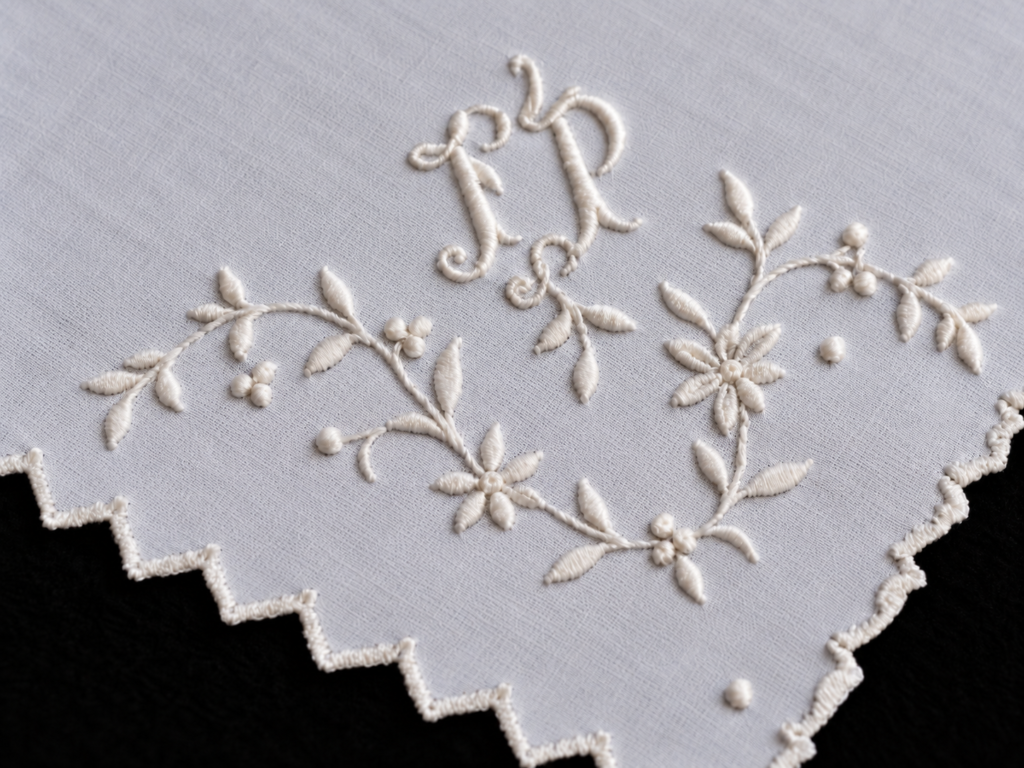
Stretch Zones Need Extra Control Around Logo Placement
A tank top can stretch substantially across the chest, back, side panel, or lower body depending on fit and material. Dense embroidery placed directly on a high-stretch zone can create a visibly rigid island within an otherwise elastic garment. The result may look acceptable when laid flat but change when worn. Placement should therefore be discussed alongside body measurements, fit ease, fabric extension, seam positions, and logo dimensions. A small chest mark may need different handling from a broad center-back design. Different sizes can also change the perceived scale and distance from key reference points. Product files should define logo position using measurable references rather than vague instructions such as “upper chest” or “centered visually.” For example, a production record can specify artwork width and height in millimeters, distance from a seam or high-point shoulder, and whether placement remains fixed or scales by size. Measurements in any example are project values, not Leadshow defaults.
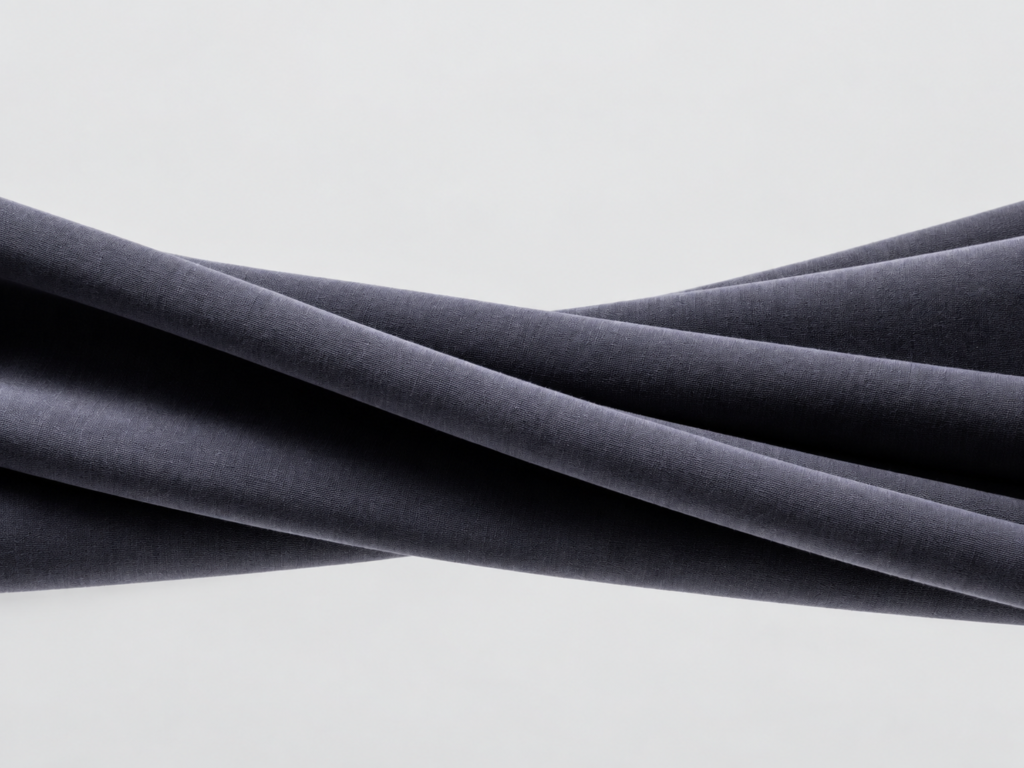
Embroidery Approval Should Use the Actual Production Context
A digital artwork preview is not enough to approve an embroidered tank top. Stitch count, backing, fabric weight, stretch, placement, logo size, color, distortion, MOQ, and cost all influence the final execution. A project may use a logo sample, a full garment sample, or both depending on the risk and development stage. Thread appearance and fabric color also need real-material confirmation because screens do not reproduce textile color reliably. When embroidery is selected, Leadshow can evaluate the option by project and confirm the applicable production arrangement. Current public facts do not establish an in-house embroidery department, embroidery machine count, head count, maximum embroidery area, or internal embroidery capacity. Production copy should therefore focus on project evaluation, approved references, process coordination, and bulk-version control rather than implying unverified internal equipment.
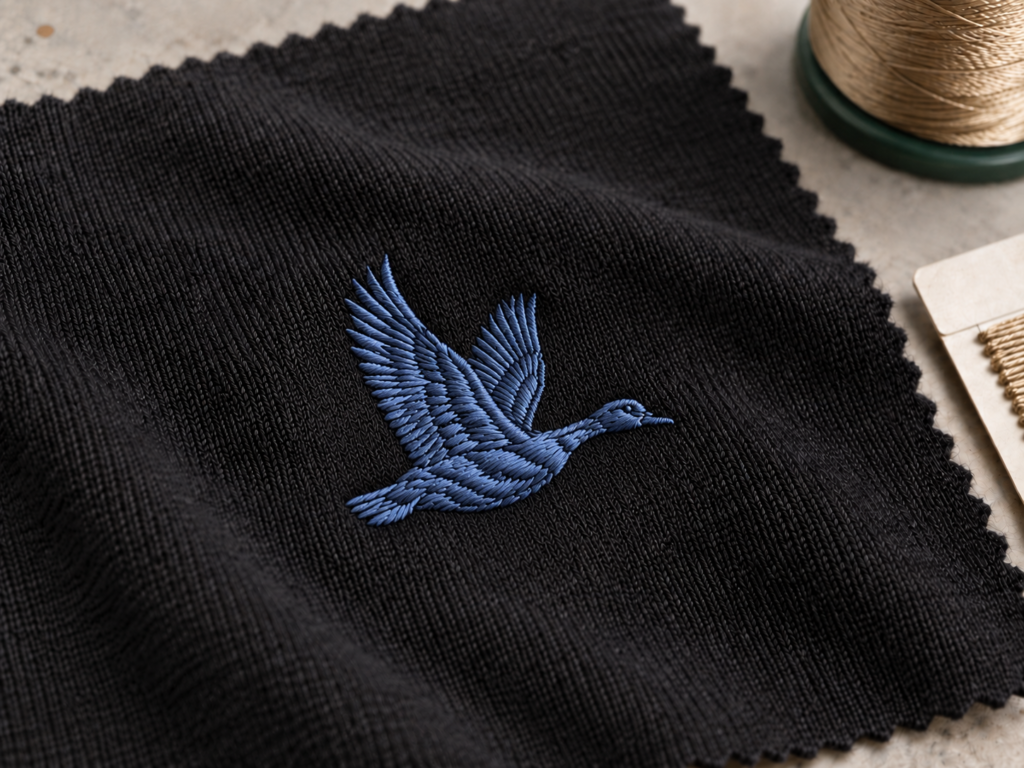
Compare Embroidery With Other Tank Top Branding Methods
A logo method should match fabric, artwork, stretch, visual target, order conditions, and wash expectations. Embroidery is one option rather than an automatic default. Heat transfer and heat press resources are confirmed at Leadshow; embroidery and other printing options are evaluated according to the project and applicable supply-chain arrangement.
Method
Visual Direction
Main Evaluation Points
Approval Route
Leadshow Capability Status
Embroidery
Dimensional thread texture; strong brand character
Fabric weight, stretch, logo size, stitch count, backing, placement, distortion
Logo or garment sample recommended
Evaluated by project; internal embroidery capacity is not publicly confirmed
Heat Transfer
Flat, clean branding with fine graphic potential
Transfer material, heat sensitivity, color migration, adhesion, stretch, wash requirement
Sample on intended fabric recommended
Confirmed heat-transfer equipment for applicable work
Heat Press Graphics
Graphic or film-based surface effect
Artwork, material compatibility, pressure, temperature, placement, wash behavior
Project sample recommended
Confirmed multi-station heat-press equipment
Printing
Wide visual range depending on process
Specific printing method, fabric, colors, handfeel, stretch, cure or wash needs
Method-specific sample recommended
Printing can be evaluated; all printing is not confirmed in-house
Define Artwork, Size, Color, and Placement Before Sampling
Clear embroidery inputs reduce unnecessary revisions. A production-ready brand file should describe more than the logo image. Dimensions, color reference, placement, material context, intended appearance, and legal authorization all affect whether a sample can be reviewed accurately.
Start With Editable Artwork and Clear Brand Ownership
Leadshow recommends production-ready vector or high-quality editable artwork where available. Suitable file directions can include AI, EPS, vector PDF, SVG, CDR, or another editable format agreed for the project. The file should identify the approved logo version rather than a screenshot captured from a website or marketplace listing. Brand ownership also matters. Projects using third-party trademarks, protected graphics, or licensed artwork require appropriate authorization; counterfeit work or unauthorized reproduction is outside the intended service scope. Artwork should also state whether the design can be simplified when small details cannot be reproduced cleanly with the chosen method. Embroidery introduces physical limits that do not appear in a digital vector: very thin gaps, tiny text, tight corners, overlapping colors, and dense fills may need adjustment. A revision should be recorded as a new artwork version so an obsolete logo file does not enter sample or bulk production.
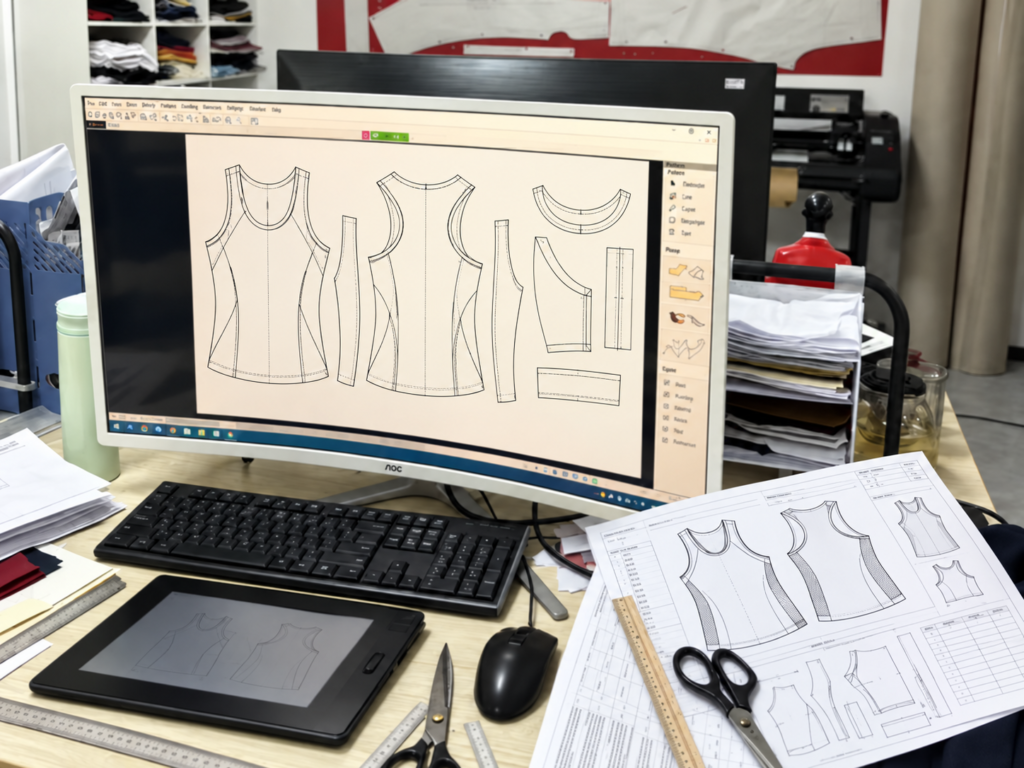
Use Measurable Logo Dimensions and Position References
Instructions such as “small logo on chest” are open to interpretation. A better specification records actual dimensions and measurable location references. Example format only: Logo size 55 mm W x 32 mm H; top edge 70 mm below high-point shoulder; center line 45 mm from center front. Those numbers are not Leadshow defaults and should be replaced by the approved project values. Placement needs to account for neck and armhole geometry, seam allowances, panel shape, and stretch after wearing. Some programs keep the same physical logo size across all garment sizes, while others adjust scale or position. The approach should be agreed before bulk production. If a logo sits near a seam, side panel, pocket, binding, or high-stretch zone, the development team should review whether the garment construction leaves enough stable space for the intended embroidery.
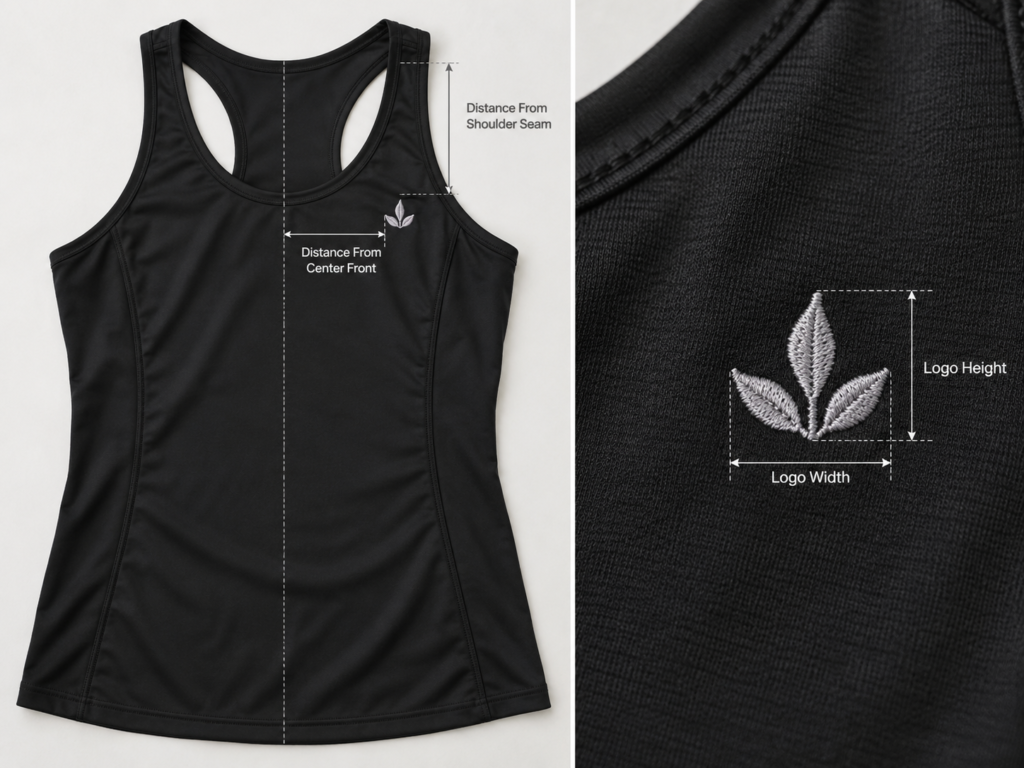
Approve Color and Appearance on Real Materials
Thread color, fabric color, surface texture, lighting, and stretch can change the way a logo is perceived. A Pantone reference, physical standard, approved thread card, or another agreed color source can be used depending on the project. Screen appearance alone should not serve as the final textile color reference. Along with color, the approval should state the expected surface character: flat, raised, clean-edged, soft, dense, or another agreed direction where technically feasible. Any wash, stretch, or appearance requirement should be stated before sampling because later additions may require a new sample or revised timing. Production records should connect the approved artwork, logo size, color reference, position, fabric, sample status, and brand authorization so the correct version is used during later production stages.

Fit and Pattern Decisions Affect Embroidery Performance on Tank Tops
Embroidery should be positioned after the garment geometry is understood. Neck shape, shoulder width, armhole depth, body ease, length, stretch, and grading influence how a logo appears in a flat sample and on the body.
Armhole and Shoulder
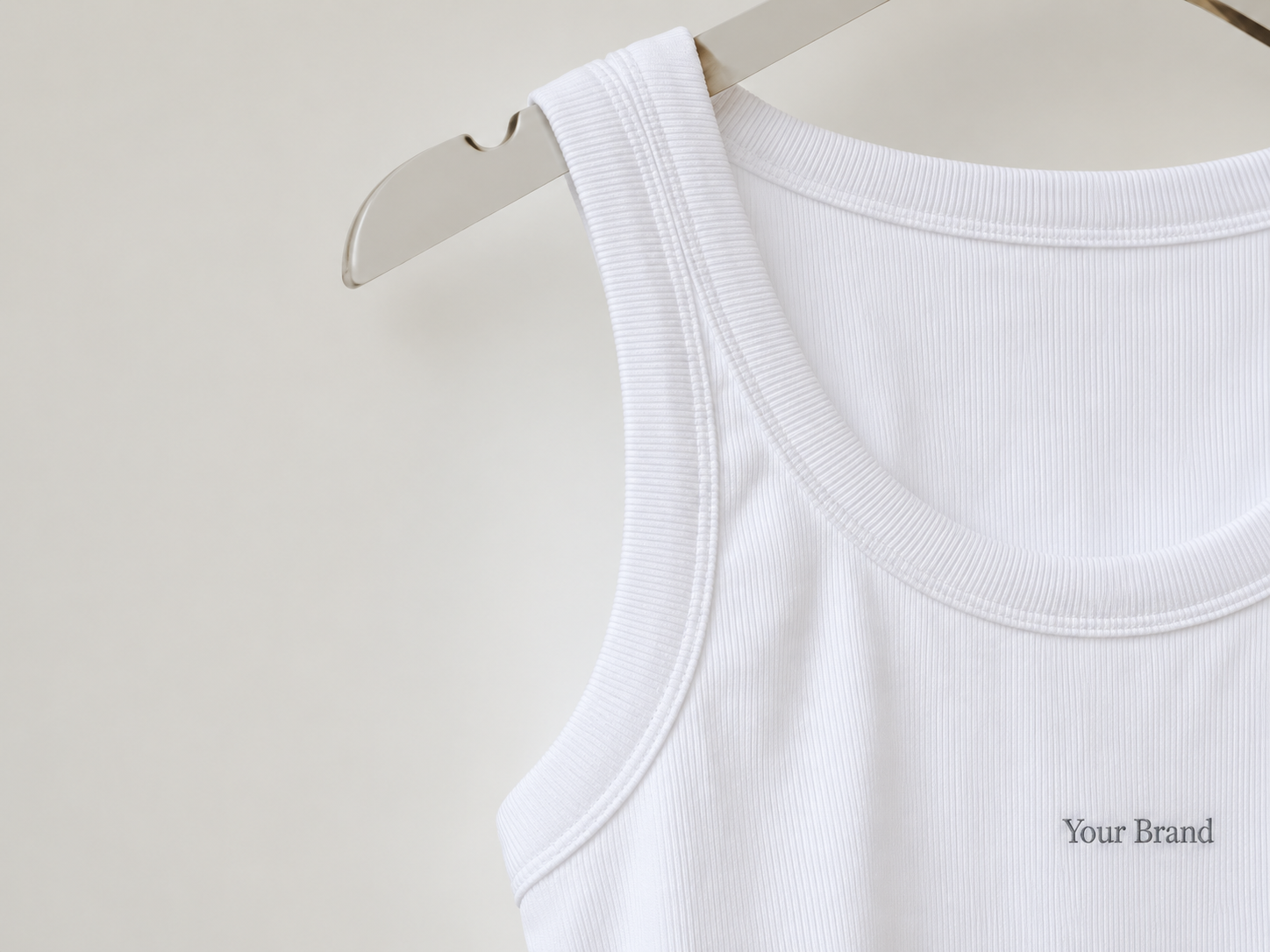
Shoulder width and armhole depth determine both movement and the amount of stable fabric available for branding. A deep gym armhole may leave less usable chest area than a regular training tank, while a narrow shoulder can make upper-chest placement visually crowded. Pattern development should check balance from front and side views, not only a flat sketch. When embroidery sits near an armhole, the distance from binding, seam allowance, and stretch zone needs a measurable reference. Fit comments should be incorporated before logo placement is permanently released.
Neckline and Back
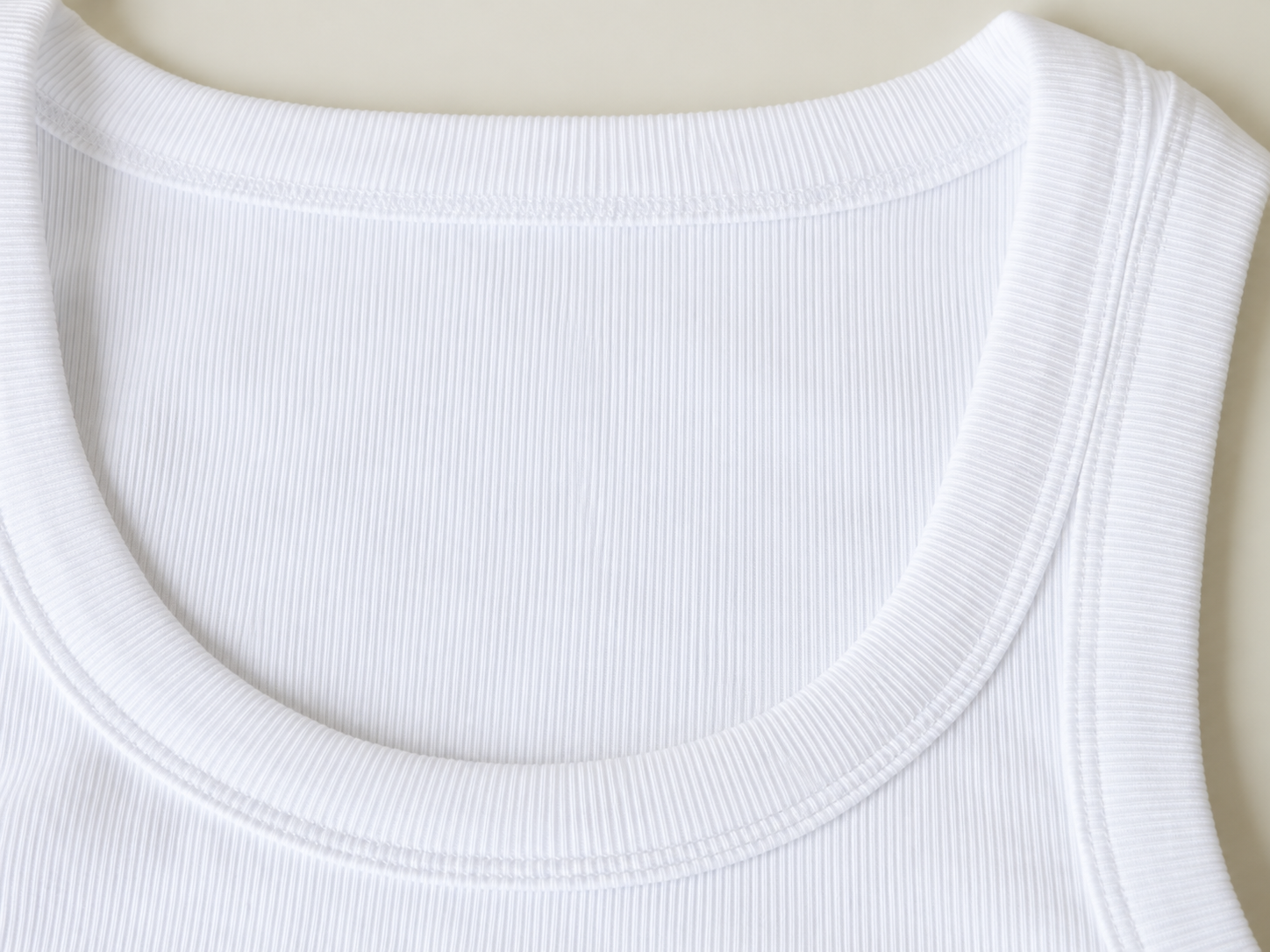
Round neck, V-neck, high-neck, racerback, cross-back, and regular-back constructions create different visual centers. A logo that looks centered on one neckline may appear displaced on another. Back embroidery also needs review against racerback shape, shoulder blade movement, mesh panels, or seam lines. Measurement references should be tied to stable construction points so positioning can be repeated during production. Where the back panel stretches strongly, artwork density and backing may need adjustment or a different branding method may be more suitable.
Length and Silhouette
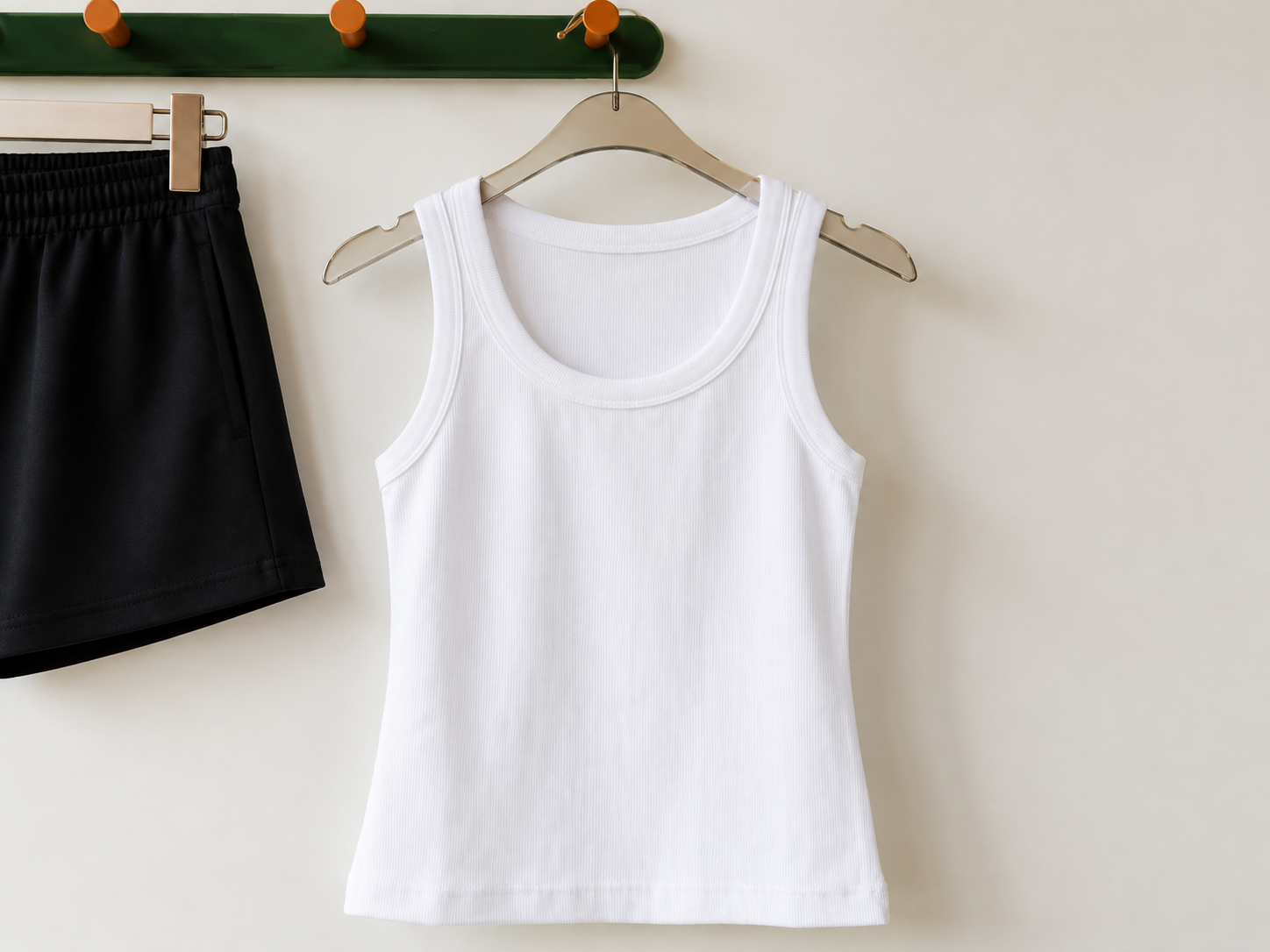
Cropped, standard, longline, fitted, regular, and relaxed silhouettes change how embroidery is perceived in proportion to the garment. A compact chest logo may work across several fits, while a large front graphic can dominate a cropped style or sit too high on a longline tank if proportions are not reviewed. Fabric drape also matters: embroidery adds localized weight and stiffness, which can be more noticeable on a loose, soft garment. Samples should confirm both standing appearance and movement before the production reference is approved.
Grading and Logo Scale
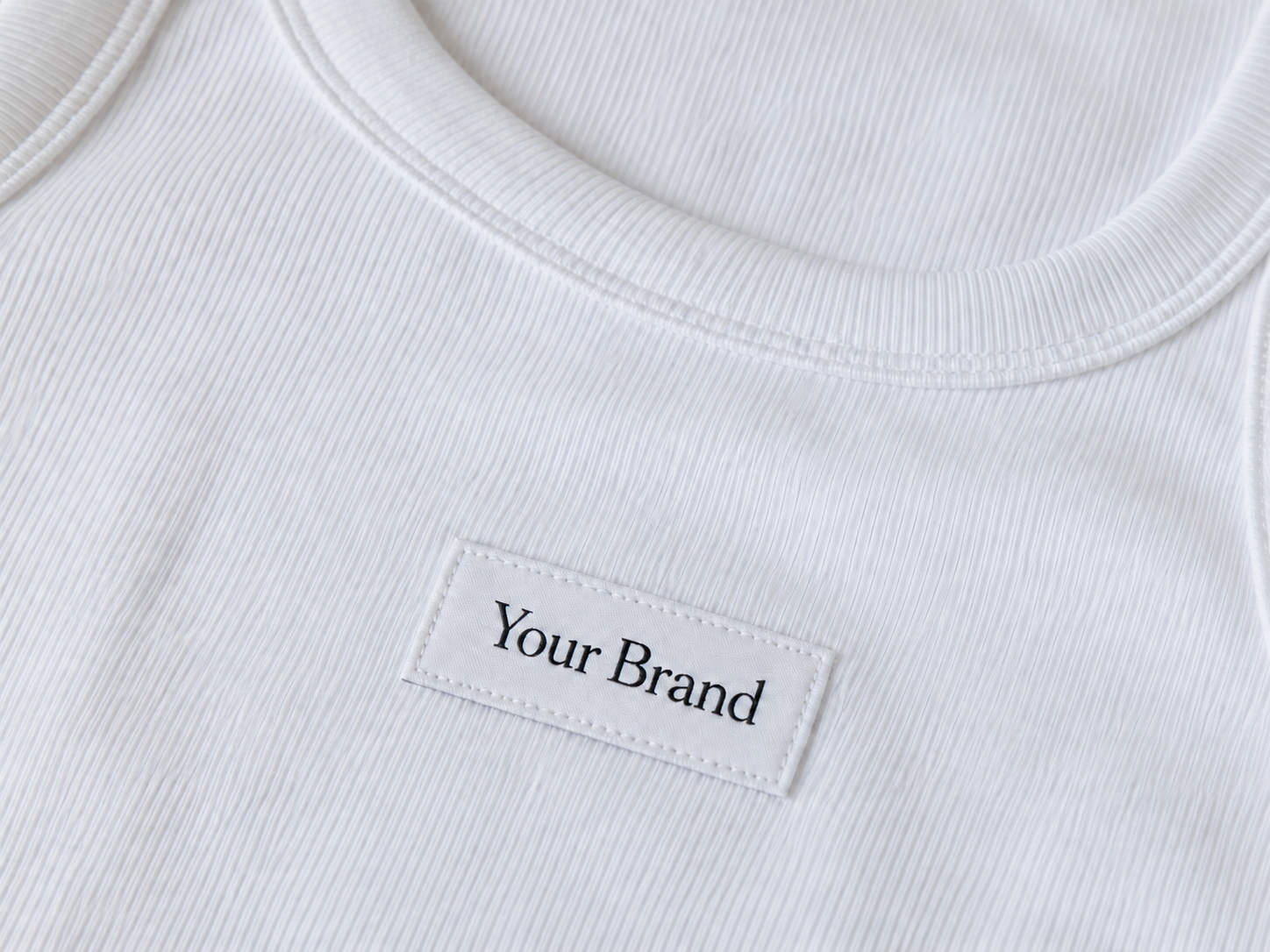
A base-size sample does not automatically confirm every size. Size grading changes chest width, shoulder position, armhole geometry, length, and the relationship between logo and body. Some brands keep logo size fixed while adjusting placement; others use size-dependent positioning. The selected rule should be written into the production specification. Size Set evaluation can be used where required by the project. Leadshow does not claim that every size is automatically tested, so the sample scope, grading review, and approval responsibility should be agreed according to the size range and risk level.
Common Embroidery Risks and Controls Before Bulk Production
Most embroidery issues start before the embroidery machine runs. Material choice, artwork density, position, backing, size grading, and approval records all influence the result. Early evaluation reduces rework and creates a clearer reference for later inspection.
Puckering and Waves
Lightweight, soft, or elastic fabrics can pull inward around dense stitching, creating puckering or a wavy surface. The risk increases when artwork covers a large area or contains heavy fills. Control starts with fabric evaluation, suitable backing and stitch planning, plus a real-material sample. If the garment panel changes between sample and bulk, the logo should be reassessed rather than assuming the same embroidery settings will perform identically.
Restricted Stretch
Embroidery can create a relatively rigid zone inside a highly elastic tank top. Placement across the chest, upper back, or another high-extension area may feel tight or visually distort when worn. Fit and movement should be reviewed with the actual fabric and intended logo size. In some cases, moving the logo, reducing density, reducing dimensions, or selecting another branding method can preserve garment stretch more effectively than forcing embroidery into an unsuitable position.
Lost Artwork Detail
Very small text, narrow gaps, fine outlines, tight curves, and complex multi-color elements may not reproduce cleanly at a small embroidered size. Artwork should be reviewed for production limits before a sample is made. Simplification can improve legibility while preserving the brand identity. Any change needs brand approval and version control. A visual sample should be compared with the approved artwork so later bulk checks use the correct design rather than an earlier digital file.
Placement Variation
Logo position can drift when references are vague, garment panels vary by size, or operators measure from inconsistent points. Production specifications should define measurable reference points and identify whether the rule stays fixed across sizes. Inspection can then compare the finished garment with the approved placement standard. Placement near necklines, armholes, seams, binding, mesh, or other panel joins deserves extra attention because small geometric changes can create a noticeable visual difference.
Color and Thread Shift
Thread color can look different next to dark, bright, textured, or high-sheen fabrics. Lighting and screen displays add more variation. An agreed color reference should therefore accompany the logo file. Bulk thread or material changes should be reviewed if they affect appearance. Zero color difference is not a realistic blanket promise; the goal is to work from an approved physical or documented standard and keep the production version aligned with the agreed reference.
Version Mismatch
A clean sample can still fail in bulk when an outdated artwork, old placement, replaced fabric, revised pattern, or unapproved packaging file enters production. Version control is therefore part of embroidery quality. Tech Pack, measurement chart, pattern, fabric, logo artwork, label artwork, packaging file, sample comments, and approval records should point to the active production version. Superseded files should not remain available as production references once a later version has been approved.
Tech Pack Review Turns a Design Into Production Requirements
A reliable quote or sample starts with clear product information. Leadshow can review tank top projects from a Tech Pack, reference image, or reference garment when enough detail is available, then identify missing information before the project moves into material, pattern, branding, and sample work.
Review Product Construction Before Costing or Sampling
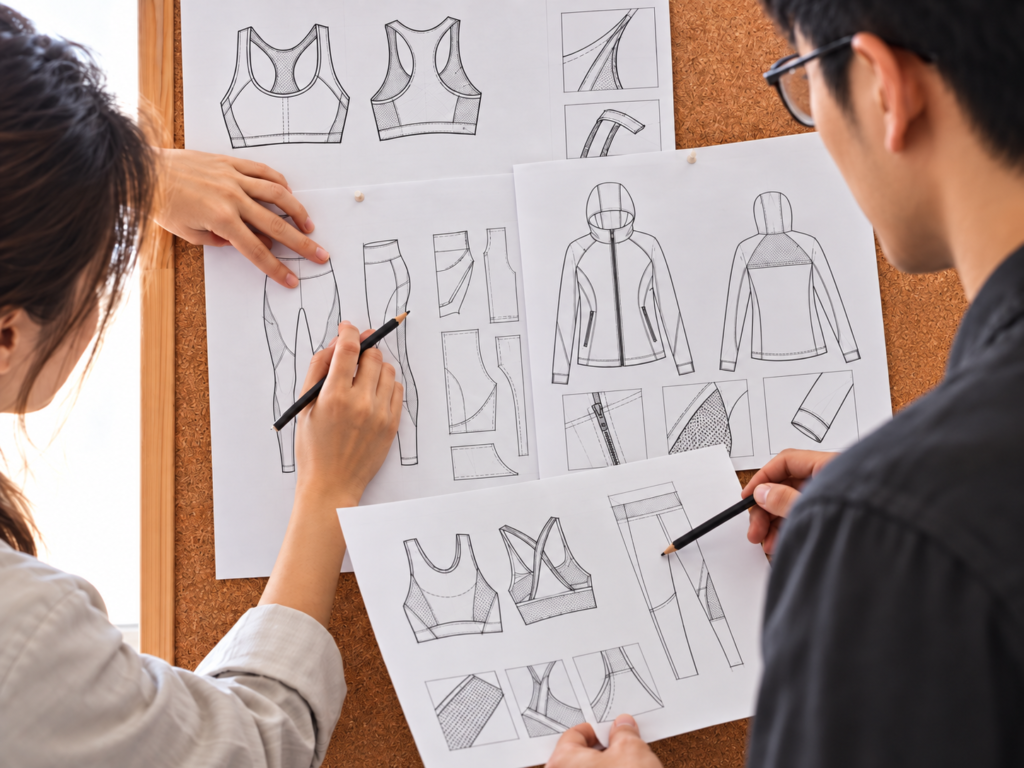
A tank top brief should define more than a front-view sketch. Development teams need neckline, shoulder, armhole, back shape, length, fit direction, panel layout, seam type, binding, hem, internal structure, labels, and any special details that affect manufacturing. A reference garment can help clarify fit and workmanship when intellectual-property requirements are respected. The review should also identify whether the intended product is a fitted active tank, relaxed training tank, fashion crop, streetwear silhouette, or another defined direction because pattern logic and material behavior differ. Questions found during review are more useful than an unsupported “yes, we can make it.” Clarification before sampling can reduce repeated pattern corrections, inaccurate material ordering, branding conflicts, and quote changes later in development.
Connect Measurement, Fabric, and Branding Information
A measurement chart should identify the base size, points of measure, tolerances where specified, size range, and grading direction. Fabric information should include composition, structure, weight, stretch, recovery, color, handfeel, availability, and any required testing or certification documentation. Branding information should identify the logo artwork, technique, size, color, position, and approval method. Embroidery can be evaluated by project, including stitch count, backing, fabric weight, stretch, placement, logo size, distortion, MOQ, and cost considerations. Combining these inputs matters because a fit change can shift logo position, a fabric change can alter embroidery behavior, and a size-range expansion can change grading and packaging requirements.
Turn Review Findings Into a Clear Sample Scope
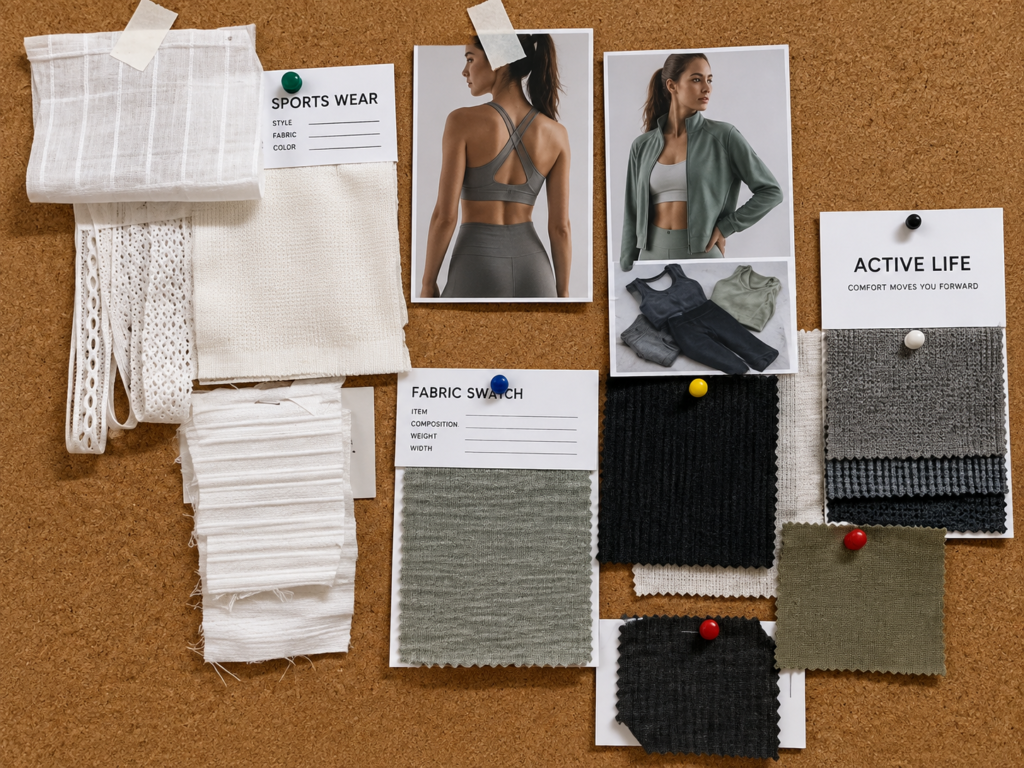
A technical review should end with a defined next step rather than a long list of open questions. The output may include missing measurements, fabric options to confirm, trim requirements, logo information, pattern direction, sample type, size for development, label and packaging needs, testing questions, and target timing. Sample scope can include a development sample, fit sample, logo sample, color sample, Size Set, or Pre-Production Sample where applicable; not every project requires every sample type. Timing is confirmed after the technical and material review because complexity, material availability, branding, revisions, testing, and approvals can change the schedule. Clear scope also improves quotation accuracy by separating known specifications from items still under review.
Approve the Garment and Embroidery Before Production Release
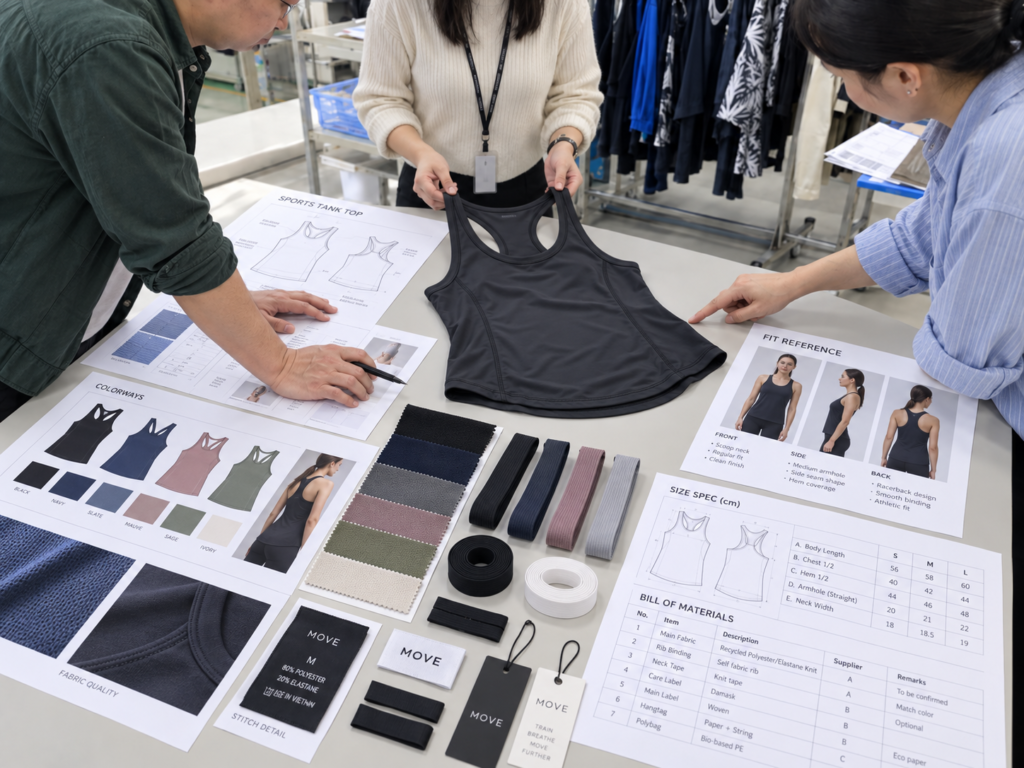
Sample approval should separate fit, material, color, logo, packaging, and production release. One approved feature does not automatically approve every other feature. A clear approval record prevents a good-looking sample from being interpreted more broadly than intended.
Logo Sample
A logo sample can isolate embroidery appearance before a full garment is approved. The review can cover artwork detail, stitch count direction, thread color, backing, edge definition, surface distortion, size, and visual character on the intended or representative material. A logo sample is useful when branding carries significant risk, but it does not confirm garment fit, final placement on every size, full product construction, or bulk readiness. Any material substitute should be identified because embroidery behavior may change when the final fabric is different.
Development Sample
A development or prototype garment checks the design as a complete tank top. Pattern shape, neckline, armholes, length, body ease, seams, material behavior, and branding proportion can be reviewed together. Comments should identify fit, construction, material, artwork, and appearance changes by version. Sampling time is confirmed by project rather than promised as a universal number because materials, trims, artwork, workmanship, testing, and revision scope vary. A revised sample may be required when changes affect pattern, fabric, logo, or major structure.
Size Set Review
A Size Set can be requested where grading risk or program requirements justify review across multiple sizes. The aim is to check grading, proportions, measurement progression, logo placement logic, and garment balance beyond the base size. A base-size approval alone does not prove that all sizes will behave identically. The size range, selected review sizes, tolerances, and approval responsibility should be defined for the project. Broader size ranges may also affect fabric use, cost, labels, packaging, and carton planning.
Pre-Production Reference
A Pre-Production Sample or another agreed final reference can confirm the active production version before bulk release where required. The reference should connect the approved pattern, measurement chart, fabric, trims, logo artwork, logo placement, labels, packaging, and relevant comments. Approval does not automatically start bulk production; formal order, payment, material, production-specification, and scheduling conditions still need completion. Production should follow the approved reference and written requirements rather than relying on memory or an earlier development sample.
Keep the Approved Sample Connected to Bulk Production
Sample-to-bulk consistency is created through controlled references, not a promise that every garment will be mathematically identical. The approved sample, specifications, materials, artwork, labels, and packaging requirements need to remain connected to production and inspection records.
Freeze the Active Production Version Before Cutting
Bulk production should start from an active set of documents rather than a mixture of sample comments and old files. Relevant records can include the current Tech Pack, measurement chart, pattern, grade rule, BOM, material and trim approvals, logo artwork, label artwork, packaging file, sample comments, and approval status. When a new version replaces an older one, the old version should be marked as superseded, obsolete, for reference only, or not for production. A logo revision may also require changes to embroidery size, placement, color, thread choice, or the garment panel itself. Production release should occur only after applicable order, payment, approval, material, and scheduling conditions are complete.
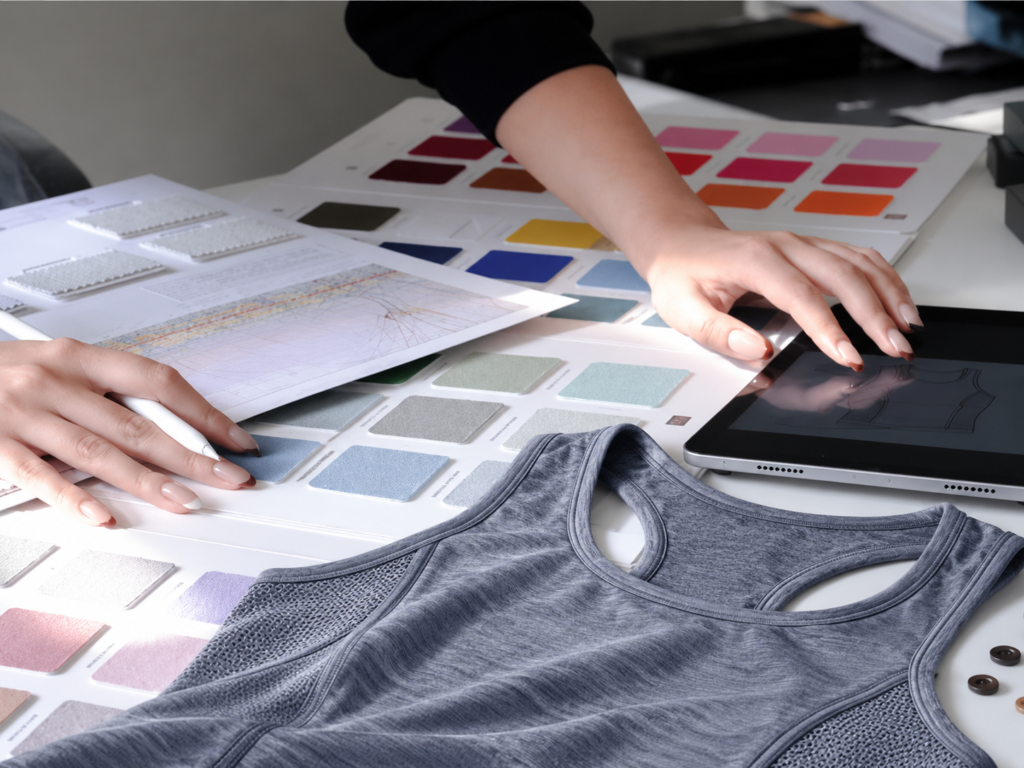
Control Material, Branding, and Construction Together
A garment can deviate from the approved sample even when the pattern is unchanged. Fabric batch, stretch, recovery, color, trim, thread, backing, sewing, or branding parameters can all affect appearance and fit. Where material or logo conditions change, the impact should be reviewed rather than hidden inside a general “same as sample” statement. Early production review may compare construction, measurements, logo, labels, and appearance with the approved reference where applicable. A single first garment, however, cannot represent every size, color, operator, or packing condition, so broader production checks are still needed.
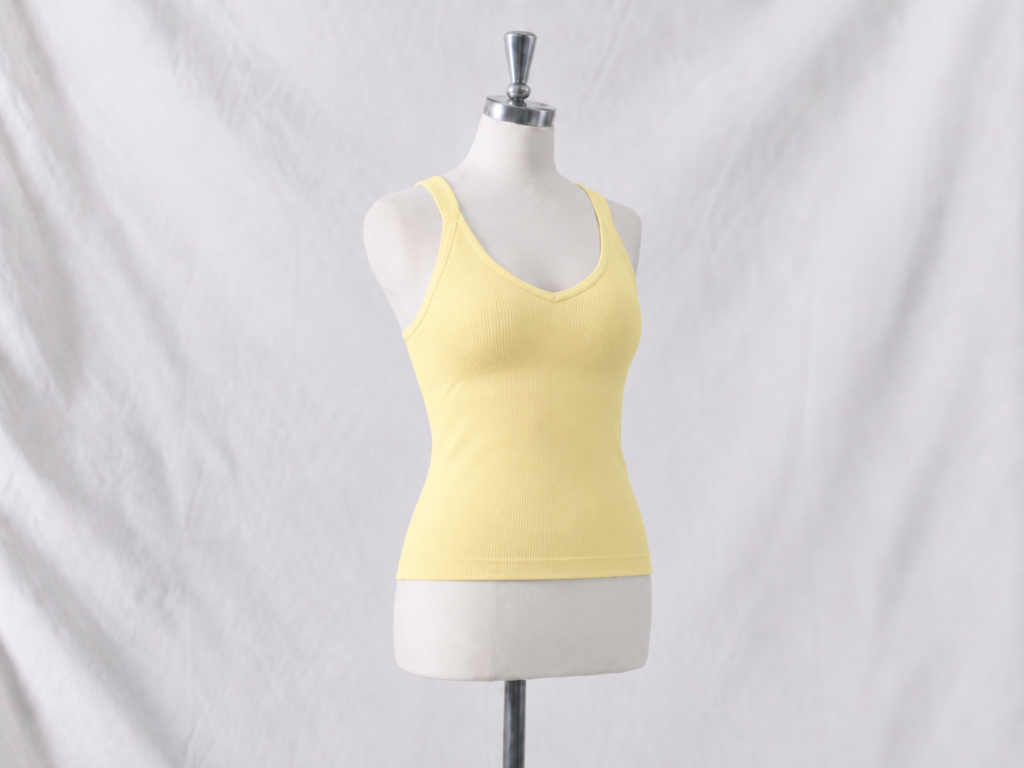
Inspect Against the Approved Requirements, Not Marketing Claims
Quality checks should use the approved specification as the reference. Material, measurement, construction, workmanship, appearance, logo, label, quantity, and packaging can be reviewed at applicable stages. Embroidery checks may cover visible puckering, distortion, color, dimensions, placement, thread appearance, and alignment with the approved artwork and sample. Inspection scope and sampling level should be agreed for the project; Leadshow does not publicly claim one fixed AQL or 100% inspection for every order. The objective is controlled production based on approved requirements, followed by appropriate inspection and correction of identified issues before shipment release.
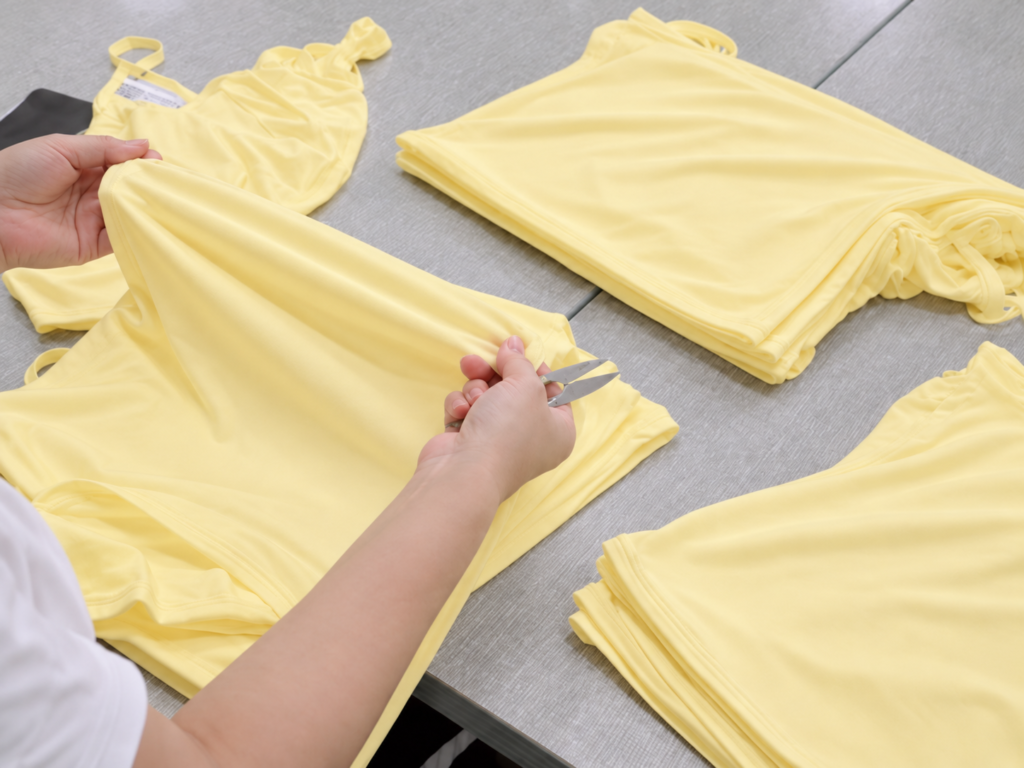
Tank Top Manufacturing From Project Review to Packed Goods
Production steps vary with material, construction, branding, sample scope, testing, and order conditions. The sequence below shows a typical manufacturing framework without assigning universal days or claiming every specialized process is completed internally.

Requirement Review
Product information is collected and checked before development starts. Key inputs include tank top style, target use, Tech Pack or reference, quantity per design and color, size range, measurement chart, fabric direction, logo technique, artwork, labels, packaging, target market, target timing, and any testing requirement. Missing information is identified early so the project can be quoted and sampled on a clear basis. Embroidery feasibility is reviewed according to artwork, fabric, stretch, placement, MOQ, cost, and production arrangement.
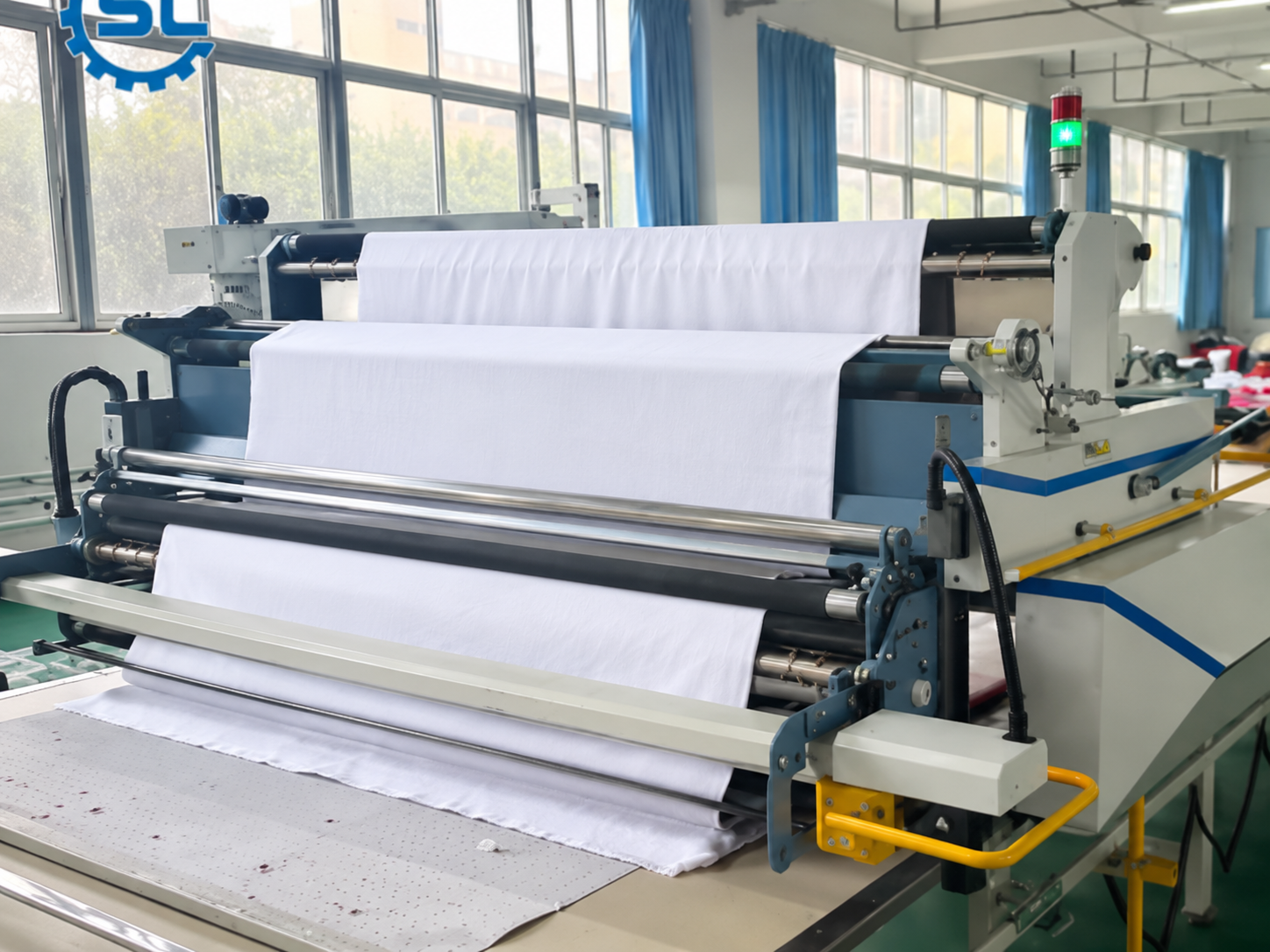
Material Preparation
Fabric and trim availability, MOQ, color, handfeel, stretch, recovery, and relevant documentation are reviewed before a final sample or bulk order is released. Custom colors, special trims, labels, or packaging may need supplier sampling and approval. Material lead time is confirmed after supplier review rather than assumed from the garment production schedule. Where fabric changes after a logo test, embroidery behavior may need re-evaluation because surface, weight, stretch, and color can change the result.
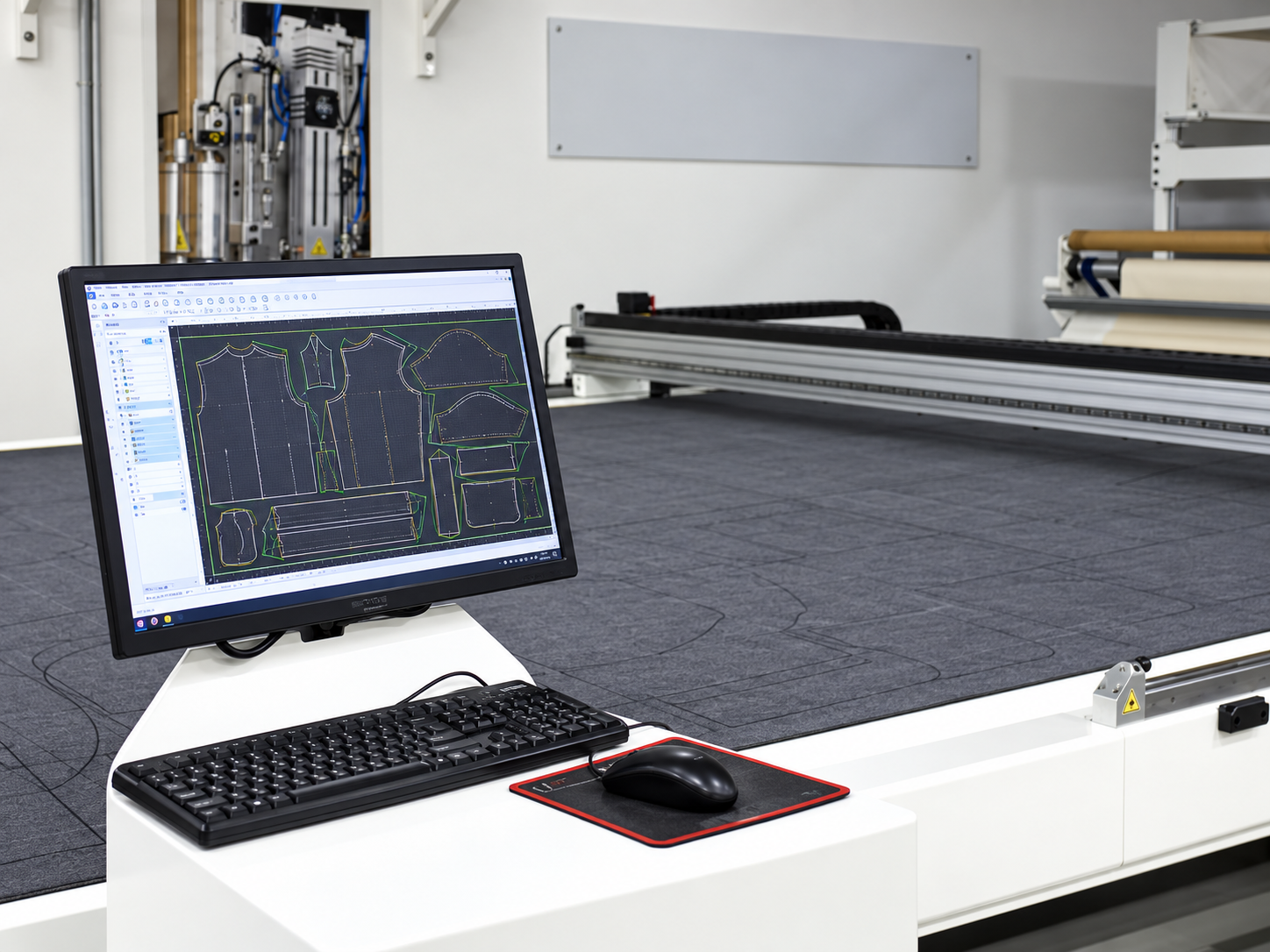
Cutting and Bundling
Leadshow has confirmed automated and flexible cutting resources, including automated cutting equipment, automatic spreading machines, electric cutters, round-knife cutters, and laser perforation equipment for suitable applications. Cutting method depends on fabric behavior, product structure, order size, and pattern requirements. Multi-size and multi-SKU orders require controlled separation of style, color, size, and cut components before sewing. Automated equipment supports consistency but does not justify claims of zero cutting error or zero material waste.
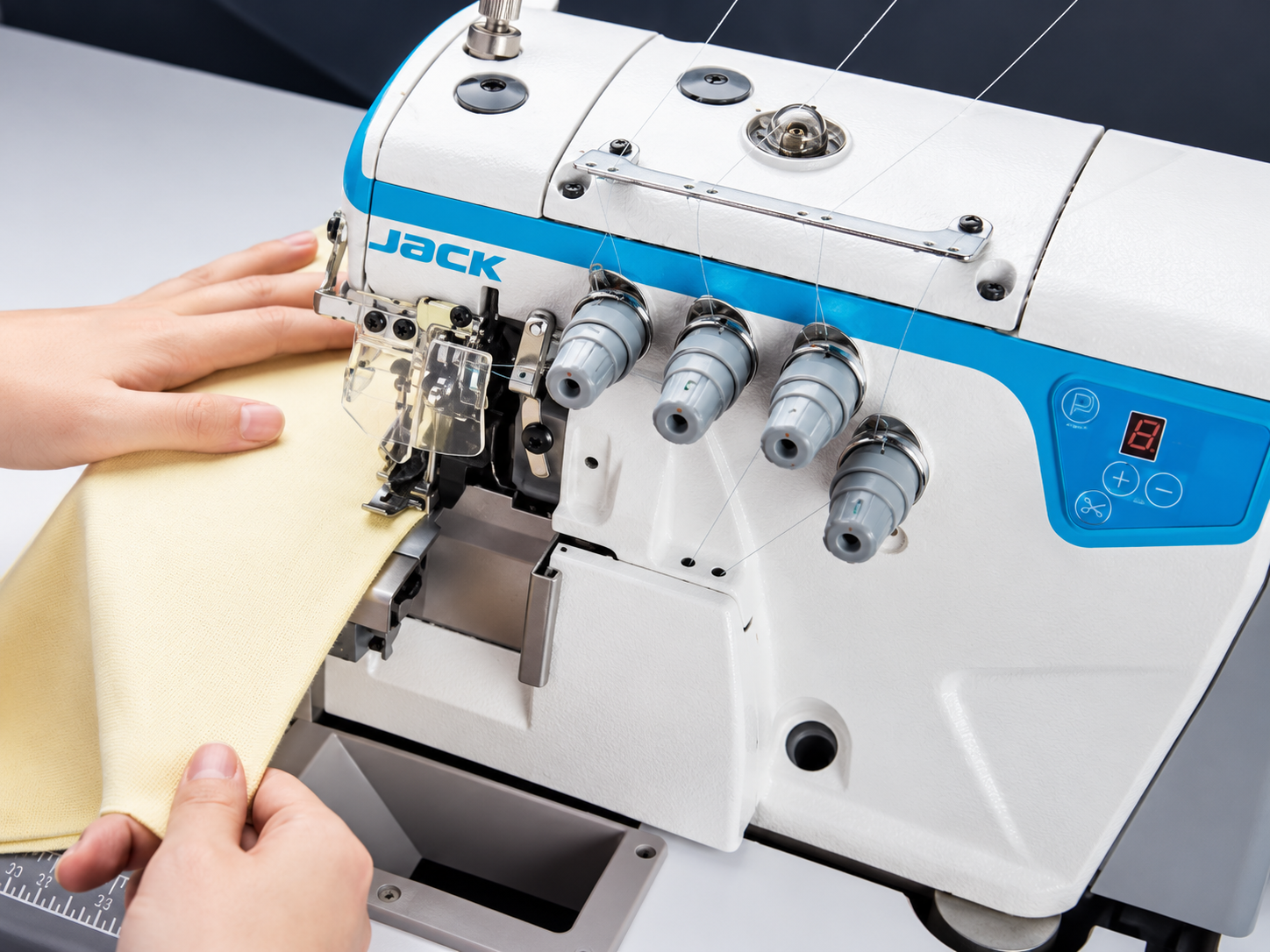
Sewing and Assembly
Tank top assembly can use lockstitch, overlock, double-needle, elastic-related, bartacking, and four-needle six-thread flatlock resources according to the garment structure. The actual machine combination depends on neckline, armholes, seams, panels, fabric stretch, hem, binding, and any internal support. Four-needle six-thread flatlock is suitable for flatter, stretch-compatible seams on selected garments but should not be described as true seamless knitting. Sewing checks focus on construction, measurements, seam execution, symmetry, and visible workmanship.
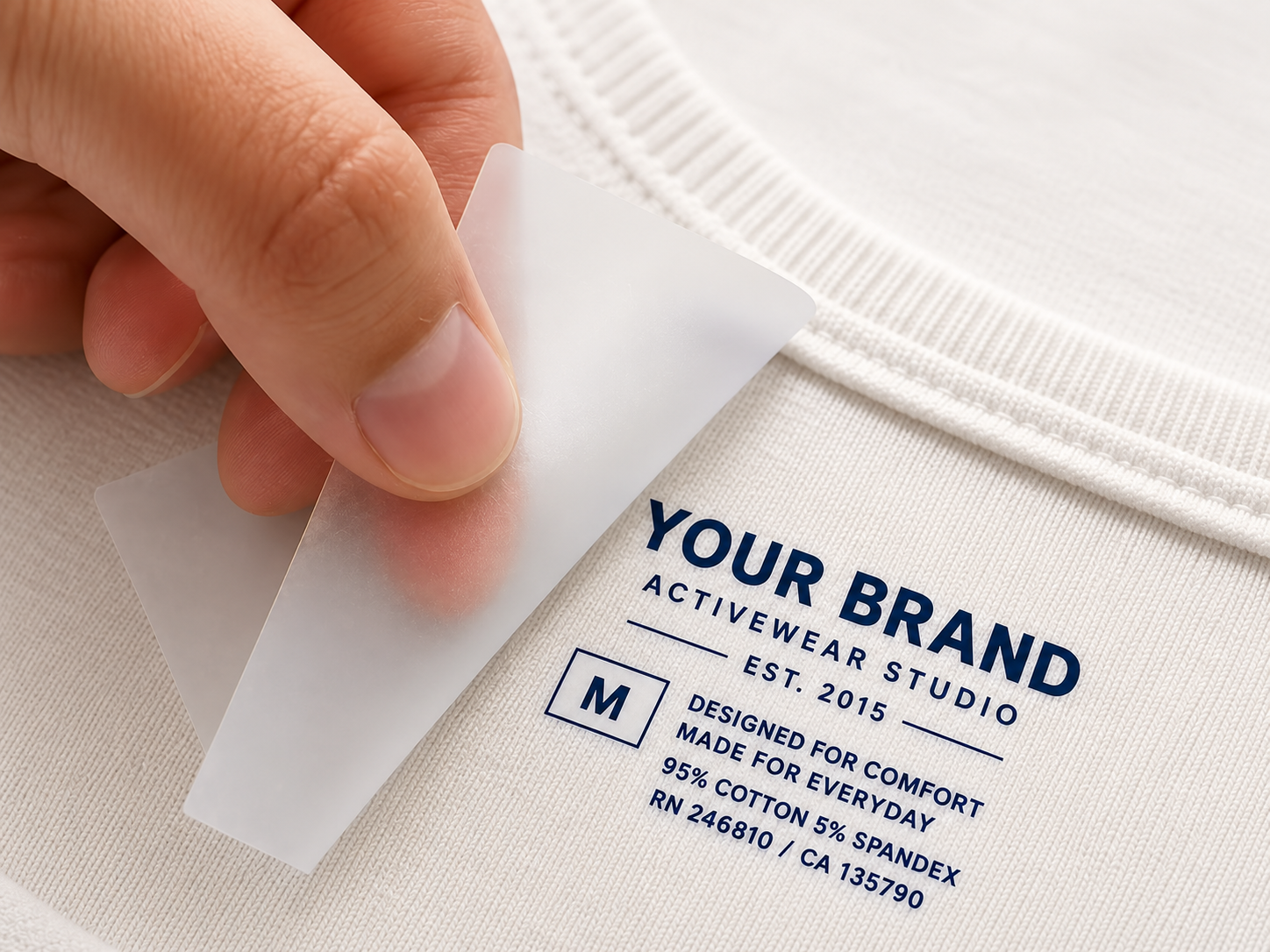
Branding Coordination
Approved branding requirements are connected to the garment production version. Leadshow has confirmed heat-transfer and heat-press resources for applicable work. Embroidery options can be evaluated by project; internal embroidery equipment, head count, maximum area, and internal capacity are not publicly confirmed. The applicable production arrangement is therefore confirmed for each program. Logo artwork, size, color, placement, fabric, approved sample, and authorization should remain consistent with the active order documents. Any brand change after production starts requires impact review.
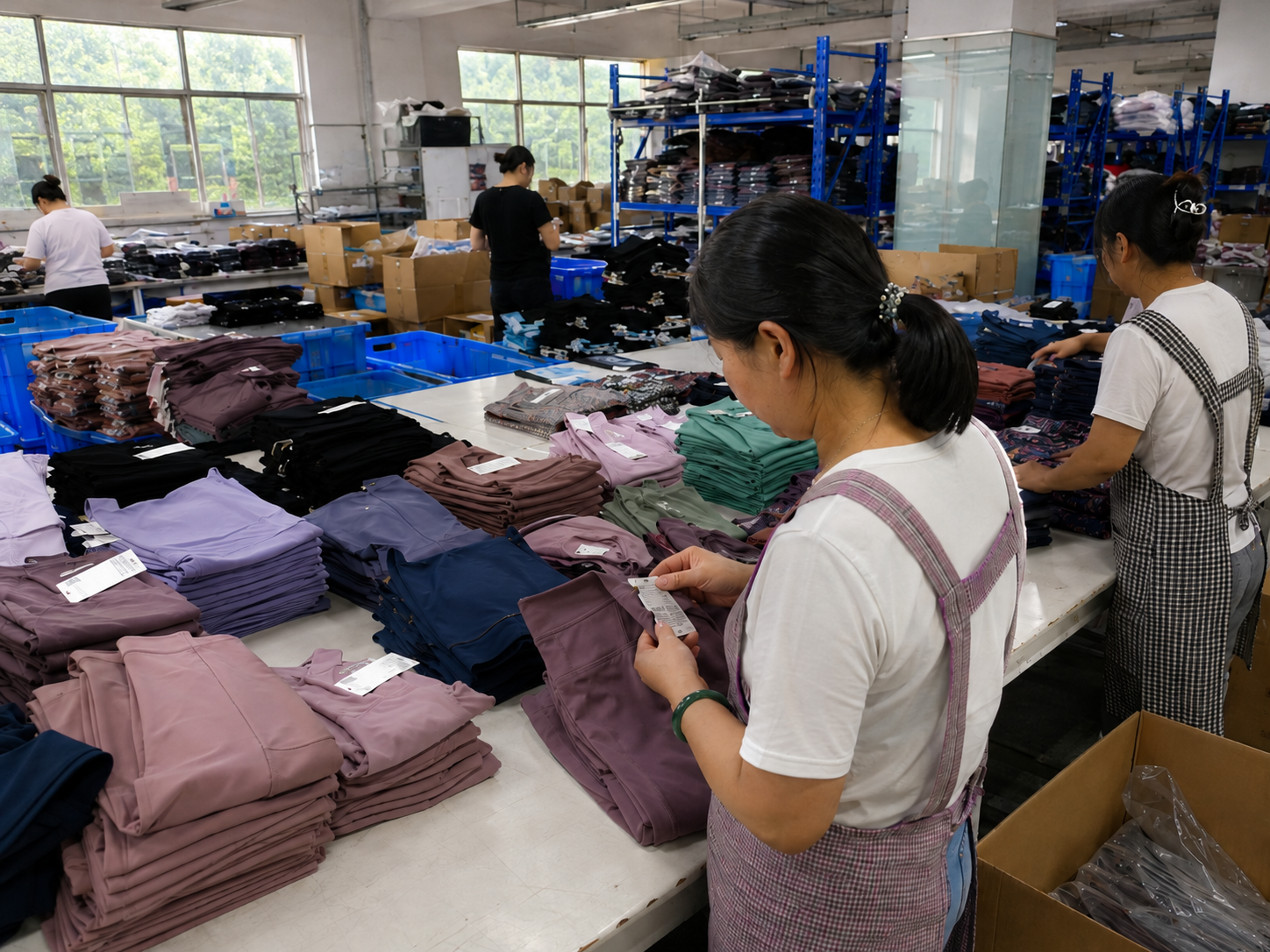
Finishing and Packing
Finished garments can move through pressing, inspection, needle detection where applicable, label checks, folding, individual packing, carton preparation, and shipment coordination. Leadshow has confirmed 20 steam-finishing stations, 6 automatic needle-detection machines, and 4 automatic folding and packing systems, while not every garment is necessarily processed by every device. Packing follows approved label, barcode, SKU, bag, carton, and shipping requirements. Goods-ready, pickup, ETD, ETA, and final delivery are treated as separate milestones.
Manufacturing Resources for Development and Scalable Tank Top Production
Scale matters only when it supports product development, repeatability, quality control, and order execution. Leadshow uses confirmed company-level figures as manufacturing context; combined data should not be interpreted as dedicated capacity for one style or one factory.
15 Years Experience
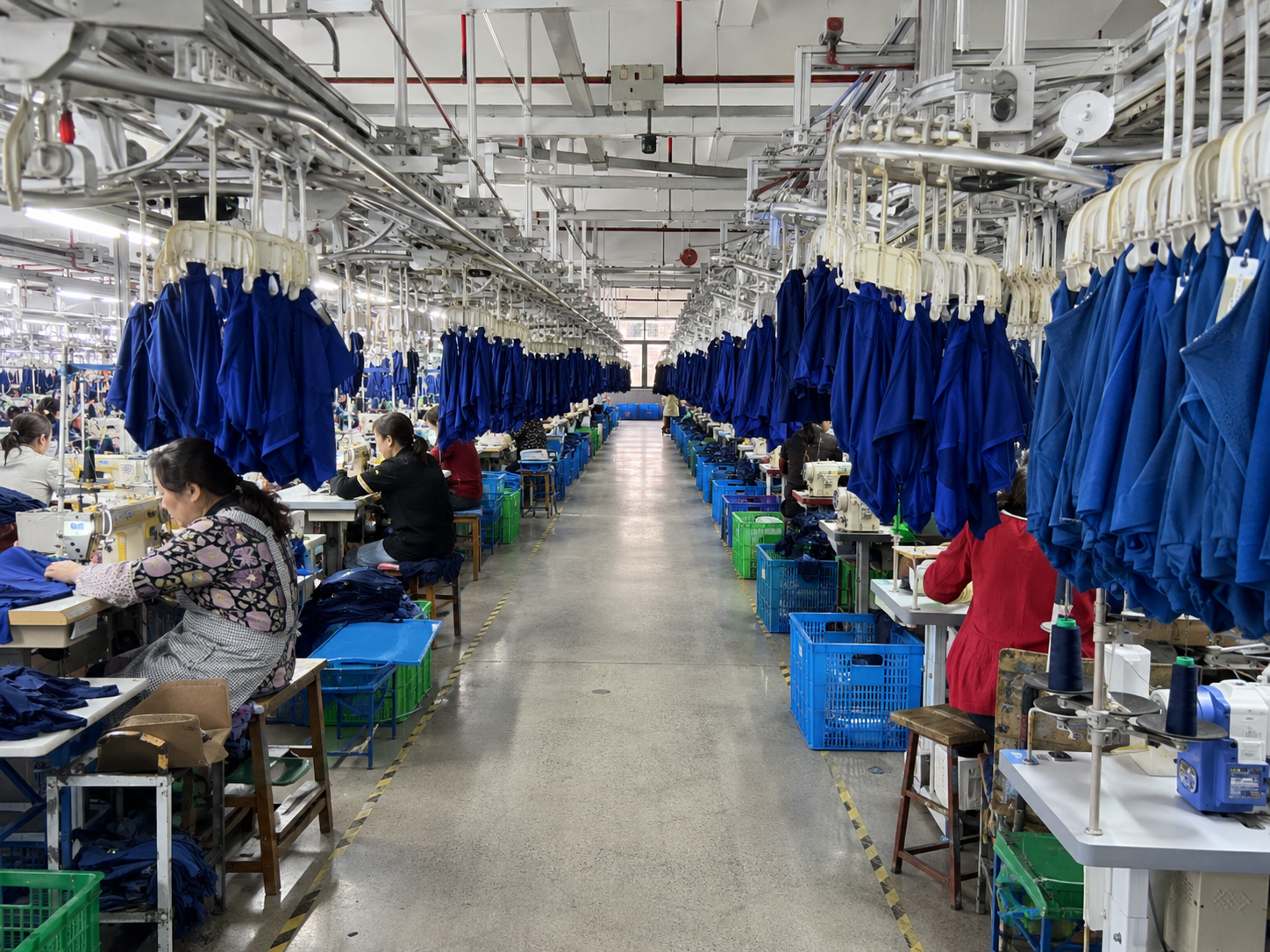
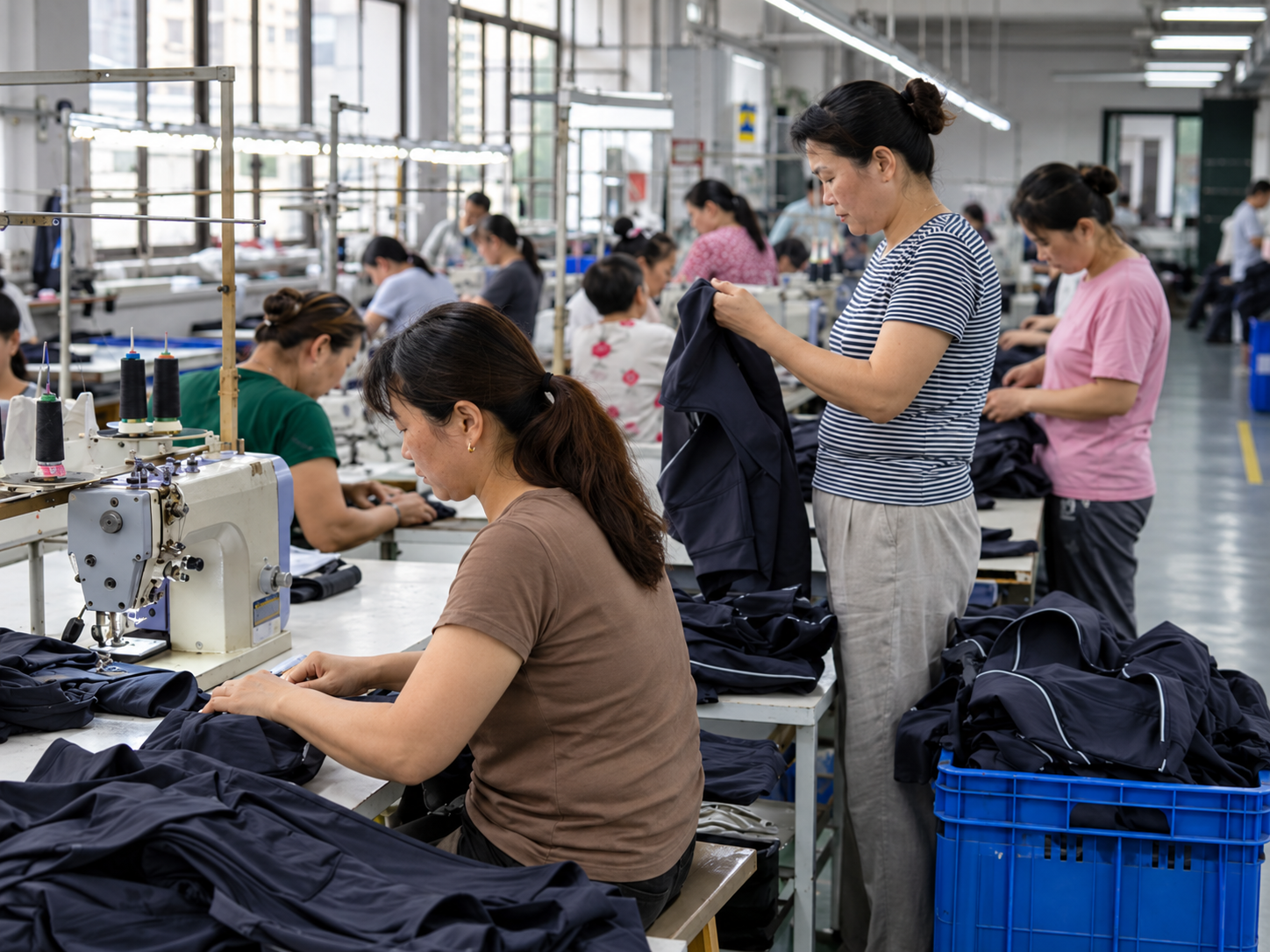
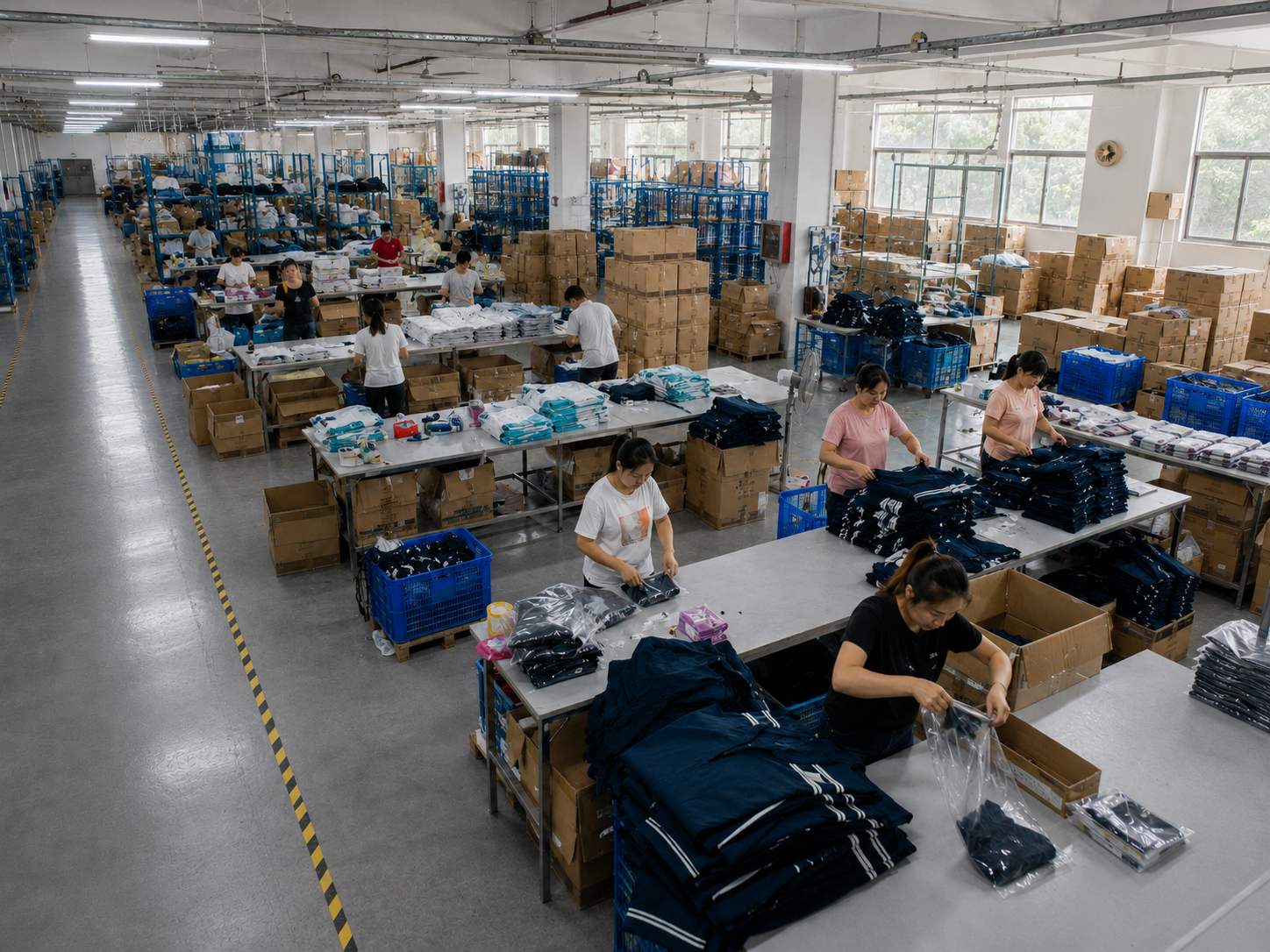
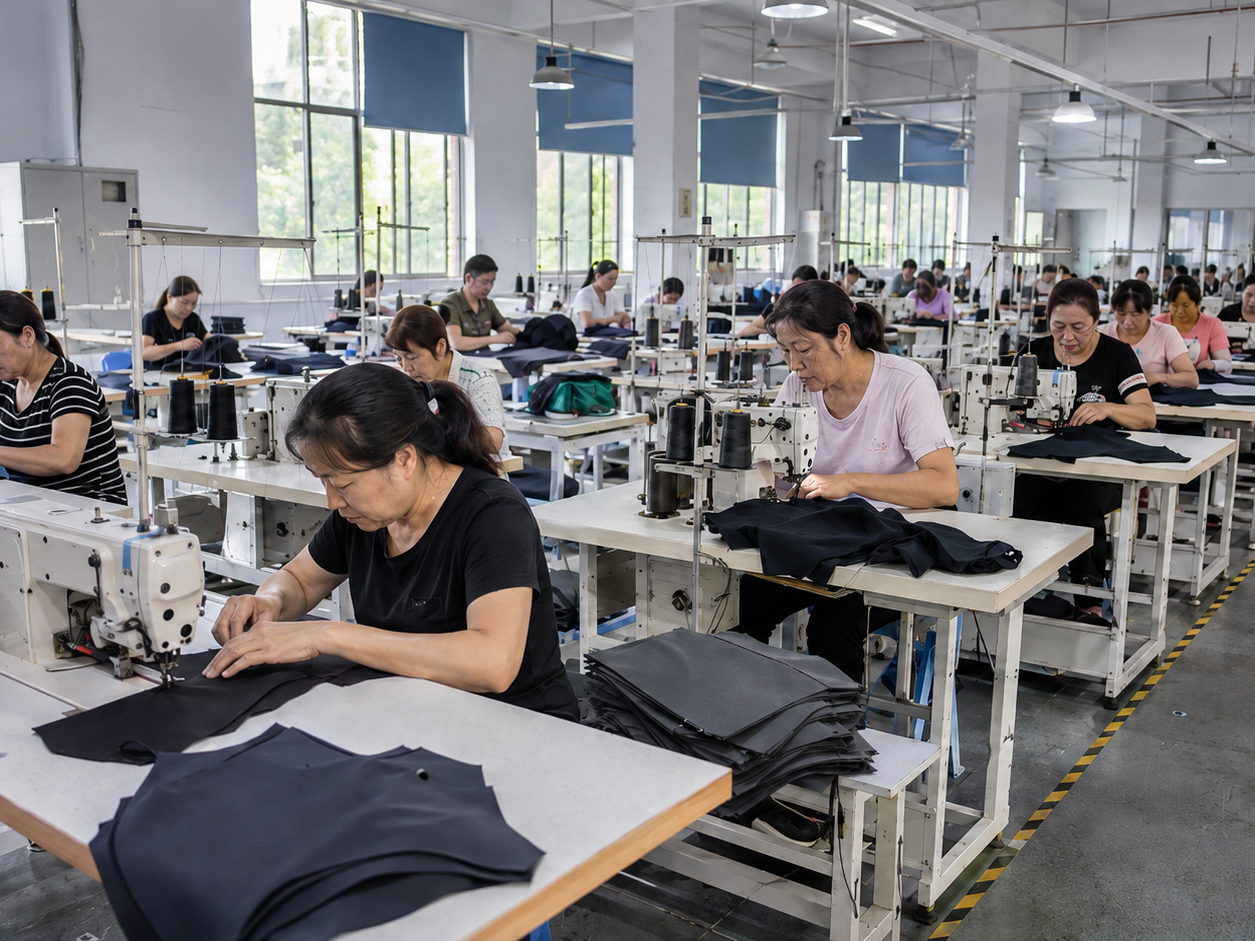
Leadshow has more than 15 years of experience in apparel development and manufacturing. Our team supports sportswear projects from material selection and pattern development to sampling and bulk production, helping brands improve product consistency and production efficiency.
3 Manufacturing Bases
Leadshow operates multiple manufacturing facilities supporting different stages of apparel production. Each location is organized according to product categories, production requirements, and order schedules, creating flexible support for sportswear development and manufacturing programs.
20,000+ Square Meters
Our combined manufacturing space covers more than 20,000 square meters, including areas for sampling, material preparation, cutting, sewing, finishing, quality inspection, and packing. The production environment supports both development projects and repeat bulk orders.
1,500+ Team Members
A team of more than 1,500 professionals supports Leadshow’s apparel operations, including development, production, quality control, logistics, and management functions. Different teams work together to ensure smooth communication from initial sampling to final shipment.
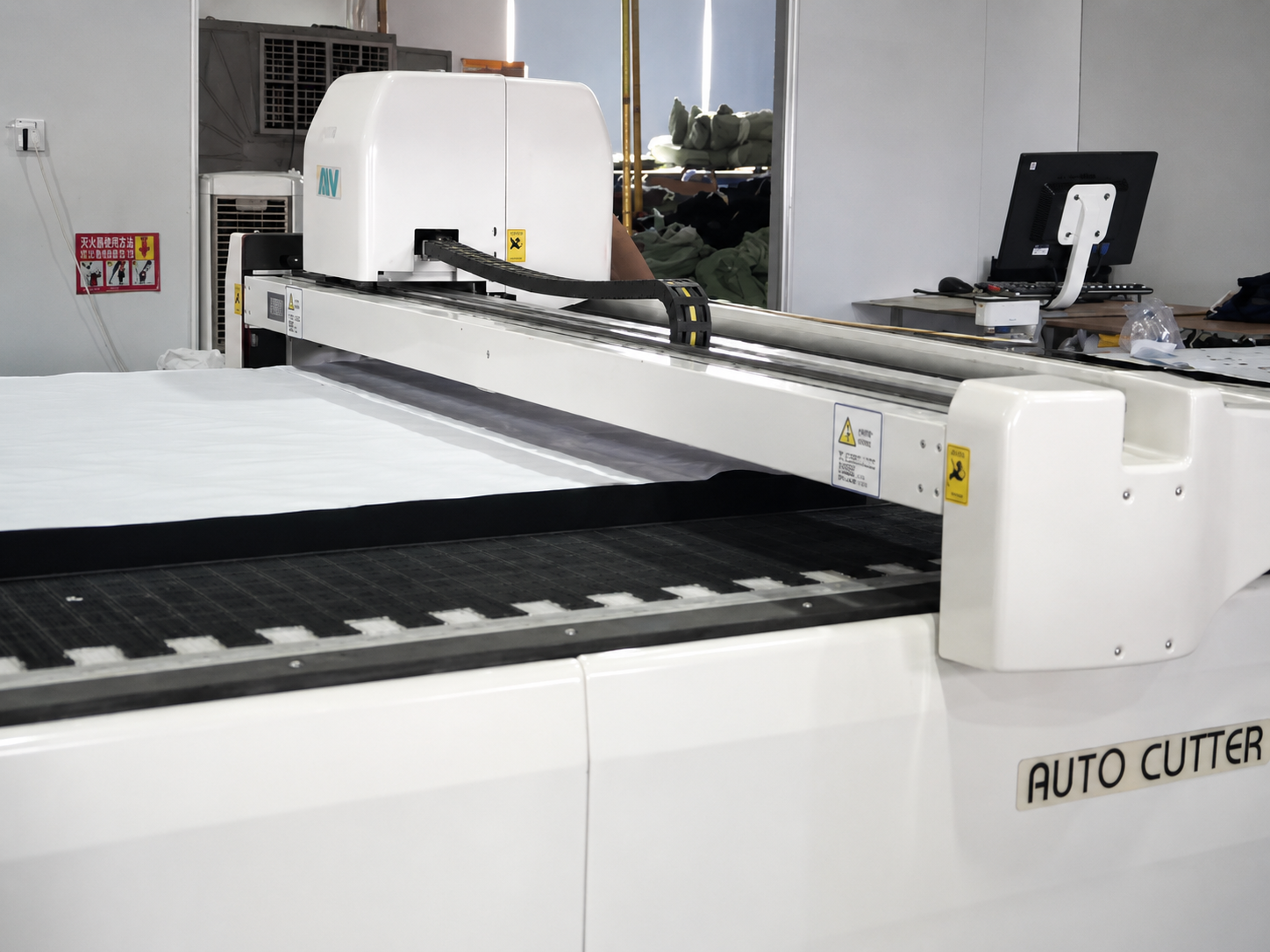
304 Confirmed Machines
Leadshow uses more than 300 production machines covering cutting, sewing, bonding, heat transfer, laser processing, inspection, and finishing applications. These manufacturing resources support different sportswear constructions and customization requirements.
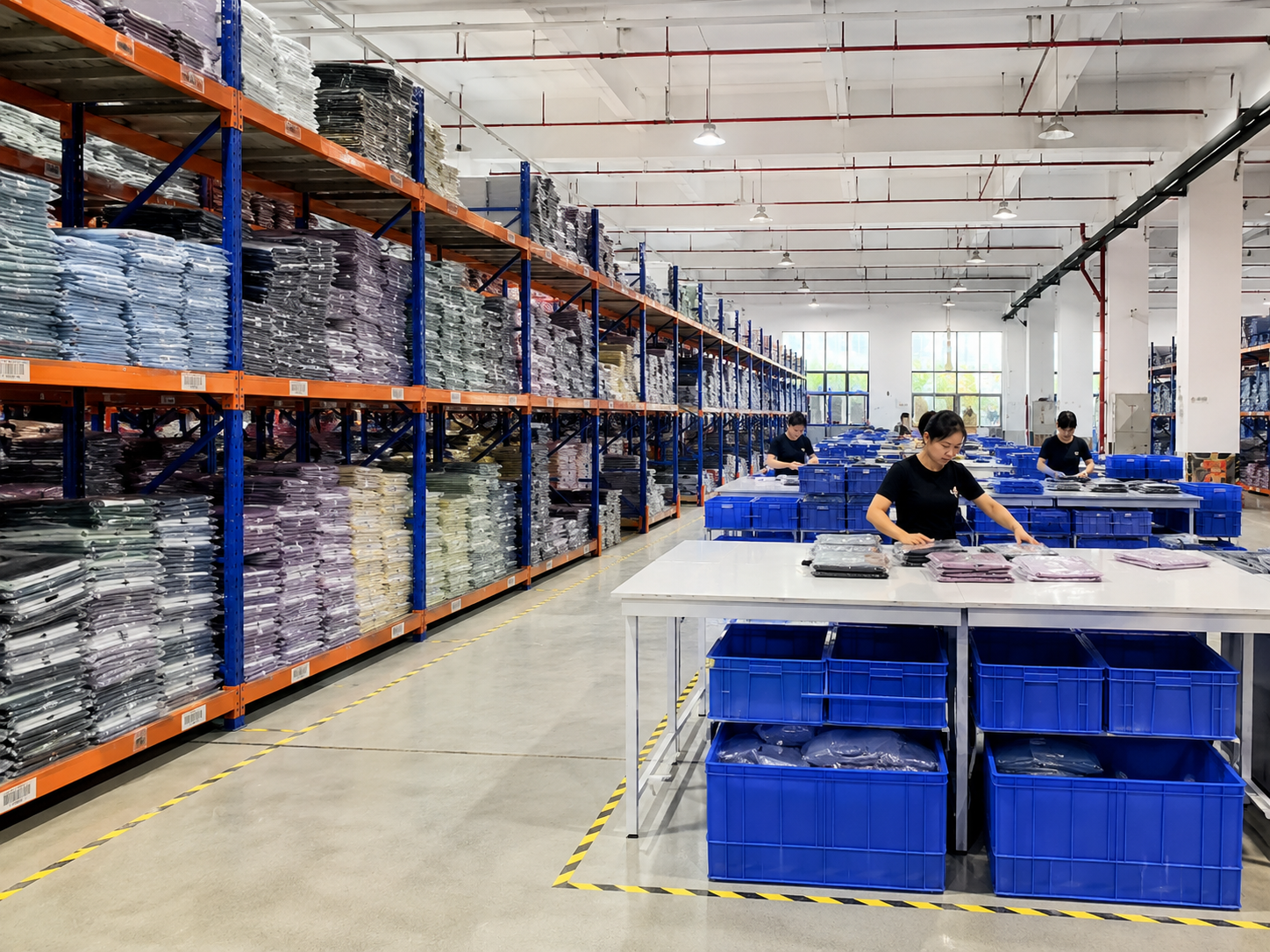
Up to Approx. 120,000
Leadshow’s monthly production capacity can reach approximately 120,000 finished garments depending on product structure, materials, order quantity, and production planning. Capacity is adjusted according to each project’s requirements to maintain quality and delivery stability.
Quality Checks for Tank Tops With Embroidery and Branding
Quality control follows approved product and order requirements. Inspection can cover material, dimensions, construction, workmanship, logo, labels, packaging, and shipment preparation at applicable stages. A single universal AQL or 100% inspection rule is not assumed for every order.
Stage
Main Check
Risk Controlled
Reference
Material review
Approved material, color, stretch, recovery, surface, trims
Material mismatch, shade issue, unsuitable logo substrate
Material record / approved sample / project specification
Cutting review
Pattern version, panel shape, size/color separation
Wrong pattern, mixed sizes, unstable panel shape
Active pattern and production documents
Sewing review
Seams, armholes, neckline, hem, symmetry, measurements
Uneven sewing, distortion, size deviation
Tech Pack / measurement chart / approved sample
Embroidery/logo review
Artwork version, dimensions, color, placement, surface appearance
Puckering, distortion, wrong color, wrong location
Approved artwork / logo sample / garment sample
Finished garment review
Measurements, appearance, construction, branding
Fit or appearance inconsistency
Approved production reference
Label and packing
Main/size/care labels, barcode, SKU, bag, carton, marks
Wrong label, wrong SKU, packing mismatch
Approved label and packaging files
Shipment release
Quantity, packing status, required inspection records, shipping instructions
Unreleased or incorrectly packed goods
Order documents and agreed shipment conditions
Private Label Details Beyond the Embroidered Logo
A brand-ready tank top often includes several identity and retail elements beyond the main garment logo. Leadshow can coordinate labels and customized packaging according to approved artwork and project requirements, with materials, MOQ, timing, and market information confirmed before production.
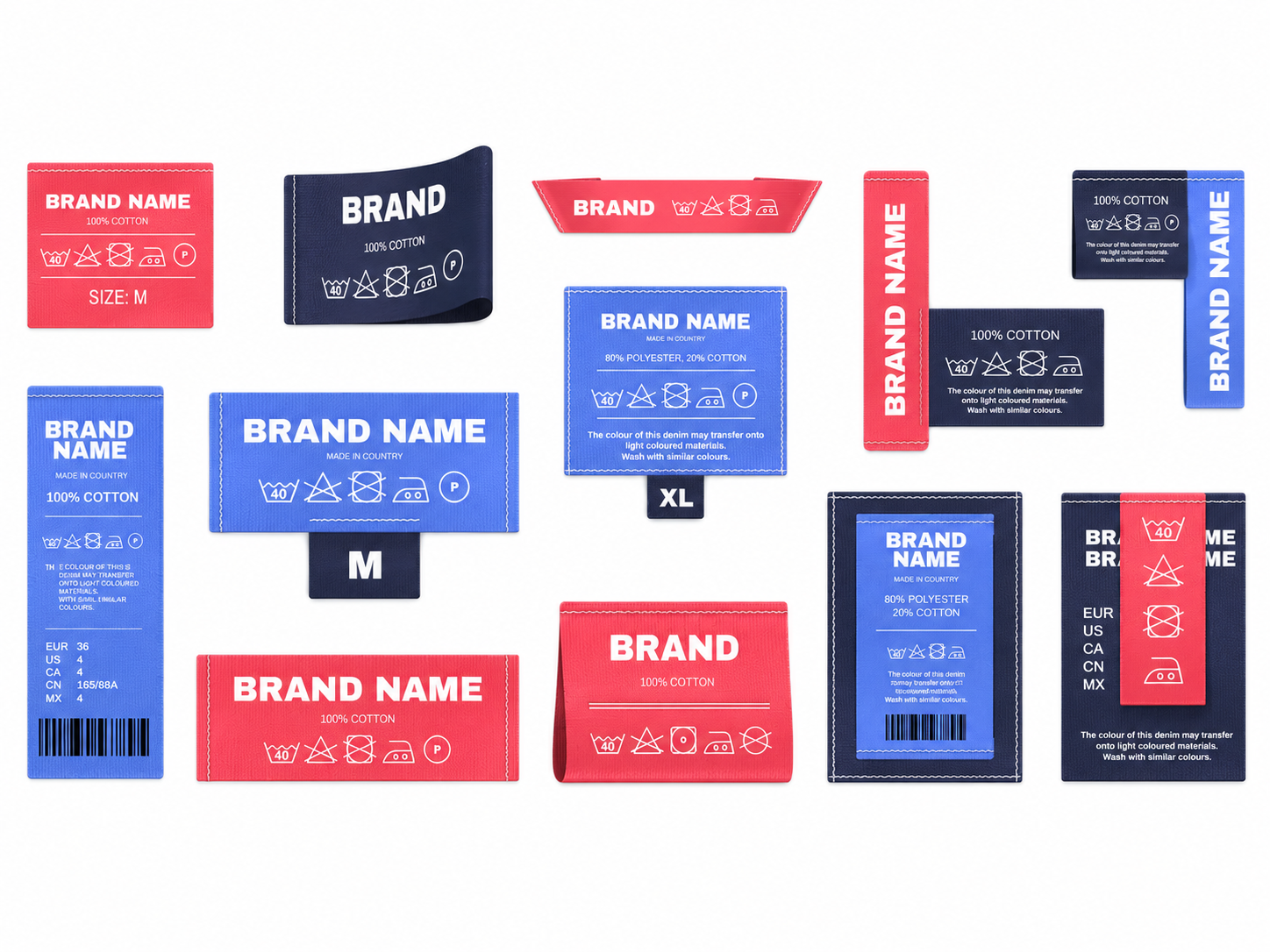
Garment Logo
Embroidery can be evaluated alongside confirmed heat-transfer and heat-press options. Logo production records should identify artwork version, technique, size, color, placement, garment size logic, fabric, approved sample, and legal authorization. Brand teams should avoid changing artwork after material or bulk production has started because revised logo requirements may affect samples, cost, production timing, and already completed goods.
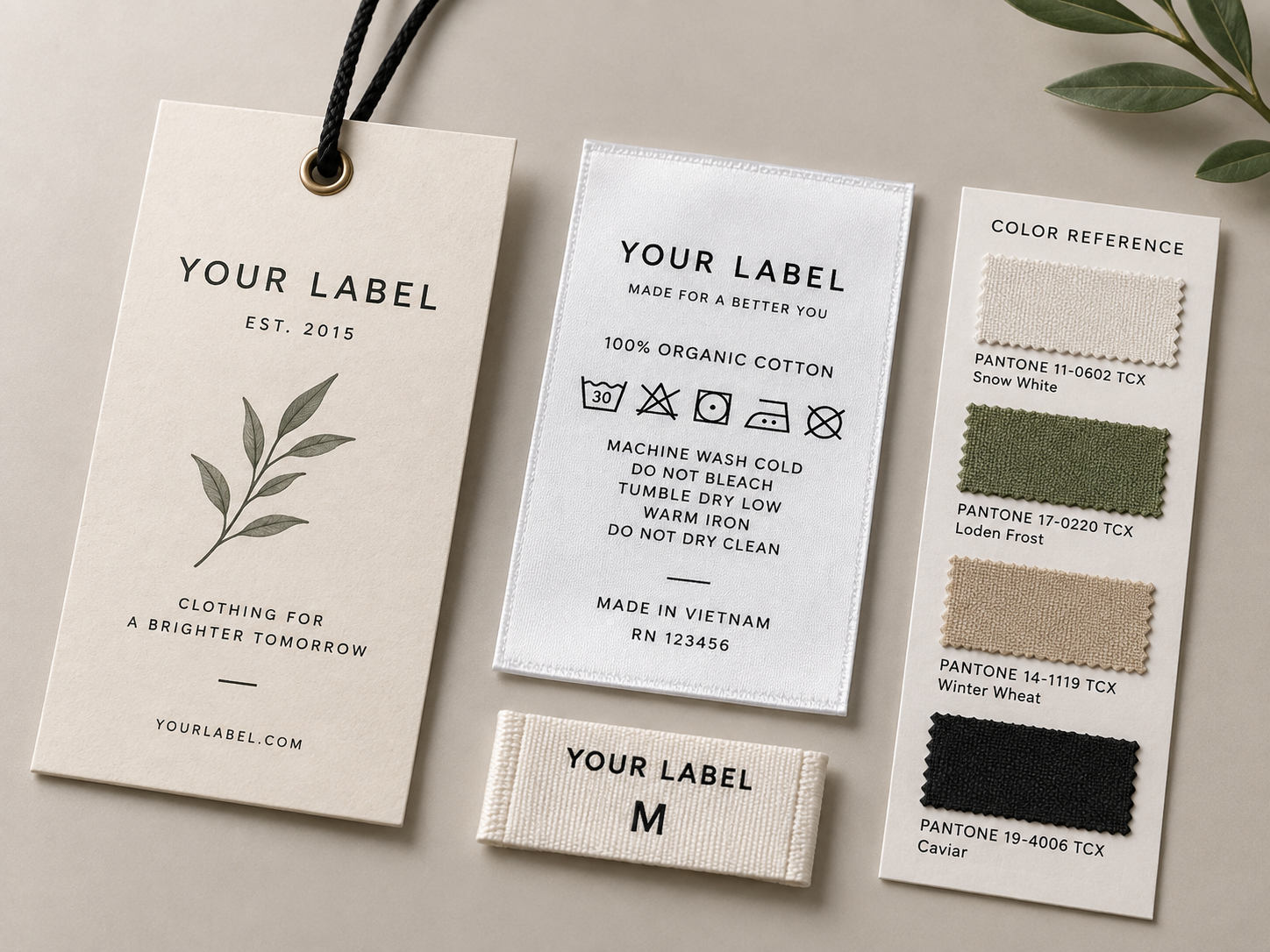
Labels and Care
Brand programs may use main labels, neck labels, size labels, care labels, content labels, country-of-origin labels, heat-transfer labels, printed labels, woven labels, and other approved components. Leadshow can arrange production or application according to approved files. Composition, care, origin, market language, responsible-party details, and other legal information remain subject to the destination market and the brand’s approved content.
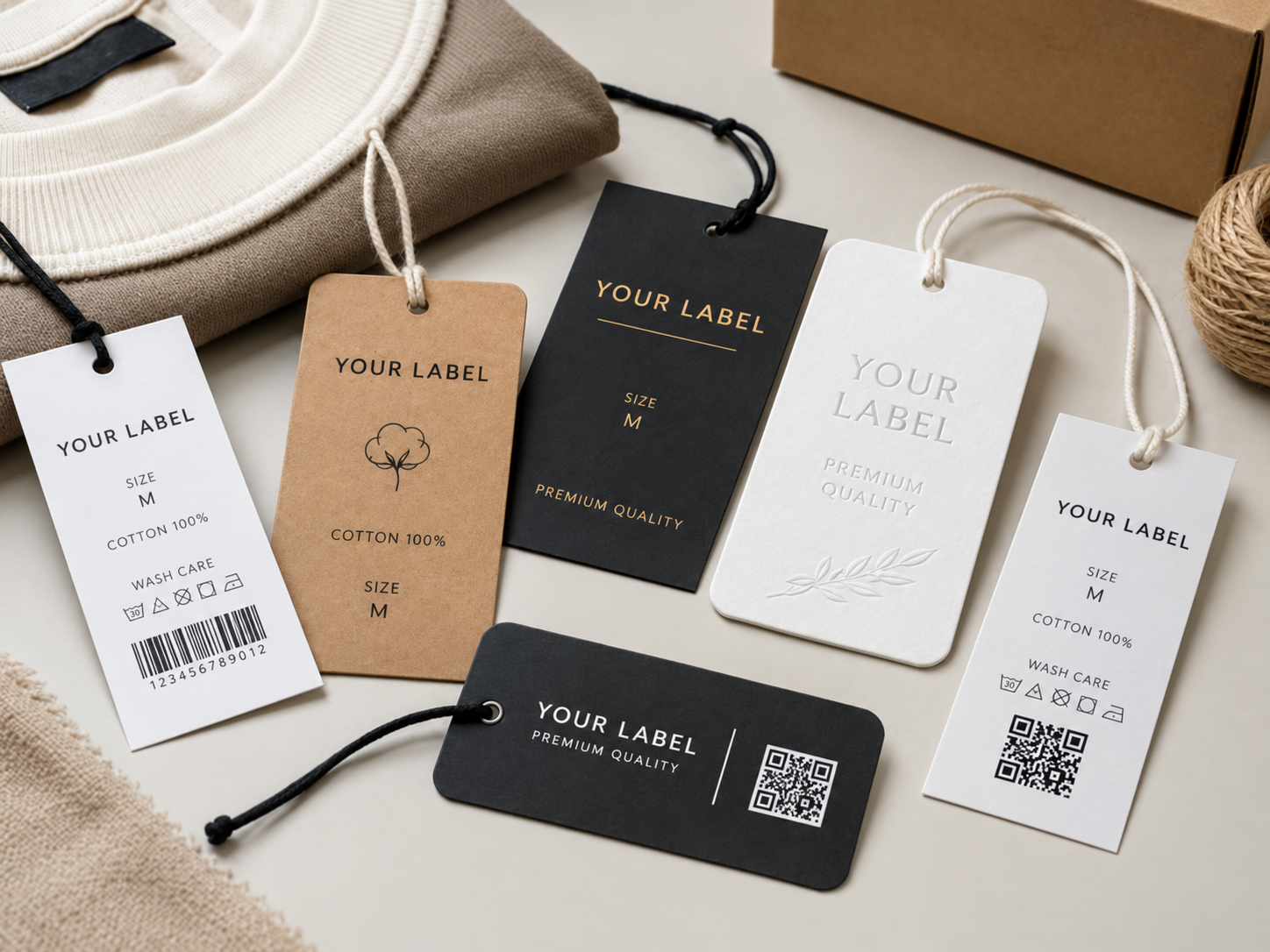
Hangtags and Barcodes
Hangtags, stickers, barcode labels, SKU identifiers, and other retail information can be included when supplied and approved for the order. Each code needs to match the correct style, color, size, and market version. Multi-SKU programs should provide a structured data file so packaging teams are not expected to infer codes from product names. Any late change to barcode, price, origin, or market text can make already produced materials unusable.
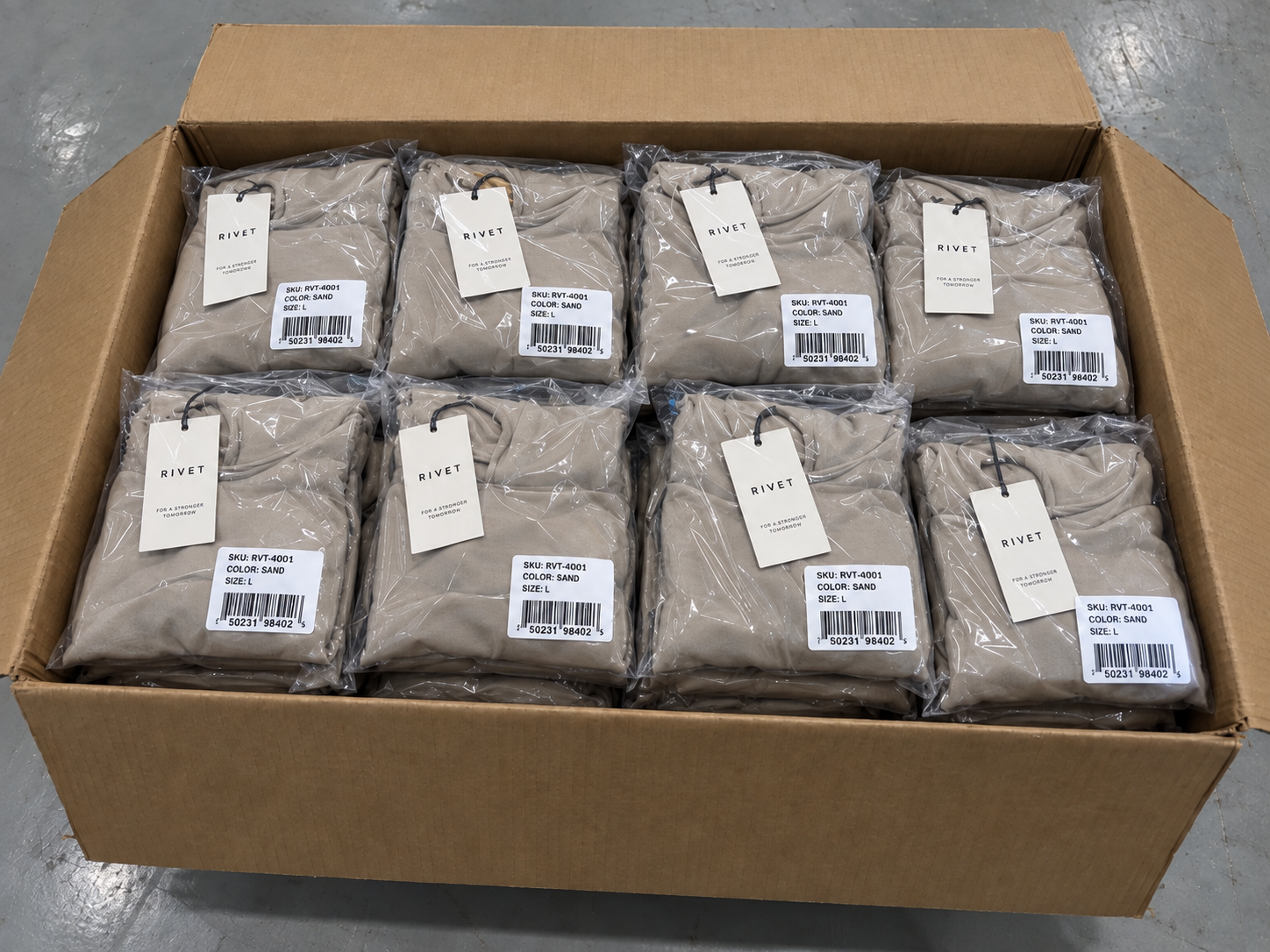
Packing and Cartons
Packing may include individual bags, brand-facing retail presentation, shipping cartons, carton labels, carton marks, and other agreed requirements. Leadshow has confirmed packing and logistics support, including standardized folding/packing resources for suitable garments. Complex packaging, special materials, environmental claims, retail-specific rules, and warehouse programs should be evaluated by project. Packing approvals should be connected to the active SKU and shipping instructions before goods are released.
MOQ and Quotation Depend on More Than Total Pieces
Leadshow’s standard MOQ generally starts from 100 pieces per color per design. Final MOQ and pricing depend on garment construction, fabric and trim MOQs, colorways, size breakdown, logo, packaging, testing, and production conditions. A complete RFQ creates a more meaningful commercial review.
Quotation Input
Information to Provide
Commercial Impact
Order quantity
Pieces per design, per color, and size breakdown
MOQ is evaluated per design and color, not only by grand total
Tank construction
Fit, neckline, armhole, back, length, panels, seams
More complex construction can change labor, sampling, and cost
Fabric
Composition, structure, weight, stretch, recovery, color
Supplier MOQ, dyeing, availability, and behavior affect price and timing
Embroidery
Artwork, stitch count, backing, logo size, placement, colors
Affects sampling, unit cost, compatibility, and production arrangement
Other branding
Heat transfer, heat press, printing, labels
Different methods have different setup, MOQ, and material requirements
Sizes and SKUs
Size range, grading, color/size matrix, barcode/SKU rules
More SKUs increase coordination, labels, sorting, packing, and inspection work
Packaging
Bag, labels, hangtags, carton ratio, carton marks
Custom packaging can have separate supplier MOQ and lead time
Testing / market
Destination market and required reports or standards
Testing cost and timing are confirmed only when requirements are known
Target timing
Requested sample, goods-ready, shipment, and arrival milestones
Sample and bulk timing are confirmed by project; no universal fixed days are published
Bulk Orders Need SKU, Version, Capacity, and Timing Control
Large tank top programs are rarely one style in one size. Multiple colors, size ratios, branding versions, labels, barcodes, packing rules, and shipment milestones create execution risk. Program management should keep the active production version connected to every SKU and delivery requirement.
Structure Multi-SKU Orders Before Materials Are Released
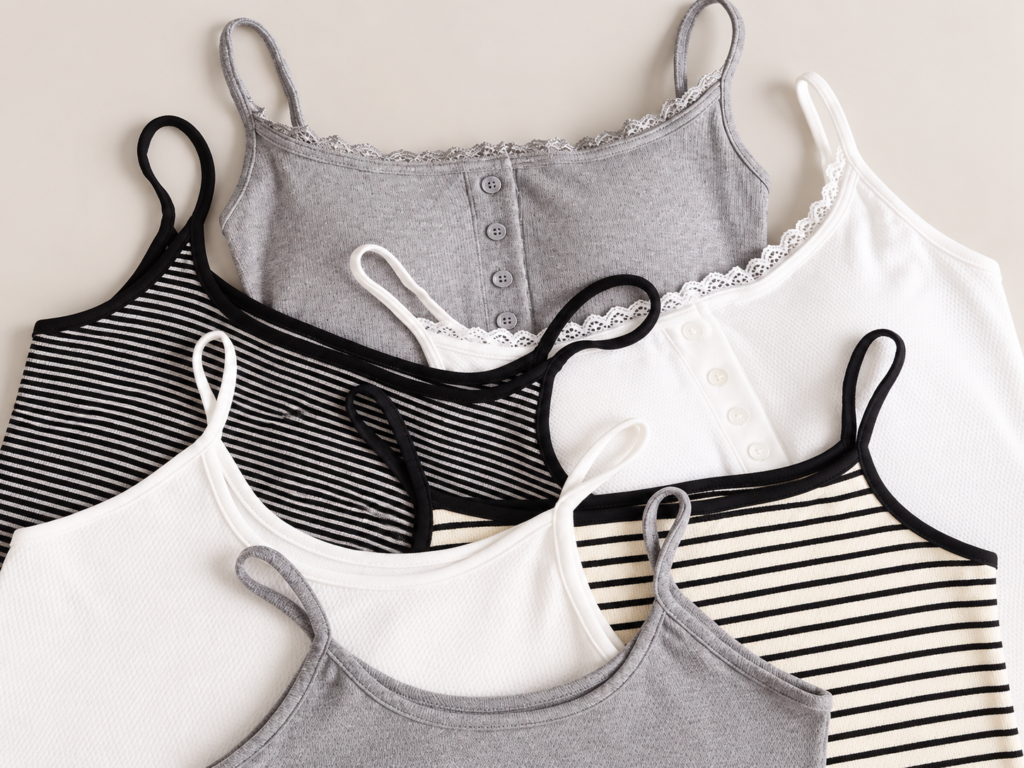
A bulk order can include several styles, colorways, sizes, logo versions, markets, and packaging formats. Each combination should have a defined SKU or equivalent identifier tied to the approved product version. Quantity planning needs more detail than a grand total: pieces per design, color, and size determine fabric consumption, cutting ratios, label quantities, packaging, and whether MOQ conditions are met. A 400-piece order split across four designs and four colors averages only 25 pieces per design per color, which may not meet the standard starting point. Reducing color count, sharing suitable materials, simplifying packaging, or increasing quantity per design/color can sometimes improve feasibility, but any adjustment still requires project review.
Confirm Capacity and Production Timing Against the Actual Program
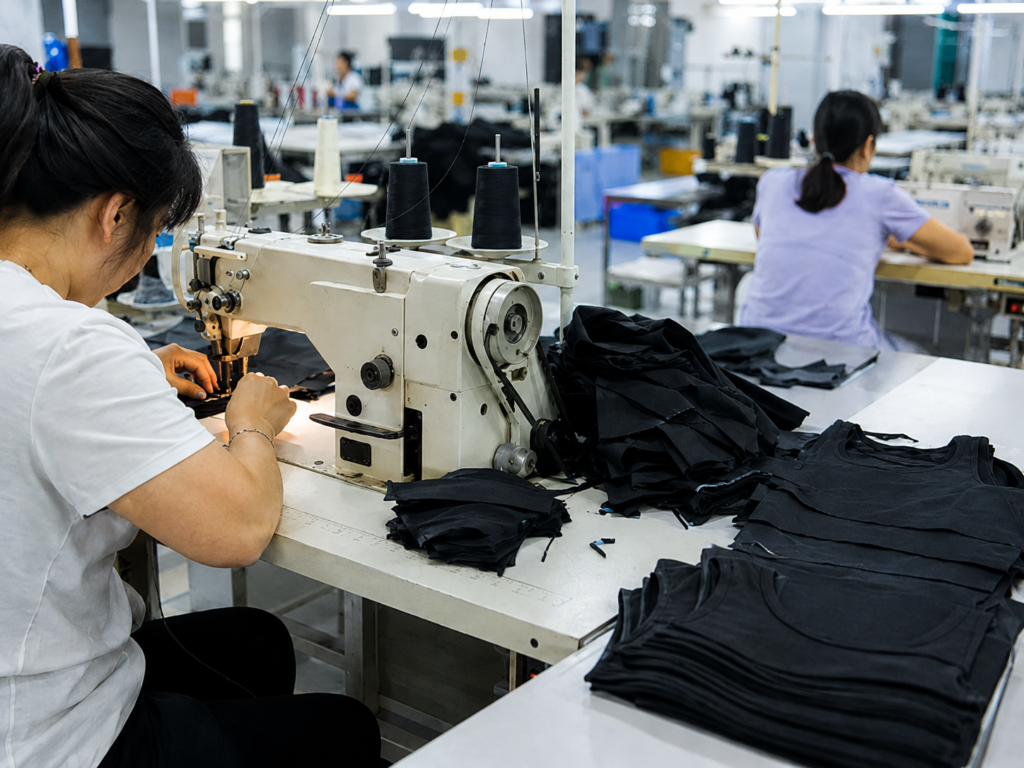
Leadshow’s combined monthly capacity can reach up to approximately 120,000 finished garments, subject to product construction, materials, colors, sizes, specialized workmanship, order mix, quality requirements, and current scheduling. The number is not dedicated capacity for embroidered tank tops and should never be converted into a guaranteed one-month completion promise. Bulk-production timing is confirmed after order, payment, approved sample, materials, production specifications, and scheduling conditions are complete. Material readiness, embroidery or other specialized workmanship, testing, packaging, approval timing, and revision scope can affect the plan. Expedited timing can be reviewed, but quality, sample, material, and approval controls should not be skipped to meet an unsupported date.
Separate Goods-Ready, Shipment, and Arrival Milestones
“Delivery time” can hide several different dates. A sourcing team should distinguish sample timing, material lead time, bulk-production time, packing, goods-ready date, inspection, pickup, ETD, transit, ETA, customs timing, and final delivery. Leadshow treats goods-ready, shipment, and arrival as separate milestones because carriers, routes, and customs are not controlled by garment production alone. Split production or split shipment can be evaluated where commercially and operationally suitable. Repeat orders are also reconfirmed rather than assumed to follow the previous timing because fabric batches, suppliers, artwork, packaging, quantities, market rules, and current capacity may have changed.
How to Evaluate a Tank Top Embroidery Manufacturing Partner
A sourcing decision should compare evidence, product fit, development process, branding control, commercial conditions, and production execution. The checklist below can be used across multiple suppliers without relying on self-awarded rankings or vague “high quality” claims.
Evaluation Area
Question to Ask
Evidence to Request
Tank top experience
Does the supplier actually develop the required tank top structures and fit direction?
Relevant product samples, construction discussion, pattern/fit process
Fabric knowledge
Can fabric weight, stretch, recovery, handfeel, and logo compatibility be discussed clearly?
Material swatches, sample route, written material specifications
Embroidery evaluation
Are stitch count, backing, fabric weight, stretch, placement, size, distortion, MOQ, and cost reviewed?
Logo sample, approved artwork, stated production arrangement
Tech Pack review
Are missing specifications identified before quote and sample work?
Review comments, clarification list, updated project requirements
Fit and grading
Can neckline, shoulder, armhole, length, ease, measurement, and grading be managed?
Pattern/fit workflow, measurement chart, Size Set where required
Sample control
Are logo, fit, material, color, packaging, and production release treated separately?
Versioned samples, comment records, approval status
Bulk conversion
Can approved samples and files be translated into a controlled production version?
Active production documents, version control, material/brand approvals
Quality control
Are material, process, measurement, appearance, logo, label, and packing checked?
Inspection records and project-specific standards
MOQ and quote
Are MOQ and price conditions transparent at design/color/SKU level?
Structured RFQ and quotation assumptions
Capacity and timing
Are capacity and lead time tied to actual materials, complexity, order mix, and schedule?
Project schedule, material readiness, production milestones
Private label execution
Can labels, barcodes, packaging, carton marks, and market versions be controlled?
Approved brand files, packaging specification, SKU matrix
Business boundaries
Does the supplier state what is in-house, coordinated externally, conditional, or unconfirmed?
Accurate capability statements instead of blanket promises
Tank Top Embroidery Frequently Asked Questions
Key questions often arise before an embroidered tank top can be quoted, sampled, and released for production. Answers below keep project conditions visible so specifications can move forward without relying on assumptions.
Can embroidery be used on every tank top fabric?
No. Embroidery suitability depends on fabric weight, structure, stretch, recovery, surface, logo size, stitch count, backing, placement, and wearing requirements. Light or highly elastic materials can pucker or become locally rigid under dense stitching. Leadshow can evaluate embroidery options by project and recommend sampling on the intended material before bulk production is released.
How is embroidery evaluated for stretch tank tops?
Evaluation can cover stitch count, backing, fabric weight, stretch direction, logo dimensions, placement, distortion, MOQ, and cost. High-stretch chest or back zones need extra attention because embroidery can reduce local extension. A logo or garment sample can be used to review appearance and movement before the approved production version is finalized.
Does Leadshow have an in-house embroidery department?
Leadshow’s current public fact set does not confirm an in-house embroidery department, embroidery machine count, head count, maximum embroidery area, or internal embroidery capacity. Embroidery options can be evaluated by project. The applicable production arrangement, including any internal or externally coordinated work, is confirmed according to the specific program and supply-chain requirements.
What artwork is needed for embroidered tank tops?
A production-ready vector or high-quality editable file is preferred, such as AI, EPS, vector PDF, SVG, CDR, or another agreed format. Provide the approved logo version, dimensions, color reference, placement, intended technique, material context, wash or appearance requirements, and appropriate brand authorization. Very fine details may need technical simplification before sampling.
How is logo placement confirmed across sizes?
Placement should use measurable reference points rather than terms such as “upper chest.” The brand can define physical logo dimensions and distances from stable garment references. The program should also state whether the same logo size and position rule applies across all sizes or changes by size. Size Set review can be used where grading risk requires broader confirmation.
Can Leadshow develop from a Tech Pack or reference sample?
Yes, product and manufacturing feasibility can be reviewed from a supplied Tech Pack. Reference images can also be reviewed when enough product information is available, and reference garments can be evaluated for construction, fit, workmanship, and material discussion subject to intellectual-property requirements. Missing information is identified before sample and quotation scope is finalized.
What is the MOQ for custom tank tops?
Leadshow’s standard MOQ generally starts from 100 pieces per color per design. Final MOQ depends on product construction, fabric and trim MOQs, colorways, size breakdown, logo, packaging, testing, and production conditions. A total order quantity alone does not determine feasibility when many designs or colors divide the volume into smaller groups.
How long does sampling and bulk production take?
No universal sample or bulk-production duration has been confirmed for every project. Timing depends on specification completeness, materials, trims, pattern and fit complexity, branding, revision rounds, testing, quantity, packaging, approvals, payment conditions, and current scheduling. Goods-ready, shipment, and arrival dates are treated as separate milestones rather than one combined “delivery time.”
How is sample-to-bulk consistency controlled?
Bulk production follows the active approved production version, including applicable pattern, measurements, materials, logo artwork, placement, labels, packaging, and sample references. Material, construction, measurements, appearance, logo, and packing can be checked at relevant stages. Leadshow does not claim every bulk garment is mathematically identical to a sample or that one universal inspection rule applies to every order.
What information is needed for a quotation?
Provide the tank top style or Tech Pack, quantity per design and color, size breakdown, fabric direction, trims, embroidery or other logo artwork, logo size and placement, labels, packaging, testing needs, destination market, target dates, and shipping or trade requirements where known. Incomplete projects can still be discussed, but final pricing requires enough information to evaluate the actual manufacturing scope.
Send Your Tank Top Requirements for Project Review
Leadshow can review tank top programs from a Tech Pack, reference image, approved sample, or clearly defined product brief. For a more accurate project assessment, include the intended tank top structure, target use, quantity per design and color, size range, measurement chart, fabric direction, trims, embroidery artwork, logo dimensions, placement, color reference, label requirements, packaging, destination market, testing needs, and target milestones. Embroidery options are evaluated according to the garment and project; current public facts do not establish an in-house embroidery department, so the applicable production arrangement is confirmed during review. Standard MOQ generally starts from 100 pieces per color per design, with final MOQ affected by material, trims, colorways, size breakdown, logo, packaging, testing, and production conditions. Sample and bulk timing is also confirmed by project after specifications, material availability, revision scope, approvals, payment conditions, and current scheduling are reviewed. Upload available files even when every specification is not final; missing items can be identified during the initial assessment.