
Sportswear Fabric Types and Selection Guide
Choose sportswear fabrics by movement, fit, performance, construction and production requirements – not by fiber percentage alone.
- Match fabric structure and performance to the garment before locking the specification.
- Review GSM, stretch, recovery, moisture behavior, durability, opacity, handfeel and process compatibility together.
- Move from swatch evaluation to sample approval and bulk production with material decisions tied to fit and manufacturing.
How Should You Choose Sportswear Fabric?
A strong fabric choice starts with the garment and activity, then moves to measurable performance and commercial conditions. Fiber composition matters, but it should never be the only decision point.
Garment and Activity
Start with the finished product: a yoga legging, sports bra, running short and training T-shirt do not ask the fabric to do the same job. Map movement range, skin contact, sweat level, climate, wearing time and target fit before comparing swatches. A fitted garment may need controlled stretch and recovery, while a loose running top may place more weight on airflow, drying behavior and dimensional stability. The use case narrows the fabric field much faster than starting from fiber names.
Required Performance
Translate design language into performance priorities. Terms such as soft, supportive, breathable or durable need clearer definitions before sampling. Decide which properties matter most: stretch direction, recovery, opacity under tension, moisture transport, drying behavior, abrasion resistance, pilling resistance, shrinkage, warmth or colorfastness. Not every product needs every feature. Ranking the top three or four performance priorities keeps material evaluation focused and prevents unnecessary finishing, testing or cost from entering the specification.
Commercial Conditions
A technically attractive fabric still has to fit the order. Review stock status, color availability, fabric MOQ, custom-color requirements, usable width, target cost, supply cycle, finishing needs and testing requirements before approval. Garment MOQ and fabric MOQ are not the same. A selected material may also affect pattern settings, sewing methods, heat processes and sample timing. Commercial conditions should be considered early enough to avoid choosing a fabric that becomes difficult to repeat in bulk.
Why Sportswear Fabric Selection Goes Wrong
Most fabric problems begin before sewing. A swatch can look suitable while hiding issues with recovery, heat, sweat, washing, opacity or repeatability. Better selection depends on context, not a single specification.
Looks Good, Performs Poorly
A soft handfeel can create a strong first impression without proving movement performance. A fabric may feel premium on a swatch card yet become warm, clingy, transparent or slow to recover during wear. High-stretch products need evaluation under tension, not only in a relaxed state.
- Check the garment’s movement and contact zones.
- Review opacity, recovery and surface friction in use.
- Make a sample garment when drape, compression or coverage affects the design.
The fabric should support the intended experience after cutting and sewing, not only look attractive on a table.
Same Composition, Different Result
Two fabrics can share the same fiber percentages and still behave very differently. Yarn type, knit construction, density, finishing and heat history can change stretch, recovery, thickness, surface feel, moisture behavior and sewing response. A specification such as “80% nylon / 20% elastane” is therefore incomplete by itself.
- Compare construction and weight alongside composition.
- Review stretch in the relevant directions.
- Check finishing and surface treatment.
- Keep an approved physical reference.
A reliable material decision needs the full fabric identity rather than a composition line copied into a tech pack. Confirming an exact swatch reference also makes later supplier substitutions easier to evaluate against a known baseline.
Sample Works, Bulk Changes
A good development sample does not remove the need for bulk material control. Shade, handfeel, GSM, stretch, finish and surface appearance can vary between production lots within agreed tolerances. A change in material source or finishing route can also alter fit or workmanship.
- Record the approved fabric reference and key specifications.
- Reconfirm material changes before production.
- Review incoming fabric against the approved requirement.
- Reassess repeat orders when supply conditions change.
The aim is not to promise zero variation, but to control variation against an agreed standard. Material-control comments should remain linked to the relevant color, batch and approved product version throughout production.
Fabric Conflicts With Process
Sportswear often uses elastic stitching, heat transfer, bonding, seam sealing, laser perforation or structured waistbands. A fabric can be suitable for wear yet unsuitable for a chosen process because of heat sensitivity, surface treatment, thickness, stretch imbalance or bonding compatibility.
- Match material properties to the sewing and finishing route.
- Test heat and pressure processes on the actual fabric.
- Review seam behavior after stretch and washing where relevant.
- Avoid treating equipment availability as proof of finished-garment performance.
Manufacturing compatibility should be checked before the fabric becomes a locked specification. Early trials can also reveal visual marking, edge distortion or loss of stretch before those issues reach bulk production.
Sportswear Fabric Types Comparison
Use fiber type as a starting point, then compare blends and constructions against the garment. The matrix below summarizes common industry directions; final suitability depends on the actual fabric specification and sample.
Fabric / Blend Direction
Typical Characteristics
Stretch Strategy
Moisture / Drying Direction
Common Sportswear Uses
Key Selection Risk
Polyester-based knits
Durable, color-stable direction; wide construction range
Often blended with elastane when more stretch is needed
Low fiber absorbency can support faster drying; wicking depends on yarn, construction or finish
Training tops, running tops, T-shirts, tracksuits
Assuming every polyester fabric is breathable or quick-dry
Nylon / polyamide-based knits
Smooth handfeel, abrasion-resistant direction, good fit potential
Often paired with elastane in fitted products
Moisture behavior depends on structure and finish
Leggings, sports bras, fitted tops, premium activewear
Selecting for softness without checking recovery, pilling or heat response
Polyester-elastane blends
Balances stretch with polyester performance direction
2-way or 4-way behavior depends on construction
Often used when sweat management and stretch are both required
Leggings, training tops, shorts, fitted sets
Specifying elastane percentage without measuring actual stretch and recovery
Nylon-elastane blends
Soft, fitted, smooth performance direction
Common in high-stretch body-fit products
Drying and wicking vary by yarn and finish
Yoga leggings, sports bras, jumpsuits, fitted sets
Ignoring opacity, growth or color sensitivity in stretched areas
Cotton or cotton blends
Natural handfeel, casual comfort and familiar surface
Blend ratio determines added stretch and stability
Higher moisture absorption can slow drying compared with many synthetics
Athleisure tops, sweatshirts, casual sports styles
Using it for high-sweat performance without checking drying and shape retention
Mesh structures
Open construction for ventilation zones or lightweight layers
May use mechanical stretch or elastane depending on design
Airflow can be high; moisture behavior still depends on fiber and finish
Ventilation panels, running tops, linings, layered details
Assuming open structure alone delivers every moisture-management claim
Interlock / double-knit directions
More body and stability than many single jerseys
Can offer controlled stretch and better coverage
Varies widely by fiber, density and finish
Leggings, tops, sets, structured activewear
Treating “interlock” as a fixed performance level
Brushed / fleece directions
Warmer handfeel with raised or insulating surface
Stretch depends on base construction and blend
Designed more around warmth than rapid heat release
Tracksuits, hoodies, sweatshirts, cold-weather layers
Choosing weight alone without considering overheating, pilling and care
Note: Industry reference only. Leadshow confirms final materials through actual supplier specifications, physical samples and project approval.
Fabric Construction Matters as Much as Fiber
Fiber tells only part of the story. Knit or woven construction changes stretch, airflow, thickness, drape, opacity, edge behavior and sewing response, often more than a composition line suggests.
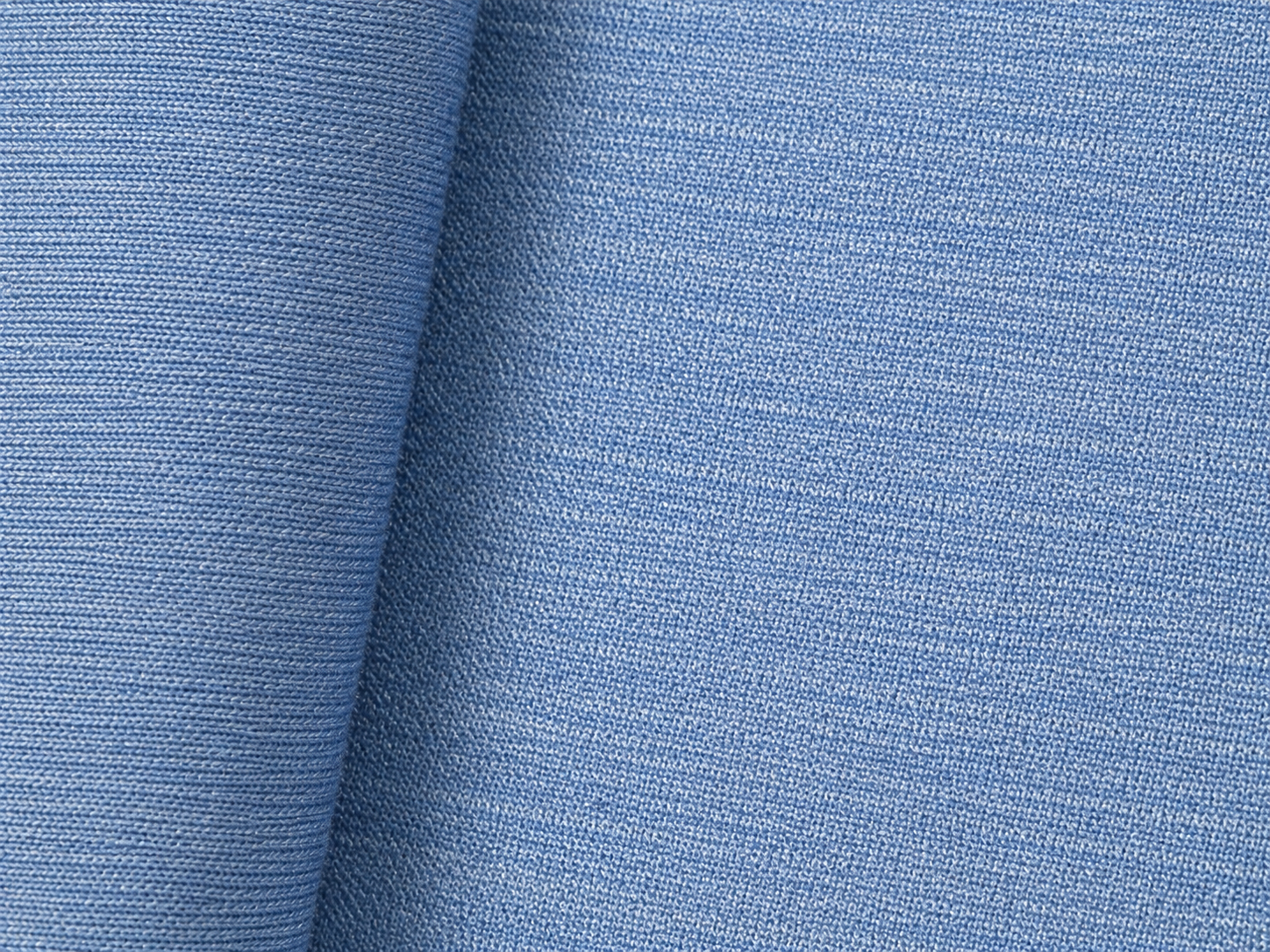
Single Jersey
Single jersey is commonly used for lightweight tops and close-to-body layers because it can provide softness, drape and useful crosswise stretch. The exact result changes with yarn, density, fiber blend and finishing. Lightweight jerseys can become unstable at cut edges or show more transparency in pale colors, while denser versions can feel warmer. For sportswear development, review stretch, recovery, twisting, shrinkage and neckline stability rather than assuming all jerseys behave alike.
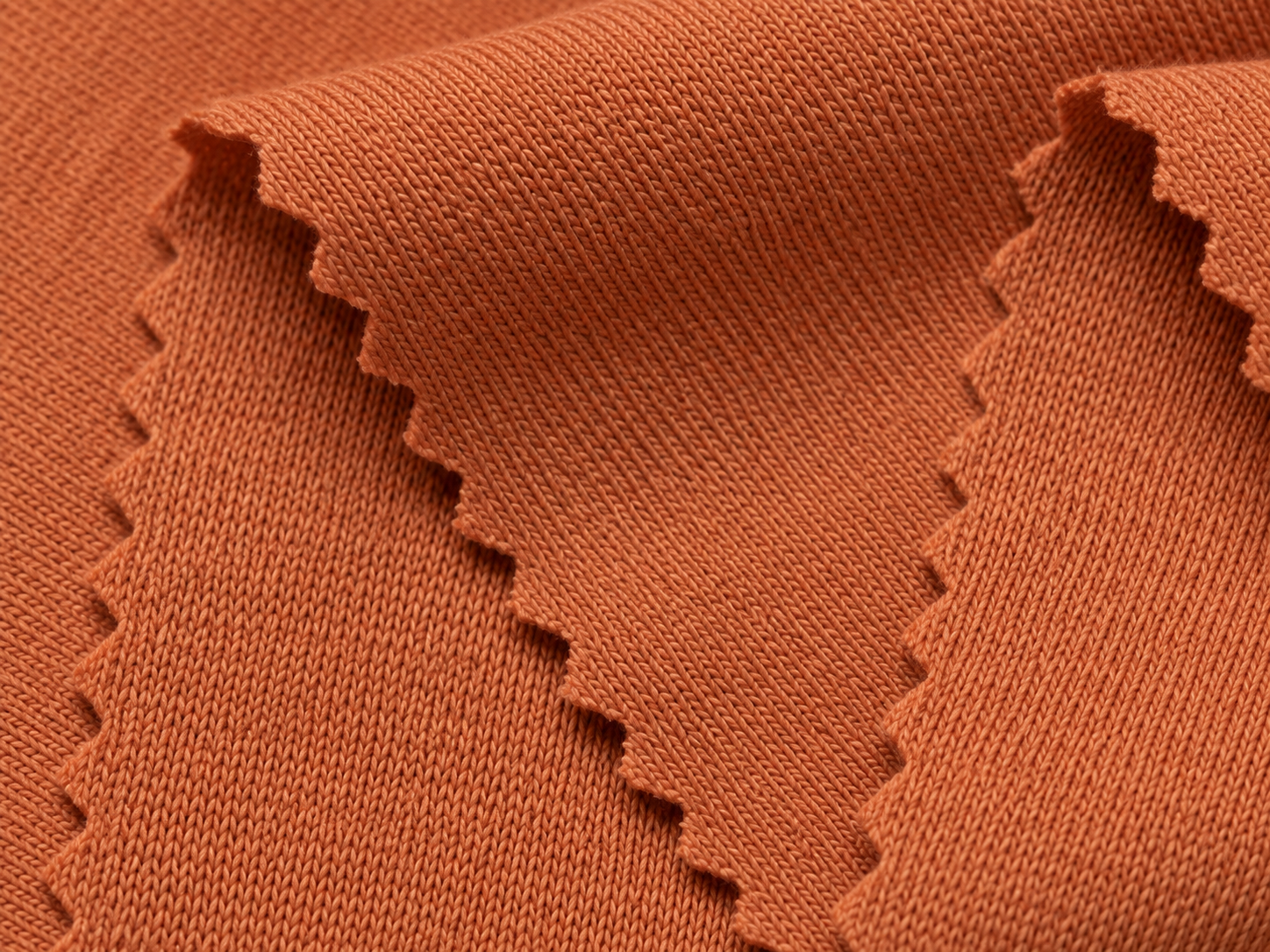
Interlock
Interlock is a double-knit direction with a smoother, more stable structure than many single jerseys. It can provide more body, improved coverage and a cleaner surface for fitted tops or bottoms. Stability makes it useful when shape retention matters, although higher density can also raise weight and warmth. Stretch and recovery still need measurement because interlock made from different yarns and elastane levels can behave very differently. Sampling should confirm drape, opacity and seam response on the intended garment.
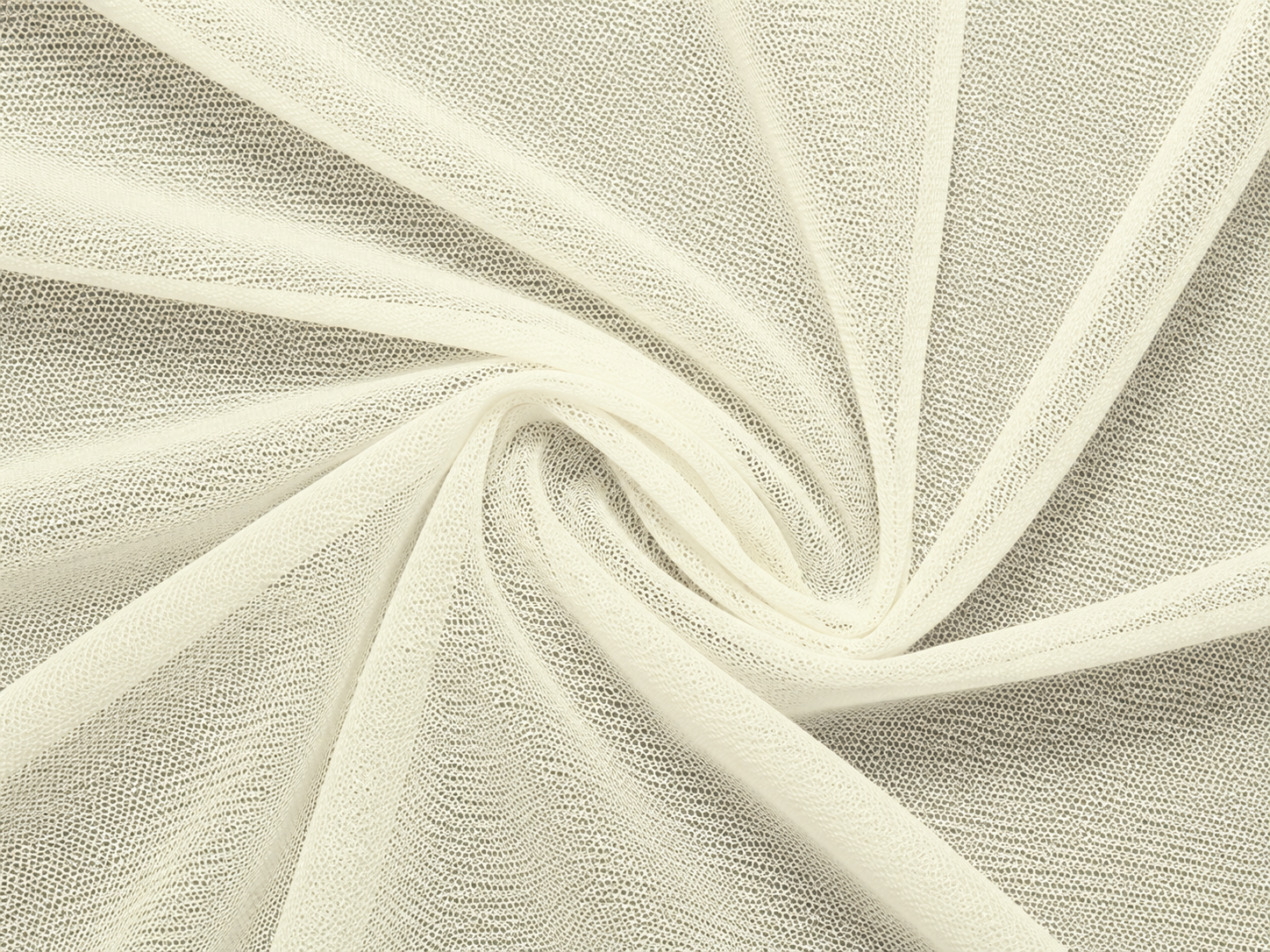
Mesh
Mesh uses a more open structure to increase airflow or create targeted ventilation. It can appear as the main fabric in lightweight tops, as a lining, or as a mapped panel under arms, behind knees or in other heat zones. Hole size, yarn strength, stretch, snag risk and seam placement matter as much as visual openness. A mesh panel also needs to work with logos, seam allowances and surrounding fabrics so ventilation does not create weak or distorted joining points.
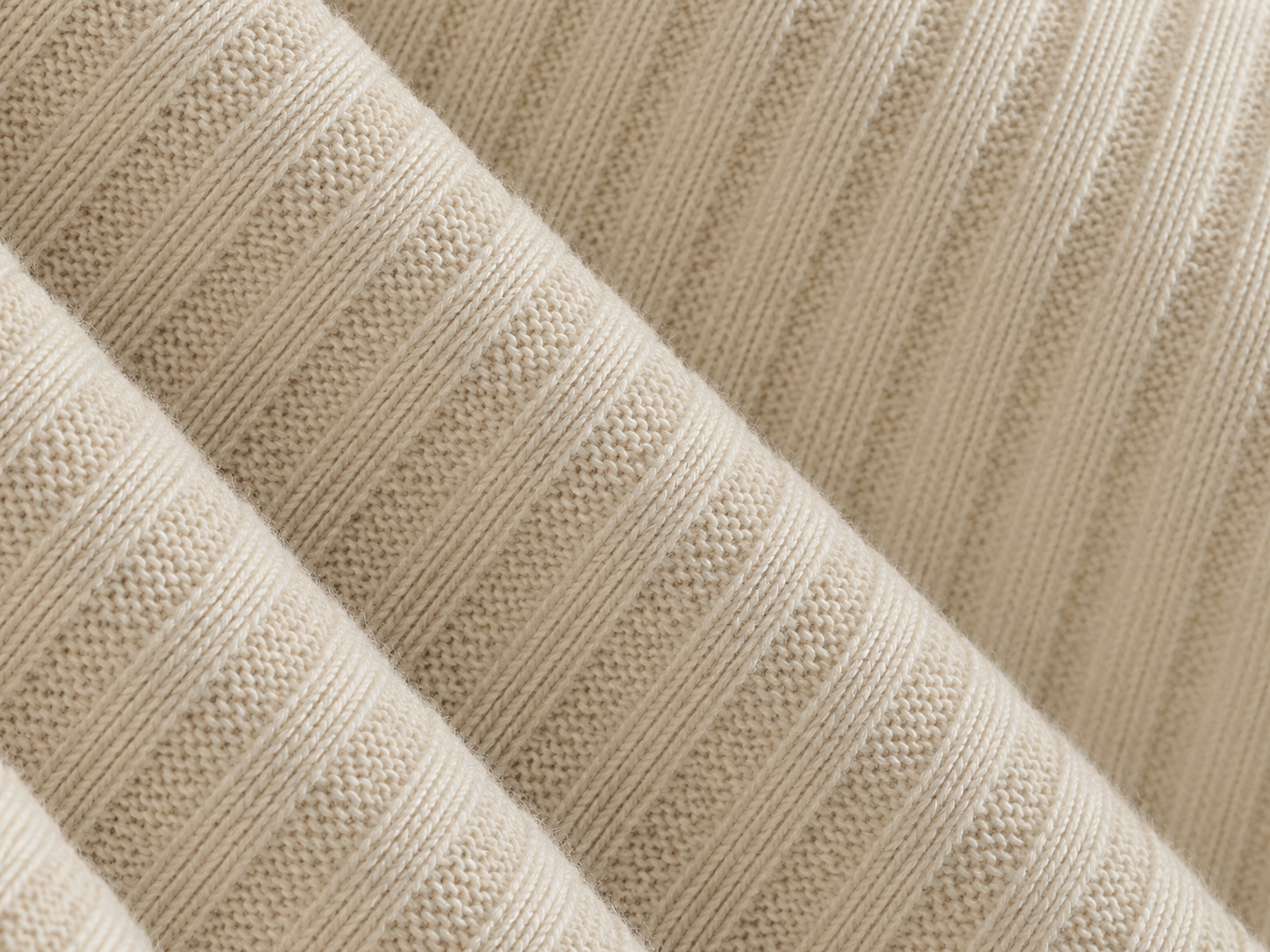
Rib
Rib structures offer pronounced vertical texture and strong crosswise extension, making them useful for necklines, cuffs, hems, waist details and selected body panels. A rib can add recovery and visual interest, but different yarns and densities can produce very different tension. When rib is paired with a main fabric, the two materials need compatible shrinkage, weight and stretch so openings do not flare or become too tight. Finished measurements should be checked after sewing and washing.
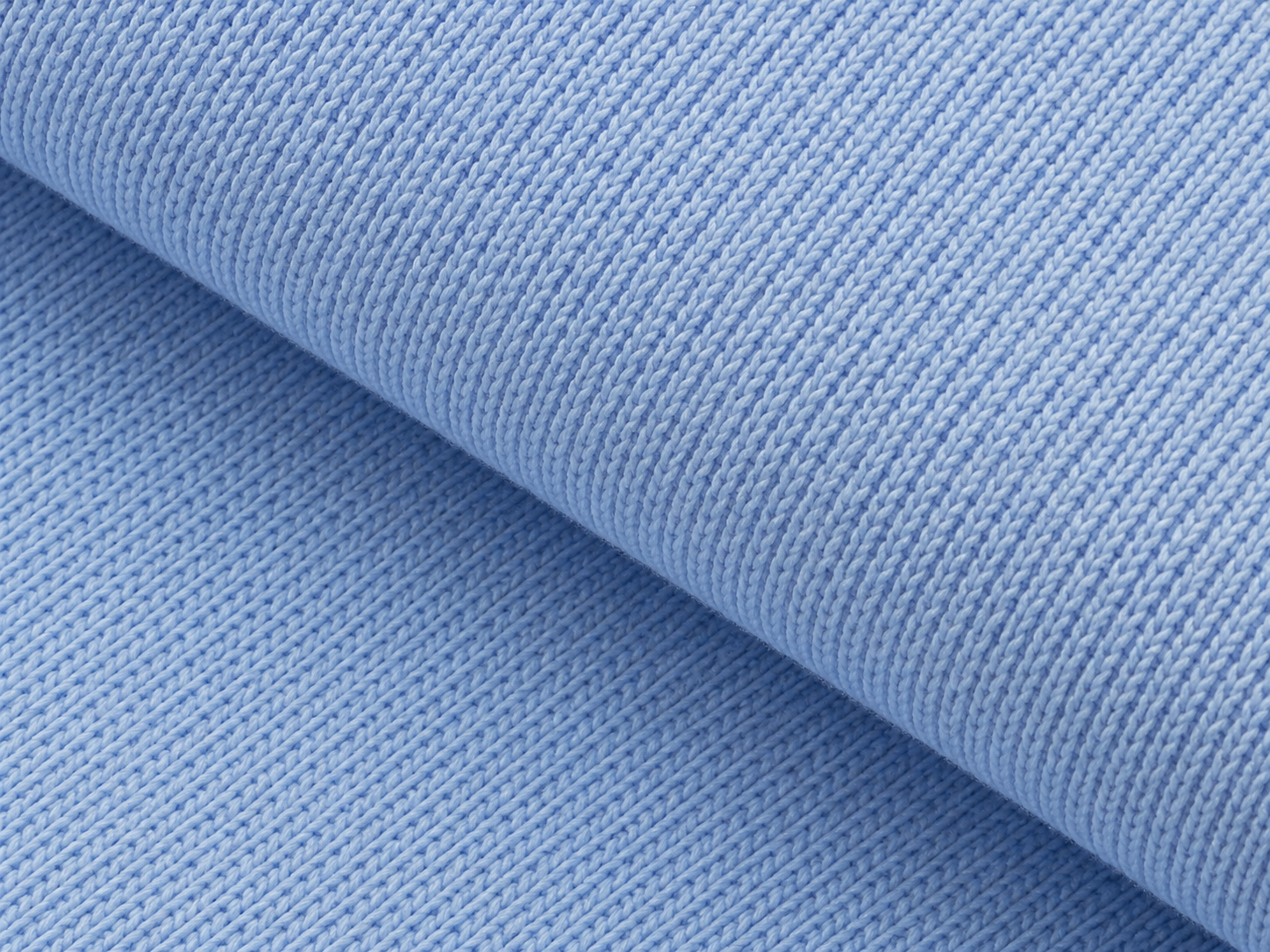
Double Knit
Double-knit constructions can add structure, opacity and shape retention for sportswear requiring more body than a light jersey. They may work well in leggings, structured sets, jackets or transitional pieces where surface smoothness and coverage matter. Higher mass or density can also reduce airflow, so intended climate and activity level should be considered. Evaluate both sides of the fabric, stretch direction, recovery, seam bulk and drape before fixing the pattern or deciding the final silhouette.
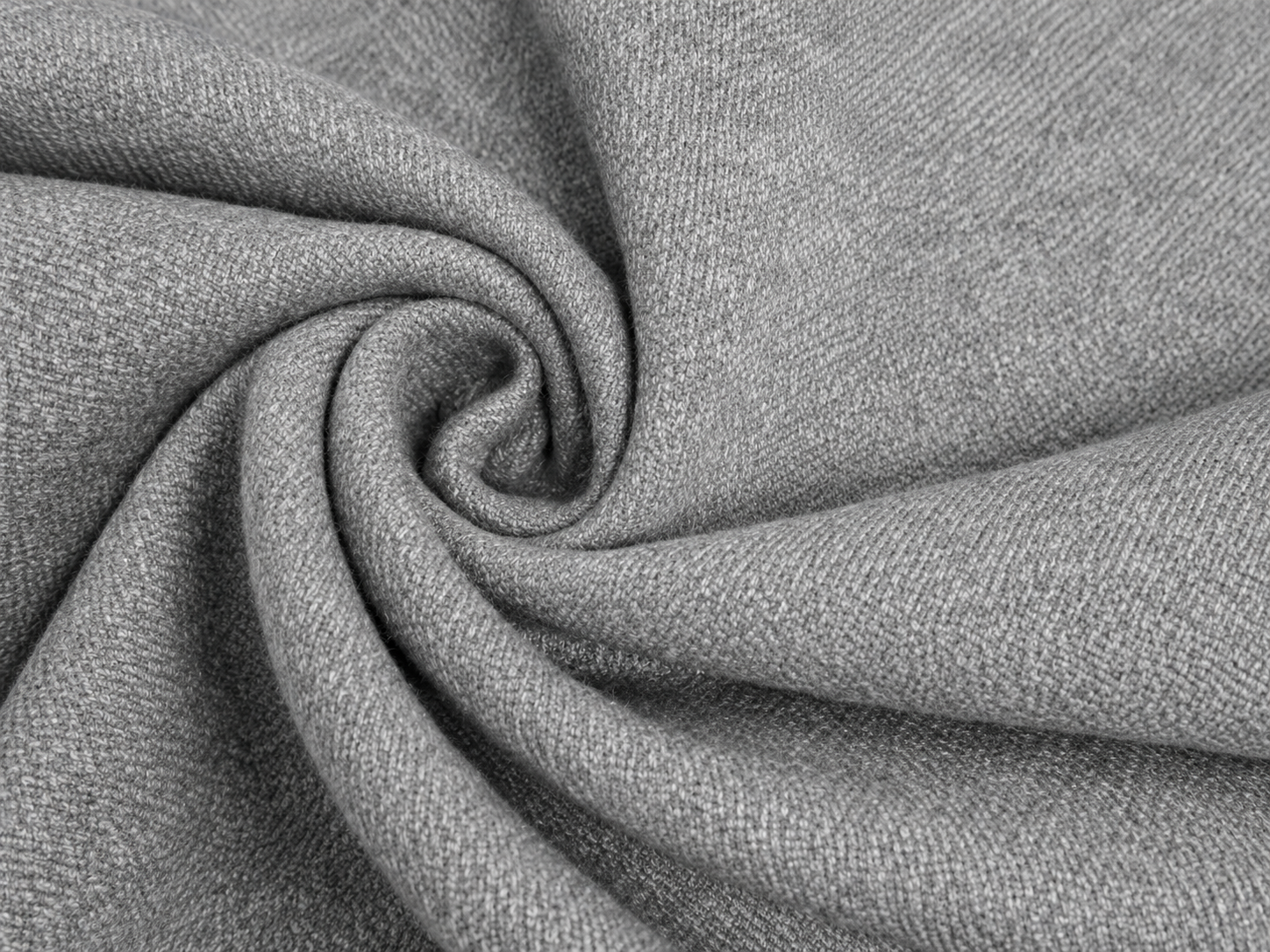
Brushed Knit
Brushed knits add a raised inner or outer surface for softness and warmth. They are commonly considered for hoodies, sweatshirts, tracksuits and cooler-weather training pieces. Brushing changes perceived thickness and can affect pilling, drying and garment care. A heavy brushed fabric may feel premium while becoming unsuitable for high-output training. Review activity level, season, layering, wash behavior and surface durability rather than selecting only by a higher GSM or softer touch.
How to Select the Right Fabric GSM
GSM measures fabric mass, not complete performance. A heavier fabric may improve coverage or body, but it can also increase warmth and consumption. Use GSM together with fiber, construction and end use.
GSM Direction
Typical Development Goal
Possible Advantages
Possible Risks
Good Questions to Ask
Lightweight direction
Ventilation, low bulk, hot-weather comfort
Lower material mass, easier layering, faster moisture release in some constructions
Transparency, lower body, seam show-through, less warmth
Will the fabric remain opaque and stable after stretch and washing?
Midweight direction
Balance of coverage, drape and everyday performance
Broad use across tops, bottoms and sets depending on construction
Can still be too warm or too soft for a specific activity
Does the structure provide the required recovery, airflow and handfeel?
Heavier direction
More body, warmth, coverage or structured silhouette
Improved perceived substance and insulation in some fabrics
Heat build-up, slower drying, higher consumption, seam bulk
Does added weight improve the product, or only increase mass and cost?
Note: No universal “best GSM” exists for sportswear. Final weight is confirmed against the actual fabric construction, product, fit and approved sample.
Stretch and Recovery for Sportswear
Stretch defines movement range; recovery defines how well the fabric returns. Fitted sportswear needs both. A fabric that stretches easily but does not recover can lose shape during wear.
Measure Direction, Not Just “Four-Way Stretch”
Stretch should be described in the directions that matter to the garment. A legging often needs extension across the body and along movement lines, while a waistband, sports-bra underband or shoulder strap may need more controlled behavior. “Four-way stretch” is useful shorthand, but it does not replace actual measurement. Two fabrics carrying the same label can have different elongation, power and recovery.
During development, compare the relaxed width and length with the fabric under a defined load, then record which direction is being tested. The target should follow the pattern and movement requirement rather than the highest possible number. Excessive stretch can make a garment feel loose or unsupported, while insufficient stretch can restrict motion, create seam stress or force a larger pattern.
For a new project, Leadshow can review fabric stretch in relation to the pattern, measurement chart, intended fit and key movement zones. Final numerical limits should come from the selected fabric specification, agreed testing method or approved sample rather than a generic sportswear rule.
Use the same fabric orientation throughout sample comments and pattern review. A roll can offer different extension along course and wale directions, so rotating a pattern piece can change both fit and recovery. When print direction, sheen or surface texture restricts marker orientation, available stretch may also become a cutting constraint. Recording direction prevents a later bulk marker from unintentionally changing the performance of a panel that looked correct during development.
Recovery Controls Shape Retention
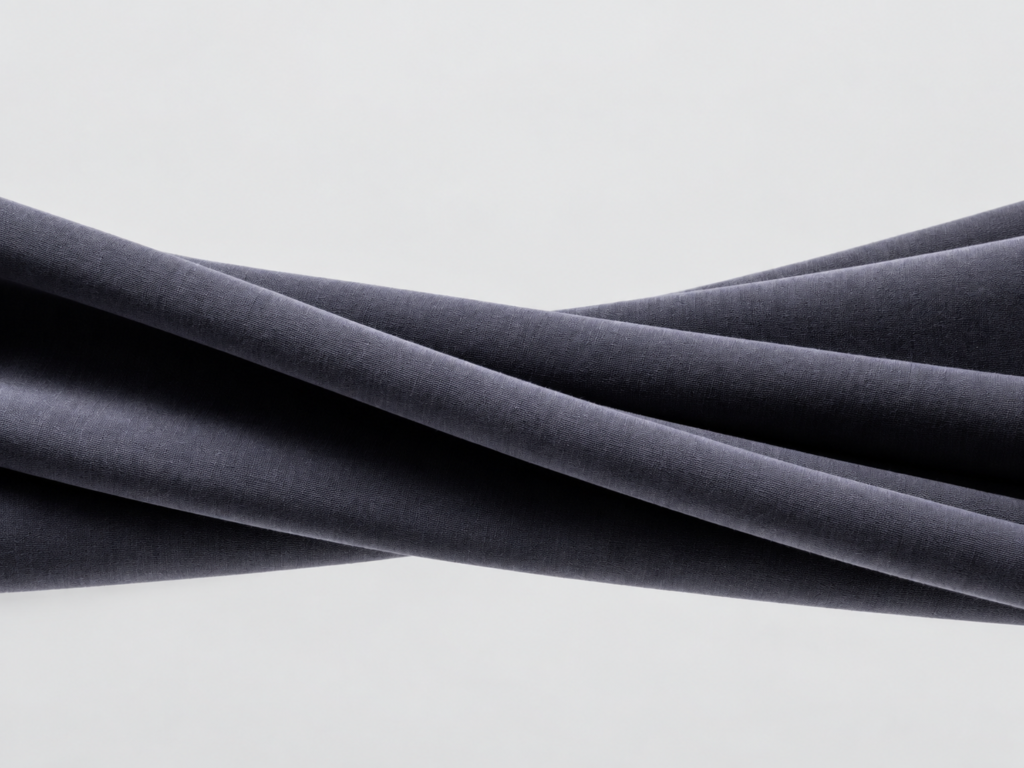
Recovery is the ability of stretched fabric to return toward its original dimensions. A material can extend easily and still perform poorly after repeated wear. Weak recovery often appears as bagging at the knees, looseness at the seat, a slipping waistband, stretched necklines or straps that no longer hold position. Those issues affect both appearance and fit consistency.
Evaluation should therefore include more than a single stretch pull. Where the project requires it, review residual growth after release, repeated extension and wash-related changes. The most important measurement is not how far the fabric can be pulled once, but whether it maintains the approved shape through realistic movement and care.
Recovery also interacts with pattern ease. A high-recovery fabric may support a closer fit, while a softer fabric with lower power can require a different pattern relationship. If the material changes after a fit sample is approved, the pattern and key measurements may need another review before bulk production.
Recovery also affects grading across sizes. Larger sizes create different extension at key body zones, which can expose weak fabric power or inconsistent waistband behavior. A size set may therefore reveal issues that a single base-size sample does not show. When fit is central to the product promise, review more than one body size or size point according to the program requirement before the fabric is treated as fully proven.
Connect Stretch to Seams and Construction
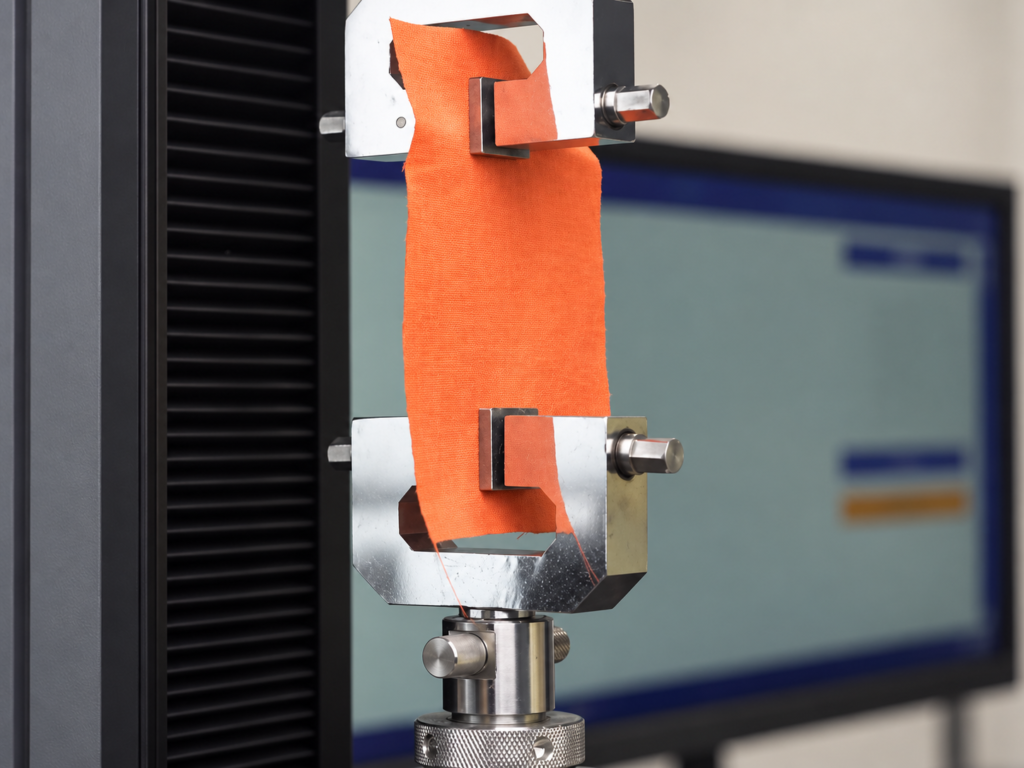
Fabric stretch is only useful when seams, elastics and bonded areas can move with it. A high-extension body fabric paired with a rigid seam can create popped stitches, rippling or uncomfortable restriction. Waistbands, underbands, armholes, gussets and other high-motion areas deserve special attention because several materials may meet in the same zone.
Leadshow’s manufacturing base includes four-needle six-thread flatlock equipment, overlock machines and elastic-attaching equipment that can support suitable stretch-garment constructions. Equipment availability does not mean every material is compatible. Needle type, stitch selection, thread, seam allowance, elastic tension, heat processes and fabric finish still need project-level review.
A development sample is the most useful bridge between a fabric specification and a production decision. It allows the team to check movement, seam appearance, recovery, fit and wash response together before a material becomes part of the approved bulk standard.
Material pairing deserves the same attention as the main fabric. Lining, elastic, binding and mesh may stretch at different rates, creating puckering or restriction even when each component performs well alone. A seam test using the complete material combination can expose those interactions. The approved construction should then be carried into the BOM and workmanship reference so bulk production does not substitute a different elastic or supporting material without review.
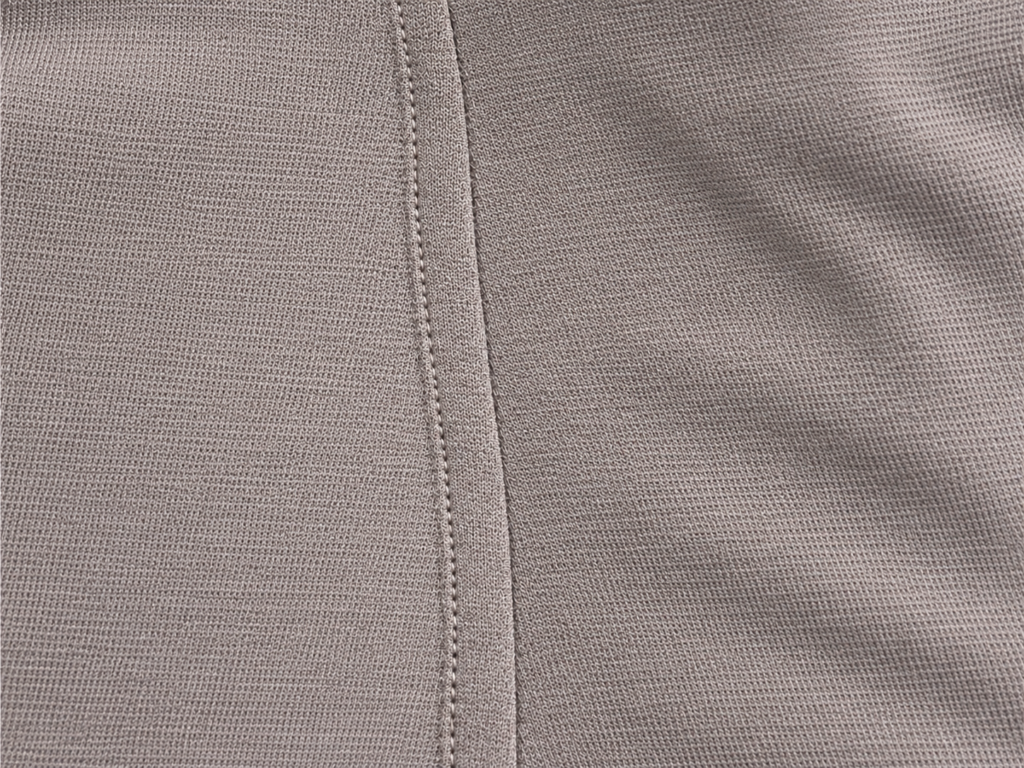
Breathability, Moisture Wicking and Quick Dry
The three terms describe different behaviors. A fabric may allow airflow without transporting sweat well, or dry quickly without feeling cool. Selection should match climate, activity level and garment structure.
Breathability
Breathability is mainly about air and vapor exchange through the material and garment. Open structures, lower density and mapped ventilation can increase airflow, but the final experience also depends on fit, layering, coatings, logos and where ventilation zones are placed.
- Define climate, humidity and activity intensity.
- Review fabric structure and garment fit together.
- Check whether linings or heat-transfer areas block key zones.
- Use wear feedback or an agreed test method when a measurable claim is required.
A breathable fabric does not automatically make every finished garment feel cool in every condition.
Moisture Management
Moisture management describes how sweat interacts with the fabric rather than simply whether the fiber absorbs water. Capillary movement, yarn shape, knit structure and finishing can move moisture away from the skin or spread it across a larger area. Cotton may absorb more moisture into the fiber, while many synthetic sports fabrics rely on structure or finishes to move liquid.
- Decide whether the priority is skin dryness, spreading or evaporation.
- Review the actual construction and finish.
- Keep performance claims tied to supplier data or testing.
- Recheck after material or finishing changes when the claim is important.
Quick Dry
Quick-dry behavior depends on how much moisture the fabric holds, how widely it spreads, fabric thickness, surface area, airflow, temperature and finishing. Polyester content alone is not enough evidence for a specific quick-dry claim. A lightweight open knit may dry faster than a dense construction using the same fiber, while a brushed or heavy structure can retain more moisture.
- Define the intended activity and environment.
- Consider GSM and fabric architecture.
- Compare samples under the same conditions where data is needed.
- Review wash durability if the result depends on a finish.
Specific drying times should only be published with a defined test condition.
Fabric Durability and Wear Risks
Sportswear durability is not one test. Friction, washing, stretch, sweat, color and surface construction create different failure modes. Match the quality check to the product and claim.

Pilling and Abrasion
Pilling and abrasion describe different surface risks. Pilling forms small fiber balls through rubbing and wear; abrasion measures resistance to surface damage or material loss. A soft brushed fabric and a dense smooth knit can fail differently even at similar GSM.
- Identify high-rub zones such as thighs, underarms, seat areas or bag-contact points.
- Consider yarn, surface finish and knit density.
- Use a defined test method when a numerical requirement is important.
- Inspect real samples after wear or wash trials where suitable.
Durability should be tied to the garment’s use rather than a generic “anti-pilling” statement.
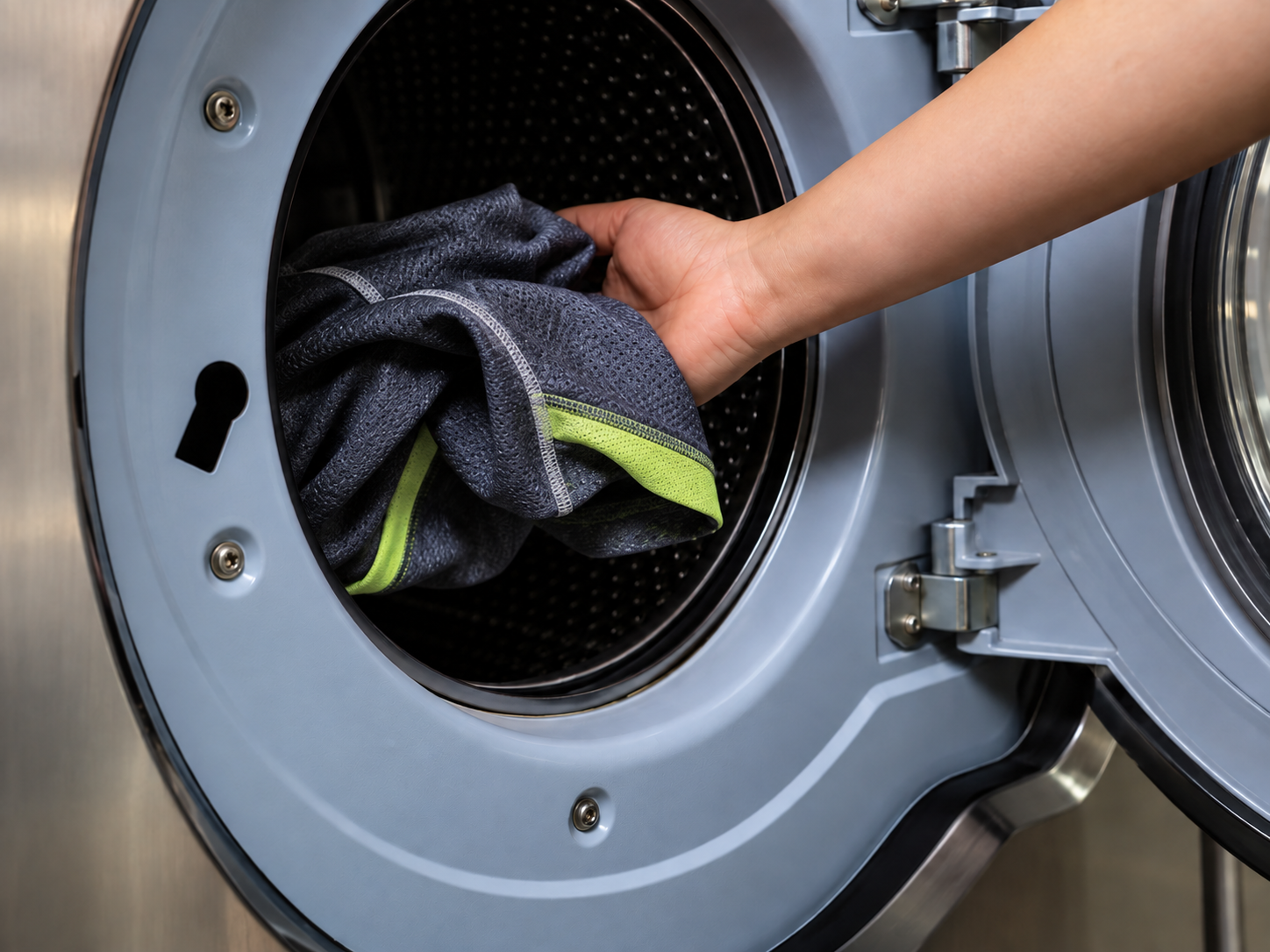
Dimensional Stability
Shrinkage and dimensional change can move a garment outside the approved measurement range even when sewing is accurate. Fiber, knit structure, relaxation, heat, dyeing and washing conditions all influence the result. Stretch fabrics may also change in both width and length after processing.
- Review material shrinkage before final pattern settings.
- Confirm care conditions and test method when required.
- Recheck dimensions after sample washing where fit is sensitive.
- Keep bulk material within the approved material standard.
A preshrink or setting process can reduce risk for suitable fabrics but cannot support a blanket zero-shrinkage claim.
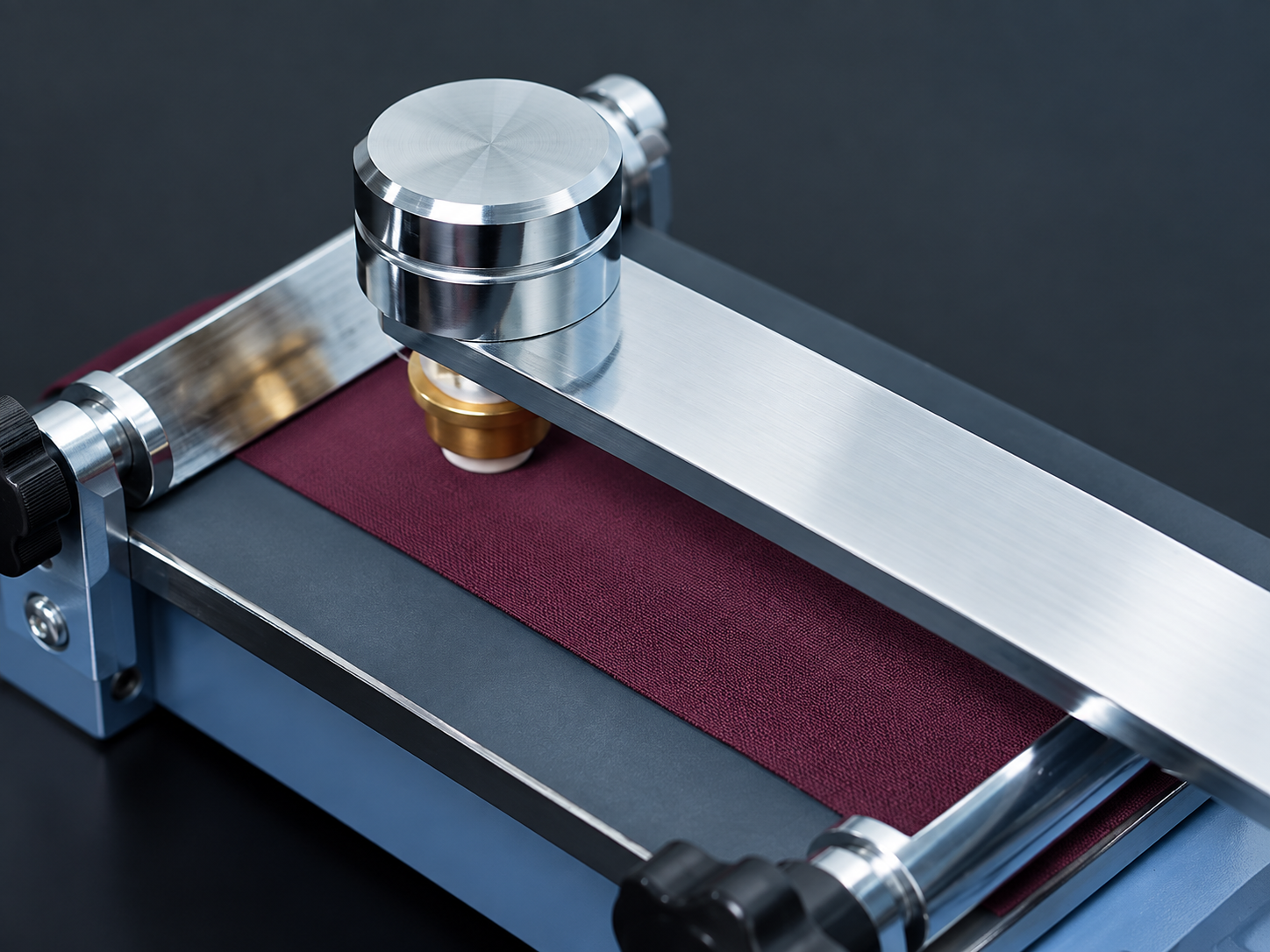
Colorfastness
Sportswear color can be exposed to sweat, repeated washing, rubbing, light and, depending on the product, pool water or other environments. The right test depends on use, target market and the claim being made. Dark shades, bright colors and contrast combinations may need more attention because staining or migration can be more visible.
- Define the relevant exposure conditions.
- Review shade and colorfastness together.
- Avoid applying a supplier report to an uncovered color or batch.
- Reconfirm after material or process changes when required.
Color approval should combine visual reference and applicable test evidence rather than screen color alone.
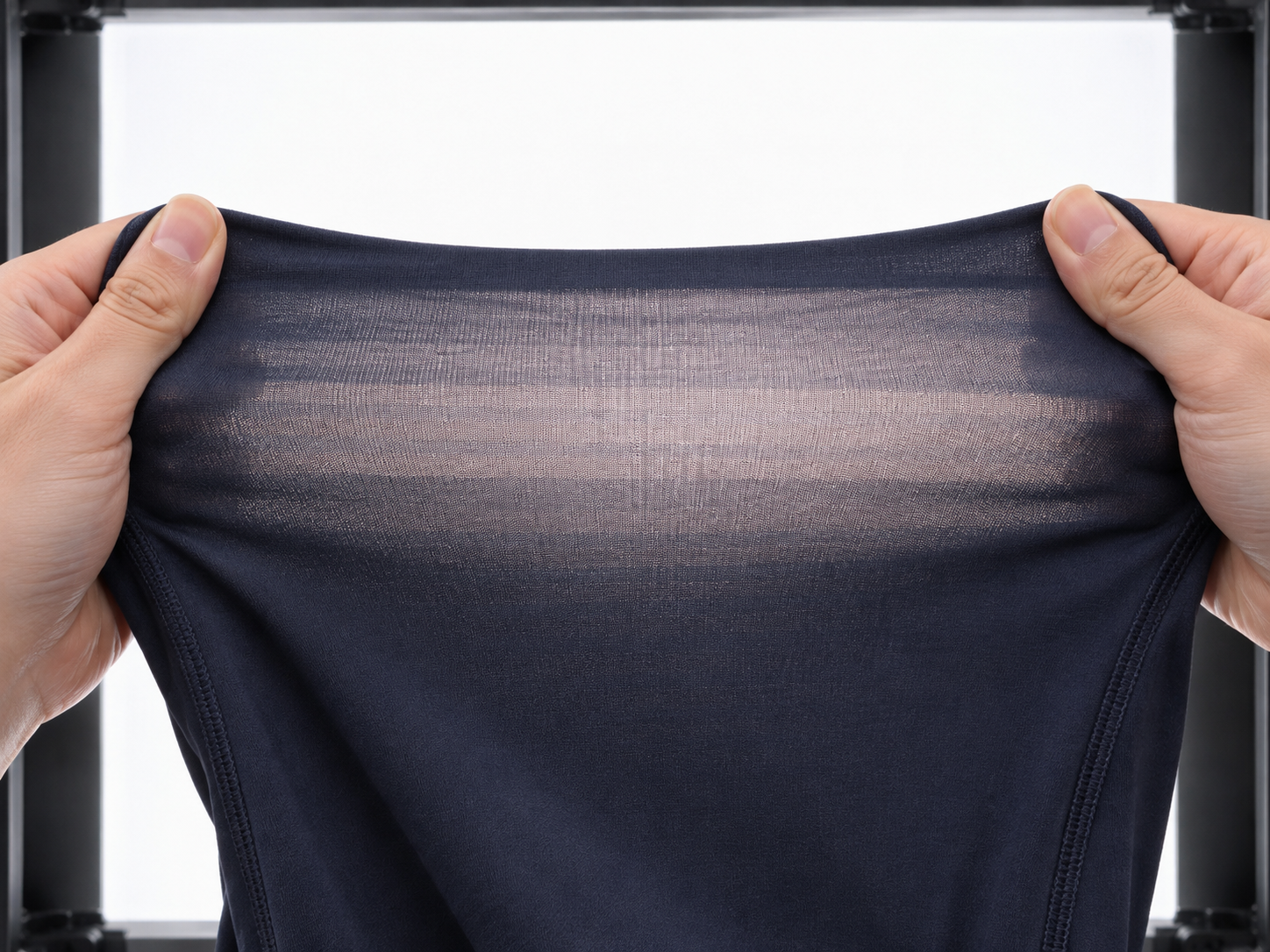
Opacity Under Stretch
Opacity becomes critical in leggings, jumpsuits, fitted shorts and other garments that stretch over the body. A fabric that looks opaque in a relaxed swatch may become visibly lighter or more transparent at high extension, especially in pale colors. GSM alone cannot predict the result.
- Review opacity at the expected garment stretch.
- Compare light and dark colors separately.
- Consider knit density, yarn, finish and pattern ease.
- Use a fitted sample for visual approval where coverage matters.
- Recheck if the fabric or color changes.
Terms such as “squat-proof” should only be used when supported by the actual material and agreed evaluation.
Choose Fabric by Sportswear Product
Start from the garment. Each sportswear category places a different load on stretch, airflow, opacity, handfeel, durability and structure. The priorities below reflect Leadshow’s confirmed sportswear product range.
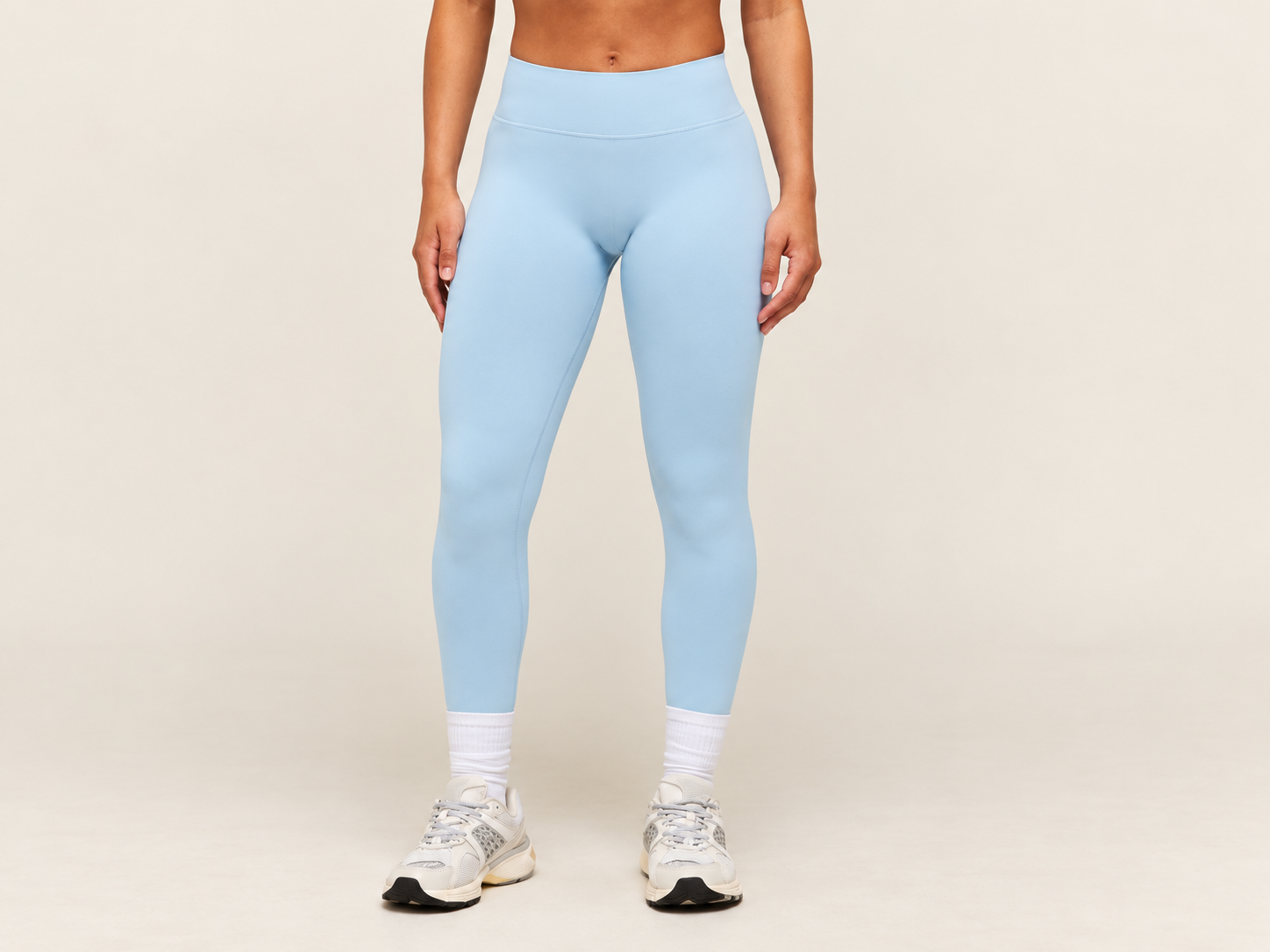
Yoga Leggings
Prioritize stretch direction, recovery, opacity under tension, waistband stability, handfeel and surface durability. A fabric should move through deep flexion without becoming transparent or losing shape at knees and seat areas. GSM can support coverage, but knit density and recovery are equally important. Pattern ease should be set with the selected fabric rather than reused from another material. Sample review should include movement, waistband behavior and wash-related dimensional change before bulk approval.
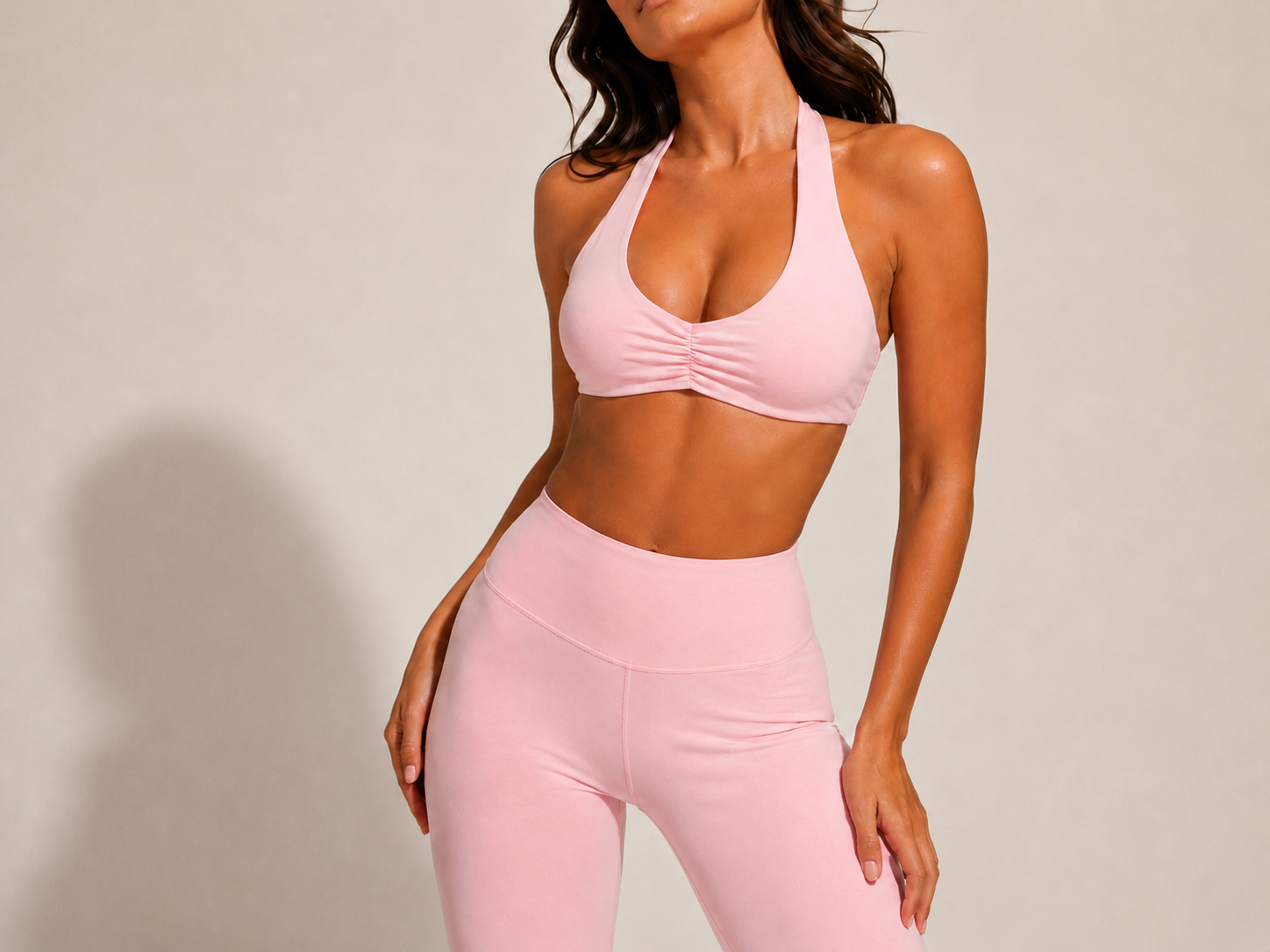
Sports Bras
Focus on recovery, controlled stretch, skin comfort, underband compatibility, strap areas and the relationship between fabric and support construction. Support cannot be claimed from fiber percentages alone; panel layout, elastic, padding, seam direction and fit all contribute. The main fabric may require different behavior from lining or power-mesh zones. Development should confirm movement, underband tension, neckline stability, opacity and seam comfort on a finished sample before the specification is finalized.
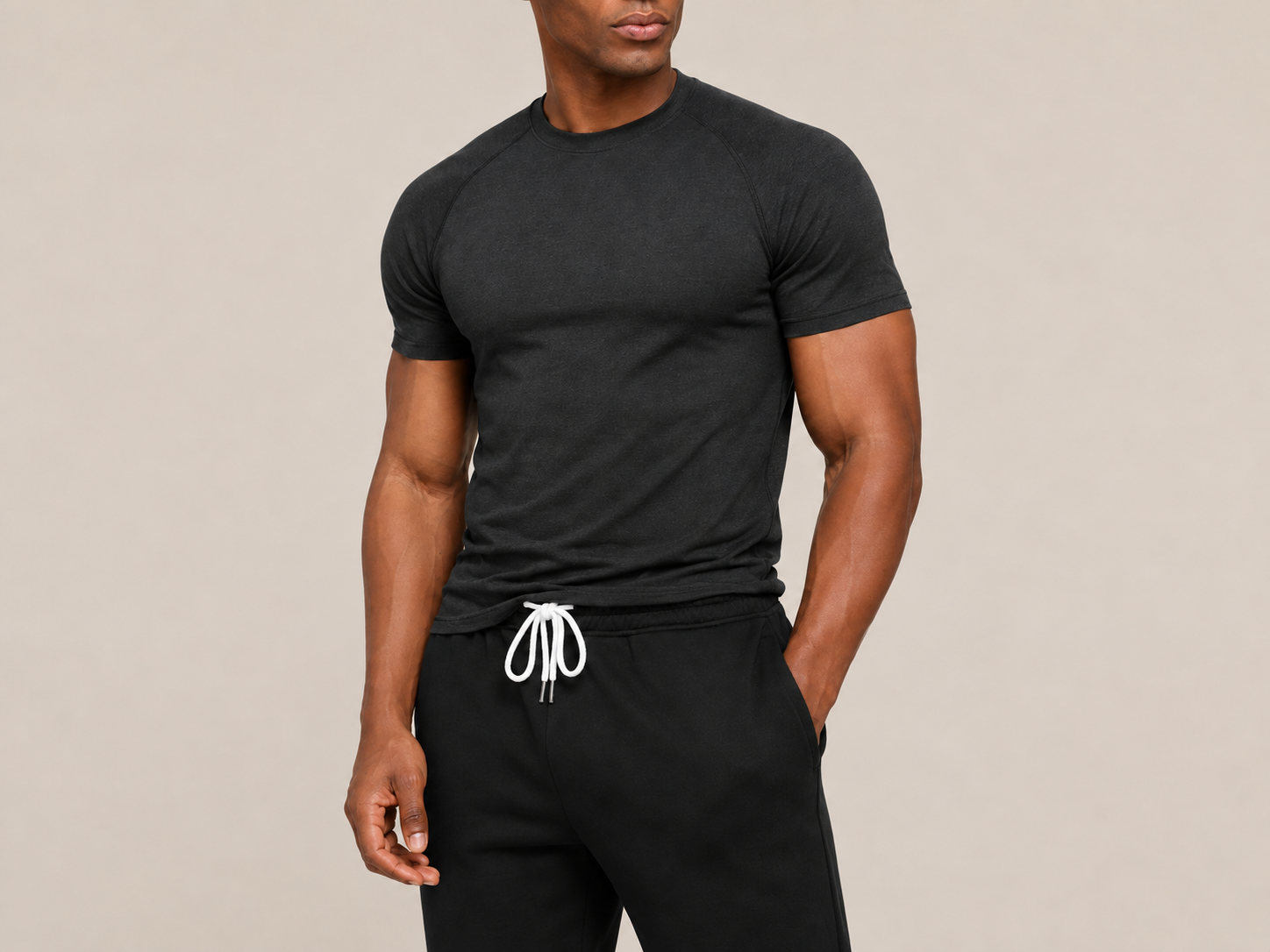
Sports T-Shirts
Airflow, moisture behavior, drying direction, softness and dimensional stability usually carry more weight than high compression. Lightweight jerseys, piqué directions or mesh details may suit different activities and styling. A fabric for running can require more heat release than one intended for travel or light training. Neckline recovery, twisting, shrinkage and logo compatibility also matter because a comfortable body fabric can still create production problems around collars or heat-transfer areas.
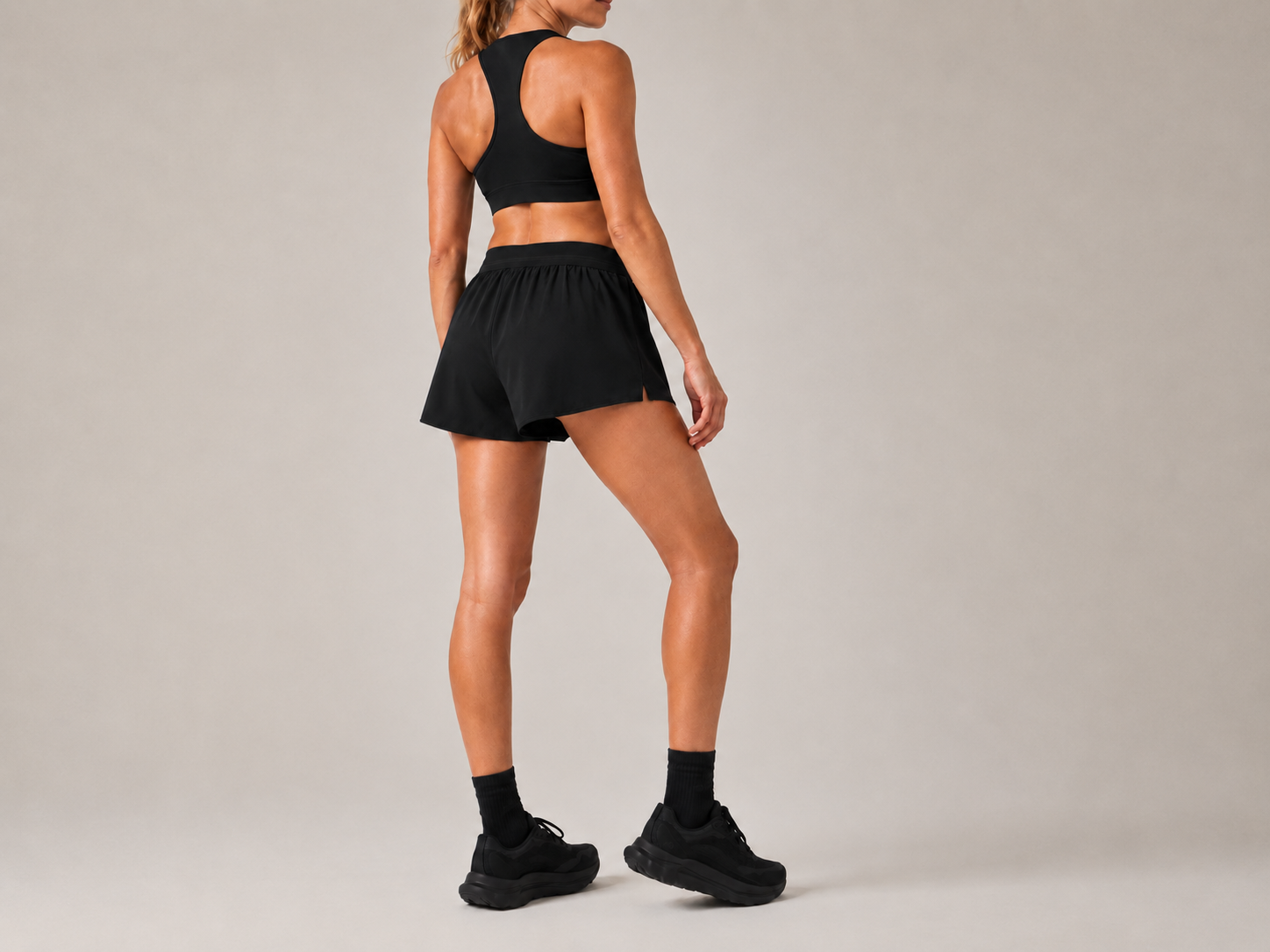
Running Shorts
Running shorts often balance low weight, freedom of movement, waistband stability, abrasion resistance and pocket construction. Woven or knit directions may both work depending on silhouette and performance target. Inner liners, mesh zones and elastics need compatible shrinkage and stretch. Review chafing zones, opening shapes and seam placement alongside fabric choice. If laser perforation or bonding is planned, compatibility should be checked on the actual material before production rather than assumed from the fabric name.
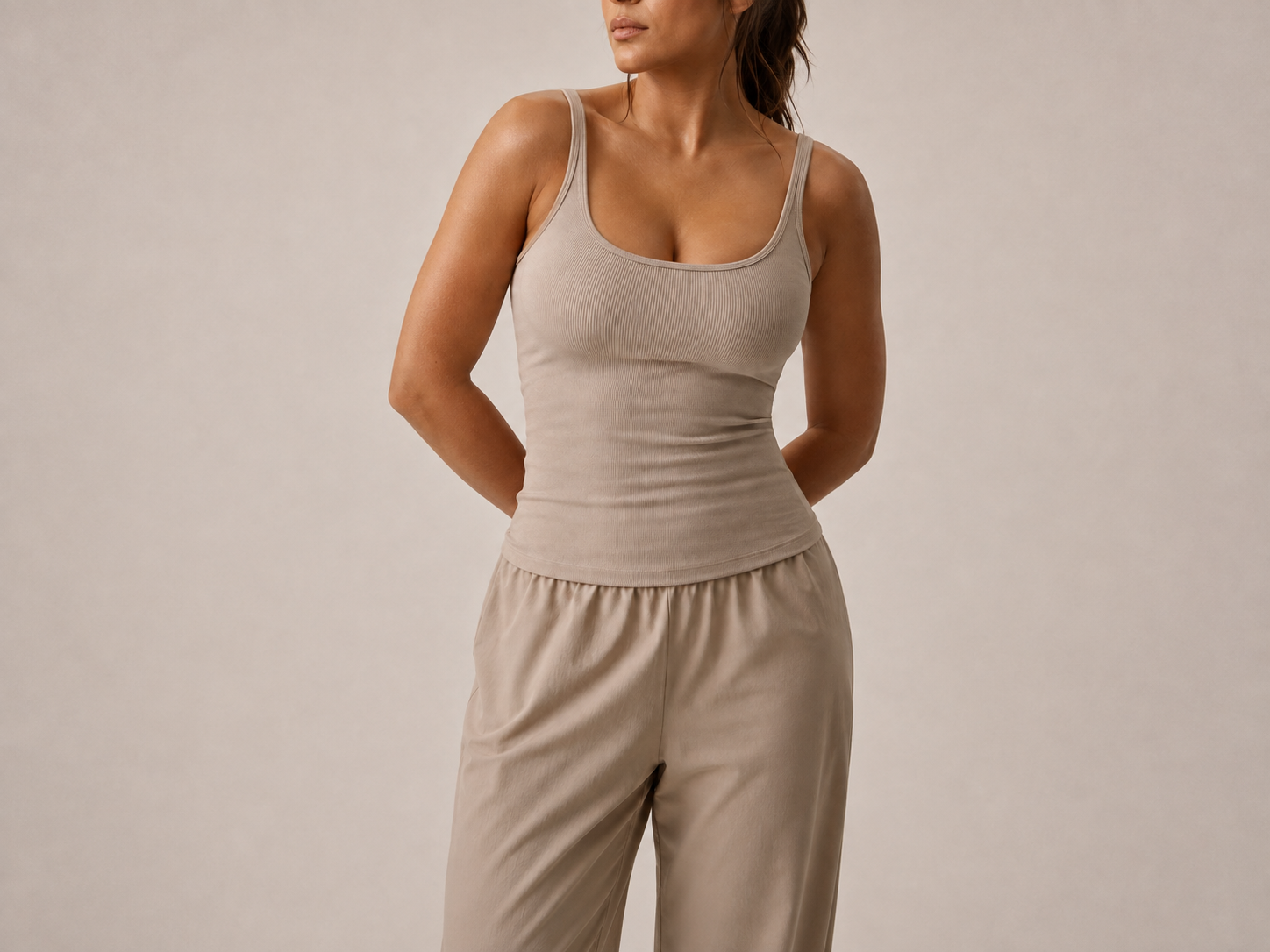
Tank Tops
Tank tops can range from loose training layers to fitted studio pieces, so the fabric should follow the intended fit. Lightweight structures may improve airflow, while fitted designs need stronger recovery and stable armholes. Consider shoulder stretch, neckline shape, moisture behavior and whether the fabric remains stable after washing. Heat-transfer logos or bonded details can change local handfeel, so branding should be reviewed together with the material rather than added after the fabric is fully approved.
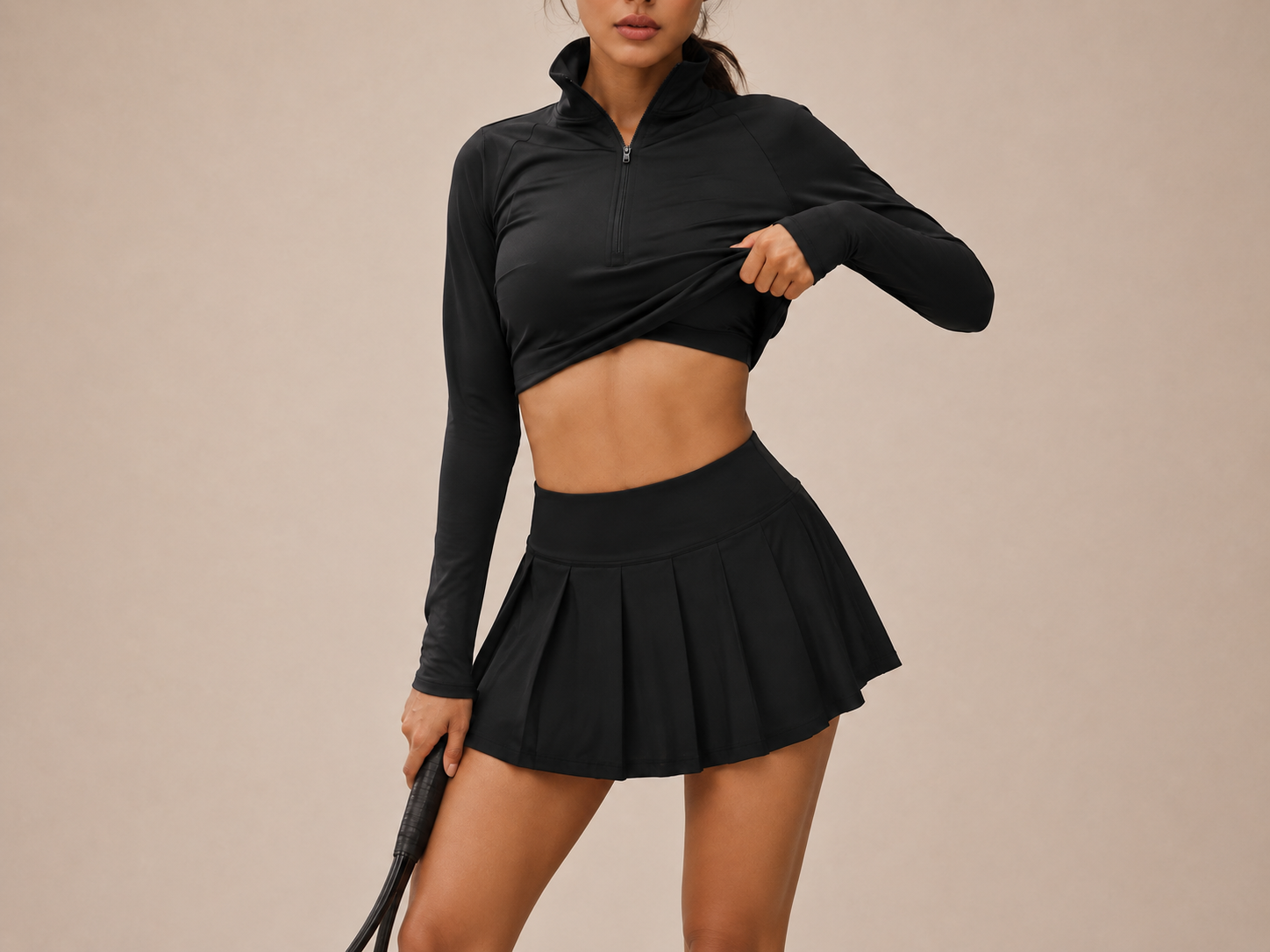
Tennis Skirts
A tennis skirt can combine an outer skirt, internal short, waistband, pockets and several movement directions. The outer material may prioritize drape and appearance, while the inner short needs coverage, stretch and recovery. Both layers must work together without excessive heat or bulk. Pleats, hems and pocket openings can also react differently to the selected fabric. Development should confirm movement, inner-short fit, waistband stability and any color contrast through an actual sample.
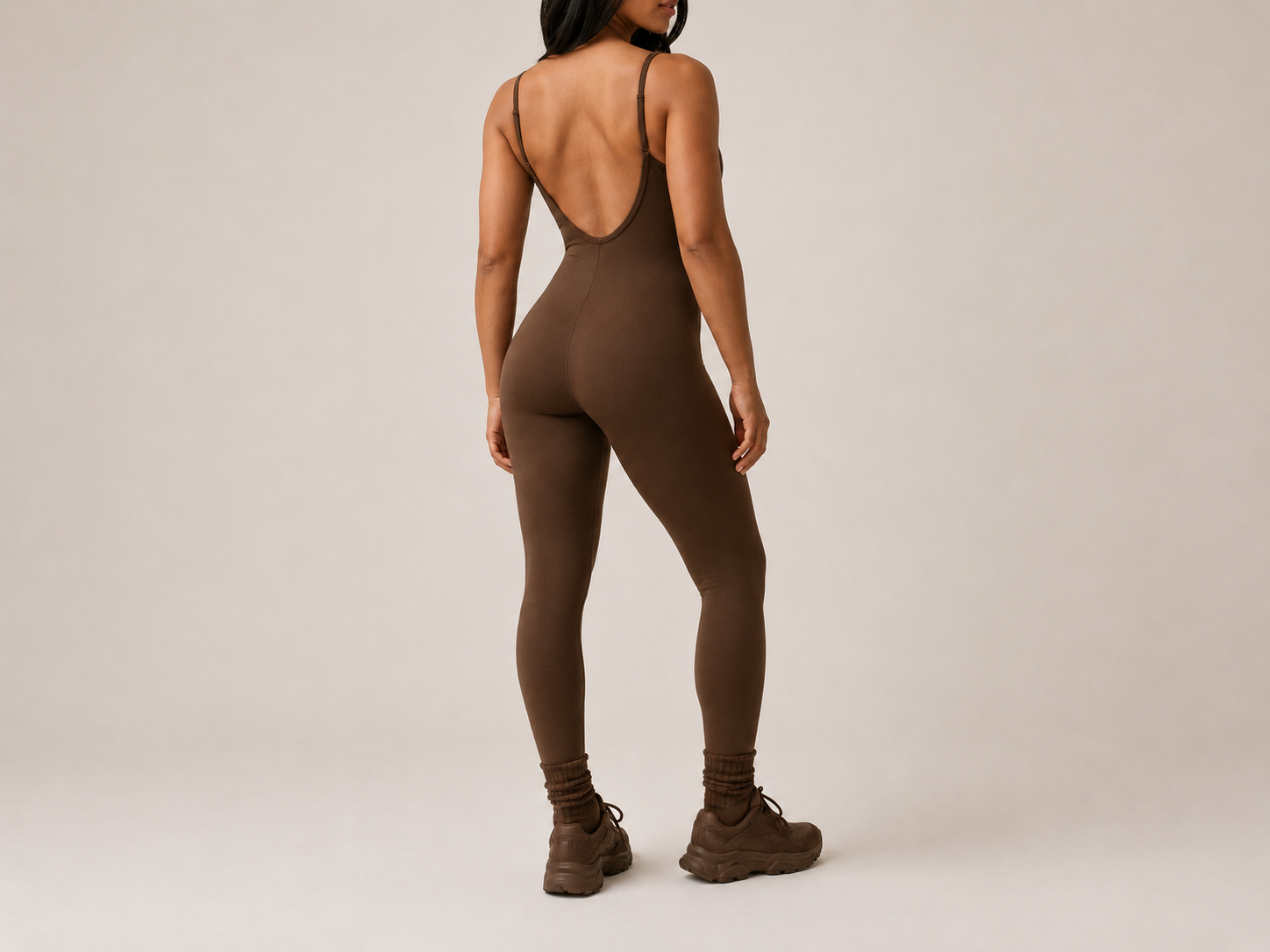
Jumpsuits
Jumpsuits place stretch demands across the torso, hip, seat and inseam at the same time. Torso length and rise can feel very different when a fabric changes recovery or vertical stretch. Opacity, body fit and multi-panel seam behavior deserve close review. A fabric that works for leggings may not automatically work for a one-piece garment because the pattern is connected from shoulder to crotch. Fit samples should therefore be assessed with the intended material before bulk specifications are frozen.
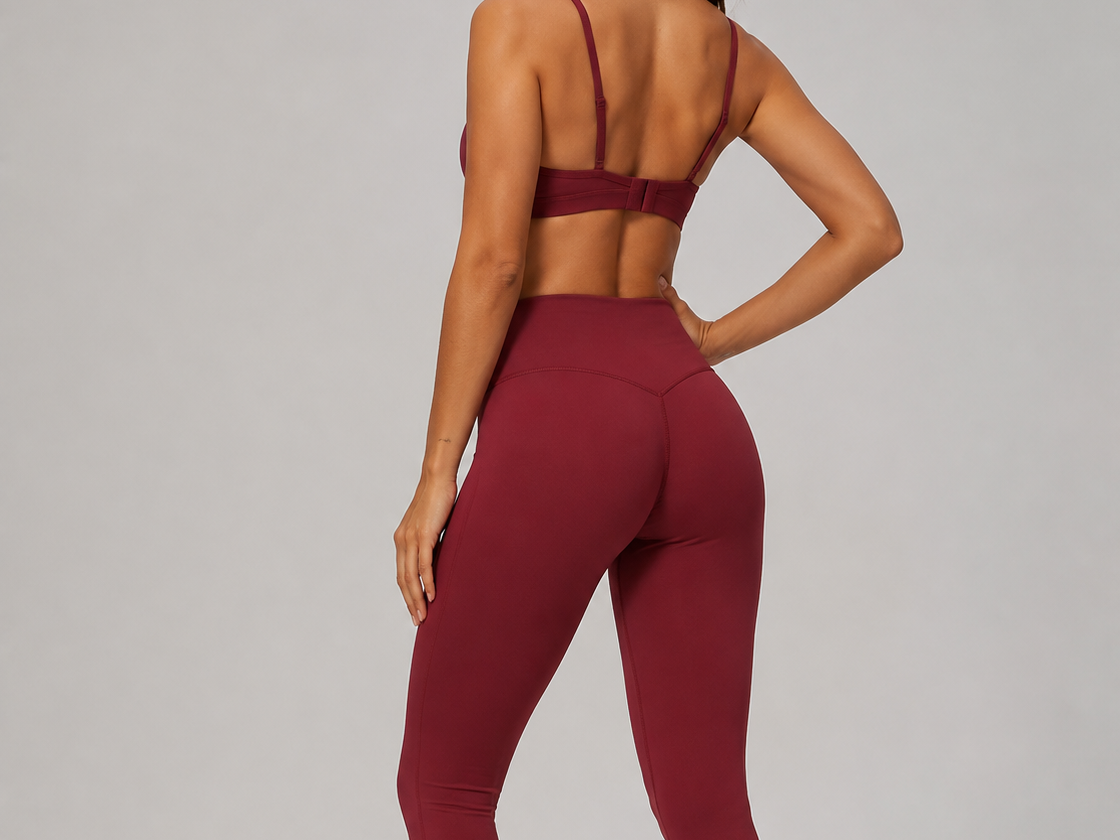
Tracksuits
Tracksuits may use knit or woven materials depending on season, drape and styling. Fabric should support jacket shape, pocket structure, zipper installation, pant movement and repeated wear. Midweight or heavier directions can add body, while lighter constructions suit warm climates or travel sets. Match the main fabric with rib, lining and zipper components, then check shrinkage and color coordination across the set. The right material is the one that preserves the intended silhouette and use, not simply the heaviest option.
Fabric, Pattern and Fit Must Work Together
A fabric change can alter fit even when the measurement chart stays unchanged. Stretch, recovery, shrinkage, thickness and drape all affect how a pattern sits and moves on the body.
Stretch Changes Pattern Ease
Pattern ease defines the relationship between body measurements and garment measurements. In fitted sportswear, the finished garment may be smaller than the body in selected areas so the fabric stretches into the intended fit. The amount cannot be chosen from an elastane percentage alone. Actual stretch, recovery, fabric power and target comfort determine how much negative ease is appropriate.
A nylon-elastane legging with soft, low-power stretch may need a different pattern from a denser high-recovery fabric, even if both are listed at the same composition. Reusing the old pattern can create a loose waistband, over-compressed thighs or altered rise. The same principle applies to sports bras, jumpsuits and fitted tops.
Leadshow can review fit according to the pattern, measurement chart, target body, fabric stretch and feedback from the sample. When a material is replaced after fit approval, critical measurements and wearing behavior should be checked again rather than assuming the original pattern remains valid.
Size grading adds another layer. The same negative-ease percentage may not create the same sensation across every size when fabric power, body distribution and panel geometry change. For programs with a broad size range, a size-set review can help confirm that material stretch and pattern grading remain compatible. The material specification should therefore stay connected to the approved size system rather than being treated as a separate sourcing decision.
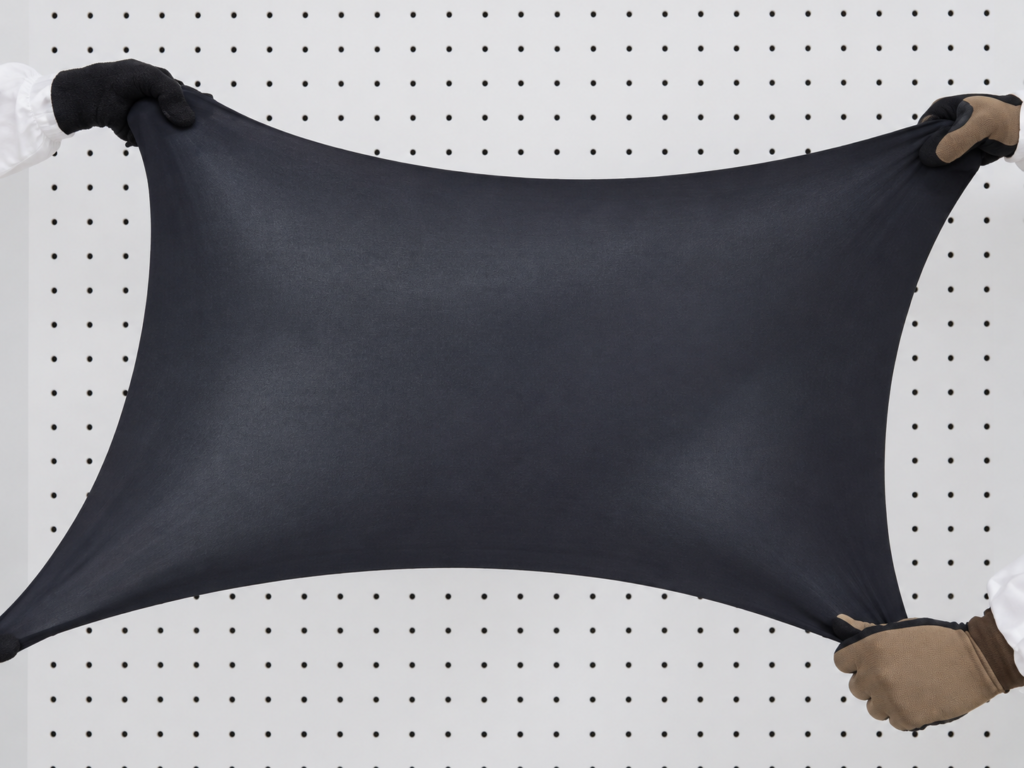
Weight, Drape and Thickness Shape the Silhouette
GSM and construction influence more than comfort. A heavier or denser fabric can hold a structured shape, while a light fabric may collapse, cling or reveal seam allowances. Thickness changes seam bulk at waistbands, hems and multi-layer junctions. Drape changes how skirts, loose tops and tracksuits hang, and it can alter the visual balance of a design even when the pattern dimensions are identical.
For layered sportswear, different materials also need to cooperate. A stable outer shell paired with a highly elastic lining may twist, while a heavy rib attached to a light body can pull an opening out of shape. Fabric selection should therefore consider the entire material system, not only the main cloth.
A sample garment is where these relationships become visible. Evaluate silhouette, hem behavior, seam bulk, pocket position and mobility before locking the fabric and pattern together for production.
Surface texture also changes visual fit. A brushed or matte fabric can hide minor contour changes, while a smooth high-sheen fabric can make seam lines, tension and body contours more visible. Product photography and retail presentation may therefore react differently to the same pattern. Reviewing the fabric on a real garment under normal lighting gives the design team more useful information than comparing folded swatches alone.
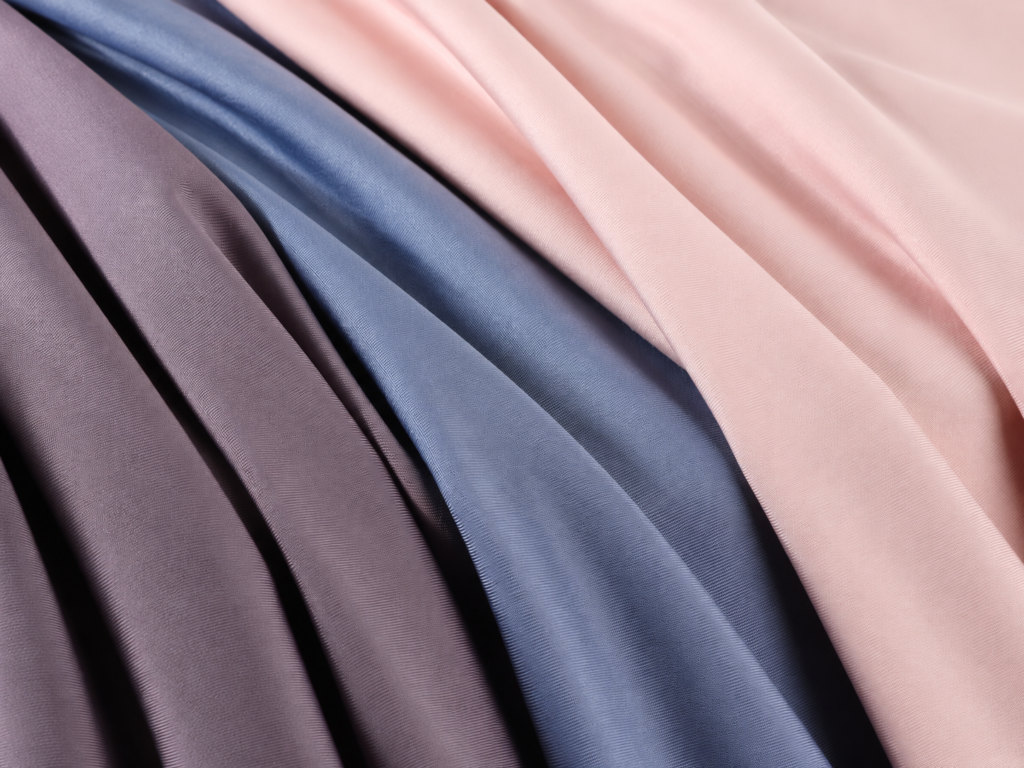
Shrinkage and Recovery Affect Finished Measurements
Dimensional change after relaxation, heat or washing can shift key measurements. Knit fabrics may change in width, length or both, while elastic recovery can alter how a garment sits after wear. A technically accurate cut pattern can still produce an out-of-range garment if fabric behavior was not included in the pattern allowance or process settings.
Development should review the selected material’s expected dimensional behavior and, where the project requires it, compare measurements before and after washing or conditioning. The result may lead to pattern compensation, process changes or a different fabric decision. Different colors can also behave differently when dyeing or finishing routes vary, so critical programs may need color-level verification.
Bulk tolerances must be agreed for the product and material rather than copied across unrelated garments. The goal is stable fit within the approved specification, not a claim of zero dimensional variation.
Production handling can introduce additional relaxation or heat. Spreading, cutting, pressing, bonding and finishing can temporarily or permanently influence dimensions in sensitive materials. The development team should identify which steps matter for the selected fabric and avoid assuming the washing result is the only source of change. Where a process adjustment changes the material response, finished measurements should be checked again before the revised method becomes the production standard.
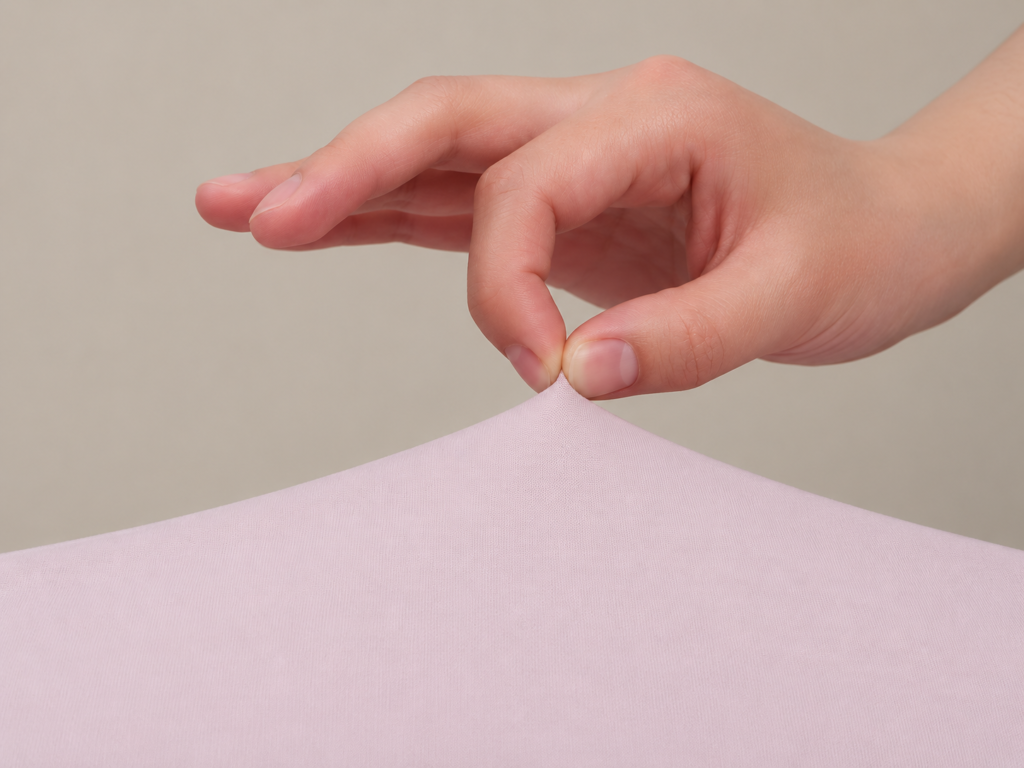
Fabric Compatibility With Manufacturing Processes
Performance fabric has to survive cutting, sewing, heat and finishing. Material compatibility should be reviewed before production, especially when high stretch or heat-based processes are part of the design.
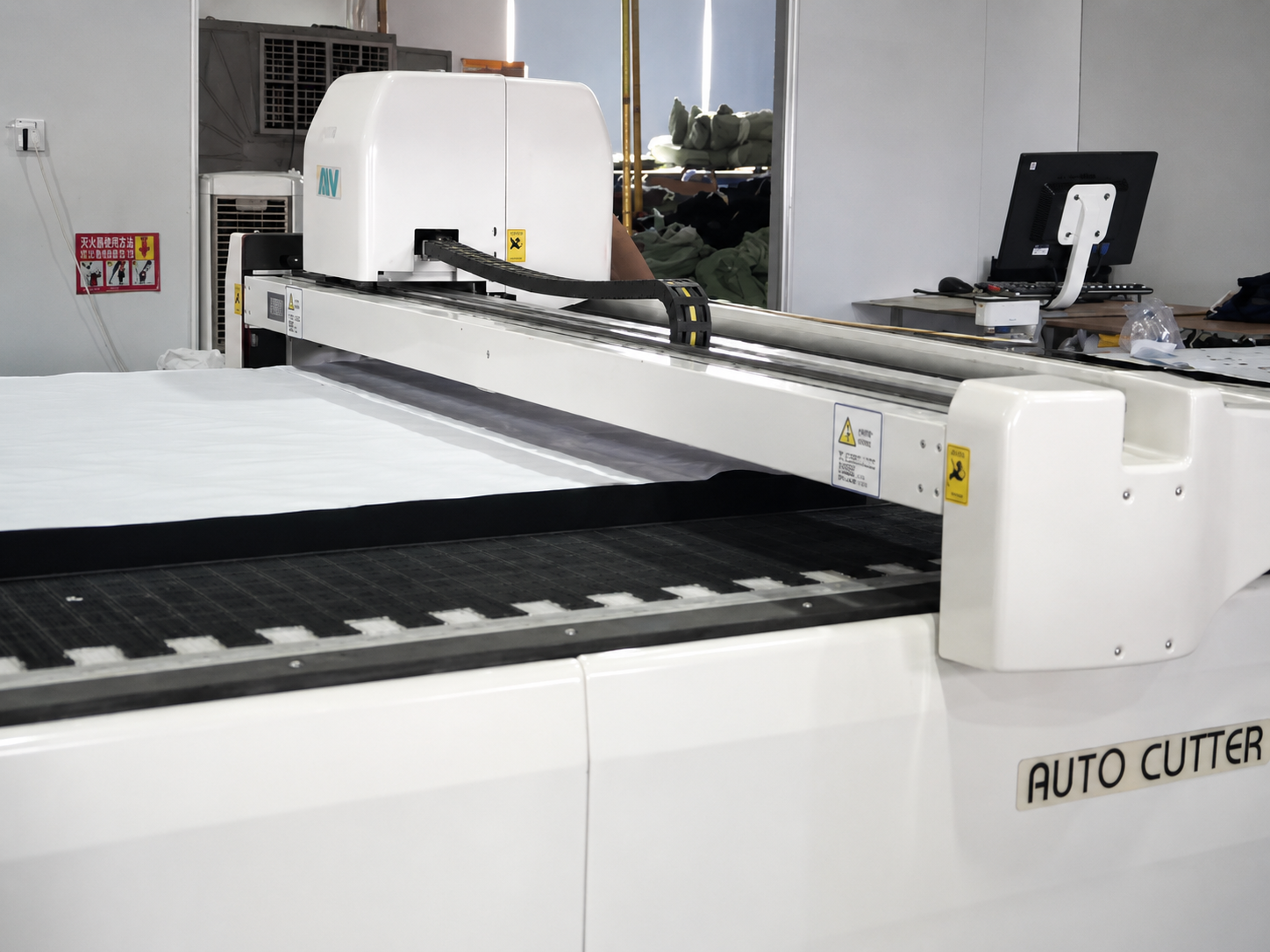
Automated Cutting
Automated spreading and cutting can support repeatable multi-size production, but not every sportswear fabric behaves the same during laying and cutting. High stretch, low friction, curling edges, pile direction or print direction can change the preparation method.
- Review fabric relaxation and lay tension.
- Match layer count to material behavior.
- Keep directional or printed surfaces aligned.
- Use flexible cutting methods when automation is not suitable.
Leadshow has automated spreading and cutting equipment together with flexible cutting tools, yet the method is selected according to the actual fabric rather than forced onto every material.
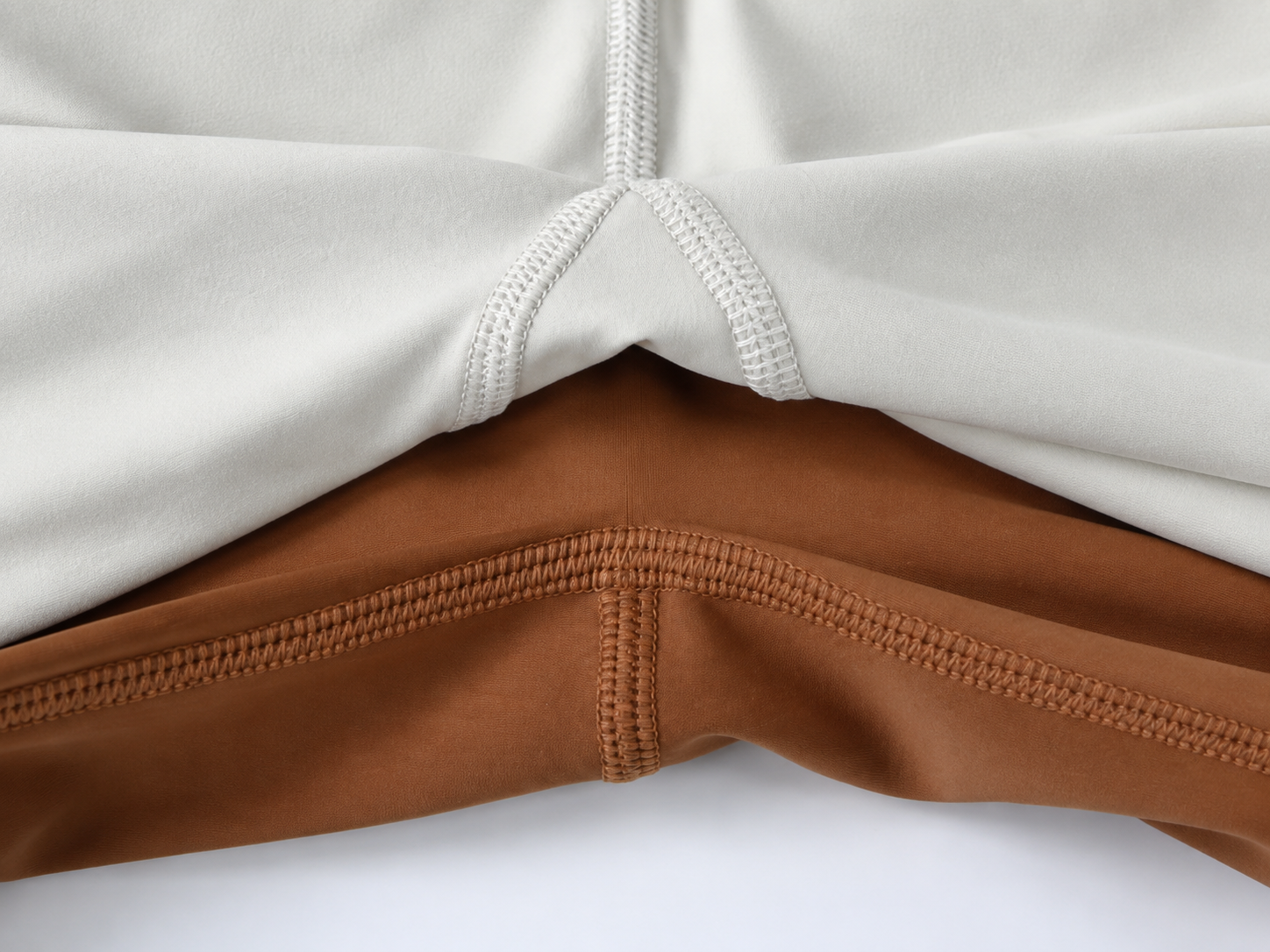
Flatlock Stitching
Four-needle six-thread flatlock can create flatter, stretch-compatible seams for leggings, sports bras and other fitted activewear. The result still depends on fabric thickness, stretch, thread, stitch settings and seam direction.
- Check seam extension against garment movement.
- Review waviness or tunneling on the sample.
- Confirm needle and thread compatibility.
- Recheck after washing where required.
Leadshow has 35 four-needle six-thread flatlock machines. The process should be described as flatlock or flat seaming, not as true seamless knitting, and it does not prove a no-chafe result without product validation. Trial seams should also be checked at curves, junctions and high-extension zones where fabric stress is greatest.
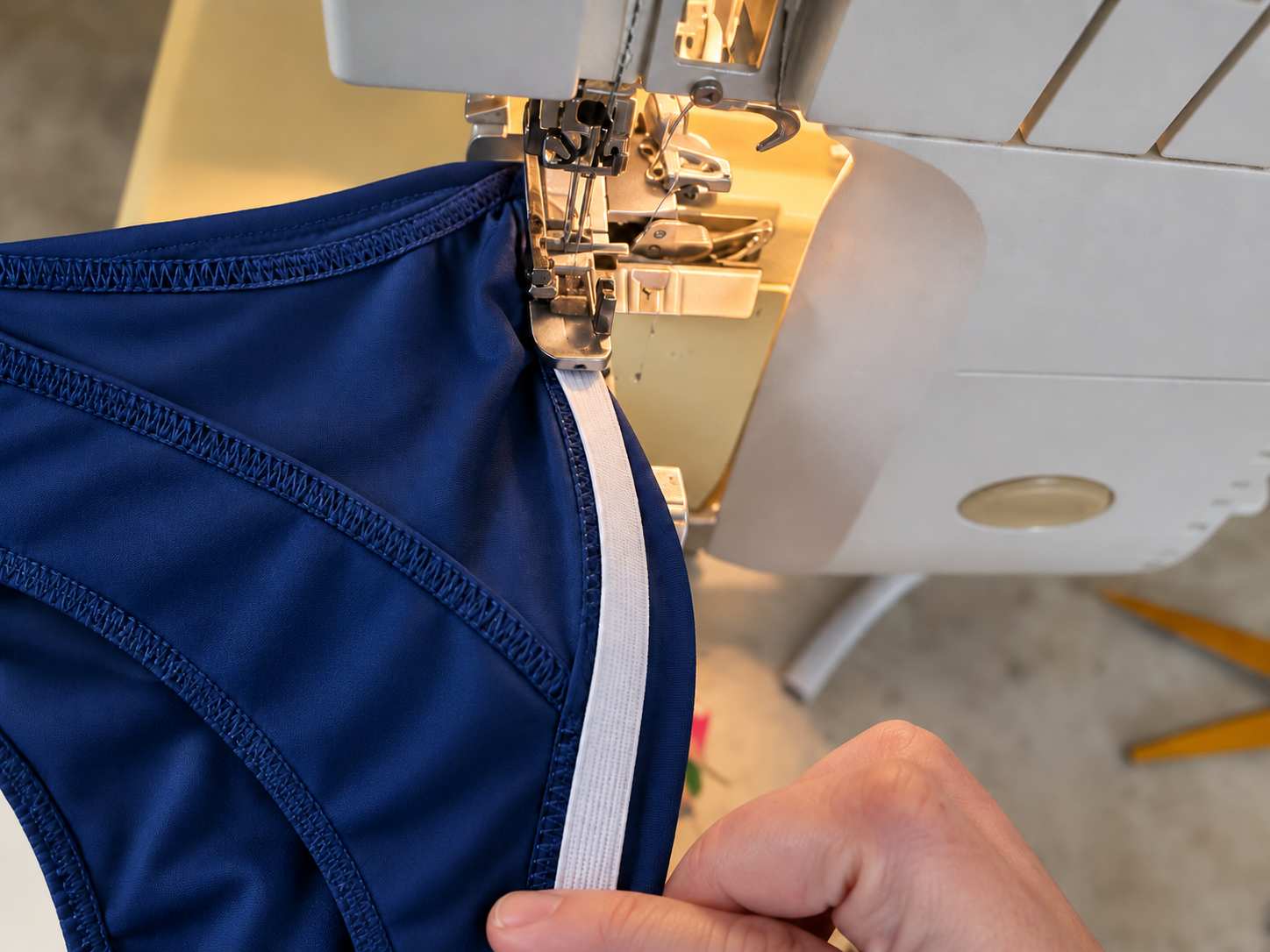
Elastic Attachment
Waistbands, sports-bra underbands and leg openings combine fabric stretch with elastic stretch. If the two recovery curves are poorly matched, the area may roll, feel too tight, lose tension or distort surrounding panels.
- Confirm elastic width and stretch behavior.
- Set installation tension through sampling.
- Review recovery after repeated movement.
- Check finished measurement after sewing and washing.
Leadshow has elastic-attaching equipment that supports suitable products, but final tension and comfort depend on the selected elastic, fabric and garment structure rather than the machine alone. A short wear or movement review can help separate elastic-tension issues from fabric-recovery issues before approval.
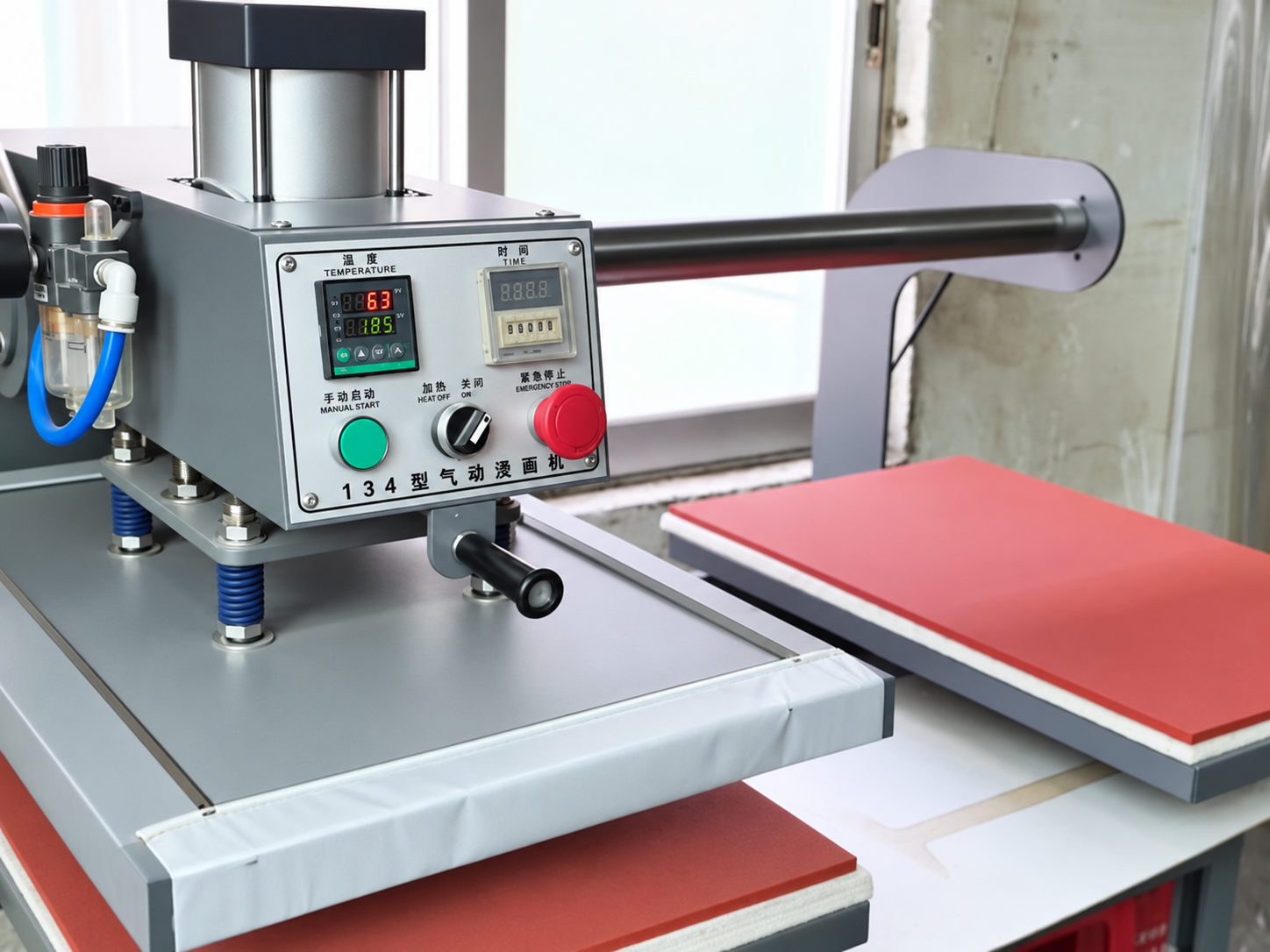
Heat Bonding
Heat bonding can reduce some traditional stitching, create clean edges or support selected structural details. Bonding films respond differently to fabric composition, surface finish, stretch, heat and washing.
- Test temperature, pressure and dwell time on the actual fabric.
- Review stretch across the bonded area.
- Check visual marking or shine on sensitive surfaces.
- Evaluate wash durability when required.
Leadshow has heat-bonding equipment for suitable materials and constructions. Bonded areas should not be promoted as permanently bonded, completely seamless or waterproof without the relevant validation. Bond width, edge shape and overlap also influence comfort and appearance, so the bonded geometry should be reviewed with the garment design.
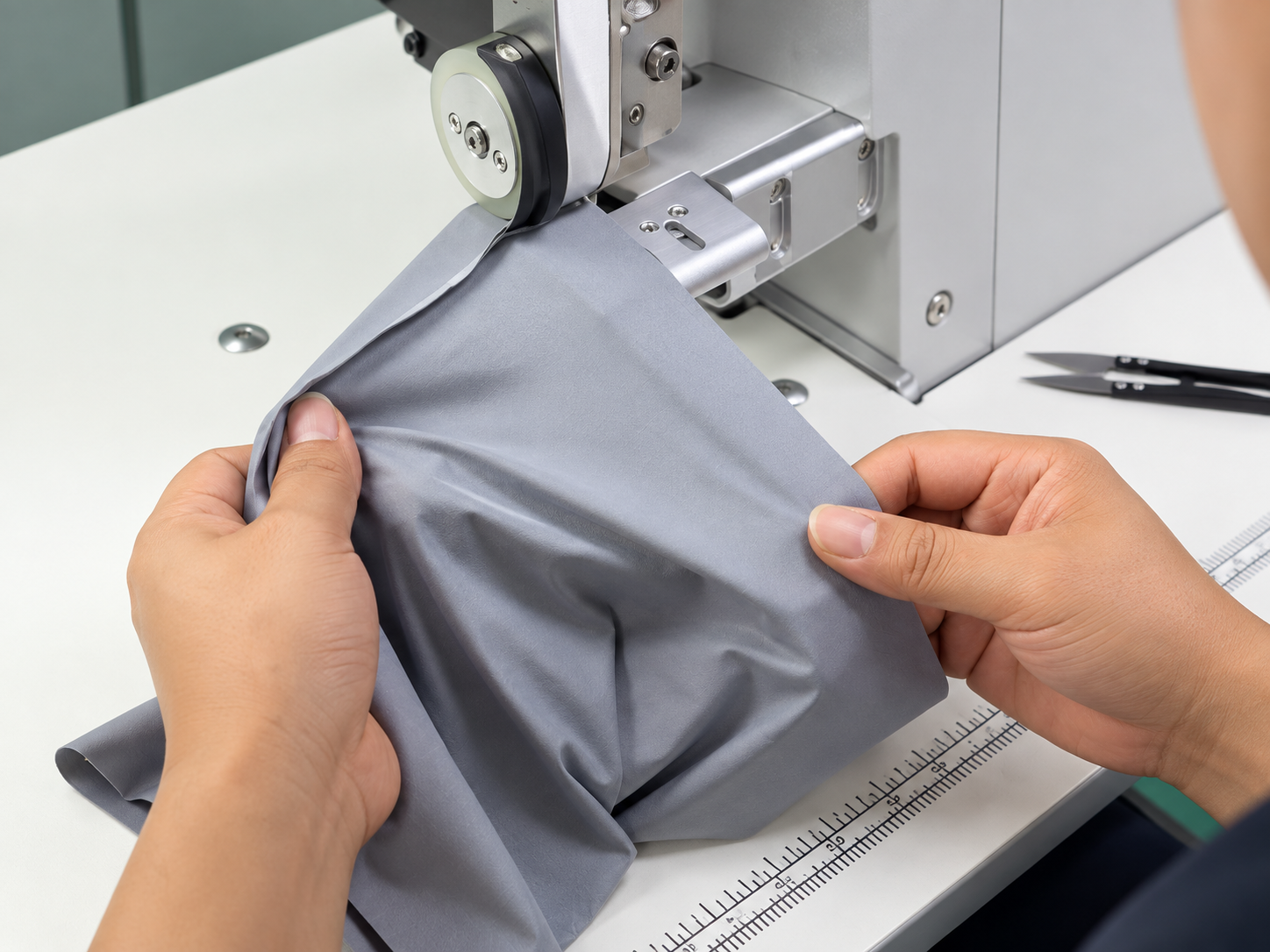
Seam Sealing
Hot-air seam sealing applies tape over selected seams to improve seam coverage and, in suitable systems, reduce water entry. The fabric coating, seam structure, tape, curves, openings and finished-garment design all influence the result.
- Confirm material heat compatibility.
- Match seam tape to the surface.
- Review coverage around corners and intersections.
- Use appropriate water testing when a water-resistance claim is required.
Leadshow has hot-air seam-sealing equipment, but seam sealing alone does not establish a waterproof garment claim. Curved seams and intersecting seam lines deserve extra attention because tape application can become harder to control in complex zones.
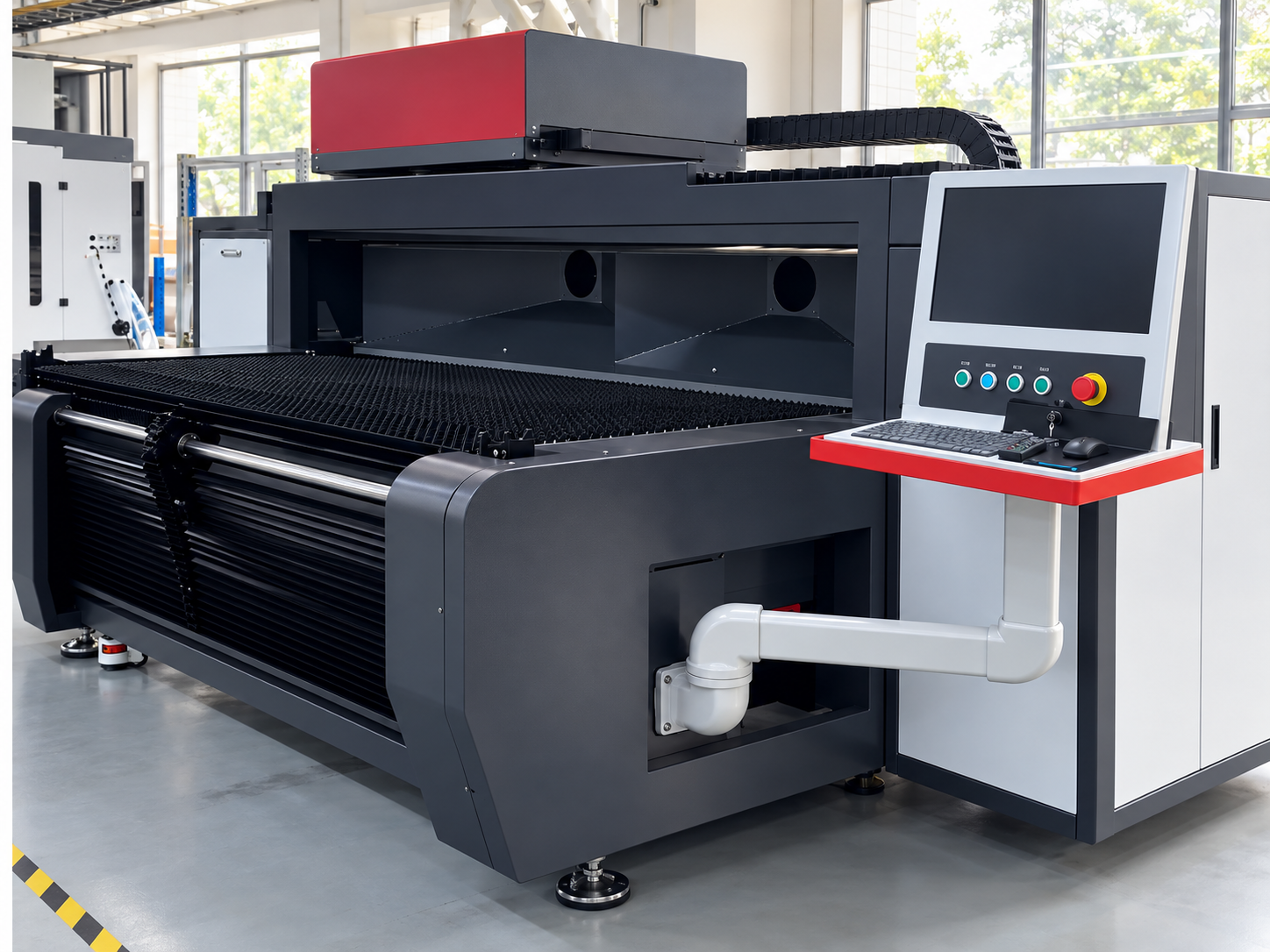
Laser and Heat Transfer
Laser perforation can create ventilation or decorative openings on compatible fabrics, while heat transfer can apply labels, logos or selected graphics. Both processes introduce heat and surface interaction.
- Review melting, discoloration or edge behavior.
- Check perforation location against garment strength.
- Keep logo films compatible with stretch and care.
- Validate appearance after washing when required.
Leadshow has laser-perforation and heat-transfer equipment for suitable applications. No fixed breathability increase or permanent wash durability should be claimed without evidence tied to the actual material and process. Small development trials are useful before final artwork or perforation placement is frozen into the tech pack.
Stock, Standard or Custom Fabric?
Material sourcing can follow several routes. The right path depends on design freedom, quantity, color, timing, target cost and repeat-order needs. Leadshow can evaluate available options by project.
Supplier Stock
Stock materials can shorten the path to swatch review and sampling when a suitable color and specification already exist. They can be useful for development, testing a new style or reducing the complexity of an early production run.
- Availability can change, so stock should be reconfirmed before bulk purchase.
- Colors and finishes are limited to what the supplier currently offers.
- Reorder continuity is not guaranteed indefinitely.
- Stock status does not remove the need for physical approval.
Leadshow can review supplier-stock options, but should not be presented as holding every sportswear fabric in permanent inventory.
Standard Range
A supplier’s regular fabric and color range can offer better continuity than one-off stock while avoiding the full development burden of a custom material. It is often a useful balance for brands that need repeatable quality, several colors and manageable development complexity.
- Check standard color availability and material MOQ.
- Review shade and handfeel through actual swatches.
- Confirm current lead time before each order.
- Keep the exact supplier reference in the approved material record.
A standard range still requires project-level approval because supplier conditions and available colors can change. Standard-range materials can also simplify future color extensions when the supplier keeps the base construction available across seasons.
Project-Specific Custom
Custom color, finish, construction or performance work gives more design freedom, but it can raise material MOQ, development time, testing needs and cost. Lab dips or other color-development steps may be required depending on the fabric supplier and project.
- Define the reason for customization before starting.
- Confirm supplier MOQ and development route.
- Review sample yardage and color approval.
- Recheck final price and supply cycle before bulk production.
Leadshow can coordinate project-specific material options where available, with final feasibility based on supplier documentation, testing and project approval. Custom development is most useful when the added performance, color or surface effect clearly supports the product position rather than adding complexity without value.
Fabric MOQ, Cost and Lead-Time Trade-Offs
Fabric decisions change commercial conditions. Material MOQ can be higher than garment MOQ, while custom colors, finishes and testing can alter cost or timing. Review the whole material route before approval.
Variable
How It Affects the Project
What to Confirm Before Approval
Fabric availability
Stock or standard materials can enter sampling faster; custom production may add development and supply time
Current stock, supplier lead time, repeat-order availability
Custom color
Can add lab-dip work, color MOQ and approval time
Color standard, supplier MOQ, number of colors, approval route
Fabric MOQ
May exceed the garment order quantity and affect cost allocation
MOQ by color / material, whether leftovers are acceptable, reorder plan
GSM and usable width
Change material consumption, garment weight and costing
Actual GSM, usable width, marker consumption and tolerance
Special finish or function
Can add supplier cost, testing and minimums
Finish specification, evidence, wash durability, supplier requirement
Number of SKUs
More colors and sizes increase planning complexity, though size mix does not always change fabric MOQ
Color split, size split, total order quantity, packing plan
Testing requirement
Adds test samples, methods, laboratory coordination and possible retesting
Target market, required claim, method, acceptance limit, responsible party
Production schedule
Material readiness can become the critical path even when sewing capacity is available
Approved material date, supplier delivery, current production schedule
Note: Leadshow’s standard garment MOQ generally starts from 100 pieces per color per design, subject to fabric, trims, construction and customization. Material suppliers may apply higher or different MOQs.
From Fabric Swatch to Approved Material
A swatch becomes a production material only after the specification, color, handfeel, garment behavior and commercial conditions are aligned. Approval should create a clear reference for bulk purchasing.
Define the Material Requirement
Start with the product rather than the fabric shelf. Provide the garment type, intended activity, target fit, market, quantity, colors, price positioning and any known material preference. If a reference sample or swatch exists, include it with the tech pack or product image. Performance priorities should be ranked so material options can be screened against the real design instead of a long list of desirable features.
Leadshow can review product construction, fit targets, performance requirements, budget and quantity before coordinating fabric options. The first goal is to decide whether supplier stock, a standard material range or project-specific development is the most suitable route. At this stage, missing information is converted into a clear request list rather than guessed.
Sample timing cannot be fixed before material availability, color work, construction complexity and revision scope are known. Early clarity on the material route makes both sampling and quotation more reliable.
For established programs, include the previous approved fabric code, known problems and any non-negotiable brand standard. For a new concept, even a short note such as “soft studio legging with high recovery and pale-color coverage” gives more useful direction than a long list of fiber percentages. Clear priorities make it easier to reject unsuitable materials early, reduce unnecessary swatch rounds and keep the development conversation centered on the product rather than on whatever fabric happens to be easiest to source.
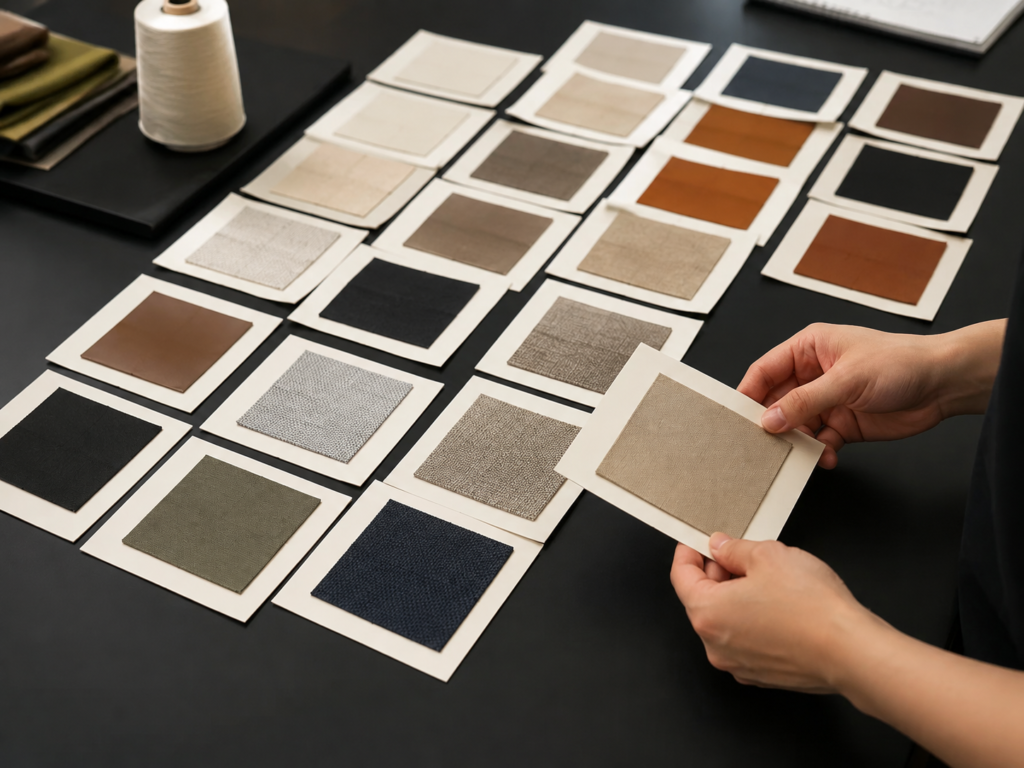
Compare Physical Samples and Color
A supplier datasheet helps narrow options, but the material still needs physical review. Compare composition, construction, GSM, width, stretch, recovery, surface, handfeel, color and relevant performance data. For custom color, a supplier color card, lab dip or other agreed color-development method may be used depending on the project. Screen color should never be treated as a final bulk color standard.
When several candidates are close, label each swatch with the exact supplier reference and key specification so comments do not become separated from the material. If a feature such as moisture management, UPF, abrasion resistance or recycled content is important, check the supplier document or testing scope before the claim enters the product description.
Leadshow can coordinate swatches, color samples and trim samples, with final material selection based on physical review and project approval.
Photographing and labeling swatches can help internal teams discuss options, but images should not replace physical approval when texture, stretch or shade is important. Keep comments linked to the exact sample code and revision date. If a new color is developed after the base fabric is approved, confirm whether dyeing or finishing changes the handfeel, stretch or dimensional behavior enough to justify another garment fit check.

Validate in a Sample Garment and Record Approval
The sample garment is where material choice meets pattern, seams, elastic, logos and real movement. Review fit, drape, recovery, opacity, seam appearance, comfort, wash response and any process-specific risk that matters to the product. Comments should identify whether a problem comes from pattern, material, construction or a combination of factors. A fabric change after fit approval can require another fit or workmanship check.
Once the material is approved, record the supplier reference, color, key specification and applicable supporting documents in the BOM or material approval record. Before bulk purchase, reconfirm price, MOQ, supplier lead time and batch conditions. Incoming material should then be checked against the approved requirement before production.
For repeat orders, availability, batch, price and documentation should be reviewed again rather than assuming the first-order material can be repeated forever without change.
The approval record should also state which characteristics are allowed to vary and which are critical. Color tolerance, GSM range, stretch direction, surface appearance or handfeel may carry different importance depending on the product. Clear priorities help incoming inspection focus on material features that can change fit or market presentation. They also give the sourcing and production teams a defensible reference when a supplier proposes a substitute or a new production lot behaves differently.

Which Fabric Tests Should Be Considered?
Testing should follow the garment, material, claim and destination-market requirement. Not every sportswear project needs the same test list. Use the approved material and a defined method whenever results support a specification or claim.
Test Direction
What It Helps Evaluate
Often Relevant When
Important Boundary
Fiber composition
Whether the material matches the declared composition
Composition is a purchase or labeling requirement
Result applies to the tested sample
Colorfastness
Resistance to washing, rubbing, perspiration or other defined exposure
Dark colors, contrast panels, frequent washing, brand requirements
Choose the exposure method that matches the product
Dimensional stability
Change in length or width after defined treatment
Fit-sensitive knits, repeat washing, shrinkage concerns
Pattern allowance should reflect the approved result
Pilling
Surface fiber-ball formation under defined rubbing
Soft knits, brushed materials, high-contact garments
Different methods and ratings are not interchangeable
Abrasion
Resistance to surface wear under defined rubbing
Running shorts, high-rub panels, frequent-use garments
High GSM alone does not prove abrasion resistance
Stretch and recovery
Extension, recovery and residual growth
Leggings, sports bras, jumpsuits, fitted products
Direction, load and sample state must be defined
Moisture management / drying
Water movement or drying behavior under a defined method
Performance claims, running and training products
“Polyester” alone is not a test result
Seam / bursting where required
Structural performance of seams or fabric under load
High-stretch, high-stress or brand-specified programs
Method depends on construction and brand standard
Restricted substances where required
Chemical limits against a specified requirement
Destination market or brand RSL program
Compliance is confirmed against the applicable requirement, not globally
Note: Leadshow can coordinate material, garment, performance and chemical testing by project while verifying the tested sample, method, color, batch and report scope. A complete accredited in-house laboratory is not claimed.
Keeping Fabric Consistent From Sample to Bulk
Bulk consistency comes from clear approved references, controlled material changes and incoming review. The goal is to manage shade, handfeel and performance within agreed requirements, not promise zero variation.
Build an Approved Material Reference
A development sample should point back to a clearly identified material, not to a vague description such as “black 230 GSM nylon-spandex.” Record the supplier code, color reference, construction, composition, GSM, usable width, relevant stretch information, finish and any supporting report that affects the product specification. Attach or retain a physical swatch when appropriate.
The approved material reference helps production teams understand which characteristics are critical. It also reduces the risk of an apparently similar substitute entering bulk production without review. If a material becomes unavailable, the replacement should be compared against the original performance and fit requirements rather than chosen only by composition or price.
Leadshow can support approved material specifications and BOM records as part of the development-to-production process. Exact document format depends on the project and the information supplied by the material source.
For multi-SKU programs, the reference should make it easy to see which styles share the same fabric and which use a different construction or finish. Shared materials can simplify purchasing, but only when the performance requirement is genuinely compatible across products. A sports bra lining, legging body and running top should not be forced onto one fabric merely to reduce the number of material codes. Standardization should follow technical fit, not precede it.
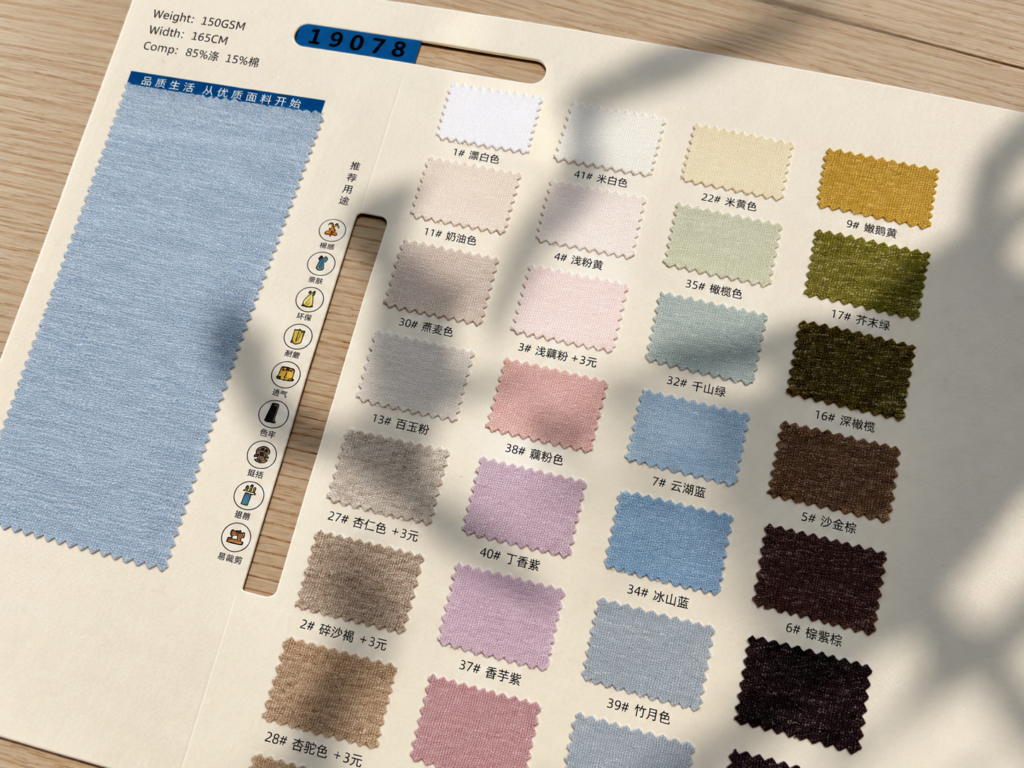
Control Lot, Shade and Handfeel Changes
Textile production naturally creates controlled variation between lots. Shade, handfeel, surface and performance may move within the applicable standard and approved requirement. Strong bulk control therefore depends on the agreed tolerance and reference, not on a promise that every roll or future reorder will be absolutely identical.
Before cutting, incoming material can be reviewed for identification, color, visible defects, handfeel and key specifications according to the project. Where color is critical, lot separation or shade review may be required. If supplier documentation covers only one color, batch or sample, it should not be generalized to materials outside that scope.
Material changes discovered during bulk preparation should be clarified before the affected fabric is used. The earlier the deviation is identified, the easier it is to protect fit, appearance and production scheduling.
Shade control becomes more important when several panels, trims or garments are sold as a matching set. Materials produced in different lots can look acceptable alone yet appear mismatched when placed side by side. Planning fabric allocation and lot use around the finished assortment can reduce visible variation. Any agreed shade grouping or separation method should be documented in the project requirements instead of left to informal judgment during packing.
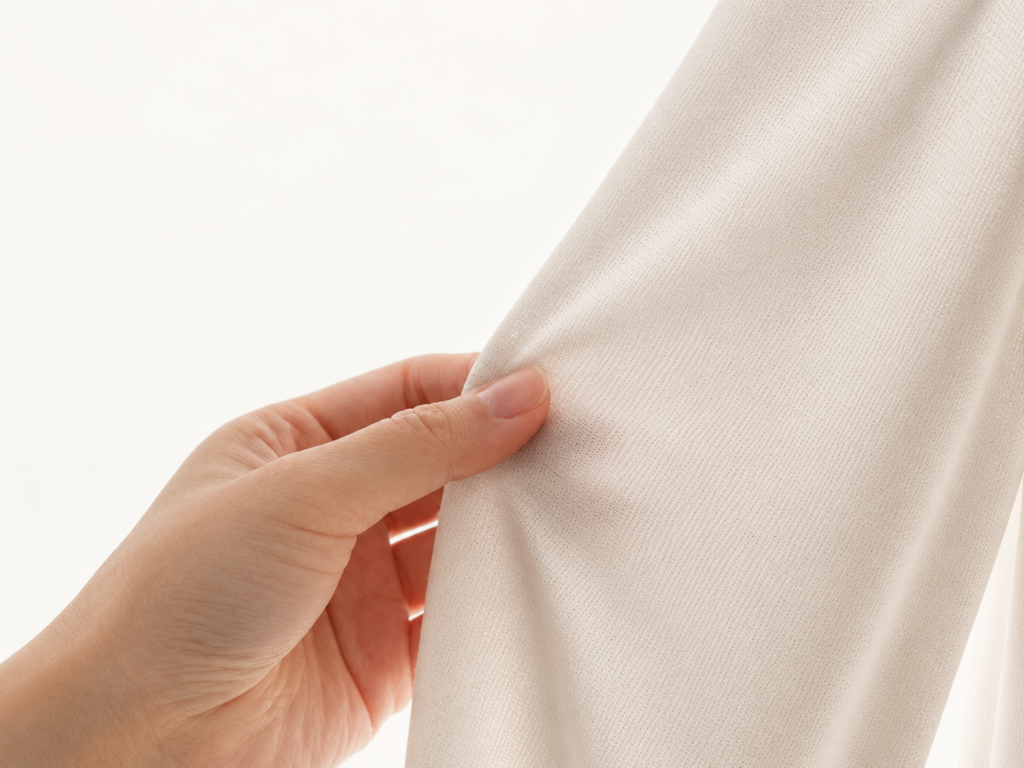
Reconfirm Materials for Reorders
A repeat order should begin by checking whether the original material, color, finish and supplier conditions are still available. Prices, raw materials, dye lots, supplier lead times and certification documents can change over time. Even when the same fabric code remains active, a new production lot should be considered against the current project requirement.
For long-term programs, retain the approved product and material information needed for comparison. If a substitute is proposed, review how it affects fit, handfeel, performance, workmanship and cost, then obtain approval before bulk production. Retesting may be needed when a material or process change affects a supported performance claim.
Leadshow offers long-term reorder support, but does not promise permanent color identity, permanent material availability or zero variation between all future production lots.
A reorder review also protects commercial planning. If the original material now requires a higher supplier MOQ, longer supply cycle or different color route, the brand can decide whether to accept the change, consolidate colors, adjust the order or evaluate a substitute before production dates are committed. Material continuity is therefore both a quality issue and a sourcing issue. Rechecking it early reduces surprises after purchase orders or retail launch dates are already fixed.
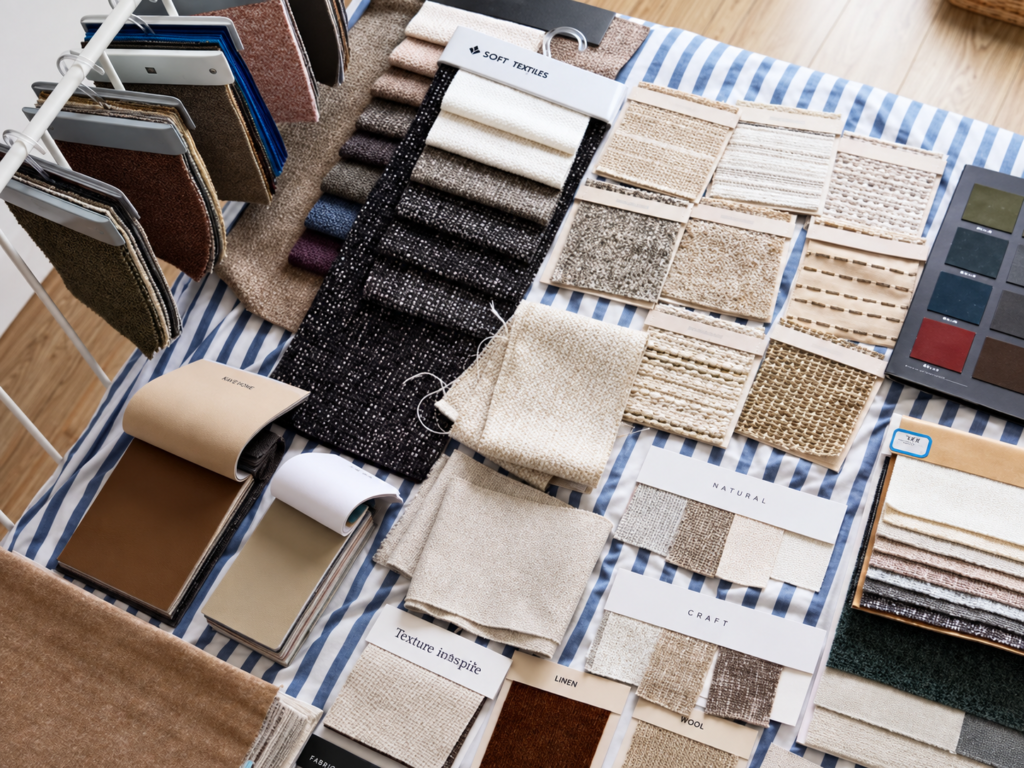
How Leadshow Supports Sportswear Fabric Decisions
Leadshow connects material selection with fit, sampling and production. The role is not to manufacture every fabric internally, but to help turn approved material decisions into repeatable sportswear manufacturing requirements.
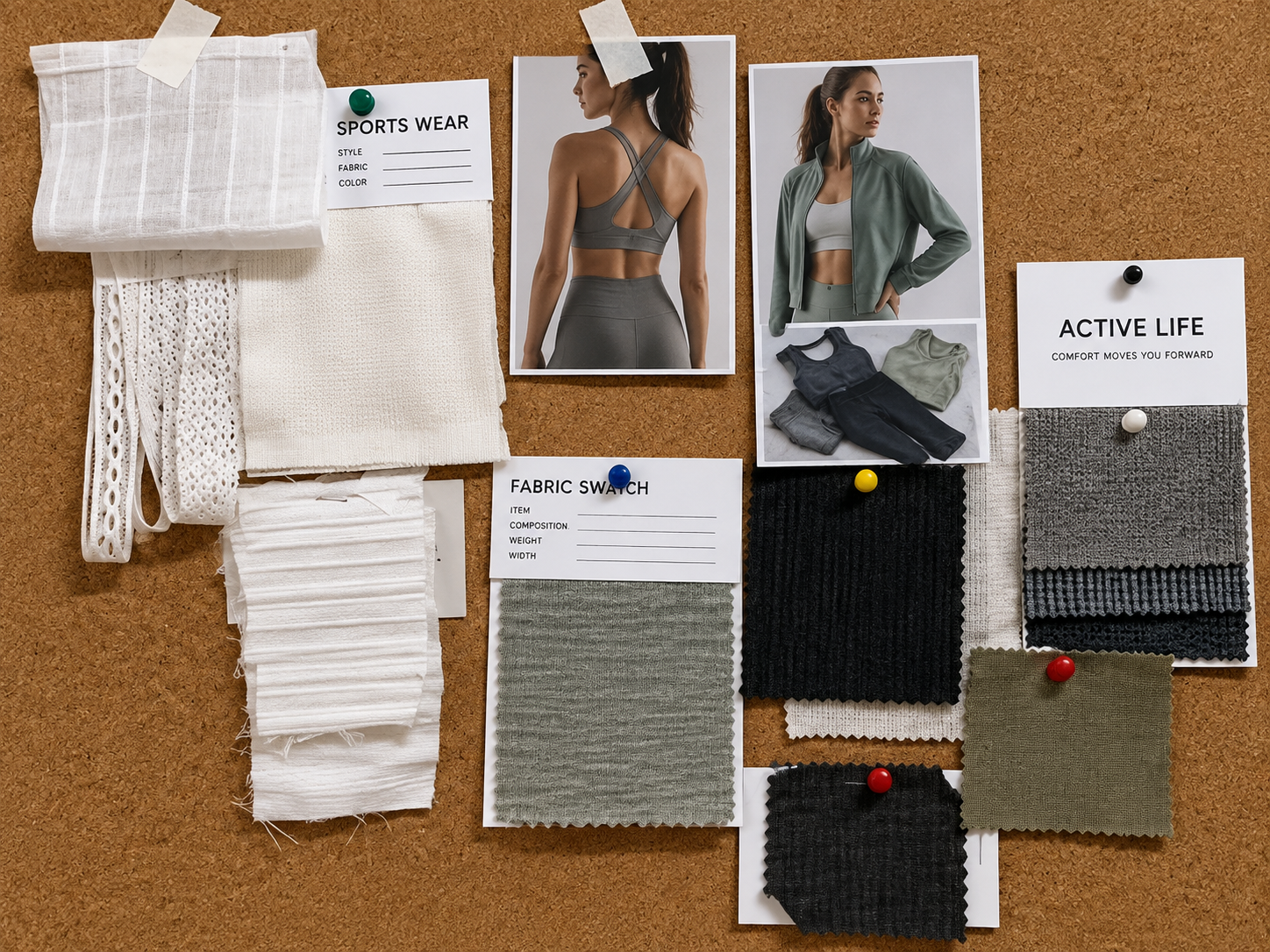
Material Selection Support
Leadshow coordinates fabric and trim selection according to product construction, fit, performance targets, budget, quantity and destination-market requirements. Material routes can include supplier stock, standard ranges or project-specific custom options where available.
- Review composition, construction, GSM, stretch, color and handfeel.
- Coordinate swatches, color cards and material samples.
- Check material MOQ and supplier availability.
- Keep performance and certification claims tied to supporting evidence.
Final materials are confirmed through physical samples and project approval rather than assumed from images or generic fabric names. The selected route is documented so later sampling and quotation discussions refer to the same approved material direction.
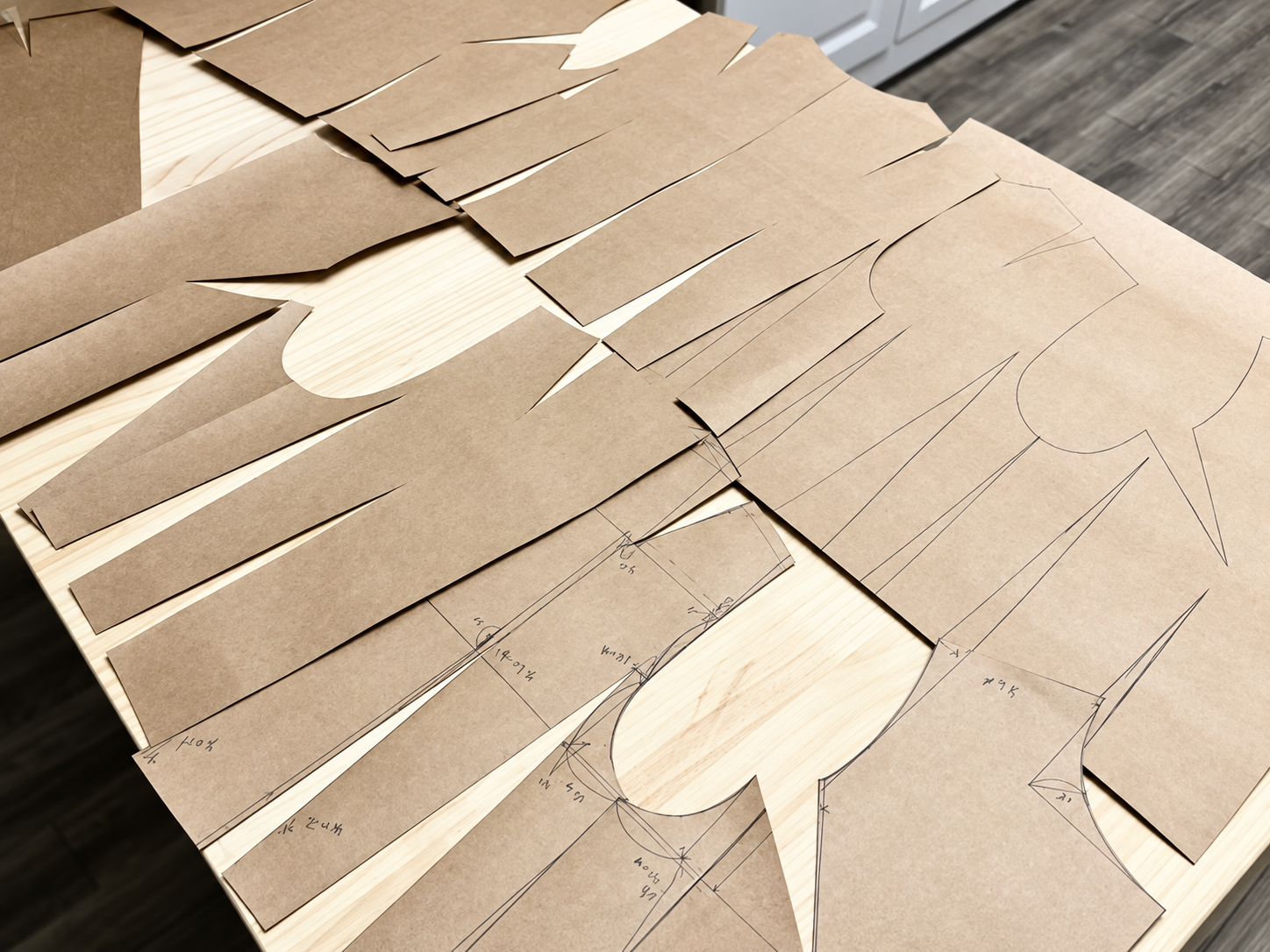
Pattern and Fit Review
Fabric behavior is considered together with the pattern, measurement chart and target fit. High-stretch leggings, sports bras and jumpsuits can require different ease and balance depending on recovery, vertical stretch and thickness.
- Review fabric stretch against the intended movement.
- Adjust pattern or fit when material behavior changes.
- Use fit samples and comments to verify the result.
- Recheck critical measurements after material replacement when needed.
Leadshow’s R&D and engineering function supports construction review, pattern and fit adjustment, sample development, process evaluation and production feasibility. Fit comments can then be separated into pattern changes, material changes and workmanship changes, making revision rounds easier to manage.
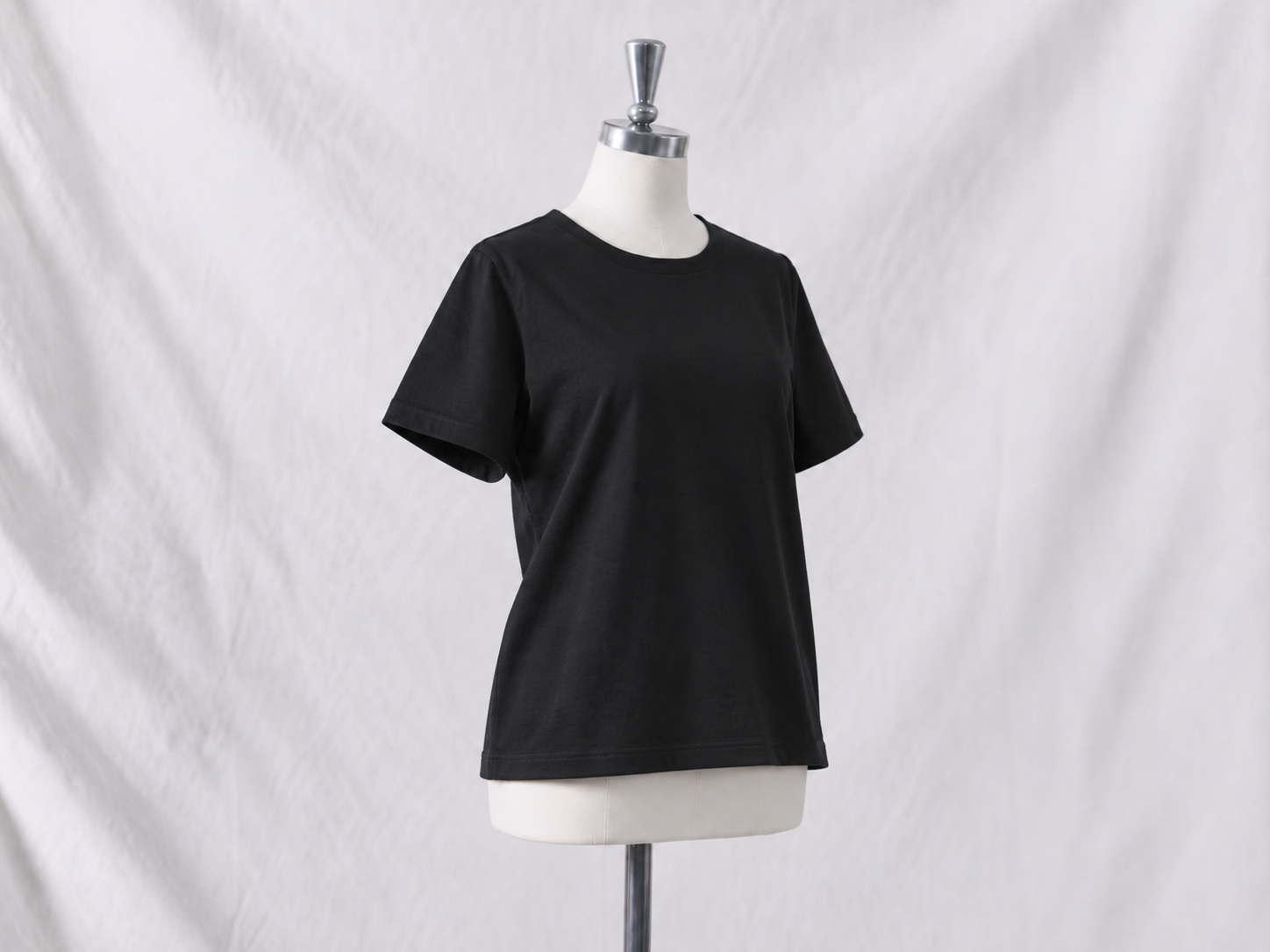
Sample Development
An independent R&D and sampling workshop supports construction review, pattern adjustment, sample making and pre-production validation. Candidate fabrics can be tested in the real garment before the bulk material is locked.
- Check drape, opacity, movement and seam response.
- Review elastic, lining and branding interactions.
- Record revisions against the material and pattern version.
- Move approved results into bulk-production requirements.
Sample timing is confirmed after fabric availability, color work, product complexity and revision scope are evaluated; a fixed sampling time is not promised for every project. When several materials are under consideration, controlled sample comparisons can help the development team decide which trade-offs are acceptable.
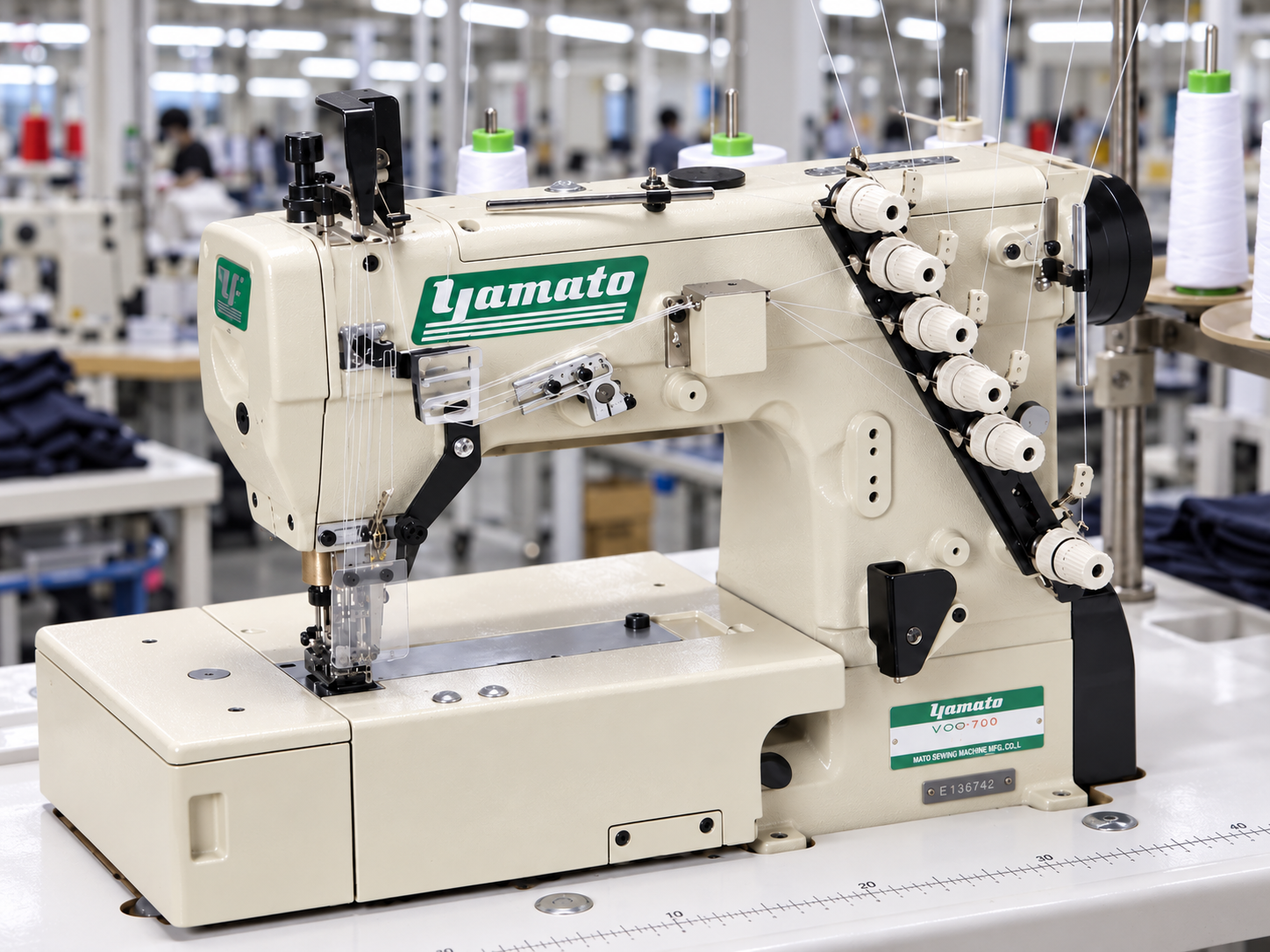
Manufacturing Compatibility
Leadshow combines automated fabric preparation, multiple sewing methods and specialized-process equipment to support sportswear development and production. Confirmed equipment includes automated spreading and cutting, overlock, flatlock, elastic attachment, heat bonding, seam sealing, laser perforation, heat transfer and finishing systems.
- Select equipment according to the material and construction.
- Validate heat and stretch compatibility before bulk use.
- Separate equipment capability from performance claims.
- Use the approved sample as the manufacturing reference.
More than 300 confirmed production, specialized-process and finishing machines support the overall manufacturing system. Material and process decisions are therefore linked before production rather than treated as separate departments with independent assumptions.
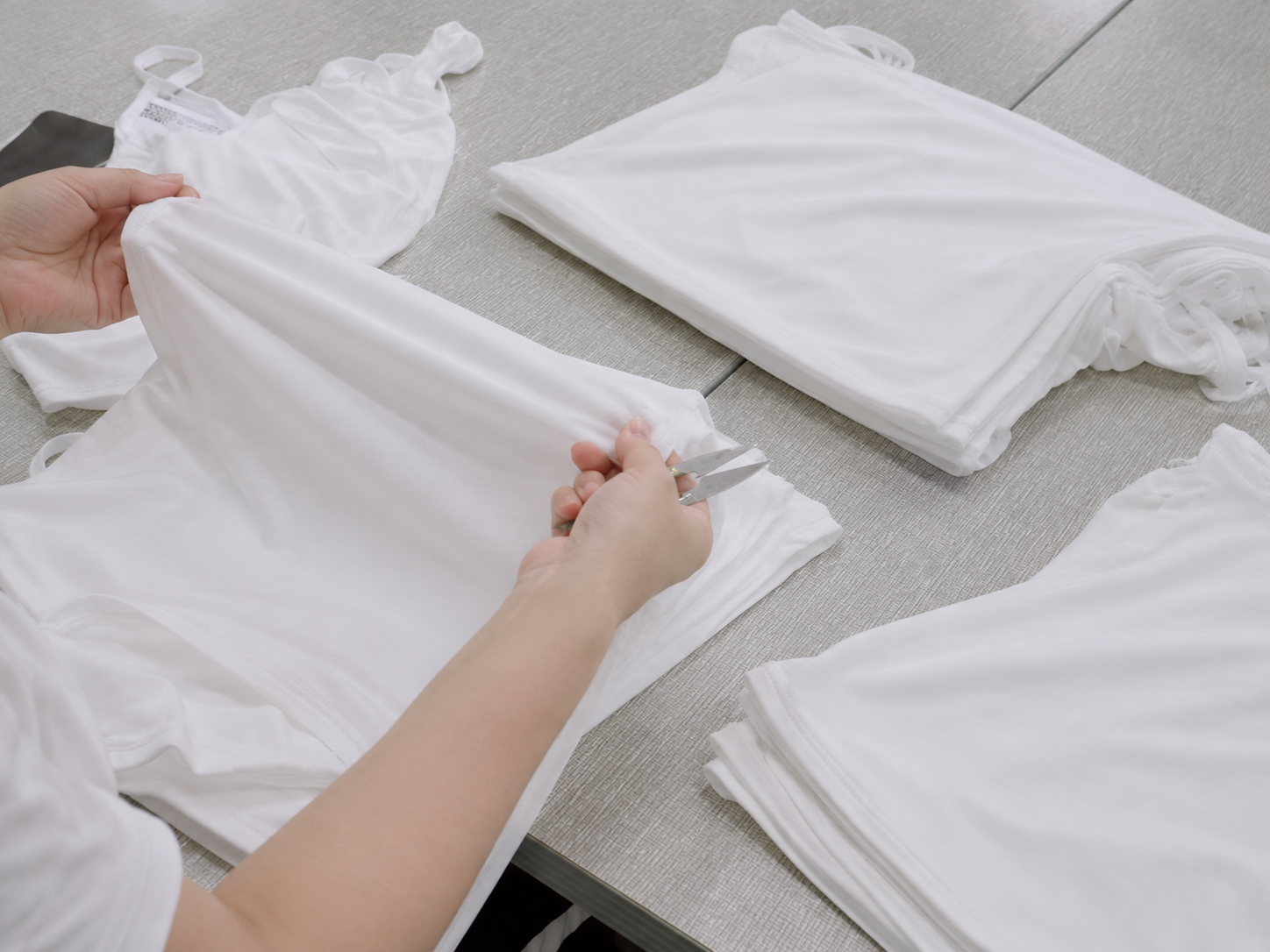
Quality and Testing Coordination
Leadshow’s quality function can support material, in-process, finished-garment and packaging checks according to project requirements. Testing can also be coordinated by arrangement when composition, colorfastness, dimensional stability, pilling, abrasion, stretch or other performance evidence is required.
- Define the applicable test and acceptance requirement.
- Verify sample, color, batch and report scope.
- Review material changes before relying on previous results.
- Keep supplier reports separate from company or garment certification claims.
Leadshow does not claim a complete accredited in-house laboratory or automatic global compliance for every product. Quality checks then use the approved material, product specification and relevant project requirement as the reference instead of generic factory claims.
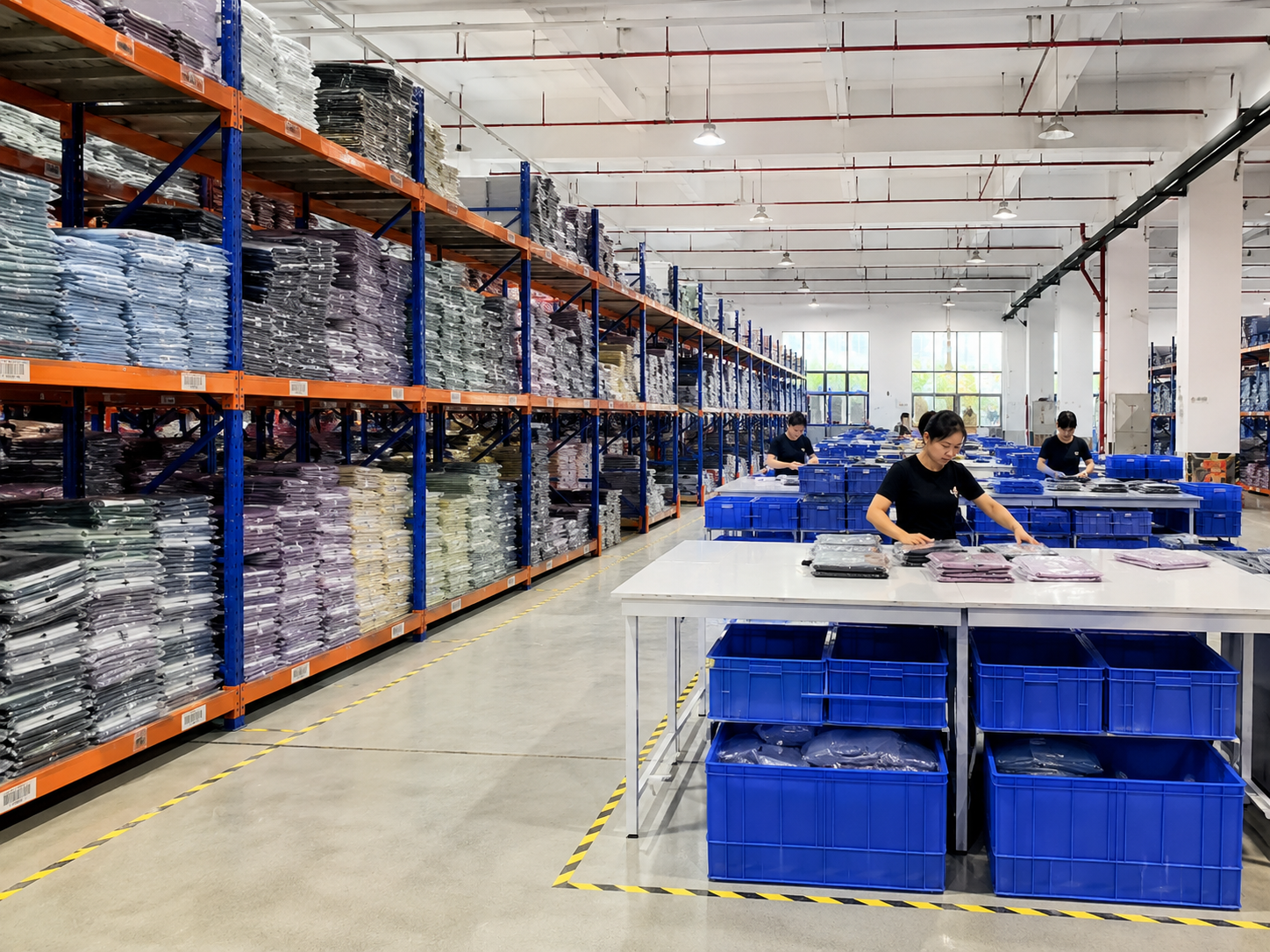
Scalable Manufacturing
Leadshow operates three modern manufacturing bases with more than 20,000 square meters of combined factory space and a team of over 1,500 employees. The three bases provide combined monthly capacity of up to approximately 120,000 finished garments, subject to product construction, materials, processes, order mix and current scheduling.
- Move approved samples into bulk-production requirements.
- Support multi-color, multi-size and multi-SKU orders.
- Coordinate labels, packaging and shipment preparation.
- Review material availability again for reorders.
Standard garment MOQ generally starts from 100 pieces per color per design, subject to fabric, trims, construction and customization.
Sportswear Fabric Frequently Asked Questions
Short answers to common material questions from sportswear development teams, with the conditions that matter before a fabric enters sampling or bulk production.
What is the best fabric for sportswear?
There is no single best fabric for every sportswear product. Start with garment type, activity, fit, climate and performance priorities, then compare composition, construction, GSM, stretch, recovery, moisture behavior, durability and sourcing conditions. A fabric that works well for a running top may be wrong for leggings or a sports bra. Final selection should be verified with the actual swatch and, where fit or construction is sensitive, a sample garment.
Is polyester or nylon better for activewear?
Neither is universally better. Polyester-based fabrics are often selected for durability, color stability and low fiber absorbency, while nylon-based fabrics are often chosen for smooth handfeel, abrasion resistance and premium fitted applications. The final result depends heavily on yarn, knit construction, density, elastane content and finish. Compare the real fabric against the garment requirement instead of choosing only by fiber name.
What GSM is best for sportswear?
No universal GSM fits every sportswear style. Lightweight, midweight and heavier fabrics can all work when matched to the right product. GSM affects mass, coverage, warmth, drape and consumption, but it does not directly define stretch, recovery, opacity, breathability or durability. Evaluate GSM together with composition, construction, density, fit and activity, then confirm the result on a physical sample.
How much stretch does activewear fabric need?
The required stretch depends on movement, pattern ease and garment zone. A fitted legging or jumpsuit usually needs more controlled extension than a loose running top. Measure stretch in the relevant directions and review recovery after release. Elastane percentage alone does not define usable stretch. Final targets should follow the selected fabric, pattern and approved fit rather than a generic percentage.
What is the difference between stretch and recovery?
Stretch is how far the fabric extends; recovery is how well it returns toward its original dimensions. Strong sportswear often needs both. A fabric may stretch easily yet develop knee bagging, seat looseness or waistband slippage if recovery is weak. For fitted products, evaluate elongation, residual growth and repeated movement together with the pattern and seam construction.
How should squat-proof fabric be evaluated?
Check opacity at the extension the garment actually experiences, especially in light colors. GSM alone cannot prove coverage. Knit density, yarn, color, finish, stretch direction and pattern ease all affect visibility under tension. A fitted sample is the most reliable visual approval method. Use the term “squat-proof” only when supported by the actual material and an agreed evaluation or test.
Does polyester always mean quick-dry?
No. Polyester has low fiber absorbency, but drying behavior also depends on yarn, fabric structure, GSM, finish, moisture spreading, airflow and environment. A dense polyester knit can dry differently from a lightweight open structure. If quick-dry performance is an important product claim, define the test condition and use supporting supplier data or project testing rather than relying on composition alone.
Should sportswear fabric be tested before bulk production?
Testing should follow the risk and claim. Common directions can include composition, colorfastness, dimensional stability, pilling, abrasion, stretch and recovery, moisture management or restricted substances. Not every project needs the same list. Define the target market, claim, method, sample, color, batch and acceptance limit. Leadshow can coordinate testing by project where required and confirmed.
Is fabric MOQ the same as garment MOQ?
No. Leadshow’s standard garment MOQ generally starts from 100 pieces per color per design, subject to fabric, trims, construction and customization. Fabric mills, dye houses, trim suppliers or custom-color programs may apply higher or different minimums. Material MOQ should be checked before a fabric is approved so the final order quantity, color split and cost structure remain workable.
How is fabric controlled from sample to bulk?
Keep an approved material reference with the supplier code, color, key specification and supporting documents. Reconfirm price, supply timing and batch conditions before bulk purchase, then review incoming material against the approved requirement. Shade, handfeel and performance may vary between lots within agreed standards. If the material or process changes, reassessment or retesting may be required before production continues.
Send Your Sportswear Fabric Requirements
Share the garment type, intended activity, target market and any existing design or material reference. A complete tech pack is helpful but not required for an initial review. Product images, reference samples, estimated quantity, color plan, size range, preferred composition, GSM, handfeel, stretch direction, recovery expectations and performance priorities can all help narrow suitable material routes. If a specific function or certification is needed, include the applicable target or market requirement so the material document and testing scope can be reviewed correctly. Leadshow can evaluate supplier stock, standard ranges or project-specific options, then connect the selected fabric with pattern, sampling, manufacturing compatibility and bulk-production planning. Final material MOQ, pricing, performance, color and lead time are confirmed after supplier information, samples and project conditions are reviewed. Include any previous sample comments, approved material codes or current fabric problems such as transparency, pilling, shrinkage, slow drying or loss of recovery. Clear problem examples help the development team compare options more efficiently and identify whether the next step should be a swatch review, material trial, fit sample or revised quotation.