
Private Label Gym Wear Manufacturer
Develop Brand-Specific Gym Wear From Product Requirements to Approved Samples and Scalable Manufacturing
- Private label development for sports bras, yoga leggings, sports T-shirts, running shorts, tank tops, tracksuits, and related confirmed sportswear.
- Support for tech pack review, material and trim evaluation, pattern and fit adjustment, sampling, bulk manufacturing, quality checks, labels, packaging, and export delivery.
- Manufacturing resources include three production bases, an independent R&D and sampling workshop, stretch-garment sewing equipment, specialized processes, and multi-SKU packing support.
- Standard MOQ generally starts from 100 pieces per color per design, subject to material, construction, branding, trim, and packaging requirements.
Built for Brand Teams Managing Real Gym Wear Programs
Private label manufacturing becomes more demanding once fit, material behavior, multiple sizes, branding details, and repeat production enter the same program. Leadshow supports commercial apparel projects where product specifications need to move from development files into approved samples and controlled bulk production.
Product Development Teams
Product managers and apparel developers usually enter a project with design intent, reference garments, sketches, measurement tables, or a complete tech pack. Their main concern is whether design details can become a manufacturable garment without losing fit direction or brand character.
- Product construction and manufacturability review
- Pattern and fit adjustment according to supplied specifications
- Fabric, lining, elastic, padding, trim, and process evaluation
- Sample development and revision
- Approved-sample preparation for bulk-production reference
Development decisions remain linked to product construction, material availability, order quantity, budget, and brand specifications rather than generic garment templates.
Sourcing and Procurement Teams
Sourcing teams need more than a factory price. A workable program requires clarity around MOQ, material conditions, construction complexity, branding, production capacity, packaging, and timing. Quotations become more useful when specifications are complete enough for technical and commercial review.
- Standard MOQ generally starting from 100 pieces per color per design
- Project-based material and trim evaluation
- Construction and process review before commercial confirmation
- Combined manufacturing capacity evaluation across three production bases
- Multi-color, multi-size, and multi-SKU production coordination
- Packaging and export-delivery preparation
Final price, MOQ, production schedule, and material plan are confirmed according to actual project requirements.
Quality and Supply Chain Teams
Quality and supply-chain teams focus on what happens after a development sample looks acceptable. Production needs controlled specifications, clear material references, measurement requirements, branding files, packaging rules, and defined checking points.
- Material and trim checks according to project requirements
- Measurement, construction, workmanship, and appearance review during production
- Label, size, SKU, and packaging verification
- Finished-garment inspection support
- Needle detection for applicable garments
- Carton preparation and shipment coordination
Repeat orders are reviewed against approved product information and current material conditions rather than assuming every new batch will be identical without verification.
Six Manufacturing Questions Worth Resolving Before Bulk Production
A gym wear program can look straightforward until fabric stretch, graded sizing, elastic tension, logo placement, color variation, and packaging are combined. Early clarification gives design, sourcing, production, and quality teams a common manufacturing reference before larger quantities are committed.
Is the Design Manufacturable?
A garment can look attractive in a sketch yet create avoidable problems during cutting, sewing, fitting, or bulk replication. Construction should be reviewed before production assumptions become fixed.
- Panel construction and seam placement
- Garment opening and dressing method
- Elastic or waistband construction
- Pocket, lining, padding, and reinforcement details
- Logo location and process compatibility
- Sewing and bonding requirements
Leadshow’s R&D and engineering resources can review supplied drawings, tech packs, reference garments, and product images to identify areas requiring clarification before sampling. Feasibility is confirmed according to actual construction rather than a simple “yes, we can make it.”
Does the Fabric Match the Product?
Gym wear performance depends heavily on material behavior. A fabric selected only by appearance may behave differently once stretched, sewn, washed, or combined with elastic, lining, heat transfer, or other trims.
- Composition and knitted construction
- Weight and handfeel
- Stretch direction and recovery
- Opacity expectations
- Surface texture
- Color requirements
- Lining or mesh compatibility
- Elastic and bonding compatibility
Leadshow coordinates fabrics and trims according to product specifications. Final functional claims, material certification, custom colors, MOQ, and performance need supplier documentation, physical evaluation, testing where required, and brand approval.
Can Fit Be Repeated Across Sizes?
Approval of one sample does not automatically approve every graded size. Gym garments often include fitted waistbands, armholes, torso lengths, crotch structures, elastic openings, or close-fitting panels where small measurement changes can affect wear.
- Measurement method
- Base-size pattern
- Ease and stretch allowance
- Brand size chart
- Grading direction
- Elastic tension
- Critical garment dimensions
- Feedback from physical samples
Leadshow supports pattern and fit adjustment according to provided measurements and comments. Final size coverage depends on approved specifications rather than an assumed universal S-XXL or other standard range.
Can an Approved Sample Become Bulk?
A sample is only useful if its approved requirements can be translated into production instructions. Material references, measurements, construction details, logo position, stitching, labels, and packaging should be clear before bulk execution.
- Approved technical files
- Approved physical sample where applicable
- Confirmed materials and trims
- Updated measurement requirements
- Artwork and branding files
- Production process information
- Packaging specifications
- Revision status
Leadshow supports the transition from approved samples to bulk-production requirements through coordination among development, production, quality, and logistics functions. Bulk production follows approved specifications within reasonable manufacturing tolerances.
Can Multiple SKUs Stay Organized?
A gym wear collection may contain several styles, colors, sizes, labels, packaging versions, and carton rules. Complexity rises quickly even when individual garments are relatively simple.
- Style number
- Color code
- Size
- Quantity
- SKU identifier
- Label version
- Packaging version
- Carton-mark requirement
Leadshow can support multi-SKU manufacturing and packaging coordination through production, quality, and warehousing/logistics functions. SKU requirements should be defined before packing starts, especially for programs serving retail, e-commerce, distribution, or multiple regional product versions.
Are Commercial Conditions Realistic?
MOQ, price, sample development, bulk timing, and material planning are connected. A highly customized product using special materials and complex branding cannot be evaluated accurately from a product name alone.
- Quantity per style and color
- Number of sizes
- Fabric and trim requirements
- Custom colors
- Construction complexity
- Logo and labels
- Packaging
- Testing or destination-market requirements
- Required project timing
Leadshow’s standard MOQ generally starts from 100 pieces per color per design. Final MOQ, price, sample timing, and bulk-production schedule are confirmed after specification, material, and production review.
Private Label Gym Wear Products Ready for Brand Development
Leadshow’s confirmed sportswear range supports focused gym and activewear collections without claiming every garment category in the market. Product development can start from a tech pack, reference garment, product image, or clear product direction, depending on project scope.
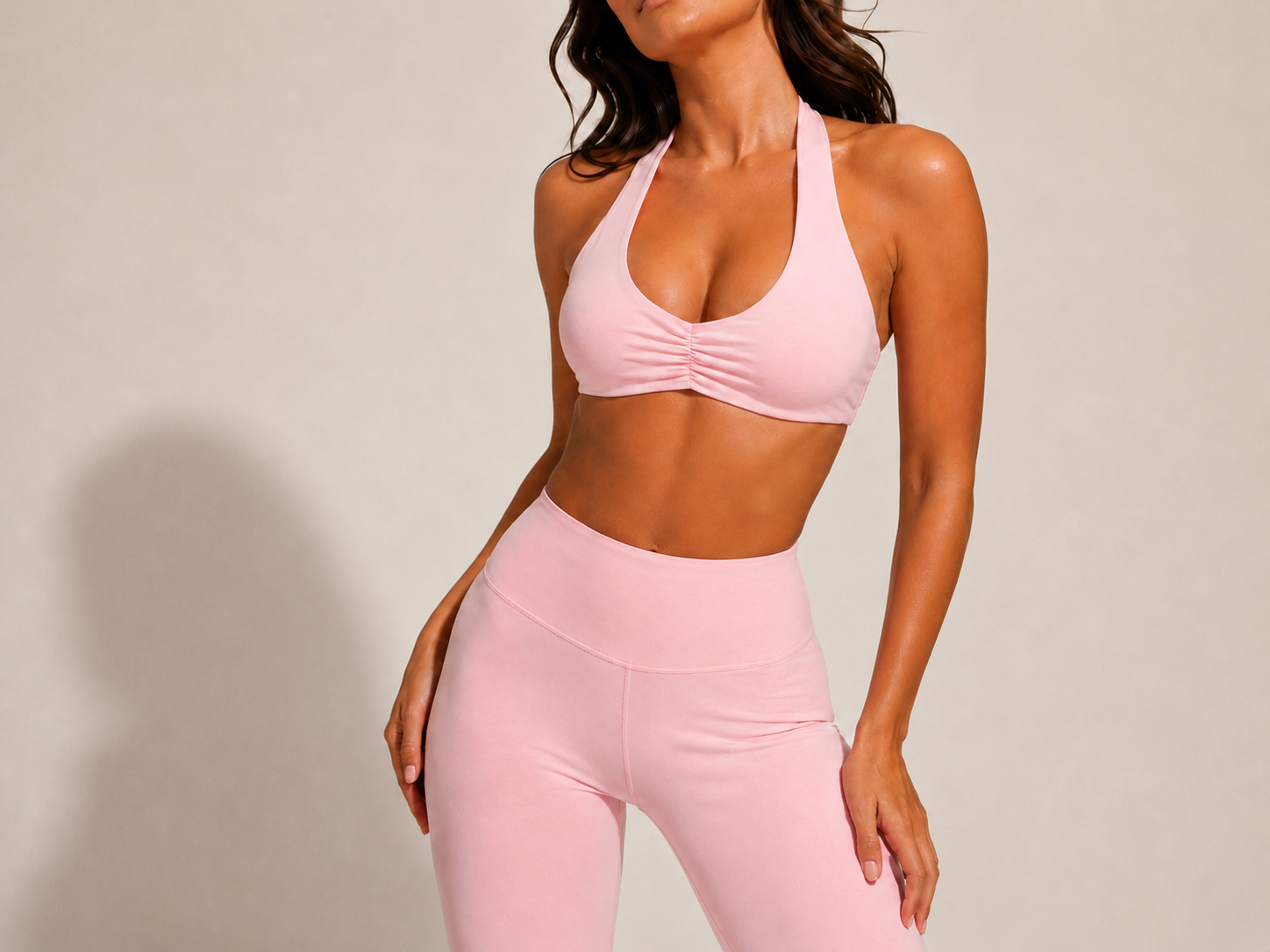
Sports Bras
Private label sports bras can be developed around fit direction, body measurements, neckline, shoulder straps, back construction, elastic underband, lining, padding, seam placement, and branding. Fabric stretch and recovery need to work together with elastic tension and garment construction. Leadshow has confirmed sportswear manufacturing resources including flatlock, overlock, elastic-attachment, cutting, heat-transfer, and selected bonding equipment. Support level, moisture-management claims, and other performance statements require material and product-specific confirmation.
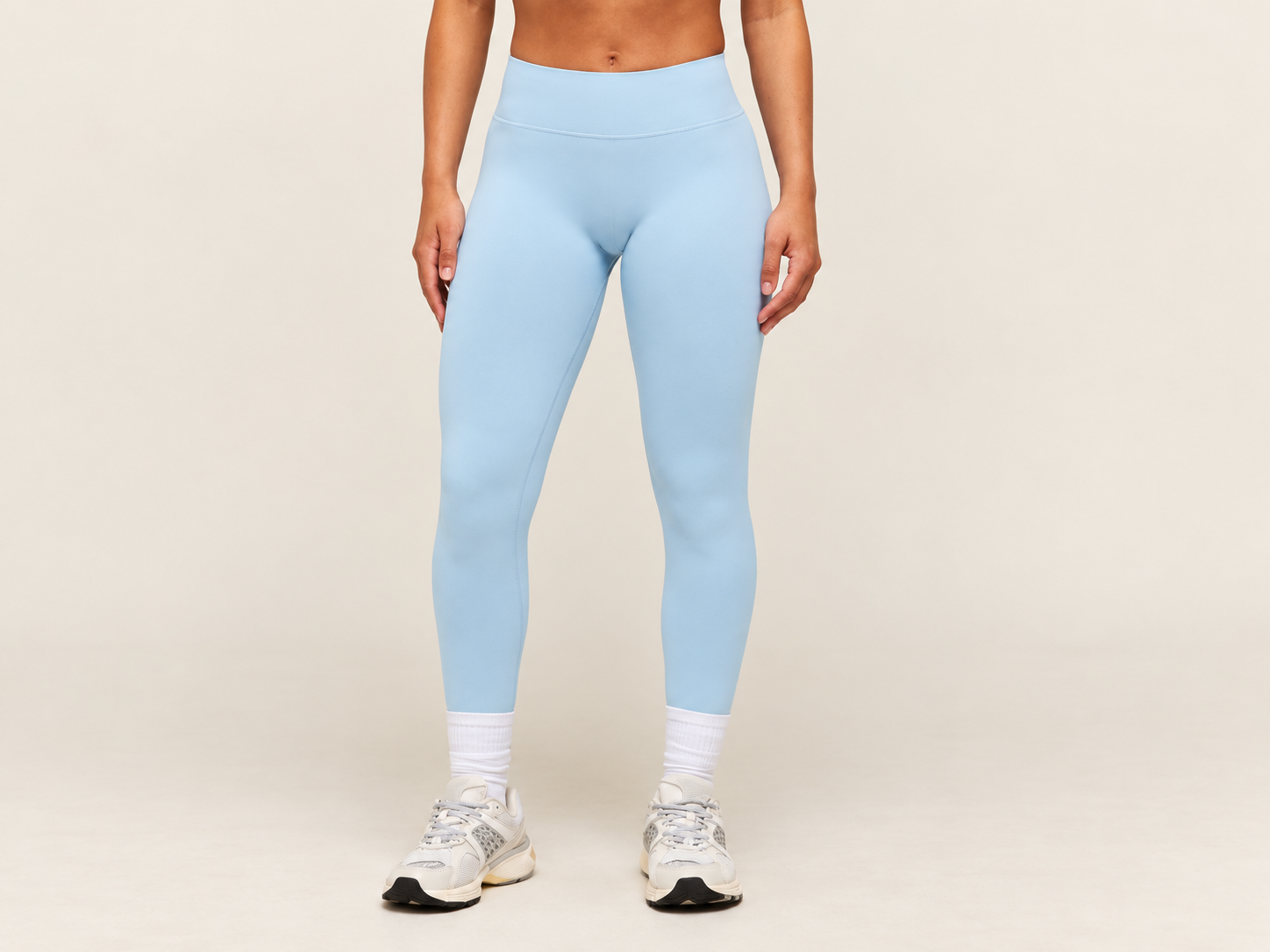
Yoga Leggings
Yoga leggings require close attention to waistband construction, rise, inseam, crotch structure, panel placement, fabric stretch, recovery, opacity expectations, and graded measurements. Private label development can include material, color, pattern, fit, logo, labels, and packaging according to project specifications. Leadshow can use stretch-garment flatlock, overlock, elastic-related, cutting, and other suitable equipment. Claims such as squat-proof, compression, quick-dry, or sustainable fabric are only used after corresponding material and test evidence is confirmed.
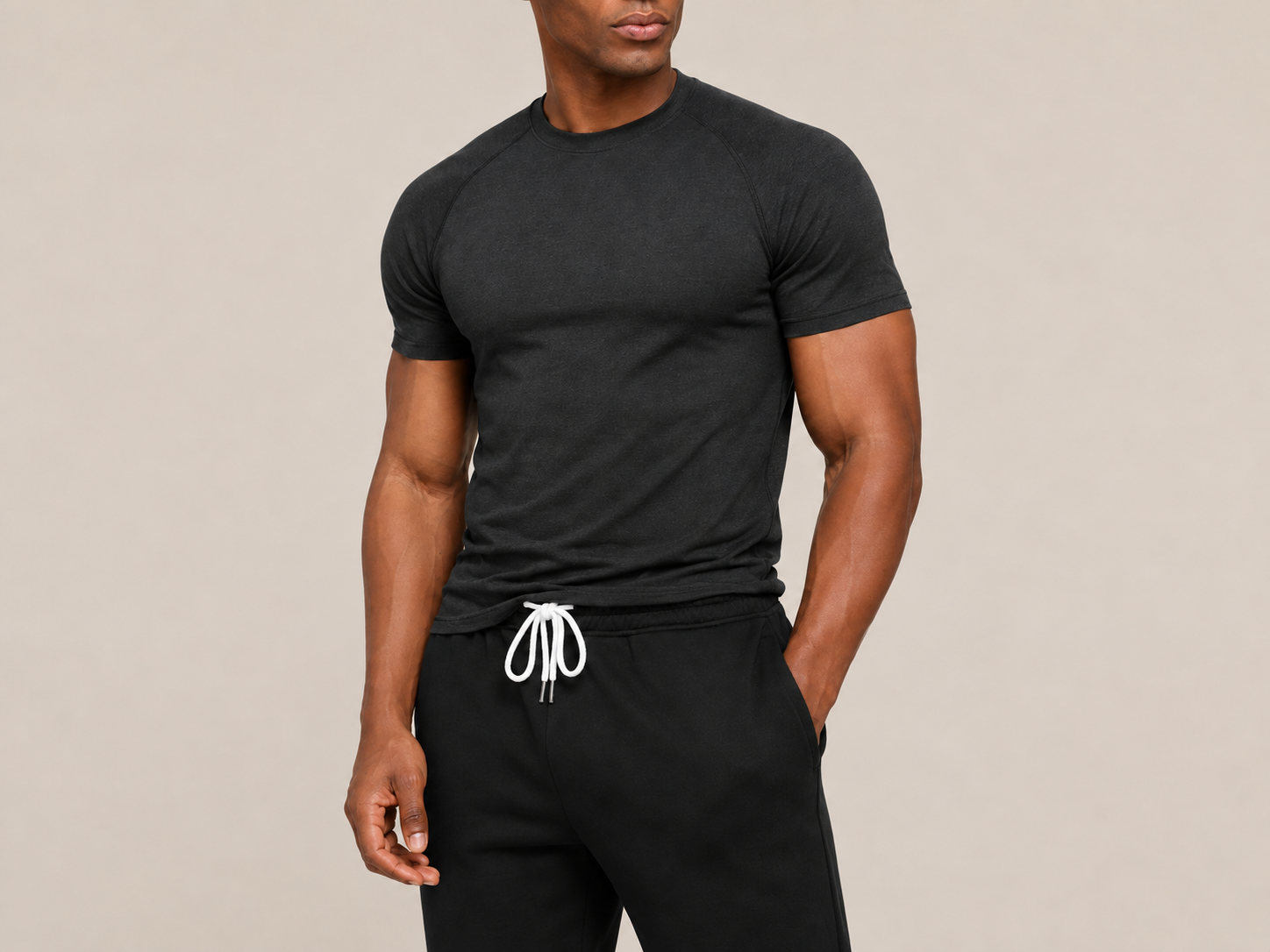
Sports T-Shirts
Sports T-shirts can serve gym, training, athleisure, and coordinated collection programs. Development may cover neckline, sleeve shape, body length, fit, panel construction, fabric weight, handfeel, logo position, labels, and packaging. Depending on the product, manufacturing may involve automated or flexible cutting, lockstitch, overlock, double-needle sewing, and heat-press branding. Material functionality is evaluated separately; no blanket moisture-wicking or quick-dry claim is applied to every sports T-shirt.
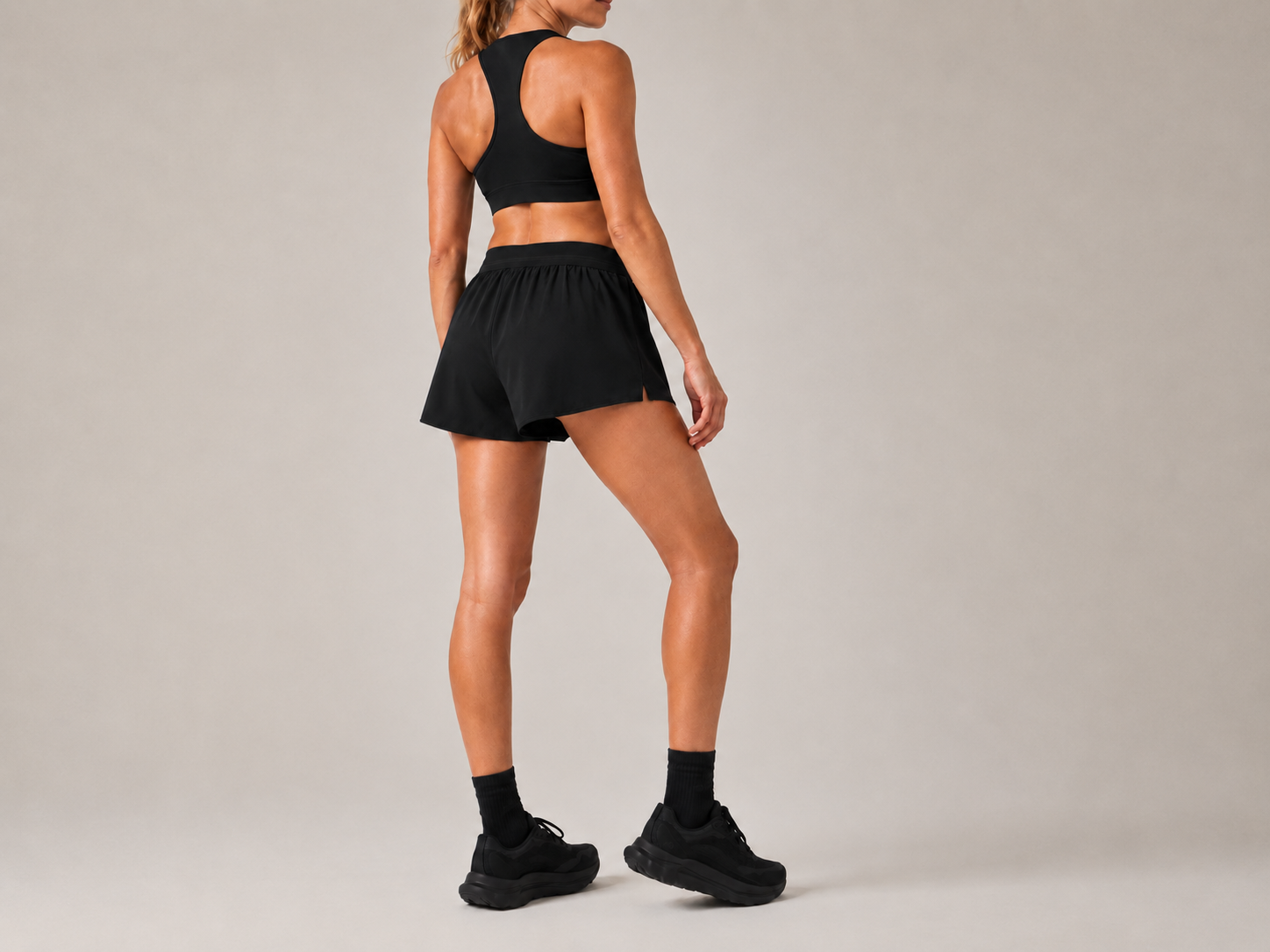
Running Shorts
Running shorts may involve elastic waistbands, drawcords, pockets, side openings, lining, panel structures, reinforcement areas, logo positioning, and different fit directions. Material choice needs to match movement, garment weight, construction, and intended use. Leadshow’s confirmed equipment includes cutting, overlock, lockstitch, bartacking, elastic-attachment, and laser-perforation resources for suitable products. Ventilation effects, functional performance, and material suitability remain subject to actual product design and technical evaluation.
Tank Tops
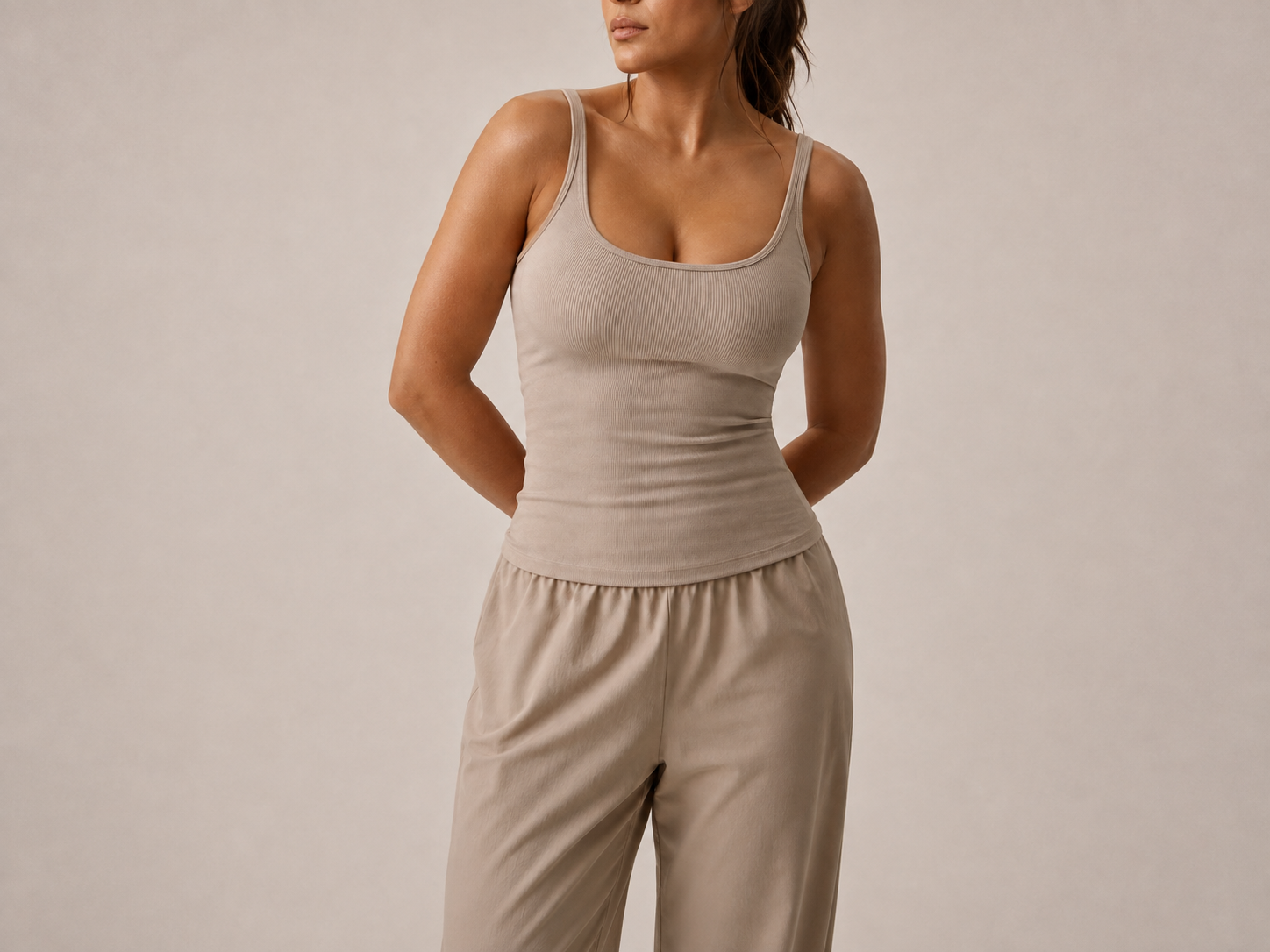
Private label tank tops can be developed around neckline, armhole, shoulder width, body fit, hem construction, fabric stretch, opacity, and logo requirements. Close-fitting training tops may need different pattern and material decisions from relaxed gym tops. Leadshow supports pattern adjustment, sample development, fabric and trim evaluation, sewing, heat-transfer branding, labels, and packaging. Final size range, fabric performance, and fit direction follow approved specifications rather than a fixed in-house sizing assumption.
Tracksuits
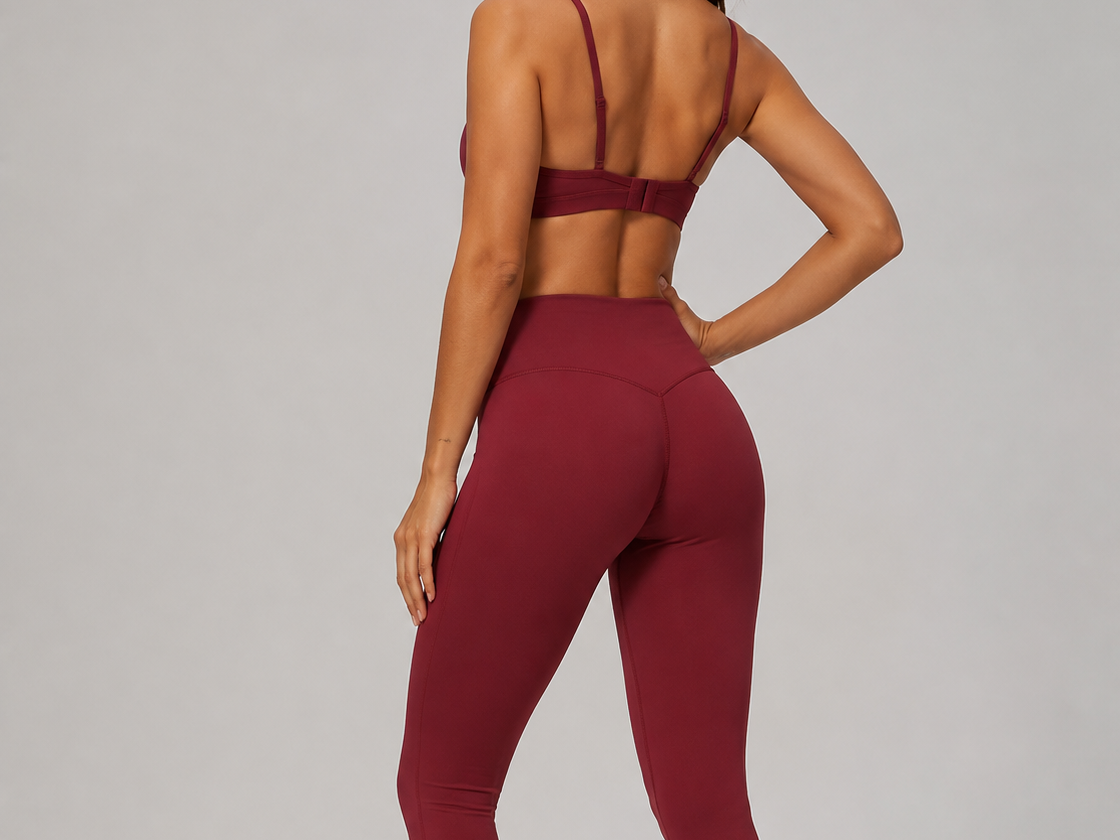
Tracksuits allow a brand to extend a gym collection into warm-up, travel, training, and athleisure use. Development can cover jacket and trouser fit, coordinated colors, pockets, zippers, rib structures, waistbands, drawcords, logo placement, labels, and set packaging. Leadshow has confirmed manufacturing capability for tracksuits and related sportswear. Material, construction, MOQ, and production timing are evaluated according to the complete set rather than treating the top and bottom as unrelated garments.
Build a Private Label Product Beyond Adding a Logo
Private label gym wear can involve product construction, materials, fit, colors, branding, labels, packaging, and SKU rules. A complete program creates a repeatable brand product rather than placing artwork on an unspecified garment.
Fit and Construction
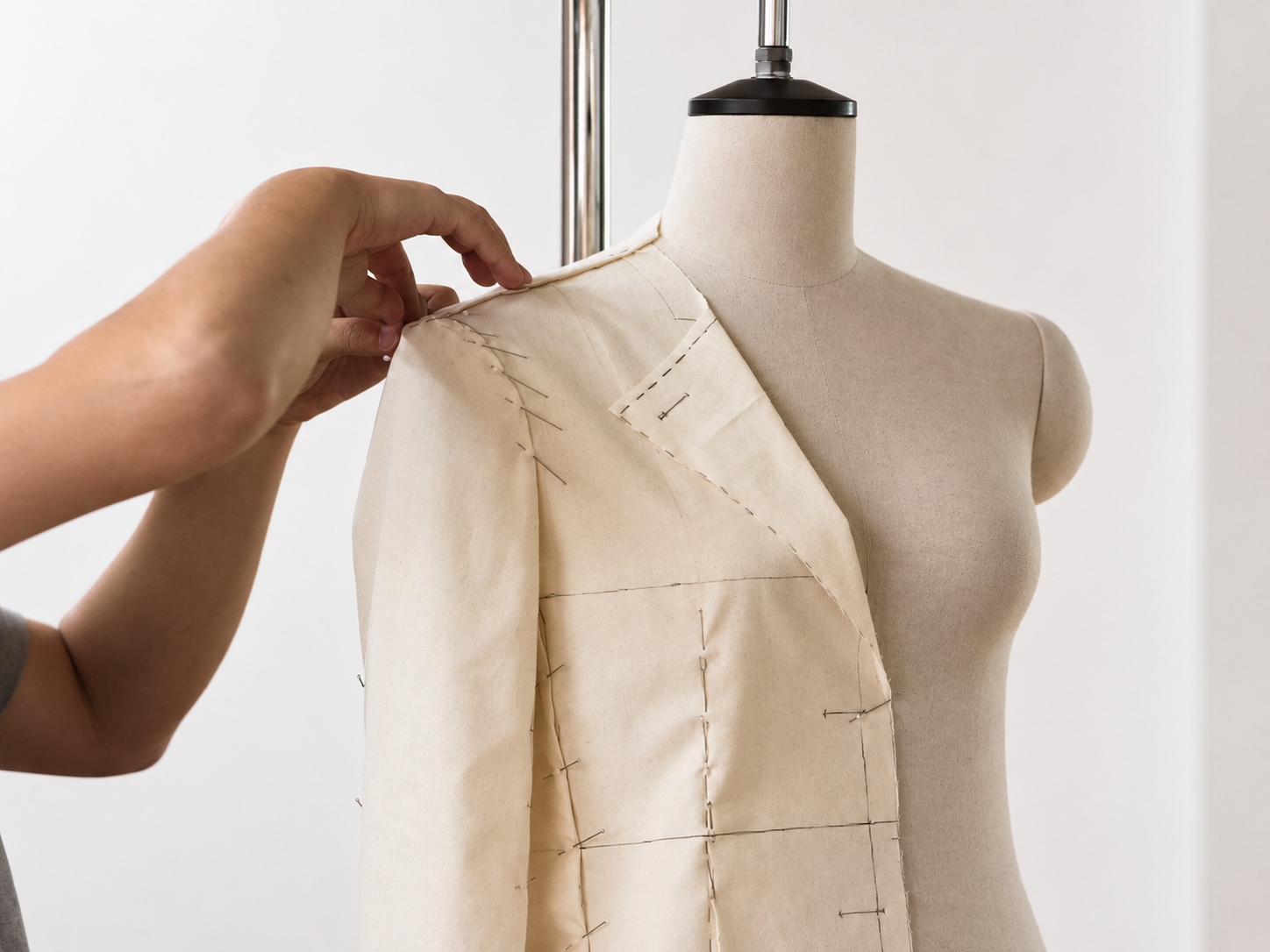
Brand differentiation often begins with the garment itself. Fit, panel placement, neckline, armhole, rise, waistband, inseam, pockets, lining, padding, seam positions, and other construction details can be reviewed according to supplied direction.
- Pattern adjustment
- Measurement clarification
- Construction review
- Fit sample development
- Elastic and waistband evaluation
- Pocket and panel review
- Sample revision
Leadshow can work from tech packs, sketches, reference images, or physical samples according to project scope. Final construction is confirmed after technical review. Exact copying of third-party products is not promised, and use of third-party designs requires proper authorization.
Fabrics and Colors
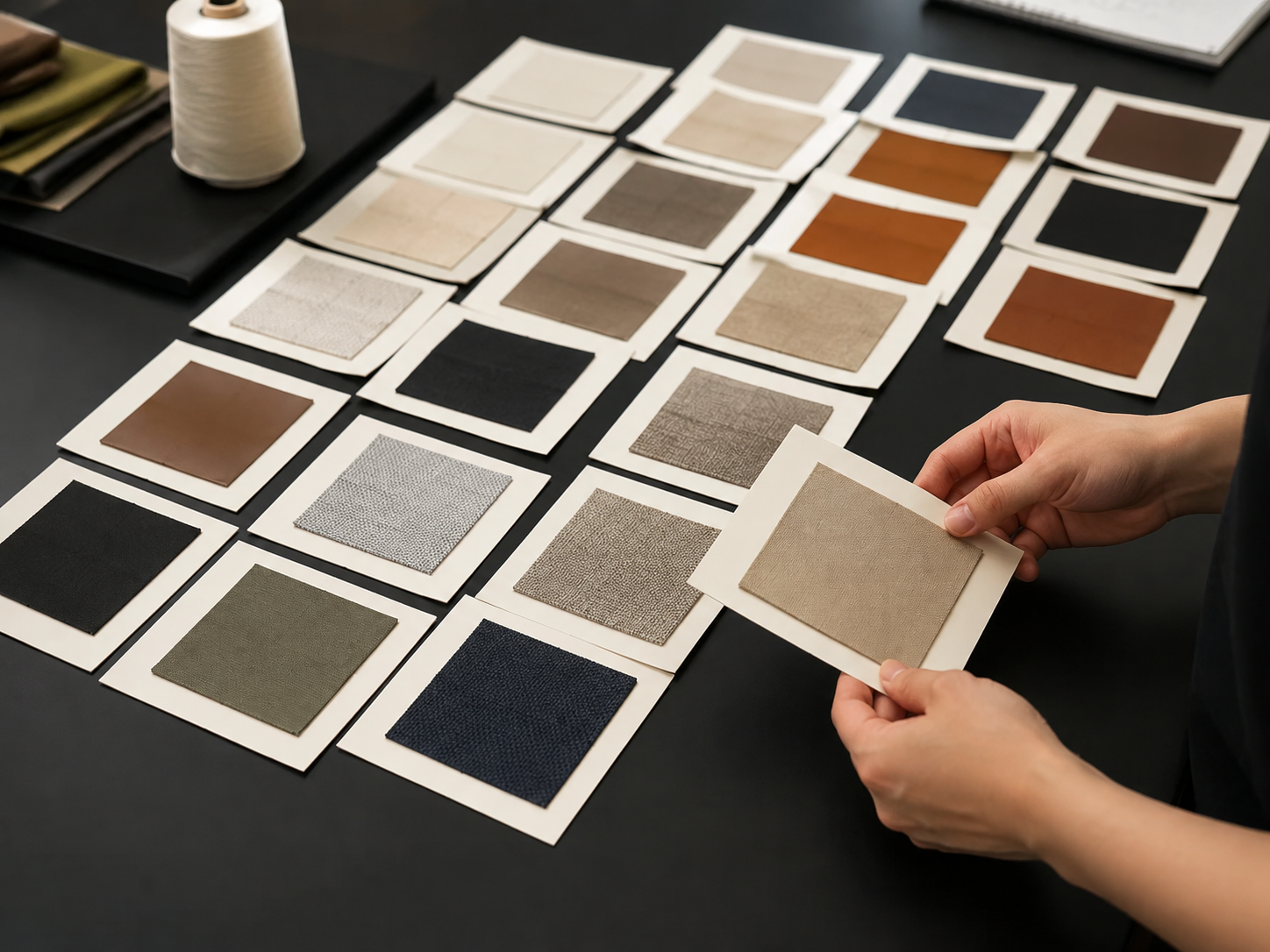
Fabric affects appearance, fit, comfort, sewing behavior, and commercial feasibility. Leadshow coordinates fabric and trim options according to product construction, target fit, quantity, budget, and intended market.
- Fabric composition
- Knit structure
- Weight
- Stretch and recovery
- Handfeel
- Surface appearance
- Color options
- Lining and mesh
- Elastic compatibility
- Custom-color conditions
Stock ranges or project-specific color development may be evaluated. Final color MOQ, performance, certification, price, and supply timing depend on actual supplier information. Leadshow does not claim ownership of spinning, weaving, or dyeing facilities unless separately verified.
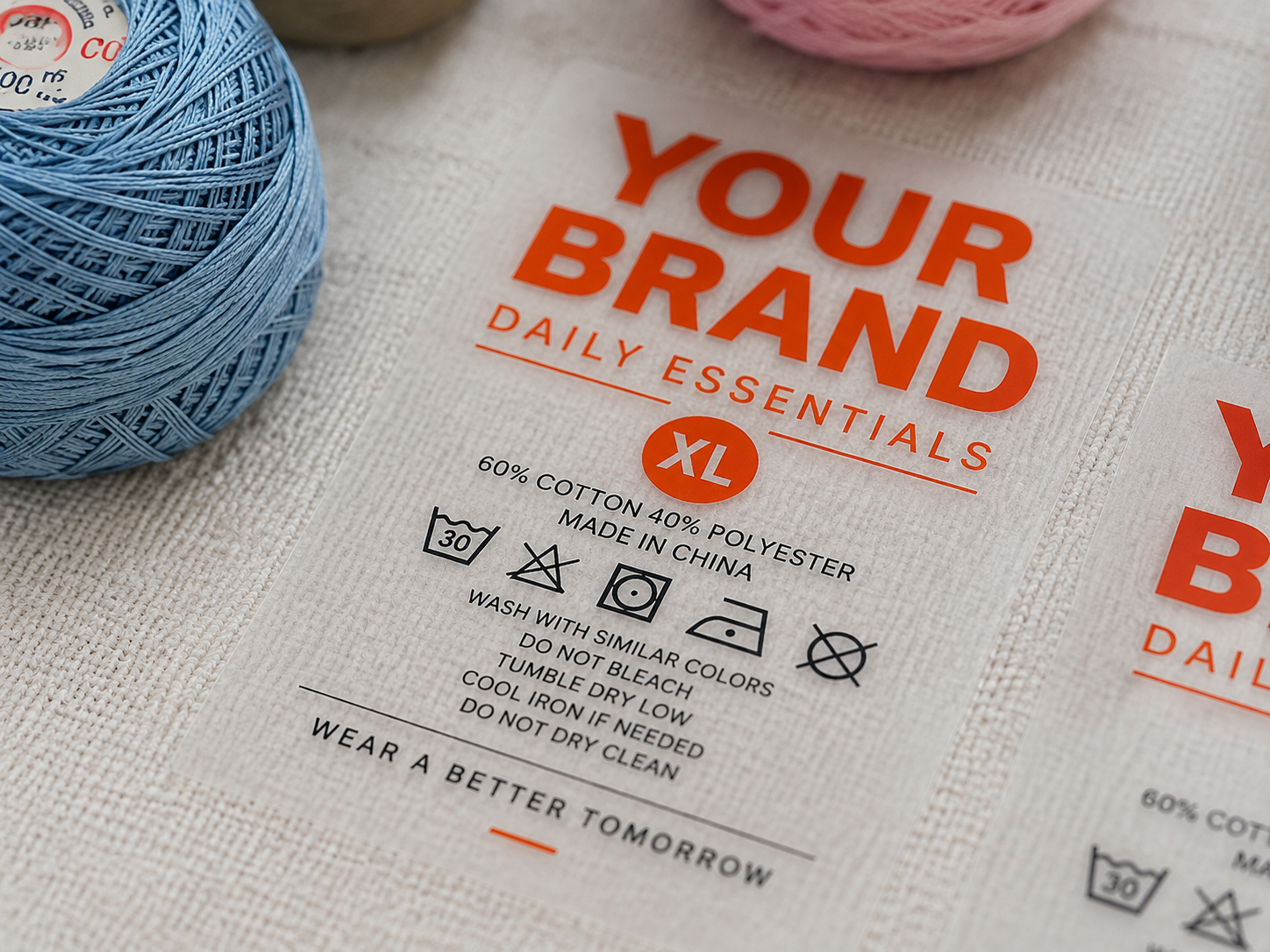
Logo and Brand Applications
Brand artwork should be evaluated together with fabric, garment construction, stretch areas, wash requirements, size, and placement. A logo method suitable for a cotton sweatshirt may not behave the same way on a stretch sports bra or legging.
- Heat-transfer labeling equipment
- Heat-press branding equipment
- Artwork placement review
- Sample-based confirmation
Other decoration methods can only be presented as internal capability when formally verified. Leadshow does not automatically claim in-house embroidery, screen printing, sublimation, silicone printing, or every decoration technique. Final artwork method is selected according to the product and project.
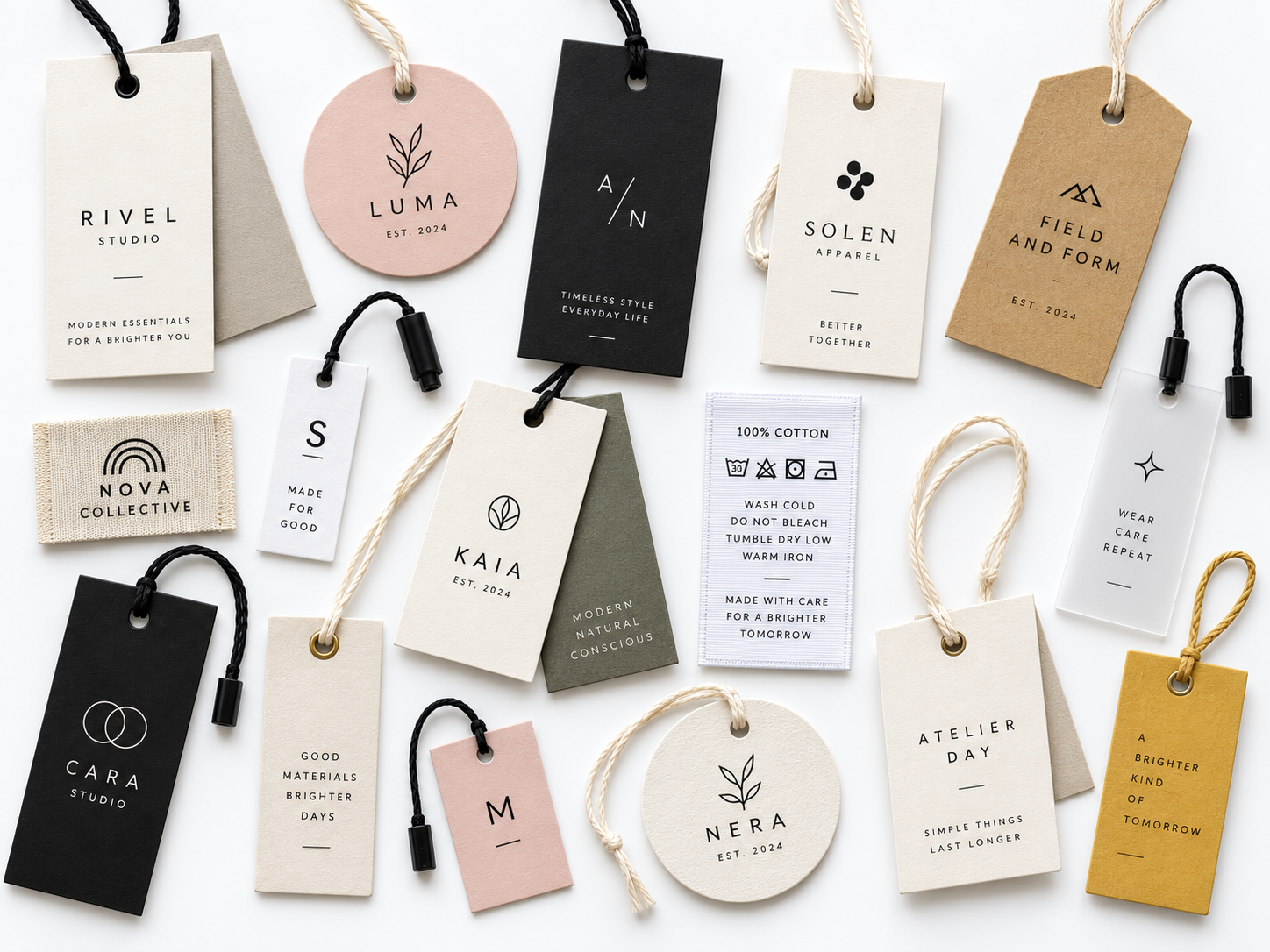
Labels and Product Information
Private label identity continues inside the garment. Main labels, size labels, care labels, composition information, and other product information must correspond with approved artwork and the intended destination market.
- Main label format
- Size information
- Care wording
- Composition information
- Language requirements
- Label placement
- Artwork version
- SKU relationship
Leadshow can support custom labels and heat-transfer label applications according to project requirements. Regulatory wording remains the brand’s responsibility together with applicable market requirements, and compliance should be reviewed for the final destination rather than assumed globally.
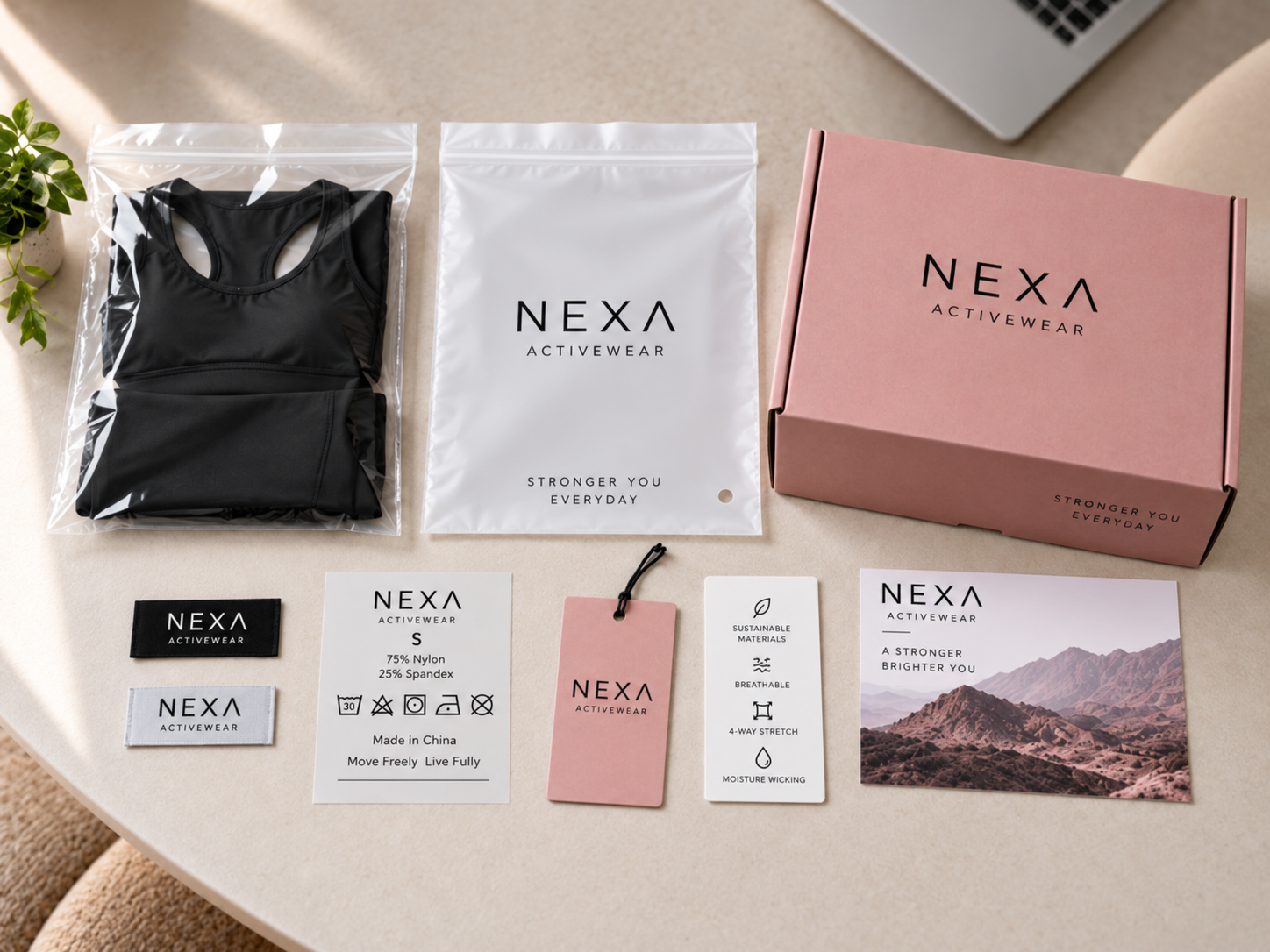
Packaging and Retail Details
Packaging should protect the product while carrying the correct brand and SKU information. Requirements vary between DTC, retail, wholesale, distribution, and general export programs.
- Individual bags
- Hang tags
- Brand cards
- Size stickers
- Barcodes
- SKU labels
- Carton marks
- Packing ratios
Leadshow can support custom packaging and coordinated packing. Packaging samples and artwork should be approved before bulk use. Packaging MOQ, materials, print methods, and market-specific requirements may affect cost and timing, so final conditions are evaluated per project.
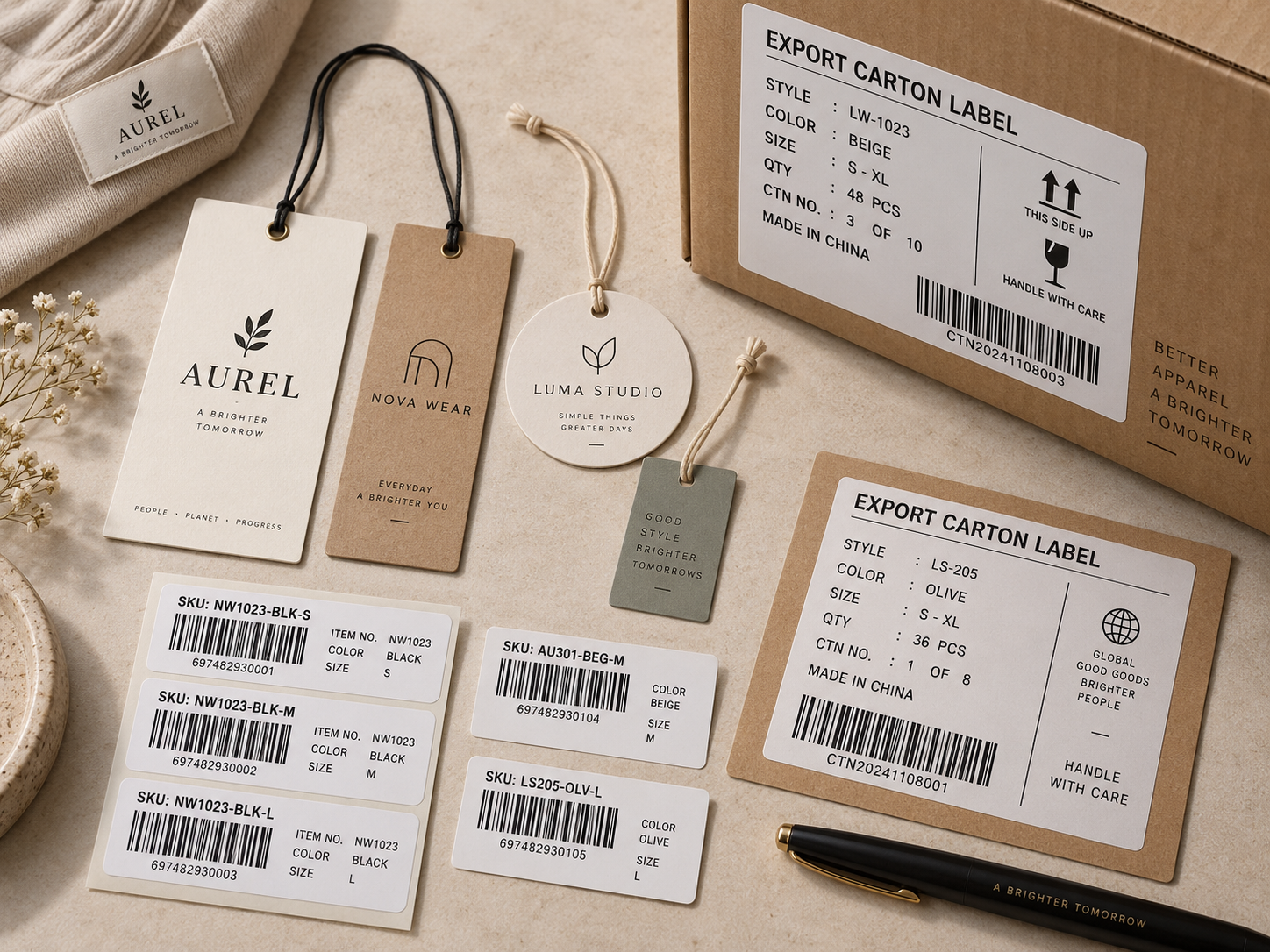
SKU and Reorder Structure
A growing collection needs more than attractive first samples. Style numbers, colors, sizes, labels, barcodes, packaging versions, and carton information must remain connected through production and packing.
- Style matrix
- Color list
- Size breakdown
- SKU table
- Label artwork
- Packaging version
- Carton instructions
- Reorder reference
Leadshow’s manufacturing, quality, and approximately 32-person warehousing/logistics function can support multi-SKU sorting and packing. Reorders still require material and file review because fabric availability, color batches, prices, and production schedules can change over time.
Material Decisions Shape How Gym Wear Feels and Performs
Fabric selection starts with the garment, fit direction, construction, use environment, quantity, and commercial requirements rather than a generic list of “performance fabrics.”
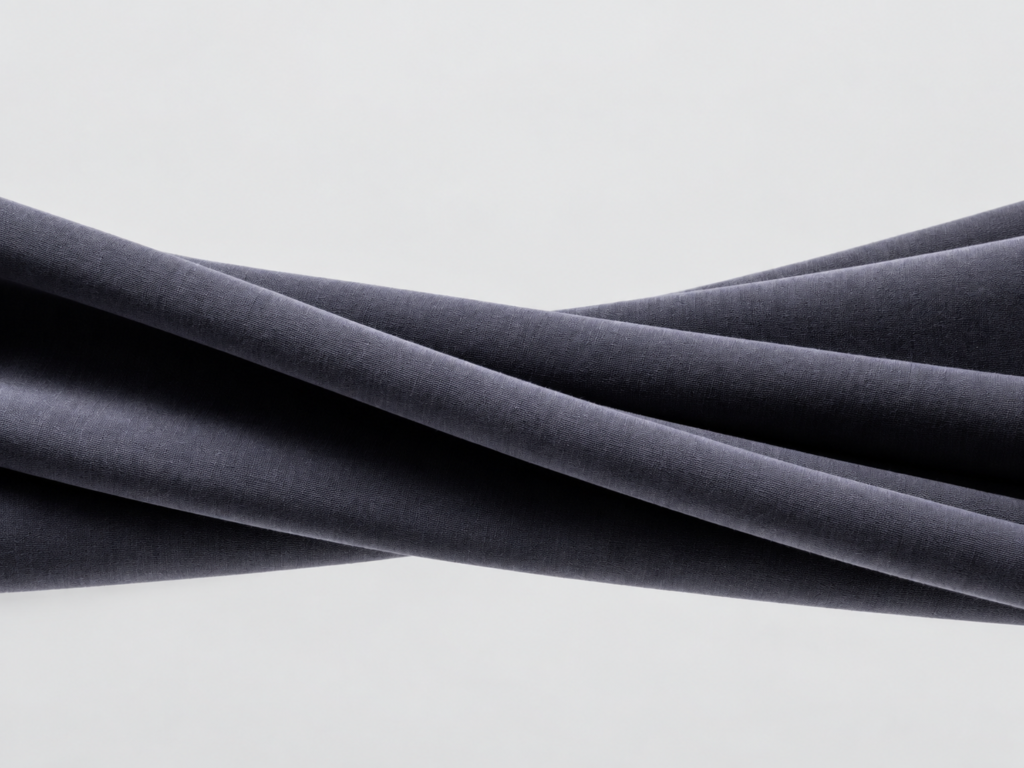
Stretch, Recovery, Weight and Handfeel
A gym garment moves differently from a casual top. Leggings may depend heavily on stretch, recovery, opacity, and waistband stability, while a sports T-shirt may prioritize handfeel, drape, weight, and garment shape. Sports bras combine fabric behavior with elastic, lining, padding, and structural support. Running shorts introduce different requirements around movement, lining, pocket construction, and garment weight.
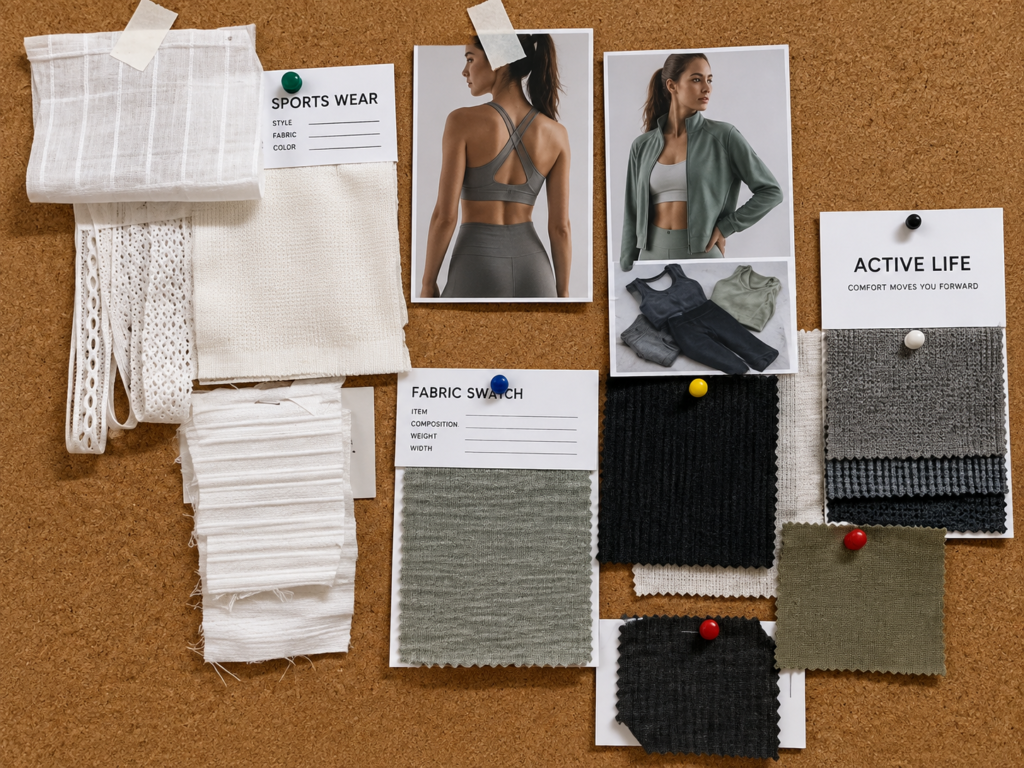
Leadshow can coordinate knit fabrics, linings, mesh, elastics, zippers, padding, bonding materials, labels, and packaging components according to project specifications. Fabric swatches, supplier color cards, trim samples, and garment samples can be used during confirmation.
- Target fabric composition or preferred reference
- Target weight or handfeel
- Stretch direction
- Recovery expectations
- Opacity requirements
- Color standard
- Intended logo process
- Washing expectations
- Quantity per color
Terms such as moisture-wicking, quick-dry, cooling, recycled, sustainable, antibacterial, UPF, or other performance claims require material documentation and testing where applicable. A similar composition alone does not prove equivalent performance.
Material Compatibility With Construction
Material selection cannot be separated from sewing and garment structure. Highly elastic fabric may require different seam construction from a stable knit. Bonding film needs compatibility with fabric surface, temperature, pressure, and wash conditions. Heat-transfer artwork must be evaluated on the selected material. Elastic width and recovery influence waistband or sports-bra underband construction.
- Fabric with flatlock or overlock seams
- Elastic with garment measurements
- Lining with shell stretch
- Padding with sports-bra construction
- Mesh with panel and seam placement
- Bonding film with selected fabric
- Heat transfer with surface and stretch
- Zippers or hardware with garment use
Leadshow’s role is to coordinate material choices with product and manufacturing needs. Supplier stock, custom-dyed colors, material MOQ, lead time, certification, and functional data remain project-specific.
Color and Repeat-Order Planning
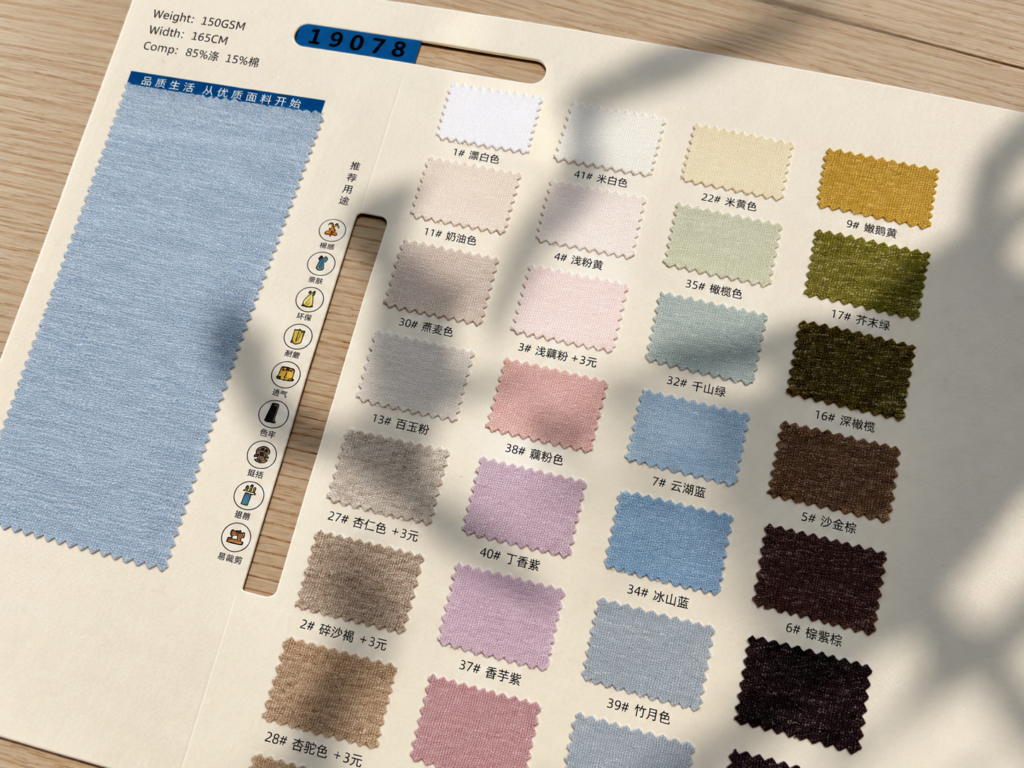
Color can create hidden production risk. A digitally selected color, physical color card, lab dip, fabric batch, and finished garment can appear different because of material composition, dye process, surface texture, lighting, and production lot.
A more controlled program establishes an approved color reference before bulk material purchasing. Repeat production should also review material availability and batch conditions rather than assuming permanent color continuity.
For long-running collections, useful records include:
- Supplier material reference
- Fabric composition
- Fabric construction
- Weight
- Approved color reference
- Trim color
- Approved garment
- Artwork color
- Packaging color version
Any material substitution should be compared again for appearance, handfeel, stretch, recovery, shrinkage, process compatibility, price, and production timing before approval.
Fit Development Turns Measurements Into a Wearable Product
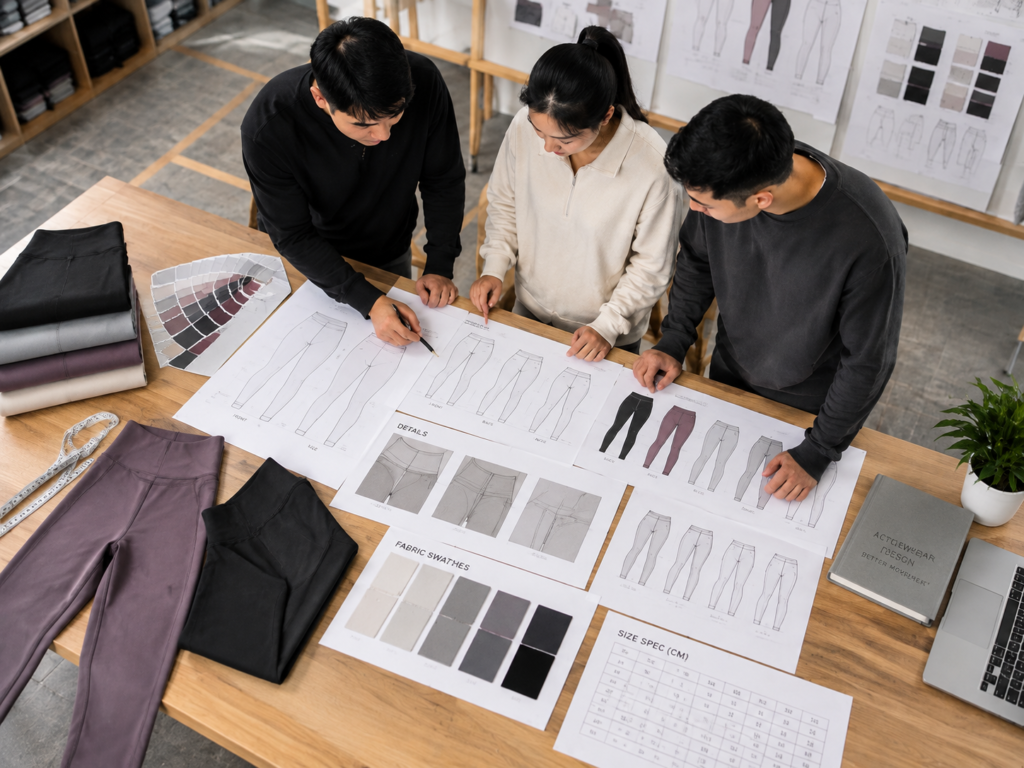
Gym wear fit needs to work with fabric stretch, movement, elastic, garment construction, and brand sizing. One attractive sample does not automatically create a reliable size system.
Pattern and Measurement Review
A tech pack may include garment measurements, body measurements, construction notes, tolerance information, and grading. A reference garment may provide useful fit direction but still needs measurement and construction review before production.
Leadshow’s approximately 28-person R&D and engineering team supports construction review, pattern and fit adjustment, sample development, process evaluation, and production feasibility according to project needs.
Fit development can review areas such as:
- Chest and underbust
- Waist and hip
- Rise and inseam
- Torso length
- Garment length
- Armhole and neckline
- Shoulder width
- Elastic opening
- Waistband height
- Leg opening
- Ease and stretch allowance
No universal internal size range is imposed on every brand. Approved measurements should follow the intended market, brand standards, product construction, and material behavior. A brand can therefore maintain its own sizing logic instead of adapting every project to a generic factory chart.
Sample Feedback and Revision
Fit improves through physical evaluation and clear comments. Useful feedback is specific: “reduce front rise by X according to approved measurement” is easier to execute than “make it fit better.”
A structured revision process may use:
- Sample identification
- Revision version
- Measurement comments
- Construction comments
- Material comments
- Artwork comments
- Photos with annotations
- Updated tech pack
- Updated size chart
Leadshow supports sample revision according to written project scope. Sample timing depends on product complexity, material availability, development status, and revision requirements. No fixed public number is applied to every style, and no one-round approval or perfect-fit guarantee is made.
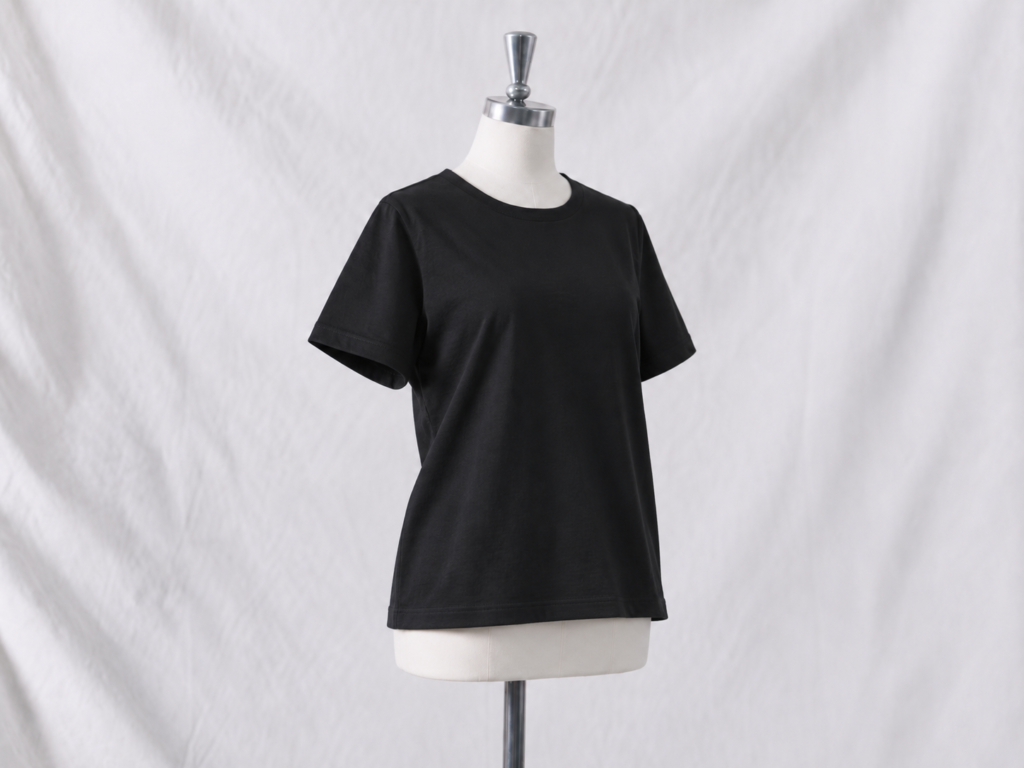
From Base Size to Size Range
A base-size sample can establish fit direction, but grading still needs to reflect the brand’s intended size range and approved rules. Different points on a garment may grow at different rates, especially around shoulders, bust, waist, hip, rise, inseam, armhole, or elastic openings.
For larger programs, size-set evaluation may be used where required. A single base size should not be treated as automatic approval of every size.
Production references should ultimately identify:
- Approved measurement table
- Grading information where applicable
- Measurement method
- Critical points
- Tolerance requirements
- Approved material
- Approved sample status
Final measurement and fit acceptance remain linked to agreed specifications and reasonable garment-manufacturing tolerances.
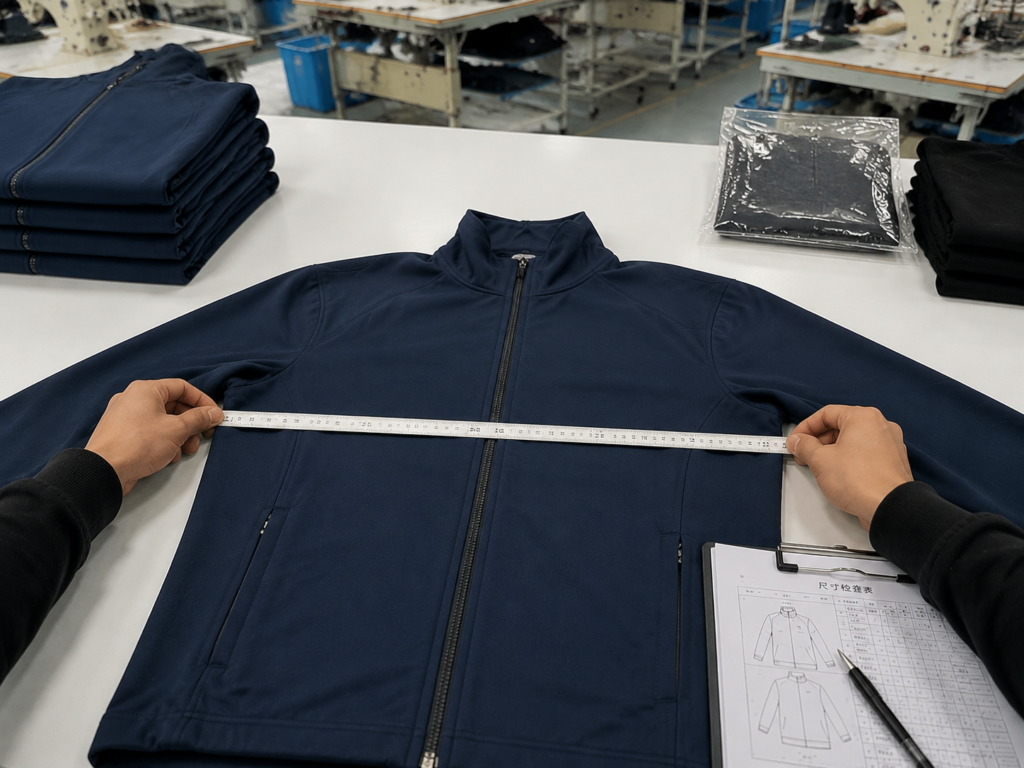
Tech Pack Review Before Sampling and Production Decisions
A complete tech pack reduces assumptions, but even detailed files may contain conflicts between measurements, construction, materials, artwork, and production methods. Leadshow reviews relevant specifications before development and quotation conditions are finalized.
Construction Review
Construction defines how the garment is assembled and where manufacturing risk may occur. Product drawings and reference images are reviewed together with sewing instructions and garment function.
- Number and shape of panels
- Seam positions
- Waistband construction
- Pockets
- Lining
- Padding
- Closures
- Openings
- Reinforcement
- Bonded areas
Leadshow evaluates available sewing and specialized-process options against supplied specifications. A design requiring an unconfirmed process is not presented as automatically available. Construction changes proposed for manufacturability are discussed before becoming production requirements.
Measurement Review
Measurement tables must be clear enough for pattern development, sample inspection, and later production checks. Conflicting points, missing measuring methods, or unclear grading can create repeated revisions.
- Point of measurement
- Base-size values
- Size range
- Grading information
- Tolerance requirements
- Garment length
- Width measurements
- Elastic openings
- Critical fit dimensions
Leadshow supports pattern and fit development according to supplied data and sample comments. If a size chart is incomplete, required information is clarified before final approval rather than replaced with unverified assumptions.
Material and BOM Review
Fabric and trim information directly affects MOQ, quotation, sampling, sewing, and delivery planning. A BOM should identify the intended main fabric and important supporting components.
- Main fabric
- Contrast fabric
- Lining
- Mesh
- Elastic
- Padding
- Zipper
- Hardware
- Bonding film
- Labels
- Packaging
Leadshow coordinates material and trim evaluation according to project requirements. Supplier availability, custom-color MOQ, functional claims, certification, price, and lead time are verified separately. Unavailable materials may require an approved substitute and new sample review.
Seam and Process Review
Gym wear commonly combines stretch fabrics with seams, elastic, heat-transfer artwork, or other processes. Line drawings alone may not show enough manufacturing detail.
- Flatlock requirements
- Overlock construction
- Lockstitch areas
- Double-needle stitching
- Bartack locations
- Elastic attachment
- Bonding
- Heat-transfer labels
- Heat-press graphics
Four-needle six-thread flatlock is treated as a stretch-compatible sewing process, not as true seamless knitting. Bonding is evaluated as a selected construction process and is not automatically described as a completely seamless garment.
Branding Review
Branding needs exact files, placement, dimensions, colors, and product compatibility. A logo placed over a high-stretch area may require different evaluation from artwork on a stable panel.
- Vector artwork
- Logo dimensions
- Placement measurements
- Color reference
- Label artwork
- Hang-tag artwork
- Packaging artwork
- Barcode requirements
Leadshow has confirmed heat-transfer label and heat-press resources. Other decoration methods are verified before inclusion in a project. Intellectual-property rights for submitted artwork remain the responsibility of the brand.
Packaging Review
Packaging becomes part of the production specification once products are assigned to styles, colors, sizes, and SKUs.
- Folding method
- Individual bag
- Size sticker
- Barcode
- SKU
- Hang tag
- Brand card
- Carton quantity
- Carton mark
- Mixed-size packing ratio
- Destination instructions
Leadshow can support custom packaging, sorting, labeling, carton preparation, and export-delivery coordination. Platform admission, destination customs clearance, and permanent logistics lead times are not guaranteed by manufacturing support.
From First Sample to an Approved Production Reference
Sampling should answer specific questions about construction, fit, materials, branding, and manufacturability. The sequence varies by project because a mature OEM program with complete files starts differently from a development project based on references.
Requirement Review
Leadshow reviews available tech packs, sketches, reference images, physical samples, quantities, materials, size requirements, branding, packaging, destination market, and timing expectations. Missing information affecting feasibility or quotation is clarified before the development route is confirmed.
Pattern and Material Preparation
Patterns are prepared or adjusted according to approved direction, while fabrics and trims are evaluated for construction, fit, commercial quantity, and availability. Alternative materials may be proposed when original specifications cannot be sourced under workable conditions.
First Sample Development
A development or fit sample is made according to the agreed scope. The sample can be used to evaluate garment shape, measurements, construction, material combination, seam execution, and selected branding details before larger commitments are made.
Measurement and Fit Review
Measurements are checked against the agreed chart, and fit comments are collected. Areas such as waistbands, armholes, rise, inseam, torso length, elastic openings, and garment balance may require adjustments depending on product type.
Revision and Confirmation
Revisions are recorded and incorporated according to written comments and project scope. Material, construction, artwork, labels, or packaging may require separate confirmation rather than being treated as automatically approved when fit is accepted.
Approved Production Reference
Once required elements are approved, current files and applicable physical samples become production references. Bulk production still depends on final order confirmation, material readiness, commercial terms, and production scheduling.
Sample Timing Note: Development timing is confirmed after technical scope, material availability, sample type, and revision requirements are reviewed. A single fixed public sample time is not applied to every product.
How MOQ Is Evaluated for Private Label Gym Wear
Leadshow’s standard MOQ generally starts from 100 pieces per color per design. Final MOQ depends on the complete product, including fabric, trims, colors, construction, branding, and packaging rather than garment category alone.
MOQ Factor
What Needs Review
Possible Effect
Base quantity
Pieces per design and color
Standard MOQ generally starts from 100 pcs/color/design
Fabric
Stock fabric, special material, supplier MOQ
May raise or change final MOQ
Custom color
Dyeing or supplier color minimum
Separate material minimum may apply
Trims
Elastic, zipper, padding, hardware
Supplier minimum may affect order structure
Construction
Number of panels and specialized processes
Can influence cost and production efficiency
Logo
Artwork method, size, number of positions
Tooling or process minimum may apply
Labels
Main, size, care, heat-transfer labels
Label supplier minimum may apply
Packaging
Custom bag, tag, card, barcode
Packaging minimum may differ from garment MOQ
Multiple SKUs
Styles, colors, sizes and quantities
Cannot automatically be mixed to satisfy MOQ
Special claims
Functional materials or testing
Material and testing conditions may change commercial terms
Important: “100 pieces” is not a no-condition promise for every product. Final MOQ is confirmed after product and material review.
Information Needed for a More Accurate Manufacturing Quote
A usable quotation starts with product information that allows material, construction, quantity, branding, and production requirements to be reviewed together. Complete files reduce later changes to price and schedule.
Information
Preferred Input
Why It Matters
Product type
Sports bra, leggings, T-shirt, shorts, tank top, tracksuit
Defines manufacturing route
Design reference
Tech pack, sketch, reference image or authorized sample
Clarifies intended product
Quantity
Units per design and color
Supports MOQ and production evaluation
Colors
Number and color reference
Affects material sourcing and MOQ
Size range
Brand size chart and size breakdown
Supports pattern, grading and quantity planning
Fabric
Composition, weight, handfeel or reference
Major cost and product factor
Construction
Seam, panel, lining, padding, pocket details
Affects operations and feasibility
Logo
Artwork, position, size and preferred method
Supports branding evaluation
Labels
Main, size, care and composition requirements
Supports private-label execution
Packaging
Bag, hang tag, barcode, SKU and carton needs
Affects quote and packing
Destination market
Region and known requirements
Helps identify needed reviews
Sample requirement
Sample type and required approval scope
Defines development work
Bulk timing
Requested delivery window
Supports scheduling assessment
Existing issue
Fit, quality, cost or supply problem
Helps focus technical review
Quote Note: Final price and timing are confirmed after enough specifications are available for material and manufacturing evaluation.
Manufacturing Resources Behind a Scalable Gym Wear Program
With years of experience in sportswear manufacturing, we provide reliable OEM, ODM, and private label solutions for global brands. Our facilities support product development, sampling, bulk production, quality control, and repeat orders.
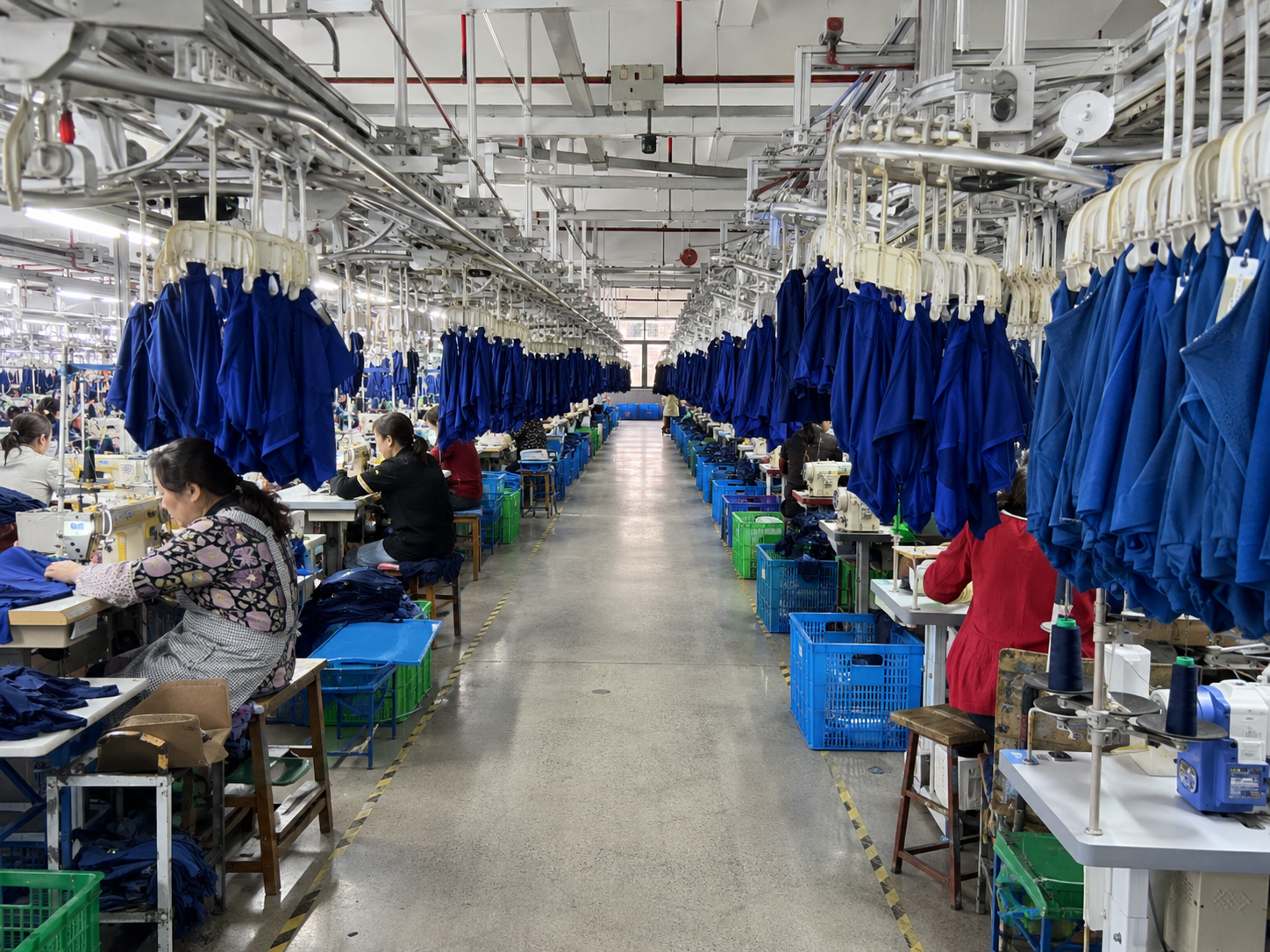
15 Years Experience
15 years of apparel industry experience across product development and manufacturing.
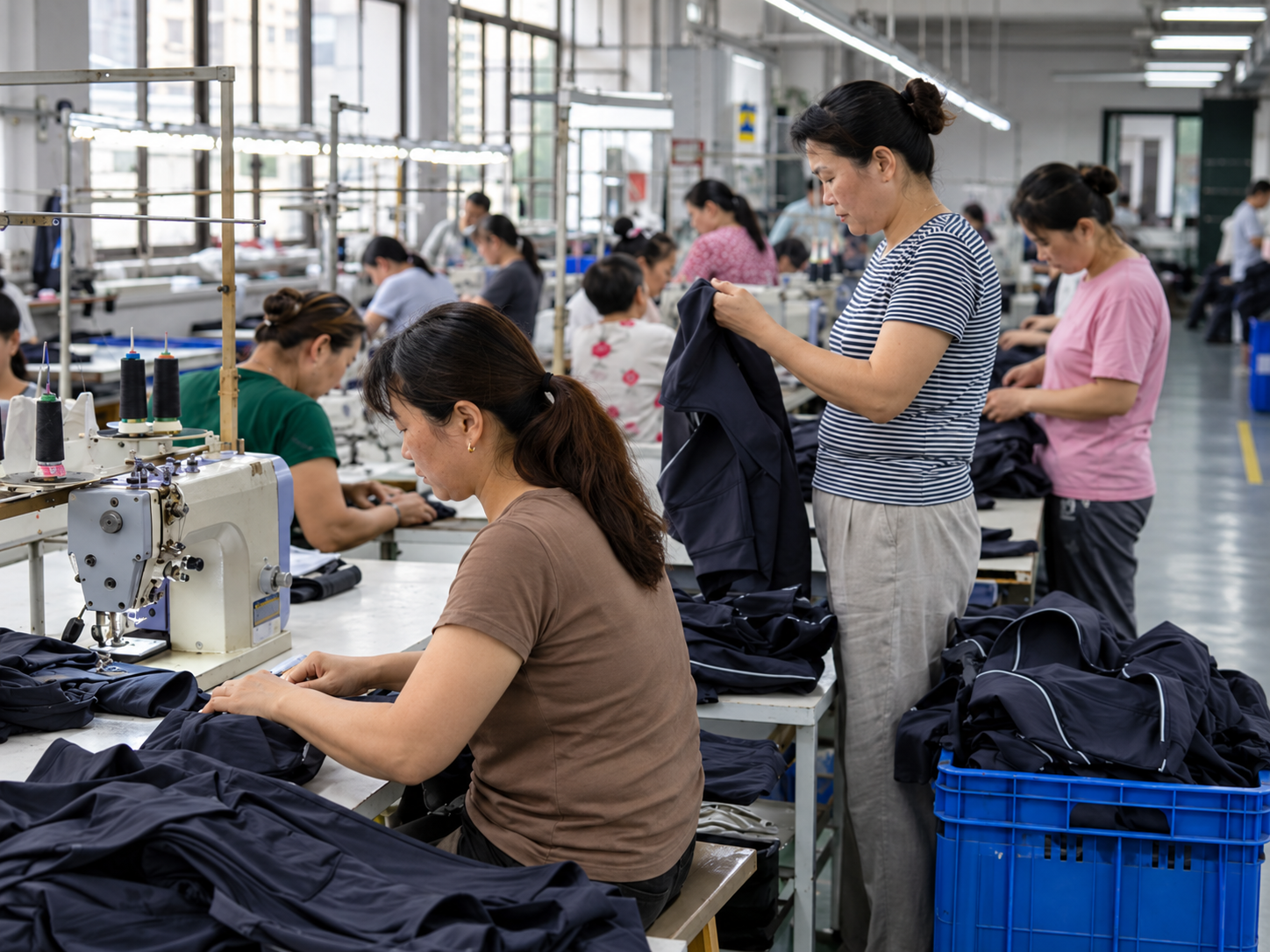
3 Manufacturing Bases
Three manufacturing bases support sampling, production, finishing, packing and related manufacturing functions.
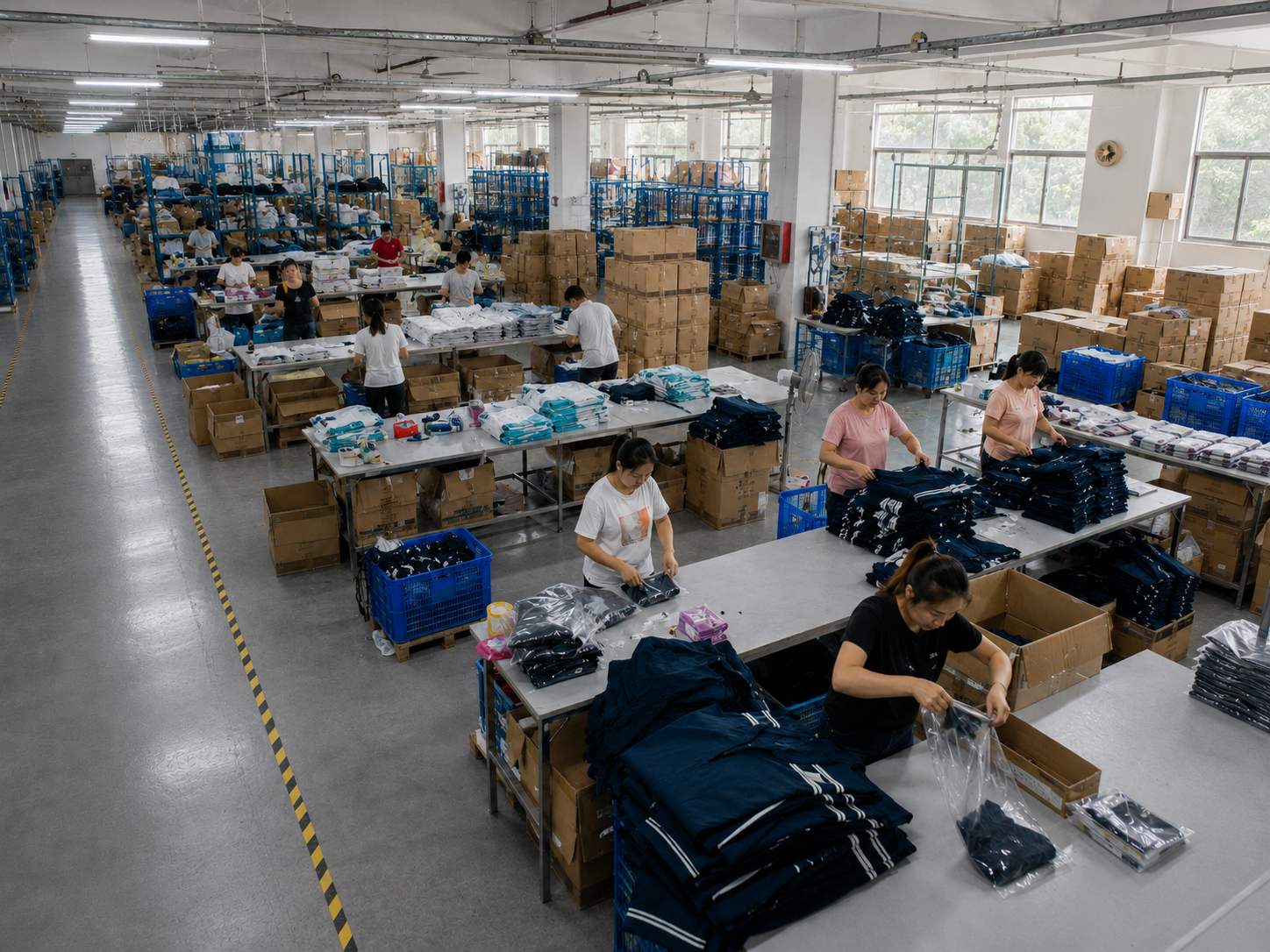
20,000+ Square Meters
More than 20,000 m² of combined manufacturing facilities.
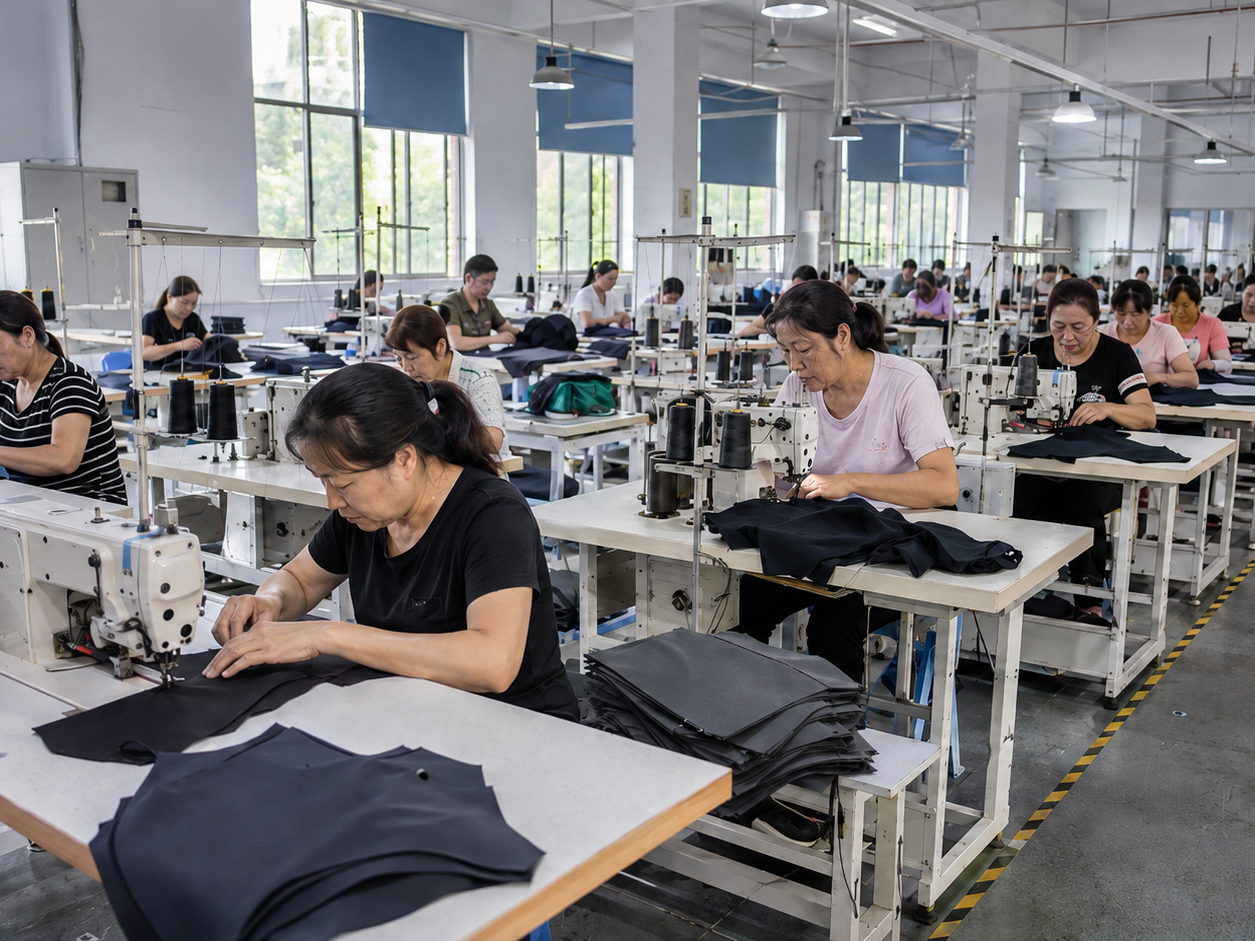
1,500+ Team Members
More than 1,500 team members across development, production, quality, warehousing, logistics and support.
304 Confirmed Machines
More than 300 production, specialized-process and finishing machines support cutting, sewing, branding, finishing and packing.
Up to Approx. 120,000
Combined monthly capacity can reach approximately 120,000 finished garments, depending on style complexity, materials, order mix and production schedule.
Advanced Equipment Supporting High-Quality Activewear Production
Our production facilities are equipped with specialized machinery for activewear manufacturing, supporting fabric preparation, precision cutting, stretch sewing, finishing, and packaging processes.
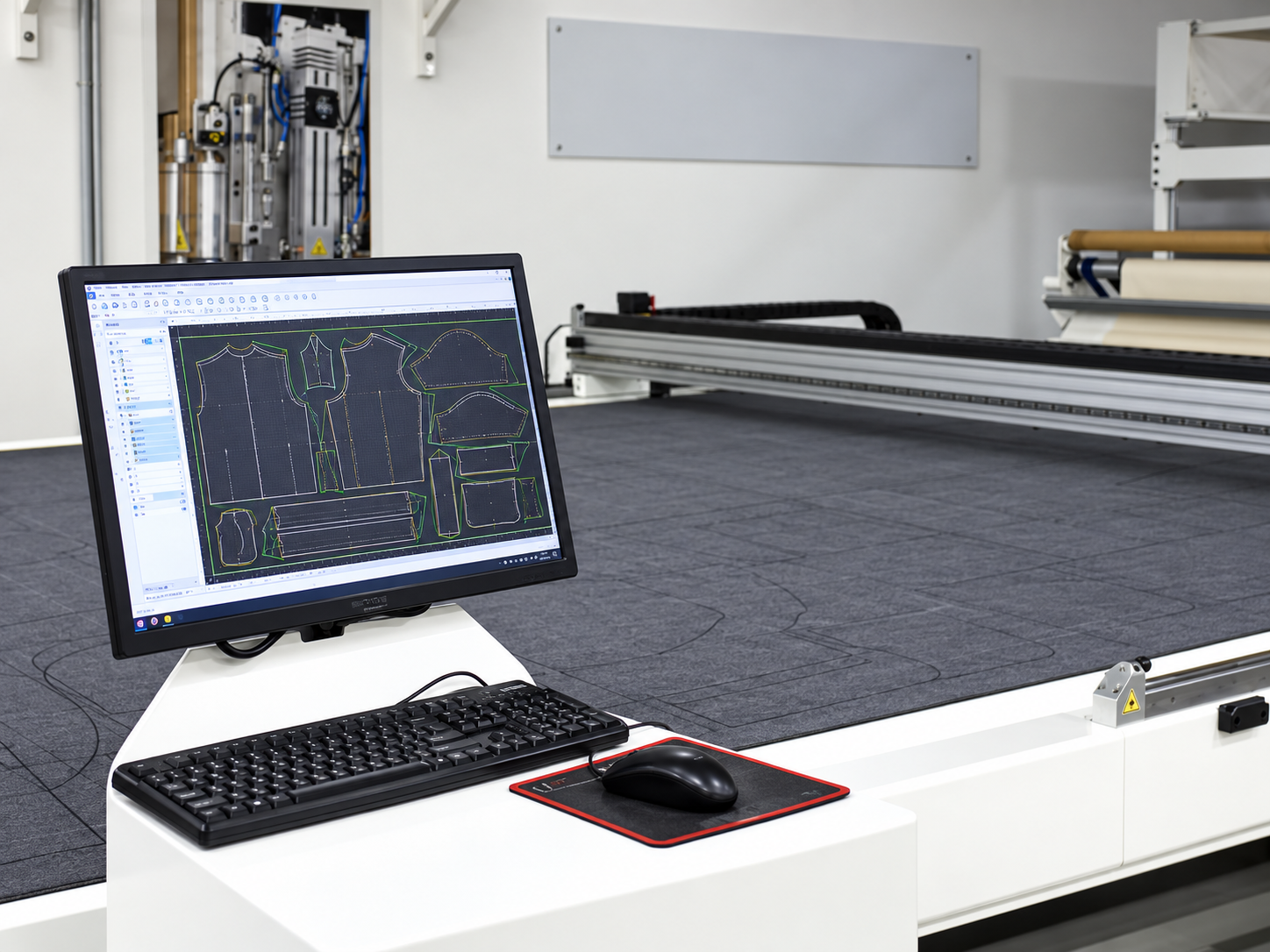
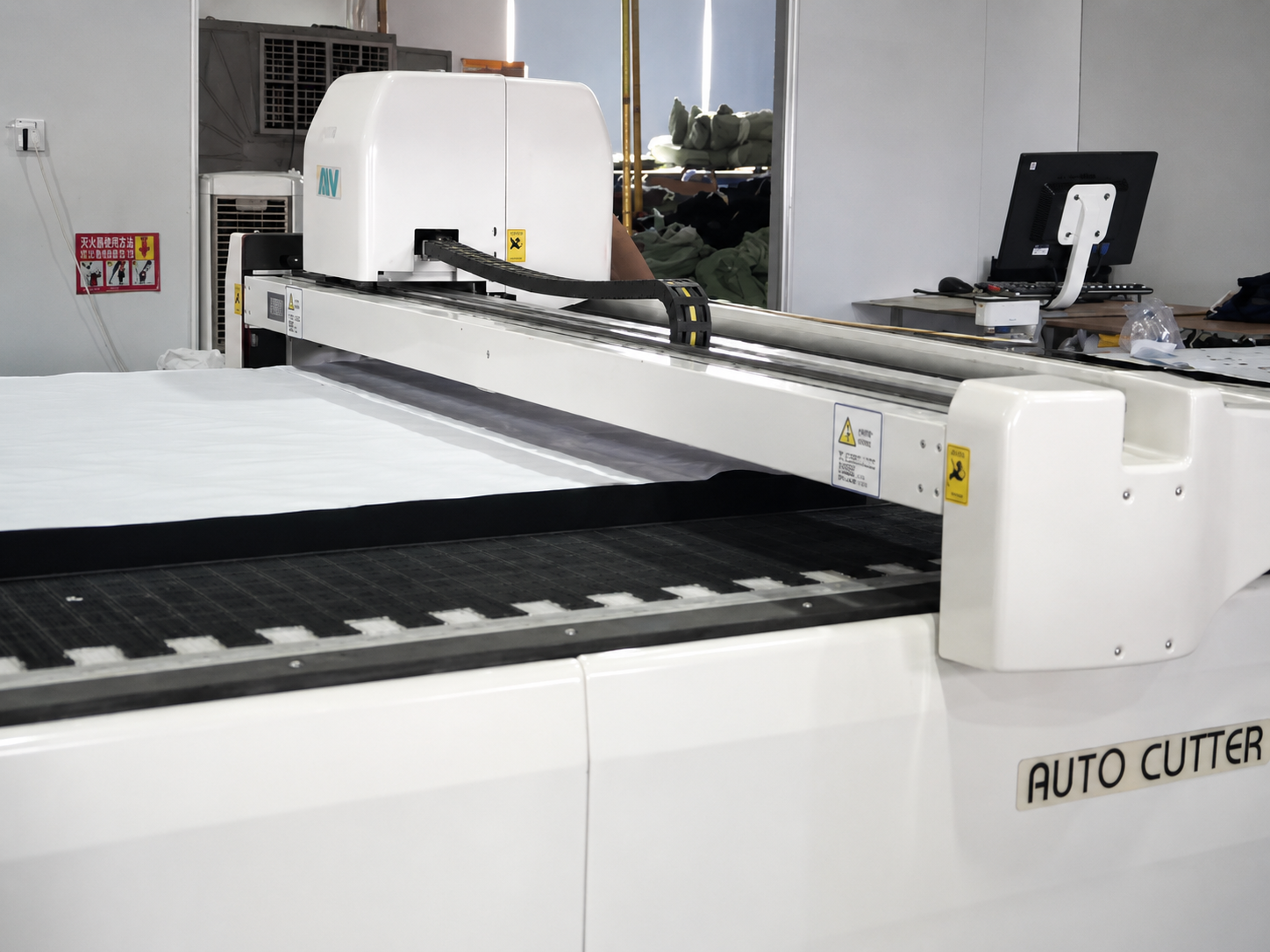
Automated Fabric Preparation and Cutting
Equipped with automated fabric spreading machines and computerized cutting systems, our cutting department ensures accurate fabric handling and consistent panel cutting for various activewear designs.
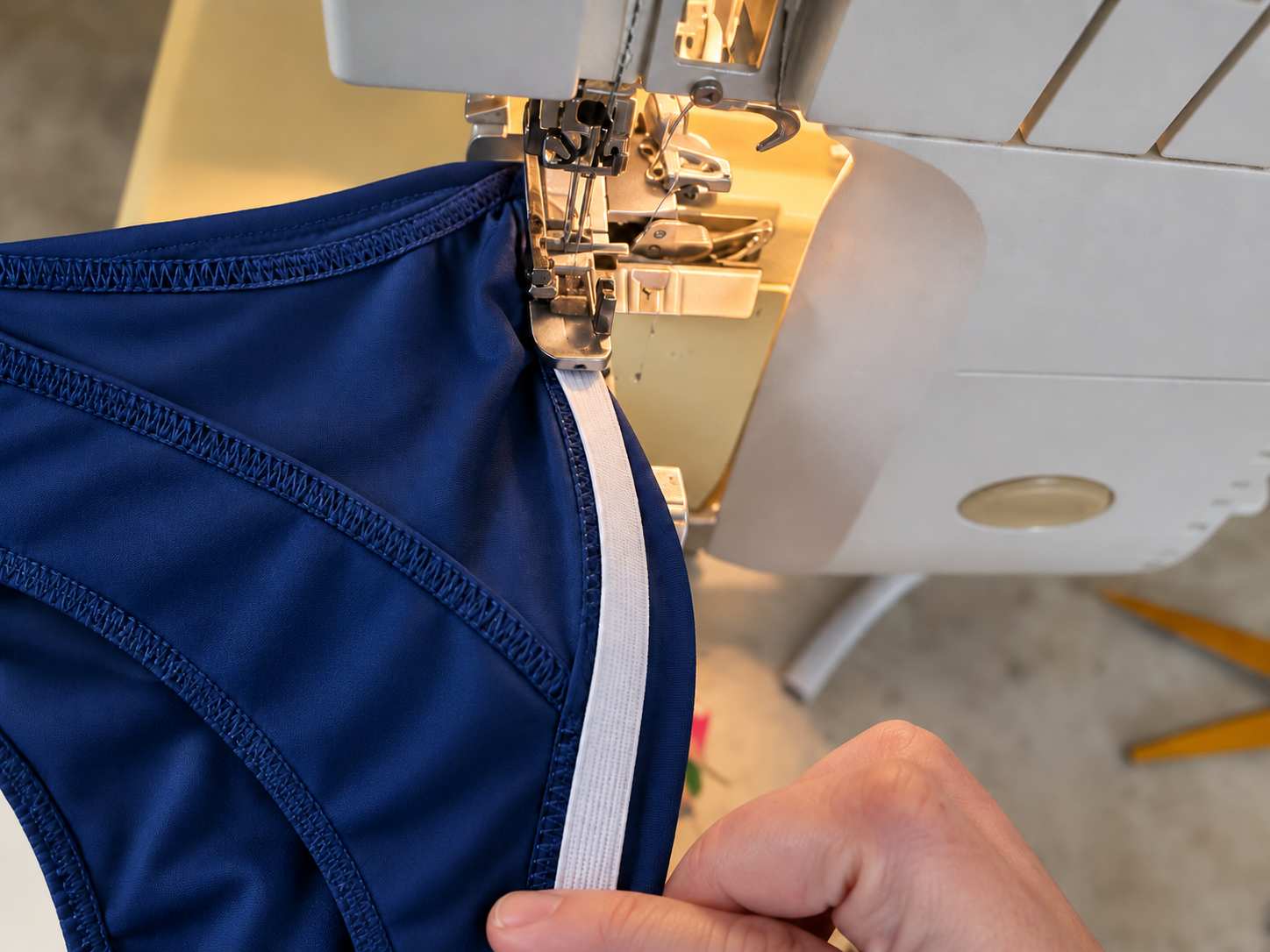
Four-Needle Six-Thread Flatlock
Our four-needle six-thread flatlock machines create durable and comfortable stretch seams, supporting leggings, sports bras, tank tops, swimwear, and other performance activewear products.
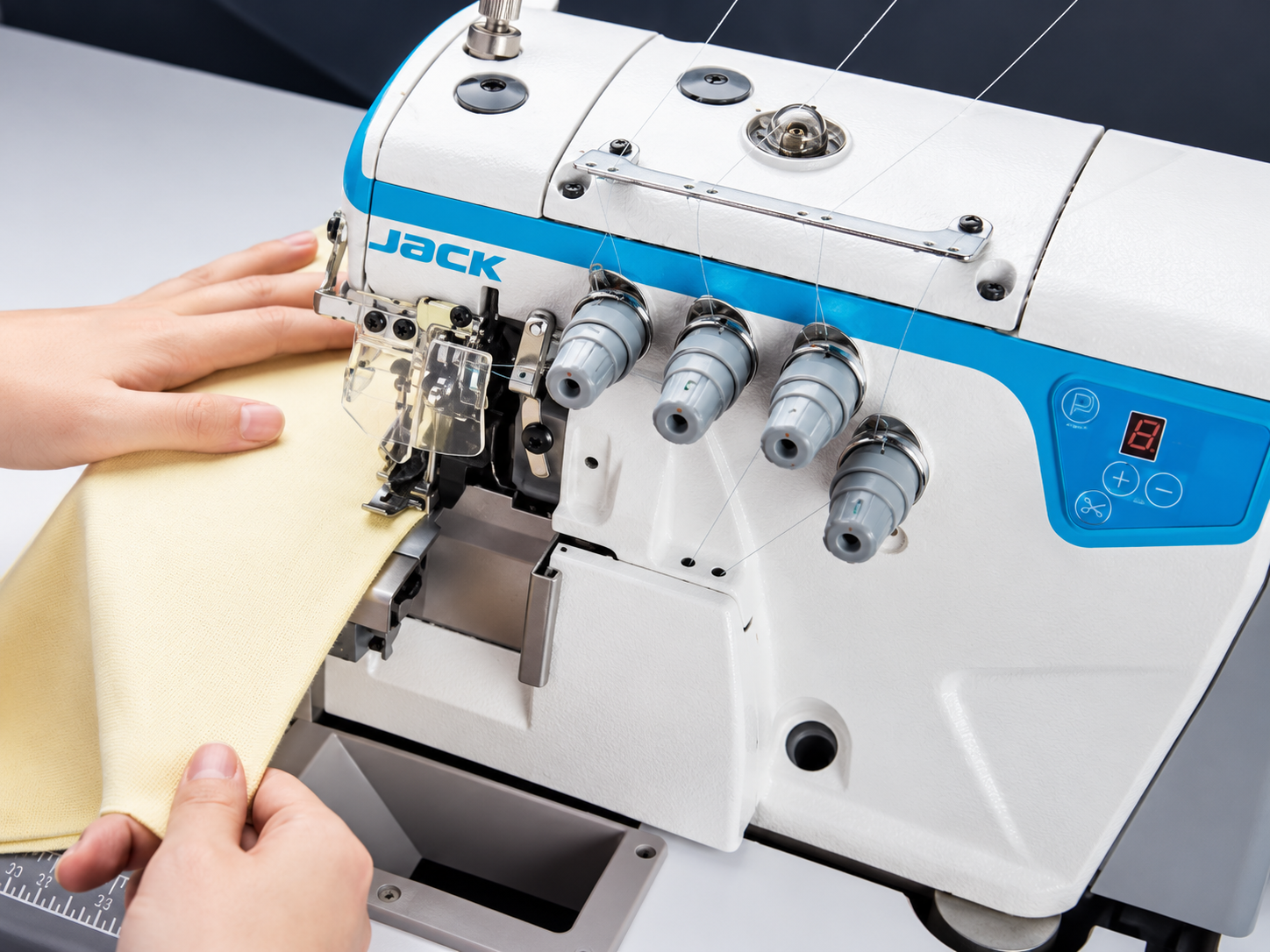
Overlock and Core Sewing
Our sewing lines include high-speed overlock and computerized lockstitch machines, supporting different garment structures with reliable seam quality from sampling to bulk production.
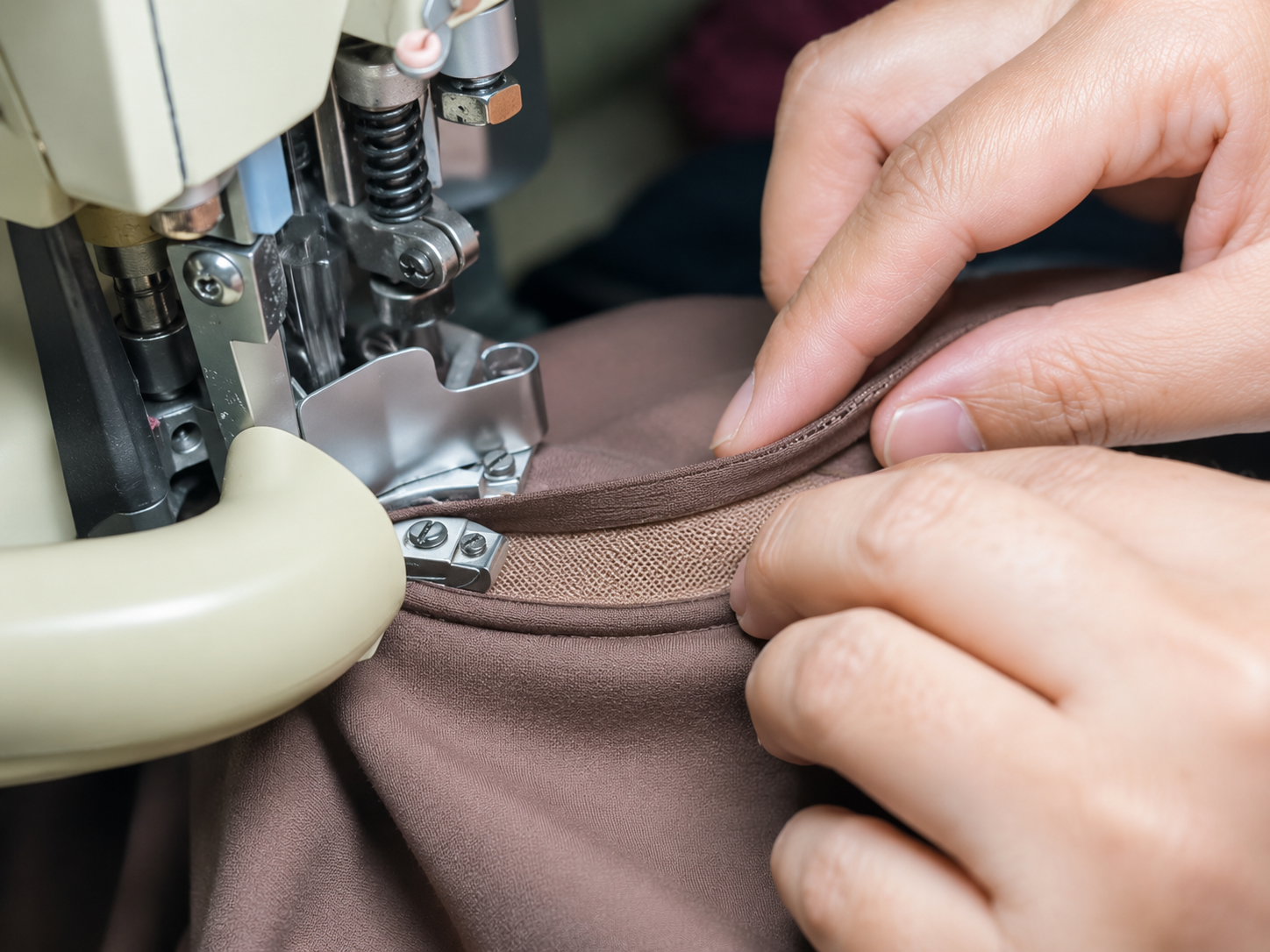
Elastic and Reinforcement Equipment
Our elastic application and reinforcement equipment supports waistbands, sports bra bands, leg openings, and other stretch garment structures. Reinforcement sewing helps improve durability in high-stress areas for long-lasting activewear performance.
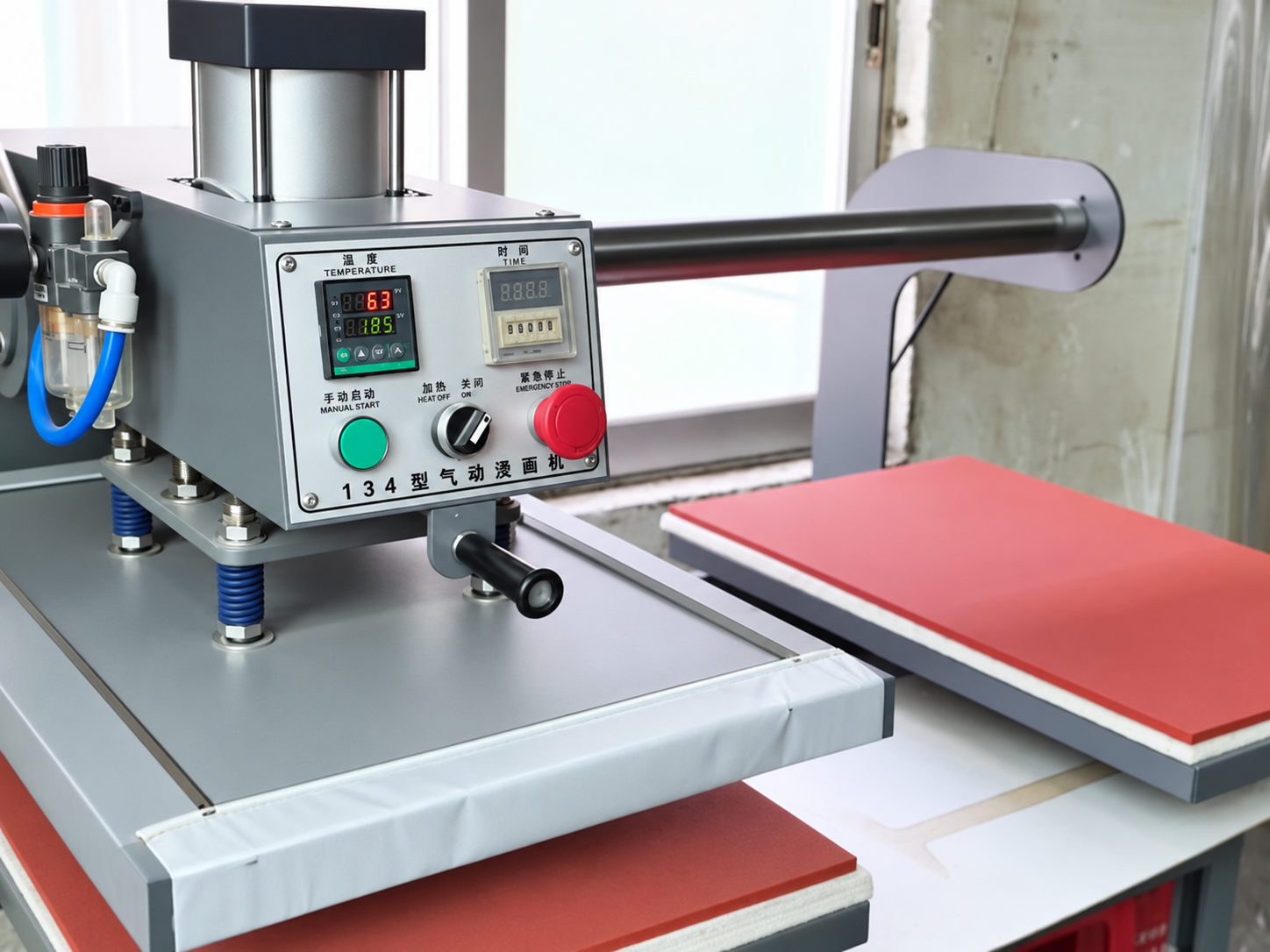
Bonding and Specialized Processes
Our specialized bonding, heat-sealing, and laser processing capabilities support innovative activewear designs with clean finishes and functional details. These technologies are suitable for performance garments requiring enhanced comfort and refined construction.
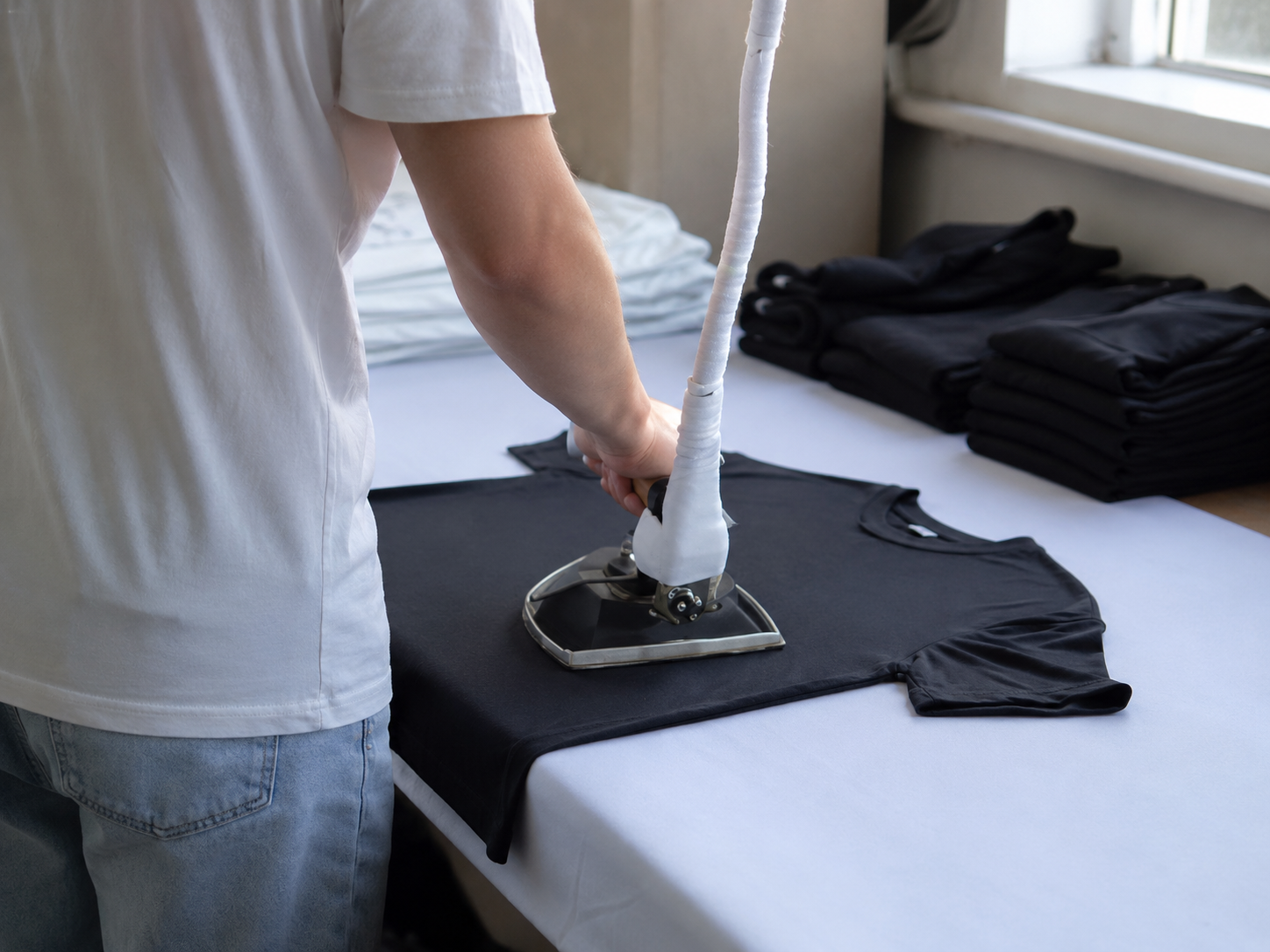
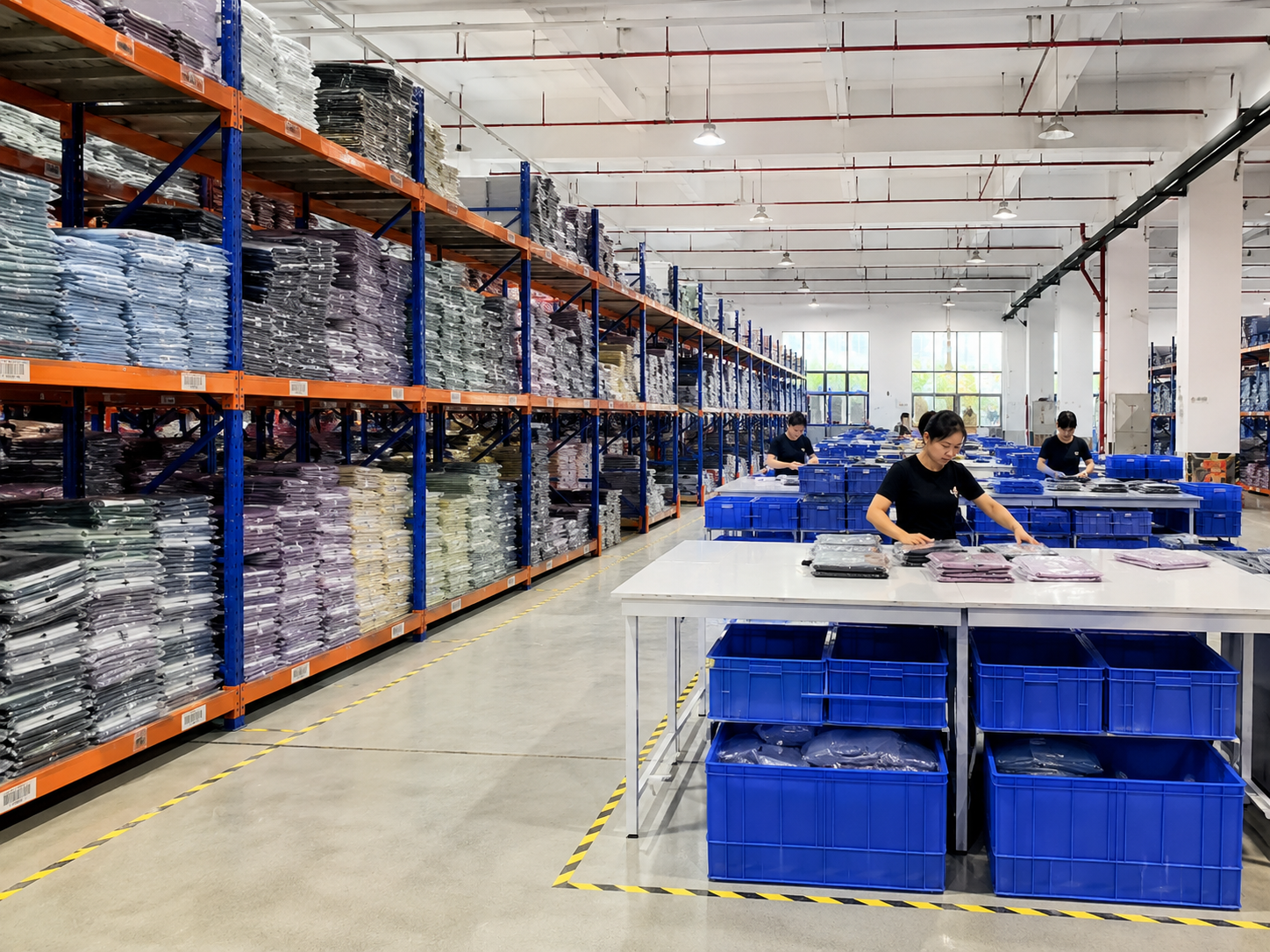
Finishing and Packing Resources
Our finishing department provides professional garment inspection, steam pressing, needle detection, folding, and packaging services to ensure products meet quality standards before shipment.
How an Approved Gym Wear Style Moves Into Bulk Production
Bulk manufacturing starts from approved requirements rather than memory or informal comments. Each stage keeps product, material, workmanship, branding, and packing information connected to the current approved version.
Approved Files
Current tech packs, measurements, artwork, material details, packaging instructions, and relevant approval comments are reviewed before production preparation. Superseded files should not remain active production references.
Material Readiness
Main fabric, contrast materials, lining, elastic, trims, labels, and packaging are checked against approved requirements and current supplier conditions. Material substitutions require review and approval before production use.
Production Preparation
Patterns, cutting requirements, process instructions, branding placement, quality points, and packing information are coordinated for the manufacturing stage. Complex areas may require additional technical clarification before production release.
Fabric Spreading and Cutting
Fabric is prepared and cut using suitable automated or flexible methods depending on material behavior, style, quantity, and construction. Cut components need correct style, color, size, and quantity separation.
Sewing and Assembly
Lockstitch, overlock, flatlock, elastic attachment, bartack, double-needle, bonding, or other confirmed processes are assigned according to garment construction. Not every style uses every machine or process.
Branding and Specialized Work
Heat-transfer labels, heat-press graphics, bonding, perforation, or other approved operations are applied according to artwork, material, and product specifications. Position and version accuracy are checked against approved information.
Quality and Finishing
Measurements, workmanship, appearance, branding, labels, and relevant product details can be checked during and after manufacturing according to project requirements. Finishing prepares the garment for packing rather than hiding structural or workmanship problems.
Packing and Shipment Preparation
Products are sorted by style, color, size, and SKU before folding, bagging, labeling, and carton preparation. Carton marks and packing information are checked before shipment coordination.
Bulk Timing Note: Production and delivery timing are confirmed only after material readiness, approved specifications, order quantity, production complexity, current capacity, packaging, and transport requirements are reviewed.
Quality Checks Linked to Approved Product Requirements
Leadshow has an approximately 45-person quality team supporting material, in-process, finished-garment, and packaging inspections according to project requirements. Quality control focuses on defined specifications rather than generic claims such as “zero defects.”
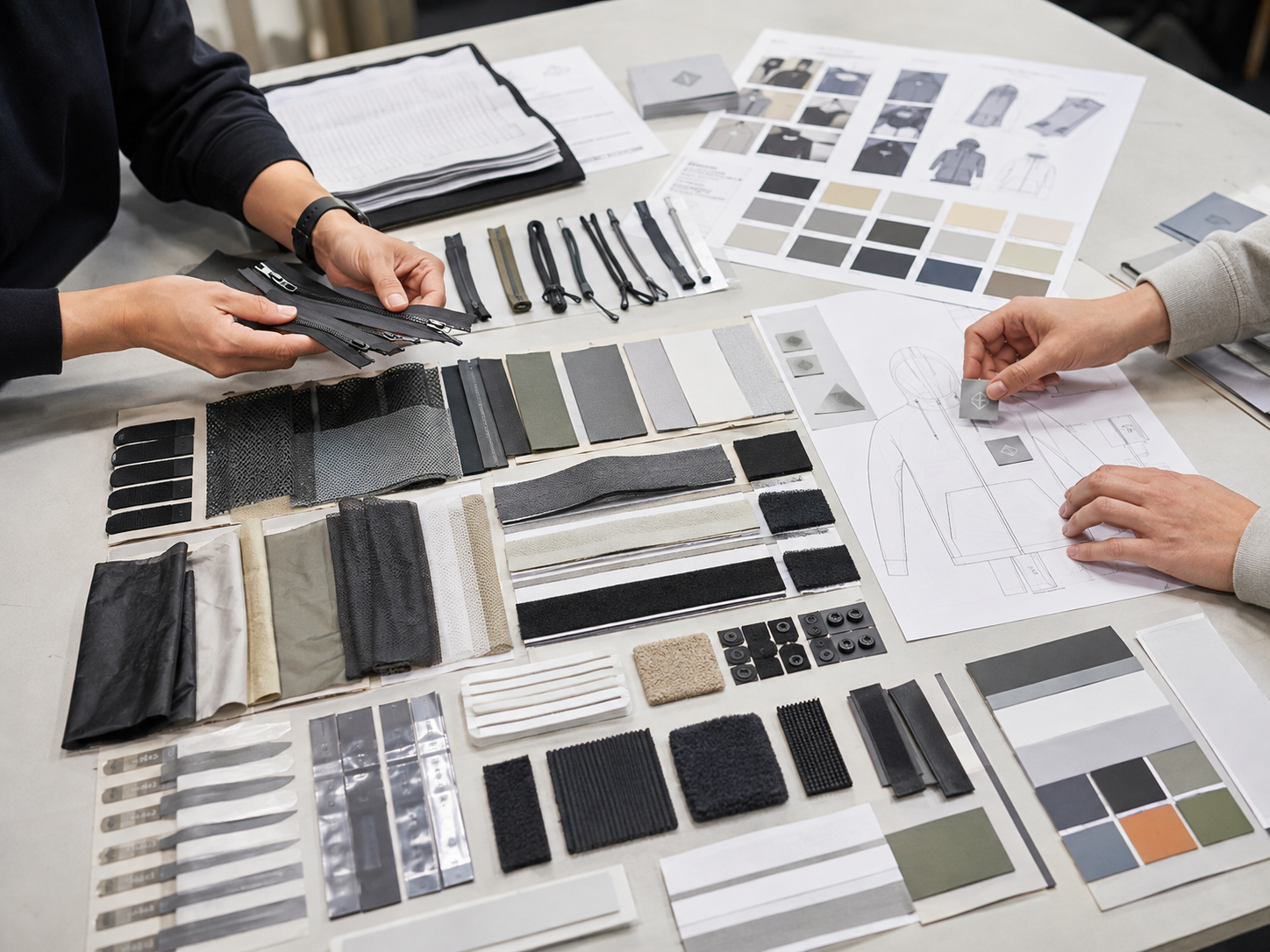
Material and Trim Checks
Materials need to correspond with the approved product direction before they become part of bulk production.
- Fabric identity and visual condition
- Color and batch separation
- Trims
- Elastic
- Zippers
- Padding
- Labels
- Packaging materials
Testing scope depends on product requirements and available standards. Leadshow does not claim that every incoming material undergoes a full laboratory program or that every functional statement is automatically certified.
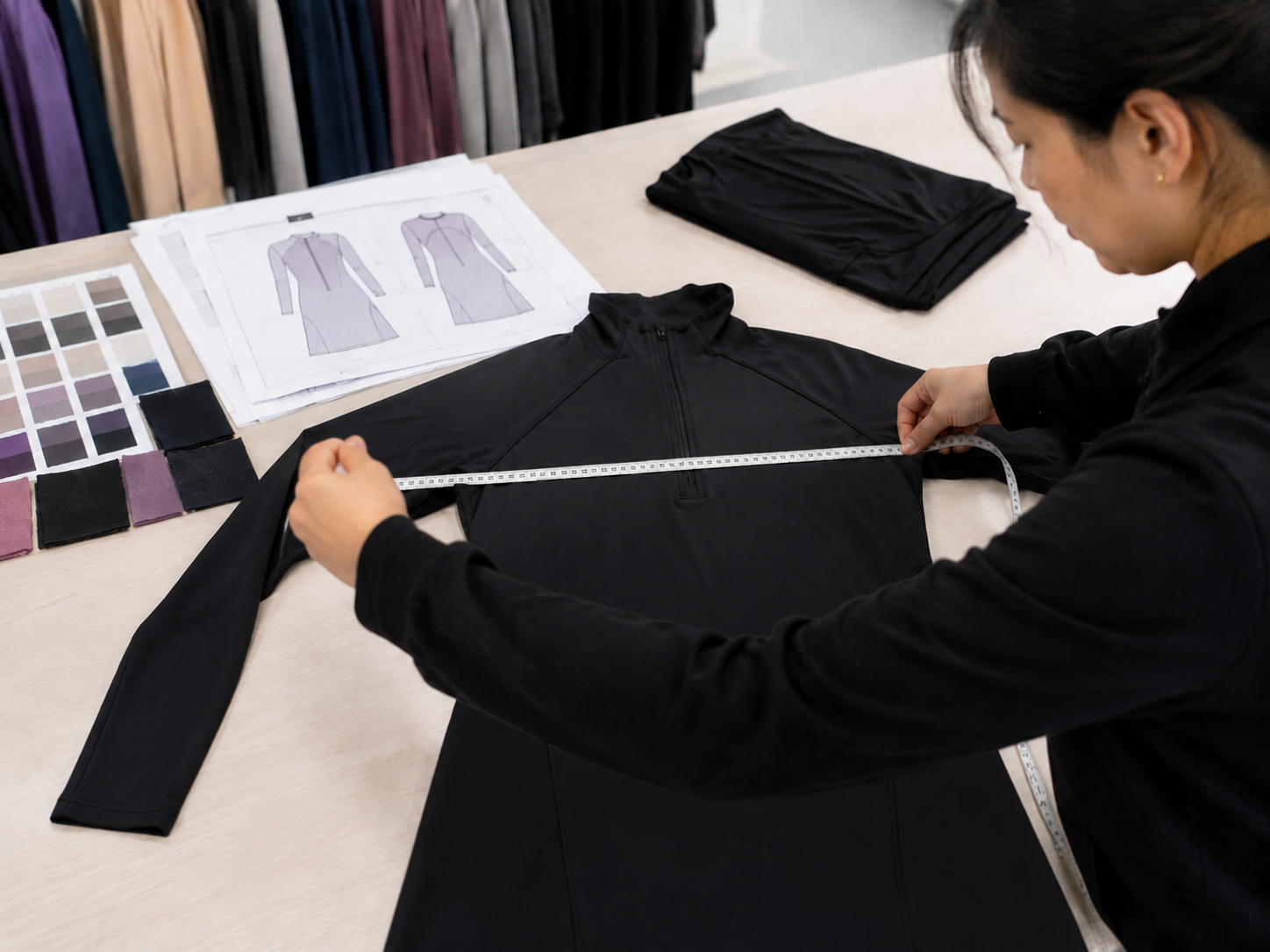
Measurement Checks
Garment measurements can be reviewed against the current approved size chart and measuring method.
- Critical points of measurement
- Base-size dimensions
- Graded sizes where applicable
- Garment length
- Width points
- Rise and inseam
- Elastic openings
- Agreed tolerances
Measurement control is based on garment specifications and reasonable production tolerances. A guarantee of zero dimensional variation is not used.
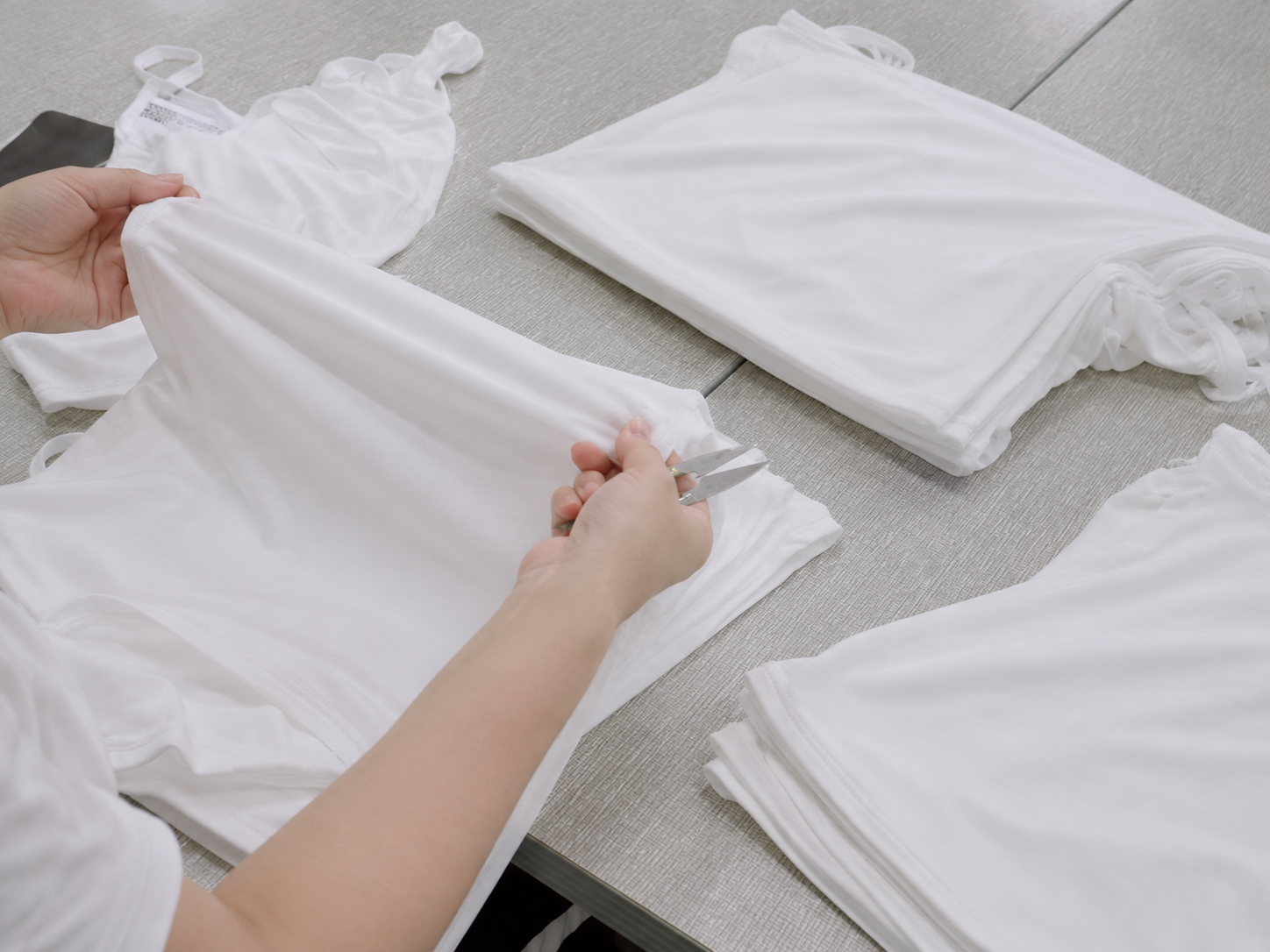
Construction and Workmanship Checks
Construction checks focus on whether approved sewing and assembly requirements are being followed.
- Seam type
- Stitch appearance
- Panel alignment
- Elastic installation
- Pocket construction
- Reinforcement
- Bonded areas
- Loose threads
- Visible workmanship defects
Quality is managed with production and development functions rather than relying only on a final inspection after every garment has already been completed.
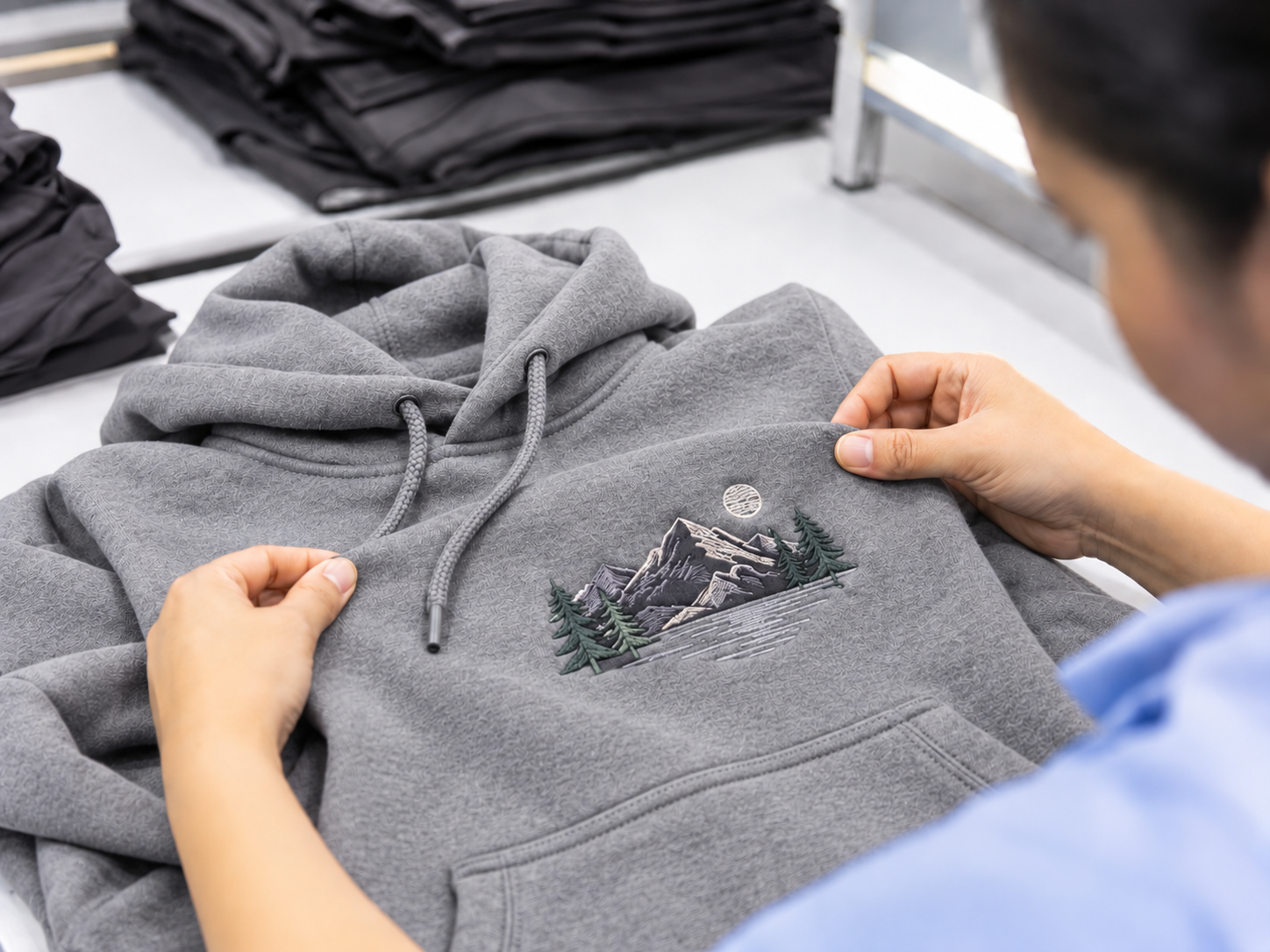
Branding Checks
Incorrect artwork can turn a technically acceptable garment into an unusable branded product.
- Logo version
- Placement
- Orientation
- Dimensions
- Label version
- Size information
- Care information
- Hang tags
- Artwork consistency
Brand files should be approved before bulk use. Compliance wording, trademark ownership, and destination-market rules remain subject to applicable requirements.
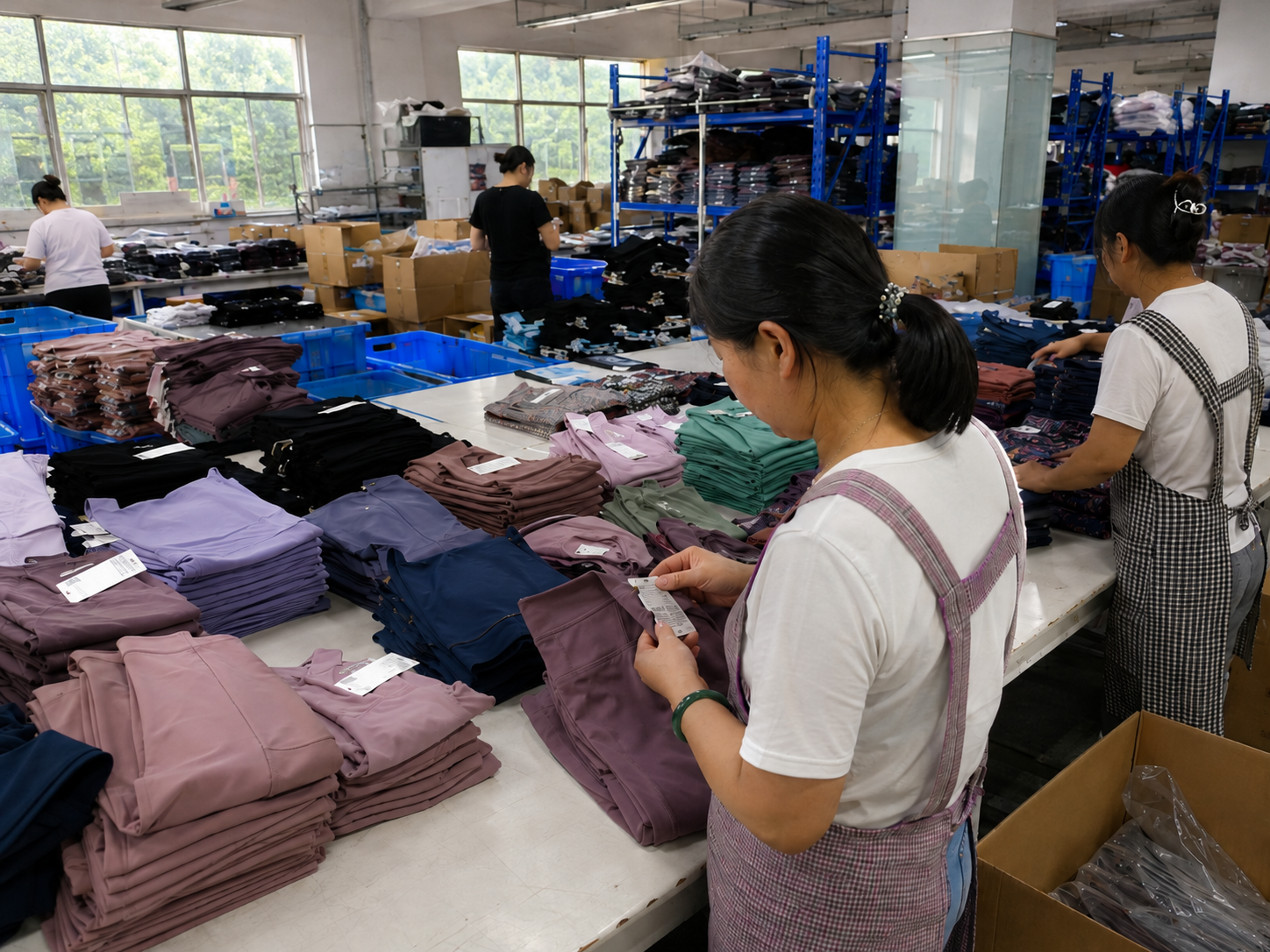
SKU and Packaging Checks
Multi-SKU programs need product identity to stay connected through packing.
- Style number
- Color
- Size
- SKU
- Barcode
- Label version
- Bag or package
- Carton quantity
- Carton mark
Leadshow’s quality and warehousing/logistics functions can coordinate packing verification. No packaging process is represented as completely error-free.

Finished Garment and Shipment Review
Finished garments may receive appearance, measurement, workmanship, labeling, and packing review according to project requirements. Applicable products can also use automatic needle-detection equipment as part of final safety checks.
- Needle detection where applicable
- Finished-garment appearance
- Measurement status
- Labeling
- Packaging
- Shipment preparation
Needle detection is not equivalent to full product safety certification or chemical testing. Final shipment release depends on agreed project controls, product status, packaging, commercial arrangements, and shipment preparation.
Private Label Details From Garment to Export Carton
Brand identity continues through labels, packaging, SKU information, and carton preparation. A coordinated system reduces avoidable errors when collections expand across styles, colors, and sizes.
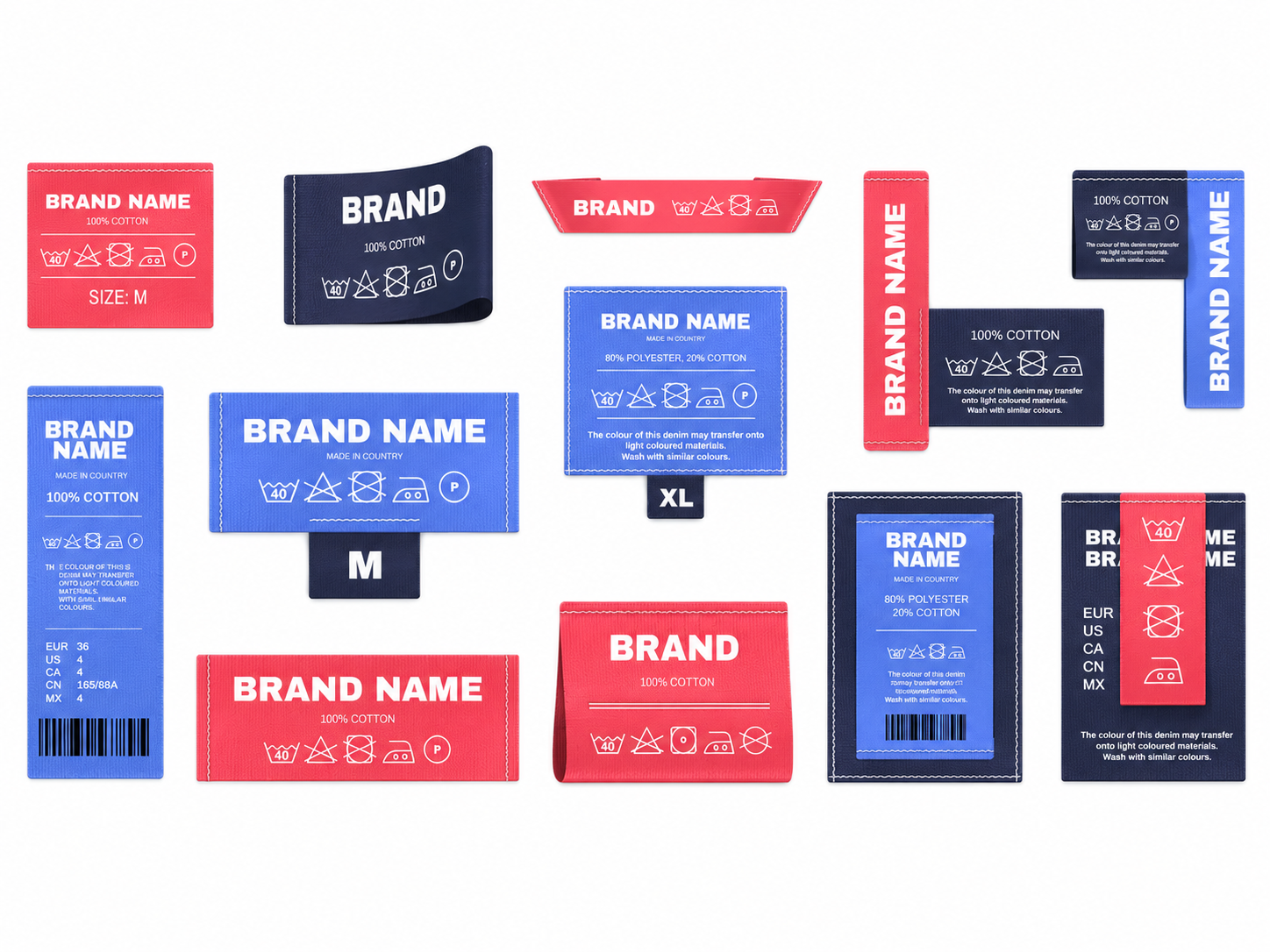
Main Brand Label
Main labels can carry approved brand identity according to garment construction and brand specifications. Label material, size, position, attachment, artwork, and order quantity need confirmation. Heat-transfer label resources are available for suitable products, while every label format is reviewed according to project requirements.
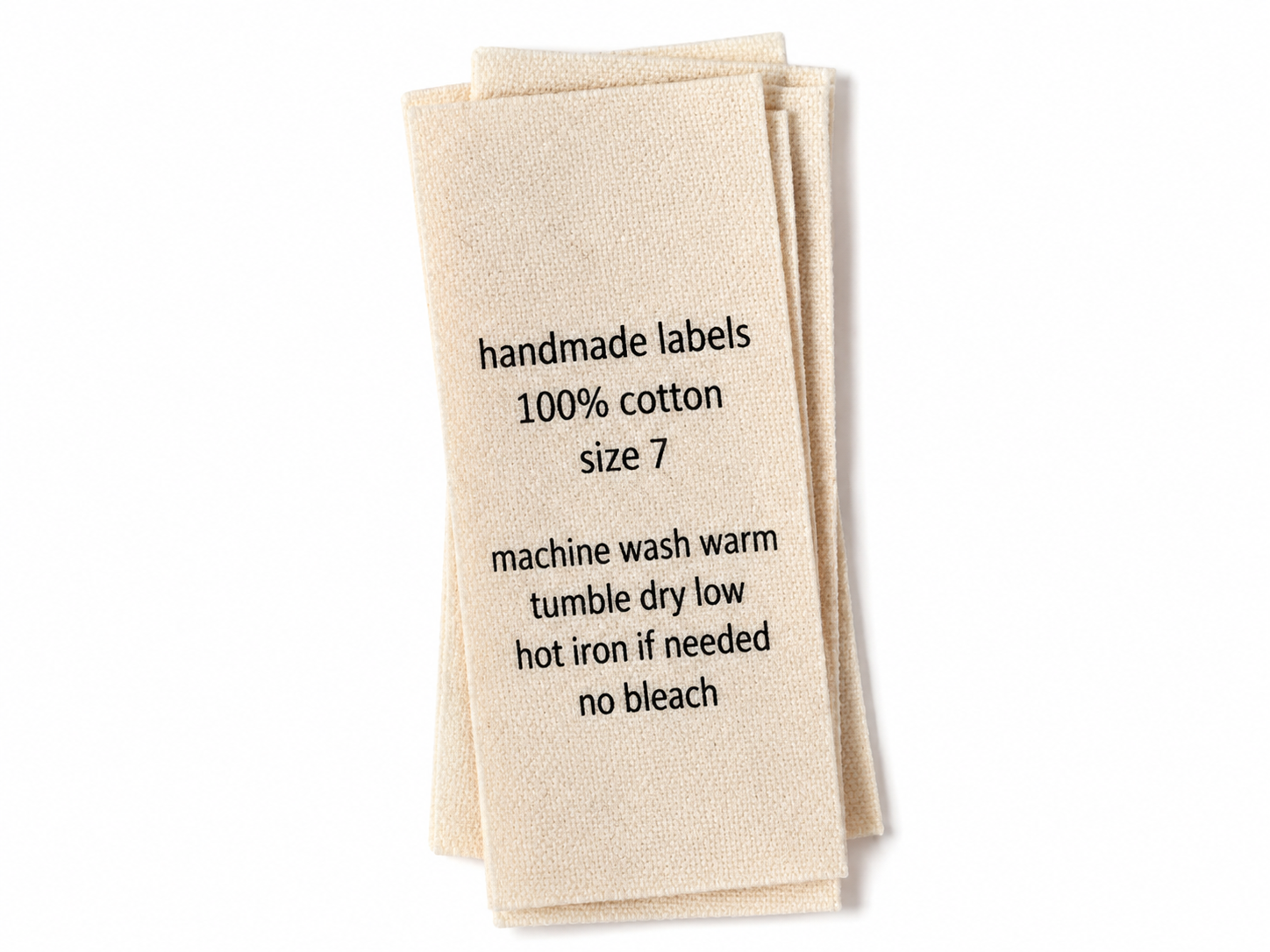
Size and Care Information
Size labels, care labels, and composition information need to match the correct garment version. Brand teams should provide approved wording, size information, language requirements, and destination-market instructions. Leadshow supports label execution but does not automatically guarantee global regulatory compliance for unspecified markets.
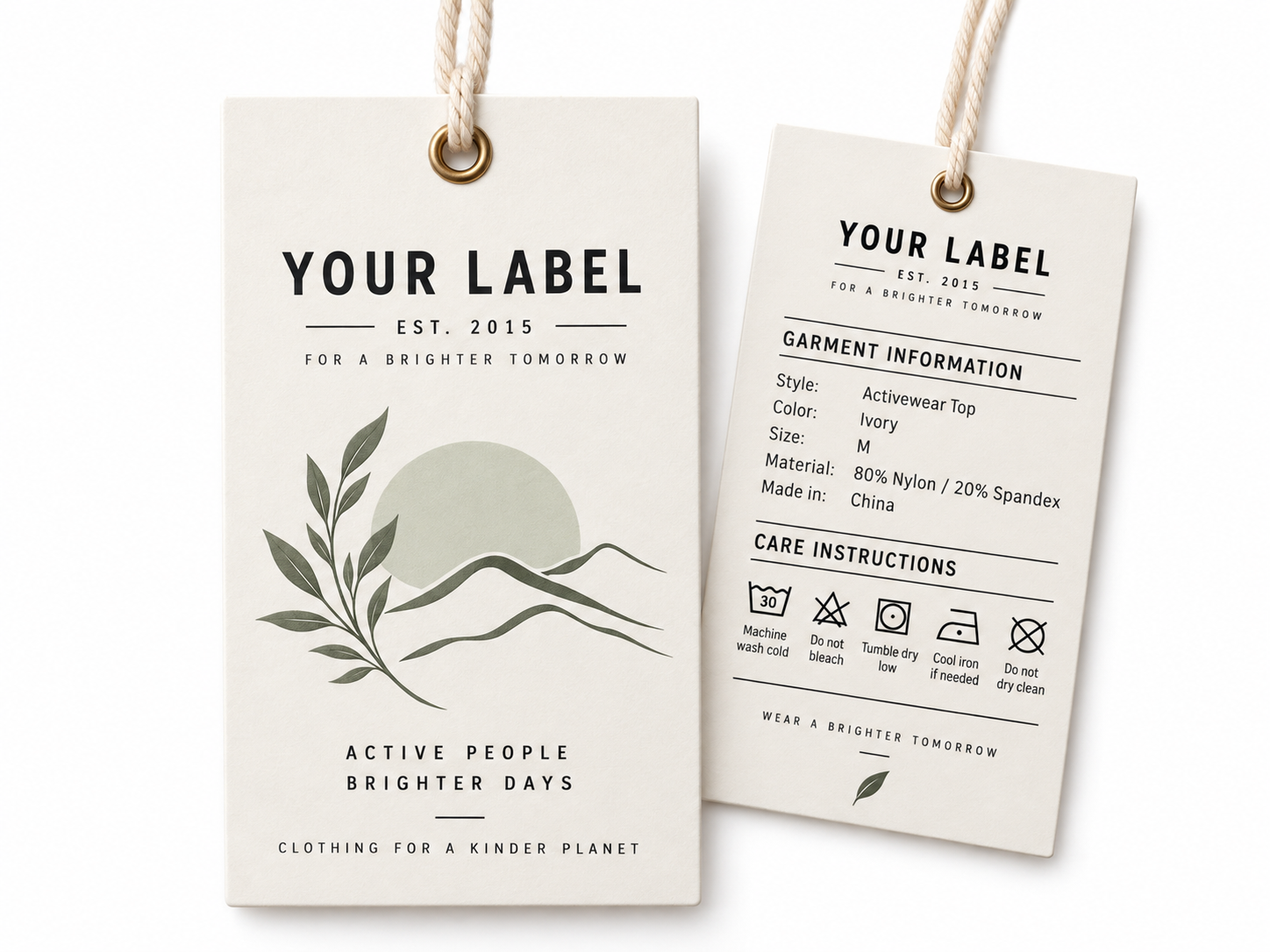
Hang Tags and Brand Cards
Hang tags and brand cards may include product identity, brand story, barcode, price information, care information, or other approved content. Artwork, dimensions, material, string or attachment, quantity, and packaging relationship should be confirmed before bulk production.
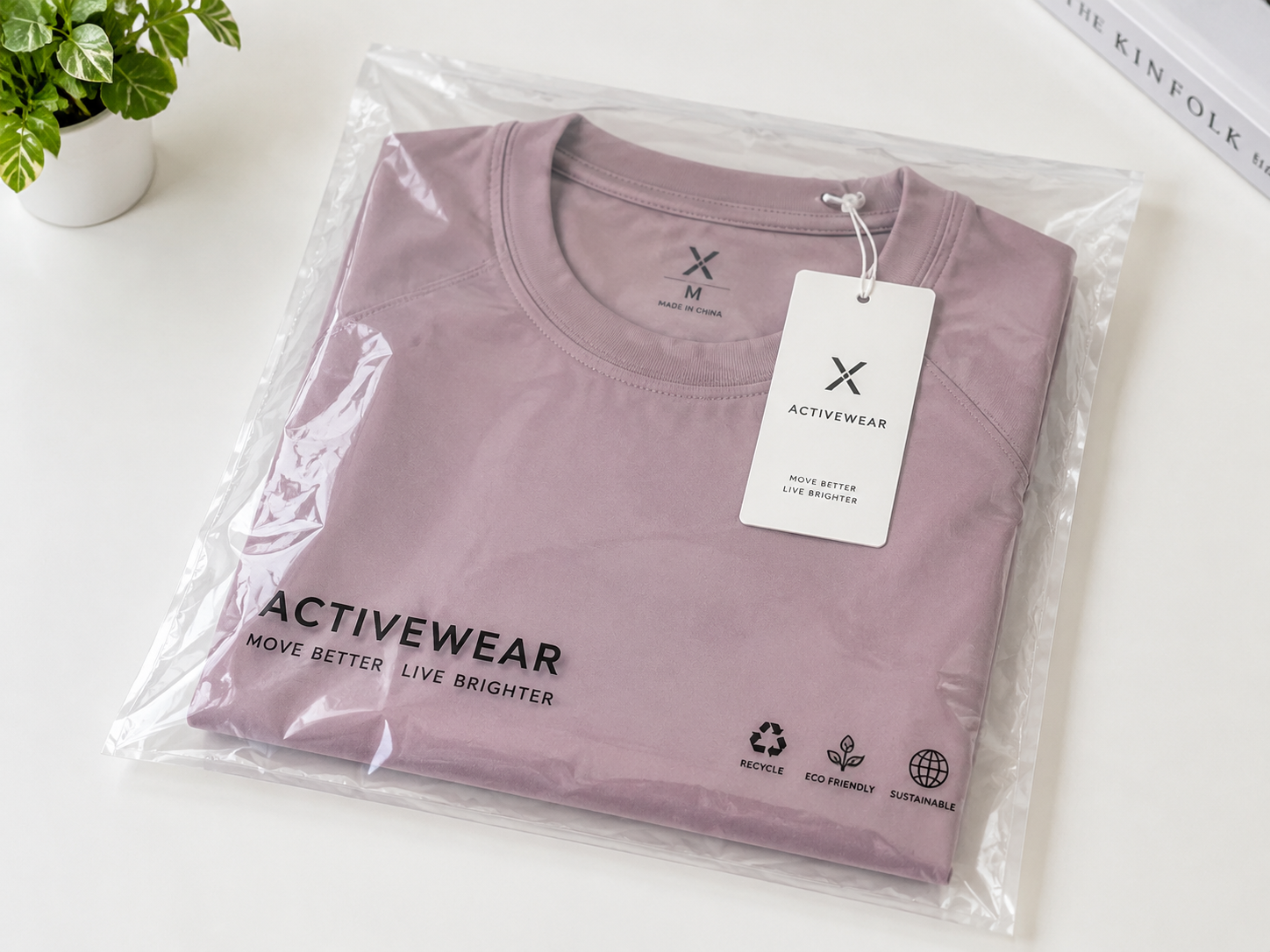
Individual Packaging
Private label packing may use individual bags or other approved packaging based on product and sales channel. Folding method, stickers, barcode position, size identification, brand artwork, and package dimensions are reviewed with the final garment. Complex structures may not suit automated folding systems.
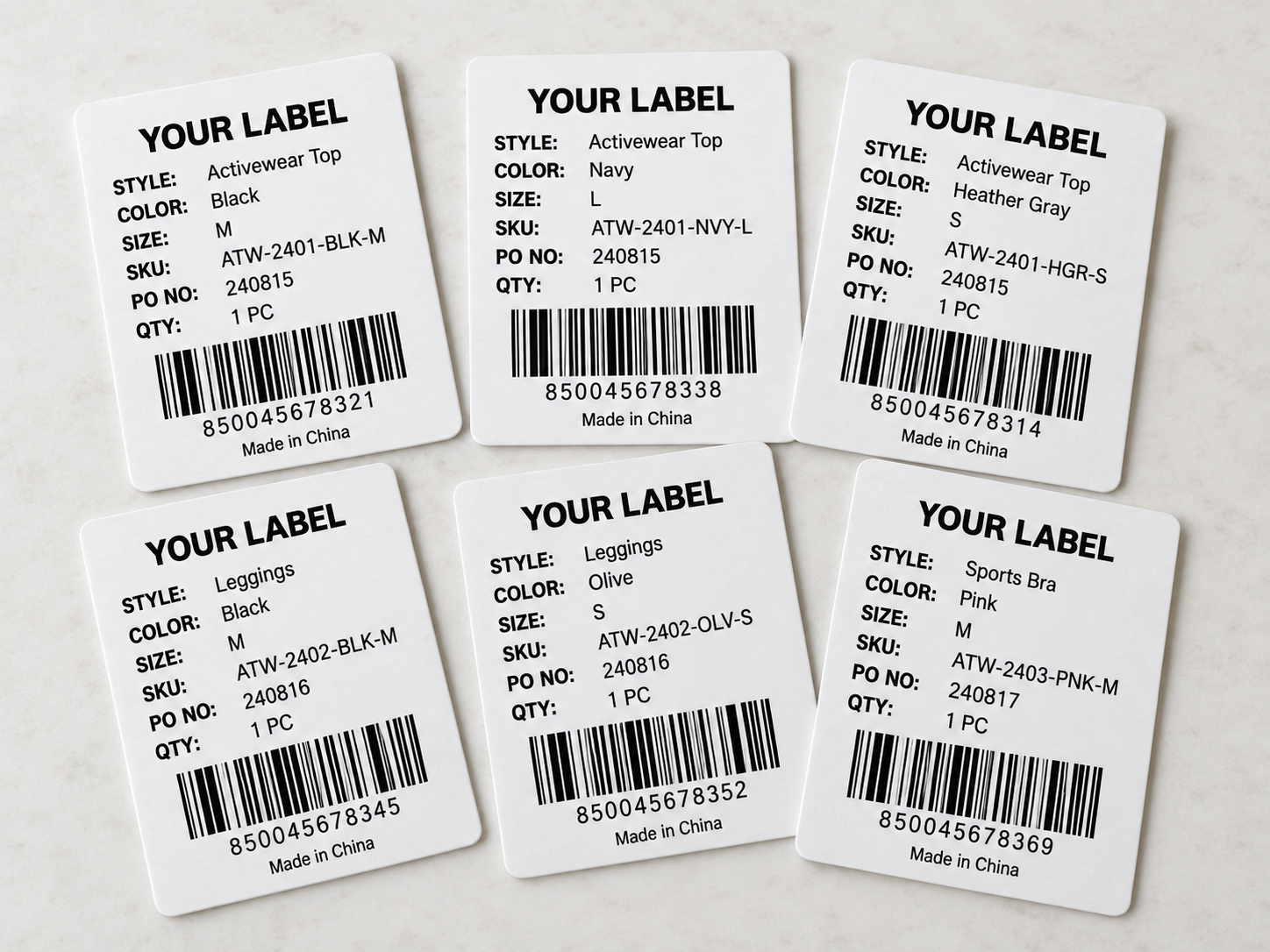
Barcode and SKU Identification
Barcodes and SKU labels should connect accurately with style, color, size, and packaging. Multi-SKU programs benefit from a clear matrix supplied before packing. Leadshow can support SKU sorting and labeling but does not claim a fully automated real-time inventory or global traceability platform.
Carton and Export Marks
Cartons can be prepared according to approved packing quantity and carton-mark requirements. Style, size, quantity, carton number, dimensions, weight fields, and other requested information can be coordinated according to shipment instructions. Export support does not equal guaranteed destination customs clearance or platform warehouse acceptance.
Planning From Initial Production to Long-Term Reorders
Scaling a gym wear collection requires accurate product information, material review, SKU management, capacity planning, and file continuity. Repeat production should preserve approved standards while checking factors that may have changed since the previous order.
Program Stage
Main Focus
Information to Control
Initial sample
Product feasibility
Construction, material, measurements, branding
Approved sample
Production reference
Current files, approved sample, comments
Initial bulk
Manufacturing execution
Quantity, colors, sizes, materials, QC, packaging
Multi-SKU expansion
Complexity management
Style matrix, SKU list, barcodes, carton rules
New color launch
Material and artwork
Color reference, trim match, logo version
Repeat order
Standard continuity
Previous records, current materials, current schedule
Material replacement
Revalidation
Handfeel, stretch, color, shrinkage, compatibility
Volume increase
Capacity planning
Quantity, product mix, material supply, schedule
Packaging update
Version control
New artwork, barcode, label and carton files
Long-term program
Ongoing coordination
Approved files, revisions, product and supply changes
Reorder Note: Material availability, color batches, prices, and production schedules can change. Repeat production is therefore reviewed against approved references and current conditions.
How to Evaluate a Private Label Gym Wear Manufacturer
A strong sourcing decision looks beyond logo printing and low unit price. Product expertise, development capability, manufacturing resources, quality controls, commercial fit, and ability to manage brand details all influence long-term results.
Evaluation Factor
What a Brand Should Verify
Leadshow Evidence
Product specialization
Does the manufacturer work with relevant sportswear construction?
Confirmed sports bras, yoga leggings, sports T-shirts, running shorts, tank tops and tracksuits
Development support
Does the manufacturer work with relevant sportswear construction?
Approx. 28-person R&D and engineering team; independent sampling workshop
Fit development
Are measurements, patterns and sample comments managed?
Pattern and fit adjustment plus sample revision support
Material evaluation
Can fabrics and trims be matched to construction?
Fabric, lining, elastic, trim, padding and material coordination
Stretch-garment equipment
Are relevant sewing resources available?
35 four-needle six-thread flatlock machines plus overlock and elastic resources
Bulk manufacturing
Can production scale beyond samples?
3 manufacturing bases and 20,000+ m² combined facilities
Capacity
Is scale presented with realistic conditions?
Up to approx. 120,000 garments/month combined, subject to project conditions
Quality support
Are checks used across production stages?
Approx. 45-person quality team supporting material, process, finished and packing checks
Private label execution
Can branding continue through labels and packaging?
Custom label, heat-transfer, heat-press and packaging resources
Multi-SKU handling
Can sizes, colors and packaging versions stay organized?
Manufacturing plus approx. 32-person warehousing/logistics support
Commercial fit
Is MOQ clearly explained?
Standard MOQ generally starts from 100 pcs/color/design, subject to project conditions
Business boundary
Does the manufacturer distinguish confirmed capability from promises?
Project-based evaluation for materials, functions, timing, certification and special processes
Private Label Gym Wear Frequently Asked Questions
The answers below address common sourcing questions around MOQ, tech packs, fabrics, fit, sampling, bulk production, quality, branding, and delivery. Final commercial and technical conditions are confirmed according to each project.
What is the MOQ for private label gym wear?
Leadshow’s standard MOQ generally starts from 100 pieces per color per design. Final MOQ depends on fabric, custom colors, trims, garment construction, logo method, labels, and packaging. Different styles or colors cannot automatically be combined to meet one MOQ.
Can Leadshow work from a complete Tech Pack?
Yes. Tech packs can be reviewed for construction, measurements, materials, trims, branding, packaging, and manufacturing feasibility. Missing or conflicting information may need clarification before sample scope, quotation, MOQ, or production conditions are finalized.
Can gym wear be developed from reference images?
Yes, reference images can support product development when enough construction, measurement, material, and branding information can be established. Exact replication is not guaranteed from images alone, and third-party designs, logos, or garments require proper authorization.
How is fabric selected for gym wear?
Fabric is evaluated according to garment construction, fit, stretch, recovery, weight, handfeel, opacity expectations, quantity, budget, and intended use. Functional claims such as moisture-wicking, quick-dry, recycled, or other performance features require corresponding material evidence and testing where applicable.
How is fit confirmed before bulk production?
Fit is developed through measurements, pattern work, physical samples, and written comments. A base-size approval does not automatically approve every graded size. Final production follows approved measurement information and applicable sample references.
How long does sample development take?
Sample timing is confirmed after product complexity, technical files, material availability, sample type, branding, and revision scope are reviewed. Leadshow does not publish one fixed sample time for every gym wear style or guarantee first-round approval.
How is bulk production aligned with the approved sample?
Current technical files, approved measurements, materials, construction, branding, labels, packaging, and applicable sample references are prepared for production. Development, production, and quality functions coordinate to translate approved requirements into bulk-manufacturing instructions.
What quality checks are used for gym wear?
Quality support can include material, measurement, construction, workmanship, appearance, branding, label, packaging, and finished-garment checks according to project requirements. Applicable garments can also undergo needle detection. Fixed AQL or 100% inspection is not claimed without project confirmation.
Can labels and packaging be customized?
Yes. Private label programs can include main labels, size labels, care labels, heat-transfer labels, hang tags, individual packaging, barcodes, SKU labels, and carton marks according to approved requirements and supplier conditions.
How is production and delivery timing confirmed?
Timing is evaluated after material availability, quantity, construction, sample approval status, production scheduling, packaging, and shipment requirements are known. Final delivery arrangements are confirmed for the actual order rather than offered as a universal fixed lead time.
Send Your Gym Wear Project for Manufacturing Review
A useful project review can begin with a complete tech pack or with a smaller set of clear development information. Share the product type, reference images or existing samples, estimated quantity, colors, size requirements, preferred fabric, construction details, logo artwork, labels, packaging, destination market, and expected timing.
Leadshow’s business team can coordinate the information with relevant development, manufacturing, quality, and logistics functions. The review may cover product feasibility, material and trim requirements, pattern and sample needs, likely MOQ conditions, branding execution, packaging requirements, bulk-production considerations, and information still needed before a formal quotation or production plan can be confirmed.
Standard MOQ generally starts from 100 pieces per color per design, while final MOQ, sample scope, material plan, price, production schedule, testing needs, and delivery arrangements are confirmed according to the actual project.
For existing products, include the current tech pack, authorized reference garment, inspection findings, or problems requiring improvement whenever available.