
Leggings Manufacturer
Custom leggings development and manufacturing for activewear brands, from technical review and fit development to sampling and scalable bulk production.
- Yoga leggings are an established Leadshow product category within the sportswear range.
- Tech pack, reference sample, measurement and construction review can start before sampling.
- Thirty-five four-needle six-thread flatlock machines support flatter, stretch-compatible seams for fitted activewear.
- Pattern, fit, materials, branding, sampling, bulk manufacturing, quality checks and packing can be coordinated by project.
Who We Manufacture Custom Leggings For
Leggings programs differ widely by brand maturity, sales channel, technical file quality and order scale. Leadshow is positioned for commercial apparel projects that need product development support, approved specifications, controlled manufacturing and repeat-order continuity rather than one-piece retail customization.
Established Activewear Brands
Mature activewear programs often arrive with a tech pack, approved reference, existing measurement chart, material direction and established quality requirements. Leadshow can review current specifications, identify differences between existing standards and available manufacturing methods, develop samples for comparison, and prepare bulk production around approved files. The strongest fit is a brand seeking an additional manufacturing source, a replacement source, or more production flexibility without abandoning its established product language.
Growing Fitness Brands
Growth creates pressure on fit consistency, new color launches, additional sizes, packaging accuracy and reorder planning. Leadshow can support a structured move from early samples into repeatable production while keeping approved measurements, fabric references, seam construction, branding details and SKU information connected. Programs can begin with a core yoga-legging style and expand after product requirements, material availability, MOQ and manufacturing feasibility are reviewed.
Private Label Programs
Private label leggings require more than adding a logo to an existing garment. Product structure, fabric, fit, labels, care information, size marking, hangtags, packing and carton identification all need coordinated approval. Leadshow supports custom labels and packaging alongside product development and bulk manufacturing. Projects are reviewed against brand artwork, target market, size range, order quantity and packaging requirements before commercial terms are confirmed.
Import and Retail Programs
Importers, retailers, buying offices and distribution teams often manage many colors, sizes and SKUs under one delivery plan. Product execution depends on clear assortment files, approved samples, label instructions, packing rules and shipment preparation. Leadshow combines manufacturing, quality and warehousing-logistics functions to support multi-SKU apparel programs, while final production timing, available capacity and logistics responsibilities are confirmed against current order conditions.
What Procurement Teams Need From a Leggings Manufacturer
A leggings program succeeds when product definition, development validation and production execution connect. Price alone cannot resolve fabric behavior, fit, waistband recovery, sample approval or size consistency. A strong manufacturing discussion begins with the product standard and ends with a clear production reference.
Product Definition
Define the intended use, fabric direction, GSM if known, stretch behavior, recovery expectation, rise, waistband build, inseam, gusset, pocket layout, seam placement, logo, size range and packaging. Missing product information increases the chance of quotation changes and sample revisions. A reference garment or detailed tech pack gives the development team a clearer starting point, but every material and construction still needs feasibility review.
Development Validation
Sampling should validate more than visual appearance. Pattern balance, measurement points, waistband fit, seam position, fabric response, pocket placement, logo location and overall wearing effect need structured review. Major fabric or construction changes may require another sample round. Fit approval, size-set review or pre-production confirmation can be added when project complexity calls for a stronger bridge between development and bulk production.
Production Execution
Approved samples and files need to become manufacturing controls. Pattern versions, measurement charts, approved materials, color references, seam construction, labels, packaging and SKU breakdowns should remain aligned before bulk production starts. Quality checks then follow project requirements at relevant material, in-process, finished-garment and packing stages. Lead time and available capacity are confirmed only after materials, approval status, order mix and production scheduling are reviewed.
Custom Leggings Product Paths for Brand Programs
Leadshow has confirmed manufacturing capability for yoga leggings within its sportswear range. Related leggings projects can be evaluated when construction, fabric, fit and process requirements fall within verified capabilities. Product scope is reviewed before sampling rather than assumed from a broad category name.
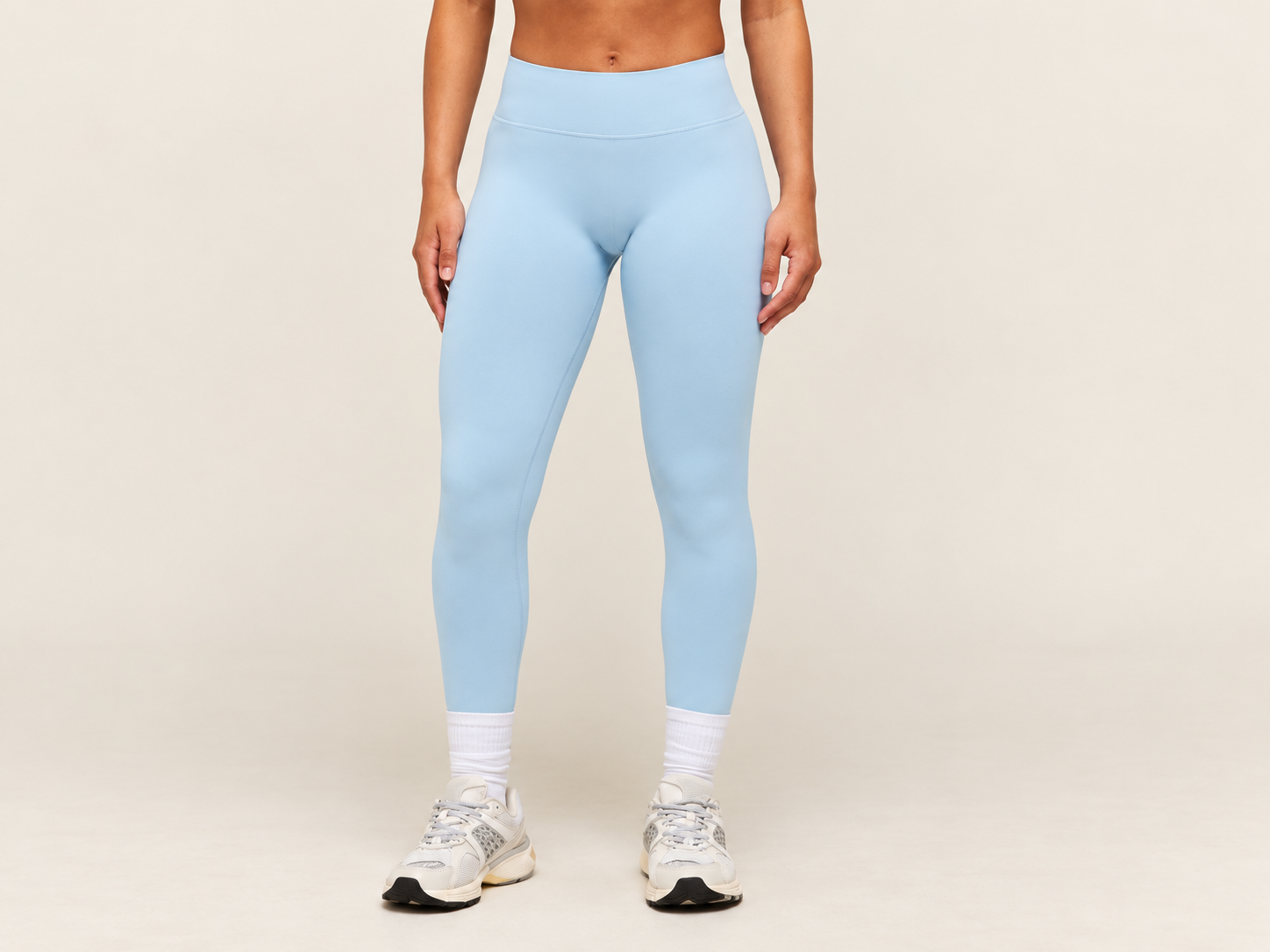
Yoga Leggings
Yoga leggings are an established Leadshow product direction. Development can address fabric choice, waistband structure, rise, length, gusset, pockets, seam placement, fit, heat-transfer branding and packaging according to approved specifications. Stretch-garment flatlock equipment supports fitted activewear construction where appropriate. Performance language such as squat-proof, compression or moisture-wicking is not applied automatically; material, structure and testing need to support every claim.

Brand-Specific Development
A brand may arrive with a tech pack, sketch, reference image or physical sample that does not match a standard catalogue style. Leadshow can review the design, pattern direction, measurements, material requirements, seams, waistband, pocket construction and branding before confirming the development route. Projects outside the confirmed yoga-legging range are accepted only after manufacturing feasibility is reviewed, preventing broad promises that do not reflect actual production conditions.
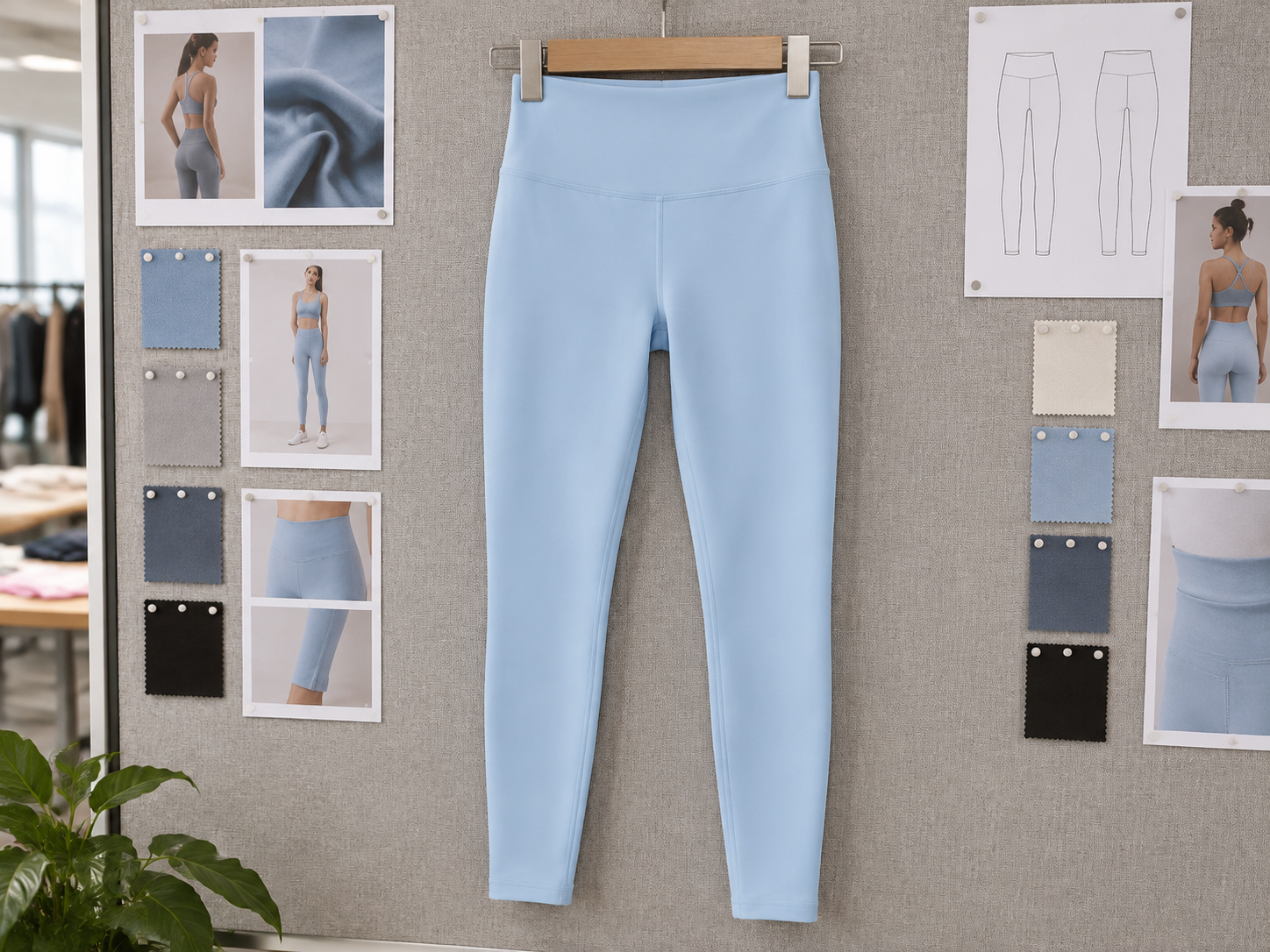
Existing Product Transfer
Supplier replacement projects usually start with an approved garment, current measurement chart, fabric information, defect history or inspection notes. Leadshow can compare the existing standard with available materials and processes, rebuild or adjust patterns, develop a comparison sample and establish a new approved reference. Exact duplication of another factory’s material, color or process is never assumed; physical review and supply-chain evaluation determine how closely the original standard can be reproduced.
Leggings Structure and Customization Options
Leggings performance is shaped by construction details that are easy to overlook during quotation. A clear structure brief helps pattern, sample and production teams evaluate the garment as one system instead of treating fabric, waistband, pockets and seams as separate decisions.
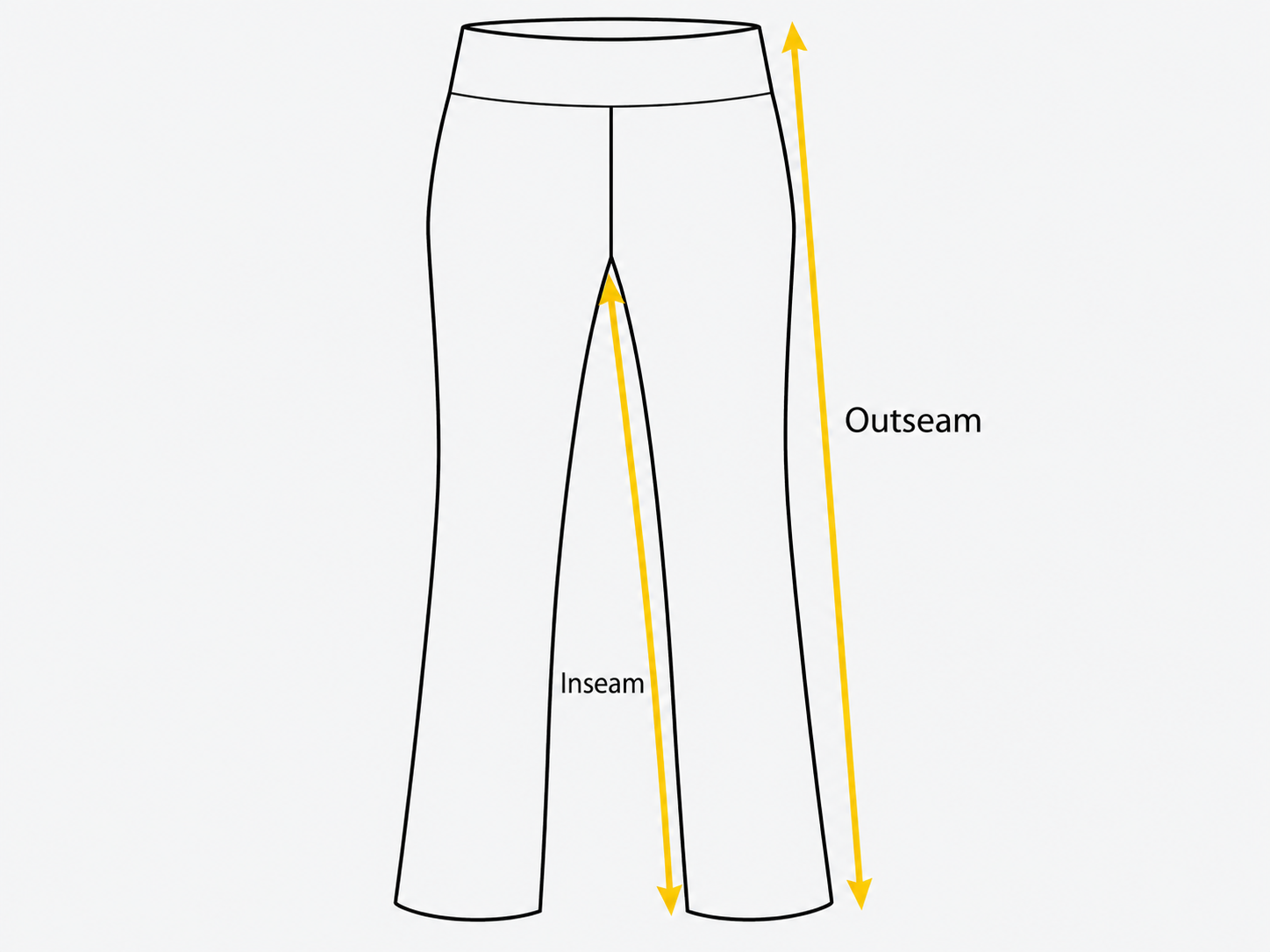
Length and Inseam
Full length, ankle length, cropped or other proportions should be defined through the measurement chart rather than a marketing name alone. Inseam interacts with rise, leg shape and fabric recovery, so a simple length change can alter fit through the knee and ankle. Reference garments are useful when proportions matter. Final length and size range follow the approved pattern and measurement standard.
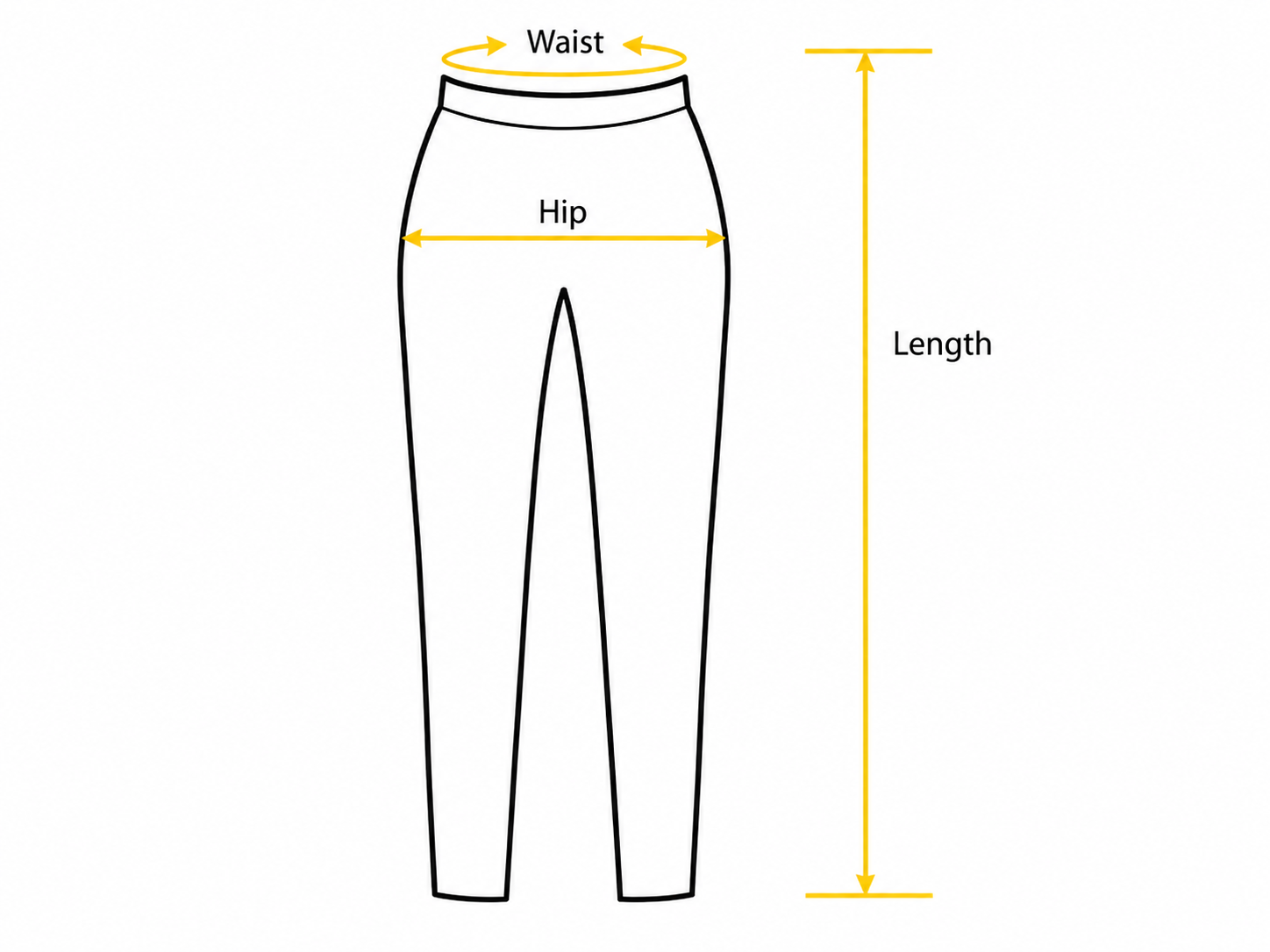
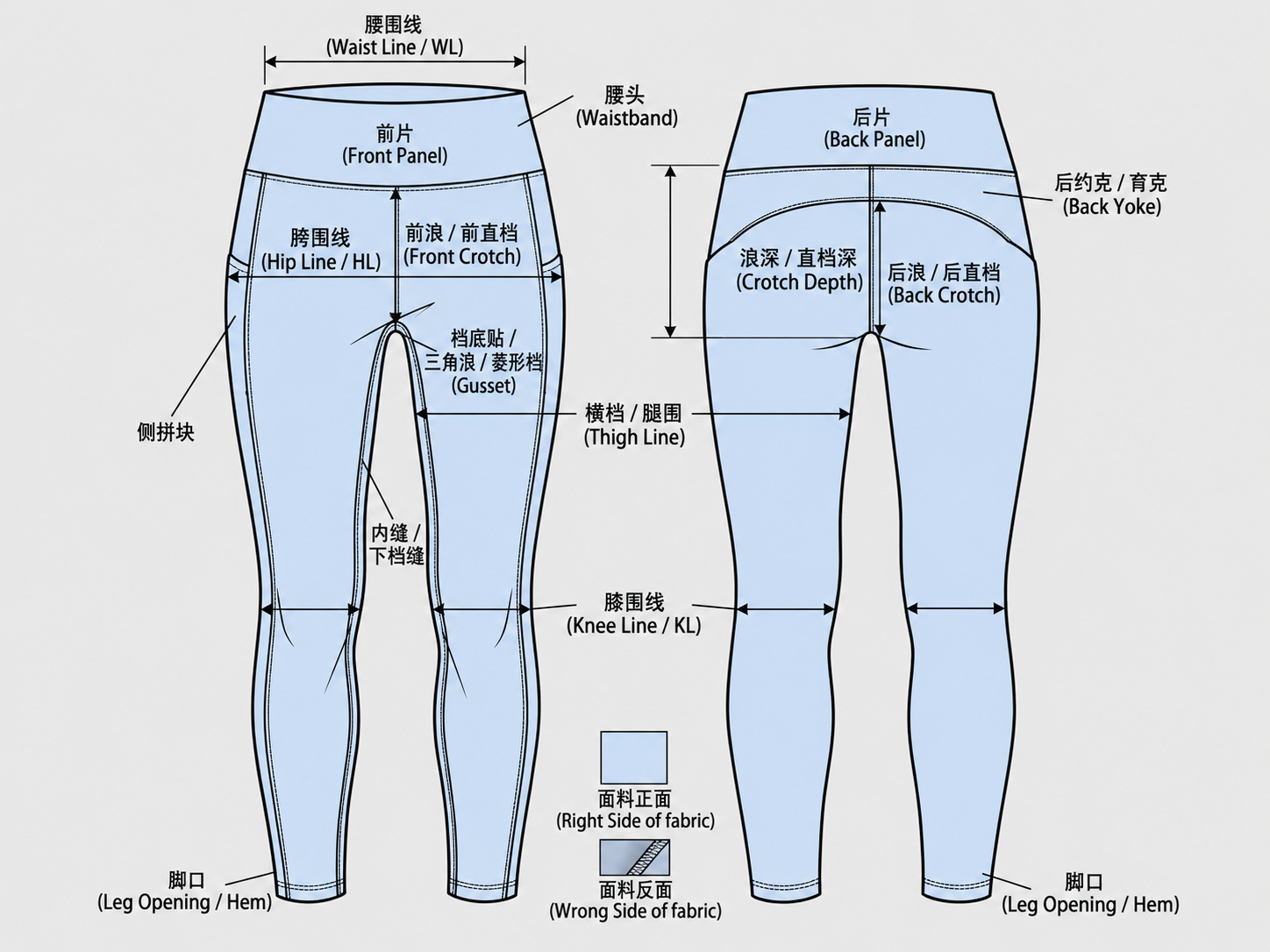
Front rise, back rise and waist position influence coverage, movement and the relationship between waistband and hip fit. A high-rise look can still feel unstable when pattern balance, fabric stretch or waistband tension is wrong. Leadshow reviews measurement points, reference fit and actual material behavior before locking the pattern. Fit decisions need target-market information rather than a universal “best” rise.
Waistband Build
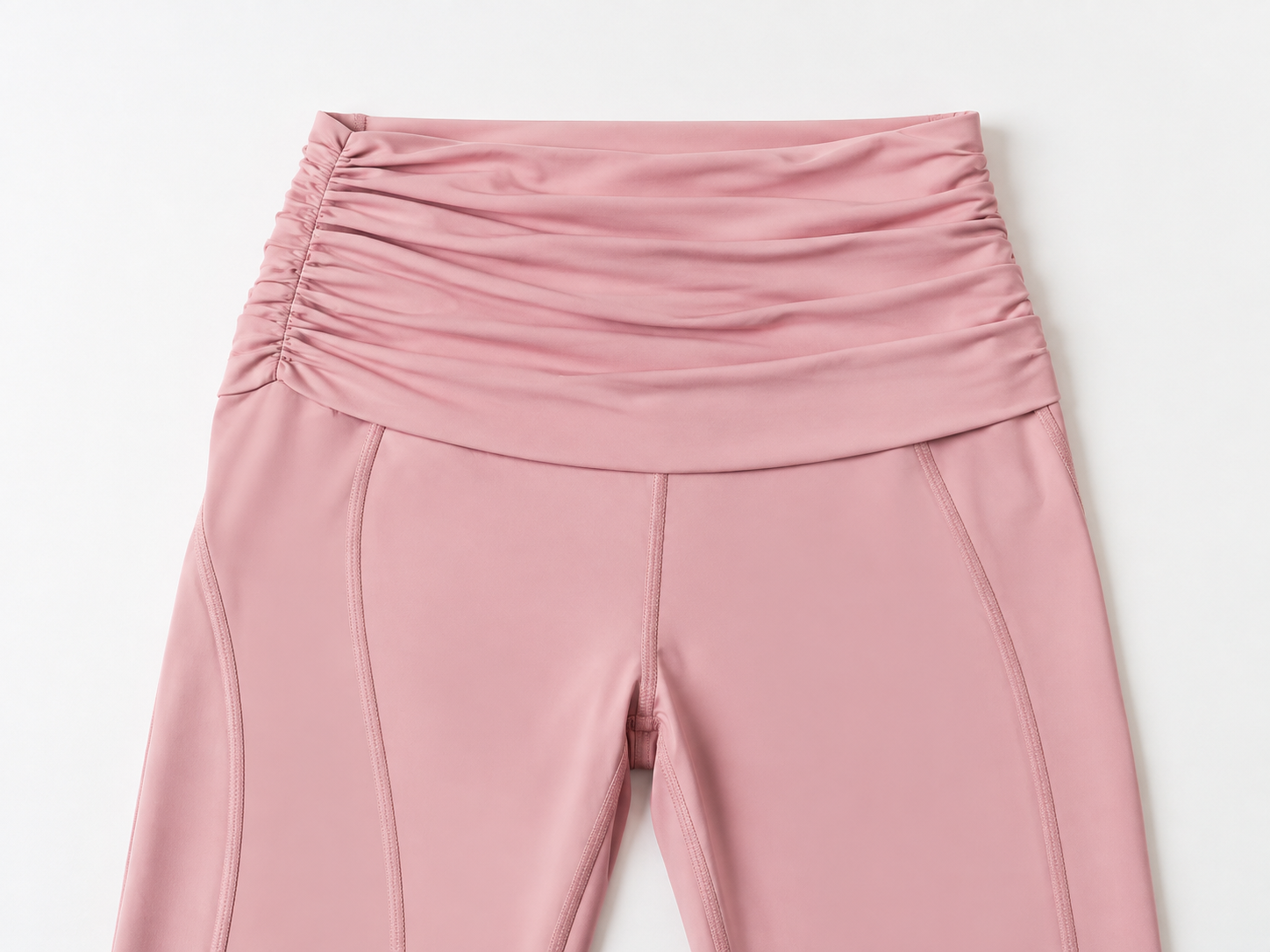
Waistbands can use self-fabric structures, internal elastic or other constructions depending on the design. Width, layers, seam location, elastic dimensions and tension influence rolling, pressure and recovery. Leadshow has 12 elastic-attaching or related machines that can support suitable waistband structures. Final construction still depends on material compatibility, approved fit and the desired wearing feel.
Gusset and Crotch
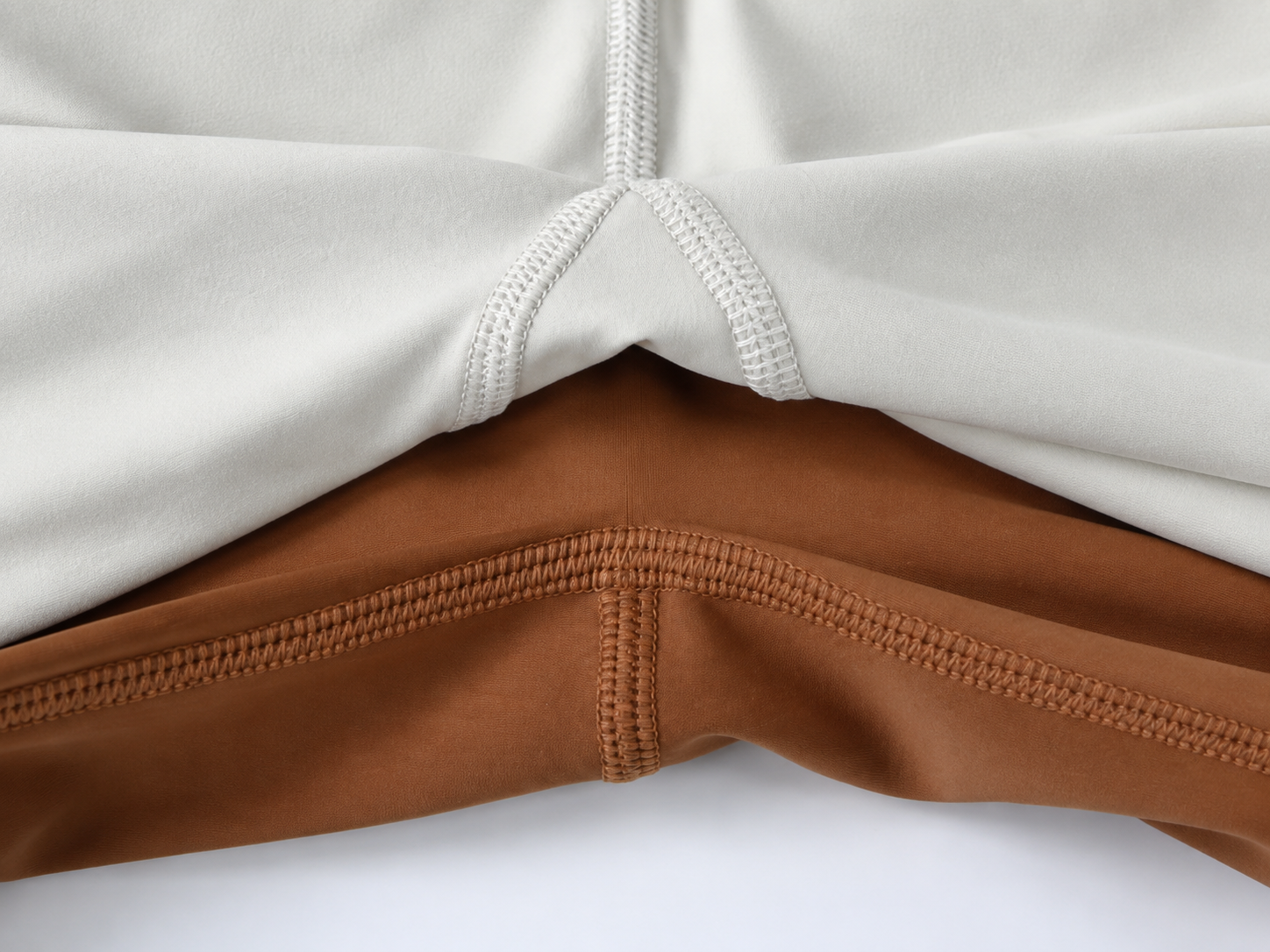
Crotch and gusset construction affect mobility, seam concentration and durability in fitted leggings. Shape, panel count, seam direction and material stretch need to work together. A gusset should not be added only because the feature appears on another product. Pattern review and sample wear assessment help decide whether the structure supports the intended movement and visual result.
Pocket Placement
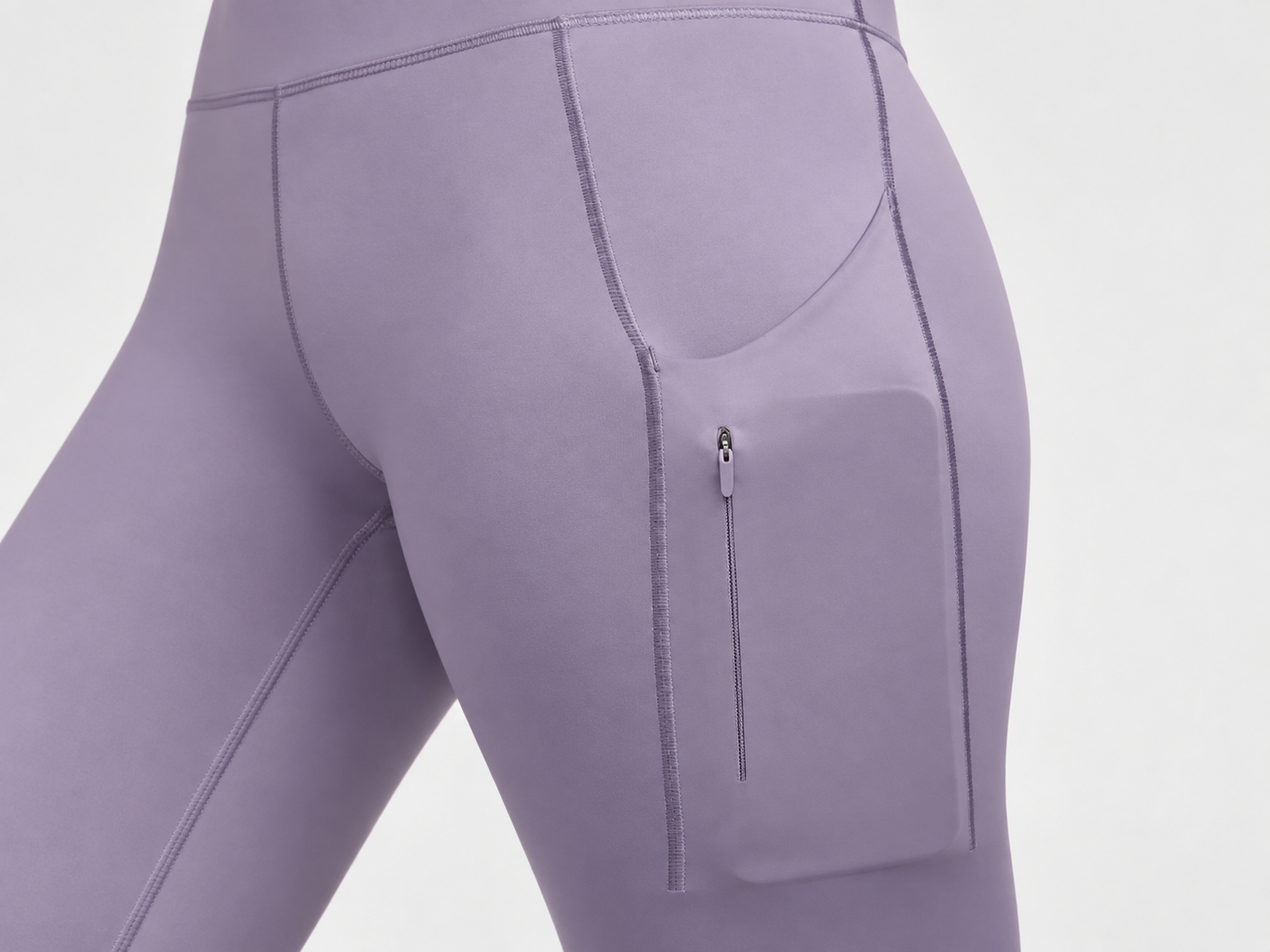
Side pockets, hidden waistband pockets or other storage features change panel shapes, seam load, bulk and appearance. Pocket depth, opening angle and location should be defined alongside phone size or intended contents when relevant. A pocket added late in development can change fabric usage, pattern balance and cost. Placement is best validated on a physical sample before bulk approval.
Panel Construction
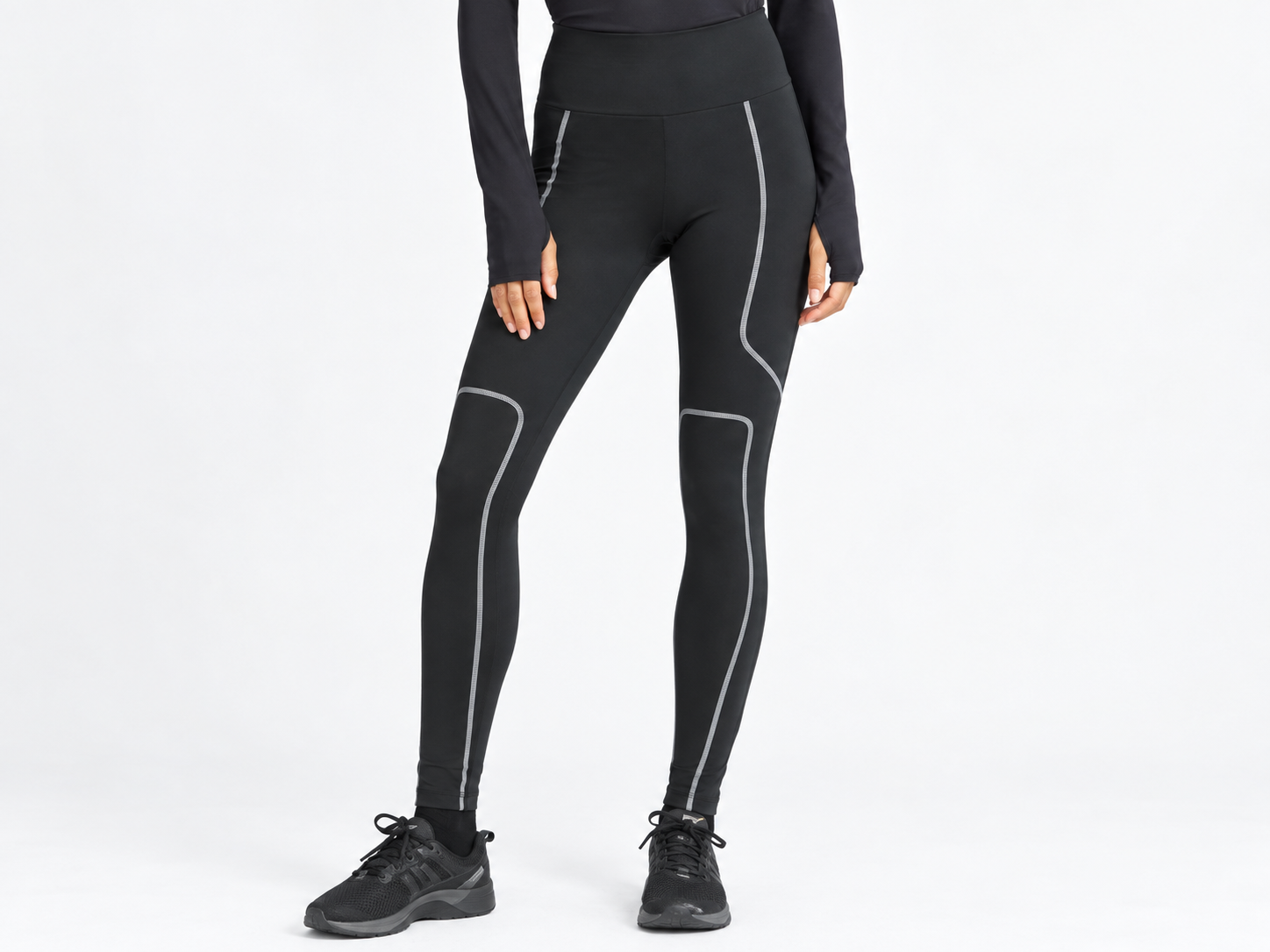
Panel lines can create shaping, color blocking, ventilation zones or visual distinction, but every additional panel adds cutting, sewing and alignment work. Curved seams on high-stretch fabric require special attention because tension can distort the intended line. Leadshow reviews panel layout against fabric behavior, flatlock or overlock options, manufacturing repeatability and the desired appearance.
Seam Placement
Seam location matters in a garment that stretches continuously around the waist, hip, thigh and knee. Four-needle six-thread flatlock can support flatter, stretch-compatible seams on suitable designs, while overlock and other sewing methods may serve different areas. Flatlock is a sewn seam, not seamless knitting. Seam selection follows pattern, fabric, wearing movement and approved sample results.
Hem and Finish
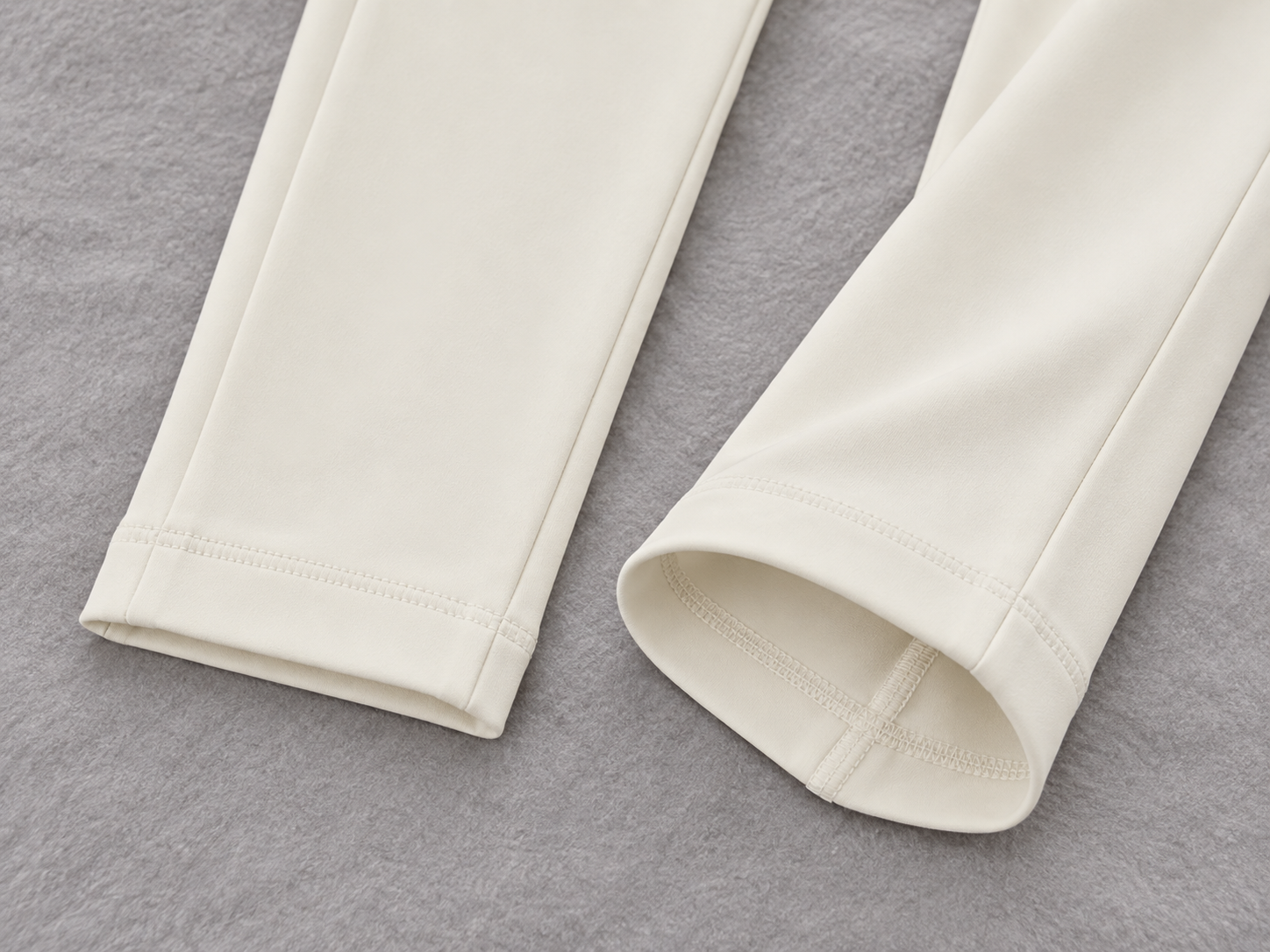
Leg openings may use folded hems, cover-style finishing or other approved constructions depending on fabric and design. A narrow opening combined with strong recovery can create unwanted pressure, while a loose opening may lose the intended silhouette. Hem width, seam type and finished measurement belong in the technical specification so bulk production can follow the same approved reference.
Choosing Fabric for Leggings Performance and Fit
Fabric choice controls much of the wearing experience, but composition alone is not enough. Fiber blend, knit construction, GSM, stretch direction, recovery, surface, color and supply conditions should be reviewed together with the pattern and intended use.
Material Direction Comes Before Marketing Claims
Nylon/elastane and polyester/elastane directions are common starting points in activewear discussions, yet the final choice should follow the intended product rather than a generic “premium” label. Hand feel, surface appearance, stretch, recovery, dye behavior, abrasion needs, target price and supply conditions can vary widely inside the same fiber family.
Leadshow can review material requirements alongside the garment structure and intended fit, coordinate sourcing resources according to project needs, and develop samples using confirmed material references. A physical fabric swatch or existing garment is valuable when the desired touch and appearance are difficult to describe in words. Recycled content, certified material status, moisture management, UV protection, antibacterial performance or other functional claims are not assumed from a fiber name. Supporting documents or testing may be required before a performance statement is approved for product or marketing use.

GSM, Stretch and Recovery Must Work Together
GSM influences thickness, drape, opacity, material usage and cost, but a higher number does not automatically create a better legging. Knit structure and fiber choice can make fabrics with similar GSM feel very different.
Stretch percentage also needs context: direction, load, recovery and repeated wear matter more than a single number copied from a supplier sheet. Pattern ease, waistband dimensions and leg shaping should be developed around the actual fabric used for sampling. When a brand provides a target GSM or stretch requirement, Leadshow can include those values in material review and sample verification. When no numeric target exists, a reference fabric, target hand feel and intended use provide a more reliable development starting point. Bulk material should be checked against the approved specification rather than substituted without review.
Color, Opacity and Supply Conditions Affect Every Launch
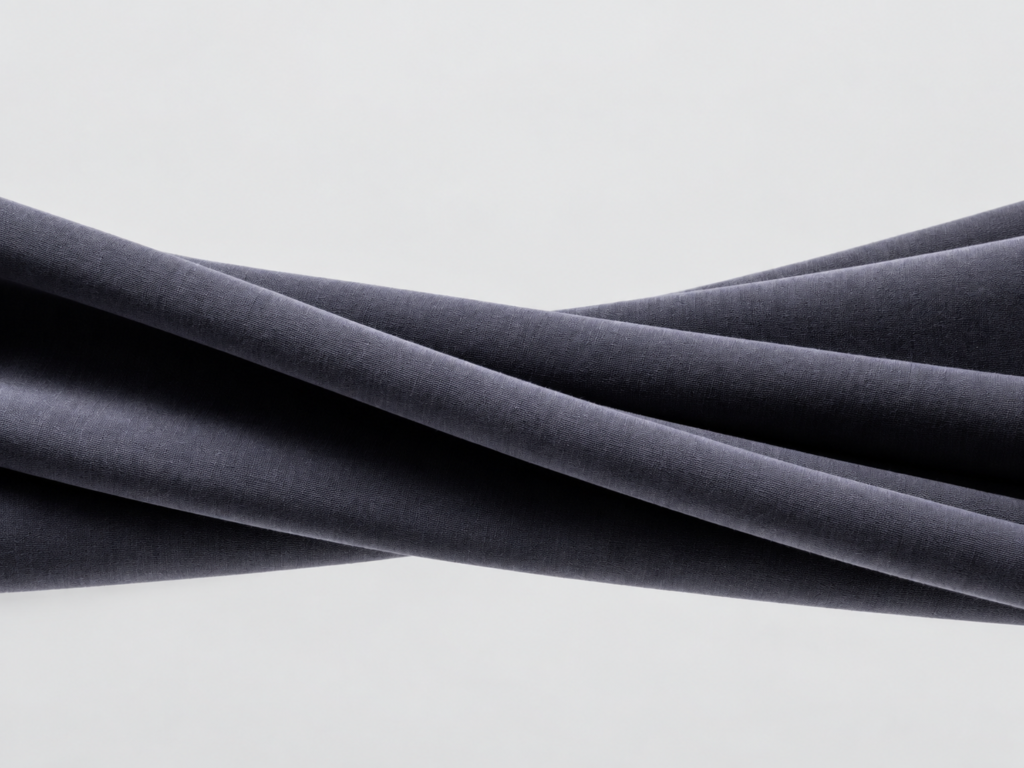
Light colors, saturated shades and dark tones can behave differently under stretch, especially when the fabric becomes thinner across the hip and thigh. Opacity cannot be guaranteed from GSM alone because knit density, fiber, finish, color and extension all contribute.
Color decisions also affect material MOQ, lab-dip or shade confirmation requirements and production timing. A brand planning many colors should define launch priorities early so material and MOQ constraints can be reviewed before sample approval. Where a squat-opacity or similar claim is important, material and garment evaluation should be agreed before public use. Leadshow treats opacity, colorfastness, shrinkage and other performance-related items as project requirements rather than universal promises. Final material approval should connect color, hand feel, recovery, pattern fit and commercial availability.
Stretch, Recovery and Opacity Need Separate Decisions
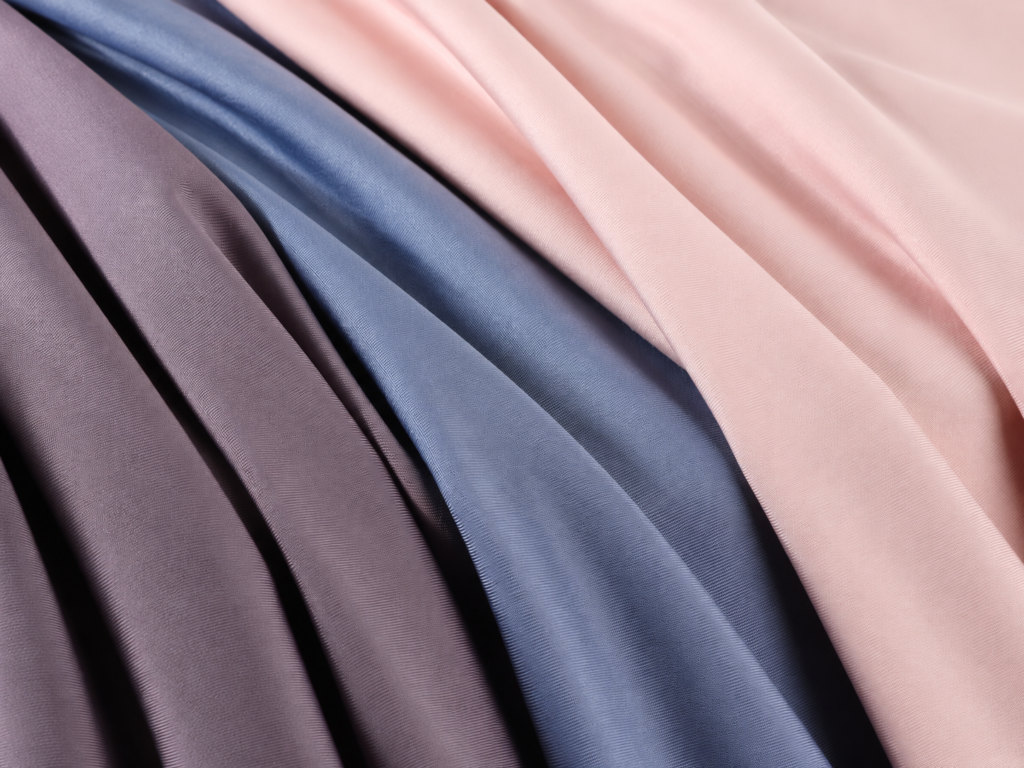
Three attributes often get grouped under “performance fabric,” yet each creates a different product risk. A clear specification prevents one strong feature from hiding a weakness elsewhere in the garment.
Stretch Behavior
Stretch describes how the fabric extends during dressing and movement. Leggings need enough extension for the intended fit, but excessive stretch can reduce opacity and alter support. Direction also matters because crosswise and lengthwise behavior influence pattern design differently.
Review: stretch direction; intended fit; pattern ease; movement zones; approved fabric.
Recovery Control
Recovery describes how well the material returns after extension. Poor recovery can contribute to loose knees, a relaxed waistband or a changing silhouette during wear. Waistband structure, fabric layers, elastic use and seam tension can all influence the result, so recovery cannot be judged from the main fabric alone.
Review: material recovery; waistband build; elastic specification; sample wear; post-stretch appearance.
Opacity Under Stretch
Opacity should be evaluated in the condition where the garment is actually worn. Color, knit density, fiber, GSM, fit and degree of extension influence how much coverage remains over the hip and thigh. A generic “squat-proof” claim is too broad without defined material and test conditions.
Review: color; fabric specification; fit level; stretched area; agreed inspection or test method.
Pattern, Fit and Size Development for Leggings
Fit is not a single sample comment. It is a controlled relationship between measurements, pattern shape, fabric stretch, waistband tension and target body profile. Leadshow supports pattern and fit development from approved technical inputs and physical samples.
Build a Measurement Architecture Before Grading
A usable leggings specification should define how the garment is measured and which points control fit. Common points of measure include waist, high hip, hip, front rise, back rise, thigh, knee, inseam and leg opening, with additional points added for pockets, gussets or special panel lines.
Brand measurement methods can differ, so the measuring diagram and tolerance rules are as important as the numbers themselves. Leadshow can review the measurement chart, reference sample and construction before pattern development. Size range is project-defined rather than fixed by the factory. A program may use alpha sizes, numeric sizes or another brand system; grading follows the approved base-size logic and material behavior. Publishing a universal size chart would create more risk than value because fit standards vary across markets and product positions.

Base Size and Pattern Must Match the Actual Fabric
The base pattern should be developed or adjusted with the approved fabric direction in mind. Changing from one stretch fabric to another can alter waist stability, hip fit, rise, leg compression feel and finished length even when nominal garment measurements stay the same.
Leadshow can review tech packs, existing patterns where provided, physical references and fit comments, then prepare or adjust pattern work for sampling. The first sample is used to verify proportion, movement, waistband behavior, seam location and visual balance. Fit comments should be consolidated into clear changes rather than scattered across messages. Major changes to fabric, rise, waistband, gusset or panel structure may require another sample because pattern behavior has materially changed.
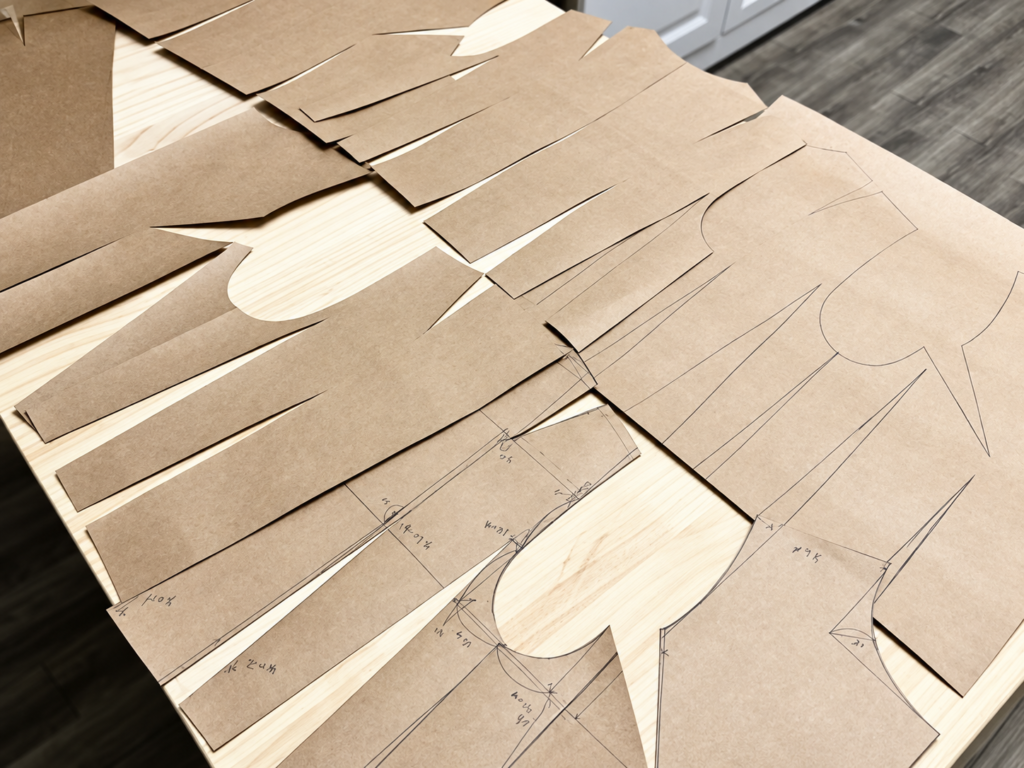
Grading and Size Set Protect the Range, Not Just One Size
A strong base-size sample does not automatically prove every graded size. Grading rules need to reflect the brand’s measurement chart, body profile, fabric stretch and design intent.
Size-set review can be used when a program needs stronger validation across the range before production. Key concerns include rise progression, hip and thigh balance, inseam changes, waistband circumference and pocket position. Leadshow can support size-set or pre-production review when project conditions require it. Final grading and tolerance expectations should be written into the approved files before bulk cutting begins. No single pattern block is presented as suitable for all markets or body types; the target market and actual material remain part of fit evaluation throughout development.
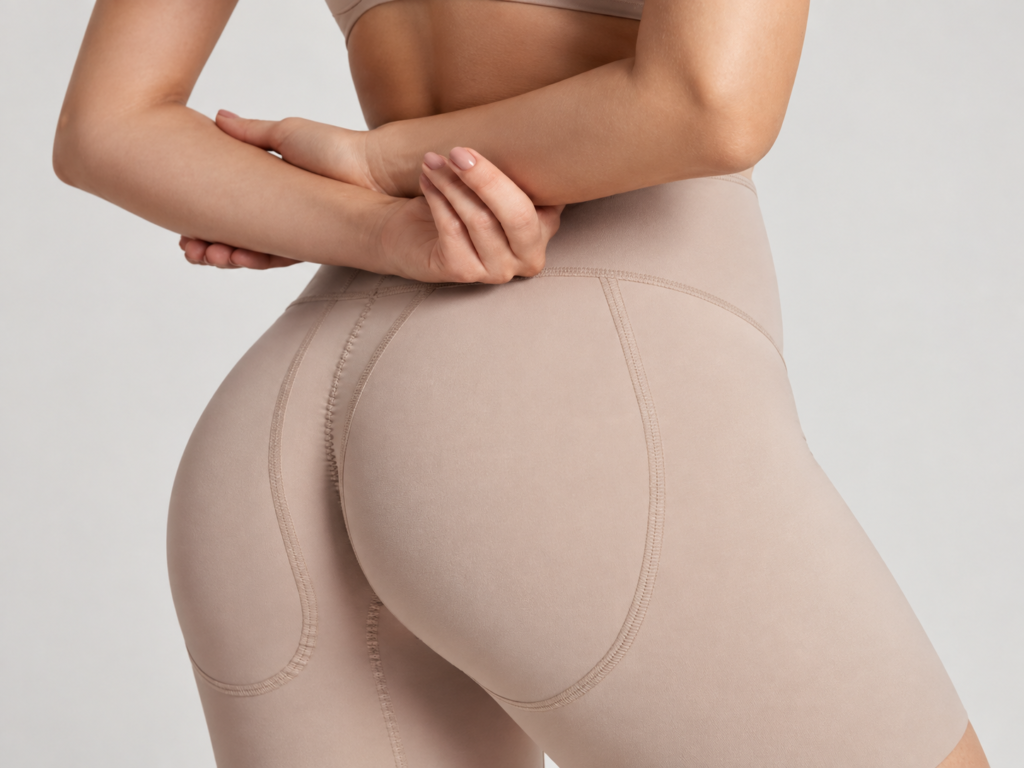
Stretch Garment Sewing and Construction Capabilities
Leggings manufacturing relies on the right combination of cutting, stretch-compatible sewing, elastic application and selected finishing processes. Equipment is a manufacturing foundation, not a performance guarantee; every construction still needs material compatibility and sample approval.

Flatlock Construction
Leadshow has 35 four-needle six-thread flatlock machines. The equipment supports flatter, stretch-compatible seams for leggings, sports bras and other fitted activewear where the design calls for flat seaming. Four-needle six-thread is a sewn construction with visible thread and defined seam lines; it must not be presented as circular seamless knitting or a one-piece seam-free garment.
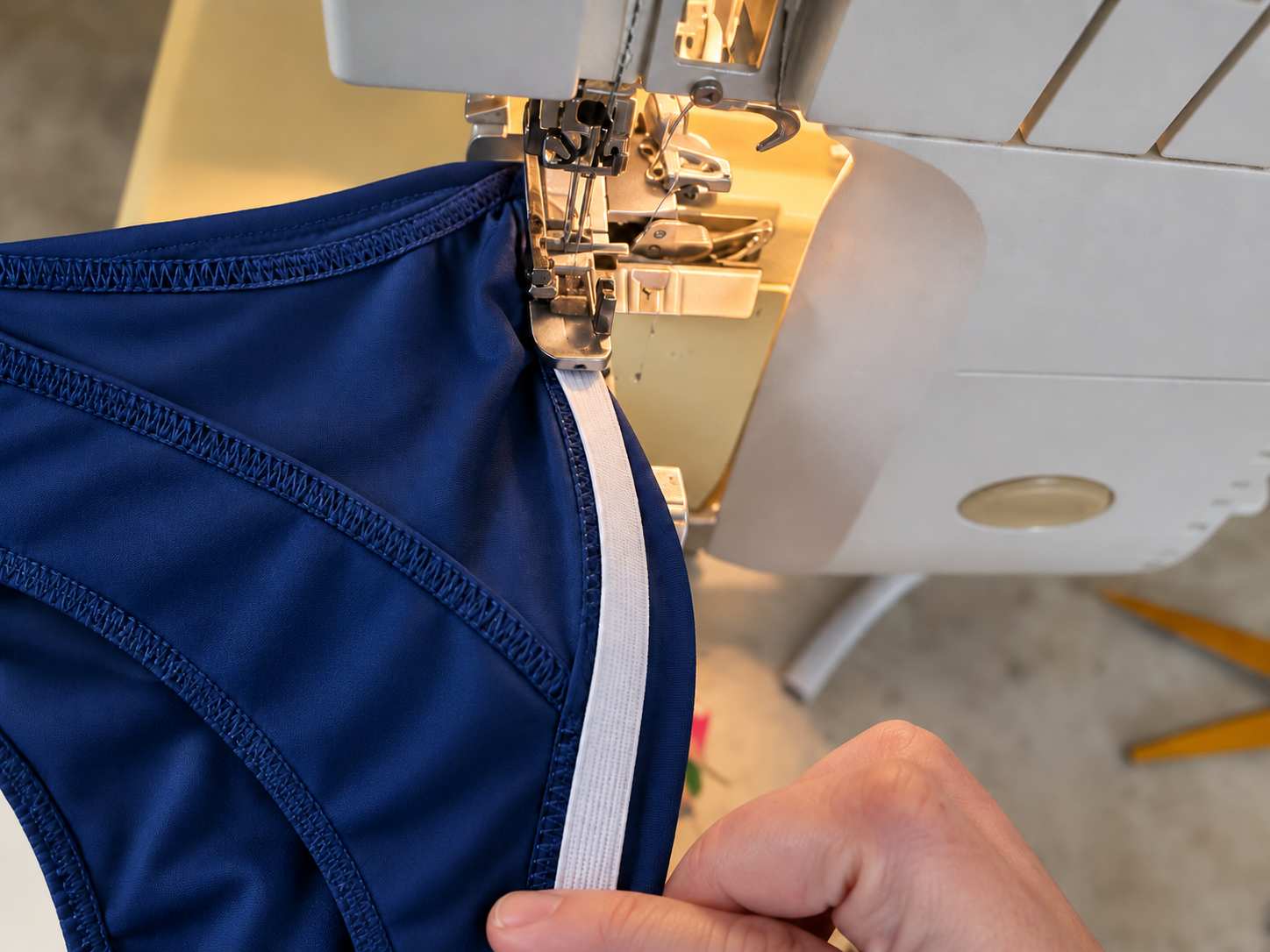
Elastic Waistband Support
Twelve elastic-attaching or related machines provide manufacturing support for suitable waistband and elastic structures. Elastic width, thickness, stretch, recovery, joining method, enclosure and finished circumference all affect wearing pressure and stability. Equipment availability alone cannot establish a support or compression level.
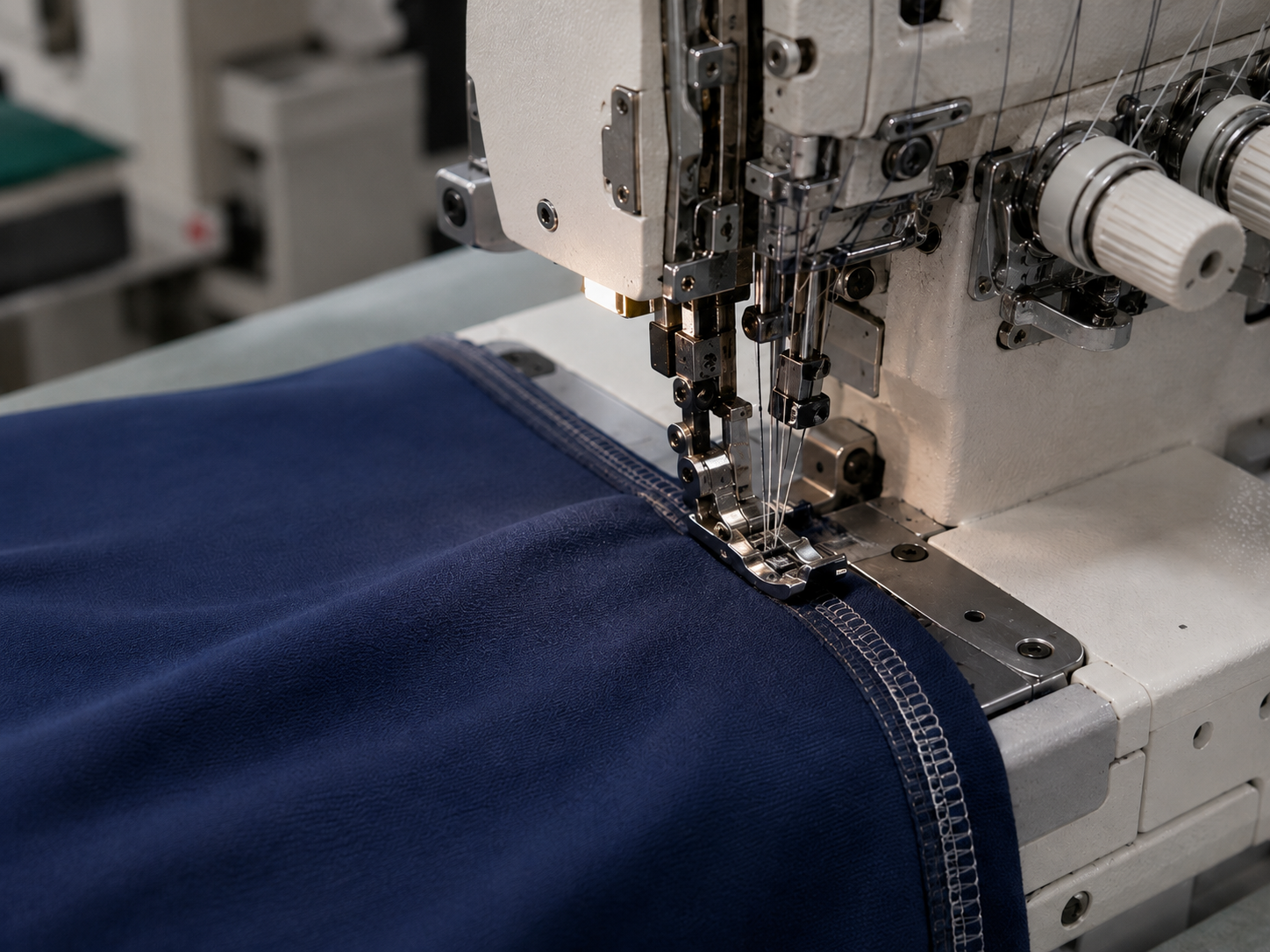
Overlock Assembly
Leadshow has confirmed four-thread and five-thread overlock equipment within the broader sewing system. Overlock construction can support selected knit and stretch-garment assembly where the approved design calls for it. Seam stretch, thread, allowance and panel direction remain important because a technically correct seam can still distort a high-stretch fabric when tension or construction is poorly matched.
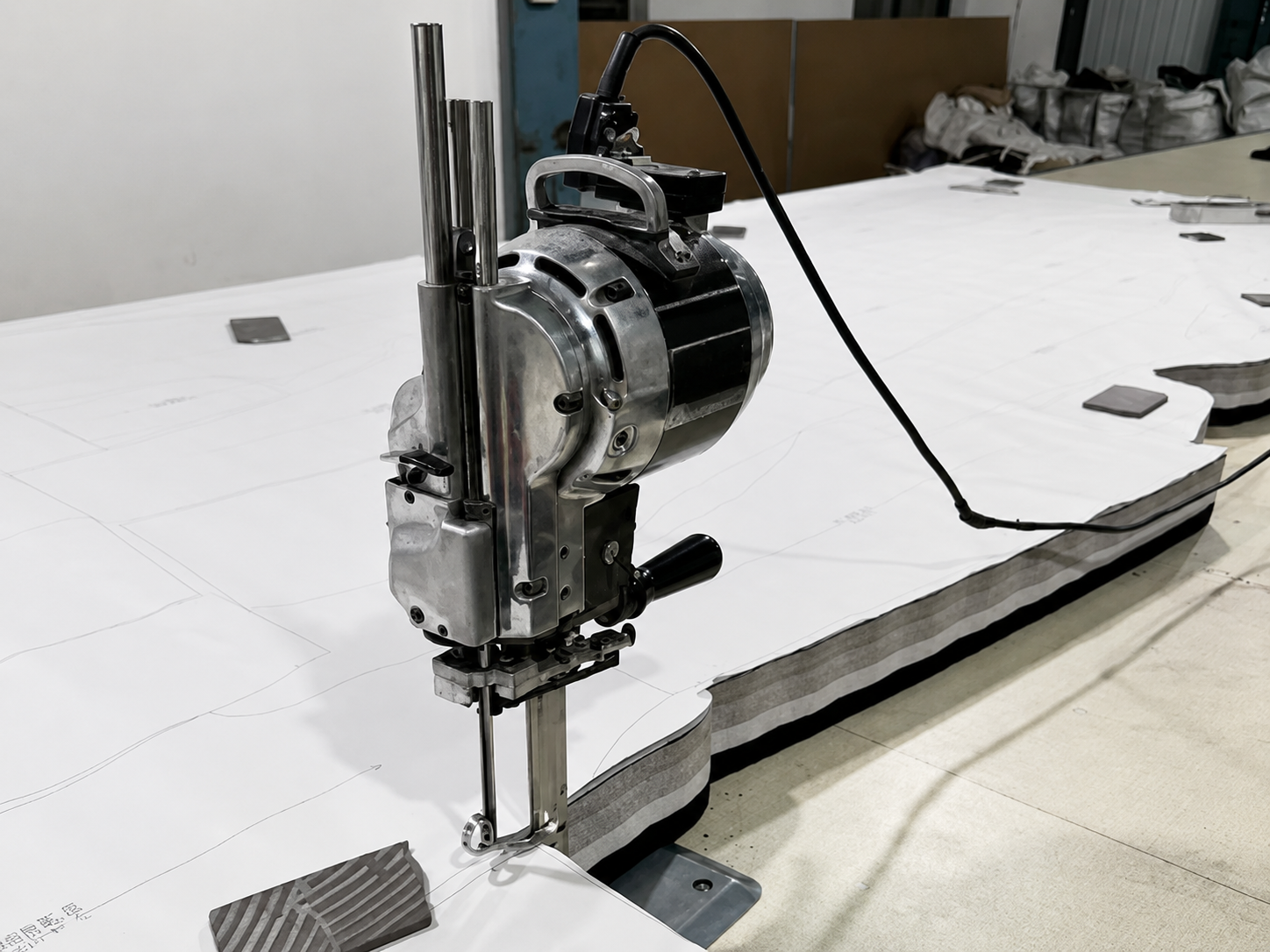
Automated Cutting
Automated fabric spreading and cutting equipment supports repeatable preparation for multi-size and multi-SKU production, while flexible cutting equipment can support samples, smaller runs and special situations. High-stretch, lightweight, curling or directional fabrics may require adjusted spreading tension, layer count or cutting method.
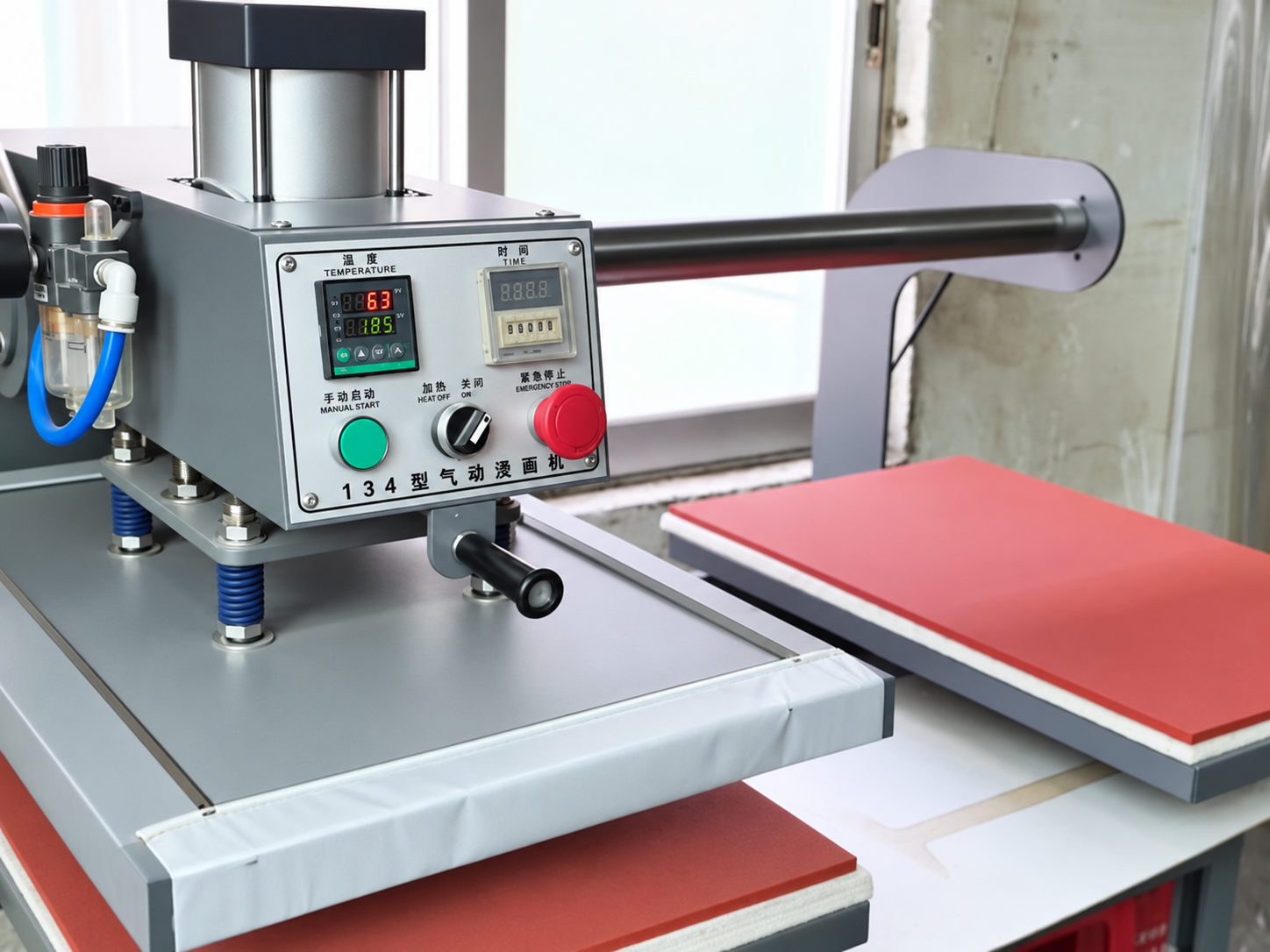
Bonded Detail Evaluation
Eight heat-bonding or heat-press bonding machines can support selected bonded edges, local reinforcement or reduced-seam details on compatible fabrics. Adhesive film, temperature, pressure, time, structure and wash requirements all influence durability. A bonded detail does not automatically make a whole garment seamless or waterproof.
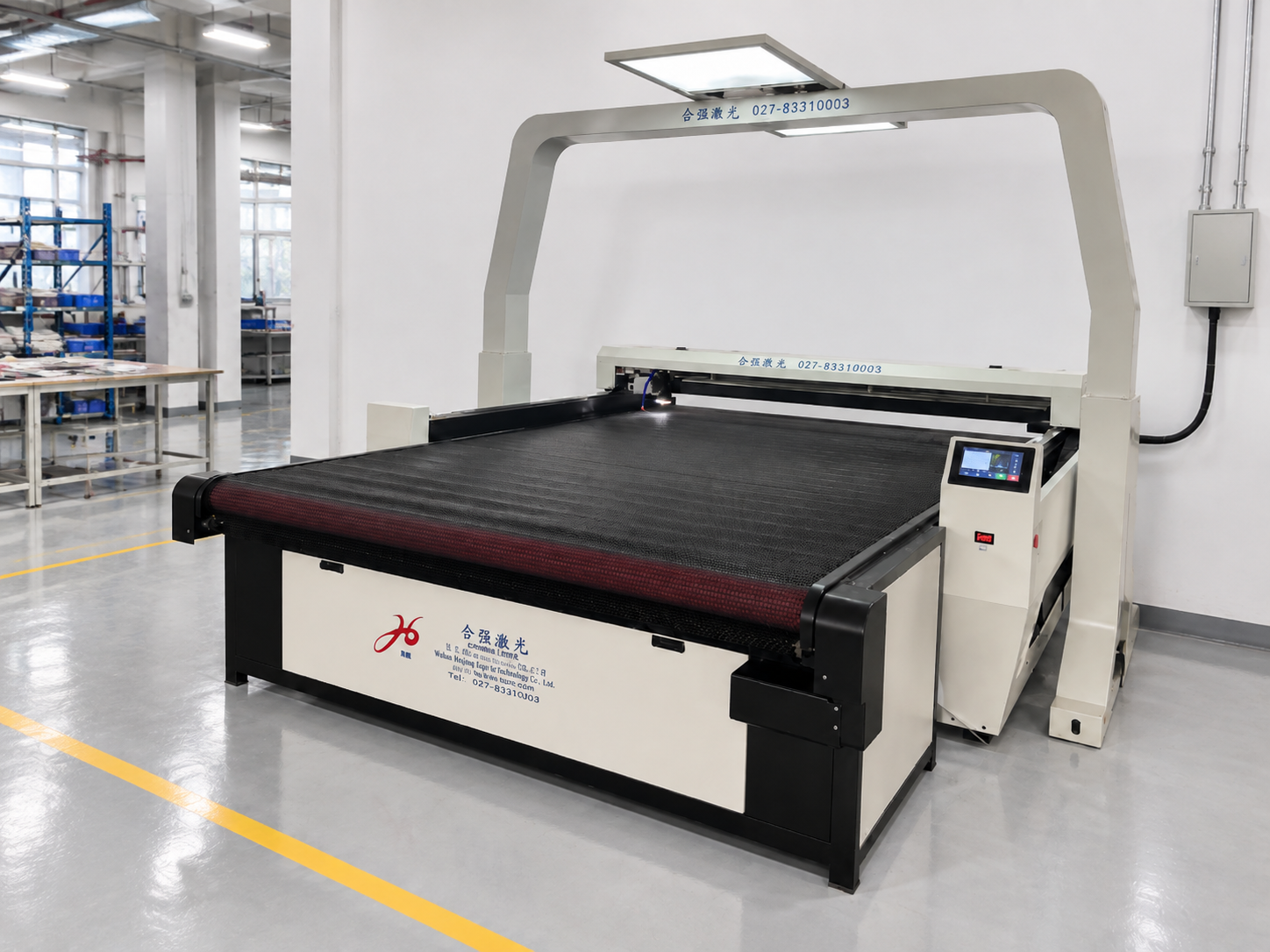
Perforation and Transfer
Three laser-perforation machines can support localized openings on suitable fabrics, while six dual-station heat-transfer label machines and four multi-station heat-press printing machines support selected labels, logos and graphics. Laser perforation does not prove a fixed breathability gain, and heat transfer does not guarantee permanent wash resistance without suitable materials and validation.
Technical Review Before Leggings Sampling Starts
Good samples begin with good inputs. Technical review identifies missing information and manufacturing risks before fabric is cut, reducing avoidable revisions and giving quotation discussions a clearer basis.
Start With the Strongest Available Product Reference
Projects may begin with a complete tech pack, an existing garment, a pattern, a measurement chart, reference images or a combination of those inputs. A mature file set gives faster clarity because construction, dimensions, material and branding expectations are already defined. A reference image can still start a discussion, but internal construction, exact fabric, fit and measurement details cannot be reliably copied from a photo alone. Leadshow reviews available information and identifies what is still needed for a meaningful sample and quotation. Core inputs normally include product type, intended use, target market, order quantity, size range, colorways, material direction, waistband, seams, pockets or gusset, logo, labels, packaging and desired timing. Intellectual-property rights for third-party designs or branded references must be clear before development proceeds.
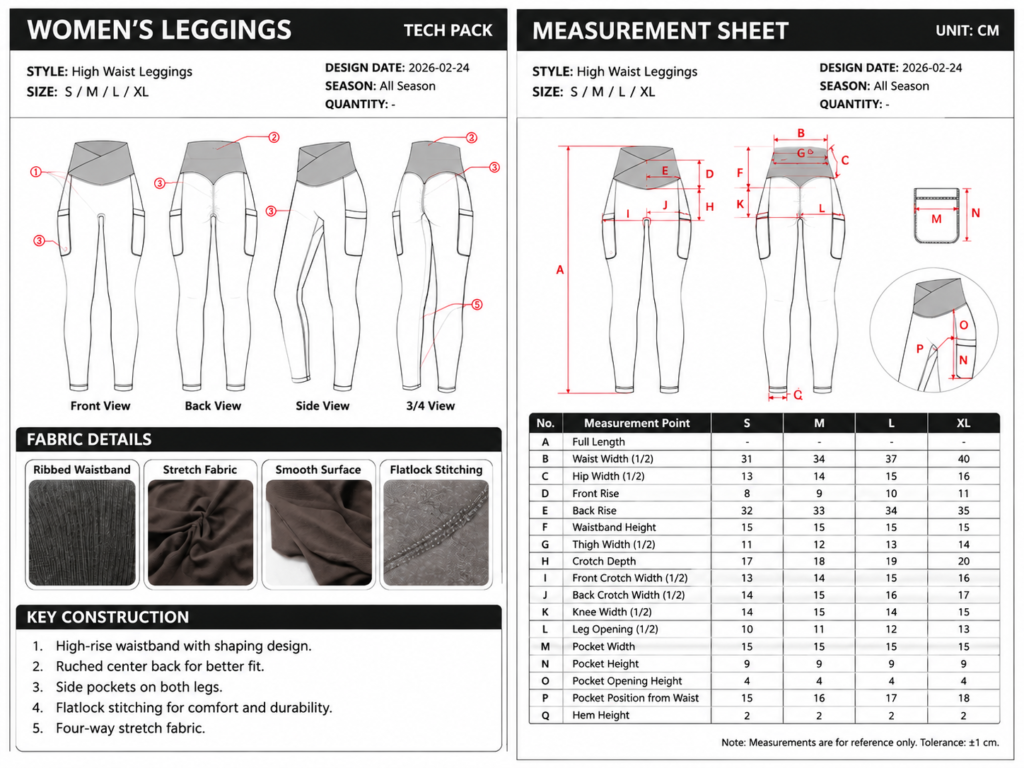
Feasibility Review Connects Design to Manufacturing
Technical review checks whether fabric, pattern, seams, waistband, pockets, logo and packaging can be executed consistently with the available processes. High-risk areas include a design that looks good in a single hand-made sample but is difficult to repeat in bulk, material choices that conflict with the desired fit, insufficient seam stretch, pocket placement that distorts the panel, or an artwork process that does not suit the fabric surface. Material MOQ and supply conditions are also part of feasibility because a beautiful construction is not commercially useful when the required fabric cannot support the planned quantity or launch schedule. Leadshow separates review findings into requirements that can proceed, items that need optimization, and points that still need clarification or physical testing.
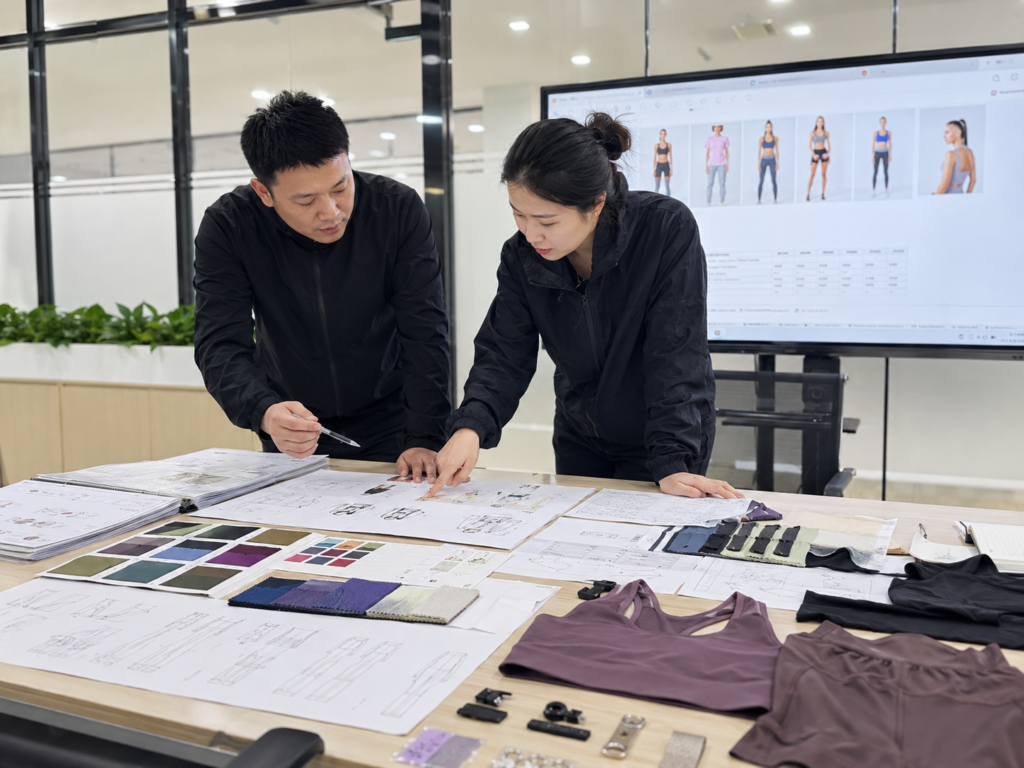
Review Output Creates a Clear Sampling Brief
Before sample development begins, unresolved items should be turned into clear actions instead of hidden assumptions. The output can include confirmed product direction, open measurement questions, material candidates, pattern work required, construction changes to evaluate, artwork files needed, label and packaging information, sample purpose and approval route. Commercial timing becomes more reliable only after those inputs are understood. Leadshow does not publish one fixed sample lead time for every leggings project because material availability, pattern readiness, construction complexity, artwork, test requirements and revision scope can change the workload. A sample schedule is confirmed after technical review, while bulk timing is evaluated later against approval status, material readiness and current production scheduling.
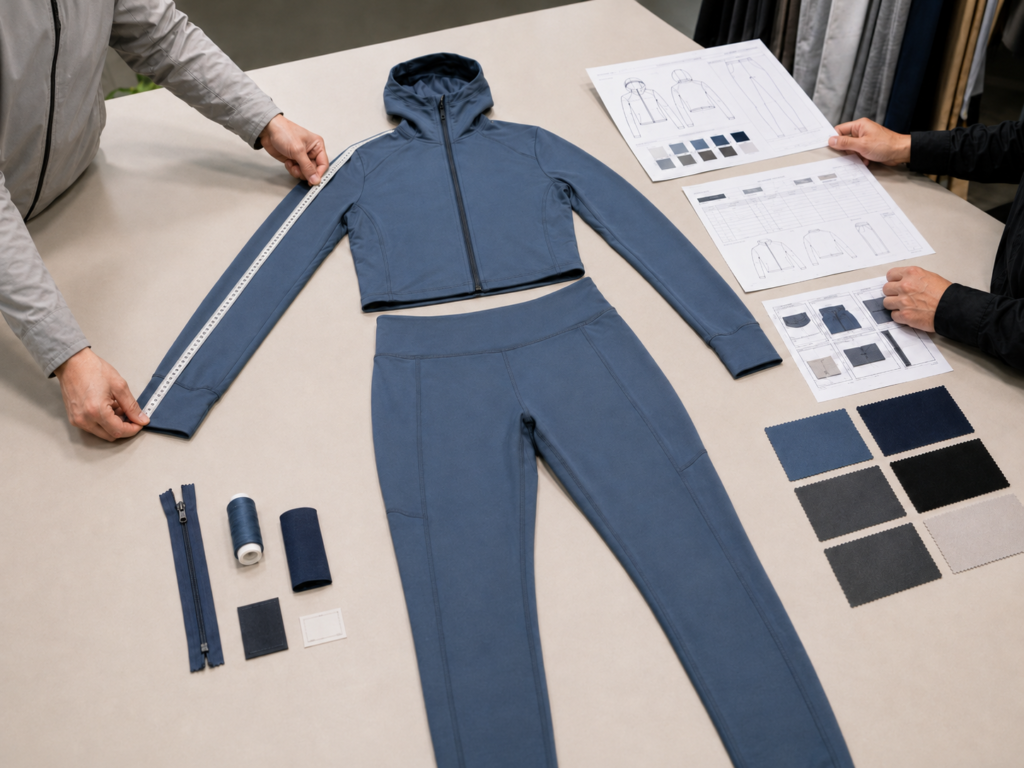
Leggings Sampling From First Pattern to Approval
Sampling is the working bridge between product intent and production. Each round should answer defined questions so revisions improve the product instead of restarting the project.
First Sample Validates Structure and Direction
The first sample should answer whether the proposed pattern, fabric, waistband, rise, length, seams, pockets, gusset, logo and overall appearance are moving in the right direction. Internal review can identify obvious measurement, construction or workmanship issues before the sample is sent for external assessment. For a new legging, the first sample is not treated as a promise that every detail is final. Fit and fabric behavior often need physical evaluation because stretch garments can look acceptable on a table while behaving differently in wear. When a project begins from an existing garment, the first comparison sample is also useful for highlighting areas that cannot be matched exactly because of material availability or process differences. Clear notes at the first-sample stage prevent later disagreement about what was approved and what remained open.
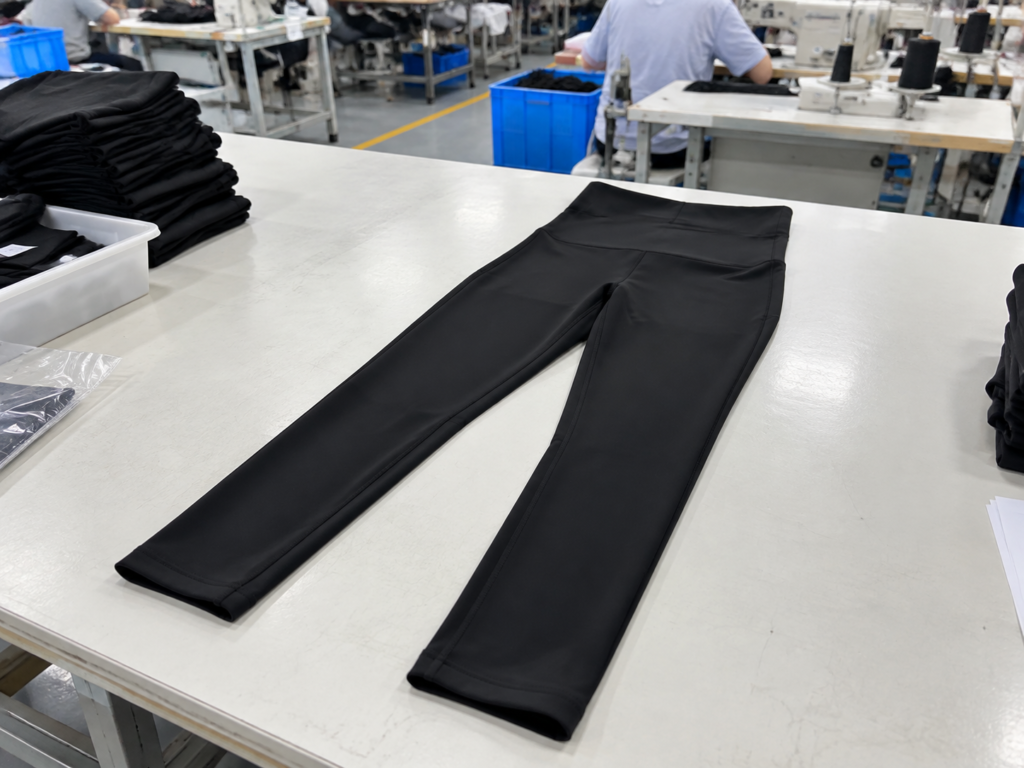
Fit Review and Revisions Need Version Discipline
Fit comments should refer to defined measurement points and visible construction issues. Typical review areas include waist hold, high hip, hip, rise, crotch balance, thigh, knee, inseam, leg opening, pocket position and seam behavior. Feedback is more useful when one consolidated revision list is issued against a named sample and file version. Leadshow can update pattern, measurements, material choices, logo placement or construction as approved changes require. Major changes may affect quotation or sample timing because they alter pattern work, material usage or process steps. Unlimited free revisions are not assumed. Each revision round should close specific issues, update the working files and preserve the design intent that has already been approved.
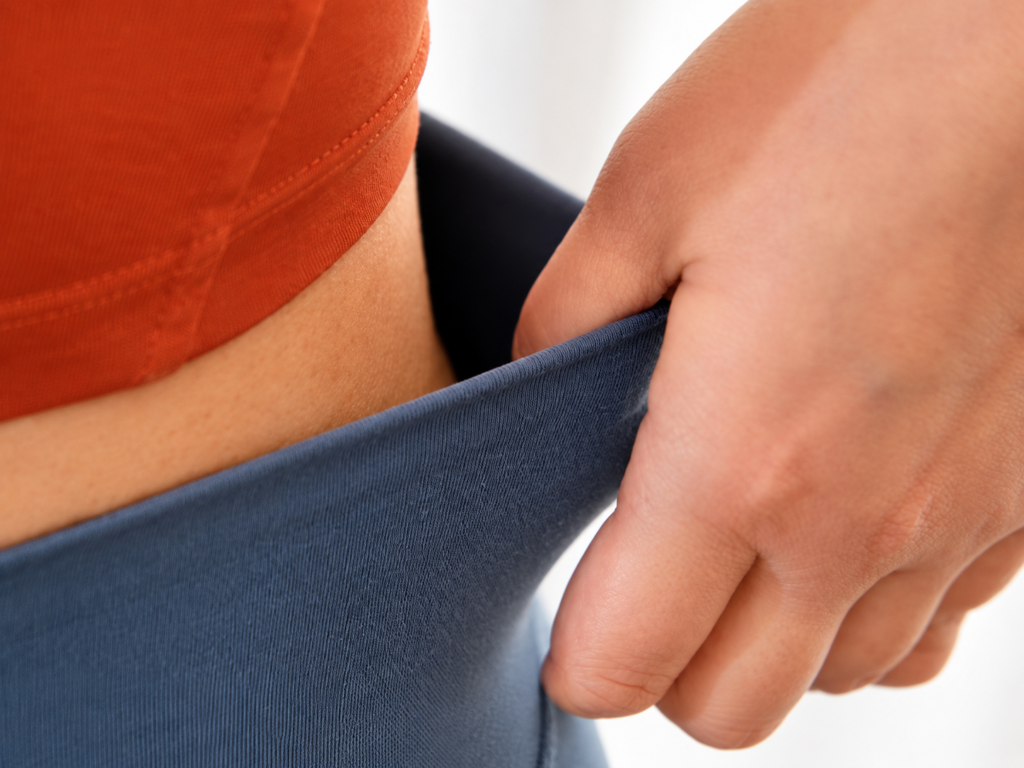
Approval Should Define What Bulk Production Will Follow
Approval is strongest when it records the exact sample and file set that will guide production. Depending on project complexity, the route may include fit sample approval, size-set review, a pre-production sample or a controlled trial before full bulk production. Not every project requires every sample type, so the route is agreed according to product risk and brand requirements. The approved package should identify pattern version, measurement chart and tolerances, fabric reference, color, waistband and elastic, seam construction, logo, labels, packaging and any special inspection points. Sample timing is project-specific; production timing is confirmed only after approvals, material readiness, order breakdown and available scheduling are reviewed. No fixed public lead-time promise overrides actual project conditions.
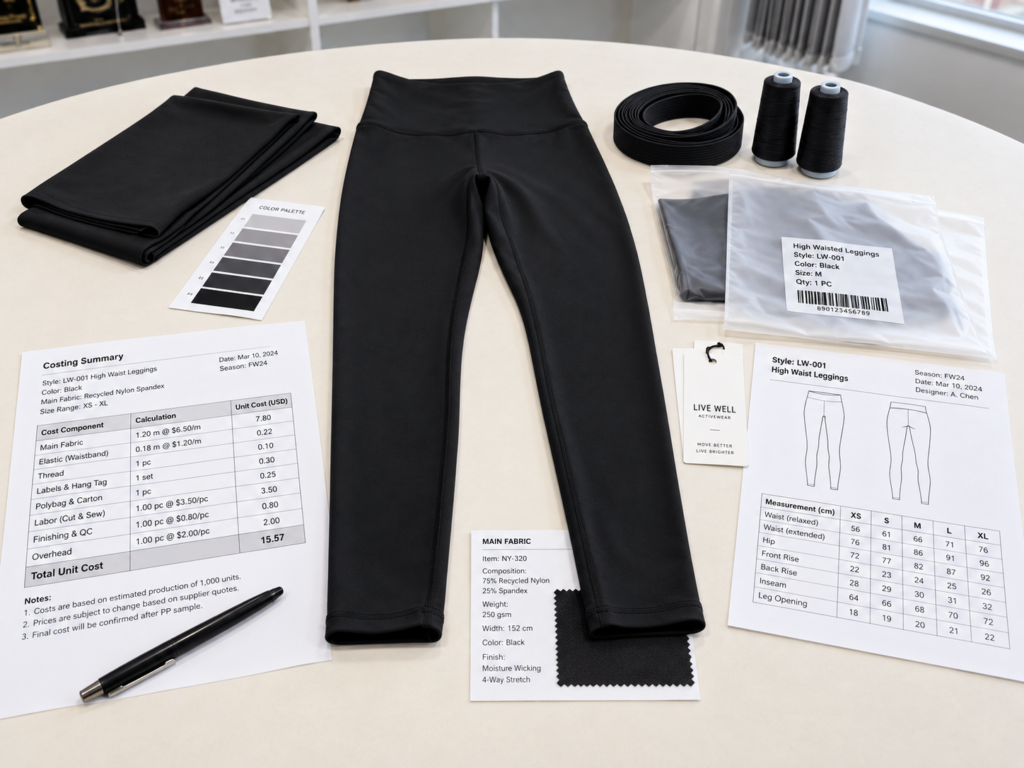
Turning Approved Samples Into Bulk Production Standards
A strong approval package converts visual acceptance into repeatable production references. The table below shows the information that should move from sample approval into cutting, sewing, inspection and packing controls.
Approved Item
Bulk Control Reference
Production Recheck
Pattern / Version
Approved pattern or controlled revision
Correct version released before cutting
Measurement Chart
Approved POM, method and tolerance
Base size and graded sizes checked against the current chart
Fabric
Approved composition / construction / GSM or physical reference
Material lot and approved attributes reviewed before use
Color
Approved shade reference or lab-dip route where required
Production shade checked against the agreed reference
Waistband / Elastic
Approved build, dimensions and elastic details when used
Finished circumference, joining and appearance checked
Seam Construction
Approved stitch and seam placement
Key seams checked for appearance and stretch compatibility
Logo / Heat Transfer
Approved artwork, size, location and process
Placement, appearance and adhesion reviewed as specified
Labels
Approved main, size, care and content files
Correct version and placement confirmed
Packaging
Approved folding, bag, label and carton instructions
Packing version and assortment checked before shipment
SKU Breakdown
Style, color, size and quantity matrix
Production and packing quantities reconciled against order files
Bulk garments are manufactured against approved specifications and reasonable production tolerances; no responsible manufacturing standard should promise absolute zero variation across every unit. Material changes, major design revisions or altered packaging after approval may require a new technical review before production continues.
Leggings Quality Control From Material to Packing
Leggings quality cannot be reduced to a final visual check. Material, cutting, stretch seams, measurements, branding and packing all influence whether an approved sample becomes a stable production run. Inspection scope follows the product specification and order requirements.
Material and Color
Incoming material review can cover visible defects, color, supplied specifications and project-defined attributes before production. GSM, shrinkage, stability, colorfastness or other checks are handled according to the agreed standard and available test method rather than assumed for every order. Material batch changes matter in leggings because stretch, recovery, hand feel and shade can alter fit and appearance even when composition names are unchanged. Approved material references should remain connected to the production order.
Cutting and Measurements
Fabric direction, spreading conditions, panel orientation and cut-piece dimensions influence finished fit. Automated and flexible cutting equipment can support multi-size production, but high-stretch or curling materials may need adjusted handling. Early measurement checks help identify pattern, cutting or sewing drift before large quantities are completed. The current measurement chart, measuring method and tolerance rules should be available to production and quality functions, especially when several sizes are running together.
Seams and Waistband
Key seams need to match the approved construction in stitch type, position and appearance. High-stretch areas deserve attention because seam tension can affect comfort, visual smoothness and durability. Waistband dimensions, elastic use, joining and finished shape should be checked against the approved sample and measurement file. Four-needle six-thread flatlock provides an important manufacturing foundation for suitable designs, but no seam type is treated as automatically friction-free, unbreakable or permanent.
Appearance and Logo
Finished panels should be reviewed for twisting, puckering, uneven seam lines, visible damage, stains and other appearance issues. Logo, heat-transfer details and labels need correct artwork, position, size and appearance. Heat-transfer durability depends on material and process compatibility, so a generic lifetime claim is avoided. When a brand has a defined wash or adhesion requirement, the relevant test or acceptance method should be agreed during development instead of added after bulk production.
Final Measurement Review
Finished-garment measurements are checked against the approved specification at the relevant inspection stage. Focus points can include waist, hip, rise, thigh, inseam, leg opening and product-specific details such as pocket location. Inspection frequency and sampling method follow project requirements; Leadshow does not publish a universal 100% inspection claim for every garment. Deviations should be isolated, reviewed and corrected according to the order standard before release.
Labels and Packing
Quality extends into size labels, care information, SKU identification, individual packing, carton assortment and shipping marks. A technically correct legging can still create a commercial problem when the wrong size, color or label enters the wrong package. Packing instructions therefore need the same version discipline as product specifications. Final verification focuses on the approved order breakdown, packaging files and shipment preparation rather than treating packing as a separate decorative step.
Manufacturing Capacity Behind Scalable Leggings Programs
Scale matters only when it is connected to product knowledge, equipment, people and scheduling. Leadshow uses company-wide manufacturing data as evidence of production foundation while keeping product-specific capacity and delivery commitments subject to order review.
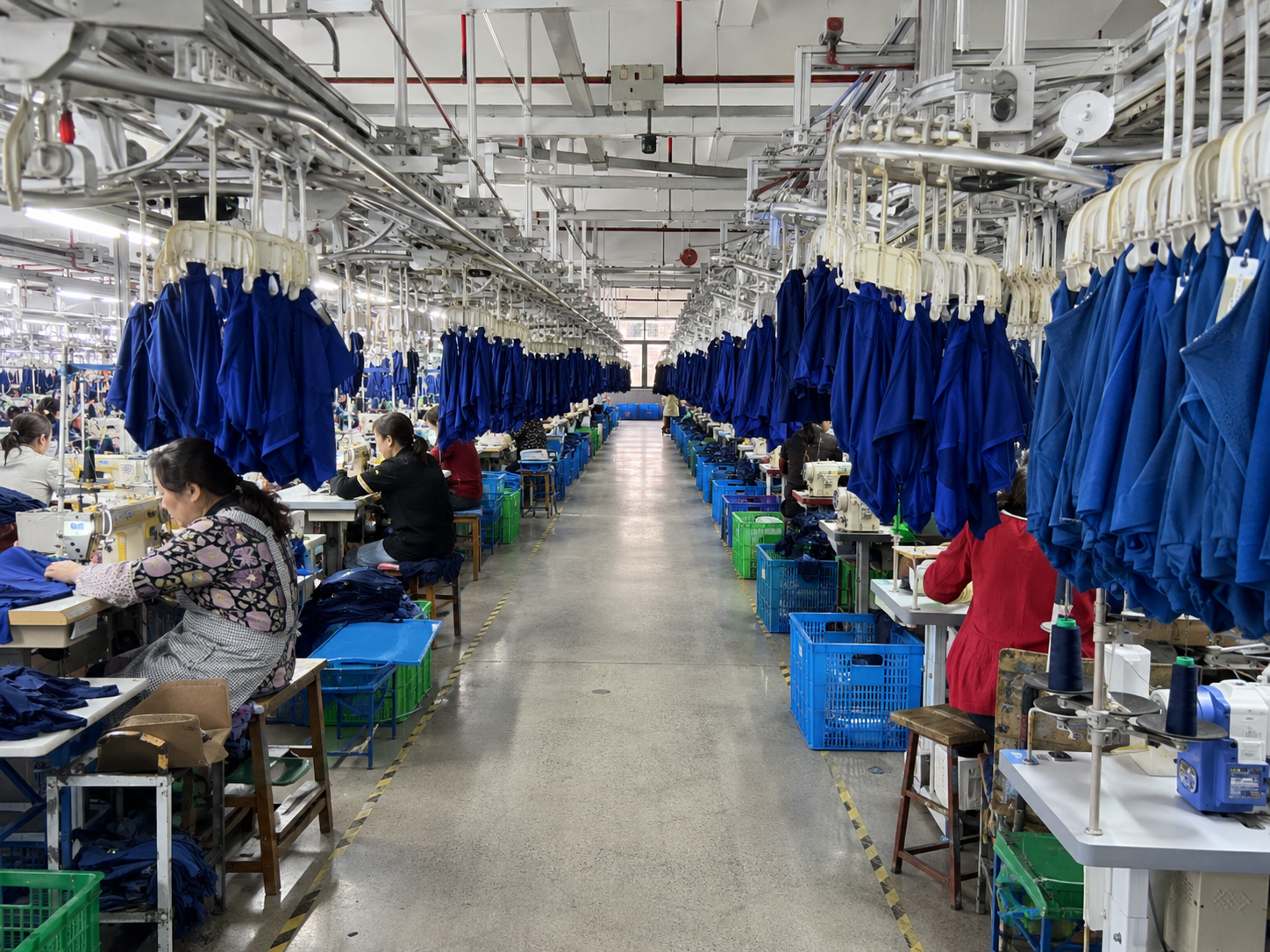
15 Years Experience
15 years of apparel industry experience across product development and manufacturing.
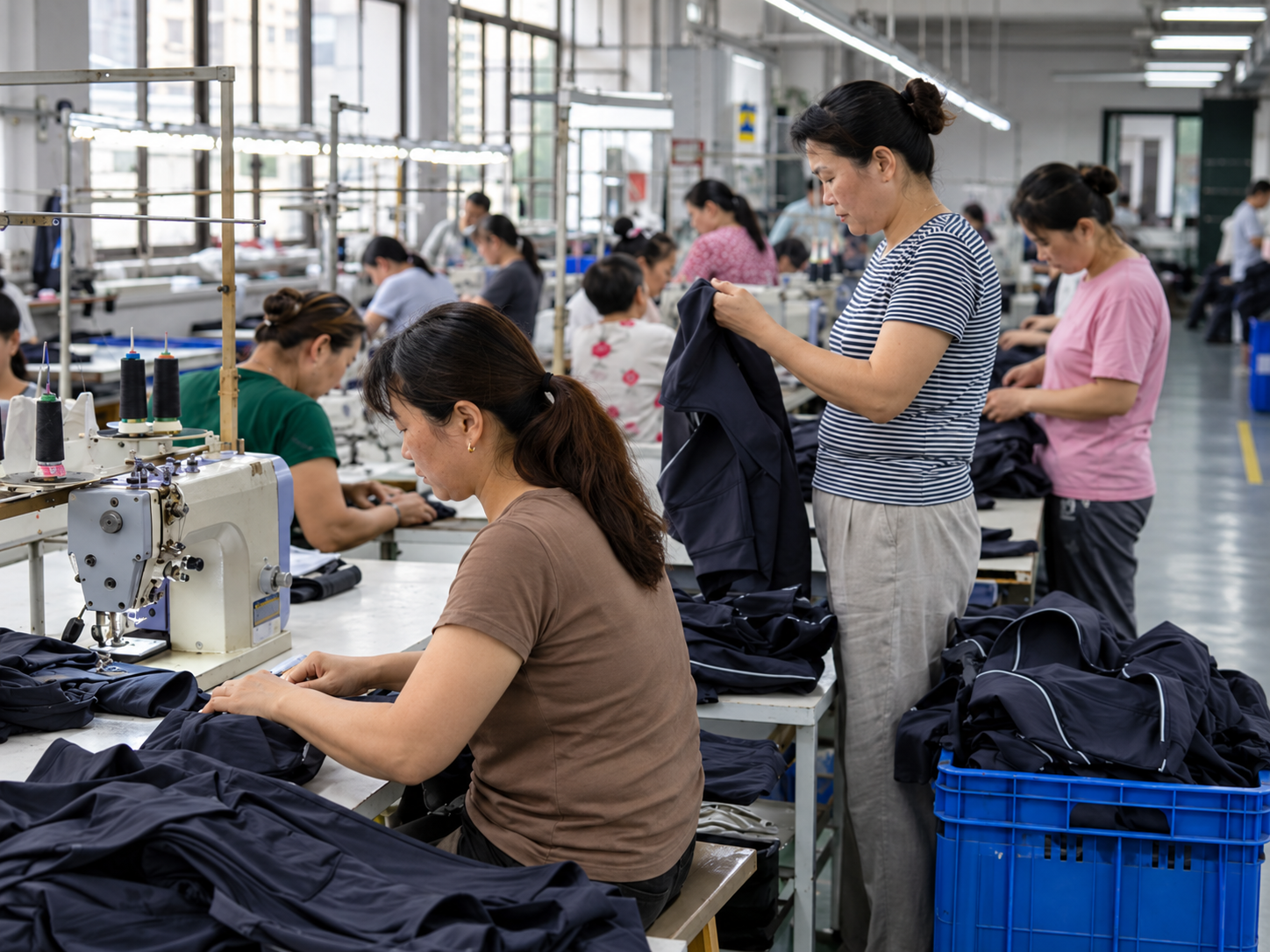
3 Manufacturing Bases
Three manufacturing bases support sampling, production, finishing, packing and related manufacturing functions.
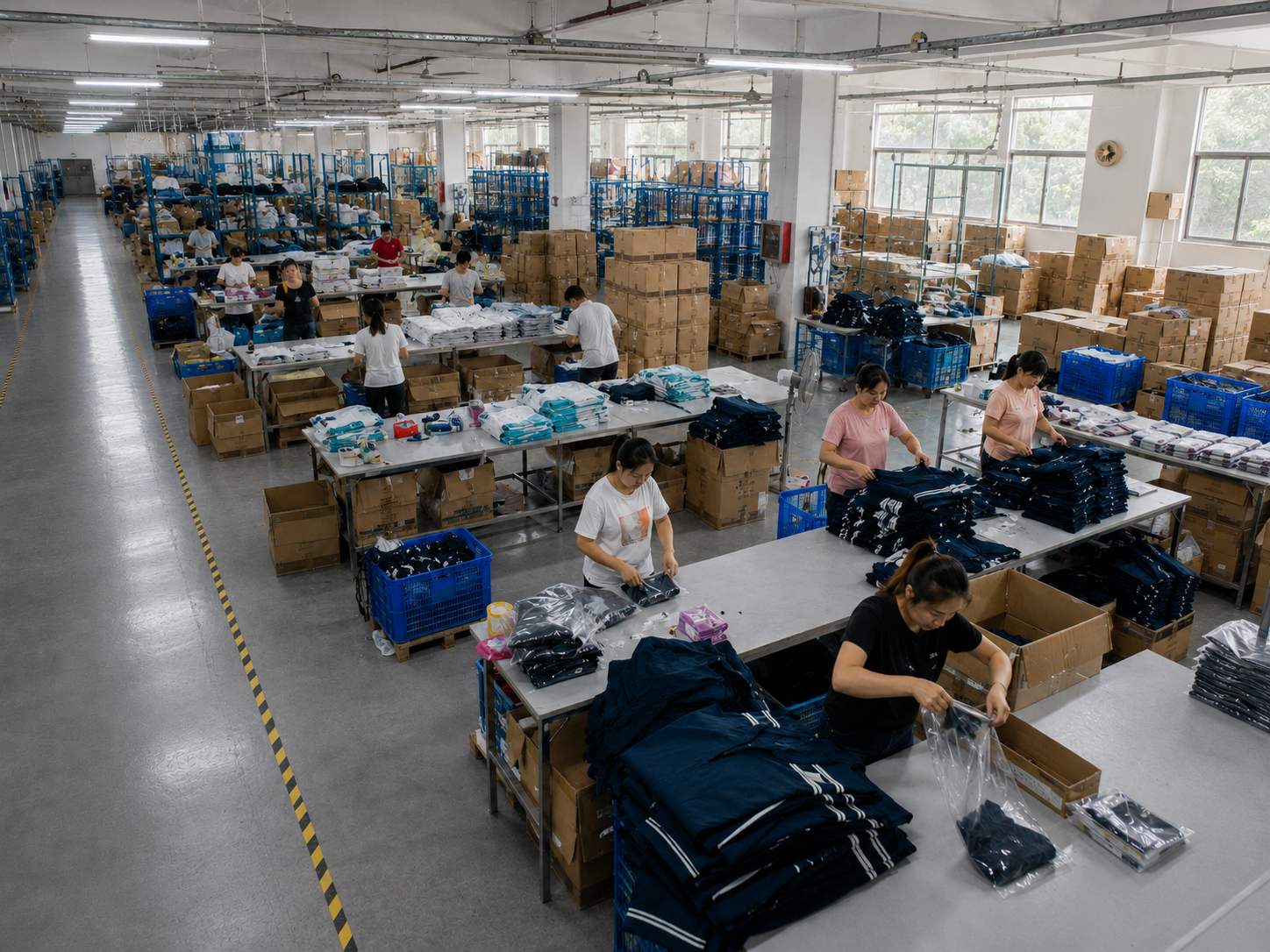
20,000+ Square Meters
More than 20,000 m² of combined manufacturing facilities.
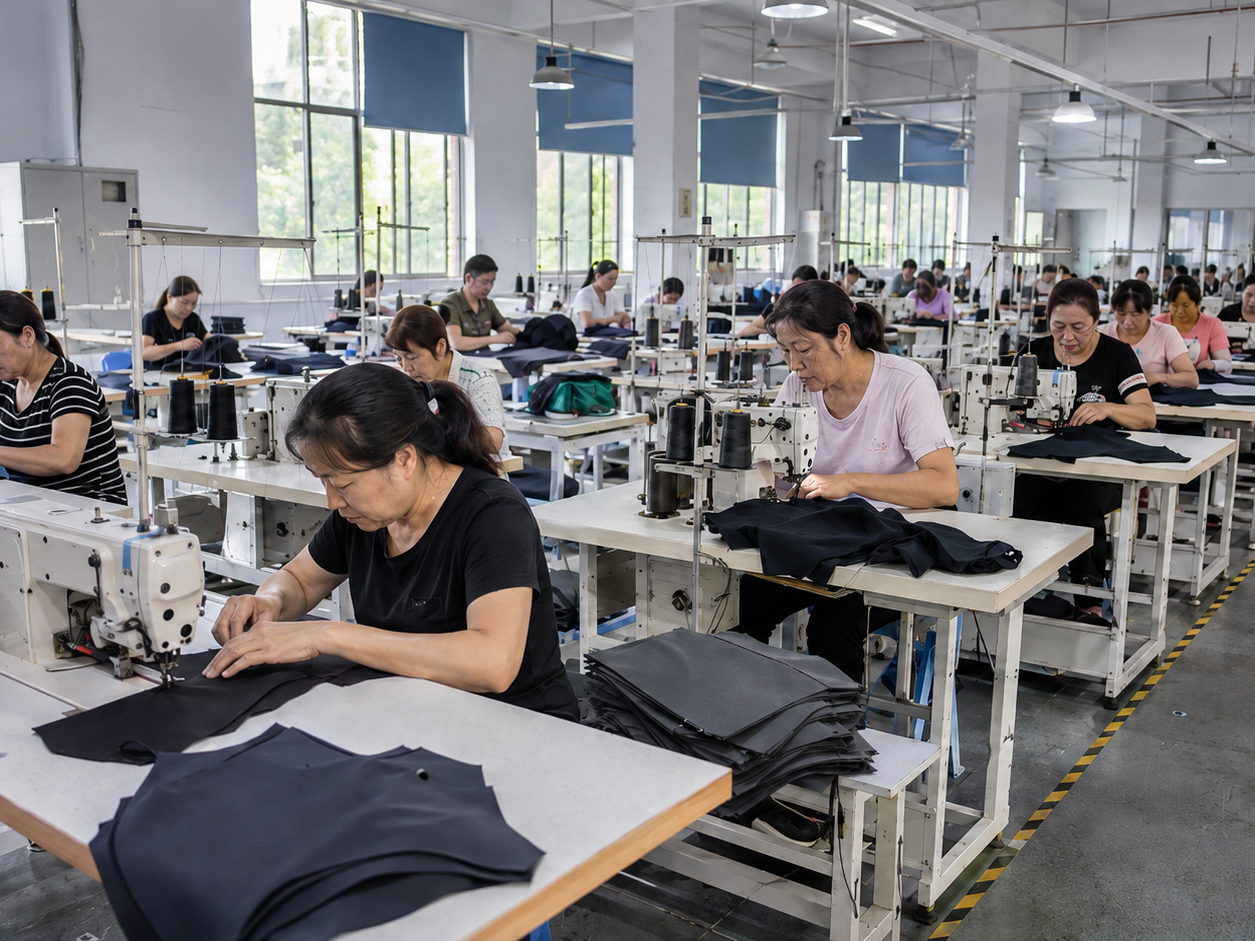
1,500+ Team Members
More than 1,500 team members across development, production, quality, warehousing, logistics and support.
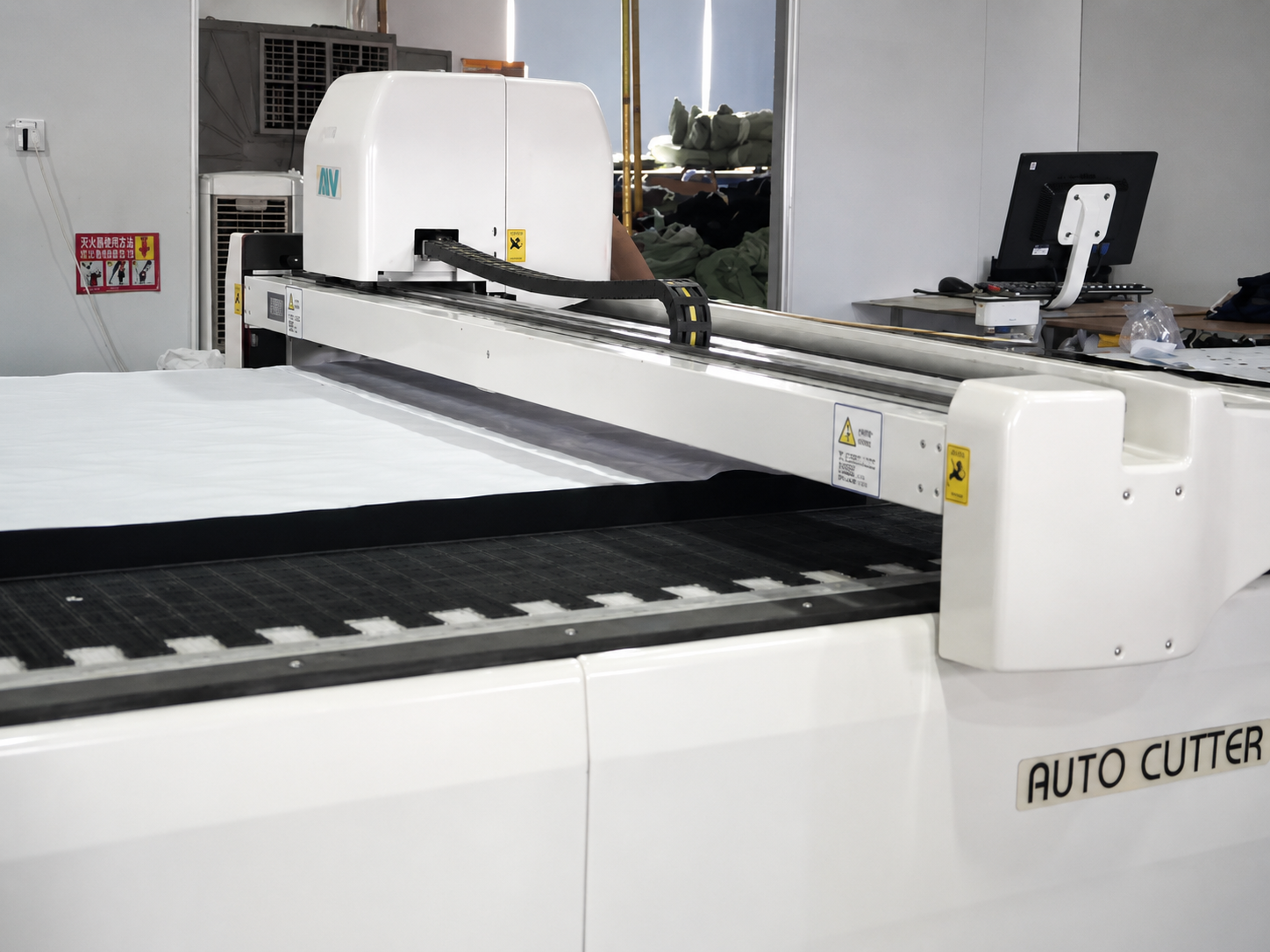
304 Confirmed Machines
More than 300 production, specialized-process and finishing machines support cutting, sewing, branding, finishing and packing.
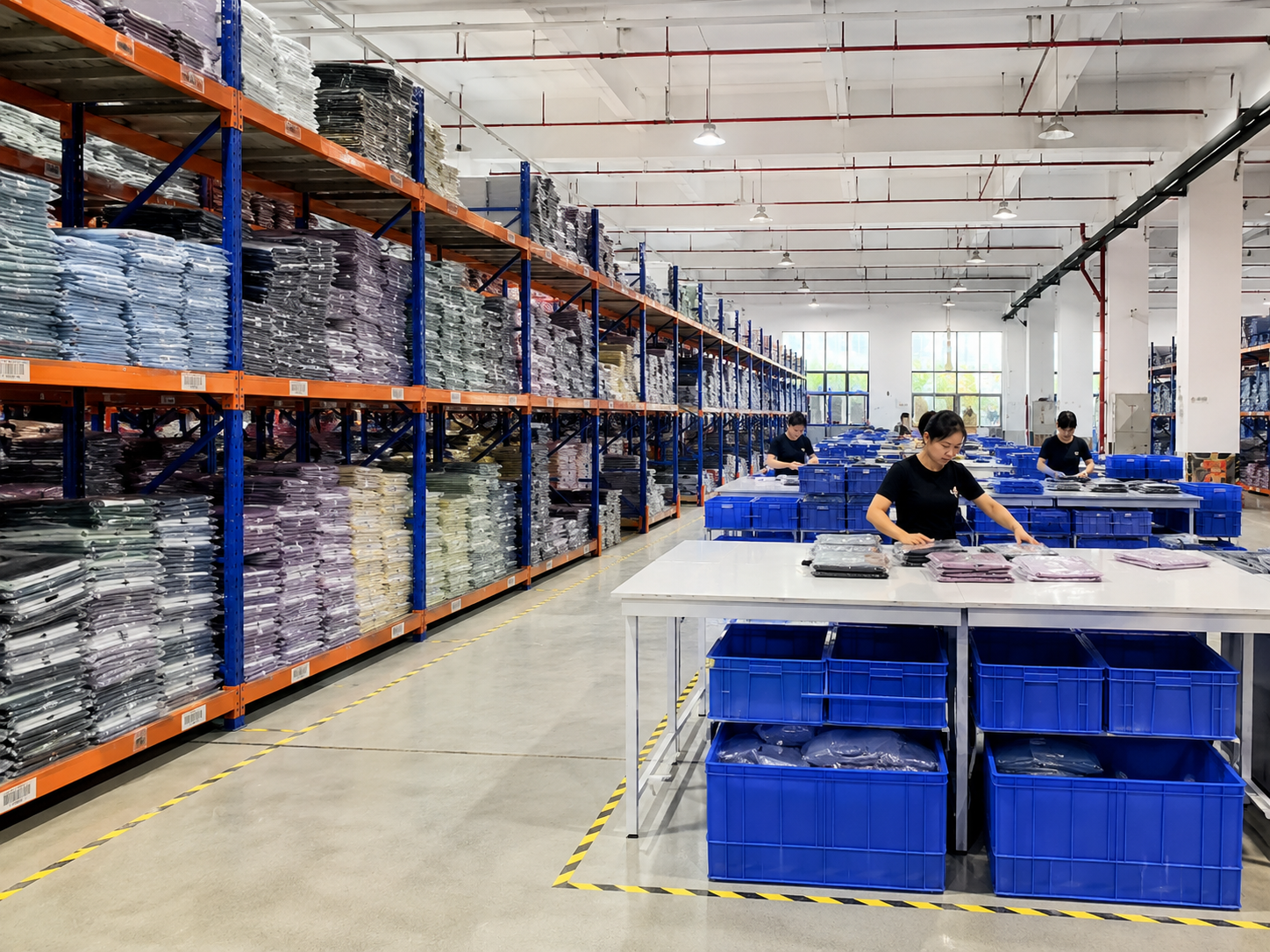
Up to Approx. 120,000
Combined monthly capacity can reach approximately 120,000 finished garments, depending on style complexity, materials, order mix and production schedule.
Leggings MOQ and Cost Drivers
MOQ and price become useful only when the product specification is clear. The same legging silhouette can carry very different material, labor, branding and packing requirements, so a single catalogue price rarely represents a custom program accurately.
Factor
Project Data
Commercial Impact
Standard MOQ
Starts from 100 pieces per color per design
Subject to fabric, trims, construction and customization requirements.
Fabric
Composition, construction, GSM, color and supplier MOQ
Material choice can change unit cost, minimums and readiness.
Colorways
Number of colors and custom-dye requirements
More colors may split quantity and create separate material minimums.
Size Range
Brand-defined size range and grading complexity
More sizes increase pattern, cutting, SKU and packing coordination.
Construction
Panel count, waistband, gusset, pockets and seam type
More steps and difficult stretch handling can increase labor and sample work.
Branding
Logo process, labels, hangtags and artwork
Material compatibility, tooling or supplier minimums may affect cost.
Packaging
Bag, labels, barcode/SKU, carton assortment and marks
Retail or distribution requirements add packing and verification work.
Testing
Project-defined material or garment verification
Third-party or special testing can affect cost and timing.
Sample Timing
Confirmed after material, pattern, construction and artwork review
No single fixed sample lead time is published for every project.
Bulk Timing
Confirmed after approvals, material readiness and scheduling review
Delivery planning depends on order mix, complexity and current production schedule.
A useful RFQ should include estimated quantity by color and design, size range, fabric direction, product structure, logo, label and packing requirements. Quotation is then built around the actual program instead of a generic “leggings price.”
Bulk Production, Multi-SKU Control and Reorders
Large leggings programs are rarely one style in one color. Production becomes more demanding as colors, sizes, packaging versions and markets multiply. Good execution depends on controlled files and order breakdowns rather than volume alone.
Production Readiness Starts After Approval, Not Before
Bulk production should not start while major fit, material, color, construction or branding decisions remain open. Production readiness includes approved sample status, current pattern and measurement files, material confirmation, order quantities by style/color/size, label files, packaging instructions and any project-defined testing or inspection requirements. Material readiness and production scheduling are reviewed together because an approved sample does not guarantee every raw material is immediately available for bulk. Leadshow can evaluate the order mix and plan production according to current manufacturing conditions. Complex programs may also require a controlled pilot or pre-production confirmation before full release. The aim is to reduce last-minute interpretation on the production floor and keep the approved standard visible to development, manufacturing, quality and packing functions.

Multi-SKU Accuracy Comes From Clear Order Files
A program with three styles, several colors and a broad size range can create dozens of SKUs before packaging variants are added. The order matrix should identify style code, color, size, quantity, label version, packaging version and carton requirements. Leadshow has warehousing and logistics functions that support sorting, labeling, packing and shipment coordination, but the company does not claim an unverified real-time WMS or automatic full-traceability platform. Accuracy therefore starts with disciplined files and cross-functional checking. Product and packing versions should use clear identifiers, especially when late changes are approved. Mixing old artwork, previous measurement charts or outdated packing instructions into a live order is a preventable risk that should be controlled before production release.
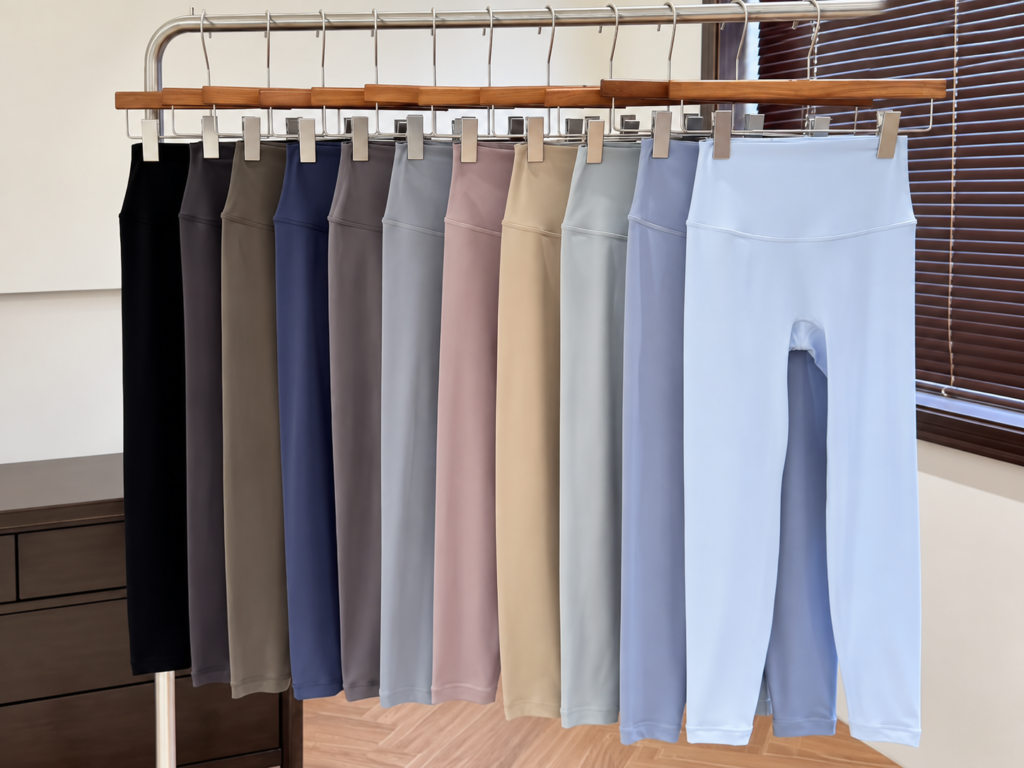
Reorders Need Reconfirmation, Not Blind Duplication
Repeat orders benefit from retained patterns, samples, material references and approved specifications, but a reorder still needs current confirmation. Fabric batches, color availability, supplier minimums, packaging files, labels, testing requirements and production schedules can change between orders. A mature reorder process checks the current quantity, size/color breakdown, material availability and any requested design update before production. Leadshow supports long-term reorder programs within its project-based manufacturing model. Exact color, hand feel or process outcome should not be assumed forever when supply conditions change. Reconfirmation protects continuity while allowing necessary adjustments to be documented rather than introduced informally during production.

Private Label, Logo and Packaging Execution
Brand identity continues after the garment is sewn. Logo, labels, packing and SKU information should use controlled artwork and approved placement so the finished legging reaches the market as the intended branded product.
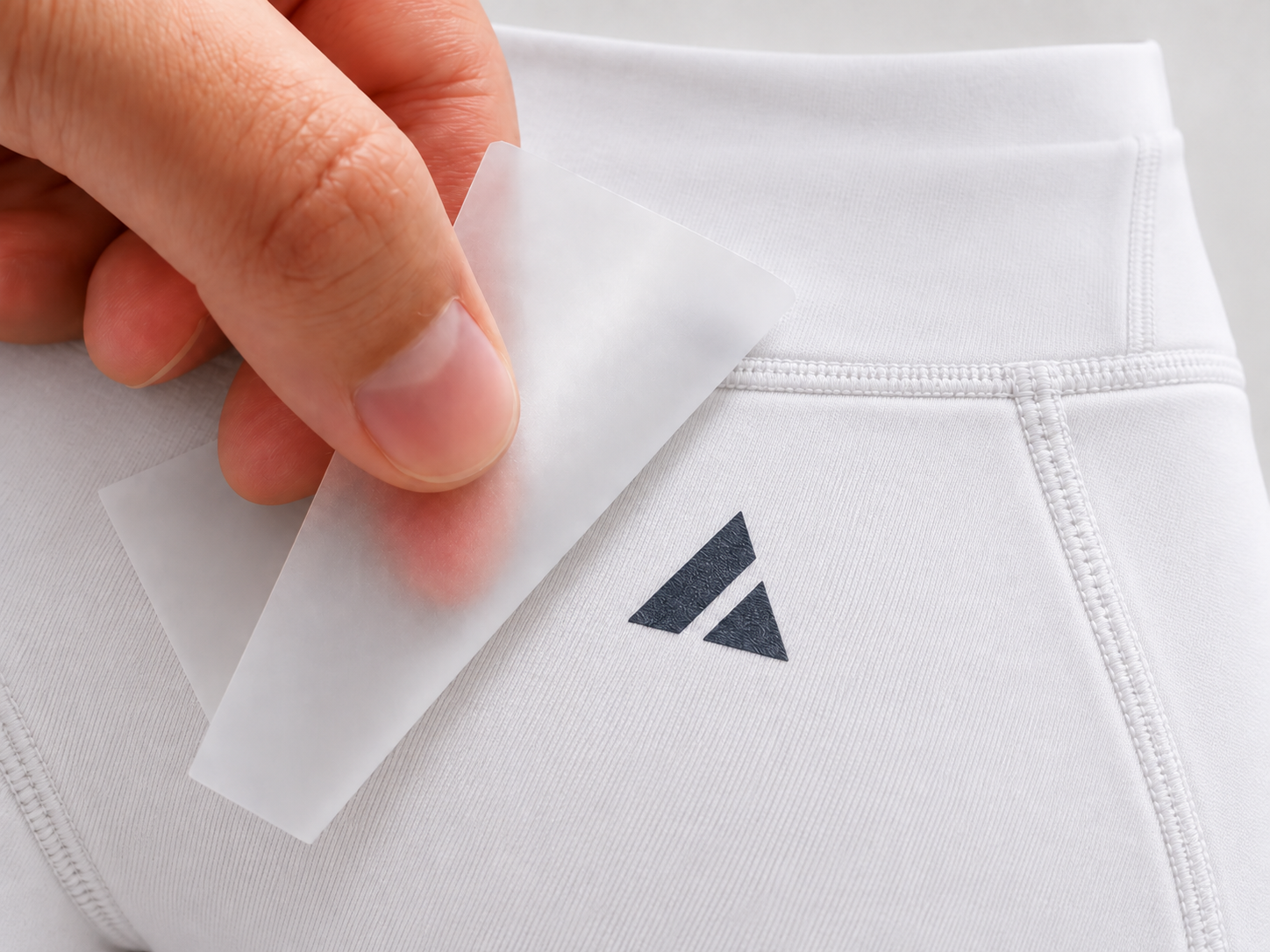
Heat Transfer Labels
Leadshow has six dual-station heat-transfer label machines that can support suitable main-label, care-label, size-label or small identification applications. Transfer material, fabric surface, temperature, pressure and wash requirements influence the final result. Artwork and placement should be approved on the actual garment or suitable sample. Heat transfer is not described as permanently wash-proof unless a relevant validation standard supports the claim.
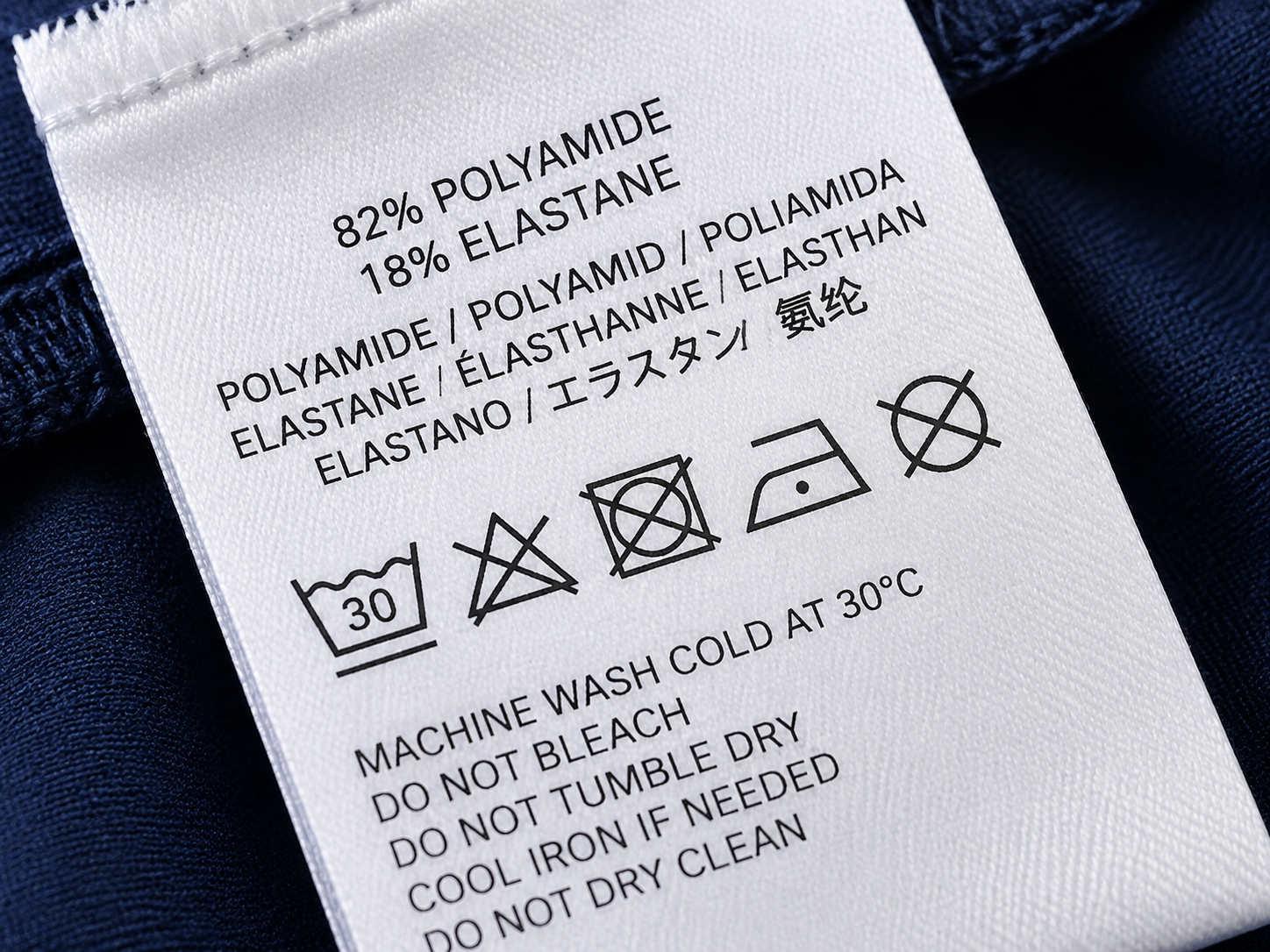
Size and Care Labels
Size, care and composition information should match the final product and target-market requirements. Label content belongs in the controlled approval package rather than being created from a generic factory template. Leadshow can support custom label execution, while legal wording and compliance responsibility need to follow the confirmed material composition, product origin information and market requirements for the order.
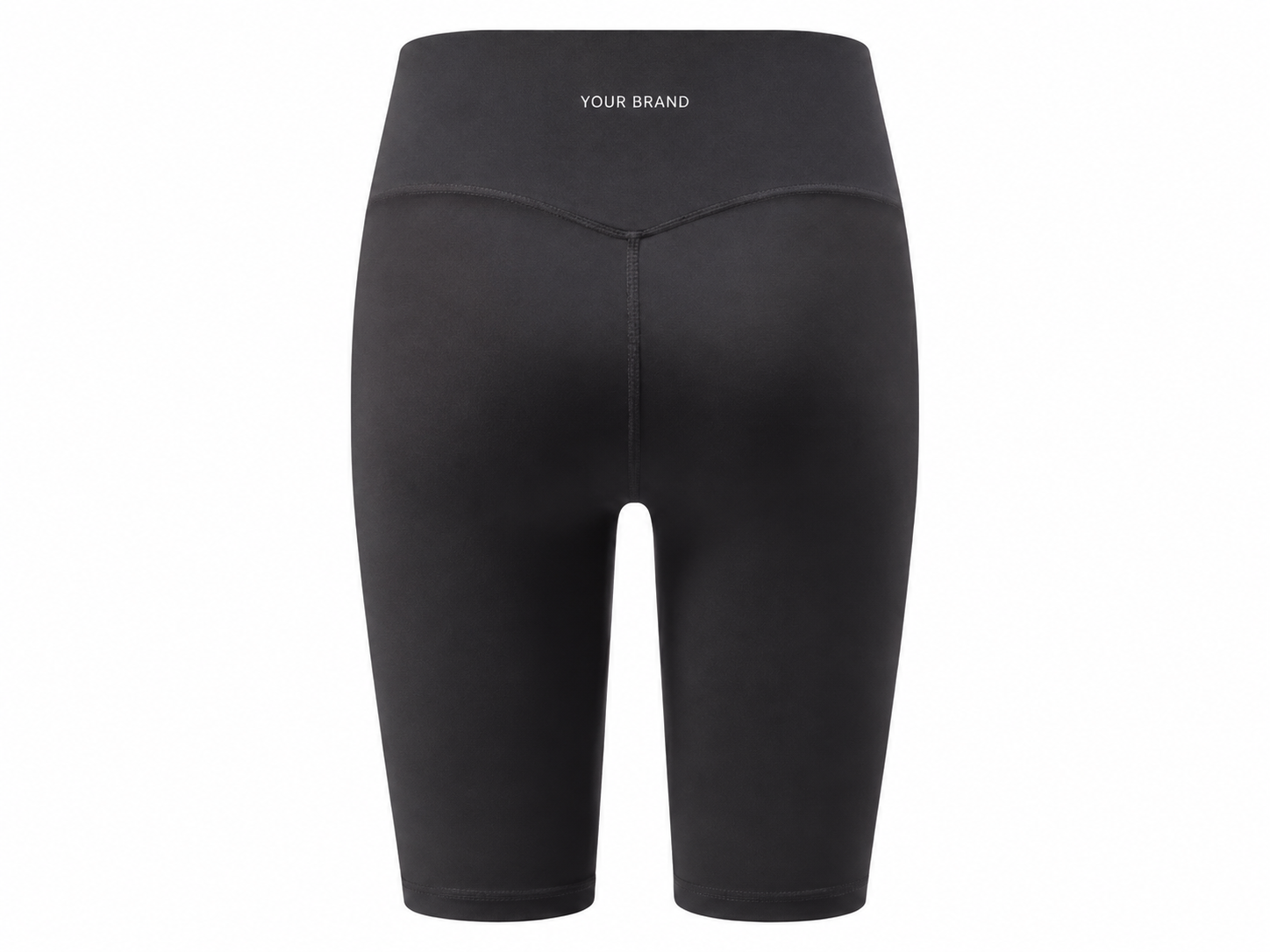
Logo Placement
Logo size, location and process can affect stretch, comfort and appearance on a fitted garment. A large transfer across a high-extension zone may behave very differently from a small mark on a low-stress area. Leadshow can review heat-transfer or heat-press options within confirmed equipment capabilities. Embroidery, digital printing, sublimation and other processes are not represented as in-house capabilities unless separately confirmed for a project.
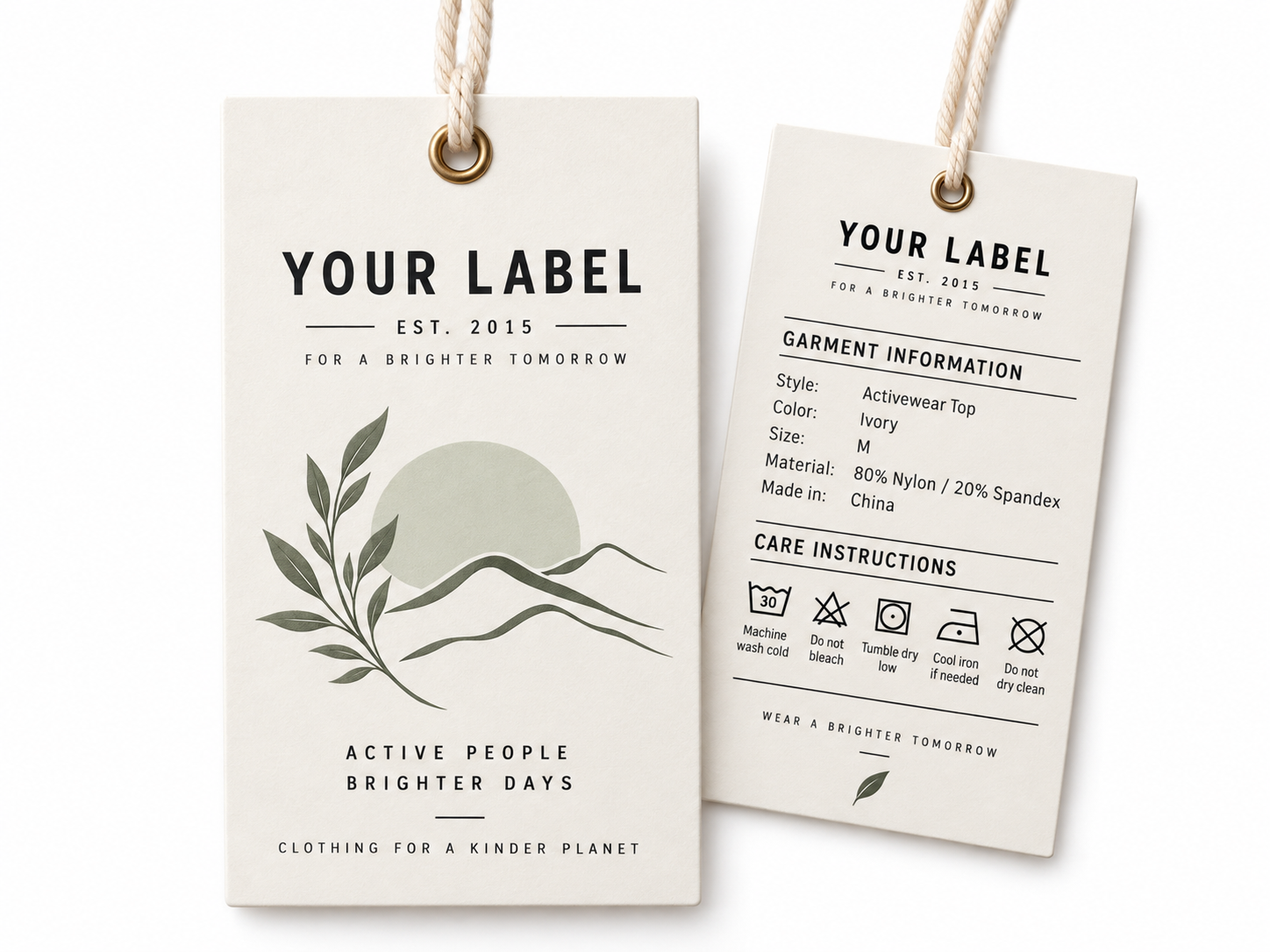
Hangtags and Branding
Hangtags can carry brand, product, size, care, marketing or retail information, but files should be supplied in approved versions and linked to the correct style or SKU. Leadshow supports custom labels, tags and packaging as part of apparel projects. Material choice, print finish, attachment method and supplier minimums are reviewed with the order rather than treated as unlimited standard options.
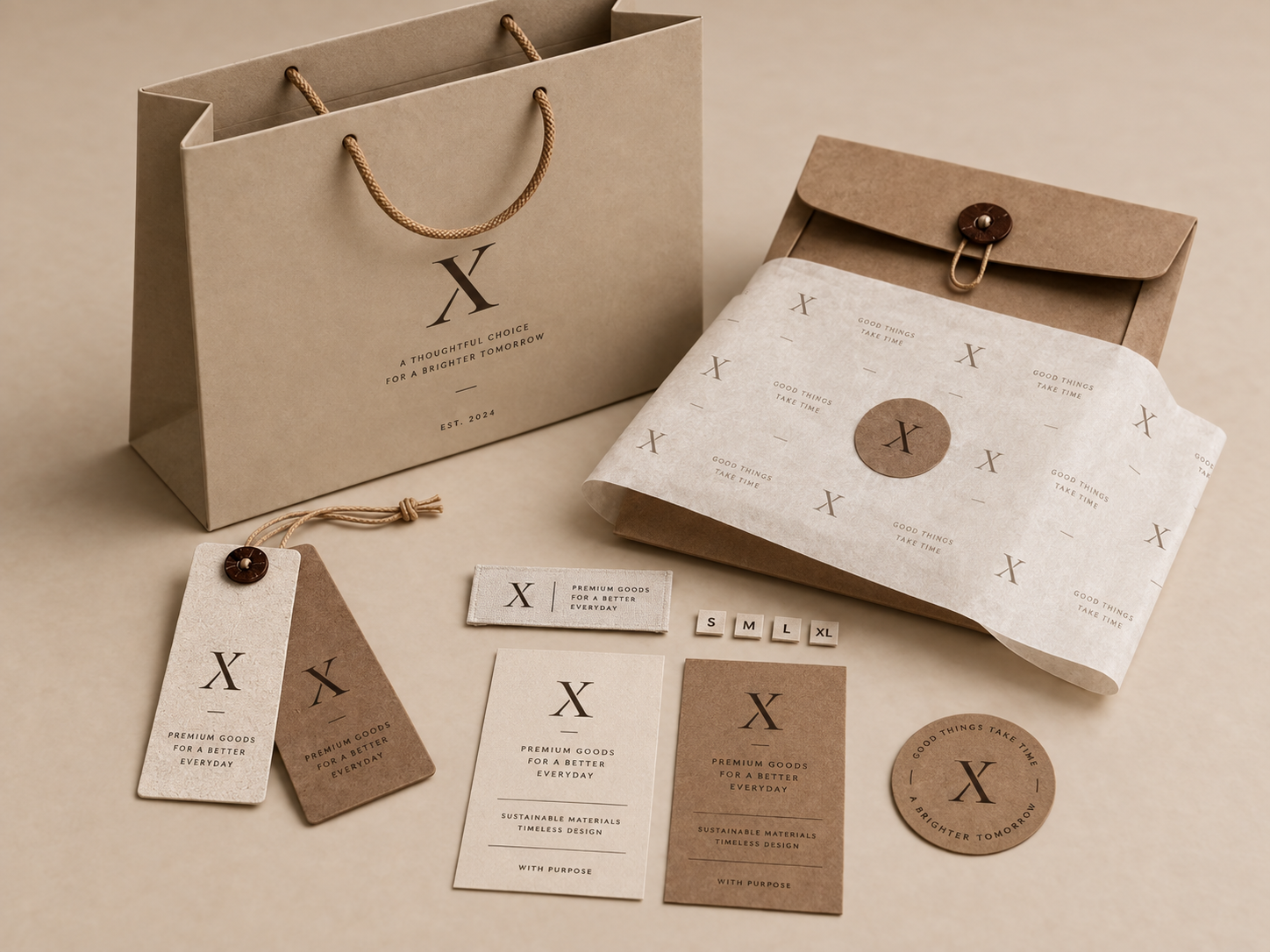
Individual Packaging
Folding, individual bags, size/color identification and related packing can be coordinated according to project requirements. Four automatic folding and packing systems provide support for suitable standardized garments, while complex structures or special packs may require other handling. No claim is made that every product is fully automatically packed. Packaging samples or clear packing instructions help establish the approved presentation before bulk shipment.
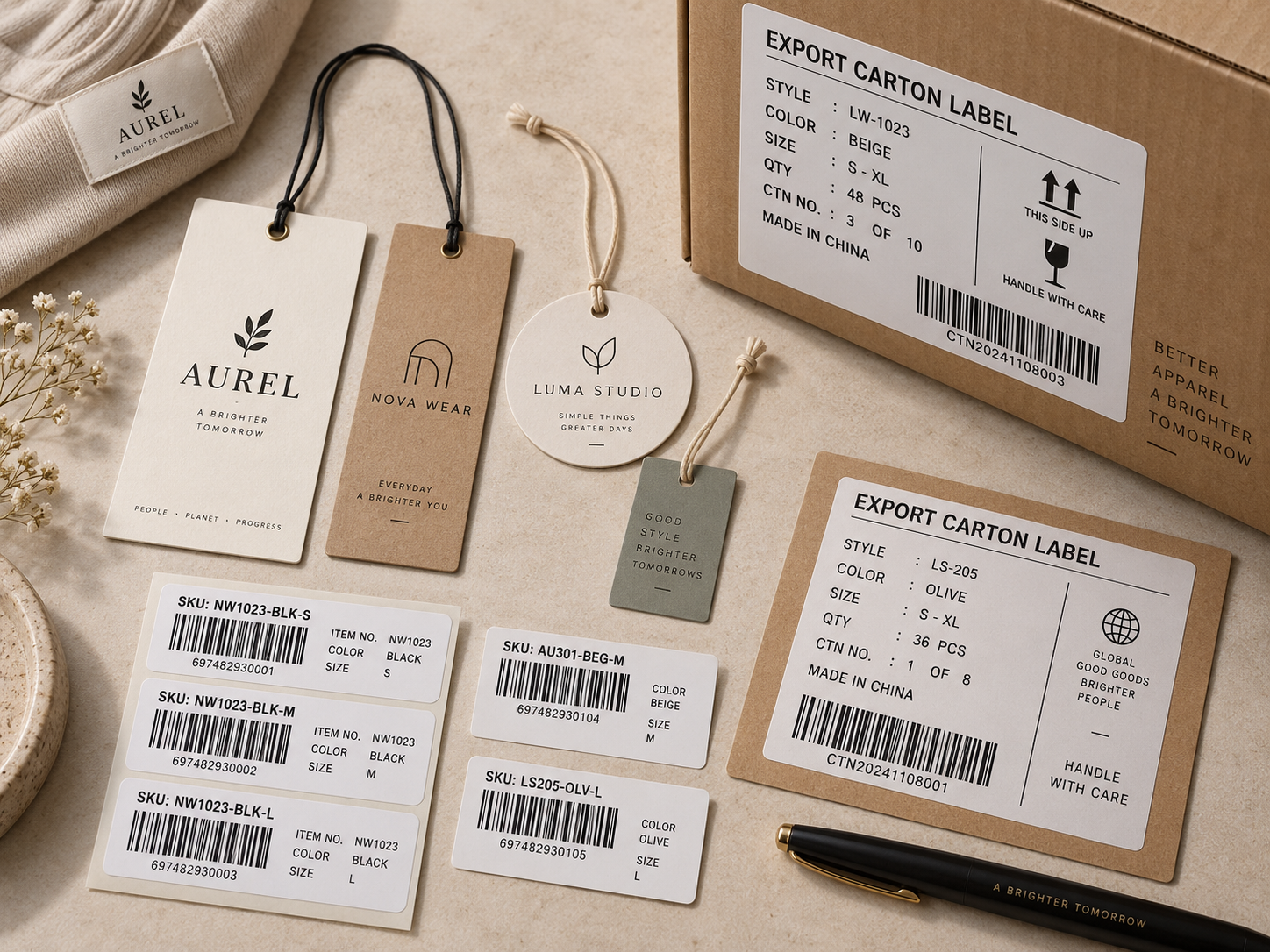
SKU and Cartons
SKU labels, barcode requirements, carton marks, assortment ratios and shipping marks should match the order matrix. Leadshow’s warehousing and logistics team supports sorting, labeling, carton preparation and shipment coordination. Intelligent label-printing equipment is available in the manufacturing system, although equipment quantity is not currently published. Platform admission, destination customs clearance and retailer-specific acceptance are not guaranteed by packaging support alone.
How to Evaluate a Leggings Manufacturer
A serious apparel manufacturer should be evaluated beyond factory size or quoted unit price. Product development, approved standards, material control, manufacturing scale, quality checkpoints and order execution all influence whether a supplier fits a long-term sourcing program.
Evaluation Area
What to Verify
Leadshow Evidence
Leggings Experience
Ask which stretch-garment structures are actually produced and how fit is validated.
Yoga leggings are a confirmed Leadshow product direction; related structures are reviewed by project.
Fabric Understanding
Check how GSM, stretch, recovery, opacity, color and supply conditions are evaluated.
Material and trim evaluation is part of the development workflow; performance claims require evidence.
Pattern and Fit
Ask who reviews measurement charts, base size, pattern and grading.
Pattern and fit development support is part of the confirmed capability base.
Sampling
Check sample purpose, revision control and approval route.
Independent R&D and sampling workshop supports construction review, sample development and pre-production validation.
Stretch Construction
Verify suitable flatlock, overlock, elastic and cutting equipment.
35 four-needle six-thread flatlock machines and 12 elastic-related machines are confirmed.
Quality
Look for product-specific checkpoints rather than “strict QC” language.
Quality functions support material, in-process, finished-garment and packing inspections by project.
Scale
Separate overall company capacity from dedicated product capacity.
Combined capacity reaches up to approx. 120,000 garments/month under stated conditions; no dedicated leggings figure is claimed.
MOQ
Confirm whether MOQ is per order, color, design or fabric.
Standard MOQ starts from 100 pieces per color per design, subject to project conditions.
Brand Execution
Review labels, logo, packaging, SKU and carton capability.
Custom labels, packaging and multi-SKU coordination are supported within project scope.
Evidence and Boundaries
Prefer suppliers that separate confirmed facts from claims requiring testing.
Leadshow avoids unsupported seamless, performance, certification, zero-defect and fixed-lead-time claims.
Leggings RFQ Checklist for Faster Project Review
A useful RFQ gives enough information to evaluate product feasibility, material direction, sample work, MOQ, cost and scheduling. Complete files are welcome, but an early-stage project can still begin with a smaller set of references and clear commercial goals.
RFQ Input
What to Provide
Why It Matters
Product Type
Yoga leggings or other legging concept
Defines scope and manufacturing review route
Tech Pack / Reference
Tech pack, images, pattern or existing garment
Provides construction and design reference
Target Market / Use
Yoga, fitness, athleisure or brand-specific use
Guides fit, material and product priorities
Quantity
Estimated units per color and design
Supports MOQ and capacity review
Colorways
Color list and custom-color needs
Affects material MOQ, shade approval and order split
Size Range
Brand size range and base size
Defines grading, SKU count and fit review
Measurement Chart
POM, measurement method and tolerances if available
Creates fit and quality reference
Fabric
Composition, construction, GSM, swatch or target hand feel
Supports sourcing, cost and pattern review
Stretch / Recovery
Target behavior or approved material reference
Guides fit, waistband and seam evaluation
Waistband
Height, layers, elastic or other build
Affects fit, pressure and construction
Pockets / Gusset
Location, dimensions and construction
Changes pattern, labor and seam layout
Seams
Preferred construction and visible seam direction
Supports equipment and feasibility review
Logo
Artwork, size, location and preferred process
Guides sample and material compatibility review
Labels / Hangtags
Approved brand and legal content files
Supports private-label execution
Packaging
Individual bag, SKU/barcode, carton and marks
Supports packing and shipment preparation
Quality / Testing
Brand inspection standard and any required tests
Defines verification scope before production
Target Sample Timing
Preferred milestone or launch date
Used for schedule review; final sample timing is project-specific
Target Bulk Delivery
Required delivery window and destination plan
Used for production planning; final timing follows approval, materials and scheduling
Early-stage projects without a complete tech pack can begin with a reference image or garment, intended use, estimated quantity, target market, size direction and desired timing. Leadshow can then identify missing information before a formal quotation or sample schedule is finalized.
Leggings Manufacturer Frequently Asked Questions
Short answers to common leggings manufacturing questions, with commercial terms and performance claims kept within project-specific conditions.
What leggings can Leadshow manufacture?
Yoga leggings are a confirmed Leadshow product direction. Related custom leggings can be reviewed when fabric, structure, fit and process requirements match verified capabilities. Leadshow does not claim every leggings category or every seamless, compression or performance construction without technical review.
What is the MOQ for custom leggings?
Standard MOQ starts from 100 pieces per color per design, subject to fabric, trims, construction and customization requirements. Custom-dyed fabric, special trims, complex branding, many colorways or supplier minimums can change the final MOQ.
Can you manufacture from a Tech Pack?
Yes. Tech packs can be reviewed for construction, measurements, material direction, fit, seams, branding, labels and packaging. Missing items are identified before sampling or quotation is finalized so open assumptions do not move silently into production.
Can you develop from an existing sample?
Yes. A physical reference can support pattern, measurement, construction and material comparison. Exact duplication of another factory’s fabric, color or process is not guaranteed. Available materials and manufacturing methods are evaluated before a comparison sample is approved.
How should leggings fabric be selected?
Choose fabric according to intended use, knit structure, GSM, stretch, recovery, opacity, hand feel, color, fit and supply conditions. Composition alone does not determine performance. Functional or certification claims may require supporting documents or testing.
How do you evaluate stretch and recovery?
Stretch and recovery are reviewed against the approved fabric, pattern and fit direction. Waistband behavior, seam construction and repeated extension also affect the garment. A single stretch percentage does not define the complete wearing result.
How is fit confirmed before bulk production?
Fit is developed through measurement charts, pattern work, physical samples and structured feedback. Size-set or pre-production review can be added when project complexity requires it. The final production reference uses approved measurements, patterns, materials and sample status.
Is four-needle six-thread the same as seamless knitting?
No. Four-needle six-thread flatlock is a sewn construction with thread and seams. Leadshow has 35 four-needle six-thread flatlock machines, but the capability is not described as circular seamless knitting, whole-garment seamless construction or a seam-free product.
How do you control sample-to-bulk consistency?
Approved pattern versions, measurement charts, materials, colors, construction, branding, labels and packaging are transferred into production references. Relevant inspections compare production against those approved specifications and tolerances. Absolute zero variation across every garment is not promised.
What information is needed for a leggings quote?
Provide product type, tech pack or reference, estimated quantity by color/design, size range, fabric direction, construction, logo, labels, packaging, target market, quality requirements and desired timing. Incomplete projects can begin with reference images, quantity and intended use.
Send Your Leggings Project Requirements
A useful leggings quotation starts with enough information to understand the product, not with a generic unit price. Send a tech pack, measurement chart, pattern, reference images or an existing garment when available. Add the expected quantity per color and design, size range, fabric direction, waistband and pocket details, preferred seam construction, logo artwork, label files, packaging requirements, target market and desired timing. Early-stage concepts are also welcome: a reference image, intended use, target market and estimated quantity can be enough for an initial scope review. Leadshow will identify missing technical information before a formal sample schedule, MOQ, quotation or bulk-production plan is confirmed. Sample timing is reviewed after material availability, pattern status, construction and artwork are understood. Bulk timing follows sample approval, material readiness, order mix and current manufacturing scheduling. Files involving third-party designs or brands should be submitted only when the sender has the right to use them.