
Custom Hoodie Manufacturer
Develop custom hoodies from your Tech Pack, reference garment or product concept, from sampling through bulk production.
- OEM and ODM hoodie development based on product specifications, target fit, materials, trims and branding requirements.
- Develop pullover, full-zip and half-zip hoodies in regular, drop-shoulder and oversized fits.
- Sampling establishes approved fit, construction, materials, colors and branded details before bulk production.
- Standard MOQ generally starts from 100 pieces per color per design, with final quantity confirmed after project review.
Hoodie Manufacturing for Different Brand Needs
We work with established activewear brands, growing sportswear labels and retail programs, adapting development and production to the information, quantities and packaging each project requires.
Established Apparel Brands
For established brands, we work from your Tech Pack, measurement chart, construction standards and packaging rules, keeping development and bulk production aligned with your existing brand specifications.
Growing Streetwear Brands
For growing streetwear brands, we help turn references or technical files into production-ready hoodies, refining fit, hood shape, fabric, ribs, pockets, drawcords and branded details before bulk production.
Importers and Retail Programs
For importers and retail programs, we coordinate colors, sizes, SKU labels, hangtags, unit packing and cartons so product and packing information stay consistent through production and shipment preparation.
What Matters in Hoodie Manufacturing
Good hoodie manufacturing starts with the details that shape the finished product: fit, fabric, construction, sampling, branding and consistency in bulk production.
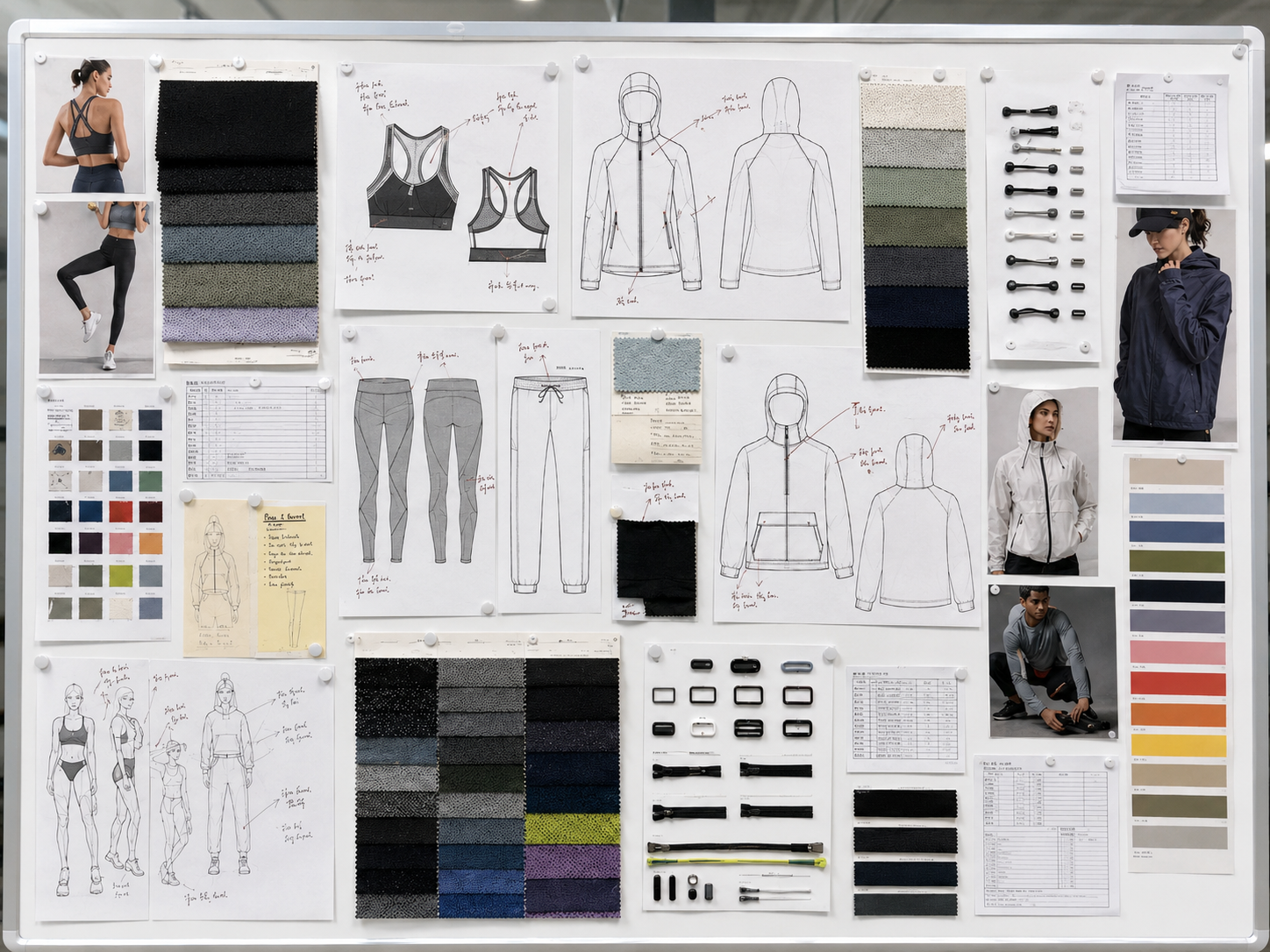
Product Development
A manufacturing partner should understand how a design moves from artwork or a reference garment into pattern, construction and production specifications. Leadshow can review Tech Packs, sketches, reference images, patterns and physical garments before sample development.
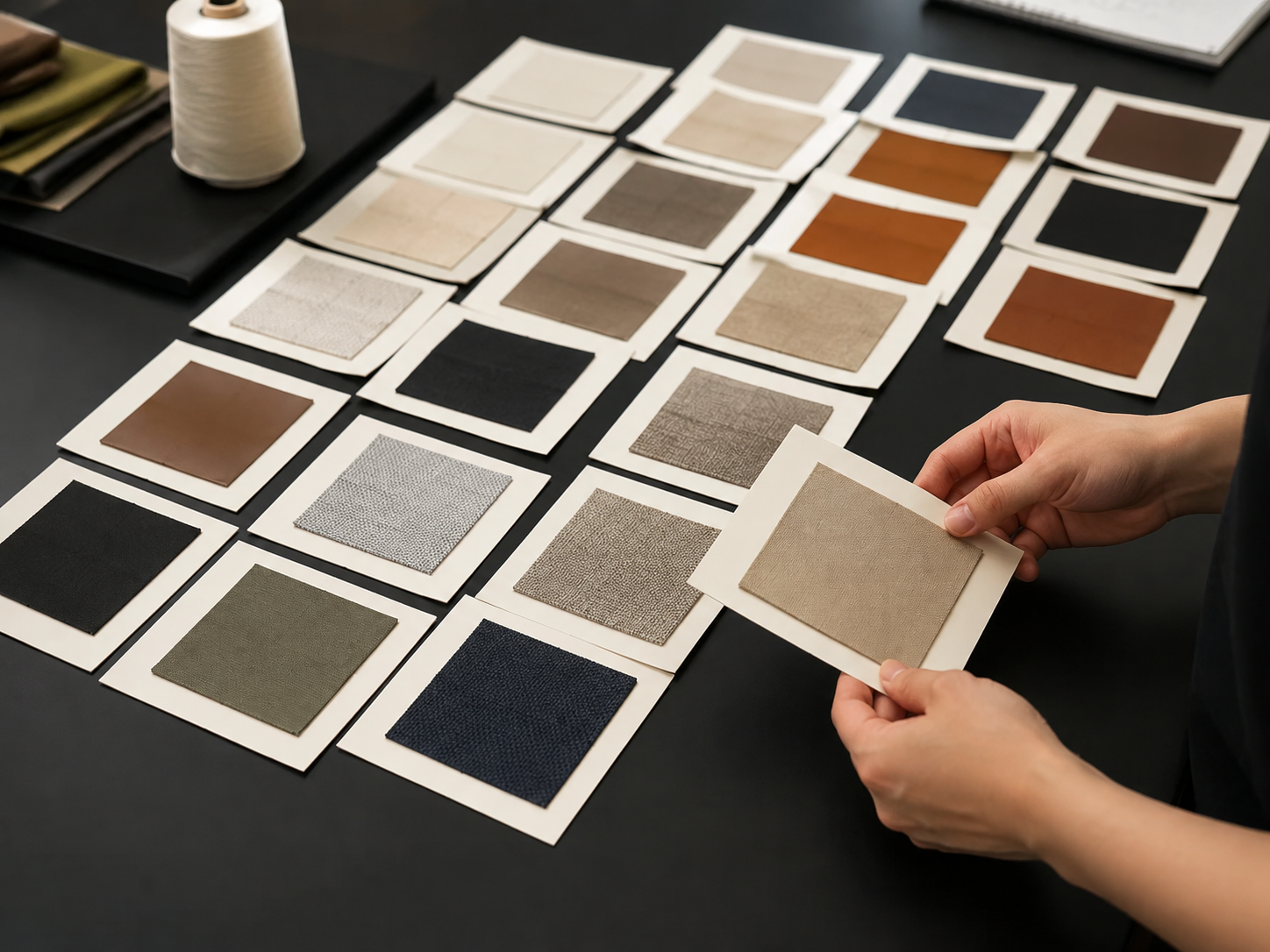
Fabric and GSM
Fabric weight alone does not define hoodie quality. Composition, knit structure, surface, density, shrinkage, hand feel and drape all affect the finished silhouette. Material direction is evaluated together with fit, branding method, budget and order requirements.
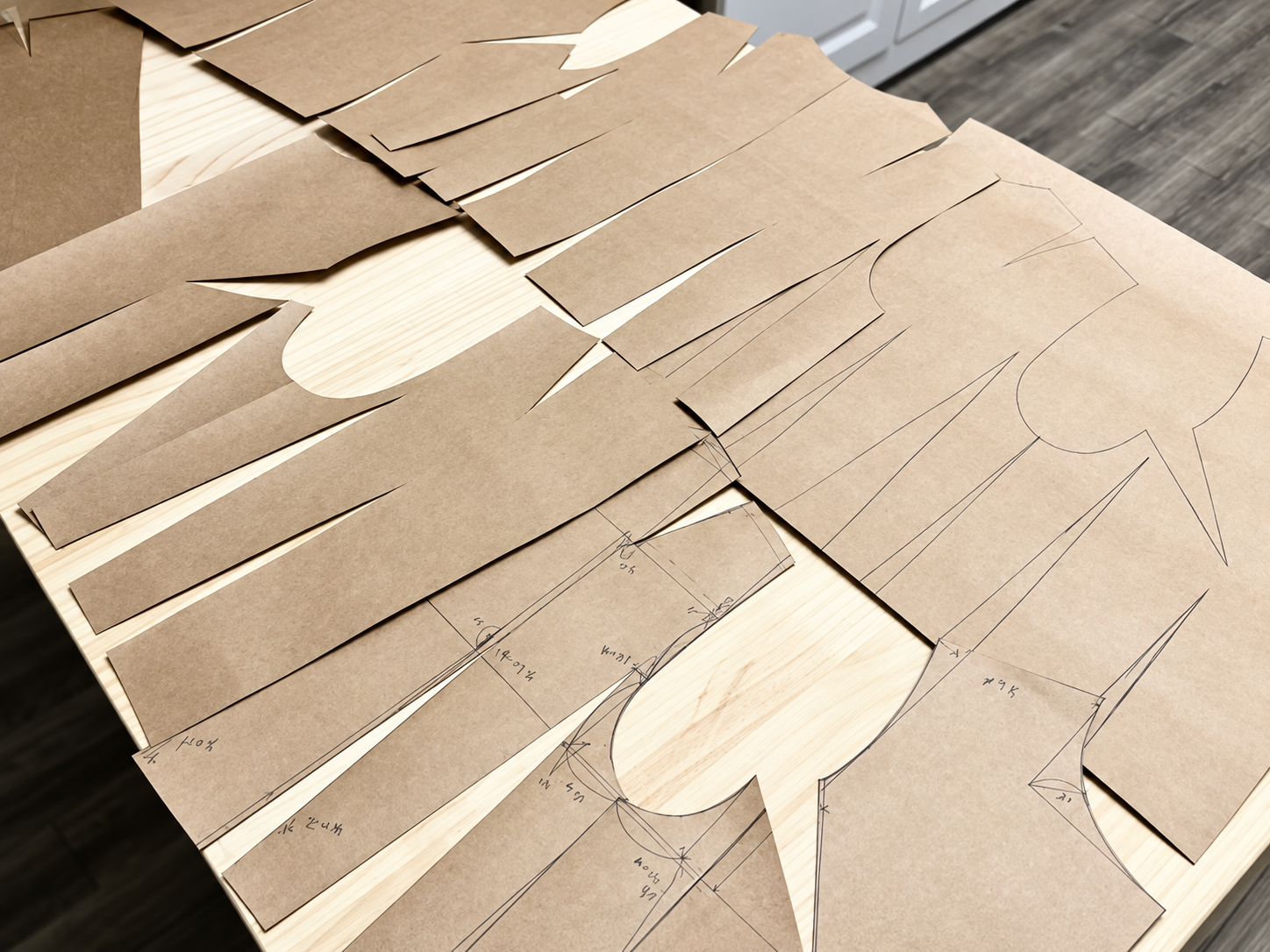
Pattern and Fit
Regular, relaxed, drop-shoulder and oversized silhouettes need different shoulder positions, body widths, sleeve proportions and ease. Pattern development and fit comments help convert visual references into measurable production requirements.
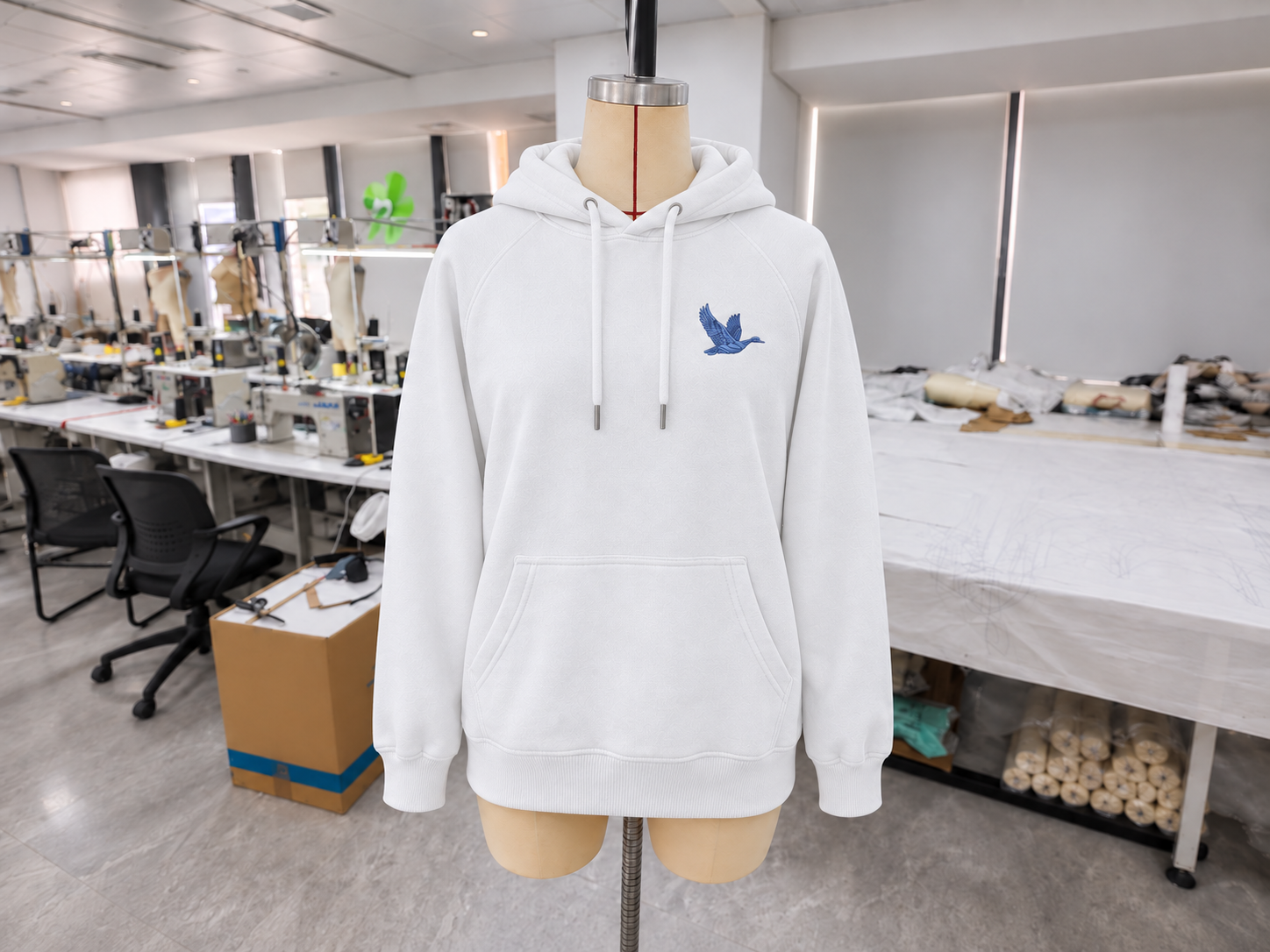
Sample Approval
Sampling confirms more than appearance. Fit, hood construction, pocket position, trim compatibility, color, branding and key measurements can be reviewed before a bulk version is released. Sample scope depends on development needs.
Private Label Execution
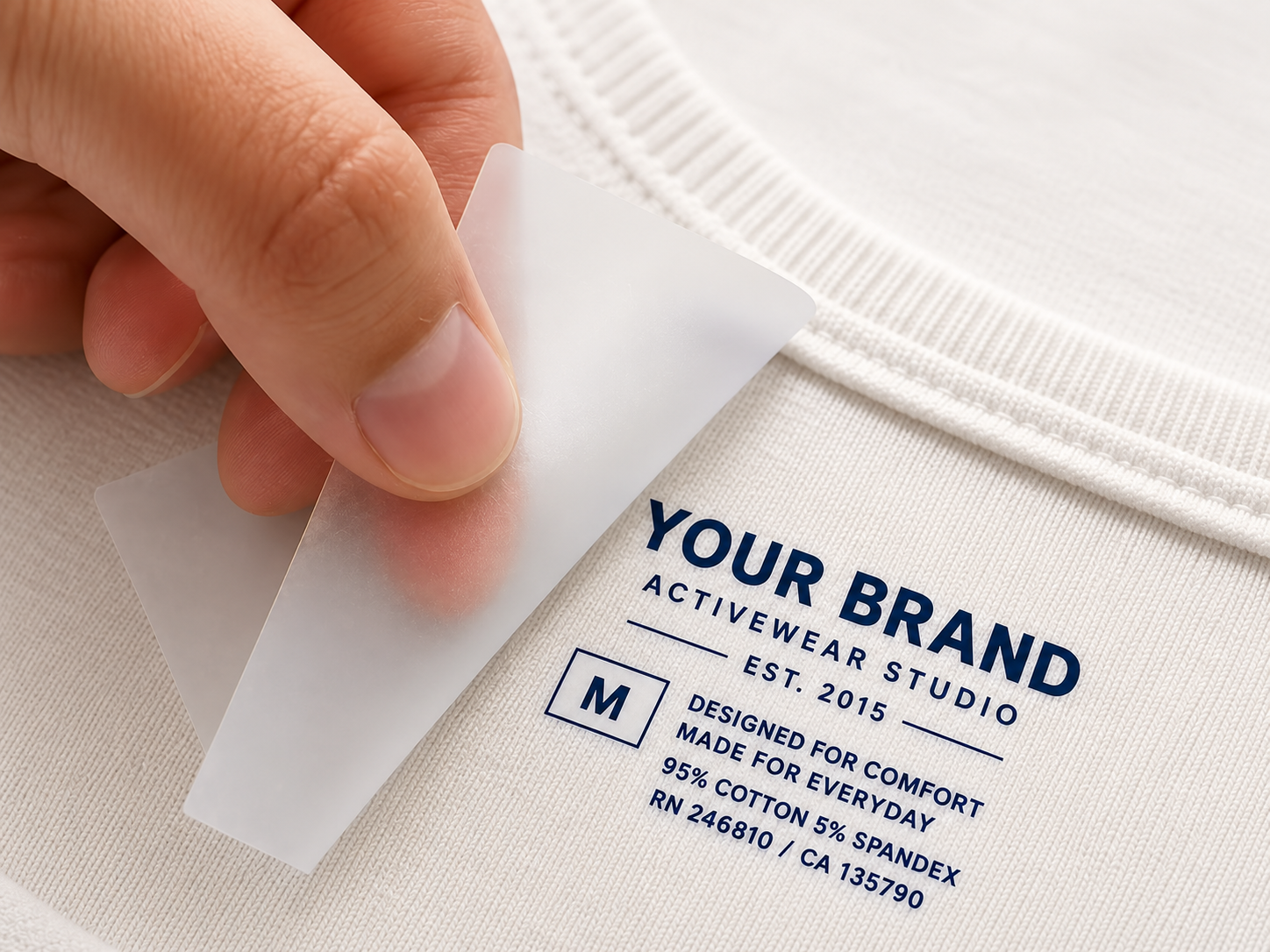
A branded hoodie program may include garment logos, main labels, size labels, care labels, hangtags, SKU identification and packing. Each element needs an approved file, position and version before bulk execution.
Bulk Consistency
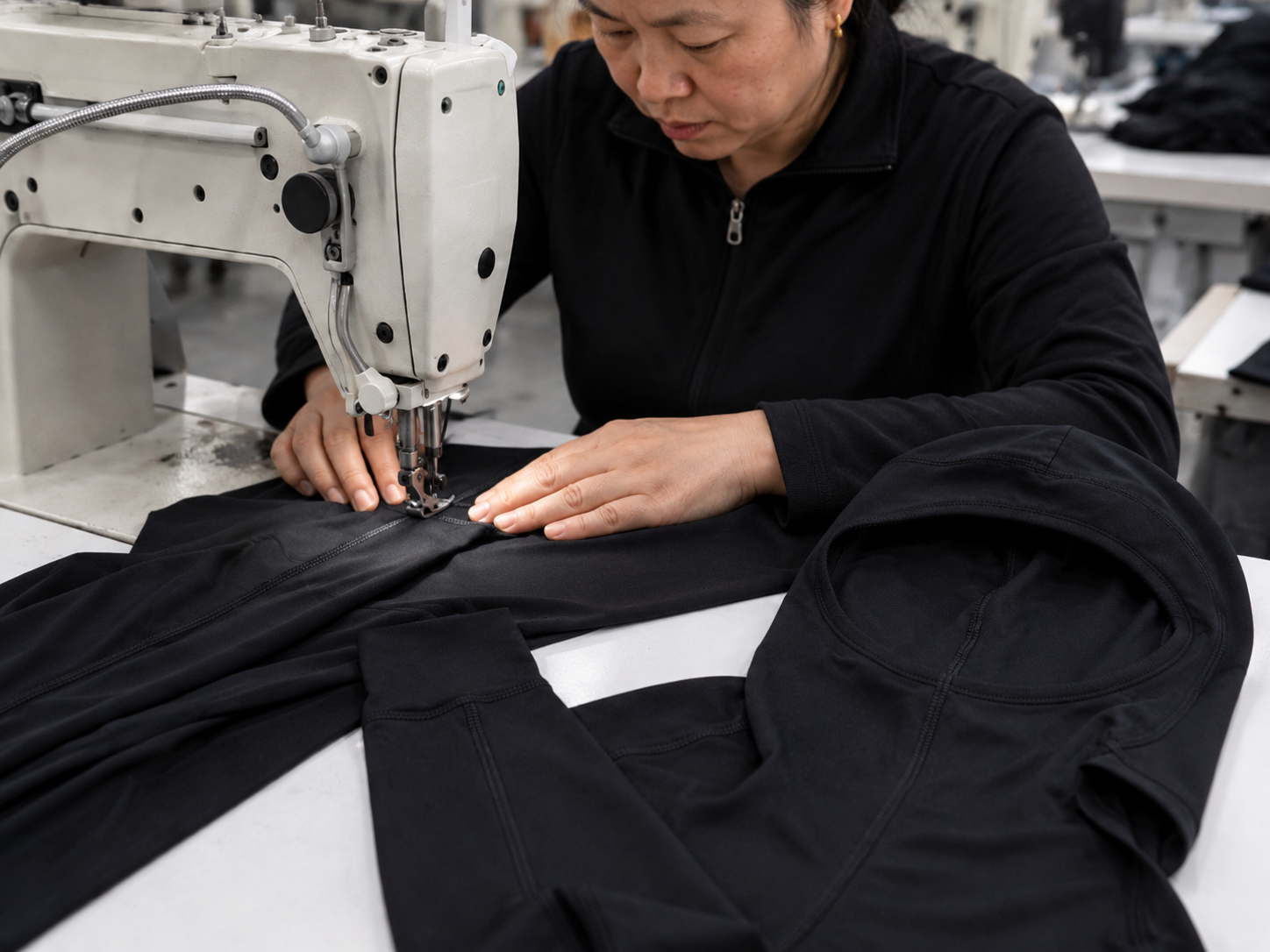
Bulk production follows the approved specifications, material references and production files, with in-process checks to keep finished garments aligned with the approved sample.
Custom Hoodie Styles and Construction Options
We develop pullover, full-zip, half-zip, drop-shoulder and oversized hoodies around your fabric, trim, fit and branding requirements.
Pullover Hoodies
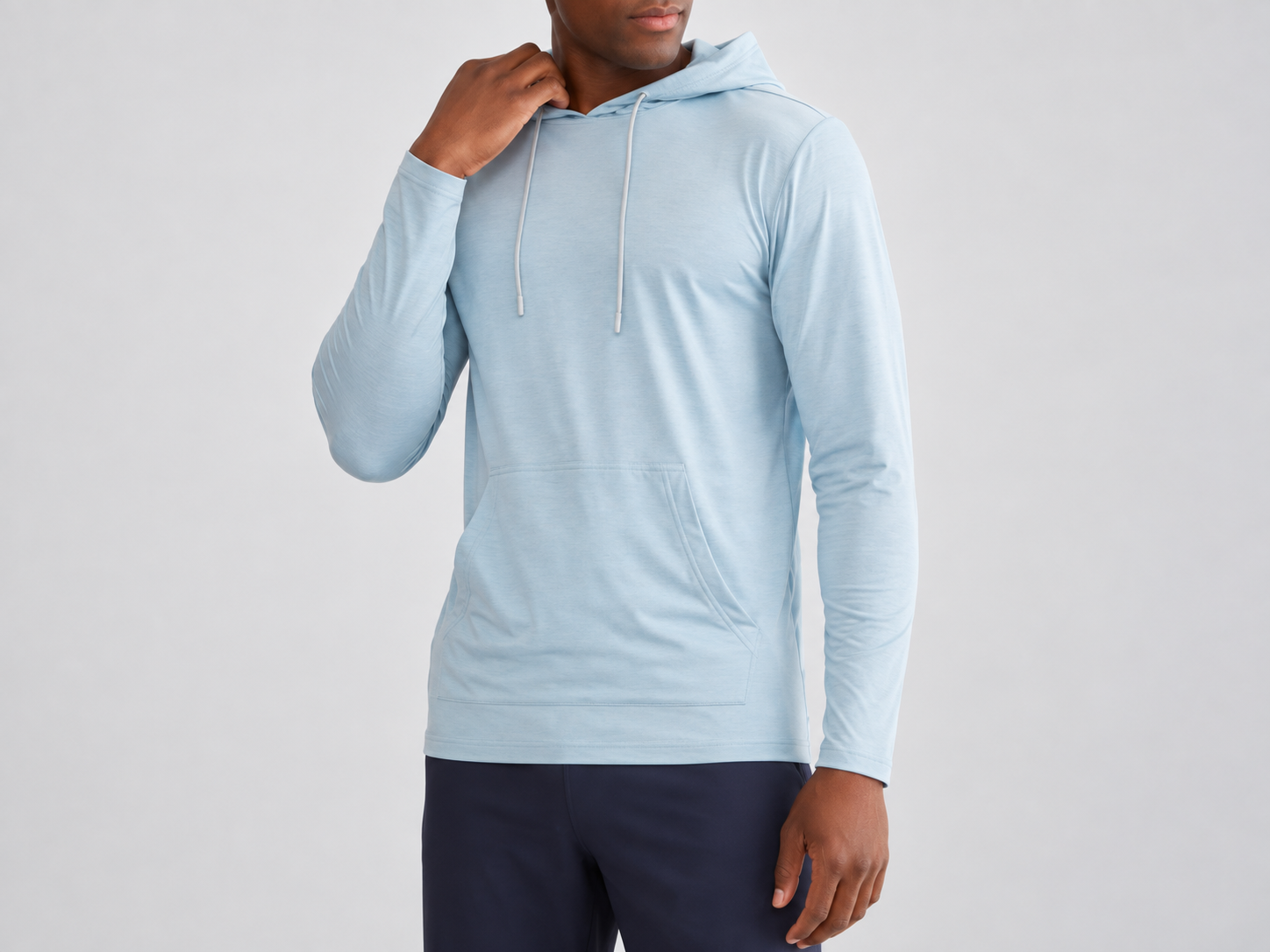
Pullover hoodies can be developed with a front kangaroo pocket or other approved pocket structure, rib cuffs and hem, drawcord details where required, and either regular or relaxed proportions. Product development should define hood depth, neckline connection, shoulder line, body width, sleeve width and body length before pattern approval.
- Regular or relaxed fit
- Kangaroo pocket options
- Single or double-layer hood
- Rib cuff and hem evaluation
Full-Zip Hoodies
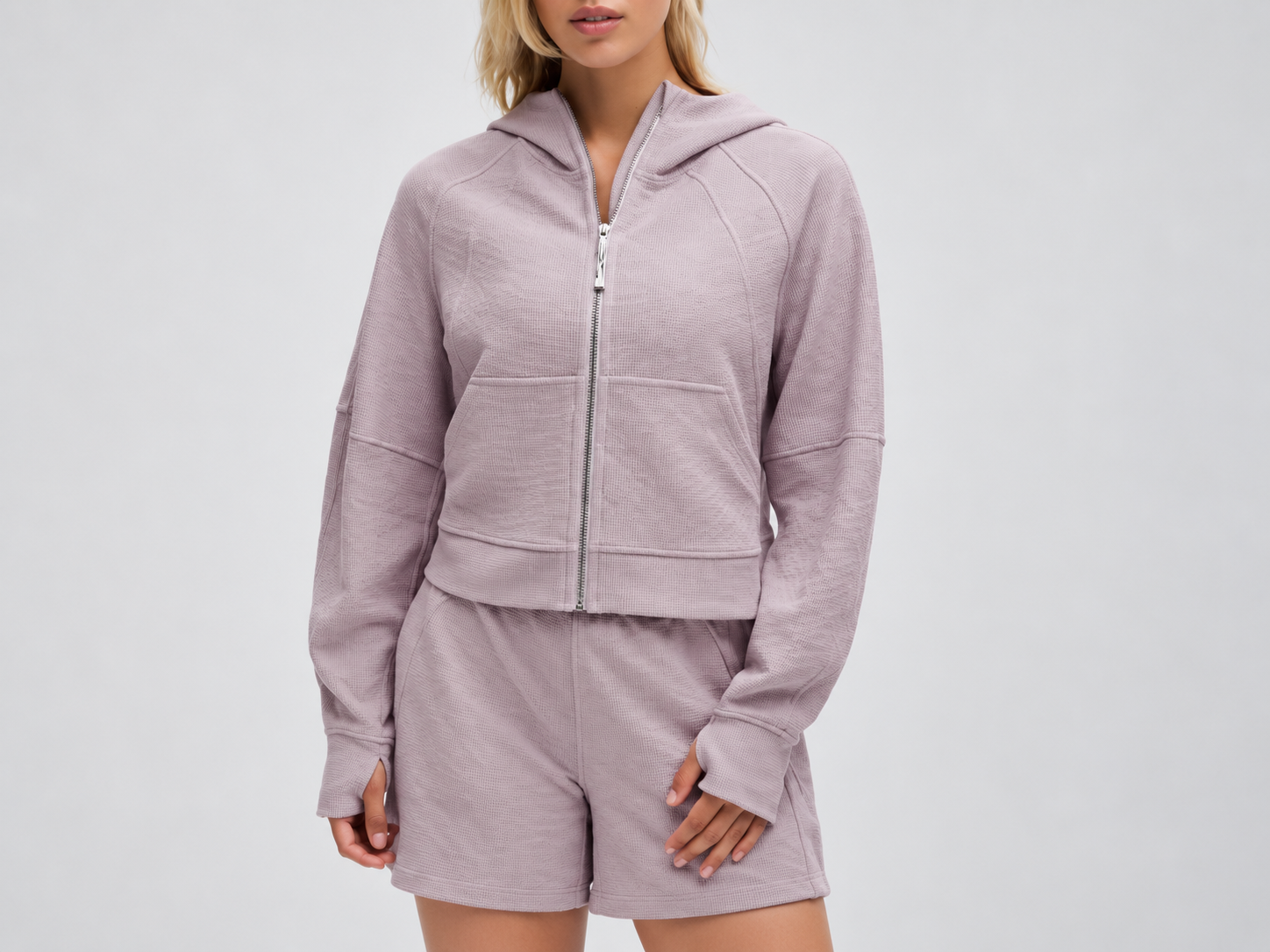
Full-zip construction adds a central zipper to the front body, making zipper compatibility a key manufacturing point. Fabric thickness, zipper type, front edge stability and sewing tension all affect whether the zipper sits flat. Sample review should check zipper waviness, hem alignment, pocket symmetry and hood-to-neck connection before bulk approval.
- Full front zipper
- Zipper pocket options
- Hood structure review
- Zipper and fabric compatibility
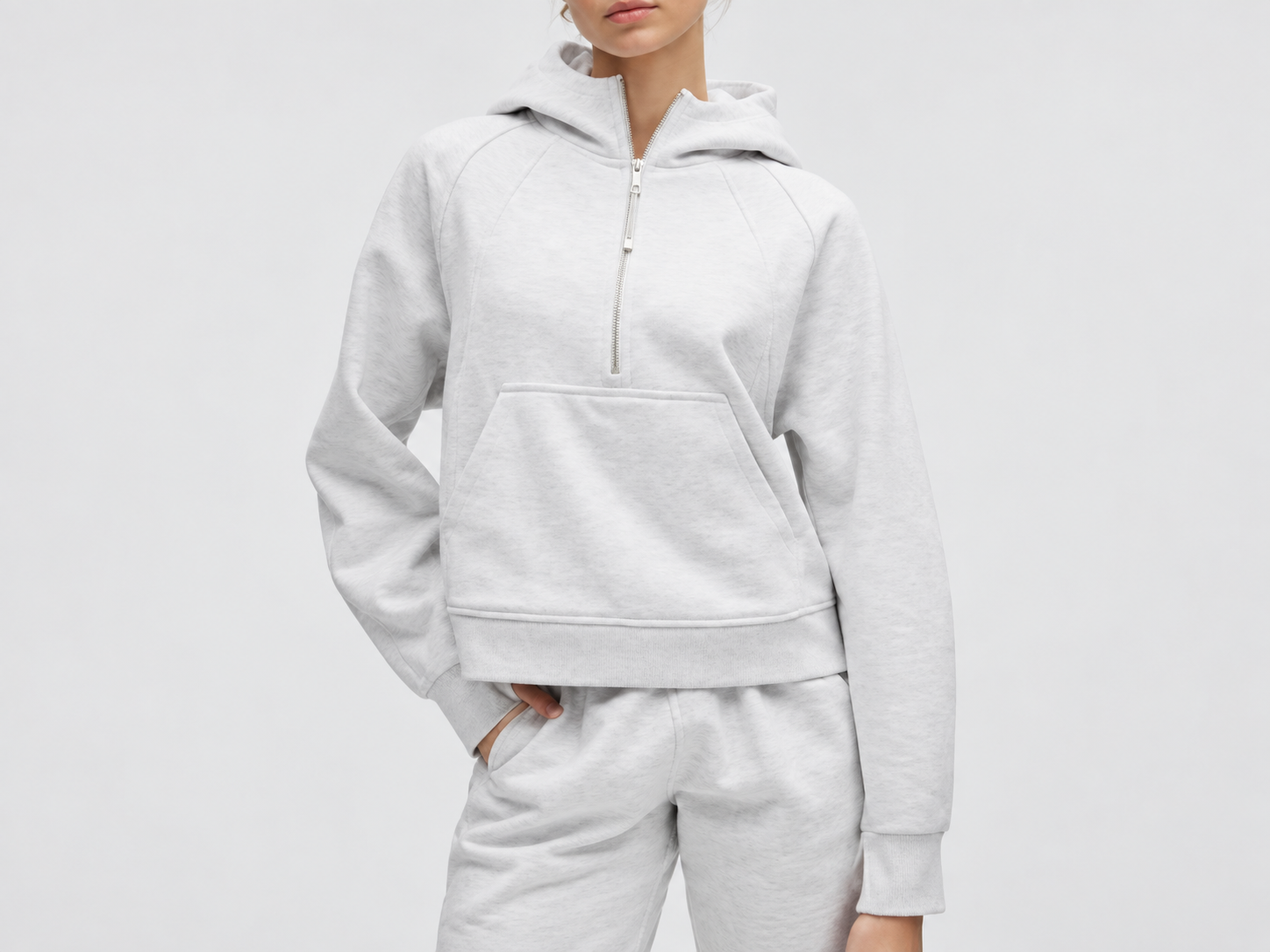
Half-Zip Hoodies
Half-zip hoodies combine a pullover body with a shorter front zipper. Neckline shape, zipper length and seam reinforcement need to work together without distorting the upper body. Fit samples are useful for reviewing opening depth, hood balance and how the front structure sits during wear.
- Half-length zipper
- Adjustable opening depth
- Regular or relaxed fit
- Structural sample review
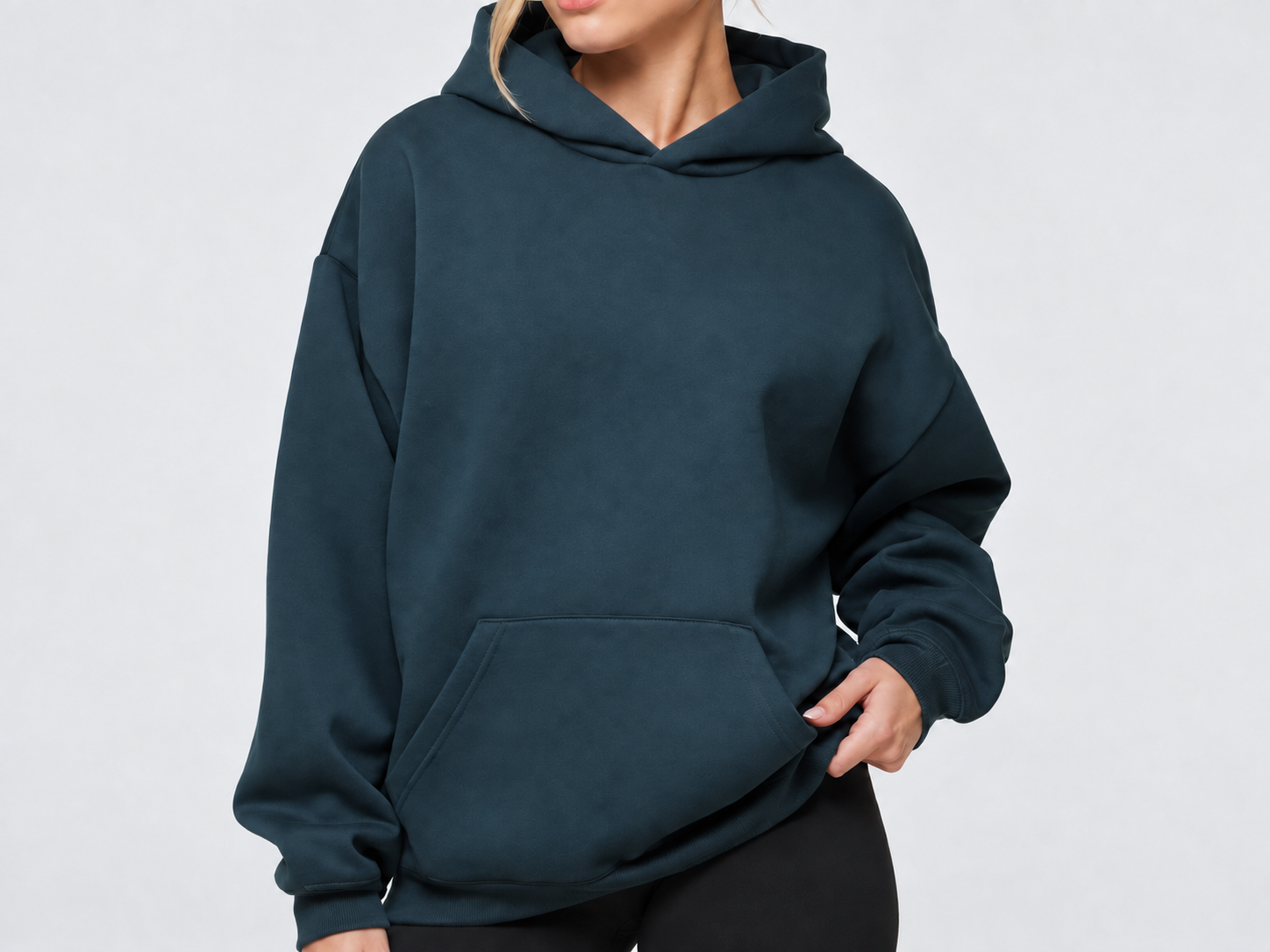
Drop-Shoulder Hoodies
Drop-shoulder silhouettes move the shoulder seam beyond the natural shoulder point. The visual result depends on shoulder extension, sleeve width, chest width and overall body proportion. Simply increasing garment size rarely creates a balanced drop-shoulder fit, so pattern measurements should be approved before size grading.
- Extended shoulder point
- Wider sleeve proportion
- Relaxed body width
- Fit-driven pattern development
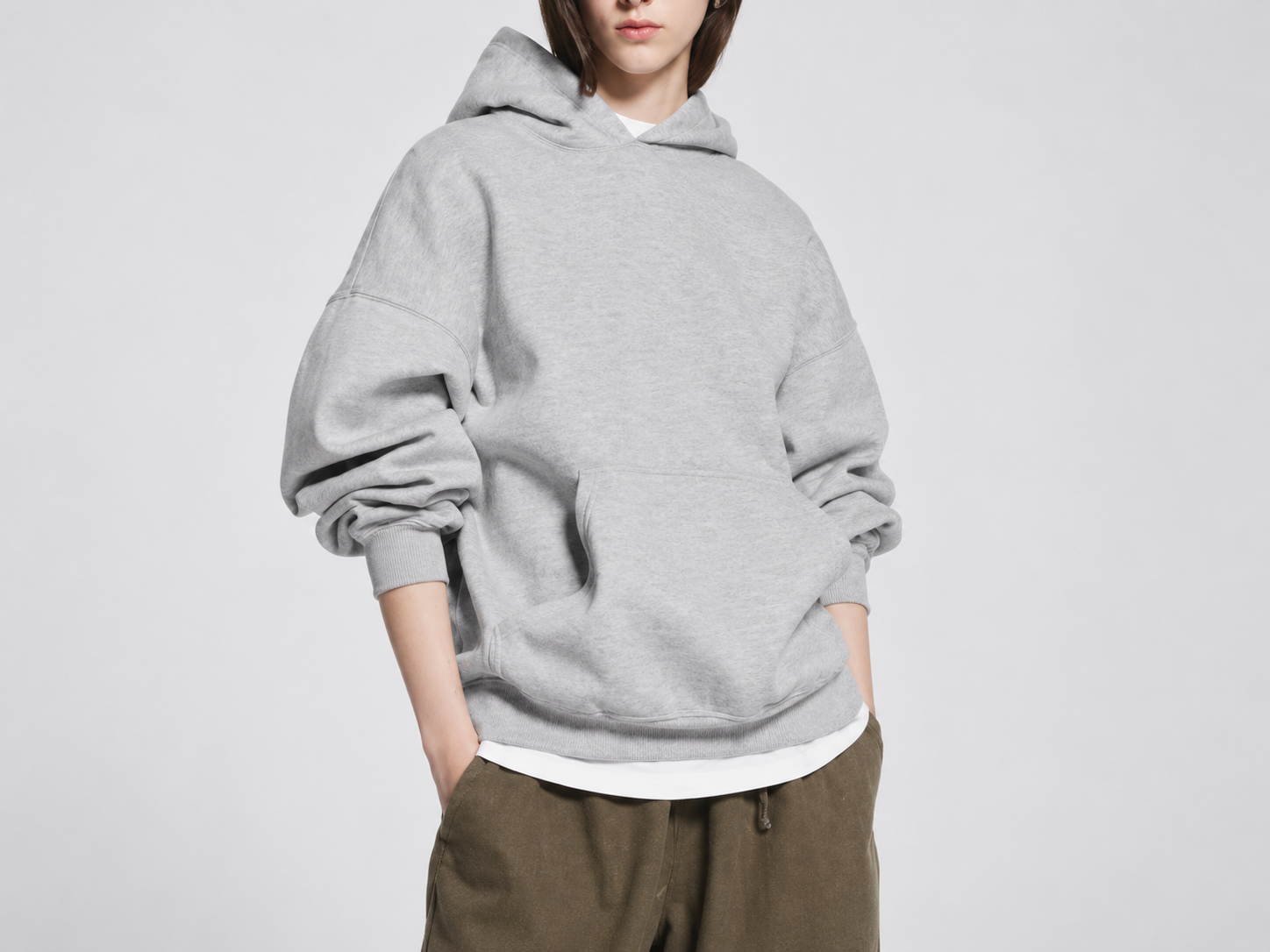
Oversized Hoodies
Oversized hoodies require controlled proportion rather than uniform enlargement. Chest width, shoulder drop, sleeve volume, body length, hood size and rib tension should work together. A wide body with a small hood or narrow sleeve can make the silhouette look unbalanced even when garment measurements appear “large.”
- Oversized body direction
- Larger hood proportion
- Sleeve-volume review
- Fabric drape evaluation
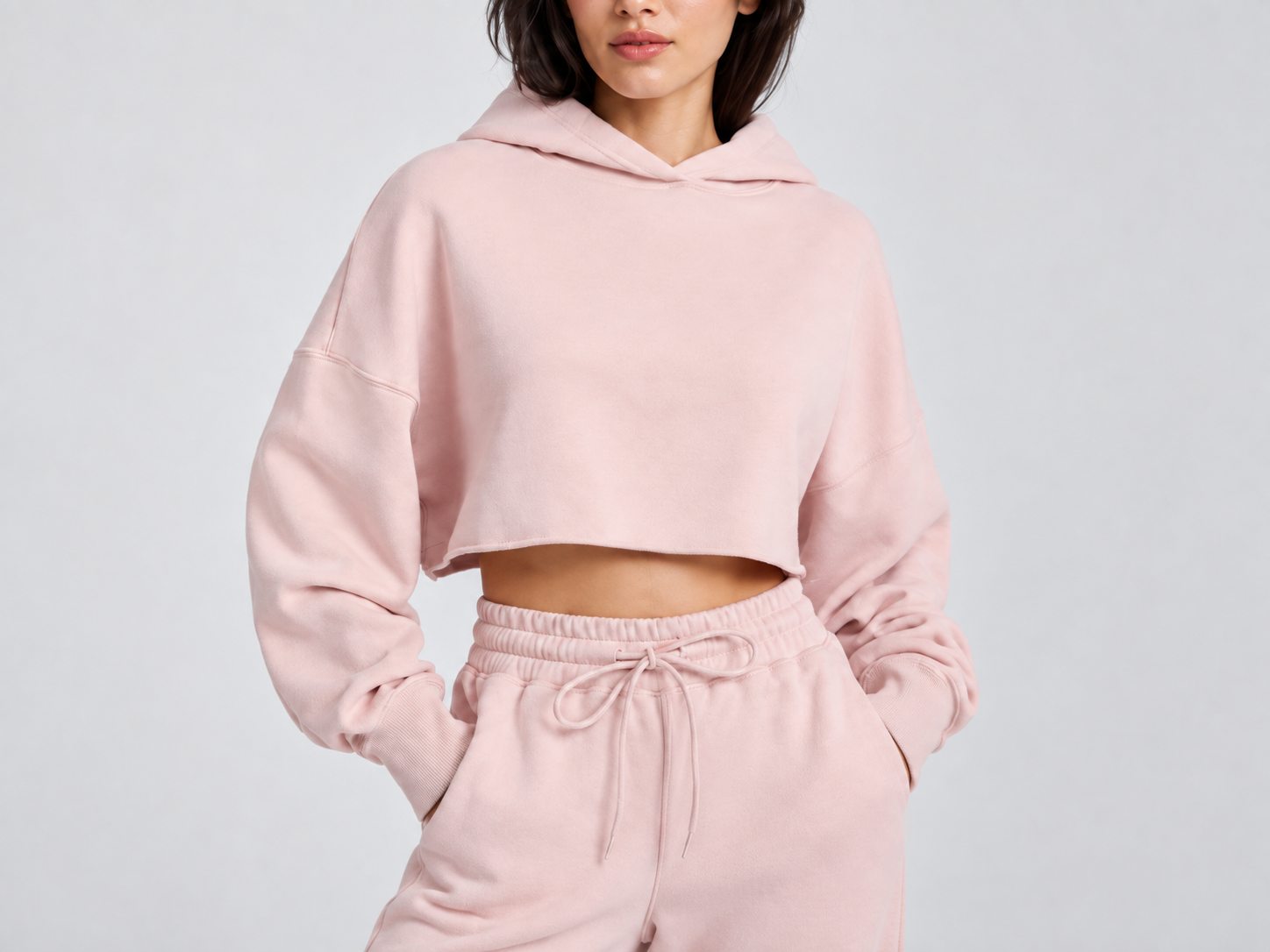
Cropped Hoodies
Cropped hoodies use a shortened body length to create a modern silhouette while maintaining balanced proportions. The final fit depends on waist placement, hood size, sleeve volume and garment structure. A shorter body requires careful pattern adjustment to ensure comfortable movement and proper layering with other activewear pieces.
- Shortened body proportion
- Waist-level length adjustment
- Hood and sleeve balance
- Fit-focused pattern development
Build the Hoodie Around Your Product Specification
Fit, fabric, color, construction, trims, branding and packaging are developed together so the final hoodie works as one complete product.
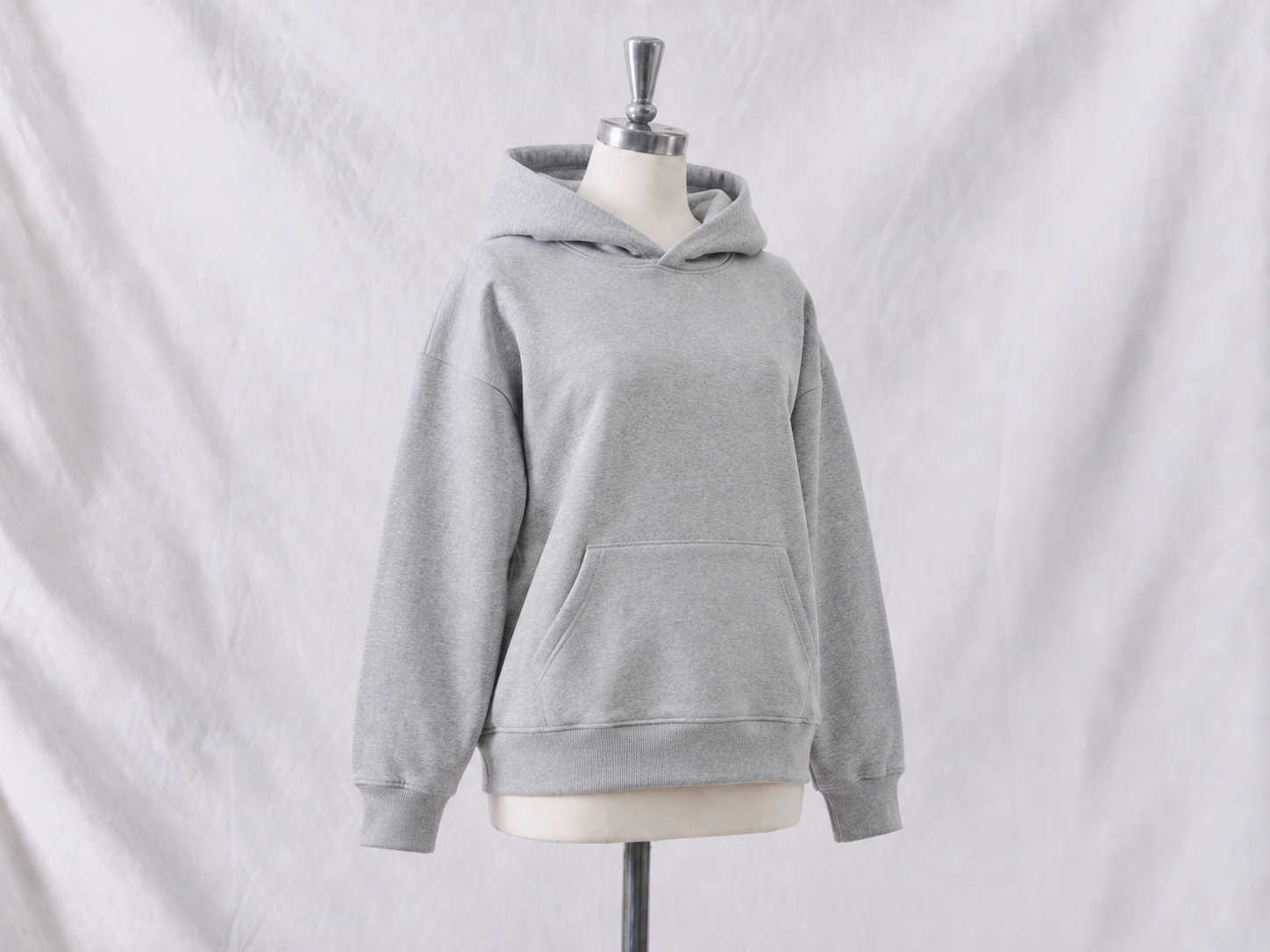
Fit Direction
Fit can be developed around regular, relaxed, drop-shoulder or oversized proportions according to the intended market. Measurements, ease, fabric behavior and grading direction should be defined before bulk production. Leadshow does not use one universal fit for every market or brand.
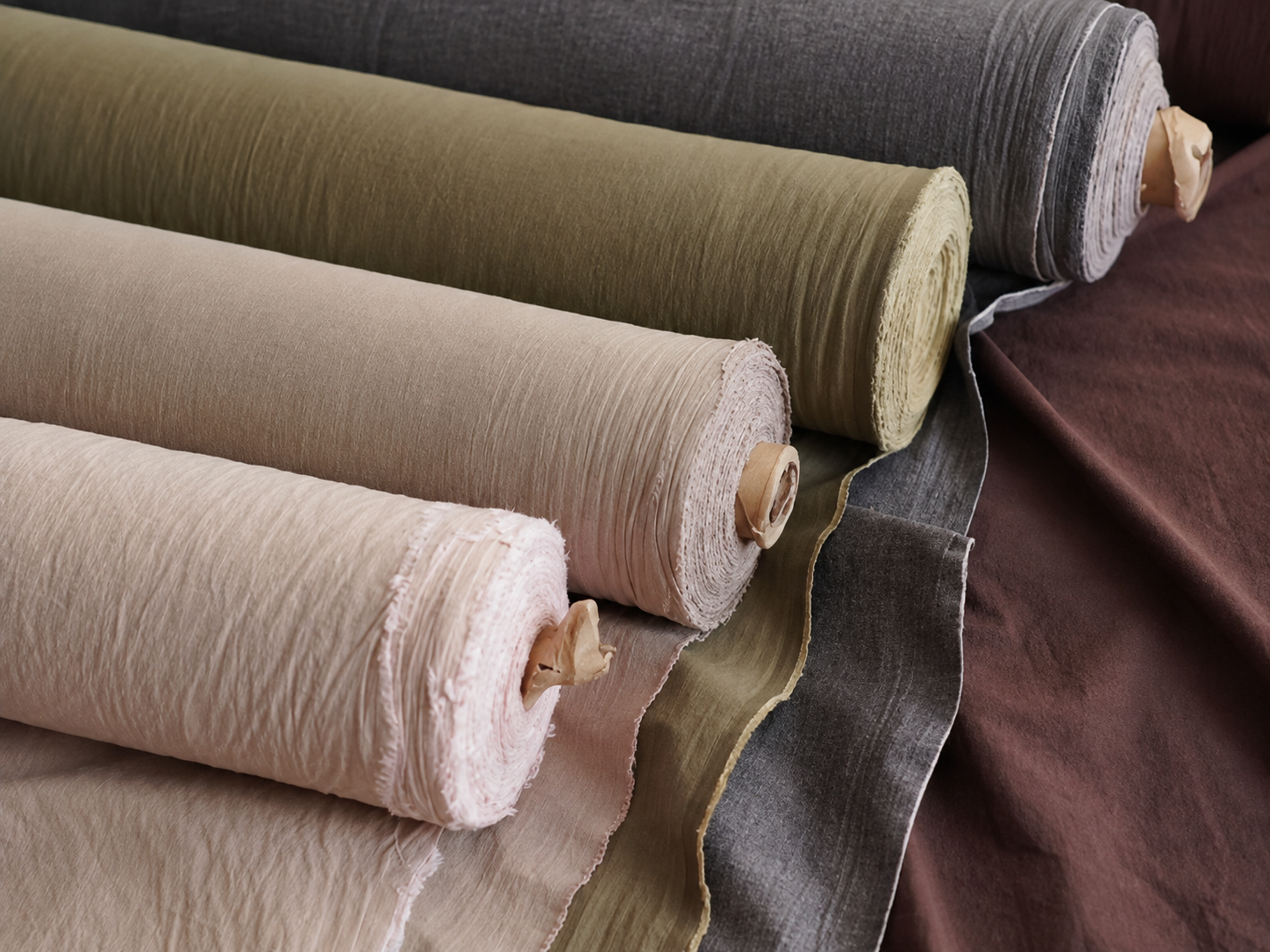
Fabric Direction
Fabric evaluation may consider fiber content, knit construction, hand feel, surface, stretch, shrinkage and intended season. Stock or standard options can sometimes reduce complexity, while custom colors or specialized material requirements may introduce separate supplier MOQs.
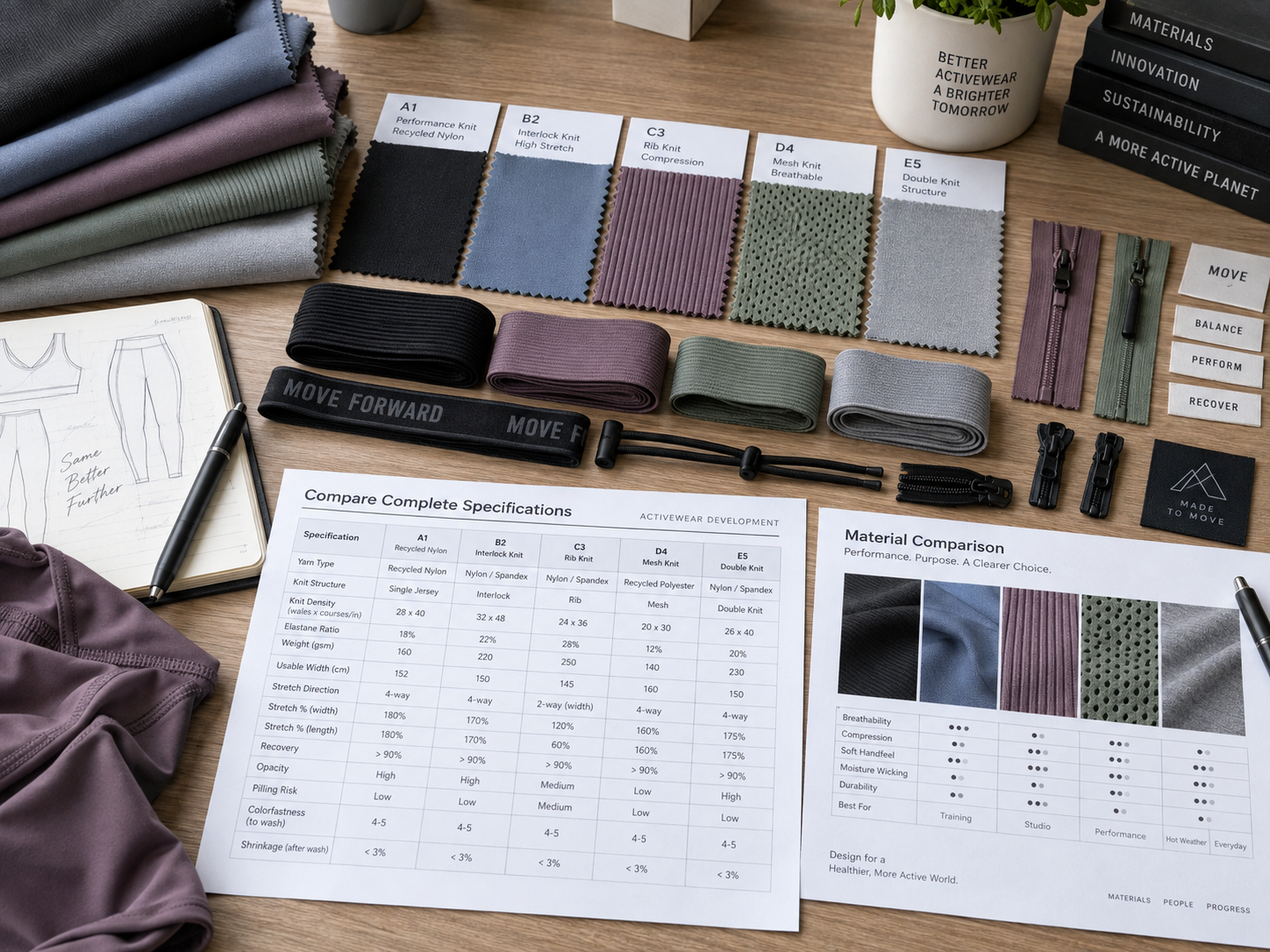
GSM Direction
GSM helps describe fabric weight, but higher GSM does not automatically mean better quality. Fabric construction, density, fiber type and finish affect thickness and drape. Weight should therefore be selected around the target silhouette, season, wear experience and cost.
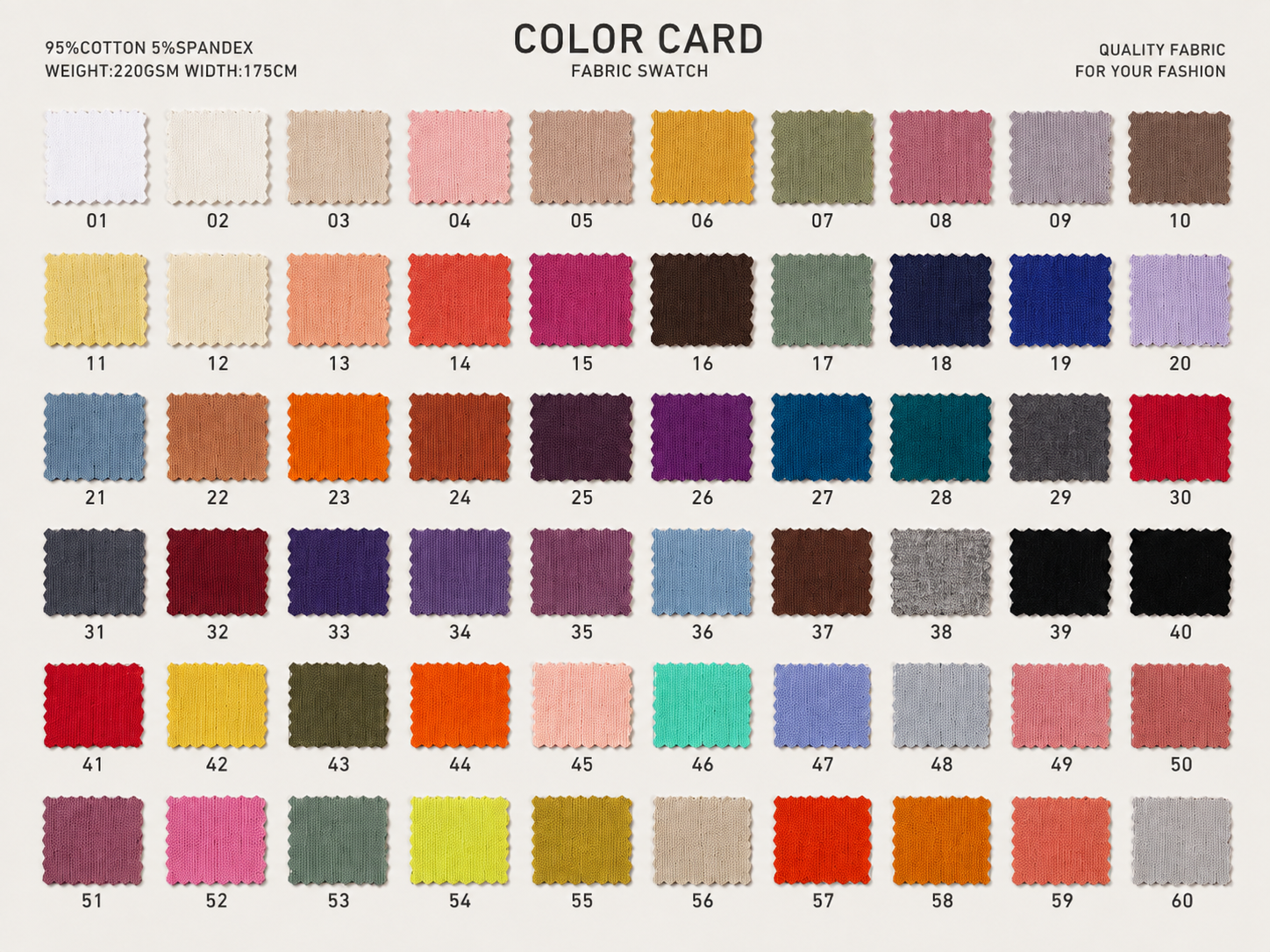
Color Development
Color can be reviewed through supplier color cards, swatches or project-specific color development where feasible. Custom color MOQ may apply. Final production color should be approved against a physical reference rather than screen appearance alone.
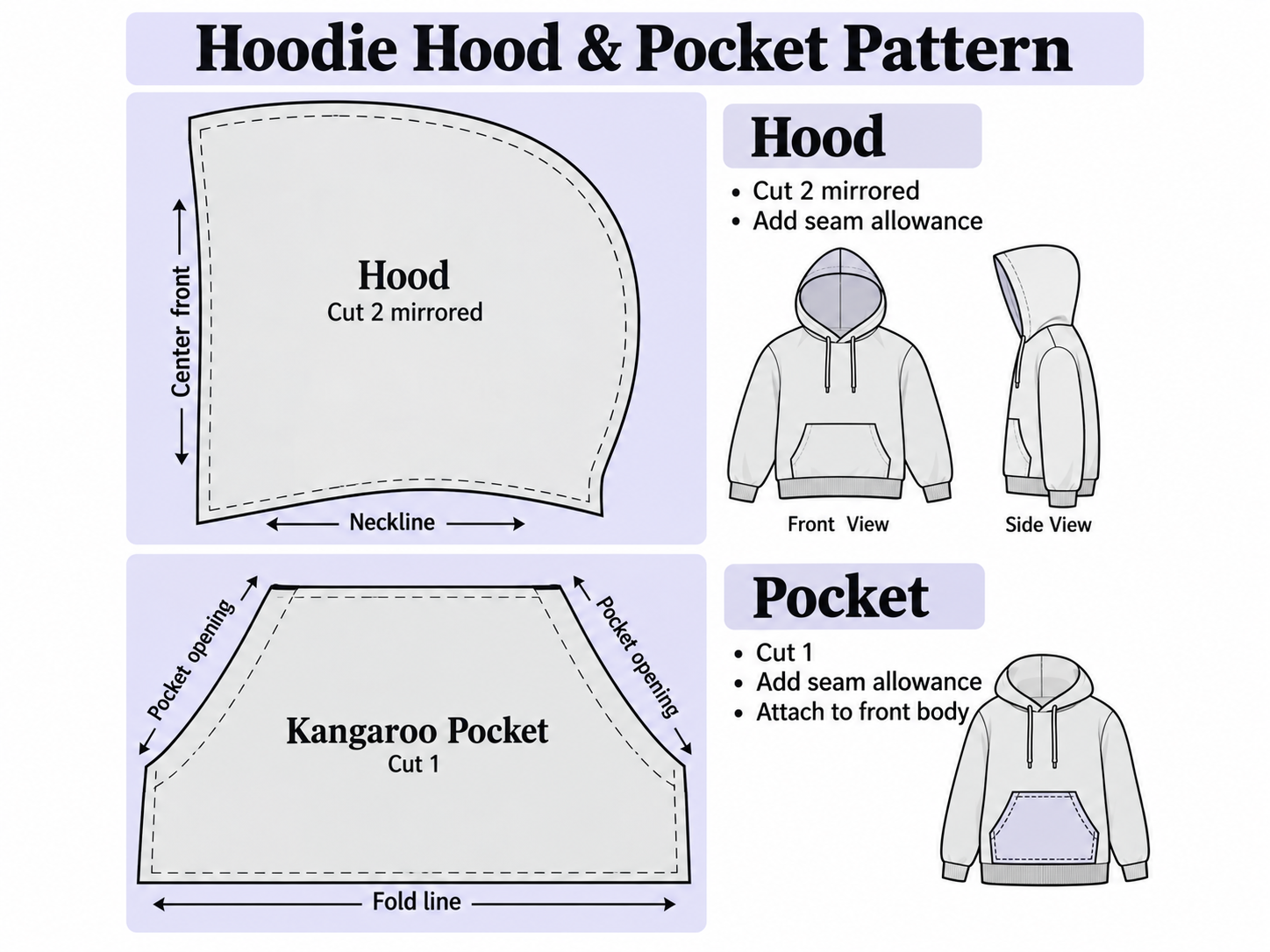
Hood and Pockets
Hood dimensions, hood layers, neckline connection and pocket position strongly influence the finished look. Kangaroo pockets and zipper-pocket structures can be evaluated according to the style. Measurements and construction should be included in the technical specification.
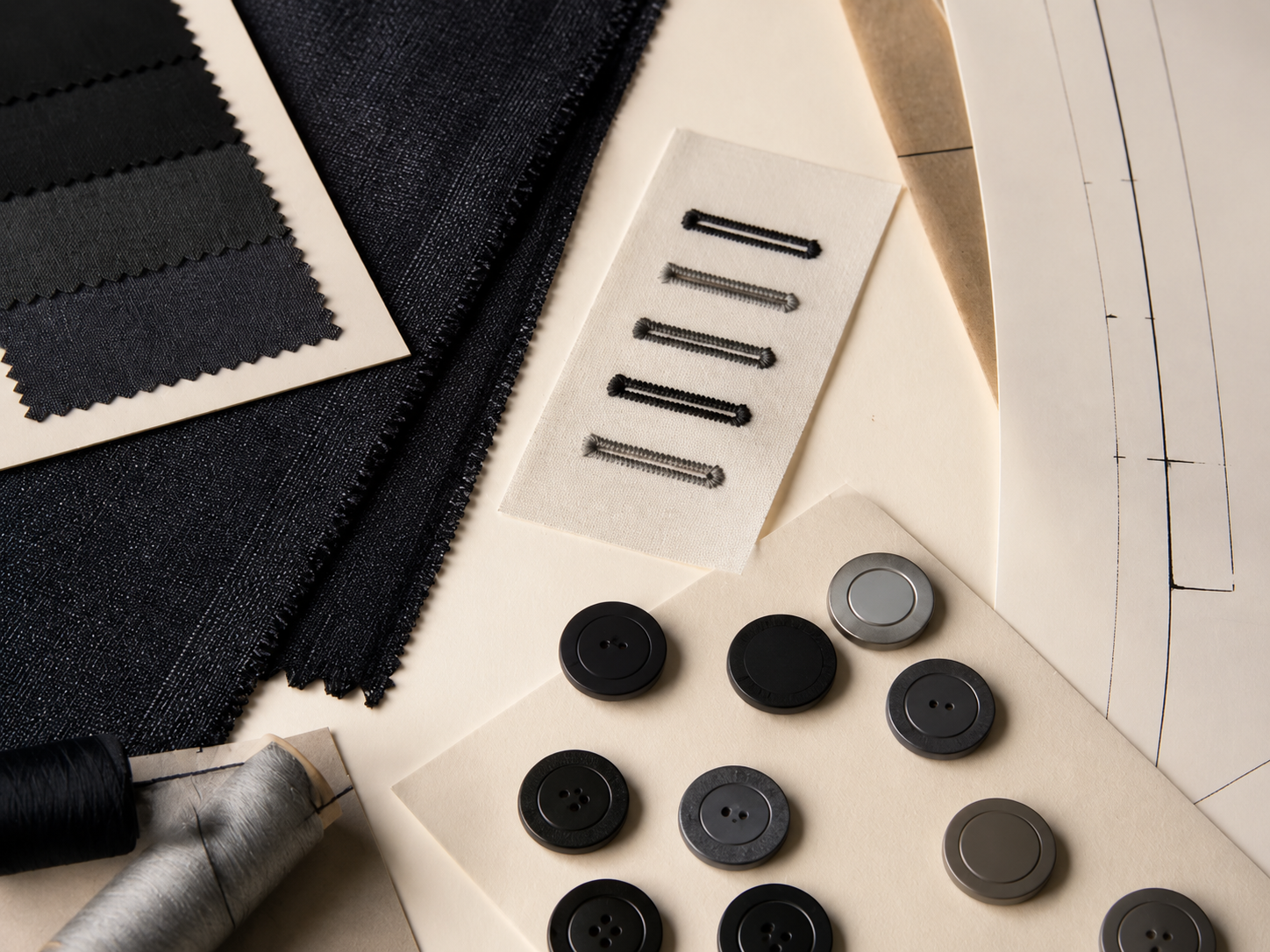
Ribs and Trims
Rib cuffs, rib hems, zippers, drawcords and related trims must match fabric weight, color and construction. Trim supplier MOQ, development time and material compatibility may affect the final order structure and production schedule.
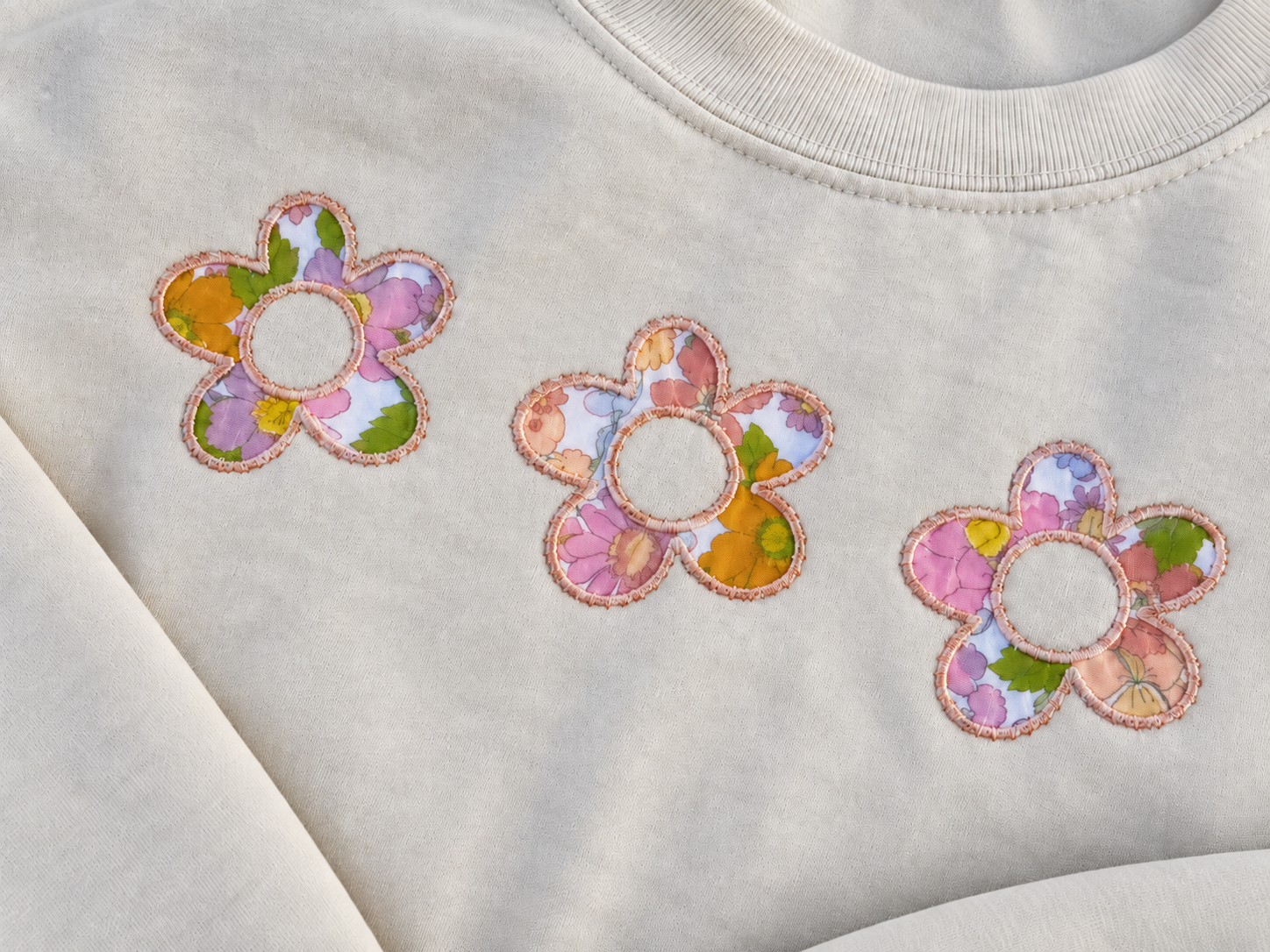
Logo and Graphics
Heat-transfer and heat-press capabilities are confirmed manufacturing resources at Leadshow. Other branding techniques can be reviewed according to artwork, fabric and project conditions. Logo size, position, color and application method require approval before bulk execution.
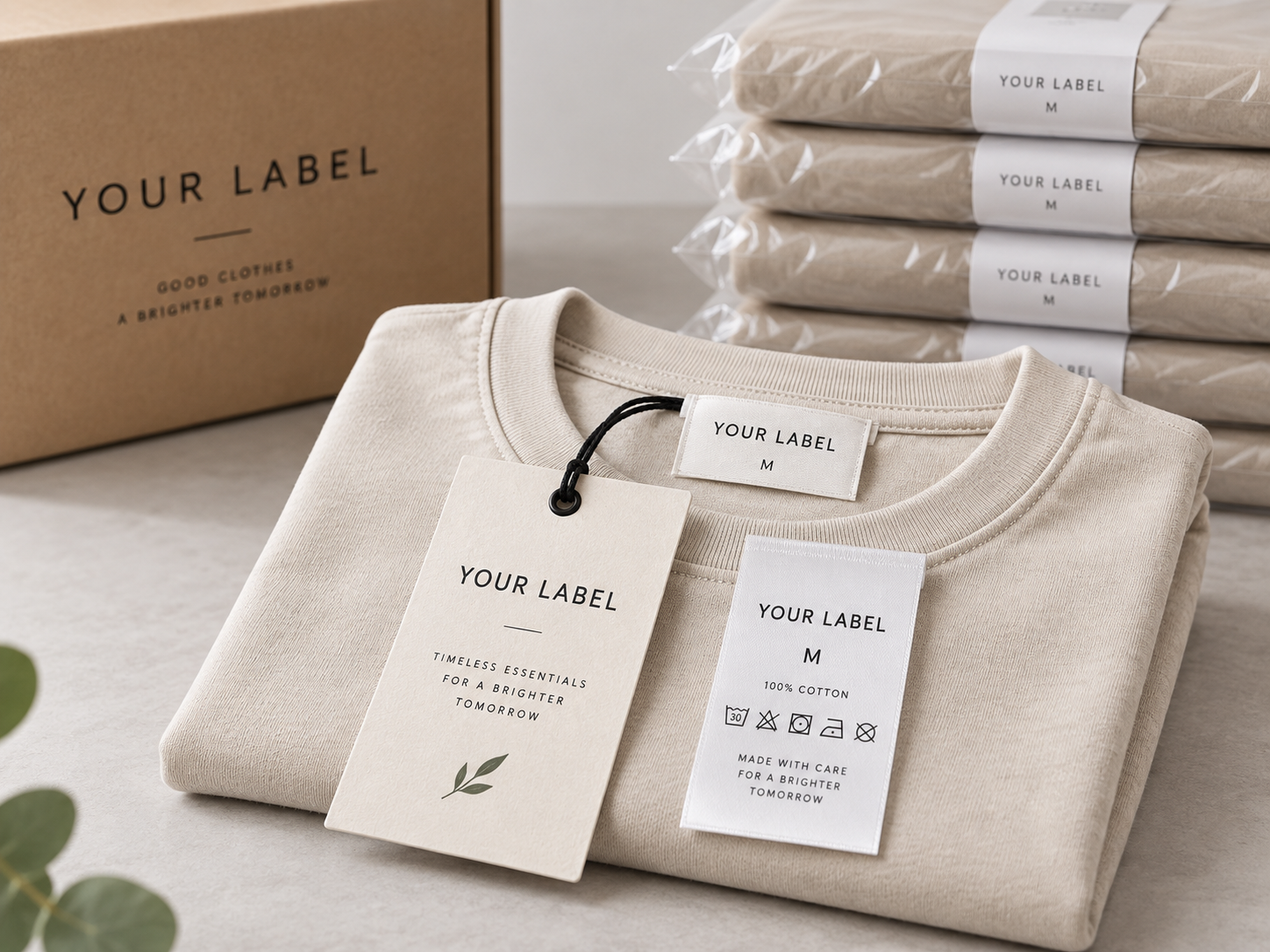
Labels and Packaging
Main labels, care labels, size labels, hangtags, SKU identification and packaging can be coordinated according to brand files and destination requirements. Packing elements may have independent MOQ or material conditions, especially for highly customized packaging.
Select Hoodie Fabric and GSM by Product Goal
GSM is only one part of hoodie material selection. Composition, knit construction, density, surface, shrinkage, hand feel and drape influence fit, branding and production. Leadshow reviews materials through specifications, physical swatches and sample garments where applicable.
Material Decision
What to Review
Effect on Hoodie
Production Impact
Fiber Content
Cotton, polyester or blend direction based on actual sourcing
Hand feel, care, weight, surface
Supplier availability and MOQ
Knit Construction
Actual knit structure and face/back appearance
Drape, thickness, stretch, structure
Sewing and trim compatibility
GSM
Target weight rather than “highest possible GSM”
Light, medium or heavier feel
Material usage and cost
Surface
Smooth, brushed, textured or other approved finish
Visual and tactile character
Branding compatibility
Shrinkage
Material behavior before pattern and bulk release
Final measurements and shape
Pattern allowance and QC
Drape
How material falls on the body
Regular vs relaxed vs oversized silhouette
Pattern and sample adjustment
Rib Match
Rib weight, stretch, recovery and color
Cuff and hem shape
Separate trim MOQ may apply
Logo Compatibility
Temperature, surface and application method
Logo appearance and durability
Process sample may be required
Color
Stock, standard or project-specific color
Brand identity and shade consistency
Custom-color MOQ may apply
Approval Method
Swatch, color sample, trim sample and garment sample
Clear production reference
Final material purchase after approval
Develop Hoodie Fit Before Scaling Into Bulk Production
A strong hoodie silhouette comes from controlled proportions, not from enlarging or reducing a generic pattern. Leadshow can review garment measurements, fit direction, fabric behavior and reference garments before pattern development and sample approval.
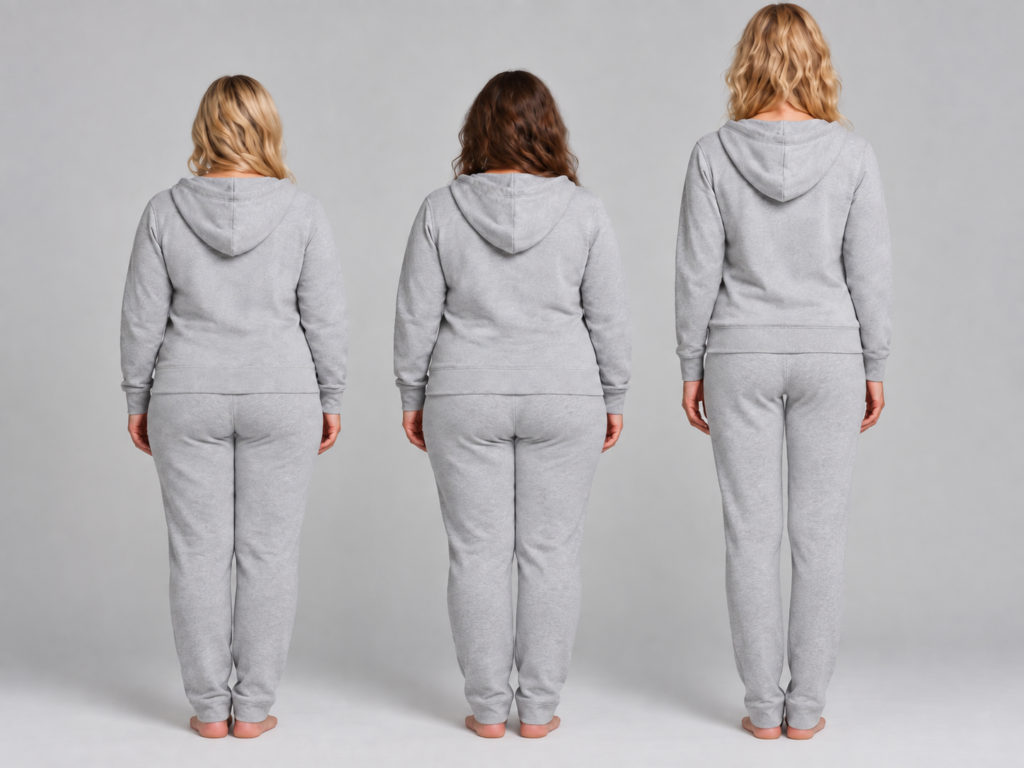
Shape the Shoulder, Body and Sleeve as One System
Hoodie fit starts with a clear visual and measurement direction. A regular shoulder, drop shoulder and oversized silhouette create very different relationships between shoulder point, chest width, armhole, sleeve width and body length. Increasing chest width without adjusting sleeve volume can produce a wide body with narrow arms. Extending the shoulder too far without balancing sleeve length can distort the intended proportion. Leadshow can use a measurement chart, physical sample, reference images or a developed pattern as the starting point. Final fit should be established through sample review and written comments rather than relying on a standard size label alone.
Shoulder position: The shoulder line affects the entire upper-body silhouette. Drop-shoulder styles need an agreed extension from the natural shoulder point rather than a vague request for “oversized.”
Chest and body width: Chest measurement sets the primary body volume, but side shape and hem width also affect how the garment hangs. Fabric density and drape should be considered before finalizing pattern width.
Sleeve width and length: Sleeve volume should match the body and shoulder direction. Heavier fabrics may need different sleeve balance from lighter fabrics because material stiffness changes the visual profile.
Body length: Longer or shorter body proportions influence the overall streetwear look and should be evaluated together with rib height and intended styling.
Balance Hood Size, Neck Opening and Front Construction
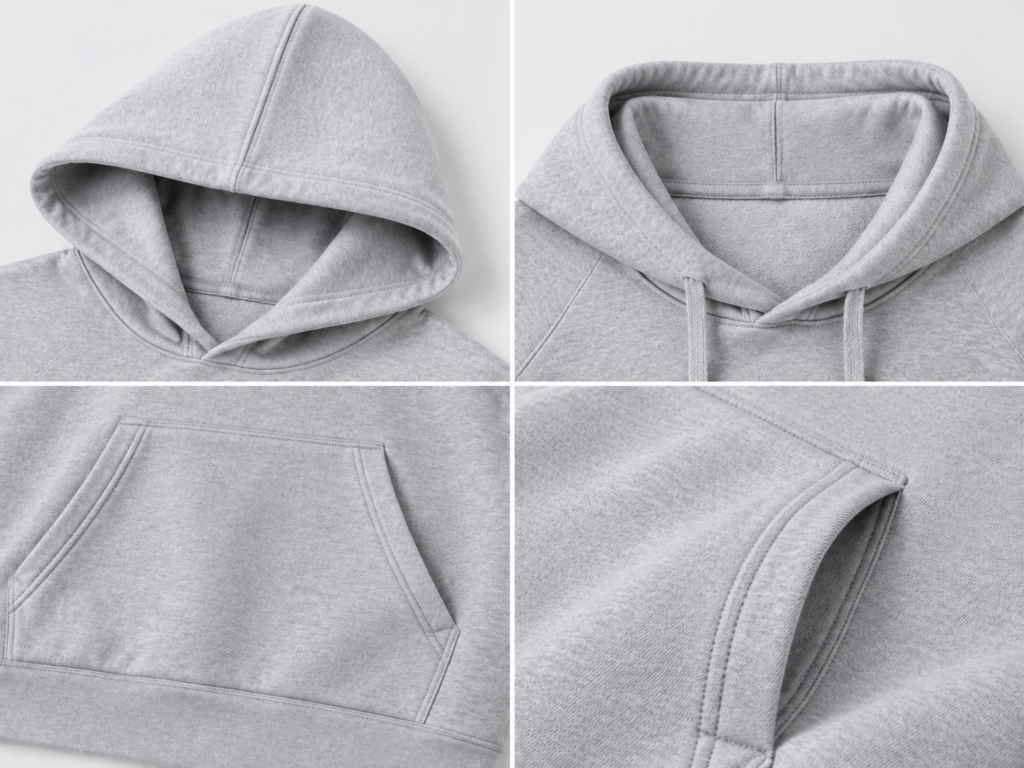
The hood is a major visual component of a hoodie, yet it is often underspecified in early sourcing requests. Hood depth, hood height, opening shape and the connection between hood and neckline affect both appearance and wearability. A hood that is too small can look visually weak on an oversized body, while an oversized hood can pull on the neckline or distort the upper front. Sample approval should cover hood balance from front, side and back views instead of relying only on flat measurements. Physical fitting and measurement comments provide a stronger basis for bulk release.
Single or double layer: Leadshow can evaluate both single-layer and double-layer hood directions. Fabric thickness and total hood weight influence how the hood sits when worn down.
Neck connection: The hood-to-neck seam must work with neckline circumference, seam construction and front opening. Pullover, half-zip and full-zip hoodies therefore need different construction review.
Drawcord direction: Drawcord presence, diameter, length, color and opening treatment should be specified where used. Hardware or custom trim requirements may create separate sourcing conditions.
Front zipper balance: For full-zip or half-zip hoodies, zipper tape and fabric behavior need to be compatible. Zipper waviness can result from material stretch, feeding tension, zipper characteristics or construction.
Control Rib, Pocket and Finished Garment Proportions
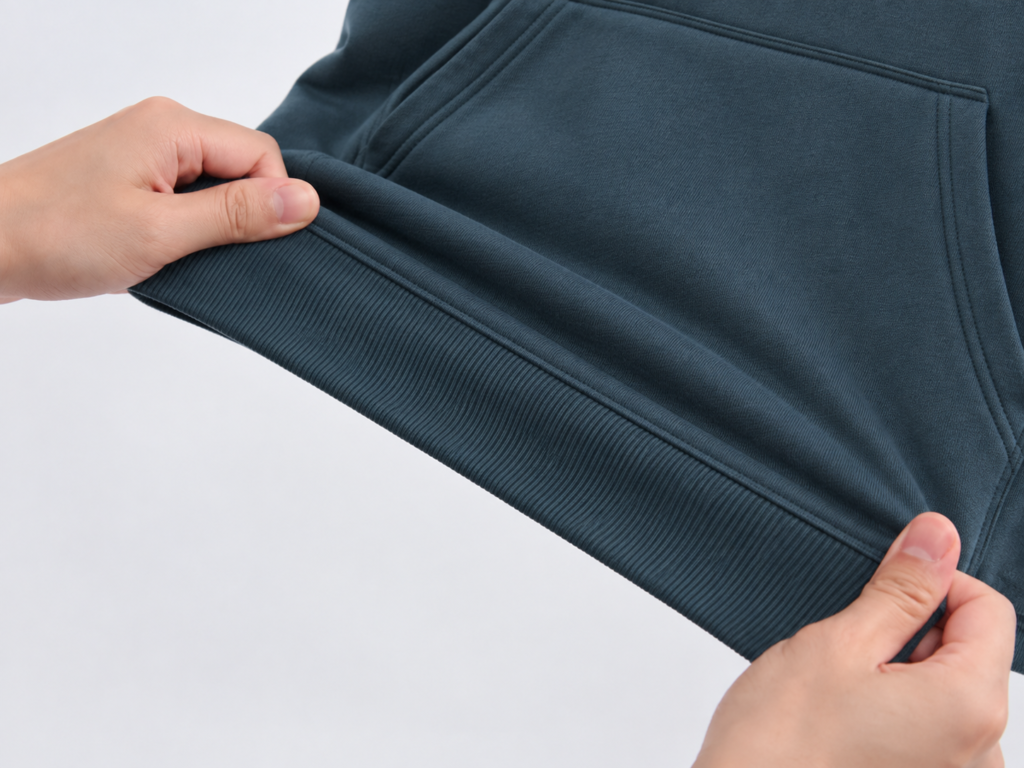
Rib cuffs and hems may appear secondary, yet they have a large influence on final shape. Rib with insufficient recovery can stretch out after wear; overly strong recovery can pull the garment inward and change the intended silhouette. Main fabric and rib material should therefore be evaluated together. The approved hoodie should become a measurable production reference covering pattern, material, trim, workmanship and branding. Size grading can then be evaluated from the approved base size and target market requirements.
Rib recovery: Width, stretch and recovery should support the target cuff and hem shape. Rib color should also be checked against the main fabric when different materials are used.
Pocket openings: High-stress openings may require reinforcement depending on construction. Pocket shape also affects front-body drape.
Start With the Product Information You Already Have
You can start with a complete Tech Pack, a reference garment, sketches or product images. We review what is available, identify missing details and then move into pattern, material and sample development.

Full Tech Pack
A mature program may begin with a Tech Pack containing garment drawings, measurement points, size chart, construction notes, BOM, artwork and packaging instructions. Leadshow reviews the information against manufacturing feasibility before sampling.
- Measurement and construction review
- Material and trim clarification
- Artwork and label file check
- Sample scope definition
- MOQ and quotation preparation
Final commercial conditions depend on actual materials, order quantity, branding and production requirements rather than the presence of a Tech Pack alone.
Reference Garment
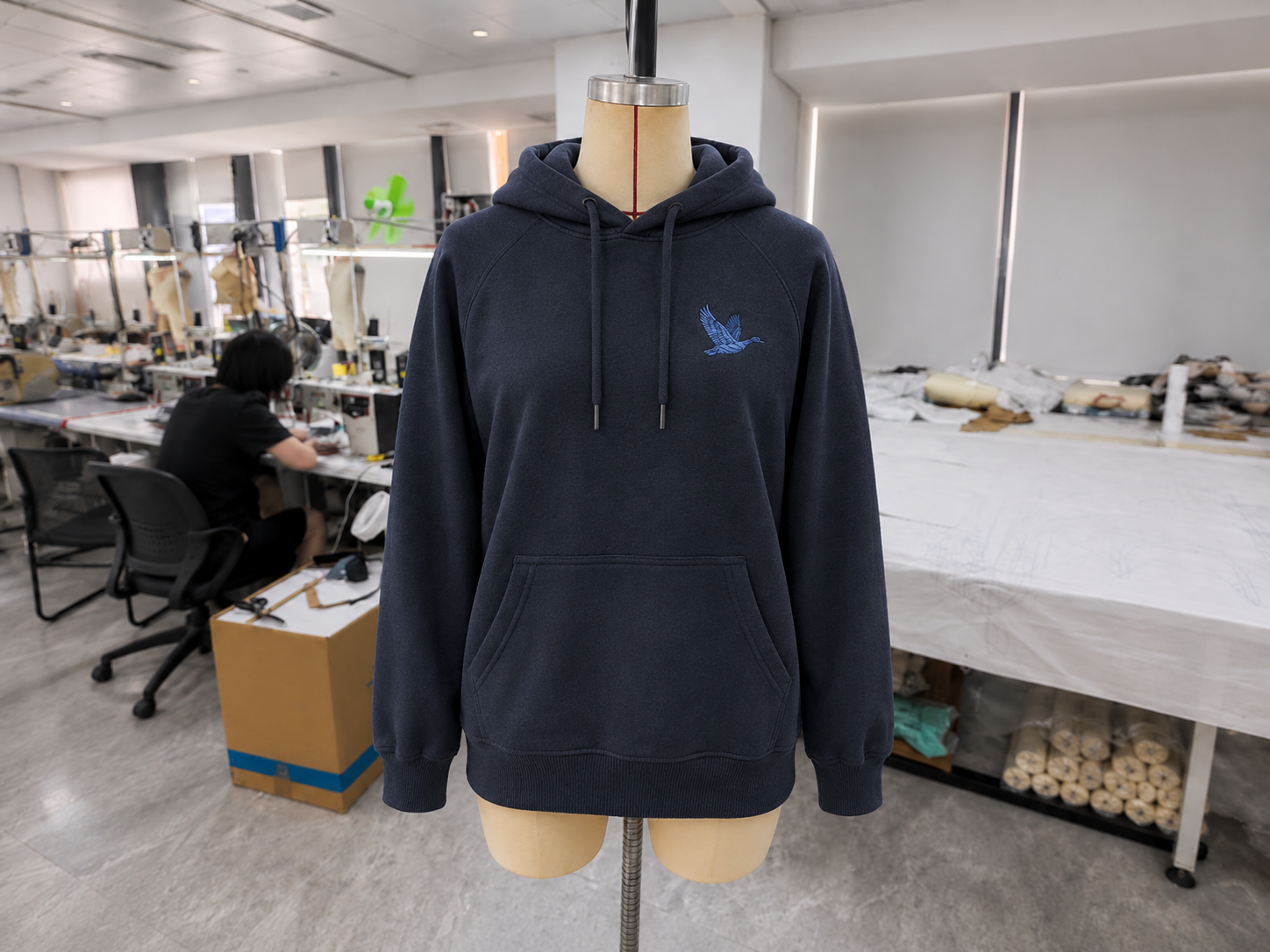
A physical hoodie can provide useful information about fit, fabric hand, hood size, pocket proportions, rib, zipper and workmanship. Leadshow can evaluate the garment alongside requested changes instead of assuming every feature should be copied unchanged.
- Garment measurement review
- Construction examination
- Material direction comparison
- Improvement points
- New sample development
Rights to any third-party design, artwork or technical property must remain clear before development begins.
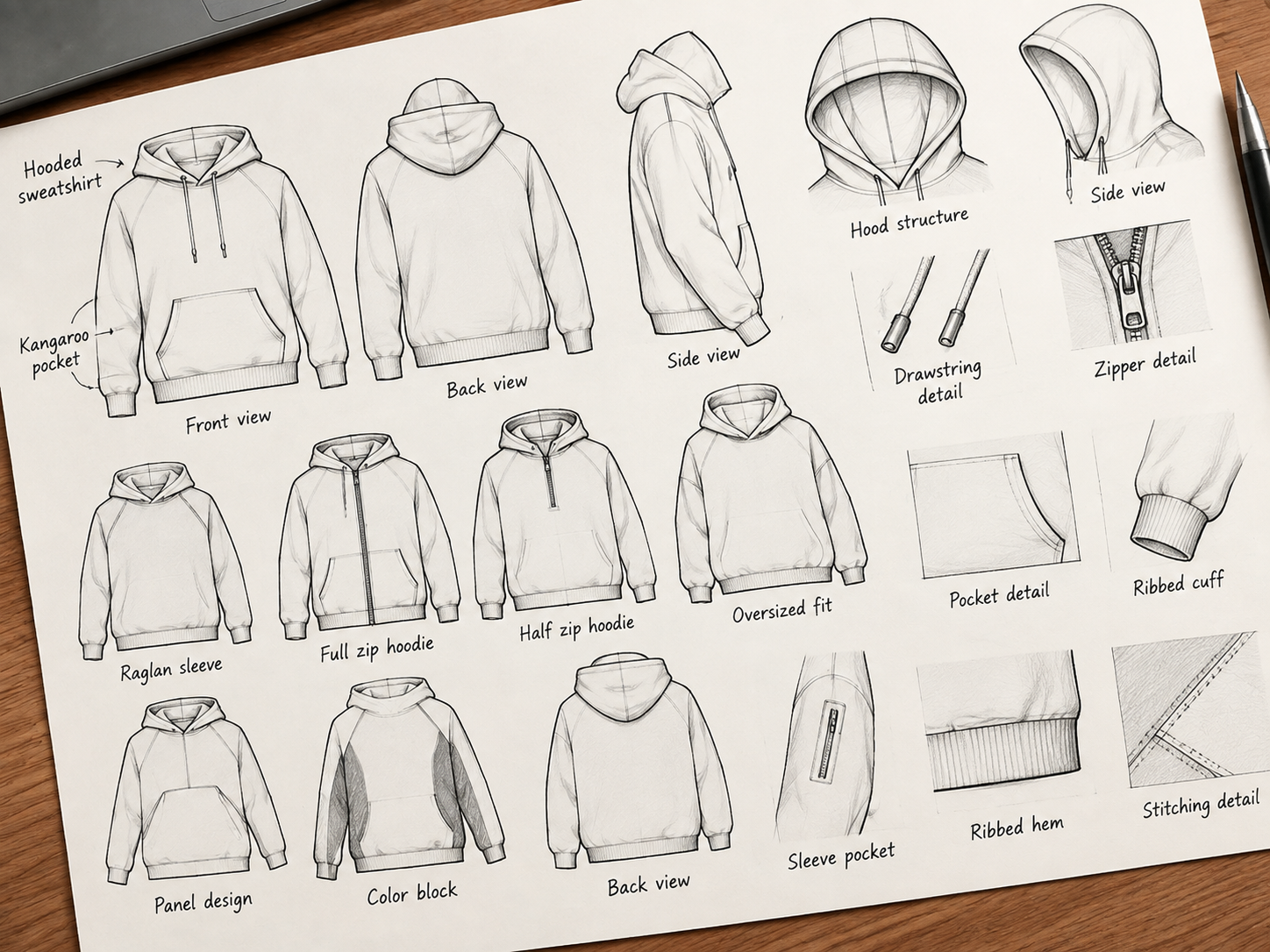
Sketch or Product Concept
Early-stage projects may begin with sketches, reference images, target fit, intended retail positioning or a basic product concept. Manufacturing-focused ODM support can help convert the direction into measurable specifications and a sample plan.
- Fit and silhouette direction
- Construction clarification
- Material and trim options
- Branding location review
- Sampling pathway
Original design, exclusivity, revision scope and technical-file ownership are confirmed separately where relevant rather than assumed automatically.
Use Sampling to Lock the Hoodie Before Bulk
Sample development can cover several approval stages depending on product complexity and project requirements. Not every hoodie needs every sample type, but each sample should answer a clear question before commercial production moves forward.
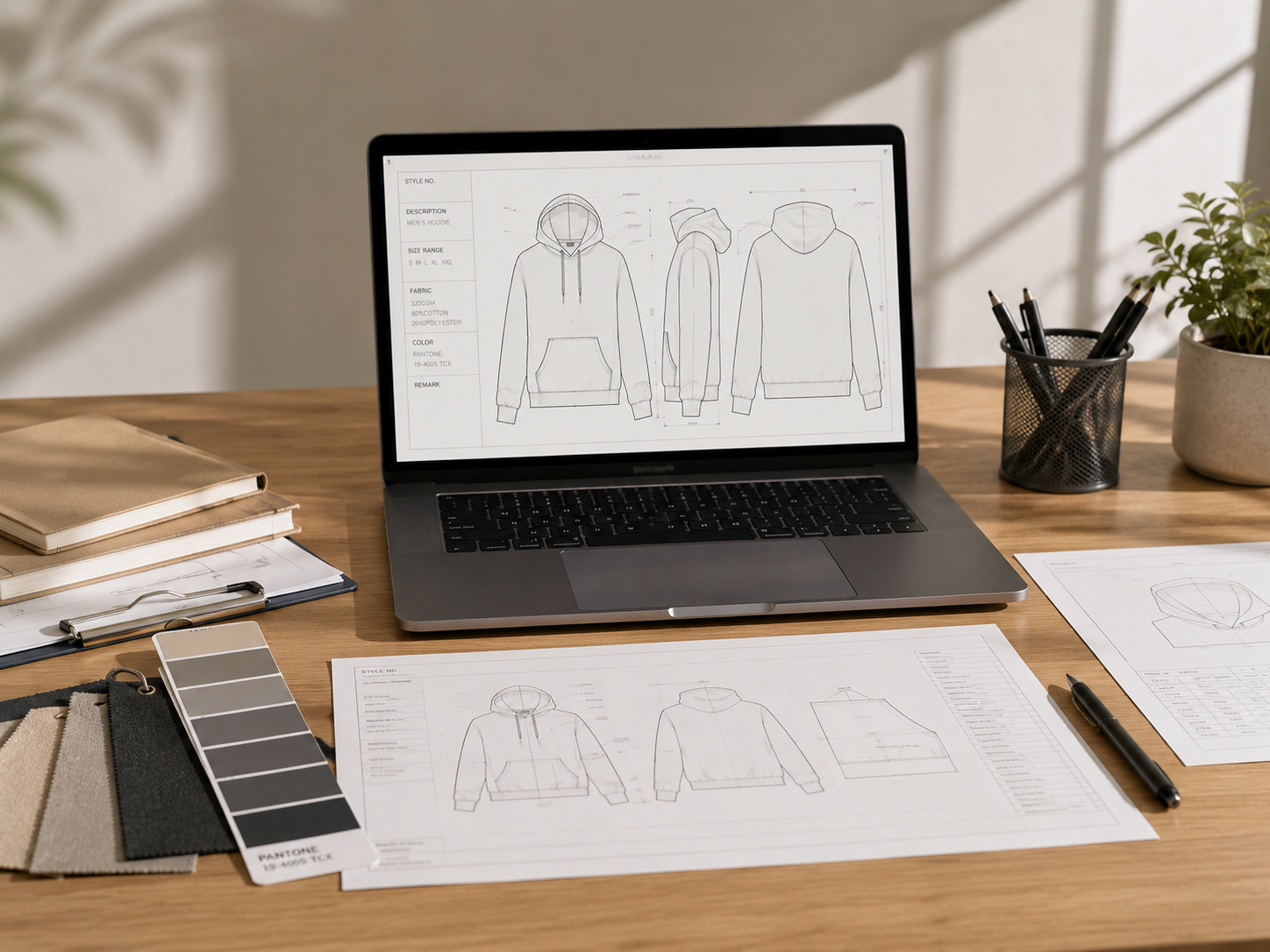
Development Sample
The first developed garment checks whether the design can be translated into a workable pattern and construction. Fit direction, hood structure, pocket position, basic materials and major workmanship can be reviewed before detailed refinement.
- Construction feasibility
- Initial pattern
- General silhouette
- Major design features
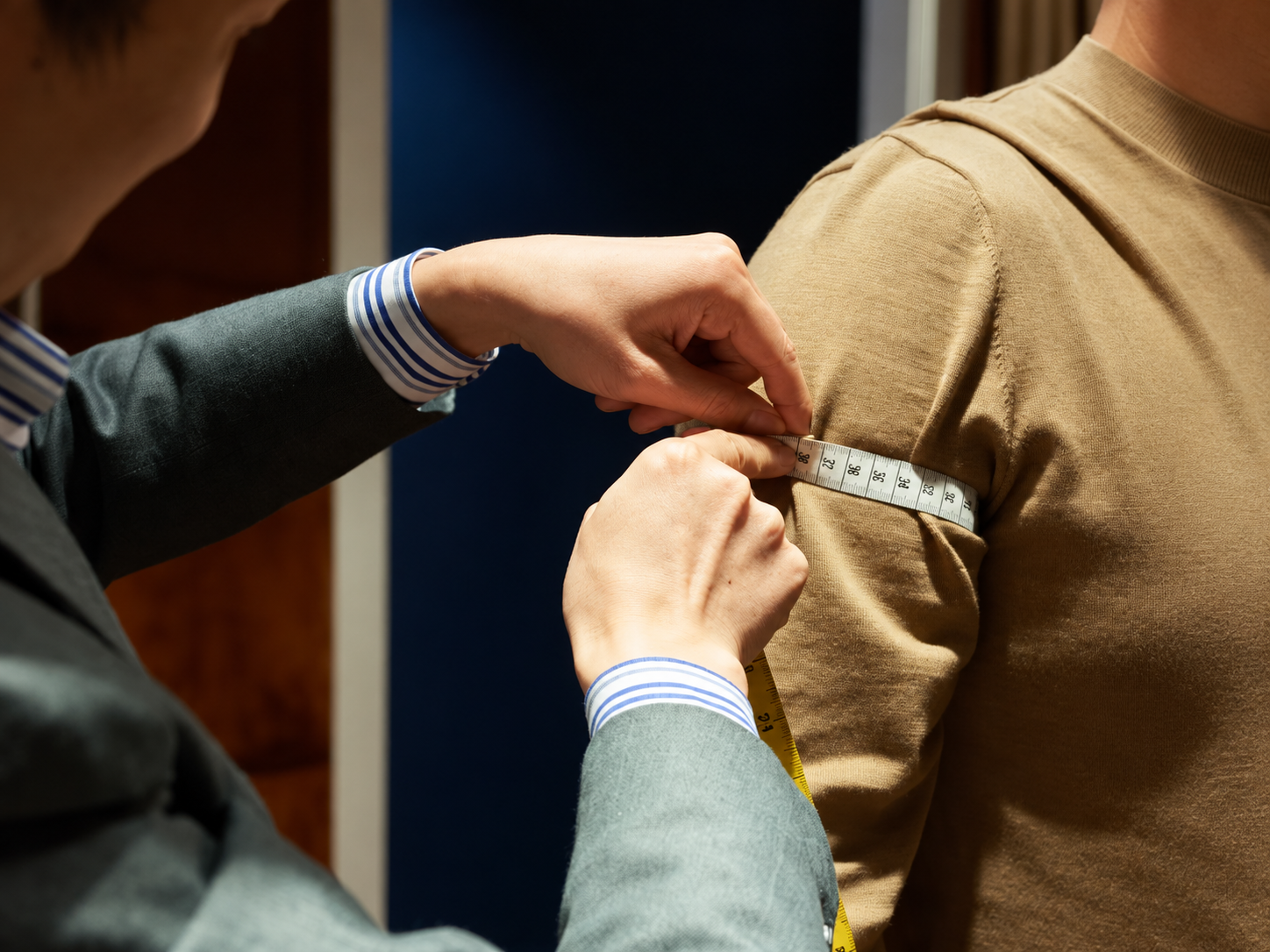
Fit Sample
Fit samples focus on garment measurements, ease and visual proportion. Shoulder point, chest width, sleeve volume, body length and hood balance can be reviewed against fit comments and a measurement chart.
- Base-size fit
- Measurement review
- Proportion adjustment
- Fit comments
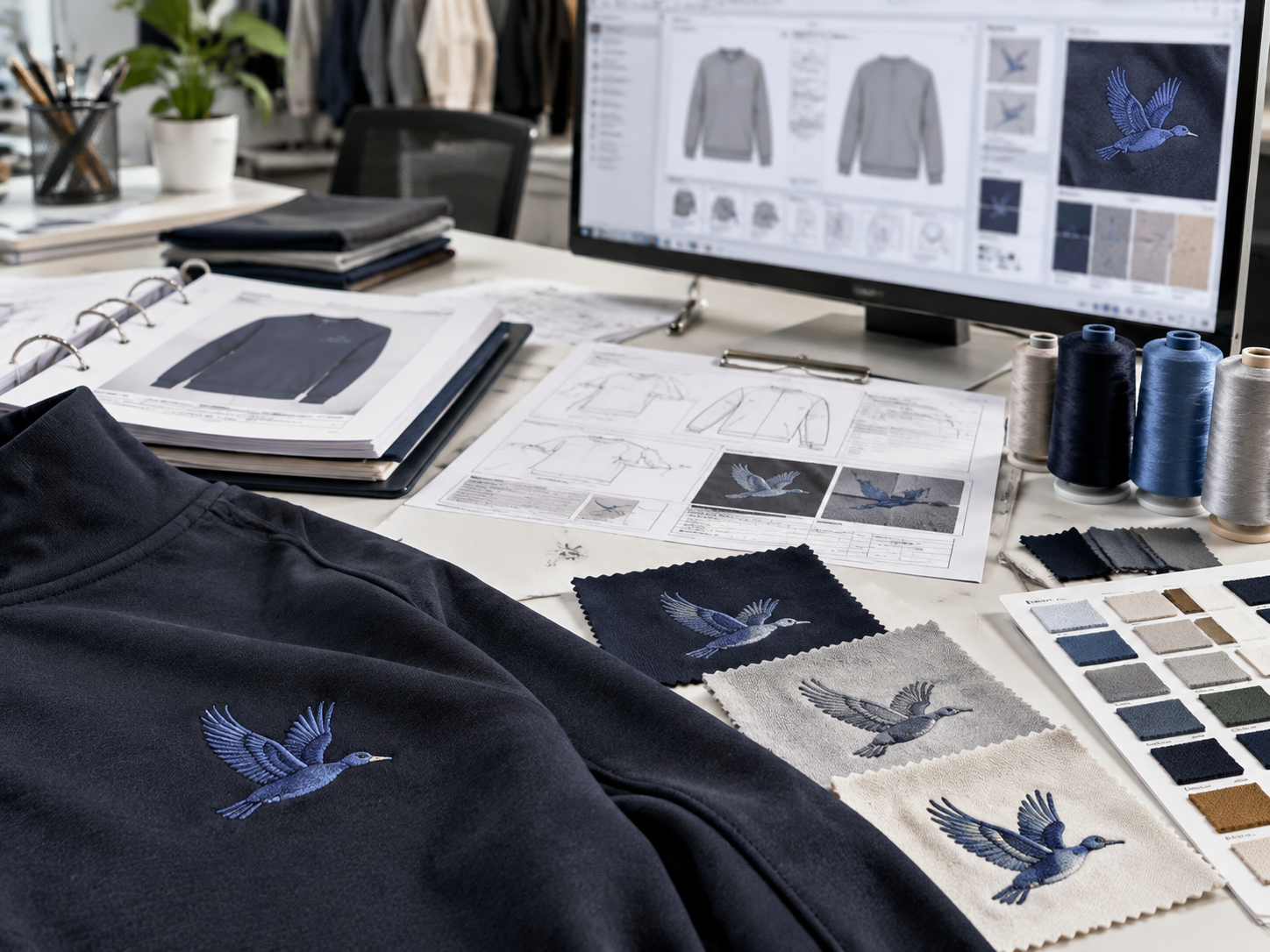
Logo Sample
A logo or artwork sample helps confirm application method, position, scale, color and interaction with the chosen fabric. Heat-transfer and heat-press processes can be evaluated where suitable.
- Artwork size
- Placement
- Color
- Fabric compatibility
Color Sample
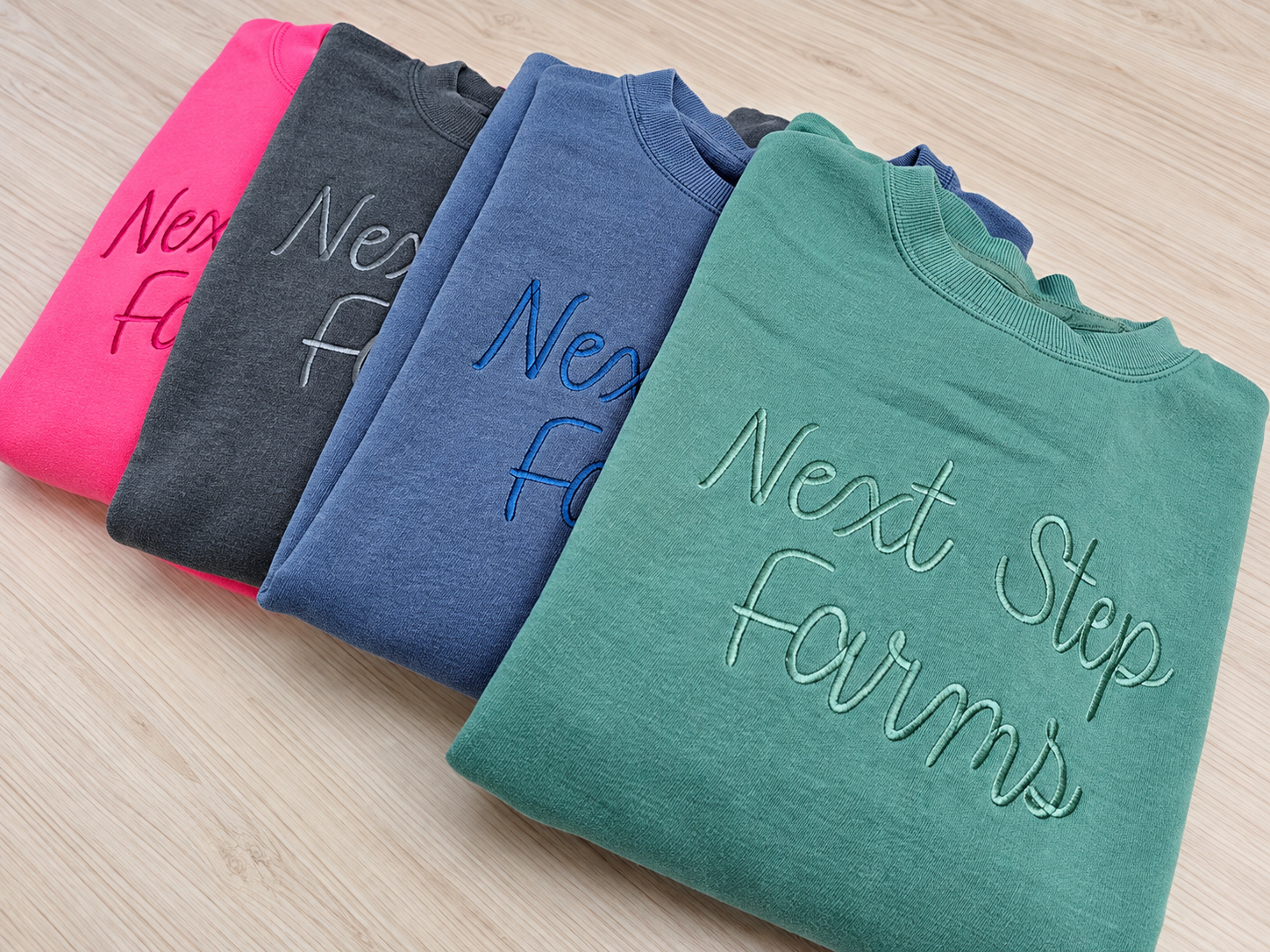
Physical color approval reduces the risk of relying on monitor appearance alone. Fabric color cards, swatches, trim samples or garment samples may be used depending on sourcing conditions.
- Main fabric shade
- Rib and trim match
- Branding color
- Approval reference
Size Set
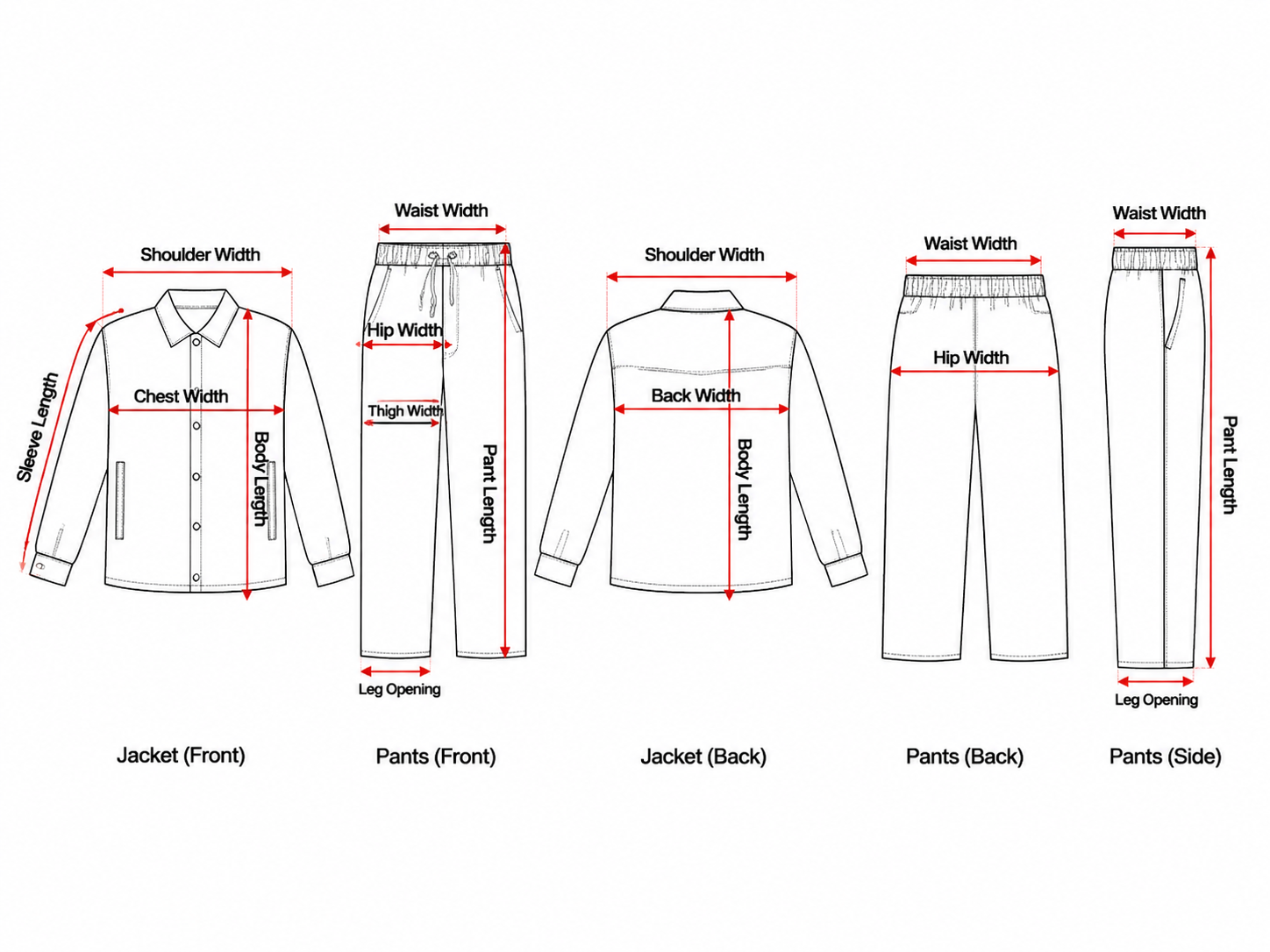
A size set may be used when grading and multi-size proportion need review before commercial production. Scope depends on product and program requirements; not every order automatically requires every size to be sampled.
- Grading review
- Key measurement points
- Proportion across sizes
- Size approval scope
Pre-Production Sample
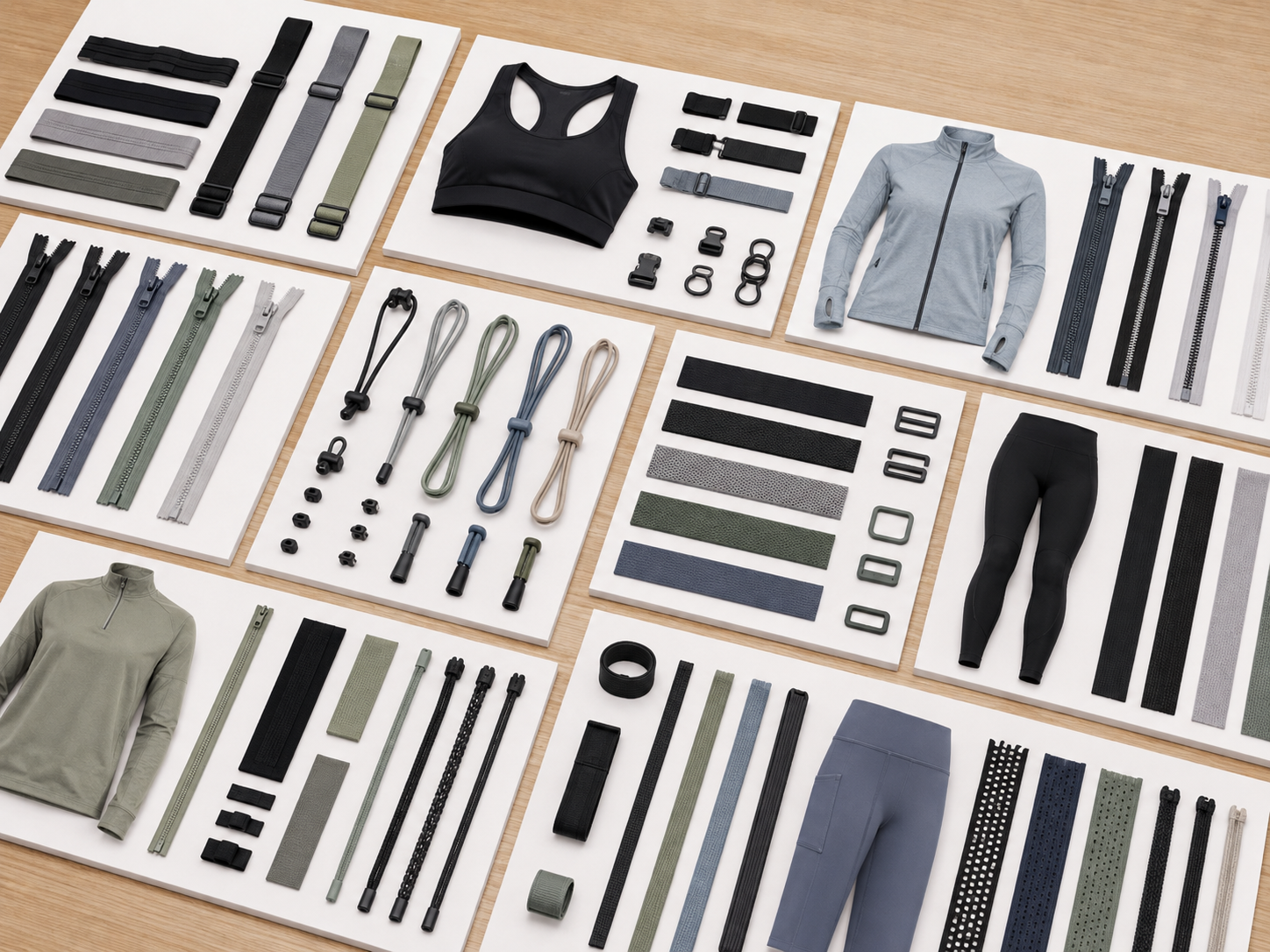
A PP sample may be used where required to bring approved fabric, trims, construction, branding and packing details into a final production reference. Release into bulk remains subject to the agreed project conditions.
- Final construction
- Approved materials
- Branding details
- Production reference
Sampling Time: Confirmed after reviewing product complexity, material readiness, customization, approval scope and revision requirements. No universal 3-day, 5-day or 7-day sample promise applies across all projects.
Move From Approved Hoodie Sample Into Controlled Bulk Production
Approved samples are useful only when the approved details become executable production requirements. Leadshow coordinates specifications, materials, workmanship and inspection points so bulk manufacturing follows an agreed product reference rather than verbal descriptions.
Freeze Final Specifications
Before bulk release, the working product documents should reflect the latest approved version. A measurement chart, construction notes, material references and brand files reduce uncertainty when production moves beyond the sample room.
- Final Tech Pack version
- Approved measurement chart
- Construction notes
- Artwork version
- Packing requirements
Any changes made after approval should be documented and re-evaluated because late changes can affect material, price, fit and production timing.
Confirm Materials and Trims
Approved material references establish what production should use. Main fabric, rib, zipper, drawcord, labels and packaging components need to match the agreed specification or an approved substitute.
- Main fabric specification
- Rib reference
- Zipper and trim details
- Color references
- Label and packing materials
Supplier availability and batch variation may require renewed confirmation rather than silent material substitution.
Prepare Production Inputs
Bulk preparation connects commercial order information with production requirements. Quantity, colors, size breakdown, SKU data, labels, packaging and production files should be aligned before manufacturing begins.
- Order quantity
- Color breakdown
- Size ratio
- SKU mapping
- Packing instructions
Production scheduling is confirmed after applicable order conditions, material readiness and current capacity are reviewed.
Check Early Production
Initial production checks provide an opportunity to compare early garments with the approved reference before a large quantity has been completed.
- Key dimensions
- Hood and shoulder shape
- Pocket placement
- Zipper appearance
- Logo position
Inspect During Production
In-process inspection focuses on workmanship and dimensions at relevant stages instead of depending only on final inspection.
- Seams and stitching
- Garment measurements
- Rib attachment
- Pocket symmetry
- Branding application
Inspection scope and sampling method depend on agreed quality requirements rather than a blanket claim that every garment receives identical inspection.
Verify Finished Packing
Finished-garment checks continue into labeling and packing because a correct hoodie with the wrong size label or SKU can still create a commercial problem.
- Garment appearance
- Key measurements
- Main and care labels
- SKU information
- Packing and cartons
Bulk consistency means production follows approved specifications within agreed tolerances, not that every unit is physically identical in every microscopic detail.
Hoodie Manufacturing Supported by Real Production Resources
Leadshow operates more than 300 production, specialized-process and finishing machines across its manufacturing system. Machine selection depends on hoodie construction, fabric, trims and approved workmanship rather than using every process on every style.
Fabric Preparation
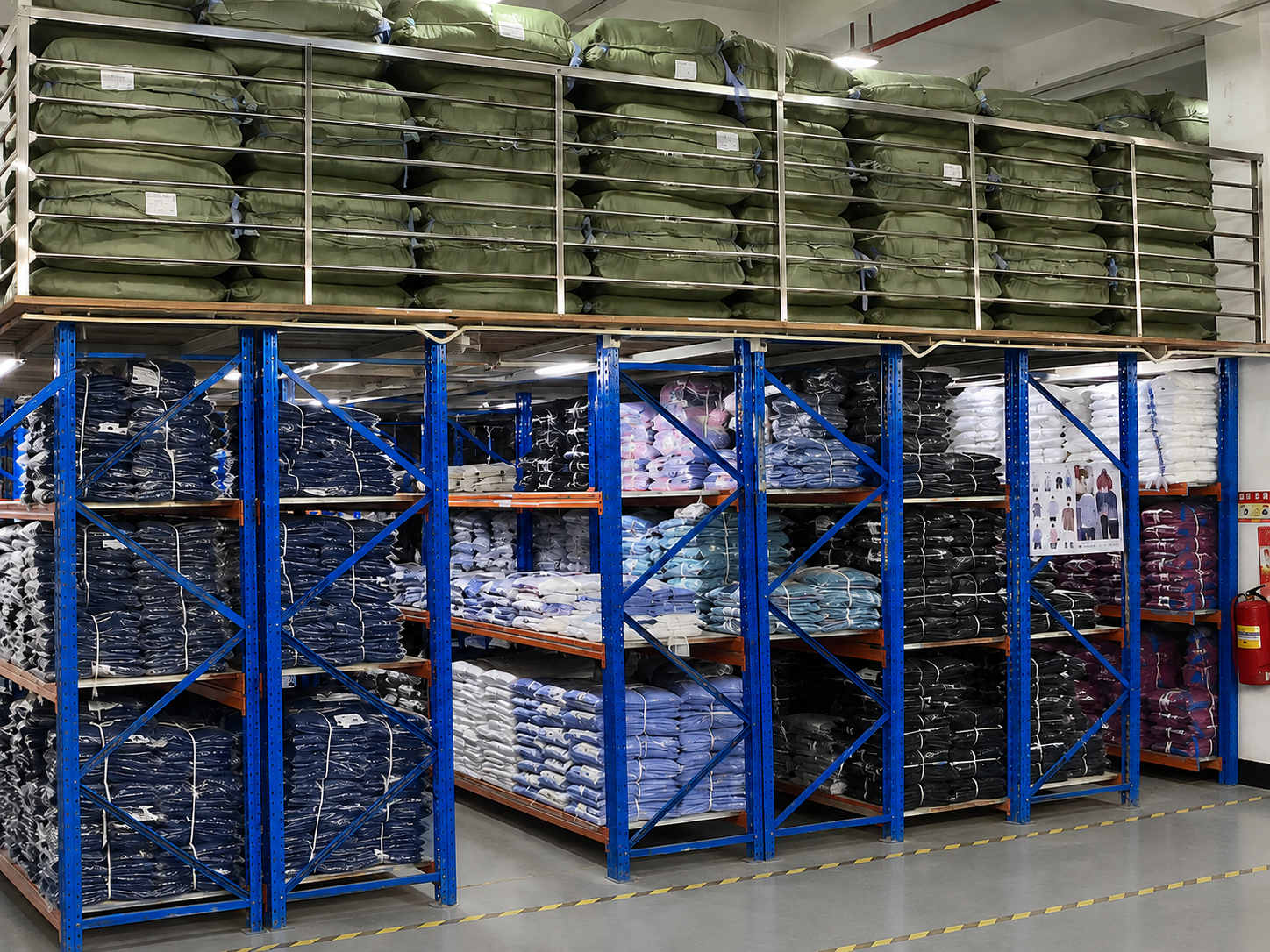
Fabric preparation may involve spreading, pre-treatment and production planning before cutting. Leadshow operates confirmed fabric-preparation resources including automatic spreading equipment and fabric pre-treatment equipment for suitable materials.
- 5 automatic spreading machines
- 3 fabric pre-treatment or setting units
- Material-specific preparation
- Batch and production planning
Automatic spreading does not mean every fabric is suitable for fully automated handling; stretch, thickness, surface and directional requirements can affect the selected method.
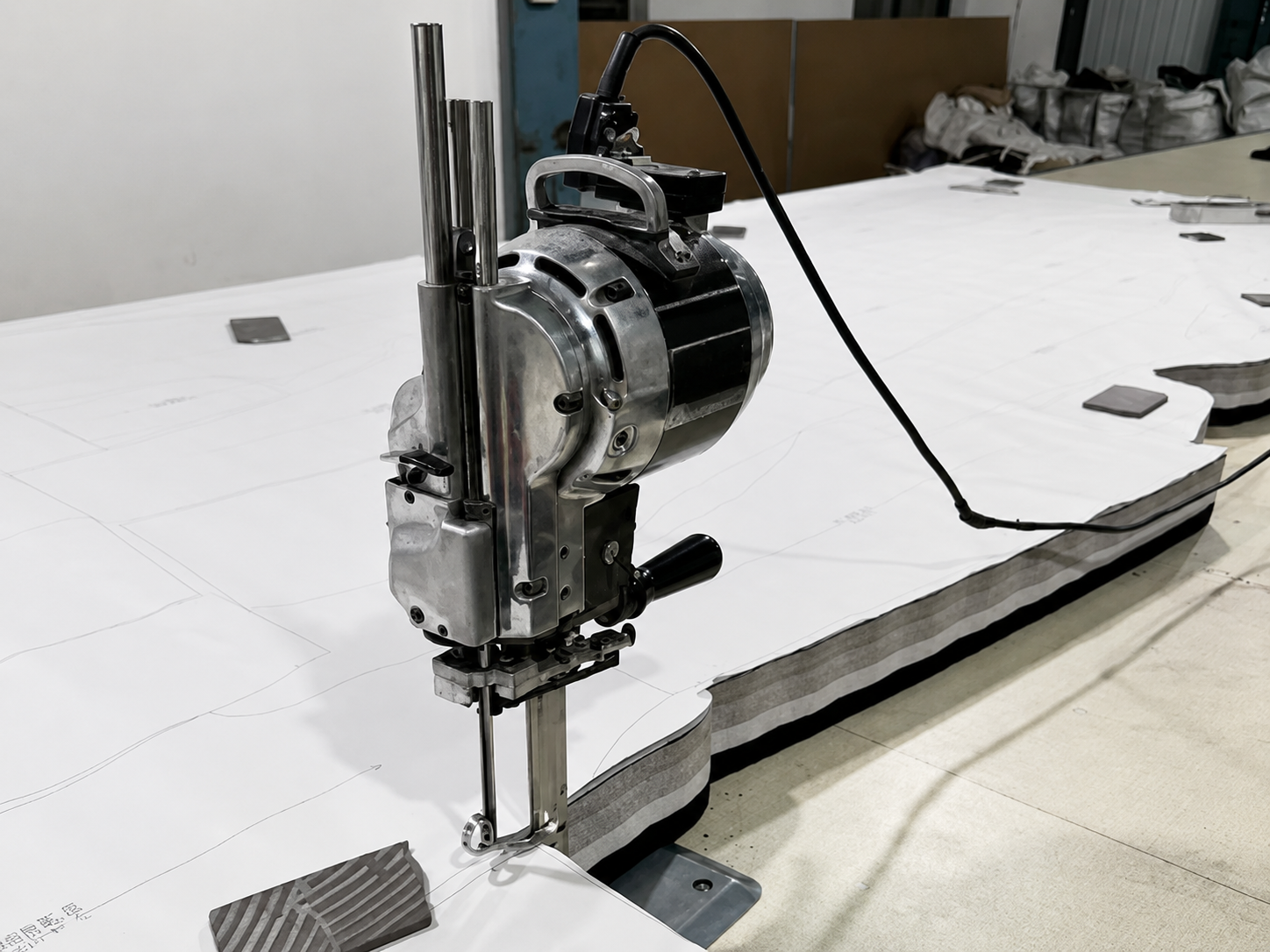
Cutting
Confirmed cutting equipment includes computerized cutting, straight-knife and rotary cutting resources. Different equipment types support bulk cutting, sample work and flexible production needs.
- 3 computerized cutting machines
- 8 straight-knife cutters
- 6 rotary cutting machines
- Multi-size cutting preparation
Cutting equipment supports repeatability, but no “zero cutting error” or fixed fabric-utilization percentage is claimed without product-specific evidence.
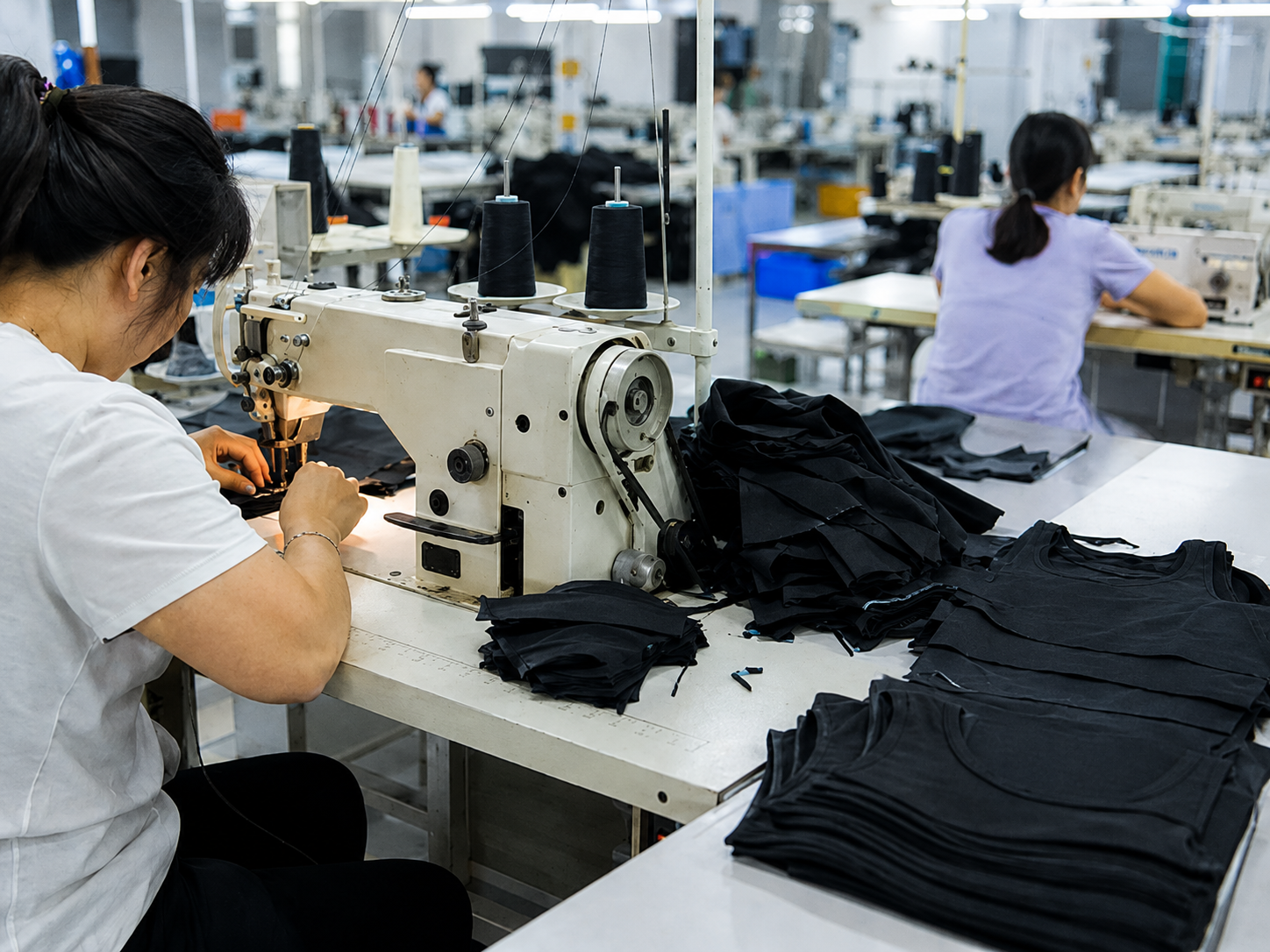
Hoodie Sewing
Hoodie construction may use lockstitch, overlock and double-needle sewing according to fabric and seam requirements. Leadshow’s confirmed sewing resources include multiple equipment types rather than one single sewing setup.
- 80 computerized direct-drive lockstitch machines
- 40 five-thread overlock machines
- 25 four-thread overlock machines
- 15 double-needle sewing machines
Actual machine combination is selected according to approved garment construction and material behavior.
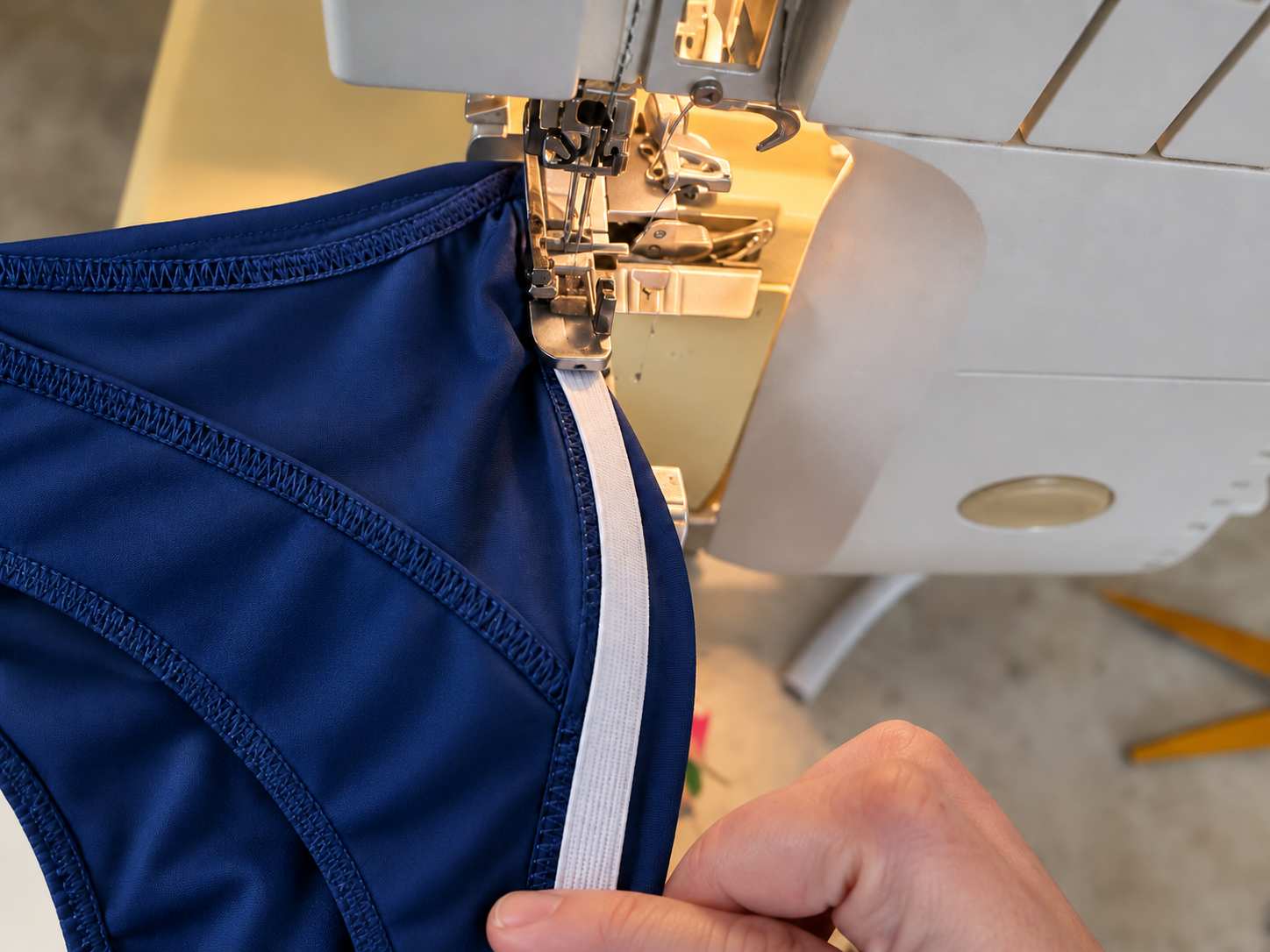
Reinforcement and Details
Pocket openings, zipper ends, drawcord openings and other high-stress details may require additional reinforcement or specific construction. Leadshow operates bartacking, buttonhole and snap-installation equipment where relevant.
- 6 bartacking machines
- 4 computerized buttonhole machines
- 4 snap-installation machines
- Structure-based reinforcement
Machine availability does not mean every hoodie needs each operation; requirements follow the approved style.
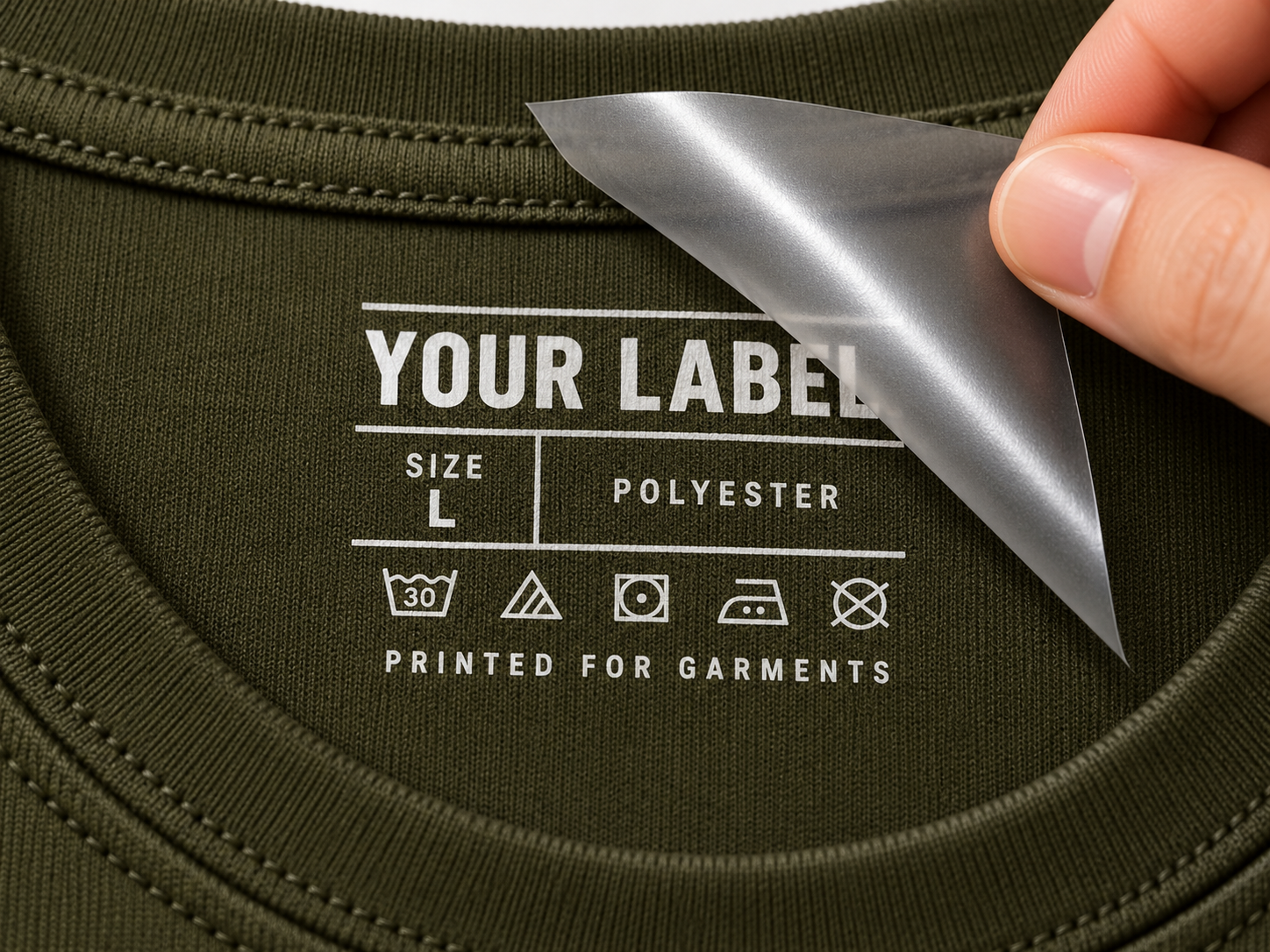
Branding and Special Processes
Confirmed manufacturing resources include heat-transfer labeling, heat pressing, heat bonding, seam taping and other specialized equipment. Hoodie branding commonly depends on artwork, fabric surface and wash requirements.
- 6 dual-station heat-transfer label machines
- 4 multi-station heat-press machines
- Selected bonded applications
- Project-based branding review
Embroidery, screen printing and other unconfirmed internal processes should be evaluated separately rather than described as guaranteed in-house capability.
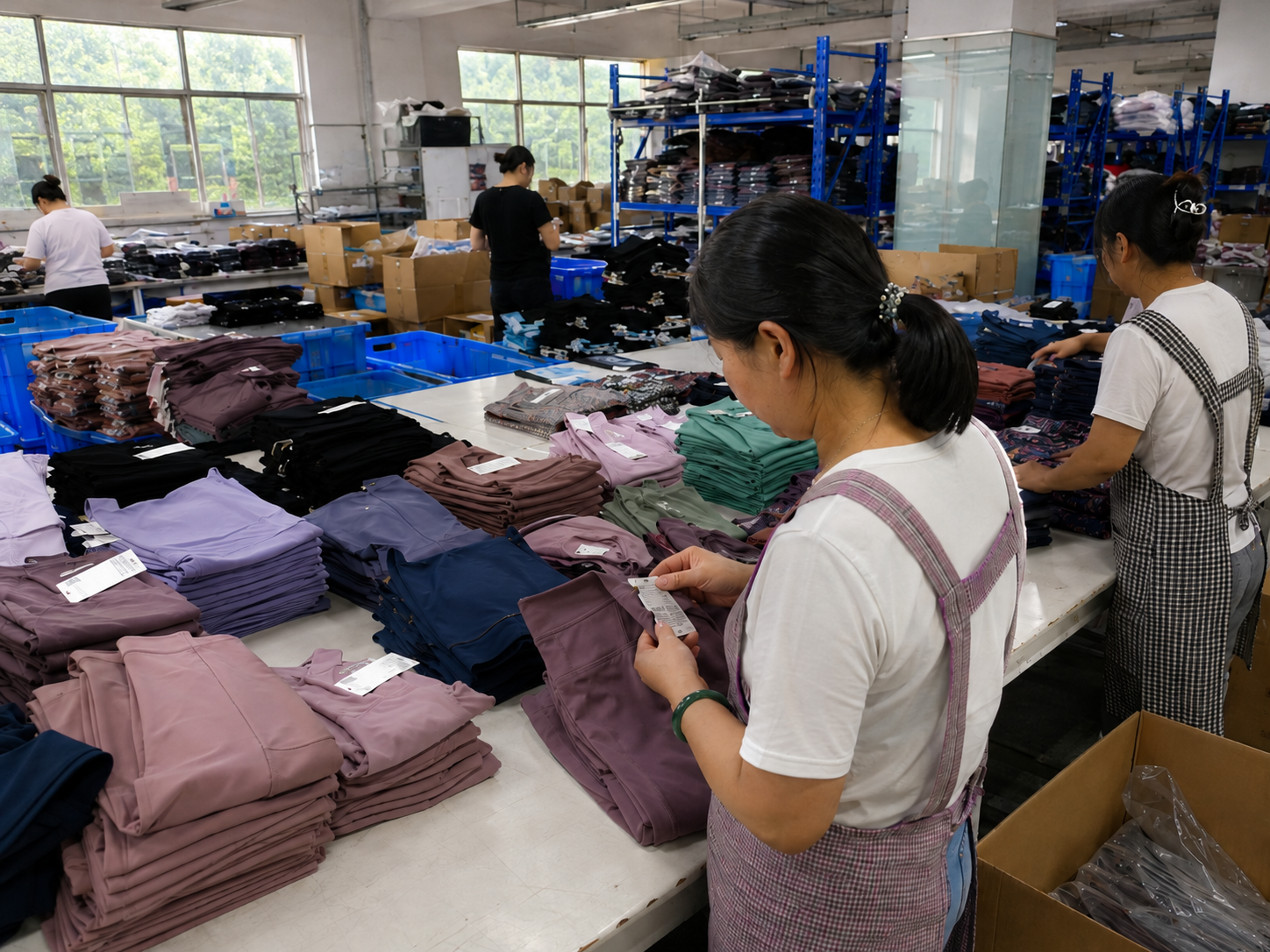
Finishing and Packing
Finished garments may require pressing, applicable needle detection, folding, labeling and packing before shipment preparation. Leadshow operates finishing and packing equipment supporting commercial orders.
- 20 steam-pressing workstations
- 6 automatic needle-detection machines
- 4 automatic folding and packing systems
- Packaging preparation
Automatic systems are applied where suitable; complex hoodie structures or special packing may still require manual handling.
Manufacturing Scale Built for Apparel Production Programs
Moving from hoodie development to repeatable production requires a reliable manufacturing foundation. Leadshow supports apparel programs with confirmed production resources, while project capacity, lead time and delivery planning are evaluated according to product complexity, material requirements and current production schedules.
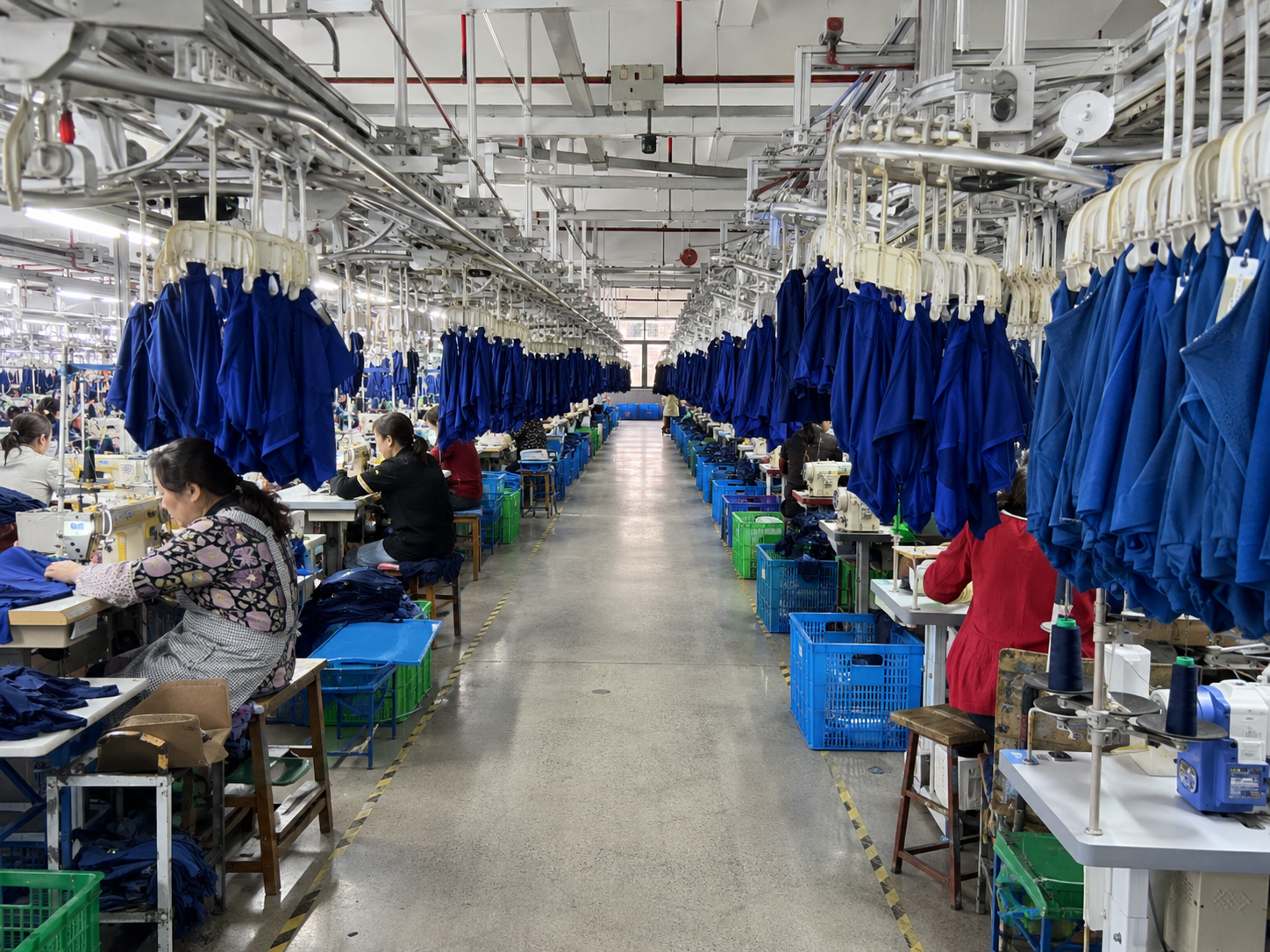
15 Years Experience
15 years of apparel industry experience across product development and manufacturing.
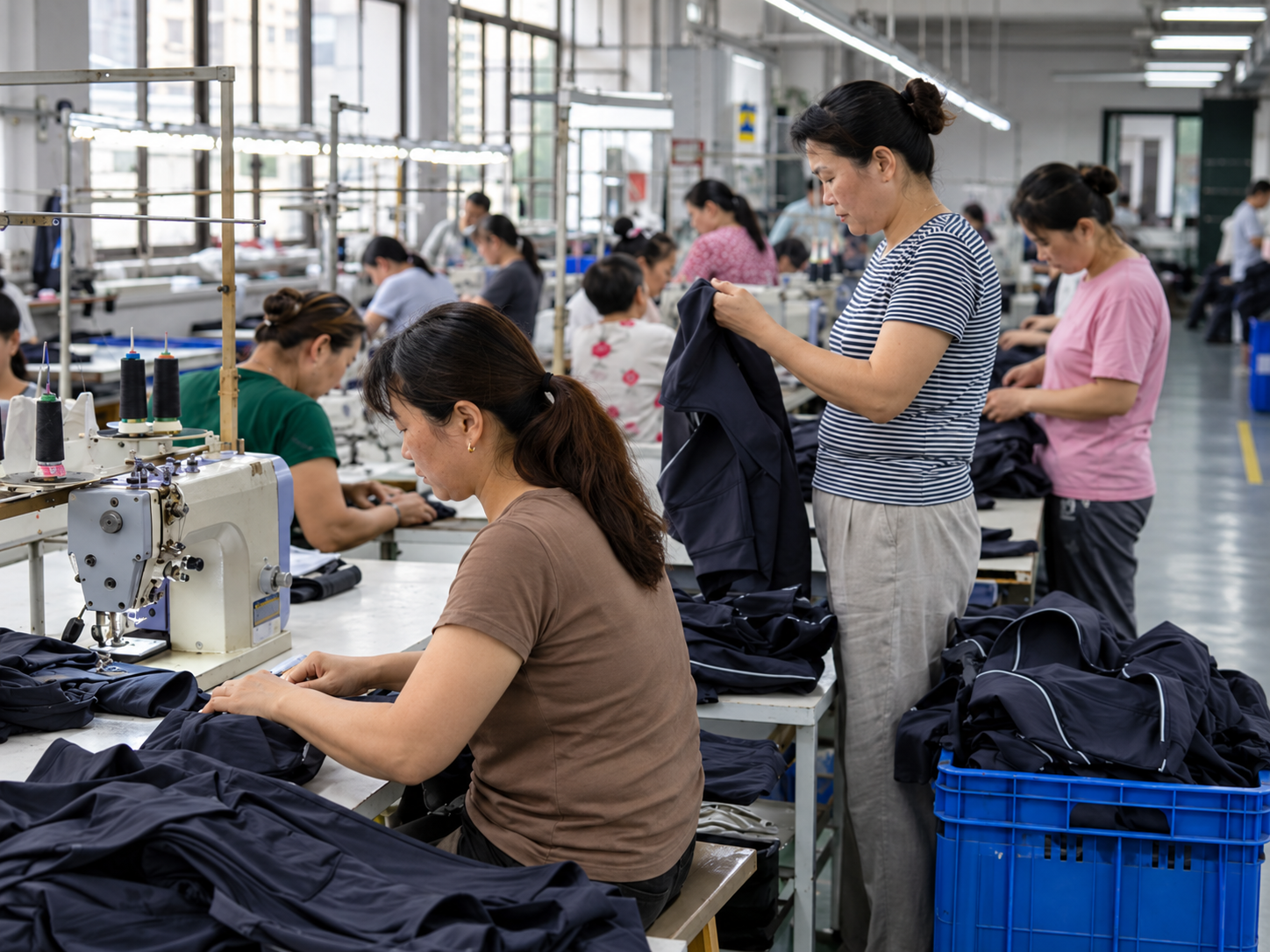
3 Manufacturing Bases
Three manufacturing bases support sampling, production, finishing, packing and related manufacturing functions.
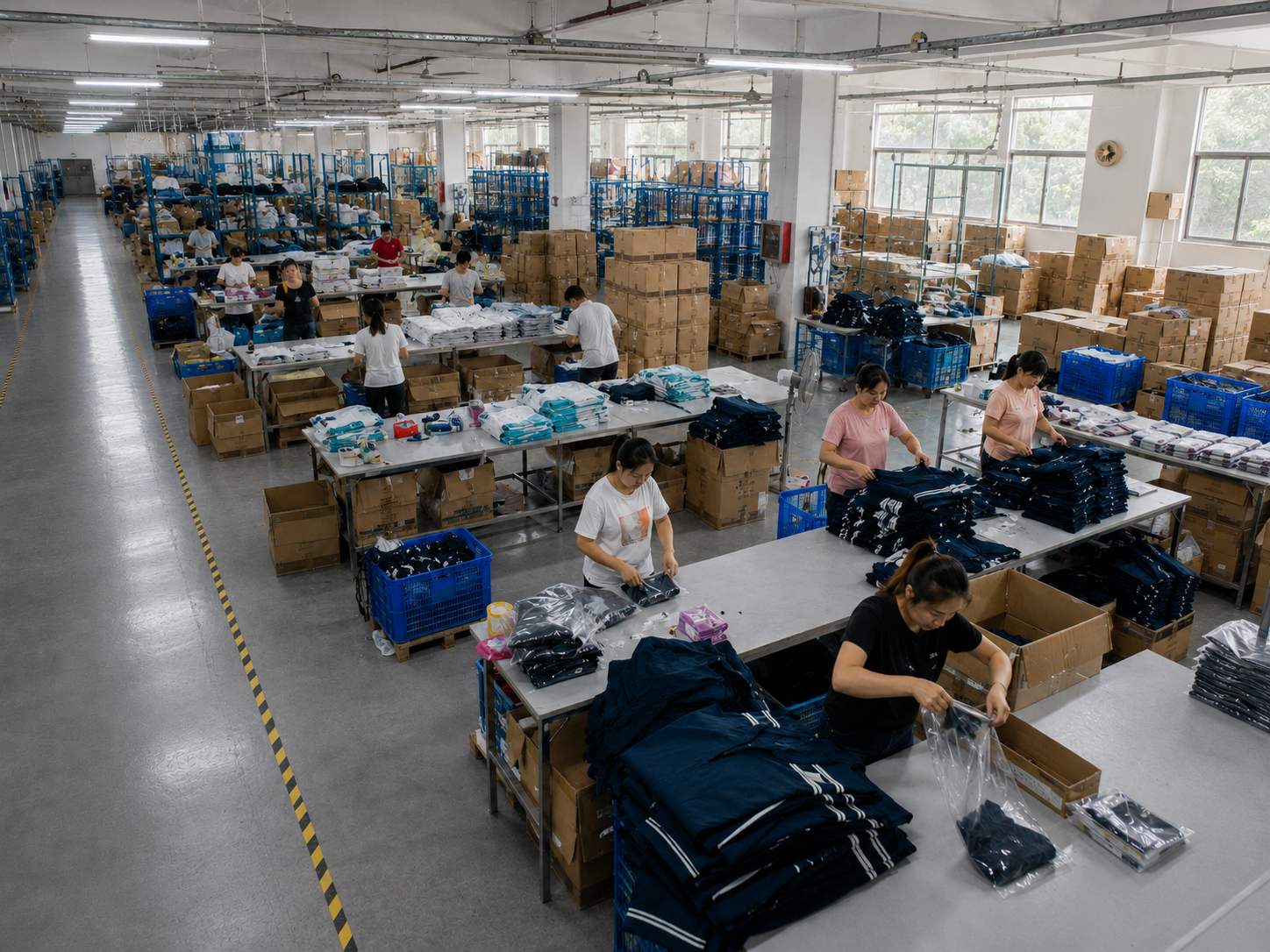
20,000+ Square Meters
More than 20,000 m² of combined manufacturing facilities.
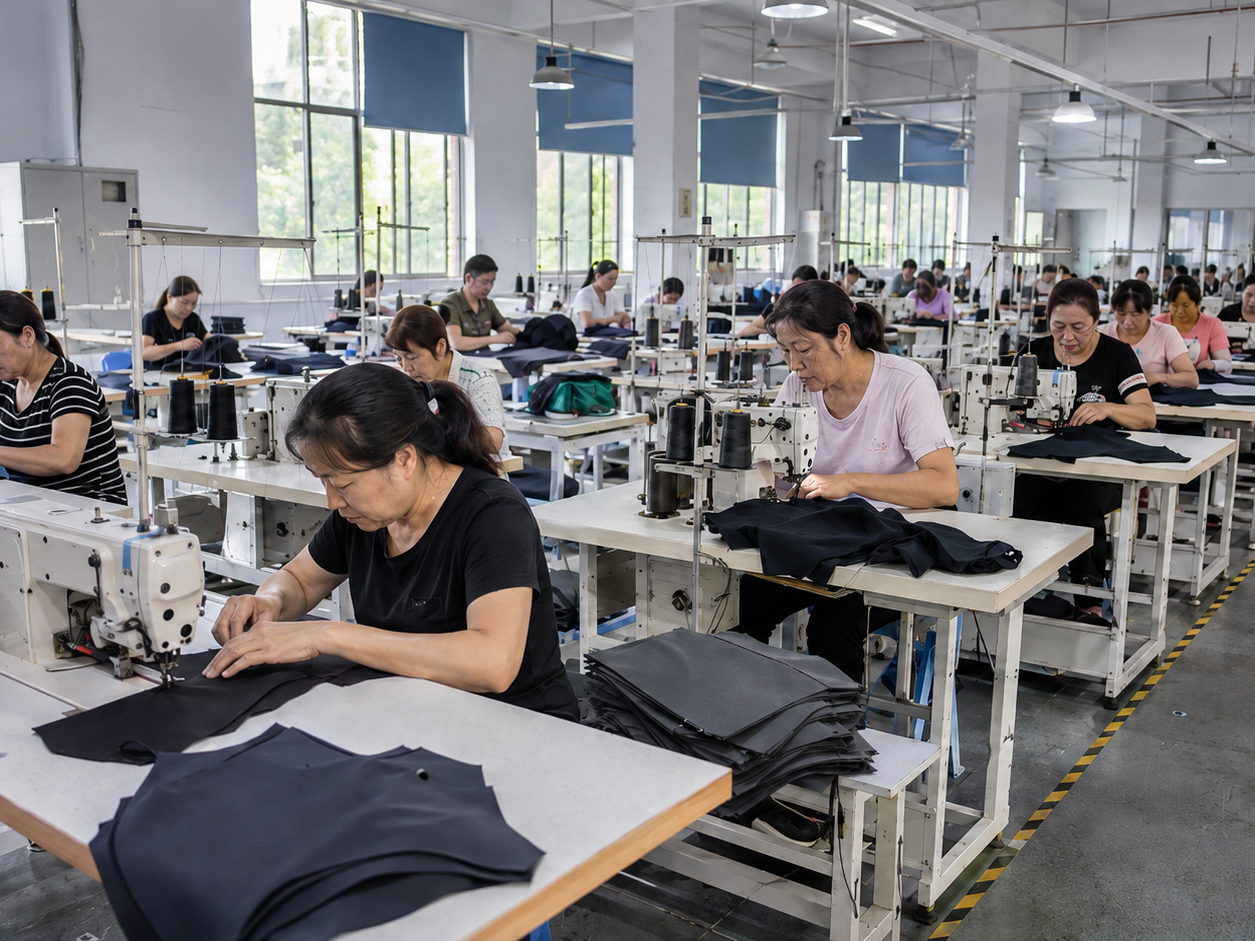
1,500+ Team Members
More than 1,500 team members across development, production, quality, warehousing, logistics and support.
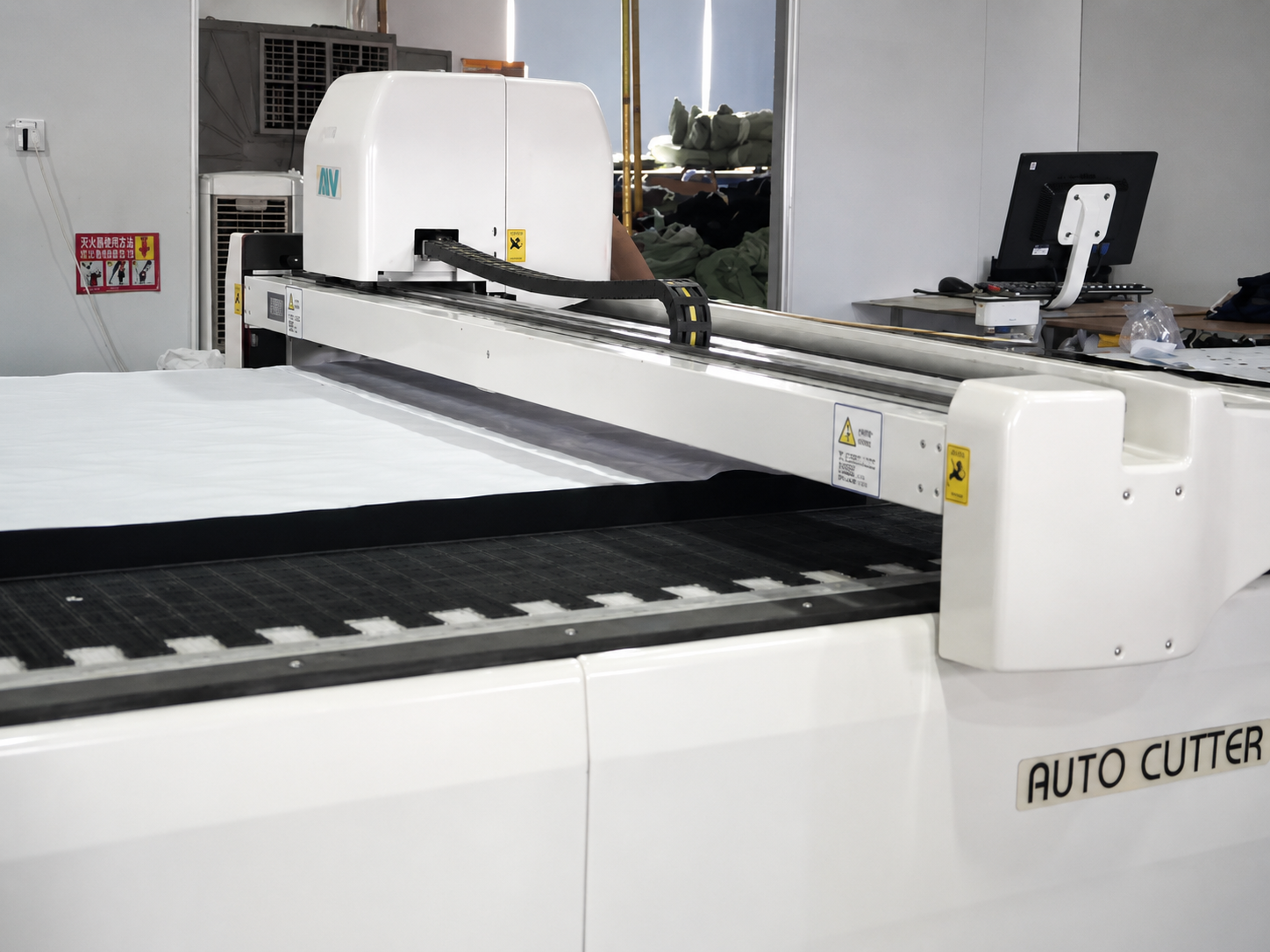
304 Confirmed Machines
More than 300 production, specialized-process and finishing machines support cutting, sewing, branding, finishing and packing.
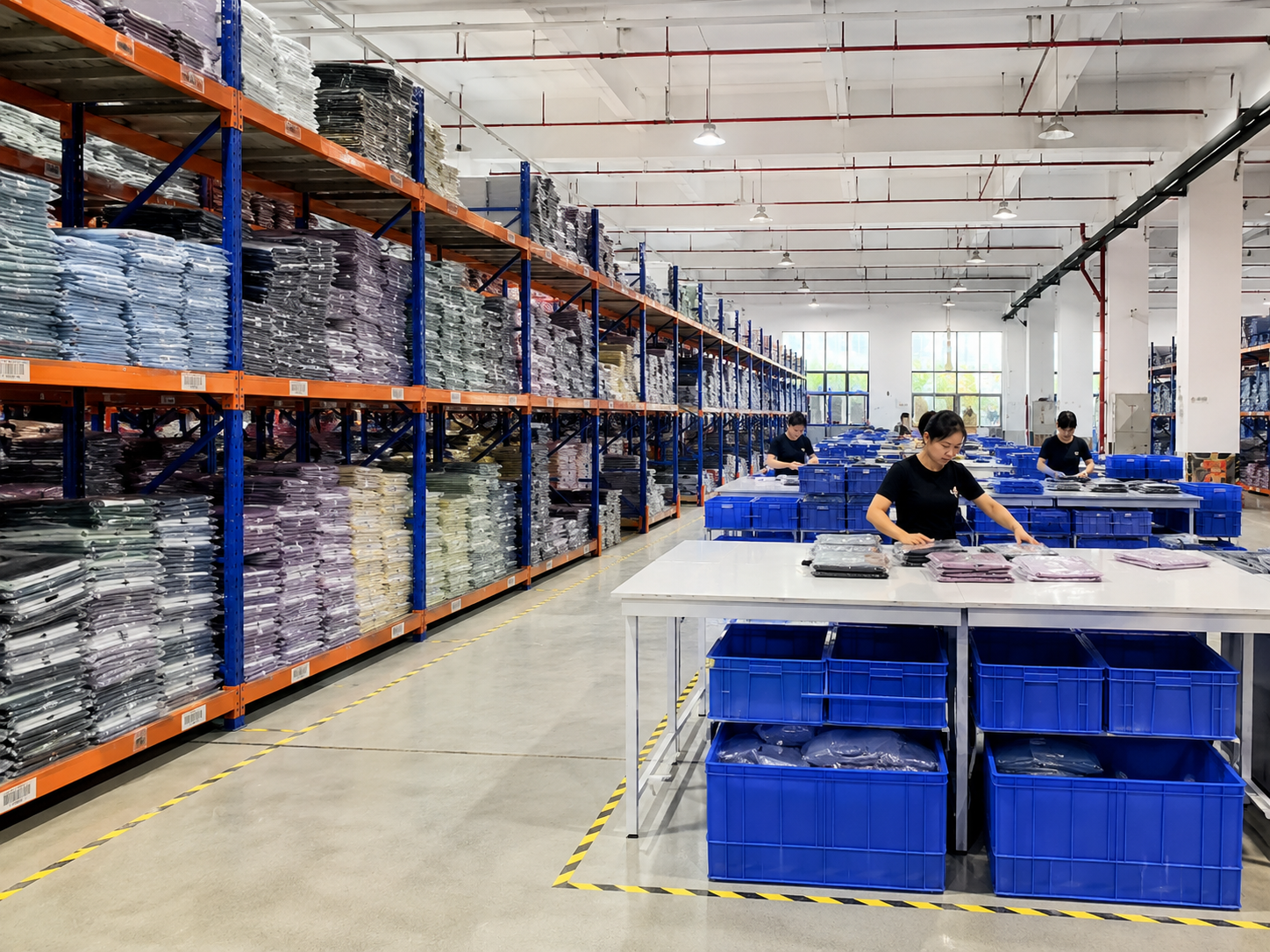
Up to Approx. 120,000
Combined monthly capacity can reach approximately 120,000 finished garments, depending on style complexity, materials, order mix and production schedule.
Control Hoodie Quality Around the Product’s Real Risk Points
Quality control becomes useful when inspection points match actual hoodie construction. Leadshow reviews approved materials, measurements, workmanship, branding, labels and packaging according to project requirements rather than relying on general “high quality” statements.
Inspection Area
Common Hoodie Risk
What Can Be Reviewed
Main Fabric
Weight, surface, shade or batch variation
Approved specification, appearance, relevant material checks
Shrinkage
Finished dimensions change after processing or washing
Project-specific shrinkage review where required
Hood
Uneven shape or incorrect size
Hood dimensions, symmetry, neckline connection
Shoulder
Incorrect drop or visual imbalance
Shoulder measurement and approved sample
Chest / Body
Wrong fit or body proportion
Key garment measurements
Sleeve
Width or length imbalance
Sleeve measurements and fit reference
Rib
Weak recovery or excessive pulling
Width, attachment, appearance and approved trim
Misplacement or asymmetry
Position, dimensions and attachment
Zipper
Waviness, misalignment or poor matching
Zipper appearance and fabric compatibility
Sewing
Uneven seams or workmanship defects
Stitching, seam construction and appearance
Branding
Wrong position, size or visual quality
Approved artwork and branding sample
Labels
Incorrect size, care or brand version
Main label, size label and care-label check
SKU
Wrong color / size identity
SKU and barcode verification where required
Packing
Wrong bag, carton or packing version
Approved packing instructions and carton check
Turn a Custom Hoodie Into a Complete Private Label Product
Private label manufacturing extends beyond applying a logo. Product, labels, packaging and SKU information need to follow the same approved brand files so every element remains aligned from sample approval through commercial packing.
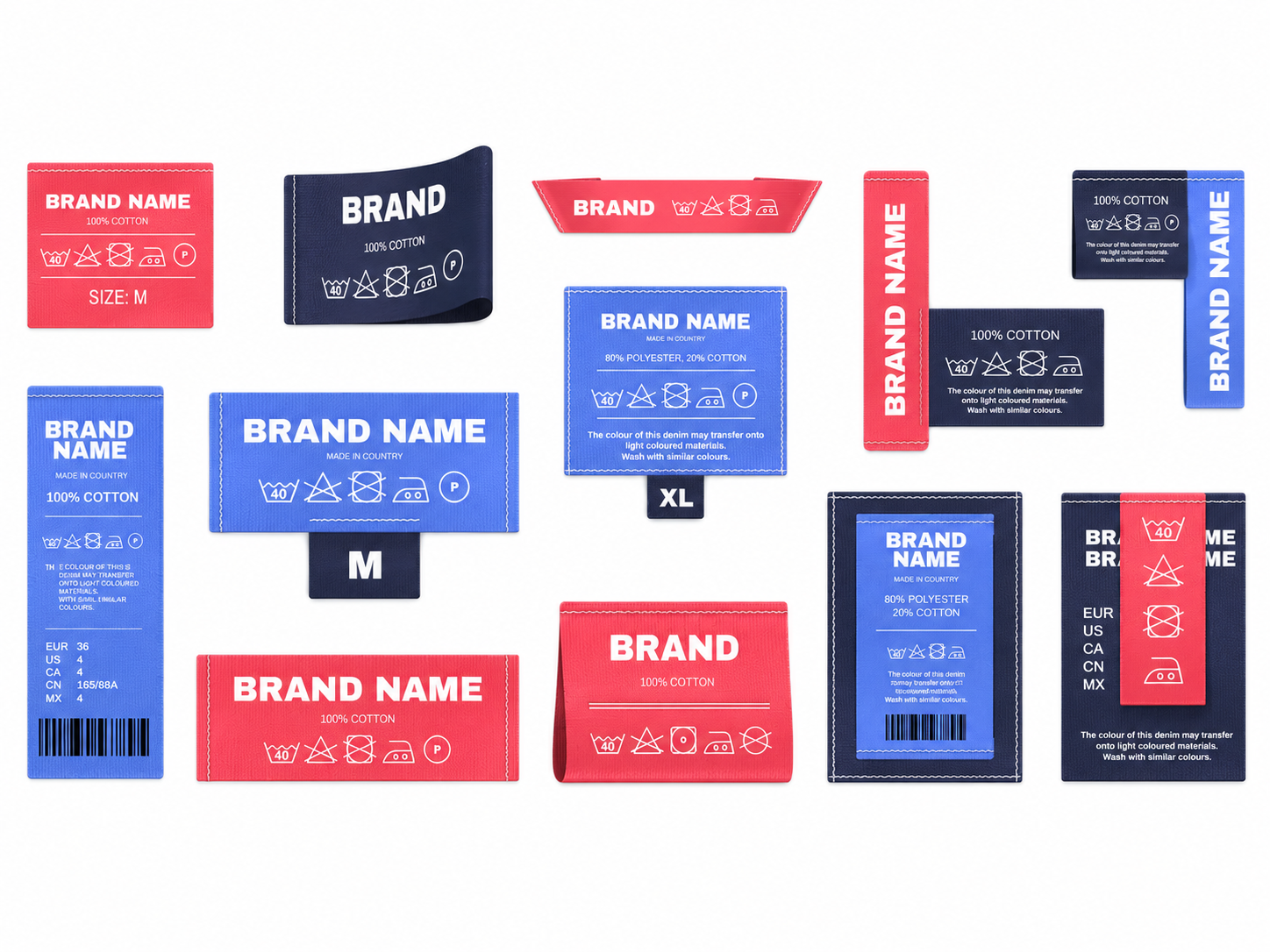
Garment Branding
Logo and artwork execution begins with the approved file, size, position, color and application method. Heat-transfer and heat-press resources are confirmed within Leadshow’s manufacturing capabilities; additional branding techniques are reviewed according to project requirements and available production resources.
- Vector or approved artwork
- Position and dimensions
- Color reference
- Application method
- Sample approval
Fabric surface and temperature sensitivity can affect branding method, so artwork should be evaluated on the actual material whenever needed.
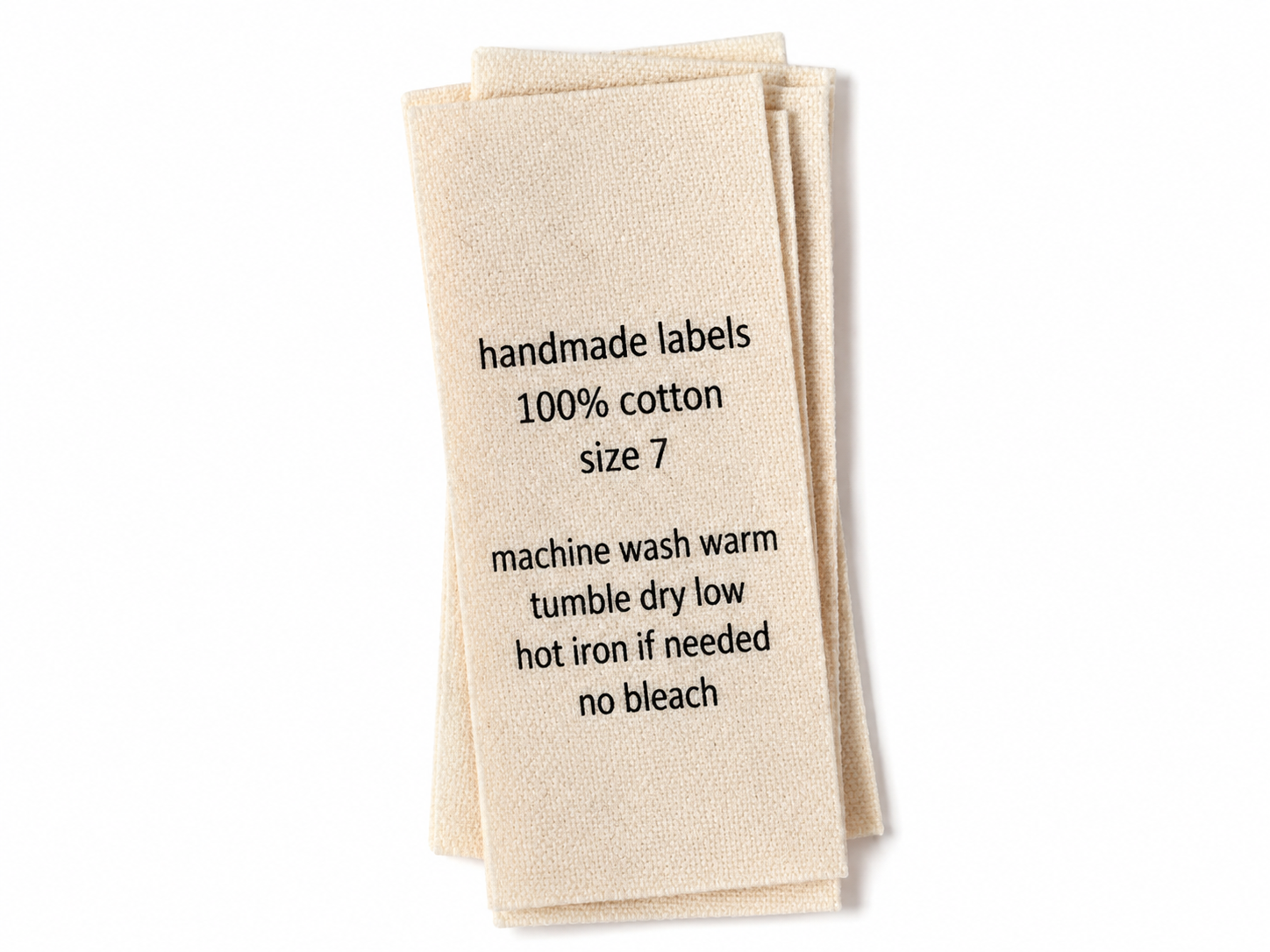
Garment Labels
A private-label hoodie may require main labels, size labels, care labels and composition information according to the brand program and destination requirements. Heat-transfer labels are among Leadshow’s confirmed capabilities, while label structure and information should be approved before bulk use.
- Main brand label
- Size identification
- Care information
- Composition details
- Placement
Legal or regulatory label content remains linked to actual product composition and destination-market requirements rather than generic templates.
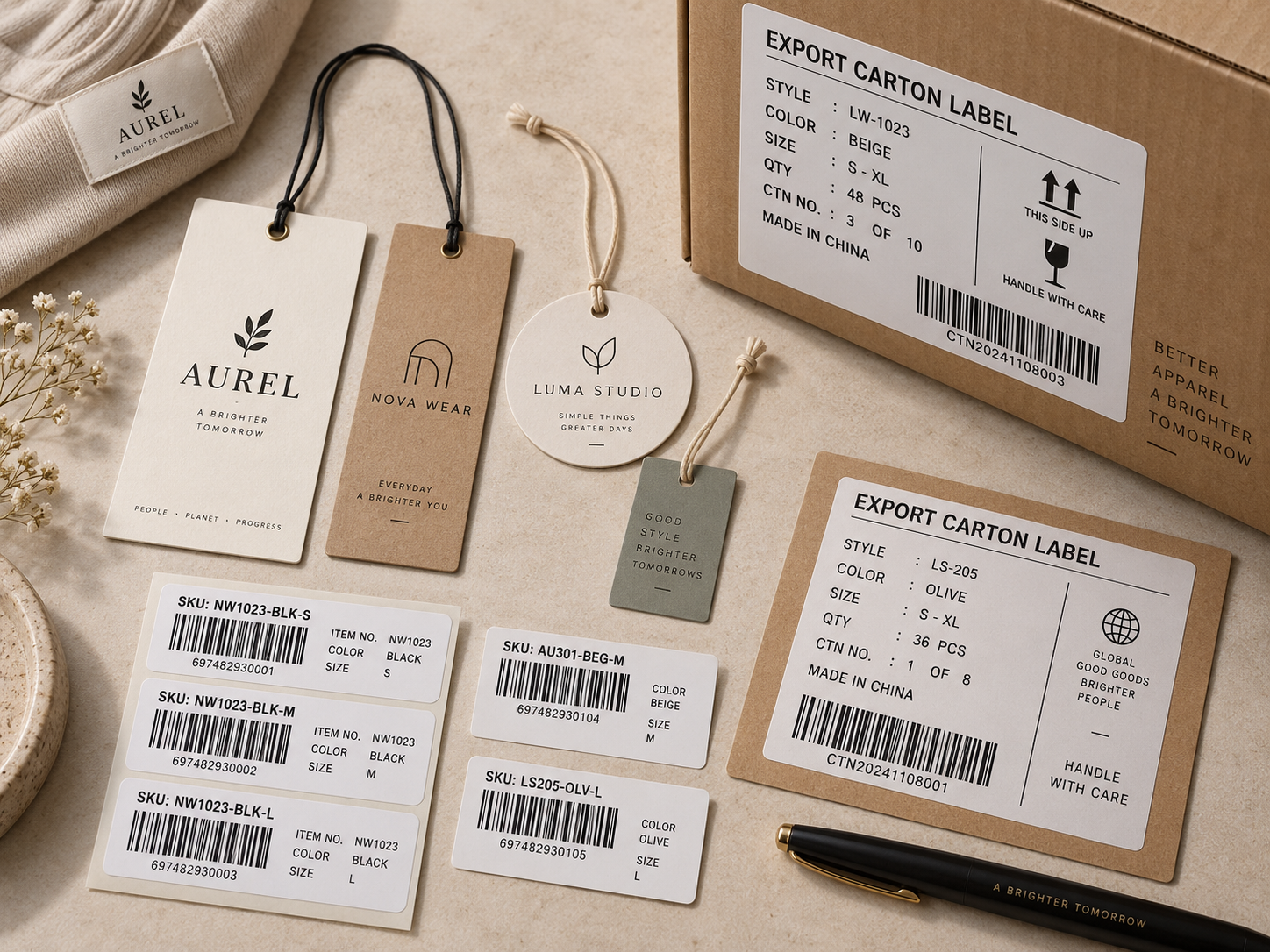
Hangtags and SKU
Hangtags, product codes, barcodes and SKU information help connect the garment to retail or warehouse systems. Color, size and product identity should match the commercial order and packing files.
- Hangtag artwork
- Product code
- Barcode where required
- SKU label
- Version control
SKU errors can create warehouse and retail problems even when garment quality is correct, so brand information forms part of the packing review.
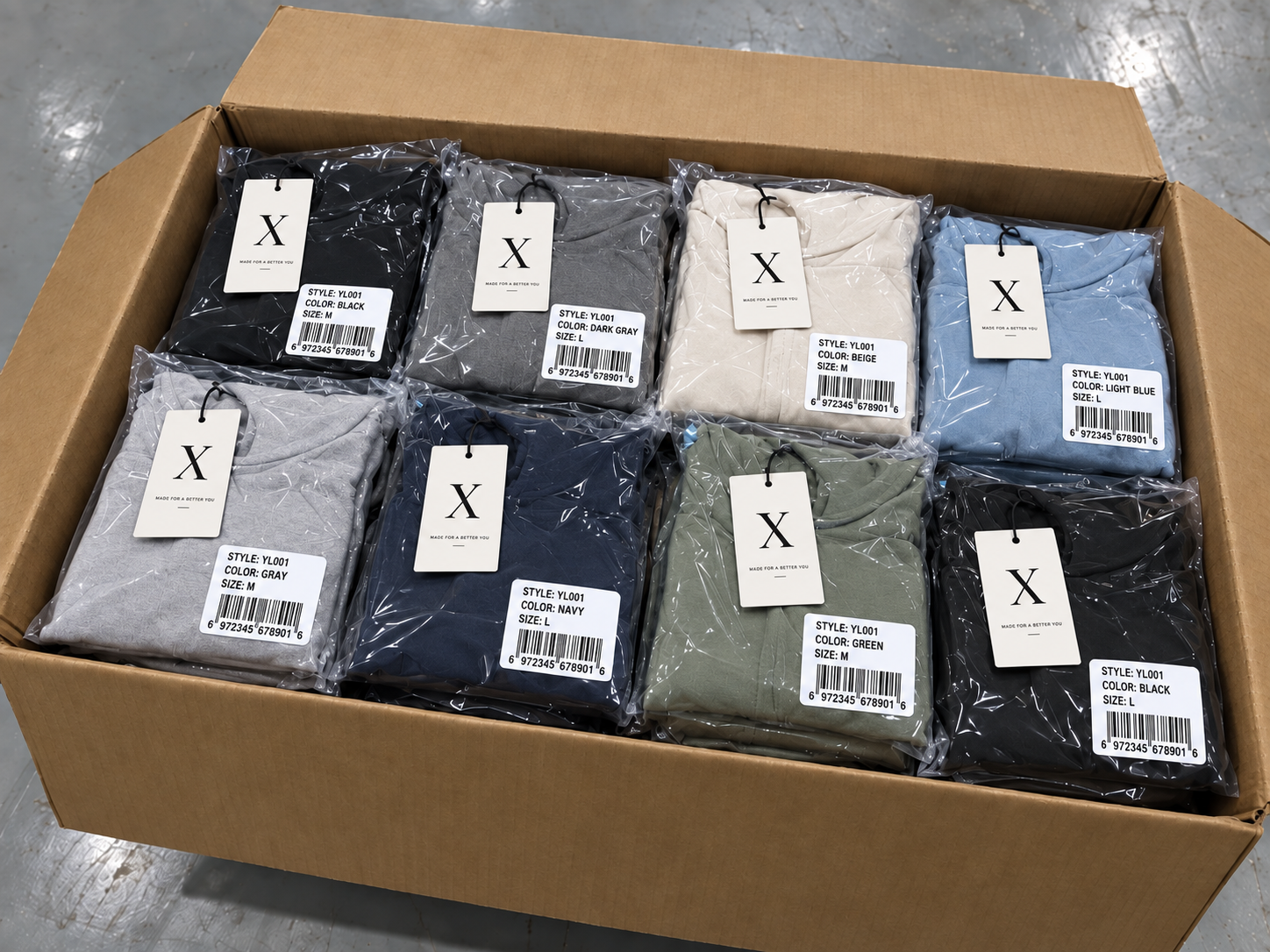
Packaging and Cartons
Single-unit packing and carton preparation should protect the garment while preserving accurate product identification. Packaging format, labels, carton marks and packing ratios are confirmed according to the program.
- Individual garment packing
- Size / color identification
- Carton marks
- Carton quantity
- Packing list alignment
Custom packaging may carry separate supplier MOQ, cost and lead-time conditions depending on material and printing requirements.
Understand Hoodie MOQ, Quotation and Timing Before Ordering
A hoodie quotation becomes meaningful only when specifications and commercial conditions are clear. Standard MOQ generally starts from 100 pieces per color per design, while material, trims, branding, packaging and production conditions can change the final quantity.
Quotation Factor
What Needs to Be Defined
Commercial Effect
Standard MOQ
Generally starts from 100 pcs / color / design
Final quantity confirmed by project
Fabric
Composition, construction, GSM direction, finish
Material price and supplier MOQ
Custom Color
Stock / standard / custom development
Separate color MOQ may apply
Fit
Regular, drop shoulder, oversized etc.
Pattern and fabric consumption
Hoodie Construction
Pullover, full-zip, half-zip, hood layers
Workmanship and trim requirements
Rib
Width, color, weight, recovery
Supplier trim MOQ and cost
Zipper
Type, length, color and specification
Trim cost and sourcing time
Drawcord
Material, size, color, hardware
Custom trim conditions
Branding
Artwork, method, size and positions
Setup, sampling and production cost
Labels
Main, size, care and other labels
Separate supplier MOQ may apply
Packaging
Standard or custom packing
Material and printing MOQ
Size Range
Approved measurement chart and grading
Pattern work and SKU complexity
Order Mix
Colors, sizes and SKU breakdown
Production efficiency
Testing
Where required by product or destination
External cost and time
Sample Timing
Product complexity, material readiness, revisions
Confirmed by project
Delivery & Reorders
Production schedule, export support and version records
Long-term sourcing depends on reliable execution beyond the first order
Bulk Timing
Materials, approvals, quantity, packing, scheduling
Confirmed after order review
Delivery Timing
Trade term, carrier, route, customs conditions
Estimated separately from production
Manage Multi-Color, Multi-Size Hoodie Orders With Clear Versions
Large hoodie programs become complex long before sewing starts. A style with four colors, six sizes and several branded packaging versions can create dozens of SKU combinations. Leadshow coordinates product, production, quality and logistics functions around approved order information.
Build a Production Matrix Before Bulk Release
SKU management starts with a clear relationship between style, color, size and order quantity. A single hoodie design offered in several colors and sizes should not be treated as one undivided quantity because fabric, trims, cutting and packing requirements may differ by color and size distribution.
Style and version: Each hoodie needs a clear style reference. Product changes should create a controlled version rather than relying on informal messages.
Color breakdown: Each color can carry independent material MOQ, rib match, zipper color, artwork and labeling requirements. A high total order quantity does not automatically eliminate individual color MOQs.
Size breakdown: Size ratios affect cutting, production and packing. Each size should follow the approved grading and measurement chart rather than using size labels alone.
SKU mapping: SKU codes can connect style, color and size to packaging and carton information. When a retail or warehouse program provides its own SKU system, the manufacturing files should follow the approved mapping.
Branding variants: Different markets or collections may use different labels, hangtags or packaging. These variants need clear file names and production instructions.
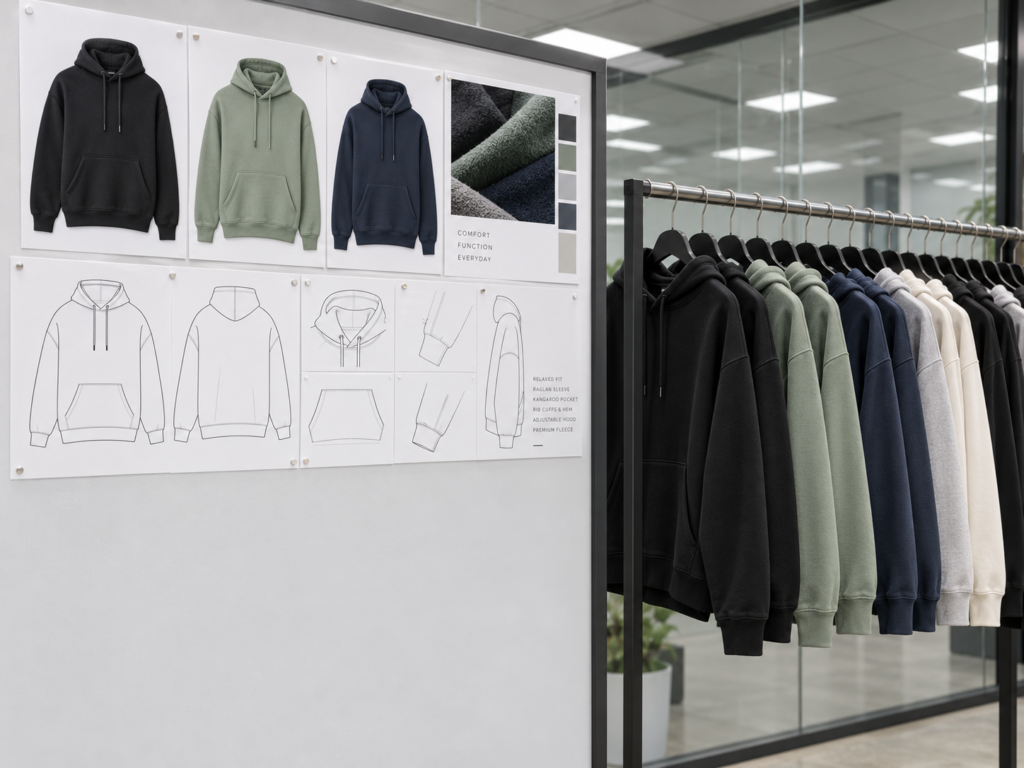
A production matrix creates one shared reference across sales coordination, development, production, quality and packing functions. It also makes changes visible before a wrong label or color version reaches bulk quantity.
Connect Production Files With Labels and Packaging
Product accuracy does not end when the hoodie comes off the sewing line. Main labels, size labels, care labels, hangtags, SKU stickers, individual bags and cartons must correspond to the correct garment variant.
Label matching: Main and size labels must correspond to the intended style and size. Care information should be based on actual product composition and approved content.
Packing ratios: Single-SKU cartons or mixed-SKU cartons require clear packing instructions. Quantity per carton should match the order and packing list.
Carton marks: Style code, color, size, carton number and other requested information should align with approved shipment files.
Random checks: Packing review can include opening selected cartons to confirm garment, labels and packing information match the intended SKU.
Version control: Late artwork or packing changes should be recorded and reissued so the production team does not use outdated files.
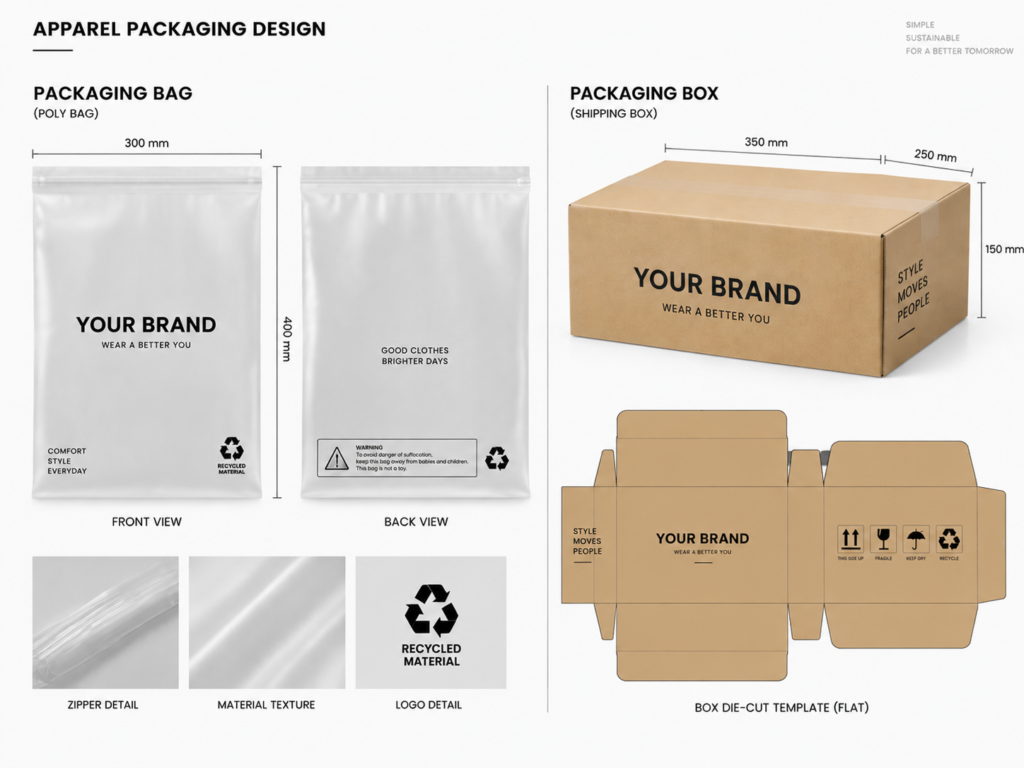
Leadshow’s approximately 32-person warehousing and logistics function supports material handling, SKU sorting, labeling, packaging, carton preparation and shipment coordination. No claim is made that every warehouse process runs through an unconfirmed ERP, WMS or real-time digital tracking platform.
Support Repeat Orders Without Assuming Nothing Changes
A repeat hoodie order benefits from an approved previous version, yet repeat manufacturing still requires commercial and material reconfirmation. Fabric lots, supplier availability, custom colors, packaging, quantities and production scheduling can change between orders.
Approved reference: Previous Tech Pack, sample, pattern, material and artwork versions provide the starting point for review.
Material reconfirmation: Availability and supplier conditions should be checked again before purchasing. A previous fabric may be discontinued or supplied from a different batch.
MOQ reconfirmation: Repeat-order quantity remains subject to fabric, trim, color and packaging conditions. Previous MOQ does not automatically remain permanent.
Brand files: Care labels, barcodes, packaging copy and market information may need updates before production.
Production schedule: Available capacity is reviewed against current factory scheduling rather than reserved indefinitely from an earlier order.
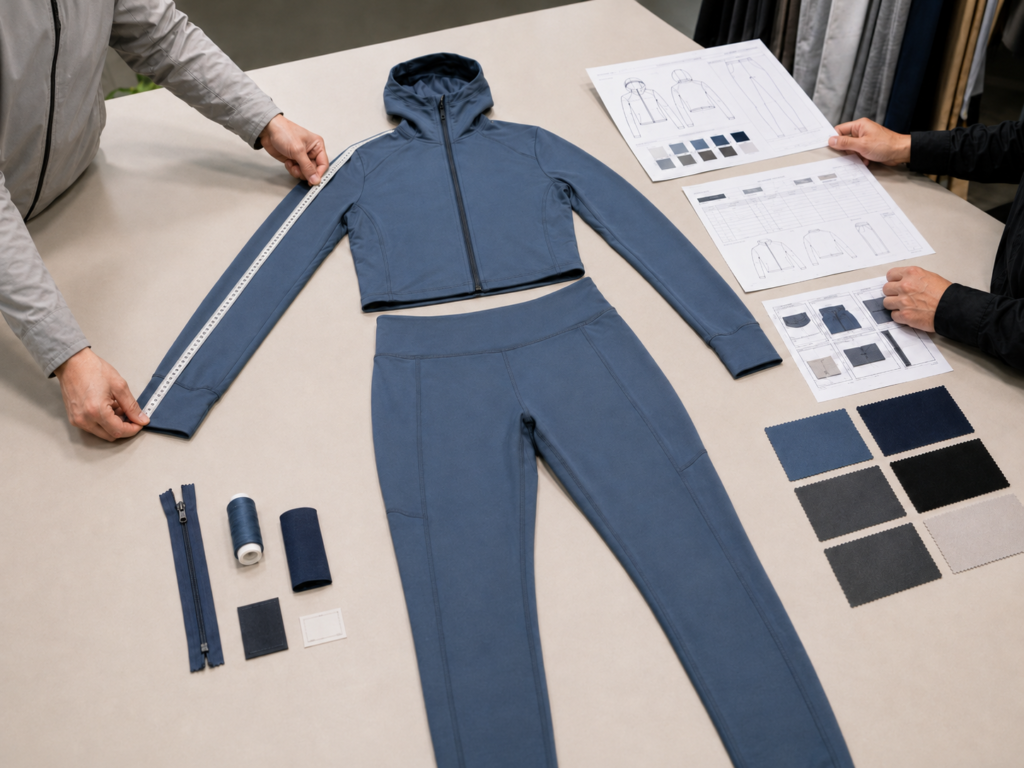
Repeat-order support therefore means preserving useful product references and reducing unnecessary redevelopment while still checking every condition that could affect the new production run.
Prepare Finished Hoodies for International Export Programs
Leadshow exports products to Europe, North America, South America and Oceania. Manufacturing-side delivery support covers packing, shipment preparation and coordination, while freight schedules, customs and final arrival remain subject to agreed trade terms and external conditions.
Packing and Cartons
Finished hoodies can be sorted by style, color, size and SKU according to approved packing requirements. Individual packing, carton quantities, carton marks and packing information should correspond with the commercial order. Packing accuracy is reviewed alongside garment identity so a correct product is not assigned to the wrong size, color or carton. Complex retail programs may require additional label and carton instructions before shipment release.
Export Documentation
Manufacturing and logistics functions can coordinate applicable export and shipment documents according to the agreed order arrangement. Packing information, commercial shipment data and forwarder requirements should be confirmed before cargo handover. Documentation support does not mean guaranteed destination customs clearance or importer-of-record responsibility. Such obligations depend on agreed trade terms and specific arrangements.
Shipment Coordination
International courier, air or sea shipment options may be coordinated according to order scale and project needs, including cooperation with a nominated forwarder where applicable. Production completion, goods-ready date, pickup, ETD, transit, ETA and final delivery are separate milestones. Freight and customs timing remain estimated after goods leave manufacturing control, so no universal global delivery time is published.
How to Evaluate a Custom Hoodie Manufacturer
Supplier selection becomes more reliable when every candidate receives the same product specification and is assessed on product development, materials, sampling, manufacturing, quality and commercial execution rather than headline price alone.
Supplier Criterion
What to Verify
Leadshow Capability Direction
Hoodie Product Scope
Real hoodie construction experience rather than blank re-labeling only
Hoodies are a confirmed core product
Construction
Pullover, zipper, hood, pocket and fit capability
Pullover, full-zip, half-zip and confirmed structural options
Tech Pack Review
Ability to work from formal specifications
Tech-Pack-based OEM manufacturing
Reference Development
Ability to work from images or garments
Reference and physical-garment evaluation
Fit Development
Pattern, measurements and fit revision
Pattern and fit adjustment
Fabric Review
Material construction, weight, hand feel and sourcing
Fabric and trim evaluation
GSM Understanding
Product-driven weight selection
GSM reviewed with construction and fit
Sampling
Defined approval purpose
Development, fit, logo, color, size-set and PP options by project
Sample-to-Bulk
Clear production reference
Production based on approved specifications
Manufacturing
Real equipment and production resources
3 bases and 300+ production / finishing machines
Quality
Specific inspection points
Material, in-process, finished garment and packing review
Private Label
Garment branding and brand information
Labels, heat transfer, packaging coordination
MOQ
Clear calculation method
Standard MOQ generally 100 pcs/color/design
Capacity
Ability to scale without overstating availability
Up to approx. 120,000 garments/month combined capacity, subject to conditions
Multi-SKU
Color, size and packing complexity
Production and warehousing coordination
Export
Packing and shipment preparation
Exports to Europe, North America, South America and Oceania
Commercial Transparency
Clear conditions around price and timing
Final quote and schedule confirmed after project review
Key Facts for a Custom Hoodie Manufacturing Project
A few clear facts help product and procurement teams quickly decide whether Leadshow fits the development stage, order structure and manufacturing requirements of a custom hoodie program.
Confirmed Hoodie Product
Hoodies are part of Leadshow’s confirmed Streetwear and sports-lifestyle product range, with pullover, full-zip, half-zip and several hood, pocket and fit directions available for project evaluation.
Multiple Starting Points
Projects may begin from a Tech Pack, measurement chart, pattern, sketch, reference image or physical garment. Missing details are clarified before sampling and quotation move forward.
Fit and Material Review
Pattern, fit, fabric, GSM direction, rib, zipper, drawcord and other construction details are evaluated as connected product decisions rather than independent decoration choices.
Sampling Before Bulk
Sample development can cover development, fit, logo, color, size-set and PP stages according to project requirements. Approved specifications establish the reference for production release.
MOQ by Project
Standard MOQ generally starts from 100 pieces per color per design. Fabric, custom colors, trims, branding, packaging, testing and production conditions can change the final quantity.
Manufacturing to Export
Leadshow combines development, manufacturing, quality, warehousing and logistics resources to support approved hoodie programs through bulk production, labeling, packing and export preparation.
Custom Hoodie Manufacturer Frequently Asked Questions
Common questions below cover hoodie structures, MOQ, materials, fit, samples, bulk production, branding, quality and quotation preparation before a manufacturing program begins.
What hoodie styles can Leadshow manufacture?
Leadshow’s confirmed hoodie range includes pullover, full-zip and half-zip constructions. Single-layer or double-layer hoods, kangaroo or zipper pockets, regular shoulders, drop shoulders and oversized fit directions can also be evaluated. Final feasibility depends on fabric, trims, pattern, branding and approved product requirements.
What is the MOQ for custom hoodies?
Standard MOQ generally starts from 100 pieces per color per design. Final quantity depends on fabric and trim supplier minimums, custom colors, zipper or rib requirements, branding, labels, packaging, testing and production conditions. Quantities below the standard level may be reviewed where suitable options reduce sourcing complexity.
Can a project start from a Tech Pack?
Yes. Tech Packs, measurement charts, patterns, artwork, BOM information and packing requirements can be reviewed for OEM development. Projects may also start from a sketch, reference image or physical hoodie when specifications are incomplete. Missing details are clarified before sample and quotation decisions.
How is hoodie fabric and GSM selected?
Fabric selection considers composition, knit construction, GSM, surface, hand feel, drape, shrinkage, fit and intended use. Higher GSM is not automatically better. Physical swatches, color samples or garment samples may be used for approval. Final material availability, price and MOQ depend on supplier conditions.
Can you develop an oversized hoodie fit?
Oversized and drop-shoulder directions are within the confirmed fit range for evaluation. Pattern development can review shoulder extension, chest width, sleeve volume, body length, hood proportion and rib behavior. Final fit should be approved through measurements and sample review rather than relying only on a generic size label.
How long does hoodie sampling take?
No single sample duration has been confirmed for every project. Timing depends on specification completeness, material and trim availability, pattern complexity, sample type, branding, testing needs and revision scope. Sample-making time is confirmed after development requirements are reviewed and should be separated from international sample shipping time.
How is bulk production aligned with the approved sample?
Bulk alignment is based on approved specifications, measurement charts, material references, construction, artwork, labels and packing files. Early production and in-process checks can compare key details against the approved reference. Reasonable production tolerances and material batch differences should be defined in the agreed quality requirements.
Can logos, labels and packaging be customized?
Yes, branding and packaging can be reviewed according to project requirements. Confirmed capabilities include heat-transfer labeling and heat-press processes, along with coordination of main labels, size labels, care labels, hangtags, SKU information and packaging. Other decoration techniques require separate evaluation based on actual production resources.
How is custom hoodie quality reviewed?
Quality review can cover fabric, garment measurements, hood shape, shoulder position, rib, pockets, zipper appearance, stitching, branding, labels and packing. Inspection scope, sampling method, defect classification and acceptance criteria are confirmed according to the program rather than applying one universal inspection rule to every order.
What information is needed for a hoodie quotation?
Send the hoodie design or reference, Tech Pack if available, target fit, measurement chart, fabric and GSM direction, colors, quantity per color, size range, branding artwork, label requirements, packaging requirements, destination market and required schedule. More complete specifications support a more accurate manufacturing and commercial review.
Start Your Custom Hoodie Manufacturing Project
A useful hoodie quotation begins with enough information to understand the product, material, quantity and brand requirements. Send a Tech Pack, reference garment, product images or sketches together with the target fit, approximate fabric direction, color plan and expected quantity per color and design. A measurement chart is recommended when fit specifications already exist. Please also include the planned size range, logo or artwork files, main-label and care-label requirements, packaging direction, destination market and preferred project schedule. If the product is being transferred from an existing supplier, reference samples, inspection notes or photos of current quality issues can help clarify the development goal. A complete Tech Pack is not required for the first discussion. Projects with limited information can begin with reference images, target silhouette, intended market and estimated quantity, followed by a structured review of missing specifications. Sample and bulk-production timing are confirmed after product complexity, materials, trims, revision scope, quantity, approvals and current production scheduling are reviewed. Final commercial terms are provided through the project quotation.