
Athletic Wear Manufacturer in China
OEM and ODM sportswear development in China for brands seeking reliable sampling, flexible project review, and scalable bulk manufacturing.
Leadshow supports athletic wear programs from product review through sampling and bulk manufacturing, with project conditions confirmed before production.
- Turn tech packs, reference images, or physical samples into manufacturable athletic wear.
- Develop sports bras, yoga leggings, sports T-shirts, running shorts, tank tops, tennis skirts, jumpsuits, and tracksuits.
- Review fit, materials, trims, construction, branding, quantity, and destination-market needs before bulk production.
- MOQ starts from 100 pieces per color per design, subject to fabric, trims, construction, and customization requirements.
- Bulk scheduling is confirmed after sample approval, material readiness, order mix, and current production scheduling.
Two Ways to Start an Athletic Wear Project
A sourcing program can begin with complete technical files or with an earlier-stage reference. Leadshow reviews the available inputs first, identifies missing decisions, and routes the project into the right development path before sampling or quotation is finalized.
Start With a Tech Pack
For established sportswear programs, a tech pack gives the cleanest starting point. Leadshow can review measurement charts, construction notes, artwork, material specifications, trims, labels, packaging details, colorways, size breakdowns, and expected order quantities before sampling. Engineering and sampling functions use the approved information to evaluate manufacturability, pattern and fit requirements, process selection, material compatibility, and production risks. Final MOQ, sample lead time, bulk schedule, and pricing remain tied to the reviewed specification, approved sample, material readiness, and current capacity rather than a generic promise.
Start With a Reference
Early-stage projects may begin with a product image, sketch, physical sample, brand direction, or a partial specification. Leadshow can clarify product structure, intended activity, fit direction, fabric and trim requirements, branding, quantity, and target market before developing a sample route. The role is manufacturing-focused product development rather than open-ended brand design. A reference is converted into defined construction, material, pattern, fit, and production requirements step by step. Any performance claim, special material, complex process, or exclusivity request is evaluated separately before becoming part of the approved specification.
Built for Serious Sportswear Sourcing Teams
Leadshow is positioned for commercial apparel programs with clear product, quantity, budget, and launch requirements. Different sourcing teams evaluate different risks, so product development, manufacturing, quality, and packaging support should be judged against the actual program structure, order scale, market requirements, and stage of product development.
Established Sportswear Brands
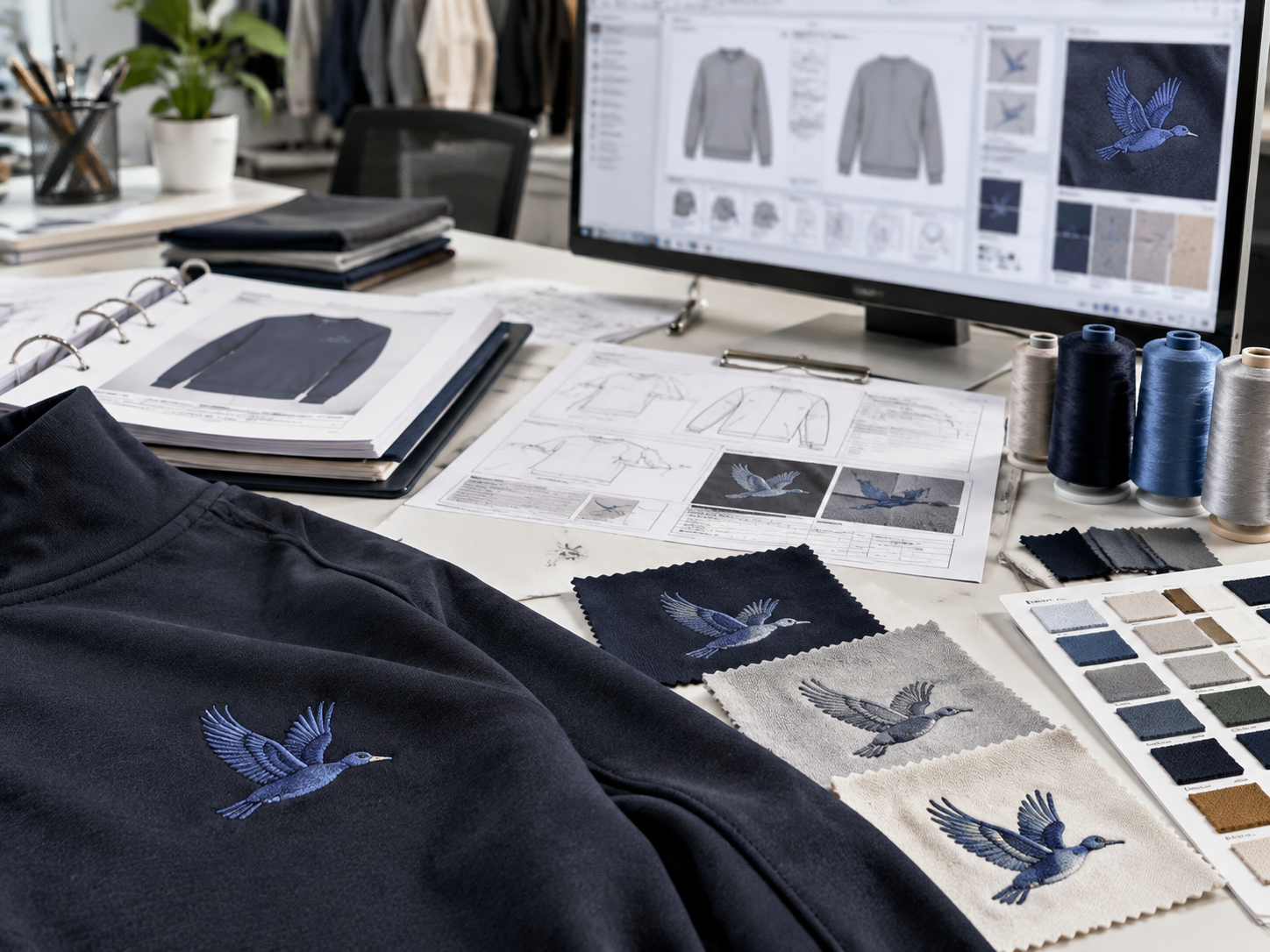
Mature sportswear brands usually arrive with existing fit standards, tech packs, approved materials, quality manuals, or reference products. The priority is not basic garment education; it is accurate standard transfer, sample validation, bulk consistency, multi-SKU execution, and repeat-order continuity.
- Review existing specifications, measurement methods, materials, and construction before sample development.
- Use approved samples and frozen product files as bulk-production references.
- Coordinate color, size, label, packaging, and SKU requirements across the production program.
- Evaluate additional capacity, second-source, line-extension, or supplier-replacement needs without assuming exact replication before review.
Private Label and Retail Programs
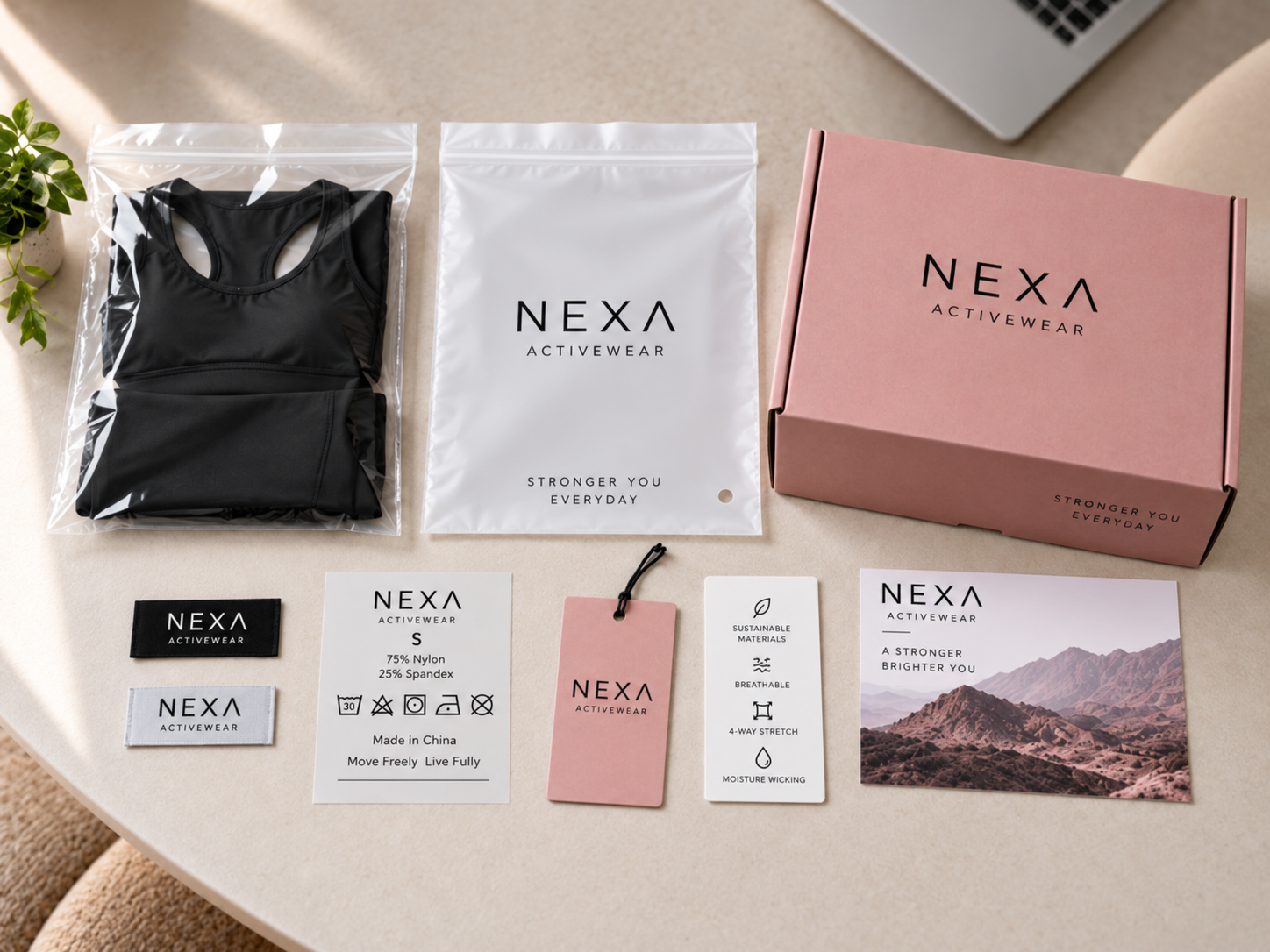
Private label, retail, import, and distribution programs often combine multiple styles, colors, sizes, labels, packaging formats, and delivery requirements. Product economics matter, but so do SKU accuracy, brand consistency, packaging control, and scalable manufacturing. Leadshow can support projects from product evaluation and sampling through bulk production, quality checks, labels, customized packaging, and export coordination.
- Evaluate product mix and order quantities before final MOQ and cost are confirmed.
- Coordinate private labels, care labels, size labels, hangtags, packaging, and carton information.
- Align product construction and material choices with the intended price position and sales channel.
- Support repeat-order preparation through approved product records and project-specific review.
Buying Offices and Development Teams
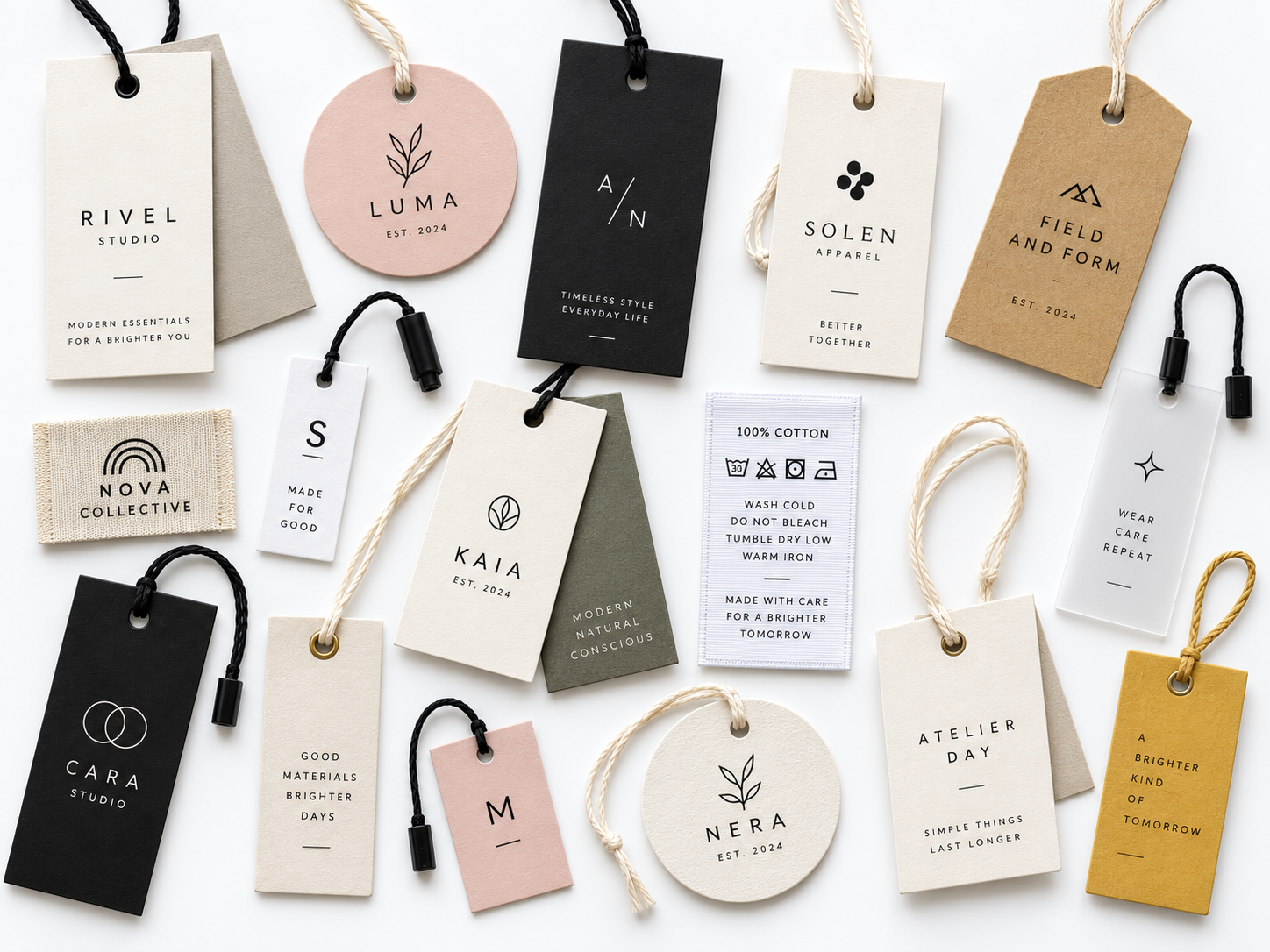
Buying offices, sourcing agents, and product development teams often need stronger evidence before moving a factory into a shortlist. Factory identity, product fit, technical review, equipment, sampling discipline, production capacity, quality support, and document clarity all matter. Leadshow can receive technical files, reference samples, product images, quantity plans, and market requirements for a manufacturing-focused review.
- Headquartered in Shenzhen, China, with three manufacturing bases supporting apparel development and production.
- Product scope is centered on sportswear, swimwear, streetwear, and modest sportswear rather than every apparel category.
- Manufacturing capability includes cutting, stretch-garment sewing, selected bonding and seam-sealing processes, finishing, and packing support.
- Project acceptance, timing, compliance needs, and commercial conditions remain subject to technical and business review.
Athletic Wear Categories Available for Custom Development
The strongest sourcing programs start with a clear product range rather than a vague “activewear” request. Leadshow focuses on confirmed sportswear categories that can move from development and fit review into sampling, private-label production, and scalable bulk manufacturing.
Sports Bras
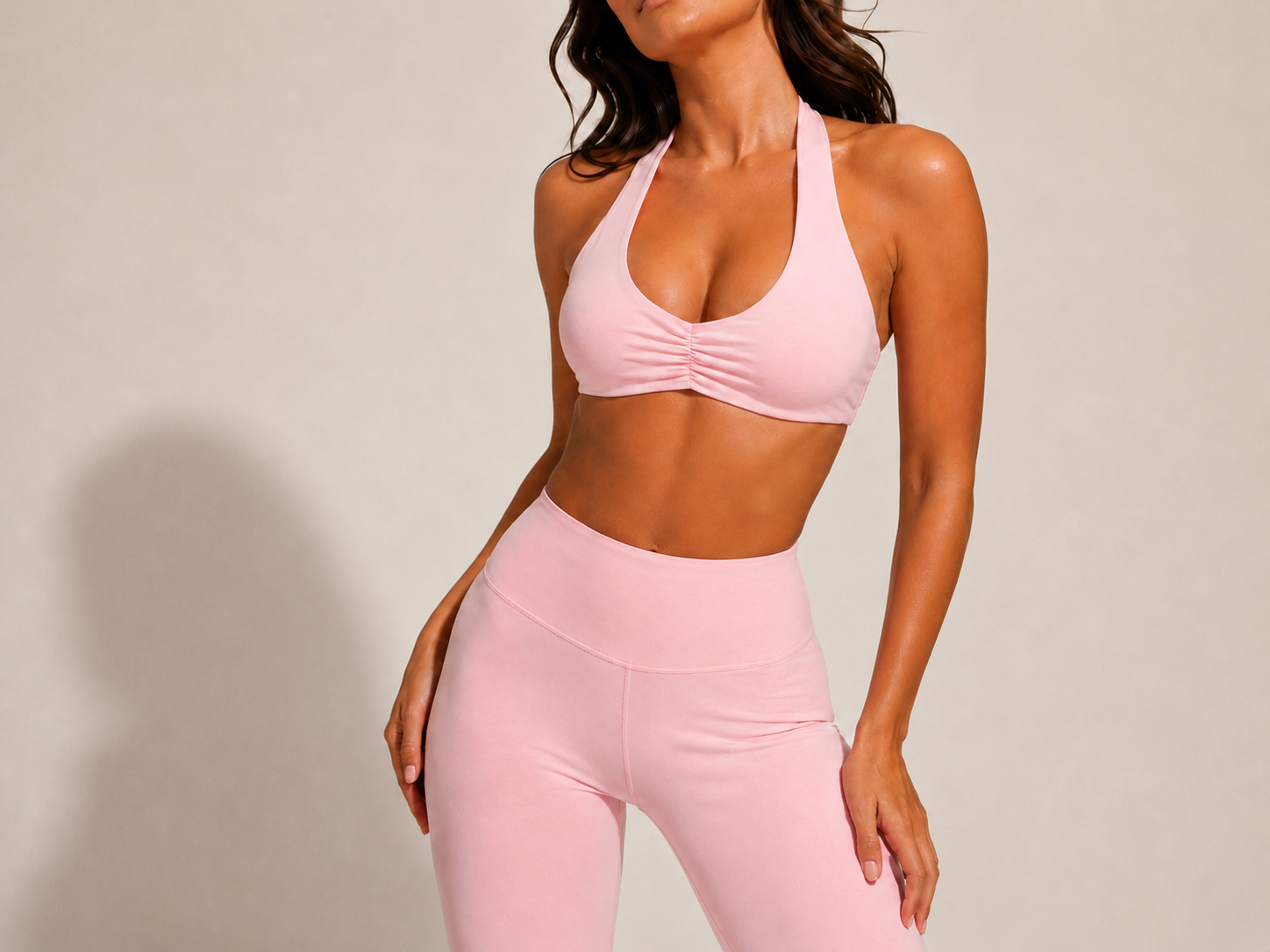
Sports bra projects can be reviewed around coverage, support direction, strap construction, bottom-band behavior, cup or pad structure, elastic placement, lining, stretch recovery, and seam comfort. Leadshow has confirmed sportswear manufacturing resources including flatlock equipment, elastic-attaching equipment, cutting, sewing, heat-bonding, and heat-transfer processes. Final support level, compression language, fabric performance, and testing claims depend on the selected materials, construction, fit validation, and project-specific evidence rather than a generic category promise.
Yoga Leggings
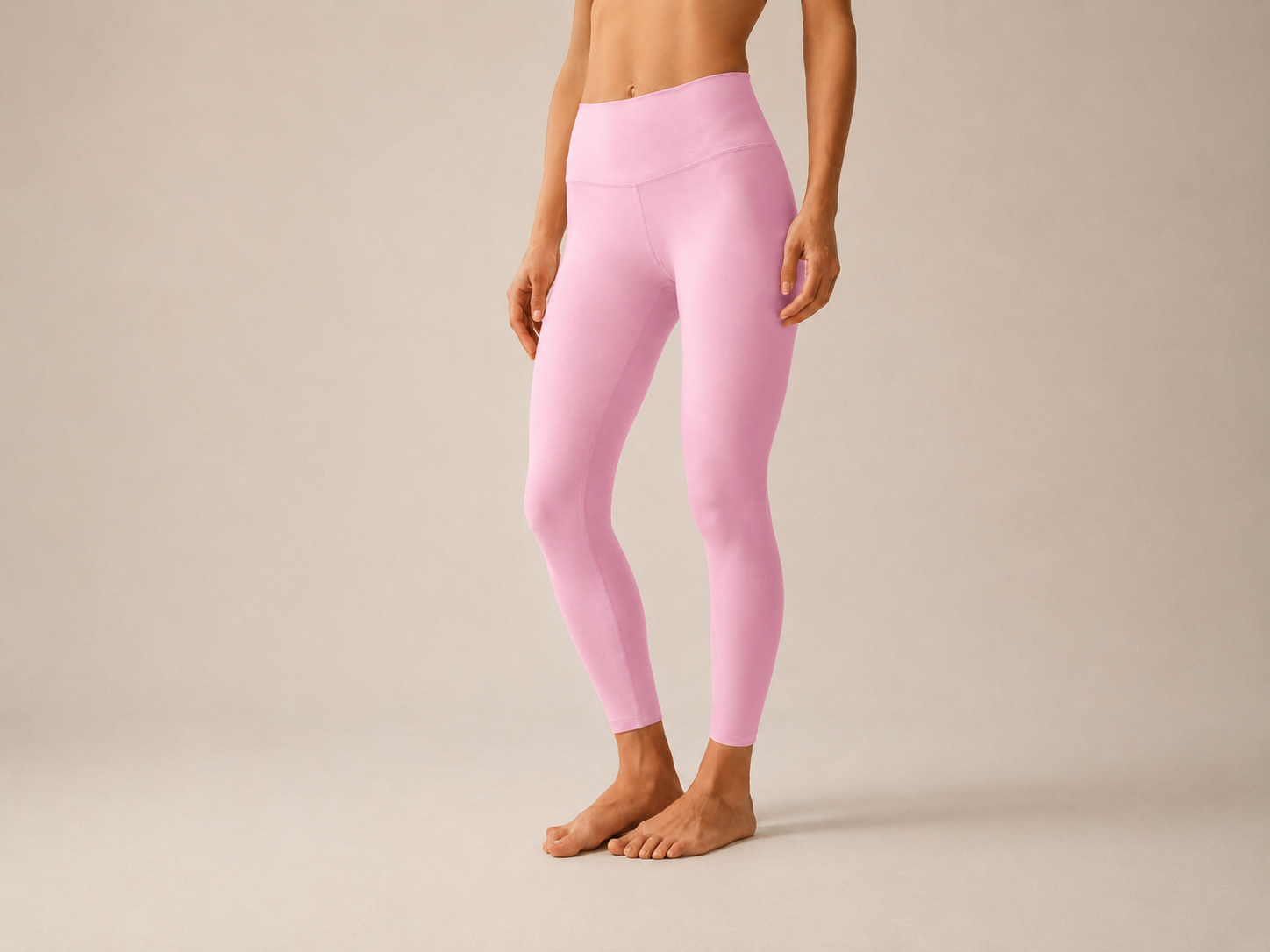
Yoga legging development can address waistband construction, rise, inseam, gusset shape, stretch direction, fabric recovery, coverage, seam placement, and movement range. The approved size chart and fit direction guide pattern and sample decisions, while material selection is reviewed for composition, weight, hand feel, stretch, recovery, and intended use. Squat-proof, compression, moisture-wicking, or other performance claims are not assumed automatically; suitable fabrics, product construction, sample evaluation, and testing may be required before such claims are used.
Sports T-Shirts
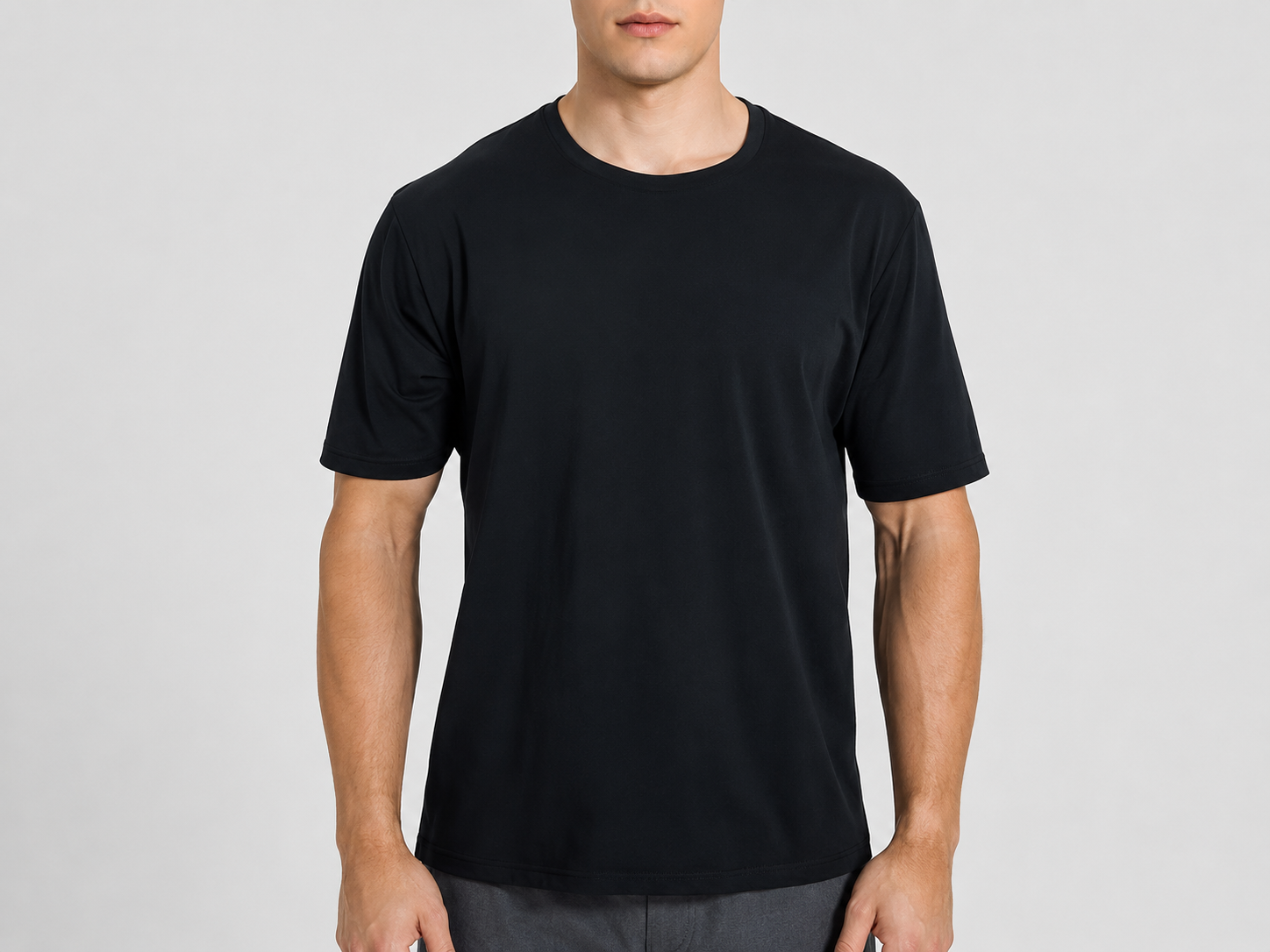
Sports T-shirts can be developed for training, running, gym, and sports-lifestyle collections with attention to neckline stability, shoulder mobility, sleeve shape, hem construction, fabric weight, surface feel, ventilation strategy, branding, and size grading. Leadshow can work from tech packs, reference images, or physical samples. Fabric and process selection is matched to the intended wear condition, while printing, heat-transfer, trim, and packaging requirements are reviewed together so product appearance and production feasibility remain aligned.
Running Shorts
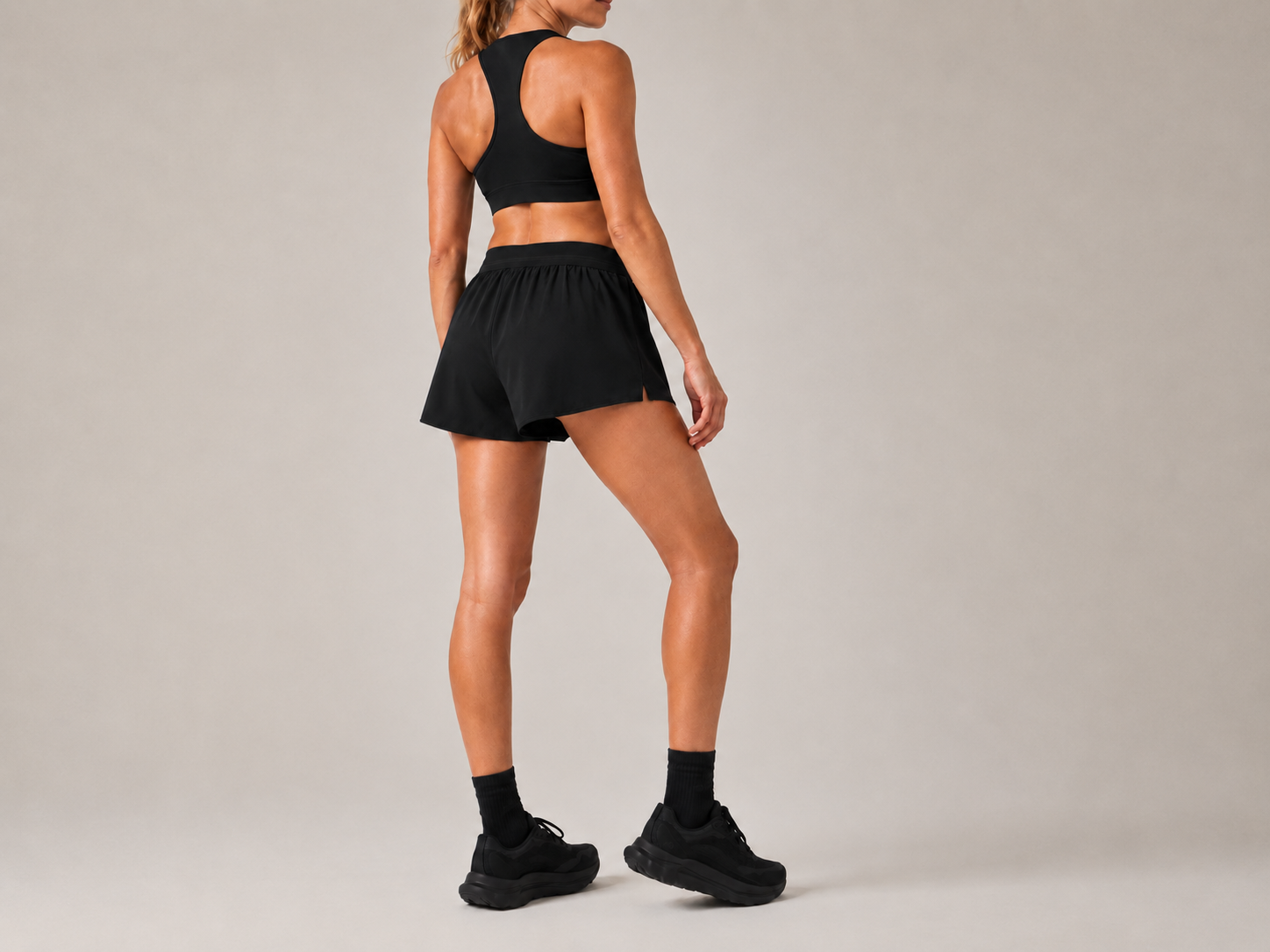
Running short projects can involve waistband structure, internal elastic, pocket placement, side split, inner layer, rise, inseam, leg opening, ventilation details, and high-movement seam areas. Leadshow has confirmed elastic-attaching, bartacking, flatlock, conventional sewing, cutting, and laser-perforation equipment that may be used where the design and fabric are suitable. Performance features are evaluated through the actual material and construction. Final dimensions, pocket security, movement comfort, and finishing standards are confirmed through sampling and approved product specifications.
Tank Tops
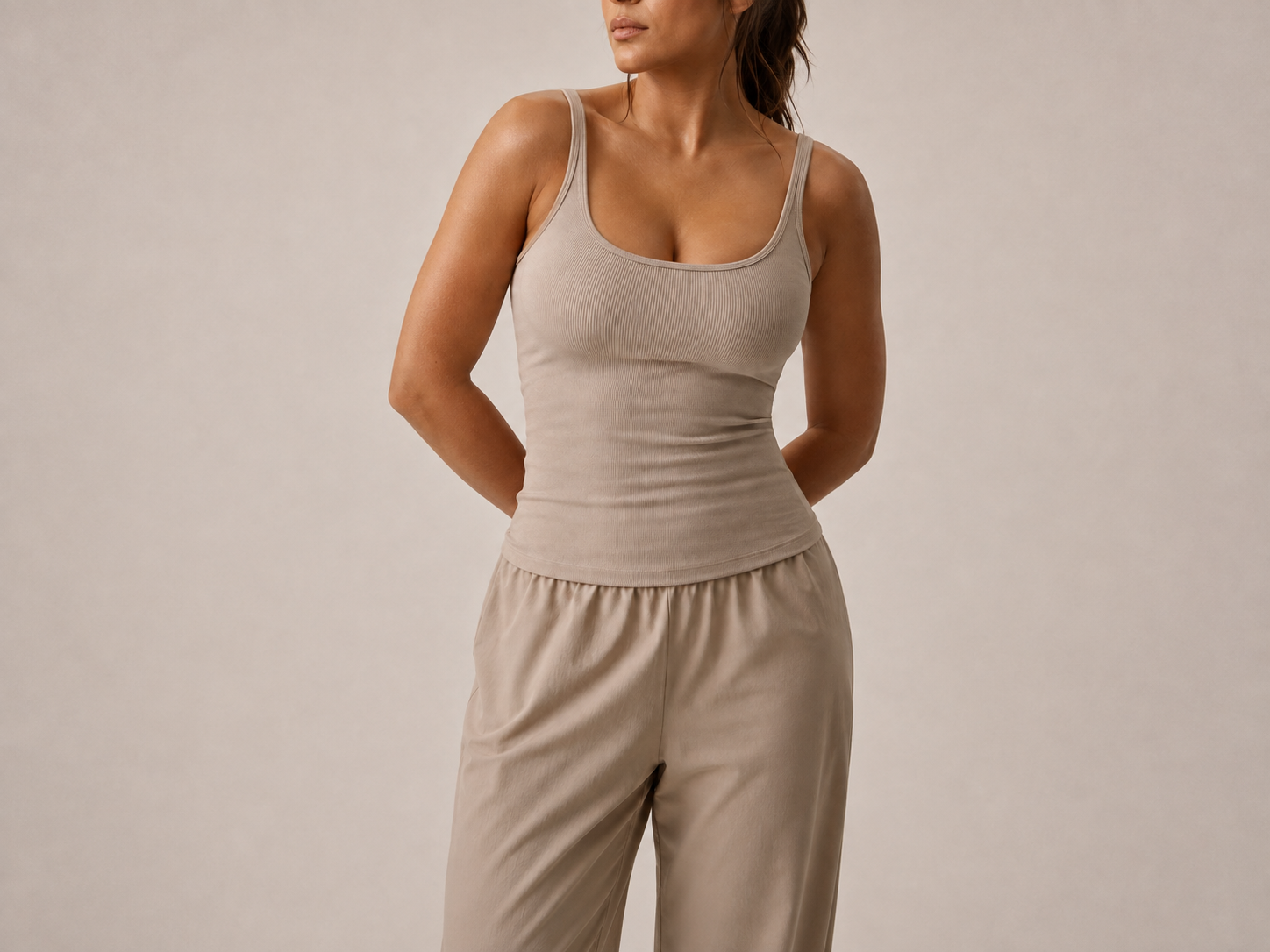
Athletic tank tops can be developed around neckline depth, armhole shape, shoulder width, back coverage, body length, side seam position, fabric stretch, and intended training movement. The category is suitable for both fitted and relaxed athletic silhouettes. Material selection, branding, trim details, and seam construction are reviewed before sampling. For fitted styles, movement and recovery receive greater attention; for looser training tops, drape, ventilation, shrinkage, and dimensional stability may become more important. Bulk production follows the approved sample and frozen measurement requirements.
Tennis Skirts
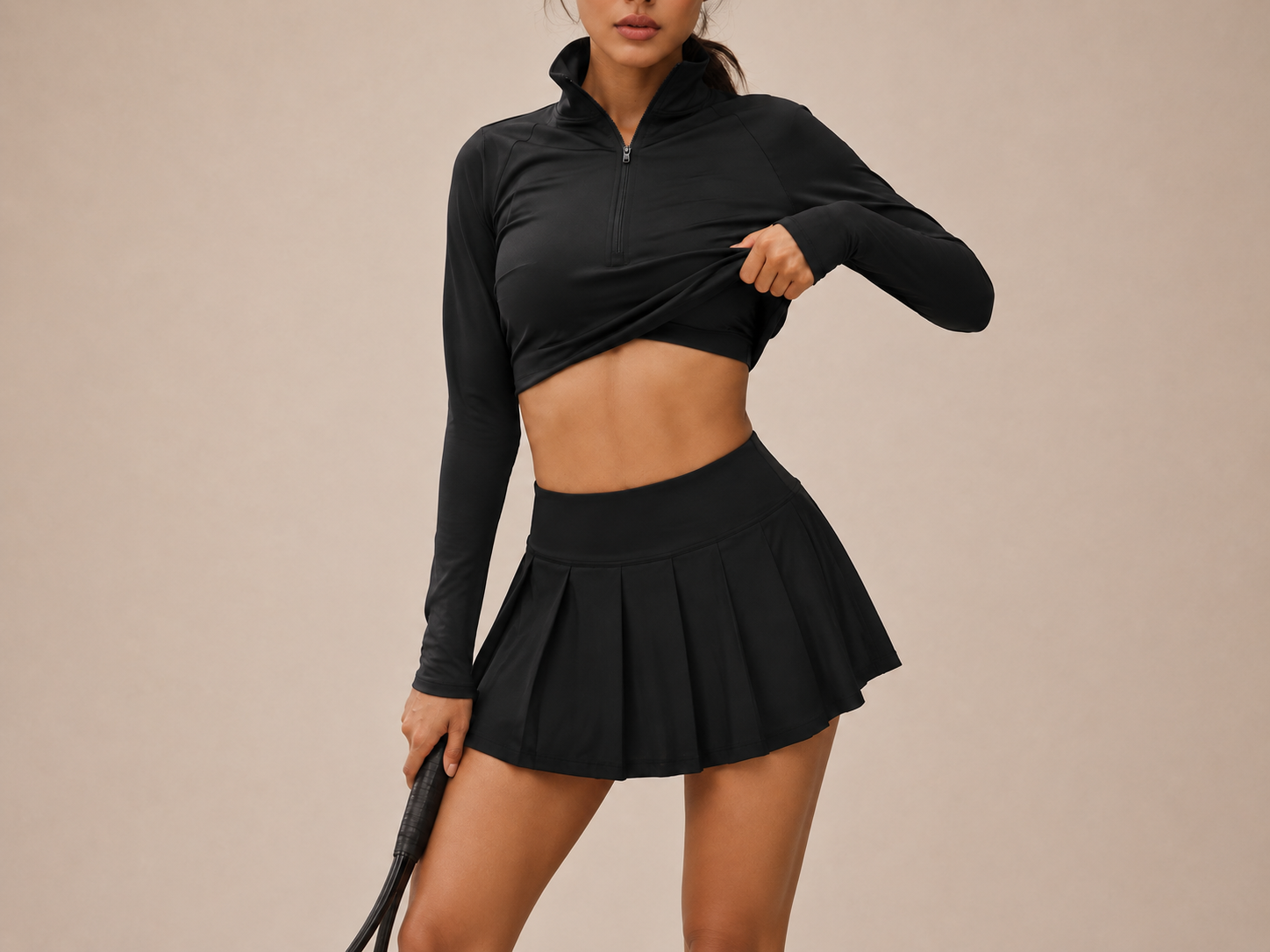
Tennis skirt projects can combine skirt shape, pleat or panel layout, waistband structure, internal shorts, pocket construction, movement coverage, hem behavior, and multi-layer material coordination. Sample development should check whether the outer layer, inner short, waistband, and elastic system move together without pulling or distortion. Size, fit, pocket placement, branding, and packaging can be customized according to the program. Materials and construction are confirmed through evaluation rather than assuming one standard tennis-skirt specification for every market.
Jumpsuits
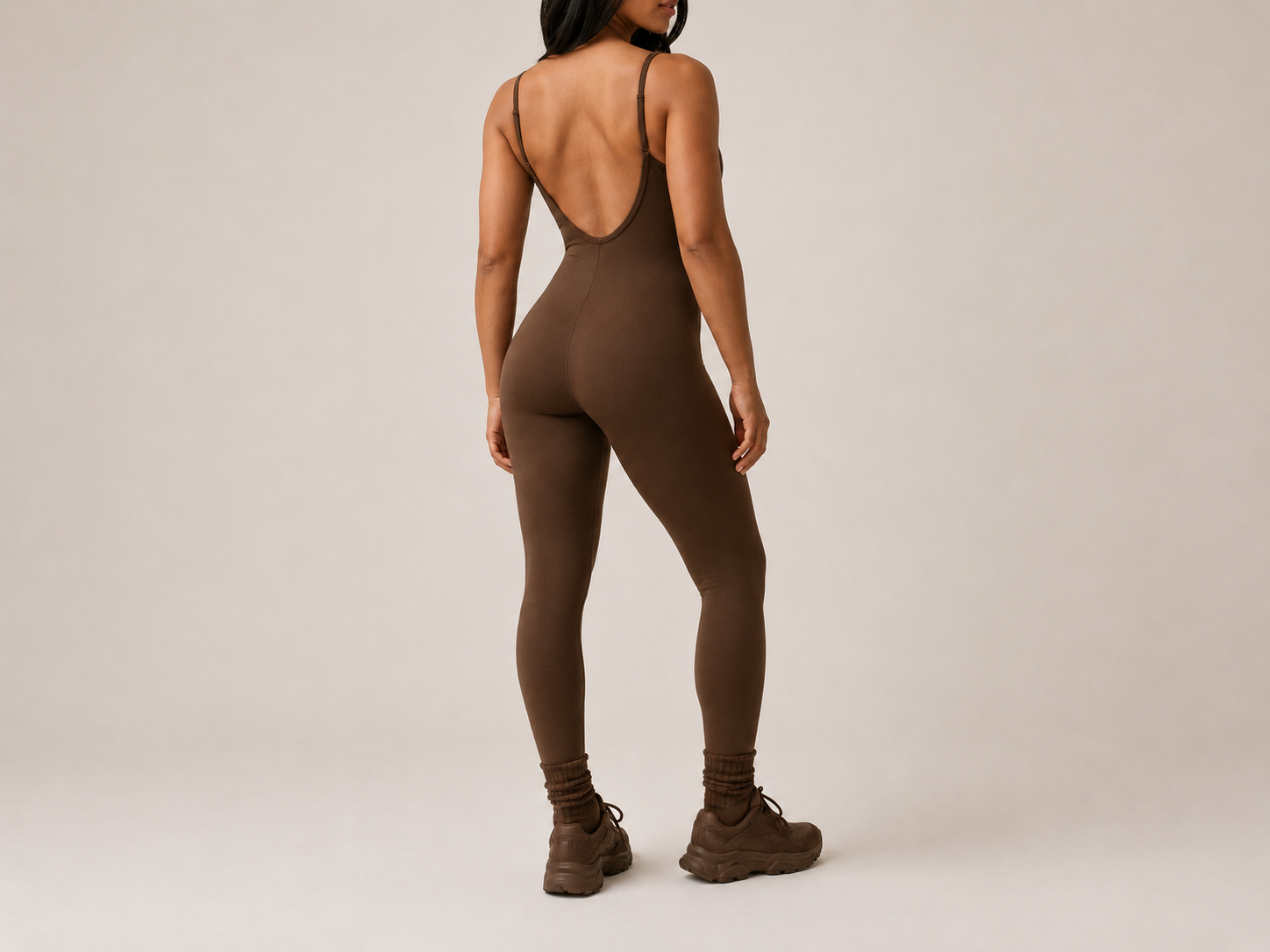
Athletic jumpsuits require careful control of torso length, rise, waist position, leg proportion, neckline, strap or sleeve structure, entry method, stretch distribution, and multi-panel fit. Small measurement changes can affect comfort across the entire garment, so pattern review and fitting are especially important. Leadshow can support pattern adjustment, sampling, flatlock and stretch-garment sewing, selected bonding, labeling, and private-label production. Size grading and fit rules remain brand-specific and should be established from the approved size chart and sample rather than from a universal template.
Tracksuits
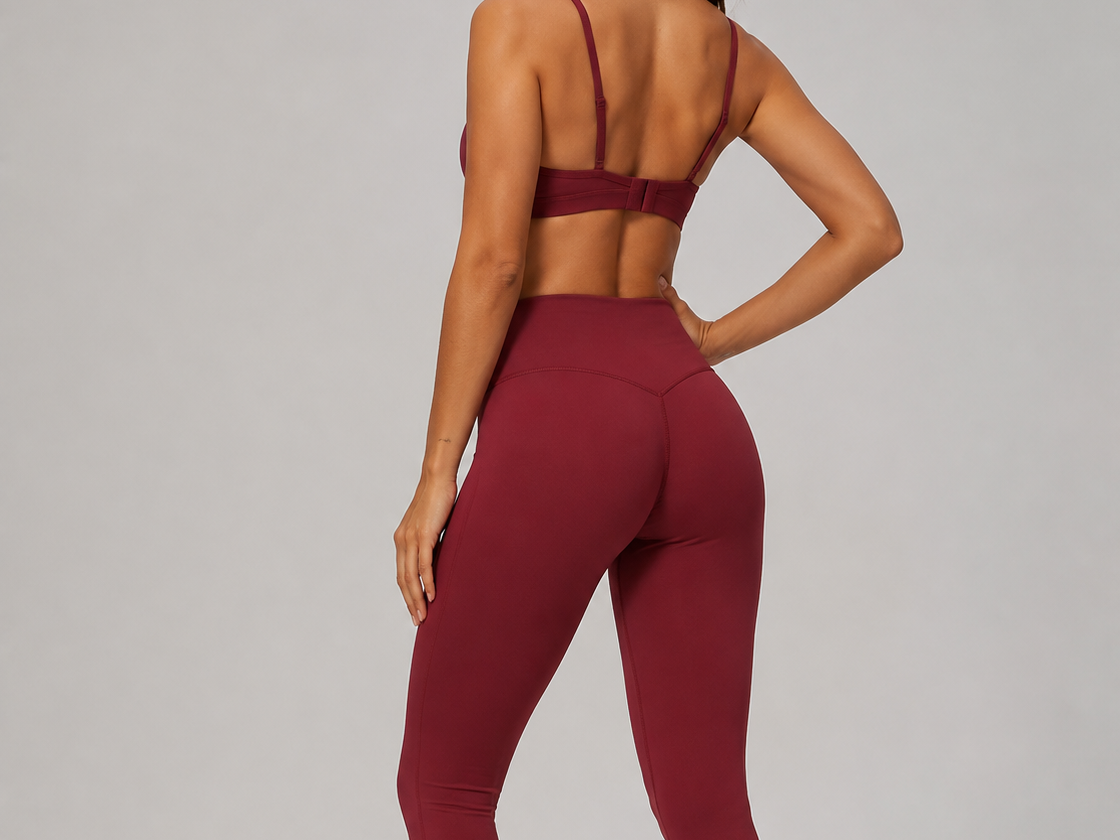
Tracksuit programs may include coordinated jackets and pants with shared color, fabric, rib, zipper, pocket, trim, branding, label, and packaging requirements. Development should evaluate set consistency as well as the fit of each garment. Leadshow has confirmed lockstitch, overlock, double-needle, bartacking, buttonhole, snap, cutting, heat-press, finishing, and packing resources that can support suitable tracksuit constructions. Final fabric, zipper, rib, logo process, sizing, and delivery plan are confirmed according to the approved design and order structure.
What to Check Before Shortlisting a Manufacturer
A sourcing shortlist should be built around verifiable product fit, development discipline, manufacturing resources, quality controls, MOQ conditions, and the ability to move an approved sample into repeatable production. Leadshow can be evaluated against the same criteria used for serious sportswear programs.
Qualification Area
Leadshow Capability
Why It Matters
Company and product fit
Shenzhen Leadshow Sports Technology Co., Ltd. is headquartered in Shenzhen and specializes in sportswear, swimwear, streetwear, and modest sportswear.
Confirms a focused apparel manufacturing role rather than a general trading or ready-stock model.
Project entry
Accepts tech packs, measurement charts, reference images, physical samples, product concepts, and brand requirements for review.
Allows mature OEM programs and earlier-stage manufacturing-focused ODM projects to enter through different routes.
Sampling
Supports pattern and fit adjustment, sample development, revisions, and pre-production validation.
Shows how a product is verified before bulk production rather than relying on verbal assurances.
Manufacturing scale
3 manufacturing bases, 20,000+ m² combined factory area, 1,500+ team, and 300+ production, specialized-process, and finishing machines.
Provides an objective manufacturing foundation for multi-style and scalable programs.
MOQ
Standard MOQ generally starts from 100 pieces per color per design, subject to materials, trims, construction, and customization.
Gives a starting point while keeping project-specific limits visible.
Technical processes
Confirmed resources include flatlock, elastic attachment, bonding, hot-air seam sealing, laser perforation, heat transfer, heat press, sewing, cutting, and finishing equipment.
Helps match process capability to athletic wear construction without assuming every function applies to every garment.
Quality support
Quality personnel support material, in-process, finished-garment, label, packaging, and applicable needle-detection checks according to project requirements.
Focuses on defined inspection objects rather than unsupported zero-defect claims.
Private label and multi-SKU
Supports custom labels, customized packaging, size/color/SKU organization, carton preparation, and shipment coordination.
Important for brands, importers, retailers, and repeat programs with multiple variants.
Export support
Confirmed export regions include Europe, North America, South America, and Oceania; export delivery coordination is available by project.
Shows international shipping experience while leaving customs, platform, and final destination obligations to the agreed commercial arrangement.
OEM or ODM Support for Different Project Stages
Athletic wear programs do not all begin at the same point. A clear manufacturing route protects development time, quotation accuracy, and sample quality by matching the project to the information already available.
OEM From Approved Specifications
OEM projects are best suited to brands with a mature tech pack, measurement chart, pattern, reference sample, or established product standard. Leadshow reviews product construction, fabric, trims, process requirements, quantities, destination market, branding, and packaging before sampling or bulk production is confirmed.
- Tech-pack-based construction and measurement review before sample development.
- Material, trim, logo, label, packaging, and quantity evaluation for quotation preparation.
- Pattern and fit adjustment where approved specifications require manufacturing refinement.
- Sample development, revision, and approval before bulk production.
- Production based on approved specifications and sample references rather than verbal descriptions alone.
- Final MOQ, pricing, sample lead time, and bulk schedule confirmed after project review.
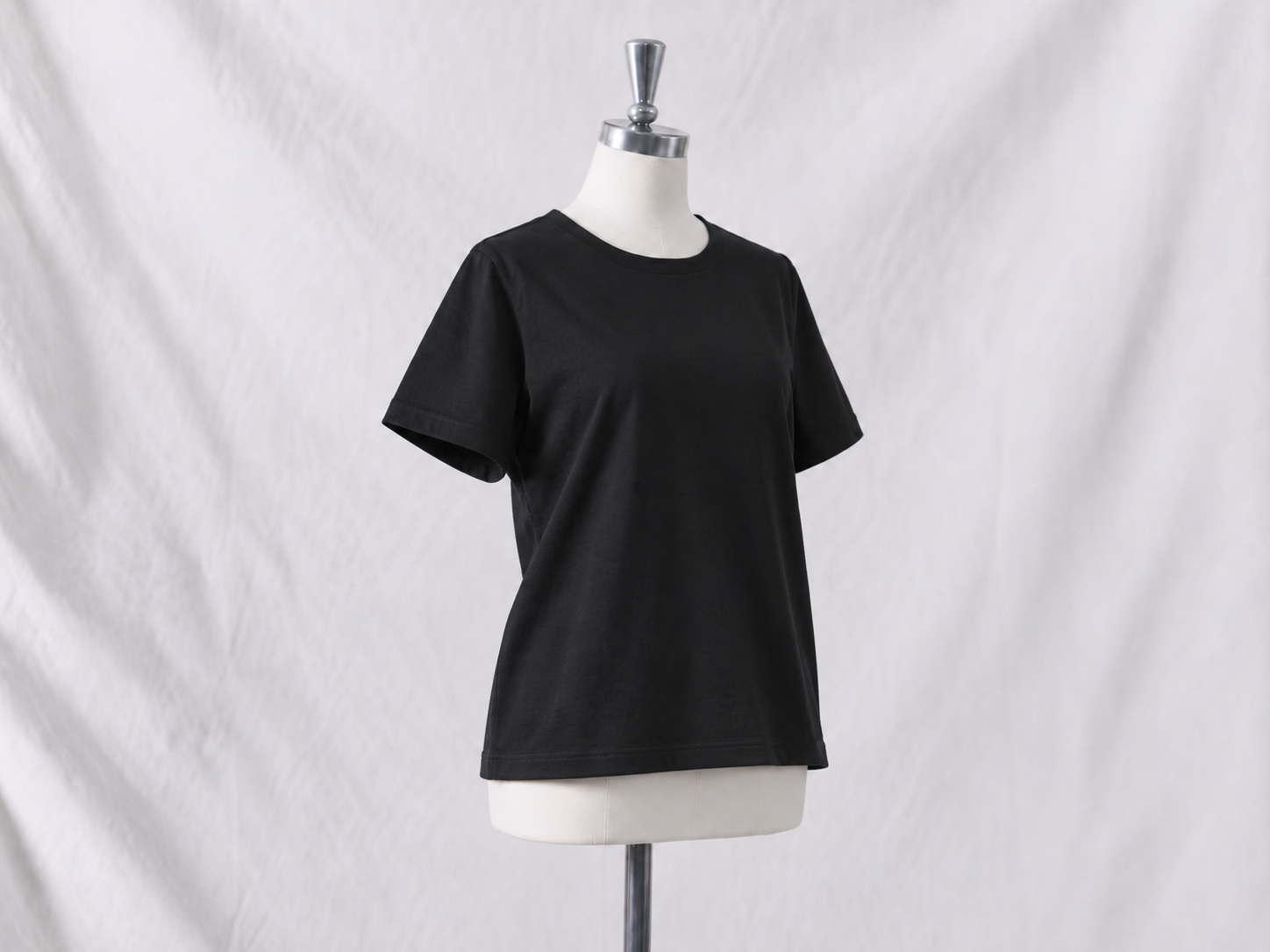
Manufacturing-Focused ODM Development
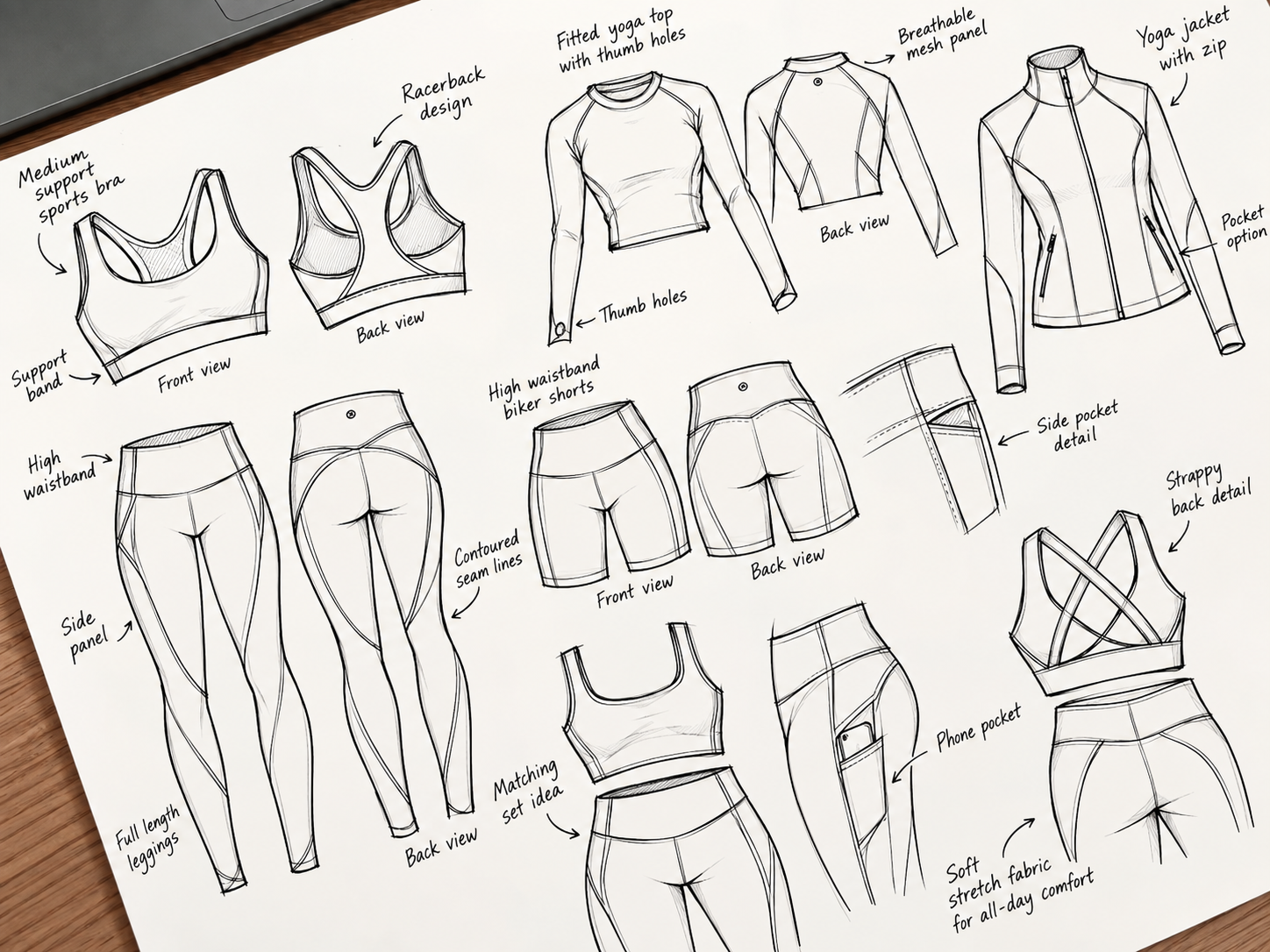
ODM projects can start from a product concept, sketch, reference image, partial tech pack, or physical sample. Leadshow can support construction clarification, pattern development, fit adjustment, material and trim evaluation, sampling, and manufacturability review before a product moves toward private-label production.
- Define intended activity, fit direction, coverage, product structure, target market, and quantity.
- Compare suitable materials and trims according to product use and construction.
- Develop patterns and samples around the agreed product direction.
- Use sample feedback to refine fit, construction, materials, and workmanship.
- Confirm product-specific performance or compliance claims only when materials, evidence, and testing support them.
- Move approved products into private-label bulk manufacturing, quality review, packaging, and export coordination.
Fabric and Material Decisions for Athletic Wear
Athletic wear fabric selection is a system decision. Composition, knit structure, weight, stretch, recovery, coverage, lining, elastic, trims, branding process, and intended activity all need to work together before a material becomes an approved production standard.
Match Fabric to Movement and Coverage
An athletic garment should not be specified by a fabric name alone. Product development starts by clarifying the intended activity, movement intensity, body coverage, silhouette, hand feel, weight, stretch direction, recovery, and visual expectations. A fitted yoga legging may require different stretch and recovery behavior from a running short, while a sports bra can place greater emphasis on support structure, bottom-band behavior, lining, coverage, and localized reinforcement.
A sports T-shirt may prioritize drape, dimensional stability, ventilation strategy, and surface feel instead. Leadshow can evaluate composition, GSM, stretch direction, recovery, thickness, hand feel, opacity or coverage, and the relationship between the material and the planned pattern. Functional language such as moisture-wicking, squat-proof, chlorine-resistant, sustainable, recycled, or certified should not be added automatically. Performance claims depend on actual materials, construction, supplier documentation, project requirements, and testing where required. The goal is to choose a material system that can be sampled, evaluated, reproduced, and purchased at the intended order scale rather than to select the most marketable fabric description.
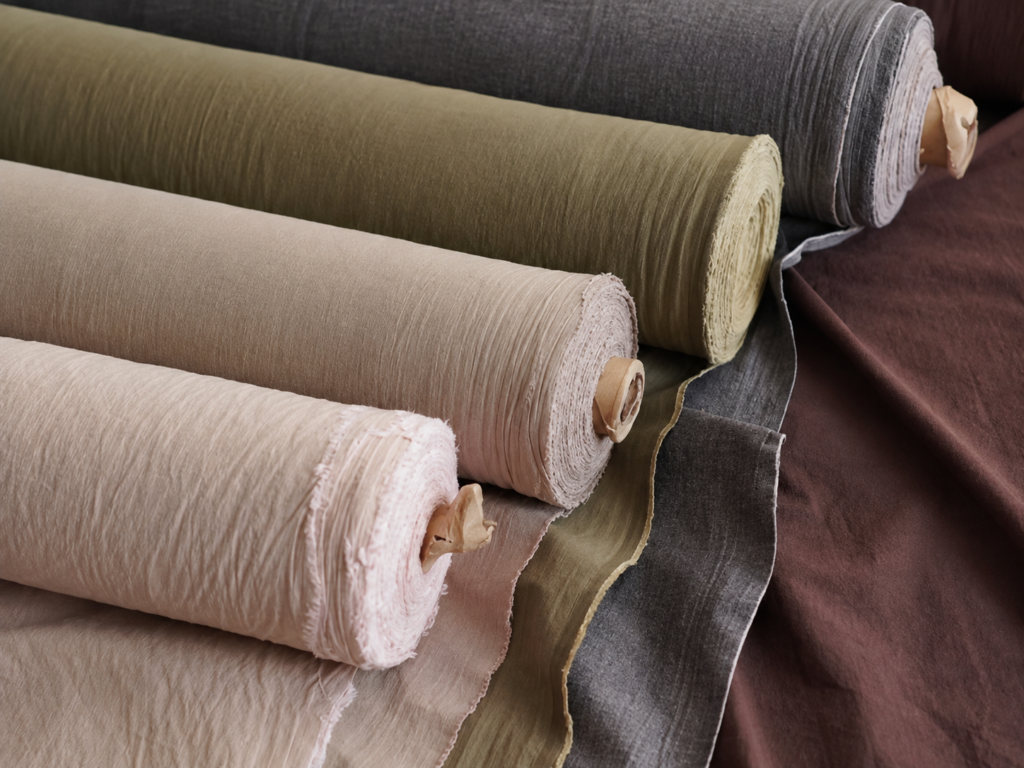
Build the Complete Material System
Main fabric performance can be undermined by a poorly matched lining, mesh, rib, elastic, zipper, binding, thread, label, or heat-transfer component. Material review therefore covers the complete garment system rather than one swatch. Stretch direction and recovery should be compatible between adjoining parts.Shrinkage differences can distort seams, waistbands, or layered structures after processing or washing. Elastic width, stretch behavior, and attachment method affect sports bras, leggings, shorts, swimwear, and fitted products.
Logo methods must be compatible with the surface, temperature tolerance, stretch, and washing requirements of the selected fabric. Color can also appear different across fabric structures or trim materials, so shade approval should be handled by the actual product combination. Leadshow can coordinate fabrics, trims, labels, packaging, and selected external technical resources according to project requirements. Final specifications should identify approved material references, color information, trim details, construction notes, and any required tests or documentation so production teams are not working from general descriptions.
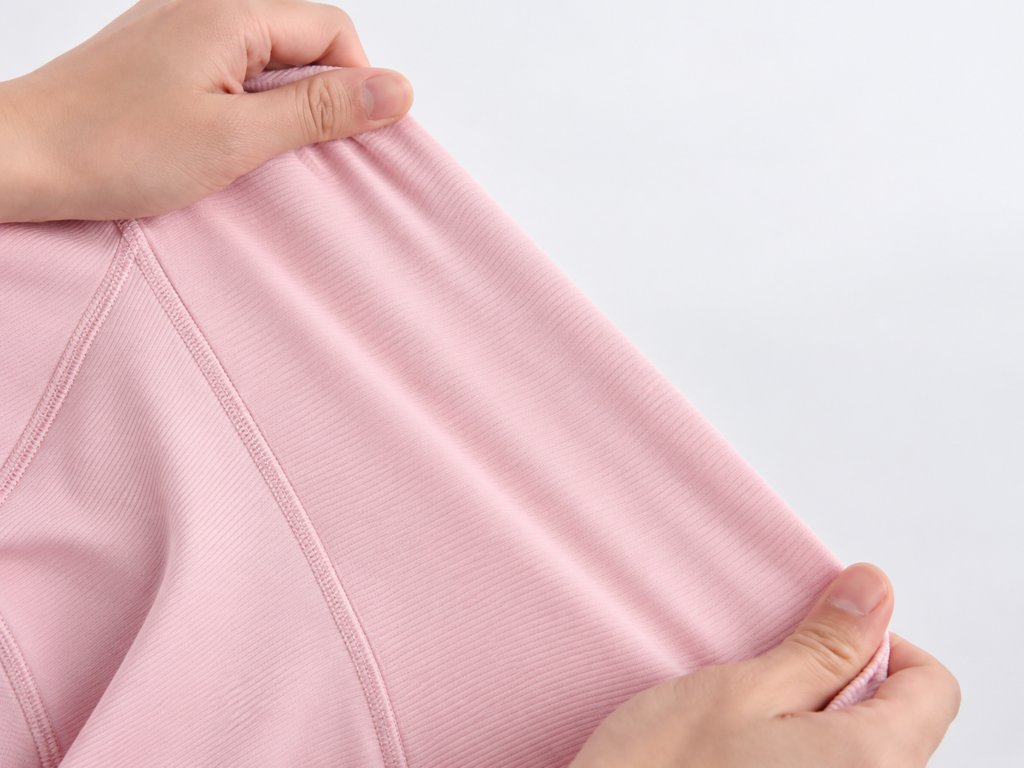
Confirm Market Requirements Before Material Approval
Material approval should also consider the destination market, brand positioning, care expectations, labeling, and any product-specific regulatory or performance requirements. North American, European, South American, and Oceanian programs may ask for different documentation, care information, chemical restrictions, labeling formats, packaging instructions, or third-party testing.
Leadshow can review destination-market requirements as part of the project, but market compliance should never be presented as a universal guarantee across all products or countries. If recycled content, sustainable sourcing, certified fibers, UV performance, moisture management, waterproofing, or other functional claims are important, the required evidence should be identified before bulk approval. Material availability also influences MOQ, color options, sample timing, and production scheduling. A custom fabric or trim may carry supplier minimums beyond the garment MOQ. A realistic approval path therefore connects material choice with fit, construction, cost, order quantity, brand claims, testing, and delivery planning rather than treating each decision separately.
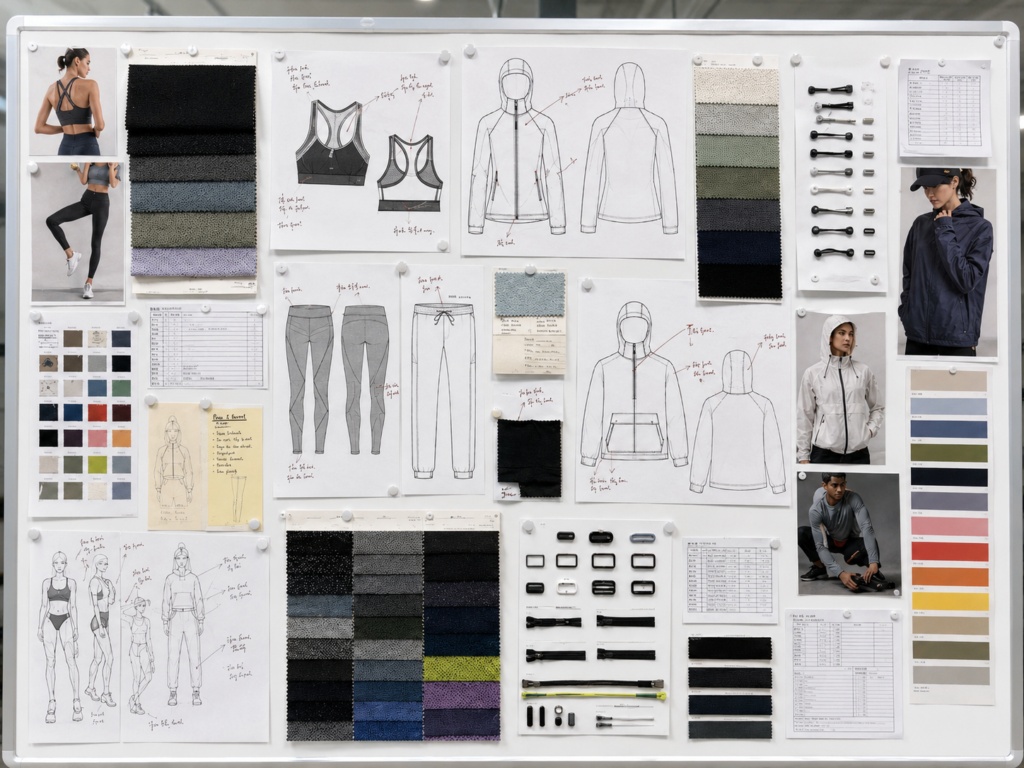
Pattern, Fit and Movement Before Bulk Production
Athletic wear fit needs to work in motion, not only on a table or mannequin. Pattern development, measurements, stretch distribution, coverage, seam placement, and movement feedback should be resolved through the sample process before bulk production is released.
Fit Starts With the Intended Activity
Pattern decisions should begin with the activity and silhouette rather than a generic size label. Running shorts need enough stride and hip movement without excessive fabric movement. Yoga leggings need a waistband, rise, gusset, inseam, and leg profile that work with repeated flexion and stretch. Sports bras may require a different balance between coverage, strap position, underband behavior, and body movement.
Tennis skirts need the outer skirt, internal short, waistband, and pocket system to work as one construction. Jumpsuits add another layer of complexity because torso length and rise influence the entire garment. Leadshow can work from brand-supplied measurement charts, patterns, samples, or fit direction and then support pattern and fit adjustment during development. Size ranges and grading rules are project-specific. No universal size matrix is imposed across all programs, because target markets, body profiles, product categories, compression intent, ease, and brand standards differ. A clear measurement method should be agreed before sample approval so later size reviews are based on the same points of measure.
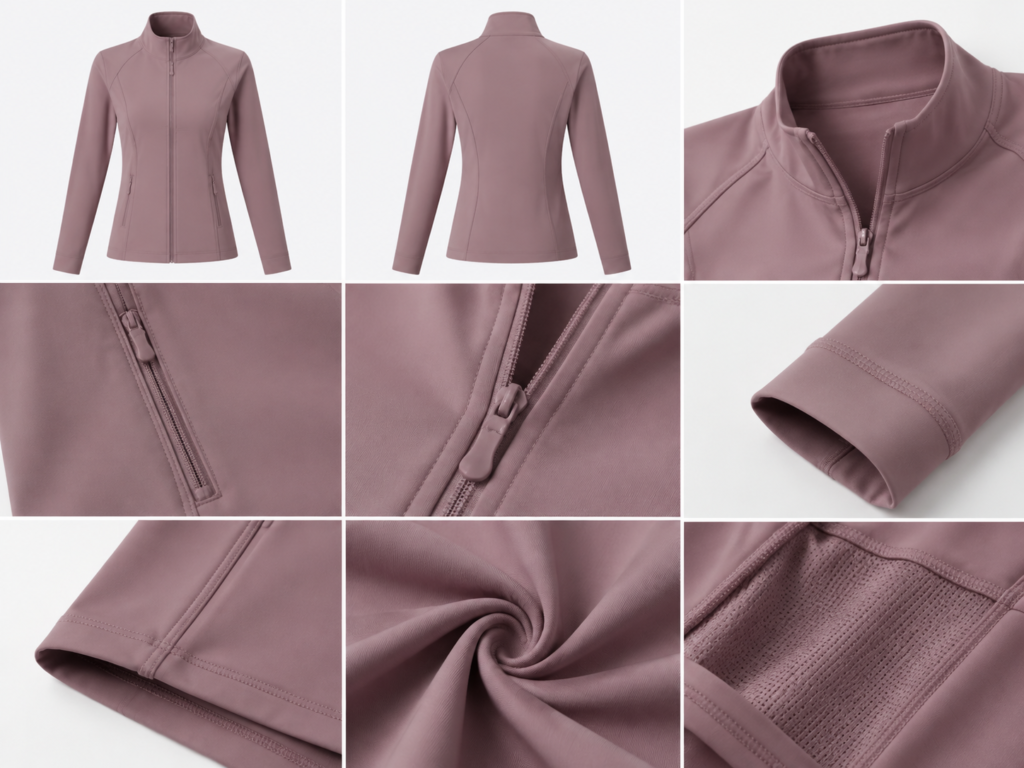
Use Samples to Check Real Movement
A first sample should do more than confirm appearance. It should help identify problems related to movement, coverage, balance, seam position, waistband behavior, armhole shape, shoulder mobility, torso length, leg opening, strap placement, pocket accessibility, and fabric recovery. Fitted athletic garments can reveal issues only when worn and moved through the intended range of motion.
Sample review may include measurements, visual inspection, fitting comments, movement feedback, and checks for rolling, sliding, gaping, pulling, excessive compression, transparency, or friction where relevant. Leadshow can organize sample revisions around a consolidated feedback list so pattern, material, construction, and workmanship changes remain traceable from one version to the next. Sample lead time is not published as one fixed number for every style. Timing is confirmed after reviewing fabric availability, trim readiness, construction complexity, artwork, sample type, and expected revision scope. A more defined starting specification usually leads to a clearer development path and a more accurate schedule.
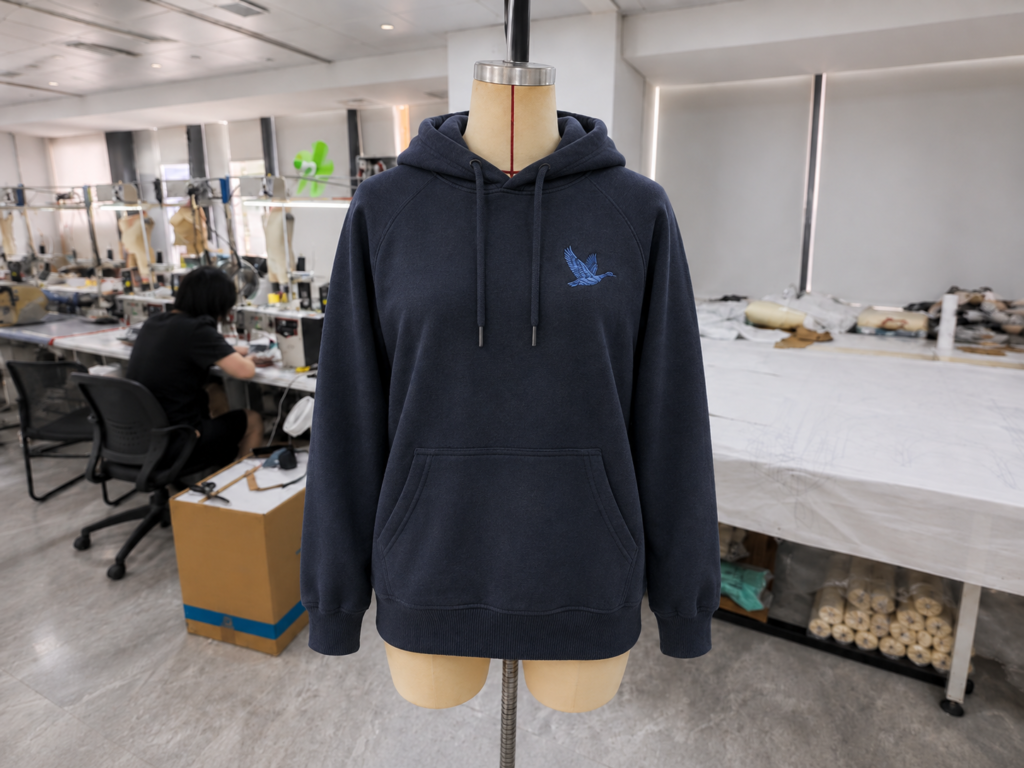
Freeze Measurements Before Production
Bulk production should not begin while major fit decisions remain open. The approved sample needs to connect with a frozen measurement chart, approved pattern or pattern reference, material specification, construction notes, branding details, and packaging requirements. Critical points of measure should be identified for the product type and checked consistently during production according to the agreed method.
For multi-size orders, grading rules and size breakdowns should be confirmed before cutting. Any late change to measurement, material, color, logo, or construction can affect cost, sample status, production scheduling, and delivery. Leadshow uses cross-functional coordination between development, production, quality, and logistics functions to translate approved specifications into executable bulk requirements. Fit improvement is supported through sample validation, but “perfect fit” should not be treated as an unconditional claim. The production objective is a repeatable garment made within agreed specifications and reasonable manufacturing tolerances, supported by documented approvals rather than an absolute promise of zero variation.
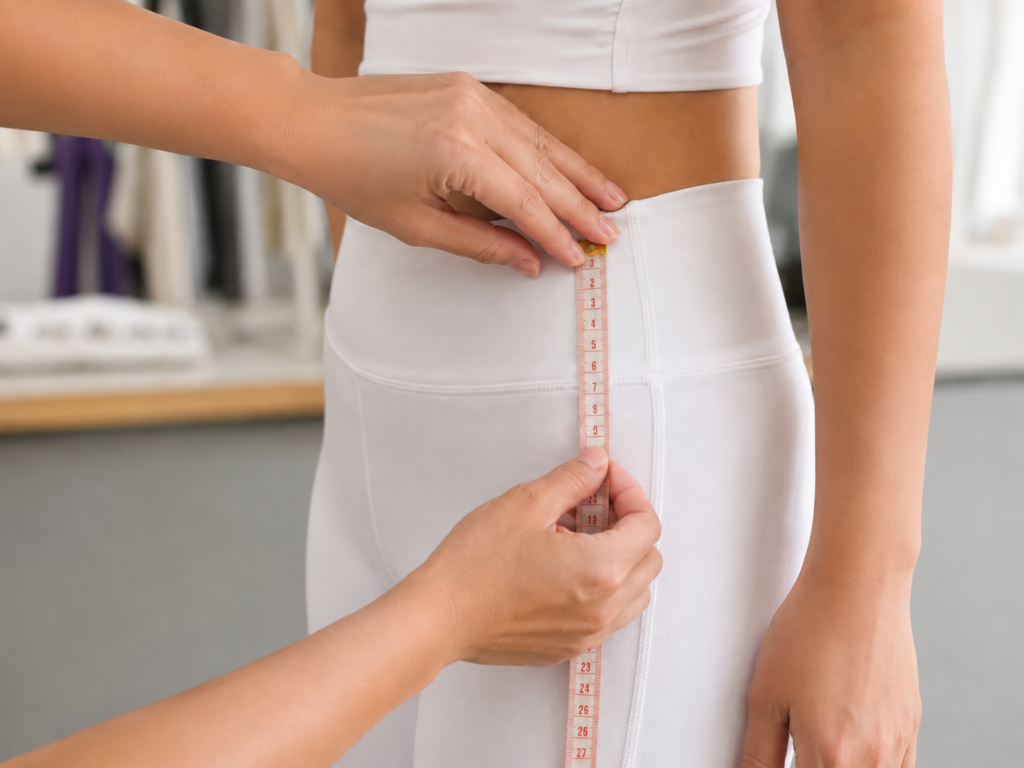
Processes Available for Technical Athletic Wear Construction
Athletic wear often combines stretch sewing, elastic control, reduced-seam structures, localized reinforcement, ventilation details, and brand applications. Leadshow has confirmed equipment across several relevant processes, with final suitability determined by the fabric, garment structure, and approved specification.
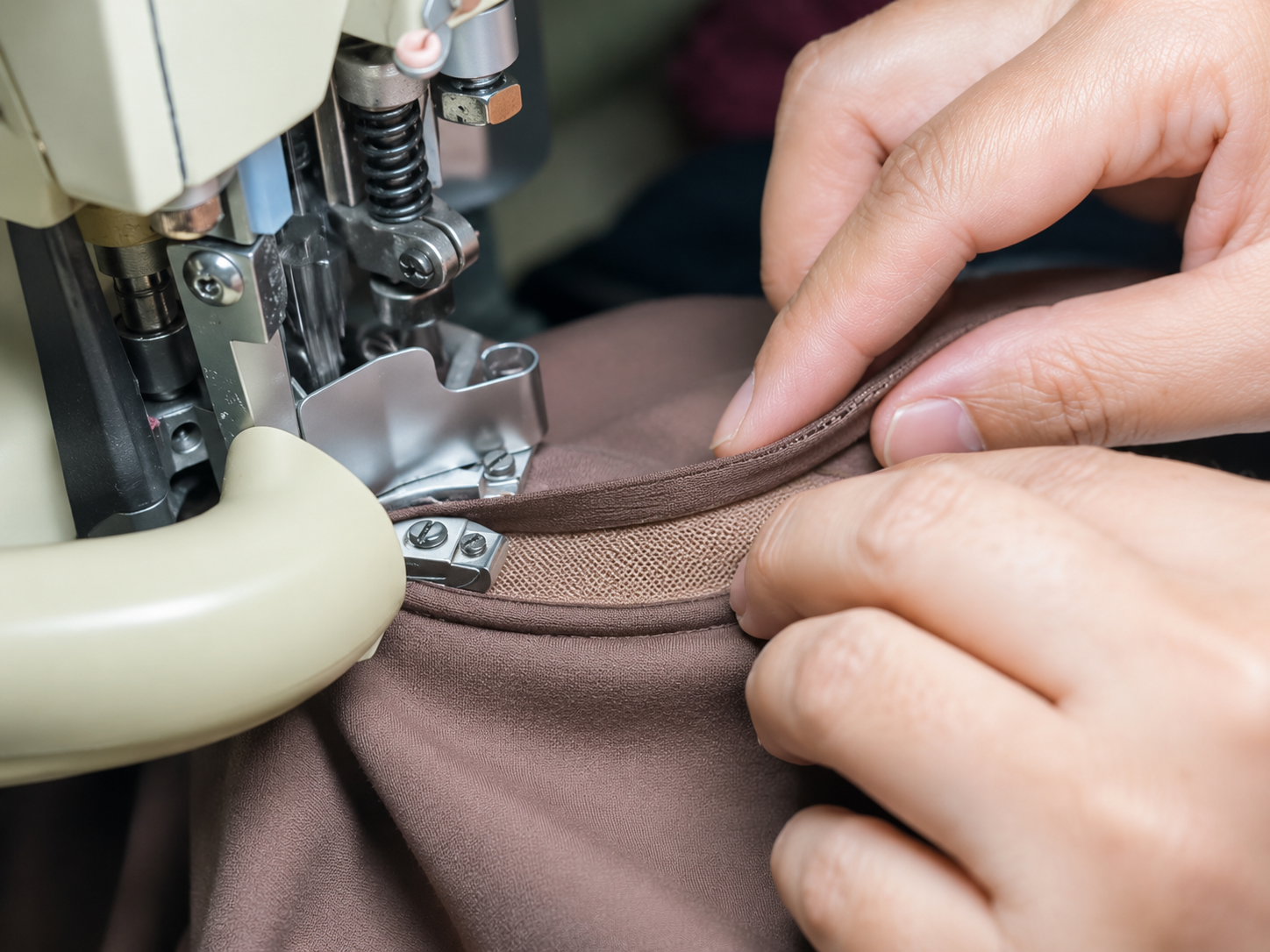
Four-Needle Six-Thread Flatlock
Leadshow has 35 four-needle six-thread flatlock machines supporting flatter, stretch-compatible seams for leggings, sports bras, tank tops, swimwear, jumpsuits, and other fitted athletic garments. The process can improve seam flatness and stretch behavior where the construction is suitable.
- Useful for selected stretch seams and fitted structures.
- Works alongside overlock, elastic attachment, and other sewing methods.
- Final seam performance depends on fabric, thread, stitch settings, seam design, and testing.
- Flatlock stitching must not be described as true seamless knitting or whole-garment seamless construction.
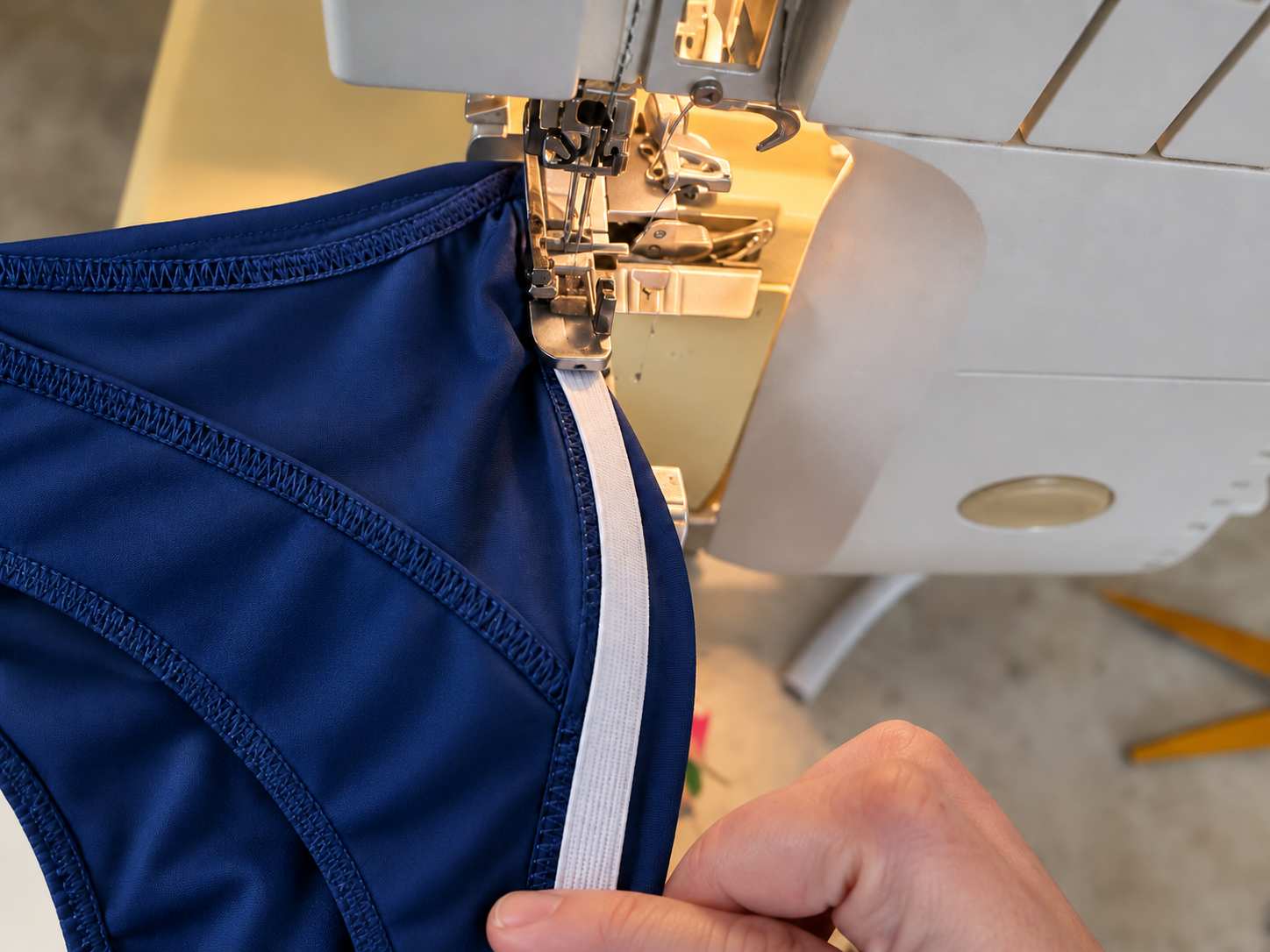
Elastic Attachment
Twelve confirmed elastic-attaching or dedicated elastic-installation machines can support waistbands, sports-bra underbands, leg openings, swimwear edges, and other elastic structures. Product results depend on elastic width, material, stretch ratio, installation tension, seam type, and fabric recovery.
- Relevant to sports bras, yoga leggings, running shorts, tennis skirts, swimwear, and jumpsuits.
- Sample review is important for rolling, pressure, recovery, and dimensional behavior.
- Elastic construction cannot guarantee permanent compression or zero size change.
- Approved elastic and attachment requirements should be frozen before bulk production.
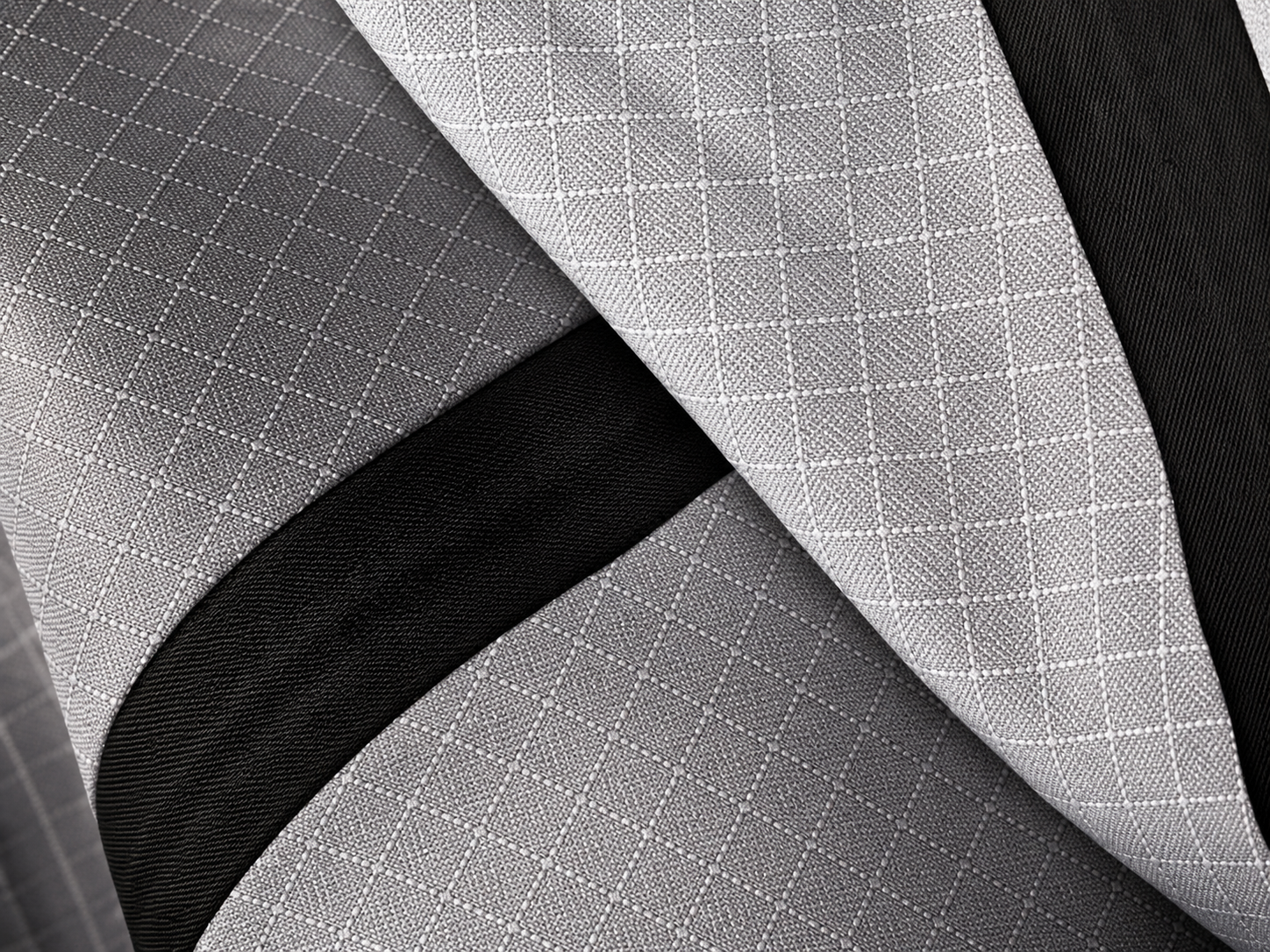
Heat Bonding
Eight confirmed heat-bonding or heat-press bonding machines can support selected bonded edges, panel joining, localized reinforcement, reduced-seam design, and compatible athletic wear structures. Bonding is evaluated according to fabric, adhesive film, temperature, pressure, time, position, and wash requirements.
- Suitable for selected sportswear and swimwear structures after technical evaluation.
- Can reduce some traditional stitching where the material system allows.
- Bonded construction is not the same as whole-garment seamless knitting.
- Permanent bonding, universal fabric compatibility, and waterproof performance cannot be assumed without supporting validation.
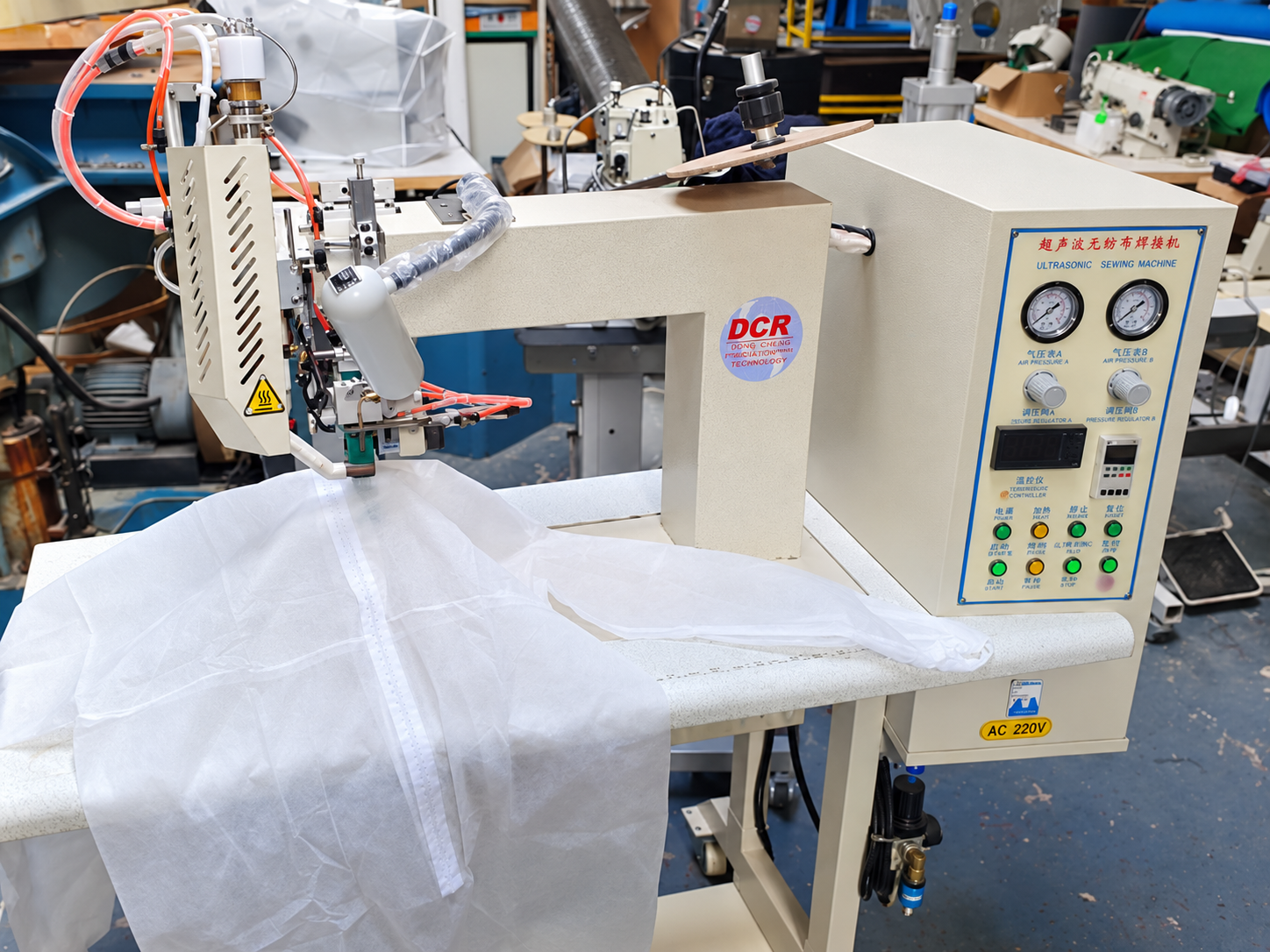
Hot-Air Seam Sealing
Four hot-air seam-sealing machines can apply seam tape to suitable fabrics and constructions. The process may help improve seam coverage or local resistance to water entry where the full material system is designed for the purpose.
- Suitability depends on fabric finish, seam geometry, tape, temperature, pressure, and wash requirements.
- Seam sealing can be evaluated for selected constructions after sample review.
- Equipment availability alone does not prove an entire garment is waterproof.
- Waterproof claims require appropriate fabric, openings, zipper design, sealed coverage, testing, and an agreed performance standard.
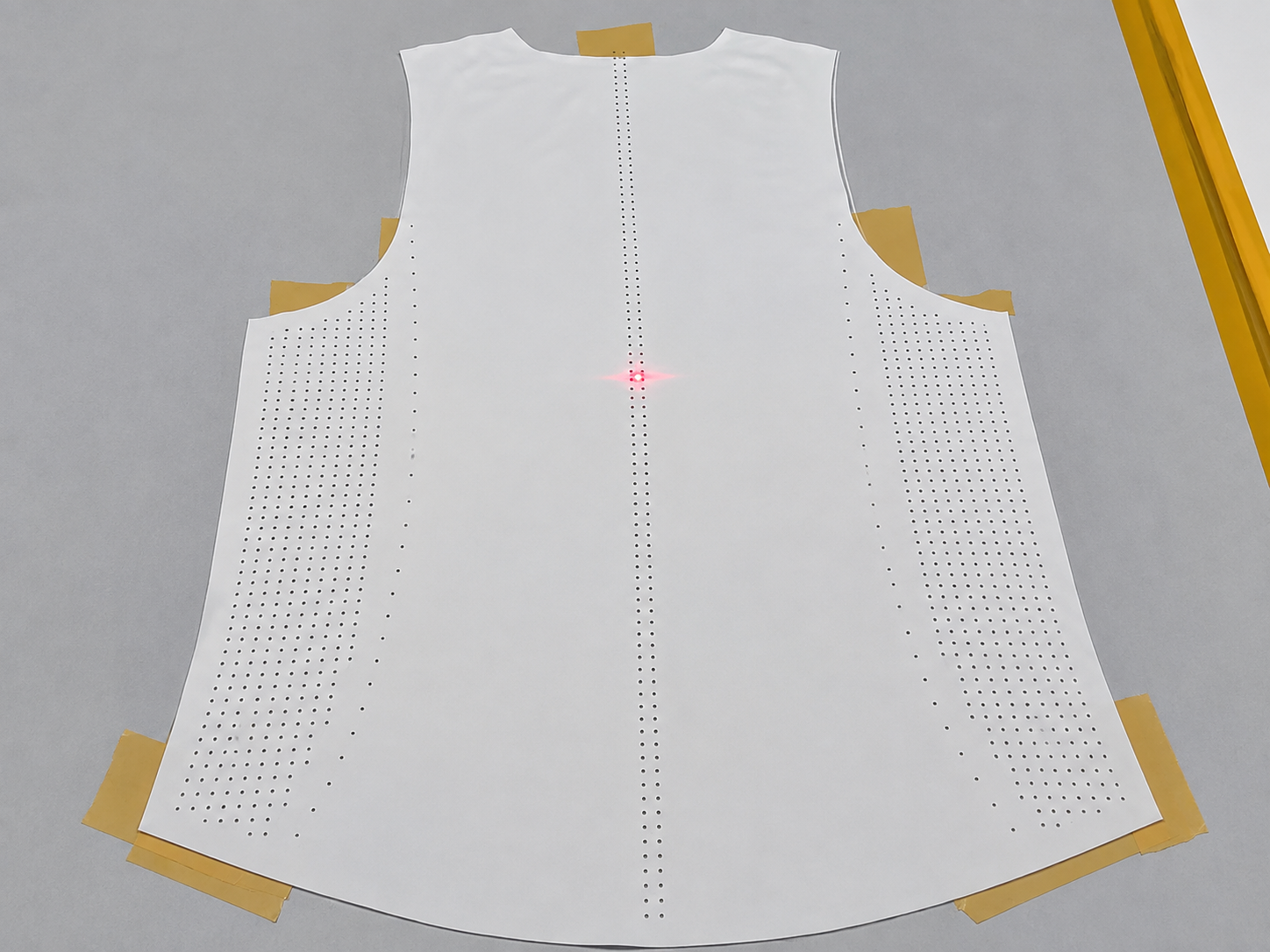
Laser Perforation
Three confirmed laser-perforation machines can create selected ventilation or decorative openings on compatible fabrics. The process can be useful around localized heat or airflow zones on running, training, tank-top, and selected yoga or sportswear products.
- Hole size, spacing, pattern, fabric composition, thickness, and location need review.
- Edge behavior varies by material and cannot be assumed to remain unchanged after use or washing.
- Laser perforation does not automatically prove a fixed improvement in breathability.
- Sample evaluation should confirm appearance, structural impact, and compatibility before bulk release.
Heat Transfer and Heat Press
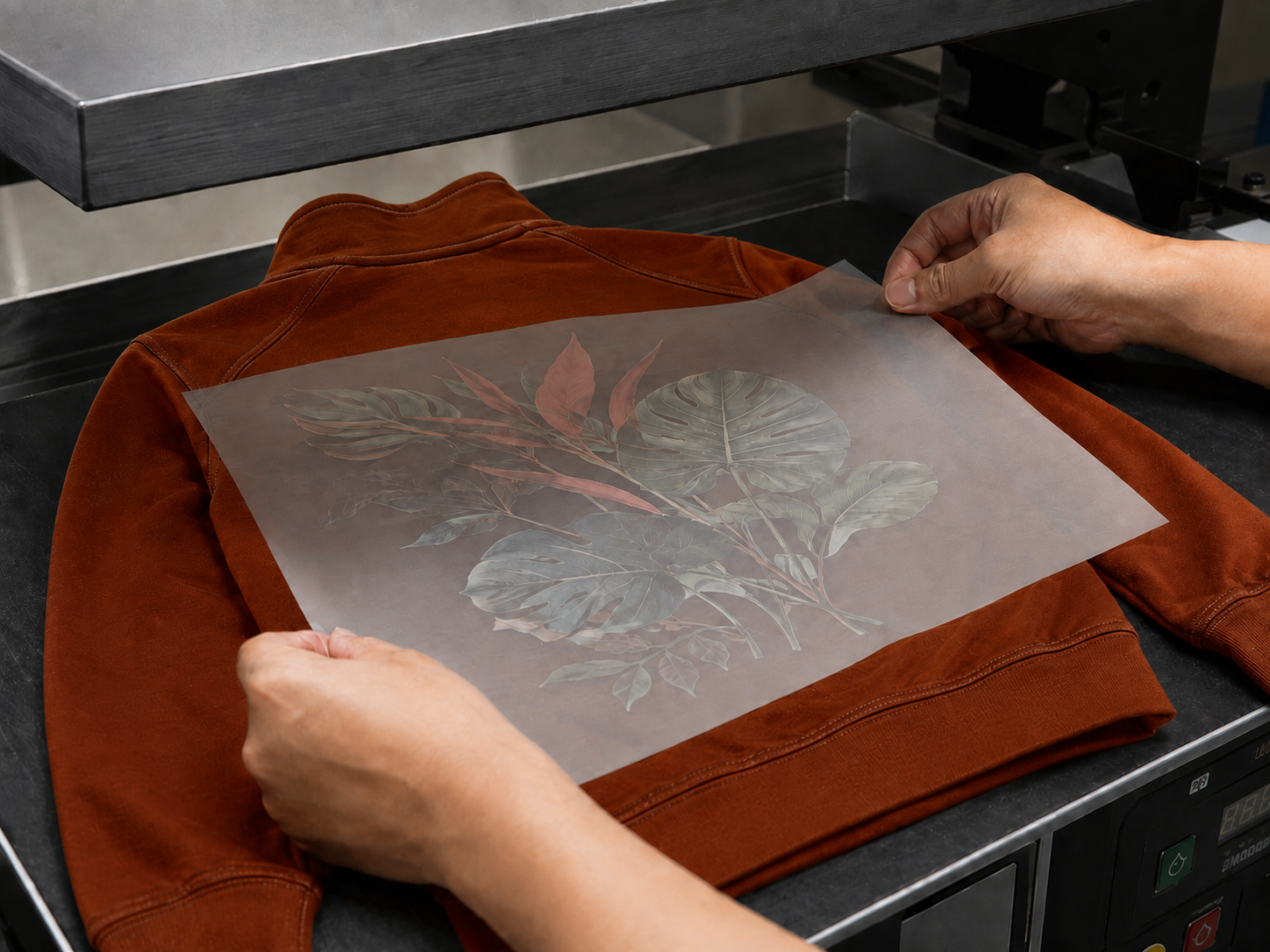
Leadshow has six dual-station heat-transfer label machines and four multi-station heat-press printing machines for suitable labels, logos, text, and localized graphics. These processes can support private-label sportswear where fabric compatibility and artwork requirements are confirmed.
- Heat-transfer main labels, care labels, and size labels are confirmed applications.
- Selected logos and local graphics can be evaluated for heat-press application.
- Transfer durability depends on material, temperature, pressure, fabric, and care requirements.
- Embroidery, screen printing, digital printing, sublimation, and other unconfirmed internal processes should be evaluated separately rather than presented as in-house by default.
Sample Development That Builds a Production Standard
Sampling is a decision stage, not a showroom exercise. The sample process should convert product requirements into approved materials, measurements, construction, workmanship, branding, and packaging references that production teams can follow at scale.
Review Requirements Before Cutting Fabric
A strong sample starts with a strong input package. Leadshow can receive tech packs, measurement charts, sketches, reference images, physical samples, material targets, artwork, order quantities, size breakdowns, destination-market information, and expected launch timing. Development and engineering functions review the available information to identify missing measurements, construction conflicts, material questions, trim compatibility, process risks, and points requiring clarification. For an OEM program, the goal is to translate the supplied standard into a manufacturable sample while preserving approved brand requirements.
For a manufacturing-focused ODM program, more work may be needed to define pattern direction, fit, material, trims, and construction before the first sample can represent the intended product. The review stage also affects quotation accuracy. Material supplier minimums, special trims, custom colors, bonding, seam sealing, laser perforation, private labeling, or complex packaging can change cost and MOQ. A sample request should therefore be connected to the commercial order plan rather than treated as a separate one-off task.
Measure, Move and Revise
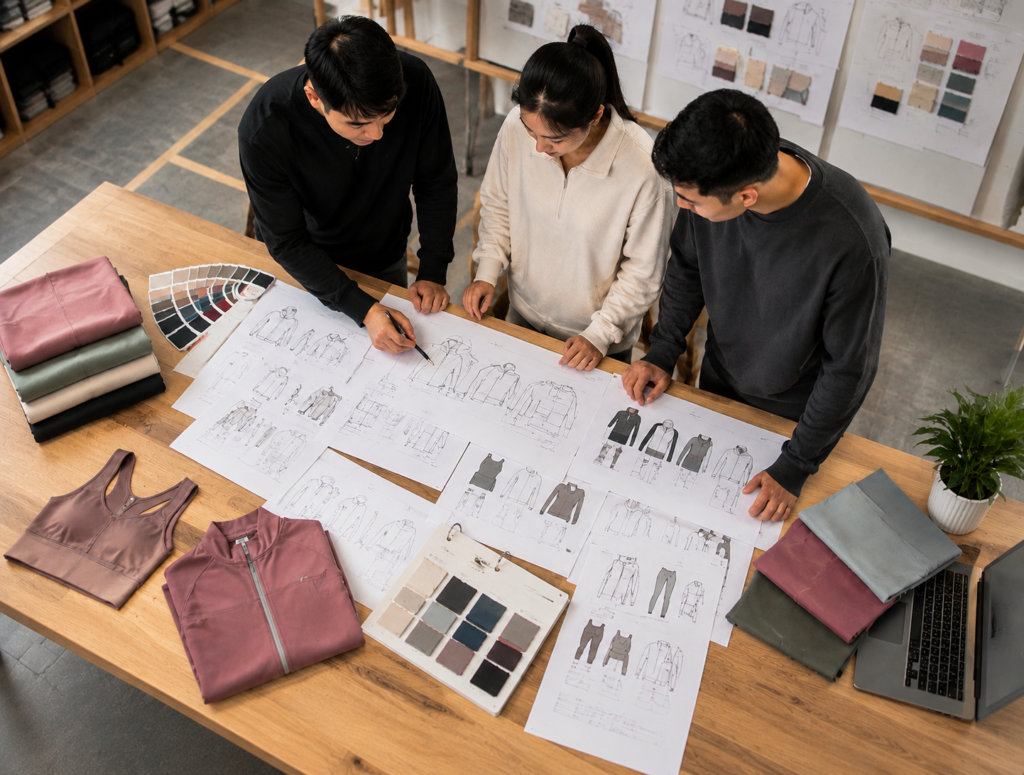
Once the first sample is complete, evaluation should focus on the points most likely to affect bulk success. Measurements are checked against the agreed method. Construction is reviewed for seam placement, stretch behavior, elastic tension, pocket position, lining, trim installation, logo placement, and visible workmanship. Fitted athletic wear also benefits from movement feedback because rolling, sliding, pulling, transparency, restriction, or balance issues can be difficult to see on a table.
Brand feedback should be consolidated into one controlled revision list so every change can be assigned to pattern, material, construction, artwork, workmanship, or packaging. Leadshow can support subsequent sample revisions according to project scope. The number of rounds, development charges, and timing are not fixed across all garments. Sample lead time is confirmed after reviewing material availability, special processes, sample type, artwork readiness, and revision complexity. A clear revision record makes approval more valuable because the final sample represents a defined manufacturing standard rather than an isolated prototype.
Approve the Sample as a Production Reference
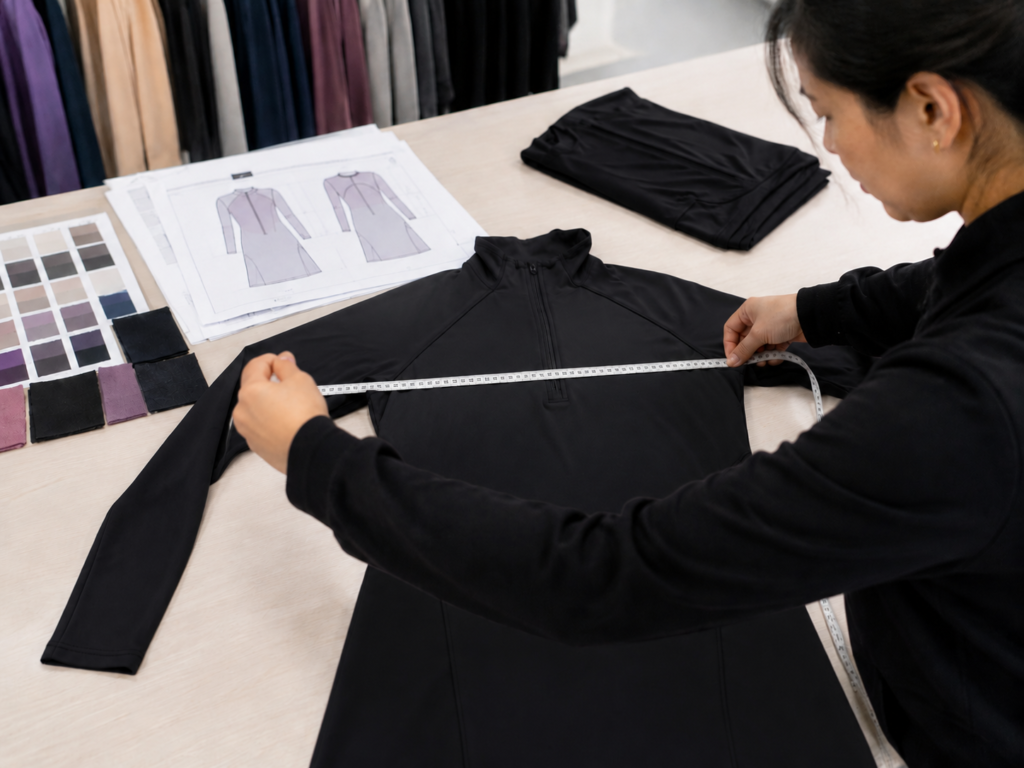
The approved sample should connect directly with production documents. Measurements, material references, color information, trim specifications, process notes, branding details, label positions, artwork versions, packaging requirements, and any agreed testing or inspection criteria need to be frozen before bulk release. For multi-size programs, grading rules and size breakdowns should also be confirmed. Any open point should be clearly listed rather than assumed.
Leadshow can support pre-production validation or small-batch trial production where project conditions justify the additional step. Bulk production is then organized from approved specifications and sample references, with quality checks focused on agreed characteristics rather than a vague “same as sample” statement. Exact replication is not a responsible claim because fabric lots, manufacturing processes, and reasonable tolerances can create controlled variation. The stronger objective is sample-to-bulk alignment: a documented standard, clear inspection points, and production decisions anchored to the approved version. That framework is especially important for repeat orders and multi-SKU programs.
How Approved Samples Transfer Into Bulk Production
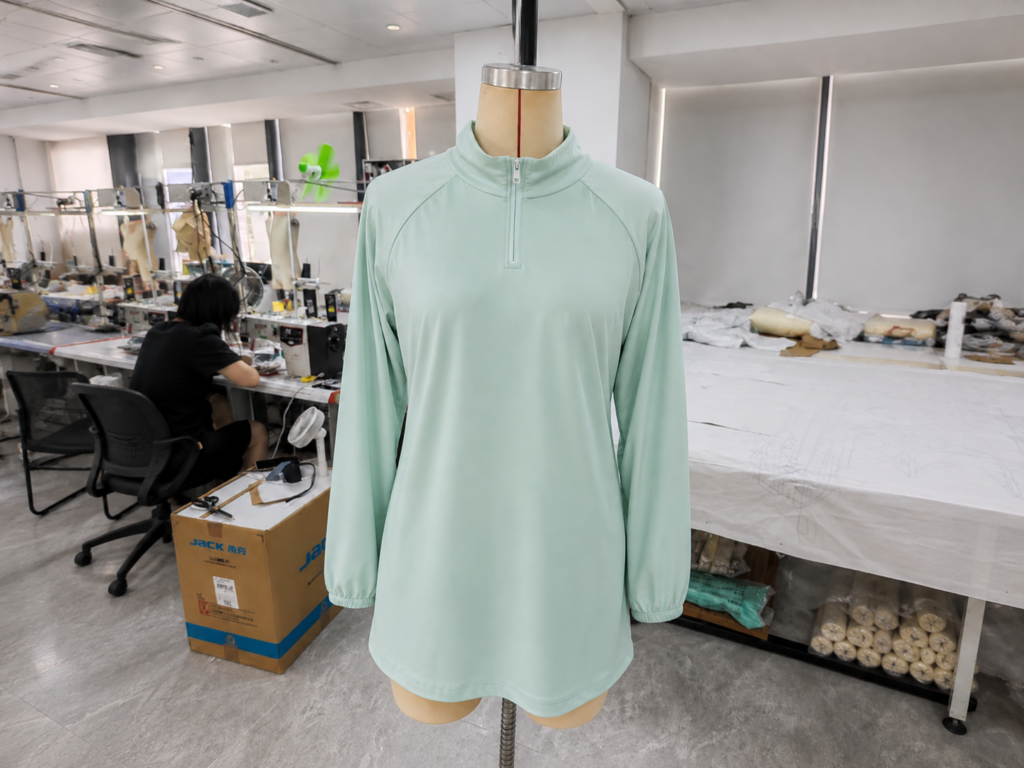
A reliable transition from sample to bulk depends on which details are frozen, how they are communicated, and where they are checked during production. The table below turns an approved sample into specific production controls.
Control Item
Frozen Before Bulk
Production Check
Main Risk Addressed
Pattern and measurements
Approved pattern reference, measurement chart, grading rules, points of measure
Cutting and in-process measurement checks against the agreed method
Fit drift, size inconsistency, incorrect grading
Main fabric
Approved composition, structure, color, weight or other agreed reference
Incoming-material verification and production use against approved information
Unapproved fabric substitution, hand-feel or dimensional change
Lining, mesh and elastic
Approved material, width, stretch behavior, placement, color
Material and construction checks during assembly
Rolling, pulling, mismatch between garment sections
Construction and seams
Approved stitch types, seam locations, allowances, reinforcement, selected special processes
In-process workmanship and construction checks
Seam position changes, stretch restriction, missed reinforcement
Color
Approved color standard or project reference across garment components
Material and finished-garment visual checks according to agreed reference
Shade mismatch across panels, trims, or branded components
Logo and artwork
Approved artwork file, size, location, process, color
First-piece and production checks for placement and appearance
Incorrect artwork version, location, scale, or process
Labels and branding
Approved main label, care label, size label, hangtag, locations and wording
Label and packaging verification
Wrong size, language, care content, or brand detail
Packaging
Approved bag, fold method, sticker, barcode, carton mark, packing ratio
Packing-line and carton verification
Wrong SKU, size mix, carton identification, or pack format
Production release
Approved sample, frozen files, material readiness, order quantity, schedule
Cross-functional handoff before and during production
Production starting with unresolved decisions or outdated files
Manufacturing Scale Behind Long-Term Athletic Wear Programs
Scale matters when a sportswear program moves from first sampling into repeated seasonal orders, wider size runs, more colorways, and larger production volumes. Leadshow uses confirmed company-level data rather than estimates from a single line or product.
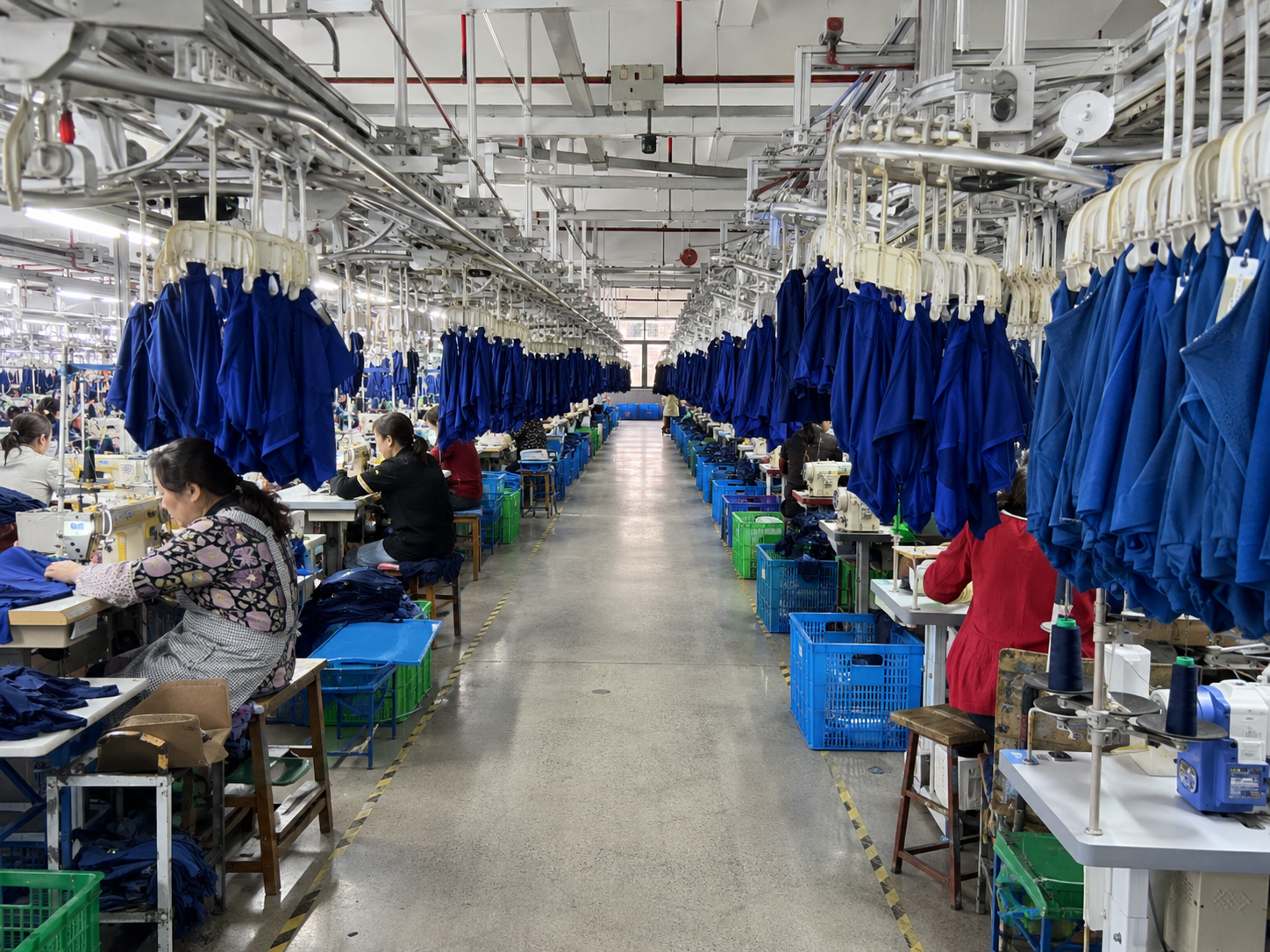
15 Years Industry Experience
Leadshow has 15 years of apparel industry experience, including sportswear development and manufacturing. The figure is used as an experience statement only and is not converted into an unverified founding year. Experience supports product understanding, sample review, manufacturing coordination, and repeat-order communication across different project stages. It also helps sourcing teams discuss construction, materials, sampling, bulk execution, and production risks in a consistent manufacturing language.
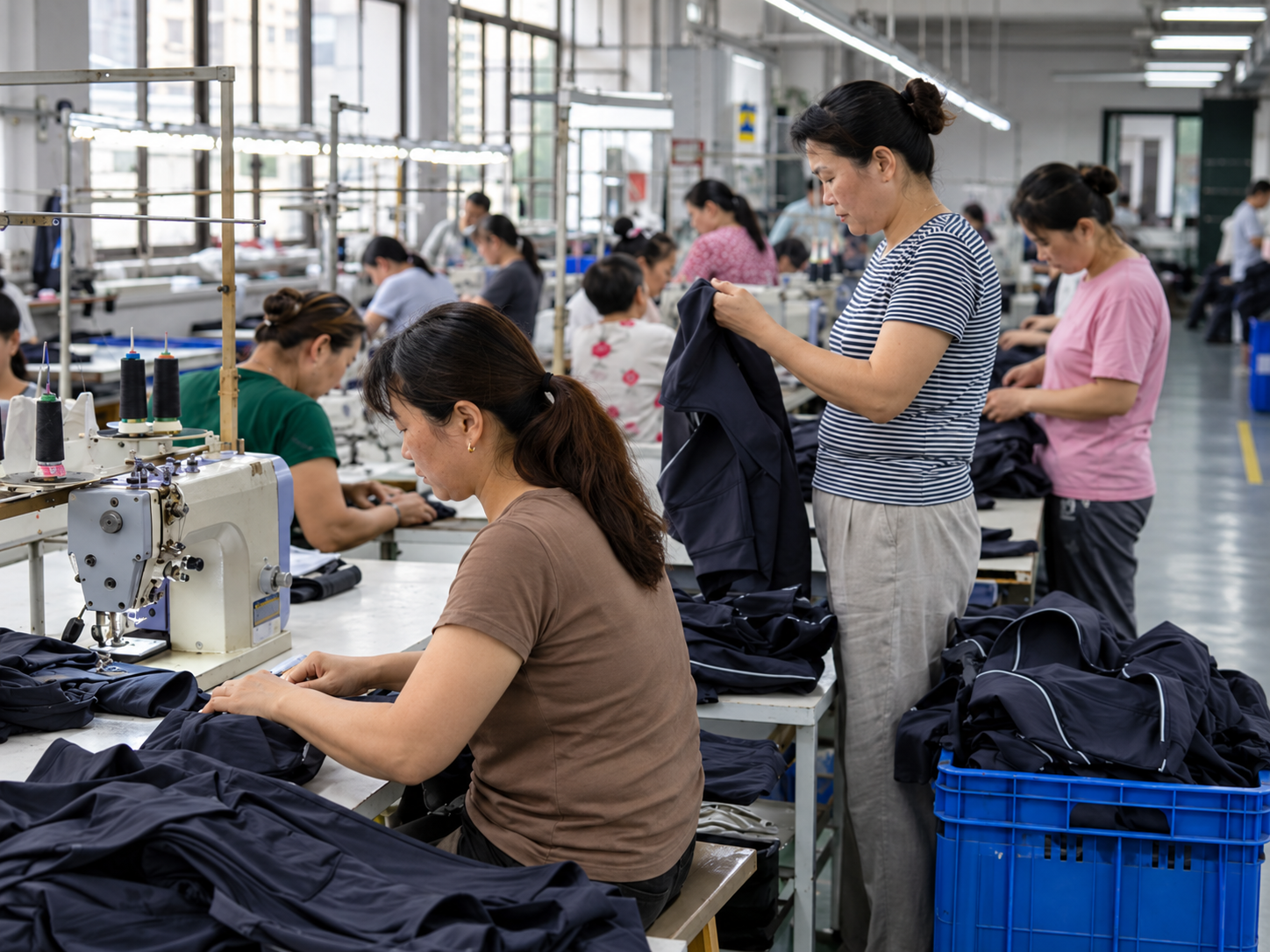
3 Manufacturing Bases
Leadshow operates three modern manufacturing bases supporting apparel development and production. The three-base figure is a company-level manufacturing fact. Individual base addresses, product allocations, employee numbers, and site-specific capacities have not been published in the fact set, so the combined manufacturing network should not be split into unsupported site claims. Available production location, line allocation, and scheduling for a specific athletic wear order should be confirmed during project review.
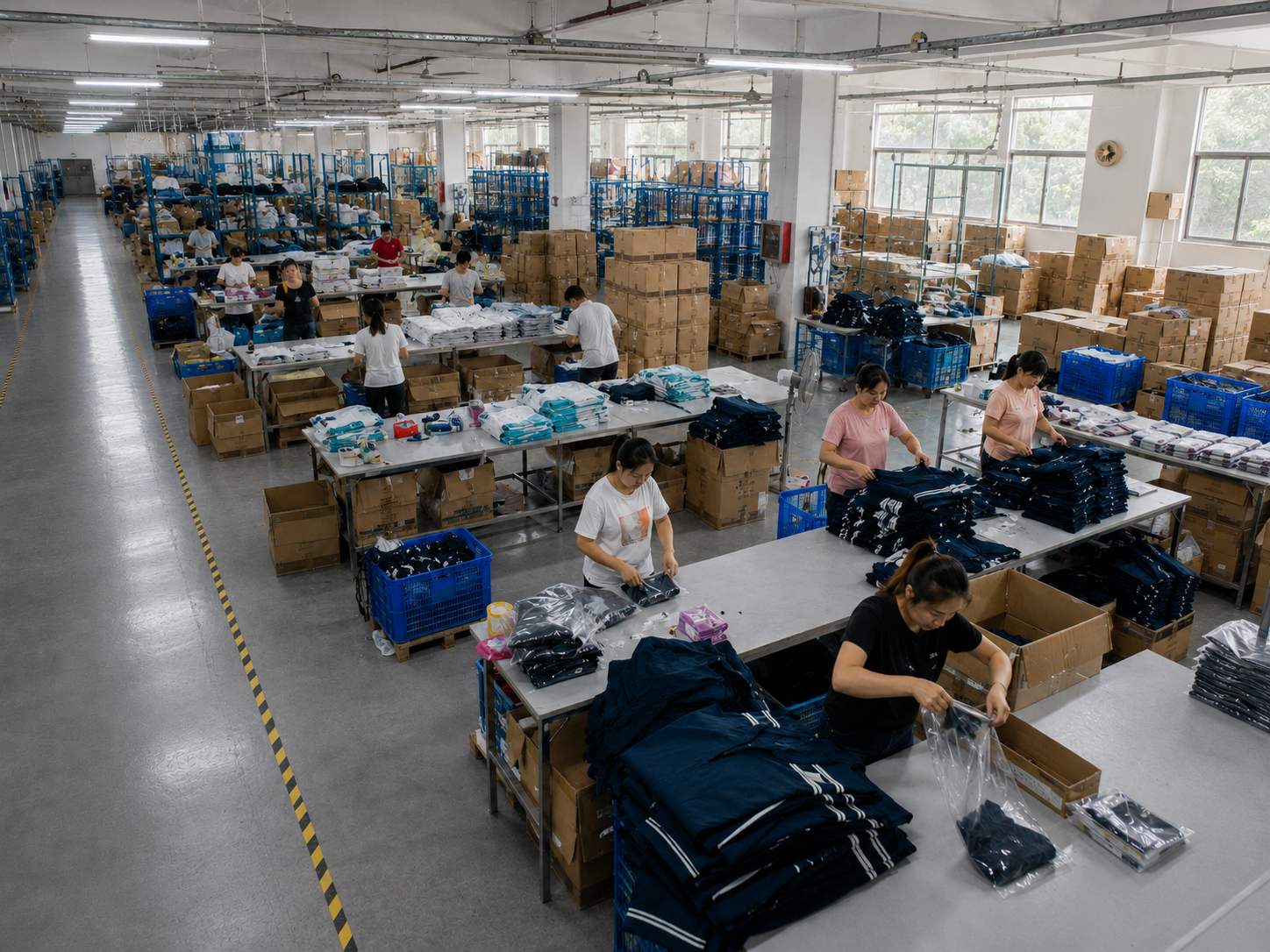
20,000+ m² Combined Facilities
More than 20,000 square meters of combined factory area support sampling, production, finishing, warehousing, and related manufacturing functions. The area is a combined figure across the manufacturing system rather than the size of one building or one site. It demonstrates available manufacturing space without implying every facility has the same layout or equipment mix. For sourcing evaluation, the combined area is evidence of manufacturing infrastructure rather than a promise of dedicated space for one program.
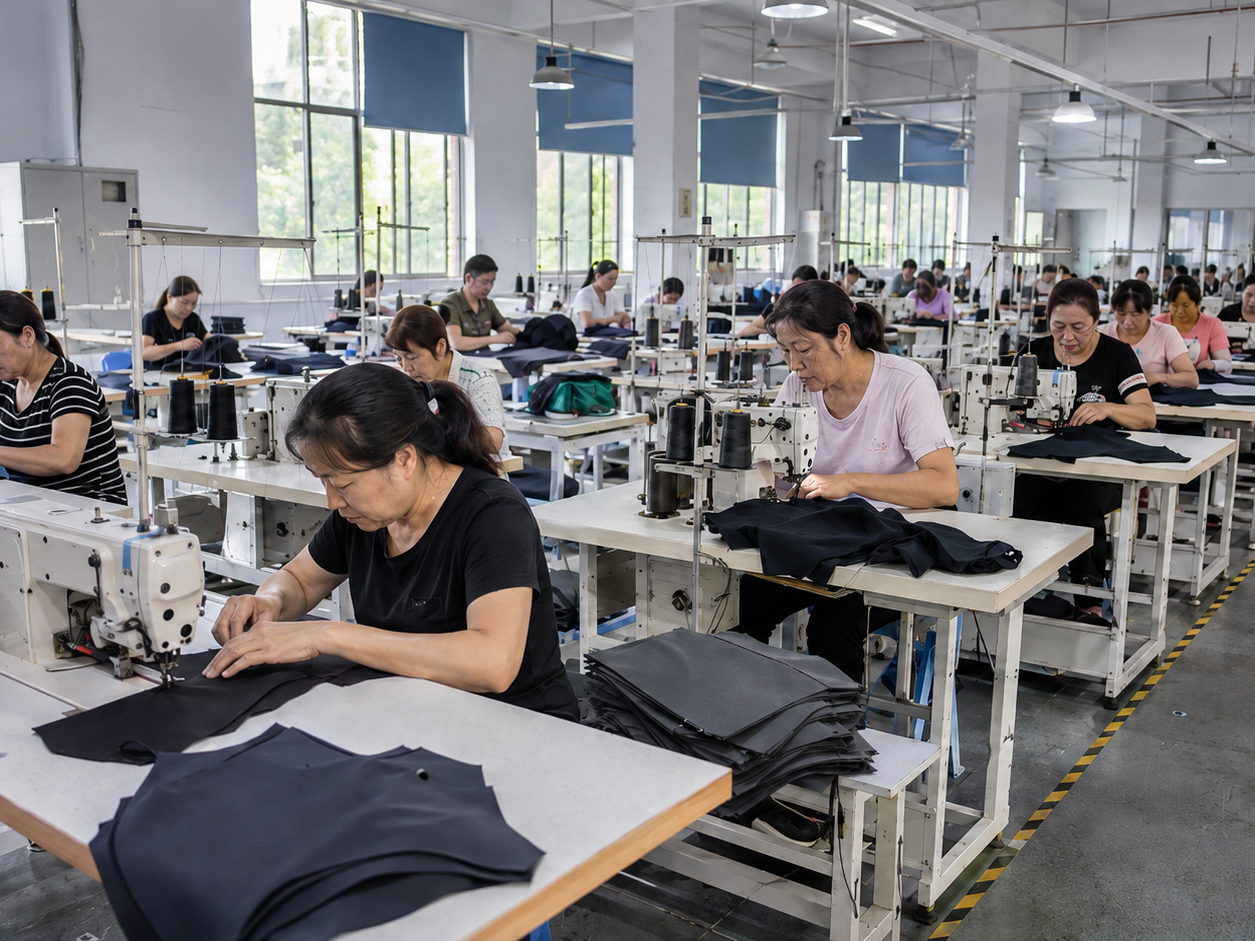
1,500+ Team
Leadshow has a team of more than 1,500 employees across business communication, product development, manufacturing, quality, warehousing, logistics, administration, and finance. The number supports cross-functional project execution, but it should not be interpreted as 1,500 sewing operators, designers, engineers, or permanently fixed headcount in one location. Team resources are allocated according to development, production, quality, logistics, and current order requirements.
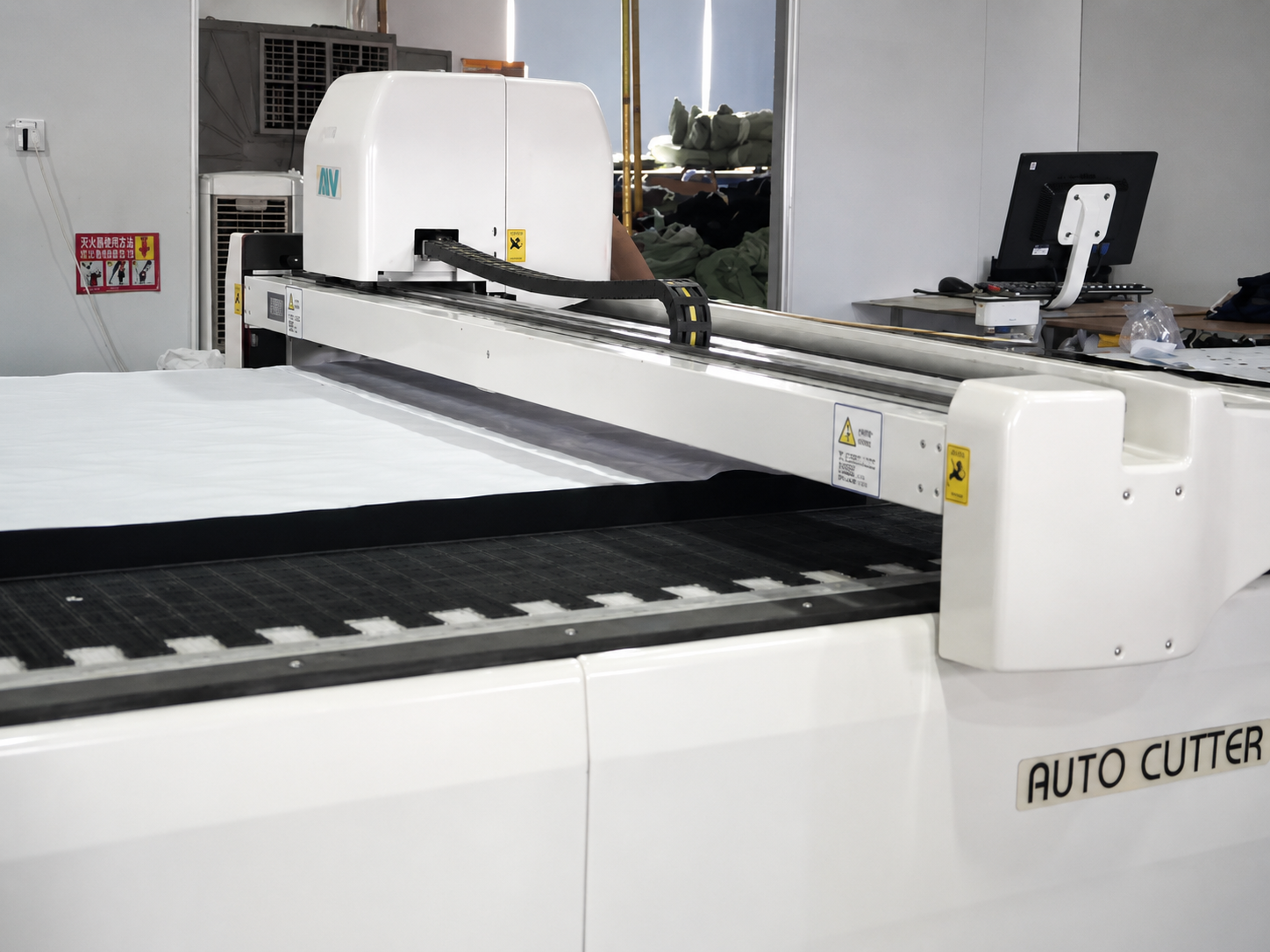
300+ Machines
More than 300 confirmed production, specialized-process, and finishing machines cover fabric spreading and cutting, lockstitch, overlock, double-needle sewing, elastic attachment, bartacking, flatlock, bonding, seam sealing, laser perforation, heat transfer, ironing, needle detection, folding, and packing support. Equipment use depends on product construction and process suitability. The value for athletic wear programs is the ability to combine different cutting, stretch-sewing, reinforcement, branding, finishing, and packing methods under one manufacturing system.
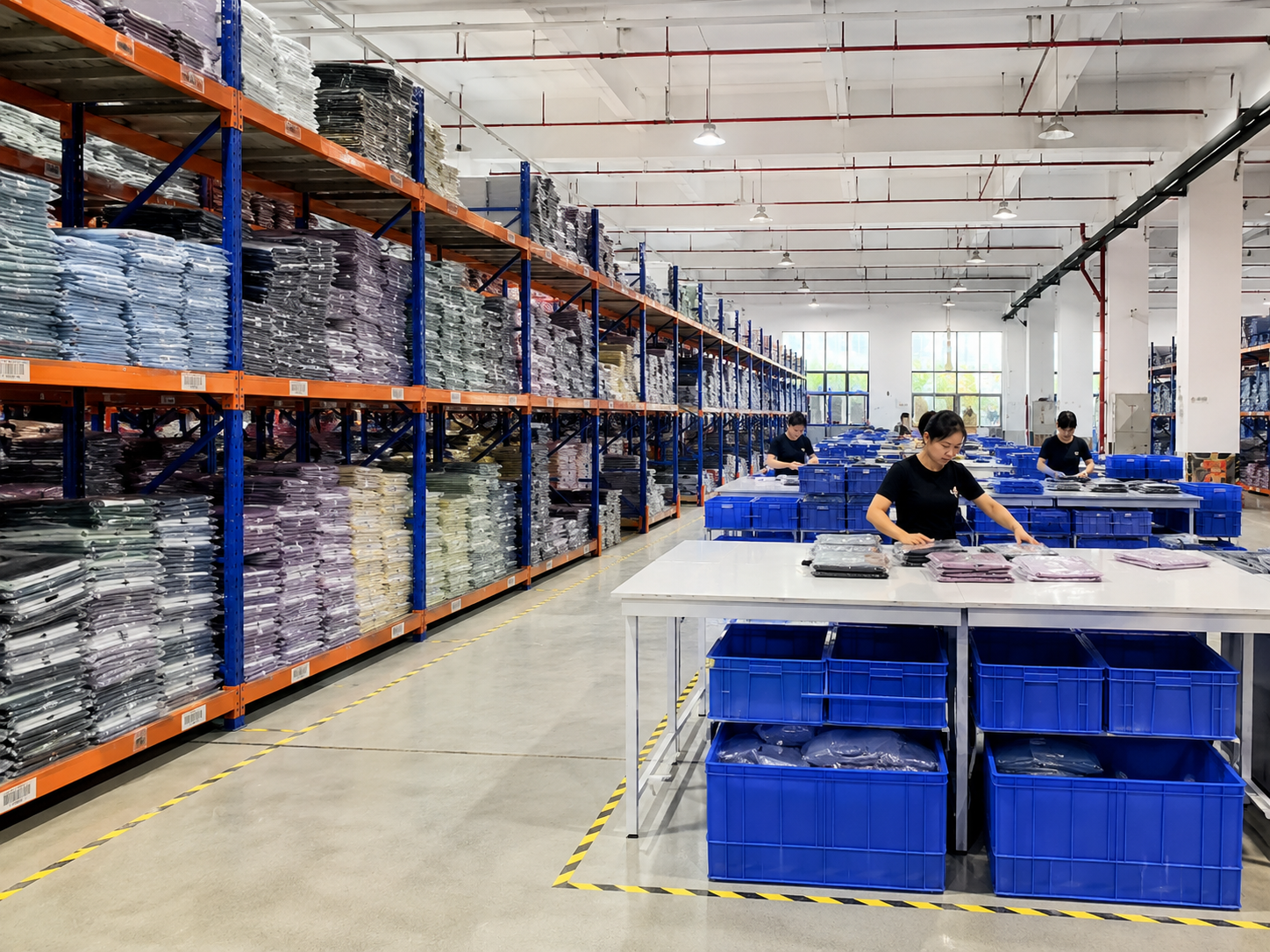
Up to ~120,000 Garments/Month
The three manufacturing bases provide a combined monthly capacity of up to approximately 120,000 finished garments. Actual available capacity depends on product construction, fabrics and trims, process complexity, order mix, color and size combinations, quality requirements, and current production scheduling. The figure is not a guaranteed output for one style, one line, or one project. Capacity for a sourcing program is reviewed only after style complexity, quantity, materials, SKU mix, quality requirements, and requested timing are understood.
From Project Review to Bulk Manufacturing and Delivery
A clear manufacturing sequence keeps commercial decisions and technical approvals connected. Each stage should have defined inputs, actions, and outputs, with timing confirmed according to material readiness, sample status, production complexity, and current scheduling.
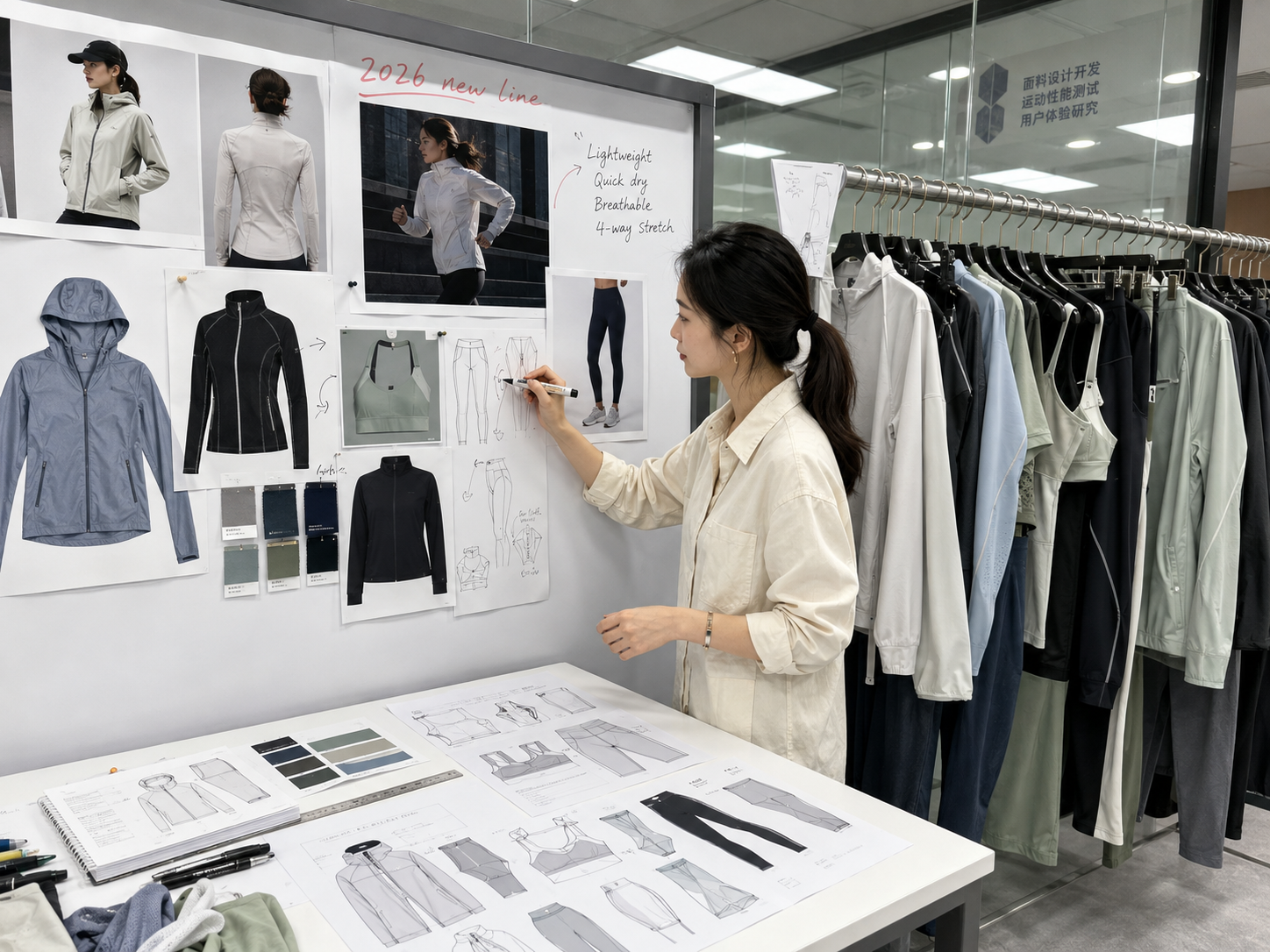
Project Review
Product category, tech pack or reference, quantity, size and color plan, target market, branding, and expected timing are collected first. Leadshow reviews whether the project fits the confirmed product scope, what information is missing, which technical questions need clarification, and whether the proposed order is realistic for material, MOQ, capacity, and commercial evaluation. The output should be a defined next-step list instead of an immediate promise on price or timing.
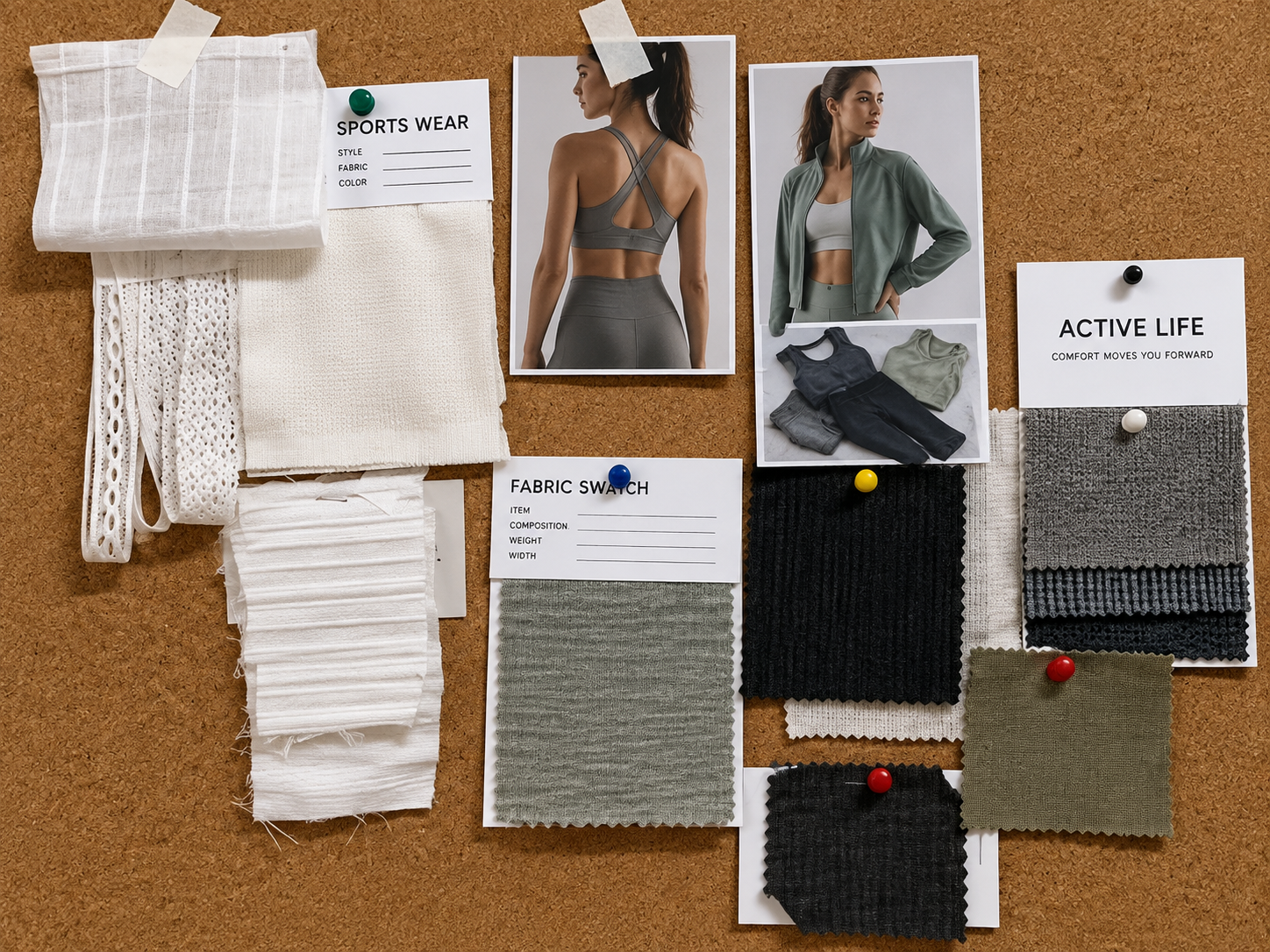
Material and Construction
Main fabric, lining, mesh, elastic, trims, artwork, labels, special processes, and packaging are evaluated against product use and design. Construction risks, material compatibility, supplier minimums, functional claims, and destination-market needs are clarified before final choices become approved specifications. A material decision remains connected to fit, cost, MOQ, testing, and production feasibility. Approved material references should be clear enough for sampling, purchasing, production, and quality functions to work from the same standard.
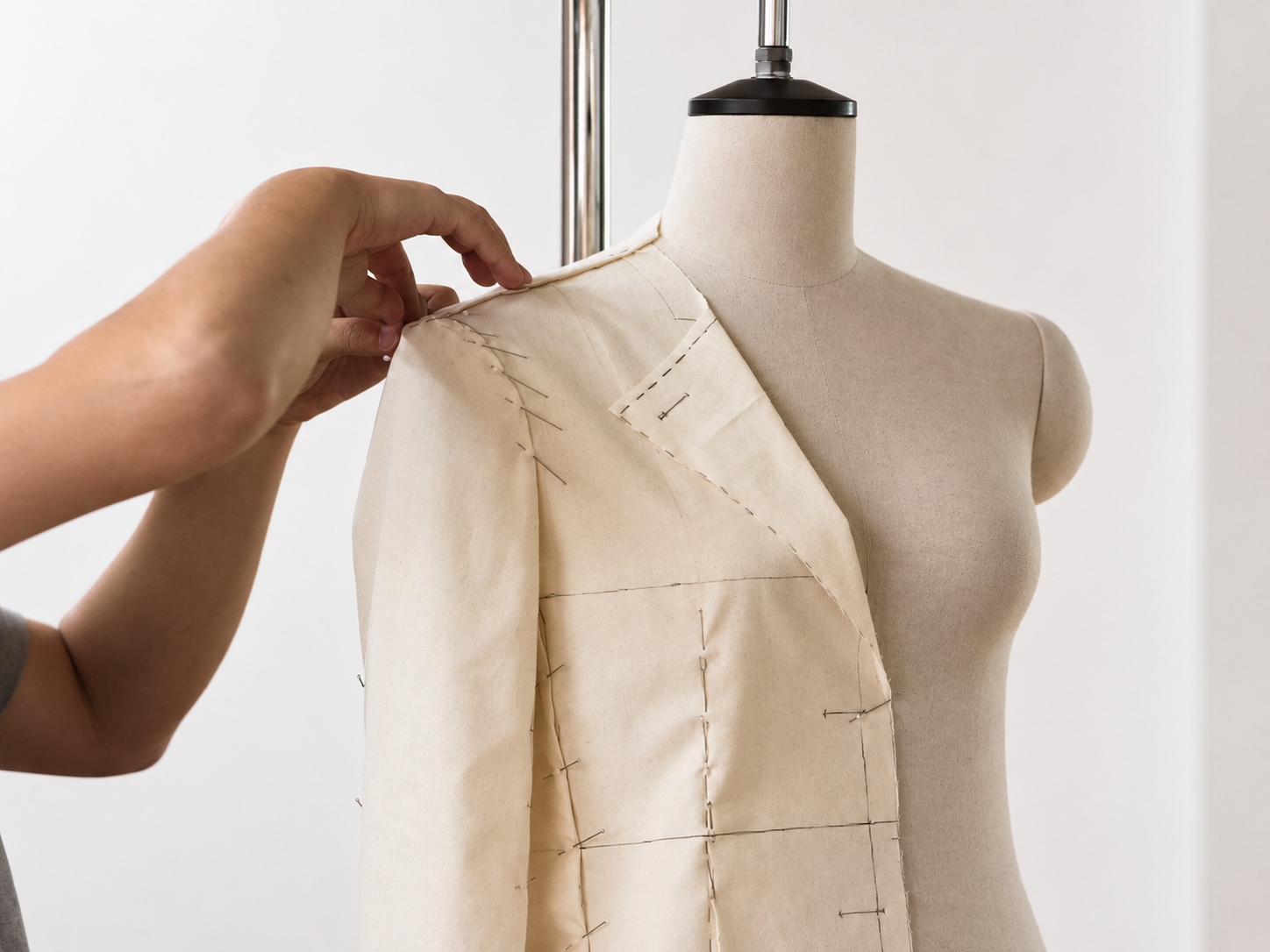
Pattern and Sampling
Pattern development or adjustment converts the approved measurements and product direction into a wearable sample. The sample is checked for fit, movement, construction, appearance, branding, and workmanship. Feedback is consolidated into controlled revisions until the project reaches an approved sample or another defined pre-production reference. Sample timing is confirmed after requirements and materials are reviewed. Revision comments should be consolidated by version so pattern, material, construction, branding, and measurement changes do not become mixed across different sample rounds.
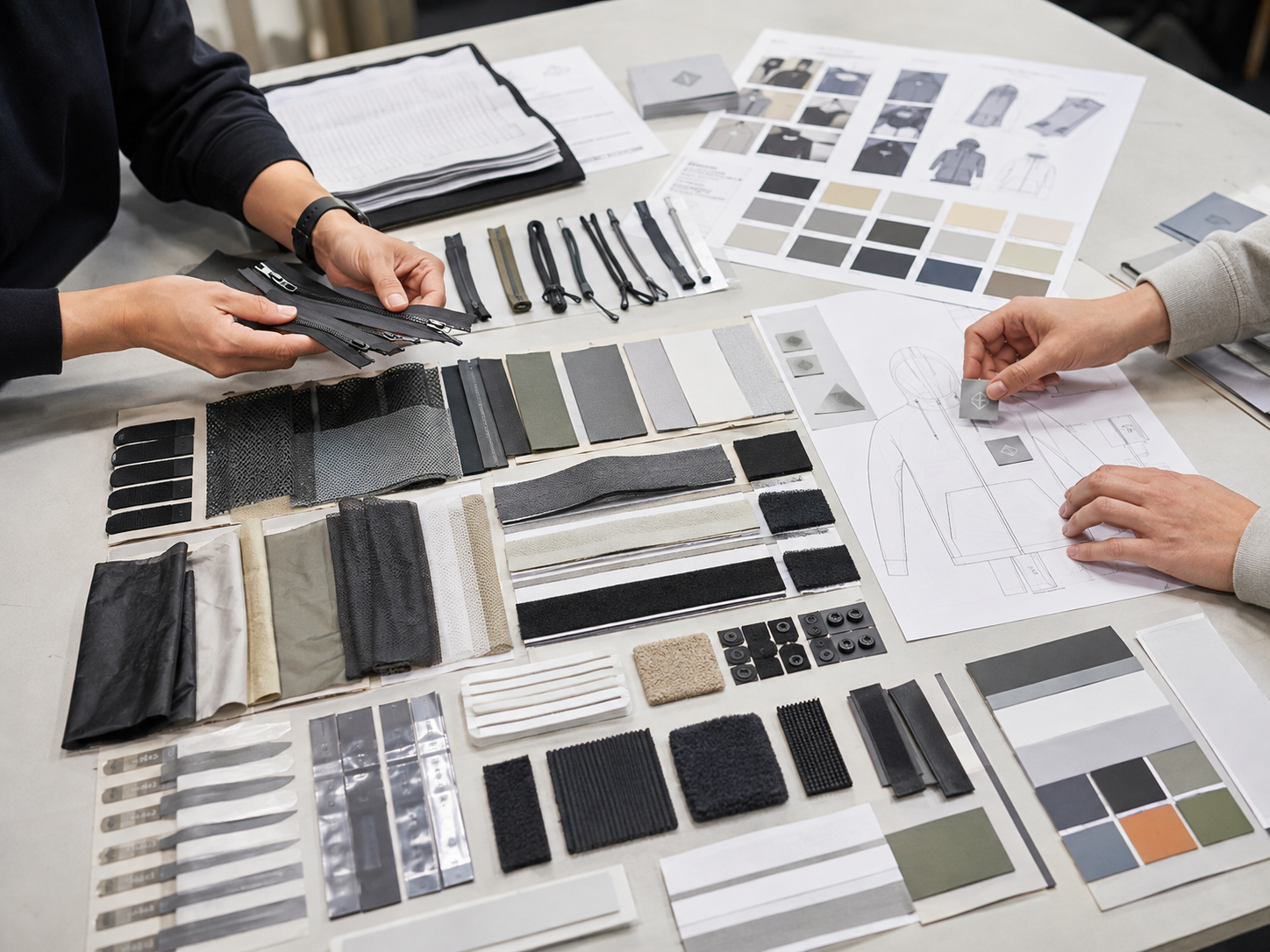
Pre-Production Approval
Approved sample references, measurement charts, materials, colors, trims, artwork, labels, packaging, size breakdowns, and open issues are reviewed before production release. Complex programs may require an additional pre-production sample or small-batch validation where appropriate. Major changes after this point may affect cost, scheduling, sample status, and material commitments. A clear production-release checkpoint helps prevent outdated artwork, measurements, materials, or packing instructions from reaching the manufacturing floor.
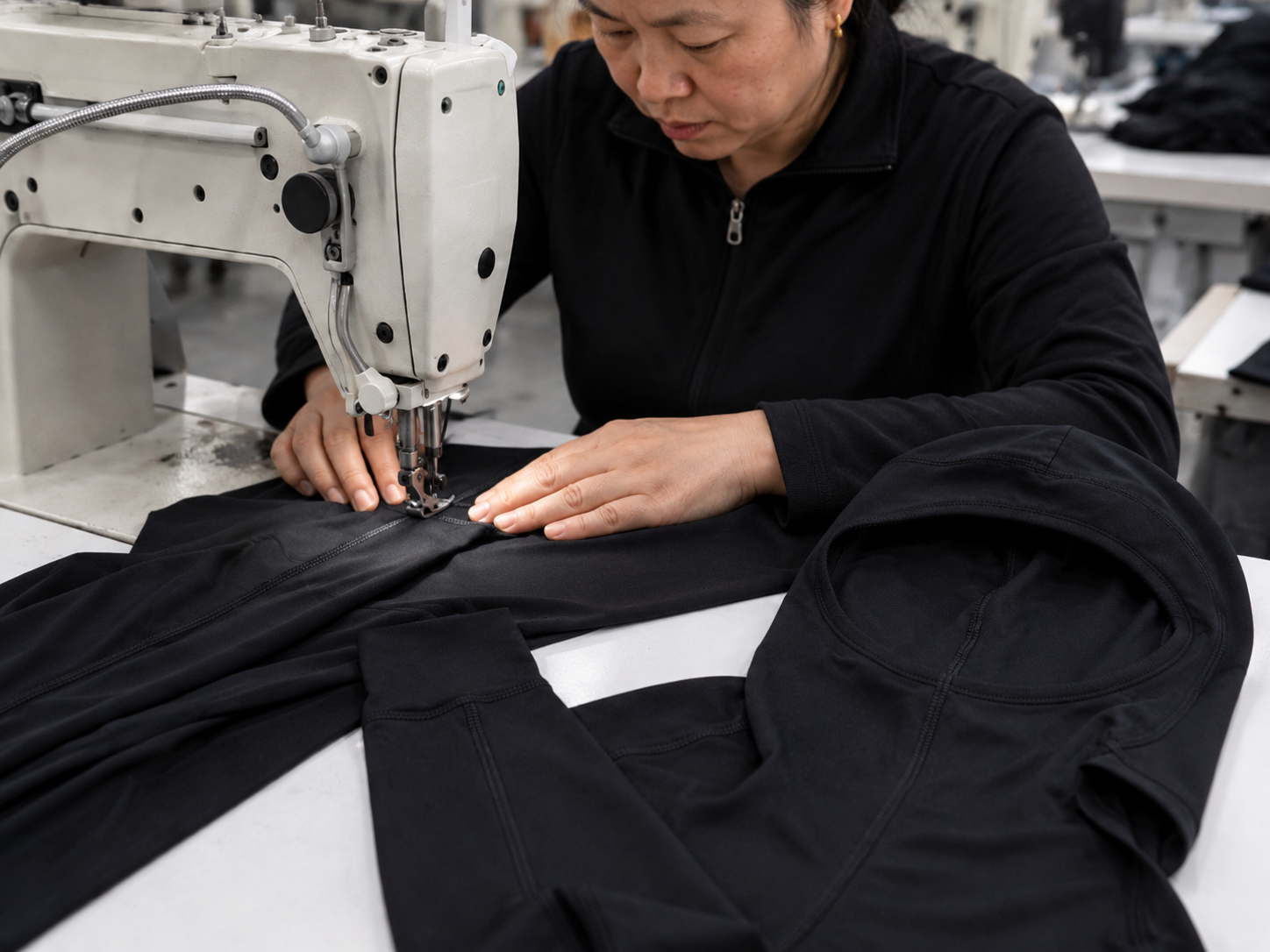
Bulk Manufacturing
Fabric preparation, cutting, sewing, selected technical processes, finishing, and production coordination proceed according to approved requirements. Multi-style, multi-color, and multi-size programs are organized around frozen SKU information and production planning. Available capacity and manufacturing schedule are confirmed against the actual order mix rather than assumed from the company-wide monthly capacity. Production planning should therefore reflect style difficulty, color and size combinations, special processes, inspection needs, and material readiness.
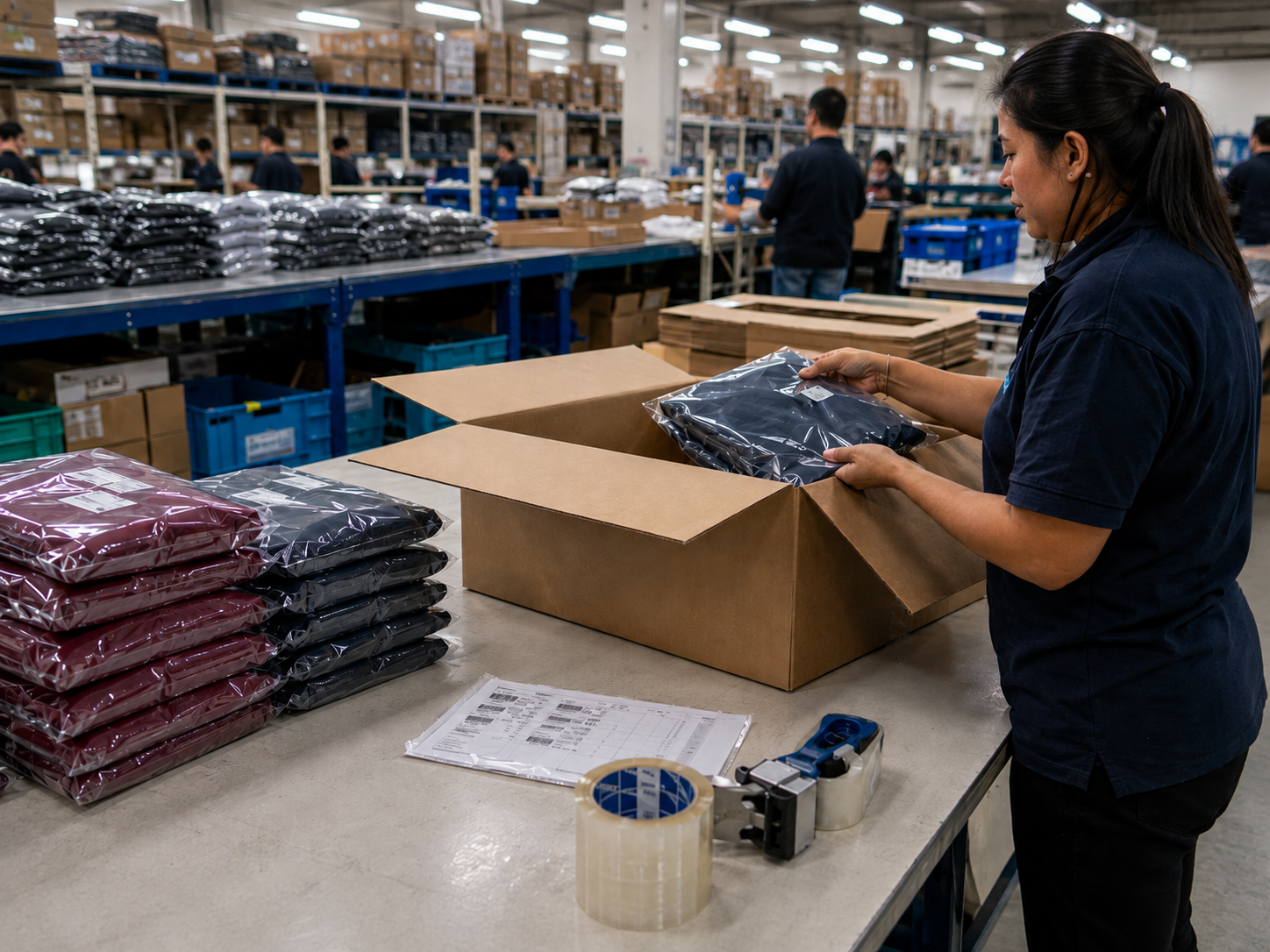
Quality, Packing and Shipment
Material, in-process, finished-garment, branding, label, packaging, and applicable needle-detection checks support final release according to project requirements. Finished products are sorted, folded, packed, labeled, cartonized, and prepared for shipment. Export delivery and freight coordination are arranged by project, while customs clearance, destination-platform acceptance, and final transit outcomes depend on the agreed logistics arrangement. Shipment documents, carton information, quantity checks, and freight handoff should be coordinated from the approved packing requirements before goods leave the manufacturing process.
Quality Checks for Athletic Wear Production
Quality control works best when inspection points are tied to approved product requirements. Leadshow supports material, production, finished-garment, label, packaging, and shipment-related checks according to the project rather than relying on unsupported “zero defect” or universal 100% inspection claims.
Inspection Stage
Typical Check
Purpose
Materials and trims
Fabric identity, color or batch information, trims, elastic, labels, and relevant incoming requirements
Reduce use of unapproved or mismatched materials before production
Pre-production setup
Approved sample, measurement chart, material references, construction, artwork, labels, packaging
Make sure production starts from the current approved version
Cutting and panel preparation
Pattern use, size identification, panel grouping, visible defects where applicable
Reduce cutting or size-mix errors before assembly
In-process sewing
Seam construction, stitch execution, reinforcement, elastic placement, special-process application
Identify workmanship and construction deviations while correction is still possible
Measurements
Agreed points of measure and size-specific requirements
Control dimensional drift against the approved measurement method
Appearance and workmanship
Garment balance, visible seams, thread condition, pressing, surface appearance, trims
Keep finished-garment presentation aligned with approved requirements
Branding and labels
Logo version, placement, main label, care label, size label, hangtag
Prevent brand, size, language, and artwork mistakes
Packing and SKU verification
Size/color/SKU identification, fold, bag, stickers, barcode or carton information where specified
Reduce packing, labeling, and carton-mix errors
Needle detection and final release
Applicable garments may pass needle-detection and final packing checks before shipment
Add a final safety and packing check without presenting needle detection as complete product certification
Private Label, Multi-SKU and Packing Support
A sportswear program is not finished when sewing ends. Brand identity, size and color accuracy, SKU control, packaging, carton information, and shipment preparation all influence how a bulk order arrives and how easily it can move into distribution.
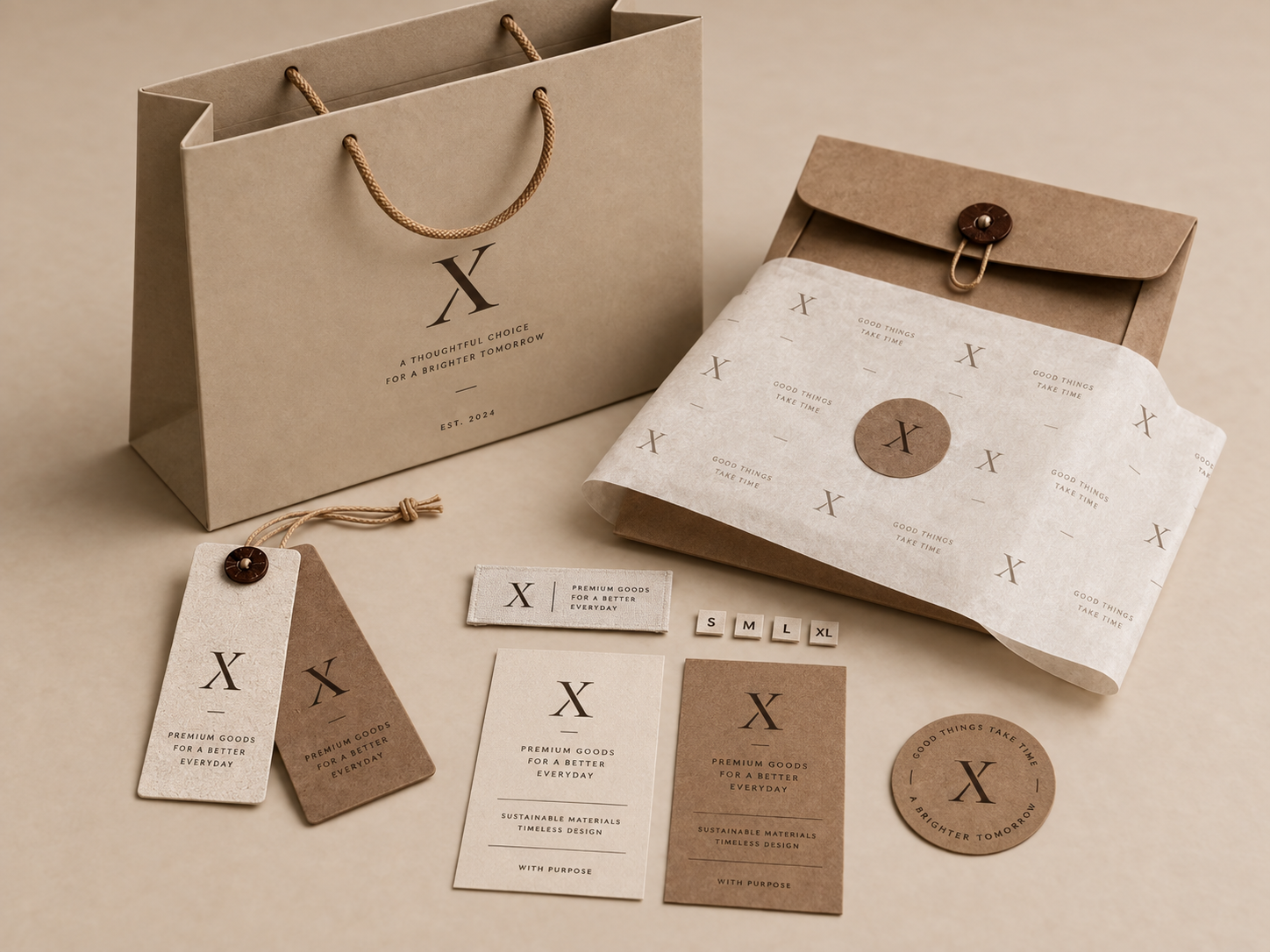
Brand Labels
Leadshow supports custom labels for private-label garments, including project-defined main labels, care labels, size labels, and other approved branding components. Label wording, material, dimensions, placement, care information, size identification, and destination-market requirements should be finalized before bulk packing. Supplier minimums and special label materials can affect MOQ and lead time, so labels belong in the early quotation and sample review rather than as a last-minute add-on. Approved label files should also be linked to the correct style, color, and size version before bulk packing begins.
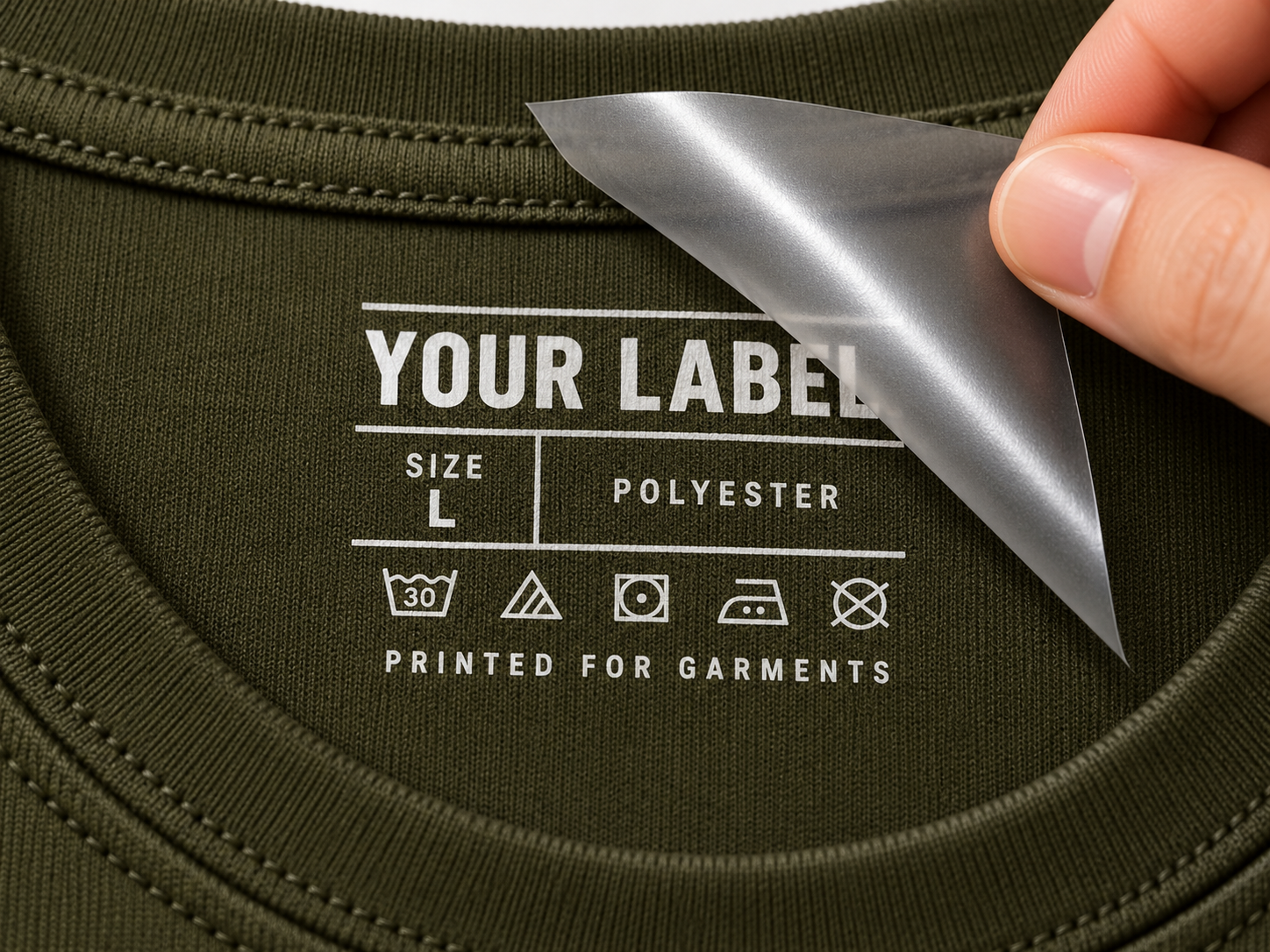
Heat Transfer Labels
Six confirmed dual-station heat-transfer label machines can support suitable main labels, care labels, size labels, and selected small branding applications. Heat-transfer labels can reduce the physical bulk of some internal label constructions, but suitability depends on the garment fabric, transfer material, temperature, pressure, surface treatment, and wash expectations. Approval should be based on the actual product combination. Permanent adhesion or universal compatibility should not be assumed without supporting validation. A representative sample should confirm label feel, placement, appearance, and wash expectations before the transfer specification is frozen for production.
Logos and Graphics
Leadshow has confirmed heat-press printing resources for selected logos, text, and localized graphics on compatible garments. Artwork file, size, color, location, process, fabric, and care requirements should be approved together. Other decorative methods such as embroidery, screen printing, digital printing, sublimation, silicone printing, or specialty processes are not automatically represented as in-house capabilities and should be evaluated according to the project and available external technical resources where required. Artwork approval should identify the exact file version, dimensions, placement, color reference, and process so production does not rely on screenshots or informal messages.
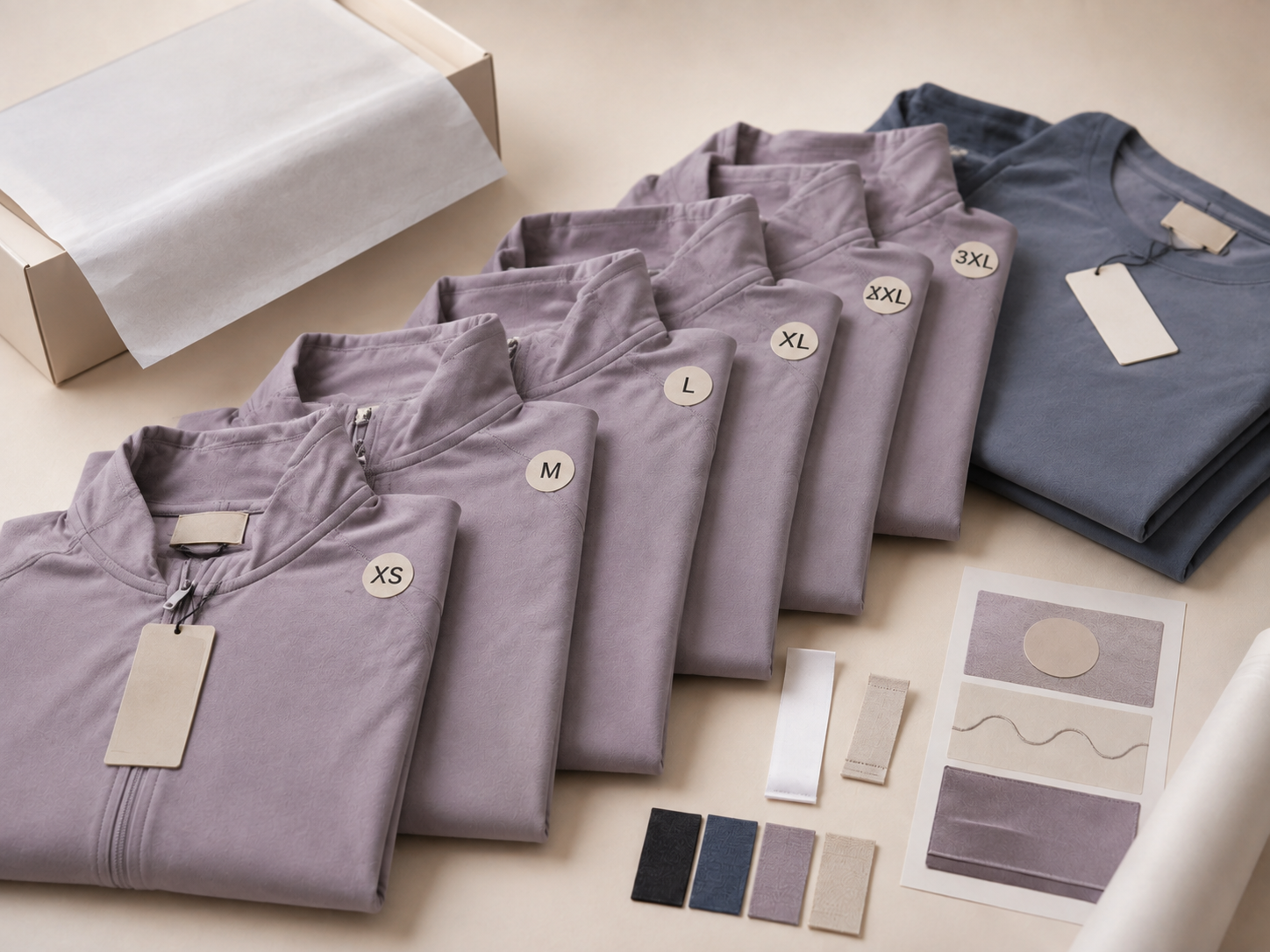
SKU and Size Organization
Multi-style, multi-color, and multi-size orders require a clear SKU structure before cutting, labels, packing, and carton preparation begin. Style code, color, size, quantity, label version, packaging version, and carton rules should be consistent across the order documents. Leadshow can support size and color sorting, SKU-related labeling, packing preparation, and production coordination. Real-time ERP or WMS tracking is not presented as a confirmed capability; accuracy depends on the approved information and manufacturing controls used for the program. Size and SKU data should therefore be frozen before labels, packing materials, and carton instructions are finalized.
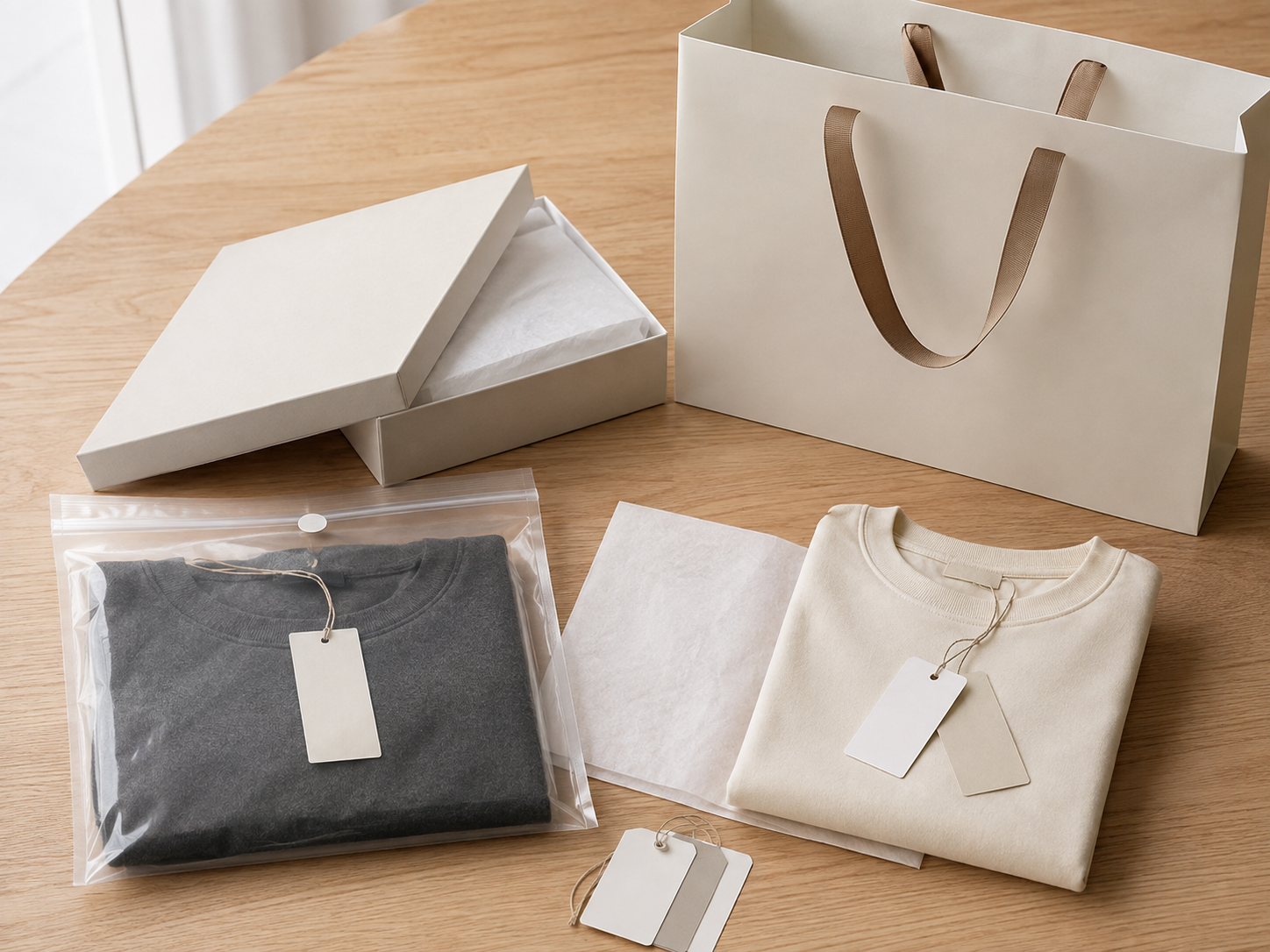
Individual Packaging
Finished garments can be folded, organized, labeled, and packed according to approved project requirements. Leadshow has four confirmed automatic folding and packaging systems for suitable standardized garments, while complex jumpsuits, thick hoodies, layered products, or special packs may require other handling. Bag type, fold method, sticker, barcode, insert, hangtag position, and pack ratio should be defined before production completion so packaging does not create avoidable rework near shipment. Packaging approval should be treated as part of product readiness, especially for retail, import, and multi-SKU programs with strict identification rules.
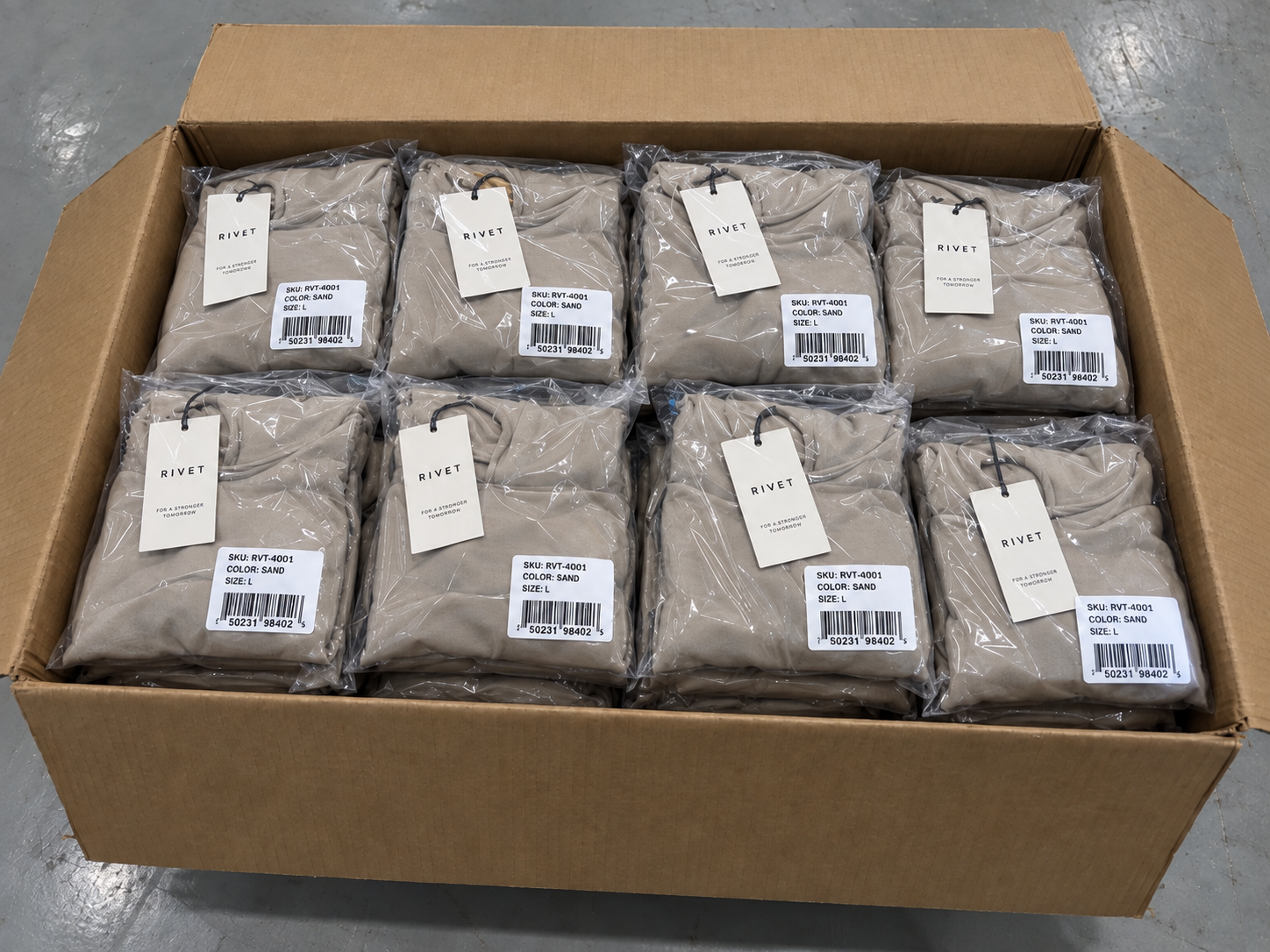
Carton and Shipment Coordination
Warehousing and logistics functions can support carton preparation, size/color sorting, packing ratios, carton marks, quantity checks, shipment documents, and coordination with the agreed freight arrangement. Products are exported to Europe, North America, South America, and Oceania. Shipment timing depends on production completion, packing readiness, destination, and freight method. Customs clearance, platform acceptance, overseas warehousing, or universal delivery guarantees are not included unless specifically confirmed in the commercial arrangement. Final carton counts, packing lists, and shipping marks should match the approved order and freight instructions before handoff.
Eight Areas Worth Reviewing Before Supplier Approval
A serious apparel manufacturer should be evaluated beyond factory size or quoted unit price. Product development, approved standards, material control, manufacturing scale, quality checkpoints and order execution all influence whether a supplier fits a long-term sourcing program.
Commercial Item
Leadshow Basis
Important Condition
Standard MOQ starting point
Generally starts from 100 pieces per color per design.
Actual MOQ may change with fabric, trims, custom colors, construction, logo process, labels, packaging, and supplier minimums.
Quotation inputs
Product type, tech pack or reference, fabric composition/GSM, trims, construction, logo, colors, sizes, SKU plan, quantity, packaging, target market.
More complete information improves cost accuracy and reduces later quotation changes.
Sample lead time
Confirmed after product requirements, material availability, artwork, process complexity, sample type, and revision scope are reviewed.
No single sample-time promise applies to every athletic wear style.
Bulk production timing
Confirmed after sample approval, material readiness, quantity, color/size mix, process complexity, quality requirements, and current production schedule.
Avoids committing to a generic lead time before production conditions are known.
Capacity reference
Combined monthly capacity can reach up to approximately 120,000 finished garments across three manufacturing bases.
Capacity is a company-level reference, not guaranteed availability for one order, style, or production line.
Delivery planning
Shipment coordination can be arranged according to destination and agreed freight method after production and packing are ready.
Transit time, customs clearance, duties, platform acceptance, and final delivery conditions depend on the commercial and logistics arrangement.
Cost change triggers
Material substitution, quantity change, new color, revised size mix, added branding, packaging change, special process, or late design revision.
Any material change to the approved scope may require a fresh cost, MOQ, sample, or schedule review.
See the Manufacturing Evidence Behind the Claims
A factory shortlist should be supported by visible manufacturing evidence. Leadshow can demonstrate development, cutting, sewing, selected technical processes, inspection, finishing, and packing through real equipment and workflow rather than relying on generic factory imagery or broad marketing claims.
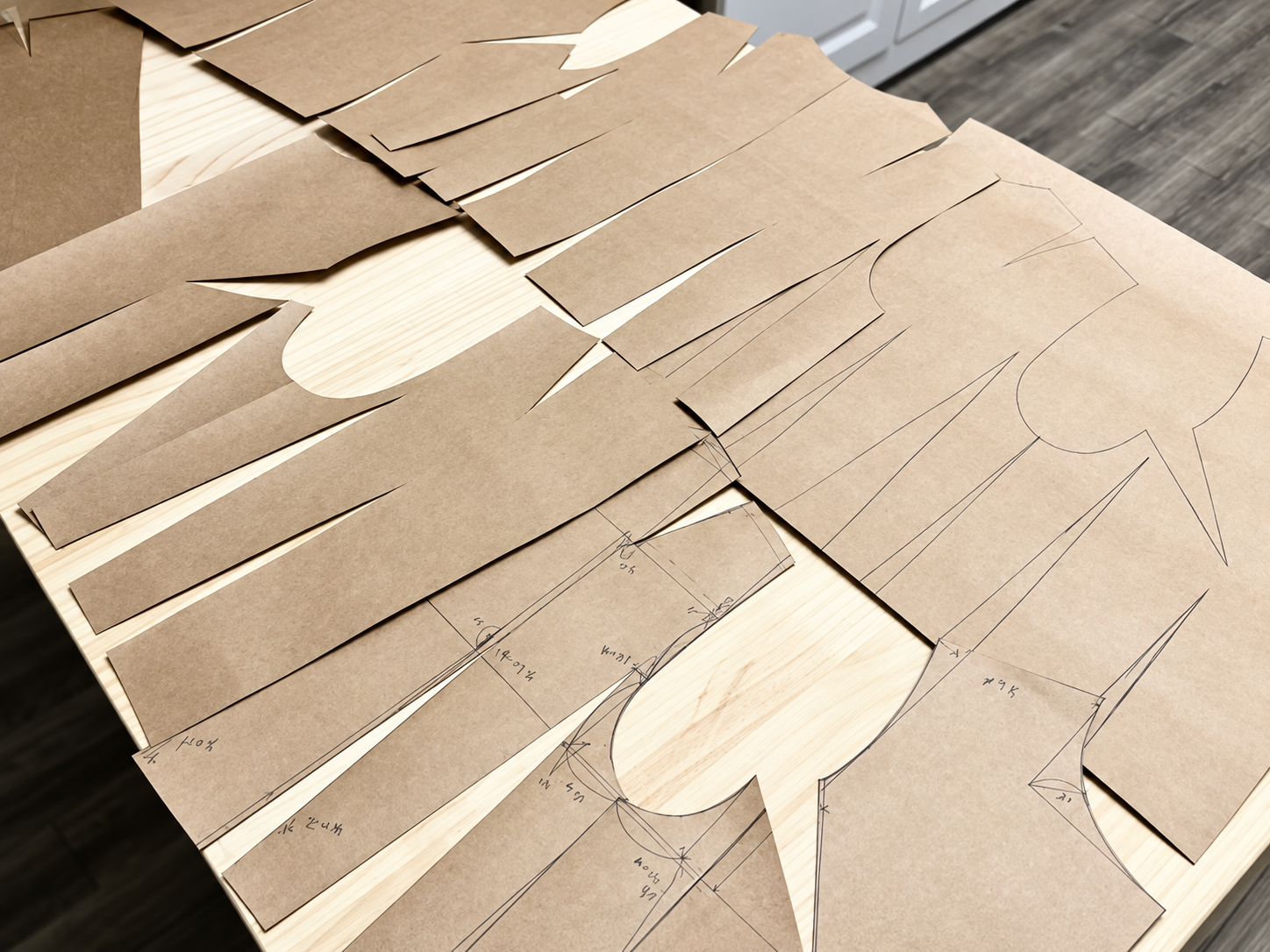
R&D and Sampling Workshop
Leadshow has an independent R&D and sampling workshop supporting construction review, pattern adjustment, sample making, fit sample development, process trials, revisions, and pre-production preparation. Confirmed resources include pattern-making computers, plotters, sample lockstitch machines, and sample flatlock equipment. The workshop provides a direct bridge between a tech pack or reference and an executable bulk-production requirement without implying an unconfirmed 3D virtual fitting system or complete in-house laboratory. For an athletic wear program, the workshop is most valuable when measurements, movement feedback, material behavior, and construction revisions are recorded clearly before production release.
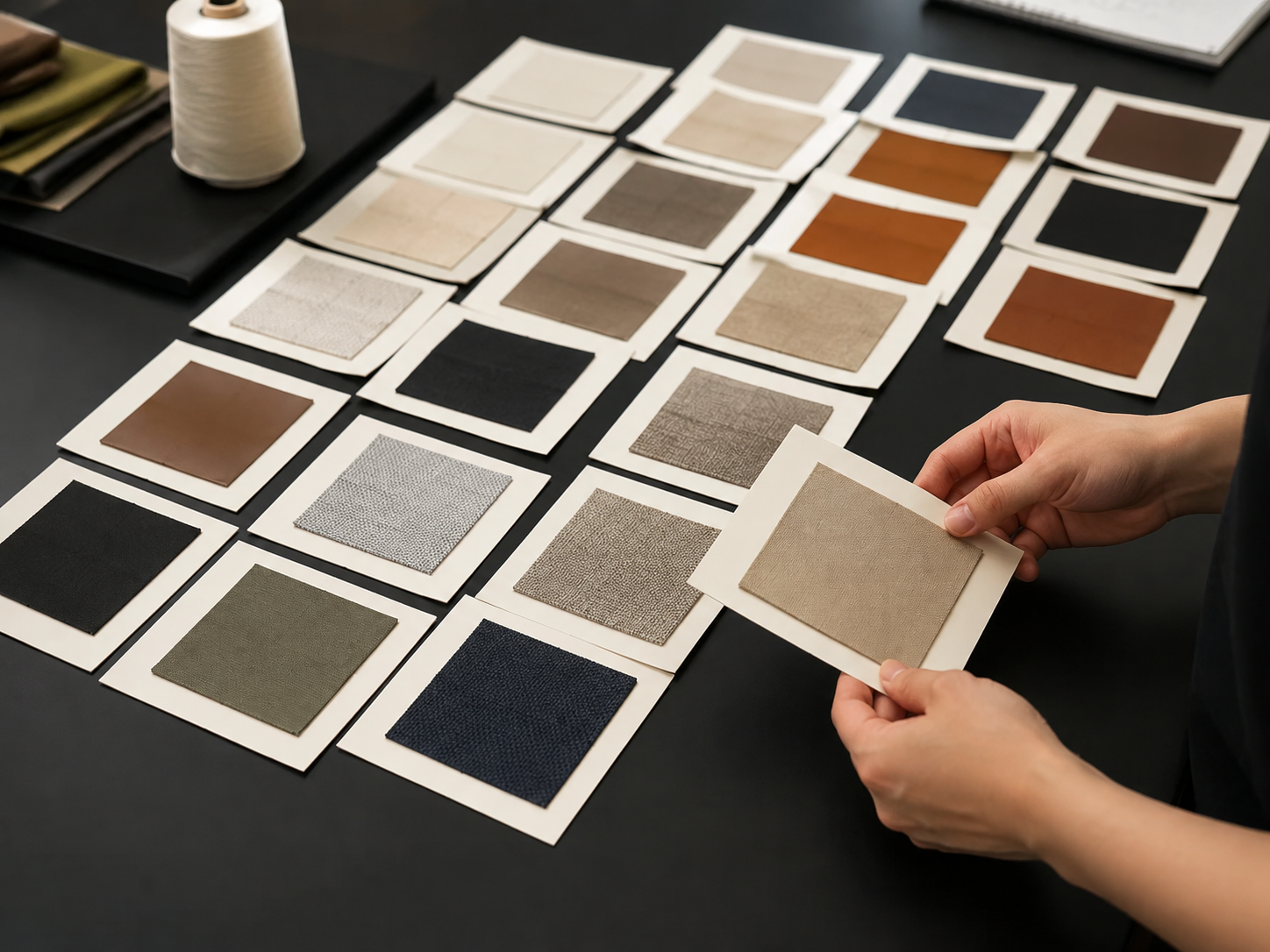
Fabric Preparation and Cutting
Confirmed cutting resources include five automatic fabric spreaders, three automated cutting machines, fabric pre-treatment equipment, eight vertical cutters, six rotary cutting machines, and three laser-perforation machines. Automated and flexible cutting methods are used according to fabric behavior, sample quantity, size mix, and order needs. Equipment improves repeatability and supports multi-size production, but zero cutting error, fixed fabric-utilization rates, or fully automated handling are not claimed. Material stretch, thickness, surface friction, direction, order quantity, and size ratio can change the most suitable spreading and cutting method.
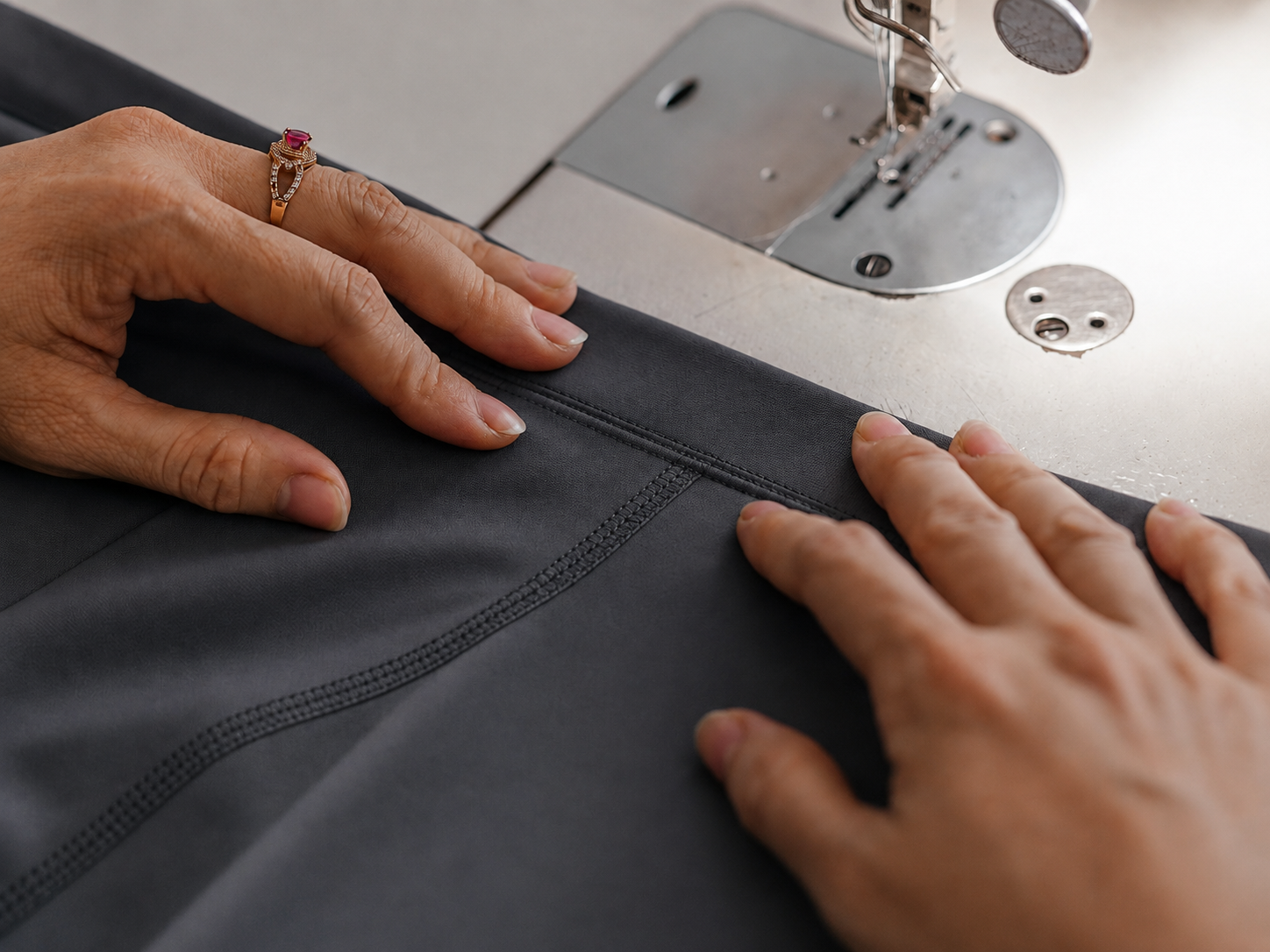
Stretch Garment Sewing
The sewing base includes 80 computerized direct-drive lockstitch machines, 40 five-thread overlock machines, 25 four-thread overlock machines, 15 double-needle machines, 12 elastic-attaching machines, six bartack machines, and 35 four-needle six-thread flatlock machines, among other confirmed resources. The mix supports sports bras, leggings, running shorts, tanks, sports T-shirts, tracksuits, and other suitable athletic garments with different seam and reinforcement needs. The equipment mix allows process selection to follow garment structure instead of forcing every athletic product into one sewing method, which is especially important for fitted, elastic, and multi-panel constructions.
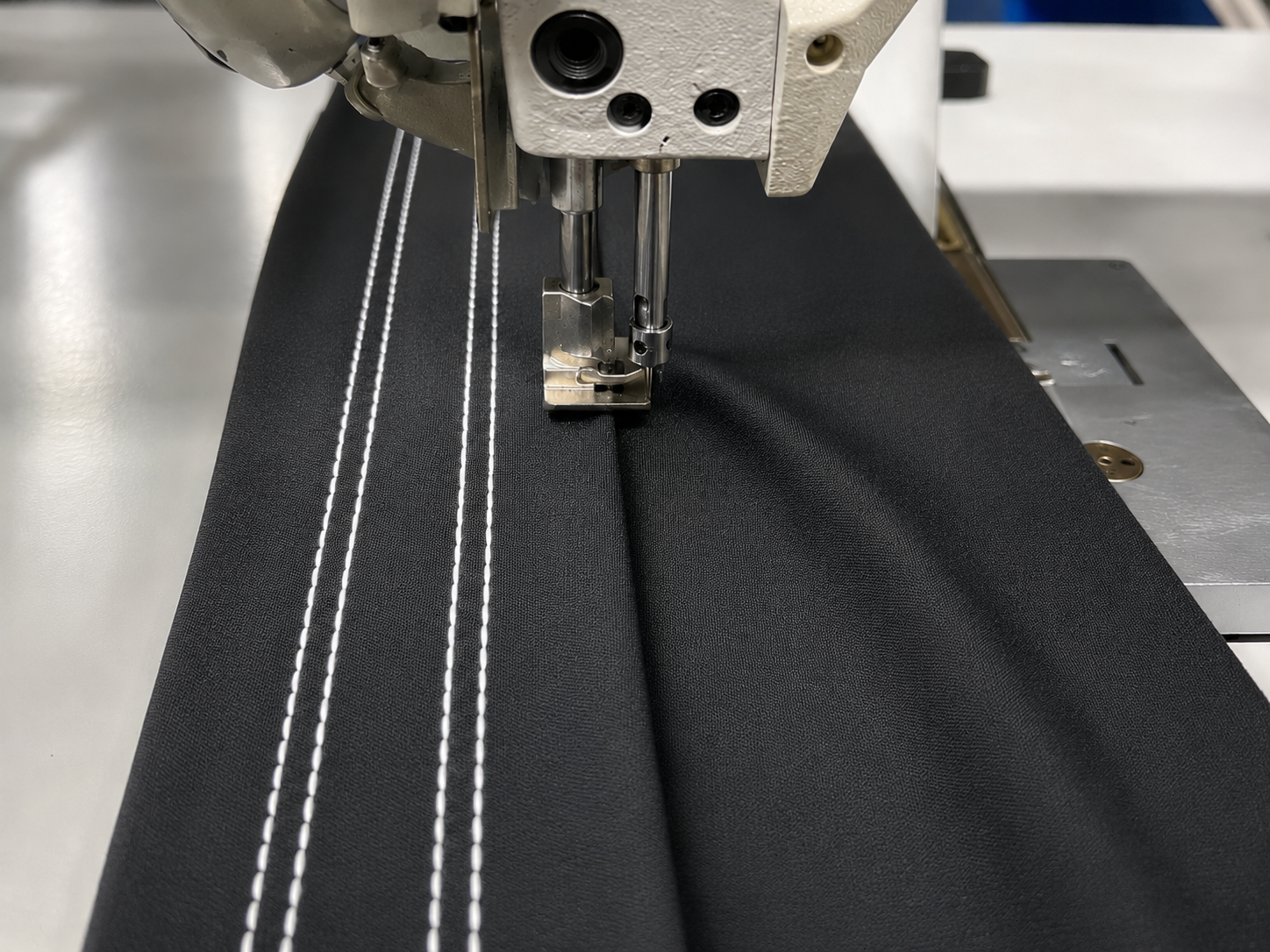
Special Process Equipment
Selected technical constructions are supported by eight heat-bonding machines, four hot-air seam-sealing machines, three ultrasonic elastic-cutting machines, three laser-perforation machines, six heat-transfer label machines, and four heat-press printing machines. These resources broaden the available construction and branding options, but every process remains material- and design-dependent. Bonding is not automatically seamless knitting, seam sealing is not automatically waterproofing, and perforation does not establish a fixed performance gain without validation. Process approval should be tied to the actual material, location, visual result, wash requirement, and any performance evidence needed for the final product claim.
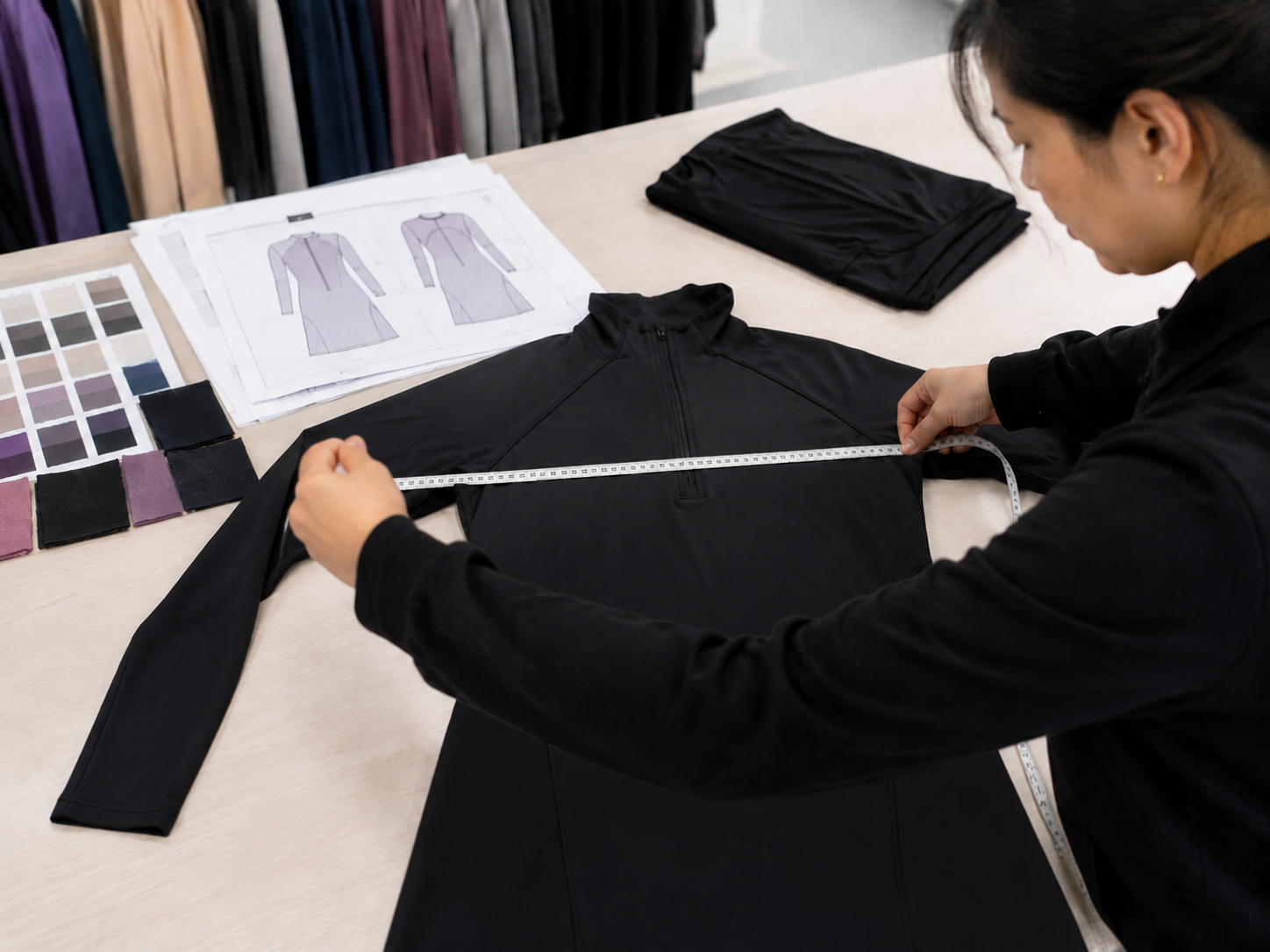
Quality Inspection
An approximately 45-person quality team supports material, in-process, finished-garment, and packaging inspections according to project requirements. Checks can cover dimensions, construction, workmanship, branding, labels, packaging, and applicable final safety steps. Leadshow also has six automatic needle-detection machines for applicable garments. Quality control is coordinated with development, production, and logistics rather than treated as one final inspection, and fixed AQL or universal 100% inspection is not presented without project confirmation. Inspection scope should be established from the approved specifications, quality requirements, order structure, destination needs, and any third-party inspection arrangement specified for the program.
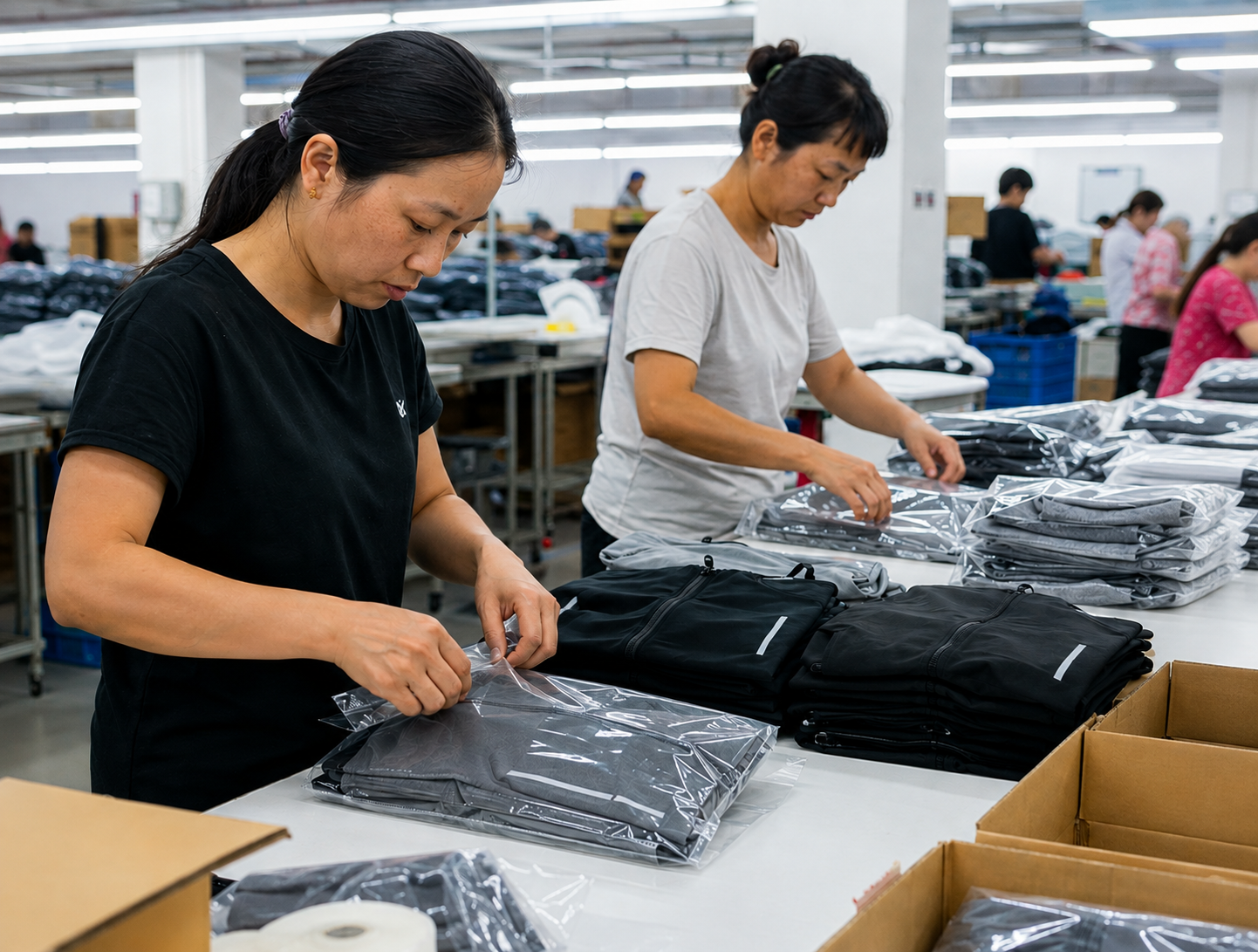
Finishing and Packing
Twenty steam-ironing workstations support garment finishing before packing, while four automatic folding and packaging systems can handle selected standardized garments. Warehousing and logistics functions support sorting, labeling, packing, carton preparation, and shipment coordination. Complex products or special packaging may require more manual handling. The finishing and packing stage is used to present and organize approved products correctly, not to hide construction or fit problems that should have been resolved earlier in development and production. Packing readiness also depends on correct labels, SKU data, carton information, quantity reconciliation, and approved pack instructions so the final shipment reflects the same product version released for manufacturing.
Information Needed for a Useful Athletic Wear RFQ
A useful RFQ gives enough information to evaluate product fit, materials, MOQ, sampling, manufacturing, packaging, and timing. Complete files are ideal, but an early-stage project can still begin with a clear reference, quantity plan, and market direction.
Product Files
Share the clearest product information currently available: tech pack, sketch, CAD drawing, reference image, existing garment, pattern, construction notes, or previous supplier sample. Include the intended product category and use case. If the file set is incomplete, mark open questions rather than guessing. Leadshow can review missing or conflicting details before sampling. Strong product files improve manufacturing-feasibility review and quotation accuracy because structure, seams, trims, artwork, and special processes can be evaluated against a real design rather than a general product name. Include any known revision history or recurring problem from an earlier supplier when the goal is product improvement or second-source development.
Size and Fit
Provide a measurement chart, grading rules, fit reference, body profile, existing sample, or target silhouette where available. Explain whether the garment should be fitted, relaxed, compressive, high coverage, cropped, long line, high rise, or another defined direction. For athletic products, movement requirements are also useful because they influence ease, seam position, waistband behavior, rise, armholes, and torso or leg proportions. Size ranges are project-specific; Leadshow does not assume one universal grading standard for every brand or market. If an approved garment already exists, sharing its measured dimensions and fit comments can reduce ambiguity during pattern and sample review.
Fabric and Performance Target
List known fabric composition, GSM, knit structure, stretch direction, hand feel, coverage, color, lining, mesh, elastic, and trim requirements. If exact materials are not known, describe the target effect and use condition rather than selecting an unsupported specification. Any request involving moisture management, recycled content, certification, waterproofing, UV performance, compression, chlorine resistance, or other functional claims should include required evidence or testing expectations. Material supplier minimums can also influence MOQ, color flexibility, sample time, and final cost. When a target performance is important, identify how it will be verified before bulk approval instead of relying only on a marketing term.
Quantity and SKU Plan
Provide estimated quantity by style, color, and size whenever possible. Standard MOQ generally starts from 100 pieces per color per design, but the actual requirement is reviewed against fabric, trims, construction, custom colors, logos, labels, packaging, and supplier minimums. A clear size and color breakdown also supports capacity planning, cutting, labels, packing, and carton preparation. For early forecasting, a realistic quantity range is more useful than an undefined “large order,” especially when multiple styles or seasonal drops are planned. Also note whether the quantity is a development test, first commercial run, replenishment program, or long-term forecast because capacity planning can differ by stage.
Branding and Packaging
Share logo artwork, placement, dimensions, color references, label requirements, hangtags, care information, packaging format, barcode or SKU needs, carton marks, inserts, and any retail-specific instructions. Heat-transfer labeling and selected heat-press graphics are confirmed internal resources for suitable products, while other decorative methods may require project evaluation. Packaging should be included in the original RFQ because special labels, custom bags, inserts, mixed pack ratios, or retail specifications can affect quotation, MOQ, material ordering, production sequence, and final shipment preparation. If a retailer or importer has mandatory packing instructions, provide the latest controlled version rather than copying requirements from a previous product with different dimensions or SKU logic.
Market and Timing
State the destination market, intended sales channel, requested sample milestone, target bulk completion date, and any testing, labeling, compliance, audit, freight, or third-party inspection requirements. Leadshow exports to Europe, North America, South America, and Oceania, but market-specific compliance is reviewed by project rather than guaranteed universally. Sample and bulk lead times are confirmed only after product complexity, materials, artwork, revisions, quantity, quality requirements, and current production scheduling are understood. A fixed launch date should be disclosed early so feasibility can be reviewed before commitments are made. If a fixed sales launch, event, or campaign date is critical, distinguish the required factory-completion date from the final arrival date so production and freight planning can be evaluated separately.
Athletic Wear Manufacturing Frequently Asked Questions
Clear answers help sourcing teams compare factories faster. The questions below cover product scope, project inputs, MOQ, sampling, fit, bulk production, quality, private label, and timing.
Are you an athletic wear manufacturer in China?
Leadshow is headquartered in Shenzhen, China and operates as an OEM and ODM apparel development and manufacturing partner specializing in sportswear, swimwear, streetwear, and modest sportswear. The company operates three manufacturing bases and supports development, sampling, bulk manufacturing, quality review, labels, packaging, and export coordination. Individual factory addresses and site-specific capacities should be confirmed separately rather than inferred from the Shenzhen headquarters address.
What athletic wear products can Leadshow manufacture?
Confirmed products relevant to athletic wear include sports bras, sports T-shirts, yoga leggings, tennis skirts, jumpsuits, running shorts, tank tops, and tracksuits. Hoodies and sweatshirts can also support sports-lifestyle or layering programs. Product categories outside the confirmed fact set, including cycling wear, golf apparel, team uniforms, children’s sportswear, maternity activewear, and several other adjacent categories, should be reviewed before any manufacturing claim is made.
Can you manufacture from a tech pack?
Yes. Tech-pack-based OEM manufacturing is a confirmed service direction. Share the tech pack, measurement chart, construction notes, fabric and trim requirements, artwork, quantities, size and color breakdown, labels, packaging, destination market, and timing. Leadshow reviews manufacturability, materials, sampling, MOQ, and production conditions before final pricing and scheduling are confirmed. An approved sample and frozen specifications are used to support the transition into bulk production.
Can you develop from a reference photo or sample?
Yes, manufacturing-focused ODM development can begin from a product concept, sketch, reference image, partial specification, or physical sample. The development route may include construction clarification, pattern work, fit adjustment, material and trim evaluation, sample development, and revision. The service is not an unlimited free design program. Development scope, sample rounds, timing, exclusivity, functional claims, and final commercial conditions are confirmed according to the specific project.
What is the MOQ for athletic wear?
Standard MOQ generally starts from 100 pieces per color per design. Final MOQ depends on fabric availability, custom colors, trims, elastic, construction, special processes, logo requirements, labels, packaging, and supplier minimums. Different colors or designs should not be assumed to combine freely toward the MOQ. Share style, color, quantity, material, and branding information for a realistic evaluation.
How are fabric and fit confirmed?
Fabric is reviewed against product use, composition, GSM, stretch, recovery, coverage, hand feel, trims, branding process, and any required performance evidence. Fit is developed from the brand’s measurement chart, fit direction, pattern or reference sample and is checked through sample measurements and movement feedback. Size ranges and grading rules are project-specific. Final material and fit approval should be connected to the approved sample and frozen product specification.
How long does sample development take?
There is no single fixed sample lead time for every garment. Timing is confirmed after product requirements, material availability, trims, artwork, process complexity, sample type, and revision scope are reviewed. A complete tech pack and readily available materials usually create a clearer schedule than an early-stage concept requiring pattern, material, and construction development. Sample fees and revision rounds are also confirmed by project.
How do you control sample-to-bulk consistency?
Bulk production is organized from approved specifications and sample references. Pattern, measurements, materials, trims, construction, artwork, labels, packaging, and size/SKU information should be frozen before production release. Quality checks then focus on agreed characteristics during material receipt, production, finished-garment review, and packing. “100% identical to sample” is not presented as an absolute promise; the goal is controlled manufacturing against approved standards and reasonable production tolerances.
Can you support private label and multiple SKUs?
Yes. Leadshow supports custom labels, customized packaging, private-label manufacturing, and multi-SKU production coordination. Programs can include multiple colors, sizes, labels, artwork versions, packaging formats, and carton rules when the approved order structure is clear. Heat-transfer labels and selected heat-press graphics are confirmed internal capabilities for suitable products. Other decorative processes are evaluated separately and should not be assumed to be fully in-house without confirmation.
How long do bulk production and delivery take?
Bulk production timing is confirmed after sample approval, material readiness, order quantity, color and size mix, process complexity, quality requirements, and current production scheduling are known. The three manufacturing bases provide combined monthly capacity of up to approximately 120,000 finished garments under suitable conditions, but availability is project-specific. Shipment timing then depends on packing completion, destination, and the agreed freight method. Customs clearance and final destination acceptance are handled according to the commercial arrangement.
Send Your Athletic Wear Project for Manufacturing Review
If you are comparing athletic wear manufacturers in China, send the product information already available and let the project be evaluated against real manufacturing conditions. A useful starting package can include a tech pack, reference image, physical sample photos, measurement chart, intended activity, fabric direction, order quantity, color and size breakdown, logo files, label and packaging requirements, destination market, and target timing. Leadshow can review product fit, construction, material questions, sampling route, MOQ, quotation conditions, bulk-manufacturing feasibility, private-label requirements, and the information still needed before production planning. Standard MOQ generally starts from 100 pieces per color per design, subject to fabric, trims, construction, and customization. Sample and bulk lead times are confirmed after material, sample, quantity, complexity, and current production scheduling are reviewed. Project files are used for evaluation and are not presented publicly without authorization. Submission does not create an unconditional production commitment; technical, capacity, intellectual-property, and commercial requirements remain subject to review.