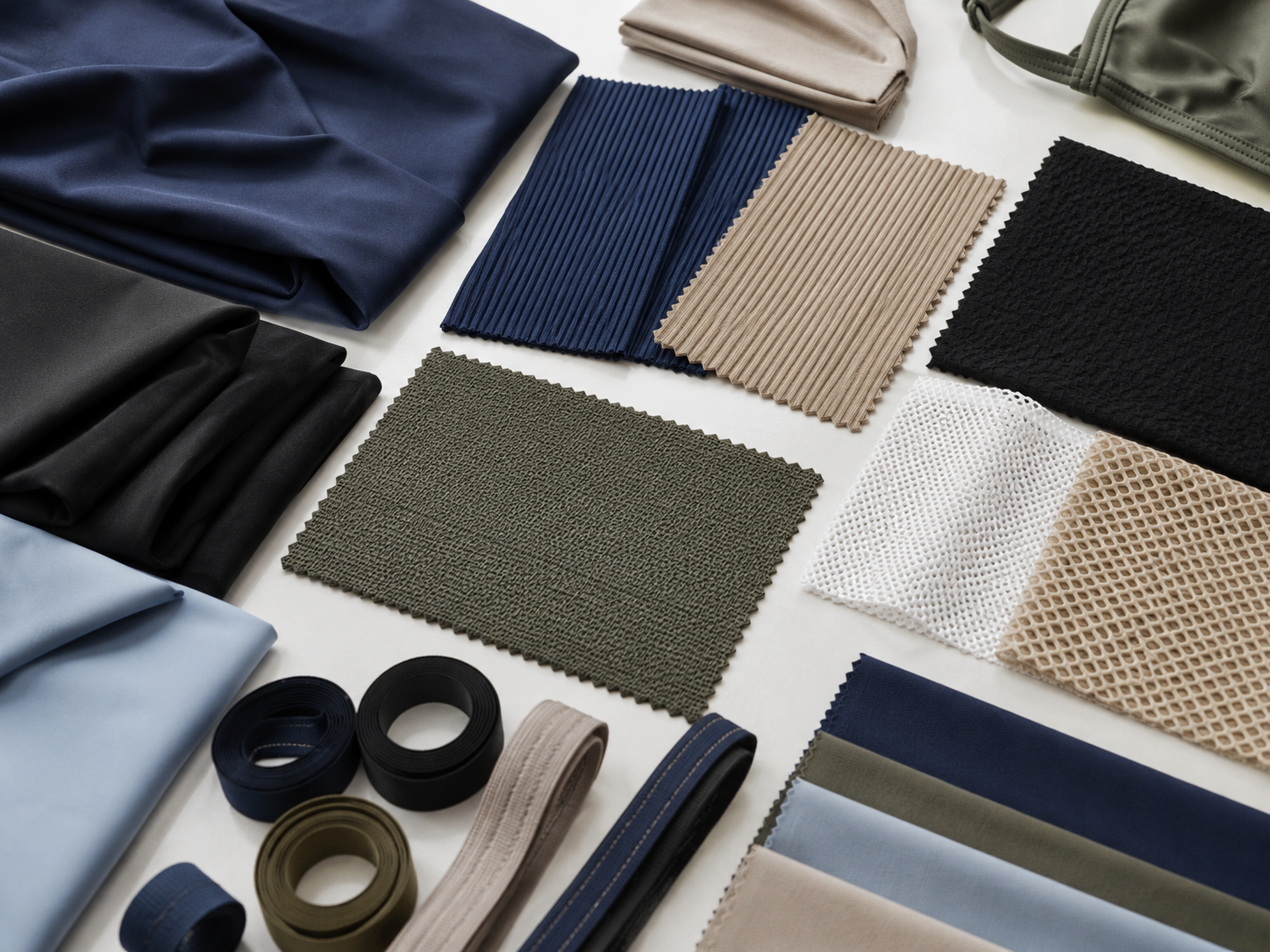
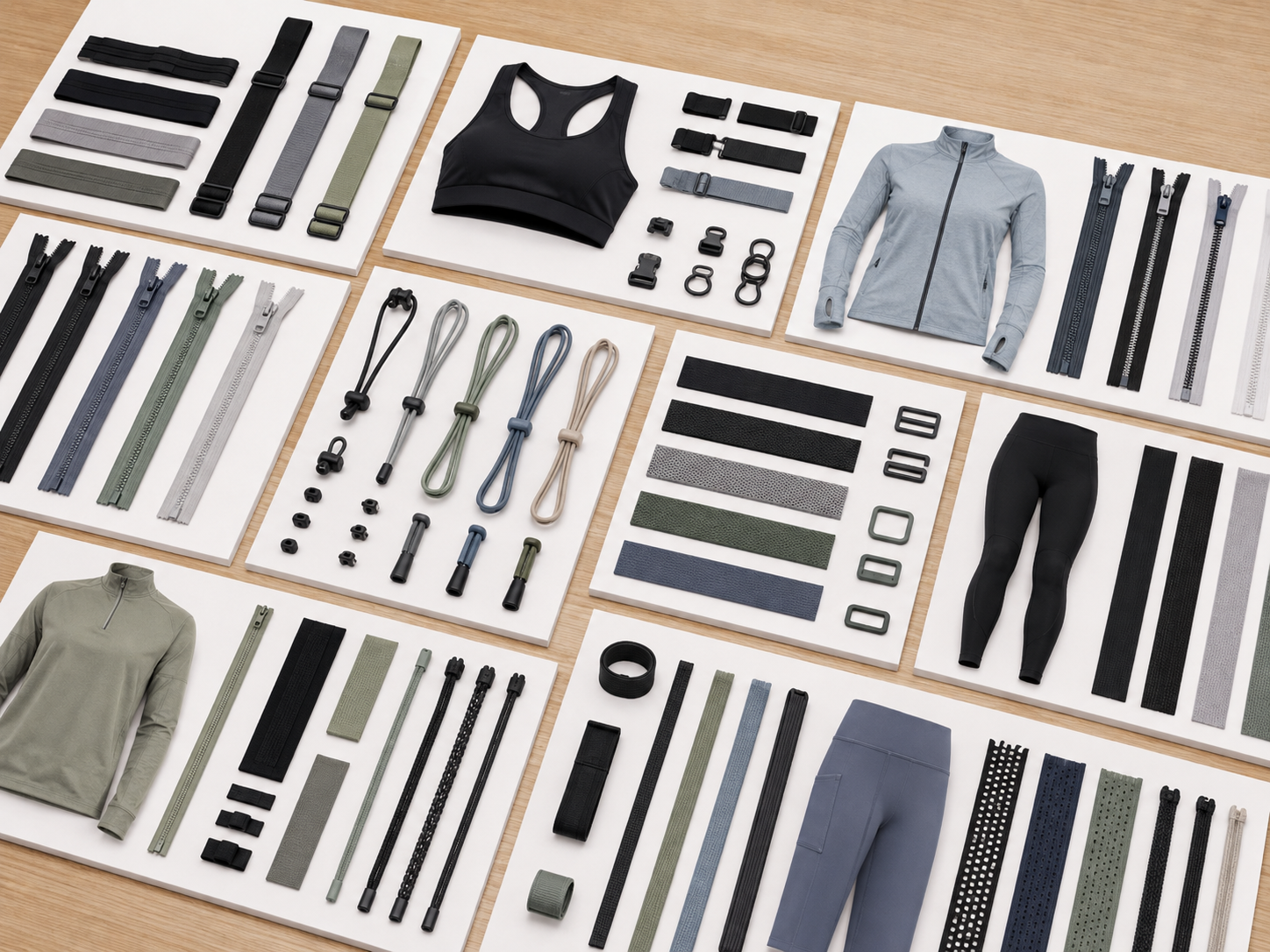
Activewear Fabric Types and Selection Guide

A technical guide for activewear brands comparing fiber blends, knit structures, GSM, stretch, recovery, opacity, moisture management and bulk-production suitability.

  • Compare major fiber families, blends and knitted constructions.
  • Understand how material structure influences stretch, support, breathability, durability and hand feel.
  • Match fabric weight and performance to leggings, sports bras, tops, shorts and tracksuits.
  • Prepare clearer specifications for material review, garment sampling and production planning.
Experiment
0 + Years
Factory Area
0 ㎡
 Team Members
0 +
Machines
0 +

Three Rules Behind Reliable Activewear Fabric Selection

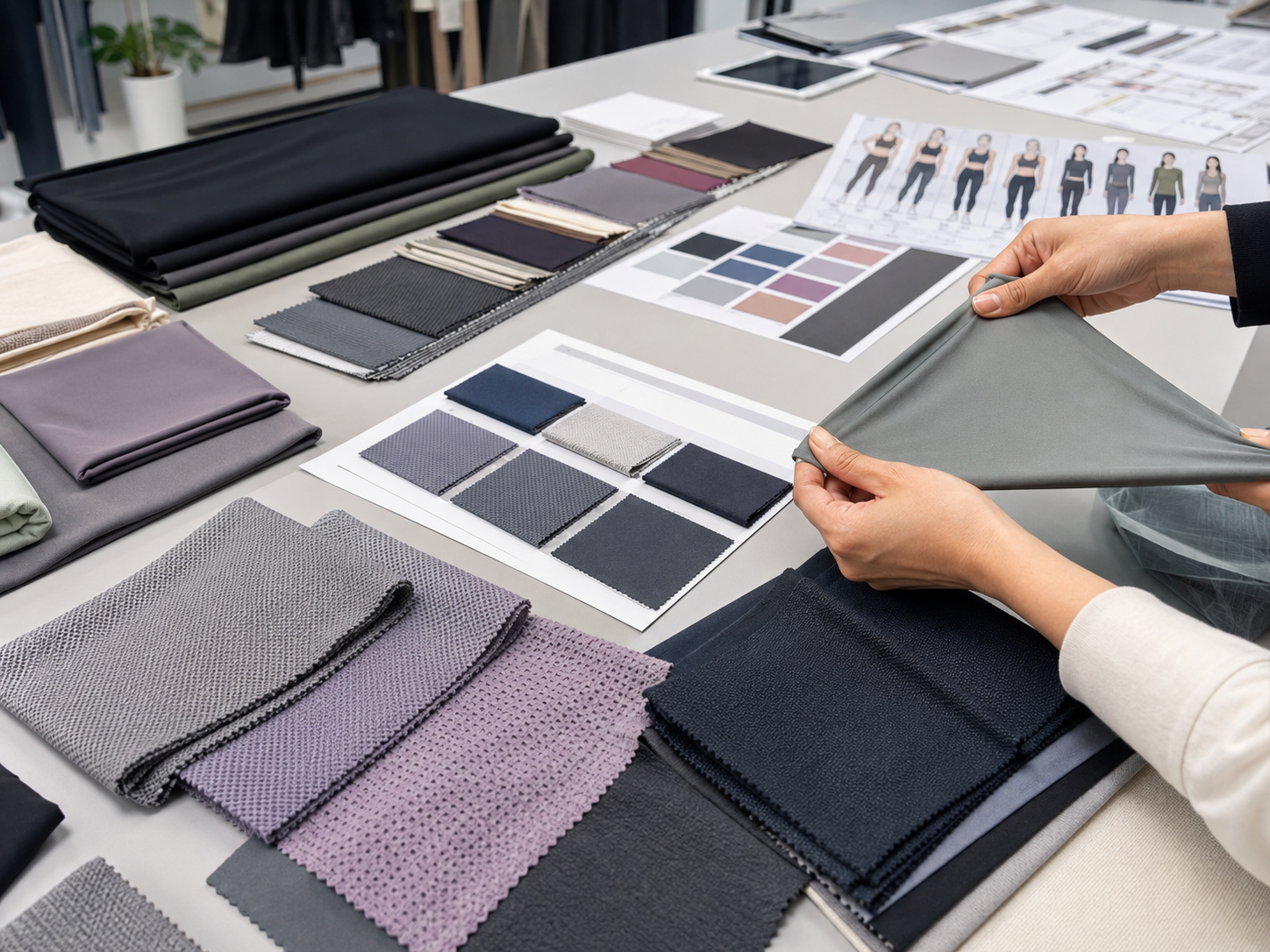
Successful material selection starts with garment use, measurable performance and production compatibility. Fiber content alone cannot predict fit, recovery or durability. Product teams need to consider fiber, construction, weight, finishing and garment engineering as one connected development decision.

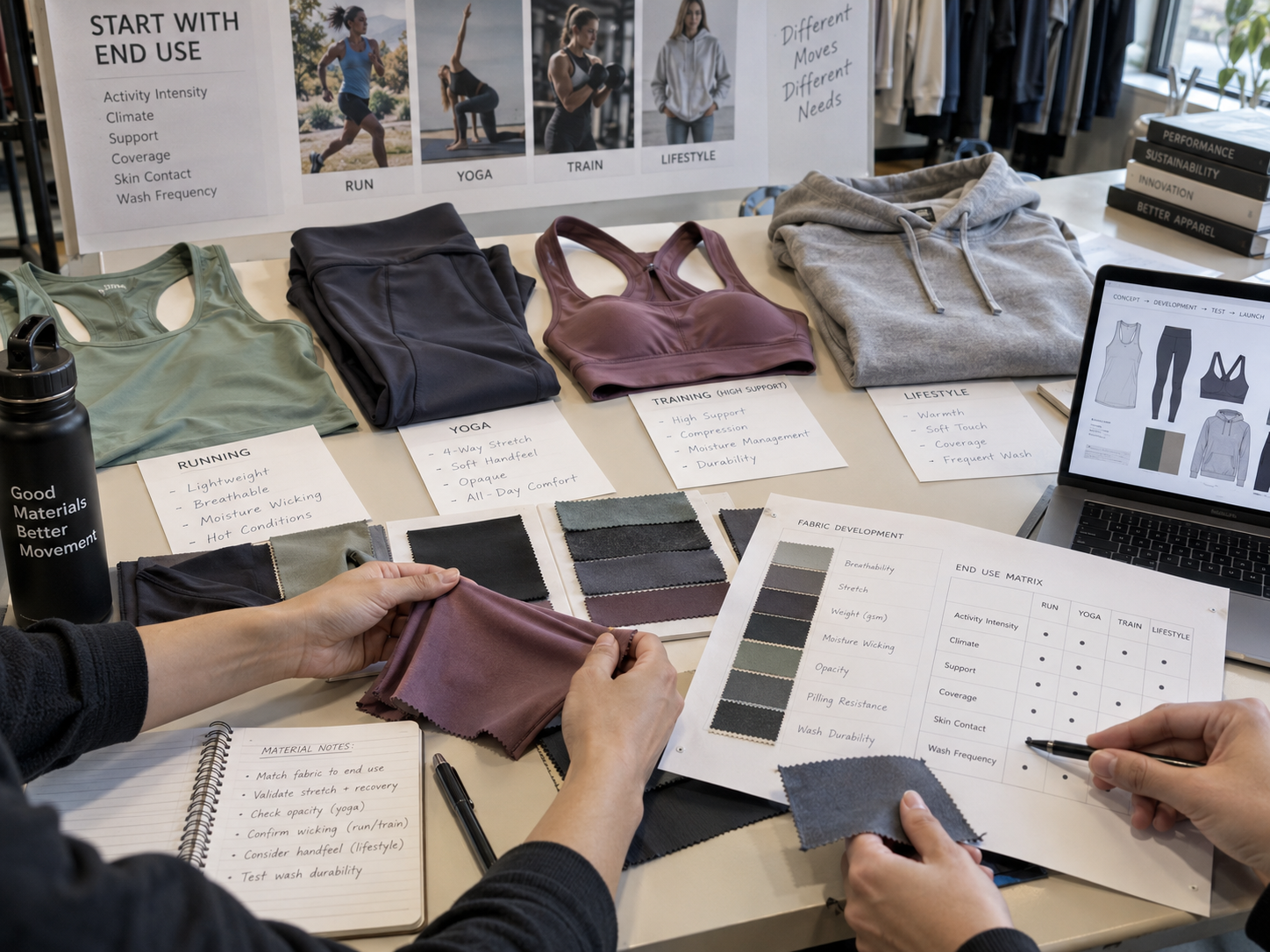
Start with End Use

Running tops, yoga leggings, high-support sports bras and lifestyle hoodies create different demands. Activity intensity, climate, support, coverage, skin contact and wash frequency should be defined before comparing materials. A lightweight jersey may work for a running T-shirt yet lack the recovery and opacity needed for fitted leggings. Starting with garment use prevents attractive swatches from moving forward without meeting the product’s real performance requirements.

Compare Complete Specifications

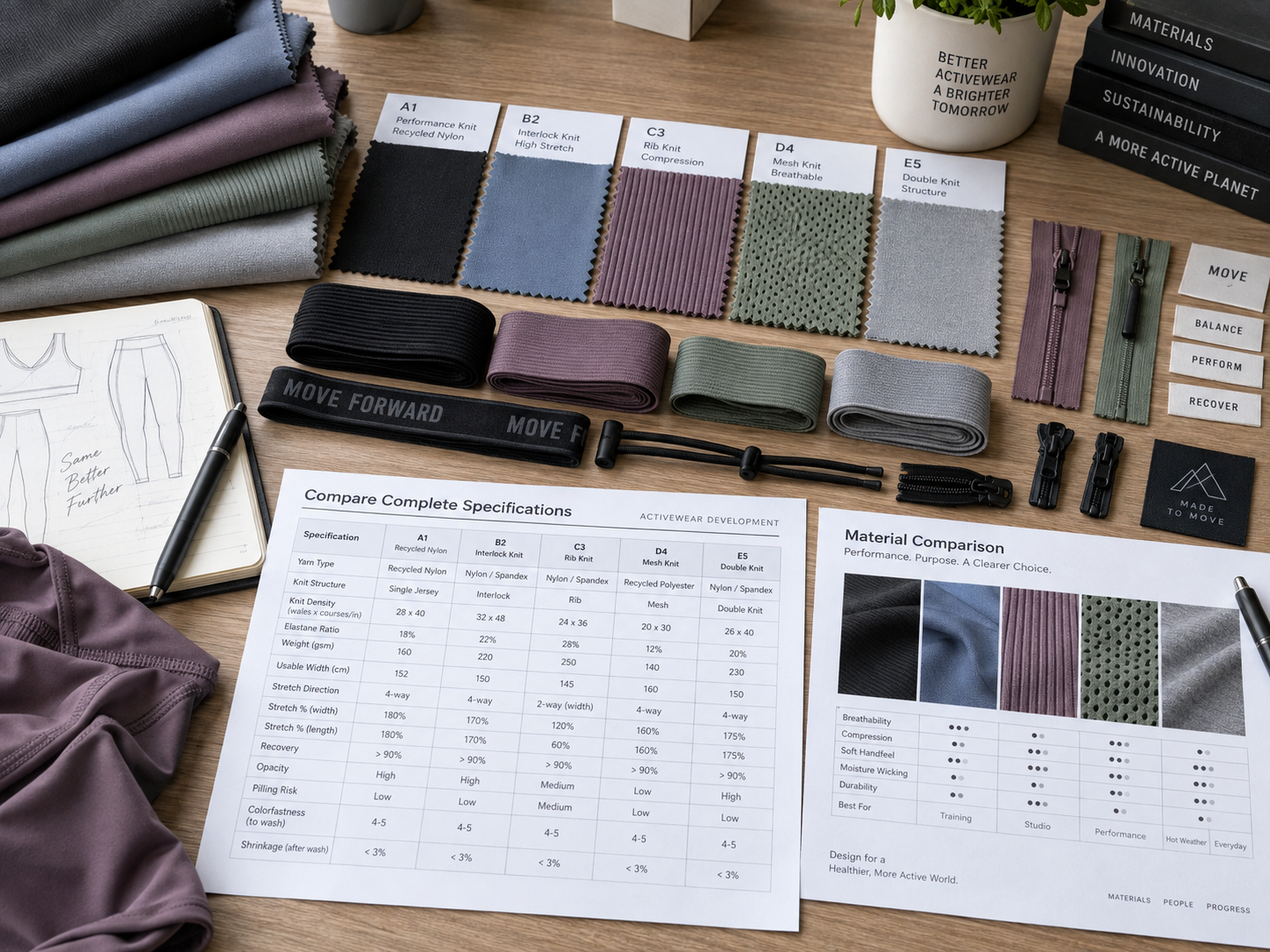
Two fabrics with identical fiber labels can perform very differently. Yarn type, filament count, knit density, elastane ratio, weight, finishing and dyeing influence the result. Compare GSM, usable width, stretch direction, stretch percentage, recovery, opacity, pilling risk, colorfastness and shrinkage alongside fiber composition. A complete specification provides a more dependable basis for sampling than a generic description such as nylon-spandex fabric.

Confirm through Garments

Swatches reveal color and hand feel, but garment samples expose fit, seam behavior, support, coverage and movement. A material may feel soft on a hanger yet grow at the knees, roll at the waistband or show stress whitening after stretching. Use samples, wear evaluation and agreed testing to confirm suitability. Bulk approval should follow material review, garment assessment and verification of critical performance claims.

Compare Common Activewear Fibers and Blends

Activewear materials often combine a main fiber with elastane to balance comfort, movement and shape retention. Final performance depends on yarn, construction, weight, finishing and test results.

Fiber or Blend

Main Advantages

Points to Review

Common Uses

Polyester

Durable, lightweight, quick-drying and widely available.

Odor retention, pilling, static and heat sensitivity.

Running tops, training T-shirts, shorts and tracksuits.

Polyester + Elastane

Stretch and closer fit with polyester durability.

Recovery, opacity and heat-setting stability.

Leggings, fitted tops, sports bras and bike shorts.

Nylon

Smooth hand, abrasion resistance and premium appearance.

Drying rate, yellowing risk and dimensional stability.

Premium leggings, yoga wear and fitted tops.

Nylon + Elastane

Soft touch, close fit, stretch and recovery.

Coverage, waistband recovery, pilling and colorfastness.

Yoga leggings, bras, jumpsuits and tennis garments.

Recycled Polyester

Supports defined recycled-material goals.

Verify content, scope, consistency and performance.

Tops, shorts, tracksuits and linings.

Recycled Nylon

Recycled route with a smooth nylon-like hand.

Availability, shade range, minimums and documentation.

Premium leggings, bras, swimwear and capsules.

Cotton Blend

Familiar touch, comfort and lifestyle appeal.

Moisture retention, shrinkage and shape stability.

Athleisure tees, sweatshirts and hoodies.

Cellulosic Blend

Softness and drape for lower-intensity use.

Wet strength, drying, pilling and recovery.

Studio tops, cover-ups and low-impact garments.

Wool Blend

Temperature regulation and odor-management potential.

Care, abrasion, cost and wash performance.

Base layers and cold-weather training garments.

How Activewear Fabric Construction Changes Garment Performance

Fiber composition describes raw material, while construction determines how yarns behave as a fabric. Knit type, density and surface engineering influence stretch, airflow, coverage, support, seam selection and garment appearance.

Single Jersey

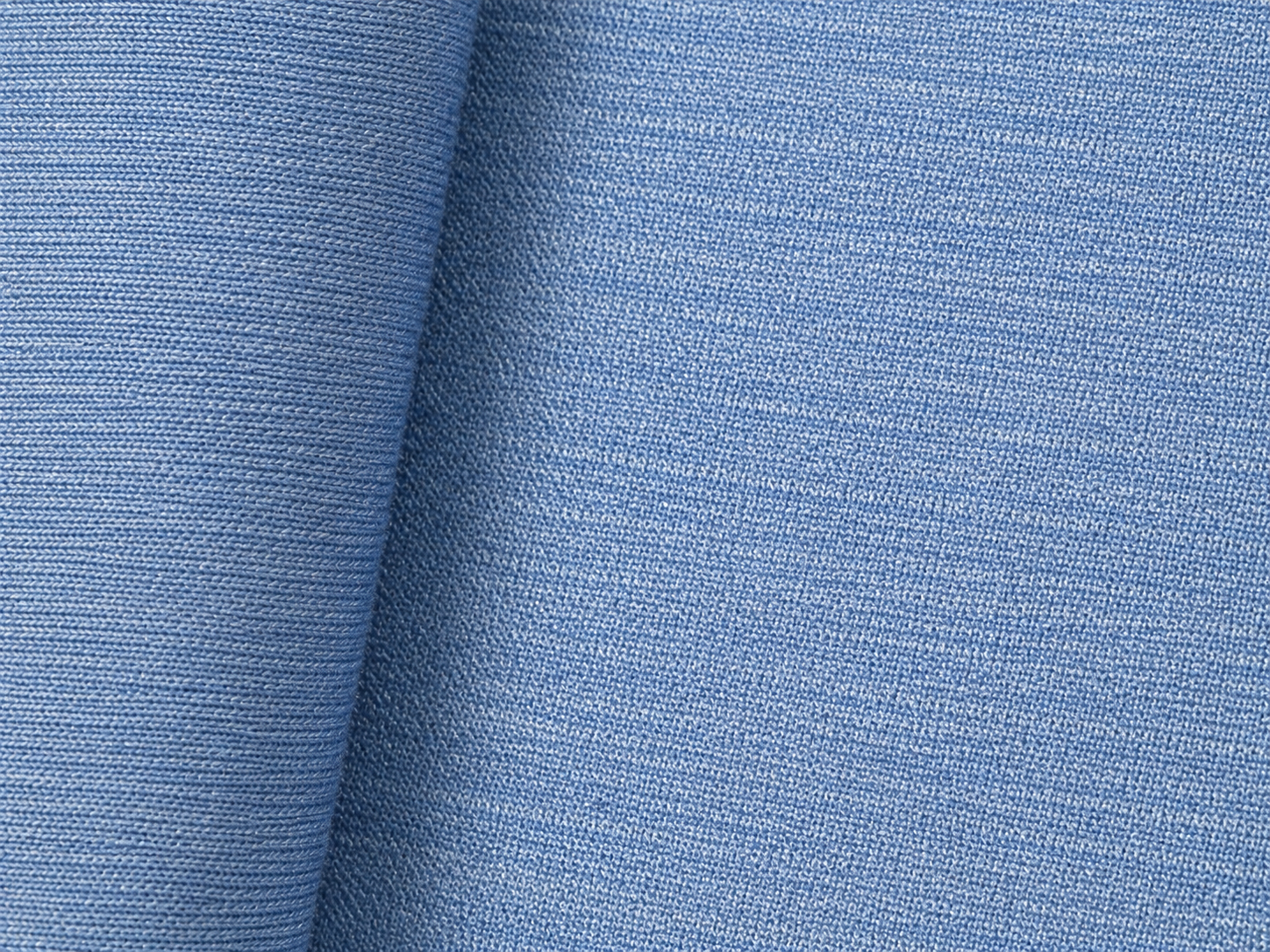
A lightweight, versatile construction for tops, T-shirts and base layers. It can provide softness, drape and airflow, while edge curl, pilling, dimensional stability and transparency in pale colors require review.

Interlock Knit

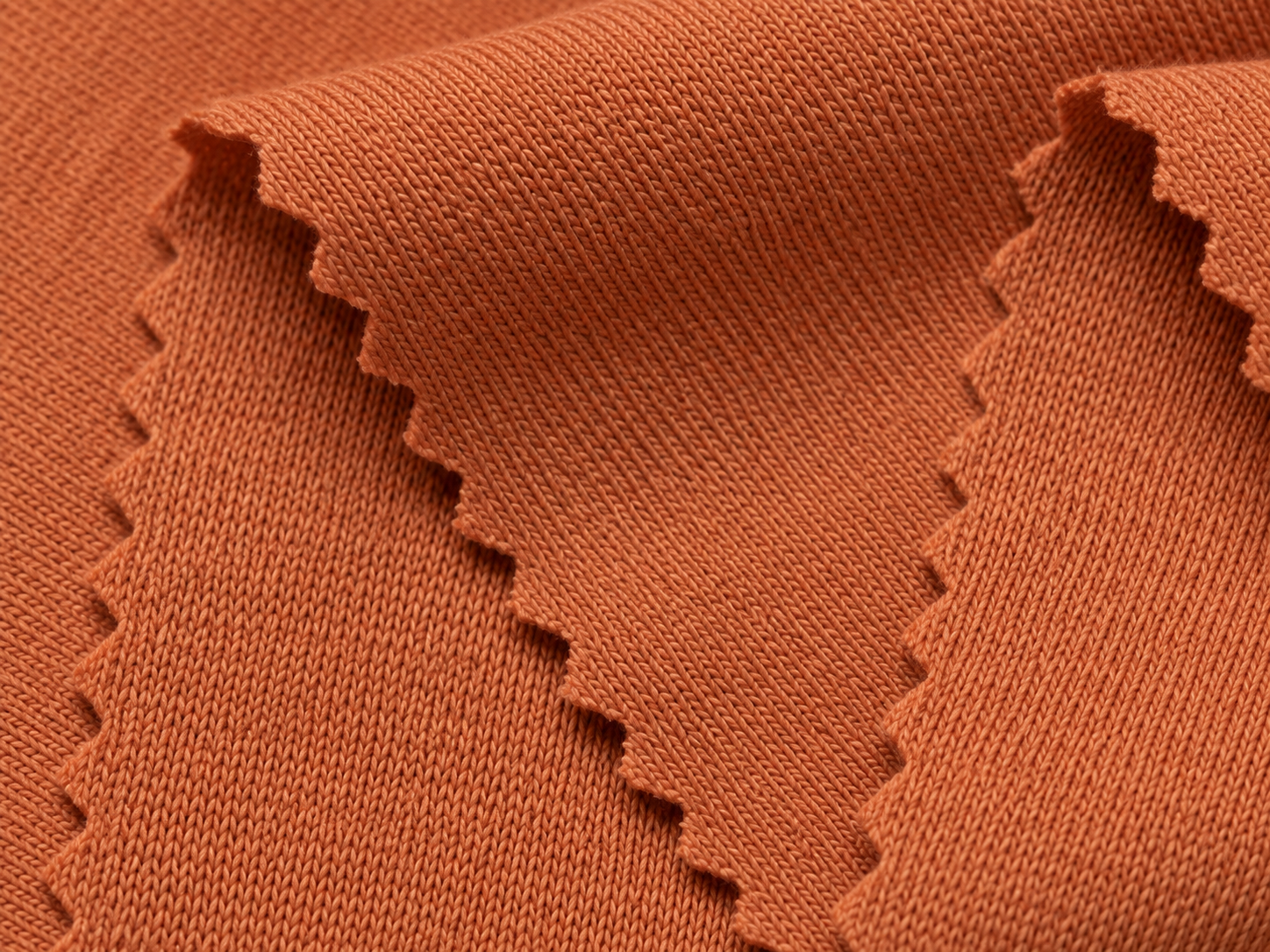
A stable double knit with smooth surfaces on both sides. It generally offers greater coverage and body than single jersey, making it useful for fitted tops, leggings and structured sportswear. Review airflow, recovery and seam bulk.

Warp Knit

A stable construction used for selected performance, swimwear and compression garments. Evaluate directional stretch, modulus, edge behavior, coverage and snag resistance because its fit behavior can differ from circular knits.

Rib Knit

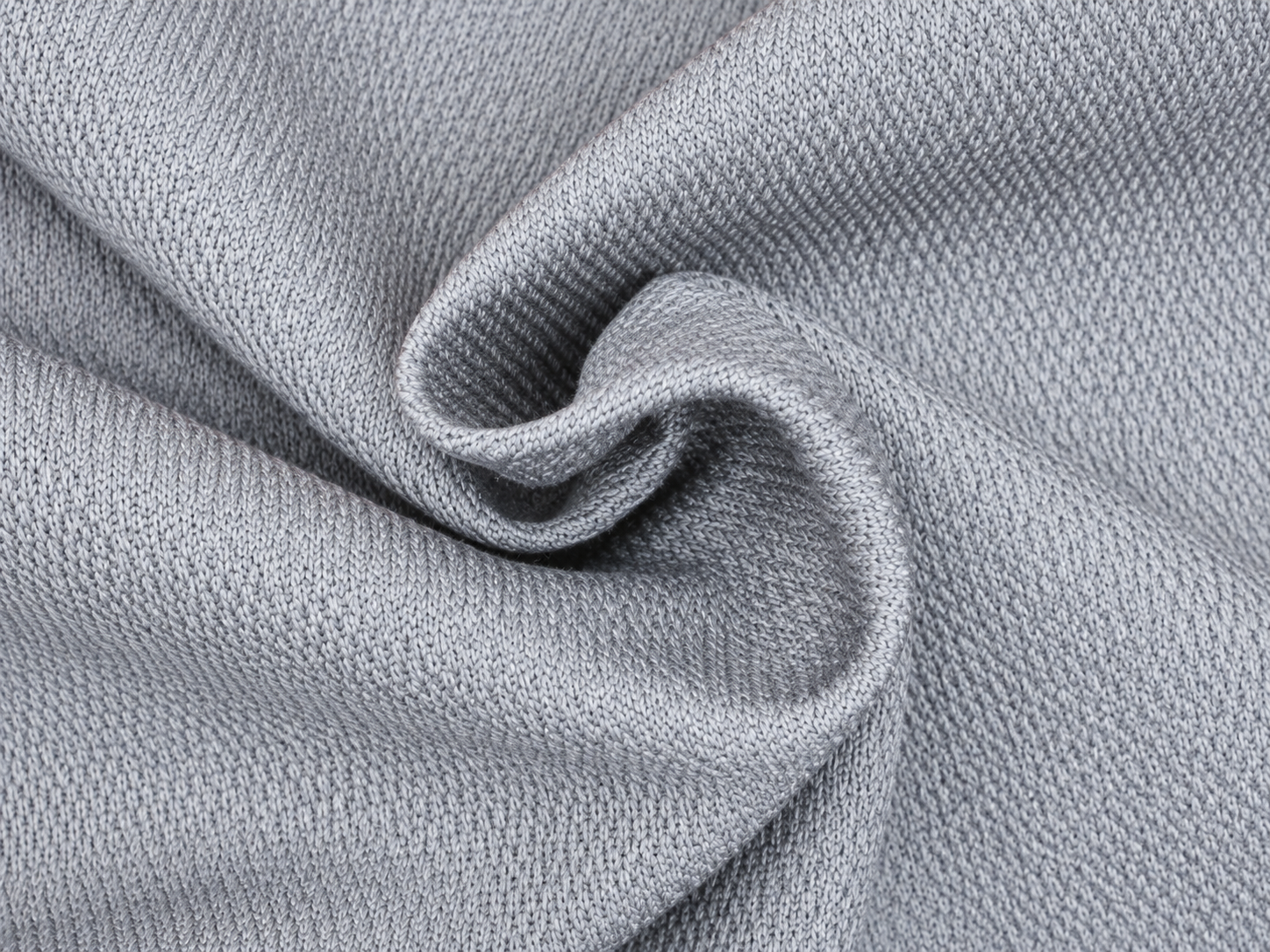
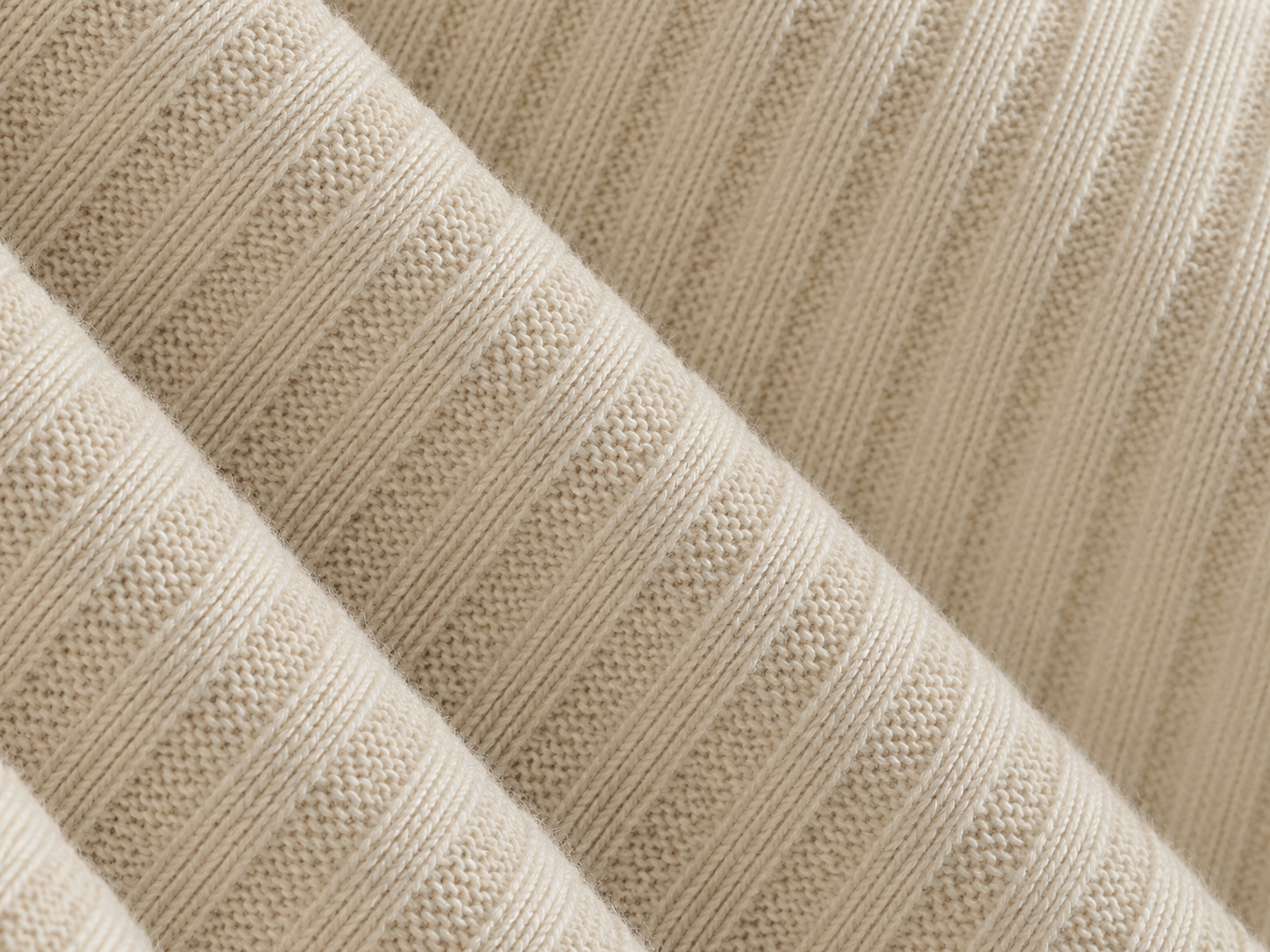
A textured construction with strong mechanical stretch for tops, leggings, waistbands and sets. Review opening between ribs, recovery, seam appearance, opacity and dimensional stability after wear and washing.

Mesh Construction

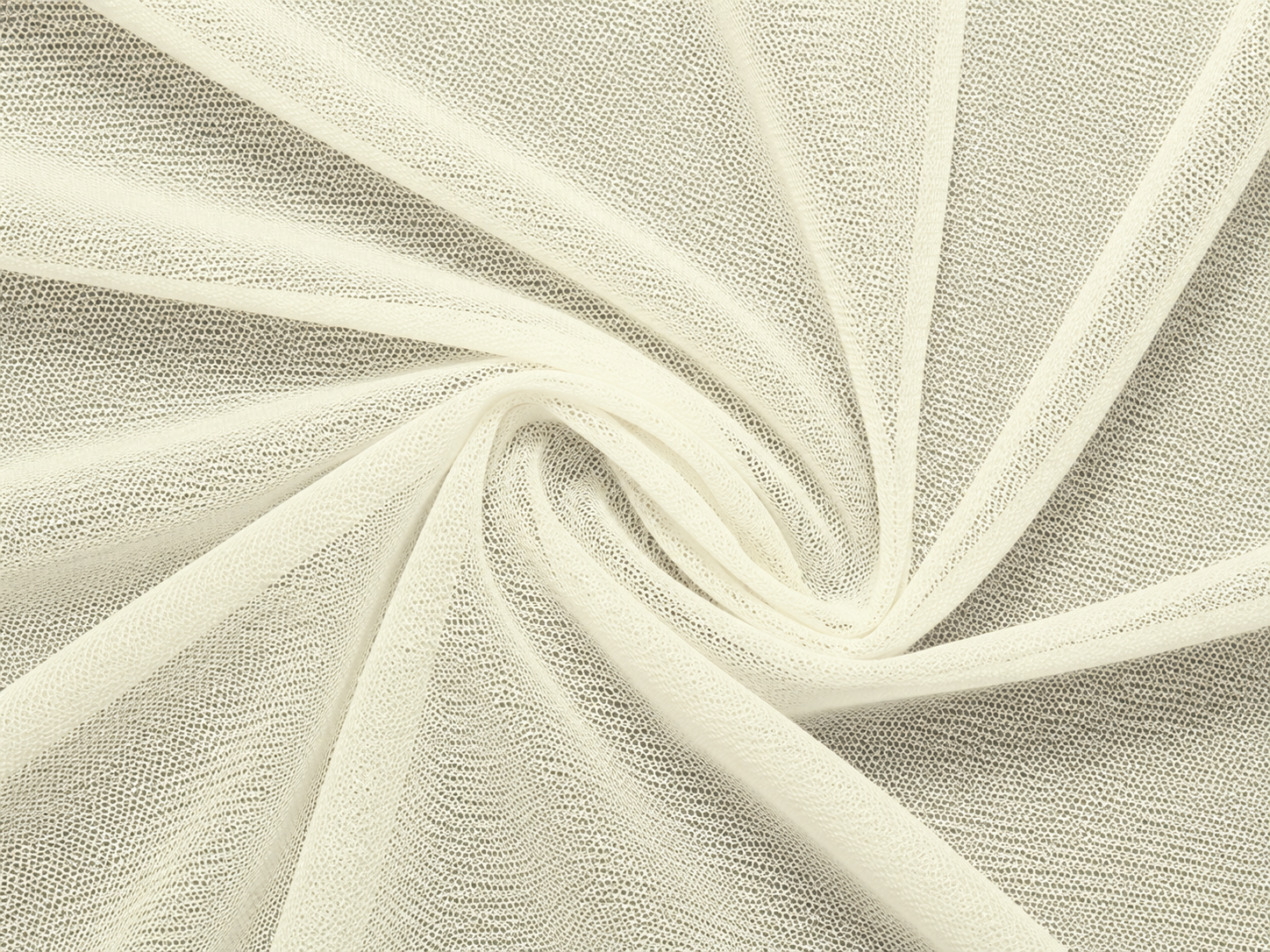
Open areas can add ventilation or visual contrast. Hole size, yarn strength and knit stability affect transparency, snag resistance and sewing. Define whether mesh is decorative, functional or both, then review panel placement and edge finishing.

Piqué Knit

A textured route for polo shirts, tennis apparel and structured sports tops. Review shrinkage, snagging, moisture behavior, drape, print sharpness and logo adhesion before approval.

Fleece and Brushed Knit

Brushed or fleece-backed materials add warmth and softness for hoodies, sweatshirts and tracksuits. Evaluate weight, recovery, pilling, shedding, wash appearance and seam thickness.

Bonded or Laminated Fabric

Layered constructions can create structure, wind resistance or visual effects. Evaluate delamination, stiffness, wash durability and seam compatibility. Bonding does not automatically make a garment waterproof.

Nine Performance Factors Every Activewear Program Should Define

Terms such as soft, stretchy and high performance are open to interpretation. Clear development requires measurable priorities and agreed evaluation methods.

Stretch Direction

Two-way and four-way stretch describe directions, not the amount of extension. Record percentage in length and width, the method used and garment orientation on the fabric.

Stretch Recovery

Poor recovery can cause bagging at knees, elbows, seats or waistbands. Evaluate immediate return and performance after repeated extension; elastane percentage alone cannot confirm recovery.

Moisture Management

Absorption, wicking, spreading and drying are different properties. Define the required outcome by activity and climate, then support claims with an agreed test or garment evaluation.

Breathability

Airflow depends on construction, density, thickness, fiber, finish and garment design. Balance ventilation with coverage, support and durability.

Opacity

Check coverage at working extension and in representative colors. Weight alone does not guarantee opacity; density, yarn, shade, finish and pattern fit all contribute.

Compression and Support

Compression depends on modulus, stretch, recovery, garment dimensions and seams. Quantified or medical compression claims require specialized testing.

Abrasion and Pilling

Review high-friction areas, intended use and wash frequency. Very soft or brushed surfaces may show wear sooner under repeated friction.

Colorfastness

Select tests according to washing, rubbing, perspiration, sunlight, pool water or seawater exposure. Dark shades and contrasting panels may need extra review.

Dimensional Stability

Shrinkage, growth, torque and shape change affect finished measurements. Evaluate stability before confirming patterns and tolerances, and relax rolls according to material behavior.

Match Activewear Fabrics to Each Garment Category

The ranges are development starting points rather than fixed standards. Fiber, construction, fit, climate and brand positioning may move a garment outside the listed GSM range. Physical samples and test results should guide final approval.

Garment

Directional GSM

Starting Construction

Priorities

Lightweight Running Top

120–170 GSM

Single jersey, lightweight mesh

Low weight, airflow, drying

Training T-Shirt

140–200 GSM

Jersey, interlock, piqué

Shape stability, pilling, printing

Yoga Leggings

200–280 GSM

Nylon-elastane interlock, dense jersey

Soft hand, recovery, opacity

Training Leggings

220–320 GSM

Dense interlock, warp knit

Coverage, abrasion, support

Sports Bra

220–320 GSM

Dense stretch knit, interlock

Recovery, support, skin comfort

Running Shorts

90–160 GSM outer

Stretch woven, mesh

Low weight, movement, pockets

Tennis Skirt

150–230 GSM

Interlock, jersey, woven

Drape, coverage, inner-short comfort

Active Jumpsuit

200–300 GSM

Dense jersey, interlock

Recovery, opacity, contour

Tracksuit

220–320 knit; 100–180 woven

Double knit, tricot, shell

Shape, abrasion, zipper compatibility

Modest Sports Top

140–220 GSM

Jersey, interlock, piqué

Coverage, airflow, low cling

Hoodie or Sweatshirt

260–420 GSM

French terry, fleece

Warmth, pilling, shrinkage

GSM note: GSM expresses fabric weight per square meter. It does not directly measure thickness, coverage, warmth, durability or quality.

Balance GSM, Hand Feel, Coverage and Compression

Fabric weight helps narrow options, but it should never become the only standard. Materials with similar GSM can have different thickness, density, surface feel, drape and support because of yarn, construction and finishing.

Lightweight Fabrics

Lightweight constructions can improve airflow, packability and drying speed for running tops and warm-climate garments. Lower GSM may increase transparency, edge curling or seam distortion, especially in pale colors. Review coverage under movement, garment cling, surface durability and print compatibility. A lighter material should still remain stable during cutting and sewing.

Midweight Fabrics

Midweight materials often balance coverage, flexibility, comfort and production stability. They are widely considered for training tops, tennis garments, leggings and coordinated sets. A dense 220 GSM interlock may feel more supportive than a softer material at a higher weight. Evaluate drape, compression, opacity, seam bulk and seasonal comfort on a garment sample.

Heavyweight Fabrics

Heavy materials can add coverage, structure and warmth for leggings, tracksuits, hoodies and cold-weather garments. Greater weight may increase heat retention, drying time and seam thickness. Heavy material does not automatically provide better recovery or durability. Confirm stretch, movement comfort, waistband behavior, shrinkage and garment balance.

How Fabric Choice Changes Pattern, Fit and Sizing

A material cannot be separated from pattern engineering. Stretch, recovery, thickness, drape and surface friction influence finished measurements and how a garment sits on the body. Fit approval should use the intended fabric or a technically comparable development material.

Stretch, Recovery and Negative Ease Shape the Final Fit

Negative ease means a garment is smaller than the corresponding body measurement so the material stretches during wear. The required amount varies by purpose, elongation and support target. Stretch percentage alone is not enough: one material may extend easily but recover slowly, while another needs more force and feels firmer at the same measurement. Pattern dimensions should account for elongation, recovery and modulus. Fit review should check waistband stability, seat and thigh coverage, knee recovery, rise balance, hem pressure and garment length. A size chart should identify target market, body and garment measurements, base size, grading rules, points of measurement and tolerances.

Fabric Structure Changes Seams, Support and Size Grading

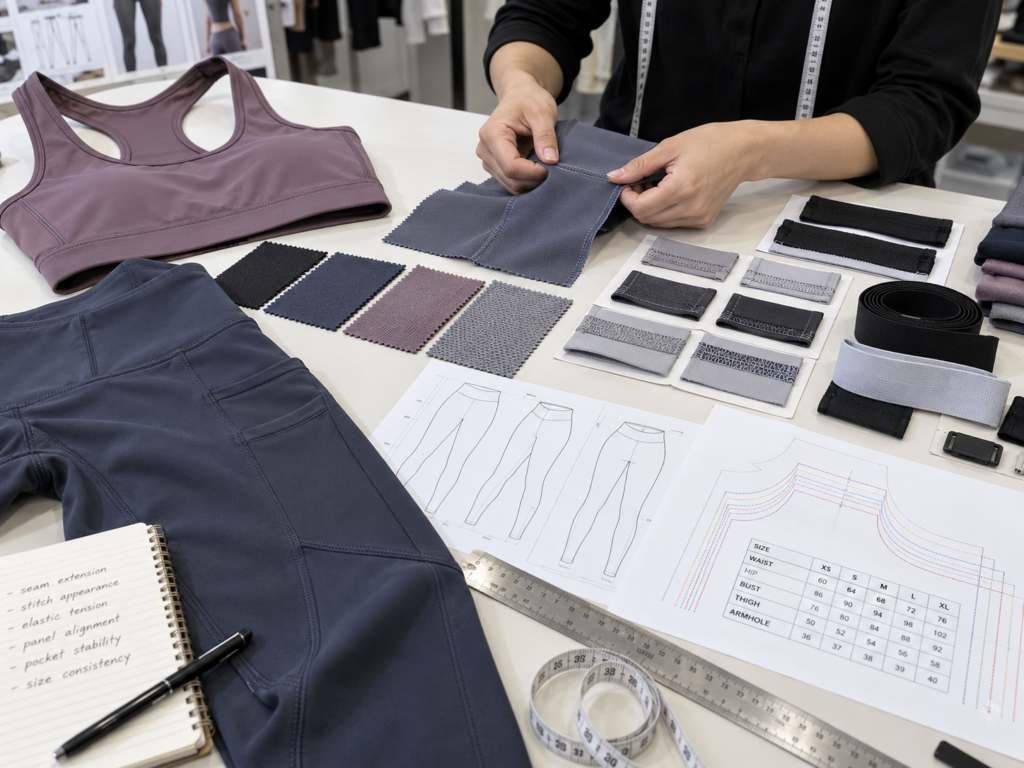
Thickness and structure influence seam choice, stitch density, elastic installation and edge finishing. Lightweight jersey may need stabilization, while dense stretch fabric can create bulky intersections. Size grading also interacts with material behavior; identical grade increments across different stretch materials can produce inconsistent pressure and coverage. Review extension around waist, hip, bust, thigh and armhole. Check seam extension, stitch appearance, elastic tension, panel alignment, pocket stability and size consistency. Leadshow can review tech packs and reference samples, while final pattern, grading and construction decisions remain linked to the selected material and approved sample.

A Six-Step Method for Selecting Activewear Fabrics

A structured review reduces unnecessary sampling and helps teams compare options against the same requirements. Each step moves from product intent toward measurable approval.

Define the Garment

Record category, activity, climate, fit, support, wearer profile and critical features such as mesh panels, pockets, cups or adjustable straps.

Set Priorities

Rank essential, preferred and optional needs. One material rarely maximizes softness, airflow, compression, durability, low cost and easy availability at once.

Build the Specification

Cover composition, construction, GSM, width, stretch, recovery, color, hand feel, finish, testing and quantity by color and design.

Review Swatches

Assess surface, stretch, recovery, coverage, drape, color and decoration compatibility under consistent conditions. Record the exact article reference.

Make Garment Samples

Check appearance, measurements, movement, seams, support, opacity and recovery. Record revisions with photos and measurable corrections.

Confirm Bulk Readiness

Confirm approved material, color, tests, sample status, labels, trims and packaging. Review every substitution and confirm timing after material readiness and scheduling.

Build a Complete Activewear Fabric Requirement Sheet

A structured brief helps material and garment teams understand the same target. Unknown items can be marked open to recommendation, while critical requirements should include values, methods or approval references.

Requirement Field

Information to Provide

Example

Product Category

Garment being developed

High-waist training leggings

Intended Activity

Use environment and intensity

Strength training and studio use

Target Market

Region and wearer profile

North American women’s activewear

Fit Direction

Compression, close, regular or relaxed

Close fit with medium support

Fiber Preference

Required or preferred family

Nylon-elastane; recycled option

Construction

Known construction or open recommendation

Dense interlock or warp knit

Target GSM

Target value or range

230–270 GSM starting range

Stretch

Direction and extension

Four-way stretch; values reviewed

Recovery

Shape-retention requirement

Strong knee and waistband recovery

Opacity

Evaluation condition

Coverage at working extension

Color

Reference and quantity

Three colors; standard available

Size Information

Base size, range and measurements

Tech pack with POM and grading

Testing

Methods or protocol

Colorfastness, pilling, shrinkage

Order Quantity

Pieces per color per design

Quantity breakdown attached

Sample Need

Prototype, fit, size set or PP

Fit sample followed by size set

Requested Sample Date

Target and approval schedule

Required date plus revision allowance

Target Delivery Window

Destination and period

Delivery city and target month

Certification Need

Exact standard and scope

Recycled-content documentation

MOQ note: Leadshow’s standard MOQ generally starts from 100 pieces per color per design, subject to fabric, trims, garment construction and customization requirements.

Verify Performance Claims Before Approving Activewear Fabric

Performance language should connect to a measurable property, an agreed method and a relevant test object. Material results do not automatically represent finished-garment performance because seams, panels, prints, fit and care conditions can change the outcome.

Proposed Claim

Property

Review Considerations

Moisture Wicking

Liquid movement or spreading

Define method, orientation and criteria.

Quick Drying

Drying time under stated conditions

Compare weight, environment and wash durability.

Breathable

Air permeability or vapor behavior

Specify material or garment scope.

Four-Way Stretch

Extension in length and width

Record percentage and method.

Shape Retention

Recovery after extension

Check repeated cycles and garment bagging.

Squat Proof

Coverage at working extension

Assess colors and fit under controlled light.

Compression

Force or pressure

Avoid quantified claims without evidence.

Anti-Pilling

Surface resistance

Define method, cycles and rating.

Colorfast

Resistance to wash, rub or perspiration

Select tests by use and destination.

UV Protection

Ultraviolet protection factor

Test selected color and construction.

Water Resistant

Resistance to penetration or wetting

Do not equate with waterproofing.

Recycled Content

Verified material percentage

Check owner, identity, validity and scope.

Use Recycled Materials and Certifications with Clear Scope

Material identity, certificate ownership and claim scope should remain clear from review through product communication. A certificate supports a defined statement only when the selected material and transaction fall within its scope.

Confirm Material Identity

A recycled-material request should identify fiber, target content and acceptable alternatives. Eco fabric is too broad. Confirm the exact article, composition, supplier, color and applicable documentation before approval.

  • Record the selected material reference.
  • Review availability by color and quantity.
  • Keep documents linked to the relevant lot.
  • Reassess every substitute.

Check Certificate Scope

A certificate may belong to a yarn supplier, fabric supplier, processor or garment manufacturer. Verify the legal entity, certified activity, material category, validity period and transaction documents.

  • Do not convert a supplier certificate into a Leadshow claim.
  • Do not describe fabric certification as garment certification without support.
  • Use exact certification wording.

Align Claims and Evidence

Public language should stay within available evidence. Broad statements such as fully sustainable or zero impact require far more proof than a recycled fiber statement.

  • State percentages only when documented.
  • Separate recycled content from garment performance.
  • Retain supporting records.
  • Review wording when materials or certificates change.

Check Fabric Compatibility with Color, Logos and Finishes

Color, texture, heat sensitivity, stretch and finishing can change the appearance and durability of prints, labels and special processes. Process trials should use the intended material whenever visual consistency is important.

Solid Dyeing

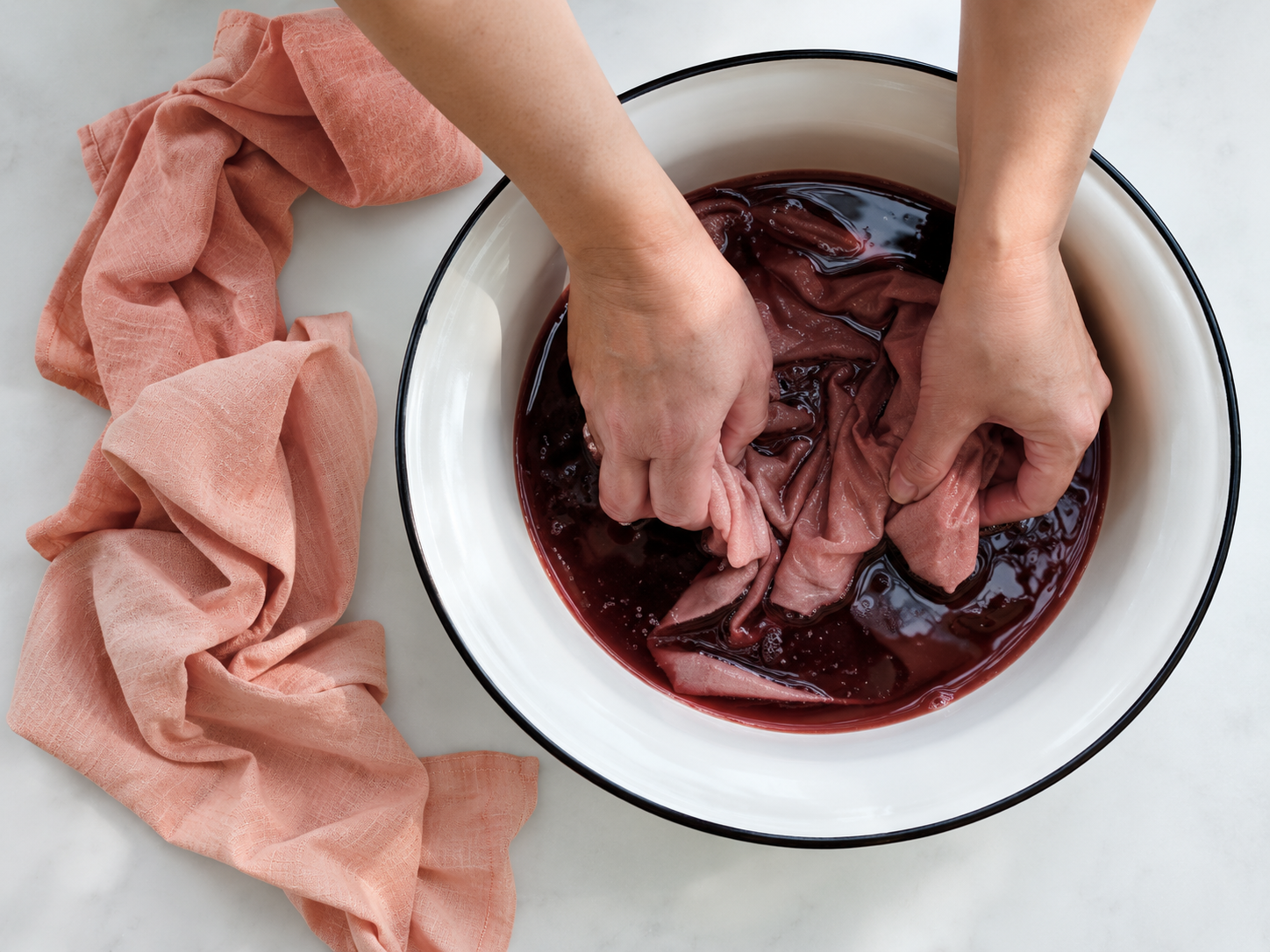
Shade depends on fiber, dye class, construction and finishing. Approve color through an agreed standard and light source, then assess relevant colorfastness and migration risks.

Digital Printing

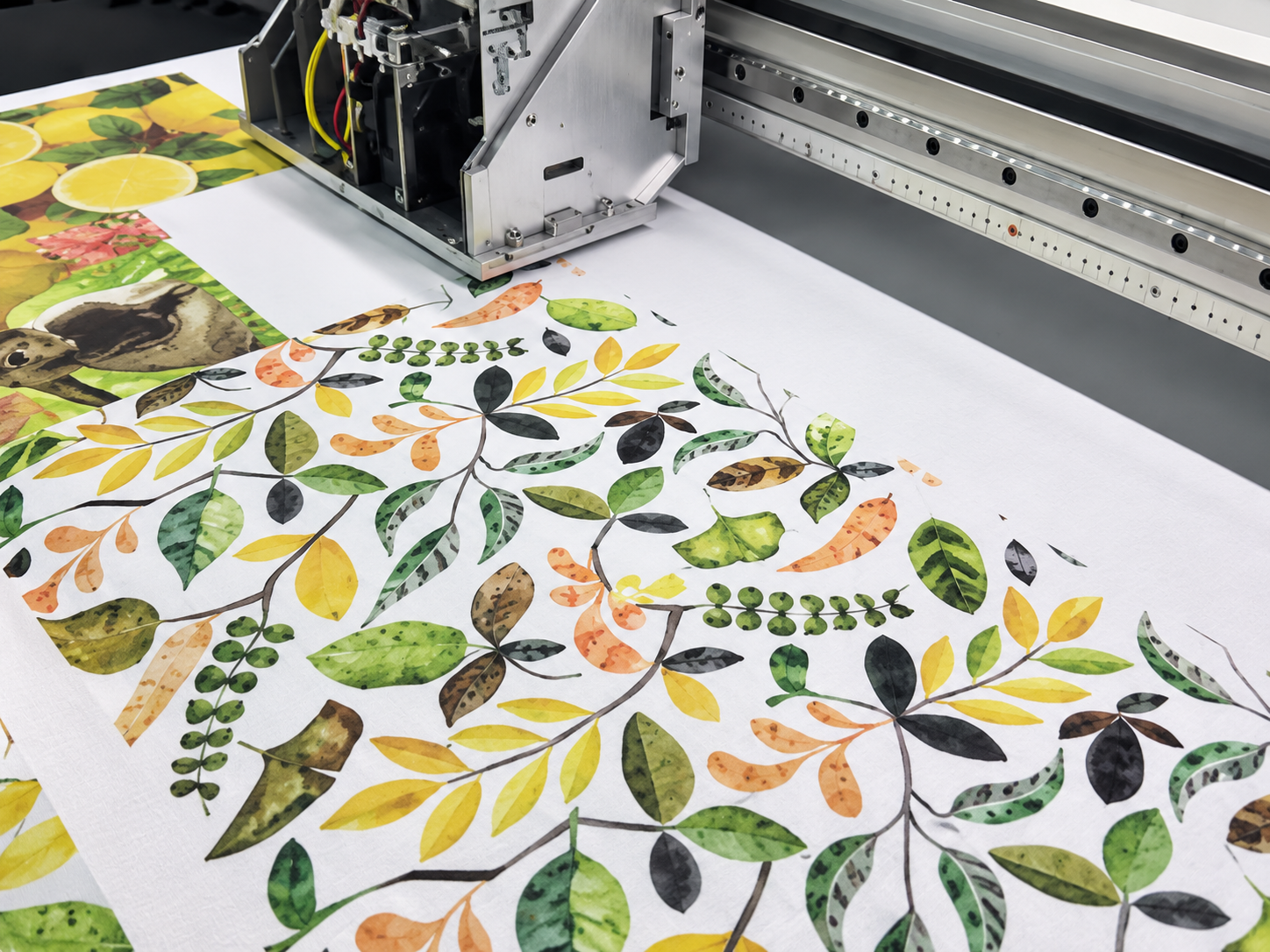
Printing results vary by fiber and system. Check definition, show-through, stretch cracking, hand feel and wash behavior. Approve production color on the intended material.

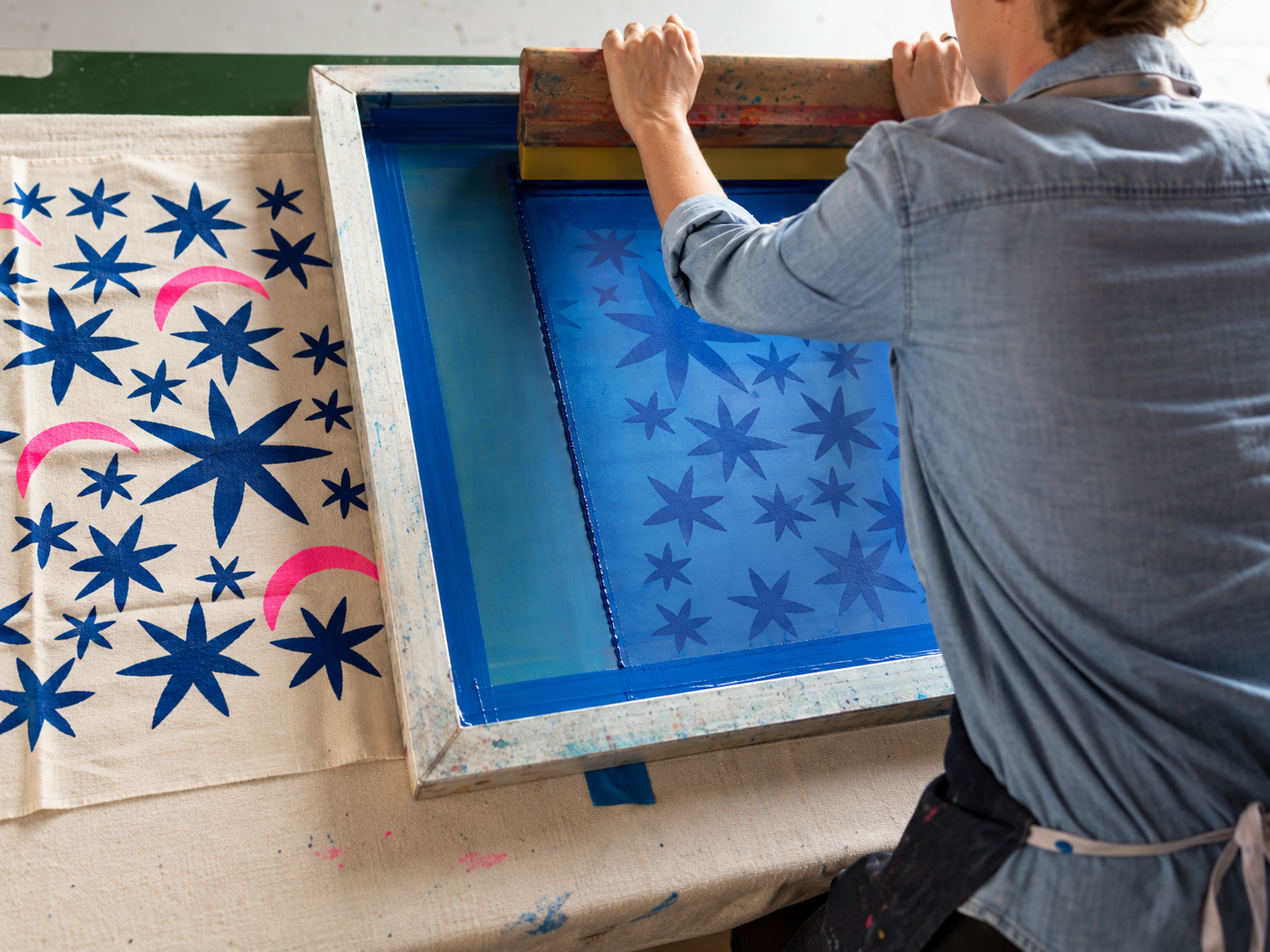
Screen Printing

Ink, mesh, curing and material must be compatible. Stretch garments need flexible systems. Test adhesion, stretch, cracking, breathability and wash durability.

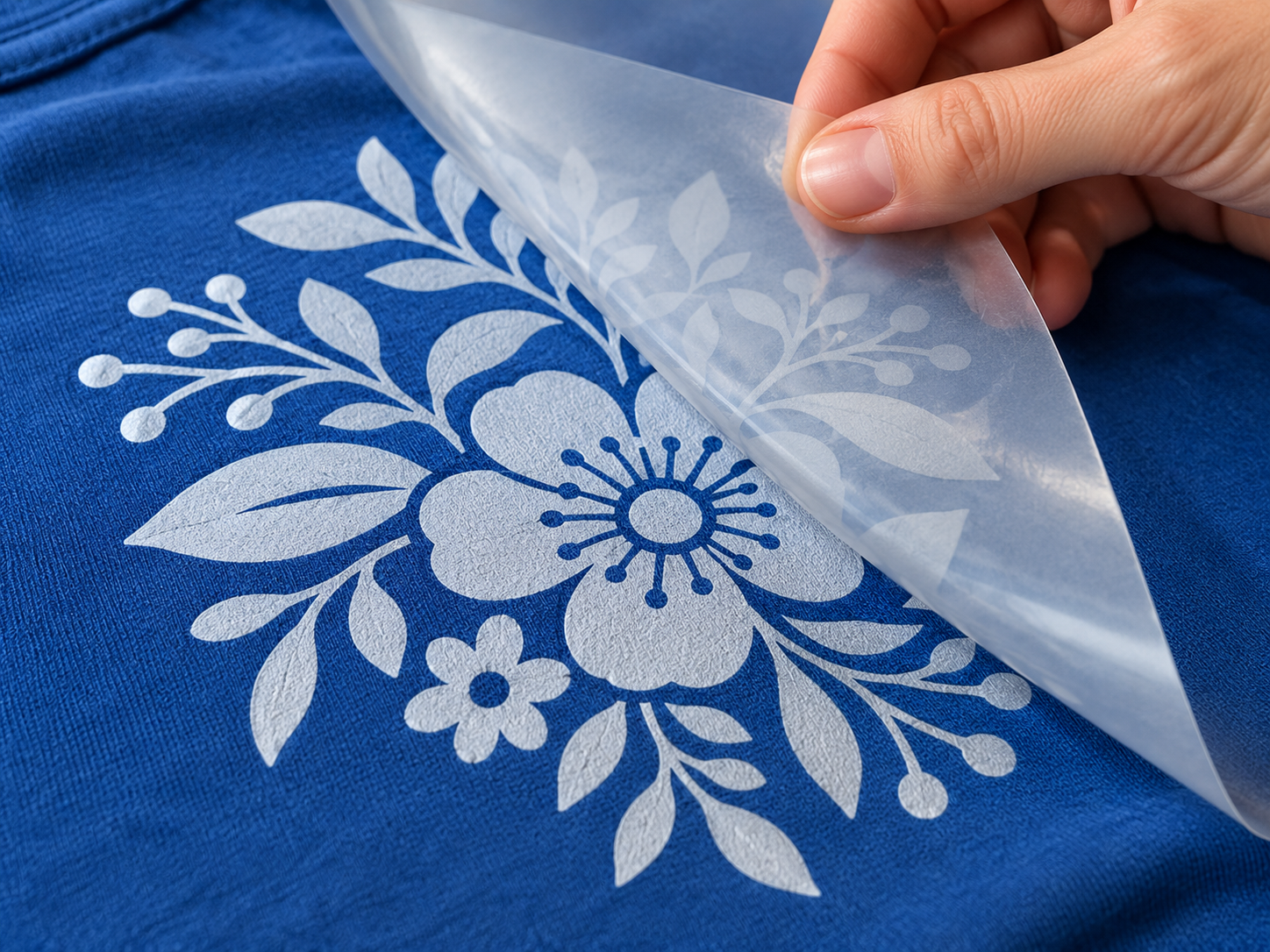
Heat Transfer

Temperature, pressure and dwell time must suit the material. Check shine, discoloration, strike-through, adhesion, edge lifting and wash appearance.

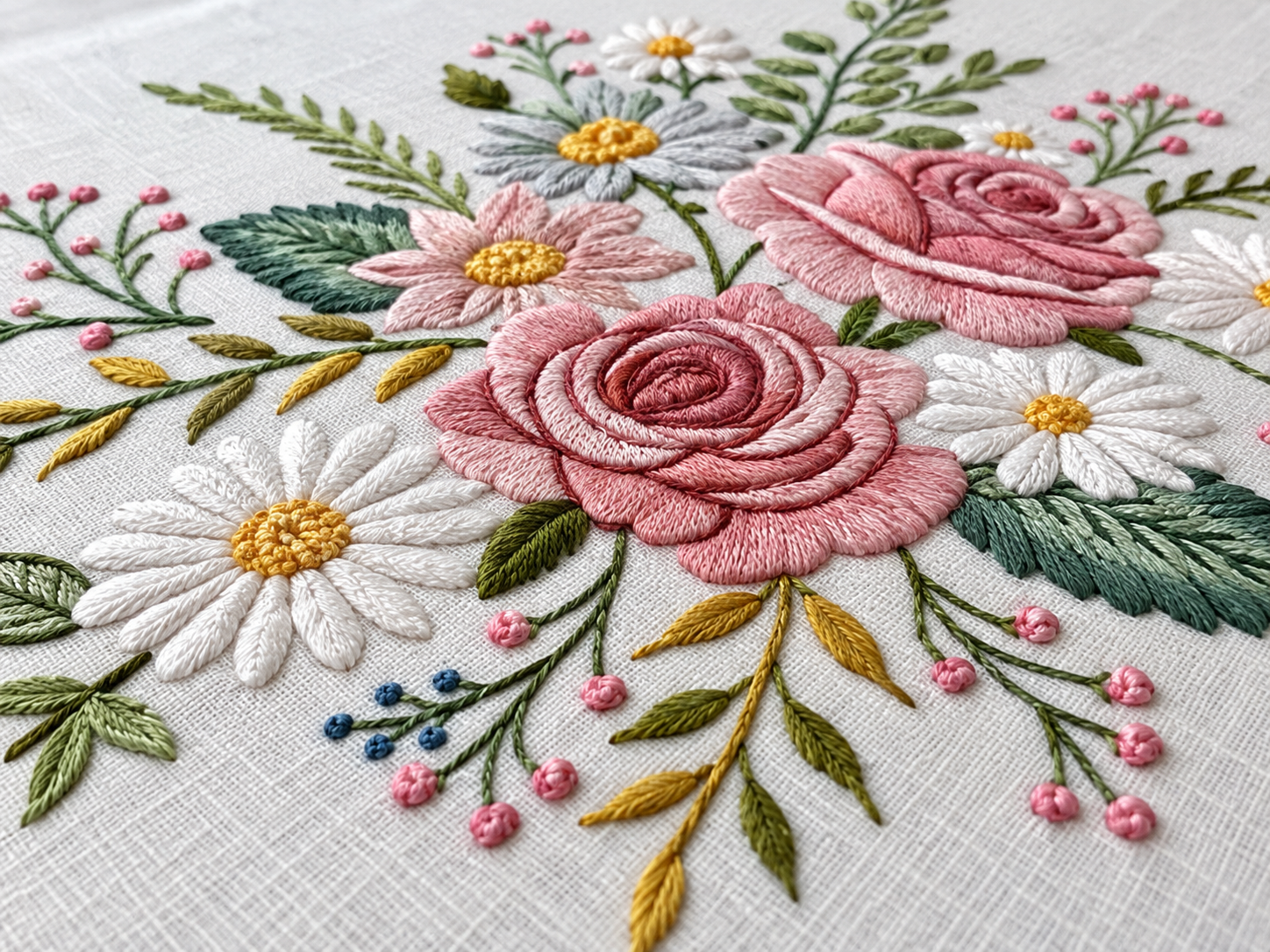
Embroidery

Needle penetration, thread weight and local stiffness can distort lightweight or elastic materials. Review logo size, density, backing, placement and skin comfort.

Bonding and Seam Effects

Evaluate adhesive compatibility, stiffness, edge appearance, recovery and wash durability. Equipment presence does not confirm waterproof performance.

Control Fabric Lots, Substitutions and Repeat Orders

Raw materials, knitting conditions, dye lots, finishing and supplier availability can change. Clear reference control and reapproval rules help protect color, fit and performance across production runs.

Control Lot Variation

Separate lots may differ in shade, hand, width, weight or stretch. Define approval standards and acceptable variation before cutting.

  • Record supplier and article references.
  • Keep approved color and material standards.
  • Review roll and lot information.
  • Avoid mixing visibly different lots in one garment.

Evaluate Every Substitute

Treat a substitute as a new technical decision. Similar fiber content does not confirm equal fit, support, coverage or sewing performance.

  • Compare composition, construction, GSM and width.
  • Review stretch, recovery, opacity and hand.
  • Assess pattern, consumption and costing effects.
  • Obtain approval before production.

Prepare for Reorders

Documented approvals and retained references support repeat programs, but availability must still be reconfirmed.

  • Keep approved article and color references.
  • Record final sample status.
  • Retain test reports and settings.
  • Review any change against the approved standard.

Move from Fabric Swatches to Bulk Approval

A fabric card narrows options, a garment sample confirms interaction with fit and construction, and pre-production confirmation aligns approved materials with the planned production setup.

Review Fabric Options

Start with traceable swatches linked to a supplier reference or article number. Compare against the written garment and performance brief.

  • Confirm composition, construction and target GSM.
  • Compare stretch, recovery and coverage.
  • Identify colors, minimums and documents.
  • Mark missing values before sampling.

Approve Garment Samples

Use the intended material for fit and performance confirmation whenever possible.

  • Check measurements against the tech pack.
  • Review movement, support, opacity and recovery.
  • Inspect seams, elastic, pockets and logo areas.
  • Record measurable corrections and sample version.

Confirm Production Readiness

Align the approved garment, materials and production information before bulk manufacturing.

  • Confirm bulk material and color references.
  • Review labels, trims, packaging and artwork.
  • Check sample approval and measurement files.
  • Confirm timing after readiness and schedule review.

How Leadshow Reviews Fabric and Develops Activewear

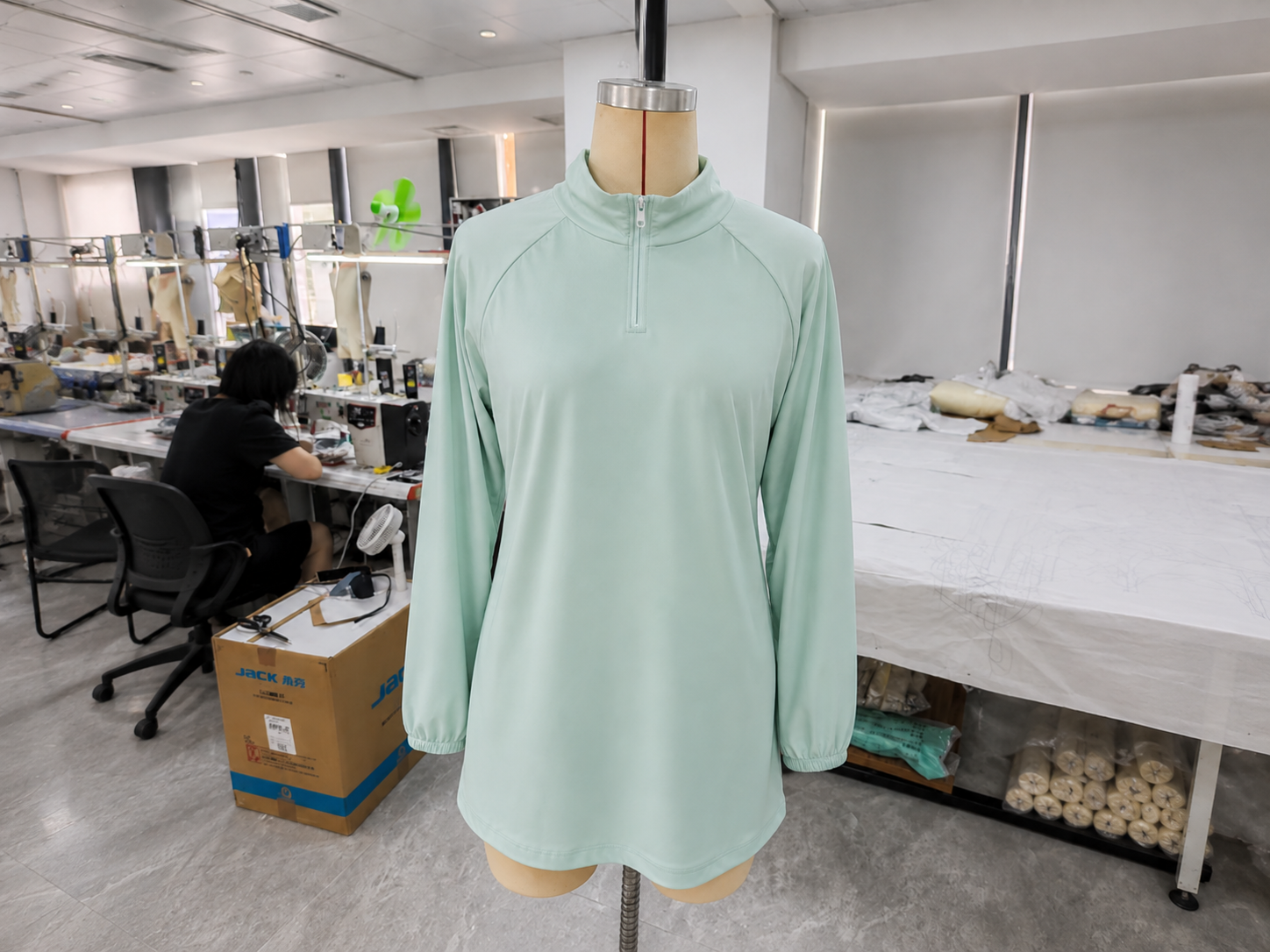
Shenzhen Leadshow Sports Technology Co., Ltd. is an OEM/ODM apparel development and manufacturing partner specializing in sportswear, swimwear, streetwear and modest sportswear. Material requirements are reviewed with garment design, fit, construction and production conditions.

Requirement Review

The team reviews category, target market, design, sizes, quantities, material preferences and performance. Broad language is translated into clearer points covering surface, stretch, recovery, weight, coverage and support.

Material Direction

Specifications, swatches or nominated fabrics are compared with the brief. Leadshow is not presented as a fabric mill; availability and technical information may involve supply-chain partners and external testing resources.

Pattern and Fit

Pattern work considers design, size chart, points of measurement, fit and actual material behavior. Stretch, recovery, thickness and drape can change dimensions and seam choices.

Sample Development

Samples follow the agreed scope and available materials. Timing is confirmed after evaluating availability, complexity, artwork, trims and required stages; no fixed sample time is assumed before review.

Approval Alignment

Comments remain traceable by sample version. Approved material, measurements, colors, artwork, trims and packaging should be identified before bulk manufacturing.

Bulk Manufacturing

Production planning follows approval and material readiness. Timing depends on quantity, construction, material status, order mix, approval speed and current scheduling.

Manufacturing Resources Supporting Activewear Development and Production

Leadshow combines garment development services with multi-base manufacturing resources. Capacity figures remain subject to product construction, materials, process requirements, order mix and scheduling.

15 Years’ Experience

Leadshow has 15 years of industry experience supporting apparel development and manufacturing across sportswear, swimwear, streetwear and modest sportswear.

3 Manufacturing Bases

Production resources are organized across 3 manufacturing bases. Assignment depends on garment category, construction, machinery, process, quantity and schedule.

20,000+ Square Metres

Combined facilities cover 20,000+ square metres and support development, cutting, sewing, finishing and related activities. Floor area alone does not determine quality or timing.

1,500+ Team Members

The company has 1,500+ team members across operations. Project coordination still depends on styles, colors, sizes, quantities, construction and approval requirements.

304+ Machines

Leadshow has at least 304 production and finishing machines or sets, including cutting, sewing, flatlock, bonding, heat pressing, needle detection and packaging resources.

Approx. 120,000 Monthly

Monthly output can reach approximately 120,000 finished garments, subject to construction, materials, processes, order mix and current scheduling.

Send the Right Files for Fabric and Garment Review

Complete information helps the development team evaluate material, fit, process and production needs together. Unknown items may affect recommendations, sample planning, costing and delivery assessment.

File or Information

Recommended Content

Why It Matters

Tech Pack

Sketches, construction notes, measurements and BOM

Establishes design and technical scope

Size Chart

Measurements, base size and full range

Supports pattern, fit and grading

Reference Sample

Physical garment or detailed photos

Communicates fit, hand and construction

Fabric Brief

Composition, construction, GSM, stretch and finish

Narrows material options

Color Standard

Pantone, physical standard or approved lab dip

Supports shade approval

Artwork Files

Vector logo, dimensions and placement

Allows process review

Quantity Breakdown

Pieces by style, color and size

Supports MOQ and planning

Testing Requirements

Methods, thresholds or protocol

Defines evidence needs

Packaging Brief

Labels, hangtags, bags, cartons and barcodes

Clarifies packing scope

Sample Requirements

Prototype, fit, size set or PP

Establishes development stages

Requested Sample Date

Target and internal milestones

Enables timing review

Target Delivery Window

Destination and preferred period

Supports production planning

Certification Requirements

Exact standard, claim and scope

Prevents mismatched documents

Compliance Information

Destination or brand requirements

Identifies tests and documents

Timing note: Sample and bulk schedules are confirmed after material availability, product complexity, revision stages, approvals, quantities, order mix and current production scheduling are reviewed.

Activewear Fabric Frequently Asked Questions

The answers address common questions about composition, GSM, stretch, opacity, testing, sampling and material sourcing for custom activewear development.

What is the best fabric for activewear?

No single material is best for every garment. Running tops often need low weight and drying, leggings need recovery and coverage, and sports bras may prioritize support and skin comfort. Compare fiber, construction, GSM, stretch, recovery, opacity, finish and test results against intended activity and fit.

Nylon blends often provide a smooth premium feel. Polyester blends can offer durability, drying and broad sourcing options. Either can work when density, elastane, weight and finishing are suitable. Confirm opacity, recovery, pilling and waistband stability in a garment trial.

Elastane percentage alone does not determine stretch or compression. Yarn structure, knit density, heat setting and garment measurements also matter. Define movement, recovery and support, then compare specifications and samples. A higher percentage is not automatically better.

Many developments begin around 200–320 GSM, depending on construction, season, coverage and support. GSM is only a starting point; opacity, recovery, hand feel and fit require separate evaluation.

No. Four-way stretch indicates extension in length and width, not the ability to return after movement. Poor recovery can create bagging even when a material stretches easily in both directions.

Evaluate the garment at working extension under controlled lighting and include pale colors. A finished legging sample is more reliable than an unstretched swatch. Fit, underwear contrast, density and shade influence coverage.

Only when the document applies to the selected material and intended claim. Check certificate owner, identity, validity and scope. A supplier certificate should not be presented as Leadshow or finished-garment certification without supporting scope.

Timing depends on material availability, complexity, pattern requirements, trims, artwork, testing and revision stages. Leadshow confirms timing after reviewing project files and the target date.

Leadshow’s standard MOQ generally starts from 100 pieces per color per design. Final minimums depend on material, trims, construction, color development and customization.

Leadshow can review requirements, discuss suitable options through its supply chain and coordinate supplier documentation or external testing. Leadshow should not be described as a fabric mill or internal textile laboratory.

Start Your Activewear Development with a Clear Material Brief

Share your activewear concept, tech pack or existing fabric specification with Shenzhen Leadshow Sports Technology Co., Ltd. The development team can review garment category, intended activity, material direction, fit, size information, construction, logo process, quantities and required performance.

For a focused review, include composition preferences, target GSM, stretch and recovery needs, colors, size range, quantity per color per design, testing requirements and destination market. Reference garments, swatches and artwork files can also support communication.

Leadshow’s standard MOQ generally starts from 100 pieces per color per design, subject to material, trims, construction and customization. Sample time and delivery time are evaluated after material availability, development stages, approvals, order mix and current scheduling are confirmed.
Send inquiry

Send your drawing / sample photos for a quick quote