
Swimwear Manufacturer in China
OEM and ODM swimwear development and manufacturing support for brands requiring controlled sampling, scalable production, quality review and private labeling.
Leadshow supports swimwear programs from technical input through production preparation and finished-garment delivery.
- Develop from Tech Packs, sketches, reference images, patterns or physical samples.
- Review fit, stretch, materials, construction, trims and production feasibility before bulk release.
- Coordinate sample development, revisions and approved production references.
- Support bulk manufacturing, quality review, branded labeling, packaging and export delivery.
Manufacturing Support for Different Swimwear Sourcing Programs
Swimwear programs vary by commercial scale, development maturity and internal approval requirements. Leadshow works with established apparel brands, private-label programs, import teams and sourcing organizations that need structured development followed by repeatable manufacturing.
Established Apparel Brands
Seasonal collections and ongoing core programs usually require more than a sample supplier. Development must connect technical design, fit, materials, branding, production standards and future repeat orders without losing approved specifications between stages.
- Development: Tech Pack, pattern, fit and material review can begin before sample construction.
- Production: Approved specifications are transferred into manufacturing requirements rather than relying on verbal instructions.
- Control: Multi-style, multi-color and repeat-order programs can be reviewed against available manufacturing capacity, materials and quality requirements.
- Programs with complex structures or launch calendars should begin with clear quantity, market and target-date information.
Private Label Programs
Private-label manufacturing involves the complete branded product, not only logo placement. Product specifications, labels, hangtags, care information, packaging artwork, barcode requirements and SKU identification need to remain aligned from sample approval through packing.
- Product: Construction, fit, materials and colors are confirmed before bulk release.
- Branding: Logo methods, garment labels, hangtags and packaging are reviewed against approved artwork.
- Execution: Packaging versions and SKU information are checked before final packing.
- Retail, e-commerce and wholesale programs can provide existing brand standards or begin with a structured product brief for development review.
Sourcing and Import Teams
Procurement and sourcing teams often enter the process after internal design decisions are already underway. The main requirement is reliable technical clarification before cost, sample and production commitments are made.
- Commercial review: Quantity, colorways, size breakdown, materials and packaging influence MOQ and quotation.
- Production review: Construction complexity, material readiness and current scheduling affect available capacity.
- Risk review: Quality standards, testing, labels, documentation and forwarder requirements should be clarified early.
- Clear sourcing files allow engineering, production, quality and logistics functions to work from one approved requirement set.
What Procurement Teams Need to Verify First
Selecting a swimwear manufacturer involves more than comparing quotations. Product relevance, development capability, production scale, quality systems and commercial conditions should be reviewed together before a supplier progresses into sampling or formal qualification.
Evaluation Area
Questions to Verify
Leadshow Information Available
Swimwear Scope
Does the manufacturer genuinely handle swimwear development and manufacturing?
Swimwear is a confirmed Leadshow core product line; individual structures are reviewed according to project requirements.
Product Development
Can technical files become manufacturable specifications?
Tech Packs, sketches, references, patterns and physical garments can be reviewed.
Materials & Fit
Can stretch, lining, elastic and fit requirements be developed together?
Material, construction, pattern and fit requirements are evaluated during development.
Sampling
Can revisions become an approved production reference?
Development samples, fit samples, color samples, logo samples, size sets and PP samples may be reviewed according to program needs.
Manufacturing
Is there enough manufacturing infrastructure for ongoing production?
Three manufacturing bases, 20,000+ m² combined facilities and more than 300 production and finishing machines.
Quality
Are checks linked to approved specifications?
Material, in-process, finished-garment and packaging inspections are supported according to program requirements.
Audit & Documentation
Can facility, material and order documents be reviewed?
Audit support and document verification are handled according to actual scope and available evidence.
Commercial Fit
Do MOQ, timing and capacity match the program?
MOQ, quotation, production timing and available capacity are confirmed after product and order review.
Manufacturing Scale for Ongoing Apparel Programs
Manufacturing scale matters only when it supports reliable development, production and repeat orders. Leadshow combines established apparel experience, multi-base manufacturing infrastructure, production equipment and cross-functional teams for programs requiring more than isolated sample making.
15 Years Experience
Leadshow has 15 years of apparel industry experience across product development and manufacturing activities. The experience statement refers to confirmed industry experience rather than an inferred founding year. For sourcing teams, the value lies in familiarity with technical review, sampling, material coordination, production conversion and ongoing order execution rather than a marketing anniversary.
3 Manufacturing Bases
Three modern manufacturing bases support Leadshow’s apparel manufacturing system. The bases collectively support development, sampling, cutting, sewing, specialized processes, finishing, packing and logistics activities. Product responsibilities and available capacity still need to be evaluated against the relevant style, order quantity, materials and current production schedule.
20,000+ m² Facilities
Combined manufacturing facilities cover more than 20,000 square meters. Facility scale provides space for production-related activities across multiple apparel categories and project stages. The figure represents combined operations rather than the area of one swimwear plant, so factory allocation and available space are reviewed according to current production arrangements.
1,500+ Team Members
Leadshow has a team of more than 1,500 people across business communication, R&D, production, quality, warehousing, logistics and supporting functions. Staffing is shared across the broader apparel operation rather than reserved exclusively for swimwear. Cross-functional coordination helps convert approved specifications and samples into executable manufacturing requirements.
300+ Production Machines
More than 300 production, specialized-process and finishing machines support the manufacturing system, with at least 304 machines and workstations currently identified. Equipment includes cutting, sewing, elastic application, four-needle six-thread construction, heat-related processes, finishing, needle detection and folding equipment. Actual process selection depends on garment construction and material compatibility.
Up to 120,000 Monthly
Combined monthly capacity can reach up to approximately 120,000 finished garments across supported apparel categories. The figure is not a guaranteed swimwear-only allocation. Available capacity for a specific program depends on construction, materials, processes, SKU complexity, quality requirements, order timing and the production schedule in effect when the order is reviewed.
Swimwear Project Scope Starts with the Product Brief
Leadshow treats swimwear as a confirmed manufacturing category while reviewing individual silhouettes and structures against actual specifications. Product references, intended use, fit direction, materials, branding and market requirements define the development scope before manufacturing commitments are made.
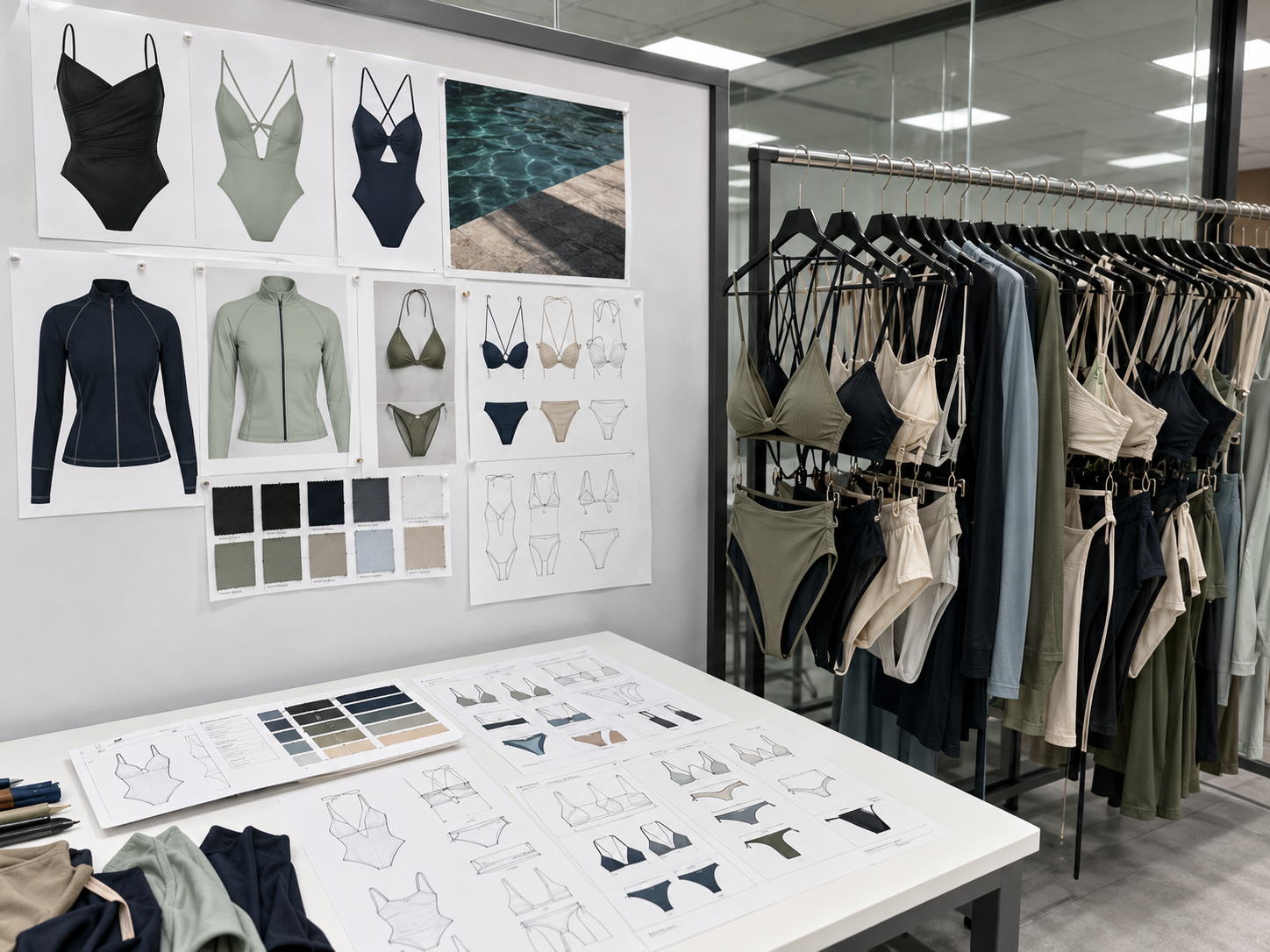
Product Direction
Development begins with a clear description of the intended garment rather than a generic catalog label. A Tech Pack, sketch, reference image or physical garment can establish proportions, coverage, openings, seams and styling direction. Specific swimwear subcategories are reviewed from submitted requirements instead of being presented as an unlimited standard product catalog.
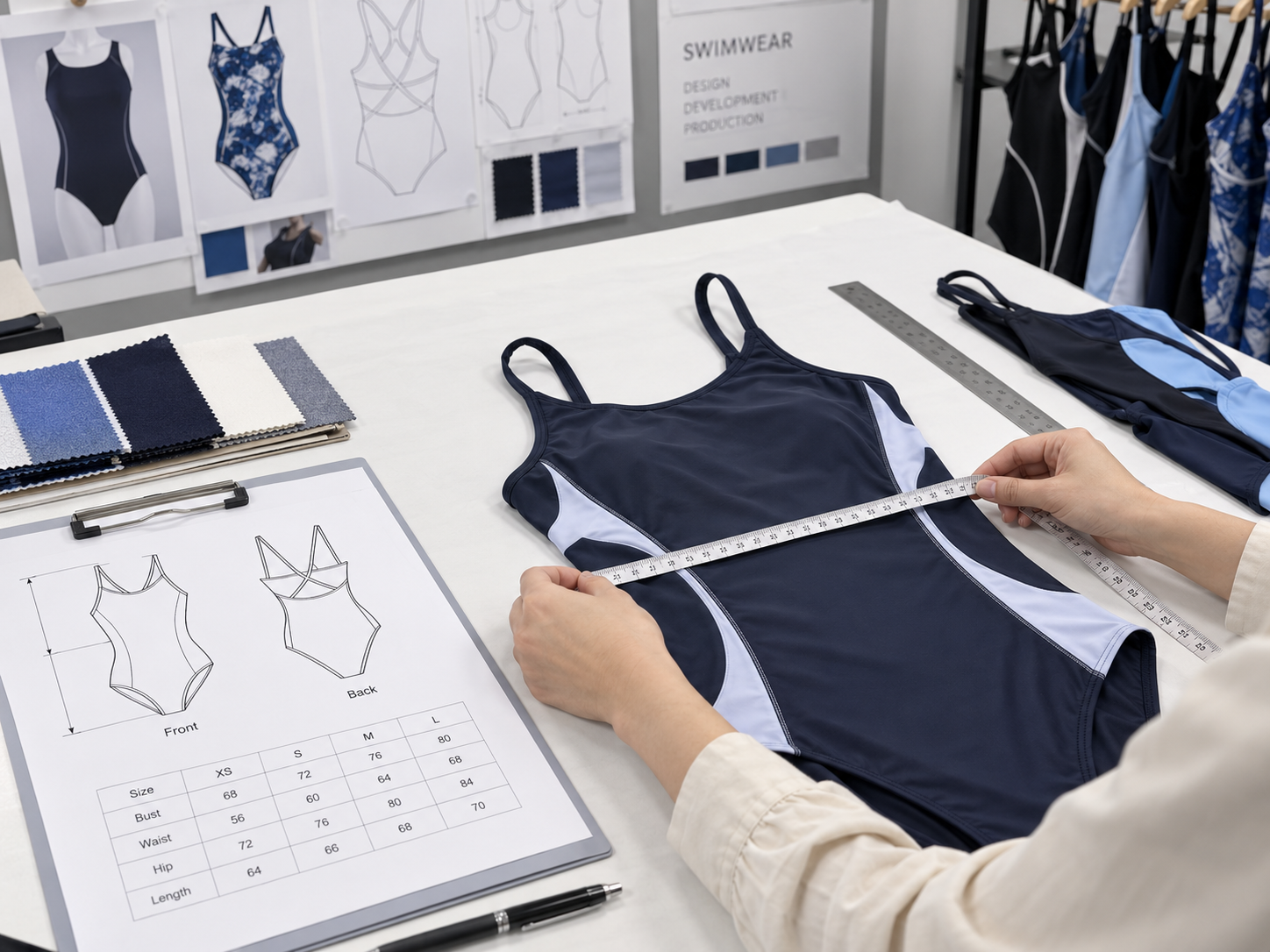
Fit and Coverage
Swimwear fit can depend on torso length, bust-waist-hip proportion, leg opening shape, strap positioning, coverage and the relationship between body dimensions and fabric stretch. Measurements alone do not define the finished fit. Target consumer, fit intent, base size and grading direction should be clarified before the sample becomes a production reference.
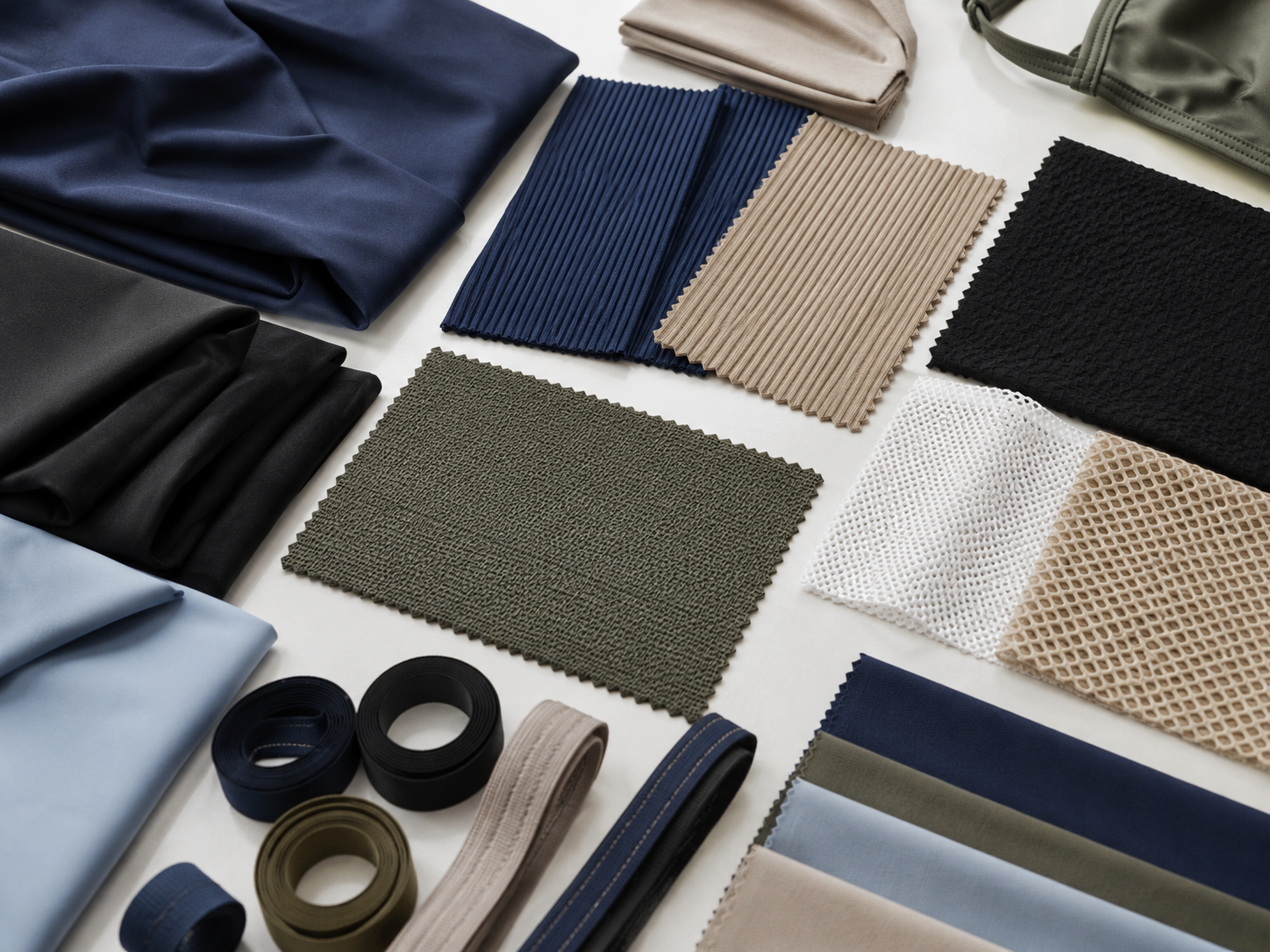
Fabric and Lining
Main fabric, lining, mesh and other layers should be considered as one structure. Composition, construction, weight, stretch, recovery, handfeel, opacity, color and compatibility can influence both fit and manufacturing. Material selection is confirmed through available supplier information, swatches, color samples and sample garments rather than relying only on fabric names.

Elastic Edge Construction
Leg openings, straps and other elasticated edges require control of elastic specification, width, stretch ratio, tension and attachment method. Equipment alone does not determine the final result. Elastic behavior needs to work with garment measurements, fabric recovery and the required wearing feel before the approved construction is transferred to bulk production.

Branding and Trims
Branding may involve heat transfer, printed elements, labels, hangtags or other approved methods according to material and design requirements. Trims such as elastics, cups, lining materials or hardware are reviewed for specification, color, supplier conditions and production compatibility. Any third-party branding or protected artwork requires appropriate authorization.
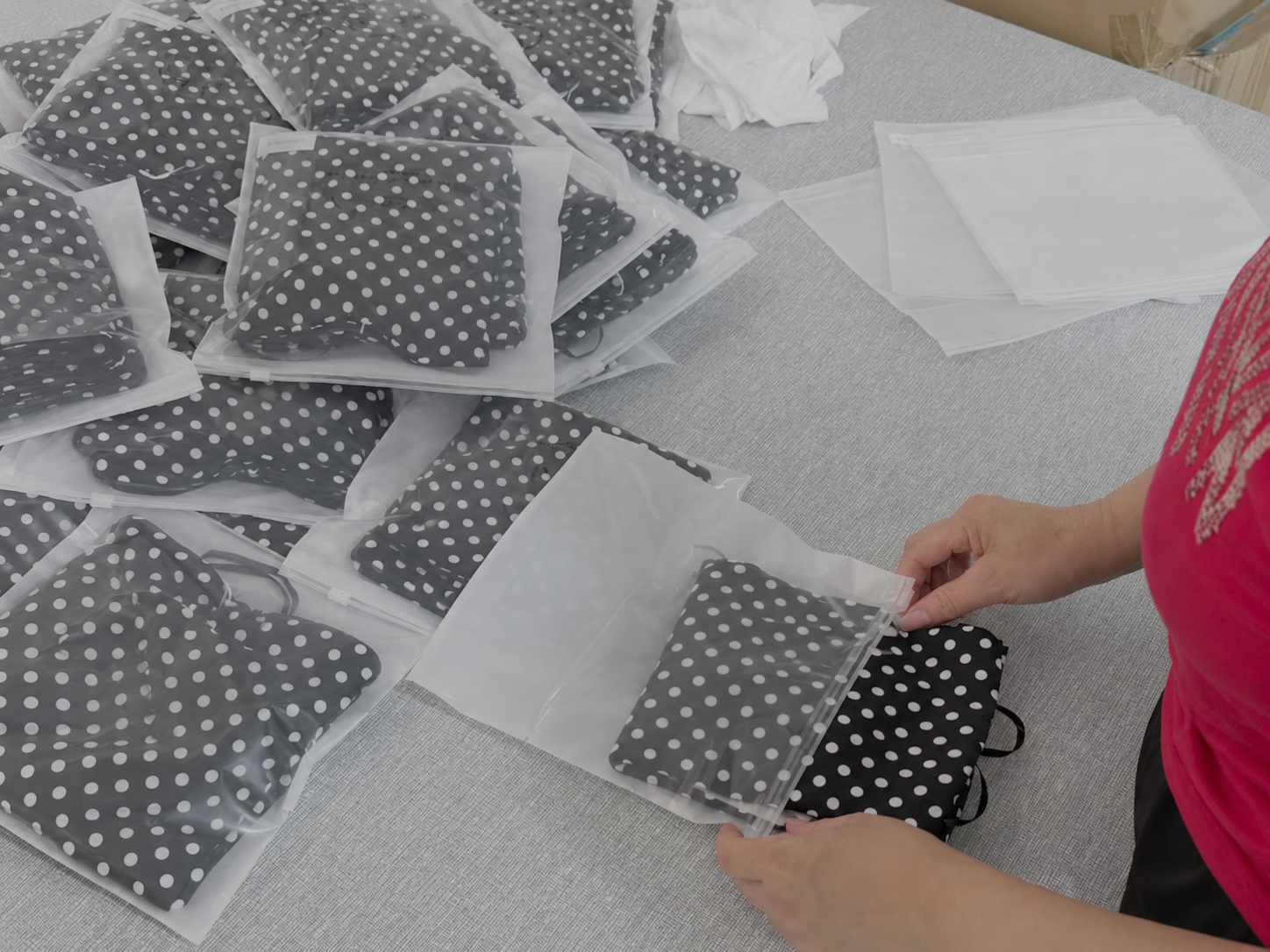
Market and Packaging
The intended destination and sales channel affect sizing, labeling, packaging, testing and documentation requirements. Retail, e-commerce or distributor programs may use different SKU, barcode, language or packing rules. Product specifications should therefore identify the destination market early enough for labels, packaging and required documentation to be reviewed before bulk execution.
OEM, ODM and Private Label Development Routes
A swimwear program can begin from complete production files or only an early product direction. Leadshow reviews the available information, identifies missing technical decisions and selects a development route suited to the garment, materials, quantity and launch requirements.
Complete Tech Pack
A complete Tech Pack can move directly into technical review. Measurements, construction, fabric, trims, colorways, branding and packaging are checked for manufacturability and potential conflicts. Any unclear specification is raised before sample construction, helping reduce revisions caused by assumptions or different interpretations between design and manufacturing teams.
Reference Images
Reference images can establish styling, proportion and general construction direction, but images do not automatically define hidden structure, measurements, fabric specifications or workmanship. Missing details are identified and discussed before costing or sampling. Protected logos, artwork and distinctive third-party design elements are not reproduced without appropriate authorization.
Physical Sample
A physical garment provides useful information about dimensions, construction sequence, fabric behavior and trim placement. The sample can be measured and reviewed alongside desired changes. Material availability, target fit, branding and manufacturing requirements are still confirmed separately because a physical reference does not automatically define an approved bulk-production specification.
Existing Pattern
Existing patterns can provide a development starting point when ownership and use are authorized. Pattern dimensions, grading assumptions, seam allowances and relationship to the intended fabric are reviewed before production use. Changes in stretch, material construction or fit direction may require pattern adjustment and another sample rather than direct replication.
Product Concept
Early concepts can move through manufacturing-focused ODM development. A product brief should identify intended user, market, fit, price position, visual direction and expected order scale. Leadshow can review construction, pattern, material and production feasibility as the concept develops into a sample-ready specification.
Transfer or Repeat Program
Existing programs moving from another supply source require careful reference control. Approved samples, Tech Packs, patterns, material information, labels and quality standards should be transferred with clear authorization. Differences in materials, machinery or process conditions are reviewed before assuming an existing product can be reproduced without new validation.
Technical Review Before a Swimwear Sample Is Cut
Technical review turns design intent into decisions that can be measured, sampled and repeated. Construction, dimensions, material behavior, branding and production risks are clarified before expensive material commitments or bulk-production assumptions are made.
Turn Product Files into Executable Manufacturing Requirements
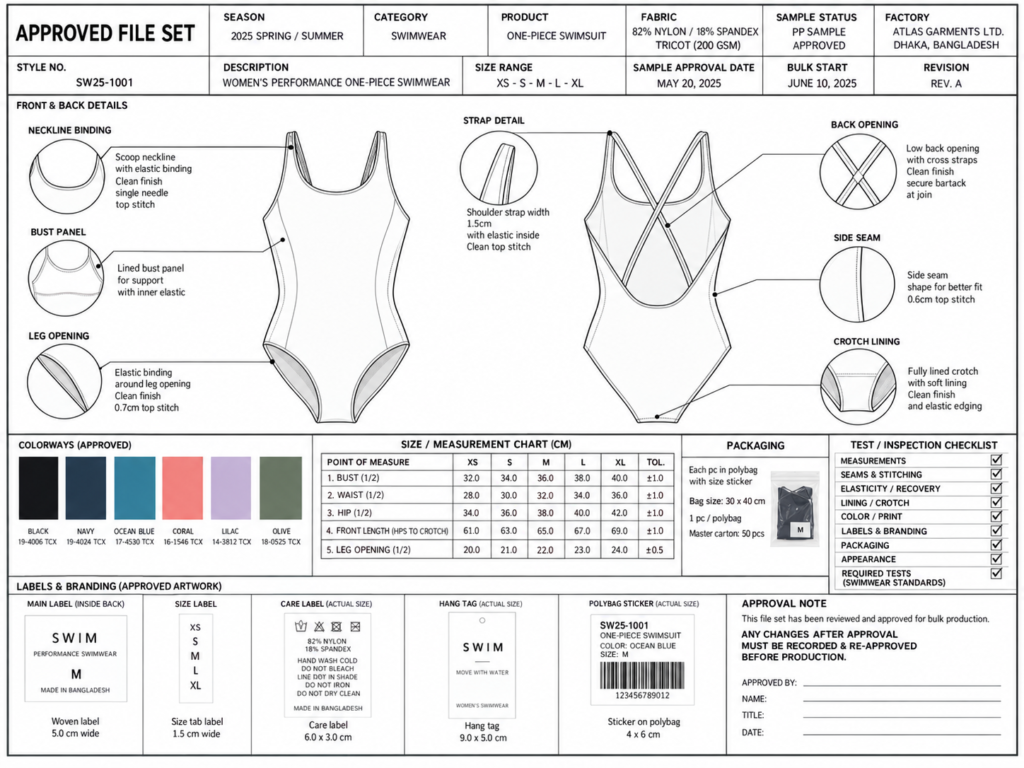
A strong swimwear development file should explain more than appearance. The manufacturing team needs enough information to understand what must remain exact, what can be adjusted and which points still need approval.
- Specifications: Product type, base size, measurements, construction, fabric, lining, elastic, trims, colors and branding need to be connected. A sketch without measurements or a measurement chart without construction information can still leave important production questions unresolved.
- Manufacturing feasibility: Stretch fabrics, elasticated edges, layered areas, lining, openings, straps and specialized processes may behave differently during sampling and bulk production. Construction is reviewed against actual materials and available processes rather than assumed feasible from appearance alone.
- Open questions: Missing information is recorded before sampling. Examples may include measurement methods, fabric direction, elastic tension, seam type, logo placement, label content or packing format. Clear questions allow brand and manufacturing teams to close gaps before they create cost or quality changes.
- Version control: Revised measurements, comments, materials and artwork should be linked to a current version. Production should not rely on conflicting email attachments or outdated sample comments. Approved specifications and approved physical references become the basis for later manufacturing checks.
Control Confidential Files and Intellectual Property Boundaries
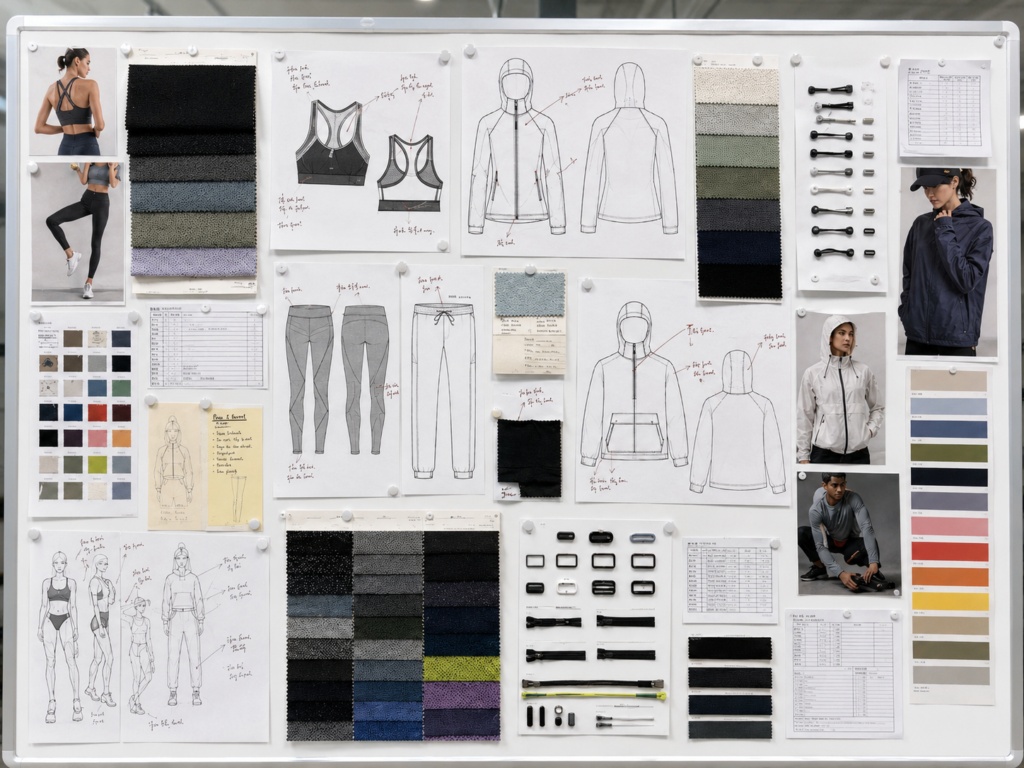
Swimwear collections may involve unreleased designs, launch schedules, graphic files, Tech Packs and physical samples. Sensitive information should remain connected to the purpose for which it was supplied.
- Controlled use: Technical files and samples are used for evaluation, development and manufacturing activities associated with the relevant program. Internal access should be limited to functions that need the information for the assigned work.
- Version handling: File names, style numbers, revisions and approval status should remain clear. Accurate version control reduces both manufacturing error and unnecessary circulation of outdated information.
- Public display: Client logos, protected artwork, confidential product files and identifiable project material should not be displayed publicly without authorization. Factory evidence can be shown using non-sensitive materials, anonymized documents or Leadshow-owned development content.
- Third-party rights: Reference images can be used to explain general fit, construction or product direction, but protected third-party branding, artwork or distinctive designs require appropriate rights before replication. Leadshow does not treat internet availability as manufacturing authorization.
- Formal agreements: Where an NDA or confidentiality agreement is required, detailed rights and obligations are governed by the relevant signed agreement rather than broad website promises.
Swimwear Materials Must Work with Fit and Construction
Material choice affects appearance, fit, stretch, recovery, seam behavior, lining compatibility, color and manufacturing conditions. Development therefore starts from the intended garment and wearing requirements rather than selecting fabric solely by fiber name or supplier description.
Select Fabric by Use, Stretch and Product Structure
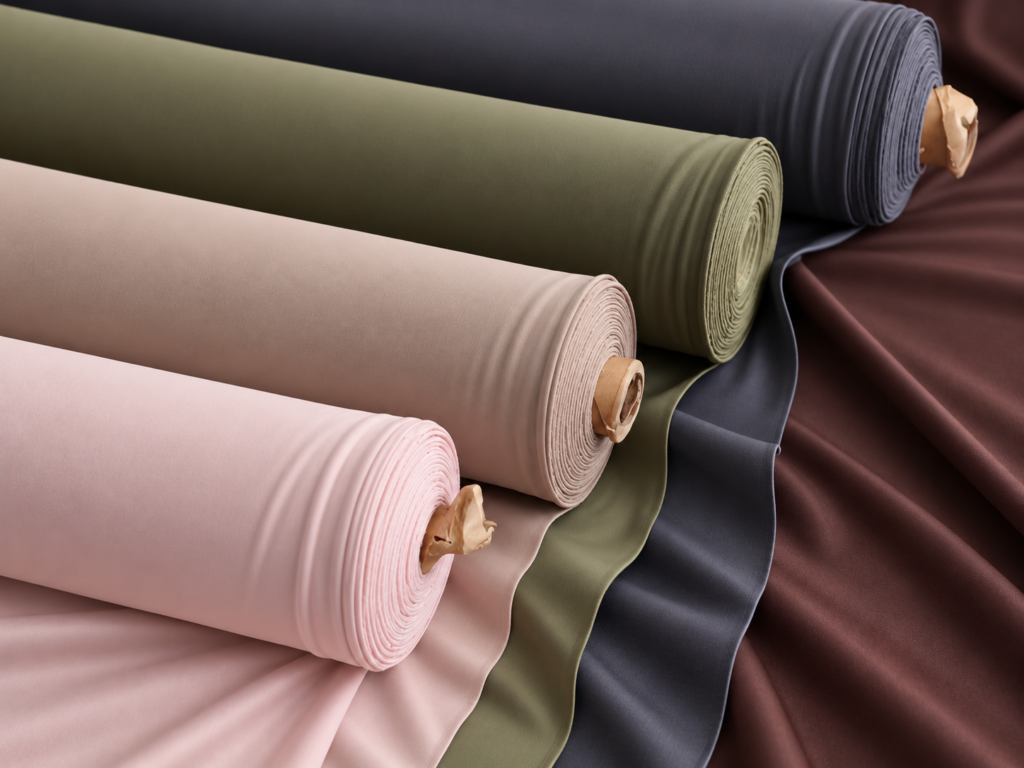
Swimwear material evaluation should connect measurable fabric characteristics with the pattern and construction planned for the garment.
- Composition and construction: Fiber content is only one input. Fabric construction, weight, width, surface, stretch direction and recovery can change how a garment fits and behaves. Two fabrics with similar composition can still produce different sample results.
- Stretch and recovery: Horizontal, vertical and diagonal stretch may influence negative ease, opening tension and grading decisions. Recovery is equally important because high initial stretch does not automatically mean the fabric returns consistently after repeated wear.
- Appearance and color: Surface texture, sheen, light color, dark color and stretch can affect visual opacity and color perception. Physical color confirmation is more reliable than a screen reference alone.
- Supply conditions: Stock status, minimum material quantities, custom color requirements and supplier lead time can influence commercial feasibility. A promising fabric that cannot support the required color quantity or replenishment plan may create problems later.
- Sample validation: Selected material should be reviewed in an actual garment or relevant construction sample before it becomes a bulk-production reference. Approved specifications should identify the material version clearly enough for later incoming-material checks.
Match Linings, Elastics and Performance Claims Carefully
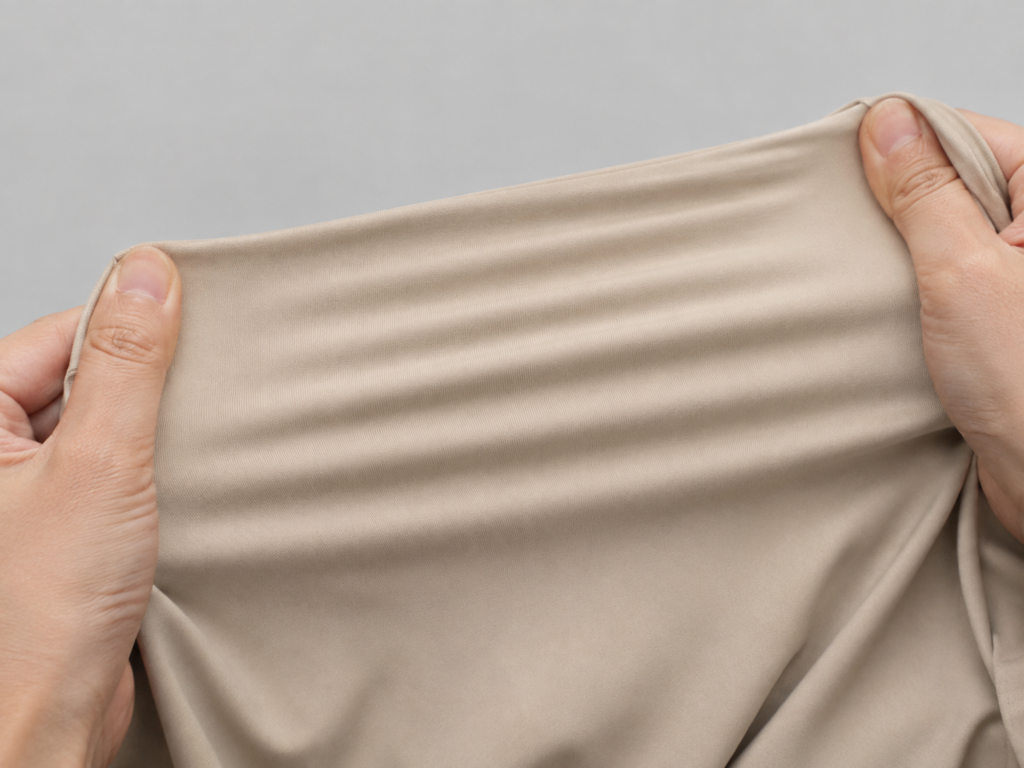
A swimwear garment is a system of materials. Main fabric, lining, elastic, cups, mesh and other trims must work together under the same construction and fit requirements.
- Material compatibility: Different stretch and shrinkage behavior between main fabric and lining can affect shape, tension and comfort. Elastic width, composition and recovery also influence leg openings, straps and other fitted edges.
- Process compatibility: Heat, pressure, sewing and bonding processes can interact differently with stretch materials. A branding or seam solution suitable for one fabric may not behave the same way on another surface or composition.
- Performance requirements: Claims such as chlorine resistance, UV protection, quick drying, shaping, recycled content or other functional statements should be connected to applicable material documentation, testing or order evidence. Equipment availability alone does not prove finished-garment performance.
- Change control: If a material or trim changes after approval, fit, appearance, cost, MOQ, timing and relevant claims may need reassessment. Similar composition does not automatically mean equivalent production behavior.
- Bulk confirmation: Material batches should be checked against approved specifications before cutting, especially where color, handfeel, stretch or construction performance is important.
Pattern, Fit and Sample Development for Swimwear
Sampling is used to verify fit, structure, material behavior, workmanship and production readiness. A sample is not treated as a standalone piece; approved measurements, materials and construction need to become repeatable manufacturing references.
Build Fit Around Body Proportion and Fabric Behavior
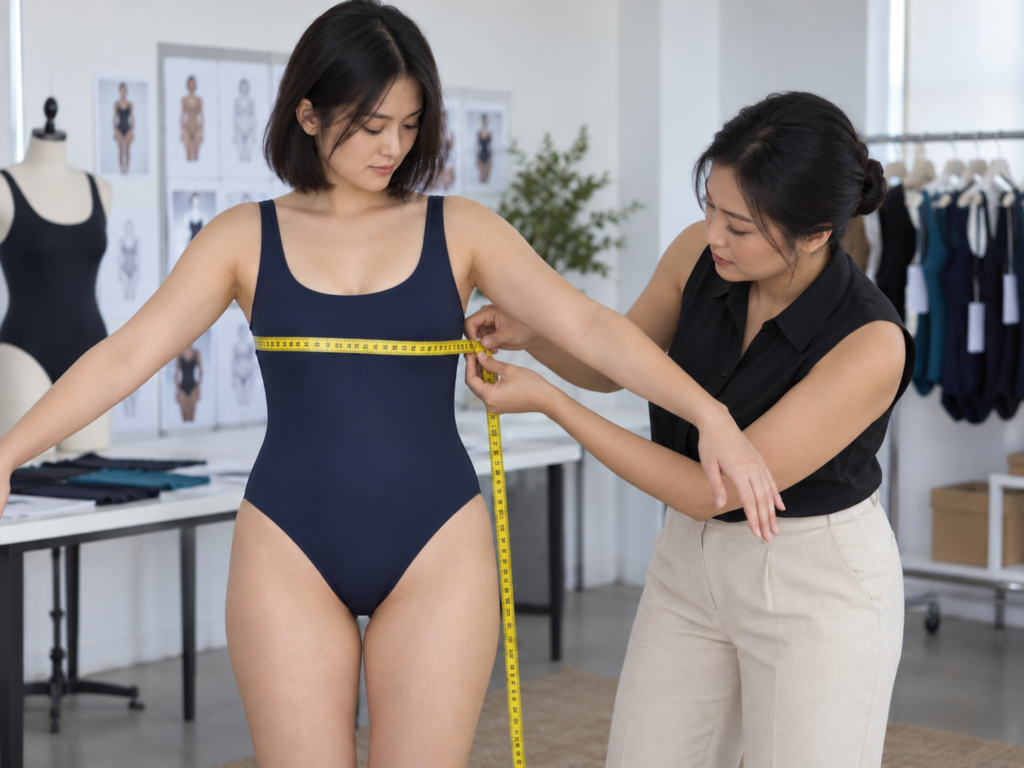
Swimwear fit requires more than copying a size chart. Pattern proportions and material behavior must work together on the intended body profile and coverage direction.
- Key fit inputs: Torso length, bust-waist-hip relationship, leg opening, strap position, coverage, lining, elastic tension and fabric stretch can all influence the final shape. A garment may meet isolated measurements and still miss the intended fit if these elements are not considered together.
- Size range: Leadshow does not publish one universal swimwear size range. Final sizing is developed from the approved size specification, base size, grading rules, intended market and product construction. Extended or unusual size requirements require appropriate pattern and fit evaluation rather than simple proportional enlargement.
- Material relationship: Pattern ease should reflect fabric stretch and recovery. A change in fabric can require another fit review even when nominal measurements remain unchanged.
- Fit feedback: Comments should identify the body area, visible issue and required direction of change. Clear measurement references and photos can help convert subjective feedback such as “too tight” or “not enough coverage” into an actionable pattern revision.
Move from First Sample to Approved Production Reference
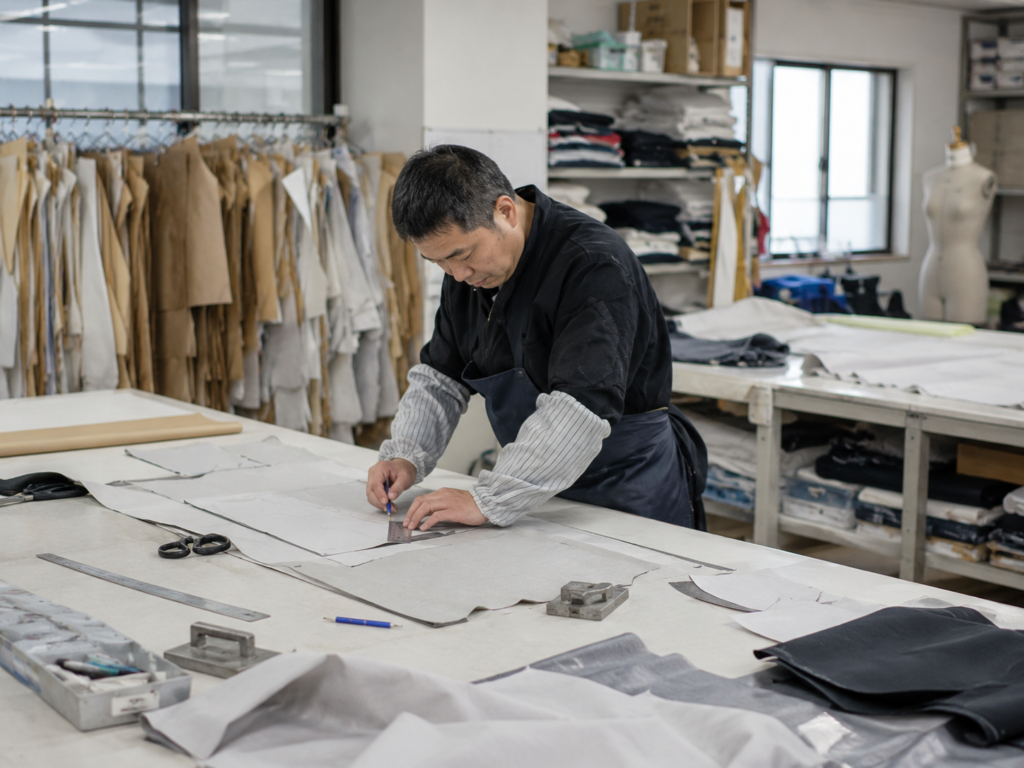
Leadshow has an approximately 28-person R&D and engineering team and an independent sampling workshop supporting construction review, pattern preparation, fit adjustment, material and trim review, sample making and production conversion.
- Sample types: Depending on program needs, development may involve a development sample, fit sample, logo sample, color sample, size set or pre-production sample. Not every program requires every sample type.
- Sampling time: No universal number of sample days is published. Timing depends on product complexity, material readiness, trims, artwork, workmanship, testing and revision requirements.
- Revision control: Comments from each round should be consolidated into a current revision list. Pattern, measurements, materials and construction notes are updated together so the next sample reflects one controlled version.
- Approval scope: Approval should identify what has actually been accepted. A photo approval, substitute-material sample or one base-size approval does not automatically approve final materials, every size or the complete bulk-production version.
- Production transfer: Approved samples, patterns, measurements, materials and process requirements are translated into manufacturing references before bulk release.
Plan Multi-Style Swimwear Collections Without Losing Control
Seasonal ranges can involve several styles, colorways, materials and size combinations at the same time. A controlled collection plan keeps development decisions connected while preventing shared elements from creating confusion across different styles or versions.
Set a Core Style
Choose one or two priority products to establish the first fit, material and construction direction. A stable core reference helps the team evaluate related styles without making every development decision from zero. More complex or commercially important styles can be sampled earlier to identify risks before the full collection progresses.
Share Materials Carefully
Using common fabrics, linings, elastics or trims across suitable styles may simplify sourcing and reduce unnecessary fragmentation. Shared material use still requires compatibility checks because different coverage, tension or construction can change the way the same fabric performs in separate garments.
Keep Fit Logic Consistent
A collection should use a clear sizing and fit language where appropriate, while allowing different styles to retain the dimensions required by their structure. Base-size measurements, grading direction and fit comments should be version controlled so related products do not drift into unrelated sizing systems.
Coordinate Color Systems
Brand colors and seasonal palettes should be connected to real fabric and trim approvals. Different materials can display the same color reference differently. Color samples, material batches and branding components need confirmation before the collection moves into bulk purchasing or mixed-material production.
Control SKU Versions
Every combination of style, color, size and packaging can create another SKU. Style numbers, color codes, size ranges, label versions and packaging instructions should remain traceable. SKU planning becomes especially important when several markets, retailers or packaging formats are supplied from one production program.
Sequence Development
Not every style must move through sampling at the same time. High-risk constructions, new materials or key commercial products can be prioritized first. Later styles can benefit from approved material, fit and branding decisions, reducing duplicated revisions while keeping each product under its own controlled specification.
From Approved Sample to Organized Bulk Production
Bulk manufacturing begins only after development decisions are sufficiently controlled. Eight manufacturing stages connect approved samples and files with material preparation, production, inspection, packing and shipment coordination while preserving clear approval responsibility.
Approval Freeze
The approved production reference should identify the current Tech Pack, measurement specification, pattern, material, color, trims, branding and packaging status. Open points need to remain visible rather than silently assumed approved. Changes introduced after the freeze can affect cost, timing, materials and production preparation, so revised requirements should move through documented confirmation.
Material Preparation
Main fabrics, lining, elastics, trims, labels and packaging materials are prepared against approved specifications and order quantities. Incoming materials are checked for relevant specification, color, appearance and batch information. Material substitution should not occur solely because another option appears similar; significant changes may require new comparison, sampling and written approval.

Pre-Production Review
Before bulk work starts, the production reference, material readiness, quantity breakdown, size matrix, workmanship and quality requirements should be aligned. High-risk processes and key inspection points are identified. Program-specific production timing is reviewed after sample approval, material conditions and the current manufacturing schedule are sufficiently clear.
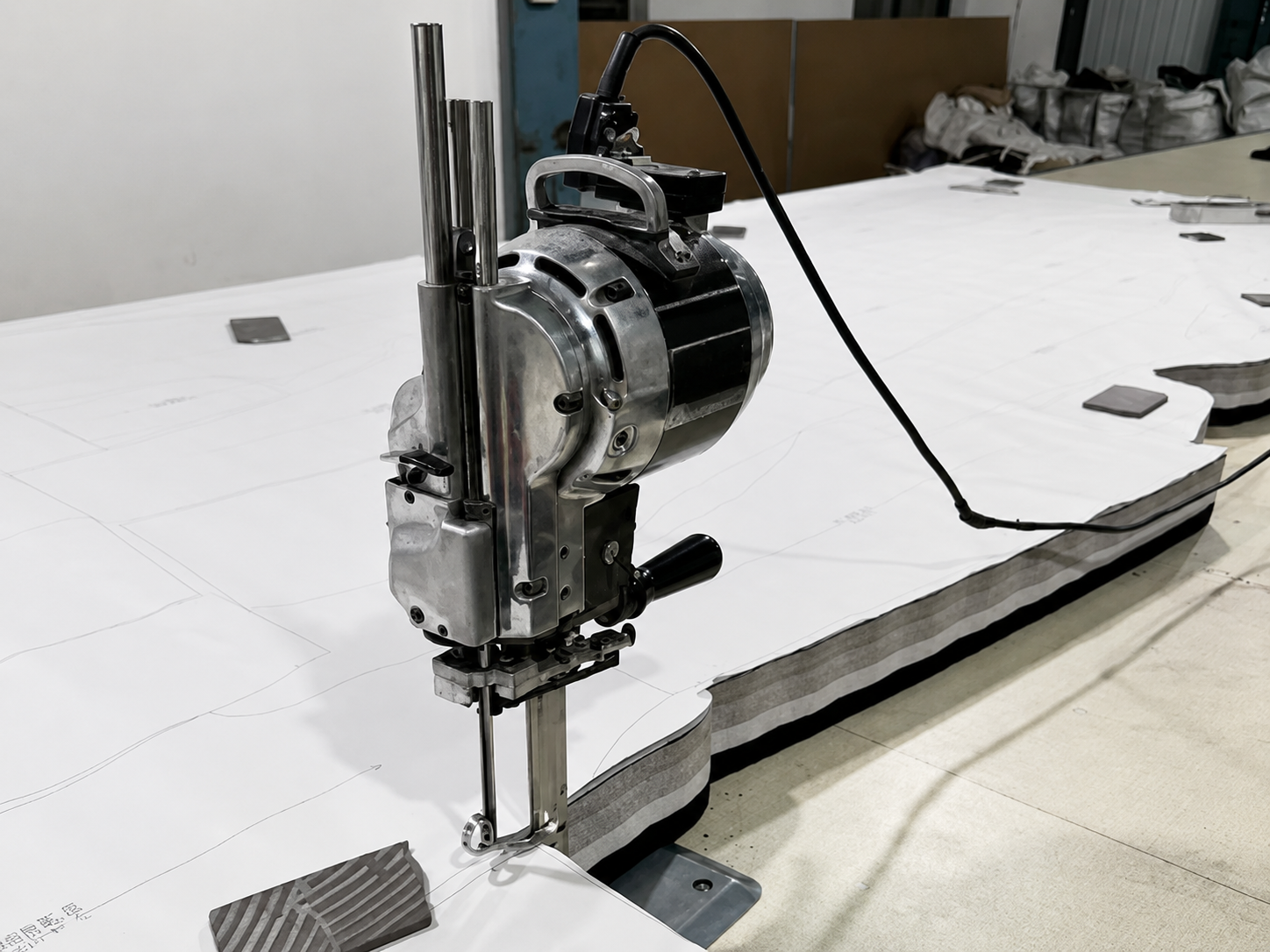
Cutting and Bundle Control
Fabric preparation and cutting follow the relevant approved pattern and material direction. Marker, grain direction, fabric batch and component identification should remain controlled. Cut components need clear style, color and size identification so mixed batches or incorrect pieces do not create downstream assembly problems.

Sewing and Assembly
Sewing methods are selected according to garment structure, material stretch, lining, elastic and approved workmanship. Swimwear may require careful control of stretch seams, elastic application and lined areas. Operators and production staff work from current references, while process checks focus on locations where tension, measurement or construction differences could affect fit.
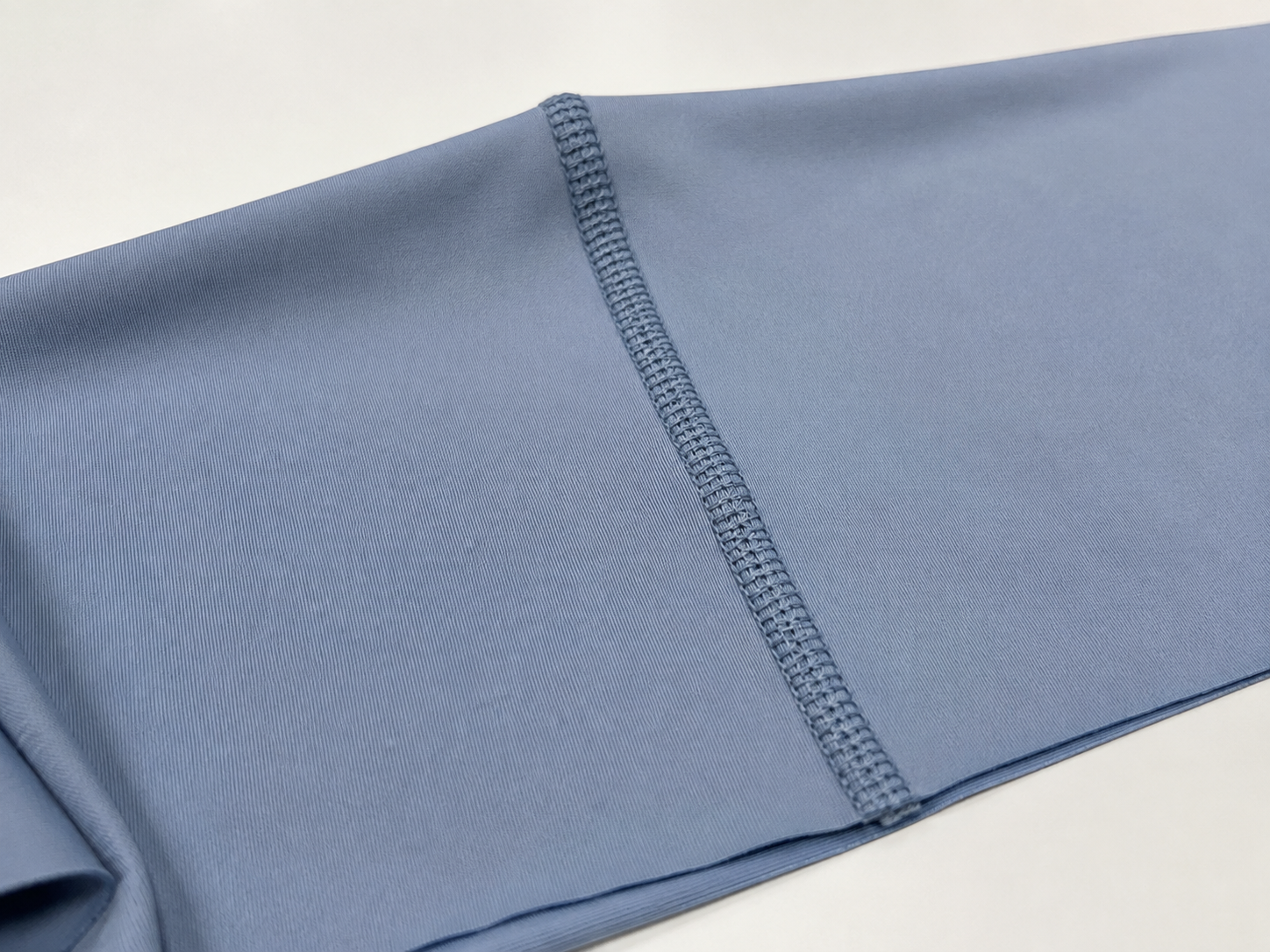
In-Process Quality
Quality review does not wait until final packing. First-piece comparison, measurements, seam appearance, construction, branding position and other defined checkpoints can be reviewed during production. Deviations are identified early enough for isolation, correction and reinspection before a larger quantity passes through the same process.
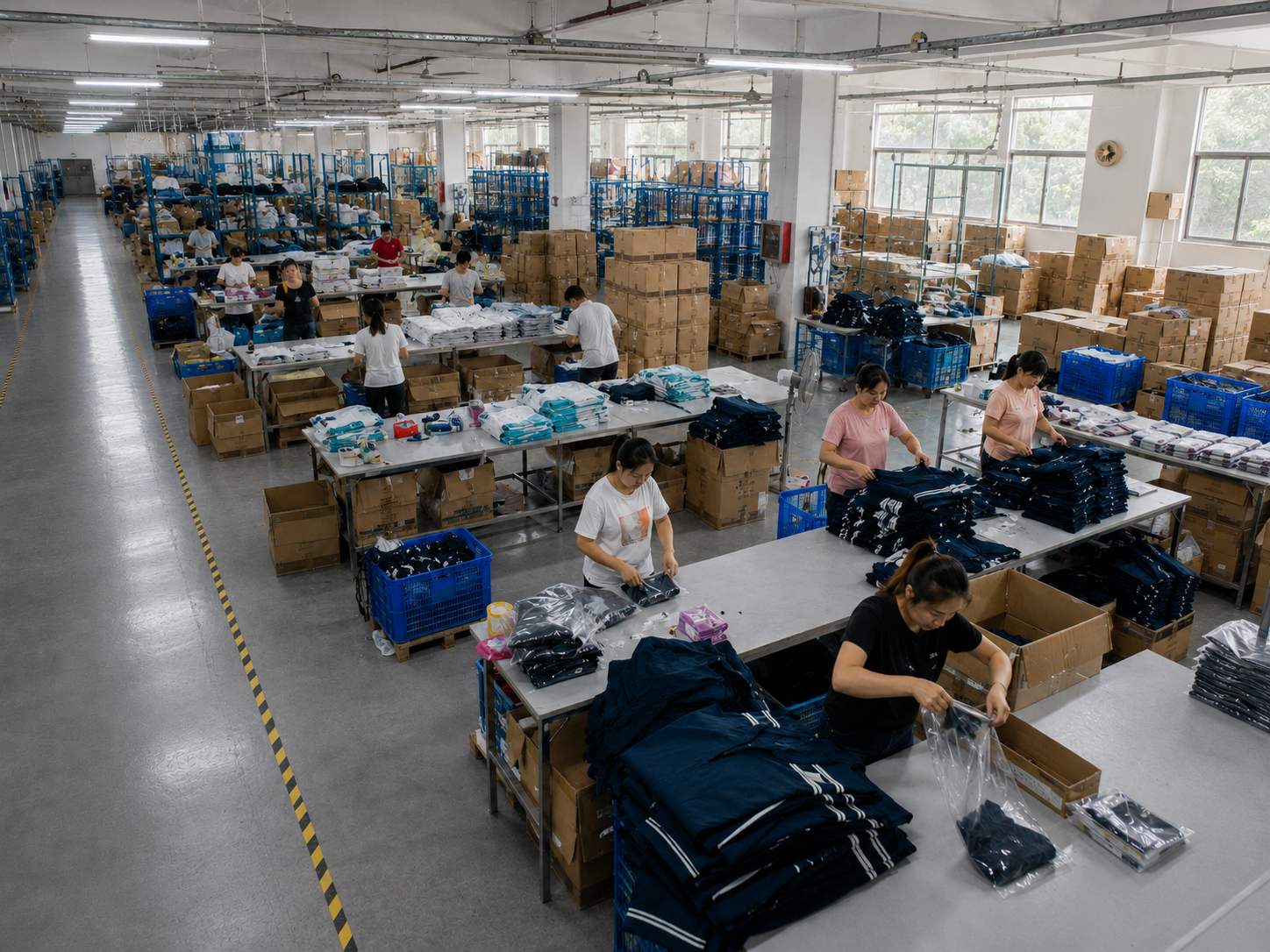
Finishing and Packing
Finished garments are reviewed for appearance, measurement and approved details before packing. Labels, hangtags, size identification, barcodes and unit packaging are checked against the relevant SKU. Folding and packing instructions should correspond with approved packaging files and the distribution requirements supplied for the order.

Shipment Coordination
Final cartons, carton marks, packing-list information and handover requirements are checked before collection. Leadshow can coordinate with a nominated forwarder according to agreed order arrangements. Production completion, inspection, packing and freight transit are separate timing stages; destination clearance and transport responsibility depend on the applicable trade and logistics terms.
Control Sample-to-Bulk Differences Before They Become Claims
An approved sample does not guarantee bulk garments will match automatically. Material batches, file versions, process settings and production handling can introduce differences unless each approved reference is transferred into measurable production and inspection controls.
Freeze the Right References Before Production Starts
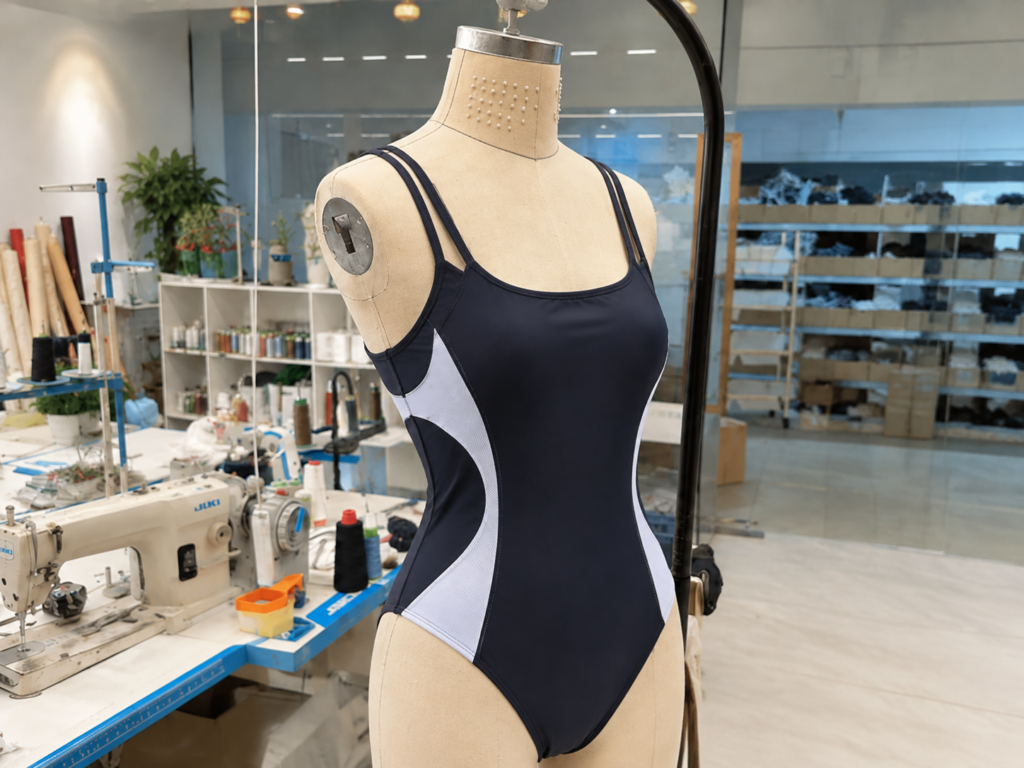
Sample-to-bulk control begins before the first bulk garment is sewn.
- Approved garment: The reference sample should clearly state which elements are approved: fit, dimensions, fabric, lining, elastic, construction, branding, labels and other relevant points. A substitute-material sample or early fit sample should not be mistaken for the final production reference.
- Final files: The latest Tech Pack, measurement chart, pattern, BOM information and artwork should match the approved garment. Conflicting document versions create avoidable risk during cutting, sewing and inspection.
- Material references: Approved fabric, color and trim samples help production and incoming inspection identify what should be used. Material batch changes may still need review where handfeel, color, stretch or appearance is important.
- Quality criteria: Measurement tolerances, workmanship requirements, branding positions, packaging standards and any required tests should be defined before bulk activity reaches the relevant stage.
- Production communication: Critical points identified during sampling should be visible to production and quality functions. Relying on individual memory is weaker than connecting approved samples and files to actual checkpoints.
Track Material, Process and Version Changes During Bulk
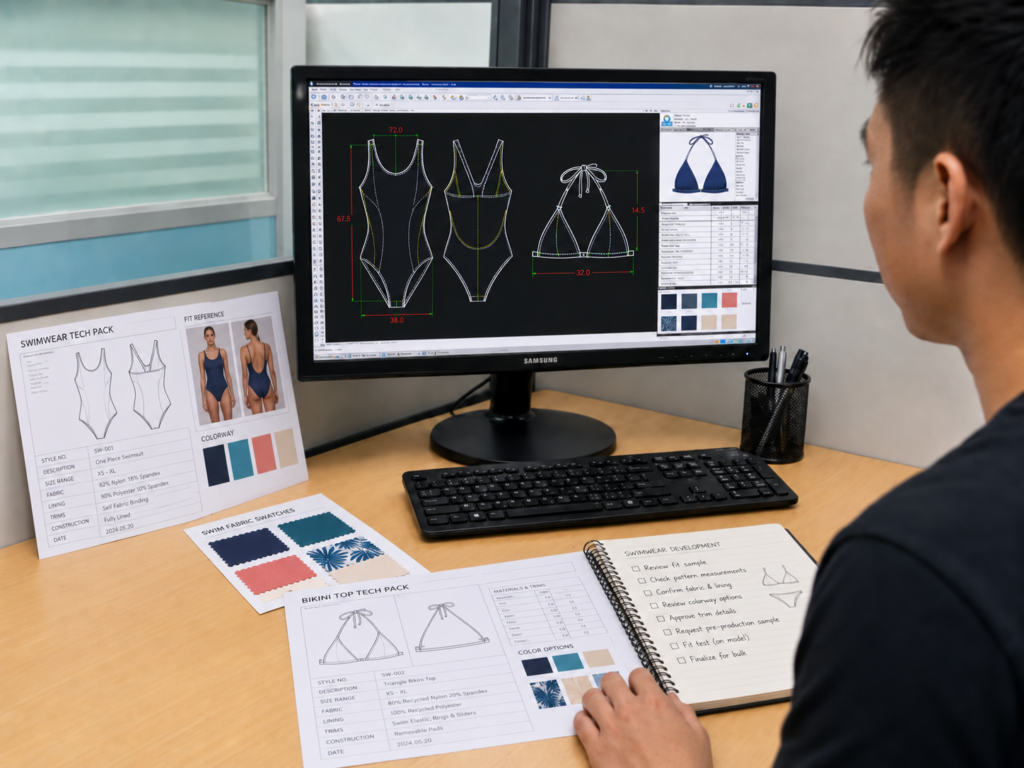
Bulk consistency depends on controlling change as manufacturing progresses.
- First-piece comparison: Early production garments can be checked against current approved references before wider output continues. The comparison should focus on high-risk dimensions, construction, elastic tension, lining, branding and overall appearance.
- Process checkpoints: Important seam, elastic, assembly and logo operations can be reviewed during production rather than only after completion. Early detection reduces the quantity affected by a repeated process problem.
- Material batches: Color, stretch, handfeel and other relevant material characteristics can vary between batches. Incoming controls should identify the actual batch used for the order.
- Version management: Changes approved during production need a clear effective point. Old and new instructions should not circulate simultaneously without status control.
- Nonconforming pieces: Products outside the agreed requirement should be isolated for appropriate correction, review or reinspection rather than mixed back into acceptable output without verification.
- Final packing: Label, SKU and packaging checks form part of consistency control because a correctly sewn garment in the wrong packaging remains an order error.
Quality Control Across Six Manufacturing Checkpoints
Leadshow’s approximately 45-person quality team supports material, in-process, finished-garment and packaging inspections according to program requirements. Inspection criteria are connected to approved specifications rather than a generic claim of “high quality.”
Incoming Materials
Fabric and trims can be checked for relevant specification, color, appearance, quantity and batch information before production use. Where required by the approved quality plan, characteristics such as width, weight, shrinkage or other defined material points may also be reviewed according to the applicable method and project requirement.
Pre-Cut and First Piece
Pattern version, cutting direction, component identification and important measurements should be confirmed before large quantities progress. A first-piece or early-production comparison can identify construction or fit differences while adjustments are still possible, reducing the risk of repeating the same issue across a larger production quantity.
In-Process Inspection
Sewing, seam appearance, elastic attachment, lining, assembly, branding and other defined operations can be checked during production. Inspection emphasis depends on the structure and risks of the specific garment. Detected issues may require separation, corrective action and reinspection before affected pieces proceed.
Measurement and Appearance
Finished measurements are checked against the approved specification and agreed tolerances. Appearance review can cover symmetry, seam condition, visible defects, cleanliness and relevant construction details. A finished garment is evaluated against the approved product requirements rather than an undefined “perfect” standard.
Labels and Branding
Logo position, label type, care information, size identification, hangtags and other branding elements are reviewed against the approved version. Artwork, wording and market information should be confirmed before bulk production of labels or packaging to reduce relabeling and rework risk.
Packing and OQC
Final checks can cover SKU identification, unit packaging, quantities, carton information and overall packed condition. Order-specific sampling method, defect classification, acceptance criteria or third-party inspection requirements should be confirmed in advance where applicable rather than assumed from one universal internal standard.
Real Manufacturing Evidence Behind the Swimwear Program
Factory photography should answer specific sourcing questions rather than function as decoration. Each manufacturing image can show where specifications are reviewed, samples are developed, materials are prepared, production happens and order requirements are checked.
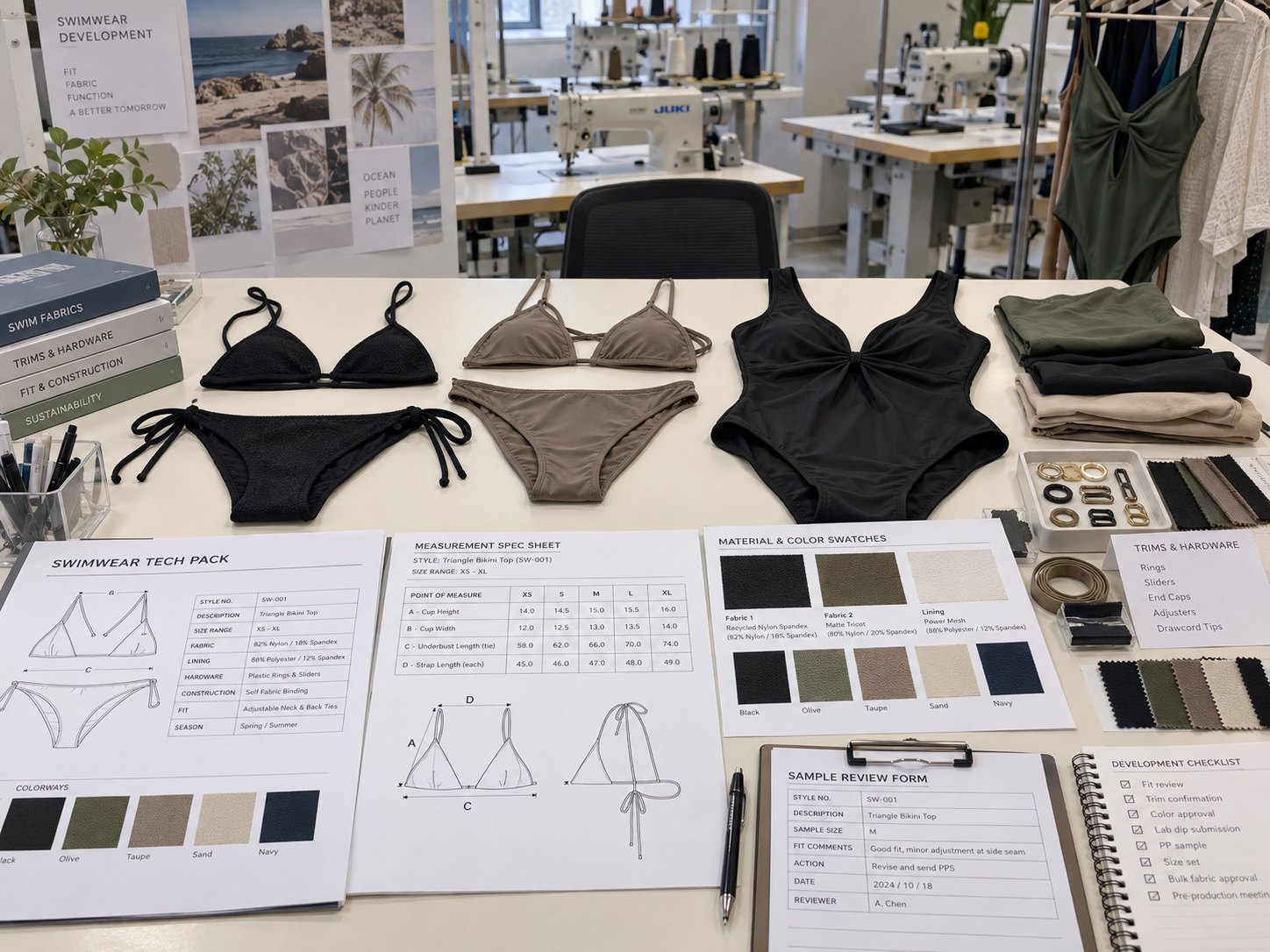
Requirement Review
Show a real work area where product files, specifications or project requirements are reviewed. The image should connect the commercial request with manufacturing preparation: Tech Pack, measurement chart, material references or development notes can appear only when confidential information is removed. The objective is to prove that production begins with specification review, not with an unexplained garment photo.
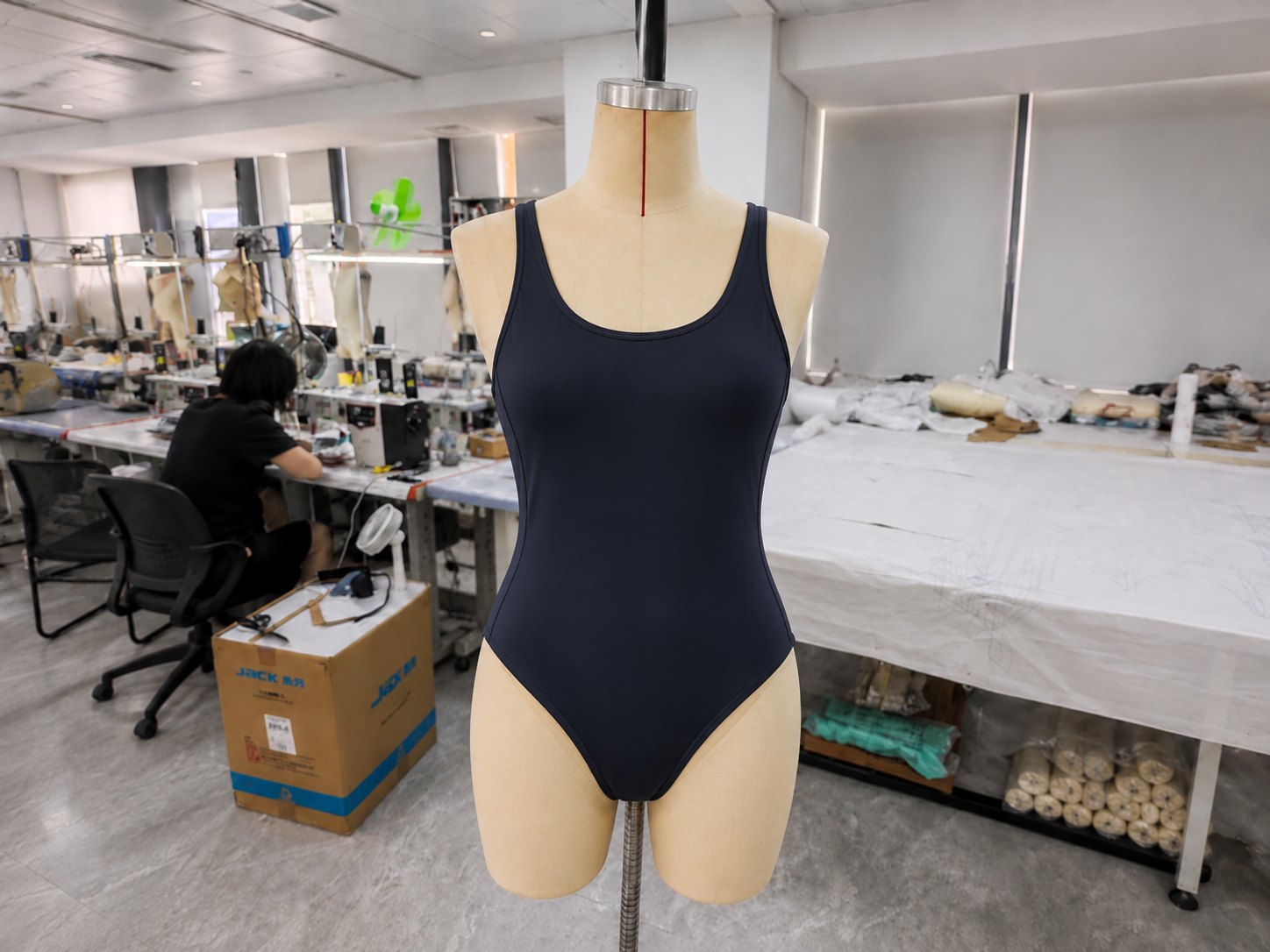
R&D and Sampling
Show pattern preparation, sample making, measurement or development activity from the independent R&D and sampling environment. A useful image should demonstrate how fit or construction is checked rather than simply showing a sample room. Where visible documents are used, client names, designs and other commercially sensitive information should be anonymized.
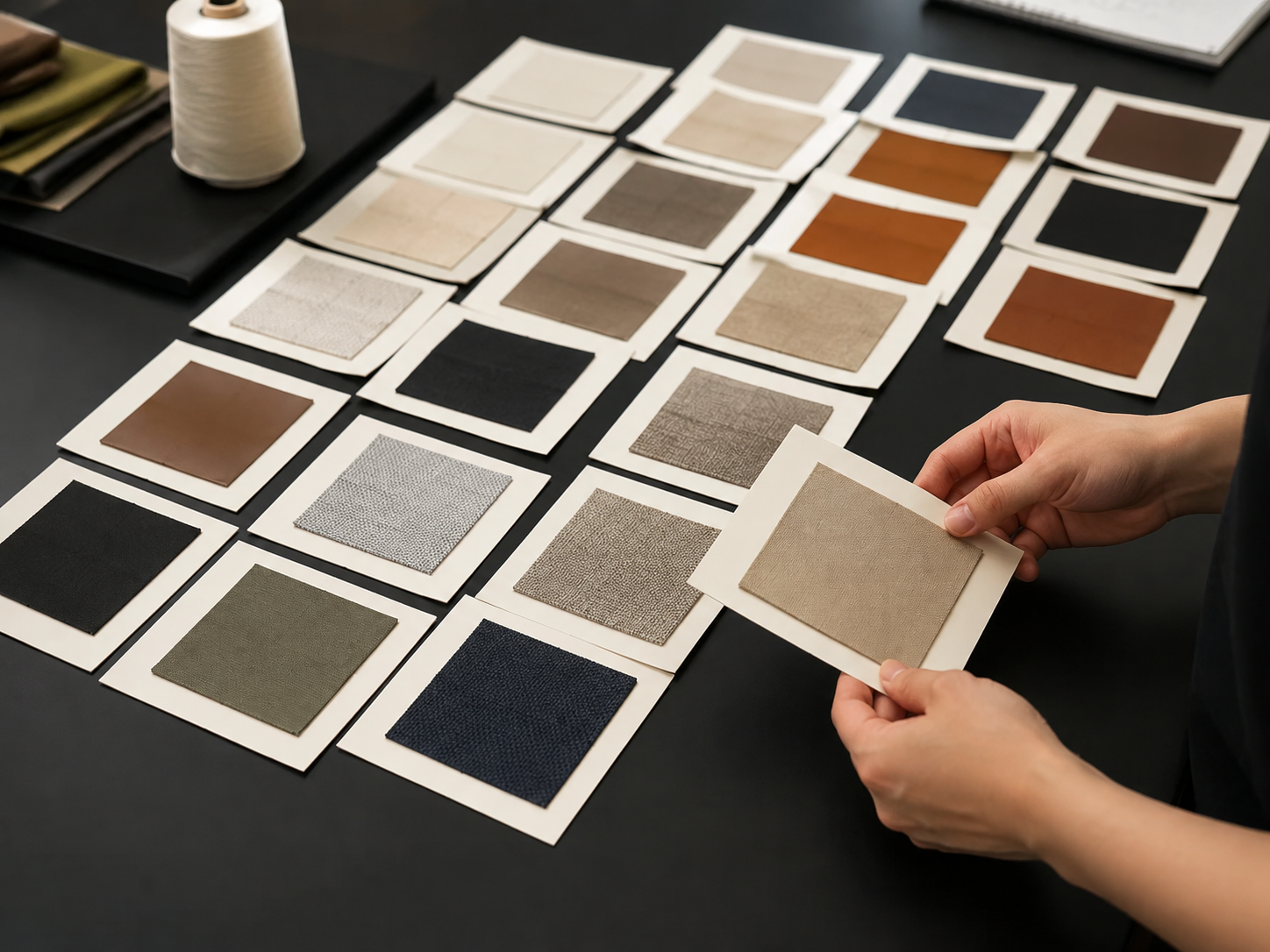
Material Inspection
Use actual fabric or trim review activity. Images may show material rolls, swatches, color references, incoming checks or approved material samples. The accompanying explanation should identify the manufacturing risk being controlled, such as color, specification, batch, stretch or trim compatibility, without claiming tests or performance results not supported by records.

Cutting Preparation
Show real spreading, cutting or component preparation associated with garment production. The visual should communicate pattern use, material handling and component control. Avoid presenting automated equipment as proof of zero cutting error or zero waste; equipment supports repeatable execution only when correct files, materials and operating conditions are in place.
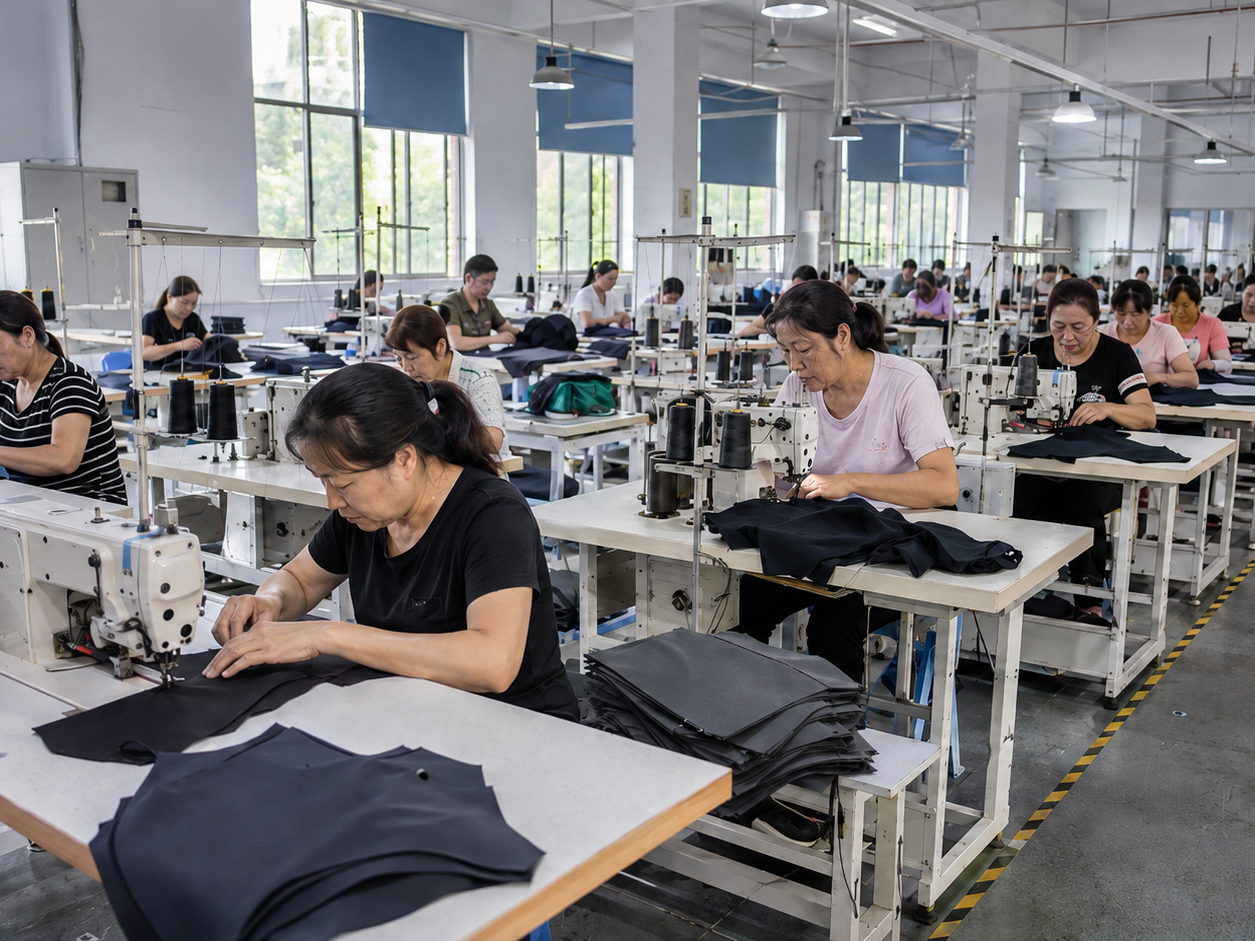
Sewing and Assembly
Show active garment construction rather than rows of unused machines. Close views of seam formation, elastic application, lining assembly or other relevant work can demonstrate process capability. Copy should explain what the operation controls, while avoiding unsupported claims that every swimwear design uses the same machinery or process sequence.
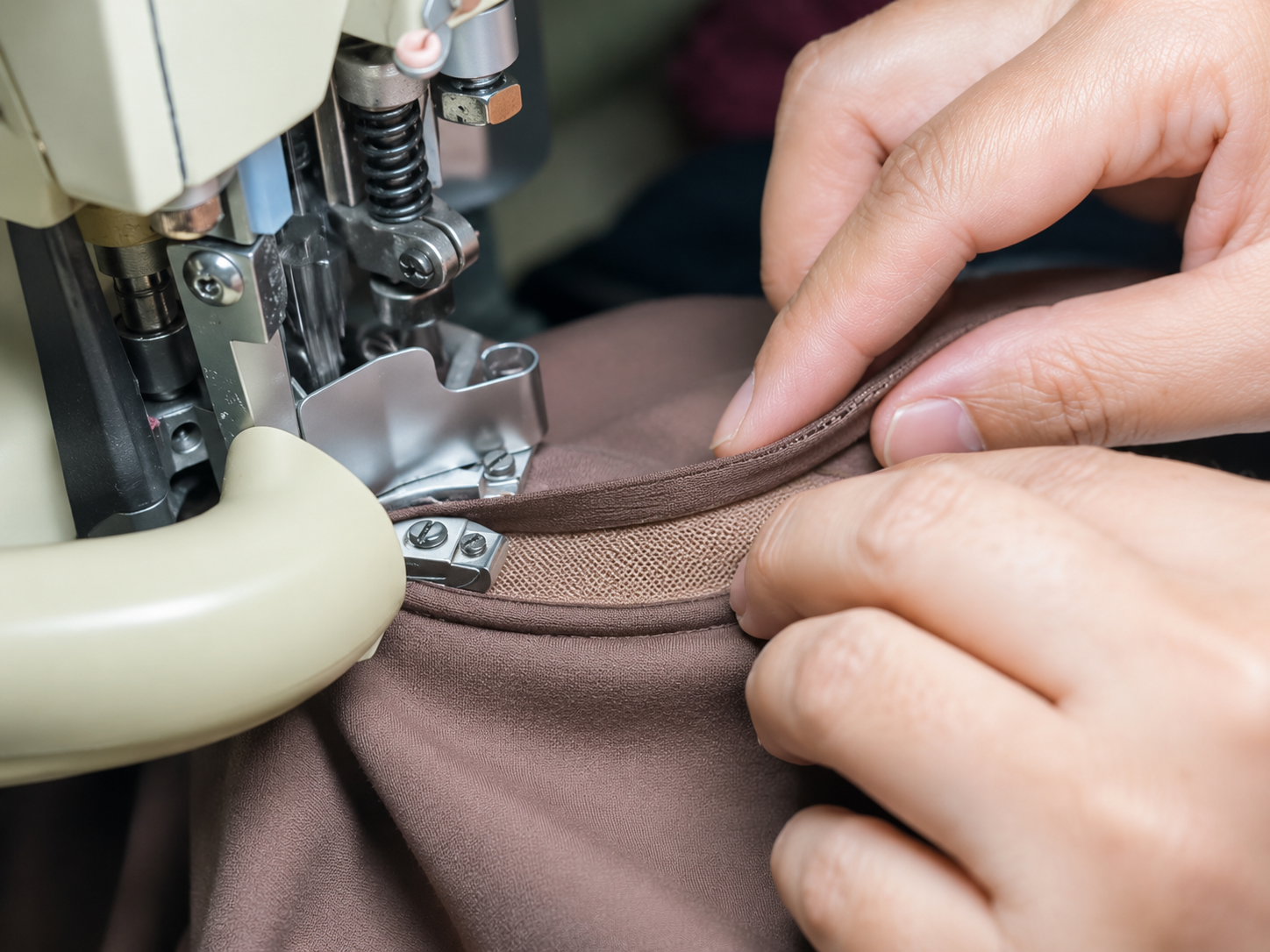
Specialized Processes
Where a verified product requires four-needle six-thread construction, bonding, seam taping, heat transfer or other confirmed processes, show the actual operation and relevant material. Specialized equipment should be presented as a manufacturing option selected according to garment construction, not as evidence of waterproofness, seamlessness, durability or another untested product claim.
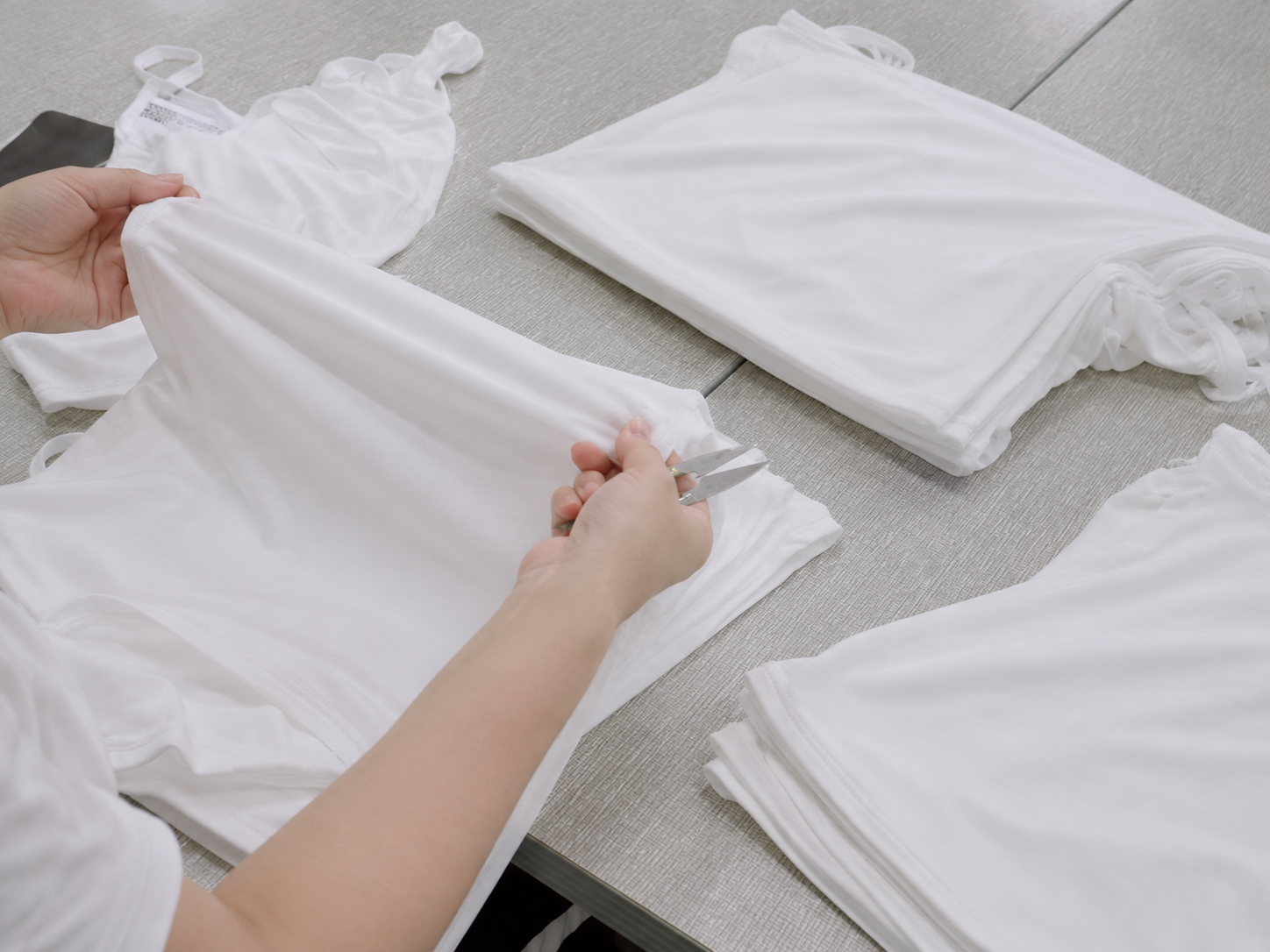
Quality Inspection
Show measurement, visual inspection, material review, garment checking or packaging verification. Inspection imagery is more credible when the action and reference are clear: measuring a defined location, comparing against an approved sample or checking a SKU. Avoid generic “QC” photos that do not reveal what is being inspected.
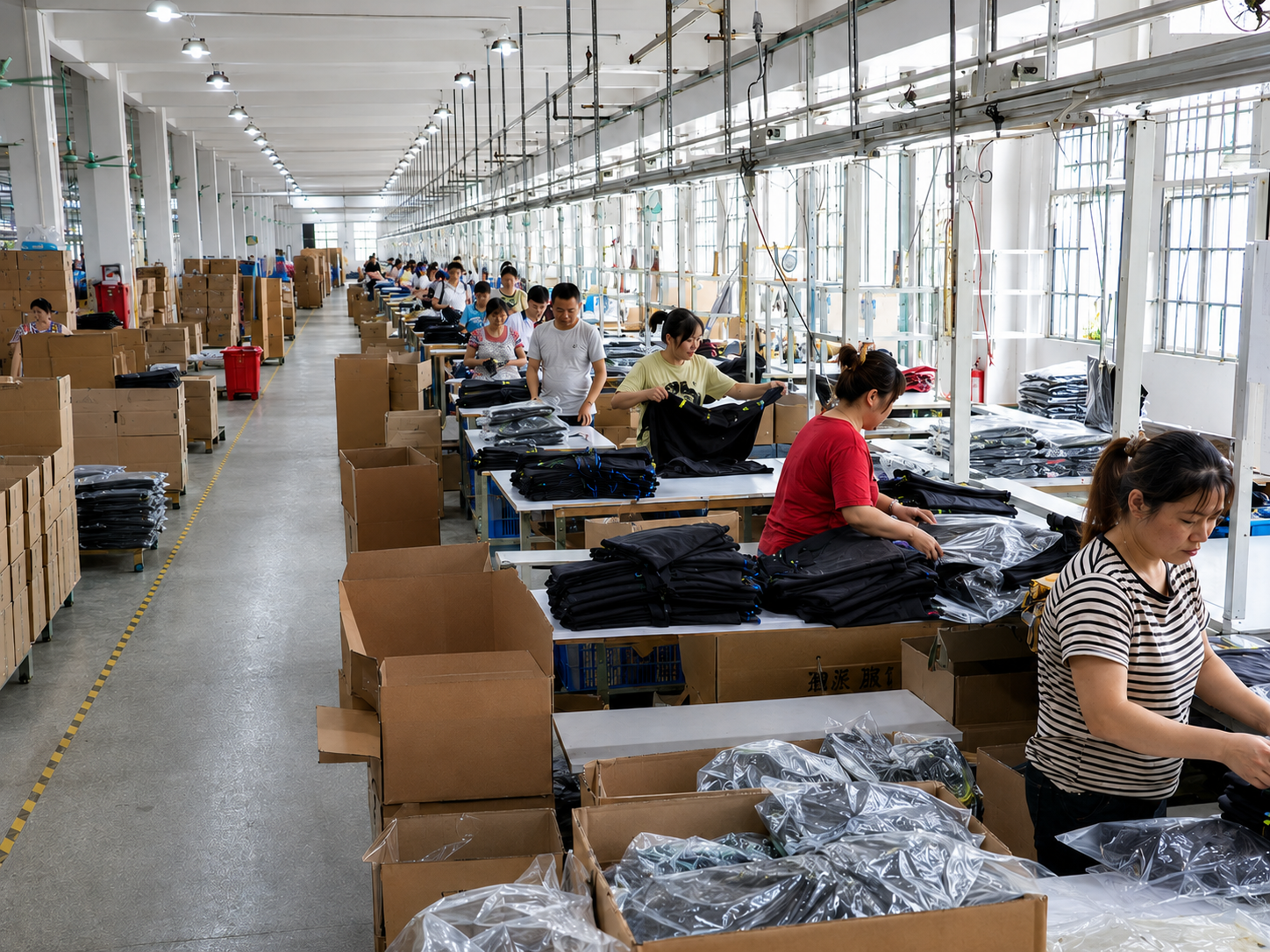
Packing and Dispatch
Show real folding, labeling, unit packing, carton preparation or warehouse handover. Packing imagery can demonstrate how finished garments are converted into identifiable SKUs for shipment. Client order numbers, addresses and sensitive carton marks should remain hidden. The focus stays on accurate packing and handover rather than unsupported logistics or customs-clearance claims.
Eight Areas Worth Reviewing Before Supplier Approval
A serious apparel manufacturer should be evaluated beyond factory size or quoted unit price. Product development, approved standards, material control, manufacturing scale, quality checkpoints and order execution all influence whether a supplier fits a long-term sourcing program.
Evaluation Area
What to Verify
Why It Matters
Combined Manufacturing Capacity
Indicates overall manufacturing scale
Up to approximately 120,000 finished garments per month across supported apparel categories
Swimwear Allocation
Overall capacity is not reserved for one category
Availability is checked when product specifications and timing are known
Style Complexity
Lining, elastic, seams and special processes can change production load
Construction and required processes are reviewed before scheduling
Order Quantity
Larger volume requires material and capacity planning
Quantity is reviewed with style count, colors, sizes and target dates
SKU Mix
Many colors and sizes increase cutting, handling and packing complexity
SKU matrix is considered during production planning
Material Readiness
Fabric or trim delays can hold production capacity
Supplier availability and material preparation are reviewed before release
Quality Requirements
Extra inspection or third-party activities affect planning
Inspection scope and required checkpoints should be confirmed in advance
Target Timing
Seasonal deadlines require earlier preparation
Final lead time is confirmed after sample, materials, quantity and current scheduling are reviewed
Supplier Audit, Documentation and Market Requirements
Established brands may require supplier audits, facility information, material records, testing coordination or destination-specific labeling before approving a manufacturing source. Evidence needs to be reviewed by entity, facility, product, document scope and validity.
Prepare for Brand or Third-Party Supplier Audits
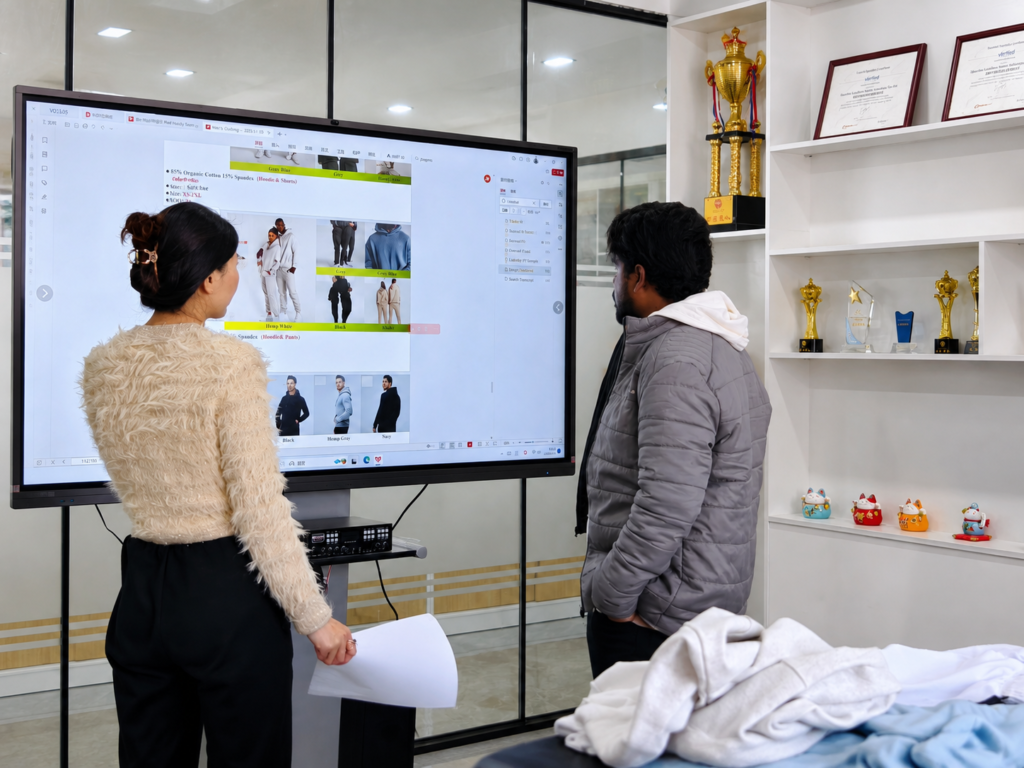
Supplier qualification can involve document review, remote assessment, on-site evaluation or a brand-specific audit process. The audit standard should be supplied before preparation begins.
- Audit scope: Requirements may cover company information, manufacturing capability, quality procedures, production records, material handling, packing or social-responsibility topics. Different audit programs can ask for different evidence, so one previous review does not automatically satisfy another organization.
- Document preparation: Leadshow can prepare available company, production, quality and project-related information within the confirmed scope. Sensitive records, client files and restricted factory areas remain subject to confidentiality and access conditions.
- Site verification: Where an on-site or video review is requested, timing and accessible areas depend on production, confidentiality and reception conditions. A headquarters or office location should not be presented as a manufacturing base when it is not one.
- Follow-up: Reasonable findings may require clarification, corrective action or further evidence. The final audit result belongs to the relevant brand or third-party organization; Leadshow does not promise that every assessment will automatically pass.
Verify Material, Labeling and Compliance Evidence by Scope
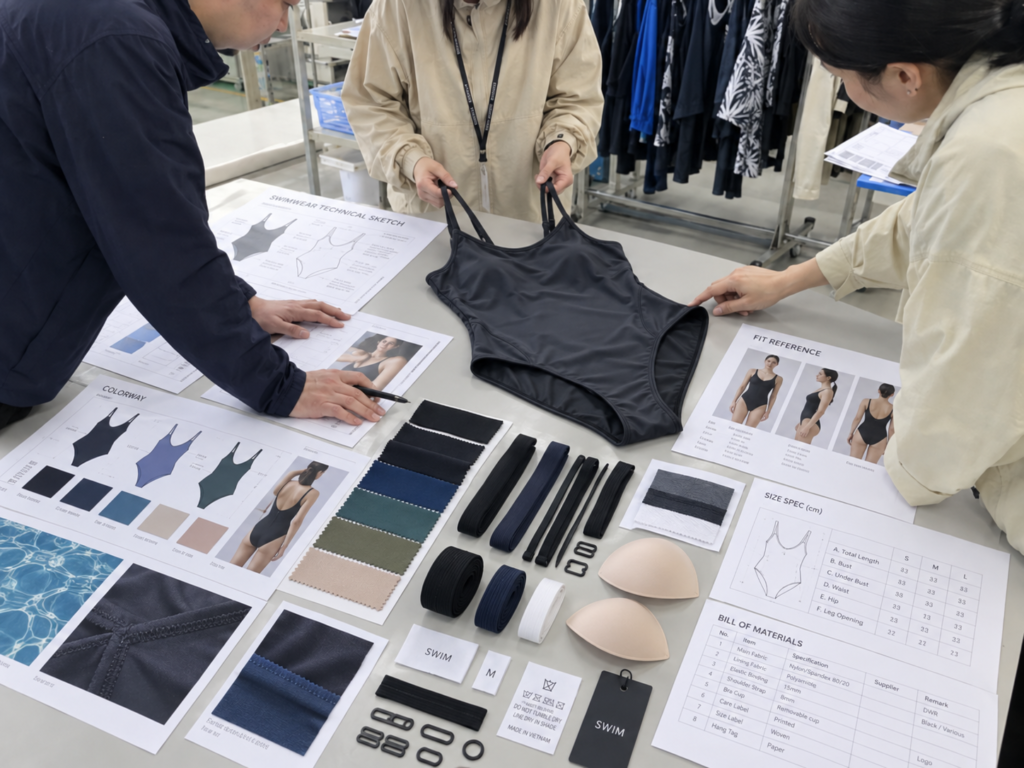
Compliance claims should be tied to the actual production site, material, product, order and destination.
- Certificate holder: A supplier certificate does not automatically certify Leadshow, a finished garment or every manufacturing base. Holder name, facility address, scope and validity period should be checked before any certification claim is published or used in an order.
- Material documents: Certified or documented materials may be reviewed when required and available. Supplier evidence should be checked against the relevant material and order rather than generalized across the full product portfolio.
- Testing: Third-party testing can be coordinated where the product, destination, retailer or requested claim requires it. Test samples must correspond with the actual product version being evaluated.
- Labels and origin: Fiber content, care information, country-of-origin information and language requirements vary by destination and channel. Brand or importer requirements should be supplied before final label production.
- Market responsibility: Manufacturing support does not replace professional legal interpretation for every destination. Product, market and channel requirements should be confirmed against the applicable order.
Private Label Packaging and Export Coordination
A finished swimwear order must remain identifiable after sewing is complete. Labels, barcodes, packaging, SKU versions, cartons and shipment files are coordinated against the approved program so warehouse and distribution teams receive the intended products.
Garment Labels
Main labels, size labels, care labels and other approved garment information are prepared according to the relevant branding and market requirements. Content, dimensions, placement and production version should be confirmed before bulk use. Manufacturing review can identify execution issues, while final legal and brand wording remains subject to the appropriate approval.
Hangtags and Barcodes
Hangtags can carry approved brand or retail information, while barcodes must correspond with the correct SKU. Artwork, size, color, style and barcode files should be linked before printing. A correct garment paired with the wrong hangtag or barcode can still create inventory and retail problems.
Individual Packaging
Unit packaging protects the garment and helps identify the SKU before cartons are opened. Bag type, warning information, stickers, fold method and other details are reviewed against the relevant sales channel. Packaging is selected as part of the order specification rather than assumed to follow one universal format.
SKU Version Control
Multi-style and multi-market orders may use several combinations of product, color, size, label language and packing version. Clear style numbers and SKU identification help prevent mixing. Changes to artwork or packaging should carry a controlled revision so outdated versions do not remain active during bulk packing.
Cartons and Packing Lists
Carton marks and packing lists should correspond with the actual contents. Style, color, size, quantity, carton number, weight and other required fields are confirmed according to the supplied format. Sensitive client names, addresses or order numbers are kept out of public manufacturing evidence.
Forwarder Handover
Leadshow can coordinate finished order handover with a client-nominated forwarder or other agreed logistics arrangement. Carton count, packing documents and collection information are checked before release. Freight transit, insurance, customs clearance and destination delivery follow the applicable trade and logistics arrangements rather than a universal factory guarantee.
MOQ, Sampling, Size and Lead-Time Reference
Commercial conditions are reviewed together because one decision can affect another. Material availability, design complexity, colorways, size breakdown, labels, packaging, testing and current production scheduling influence the final MOQ, sample plan, production timing and quotation.
Project Item
Leadshow Reference
Important Conditions
Standard MOQ
Generally starts from 100 pieces per color per design
Final MOQ depends on fabrics, trims, colors, size breakdown, branding, packaging, testing and production conditions
Size Range
Confirmed from the approved size chart and grading plan
No universal swimwear size range is published; target market, fit and construction must be reviewed
Sample Types
Development Sample, Fit Sample, Logo Sample, Color Sample, Size Set, PP Sample
Sample type depends on the stage and approval needs of the program
Sampling Time
Confirmed after development review
Depends on complexity, materials, trims, artwork, workmanship, testing and revisions
Production Lead Time
Confirmed after sample and material review
Depends on product complexity, material readiness, order quantity and current scheduling
Monthly Capacity
Up to approximately 120,000 finished garments
Combined apparel capacity, not guaranteed or reserved exclusively for swimwear
Quotation
Project-based
Requires product specifications, quantity, materials, branding, packaging and delivery conditions
Shipping Time
Separate from production lead time
Depends on transport method, forwarder arrangement, destination and agreed trade terms
MOQ, Sampling, Size and Lead-Time Reference
Commercial conditions are reviewed together because one decision can affect another. Material availability, design complexity, colorways, size breakdown, labels, packaging, testing and current production scheduling influence the final MOQ, sample plan, production timing and quotation.
Key Item
Verified Leadshow Information
Company Entity
Shenzhen Leadshow Sports Technology Co., Ltd.
Manufacturing Position
Mid-to-high-end OEM and ODM apparel development and manufacturing partner
Confirmed Core Categories
Sportswear, Swimwear, Streetwear and Modest Sportswear
Swimwear Services
Custom Swimwear, Swimwear Development, Swimwear Manufacturing and Private Label Swimwear
Project Inputs
Tech Packs, sketches, reference images, patterns and physical samples
Manufacturing Infrastructure
3 manufacturing bases, 20,000+ m² combined facilities, 1,500+ team members and 300+ production/finishing machines
Development Resources
Approximately 28-person R&D and engineering team with an independent sampling workshop
Quality Resources
Approximately 45-person quality team supporting material, process, finished-garment and packaging inspections
Combined Capacity
Up to approximately 120,000 finished garments per month, subject to order conditions and scheduling
Standard MOQ
Generally starts from 100 pieces per color per design, subject to product and sourcing conditions
Confirmed Export Regions
Europe, North America, South America and Oceania
Commercial Conditions
Pricing, final MOQ, sample timing, lead time, performance claims, testing and certification remain subject to program review
Swimwear Manufacturing Frequently Asked Questions
Common sourcing questions often involve product scope, development files, fit, MOQ, samples and production timing. The answers below reflect Leadshow’s current confirmed manufacturing position and preserve conditions that require program review.
Can Leadshow manufacture custom swimwear?
Common sourcing questions often involve product scope, development files, fit, MOQ, samples and production timing. The answers below reflect Leadshow’s current confirmed manufacturing position and preserve conditions that require program review.
Can Leadshow work from a Tech Pack?
Yes. Swimwear is one of Leadshow’s confirmed core apparel categories. Leadshow can support Custom Swimwear, Swimwear Development, Swimwear Manufacturing and Private Label Swimwear. Individual silhouettes and complex structures are reviewed from the actual Tech Pack, reference, materials and requirements rather than treated as an unlimited standard catalog.
Can development start from reference images?
Yes. Reference images can establish styling, proportions and general construction direction. Hidden construction, measurements, material specifications and workmanship still need confirmation. Protected third-party logos, artwork or distinctive designs require appropriate authorization before reproduction.
How is swimwear fit reviewed?
Fit review may consider torso length, body proportions, leg openings, straps, coverage, lining, elastic tension and fabric stretch. A size chart alone does not guarantee the intended fit. Sample measurements, physical appearance and fit comments are used together before a production reference is approved.
How are swimwear size ranges handled?
Size range is confirmed according to the approved size chart, base size, grading direction, intended market and garment construction. Leadshow does not publish one universal swimwear size range. Extended or unusual sizing requirements require appropriate pattern and fit evaluation.
What is Leadshow’s standard MOQ?
Standard MOQ generally starts from 100 pieces per color per design. Final quantity depends on fabric and trim MOQs, colorways, size breakdown, logo requirements, labels, packaging, testing and manufacturing conditions. Quantities close to or below the standard starting point require separate feasibility review.
How long does swimwear sampling take?
Sampling time is not fixed across all styles. Timing depends on product complexity, material readiness, trims, artwork, workmanship, testing and revision requirements. Sample type and approval scope are also considered when the development schedule is confirmed.
How is bulk production lead time confirmed?
Lead time is confirmed after product complexity, material readiness, sample approval, order quantity and current production scheduling are reviewed. Complex constructions, special processes, large SKU matrices or seasonal production windows may require additional planning before a reliable date can be provided.
Can private labels and packaging be customized?
Yes, private-label requirements can be reviewed for garment labels, hangtags, approved branding, barcodes, unit packaging, carton marks and other packing elements. Artwork, wording, SKU mapping and destination-market requirements should be confirmed before bulk label or packaging production.
Can Leadshow support supplier audit requirements?
Leadshow can review client or third-party supplier audit requirements against available company, manufacturing, quality and documentation evidence. Audit scope, format, site access and required records should be provided in advance. Final audit conclusions remain with the relevant brand or auditing organization.
Send Your Swimwear Program for Manufacturing Review
A useful manufacturing review starts with enough information to understand the garment, order scale and intended market. Send a Tech Pack when available, or begin with reference images, sketches, patterns or information from a physical sample. For a more accurate review, include the product direction, quantity per design and color, intended size range, fabric or performance requirements, trims, logo method, labels, packaging format, destination market and target date. Existing quality standards, testing requirements or supplier-audit documents can also be attached when relevant. Leadshow will review the available information against product construction, material conditions, sampling needs, MOQ, manufacturing feasibility, available capacity and required production controls. Missing information can be identified before the next development stage. Final pricing, MOQ, sample timing, production schedule, performance claims and documentation scope are confirmed only after the applicable specifications and commercial conditions have been reviewed.